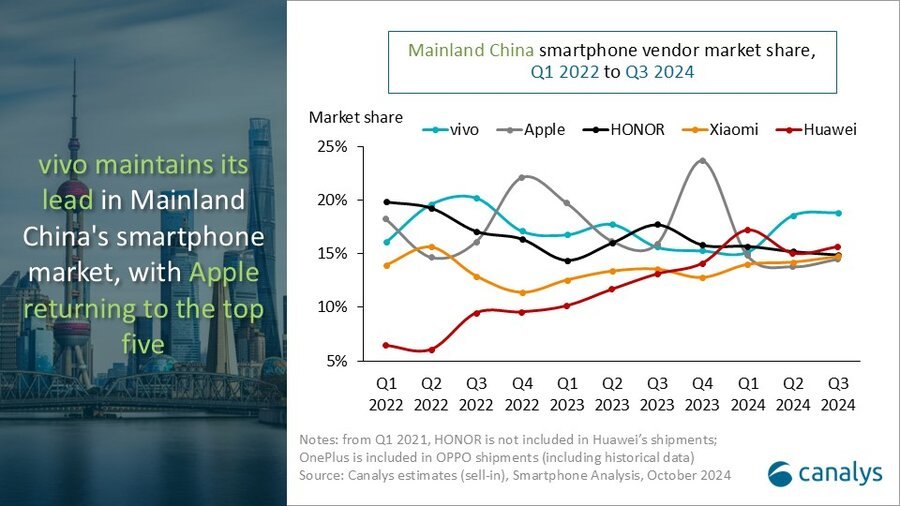
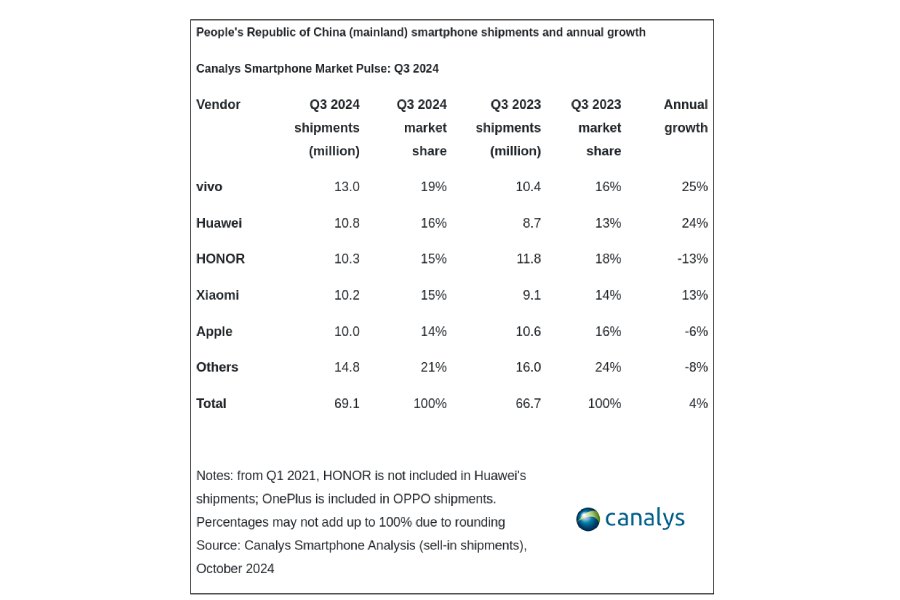
The summer shopping season in China proved fruitful for the smartphone market as the shipments rose by 4% year-over-year to 69.1 million units in Q3 2024, according to a report from Canalys.
The bigger story, however, is the shift in market dominance. Domestic brands like Vivo, Huawei, and others strengthened their positions, pushing Apple to the bottom of the top five list.
Vivo led the Chinese smartphone shipments
Vivo remains the leader in smartphone shipments yet again for Q3 2024, with a 3% growth from last quarter. Cnalays attributed this growth to the mid-range products launches that boosted both online and offline sales. Its shipments climbed 25% year-on-year to 13 million units to capture a solid 19% market share.
Huawei, meanwhile, staged a comeback, climbing to second place with 10.8 million units shipped and a 16% market share. It’s a 24% year-on-year growth and is attributed to an active channel strategy that successfully supported their flagship offerings.
Honor, despite the popularity of its new foldable phones, faced challenges and saw a 13% decline in shipments compared to last year, landing at third place with 10.3 million units.
Xiaomi, on the other hand, managed to secure fourth place with 10.2 million units shipped and a 15% market share, thanks in part to their “Human x Car x Home” ecosystem strategy, according to the report.
Apple saw a 6% year on year decline in shipments, however. It still claimed the fifth position, but Canalys predicts Apple’s lack of Apple Intelligence services in the iPhone 16 series could impact their growth.
Apple appears to be losing ground outside China as well. Even in the smartphone shipment report for India by Canalys for Q3 2024, Vivo claimed the top spot, while Apple did not even make the top five list.
OnePlus is gearing up to unveil its latest flagship, the OnePlus 13, on October 31st in China. The brand has been gradually revealing key details about the device. It has now officially confirmed some of its impressive display features.
OnePlus 13 display features
As per recent teasers by the brand, the OnePlus 13 boasts a second-generation 2K oriental screen that offers exceptional visual quality. It supports glove touch technology, allowing users to interact with the device even while wearing gloves, and Rain Touch 2.0 technology ensures seamless usage in wet conditions. Additionally, Lingxi game Touch technology improves gaming performance.
To prioritize eye health, the OnePlus 13 incorporates Bright Eyes Eye Protection 2.0 technology, which features advanced eye protection capabilities like true full brightness DC dimming, self-developed low flicker technology, and a comprehensive scientific eye protection solution. The device has also received the industry’s first 2K screen German Rhine TUV Intelligent Eye Protection 4.0 certification.
The OnePlus 13’s display is certified by multiple organizations, including Dolby Vision, DisplayMate A++, MATURE, DR Vivid, DR10+, and TUV Rheinland. It features a self-developed scientific production line that ensures exceptional display quality, with a focus on factors like dust-free environment, shock absorption, pixel processing, and color accuracy.
Other confirmed & unconfirmed features
The OnePlus 13 is powered by the latest Qualcomm Snapdragon 8 Elite processor, paired with up to 24GB of LPDDR5X RAM and up to 1TB of UFS 4.0 storage. Other notable features include the second-generation Tiangong Cooling System Pro, self-developed technologies like Tidal Engine, Aurora Engine, E-Sports Independent Graphics Engine, and AI Acceleration Solution. The device has achieved an impressive AnTuTu benchmark score of 3,094,447 points, showcasing its exceptional performance capabilities.
The OnePlus 13 will feature a triple rear camera setup, comprising a 50MP Sony LYT-808 main sensor, a 50MP periscope telephoto sensor, and a 50MP ultra-wide sensor. The phone will be available in three color options: White Dew Morning Light, Blues Hour, and Obsidian Secret Realm (Black). In China, it will run on ColorOS 15 based on Android 15.
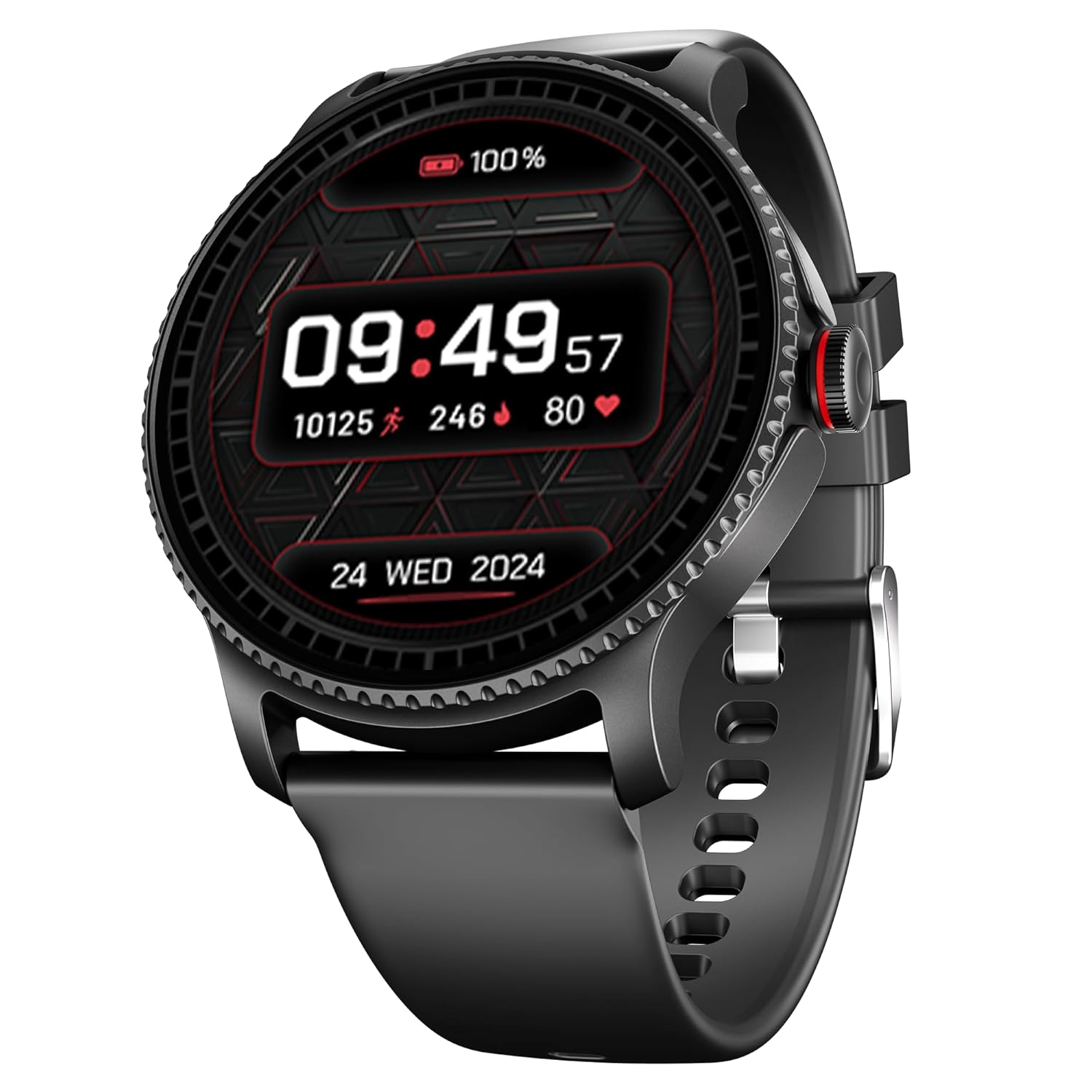
Indian electronics brand Boat has added the Lunar Discovery to its smartwatch range. This new model combines useful features with affordability, appealing to those seeking a budget-friendly smartwatch.
Boat Lunar Discovery features
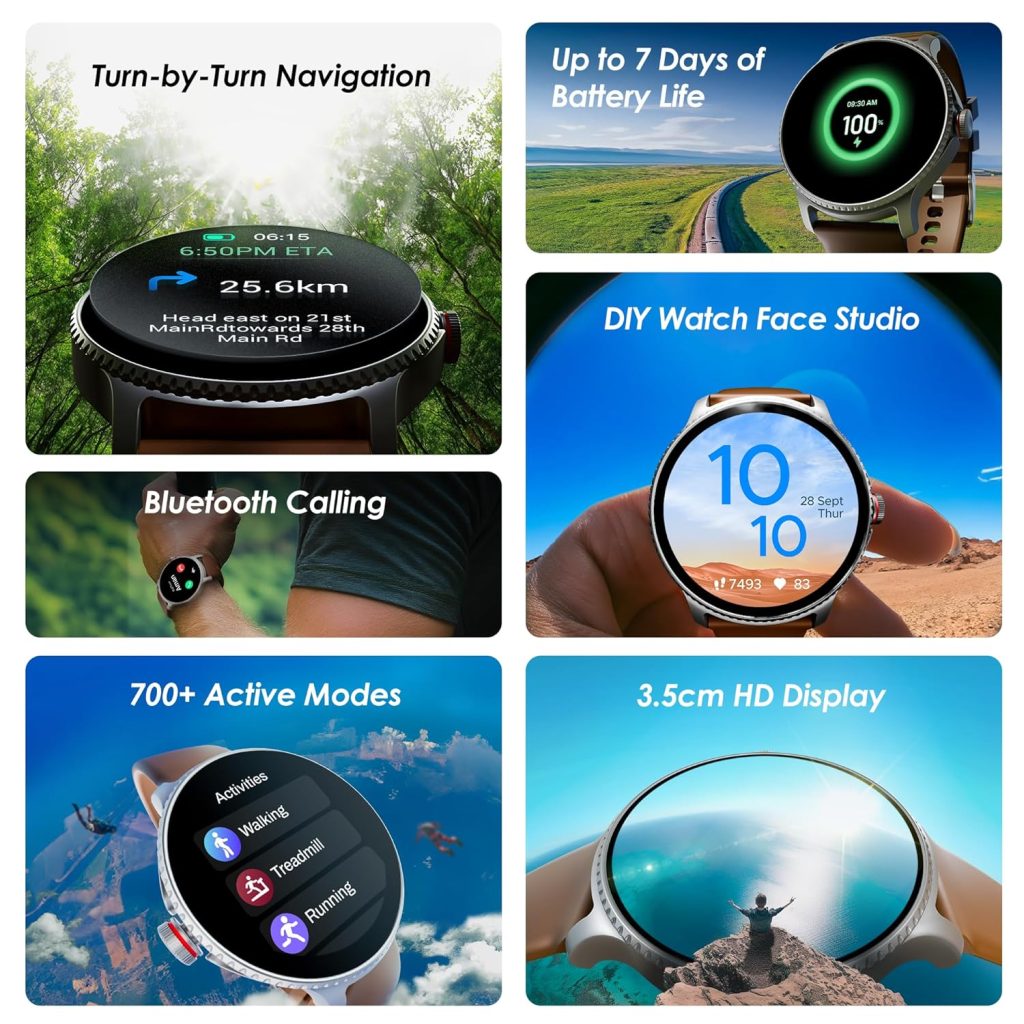
The Lunar Discovery has a lightweight, compact design for comfortable all-day wear. Its 1.39-inch HD display offers clear visuals with a 240 x 240 resolution. It has a wake gesture feature that provides easy access to the watch face, and users can customize their look with the DIY Watch Face Studio.
With Bluetooth 5.3, the Lunar Discovery supports Bluetooth calling, enabling users to make and receive calls from the watch. It includes a microphone and speaker for clear audio, along with quick dial pads, contact saving, and a QR tray for easy setup.
The Lunar Discovery offers extensive fitness tracking, including over 700 sports modes and participation in global fitness challenges to earn boAt Coins. It runs on the Crest+ OS, featuring turn-by-turn navigation powered by MapMyIndia.
The smartwatch also focuses on health monitoring, allowing users to track metrics like heart rate, SpO2, and energy levels via the Crest App. Sleep tracking is included, and it syncs with platforms like Strava, Google Fit, and Apple Health.
The Lunar Discovery is designed for everyday use, with IP67 dust and water resistance. Its 260mAh battery lasts up to 7 days on a single charge or up to 4 days with Bluetooth calling enabled.
Additional functions include smartphone camera and music controls, alarms, timers, reminders, weather updates, quick replies for notifications, Do Not Disturb mode, and a Find My Phone feature. It also includes an SOS emergency feature and live sports updates.
Pricing and Availability
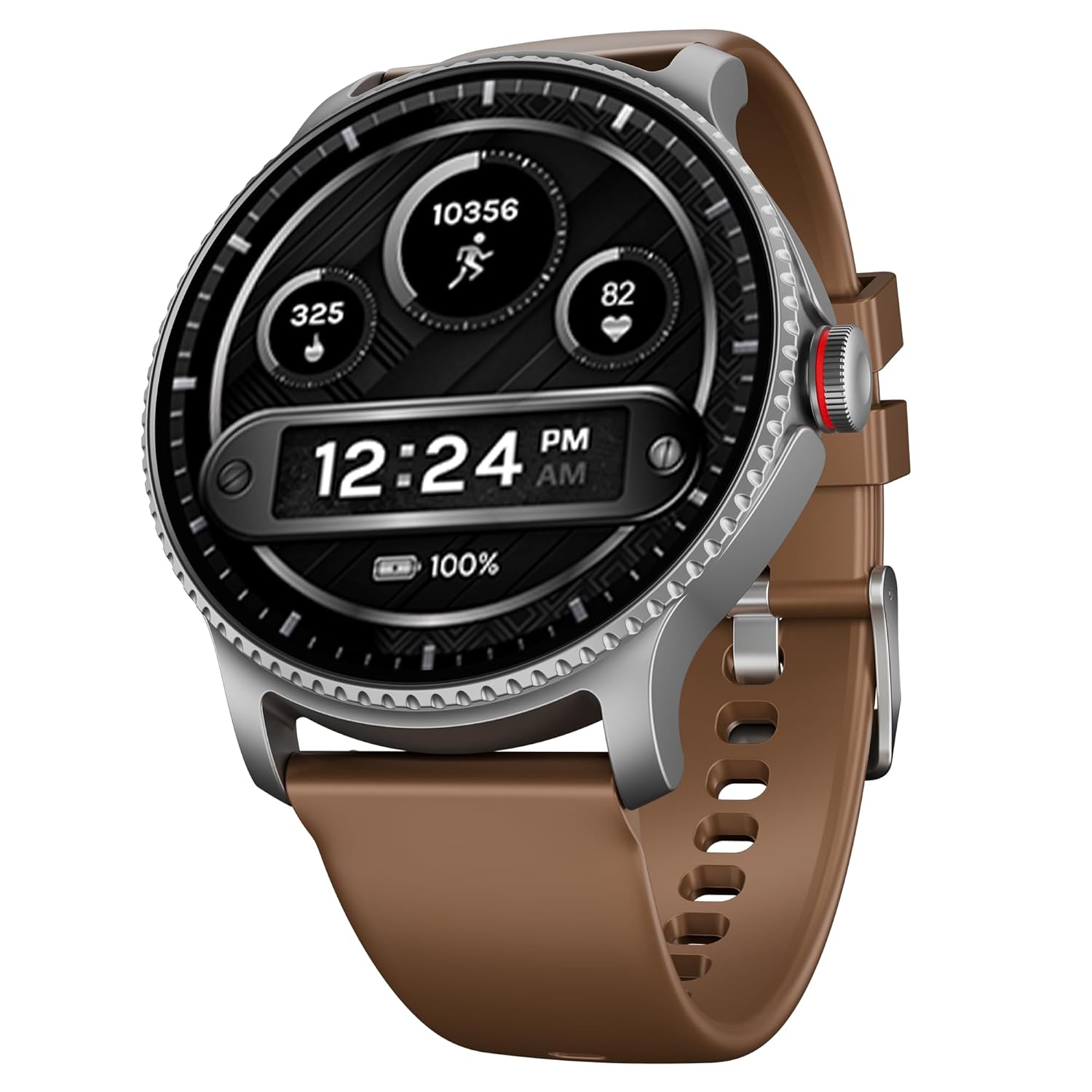
Priced at Rs. 1,099, the Boat Lunar Discovery is available in six colors: Active Black, Brown, Active Blue, Cherry Blossom, Mint Green, and Metal Black. It can be purchased online through boAt’s website, Flipkart, Amazon India, and Myntra.
Realme appears to be making strides toward entering the foldable phone market, despite previously pausing its development efforts. Earlier last year, the company’s former India chief, Madhav Sheth, had hinted at a potential foldable device by posting a teaser on social media asking users whether they preferred a “Realme Flip” or “Realme Fold.”
This generated buzz, but the project seemed to stall after Realme’s chief of marketing, Francis Wong, announced that the company had decided to hold off on launching a foldable phone due to concerns about the durability of the folding mechanism.
Realme might have resumed work on its foldable
Recently, a new patent spotted on the China National Intellectual Property Administration website suggests that Realme might have resumed work on this concept. The schematics reveal a book-style foldable design, diverging from the narrower format seen in earlier patents. This design reportedly includes a magnetic hinge for seamless folding, as well as a unique heat dissipation mechanism to transfer heat between the two halves of the device, which could help improve performance during extended use.
While the patent offers a glimpse of Realme’s approach, no official details about the launch timeline or specifications, such as the chipset or display technology, have been confirmed yet. However, previous statements from Realme executives indicate that the brand is focused on addressing the typical wear and tear concerns associated with foldable devices.
It remains to be seen how Realme will position its foldable in this competitive segment, but more updates could be on the horizon as the brand continues to innovate and expand its product lineup.
As of now, there is no confirmation on the specific hardware details like processor choice or display specifications for Realme’s anticipated foldable device. Still, this new patent filing does hint that the brand’s earlier decision to pause development might have been a strategic move to refine the design before an eventual launch.
Samsung appears to be expanding its foldable lineup with the development of two variants of the Galaxy Z Fold 7, which could include the Samsung tri-fold.
Recently, the company launched the Galaxy Z Fold Special Edition exclusively in South Korea. This model, which is a larger and thinner version of the Galaxy Z Fold 6, features a 200MP camera but lacks S Pen support.
A report from Galaxy Club now indicates that Samsung is working on two new models of the Galaxy Z Fold 7, known internally by the codenames “Q7” and “Q7M.”
It might include a tri-fold phone
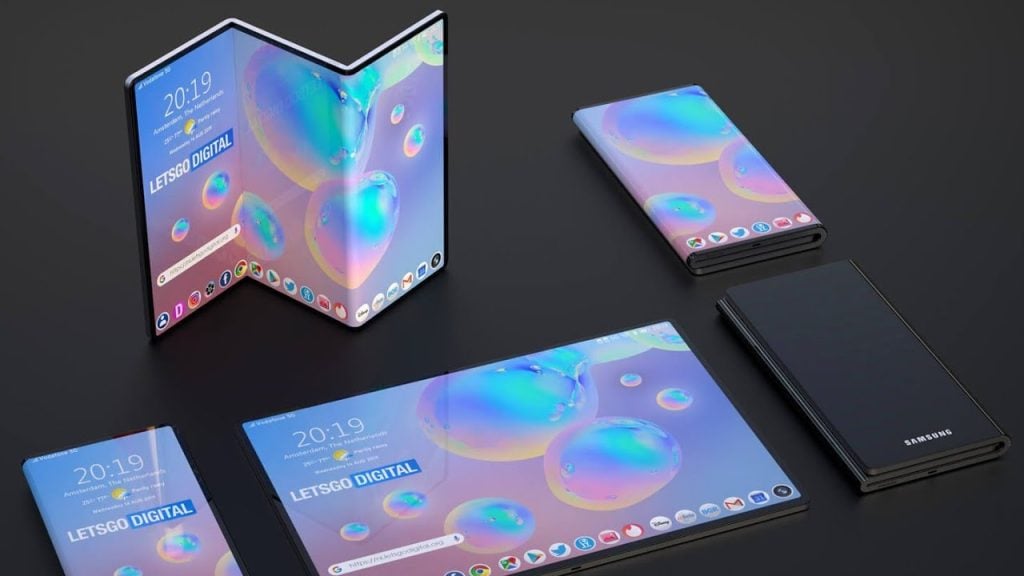
The Q7M is particularly intriguing, as there is speculation it might be linked to a potential tri-fold design. According to rumors from South Korea, Samsung is experimenting with new folding mechanisms, including a model that could feature three panels and two hinges. However, it remains unclear if the Q7M will be the anticipated tri-fold or if it’s being developed separately under a different codename.
Reports also suggest that Samsung might be planning to introduce a tri-fold foldable next year. This device, if launched, would allow the company to catch up to competitors like Huawei, who have already showcased similar designs with the Huawei Mate XT Ultimate. The tri-fold could potentially offer a broader, tablet-like display when fully opened, enhancing productivity and media consumption.
What to expect?
In terms of performance, while details on the Galaxy Z Fold 7’s chipset are yet to be confirmed, the Z series track record suggests the adoption of Qualcomm’s 2024 flagship chipset, the Snapdragon 8 Elite. Not to mention, it is expected to offer significant performance and power efficiency improvements to the next-generation foldable, potentially improving the multitasking experience and battery life.
Camera upgrades are also anticipated, although the specifics for the Q7M remain under wraps. If it follows the design ethos of the recent Special Edition Fold, it could carry over the 200MP sensor, offering superior photography capabilities
With the Galaxy Z Fold 7’s development running parallel to these other projects, Samsung’s foldable portfolio for 2025 looks set to be more versatile than ever. It’s clear that the company is committed to experimenting with new formats, potentially making foldables more mainstream and varied for different user needs.
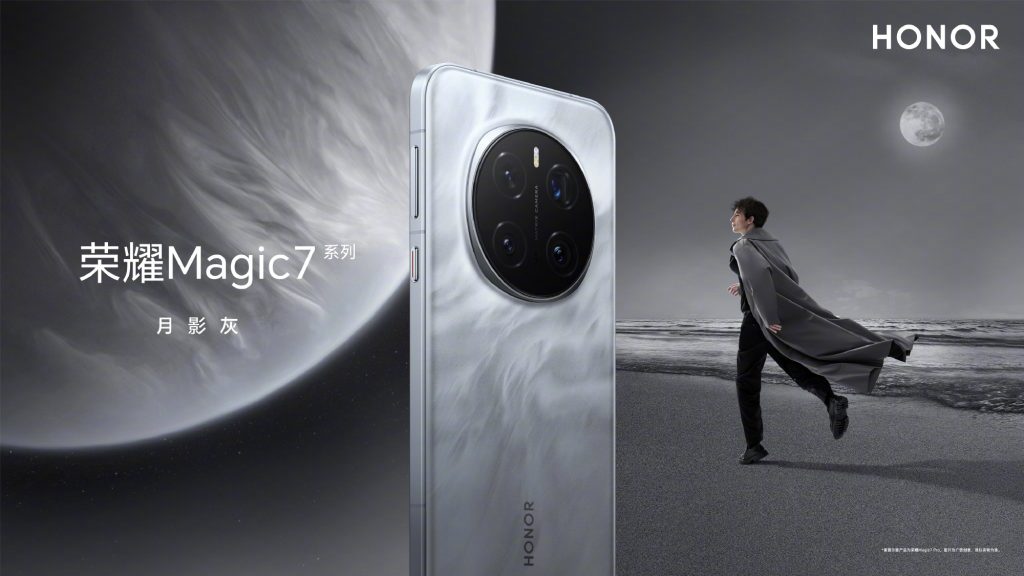
Ahead of its October 30 launch, Honor keeps building excitement around the Magic 7 flagship series. Following the Shadow Gray model, Honor has now revealed a “Chaoha Gold” colorway for the standard Magic 7. The company claims this colorway is designed to capture “the beauty of the morning light.”
In the latest promotional images, Chinese actress and singer Zhu Zhu, Honor’s new Art Aesthetic Ambassador, shows the phone in this warm gold finish. The images reveal a sleek, elegant design for the Magic 7, though details about the phone’s full form factor remain under wraps.
AI leads the way
Beyond aesthetics, Honor confirmed that the Magic 7 series will integrate its previously announced AI Defocus Eye Protection technology. Unveiled in June, this feature utilizes the display to simulate defocus glasses, creating a controlled blur in the user’s peripheral vision for improved central focus.
According to Honor, this tech demonstrably reduced transient myopia (temporary nearsightedness) in users by an average of 13 degrees after a 25-minute reading session, with some individuals experiencing a significant decrease of up to 75 degrees. It will be available on both the Magic 7 and Magic 7 Pro.
The focus on eye health extends further. Honor confirmed the Magic 7 series will feature displays with 4,320 Hz Pulse-Width Modulation (PWM) dimming, a technology known to reduce flicker and eye strain.
Additionally, the screens will offer hardware-level low blue light reduction. Notably, Honor claims the displays will also utilize AI to adjust brightness, color temperature, and contrast in real time based on user activity and personal preferences. In the most recent teaser, the company hinted at AI integration in the face unlock system as well.
Pre-orders for the Honor Magic 7 series are already live on Honor’s official website. Customers can secure their spot with a 100-yuan deposit, which includes free Bluetooth headphones, a 1,200-yuan subsidy for trade-ins, and additional perks.
Xiaomi is gearing up to launch its latest tablets, the Xiaomi Pad 7 and Xiaomi Pad 7 Pro, in several global markets. Both tablets are designed with powerful hardware and advanced software. However, Xiaomi is focusing on specific regions for each model, following a strategic plan to expand its reach while strengthening its existing market presence.
Xiaomi Pad 7
XiaomiTime revealed where the Xiaomi Pad 7 series will be sold with a report. Let’s start with the Xiaomi Pad 7. The Xiaomi Pad 7, codenamed “uke”, will be available in several regions. The key markets for this model include:
Türkiye
India
Indonesia
Russia
Taiwan
Other international markets
By releasing the Pad 7 in these areas, Xiaomi targets a wide range of customers, from emerging markets like India and Indonesia to more established ones like Russia and Taiwan. This model is powered by the Snapdragon 7+ Gen 3 chipset, which allows it to handle everyday tasks, entertainment, and light productivity smoothly. The Xiaomi Pad 7’s versatility makes it ideal for a broad audience looking for a reliable and affordable tablet.
Xiaomi Pad 7 Pro
The Xiaomi Pad 7 Pro, codenamed “muyu,” is built with a more powerful Snapdragon 8s Gen 3 processor. Xiaomi is positioning this model as a high-end option with availability in a select number of markets, including:
Türkiye
Indonesia
Russia
Taiwan
Other international markets
Interestingly, the Xiaomi Pad 7 Pro will not be available in India. This decision highlights Xiaomi’s market segmentation approach, aiming the budget-friendly Pad 7 in the Indian market while reserving the premium Pad 7 Pro for regions with strong demand for high-end devices. Markets like Türkiye, Russia, and Taiwan have shown significant interest in high-performance technology, making them ideal for the Pad 7 Pro.
Xiaomi’s decision to release the Pad 7 in broader markets and reserve the Pad 7 Pro for premium regions shows careful attention to customer preferences in each area. By tailoring each tablet’s availability, Xiaomi can cater to mainstream users with the Pad 7 while meeting the needs of high-end customers with the Pad 7 Pro.
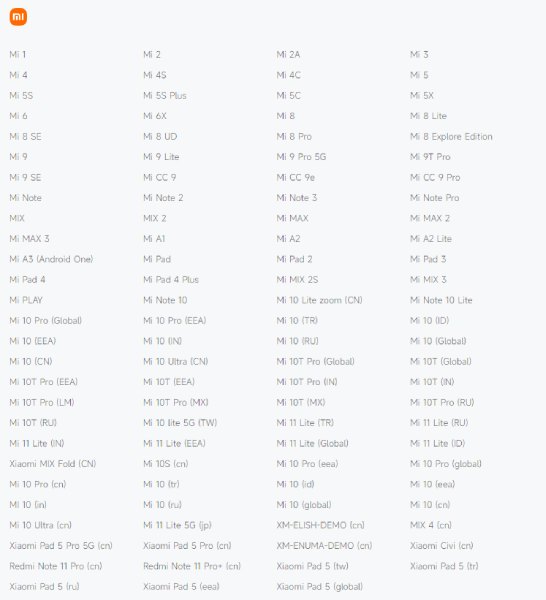
Xiaomi has further expanded its End-of-Life (EoL) list, removing software support for several smartphones and tablets across its Xiaomi, Redmi, and Poco brands.
The updated list, published on the company’s official website, includes devices from all three branches. Notably, the Xiaomi Pad 5 appears on the list under several regional variations, including Taiwan (TW), Turkey (TR), Russia (RU), Europe (EU), and the global variant (MI).
Interestingly, the Redmi Note 11 Pro and Pro+ models show up under the Xiaomi section. This may be an oversight, but the impact remains the same – these devices will no longer receive software updates.
Apart from the Note 11 Pro models, the Redmi 10 2022 (MX, TW, MX), and Redmi Note 10 JE (JP) are also listed as unsupported.
Xiaomi developers couldn’t leave the Poco brand aside either – support for the Indonesian Poco X3 GT (ID) device has been discontinued.
The X3 GT, along with the aforementioned Xiaomi and Redmi models, will no longer receive updates to MIUI or HyperOS, Xiaomi’s custom Android operating systems. Additionally, they will cease receiving crucial Android security patches that protect against emerging vulnerabilities.
The lack of ongoing software support exposes these devices to potential security risks. Unpatched vulnerabilities can be exploited by malicious actors to gain unauthorized access to a user’s data, steal passwords, or even install malware.
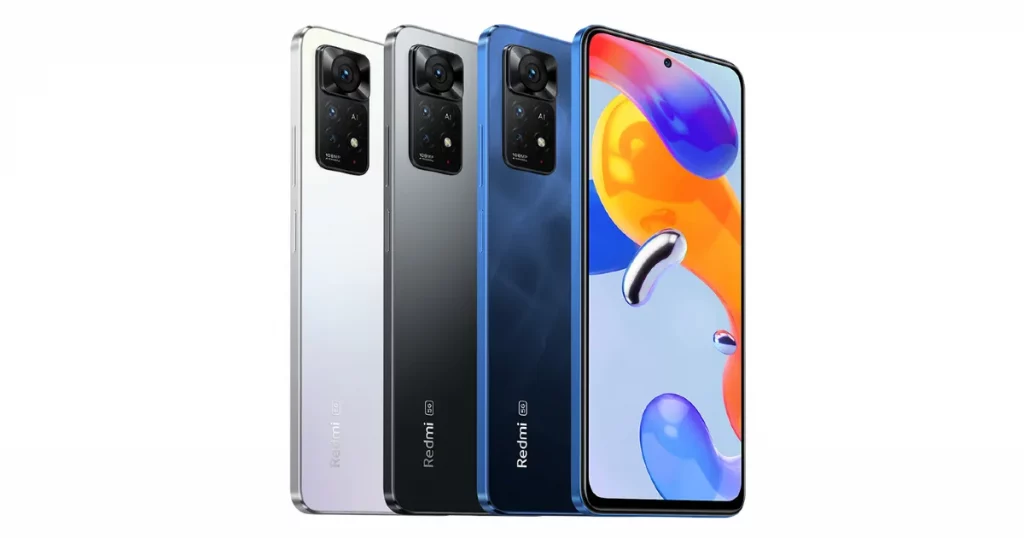
Redmi Note 11 Pro
While Xiaomi typically provides software support for its devices for a specific period, the exact duration varies depending on the model and its launch date. Users can check their device’s status on Xiaomi’s official website to determine if it remains supported.
For those with devices on the EoL list, options are limited. Upgrading to a newer Xiaomi device offers the most secure solution, though it may not always be financially feasible. Alternatively, users with technical knowledge can install custom ROMs based on the latest Android version to keep their old device running.
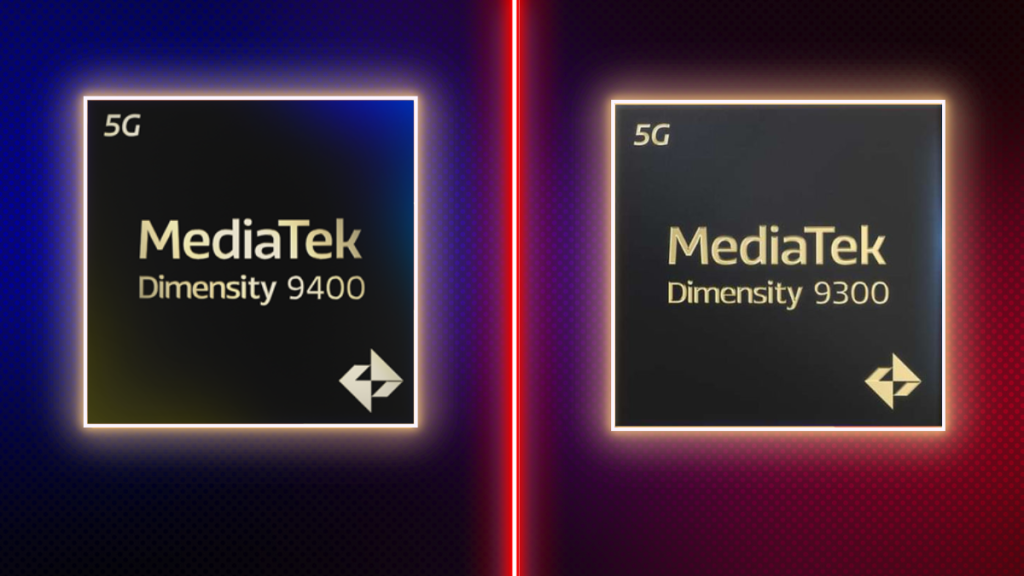
MediaTek has recently launched its Dimensity 9400 chipset, and to everyone’s surprise, it brings significant upgrades to the processing power, energy efficiency, and AI capabilities. The chipmaker has some big claims with this new flagship chipset.
The Dimensity 9400 raises the bar of flagship chips that it goes neck-to-neck with Qualcomm’s Snapdragon 8 Elite and Apple’s A18 Pro (read our Dimensity 9400 and Snapdragon 8 Elite comparison). But how does the MediaTek’s latest Dimensity chip stack up against its predecessor? And whether upgrading to the Dimensity 9400 makes sense. Let’s dive deep into the comparison to find those answers.
Dimensity 9400
Dimensity 9300
Announced
October 2024
November 2023
Model number
MT6991
MT6989
Process node
3nm
4nm
Manufacturer
TSMC
TSMC
CPU
1 x Cortex-X925 — 3.63GHz 3 x Cortex-X4 — 3.3GHz 4 x Cortex-A720 — 2.4GHz
1 x Cortex-X4 — 3.25GHz 3 x Cortex-X4 — 2.85GHz 4 x Cortex-A720 — 2GHz
GPU
Arm Immortalis-G925 MC12 MediaTek Adaptive Gaming Technology 3.0 Global illumination MediaTek Frame Rate Converter HyperEngine’s Super Resolution Ray tracing support
Arm Immortalis-G720 MC12 MediaTek HyperEngine gaming technologies Global illumination Ray tracing support
NPU
MediaTek NPU 890
MediaTek APU 790
Camera
MediaTek Imagiq 1090 ISP Up to 320MP single camera Up to 8K/60fp video recording Gen-AI Super Resolution Gen-AI Super Zoom
MediaTek Imagiq 990 ISP Up to 320MP single camera Up to 8K/30fp video recording
Memory
LPDDR5X at 10667Mbps Up to 24GB support
LPDDR5T at 9600Mbps Up to 24GB support
Storage
UFS 4.0 + MCQ
UFS 4.0 + MCQ
Connectivity
Downlink: 7.3Gbps Wi-Fi 7 Bluetooth 5.4 standard
Downlink: 7Gbps Wi-Fi 7 Bluetooth 5.4 standard
MediaTek Dimensity 9400 vs Dimensity 9300: Benchmarks
[Geekbench 6]
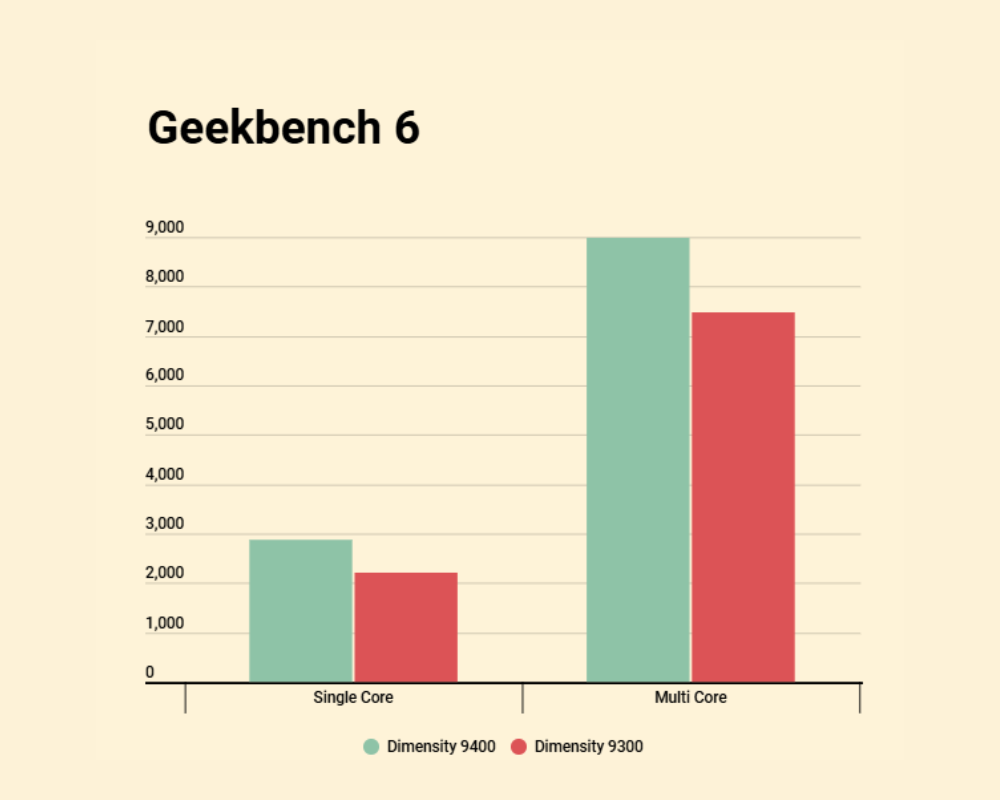
Geekbench is a popular benchmarking tool for measuring the CPU capabilities of a device. The Dimensity 9300 has pulled off 2,210 and 7,478 points in single-core and multi-core tests, respectively. However, the Dimensity 9400 handsomely outperforms its predecessor with 2,876 single-core points and 8,987 multi-core points.
The new Dimensity 9400 chip shows substantial gains in raw CPU performance over its predecessor.
Dimensity 9400
Dimensity 9300
Single core
2,876
2,210
Multi core
8,987
7,478
[AnTuTu 10]
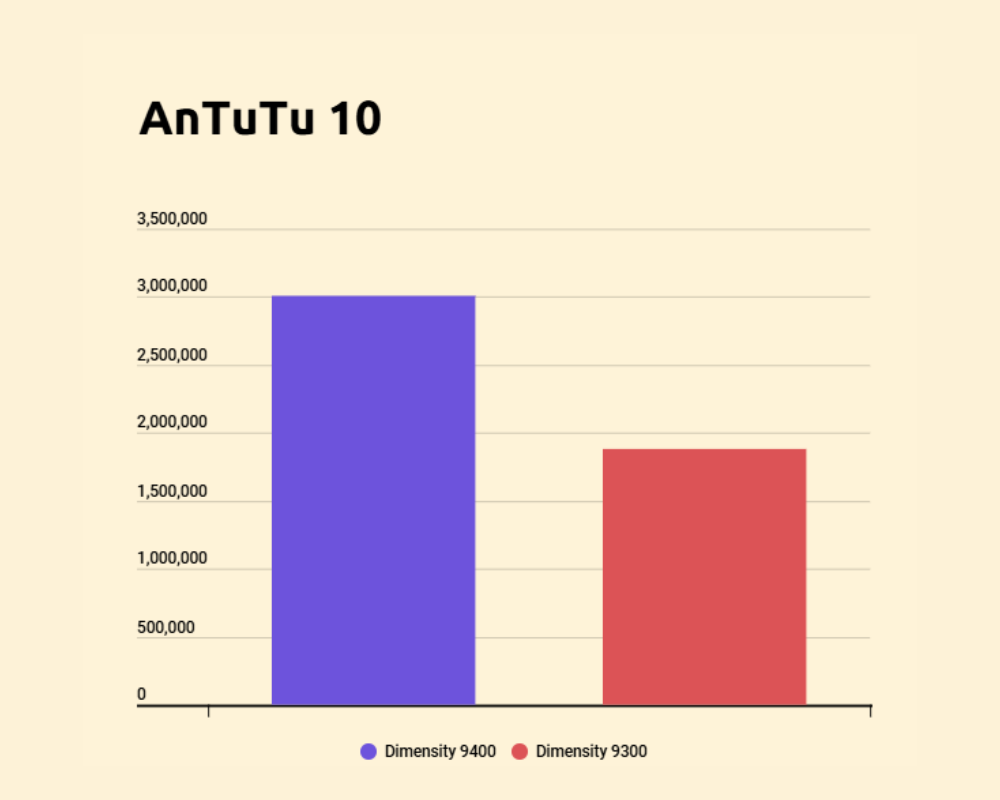
AnTuTu runs the device through a series of tests to measure different aspects of a device. On this platform, the Dimesity 9400 scored over 3 million AnTuTu points, while the Dimensity 9300 couldn’t surpass the 2 million mark. That’s a massive 59% gain for the latest MediaTek chip.
Not just Geekbench but AnTuTu also shows strong gains for the Dimensity 9400 over Dimensity 9300. But what’s causing this significant difference? Check out the next section to understand the key differences setting them apart.
Dimensity 9400
Dimensity 9300
AnTuTu score
3,007,853
1,881,325
CPU
652,381
477,734
GPU
1,322,761
705,755
Memory
521,453
371,291
UX
511,258
326,545
MediaTek Dimensity 9400 vs Dimensity 9300: CPU
Dimensity 9400, like its predecessor, has all big core CPU. However, it’s fabricated on TSMC’s 3nm process (N3E), further enhancing performance and energy efficiency.
The latest chip has a Cortex-X928 running at up to 3.63GHz, three Cortex-X4 cores at 3.3GHz, and four Cortex-A720 at 2.4GHz. In contrast, the Dimensity 9300 has a Cortex-X4 core with a 3.25GHz peak speed, three Cortex-X4 cores clocked at 2.85GHz, and four Cortex-A720 cores at 2GHz.
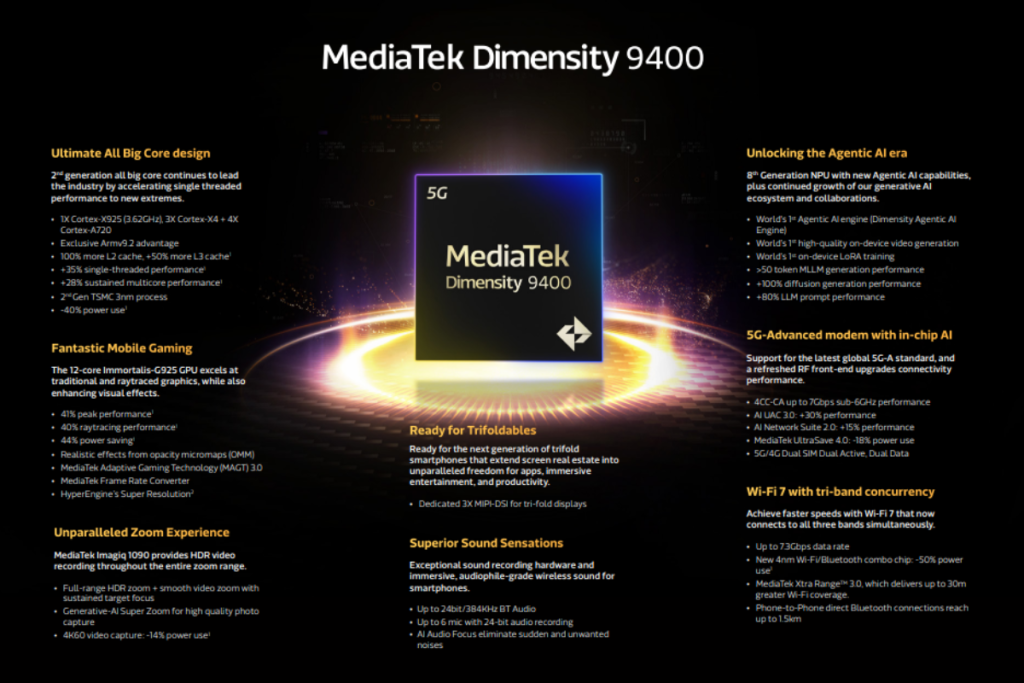
The Dimensity 9400 is immensely benefitted by the addition of a high-performance Cortex-X925 CPU core. The chip is claimed to offer up to 35% faster single-core performance and 28% faster multi-core performance.
Thanks to TSMC’s 3nm advanced cutting-edge process, the latest Dimensity chip delivers more performance per milliwat than ever. MediaTek claims a 40% better power efficiency over its predecessor. Notably, the chip has double the amount of L2 cache and 50% more L2 cache than Dimensity 9300, another reason for a big performance boost.
MediaTek Dimensity 9400 vs Dimensity 9300: GPU
The Dimensity 9400 ships with a new 12-core Immortalis G925 GPU that uses Arm’s new 5th-generation GPU architecture. It offers 41% faster peak performance while being 44% more power efficient than its predecessor.
Ray tracing is also improving, with a 40% performance uplift. For smoother gaming, the Dimensity 9400 also integrates improved MediaTek HyperEngine gaming technologies, such as MediaTek Adaptive Gaming Technology 3.0, MediaTek Frame Rate Converter, and HyperEngine’s Super Resolution.
MediaTek Dimensity 9400 vs Dimensity 9300: Camera
The cameras are also getting quality upgrades. To begin with, the new Imagiq 1090 ISP inside the Dimensity 9400 enables HDR video capture throughout the entire zoom range, the first of its kind on any flagship chip.
The new chip introduces Gen-AI Super Resolution and Gen-AI Super Zoom. The former technology enhances a blocky original image with corrective fill to produce pin-sharp results, and the latter achieves 100X magnification in photos with clear detail.
Though Dimensity 9300 and 9400 chips support 320MP resolution (maximum), the former can record 8K/60fps videos, while the latter supports 8K/60fps.
MediaTek Dimensity 9400 vs Dimensity 9300: AI and other enhancements
A recurring theme across the update board for Dimensity 9400 is AI. The new chip is equipped with an 8th-generation NPU that takes on-device AI capabilities to a new height.
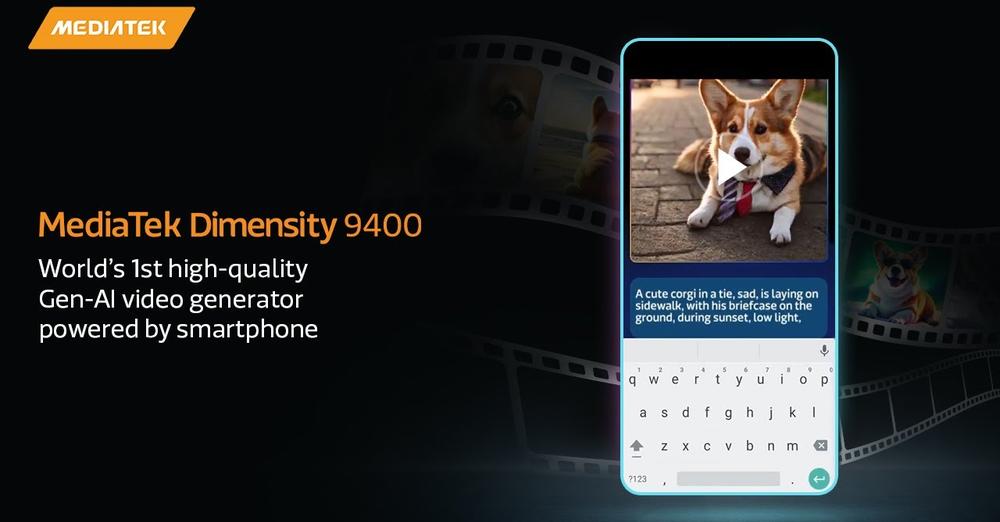
Dimensity 9400 is the world’s first chip to support high-quality on-device video generation and on-device LoRA training. The new NPU is claimed to have 100% faster diffusion generation performance and 80% faster LLM prompt performance — and it’s 35% more power efficient than its predecessor.
Notable improvements have been applied to the connectivity part, which includes a 50% better power efficiency for Wi-Fi and Bluetooth. The new 5G modem inside Dimensity 9400 achieves direct Bluetooth connections between two smartphones up to 1.5km apart. With MediaTek Xtra Range 3.0, the chip gets up to 30 meters of extended Wi-Fi coverage.
The Dimensity 9400 chip also reduces power efficiency for Wi-Fi hotspots by up to 50%. The peak memory speed is now at 10667Mbps, up from 9600Mbps on Dimensity 9300.
MediaTek Dimensity 9400 vs Dimensity 9300: Conclusion
MediaTek Dimensity 9400 brings big CPU and GPU upgrades, making it one of the best flagship smartphone chips. These upgrades put the likes of Apple and Qualcomm on a competitive alert.
Dimensity 9400 isn’t only about CPU and GPU upgrades. MediaTek has made key improvements to almost all areas, including AI, camera, and connectivity, making it one of the best Android chip upgrades in recent years.
The new Dimensity chip is already powering the Vivo X200 and Find X8 series, and more flagship devices should be coming from various brands.
Oppo has firmly established itself as a major global player in the smartphone market. It ranked 4th worldwide in phone shipments for Q3 2024, according to Canalys.
Nearly 70% of Oppo’s shipments now come from outside China, with India and Latin America driving much of its international growth. As a result, China is now Oppo’s second-largest market. Whereas, Southeast Asia leads, with Vietnam, Thailand, and Cambodia taking the top spot and Indonesia close behind.
Moreover, Oppo is actively expanding into emerging markets like Latin America and Africa, underscoring its commitment to global growth. In Mexico, Oppo reached the fourth position in Q2 2024, according to Canalys, and 2024 also marked its entry into Brazil and Argentina.
Not just about volume…
But Oppo isn’t solely focused on volume. It’s also aiming to establish itself as a premium brand. The company holds a top-three position in the high-price segment (USD 500+) in 14 markets worldwide, including India and Southeast Asian countries.
Looking beyond smartphones, Oppo is actively expanding its internet services portfolio, fostering a more diversified business model and a richer user experience.
ColorOS, the company’s operating system, also has a massive 700 million monthly active users globally. According to Oppo, 260 million users are active on its app store, 210 million use the Oppo browser, and 110 million engage with the Oppo theme store.
Furthermore, Oppo is making AI features accessible to everyone. This year, the company is planning to introduce these features to 50 million users worldwide. This will make Oppo the first mobile phone manufacturer to deploy generative AI across its entire product line.
Oppo’s global footprint extends beyond sales. The company has established factories in seven countries, enabling local production and strengthening its supply chain. Additionally, they collaborate with partners, attracting around ten companies to build essential components like batteries and chargers in Indonesia.
A robust retail and service network provides another layer of strength for Oppo’s international business. With over 300,000 points of sale, dedicated sales personnel, after-sales outlets, and customer service representatives, Oppo offers a seamless experience for users worldwide.
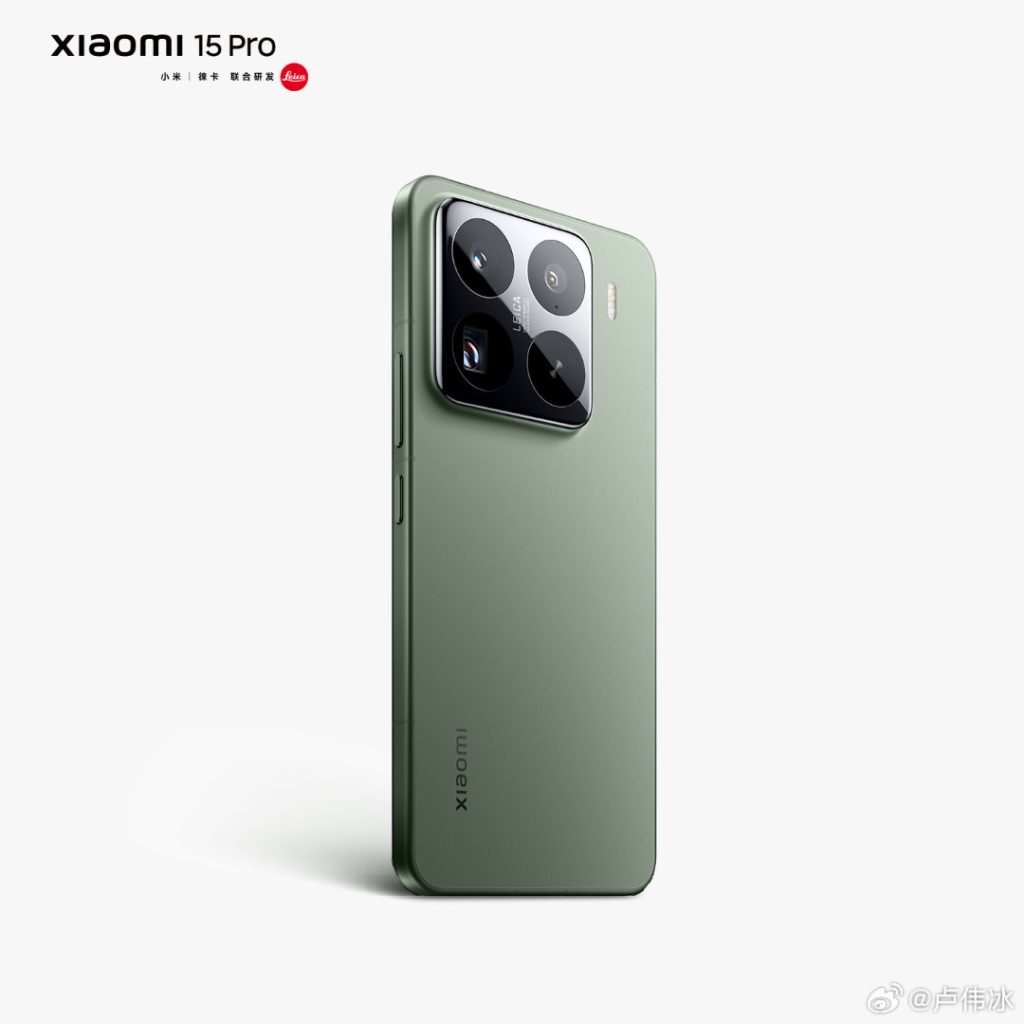
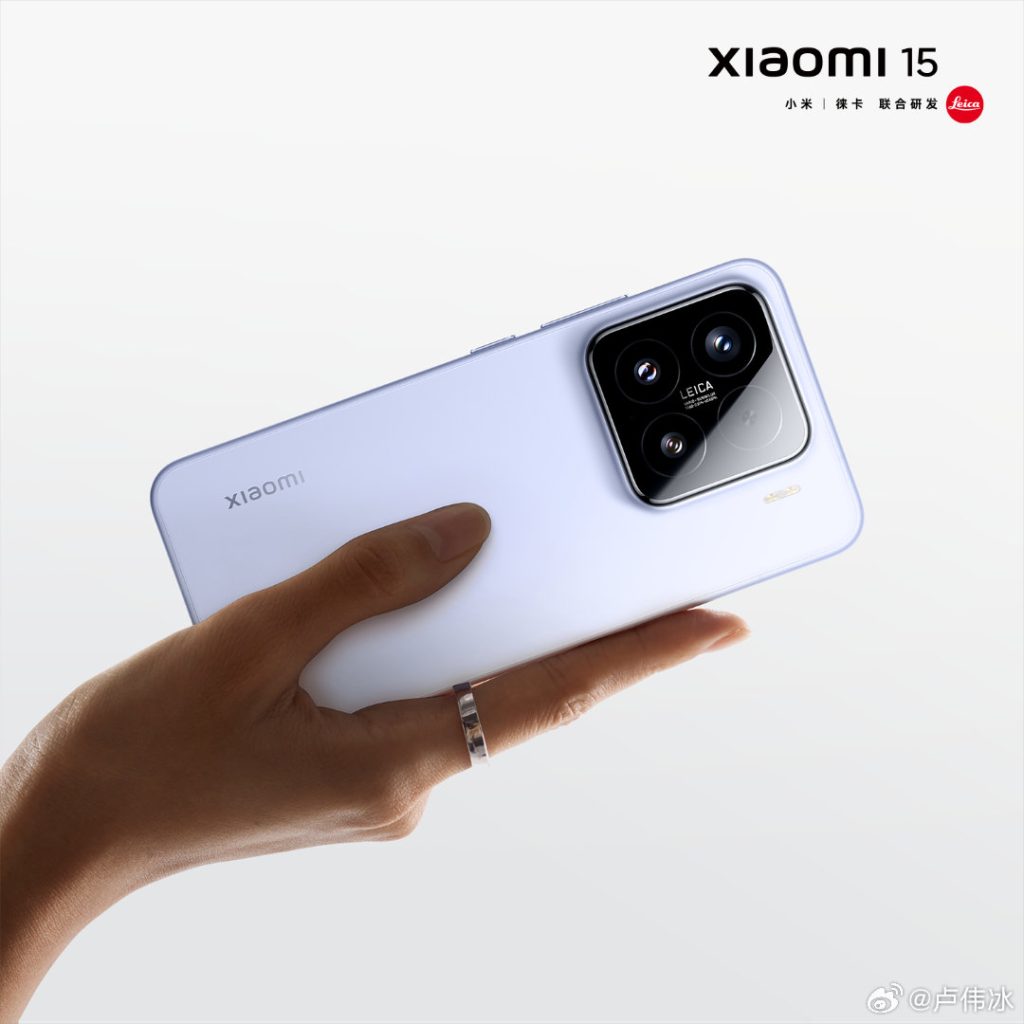
Xiaomi is set to launch its 2024 flagship smartphones, the Xiaomi 15 and Xiaomi 15 Pro, on October 29. While details about the phones have been limited, more information is now emerging from both official and unofficial sources. The company has already revealed the complete design of the devices through high-resolution renders, and now, a company official has shared key internal specifications.
Xiaomi 15 / 15 Pro official details
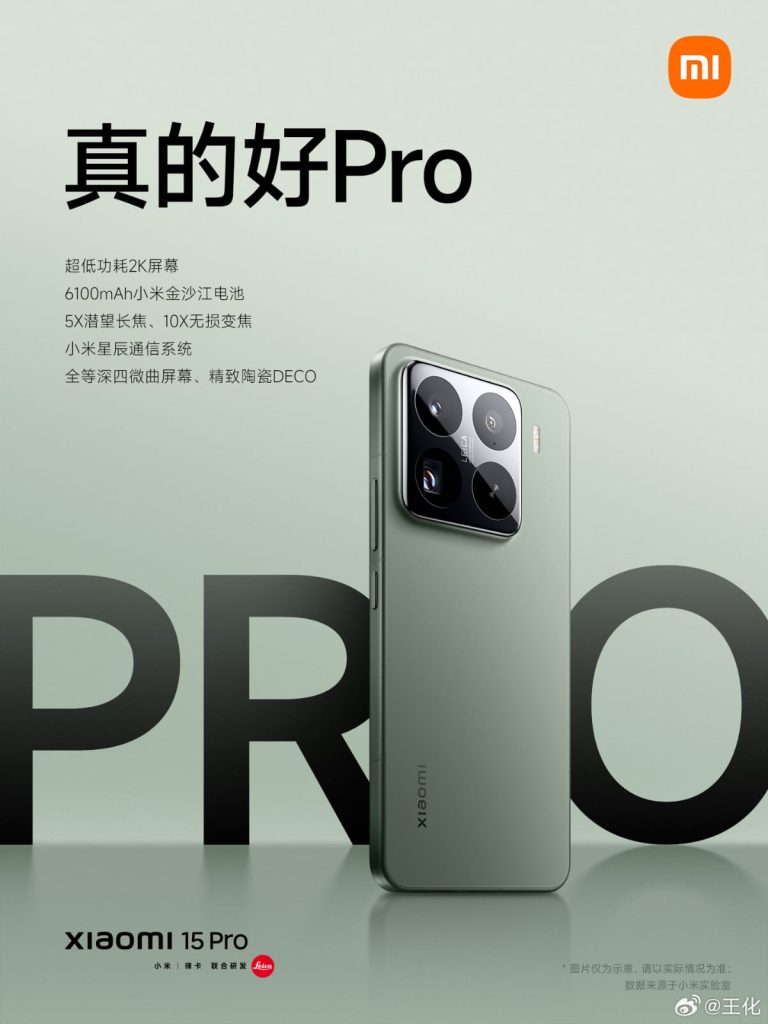
The Xiaomi 15 Pro will feature a 2K display and a massive 6,100mAh high-density silicon-carbon anode battery, boasting an energy density of 850Wh/L. The company also revealed that the Pro model weighs just 213g, which is lighter than the 223g Xiaomi 14 Pro. For context, the predecessor had a significantly smaller 4,880mAh battery.
According to the company official, this upgrade increases battery life by 38%, marking a major improvement. While the official did not disclose the battery capacity of the standard model, a 23% boost in battery life is promised for it.
In terms of zoom capabilities, Xiaomi has traditionally offered a 3.2x telephoto lens on both the standard and Pro models. However, this changes with the Xiaomi 15 Pro, which will feature a 10x lossless zoom, utilizing a 5x periscope telephoto camera. Additionally, the Pro model is equipped with a curved glass camera deco, adding to its overall aesthetic appeal.
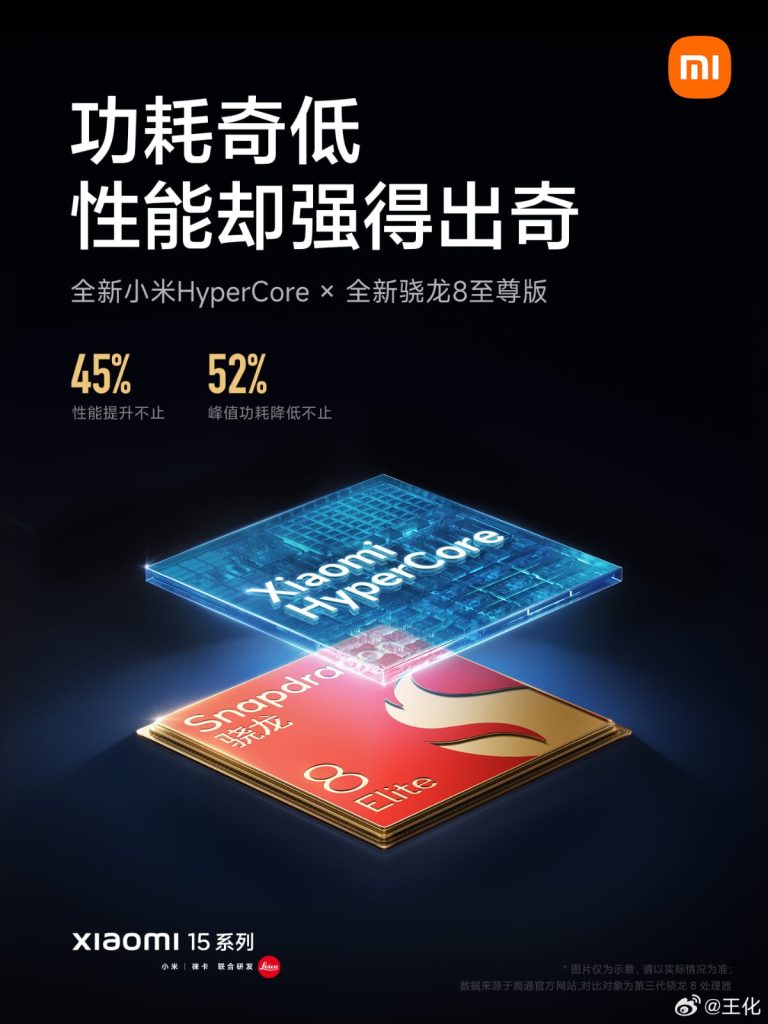
While the base model does not include all of these high-end features, it still benefits from the robust performance of the Snapdragon 8 Elite chip, paired with a self-developed microarchitecture scheduler. According to Xiaomi, this results in a 19% increase in task execution efficiency and a 45.7% reduction in application startup response time, promising a smoother user experience.
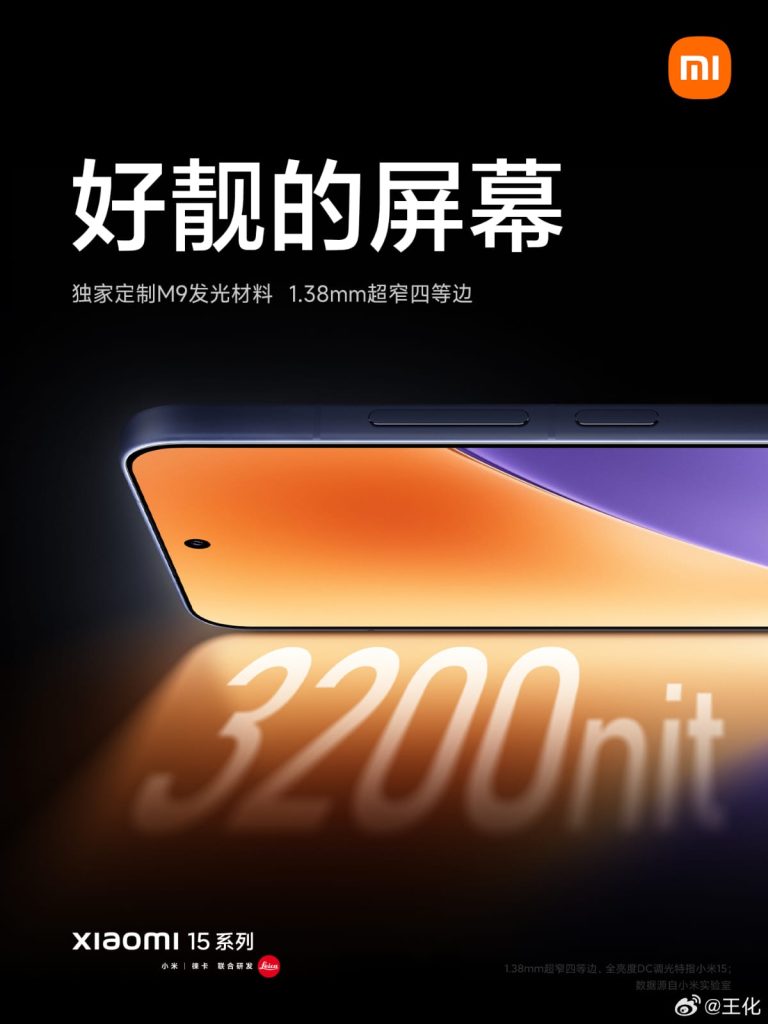
With the use of customized M9 luminous display material, even the base model offers a peak brightness of 3,200 nits, up from the 3,000 nits seen on the Xiaomi 14.
Overall, Xiaomi has focused on refining both the external design and internal components to make its 2024 flagships a compelling choice for consumers.
Samsung is preparing to launch its next flagship, the Galaxy S25 series, which is expected to debut in early 2025. According to recent leaks and rumors, the Galaxy S25 Ultra will come with several notable upgrades, particularly in its display, design, and performance. In the latest news, tipster ICE Universe claims that the phone will offer a higher peak brightness, more accurate colors, and a larger viewing angle. Although, he didn’t reveal any specific numbers.
Display improvements
One of the key highlights of the S25 Ultra is going to be the refreshed flat display. The device is rumored to have a 6.86-inch panel, slightly larger than the 6.8-inch display on the S24 Ultra.
Reports suggest that this new screen could see a brightness boost of around 20–30%, potentially reaching 3100–3400 nits, which would be a significant upgrade from the 2600-nit peak brightness of its predecessor. However, readers should take this information with a pinch of salt.
This improvement could be achieved using Samsung’s new M14 OLED material, which is expected to deliver enhancements in color accuracy, viewing angles, and brightness.
Performance and in-hand experience:
The design of the Galaxy S25 Ultra also appears to be evolving. Leaks indicate a return to rounded corners, which hasn’t been seen since the Galaxy S21 Ultra. The aluminum dummy units reveal that the phone will be more comfortable to hold, with dimensions of 8.25mm thickness (down from 8.6mm on the S24 Ultra) and a narrower body (77.6mm vs. 79mm). Additionally, the device will be lighter, weighing 221 grams compared to the 232 grams of its predecessor.
Samsung Galaxy S25 Ultra Dummy Unit
Under the hood, the Galaxy S25 Ultra is expected to pack the “For Galaxy” edition of the Snapdragon 8 Elite chip. The chipset, based on TSMC’s 3nm process, offers improved performance and power efficiency, which could translate to better battery life even though the device retains a 5000mAh battery and 45W charging speeds. Benchmark scores suggest significant gains over the S24 Ultra, with over 3000 points in single-core tests and 9000 in multi-core tests, hinting at a capable and efficient performance boost. For reference, the S24 Ultra scores around 2000 and 6600 on the respective tests.
Overall, the Galaxy S25 Ultra seems to bring a combination of incremental yet impactful improvements.
Just days before its official unveiling, the price of iQOO’s upcoming flagship phone, the iQOO 13, may have been leaked on Chinese social media platform Weibo.
While the company has been strategically revealing its features in the lead-up to the October 30th launch, it has kept official pricing under wraps — unsurprisingly.
iQOO 13 won’t get a price hike
A post by prominent Weibo tech tipster Digital Chat Station, however, may have spilled the beans on the price. The tipster claims that the smartphone will be priced at 3,999 yuan (approximately $565).
Interestingly, the now-edited post used the word “confirmed” about the price, which makes the information seem reliable. However, note the tipster did not specify if this price is for the iQOO 13.
Digital Chat Station’s post referenced an earlier discussion about a “sub-series” phone that would see minimal price inflation compared to its predecessor. With the iQOO 12’s launch price at 3,999 yuan, this cryptic hint suggests that the leaked price may indeed apply to the iQOO 13.
If true, the iQOO 13 could likely be one of the few flagships this year without a price increase. Xiaomi recently confirmed a price hike for its upcoming Xiaomi 15 series, while Vivo launched its X200 series flagships with a price bump.
Specifications
iQOO 13 will be powered by the Snapdragon 8 Elite chip along with a self-developed gaming chip, the Q2 that will offer a PC-level 2K super-resolution and native 144FPS gaming.
The front will be home to a 2K Q10 Everest display, developed in collaboration with China-based BOE, designed to deliver superior brightness and color accuracy while minimizing power consumption.
While not confirmed, the phone is likely to have a 6.82-inch flat OLED panel that offers a 2K resolution and a 144Hz refresh rate. Additionally, it offers the world’s first OLED circularly polarized light eye protection technology to reduce eye strain during prolonged use.
Keeping the lights on will be a 6150mAh battery with 120W charging support. It will boot on OriginOS 5 based on Android 15 while the rest of the revealed specs include a dual speaker and a large-sized 1016H motor for haptics.
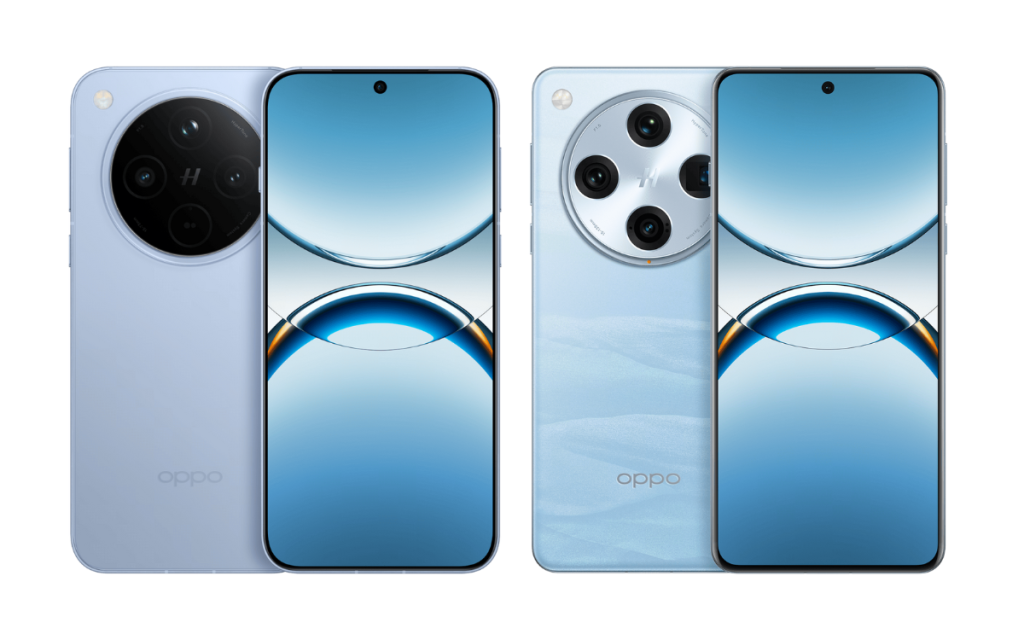
Oppo announced the Find X8 and X8 Pro smartphones in China yesterday and confirmed they’ll launch them globally soon.
Following the announcement, Oppo has already begun teasing the Find X8 series in Indonesia. The teaser reveals that the phone will launch there in November 2024.
The official launch date is still under wraps, though. We also expect a launch in India could follow soon after—or possibly at the same time.
Oppo Find X8 Series Specifications
Both phones boast high-resolution LTPO OLED displays. The Find X8 features a 6.59-inch flat display, while the Find X8 Pro upgrades to a 6.78-inch micro-curved screen. Both offer adaptive refresh rates ranging from 1Hz to 120Hz, Dolby Vision support, and a peak brightness of 4,500 nits for HDR content.
Powering the devices is the MediaTek Dimensity 9400 processor, fabricated on a 3nm process. Storage options range up to 16GB of LPDDR5X RAM and UFS 4.0 storage, catering to demanding users. Large-area VC cooling is there to maintain performance under heavy workloads.
The operating system is Android 15 with Oppo’s custom ColorOS 15 on top. The new ColorOS iteration promises a revamped user experience with new and improved AI features.
As for the camera, the Find X8 has a triple 50MP rear setup, including a main Sony LYT-700 sensor, an ultrawide sensor, and a 3x periscope telephoto lens. The Find X8 Pro ups the ante with a quad-camera system adding a 6x periscope telephoto lens.
The Pro model also benefits from a larger 1/1.4-inch Sony LYT-808 primary sensor for improved low-light capabilities.
Both models feature 120x digital zoom, a HyperTone image engine, and Hasselblad Portrait Mode. AI features like AI Erase, AI Anti-Reflection, and AI De-Blur further enhance image processing.
The Find X8 is equipped with a 5,630mAh battery, while the Find X8 Pro offers a slightly larger 5,910mAh capacity. Both support Oppo’s 80W SuperVOOC fast charging, 50W wireless charging, and 10W reverse wireless charging.
Foldable phones have gained attention as a practical and innovative alternative to traditional smartphones, particularly when compared to premium devices like the iPhone. With their unique form factor, multitasking capabilities, and affordability, foldables are offering a fresh approach to mobile technology. Here’s why they may be a better choice than an iPhone:
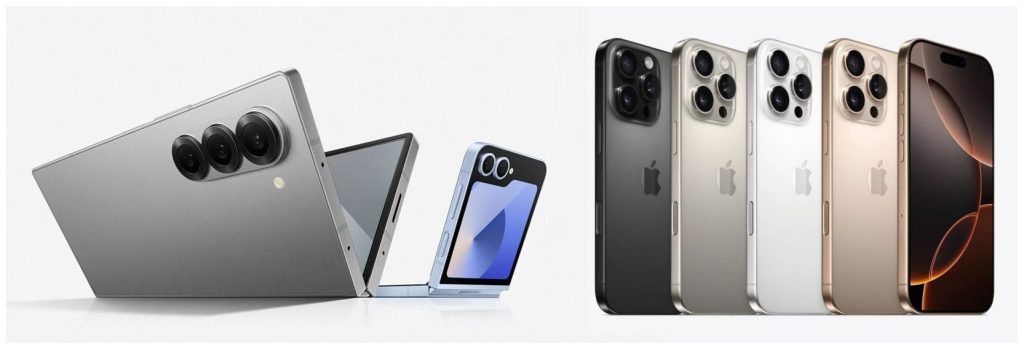
Samsung Galaxy Z Fold 6, Flip 6, iPhone 16 Pro series
One of the primary benefits of foldable phones is the ability to expand into a tablet-sized display while remaining compact. Models like the Samsung Galaxy Z Fold series and Vivo X Fold series provide users with a dual experience — a standard phone that can unfold into a larger screen, ideal for reading, gaming, and multitasking. iPhones, while having excellent display quality, offer only a single screen in a regular candy bar design, limiting the viewing experience.
2. Flip Phones: A Compact and Stylish Alternative
Apart from horizontally foldable devices like the Galaxy Z Fold 6 and OnePlus Open, smartphone companies also produce vertically foldable, such as the Motorola Razr 50 series, Honor Magic Flip, and Galaxy Z Flip 6. Their clamshell design provides a satisfying tactile experience and a pocket-friendly form factor that’s perfect for those who prioritize portability.
With the iPhone 16 and 16 Pro sporting a relatively compact 6.3-inch display, flip phones like the Razr 50 Ultra, with its 6.9-inch main screen and useful cover screen, offer comparable screen real estate with added portability when folded. If you’re drawn to the iPhone’s smaller size but crave a bit more flair and functionality, a flip phone might be the perfect compromise.
3. Next-level Multitasking
Foldables take multitasking to the next level. Many models, such as the Galaxy Z Fold series, allow for multiple apps to run side by side on the larger screen, creating a seamless experience for work and leisure. Users can check emails, take notes, and browse the web simultaneously, which is especially useful for professionals on the go. In contrast, iPhones are limited to single-screen functionality, making multitasking a bit more cumbersome.
4. Flexible Interaction and Viewing Options
Foldables bring an extra level of versatility that traditional smartphones can’t offer. “Flex Mode,” available on models like the Galaxy Z Flip, lets users set the phone at an angle for hands-free video calls or stable long-exposure shots. This hands-free functionality appeals to vloggers and content creators looking for flexible recording angles and modes that are not possible with a standard phone like the iPhone.
5. Productivity and Creativity Tools
Some foldables, like the Galaxy Z Fold 6 and Honor Magic V3, come with additional tools such as a stylus, enhancing productivity and creativity. These features allow users to sketch, take notes, or annotate documents with ease, making foldables ideal for artists, designers, and professionals. iPhones are excellent for everyday use but lack the creative tools and tablet-like experience that foldables can provide.
6. Enhanced Gaming and Entertainment Experience
For gaming enthusiasts and streaming fans, foldables offer an unmatched entertainment experience. Their larger displays provide a more immersive experience, and some models even have enhanced cooling and battery management features for uninterrupted gameplay. This expansive screen space and added functionality make foldables an ideal choice for those who prioritize entertainment, beyond what iPhones offer on a single screen.
7. Dual-Screen Camera Setup for Better Selfies
Foldables utilize their design for enhanced camera functionality. The folding mechanism allows users to use the high-quality main camera for selfies, providing a significant improvement over standard front cameras. Models like the Galaxy Z Flip offer a small cover screen that acts as a viewfinder, allowing you to capture high-quality selfies using the primary camera — a feature iPhones lack.
8. Cost Comparison: Affordable Premium Options
While the iPhone 16 Pro and Pro Max models come with top-tier features, they also come with a high price tag. The iPhone 16 Pro starts at Rs 1,19,000 for the base 128GB variant and goes up to Rs 1,69,000 for the 1TB variant. The iPhone 16 Pro Max, meanwhile, ranges from Rs 1,44,900 for the 256GB variant to Rs 1,84,900 for the 1TB variant.
In comparison, many foldable phones offer premium features at a relatively lower price point. The Samsung Galaxy Z Fold 6 starts at Rs 1,64,999 for 12GB RAM and 256GB storage, while the Vivo X Fold 3 Pro is available for Rs 1,59,999. Even more affordable is the OnePlus Open, which launched at Rs 1,39,999 for a single 16GB RAM and 256GB storage variant.
This shift in pricing makes foldables a more accessible and attractive option for those seeking cutting-edge technology without breaking the bank.
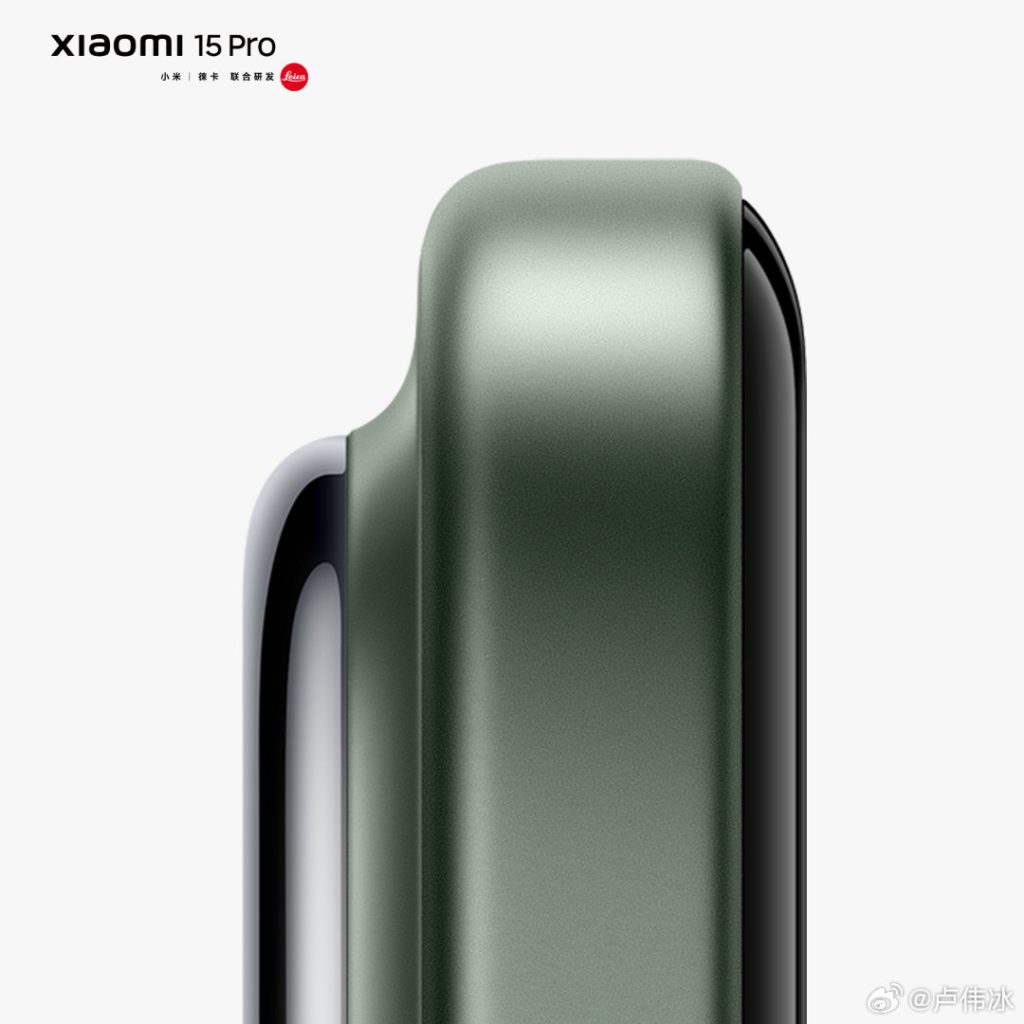
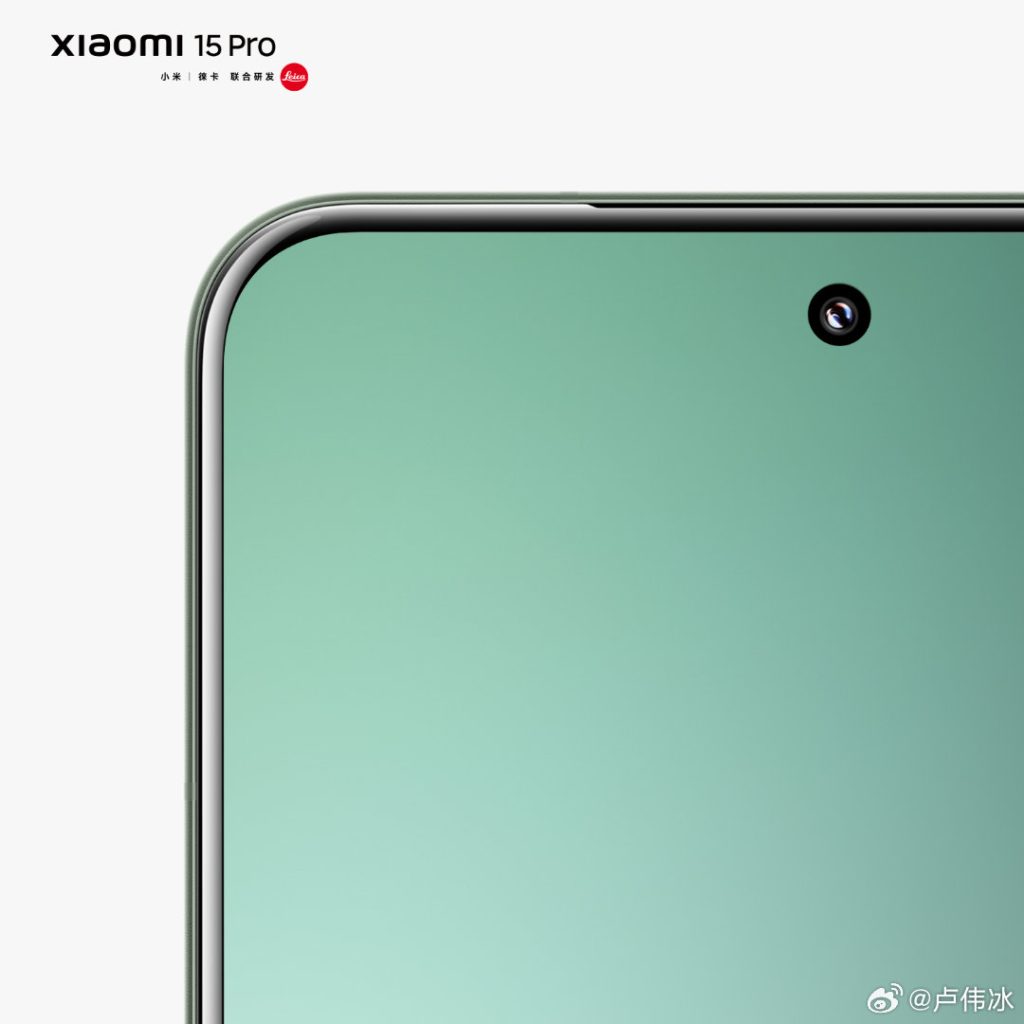
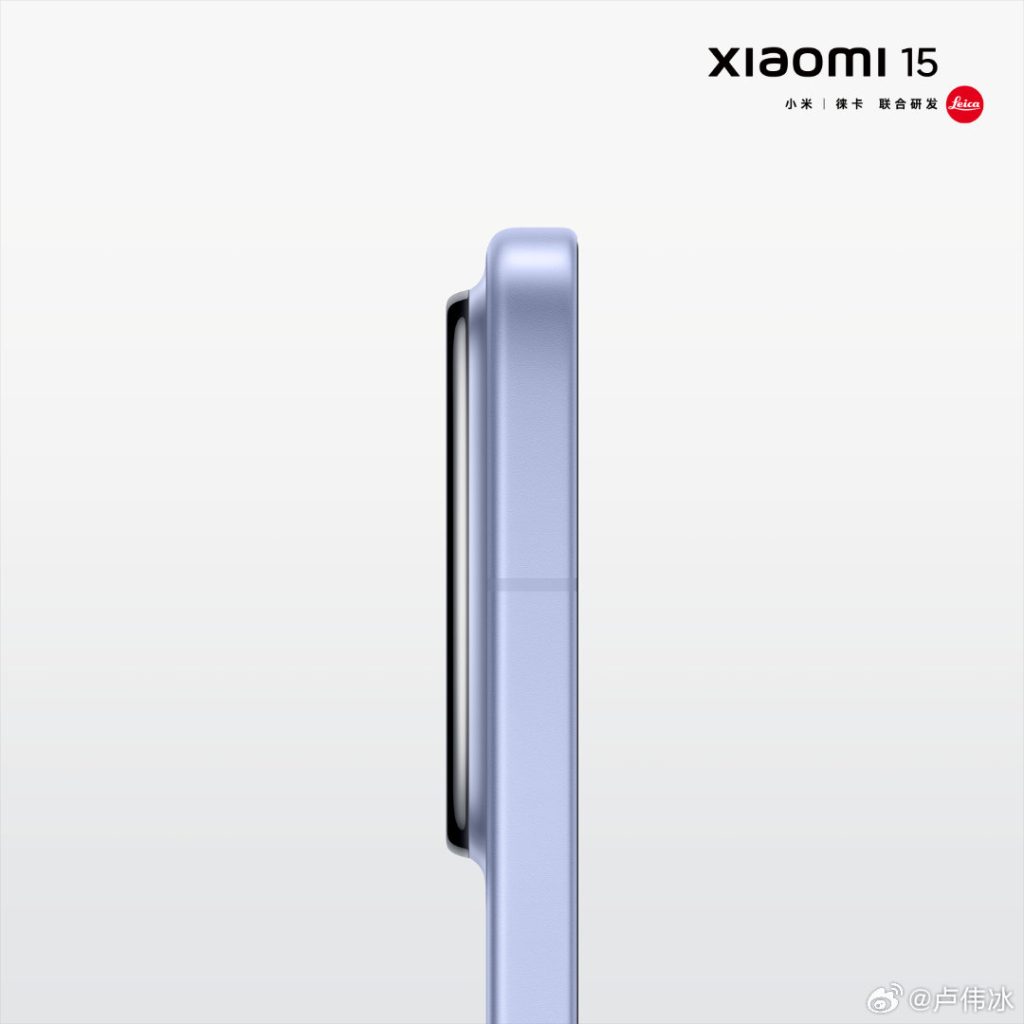
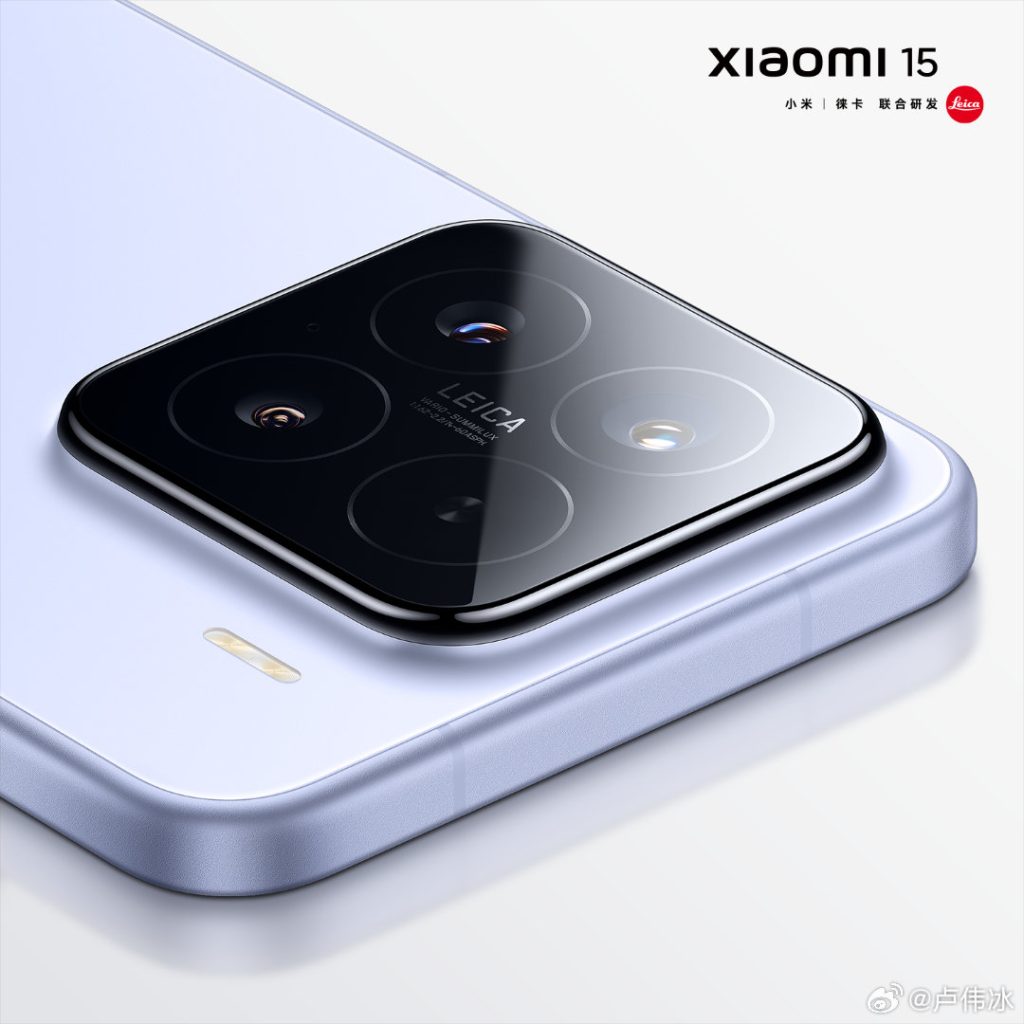
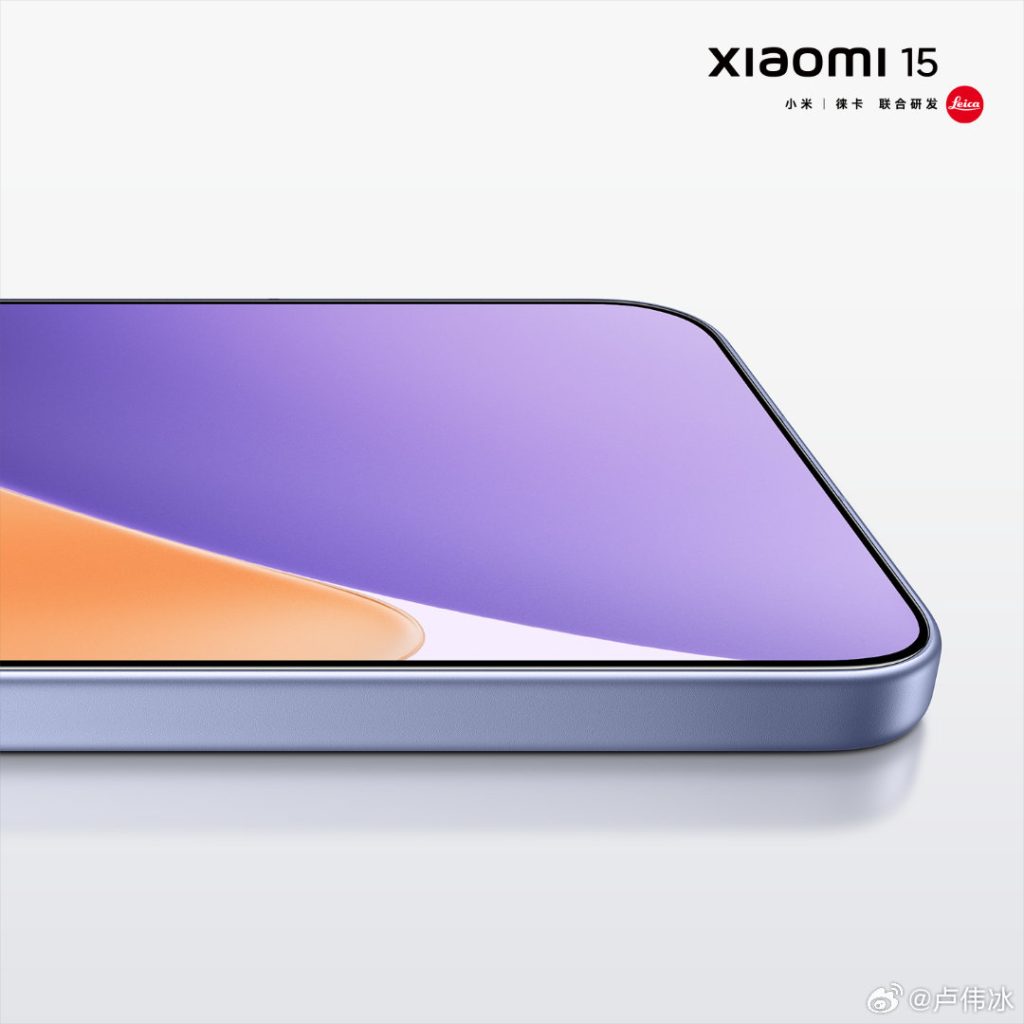
Xiaomi has officially revealed the complete design of its upcoming flagship phones, the Xiaomi 15 and 15 Pro, ahead of their launch on October 29th. Detailed renders released by the company show both models featuring extremely narrow and symmetrical bezels, giving a refined look. Xiaomi has also confirmed some key specifications of the devices. See the refined design elements in the renders below.
Xiaomi 15 / 15 Pro specifications:
The Xiaomi 15 will have a 6.36-inch flat AMOLED display with a brighter display panel and a refresh rate of 120Hz, providing a smooth viewing experience. Xiaomi has also highlighted the ultra-narrow bezels (1.38mm in the base model) and a design that balances weight distribution for a better in-hand feel.
The Xiaomi 15 series continues Xiaomi’s trend of incorporating sleek, premium designs. Both models are designed to be lighter, with the 15 Pro featuring Xiaomi Longjing Glass 2.0 for added durability. The Xiaomi 15 series is crafted from aviation-grade aluminum with a “crater lens design,” ensuring a stylish and sturdy frame. The Pro model also includes a ceramic lens deco design, offering a more refined and polished look. The Xiaomi 15 Pro will weigh 213g and have a thickness of 8.35mm.
According to previous rumors, the Pro model could include a 6000 mAh battery (up from the 4880 mAh of the predecessor) and support 90W wired and 50W wireless charging. However, readers should take it with a pinch of salt as it’s not confirmed yet.
Performance expectations:
Powered by the Snapdragon 8 Elite, the Xiaomi 15 series promises to deliver improvements in power efficiency and raw performance. This chipset, coupled with up to 16GB RAM, ensures a seamless multitasking experience. It also comes with Xiaomi’s latest HyperOS 2.0 based on Android 15, which focuses on optimizing system performance and user interface fluidity.
With significant improvements in design, display, and performance, the Xiaomi 15 and 15 Pro are set to be compelling options in the flagship segment. The inclusion of the Snapdragon 8 Elite and a larger battery marks a substantial upgrade over the Xiaomi 14 series, hinting at a more refined and balanced flagship experience and a higher price tag.
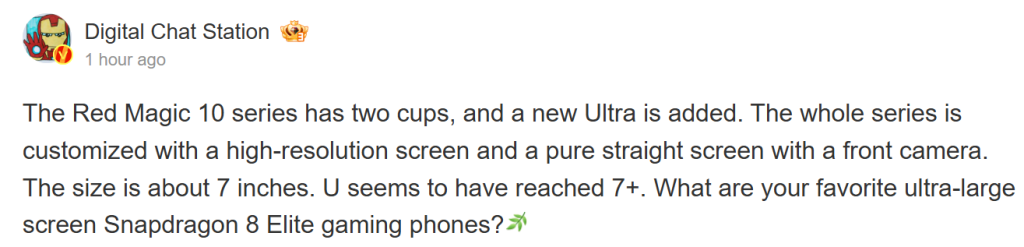
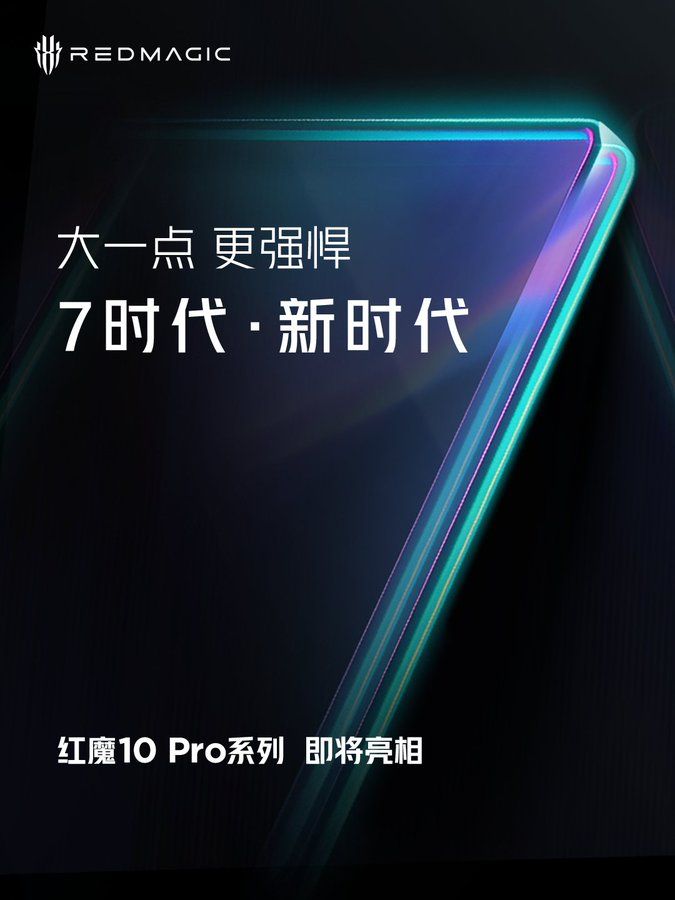
Nubia is working on two new flagship phones for the Chinese market, namely the Nubia Z70 Ultra and the Red Magic 10 Pro series. As it is known, the Z70 Ultra will be a regular flagship phone, whereas the Red Magic 10 Pro lineup will be a gaming-focused flagship offering. These devices are confirmed to feature the all-new Snapdragon 8 Elite. According to a new leak from well-known tipster Digital Chat Station (DCS), this series will introduce an “Ultra” variant.
Red Magic 10 Ultra’s first details leaked
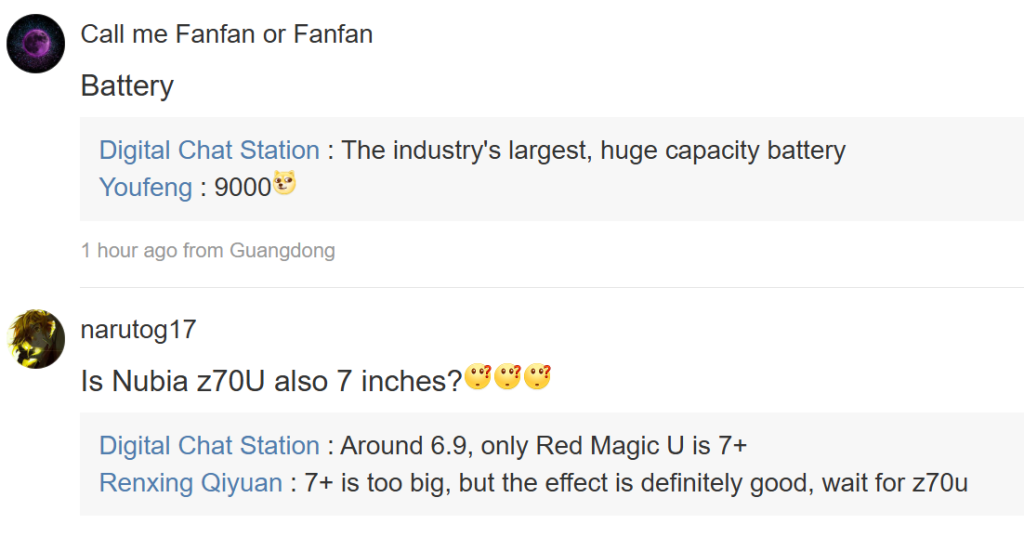
The leaked information from DCS points to the Red Magic 10 Ultra as a notable addition to the series. The Ultra variant is expected to take things further with an extra-large screen size, likely over 7 inches, making it a standout option for gamers seeking an immersive experience. The Ultra variant, like other models in the series, will feature a flat display with an under-screen camera.
Furthermore, the Ultra model could house one of the largest batteries in the industry, potentially in the range of 6,600mAh to 7,000mAh, providing extended battery life for gaming and intensive usage. While the brand has not officially confirmed the Ultra model, Nubia’s recent poster (shown below) teased a more powerful and larger Pro series, suggesting the possibility of this variant.
Red Magic 10 Pro series
As mentioned above, Nubia is also working on the Nubia Z70 Ultra for the Chinese market. This device is also expected to feature an under-display camera and a Snapdragon 8 Elite chipset. DCS also mentioned in the comments section of the above leak that the Z70 Ultra’s screen will be a slightly smaller display, likely around 6.9 inches.
As per reports, the Red Magic 10 Pro series may debut in November in China. As far as the Z70 Ultra is concerned, it is also expected to launch before the end of this year.
OnePlus has officially launched OxygenOS 15, based on Android 15 and ColorOS 15. This latest software update aims to elevate the user experience by integrating advanced AI features, a revamped user interface, and smoother animations, while also retaining its bloatware-free nature. Below, we break down its core features and what users can expect.
OnePlus has made significant changes to the UI of OxygenOS 15, making it more customizable and intuitive. Inspired by HyperOS and iOS 18, the lock screen has been revamped to offer a variety of widgets, fonts, and personalization options.
Dubbed as OnePlus OneTake, this feature allows users to customize the lock screen’s appearance extensively, providing a personalized feel. Users can also enjoy customizable home screen widgets and improved multitasking through the OnePlus Canvas feature, which supports split-window interactions and floating windows.
AI-Powered Photo and Image Editing Tools
OxygenOS 15 integrates new AI-powered photo editing tools aimed at enhancing image quality and user creativity. The three main AI tools are AI Detail Boost, AI Unblur, and AI Reflection Eraser. These tools are designed to improve photo clarity and reduce reflections, ensuring better results even in less-than-ideal shots. These are available directly within the photo album, providing a seamless editing experience, although they require cloud connectivity.
Parallel Processing for Smoother Animations
OnePlus introduces Parallel Processing, an industry-first feature in OxygenOS 15 designed to enhance animation speed and app transitions. This feature allows multiple animations to run simultaneously, making app switching faster and more fluid. The improved animation optimization extends to the entire interface, ensuring smooth and visually pleasing interactions. OnePlus has also reduced system storage usage by 20% compared to OxygenOS 14, making the software lighter and faster.
2. New AI Experiences
AI-Driven Search and AI Notes
The new Intelligent Search feature uses natural language processing to deliver more accurate results across apps like Settings, Files, and Notes. Additionally, AI Notes organizes content more efficiently, highlights key points, and improves text readability. It can also correct grammar and modify formality levels, making it a handy tool for enhanced productivity.
AI Toolbox 2.0 and Gemini Assistant
The updated AI Toolbox 2.0 introduces features like AI Reply, which suggests responses during conversations, making chatting more efficient. Moreover, the integration of Google Gemini as the default AI assistant brings advanced planning, learning, and writing support to OnePlus devices. Gemini is set to be available in over 40 languages, offering broader support.
3. New Design Elements
Visual Enhancements and Customization
OxygenOS 15 features an updated design with Shelf Cards, offering a half-tone color scheme and expanded card sizes for more customization. The interface incorporates Shimmering Effects across various elements, like charging animations, app installations, and unlocking, making interactions more dynamic and engaging.
Improved File Sharing and Security
OnePlus has enhanced cross-platform file sharing with the Share with iPhone feature, enabling seamless file transfers between OnePlus and iPhone devices. In terms of security, Theft Protection has been bolstered with automatic lock capabilities and the option to secure devices remotely, even without logging into a Google account.
4. Availability
The OxygenOS 15 open beta will be available for the OnePlus 12 5G starting October 30, followed by a wider rollout for other eligible devices. AI features will start rolling out by the end of November, with certain features limited to newer models due to hardware requirements.
Huawei also recently launched its independent HarmonyOS Next OS. Explore its new features.
Ahead of the October 29 launch, prolific tipster Digital Chat Station has revealed new details on the Xiaomi 15 series’ performance.
The tipster tested the vanilla Xiaomi 15 on benchmarking sites and shared both its performance results and gaming capabilities across demanding titles. They also offered a first look at HyperOS 2.0, Xiaomi’s new software based on Android 15.
Xiaomi 15 series performance/gaming benchmark
The tipster appears to have the top-end variant of the Xiaomi 15, which includes the Snapdragon 8 Elite processor, 16GB of LPDDR5X RAM, and 1TB of UFS 4.0 storage.
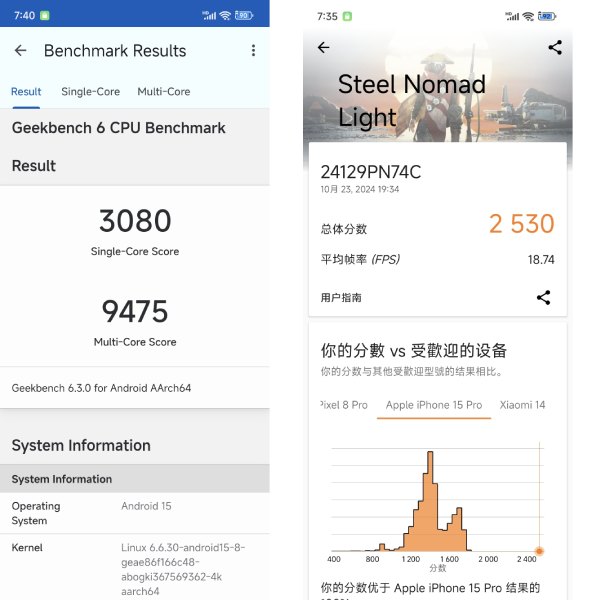
In the Geekbench 6 benchmark, the Xiaomi 15 scored 3080 points in single-core tests and 9475 in multi-core tests. In 3DMark’s Steel Nomad Light test, it achieves 2530 points with an average frame rate of 18.74.
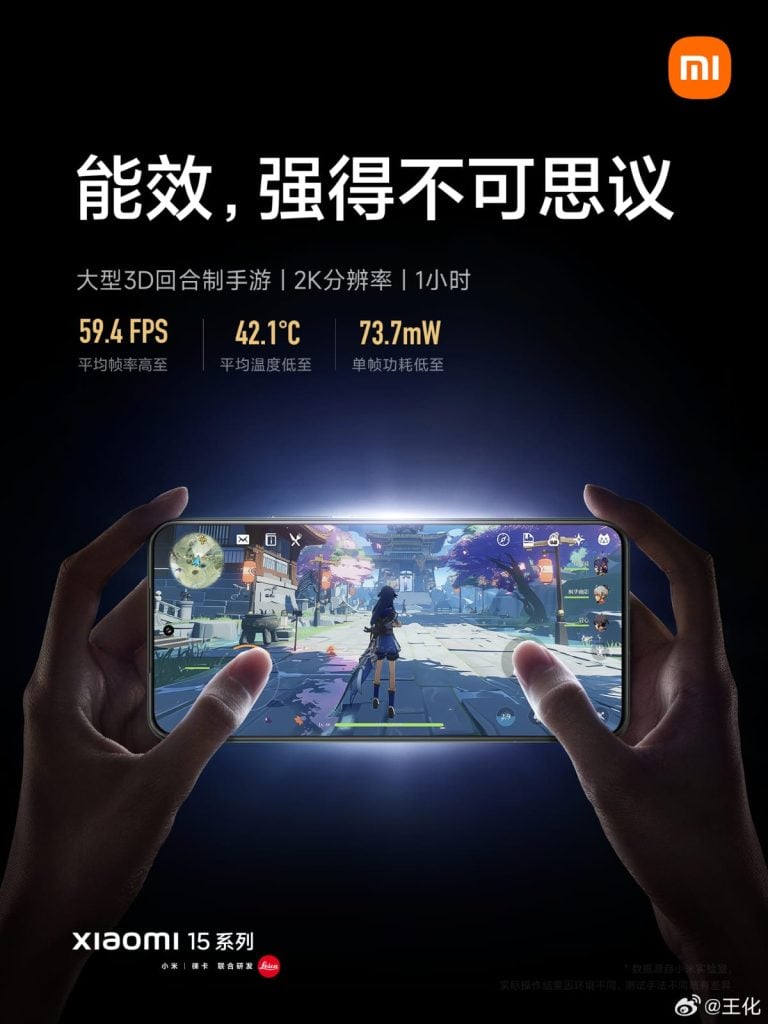
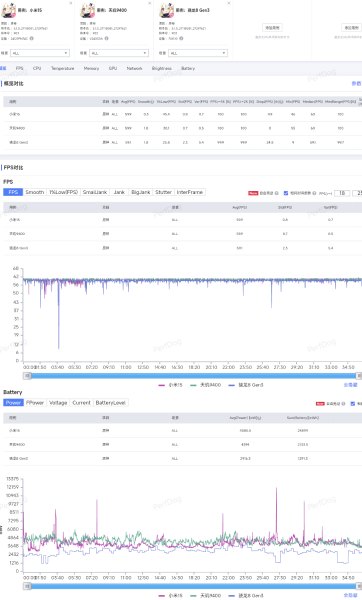
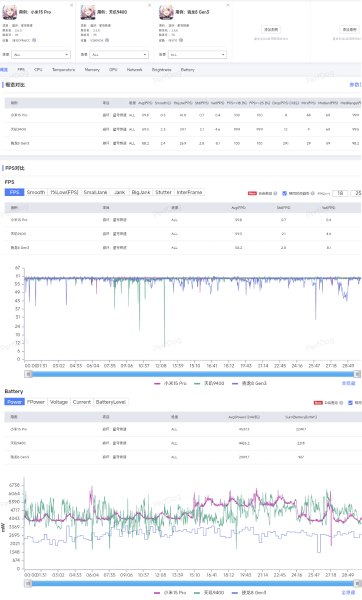
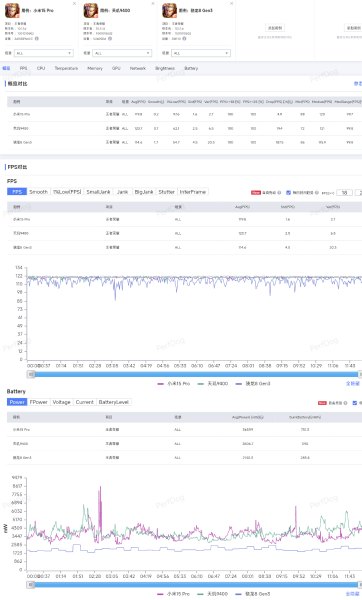
For gaming, the Xiaomi 15 maintains a near-perfect frame rate in popular mobile titles. In Honor of Kings, it runs at a steady 119.8fps with just 3.65W of power consumption, while Genshin Impact, known for its high demand on hardware, reaches a stable 59.9fps at 4.08W. Another game, Star Iron, reportedly delivers 59.8fps in average with just 4.53W of power.
The tipster claims that the Xiaomi 15 with Snapdragon 8 Elite outperforms the Dimensity 9400 in terms of frame rate and power efficiency, and significantly surpasses the previous generation Snapdragon 8G3. The post even mentions “obvious advantages” in temperature control, crucial for maintaining peak performance during extended gaming sessions.
HyperOS 2, the next iteration of Xiaomi’s custom operating system, is also under the spotlight. The tipster notes that there is a noticeable improvement in overall system fluidity. This includes faster startup times, smoother interruption animations, and the addition of transition animations in various user interface elements.
As for other specs, the standard Xiaomi 15 will feature a compact 6.36-inch flat AMOLED screen, while the Pro model is set to have a larger 6.78-inch curved display with a 120Hz refresh rate and advanced features like Dolby Vision.
Moreover, the rumors suggest that the Xiaomi 15 Pro might come with a 6000mAh silicon-carbon anode battery, although this remains unconfirmed. The Pro model is also expected to support faster charging speeds. According to a previously leaked spec sheet, the Pro model supports 80W fast charging.
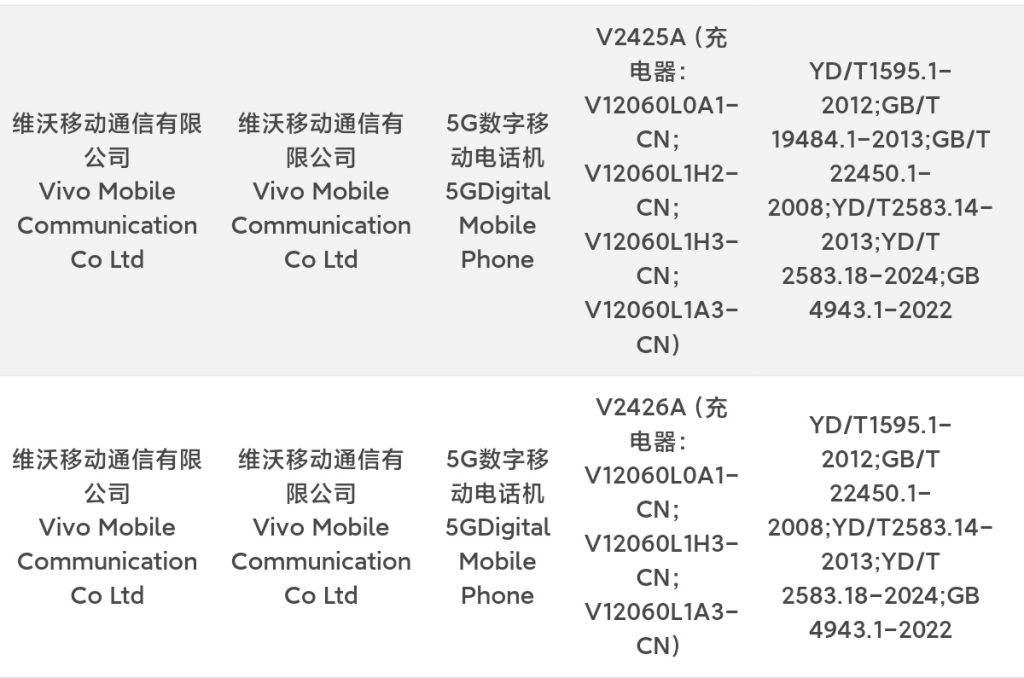
The iQOO Neo10 series is gearing up for launch, as the devices have recently passed 3C certification in China, with model numbers V2425A and V2426A, hinting at an imminent release. The predecessor, iQOO Neo9 series, was launched in China in December last year, followed by a global rollout in February. Given this timeline, a similar launch pattern could be expected for the Neo10 series.
Rumored specifications:
Tipster Digital Chat Station (DCS) has shared some insights about the upcoming devices. The iQOO Neo10 and Neo10 Pro are expected to support 120W fast charging, with both models featuring batteries over 6,000mAh. As for processors, the Neo10 and Neo10 Pro are tipped to use the Snapdragon 8 Gen 3 and Dimensity 9400 respectively. This is similar to the adoption of the 8 Gen 2 and Dimensity 9400 chips on the standard and pro models of the Neo9 series.
Additionally, the devices are expected to include high-frequency PWM for enhanced eye protection. However, he didn’t reveal a specific number.
Given that iQOO’s Neo series focuses on delivering high performance, the Neo10 lineup is likely to bring notable improvements with the new chips. The Dimensity 9400 of the vivo X200 series offers enhancements in power efficiency and performance compared to its predecessor, the Dimensity 9300. The Neo10 series may also incorporate the second-generation SuperComputing chip which will debut with the iQOO 13. It enables up to 144 fps in supported games, making it a strong contender for gaming enthusiasts.
What to expect:
While the exact specifications for the Neo10 series have yet to be confirmed, a look at the Neo9 Pro can offer some hints. The Neo9 Pro came with a 6.78-inch LTPO AMOLED display and a large vapor chamber cooling system. Expect the Neo10 series to build on these features, potentially with a more refined design and improved performance across the board.
With the recent certifications and consistent leaks, an official announcement could be around the corner. The Neo10 series is likely to continue iQOO’s tradition of delivering power-packed devices, focusing on gaming and performance efficiency.
We use cookies on our website to give you the most relevant experience by remembering your preferences and repeat visits. By clicking “Accept”, you consent to the use of ALL the cookies.
This website uses cookies to improve your experience while you navigate through the website. Out of these, the cookies that are categorized as necessary are stored on your browser as they are essential for the working of basic functionalities of the website. We also use third-party cookies that help us analyze and understand how you use this website. These cookies will be stored in your browser only with your consent. You also have the option to opt-out of these cookies. But opting out of some of these cookies may affect your browsing experience.
Necessary cookies are absolutely essential for the website to function properly. This category only includes cookies that ensures basic functionalities and security features of the website. These cookies do not store any personal information.
Any cookies that may not be particularly necessary for the website to function and is used specifically to collect user personal data via analytics, ads, other embedded contents are termed as non-necessary cookies. It is mandatory to procure user consent prior to running these cookies on your website.