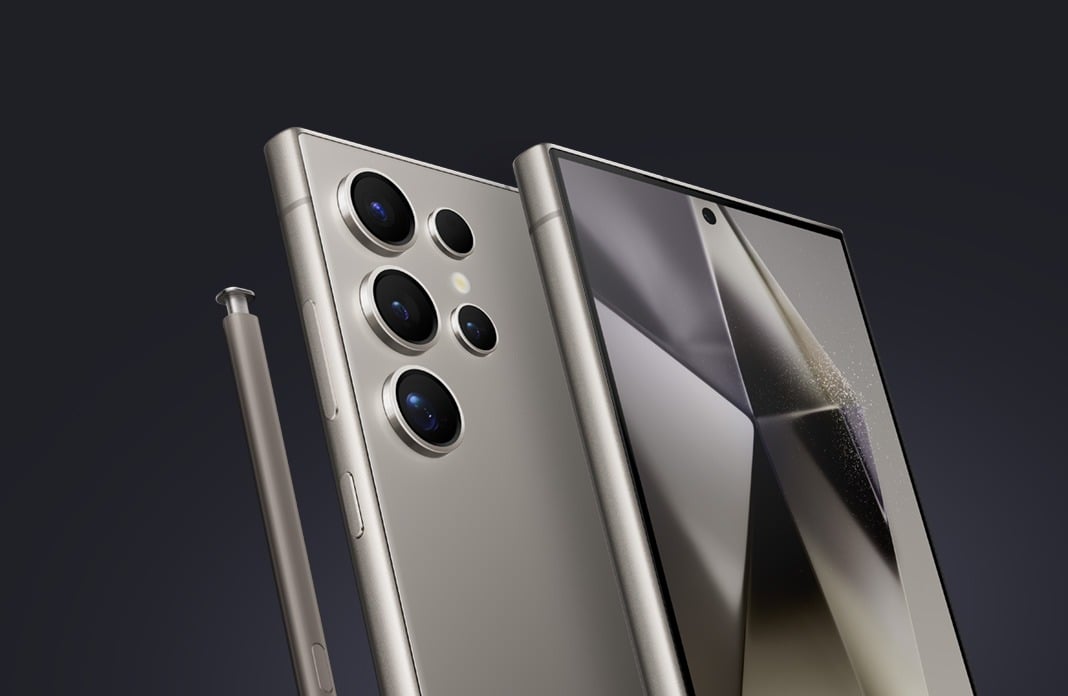
Samsung is expected to announce the Galaxy S24 FE soon, and leaks are coming in steadily. We’ve seen it in renders in a previous leak, but they didn’t show all the color options.
Now, thanks to a new leak from Android Headlines, we have a look at the phone’s design in four colors: Blue, Graphite, Green, and Yellow. While the S24 FE is also rumored to come in white, that color hasn’t surfaced in the latest leak.
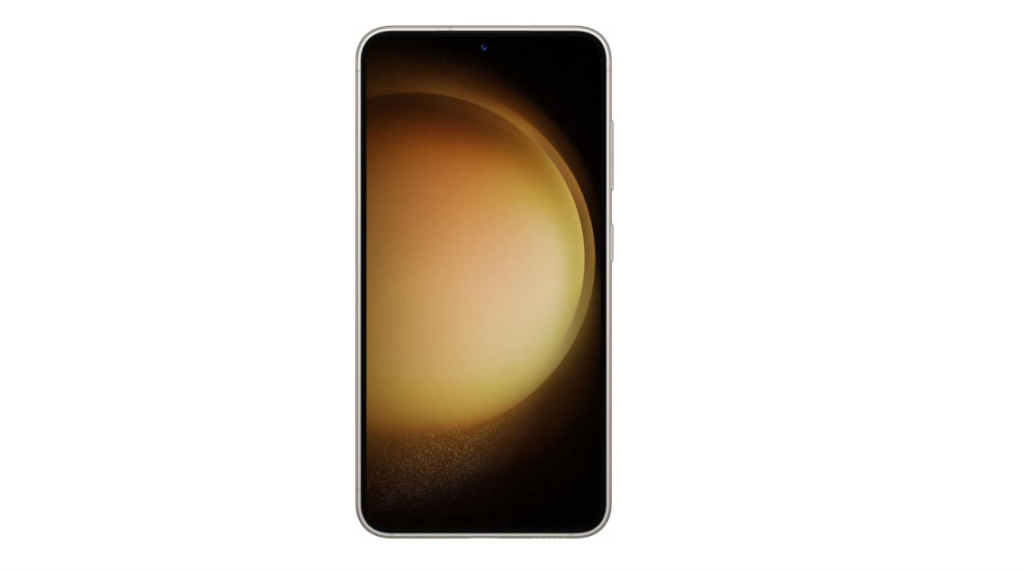
Looking at the renders, it’s easy to do a double-take. The S24 FE appears nearly identical to the S23 FE. Samsung seems to be adopting a “why mess with a good thing?” approach here. The camera layout on the back, the punch-hole display – it’s all very familiar territory.
The most noticeable change appears to be the frame, which ditches the S23 FE’s curves for a flatter, more modern look – a design element borrowed from the flagship Galaxy S24. But there’s particularly not anything that stands out in its appearance.
Moving from asthetics, the smartphone is expected to pack a 6.7-inch FHD+ display with a smooth 120Hz refresh rate and a respectable 1,900 nits peak brightness.
Gorilla Glass Victus+ should offer some peace of mind for those prone to accidental drops. Powering the phone will likely be a toned-down version of Samsung’s latest Exynos 2400 chipset.
The camera department seems to be sticking with a proven formula: a 50MP main sensor, a 12MP ultrawide lens, and an 8MP telephoto lens with 3x zoom capabilities.
Charging options also appear to remain unchanged, with support for 25W wired and 15W wireless charging. This might feel a tad dated considering some competitors are pushing the boundaries with faster charging speeds, but that’s what you get even on the high-end S24 and S24 Plus. So we can’t complain here.
Huawei is launching its first tri-fold phone, named Mate XT Ultimate Design on September 10 in China. Before the big reveal, the device is now available for pre-order on the Chinese e-commerce platform JD.com, for those who want to get their hands on this innovation early.
Unsurprisingly, the company is keeping the pricing details under wraps. But one thing is certain now — the Huawei Mate XT Ultimate Design will be the first commercially available tri-fold and not a concept phone like the Tecno Phantom Ultimate 2 showcased earlier this month.
The pre-order page confirms a few other details of the foldable. It will go on sale in China from September 20 and will be available in two memory variants, 16/512GB and 16GB/1TB. The color options are Ruihong and Xuanhei.
Based on teasers Huawei released earlier this week, the Mate XT boasts a sleek, slim design when unfolded. Unfold it, and you’ve got a tablet-sized screen – rumored to be around 10 inches – supported by a complex dual-hinge design.
Huawei has reportedly managed to keep the phone’s thickness under 5mm thin when unfolded. Impressive engineering, if true. Folded shut, it transforms into a regular-looking smartphone – perfect for slipping into your pocket.
Flipping it over, the rear design takes inspiration from the Mate 60 RS. We see a familiar octagonal camera module housing a periscope telephoto lens. The back panel is finished with luxurious vegan leather – a nice touch for a phone likely to command a premium price.
Speaking of price, that’s still under wraps. Leaks point to a hefty 14,900 Yuan (around $2,000), which wouldn’t be surprising considering this is Huawei’s first foray into tri-folding tech. It’s also speculated to be a limited edition offering, making it a potential collector’s item for early adopters.
Obsbot Meet 2 is the latest addition to the Obsbot lineup, designed to meet the needs of content creators, gamers, and professionals who prioritize high-quality video and AI-powered features.
Packed in a compact and lightweight form, this webcam offers 4K video quality, AI auto-framing, and enhanced audio features, all at an affordable price point. In this review, we’ll take a closer look at the design, performance, features, and overall value of the Obsbot Meet 2.
Please Note: When you buy something using the links in our articles, we may earn a small commission at no cost to you.
2. Design and Build Quality
The Obsbot Meet 2 is extremely compact and lightweight, measuring 45 x 36 x 36.7mm and weighing just 67.5g with the mount. Available in three stylish colors, Space Grey, Cloud White, and Aurora Green, it features a minimalist design ideal for travelers, students, or those with limited desk space.
I got the Space Grey version but didn’t find it as appealing. Personally, I think the green color stands out as the best option among the three, though that’s just my preference.
The webcam also features a magnetic mount for quick and easy adjustments, and with its UNC 1/4-20 interface, it can be mounted on a standard tripod for more advanced setups. While the camera is made of plastic, it feels sturdy enough for regular use, and its compact size doesn’t compromise its functionality. It also includes a magnetic privacy cover that can be attached to the lens for added security.
During my usage, I noticed some scratches on the wider area of the lens. I’m not sure if the lens is particularly prone to scratching or if it’s due to my heavy usage, but I wanted to mention it.
3. Setup and Compatibility
Setting up the Meet 2 is as simple as plug-and-play. It connects via USB-C, and no additional drivers are required for basic use. However, for those wanting to unlock the camera’s full potential, Obsbot Center software is recommended.
The software allows you to fine-tune settings such as exposure, white balance, and resolution and gives you access to AI-powered features like auto-framing and gesture control.
The Meet 2 is compatible with Windows 10 or later and macOS 11 or later. It works seamlessly with popular video conferencing platforms like Zoom, Microsoft Teams, and Google Meet.
4. Performance
The Obsbot Meet 2 is equipped with a 1/2-inch CMOS sensor and a f/1.8 aperture, delivering crisp 4K video at 30 fps and 1080p at 60 fps. In well-lit environments, the image quality is excellent, with vibrant colors and sharp details.
I really like how the camera performs decently in low-light conditions, thanks to its larger sensor and HDR support, which helps balance exposure in varying lighting.
It also includes Phase Detection Autofocus (PDAF) to keep subjects in focus during calls or streams. However, in 1080p mode, the camera tends to hunt for focus more often, an issue not present in other formats.
The camera comes with 4x digital zoom, so you can zoom in on specific details without significant loss of quality. However, keep in mind that digital zoom is not as precise as optical zoom, so it’s best used sparingly.
Wide ViewMedium ViewNarrow View
The webcam also supports dual omnidirectional microphones that feature noise reduction and auto gain control, ensuring clear audio even in moderately noisy environments. While the built-in mics are adequate for video calls, professionals looking for studio-quality sound may want to invest in an external microphone.
5. Special Features
The Obsbot Meet 2 features AI Auto-Framing, which automatically tracks movements to keep users centered, making it ideal for meetings, presentations, and live streaming. However, it can take 2-3 seconds to adjust the frame when moving around.
In addition to AI tracking, the webcam allows for zoom control, and when zoomed in, you can adjust the frame using gimbal controls within the app. Other features include auto and manual focus, white balance adjustment, exposure settings, and HDR mode.
The microphone settings are equally versatile, letting you disable the mic, reduce background noise, control radio distance, and more, offering a customizable and seamless user experience.
6. Software and Customization
The Obsbot Center app enhances the functionality of the Obsbot Meet 2 webcam by providing users with control over advanced camera settings, the ability to switch between different tracking modes, and apply image filters. The app offers extensive customization options, allowing users to adjust both basic and advanced settings such as recording bitrate, format, and even shortcuts for easier use.
However, some users may find the interface less user-friendly compared to other webcam applications. During 4K recording, there are occasional stability issues, such as the app crashing when the stop recording button is pressed multiple times.
While Obsbot’s hardware is impressive, the software could use refinement to provide a smoother, more intuitive experience. The app’s features are comprehensive, but the cluttered design sometimes hinders the full potential of the product. Improving the software would likely elevate the overall experience for users, ensuring they can take full advantage of the webcam’s capabilities.
7. Pricing
The Obsbot Meet 2 is competitively priced at $129, making it an affordable option among 4K webcams. A bundle pack is also available for $202, offering additional accessories like a USB-A to USB-C data power cable with an On/Off switch, an extendable tripod mini ball head, and an extendable tripod.
8. Should You Buy Obsbot Meet 2?
I love the Obsbot Meet 2 primarily for its portability, as it easily fits in a laptop bag. It offers all the essential features, excellent video quality, and smart AI capabilities at an affordable price. Its sleek design, ease of use, and robust software make it a great choice for remote work, online learning, live streaming, and content creation.
While it lacks some of the advanced features of pricier models like the Obsbot Tiny 2 Lite (which offers a gimbal for more dynamic tracking), the Meet 2 still provides great value for its price. If you’re in the market for a high-quality 4K webcam with intelligent features, the Obsbot Meet 2 is a solid choice.
TCL has expanded its tablet lineup with the introduction of the NXTPAPER 14.
TCL NXTPAPER 14 specs:
This affordable device boasts a massive 14.3-inch matte LCD screen with a resolution of 2400 x 1600 pixels. It offers a paper-like reading experience thanks to its NXTPAPER 3.0 tech. The screen features three distinct modes: a default color mode, a Color Paper mode that mimics e-readers, and a quasi-E Ink mode.
It is powered by the Helio G99 processor and paired with 8GB RAM and 256GB storage. Unfortunately, the tablet does not come with a microSD card slot. It has a dual front camera setup and an IP54 dust and water resistance rating.
Additional features include quad speakers, face unlock, Wi-Fi 5, Bluetooth 5.0, and a 10,000mAh battery with 33W fast charging. The tablet runs Android 14 and supports features like floating windows and secondary display functionality.
Pricing & availability
Priced at €399, the NXTPAPER 14 is a budget-friendly option for those seeking a large, paper-like screen.
In other news, Honor has introduced the MagicPad 2 at IFA, alongside its Magic V3 foldable phone. The tablet boasts a slim 5.8mm design and a 12.3-inch OLED 3K display with a 144Hz refresh rate, delivering up to 1600 nits of brightness. It also supports IMAX Enhanced, DTS audio, and features Honor’s Spatial Audio Technology for an enhanced sound experience. Powered by the Snapdragon 8s Gen 3, it comes with a 10,050mAh battery and 66W fast charging.
Casio‘s G-SHOCK, known for its durable and reliable watches, has launched the G-STEEL GBM-2100 series in India. Building on the success of the GM-2100, this new collection combines strength, elegance, and modern technology.
The GBM-2100 series features a polished metal octagonal bezel, a departure from the usual resin bezels found in many G-SHOCK models. The dial features a transparent grid pattern with a circular brushed finish.
Beneath its stylish exterior, the watch is built to last. It includes a stainless steel bezel and a durable inner case reinforced with glass fiber resin, ensuring protection for its internal mechanisms. The high-contrast dial, with phosphorescent index marks, ensures easy readability even in low-light conditions.
One of the key features of the GBM-2100 series is its Tough Solar function that allows the watch to charge using sunlight, eliminating the need for battery changes. Additionally, the Smartphone Link feature allows for easy pairing with your phone, providing access to world time, alarms, and more.
The GBM-2100 series includes a Super Illuminator, a high-brightness dual LED light that ensures clear visibility in all lighting conditions. The watch also comes equipped with essential features like shock resistance, 200-meter water resistance, five daily alarms, a 1/100-second stopwatch, a countdown timer, and world time.
G-SHOCK has used bio-based resin for parts of the case and band, reducing the watch’s environmental impact and reflecting the brand’s commitment to sustainability.
The G-STEEL GBM-2100 series comes in four color options: black, blue, green, and brown. It costs Rs 19,995 and can be purchased from Casio stores, G-SHOCK stores and through Casio’s online stores.
After the recent launch of the Red Magic Gaming Tablet Pro in China, the brand plans to launch a new tablet in the global market soon called the Red Magic Nova Gaming tablet. Red Magic has dropped hints about its upcoming gaming tablet, which is set to launch globally on September 27, 2024. While specific details remain under wraps, the teasers suggest that the tablet will closely resemble the Gaming Tablet Pro.
Red Magic Gaming Tablet Pro specs:
The Red Magic Gaming Tablet Pro features a 10.9-inch 2.8K LCD screen with a 144Hz refresh rate. It is powered by a Snapdragon 8 Gen 3 Leading Version processor, the tablet delivers strong performance with a score of 2.35 million points on AnTuTu. The device has up to 24GB of LPDDR5 RAM and 1TB of UFS 4.0 storage.
The tablet’s Magic Cooling ICE 2.0 system effectively reduces core temperature by 25°C, ensuring optimal performance during intensive gaming sessions. Its sleek design, featuring a transparent section made of lens-grade aluminosilicate glass and a custom RGB lighting system, enhances both aesthetics and durability.
Equipped with a 50MP rear camera, 20MP front camera, dual X-axis motor, four-channel speakers, and three microphones, the tablet offers an immersive multimedia experience. It is powered by a 10100mAh battery with 120W fast charging.
In other news, Honor has unveiled the MagicPad 2 at IFA alongside its Magic V3 foldable phone. The tablet features a sleek 5.8mm thin design, a 12.3-inch OLED 3K display with a 144Hz refresh rate, and 1600 nits brightness. It supports IMAX Enhanced, DTS audio, and Honor’s Spatial Audio Technology for improved sound. Powered by the Snapdragon 8s Gen 3, it has a 10,050mAh battery with 66W charging.
Honor has expanded its product lineup in India with the launch of the Pad X8a tablet. This affordable device offers a range of features that make it a compelling option for budget-conscious consumers. This launch comes amid the brand’s many new announcements at the IFA Berlin 2024 show.
Honor Pad X8a specs:
The Pad X8a boasts an 11-inch FHD 90 Hz display with a 1200 x 1920 pixels resolution, delivering sharp and vibrant visuals. Powered by the Qualcomm Snapdragon 680 processor and paired with 4GB RAM and 128GB storage, the tablet offers smooth performance for daily tasks.
One of the standout features is its large 8300mAh battery, which can provide up to 14 hours of online video playback and 85 hours of music playback on a single charge. The tablet’s sleek design, measuring 7.25mm thin and weighing 495g, makes it easy to carry around.
Running Android 14, the Pad X8a comes equipped with quad speakers for an immersive audio experience. The tablet will be available for pre-order starting September 8th, with a free flip cover included. The Honor Pad X8a is priced at Rs 12,999, which makes it a competitive value proposition in the tablet market.
In related news, Honor has also launched the Magic V3, the MagicPad 2 tablet, the Magic Watch 5, and the MagicBook Art 14 laptops in the global market. The brand has also showcased several AI-powered solutions at IFA Berlin 2024, including AI Agent, AI Deepfake Detection, and the MagicBook Art 14 Snapdragon. AI Agent is a personal assistant for Honor smartphones that can automate tasks and learn from user habits. AI Deepfake Detection is a tool to detect manipulated media.
Xiaomi has introduced a new power bank in China, the Powerbank 10000 33W. However, unlike its name suggests, it doesn’t actually have a 10,000mAh capacity. Instead, it’s a 5,500mAh power bank with 33W charging support.
It seems Xiaomi is using clickbait-like names for their new power banks. Earlier this week, they launched the Power Bank 25000 212W. And guess what? It also didn’t match its name’s implied capacity — rather it packed a more modest 14,000mAh cell. Xiaomi needs to stop doing this!
Regardless, the headline feature of the new power bank is its integrated cable. When not in use, it tucks neatly into a dedicated slot on the power bank, doubling as a lanyard. It’s a clever space-saving solution, perfect for those who perpetually misplace cables.
However, the built-in nature of the cable means it’s not replaceable. If it frays or breaks, you’re essentially out of luck.
Xiaomi does offer a third, standard USB-C port for additional charging options, with a maximum output of 22.5W and intelligent power distribution support when juggling multiple devices. However, if the main USB-C port malfunctions, you’ll be left with only this single port for charging.
Additionally, it’s unclear whether you can use another USB-C port to charge the power bank. If you can’t and the main USB-C cable breaks, the power bank could become completely unusable.
Its maximum charging rate is 33W, unsurprisingly, which can top up a Xiaomi 14 Pro to 51% in just 30 minutes.
Xiaomi also throws in some additional features for good measure, including a low current mode for charging low-power devices and support for common fast charging protocols like PD 3.0 and QC 3.0.
The design is compact and lightweight, measuring in at a pocket-friendly 3.2 x 2.6 x 1.0 inches. You can choose between a sleek Deep Space Blue or a more muted Light Brown to match your style
Talking of the price, the Xiaomi Powerbank 10000 33W retails for 149 yuan (~$21) in China but is currently available at a discount of 20 yuan (~ $2). You can purchase it from Xiaomi Youpin platform.
DJI‘s focus on the budget-friendly Neo drone might have overshadowed their action camera plans, but a new leak suggests the Osmo Action 5 Pro is ready to take center stage. The action cam will be a direct competitor to the recently launched Hero 13 Black.
Now, DJI itself hasn’t officially confirmed anything, but reliable leaker @Quadro_News has spilled the beans about its specifics.
According to the tipster, the Osmo Action 5 Pro will feature a 1/1.3-inch sensor with a 40MP resolution and 155-degree field of view, so it can capture a wide swathe of the action.
Video recording capabilities are said to max out at 4K resolution at a smooth 120 frames per second. It will also have “SuperNight Slow-Motion Modes” for capturing slow-mo video.
Battery life seems respectable too, with @Quadro_News estimating up to four hours of recording on a single charge. Connectivity-wise, we’re looking at Bluetooth 5.0 and Wi-Fi 6.
Storage shouldn’t be an immediate concern either as the action cam is said to come with 47GB built-in and will be expandable up to 1 TB via a microSD card. For audio, the leak suggests the Osmo Action 5 Pro will sport three stereo microphones.
Likewise, the software features the action camera is expected to have is 360° HorizonSteady, Live Stream, OsmoAudio, Subject Centering & Tracking and Voice Control.
Pricing details are a bit fuzzy, but @Quadro_News hints that the Osmo Action 5 Pr’s “Adventure Combo” with various accessories could retail for €450-€490 (roughly $520-$570 USD). The expected launch date is September 12th, so we shouldn’t have to wait too long for official confirmation.
Earlier this week, Honor unveiled Magic V3 at IFA 2024 as the world’s slimmest foldable. However, this launch wasn’t without some drama. In the lead-up to the reveal, Honor went all out with their marketing; and they didn’t shy away from even taking direct shots at Samsung.
First, they made fun of Samsung foldables for being too thick. Then came the “world’s smallest apology” — a cheeky message etched on the Magic V3’s hinge for Samsung Galaxy Z Fold 6 owners who feel ‘let down’ by their ‘chunky’ folding phone.
Now, Honor’s marketing team is back for round three. And this time, they’ve taken their rivalry on the road.
There’s currently a van cruising the streets of France, plastered with – wait for it – a “review” by “Sam Sung.” Yes, you read that right. It’s not a typo, folks.
Sam Sung is a biomedical science graduate from London (that’s what the billboard says), who declares Magic V3 as the “No.1 foldable” and “so much thinner and lighter” than their current phone.
That’s not it — the company found another Sam Sung, a recruiter from Glasgow, who chimes in with, “easily the best foldable phone.” Clever pun? Absolutely.
But it all feels a bit forced now.
Look, playful marketing is all fun and games, and a little friendly competition can be good for the industry. But the constant stream of Samsung-bashing feels like Honor is trying too hard.
There’s no denying that the Magic V3 is a sleek device with impressive specs. But with every dig at Samsung, the focus seems to be shifting away from the phone’s merits and towards the competitive rivalry. While some might find this humor refreshing, it could also backfire.
Think about it. Instead of focusing on why someone should choose the Magic V3 over the competition, Honor keeps reminding us of the competition itself. This could potentially alienate some consumers who just want to see a strong product on its own terms.
“Sam Sung” reviews are cute, but they’re not exactly inspiring confidence. They feel gimmicky, at least to me, and are distracting buyers from the core message — is the Magic V3 really a better foldable than what Samsung has to offer? Or is it just the slimmest phone with a side of shade?
Don’t get me wrong, a little friendly competition is healthy. But Honor might benefit from shifting gears a bit. Let the Magic V3 speak for itself. Highlight its unique features, show its performance, and let the consumers decide who reigns supreme in the foldable phone arena. After all, a good product should be able to stand on its own two (well, one folding) legs.
At the IFA Berlin 2024 event, Honor debuted a bunch of new hardware like the Magic V3, the MagicPad 2 tablet, and the MagicBook Art 14 laptop. Earlier today, the brand separately showcased its AI-based solutions for both its laptops and mobile devices. In total, the brand has showcased three mobile AI solutions: AI PC powered by Snapdragon X Elite platforms, AI Agent, and AI Deepfake Detection.
The key focus here is Honor’s AI Agent, which is a personal assistant for Honor smartphones. This on-device AI assistant, designed to learn from user habits and device environments, can intelligently automate tasks across various apps and services. Honor demonstrated its capabilities by showcasing how it can find and cancel unwanted app subscriptions with simple voice commands. The AI Agent is expected to be available with the Honor Magic 7 Series later this year (Q4 2024) in China.
HONOR also introduced AI Deepfake Detection, a feature aimed at addressing the issue of manipulated media. Using advanced algorithms, this tool can analyze and detect deepfakes, demonstrating HONOR’s focus on user privacy and security.
Additionally, HONOR showcased the MagicBook Art 14 Snapdragon, an AI-powered PC that features the Snapdragon X Elite platform. This device offers strong AI performance and smooth cross-device connectivity, with MagicRing technology enabling easy access to services across different platforms.
In other news, Honor has also unveiled the Honor Watch 5 at the recent IFA event, confirming its specifications. The watch has a square design with curved edges and an aluminum frame, featuring a larger 1.85-inch AMOLED display. It’s lightweight at 35g and 11mm thick, designed for comfortable daily wear.
Key features include heart rate and SpO2 tracking, a one-click health scan, and the AccuTrack positioning system for improved GPS accuracy. With a 480mAh battery and Turbo X Smart Power Management, it offers up to 15 days of battery life. The watch also includes 400+ customizable faces, 85 sports modes, and 5 ATM water resistance.
While we are eagerly awaiting the official release of Android 15 for Pixel phones (expected in the coming weeks), whispers of what’s next are already swirling.
A recent discovery by Mishaal Rahman of Android Authority in the latest Android 15 QPR beta suggests Google might be planning an overhaul for notifications and Quick Settings in next year’s Android 16.
The proposed change involves a split approach to notifications and quick settings. Swiping down with one finger would reveal a slim notification panel, presumably occupying about a quarter of the screen. This could offer a less disruptive way to check notifications without obscuring the entire display.
However, the real head-scratcher comes with accessing quick settings. Google appears to be toying with the idea of requiring a two-finger swipe to expand the notification shade further and reveal the quick settings tiles. The change feels counterintuitive, to be honest. Below is a video of the changes in action.
The Quick Settings panel itself appears relatively unchanged, albeit with a few tweaks. Brightness control gets its own dedicated space with a text label, while the remaining tiles seem to have shrunk a bit. Swiping allows you to access the full list of settings.
It’s worth noting that this design is far from complete. Many settings are missing from the Quick Settings panel, and Google hasn’t confirmed if this revamped UI will see the light of day in Android 16. Still, it clearly shows what Google is experimenting with its Android skin.
For now, the focus remains squarely on Android 15. Pixel users can expect the update in the coming weeks, with other manufacturers like Samsung, Honor, and OnePlus following suit in the coming months.
The highly anticipated Global Sources Hong Kong Shows are set to return in October 2024, bringing together global suppliers, innovative products, and a diverse range of industries. The event will span three distinct phases over the month, each focusing on key themes of innovation, sustainability, esports, AI integration, and health. With over 5,000 Asian suppliers and 300,000+ products on display, the show is expected to attract over 100,000 professional buyers worldwide.
Event Date & Location: October 11–30, 2024, at Asia World-Expo, Hong Kong.
This year’s event will emphasize major global trends, including the rise of esports, smart home technologies, and eco-conscious solutions. Trending product categories include gaming peripherals, smart home appliances, pet products, and outdoor sports gear. The event promises to highlight cutting-edge technology and sustainable, health-focused, and lifestyle-enhancing products.
Global Sources Consumer Electronics This phase will focus on new-generation electronics, includingcomputer peripherals, gaming accessories, automotive and outdoor electronics, and more.
Global Sources Electronic Components The spotlight will be on electronic components, batteries, connectors, semiconductor products, and other key elements that drive the electronics industry.
Phase 2: October 18–21, 2024
Global Sources Mobile Electronics A showcase of the latest mobile devices, smart wearables, AR/VR tech, and energy storage solutions will take center stage.
Global Sources Smart Home, Security & Home Appliances This phase will highlight smart home appliances and security systems, with a focus on innovative and intelligent designs.
Global Sources Home & Kitchen Eco-conscious and stylish products for the modern home will be featured, ranging from decor, cleaning, and storage solutions to kitchenware and dining equipment.
Global Sources Lifestyle Focused on sustainability, this section will present a variety of pet care products, gifts, stationery, toys, and personal care items.
Phase 3: October 27–30, 2024
Global Sources Sports & Outdoor Attendees can explore eco-friendly outdoor gear, sports equipment, and smart sportswear, with a special focus on tech-integrated solutions.
Global Sources Baby & Children’s Products From baby care items to toys, strollers, car seats, and nursery furniture, this phase will offer the latest in child-focused products.
Key Highlights by Category
One of the most anticipated sections is the Gaming & Esports Hall (Phase 1), featuring leading brands such as Saitake (gamepads), Quiksol (mouse and keyboard combos), Beiou (7.1 surround sound headsets), Anbernic (portable gaming consoles), and Morphling (gaming chairs). This segment will offer immersive experiences with themed gaming rooms, esports team appearances, and professional cosplayers. A notable highlight will be a preview of the Black Myth: Wukong game. Special guest Gerald Solomon from the North America Scholastic Esports Federation (NASEF) will engage with Chinese esports managers during the event.
Phase 2 will also bring attention to cross-border brands, with companies like Arpha (smart locks), IVISMILE (oral care devices), Pingjia (cleaning robots), KOSPE (smartwatches), and FUKUMAR (smart pet products) leading the charge. The AR/VR experience zone, supported by HTC, will offer immersive tech demonstrations, while the dog park and a unique Sichuan opera face-changing performance will add cultural flair.
The Sports & Outdoor section (Phase 3) will highlight key exhibitors like See Me Here (outdoor karaoke speakers), NELLO (sports cameras, camping lamps), and Gymera (AI Integrated Fitness Robot), a Red Dot Award winner. This phase will also feature a sports carnival, complete with a Pure Yoga session, interactive fitness areas, and professional sports experiences such as pickleball.
Awards & SpecialFeatures
The event will culminate with the prestigious Global Sources Best of Innovation Awards, which will recognize excellence in design, innovation, and quality across electronic products. Judged by industry experts and global buyers, these awards serve as a benchmark for innovation within the industry.
Buyers and suppliers will also have the opportunity to engage in special experience zones, including interactive esports arenas, smart product showcases, and cultural performances, further enhancing networking opportunities and the overall show experience.
As the world continues to evolve technologically, the October 2024 Global Sources Hong Kong Shows stand at the forefront of these innovations, providing a comprehensive platform for buyers and suppliers to explore the latest in AI, esports, smart home tech, and sustainability. With its diverse range of products and immersive experiences, this event is not to be missed for industry professionals seeking to stay ahead of the curve.
The new Tensor G4 fuels the latest Pixel 9 models released in August. It promises significant performance and battery improvements over last year’s Tensor G3. But are those improvements enough to beat the Snapdragon 8 Gen 3? We’ll see how the two chips stack up against each other on multiple benchmarks and the key differences setting them apart.
The Tensor G3, released last year, failed miserably against the Snapdragon 8 Gen 2. Whether it was CPU performance, GPU performance, or battery efficiency, the Snapdragon chip was always at the top. Now, we have a new Tensor chip, Tensor G4, and we’re excited to compare it against the Snapdragon 8 Gen 3.
Let’s begin with the spec sheet:
Tensor G4
SD 8 Gen 3
Release date
August 2024
October 2023
Process node
4nm
4nm
Manufacturer
Samsung
TSMC
Cores
8
8
CPU architecture
1 x Cortex-X4 @ 3.1 GHz 3 x Cortex-A720 @ 2.6 GHz 4 x Cortex-A520 @ 1.92 GHz
1 x Cortex-X4 @ 3.3 GHz 3 x Cortex-A720 @ 3.15 GHz 2 x Cortex-A720 @ 2.96 GHz 2 x Cortex-A520 @ 2.27 GHz
GPU
Mali-G715 MC7 940 MHz frequency
Adreno 750 770 MHz frequency Snapdragon Elite Gaming Hardware Accelerated Ray Tracing
[Note: For testing on different benchmarks, we picked the Pixel 9 Pro (powered by the Tensor G4) and the Galaxy S24 Ultra (powered by the Snapdragon 8 Gen 3).]
Geekbench 6
It’s a CPU-centric test that runs a device through a series of computation workloads, including compression (text & images), encryption, physics simulations, rendering, ray tracing, and speech recognition.
The benchmarking platform outputs single-core and multi-core results. The single-core score shows the device/chip capability when a single core is used, and the multi-core score tells the CPU performance when multiple cores are at work.
The Geekbench scores are terrible for the Tensor G4 compared to the Snapdragon 8 Gen 3. The results are significantly better than last year’s Tensor G3, but the Tensor G4 is still lagging behind last year’s Snapdragon flagship chip.
The Snapdragon 8 Gen 3 has a 15% better single-core score, but the difference in multi-core scores is massive — it’s 51%.
Tensor G4
SD 8 Gen 3
Single core
1,917
2,226
Multi core
4,526
6,832
AnTuTu 10
AnTuTu is a popular benchmarking platform that measures the CPU, GPU, memory, and UX performance of devices.
The difference in CPU scores on AnTuTu 10 between the Tensor G4 and Snapdragon 8 Gen 3 is even greater than on Geekbench v6, with the Snapdragon chip leading the chart. The difference is over 100% for the CPU score and around 44% for the GPU.
The total AnTuTu v10 score (CPU, GPU, Memory, UX combined) of the Snapdragon 8 Gen 3 is more than double that of the Tensor G4.
Tensor G4
SD 8 Gen 3
CPU
1,86,608
4,35,530
GPU
4,48,675
6,48,391
Memory
1,69,176
3,65,614
UX
1,90,787
2,97,760
Total score
9,95,246
17,47,295
Other Benchmarks
We also ran the two chips through the CPU throttling test, where the Snapdragon 8 Gen 3 has outperformed the Tensor G4. The Snapdragon chip manages to achieve 90% performance without showing any sign of throttling, while the Tensor G4 shows throttling at 71%.
The GFXBench also favored the Snapdragon 8 Gen 3, as it attains higher FPS (frames per second) than the Tensor G4.
Tensor G4 vs Snapdragon 8 Gen 3: Key Differences
Although both Tensor G4 and Snapdragon 8 Gen 3 have eight cores and use the same cores, there are significant differences, causing major differences in benchmarks.
Both chips have one Corex-X4 prime core, but the one in the Snapdragon chip runs at a higher clock speed. The Tensor G4 only has three Cortex-A720 performance cores, while the Snapdragon 8 Gen 3 has five of them (three runs at 3.15 GHz and two at 2.96 GHz) for a better balance of performance and power efficiency.
The Tensor G4 has four Cortex-A520 power efficiency cores, while the Snapdragon 8 Gen 3 has two of them.
The latest Tensor chip features Mali-G715 MC7 GPU, whereas the Snapdragon chip has Adreno 750 with a full suite of Snapdragon Elite Gaming features and hardware-accelerated ray tracing support.
Although both chips support LPDDR5X RAM, the Snapdragon supports a higher frequency. The Exynos 5400 5G modem in the Tensor chip has a peak download speed of 14.79 Gbps, whereas the Snapdragon X75 5G modem inside the Snapdragon 8 Gen 3 peaks at 10 Gbps.
Another key difference is that the Snapdragon 8 Gen 3 supports a newer Bluetooth standard — Bluetooth 5.4 (vs. Bluetooth 5.3 on the Tensor G4).
One crucial difference between the two chips is their manufacturing process. The Tensor G4 is manufactured by Samsung using its 4nm process, while Qualcomm has chosen TSMC for the Snapdragon 8 Gen 3. TSMC’s chip manufacturing process is more advanced and highly efficient than Samsung’s.
All these changes combined have favored the Snapdragon 8 Gen 3 over the Tensor G4 by a significant margin.
Tensor G4 vs Snapdragon 8 Gen 3: Google’s Chip Still Has a Long Way to Go
The latest Tensor G4 brings a lot of improvements over last year’s Tensor G3. But it still can’t match the performance of the Snapdragon 8 Gen 3.
Geekbench and AnTuTu benchmarks show a massive gap in the CPU and GPU performance, with the Snapdragon chip leading the chart. However, the Tensor G4 does well on battery efficiency, sometimes better than the Snapdragon chip.
The Tensor G4 is still a good chip and offers a good mix of performance and power efficiency. However, the Snapdragon 8 Gen 3 offers much better performance while being power efficient.
The Tensor G4 would work fine for light work, but for gaming, editing, and other tasks that require a lot of processing, the Snapdragon 8 Gen 3 is a good choice.
Which one of these two chips would you pick for your next smartphone? Share your thoughts in the comment section below.
Vivo went a bit two-for-one this week in China, unveiling the Y300 Pro alongside a surprise addition – the Y37 Pro. While the Y300 Pro grabbed most of the headlines, the Y37 Pro offers a more budget-minded option with some interesting specs. So let’s go into its specifications and features here.
Vivo Y37 Specifications
The Y37 Pro packs a 6.68-inch HD+ LCD display with a smooth 120Hz refresh rate. It’s not the sharpest panel on the market, but the high refresh rate should make for fluid scrolling and a more responsive feel.
Under the hood, you’ll find the Qualcomm Snapdragon 4 Gen 2 processor. It’s paired with a generous 8GB of RAM, which is more than most phones in this price range offer, and 256GB of storage.
The camera system on the Y37 Pro is a bit bare-bones. It features a 50MP main sensor, likely aimed at capturing decent photos in good lighting. A 2MP depth sensor is included for portrait mode effects, but beyond that, there’s not much else to write home about.
The front-facing camera for selfies comes in at 5MP. While not groundbreaking, this setup should be sufficient for casual photography.
Where the Y37 Pro shines is in its battery life. The phone boasts a massive 6,000mAh battery, which should easily last a full day, or even two, on a single charge. This is further complemented by 44W fast charging.
The phone also boasts a side-mounted fingerprint sensor for security and stereo speakers for multimedia experience. An IP64 rating for dust and water resistance adds a touch of peace of mind.
Price and Availability
The smartphone is available in three colors — Pink, Green, and Black. It is priced at CNY1,799 (roughly USD 255) for the sole 8/256GB model and will be sold in China through Vivo’s official site.
Alongside the new Vivo Y300 Pro mid range smartphone, the brand has unveiled the Vivo TWS 3i. These are its latest affordable truly wireless earbuds that offer an impressive long battery life. It arrives in two variants, so here’s everything you need to know.
Vivo TWS 3i Specs
The Chinese smartphone maker’s new TWS 3i arrives with an Apple AirPods-like design. Its earbuds have a stem design and a pebble shaped charging case. Vivo’s new hearables comes in two variants, namely a standard version with 45 hour battery life and an extended version with a 50 hour long battery life. Apart from this, both models are similar in most other regards. The Vivo TWS 3i packs 10mm dynamic drivers along with DeepX 3.0 stereo sound.
Vivo TWS 3i
It connects with the partner device via Bluetooth 5.3 and supports multiple audio codecs like AAC, SBC, and LC3. These are also great for mobile gamers since it supports a low latency mode that lowers audio visual delay to just 55ms. Vivo’s new wireless earphones have been released with support for Dual Device connection, allowing for seamless switching between two connected devices.
On a single full charge, the standard version offers 10 hours of audio playback, while the extended version offers 11 hours of playback. Other notable features include IP54 water and dust resistance rating, Jove voice assistant, AI noise reduction, and find my headphones support.
Pricing and Availability
The Vivo TWS 3i arrives in a single color option, which is White. It has a starting price tag of 99 Yuan for the standard version. On the other hand, the variant with 50 hour battery life costs 129 yuan. The TWS earbuds are currently available for pre-orders on the brand’s official website in China with first sales kicking off on 10th September 2024 for the standard option. The extended battery variant drops on 14th September 2024.
DJI has just unveiled a brand-new drone globally. The brand is renowned for its drone and the latest model arrives as its lightest and smallest drone yet. The DJI Neo packs some impressive features despite its ultra compact form factor. So here are all the details.
DJI Neo Drone: What’s so special about it?
Weighing just 135 grams, the DJI Neo is the lightest drone from the company. Apart from its form factor, another notable aspect is the support for AI subject tracking. It also comes with 6 shooting modes, namely Dronie, Circle, Rocket, Spotlight, helix, and Boomerang. Users can even use their voice controls to wake the DJI Fly app. The drone can be used via the virtual joysticks on the Fly app with a total control range of up to 50m.
DJI Neo Drone
The DJI Neo features a 1/2-inch 12-megapixel sensor to capture stills with support for 4K video recording at 30 fps. Pairing it with the DJI RC-N3, one can achieve a maximum video transmission distance of 10km. DJI’s latest drone can also be used with DJI Goggles, an RC Motion 3, and FPV Remote Controller 3. The lightweight drone can takeoff from the palm of your hand. Its 22GB internal storage can hold up to 40 minutes of 40K@30fps videos or 55 minutes of 1080p@60fps videos.
The DJI Neo drone employs an infrared and monocular vision positioning system and even has a return to home feature. DJI’s mini drone has Level 4 wind resistance, up to 18 minutes of flight time, multiple control options, full coverage propeller guards, and QuickShots support.
Pricing and Availability
The DJI drone has officially been announced in the global market for a price tag of 199 US Dollars. It is available in a bundle that groups a bunch of useful accessories like three batteries and a USB Type-C charging hub with the DJI Neo Drone for just 289 US Dollars.
Honor just unveiled a bunch of new products like the flagship Magic V3 in the global market. But in its home market of China, it has released a fresh new budget phone. The Honor Play 9T dropped with some capable specs and a massive battery, so here’s what you need to know.
Honor Play 9T
Honor Play 9T Specs
Honor’s new Play 9T arrives as the direct successor to the Play 8T, which launched back in 2023. It sports a tall 6.77-inch TFT LCD display that offers an HD+ resolution and a 120Hz refresh rate. Under the hood, the Honor Play 9T is equipped with the Qualcomm Snapdragon 4 gen 2 SoC, which is paired with up to 12GB of RAM and 256GB of internal storage.
A humongous 6,000mAh battery pack powers this device, which supports 35 wired fast charging. For optics, the rear features a 50-megapixel primary camera (offering up to 8x digital zoom), along with a 2-megapixel depth sensor. Meanwhile, the front offers a 5-megapixel shooter for selfies and video calls. Other notable features include Hi-Res audio with 300% volume boost and up to 8GB of virtual RAM expansion.
Looking at all of these specs, the Play 9T seems quite similar to the 8T at least in battery, charging speeds, and camera. However, the company has shifted to Snapdragon chips and runs on the Android 14 OS based Magic OS 8 custom skin.
Pricing and Colors
Honor launched the Play 9T in multiple color options in the Chinese market. It arrives in Black, White, and Green. The Play 9T has a starting price tag of 999 Yuan (roughly 141 US Dollars) for its 8GB + 128GB option. On the other hand, the 8GB + 256GB and 12GB + 256GB variant costs 1,099 Yuan and 1,299 Yuan respectively (roughly 155 and 183 US Dollars).
The Infinix Hot 50 5G has arrived in the crowded affordable 5G smartphone market in India with its sleek design and robust feature set. After spending some time with this device, here’s a detailed look at its performance and how it measures up in everyday use.
One of the first things you’ll notice about the Infinix Hot 50 5G is its slim profile. At just 7.8mm thick, it’s among the slimmest in its category. The phone feels light and comfortable to hold, making it easy to carry around. The build quality is solid, with a premium multi-layer finish that adds to its stylish look. The top edge is barren, while the bottom features a 3.5mm jack, a microphone, a USB-C port, and a speaker. The left side features a SIM slot, whereas the right side is equipped with a volume rocker and a power button, which doubles up a fingerprint sensor.
The “Wooow Cube” camera island on the back is a refreshing and much-needed design change compared to what was seen on the Hot 40 and Hot 30 series. The phone comes in four colours: Sleek Black, Vibrant Blue, Sage Green, and Dreamy Purple (with a vegan leather finish), providing some nice options for personalisation. A good thing is that the phone offers an IP54-rated splash resistance. Its retail package includes the Hot 50 5G phone, an 18W charger, a USB-C to USB-A cable, a SIM ejector too, and some paperwork.
Infinix Hot 50 5G
2. Display and Audio
The Infinix Hot 50 5G features a 6.7-inch HD+ punch-hole display with a 120Hz refresh rate. The display is vibrant and delivers a smooth visual experience, whether you’re browsing through social media or watching videos. The high refresh rate makes for a fluid scrolling experience, which is noticeable when navigating through apps or playing games.
The display settings have options for refresh rate (60Hz, 90Hz, 120Hz, and Auto), color temparture (cool, default, and warm), and Eye Care. The phone is equipped with a single bottom firing speaker. The sound output is okay considering the price point of the device.
3. Performance and Software
Infinix Hot 50 5G’s performance on AnTuTu, Geekbench, CPU Throttle
Under the hood, the Infinix Hot 50 5G is powered by the MediaTek Dimensity 6300 5G processor. During my usage, the phone handled everyday tasks with ease, including browsing, social media, and streaming. The option to expand the RAM up to 16GB (8GB physical + 8GB virtual) provides ample headroom for multitasking, which is handy if you frequently switch between apps or run demanding applications.
With 128GB of UFS 2.2 storage, there’s plenty of space for apps, photos, and videos. According to Infinix, with the TUV SUD A-Level certification, the Hot 50 5G will offer five years of smooth operation. This assurance is comforting, knowing that the phone is built to last and maintain its performance over time.
The 5,000mAh battery is another highlight of the Infinix Hot 50 5G. It easily lasts through a full day of heavy usage, including streaming, gaming, and browsing. The phone supports 18W fast charging, which takes over 2+ hours to achieve a full charge. The AI Charge Protection feature further extends battery life by optimising charging cycles and protecting battery health over time. Shown above is how the phone performed on different benchmarking apps.
The Hot 50 5G runs on XOS 14-based Android 14. There’s no confirmation whether it will be treated with any Android OS upgrade. What’s certain is that the device will be treated with two years of security updates. The UI is clean, and the integration of Infinix AI enhances its functionality with features like AI Wallpaper Generator, AI Cam, and AI Battery Optimisation. Also, the Dynamic Bar, reminiscent of iPhone’s Dynamic Island, works efficiently for showing alerts for face unlock, music player, voice recorder, background call, charging animation, charging complete reminder, and low battery reminder.
4. Cameras and Other Features
Infinix Hot 50 5G
The camera system on the Infinix Hot 50 5G is quite impressive for its segment. The 48-megapixel Sony IMX582 main camera captures detailed and vibrant images. The same camera has been previously seen on high-end phones, such as the Poco F3, Poco X3 Pro, Samsung Galaxy A34, Redmi Note 10 5G, and iQOO 3. Whether you’re shooting close-ups or landscapes, the camera produces clear and sharp photos. The range of camera modes, including AI Cam, Dual Video, Film Mode, and Pro Mode, adds versatility to your photography, allowing you to experiment with different styles and settings.
A good thing about the portrait mode is that it offers 1x and 2x options. When it comes to video shooting, it supports up to 2K 30fps through the rear and front cameras. However, there is no support for stabilized video recording.
1x2x1x1x2x1x1xSky modeSky mode
The 8-megapixel front-facing camera performs well for selfies, and the inclusion of an LED flash is a nice addition for some low-light scenarios. Overall, the camera system is a strong point of the Hot 50 5G, providing good performance for both casual and more serious photography.
The Infinix Hot 50 5G includes a side-mounted fingerprint sensor and face unlock for quick and secure access. Both methods work reliably, and the wet touch support is a useful addition, especially if you often use your phone in less-than-ideal conditions.
5. Final Thoughts
Infinix Hot 50 5G
Overall, the Infinix Hot 50 5G offers a compelling mix of style, performance, and features. Its slim design and vibrant display make it a pleasure to use, while the powerful processor and expandable RAM ensure that it can handle a wide range of tasks. The primary camera promises good results for its segment, and the battery life is impressive, making it a reliable companion for daily use.
Infinix Hot 50 5G price in India, availability
Infinix has nailed it again with marvellous pricing for the Hot 50 5G. The 4GB+128GB and 8GB+128GB editions of the device are priced at Rs 9,999 and Rs 10,999, respectively. With bank offers, it is available at a starting price of Rs 8,999. Therefore, the Hot 50 5G is a good choice for someone looking to purchase their first 5G phone.
iQOO 12, since its release, has solidified its place in the Indian market as the most affordable smartphone powered by the Snapdragon 8 Gen 3 SoC. Priced at Rs. 52,999 for the base model with 12GB of RAM and 256GB of storage, and Rs. 57,999 for the higher variant offering 16GB of RAM and 512GB of storage, iQOO has managed to deliver flagship-level performance without breaking the bank.
No other smartphone powered by the latest Snapdragon chipset has managed to beat it on price, making the iQOO 12 a top contender in the competitive flagship space.
One of the key aspects that sets iQOO apart from its competition is its focus on gaming. The iQOO 12 continues this legacy with a host of features designed to enhance the gaming experience. In fact, if you check any review, the iQOO 12 consistently outperforms other Snapdragon 8 Gen 3 phones in gaming tests.
This can be attributed to the company’s gaming optimizations and the inclusion of a Q1 Self-developed chip, which offers advanced frame-sensing technology. The real-time monitoring of load, combined with precise scheduling and distribution of cores, allows the iQOO 12 to manage game threads more efficiently. This ensures smoother gameplay, even for graphically demanding titles.
The 6.78-inch 1.5K LTPO AMOLED display with a 144Hz variable refresh rate further enhances the gaming experience. Coupled with 3000 nits peak brightness, games look stunning and perform seamlessly on this screen.
The device also features 2160Hz PWM dimming to reduce eye strain during long gaming sessions and a 6010 mm² VC vapor chamber to keep the phone cool. With 11 temperature sensors for real-time monitoring, it prevents thermal throttling, ensuring consistent performance even during intense gaming.
2. Capable Cameras That Don’t Compromise
While gaming is a key selling point for the iQOO 12, the camera system is equally impressive. The phone features a versatile triple-camera setup, including a 50MP main camera with OIS, a 50MP ultra-wide-angle lens, and a 64MP periscope telephoto camera with 3x optical zoom. Whether it’s landscape shots, portraits, or zoomed-in photos, the iQOO 12 delivers detailed images with minimal distortion.
What makes the camera even more compelling is its ability to perform well in low-light scenarios. The multi-frame fusion algorithm and bionic night sky algorithm ensure that night shots retain a high level of detail without excessive noise. The inclusion of second-generation OIS further stabilizes shots, making it easier to capture clear photos even in less-than-ideal lighting conditions.
On the front, a 16MP camera handles selfies and video calls with ease, supporting 1080p video recording. While it may not be the headline feature, the front camera performs well enough for casual users and content creators alike.
3. Why iQOO 12 Remains Unchallenged on Price?
The iQOO 12’s price point is one of its most significant advantages. At Rs. 52,999, no other Snapdragon 8 Gen 3 smartphone has managed to undercut it. Competing brands often price their devices higher due to additional features or branding, but iQOO has managed to maintain a balance between affordability and premium features. This makes the iQOO 12 an enticing option for anyone looking to experience top-tier performance without splurging on more expensive alternatives.
Additionally, iQOO has a reputation for offering attractive discounts during major sales events, and the iQOO 12 is expected to follow suit. With the Amazon Great Indian Festival just around the corner, consumers can expect significant price cuts on this already affordable flagship. This makes it the perfect time to invest in a device that performs exceptionally well and offers great value for money.
4. Future-Proof Software Support
Another reason why the iQOO 12 is a smart investment is the company’s commitment to software updates. It ships Android 14 and Funtouch OS 14 out of the box, and iQOO promises three years of Android OS updates and four years of security updates. This ensures that the device remains secure and up-to-date with the latest features for years to come, making it a future-proof choice for buyers.
5. Best Value for Money
In conclusion, the iQOO 12 remains the most affordable Snapdragon 8 Gen 3 smartphone in India. Its combination of gaming optimizations, capable cameras, and competitive pricing makes it an unbeatable option in the flagship market.
With upcoming sales offering potential discounts, it’s poised to become an even more attractive deal for consumers. For those looking for a high-performance device without breaking the bank, the iQOO 12 is a no-brainer.
We use cookies on our website to give you the most relevant experience by remembering your preferences and repeat visits. By clicking “Accept”, you consent to the use of ALL the cookies.
This website uses cookies to improve your experience while you navigate through the website. Out of these, the cookies that are categorized as necessary are stored on your browser as they are essential for the working of basic functionalities of the website. We also use third-party cookies that help us analyze and understand how you use this website. These cookies will be stored in your browser only with your consent. You also have the option to opt-out of these cookies. But opting out of some of these cookies may affect your browsing experience.
Necessary cookies are absolutely essential for the website to function properly. This category only includes cookies that ensures basic functionalities and security features of the website. These cookies do not store any personal information.
Any cookies that may not be particularly necessary for the website to function and is used specifically to collect user personal data via analytics, ads, other embedded contents are termed as non-necessary cookies. It is mandatory to procure user consent prior to running these cookies on your website.