Last month, Tecno rolled out the first teasers for its upcoming Phantom V Fold 2 and Phantom V Flip 2 foldable phones. However, the company is yet to confirm the specifications and launch date for these next-generation devices. A recent report by SpillSomeBeans has revealed live shots of both models and claims that they will be available for purchase starting September 8 in Ghana. The publication has now returned with the much-anticipated specifications for the Phantom V Fold 2 and V Flip 2.
1. Tecno Phantom V Fold 2 specifications (rumored)
Phantom V Fold 2 specifications (rumored)
Leaked presentation images shared by the publication reveal that the Phantom V Fold 2 (model number AE10) will feature a 6.45-inch cover screen and a 7.85-inch inner foldable display. Both AMOLED panels will support 120Hz LTPO technology. On the front, it will have a 32-megapixel camera, and its back panel will feature a 50-megapixel main camera, a 50-megapixel ultra-wide lens, and a 50-megapixel portrait (telephoto) lens. The device will be supported by AI features, such as two-way conversion, and call and text summary. It will also have support for the Phantom V Pen stylus for notetaking, handwriting calculation, AI drawing, and more.
Under the hood, the Phantom V Fold 2 will have the same Dimensity 9000 Plus, which powered the first-generation Phantom V Fold from last year. It will have 12 GB of RAM, 12 GB of virtual RAM, and 512 GB of storage. It will house a 5,750mAh battery, making it the largest battery on a foldable phone. To put into context, the Vivo X Fold 3 Pro has a slightly smaller 5,700mAh battery.
The Phantom V Fold 2 will also support 70W wired and 15W wireless charging. Its other features include 5G dual SIM, multi-functional NFC, dual speakers with Dolby Atmos support, and a layer fibre glass back. Finally, it will sport a slim profile of 5.8mm in the unfolded state. It will be sold in color options, such as Karst Green and Rippling Blue.
2. Tecno Phantom V Flip 2 specifications (rumored)
Phantom V Flip 2 specifications (rumored)
The Tecno Phantom V Flip 2 (model number AE11) will feature a 6.9-inch 120Hz LTPO foldable screen. On the outside, it will have a 3.64-inch cover display, which is significantly larger than the round external screen that was seen on its predecessor. The V Flip 2’s outer display will support mini games, a full-sized keyboard, Dynamic Port functionality, and more. It will also have a layer of Gorilla Glass Victus for protection against scratches.
The Phantom V Flip 2 will feature a 32-megapixel front camera for selfies, a 50-megapixel main camera, and a 50-megapixel ultra-wide snapper on its back panel. It will have some AI-driven photography features, such as an AI eraser, an AI picture cutout, AI portraits, and more. While reports suggest the Dimensity 8050 chip will power the V Flip 2, the leaked image above does not specify the chip’s name.
The leak also reveals that the V Flip 2 boasts a 4,750mAh battery, slightly smaller than the batteries found in the Xiaomi Mix Flip and Honor Magic V Flip. The V Flip 2 will have support for 70W rapid charging. It will be available in two shades, such as Travertine Green and Moondust Grey.
3. Tecno Phantom V Fold 2, V Flip 2 price (rumored)
As per a previous report, the Phantom V Fold 2 (12GB+512GB) and V Flip 2 (8GB+256GB) will be priced at GHS 16,550 (~$1,060 and GHS 9,800 (~$625), respectively.
IFA 2024 is here, and I am at the event checking out new and unique products from different brands like Honor, Lenovo, Qualcomm, and more.
Today’s Tech Highlights:
Honor’s World-Record Foldable: Lets get into the details of the Honor Magic V3, the world’s slimmest foldable phone, and get a first-hand account of its premium feel and features.
Qualcomm’s Budget AI Powerhouse: Let’s see how the new Snapdragon X Plus processor can democratize AI-powered laptops.
Lenovo’s Voice-Controlled Concept Laptop: We get a glimpse of the future with Lenovo’s Auto Twist AI PC, featuring a self-rotating and closing lid controlled by voice commands.
Plus, don’t miss our roundup of other exciting stories, including Xiaomi’s buttonless smartphone concept, Tecno’s upcoming foldables, Motorola’s plans for a more affordable Razr, and our long-term review of the Samsung Galaxy S24 Ultra!
Honor took the stage at IFA Berlin 2024 to unveil its latest breakthrough in consumer electronics. One of the highlights of this event was the Magic V3. It is the world’s slimmest foldable smartphone and it packs top notch specs and features. The brand also unveiled its thin and lightweight MagicBook Art 14, and MagicPad 2 globally.
Having personally used the foldable and the laptop, I can definitely say both of them are extremely lightweight and portable. The finish is premium too, much better than the competition in the market right now.
But we’ll get into more details in our review very soon. Meanwhile, read more about the features of the phone below.
The key USP of the tablet is its transparent design on the back panel, which is also the first in the segment. This gives a sci-fi look. Read more about the tablet below.
Qualcomm‘s Snapdragon X Elite processors have been giving Apple a run for their money when it comes to laptop performance, AI smarts, and battery life.
Now, at IFA 2024, they’re doubling down on affordability with the new Snapdragon X Plus. This lower-cost option promises to bring AI-powered laptops within reach of even tighter budgets, with potential starting prices as low as $700.
Lenovo showcased a concept laptop (called Lenovo Auto Twist AI PC) at the IFA in Berlin yesterday that can rotate the lid all by itself to maintain proper visibility. The lid also closes automatically when the laptop is unattended. While the wow factor of this machine lies between the lid and the base, it also features AI-enabled functionalities designed to enhance the user experience.
I will try to check out the device if its showcased in their booth later today.
Qualcomm‘s Snapdragon X Elite processors have been giving Apple a run for their money when it comes to laptop performance, AI smarts, and battery life.
Now, at IFA 2024, they’re doubling down on affordability with the new Snapdragon X Plus. This lower-cost option promises to bring AI-powered laptops within reach of even tighter budgets, with potential starting prices as low as $700.
Intriguing, right? But before you break out the credit card, let’s unpack what this means for your next laptop purchase.
The new chips come in two flavors: the snappily-named X1P-46-100 and the X1P-42-100.
The X1P-46-100 can boost its CPU up to 4.0 GHz for single-core tasks, with a GPU delivering 2.1 TFLOPS of performance (compared to 3.8 TFLOPS for the 10-core X Plus, and 4.6 for the top Snapdragon X Elite variants).
The X1P-42-100, on the other hand, only boosts up to 3.4 GHz and has a 1.7 TFLOPS GPU. Despite the differences, all of Qualcomm’s NPUs offer 45 trillion operations per second (TOPS) – that’s the same for even Snapdragon X Elite — and PCs using these chips will feature the Copilot+ label.
Snapdragon X Plus (X1P-42-100)
Cores
8
8
Frequency (max)
3.4GHz
3.2GHz
Memory bandwidth
135GB/s
135GB/s
Cache (total)
30MB
30MB
According to Microsoft, laptops with these new Qualcomm chips will be able to run more generative AI and machine learning tasks locally rather than using cloud services.
Even if you’re not excited about the AI trend, there’s a benefit to the Copilot+ PC label. Every laptop with it will come with at least 16GB of RAM and 256GB of solid-state storage, making them better suited for web browsing and general-purpose computing.
2. The Performance Picture
Here’s the not-so-surprising news: benchmarks suggest these chips won’t break any speed records. However, for everyday tasks like browsing, document editing, and streaming, they should be perfectly capable.
Let’s break it down with some numbers. In a test run by Tom’s Guide on the Asus Vivo S 15, provided by Qualcomm, here’s how the X Plus chips compare to the current Apple M3 MacBook Air in Geekbench 6:
Chip
Geekbench 6 Single-Core
Geekbench 6 Multi-Core
Snapdragon X Plus 8-core (X1P-46-100)
2780-2813
11713-12001
Snapdragon X Plus 8-core (X1P-42-100)
2385-2445
11027-11530
Apple M3 MacBook Air
3082
12087
As you can see, both single-core and multi-core performance are a step behind Apple’s offering. You’ll see a similar story with graphics, with the more powerful X1P-46-100 hitting around 26 FPS in the demanding WildLife Extreme Vulkan benchmark.
3D Mark Wildlife Extreme
Snapdragon X Plus (X1P-46-100)
41 FPS
Snapdragon X Elite (X1E-80-100)
36 FPS
Apple M3
45 FPS
The good news? This toned-down performance could translate to longer battery life. We haven’t seen official figures yet, but with less processing power needed, these chips could potentially power your laptop for longer stretches. Time will tell if manufacturers can leverage this potential advantage.
3. Who’s Getting This Chip?
With the announcement, a bunch of manufacturers jumped on board. Asus has a Vivobook S 15 sporting the 8-core X Plus for a cool $899 – a significant price drop compared to its 12-core X Elite sibling, which can set you back $1,300. Dell’s Inspiron 14 also joins the party at the $899 mark thanks to this new chip.
Expect similar announcements from the likes of Acer, HP, Lenovo, and Samsung. We’ve already heard rumors of the $999 Acer Swift Go 14 AI and a new 15-inch Samsung Galaxy Book4 Edge arriving in October.
There’s no doubt that these budget-friendly Snapdragon X Plus laptops will take a while to hit store shelves. But the price points give you a good idea of what to expect.
4. Who Gets the X Plus
So, who should consider a laptop with this new Snapdragon X Plus chip? Here’s the lowdown:
Budget-Conscious Buyers: This is a clear win for those looking for an AI-powered laptop experience without breaking the bank. Starting prices around $700 would be a significant step down from current offerings.
Battery Life Priority: If a good battery life in a Windows machine is what you want, these chips could be worth investigating, especially if manufacturers optimize their designs for low power consumption.
5. The Verdict
The Snapdragon X Plus 8-core is a curious proposition. It offers enticing affordability and the promise of AI integration for everyday tasks. However, the performance dip compared to current top performers is undeniable.
The key will be to see how these chips perform in real-world applications, and how manufacturers integrate them into their laptops. If you prioritize affordability and battery life, and your needs don’t involve demanding tasks, the X Plus could be a solid option.
However, if raw performance is your top concern, you might be better off looking at higher-end offerings from Qualcomm or sticking with established players like Apple.
Beats, a subsidiary of Apple, has recently expanded its footprint in the Indian market with the launch of three products: the Solo 4 on-ear headphones, the Buds 4 true wireless earbuds, and the Pill Bluetooth speaker. Among these, the Beats Solo 4 stands out with its promise of combining style and performance. In this review, we will look into the design, audio quality, connectivity, and overall performance of the Beats Solo 4 to see if it lives up to its high expectations.
The Beats Solo 4 on-ear headphones feature a minimalist design with a matte plastic exterior and a metallic-looking “b” logo on each ear cup. The headphones are equipped with well-cushioned ear cups attached to the band via a metal slider with notched grooves for easy adjustment. The faux leather ear pads are designed to be durable, though they are not replaceable.
The left ear cup’s “b” logo is clickable for play/pause. The area above the logo can be clicked to increase volume and the bottom area can be clicked to reduce volume. When there is an incoming call, pressing once will accept the call. Pressing the button twice whether during a call or when the call arrives, will disconnect the call. Finally, when the button is pressed once, the call can be mute or unmute. Towards the bottom, the left ear cup, a small white LED indicator next to the 3.5mm headphone jack shows power and connectivity status. The right ear cup houses the power button and a USB-C port for charging.
While the Solo 4 is portable with foldable ear cups that fit into an included carrying case along with USB-C and 3.5mm cables, it is not waterproof and lacks an ingress protection rating. Therefore, caution is advised in humid environments or during intense physical activities. In India, the Solo 4 is available in three shades: blue, black, and pink.
For comfort, the Solo 4 weighs 217 grams and can feel heavy on the head after prolonged use. Additionally, its on-ear design may cause discomfort over extended periods due to the clamping force, which places pressure directly on the ears. Furthermore, the headphones lack wear sensors that automatically pause music when they are removed, a feature found in some modern headphones.
The Beats Solo 4 retail package includes the headphones, a USB-C charging cable, a 3.5mm audio cable, and a compact carrying case. It also comes with a quick start guide and warranty information for easy setup and support.
Please Note: When you buy something using the links in our articles, we may earn a small commission at no cost to you.
2. Audio Quality and Noise Cancellation
Beats Solo 4
With an emphasis on clarity and balance, the Beats Solo 4, equipped with 40mm dynamic drivers, offers a cleaner sound profile that deviates from the bass-heavy signature traditionally associated with Beats products. The headphones feature an upgraded acoustic architecture designed to reduce distortion and maintain sound fidelity. This results in a more nuanced listening experience, with clear treble that accentuates vocals and a well-balanced bass that avoids overpowering the overall sound. The Solo 4 supports SBC and AAC codecs, meaning it does not support higher-quality Bluetooth audio formats, which could be a drawback for audiophiles seeking superior wireless audio quality.
Despite these improvements, the Solo 4 lacks active noise cancellation, a feature you would expect on headphones priced around Rs 23,000. While there is some passive noise isolation due to the on-ear design and snug ear cushions, it is relatively limited. This means that the Solo 4 may not be the best choice for those seeking a high level of quietness in noisy environments. Passive isolation is more effective at higher volumes but still falls short compared to the active noise-cancelling capabilities offered by some rivals.
In terms of call quality, the Beats Solo 4 excels, providing clear and defined audio during phone conversations. The headphones are effective at minimizing background noise, which helps ensure that your voice comes through clearly to the recipient, regardless of ambient conditions.
3. Connectivity and Battery Life
Beats Solo 4
The Beats Solo 4 headphones offer a range of connectivity options, reflecting a significant update from their predecessors. They feature a USB-C port, which not only supports charging but also allows for wired audio playback. Additionally, the Solo 4 includes a 3.5mm headphone jack, a rare inclusion in today’s wireless headphones market. This port supports high-resolution, lossless audio playback, making it ideal for use with various devices, including in-flight entertainment systems that typically lack Bluetooth connectivity. For wireless connectivity, the Beats Solo 4 utilises Bluetooth 5.3, ensuring a stable and efficient connection with a range of devices. The headphones are compatible with both iOS and Android platforms.
Battery life is one of the major highlights of the Beats Solo 4. These headphones can deliver up to 50 hours of Bluetooth playback on a single charge, surpassing the 40-hour battery life of the Solo 3 and even outperforming the Beats Studio Pro by 10 hours. This extended battery life makes them an excellent choice for long listening sessions or extended use throughout the day.
Beats Solo 4 connected to a phone using 3.5mm jack Beats Solo 4 connected to a phone using USB-C
When the battery does run low, a quick 10-minute charge via USB-C can provide up to 5 hours of additional playback time, allowing for a fast top-up when needed. Notably, if the battery is completely depleted, the headphones can still be used with the 3.5mm analogue cable, ensuring that users are not left without audio access. This flexibility, combined with the impressive battery longevity, makes the Beats Solo 4 a reliable choice for users who value long-lasting performance and versatile connectivity options.
4. Controls and App Support
When it comes to controls, on the left ear cup of the Beats Solo 4, you’ll find a large button featuring the ‘b’ logo, which handles playback controls and voice assistant activation. This button allows you to play, pause, skip tracks, and manage calls. Surrounding this central button are volume rockers for easy adjustment of sound levels. The controls are designed to be intuitive, with a satisfying click response that provides tactile feedback during use.
The Beats Solo 4 integrates seamlessly with both iOS and Android devices. I couldn’t find a dedicated app for Beats in the Apple App Store, whereas the Android app is available in the Google Play Store. On Android devices, the Beats app also provides options to modify call controls, view battery status, and other settings. Both iOS and Android users can benefit from the integration into Apple’s and Google’s Find My systems, which helps locate the headphones if misplaced.
Beats app on an Android phone
5. Verdict
Beats Solo 4
The Beats Solo 4 offers a compelling combination of design, comfort, and performance. Its clean sound profile, extended battery life, and versatile connectivity make it a strong choice for users who value long-lasting performance and flexible usage. However, the lack of active noise cancellation and the potential discomfort during extended use might be drawbacks for some. Overall, the Solo 4 is a stylish and functional option, particularly appealing for those who prioritise battery life and connectivity options.
Beats Solo 4 price in India
Beats Solo 4
To purchase the Beats Solo 4 headphones, buyers can visit the Apple Store (online and offline) and Beatsbydre’s official website. Priced at Rs 22,900 (~$270), the Solo 4 is available in shades like Matt Black, Slate Blue, and Cloud Pink.
Lenovo showcased a concept laptop (called Lenovo Auto Twist AI PC) at the IFA in Berlin yesterday that can rotate the lid all by itself to maintain proper visibility. The lid also closes automatically when the laptop is unattended. While the wow factor of this machine lies between the lid and the base, it also features AI-enabled functionalities designed to enhance the user experience. So let’s take a look.
The automatic lid movement has the potential to uplift video calling experience
According to the company, the Dual Degree of Freedom automatic rotation makes it an ideal companion for both personal and professional use. Apparently, device AI models help the device track the user’s movement. This rotating feature becomes especially helpful in keeping the user within the field of view during video calls.
The machine also supports voice commands to auto-switch between different modes, like “close laptop”, “laptop mode”, and “tablet mode”. This concept comes after the Lenovo Thinkbook Plus Twist launched last year with an additional E Ink screen on the other side of the lid.
While the company noted “exceptional performance” while describing the capabilities of this AI PC, they didn’t reveal much about the internals of the machine.
According to The Verge’s Jennifer Pattison Tuohy, this concept Auto Twist AI PC responds to voice commands within a second or two. However, she mentioned that the motors are slow and take about 10 seconds to execute the command.
Lenovo communication director Jeff Witt said, “We’re still experimenting with that. A lot of these concepts don’t come to market, but you may see elements of them down the line. It’s got face tracking; it’s basically a video conferencing system built into a laptop. There’s a lot of accessibility potential.” We just hope it reaches the shelves in the near future.
Rumors suggest that iQOO will announce the iQOO 13 in November this year in China. By doing so, it will be one of the first phones powered by the Snapdragon 8 Gen 4 chipset to hit the Chinese market. It is speculated that the Xiaomi 15 and 15 Pro, expected to debut before the end of October, will be the first Snapdragon 8 Gen 4 phones in the world. Unlike the camera-focused Xiaomi 15 series, the iQOO 13 will be a performance-driven flagship phone. A new leak by tipster Digital Chat Station reveals important information about the display of the iQOO 13. Here is a look at what to expect from the phone’s screen.
iQOO 13 to feature a custom-made flat BOE screen
China-based BOE recently held the Global Innovation Partner Conference 2024 event to unveil its next flagship display. According to the tipster, most of the first batch of phones equipped with the Snapdragon 8 Gen 4 chipset will feature BOE displays.
Reports have revealed that the displays of the Xiaomi 15 and 15 Pro will support 1.5K and 2K resolution. Both phones are expected to feature micro-quad-curved displays. On the other hand, the iQOO 13 will have a custom-made flat display from BOE.
A recent report claimed that the OnePlus 13 will feature the BOE X2 micro-quad-curved display. DCS explained that the BOE X is a customized line of displays specially designed for Ouga group of companies, such as OnePlus, Oppo, and Realme. Hence, the BOE display for the iQOO 13 will not have the “X” branding.
The iQOO 13’s flat BOE display is reportedly capable of supporting a 2K resolution and is constructed using advanced light-emitting materials. According to testers, it represents next-generation technology and is considered the best BOE display of the year.
Samsung has launched the Crystal 4K Dynamic TV in India, starting at Rs 41,990. The 2024 edition is equipped with 4K Upscaling, Air Slim Design, Dynamic Crystal Colour, Multi Voice Assistant, Q-Symphony, and Crystal Processor 4K, among other features. This new television series aims to enhance the home entertainment experience with several advanced features and technologies.
2024 Crystal 4K Dynamic TV key features
2024 Crystal 4K Dynamic TV
The Crystal Processor 4K and 4K upscaling technology elevate the picture quality to near 4K brilliance, ensuring lifelike visuals on the 2024 Crystal 4K Dynamic TV. Dynamic Crystal Colour technology delivers a wide range of vibrant colours, allowing viewers to see subtle details in each shade. The TV also features HDR and a Contrast Enhancer, which increases the range of light levels and ensures more natural and detailed visuals with layered contrast.
For a connected home experience, the TV supports both Bixby and Amazon Alexa voice assistants. This lets users control their TV and other smart home devices using voice commands.
The sleek appeal of the Crystal 4K Dynamic TV, dubbed the Air Slim Design, ensures that it blends seamlessly with any room decor. The TV’s slim profile enhances the modern look of any living space while providing a superior viewing experience. Additionally, the TV comes with Samsung TV Plus, offering free live TV and on-demand content without the need for subscriptions or additional setup. With over 300 channels available, users can enjoy a diverse range of content from news and sports to movies.
The TV also includes several innovative audio technologies. Object Tracking Sound Lite (OTS Lite) delivers dynamic 3D sound by tracking on-screen elements and producing sound from corresponding locations. Q-Symphony allows the TV’s built-in speakers and a connected soundbar to work together, creating a richer surround sound experience without muting the TV speakers. Adaptive Sound technology analyzes content in real-time, optimizing the audio output for each scene to enhance the overall impact.
The 2024 Crystal 4K Dynamic TV is equipped with Knox Security, providing comprehensive protection for user data and services. The SolarCell Remote, made from recycled materials, charges using sunlight or indoor light, eliminating the need for disposable batteries and reducing environmental impact.
Please Note: When you buy something using the links in our articles, we may earn a small commission at no cost to you.
2024 Crystal 4K Dynamic TV price in India, availability
The 43-inch and 55-inch 2024 Crystal 4K Dynamic TV are priced at Rs 41,990 and Rs 55,990, respectively. It can be purchased from Samsung’s official online store, Samsung.com, and exclusively on Amazon.
Zhou Yibao, the Product Manager for the OPPO Find Series has confirmed that the Oppo Find X8 series devices adopt silicon-carbon anode batteries, which the company calls glacier batteries.
For those unfamiliar, this new battery tech offers higher energy density (an industry-leading 763Wh/L) compared to traditional graphite batteries. It allows the manufacturer to pack a larger capacity within a compact space. This becomes possible as the
According to a previous rumor from Weibo tipster Digital Chat Station, the Oppo Find X8, Find X8 Pro, and the Find X8 Ultra will pack 5600 mAh, 5,700mAh, and 6,100 or 6,200mAh battery, respectively. For context, both the Find X7 and Find X7 Ultra houses 5000 mAh batteries.
This new battery tech was first adopted by the OnePlus Ace 3 Pro (review) launched back in June this year, where the energy density of the battery is reportedly 23.1% higher as compared to traditional graphite batteries. We have also seen super thin foldable devices such as the Honor Magic V2 and its newly launched Magic V3 that benefits from this relatively new battery technology.
OPPO Find series’ product manager also revealed that their Glacier Battery has achieved the industry’s highest 6% negative electrode silicon-carbon content. Technically, the higher the silicon content, the higher the energy density should be.
Of course, increasing the percentage of silicon in the anode has its own limitations, and it’s good to see that smartphone manufacturers are pushing their limits to offer a longer battery life without sacrificing the in-hand experience. According to the company official, Oppo has been working with CATL (one of China’s Li-Ion battery manufacturers) and has formulated a battery technology cooperation plan for the next 1-3 years. It’s expected to lay a solid foundation for the battery life of the future OPPO Find X series devices.
Update: Vivo has officially confirmed the the Vivo T3 Ultra will be announced on Sept. 12 in India
Original story continues...
Recent reports have claimed Vivo will unveil the Vivo T3 Ultra in September in India. Ahead of the expected launch, the Ultra model’s landing page has gone live on Flipkart. Here’s a look at all the details that have emerged through the microsite.
Vivo T3 Ultra key specifications
As per the microsite, the Vivo T3 Ultra has a curved-edge AMOLED panel that offers up to 4,500nits of peak brightness. Equipped with the Dimensity 9200 Plus chipset, the T3 Ultra is said to be the fast phone in its segment. With an AnTuTu score of 1600K, it is expected to outperform phones powered by the Snapdragon 8 Gen 2 and 8s Gen 3 chipsets.
The Vivo T3 Ultra will sport a slim profile of 7.58mm. Despite having a thin body, the device will pack a massive 5,500mAh battery. It will also have support for 80W fast charging. It will ship with 12 GB of RAM and 12 GB of virtual RAM.
For photography, the Vivo T3 Ultra will be equipped with a flagship-grade Sony camera. However, the company is yet to disclose the details of the primary and auxiliary cameras of the device. Finally, it also confirmed to arrive with an IP68 rating for dust and water resistance.
The disclaimer mentioned at the bottom of the microsite further suggests that the device could be priced at around Rs 33,000 and may be available in a 12GB+256GB variant. It also indicates that the device may go official around Sept. 11. Hence, it is likely that the device may launch in the coming week.
The Vivo T3 Ultra will be positioned higher than the T3 Pro, which has just gone on sale in India. The Pro model, equipped with the Snapdragon 7 Gen 3, has a starting price of Rs 24,999.
After a long wait, Nothing has finally released the Nothing OS 2.6 update for its mid-range Nothing Phone (2a). The update, identified by the firmware version U2.6-240828-1906-IND, brings a range of new features, improvements, and bug fixes.
Nothing OS 2.6 changelog for Phone (2a)
New features
Introducing the News Reporter Widget. Let your daily news stories be read aloud to you by Tim, Nothing’s CFO. Please note: this feature is still in beta and relies on various generative AI models, which may sometimes behave unexpectedly.
Battery and Pedometer Widgets can now be displayed on the lock screen and Always On Display.
The Date Widget now supports automatic updates. Enabled in Settings.
Swipe down incoming notifications to enter Pop-up view. For easy access to information without having to leave an app. Turn on via Settings > System > Pop-up view.
Added support for deleting wallpaper history in Wallpaper Studio.
Added notifications in Charging Assistant to keep you informed about charging status.
Improvements
Enhanced clarity for 2x zoom in Portrait Mode on the camera.
Optimised compatibility issues with specific chargers.
Updated Google Mobile Services.
Improved audio delay in specific call scenarios.
Improved stability of Bluetooth connectivity.
Enabled vibration in Power Saving Mode.
Updated to September Security Patch.
Bug Fixes
Resolved an issue causing auto-rotation to not work for certain cloned apps
Fixed an issue where the Media Player Widget couldn’t play music when switching from guest to main user.
Ensured Bluetooth tile reflects correct earbud information.
Fixed screen flickering issue when long pressing the power button during low battery levels.
Fixed a system crash issue caused by window animations.
Resolved an issue causing the Atmosphere Wallpaper Effect to display incorrectly on the lock screen.
Improved Launcher for better system stability.
The update is being released gradually so it might take a few days to reach your device. If you wish to check for its availability, you can navigate to Settings > System > System Update.
We said that Xiaomi is developing a smartphone with the codename ‘zhuque’. This device was thought to be the brand’s first buttonless MIX model. However, Xiaomi actually tested a smartphone without a physical button 1.5 years ago and gave up on launching it. Now, we are seeing that the device manufacturer will once again introduce a model without a physical button.
Leaving aside the leaks about zhuque, let’s take a look at Xiaomi’s first smartphone ‘wangshu’ without a physical button. We came across some prototype images shared on the famous Chinese forum CoolAPK.
Meet the Unreleased “Wangshu” Prototype!
Xiaomi has a mysterious MIX smartphone codenamed ‘Wangshu’. This smartphone did not have physical buttons and had a Snapdragon 8 Gen 2 SoC. At the same time, this device had an under-screen camera and 200W fast charging support. When we analyze the MIUI code, we think that the codename ‘Wangshu’ belongs to this prototype MIX device.
Photos of the Wangshu prototype were shared on China’s CoolAPK forum. The user @Einewill who shared these photos also revealed the technical specifications of the device. We are adding photos of this special MIX smartphone below:
This special smartphone with the MIX logo on the top and bottom did not have any physical buttons. Xiaomi tested its first device without physical buttons 1.5 years ago. ‘Wangshu’ had a 2K 120Hz LTPO display and came with a 4500mAh battery. Everyone wanted this special device to be introduced, but Xiaomi gave up a long time ago. As mentioned above, the smartphone impresses with 200W wired and 50W wireless charging support.
In short, the first buttonless Xiaomi smartphone is the “Wangshu”. The Chinese brand has tested many prototype MIX devices, but has never released any of them to the end user. Now it’s developing a new buttonless device with the codename ‘zhuque’, we hope Xiaomi will not give up on this smartphone and users can experience the exclusive device.
I like this kind of smartphone very much. In the past, device manufacturers used to focus on developing products with advanced features. But recently, the smartphone market has started to be filled with devices that always repeat themselves. We hope Xiaomi announces the special device with the codename ‘zhuque’.
It has been decades since smart wearables came into our lives, but most of them are still just tools to record data, rather than being truly helpful or smart. HUAWEI devices however, they not only can track your daily routine but also really analyze all the data, then give you professional advice, to help you understand yourself and what you should do. The technology behind it, the TruSense system is really amazing.
HUAWEI TruSense System
The TruSense system, in a nutshell, is a complete package of true cutting-edge hardware, ever-evolving software, a big amount of data from real testers, and deep collaboration with hospitals, organizations, and third-party apps. As a long-term smartwatch user, I honestly have not seen a system like this, with such complex and advanced features.
To name a few highlights. First, we all know that smartwatches can monitor regular health data, but people with chronic diseases like hypertension should measure their blood pressure at least two times a day, but it is actually not enough. With the device on your wrist carrying the TruSense system, people who suffer from hypertension can have a device to monitor the fluctuation of their blood pressure anytime, they could get a warning before anything bad happens; Or for the long run, more data means people will have a better understanding of their body, and perhaps get better treatments at the right time.
You can see the speaker told a story about how the HUAWEI smart wearables saved a life by detecting unusual heartbeats in a person. So for everyone, if a device can monitor all the data throughout the day, sometimes you can get a health glance report of 13 health data items in 60 seconds, this is so precious.
Underneath the system is the super sensing module with a multi-region optical path design, which can really elevate the accuracy and speed of data tracking. What does it mean anyway? We all know that there are sensors built into the smart wearables, but sometimes the data collected will not be that comprehensive or accurate, due to the build quality of the device, various environments people are in, the intensity of the activities, or different races.
The new products with TruSense, which will be released next month, will be able to improve heart rate accuracy by 98% in the running, and speed increased by 40%. Imagine how it will help you when the data from a smart wearable is as accurate as a medical-grade device, you can have the results anytime anywhere, therefore reducing the risks of something bad happening, or pushing the boundary of your performance in sports.
Now the HUAWEI devices have the best capability in health tracking, still, it takes a lot of data to optimize the software. That’s why it opens the system to all the professional organizations and real testers. You can see that it has been working with professors specializing in blood pressure study and the University of Lisbon, they are among the ones that have been working closely with HUAWEI and have achieved significant results. So I think we have a lot more exciting news to come.
HUAWEI Health Lab Tour
There are many test zones around the track, such as the Exercise Physiology Research Zone, Swimming Research Zone, Golf Research Zone, Ping-pong Research Zone, Rock Climbing Zone, and there is even an Altitude Simulation Chamber. It’s like a real gym, but with more specialized testing equipment, all the data needed for HUAWEI’s sports tracking algorithms come from here.
The way how it works is that testers wear the HUAWEI smart wearables, with professional devices at the side, they take on the tests, then specialists compare the data between the devices, and optimize the algorithms after every session, to make the HUAWEI device better and better. So this lab contributes a lot to the TruSense system development, and I think HUAWEI invited us here because they are very confident in the sports tracking tech.
The Exercise Physiology Test is the most interesting test program for me. It takes a lot of specialized equipment to perform the test, such as a Metabolic Cart, Heart Rate Monitor band, and professional treadmill. The person next to me was the lab specialist, who helped me to accurately track the data, including maximal oxygen uptake, calorie consumption, and heart rate. With the data from me and many testers, they are constantly upgrading the algorithms to ensure that HUAWEI smart wearable products with TruSense collect accurate exercise data.
Of course, if you’re not having enough fun, you can try this extra-large multifunctional running platform. It can simulate running, cycling, skiing, and more, and can reach speeds of up to 50km/h. Surrounded by motion and posture capture cameras, it can also collect data of your exercise.
The lab has a rock climbing wall covering an area of 156 square meters, with more than ten different routes. You may not know that the muscle movements actually affect the data accuracy when doing rock climbing, since the smartwatch may not be entirely close to your skin at all times, therefore it makes it more difficult to detect motions. The new devices with TruSense will use the Multi-Region Optical Path design, which can improve the quality of the motion detection signal by more than 20%. Anyway, that means the detection data is more accurate.
Although I am good at swimming, this advanced pool with a maximum flow rate of 1.5m/s is still too much for me. I could have challenged myself, but let’s leave it to the professionals here. The temperature and speed of the water can be adjusted, to simulate swimming in different seasons or even professional training. Just like some other areas in this lab, with the movement sensors and cameras, they can feed TruSense with all kinds of data needed. So devices with TruSense won’t have their data less reliable due to the effects of water flow. That’s why this zone exists.
Unfortunately, we were not able to enter the Altitude Simulation Chamber to experience how altitude impacts on human body. However, with the help of the data from the external screen, we could see the changes in the values in this small room. It simulates the altitude environment by changing the temperature, moderation, and air pressure. If you’re going to a high altitude place, your blood oxygen will be low, so your smartwatch needs to be capable enough, to detect climate change and your health condition fast, then send a warning beforehand. In fact, TruSense detects blood oxygen 40% faster than its predecessor, alerting you of low blood oxygen in advance of changes in your body to avoid Altitude sickness.
Have you ever played golf? Fortunately, I got the chance to try it for the first time at Golf Research Zone. Many smartwatches don’t have a golf mode, but HUAWEI seems to have something special for this sport. Every swing you take generates data, the force you hit the ball, the body movements, the angles, they said their engineers used 30,000 swing data to fine-tune the algorithms, basically you practice with professional guidance.
I have tried many equipment, and I have learned a lot about health and sports tracking, with the help of so many professionals in this lab. I can say that I am fully confident about the capability of TruSense and the HUAWEI products that are carrying it, if you are looking for smart wearables, definitely check out the products from HUAWEI in the future.
Sony continues to develop new smartphones at full speed. 3 mysterious Sony models have surfaced in our IMEI database. This points to new Sony smartphones to be introduced in the near future. Of course, we don’t know the features of these smartphones yet. We can only confirm that 3 new devices will be launched. The Gizmochina team has spotted 3 mysterious models of Sony and we will tell you everything with known details.
Sony is developing 3 new smartphones
We have three mysterious models of Sony in our IMEI database. We only know the model number of these devices and don’t have any technical specification information. Still, it’s important to know the existence of these 3 models, we reveal with this article that there are some Sony models that will be introduced in the near future. Here are the model numbers of the new Sony models:
PM-1502-BV
PM-1503-BV
PM-1504-BV
Sony’s 3 new smartphones are here! The brand last announced 2 smartphones in May. These are the Sony Xperia 1 VI and Sony Xperia 10 VI models. We don’t know which device the spotted model numbers belong to yet. Therefore, it is very difficult for us to make a prediction. What do you think about the new Sony smartphones? We will find out these model numbers may belong to which model Sony will introduce in the future. Stay tuned.
Samsung Electronics has officially begun rolling out the One UI 6.1.1 update to the Galaxy S24 series in Korea. This significant update, weighing in at a substantial 2.8GB, introduces many new AI-powered features and enhancements. The complete list of new features and changes is provided below
One UI 6.1.1 Key Features and Improvements:
Creativity Enhancements:
Sketch to Image: Turn simple sketches into detailed images with the Sketch Conversion feature, available in Samsung Notes, Photo Editor, Air Command, Smart Select, and Edge Panel.
Portrait Studio: Create AI-generated portraits using your own photos or others.
Writing and Communication Improvements:
Samsung Keyboard: Get sentence and keyword suggestions automatically, helping you write faster.
Real-time Interpretation: Translate calls across apps like Google Meet, WhatsApp, and KakaoTalk.
Image Text Translation: Translate text within images and webpages easily.
Listening Mode for Interpretation: Get real-time interpretation during presentations or lectures.
Productivity Boosts:
Voice Recording & Text Conversion: Record your voice and have it automatically converted into text while taking notes.
PDF Translation: Translate text in PDF files without converting them to note files.
Automatic Language Detection: Automatically detect and convert spoken languages to text.
Additional Features:
Weather & Time Wallpaper: Dynamic wallpapers that change based on the weather and time of day.
The One UI 6.1.1 update is currently available for the Galaxy S24 series in Korea, with global rollout expected to follow in the coming weeks.
Samsung also plans to release the One UI 6.1.1 update to the Galaxy S23 series, Galaxy Z Fold 5 / Z Flip 5, and Tab S9 series. North American and European users of Galaxy S24 series smartphones are expected to receive the update around September 9th.
In other news, Samsung is also working on the One UI 7.1, which will likely launch around or after October. The update was recently spotted on Samsung’s OTA server, showing that the company is actively testing builds for the upcoming Galaxy S25 series.
Following Samsung, Xiaomi also started to release the September 2024 security update. The brand started to release this patch to the Xiaomi Pad 6 model and will roll out the new update for many models in the future. So what does the new update released for Xiaomi Pad 6 offer? Apart from the September 2024 security patch, some improvements have been made to floating windows and the HyperOS launcher.
Xiaomi Pad 6 HyperOS September Update
Xiaomi aims to increase system optimization with the September 2024 security update. With the release of the Xiaomi Pad 6 model, the update is expected to be distributed to more Xiaomi, Redmi, and POCO models within a few weeks. The device manufacturer first offered the update to its tablet with Snapdragon 870 SoC, and users are wondering when the update will come to their devices. The continuation of this article will overview the HyperOS September update released for Xiaomi Pad 6. Xiaomi Pad 6 receives the new update with the build number OS1.0.10.0.UMZCNXM.
Xiaomi Pad 6 is receiving the September 2024 security update with a package size of 103MB. This update is not limited to the new security patch. As mentioned above, bug fixes were made on floating windows and HyperOS launcher. This will allow you to have a smooth experience while using the device. Users will admire Xiaomi Pad 6 more with the new update.
It’s worth mentioning that the OS1.0.10.UMZCNXM build is exclusive to China and is available to HyperOS Pilot Tester users. If your device has not received the new update, don’t worry, many Xiaomi, Redmi, and POCO models will start receiving the update in the near future.
Earlier today at IFA Berlin 2024, HONOR unveiled its latest smartwatch, the Watch 5, alongside its flagship foldable phone, the Magic V3, the MagicPad 2 tablet, and the MagicBook Art 14 laptop. The Watch 5 maintains the square design of its predecessor with smooth curves and an aluminum frame.
HONOR Watch 5 specs & features
The watch boasts a larger 1.85-inch AMOLED screen with a higher pixel density, offering a sharper and more vibrant display. At 11mm thick and weighing 35g, it’s lightweight and comfortable for daily wear.
In terms of health features, the Watch 5 tracks essential metrics like heart rate and SpO2 levels. It also offers a one-click health scan for quick assessments. The AccuTrack positioning system enhances GPS accuracy, providing more precise activity tracking.
Powered by a 480mAh Silicon-carbon battery, the Watch 5 offers an impressive 15-day battery life. Turbo X Smart Power Management further optimizes energy efficiency.
The Watch 5 comes with 400+ customizable watch faces, 24/7 heart rate monitoring, SpO2 tracking, sleep monitoring, and 85 sports modes, including 12 professional workout modes. It is also 5 ATM water-resistant and supports various GPS systems.
Pricing & availability
HONOR has yet to announce the pricing and availability of the Watch 5, but it is expected to be a competitive option in the smartwatch market. Its predecessor, the HONOR Watch 4 launched for €150.
In other news, Red Magic has introduced the Gaming Tablet Pro, which is available in two versions and is aimed at gamers. The tablet has a 10.9-inch 2.8K display with a 144Hz refresh rate, while the 3D Explorer Edition comes with a 12.1-inch screen that can switch between 2D and 3D modes. It is powered by either a Snapdragon 8 Gen 3 or Gen 2 processor, with up to 16GB of RAM and 512GB of storage. The tablet also includes advanced cooling features and a large battery that supports fast charging.
Samsung is preparing to introduce the Galaxy S25 series. One UI 7.1 version was previously detected on the Samsung OTA server. After releasing One UI 6.1.1, we see that the brand continues to work at full speed for One UI 7.1. Samsung is actively testing new One UI 7.1 builds for the Galaxy S25 series.
The Galaxy S25 series comes with One UI 7.1
While the brand is currently preparing to release the One UI 7 beta, they are continuing to develop One UI 7.1. We have already announced this exclusively last month. Now, we see that new One UI 7.1 builds are being prepared for the Galaxy S25 series. These tests are important for Samsung to announce the Galaxy S25 series without any problems. Every new update is being prepared to fix bugs in the previous version. The new One UI 7.1 tests prepared for the US version of the Galaxy S25 series are clearly visible on the OTA server.
S931USQU0AXI2/S931UOYN0AXI2/S931USQU0AXI2
S936USQU0AXI2/S936UOYN0AXI2/S936USQU0AXI2
S938USQU0AXI2/S938UOYN0AXI2/S938USQU0AXI2
Here are the new One UI 7.1 builds of the Galaxy S25 series! These builds were prepared in September and uploaded today by Samsung on the OTA server. The new smartphones are expected to come with Snapdragon 8 Gen 4 SoC worldwide. If this claim is true, there may be a price increase in devices. But the price increase is not very important. Snapdragon SoCs are faster, more efficient, and optimized compared to Exynos chips. For this reason, users want to use Samsung devices with Snapdragon SoC despite the price increase. We want the Galaxy S25 series to come with Snapdragon 8 Gen 4. This will allow Samsung to achieve high sales rates and increase revenue.
Samsung has officially announced the list of devices receiving the One UI 6.1.1 update. With the announcement of this list, which devices will have One UI 6.1.1 has been revealed. The new update aims to bring Galaxy AI features to more Samsung devices. At the same time, the brand is working to increase the system security and stability of its devices with One UI 6.1.1. One UI 6.1.1 was first released in Korea and is expected to be available for users in other regions within a few weeks.
Which devices will get One UI 6.1.1?
According to the official information announced by Samsung, the Galaxy S24 series, Galaxy S23 series, Galaxy Z Fold 5 / Z Flip 5, and Tab S9 series will receive the new update. The new update includes various AI features. In addition, One UI 6.1.1 is expected to be an update that will increase system optimization. Here is the list of devices that will receive One UI 6.1.1:
Galaxy S23 FE
Galaxy S23
Galaxy S23+
Galaxy S23 Ultra
Galaxy S24
Galaxy S24+
Galaxy S24 Ultra
Galaxy Tab S9
Galaxy Tab S9+
Galaxy Tab S9 Ultra
Galaxy Z Fold 5
Galaxy Z Flip 5
Samsung has announced that One UI 6.1.1 will be rolling out to listed devices. Today, the Galaxy S24 series received the One UI 6.1.1 update in Korea. This update, which is currently limited to Korea, will begin rolling out for North America and Europe on September 9th. Other devices, such as the Galaxy S23 series, will receive the new update in the coming weeks. The released One UI 6.1.1 update comes with the September 2024 security patch. We expect Samsung to release the One UI 6.1.1 update for the Galaxy S23 series as soon as possible.
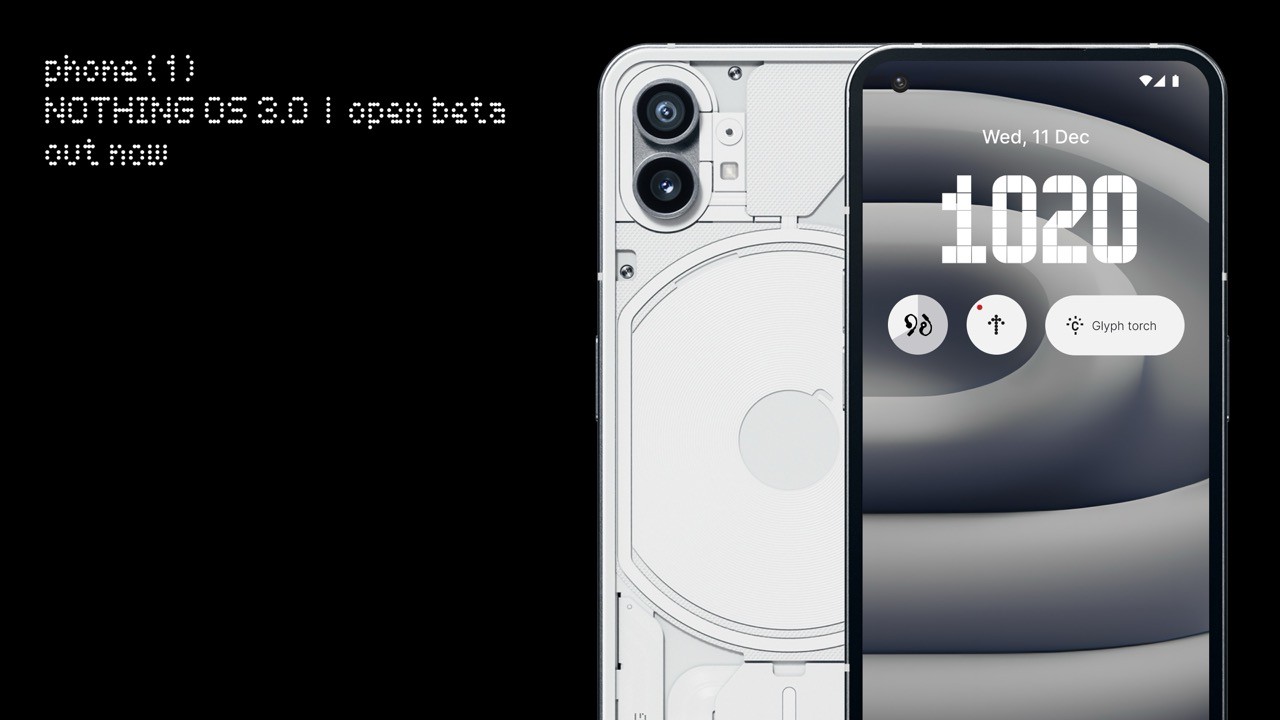
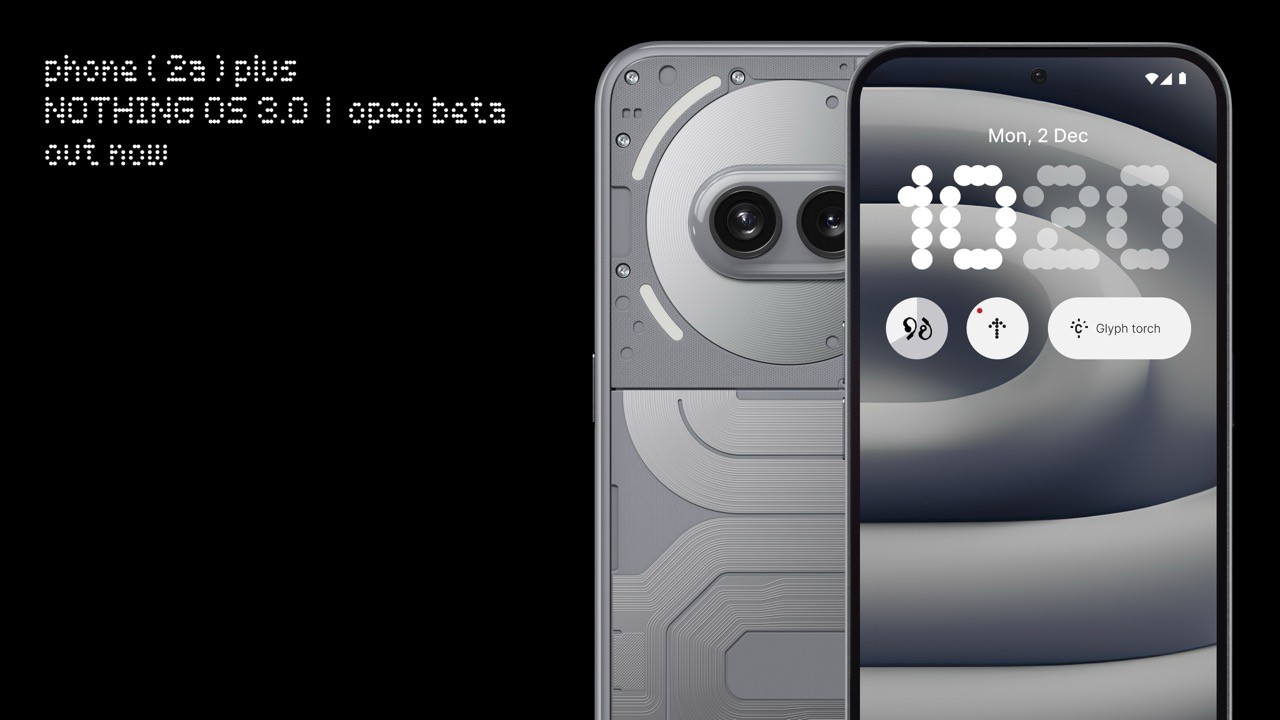
Nothing OS 3.0 (based on Android 15) is expected to begin rolling out in September 2024. The update will introduce several new features, including revamped Quick Settings, enhanced lock screen customization options, and improvements to fingerprint unlock and gesture navigation.
Additionally, Android 15-specific features like app archiving and predictive back animations will be included. The update is likely to roll out in phases, though it’s not yet clear whether all Nothing smartphones will receive it simultaneously.
In the latest news, Smartprix has revealed the complete changelog of Nothing OS 3.0 Beta update (on the Nothing Phone (2a)) along with videos showing the new boot animation.
Changelog:
Effortlessly tailor your shortcuts via the all-new Quick Settings.
Refreshed the Clock face design of the lock screen, allowing you to enter the customization page by long-pressing the lock screen.
Added option to reset the home screen layout to Nothing’s default style with a tap on the top-right button on the customization page.
Added support for auto-archive function to automatically free up storage space without removing apps or data from your device.
Set up partial screen sharing, so you can record just an app window rather than the entire screen.
Refreshed Settings interface design for a more intuitive user experience.
Updated setup wizard to version 3.0 for smoother introduction.
Enabled predictive back animations for apps that have opted in.
Camera enhancements:
Optimized portrait effects by fine-tuning blur intensity based on face size.
Boosted camera performance in low-light environments.
Removed vertical stripes in front video and time-lapse modes.
Smoothened user interface after countdown photos.
Regulated zoom slider display.
Other improvements:
Optimized design of fingerprint unlock dialog.
Refined gesture navigation on home screen for better sensitivity.
Extended standby time by Network Power Save Mode. Updated security patch to September.
Vivo has launched its latest Y-series smartphone in China today. As expected it is the Vivo Y300 Pro. The device arrives as the successor to the Vivo Y200 Pro that was released earlier this year. The newest offering packs quite some significant upgrades including a mammoth battery, upgraded processor, and a new design. Read on to learn what the device offers out of the box.
Vivo Y300 Pro specifications and features
The Vivo Y300 Pro comes with a protruding circular camera module and a slim profile. It features a curved AMOLED display measuring 6.7 inches and bearing an FHD+ resolution. The device has a 120Hz refresh rate, HDR10+, and up to 5,000 nits peak brightness. The screen is surrounded by thin bezels and integrated with a fingerprint scanner. Vivo says that the screen is responsive to oily and wet hands.
The Vivo Y300 Pro features a dual rear camera setup of a 50MP Sony LYT-600 main sensor and a 2MP depth lens. There is also Aura Light LED flash unit. The phone has a 32MP front-facing selfie snapper.
Internally, the Vivo Y300 Pro houses a Snapdragon 6 Gen 1 processor. It packs up to 8GB RAM and up to 512GB storage. The smartphone draws its power from a whopping 6,500mAh battery unit which is the biggest on any Vivo phone. It supports 80W charging. The company is promising 5-year warranty on the battery. Software-wise, the device runs on OriginOS 14-based Android 14 out of the box.
The Vivo Y300 Pro starts at CNY 1,799 (~$253) for the 8+128GB variant whereas the 8+256GB option costs CNY 1,999 (~$281). The 12+256GB and 12+512GB configurations carry a price tag of CNY 2,199 (~$309) and CNY 2,499 (~$352) respectively. The smartphone is offered in Black Jade, White, Gold, and Titanium colors. It can be purchased starting September 14 in China.
We use cookies on our website to give you the most relevant experience by remembering your preferences and repeat visits. By clicking “Accept”, you consent to the use of ALL the cookies.
This website uses cookies to improve your experience while you navigate through the website. Out of these, the cookies that are categorized as necessary are stored on your browser as they are essential for the working of basic functionalities of the website. We also use third-party cookies that help us analyze and understand how you use this website. These cookies will be stored in your browser only with your consent. You also have the option to opt-out of these cookies. But opting out of some of these cookies may affect your browsing experience.
Necessary cookies are absolutely essential for the website to function properly. This category only includes cookies that ensures basic functionalities and security features of the website. These cookies do not store any personal information.
Any cookies that may not be particularly necessary for the website to function and is used specifically to collect user personal data via analytics, ads, other embedded contents are termed as non-necessary cookies. It is mandatory to procure user consent prior to running these cookies on your website.