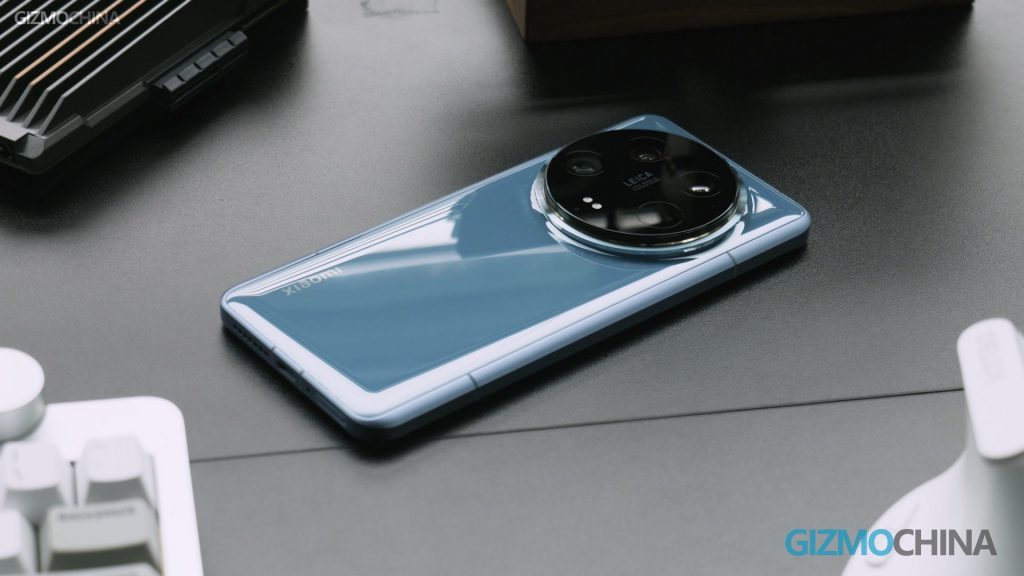
Oppo has launched the Find X8 and Find X8 Pro flagship phones equipped with the Dimensity 9400 chipset in multiple markets in recent weeks. Reports have revealed that the brand is also working on two more Find X8-series phones, namely, the Find X8 Ultra and Find X8 Next. The Next-branded model is expected to sport a compact form factor, whereas the Ultra variant will be the most advanced model in the X8 series. It appears that the device may debut in the first quarter of 2025, as the phone has reportedly bagged its first certification in China.
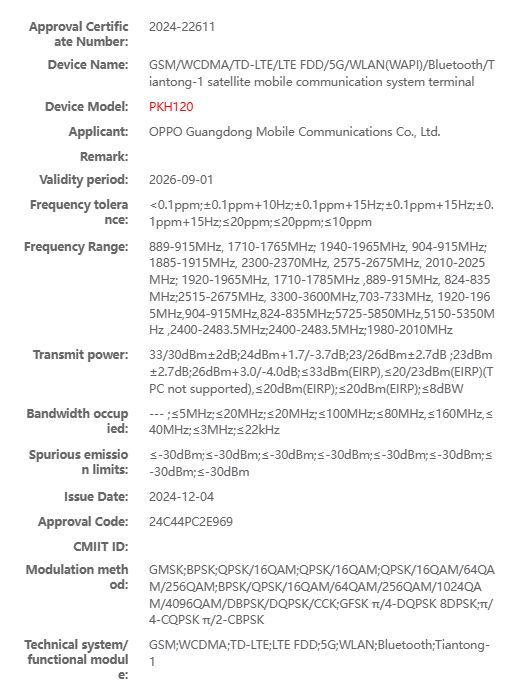
Oppo Find X8 Ultra bags radio certification
Oppo Find X8 Ultra radio certification
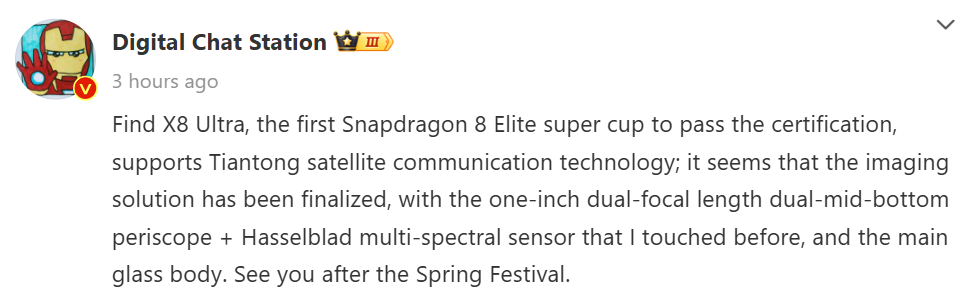
The image above reveals that a new Oppo phone with the model number PKH120 has received approval from China’s radio certification platform. The listing indicates that the device will support satellite connectivity. According to reliable sources from China, including Digital Chat Station and WHYLAB, the PKH120 model number belongs to the upcoming Oppo Find X8 Ultra.
Now that the Find X8 Ultra has received radio certification in China, it seems that it won’t take too long for it to debut in the home market. Most likely, the phone will also receive certifications from other Chinese platforms, such as 3C and TENAA, in the coming weeks and will probably go official in Q1 2025. According to DCS, the phone will debut after the upcoming Chinese Spring Festival, which suggests that it may debut in February or March 2025.
According to reports, the Find X8 Ultra’s quad-camera setup will have a 50-megapixel LYT-900 primary camera with OIS support, a 50-megapixel Sony IMX882 ultra-wide lens, a 50-megapixel LYT-701 periscope telephoto camera with a 75mm focal length and OIS support, and a 50-megapixel IMX882 periscope telephoto camera with a 150mm focal length and OIS support.
Other reports have revealed that the Find X8 Ultra will have a 6.82-inch OLED panel that supports a 2K resolution and a 120Hz refresh rate. It may come with other features, such as a 6,000mAh battery, 100W wired charging, 50W wireless charging, an ultrasonic in-screen fingerprint sensor, and ColorOS 15-based Android 15.
ViewSonic is gearing up to unveil its 2025 ColorPro and Business Monitor series to the Indian market. These announcements aim to bring a transformative impact on professional workspaces. In addition, there is a rumor that the brand is also working on a mind-boggling gaming monitor with support for a 520Hz refresh rate. Here’s a look at the leaked details about this gaming monitor.
ViewSonic gaming monitors: What to expect?
As mentioned above, the standout feature of ViewSonic’s upcoming gaming monitor is its remarkable 520Hz refresh rate, making it perfect for competitive gamers. This high refresh rate is complemented by a 1ms MPRT (Moving Picture Response Time) and AMD FreeSync Premium, both designed to minimize motion blur and screen tearing during intense gaming sessions.
In addition to this high-performance model, ViewSonic is also introducing a new gaming monitor equipped with 4K OLED displays and Dual Mode technology. This innovative feature allows users to switch effortlessly between 4K resolution for breathtaking cinematic visuals and ultra-high refresh rates for a smoother gaming experience. The 4K OLED panels deliver exceptional image quality, with deep blacks, vibrant colors, and outstanding contrast, making them ideal for both gamers and content creators who demand the best visual performance.
In related news, ViewSonic’s forthcoming ColorPro Series Monitor will come with support for a remarkable 5K resolution and aims to deliver stunning, ultra-detailed visuals tailored for video editors, graphic designers, and photographers. This monitor’s advanced technology ensures superior clarity in all lighting conditions by automatically adjusting brightness and color accuracy. Moreover, it features Thunderbolt 4 docking for ultra-fast data transfers and seamless connectivity, streamlining workflows and enhancing efficiency.
The Business Monitor focuses on boosting productivity and promoting user wellness with AI-powered features. Its auto-screen dimming adjusts brightness based on ambient light, optimizing energy efficiency and minimizing eye strain. Additionally, posture check technology offers reminders for maintaining good ergonomics, while privacy alerts notify users if someone is peeking at their screen, ensuring a secure work environment.
Realme is gearing up to unveil the Realme Neo 7, an affordable flagship smartphone, on Dec. 11 in China. In the lead-up to the launch, the company is steadily releasing key details about the phone to generate excitement. So far, they have highlighted its durability, battery size, and heat dissipation capabilities. With about a week left before the launch, more information about the Neo 7 is expected to be revealed soon. Meanwhile, the complete specifications of the device have surfaced through the TENAA certification in China, which also provided a first look at its design along with the hardware details.
Realme Neo 7 specifications (rumored)
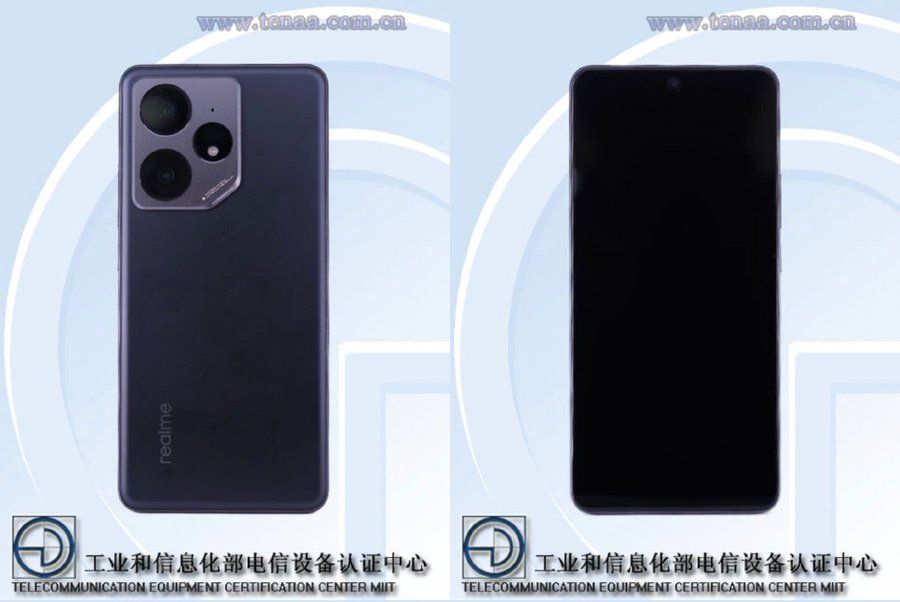
Realme Neo 7 TENAA images
The Realme Neo 7 has appeared with its model number RMX5060 in TENAA’s database. The listing reveals that the device measures 162.55 x 76.39 x 8.56mm and weighs 213.4 grams. It features a 6.78-inch AMOLED screen that produces a 1.5K resolution of 2780 x 1264 pixels. Possibly, it also supports a 144Hz refresh rate. The screen integrates a fingerprint sensor for security.
On the front, the Realme Neo 7 has a 16-megapixel selfie camera. On the back, it has a 50-megapixel primary camera and an 8-megapixel lens. The device is expected to run on Android 15 and Realme UI 6.
Under the hood, the Realme Neo 7 has the Dimensity 9300 Plus chipset. It may arrive in RAM options, such as 6 GB, 8 GB, 12 GB, and 16 GB in China. When it comes to storage, the handset will come in choices, such as 256 GB, 512 GB, and 1 TB.
The Realme Neo 7 has a 7,000mAh battery with 80W rapid charging. The listing also confirms that the device will feature an IR blaster.
POCO India is gearing up for some exciting announcements in December, with the head of the brand, Himanshu Tandon, teasing new product launches through a post on X (formerly Twitter). The teaser comes with the cryptic tagline “Double the madness” and “#DoubleTheMystery,” fueling speculation around the launch of two budget-friendly 5G phones: the POCO M7 Pro 5G and POCO C75 5G. According to Tandon’s post, the big reveal is scheduled for December 17th, 2024.
Details behind the teaser
While Tandon’s post doesn’t provide specifics, the timing and the mysterious hints suggest that POCO is ready to unveil devices that have been long awaited. The POCO M7 Pro 5G and POCO C75 5G have both been circulating in recent leaks, making them prime candidates for the upcoming launch event.
The POCO C-series, traditionally known for its affordability, is expected to offer a budget-friendly 5G device in the C75 5G, while the M7 Pro 5G might cater to consumers looking for slightly more premium features in the same price range. Both phones would be part of POCO’s strategy to tap into the growing demand for budget smartphones with 5G connectivity, especially in India where 5G rollout is expanding rapidly.
For context, POCO’s C65 was launched in India in December of the previous year, marking the last entry in the C-series, making the C75 5G a welcome addition. Similarly, POCO M6 Pro 5G launched earlier this year, so a successor in the M7 Pro is highly anticipated.
What to Expect from the POCO M7 Pro 5G and POCO C75 5G?
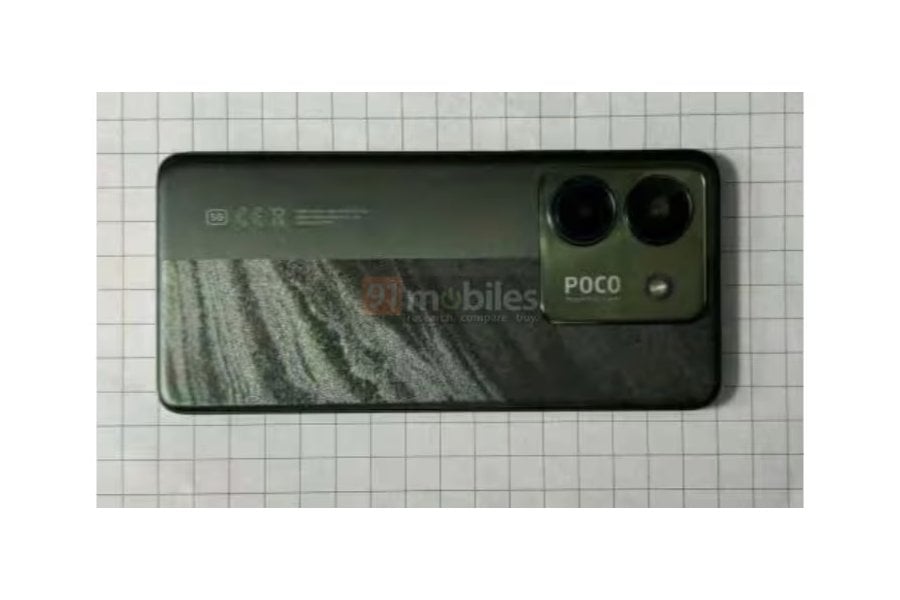
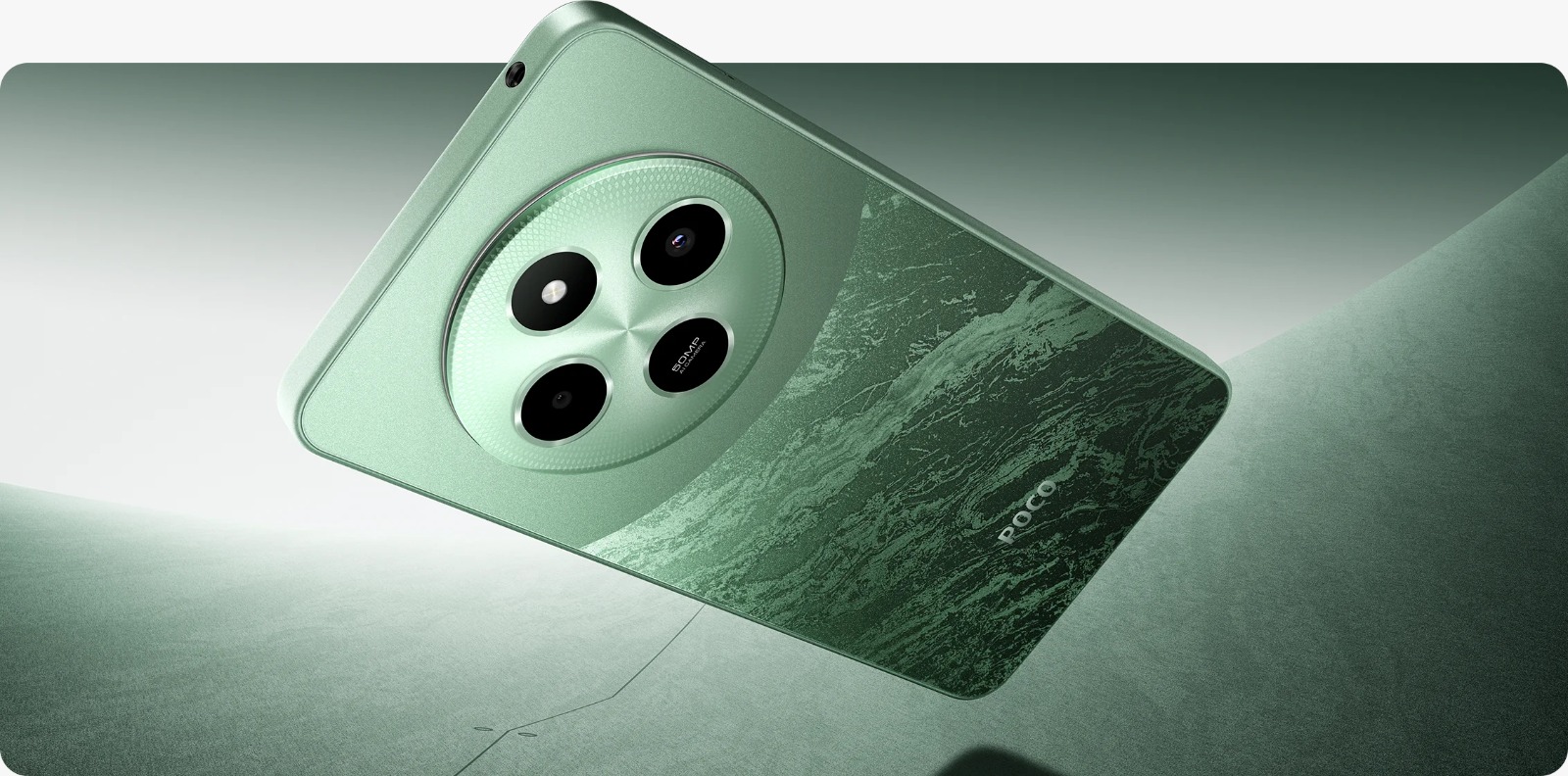
The POCO M7 Pro 5G has already appeared in various certification listings, including the US’s FCC and Singapore’s IMDA. Based on these listings, the M7 Pro 5G is rumored to be a rebadged version of the Redmi Note 14 5G, albeit with a few modifications, including a dual-camera setup rather than the triple cameras seen in its predecessor. The design is expected to feature a dual-tone finish and a square rear camera module, marking a departure from the single-tone, less pronounced camera island of the M6 Pro. Additionally, the device might run on HyperOS.
Poco C75
Meanwhile, the POCO C75 5G is expected to differ from the C75 4G variant already available in other markets. The 5G version will likely come with the Snapdragon 4s Gen 2 chipset, paired with a large 6.88-inch HD+ 120Hz display. The phone is also expected to pack a 5,160mAh battery with 18W charging support, running on Android 14 with HyperOS.
For photography, it could feature a triple rear camera setup with a 50MP primary sensor, accompanied by two secondary sensors of 2MP and 5MP, similar to the recently launched Redmi A4 5G but with slight differences in the camera configuration.
Xiaomi is gearing up for the release of its latest flagship, the Xiaomi 15 Ultra, which is expected to launch soon—either in January or February, following in the footsteps of its predecessor. While many details are still under wraps, a recent leak shared by the well-known tipster Digital Chat Station offers intriguing insights into the device’s design and features.
The Xiaomi 15 Ultra is likely to carry forward the design language of the Xiaomi 14 Ultra, with some minor adjustments. The device is expected to sport a 6.73-inch curved OLED display, maintaining the same resolution of 1440 x 3200 pixels and 120Hz refresh rate seen in the previous model. However, the focus of attention is clearly on the phone’s camera setup.
On the rear, the Xiaomi 15 Ultra will feature a 1-inch main camera with an f/1.63 aperture. This main sensor will likely provide impressive low-light performance and detailed shots, but there’s no mention of the variable aperture. Accompanying it will be a 50 MP 70mm zoom telephoto lens (down from the 75mm lens with 3.2x magnification on the previous model), as well as a 200 MP 100mm periscope telephoto camera (a reduction from the 120mm 5x telephoto lens of its predecessor). The tipster previously claimed that the periscope telephoto will have 4.3x magnification.
Battery: not as impressive as expected
While many competitors are pushing battery capacities upwards of 6,000mAh, the Xiaomi 15 Ultra is rumored to come with a battery in the range of 5,450mAh to 5,800mAh. While this is a sizeable capacity, it falls short of what some rival phones offer. This decision, if true, is likely influenced by the quest to opt for a sleek design, potentially avoiding a thick, bulky phone. For context, the Xiaomi 14 Ultra measured 9.2mm in thickness and weighed around 220g, so the 15 Ultra could be quite similar in terms of physical dimensions. Nonetheless, this is just a speculation, and the tipster has since deleted the post.
On the performance front, the Xiaomi 15 Ultra will likely feature the new Snapdragon 8 Elite chip, offering top-tier processing power for gaming, multitasking, and image processing. Additionally, expect support for fast charging, similar to last year’s model, ensuring that the device can recharge quickly despite its moderate battery size.
In conclusion, the Xiaomi 15 Ultra appears to be a solid successor to the 14 Ultra, offering high-end camera features, a sleek design, and the latest in mobile performance.
Xiaomi has introduced a new home appliance, the Mijia Mini Washing Machine 1kg, under its Mijia brand. This product is currently available on JD.com at a list price of 2699 Yuan ($370), with a presale offer of 1999 Yuan ($274). Let’s check out the key specifications.
Mijia Mini Washing Machine Specifications
The washing machine with model number XHQG10MJ402 boasts a compact design ideal for detailed care and comes in a clean, modern white color. The washing machine is equipped with a rated washing capacity of 1 kg and a drying capacity of 0.5 kg, making it ideal for small, frequent loads. It also comes with a spin speed of 800 revolutions per minute, ensuring efficient moisture removal.
The machine is remarkably lightweight, with a net weight of 22 kg and a gross weight of 25 kg, facilitating easy placement in tight spaces. It equips a total power consumption of 750W.
The machine’s dimensions are 328mm in width, 452mm in depth, and 461mm in height, while its packaging dimensions measure 420mm x 600mm x 578mm. It operates effectively within a water pressure range of 0.03MPa to 0.8MPa.
This washing machine comes with innovative features designed to cater to health-conscious users. It equips a high-temperature steam sterilization cycle at 95°C that penetrates fabrics to eliminate common pathogens, including HPV and various bacteria, ensuring garments are sanitized to a medical-grade standard.
The intelligent detergent dispensing system automatically senses the load weight and adjusts the detergent amount, reducing residue and enhancing cleanliness. For enhanced fabric care, it features a gentle drying option that meticulously controls the temperature to protect delicate materials like silk.
The washing machine offers a 45-minute quick wash and dry cycle, a 15-minute quick wash, and features an automatic airing function if clothes are not removed within 30 minutes after washing. It is equipped with a DD direct drive motor, provides specific washing programs for different materials, and supports remote control through the Mi Home app and voice commands via XiaoAi.
Additionally, the machine supports OTA online upgrades for continuous improvement in functionality. The machine’s barrel light prevents items from being overlooked, and a child safety lock ensures the household’s safety.
Last month, Xiaomi introduced two new products: the Mijia Floor Scrubber, featuring 15000Pa suction, triple anti-hair technology, and a 30-minute runtime, as well as the Mijia Smart Inverter Dehumidifier 30L, equipped with dual-rotor technology and HyperOS.
After releasing the official OxygenOS 15 x Android 15 build to devices like the OnePlus 12, OnePlus 12R, and OnePlus Open, has officially rolled out the OxygenOS 15 update to the Nord CE4 Lite 5G in India. This update brings a host of visual and functional improvements, aiming to enhance the user experience.
OnePlus Nord CE4 Lite 5G OxygenOS 15 Update
Visual effects
The Home screen is revamped with newly designed icons, presenting a fresh look with balanced proportions and enhanced colors for fuller and sharper visuals.
Numerous system function icons are overhauled for improved visual uniformity throughout the system.
The rounded corner design is enhanced for uniformity and continuous curvature is applied throughout the system.
Themes
The new flux themes feature a vast array of high-quality themes, allowing customization with system wallpapers and personal photos for a personalized touch.
Live Alerts
The new Live Alerts design is concentrated on efficient information visualization, positioned centrally for a balanced and streamlined display.
The new Live Alerts interaction allows capsules to expand into detailed cards with a tap, providing efficient access to multiple live activities by swiping in the status bar.
Photo Editing
The new globally reversible photo editing capability saves previous edit settings for seamless subsequent edits, ensuring uninterrupted creative flow.
The integration between Camera and filters is enhanced, allowing for the post-editing, changing, or removing of applied filters in Photos.
Floating Window and Split View
The new Floating Window gestures: you can swipe down a notification banner to open a floating window, swipe down to enlarge it, swipe up to close it, and swipe sideways to hide it.
The resizable Split View windows allow you to drag the divider or tap the window for a more extensive display area.
Notifications & Quick Settings
The new Split mode allows separate access to the notification drawer (top-left swipe) and Quick Settings (top-right swipe), with swipe left or right to switch.
Quick Settings is revamped with a more visually appealing and consistent layout, along with refined and enhanced animations.
OnePlus Share
The new file transfer capability with iOS devices, easily connecting and sharing files through OnePlus Share.
Battery & charging
The new “Charging limit” feature halts charging at 80%, helping to extend battery life and minimize degradation.
The new battery protection reminder activates the Charging limit feature if the device remains charging for too long, enhancing battery protection.
More
Exclusive OxygenOS Always-On Displays and Lock screen clock styles are added for a unique visual experience.
The new Home screen clock widget gives you the flexibility to resize as desired.
An easter egg is added in Calculator and will pop up when you input “”1+=””, embodying OnePlus’s enduring “”Never Settle”” mentality.
New wallpapers are added to infuse your device with OnePlus’s signature style.
The design of the About device and the System update pages are enhanced for clearer and more visually appealing information display.
The style and visuals of the Notes widgets are enhanced, making them more appealing and practical.
The multitasking experience is enhanced by automatically guiding you to the last used app in the recent tasks view for easier app switching.
The Drawer mode is optimized to keep the existing Home screen app layout upon initial entry.
Contacts can now be switched to a floating window.
Apps in large folders can now be displayed in 3 × 3 grids.
Optimizes the widgets of Clock on the Home screen.
Optimizes the widgets of Notes on the Home screen.
Privacy
The Private Safe is optimized by implementing categorized views for images, videos, and documents, simplifying data management.
A new Home screen entry is added for hidden apps, allowing quick access by tapping the folder and verifying your privacy password.
If you’ve received the update and face any problems, you can report them by dialing *#800# on your smartphone and selecting the option to submit bugs. Currently, the update is rolling out to Indian users, with availability in other regions expected soon.
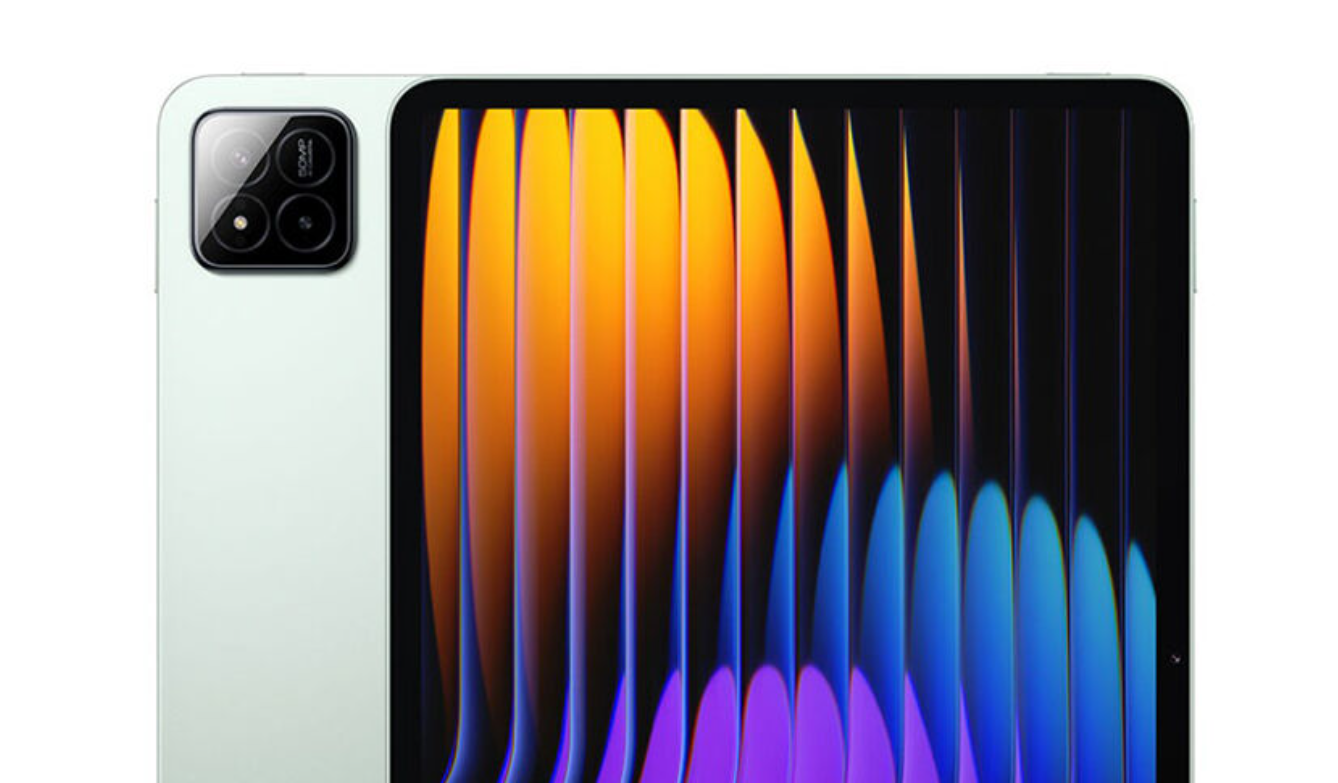
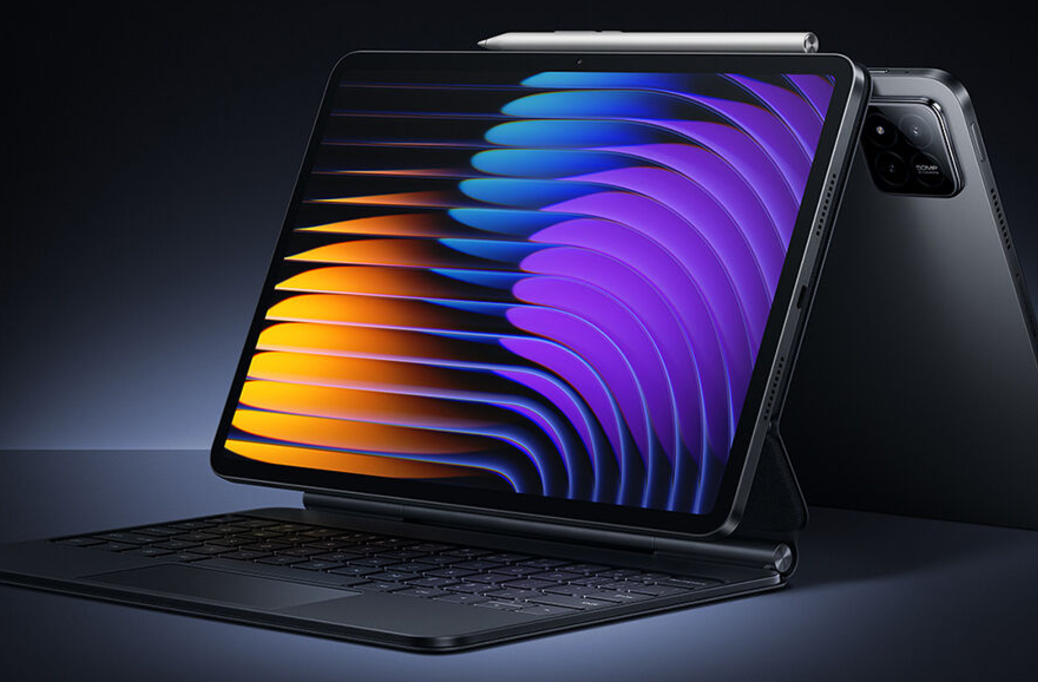
Xiaomi Pad 7 Pro and OnePlus Pad Pro are two premium Android tablets that cater to diverse needs with impressive features. Xiaomi focuses on delivering a sharper display, versatile cameras, and a competitive price, while OnePlus emphasizes raw performance, a larger screen, and longer battery life. Both tablets have flagship-level specs, making them strong contenders in the mid-range tablet market. This comparison delves into their features to help you decide which tablet aligns better with your preferences and usage requirements.
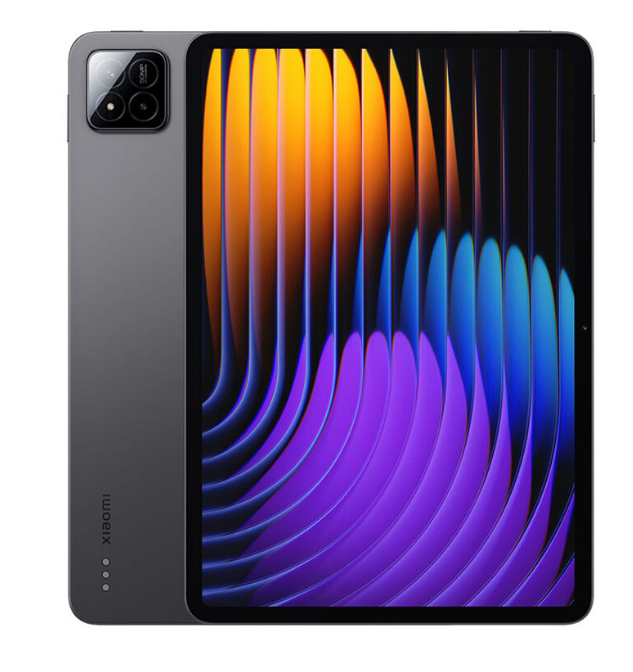
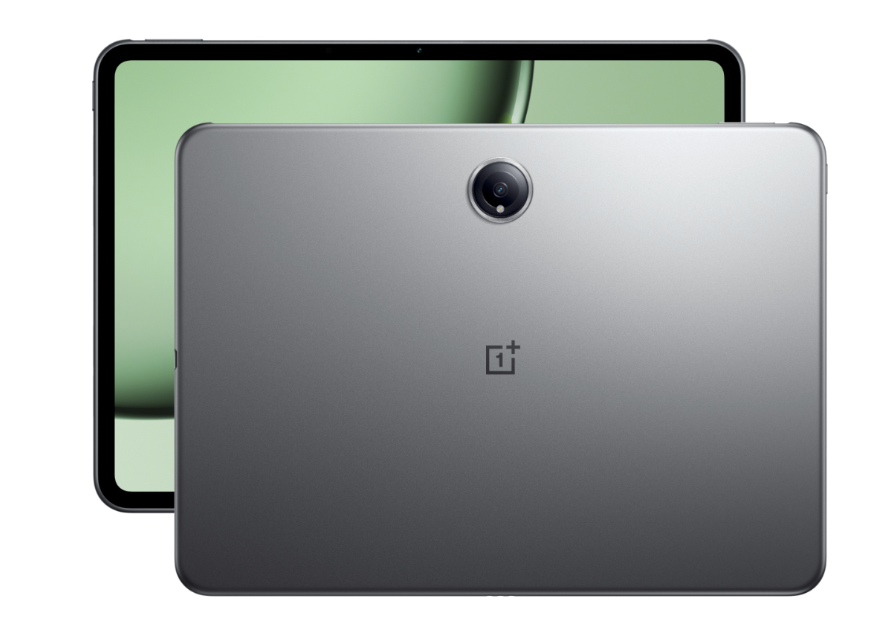
The Xiaomi Pad 7 Pro features an 11.2-inch IPS LCD display with a 3:2 aspect ratio, delivering a sharper pixel density (344 PPI) and higher peak brightness of 800 nits. Meanwhile, the OnePlus Pad Pro offers a larger 12.1-inch screen, making it slightly better for media consumption, although its resolution provides a lower pixel density (304 PPI). Both tablets boast Dolby Vision, HDR10 support, and 144Hz refresh rates for buttery-smooth visuals. However, the Xiaomi Pad 7 Pro includes an always-on display, a bonus for quick at-a-glance updates.
In terms of build, both devices are sleek with aluminum frames and backs, but the OnePlus Pad Pro’s slightly larger size may make it less portable. If compactness and a sharper screen matter more, Xiaomi has the edge, while OnePlus shines with its immersive, expansive display.
2. Specifications
OnePlus Pad Pro
The Xiaomi Pad 7 Pro runs on the Snapdragon 8s Gen 3 chipset, which, though slightly less powerful, offers reliable performance for most tasks. OnePlus uses the Snapdragon 8 Gen 3, giving it a slight edge in terms of raw power, especially for multitasking and gaming. Memory options are robust on both, with OnePlus offering up to 16GB RAM, ideal for future-proofing.
Battery life is similar, with the Xiaomi Pad 7 Pro featuring an 8850 mAh capacity versus OnePlus’ 9510 mAh. Both support 67W charging, but OnePlus has a marginally larger battery. The Xiaomi Pad 7 Pro balances power efficiency with HyperOS, making it ideal for extended use. If performance is a priority, OnePlus wins; for optimized power efficiency, Xiaomi edges ahead.
3. Camera
Xiaomi Pad 7 Pro
Xiaomi’s dual-camera setup includes a 50 MP main sensor and a 2 MP depth camera, producing versatile results, especially for photos requiring bokeh effects. Its 32 MP front camera is notably better for selfies and video calls. The OnePlus Pad Pro features a simpler 13 MP rear camera and an 8 MP front shooter, offering decent performance for general use but lagging behind Xiaomi in detail and clarity.
Xiaomi’s edge in camera specs makes it a better choice for users who prioritize content creation or sharper video call quality, while OnePlus keeps it simple with solid but unspectacular results.
4. Pricing
The Xiaomi Pad 7 Pro starts at approximately $399, undercutting the OnePlus Pad Pro’s starting price of $499. This makes Xiaomi a compelling value proposition, offering flagship-level features at a more accessible price. OnePlus justifies its higher price with a more advanced chipset and a larger screen, appealing to those who prioritize performance and immersive viewing.
If budget is a concern, Xiaomi is the obvious winner. For users willing to invest more for slightly better performance and screen real estate, OnePlus provides a strong option.
Unique to Xiaomi are features like the side-mounted fingerprint sensor and always-on display, providing added convenience. The HyperOS 2’s clean, optimized interface complements these extras. On the other hand, OnePlus brings a larger battery, a more advanced Snapdragon 8 Gen 3, and a 16GB RAM option for power users.
For general versatility and camera excellence, Xiaomi excels. Meanwhile, OnePlus delivers unmatched processing power and battery longevity, making it better suited for heavy-duty tasks or gaming.
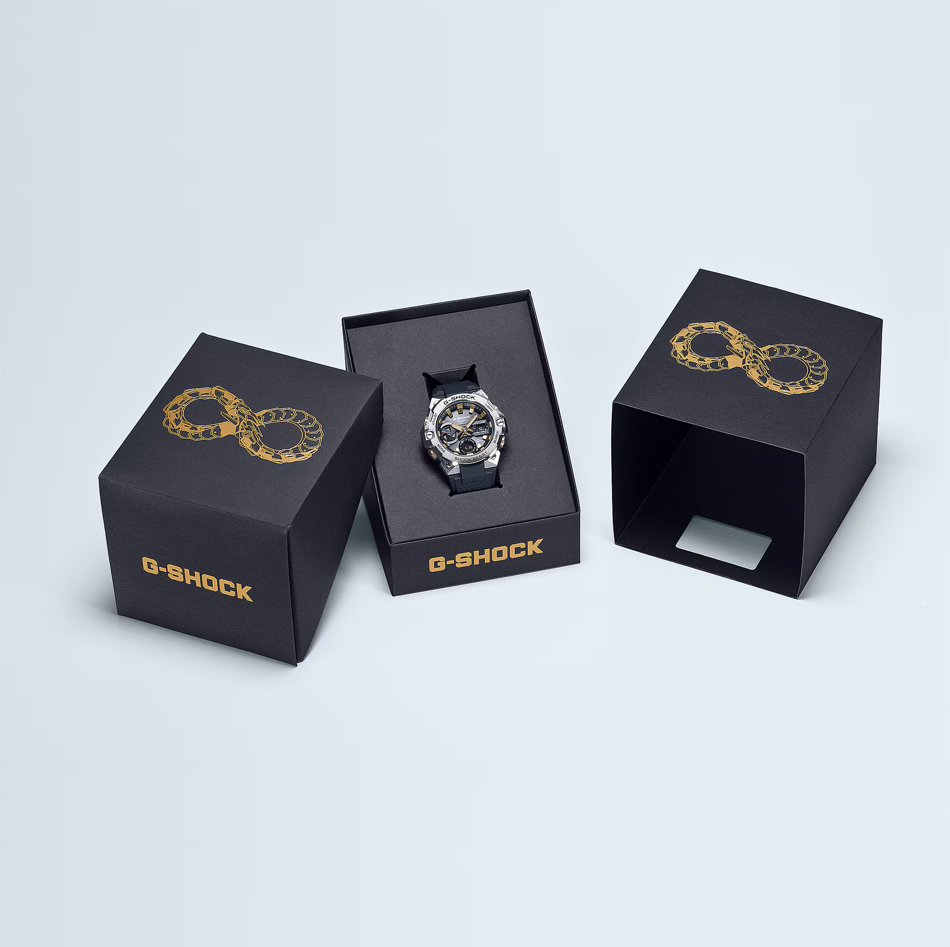
Casio has unveiled its latest addition to the iconic G-Shock G-Steel lineup, the GST-B400CX-1AJR, a timepiece designed to celebrate the Year of the Snake. This limited-edition watch combines traditional Chinese symbolism with modern smartwatch functionality, making it a unique offering for collectors and enthusiasts alike.
A Blend of Tradition and Technology
The GST-B400CX-1AJR pays homage to the Year of the Snake with a distinct diamond-patterned design on the watch face, band, and buttons, reminiscent of snake skin. The packaging further reinforces this theme with an “eternal snake” motif, symbolizing longevity and good fortune.
Despite its traditional aesthetic, the watch is equipped with a host of modern features, including:
Bluetooth Connectivity: Seamlessly syncs with the Casio Watches app for phone notifications, phone finder, and automatic time adjustment.
World Time: Accesses time information for 38 cities worldwide.
Tough Solar Power: Provides long-lasting battery life through solar charging.
LED Lighting: Ensures clear visibility in low-light conditions.
Rugged Construction: Shock resistance and 200-meter water resistance make it suitable for various outdoor activities.
Additional Features: 1/100-second stopwatch, countdown timer, five alarms, and full auto-calendar.
A Premium Timepiece
The GST-B400CX-1AJR boasts a premium build with a carbon steel and stainless steel case measuring 46.6 x 49.6 mm and a thickness of 12.9 mm. The lightweight 86-gram design, coupled with a comfortable resin strap and IP-certified water resistance, ensures both style and durability.
Pricing and Availability
The GST-B400CX-1AJR is priced at ¥61,600 (~$410) in Japan and is available for pre-order. International retailers like Chrono24 have listed the watch at a higher price of $471. The official launch is scheduled for December 2024.
In other news, Casio has also launched its limited-edition G-Shock MTG-B2000YST1 in the US for $1,450. Part of the MT-G series, it features a Storm Chaser design with a rainbow ion-plated bezel, lightning-like patterns, and a glowing phosphorescent layer. Built with a carbon-metal frame, sapphire crystal, and 200-meter water resistance, it is durable yet lightweight at 104g.
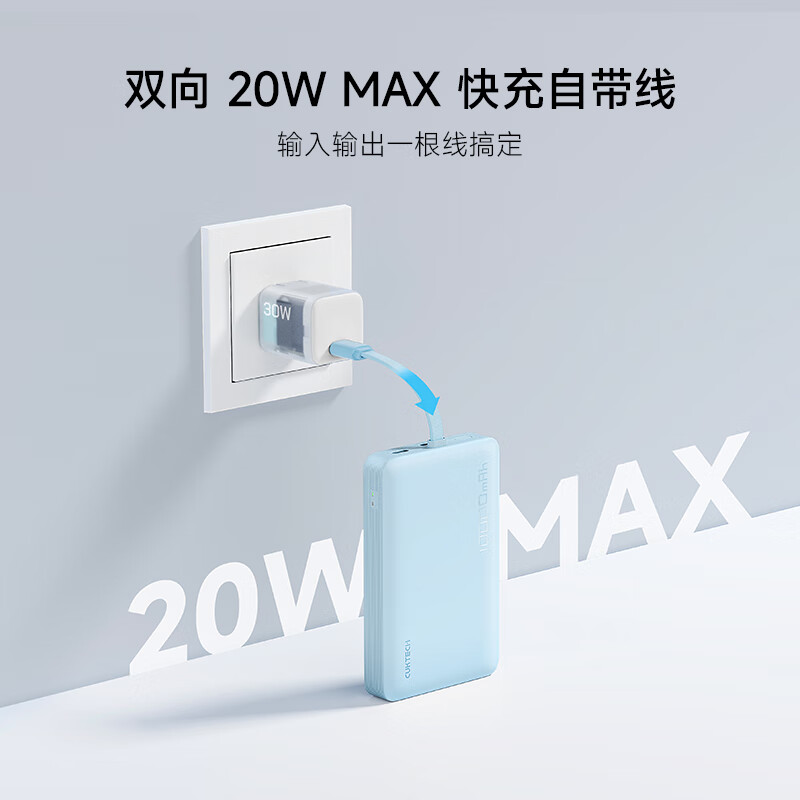
Cuktech has unveiled its latest wired magnetic power bank called CP12 in the Chinese market. The power bank is priced at 99 yuan ($14) and comes in Desert Gold and Cloud Blue colors. It is now listed on JD.com. Let’s check out its key specs.
Cuktech CP12 Power Bank Specifications
The magnetic power bank is designed to enhance the charging experience with its dual charging modes, combining magnetic and wired capabilities. It sports a substantial 10,000mAh capacity, which is sufficient to extend the video playback time on an iPhone 16 Pro Max by approximately 40 hours.
This power bank features a robust 22.5W maximum wired charging speed that can substantially charge an iPhone 16 up to 46% in just 30 minutes. For devices compatible with magnetic wireless charging, it offers a 7.5W output, ensuring that devices are charged safely and efficiently.
The product is equipped with dual NTC intelligent temperature control, which continuously monitors the battery temperature of the connected device, ensuring safe usage by preventing overheating.
Cuktech has incorporated graphene for excellent heat dissipation within the CP12, which maintains low temperatures throughout the charging process, enhancing the lifespan of both the smartphone and the power bank’s batteries.
It comes with strong magnetic alignment thanks to N52 rare earth permanent magnets, which provide a secure attachment capable of holding approximately the weight of five iPhone 16 units, or about 1000 grams.
Additionally, it equips a durable, woven integrated charging cable that withstands rigorous use, including 10,000 swing and plugging tests, and a 10kgf suspension weight test, ensuring a long-lasting and reliable charging solution. This model is designed with a sandblasted matte finish that offers a comfortable grip and slip resistance.
The CP12 also features a dual LED display that shows both battery and charging status, ensuring users always know the power level and charging status at a glance. For added convenience, it comes with a multi-protection safety system that includes temperature control, short circuit protection, overvoltage protection, and more, ensuring comprehensive safety from the inside out. The dimensions of the Cuktech CP12 are 108.7mm by 67.9mm by 19.4mm, making it compact and easy to carry.
Earlier today, Xiaomi launched the 33W Power Bank 20000mAh with an integrated USB-C cable in Europe, featuring a dual-tone design and the ability to charge three devices simultaneously. Priced competitively at £22.99/€29.99, it offers fast charging and advanced safety protections, providing great value compared to similar products.
Motorola’s Moto G lineup has a strong presence in the cheap smartphone segment in the US. It has been offering excellent value for the bucks, with the latest model, the Moto G Power 5G (2024), going a step further. It’s obviously better than last year’s model but more importantly adds several features that have been missing in the lineup, making it the best Moto G phone the company has ever made.
Samsung is not unknown in this territory, with plenty of options from the Galaxy A series. The Galaxy A15 5G is one of the best cheap phones from the brand, going neck-to-neck with the Moto G Power 5G (2024) in both pricing and hardware. It’s difficult to pick the right one that suits your needs. So, to make it simpler, here are four reasons to buy the Moto G Power 5G (2024) over the Galaxy A15 5G and two reasons to avoid it.
Four reasons to buy the Motorola Moto G Power 5G (2024)
1. A delight to hold
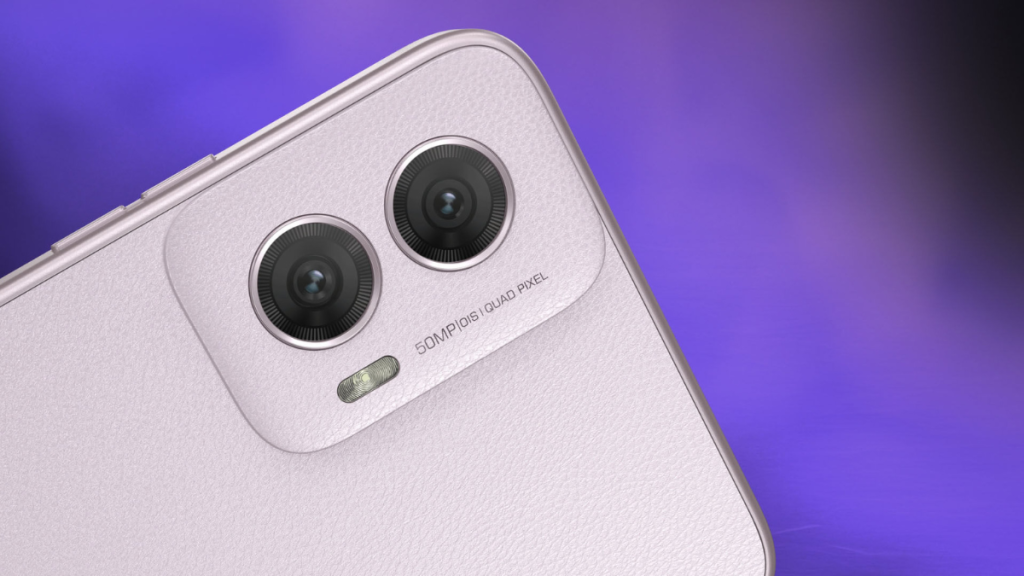
This year’s Moto G Power has a textured vegan leather back, not the shiny and slippery plastic back you see on most budget phones. It does a great job of resisting fingerprints and provides enough grip that you won’t feel like it’s getting off your hands. Also, the Moto G Power 5G (2024) boasts a water-repellant design but lacks an IP rating for water and dust protection.
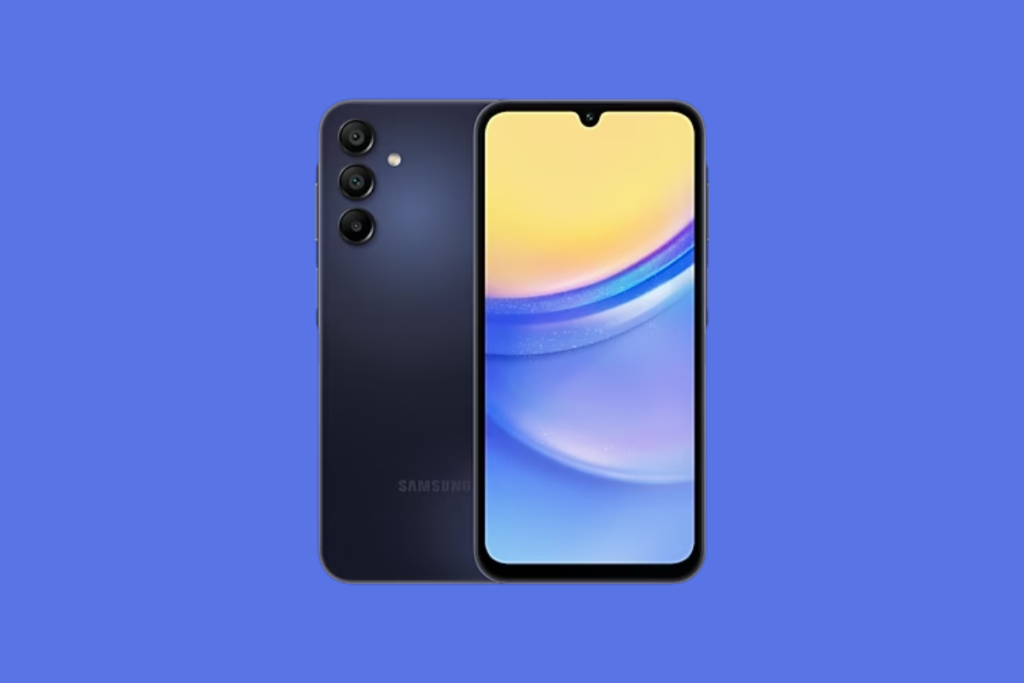
The Galaxy A15 5G is all-plastic, from top to bottom. It isn’t made from premium materials, yet feels good in hand with a matte finish on the back. And it also doesn’t pick up fingerprints.
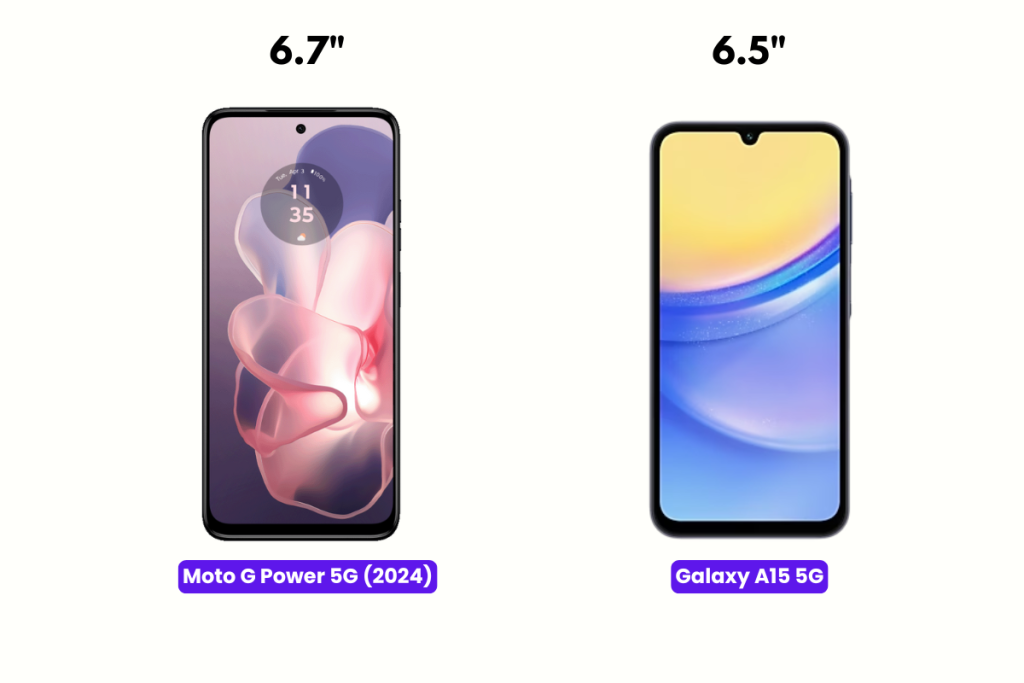
Motorola’s Moto G Power 5G (2024) boasts a bright 6.7-inch screen that’s good for content consumption. The Galaxy A15 5G has a slightly smaller 6.5-inch screen, but it has an OLED panel instead of an LCD panel like the Motorola phone.
Both have 1080p resolutions, but the Moto G Power 5G feels a lot smoother, thanks to its 120Hz refresh rate (vs. 90Hz on the Galaxy A15 5G). I’d give this Motorola phone an extra point for the hole-punch selfie camera, which looks and feels more premium than a waterdrop-style cutout on the Galaxy A15 5G, which is mostly seen on cheaper phones.
Another difference between the two is the size of the bezels. They are a lot thicker at the bottom than at the top, but the side ones are significantly slimmer on the Motorola phone, thus making the screen more usable.
3. Speedy performance
At the heart of the Moto G Power 5G (2024) is the MediaTek’s Dimensity 7020 chipset, which isn’t a great chipset, to be honest. But for a $200 phone, it satisfies the purpose. You may notice occasional stutters, such as when switching between apps, but overall, it feels fairly snappy and smooth.
On the Galaxy A15 5G, you get the Dimensity 6100+ chipset. While it’s slightly less powerful than Dimensity 7020, the performance is good except for slowdowns when opening apps. The Samsung phone comes with 4GB RAM only, which feels less when there are plenty of options with 8GB RAM at a similar price point, including the Moto G Power 5G.
4. Quicker charging, less waiting
While they have the same 5,000mAh battery capacity, there’s a big gap in charging capabilities. The Moto G Power 5G (2024) supports 30W charging over a USB-C cable, which is capped at 25W on the Galaxy A15 5G.
The surprising addition to the Motorola phone is its wireless charging capability, which is rarely seen on cheaper phones. The maximum speed for the wireless charging is 15W. The Galaxy A15 5G only supports wired charging, though.
The Moto G Power 5G (2024) doesn’t tick all the right boxes, as the Galaxy A15 5G is stronger in some important areas, including camera performance and software support, as discussed below.
Two reasons to avoid the Motorola Moto G Power 5G (2024)
1. Mediocre camera output
Although the Moto G Power 5G (2024) camera has improved from last year, it isn’t as impressive as the Galaxy A15 5G. It has a 50-megapixel primary sensor, joined by an 8-megapixel ultrawide sensor that doubles as a macro camera.
The Motorola phone captures decent details and colors in bright lighting scenarios, while zoom capability still remains a weak point. The output is fine at up to 2x, but beyond that shots are grainy with a lot of details missing. The ultrawide shots are fine, though.
The Galaxy A15 also has a 50-megapixel primary sensor, joined by a 5-megapixel ultrawide and a 2-megapixel macro camera. It takes nice, detailed shots using the primary camera with good color retention. The output is definitely better than the Moto G Power 5G in various lighting conditions.
Despite many upgrades, both phones do not support 4K video recording. The maximum they record is 1080p.
2. Limited software support
One of the biggest drawbacks of owning the Moto G Power 5G (2024) is limited software support. This phone will only get one Android upgrade. Since it was launched with Android 14, it’s eligible for Android 15, which will roll out sometime in 2025, and that’s all — no more major upgrades after that.
Samsung, on the other hand, is very generous with software support. The Galaxy A15 5G in question will get four major OS updates. That means the device will still be eligible for three more Android updates when the Moto G Power 5G becomes outdated.
Motorola, however, has learned from its mistakes and is now promising longer software support for newer models. The Edge 50 Neo, launched in August, was Motorola’s first phone to be eligible for five Android updates, and then the Moto G75 and ThinkPhone 25 joined the party. The upcoming Moto G Power models will also have better software promise, hopefully.
So, which one would you pick? Share your thoughts in the comments below.
The iQOO 13 finally debuted in the Indian market as one of the most affordable flagship smartphones. While the Realme GT 7 Pro was the cheapest Snapdragon 8 Elite powered phone in China, the iQOO 13 is more affordable in India. So which one is better in India? Read on to find out.
While both the iQOO 13 and Realme GT 7 Pro offer a similar premium design with an aluminum frame and glass back, there are some slight differences in their bodies. The Realme GT 7 Pro measures 8.6mm in thickness and weighs around 222 grams. Meanwhile, the iQOO 13 has a thinner 8mm body with a slightly lighter 213 grams weight.
This is interesting since the iQOO 13 is a taller smartphone which sports a 6.82-inch LTPO AMOLED display with a 2K+ resolution, a 144Hz refresh rate, and 4500 nits of peak brightness. The Realme GT 7 Pro launched with a 6.78-inch LTPO AMOLED panel that offers 1.5K resolution, 120Hz refresh rate, and 6500 nits of peak brightness. In other words, the former has a higher resolution and smoother screen, while the latter has a brighter display.
iQOO 13
2. Hardware
Snapdragon 8 Elite
Both models are equipped with Qualcomm’s new Snapdragon 8 Elite chipset, which powers many next gen flagships. The duo were released in two storage configurations, namely 12GB + 256GB and 16GB + 512GB. In India, the Realme GT 7 Pro had its battery size tamed down to 5,800mAh (down from 6500mAh of the Chinese variant).
Although it still supports an impressive 120W wired fast charging. Meanwhile, the iQOO 13 is powered by a massive 6,000mAh battery, which is slightly down from the 6,150mAh cell on the Chinese version. You also get a 120W wired fast charging on the Indian model as well. So we can expect comparable battery life.
3. Camera
The iQOO 13 features three 50MP sensors at the back for the main, ultra wide, and telephoto shooter. While the Realme GT 7 Pro also offers three cameras at the back, only the main and telephoto shooters have 50MP sensors. The ultra wide angle lens is an 8MP camera. For selfies and video calls, the iQOO flagship has a 32MP sensor, which is double Realme GT 7 Pro’s 16MP front camera. Keep in mind that these are just the differences and doesn’t directly indicate picture quality.
4. Pricing
Realme first unveiled the GT 7 Pro in China as the most affordable Snapdragon 8 Elite powered smartphone. While it has its competitors, the iQOO 13 was slightly more expensive. But the roles have switched in the Indian market. The Realme GT 7 Pro was released in India for a starting price tag of 59,999 INR, while iQOO 13 has a 51,999 INR starting price. So the iQOO 13 seems to be more affordable, has a slightly taller display with better resolution, and a larger battery as well. It also has its nifty features like the LED ring around its rear camera module and a slimmer design overall.
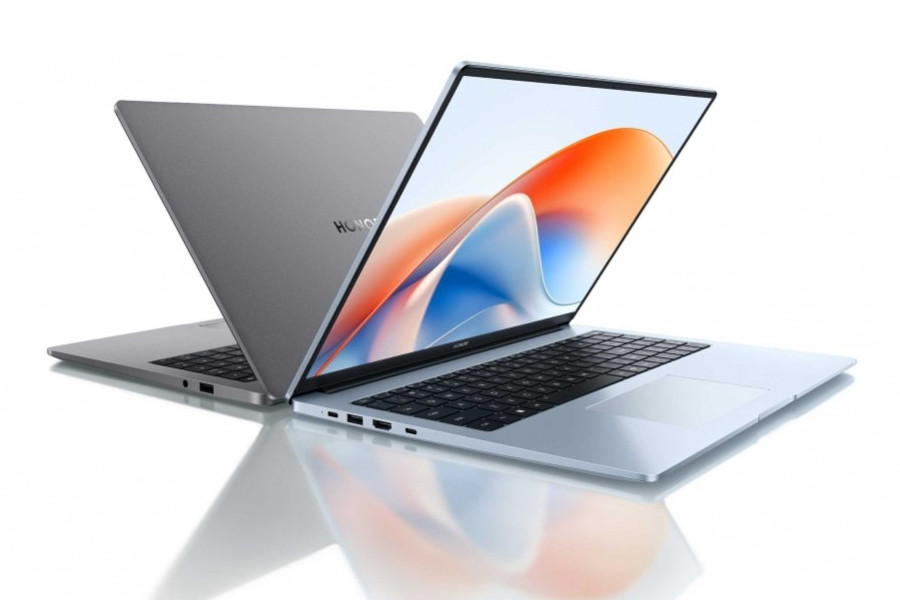
Alongside the 300 series smartphones, Honor has quietly unveiled two new additions to their MagicBook lineup: the X16 Plus and X14 Plus. Both laptops pack in some decent specs but stick to a familiar design language. Let’s get into the details here.
Honor MagicBook X14 Plus and X16 Plus Specifications
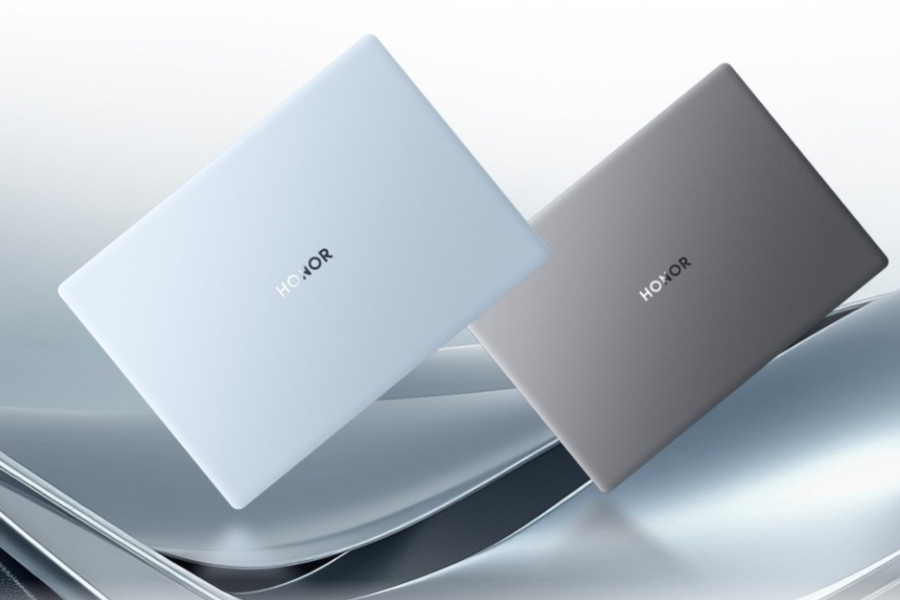
Both laptops offer a familiar design aesthetic for Honor laptops, with a sleek metal chassis and minimalist bezels. The key difference lies in screen size: the X16 Plus boasts a larger 16-inch display with a 2560 x 1600 resolution and a 120Hz refresh rate.
The X14 Plus keeps things compact with a 14-inch display packing a slightly higher 2880 x 1800 resolution but settles for a standard 60Hz refresh rate. Both displays offer 430 nits of brightness and 100% sRGB color gamut coverage.
Powering both laptops is the 13th Gen Intel Core i5-220H processor. While not the most specced CPU on the market, it should handle everyday tasks and productivity work with ease.
Both models offer memory configurations of either 16GB or 32GB of LPDDR4x RAM. Storage options are limited to a single 1TB PCIe SSD.
Battery life might vary slightly between the two laptops. The X16 Plus packs a larger 75Wh battery, while the X14 Plus makes do with a 60Wh unit. Both models support 65W fast charging, which Honor claims can provide up to 9 hours of video playback on a single charge.
Connectivity options are fairly standard across the board. Both laptops come with Wi-Fi 5, Bluetooth 5.1, and NFC for contactless payments. Port selection includes two USB-C ports, two USB-A ports (one Gen 1 and one Gen 2), an HDMI port, and a 3.5mm headphone jack.
The X16 Plus features a full-size backlit keyboard with a dedicated numpad, while the X14 Plus eliminates the numpad due to its smaller size. Both keyboards offer backlighting and a 5-finger touchpad for navigation.
Software-wise, both laptops ship with Windows 11 Home pre-installed. This means you’ll have access to all the latest Microsoft features and applications out of the box.
Price and Availability
As for pricing and availability, Honor is currently only offering pre-orders in China. The X14 Plus starts at CNY4,899 (roughly $700 USD) for the 16GB RAM configuration, while the X16 Plus starts at CNY5,099 (around $735 USD) for the same RAM option.
Both laptops come in Starry Gray or Light Sea Blue color choices. Shipments are expected to begin on December 12th in China.
Motorola has officially confirmed the launch date of the Moto G35 for the Indian market. The upcoming smartphone is a mid-range device. The Moto G35 was first unveiled globally and it is now making its way to the Indian market, so here’s everything you need to know.
Moto G35: What we know so far
To recall, the Moto G35 made its global debut back in August 2024 alongside the Moto G55. Months after its overseas release, the brand is finally bringing it to the Indian market. This model was spotted on Flipkart, which is a popular e-retailer in the region. This confirms its Flipkart availability along with its upcoming launch date. Motorola is gearing up to unveil the Moto G35 in the Indian market on 10th December 2024.
Moto G35
Looking at the teaser image posters on Flipkart, we can see that the Moto G35 will launch in multiple color options. This includes a green, red, and black variants. Notably, the rear appears to have a vegan leather panel for a more premium finish. Unfortunately, this was all the information shared on Flipkart. But based on its global launch, we know that the smartphone features a tall 6.7-inch display with an FHD+ resolution, 120Hz refresh rate, and 1000 nits of peak brightness.
Under the hood, it is equipped with the UNISOC T760 SoC, which is paired with 4GB of RAM and 128GB of internal storage. This model also supports virtual RAM expansion up to 8GB. A large 5,000mAh battery pack powers this device, which supports 20W wired fast charging. Other notable features include Android 14 OS, 50MP dual rear cameras, a 16MP selfie shooter, Dolby Atmos, a slim 7.79mm body, and an IP52 rating for water and dust resistance. Since it is a mid range model, we can expect it to cost around 15,000 INR.
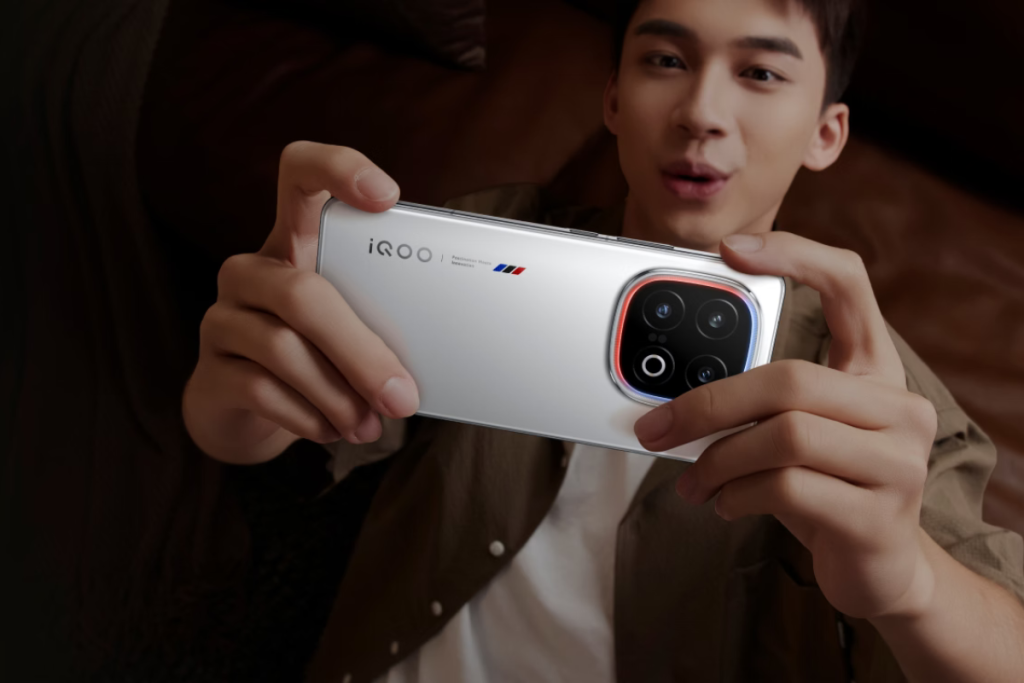
Following the October 30th launch in China, iQOO has finally launched the much anticipated iQOO 13 in India. The phone comes with two different configurations – 12GB+256GB and 16GB+512GB – priced at Rs 51,999 and 56,999 respectively. It comes in two different color options – Legend (White) and Nardo Grey.
The phone will be available for pre-booking on Amazon starting 5th December, and is already available for the same on iQOO.com. Sales start from 10th December for pre-book users and from the next day for all users. Let’s dive into the details of what this phone has to offer.
An overall similar design with a unique addition
First of all, this phone offers a unique look with the RGB “Monster Halo” light ring on the back, which can be customized to respond to calls notifications gaming, and even during music playback.
On the front, the phone packs a 6.82″ 2K display that supports 144Hz refresh rate and reaches a peak brightness of 4500 nits with the BOE Q10 panel.
As you can see, it comes with a flat design similar to its predecessor, with slightly rounded edges for a comfortable grip.
Performance, battery, and charging
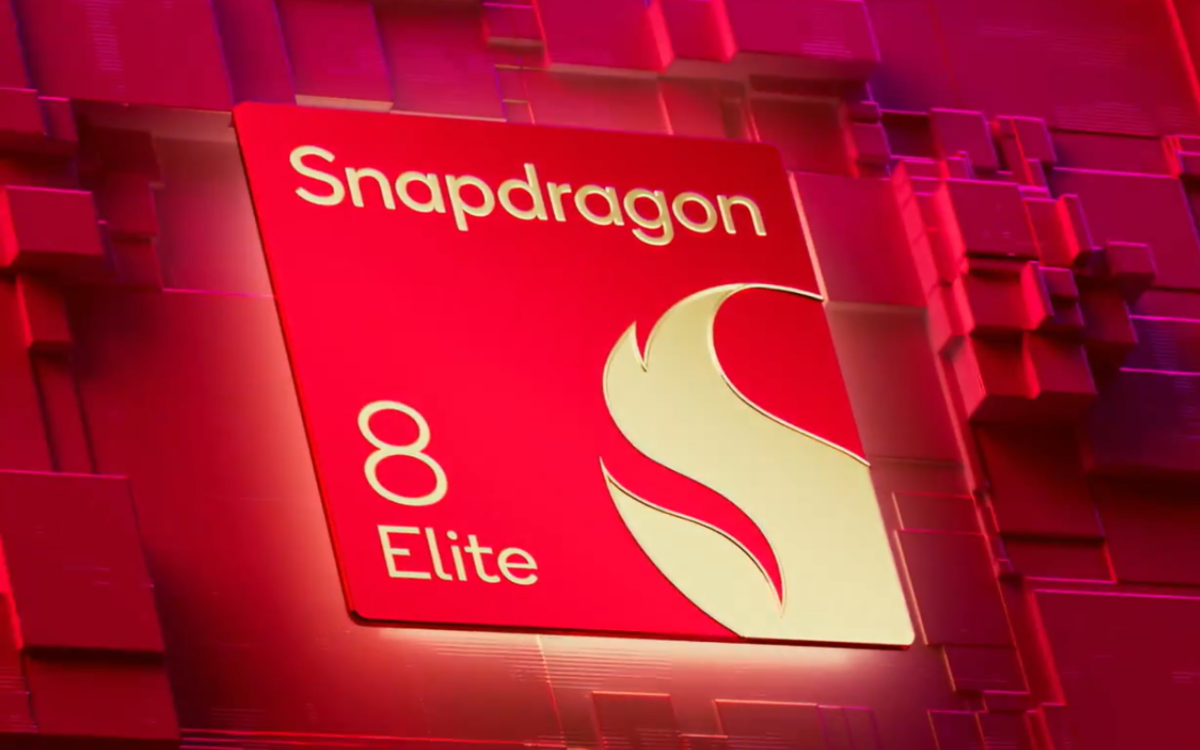
Unlike many of its competitors, it boasts the Snapdragon 8 Elite chip, and manages to score over 3 million on AnTuTu. The Snapdragon 8 Elite is paired with iQOO’s second-generation supercomputing chip, called the SuperComputing Chip Q2, which reportedly is more efficient in upscaling the game resolution and frame rate. With this chip, the phone can offer up to 144fps gameplay on compatible games, even when they are capped at 60fps.
For cooling, the phone packs a reasonably large 7000mm2 VC cooling system.
Another big improvement over the iQOO 12 is the 6000mAh battery (up from 5000 mAh), which supports iQOO’s proprietary 120W FlashCharge and 100WPD/PPS charging. Despite packing a massive battery, the phone measures only 8.1mm, thanks to this year’s trend of adopting the Si/C battery tech.
The device also comes with IP68 +IP69 dust and water resistant certification, which means the premium hardware inside won’t be damaged by accidental exposure to water.
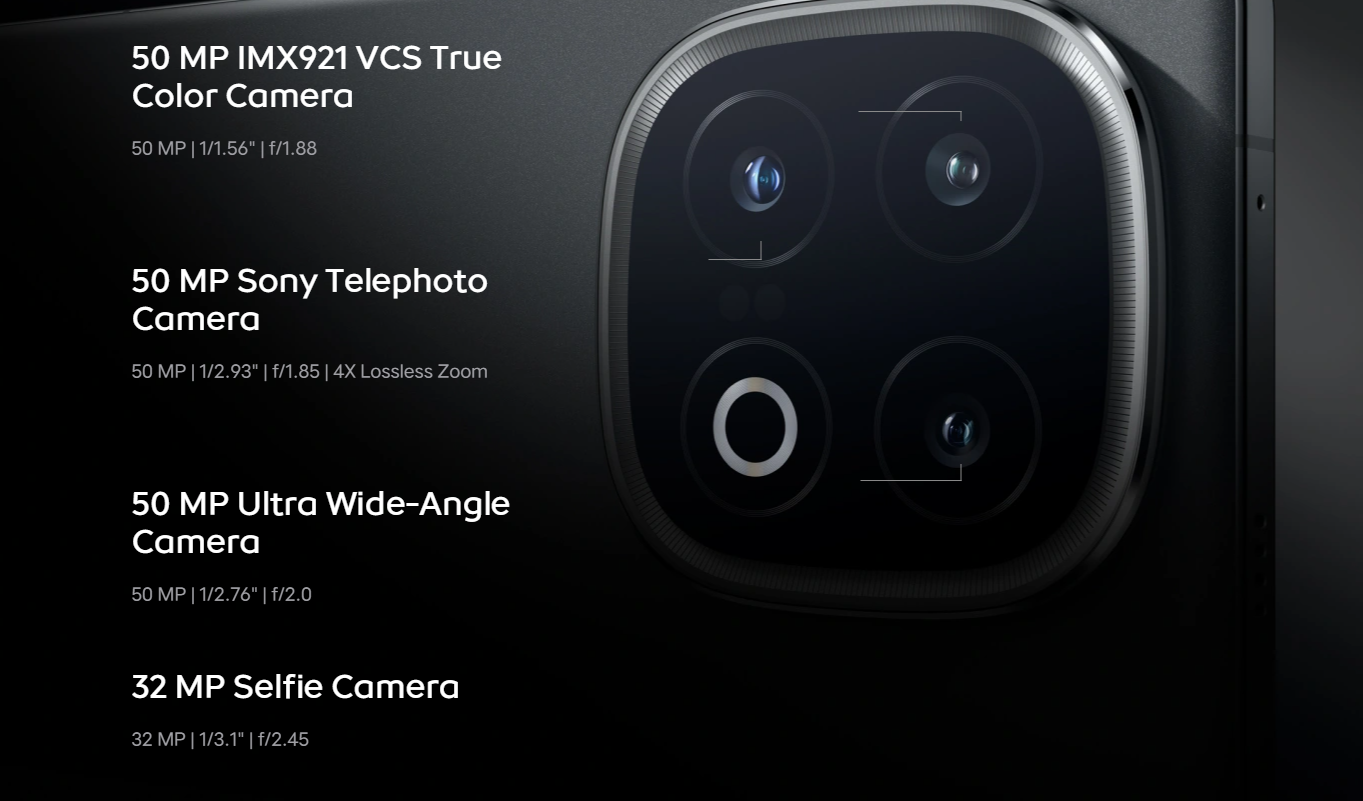
In terms of cameras, the phone packs the flagship Sony IMX921 50MP main sensor branded as a VCS True Color Camera. On the front the phone packs a 32MP selfie shooter.
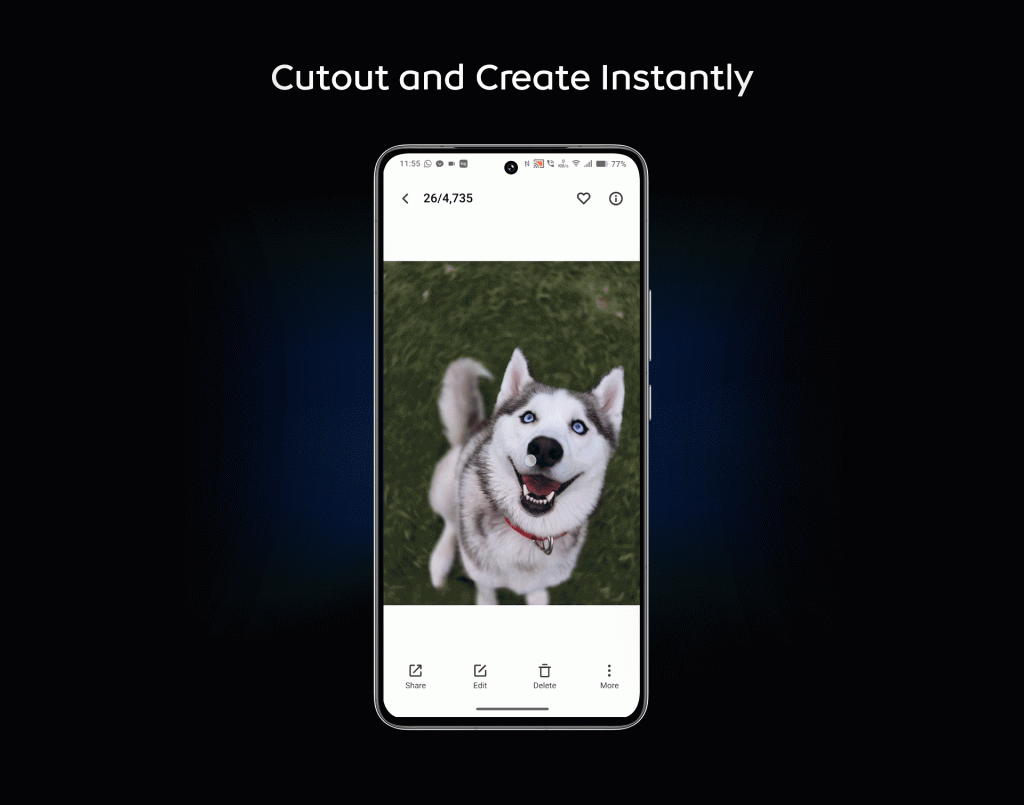
As for the software experience, iQOO is promising 4 years of OS updates and 5 years of security updates. Users will experience Android 15-based Funtouch OS 15 out of the box, which now supports some AI features including Google’s Circle to Search and background removal.
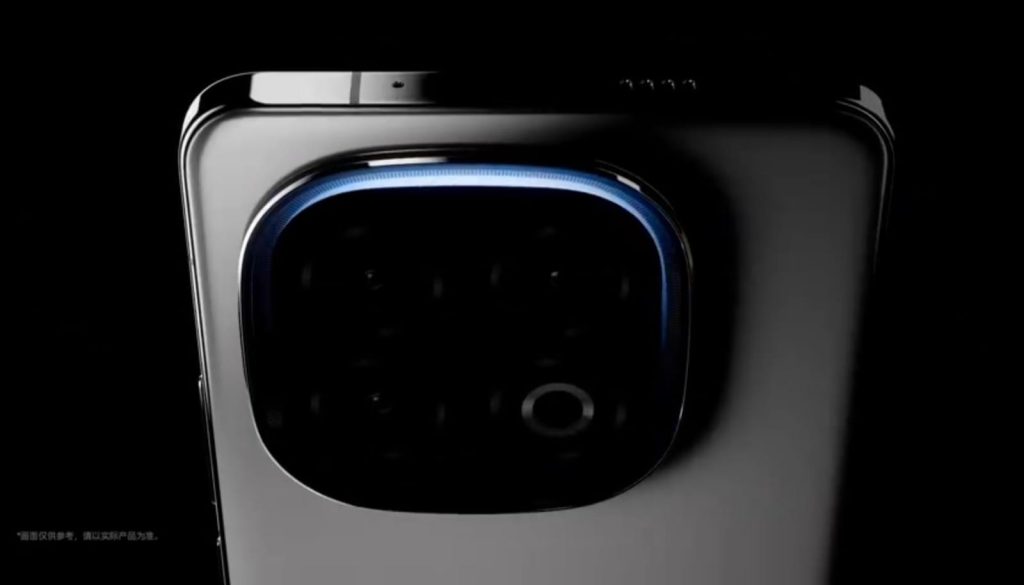
Vivo has officially teased the India launch of the Vivo X200 series. These flagship smartphones finally have a launch date and also revealed some of its key specs and features. The Vivo X200 and Vivo X200 Pro will debut in India next week, so here’s everything you need to know.
Vivo X200 Series India Launch Date
The Chinese smartphone maker had teased the Vivo X200 series launch in the Indian market last month. Now, the X200 and X200 Pro have finally been confirmed to arrive in the region on 12th December 2024. Looking at the teaser, Vivo has confirmed that the X200 Pro will launch with a 200MP Zeiss APO telephoto shooter at the back along with a dedicated V3+ camera chip. Under the hood, a massive 6,000mAh battery pack powers this device.
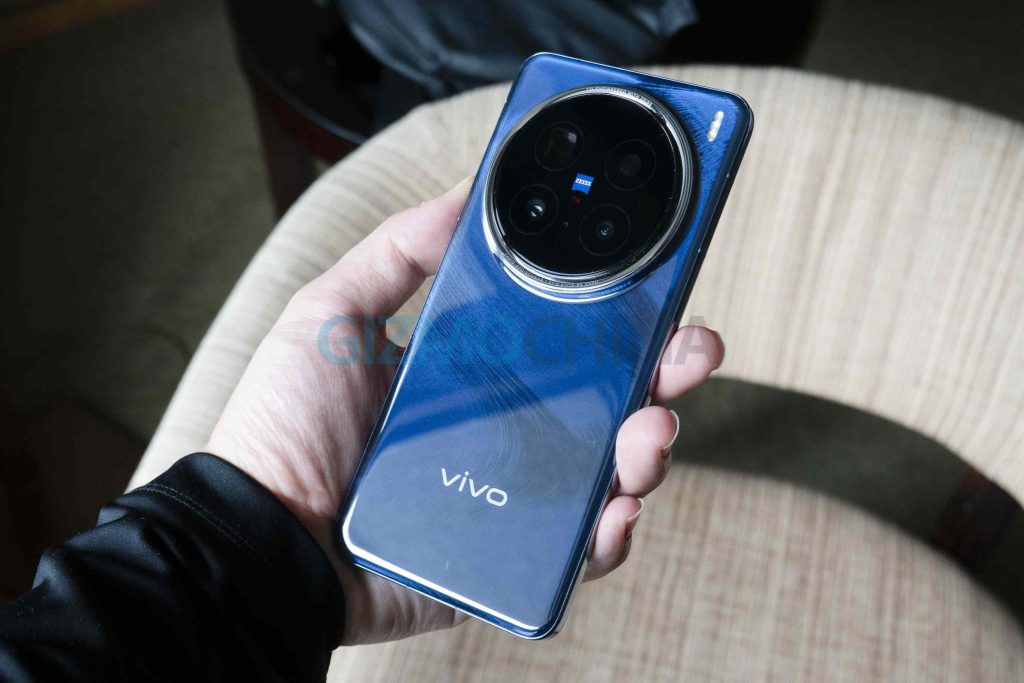
Vivo X200 Pro
Other specifications and features should also remain the same as the Chinese variant. The brand plans to launch the Vivo X200 Pro in Cosmos Black, while the base X200 is confirmed to launch in a Natural Green variant. The higher end Pro model will be available in a 16GB + 512GB storage configuration. On the other hand, we can expect the Vivo X200 to offer a more affordable 12GB + 256GB option as well.
Based on what we know so far, the Vivo X200 and Vivo X200 Pro are confirmed to be available for purchase via Flipkart and Amazon India. Furthermore, it will likely be available via the brand’s official online store and offline store after the December 12 launch date. Till then you can check out our comparisons of the X200 series. We compared the X200 Pro to the Oppo Find X8 Pro and the X200 with the Xiaomi 15. So stick around for more as we will be covering the launch event next week.
iQOO 13 and Vivo X200 are flagship smartphones that showcase cutting-edge technology and premium designs. While the iQOO 13 targets gamers and power users with its high-performance hardware and immersive display, the Vivo X200 focuses on photography excellence with advanced optics. Both devices feature robust builds, Android 15, and impressive specs, but they cater to different priorities. This comparison explores their differences to help you choose the one that best suits your needs.
iQOO 13 and Vivo X200 both feature premium builds with glass fronts and aluminum alloy frames. However, the iQOO 13 offers slightly more flair with an RGB LED light on the back, appealing to gamers and enthusiasts. Both devices boast IP68/IP69 water and dust resistance, ensuring durability. The iQOO 13 edges ahead in screen size with its 6.82-inch LTPO AMOLED display, offering a sharper 1440 x 3168 resolution and a smoother 144Hz refresh rate compared to Vivo X200’s smaller 6.67-inch AMOLED panel with 120Hz. Additionally, iQOO’s display delivers a peak brightness of 4500 nits, making it superior for outdoor use.
iQOO 13 offers a more immersive and advanced display experience, making it ideal for multimedia and gaming enthusiasts. The RGB lighting adds a unique character, distinguishing it from the Vivo X200.
2. Specifications
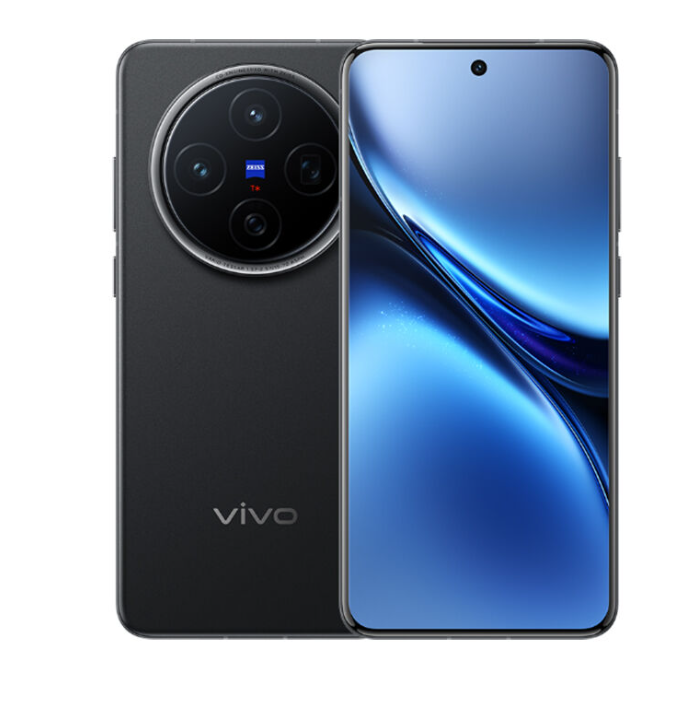
vivo x200
The iQOO 13 uses the Snapdragon 8 Elite (3 nm), featuring higher clock speeds and better efficiency compared to the Vivo X200’s Dimensity 9400 (3 nm). Both phones run Android 15, but the iQOO provides four years of major OS updates, ensuring better longevity. In terms of battery, iQOO 13’s 6150mAh capacity (6000mAh in India) supports a blazing 120W charging, fully charging in 30 minutes. The Vivo X200 lags slightly with a 5800mAh battery and 90W charging.
The iQOO 13’s faster chipset, extended software support, and rapid charging give it a clear edge, especially for power users who value speed and longevity.
3. Camera
iQOO 13
Both phones feature triple rear cameras, but iQOO focuses on versatility with three 50MP lenses for wide, telephoto, and ultrawide photography. The Vivo X200 also offers a triple 50MP setup but includes a periscope telephoto lens for 3x optical zoom, coupled with Zeiss optics and T* lens coating for improved clarity. Both deliver impressive video capabilities, but iQOO supports 8K recording while Vivo maxes out at 4K.
iQOO’s 8K video support and balanced lens performance make it a strong contender for creators.
4. Pricing
The iQOO 13 starts at approximately $599, while the Vivo X200 is priced higher at $749. Both phones offer competitive value, but iQOO delivers more powerful hardware and better software support for a lower price.
The iQOO 13 stands out as the more cost-effective option, offering more cutting-edge features without a steep price tag.
The iQOO 13 includes an RGB LED light, 144Hz LTPO display, 8K video recording, and faster charging. Vivo X200 counters with Zeiss-enhanced optics and a periscope telephoto lens for zoom lovers. Both devices feature solid designs, IP69 durability, and cutting-edge specifications.
The iQOO 13 is better for gamers and tech enthusiasts seeking performance, while Vivo X200 appeals to photography enthusiasts who value advanced optics.
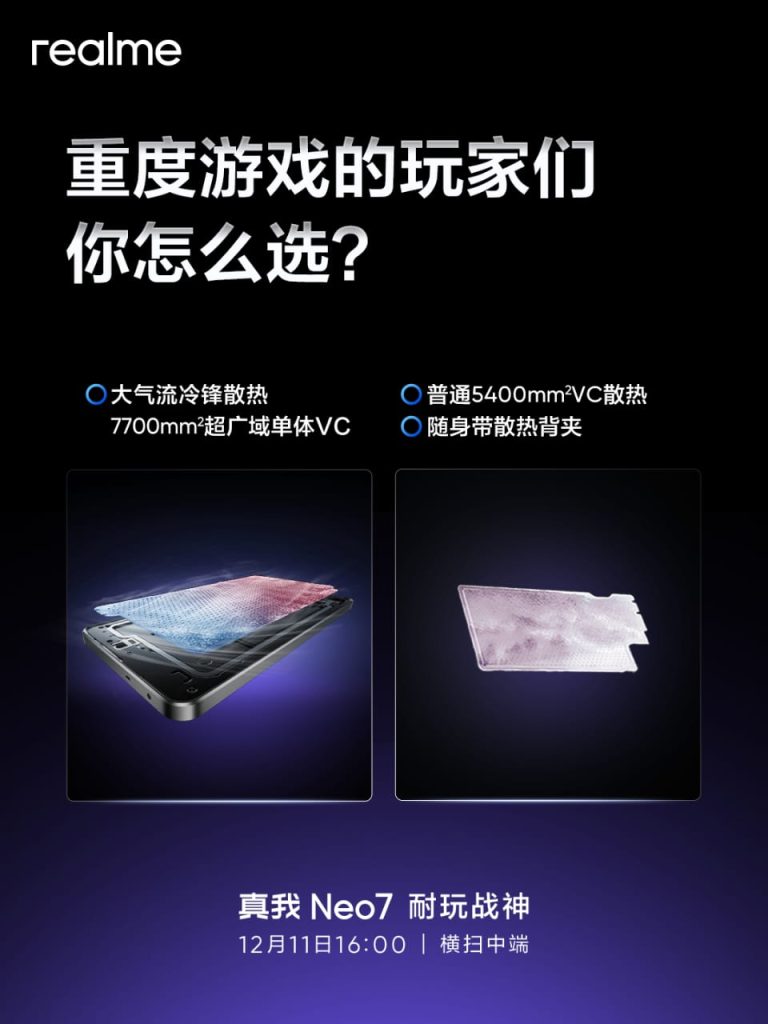
Realme is steadily unveiling details about its upcoming performance-focused mid-range smartphone, the Realme Neo7. The phone’s Geekbench listing already confirmed it will be powered by the MediaTek Dimensity 9300+ chipset, and now, Realme has revealed that the Neo7 will feature a 7700mm² VC (vapor chamber) cooling system, a significant upgrade that promises to deliver optimal gaming performance. This cooling solution is notably larger than the one found in a 2024 flagship – the iQOO 13 – that is launching in India today.
About the redesigned VC of the Realme Neo7
Realme’s latest announcement highlights the impressive cooling configuration of the Neo7. The 7700mm² single VC area inside the Neo7 provides 70% ultra-wide coverage to keep the phone cool even during extended gaming sessions. The redesigned air cavity structure inside the VC chamber is also larger, with a 15% increase in water storage capacity, contributing to a heat dissipation improvement of 85%. This redesigned cooling system is aimed at ensuring the front of the device remains cool, offering a seamless and enjoyable gaming experience.
For context, the iQOO 13 comes equipped with a smaller 7000mm² VC chamber. While this doesn’t directly indicate that the iQOO 13’s cooling system is inferior, the larger VC chamber in the Realme Neo7 suggests that it will be a serious contender in the mid-range category when it comes to sustained performance during heavy workloads.
This move by Realme is indicative of the growing trend of enhancing cooling solutions in smartphones, with even larger VC chambers appearing in high-end devices such as the realme GT7 Pro (11480mm²).
Other aspects related to performance
In addition to the impressive cooling system, Realme has also revealed key details about the Neo7’s performance capabilities. The smartphone will be powered by the MediaTek Dimensity 9300+ processor, which is expected to score over 2 million points on AnTuTu, providing powerful performance for gaming and multitasking.
The Neo7 will also feature Realme’s “GT Performance Engine,” which incorporates an inter-frame perception algorithm that reduces power consumption by 10%, chip-level super-frame rendering that increases computing efficiency by 30%, and a self-developed smooth architecture that boosts scene recognition speed by 11%.
Further enhancing its appeal, the Realme Neo7 will come with a massive 7000mAh Titan battery, ensuring that users can enjoy extended gaming sessions without frequent recharges. The phone is also expected to be IP68 water and dust-resistant and have a slim profile at just 8.5mm in thickness.
The Realme Neo7 is expected to be priced competitively, with the starting price pegged at ≤2499 yuan (~$340).
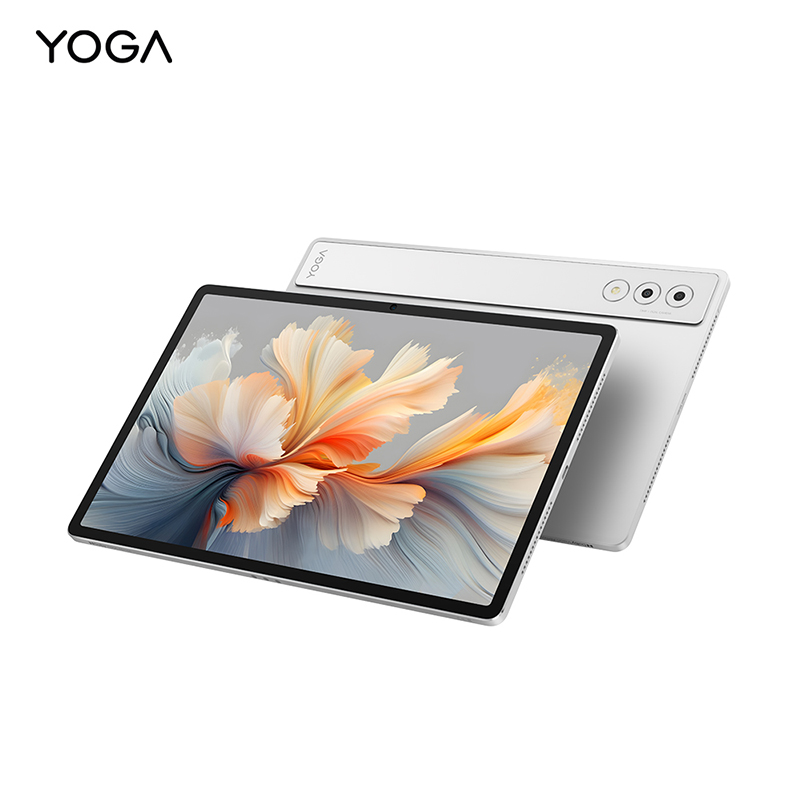
Lenovo has introduced the 2024 Yoga Pad Pro AI, a tablet designed to balance performance and practicality while integrating AI-driven features.
Lenovo Yoga Pad Pro AI 2024
Lenovo Yoga Pad Pro AI
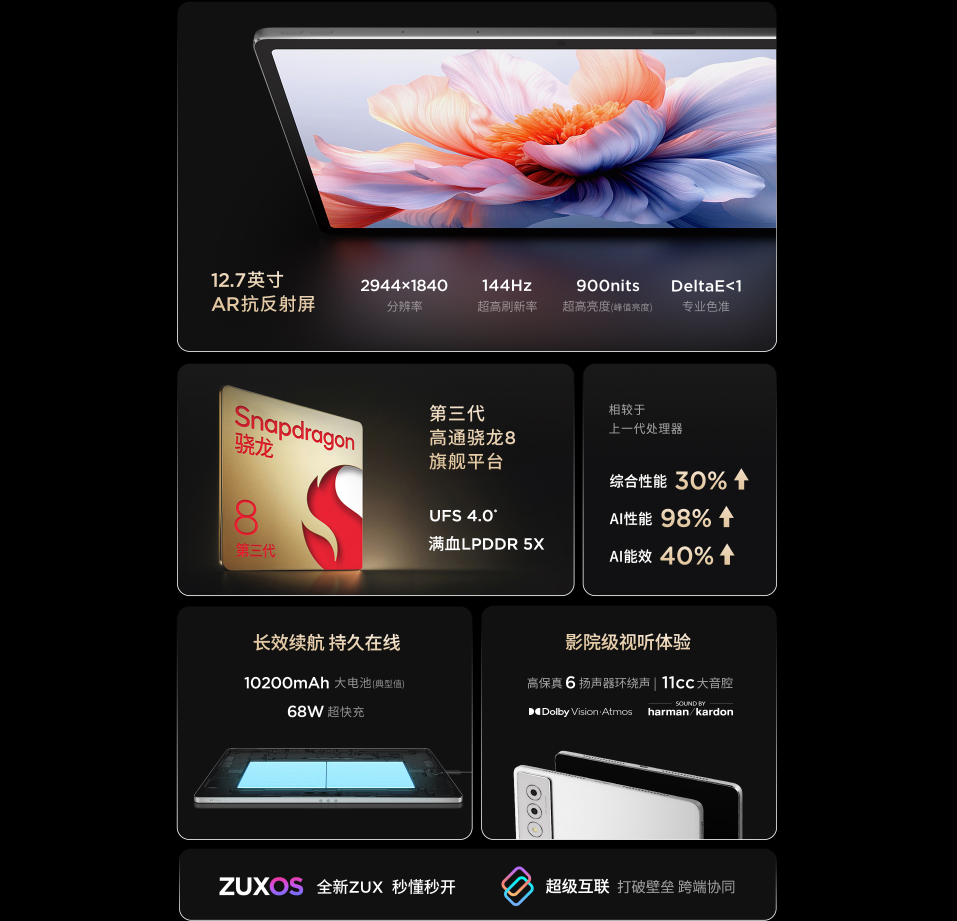
The new Yoga Pad Pro AI tablet comes with a 12.7-inch PureSight Pro display boasting a resolution of 2944×1840, a 144Hz refresh rate, and a brightness peak of 900 nits. The display covers a wide DCI-P3 color gamut, making it suitable for both entertainment and professional use. Audio is equally robust, with a 6-speaker system tuned by Harman Kardon and Dolby Atmos support, ensuring an immersive listening experience.
Under the hood, the tablet is powered by the Snapdragon 8 Gen 3 processor, along with 16GB of LPDDR5X RAM and 512GB of UFS 4.0 storage. It promises a 30% boost in overall performance and a nearly double AI performance increase compared to its predecessor.
The tablet’s main attraction is its AI integration, with Lenovo’s ZUXOS custom Android skin offering tools like document summarization, image generation, and a smart assistant. These features aim to make multitasking more efficient. The included stylus provides a realistic writing experience, which could appeal to students, professionals, and creatives alike.
Battery life is another highlight, with a 10,200mAh battery providing long-lasting power. The tablet supports 68W fast charging, giving up to 3 hours of usage after just 10 minutes of charging.
Pricing & availability
The Yoga Pad Pro AI is priced at CNY 4,799 (~$660) and is currently available for pre-order in China.
In other news, Lenovo has also launched the ThinkPad T14s 2024 Ryzen Edition in China, powered by the AMD Ryzen 7 Pro 360 processor with integrated Radeon graphics and a Ryzen NPU AI processor. It has a 14-inch WUXGA D IPS anti-glare matte display with a resolution of 1920×1200 pixels, boasting MIL-STD-810H durability while only weighing 1.3kg.
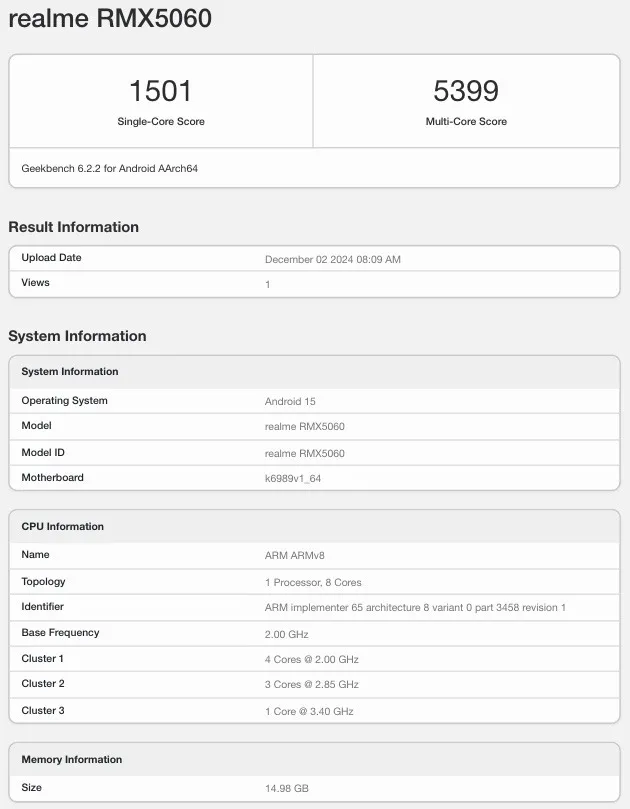
After confirming that the upcoming Realme Neo7 will feature a massive 7000mAh battery, Realme has now revealed another crucial detail ahead of its launch: the smartphone will be powered by the MediaTek Dimensity 9300+ chipset. This confirmation comes courtesy of a recent Geekbench listing that provides key performance details about the device.
The Geekbench results show that the Realme Neo7 can deliver impressive performance, with a single-core score of 1,501 and a multi-core score of 5,399.
Realme Neo7’s performance highlights
These scores highlight the power of the new MediaTek Dimensity 9300+ chipset, which Realme has paired with up to 16GB of RAM. The octa-core processor within the chipset consists of one core clocked at 3.40GHz, three cores at 2.85GHz, and four cores at 2.0GHz, offering a balanced mix of power for both demanding and everyday tasks. The chipset equips a Mali-G720-Immortalis MC12 GPU, ensuring a smooth graphical experience for gaming and media consumption.
In addition to the impressive performance scores, the Neo7 will run on Realme UI 6.0 based on Android 15, ensuring the latest software features and enhancements. The Geekbench listing suggests that the phone is capable of offering an exceptionally good multi-tasking and gaming experience for its price range.
According to the 3C certification listing, the phone will support 80W SuperVOOC fast charging, ensuring a reasonably lower downtime to fill up the large 7000mAh battery. Additionally, the phone reportedly measures only 8.5mm in thickness, which is good considering the battery capacity and is in line with most of the devices in the market.
In addition to that, Realme is positioning the Neo7 as a high-performance mid-range device, claiming that it will offer the “strongest performance, battery life, and quality” in its price segment. This suggests that the Neo7 will cater to those seeking a powerful smartphone without the premium price tag of flagship models.
For context, the Realme GT Neo6, launched earlier this year, houses the Snapdragon 8s Gen 3 chipset, a 5500mAh battery, supports a slightly faster 120W charging, and costs 2099 yuan (~$288) for the 12GB + 256GB version. It will be interesting to see where the upcoming device starts from.
We use cookies on our website to give you the most relevant experience by remembering your preferences and repeat visits. By clicking “Accept”, you consent to the use of ALL the cookies.
This website uses cookies to improve your experience while you navigate through the website. Out of these, the cookies that are categorized as necessary are stored on your browser as they are essential for the working of basic functionalities of the website. We also use third-party cookies that help us analyze and understand how you use this website. These cookies will be stored in your browser only with your consent. You also have the option to opt-out of these cookies. But opting out of some of these cookies may affect your browsing experience.
Necessary cookies are absolutely essential for the website to function properly. This category only includes cookies that ensures basic functionalities and security features of the website. These cookies do not store any personal information.
Any cookies that may not be particularly necessary for the website to function and is used specifically to collect user personal data via analytics, ads, other embedded contents are termed as non-necessary cookies. It is mandatory to procure user consent prior to running these cookies on your website.