Advertisement

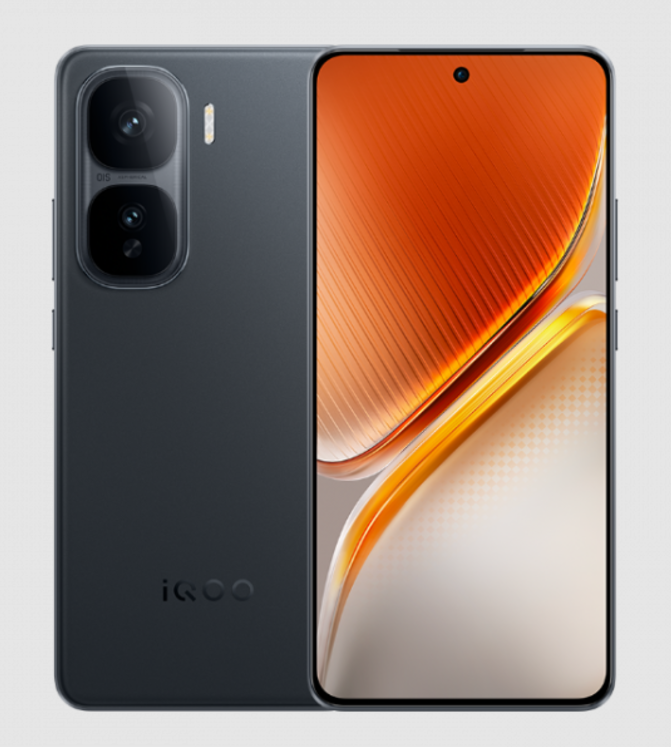
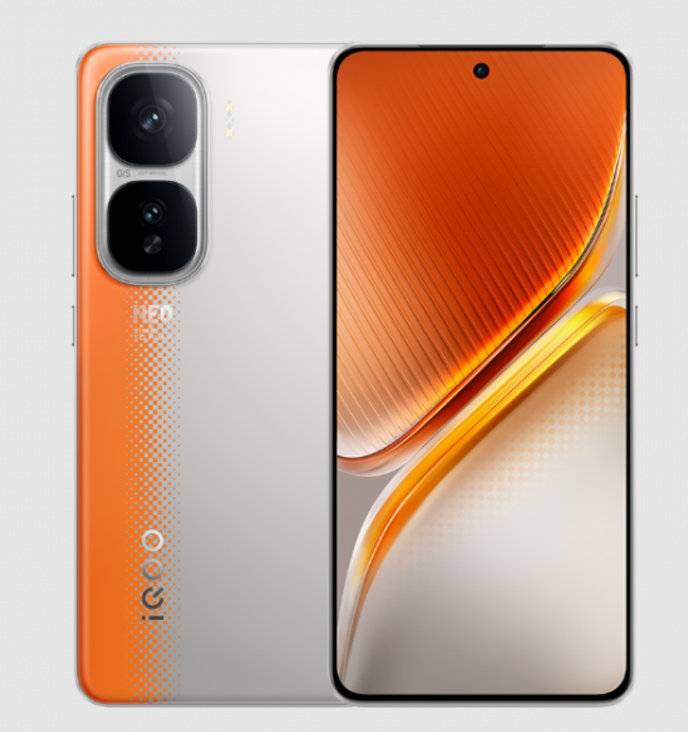
iQOO Neo 10, Neo 10 Pro leak reveals Snapdragon 8 Gen 3, Dimensity 9400, metal middle frame, and more

Last year, iQOO unveiled the iQOO 12 series and the iQOO Neo 9 series in November and December, respectively, in China. It seems that the brand may adopt a similar strategy this year. A fresh development reveals that the company is working on the Neo 10 series of smartphones for the Chinese market. Ahead of the expected launch in Q4 of this year, tipster Digital Chat Station has shared the key details of the Neo 10 lineup.

iQOO Neo 10 series’ first details leaked

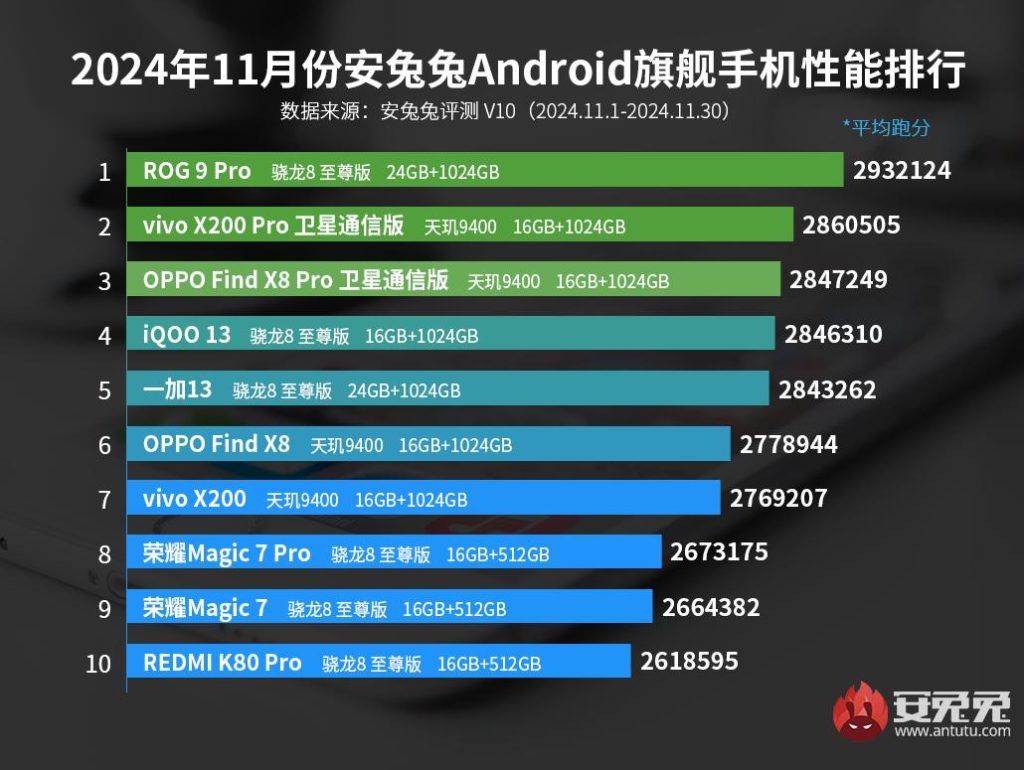
DCS has stated that the next-generation iQOO Neo series, being sub-flagship phones, will adopt the Snapdragon 8 Gen 3 and Dimensity 9400 chipsets. The Snapdragon 8 Gen 4 will power the phone that follows the new Neo series.

Hence, it appears that the iQOO 13 may debut after the iQOO Neo 10 series this year. Although the leaker hasn’t explicitly stated it, it seems that the Neo 10 will run on the Snapdragon 8 Gen 3, while the Pro version might have the Dimensity 9400.

The above Weibo post also suggests that the iQOO Neo 10 models will feature a metal middle frame, unlike the Neo 9 series, which featured a plastic frame. The Neo 10 models may come with silicon batteries supporting fast charging, possibly over 100W, and a 6,000mAh+ battery capacity. Additionally, the devices are expected to sport a 1.5K resolution flat display with ultra-narrow bezels, emphasizing eye protection and improved display quality.

To recall, the iQOO Neo 9 series from last year included two models, namely, the Neo 9 and Neo 9 Pro. The Snapdragon 8 Gen 2 and Dimensity 9300 chipsets, respectively, powered these devices. The Neo 9 Pro remained exclusive to the Chinese variant, whereas the Neo 9 was rebranded as the iQOO Neo 9 in India. At present, there is no clarity about the global launch of the Neo 10 series.

Snapdragon 8 Gen 4 datasheet leaked, reveals two variants, key specifications  

Qualcomm is expected to unveil the Snapdragon 8 Gen 4, its next-generation flagship chipset for smartphones, in October of this year. Months before the official announcement, a leaked datasheet emerged to reveal its key details.

Snapdragon 8 Gen 4 variants and specifications (rumored)

Snapdragon 8 Gen 4’s leaked datasheet

As per the leaked datasheet, the upcoming Snapdragon 8 Gen 4 chipset has two part numbers, namely SM8750 and SM8750P. The former is a regular version of the chipset, whereas the latter is an overclocked version.

The datasheet further reveals that Qualcomm will build the Snapdragon 8 Gen 4 chipset on an advanced 3nm process, promising significant enhancements in both performance and energy efficiency. It will feature Qualcomm’s latest Oryon CPU, engineered to deliver high-performance computing, and the Adreno 8-series GPU, which is designed to provide top-tier graphics capabilities ideal for gaming and other demanding tasks. The chipset supports dual-channel package-on-package (PoP) high-speed LPDDR5X SDRAM, further boosting its performance capabilities.

In terms of multimedia, the Snapdragon 8 Gen 4 will be equipped with the Qualcomm Spectra ISP 8-series, which is expected to significantly elevate the quality of photography and videography on mobile devices. Additionally, it includes Adreno VPU and DPU units that will handle UHD video encoding and decoding, along with high-definition display support.

The Snapdragon 8 Gen 4 will also excel in connectivity. It integrates a 3G/4G/5G modem capable of supporting mmWave and sub-6 bands. Additionally, it incorporates Qualcomm’s FastConnect 7900 system, enabling the latest wireless technologies like Wi-Fi 7, Bluetooth 5.4, and ultra-wideband (UWB).

Beyond raw power and connectivity, the Snapdragon 8 Gen 4 will incorporate advanced AI and security features. It will feature a Low-Power AI (LPAI) subsystem with a dedicated DSP and AI accelerator, enabling continuous on-device AI processing without compromising battery life.

Audio enthusiasts will also appreciate the Qualcomm Aqstic WCD3955 audio codec, which supports audiophile-grade sound quality. Lastly, the inclusion of a Secure Processing Unit indicates that Qualcomm is prioritizing enhanced security features, making this chipset not only powerful but also secure for a wide range of advanced use cases.

The SM8750 variant is expected to power most flagship phones that are expected to launch in the October–December period in China. The SM8750 variant will power the Galaxy S25 Ultra, which is expected to launch in January 2025. It’s possible that the SM8750P variant will power other flagship phones that release in China around mid-2025.

(source)

Should you get an old flagship or a new mid-range phone in 2024

If you’re in the market to upgrade your smartphone, the options are overwhelming. Whether you’re looking for top performance, the best camera, sleek design, or durability, there’s a phone to meet every need. 

However, if you want a device that offers a balance of all these features, your choices will likely narrow down to flagship models. These phones offer the best of everything—performance, camera quality, design, you name it.

old flagship or a new mid-ranger in 2024

But a brand-new flagship comes with a flagship price tag and that’s not within everyone’s budget. This often leads many to consider a mid-range phone instead. 

However, another option is to choose a previous-generation flagship, which can cost significantly less. But is going for an older flagship really better than buying a brand-new mid-range phone? Let’s compare the key aspects of both to see which one is worth your investment.

1. Design

First impressions matter, and nowhere is that more true than with smartphones. A phone’s design is the first thing that grabs our attention, and flagships excel at making that impact. They’re crafted with premium materials like glass back and metal frames and are meticulously designed to feel luxurious from the moment you pick them up.

Some brands even maintain a consistent design language for their flagships to make them easily recognizable. Apple’s iPhones, for instance, from the 11 series to the current 15 series, share a mostly similar look. Similarly, the latest Galaxy S-series phones—the S22 Ultra, S23 Ultra, and S24 Ultra—feature a very similar design.

This design consistency makes these phones instantly recognizable as top-of-the-line devices. Even if a brand changes things up in the next iteration, the designs have been repeated enough by now that it’s easy to identify them as flagships.

Mid-range phones have also come a long way in recent years, with manufacturers pushing the envelope in terms of design. Brands like Xiaomi, Realme, and Samsung’s A-series offer devices that borrow design cues from their flagship counterparts. 

For instance, it’s common for a mid-range phone in 2024 to have features like narrow bezels and official IP dust and water resistance, which were once considered as flagship. 

However, being mid-range means there will certainly be cost-cutting, and it often comes in terms of build quality. Most mid-range phones use plastic instead of glass and even those with a glass back typically have plastic frames.

That’s not to say plastic means poor quality; in fact, plastic can withstand falls better than glass. Still, it is unlikely to give the premium hands-on feel of a flagship phone.

Flagships also tend to have better display protection, often featuring newer layers like Corning Gorilla Glass Victus or Victus 2. While Gorilla Glass protection is now common even in mid-range phones, it’s usually of older generations like Gorilla Glass 3 or 5. 

However, none of these are entirely shatterproof or scratch-resistant, so many users still prefer to use a screen protector, making this less of a deciding factor. 

All in all, flagship phones still have the upper hand in design, making them the winner in this category. 

Winner: Old Flagship 

Please Note: When you buy something using the links in our articles, we may earn a small commission at no cost to you.

2. Display

Display quality is often one of the most noticeable differences between flagships and mid-range phones. But it’s no longer just bout the traditional difference between AMOLED and IPS LCD displays—AMOLED screens have become quite common even in the mid-range segment now. 

The difference is the underlying display tech like LTPO (Low-Temperature Polycrystalline Oxide). LTPO panels, still primarily reserved for premium phones, allow the display to dynamically adjust its refresh rate, going as low as 1Hz to improve battery efficiency. 

While variable refresh rates are a notable advancement, their impact on everyday use is less significant than it might seem. Mid-range phones that consistently run at 120Hz, like the Samsung Galaxy A54, offer similarly smooth animations and scrolling experiences.

The real difference lies in overall panel quality. Flagship phones, even older ones, consistently deliver superior viewing experiences due to higher-quality materials and more precise color calibration. These displays excel in color accuracy, viewing angles, and brightness, areas where mid-range devices may fall short.

Brightness used to be a major distinguishing factor between flagships and mid-range phones. Higher peak brightness was once exclusive to top-tier models, but mid-range phones are increasingly catching up—some even surpass flagships in this regard. 

For instance, the Galaxy S23 Ultra has a peak brightness of 1,750 nits, while the mid-range Redmi Note 13 Pro Plus offers 1,800 nits. As mid-range phones close the gap in brightness, this factor may soon cease to be a real differentiator.

However, flagship displays still hold an edge due to their fine-tuned performance and advanced features like LTPO technology. By a close margin, in display quality, older flagships still come out on top.

Winner: Old Flagship

3. Camera

Camera is one area where we think even a one- or two-year-old flagship phone still outperforms mid-range models. Premium phones typically feature a versatile camera setup, often with superior main and ultrawide sensors. You’ll also likely find a telephoto lens for capturing incredibly detailed portrait shots.

Beyond hardware, flagship models benefit from advanced computational photography algorithms. This enables them to excel in challenging situations, delivering images with impressive detail, dynamic range, and low-light performance.

Mid-range phones have also made impressive progress in camera technology. It’s not rare to find a phone with a 108MP higher-resolution cameras in this segment, and they often perform well in well-lit conditions. However, it’s clear that mid-range phones still can’t match the quality or hardware versatility of a flagship camera.

Winner: Old Flagship 

4. Performance

It’s no surprise that the once-glaring performance gap between flagship and mid-range phones is narrowing by each passing year now. Flagship phones were traditionally associated with smooth user experience and superior gaming capabilities. But chipmakers like Qualcomm and MediaTek are making efforts to steadily bridge that gap. 

Take the recently released Snapdragon 7+ Gen 3 — it boasts the same Cortex-X4 performance core as the top-of-the-line Snapdragon 8 Gen 3, albeit clocked slightly lower. Processors like this make most smartphone tasks, including heavy gaming, a breeze on mid-range devices.

Sure, flagships still offer a slight performance edge. However, for everyday use, the difference is increasingly negligible. Additionally, mid-range phones are no longer skimping on RAM and storage. Modern devices offer generous amounts of both, often adopting faster options that keep things running smoothly.

Winner: Tie

5. Software

Software updates and security patches are critical for ensuring a phone’s longevity and security. Historically, flagship models have led the way in terms of extended software support. 

Devices like the Samsung Galaxy S23 Ultra and the Pixel 7 Pro benefits from regular updates, including major OS upgrades and security patches. These updates are prompt, reflecting the premium status of these devices and the manufacturers’ commitment to delivering a superior user experience.

The mid-range segment is also catching up in this area.  Samsung and Google, for instance, offer Galaxy A54 and Pixel 7a four major OS upgrades and five years of security patches, similar to the S23 Ultra and Pixel 7 Pro.

This extended support helps narrow the gap between flagship and mid-range models. However, as we said earlier, flagship devices typically receive updates first, and mid-range phones sometimes experience delays.

Smaller brands like OnePlus and Motorola have also improved their update policies but generally focus on their recent flagship models for the most extended support.

Therefore, flagships have a slight edge due to the current landscape of updated policies. This could change in the future, but for now, security-conscious users might lean towards older flagships.

Winner: Old flagship

6. Battery and Charging

Over time, older flagships naturally experience battery degradation, which can lead to reduced battery life. In comparison, it’s natural for newer mid-range phones, with their fresh batteries, to offer better battery life.

The latter also benefit from lower-powered processors and Full HD displays, resulting in better battery efficiency compared to older flagships with power-hungry QHD screens and high-end processors.

That said, mid-range phones often have slower charging speeds compared to premium models. Wireless charging support is also rare in the mid-range segment.

Ultimately, the choice depends on your priorities. Mid-range devices excel in battery life, but if fast charging and wireless charging are crucial, older flagships might still offer those benefits. 

Winner: Tie

7. Conclusion

When deciding between an older flagship phone and a new mid-range device, your choice will depend on your priorities.

If premium build quality, superior display technology, and better camera performance are important to you, an older flagship phone is likely the better choice. These devices still offer a high-end experience that newer mid-range phones struggle to match.

On the other hand, for better battery life, and reliable performance, a new mid-range phone can also serve that purpose very well. Ultimately, it’s up to you to weigh your needs and make the decision that best suits them.

Motorola Razr 50 India launch soon, teaser goes live

Motorola has been consistently launching new phones in India. Today, it will unveil the Moto G45, a low-priced 5G smartphone. It is also said to be working on the launch of the Moto G35 5G, which could be the company’s most affordable 5G phone. While there is no official word on the arrival of the G35, the company has started teasing the arrival of the Razr 50.

Motorola Razr 50 teaser released in India

To recall, Motorola unveiled the Razr 50 and Razr 50 Ultra in June in China. In July, the Ultra variant was released in other markets, including India. Now, the brand is all set to launch the standard Razr 50. It remains to be seen whether it will launch before the end of this month in India.

To recall, the Razr 40, which debuted last year, came equipped with a 1.5-inch cover display. The above teaser reveals that the Razr 50 will sport a larger cover screen, which will be slightly smaller than the Razr 50 Ultra’s cover display.

Motorola Razr 50 specifications

The Motorola Razr 50 is an IPX8-rated device featuring a 6.9-inch AMOLED LTPO panel that offers an FHD+ resolution, a 120Hz refresh rate, and 3,000 nits of peak brightness. The secondary display measures 3.6 inches and offers 1056 x 1066 pixels resolution. It is protected by a layer of Gorilla Glass Victus.

The Dimensity 7300X chipset, 12 GB of LPDDR4x RAM, up to 512 GB of UFS 2.2 storage, and a 4,200mAh battery with 30W fast charging power the Razr 50. It has a 32-megapixel front camera and a 50-megapixel (main, with OIS) + 13-megapixel (ultrawide) dual-camera setup on the back.

The Razr 50 Ultra is priced at Rs 99,999. It is likely that the standard Razr 50 could be priced at around Rs 70,000.

Xiaomi 13 series gets new HyperOS beta update in China

Xiaomi has begun rolling out the official beta update of HyperOS for the Xiaomi 13, 13 Pro, and 13 Ultra, with version numbers OS1.0.13.0.UMCCNXM, OS1.0.11.0.UMBCNXM, and OS1.0.15.0.UMACNXM respectively.

Xiaomi HyperOS

This update, which is part of the August beta program, brings several optimizations and fixes across various system aspects, enhancing the overall user experience.

What’s new in this update?

The update brings significant system performance improvements, including optimized startup animation for faster app launches and a more responsive interface. It addresses game crashes for a more stable experience and includes the August 2024 security patch for enhanced system security.

The update also fixes issues with the Free Window feature, including abnormal video app display in small window mode and size problems with the mini window in certain games. It improves Home Screen stability, particularly with the return-to-home animation, and resolves empty space issues in the desktop layout of the second space.

Additionally, it optimizes cross-device connectivity by speeding up device discovery, introduces a new lock screen setting to disable editing with a long press, and fixes a checkmark error in the Clock app for alarm settings in dark mode.

The new beta update enhances the CarWith feature with six redesigned interface styles, new map and music cards, and an updated XiaoAi Assistant dialogue style. It adds customization options for car wallpaper, background effects, card sorting, and widgets, while optimizing navigation with full-screen maps and a floating navigation capsule. The update also improves the connection experience and stability of CarWith.

Other fixes in this update include resolving an issue where the natural disaster alert subscription option disappeared in the Security Manager and addressing text and notification display issues in different languages within the Status Bar and Notification Bar.

Official beta testers can download this update now. The full version will be released to everyone after successful beta testing.

Xiaomi launched the Xiaomi 13 and 13 Pro in December 2022 in China, followed by the Xiaomi 13 Ultra in April 2023. The Ultra variant features a 6.73-inch Quad HD+ AMOLED display with 2600 nits brightness and a 120Hz refresh rate. It’s powered by the Snapdragon 8 Gen 2, offers up to 16GB RAM and 1TB storage, and has a 50MP main camera with multiple telephoto options and 8K video recording. The device comes with a 5000mAh battery with 90W wired and 50W wireless charging.

(Via)

Tensor G4 show disappointing performance in AnTuTu and Geekbench benchmarks

Early performance benchmarks for Google‘s Tensor G4 chip, used in the new Pixel 9 series, raise concerns about its raw processing power compared to competitors.

Tech YouTuber Sahil Karoul recently shared benchmark scores from a retail Pixel 9. His results reveal a significant performance gap between the Tensor G4 and its main competitor, the Qualcomm Snapdragon 8 Gen 3.

In AnTuTu v10, the Pixel 9 scored just 927,945 points. This score is well below the Snapdragon 8 Gen 3, which typically exceeds 2 million points. That means, the Tensor G4’s performance is over 50% lower in raw processing power.

The trend continues in Geekbench 6, where the Pixel 9’s Tensor G4 scored 1556 in single-core and 3706 in multi-core tests. In contrast, the Snapdragon 8 Gen 3 averages around 2226 and 6917 in these tests (data from NoteBookCheck.) 

These results suggest that the Tensor G4 may struggle to match the Snapdragon 8 Gen 3’s raw CPU and GPU performance.

Karoul also shared a screenshot of a CPU stress test showing that, after 15 minutes, the Tensor G4 throttled down to 59% of its peak performance. As a result, Pixel 9 might have difficulty handling demanding or prolonged tasks.

Google has not officially disclosed the Tensor G4’s specifications. However, Geekbench results suggest it might feature one high-performance core at 3.1 GHz, three cores at 2.6 GHz, and four efficiency cores at 1.95 GHz.

While these early benchmarks may raise concerns about the processor’s raw power or sustained performance, it’s crucial to remember that raw processing power isn’t the whole story. Rather Google is emphasizing the Tensor G4’s focus on AI and machine learning capabilities. 

However, for users prioritizing raw performance,  these early results suggest that the Pixel 9 may fall short compared to competitors using the latest chips like Snapdragon 8 Gen 3. We’ll need to wait for additional testing and real-world evaluations to fully understand how the Tensor G4 affects the Pixel 9’s overall user experience.

Here’s our first look at the Huawei Mate 70 series’ back design

Huawei launched the Mate 60 series in China at the end of August last year. Given this timeline, it’s expected that the company would reveal the successor around this time. However, Weibo tipster Digital Chat Station previously claimed that the launch of the successors might be delayed, potentially occurring in mid-to-late Q4 this year.

In the latest leak, images of the back panels of the upcoming devices have been exposed, which reveals some changes in the camera layout.

As you can see from the image, the Mate 70 series will come with a similar camera module. However, it appears that the company has changed the placement of the different camera sensors. For example, a large cutout can be seen on top of the camera module (where the flash module was on the predecessors). This means that one of the camera sensors is relocated to the top of the camera island.

You can also notice an octagonal camera module in the images, which likely represents the Mate 70 RS Ultimate. Notably, the octagonal camera island in the leaked image has even sharper angles as compared to the octagonal camera island of the Mate 60 RS Ultimate.

In terms of hardware, the Huawei Mate 70 series is expected to be equipped with a new generation of Kirin chips. The series may adopt the three-punch home camera design on the front, 3D face recognition technology.

The upcoming Mate series devices could be the first to equip the HarmonyOS NEXT operating system. For those unfamiliar, HarmonyOS NEXT is expected to be a new breakthrough for Huawei in the software ecosystem.

(Via)

Marshall Unveils Upgraded Emberton III & Willen II Speakers with Extended Battery Life

Marshall has expanded its portable speaker lineup with the release of the Emberton III and Willen II, which offer upgrades over their predecessors.

Marshall Emberton III

The Emberton III, following the Emberton II, includes Dynamic Loudness technology that adjusts sound output based on volume levels. The battery life has been extended to 32 hours, an improvement from the previous model. It also now has a built-in microphone for hands-free calling. The speaker maintains its rugged design with an IP67 dust and waterproof rating.

Marshall Willen II
Marshall Willen II

The Willen II is a smaller, portable option with similar enhancements. It offers improved sound quality and a battery life of up to 17 hours on a single charge. It also features a strap for easy carrying, a microphone for hands-free communication, and an IP67 rating for durability.

Both models include Bluetooth LE Audio technology, set to be activated through a future update. This technology will support Auracast, allowing multiple listeners to enjoy high-quality audio simultaneously.

The Emberton III and Willen II are made with premium materials and feature a refined user interface. Priced at $169.99 and $119.99 respectively, they are available for pre-order, with an official launch on August 26.

(Source 1, 2)

Honor to Unveil Its Thinnest Foldable, New Tablet, and Laptop Globally on September 5

Honor has officially confirmed that it will introduce several new products globally on September 5 at the HONOR IFA 2024 event in Berlin (2 pm CEST). The launch is just over two weeks away.

As mentioned in the title, the new products will include the Honor Magic V3 foldable smartphone, Manor MagicPad 2, and Honor MagicBook Art 14. The company will also introduce a couple of its latest innovations in AI to the global market at the event.

Honor Magic V3:

This book-style foldable is currently the thinnest in the market which is measured at only 9.2mm while folded. For context, the latest book-style foldable from Samsung is measured at 12.1 mm when folded. Alongside the slim form factor, this phone also offers an IPX8 dust and water-resistant rating, which is the same as the Google Pixel 9 Pro Fold.

The Honor Magic V3 also offers a breakthrough in performance with the Snapdragon 8 Gen 3 chip and 5150 mAh silicon anode battery. You can learn more about the performance and other aspects of the Honor Magic V3 here.

Honor MagicPad 2

Honor launched the MagicPad 2 tablet in China last month. It packs a 12.3-inch OLED display that offers a resolution of 3000 x 1920 pixels, 1600 nits of peak brightness, and a high refresh rate of 144Hz. This tablet is powered by the Snapdragon 8s Gen 3 SoC.

To make the product special, Honor offers a series of cutting-edge AI technologies such as AI voiceprint noise reduction, AI voice-to-text, and AI meeting minutes. You can learn more about the Honor MagicPad 2 here.

Honor MagicBook Art 14

This laptop was also launched in China in July of this year. The outer body is constructed of aerospace-grade materials, which makes it both lightweight and durable. It weighs only 1.03kg and is only 1 cm thick.

The MagicBook Art 14 equips a 14-inch 3.1K OLED touchscreen display that supports 120Hz refresh rate. It packs a 60Whr battery inside which is rated to offer 9.5 hours of battery life.

For wired connectivity, users get the following ports:

  • Thunderbolt 4
  • full-function USB-C port
  • USB-A 3.2
  • HDMI 2.1
  • 3.5mm headphone jack

Pricing:

The company has yet to reveal the pricing of the products for the global market.

(Source)

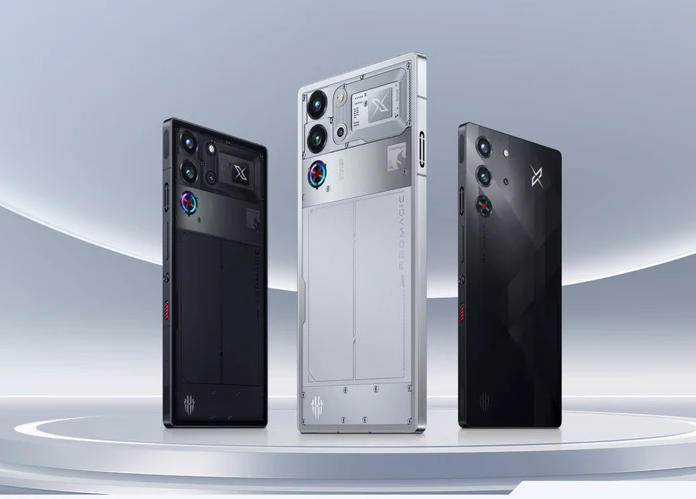
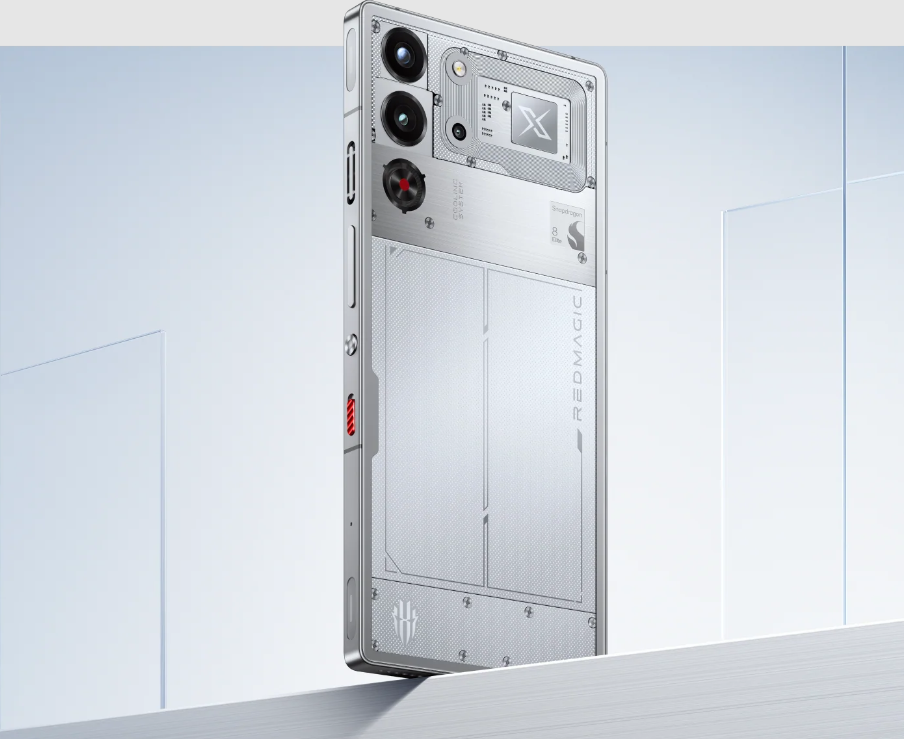
Snapdragon 8 Gen 4 to power ZTE Nubia Z70 Ultra, Nubia Flip 2, Red Magic 10 Series

Flagship smartphones powered by Qualcomm’s upcoming Snapdragon 8 Gen 4 chipset are expected to debut later this year. ZTE is also expected to utilize the cutting-edge processor for its own high-end devices. Additionally, a gaming tablet featuring another Qualcomm chipset is also in the pipeline.

ZTE Nubia Z60 Ultra Leading edition

1. ZTE Nubia Z70 Ultra, Flip 2, & Red Magic 10 series with Snapdragon 8 Gen 4

ZTE Snapdragon 8 Gen 4 Nubia Flip 2

In a recent exclusive report, our team revealed that ZTE is currently working on its next foldable phone, the Nubia Flip 2. We also covered a leak of the Nubia Z70 Ultra. Both of these devices are expected to be equipped with the Snapdragon 8 Gen 4. While these were just speculation, tipster Digital Chat Station’s latest tips also back these rumors.

He expected the Nubia Z70 Ultra, Nubia Flip 2, and even the Red Magic 10 series to come with this high end processor. The brand’s next gen smartphones will apparently launch with a new generation of high resolution under-display selfie cameras and large battery packs. It is unclear if this is true for multiple devices or one particular model. Another one of these smartphones will use a ceramic back cover, although we’re not sure of its brand.

2. Snapdragon 8 Gen 3 powered Gaming Tablets

DCS recently claimed that the Red Magic Gaming Tablet 3 is set to launch next year, which is a gaming tablet with the Snapdragon 8 Gen 4. But that’s not all, ZTE could be developing developing another gaming tablet that uses the current gen Snapdragon 8 Gen 3 as well. So this might have a more affordable price tag compared to the 8 Gen 4 powered variants. Unfortunately, finer details like the specs and design of these upcoming gadgets are still at large so stick around for more updates.

OnePlus Buds Pro 3 price revealed through MYNTRA listing ahead of launch

The OnePlus Buds Pro 3, set to launch on August 20th, had its specifications and pricing revealed through a listing on Myntra. This leak comes days after the Buds Pro 3 was spotted listed on Flipkart revealing its price.

OnePlus Buds Pro 3 MYNTRA

According to the Myntra listing, the OnePlus Buds Pro 3 will be priced at ₹13,999, with the possibility of a launch discount based on OnePlus’ pricing trends.

OnePlus Buds Pro 3 specs:

As per all the leaks and teasers, the earbuds focus on audio quality with a dual-driver setup and dual DACs for better bass and treble. They feature Hi-Resolution Audio certification and support for the LHDC 5.0 codec. OnePlus partnered with Dynaudio for sound tuning, aiming for high-quality audio.

Noise cancellation is rated up to 50dB, offering improved isolation. Enhanced voice cancellation technology is included for clearer calls. Battery life is up to 43 hours with the charging case. The earbuds are IP55-rated for dust and water resistance, and Bluetooth 5.4 connectivity offers lower latency and smoother audio synchronization.

In other news, Motorola is set to launch the Moto G45 5G in India on August 21. The phone will feature a 6.5-inch 120Hz display with Gorilla Glass 3 protection, powered by a Snapdragon 6s Gen 3 chipset, up to 8GB RAM, and 128GB storage. It will have a 50MP main camera, 16MP front camera, and a 5,000mAh battery, running Android 14 with 1 year of OS updates and 3 years of security updates.

(Source)

Xiaomi launches Router AX3000E with Wi-Fi 6, gaming acceleration, smart features & more

Xiaomi has launched the Router AX3000E in the Chinese market, which is now available for pre-order through crowdfunding on Xiaomi Mall and Xiaomi Youpin. Let’s check out its key specs.

Xiaomi Router AX3000E

Xiaomi Router AX3000E Specifications:

The Xiaomi Router AX3000E is equipped with the latest Wi-Fi 6 technology, offering a maximum theoretical wireless speed of 2976Mbps, combining 2.4GHz and 5GHz dual-band signals.

It supports a 160MHz high bandwidth, making it ideal for high-speed gaming and 4K streaming. The router also comes with four signal amplifiers to ensure strong and reliable signal coverage throughout your home.

In terms of performance, the AX3000E is powered by a dual-core Qualcomm processor and an independent NPU (Network Processing Unit), designed to maintain stable internet speeds even with multiple devices connected. This router supports port aggregation, allowing dual WAN or dual LAN configurations, which can boost broadband speed beyond typical gigabit levels.

Xiaomi Router AX3000E

The router also integrates seamlessly with Xiaomi’s Mijia ecosystem. It supports new automation scenarios and voice control via Xiaoai. The router also features Xiaomi’s Mesh networking, enabling up to 10 devices to connect for full-house coverage without dead zones. Additionally, it offers smart game acceleration for Xiaomi and Redmi phones, reducing latency during gaming sessions.

The AX3000E also prioritizes security, featuring a Family Security Center within the Mijia app, which allows parents to manage children’s internet usage and restrict access to certain websites. It includes robust protection mechanisms against network attacks and supports the latest WPA3 encryption protocol.

Pricing and Availability

The router is priced at 199 yuan ($28), with a special crowdfunding price of 149 yuan ($21). The crowdfunding campaign begins on August 21 at 10 AM (CST) and will end on August 28 at 10 AM (CST).

Xiaomi 15 Ultra reportedly in works with three different back panel materials

Xiaomi is expected to launch the Xiaomi 15 and Xiaomi 15 Pro smartphones in late October or early September. Their top-tier sibling, the Xiaomi 15 Ultra, will join the lineup in the first half of 2025.

Rumors about these phones have been circulating for some time, and today, a new one has emerged from reliable tipster Digital Chat Station, revealing key details about the devices.

According to the leak, the Xiaomi 15 Ultra will be powered by the yet-to-be-announced Qualcomm Snapdragon 8 Gen 4 processor. The phone is rumored to feature a 2K resolution display with ultra-narrow bezels and an equal-depth quad-curve design.

The camera system is another highlight of the leak. The 15 Ultra is said to have a large, rear-centered, round lens housing a quad-camera setup. The main will be a 50MP lens which will be joined by a new periscope lens with a notably large sensor size.

Regarding the back panel material, the tipster mentions that the Xiaomi 15 Ultra’s engineering prototype is currently being tested with options like plain leather, fiberglass, or ceramic. 

Leather provides a premium feel but may be prone to scratches. Fiberglass is a lighter and more durable option, but might not carry the same level of perceived luxury. Ceramics offers a balance between aesthetics and durability but can be heavier and more susceptible to shattering upon impact.

It’s important to remember that this is an early leak, and the final specifications and design of the Xiaomi 15 Ultra could change significantly. Additionally, since the tipster hasn’t explicitly mentioned the device name in the leak, readers should take this information with a grain of salt. The device might not be the Xiaomi 15 Ultra and could potentially be the Vivo X200 Ultra instead.

Oppo A3 5G launch: Durable, Affordable, Smooth 120Hz Display

Oppo’s latest budget phone has just dropped in India. The Oppo A3 5G was announced in the region for an affordable price tag, a high refresh rate display, military grade design, and much more. It targets budget conscious consumers and arrives with various bank offers. This release arrives days after the Oppo A3x launch.

1. Oppo A3 5G: Durable Design & Fast Display

Oppo A3 5G

Durability was one of the focus of the new Oppo A3 5G. The company announced this device with a MIL-STD 810H military-grade shock resistance rating. It features a SplashProof sensitivity, letting you use the smartphone even when your hands are wet. There is liquid resistance, SGS Drop Resistance certification, and more.

Meanwhile, the front sports a tall 6.67-inch LCD screen that offers an HD+ resolution, a 120Hz refresh rate, a 240Hz touch sampling rate, and 1000 nits of peak brightness. The Oppo A3 5G’s display features a83 percent NTSC color gamut and Panda glass for protection.

2. Specifications

Under the hood, the new budget phone is equipped with the MediaTek Dimensity 6300 SoC, which is paired with 6GB of LPDDR4X RAM and 120GB of eMMC 5.1 storage. Users can supplement the RAM and storage via 6GB virtual RAM expansion and a microSD card slot.

For photography, the Oppo A3 features a 50-megapixel primary camera on the rear alongside a 2-megapixel portrait sensor. On the front, you get a 5-megapixel shooter for selfies and video calls.

A large 5,100mAh battery pack powers this model, which supports 45W wired fast charging. This model runs on the Android 14 OS based ColorOS 14 custom skin out of the box. Other notable features include a side mounted fingerprint scanner, a 3.5mm headphone jack, Bluetooth 5.3, Dual SIM, 5G, and WiFi 5.

3. Pricing and Availability

Oppo A3 5G Launch

Oppo unveiled the A3 5G in the Indian market in two color options, namely Ocean Blue and Nebula Red. Although, it is only offered in a single 6GB + 128GB storage configuration. This budget phone has a 15,999 INR price tag and it is currently available on Oppo India’s online store. The company is even offering an instant bank discount of up to 10 percent on SBI, OneCard, and Bank of Baroda card transactions.

Red Magic Gaming Tablet 3 coming next year with Snapdragon 8 Gen 4 & a small display

Known tipster Digital Chat Station recently revealed that Red Magic has plans to launch a new tablet later this month powered by the Snapdragon 8 Gen 3 Leading version processor. This will be the brand’s second tablet after the launch of the first one back in July 2023. Now, the tipster has spilled the beans about another tablet, that the brand has planned for next year.

Red Magic Gaming Tablet 3

As per a blog post by DCS on Weibo, the alleged Red Magic Gaming Tablet 3 will be launched with a next-gen processor, likely the Snapdragon 8 Gen 4. The tipster also adds that this new tablet will come with a comparatively smaller screen than what the market giants are trying to currently push. The first-gen Red Magic Pad featured a 12.1-inch screen, so we are either looking at the same size or smaller for the third-gen model. Rumors say that the second-gen model could also feature a smaller display.

Nubia Red Magic Gaming Tablet
Red Magic Gaming Tablet

While specific details are still unknown, the tablet is expected to include an effective cooling system, a large battery, and fast charging capabilities. The first-generation model has a 10,000mAh battery with 80W fast charging.

In other news, Red Magic plans to release its Titan 16 Pro gaming laptop globally, which appears to be a rebranded version of the Red Magic Gaming Laptop 16 Pro, currently exclusive to China. The laptop comes with a 16-inch 2.5K display with a 240Hz refresh rate, Harman Kardon speakers, and a 1080p IR webcam. It is powered by up to a 14th-gen Intel Core i9 processor, with options for NVIDIA GeForce RTX 4060 or 4070 GPUs.

(Source, via)

Galaxy S25 Ultra battery upgrade hopes dashed by new information

The Samsung Galaxy S25 Ultra will not go official till late January 2025, but it has already been in the news a lot. We’ve seen its CAD renders that suggest a few design tweaks, but one area where the S25 Ultra might disappoint is its battery. 

Early rumors suggested no improvement in battery capacity for the S25 Ultra compared to its predecessor. Now, a listing on China’s Compulsory Certification (CCC) database, spotted by 91Mobiles, seemingly confirms this. 

The listing reveals a battery capacity of 4,885mAh, which would likely be marketed as 5,000mAh—the same as the Galaxy S24 Ultra. There will be no change in charging speeds as well, according to previous reports.

This is in contrast to what we’ve been hearing about upcoming flagship phones from Chinese competitors like Honor, OnePlus, OPPO, Vivo, and Xiaomi. These brands are expected to equip their next flagship phones with battery capacities close to 6,000mAh.

Additionally, they are upgrading to Silicon Carbide battery technology, which offers higher energy density than traditional lithium-ion batteries. This allows manufacturers to either increase battery capacity in the same space or slim down devices without reducing capacity. Samsung seems to be missing out on both fronts.

While the battery might not be a standout feature, the S25 Ultra is still shaping up to be a compelling flagship. Rumors suggest a new design with rounded corners, a camera upgrade featuring a 200MP primary sensor alongside 50MP telephoto and ultrawide lenses, and the power of either the Exynos 2500 or the Snapdragon 8 Gen 4 processor, both built on the efficient 3nm architecture.

The device is also expected to run Android 15 with Samsung’s One UI 7.1 customization, likely offering seven years of software updates and Galaxy-specific AI features.

Samsung Galaxy Tab S10 series joins the S24 Ultra with its 45W fast charging

Samsung is bringing flagship level fast charging technology to its upcoming Galaxy Tab S10 series. The new Galaxy Tab S10+ and the Galaxy Tab S10 Ultra were recently spotted on a Chinese certification platform with 45W wired fast charging that matches the top end Galaxy S24 Ultra.

Samsung Galaxy Tab S10 Ultra leaked renders

1. Samsung Galaxy Tab S10+ & Tab S10 Ultra visit 3C

Samsung Galaxy Tab S10
Galaxy Tab S10+ and Galaxy Tab S10 Ultra surface on 3C

The two premium tablets were spotted on the 3C certification (Via MySmartPrice). Earlier this month, we shared an exclusive report about Samsung’s plans to skip the base Tab S10 model. Now, the Chinese certification backs this up since only the Galaxy Tab S10+ and Galaxy Tab S10 Ultra surfaced online. The former carries the SM-X820 model number, while the Tab S10 Ultra has the SM-X926C model number.

2. No upgrades over the last gen?

China’s 3C certification database confirms that both tablets will arrive with support for 45W wired fast charging (10V and 4.5A). If this is true, Samsung isn’t bringing any upgrade to the charging over the previous generation (the Galaxy Tab S9 series). The 45W standard can also be found in the South Korean tech giant’s current flagship smartphone, the Galaxy S24 Ultra.

3. What do we know so far?

The brand is also skipping Qualcomm’s Snapdragon chips entirely. It is rumored to move to MediaTek processors for the Galaxy Tab S10 lineup. A recent GeekBench sighting also backed this up, with the Galaxy Tab S10 Ultra being seen with the Dimensity 9300+ SoC. Samsung may debut the new tablets in October, along with the Galaxy Z Fold 6 Slim. This is all the information we have at the moment, so stick around for more as we will be providing updates when more information surfaces online.

Oppo’s latest budget phone official in India with HD+ display, Dimensity 6300 processor

Oppo has quietly launched the A3 5G in the Indian market, following the recent release of its sibling, the A3x 5G. The two phones share a lot in common, but there are a few key differences. Let’s get into the details here.

Oppo A3 5G Specifications

The A3 5G features a large 6.67-inch HD+ LCD display with a smooth 120Hz refresh rate and a peak brightness of 1,000 nits. Under the hood, it packs the MediaTek Dimensity 6300 SoC, a mid-range processor paired with a Mali-G57 MC2 GPU. 

The phone comes in a single memory configuration in India: 6GB of LPDDR4X RAM with virtual RAM expansion and 128GB of eMMC 5.1 storage. It runs ColorOS 14.0.1 based on Android 14 out of the box.  

The rear camera setup is the main difference between the A3 and A3x. The A3 sports a single 50MP main sensor with autofocus and an LED flash with boosted brightness for improved low-light performance. The front-facing camera for selfies is housed in a punch-hole cutout and utilizes a 5MP sensor.

The A3 5G boasts a sizeable 5,100mAh battery for extended usage and supports Oppo’s 45W SUPERVOOC fast charging technology. Connectivity options include Wi-Fi 5, Bluetooth 5.3, a USB Type-C port, and a 3.5mm headphone jack. It’s worth noting that unlike the global variant, the Indian model does not include NFC functionality.

The phone prioritizes durability with military-grade shock resistance and liquid resistance for added peace of mind. Security features include an in-display fingerprint sensor and face recognition unlock. The A3 5G is relatively lightweight at 187 grams and measures a manageable 7.7mm in thickness.  

Price and Availability

In India, the Oppo A3 5G comes in a single memory configuration (6GB + 128GB) and two color options: Ocean Blue and Nebula Red. It’s available for purchase directly from the Oppo India website at a price of ₹15,999 (roughly $190).

Please Note: When you buy something using the links in our articles, we may earn a small commission at no cost to you.

Honor Magic 7 Pro render emerges, camera specifications leaked before November launch

Honor is reportedly working on the Honor Magic 7 series of smartphones for China. Prolific leaker Digital Chat Station recently revealed that the Magic 7 lineup will make its announcement in November of this year. Tipster Teme, who is known for leaking details about upcoming Honor phones, has shared a render of the Magic 7 Pro. The image, which has been created based on the leaks surrounding the phone, gives a first look at its design.

Honor Magic 7 Pro design

Honor Magic 7 Pro render by tipster Teme

The image above indicates that the design of the Magic 7 Pro’s camera module will resemble that of the Magic 6 series. However, unlike the triangular arrangement seen in the predecessor, the Magic 7 Pro is expected to adopt a square design for the cameras and LED flash.

Honor Magic 7 Pro camera specifications (rumored)

The tipster claims that the camera in the top right corner will be a 180-megapixel or 200-megapixel Samsung HP3 periscope telephoto camera, promising impressive zoom capabilities. In the top left corner, there is a LiDAR sensor, an LED flash, and a color temperature sensor, which should enhance autofocus and lighting.

The bottom left corner will feature a 50-megapixel OmniVision OV50K main camera. Meanwhile, the bottom right corner will accommodate a 50-megapixel ultra-wide camera. The tipster did not reveal any other information about the phone’s specifications. Rumors are rife that it will come equipped with the Snapdragon 8 Gen 4 chipset.

The Honor Magic 7 Pro is expected to sport a quad-curved OLED panel with a pill-shaped cutout, like the Magic 6 Pro. It is expected to support a 1.5K resolution and a 120Hz refresh rate. It may house a silicon battery of around 6,000mAh capacity.

(source)

Why you shouldn’t buy cheap smartwatches

The appeal of a low-priced smartwatch can be tempting, but the saying “you get what you pay for” often holds true. While some budget options are decent, many inexpensive smartwatches cut corners on important features, durability, and overall user experience. Let’s delve into the reasons why investing a bit more in a quality smartwatch might be a wiser choice.

Smartwatch

1. Compromised Build Quality

Cheap smartwatches often have poor build quality, using inferior materials like flimsy plastic that makes them prone to breakage. The straps may be uncomfortable or easily damaged, and the overall look is usually far from premium. Additionally, lower-quality components can lead to performance issues and a shorter lifespan.

2. Inaccurate Sensors and Health Tracking

Cheap smartwatches often struggle with health and fitness tracking due to less accurate sensors, leading to unreliable readings for vital metrics like heart rate and blood pressure. This can be problematic for those relying on these devices for health management. Features like sleep tracking may be inaccurate or absent, and poor GPS performance can result in inaccurate distance and pace tracking during activities, ultimately affecting fitness goals and overall well-being.

3. Limited Functionality

While high-end smartwatches offer a wide range of features, including app compatibility, advanced notifications, and seamless integration with smartphones, cheap models often fall short. You might find limited app support, slow performance, and difficulty syncing with your phone. Some basic functions like touch responsiveness or display clarity may also be compromised.

4. Short Battery Life

Another common issue with budget smartwatches is poor battery life. You might find yourself charging the device frequently, interrupting your daily routine. This is often due to inefficient hardware and software optimization.

5. Privacy Concerns

Cheap smartwatches may pose greater privacy risks. These devices often come from less reputable manufacturers with questionable data handling practices. There’s a higher chance of your personal information, including health data, being compromised or mishandled.

6. Lack of Support and Updates

When you purchase a cheap smartwatch, you’re less likely to receive adequate customer support or software updates. If you encounter issues with the device, resolving them might be challenging or even impossible. Premium smartwatches often come with better warranty coverage and regular software updates that introduce new features and improve performance.

7. Investment in Your Well-being

A smartwatch can be a valuable tool for tracking your fitness, managing stress, and monitoring your overall health. Investing in a quality smartwatch ensures that you’re getting accurate data and reliable features that can support your wellness goals. While the initial cost might be higher, it’s an investment in your health and well-being.

Remember, a smartwatch is a personal device that you’ll wear on your wrist for extended periods. It’s worth considering factors beyond the price tag to ensure you’re making a purchase that meets your needs and expectations.