Advertisement

OnePlus Buds Pro 3 Goes Official With DAC, Spatial Audio And No Price Hike

OnePlus has unveiled the Buds 3 Pro in the global market. They arrive as the direct successor to the Buds 2 Pro that debuted last year. To recall, the brand announced the standard variant of the latest offering earlier in January of this year. As the name suggests, the OnePlus Buds 3 Pro packs some upgrades compared to the non-pro offering as well as compared to its predecessor. 

OnePlus Buds Pro 3 specifications

The OnePlus Buds Pro 3 retain the same in-ear design as the standard model albeit with some small changes. The stem has a glossy finish whereas the earbuds have a matte texture with silicone ear tips. The brand has tweaked the design of the storage and charging case by making it pebble-shaped. Notably, it has a leather texture which is the first in the segment. The earphones are IP55-certified water-resistant. 

In the audio department, the OnePlus Buds Pro 3 is equipped with an 11mm woofer and a 6mm tweeter. These are tuned by a two Digital to Analog converters per earbud. This in turn ensures precise tuning and a superior audio experience. The brand has continued its collaboration with Dynaudio for audio tuning and sonic superiority. The TWS earphones come with 50dB active noise cancellation which is only a slight upgrade from its predecessor. It can also change automatically depending on the user’s surroundings. There is a transparency mode for staying aware of the surroundings. The audio device supports LHDC 5.0 codec boasting a 1Mbps transmission rate. The Buds Pro 3 also come with Google Spatial Audio with head tracking for an immersive listening experience. The earphones also feature three mics and a bone-conduction microphone for crystal-clear quality on calls.

The OnePlus Buds Pro 3 are equipped with a total of 43 hours of battery life. Each earbud is claimed to offer 6 and 10 hours of usage with ANC enabled and disabled. The case supports fast charging and also wireless charging. The TWS earphones feature Bluetooth 5.4 connectivity and can connect to two devices simultaneously. OnePlus has also integrated IMU sensors in the Buds 3 that monitor your activity and provide timely posture alerts for neck health. They come with Find My Earbuds and Zen Mode Air.

The OnePlus Buds Pro 3 carry a price tag of Rs 11,999 which is the same as its predecessor. It is offered in Lunar Radiance and Midnight Opus colors. The TWS earphones can be purchased starting August 23 from the brand’s online and offline stores, Amazon, Myntra, and retail stores across the country. As or the global availability, the Buds Pro 3 are priced at $179 / £199 / €199.

Gigabyte Drops High-End AORUS OLED Gaming Monitors in India: Up to 4K resolution, 360Hz refresh rate

Gigabyte is expanding its gaming portfolio with new AORUS OLED Gaming Monitors in India. The announcement brings two new models, which include the AORUS FO27Q3 and the AORUS FO32U2P. These arrive with top-notch specs and features, which include a blazing-fast 360Hz refresh rate.

1. Gigabyte AORUS FO27Q3 OLED Gaming Monitor

Gigabyte AORUS FO27Q3 OLED Gaming monitor
Gigabyte AORUS FO27Q3 OLED Gaming Monitor

The AORUS FO27Q3 sports a 27-inch OLED display that offers QHD resolution (2560 x 1440), 99 percent DCI P3 color gamut, 1.5M:1 contrast ratio, 10bit color, flicker-free panel, anti-reflection, and 1,000 nits of peak brightness. But what makes this model high-end is the extremely low 0.03 ms response time and an impressive 360 Hz refresh rate.

2. AORUS FO32U2P

Gigabyte AORUS FO32U2P OLED Gaming Monitor

On the other hand, the AORUS FO32U2P features a taller 31.5-inch OLED screen that offers anti-reflection, 4K resolution, 99 percent DCI P3 color gamut, 1.5M:1 contrast ratio, and 10bit colors. Just like the FO27Q3, the AORUS FO32U2P also has a low 0.03ms response time but maxes out at a 240Hz refresh rate.

3. Other notable features

Gigabyte’s two new AORUS OLED Gaming Monitors arrive with VESA ClearMR 13000, VESA DisplayHDR True Black 400, Eyesafe Certified 2.0, and AMD FreeSync Premium Pro. For audio, these also house twin 5W speakers. One of its innovative features is the new Tactical Resolution Switch for a quick resolution switch, a KVM switch, and a Night Vision feature. Both models have OLED care protection to prevent screen burn issues.

4. Pricing, Availability, and Warranty

The new AORUS OLED gaming monitors from Gigabyte will be available for purchase from authorized retailers in India starting next month. AORUS FO27Q3 has a price tag of 86,999 INR (roughly 1,039 US dollars), while the AORUS FO32U2P costs 134,499 INR (roughly 1,605 US dollars). Buyers also get a 3-year premium warranty.

Realme 13 Series 5G Indian launch set for August 29, will come with Dimensity 7300 Energy processor

Realme has officially unveiled the launch date for the Realme 13 Series 5G in India. Scheduled for August 29th at 12 noon, the phone promises “Unmatched Speed” powered by the MediaTek Dimensity 7300 Energy SoC. This chipset boasts a 4nm process for improved efficiency (30% over the previous generation) and achieves a 750,000 score on the AnTuTu benchmark.

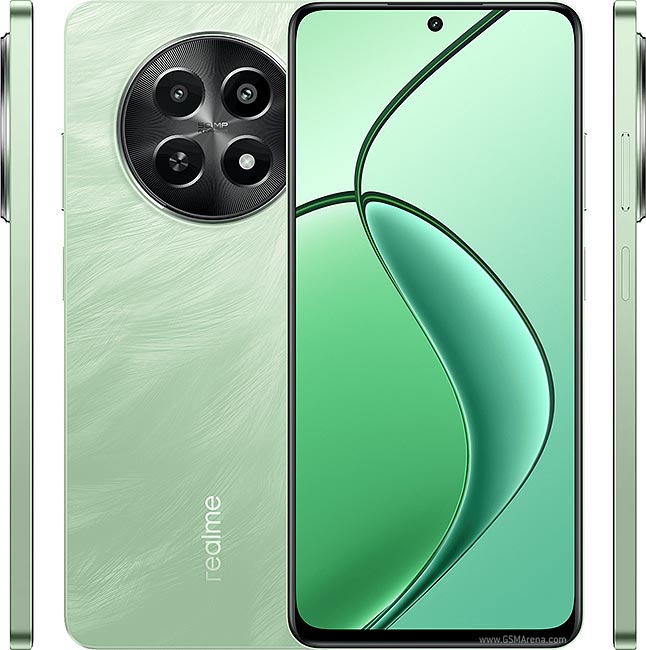
Realme 13 5G series

Based on teaser, the series will debut with two models, the Realme 13 5G and the 13+ 5G. The Realme 13+ 5G will come in green and gold color options. It will feature a 3.5mm headphone jack and a triple rear camera system.

Following the launch, consumers can purchase the Realme 13 Series 5G online via realme.com and Flipkart.in, with offline stores also offering the device. More details about the phone are expected to be revealed closer to the launch date. At least two devices to launch in the series, namely the Realme 13 5G and the Realme 13+ 5G.

The Realme 13 5G and 13+ 5G were both recently spotted on TENAA certification, revealing many of their specifications. According to a TENAA listing, the Realme 13 5G will feature a 6.72-inch IPS LCD FHD+ display, likely with a 120Hz refresh rate. It will have a 16MP front camera, a 50MP + 2MP dual rear camera setup, and a 5,000mAh battery with 45W fast charging. The phone will be available in various configurations in China, ranging from 6GB to 16GB of RAM and 128GB to 1TB of storage, and will include a microSD card slot and a side-mounted fingerprint sensor.

The Realme 13+ 5G will come with a 6.67-inch FHD+ AMOLED display with an embedded fingerprint sensor. It will also feature a 16MP front camera, a 50MP + 2MP dual rear camera, and a microSD card slot. The phone will be offered with similar RAM and storage options as the Realme 13 5G, and it will measure 161.7 x 74.7 x 7.6mm, weighing 185 grams. It is worth mentioning that these specifications belong to the Chinese models, and it is currently unclear if Realme will ship the same devices to India.

(Source)

How Apple can extend iPad approachability in India?

Apple has long been synonymous with premium quality and reliability, particularly when it comes to their iPads. These tablets have proven to be durable, offering long-term value that outshines most competitors in the market.

For consumers, especially in India, owning an iPad is not just about having a tablet; it’s about having a reliable device that can serve their needs for years without compromise. However, despite the appeal, iPads remain out of reach for a significant portion of the Indian population, primarily due to their high upfront costs.

iPad Pro

1. Long-Term No-Cost EMI

In a market like India, where price sensitivity is a major concern, the ability to purchase products through easy and affordable financial options becomes crucial. For many Indian consumers, especially the younger generation, an iPad could be an ideal device for content consumption, studying, or light work.

The base model of the iPad is more than enough for these purposes, offering the perfect balance between functionality and price. However, the current financing options, particularly the short-term EMIs, do not make the purchase as accessible as it could be.

Apple has a unique opportunity to tap into the vast and eager Indian market by introducing long-term no-cost EMI options for their iPads, especially the base models. Currently, Apple offers 3- and 6-month EMI plans. Extending this period to 24 months could significantly reduce monthly payments, making iPads more affordable for a broader audience.

Data shows that many Indian consumers purchased their first iPhone on EMI. By offering better EMI deals, Apple could make both iPads and iPhones more accessible, allowing more people to experience the benefits of owning an iPad.

2. Official Refurbished Units

Another potential avenue for Apple to explore in India is the introduction of official refurbished units. In many countries, Apple offers refurbished devices that come with a certified warranty, ensuring that they meet the company’s high standards of quality. Currently, such options are not available in India, but introducing them could be a game-changer.

Refurbished units offer consumers a more affordable entry point into the Apple ecosystem, without compromising on the quality and reliability that the brand is known for. This program could be particularly appealing to students and young professionals who are looking for value for money while still wanting to own a premium product.

3. Building a Strong Ecosystem

To maximize the impact of these strategies, Apple needs to invest in building a robust ecosystem around the iPad in India. This includes partnerships with educational institutions, content creators, and app developers. By creating a thriving ecosystem, Apple can enhance the iPad’s utility and appeal to a wider audience.

Additionally, Apple can explore offline retail expansion to reach consumers in tier-II and tier-III cities. This will help build brand awareness and accessibility, making it easier for consumers to experience the iPad firsthand.

4. Capturing the Indian Market

India represents a massive untapped market for Apple. By implementing these strategies, the company can democratize iPad ownership, fostering a loyal customer base. It’s about more than just sales; it’s about building a long-term relationship with the Indian consumer.

While challenges like competition and infrastructure exist, Apple’s brand equity and product superiority position it well to overcome these hurdles. With a focus on affordability and accessibility, the company can embark on a new chapter of growth in India.

The potential rewards are immense. A larger iPad user base can drive a corresponding increase in accessory sales, app development, and service revenue. It’s an ecosystem play that could yield substantial returns.

Vivo T3 Pro launching in India on August 27; Key details here

The vivo T3 Pro is now officially confirmed to launch in India at 12PM on August 27. The company has already revealed some of the details of the T3 Pro which you can check out below.

As seen in the images, the T3 Pro looks quite different from its predecessor, the Vivo T2 Pro, or other models in the T3 series like the Vivo T3 and T3x. Instead, it bears a closer resemblance to the flagship iQOO 12, especially in terms of the rounded square camera island on the back.

According to the official information, the phone packs a “3D Curved AMOLED” display which supports 4500 nits peak brightness. The company markets the phone as the “brightest curved phone in the segment”.

The back panel and the middle frame are also curved, which is expected to offer a comfortable grip on the device. In addition to that, the top of the frame appears to have a flat or slightly concave surface. Notably, it appears from the official images that the phone will have a vegan leather option for the back panel.

While the company didn’t officially reveal anything else about the phone, we can refer to previous rumors to get an idea of what to expect.

It was reported that the vivo T3 Pro will be the thinnest phone in the segment with a curved display and will be measured at 7.49mm.

In terms of performance, the phone will be powered by a Snapdragon chipset, as revealed by the teaser. According to a previous rumor, it could be the Snapdragon 7 Gen3. This is rumored to be paired with a large 5,500 mAh battery. For reference, the vivo T2 Pro was powered by the MediaTek Dimensity 7200 chipset and a 4600 mAh battery, which supports 66W fast charging.

(Source)

Acer Nitro V 16 AI launch: AI Enhanced Gaming Laptop with Ryzen 7 8845HS, RTX 4060

Acer’s newest announcement in India is a new gaming laptop that joins powerful specs with AI. The Nitro V 16 AI was first unveiled back in December 2023, and now, this model has been officially released in the region. It is designed for casual gamers while offering capable hardware.

1. Acer Nitro V16 AI: What makes it special?

Acer Nitro V 16 AI

The Nitro V 16 was launched for seamless gaming and streaming. This is achieved by employing AI (Artificial Intelligence). It arrives with Copilot, which is an AI tool that helps boost productivity as well. AI is also used on Acer’s proprietary Purified Voice 2.0, which is a noise cancelling tool for clearer audio. You can manage the AI settings via Acer’s Quick Panel.

2. Key Specifications

Acer Nitro V 16 AI

Acer equips a tall 16-inch display (WQXGA or WUXGA options) on the Nitro V 16 with a 165Hz refresh rate, 3ms response time, and 16:10 aspect ratio. Under the hood, this model is equipped with up to an AMD Ryzen 8845HS processor and up to an Nvidia GeForce RTX 4060 GPU that supports DLSS 3.5. These are paired with 16GB of DDR5 5600MHz RAM and 1TB of SSD storage.

A large 59Wh battery pack powers this device, which charges via a 135W adapter. Acer’s latest Nitro V 16 AI runs on the Windows 11 Home OS out of the box. Other notable features include WiFi 6E, Bluetooth 5.3, quad intake and exhaust design, dual speakers with DTS Ultra audio, MUX switch, backlit keyboard, 2.5 kilogram weight, and a Microsoft Precision certified touchpad.

3. Pricing and Availability

Acer has launched its new gaming laptop in a single black color option. The Nitro V 16 AI has a starting price tag of 109,999 INR (roughly 1,313 US Dollars). It is available at the brand’s exclusive stores and on Flipkart starting today.

Xiaomi launches the MIJIA Rice Cooker N1 1.6L with quick cooking function for 169 yuan ($24)

Xiaomi has launched the MIJIA Rice Cooker N1 1.6L in China. The rice cooker is being promoted for its compact form and multiple functions. It features a 1.6-liter compartment that can provide full steaming of the rice in 28 minutes.

MIJIA Rice Cooker N1 1.6L

The Xiaomi MIJIA Rice Cooker N1 1.6L retains the family-style appearance design of other models in the series. It has a mellow style and is easy to use in various home settings. The rice cooker can easily cook six bowls of rice at a time. Its inner pot is made of composite materials and is 1.7mm thick. The inner part of the cooker has a non-stick layer that allows higher durability and easy cleaning of the pot.

The MIJIA Rice Cooker N1 1.6L has a dual-engine bubble breaker to prevent spilling while cooking. It supports a 28-minute quick cooking function and nine-stage full-score cooking technology. The cooker has a detachable inner cover and a large water tank, as well as a rice spoon and measuring cup. The top lid of the MIJIA Rice Cooker N1 1.6L has a one-button top lid opening design.

MIJIA Rice Cooker N1 1.6L

There are eight cooking menus available with the Xiaomi MIJIA Rice Cooker N1 1.6L. The menus include fine rice cooking, quick rice cooking, porridge cooking, stew, hot rice, cake, and multi-grain porridge. The rice cooker supports one-click switching of the cooking modes. You can also activate 24-hour reservation and 12-hour keep warm functions.

Pricing & Availability

The Xiaomi MIJIA Rice Cooker N1 1.6L is available from retail platforms in China including JD.com. The model has a retail price of 169 yuan ($24) but there are no global available details yet for the model.

Get massive Back-to-School discounts on YEEDI’s advanced Robot Vacuum Cleaners

As August rolls in, families everywhere are gearing up for the hectic back-to-school season. The shift from laid-back summer days to structured school routines brings a unique set of challenges, from organizing school supplies to managing new schedules and activities. Amidst all this chaos, keeping a clean and organized home can feel overwhelming. That’s where YEEDI steps in with its advanced robot vacuums, offering back-to-school discounts that make maintaining a pristine home effortless, so you can focus on academic success and family well-being.

Why a Clean and Organized Home Matters

A tidy home is more than just visually pleasing—it’s essential for a productive and stress-free environment. Studies have shown that a well-organized space enhances focus, reduces stress, and improves productivity, all of which are crucial for students’ success. For busy families, a clean home fosters a positive atmosphere that helps both students and parents thrive during the school year. With YEEDI’s robot vacuums, you can maintain that clean and organized environment without the extra effort, allowing more time to focus on what truly matters: your children’s education.

How YEEDI Simplifies Back-to-School Cleaning

YEEDI’s robot vacuums are designed to make home cleaning seamless and efficient. Equipped with cutting-edge technology, these devices offer automated solutions to tackle everyday messes. Whether you’re dealing with pet hair, high-traffic areas, or stubborn grime, YEEDI has you covered. By handling the cleaning chores, YEEDI gives parents the freedom to dedicate more time to helping their kids succeed academically, while still enjoying a spotless home.

YEEDI Models Perfect for Back-to-School Season

M12 PRO+:
The M12 PRO+ is perfect for homes with high-traffic areas and daily messes. Boasting a powerful 11,000Pa suction, this model effortlessly tackles dirt, dust, and debris. It features TruEdge Mopping technology for precise corner cleaning, and the ZeroTangle Anti-Tangle System, making it ideal for pet owners. With Auto-Empty, Hot-Water Mop-Washing, and One-Tap Self-Cleaning capabilities, maintaining the vacuum itself is a breeze. TrueMapping 2.0 technology ensures optimal navigation, and with up to 320 minutes of battery life, the M12 PRO+ can keep your home spotless throughout the back-to-school rush.

C12 PRO PLUS:
For households requiring deep and thorough cleaning, the C12 PRO PLUS is a standout choice. With 8000Pa suction power and an Auto-Empty Station featuring PureCyclone technology and 4-stage filtration, this model leaves no dirt behind. The OZMO Mega Mopping System applies powerful downward pressure and enhanced vibration to tackle even the toughest grime. The ZeroTangle Anti-Tangle System is another bonus for pet owners, ensuring uninterrupted cleaning sessions. The C12 PRO PLUS is the perfect partner for families needing comprehensive cleaning solutions.

Back-to-School Deals: Prices and Availability

In celebration of the back-to-school season, YEEDI is offering substantial discounts on these advanced models, available until August 31. The M12 PRO+ is currently priced at $769, offering savings of $230 (23% off the original price). Meanwhile, the C12 PRO PLUS is available for $389, reflecting a discount of $110 (22% off). These deals are accessible directly through the YEEDI brand store, allowing families to invest in top-tier cleaning technology at an affordable price.

YEEDI’s robot vacuums are the perfect allies for families navigating the back-to-school hustle. With their advanced features and effortless cleaning capabilities, these devices help maintain a clean and organized home environment, paving the way for a successful and stress-free school year. Don’t miss out on these back-to-school discounts, and set your family up for academic success with YEEDI’s innovative cleaning solutions.

BUY NOW

Oppo F27 5G Launched in India: Stunning Design Meets AI and Tall AMOLED

Oppo‘s latest smartphone has just been announced in India after recent leaks. The company is bringing its flagship Cosmos Ring design to the Oppo F27 5G along with the Halo Light (LED lighting) for an attractive look, with the model blending AI features and a tall AMOLED display as well.

Oppo F27 5G Launch

1. Oppo F27 5G: Pricing, Availability, & Offers

The Chinese brand unveiled the new mid range phone in two color options, namely Emerald Green and Amber Orange. It is also available in two storage configurations. The base model of the Oppo F27 5G with 8GB + 128GB costs 22,999 INR (roughly 275 US Dollars), while the 8GB + 256GB variant has a price tag of 24,999 INR (roughly 298 US Dollars).

Oppo’s new F27 can be purchased from the brand’s official website, offline stores, and Flipkart as of right now. There is also an instant bank discount of up to 2,500 for ICICI, SBI, Federal Bank, OneCard, HDFC, and Bank of Baroda card holders on Oppo India’s online store.

Please Note: When you buy something using the links in our articles, we may earn a small commission at no cost to you.

2. Design & Display

Oppo is bringing the Armor body once again for added durability on the F27. It also has an IP64 rating for water and dust resistance. The rear features the Cosmos Ring design that houses the Halo Light, which lights up when users get a notification. Oppo F27 measures just 7.69mm in thickness and weighs 187 grams.

On the front, users get a tall 6.67-inch AMOLED display with an FHD+ resolution, a 120Hz refresh rate, 240Hz touch sampling rate, and 2,100 nits of peak brightness. This panel has a 20:9 aspect ratio, a 100 percent DCI P3 color gamut, and a 92.2 percent screen to body ratio.

3. Specifications

Under the hood, it is equipped with the MediaTek Dimensity 6300 SoC. A large 5,000mAh battery pack powers this model, which supports 45W wired fast charging. This device runs on the Android 14 OS based ColorOS 14 custom skin out of the box. Oppo equips the device with a bunch of AI features like AI Writer, AI Recording Summary, AI Link Boost, AI Studio, AI Eraser 2.0, and much more.

The rear features a 50-megapixel primary camera and a 2-megapixel portrait sensor, while the front houses a 32-megapixel shooter for selfies and video calls. Other notable features include dual stereo speakers, IP64 water and dust resistance, Bluetooth 5.3, a microSD card slot for storage expansion, and up to 8GB of virtual RAM extension.

iPhone 16 Pro Max and iPhone SE 4 marketing material leaks

Apple’s next generation of iPhones is usually kept under wraps until their official launch. However, a recent leak on Weibo (via Smartprix) seems to have revealed details about both the upcoming iPhone 16 series and the iPhone SE 4. 

The authenticity of these leaks is still unconfirmed, so we advise you to take these details with a pinch of salt.

iPhone SE 4

The leaked promo material for the iPhone SE 4 suggests a significant design upgrade. The phone is shown to feature a larger 6.1-inch display, similar to the iPhone 14, with a notch at the top that will house the Face ID. 

The biggest surprise, however, could be the inclusion of the A18 Bionic chip, the same chipset expected to power the iPhone 16 series. If this turns out to be true, the iPhone SE 4 would offer flagship-level performance at an attractive price point. The leak hints at a price of around 4199 Yuan (~ $599).

While the front design might mirror the iPhone 14, the leak doesn’t provide details about the back of the phone. Rumors suggest it might keep the single rear camera setup found in previous SE models.

iPhone 16 Pro

The leaked marketing material for the iPhone 16 Pro reveals a design that is mostly unchanged from the iPhone 15 Pro. The most noticeable difference might be the addition of a dedicated camera button on the lower right side.

Under the hood, the iPhone 16 Pro is rumored to be powered by the A18 Pro chip, a logical upgrade from its predecessor. 

The leak also shows that the phone’s ultrawide camera will feature a 48-megapixel ultra-wide-angle sensor with “ultra-thin prism reflection technology.” The technology allegedly supported by the A18 Pro’s neural network engine, could improve image quality and possibly support features like spatial video for Apple’s Vision Pro headset.

Color options for the iPhone 16 Pro are rumored to include Black, White, Blue, and Yellow. There’s no mention of a Bronze option here, so we assume that may likely be reserved for the Pro Max model.

The iPhone 16 line will launch on September 10 globally, if a recent report is to be believed. The iPhone SE 4, on the other hand, is expected in the first quarter of 2025.

Apple returns to China for the manufacturing of iPhone 16 series

Apple previously shifted its focus from China to India for the production of iPhones. According to a report from Bloomberg, the company has produced $14 billion worth of iPhones in India over the last fiscal year. However, the latest report claims that Apple has shifted its focus back to China for the manufacturing of the iPhone 16 series.

For those unfamiliar, Apple works with Foxconn (a Taiwanese contract manufacturer) to produce iPhones. Now Foxconn has started large-scale recruitment in one of its factories in China, which has aroused the industry’s attention to Foxconn’s return to the country. The company also plans to invest 1 billion Yuan (approximately 140 million USD) in Zhengzhou (a city in China).

It is noted that Foxconn’s return to China is not accidental. The shift offers a number of benefits to production such as more skilled workers, a better supply chain, and overall infrastructure, which should improve the yield rate. It’s reported that the iPhone 15 series assembled in India has a yield rate of only about 50%.

Speaking of the supply chain, Apple still had to import parts from China to manufacture its products in India and Vietnam. The high transportation costs increase the overall production cost of iPhones.

The power supply infrastructure in India and Vietnam is also relatively poor as compared to China. As a result, factories more often have to face power cuts which hinders production capacity and efficiency.

As the deputy director of the South Asia Research Center of the Institute of Asia-Pacific and Global Strategy of the Chinese Academy of Social Sciences, Liu Xiaoxue said, China has a complete industrial chain and supporting system, coupled with a high-quality workforce and perfect infrastructure, including a stable power supply, providing a mature production base for global multinational companies.

(Source)

Why AAA Games Still Feel Out of Place on Smartphones

Back when Apple unveiled the iPhone 15 series, the support for AAA games was one of the highlights for me during the live event. Mobile gaming was often seen as a younger sibling to its console and PC counterparts. However, the bridge between the experience seemingly disappeared overnight.

It’s been nearly a year since the announcement and we’ve had a couple of new AAA titles released since. But these high fidelity games for mobile devices like smartphones and tablets still feel out of place.

AAA Games on Smartphones

1. Different Playstyles

Gaming on mobile devices has been really successful thanks to the accessibility and on-the-go nature of smartphones. It doesn’t get simpler than picking up your phone and playing. But this experience doesn’t really translate all too well for AAA games. Sure you have your COD Mobile and PUBG Mobile players that are extremely proficient with controls on a smaller display, but the immersive experience of console and PC titles can be missed.

Studios and developers spend years crafting an artificial world. But a player can miss all these finer details entirely. Some of the more popular mobile games often bring short bite sized gameplay sessions and not a long immersive experience. There are a multitude of reasons why AAA games aren’t popular on smartphones and this disconnect in player expectation and actual experience is one of them.

2. Hardware Limitations

Performance have smartphones has made significant strides and it is still impressive that some AAA games can run on mobile devices. But despite all of this, it still falls short of the processing power and graphical capabilities of PCs and consoles. Games that were optimized for mobile devices need to sacrifice visual fidelity to maintain a playable frame rate.

This can be seen in games like Assassin’s Creed Mirage and the Resident Evil titles that launched on the iPhones 15 Pros. Unfortunately, Android only gets older AAA titles and none of these aforementioned games. So if you don’t have the latest and greatest iPhone, these hefty games are already out of reach. Developers cut down on many aspects of such games, but these are still massive downloads compared to actual mobile games.

3. No one is buying AAA games on mobile

The mobile gaming market is dominated by the freemium business model, which has even become popular in live service titles for PCs and consoles. In other words, the games on smartphones are free, but companies generate revenue through in-game purchases. This could be in the form of lootboxes or direct purchases of digital cosmetics. However, AAA games have a price tag.

Resident Evil Village is cheaper and still costs 15.99 US Dollars. Meanwhile, Assassin’s Creed Mirage costs 49.99 US Dollars. These titles had a long and expensive development cycle, but mobile gamers would turn away from spending this kind of money without even trying the game. Reports have surfaced that claim that AAA releases are far from a success, Only selling tens of thousands or just thousands of copies since they were released. There aren’t a lot of options as well, with mobile ports incurring additional costs to studios and publishers.

4. Conclusion

Smartphones and tablets have become incredibly powerful devices, but these still face significant hurdles in delivering a true AAA experience. Apple’s announcement was aimed at the right direction but these are still nascent steps. Hardware, gameplay, and business models have yet to be addressed, and we might have to wait for a couple of more years.

Xiaomi Human Sensor Pro with up to 12-zone demarcation launched for 349 yuan ($49)

Xiaomi will open a crowdfunding campaign for the Xiaomi Human Sensor Pro. The crowdfunding period is from August 21 to 28 via Xiaomi Youpin. The Xiaomi Human Sensor Pro is an upgrade of Xiaomi’s first human sensor launched in May 2024.

Xiaomi human sensor Pro

The Xiaomi Human Sensor Pro is larger than its predecessor and features a different design. Unlike the first model, the new human sensor requires power supply and its installation is a bit more complicated. The Xiaomi Human Sensor Pro comes with a power cord and adapter.

There are many options when using the new Xiaomi human sensor. The model comes with significant upgrades from its predecessor in terms of its configuration. It is equipped with a high-performance 24GHz millimeter-wave radar capable of tracking the real-time position of humans in the room. The device can be configured to trigger the smart scene when a person enters the designated area.

Xiaomi Human Sensor Pro-2

The standard version of the Xiaomi Human Sensor offers a battery life of 3 years and its crowdfunding price was 119 yuan ($). The new human sensor supports the demarcation of up to 12 zones with zero cross-interference. It has a detection angle of 110 degrees and can track human movement up to 7 meters. It can also achieve static human body detection up to 4 meters. The sensor can track three objects at the same time.

The Xiaomi Human Sensor Pro is equipped with hidden infrared sensors which combine with a high-performance radar that can transmit four signals at a time. The operation of the Xiaomi Human Sensor Pro can be customized to meet individual requirements.

Pricing & Availability

The crowdfunding price of the Human Sensor Pro is 349 yuan ($49) until August 28. The original price of the sensor is 399 yuan ($56) and it could be introduced to overseas markets subsequently.

Hands-on with Acefast Z4 PD218W GaN desktop power station

The Acefast Z4 PD218W GaN desktop power station is designed for those who need a versatile and powerful charging solution. With its ability to deliver up to 218W across multiple ports, this power station is equipped to handle a range of devices, from smartphones and tablets to laptops and gaming consoles. Here’s a look at what the device is in store for the buyers.

1. Design and Build

Acefast Z4 PD218W GaN desktop power station

The Acefast Z4 comes with a compact design, measuring 102.5 x 93 x 44.5mm and weighing 655g. It’s built with flame-retardant PC material, which feels solid and durable. The station includes a 1.5m power cable, which can be attached to its backside. The overall size and build make it relatively easy to place on a desk without taking up too much space.

2. Charging Capabilities

Acefast Z4 PD218W GaN desktop power station

This Acefast Z4 power station offers four different output modes, allowing for tailored charging based on the needs of your devices. The maximum output is 218W, which is split across multiple ports: three USB-C and one USB-A. Each port supports various fast-charging protocols, including PD3.0, QC4+, and PPS for USB-C ports, while the USB-A port supports AFC, FCP, and QC3.0. The ability to switch between different charging modes makes it a practical tool for those with varied devices.

Whether you’re charging a laptop, smartphone, or game console, the power station intelligently switches between modes to deliver the optimal power output. For instance, the power station supports a 100W maximum output through its USB-C1 and USB-C2 ports, making it ideal for high-power devices like laptops. The other ports offer 65W and 18W outputs, catering to smaller devices such as smartphones and tablets.

Readers can visit the official page to learn in detail about the charging capabilities of the Acefast Z4.

Acefast Z4 PD218W GaN desktop power station

3. Performance

Acefast Z4 PD218W GaN desktop power station

One of the standout features is the real-time display that shows the voltage and charging status for each port. This provides useful information, especially for those monitoring the charging efficiency of their devices. The use of GaN technology is also a key feature, ensuring more efficient energy use and less heat generation. This makes the charger not only more compact but also safer to use over extended periods of time.

4. Safety and Usage

Acefast Z4 PD218W GaN desktop power station

The Acefast Z4 prioritizes safety with features like multiple protection mechanisms and the use of bold copper wire for high safety. It’s capable of safely charging a wide range of devices, from smaller gadgets like smartphones to larger electronics like laptops.

5. Final Thoughts

Acefast Z4 PD218W GaN desktop power station

The Acefast Z4 PD218W GaN Desktop Power Station is a compact powerhouse, designed to charge multiple devices quickly and efficiently. Its real-time display and built-in safety features make it a reliable and versatile choice for those in need of a dependable charging solution. However, if there’s one area to critique, it would be the weight, which feels slightly heavier than ideal. While it may not be the most compact option available, its durable build and practical real-time charging display offer substantial value for everyday use.

If you are interested in purchasing, you can visit the Amazon listing of the product where it is selling for $89.

iPhone 16 launch poster leaks, hints at September 10th event

Apple‘s annual September event, notoriously shrouded in secrecy, might have just had its details leaked – or so a new rumor suggests. Tipster Majin Buu claims to have obtained a poster for the event, which carries the slogan “Ready. Set. Capture.” The poster points to a September 10th date, aligning with previous rumors about the iPhone 16 launch timeframe.

Apple iPhone 16 launch poster leaks

However, it’s important to maintain a healthy dose of skepticism. Majin Buu himself acknowledges that his source wishes to remain anonymous, and he can’t independently verify the information. Until Apple itself sends out official invites, treating this leak with a “wait and see” approach is prudent.

Golden Apple, Golden Phone?

One interesting detail the poster does offer is a gold-colored Apple logo. This could be a hint towards the rumored “Desert Titanium” color option said to be coming for the iPhone 16.

The event slogan, “Ready. Set. Capture,” could refer to the capture button that’s rumored to be introduced with the iPhone 16 lineup. It will be a solid state capacitive button, with haptic feedback supplied by a built-in Taptic engine.

iPhone 16 series dummies

Although its exact functionality is unconfirmed, it’s possible that the button could trigger the camera shutter or serve as a shortcut to the camera app.

We’ll learn more about this at Apple’s September launch event. This year, we expect to see four new models, likely following the iPhone 16, iPhone 16 Plus, iPhone 16 Pro and iPhone 16 Pro naming scheme. These phones are expected to launch with iOS 18.

We’ll be keeping a close watch on Apple’s official channels and reliable sources for more information. In the meantime, take these early rumors with caution and stay tuned for more concrete details as we get closer to September.

Hands-on with Philips TAB4228/94 160W soundbar

The Philips Audio TAB4228/94 160W soundbar combines a sleek design with multi-connectivity options and impressive sound performance. In this hands-on experience, we’ll explore its key features, performance, and overall user experience.

1. Design and Build

Philips TAB421894 120W soundbar
Philips TAB4228/94 160W soundbar

The Philips TAB4228/94 features a minimalist design that complements various home décor styles. Its length aligns perfectly with my 43-inch Xiaomi TV, fitting seamlessly into the TV setup. The build quality is solid, with a smooth finish that enhances its overall appearance.

The soundbar includes a straightforward set of control buttons on the top surface. These buttons—power, input/source, sound mode, and volume controls—are arranged in a horizontal row, making them easy to access.

2. Ports and Connectivity

Philips TAB421894 120W soundbar (3)
Philips TAB4228/94 160W soundbar (top panel)

The back of the Philips TAB4228/94 soundbar features several connectivity options. It includes an HDMI ARC port for easy audio connection to your TV, a USB port for media playback, a coaxial input for digital audio, and an optical input for high-quality sound transmission. These ports are neatly arranged, offering various options for connecting your devices. Additionally, the soundbar has a power plug socket located to the left of the audio ports.

Bluetooth connectivity is also supported, allowing you to stream music wirelessly or connect your TV with ease. The setup process is straightforward and user-friendly.

Philips TAB421894 120W soundbar
Philips TAB4228/94 160W soundbar (back panel)

3. Sound Quality

Philips TAB421894 120W soundbar (4)
Philips TAB4228/94 160W soundbar

In terms of audio performance, the TAB4228/94 excels. With a speaker output of 160W, the soundbar delivers a rich and immersive audio experience. Dialogue is clear, and sound is well-balanced across different frequencies. The bass is robust yet not overpowering, making it suitable for various genres of music and movie soundtracks. The 2.1 channel system, which includes a dedicated subwoofer, enhances the overall audio experience by providing depth and clarity.

The Philips TAB4228/94 performs admirably across various content types, from action-packed movies to mellow acoustic tracks. Its minimal distortion and versatile connectivity options make it easy to switch between different audio sources effortlessly.

4. Remote Control

Philips TAB421894 120W soundbar
Philips TAB4228/94 160W soundbar’s remote control

This Philips TAB4228/94 comes with a large remote control that offers a range of essential functions. It includes buttons for power on/off, volume adjustment, and media playback controls. The remote allows for source selection through dedicated buttons for “Opt,” “Coax,” “AUX,” and “USB,” and it also supports Bluetooth pairing for wireless connections. Additionally, there are sound profile buttons for Music, Movie, and XRS, the latter providing an enhanced bass-boost experience. The remote also features sound customization options with “Bass +” & “-” and “Treble +” & “-” buttons, along with a number pad for selecting tracks or presets. There’s also a Reset button, which restores the default audio settings.

5. Final Thoughts

Philips TAB421894 120W soundbar (2)-
Philips TAB4228/94 160W soundbar

Overall, the Philips TAB4228/94 soundbar is commendable for those seeking an affordable yet high-performing audio solution. Its stylish design, versatile connectivity, and impressive sound quality make it a valuable addition to any home entertainment setup. Priced around Rs 8,000 to Rs 9,000 across online stores like Vijay Sales, Croma, and Reliance Digital, this soundbar offers a well-rounded audio experience without breaking the bank. On Amazon, the soundbar is selling for Rs 9,490. Whether you’re a movie enthusiast or a music lover, the TAB4228/94 delivers a satisfying audio experience at a great price.

Xiaomi to launch its latest QLED smart TVs in India next week

After introducing the Xiaomi Smart TV X Pro last April, the company has now announced the upcoming launch of the Xiaomi X Pro QLED TV series in India. Although details about the new lineup are still limited, the company has announced the launch date and some key features of the television.

The Xiaomi X Pro QLED TV series will debut in India on August 27th and in three screen sizes — 43-inch, 55-inch, and 65-inch. As the name implies, all three models will come with a QLED panel. 

Xiaomi says the X Pro QLED TV has an “all-screen design” with minimal bezels for a more immersive viewing experience.  The renders show the TV with incredibly thin metal bezels, though the bottom bezel is slightly thicker to accommodate the Xiaomi logo.

Unsurprisingly, it’s a 4K TV with MagicQ technology to complement both visual and audio experience, though specific details about this technology remain scarce.

Many questions are still unanswered, including the refresh rates, and HDR compatibility. However, we can make some educated guesses based on the earlier Xiaomi Smart TV X Pro series. They offered a 4K UHD HDR display with Dolby Vision IQ and HDR10+ support. It’s possible the X Pro QLED will offer similar features.

The Smart TV X Pro series used a quad-core Cortex A55 CPU with a Mali G52 MP2 GPU, 2GB of RAM, and 16GB of storage, running on Xiaomi’s PatchWall interface built on Android TV. 

Pricing details for the X Pro QLED series have not been disclosed. However, the Smart TV X Pro series started at Rs 32,999 for the 43-inch model, which might give us a hint about the X Pro QLED’s price range.

As the launch date approaches, more details about the Xiaomi X Pro QLED TV series are likely to emerge. We’ll keep you updated as more information becomes available.

(Source)

Alleged Vivo X200 Mini’s display design, chipset, primary camera details leaked

Vivo’s upcoming X-series is expected to include two models, the Vivo X200 and the Vivo X200 Pro. However, there has been chatter about the existence of a third model, which will be smaller than the X200, making it a compact flagship phone. Today, prominent leaker Digital Chat Station released a Weibo to share what appears to be the key details of the alleged Vivo X200 Mini.

Vivo X200 Mini key details leaked

According to reports, the Vivo X200 may feature a 6.4-inch or 6.5-inch display, whereas the X200 Pro may come equipped with a 6.7-inch screen. Speculation suggests that the alleged Vivo X200 Mini could have a smaller 6.3-inch display.

DCS’s latest leak indicates that the Dimensity 9400 chipset will power it. The same chip will also power the X200 and X200 Pro. Its advantages over competitors include a slightly larger silicon battery, which should provide better battery life, and a more versatile camera system. The camera setup is said to include a large 22nm Sony sensor for the main camera and a 3X periscope telephoto lens with a medium-sized sensor.

As far as the battery is concerned, other sources have claimed that it may pack a 5,500mAh or a 5,600mAh battery. A previous report claimed that it would also have support for wireless charging. The screen of this phone will offer a 1.5K resolution and a 120Hz refresh rate.

DCS also claimed that the purported Vivo X200 Mini is said to have some drawbacks. It will have a short-focus optical fingerprint sensor rather than an ultrasonic one, which may not be as advanced as those in some competing devices. In other aspects, the phone is described as being on par with its competitors.

Xiaomi Router BE6500 WiFi 7: The Most Affordable Next-Gen Router now available at a discounted price on GeekWiils

Xiaomi Router BE6500 WiFi 7 stands out in next-generation wireless routers. With its advanced technology, high-speed performance, and affordable pricing, it delivers a comprehensive networking solution for both home and small office environments

Grab the Xiaomi Router BE6500 WiFi 7 at an unbeatable price with a $10 discount, exclusively on GeekWills! Upgrade your home network with this powerful dual-band router featuring 6500Mbps speeds, 2.5Gbps high-speed ports, and seamless smart home integration. 

Key Features

Wi-Fi 7 Technology for Unmatched Speed and Efficiency

The Xiaomi BE6500 leverages Wi-Fi 7 (IEEE 802.11be), the latest standard in wireless communication, offering a blazing-fast speed of up to 6500 Mbps. It ensures smooth 4K/8K streaming, lag-free AR/VR gaming, and ultra-fast downloads. This makes it ideal for high-bandwidth applications that demand consistent performance.

2.4GHz and 5GHz Dual-Band Support

The router operates on both 2.4GHz and 5GHz bands, ensuring versatile connectivity. The dual-band operation allows for more flexible device management, enabling older devices to use the 2.4GHz band while newer, bandwidth-heavy devices take full advantage of the faster 5GHz band.

Multi-Link Operation (MLO) Dual-Channel Integration

One of the standout features is MLO dual-channel integration. A single device can connect to dual 5GHz bands simultaneously, which improves connection reliability and reduces environmental interference, providing seamless and consistent network performance.

2.5Gbps High-Speed Network Ports

The Xiaomi BE6500 is equipped with four 2.5Gbps adaptive WAN/LAN ports, supporting port aggregation for up to 5Gbps data transmission. This setup allows for ultra-fast wired connections, making it perfect for users who demand top-tier performance for gaming consoles, PCs, or network storage devices.

Advanced 6nm Dual Wireless Chips

With Qualcomm’s quad-core A53 processor clocked at 1.1GHz and 512MB memory, the Xiaomi BE6500 offers high computing power (10120 DMIPS). It’s fast, stable, and capable of supporting up to 600 devices simultaneously, which is crucial for smart home environments and multi-user households.

Extended Coverage with 6 External Antennas

The router features six external antennas optimized with Beamforming technology, providing robust coverage across large areas. The enhanced signal strength reduces interference, ensuring stable connections even in environments with thick walls or multiple floors.

Mesh Networking Support

For larger spaces or buildings, the Xiaomi BE6500 supports Mesh networking. You can connect up to 10 Xiaomi or Redmi routers in a Mesh configuration, ensuring comprehensive coverage with seamless transitions as you move across different areas.

Smart Home and IoT Connectivity

Integrating seamlessly with Xiaomi smart home devices, the router provides one-click networking through Xiaomi HyperOS Connect. It also serves as a security hub, offering privacy protection and parental controls. Through the Mijia App, users can monitor network risks, manage devices, filter harmful content, and ensure a secure online environment for all family members.

Advantages of the Xiaomi Router BE6500 WiFi 7

High-Speed Performance

With a total wireless speed of 6500 Mbps, the Xiaomi BE6500 ensures that all your devices run at peak performance, whether it’s for high-definition media streaming, online gaming, or large file downloads.

Versatile Connectivity Options

The combination of 2.4GHz and 5GHz dual-band support, along with the 2.5Gbps ports, provides flexible options for connecting a wide range of devices, from smart TVs and gaming consoles to desktop PCs and IoT devices.

Effortless Smart Home Integration

The router’s seamless integration with Xiaomi smart home devices and its IoT-friendly design make it a perfect choice for modern connected homes. It’s simple to manage, secure, and optimized for a fully connected living environment.

Scalable Mesh Networking

Whether you need to cover a small home or a multi-floor building, the Mesh networking support allows you to expand coverage effortlessly by linking additional routers, ensuring there are no dead zones in your Wi-Fi network.

Robust Security and Parental Controls

Xiaomi’s security features, including real-time risk monitoring and targeted device management, ensure a safe and secure online experience for all users, making it especially beneficial for families.

The Xiaomi Router BE6500 WiFi 7 stands out as one of the most affordable yet feature-rich routers in the market. With its cutting-edge Wi-Fi 7 technology, advanced networking capabilities, and smart home integration, it offers a complete solution for users seeking both performance and value.

GC Daily: Snapdragon 8 Gen 4 datasheet reveals two variants, Huawei Mate 70 series’ design leaked

Snapdragon 8 Gen 4 leaks, Huawei Mate 70 design revealed, and why cheap smartwatches might disappoint. Here’s an overview of the top stories over the past 24 hours.

  1. Snapdragon 8 Gen 4 Leak: Dive into the leaked datasheet of Qualcomm’s next-gen flagship chipset. We’ll explore the two variants and key specifications that could shape the future of high-end smartphones.
  2. Huawei Mate 70 Series Preview: Get an exclusive first look at the back design of Huawei’s upcoming Mate 70 series. We’ll analyze the changes in camera layout and what they might mean for mobile photography enthusiasts.
  3. The Pitfalls of Cheap Smartwatches: Uncover the reasons why investing in a quality smartwatch might be more beneficial in the long run. We’ll break down the compromises often made in budget options and guide you towards making informed decisions.
  4. Tensor G4 Benchmark Concerns: Examine the early benchmark results of Google’s Tensor G4 chip. We’ll discuss how it stacks up against competitors and what this could mean for the Pixel 9 series’ performance.

Plus, don’t miss our roundup of other exciting stories, including Xiaomi’s experimentation with back panel materials, Samsung’s battery upgrade speculations, Red Magic’s upcoming gaming tablet, and Motorola’s teaser for the Razr 50 in India!


Snapdragon 8 Gen 4 datasheet leaked, reveals two variants, key specifications


Qualcomm is expected to unveil the Snapdragon 8 Gen 4, its next-generation flagship chipset for smartphones, in October of this year. Months before the official announcement, a leaked datasheet emerged to reveal its key details.

Read More


Here’s our first look at the Huawei Mate 70 series’ back design

Huawei launched the Mate 60 series in China at the end of August last year. Given this timeline, it’s expected that the company will reveal the successor around this time. However, Weibo tipster Digital Chat Station previously claimed that the launch of the successors might be delayed, potentially occurring in mid-to-late Q4 this year.

In the latest leak, images of the back panels of the upcoming devices have been exposed, which reveals some changes in the camera layout.

Read More


Why you shouldn’t buy cheap smartwatches

The appeal of a low-priced smartwatch can be tempting, but the saying “you get what you pay for” often holds true. While some budget options are decent, many inexpensive smartwatches cut corners on important features, durability, and overall user experience. Let’s delve into the reasons why investing a bit more in a quality smartwatch might be a wiser choice.

Read More


Tensor G4 show disappointing performance in AnTuTu and Geekbench benchmarks

Early performance benchmarks for Google‘s Tensor G4 chip, used in the new Pixel 9 series, raise concerns about its raw processing power compared to competitors. Yesterday, there was a report about how the Google Tensor G4 lost over 50% of its performance in throttling tests.

Tech YouTuber Sahil Karoul recently shared benchmark scores from a retail Pixel 9. His results reveal a significant performance gap between the Tensor G4 and its main competitor, the Qualcomm Snapdragon 8 Gen 3.

Read More


🔥More Top Stories You Might Have Missed