Advertisement

Which Motorola smartphone is best under Rs. 15000 in India?

Motorola’s Moto G series offers a compelling selection of budget-friendly smartphones, particularly for those seeking 5G connectivity. In April, Motorola introduced the Moto G64 5G to the Indian market, targeting budget-conscious buyers with its appealing price point of under Rs. 15,000.

With a solid set of specifications and a familiar design, the Moto G64 5G aims to stand out in the competitive budget segment. But does it truly deliver the best value for money? Let’s take a closer look.

Moto G64 5G

1. Design and Build

The Moto G64 5G adopts a familiar Motorola design language, featuring a clean and minimalist aesthetic. The PMMA back offers a premium feel without breaking the bank. It comes with an IP52 rating which provides essential protection against water splashes and dust, adding to its durability. While the phone isn’t the slimmest or lightest, it’s comfortable to hold for extended periods.

2. Display

The device features a 6.5-inch FHD+ LCD display with a 120Hz refresh rate which is a welcome addition at this price point. It offers smooth scrolling and responsive touch interactions. However, it’s essential to note that LCD panels typically don’t match the vibrancy and contrast ratios of AMOLED counterparts found in slightly higher-priced devices. The display also comes with Corning Gorilla Glass 3 for added scratch resistance.

3. Performance

The Moto G64 5G is powered by the MediaTek Dimensity 7025 SoC, providing solid performance for everyday tasks and light gaming, with benchmark scores of around 480k on AnTuTu and 1024/2472 on Geekbench 6.

It features up to 12GB of LPDDR4x RAM with an additional 12GB of virtual RAM for smooth multitasking. While it may struggle with demanding games, it offers satisfactory performance for casual use. The device also includes up to 256GB of UFS 2.2 storage, expandable up to 1TB via microSD.

4. Software

The device runs on Android 14 with Motorola’s My UX skin, providing a clean, bloat-free experience. It also promises an Android 15 update and three years of security patches, ensuring long-term software support for users.

5. Camera

The 50MP primary camera with OIS is a standout feature in this price segment. It captures decent photos in well-lit conditions, and the optical image stabilization helps reduce camera shake.

The device also comes with an 8MP ultra-wide camera that can double as a macro lens, offering versatility. While low-light performance might not be exceptional, the camera setup is generally capable of everyday photography. On the front, it has a 16MP lens for selfies and video calls.

6. Battery

The Moto G64 5G features a robust 6000mAh battery, offering impressive battery life that can easily last through a day of moderate to heavy use. It also comes with a 33W charger, allowing for relatively quick charging.

7. Should You Buy the Moto G64 5G?

The Moto G64 5G presents a compelling package for users seeking a budget-friendly 5G smartphone with a decent display, capable performance, and a competent camera system. If you prioritize a long-lasting battery, a clean Android experience, and a reliable overall performance, this device is worth considering.

However, if photography is your primary focus, you might want to explore options with better low-light performance. Additionally, if you’re an avid gamer, you might need a device with a more powerful processor.

Overall, the Moto G64 5G is a solid choice for users looking for a balanced smartphone without breaking the bank. It delivers good value for money and caters to the needs of the average consumer.

Please Note: When you buy something using the links in our articles, we may earn a small commission at no cost to you.

8. Upcoming Moto G45 5G

Motorola is also set to launch the Moto G45 5G in India on August 21st, featuring the Snapdragon 6s Gen 3 SoC for the fastest 5G experience in its portfolio. The phone will support 13 5G bands, have a 6.5-inch 120Hz screen, and come in three colors with a vegan leather back.

It will also include a 50MP quad-pixel camera, up to 8GB of RAM, and 128GB of storage, with specifications similar to the Moto G34 5G launched earlier this year. As per reports, this smartphone is also expected to be priced around Rs 15,000. Once it launches, we’ll provide a detailed comparison between both devices to help you make an informed decision. Until then you can read this detailed article on Moto G45 5G to know more about it.

If you’re looking to spend more than 15K and have a budget within the 20K price range, be sure to check out this article on the best Motorola smartphone under Rs. 20,000.

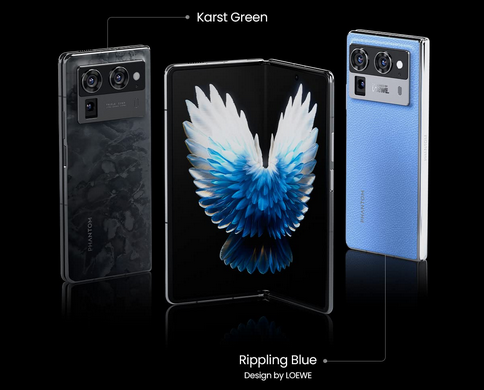
Tecno Phantom V Fold 2, Phantom V Flip 2 pre-orders begin, official images released

The Phantom V Fold 2 5G and V Flip 2 5G, Tecno’s latest foldable and flip smartphones, will soon make their debut in Ghana. The below poster confirms that Tecno Ghana will receive pre-orders for both devices between Aug. 19 and Aug. 24. 

Tecno Phantom V Fold 2, Phantom V Flip 2 pre-order details

Tecno Phantom V Fold 2, V Flip 2 pre-orders

Customers who pre-order the Phantom V Fold 2 or V Flip 2 during the aforementioned period will receive freebies worth GHS 3000 (~$193), including a gift box with a Bluetooth speaker and flask, a travel bag, and a Watch 3. Additionally, buyers will enjoy 15 GB of MTN data for six months, 180 days of screen insurance, and a 12+1 month extended warranty.

Tecno has yet to confirm the technical specifications for the Phantom V Fold 2 and the Phantom V Flip 2. The second-generation V Fold features a rectangular camera setup at the top, replacing the original Phantom V Fold’s round camera module. It houses a 50-megapixel triple camera unit with LED flash. For security, it has a side-facing fingerprint scanner, and it appears that the foldable phone will also come with support for a stylus.

Tecno Phantom V Fold 2

The Phantom V Flip 2 will be the company’s second-generation flip-style foldable phone. The original Flip came with a round secondary display similar to a smartwatch. However, the Flip 2 features a larger cover screen, which looks similar to Motorola’s Razr 50’s 3.6-inch outer display.

Tecno Phantom V Flip 2

The Dimensity 9000 Plus and Dimensity 8050 chipsets, respectively, are believed to power the Phantom V Fold 2 and V Flip 2. Both devices are also expected to be released in India, as they have been approved by the country’s BIS authority.

Why the Galaxy S22 Ultra is a practical choice even in 2024?

Let’s be real, all the AI hype around Samsung‘s latest flagships is fun. But for those who prioritize practicality and budget (like yours truly), older flagships can offer much better value. You can get them for a comparatively lower price and enjoy all the benefits of a top-tier phone.

With this in mind, I bought my Galaxy S22 Ultra last year (in May 2023) when the S23 Ultra was the hot new thing in the market. Honestly, the upgrades on the S23 didn’t seem substantial enough which is why I leaned toward the S22 Ultra. Now, almost a year and a half later, I have to say I am mostly satisfied with this phone. 

Samsung Galaxy S22 Ultra in 2024

While buying a brand new S22 Ultra in 2024 wouldn’t be the most sensible choice, you can likely find its secondhand unit at the price of a premium mid-range if not a mid-range phone. For those considering a secondhand S22 Ultra in 2024, I wanted to share my experience with how the device has held up and whether it’s still a wise choice to get one.

Just to be clear, I’m not comparing it to the newer Galaxy S23 or S24 models—I haven’t used them, so I can’t offer that perspective. This is purely a take on the S22 Ultra and just that.

S22 Ultra battery didn’t age well

Let’s start with the negatives so we can end this on a sweet note. 

Perhaps the most frustrating aspect of this phone is its battery life—it’s outright bad. Not a breaking news, I know. The S22 Ultra got slammed for this during its initial days, and it hasn’t gotten any better with age or software updates.

Mine’s got the Snapdragon 8 Gen 1 chip, infamous for overheating and inefficiency (thanks, Samsung Foundry!). So on average, I get around 4-5 hours of battery life before I have to replug to fuel it. 

I’ll include a screen-on-time and battery activity graph to share my usage patterns. But just keep in mind that I often had to sneak in mid-day top-ups (represented by green bars in the first image) to keep the phone up for a day.

To clarify further, I’ve also attached screen-on-time figures since the last charge, and you can see the battery dropped from 100% to 40% in just 2 hours and 52 minutes of screen-on time.

I’m not a gamer, and I wouldn’t call myself a power user too. Spotify, Twitter, Instagram, YouTube… these are the kinds of apps I use mostly on my smartphone. I snap a few photos or videos occasionally, but the camera stays hardly open for 30 minutes a day. 

Even so, the battery life is pretty disappointing. What’s more bothersome is the ideal battery drain situation on this thing; the phone can lose around 10-12% of its charge overnight.

I manage to (had to!) make it work and that’s where Samsung’s Modes and Routines app helps me a bit. I’ve set up routines that activate power-saving mode automatically when I leave my home WiFi network to help conserve battery. This also kicks in when I use mobile data outside my house or when the battery drops below 20%. 

But keep in mind that with power saving on, the screen refreshes at just 60Hz, and you can not enjoy Always-on Display. It might not be the most ideal, but it does extend the battery life a bit for some peace of mind.

A stunning display

Battery probably is the biggest drawback of owning an S22 Ultra. Everything else, to a large extent, is satisfactory here.

Its design takes some getting used to — the sheer heft (229 grams) and the tall 6.8-inch display of the S22 Ultra can be a challenge at first. But give it a few days, and you’ll be swiping with surprising ease.

Then there’s the Dynamic AMOLED screen — a stunner. Everything on this display looks incredible. I feel Samsung’s default tuning leans more toward vivid colors, but you can always tweak that in settings.

You also get the premium stuff you’d expect on a flagship such as 120Hz LTPO refresh rate, HDR10+, QHD resolution, and fairly good 1750 nits of peak brightness. And to say it simply, they all deliver on their expectations. 

But for me, the S-Pen became an unexpected star of the show. FYI, it’s the first S-series Samsung phone to include a built-in stylus.

I’m no professional artist, but I love to sketch when the mood hits. The S22 Ultra’s stylus lets me satisfy those creative urges at a moment’s notice. In fact, my phone’s wallpaper for months now is a rough sketch of Luffy that I drew myself. Not a masterpiece, but I made it! The S Pen has also been handy for taking notes on the go. 

While that’s all good, unfortunately, the device’s durability has left me wanting more. The phone has an IP68 rating which comes in handy on rainy days or accidental spillage, but that Gorilla Glass Victus+ and supposedly sturdy aluminum frame haven’t held up to my expectations. 

Samsung Galaxy S22 Ultra frame

Initially, I didn’t use any protective case for about a month and my phone now has dings and dents in the frame. The screen was also immaculate until I removed the tempered glass and it quickly picked up its first scratch. So I strongly recommend using a screen protector and a cover to keep the device in its pristine condition.

Not the best performer in 2024

As I said earlier, I’m not a demanding user; thus the Snapdragon 8 Gen 1 SoC on Galaxy S22 Ultra comfortably handles all my tasks. No noticeable stutters or lags, even when multitasking. It’s no longer top-of-the-line, but for day-to-day stuff, it gets the job done. And not that it matters now, but here are some benchmark results if you’re curious about specifics.

Benchmark
AnTuTu v10.3.1Total929492
CPU283734
GPU258304
Memory175833
UX211621
Geekbench 6.2CPU (Single Core)3657
CPU (Multi-Core)1180

Back to things that matter, PUBG runs smoothly on this phone, even with everything maxed out graphically. Understandably, it does tend to heat up, particularly during extended play on scorching summer days where I live. The same goes for high-resolution video recording, like 4K, which makes the phone a bit toasty. However, it’s generally fine for regular use.

Now let’s talk software, which I think is the biggest highlight of the S22 Ultra – or of any recent Samsung phone for that matter. Its track record with timely updates is genuinely impressive.

I’ve rocked this phone for over a year now and it hasn’t missed a single monthly security patch. It’s also on the latest Android version, 14, and is guaranteed to receive updates up to Android 16, so the phone is good for at least another two years. Not to forget, it also received the suite of Galaxy AI features with One UI 6.1 update in June 2024. 

Samsung’s software offers more than just timely updates. The level of UI customization you get here is equally praiseworthy. Of course, you can do all the basics such as changing fonts, and icons, and tweak the whole UI color scheme. But Samsung’s Good Lock suite takes customization to the next level.

One of my favorites? I’ve turned my S Pen pointer into a frog and there’s even a ribbit sound the phone makes when the S Pen is removed. It’s a quirky touch that adds a personal, fun element to the phone.

Capable cameras

No prize for guessing—the S22 Ultra camera is not the best on the market. Samsung’s own newer flagships have surpassed it in terms of hardware as well as software benefits. Nevertheless, the S22 Ultra can still take very good photos. Below are a few shots I’ve taken with the phone over time.

However, the camera does struggle in some areas. You can’t simply point and shoot instantly; the phone takes its own time to focus and optimize the scene. Additionally, I won’t say its low-light performance is impressive either.

Conclusion

The Samsung Galaxy S22 Ultra has performed well in my usage so far. As I mentioned, I’m not into gaming, so for everyday tasks, it’s a reliable phone. If you’re a gamer seeking a dependable device with less heat and better performance, you might want to consider options like the Poco F6. It has the newer Snapdragon 8s Gen 3 chip which performs better than 8 Gen 1 and you can also expect a better battery life.

However, for an overall reliable phone with a good camera, excellent display, and great software experience, I think the Galaxy S22 Ultra can still be a great buy — if you find it in a good deal in the secondhand market, of course!

Please Note: When you buy something using the links in our articles, we may earn a small commission at no cost to you.

All-in-one streaming made easy: Meet the Obsbot Talent

Obsbot has launched a new all-in-one multi-cam live streaming and production studio solution called Obsbot Talent. The product is priced starting at $1,279. Let’s check out its key specs.

Obsbot Talent

Obsbot Talent Specifications:

This system is designed to integrate seamlessly with Obsbot Camera and Webcam products, providing a streamlined workflow for content creators. It combines the functions of an encoder, switcher, monitor, and recorder into a single device, making it a versatile tool for managing, recording, and streaming video content in real-time.

The Obsbot Talent excels in connectivity, supporting multiple video inputs like HDMI and USB, and offering outputs such as USB-C, Wi-Fi, 4G LTE, and Ethernet. It can connect up to seven video sources for live streaming on platforms like YouTube and Twitch and supports protocols like NDI and SRT. Additionally, it includes two 3.5mm audio slots for input and monitoring, making it highly versatile.

Obsbot Talent

The device is equipped with a 5.44-inch AMOLED FHD touchscreen that offers real-time video monitoring with a resolution of 1920×1080 and a brightness of 350 nits. The screen supports both horizontal and vertical views, catering to different streaming platforms and use cases. The device’s body is made of aluminum alloy, and it features a built-in cooling fan for efficient thermal management.

For video editing, the Obsbot Talent supports H.264 and H.265 video encoding, ISO recording, instant replay, and video cropping. It also offers a range of built-in video effects such as Picture-in-Picture (PIP), chroma key, and live HTML graphics. The control panel of the device allows for precise control over PTZ cameras, AI auto-tracking, and other advanced features, making it ideal for professional live streaming.

In terms of power, the Obsbot Talent uses a dual-battery system that is fully compatible with NPF batteries and supports hot-swappable operation, ensuring continuous power supply during live streaming sessions. The device also includes built-in tally lights that indicate the real-time status of streaming signals.

Pricing and Availability

The Obsbot Talent is priced at $1099 for the basic pack, which includes the device and essential accessories. It also comes in a combo pack, now available at a discounted price of $2,819, down from $2,972. The device is now up for sale on the official website.

India’s first AI chips are here, and its from a ride-hailing company

Ola Electric, well-known in India for its ride-hailing for its electric scooter, has surprised the industry by announcing its entry into AI hardware. The company unveiled its plans to develop a family of AI chips as a step toward India’s ambitions in the burgeoning field of artificial intelligence.

The first set of chips, expected to launch in 2026, includes three models: Bodhi 1, Ojas, and Sarv 1. Bodhi 1, the first AI chip designed and made in India, is built for AI inferencing, making it a strong contender for large language models (LLMs) and applications requiring high-performance vision processing. Ola claims Bodhi 1 excels in power efficiency, a critical factor given the rising power demands of AI systems.

Ojas, the second chip, addresses the increasing need for edge AI solutions. It can be adapted for various applications across the automotive, mobile, and IoT sectors. Ola plans to integrate Ojas into its future electric vehicles, potentially managing features like charging optimization and advanced driver assistance systems (ADAS).

The third chip, Sarv 1, is a general-purpose server CPU based on the Arm instruction set, designed to meet the growing AI computing needs of the data center industry.

While Ola’s presentation highlighted impressive performance and power efficiency benchmarks for their prototype chips, comparing them to Nvidia GPUs, some crucial details were missing. The specific Nvidia GPU used for comparison wasn’t disclosed, and the company hasn’t shared where these chips will be fabricated.

This announcement signals India’s determination to enter the global AI race, currently led by the US and China. With a vast pool of tech talent, India has a valuable resource in its pursuit of AI advancement. Additionally, ongoing restrictions on cutting-edge tech sales to China by companies like Nvidia and ASML could position India as an attractive alternative market for these businesses.

However, Ola faces significant challenges before its ambitious AI chip project can succeed. The AI hardware market is currently dominated by established players, and Ola will need to demonstrate that its chips can compete in terms of performance, power efficiency, and cost. Moreover, the company must establish a strong manufacturing infrastructure for these advanced silicon components.

Disappointing: Google Tensor G4 loses over 50% of its performance in throttling test

Google‘s custom silicon efforts have faced consistent critiques regarding thermal management and sustained performance. Now, early reports suggest the Pixel 9 Pro XL’s Tensor G4 might be particularly susceptible to this issue.

A user on X, @callmeshazzam, shared concerning findings from a CPU throttling test on their pre-ordered Pixel 9 Pro XL. The benchmark shows the Tensor G4 loses up to 50% of its processing power under extended load.

The stress test tracks the frequency of all eight CPU cores within the Tensor G4. After just three minutes of pushing the phone to its limits, throttling appears to kick in. Performance continues to plummet until the four-minute mark, when the CPU is estimated to have lost nearly 60% of its potential.

Google Tensor G4 throttling

The raw performance figures from the test show that the Tensor G4 peaked at 341 GIPS (giga instructions per second), with an average of 246.6 GIPS.

At its most aggressive throttling, the chip reportedly dropped to a mere 145.5 GIPS—just 42.6% of its peak performance. The performance seems to partially recover afterward, stabilizing at around 65% of its maximum potential.

Looking at the frequency chart from the test, the Tensor G4’s performance cores appear to have plummeted to as low as 1.32 GHz, while the efficiency cores reached a minimum of just 570 MHz.

Google remains tight-lipped about the official specifications of the Tensor G4, but Geekbench results hinted at a single core reaching 3.1 GHz, three clocked at 3.6 GHz, and four efficiency cores at 1.95 GHz.

Google Tensor G4

It’s important to note that instructions per second (GIPS) isn’t the most comprehensive performance metric, and stress tests inherently push devices to their absolute limits. In real-world scenarios, performance degradation is likely to be milder. However, these early reports suggest Google might still need to optimize thermal management for the Tensor G4 in the Pixel 9 Pro XL.

Xiaomi’s Mijia French Door Refrigerator 439L gets a discount of over 400 Yuan

Xiaomi launched the 439L Mijia French Door Refrigerator back in April this year for a price tag of 3,499 Yuan. Now the product is available for a price tag of 3,299 yuan on both JD.com and Xiaomi Youpin. On JD.com, buyers can enable further discounts which brings the actual pricing down to 2995.8 Yuan. It includes an option to exchange old items with new ones and JD.com will subsidize 200 yuan.

Details about the Mijia French Door Refrigerator 439L

The refrigerator comes with an elegant design and white color. As you can see from the image below, the French-style drawers make the stored items easily accessible. The drawers are also designed to offer a smooth pushing and pulling experience, along with a high load-bearing capacity. It also does not equip major gaps between the drawers which solves the problem of dust accumulation.

The product is 1912mm tall, 752mm wide, and has a depth of 600mm. The compressor comes with a level 1 power consumption of 0.78kW.h/24h, has a freezing capacity of 7kg/12h, and a noise level of 34dB(A), which you are not going to notice unless you’re right next to it. It adopts a 360° air cooling cycle and supports dual frequency conversion (variable frequency compressor and variable frequency fan). The company provides a 10-year warranty for the compressor.

The refrigerator volume is 260L and the freezer volume is 154L. There is an additional 25L variable temperature chamber, which makes the total volume 439L.

This product supports controlling through the Mijia app, has separate dry and wet storage, and comes with a built-in silver ion antibacterial and odor-removing module that can absorb and decompose odor molecules in the refrigerator.

The company also launched another 439L refrigerator in June this year called the MIJIA Fresh Storage 439L Cross Ice Crystal White Refrigerator, which you can check out here.

(Source | Via)

Vivo Y300 Pro’s leaked packaging box confirms previously speculated massive battery capacity

Vivo is working on its upcoming Y300 series, which is expected to launch in China soon. The series is so far known to include two models: the vivo Y300 and the Y300 Pro. The Pro model has already received China’s 3C certification.

In the latest news, images of the packaging box of the vivo Y300 Pro have surfaced on the internet. The box confirms that the phone will come with a massive 6500mAh battery, which was previously claimed by a Weibo tipster. The packaging box notes that the battery backup of this phone is “ridiculously long-lasting” (translated from Chinese). This notation on the box means that the 6500 mAh capacity and the battery backup will be one of the major selling points of the vivo Y300 Pro.

Judging from the color of the packaging box, it has been speculated that the phone could come with a purple color option.

The previously mentioned 3C certification listing confirmed that the phone will support 80W charging. Unfortunately, the rest of the specifications for this phone have yet to be revealed.

For reference, here are some of the details of the predecessor, vivo Y200 Pro, which was launched in May this year.

The phone comes with a 6.78″ FHD+ display that supports a peak brightness of 1300 nits. The phone is powered by the Snapdragon 695 5G chipset, which is paired with UFS 2.2 storage. This phone packs a 5000 mAh battery and supports 44W charging. This phone is only 7.5 mm thick and weighs just 172g. While the company is replacing the 5000 mAh battery with a much larger one, it will be interesting to see how they manage the thickness and in-hand feel of the phone.

Speaking of cameras, the predecessor equips a 64 MP main sensor along with a 2 MP macro on the back. There is a 16 MP sensor on the front for selfies.

(Via)

Xiaomi TV S Mini LED 75 2025 model with 1200nits brightness & 144Hz refresh rate unveiled globally

Xiaomi has recently listed the TV S Mini LED 75 2025 model on its global website. This means that the brand is preparing to launch this new TV in Europe and other global regions. Here are all of its specifications and features.

Xiaomi TV S Mini LED 75 2025

Xiaomi TV S Mini LED 75 2025 model specs:

The Xiaomi TV S Mini LED 75 2025 features a metallic full-screen display with an integrated body, offering a high screen-to-body ratio. The TV uses QD-Mini LED technology with 512 independent local dimming zones, offering precise light control and enhanced contrast. The TV has a peak brightness of 1200 nits, providing clear and vivid visuals in both bright and dark environments.

Xiaomi TV S Mini LED 75 2025

Its 4K resolution and 144Hz refresh rate, combined with MEMC (Motion Estimation, Motion Compensation) technology, reduces motion blur, making it suitable for fast-moving scenes in sports, movies, and gaming. Additionally, it supports Dolby Vision IQ and Dolby Atmos for an immersive audio-visual experience, particularly in Filmmaker Mode and IMAX Enhanced content. The display covers 94% of the DCI-P3 wide color gamut, offering accurate colors, with Xiaomi’s own color processing technology enhancing depth and detail.

For gaming, the TV includes a Game Boost Mode that increases the refresh rate to 240Hz. It has dual HDMI 2.1 ports and is FreeSync Premium certified, with a low latency of just 4ms for responsive gaming. The TV is powered by a Quad Cortex A73 processor, along with AI PQ and AI SR technologies.

With 3GB of RAM and 32GB of internal storage, the TV can handle large applications with ease. It also supports Wi-Fi 6 for faster download speeds and minimal latency, which is beneficial for both gaming and streaming.

The TV operates on Google TV, organizing content from over 10,000 apps and offering personalized recommendations. Google Assistant is integrated for hands-free voice control, allowing users to search for content and manage smart home devices directly from the TV. The TV also provides access to a variety of free live channels, including news, movies, and reality shows, without requiring a subscription. It has a built-in Chromecast that allows users to cast movies, shows, and photos from mobile devices to the TV.

Pricing & availability

Xiaomi has yet to confirm any information about the pricing or availability of the Xiaomi TV S Mini LED 75 2025.

(Source, via)

Exclusive: ASUS Zenfone 12 Ultra surfaced, but it’s not coming right away

ASUS has started work on its new flagship smartphone, the Zenfone 12 Ultra. Gizmochina has spotted the Zenfone 12 Ultra in the IMEI database. In fact, this smartphone is a clone of the ROG Phone 9 series and has similar specifications.

ASUS Zenfone 12 Ultra

ASUS wants to increase competition in the smartphone market. The company launched the Zenfone 11 Ultra smartphone a few months ago. So, the brand will launch the Zenfone 12 Ultra at a later date. According to the IMEI database, this smartphone will have the model number ASUSAI2501H.

Should be noted that the Zenfone 12 Ultra and the ROG Phone 9 series will have the same features. We saw the same example with the Zenfone 11 Ultra and ROG Phone 8 series this year. According to the IMEI Database, the model number of the ROG Phone 9 will be ASUSAI2501D.

ASUS Zenfone 12 Ultra and ROG Phone 9 series will be powered by the same processor. The smartphones will use Qualcomm’s Snapdragon 8 Gen 4 chipset. Both smartphones will come with at least 12 GB of RAM. The ROG Phone 9 series will also feature lighting and trigger buttons for gaming.

Unfortunately, there is no information on when these two smartphones will be introduced. However, previous models Zenfone 11 Ultra and ROG Phone 8 series were introduced this year. Therefore, it’s very likely that these two smartphones will be introduced in 2025. More information is likely to emerge in the future, both in terms of specifications and official launch dates. We are eagerly waiting to see what these two smartphones have to offer.

Xiaomi launches Mijia Air Fryer S1 6L with 360° hot air circulation, 6.5-inch viewing window & more

Xiaomi has launched the Mijia Air Fryer S1 6L in the Chinese market. The air fryer is now available for pre-order on JD.com for 269 yuan ($38). Let’s check out its key specs.

Xiaomi Mijia Air Fryer S1 6L

Xiaomi Mijia Air Fryer S1 6L Specifications:

The Mijia Air Fryer S1 6L features a 360° circular hot airflow system, eliminating the need to flip food during cooking. This is made possible by dual-wing spiral fan blades and a patented cyclone frying basket. It also includes a 6.5-inch viewing window, 118% larger than that of the Mijia Air Fryer Pro 4L, allowing for easier monitoring of the cooking process.

The interior of the Mijia Air Fryer S1 6L is constructed with high-quality metal, making it resistant to high temperatures and easy to clean. Both the frying basket and the basket itself are made from food-grade non-stick materials.

The device offers a wide temperature range from 40°C to 210°C, allowing it to handle various cooking tasks such as defrosting, fermentation, yogurt making, and preparing dried fruits.

The air fryer also supports micro-steam tender baking, where a small amount of water can be added to the frying basket to create a water film on the surface of the food during high-temperature baking. This feature ensures that food remains crispy on the outside while retaining moisture inside.

Additionally, the Mijia Air Fryer S1 6L offers nine preset menus, providing one-touch operation for common dishes like French fries and chicken wings. The fryer also includes an independent reheat mode, which restores the crispy texture of previously cooked food. Its 6L capacity makes it suitable for family-sized meals, catering to larger portions in one go.

The Mijia Air Fryer S1 6L comes with several safety features, including a dual-layer viewing window that remains cool to the touch, a rear heat vent to extend the product’s lifespan, and an automatic power-off function when the basket is removed.

Exclusive: Nubia Z70 Ultra leaked

ZTE has started developing the new Nubia Z70 Ultra. Gizmochina has spotted the Nubia Z70 Ultra in the IMEI database. ZTE is gearing up to scare its competitors in the flagship market with the Nubia Z70 Ultra smartphone.

Nubia Z70 Ultra

ZTE is preparing to unveil this smartphone in the near future. According to the IMEI database, the Nubia Z70 Ultra will have the model number NX731J. However, there is no information about this smartphone other than the model number yet.

The Nubia Z70 Ultra’s predecessor, the Nubia Z60 Ultra, was equipped with the latest Qualcomm processor, the Snapdragon 8 Gen 3. Therefore, this new Z70 Ultra will be launched with a Snapdragon 8 Gen 4 processor. Other hardware specifications may include some improvements compared to the Nubia Z60 Ultra. So let’s take a look at the specifications of the Nubia Z60 Ultra to get an idea of the Nubia Z70 Ultra.

The Nubia Z60 Ultra has a 6.8-inch AMOLED display. This screen offers a resolution of 1116 x 2480 pixels, a 120Hz refresh rate, and a pixel density of approximately 400 PPI. The smartphone weighs 246 grams and measures 164 x 76.4 x 8.8 mm. This smartphone is powered by the Snapdragon 8 Gen 3 processor. The Nubia Z60 Ultra has a 6,000 mAh battery with 80W fast charging support.

ZTE has not yet shared any information about the official launch date of the Nubia Z70 Ultra. However, the Nubia Z60 Ultra was introduced in December 2023. Therefore, the Nubia Z70 Ultra smartphone is also likely to be introduced before the end of this year. But remember that this is still a guess. More detailed information is likely to come in the future. We are eagerly waiting to see what this flagship smartphone will offer. We will also make announcements regarding all developments.

Pixel 9 Pro Fold will not get these camera features of cheaper Pixel 9 models

At a starting price of $1,799, the Pixel 9 Pro Fold is Google’s most expensive phone to date. The new device offers a slimmer form factor along with upgraded internals. 

However, despite being the most premium model, it still lacks some exclusive AI video features available in its non-folding counterparts, the Pixel 9 Pro and Pixel 9 Pro XL.

As reported by PhoneArena, the Pixel 9 Pro Fold doesn’t have the Video Boost feature that the company introduced last year on the Pixel 8 Pro

Video Boost leverages Google’s cloud processing power to upscale video quality. To use it, you have to record a video with the feature enabled which will then be uploaded to Google’s servers for AI-powered improvements.

Once ready, you receive a notification that your “Boosted” video is available for download. Pixel 9 Pro and Pixel 9 Pro XL users can expect even more impressive results as these devices support upscaling 4K videos to 8K and lossless 20x zoom with Video Boost. The processing is also said to be twice as fast compared to the Pixel 8 Pro. 

While Video Boost’s heavy lifting occurs in the cloud, some hardware prerequisites exist, according to PhoneArena. And the Pixel 9 Pro Fold, despite its premium price, apparently doesn’t meet these requirements. 

Its camera system, with a 48MP primary, 10.5MP ultra-wide, and 10.5MP telephoto lens with 5x optical zoom, doesn’t match the 50MP primary, 48MP ultra-wide, and 48MP telephoto lens with 5x optical zoom found in the Pixel 9 Pro and Pixel 9 Pro XL.

This isn’t entirely surprising. Foldable phones often struggle to match the camera capabilities of their non-folding counterparts. Similar discrepancies exist between the Samsung Galaxy Z Fold 6 and the Galaxy S24 Ultra. However, at $1,800, users might expect Google’s best camera technology in the Pixel 9 Pro Fold. The omission could be a dealbreaker for photography enthusiasts.

Ultimately, the decision depends on what you value most. If video editing and high zoom capabilities are essential for you, the Pixel 9 Pro series offers clear advantages. 

However, if a large unfolded screen and productivity are more important, the Pixel 9 Pro Fold could still be a strong choice. Just be aware of its limitations in camera hardware and video processing compared to the Pixel 9 Pro and Pixel 9 Pro XL before making a purchase.

Xiaomi launches Mijia Portable Juicer Cup 2 with 40sec juice extraction, 12 uses per charge & more

Xiaomi has launched the Mijia Portable Juicer Cup 2 in the Chinese market, which is now available for pre-order on JD.com. The product will officially go on sale on August 17 at 8 PM (CST), priced at 99 Yuan ($14). Let’s delve into its key specs.

Xiaomi Mijia Portable Juicer Cup 2

Xiaomi Mijia Portable Juicer Cup 2 Specifications:

The juicer is designed for convenience, offering quick juice extraction in just 40 seconds with its powerful 19,500 RPM DC motor. It features a 45W pressurized power lithium battery for efficient operation and minimizes waste with a residue rate of less than 10%.

The Mijia Portable Juicer Cup 2 is equipped with a 304 stainless steel serrated blade set, capable of crushing ice, making it versatile for various beverages. It features a 1300mAh battery that allows up to 12 cups on a full charge, and it can be conveniently charged via a Type-C port, compatible with multiple charging methods like power banks, car chargers, and USB ports from computers.

This portable juicer has a compact design with a 300mL capacity, making it easy to carry around. Its wireless design adds to its portability, and the device is equipped with a 40-second auto-clean function that can be activated by double-clicking the power button.

The juicer also comes with safety features, including double-click activation, a Hall sensor safety induction, temperature control protection for the battery, and charge and discharge protection.

To prevent leaks, the juicer includes a 360° leak-proof sealing ring, which is removable for easy cleaning. The product is made with food-grade PCTG material, ensuring safety and compliance with relevant standards. It also comes with a silicone cup sleeve for a comfortable, anti-slip grip, and a waterproof charging port with a silicone plug design.

Xiaomi, Honor, and Huawei, all have dual-layer OLED flagship tablets in line this year

Xiaomi has long been rumored on working on the Xiaomi Pad 7 series. The line is expected to include two models, the Pad 7 and Pad 7 Pro.

Both the tablets may have OLED displays, replacing the IPS LCD panels found on their predecessors, the Xiaomi Pad 6 and Pad 6 Pro. But it looks like the company will not be shipping just any OLED panel. A leak by Weibo tipster Smart Pikachu suggests Xiaomi will fit the Pad 7 series with a dual-layer OLED display.

While Honor was the first to introduce this technology with the Magic 6 Ultimate, it gained popularity with its debut in the 2024 iPad Pro. Dual-layer OLED increases the lifespan of a panel and offers improved brightness compared to single-layer OLED displays. It’s a hi-tech solution with great benefits, so its increased adoption is an advantage for users.

Xiaomi Pad 6 Pro

The Xiaomi 15 Ultra is also rumored to feature a dual-layer OLED panel. Additionally, the tipster claims that Huawei and Honor are also planning to release “high-performance flagship tablets” with dual-layer OLED displays by the end of 2024, though the tipster didn’t mention the names of these tablets.

The Xiaomi Pad 7s will go head and head with them. The Pad 7 Pro, in particular. It is said to have the current best Snapdragon 8 Gen 3 processor on board. The Pad 6 Pro has 8+ Gen 1 SoC, so it will be a significant performance improvement.

The Xiaomi Pad 7 series is expected to come equipped with HyperOS and establish seamless connectivity between the tablet and other devices with HyperOS.

The company has already completed the certification process for two devices in the Eurasian Economic Union (EEC), model numbers “24091RPADG” and “2410CRP4CG”. According to reports, these two devices should be the Xiaomi Pad 7 and Pad 7 Pro. Their launch is expected sometime in September this year.

Google Pixel 9 vs. Samsung Galaxy S24: Which is the Better Buy?

Choosing between the Google Pixel 9 and the Samsung Galaxy S24 is a tough call, as both phones bring top-tier specifications and unique selling points to the table. In this detailed comparison, we’ll break down these flagship devices using the parameters of design, display, performance, battery, and cameras. Each section will explore the features, similarities, differences, and advantages of both models, providing a clear picture of which phone might suit your needs better.

Design

When it comes to design, both the Google Pixel 9 and Samsung Galaxy S24 offer sleek builds, but with a few key differences that could sway your decision.

Features:
Both phones sport a premium design with Gorilla Glass Victus 2 on both the front and back, making them sturdy and resistant to scratches. The aluminum frames further enhance durability. The Pixel 9 has an elegant, minimalist approach with a clean aesthetic, while the Galaxy S24 takes it up a notch with its Armor Aluminum 2 frame, adding extra toughness against drops and scratches. Both phones are IP68-rated, making them resistant to dust and water up to 1.5 meters for 30 minutes.

Similarities:

  • Both feature Gorilla Glass Victus 2 protection on the front and back.
  • Both have aluminum frames.
  • IP68 water and dust resistance is standard in both devices.

Differences:
The Samsung Galaxy S24’s Armor Aluminum 2 frame offers tougher protection, potentially making it more durable under rugged conditions. In contrast, the Pixel 9 opts for a more understated and lightweight design.

Advantages:

  • Google Pixel 9: Simpler, more elegant design with a focus on minimalism.
  • Samsung Galaxy S24: Stronger build with the Armor Aluminum 2 frame and enhanced drop resistance.

Which is Better?
If you prioritize durability and a more robust build, the Galaxy S24 edges out the Pixel 9. However, if sleek, minimalist design appeals to you more, the Pixel 9 is the better choice.


Display, Media, and Software

The display is where these two flagships truly shine, offering vibrant visuals and smooth scrolling, but they cater to slightly different user preferences.

Features:
The Google Pixel 9 features a 6.3-inch OLED panel with a 120Hz refresh rate, HDR10+ support, and peak brightness levels reaching 2700 nits. The Samsung Galaxy S24 counters with a 6.2-inch Dynamic LTPO AMOLED 2X display that also boasts a 120Hz refresh rate, HDR10+, and a lower peak brightness of 2600 nits. Both phones have always-on displays and are protected by Corning Gorilla Glass Victus 2.

Similarities:

  • Both have 120Hz refresh rates, ensuring smooth animations and scrolling.
  • Both displays are HDR10+ certified for enhanced color accuracy and contrast.
  • Gorilla Glass Victus 2 is present on both devices for added durability.

Differences:
The Pixel 9’s OLED screen offers slightly higher peak brightness (2700 nits) compared to the Galaxy S24 (2600 nits), which could be useful for outdoor visibility. However, the Galaxy S24’s Dynamic LTPO AMOLED 2X panel brings variable refresh rate technology, which adjusts the refresh rate depending on the content, potentially saving battery life.

Advantages:

  • Google Pixel 9: Higher peak brightness and vibrant color reproduction.
  • Samsung Galaxy S24: LTPO technology for adaptive refresh rates and better battery efficiency.

Which is Better?
The Galaxy S24’s adaptive refresh rate gives it a slight edge in everyday usage, especially when balancing performance and battery life. However, the Pixel 9’s brightness and color depth make it ideal for users who prioritize vivid visuals.


Performance and Battery

Performance is a crucial factor when choosing a flagship, and both devices are equipped to handle demanding tasks with ease.

Features:
The Google Pixel 9 is powered by the Google Tensor G4 chipset, an octa-core processor with a mix of high-performance and efficient cores. On the other hand, the Samsung Galaxy S24 offers two variants: the Qualcomm Snapdragon 8 Gen 3 for select markets (USA/China) and the Exynos 2400 for international markets. Both phones support Android 14 with promises of up to 7 major Android upgrades.

Similarities:

  • Both devices run Android 14 and promise extended software support for up to 7 major updates.
  • Both are equipped with 8-core processors designed for high performance.

Differences:
The Pixel 9’s Tensor G4 is designed to optimize AI and machine learning processes, enhancing features like real-time language translation and advanced photography. The Galaxy S24’s Snapdragon 8 Gen 3 and Exynos 2400 bring more raw power, particularly in gaming and multitasking.

On the battery front, the Pixel 9 comes with a 4700 mAh battery with 27W wired charging and 15W wireless charging. The Galaxy S24 features a smaller 4000 mAh battery with 25W wired charging and similar wireless charging capabilities.

Advantages:

  • Google Pixel 9: Larger battery and enhanced AI performance.
  • Samsung Galaxy S24: Slightly more powerful chipset options and faster day-to-day performance.

Which is Better?
The Galaxy S24 excels in raw performance, especially in gaming and heavy multitasking. However, the Pixel 9’s larger battery and specialized AI features may appeal more to those who value smarter software and better battery endurance.


Camera

Camera performance is often a dealbreaker, and both phones deliver impressive results with their respective setups.

Features:
The Pixel 9 has a dual-camera setup: a 50MP wide sensor with OIS and a 48MP ultrawide lens. It focuses heavily on computational photography with features like Ultra HDR, Pixel Shift, and the new Best Take for group photos. The Galaxy S24 ups the ante with a triple-camera setup: a 50MP wide sensor, a 10MP telephoto lens with 3x optical zoom, and a 12MP ultrawide camera with Super Steady video.

Similarities:

  • Both offer a 50MP main sensor with advanced features like OIS and HDR.
  • Both provide excellent low-light performance and detailed color accuracy.

Differences:
The Pixel 9’s strength lies in its software-driven photography enhancements, making it excellent for point-and-shoot scenarios. The Galaxy S24, however, provides more versatility with its telephoto lens, enabling optical zoom for clearer distant shots.

Advantages:

  • Google Pixel 9: Superior computational photography and user-friendly software.
  • Samsung Galaxy S24: More versatile camera system with dedicated zoom capabilities.

Which is Better?
If you prefer a versatile camera setup with more zoom options and better stabilization, the Galaxy S24 is the winner. However, for those who value consistent, high-quality shots with minimal effort, the Pixel 9’s smart photography tools make it the better choice.


Conclusion

Both the Google Pixel 9 and Samsung Galaxy S24 are excellent flagships, but they cater to slightly different user preferences. The Galaxy S24 shines in areas like durability, performance, and versatile camera options. Meanwhile, the Pixel 9 focuses on smarter software, better AI integration, and user-friendly photography.

Which is the better buy?

  • For power users and gamers: The Samsung Galaxy S24’s superior chipset options, adaptive display, and versatile camera setup make it the clear choice.
  • For everyday users and photography enthusiasts: The Google Pixel 9 offers a balanced experience with excellent battery life, smarter AI features, and consistent camera performance.

Ultimately, your choice should depend on your priorities, whether it’s raw performance or intuitive, AI-driven experiences.

Please Note: When you buy something using the links in our articles, we may earn a small commission at no cost to you.

Please Note: When you buy something using the links in our articles, we may earn a small commission at no cost to you.

Galaxy S26 Ultra might become S26 Note, S26+ Could Be Pro, suggest rumor

Samsung‘s Galaxy S series has long been a mainstay in the Android smartphone market, offering a clear and consistent naming scheme. However, a recent rumor suggests the South Korean giant might be considering a shake-up for the upcoming Galaxy S26 lineup.

According to a tipster on platform X (formerly Twitter), the top-tier Galaxy S26 Ultra could see a name change to Galaxy S26 Note. It could be to emphasize the built-in S-pen feature, a hallmark of the now discontinued Galaxy Note series.

The rumor also suggests the mid-tier Galaxy S26+ could be rechristened as the Galaxy S26 Pro. With “Pro” models becoming a common term in many brands’ portfolios, it seems Samsung doesn’t want to miss out. Fortunately, there’s no word for the base model, which means it will likely retain the name Galaxy S26.

Galaxy S26 Ultra rename to Galaxy S26 Note

It’s important to remember that this is still very much a rumor. The source suggests Samsung is merely considering the name changes, not that they’re a done deal. 

We think changing the name will do more bad than good. The “Ultra” moniker carries a certain weight within the Galaxy S line. It signifies this is the best you can get from Samsung. If it changes to “Note”, it wouldn’t be surprising if people mistake it for a separate series altogether. Since the Galaxy S26 lineup will be Samsung’s flagship for 2026, there’s plenty of time for things to change before launch.

As of now, the focus is on the Galaxy S25 line. Not the name change, but the top-of-the-line S25 Ultra may have subtle design tweaks.

According to what we’ve heard, the S25 Ultra is expected to have more squared-off edges compared to the sharper corners of the Galaxy S24 Ultra. A typically reliable tipster even shared a mockup comparing the S25 Ultra to its predecessor, and the difference is quite noticeable.

However, the front design remains largely unchanged, with minimal bezels and a small punch-hole cutout in the center.

iPhone 16 Pro poses for the camera in the mysterious fourth color

Adding to the growing rumors around the iPhone 16 lineup, a new leak has revealed the color options for the Pro model. Shared by Sonny Dickson, a well-known source for dummy unit leaks, the image features four iPhone 16 Pro units in different shades.

The standout among them is a bronze variant, reportedly set to replace the blue titanium option currently available on the iPhone 15 Pro. This aligns with an earlier hint from Weibo leaker Digital Chat Station, who mentioned a bronze iPhone 16 Pro Max in August.
The other colors shown include the familiar white, black, and gray that could either be silver or the existing “Natural Titanium” finish. This leak follows Dickson’s previous post, which showed the iPhone 16 Pro in white, black, and gray/silver, but without the bronze variant.
Beyond aesthetics, previous leaks have also hinted at what to expect from the iPhone 16 Pro. The Pro models are rumored to feature larger displays than their predecessors, with the iPhone 16 Pro sporting a 6.3-inch OLED panel and the iPhone 16 Pro Max moving up to a 6.9-inch display.

Camera upgrades are also in line — the ultrawide lens is said to be a 48MP sensor up from 12MP and there is the much-anticipated Tetraprism periscope telephoto lens with 5x optical zoom. Internally, the iPhone 16 Pro line is tipped to be powered by the A18 Pro processor built using TSMC’s second-generation 3nm process node (N3E).

Dickson also leaked images of dummy units for the non-Pro iPhone 16 and iPhone 16 Plus models. The vanilla model rather has more vibrant colors, blue, yellow, pink, green, and black to be precise. 

They will likely have a redesigned rear camera module with a vertical lens arrangement. The change is reportedly made to facilitate the creation of 3D images and videos for Apple’s Vision Pro functionality. 

Both non-Pro models are also expected to feature the A18 3nm processor, the Action button seen on recent Apple devices, and a new “Capture” button for simplified zoom, focus, and capture control within the camera app. 

Rounding out the leaks, all four iPhone 16 models are rumored to have 8GB of RAM and support Apple’s AI initiative, dubbed Apple Intelligence.

Samsung Galaxy S24 FE India launch imminent, appears on BIS certification

The rumor mill continues to churn for the upcoming Samsung Galaxy S24 FE. Following the appearance of a support page and leaked specs, the device has now been spotted on the Bureau of Indian Standards (BIS) certification website, hinting at an imminent launch in the country.

The BIS listing itself reveals little new information. It’s listed with the model number SM-S721B/DS, which matches the one found on Samsung’s support page. However, the certification offers no insights into the phone’s hardware or design. However, its presence on the BIS website strongly suggests the Galaxy S24 FE will be available for purchase in India.

Previous leaks have pointed towards a global launch in October 2024. The phone is expected to borrow heavily from the design of the standard Galaxy S24, with reports suggesting a similar display and at least five color options – green, yellow, graphite, blue, and silver/white.  

Leaks and a Geekbench listing have revealed key specs of the S24 FE’s specs. It could sport a 6.7-inch FHD+ display with a smooth 120Hz refresh rate. Powering the phone might be Samsung’s Exynos 2400e SoC, paired with the Xclipse 940 GPU and at least 8GB of RAM.  

Battery life could come courtesy of a substantial 4,565mAh unit, while the camera department might see a triple-lens setup on the back. The main sensor is rumored to be a 50MP shooter, accompanied by a 12MP ultrawide lens and an 8MP telephoto lens with 3x optical zoom. Selfies and video calls could be handled by a 10MP front-facing camera.  

Software-wise, the Galaxy S24 FE is expected to launch with Android 14 pre-installed, overlaid with Samsung’s One UI 6.1.1 customization. Additionally, reports suggest the phone will come equipped with various Galaxy AI features.  

It’s important to remember that these specifications are based on leaks and rumors and should be treated with caution. We can expect more concrete information about the Samsung Galaxy S24 FE to emerge in the coming weeks, so stay tuned for further updates.

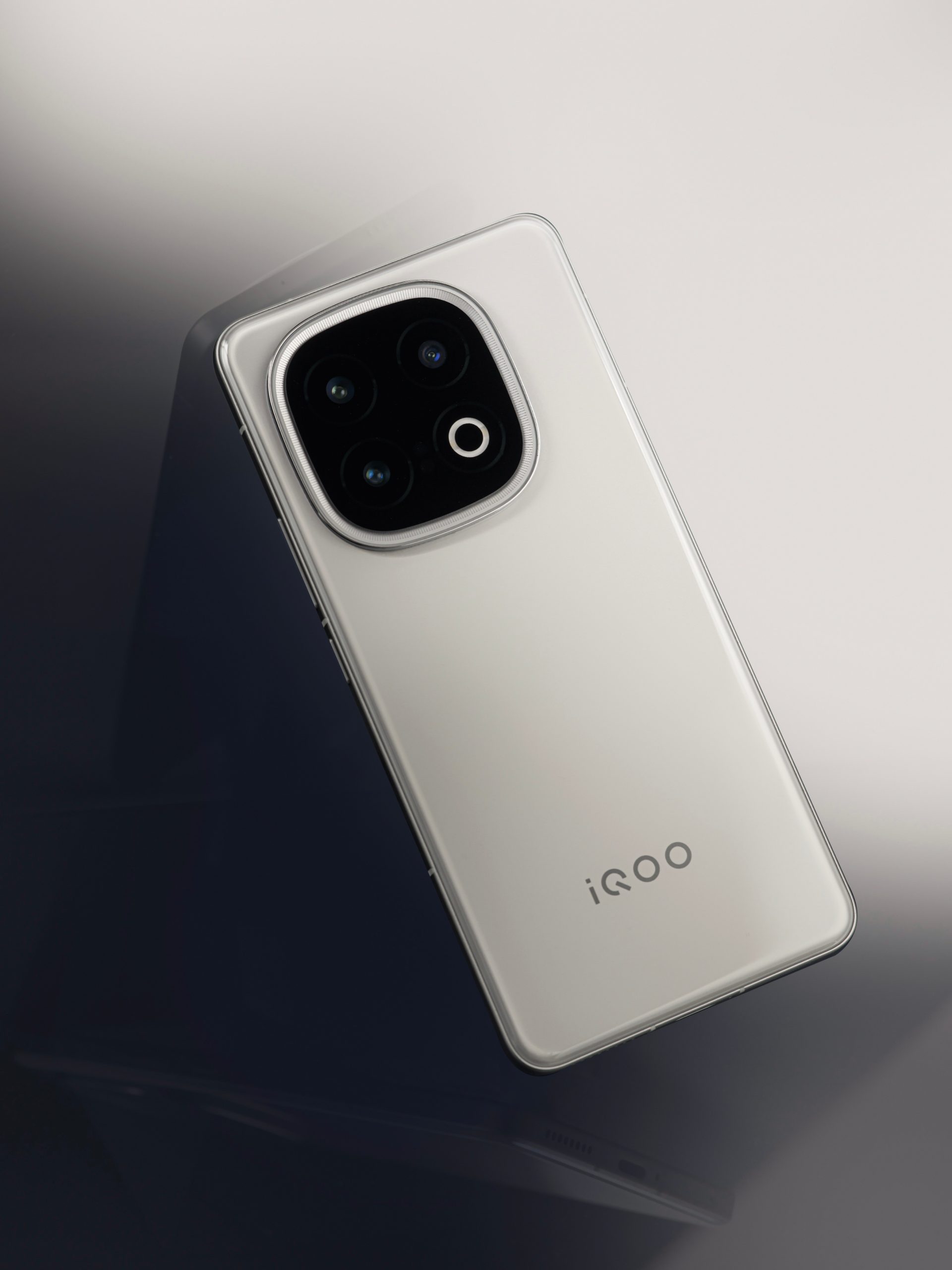
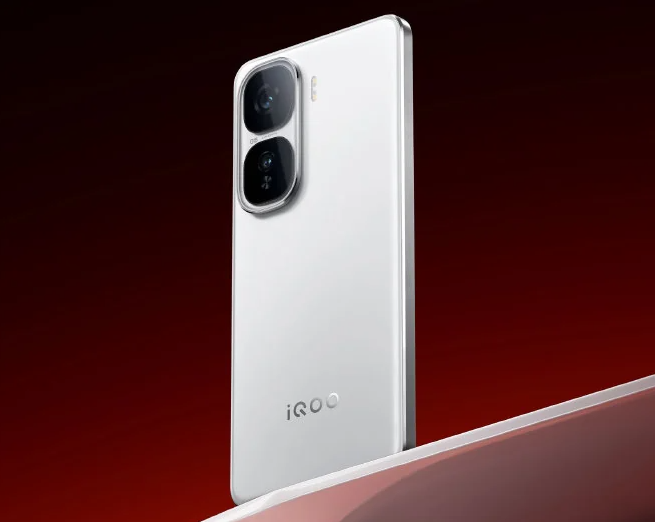
iQOO Z9 Turbo+ 3C certified, specifications leaked before September launch

iQOO is expected to announce the iQOO Z9 Turbo+ smartphone in September in China. It will be a new addition to the Z9 series, which includes the Z9x, Z9, and Z9 Turbo. These devices, which debuted in April this year in China, are powered by the Snapdragon 6 Gen 1, Snapdragon 7 Gen 3, and Snapdragon 8s Gen 3 chipsets, respectively. Reports suggest that the upcoming Z9 Turbo+ will be similar to the existing Z9 Turbo. However, the major difference will be that the Plus variant will come equipped with a Dimensity chipset. Recently, the MIIT certification database in China spotted the Z9 Turbo+, purportedly bearing the model number V2417A. Now, the same device has received approval from the country’s 3C certification platform, further hinting that it will launch soon, probably in September.

iQOO Z9 Turbo+ 3C certified

3C’s database shows two chargers for the upcoming iQOO Z9 Turbo+ (V2417A). The V8073L0A1-CN / V8073L0E0-CN / V8073L0A1-CN chargers support up to 80W charging, whereas the V9082L0A1-CN offers 90W charging. However, tipster Digital Chat Station states that the device will only support 80W charging. He also mentioned the key specifications of the device.

iQOO Z9 Turbo+ specifications (rumored)

According to the tipster, the iQOO Z9 Turbo+ will feature a 6.78-inch flat OLED panel. It will offer a 1.5K resolution and a 144Hz refresh rate. The screen will be equipped with a short-focus optical-type in-screen fingerprint sensor.

Under the hood, the device will feature the Dimensity 9300 Plus, which is currently the most powerful MediaTek chip. It is also expected to feature a 6,000mAh battery. The leak contains no information about the device’s RAM or storage capacity.

On the front, the iQOO Z9 Turbo Plus may feature a 16-megapixel camera. The rear camera setup of the phone may consist of a 50-megapixel primary camera and an 8-megapixel snapper.