Recent reports indicate that the Vivo X200 series, expected to launch in China this October, will consist of three models: the Vivo X200, Vivo X200+, and Vivo X200 Pro. The model numbers for these devices are reportedly V2405A, V2415, and V2413, respectively. There have also been rumors about a compact model tentatively referred to as the Vivo X200 Mini. The Vivo X200 might eventually be the name of this device, but there is no concrete evidence to support this claim. Readers should approach this information with caution. While the mentioned model numbers have appeared in the IMEI database, the “Vivo X200 Mini” has not yet surfaced. Recently, reliable tipster Digital Chat Station shared new details about the X200 on Weibo.
Vivo X200 specifications (rumored)
The above Weibo post suggests that the Vivo X200 will come equipped with the Dimensity 9400 chipset and have a thin profile, measuring around 8.x mm in thickness.
The X200 will sport a 6.3x-inch flat OLED display with a 1.5K resolution. It will feature a 50-megapixel large main sensor on the back, as well as a periscope lens with macro capabilities. The latter will offer 3x optical zoom and a 70mm focal length. In a previous leak, the same source claimed that the device would have a new 22-nm Sony camera as the primary sensor.
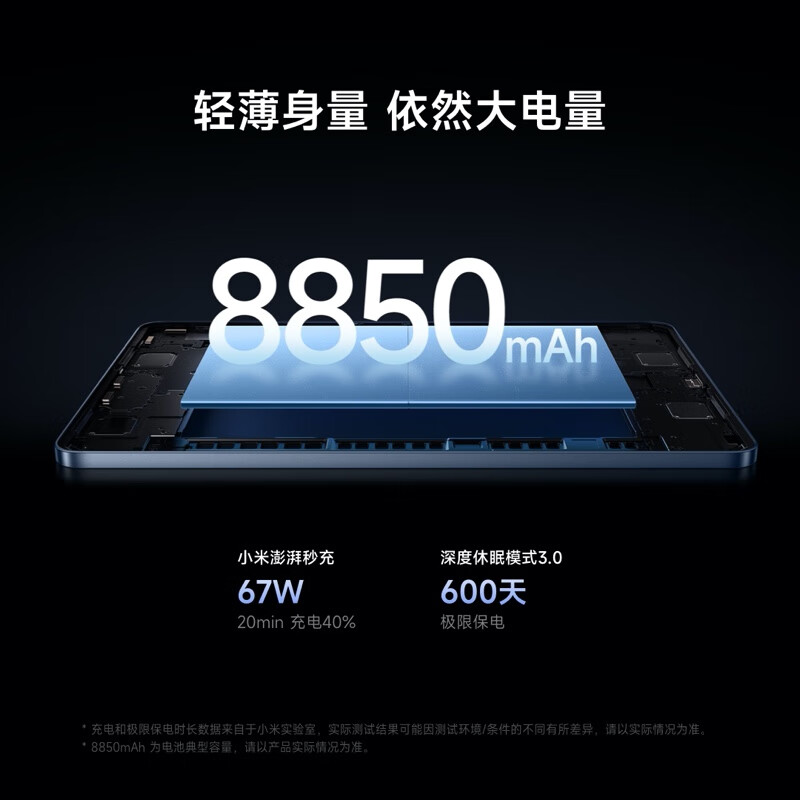
The X200 is expected to house a substantial battery, either 5,500mAh or 5,600mAh. Apart from wired charging, the device will also support wireless charging. The tipster previously claimed that the device would have an optical-type in-screen fingerprint sensor. Lastly, it is expected to come preloaded with Android 15 and the latest version of the OriginOS UI.
The Tecno Phantom V Fold 2 5G and V Flip 2 5G were available for pre-order in Ghana from August 19 to August 24. Although a few days have passed since the pre-order ended, the brand has yet to officially launch these foldables or even announce a launch date.
The foldables are definitely on their way, but you don’t have to wait for the official launch to know their price. A new leak (via SpillSomeBeans) has revealed the prices for both devices in the Ghanaian market.
According to the leak, the Phantom V Flip 2, a clamshell foldable, will be priced at GHS 9,800 (~USD 632) for the 8GB RAM + 256GB storage configuration. The Phantom V Fold 2, a book-style foldable, will be available at GHS 16,550 (~USD 1,065) for the more premium 12GB RAM + 512GB storage option.
These prices reveal Tecno is once again positioning its foldables as more affordable alternatives to those from mainstream brands. For instance, the book-style Samsung Galaxy Z Fold 6 retails at a hefty $1800, while Motorola’s cheapest clamshell foldable for 2024 starts at $700.
The official specifications of the Phantom V Fold 2 and V Flip 2 are still under wraps. We do have some key specs of the book-style foldable, though, thanks to FCC and TUV Rheinland certifications.
It will pack a dual-cell battery of 2637mAh and 2973mAh, giving it a total capacity of 5,610mAh. The typical capacity might be around 5,700mAh which will be similar to the Vivo X Fold 3 Pro and about 1300mAh more than Galaxy Z Fold 6. It is also likely to support 70W fast charging, an upgrade from the 45W charging capability of its predecessor.
In terms of performance, the Phantom V Fold 2 and V Flip 2 are rumored to be powered by the Dimensity 9000 Plus and Dimensity 8050 chipsets, respectively.
Xiaomi unveiled the Xiaomi 14 Ultra equipped with the Snapdragon 8 Gen 3 chipset in February of this year. Speculation suggests that the Xiaomi 15 Ultra will succeed the device around the same time in 2025. Today, reliable leaker Digital Chat Station claimed he accessed an early engineering prototype of an “Ultra”-branded phone powered by the Snapdragon 8 Gen 4 chipset. It seems that the leaker could be talking about the Xiaomi 15 Ultra.
Xiaomi 15 Ultra camera details tipped
Xiaomi 15 Ultra’s camera leak
Based on the above Weibo post, the Xiaomi 15 Ultra will still feature a large circular camera module, but the camera arrangement has undergone significant changes. The four-camera setup now includes dual telephoto lenses and a notably large periscope lens.
Additionally, the 50-megapixel main sensor appears to be larger than its predecessor, suggesting the possibility of an increased sensor size or a larger aperture. For reference, the Xiaomi 14 Ultra featured a 50-megapixel Sony LYT-900 sensor with a 1-inch primary camera. The tipster speculates that the new sensor’s size could exceed 1 inch, indicating potential substantial improvements in camera performance. The tipster did not mention anything else about the 15 Ultra’s specifications in the latest leak.
In the coming years, tri-foldable phones could become the next major trend in the smartphone industry. In May, TCL showcased the world’s first functional tri-foldable phone at the Society for Information Display (SID) 2024 exhibition, although it is not yet available for purchase. It is speculated that Huawei’s upcoming tri-foldable device, expected to debut in the next few months, could be the world’s first commercially available tri-foldable phone. A new development reveals Xiaomi may also release a tri-foldable smartphone in the near future.
Xiaomi said to be working on a tri-foldable phone
In the Weibo post, tipster Smart Pikachu mentions that Xiaomi has begun developing a tri-foldable (three-fold) smartphone. Unfortunately, the tipster did not share any information about the specifications of the device.
Most likely, Xiaomi’s tri-foldable phone may go official in 2025. The device is likely to feature HyperOS 2.0, a Leica-engineered camera setup, and a flagship Snapdragon chipset.
At present, Xiaomi offers two types of foldable phones. The Mix Fold 4, which debuted last month, is the company’s fourth generation horizontally foldable smartphone. On the other hand, the Mix Flip, which debuted with the Mix Fold 4, is the company’s first flip-style foldable screen phone.
According to reports, Huawei’s tri-foldable phone may launch in China as early as September. The above image, which shows Huawei CEO for Consumer Business Group, Yu Richard, using the alleged device, reveals how it will appear in the folded state. It is speculated that the device will have a dual-hinge system, which allows it to unfold and offer a massive screen space of around 10 inches. The internal screen is said to have a camera punch-hole in the upper-left corner.
Huawei tri-foldable phone–
Huawei’s tri-foldable offering will feature the company’s in-house Kirin chipset. In September, the device is expected to go official along with other products, such as the Nova 13 series of smartphones and the Watch GT 5 series of smartwatches.
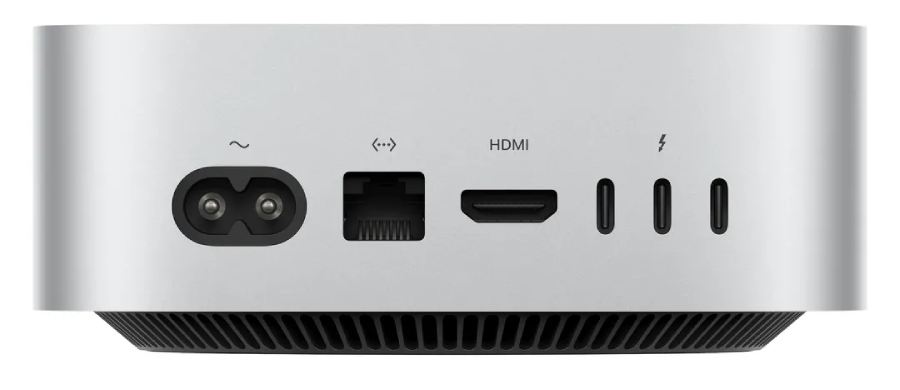
In today’s roundup, we talk about OneUI 7 delay, OnePlus motherboard issues, leaked specifications of the Honor Magic 7 Pro, a futuristic gaming mini PC, insights on smartphone camera megapixels, and MediaTek’s plans for an early Dimensity 9400 release!
Today’s Highlights:
One UI 7 Beta Delay: Dive into the reasons behind Samsung’s repeated postponement of the One UI 7 beta release. We’ll explore the implications for Samsung users and what this means for the future of Android customization.
Honor Magic V3’s Unique World Record: Uncover how Honor’s latest foldable phone, the Magic V3, has set an unusual Guinness World Record.
Realme Note 60 Leak: Get an early look at Realme’s upcoming Note 60, unexpectedly revealed through Indonesian retailer listings. We’ll break down the key specifications.
OnePlus Flagship Issues: Examine the concerning reports of dead motherboards in OnePlus flagship devices. We’ll analyze the potential impact on OnePlus’s reputation and what users should be aware of.
Samsung was expected to release the much-awaited One UI 7 beta earlier this month, but now that doesn’t seem to be happening anytime soon. The beta release is reportedly being delayed again and again.
But what’s forcing Samsung to delay the One UI 7 beta release?
Ahead of its global launch at IFA Berlin 2024, the Honor Magic V3 has achieved an unusual world record. The company teamed up with Guinness World Record holder Bryan Berg to show the phone’s lightweight design by placing it on top of the world’s tallest house of cards.
Just seven months after launching the Note 50, Realme has seemingly introduced its successor, the Note 60, in Indonesia. The company hasn’t made an official announcement yet, but several listings from local retailers on Instagram reveal most of the phone’s specifications and confirm its immediate availability.
Over the past years, OnePlus users have faced multiple problematic issues like the chargers and phones exploding, and a recent one being the green line issue that appeared on many OnePlus devices. Apparently, flagship OnePlus smartphones are facing a new issue that has already killed a couple of these devices.
Nubia’s Red Magic sub-brand has confirmed that it will hold a launch at 3pm (local time) on Sept. 5 in China. The event will see the arrival of the Red Magic gaming-focused tablets.
Upcoming Red Magic gaming tablets: What to expect?
New Red Magic Tablets will launch on September 5 in China.
The above teaser suggests that Red Magic will announce two tablets during the upcoming launch event. Tipster WHYLAB claims that the smaller tablet in the teaser houses a 10.8-inch display. It will be the world’s first tablet to feature the Snapdragon 8 Gen 3 Leading Version chipset.
On the other hand, the Snapdragon 8 Gen 2 SoC is likely to power the larger Red Magic tablet, which will have a 12.4-inch screen. The tablet is likely to offer support for 5G connectivity. It is said to be a successor to the Red Magic Tablet, which went official in July 2023. This model is likely to be dubbed the Red Magic Tablet 3D Explorer Edition. Unfortunately, the rumor mill is yet to leak the other specifications of these tablets.
To recall, the original Red Magic Tablet featured a 12.1-inch LD panel that offers a 2K resolution and a 144Hz refresh rate. It featured the Snapdragon 8+ Gen 1 chipset, up to 16 GB of LPDDR5 RAM, and up to 512 GB of UFS 3.1 storage. It packed a 10,000mAh battery with 80W fast charging support.
On the front, the Red Magic Tablet was fitted with a 16-megapixel camera. The rear camera setup included a 13-megapixel camera and an LED flash. It came with other features, such as quad speakers and Android 14 with Red Magic UI on top.
OnePlus is expected to unveil the OnePlus 13 in November of this year in China. It is speculated that the OnePlus Ace 5 series of smartphones may debut in Q4, probably in December of this year. Being a flagship device, the OP13 is expected to feature the upcoming Snapdragon 8 Gen 4 chip. It is speculated that the OnePlus Ace 5 Pro will also feature the same chip. Compared to OP13, the Ace 5 Pro will be a performance-driven phone with less focus on photography. Today, tipster Digital Chat Station released a Weibo post to leak the key details of the smartphone.
OnePlus Ace 5 Pro key details tipped
While DCS has not specified the name of the phone in the above leak, it is speculated that he could be referring to the OnePlus Ace 5 Pro. The leak begins by saying that the device will be equipped with the SM8750 chip, which is nothing but the Snapdragon 8 Gen 4.
The leak states that the OnePlus Ace 5 Pro will be a high-end flagship featuring the BOE X2 flat display with support for a 1.5K resolution. It will be equipped with a right-angle metal middle frame.
He added that the OnePlus Ace 5 Pro’s chassis will be available in either glass or ceramic options. It will have chamfered edges between the back cover and the middle frame for a smooth transition. Additionally, the industrial design has undergone significant changes. Unfortunately, the leaker did not share anything else about the specifications of the device.
In comparison, the OnePlus Ace 5 will arrive with a 6.78-inch 8T LTPO panel with a micro-curvature design. It is powered by the Snapdragon 8 Gen 3 chipset and a 6,200mAh battery with 100W charging support. For photography, it will have a 50-megapixel triple camera unit. It is also expected to feature an alert slider.
Just two months after the launch of the Motorola Moto G Stylus (2024), we’re already getting a sneak peek at its successor, the Moto G Stylus (2025). Thanks to a leaked press render shared by MySmartPrice, we have a clearer picture of what to expect from this upcoming budget-friendly stylus smartphone.
The Moto G Stylus (2025), codenamed XT251V, is expected to maintain the overall design of its predecessor. However, one notable change is the finish on the back. While the 2024 model featured a vegan leather texture, the 2025 version appears to have a glossy finish.
Other key features expected to remain unchanged include the punch-hole display on the front, the dual-camera setup on the back, and the stylus holder located at the bottom of the device. Specifications of this upcoming device are currently unknown, however, we can expect it to feature some improvements over its predecessor. You can take a look at the spec sheet of the Moto G Stylus (2024) below.
Moto G Stylus (2024) specs:
The Moto G Stylus 5G (2024) features a 6.7-inch Full HD+ pOLED display with a 120Hz refresh rate, 1200 nits peak brightness, and a 240Hz touch sampling rate. The built-in stylus is housed in a slot at the bottom of the device.
For cameras, the phone includes a 50MP main camera with Optical Image Stabilization (OIS) and a 13MP ultra-wide camera with a 120° field of view, which also supports macro photography. The front camera is 32MP. The rear camera records Full HD videos at 60FPS, with a 120FPS slow-motion option, while the front camera offers a Dual Capture mode.
Powered by a Snapdragon 6 Gen 1 5G SoC, the device supports 5G connectivity and comes with 8GB of RAM and 256GB of storage, expandable up to 2TB via microSD card. It also has dual stereo speakers with Dolby Atmos, a 5000mAh battery supporting 30W fast charging and 15W wireless charging, a USB Type-C port (USB 2.0), a 3.5mm audio jack, an in-display fingerprint scanner, Bluetooth 5.1, dual-band WiFi, and runs on an Android 14-based operating system.
Earlier this year, Poco introduced its first-ever tablet, the Poco Pad 5G, to the global market. Now, the brand has launched the tablet in India, and we have it here for review. In the competitive Indian tablet market, known brands like Samsung, Lenovo, Xiaomi, Realme, and OnePlus dominate. The question remains: Will the Poco Pad 5G help Poco establish a strong presence in the tablet segment in India? Here’s a closer look at what the Poco Pad 5G has to offer.
The Poco Pad 5G’s retail box includes the tablet, a 33W charger, a USB-A to USB-C cable, and some paperwork. The tablet features an aluminium unibody, measuring 7.5mm in thickness and weighing 571 grams. It comes in Pistachio Green and Cobalt Blue color options, both with a dual-tone finish on the back. The blue variant, which I have for review, tends to attract fingerprints, so I recommend investing in a case for better protection.
The left side of the Poco Pad 5G’s back panel features dual camera rings, which include a camera and an LED flash. Additionally, there is “Poco” branding towards the bottom.
The Poco Pad’s top edge has a power button and a pair of speakers with “Dolby Atmos” branding in between. The left edge is barren, while on the right side are a volume rocker and a pair of microphones. On the bottom, it features a pair of speakers with a USB-C port and a 3.5mm audio jack in between.
On the front, the Poco Pad 5G features a front camera positioned in the right bezel, making it ideal for video calls when used in landscape orientation. The screen is also equipped with Gorilla Glass 3 protection for added durability. Poco offers accessories such as the Poco Smart Pen, Poco Keyboard Cover, and Poco Pad Cover in the global market for Poco Pad buyers. Poco did not announce these accessories for the Indian market. The promotional images of the Poco Pad showcase a keyboard cover and a smart pen, implying that these accessories may become available in the future.
2. Display and Audio
Poco Pad 5G
Poco Pad 5G (right edge)Poco Pad 5G (top edge)Poco Pad 5G (bottom edge)
The Poco Pad 5G has a 12.1-inch LCD panel with a 16:9 aspect ratio. It offers a resolution of 2560 x 1600 pixels and a 120Hz refresh rate. With 600nits in high brightness mode, the tablet can be readable outdoors, but only when the sunlight is not too harsh.
It comes with color schemes, such as Vivid, Saturated, and Standard. When it comes to refresh rate options, such as Default and Custom. The latter offers options, such as 60Hz, 90Hz, and 120Hz. However, in the Default mode, the refresh rate can go down to 48Hz and 30Hz while watching videos online.
While it comes with Dolby Vision support, there is no support for HDR10. The tablet comes equipped with Dolby Atmos powered quad speakers. It offers a balanced sound output and a satisfying experience while binge watching.
3. Performance and Software
Call of Duty: Season 7 settings on Poco Pad 5G
Poco Pad 5GPoco Pad 5G
The 4nm Snapdragon 7s Gen 2 chipset, LPDDR4x RAM, and UFS 2.2 storage power the Poco Pad 5G. It runs on the HyperOS 1.0-based Android 14. Overall, the user experience is good, as it offers a snappy performance.
I tried playing games like Genshin Impact and Call of Duty, but the device is not meant for high-end gaming. When it comes to multi-tasking, it allows users to open two apps in Split Screen mode or Floating Windows. With both options, users can open up to four apps on the same screen, as shown in the image below. A good thing is that the Poco Pad is promised to receive three years of OS upgrades and four years of security updates.
Poco Pad 5G’s Split-Screen and Floating Window features
The Poco Pad 5G houses a 10,000mAh battery, which takes around 2 hours to achieve a full charge using the 33W in-box charger. Depending on usage, the device can last for up to 2 days. Here’s how the tablet performed on benchmarking apps.
Poco Pad 5G on AnTuTu, Geekbench, CPU Throttle
4. Camera and Other Features
Poco Pad 5G
On the front, the Poco Pad 5G features an 8-megapixel camera for selfies and video calls. The back panel also features an autofocus-enabled 8-megapixel camera with an LED flash. The rear camera is capable of shooting up to 30fps 1080p quality videos.
The camera app available onboard is designed for tablet use. With ample light, the Poco Pad can shoot decent shots. The front camera also captures decent selfie shots with good dynamic range when there is sufficient light.
In the absence of a fingerprint scanner, the Poco Pad 5G offers only front camera-based face unlock security option. The hybrid SIM slot available on the device supports a 5G SIM card and a microSD card. As far as 5G, I found the Poco Pad to offer stable connectivity. Additionally, it supports both Wi-Fi 6 and Bluetooth 5.2. Lastly, it lacks a vibrator motor.
5. Verdict
Poco Pad 5G
Considering that the Poco Pad is Poco’s first-ever tablet, the company has done a commendable job of launching it. It’s a solid device offering a sturdy build, a nice display coupled with quad speakers, and long battery life. It also offers decent performance for productivity and gaming. Adding a fingerprint scanner and offering better cameras would have made it an even more compelling choice.
I am surprised that the company did not say anything about accessories like the keyboard and stylus for the Indian market. I will update this post accordingly if there’s any update on this front.
Poco Pad 5G price in India
In India, the Poco Pad 5G comes in 8GB+128GB and 8GB+256GB options. Both variants are priced at Rs 23,999 (~$260) and Rs 25,999 (~$300), respectively.
The best time to purchase the Poco Pad 5G is during its first sale, which begins on Flipkart on Aug. 27 in India. During this sale, buyers can avail of a Rs 3,000 discount using ICICI, SBI, and HDFC bank cards, along with an additional Rs 1,000 discount for students on the first day. Other offers include three or six months of no-cost EMI, six months of Microsoft Office 365, and a one-year Times Prime membership for the first 1,500 buyers.
The Labor Day deals have finally started, and users can now enjoy discounted prices on selected items. Among several discounted products, the JBL Tune 660NC is now available at the reduced price of $69.95 via Amazon US. The entry-level over-the-ear earphones offer a good listening experience and can withstand longer times on battery standby.
JBL Tune 660NC Deal Details
JBL Tune 660NC discount is applicable without any coupon code. The users can choose between three color options: black, blue, and white, for the price of $69.95. It is a time-limited deal, and users should grab it before it disappears.
JBL Tune 660NC Specifications
The headset offers a punchy bass and never misses any chance to impress with details. The JBL headset offers active noise cancellation support. It extends 44 hours of battery standby with active noise cancellation or 55 hours without it. The users can get 2 hours of extra standby with just a 5-minute charge.
JBL On-Ear headphones can easily connect and switch simultaneously between two devices. It could be a great companion if you do a lot of calling, as it aids the hands-free experience.
Technically, the JBL Tune 660NC features a 610mAh battery that offers up to 44 hours of battery life. Further, these support multi-point connections, in-app EQ, auto-play, and pause. Surprisingly, you will get a 3.5mm audio jack and a 20Hz frequency response.
It is a good deal, and the user can easily save a few bucks if they’re looking for affordable yet good over-the-ear headphones.
Note: When you buy something using the links in our articles, we may earn a small commission at no cost to you.
Update: OnePlus has shared its official statement addressing recent reports of motherboard issues stating “We’re sorry to hear about some recent cases where the users are experiencing certain problems with their OnePlus 9 and 10 Pro regarding the motherboard of the device. Our customers’ user experience really matters to us. While we’re still investigating the cause, we want to assure you that we’re committed to resolving this for affected users as quickly as possible. We know motherboard repairs can be costly, but we’re working hard to make them more affordable. We ask that any customers that are affected by a similar issue to get in contact with Customer Service so we can help resolve the situation as soon as possible.“
The original story continues…
Over the past years, OnePlus users have faced multiple problematic issues like the chargers and phones exploding, and a recent one being the green line issue that appeared on many OnePlus devices. Apparently, flagship OnePlus smartphones are facing a new issue that has already killed a couple of these devices.
The new problem the brand is facing is dead motherboards on their older flagships like the OnePlus 10 Pro and the OnePlus 9 Pro. Numerous users have reported that their phones have suddenly become unresponsive, leaving them with black screens and no power.
Two recent reports highlight the severity of this problem:
Recently, a OnePlus user described how their OnePlus 10 Pro, after initially experiencing lag and heating issues, completely shut down. Despite trying various troubleshooting methods, such as hard resets, battery cycles, and holding power buttons, the phone remained unresponsive. A visit to the service center revealed a dead motherboard, resulting in a significant repair cost. The user expressed their disappointment and loss of faith in the brand, particularly given their long history as a loyal OnePlus customer.
Another OnePlus 10 Pro 5G user reported similar issues after downloading a software update. The phone froze, became unresponsive, and eventually stopped charging. The service center diagnosed a dead motherboard and quoted a hefty repair fee of approximately Rs 42,000. The user expressed their frustration and disappointment, noting that they had encouraged several friends to purchase OnePlus devices based on their positive experiences.
These cases are not isolated. Several users have shared similar experiences online, raising concerns about potential hardware issues. While OnePlus has not yet addressed the problem publicly, the growing number of reports has led to questions about the company’s quality control and customer support.
The high repair costs associated with motherboard replacements have added to user dissatisfaction. Many are hoping that OnePlus will investigate the issue and offer solutions, such as free repairs, extended warranties, or software updates. Addressing the problem promptly could help maintain the brand’s reputation and customer trust.
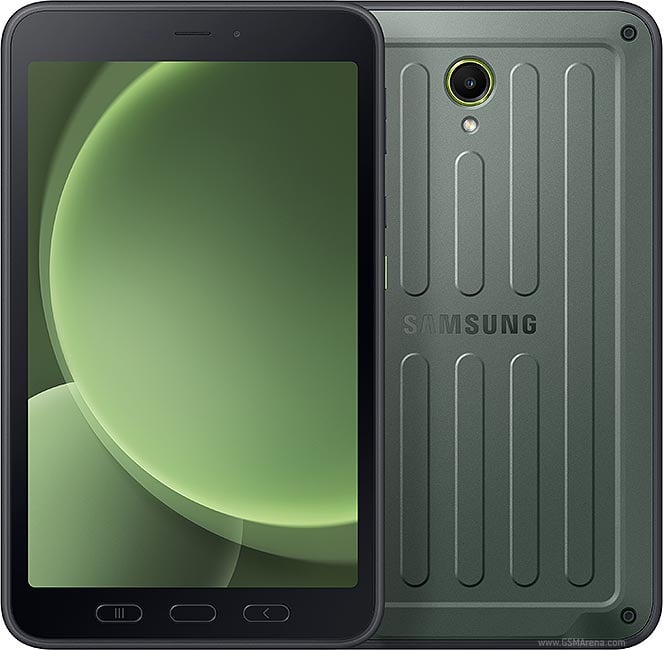
HKC has launched a new gaming monitor called Falcon II G25H3 in the Chinese market. The monitor is priced at 1099 Yuan ($154) which is super affordable compared to the specs it is offering. It is now available for purchase on JD.com. Let’s check out its key specs.
HKC Falcon II G25H3 Specifications:
The monitor features a 24.5-inch FHD display with a resolution of 1920×1080. It utilizes a Fast IPS LCD panel that supports a staggering 300Hz refresh rate, ensuring smooth visuals during fast-paced gaming sessions. The monitor also boasts a quick 1ms response time, further enhancing its performance in gaming environments.
Additionally, the monitor offers gaming-specific features like a crosshair, dark field enhancement, game timer, and Free Sync support, along with preset modes optimized for FPS, RPG, and RCG games.
The Falcon II G25H3 supports HDR 400, enhancing the contrast to create a more immersive visual experience. In terms of color accuracy and range, the monitor covers 95% of the DCI-P3 color gamut and 125% of the sRGB volume, with a color accuracy rating of ΔE ≤2. This makes it suitable for users who require precise color representation.
The monitor features a static contrast ratio of 1000:1, a brightness of 350 nits in SDR mode and 400 nits in HDR mode, and a viewing angle of 178° both horizontally and vertically.
In terms of design, the monitor comes with an ergonomic stand with height adjustment, tilt, and vertical rotation, along with a space-saving hexagonal base. It’s also 75x75mm VESA-compatible, offering flexible installation options.
For connectivity, the G25H3 includes two HDMI 2.0 ports, a DP 1.4 port, and an audio out jack, ensuring compatibility with a range of devices. The monitor also features HKC’s custom DIC (Dynamic Image Clarity) technology, which reduces motion blur and ghosting.
Xiaomi has launched the Mijia Super Clean Washing Machine, a new model with a 10kg capacity. It is available for purchase on JD.com at a regular price of 1,199 yuan ($168). However, for a limited time starting August 26, it can be bought at a special launch price of 899 yuan ($126). Let’s check out its key specs.
Xiaomi Mijia Super Clean Washing Machine Specifications:
This compact washing machine comes with a minimalist design and takes up just 0.3 square meters of space. It features intelligent fuzzy weighing, which adjusts the water level based on the clothes’ weight, conserving water and energy while ensuring thorough cleaning.
For added convenience, the machine includes a quick-start option that can be activated with a long press when the machine is off. Additionally, the combined rinse and spin function allows water intake, rinsing, and draining to happen simultaneously, further enhancing the washing process.
The washing machine boasts a high cleaning ratio of 1.2, with Xiaomi claiming it removes over 99% of mites, making it ideal for households with sensitive skin or small children.
The machine also offers 10 specialized washing modes, including a one-click intelligent wash. Users can also choose from 8 different water levels, allowing for a customized washing experience that caters to various fabric types.
The machine’s drum is designed to be gentle on delicate fabrics, reducing the risk of snagging, while an enhanced lint filter captures more lint and hair than previous models.
The Mijia Super Clean Washing Machine features a 720rpm spin speed, Level 2 energy efficiency, and operates on a 220V~/50Hz power supply. It measures 560x610x920 mm and weighs 28kg, with packaging dimensions slightly larger at 32.5kg. Additionally, it includes a 24-hour smart reservation function for scheduling laundry during off-peak times.
In the world of smartphones, encountering hardware issues can be frustrating and stressful, especially when it affects the display, which is the most critical part of the device. Recently, I faced an issue that many users of AMOLED panels have reported— a mysterious green line appearing on the screen. This problem has plagued devices across various brands, with Samsung and OnePlus being among the most affected. In this article, I’ll share my personal experience with Samsung’s service center regarding this issue and whether they lived up to the expectations.
The Green Line Problem
The green line issue has become increasingly common among devices with AMOLED displays, with users often linking it to software updates. In my case, too, the problem appeared after a software update, and while the rest of the display functioned perfectly, the persistent green line on the left side of the screen was unsightly and concerning. The root cause of this issue remains unclear, but the fact that it only occurs on AMOLED panels suggests a potential vulnerability in the technology itself.

As soon as I noticed the green line, I knew I had to visit a Samsung service center. Upon arrival, the staff examined my Galaxy S21 FE and confirmed that the display had a legitimate issue. They assured me that they would replace the display as soon as possible. However, they also informed me of a few important points before proceeding.
First, they mentioned that if they found any damage to the display caused by external pressure or other factors, they would have to charge ₹10,000 for the replacement. Additionally, they warned me that once the display was opened, it would need to be replaced as the old display might not function correctly afterward. Despite these concerns, I agreed to the repair, backed up my data, and handed over the phone.
2. Waiting Game
Initially, I was given a three-day timeline for the repair. However, when the third day passed without any communication from the service center, I decided to visit them. They explained that the replacement parts were still on their way and that the repair would take an additional three days. While this delay was inconvenient, I understood that sometimes parts can be delayed, and I appreciated their transparency.
After another three days, I finally received a call informing me that my phone was ready for pickup. I rushed to the service center to collect it, eager to see the results.
3. Outcome
Upon receiving my phone, I inspected the repair thoroughly. They replaced the display and the green line was gone. To my surprise, the service center also replaced the battery, stating that it was necessary while changing the display. This was an unexpected but welcome bonus, as it effectively refreshed my device’s overall performance.
The staff was courteous and professional throughout the process. However, they did attempt to sell me a 5G radiation-reducing chip, which I politely declined. This minor upsell attempt aside, my experience with the Samsung service center was overwhelmingly positive.
4. Final Thoughts
In the end, my experience with Samsung’s service center was a reassuring one. They addressed the green line issue effectively, kept me informed throughout the process, and even took the initiative to replace the battery. While I can’t speak for every service center, my experience suggests that Samsung’s customer service, at least in this instance, is reliable and customer-focused.
If you are facing similar issues with your Galaxy S21 FE or any other Samsung AMOLED device, I would recommend visiting a Samsung service center. Based on my experience, they seem well-equipped to handle such problems, and the overall process was smoother than I anticipated.
While these issues may persist on tech devices, the Galaxy S21 FE is still a solid phone. If you’re a casual user, there’s no need to rush an upgrade. Read our detailed article on why it’s still a great choice.
HONOR has introduced its latest premium smartphone, the HONOR Magic 6 Pro 5G, to the Indian market, priced at ₹89,999 for the 12GB + 512GB variant. The device is now available for purchase through Amazon.in, explorehonor.com, and various offline retail outlets.
As part of its launch, HONOR is offering several incentives for early buyers, including No-cost EMI options starting at ₹7,500 per month for up to 12 months. The company has also assured customers that the price will remain unchanged for the next 180 days, providing added confidence for those who choose to purchase early.
HONOR Magic 6 Pro 5G specs:
The HONOR Magic 6 Pro 5G boasts a 6.8-inch FHD+ Quad-Curved OLED Floating Screen with a resolution of 1280 x 2800 pixels, a 120Hz LTPO refresh rate, and support for HDR10+ and Dolby Vision, delivering a peak brightness of 5,000 nits.
Under the hood, the device is powered by the Octa-Core Snapdragon 8 Gen 3 SoC, paired with 12GB of LPDDR5X RAM, and 512GB of UFS 4.0 storage.
The camera setup is equally impressive, featuring a 50MP Wide Main Camera with variable aperture, a 50MP Ultra-Wide Camera with macro capabilities, and a 180MP Periscope Telephoto Camera that supports 2.5x optical zoom and up to 100x digital zoom, along with optical image stabilization. For selfies, the device offers a 50MP front camera and a 3D Depth Camera, both supporting 4K video recording.
The Magic 6 Pro 5G is equipped with a 5600mAh battery, which supports 80W wired and 66W wireless HONOR SuperCharge technology. Additional features include dual stereo speakers with DTS Ultra sound effects, IP68 dust and water resistance, and comprehensive connectivity options such as 5G SA/NSA, Wi-Fi 7, Bluetooth 5.3, and NFC.
When shopping for a new smartphone, one of the first things you’re likely to consider is the camera. After all, with today’s smartphones, we can capture stunning photos and videos that we can share with the world. But when it comes to camera megapixels, it’s important to remember that more isn’t always better. In fact, there are a number of reasons why you shouldn’t buy a smartphone based on camera megapixels alone.
Megapixels refer to the resolution of the photos a camera can take, with one megapixel equaling one million pixels. While it’s true that more pixels can result in sharper images, the difference becomes less noticeable after a certain point. For example, a 12MP camera and a 48MP camera might not produce drastically different images in day-to-day use, especially on a smartphone screen or even a standard computer monitor. The higher resolution mostly benefits large-format prints or extreme zooming in, which most users rarely need.
2. Sensor size matters more than megapixels
The most critical component of a smartphone camera is the image sensor. This tiny chip captures light and converts it into an image. A larger sensor allows more light to enter, resulting in better low-light performance, improved dynamic range, and richer color accuracy.
For example, the Apple iPhone and Google Pixel series, both known for their exceptional camera performance, utilize sensors that emphasize quality rather than the number of megapixels. Despite having lower megapixel counts than some competitors, iPhones and Pixels consistently deliver superior real-world photography, thanks to their advanced sensor technology.
3. Lens quality and aperture
Another crucial factor in determining a smartphone camera’s performance is the lens quality and aperture size. The lens focuses light onto the sensor, and a higher-quality lens can minimize distortions and aberrations. Meanwhile, the aperture (often denoted by f/ numbers like f/1.8, f/2.2) controls how much light reaches the sensor.
A lower f-number means a larger aperture, allowing more light to hit the sensor, which is especially beneficial in low-light situations. Even a 108MP camera with a small sensor and narrow aperture might struggle in low-light conditions, resulting in noisy and grainy images.

4. Image processing
What happens after a photo is taken is equally important. Modern smartphones rely heavily on image processing algorithms to enhance photos. These algorithms handle everything from noise reduction to HDR processing, color correction, and even computational photography techniques like night mode or portrait mode.
For instance, Apple’s iPhones are renowned for their image processing capabilities, delivering consistently high-quality photos even with lower megapixel counts. This shows that a camera’s software can be just as critical as its hardware.
5. Conclusion
While megapixels are an essential aspect of a smartphone camera, they are far from the most critical factor in determining image quality. A well-balanced smartphone camera setup, with a good sensor, quality lenses, and strong image processing software, will consistently deliver better photos than a camera that relies solely on high megapixel counts.
When choosing your next smartphone, consider the entire camera system and how it performs in real-world scenarios rather than getting swayed by megapixel numbers alone. By doing so, you’ll likely end up with a device that offers a more versatile, reliable, and enjoyable photography experience.
We recently got our hands on the Varmilo Muse65, a mechanical keyboard with magnetic switches that’s been generating quite a buzz among enthusiasts and gamers alike. Known for their exceptional build quality and attention to detail, Varmilo has a reputation that precedes them, so we were eager to see how the Muse65 would perform in real-world use. After spending considerable time with it, I can confidently say that this keyboard brings a lot to the table—literally and figuratively. So let’s check out:
What’s in the Box?
Unboxing the Muse65 is an experience that sets the tone for what’s to come. The packaging is sleek and minimalistic, giving you a hint of the premium product inside. Upon opening the box, you’re greeted by:
The Muse65 keyboard itself
A detachable, braided USB Type-C cable
A keycap puller and switch puller
A quick start guide
While the contents might seem straightforward, the inclusion of both keycap and switch pullers shows that Varmilo understands the needs of its users. These tools are essential for those who love to customize their setup, making it easier to swap out keycaps or switches.
Design and Build Quality
The first thing that strikes you about the Muse65 is its weight which is approximately 1.2 kg. The keyboard feels solid—thanks to the CNC-machined aluminum body, which gives it a premium, sturdy feel. It comes with a 65% layout, perfect for those who want to save desk space without sacrificing essential keys like the arrow keys or a few function keys.
The keyboard is available in five distinct themes: Ariel, Asgard, Aurora, Sakura, and Summit, each offering a unique aesthetic that extends to the keycaps, metal case, and a glass plate on the back. Its design is minimalist, featuring clean lines and a sleek finish, with the Varmilo logo subtly positioned on the back to maintain its elegant appearance. The keyboard includes rubber feet that ensure stability during intense gaming sessions, though it lacks adjustable feet for customizing the typing angle.
Connectivity
The Muse65 HE is a wired keyboard, and it connects via a USB-C port. The cable provided is braided, adding durability and a premium touch. While some might prefer a wireless option, the wired connection ensures a stable and consistent performance, particularly important for competitive gaming where every millisecond counts.
Features
The Muse65 HE features Hall effect switches, available in Gateron Magnetic White and Magnetic Jade options. The Magnetic White switches offer a linear feel with a 0.10 to 4.00 mm actuation range, while the Magnetic Jade switches provide a satisfying typing sound with a shorter 0.02 to 3.40 mm range. Both are highly durable and rated for 150 million clicks. I got the Magnetic White version.
The keyboard offers the ability to customize the actuation point for each key with precision down to 0.1mm, making it ideal for gamers who need fast and responsive key presses.
The Muse65 HE also supports rapid trigger settings, allowing the keyboard to register multiple key presses in quick succession without needing to fully release the key. This feature can provide a significant advantage in fast-paced games where rapid inputs are crucial.
The keyboard supports an 8,000 Hz polling rate, which is significantly faster than most keyboards’ traditional 1,000 Hz polling rate, ensuring a more responsive gaming experience.
The keyboard also comes with Dynamic Keystroke feature which allows you to assign multiple functions to a single key. This can enhance efficiency, whether you’re gaming, coding, or just trying to streamline your workflow. It also supports N-key Rollover.
The keyboard features RGB lighting as well. The lighting effects are vibrant, but they don’t stand out as much as I’d like in well-lit environments. However, the RGB and Hall effect features coexist without any performance issues, which is a plus.
Software
The Muse65 HE comes with the Varmilo HE Driver, making it easy for users to customize the keyboard. Installation is straightforward: simply install it on your PC, and at the final step, select your keyboard layout, such as ANSI or ISO. However, be careful when choosing the layout; selecting the wrong one can cause the keyboard to malfunction. I experienced this myself. If it happens, you can fix it by pressing and holding the ESC key, plugging in the cable, and then directly opening the driver to upgrade the firmware.
The software offers a variety of customization options, including macros, key remapping, setting up different layers for various functions, and customizing RGB lighting effects. It also allows you to adjust the actuation point for each key, down to 0.1 mm, which is particularly useful for gamers who need precise keypress control. You can also change the polling rate as well.
Additionally, the software supports rapid trigger settings, which can enhance responsiveness during typing or gaming. However, the current software version has some limitations, such as a less intuitive slider for setting actuation points and no option to input specific values directly. Despite these minor issues, the software provides a robust range of customization options.
Performance
The Muse65 HE excels in performance, thanks to its impressive 8,000 Hz polling rate, which is significantly higher than the standard 1,000 Hz found in most keyboards. This means the keyboard can send data to your computer much faster, virtually eliminating input delay—a crucial advantage in competitive gaming.
During my testing, the customizable actuation points proved particularly beneficial in games where quick reflexes and precision are essential. Being able to set the actuation point as low as 0.1 mm allowed for incredibly fast inputs, providing a noticeable edge in gameplay.
Typing on the Muse65 HE is also a delightful experience. The switches are smooth, producing a satisfying yet not overly loud sound. The aluminum case and tray mount design contribute to a consistent, pleasing typing sound that sets this keyboard apart from many others.
Conclusion
The Varmilo Muse65 HE is priced between $155 and $168, depending on the switch option you select, placing it at the higher end of the keyboard market—and for good reason. Its exceptional build quality, extensive customization options, and outstanding performance make it a worthwhile investment for serious gamers and heavy typists.
That said, it does have a few drawbacks. While the software is functional, it could be more user-friendly, particularly when adjusting actuation points. Additionally, the RGB lighting, though customizable, isn’t as vibrant as it could be.
Despite these minor flaws, the Muse65 HE shines where it counts most: performance and build quality. If you’re in the market for a high-end 65% keyboard that offers extensive customization without compromising on quality, the Varmilo Muse65 HE is an excellent choice.
Just seven months after launching the Note 50, Realme has seemingly introduced its successor, the Note 60, in Indonesia. The company hasn’t made an official announcement yet, but several listings from local retailers on Instagram reveal most of the phone’s specifications and confirm its immediate availability.
The phone is built around a 6.74-inch 90Hz IPS LCD display with HD+ resolution as its predecessor. Realme has added a “rainwater smart touch” feature that allows for easier use with wet fingers. The phone also boasts an IP64 rating for dust and water resistance.
The back of the phone has a redesigned camera module that houses a 32MP main sensor with 10x digital zoom alongside an unspecified secondary sensor. The primary camera is an upgrade from 13MP on its predecessor, but the color option stays the same with blue and black choices.
Despite its budget-friendly price tag, the Note 60 surprisingly features a metal frame, a step up from the plastic construction of the Note 50. Under the hood, things remain unchanged with the Unisoc T612 chipset powering the device. It’s paired with either 4GB or 6GB of RAM and either 64GB or 128GB of storage.
Powering the device is a sizeable 5000mAh battery, but, charging speeds are limited to a slow 10W. Security is handled by a side-mounted fingerprint sensor and face unlock facilitated by a 5MP front camera.
The base 4GB/64GB variant of the Realme Note 60 is listed at Rp 1,399,000 (around $90) in Indonesia, while the 6GB/128GB model comes in at Rp 1,599,000 (around $103). With the phone already available for purchase, an official announcement from Realme likely isn’t far off. We will keep you updated on it.
Motorola unveiled the Moto S50 Neo equipped with the Snapdragon 6s Gen 3 in China in June. It is nothing but a rebranded version of the Moto G85 5G available in markets outside of China. Recently, a Motorola phone bearing the XT2409-5 model number was approved by China’s TENAA authority. It is speculated this phone may debut with the Motorola S50 moniker in the home market. A new leak, courtesy of tipster Experience More, has revealed the key specifications of the device.
Moto S50 specifications (rumored)
Moto S50 will launch soon in China
According to the tipster, the Moto S50 is expected to feature a 6.36-inch flat display with a 1.5K resolution (1200p) and a 120Hz refresh rate. For security, it may come equipped with an in-screen fingerprint sensor.
The Moto S50 will likely be powered by the Dimensity 7300 chipset, coupled with LPDDR4X RAM and UFS 2.2 storage. The device could house a 4,400mAh battery with support for 68W fast charging.
Moto S50
Its rear camera setup might include a 50-megapixel main sensor with OIS, a 13-megapixel ultra-wide camera, and a 10-megapixel telephoto lens with 3x optical zoom. On the front, the device will feature a 32-megapixel front-facing camera.
Additional features might include an in-display fingerprint sensor and IP68 water and dust resistance. In terms of design, it is expected to have dimensions of 154.1 x 71.2 x 8.1 mm and weigh 172 grams. It appears that the Moto S50 may get rebranded as the Motorola Edge 50 Neo in the global market.
Recent reports have claimed that the Honor Magic 7 Pro will be announced in November of this year. Like the Magic 6 series, the upcoming Magic 7 lineup may include the Magic 7, Magic 7 Pro, Magic 7 Ultimate, and Magic 7 RSR Porsche Design. Among these models, the rumor mill has been consistently leaking details about the Magic 7 Pro. Recently, a tipster created a mock render to showcase the rear design of the phone. Now, the image below has surfaced on Chinese social media platforms, revealing all the major specs. Here’s a look at what to expect from the Magic 7 Pro.
Honor Magic 7 Pro specifications (rumored)
Honor Magic 7 Pro specs leak
The Honor Magic 7 Pro will likely sport a 6.82-inch 2K dual-layer OLED display with quad-curved edges and a 120Hz refresh rate. The screen could also integrate 8T LTPO technology and be protected by next-generation Kunlun Glass for enhanced durability. It is expected to feature the Snapdragon 8 Gen 4 processor, paired with UFS 4.0 storage and LPDDR5X RAM.
In terms of photography, the device may boast a 50-megapixel front-facing camera with 3D depth-sensing capabilities. On the rear, it is rumored to have a triple camera setup, including a 50-megapixel main sensor (OmniVision OV50H), a 50-megapixel ultra-wide-angle lens, and a 50-megapixel periscope telephoto lens IMX882 or 200-megapixel Samsung HP3 sensor technology.
The Magic 7 Pro may potentially come equipped with a 5,800mAh battery, utilizing third-generation Qinghai Lake battery technology. It is expected to support 100W wired charging and 66W wireless charging, ensuring quick power-ups. Additional features could include IP68/69 water resistance, ultrasonic fingerprint and 2D face recognition, as well as Honor’s enhanced eye protection 3.0. Additionally, the Magic 7 Pro is said to offer other features, such as also said to support satellite communication and may include the C1+ RF chip, E1 efficiency chip, and x-axis linear motor.
Readers should note that the authenticity of this leaked image cannot be confirmed. Therefore, it is advisable to take these specifications with a grain of salt.
We use cookies on our website to give you the most relevant experience by remembering your preferences and repeat visits. By clicking “Accept”, you consent to the use of ALL the cookies.
This website uses cookies to improve your experience while you navigate through the website. Out of these, the cookies that are categorized as necessary are stored on your browser as they are essential for the working of basic functionalities of the website. We also use third-party cookies that help us analyze and understand how you use this website. These cookies will be stored in your browser only with your consent. You also have the option to opt-out of these cookies. But opting out of some of these cookies may affect your browsing experience.
Necessary cookies are absolutely essential for the website to function properly. This category only includes cookies that ensures basic functionalities and security features of the website. These cookies do not store any personal information.
Any cookies that may not be particularly necessary for the website to function and is used specifically to collect user personal data via analytics, ads, other embedded contents are termed as non-necessary cookies. It is mandatory to procure user consent prior to running these cookies on your website.