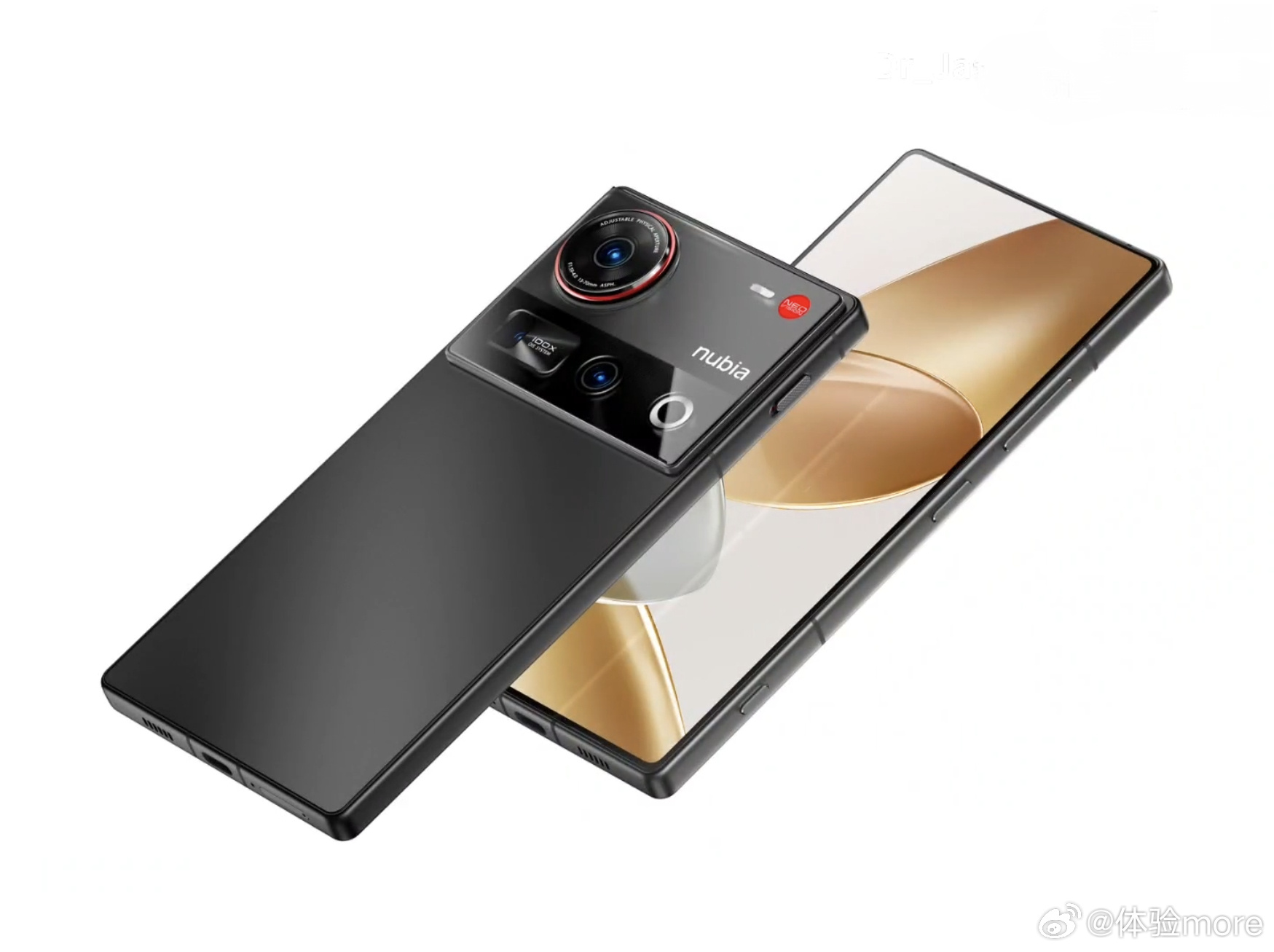
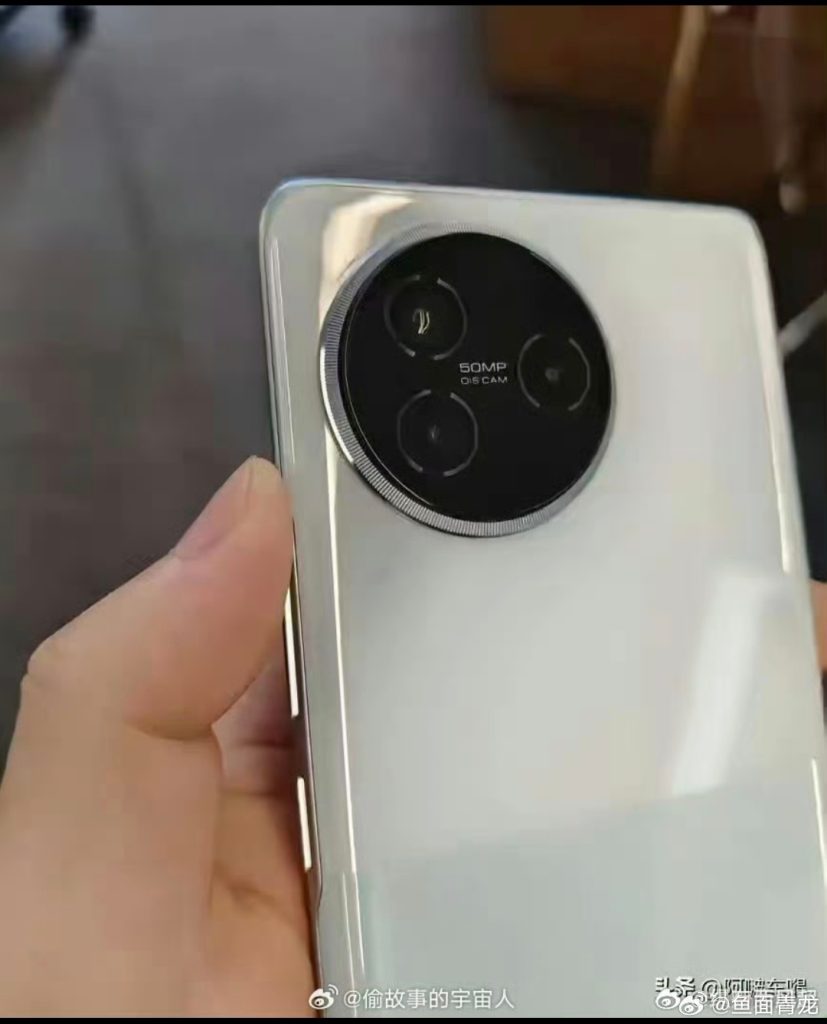
ZTE is set to unveil its latest flagship, the Nubia Z70 Ultra, on November 21st. Ahead of the launch, renders of this upcoming device via a Weibo post.
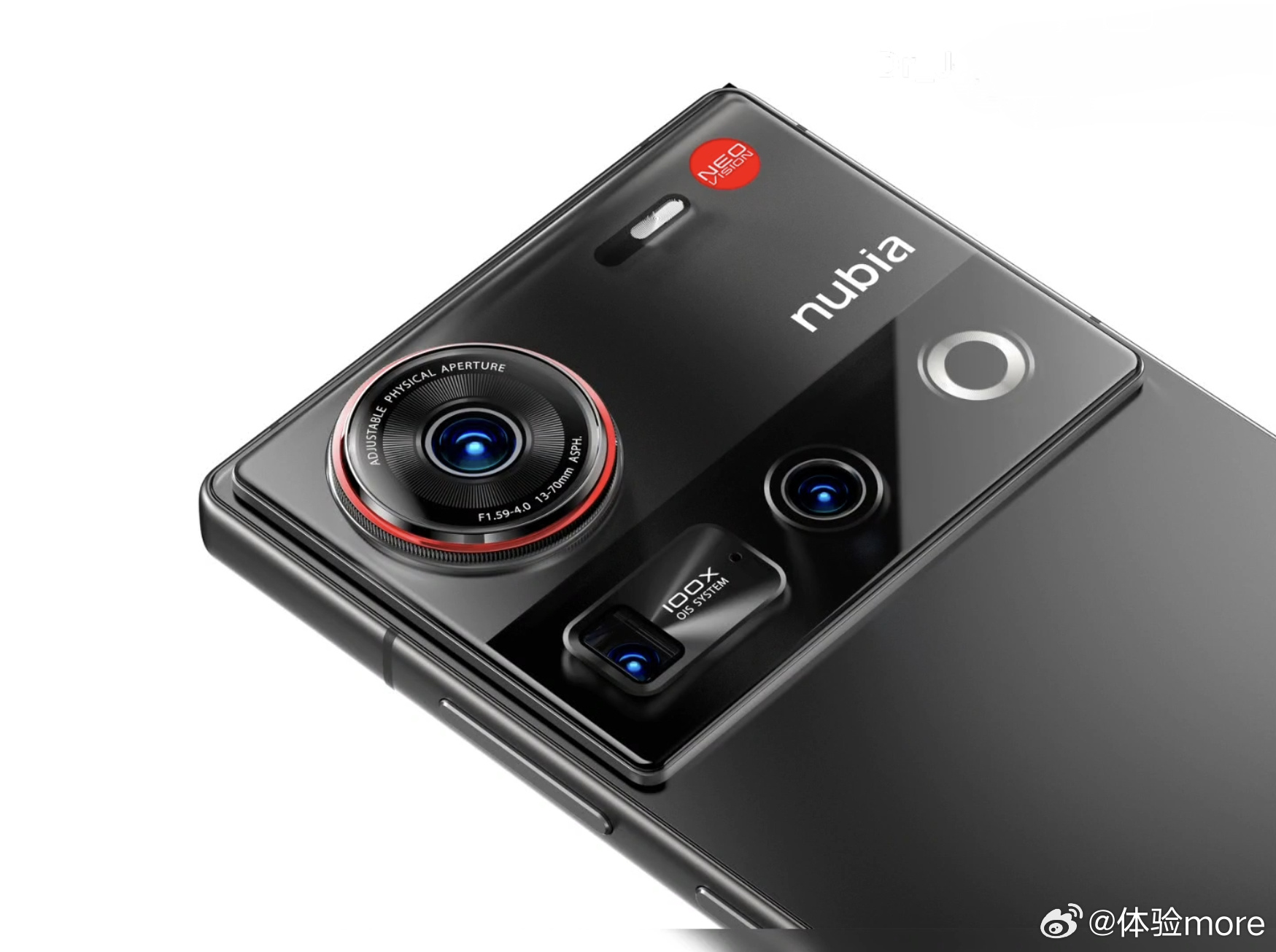
The Z70 Ultra builds on the design of its predecessor, the Z60 Ultra Leading Version, but with a few key differences. The primary camera has been repositioned to the top left corner, and the ultra-wide-angle camera has moved to the previous telephoto lens position. The telephoto lens itself has a significantly smaller housing, despite featuring a periscope lens and 100x digital zoom.
Apart from its physical appearance, the brand has also teased many of its features. According to teaser images, the Z70 Ultra will include AI-powered features such as time management tools, keyboard-free use, and real-time translation for WeChat calls—a first in the industry. It also introduces vehicle-machine interaction, touch interaction, and advanced algorithms inspired by brands like Tesla, Apple, and ByteDance.
The Z70 Ultra will feature a 1.5K hole-less true full-screen display with a 6.85-inch size, 144Hz refresh rate, 2000 nits brightness, 430 PPI density, and ultra-slim 1.25mm bezels. It also includes an Independent Pixel Driver and AI Transparency Algorithm 7.0 for improved light transmittance. The device will also feature IP68 and IP69 water and dust resistance.
The Z70 Ultra is expected to feature the Snapdragon 8 Elite processor, LPDDR5X RAM, UFS 4.0 storage, Nebula AIOS, a 50MP primary camera with variable aperture, under-display selfie camera, 6000mAh battery, 80W fast charging, and under-display fingerprint sensor. More specifications and details, including pricing, will be revealed soon. Stay tuned for the latest announcements.
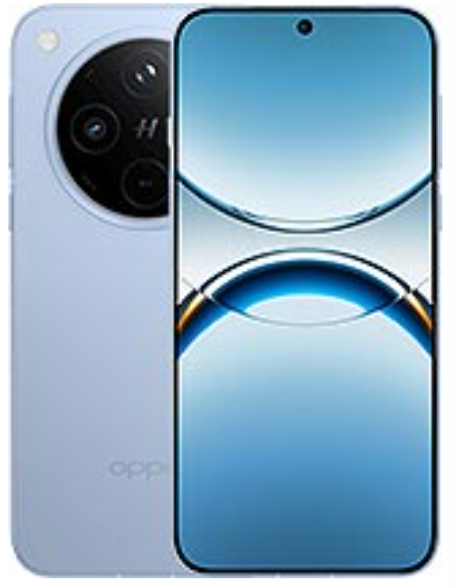
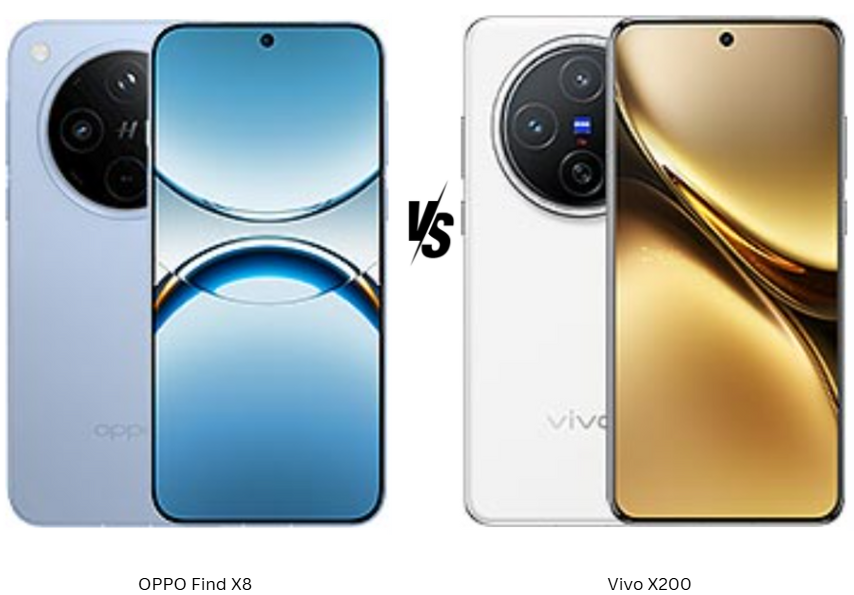
OPPO Find X8 and vivo X200 are premium smartphones packed with advanced features, targeting users seeking top performance, impressive cameras, and fast charging. With similar specifications but distinct highlights, each device caters to different preferences. This comparison delves into their differences to help you decide which suits your needs best.
Both the OPPO Find X8 and vivo X200 offer premium designs with glass backs and aluminum frames, contributing to a solid, high-end feel. However, the OPPO Find X8 features a Gorilla Glass Victus 2 front, offering improved durability over the vivo X200’s standard glass. In terms of display, both phones are equipped with stunning AMOLED screens, providing vibrant colors and deep blacks. The Find X8 stands out with its Dolby Vision and HDR10+ support, making it slightly superior for media consumption. Additionally, the Find X8’s display reaches an impressive 1600 nits in peak brightness, compared to the X200’s 4500 nits peak brightness. However, the X200’s 120Hz refresh rate and 1B color support are also great for smooth scrolling and vivid imagery.
Overall, while both displays are excellent, the OPPO’s combination of higher peak brightness and Dolby Vision gives it a slight edge for users who prioritize immersive content experiences.
2. Specifications
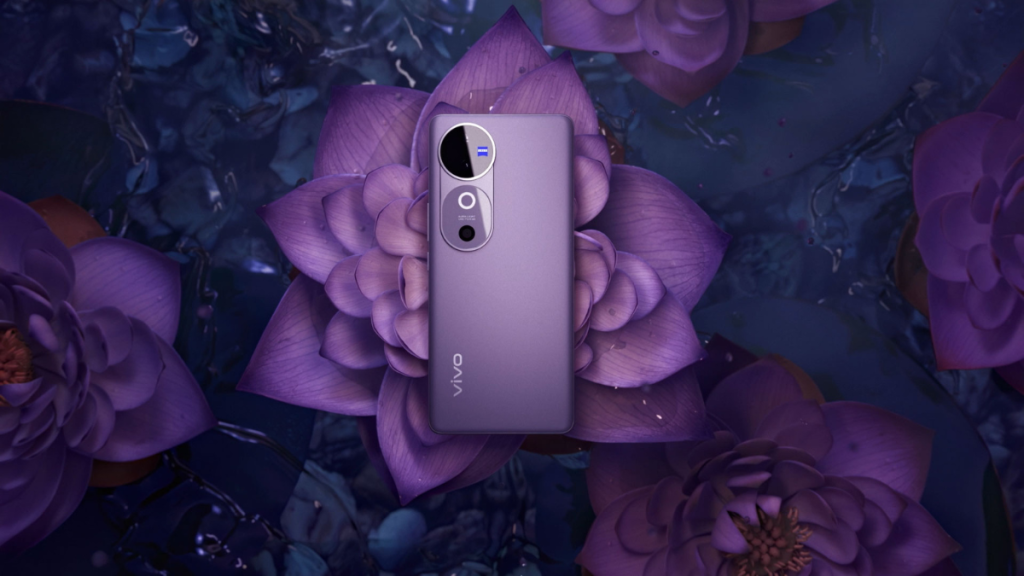
vivo X200
Both phones are powered by the MediaTek Dimensity 9400 chipset, ensuring top-tier performance and energy efficiency. They also come with ample memory and storage options, including UFS 4.0 for fast read/write speeds, and no card slot for expandable storage. The OPPO Find X8, however, offers more flexibility with higher RAM options, with up to 1TB of storage and 16GB of RAM, while the X200 maxes out at 512GB of storage. On battery performance, the Find X8 boasts a 5630mAh battery and supports 80W wired charging, compared to the X200’s 5800mAh and 90W charging. Despite the vivo’s slightly larger battery, the OPPO’s faster wired charging and efficient power management make it more appealing for power users. The X200 also offers reverse charging, a neat feature for those who want to share power, which the Find X8 lacks.
Overall, the OPPO has a slight advantage in charging technology, but the vivo’s reverse charging feature gives it a practical edge for some users.
3. Camera
Oppo Find X8
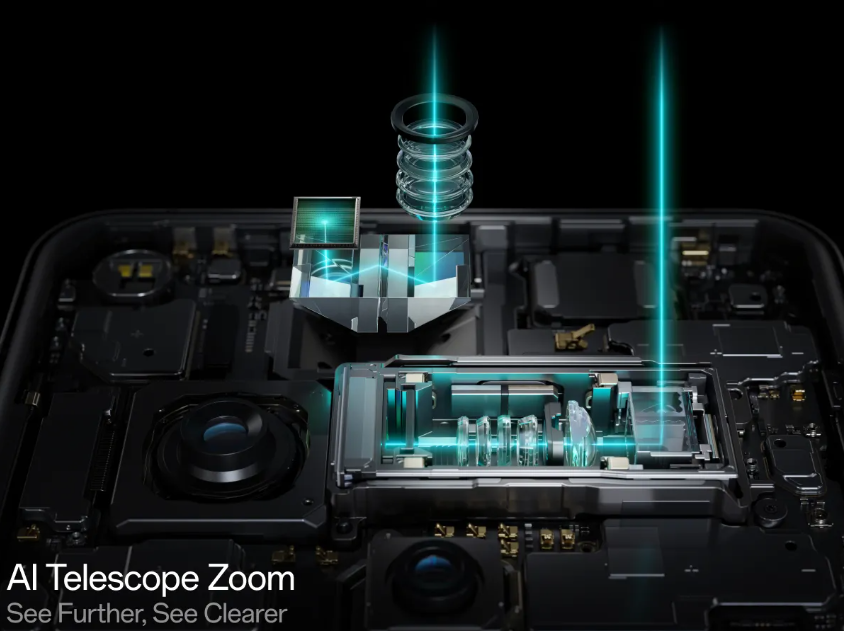
Both the OPPO Find X8 and vivo X200 offer remarkable triple camera setups with 50MP wide, 50MP periscope telephoto, and 50MP ultrawide sensors, making them excellent choices for photography enthusiasts. However, the Find X8 distinguishes itself with Hasselblad Color Calibration, promising more natural and accurate colors. It also supports 10-bit video and Dolby Vision for advanced video recording capabilities, making it ideal for users who value content creation.
The vivo X200, with Zeiss optics and T* lens coating, provides sharp and detailed images, especially in low light, but it lacks Dolby Vision support. Both devices capture 4K video at 30/60fps, but the OPPO’s superior video features may make it a better choice for vloggers or creators.
Ultimately, the Find X8’s combination of color accuracy, video capabilities, and camera processing makes it the better all-around option for serious photographers and videographers.
4. Pricing
Both phones are priced closely, with the OPPO Find X8 at approximately 550 EUR and the vivo X200 at 560 EUR. Despite the slight difference, they are positioned within the premium segment, offering flagship-level features at competitive prices. Given the shared specs, the OPPO Find X8 offers more value with its superior charging technology and additional RAM/storage options, which may appeal to power users and tech enthusiasts looking for the best in performance. The vivo X200 is priced slightly higher, but the inclusion of reverse charging and Zeiss optics may be more appealing to some users who prioritize a slightly different photography experience.
Overall, the price difference is minimal, but the OPPO Find X8’s overall package makes it a slightly better value in terms of performance and features.
The OPPO Find X8 shines with its Dolby Vision support, Hasselblad Color Calibration, and faster charging technology, making it a standout choice for content creators and those looking for superior multimedia capabilities. The 1TB storage option, coupled with up to 16GB of RAM, also gives the Find X8 a major advantage for power users who require more memory and space.
On the other hand, the vivo X200 offers reverse wired charging, a unique feature that allows users to share power with other devices. Additionally, the Zeiss optics and T* lens coating on the X200 enhance image quality, providing superior clarity and color accuracy, especially in low-light scenarios. For users who want a complete photography package with excellent zoom and low-light performance, the X200 may be more appealing.
Ultimately, the OPPO Find X8 is better for those seeking a more comprehensive flagship experience, but the vivo X200’s unique features will attract users who prioritize photography and reverse charging.
Huawei is gearing up for a major product launch on November 26, 2024. The event is expected to unveil a slew of premium devices, including the highly anticipated Mate 70 series, Mate X6 foldable phone, and the 4th generation Freebuds Pro earbuds.
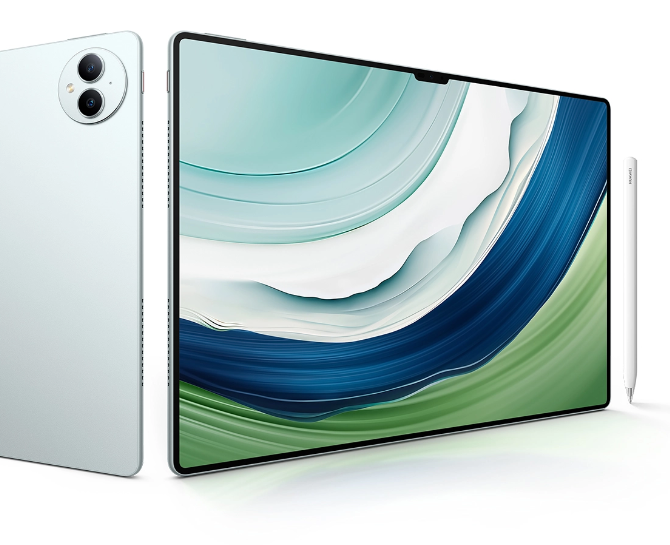
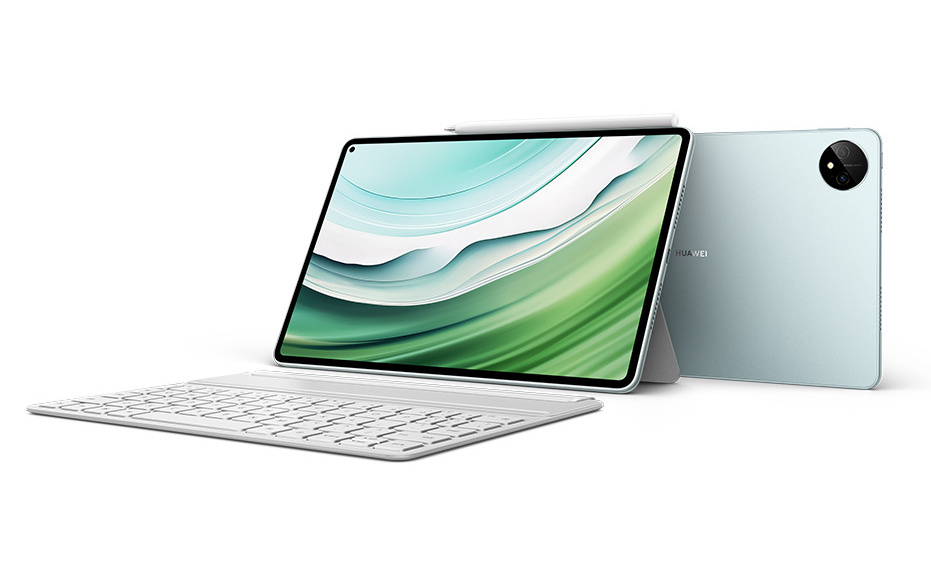
Huawei MatePad Pro 13.2
As per popular tipster Digital Chat Station, the event will also feature the introduction of the MatePad Pro 13.2, likely a second-generation model with a 2.8K 3:2 OLED display. The first-generation 13.2-inch MatePad Pro was launched in China in September 2023, powered by Huawei’s Kirin 9000s processor. The new version could include an upgraded SoC, potentially the Kirin 9010 or the upcoming Kirin 9100 chip. The Kirin 9100 was recently revealed to be built on a 6nm process with a Cortex-X1 core clocked at 2.67 GHz. While detailed specifications of the new tablet are not yet available, its predecessor provides a glimpse of what might be expected.
Huawei MatePad Pro 13.2 specifications
The Huawei MatePad Pro 13.2 boasts a 13.2-inch OLED display with ultra-narrow 3.4mm bezels, achieving an impressive 94% screen-to-body ratio. The display features a 2880 x 1920 pixels resolution, a 144Hz refresh rate, a 3:2 aspect ratio, and HDR support. It weighs 580g and measures just 5.5mm thick.
Under the hood, the MatePad Pro 13.2 is powered by the Kirin 9000s chipset and a 10,100mAh battery with 88W fast charging support. It offers up to 16GB of LPDDR4x RAM and 1TB of UFS 3.1 storage. The tablet runs on HarmonyOS 4.0 and is equipped with six speakers.
The device includes Huawei’s StarLight technology and supports the Huawei M-Pencil (3rd generation) stylus, which provides 10,000 levels of pressure sensitivity for precise writing and drawing. Camera features include a 16MP front camera paired with a 3D ToF sensor and a dual rear camera setup comprising a 13MP main sensor and an 8MP ultra-wide sensor.
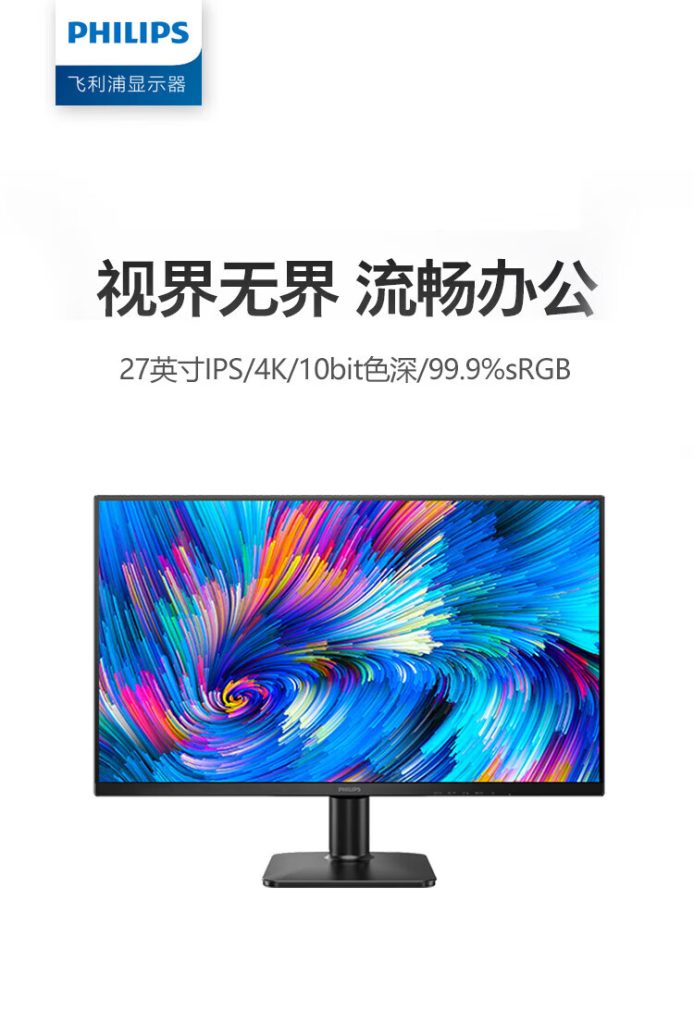
Philips has launched a new 4K monitor called 27E2N1800 in the Chinese market. It is priced at 1,089 Yuan ($150) and is now available on JD.com. Let’s check out its key specs.
Philips 27E2N1800 Monitor Specifications
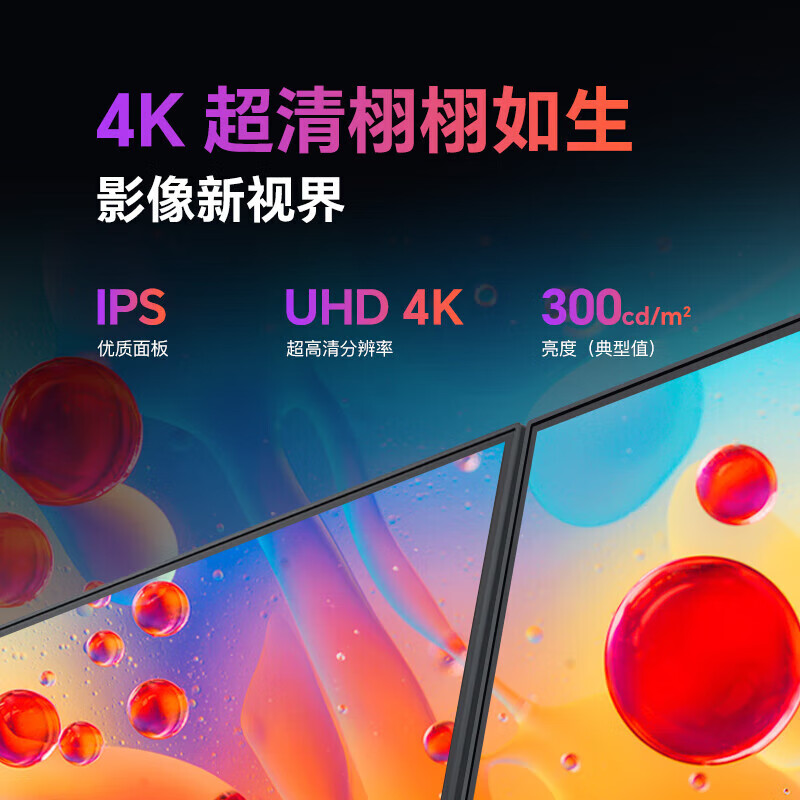
The monitor features a 27-inch 4K UHD IPS panel with a 3840×2160 resolution and a basic 60Hz refresh rate. It sports a brightness level of 300 nits brightness, a high static contrast ratio of 1000:1, and a quick 4ms response time for smooth visuals, making it suitable for multitasking, casual gaming, and professional work.
The monitor comes with a micro-bezel design, maximizing the screen-to-body ratio for a seamless viewing experience. The matte-finish back cover and arc-shaped edges add a touch of elegance, ensuring the monitor complements modern office or home setups.
The monitor equips a 99% sRGB color gamut and 109% NTSC color gamut, ensuring accurate and vibrant colors, ideal for creative professionals. It supports 10-bit (8-bit + FRC) color depth, delivering up to 1.07 billion colors for smoother gradients and precise image rendering.
It includes a LowBlue Mode and Flicker-Free technology, reducing harmful blue light and screen flickering, offering better eye protection during extended use. The monitor also features an Easy Read mode, which mimics the appearance of paper to reduce eye strain while reading long documents or e-books.
It supports VESA mounting with a 100x100mm pattern, allowing easy wall or dual-screen installations for versatile workspace setups. However, the wall mount bracket is not included and needs to be purchased separately.
The monitor comes with multiple connectivity options, including two HDMI 2.0 ports and one DisplayPort 1.4, ensuring compatibility with a range of devices. It weighs approximately 3.28 kg with its stand and 2.92 kg without it.
The Philips 27E2N1800 is environmentally friendly, featuring 100% recyclable packaging and compliance with China RoHS. It contains no mercury and meets CECP, CCC, and CEL standards, promoting sustainable usage.
Earlier this year, Philips also unveiled the ProPix Projectors, featuring high brightness and quiet operation tailored for businesses and schools, along with the NeoPix 750 Projector, offering Full HD resolution, smart streaming capabilities, and a compact design priced at £399.
In a significant move for the Indian smartphone market, Xiaomi has announced that it will phase out its GetApps store and replace it with the Indus Appstore, powered by PhonePe. The transition is set to take effect from January 2025, impacting all Xiaomi, Redmi, and Poco devices sold in India.
Xiaomi’s GetApps to Be Discontinued in India
GetApps, often criticized for its aggressive advertising and system bloat, has been a point of contention among Xiaomi users. The shift to the Indus Appstore is seen as a strategic move by Xiaomi to enhance user experience and comply with evolving regulatory norms.
The Indus Appstore, launched earlier this year, is an Android-based app marketplace that aims to offer a more localized and user-friendly experience for Indian consumers. It will provide access to a wide range of apps and games, including popular titles and regional offerings. Currently, it has more than over 200,000 apps and games across 45 categories.
It supports 12 Indian languages as well. PhonePe’s integration with the app store will enable seamless payments and other digital services. The transition will be seamless for users as it will occur through system updates. GetApps will no longer be preloaded or supported on any Xiaomi devices in India, whether new or existing.
While the transition to the Indus Appstore is expected to bring several benefits, including a cleaner user interface and potentially fewer ads, some users may have concerns about the potential for data privacy issues and the overall performance of the new app store. It remains to be seen how well the Indus Appstore will perform in comparison to the Google Play Store, which is the dominant app store in India.
Xiaomi plans to launch a variety of smartphones in India in 2025, covering flagship to budget segments. The Xiaomi 15 series, including the Xiaomi 15 Ultra, is expected by March, while the Redmi Note 14 series is set for early 2025. Budget options like the Redmi A4 and Redmi 14 are also anticipated to cater to entry-level buyers. Rumors hint at a Xiaomi 15 Civi launch mid-year.
As Xiaomi continues to expand its presence in the Indian market, this strategic partnership with PhonePe is a significant step towards strengthening its position and meeting the evolving needs of its customers.
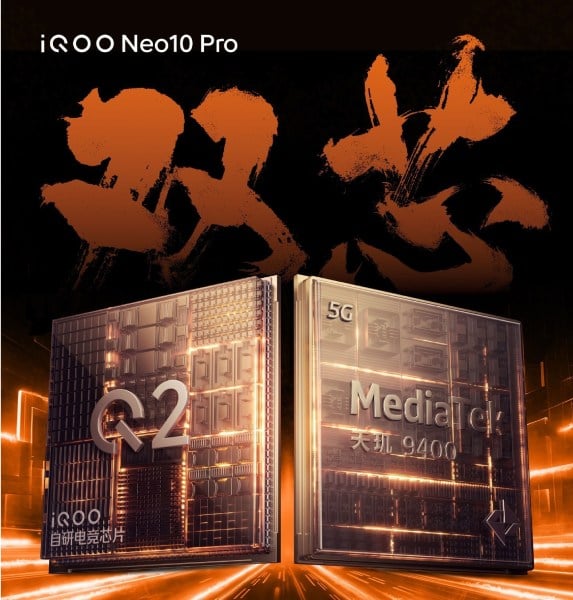
iQOO has yet to announce the official launch date for the Neo 10 series but continues to reveal details about the upcoming phones. Following the recent design reveal, iQOO confirmed on Weibo today that the Neo 10 Pro will run on the MediaTek Dimensity 9400 chipset.
The leaks already pointed to the Dimensity 9400 powering the Neo 10 Pro, so this announcement comes as no surprise. Built on TSMC’s advanced 3nm process, the Dimensity 9400 features a 1 + 3 + 4 CPU configuration.
It includes a high-performance Cortex-X925 core clocked at 3.63GHz, three Cortex-X5 cores reaching up to 3.3GHz, and four energy-efficient Cortex-A720 cores running at 2.4GHz.
The Dimensity 9400 features the Immortalis G925 GPU, which reportedly delivers 41% performance improvement compared to its predecessor. Gamers will also appreciate the 40% faster ray tracing capabilities and a 44% improvement in power efficiency.
Supported by in-house chip
iQOO isn’t leaving gaming performance to chance, though. The Neo 10 Pro will also sport the “Q2” chip, familiar from the iQOO 13 series. This dedicated chip kicks in during intense tasks like gaming to further optimize the experience.
It’s worth noting that the Neo 10 Pro likely won’t be alone in the series. As with past Neo releases, iQOO is rumored to offer a standard Neo 10 packing a Qualcomm Snapdragon 8 Gen 3 chipset.
iQOO Neo 10 series
iQOO has also shared a few other key details about the Neo 10 series. Both the Pro and standard variants will feature a substantial 6,100mAh battery, impressive for devices expected to maintain a slim 7.99mm profile.
Finally, iQOO confirms the Neo 10 series will launch with OriginOS 5, the latest iteration of its custom Android skin. With the launch expected by the end of the month, the wait for the official unveiling and a closer look at the Neo 10 series shouldn’t be much longer.
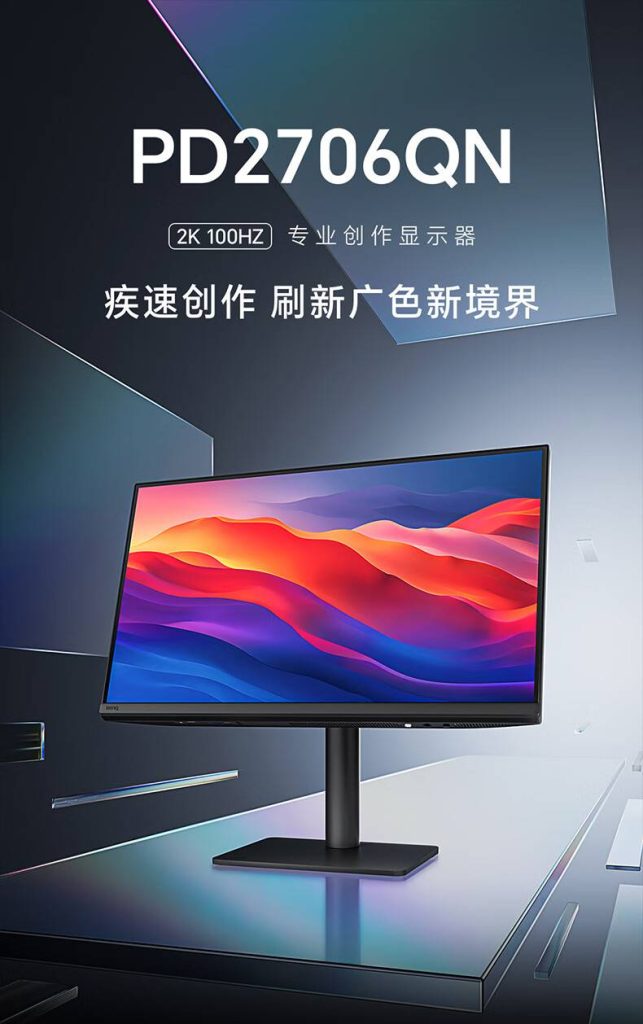
BenQ has introduced the PD2706QN, a new monitor designed for professionals. The monitor is priced at 3,099 yuan ($428) and is now available in China on JD.com. Let’s check out its key specs.
BenQ PD2706QN Specifications
The BenQ PD2706QN comes with a 2K display (2560×1440) with a 100Hz refresh rate, delivering smoother visuals compared to traditional 60Hz monitors. The monitor is equipped with a Nano Matte panel, which reduces glare with a specialized coating, providing a distraction-free and precise color experience. It is certified by TÜV Rheinland for anti-reflective performance, ensuring comfortable long-term usage.
It comes with AQCOLOR technology for accurate color calibration, adhering to professional industry standards. The monitor is factory-calibrated and verified for precise color output, ensuring it’s ready to use out of the box.
It supports a wide range of color gamuts, including 95% DCI-P3, Display P3, 100% sRGB, and Rec.709, making it ideal for professional designers. The M-Book mode is specifically designed for Mac users, seamlessly adapting Apple’s color ecosystem for consistent visuals across devices.
The PD2706QN sports ICCSync technology, enabling quick and automatic color profile adjustments when switching between color gamuts. It comes with the integrated Palette Master Ultimate (PMU) software that supports calibration using a colorimeter, allowing users to maintain color accuracy effortlessly.
The monitor features four preset design modes: Darkroom mode for enhanced brightness and contrast in low-light environments, Animation mode for improved shadow detail, CAD/CAM mode for sharper lines and shapes, and DualView mode for side-by-side comparison of two color settings.
In terms of ports, it comes with Type-C connectivity, enabling a single-cable solution for video, audio, and data transmission, while providing 90W power delivery for devices like laptops and tablets. It also features KVM functionality, allowing one set of peripherals to control two systems.
The monitor sports ergonomic adjustability with height, tilt, pivot, and swivel options for optimal comfort. Additionally, it includes eye-care technologies, such as Flicker-Free and Low Blue Light modes, certified by TÜV Rheinland, to reduce strain during prolonged use.
In related news, ViewSonic has unveiled a new 27″ 4K monitor featuring a 165Hz QD-MiniLED display, 1200 nits brightness, and a 1ms GTG response time. Additionally, MSI has launched a 49″ QD-OLED curved gaming monitor boasting a 240Hz refresh rate and an ultra-fast 0.03ms GTG response time.
Motorola is the only brand among foldable phone manufacturers that has yet to launch a book-style or horizontally foldable phone. So far, the brand has launched multiple generations of Razr-branded flip-style foldables, capturing the nostalgia and attention of users who fondly remember the original Razr phones. While the Razr has its own charm, it’s high time Motorola considered expanding its foldable horizons with a book-style foldable phone. Here’s a wishlist of features and design elements that could make a Motorola book-style foldable a true contender in the market:
The hinge is the heart of any foldable phone, and Motorola needs to nail it. A robust hinge mechanism that ensures smooth opening and closing while being durable enough to withstand thousands of folds is crucial. Ideally, it should offer multiple viewing angles for enhanced versatility, allowing users to prop the phone up for hands-free video calls or watching content. Taking inspiration from the “Flex Mode” hinge on Samsung’s foldables would be a good starting point.
2. Large and Immersive Main Display
A book-style foldable thrives on its expansive main display. Motorola should aim for a screen size of at least 7.6 inches, with minimal bezels and a high refresh rate for smooth visuals. An AMOLED panel with vibrant colors and deep blacks would further enhance the viewing experience. Support for HDR10+ and Dolby Vision would be the cherries on top, delivering stunning visuals for movies and games.
3. Functional Cover Display
Unlike the clamshell design, a book-style foldable offers the advantage of a cover display. This secondary screen should be large enough to provide meaningful functionality, allowing users to check notifications, control music playback, and even reply to messages without unfolding the phone. A panel size of around 6.2 inches would strike a good balance between usability and compactness.
4. Powerful Performance
No foldable phone is complete without flagship-level performance. Motorola should equip its book-style foldable with the latest Snapdragon 8 series processor, paired with ample RAM and storage. This would ensure smooth multitasking, lag-free gaming, and a seamless user experience across the board.
5. Versatile Camera System
Motorola has a history of delivering capable camera systems, and its book-style foldable should be no exception. A triple-camera setup with a high-resolution primary sensor, an ultra-wide lens, and a telephoto lens would cater to a wide range of photography needs. Strong low-light performance and advanced image processing capabilities would further elevate the camera experience.
6. Long-Lasting Battery Life
Foldable phones demand more power due to their larger displays and complex hinge mechanisms. Motorola should prioritize battery life by incorporating a sizable battery, ideally around 5000mAh. Support for fast charging and wireless charging would add to the convenience.
7. Clean Software Experience
Motorola has always been known for its clean and intuitive software experience. The brand should build upon its near-stock Android approach, optimizing it for the unique form factor of a book-style foldable. Features like split-screen multitasking, drag-and-drop functionality, and app continuity should be seamlessly integrated to enhance productivity and user experience.
8. Stylus Support
The Motorola Edge+ 2023 came with support for a stylus, although it lacked a dedicated storage slot for the accessory. To address this, Motorola offered a stylus + folio bundle, allowing users to store the stylus alongside their device. Currently, stylus support is limited among foldable phones, with Samsung being the only major brand to offer this feature. The idea of incorporating stylus support into a potential Motorola horizontally foldable phone is particularly exciting.
With its expansive internal display, a foldable device could offer an enhanced and versatile experience for productivity, creative tasks, and more. Motorola could potentially adopt the same strategy as the Edge+ and provide a stylus and folio bundle, which would provide users with a convenient way to store and carry the stylus, thereby complementing the device’s unique form factor.
9. Touch of Motorola’s Design DNA
While foldable phones are inherently premium devices, competitive pricing is crucial for mass adoption. Motorola should aim to position its book-style foldable strategically, offering a compelling value proposition compared to its rivals.
10. Competitive Pricing
Motorola should infuse its book-style foldable with its signature design elements, such as the iconic “batwing” logo and a sleek, minimalist aesthetic. A focus on premium materials and build quality would further enhance the phone’s appeal.
11. Catchy Name
While most foldable phones follow a clear naming convention with the word “Fold” included, such as the Samsung Galaxy Z Fold 6, Google Pixel 9 Pro Fold, Xiaomi Mix Fold 4, and Vivo X Fold 3 Pro, some brands have chosen more unique monikers for their foldable devices. OnePlus, for example, named its foldable the OnePlus Open, while Oppo’s foldable is called the Oppo Find N3, and Honor opted for the Honor Magic V3. These names break away from the typical foldable convention and offer a fresh branding identity.
In contrast, Motorola has consistently used the Razr name for its flip-style foldables. If the brand ventures into the book-style foldable market, it could continue to leverage the Razr branding to maintain its identity and recognition. r. Here are a few potential names that build upon the Razr legacy: Motorola Razr Fold, Razr Unfold, Razr Expand, and Razr Note.
Realme GT 7 Pro was announced earlier this month in China as the most affordable Snapdragon 8 Elite phone. On Nov. 26, the device will be unveiled to the global market. One of the major highlights of the GT 7 Pro is its massive battery, which is higher than any other Snapdragon 8 Elite phone available in the Chinese market. A new development reveals that the battery size of the GT 7 Pro’s global version will be smaller than its Chinese edition.
Global Realme GT 7 Pro’s battery size revealed
Global Realme GT 7 Pro’s battery size
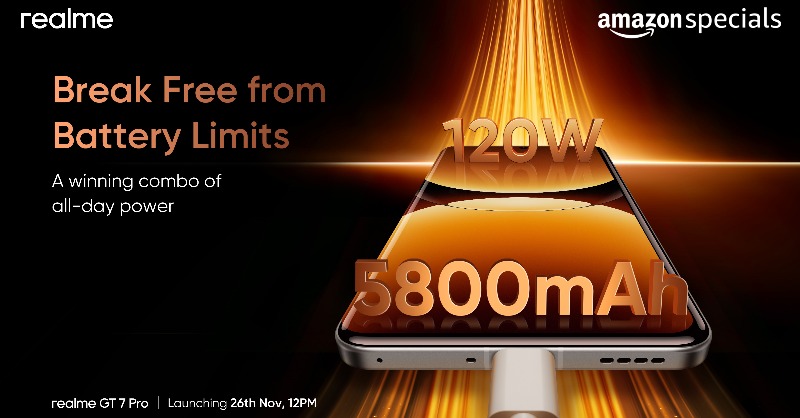
As confirmed by the brand, the Realme GT 7 Pro heading to the global market, including India, will have a 5,800mAh battery. In comparison, the Chinese model packs a much bigger 6,500mAh battery. Like the Chinese variant, the global version supports 120W fast charging.
This is not the only phone that comes with a reduced battery size. The Chinese version of the iQOO 13, which was announced last month, packs a 6150mAh battery. On the other hand, its Indian variant will house a smaller 6,000mAh battery.
There is no official statement from Realme or iQOO on why the global versions of their upcoming flagship phones have smaller batteries compared to their Chinese counterparts. The Chinese iQOO 13 weighs around 207 to 212 grams, whereas the Realme GT 7 Pro available in China weighs 223 grams. Reduced battery size on their global variants would possibly allow them to keep the weight under 200 grams.
Additionally, several factors could account for the differences in battery capacities between the Chinese and global editions of the iQOO 13 and Realme GT 7 Pro. Market preferences, regulatory requirements, and usage patterns can vary by region, influencing the design and specifications. Moreover, component availability, supply chain logistics, and regional certification standards can impact battery sizes.
Xiaomi is expected to launch the Redmi K80 series smartphones by the end of this month. And a new leak from Weibo tipster Experience More has now revealed the specs of both the Redmi K80 and K80 Pro smartphones.
Redmi K80
The base Redmi K80 is expected to pack a Qualcomm Snapdragon 8 Gen 3 processor, which is still a powerhouse chip despite not being the absolute latest. The display is rumored to be a 2K Huaxing LTPS panel with a flat design as its predecessor.
The camera system on the back will reportedly include a 50MP Omnivision OV50 main sensor coupled with an 8MP ultrawide and a 2MP macro lens. The front-facing camera is tipped to be a 20MP Omnivision OV20B sensor.
Alleged Redmi K80 real-life image
In terms of battery life, the K80 boasts a sizeable 6500mAh capacity, which, paired with the expected 90W fast charging, should keep you powered through the day and well into the night.
Security will be handled by an ultrasonic fingerprint sensor embedded under the display. The phone is also said to sport a metal middle frame for a premium feel, with Dragon Crystal Glass on the front and back, and an IP68 rating for dust and water resistance.
Redmi K80 Pro
Now, let’s move on to the K80 Pro. Here’s where things get a bit more exciting. The Pro variant is rumored to be equipped with the absolute top-of-the-line Qualcomm Snapdragon 8 Elite processor. The display remains a 2K Huaxing LTPS panel, sticking with the flat design.
The camera setup on the Pro takes a step up, with a 50MP main sensor (again, Omnivison OV50) joined by a much higher-resolution 32MP ultrawide ISOCELL KD1 sensor and a 50MP ISCOELL JN5 telephoto lens with 2.6x optical zoom. The front-facing camera remains the same 20MP sensor as the standard K80.
As for the battery, it is rumored to be of 6000mAh capacity. However, it’s compensated for by the inclusion of both 120W wired fast charging and 50W wireless charging.
The rest of the package – the ultrasonic fingerprint sensor, metal middle frame, Dragon Crystal Glass build, and IP68 rating – seems identical to the standard K80.
Oppo has confirmed that it will hold its next launch event on Nov. 25 in China. The Reno 13 series will succeed the Reno 12 lineup, which went official in May of this year. At the same time, the Reno 13 Pro has also emerged in the Geekbench benchmarking platform database, revealing its chipset and other details.
Oppo Reno 13 series launch date
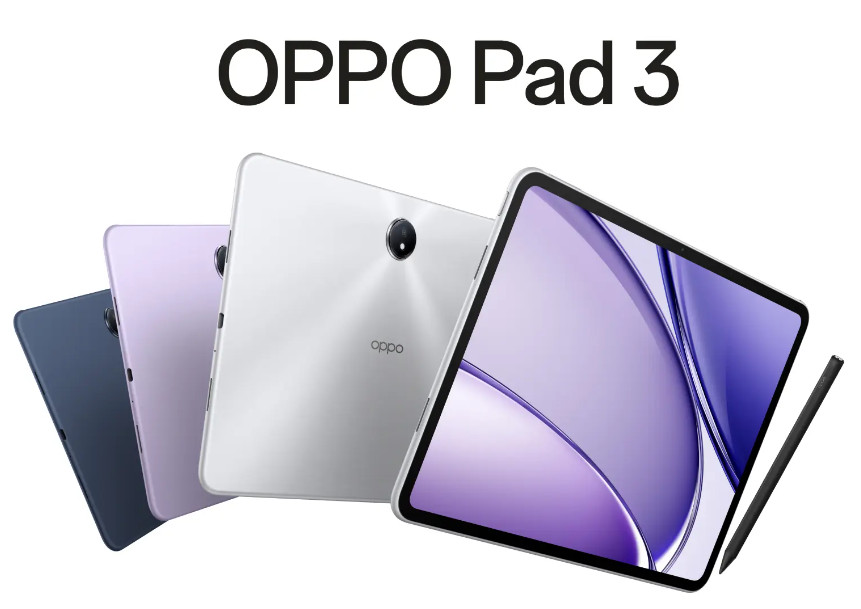
Oppo’s upcoming launch event will also showcase multiple products, such as the Pad 3 tablet and the Enco R3 Pro TWS. While the brand has already revealed the design, color options, and configurations of the Pad 3, it is yet to reveal anything about the Reno 13 lineup.
Reno 13 seriesOppo Enno R3 ProOppo Pad 3
However, the Reno 13 series is available for blind pre-orders through multiple online channels in China. Rumors suggest that the Honor 300 series and the Vivo S20 lineup, expected to launch in the country by the end of this month, will compete with the Reno 13 lineup.
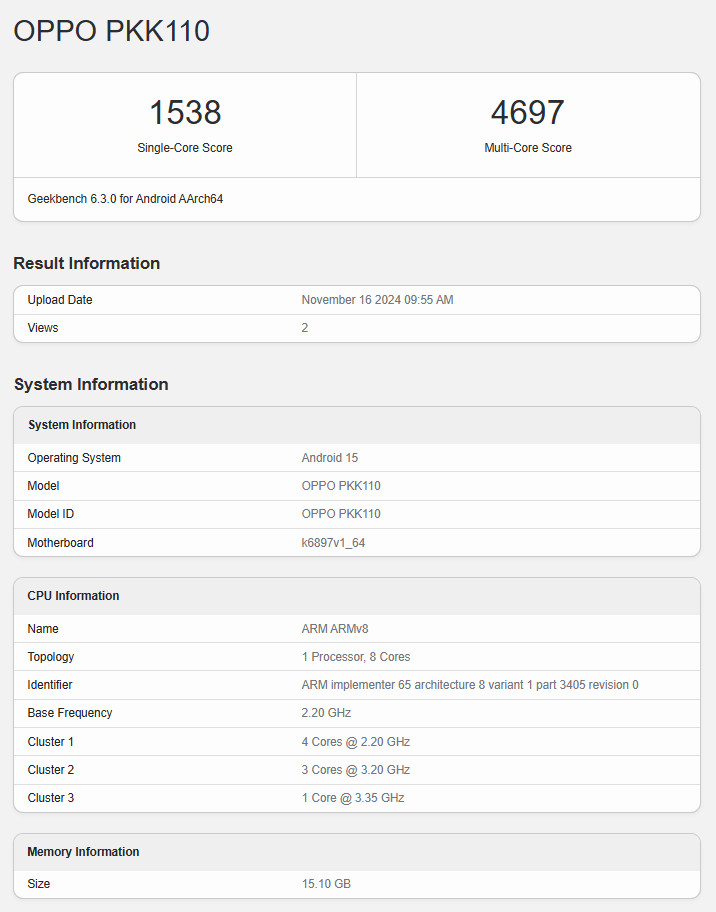
Oppo Reno 13 Pro Geekbench listing
A new Oppo phone with model number PKK110 has emerged in the database of the Geekbench benchmarking platform. Reports have revealed the global version of the Reno 13 Pro has the CPH2697 model number. Likely, the PKK110 could be the Chinese variant of the Reno 13 Pro.
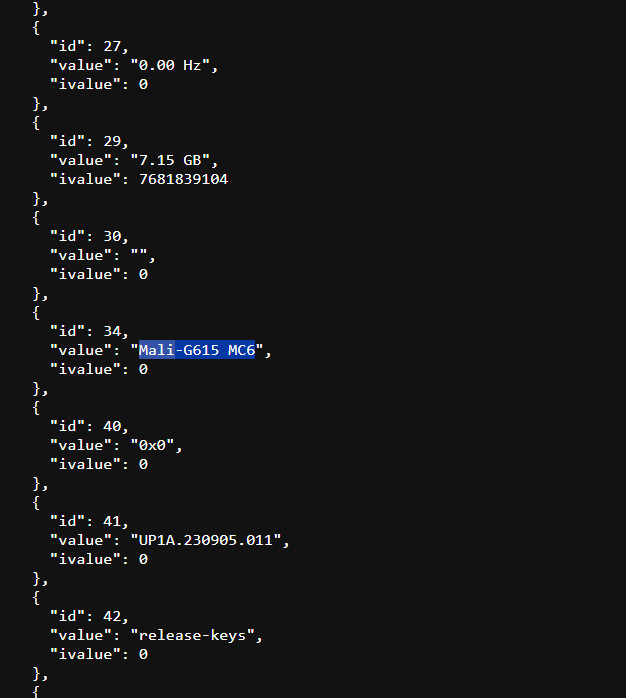
There have been reports that the Reno 13 Pro will be the first phone to feature the upcoming Dimensity 8350 chipset. However, the Geekbench listing’s CPU and GPU details indicate that the Reno 13 Pro might come with the Dimensity 8300. Therefore, there is a possibility that the device may feature either the Dimensity 8300 or the new Dimensity 8350, with the latter possibly having configurations identical to the Dimensity 8300 but with additional enhancements.
The Geekbench listing further reveals that the Reno 13 Pro is equipped with 16 GB of RAM and Android 15. A recent report revealed that the Pro model is equipped with a 6.83-inch OLED panel with a micro-quad-curved design, a 50-megapixel front camera, a 50-megapixel (main) + 8-megapixel + 50-megapixel (telephoto) triple camera setup, 16 GB of RAM, 1 TB of storage, a 5,900mAh battery with 80W or 100W charging, wireless charging support, a metal middle frame, eSIM support, and an IP68/69 rated chassis.
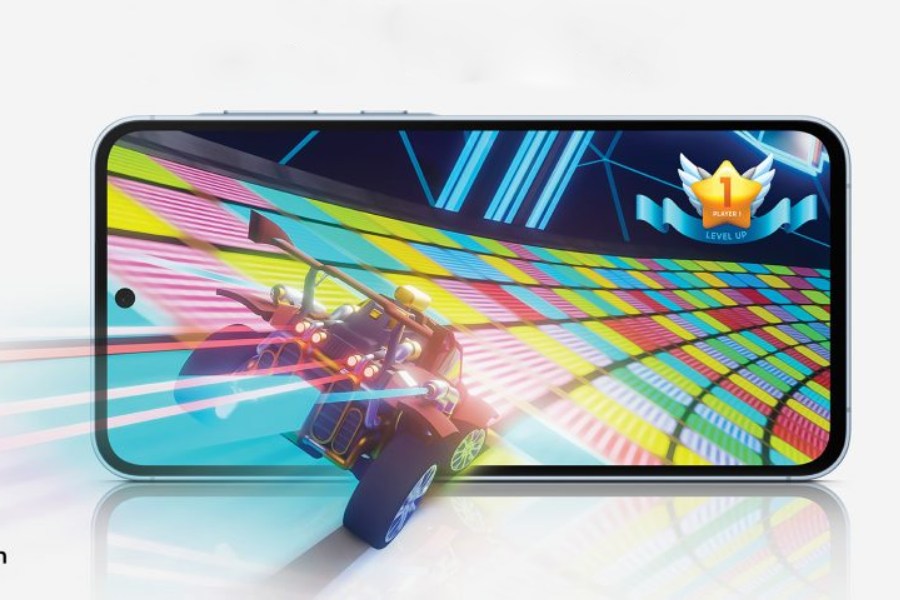
Samsung‘s Galaxy line of smartphones consistently ranks among the top contenders in the Android market. They offer gorgeous displays, great cameras, and a reliable software experience.
However, when it comes to gaming, the experience isn’t as seamless. While Samsung phones are undeniably capable, there are factors to consider that might influence your decision, particularly when compared to some competitors.
This article dives into some of the factors that can contribute to a less-than-ideal gaming experience on Samsung phones. It’s important to note that these are not inherent flaws, but rather areas where competitors might currently hold an edge.
One of the biggest concerns for mobile gamers is thermal throttling. When a phone pushes its processing power for extended periods, like during intense gaming sessions, it generates significant heat. If not adequately managed, this heat can lead to performance drops as the phone throttles back its processing speed to prevent overheating.
Several Chinese OEMs (Original Equipment Manufacturers) have incorporated innovative cooling systems to address this issue. These can include vapor chambers, multi-layer graphite sheets, and even dedicated cooling fans in some gaming phones.
While Samsung utilizes thermal management solutions, they might not be as aggressive as the ones found in some competitor devices. This could lead to more frequent thermal throttling in Samsung phones during demanding games, resulting in frame rate drops and a less smooth gaming experience.
2. Less-focused software optimization
Software optimization is a crucial aspect of mobile gaming. A well-optimized phone can squeeze maximum performance out of its hardware, ensuring smooth gameplay.
Unfortunately, Samsung’s software optimization for gaming hasn’t always been stellar. This isn’t to say it’s always bad, but compared to some competitors who offer dedicated gaming modes with resource management tweaks, Samsung’s approach feels less focused.
While features like Game Booster exist, they often feel like surface-level solutions. Gamers crave deeper control over how their phone allocates resources during intense gaming sessions. This lack of granular control can lead to situations where the phone juggles background tasks and the game itself, potentially impacting performance.
3. Touch sampling rate
The touch sampling rate measures how frequently a phone’s display registers touch input. Higher rates result in faster, more responsive touch detection, which is crucial for reaction-heavy mobile games.
Some high-end gaming phones from Chinese OEMs feature crazy touch sampling rates of over 2000Hz. While Samsung excels in providing high refresh rates, its touch sampling rates fall behind across its lineup.
For instance, the Galaxy S24 Ultra, Samsung’s flagship, maxes out at 240Hz, with no Samsung phones exceeding this rate. And there are no Samsung phones that offer a touch sampling rate higher than this. In contrast, even mid-range devices from Xiaomi like the Redmi K70 Pro boast an impressive 2160Hz touch sampling rate.
This disparity doesn’t make Samsung phones unplayable but might put them at a slight disadvantage in competitive gaming, where every millisecond matters. However, the touch sampling rate is only one aspect of touch responsiveness—overall display latency also plays a significant role.
4. The Missing Piece: A Dedicated Gaming Ecosystem
Dedicated gaming phones from brands like Asus and Red Magic create a full ecosystem designed for serious mobile gamers. These devices often include hardware add-ons like clip-on controllers and cooling fans to elevate the gaming experience.
In contrast, Samsung lacks such dedicated accessories or built-in gaming-focused features. This lack of a dedicated gaming ecosystem can leave Samsung phones feeling like generic high-powered devices, not specifically designed with the hardcore gamer in mind.
While some users rely on third-party accessories as a workaround, these solutions fall short compared to a manufacturer-backed approach.
5. The Verdict
Samsung phones are undoubtedly powerful and capable of handling even the most demanding mobile games. However, compared to some Chinese OEMs, they may fall short in areas like thermal management, game-specific software optimization, and consistently high touch sampling rates. The absence of dedicated hardware features for gaming can also be a drawback for certain users.
These aspects are crucial for hardcore mobile gamers. However, it’s worth noting that smartphone manufacturers design their devices to appeal to a broader audience. Samsung offers a well-rounded phone experience that caters to various user needs, including gaming, but it might not be laser-focused on maximizing every aspect of this particular segment.
Ultimately, the right choice depends on your priorities. If gaming is your top concern, you might prefer a phone with advanced cooling, optimized software, and the highest touch sampling rates. On the other hand, if you’re looking for a flagship device that excels across multiple areas—not just gaming—a Samsung Galaxy phone remains a strong contender.
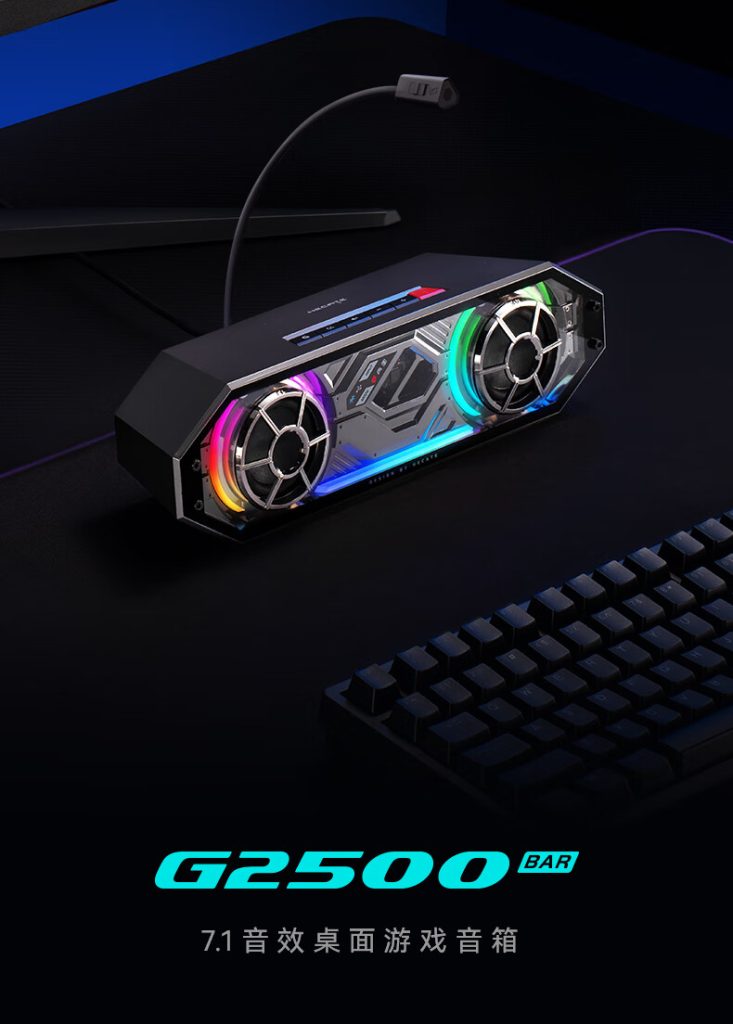
Edifier has launched its new desktop gaming speaker called Hecate G2500bar in the Chinese market. The speaker is priced at 299 yuan ($41) and is now available on JD.com. Let’s check out its key specs.
Edifier Hecate G2500bar Specifications
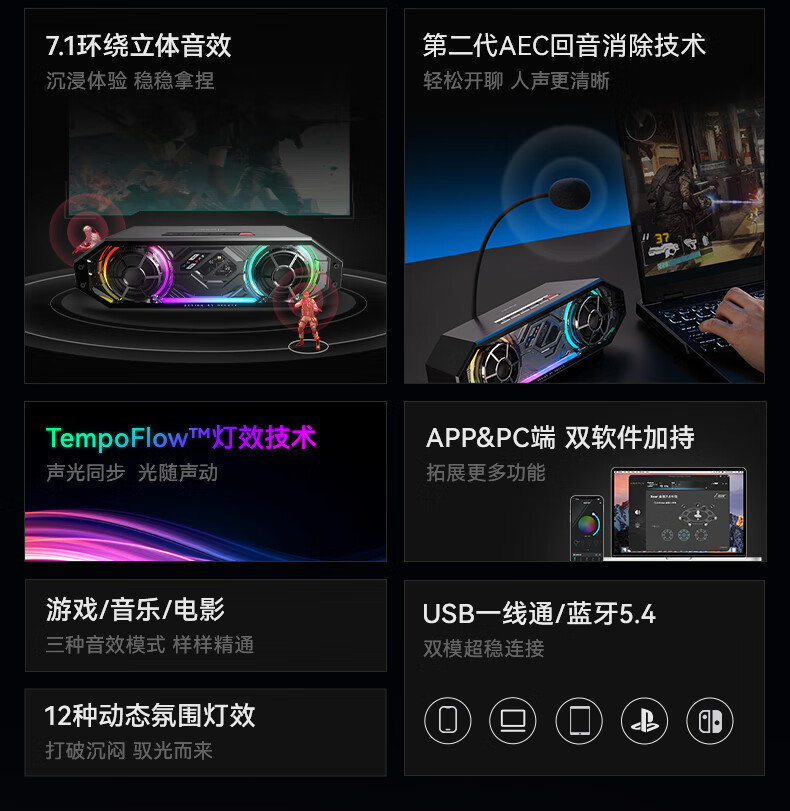
The Edifier G2500 gaming soundbar features a compact design, reducing its length by approximately 30% compared to traditional soundbars. This makes it suitable for small desktops without taking up much space. It comes with 53mm dual full-range neodymium magnetic drivers paired with a dual reflex tube acoustic system, delivering rich and immersive sound with powerful bass.
The soundbar equips second-generation Acoustic Echo Cancellation (AEC) technology, which ensures crystal-clear communication by eliminating echo during voice chats. Additionally, it sports an integrated DSP chip for precise audio processing, offering three sound modes: gaming, music, and movies. The device supports 7.1 virtual surround sound, enhancing immersion with a professional-grade sound field and accurate audio positioning.
It features TempoFlow RGB lighting technology, providing 12 dynamic lighting effects synchronized with sound, creating a visually engaging experience. Users can personalize these effects through the Hecate Connect Center software on PC or the Edifier Connect App on mobile devices.
The G2500 comes with dual connectivity options, including USB sound card and Bluetooth 5.4, ensuring compatibility with multiple devices such as smartphones, tablets, PCs, PS4/PS5, and Nintendo Switch. The soundbar sports a plug-and-play detachable microphone with AI noise reduction and anti-feedback technology for clear voice capture, adjustable based on user preference.
It features a 5° tilt angle design, optimizing audio delivery to reduce sound wave reflection and ensuring a direct sound path to the listener’s ears. Additionally, it includes a physical button interface for volume control, light mode switching, anti-slip feet, and a convenient one-click mute option.
The speakers deliver R/L 2.5W + 2.5W power and operate within a frequency range of 90Hz to 15kHz. The system ensures minimal noise with a sound level of ≤20dB (A) and a signal-to-noise ratio of ≥85dB (A). In terms of design, it comes with a sleek cyber-mechanical aesthetic with sharp lines and a semi-transparent front panel. It is available in two colors: Cosmic Grey and Pearl White.
In related news, EarFun has launched the UBOOM X speaker, offering an 80W output, an IP67 rating, and up to 30 hours of playback. And if you’re passionate about console gaming, you might be curious to explore whether the Nintendo Switch 2 can rival Sony’s PS5 Pro.
We uploaded an unboxing and hands-on video of the Xiaomi 15 series on YouTube shortly after its launch. Following that, we shared a full review of the Xiaomi 15, which we think is a strong contender among compact flagships.
Now, our review of the Xiaomi 15 Pro is also live on YouTube. We chose the silver version for review, but it seems that might not have been the best choice.
It’s the flagship you want
For those unfamiliar, the Xiaomi 15 Pro comes in classic colors like Spruce Green, Rock Grey, and White, along with a Bright Silver edition, which we chose for our review.
However, its back has a highly glossy finish, making it unsurprisingly a fingerprint magnet. We recommend avoiding the silver version of the Xiaomi 15 Pro for this reason.
The phone features a 6.73-inch AMOLED display with flagship-grade specs, including a 120Hz refresh rate, 2K resolution, and 1920Hz PWM dimming. While it’s not the best display on the market, it’s more than adequate for content consumption and everyday use.
Powered by the Snapdragon 8 Elite chip, the Xiaomi 15 Pro outperforms the Xiaomi 14 Pro in various s, including Genshin Impact. What’s particularly impressive is its efficiency: the Xiaomi 15 Pro uses less power to run its display compared to the standard Xiaomi 14. It reportedly consumes 4.42W per second, whereas the Xiaomi 14 Pro consumes 6.17W per second.
This efficiency, combined with the phone’s massive 6,100mAh battery—the largest in a Xiaomi device—makes it highly durable. The camera performs well overall, but there’s room for improvement Check out our video review above for a detailed look at the pros and cons of the Xiaomi 15 Pro.
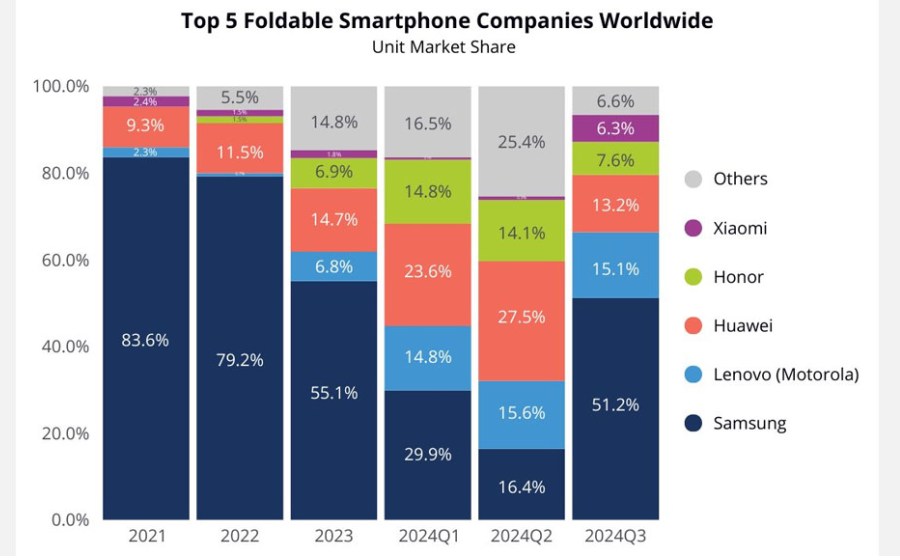
Huawei has secured a foothold in the top 3 of the global foldable phone market for Q3 2024, according to a recent report by IDC. That’s a notable comeback for the Chinese tech giant, despite a lack of recent overseas launches in the foldable space.
Landing at 13.2% market share, Huawei’s performance hinges largely on its success within the domestic Chinese market. While the company hasn’t launched new foldable devices internationally for some time, its flagship offerings within China seem to have paid off.
Additionally, the company’s flagship, Mate XT (review), has captured significant consumer attention in the mainland. Huawei’s tri-fold phone is set to launch globally soon. This innovative device has already piqued the interest of international consumers and could drive sales in global markets.
Looking forward, industry experts believe Huawei could further solidify its position in the foldable market by Q1 2025. However, this is contingent on the success of new product launches.
Samsung is still in the lead
Meanwhile, Samsung reclaims the top spot in Q3 2024 with a dominant 51% market share. The South Korean tech giant’s success is attributed to the well-received Galaxy Z Fold 6 and Flip 6 handsets, which have regained market share lost to Huawei and Honor earlier this year.
Lenovo, with its Motorola brand, secures second place with a 15.1% market share. It’s impressive that Motorola has achieved such a significant share with a lineup focused solely on clamshell foldables. Rounding out the top 5 are Honor (7.6%) and Xiaomi (6.3%).
The global foldable market is experiencing significant growth, with IDC estimating a 22% increase this year – three times the growth rate of the regular smartphone market. The trend suggests a lucrative Q4 for the overseas foldable market, with all eyes on upcoming launches from players like Huawei.
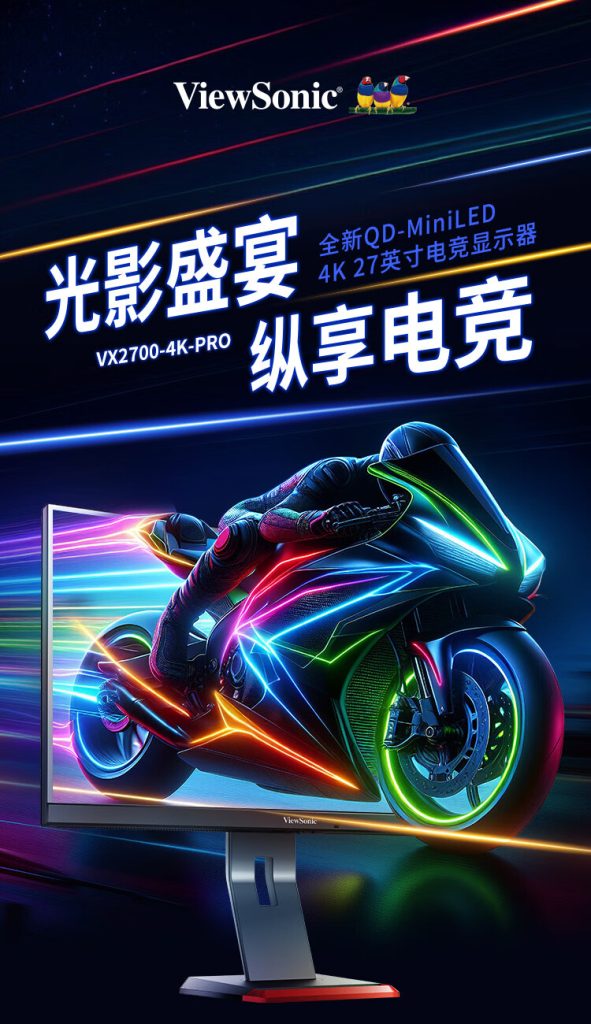
ViewSonic has launched a new 27-inch gaming monitor called VX2700-4K-Pro in the Chinese market. The monitor was announced earlier this year and now going on sale officially. It is priced at 3,299 Yuan ($456) and is available on JD.com.
ViewSonic VX2700-4K-Pro Specifications:
It features a QD-MiniLED panel with 1152 local dimming zones and 4608 MiniLED lights, enhancing backlight precision and reducing halo effects. It sports a 27-inch 4K Ultra HD display with a resolution of 3840×2160 and a 165Hz refresh rate, ensuring smooth gameplay with vivid clarity.
This monitor equips the latest AUO Fast IPS technology, offering a 1ms GTG response time for fast-paced action with reduced motion blur. It comes with VESA DisplayHDR 1000 certification, providing 1200 nits of peak brightness and a million-to-one contrast ratio for exceptional color depth and detail in bright and dark scenes. The screen supports 10-bit color depth and professional-grade color accuracy with ΔE<1, covering 98% of the DCI-P3 gamut, 100% sRGB, and 93% AdobeRGB.
The VX2700-4K-Pro features versatile connectivity, including dual HDMI 2.1 ports, dual DisplayPort 1.4, and a full-function USB-C port with 96W power delivery for charging laptops and transferring data. It also sports ergonomic adjustments with tilt, swivel, pivot, and height adjustments, along with a 100mm x 100mm VESA mount for flexibility.
For gamers, it comes with adaptive sync technology, supporting both FreeSync and G-Sync to eliminate tearing and stuttering. It features advanced gaming modes like Night Vision, Cat Eye, and Black Stabilizer, enhancing visibility in dark scenes. It also features PIP/PBP functionality which enables multitasking by displaying input from two devices simultaneously.
This monitor equips built-in tools like Hawk Eye mode for zooming in on distant objects, customizable on-screen settings, and robust build quality with thoughtful cable management. It supports 4K@120Hz for consoles like PS5 and Xbox.
In related news, ViewSonic recently unveiled the LX700-4K RGB laser projector in India, featuring 4K resolution and a 240Hz refresh rate.
The smartphone market is more competitive than ever, with countless options from multiple brands eyeing your attention. While this intense competition is great for buyers, it can make choosing the right phone a daunting task. To simplify things, we have created a list of the five best smartphones under Rs 30,000 with Snapdragon processors, offering a perfect mix of performance and value.
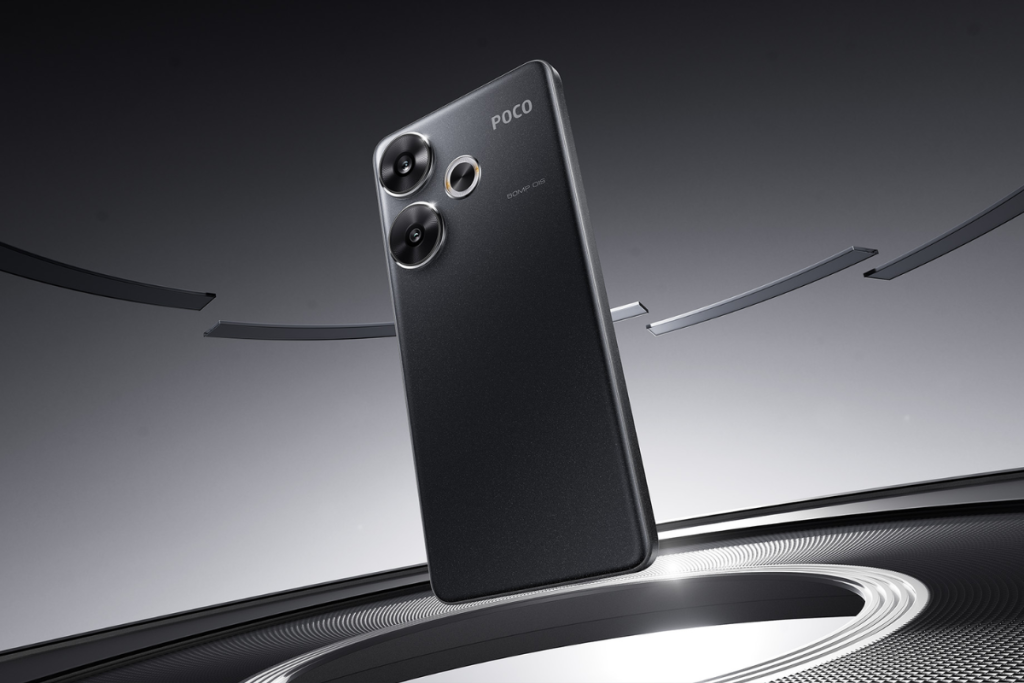
POCO F6 (full review) is the perfect choice for high-end gaming without being too heavy on the pocket. It boasts a powerful Snapdragon 8s Gen 3 chipset, usually found on premium phones. The device is equipped with a POCO IceLoop System with Vapour Liquid Separation to keep the heat under control.
You get a 6.67-inch vibrant display refreshing at 120Hz and a high touch-sampling rate. The device features Dolby Vision, HDR10+, and over 68 billion colors. Plus, it’s greatly visible outdoors. Overall, It’s an excellent display for gaming, protected by Corning’s Gorilla Glass Victus.
The smartphone takes good daylight shots with its primary rear camera. However, the low-light performance isn’t impressive. The rear camera setup also has an ultrawide camera for wider shots. It can shoot up to 4K videos, though the selfie camera is capped at 1080p.
The 5,000mAh battery should last for a day with normal usage. To refill it, you get a 90W fast wired charger that only takes about 35 minutes to reach 100%.
2. OnePlus 11R
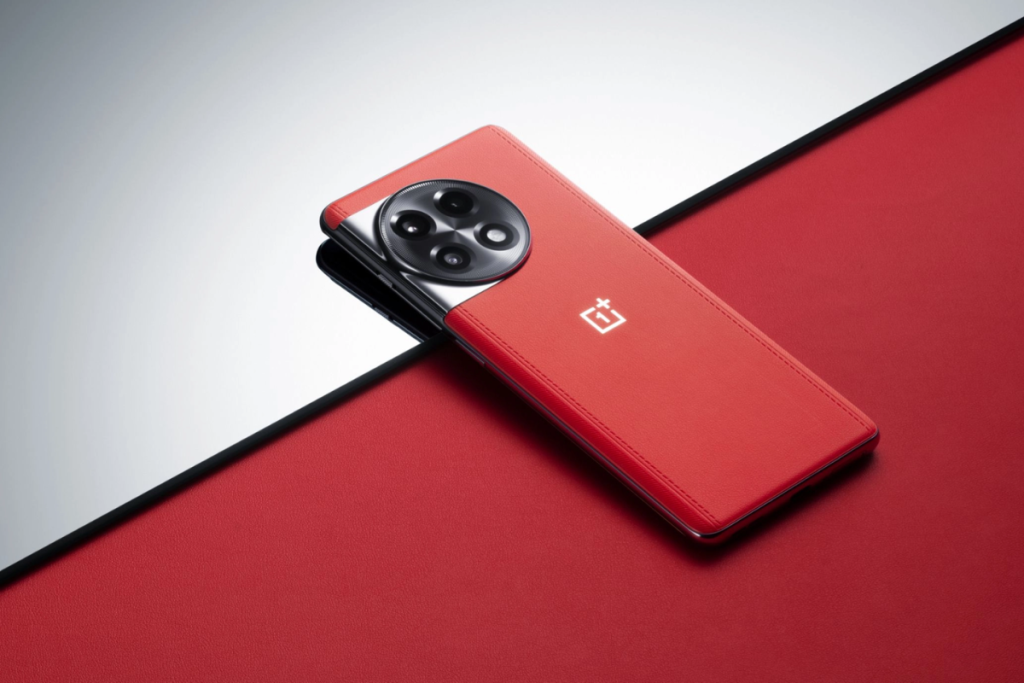
OnePlus 12R (full review) a solid deal under Rs 30,000, powered by a high-end chipset, Snapdragon 8+ Gen 1. Whether you browse the internet or play high-end games, the chipset smoothly handles all your performance needs while being power efficient.
The OnePlus 11R’s display measures 6.74 inches and refreshes at 120Hz. It’s a Super Fluid AMOLED panel that produces good colors, making it viable for content consumption or gaming. Plus, you’ve many display features to adjust according to your requirements.
The rear camera setup includes a 50MP (Sony IMX890) primary camera, an 8MP ultrawide camera, and a 2MP depth sensor. It takes high-quality shots with excellent color balance, even in a low-light environment. The selfie camera is decent, though, capable of 1080p recording, while the rear camera can do 4K.
The OnePlus 11R ensures all-day power with ease, thanks to its 5,000mAh battery. Plus, its 100W rapid charging lets you top up in minutes.
3. Realme GT 6T
This Realme smartphone rocks the Snapdragon 7+ Gen 3 chipset, which ensures a lag-free experience even with high-end gaming.
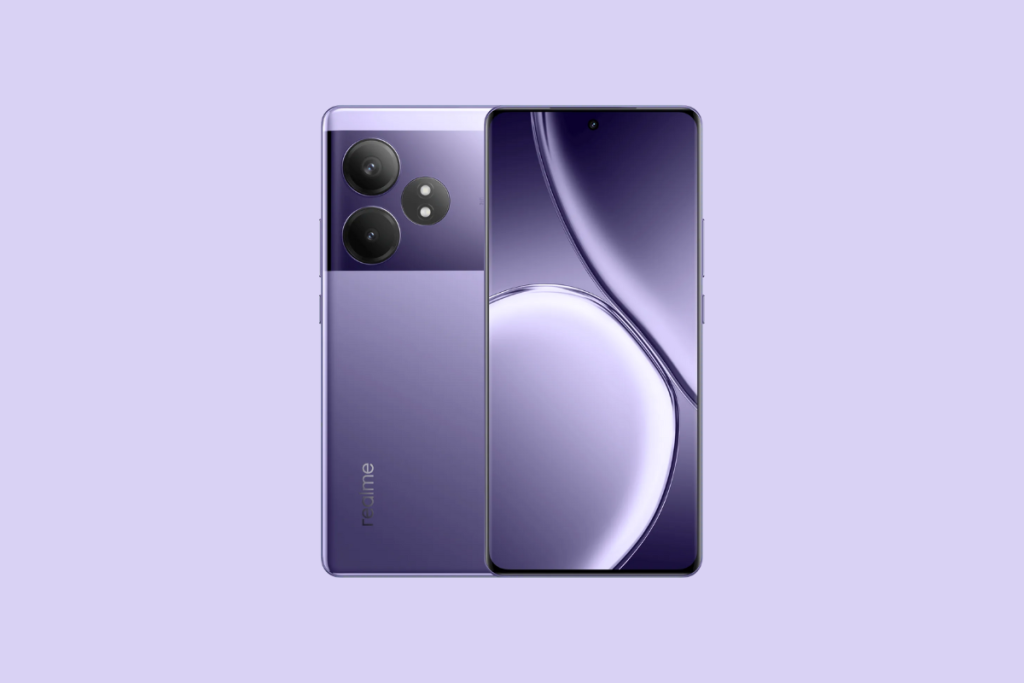
Realme GT 6T (first impression) is primarily built for gaming. Besides a high-performance chip, it features fast LPDDR5X RAM and UFS 4.0 storage, though the 128GB variant supports UFS 3.1. Heat management is a critical aspect of any gaming device, and thankfully, the cooling area inside the Realme GT 6T is sufficient for consistent and high-performance gaming. It also has a dedicated gaming memory and a suite of gaming features.
This Realme phone has the industry’s brightest display, refreshing at 120Hz. It has a layer of Gorilla Glass Victus 2 for strong protection. And a touch sampling rate of 2500Hz makes it appealing to gamers.
The primary camera on the back of the GT 6T outputs excellent daylight shots with good details and natural colors. Portrait shots are nicer with effective background blur. The device also excels in low-light conditions with detailed images and minimal noise. However, the ultrawide camera is less impressive. It outputs softer and less contrasty images and is blurry in low-light conditions.
The primary camera has excellent video recording capabilities, producing good details and color accuracy. However, the ultrawide videos lack much detail.
Realme GT 6T packs a solid 5,500mAh battery, enough for full-day usage with light gaming. And it only takes 10 minutes to charge 50%.
4. OnePlus Nord 4
This smartphone also rocks the powerful Snapdragon 7+ Gen 3, though it’s not primarily tuned for gaming. It’s the only metal unibody 5G smartphone in the market, offering better durability and a premium feel compared to plastic or glass alternatives. It’s also IP65-rated, by the way.
The Nord 4 can smoothly handle high-end games. However, it lacks an efficient thermal management. Hence, for long gaming sessions, you’d want to pick some other phone primarily tuned for gaming, such as Poco F6 or Realme GT 6T.
The primary camera performs well in daylight. It produces sharp images with a good dynamic range and accurate colors. However, the ultrawide camera struggles with sharpness and dynamic range. Low-light photography yields natural-looking shots with good details using the primary camera but not so good with the ultrawide camera. Selfies come out to be decent, though.
Video quality is good in daylight and low-light conditions, though it lacks details when using the ultrawide camera.
The Nord 4 packs a 5,000mAh battery, ensuring all-day backup, and refilling it to 100% only takes about 28 minutes.
5. Vivo V40
Vivo V40 is driven by the Snapdragon 7 Gen 3 chipset. While this chip isn’t as powerful as chips powering the above devices, it smoothly handles day-to-day tasks. You can also do light gaming, but for graphically-demanding titles like Genshin Impact, Fortnite, and Alien Isolation, go for a more powerful device.
The (AMOLED) display is bright, featuring HDR10+ and 120Hz refresh rate. It’s IP68-rated for protection against dust/water. On top of everything is a Schott Xensation Alpha protection.
The Vivo V40 has excellent camera capabilities, though. Its primary camera produces detailed shots with good colors and contrast. The ultrawide camera also takes good shots for its segments, offering decent details and colors. It doubles down as a macro camera.
The low-light shots are excellent, producing greater detail with minimal noise. The ultrawide and selfie cameras also maintain good detail and color accuracy. Video recording is also excellent with the primary and ultrawide cameras, though the selfie video is average.
With a 5,500mAh battery, the Vivo V40 keeps you powered throughout the day, and the 80W charging ensures you’re back to full in minutes.
Which Snapdragon-powered device would you pick for your next upgrade? Let us know in the comments below.
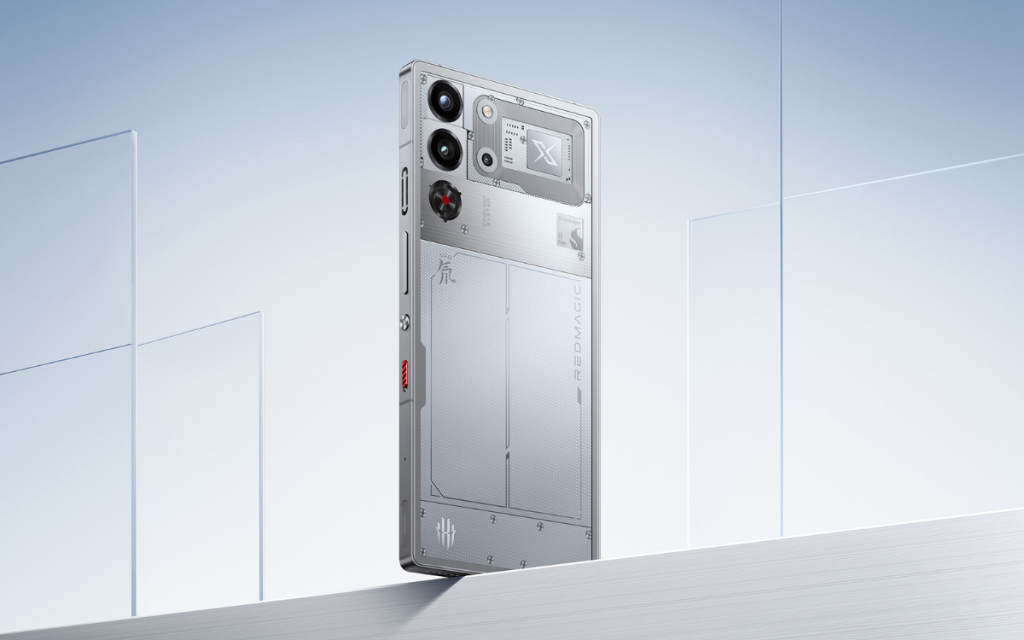
After weeks of reports and teasers, the Red Magic 10 Pro series has finally been launched in China. The lineup consists of the Red Magic 10 Pro and Red Magic 10 Pro+, which brings cutting edge hardware and an impressive thermal management system. All of this makes it one of the best devices for mobile gaming, so here’s why.
Being a flagship gaming smartphone, both models are equipped with the Qualcomm Snapdragon 8 Elite SoC. The brand claims that this chip was capable of hitting 3,391,328 points in AnTuTu. This high end chip is paired with up to 24GB of LPDDR5X ULTRA RAM and 1TB of UFS 4.0 PRO storage. To recall, the new 3nm flagship chip promises to offer a 45 percent increase in CPU performance and a 44 percent boost in power efficiency. That’s not all, the Snapdragon 8 Elite also has a 40 percent improvement in GPU with 35 percent faster ray tracing. So it is one of the best devices for mobile gaming enthusiasts.
2. Ultra Smooth Display Paired with Gaming Triggers
The Red Magic 10 Pro series sports a tall 6.85-inch OLED display with a 144Hz refresh rate, 1.5K resolution, 2000 nits of peak brightness, DC dimming, and 2592Hz PWM dimming. The new gaming smartphones also feature the Red Core R3, which is the brand’s self developed gaming chip that supports 2K+ 120fps super resolution. You also get 520Hz gaming shoulder keys that are perfect for gamers.
The tall ultra smooth display being paired with the gaming triggers ensures that players get an amazing gameplay experience. Not only is the display responsive, but the shoulder keys are also an impressive addition as these give you more screen real estate for certain controls. These are more intuitive as well.
3. Cutting Edge Cooling
The Red Magic 10 Pro and Red Magic 10 Pro+ are the first to employ composite liquid metal cooling for improved cooling. These gaming smartphones also optimize gaming performance with composite liquid metal cooling offering 80W/mK thermal conductivity and a new ‘Hot Wheels’ centrifugal fan, which boosts cooling efficiency by 13x.
It houses a 12,000mm² 3D ice-step VC area, along with graphene, high-conductivity copper foil, and aerospace-grade materials for consistent high-performance gaming. A good thermal dissipation system basically ensures that the smartphone performs intensive tasks without throttling. This even enables consistent performance over long gaming sessions as well.
4. Massive Batteries
A large 6,500mAh battery pack powers the Red Magic 10 Pro, which supports 80W wired fast charging. Meanwhile, the higher end Red Magic 10 Pro+ has a huge 7,050mAh cell that supports 120W wired fast charging. This is one of the only differences between the two models. These are absolutely massive cells that can easily ensure over a day’s battery life with regular use. But even during gaming, the Red Magic 10 lineup can easily outlast most of its competitors.
Xiaomi is gearing up to unveil a diverse range of smartphones in the Indian market in 2025. The Chinese tech giant aims to cater to every segment from flagship models to budget friendly devices. So here’s a full list of all the rumored and confirmed smartphone that are set to launch in India next year.
Back in October, Xiaomi unveiled its latest generation of flagship smartphones. This included the new Xiaomi 15 and Xiaomi 15 Pro. While the brand released the base model of this premium lineup, the launch of the higher end Pro variant was skipped in the Indian market. However, the brand did release the Xiaomi 14 Ultra after the Xiaomi 14 was announced in the region. So we can likely expect the Xiaomi 15 Ultra to also launch in India.
The Xiaomi 15 Ultra has yet to be unveiled, but it recently had its internal design, telephoto shooter, and other camera details leaked. On the other hand, the Xiaomi 15 was announced with the Snapdragon 8 Elite, 6.36-inch LTPO OLED 120Hz display, 50MP triple cameras, HyperOS 2, and a large 5,400mAh battery pack with 90W wired and 50W wireless fast charging support. You can even click here to read our full review of the Xiaomi 15, which is expected to launch in India around March 2025.
2. Xiaomi 15 Civi?
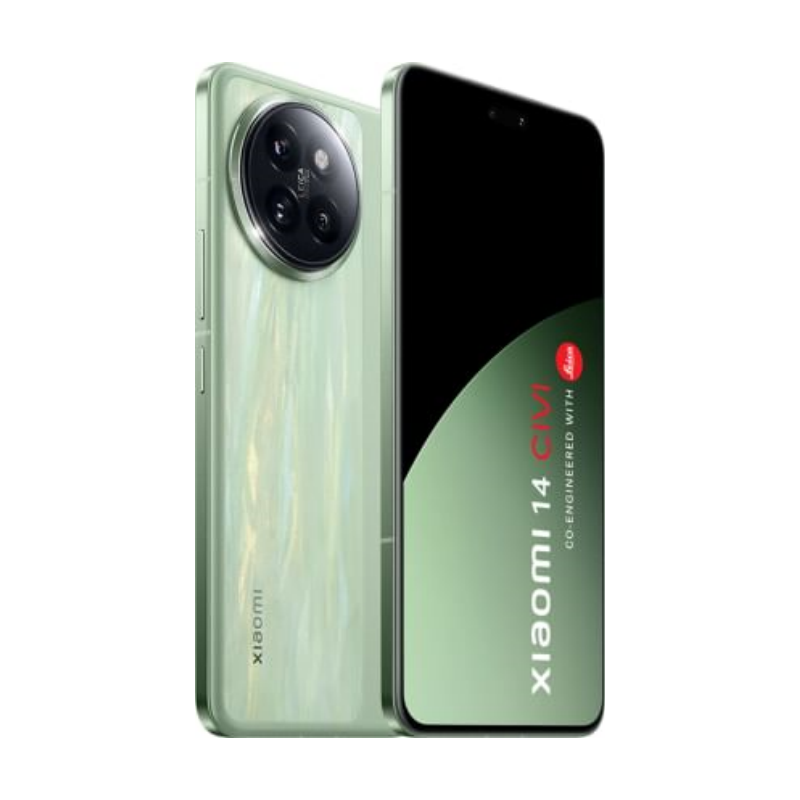
Xiaomi 14 Civi
Last year, Xiaomi unveiled the Xiaomi 14 Civi in India. While there is no official word regarding the Xiaomi 15 Civi, the brand might unveil a successor in the middle of 2025. A recent rumor hinted that the company is working on a new Xiaomi Civi series smartphone, which could be powered by the MediaTek Dimensity 9400. This could also be the Redmi K80 Ultra.
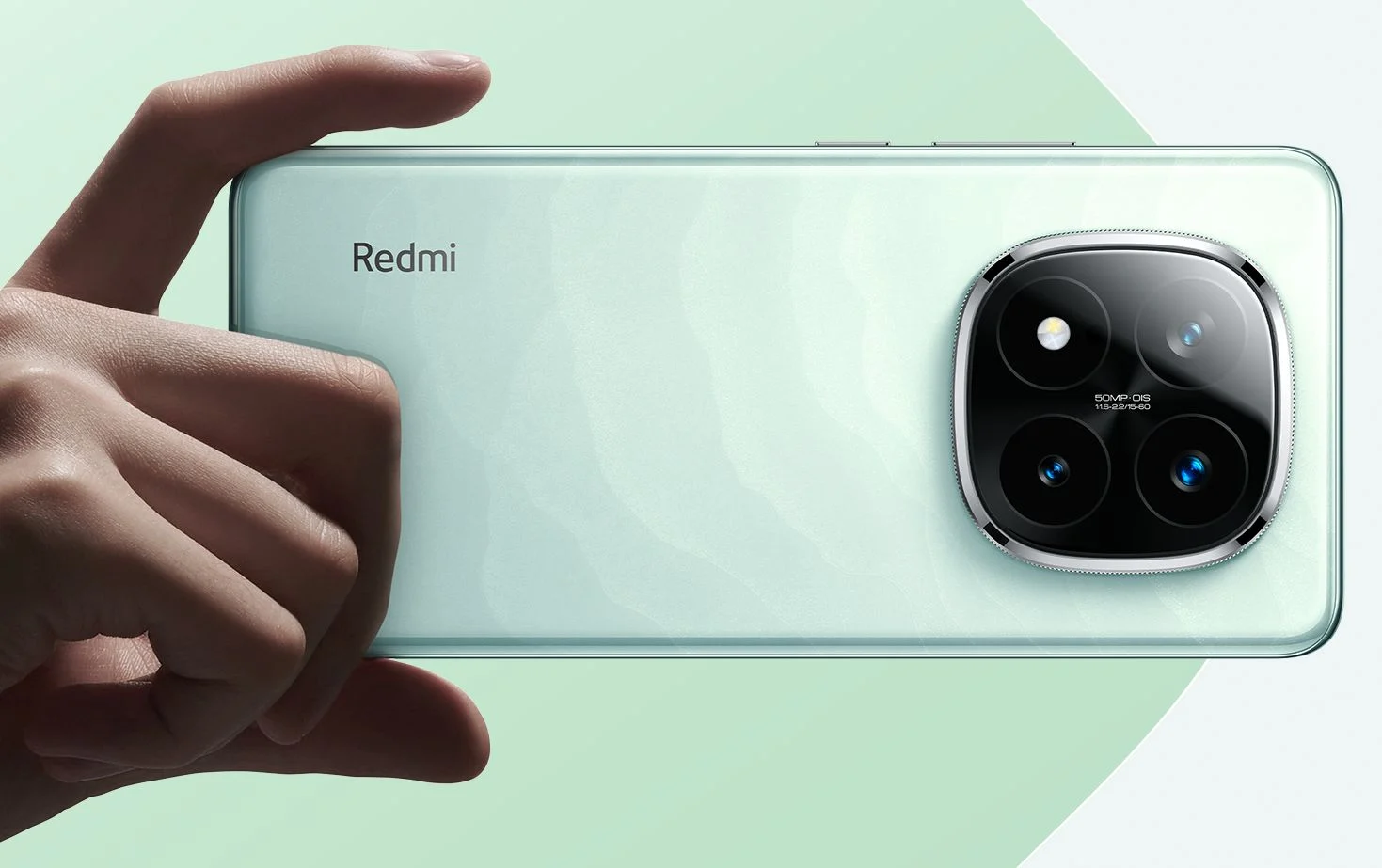
3. Redmi Note 14 Series
Redmi Note 14 Pro+
Xiaomi recently announced that the Redmi Note 14 series is set to launch in the Indian market soon. Based on what we know so far, Xiaomi plans to unveil the Redmi Note 14 series in December 2024, riding on the momentum of the festive season. In other words, it might hit store shelves by early January 2025. The Redmi Note 13 lineup was unveiled back in June 2024, so this also marks the first time since the pandemic that Xiaomi launched two Note series devices in the same year.
4. Redmi A4
Redmi A4
Alongside the Redmi Note 14 series, the brand also confirmed the upcoming launch of the Redmi A4 in the Indian market. We covered a leak last month, which revealed its 8,499 INR price tag. This model is an affordable entry level handset, which offers 5G networking support thanks to the Snapdragon 4s Gen 2 chipset. Unfortunately, an official launch date is still unclear but its Indian release should be right around the corner.
5. Redmi 14
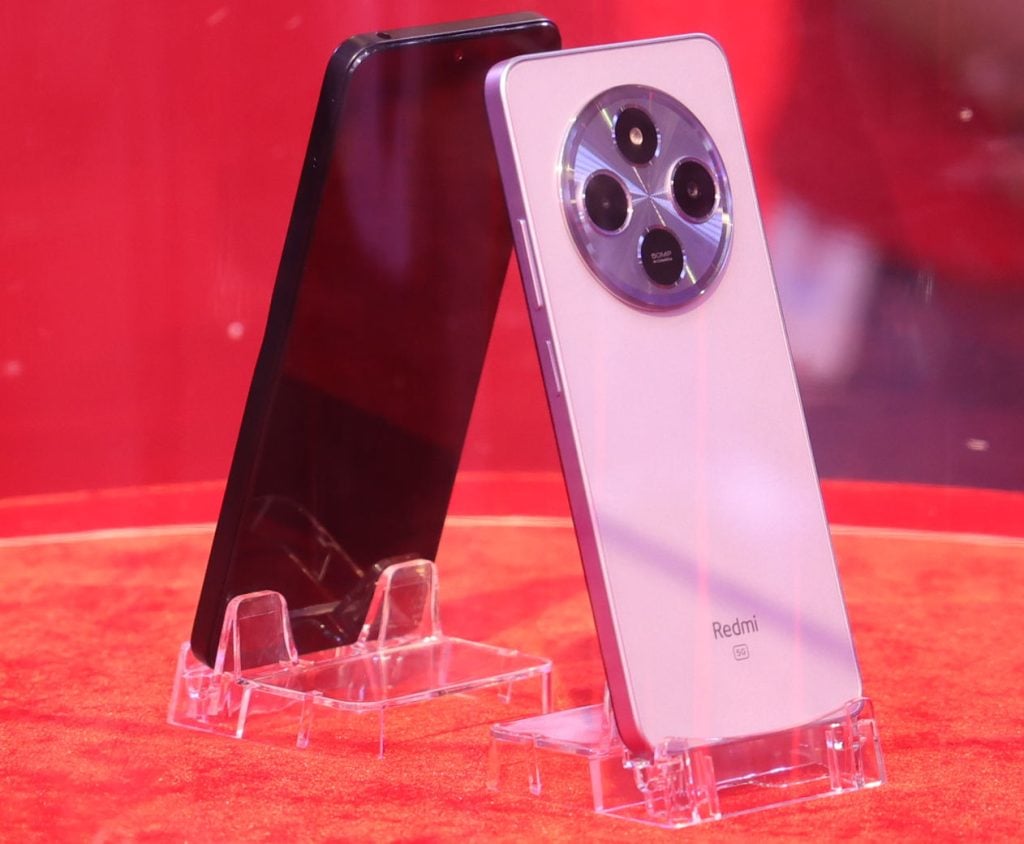
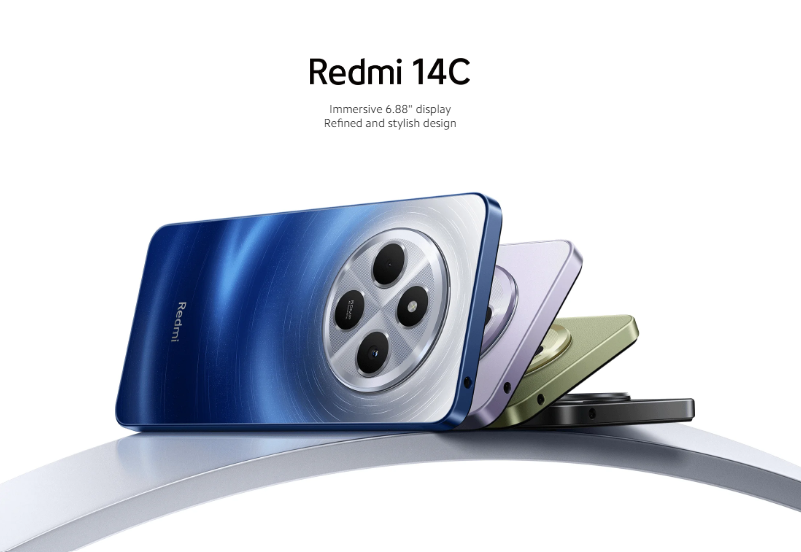
Redmi 14C
The Redmi 14 series is another budget smartphone from Xiaomi that is expected to launch in India soon. The Redmi 14 4G appeared in the IMEI database with the model numbers “25028RN03L”, “25028RN03I”, “25028RN03Y” and “25028RN03A”. The letters at the end of these numbers indicate the region of launch, with the “I” hinting at an Indian release. Since the official launch date is still unknown, we can expect a 2025 release.
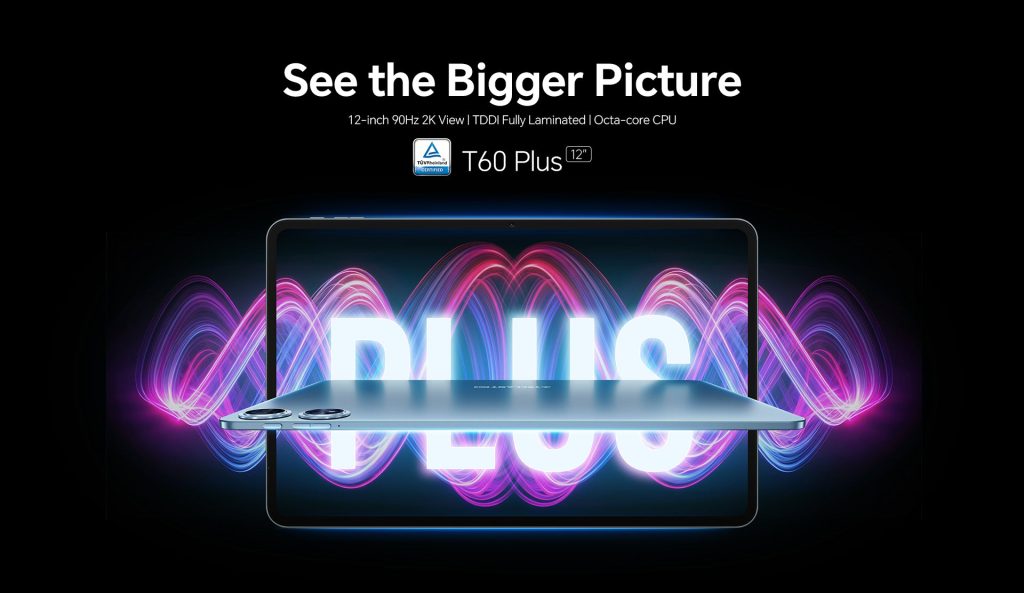
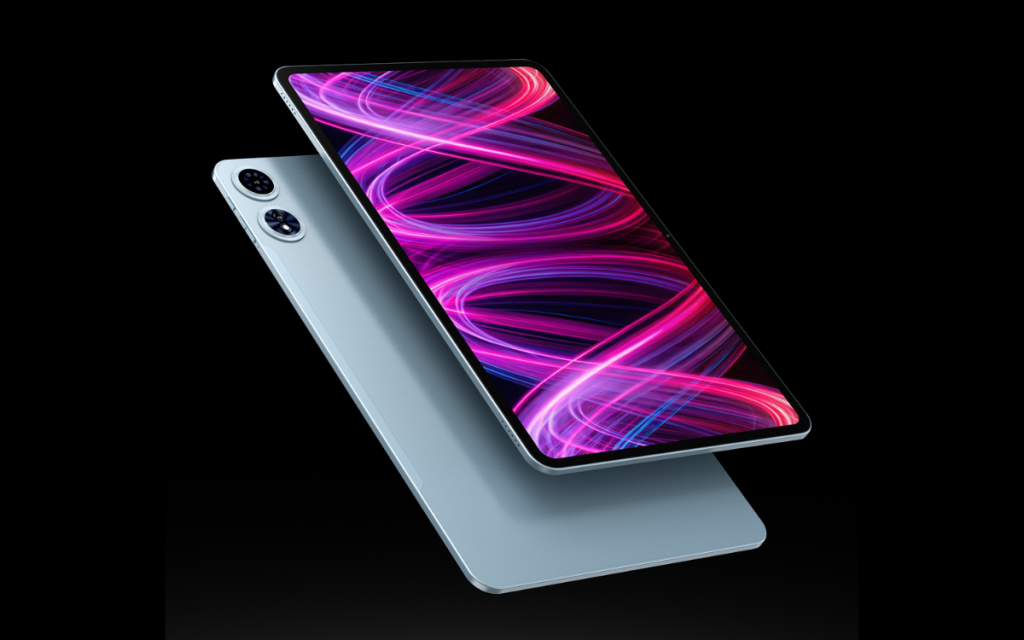
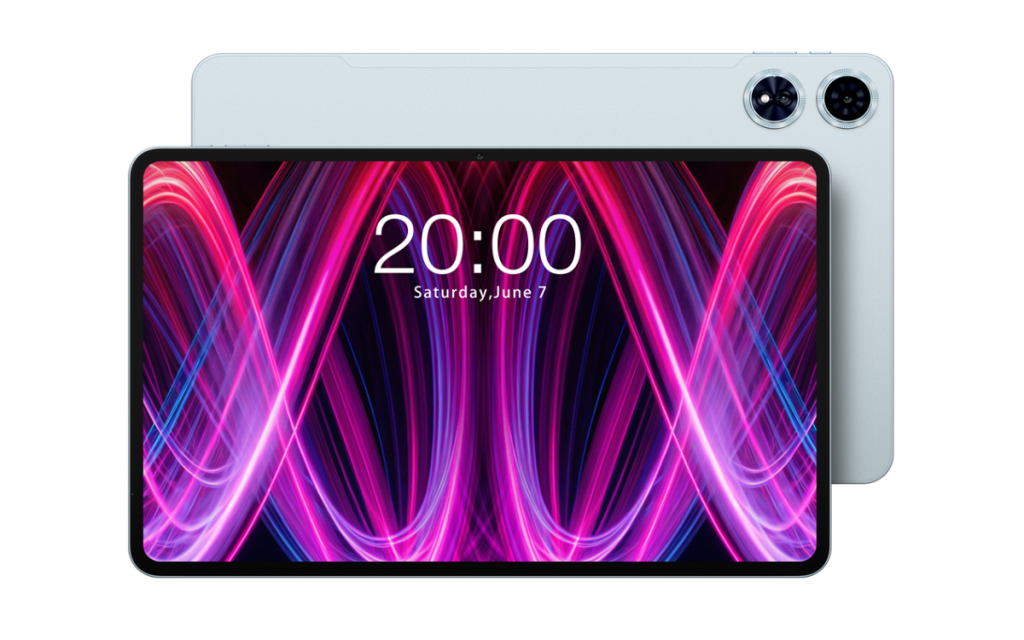
Teclast has unveiled its latest Android tablet, the T60 Plus, a well-rounded device offering a large display, solid performance, and an affordable price tag. This release follows the earlier launch of the Teclast T60 earlier this year. Let’s check out its key specs.
Teclast T60 Plus Specifications
The Teclast T60 Plus features a 12-inch IPS display with a 2000×1200 resolution and a 90Hz refresh rate. It comes with 330 nits of brightness, making it ideal for indoor use, and equips a 92% screen-to-body ratio for an immersive viewing experience, whether for work, streaming, or casual gaming. The tablet sports a slim 6.5mm bezel, enhancing its sleek and modern design.
Under the hood, the tablet is powered by MediaTek Helio G88 processor, a 12nm octa-core chipset featuring a 2x Cortex-A75 at 2.0GHz and 6x Cortex-A55 at 1.8GHz configuration. It comes with 6GB of RAM, which can be expanded by an additional 10GB using virtual memory. The tablet equips 128GB of internal storage, which is expandable up to 1TB via a microSD card.
The T60 Plus runs on the latest Android 14, providing access to modern features. The tablet includes a 13MP rear autofocus camera and an 8MP front-facing shooter for photography and video calls. The cameras are ideal for casual photography, scanning documents, and online meetings.
The Teclast T60 Plus comes with an 8000mAh battery offering up to 10 hours of usage, dual 4G SIM support, Bluetooth 5.0, and WiFi (2.4GHz/5GHz). It equips GPS, Glonass, Galileo, and Beidou for navigation, while light, hall, and proximity sensors, along with a gyroscope, enhance gaming and app experiences. Additionally, it features a 3.5mm headphone jack for wired audio enthusiasts
The tablet sports an aluminum alloy vertical frame design, weighs about 610 grams, and measures approximately 282 x 178 x 8mm.
Pricing & Availability
The Teclast T60 Plus is currently priced at $129.99 and it is now available on Aliexpress. It is also expected to be available on Amazon soon.
We use cookies on our website to give you the most relevant experience by remembering your preferences and repeat visits. By clicking “Accept”, you consent to the use of ALL the cookies.
This website uses cookies to improve your experience while you navigate through the website. Out of these, the cookies that are categorized as necessary are stored on your browser as they are essential for the working of basic functionalities of the website. We also use third-party cookies that help us analyze and understand how you use this website. These cookies will be stored in your browser only with your consent. You also have the option to opt-out of these cookies. But opting out of some of these cookies may affect your browsing experience.
Necessary cookies are absolutely essential for the website to function properly. This category only includes cookies that ensures basic functionalities and security features of the website. These cookies do not store any personal information.
Any cookies that may not be particularly necessary for the website to function and is used specifically to collect user personal data via analytics, ads, other embedded contents are termed as non-necessary cookies. It is mandatory to procure user consent prior to running these cookies on your website.