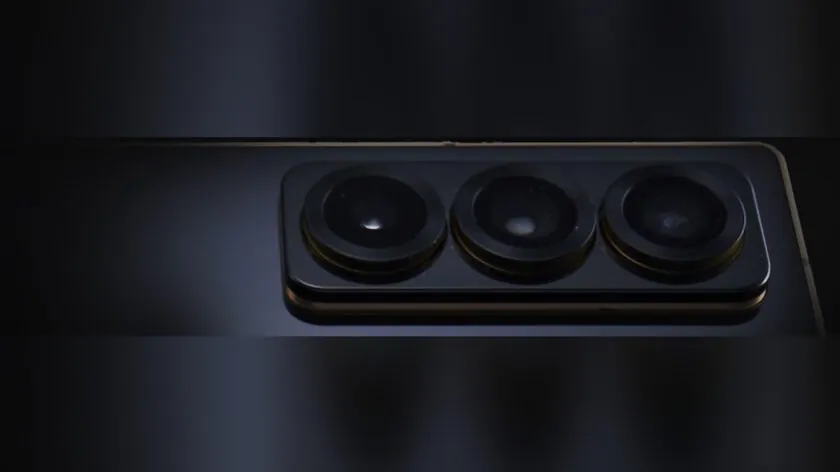
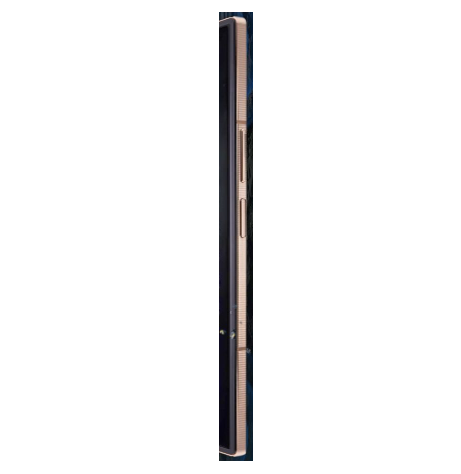
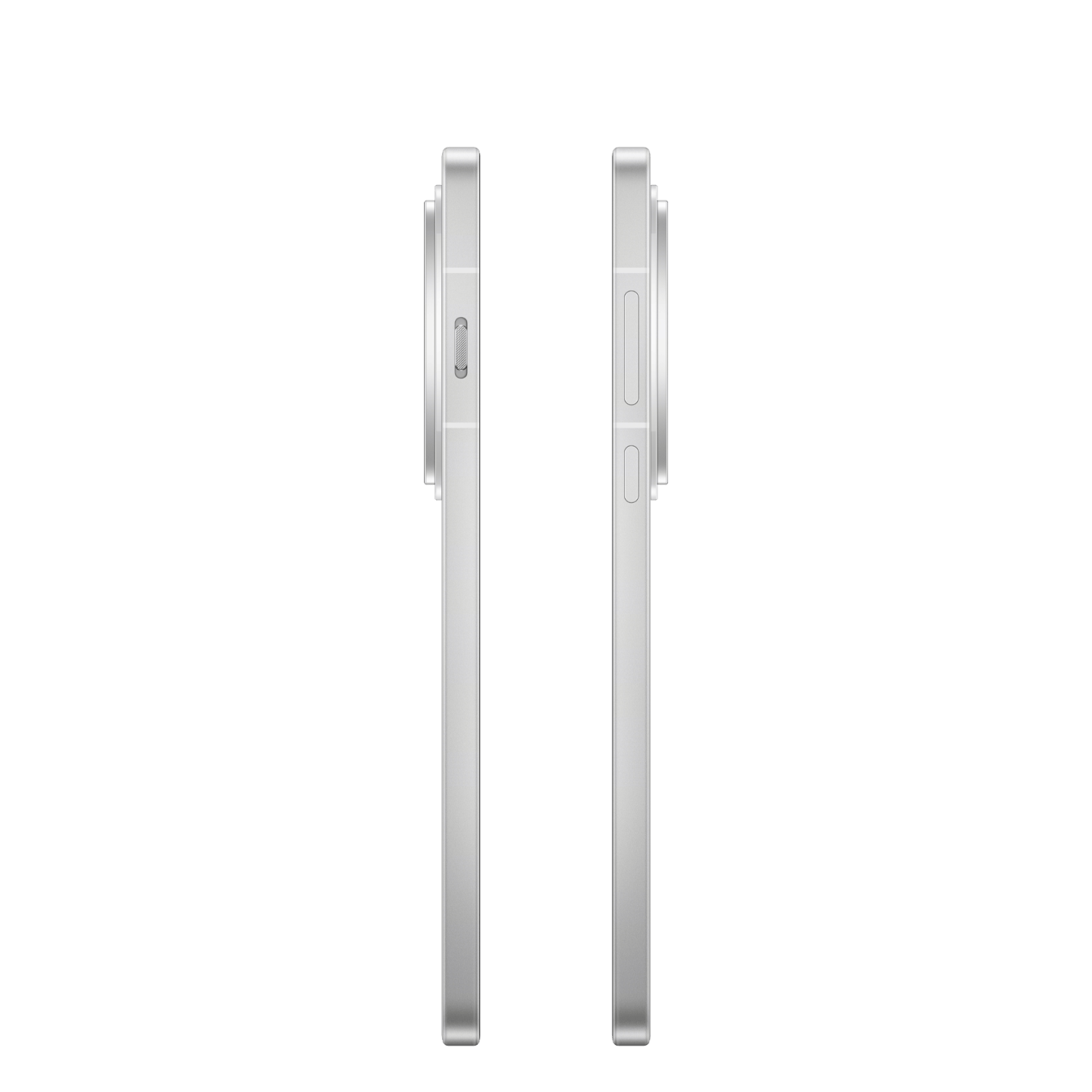
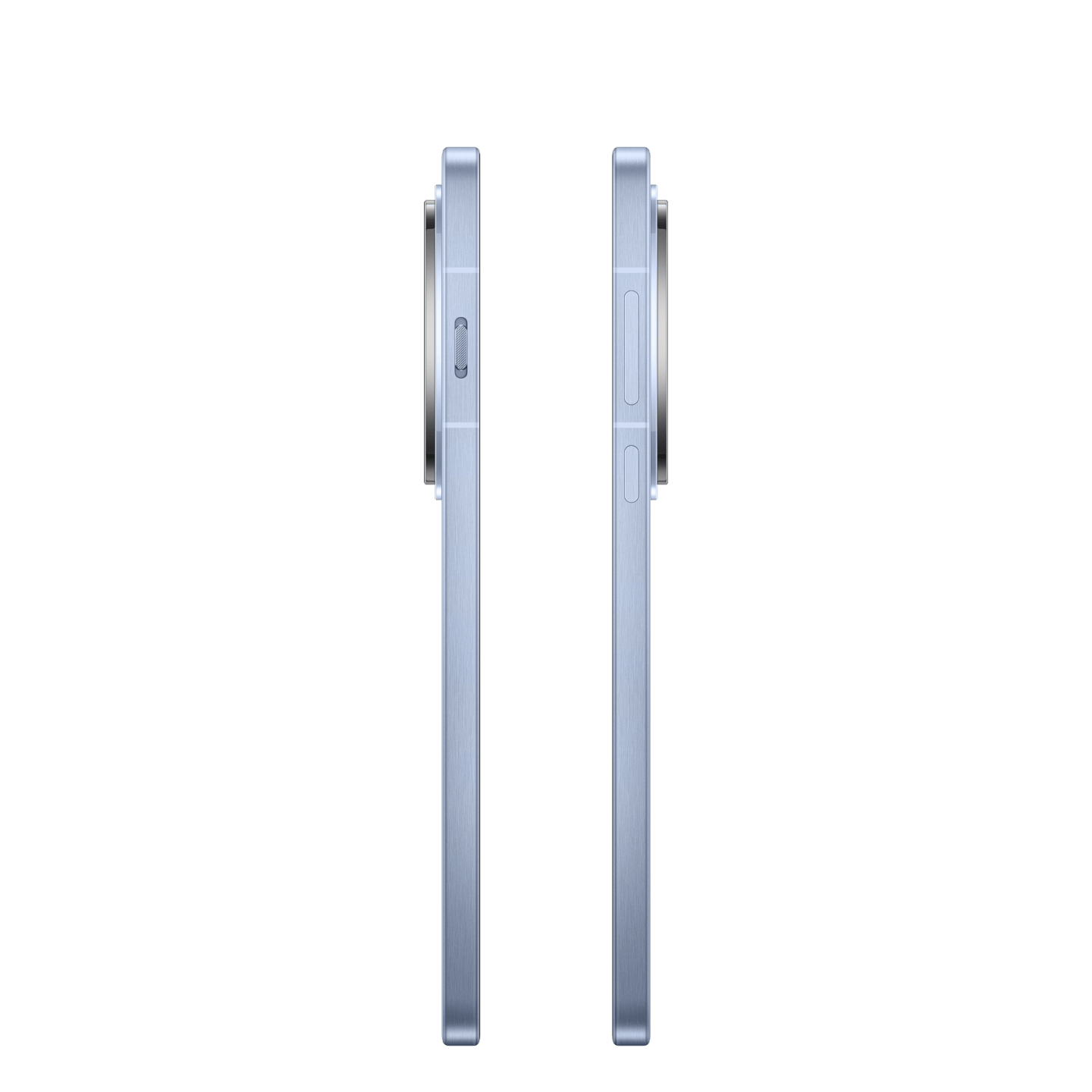
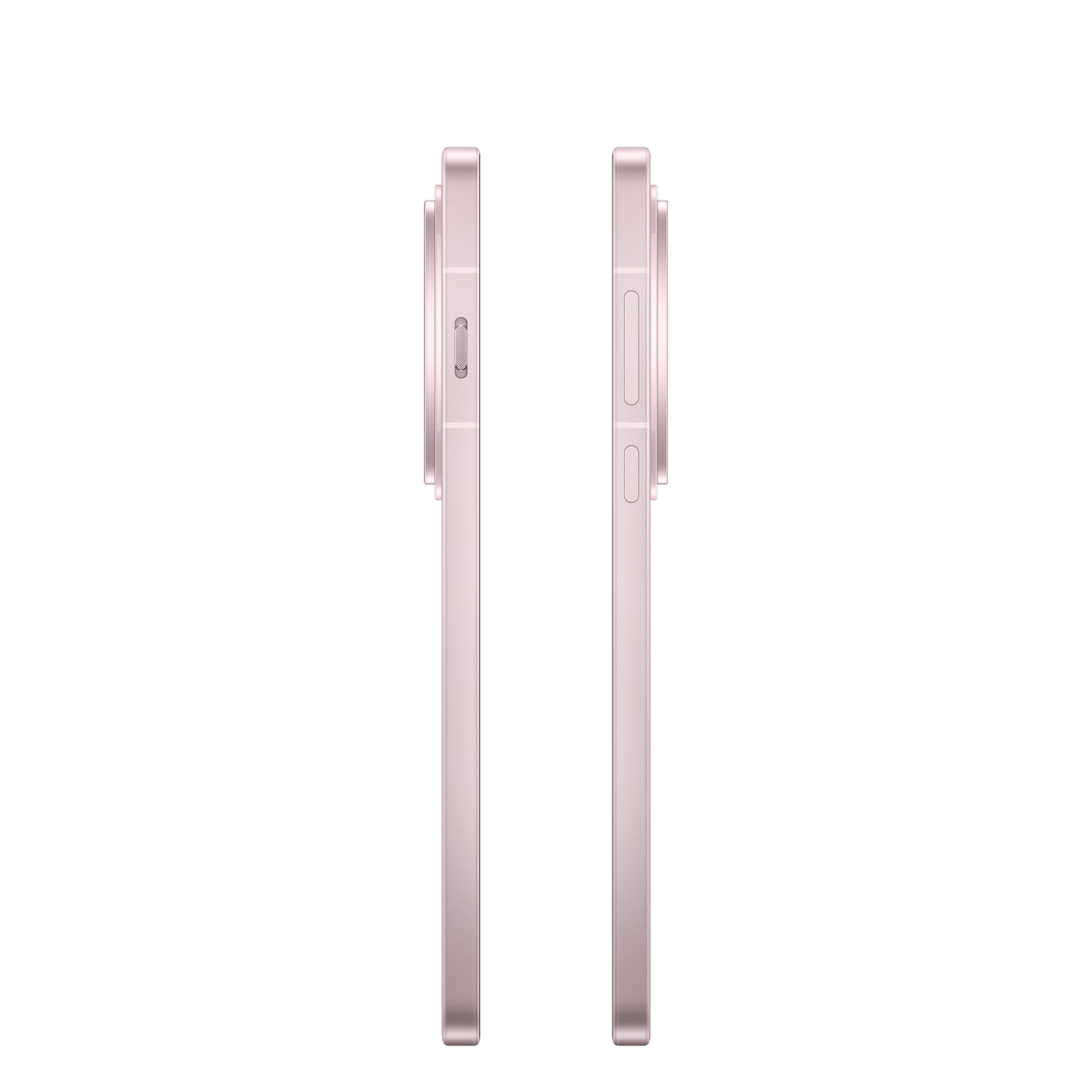
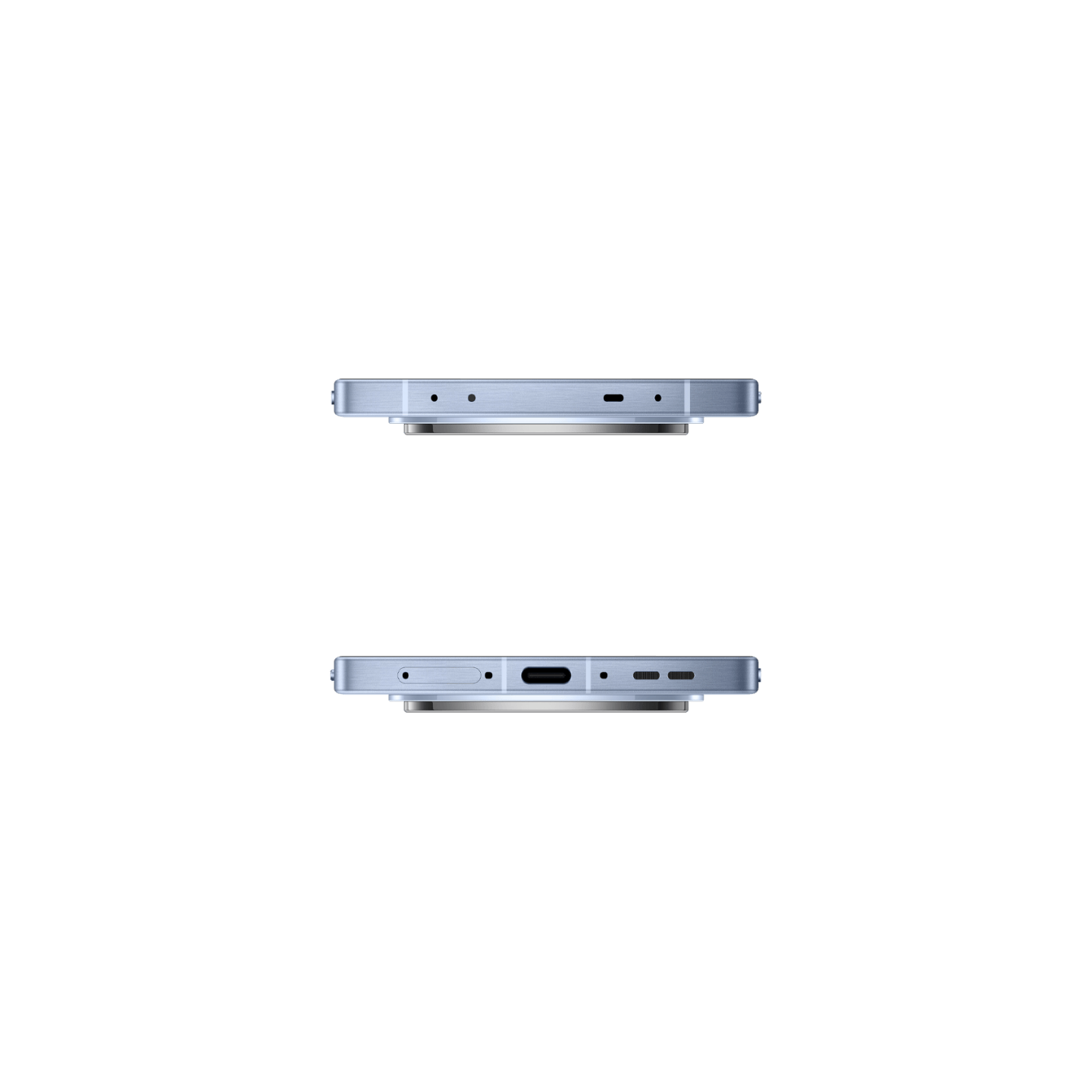
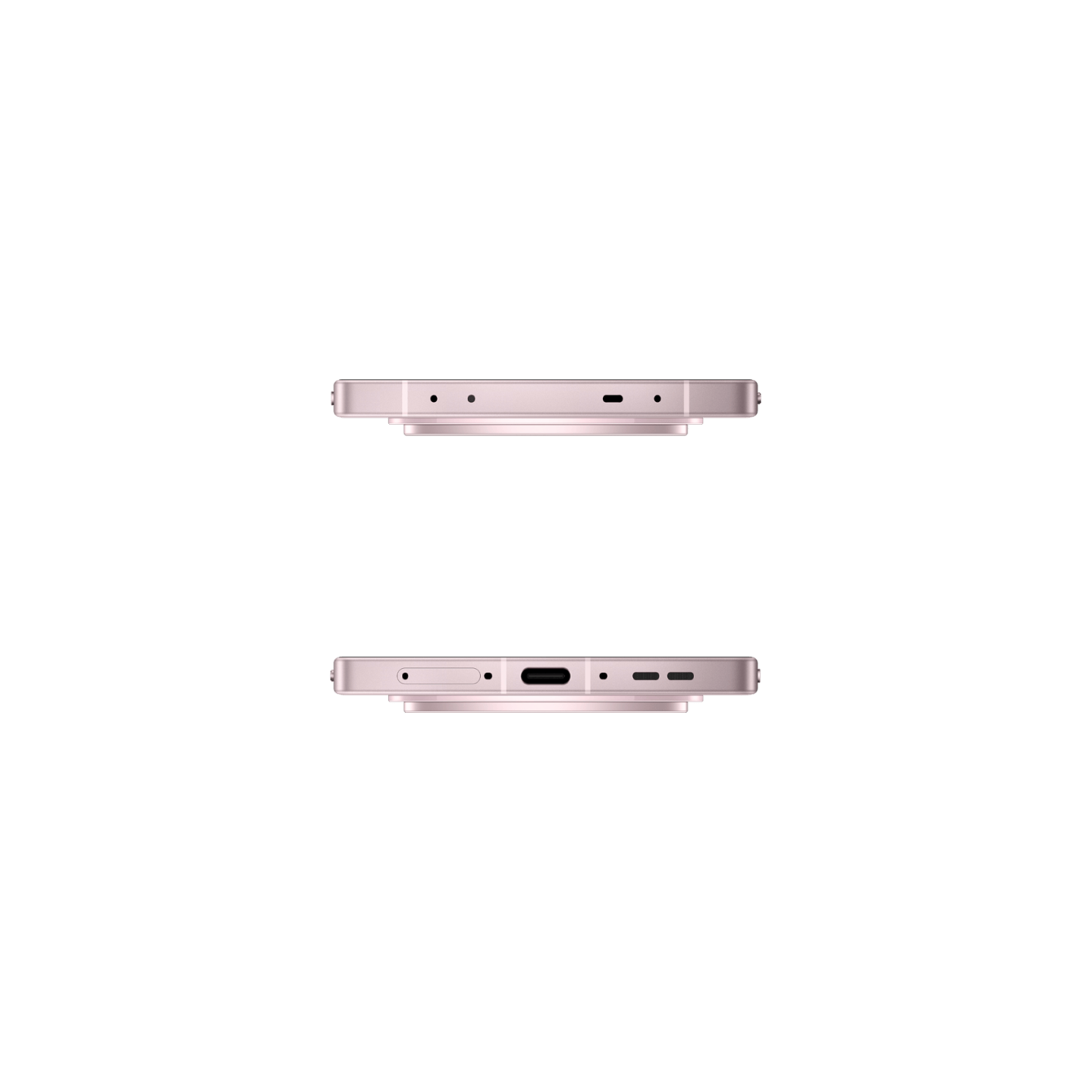
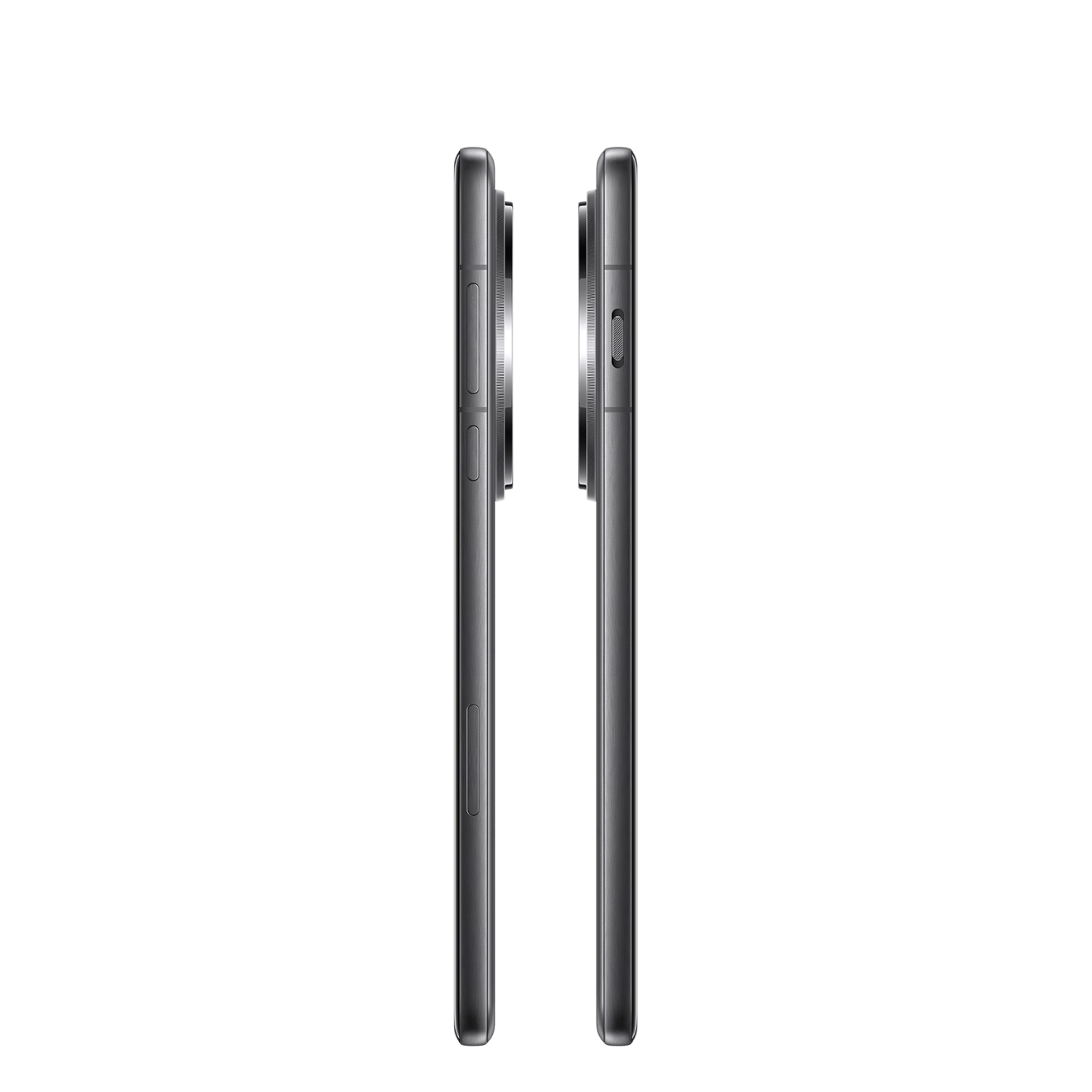
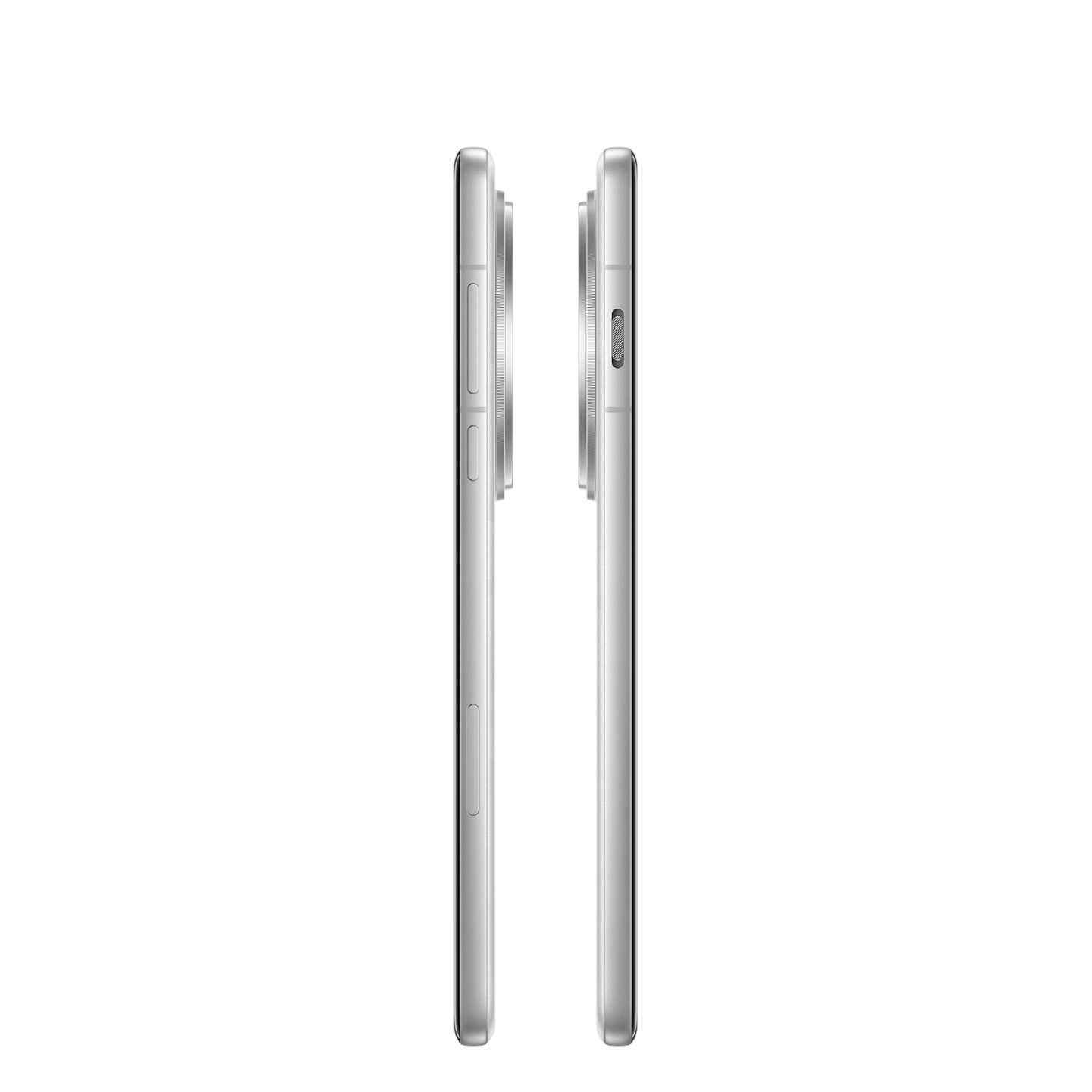
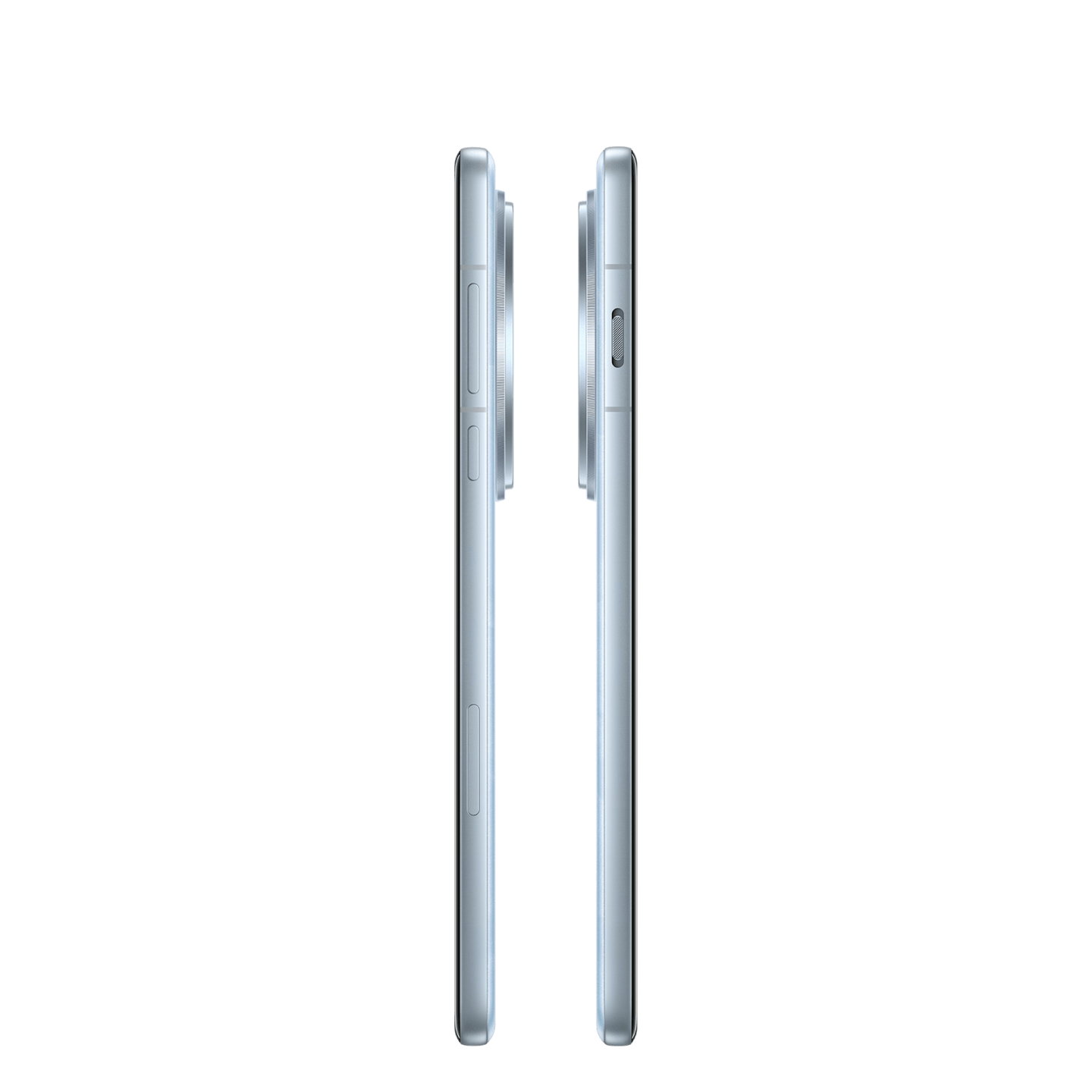
Samsung is working on a new version of its latest book-style foldable, called the Galaxy Z Fold 6 (Special Edition). The phone was previously rumored to come with a much slimmer form factor than the original Galaxy Z Fold 6. Now tipster Evan Blass has shared renders of the device revealing the camera island and side frame design.
Galaxy Z Fold 6 (Special Edition) camera island
A rectangular camera island paired with a slim form factor
According to the renders, the Z Fold 6 (Special Edition) will feature a rectangular camera island, a shift from the pill-shaped design seen on the standard model. If these renders are accurate, the camera island’s protrusion has also increased, which aligns with the phone becoming thinner overall. Additionally, there are speculations of upgraded camera hardware—something users have been eagerly anticipating since the Galaxy Z Fold 4 in 2022
Moving on, the side frame render suggests a slimmer form factor compared to the standard Galaxy Z Fold 6. It features a textured finish that should enhance grip, along with a rose gold color option. Aside from these differences, the button placements and antenna lines remain consistent with the regular model.
Tipster Ice Universe recently mentioned that the display crease on the Z Fold 6 (Special Edition) will be less visible compared to the standard Z Fold 6. This is a much-needed improvement, as previous generations have seen little advancement in this area.
However, it’s important to note that these renders are based on leaked information, so readers should take them with a pinch of salt.
Galaxy Z Fold 6 (Special Edition) could come with a less visible crease
According to a previous leak, the phone will measure at 10mm when folded and 4.9mm when unfolded, down from 12.1mm and 5.6mm of the Z Fold 6 respectively. In terms of size, the phone could pack an 8″ inner display (up from 7.6″) and a 6.5″ outer display (up from 6.3″).
Samsung India has listed the phone on it’s official website with 12GB RAM and 256GB/512GB/1TB storage options. The listing also highlights an ‘Ultra-light, Thin Design,’ suggesting a slim form factor for the device. While the company is yet to reveal the pricing details, the listing hints at an imminent launch.
According to a previous report, the phone is already up for pre-order in South Korea and shipping could begin on October 25.
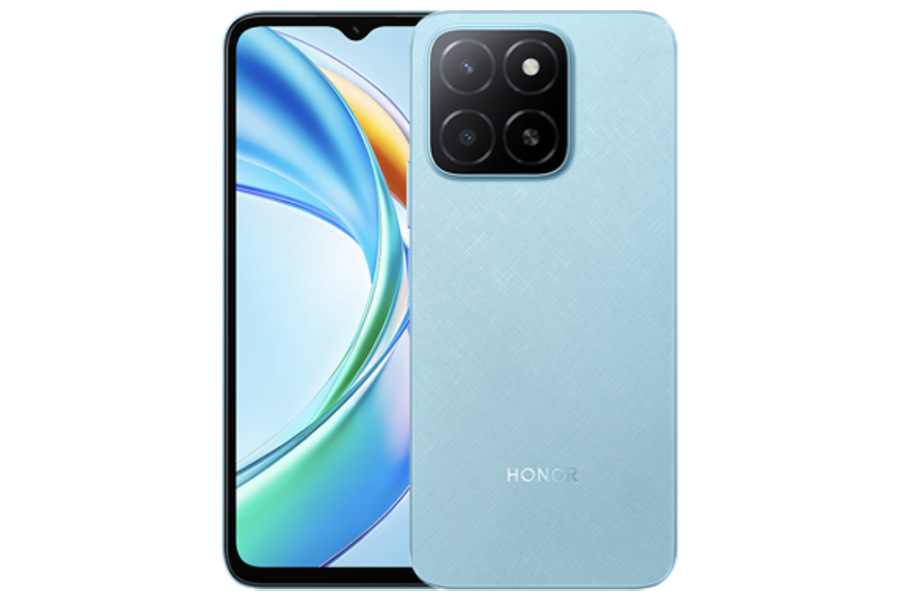
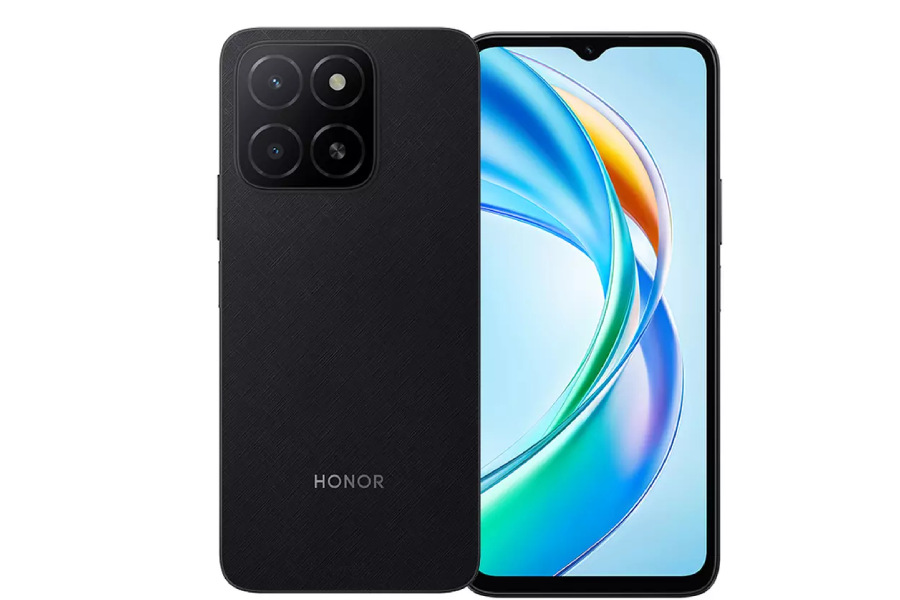
Without much fanfare, Honor has unveiled two new budget smartphones – the Honor X5b and X5b Plus – targeting the Middle Eastern market. As you can guess by names, the two phones have much in common, despite some dissimilarities. Let’s get into the details here.
Honor X5b / X5b Plus Specifications
The display on both phones is a 6.56-inch TFT LCD panel with a waterdrop notch and a standard 720 x 1612 pixel resolution.
Honor X5b Plus
Both phones feature a dual camera system on the rear. The standard X5b utilizes a 13MP primary sensor, while the X5b Plus boasts a more impressive 50MP main shooter with an f/1.8 aperture. Both models share a secondary 0.8MP sensor and a 5MP front-facing camera for selfies.
Under the hood, the X5b series packs a MediaTek Helio G36 chipset. It’s a budget SoC that should fare well for regular usages like social media scrolling and browsing. But don’t expect it to perform steadily for tasks like heavy gaming. On the software front, it operates on the latest Android 14 with Honor’s proprietary MagicOS 8.0 on top.
Honor X5b
The key differentiator between them is in terms of storage capacity. The standard X5b boasts 4GB of RAM paired with 64GB of internal storage, while the X5b Plus ups the storage to 128GB, but the memory stays the same at 4GB.
Connectivity is limited to the LTE network, reflecting the budget-oriented nature of the series. Both phones come equipped with a sizeable 5,200mAh battery, promising ample power for daily use.
Price and Availability
Color options appear limited, with the X5b series available in Flowing Blue and Flowing Black. Pricing falls within the expected range for entry-level devices. The standard X5b starts at OMR 29.9 (approximately $78 USD), while the X5b Plus retails for SAR 399 (approximately $106 USD).
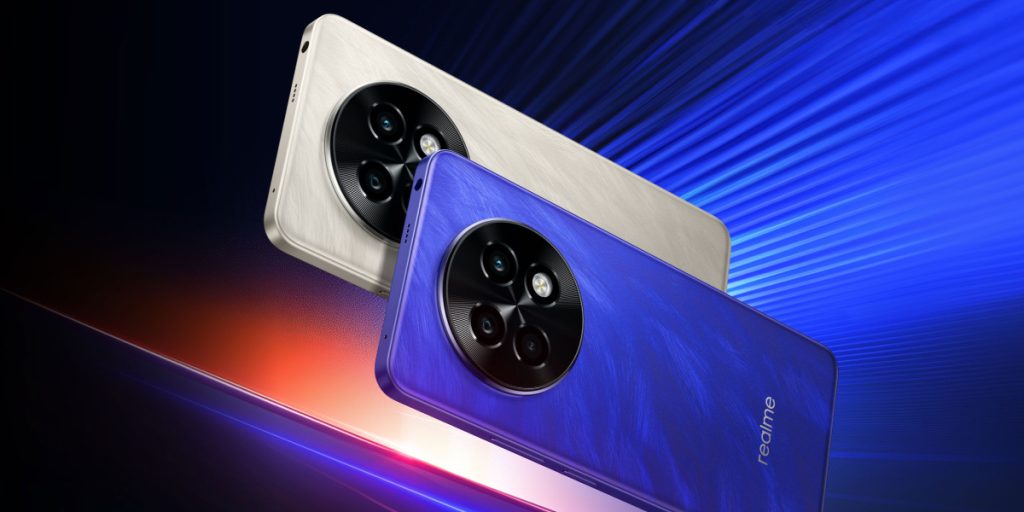
As scheduled, Realme has officially launched the P1 Speed in India. True to its name, performance is the main focus of the phone. It is powered by the Dimensity 7300 Energy processor which Realme claims exceeds the AnTuTu score of 750,000. Let’s break down the price and specs to see if the “Speed Edition” lives up to the hype.
Realme P1 Speed Specifications
Realme P1 Speed is built around a 6.67-inch FHD+ 2.8D micro-curved OLED panel with a smooth 120Hz refresh rate. The display also boasts a 92.5% screen-to-body ratio and up to 2000 nits of peak brightness.
Alongside Dimensity 7300, the device is powered by up to 12GB of LPDDR4x RAM and 256GB of UFS 3.1 storage. There’s also support for virtual RAM, but note that the virtual RAM uses storage space as false memory, which may impact overall performance.
Nevertheless, Realme touts the P1 Speed Edition as a gaming phone with features like a TUV-SUD certification for lag-free mobile gaming, a dedicated GT Mode, and a large 6050 mm2 stainless steel vapor cooling chamber to manage heat during intense gaming sessions. According to Realme, the phone can consistently deliver a 90 fps gaming experience until the battery reaches 0%.
Additionally, the phone boasts an IP65 rating for water and dust resistance, a plus for those who are accident-prone or live in unpredictable weather conditions.
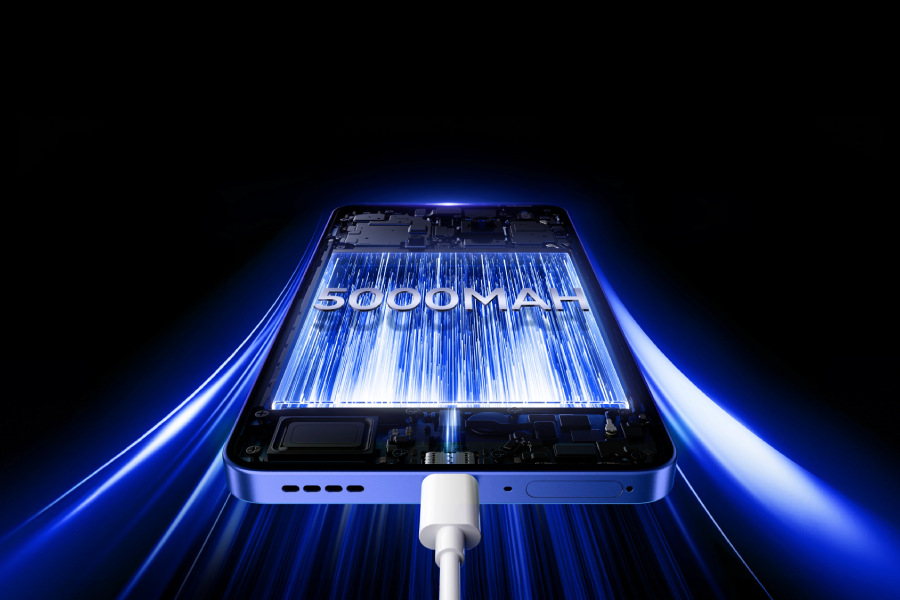
Powering the phone is a 5000mAh battery, which should offer decent battery life for most users. Realme throws in 45W fast charging to keep you topped up quickly.
The camera system on the P1 Speed Edition is a bit basic. You get a 50MP primary sensor with an unspecified 2MP secondary lens. The front-facing camera for selfies and video calls is a 16MP shooter.
For connectivity, you get the usual suspects — 5G, 4G LTE, Wi-Fi 6, Bluetooth v5.4, GPS, and a USB Type-C port.
Price and Availability
The Realme P1 Speed comes in two configurations: 8GB RAM with 128GB storage priced at Rs 17,999 (around $215), and a 12GB RAM with 256GB storage option for Rs 20,999 (around $250). There’s also a limited-time launch discount of Rs 2,000, which brings the starting price down to Rs 15,999 (around $190).
The phone will be available in Brushed Blue and Textured Titanium colorways, and you can snag one through the Realme website starting October 20th.
We’ve all been watching Huawei’s HarmonyOS NEXT unfold. The homegrown operating system ditches Google’s Android framework and its vast app library. While that might be alright for China with its robust native app scene, the global market heavily relies on those familiar Android apps.
Here’s where things get interesting. A new rumor now suggests that Huawei may consider a dual-OS strategy for its upcoming phones.
Huawei Mate 70 series with dual-OS?
According to tech leaker RuiPlaysDigital, the Mate 70 series could launch with a “dual-frame” software setup.
One framework would be for HarmonyOS NEXT, Huawei’s homegrown operating system, while the other would support Android apps. This makes perfect sense if Huawei wants to cater to both domestic and international audiences.
HarmonyOS NEXT offers a familiar experience for Chinese users accustomed to the company’s EMUI skin on top of Android. It might even offer faster and smoother performance compared to Android apps, as it was developed by Huawei itself from the ground up.
For the global audience, though, Google app support is a must. With the ongoing US trade restrictions, Huawei hasn’t been able to pre-install Google Mobile Services (GMS) on its phones, hindering access to popular apps like Gmail, YouTube, and the Play Store.
An Android-compatible Mate 70 would allow users to sideload these apps. So folks wary of switching to a new OS can stick with what they know, while those comfortable with HarmonyOS NEXT can enjoy its benefits.
However, it’s important to note that this is still a rumor, so we should wait for official confirmation from Huawei.
Huawei has an event scheduled for the official debut of HarmonyOS NEXT on October 22 in China. The company may outline its plans for a dual-OS approach at the event if such plans exist. We will keep you updated on any developments.
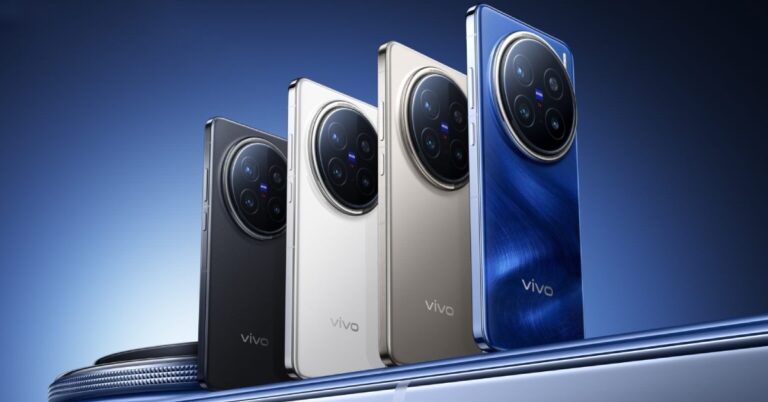
Vivo‘s latest flagship lineup, the X200 series, is off to a strong start. The company announced today that pre-orders for the series surpassed expectations, reaching a total volume 150% higher than the previous generation X series on the first day.
Even more impressive, the Pro variants, including both the X200 Pro and the X200 Pro mini, saw a whopping 200% increase in pre-orders compared to their predecessors.
These figures suggest a strong early showing for the X200 lineup, which debuted yesterday in China. These are the world’s first phones with MediaTek Dimensity 9400 processor.
Pricing for the X200 series starts at 4,299 yuan for the standard version. The Pro variants begin at 4,699 yuan.
Vivo X200 series specifications
The standard X200 sports a large 6.67-inch 10-bit OLED LTPS display with a curved design, Zeiss Natural Color support, and a peak brightness of 4,500 nits.
It boasts a triple rear camera system featuring a 50MP Sony IMX921 main sensor, a 50MP telephoto lens, and a 50MP ultra-wide shooter. Powering the phone is a hefty 5,800mAh battery with support for 90W wired charging.
The Pro models take things a step further. They utilize an LTPO panel with a variable refresh rate reaching up to 120Hz for smoother visuals. The bezels are slimmer at 1.63mm, and the Pro mini offers a more compact 6.31-inch flat display.
For photography enthusiasts, the Pro versions boast a new 50MP Sony LYT-818 main sensor alongside a 50MP ultra-wide lens. The key differentiator is in terms of the telephoto camera — the Pro gets a mighty 200MP Zeiss APO sensor, while the Pro mini sticks with a 50MP option. Both Pro models benefit from Vivo’s V3+ imaging chip, enabling features like 4K HDR Cinematic Portrait video and 10-bit Log recording at 60fps.
Keeping the lights on, the X200 Pro and Pro mini pack 6,000mAh and 5,800mAh batteries respectively, both supporting 90W wired charging.
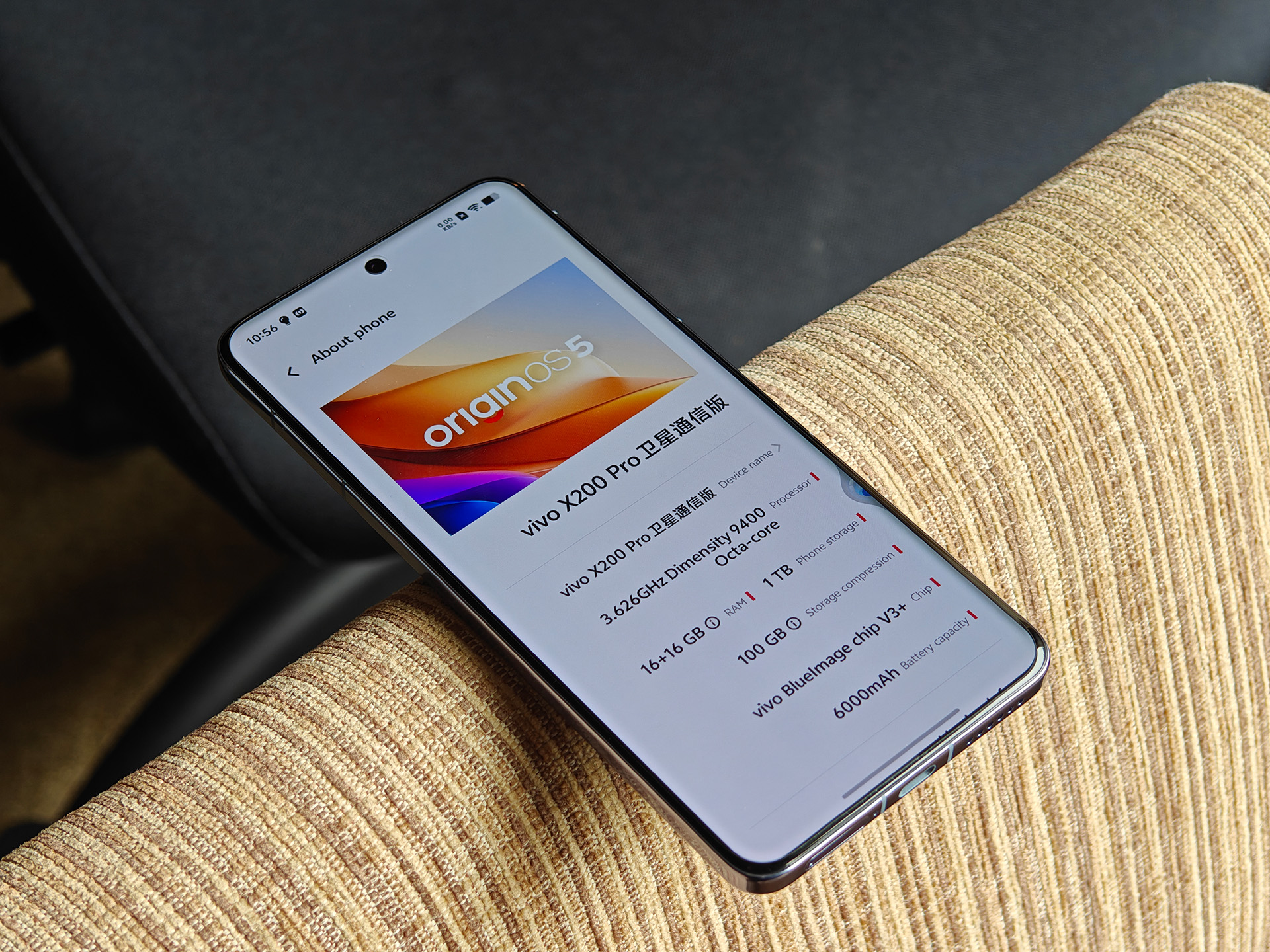
Software-wise, the X200 series runs on Vivo’s latest Origin OS 5, which introduces AI features like a visual lookup tool and a “Dynamic Island”-esque element called Origin Island.
The launch of the Vivo X200 series has generated significant buzz, particularly with the introduction of the Vivo X200 Pro Mini, which has quickly become a favorite among users thanks to its compact design and top-notch specs. This comparison delves into the specifications and features of the Vivo X200, Vivo X200 Pro, and Vivo X200 Pro Mini, highlighting what sets the Pro Mini apart from its counterparts.
With a focus on performance, camera capabilities, and design, we explore the reasons behind the X200 Pro Mini’s growing popularity. As Vivo prepares for a potential global release of the X200 series, it’s essential to understand how these models stack up against each other and why the Pro Mini has captured the attention of consumers.
Vivo X200 vs. Vivo X200 Pro Mini vs. Vivo X200 Pro
The Vivo X200 Pro mini has gained popularity for several reasons. First, its compact design and lightweight build make it easy to handle and carry. The teasers released prior to its launch indicated that Vivo has aimed it to attract users looking to switch from an iPhone. The Pro Mini’s dimensions closely mirror those of the recent iPhone 16 Pro, which features a 6.31-inch screen and measures 149.6 x 71.5 x 8.3 mm. In comparison, the X200 Pro Mini, with its similarly sized screen, measures 150.8 x 71.8 x 8.2 mm.
Second, the combination of flagship specifications, such as the powerful Dimensity 9400 processor and robust camera capabilities, allows users to enjoy a premium smartphone experience similar to the X200 Pro at a nominal price of 4,099 Yuan.
Additionally, the inclusion of a flat screen (X200 and X200 Pro have micro-quad-curved screen), wireless charging features, other “Pro” level specs, and competitive pricing further enhances its appeal to consumers seeking value in their smartphone choices.
3. Who would prefer Vivo X200 and X200 Pro?
The Vivo X200 is well-suited for budget-conscious consumers who are looking for a compelling mix of features at a competitive price, making it an attractive option for users seeking good value without breaking the bank. Its versatile camera system, featuring a strong 50-megapixel primary sensor along with additional lenses, appeals to casual photographers who enjoy capturing moments but do not require advanced photography features. Additionally, the X200 is ideal for entertainment and gaming enthusiasts due to its high-resolution OLED display and robust battery life, making it suitable for streaming videos, playing games, and everyday multitasking. Overall, the Vivo X200 caters to everyday users in need of a reliable smartphone for daily activities, social media, and communication.
On the other hand, the Vivo X200 Pro targets photography enthusiasts who prioritize high-quality images, thanks to its advanced camera system that boasts up to 200-megapixel resolution and optical image stabilization (OIS). Tech-savvy users will appreciate the powerful MediaTek Dimensity 9400 processor and premium features, such as enhanced V3 image chip capabilities, which elevate the overall photography experience. The X200 Pro also attracts premium smartphone seekers looking for high-end specifications and premium materials, as well as power users who run demanding applications, multitask frequently, or engage in resource-intensive activities.
4. Will the Vivo X200 Pro Mini launch globally?
Vivo is expected to release the X200 series in the global market, catering to international consumers eager for innovative smartphone technology. However, there is no clarity on whether the Vivo X200 Pro mini will be released overseas, leaving potential buyers in suspense about its availability outside of China.
The Oppo Find X8 series is set to launch on October 24, and among its new features, the Find X8 Pro introduces a unique camera control button. This addition brings a functionality similar to the Capture button on the iPhone 16 series, but it has its own distinct advantages. While early images showed a glimpse of the button, there was limited information about its actual features—until now.
Recently, a company official provided insights into how the new pressure-sensitive button works and what it offers for the user experience.
Key functions of Find X8 Pro’s Camera control button:
Quick camera launch:
With a simple double-tap on the button, users can instantly launch the camera app. Although Android devices usually have a shortcut to the camera on the lock screen, accessing it often involves pressing the power button or double-tapping the display first. The new button streamlines this process, making it quicker and more intuitive.
Zoom control:
Swiping on the button allows users to adjust the zoom level easily. This feature is particularly useful for those who frequently use the camera with one hand, as it makes zooming in or out much more manageable, especially when the phone is held in landscape mode.
Enhanced underwater camera usage:
Another benefit of the camera control button is for underwater photography. The Find X8 Pro, being a flagship device in 2024, comes with an IP69 rating for dust and water resistance, enabling users to capture photos or videos underwater up to a certain depth. Normally, touch controls don’t work well in wet conditions, but this physical button ensures that users can still operate the camera effortlessly even when submerged.
The thoughtful placement of the button on the bottom left of the device makes it easily accessible, whether the user is holding the phone horizontally or in portrait mode.
The Oppo Find X8 series consists of three models: Find X8, Find X8 Pro, and Find X8 Ultra. The first two models are set to be unveiled this month, both powered by the new Dimensity 9400 chipset and running on Android 15-based ColorOS 15. Meanwhile, the Find X8 Ultra is expected to launch in Q1 2025, featuring the high-performance Snapdragon 8 Elite chip.
Samsung has commenced the pre-reservations for its highly anticipated Galaxy Ring in India. This innovative wearable device, designed to fit comfortably like a traditional ring, is packed with cutting-edge Galaxy AI features and sensors to provide a unique and differentiated experience. Here’s a look at the pre-reservation details for those looking forward to purchasing it.
Customers can pre-reserve their Galaxy Ring by paying a token amount of Rs 1,999 on Samsung.com, select retail stores, Amazon.in, and Flipkart.com. Those who pre-reserve during this period will receive a complimentary Wireless Charger Duo worth Rs 4,999 upon purchase, Read on to know the five key features of the Galaxy Ring.
2. Size and weight
The Galaxy Ring equipped with a titanium finish will be available in 9 different sizes, from size 5 to size 13, ensuring a perfect fit for everyone. Despite its advanced features, it remains incredibly lightweight at just 2.3 grams for size 5, with a narrow 7.0 mm width, providing ultimate comfort for both day and night wear.
3. Durability
Built for durability, the Galaxy Ring features a titanium finish and has an IP68 rating for water and dust resistance. It is also rated 10ATM, capable of withstanding water depths of up to 100 meters, ensuring reliable performance in all conditions.
4. Battery life
The ring offers an impressive battery life, providing up to 7 days of usage on a single charge. This makes it ideal for users with busy lifestyles who require long-lasting endurance without frequent recharging.
5. Health AI
Powered by Samsung’s innovative “Health AI,” the Galaxy Ring delivers personalized health experiences. It tracks users’ energy levels, sleep stages, activity, heart rate, and stress levels, providing personalized coaching and insights to simplify health tracking.
6. Galaxy ecosystem integration and additional features
The Galaxy Ring seamlessly integrates with other devices in the Galaxy ecosystem, enhancing the connected experience for users. It offers 24/7 health tracking in synergy with Galaxy smartwatches, gesture controls, and Smart Find for added convenience and functionality.
Qualcomm‘s upcoming high-end mobile processor, the Snapdragon 8 Gen 4 (or Snapdragon 8 Elite), is expected to see a significant boost in shipments this holiday season, according to analyst Ming-Chi Kuo.
Kuo, a well-respected figure in the tech industry, forecasts a 50% year-over-year increase for Snapdragon 8 Gen 4. The shipments are expected to reach approximately 9 million units in the second half of 2024 compared to the previous generation, the Snapdragon 8 Gen 3.
Qualcomm will see an increase in Snapdragon 8 Gen 4 shipment
Several factors will contribute to the surge, according to Kuo. Firstly, the SD8G4 enjoys a longer sales window compared to its predecessor. Additionally, Kuo suggests increased demand from major smartphone manufacturers such as Samsung.
But perhaps the most significant driver could be the evolving Chinese smartphone market. According to Kuo, the recent Golden Week holiday sales witnessed a dominant performance by Chinese brands, capturing an estimated 80% market share with a 20% year-over-year shipment growth – a stark contrast to flat iPhone sales. The trend is expected to continue through the fourth quarter.
Moreover, Kuo also claims the market share of high-end smartphones (priced above 4,000 RMB) in China will increase from 25-30% in 2023 to 30-35% in 2024.
Overall, the Chinese smartphone market shipments are expected to reach 280 million units in 2024, a 3% YoY increase, with continued growth projected for 2025.
Kuo believes the positive outlook extends beyond the immediate future. He suggests Qualcomm’s stock price has already accounted for the potential downside of Apple developing its own 5G chips.
Looking ahead, the company stands to benefit from factors like the growth of AI-powered smartphones and PCs, alongside potential price hikes for SoCs due to the adoption of TSMC’s advanced N3P manufacturing process.
While the immediate future appears bright for Qualcomm’s Snapdragon 8 Gen 4, the long-term market dynamics remain to be seen. Only time will tell if these trends translate into sustained success for the chipmaker.
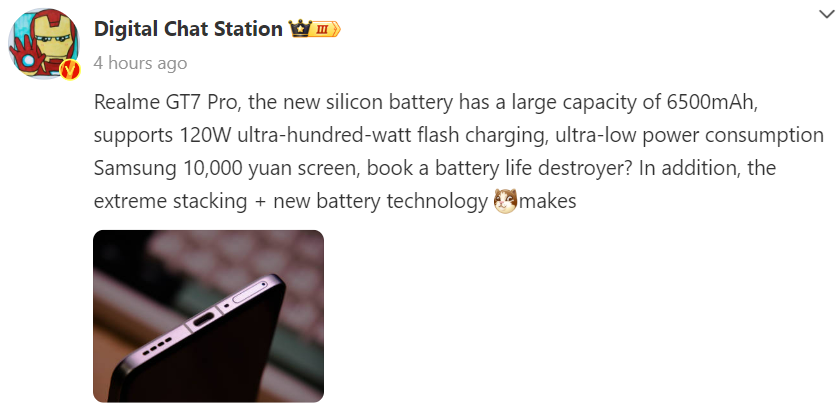
According to reports, Realme is working on two new flagship phones for the Chinese market. The GT Neo 7, arriving in December, will be a performance-focused sub-flagship phone, while the GT 7 Pro, expected to launch by early November, will be an all-rounder flagship phone offering an excellent photography experience along with top-notch specs. A new leak, courtesy of tipster Digital Chat Station, that surfaced today, has revealed the massive battery capacity of the GT 7 Pro.
Realme GT 7 Pro battery size tipped
Previous leaks have suggested that the Realme GT 7 Pro will feature the largest battery ever seen on a Realme smartphone. The new leak reveals that the GT 7 Pro will house a huge 6,500mAh battery and support 120W fast charging.
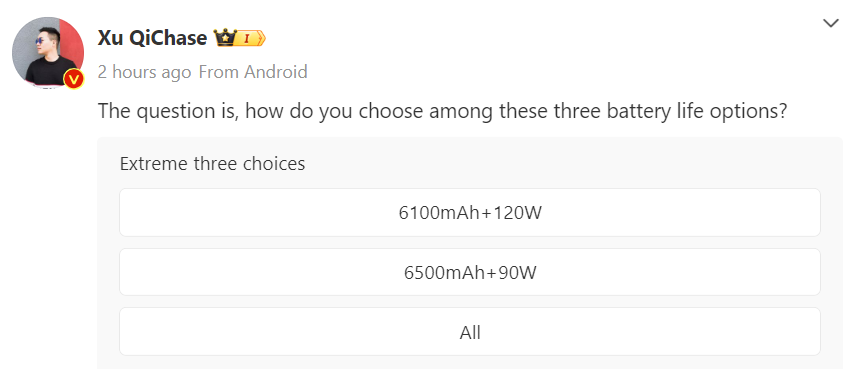
Soon after DCS released the above Weibo post, Realme President for China, Xu Qi Chase, released a poll to know users’ preferences for battery and charging combinations. As can be seen, there is an “All,” which hints that the device may indeed pack a 6,500mAh battery with 120W charging support.
DCS also revealed that the Realme GT7 Pro’s Samsung custom display not only delivers excellent color performance but also features a global DC dimming eye protection solution and cutting-edge eye protection technology, surpassing the iPhone 16 Pro Max. It is said to support a global peak brightness of 2,000 nits.
The screen is said to sport a micro-quad-curved design and support a 1.5K resolution. In addition to the Samsung custom display, it is said to feature an ultrasonic in-screen fingerprint sensor.
Under the hood, the GT 7 Pro will feature the Snapdragon 8 Elite chipset. According to reports, it will feature a 32-megapixel front camera, and a 50-megapixel (LYT-700) + 8-megapixel (ultra-wide) + 50-megapixel (LYT-600, 3x periscope) triple camera unit on the back. It is expected to run on Android 15 and Realme UI 5.
The Vivo X200 Pro, newly launched in China, brings significant enhancements over the Vivo X100 Pro, making it an exciting upgrade. Vivo’s commitment to pushing boundaries is evident in the new features and hardware improvements, solidifying the X200 Pro as a flagship smartphone contender. Below, we’ll explore the upgrades that make the X200 Pro a worthy successor.
Vivo X100 Pro and X200 Pro both feature 6.78-inch LTPO AMOLED displays with 8T technology for variable refresh rates, allowing precise adjustments. However, the X200 Pro surpasses with a peak brightness of 4500 nits, compared to the X100 Pro’s 3000 nits, and offers a broader refresh rate range of 0.1-120Hz, while the X100 Pro ranges from 1-120Hz. Additionally, the X200 Pro includes Dolby Vision support, a feature absent on the X100 Pro.
2. Processor and Performance
The X200 Pro is powered by the latest Dimensity 9400 SoC, an upgrade from the X100 Pro’s Dimensity 9300. The newer chipset is built on a 3nm process, promising better performance and efficiency. Vivo has also upgraded the GPU to Immortalis-G925, delivering superior graphics performance, making the X200 Pro better suited for resource-intensive applications and games. Notably, this chipset is the first mobile processor to surpass 3,000,000 in the AnTuTu benchmark.
3. Camera
The Vivo X200 Pro series camera system includes a triple rear setup with Zeiss optics and Vivo’s V3+ imaging chip, shared with the X100 Ultra. The main camera is a Sony LYT-818 1/1.28-inch sensor with an f/1.57 lens.
Despite being smaller than the X100 Pro’s 1-inch sensor, Vivo claims it rivals larger sensors in photo quality and surpasses them in video capture. The major upgrade is the 200MP Zeiss APO telephoto lens, also from the X100 Ultra, featuring 85mm (3.7x) optical zoom with a bright f/2.67 aperture. Additionally, the setup includes a 50MP ultrawide lens and a 32MP autofocus selfie camera.
4. Battery and Charging
The Vivo X200 Pro features a large 6000mAh battery, enabled by third-generation Silico Anode technology, with 90W wired and 30W wireless charging. While the X100 Pro has a 5400mAh battery with faster 100W wired and 50W wireless charging, the X200 Pro’s larger capacity supports extended usage. Additionally, the X200 Pro is designed for durability, operating in temperatures as low as -20°C.
5. Software and Additional Features
The Vivo X200 Pro comes with OriginOS 5 based on Android 15, whereas the X100 Pro runs Funtouch OS 14 on Android 14, upgradeable to Android 15. The X200 Pro also features Beidou satellite communication, enhancing connectivity in remote areas, unlike the X100 Pro.
The X200 Pro also features the BlueLM AI large model, which enables offline use of tools like Image Stylization and Document Summarization by downloading a local algorithm package. It also supports image generation, text recognition, and instant translation. Additionally, the “Circle to Search” function lets users circle any item on the screen to search for information, activated by holding two fingers on the display for a few seconds.
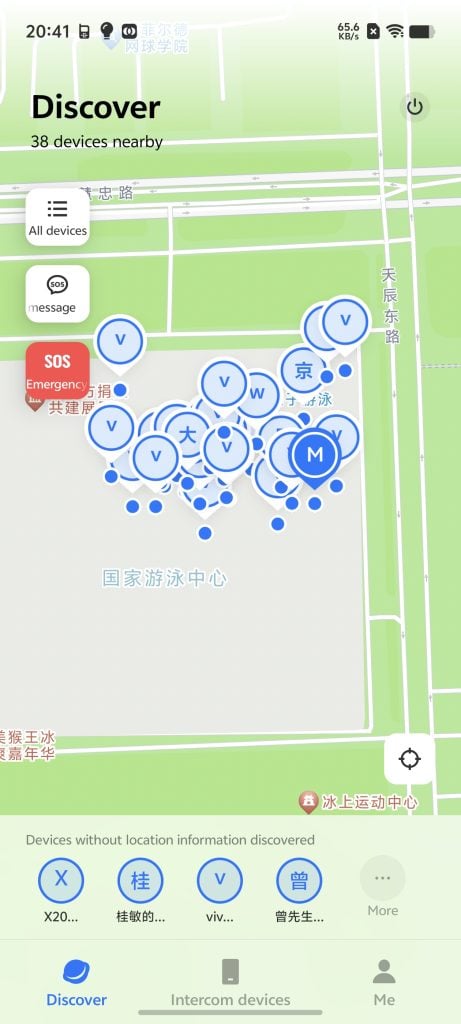
Vivo and MediaTek have also introduced kilometer-level network-less communication technology, enabling long-distance, point-to-point Bluetooth communication in areas without cellular networks. This includes SOS text broadcasting, voice and text intercom, and map location sharing, effectively turning the phone into a walkie-talkie for localized communication with other Vivo devices.
6. Design and Build Quality
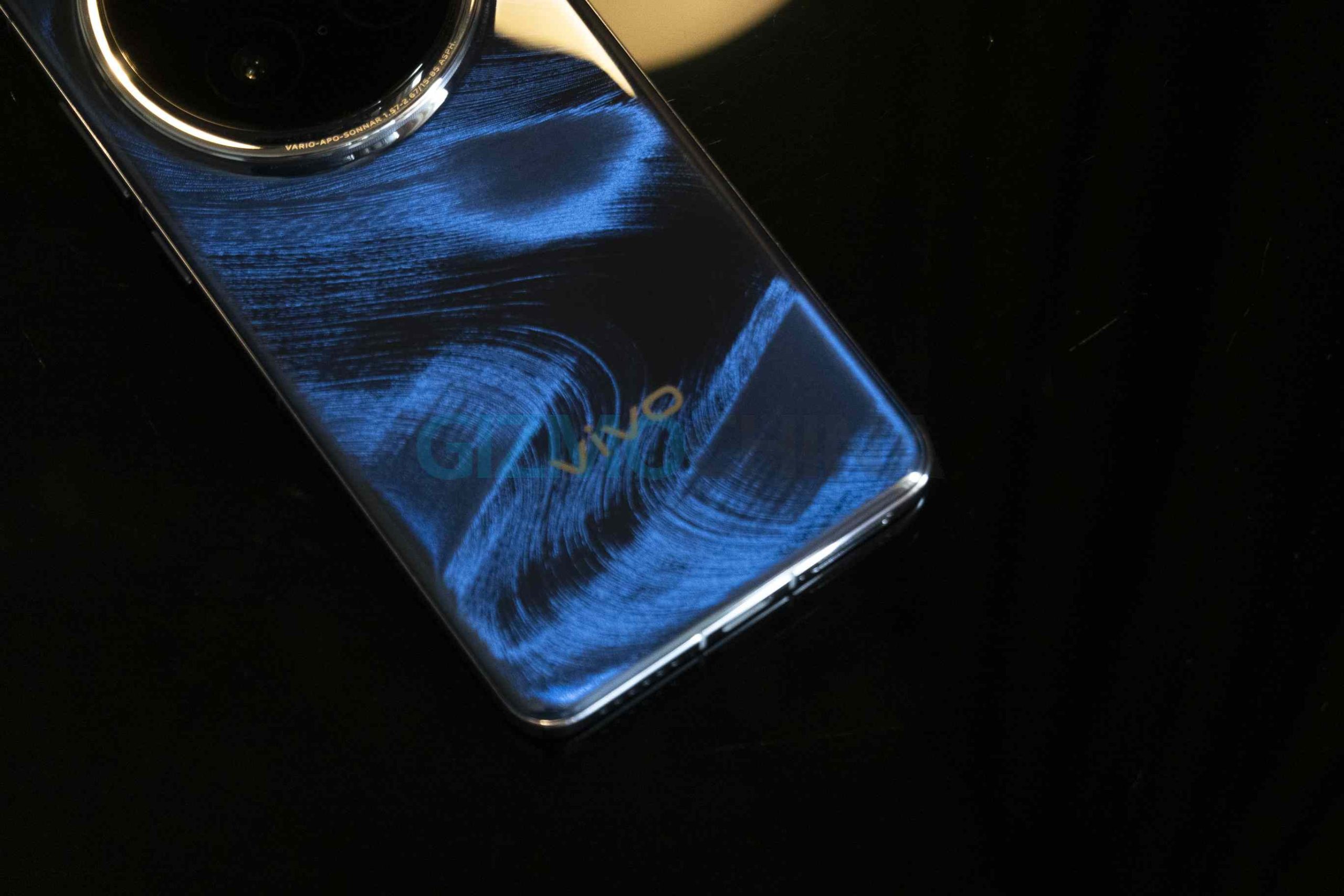
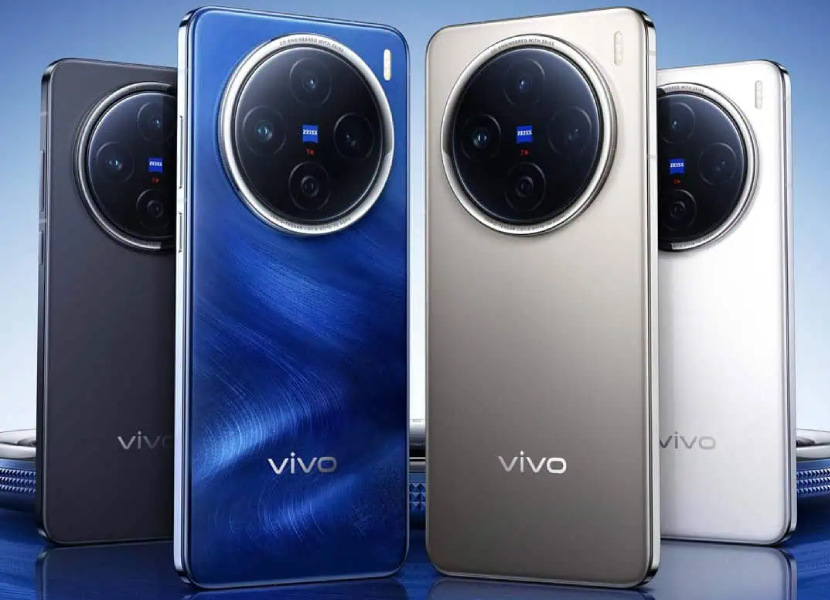
While both models feature premium materials, the X200 Pro introduces new color options, including “Sapphire Blue,” which mimics ocean waves under light, adding an aesthetic element to its design. Additionally, the X200 Pro is rated IP69 and IP68, whereas the X100 Pro has only an IP68 rating, offering extra protection against dust and water exposure.
7. Conclusion
With its enhanced display, powerful processor, expanded storage options, and upgraded camera system, the Vivo X200 Pro offers a substantial leap forward. For users of the X100 Pro considering an upgrade, or for those new to the Vivo X series, the X200 Pro sets a new standard in performance, imaging, and connectivity. We’ve already had the chance to get hands-on with this stunning smartphone. Take a look here.
Huawei has confirmed that it will unveil the Nova 13 series of smartphones on Oct. 22 in China. The new edition of Harmony OS, dubbed Harmony OS Next, will also debut alongside the Nova 13 series. The company will likely confirm the release schedule of the new software for various products, including phones, tablets, smart screens, and smart home products. Ahead of the launch event, the Nova 13 and Nova 13 Pro have been listed on Huawei’s Vmall for reservations. The official listings have revealed the design of both smartphones.
Huawei Nova 13 series design revealed
The official listings show that the Nova 13 and Nova 13 Pro will be available in four shades, such as Loddon Green, Feather Sand White, Feather Sand Purple, and Star Black. The Nova 13 will be available in 256 GB and 512 GB storage options, whereas the Pro model will come in three choices, such as 256 GB, 512 GB, and 1 TB.
Huawei Nova 13 and Huawei Nova 13 Pro
Huawei is yet to confirm the specifications of the Nova 13 and Nova 13 Pro. However, the brand has confirmed both devices will support Beiduo satellite messaging.
Hauwei Nova 13Hauwei Nova 13Hauwei Nova 13Hauwei Nova 13
As per a recent report, the Nova 13 and 13 Pro may come equipped with the Kirin 9010 chipset and 12 GB of RAM. The standard model may feature a 60-megapixel front camera and a 50-megapixel (main) + 8-megapixel (telephoto) dual-camera setup on the back.
Huawei Nova 13 ProHuawei Nova 13 ProHuawei Nova 13 ProHuawei Nova 13 Pro
On other hand, the Nova 13 Pro is likely to feature a 60-megapixel + 8-megapixel dual selfie camera setup. On the back, it is expected to feature a 50-megapixel RYYB primary camera, a 12-megapixel ultra-wide lens, and an 8-megapixel telephoto camera.
While the battery capacities of the Nova 13 and 13 Pro are not known, but devices are said to support 100W charging. For security, the Nova 13 duo will have an under-display fingerprint sensor.
We are just days away from the launch of the Oppo Pad 3 Pro, scheduled for October 24.
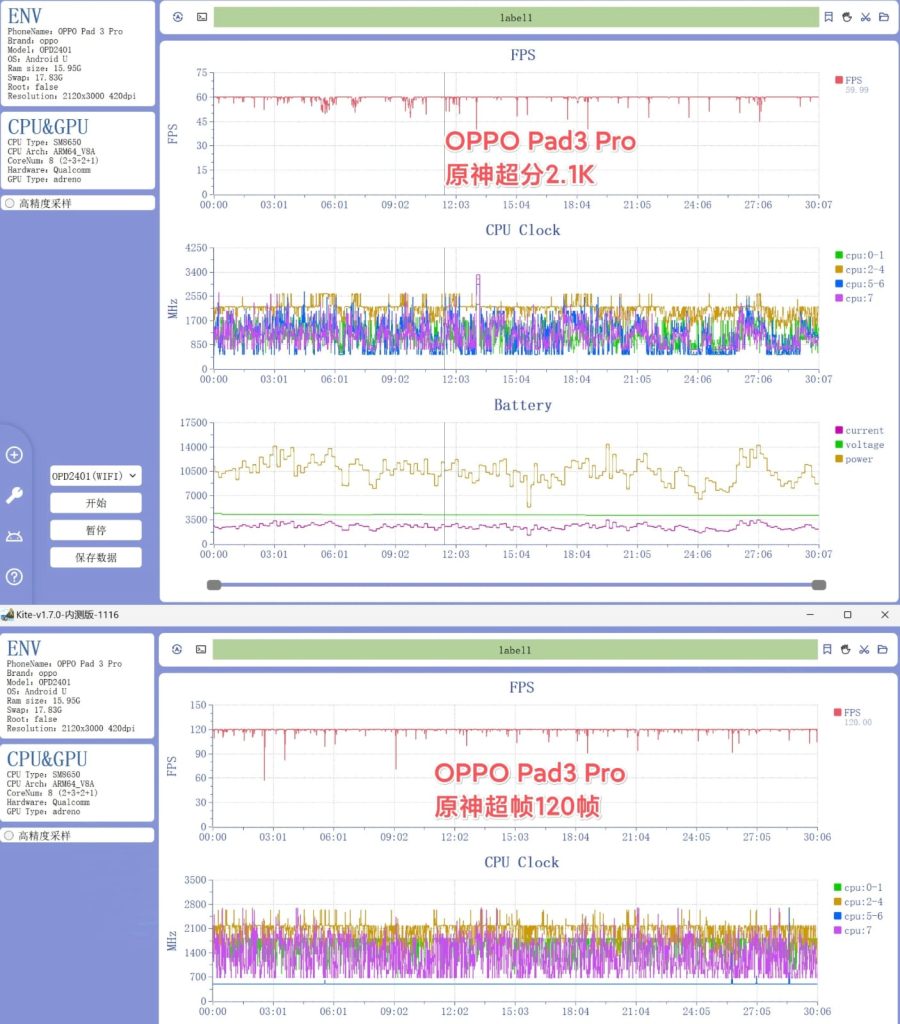
The latest leak from tipster Digital Chat Station, the gaming test of the Pad 3 Pro, finally suggests the completion of the development. The Genshin Impact gameplay test on the upcoming tablet reveals some amazing results – the device offers an average frame rate of 59.53fps while running the game at a high 2.1K resolution.
Pad 3 Pro managed to sustain Genshin Impact in 120fps
In addition to that, the tablet also supports 120fps gameplay in Genshin Impact, where it offers an average frame rate of 119.25fps. According to the tipster, this is achieved by using frame interpolation technology.
While the tipster didn’t share much about Oppo‘s implementation of the feature, it generally uses a separate chipset to draw frames between the ones generated from the main GPU and offers a smoother motion. . What’s more surprising, is the stable performance of the Pad 3 Pro. Other than some occasional stutters, it maintained the max frame rate throughout the 30-minute testing in 60fps and 120fps testing. The tablet consumed about 10.5W of power throughout the gaming session, which isn’t too much either.
However, heat dissipation is also a very important factor when it comes to sustained performance, and we have no data about it for this test. Just by changing the cooling situation, you can totally change the sustained performance of a device. For instance, the Nubia Redmagic 9S Pro (with a fan) scored over 59fps on this game on a previous test, whereas the Xiaomi 14 Pro only managed to score about 38fps despite running on the same chip. As we don’t know the environmental temperature in which the Pad 3 Pro was tested, we should take the results with a pinch of salt.
That said, the test also confirms the use of the Snapdragon 8 Gen 3 chip, which is based on a stable and efficient 4nm process.
The Pad 3 Pro comes with a design similar to its predecessor and packs a 12.1″ 3K IPS LCD display and a 9510mAh battery, which supports 67W charging, and up to 16GB RAM and 512GB storage options. Significant in context, the Genshin Impact test was performed on the 16GB version of the tablet.
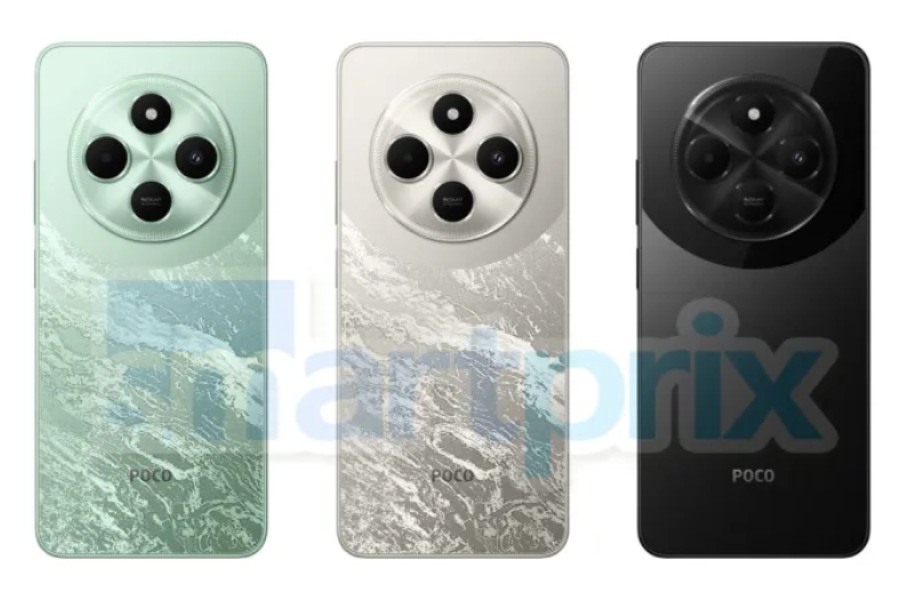
The Poco C75, a budget phone from Xiaomi‘s sub-brand, has been keeping a low profile until now. After FCC certification hinted at an imminent launch, the phone has now surfaced in renders in some flashy color options. Let’s get into the details here.
Poco C75 renders and specifications
The renders show the C75 in three distinct colors — black, gold, and green. Each option features a dual-tone finish. And while the black has a more subdued look, the green and gold stand out with a marble-like finish on the lower half.
The camera deco is round with four cutouts. One holds the 50MP main camera, another has a 0.08MP auxiliary lens, and a third houses the LED flash. The last cutout is just there for decorative purposes.
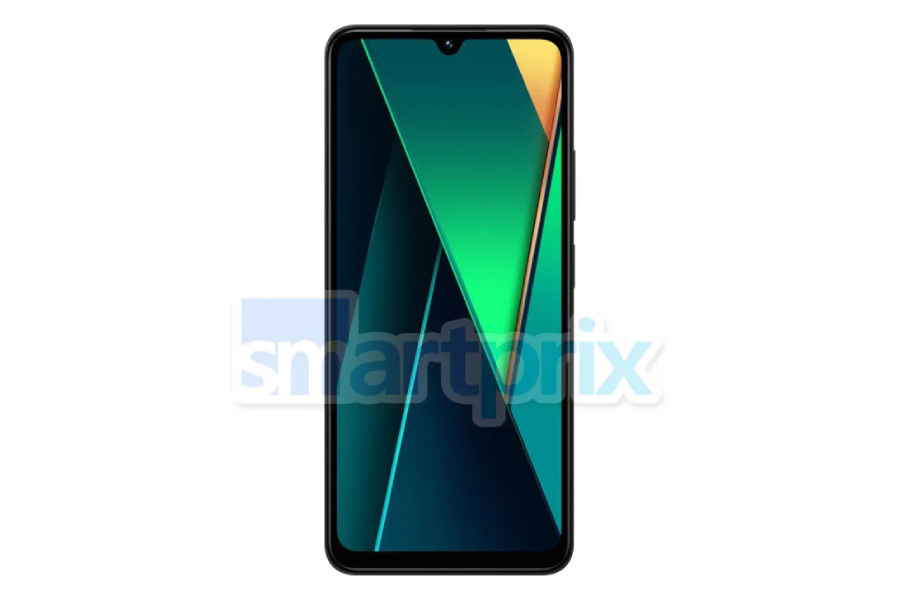
The front is home to a 6.88-inch HD+ LCD touchscreen with 120Hz refresh rate and noticeable bezels. The u-shaped notch houses a 13MP selfie camera.
Moreover, the phone is expected to pack a MediaTek Helio G85 processor, which is a common choice for budget devices. This will likely be paired with up to 8GB of RAM and up to 256GB of storage.
Rounding out the leaked specs, the C75 is expected to have a side-mounted fingerprint sensor embedded in the power button, NFC for contactless payments, and a 3.5mm headphone jack, a feature increasingly disappearing from newer phones.
The battery capacity is said to be 5,160mAh, which should offer decent battery life for a budget device, and will support 18W wired charging.
Compared to its predecessor, the Poco C65, the C75 seems to offer a slightly larger display with a higher refresh rate, a bump in the front-facing camera resolution, and a marginally bigger battery. However, the device uses the same SoC as last year’s model.
Oppo will hold a launch event on October 24 to unveil multiple devices, including the Find X8, Find X8 Pro, Oppo Pad 3 Pro, Enco X3 TWS earbuds, and a new variant of the Oppo Watch X. The Chinese manufacturer has been teasing the design and key features of the Dimensity 9400-powered OPPO Find X8 series for the past few days. Still, none of the official images have revealed the design completely. A couple of hours ago, renowned leaker Evan Blass leaked the official renders of the Find X8 and Find X8 Pro, resolving the design mystery of these phones.
Oppo Find X8, Find X8 Pro design revealed
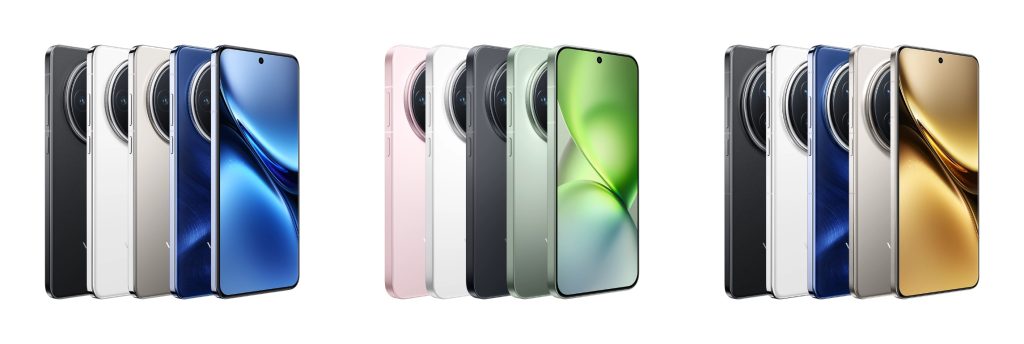
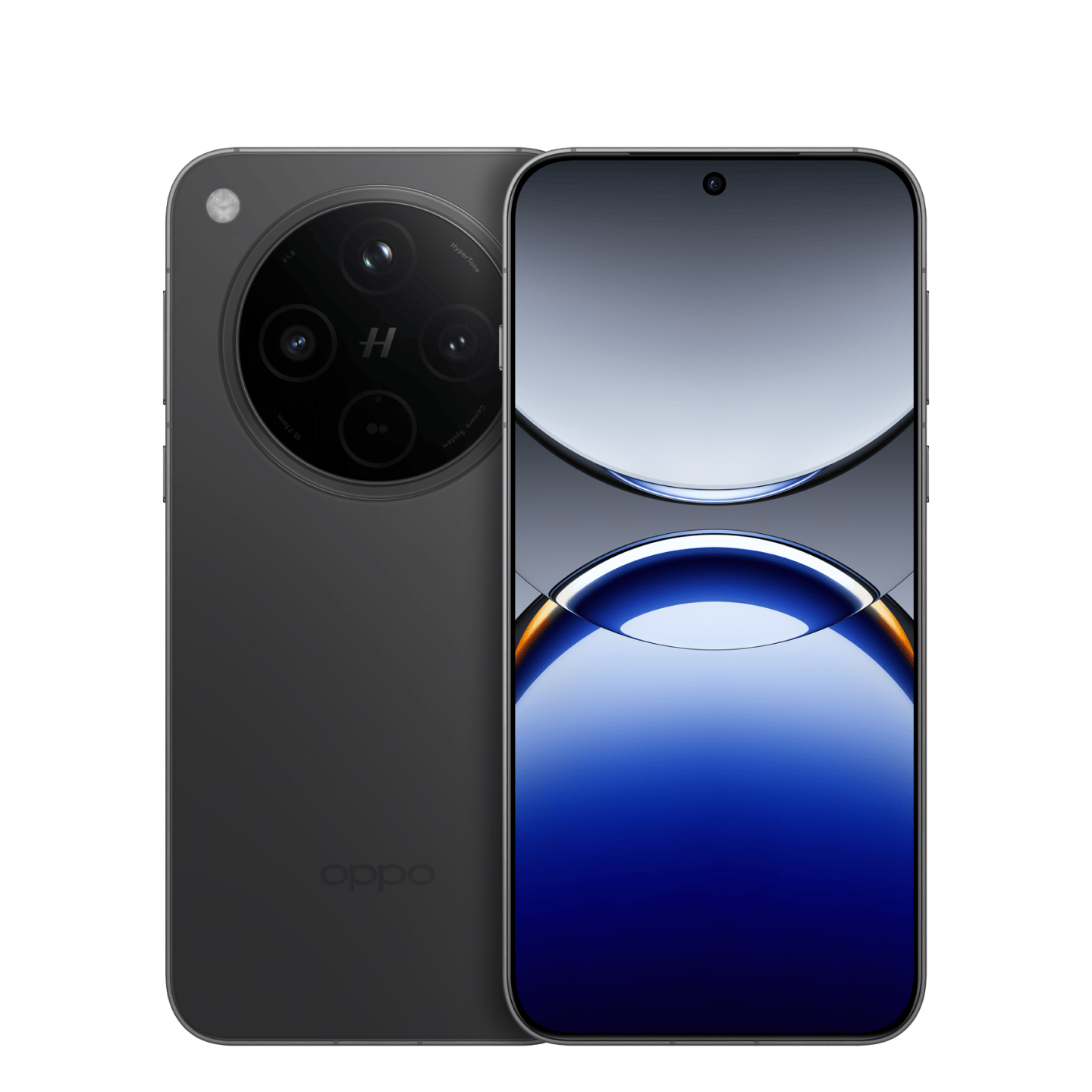
The Oppo Find X8 images reveal that it will be available in four shades: black, white, blue, and pink. On the other hand, the Find X8 Pro images confirm that it will be released in shades like black, white, and blue.
According to reports, the OPPO Find X8 is a smaller device with a 6.6-inch display, whereas the Pro variant has a 6.78-inch screen. While the displays appear flat, they actually have a micro-quad-curved design. As can be seen, both seem to have equal-sized ultra-thin bezels.
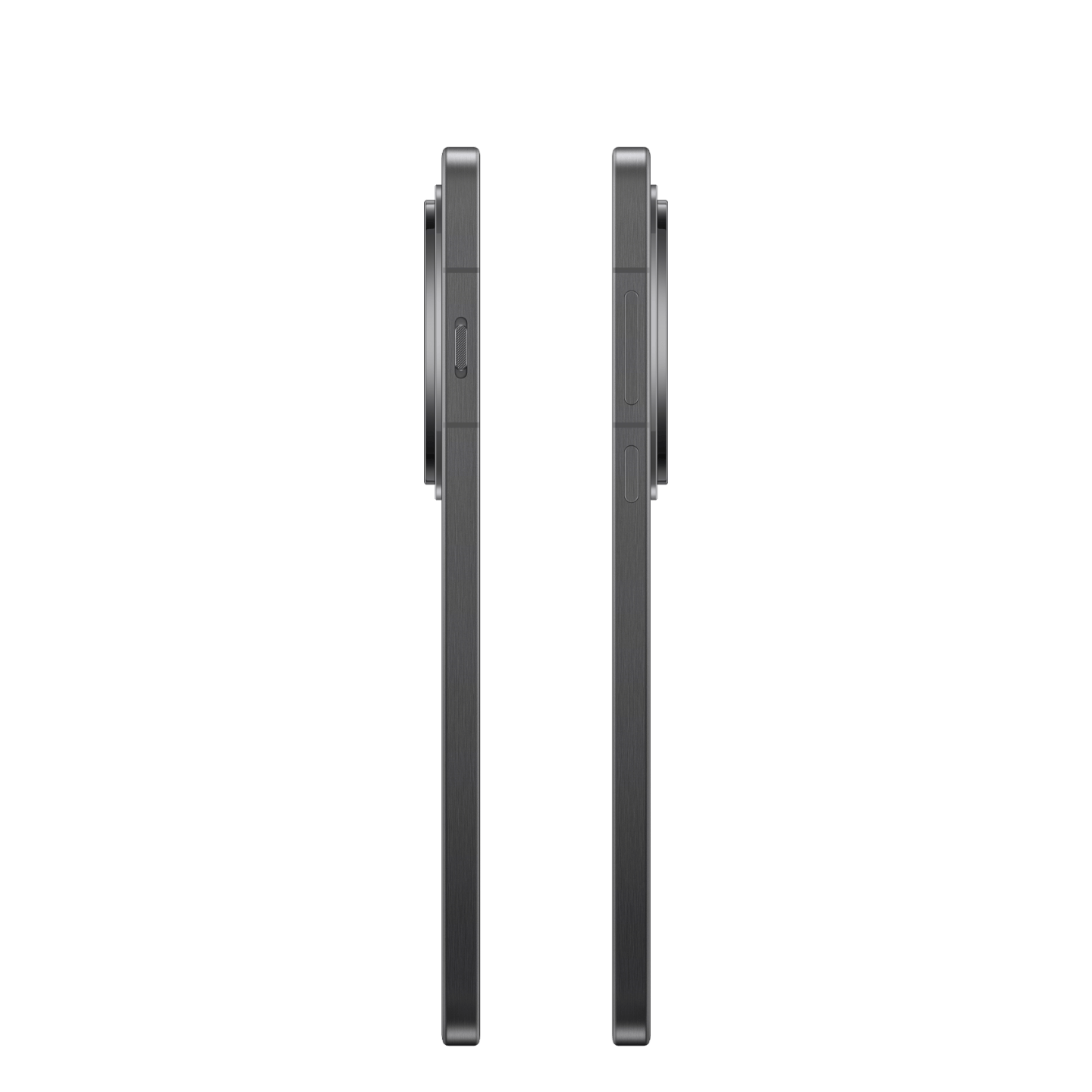
The Find X8’s edges look flat, whereas the Pro version’s edges have slight curvature. Both smartphones have an alert slider on the left spine, whereas the right side features a volume rocker and a power button. The Pro version has an additional Quick Capture button, which is said to be a capacitive button equipped with a linear motor. It is expected to function similarly to the Camera Control button available on the iPhone 16 series.
=
The top edge of the OPPO Find X8 and OPPO Find X8 Pro have multiple holes. These could be for the speaker, secondary microphone, and an IR blaster. The bottom side of both phones features a SIM slot, a USB-C port, a microphone, and a speaker.
Moving on to the back, both phones have a massive round camera module with a Hasselblad logo positioned at the centre. The Find X8 has a triple camera setup, whereas the Pro model is equipped with four cameras, out of which two are periscope telephoto lenses. An LED flash is placed outside at the upper-left corner on both smartphones.
Motorola is offering splendid deals on its fleet of Razr Flip smartphones featuring some phenomenal specifications. There is around a 50% discount on the Motorola Razr 2023 smartphone, meanwhile, the Motorola Razr+ 2023 and Razr+ 2024 are around 45% off and 20% off, respectively. It is a limited-time deal, and the users can head to Amazon US to grab the limited-time deals. However, a similar deal is live on Motorola Canada.
Motorola Razr Deals in the US
It’s Thanksgiving, and Motorola is here with some extraordinary deals on its fleet of Motorola Razr smartphones. Motorola Razr 2023 is retailing for the reduced price of $349, while the Razr 2024 is up for grabs at $499. In actuality, the flip smartphones have never been this low in the recent past. The users can grab the Flip smartphone for a mere $349 in the US.
If you want to improve on the specifications, then there are also deals on the Motorola Razr+ 2023 and Motorola Razr+ 2024 smartphones, which are retailing for the price of $549 and $799, respectively, on Amazon US.
Motorola Razr Deals in Canada
The discounts on Razr smartphones are prevalent in Canada too via its official Motorola Canada Store. Interested buyers can get the Motorola Razr+ 2024 for $1099 CAD, while the Motorola Razr+ 2023 is on sale for $749.
Motorola Razr Smartphones Features:
The Motorola Razr 2023 features a 6.9-inch P-OLED primary display with a resolution of 876 x 2142 pixels, providing vibrant colors and excellent contrast. It is powered by the Snapdragon 7 Gen 1 processor, delivering smooth performance for daily tasks and light gaming. With a dual-camera setup, including a 64MP primary camera and a 32MP ultrawide sensor, the Razr 2023 captures impressive photos. Its 4,200mAh battery supports 64W fast charging, ensuring you’re powered up quickly.
The Motorola Razr 2024 takes it a step further with a 6.9-inch FHD+ P-OLED display and a faster MediaTek Dimensity 7300X, making it a solid choice for more demanding users. The Razr 2024 also includes a 32MP front-facing camera for stunning selfies and video calls. The 4,200mAh battery supports both 30W wired and 15W wireless charging, providing more flexibility for users on the go.
Lastly, the Motorola Razr+ 2024 offers a cutting-edge experience with its enhanced 6.9-inch AMOLED main display, 120Hz refresh rate, and Snapdragon 8s Gen 3 processor. Designed for power users, it includes 12GB of RAM, allowing for seamless multitasking. With an upgraded camera setup featuring a 50MP primary and a 12MP telephoto lens, as well as a 4,500mAh battery with 33W fast charging, the Razr+ 2024 is the ultimate premium option among the Razr lineup.
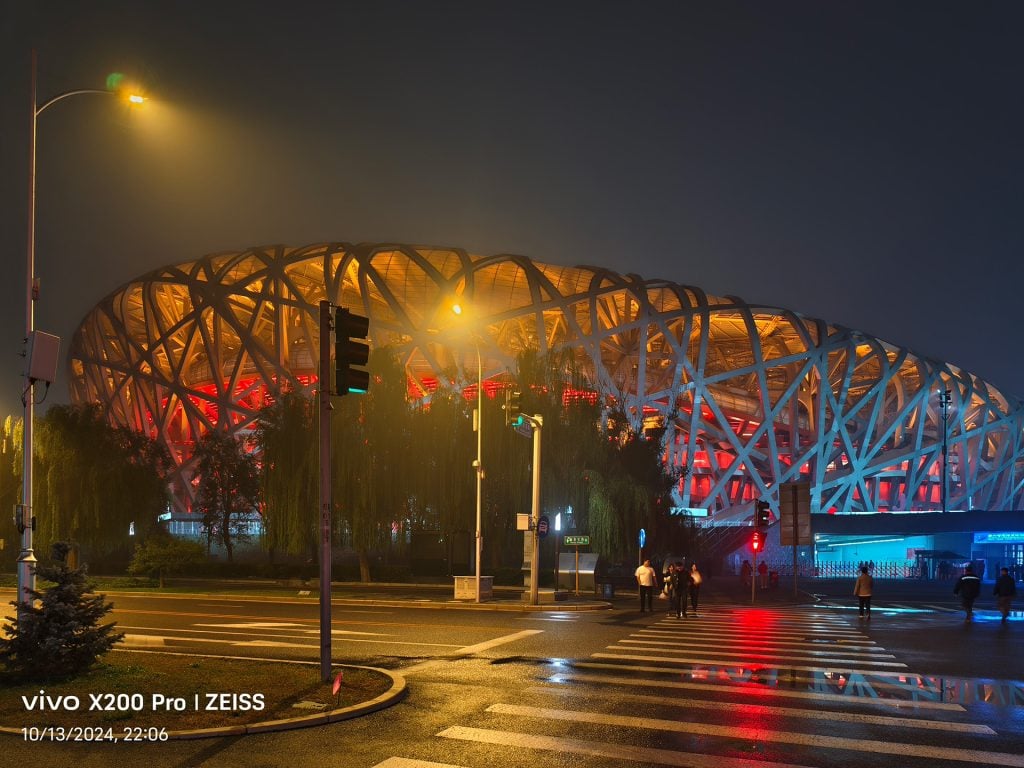
Vivo just announced their flagship Vivo X200 series in China today at the famous Water Cube, a.k.a. the National Aquatics Centre, in Beijing. We got the device a couple of days in advance, so our team had some time to play around and test it before an in-depth review.
In case you were wondering how the phone feels in real life, here’s a quick first impression of the Vivo X200 Pro.
The Vivo X200 Pro is Sleek but Chunky
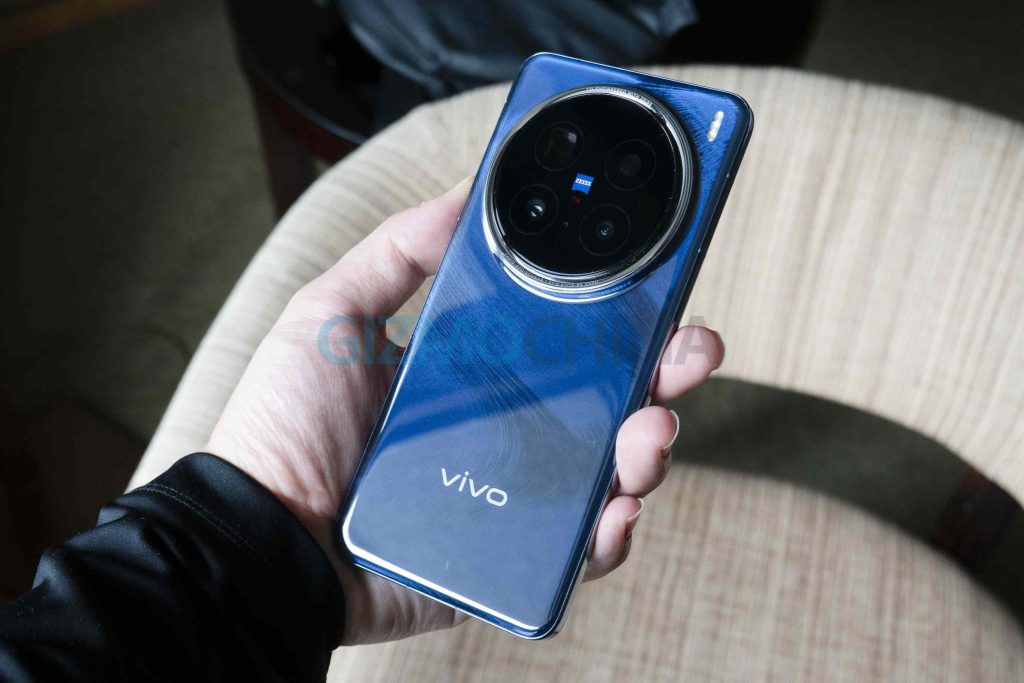
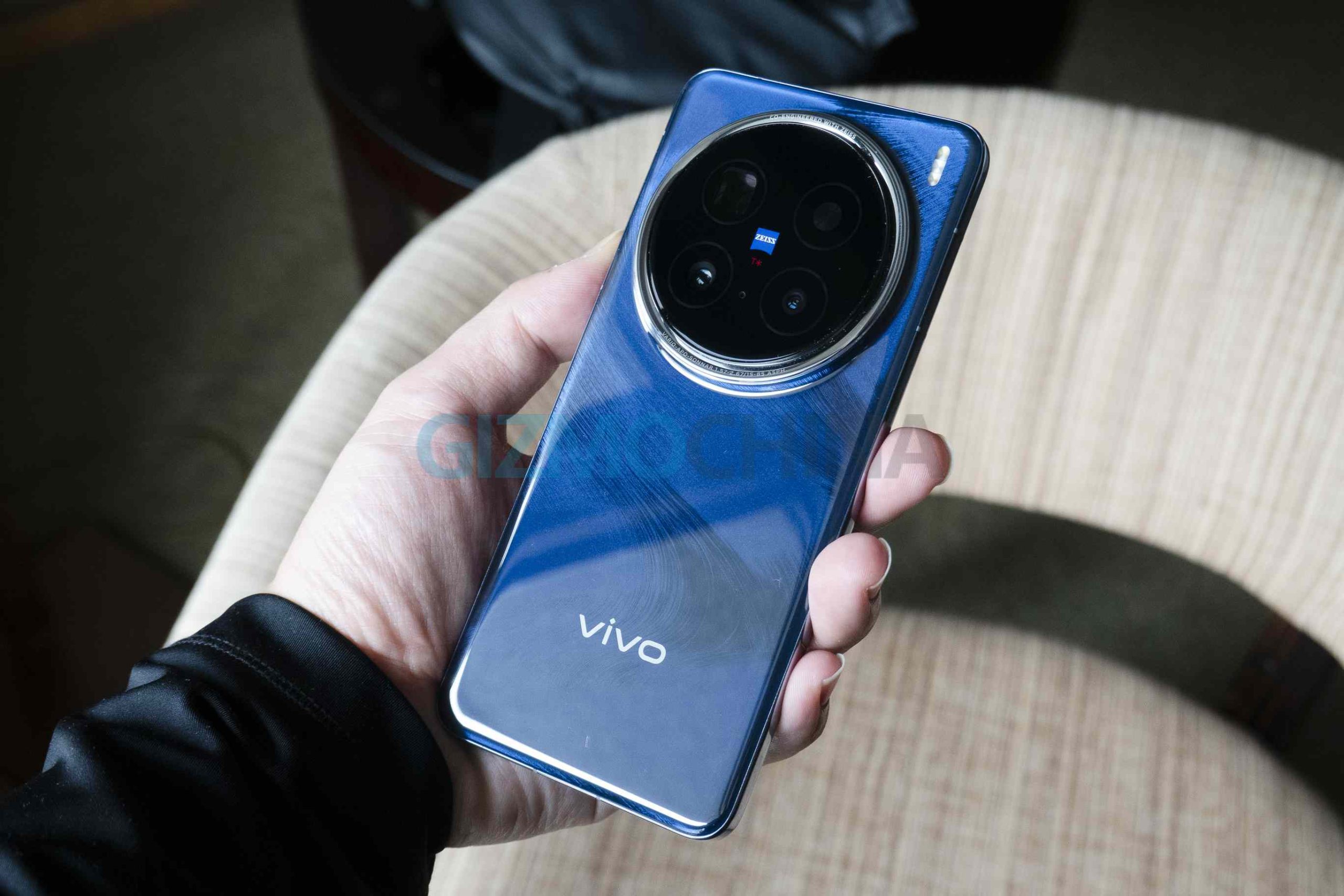
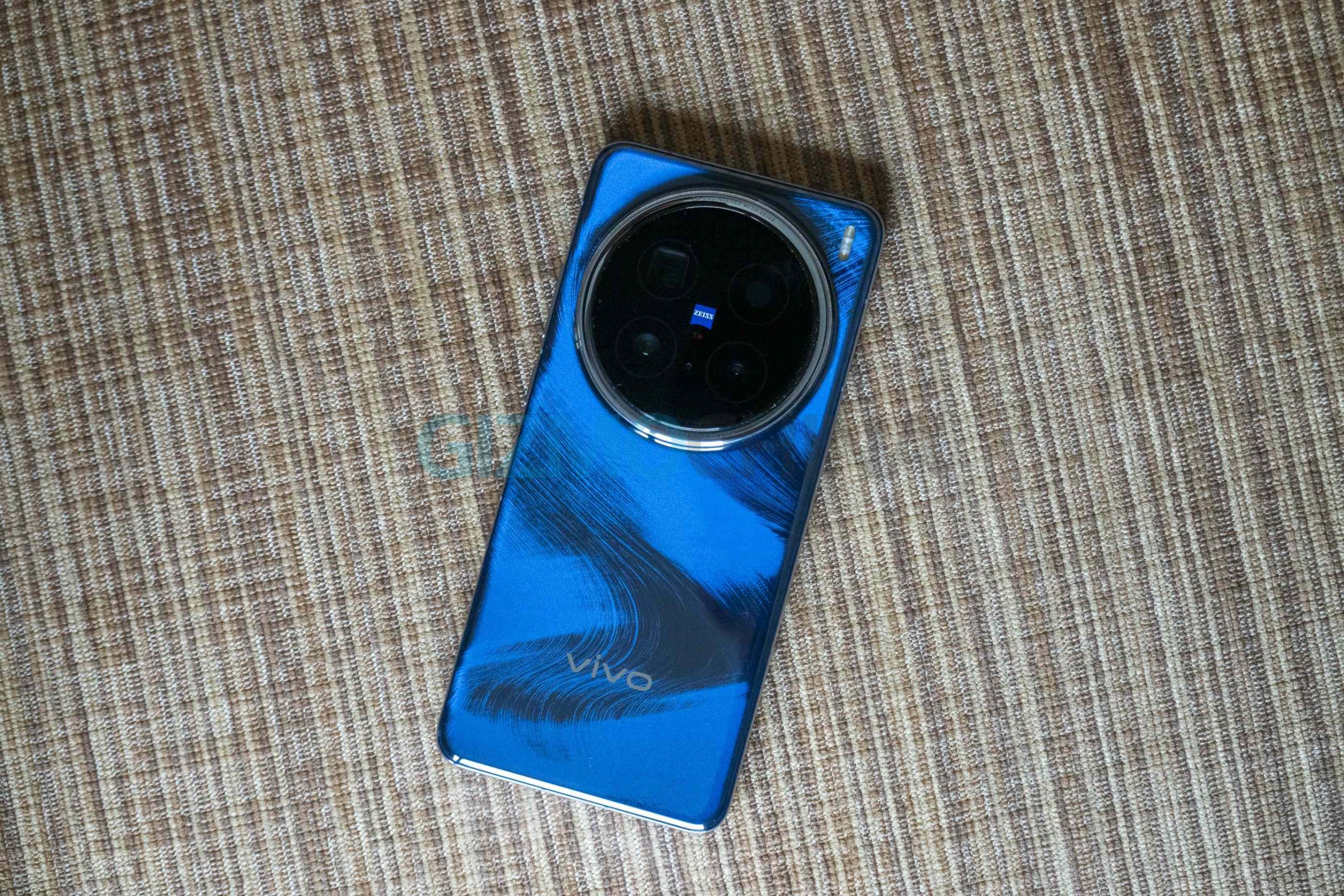
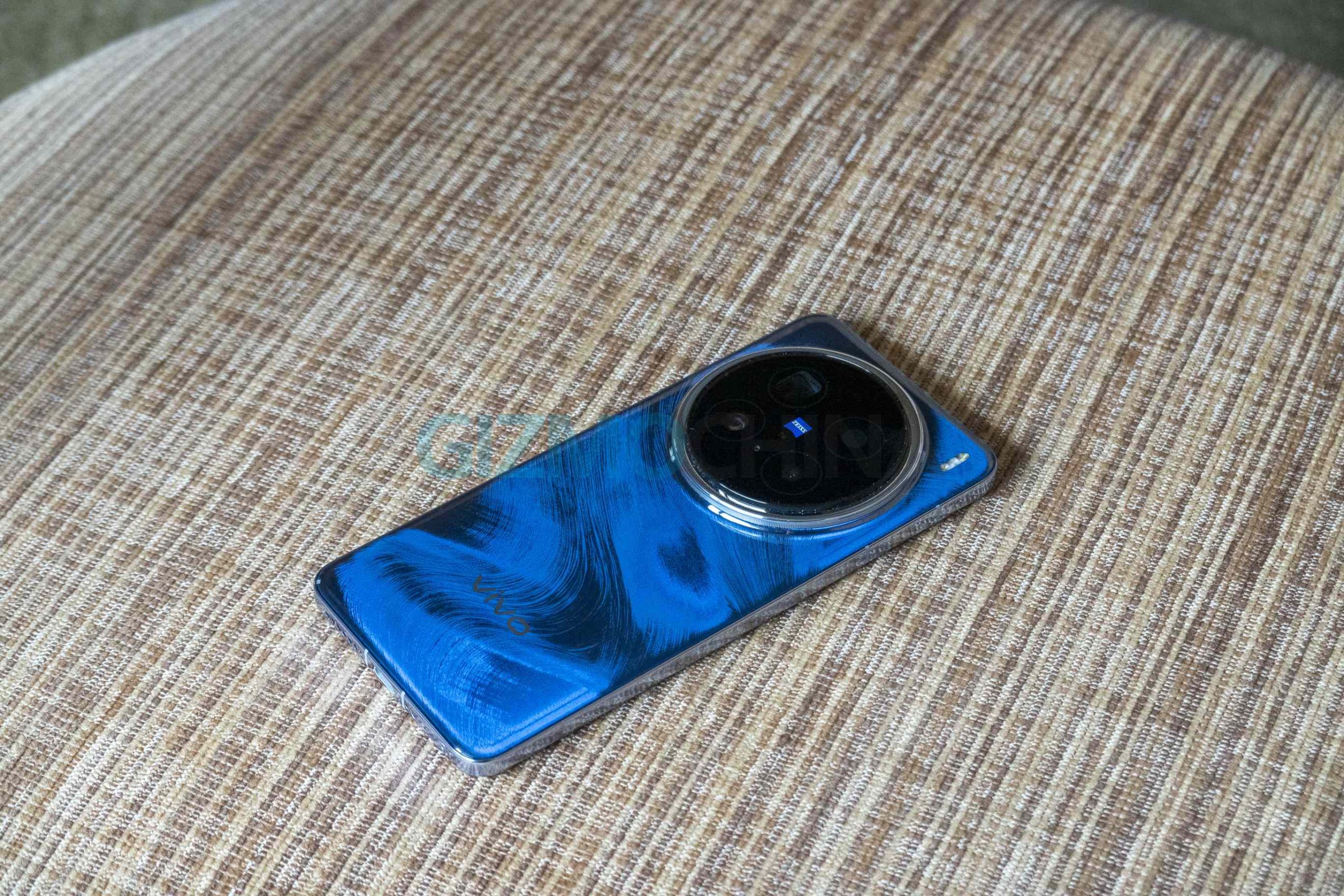
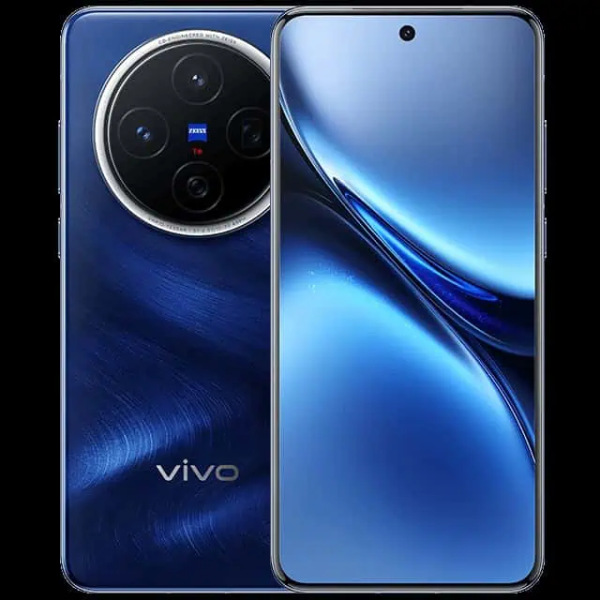
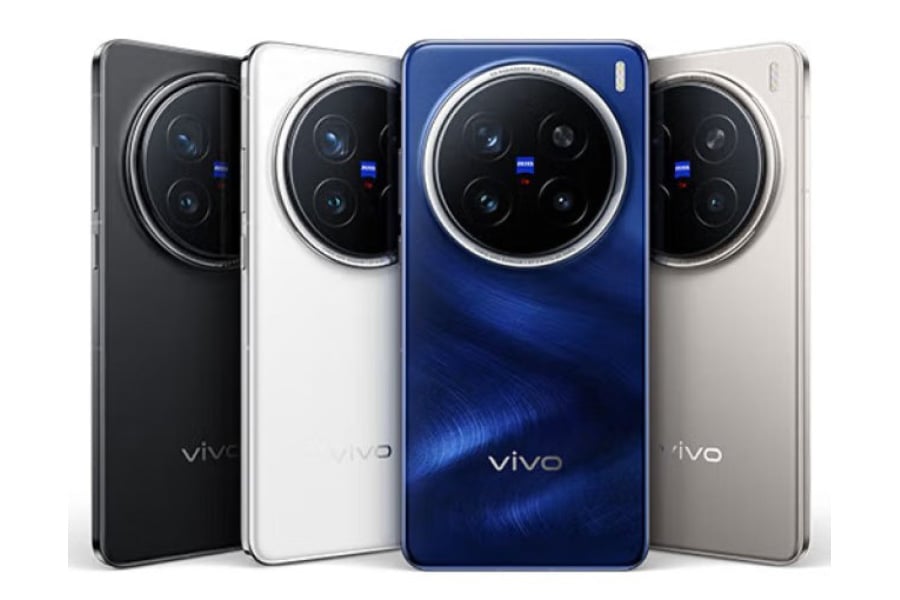
The X200 Pro feels premium right out of the box. With its flat edges and metal frame, it gives us some serious flagship vibes. We’ve got the Blue Sapphire model, which mimics the ocean waves under light. I’m not sure if everyone would love this, but it definitely stands out.
The almost-flat display is a refreshing change from the curved screens we’ve been seeing everywhere. It’s got a nice heft to it, striking a balance between solid and comfortable—that is, until you get to the camera bump.
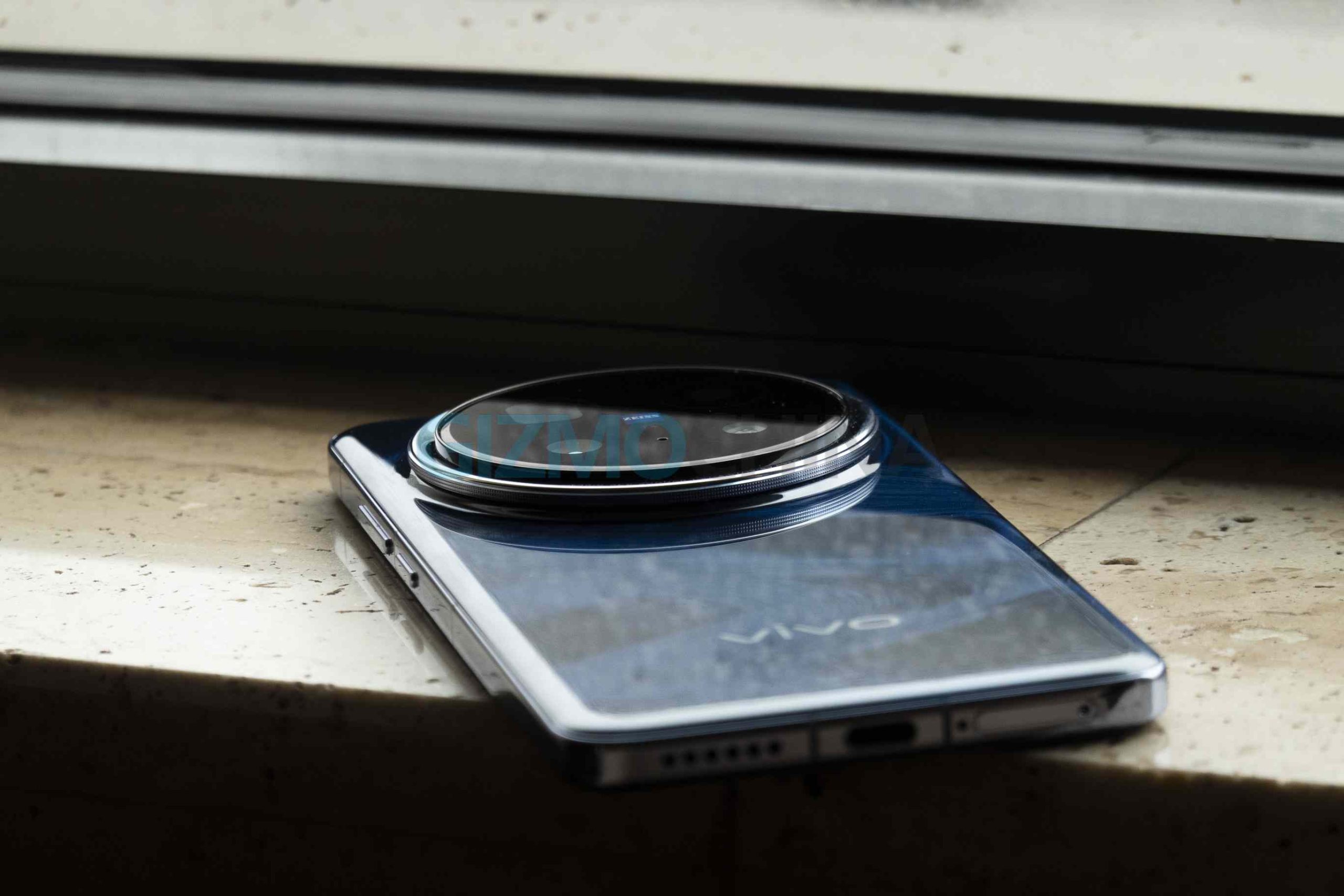
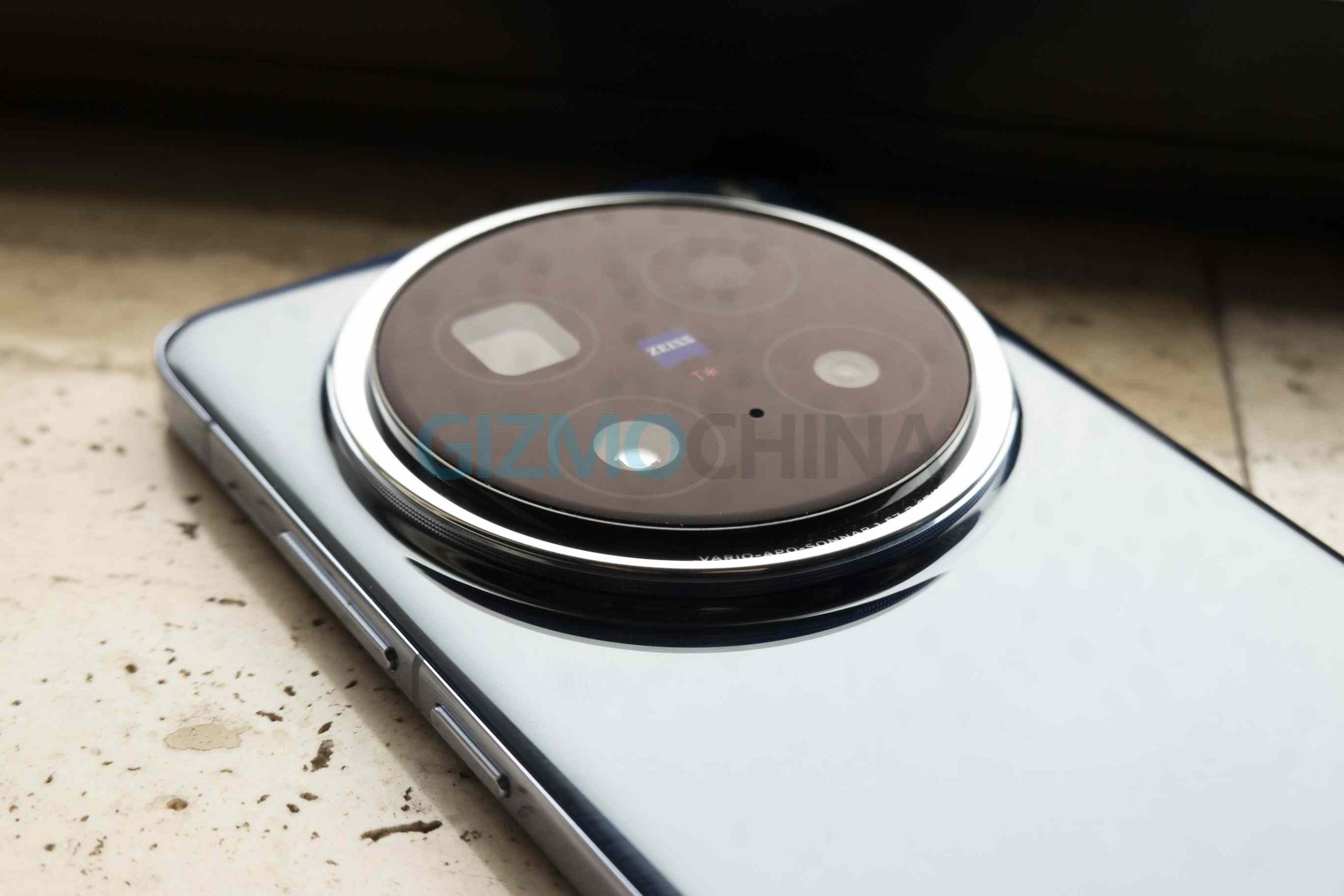
So let’s address the elephant in the room: that camera island is huge if we still take it as a Pro model. It’s big enough to be called an “ultra,” dominating the back of the phone, especially when we learned that the camera also inherited quite a lot from the X100 Ultra. While it houses a triple-lens setup, there’s an extra ‘lens-like’ circle up top that’s more for show than function. It balances out the look, but don’t be fooled — it’s not a fourth camera.
Vivo X200 Pro hands-on gallery
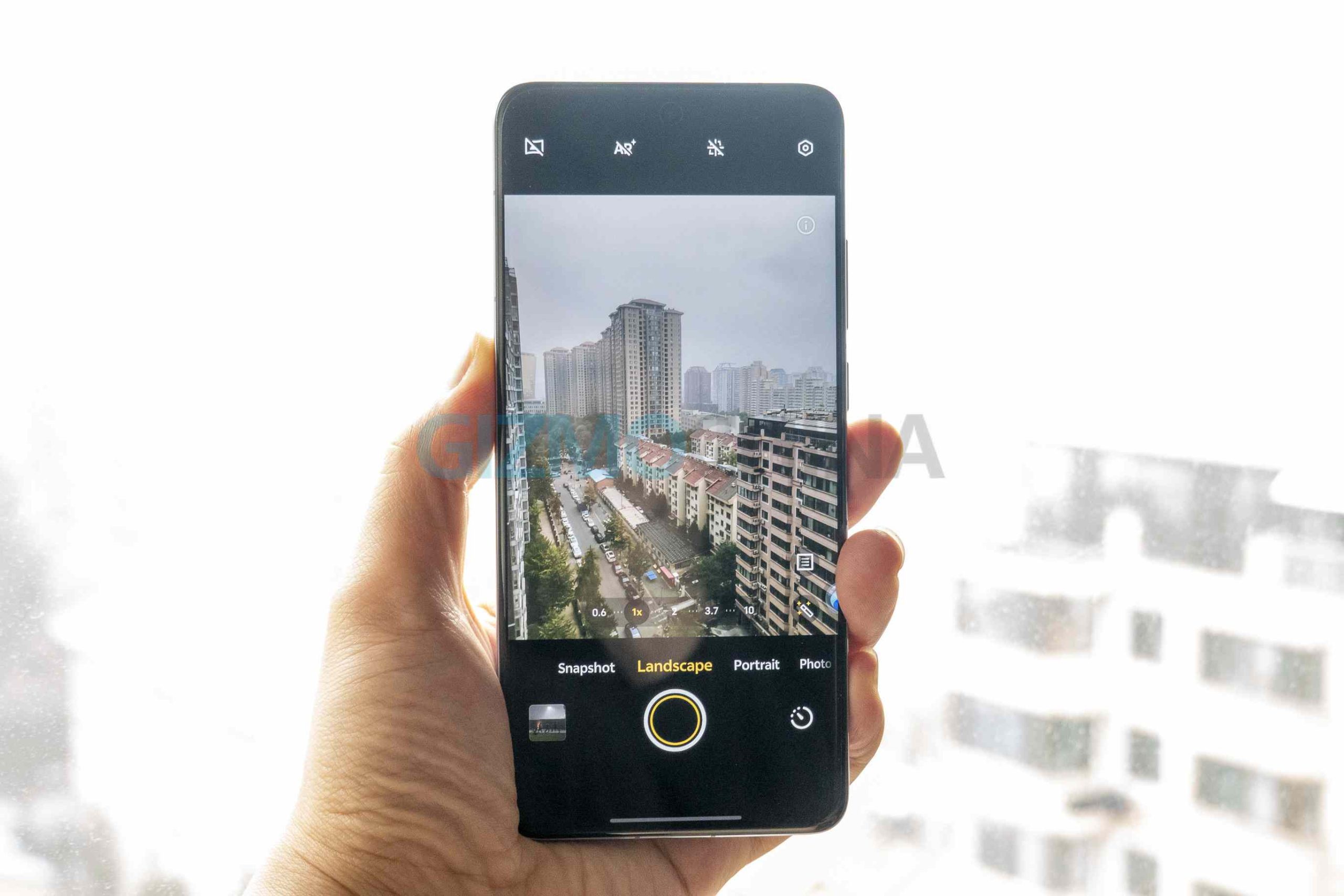
Camera App goes all in on AI
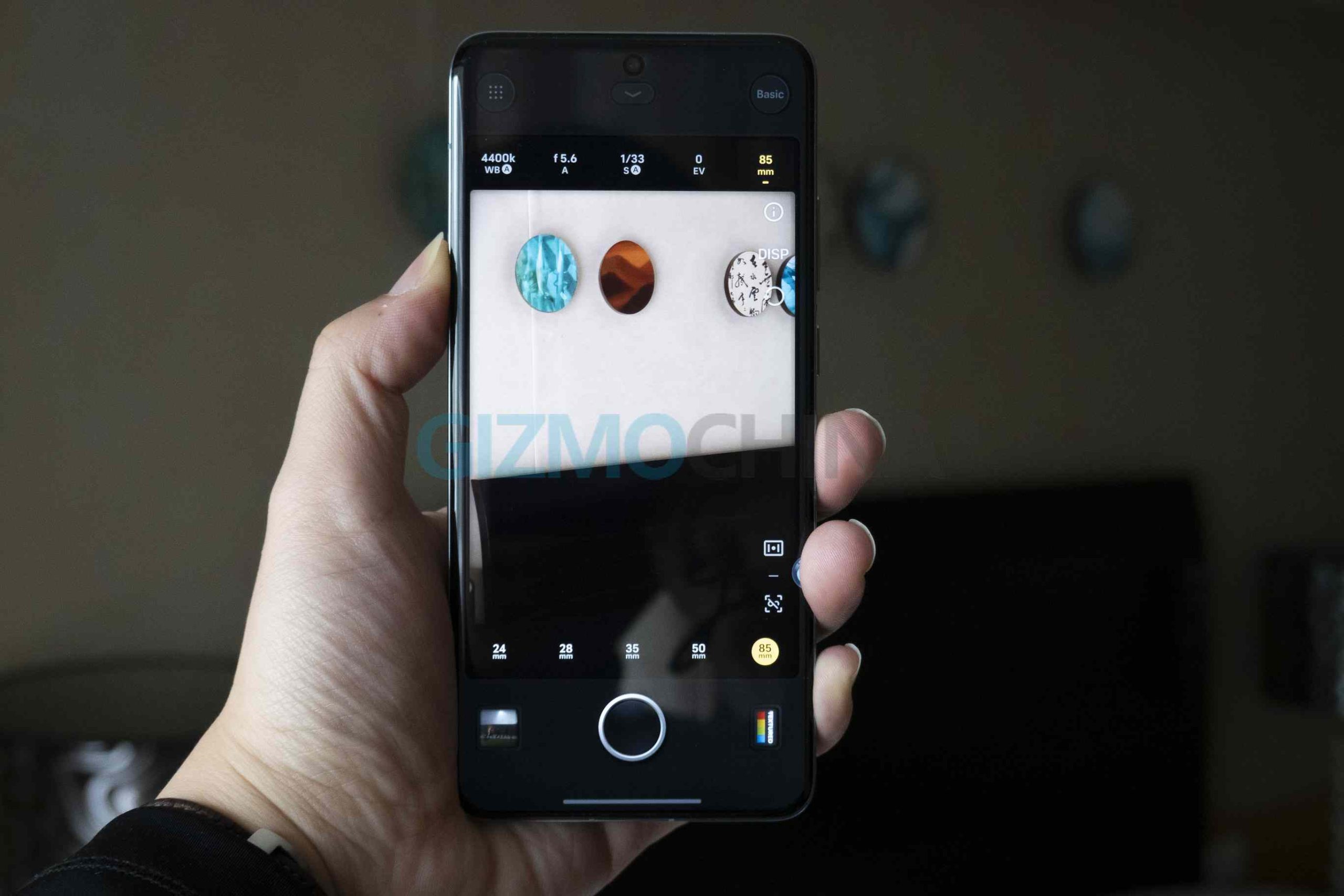
The camera app on the X200 Pro has gotten a serious glow-up. Vivo has added a bunch of AI features that make shooting a breeze. But note that almost all the fantastic custom features were developed for domestic users with various Chinese applications. For overseas markets, the brand has to work with Google’s Gemini. But there’s no doubt that OriginOS 5 intrigues me significantly more.
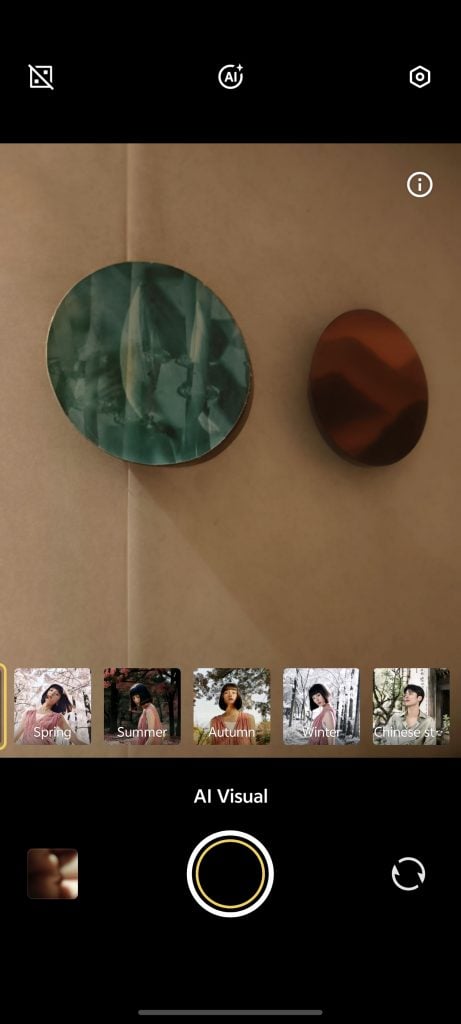
What if add some AI features to portrait mode? The X200 series gives you the answer. There’re four-season styles plus a Chinese style for auto post-modification. It makes the camera look fun, but only if you wait a minute or two.
Auto mode & AI visual ON in Portrait mode
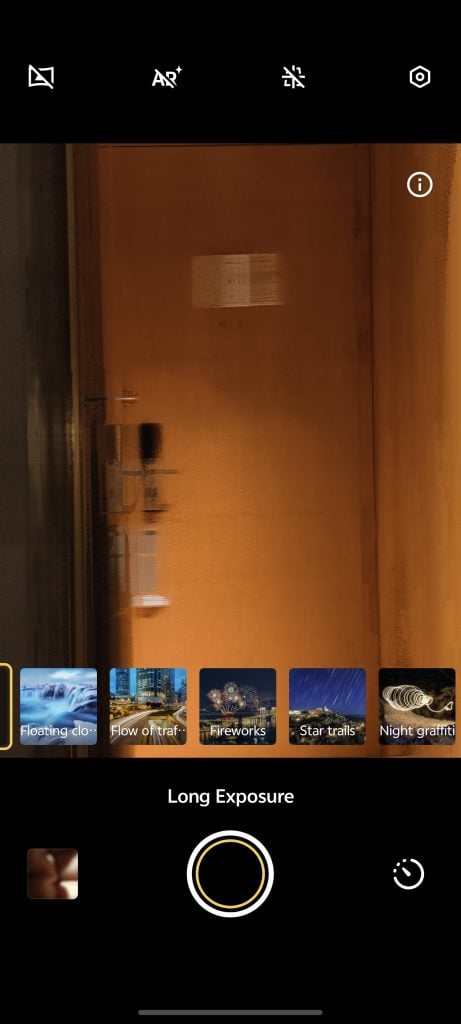
The portrait mode is smarter than ever, and the landscape mode? It’s like they took the best bits of all the modes related to non-figure photography such as super night mode, pano mode, and star trails mode, and mashed them together. The software manager’s logic I guess is that they want to differentiate the custom modes into two categories, one for portrait and one for landscape. They’re like two folders, with the benefit of being easy to tell apart. The downside is that you have to ‘open’ them first (switch to them) – a step that may already be difficult for average users. One of my favorite features among the upgrades is the Zeiss Perspective Correction. When you look up a bit to shoot certain scenes, especially like architecture, you’ll always be annoyed by the perspective. On the X200 series, it would automatically crop and generate a horizontal perspective for users in real-time. It can instantly enhance the look and composition of your photos.
Further, video capabilities have taken a giant leap forward, especially in dark environments. We’re talking 4K at 120fps and even 8K at 30fps, which are all working well for dark scenarios. And for all you vloggers out there, there’s a new portrait video mode that’s bound to up your game. Initial quality of the videos was quite impressive but we want to test out the camera in detail for our final verdict. More importantly, it has a lot of fun that we couldn’t experience all in a moment.
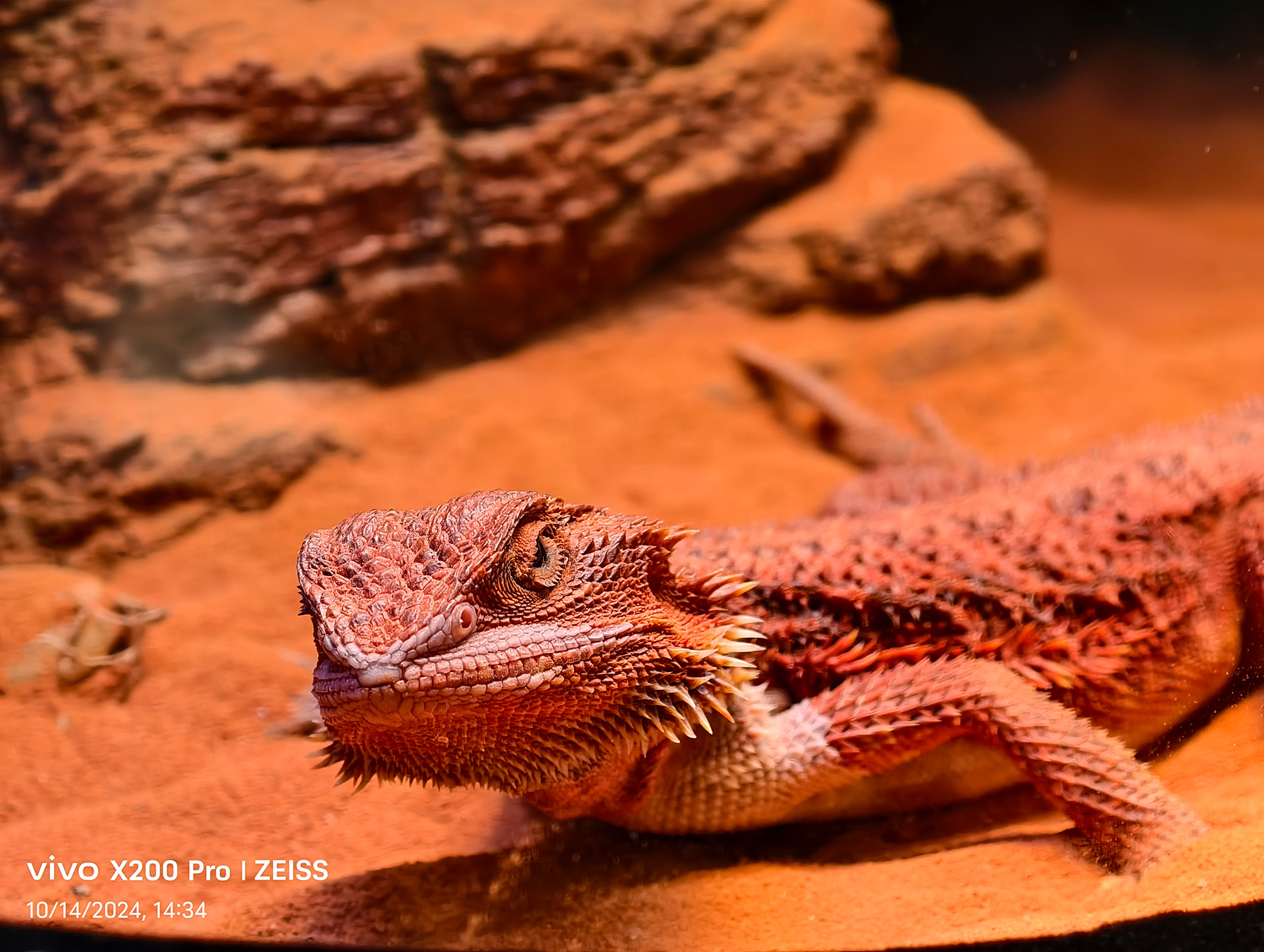
The main camera is shifted to a brand-new sensor, SONY LTY818, sized at 1/1.28″. It’s claimed to have even better video-shooting capabilities. The 3.7x (85mm focus length & F/2.67) telephoto lens comes with the same setup as the vivo X100 Ultra’s – the impressive Zeiss 200MP APO telephoto lens.
3.7x3.7x3.7x telephoto lens for Macro
Under the Hood: Dimensity 9400 Powerhouse
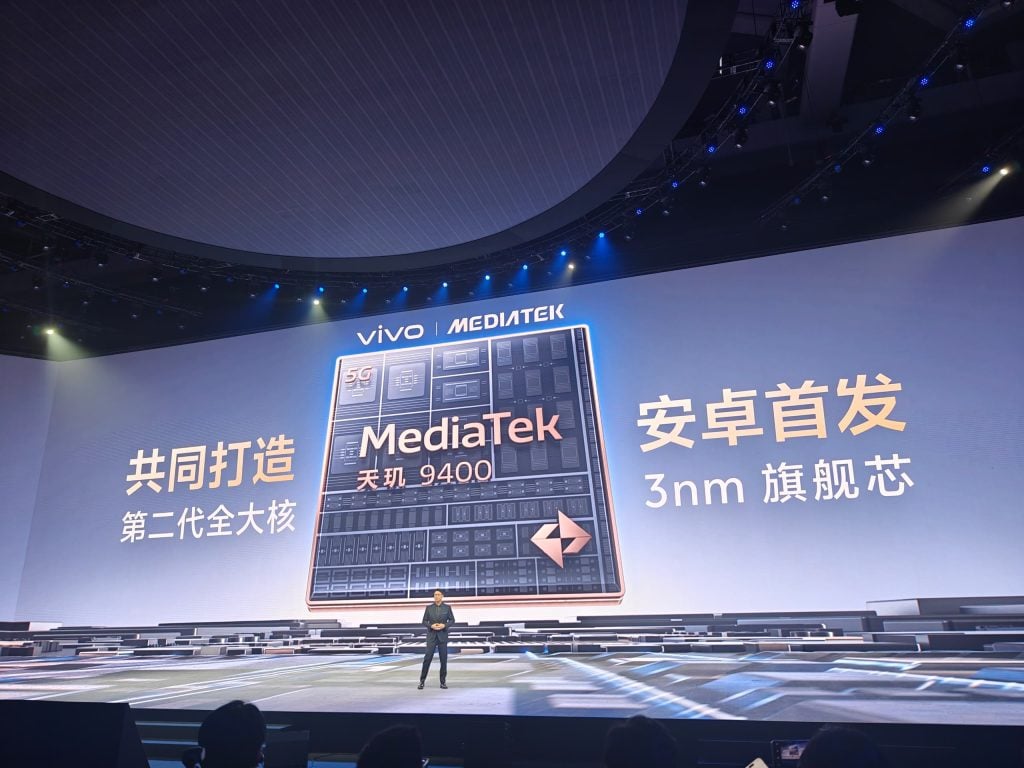
Powering all this goodness is the latest MTK Dimensity 9400 chip. We’re still running some benchmarks (Antutu Benchmark: the first mobile chipset exceeds 3,000,000), so stay tuned for the nitty-gritty performance details. But so far, the phone has been very smooth, we can expect the chip to deliver.
One of the coolest features we’ve played with on the phone is the BlueLM AI large model. You can actually download the local algorithm package for offline use, such as Image Stylization and Document Summarization, which is pretty neat. We’ve been having a fun time with image generation, text recognition, and instant translation. Another new software feature that caught my interest is ‘Circle to Search’. Just circle any objects or items on the display to search for their information. It can be triggered in any app while just holding two fingers on the screen for a few seconds. The results? Surprisingly accurate most of the time.
If you missed our X200 launch article, let me remind you that there’s a Pro Mini model as well. It has a very unique placement (compact in size), which is a refreshing change from all the Ultras and the Pro Maxes we’ve been seeing. We also have a detailed article explaining the entire Vivo X200 series, which will be out very soon.
In addition, Vivo and MediaTek have jointly developed and globally premiered the kilometer-level network-less communication technology, which realizes point-to-point and long-distance communication through Bluetooth connection in a network-less and signal-less environment. Supports SOS text broadcasting, one-to-one voice/text intercom, map location display, etc. Within a certain distance, you can form a local network of communication with other Vivo users by turning your phone into a walkie-talkie.
To sum up, the Vivo X200 Pro is shaping up to be a serious contender in the high-end smartphone market. With its focus on photography, powerful chip, and AI capabilities, it’s clear Vivo is gunning for the top spot. Sure, that camera bump is huge and might not be everyone’s cup of tea, but if you’re all about that photo and video life, this is definitely a phone to check out.
As for the battery, I would draw my conclusion first here – it feels like the premium phone with the longest battery life I’ve ever used. More details will be revealed in our in-depth review.
Please stay tuned for our full review, where we’ll dive deeper into the benchmarks, battery life, and how it holds up in day-to-day use.
In the meantime, what feature of the X200 Pro are you most excited about?
Alongside the Pro models, Vivo unveiled the X200 as a more affordable option within its new series. While it lacks some of the bells and whistles of the Pro models, it still packs a punch with a powerful processor, a capable camera system, and a surprisingly long-lasting battery.
Vivo X200 Specifications
The X200 boasts the same MediaTek Dimensity 9400 processor that powers its Pro siblings. It is paired with up to 16GB of RAM, while the storage options range from 256GB to 1TB.
On the front, the X200 features a 6.67-inch quad-curved LTPS display with Zeiss Natural Color calibration. It’s a 10-bit panel with HDR10+ support, a high-frequency PWM dimming rating, and a peak brightness of 4500 nits.
Vivo also claims that the display has an extended lifespan and lower power consumption compared to other OLED panels. Unlike the Pro models, the X200 uses an optical fingerprint reader under the display.
The X200’s camera system might not boast the headline-grabbing 200MP sensor of the Pro models, but it still offers a compelling package. The main sensor is a 50MP Sony IMX921 with a large 1/1.56″ size and a Zeiss f/1.57 lens with T* coating.
It’s accompanied by a 70mm telephoto lens featuring a 50MP IMX882 sensor and a capable 50MP ultrawide camera. While not quite on par with the Pro cameras, this setup should be more than enough for most users.
Vivo has equipped the X200 with a hefty 5,800mAh BlueVolt battery. It’s a notable upgrade from last year’s model. However, it replaces the previous 120W fast charging with a more moderate 90W wired charging.
While the X200 may not have the premium build of the Pro models, it still emphasizes durability. Despite being smaller than the X100, it holds a larger battery and surpasses the typical IP68 rating with an IP69 certification, making it resistant to even hot water jets.
The X200 runs on OriginOS 5, the latest version of Vivo’s custom Android skin. You can find a detailed breakdown of the new UI’s key features in a separate article here.
Price and Availability
The X200 comes in various colors, including Sapphire Blue with its unique light-shifting properties. It goes on pre-order starting today and will be available in China from October 19th.
Pricing starts at CNY 4,300 for the base 12GB/256GB model, CNY 4,700 for the 12GB/512GB version, CNY 5,000 for the 16GB/512GB variant, and CNY 5,500 for the top-tier model with 16GB of RAM and 1TB of storage.
Vivo has just launched its latest flagship smartphones, the X200 Pro and X200 Pro mini, right on schedule. The X200 Pro offers the familiar full-sized flagship experience, while the X200 Pro mini brings all the same features in a more compact design, including an impressive 200MP telephoto lens and a large battery. Let’s dive into the details.
Vivo X200 Pro mini / X200 Pro specifications
The X200 Pro is the biggest model in the series featuring a large, curved display with minimal bezels on all sides. The screen measures 6.78 inches and is an LTPO panel with a high refresh rate of 120Hz, excellent brightness of 4,500 nits, and Dolby Vision support for a premium viewing experience.
The X200 Pro mini opts for a tad bit smaller and flat 6.31-inch display but has other specs similar to the Pro model. That includes an LTPO 120Hz refresh rate and 4500 nits of brightness.
Both phones come in a variety of colors, with the X200 Pro offering a unique “Sapphire Blue” that supposedly mimics ocean waves under light.
Under the hood, both phones pack the new MediaTek Dimensity 9400 processor, co-developed with Vivo.
The SoC utilizes MediaTek’s latest 3nm process and boasts a powerful Cortex-X925 super core for demanding tasks. It has a 12-core GPU to handle graphically demanding tasks.
Vivo has also managed to squeeze in large batteries for both phones thanks to their third-generation Silico Anode technology. The X200 Pro boasts a massive 6,000mAh battery, while the X200 Pro mini offers a still-respectable 5,700mAh unit. Both phones support fast wired charging at 90W and wireless charging at 30W.
The camera system on the X200 Pro series features a triple rear setup with Zeiss optics and Vivo’s V3+ imaging chip, the same one found in the X100 Ultra. The main sensor is a Sony LYT-818, a 1/1.28-inch imager with a custom f/1.57 lens. While technically a step down from the 1-inch sensor in the X100 Pro series, Vivo claims this new sensor can rival larger sensors in photo capture and surpass them in video recording.
The real upgrade comes with the inclusion of the impressive 200MP Zeiss APO telephoto camera, borrowed from the X100 Ultra. This offers an 85mm (3.7x) zoom with a bright f/2.67 lens. Rounding out the camera system are a 50MP ultrawide sensor and a 32MP selfie camera with autofocus.
Price and Availability
The Vivo X200 Pro comes in four storage configurations: 12GB/256GB, 16GB/512GB, 16GB/1TB, and a special 16GB/1TB Satellite Edition. Prices start at CNY 5,299 (roughly USD $750) for the base model, while the remaining three models retail for CNY 5,999, CNY 6,499, and CNY 6,799, respectively.
The X200 Pro mini comes in three storage options: 12GB/256GB, 16GB/512GB, and 16GB/1TB, with prices of CNY 4,699, CNY 5,299, and CNY 5,799, respectively.
There’s no word on global availability yet, but we expect Vivo to launch these smartphones in international markets soon.
Xiaomi has launched its budget-friendly earbuds called the Redmi Buds 6 Lite in the Chinese market following its recent global debut. The earbuds are priced at 139 yuan ($20) and it is now available for pre-order on JD.com. Let’s check out its key specs.
Redmi Buds 6 Lite Specifications:
The Redmi Buds 6 Lite features a comfortable in-ear design and is available in three sleek colors: blue, white, and black. The earbuds feature 12.4mm titanium-coated dynamic drivers, delivering high-resolution sound with strong bass and clear highs.
It comes with four preset EQ sound profiles and customizable EQ settings, allowing for a tailored audio experience suited to various music genres. It also supports the AAC codec, enhancing audio quality on compatible devices.
The earbuds offer 42dB active noise cancellation (ANC), a significant upgrade from previous models. It comes with Xiaomi’s self-developed dual-microphone AI wind noise reduction, capable of resisting wind speeds up to 6m/s, making it an ideal choice for outdoor activities like jogging or biking. The ANC tech in these buds can suppress noises up to 2.5kHz, making these earbuds ideal for use in busy city settings or during commutes.
When it comes to battery performance, the Redmi Buds 6 Lite impresses with up to 7 hours of playback on a single charge and up to 36 hours total with the charging case (Type-C).
It also supports quick charging, providing 2 hours of listening from a 10-minute charge. While the global variant promises a slightly extended 38-hour battery life, the difference remains minimal for most users.
The earbuds support “audio sharing” with select Xiaomi and Redmi devices, allowing two pairs of earbuds to connect to a single device. This feature is compatible with flagship phones such as the Xiaomi 14, Xiaomi 13, and Redmi K70 series.
Furthermore, the earbuds support the Xiaomi Earbuds App, where users can personalize their listening experience by adjusting the settings, checking battery status, and configuring custom EQ profiles. The app also includes firmware updates to keep the earbuds performing optimally.
In related news, the first real-life image of the Xiaomi 15 Pro has surfaced. The phone is expected to feature a 6.78-inch display, Snapdragon 8 Elite chipset, 16GB RAM, 1TB storage, and a 50MP triple-camera setup, with a 6,000mAh battery supporting 90W wired and 80W wireless charging.
We use cookies on our website to give you the most relevant experience by remembering your preferences and repeat visits. By clicking “Accept”, you consent to the use of ALL the cookies.
This website uses cookies to improve your experience while you navigate through the website. Out of these, the cookies that are categorized as necessary are stored on your browser as they are essential for the working of basic functionalities of the website. We also use third-party cookies that help us analyze and understand how you use this website. These cookies will be stored in your browser only with your consent. You also have the option to opt-out of these cookies. But opting out of some of these cookies may affect your browsing experience.
Necessary cookies are absolutely essential for the website to function properly. This category only includes cookies that ensures basic functionalities and security features of the website. These cookies do not store any personal information.
Any cookies that may not be particularly necessary for the website to function and is used specifically to collect user personal data via analytics, ads, other embedded contents are termed as non-necessary cookies. It is mandatory to procure user consent prior to running these cookies on your website.