
The Anker Prime 14-in-1 Charging Docking Station is set for an imminent launch- if recent rumors are to be countenanced. The model has been the subject of much speculation since last month when details of the device were released. The docking station has 14-in-1 functionality, a dual display, and a 160W maximum power output.
New details have emerged concerning the Anker Prime 14-in-1 Charging Docking Station. Its model number is A83B6 and its specs sheet includes a single USB 3.2 Gen 2 upstream USB-C port with up to 100W output, as well as two USB 3.2 Gen 2 USB-C ports with 10Gbps transfer rate. The ports architecture also consists of two PowerIQ 3.0 USB-C ports that uptake up to 100W power, a 10Gbps USB 3.2 Gen 2 USB-C port, two USB 2.0 USB-A ports with 480Mbps speed, and a 12W PowerIQ USB-A connection. The docking station will also feature two HDMI 2.1 ports with support for dual displays at 30Hz or a single monitor at 60Hz. Both display options output 4K videos.
The upcoming Anker 14-in-1 Charging Docking Station comes with a 180W GaN AC-DC power supply. The docking station is compatible with Anker DockManager while its digital display shows information about data transfer, charging speeds, and notifications when there is overheating.
The Anker Prime Charging Docking Station (14-in-1, Dual Display, 160W) is rumored to have a $250 price tag. It is also speculated that it will make an entry into the US market in August. Global availability and pricing information are lacking for the model at this time.
Samsung typically follows a predictable release schedule every year. Its flagship Galaxy S series launches in the first quarter, followed by a second Unpacked event in the third quarter to unveil the latest foldable models.
We’ve seen a similar launch pattern in 2024 so far. But a new leak suggests Samsung might break the tradition with a possible third event later this year.
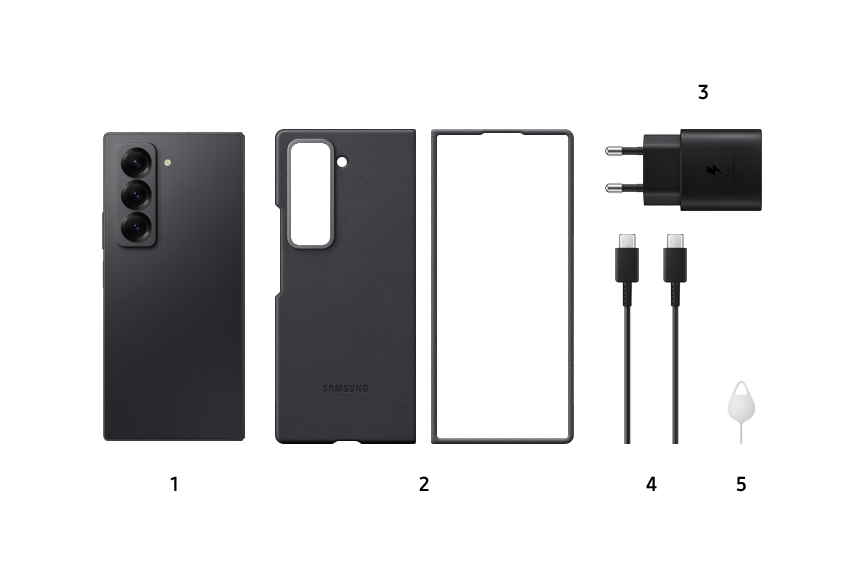
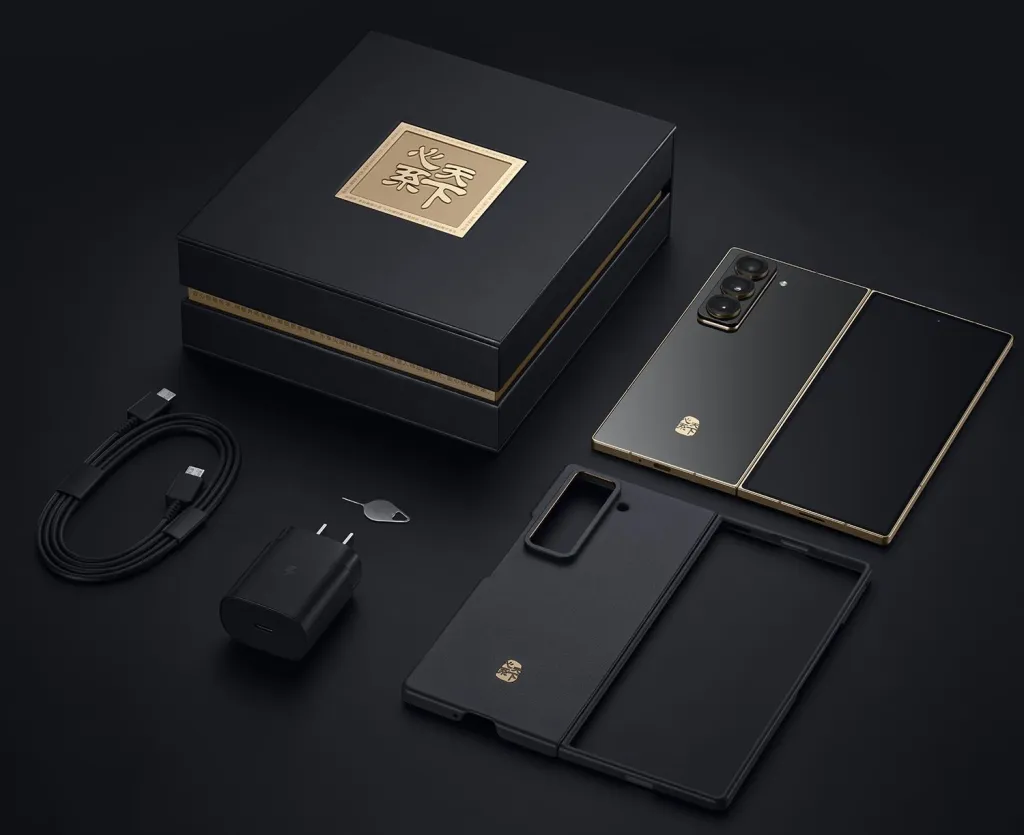
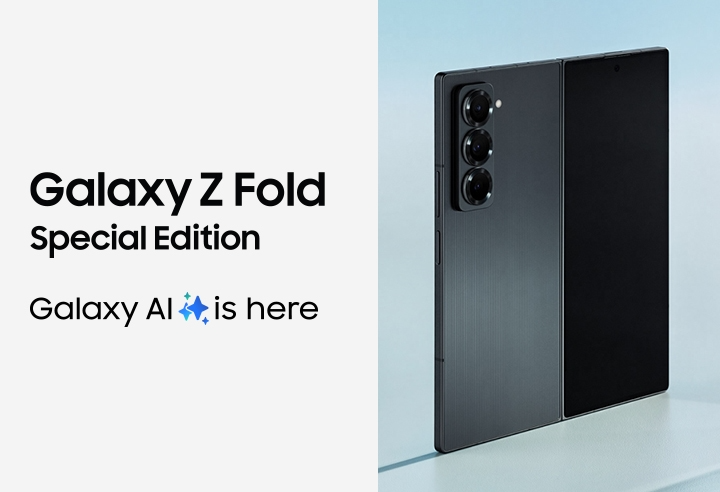
Tipster Ice Universe, known for accurate tech leaks, hinted on Weibo about a possible October press conference for Samsung. According to the insider, the event will focus on the launch of the Galaxy Tab S10 series (including the Tab S10+ and Tab S10 Ultra) and the Galaxy Z Fold 6 Slim or the China-exclusive Galaxy W25.
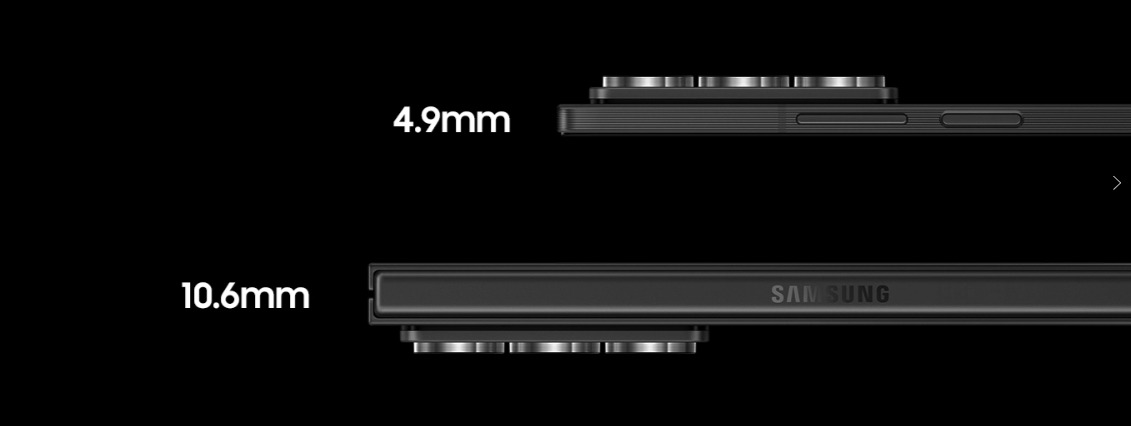
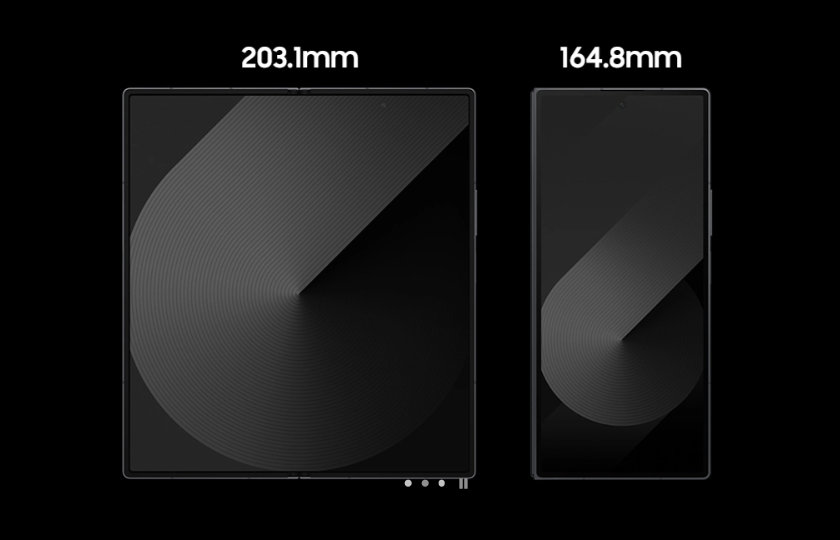
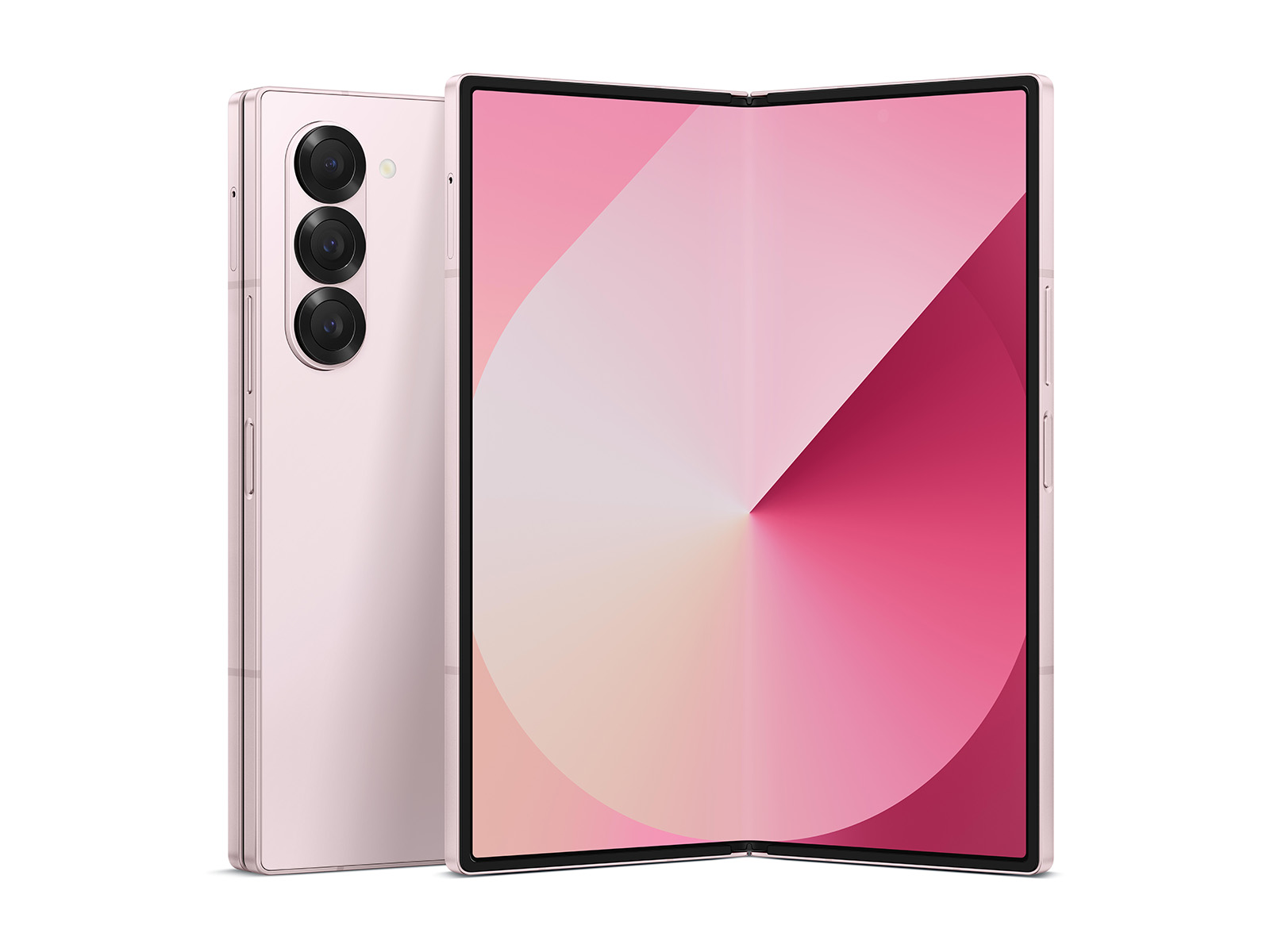
The Galaxy Z Fold 6 Slim has been a topic of discussion for some time. As implied by the name, it’s expected to feature a thinner design than the standard Z Fold 6, making it more pocket-friendly.
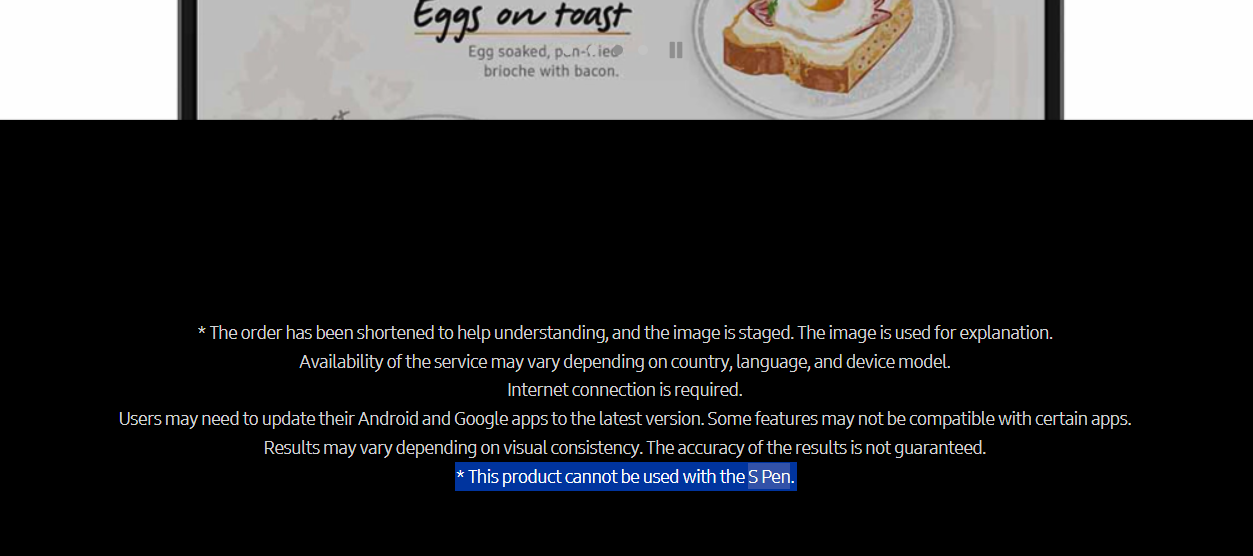
But to achieve a slimmer form factor, Samsung may need to forgo S-pen compatibility, according to reports. The foldable will likely retain the Snapdragon 8 Gen 3 processor from the new Galaxy Z Fold 6.
The Samsung Galaxy Z Fold 6 Slim is rumored to launch in only a few markets. Ice Universe’s leak suggests it will be released in Korea, while the Chinese market will see it as the Galaxy W25.
The most concrete possibility might be the long-awaited Galaxy Tab S10 series. Rumors about these flagship tablets have been circulating for months now.
The series is expected to be powered by the MediaTek Dimensity 9300+ processor, moving away from Qualcomm’s flagship chip that the company has used for previous Galaxy Tab S series tablets.
It’s important to remain cautious as these are just speculations based on a single leak. Samsung has yet to confirm any details about an October event. However, Ice Universe’s track record lends credibility to this possibility. We’ll keep a close eye on further developments and update this story as more information becomes available.
The Minisforum MS-A1 mini PC is the latest product unveiled. The MS-A1 has support for up to the AMD Ryzen 9000 series and up to 96GB of storage. The official launch of the Minisforum MS-A1 is coming on the heels of the earlier unveiling of the AMD-based mini PC. The MS-A1 differs from the Intel-based MS-01 as it supports socketed desktop CPUs and an OCULink connection for eGPU functionality.
The older Minisforum MS-01 is equipped with Intel’s H-series laptop CPUs but the AMD Ryzen 9000 series on the MS-A1 supports desktop-class CPUs. The models include the Ryzen 7 8700G and the Ryzen 5 8600G Phoenix APUs. The AMD Ryzen 9000 series CPUs on the new mini PC will require a BIOS update, according to Minisforum. The maximum TDP of the Ryzen APUs is 65W but when the dual-CCD variants (Ryzen 9 7900X or Ryzen 9 7950X) CPUs will support up to a maximum of 100W TDP. It is noted that this is significantly lower than the officially specified TDPs for those SoCs. Hence, the performance of the CPUs may be lower than what is specified.
The supported AMD Ryzen APUs for the MS-A1 offer sufficiently powerful RDNA 3-based integrated graphics although there is no support for internal discrete GPUs. The GPUs available are the Radeon 780M and Radeon 760M for less intensive graphical tasks. However, if you are interested in heavy-duty graphical operations, external graphics will be required. The MS-A1 has an OCULink port that enables seamless eGPU connection with transfer speeds up to 8Gbps. The OCULink port is significantly faster than the Thunderbolt 4 which peaks at 5Gbps.
The Minisforum MS-A1 has four M.2 2280 memory slots (up to 96GB) and offers a rich collection of ports. It has two USB 3.2 Gen 1 ports, one USB 3.2 Gen 2 port, an HDMI 2.1 connection, and one DP 2.0 port. It is also equipped with two USB 2.1 and one Type-C port, as well as an audio jack. The MS-A1 however lacks 10G Ethernet connectivity as only a single 2.5G Ethernet port is available.
Pricing & Availability
The barebones version of the Minisforum MS-A1 mini PC is priced at $259. The 32GB+1TB Ryzen 7 8700G version is retailed at $729. Minisforum is offering an introductory discount for the MS-A1 that’s up to $180 currently. More details about the MS-A1 mini PC can be obtained from the Minisforum website.
NTT Sorority has unveiled the nwm ONE open-ear wireless headphones in Japan. The new NTT Sorority sound accessory comes with a dual driver setup and achieves active noise leakage suppression. The open design of the wireless headphones allows wearers to hear the surrounding environment as well as deliver an immersive surround sound experience.
The nwm ONE supports Sony 360 Reality Audio which provides immersive surround sound while the Personalized Sound Zone technology accomplishes active noise leakage suppression. The nwm ONE open-ear wireless headphones have a dual-driver setup using a 35mm driver in addition to a 12mm tweeter resulting in more effective noise suppression. The headphones have a frequency range of 40Hz to 20kHz.
The NTT Sorority nwm ONE uses the NTT voice technology, Magic Focus Voice. This beamforms with dual MEMS microphones, combined with spectral voice separation to achieve voice clarity in noisy environments. The headphones can be connected via Bluetooth 5.3 or using a USB-C cable. It can be paired with up to eight audio devices and two active multipoint connections. The nwm ONE headphones support the standard CVSD voice codec and the mSBC voice codec during calls. It also supports a variety of common and newer audio codecs for listening to music. Bluetooth Auracast support means that multiple wearers of the headphones can listen to broadcast music and announcements in public places like gyms or airports.
The nwm ONE weighs 185g and its lithium battery offers up to 20 hours of playtime with a 1.5-hour full recharge. Five minutes of charge of the nwm ONE delivers up to one hour of runtime. The NTT Sorority nwm ONE is available in light gray and dark gray color variants for 39,600 yen ($250) in Japan. There are no details yet on the availability of the headphones in other markets.
itel has launched the STAR 110F power bank in India, aimed at users looking for a functional and stylish on-the-go charger. The compact power bank features a transparent design with RGB lighting and a display.
The STAR 110F has a 10,000mAh battery with 22.5W fast charging support, and it is compatible with a variety of devices. It can charge iPhones up to 58% in 30 minutes.
For versatility, the power bank includes two USB-A ports and one Type-C output for charging devices. It also has dual inputs – Micro USB and Type-C – for convenient recharging.
Key Features:
Transparent, compact design with RGB lighting and display
10,000mAh battery capacity
22.5W fast charging
Dual USB-A and Type-C outputs
Micro USB and Type-C inputs
1-year warranty
Pricing and Availability:
The itel Power Bank STAR 110F is priced at Rs. 1,499 and is available at itel retailers across India.
In related news, Xiaomi has also recently announced a couple of new power banks in the Indian market called the Xiaomi Pocket Power Bank and the Xiaomi Power Bank 4i. Both power banks have a 10,000mAh battery, 22.5W fast charging, and three output ports (USB-C and two USB-A). The Pocket Power Bank, wallet-sized with a built-in USB-C cable, is priced at Rs 1,699 and comes in Maroon and Blue. The slightly larger Power Bank 4i, priced at Rs 1,299, is available in Classic Black, Olive Green, and Coral Purple.
Barely two years after its initial showcasing, the BMW CE 04 is now set for an official release in India. In a press release, BMW Motorrad India announced the opening of pre-launch bookings for what it termed India’s first premium electric scooter. The official launch of the BMW CE 04 in India is slated for July 24, 2024.
The all-new BMW CE 04 is a seamless blend of innovation and urban mobility with its futuristic design, advanced technology, and eco-friendly performance. The company says the new scooter redefines urban commuting and provides a modern, enjoyable riding experience.
The BMW CE 04 ultra-premium e-scooter comes with a maxi-style futuristic look. It is arguably the most expensive e-scooter in India. It has an electronically limited top speed of 120km/h and a range of 130km.
The CE 04 can go from 0-50km/h in 2.6 seconds and offers two charging options: a 2.3kW charger which fully charges the e-bike in less than 4.5 hours or a 6.9kW charger which takes 1.67 hours (100 minutes).
The BMW CE 04 has floating panels, minimalist graphics, an exposed rear wheel, and contrasting orange highlights. The scooter is powered by a 20-horsepower liquid-cooled PMSM electric motor and an 8.9kWh battery pack. It has dual 265mm front discs and a single rear disc. It also features ABS and traction control for enhanced safety of the rider. It has a ventilated mobile charging compartment, a helmet storage compartment, and a large 10.5-inch HD TFT infotainment display.
The infotainment screen of the BMW CE 04 provides split-screen functionality, navigation tools, and other ride data. It has a tubular chassis and a 35mm telescopic fork at the front plus a rear mono-shock system and a unique swingarm.
Pricing & Availability
As per pricing, the BMW CE 04 could cost up to 20 Lakhs (~$24,000) but there is no confirmation of the official retail price. Customers in India can contact select authorized BMW Motorrad dealerships to book the BMW CE 04.
We start off today with the battle of the folds! Xiaomi’s Mix Fold 4 is squaring off against Samsung’s Galaxy Z Fold 6. Who’ll come out on top in this flexible face-off? We’ve got the nitty-gritty details to help you pick your folding favorite.
But wait, there’s more! Xiaomi’s not done yet. Their Mix Flip is flipping the script on what we expect from clamshell phones. What makes it so special? We’re diving into the details that’ll have you saying “Wow!”
Meanwhile, Huawei fans might need to practice some patience. The Mate 70 series is playing hard to get, with a potential delay pushing it to late Q4. What’s causing the holdup? We’ve got the inside scoop.
And if you’re a Pixel fan, get ready for a splash of color! Leaked renders of the Pixel 9 and 9 Pro XL are showing off some stylish new shades. Pink phone, anyone?
All the juicy details on these stories are in today’s newsletter below.
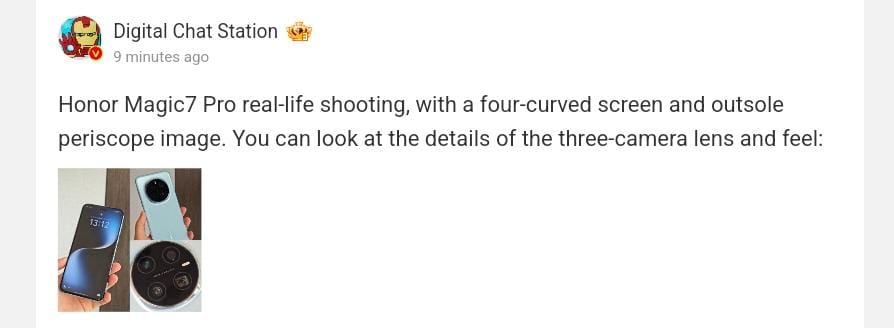
At the HDC 2024 conference, Huawei announced that the Mate 70 series smartphones would be released in the fourth quarter of this year. However, a new leak from tipster Digital Chat Station suggests a potential delay pushing the launch window back to the middle or late fourth quarter, possibly December or later.
Samsung‘s Galaxy Z Fold series has become synonymous with foldable smartphones. However, as the market matures, we’re seeing strong alternatives from Chinese brands like Xiaomi.
So let’s break down the key differences to help you decide which one is a better foldable overall.
Xiaomi has once again pushed the boundaries of smartphone innovation with the introduction of the Mix Flip, its first foray into the world of flip phones. Unveiled alongside the Mix Fold 4 at a recent event in China, the Mix Flip has garnered significant attention for its impressive specifications and design. Here, we delve into the unique features that make the Xiaomi Mix Flip a standout device in the increasingly competitive flip phone market.
Google is gearing up to unveil the next-generation Pixel smartphones and smartwatch on August 13, which is quite earlier than its traditional launch timeline. Leaks and rumors have been gathering pace about the search giant’s upcoming hardware offerings. Now, a new clear render of the Pixel 9 and Pixel 9 Pro XL shared by a tipster gives us a look at both devices in two shades.
In the past few months, Vivo has launched the Vivo V40, the Vivo V40 SE 5G, and the Vivo V40 Lite 5G in Europe. However, it hasn’t launched the Vivo V40 Pro yet. The NBTC authority in Thailand and India’s BIS regulatory body recently certified the Pro model, indicating its imminent arrival. aforementioned device, which bears the V2347 model number, has now emerged in the databases of Geekbench and Bluetooth SIG.
Vivo V40 Pro Bluetooth SIG listing
The Vivo V40 Pro’s Geekbench listing suggests that the company could be internally testing the device before its official announcement. On the other hand, the Bluetooth certification indicates that the handset may go official within one month, most likely in August. Unfortunately, it does not reveal anything about the device’s specifications.
Vivo V40 Pro Geekbench listing
The Vivo V40 Pro’s Geekbench listing reveals a MediaTek MT6985 chipset and the Mali G715 Immortalis MC11 GPU (via source code). The CPU and GPU details are enough to conclude that the device could be equipped with the Dimensity 9200 Plus, further hinting that it could be a rebranded or tweaked version of the Vivo S19 Pro, which was announced in May 2024 in China.
The Geekbench listing further states that the Vivo V40 Pro has 8 GB of RAM and Android 14 onboard. In the single-core and multi-core tests, the device scored 1811 and 5229 points, respectively.
Vivo V40 Pro specifications (expected)
Vivo S19 Pro
Since the V40 Pro is likely to be based on the S19 Pro, it could be an IP68-rated device featuring a 6.78-inch curved-edge AMOLED panel with a 1.5K resolution, a 120Hz refresh rate, and up to 4,500 nits of peak brightness. The Dimensity 9200+ powered device may ship with up to 12 GB of RAM, up to 512 GB of storage, and a 5,500mAh battery with 80W rapid charging.
The Vivo V40 Pro may feature a 50-megapixel front camera with autofocus support. A 50-megapixel main camera with OIS support, an 8-megapixel ultrawide lens, and a 50-megapixel telephoto camera with 2x optical zoom could comprise its rear camera setup.
Last week, Xiaomi held a launch event to announce its new foldable phones, namely the Xiaomi Mix Fold 4 and Mix Flip. As announced at the launch, both devices are available for purchase starting today in China. Here is a look at the specifications, features, and prices of both foldables.
Xiaomi Mix Fold 4 specifications
Xiaomi Mix Fold 4
The Xiaomi Mix Fold 4 features a 6.56-inch AMOLED TCL C8+ external screen with a resolution of 2520 x 1080 pixels, a 120Hz refresh rate, LTPO technology, a 21:9 aspect ratio, and a peak brightness of 3000 nits. The internal display is a 7.98-inch foldable Samsung AMOLED E7 screen with a resolution of 2488 x 2244 pixels, also boasting a 120Hz refresh rate, LTPO technology, a 1.108:1 aspect ratio, and a peak brightness of 3000 nits. When unfolded, the Mix Fold 4 measures 159.37 x 143.3 x 4.59mm, and when folded, it is 159.37 x 73.1 x 9.47mm. It weighs around 226 grams.
Under the hood, the Mix Fold 4 is powered by the Snapdragon 8 Gen 3 processor, supported by LPDDR5x RAM and UFS 4.0 storage. It houses a 5,100mAh battery with 67W wired charging, 50W wireless charging, and 5W reverse wireless charging capabilities. The phone comes preloaded with Android 14 and HyperOS.
For photography, the device includes a 16-megapixel front camera for both external and internal use. On the back, it has an OIS-assisted 50-megapixel primary camera, a 12-megapixel ultrawide camera, an OIS-enabled 50-megapixel telephoto lens with 3x optical zoom, and an OIS-enabled 10-megapixel periscope telephoto lens with 5x optical zoom.
Additional features include a side-mounted fingerprint sensor, dual speakers, and support for Wi-Fi 7, Bluetooth 5.3, NFC, USB-C (USB 3.1 Gen 1), and an IR blaster. It also supports two-way satellite connectivity and is equipped with an x-axis linear motor. The device incorporates advanced power management and charging technologies, including two G1 power management chips, a P2 fast charging chip, and an R1 current equalizing chip. Lastly, it offers an IPX8-rated water resistance.
Xiaomi Mix Flip specifications
Xiaomi Mix Flip
The 6.86-inch foldable OLED TCL C8+ internal display of the Xiaomi Mix Flip offers a Full HD+ resolution of 2912 x 1224 pixels, a 120Hz refresh rate, LTPO technology, and a maximum brightness of 3000 nits, in addition to 2160Hz PWM dimming. The external display is a 4.01-inch OLED TCL C8+ screen with a resolution of 1392 x 1208 pixels, also featuring a 120Hz refresh rate, 2500 nits maximum brightness, 2160Hz PWM dimming, and Xiaomi’s Dragon Crystal Glass protection. When folded, it measures 74 x 74 x 16mm, and when unfolded, it is 167.5 x 74 x 7.6mm, weighing between 190-192 grams.
The device is powered by the Snapdragon 8 Gen 3 processor, LPDDR5x RAM, and UFS 4.0 storage, and it includes a 4,780mAh battery with 67W charging capabilities. The device runs on Android 14 with HyperOS 1.0.
For photography, the Mix Flip has a 32-megapixel front camera and a rear setup consisting of an OIS-enabled 50-megapixel main camera and a 50-megapixel OV60A4 telephoto lens with 2x zoom and OIS. Additional features include a side-facing fingerprint scanner, a 3500mm² 3D VC liquid cooling system, dual speakers, and advanced battery management and signal enhancement chips.
Xiaomi Mix Fold 4, Mix Flip pricing
The Mix Fold 4 starts at 8,999 Yuan (~$1,240) for the 12GB+25GB storage model, 9,999 Yuan (~$1,375) for the 16GB+512GB version, and 10,999 Yuan (~$1,510) for the 16GB+1TB edition. It is available in Black, White, and Blue.
On the other hand, the pricing for the Xiaomi Mix Flip is set at 5,999 Yuan (~$825) for the 12GB 256GB variant, 6,499 Yuan (~$895) for the 16GB+512GB edition, and 7,299 Yuan (~$1,000) for the 16GB+1TB option. It comes in Black, White, and Purple choices.
At the HDC 2024 conference, Huawei announced that the Mate 70 series smartphones would be released in the fourth quarter of this year. However, a new leak from tipster Digital Chat Station suggests a potential delay pushing the launch window back to the middle or late fourth quarter, possibly December or later.
This reported delay seems to hinge on the slow adaptation of the new HarmonyOS NEXT operating system and the integration of the latest Kirin 5G SoC.
HarmonyOS NEXT, the official successor to HarmonyOS, was a major highlight of HDC 2024. Its rollout on the Mate 70 series would mark the first official consumer adoption of the new OS. However, ensuring a smooth transition from the current HarmonyOS iteration to NEXT appears to be taking longer than expected.
The new Kirin chip, on the other hand, reportedly uses a new platform and boasts improved technology that may require additional development time for seamless integration with the phone’s hardware.
Additionally, the tipster revealed that the phones will feature a 1.5K LTPO display, an Omnivision OV50K main camera with an ultra-large variable aperture, and an ultra-large silicon battery possibly using silicon negative electrode technology for improved efficiency. For security, Huawei may emphasize 3D face scanning.
Other specs, according to previous reports, include a 3D spatial zoom feature in the cameras and satellite communication support for emergencies.
While the official launch date remains unconfirmed, this delay could give Huawei valuable time to refine the integration of both the new Kirin chipset and HarmonyOS NEXT. This could ultimately result in a more polished user experience upon release, though it means fans will have to wait a bit longer to get their hands on the latest Mate iteration.
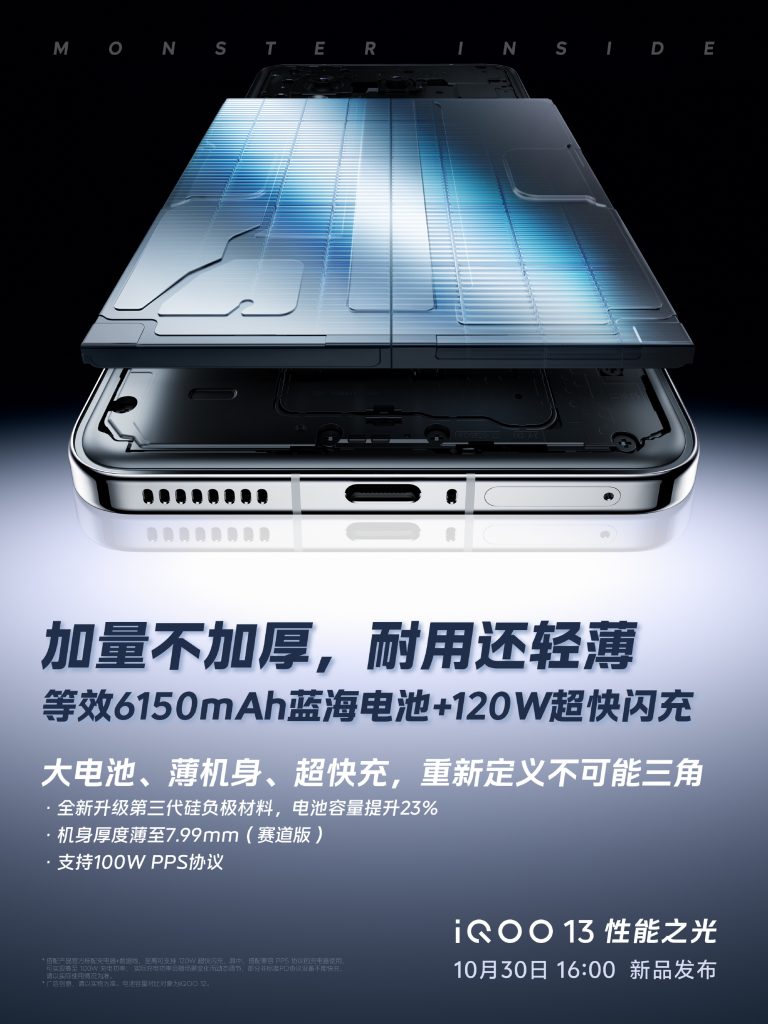
iQOO is working on the iQOO 13 flagship phone for the Chinese market, according to reports. According to multiple reports, a Pro variant will not accompany the iQOO 13 this time around. Today, reliable tipster Digital Chat Station published a Weibo post to share some information about the iQOO 13’s design and key specifications.
iQOO 13 key details revealed
According to the new leak, BOE will supply a flat OLED panel with 2K resolution for the iQOO 13. The machine-translated phrase “the design of the screen shape mold has been updated across the board” probably means that the overall design and shape of the screen mold have been comprehensively updated. Hence, it remains to be seen whether there will be any change in the screen size, as the predecessor model featured a 6.78-inch flat OLED screen.
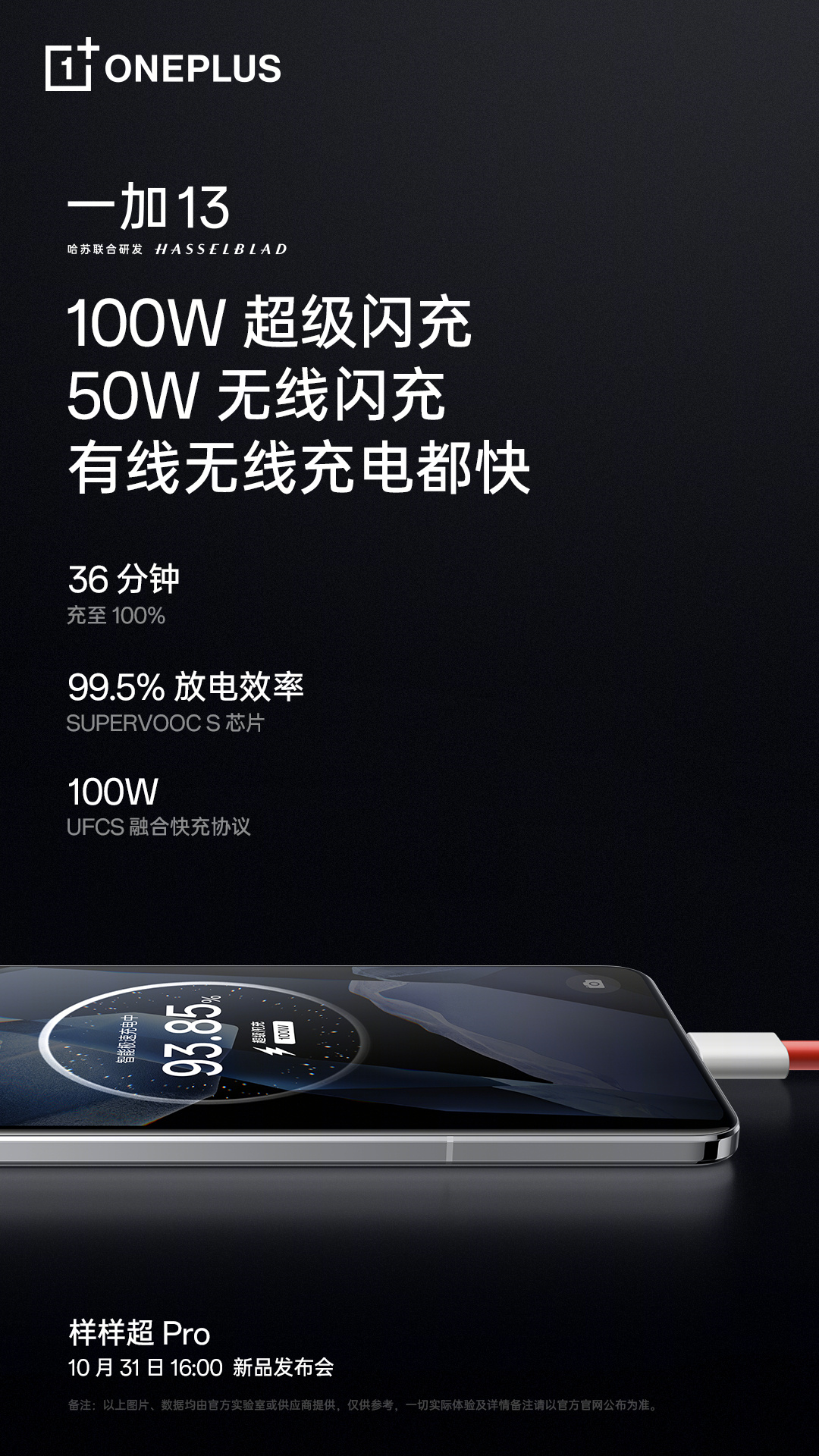
Under the hood, the iQOO 13 will feature the Snapdragon 8 Gen 4 and a battery capacity starting with the number 6, indicating that it may pack a 6,000mAh or larger battery. He added that there will be no support for wireless charging on the device. In a previous Weibo post, the same source stated that the device will facilitate 100W rapid charging.
Compared to the iQOO 12, the camera deco design will remain largely unchanged. It will comprise a 50-megapixel triple camera setup, which may include a 3x periscope telephoto camera.
Other reports have claimed that the iQOO 13 will have a metal middle frame and glass back. It was also expected to offer IP68 or IP69-rated dust and water resistance. To sum up, the iQOO 13 could be a significant upgrade over the iQOO 12. In all likelihood, the device will be announced in November this year in China.
One-Netbook has released the ONEXPLAYER M1, a new mini-PC designed for gaming and general use. This device offers a mix of gaming power and compact size. The ONEXPLAYER M1 looks similar to the ONEXGPU eGPU but is lighter, weighing 599 grams.
Performance
The ONEXPLAYER M1 has a 45-watt Intel Core Ultra 9 185H “Meteor Lake” processor. It includes 16 CPU cores, 22 threads, and Intel Arc integrated graphics, allowing it to handle both gaming and regular tasks well.
The M1 supports up to 32 GB of DDR5-5600 RAM and up to 2 TB of PCIe 4.0 storage. It also includes Bluetooth 5.2 and Wi-Fi 6E for fast wireless connections. The OCuLink port allows for external GPU connections to boost graphics performance.
Connectivity
The ONEXPLAYER M1 comes with a variety of ports:
1x 3.5 mm audio jack
1x DisplayPort
2x HDMI
1x MicroSD card slot
1x OCuLink (PCIe 4.0 x4)
1x RJ45 LAN
1x USB 2.0 Type-A
1x USB 3.2 Type-A
2x USB 4 Type-C
These ports ensure it can connect to many different devices and accessories.
Design and Availability
It is available in Japan, starting at around $900 for the model with 32 GB RAM and 1 TB storage. A global release is planned through an Indiegogo campaign, which will offer early discounts.
In related news, the upgraded ONEXPLAYER ONEXFLY gaming handheld now features an AMD Ryzen 7 8840U processor, a 7-inch 120Hz display, 16GB/32GB LPDDR5X memory, and 1TB/2TB NVMe SSD storage. Weighing 599g, it includes Harman AudioEFX Dual Speakers, customizable RGB lighting, and a 48.5Wh battery. Priced at $999 for 1TB and $1,099 for 2TB, it runs on Windows 11 with OneXConsole.
Samsung‘s Galaxy Z Fold series has become synonymous with foldable smartphones. However, as the market matures, we’re seeing strong alternatives from Chinese brands like Xiaomi.
Take the Xiaomi Mix Fold 4, for instance. It’s a thinner foldable compared to Galaxy Z Fold 6 while delivering other specs that are on par with or even better than Samsung’s offering.
Please Note: When you buy something using the links in our articles, we may earn a small commission at no cost to you.
With the new Mix Fold 4 on the shelves, you might wonder if it is better than the Z Fold 6. So let’s break down the key differences to help you decide which one is a better foldable overall.
Design-wise, the Mix Fold 4 is thinner when folded, measuring 9.5mm compared to the Z Fold 6’s 12.1mm, making it more comfortable to hold for extended periods and easier to fit in a pocket.
However, the Z Fold 6 excels in ingress protection with an IP48 water and dust rating. In contrast, the Mix Fold 4 has an IPX8 rating, meaning it can only withstand splashes but not dust.
Both phones feature large, foldable AMOLED displays with 120Hz refresh rates for smooth scrolling and gaming. The Mix Fold 4 has a slight advantage in size, offering a 7.98-inch main display compared to the Z Fold 6’s 7.6-inch panel.
The Mix Fold 4 also has a larger cover display at 6.56 inches, compared to the Z Fold 6’s 6.3-inch display. But both utilize LTPO technology for adaptive refresh rates and to optimize battery life.
Resolution-wise, the Mix Fold 4 offers a slightly higher pixel count with 2224 x 2488 pixels compared to the Z Fold 6’s 1856 x 2160 pixels. However, the difference in pixel density is negligible, and both devices should deliver excellent visual clarity.
In terms of durability, the Z Fold 6’s cover display is protected by Gorilla Glass Victus 2, while Xiaomi uses its own proprietary Shield Glass. Both main screens have a layer of ultra-thin glass (UTG) for added protection.
2. Performance & Battery
Both phones are powered by the latest Snapdragon 8 Gen 3 processor, delivering top-tier performance for demanding tasks and gaming. The storage options are also identical, ranging from 256GB to 1TB, paired with either 12GB or 16GB of RAM.
On the software side, the Mix Fold 4 runs Android 14 with Xiaomi’s HyperOS, while the Z Fold 6 uses Android 14 with Samsung’s One UI 6.1.1. Both operating systems are optimized for the foldable form factor, offering features like split-screen multitasking and seamless app continuity between folded and unfolded modes.
The Z Fold 6 also boasts S Pen support, a valuable tool for note-taking and creative workflows on the larger display. However, its absence on the Mix Fold 4 might not be a dealbreaker for all users.
The Mix Fold 4 has a larger 5100mAh battery compared to the Z Fold 6’s 4400mAh battery. However, the Z Fold 6 supports slower 25W wired charging compared to Mix Fold 4’s 67W support. You also get a wireless charging option but Mix Fold 4 is again faster at 50W while the Z Fold 6 has just a 15W solution.
3. Camera
The camera setups on these phones diverge significantly. The Xiaomi Mix Fold 4 boasts a quad-camera system on the rear, featuring a 50MP main sensor, a 50MP telephoto lens with 2x optical zoom, a 10MP periscope telephoto lens with 5x optical zoom, and a 12MP ultrawide sensor.
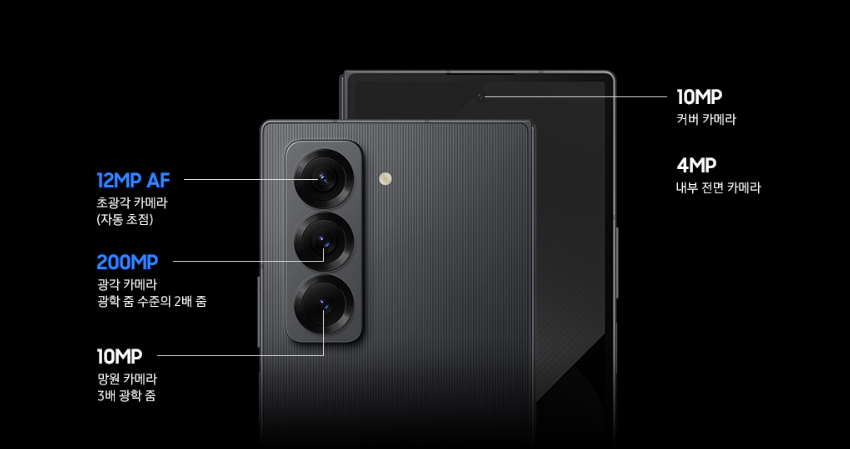
The Samsung Galaxy Z Fold 6 takes a more streamlined approach with a triple-camera system. It features a 50MP main sensor, a 10MP telephoto lens with 3x optical zoom, and a 12MP ultrawide sensor. This makes it clear that the Mix Fold 4 offers more versatility with its additional telephoto lens, at least in terms of hardware.
Both phones offer a single selfie camera on the cover display and an under-display selfie camera on the main screen. However, the Mix Fold 4 utilizes a higher resolution 16MP sensor on both its cover and under-display cameras compared to the Z Fold 6’s 10MP cover camera and 4MP under-display camera.
4. Price & Availability
Before we go into prices, note that Xiaomi’s Mix Fold 4 is currently only available in the Chinese market, where prices are comparatively lower than on the global scene.
The Mix Fold 4 starts at CNY 8,999 (~$1,237) for the base 12GB + 256GB variant. The 16GB + 512GB and 16GB + 1TB configurations are priced at CNY 9,999 (~$1,375) and CNY 10,999 (~$1,513), respectively. However, these prices are expected to increase if Xiaomi decides to launch the Mix Fold 4 globally, though this is unlikely.
In comparison, the Galaxy Z Fold 6 is $1,900 for the 12GB + 256GB variant, $2,020 for the 16GB + 512GB, and $2,260 for the 16GB + 1TB model.
5. Conclusion
The Xiaomi Mix Fold 4 is a strong competitor to Samsung’s reign over the foldable phone market. However, for now, the battle is limited to the Chinese market as the Mix Fold 4 isn’t available globally yet.
This is just a head-to-head breakdown of how the latest foldable flagships from these giants stack up. To learn more about Mix Fold 4, check out our unboxing and initial impressions video below.
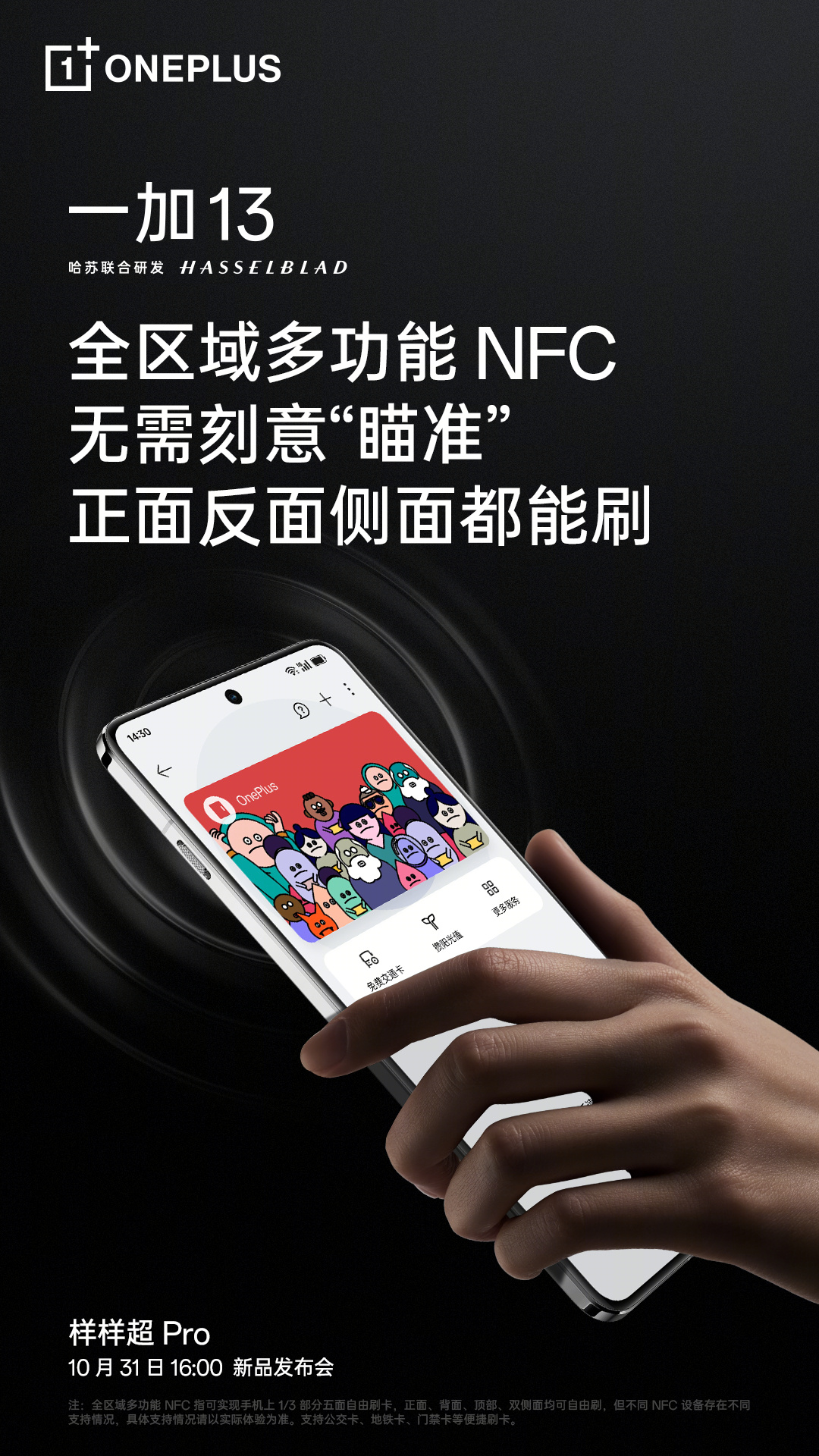
Infinix has launched its innovative 720-degree SphereTech Near Field Communication (NFC) technology. Current NFC technology, used for mobile payments and transit access, often results in transaction failures and user frustration, especially in crowded or fast-paced environments where precise alignment is necessary. This can make the technology cumbersome and unreliable. Infinix’s 720° SphereTech NFC technology addresses these limitations by eliminating the need for precise alignment.
All about Infinix’s 720° SphereTech NFC technology
Infinix 720° SphereTech NFC comes with three breakthroughs: Spatial Layout, Signal Compatibility, Material Type Configuration
The 720° SphereTech NFC technology introduces three breakthroughs in spatial layout, signal compatibility, and material type configuration. The enhanced design ensures superior integration, while the improved signal range and strength guarantee optimal performance. Additionally, the use of optimized materials further boosts reliability and efficiency. This self-developed patent increased the card reading area by 200 percent and doubled the signal range.
Infinix’s new NFC technology incorporates advanced encryption protocols and multi-layered authentication processes to safeguard all transactions and data exchanges against potential threats. Additionally, if a device is lost or stolen, the enhanced security features make it significantly more difficult for unauthorized users to access personal data or perform transactions.
Furthermore, Infinix’s technology is the first to support reading and tapping cards from three sides of the mobile device: the front, top, and back. This results in a 100 percent signal range improvement compared to existing 360° NFC technology, which only reads cards from the back. It allows users to read and tap at different angles, providing unprecedented convenience and functionality.
Infinix 720° SphereTech NFC: One-Tap convenience for travel and access
According to Li Cao, Senior Manager of the NFC Department at Infinix, the company’s commitment to innovation and understanding user needs has driven them to create a solution that enhances functionality while providing unparalleled security and convenience. This technology significantly improves the mobile experience in NFC applications, offering seamless, reliable, and secure interactions from multiple angles.
Infinix confirmed that its 720° SphereTech NFC technology will be available on its upcoming devices.
Oppo is reportedly working on its fourth-generation foldable phone, the Oppo Find N4, for the Chinese market. To recall, the Find N3, which debuted last year, remained exclusive to China, whereas the OnePlus Open was launched as its rebranded version for the global market. Therefore, it is probable that the international market will rebrand the N4 as the OnePlus Open 2. A new leak, courtesy of tipster Digital Chat Station, has revealed the launch timeframe of the Find N4 / Open 2.
Oppo Find N4 / OnePlus Open 2 key details (rumored)
In the above-shown Weibo post, DCS claimed that Huawei is working on a tri-foldable smartphone equipped with the Kirin 9-series chipset. It will have a dual hinge and several new technologies. However, there is no clarity about the launch timeframe of the device.
Next, he appears to be hinting at the impending release of Oppo and Vivo’s next-generation foldable phones. These devices, which are likely to be called the Find N4 and Vivo X Fold 4 / Pro, will break cover in the first quarter of 2025. This suggests that the OnePlus Open 2 may also debut around the same time globally.
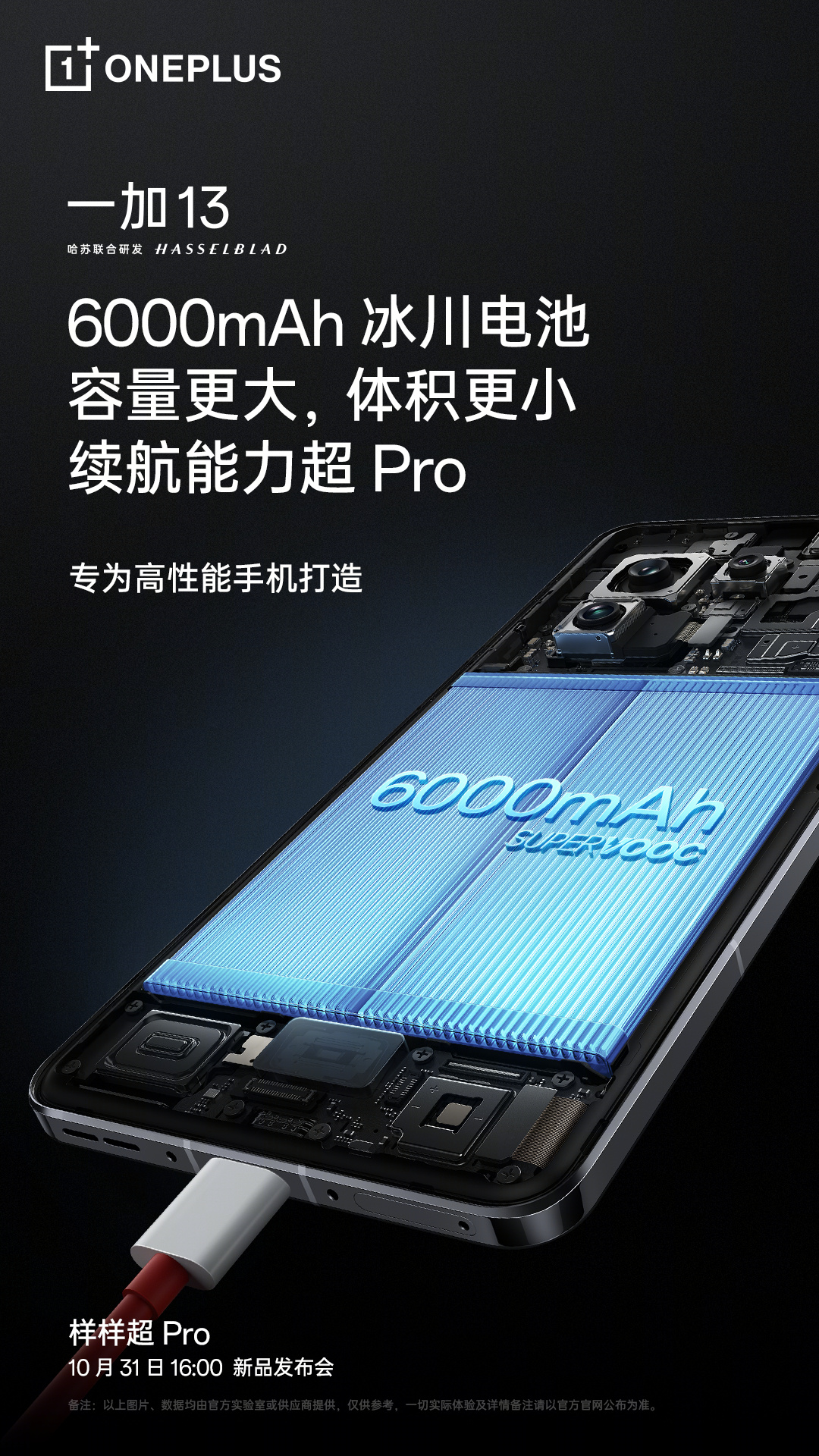
DCS revealed that the Snapdragon 8 Gen 4 chipset will power these devices. He added that despite housing a battery of around 6,000mAh capacity, these devices will have a thin profile. Unfortunately, he did not share anything else about these devices.
In related news, Huawei is currently working on the Nova 13 series of smartphones and the Nova Flip foldable phone, which may debut in August in China. Oppo is reportedly developing the Find X8 and X8 Pro, which will debut with the Dimensity 9400 chip later this year. Vivo’s X200 and X200 Pro, equipped with the Dimensity 9400, are expected to launch in China in October of this year.
Xiaomi has once again pushed the boundaries of smartphone innovation with the introduction of the Mix Flip, its first foray into the world of flip phones. Unveiled alongside the Mix Fold 4 at a recent event in China, the Mix Flip has garnered significant attention for its impressive specifications and design. In this article, we delve into the unique features that make the Xiaomi Mix Flip a standout device in the increasingly competitive flip phone market.
The Mix Flip comes with a 6.86-inch 1.5K 1-120Hz AMOLED internal display. The inner display size is bigger than the Galaxy Z Flip 6 and just slightly shorter than the Motorola Razr 50 Ultra.
The display features a 120Hz refresh rate and it also boasts a peak brightness of 3000 nits which is very similar to the Razr 50 Ultra but the 50 Ultra beats it with a 165Hz refresh rate which is not a big deal breaker though. The display also features HDR10 +, Dolby Vision.
2. Highly Functional Cover Display
The Xiaomi Mix Flip boasts an impressive 4-inch cover display, significantly larger than competitors, and offering unprecedented functionality for a flip phone. This expansive cover screen features a high-quality 1.5K panel with a smooth 120Hz refresh rate and a peak brightness of 3000 nits.
When compared to the Razr 50 Ultra, the cover display of the Mix Flip is quite similar. However, it stands out significantly against the Galaxy Z Fold 6, which features a smaller 3.4-inch cover display that is limited to a 60Hz refresh rate.
Xiaomi positions the Mix Flip as a standalone “compact phone,” capable of handling various tasks without opening the device. It supports over 200 popular apps and customizable widgets.
The external display supports comprehensive gestures, notifications, and even a full-display keyboard. It also comes with widgets like time, weather, step count, music control, and recently used apps that provide quick access to essential information. The display also automatically switches to a focus notification display for services like taxis, food delivery, and flights, keeping you updated with real-time information.
3. Flagship Performance
Under the hood, the Mix Flip is powered by the Snapdragon 8 Gen 3, ensuring snappy performance and efficient multitasking. It also comes with up to 16GB LPDDR5X RAM and 1TB UFS 4.0 inbuilt storage.
To keep thermals in check, Xiaomi has implemented a redesigned 3D cooling system with a large 3500mm² VC area. The device runs on Android 14 with HyperOS on top.
4. Durable Build
The Mix Flip features a compact dual-link hinge made from high-strength, wear-resistant materials, ensuring a long lifespan of 500,000 folds and unfolds, as certified by SGS. Both the inner and outer displays are protected by Xiaomi Shield Glass and UTG ultra-thin flexible glass, respectively. Additionally, it boasts a robust build quality with a 6M42 aluminum alloy middle frame.
5. Leica-Backed Camera System
The Mix Flip doesn’t compromise on camera quality. It boasts a dual rear camera system co-engineered with Leica, featuring a 50MP Light Fusion 800 main sensor with optical image stabilization and a 50MP telephoto lens offering 2x zoom.
It can also capture close-up shots with a minimum focusing distance of just 9cm. For selfies, there’s a 32MP front camera housed in a punch-hole cutout. The device also includes Master Portrait mode and supports shooting at four different focal lengths.
The camera system leverages Xiaomi’s AISP large model computational photography platform, supporting advanced imaging scenarios with up to 60 TOPS of processing power.
6. Long-Lasting Battery and Fast Charging
The Mix Flip packs a large 4780mAh battery, exceeding the capacity of both Galaxy Z Flip 6 and Razr 50 Ultra, making it truly impressive for a flip phone. The battery comes with Xiaomi’s Surge battery technology with 6% silicon content in the negative electrode, allowing it to maintain at least 80% capacity after 1600 charge cycles. When it comes to charging, the Mix Flip supports 67W fast charging.
7. Conclusion
Xiaomi’s Mix Flip has emerged as a strong contender in the flip phone market. Its larger internal and external displays, functional external screen interface, optimized software, efficient cooling system, Leica camera collaboration, larger battery, and competitive pricing collectively make it a compelling choice for consumers.
While it shares some similarities with its competitors, the Mix Flip distinguishes itself with its unique features and value proposition, making it a worthy consideration for those in the market for a flip phone.
ASUS has officially revealed pricing and availability for their ROG Zephyrus 16 Air Ryzen AI Edition gaming laptop. Launching on July 28th, this machine packs a powerful processor and graphics options for demanding games.
Users can choose between NVIDIA RTX 4060 or 4070 options
At its core lies the AMD Ryzen AI 9 HX 370 mobile processor with 12 Zen 5 cores, integrated RDNA 3 graphics, and a dedicated XDNA 2 NPU for AI tasks. The laptop comes with 32GB of LPDDR5X-7500 memory and dual M.2 2280 SSD slots, with one offering PCIe 4.0 speeds.
For graphics, users can choose between NVIDIA RTX 4060 or 4070 options, both featuring 105W TGP and the ability to work with the NPU for combined AI processing power.
ASUS equips the Zephyrus 16 Air Ryzen AI Edition with their ROG Glacier Cooling 3.0 system to manage heat during intense gaming sessions.
Despite its power, the laptop maintains a portable design. The aviation aluminum chassis measures 14.9mm thin and weighs 1.85kg. The A-side features a customizable light strip with preset effects and a configurable LED matrix.
The display is a 16-inch 2.5K OLED panel with a 240Hz refresh rate, 500 nits brightness, and a 0.2ms response time. It also supports color gamut switching for various viewing needs.
Beyond core specs, the Zephyrus 16 Air Ryzen AI Edition boasts a 240Hz glass touchpad, an RGB backlit keyboard with 1.7mm key travel, a 1080p camera with Windows Hello support, and a 6-speaker sound system.
The laptop comes with a 90Wh battery, a selection of ports including USB4 and HDMI 2.1, Wi-Fi 7 for fast wireless connectivity, and support for 100W PD fast charging.
iReader has unveiled their latest e-reader, the Smart 5 Pro, promising a smoother and faster reading experience. Pre-orders are now open, with the official sale starting on July 29th.
The Smart 5 Pro e-reader starts at 3,099 Yuan ($426)
The Smart 5 Pro boasts a significant upgrade in display quality. It features a 10.3-inch 300 PPI Retina-level screen with a Carta 1200 panel, which iReader claims offers a 75% resolution increase compared to previous models. The display is further enhanced by ultra-high-transmittance ion-tempered glass, allowing for slim bezels on three sides and an impressive 84% screen-to-body ratio.
But the improvements go beyond the display. iReader has equipped the Smart 5 Pro with an 8-core processor and an independent GPU, resulting in what they claim are significant speed improvements. Users can expect faster app opening speeds (up to 88% faster), quicker book loading (up to 47% faster), smoother comic transitions (up to 52% faster), and a more responsive experience with PDFs (up to 38% faster).
The Smart 5 Pro runs on SmartOS 2.2, featuring i-Display 2.0 technology and global gesture controls for intuitive navigation. Additionally, iReader’s self-developed GPU Turbo promises further system-level performance enhancements.
Beyond core functionality, the Smart 5 Pro offers various features to enhance the reading experience. These include AI meeting minutes and note outlines, real-time audio-to-text conversion, and a global black-and-white inversion mode for comfortable reading in dark environments. The reading light has also been upgraded with new lamp beads and a light guide plate for improved uniformity.
The iReader Smart 5 Pro comes with 4GB of memory and 128GB of storage, which can hold an estimated library of 50,000 e-books and 20,000 PDFs. The e-reader is available for pre-order now in three options: a standard edition, a bundle with an elegant black smart magnetic cover, and a bundle with the Qingyulan smart magnetic cover. Prices start at 3099 yuan (approximately $464 USD).
AOC has launched the new Q27G3ZN, a 27-inch gaming monitor boasting a stunning 2K resolution and a blazing-fast 260Hz refresh rate, all for a starting price of 1899 yuan ($261) on JD.com. Let’s check out its key specs.
AOC Q27G3ZN Monitor Specifications:
The monitor features a 2560 x 1440 IPS panel, delivering sharp visuals and wide viewing angles. It comes with a staggering 260Hz refresh rate which ensures smooth gameplay, especially in fast-paced titles like esports and shooters. It also features a 1ms GTG response time that minimizes ghosting and blur. The monitor has a static contrast ratio of 1000:1 and a brightness level of 450 nits
This monitor boasts a vibrant display with 127% sRGB color gamut coverage, ensuring rich and accurate colors. It also comes with DisplayHDR 400 certification which provides deeper blacks and brighter whites, offering a more immersive HDR experience for games and movies.
The Q27G3ZN monitor comes factory-calibrated with 92% DCI-P3 coverage and DeltaE<2 color accuracy, meeting professional standards for color precision. This makes it suitable not only for gaming but also for graphic design and video editing.
The monitor boasts a 178° viewing angle, ensuring consistent image quality from different perspectives. It also supports Adaptive-Sync technology, which reduces frame drops and screen tearing for smoother gameplay.
The AOC Q27G3ZN is not just about speed and visuals; it’s also packed with features. The ergonomic stand offers a wide range of adjustments, including tilt, swivel, height, and pivot functionality for portrait or landscape orientation. It is also compatible with a 100x100mm VESA mount.
In terms of connectivity, the monitor comes with two HDMI 2.0 ports, two DP 1.4 ports, and a 3.5mm headphone jack. The monitor supports PBP/PIP split-screen functionality, enabling users to share the screen between different devices efficiently.
The AOC Q27G3ZN comes with a G-Menu control panel software that allows you to customize color settings and brightness, and even set up personal macros for different games. Additionally, the monitor features a built-in low blue light mode and flicker-free technology to help reduce eye strain during long gaming marathons.
In terms of aesthetics, the Q27G3ZN features a glossy black body with a space gray triangular stand and fiery red decorative strip, embodying a sleek and modern look. It also comes with a circular cable management hole that keeps the setup tidy.
Apple launched its premium VR headset, the Apple Vision Pro, in February this year. One of the notable features of Apple’s VR headset is called EyeSight, where a display mimics the wearer’s eyes to make the user’s interaction with the real seem more natural. According to Apple “EyeSight reveals your eyes on the front of your Apple Vision Pro, and lets those nearby know when you’re using apps or are fully immersed in an experience.”
Meta is expected to replicate Apple’s EyeSight feature for its future VR headsets
Now the news is that Meta has applied for a patent that is somewhat similar to Apple’s EyeSight feature. You can see the patent illustration below. Reportedly, Meta aims to replicate the EyeSight feature which is far from being perfect on its own.
Image: Patently Apple
Meta‘s patent abstract notes that it is a method for updating a subject avatar with a facial expression collected in real-time. The method includes receiving, from a sensor on the facial interface of a headset, a signal indicative of a movement in a facial muscle from a user of the headset. The process involves determining the facial expression of the user with the signal from the sensor in the facial interface of the headset, based on a machine learning algorithm trained to associate the facial expression with the movement of the facial muscle.
Then it adjusts a subject avatar for the user of the headset based on the facial expression and provides the subject avatar to an immersive reality application hosted by a remote server.
The headset will reportedly include various sensors such as ECG, EEG, and PPG sensors to assess the cardiovascular conditions of a user.
One of the limitations of VR headsets like the Meta Quest 3 or the Apple Vision Pro is that the wearer becomes disconnected (sort of) from the real world. According to Apple, they developed EyeSight to maintain the connection of the wearers with the real world.
While it’s common for companies to take inspiration from the developments and achievements of their competitors, the jaw-dropping aspect of the whole development is that it emerged only a couple of months after Zuckerburg himself claimed that its Quest headset stands tall against the Vision Pro in a variety of aspects.
We use cookies on our website to give you the most relevant experience by remembering your preferences and repeat visits. By clicking “Accept”, you consent to the use of ALL the cookies.
This website uses cookies to improve your experience while you navigate through the website. Out of these, the cookies that are categorized as necessary are stored on your browser as they are essential for the working of basic functionalities of the website. We also use third-party cookies that help us analyze and understand how you use this website. These cookies will be stored in your browser only with your consent. You also have the option to opt-out of these cookies. But opting out of some of these cookies may affect your browsing experience.
Necessary cookies are absolutely essential for the website to function properly. This category only includes cookies that ensures basic functionalities and security features of the website. These cookies do not store any personal information.
Any cookies that may not be particularly necessary for the website to function and is used specifically to collect user personal data via analytics, ads, other embedded contents are termed as non-necessary cookies. It is mandatory to procure user consent prior to running these cookies on your website.