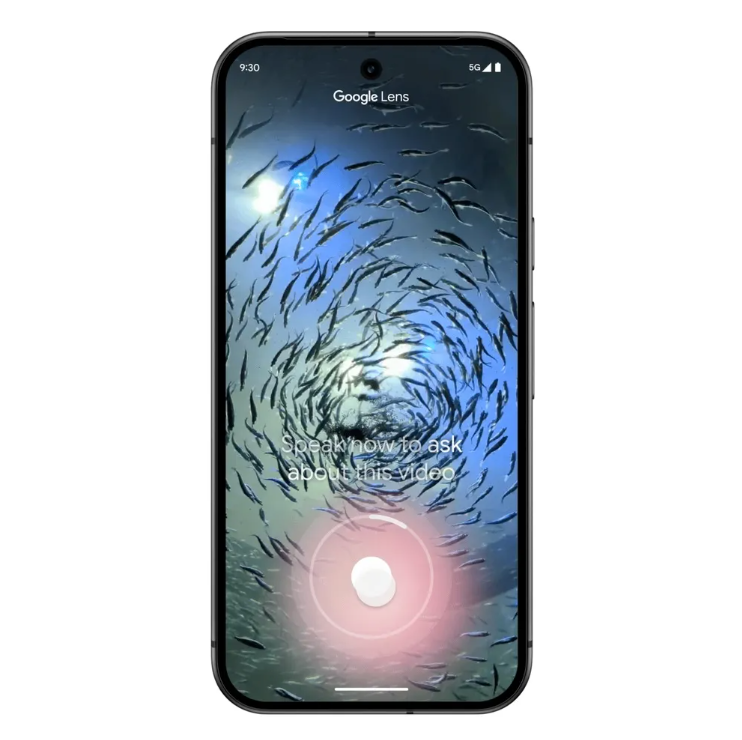
Google announced voice and video search capabilities for Google Lens in May of this year at I/O 2024. Now the company is implementing the features in Google Lens, where you can long-press and ask directly with your voice. It makes searching much more easy and continent.
The video search feature in Lens uses a custom Gemini model
Google is currently rolling out this feature in Search Labs on Android and iOS. However, as of now, the voice search feature in Lens is only available for English queries.
It surfaces an AI Overview and search results based on the video’s contents and your question. In the preview video released at the I/O event, Google showed someone curious about the fish he is seeing at an aquarium can hold up his phone to the exhibit, open the Google Lens app, and then long-press the shutter button.
When Lens starts recording, users can ask questions based on what they are seeing. In response to the question “Why are they swimming together?” Lens responded using Google Gemini.
[beehiiv_newsletter]
The ability to search with a video allows you to show your phone how objects are moving and ask questions about it, which makes Google Lens much more useful for certain scenarios. You can use the feature by joining the “AI Overviews and more” experiment in Search Labs.
For those curious about how the feature works, Rajan Patel, the vice president of engineering at Google, revealed that Google is capturing the video “as a series of image frames and then applying the same computer vision techniques” that Lens already uses. However, Google also revealed that the responses are coming from a custom Gemini model that the company has designed to understand multiple frames in sequence. After processing the frames, the model uses information from the web related to the topic to generate the response.
In summary, this is a good use of the already existing technologies that results in a valuable addition to Google Lens.
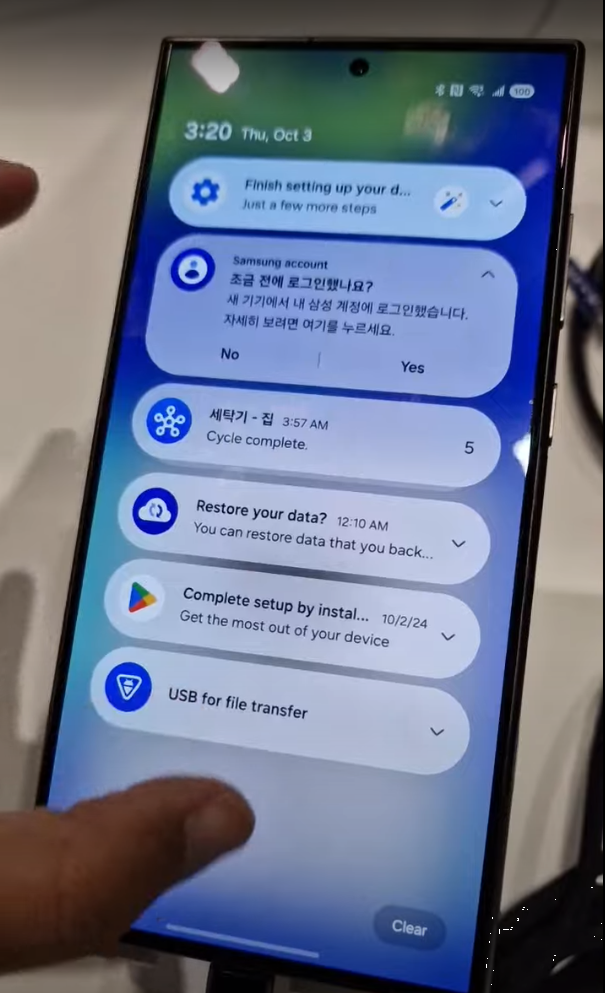
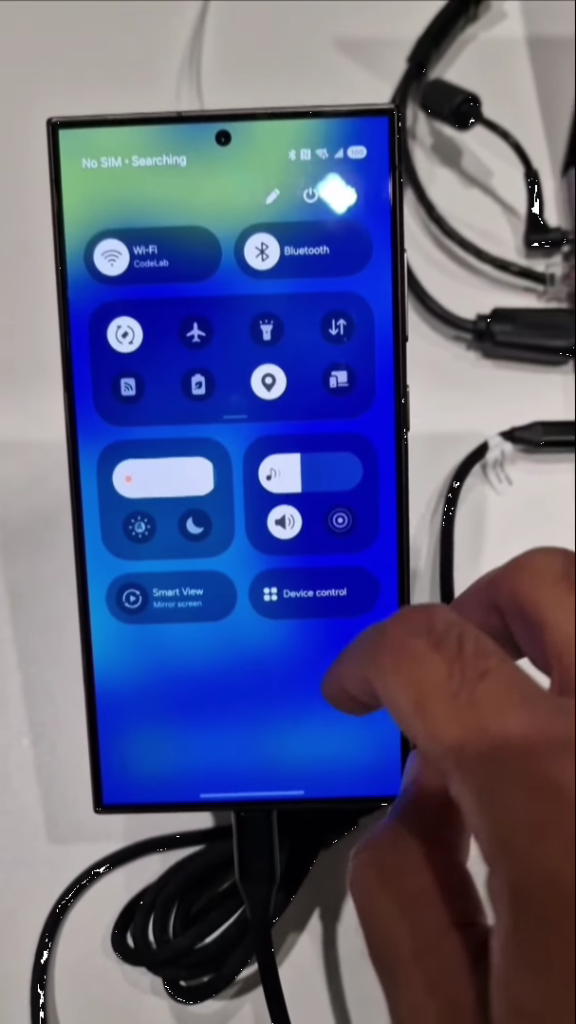
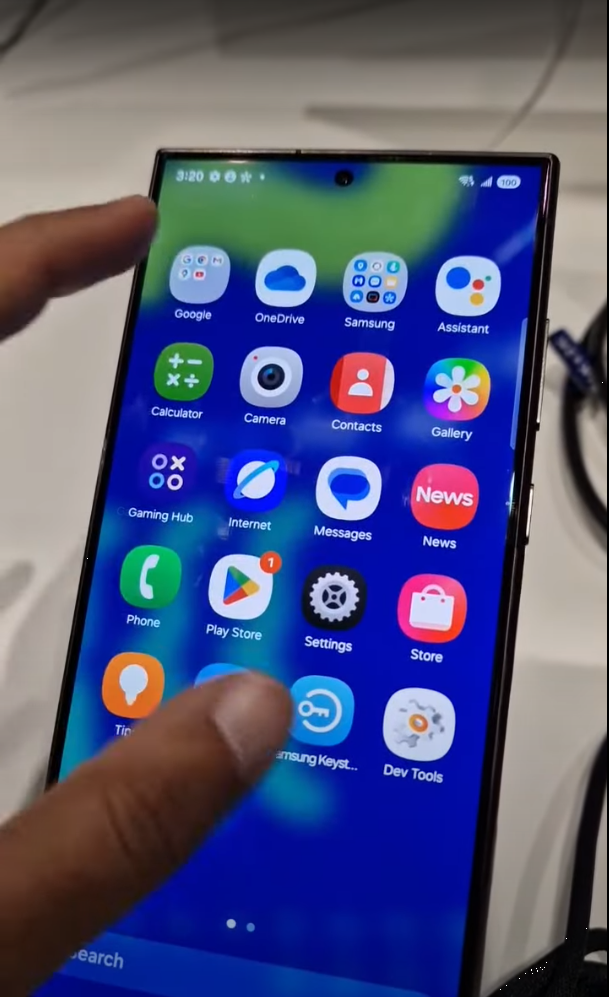
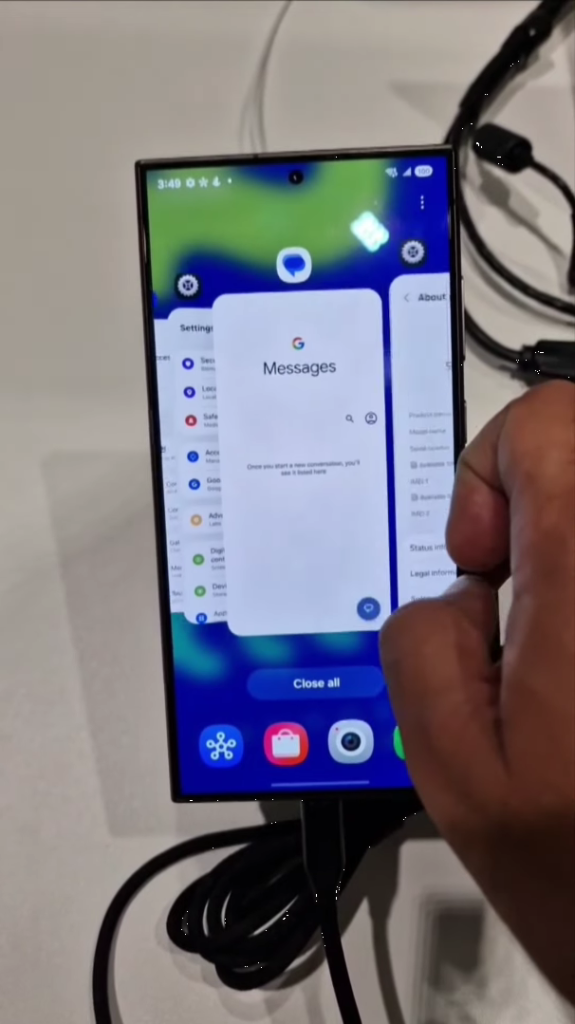
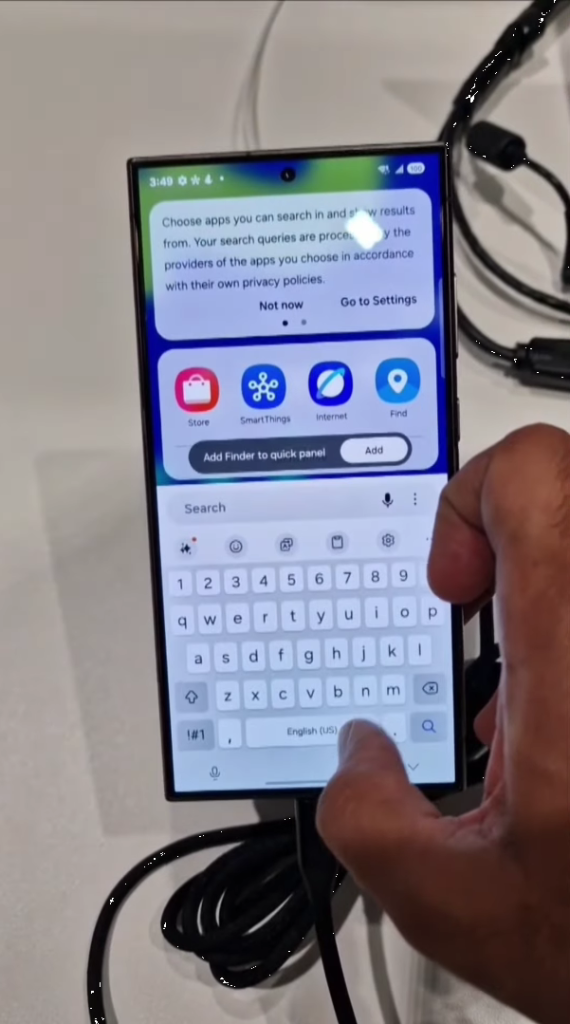
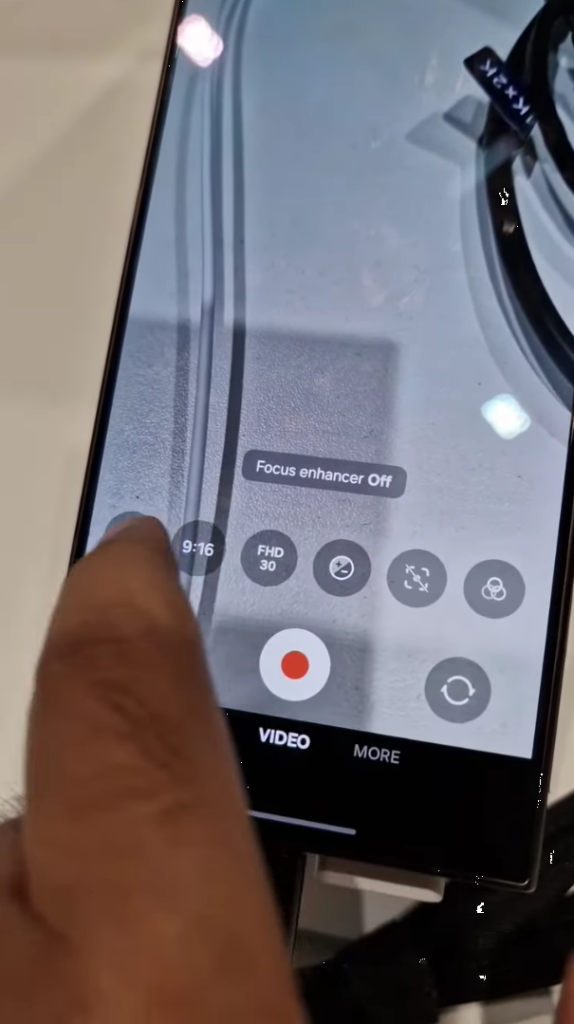
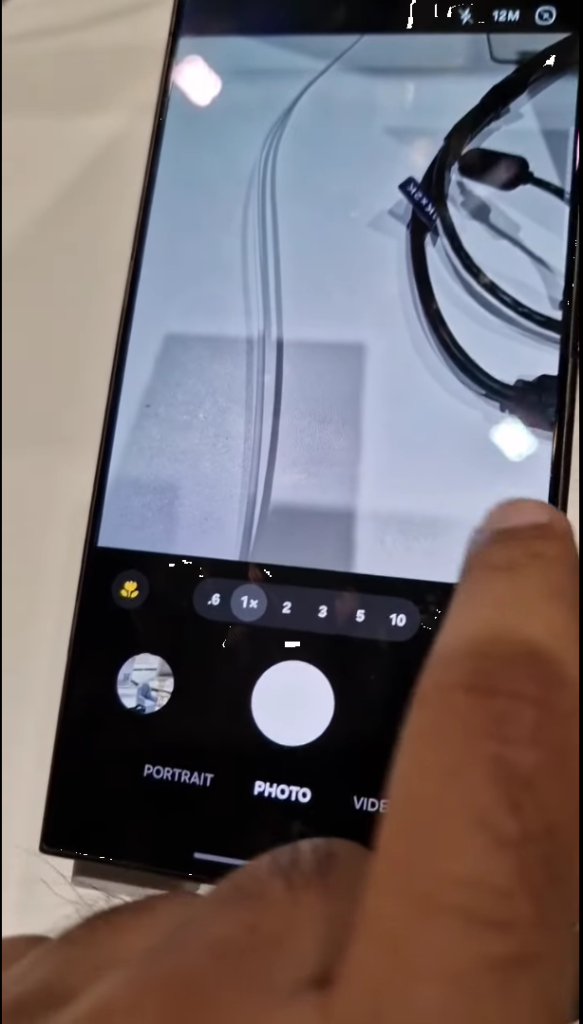
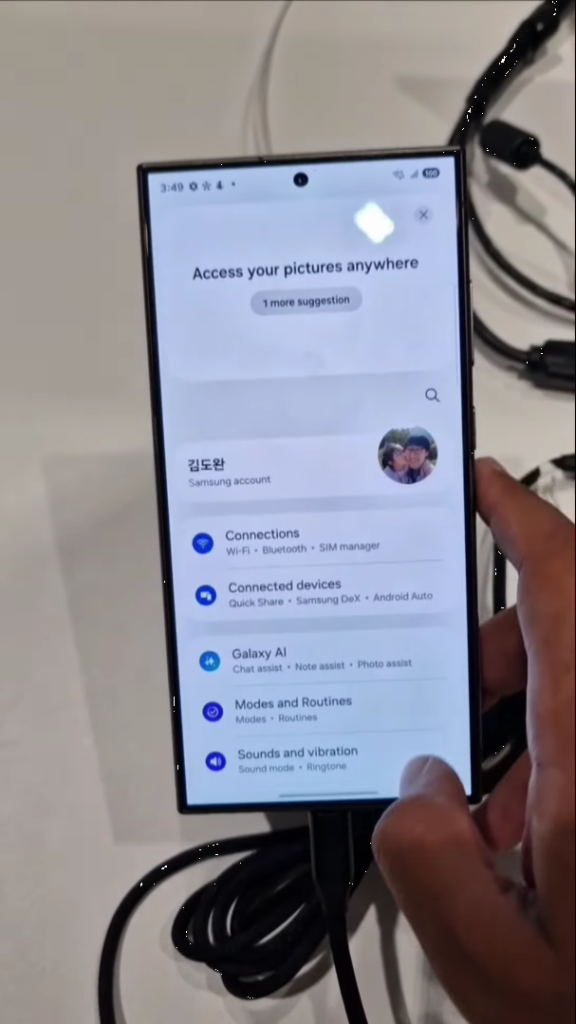
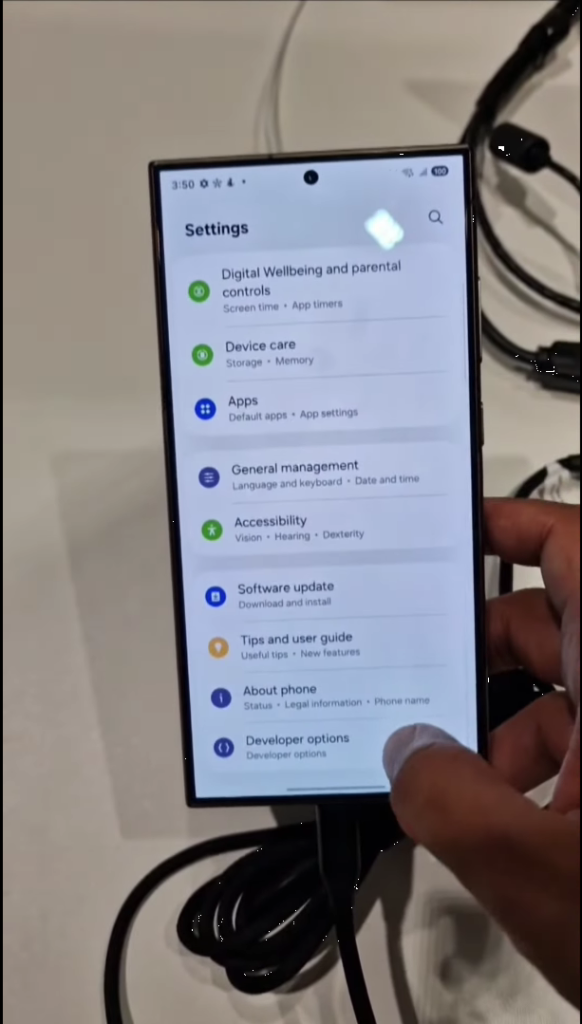
At Samsung’s Developer Conference, it was revealed that Samsung brought a Galaxy S24 Ultra with One UI 7 software. Some people invited to the conference shared the first official images of the new One UI 7. The images show that Samsung has made changes to the control center, recently used apps menu, previously leaked icons, a new notification panel, and more. Of course, we won’t see the stable version of One UI 7 before 2025. We mentioned this in our previous news. Now it’s time to check out the first official images of One UI 7!
With One UI 7, the control center and notification panel are now separated, and we see a design similar to Xiaomi’s HyperOS
Samsung is making radical changes with One UI 7. The brand offers a new notification panel and control center that is very similar to iOS and Xiaomi HyperOS. These are important details that have been redesigned so that you can better manage notifications and get the most out of the control center. Samsung is doing a great job here. One UI 7 is not limited to these and, as there are still 3 months to 2025, many useful features can be added to the interface.
Samsung is redesigning icons with One UI 7. The brand is replacing the old, classic icons of One UI 6 with new app icons, giving the interface a different feel. The South Korean company has put a lot of work into One UI 7, which shows in the first official images.
One UI 7 IconsOne UI 6.1.1 Icons
Samsung’s One UI home screen implementation is also undergoing noticeable changes, with the recently used apps menu taking on a new shape and the transition between apps looking impressive. The company doesn’t stop there and has gone to extraordinary lengths to design the interface for one-handed use.
Samsung is also replacing the battery icon with One UI 7. This time, instead of a rectangular design, we see a more rounded battery icon.
One UI 7One UI 6.1.1
One UI 7 redesigns the camera app and focuses more on one-handed use. This means that you won’t have much difficulty using the camera app and it will aim to provide the best user experience. One UI 7 camera app with a simple interface is here!
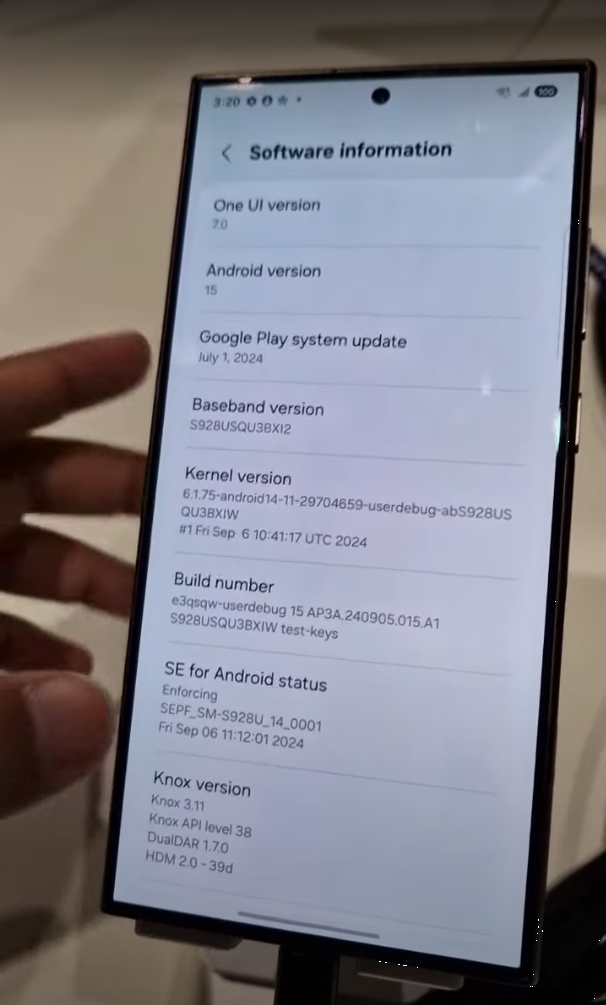
Galaxy S24 Ultra’s version of new One UI 7 beta was prepared in September. The build number is S928USQU3BXI2, where “S928” stands for Galaxy S24 Ultra and “XI” stands for September. It should be noted that the update is based on Android 15. One UI 7 also brings Android 15, which means you’ll be able to experience the unique features of One UI 7 as well as the excellent changes of Android 15.
What do you think about the new One UI 7? Samsung will try to launch the One UI 7 beta by the end of 2024. Hopefully, we can see the new beta sooner than that.
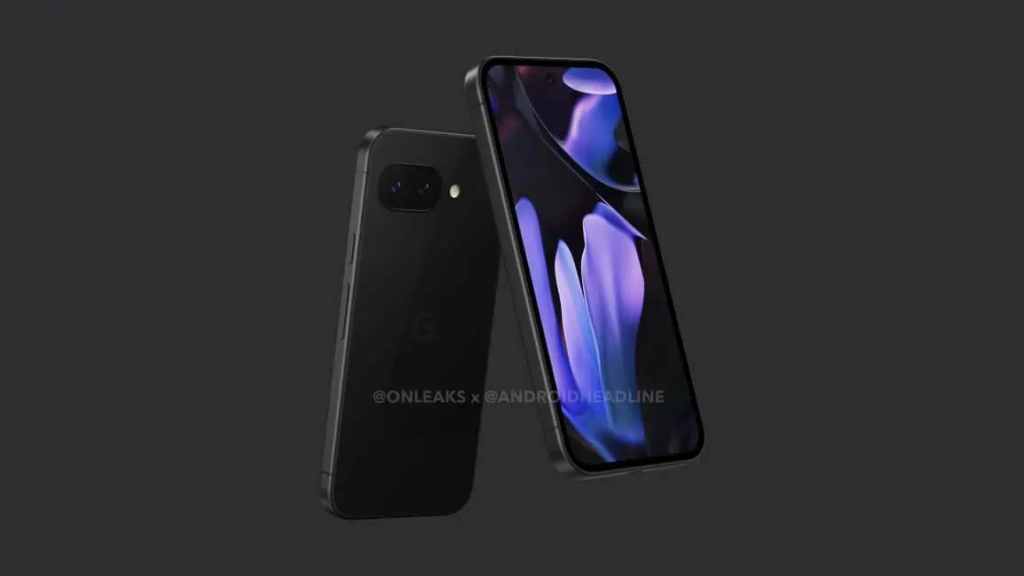
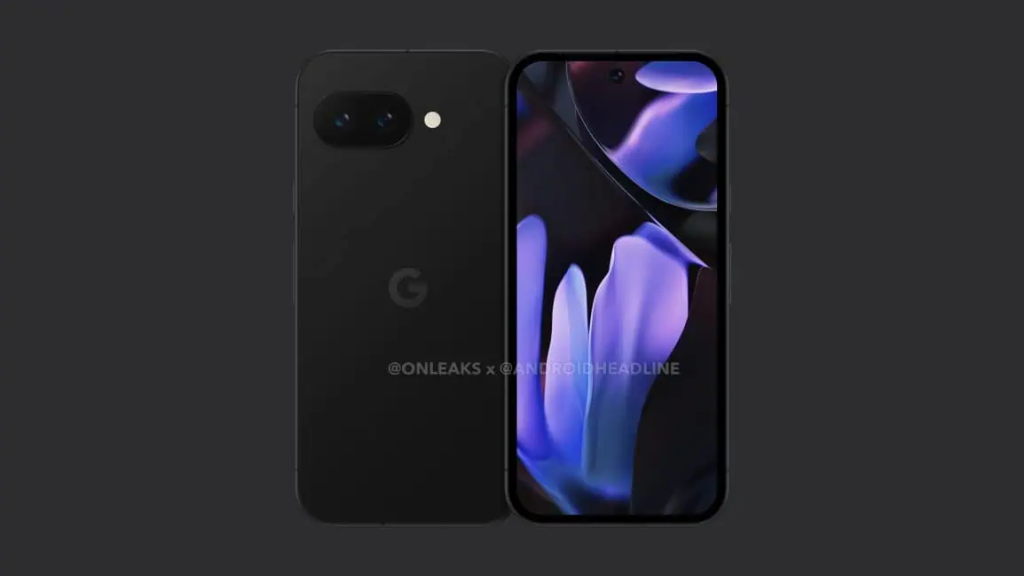
Following an uncharacteristically early August launch for the Pixel 9 series, a fresh new report now suggests that even the budget-friendly Google Pixel 9a will launch earlier than usual.
According to Android Headlines, citing multiple sources, the Pixel 9a will be available for pre-order as early as mid-March 2025. This would move the release up by two months from its usual May launch window, which often coincides with Google’s I/O developer events.
Google Pixel 9a render
The report further claims that the Pixel 9a will be available for purchase in stores by the end of March. And the device will be available in four color options, including Porcelain, Obsidian, Peony, and Iris.
Not just Pixel 9a, future Pixel A-series will follow similar launch timeframe
It’s not just the Pixel 9a. The earlier release schedule may extend beyond it, as the report suggests that Google might permanently adopt this earlier March timeframe for future a-series launches. This could mean the Pixel 10a will arrive in March 2026, and its successor in next March.
The company is also reportedly speeding up the launch of Android 16. The next version of its mobile operating system could arrive before the end of June. If true, it would be nearly four months earlier than the timeline Google followed up to Android 14.
Google Pixel 9a render
Now why is Google speeding things up? We don’t know for sure. However, in the case of Pixel phones, it could be a move to get ahead of Apple’s iPhone launch. Google unveiled the Pixel 9 series before the iPhone 16, and if the rumored launch timeline is true, the Pixel 9a will debut before the iPhone SE 4.
It remains to be seen whether this new timeframe becomes the norm for both the Pixel A-series and Android releases. However, these developments suggest that Google is looking to adjust its release strategy to compete better in the increasingly competitive smartphone market.
Samsung was expected to use the Exynos 2500 chipset in the Galaxy S25 and S25+ in most markets. However, a recent rumor claims that the chipset will not be used in any of the three S series flagships that will launch in Q1 2025. Instead, the company will reportedly use the chipset to power the S25 FE and next-generation Galaxy foldables.
The S25 FE & upcoming Z series devices will reportedly use Exynos 2500
The reason behind this delayed launch of the new Exynos chip is reportedly a yield rate of only 55%, which is much lower than the previously set goal of 70%.
For those unfamiliar, yield rate is the percentage of functional chips produced from a wafer compared to the maximum number of chips that could be produced on that wafer. It’s a key metric that measures the efficiency of the production process.
While using the Exynos 2500 in the S25 FE seems expected, we cannot say the same for Samsung’s foldable devices. Historically powered by Snapdragon chips, a shift to Exynos could negatively impact their popularity due to the track record of previous Exynos chips.
Samsung released the Galaxy S24 FE just a couple of days ago with a slightly underclocked version of the Exynos 2400 chipset. However, the tipster claimed that the Galaxy S25 FE will launch sometime in April this year, much earlier than expected. For context, Samsung launched the Galaxy S23 FE around this time of the year in 2023.
The Exynos 2500 chipset will be based on Samsung’s 3nm process node. However, limited information is available regarding its performance. As with each new iteration of Exynos chips, the Exynos 2500 has been rumored to offer significantly higher performance and power efficiency compared to both the Snapdragon 8 Gen 4 and the Dimensity 9400. That said, based on past experiences, users may want to wait for Samsung’s official release rather than rely on speculative performance claims about the upcoming Exynos chipset.
Huawei‘s highly anticipated Kirin PC chip, designed specifically for laptops, may face a pushback in its launch timeline. While many enthusiasts were expecting the chip to make its debut this year, recent rumors suggest a potential delay until the first quarter of 2025.
What’s Holding Back Huawei’s Kirin PC?
This delay seems to be influenced by Huawei’s packed launch schedule for the remainder of 2024. With several major product releases, including the Nova 13 series, MatePad tablets, Hi Notebook, HarmonyOS Next beta, Mate 70 series, and Mate X6, it appears that the company is prioritizing these launches and strategically saving the Kirin PC for a more impactful debut.
The Kirin PC chip is expected to offer a significant upgrade for Huawei laptops. Inspired by Apple’s M-series architecture, it promises to deliver enhanced performance and efficiency through a unified design incorporating DRAMs and SoCs. Additionally, the chip is anticipated to feature advanced AI capabilities, improving the overall user experience.
Thermal management is another crucial aspect that Huawei may be focusing on. While being the first self-developed laptop chip, it might initially face some challenges in power efficiency compared to their mobile counterparts. However, the company is likely working to address these issues and optimize the chip’s performance over time.
The potential delay of the Kirin PC chip might be a strategic move by Huawei to ensure that the product is polished and ready to compete effectively in the market. By taking extra time for development and refinement, the company can aim to deliver a truly exceptional product that meets the high expectations of consumers.
As we eagerly await more details about the Kirin PC chip, it’s clear that Huawei is making significant strides in expanding its product portfolio and solidifying its position in the tech industry. The chip’s eventual release will undoubtedly be a major milestone for the company and could potentially reshape the landscape of laptop computing.
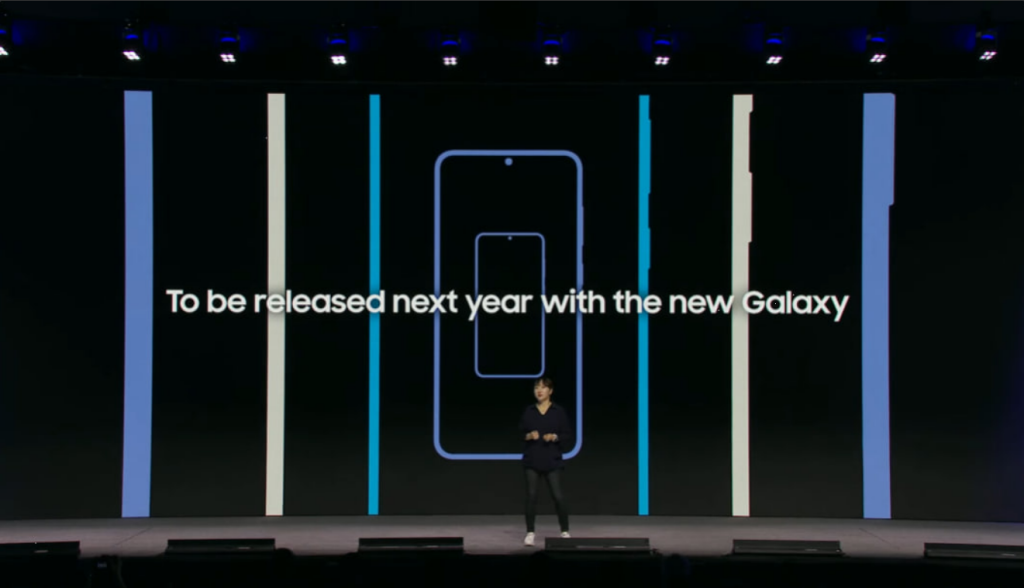
Samsung is currently testing the One UI 7 Beta. During today’s Samsung Developer Conference, the South Korean tech company officially announced that the stable version of One UI 7 will be released in 2025. This update will arrive with the launch of the Galaxy S25 series. While many Samsung users are eagerly waiting for the new One UI, this news might disappoint some. It seems like Samsung is planning to delay the full release to ensure a smooth experience for its users.
Samsung wants to release One UI 7 beta by the end of 2024
So, when will the One UI 7 beta version be available? According to Samsung, the One UI 7 beta will be released by the end of this year. This early version will first be available for the Galaxy S24 series and possibly the previous Galaxy S23 series. However, the beta is not limited to just the S-series phones. It is also expected to come to Samsung’s latest foldable devices, such as the Galaxy Z Fold 6 and Galaxy Z Flip 6, before the end of the year.
One UI 7 is highly anticipated because it promises to bring many new features and improvements to Samsung devices. The company is likely taking extra time to test the software to avoid any major bugs or issues, ensuring that users have a stable and efficient experience when the final version is released. In the meantime, those who join the beta program will have the chance to test the new features early and provide feedback to help Samsung make the final product even better.
Participating in the beta program can be an exciting opportunity. But for those who prefer a stable, seamless interface experience, it might be better to wait for the One UI 7 stable release in 2025. Either way, Samsung is working hard to deliver a polished and advanced software experience with One UI 7. Samsung has officially confirmed that the new One UI 7 interface will be announced with the Galaxy S25 series.
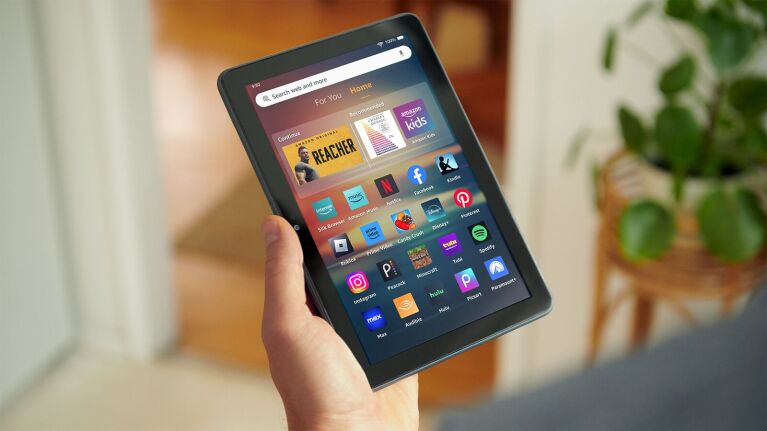
Amazon has officially launched the Fire HD 8 (2024) tablet. This update continues Amazon’s trend of offering affordable and feature-packed tablets designed for everyday use, with a few notable improvements over the 2022 model. Let’s check out its key specs.
Amazon Fire HD 8 (2024) Specifications
The 2024 Fire HD 8 retains the familiar 8-inch HD display, with a resolution of 1280 x 800 pixels. The tablet is powered by the same MediaTek MT8169A processor along with Mali-G52 2EE MC2 GPU as its predecessor, offering reliable performance for media consumption, and web browsing.
Storage options have seen a significant upgrade, now available in 32GB with 3GB of RAM or 64GB with 4GB of RAM. Both models support microSD card expansion, allowing users to add up to 1TB of additional storage. This upgrade makes the Fire HD 8 more capable for users who need extra space for apps, games, and media.
The tablet also includes a 5MP rear camera and a long-lasting battery that offers up to 13 hours of usage on a single charge. It features a USB Type-C (2.0) port and a 3.5mm headphone jack.
The 2024 Fire HD 8 introduces several new AI-powered features aimed at enhancing user productivity. These include a writing assistant, web page summarization tools (only works with the Silk browser), and a wallpaper generator. These AI capabilities are designed to make it easier for users to engage with content and customize their devices. Amazon plans to roll out these features to other Fire tablets later this month, adding a unique twist to the Fire tablet experience.
In addition to the standard version, Amazon offers both a Kids Edition and a Kids Pro Edition, aimed at younger users. These versions come with Disney-branded protective cases and include a year of Amazon Kids+ subscription, which provides access to child-friendly apps, games, and educational content.
Pricing & Availability
The Fire HD 8 (2024) will officially start at $99.99, but Prime members can take advantage of a special offer during Prime Day, with a launch price of $54.99. The Kids Edition will also be available at a discounted price of $69.99 during the same period. Pricing for the Adult Pro Edition is yet to be announced.
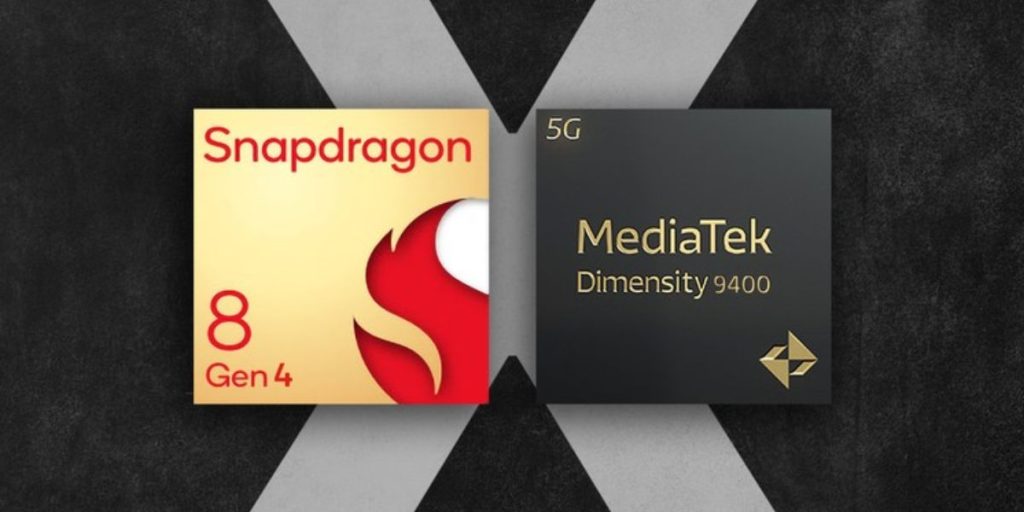
Although these new chips are expected to get a price hike, new intel from Vivo Product Manager Han Boxiao suggests that this year’s SoCs (System on Chip) will deliver performance improvements that will surpass the combined gains of the past two generations—a “generational gap” that we rarely see.
Snapdragon 8 Gen 4 / Dimensity 9400 will offer two generations of performance leap
Every year, we ask ourselves the same question. Is it the best time to upgrade to a flagship? Talking about the same, Han acknowledges that while last year’s flagships were appealing due to more RAM at lower costs, 2024 could be an even better time to make the switch.
He cites two key reasons for this. First is advancements in display technology. He notes that 2024 flagships will have extremely narrow, symmetrical bezels and a “greatly upgraded” form.
More importantly, though, he suggests a major leap in SoC performance. According to Han, who claims to have “17 generations” of products and “12 SoC iterations” experience, the typical SoC performance improves by around 15% from generation to generation, with occasional jumps of 20-25%.
However, he says that this year’s SoCs will deliver a remarkable 40% improvement. Han even claims that this year’s flagship SoCs will create a two-generation leap in performance in one go.
He further adds that the gap between sub-flagship and flagship performance will be “deep” (or bigger) in 2024, which is quite “rare in history.”
Since SoCs are central to a phone’s performance, Han believes that the flagship phones launching in October 2024 may have the “biggest lead in history.”
When a user asked in comments whether the performance leap is for MediaTek or Qualcomm, Han replied “both2024,” suggesting that both the Dimensity 9400 and Qualcomm’s Snapdragon 8 Gen 4 will have greatly improved performance.
Han also briefly addressed the price increase of these chips, calling it the “largest in history” for an SoC. However, he explains that this is justified as the performance improvement is also “the largest in history.”
With many smartphone options available in the US, finding the right balance between performance and price can be a challenge. For those looking to spend under $300, we’ve rounded up the top contenders that offer impressive features without breaking the bank. Let’s dive into the best budget-friendly smartphones you can buy in October 2024.
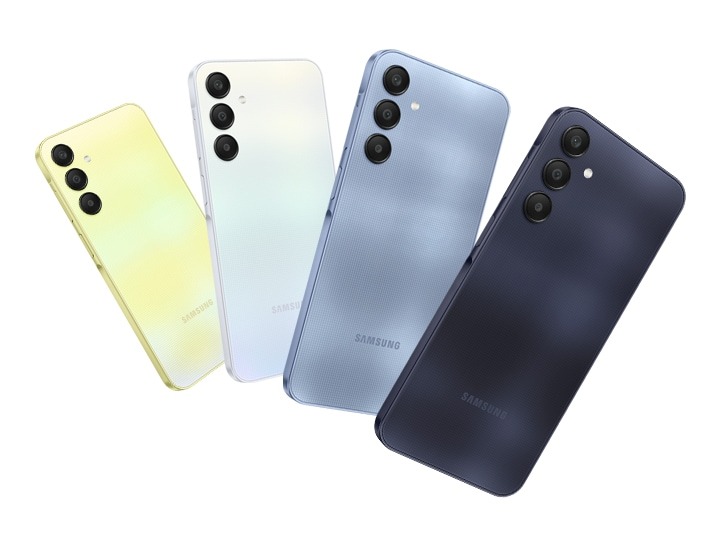
Samsung Galaxy A25 5G is one of the most feature-rich options in the under-$300 segment. It boasts a 6.5-inch FHD+ Infinity-U Super AMOLED display with a 120Hz refresh rate and 1000 nits of peak brightness. It comes with the Exynos 1280 5nm processor, paired with 8GB of RAM, ensuring smooth multitasking.
It sports a 50MP main camera with OIS for clearer shots, an 8MP ultra-wide camera, and a 2MP macro lens, while the 13MP front camera handles selfies and video calls.
The phone packs a 5000mAh battery with 25W fast charging. Its pricing starts at $300 unlocked, or you can grab it for $250 through BestBuy in a single 128GB storage variant.
Please Note: When you buy something using the links in our articles, we may earn a small commission at no cost to you.
2. Motorola Moto G Power 5G (2024)
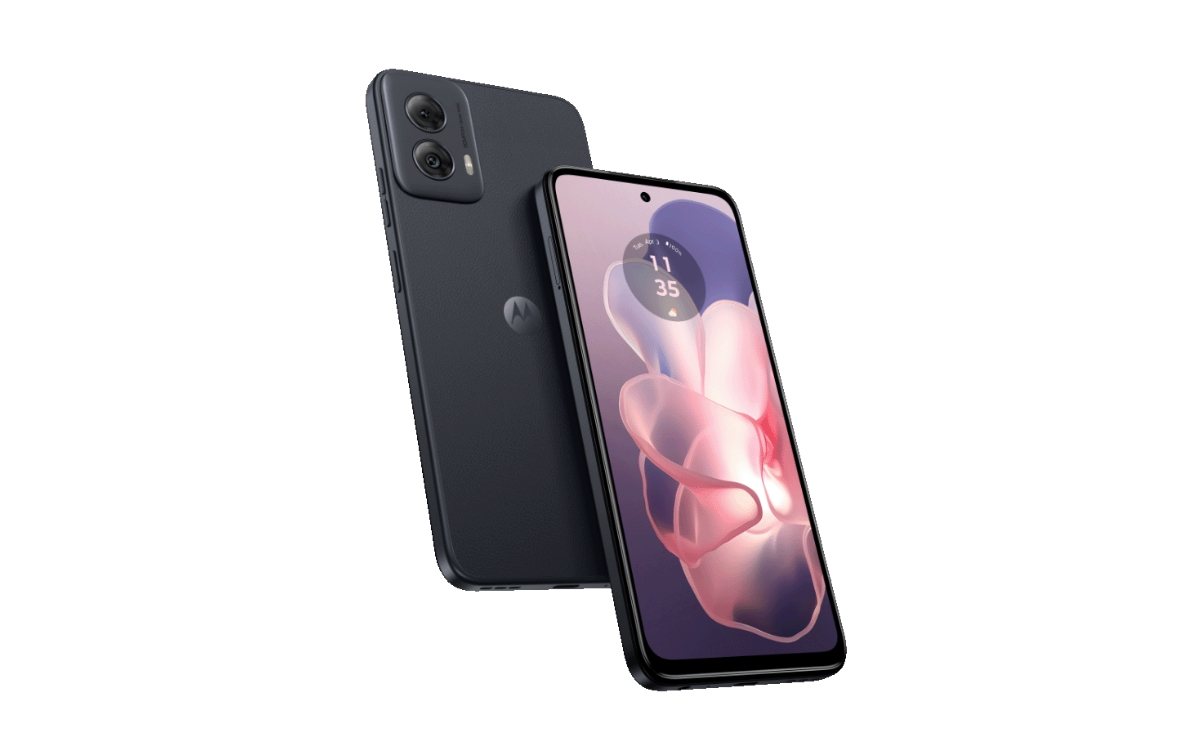
Motorola continues its streak of offering excellent value with the Moto G Power (2024). The device is equipped with a 5000mAh battery that supports 30W fast charging and 15W wireless charging.
The Moto G Power 5G features a 6.7-inch FHD+ display with a 120Hz refresh rate for smooth scrolling. Powered by the MediaTek Dimensity 7020 processor, it comes with 8GB of RAM and 128GB of storage, offering efficient performance for multitasking and moderate gaming.
On the photography front, it sports a 50MP rear camera with Quad Pixel technology for improved low-light shots, along with an 8MP wide-angle camera. It also features a 16MP front camera, ideal for selfies and video conferencing.
Priced at $299.99, the Moto G Power (2024) is available across multiple carriers, including T-Mobile, AT&T, and Verizon, and can also be found on platforms like Straight Talk and Walmart Family Mobile.
Please Note: When you buy something using the links in our articles, we may earn a small commission at no cost to you.
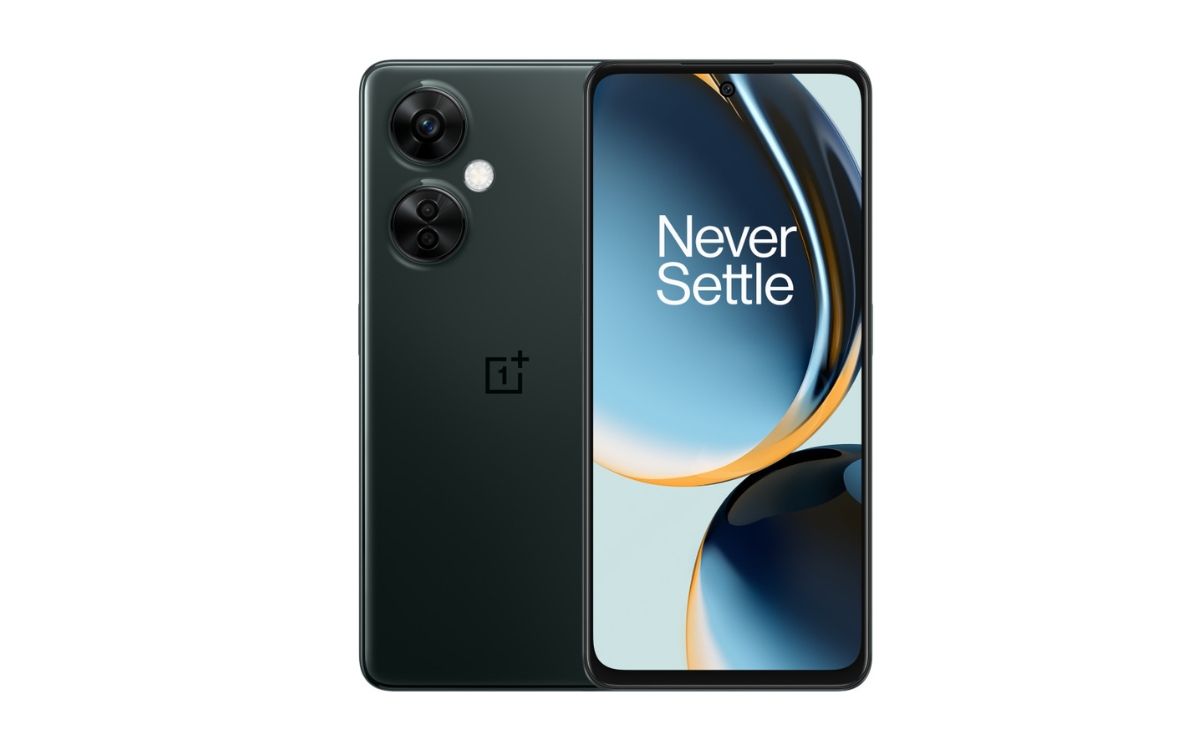
3. OnePlus Nord N30 5G
The OnePlus Nord N30 5G delivers great value, especially for users who prioritize display quality and fast charging. It features a 6.72-inch Full HD+ display with an adaptive refresh rate from 30Hz to 120Hz, offering smooth transitions while optimizing battery life.
The OnePlus Nord N30 5G is powered by the Qualcomm Snapdragon 695 chipset, offering solid performance for everyday tasks. It features 50W SUPERVOOC fast charging for its 5000mAh battery, 8GB of RAM, and 128GB of storage, expandable up to 1TB.
For photography, the Nord N30 comes with a 108MP main camera, offering detailed shots, while the 2MP depth and macro cameras provide extra versatility. It features a 16MP lens on the front for selfies.
The device is priced at $299.99 and it is now available in the US through various retailers and works with most carriers.
Please Note: When you buy something using the links in our articles, we may earn a small commission at no cost to you.
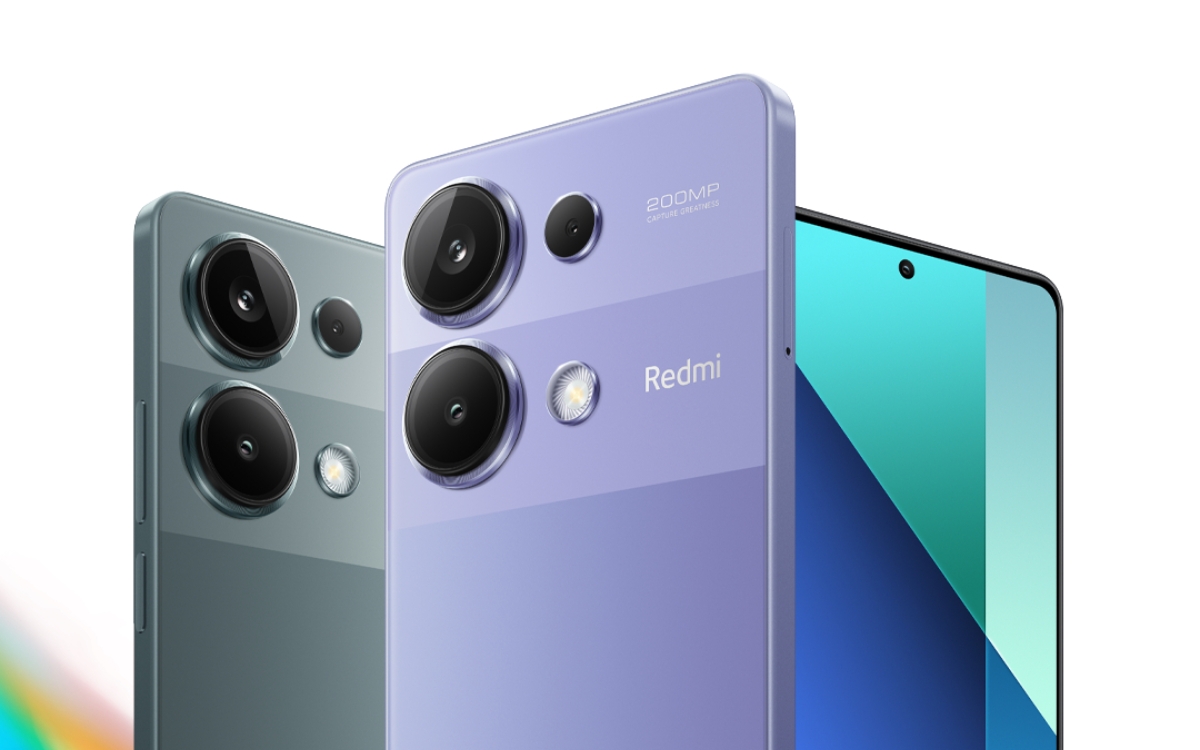
4. Redmi Note 13 Pro
Although not officially sold by carriers in the US, the Redmi Note 13 Pro can be purchased via platforms like Amazon and Walmart. Its highlight feature is the 200MP rear camera, which is remarkable for a device in this price range. Coupled with OIS and a Samsung HP3 sensor, the phone captures stunning photos, making it a great choice for photography enthusiasts.
It also comes with a 6.67-inch AMOLED display that supports a 120Hz refresh rate and reaches 1300 nits of peak brightness, making it one of the brightest screens in this category. The device is powered by the MediaTek Helio G99 processor and up to 12GB of RAM.
In terms of battery life, it comes with a 5000mAh battery and 67W fast charging. The Note 13 Pro is available in Midnight Black, Lavender Purple, and Forest Green, it starts at $250 for the 8GB + 256GB variant, though users should be cautious of compatibility with certain US carriers.
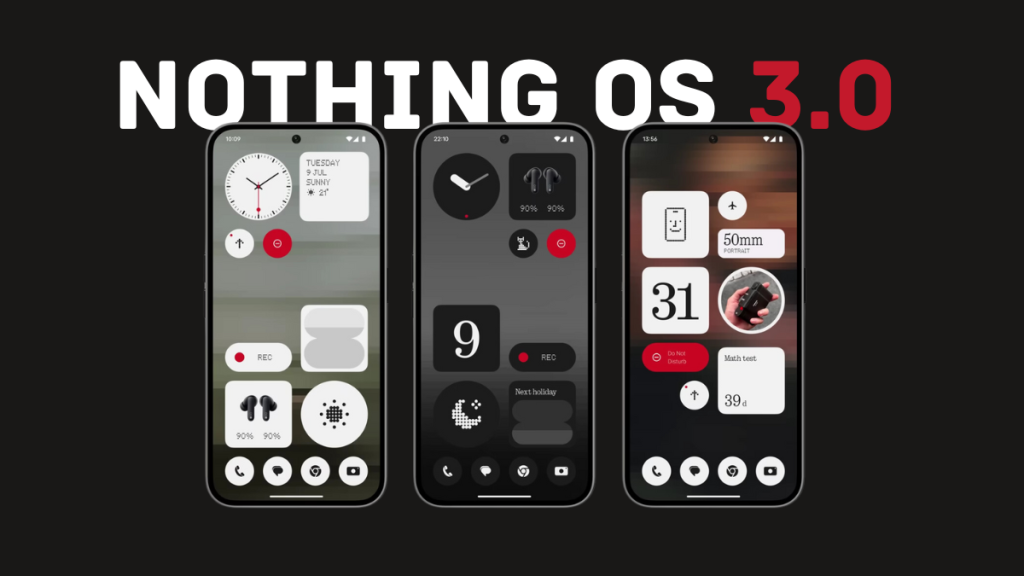
Apart from a unique design, Nothing phones stand out because of a great software experience. In fact, Nothing OS 2.5 was one of the best custom skins based on Android 14. Hence, expectations are high with Nothing OS 3.0, which will be based on Android 15.
The brand has already announced the much-anticipated Nothing OS 3.0, sharing details about the beta and stable release, as well as the new features and improvements it brings.
Here’s everything you need to know about Nothing OS 3.0.
Nothing OS 3.0 Release Timeline
Nothing OS 3.0, based on Android 15, was launched on September 24 via the company’s official YouTube channel. While it didn’t share a roadmap with exact dates, Nothing confirmed that the open beta will arrive in early October 2024, and if everything goes as planned, the stable build will begin rolling out in December.
Nothing Phone (2a) Plus, Nothing Phone (2a), and Nothing Phone (2) should be the first in line to get the Android 15-based Nothing OS 3.0 update, followed by CMF Phone 1 and Nothing Phone (1).
Nothing OS 3.0 Eligible Devices
Nothing Phone (2a) Plus
Nothing Phone (2a)
Nothing Phone (2)
Nothing Phone (1)
CMF Phone 1
Nothing promises three Android upgrades for all smartphones, except for the CMF Phone 1, which will only get two OS upgrades.
The Nothing Phone (1) is the oldest device on the list released with Android 12 out of the box. So, Android 15 would be the final OS upgrade for this device.
What’s New in Nothing OS 3.0?
Here are the new features and improvements in Nothing OS 3.0:
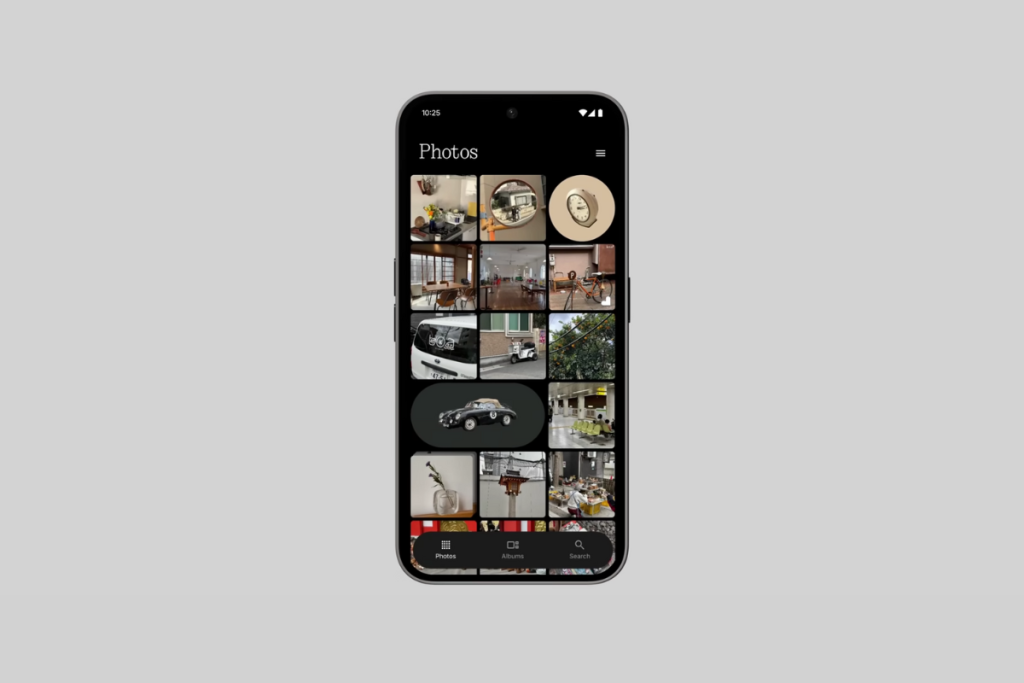
1. Nothing Gallery App
Nothing OS 3.0 is confirmed to bring the Nothing Gallery app. Users had been requesting it for a long time, and the company finally listened to them. As shown during the launch, the new Nothing Gallery app opens a photo as soon as the user taps on it.
The Gallery app uses artificial intelligence (AI) to find key moments within your photos and displays them in a bigger thumbnail to make them quickly noticeable. It also has AI image segmentation to highlight the key object and segment it out from the rest of the image in the thumbnail to make it easy to find.
Nothing is aware of the long transition time from Camera to Google Photos. According to the brand, the transition to Nothing Gallery should be 1.4 seconds faster. Also, the processing time for HDR and portrait effects will be up to 25% faster.
The brand has also confirmed that it will add more automatic AI image categorization, natural language search, and many more AI features in the future. AI upscaling, Super Resolution, and AI image generation capabilities will also be introduced sometime in the future.
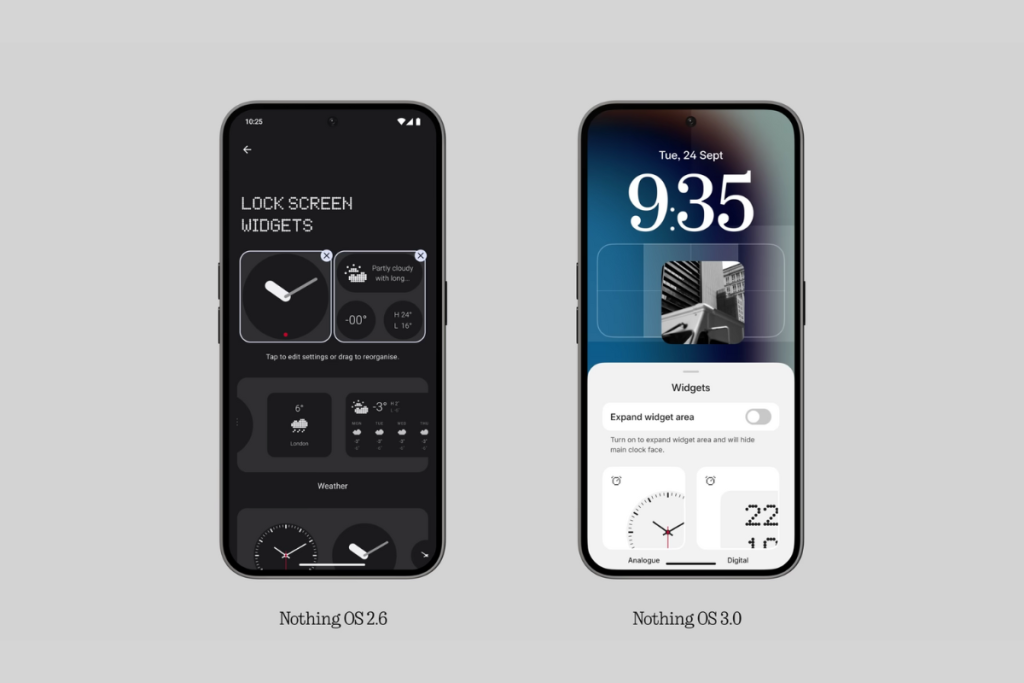
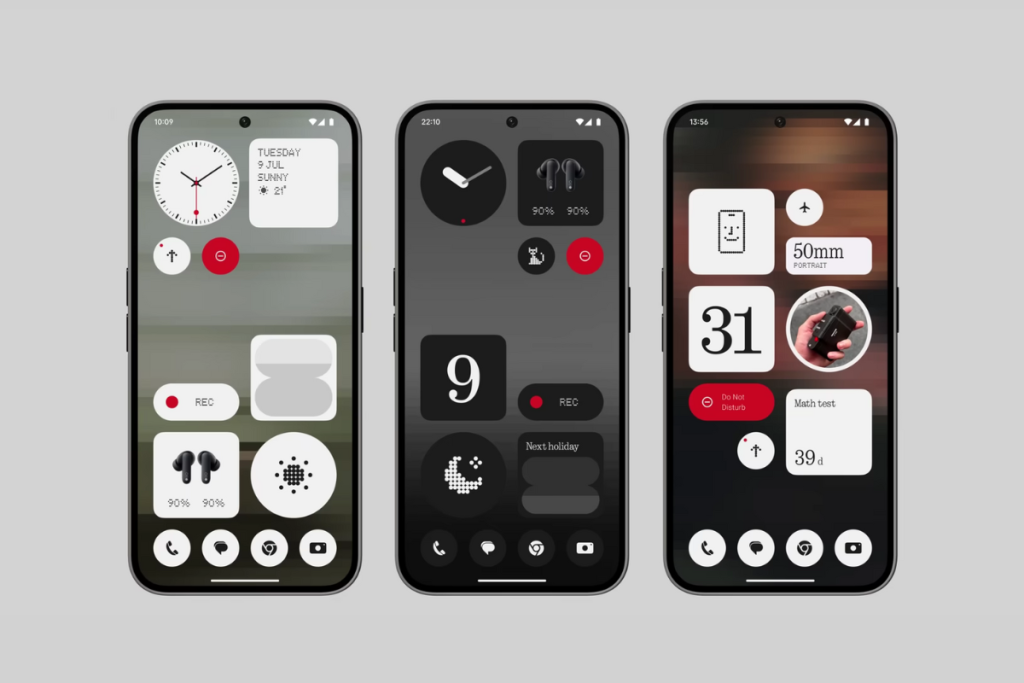
2. Redesigned Lock Screen
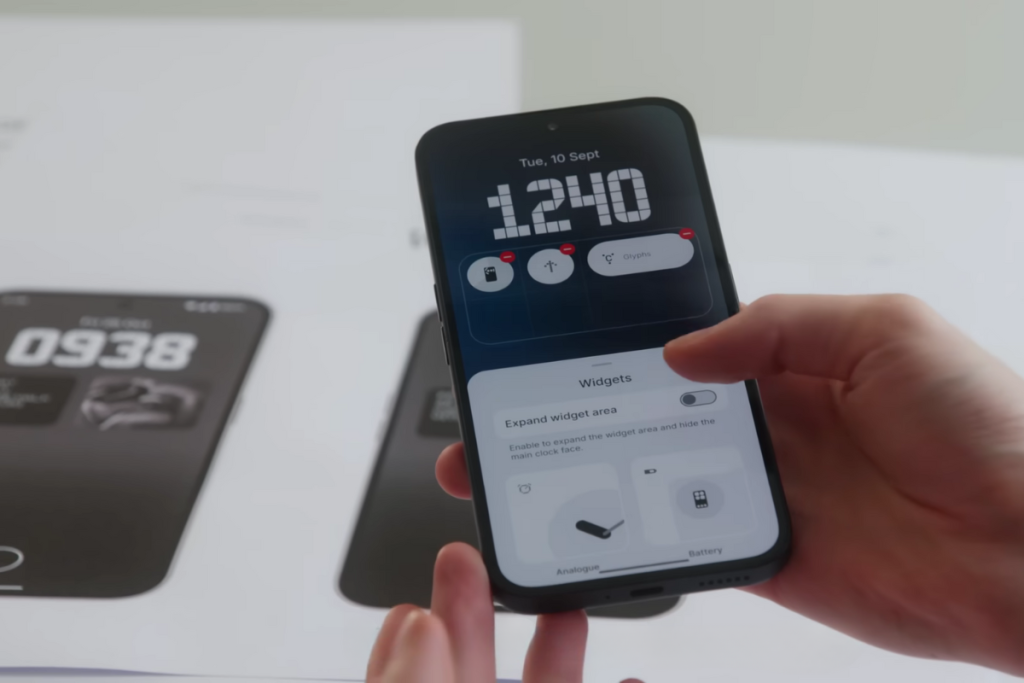
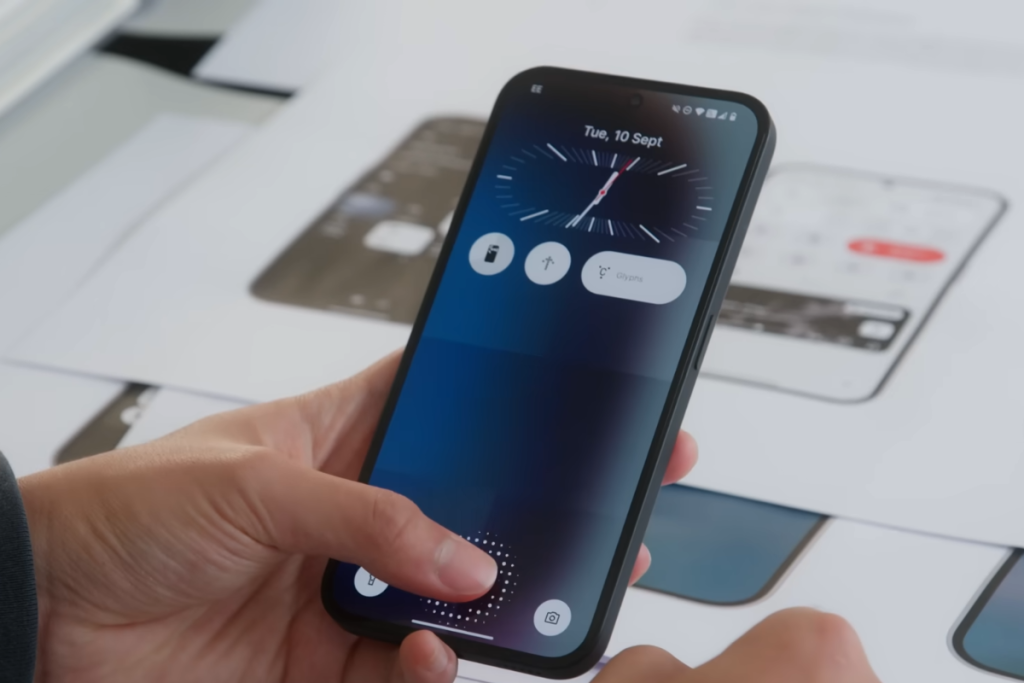
The lock screen in Nothing OS 3.0 is customizable in many more ways. First, you have multiple clock faces to choose from. Some are inspired by Apple’s iOS, and some are completely unique.
You can tap the widget area and toggle on Expand widget mode to add more widgets to the expanded widget area.
3. New Animations
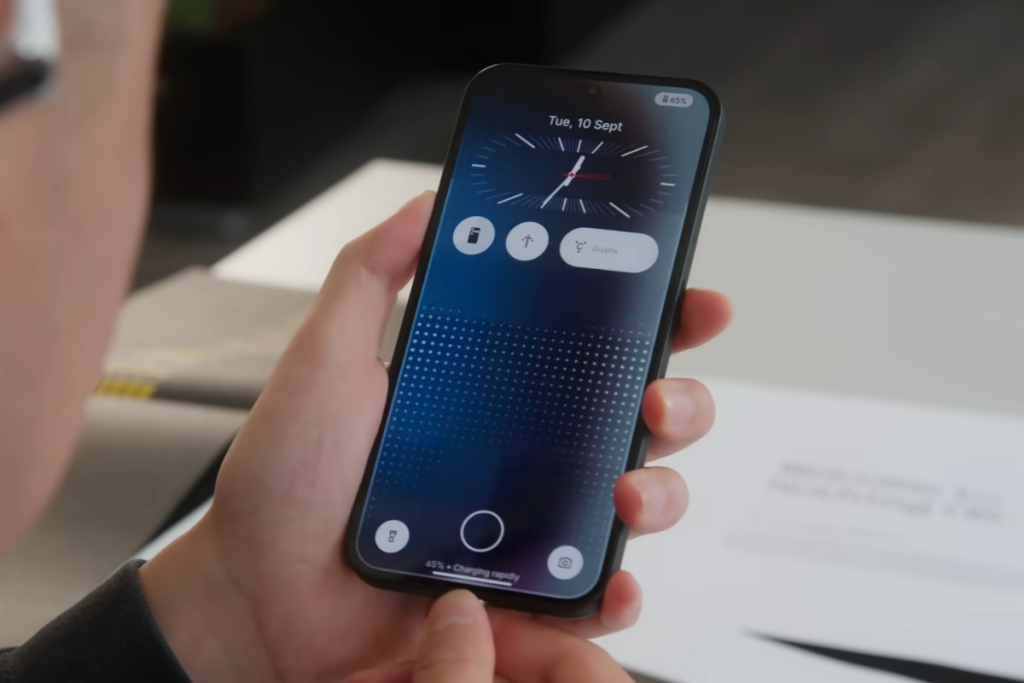
Nothing OS 3.0 also brings some cool animations. First is the new fingerprint animation, where the dots move and breathe outwards when you press and hold your finger.
The new OS also has a new charging animation. Again, it’s a dot design language that makes it the Nothing’s way. When you connect the charger, the dots move from the bottom to the top, which looks a lot better than before.
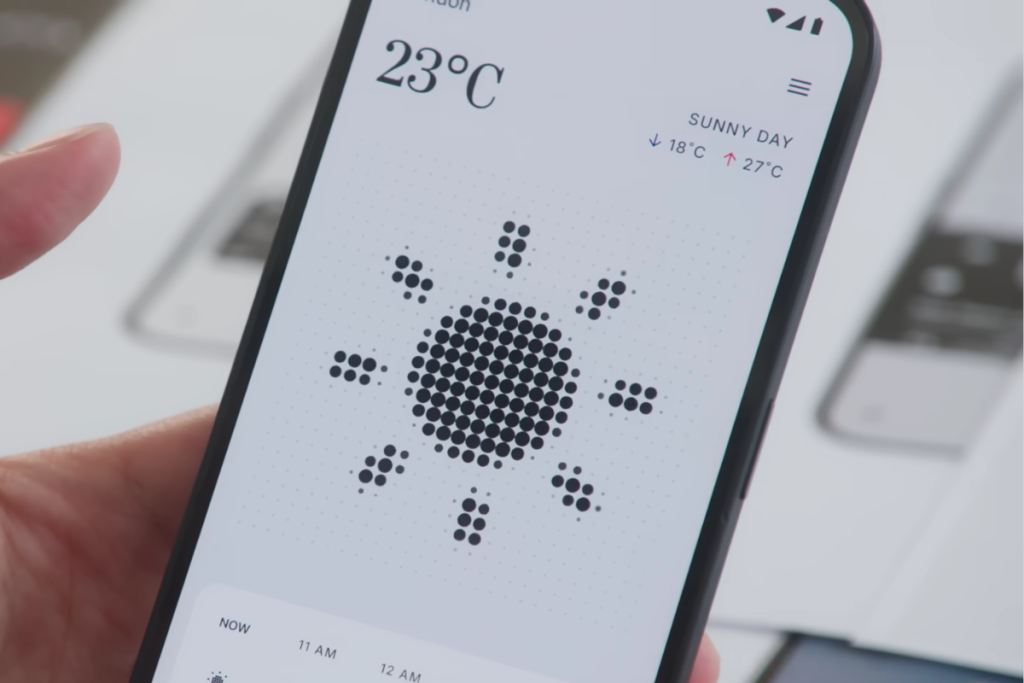
The Weather app now shows the icon in a cool dot matrix style, which can be animated as well.
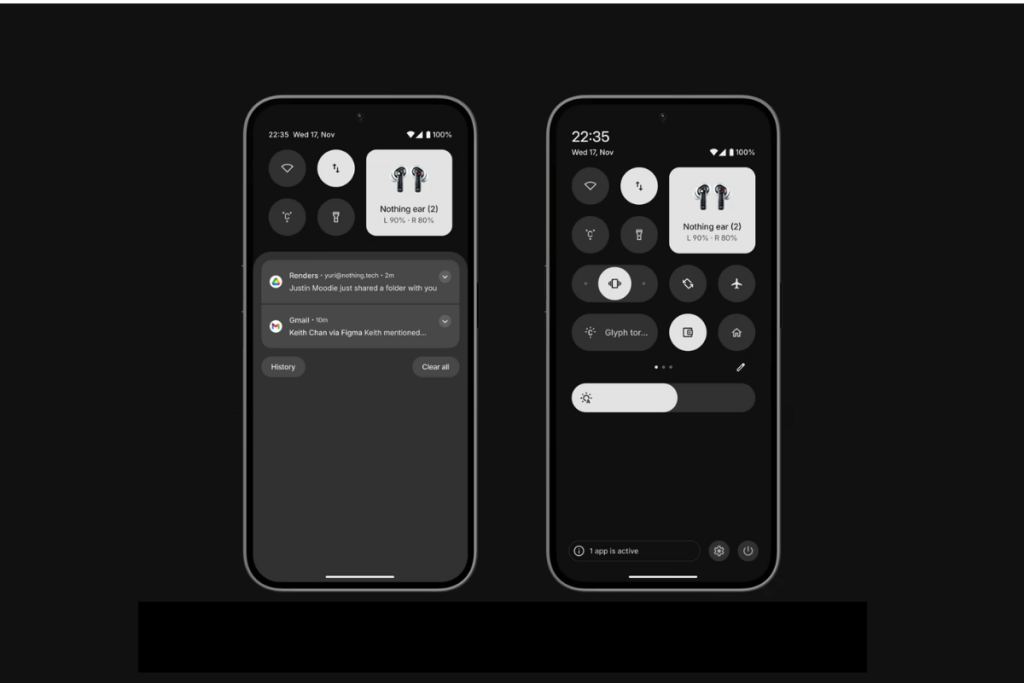
4. Redesigned Quick Settings
With Nothing OS 3.0, the Quick Settings panel is getting a significant upgrade. It looks cleaner than before and resembles Nothing’s design language. First, the Wi-Fi and Bluetooth icon sizes have been reduced significantly to accommodate more icons.
The OS 3.0 allows users to customize the size of the tiles, similar to home screen widgets. Some tiles give you more options when you increase their size. For example, the 1×2 audio tile gives you the option to set the sound profile to vibrate or mute.
The active tile now becomes red for quick differentiation from inactive tiles. While it’s a subtle change, the red accent adds to a better aesthetic. And finally, the brightness slider has been added.
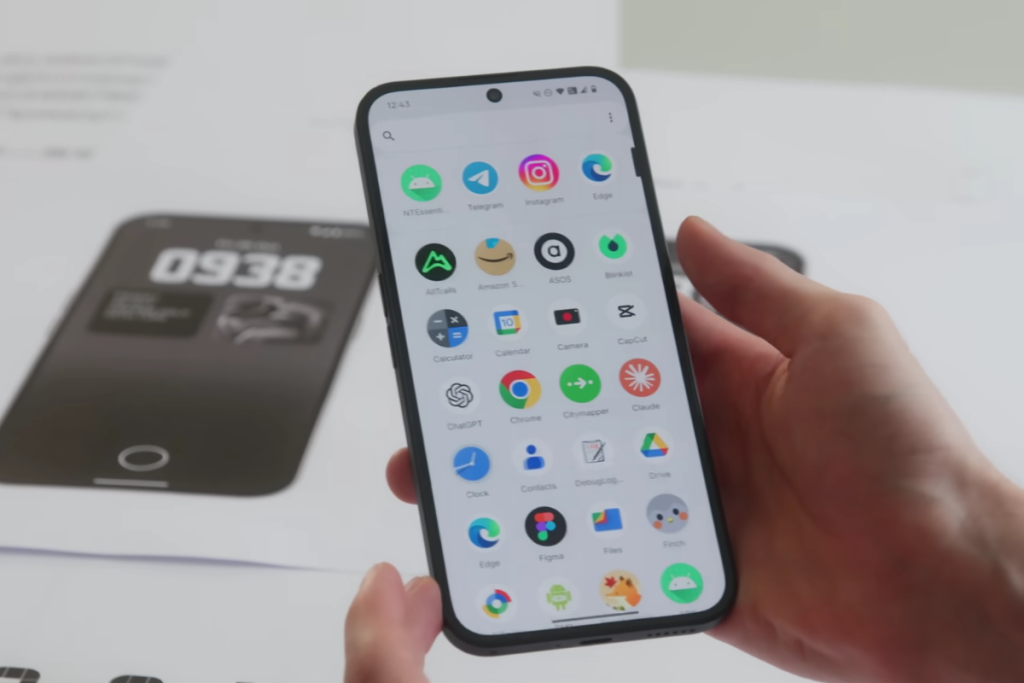
5. App Pinning and Categorization
Nothing OS 3.0 makes useful changes to the app drawer to access the required app quickly. First, it lets you pin your favorite apps at the top of the app drawer. Pinning the apps you open frequently might save you a lot of time.
Another useful feature of the Nothing OS 3.0 is the app categorization, which Nothing calls Smart Drawer. Inspired by iOS, this feature automatically sorts all your apps into different categories.
First, you have a row with four AI-suggested apps, followed by categories of apps.
6. Redesigned Settings App
The Settings app menu in Nothing OS 3.0 gets a new look. The sizes of the Network & Internet and Connected devices options have been shrunk and placed horizontally, similar to the rest of the options, which, in my opinion, adds fluidity to the menu. All the menu options are now separated by a small gap.
Another change is that the Dot Matrix text has been replaced with Roboto. It’s one of the most readable fonts and has been applied across the system.
7. New Widgets and Widget Sharing
Nothing phones already have over 20 widgets, and the company promises to keep expanding the bucket to allow users to easily access more information without having to open the app. In the Nothing OS 3.0, there’s a new countdown widget.
The new widget allows you to track time towards a specific date. You can also use it to display year’s progress or your birthday.
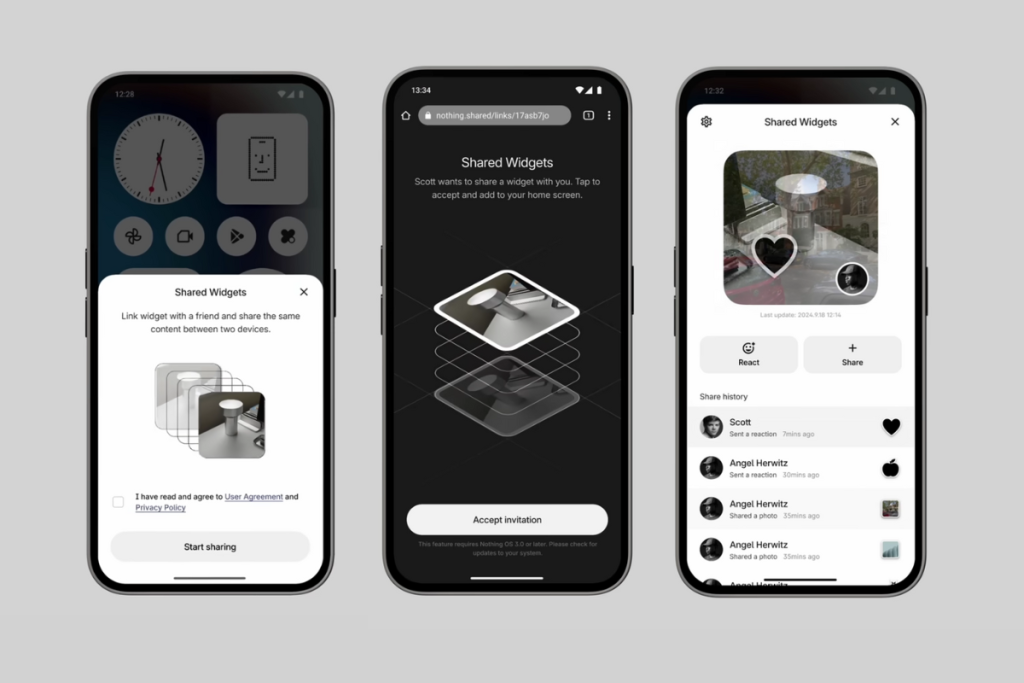
The new software also introduces Shared Widgets. This feature allows you to share widgets with someone. It’s a nice way to share your fitness progress or screen time.
Android 15 Features (Unconfirmed)
The above are features developed by Nothing’s development team. However, the next upgrade will bundle more features as part of Android 15.
Nothing hasn’t revealed which Android 15 features have been roped into the next upgrade. These could be on the list:
1. Private Space
Android 15 introduces Private Space to keep your data and apps safe from others with an additional layer of security. Anything you do inside the Private Space isn’t visible to other users on the device. It can be an excellent place to put your dating and financial apps.
2. Theft Detection Lock
This is one of the most useful Android 15 features designed to protect others from stealing your data. The theft detection lock uses Google’s AI to determine if your phone has been snatched from your hands. Once detected, the device locks itself automatically to prevent any data theft.
If the thief manages to factory reset the device, he won’t be able to activate it until he knows the Google account details previously used on the device.
3. App Archiving
Android 15 will allow users to uninstall unnecessary apps while keeping the user data around. It works similarly to offloading apps on iPhones. There won’t be any data loss; you can continue where you left off after reinstalling/unarchiving the app.
Android phones already have app archiving via the Google Play Store, allowing you to archive and restore apps. However, Android 15 integrates this feature at the OS level, allowing users to archive/restore apps, even those installed outside of the Google Play Store.
Nothing OS 3.0 seems like an exciting upgrade. Which new feature(s) do you like the most? Share your thoughts in the comment section below.
We just covered a list of the Best Smartphones under $500 in the US. Now, let’s turn things up a notch with the top 5 smartphones for under $1000. For such a hefty price tag, these are premium smartphone models. So read on to see which phones deserve your hard earned money.
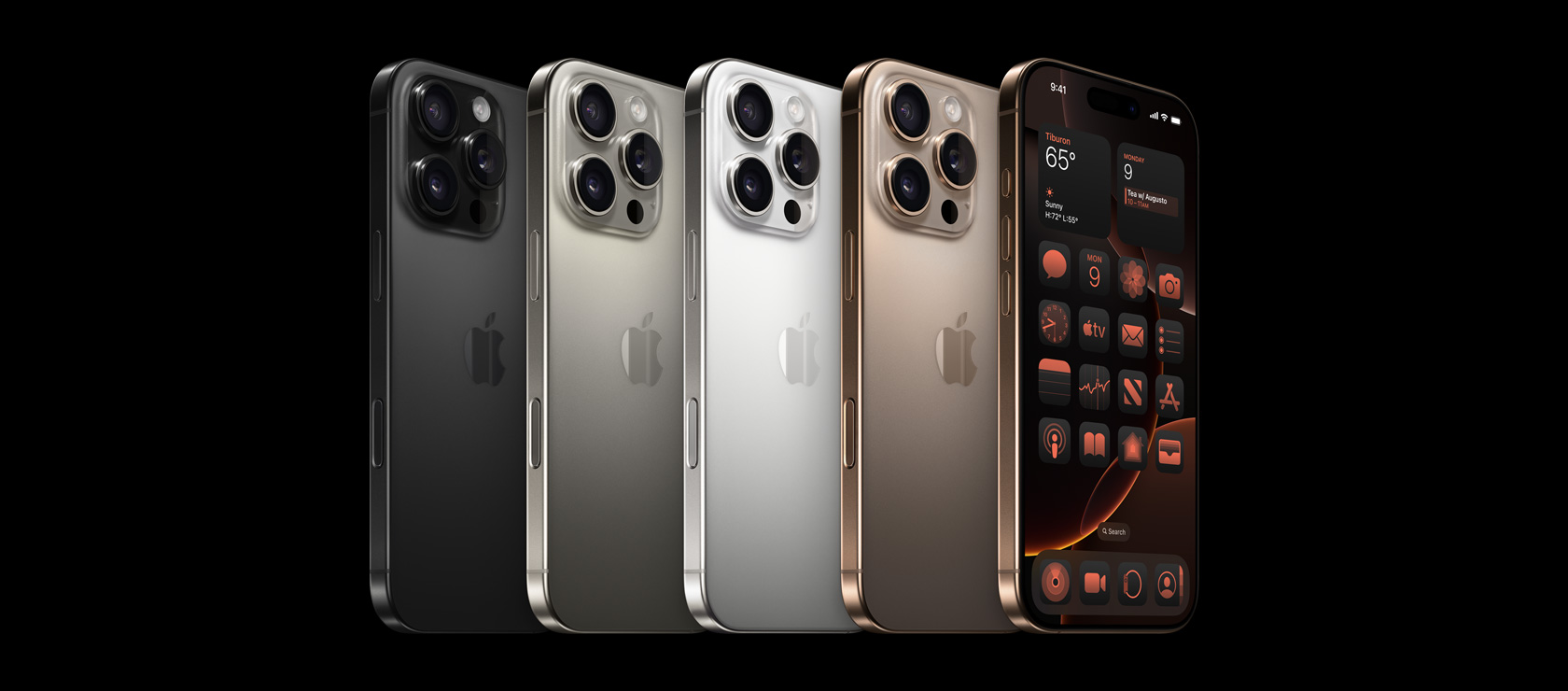
Starting off the list, we have Apple’s brand new iPhone 16 Pro. The Cupertino based giant’s latest flagship phone launched with a starting price tag of $999 for the 128GB variant. It sports a 6.3-inch 120Hz OLED ProMotion display. Under the hood, the iPhone 16 Pro is equipped with the A18 Pro chipset, which is one of the fastest mobile processors in the market right now. It promises not just fast CPU and GPU performance but with new ML accelerators for access to AI generative models.
You also get a 48-megapixel main camera, along with a 12-megapixel telephoto shooter and a 48-megapixel ultra wide angle lens. But that’s not all, one of the biggest changes includes the addition of a dedicated camera button, which may or may not excite you. There’s also a premium titanium design, a larger battery, and iOS 18 that comes with Game Mode.
Please Note: When you buy something using the links in our articles, we may earn a small commission at no cost to you.
2. Samsung Galaxy S24+
Samsung Galaxy S24+
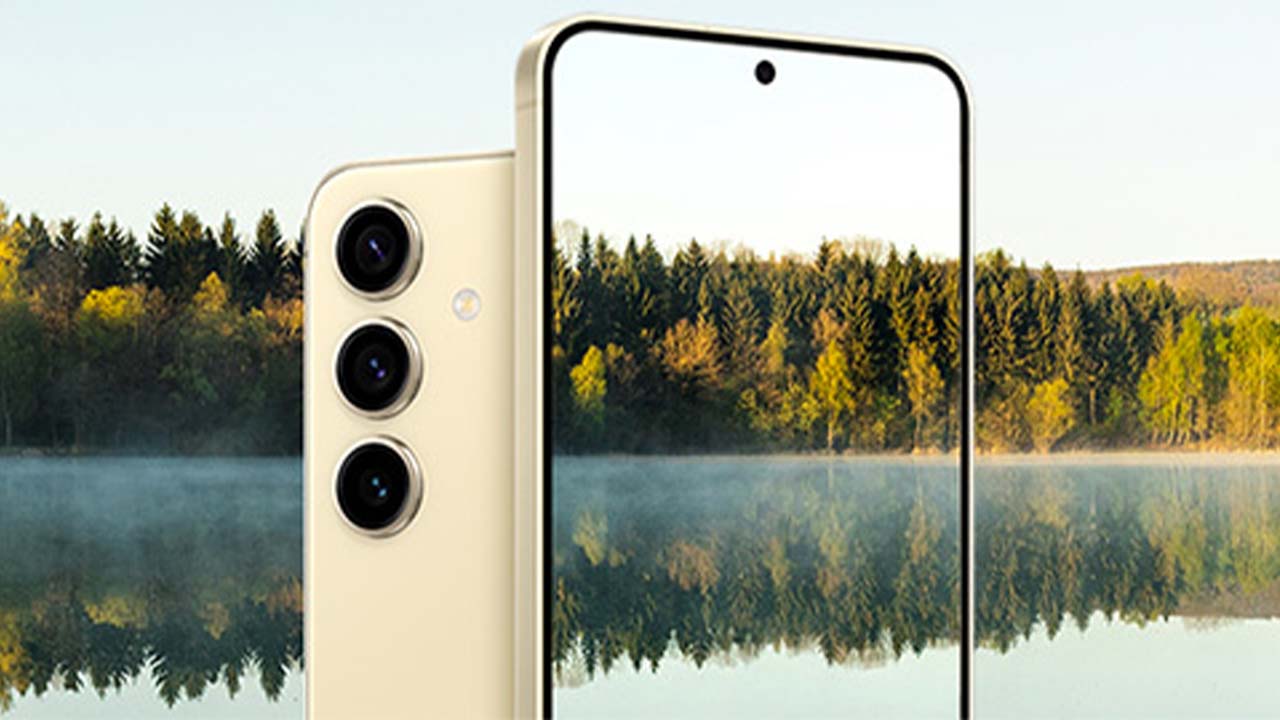
Samsung is one of Apple’s biggest rivals and its Galaxy S24+ directly competes with the iPhone 16 Pro. The device also costs $999 for its base model and comes with top notch hardware. It sports a 6.7-inch Dynamic 2X display with 2K+ resolution and 120Hz refresh rate. The phone is powered by either an Exynos 2400 or a Snapdragon 8 Gen 3 SoC.
The rear packs a 50-megapixel triple camera setup. A 4,900mAh battery pack powers this model, which supports 45W wired fast charging and 15W wireless charging. Other notable features include 12GB of RAM and 256GB of internal storage. So if you’re in the market for Samsung’s latest flagship, the Galaxy S24+ is worth considering for under $1000.
Please Note: When you buy something using the links in our articles, we may earn a small commission at no cost to you.
3. Google Pixel 9 Pro
Google Pixel 9 Pro
Google recently debuted the Pixel 9 Pro for a starting price of $999. There are plenty of improvements over its predecessors, but the Pixel 9 Pro shines in photography once again. It features a 50-megapixel main sensor with f/1.68 for better performance in low light, a 48-megapixel ultra-wide-angle lens, and a 48-megapixel periscope telephoto unit with 5x optical zoom. These feature various useful features like Magic Eraser and Best Take.
It features a boxier design with flat corners, pill shaped camera module, and a 6.34-inch Actua OLED display with 120Hz LTPO panel, and 3,000 nits of peak brightness. The Tensor G4 powers this model, which is coupled with the Titan M2 security chip, 1GB of RAM, and 128GB of internal storage. People have described the Pixel series as an iPhone equivalent on the Android side. So this is definitely worth checking out.
Please Note: When you buy something using the links in our articles, we may earn a small commission at no cost to you.
4. OnePlus 12
OnePlus 12
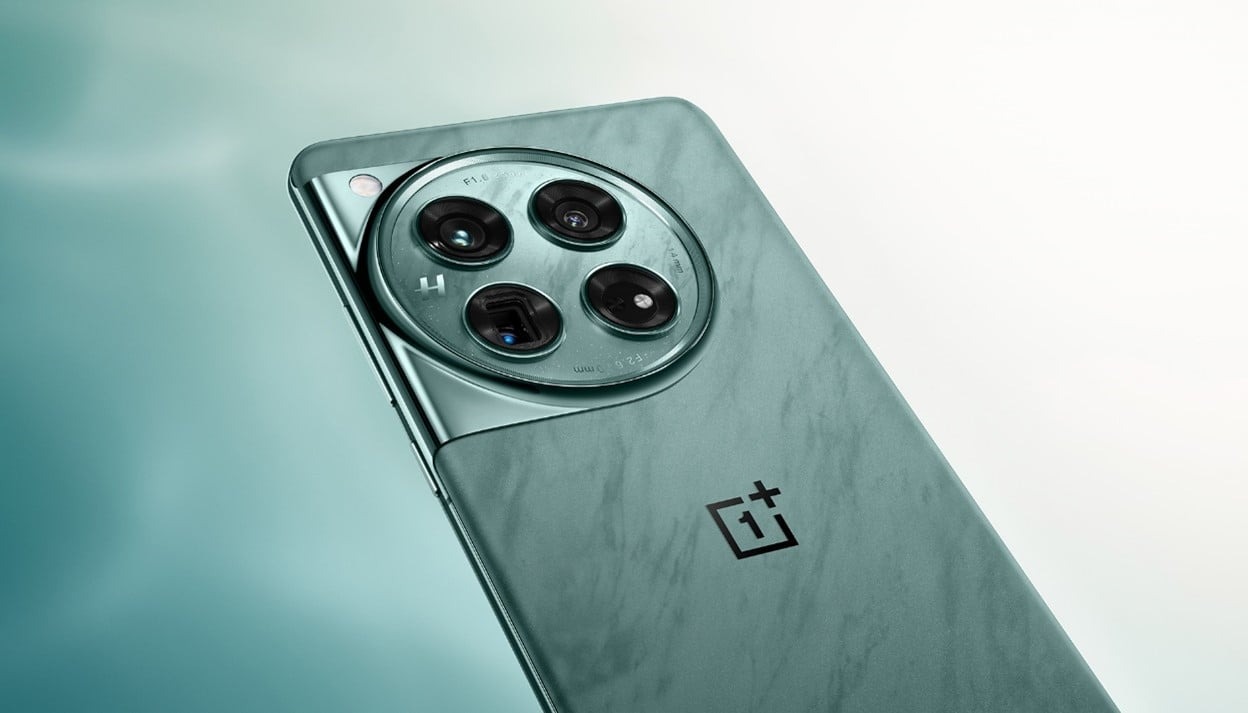
While the OnePlus 12R is one of the best smartphones under $500, the OnePlus 12 easily makes the top 5 for premium phones under $1000. You get a gorgeous 6.82-inch LTPO AMOLED display with a 2K+ resolution, high brightness, and a 120Hz refresh rate. Under the hood, it is equipped with Snapdragon 8 Gen 3 SoC. Even the camera setup is quite versatile with a 50-megapixel main, a 64-megapixel telephoto shooter, and a 48-megapixel ultra wide angle lens.
You can also expect impressive battery life thanks to the 5,400mAh cell, which supports 100W wired fast charging and 50W wireless fast charging. The OnePlus 12 is easily a true flagship that aims to excel in every aspect. So if you want a tall screen, big battery, capable cameras, and top notch performance, be sure to check this one out since it is also one of the cheapest in this list. It is available for a $799 starting price for the 12GB + 256GB option, while the 16GB + 512GB variant costs $899.
Please Note: When you buy something using the links in our articles, we may earn a small commission at no cost to you.
5. Motorola Razr+ 2024
Motorola Razr+ 2024
Foldable phones are usually pricey and can cost over $1000. But Motorola is a veteran in this segment by now, bringing the Razr+ (2024) flip phone to the US market for just $899. Right off the bat, its unique selling point is on full display with a flexible main screen and a secondary cover screen. The primary panel is a 6.9-inch LTPO panel along with a 165Hz refresh rate, FHD+ resolution, and 3000 nits of peak brightness.
Meanwhile, the cover screen is a 4-inch LTPO AMOLED 165Hz panel. Under the hood, it is equipped with the Snapdragon 8s Gen 3, which is an underclocked version of the Snapdragon 8 Gen 3. So while you don’t get the top end performance, the hardware doesn’t disappoint. The back has a twin 50-megapixel camera and a 32-megapixel selfie shooter. A 4,000mAh battery pack powers this model, which supports 45W wired fast charging and 15W wireless charging.
A limited-edition G-SHOCK watch inspired by the Principality of Zeon is now available. This collaboration between CASIO and the Gundam Fan Club offers a unique opportunity for fans to showcase their allegiance to the iconic villainous faction.
The “Gundam Fan Club Exclusive G-SHOCK Principality of Zeon Model” is a tribute to the Zaku mobile suits, the workhorse machines of the Zeon army.
Key Features:
Zeon-inspired Design: The watch features a sleek black design with red and yellow accents, reminiscent of the Zeon army’s colors. The bezel is decorated with the Zeon emblem, a symbol of the Principality’s military power.
Durability and Functionality: Built with a shock-resistant structure and inorganic glass, the watch is designed to withstand daily wear and tear. It is also water-resistant up to 20 atmospheres, making it suitable for various activities.
Special Features: The watch includes a timer, stopwatch, alarm, and a fully automatic calendar. Additionally, the LED backlight illuminates the Zeon emblem on the display, offering a unique visual experience.
Pricing & availability
The watch is available for lottery sale from September 30th to October 27th, 2024, with the results announced on October 29th. The deposit period is from October 29th to November 4th, and the sales price is 22,000 yen (~$150) plus 880 yen (~$6) for shipping. The watch is scheduled to be shipped in March 2025.
In other news, Casio has launched the GMD-S5610IT, a new G-SHOCK model in collaboration with K-pop group ITZY. Available in five colors—Lavender, Pink, Yellow, Green, and Blue—each reflects the personalities of the members. Notable features include a hand-drawn heart design on the LED backlight, five stars symbolizing the members, and engravings of their signatures on the case back.
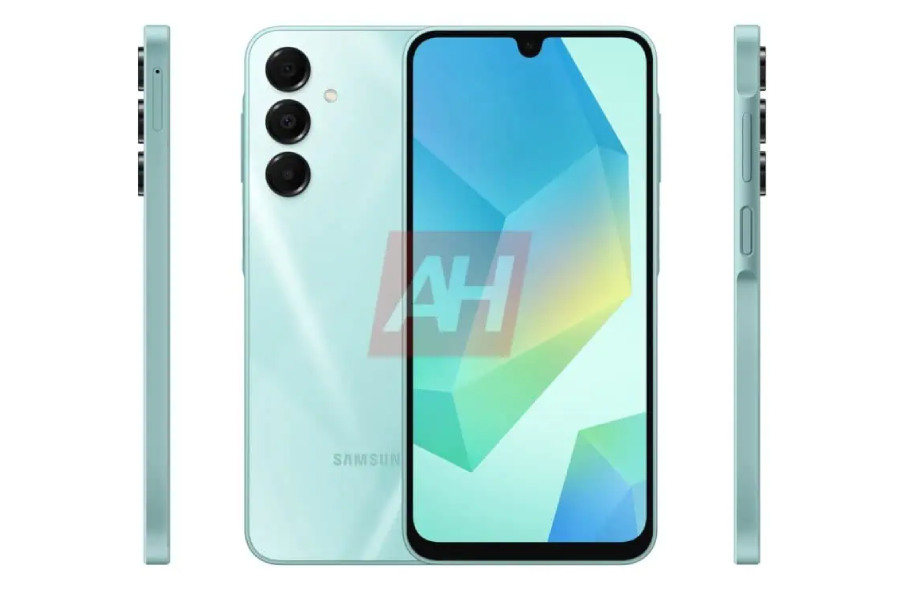
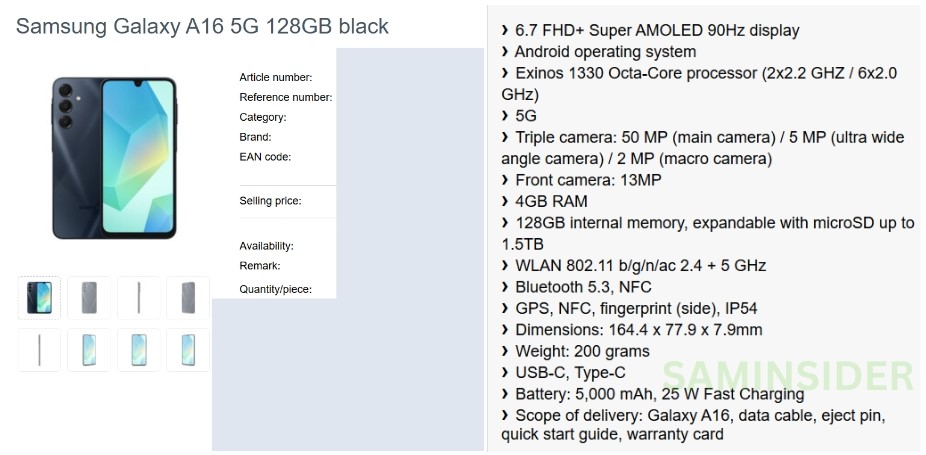
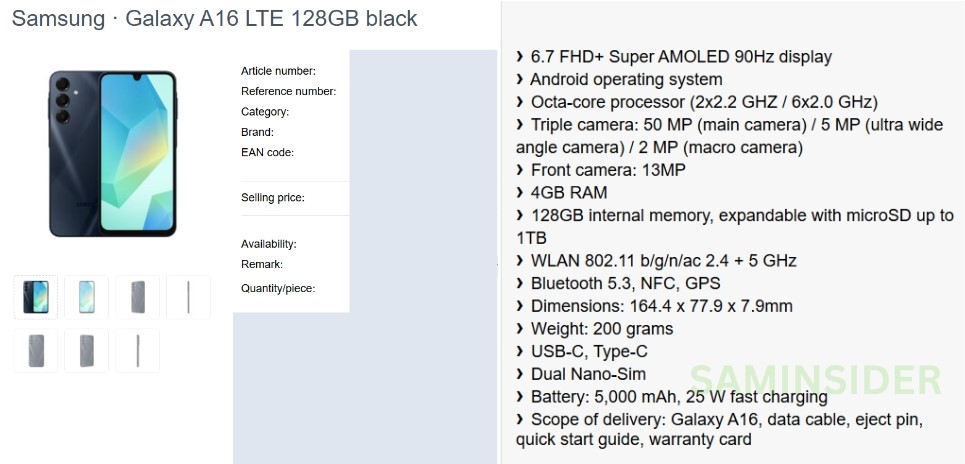
Samsung is set to launch the Galaxy A16 in both 4G and 5G variants, with notable upgrades from its predecessor. A European retailer listing has revealed its complete specifications.
Samsung Galaxy A16 5G render
As per the listings, the Galaxy A16 boasts a 6.7-inch Super AMOLED screen, an increase from the A15’s 6.5 inches. It offers Full HD+ resolution (2340 x 1080 pixels) with a 90 Hz refresh rate and a peak brightness of 800 nits. This model marks the first in Samsung’s A1X series to include an IP54 rating, providing splash and dust resistance. Additionally, the phone has been slimmed down to 7.9 mm from the previous 8.4 mm.
The 4G model is expected to run on MediaTek’s Helio G99 chipset, while the 5G variant will use Samsung’s Exynos 1330 in Europe. Other regions, including India and Thailand, may see the 5G model powered by the Dimensity 6300 SoC. Both versions come with 4 GB of RAM and 128 GB of storage, with no additional memory configurations planned for the European market.
For photography, it has a 50 MP main camera, 5 MP ultra-wide, and 2 MP macro lens on the rear, accompanied by a 13 MP front-facing selfie camera. A 5,000 mAh battery fuels the device, supporting 25 W charging.
The Galaxy A16 series will receive six years of software support, including operating system upgrades and security patches, offering long-term value for users. Although the exact launch date is still unknown, the leak hints at a possible launch window in December 2024.
In other news, Samsung is actively testing the Galaxy A56, recently spotted in the Geekbench database, confirming it will feature the Exynos 1580 SoC. This processor performs similarly to the Snapdragon 888, indicating strong mid-range performance for 2025.
Buying a new smartphone is always a tough decision as there are many factors to consider like specs, features, pricing, and much more. So to make things easier, we have compiled a list of some of the best smartphones you can buy for under $500 in the US. There are 5 solid options to choose from, so let’s have a look.
The first on our list is the OnePlus 12R, which is a budget flagship smartphone. It has a starting price tag of $499 and offers some top notch specs and features. The device sports a tall 6.78-inch AMOLED display that offers 1.5K resolution, a 120Hz refresh rate, and Corning Gorilla Glass Victus 2 for protection. Under the hood, the OnePlus 12R is equipped with the Snapdragon 8 Gen 2 SoC, which is paired with 8GB of RAM and 128GB of internal storage for the $499 configuration.
For optics, there is a 50-megapixel triple camera setup on the rear and a 16-megapixel selfie shooter on the front. It runs on the Android 14 OS based OxygenOS 14 custom skin out of the box and is powered by a large 5,500mAh battery pack that supports 100W wired fast charging. So this is a great all-round option that you can choose, especially if you like the OnePlus ecosystem.
Please Note: When you buy something using the links in our articles, we may earn a small commission at no cost to you.
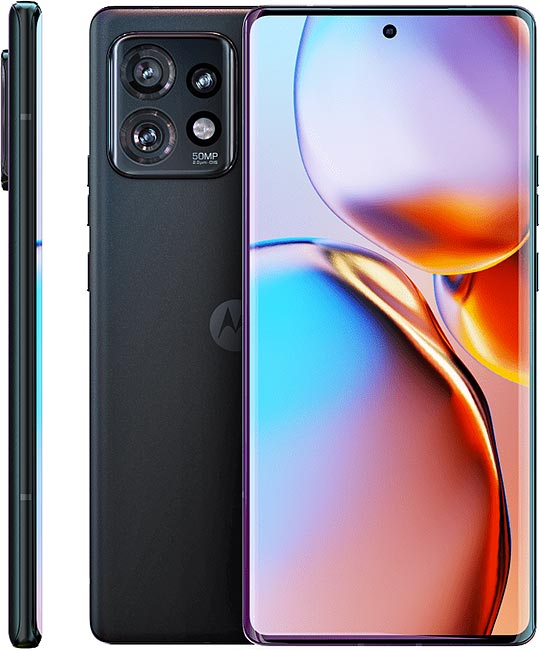
2. Motorola Edge+ 2023
Motorola Edge+ 2023
At this price range, most of these devices are quite competitive in terms of hardware. Just like the OnePlus 12R, you also get a 50MP triple camera setup, Snapdragon 8 Gen 2, and more with the Motorola Edge+ 2023. So your decision to buy a phone might be influenced by some of its unique aspects or better features. The Edge+ features a 6.67-inch curved OLED screen with a higher 165Hz refresh rate. Its camera setup also has a 12-megapixel telephoto shooter. But there is also support for 15W wireless charging. So if you want a more versatile camera setup, capable performance, and clean UI, this is a great choice for you.
Please Note: When you buy something using the links in our articles, we may earn a small commission at no cost to you.
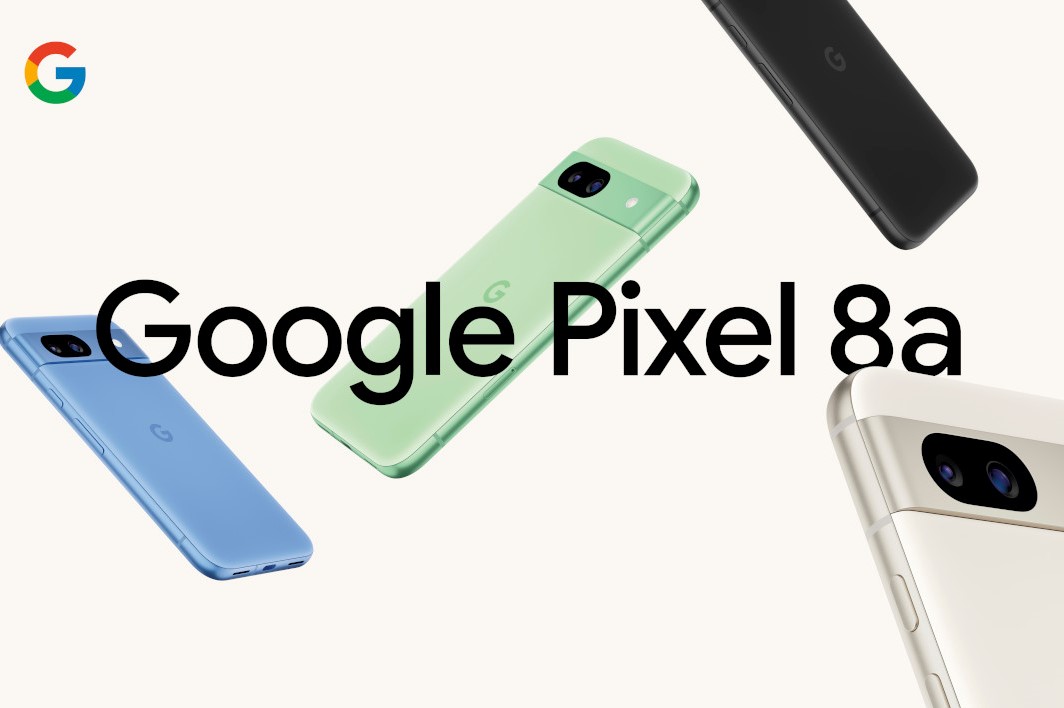
3. Google Pixel 8a
Google Pixel 8a
While Google’s focus is the premium Android segment, its A series aims to be more accessible. The Pixel 8a is the third and most affordable entry in the Pixel 8 lineup. It is a compact phone that sports a 6.1-inch OLED display (120Hz, FHD+). The brand also promises up to 7 major Android upgrades. Google’s Pixel series is well known for its cameras, the rear has a 64-megapixel dual camera setup, while the front houses a 13-megapixel selfie shooter. Just a couple of months ago, the Pixel 8a went on sale for just $349, but it typically sells for around $400.
Please Note: When you buy something using the links in our articles, we may earn a small commission at no cost to you.
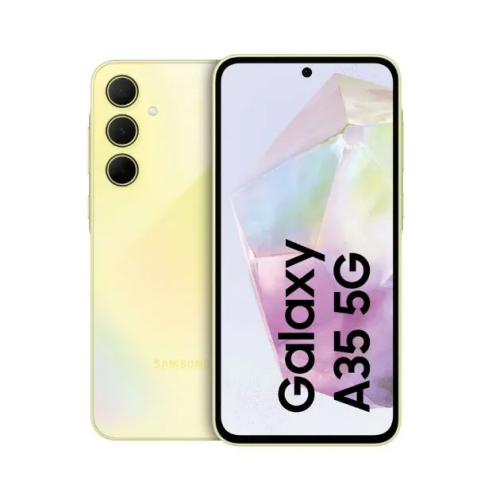
4. Samsung Galaxy A35
Samsung Galaxy A35
There’s an affordable option for even Samsung fans. For just $399, it is one of the more affordable smartphones on this list. You get a solid 6.6-inch Super AMOLED display with a 120Hz refresh rate on the front, while the rear packs a 50-megapixel triple camera setup. However, the biggest letdown is its Exynos 1380 SoC. But in every other regard, it easily competes with the other models in this list. A large 5,000mAh battery pack powers this device, which supports 25W wired fast charging. So if you’re a part of the Samsung ecosystem, this is a great mid range offering.
Please Note: When you buy something using the links in our articles, we may earn a small commission at no cost to you.
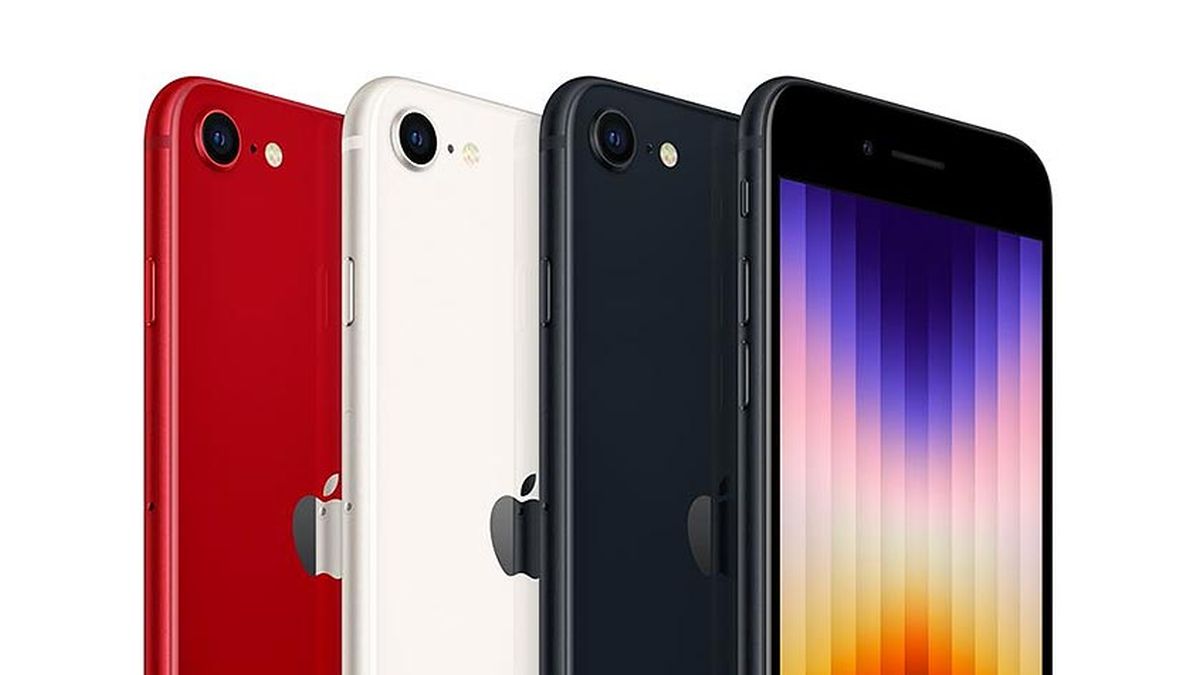
5. Apple iPhone SE (3rd Gen)
iPhone SE 2022
Back in 2022, Apple launched its last iPhone SE model. It was the 3rd generation entry and continues the compact form factor. The design is reminiscent of the older iPhones like the iPhone 8. So this is perfect for those looking for a simple smartphone from Apple but don’t need all the bells and whistles of the newer models. Getting this model also saves on cost since it can be purchased for under $300. Other specs worth mentioning are the 4.7-inch Retina IPS LCD screen, Apple A15 Bionic, 12-megapixel rear camera, and Touch ID.
Casio has unveiled the GMD-S5610IT, a new addition to its G-SHOCK lineup in collaboration with the popular K-pop girl group ITZY. This is the second partnership between the two, building on the success of their initial release earlier this year.
The new watches are offered in five distinct colors: Lavender, Pink, Yellow, Green, and Blue. Each color reflects the individual personalities of ITZY members, making the watches a unique and stylish accessory for fans.
One of the standout features of the GMD-S5610IT is the hand-drawn heart arrangement that appears on the LED backlight when illuminated. This design element is inspired by the “crown pose” that ITZY members often make at the end of their performances. Additionally, five stars are printed with mirror ink at the top of the watch face, symbolizing the five members of ITZY shining brightly on the world stage.
The watches also feature engravings of each member’s signature on the case back and a die-cut star on the band loop, further enhancing the ITZY-inspired design. The special packaging for the watches features the ITZY and G-SHOCK logos, and the outer box is printed with each member’s signature. A set of 50 original stickers is also included, featuring illustrations specially drawn by ITZY members.
Specs-wise, the GMD-S5610IT is based on the GMD-S5610, so it is expected to offer similar features, including a resin case with a fixed bezel, measuring 40 mm in diameter and 11 mm in thickness. The caseback will be screw-down, ensuring water resistance up to 200 meters (20 ATM).
The display of the watch could feature a tough mineral crystal layer, along with other practical features such as an alarm, timer, day and date display, month indicator, backlight, and LED display. Pricing and availability details of these new watches are yet to be revealed.
Oppo Find series head, Zhou Yibao, is keeping the hype train rolling for its upcoming Find X8 series. After sharing some initial specs, Zhou today took to Weibo to reveal a new “AI imaging” feature that will be part of the new phones.
In a video posted on the platform, Zhou shows a photo of a cultural relic from the Chengdu Museum in China. The original image looks decent but has a noticeable reflection on the artifact’s surface.
After applying the said AI imaging feature, though, the reflection seems to vanish seamlessly, leaving a clean and glare-free image.
According to Yibao, this feature is designed for situations where reflections and glare can ruin the looks of the shot. That could be while capturing sunsets through office windows, clouds during a flight, or taking in the scenery while commuting on a subway or train.
AI imaging on Oppo Find X8 shows impressive results
Although the cultural relic demonstration seemed like a relatively straightforward case, Zhou invited users to share photos with stubborn reflections. He then specifically mentions that he would use his “Oppo Find X8” to remove the glares from these images.
Interestingly, the user-submitted photos showed even more impressive results. In a particularly challenging scenario, the AI tool managed to completely remove what appeared to be streaks and spots from a car window. We will also attach a few other examples below.
OriginalAfter AI removalOriginalAfter AI removal
Besides this, the Find X8 series is also confirmed to feature an IR blaster and an NFC smart card-cutting feature. As you might know, the former can be used to control various smart home devices.
Whereas, NFC smart card cutting is a feature that will use location awareness to automatically switch between NFC cards saved on your phone based on your location. For example, when you approach your workplace, your phone will automatically switch to your company access card without you having to select it manually.
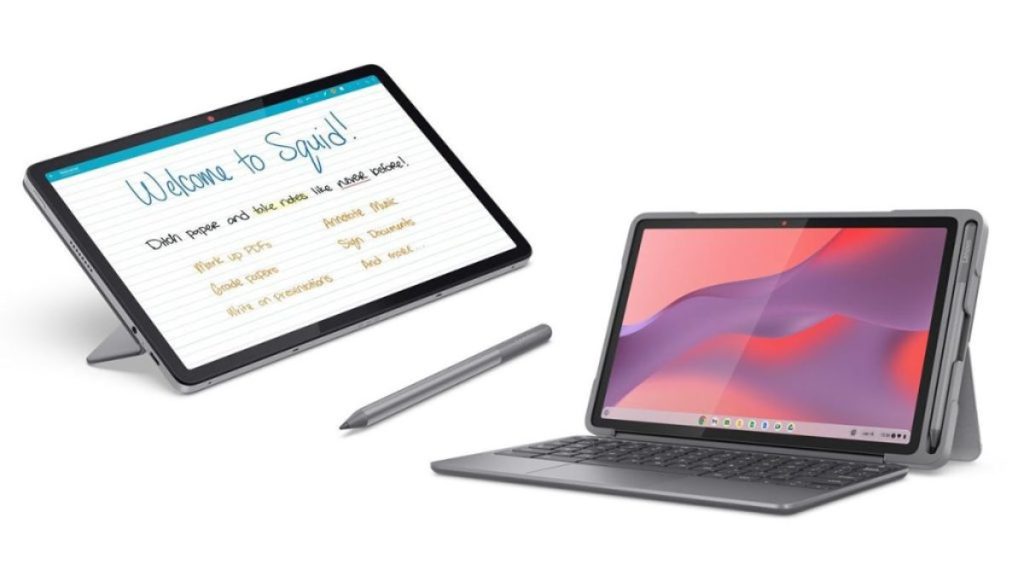
Lenovo is expanding its Chromebook lineup with the new Chromebook Duet and Chromebook Duet EDU G2 laptops. Just recently, the brand released the Legion G7 gaming smartphone and tablets in China, and now, it has released two convertible Chromebook models in the US that have an affordable price tag. So here’s what you need to know about its specs, pricing, and more.
Lenovo Chromebook Duet Series: What makes them special?
Both the laptops are quite similar in terms of specs and features, but there are some small differences. Lenovo unveiled the Chromebook Duet series with a 10.95inch WUXGA display with a 16:10 aspect ratio, 400 nits of peak brightness, TUV Low Blue light certification, and Corning Gorilla 3 for protection. Under the hood, the duo are equipped with the MediaTek Kompanio 838 SoC, which is paired with up to 8GB of LPDDR4X RAM and 128GB of eMMC storage.
Lenovo ChromeBook Duet Series Laptops
As the name suggests, these laptops run on the ChromeOS out of the box and promise to offer up to 12 hours of battery life. These are thin and light notebooks that measure just 510 grams in weight, measuring just 7.59mm in thickness in tablet form. Although, you would likely use this laptop with the Folio keyboard and Stand Cover.
For optics, the Lenovo Chromebook Duet and Duet EDU G2 models feature a 5-megapixel webcam and an 8-megapixel rear facing camera. Other notable features include a dual 1W SmartAMP speaker setup tuned by Waves Audio, WiFi 6, Bluetooth 5.3, two USB Type C 3.2 Gen 1 ports and a single audio/microphone combo jack.
Pricing and Availability
The company unveiled the Chromebook Duet and Chromebook Duet EDU G2 with ENERGY STAR certification and it arrives with 3 months of free subscription to Gemini Advanced. It is currently available in North America for a starting price tag of 339.99 US Dollars and 319 US Dollars respectively. Both models are on sale for a lone Luna Grey color option.
While the dust is still settling on the recently launched iPhone 16, rumors of Apple’s next budget offering, the iPhone SE 4, are picking up speed.
Unlike the yearly refresh cycle of flagship iPhones, the SE line has a more sporadic release schedule. The three existing models arrived in 2016, 2020, and 2022. Now, a new rumor suggests the iPhone SE 4 will launch in early 2025.
Here’s when iPhone SE 4 might launch
Words for it come from Bloomberg’s Mark Gurman, a well-known Apple insider, who claims Apple is gearing up to launch the iPhone SE “early next year.”
Citing anonymous sources familiar with the project, the insider confirmed the device bears the model name “V59” and will help Apple compete with low-end Android phones, especially in China.
The Curpertino-giant is expected to make some radical design changes in the iPhone SE 4. Rumors suggest the company will finally move away from the iPhone 8-like design for the upcoming SE in favor of a design similar to the iPhone 16.
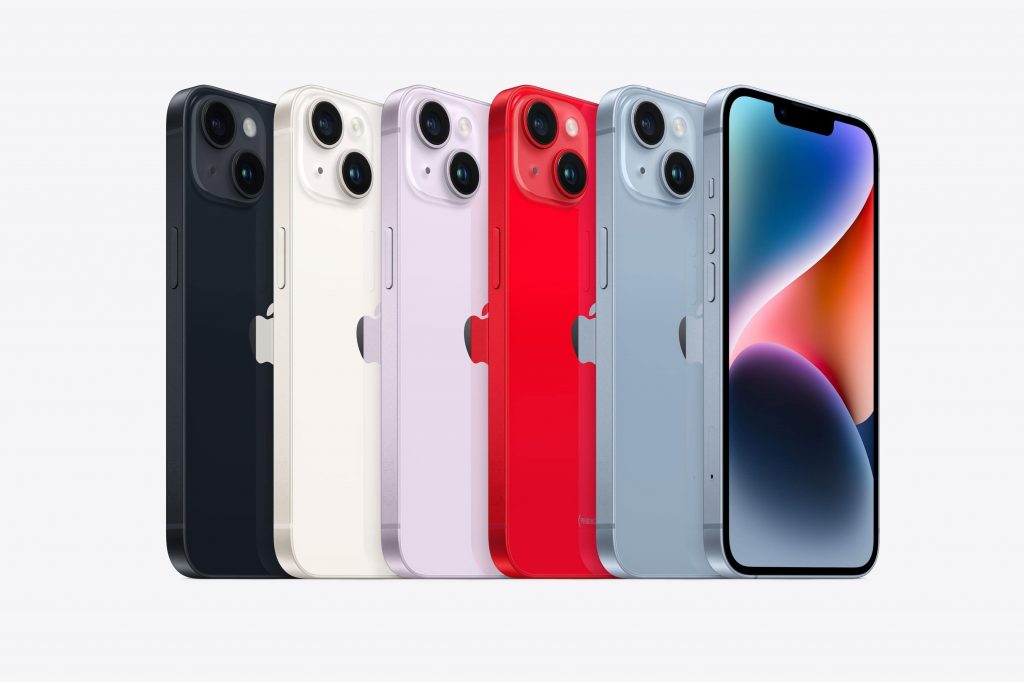
iPhone 14
However, Mark Gurman believes the SE 4 will resemble the iPhone 14 rather than the iPhone 16. While that won’t be the most up-to-date design, it will still be a big upgrade from the outdated iPhone 8 look.
There won’t be a home button with thick bezels on the front. But note that the phone will still retain the notch and will not include Dynamic Island.
Even with a slightly older design, the iPhone SE 4 might include one of the iPhone 16 series’ standout features — Apple Intelligence. The good thing is, it has its own set of requirements which demands the latest hardware, including an A18 processor and 8GB of RAM at minimum.
So iPhone SE 4 getting Apple Intelligence at the very least confirms its chip and memory capacity. This upgraded hardware alone will make the SE 4 an attractive entry point for users wanting to experience Apple Intelligence. At the very least, we can expect a modern processor and ample RAM.
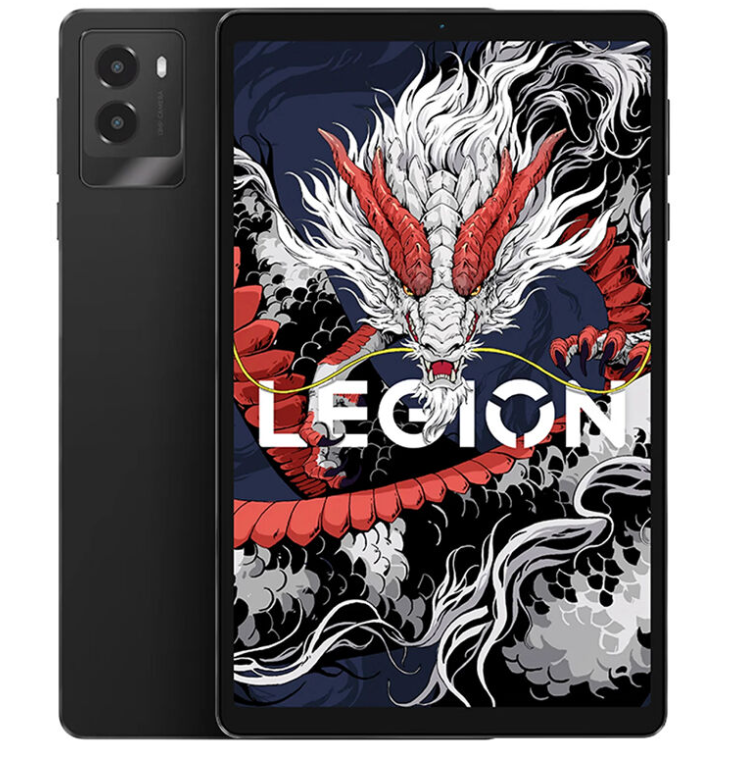
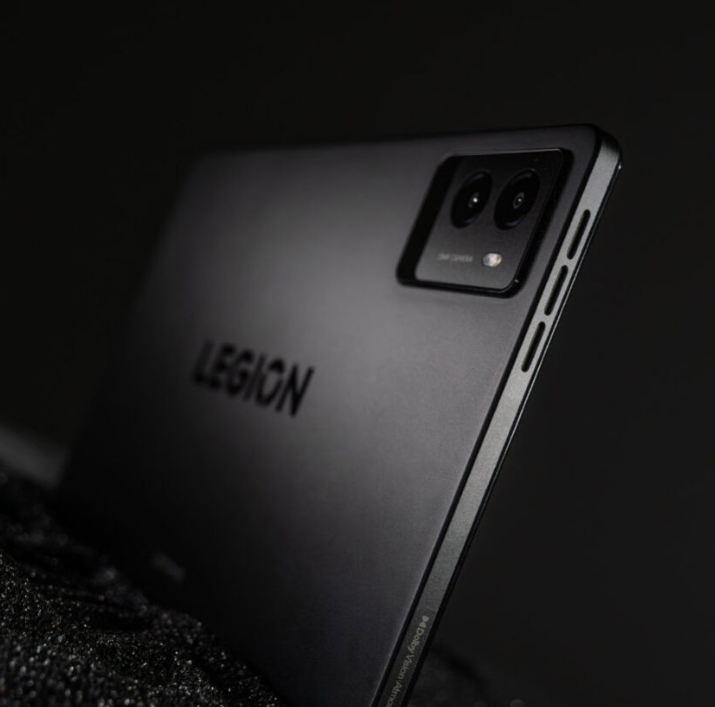
Lenovo Legion Y700 2024 is an impressive tablet packed with features designed to enhance both entertainment and productivity. From its high refresh rate display to its powerful Snapdragon processor, this device is built to deliver a seamless, fast experience for gamers, streamers, and multitaskers alike.
Exclusive Coupon
Lenovo Legion Y700 2024 is now available for pre-sale at Giztop starting at $549.00. Shipping begins on October 25th, and for a limited time, you can use the coupon code Y700PRE to save $50 on your purchase before October 25th. Don’t miss this chance to grab the powerful gaming tablet at a discounted price.
Display: Immersive 8.8-Inch Screen
The Lenovo Legion Y700 2024 boasts an 8.8-inch IPS LCD display with a sharp 2560×1600 pixels resolution. Its 165Hz refresh rate ensures smooth scrolling and gaming, while the 500nit brightness and 100% DCI-P3 color gamut make colors vivid and clear in all lighting conditions. With support for DC dimming and Dolby Vision, the display ensures comfortable viewing while reducing eye strain, making it ideal for extended use.
Performance: Power-Packed Snapdragon 8 Gen 3 Processor
Under the hood, the Lenovo Legion Y700 2024 is powered by the Qualcomm Snapdragon 8 Gen 3 processor, a high-performance octa-core chip designed for top-tier gaming and heavy multitasking. The tablet also comes with 12GB or 16GB of LPDDR5X RAM, ensuring smooth operations and quick app switching. For storage, it offers options of 256GB or 512GB of UFS 4.0 storage, with a MicroSD card slot for further expansion, giving users plenty of space for games, apps, and media.
Battery: Long-lasting and Fast-Charging
The device is equipped with a 6550mAh battery that supports 45W fast charging, allowing for quick recharges. It also includes Ultra Power Saving mode, enabling longer usage time between charges, which is perfect for gamers and users who are frequently on the go.
Camera: Dual Camera Setup
The Lenovo Legion Y700 2024 features a 13MP rear camera and an 8MP front camera. While the rear camera is great for capturing high-quality photos and videos, the front camera supports face unlock for added security and convenient access.
Software: ZUI 15 Based on Android 14
Running on ZUI 15 based on Android 14, the Lenovo Legion Y700 2024 offers a clean and intuitive user experience with enhanced performance and a variety of customization options. The system supports multiple languages, including English and Chinese, making it accessible to users worldwide.
Connectivity: Dual USB-C Ports and Advanced WiFi
This tablet supports 802.11a/b/g/n/ac WiFi for fast and reliable internet connectivity. The dual USB Type-C 3.1 Gen 2 ports allow for faster data transfer and efficient charging. Additionally, Bluetooth 5.1 enables easy pairing with wireless accessories and devices.
Audio: Superior Sound with Dual JBL Speakers
For a more immersive audio experience, the Lenovo Legion Y700 2024 is equipped with dual JBL speakers and supports Dolby Atmos, delivering rich and powerful sound whether you’re gaming, streaming videos, or listening to music.
The Lenovo Legion Y700 2024 is a powerful and versatile tablet that caters to gamers and tech enthusiasts alike. With its high refresh rate display, robust Snapdragon processor, long-lasting battery, and premium audio experience, it offers great value for those seeking performance in a compact, portable device.
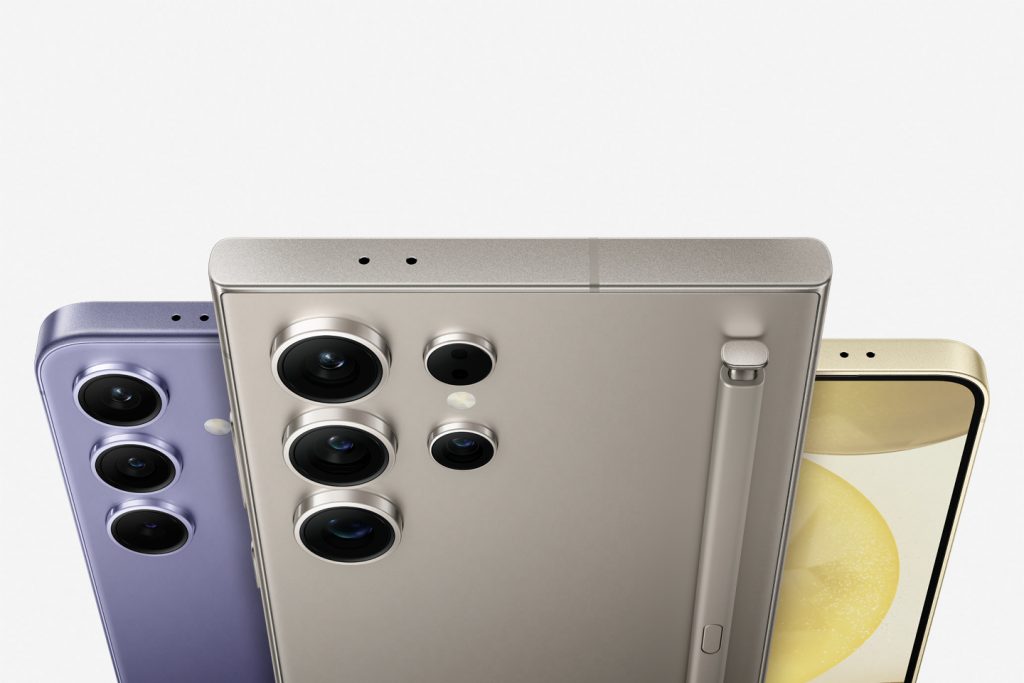
Samsung could be making its top end flagship phone more easier to carry around. Fresh dummy units have recently surfaced online, showcasing the design of the Galaxy S25 Ultra with a new thinner body. This new slimmer profile could be a welcomed change considering its tall form factor, so here’s what we know so far.
Samsung Galaxy S25 Ultra Dummy Units
The Samsung Galaxy S25 Ultra’s design was revealed via an aluminum dummy unit that was shared on the Online Solitaire blog in collaboration with @xleaks7. Looking at the image, we get a proper view of the upcoming premium phone from the back, front, and even the sides. Earlier this week, we covered a fresh report about how Samsung is taking design cues from the 4 year old Galaxy S21 Ultra. Leaked cover case showcased noticeably rounded corners, which can be seen in this dummy unit as well.
Samsung Galaxy S25 Ultra Dummy Unit
The blog also adds that the Galaxy S25 Ultra will measure 162.82 x 77.65 x 8.25mm in dimensions. In other words, the upcoming S25 Ultra is not just thinner than the Galaxy S24 Ultra, but also slightly taller and narrower. To recall, the 24 Ultra measures 162.30 x 79.00 x 8.60mm. So there isn’t a massive redesign with the next gen flagship and you likely won’t notice these differences immediately.
Samsung’s Galaxy Ultra series has faced criticism for being too large at times and hard to carry around. Meaning, the rounded corners and thinner body should make it easier to hold. It will also feature high end specs and features like the Qualcomm Snapdragon 8 Gen 4 SoC, 200MP+50MP+10MP+50MP quad camera setup, and a tall 6.86-inch Dynamic AMOLED screen. Keep in mind that this is still just an unconfirmed dummy unit, so take this report with a pinch of salt for now. You can click here to check out everything we know about the Galaxy S25 Ultra.
We use cookies on our website to give you the most relevant experience by remembering your preferences and repeat visits. By clicking “Accept”, you consent to the use of ALL the cookies.
This website uses cookies to improve your experience while you navigate through the website. Out of these, the cookies that are categorized as necessary are stored on your browser as they are essential for the working of basic functionalities of the website. We also use third-party cookies that help us analyze and understand how you use this website. These cookies will be stored in your browser only with your consent. You also have the option to opt-out of these cookies. But opting out of some of these cookies may affect your browsing experience.
Necessary cookies are absolutely essential for the website to function properly. This category only includes cookies that ensures basic functionalities and security features of the website. These cookies do not store any personal information.
Any cookies that may not be particularly necessary for the website to function and is used specifically to collect user personal data via analytics, ads, other embedded contents are termed as non-necessary cookies. It is mandatory to procure user consent prior to running these cookies on your website.