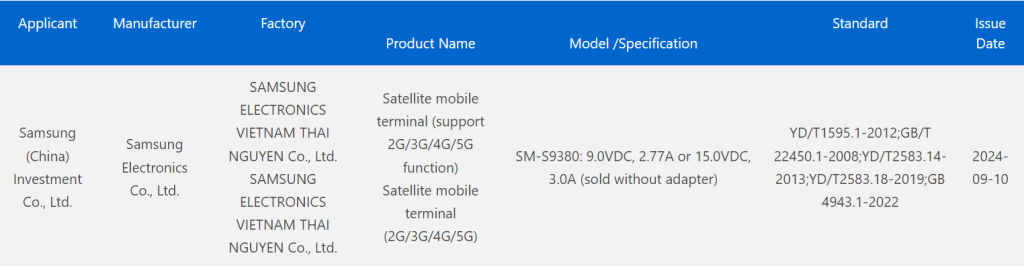
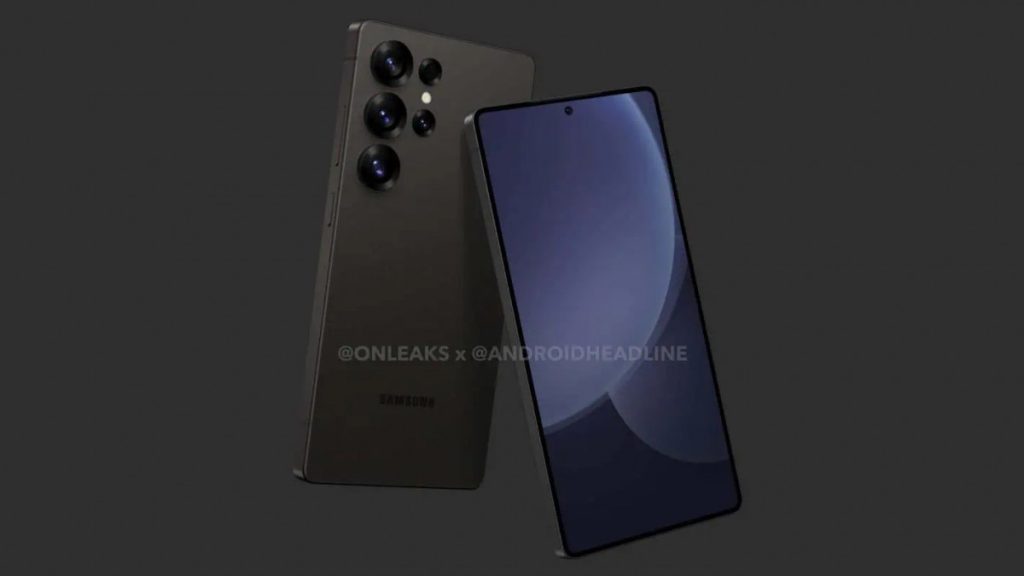
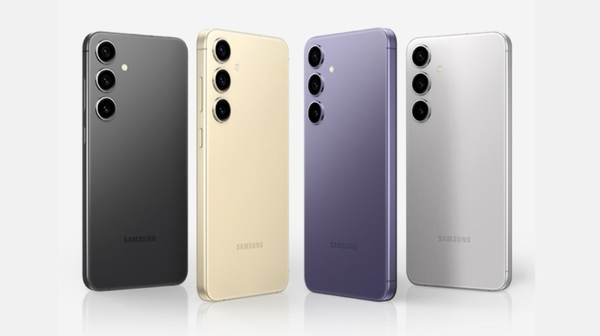
Previously, Samsung’s upcoming tablets, the Galaxy Tab S10 Ultra and the Galaxy Tab S10 Plus, were spotted at the 3C certification platform in China. Today, a new Samsung phone with model number SM-S9380 has emerged in 3C’s database. Given the fact that the Galaxy S24 Ultra carried the SM-S9280 model number, it is safe to assume the SM-S9380 is the upcoming Galaxy S25 Ultra. At the same time, well-known leaker Steve Hemmerstoffer (OnLeaks) has shared a render to give the first look at its design.
Samsung Galaxy S25 Ultra 3C certified
Samsung Galaxy S25 Ultra 3C certified in China
The Galaxy S25 Ultra’s 3C certification reveals that it will continue to support 45W charging like its predecessors. Like the S24 Ultra, the retail package of the S25 Ultra will not include a charger. What’s intriguing about this certification is that it also reveals support for satellite connectivity. Therefore, the S25 Ultra will be Samsung’s first phone to offer satellite communication support.
Samsung Galaxy S25 Ultra design
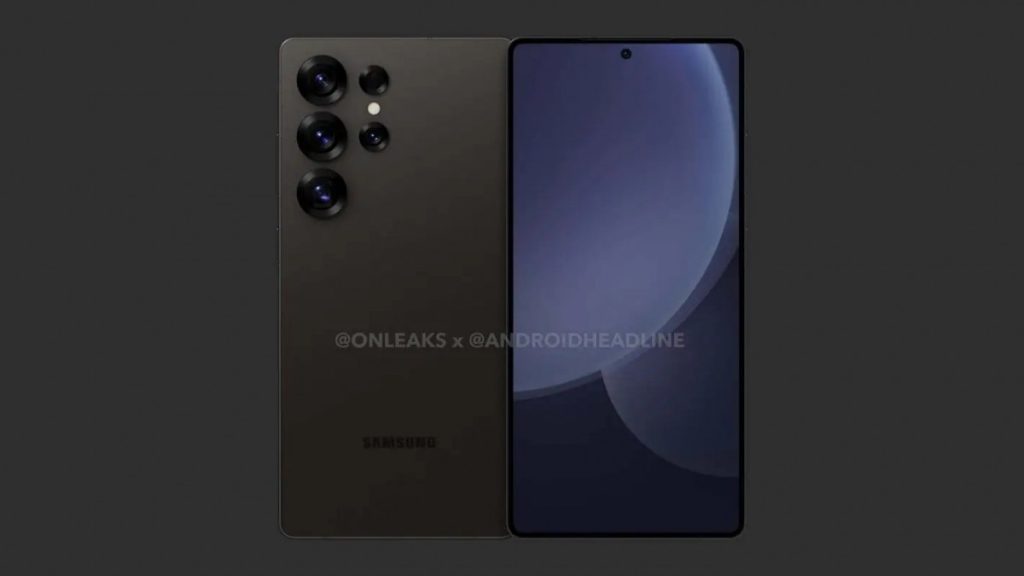
Samsung Galaxy S25 Ultra CAD render by OnLeaks / AndroidHeadlines
The Galaxy S25 Ultra CAD renders released by OnLeaks in collaboration with AndroidHeadlinessuggest that Samsung fans should not expect an overhaul in design compared to the S24 Ultra. However, readers should note that another reliable leaker, Ice Universe, claimed these renders are not 100 percent accurate because of some errors in the camera ring’s design, texture, bezels, and metal frame.
Samsung Galaxy S25 Ultra CAD render by OnLeaks / AndroidHeadlines
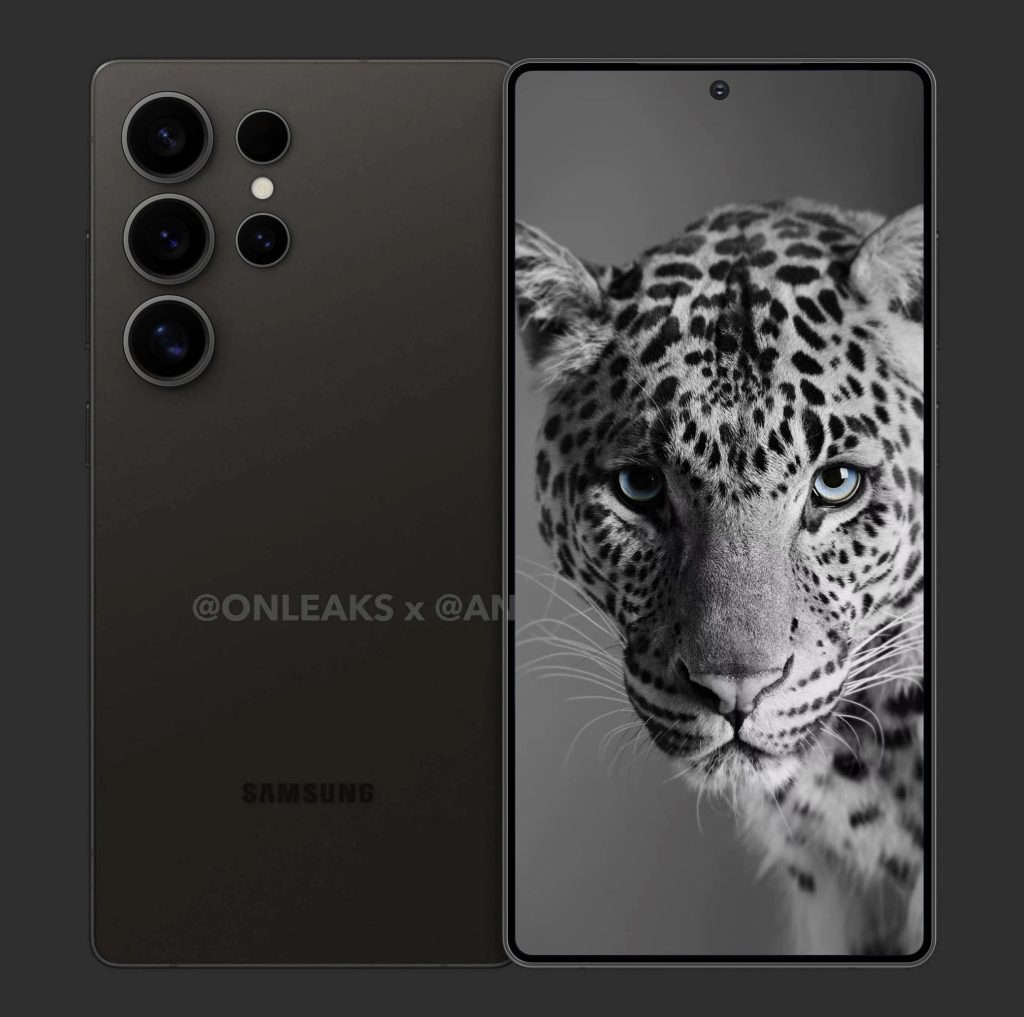
The new leak also states that the device will measure 162.8 x 77.6 x 8.2mm. In comparison, the S24 Ultra has 162.3 x 79 x 8.6mm. Therefore, the S25 Ultra is slightly taller, narrower, and thinner than its predecessor, the S24 Ultra. While the S24 Ultra weighs 232 grams, its successor is a lighter device, weighing 219 grams. In terms of screen size, it will have the same sized (6.8-inch) display as its predecessor. Shown below is a slightly modified version of the S25 Ultra’s CAD render by Ice Universe.
Samsung Galaxy S25 Ultra’s modified CAD render by Ice Universe
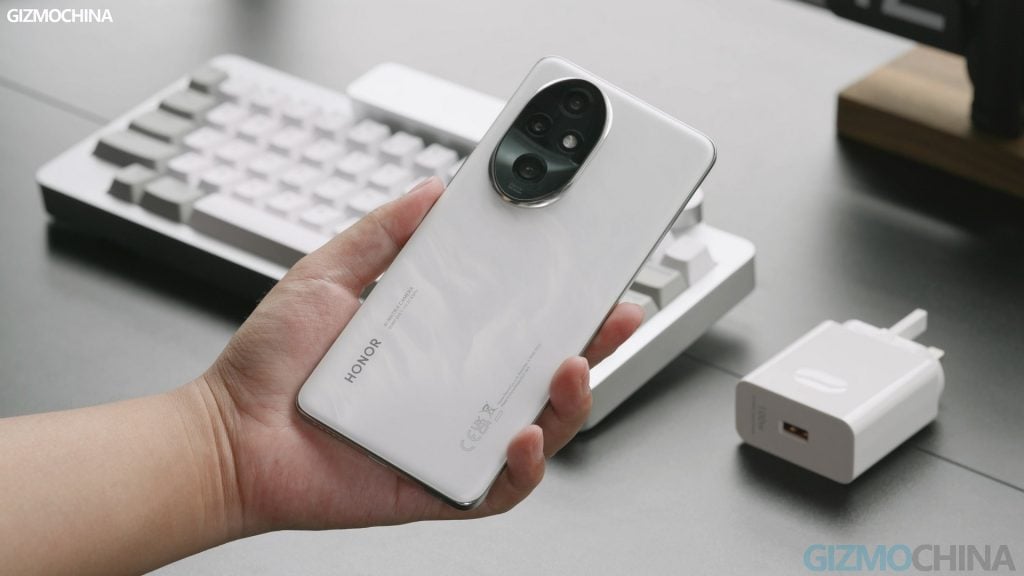
Honor has recently released a significant update for the Honor 200 Pro smartphone in India. This latest update introduces new features, including AI-powered image editing tools, enhanced language translation capabilities, and various system optimizations including the September Android security patch. You can check out the complete changelog below.
Honor 200 Pro September update changelog:
Gallery: The new AI Eraser can help you intelligently remove the passers-by and other unwanted elements from images with a single tap. Try it out by going to: Gallery > Select a photo > Edit > AI Eraser.
Face-to-face translation: In a turn-taking situation, it can provide mutual translation between Chinese, English, French, German, Spanish, Italian, Russian, Turkish, Malay, and Arabic. It also supports voice and text input, as well as translation broadcast. You can try it out by going to: Settings > Assistant > Face-to-face translation.
Multi-Window: App combinations in split-screen mode can now be saved. In split-screen mode, you can tap the button in the middle of the divider to save the combination as an icon on the home screen. Later you can tap the icon to quickly open the app combination.
Magic Portal: Magic Portal now supports more third-party apps.
Notification panel: The layout of notification panel is optimised, making the interface more streamlined and visually appealing.
Camera: Optimises the shooting effect in some scenarios.
Performance: Enhances the system performance and the smoothness of motion effect in some scenarios.
Battery life: The power consumption is reduced in some scenarios.
System: User authentication is required when switching USB connection purposes. A verification or security prompt appears when you select Transfer photos or Transfer files / Android Auto, instead of Charge only, ensuring safer data transfer. Improves the system stability to make your device run more stably.
Security: Android Security Patch (Sept 2024) has been incorporated for system security.
The update is now available for download and has a file size of 1.27GB. Users can identify the update by the firmware version 8.0.0.162(C675E7R2P2).
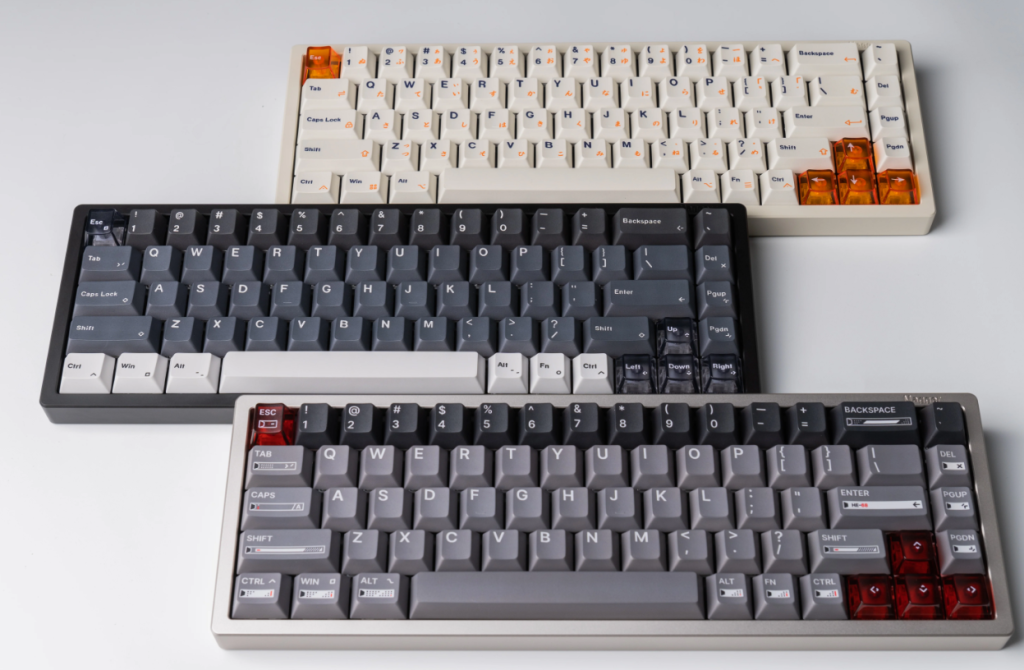
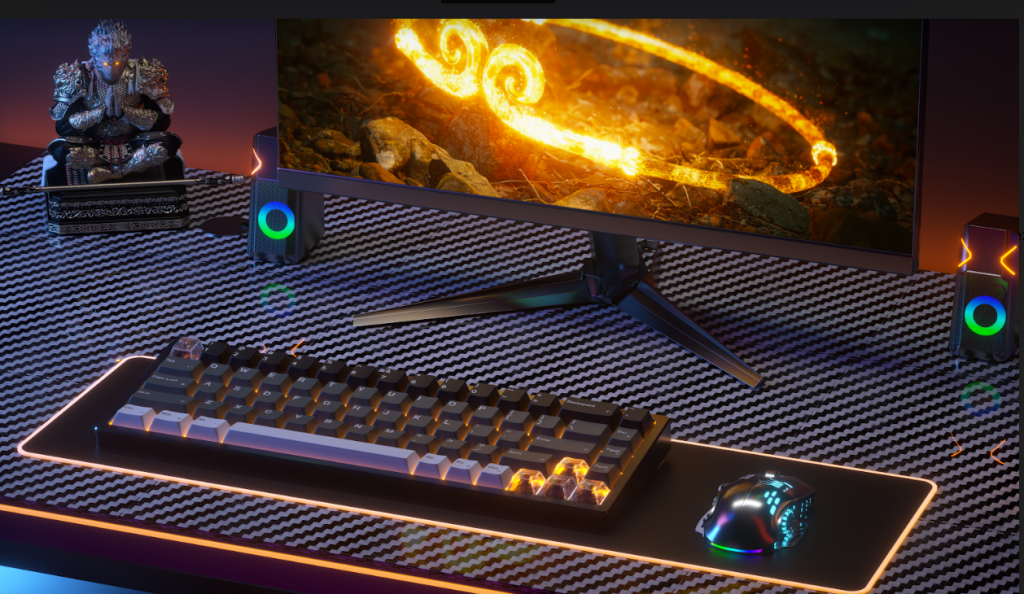
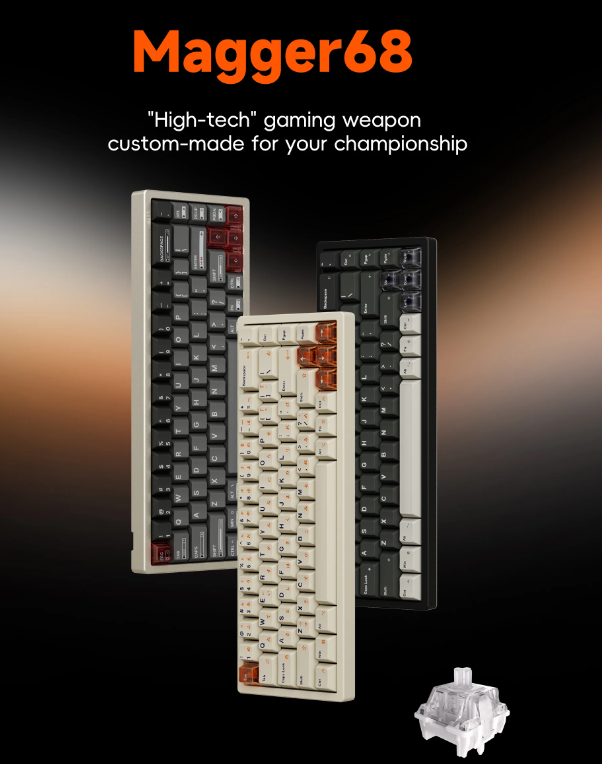
LUMINKEY has launched its latest gaming keyboard, the Magger 68 HE, which stands out as a testament to both style and functionality. This compact yet powerful keyboard is designed to enhance both professional and gaming environments, making it a centerpiece on any desk. Let’s explore what makes the Magger 68 HE a compelling choice for enthusiasts and professionals alike.
Design and Build
The LUMINKEY Magger 68 HE features a sleek, minimalist design that effortlessly complements contemporary desk setups. With a 68% ANSI layout, this keyboard strikes an optimal balance between compactness and functionality. Its well-spaced 68 keys provide the full functionality of a larger keyboard while maintaining a space-saving profile. The 7° typing angle is engineered to ensure ergonomic comfort during extended typing sessions, reducing wrist strain and enhancing overall typing efficiency.
The Magger 68 HE’s build quality is further enhanced by its split top and bottom case sandwich structure, which adds stability and texture. This design, secured by screws, creates a closed space that minimizes internal component movement and vibration, thereby extending the keyboard’s lifespan. The aluminum plate inside contributes to stability and durability, resulting in a crisper typing sound.
Premium Materials and Keycaps
The Magger 68 HE incorporates high-quality PBT keycaps, co-developed with the renowned ALOHAKB custom team. PBT is known for its superior wear resistance and reduced susceptibility to oil shine compared to standard ABS keycaps. The thicker PBT material provides a more solid feel and maintains its texture and appearance over time, enhancing both durability and aesthetic appeal.
In contrast, ordinary magnetic switch keyboards often use cheaper materials, resulting in poor thickness and feel. These materials are more prone to wear and diminish in quality over time, impacting the keyboard’s usability and overall user experience. The attention to detail and quality are evident in the Magger 68 HE’s keycaps highlighting LUMINKEY’s commitment to delivering a premium product.
Switch Performance
The Magger 68 HE features the exclusive GATERON custom dual-track Magnetic Pro switch, offering sensitive and stable performance. This switch is finely tuned for higher trigger accuracy and faster response times, making it ideal for demanding gamers and high-efficiency office users. The magnetic activation ensures exceptional performance with instant and precise activation, catering to users who require top-tier responsiveness.
Performance Insights
Human reaction time, from the brain sending a command to the finger completing a key press, is typically around 20ms under optimal conditions. In comparison, the Magger 68 HE boasts an average response time of just 0.2ms. While you are preparing for your next move, the Magger 68 HE is always ready to respond instantly, providing a competitive edge in both gaming and high-intensity tasks.
Luminkey HE Magnetic gaming keyboard:
Key Features
Number of Keys: The Magger 68 HE offers a 68-key layout that provides a harmonious blend of functionality and space efficiency, making it suitable for both work and gaming.
Typing Angle: The keyboard’s 7° typing angle promotes a natural and comfortable typing posture, helping to reduce typing fatigue and improve overall ergonomics.
Layout: The 68% ANSI layout is streamlined without sacrificing essential keys, offering versatility for diverse typing needs.
EZ-Assemble Structure: LUMINKEY’s EZ-Assemble Structure simplifies the setup process, allowing for quick and easy assembly with minimal effort.
RGB Backlight: Full RGB backlighting with North Facing RGB adds a customizable aesthetic touch to your setup. The backlight options are adjustable to suit personal preferences or ambient lighting conditions.
Mounting and Stabilizers: The sandwich mount design enhances durability and typing stability. Plate mount stabilizers ensure a consistent and responsive keystroke experience, contributing to overall typing satisfaction.
Latency and Connectivity: With a latency of less than 0.5ms and wired connectivity featuring an 8000Hz polling rate, the Magger 68 HE delivers exceptional responsiveness. This makes it ideal for both gaming and intensive work tasks.
Dynamic Keystrokes: The keyboard supports 4-in-1 action keys, enabling users to execute multiple commands with a single keystroke, adding convenience and efficiency.
Compatibility: The Magger 68 HE is compatible with Mac, Windows, and Linux systems, ensuring versatility across different operating environments.
Price and Availability
The LUMINKEY Magger 68 HE is priced at $119.00, a special price of $99 in the term September 20 to October 20. This positions it as a premium option for users seeking a high-end, customizable keyboard that excels in both aesthetics and functionality. Its price reflects its advanced features and superior build quality.
LUMINKEY Magger 68 HE sets a new benchmark in keyboard design by blending modern aesthetics with practical features. Its minimalist layout, ergonomic design, and advanced functionality make it a valuable addition to any workspace or gaming setup. Whether you’re a professional seeking elegance and efficiency or a gamer in need of top-tier performance, the Magger 68 HE is designed to exceed expectations.
Boat has introduced its latest budget-friendly smartwatch, the Storm Call 3 Plus, just months after launching the Storm Call 3 in April. This new wearable is designed to offer a host of impressive features, including a larger display, turn-by-turn navigation, and Bluetooth calling, all at an affordable price.
Priced at just Rs. 1,149, it’s set to cater to a wide range of users, especially those looking for a cost-effective yet feature-packed smartwatch.
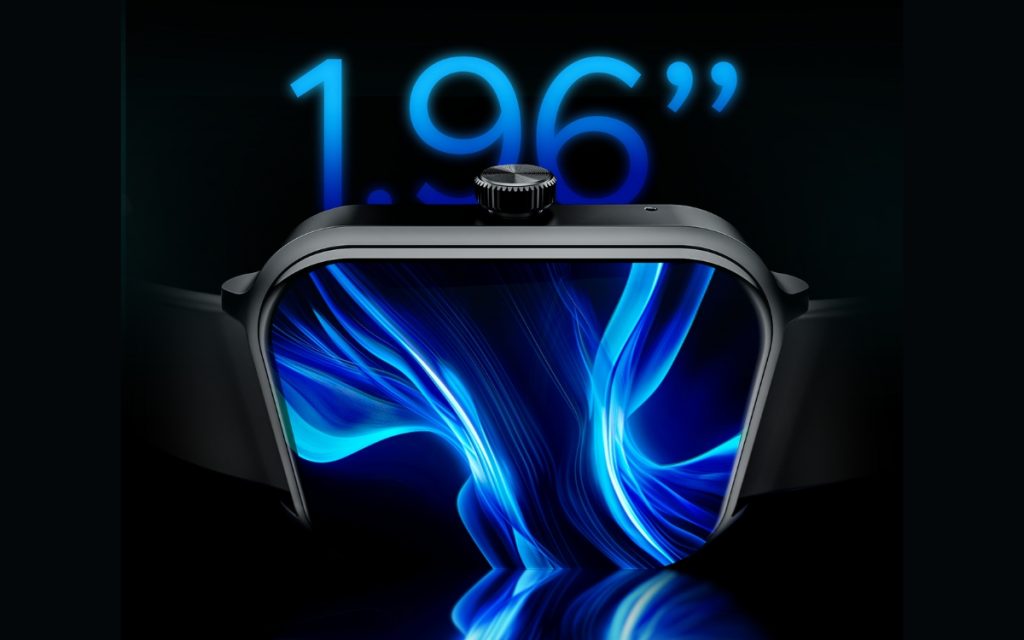
The Storm Call 3 Plus comes with a 1.96-inch display featuring a resolution of 240×288 pixels, offering clear visuals and ease of use. It supports an always-on display and wake gesture functionality, making it convenient for users to check the time and notifications without pressing any buttons. The watch is also equipped with a functional crown that allows easy navigation through the interface.
The smartwatch is powered by Crest+ OS. It offers Bluetooth 5.2 calling support, complete with a dial pad and contact-saving features, enabling users to make and receive calls directly from their wrist.
The smartwatch is powered by a 300mAh battery, providing up to 7 days of battery life, or 2 days when Bluetooth calling and Always On Display are enabled.
2. Special Features
The smartwatch features MapmyIndia navigation integration, providing accurate turn-by-turn directions, making it ideal for frequent travelers or those navigating unfamiliar routes. It includes a customizable watch face through the DIY Watch Face Studio, adding a personal touch. It comes with over 700 sports modes, catering to fitness enthusiasts by tracking activities like running, cycling, swimming, and yoga.
For health monitoring, it offers heart rate tracking, SpO2 monitoring, sleep analysis, and energy score tracking, all integrated into the Crest App Health Ecosystem for personalized insights. Additional features include Emergency SOS, camera and music controls, weather updates, alarms, stopwatches, and even games. The watch is also IP67-rated for resistance to sweat, dust, and water, making it versatile for various conditions.
3. Pricing & Availability
The Boat Storm Call 3 Plus is available at an introductory price of Rs. 1,149 and can be purchased from the Boat website and Flipkart.
The smartwatch comes in several vibrant colors, including Active Black, Olive Green, Dark Blue, Cherry Blossom, Mint Green, Salmon Peach, and Black Metal Mesh, giving users plenty of options to choose from based on their style preference.
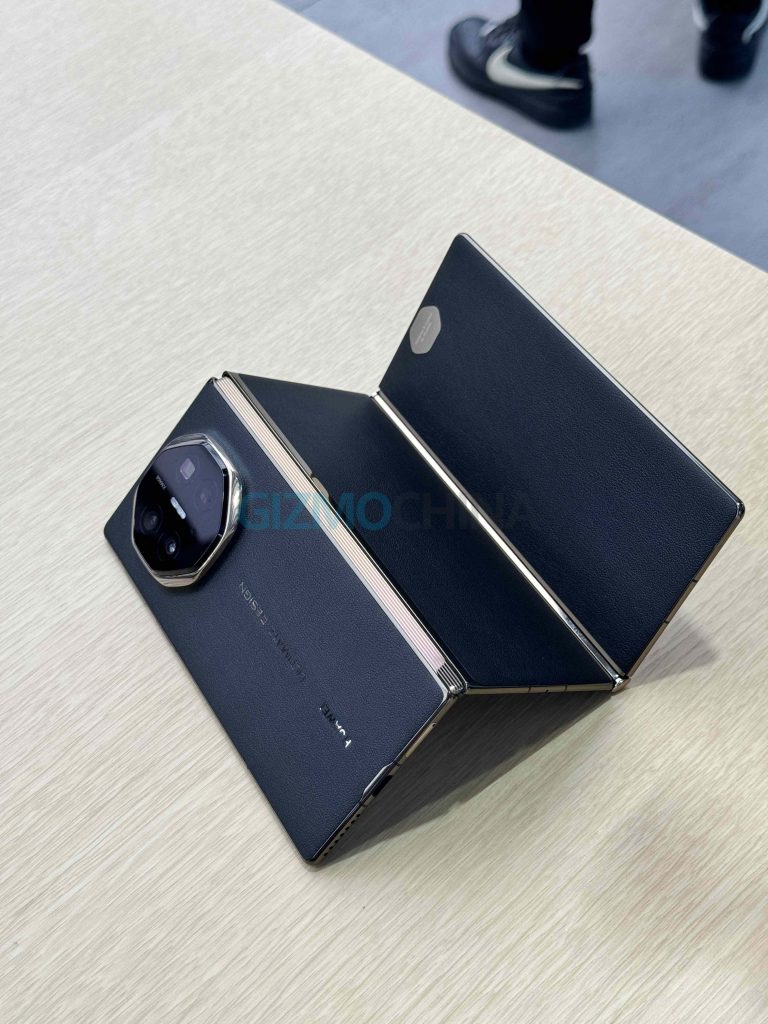
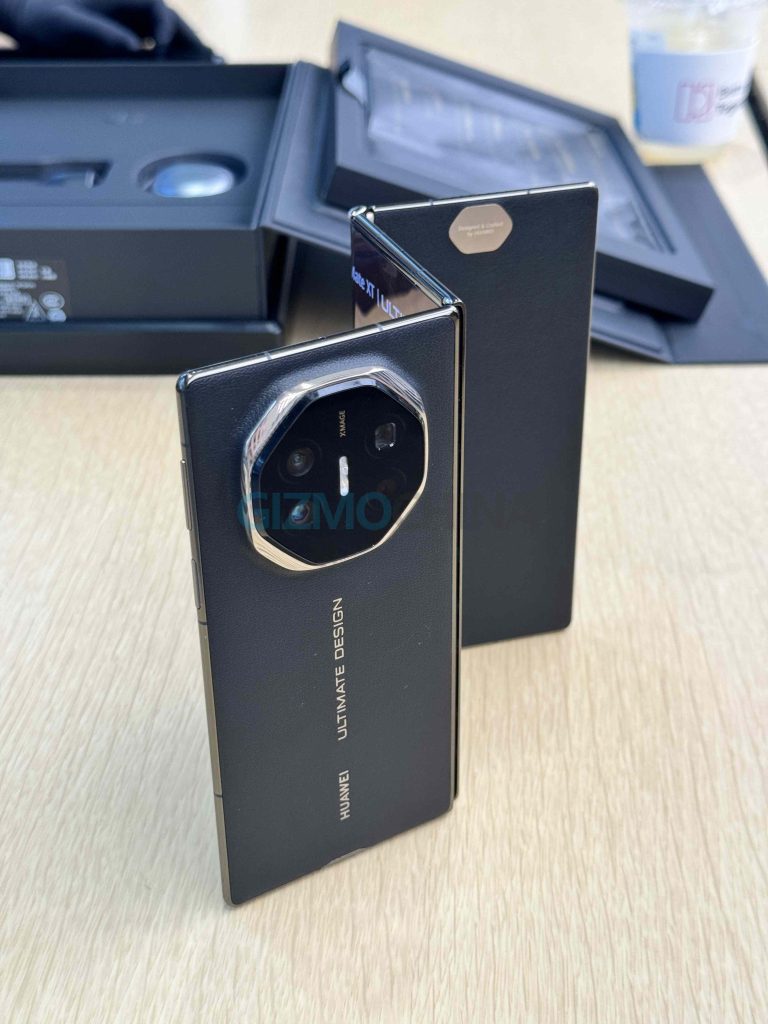
Huawei has finally announced the highly anticipated Mate XT Ultimate Design, marking a significant milestone in foldable device technology. As the world’s first tri-folding smartphone, the Mate XT stands out in a market dominated by traditional inward-folding devices.
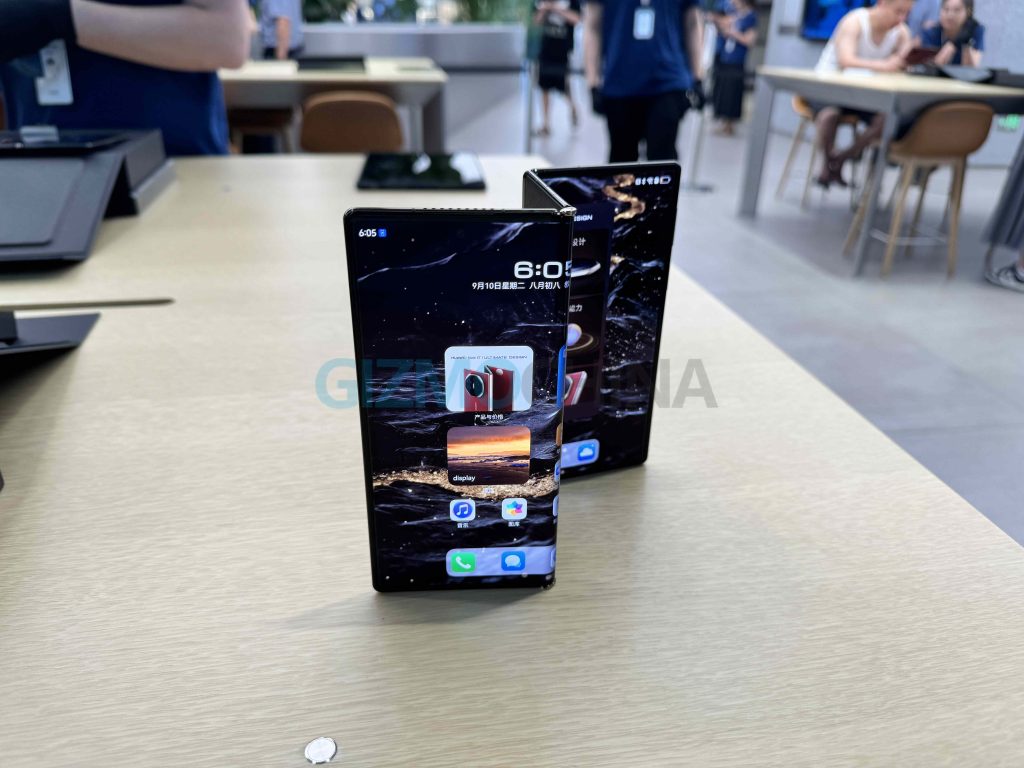
We got a quick hands-on with the device after its launch in China, and here are our thoughts.
Revolutionary Triple Folding Design
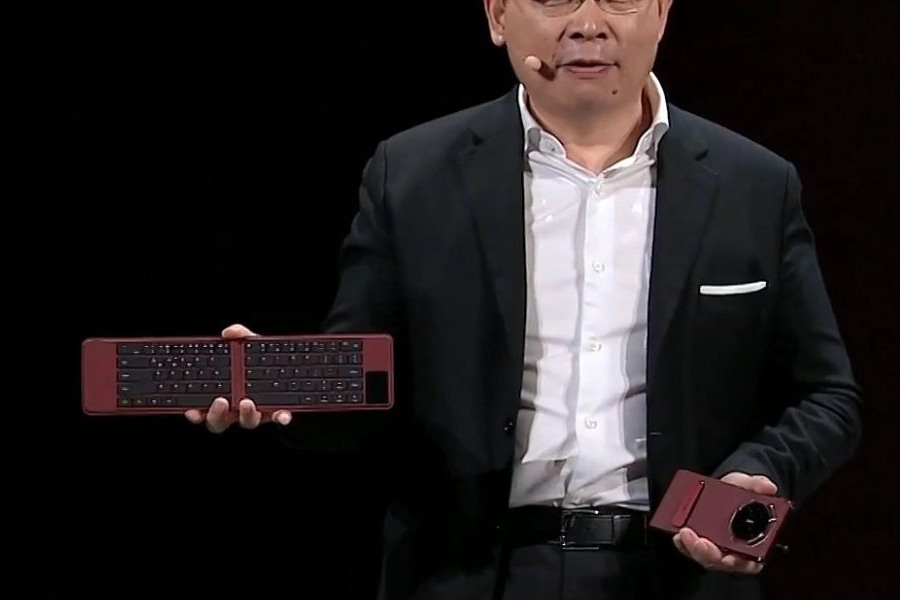
The Mate XT’s unique tri-folding design allows for a substantially larger inner screen compared to its competitors. When unfolded, it boasts an impressive 10.2-inch 3K display, effectively transforming into a full-sized tablet. To complement this tablet-like functionality, Huawei offers an optional keyboard accessory as well.
The tablet is thin and light like other recent foldables on the market, but what’s different is that it folds in a Z shape instead of the traditional V. One side folds backwards while the other side folds towards the front. So folding the Mate XT will take some getting used to.
Despite its innovative folding mechanism, the Mate XT maintains a remarkably slim profile. When folded, it measures just 12.8mm in thickness—only marginally thicker than the Samsung Galaxy Z Fold 6’s 12.1mm folded state.
The crease is visible and could be more obvious in long term use. We were impressed by the edges of the display, it was extremely thin, especially when compared with a similar sized tablet.
Good Camera System
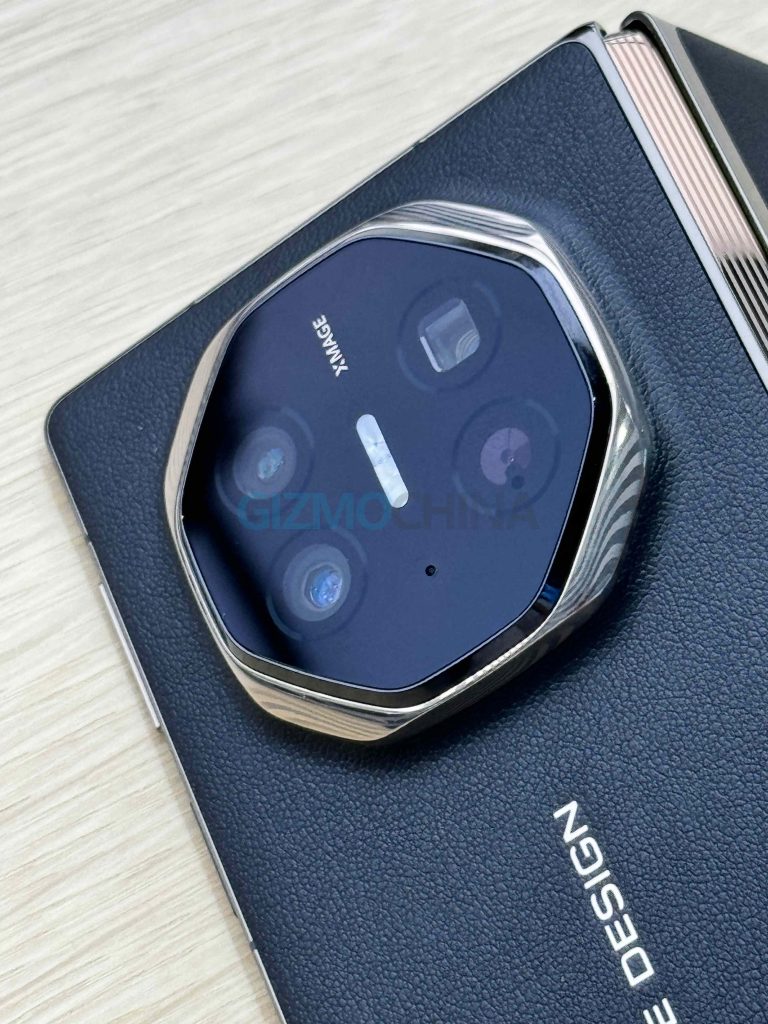
The Mate XT features a versatile camera setup:
Primary sensor: 50MP with variable aperture (f/1.4 to f/4.0)
Ultrawide camera: 12MP
Periscope telephoto: 12MP
Front-facing camera: 8MP for selfies
Super Slim Battery Technology
One of the key factors enabling the Mate XT’s slim design is its advanced battery technology. The device incorporates a 5600mAh silicon carbon battery, which Huawei claims is one of the world’s thinnest. Despite its compact size, the battery supports up to 66W wired fast charging, ensuring users don’t have to compromise on battery life or charging speeds.
In our limited use, we could see the Huawei Mate XT represented a significant leap forward in foldable smartphone technology, offering a unique combination of a larger screen with enhanced portability.
It would be interesting to see how the foldable performs in everyday use, but Huawei’s definitely got our attention. The phone goes on sale officially from September 20 in China.
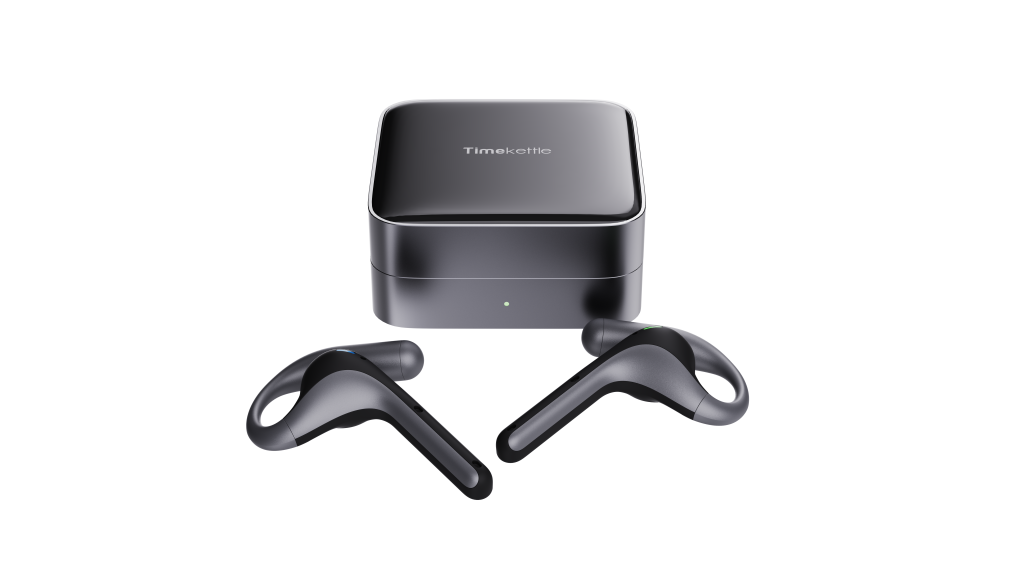
Timekettle launched its new W4 PRO AI Interpreter Earbuds at IFA 2024 in Berlin. This device aims to address cross-language communication needs in various scenarios, from hosting foreign guests to conducting multilingual online meetings and traveling abroad.
The W4 PRO represents Timekettle’s latest effort in developing translation technology. It builds upon their previous products, which have evolved from handheld translators to earbuds capable of simultaneous interpretation.
Key Features and Modes
The W4 PRO offers three primary modes of operation: 1. One-on-One Simultaneous Interpreting:
Instant translation for two-way conversations
Dual interpretation system
Triple microphone array for improved voice recognition
2. Listen & Play Mode:
Designed for multilingual meetings
Allows switching between listening and speaking with simultaneous interpretation
Incorporates AI Semantic Segmentation for sentence parsing
AI Memo feature provides post-meeting summaries
3. Online Interaction Mode:
Real-time translated subtitles for video calls and foreign media content
One-way assisted translation for unexpected phone calls in foreign languages
Real-time transcription subtitles
Design and Technical Aspects
The W4 PRO AI Interpreter Earbuds showcase a design that prioritizes user comfort and functionality. The earbuds feature an open-ear design, allowing for extended wear without the discomfort often associated with in-ear devices. This design choice not only enhances comfort but also addresses hygiene concerns and maintains environmental awareness for the user.
On the technical front, the W4 PRO boasts high-quality audio output. This ensures clear and crisp sound reproduction, which is crucial for accurate interpretation and communication. The earbuds incorporate advanced voice recognition technology, utilizing a triple microphone array to capture speech accurately in various environments. The W4 PRO is designed to handle multiple languages, catering to a diverse range of communication needs in our increasingly globalized world.
Potential Applications
Business negotiations across language barriers
Tourist communications in foreign countries
Participation in multilingual meetings
Consumption of foreign language media content
According to Timekettle CEO Leal Tian, the W4 PRO aims to facilitate more natural, hands-free conversations with eye contact, potentially making cross-language interactions smoother compared to using phone-based translation apps.
As of now, the Timekettle W4 Pro is globally available for purchase on the brand’s online shop at $449.
When one thinks about a flagship smartphone, you picture a phone with a tall gorgeous display, top notch specs, and premium design. Over the years, display sizes have become taller, making smartphones bigger. But there are still a few compact premium options from some brands. With the iPhone 16 launch, here’s a quick comparison with the Galaxy S24 and Xiaomi 14, which are some of the best small phones in 2024.
1. iPhone 16 vs Galaxy S24 vs Xiaomi 14: Display & Design
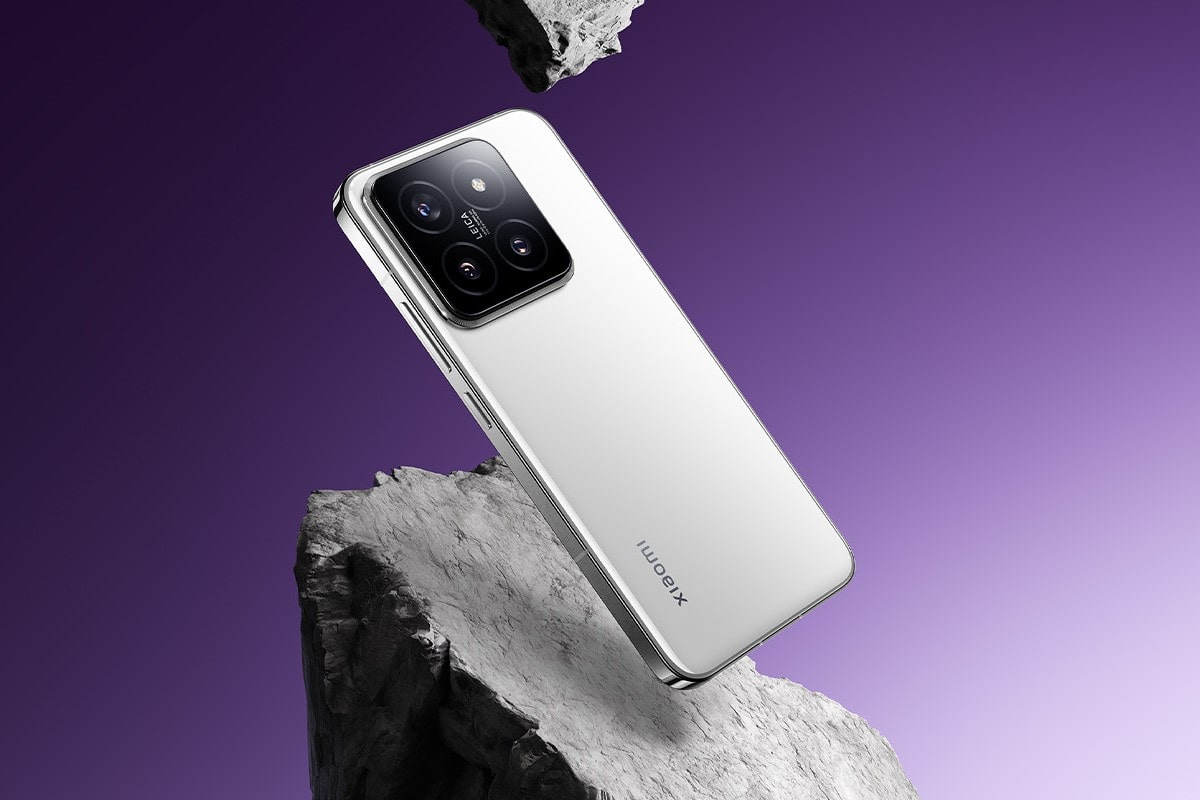
Xiaomi 14
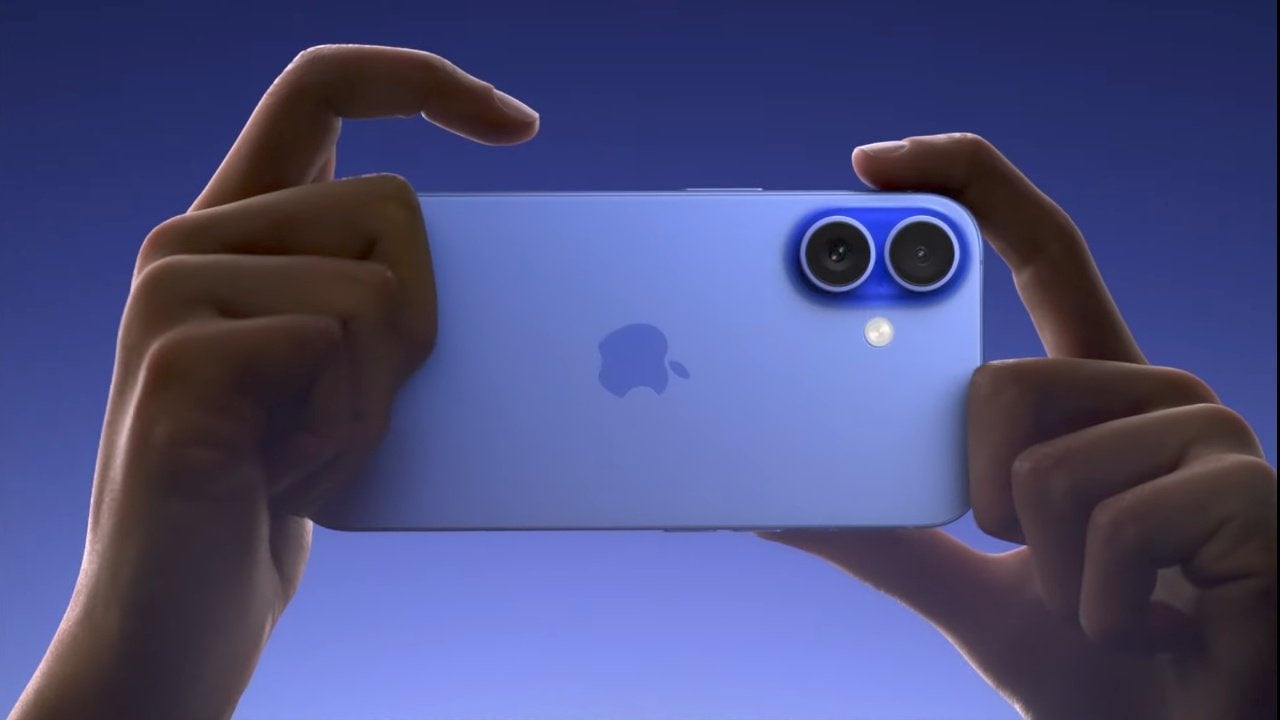
The display is the key aspect that decides the size of the smartphone. All three models in this comparison are smaller in comparison to most devices in the market. Even on average, smartphones have a screen, which is over 6.5 inches. But the iPhone 16 sports a 6.1-inch OLED display that offers a 2,556 x 1,179 resolution, 60Hz refresh rate, and a peak brightness of up to 2,000 nits.
On the other hand, Samsung’s Galaxy S24 has a slightly taller screen. It features a 6.2-inch LTPO AMOLED display with a 120Hz refresh rate, 2600 nits peak brightness, and 1080 x 2340 resolution. Xiaomi offers the tallest display with the Xiaomi 14. It sports a 6.36-inch LTPO OLED display with 3000 nits peak brightness, 1200 x 2670 resolution, and a 120Hz refresh rate.
So all three models have a great compact screen, but Apple is still generations behind with the standard 60Hz refresh rate. This is pretty disappointing considering even budget Android phones offer higher refresh rates. All three models blend glass with an aluminum frame, although, Xiaomi 14 also arrives in an eco leather option.
Please Note: When you buy something using the links in our articles, we may earn a small commission at no cost to you.
2. Performance
iPhone 16
The Galaxy S24 and the Xiaomi 14 are quite similar in terms of performance since they both feature the Snapdragon 8 Gen 3 SoC. However, Samsung ships the Galaxy S24 with an Exynos 2400 chipset in most countries. So Xiaomi clearly has an edge in performance in regions like India. On the other hand, the iPhone 16 takes the lead with the A18 chipset. But regardless, these are all quite capable in day to day use and under intense workloads like mobile gaming.
The Xiaomi 14 also houses the biggest battery with a 4610mAh cell and offers the fastest charging rates. It supports 90W wired fast charging, 50W wireless fast charging, and 10W reverse wireless charging.
3. Camera
Galaxy S24
Apple released the iPhone 15 with a 48-megapixel primary camera with a 12-megapixel ultra wide angle lens. Meanwhile, Samsung offers a triple camera setup on the rear, which includes a 50-megapixel main sensor, a 10-megapixel telephoto lens, and a 12-megapixel ultra wide angle shooter. While the real world tests for the iPhone 16 aren’t out yet, the Xiaomi 14 seems like the most versatile phone for photography. It features three 50-megapixel sensors for the primary, telephoto, and ultra wide angle.
4. Pricing & Verdict
In India, the Samsung Galaxy S24 starts from 74,999 INR on Flipkart. Apple just announced the iPhone 16 with a starting price tag of 79,900 INR. Xiaomi is the cheapest flagship phone with a 69,998 INR price tag on Amazon despite offering 512GB storage compared to the 128GB on the other two options.
The iPhone 16 is likely the best small phone for you if you’re in the Apple ecosystem, but Xiaomi 14 outclasses the base Galaxy S24 in almost every aspect and is easily recommendable.
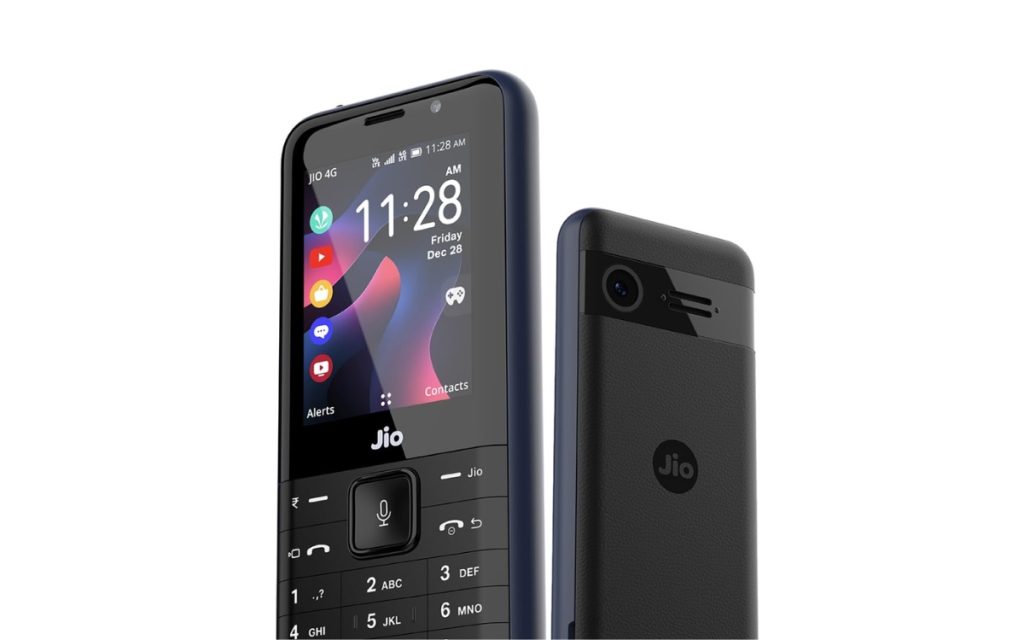
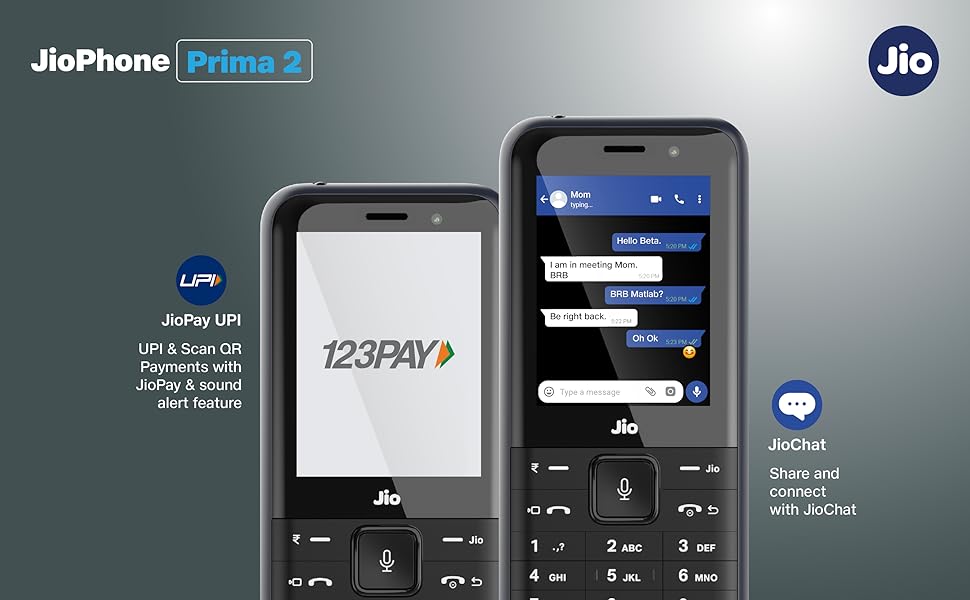
Reliance Jio has introduced its latest budget-friendly 4G feature phone, the JioPhone Prima 2. Succeeding the JioPhone Prima 4G launched in 2023, the Prima 2 brings several enhancements, including an updated curved design and a larger battery, while maintaining its affordable price point.
This new release is set to cater to users who want the benefits of 4G connectivity and essential smartphone features in a compact, easy-to-use device.
The JioPhone Prima 2 comes with a 2.4-inch QVGA curved display with a resolution of 320 x 240 pixels, providing a basic but functional screen for daily use.
Powering the device is an unspecified Qualcomm SoC, which, paired with 512MB of RAM and 4GB of internal storage, ensures smooth performance for basic tasks. Users can also expand the storage up to 128GB via a microSD card, allowing for more space for apps and media.
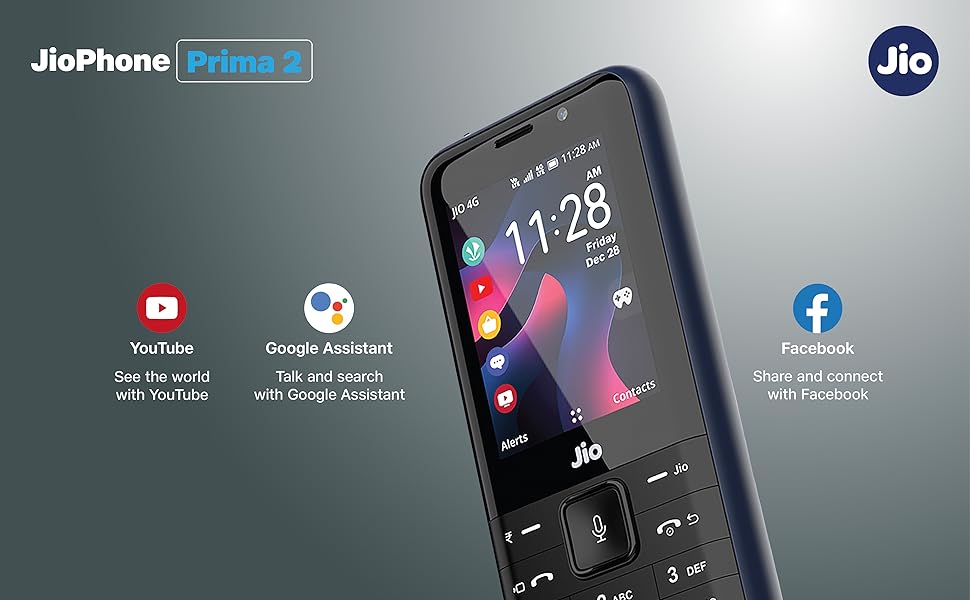
The phone runs on KaiOS 2.5.3, offering access to a range of apps like YouTube, Facebook, and Google Assistant, along with Jio’s own suite of apps, such as JioTV, JioCinema, and JioSaavn for entertainment.
For connectivity, the Prima 2 supports 4G VoLTE, Bluetooth 5.0, and a USB 2.0 port. The phone also has an FM Radio and a 3.5mm audio jack for wired headphones. The Prima 2 measures 123.4 x 55.5 x 15.1mm and weighs 120g.
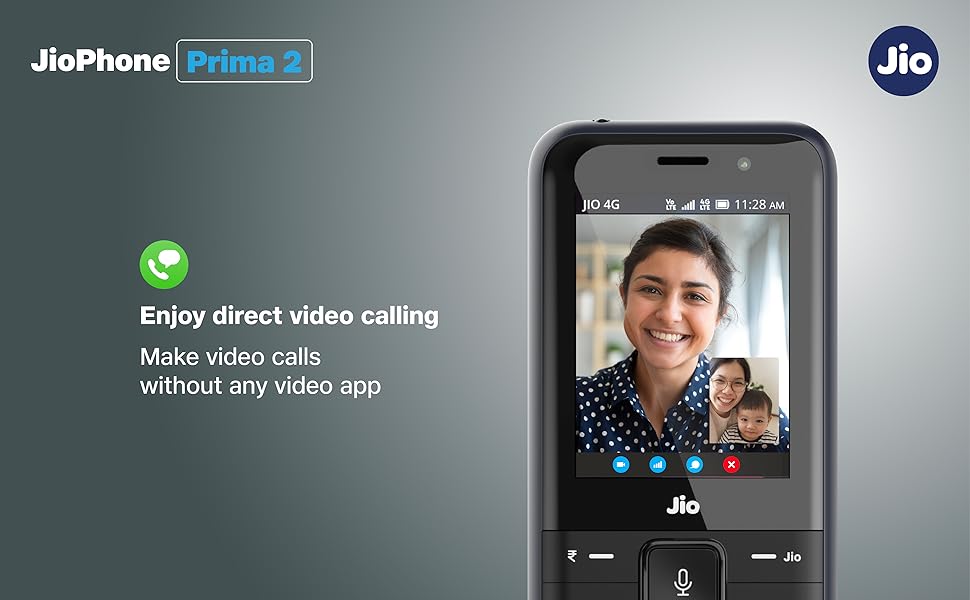
In terms of cameras, the Prima 2 features a rear camera as well as a 0.3MP (VGA) front camera, which can be used for direct video calling without needing a third-party app. The phone also comes with an LED torch.
2. Special Features
The JioPhone Prima 2 is more than just a basic feature phone. It comes equipped with JioPay, enabling users to scan QR codes and make UPI payments directly from their phone. This functionality is particularly useful for users who rely on cashless payments in their daily lives.
Additionally, the Prima 2 supports 23 different Indian languages, making it a versatile option for users across the country. The phone is designed with accessibility in mind, featuring a leather-like finish on the back for a premium feel and a sound alert feature for added convenience.
With its 2,000mAh battery, the Prima 2 offers extended usage time compared to its predecessor, making it a reliable choice for users on the go. The battery is also replaceable, adding to the phone’s longevity.
3. Pricing & Availability
The JioPhone Prima 2 is priced at Rs. 2,799 and is available in a Luxe Blue color variant. It can be purchased through Amazon and is expected to be available soon on JioMart, Reliance Digital, and other major retailers.
Reliance Jio also offers exclusive recharge plans for JioPhone users, starting at Rs. 91 for 28 days, offering 100MB of data per day with unlimited calling. For heavier data users, there are plans such as the Rs. 152 and Rs. 895 annual plans, providing more data and longer validity.
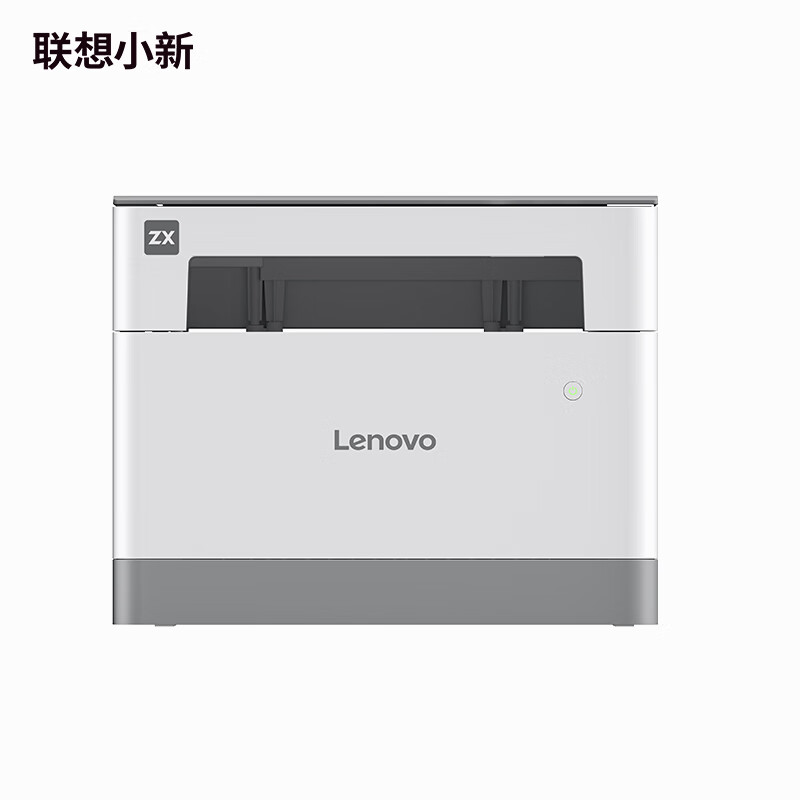
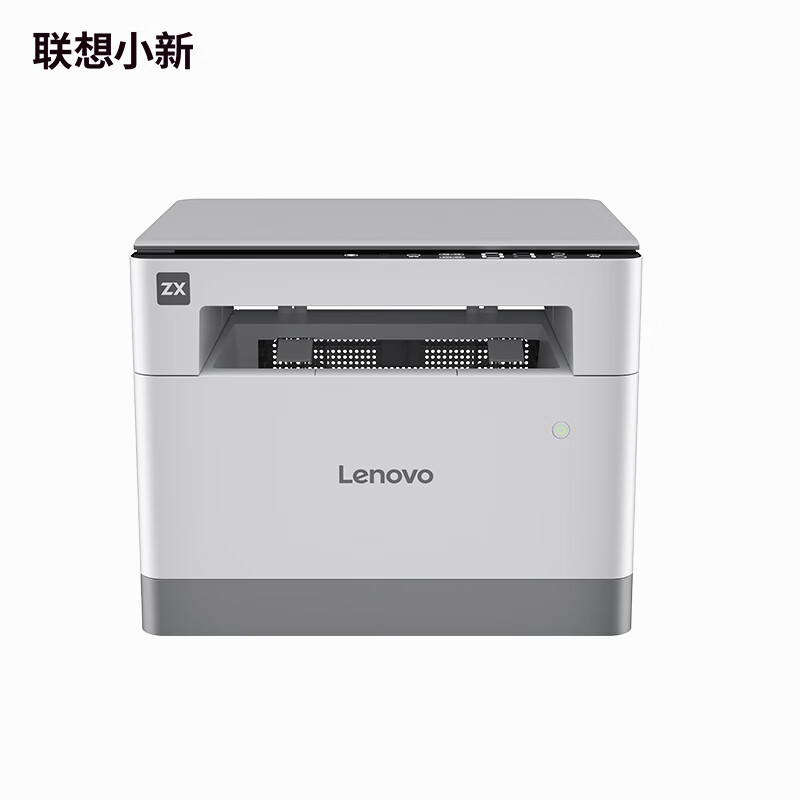
Lenovo has launched its new Xiaoxin Elephant Black and White Laser Printer in the Chinese market, designed for efficient home and office use. The printer is now available for purchase on JD.com for 1299 yuan ($182). Let’s check out its key specs.
The printer supports black and white printing along with scanning and copying capabilities, with a printing speed of up to 26 pages per minute. It features automatic double-sided printing, eliminating the need for manual page flipping.
Additionally, the device enables direct printing from WeChat chat files, making it a convenient option for users needing quick access to print documents.
In terms of consumables, the Xiaoxin Elephant printer uses a separate drum and toner system, which helps reduce material costs. The toner, priced at 99 yuan ($14), can print approximately 1,500 A4 pages, while the drum is available at 249 yuan ($35).
The initial toner cartridge that comes with the printer can print around 1,000 pages. For regular usage, the cost per printed page is estimated to be around 0.06 Yuan, offering a cost-effective solution for those requiring frequent printing.
For connectivity, the printer supports 2.4GHz Wi-Fi, Bluetooth pairing, USB wired connections, and compatibility with both PC/Mac and smartphones or tablets through the Smart Home app. It is designed to handle up to 100 users, making it suitable for families or small offices with multiple devices.
Lenovo also offers on-site repair and replacement services in over 100 cities. Customers outside these areas will need to send the device for repair under the warranty.
Apple’s latest generation of iPhones was just unveiled with the iPhone 16 Pro and iPhone 16 Pro Max featuring its flagship A18 Pro chipset. This is the brand’s latest and greatest mobile processor, but how would it compare with Qualcomm’s upcoming Snapdragon 8 Gen 4? Let’s find out.
Keep in mind that this quick comparison is based on rumors and reports regarding the Snapdragon 8 Gen 4, which has yet to be released.
1. Snapdragon 8 Gen 4 vs Apple A18 Pro: Specifications
The Apple iPhone 16 Pro models were launched with the A18 Pro chipset. This processor was developed on TSMC’s 3nmm process with a 6 core CPU (2 x 4.05GHz + 4 x 2.2GHz), a 6 core GPU, and a 16 core Neural Engine that is capable of 35 trillion operations per second. The 6 core graphics unit has a 1.45GHz clock frequency with support for hardware accelerated Ray Tracing.
Meanwhile, Qualcomm’s Snapdragon 8 Gen 4 is also rumored to be based on the 3nm process from TSMC. Similar to the A18 Pro, it also has two prime cores but with a higher 4.37GHz clock speed (previously expected to be 4.09GHz) and six efficiency cores clocked at 2.78GHz. This processor is rumored to be coupled with the Adreno 830 GPU, which may have a 1.25GHz clock frequency and Ray Tracing support.
2. Benchmark: How do they compare?
So now that we know what each of these are packing, let’s see how they compare. The Snapdragon 8 Gen 4 recently surfaced on GeekBench, which is a popular benchmarking platform. It achieved a score of 2884 points in the single core test and 8840 points in the multi core test. It is worth noting that the score was for the Snapdragon 8 Gen 4, which was running at a 4.09GHz clock speed and not 4.37GHz.
On the other hand, Apple’s A18 Pro received around 3,500 points in the single core test in GeekBench and 8,200 points in the multi core test. So it seems like Qualcomm is nearing Apple in terms of single core performance. The Snapdragon 8 Gen 4 likely won’t outperform the A18 Pro in single core, but it might be closer in performance than the previous generation. Qualcomm is set to launch its flagship chipset next month, so stick around for more updates.
Noise has launched a new TWS earphone in India. The latest audio device from the homegrown brand is called the Noise Buds Verve 2. It is an affordable offering that is priced under Rs 1,500 and comes with a long-lasting battery life, and more features. It competes against the likes of the Realme Buds T110, Redmi Buds 5A, and more in the market. Let’s find out what the Noise Buds Verve 2 has in store for us.
Noise Buds Verve 2 specs
The Noise Buds Verve 2 features a dual-tone design. The stem has a glossy finish whereas the earbuds have a matte texture. There are also silicone ear tips for a comfortable fit. The earphones are IPX5-rated water-resistant.
In terms of audio, the Noise Buds Verve 2 are equipped with 13mm drivers for powerful and clear audio. They feature quad microphones with environmental noise cancellation. This helps in clear quality on calls. The audio device also comes with a 50ms low latency mode for gaming.
The Noise Buds Verve 2 is claimed to be backed by 50 hours of battery life with the pebble-shaped storage case. The case also has a dual-tone design just like the earbuds. The TWS earphones come with Bluetooth 5.3 connectivity and HyperSync technology.
Please Note: When you buy something using the links in our articles, we may earn a small commission at no cost to you.
The Noise Buds Verve 2 carries a price tag of Rs 1,299. It can be purchased from Amazon and the brand’s website starting today in Black, White, Blue, and Green color options.
After teasers, Huawei has officially launched the Mate XT Ultimate Design, as the world’s first commercially available phone with a tri-folding display. Let’s unpack what this ambitious device has to offer.
Huawei Mate XT Ultimate Design Specifications
The Mate XT sports a chameleon-like screen that transforms depending on your needs. Closed, it’s a fairly standard 6.4-inch FHD+ phone. Unfold it halfway, and you’ve got a larger 7.9-inch 2K screen, ideal for watching videos or catching up on emails. But the real magic happens when you fully unfurl the beast: a tablet-sized 10.2-inch 3K display unfurls for a desktop-like experience.
The phone’s thickness when fully open is just 3.6mm while it measures 12.8mm thick when folded. That’s just slightly thicker than the Z Fold 6’s 12.1mm body.
Additionally, Huawei claims a 25% increase in bend resistance compared to other foldables, but real-world testing will be crucial to see if the tri-fold design holds up to daily wear and tear.
Huawei hasn’t revealed the processor yet, but according to rumors, it could be the Kirin 9000 chip we’ve seen on the Pura 70 series.
The camera system is a capable one. It features a 50MP main sensor with a variable aperture (f/1.4 to f/4.0) paired with a 12MP ultrawide and 12MP periscope telephoto that completes the rear setup. An 8MP front-facing camera handles selfies and video calls.
Despite a complex hinge design and the whole tri-fold structure, Huawei has managed to squeeze in a fairly large batter in the Mate XT. It’s a 5600mAh silicon carbon battery, is claimed to be the world’s thinnest, and supports 66W wired fast charging and 50W wireless.
Alongside the tri-fold, Huawei introduced a foldable touch keyboard that pairs with the Mate XT for a desktop-like experience. It can be a useful accessory for productivity enthusiasts.
Price and Availability
The Huawei Mate XT Ultimate Design is available in Black and Red, with the 16GB+256GB model priced at 1,99,99 yuan (approximately USD 2808 / Rs. 2,35,910).
The higher-tier 16GB+512GB version costs 2,19,99 yuan (approximately USD 3089 / Rs. 2,59,500), and the top-end 16GB+1TB model is priced at 2,39,99 yuan (approximately USD 3370 / Rs. 2,83,095). It is already available for pre-order, with sales starting in China on September 20th.
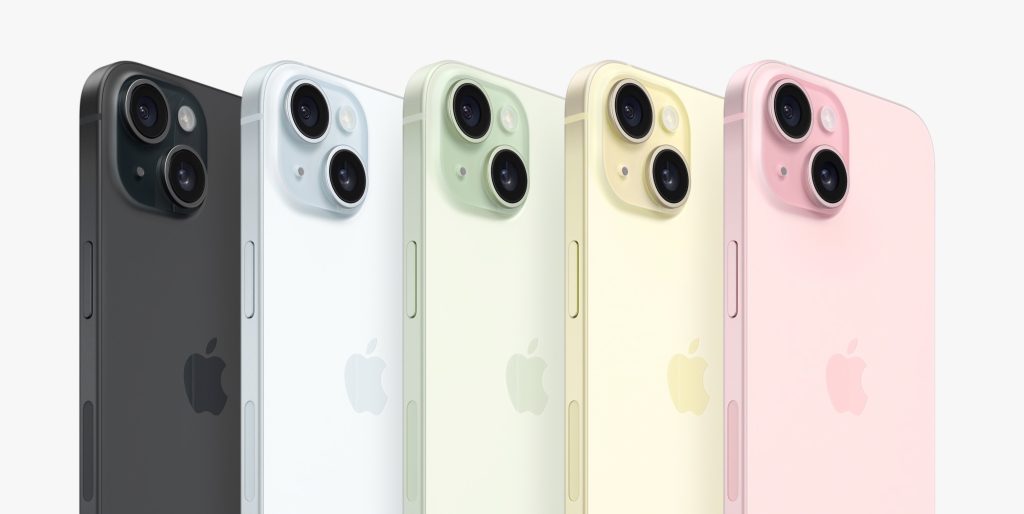
Back in August, we answered the question about whether you should buy the iPhone 15 after the iPhone 16 series was announced. The answer was yes, the newer iPhones bring official price cuts for the base variants and third party sales for the Pro models. Now, Apple has officially rolled out discounts for four iPhones, making them more affordable. So let’s check it out.
It is worth noting that these are official price cuts, so e-retailers might have different pricing.
Apple’s iPhone 15 was launched in India, and the starting price tag was 79,900 INR for the 128GB model. But now, it is officially listed for 69,900 INR. Similarly, the 256GB and 512GB were originally announced for 89,900 INR and 109,900 INR, but can now be purchased for just 79,900 INR and 99,900 INR respectively. So overall, there is a flat 10,000 INR discount on all three storage configurations.
Please Note: When you buy something using the links in our articles, we may earn a small commission at no cost to you.
2. iPhone 15 Plus
Similarly, the iPhone 15 Plus is also getting a flat 10,000 INR discount on all three storage variants. It now starts from 79,900 INR instead of 89,900 INR for the 128GB model. The 256GB and 512GB also got their prices slashed to 89,900 INR and 109,900 INR respectively.
Please Note: When you buy something using the links in our articles, we may earn a small commission at no cost to you.
3. iPhone 14
Moving to the now 2 year old iPhone 14 series, buyers can avail an even higher discount. The base variant with 128GB is now listed for 59,900 INR, marking a 20,000 INR price cut from its original 79,900 INR launch price. Its 256GB variant can be purchased for 69,900 INR, while the 512GB version can be purchased for 89,900 INR.
Please Note: When you buy something using the links in our articles, we may earn a small commission at no cost to you.
4. iPhone 14 Plus
The last on the list is the iPhone 14 Plus. Just like its smaller sibling, Apple is offering a 20,000 INR discount on its three storage options. So the 2022 iPhone model now costs 69,900 INR, 79,900 INR, and 99,900 INR. The Plus models are the better deals here thanks to the larger screen and longer battery life.
Realme has just announced the Indian launch date for its upcoming budget tablet. The company’s new tablet is dubbed the Realme Pad 2 Lite. In a fresh teaser, we finally have the launch date for the tablet and even get a first look at its design. So here’s everything you need to know.
The teaser confirmed that the Realme Pad 2 Lite is set to be released in India on 13th September 2024. This tablet is set to launch alongside the Realme P2 Pro, which is a new smartphone model. Despite being a budget tablet, the Realme Pad 2 Lite packs some capable hardware. The teaser also revealed some of its key specs and features.
2. Realme Pad 2 Lite: Specs and Features
The upcoming tablet is set to drop in India with a tall display that offers a 90Hz refresh rate and 2K resolution (1920 x 1200 pixels). This panel is an Eye Comfort display that has a max brightness of up to 450 nits. A massive 8,300mAh battery pack powers this device. Under the hood, it is equipped with the MediaTek Helio G99 SoC. coupled with 8GB of RAM (up to 16GB via virtual RAM Expansion).
Out of the box, the Realme Pad 2 Lite will run on the Android 14 OS based Realme UI 5.0 custom skin. Both the design and specs hint at the Realme Pad 2 Lite being quite similar to the Realme Pad 2 but with some cutdown specs. The new Lite variant is also expected to launch with 15W wired fast charging. For optics, it will reportedly feature an 8-megapixel camera on the back and a 5-megapixel selfie shooter. There is also a quad stereo speaker setup for an enhanced audio experience.
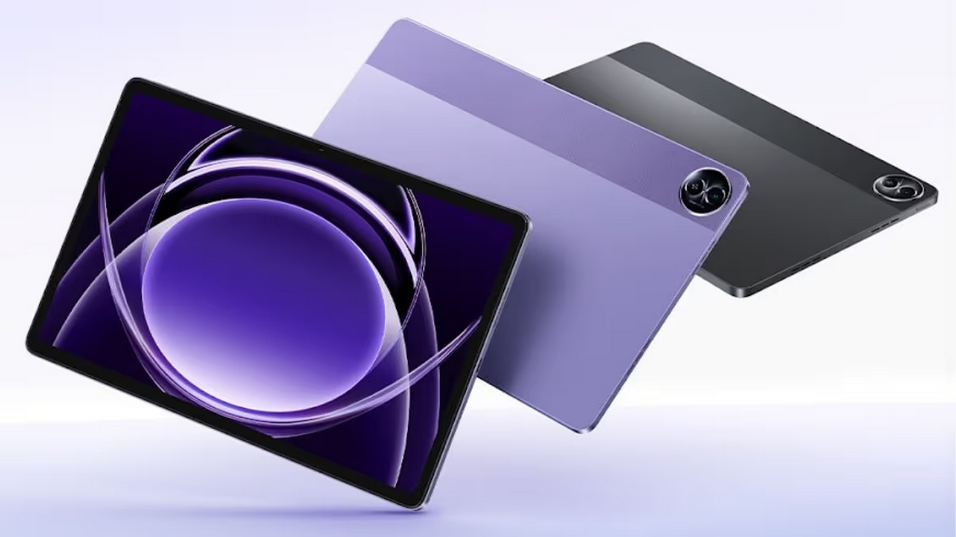
Xiaomi Pad 7 series of flagship tablets is said to be in the works for the Chinese market. Initially, the lineup is expected to include two models, namely the Xiaomi Pad 7 and the Pad 7 Pro. It appears that the new tablets may debut alongside the Xiaomi 15 series in the coming month (October), as both models have received approval from the 3C authority in China.
Xiaomi Pad 7 series 3C certified
Xiaomi Pad 7 series tablets 3C certified
Two new Xiaomi tablets, identified by model numbers “2410CRP4CC” and “24091RPADC,” have recently passed 3C certification in China, indicating their imminent release. As per the 3C certification, the 2410CRP4CC and 24091RPADC tablets will support 45W and 67W wired charging, respectively. According to leaks, the Xiaomi Pad 7 Pro is anticipated to feature a 67W charging capability, while the standard Pad 7 will support 45W charging.
Both tablets are expected to be powered by high-performance Qualcomm processors: the Xiaomi Pad 7 is likely to come with the Snapdragon 8 Gen 2, while the Pad 7 Pro will be equipped with the Snapdragon 8 Gen 3. Both devices may sport an 11-inch 3K LCD display with a 144Hz refresh rate.
There is also speculation that the Pad 7 Pro might be Xiaomi’s first tablet to feature an OLED screen, which would enhance display quality but could increase production costs and the final retail price. The Pad 7 series is set to debut with HyperOS 2.0, based on Android 15. Additionally, the tablets are expected to come with a substantial 10,000mAh battery.
The Pad 7 series tablets are likely to be compatible with the Xiaomi SU7 car. This functionality includes rear-seat control and entertainment options, such as adjusting the passenger seat, air conditioning, and navigating routes, making it an advanced tool for in-car use.
Xiaomi is expected to launch the Xiaomi 15 series in the fourth week of October in China. It is likely that the Pad 7 series and a few other ecosystem products may also debut along with the Xiaomi 15 and 15 Pro.
Redmi is reportedly working on the Redmi Note 14 series for China. Given that Redmi announced the Note 13 series in September last year and the new Note 14 models have received 3C certification, it appears that the Note 14 series will launch in the second half of this month. At present, Redmi General Manager, Wang Teng Thomas is gradually teasing the arrival of the next-generation Note-series phones. His recent Weibo posts shed information on the improvements that are expected to arrive on the Note 14 lineup.
Wang Teng Thomas hints at an IP68 rating for Redmi Note 14 series
In the above Weibo post, Thomas confirmed that the new Redmi Note models will continue to have an IP68 rating. To recall, last year’s Redmi Note 13 Pro+ came with an IP68-rated chassis, whereas the Note 13 Pro and Note 13 were made available with an IP54 rating. The top-tier Note 14 Pro+ will likely feature an IP68-rated chassis, but it’s unclear if the Note 14 Pro will share the same IP rating.
Wang Teng Thomas hints that Redmi Note 14 series will have improved drop resistance and battery life
In a newer Weibo post, Thomas claimed that like the new iPhone 16 series, the upcoming Note models will have improvements in departments like durability and battery life. To recall, the Note 13 Pro featured a 5,100mAh battery with 67W charging support, whereas the 13 Pro+ came with a slightly smaller 5,000mAh battery with 120W charging. There’s a possibility that the brand may offer larger batteries on the Note 14 Pro and Note 14 Pro+ models.
As per recent reports, the Note 14 Pro and Note 14 Pro+ will have a 1.5K 120Hz OLED display with curved edges and a 50-megapixel triple camera unit on the back. While the Pro model may feature the newly unveiled Snapdragon 7s Gen 3 chip, the Pro+ may come equipped with the Dimensity 7350 SoC. One of these models may arrive with support for 90W rapid charging.
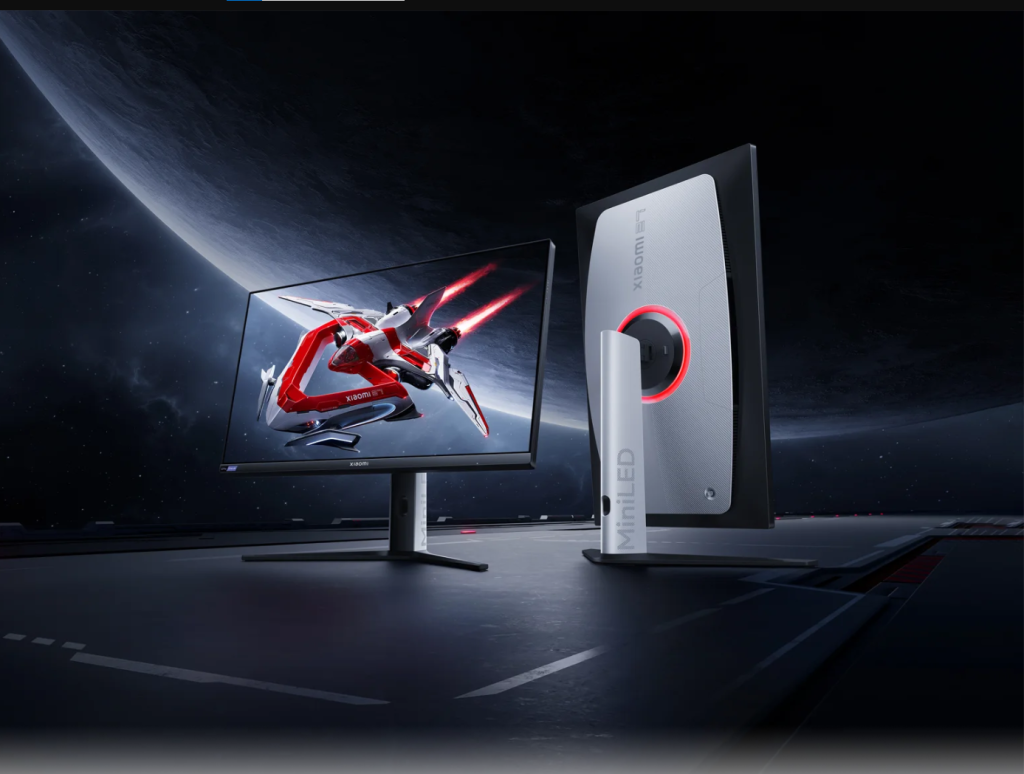
Xiaomi has finally unveiled its first Mini LED gaming monitor for the international market. The aptly named Mini LED Gaming Monitor G Pro 27i arrives a little over four months after a brief appearance on the company’s global website. However, its roots trace back further, having debuted earlier this year in China as the Redmi Display G Pro 27.
Xiaomi Mini LED Gaming Monitor G Pro 27i Specifications
The G Pro 27i boasts a familiar spec sheet for high-performance gaming displays. Users can expect a 27-inch IPS panel with a QHD (2560 x 1440) resolution stretched across a 16:9 aspect ratio.
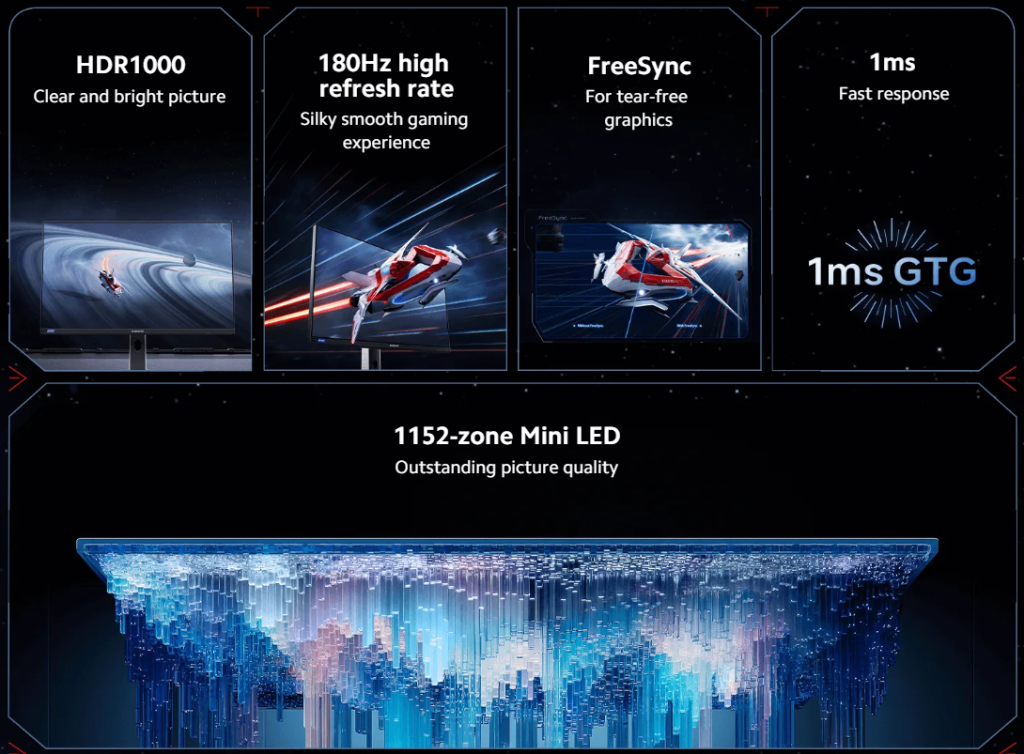
The refresh rate clocks in at a smooth 180Hz, while a 1ms (GtG) response time, coupled with AMD FreeSync support, aims to minimize ghosting and screen tearing during intense gameplay.
Where the G Pro 27i separates itself from the pack is with its Mini LED backlight technology. This translates to 1152 local dimming zones, enabling the monitor to achieve a peak HDR brightness of 1,000 nits and VESA DisplayHDR 1000 certification. It promises deeper blacks, brighter highlights, and a more immersive viewing experience for HDR content.
Color accuracy is another selling point. The G Pro 27i comes factory-calibrated to a ΔE<2 rating, indicating minimal color deviation. It also boasts impressive color gamut coverage, reaching 97% Adobe RGB, 99% DCI-P3, and 100% sRGB.
For connectivity, the monitor offers an adjustable stand and supports 75 x 75 mm VESA mounts for added flexibility. In terms of inputs, it features a pair of DisplayPort 1.4 ports and two HDMI 2.0 ports.
Price and Availability
The Mini LED Gaming Monitor G Pro 27i is now available through major retailers like Amazon and Walmart, carrying a price tag of $329.99.
When comparing the latest foldable devices from Honor and Xiaomi, namely the Honor Magic V3 and Xiaomi Mix Fold 4, both stand out as innovative pieces of technology that push the boundaries of what foldable phones can achieve. While they share many similarities, such as high-end specifications and cutting-edge features, there are key differences that might sway consumers one way or the other.
Let’s dive into a detailed comparison, examining their designs, displays, performance, cameras, battery, and pricing to help you decide which one could be the better choice.
Both the Honor Magic V3 and Xiaomi Mix Fold 4 have managed to reduce the bulk that typically comes with foldable phones. The Honor Magic V3 measures 9.2mm (leather version) and 9.3mm (glass version) in thickness when folded, while the Xiaomi Mix Fold 4 is 9.47mm thick when folded. When unfolded, the Xiaomi device measures just 4.59mm, making it slightly thinner than the 4.35-4.4mm thickness of the Honor Magic V3.
In terms of weight, the Honor Magic V3 weighs 226 grams (230 grams for the glass version), and the Xiaomi Mix Fold 4 is in a similar range at 226 grams (228 grams for the fiber edition).
Both companies have prioritized making their foldables lighter, with Xiaomi using carbon fiber materials for added durability and weight reduction, while Honor features a 7-series aluminum alloy frame for strength. Both devices also have an IPX8 water resistance rating for added durability in wet conditions.
2. Display
Both foldable devices are equipped with advanced display technologies that are tailored for premium viewing experiences, but the approaches differ slightly. The Honor Magic V3 comes with a 7.92-inch FHD+ OLED main display (2344 x 2156 pixels) with up to 5000 nits of peak brightness, Dolby Vision support, and a 120Hz adaptive refresh rate. The external screen measures 6.43 inches, with the same refresh rate and brightness specs, making the Honor Magic V3 a powerhouse for both internal and external viewing.
In comparison, the Xiaomi Mix Fold 4 features a larger 7.98-inch 2K+ Samsung E7 LTPO panel on the inside, with a 1-120Hz adaptive refresh rate and up to 3000 nits of peak brightness. The outer screen is 6.56 inches and uses TCL C8+ technology with a 120Hz refresh rate as well. Xiaomi’s Pol-less Plus technology for the inner display also enhances brightness and color accuracy while reducing power consumption, ensuring an optimal experience whether the phone is unfolded or folded.
Honor’s focus on reducing eye strain with 4,320Hz PWM dimming and TÜV Rheinland certification may appeal to users who prioritize eye protection, while Xiaomi’s Dolby Vision and HDR10+ support make the Mix Fold 4 a great choice for media consumption, offering crisp visuals and impressive brightness.
3. Performance and Hardware
Both devices are powered by the latest Snapdragon 8 Gen 3 chipset, making them extremely powerful and capable of handling demanding tasks such as multitasking, gaming, and productivity apps. However, the cooling systems differ between the two devices.
Honor incorporates the Honor Cicada Wing Pure Titanium Cooling VC, which is designed for efficient thermal management, while Xiaomi uses a more advanced 3D cooling system with a large 11,912mm² vapor chamber to ensure sustained performance during intensive tasks like gaming.
In terms of memory and storage, both phones offer configurations of 12GB or 16GB of LPDDR5X RAM and 256GB, 512GB, or 1TB of UFS 4.0 storage. This ensures smooth operation and plenty of storage space for apps, games, and media files.
4. Camera
When it comes to camera systems, the Honor Magic V3 focuses on versatility with its triple camera setup on the rear, including a 50MP main sensor, a 50MP periscope telephoto lens with 3.5x optical zoom (100x digital zoom), and a 40MP ultrawide camera. For selfies, Honor includes a 20MP front camera on both the internal and external displays, along with AI image beautification enhancements.
The Xiaomi Mix Fold 4, meanwhile, partners with Leica to offer a 50MP primary sensor, a 12MP ultra-wide camera, and a 50MP telephoto lens with 2x optical zoom and macro capabilities. It also features a 10MP Samsung S5K3K1 periscope lens with 5x optical zoom for long-distance shots. The Leica partnership emphasizes color accuracy and detail retention, particularly in high-contrast scenarios, making the Xiaomi Mix Fold 4 a top contender for those who care about photography.
Both phones offer 4K video recording and advanced AI features, but Xiaomi’s Leica Summilux lens and specialized telephoto lenses give it an edge for those who want the best photography experience.
5. Battery and Charging
Battery life is another crucial factor in foldable phones, and both Honor and Xiaomi have made strides to ensure their devices are capable of all-day usage. The Honor Magic V3 packs a 5,150mAh battery with support for 66W wired SuperCharge and 50W wireless charging.
This is comparable to the 5,100mAh silicon-carbon battery in the Xiaomi Mix Fold 4, which supports 67W wired charging and 50W wireless charging. Both phones can reach a full charge relatively quickly, but the Xiaomi Mix Fold 4 has an advantage in wired charging speed, promising a full charge in just 52 minutes.
6. Software
On the software front, both foldables run on Android 14 with their own custom skins. The Honor Magic V3 runs on MagicOS 8.0.1, while Xiaomi debuts its HyperOS AI. Each OS provides a user-friendly experience with a focus on multitasking and foldable-specific features such as multi-window support and seamless app transitions between the internal and external displays.
Xiaomi’s “Travel Assistant” feature and two-way satellite communication add extra utility for frequent travelers, while Honor’s focus on AI defocus eye protection might appeal to users concerned about their vision during prolonged usage.
7. Pricing and Availability
The Honor Magic V3 and Xiaomi Mix Fold 4 are similarly priced, starting at 8,999 yuan ($1,264) for the base models. Both offer higher-end versions with 16GB RAM and 1TB storage, priced at 10,999 yuan ($1,546).
8. Conclusion
The Honor Magic V3 and Xiaomi Mix Fold 4 both stand out as premium foldable phones that cater to different user needs. The Honor Magic V3 shines with its eye-friendly displays, water resistance, and powerful camera setup, while Xiaomi’s Mix Fold 4 brings Leica-backed camera performance, carbon fiber durability, and a slightly better charging solution.
Ultimately, the choice between the two will depend on what features matter most to you.
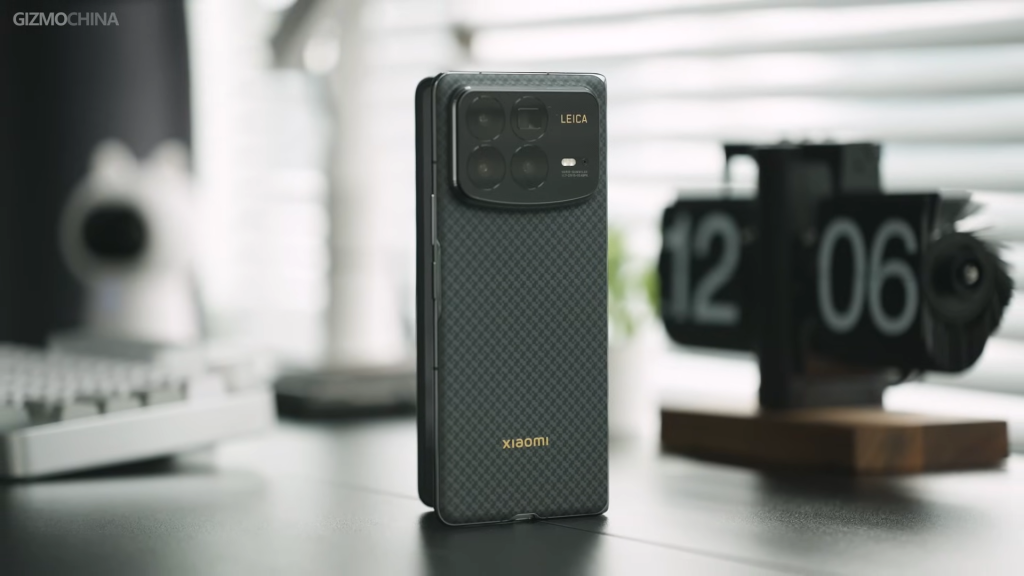
Realme has recently launched the Realme 13 Pro series of smartphones in both India and China. Additionally, the brand has introduced several other models in India, including the Realme 13, Realme 13+, and Narzo 70 Turbo 5G. Later this week, the country is also set to receive another mid-range device, the Realme P2 Pro. As per recent reports, Realme is working on its next-generation flagship phone, the Realme GT 7 Pro. Recent social media posts by Xu Qi Chase, Realme’s Vice President and President of Global Marketing, have revealed key details about this upcoming flagship device.
Realme GT 7 Pro launching earlier than the Realme GT 5 Pro
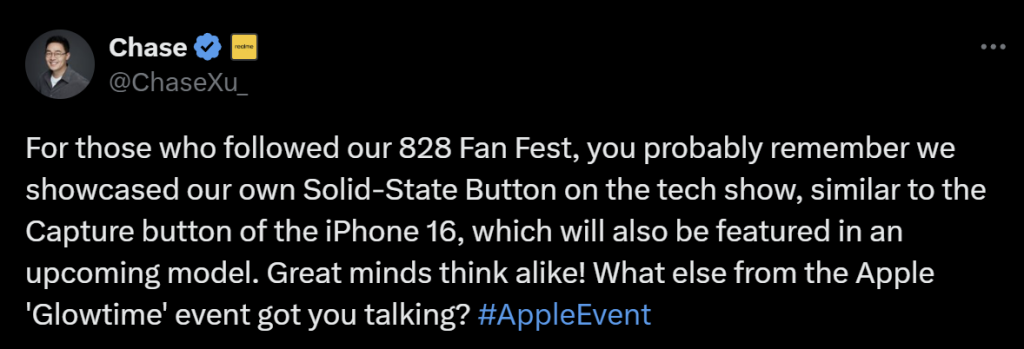
Realme to add a solid-state button on its upcoming phone
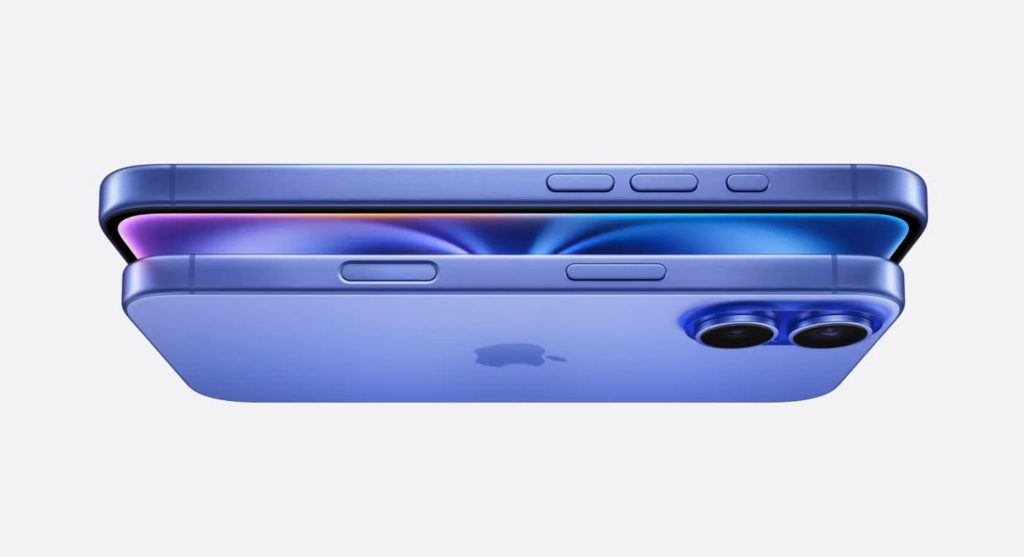
Apple has recently launched the iPhone 16 series, with one of the major upgrades being the inclusion of the new Camera Control button. It is a versatile solid-state pressure-sensitive button that can autofocus with a light press, capture with a harder press, and slide from left to right to zoom in or zoom out.
It was reported last month that Oppo’s upcoming Find X8 series could also be equipped with a similar pressure-sensitive button. In the latest X post, Xu Qi claimed that the company’s upcoming phone will have a solid-state button, which is similar to the Capture (Camera Control) button available on the new iPhones. While he did not explicitly reveal the phone’s name, the company would likely like to receive such a flagship feature for its next flagship phone, the GT 7 Pro.
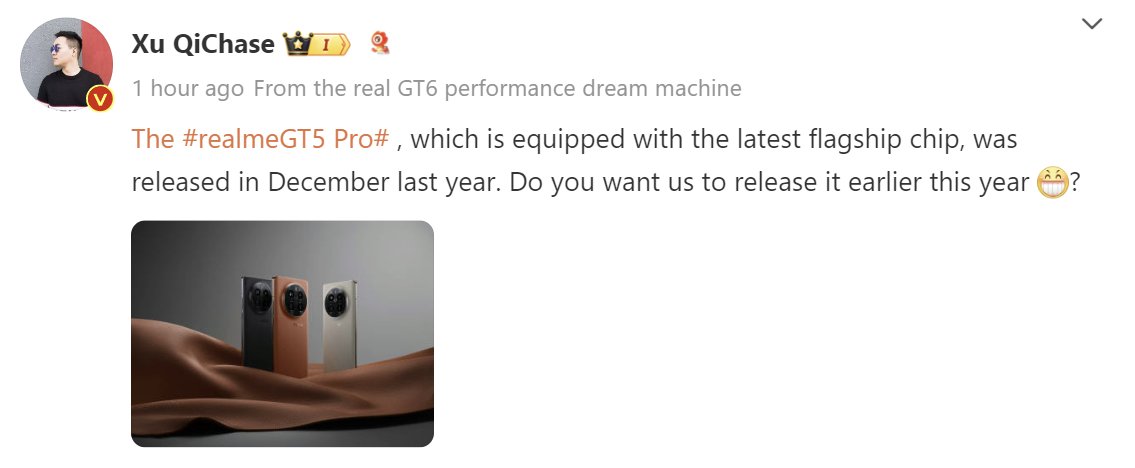
Xu Qi’s recent Weibo post has also revealed when to expect the GT 7 Pro’s arrival. He hinted that the Realme GT 7 Pro will launch earlier than its predecessor, the Realme GT 5 Pro, which made its announcement in December 2023. This indicates that the brand may unveil the GT 7 Pro in November in China.
iPhone 16 series with Camera Control control button
In a previous X (formerly Twitter) post, he confirmed that the company will be launching the GT 7 Pro in India this year. With the November launch likely for the Chinese market, it seems that the GT 7 Pro may debut globally in December. Realme reportedly plans to introduce the GT 7 Pro as the world’s first Snapdragon 8 Gen 4 phone.
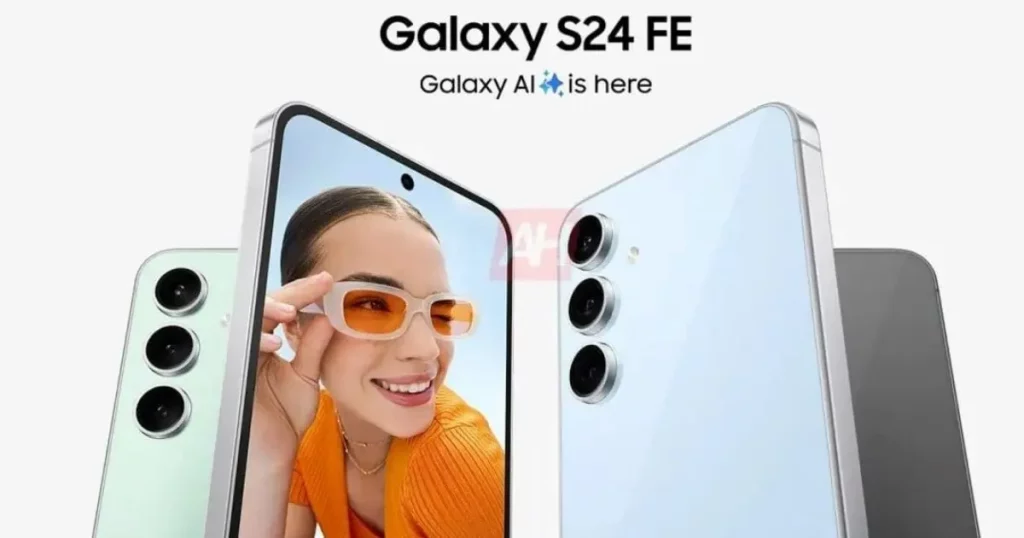
The Galaxy S24 FE has been a constant murmur in the rumor mill, and for good reason. Samsung‘s “Fan Edition” phones typically provide a more affordable way to access flagship features. However, a recent leak suggests this year’s model may not be as budget-friendly.
According to WinFuture, the S24 FE could see a price increase of €100 ($100) compared to its predecessor. This would push the starting price to $699, up from the S23 FE’s $599 launch tag.
Despite the price increase, the leak suggests that there won’t be any upgrade in RAM or storage — the base model will still come with 8GB of RAM and 128GB of storage. Let’s see what $600 might get you.
Samsung Galaxy S24 FE Specifications
The S24 FE is rumored to boast a larger display – a 6.7-inch panel compared to the S23 FE’s 6.4-inch. This would be the biggest display ever seen on a Galaxy Fan Edition phone, nearing the size of the flagship S24 Ultra.
Under the hood, the S24 FE is expected to pack either the Snapdragon 8 Gen 3 or the Exynos 2400 – the same chips powering the flagship S24 lineup.
However, there might be a slight caveat. WinFuture suggests the Exynos version (common in Europe and other regions) could have a clock speed 100MHz lower than the one found in the regular S24 series. The same could potentially apply to the Snapdragon variant in the US. Basically, you might get a slightly detuned version of the flagship chip.
The leak suggests the camera setup might remain the same as the S23 FE. So, if you were hoping for a major camera upgrade to justify the price hike, you might be disappointed.
The rumored price hike for the Galaxy S24 FE isn’t exactly exciting news, especially considering the lack of any major upgrades. A $100 increase without improvements in RAM or storage, the camera department, feels hard to justify.
We use cookies on our website to give you the most relevant experience by remembering your preferences and repeat visits. By clicking “Accept”, you consent to the use of ALL the cookies.
This website uses cookies to improve your experience while you navigate through the website. Out of these, the cookies that are categorized as necessary are stored on your browser as they are essential for the working of basic functionalities of the website. We also use third-party cookies that help us analyze and understand how you use this website. These cookies will be stored in your browser only with your consent. You also have the option to opt-out of these cookies. But opting out of some of these cookies may affect your browsing experience.
Necessary cookies are absolutely essential for the website to function properly. This category only includes cookies that ensures basic functionalities and security features of the website. These cookies do not store any personal information.
Any cookies that may not be particularly necessary for the website to function and is used specifically to collect user personal data via analytics, ads, other embedded contents are termed as non-necessary cookies. It is mandatory to procure user consent prior to running these cookies on your website.