Advertisement

GC Daily: Galaxy S25 may come with MediaTek chip, Moto launches Apple Airtags alternative

Since yesterday, rumors have been swirling around the Galaxy S25 lineup, hinting at a potential three-chip strategy with MediaTek, Exynos, and Snapdragon options.

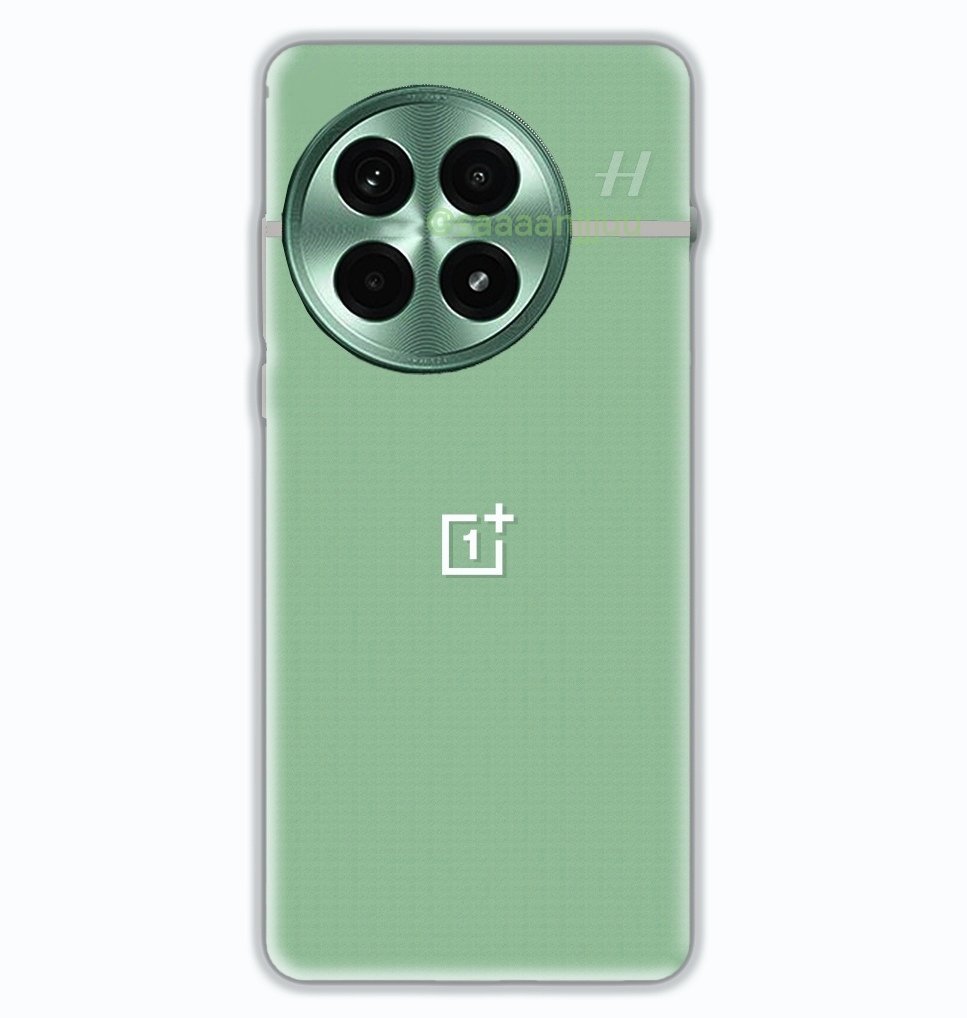
We also got a sneak peek at the stunning image samples from the OnePlus Ace 3 Pro, set to launch on June 27.

Finally, don’t miss out on amazing deals: save $200 on the Samsung Galaxy Tab S9+ and grab Bose QuietComfort II ANC earbuds for just $179.

All of this and more stories are below.


Galaxy S25 rumored to come with a flagship MediaTek processor

Exciting rumors swirl around the Galaxy S25 lineup, suggesting Samsung may introduce a three-chip strategy, potentially including a MediaTek Dimensity chip alongside Exynos and Snapdragon options. This bold move aims to balance power and prevent price hikes, with reports hinting at a possible 25-30% cost increase for the Snapdragon 8 Gen 4. While details remain speculative, the rumored strategy could reshape Samsung’s upcoming flagship release, set for early 2025.

Read more


Take a look at the image samples of the OnePlus Ace 3 Pro

Get a sneak peek at the OnePlus Ace 3 Pro, set to launch on June 27 with over 200,000 pre-orders. The image samples unveiled by Li Jie showcase enhanced image processing for stunning results, including landscapes, portraits, and optimized portrait mode.

Read more


Save $200 on Samsung Galaxy Tab S9+; Bose QuietComfort II ANC earbuds on sale at $179

Save big on the Samsung Galaxy Tab S9+ with a $200 discount and get Bose QuietComfort II ANC earbuds at just $179! These amazing deals on Samsung consumer electronics and premium earbuds are live now.

Read more


Honor unveils AI-powered Eye Protection and Deepfake Detection for smartphones

Honor wows at MWC Shanghai 2024 with cutting-edge on-device AI! Introducing AI Defocus Eye Protection and AI Deepfake Detection for user safety and empowerment. Say goodbye to eye strain with simulated defocus glasses and stay protected from online scams with lightning-fast deepfake detection.

Read more


🔥 More Top Stories You Might Have Missed

Is Motorola Razr 50 really better than Motorola Razr 40?

Motorola recently unveiled its latest foldable phone, the Razr 50, following the Razr 40 launched in June 2023. Both phones offer foldable displays and a taste of foldable innovation, but how do they stack up against each other? Let’s take a deep dive into their specifications and features to see which Razr might be the better choice for you.

Moto Razr 50 series

1. Display

The Razr 50 and Razr 40 share the same internal display size – a large 6.9-inch FHD+ pOLED panel. However, the Razr 50 takes a slight edge in peak brightness, reaching a whopping 2600 nits compared to the Razr 40’s 1400 nits. Both offer vibrant visuals with HDR 10+ support, but the Razr 50 might be a better choice for outdoor use under direct sunlight.

The bigger difference lies in the refresh rate. The Razr 50 boasts a 10-120Hz variable refresh rate, allowing for smoother scrolling and animations when needed, while the Razr 40 offers a fixed 144Hz refresh rate. The variable refresh rate on the Razr 50 can potentially help with battery life as well.

The external display is where things differ significantly. The Razr 50 features a larger 3.6-inch FHD+ pOLED display with a 90Hz refresh rate, making it more usable for tasks like checking notifications, replying to messages, or even taking quick photos. The Razr 40’s external display is a mere 1.47-inch AMOLED panel with a 60Hz refresh rate, limiting its functionality.

2. Performance

The Razr 50 takes a different approach under the hood, opting for the MediaTek Dimensity 7300X processor built on a 4nm process. The Razr 40, on the other hand, utilizes the Qualcomm Snapdragon 7 Gen 1 processor, also built on a 4nm process.

While benchmark scores are yet to be revealed for the Dimensity 7300X, the Snapdragon 7 Gen 1 is a capable mid-range processor. Both processors should be able to handle everyday tasks and even some light gaming. However, power users who prioritize performance might want to wait for benchmark results before making a decision.

Both phones are available with 8GB or 12GB of LPDDR4X RAM. However, the Razr 50 offers more storage options, starting at 256GB and going up to 512GB of UFS 2.2 storage for the top model. In comparison, the Razr 40 comes with 128GB or 256GB of UFS 2.2 storage.

3. Camera

The Razr 50 and Razr 40 share the same 32MP front-facing camera for selfies and video calls. However, the rear camera systems differ slightly.

The Razr 50 boasts a 50MP main sensor with OIS (Optical Image Stabilization) alongside a 13MP ultra-wide sensor. The Razr 40 steps down to a 64MP main sensor with OIS and a 13MP ultra-wide sensor. While the megapixel count might seem higher on the Razr 40, the larger sensor size on the Razr 50’s main camera could potentially lead to better low-light performance and image quality.

4. Battery and Charging

Both phones pack a 4200mAh battery, which is decent for a foldable phone. However, the Razr 50 boasts faster wired charging at 33W compared to the Razr 40’s 33W. The Razr 50 also offers 15W wireless charging, while the Razr 40 is limited to a measly 5W wireless charging speed.

5. Design and Durability

Both phones utilize a 6000 Series Aviation-grade Aluminum frame and boast an IPX8 water resistance rating, making them both highly durable and water-resistant. The Razr 50 comes in three color options: Moon Velvet Black, Elephant Gray, and Passion Orange. The Razr 40 offers Sage Green, Summer Lilac, and Vanilla Cream color choices.

The Razr 50 features a fifth-generation star track hinge, which Motorola claims is smaller, lighter, and more durable with a reduced crease. While the Razr 40’s hinge has undergone extensive testing, the newer hinge on the Razr 50 might offer a smoother folding experience in the long run.

6. Software

The Razr 50 comes pre-installed with Android 14, offering the latest features and security updates. The Razr 40 launched with Android 13 but should be upgradable to Android 14 eventually.

7. Pricing

The Razr 50 starts at 3699 yuan ($509) for the 8GB + 256GB model, while the Razr 40 was launched at 3999 yuan ($550) for the 8GB + 128GB model. The pricing of the Razr 50 makes it a more attractive option for budget-conscious buyers.

8. Conclusion

Both Motorola Razr phones offer foldable displays and a unique user experience. However, the Razr 50 emerges as the more future-proof option with its newer processor, larger and more functional cover display, brighter main screen, and the latest Android version.

iQOO Neo 9S Pro+ design revealed, specifications leaked before July launch

Finally, iQOO has revealed the upcoming iQOO Neo 9S Pro+. Although its launch date is yet to be confirmed, the company has released the below poster to showcase its dual-tone design. The upcoming Neo 9S Pro+ will feature a blue-white finish dubbed “Buff Blue,” in contrast to the red-white finish of the iQOO Neo 9 series, which debuted in December 2023.

iQOO Neo 9S Pro+ design

QOO Neo 9S Pro+
QOO Neo 9S Pro+

The overall design of the iQOO Neo 9S Pro+ is not different from the existing Neo 9 models. On the front, it has a flat screen, and its back panel has a dual-camera setup. It will arrive as an upgraded version of the Dimensity 9300-powered iQOO Neo 9 Pro, which has remained on the Chinese market since its launch.

As compared to the Neo 9 Pro, the Neo 9S Pro+ will arrive with three major upgrades, such as a new chip, a bigger battery, and a new fingerprint sensor. Tipster Digital Chat Station released a Weibo post today to leak the key specifications of the device.

iQOO Neo 9S Pro+ specifications (rumored)

According to DCS’ latest leak and other reports, the iQOO Neo 9S Pro+ will have a 6.78-inch OLED screen that will offer a 1.5K resolution, a 144Hz refresh rate, and an ultrasonic in-display fingerprint sensor. A dedicated graphics chip will power the screen for an enhanced gaming experience.

iQOO Neo 9S Pro Plus

The Neo 9S Pro+ will feature the Snapdragon 8 Gen 3 chipset, LPDDR5x RAM, and UFS 4.0 storage. The topmost variant of the device may offer 16 GB of RAM and 512 GB of storage. It will pack a 5,500mAh battery that supports 120W fast charging.

The Neo 9S Pro+ will have a plastic frame. Its back panel will feature a 50-megapixel main camera with OIS support and a 50-megapixel ultra-wide lens. For selfies, it will have a 16-megapixel front-facing camera. The device will run on OriginOS 4-based Android 14.

Save $200 on Samsung Galaxy Tab S9+; Bose QuietComfort II ANC earbuds on sale at $179

Massive discounts are already live on Samsung consumer electronics, including smartphones and wearables. We have already covered the Galaxy Tab S9 FE discounts, and how we can forget about the delightful deal on the Galaxy Watch 6. Interestingly, the deals bandwagon is now extending to the Galaxy Tab S9+ tablet in the US. It is available with a $200 discount via Amazon.

Furthermore, interested folks can grab the Bose QuietComfort Earbuds ANC earbuds at an all-time low price of $179. There’s also a worth-considering deal going on for the Motorola MA1 Wireless Android Auto Car Adapter. Let’s dive into more details for each deal:

Samsung 12.4-inch Galaxy Tab S9+

A powerful Samsung 12.4-inch Galaxy Tab S9+ is on sale for $800, consisting of a $200 discount. The 256GB variant is on sale, which usually retails for $1000. It is up for grabs on Amazon.

Grab Now

Bose QuietComfort II Earbuds

Bose QuietComfort II earbuds are available at an all-time low of $179 on Amazon. Featuring Active Noise Cancellation, the Bose QuietComfort Earbuds II offers premium sound quality with outstanding comfort. It offers up to six hours of battery life, and the ability to personalize the ANC and audio performance.

Grab Now

Motorola MA1 Wireless Android Auto Car Adapter

The Motorola MA1 Android Auto Car Adapter is now retailing for half the price of its usual retail price of $90. Interested buyers can grab it for $45 from Amazon. It was recently spotted at the price of $70, but the new $49.99 price is the new low for the Car Adapter.

Grab Now

Related:

Realme GT 6’s front design with flat display, metal frame officially confirmed

In July, Realme will announce the Realme GT 6’s Chinese variant. Earlier this month, the company announced the GT 6 for the global market. It came equipped with a curved-edge screen and a Snapdragon 8s Gen 3 chipset. The Chinese variant is expected to feature the more powerful Snapdragon 8 Gen 3 chipset and a flat display. Realme China President Xu Qi has released the below image to give a first look at the GT 6’s front design.

Realme GT 6 front design

Realme GT 6 front design-
Realme GT 6 front design

The above image shows that the Chinese variant of the Realme GT 6 features a flat screen with ultra-thin bezels on all sides. Additionally, a metal middle frame enhances the phone’s durability.

The company has yet to confirm the size and technical details of the GT 6’s screen. However, reports have revealed it is an OLED 8T LTPO panel that supports a 1.5K resolution, a 144Hz refresh rate, and up to 6,000 nits of peak brightness. It will be equipped with an optical on-screen fingerprint sensor.

Under the hood, the GT 6 may feature the Snapdragon 8 Gen 3 chipset. It may ship with up to 24 GB of LPDDR5x RAM and up to 1 TB of UFS 4.0 storage. Although its exact size remains unknown, it is rumored to house a large battery. However, it is expected to support 100W charging.

Realme GT 6 schematic
Realme GT 6 schematic by DCS

Shown above is a leaked schematic that was released by tipster Digital Chat Station earlier this week. It provides an overview of the phone’s rear design. The phone has a triple camera unit with an OIS-enabled 50-megapixel main camera. An 8-megapixel ultra-wide lens and a 2-megapixel macro camera are likely to join it.

Zeemr launches Z2 Mini 1080p projector with 650 ANSI lumens, AI features & more

Zeemr has launched its latest projector called the Z2 Mini in the Chinese market. The projector is priced at 1299 yuan ($178) and it is now up for pre-sale on JD.com. Let’s check out its key specs.

Zeemr Z2 Mini

Zeemr Z2 Mini Specifications:

The Z2 Mini comes with a brightness level of 650 ANSI lumens, a significant increase of 40% compared to the previous generation. This is achieved through a new VENUS fully enclosed optical engine with dual turbine cooling.

Zeemr claims this design improves cooling efficiency by 60%, reduces noise by 39%, and shrinks the projector’s size by 27% while achieving the higher brightness.

The Z2 Mini comes with a 3.5-inch BOE customized native 1080P resolution LCD screen and supports 90% DCI-P3 color gamut for a cinema-grade visual experience. The projector also supports 4K decoding and boasts features like AI global focus, AI global auto-correction, and AI automatic screen entry for a hassle-free user experience.

Zeemr Z2 Mini

Zeemr has also partnered with Danish audio brand Jamo to custom-tune the Z2 Mini’s sound system. The projector features dual 8W speakers with a built-in DSP amplifier chip for an immersive audio experience. The speaker can also double as a Bluetooth speaker when not in use.

In terms of connectivity, the Z2 Mini offers Wi-Fi for screen mirroring and connections like HDMI 2.0 (ARC), USB 2.0, and LAN for connecting various devices. The projector runs on an Android system and promises a smooth user experience with no startup ads.

Early adopters can enjoy several benefits including a one-year extended warranty, 180 days for replacement or repair, a desktop stand, and a choice of disc stand, cloud stand, or vertical stand. Additionally, a 100-inch anti-light screen and an iQIYI monthly card (usable on five screens) are included.

Samsung announces new camera sensors

Samsung has introduced three new ISOCELL camera sensors: the ISOCELL GNJ, ISOCELL HP9, and ISOCELL JN5. These sensors are not the top models but are great for telephoto and ultrawide cameras in smartphones. Many Android smartphone brands, including Samsung, will likely use these sensors in the future.

ISOCELL GNJ

The ISOCELL GNJ is a 50MP sensor with 1µm pixels and a 1/1.57-inch optical format. It has dual-pixel autofocus for fast and accurate focusing, even in low light. This sensor also has in-sensor zoom, which works with an optical zoom lens to provide better zoom without losing much image quality.

The GNJ sensor has an improved anti-reflective layer and a high-refractive microlens to gather light better and reduce unwanted reflections, keeping dark areas looking natural. It uses silicon oxide between pixels to reduce noise. It is also energy-efficient, using 29% less power in preview mode and 34% less power when recording 4K 60fps videos.

ISOCELL HP9

The ISOCELL HP9 is a new 200MP sensor with a 1/1.4-inch optical format and 0.56µm pixels. It has 12% higher light sensitivity and 10% better autofocus compared to the older ISOCELL HP3. This sensor can be used for both main and telephoto cameras and is already used in the Vivo X100 Ultra’s telephoto camera.

The HP9 uses a highly refractive microlens to direct light better to the RGB color filter, improving color accuracy, autofocus speed, and light sensitivity. It performs well in low light with its 4×4 pixel binning and can create a realistic background blur. It offers 2x and 4x in-sensor zoom and can reach up to 12x optical-quality zoom with a 3x optical zoom lens.

ISOCELL JN5

The ISOCELL JN5 is a 50MP sensor with a 1/2.76-inch size, likely to be used for ultrawide cameras in smartphones. It offers better autofocus and a wider color range for a consistent camera experience. It uses Dual Vertical Transfer Gate (Dual VTG) technology to improve pixel charge transfer, reducing noise in low light. Super Quad Phase Detection (Super QPD) enhances autofocus accuracy by comparing horizontal and vertical phase differences.

For better dynamic range and HDR, the JN5 uses Dual Slope Gain (DSG), which amplifies and converts light signals for a wider color range. It also has hardware remosaic algorithms for faster capture and real-time zoom preview. Its small size makes it suitable for front-facing, telephoto, or ultrawide cameras.

Jesuk Lee, Executive Vice President and CTO of the System LSI Sensor Business Team at Samsung Electronics, said, “Improving image sensor performance and making main and sub cameras work better together for a consistent photo experience is the new direction of the industry. We will keep setting industry standards and pushing technology boundaries with our new mobile sensors that include the latest advancements.”

Via / Source

Keychron Unveils Feature-Rich Q15 Max Ortholinear Mechanical Keyboard, Starting at 1,375 Yuan ($189)

Keychron expands its Q Max series of mechanical keyboards with the introduction of the Q15 Max overseas. This keyboard is specifically designed for enthusiasts of the Ortholinear layout, where keys are arranged in a grid, and starts at US$189 (approximately 1,375 Yuan).

The keyboard has a CNC-machined 6063 aluminum alloy body

The Q15 Max integrates seamlessly into Keychron’s established Q Max series, also known as the “Aluminum Tuotuo” series. This series already features a wide variety of layouts, including keyboards like the Q0, Q1, Q2, Q3, Q5, Q6, Q8, Q10, Q12, Q60, and Q65 Max.

Keychron Mechanical Keyboard

Built for both style and durability, the Q15 Max features a CNC-machined 6063 aluminum alloy body. A Gasket structure contributes to a softer typing experience, while full-key hot-swap functionality allows users to customize their switches without soldering for a truly personalized feel. South-facing RGB lighting provides vibrant underglow effects, and two programmable multimedia knobs enhance functionality.

The Q15 Max offers a choice of three Gateron custom switches to cater to different typing preferences:

  • Jupiter Tea Axis: This micro-segment axis features a 55g ± 15g operating force.
  • Jupiter Red Axis: A linear axis with a 45g ± 15g operating force.
  • Jupiter Banana Axis: This advanced tactile axis offers a 59g ± 10g operating force.
Keyboard structure

For additional customization, the Q15 Max is compatible with QMK/VIA software, allowing users to remap keys and create macros. Switching between Windows and macOS layouts is a breeze, and the keyboard comes with high-quality XDA profile PBT keycaps for a comfortable typing experience.

Keychron offers several configuration options for the Q15 Max:

  • Q15M-B1: Black, shaft-less keycap kit (US$199, approximately RMB 1448)
  • Q15M-B4: White, shaft-less keycap kit (US$199, approximately RMB 1448)
  • Q15M-M1: Black keyboard with pre-installed switches (US$219, approximately RMB 1593)
  • Q15M-P1: White keyboard with pre-installed switches (US$219, approximately RMB 1593)

(Via)

Anker is working on the Soundcore Space One Pro over-ear headset with long battery life

Audio accessories maker Anker has a new premium headset in the works. A new leak indicates that the Soundcore Space One Pro will soon hit the market. The Soundcore Space One Pro offers a long battery life and other decent features. The model comes with a high price tag but the optional storage case can be purchased separately for enhanced protection and durability.

Soundcore

Anker has an expensive product portfolio, consisting of several product categories and numerous products within each category. Anker’s lineup of audio products includes very affordable headsets as well as premium-priced devices.

The new leak indicates that Anker is further expanding its range of headsets with an upswing in their prices. The Soundcore Space One Pro has gotten some certifications which further pinpoints the rumors as credible.

As per the rumor, it relates to a headset with model number A3062 and called ‘Soundcore Space One Pro’. The model is an over-ear headset, which is much different from the more classic form of headphones that are not inserted into the ear canal.

The upcoming Anker headset supports Bluetooth 5.3 connectivity and comes with a 350mAh battery. The battery is claimed to be fully recharged in just two hours. The Anker Soundcore Space One Pro reportedly has a runtime of 60 hours, which is quite impressive. Indeed the headset can last well over a week in typical usage.

Anker

The upcoming Anker Soundcore Space One Pro will launch in two color variants. The two different color options are Cream White and Jet Black. The price of the Soundcore Space One Pro is speculated to be $200. Anker has not provided any information yet on the release date of the model. A matching carrying case will have to be purchased separately.

(via)

Mechanical Revolution S710 Mini PC is a Powerhouse in a Tiny Package, can also Handle Casual Gaming

The Mechanical Revolution S710 mini PC defies expectations by cramming a lot of processing muscle into an ultra-compact chassis. This miniature marvel is now available for pre-sale. It boasts a remarkably small size, measuring just 0.5 liters thanks to its miniaturized metal body. CNC drilling and milling technology ensure a sleek and robust design, while the 36.9mm thin profile and featherweight 0.42kg construction make it easy to position discreetly on a desk or behind a monitor.

The Mini PC’s CPU can reach a maximum single core acceleration frequency of up to 5.1GHz

Despite its diminutive stature, the S710 packs a performance punch. The AMD Ryzen 7 8845H processor, codenamed Hawk Point, utilizes TSMC‘s cutting-edge 4nm process technology and features 8 cores based on the Zen 4 architecture. This powerhouse can achieve a maximum single-core acceleration frequency of up to 5.1 GHz, ensuring smooth performance for even demanding tasks.

Internal structure

Complementing the processor is the integrated Radeon 780M graphics card. This graphics solution boasts 12 CUs (Compute Units) built on the RDNA 3 architecture, delivering capable graphics performance for everyday tasks and potentially even some casual gaming.

The S710 comes equipped with 16GB of DDR5 memory, ensuring efficient multitasking and application handling. Additionally, a 1TB NVMe SSD provides ample storage space for applications, files, and games, with the benefit of fast boot times and application loading speeds.

The Mechanical Revolution S710 mini PC is a solid option for users seeking a mini PC that balances performance and portability pretty well. Whether you need a machine for work, entertainment, or even casual gaming, the S710 is available for pre-sale now with a deposit of 100 yuan. The official sale kicks off on June 17th at 10:00 AM, with a price tag of 2999 yuan (approximately $458 USD).

(Via)

Mechanical Revolution Unveils Aurora X Gaming Laptop: Power Meets Affordability

Mechanical Revolution is expanding its Aurora series, known for delivering high performance at competitive prices, with the introduction of the Aurora X gaming laptop. The Aurora X boasts a brand-new design that prioritizes both style and durability. The A-side is crafted from 5052 aviation-grade aluminum alloy, sporting a sleek interstellar gray finish achieved through anodized sandblasting technology. A CNC-machined nut-shaped logo adds a touch of sophistication, while the edges are accentuated with subtle laser-engraved lines.

The laptop weighs 2.34kg, which is still on par, or even lower than most gaming laptops

Despite packing a powerful punch, the Aurora X remains relatively portable. It weighs approximately 2.34kg and measures about 22mm in thickness, making it suitable for gamers on the go. The Aurora X comes equipped with an RGB backlit keyboard, allowing users to customize lighting effects to match their personal style or enhance gameplay immersion.

Mechanical Revolution Gaming Laptop

The Aurora X addresses a common user complaint by eliminating the bulky “chin” beneath the screen found in previous models. This is replaced with a slimmer bezel, resulting in a larger screen-to-body ratio for a more immersive visual experience. The exact screen size remains unconfirmed at this time.

The upper left corner of the keyboard features the “Mechanical Revolution” name in English lettering for a subtle brand touch. While the full range of ports remains unconfirmed, reports suggest a USB 3.1 Gen1 interface on the left side. The back is expected to house a variety of ports, including Type-C, HDMI, and an RJ45 network port.

picture

While detailed specifications are still under wraps, the Aurora X is rumored to be configurable with up to a Core i7-14650HX processor and a GeForce RTX 4070 graphics card, suggesting it will be capable of handling demanding games at high settings. More details regarding the final specifications, pricing, and availability of the Mechanical Revolution Aurora X gaming laptop are likely to emerge closer to its launch date.

(Via)

Motorola Moto Razr 50 Ultra, premium flip phone now available on GeekWills

The Motorola Moto Razr 50 Ultra combines power, style, and cutting-edge technology, which makes it perfect for users who are always on the go and need a phone that can keep up with their fast-paced lifestyle. You can now get the Moto Razr 50 Ultra flip phone for $999 on GeekWills.

WHERE TO BUY
Motorola Moto Razr 50 Ultra at $999 @GeekWills

Unmatched Performance

At the heart of the Motorola Moto Razr 50 Ultra is the latest Qualcomm Snapdragon 8s Gen 3 processor, paired with the Adreno 735 GPU. This powerful combination ensures lightning-fast speeds for seamless multitasking and an exceptional gaming experience. With advanced VC-Liquid cooling technology and a dedicated gaming mode, the Moto Razr 50 Ultra is a gaming beast, offering an unbeatable performance even during extended gaming sessions.

Stunning Display

The 6.9-inch FlexView pOLED display with a 120Hz refresh rate makes every swipe and tap a delight. It boasts vivid visuals with up to 3000 nits peak HDR brightness, DCI-P3 color, 1 billion colors, and HDR10+ support, providing an immersive viewing experience whether browsing the web, watching videos or playing games.

Powerful Battery

The Motorola Moto Razr 50 Ultra has a massive 4000mAh battery that ensures you stay powered throughout the day. With 45W fast wired charging, 15W wireless charging, and 5W reverse wireless charging, you’ll always be on time for your phone to charge.

Photography Excellence

Capture life’s moments in stunning detail with the Moto Razr 50 Ultra’s 50MP+50MP dual rear camera setup. The 50MP primary camera features Optical Image Stabilization (OIS) for clear and steady shots, while the 50MP telephoto lens also with OIS, offers 2x optical zoom for capturing distant subjects. The 32MP front camera ensures your selfies are always picture-perfect.

Software 

Running on the latest Android 14 OS with Motorola’s MyUI 7.0, the Moto Razr 50 Ultra offers a smooth and intuitive user interface. You’ll enjoy plenty of customization options to tailor your phone to your personal preferences.

Technical Specifications

The Moto Razr 50 Ultra is available with 12GB or 16GB of LPDDR5X RAM and offers storage options of 256GB, 512GB, or 1TB UFS 4.0. The inner display is a 6.9-inch P-OLED with a resolution of 2640 x 1080 pixels, protected by Gorilla Glass Victus and rated IP68 for dust and water resistance. The outer display is a 4-inch screen with a resolution of 1272 x 1080 pixels and 417 ppi.

Connectivity and Other Features

Stay connected with 5G and enjoy the latest Wi-Fi 7 and Bluetooth 5.4 technologies. The phone also supports NFC for convenient contactless payments. For security, you can choose between side fingerprint unlocking or facial recognition.
The Motorola Moto Razr 50 Ultra combines style, performance, and cutting-edge features to deliver an exceptional mobile experience. Whether you’re a tech enthusiast, a gamer, or someone who values top-notch photography, this device is designed to meet and exceed your expectations.

Honor unveils AI-powered Eye Protection and Deepfake Detection for smartphones

Honor has showcased its advancements in on-device AI at MWC Shanghai 2024, with a focus on user empowerment and safety. The company introduced two AI features: AI Defocus Eye Protection and AI Deepfake Detection.

With the rise of nearsightedness due to prolonged screen time, Honor’s AI Defocus Eye Protection offers a unique solution. By simulating defocus glasses on the device’s display, this technology induces controlled defocus in peripheral vision, slowing down the eye elongation process linked to myopia. Early tests indicate an average 13-degree reduction in transient myopia after 25 minutes of reading, with some users experiencing up to 75 degrees reduction.

Honor AI Defocus Eye Protection

On the other hand, Honor’s AI Deepfake Detection tackles the growing threat of manipulated content and online scams. The on-device feature scrutinizes factors like eye contact, lighting consistency, image clarity, and video playback for inconsistencies often undetectable by the human eye.

AI Deepfake Detection

This AI is trained on a vast dataset of videos and images associated with online scams. This allows it to identify, screen, and compare content in a mere three seconds! If synthetic or altered content is detected, a user receives an immediate risk warning, safeguarding them from potential scams.

Honor emphasizes its commitment to on-device AI, believing it to be the key to delivering personalized services while safeguarding user privacy. Unlike cloud-based AI, which relies on remote servers, on-device AI processes data directly on the smartphone, ensuring greater control and security for users.

Honor’s CEO George Zhao envisions a future where on-device AI empowers users, seamlessly integrating into their lives and enhancing their capabilities. With AI Defocus Eye Protection and AI Deepfake Detection, Honor is taking significant steps towards this vision, demonstrating the transformative potential of human-centric AI.

Galaxy S25 rumored to come with a flagship MediaTek processor

There’s been a lot of debate in the media about which chipsets Samsung will use for the upcoming Galaxy S25 series. Some rumors suggest that the lineup will exclusively feature the Exynos 2500 chip. Others argue that low Exynos yields might force Samsung to use both Exynos and Snapdragon chips again, despite the Snapdragon 8 Gen 4 potentially being more expensive.

Samsung may adopt 3 different chip strategies for Galaxy S25

A new, surprising rumor adds another twist, suggesting a third chip brand might be in the mix. According to sources cited by the Korean news outlet The Financial News, Samsung might adopt a three-chip strategy for the Galaxy S25 for the first time. This report claims Samsung is considering not just the Snapdragon 8 Gen 4 and Exynos 2500 but also a MediaTek Dimensity chip for the Galaxy S25.

On the plus side, MediaTek’s inclusion could help Samsung balance the power and prevent the price increase of its smartphones. Industry experts already believe the Snapdragon 8 Gen 4 could be 25-30% more expensive than the current Snapdragon 8 Gen 3 chip.

The rumor doesn’t specify which regions would get which chips. If true, the MediaTek-powered Galaxy S25 might be limited to a few select areas, such as China, while the rest of the world would stick to the Exynos-Qualcomm two-chip strategy.

It’s important to take this rumor with a grain of salt. There’s no concrete evidence supporting this claim yet, and we are still several months away from the Galaxy S25’s official announcement. A lot can change by early 2025.

Xiaomi, Redmi, Poco Phones That Won’t Get Android 15 Update

Xiaomi Android 15 ineligible devices

Google introduced Android 15 at the Google I/O developer conference last month. Several brands, including Xiaomi, announced their participation in Android 15 testing at the conference.

The Android 15 beta testing is currently live for Xiaomi 14, Xiaomi 13T Pro, and Xiaomi Pad 6S Pro 12.4, allowing users to get an early look at the upcoming OS. These three devices are guaranteed to receive the Android 15 update once it starts rolling out. However, a lot of Xiaomi users are unsure about the update eligibility of their devices.

In this post, I have jotted down the Xiaomi, Redmi, and Poco phones and tablets that are unlikely to get the Android 15 update. Go through the list below to find out if you’ll need to upgrade to a newer model to access the latest features and enhancements.
Also Read: How to Install Android 15 Beta on Xiaomi Devices

These Xiaomi, Redmi, and Poco Devices Won’t Get Android 15 Update

[Xiaomi]

  • Xiaomi Civi
  • Xiaomi 12X
  • Xiaomi 11i
  • Xiaomi 11i HyperCharge 5G
  • Xiaomi 11 Lite 5G NE
  • Xiaomi 11T
  • Xiaomi 11T Pro
  • Xiaomi Mi 11X
  • Xiaomi Mi 11X Pro
  • Xiaomi Mi 11 Pro
  • Xiaomi Mi 11 Ultra
  • Xiaomi Mi 11i
  • Xiaomi Mi 11 Lite
  • Xiaomi Mi 11 Lite 5G
  • Xiaomi Mi 10S
  • Xiaomi Mi 10i 5G
  • Xiaomi Mi Mix Fold
  • Xiaomi Pad 5
  • Xiaomi Pad 5 Pro
  • Xiaomi Mix 4
  • And all older devices

[Redmi]

  • Redmi Note 12 Pro 5G
  • Redmi A2
  • Redmi A2+
  • Redmi Note 12 5G
  • Redmi K60E
  • Redmi 12C
  • Redmi Note 12 Pro
  • Redmi Note 12 Pro+
  • Redmi Note 12 Discovery
  • Redmi Pad
  • Redmi Note 11R
  • Redmi A1+
  • Redmi 11 Prime
  • Redmi 11 Prime 5G
  • Redmi A1
  • Redmi Note 11 SE
  • Redmi K50 Ultra
  • Redmi K50i
  • Redmi Note 11T Pro
  • Redmi Note 11T Pro+
  • Redmi Note 11 SE
  • Redmi 10 Power
  • Redmi 10 Prime 2022
  • Redmi 10A
  • Redmi Note 11S 5G
  • Redmi Note 11 Pro+ 5G
  • Redmi K50
  • Redmi K50 Pro
  • Redmi K40S
  • Redmi 10
  • Redmi 10C
  • Redmi Note 11E
  • Redmi Note 11E Pro
  • Redmi K50 Gaming
  • Redmi 10 (2022)
  • Redmi Note 11
  • Redmi Note 11 Pro
  • Redmi Note 11 Pro 5G
  • Redmi Note 11S
  • And all older devices

[Poco]

  • Poco X5
  • Poco X5 Pro
  • Poco X4 GT
  • Poco X4 Pro 5G
  • Poco M5
  • Poco M5s
  • Poco M4 5G
  • Poco M4 Pro 5G
  • Poco F4
  • Poco F4 GT
  • Poco C55
  • Poco C50
  • Poco C40
  • And all older devices

This is not the final list by any means. We have prepared it by analyzing the company’s software update policy and past rollouts. The final list may vary but won’t differ much from the above list. So, if your device isn’t on the list, don’t panic and wait until the official list comes out.
Xiaomi doesn’t have a clear-cut software update policy for its smartphones and tablets. However, reviewing past rollouts suggests that their mid-range phones typically get two Android updates, whereas the high-end phones get up to three. But recent models come with an extended year of software support.
Android 15: What to Expect?

Google recently announced Android 15 beta 3. With this release, the upcoming OS reached platform stability, which is the last phase before the stable build is released for the public. According to reports, Android 15 will be released in October.

Here are the top features and enhancements in the OS:

1. Theft Detection Lock

If someone snatches your phone and runs away with it, the device senses that motion and immediately locks the screen, preventing bad uses of your device.

The device will lock itself even if it detects suspicious activities like constant attempts to disconnect the phone or multiple failed login attempts. The best thing is that the other person will have to use the same Google account to set up the device after a factory reset. Otherwise, the device will be useless.

2. Private Space

Android 15 has a private space feature to protect apps and files you don’t want others to access. It uses a separate user profile and lets you set up a different lock factor for better security.

Everything you do in the private space will be invisible to the other space. Even the apps won’t show in the recent apps section. And all your downloads in the private space remain there.

3. App Pairs

If you frequently use apps in the split screen mode, you’ll love app pairs in Android 15. It lets you create a shortcut for your favourite split-screen combination to open them in a single click.

4. Satellite Connectivity Support

Android 15 “extend platform support for satellite connectivity”. It adds some UI elements to ensure a consistent user experience.

The OS provides support for SMS and MMS apps as well as preloaded RCS apps to use satellite connectivity for sending and receiving messages. This also means satellite messaging in Android 15 won’t be limited to emergency uses only. Also, Android 15 apps can detect when a device is connected to a satellite.

5. Partial Screen Sharing

If you screen share or do a screen recording, the video shows everything on your screen, including things you don’t want to show. Android 15 takes it to the next step by introducing partial screen sharing. With this feature, you’ll be able to screen share or record a single app rather than the entire screen.

Which Redmi smartphone do you have and what are your expectations from Android 15? Please share your thoughts in the comments below.

More on Android 15:
1. Android 15 Update: When Is It Coming to Your Phone?
2. Here’s the List of All Devices to Get the Android 15 Update
3. 10 Amazing Features Coming to Android 15

Samsung Galaxy A06 Appears On Geekbench And WiFi Alliance Certification

Earlier this month, it was reported that Samsung is working on two affordable Galaxy smartphones. The Galaxy A06 was spotted on the IMEI certification website. Now, the device with the model number SM-A065F has appeared on the Geekbench benchmarking platform and WiFi Alliance certification. The latter also confirms the moniker of the upcoming offering. 

Samsung Galaxy A06 appears on Geekbench and WiFi Alliance

As per Geekbench, the Samsung Galaxy A06 is listed with the motherboard ARM MT6769V/CZ. It comprises eight cores with a base frequency of 1.80GHz. This hints that the device will be powered by a MediaTek Helio G85 processor. Notably, this is the same chipset that powers the Galaxy A05. The database listing reveals 6GB RAM onboard and we can expect more options at launch. The smartphone will ship with Android 14 OS out of the box. 

The Samsung Galaxy A06 scores 1,664 and 5,326 points in Geekbench’s single-core and multi-core test results respectively. Meanwhile, as per WiFi Alliance certification, the device will come with support for dual-band WiFi 5. This is everything we know about the smartphone. We can expect more details about the Galaxy A06 to surface in the coming weeks. 

The Samsung Galaxy A06 will launch as the successor to the last year’s A05, To recall, the predecessor model has a 6.7-inch HD+ LCD display. It is offered with up to 6GB RAM and 128GB storage. The device features a 50MP and 2MP rear cameras and an 8MP selfie snapper. It is backed by a 5,000mAh battery with support for 25W charging. The smartphone was launched with a starting price tag of Rs 9,999.

Via

POCO F4 gets new HyperOS update in India

There has been an important development for POCO F4 users in India. POCO F4 is starting to receive the June 2024 security patch. This will improve system security. Of course, it should be noted that this update was first released in India. In the near future, all POCO F4 users will have the June security update.

POCO F4 HyperOS June Update

The POCO F4 was officially announced in 2022. In fact, this smartphone is a rebranded version of the Redmi K40S. Basically both smartphones have similar specifications. Now, POCO has decided to release the new HyperOS update for the POCO F4. The HyperOS update has started rolling out in India and will be gradually rolled out to all users. Currently, only HyperOS Pilot Tester users can access the new update. The build number of the new update for POCO F4 is OS1.0.2.0.ULMINXM.

POCO F4 is receiving the June security patch with a 415MB OTA package. The update is currently rolling out to select users. If you want to easily download HyperOS updates, you can use the HyperOS Downloader app. This unique app not only shows you the latest HyperOS versions, it also includes many excellent features. POCO F4 users will have access to the new update in the near future. Therefore, they are recommended to wait patiently.

Take a look at the image samples of the OnePlus Ace 3 Pro

The OnePlus Ace 3 Pro is scheduled to launch on June 27 and has already received over 200,000 pre-orders. Li Jie, President of OnePlus China has recently revealed some image samples of the phone, which you can check out below.

OnePlus has worked on the image processing to offer improved end results

The sample photos of the OnePlus Ace 3 Pro include landscapes and portraits shot in different lighting conditions. The first image is shot in a well-lit condition and has overall good colors. However, the trees in the background look slightly darker.

The image below was shot in a relatively lighting condition. The EXIF data shows that the image was shot with a 2-second long exposure. It’s good to see that the image does not have a significant noise while the colors also look good. There is also an image of a sunset which also looks good in terms of colors.

On the other hand, the portraits appear to have good details and dynamic range. However, it should be noted that the image samples Li Jie shared in his Weibo post have a resolution of 690 x 592, so we cannot accurately assess the fine details.

According to Li Jie, the OnePlus Ace 3 Pro equips the latest image processing algorithm developed by Oppo for its flagships. It reportedly utilizes the capable ISP of the Snapdragon 8 Gen 3 flagship chipset to add a nice touch to the images. He adds that the portrait mode gets some special optimizations. The Ace 3 Pro also brings a “live photo” feature.

According to rumors the phone packs a BOE S1 OLED 8T LTPO panel with 1.5K resolution. It reaches a whopping 6000 nits of peak brightness to ensure good outdoor visibility. On the inside, the Snapdragon 8 Gen 3 chipset will be paired with 24 GB of LPDDR5x RAM and up to 1 TB of storage.

Vivo Y28s 5G With Dimensity 6300 SoC, 90Hz Display Launched

The Vivo Y28s 5G has launched in the global markets. It is listed on the company’s official website. The device had previously bagged key certifications revealing some key details and hinting at its imminent arrival. It arrives as the successor to the Vivo Y27s that launched last November. The smartphone packs decent specifications. Read on to know what it offers out of the box. 

Vivo Y28s 5G specifications and features 

The Vivo Y28s 5G has a 6.5-inch LCD display with a waterdrop notch and a thick bottom chin. It bears an HD+ resolution, a 90Hz refresh rate, and an 840 nits peak brightness. The phone has a side-mounted fingerprint scanner embedded in the power button. There is a rectangular rear camera module. The device is IP64-rated water-resistant. 

The Vivo Y28s 5G has a dual-rear camera setup of a 50MP main sensor paired with a 2MP secondary lens. Up front, there is an 8MP selfie snapper. It comes with Night Mode and built-in filters.

Internally, the Vivo Y28s 5G is equipped with a MediaTek Dimensity 6300 processor. It is coupled with 8GB RAM and up to 256GB storage. For additional needs, the storage is expandable up to 1TB via microSD card slot. The smartphone draws its power from a 5,000mAh battery unit with support for 15W charging. The specs page reveals that Europe, Malaysia, Taiwan, Thailand markets won’t come with a bundled charger. Software-wise, the device ships with Funtouch OS 14-based Android 14 out of the box. Connectivity options on the Y28s 5G include dual-band WiFi, Bluetooth, 5G, USB-C port, and a 3.5mm jack.

Vivo has not revealed the pricing of the Y28s 5G smartphone. It is offered in Mocha Brown and Twinkle Purple colors. 

Realme P1 Pro 5G 12GB + 256GB model goes on sale in India for Rs 20,999

Realme recently announced the 12GB RAM version of the Realme P1 Pro 5G smartphone in India. This new variant comes about two months after the smartphone’s initial debut in April. Starting today, this new variant, which has 12GB RAM and 256GB storage is available to purchase with an attractive discount.

Realme P1 Pro 5G new variant details:

The new variant of the realme P1 Pro 5G is priced at Rs. 22,999 and is available for purchase starting today on realme.com and Flipkart. That said, the brand is currently running an introductory offer, bringing the price down to Rs. 20,999. Additionally, customers can choose a 6-month No Cost EMI plan on both platforms. The device comes in Phoenix Red and Parrot Blue colors.

Realme P1 Pro 5G

Other variants of the realme P1 Pro 5G with storage options of 8GB+128GB costs Rs. 21,999, while the 8GB+256GB option goes for Rs. 22,999.

Realme P1 Pro 5G specs:

The Realme P1 Pro comes with a 6.7-inch curved AMOLED display featuring a 120Hz refresh rate and Full HD+ resolution. It runs on a Qualcomm Snapdragon 6 Gen 1 SoC and an Adreno 710 GPU, with storage options of 128GB and 256GB UFS 3.1.

The device operates on Realme UI 5.0, based on Android 14, and will receive two future Android OS upgrades and three years of security updates. It includes a 50MP main camera with a Sony LYTIA 600 sensor, an 8MP ultra-wide-angle lens, and a 16MP front camera for selfies.

The P1 Pro has a 5,000mAh battery with 45W SuperVOOC fast charging. For security, it offers an in-display fingerprint scanner and face unlock. Audio features include dual speakers, Dolby Atmos, and Hi-Res audio. Additional features include IP65 dust and water resistance, air gestures, and Rainwater smart touch.