Minisforum has launched the UM880 Pro mini PC in the Chinese markert. The pricing starts at 2498 yuan ($344). This mini PC packs a punch in a tiny form factor, making it ideal for space-constrained environments that still require strong performance. Let’s check out its key specs.
Minisforum UM880 Pro Specifications:
The UM880 Pro features the AMD Ryzen 7 8845HS processor, built on the 4nm process with Zen 4 architecture. This translates to an 8-core, 16-thread configuration with a base clock of 3.8GHz and a max boost clock of 5.1GHz. The mini PC supports up to 64GB of DDR5 5600 dual-channel memory and dual M.2 PCIe 4.0 x4 solid-state drives.
Minisforum claims significant performance improvements over the previous generation. The AMD Ryzen 7 8845HS processor offers a 20% performance increase compared to the R7 6800H, while the integrated AMD Radeon 780M graphics card based on the RDNA 3 architecture delivers a 20% boost over the Radeon 680M.
Minisforum has equipped the UM880 Pro with their Cold Wave 2.2 cooling architecture. This upgraded system ensures stable performance even under heavy loads, while keeping noise levels low. In performance mode, the cooling system can handle up to 70W.
In terms of connectivity, the UM880 Pro offers a versatile selection of ports. The front and back panels feature a 2A1C layout of USB ports, all supporting PD charging (65-100W). It also supports dual HDMI 2.1 and DP 1.4 ports that allows connecting up to four displays simultaneously.
Additionally, the UM880 Pro boasts two USB4 ports and an OCulink interface for connecting an external graphics card expansion dock, further enhancing its graphical capabilities. Networking is handled by dual 2.5G Ethernet ports, enabling a flexible and fast network configuration.
The mini PC measures 130 x 127 x 66.6mm and it supports VESA wall mounting for versatile placement options. The device supports Wi-Fi 6E and Bluetooth 5.2 for wireless connectivity.
Motorola has finally announced the official launch date for the highly anticipated razr 50 series! razr 50 series is expected to include two different foldable phones: razr 50 and razr 50 Ultra.
razr 50 series – June 25
Previously, many details about the razr 50 series had already surfaced. Specifications and render images of the phones are available online. In Motorola’s Weibo post, the company didn’t directly refer to the razr 50 series. However, they officially announced on Weibo that the “razr 2024 series” will be unveiled in June 2025, and it is highly likely that these devices are the razr 50 and razr 50 Ultra.
Motorola’s Weibo post
Earlier, Motorola razr 50 had appeared on Geekbench with a MediaTek Dimensity 7300X chipset. Additionally, the phone will come with 8GB of RAM and will ship with Android 14 out of the box. The razr 50 also features 33W fast charging and a 4200 mAh battery capacity. Other leaked specifications of the foldable phone include a 6.9-inch pOLED 120Hz main display, a 3.6-inch OLED secondary screen, and a 50MP + 13MP dual rear camera setup.
razr 50 Ultra, on the other hand, will come with the much more powerful Snapdragon 8s Gen 3 chipset and will support 45W fast charging. The only downside of the Ultra model compared to the regular model is its 4000 mAh battery capacity. This could be because Motorola aims to produce a compact flagship foldable device. Motorola razr 50 Ultra is expected to feature a sleeker design than its predecessor, razr 40 Ultra.
With the launch date now revealed, the only thing left to do is to wait for the launch event. The phones will be unveiled first in China on June 25.
Samsung is gearing up to launch the Galaxy Buds 3 series earbuds, likely alongside the next-gen Galaxy Z Fold 6 and Flip 6 phones. That said, the Galaxy Buds 2 Pro, which debuted back in August 2022 has received an attractive discount in India.
The Galaxy Buds 2 Pro which launched in India for a price tag of ₹17,999 is currently available for as low as ₹9,999. On Amazon India, the earbuds are currently going for ₹10,949. In addition, there is a ₹1,250 discount on HDFC Bank Credit Card EMI transactions of 6 and 9-month periods. If you don’t want to get locked into a 6-month or 9-month EMI period, there is also a ₹1,000 discount on a 3-month EMI using an HDFC Bank debit card.
Samsung Galaxy Buds 2 Pro specs:
The Galaxy Buds 2 Pro has a design similar to the OG Galaxy Buds Pro, with silicone ear tips for a better fit and noise isolation. They feature Active Noise Cancellation (ANC) that can reduce ambient noise by up to 33dB, and they also support a transparency mode.
The Buds 2 Pro uses Bluetooth 5.3 and is rated IPX7 for water resistance. Each earbud has a 10mm driver, providing 24-bit Hi-Fi sound for clear and rich audio. They support 360-degree audio for an immersive experience and use Dolby Head Tracking for a cinematic sound feel.
For calls, the Buds 2 Pro has three microphones—two outside and one inside—to help reduce background noise. The Voice Detect feature adjusts the sound when you start talking, switching from ANC to Ambient Mode to help you hear the conversation better.
Samsung claims the battery life of the Galaxy Buds 2 Pro is up to 8 hours on a single charge with ANC off, and up to 29 hours total with the charging case. The earbuds can be charged via a USB-C port or wirelessly, and a five-minute charge provides about 55 minutes of listening time.
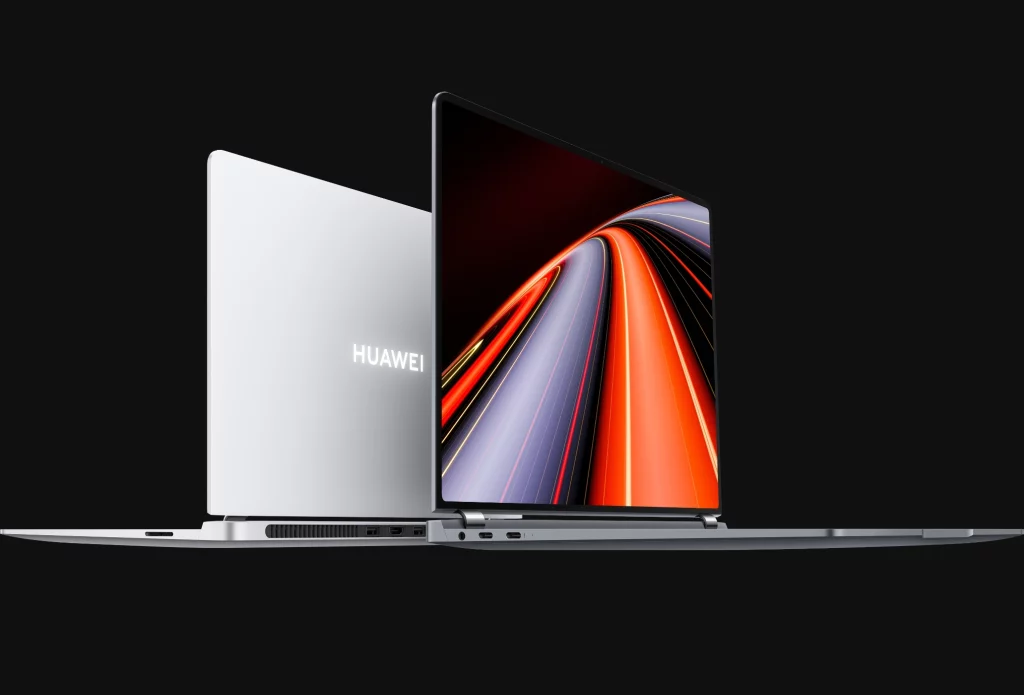
Acer has officially launched its highly anticipated Go AI thin and light notebook series, boasting powerful AMD Ryzen processors and impressive features. Available in 14-inch and 16-inch display options, the Go AI series packs a punch with the AMD Ryzen 7 8845H processor. This powerful processor is paired with 16GB of LPDDR5 6400 dual-channel memory and a 1TB PCIe Gen 4 SSD for smooth and responsive performance.
The 16-inch model also has a dedicated numeric keypad
Both display sizes offer a WUXGA (1920×1200) resolution, 100% sRGB high color gamut, and DC dimming for comfortable viewing. The impressive 89% screen-to-body ratio maximizes screen real estate, while the 180-degree hinge provides added flexibility. The Go AI features a three-level backlit keyboard for comfortable typing in any lighting condition. The 16-inch model comes with a dedicated numeric keypad for increased productivity.
Security is a priority with a physical anti-peeping camera for peace of mind. Additionally, the chassis is constructed with a durable A/D double-sided metal design, ensuring a sturdy yet lightweight feel.
The 14-inch Go AI weighs in at 1.4kg, while the 16-inch model comes in at 1.7kg, making them both highly portable options. Both models boast a 17.9mm thickness and are equipped with a large-capacity 58Wh battery, offering up to 10 hours (14-inch) and 12 hours (16-inch) of battery life. Fast charging is facilitated by the included 100W gallium nitride Type-C charger.
Connectivity is well-rounded with two full-function Type-C ports, two USB-A ports, an HDMI 2.0 port, an RJ45 wired network port, a microSD card reader, and support for Wi-Fi 6 wireless networks. With a starting price of 3,999 yuan (approximately $590 USD), the Go AI appears to be a strong contender in the thin and light laptop market.
Qualcomm has unveiled more details about the Adreno X1 GPU, the graphics processing unit integrated into their upcoming Snapdragon X Elite/Plus processors. These processors will be the heart of Windows on Arm laptops launching next week.
The future generations can be expected to have the X2, X3 branding
The Adreno X1 represents the first generation of custom-designed graphics processing units for Windows on Arm systems from Qualcomm. The “X1” designation signifies the initial generation, with future iterations likely following a similar naming scheme (e.g., Adreno X2).
The highest configuration of the Adreno X1, dubbed the “X1-85,” boasts up to 6 shader cores with a total of 1536 FP32 ALUs (Arithmetic Logic Units). This allows it to process 96 texture units per cycle and deliver peak performance of up to 4.6 TFLOPS (trillion floating-point operations per second). Additionally, it can process a staggering 72 million pixels of data per second.
The Adreno X1 ensures compatibility with mainstream graphics APIs like DirectX 12.1 (Shader Model 6.7), DirectX 11, Vulkan 1.3, and OpenCL 3.0. This broad compatibility ensures developers can leverage the Adreno X1’s capabilities for a wide range of applications.
Qualcomm compares the Adreno X1-85 to Intel‘s Core Ultra 7 155H mobile processor with 8 Xe cores. They claim that the Adreno X1-85 can match or even surpass Intel’s GPU performance in several games, all benchmarked at 1080p resolution. However, specific details about game settings and test platforms remain undisclosed.
Qualcomm is also introducing the “Adreno Control Panel,” a dedicated application for managing game optimization and driver updates. This focus on user control and continuous improvement suggests Qualcomm’s commitment to refining the Adreno X1’s performance over time, with updates promised at least once a month.
Marshall has expanded its small range of TWS earphones in India which includes only three models. The latest offering from the British audio brand is the Marshall Minor IV true wireless earbuds. It has the company’s signature design language while also looking like Apple’s AirPods. Unfortunately, the TWS earphones lack ANC for its asking price tag. Read on to know what the device offers out of the box.
Marshall Minor IV specifications and features
The Marshal Minor IV are in-ear TWS earphones with silicone ear tips. They feature a leather texture and knurled stems giving a premium feel. The bottom part of the stem is accentuated in a Gold color. The audio device is IPX4 water-resistant. Users can perform various tasks by tapping on the stem of the earphones. Meanwhile, removing and inserting them from the ear will automatically pause and play the music.
The Marshall Minor IV is equipped with 12mm dynamic drivers. The company says that they deliver a signature sound that is also found on other devices. The earbuds are also acoustically tuned for an expertly balanced sound. They also offer a superior call quality without any distractions. The Minor IV are also Bluetooth LE audio ready for delivering higher audio quality with future-proofing technology.
The Marshall Minor IV comes with Bluetooth Multipoint which makes it capable of connecting to multiple devices. The TWS earphones are claimed to offer 7 hours of usage and the battery life extending to 30 hours with the charging case. There is also an in-app battery management feature that aims to preserve the battery lifespan. It also delivers software updates over the air for improvements. The audio device supports wireless charging and also has a USB-C port.
The Marshall Minor IV is priced at Rs 11,999 and available for pre-order on Amazon, Shipping will start on June 15. You can also purchase it from the brand’s official website.
Honor has launched its first clamshell flip phone in China today. It is called the Honor Magic V Flip. The foldable phone takes on the likes of the Samsung Galaxy Z Flip 5, OPPO Find N3 Flip, Vivo X Flip etc. Like its competitors, the Magic V Flip also features a large secondary display but it is touted to be the largest in the industry along with offering a unique dual-screen experience. Read on to learn what else the foldable phone offers out of the box.
Honor Magic V Flip specifications and features
The Honor Magic V Flip has a large 4-inch cover display on the back panel. It features a 120Hz LTPO display and 2,500 nits peak brightness. The external display intelligently offers a dual-screen experience compared to other flip phones. This is possible even with the dual camera rings as the area below them is used to display notifications and time. Meanwhile, the remaining portion is used to run commonly used apps like maps, social media, and food delivery services. The cover display can also play videos.
Honor says that the Magic V Flip is equipped with the brand’s own Luban Hinge that is ultra-durable, sturdy, and reliable. It has also bagged five-star SGS certification. The foldable phone has a slim profile that measures 7.15mm when expanded and 14.89mm when folded. There is a side-mounted fingerprint scanner embedded in the power button.
The Honor Magic V Flip’s inner screen measures 6.8 inches bearing a 1.5K resolution. It offers a 120Hz refresh rate for smooth visuals and a 3,000 nits peak brightness for outdoor visibility. The screen features natural eye protection and a sleep-aiding display. The device comes with dual stereo speakers.
On the imaging front, the Honor Magic V Flip’s dual camera setup comprises a 50MP Sony IMX906 main sensor with OIS support and a 12MP ultra-wide-angle lens. The foldable phone has a 50MP front-facing selfie snapper. There are various features like natural background blur, hover selfie, dual screen preview, and 4K timelapse.
Under the hood, the Honor Magic V Flip is equipped with a Snapdragon 8+ Gen 1 processor. The chipset is coupled with 12GB RAM and up to 1TB storage. There is also Honor’s self-developed C1+ RF enhancement chip. The flip-style foldable phone draws its power from a 4,800mAh battery unit with support for 66W fast charging. It also features an ultra-thin liquid cooling system for heat dissipation. Software-wise, the Magic V Flip runs on MagicOS 8 based on Android 14.
The Honor Magic V Flip is offered in Camellia White, Champagne Pink, and Iris Black colors. The clamshell foldable phone starts at CNY 4,999 (~$689) for the base 8GB + 256GB variant. The 12GB + 512GB and 12GB + 1TB configurations are priced at CNY 5,499 (~$758) and CNY 5,999 (~$827). There is also a limited edition 16GB + 1TB option designed by international fashion icon Jimmy Cho. It carries a price tag of CNY 6,999 (~$965).
A post from China’s microblogging site Weibo reveals some key features of the Redmi K70 Ultra. The phone has already bagged the 3C certification and is going to launch as the successor of the Redmi K60 Ultra, which was launched back in August last year. So let’s check out the details of the upcoming Ultra model.
Redmi K70 Ultra to offer Dimensity 9300 Plus SoC and Light Hunter 800 main sensor
According to the tipster, the phone will be powered by the Dimensity 9300 Plus chipset. For context, the Redmi K70 Pro launched in November last year equips the Snapdragon 8 Gen 3 chipset. The ultra model will reportedly also include an independent X7 display chip, which was also adopted by the Redmi K60 Ultra. last month, another Weibo tipster Smart Pikachu also mentioned the use of an independent display chip. The chipsets will be powered by a 5000 mAh battery and the phone will support 120W fast charging. According to previous rumors, the phone may offer 24GB LPDDR5X RAM and 1TB of UFS 4.0 storage.
On the outside, there will be a 1.5K 144Hz OLED panel, that will be surrounded by a metal middle frame. The phone will have a glass back.
Speaking of cameras, the rear setup will include a 50MP Light Hunter 800 (OVX8000) main sensor, an 8MP ultrawide, and an additional 2MP sensor (possibly a depth sensor). There could also likely be a collaboration with Leica for better image processing. The main sensor ( Light Hunter 800) is measured at 1/ 1.55″ and offers a native dynamic range of 13.2EV.
The Redmi K70 Pro was the first to bring the Light Hunter 800 to the market, which is also adopted by the company’s recently launched camera-focused smartphone Xiaomi Civi 4 Pro.
Last month a Xiaomi device with model number 2407FRK8EC surfaced on the 3C certification platform, which is expected to be the Redmi K70 Ultra based on the specifications.
The Alldocube GTBook 14 Gen2 is a meticulously engineered laptop designed to provide unmatched performance and portability. This sleek device is equipped with the latest technology, making it the perfect companion for both productivity and entertainment.
Limited- Time Offer
The Alldocube GTBook 14 Gen2 is now available at an exclusive discount across multiple European Amazon stores from June 11th to June 21st. Originally priced at €369.99, the laptop is offered at a significant 25% discount, combining a 20% markdown with an additional 5% off using the code Y89BOGTE. This brings the final price down to just €277.49.
Take advantage of this limited-time offer to own a powerful and portable GTBook 14 Gen2 at a fraction of the cost. Available on Amazon in Spain, Italy, Germany, and France.
14″ Full HD Screen: Experience immersive visuals with the GTBook 14 Gen2’s 14-inch Full HD IPS display. The resolution of 1920×1080 coupled with IPS technology delivers crisp details and vibrant colors, ensuring an outstanding viewing experience whether you are working, watching movies, or browsing the web. The FullView design enhances the immersive quality, making every image and video come to life with exceptional clarity.
Intel® N95 Processor: At the heart of the GTBook 14 Gen2 is the 12th Gen Intel® Core Alder Lake N95 processor. Featuring four cores and four threads, this powerful CPU can turbo boost up to 3.4GHz, providing seamless multitasking capabilities and robust performance for gaming, content creation, and other demanding tasks. The Intel® UHD Graphics further enhances this performance by offering smooth and detailed graphics for intensive applications.
16GB RAM and 512GB SSD: The GTBook 14 Gen2 comes with 16GB of DDR4 RAM, clocked at 3200MHz, which ensures high-speed performance and lower power consumption. This ample memory allows for smooth multitasking and efficient handling of large applications. Complementing this is a 512GB SSD, providing rapid data access and quick application startups. Additionally, the laptop supports microSD card expansion, allowing for increased storage capacity when needed.
12000mAh Battery with PD Fast Charging: Equipped with a high-capacity 12000mAh (3.8V) battery, the GTBook 14 Gen2 ensures you remain productive throughout the day. The PD fast charging feature allows for quick recharging, minimizing downtime. The innovative cooling system, which includes a high-speed fan and efficient heat dissipation design, ensures that the laptop remains cool even during intense usage, thereby maintaining peak performance without overheating.
Durable Metal Body: Weighing only 1.5kg, the GTBook 14 Gen2 is designed for portability without compromising on durability. The metal body not only provides a premium feel but also adds to the laptop’s robustness, making it a reliable choice for users who are constantly on the move.
BOX Speakers: The laptop features BOX speakers that deliver an immersive audio experience. Whether you’re watching movies, listening to music, or participating in a video conference, the high-quality audio ensures clear and rich sound, enhancing your overall experience.
Comprehensive Connectivity Options: Stay connected effortlessly with dual-band Wi-Fi and Bluetooth connectivity. The GTBook 14 Gen2 is equipped with a variety of ports including USB 3.0, HDMI, and USB-C, providing easy connectivity to peripherals and external displays. These connectivity options enhance productivity by allowing seamless integration with various devices and networks.
Pre-installed Windows 11: The GTBook 14 Gen2 comes pre-installed with genuine Windows 11, offering a streamlined interface and innovative features designed to boost productivity. With a host of new tools and enhancements, Windows 11 provides an optimized environment for both work and entertainment.
The Alldocube GTBook 14 Gen2 stands out as a versatile and powerful laptop, blending high performance with portability. Its vibrant display, robust processor, ample memory and storage, long battery life, efficient cooling, and seamless connectivity make it an ideal choice for professionals, students, and casual users alike.
Leaks and rumors have been gathering pace about the Samsung Galaxy Watch FE. The affordable smartwatch model from the South Korean brand could launch quite soon instead of at the Galaxy Unpacked event next month. As per a recent report, it could arrive on June 24. Now, tipster Evan Blass has shared high-quality renders of the Galaxy Watch FE. It gives us a clear look at the upcoming wearable device.
Samsung Galaxy Watch FE leaks in high-quality renders
The Samsung Galaxy Watch FE looks the same as it was spotted in previously leaked renders earlier this month. However, the latest development reveals some more details. The bottom of the watch confirms the SM-R861 model number and it will be offered in 40mm size. The upcoming offering will be water resistant up to 50 meters and also feature support for GPS. There is also a magnetic strap with a buckle mechanism.
The Samsung Galaxy Watch FE will come in Black, Light Blue, and Pink colors. The smartwatch is seen with a circular dial and an aluminium casing. There are two physical buttons on the right side. The round dial is surrounded by thick bezels.
Recently, the Samsung Galaxy Watch FE was prematurely listed on Amazon with the price. The EUR 199 (~$215) smartwatch is expected to come with a 1.2-inch AMOLED screen bearing a resolution of 396 x 396 pixels. It is tipped to be powered by an Exynos W920 SoC paired with 1.5GB RAM and 16GB storage which is the same as the Galaxy Watch 4 from 2021. The South Korean brand is also rumoured to equip the Galaxy Watch FE with MIL-STD-810H military-grade durability. The wearable device will reportedly run on wearOS 4 with Samsung’s One UI Watch 5 on the top.
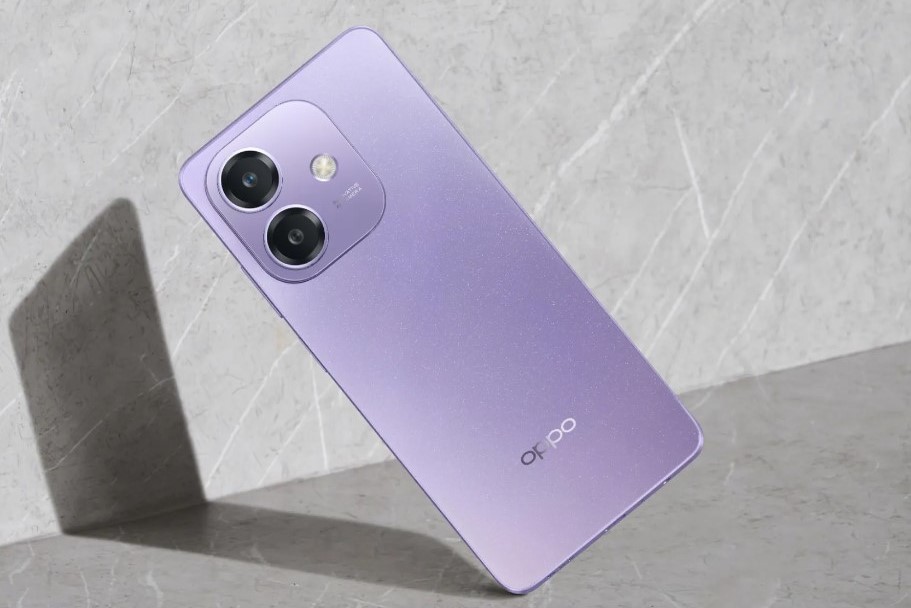
Oppo just unveiled the F27 Pro+ in India as its latest upper mid-range smartphone. But how does it stack up against other devices in this price range? Let’s have a look at this comparison, where we pit it against a popular device from Xiaomi, the Redmi Note 13 Pro+.
1. Oppo F27 Pro+ vs Redmi Note 13 Pro+: Oppo’s new monsoon-ready phone
A highlighting aspect of the Oppo F27 Pro+ is undoubtedly its design. The F27 Pro+ shines in its durability and endurance. The device is the first in India to come with an IP69 (IP68 & IP66 as well) rating for water and dust resistance, which is the highest rating. This means that it can withstand high-pressure, high-temperature sprays, and complete submersion in water.
That’s not all, it has received military-grade shock resistance certification (MIL-STD-810H) as well and is built with a 360° Armour Body for enhanced drop protection. On the other hand, the Note 13 Pro+ is certified with an IP68 rating, which is still respectable. But the F27 Pro+ is just a lot more durable. Both of these smartphones come with an eco-leather back panel, although, the Redmi Note 13 Pro+ also has glass back variant as well.
2. Performance: Redmi shoots ahead
While the Oppo F27 Pro+ is a newer model with a durable body, Xiaomi is focusing on offering more power under the hood. The Redmi Note 13 Pro+ is equipped with the 4nm MediaTek Dimensity 7200 Ultra SoC, while the F27 Pro+ features the 6nm Dimensity 7050 chipset. Everyday use shouldn’t see much of a difference, but the Dimensity 7200 Ultra basically means better performance, which is useful in intensive tasks like gaming.
3. Redmi has a more versatile camera setup
Talking about the optics of this device, the Redmi Note 13 Pro+ has three image sensors on the rear. You get a 200-megapixel main sensor along with an 8-megapixel ultra wide angle lens and a 2-megapixel macro shooter. On the front, you get a 16-megapixel selfie camera. Meanwhile, the Oppo F27 Pro+ only has two cameras at the back, which includes the 64-megapixel primary and 2-megapixel marco sensors. For selfies and video calls, you get an 8-megapixel camera. So with the Redmi mid-range phone you also get access to ultra-wide angle shots, which is handy in certain situations.
4. Pricing
So far, we have directly compared the two devices based on their specs and features. But now let’s check out the pricing. Oppo F27 Pro+ has a starting price tag of 27,999 INR for the 8GB + 128GB option and its 8GB + 256GB variant costs 29,999 INR. However, the Redmi Note 13 Pro+ starting model is an 8GB + 256GB option, which originally launched for 31,999 INR, but this device is now listed for 30,999 INR. So the F27 Pro+ is still cheaper, but not by a large margin.
5. Verdict
Oppo is advertising the F27 Pro+ as a smartphone that is ready for the upcoming monsoons. So if you’re looking for a durable phone that won’t let you down in intense weather conditions and has a sturdier body, then the F27 Pro+ checks all the boxes. But the Redmi Note 13 Pro+ presents a better value overall thanks to its beefier specs and versatile cameras. Budget is also an important factor and price can affect the choice one makes. However, since the two aren’t priced too far apart, so spending an extra 1,000 INR for the Redmi Note 13 Pro+ seems like the better move.
Qualcomm has officially announced that its Snapdragon Summit 2024 will take place from October 24th to 26th in Maui, Hawaii.
Snapdragon Summit is an annual event that typically serves as the platform for unveiling the company’s next-generation flagship mobile processor, and this year should be no different. The spotlight of the event will be the Snapdragon 8 Gen 4 processor.
The SoC will be built by TSMC on a 3nm node and will feature custom Oryon CPU cores. Unlike the Snapdragon 8 Gen 3’s 1 + 3 + 4 layout, the chip will reportedly have a 2 + 6 design with no efficiency cores.
The two high-performance cores are said to have a peak clock speed of 4GHz and reportedly score over 3,000 points in single-core and 10,000 points in multi-core tests in Geekbench.
Additionally, Qualcomm is expected to use an upgraded GPU architecture with improved cache and memory compression technology for better performance.
Leaks suggest that the Snapdragon 8 Gen 4 can run Genshin Impact smoothly for 45 minutes, maintaining a stable frame rate. That’s pretty impressive considering it’s a pretty demanding title.
Xiaomi is expected to announce the Xiaomi 15 series soon after the event, making it the first smartphone to feature the Snapdragon 8 Gen 4.
OnePlus and iQOO are also rumored to be prepping their OnePlus 13 and iQOO 13 lines, respectively, powered by the new Qualcomm chip.
Moving on, Samsung will also equip its Galaxy S25 series with the new SoC. But as usual, we can expect it to be an overclocked version of the standard Snapdragon 8 Gen 4 SoC debuting under the Made for Galaxy tag.
While the Snapdragon Summit will undoubtedly shed more light on the upcoming chipset, for now, it’s a waiting game to see how the next generation of Qualcomm’s flagship mobile processor unfolds.
Today Samsung unveiled its latest foundry innovations and also outlined its vision for the AI era, during an event held at the company’s Device Solutions America headquarters in San Jose, California.
Image: Samsung
To contribute to the AI race the company has been working on its future process nodes and has reportedly made some progress. The development includes three new process nodes – SF2Z, SF1.4, and SF4U. As you can probably guess from the names these are the company’s most advanced 2nm, 1.4nm, and 4nm process nodes so far. They will reportedly integrate these three nodes into the Samsung AI Solutions platform.
Alongside the GAA process, which according to the company is suitable for AI accelerators, the company also has plans to introduce integrated, co-packaged optics (CPO) technology for high-speed, low-power data processing, said Dr. Siyoung Choi, President and Head of Foundry Business at Samsung Electronics.
The company’s latest 2nm process – SF2Z
The company’s latest 2nm process, SF2Z, incorporates optimized backside power delivery network (BSPDN) technology. According to the announcement, the new process places power rails on the backside of the wafer to eliminate bottlenecks between the power and signal lines.
With the help of the BSPDN technology, SFZ2 offers enhanced performance as compared to SE2, the first generation 2nm process node. Additionally, SFZ2 also significantly reduces voltage drop (IR drop), enhancing the performance of HPC designs. The company noted that the mass production of the SFZ2 process node will start in 2027.
A new 4nm and another 1.4nm node
“SF4U, on the other hand, is a high-value 4nm variant that offers PPA improvements by incorporating optical shrink”, noted the company. The mass production is scheduled for 2025.
Notably there is also a 1.4nm node (called the SF1.4) under development, on which the company is making progress “smoothly”. The smallest of the three is also scheduled for mass production by 2027.
A recent report by The Economic Times exposes a concerning trend in India’s online smartphone market – a significant portion of phones sold online are ending up in the grey market. Trade bodies allege that as much as 80% of online-exclusive smartphones are being diverted by aggregators who exploit loopholes to buy them in bulk and resell them at marked-up prices.
Tax Losses and Counterfeit Risks: The Dark Side of India’s Online Smartphone Market
These aggregators, acting as wholesalers, use hundreds of user accounts to bypass online retailers’ purchase limitations and acquire popular models in bulk. This creates artificial stock shortages on e-commerce platforms, frustrating legitimate customers. The aggregators then sell these phones to retailers across states at inflated prices, who can further exploit the limited online availability to justify even higher markups.
This diversion has a two-fold negative impact. Firstly, it leads to government revenue loss due to tax evasion. Aggregators often purchase these phones using business accounts, allowing them to claim Input Tax Credit (ITC) on the 18% GST paid. However, when they resell these phones at a higher price through unofficial channels, the additional profit escapes GST taxation. Industry estimates suggest this could be a potential $600 million GST rebate fraud.
Secondly, consumers are left vulnerable. By purchasing from unauthorized sellers, they risk receiving counterfeit products or facing warranty issues down the line. Additionally, they miss out on exclusive deals and offers often available through authorized online retailers.
Smartphone brands like Poco, OnePlus, iQOO, and Realme are reportedly the most affected by this grey market activity. These brands are taking steps to curb the practice by issuing warnings to retailers and requiring them to sign undertakings promising to sell only through authorized channels. Additionally, some brands are appointing distributors to cater specifically to offline retailers.
The smartphone industry needs a multi-pronged approach to address this issue. E-commerce platforms need to strengthen their systems to detect and prevent bulk purchases using multiple accounts. Additionally, stricter regulations and enforcement are needed to deter tax evasion practices by aggregators. Finally, consumer awareness campaigns are crucial to educate buyers about the risks associated with purchasing from unauthorized sellers.
This is a developing story, and it remains to be seen how effectively these measures can curb the grey market activity in India’s online smartphone market.
Xiaomi is apparently planning on launching the Redmi Note 13 Pro in a refreshing new color variant in India. The company had first unveiled the device back in January 2024. And now, the smartphone is coming in a green color option. So here are all the details.
Redmi Note 13 Pro in refreshing green
The news arrives from known tipster Sudhanshu who shared the information with 91Mobiles in an exclusive report. When the device launched earlier this year, it came in three color options, namely Midnight Black, Arctic White, or Coral Purple. This model is now arriving in Green, although, the exact name of this color is unclear. It appears similar to Sage or Olive green. The images shared in the report also hint at two different shades of green.
But apart from the color, the device will likely be identical in every other aspect. This means that it will likely retain the tall 6.67-inch AMOLED display that offers FHD+ resolution, 120Hz refresh rate, and 1,800 nits of peak brightness. Under the hood, it is equipped with the Snapdragon 7s Gen 2 SoC, which is paired with up to 12GB of RAM and 256GB of internal storage. For optics, you get a 200-megapixel triple camera setup on the rear, while the front offers a 16-megapixel selfie shooter.
A large 5,100mAh battery pack powers this device, which supports 67W wired fast charging. Other notable features include Dolby Atmos, a 3.5mm headphone jack, an infrared sensor, and an in-display fingerprint scanner. The Redmi Note 13 Pro launched with a starting price tag of 24,999 INR for the 8GB + 128GB configuration. So the new green option is expected to launch with a similar price. This is all the information we have at the moment, so stick around for more updates.
Huawei‘s HarmonyOS operating system has achieved a major milestone in the Chinese market, according to data from research firm Counterpoint Research. In the first quarter of 2024, HarmonyOS surpassed Apple‘s iOS for the first time, becoming the second-largest mobile operating system in China.
The report highlights a significant rise in HarmonyOS market share, jumping from 8% in Q1 2023 to 17% in Q1 2024. Over the same period, iOS’s share declined from 20% to 16%.
This is the first time since the first quarter of 2019 that iOS has seen a decrease in market share during the first quarter in China. The report partly attributes this decrease to the launch of new 5G smartphones from Huawei, which directly compete with Apple’s products.
HarmonyOS’s growth is not limited to China though. Globally, its market share doubled year-on-year, reaching 4% in Q1 2024, while Android and iOS both saw slight declines from 78% and 20% in Q1 2023 to 77% and 19%, respectively.
Despite this, Android managed a month-on-month rebound in Q1 2024. However, iOS’s share decreased from 23% in Q4 2023 to 19% in Q1 2024. According to Counterpoint, this dip is likely due to the seasonal fluctuations typical of iPhone releases.
HarmonyOS, on the other hand, is experiencing strong 5G adoption. According to Counterpoint, the adoption has increased from 9% in Q1 2023 to 50% in the first year this year. The report further suggests that as Huawei is currently focusing on localizing its supply chain, the trend is expected to continue.
Counterpoint’s findings align with a forecast report by TechInsights released in January 2024, which predicted HarmonyOS would overtake iOS and become the second-largest smartphone operating system in China by the end of the year.
According to a recent rumor, the Galaxy Watch FE could launch on June 24. For those unfamiliar, Samsung launched the Watch 6 series in July last year. Now the news is that the Galaxy Watch FE has already been listed at a Dutch e-commerce platform with a price tag of 219 euros.
Galaxy Watch FE spotted on Mobile.nl
In recent weeks, we have come across multiple leaks and rumors about the new Fan Edition watch. For example, we know that the watch will be an updated version of the Galaxy Watch 4 that the company launched back in 2021. While Samsung has yet to announce the product and confirm the rumors about the watch, online stores are taking responsibility.
Listed on Mobile.nl
Notably, the listing on Mobile.nl was taken offline quickly after it went live. However, as you know, the internet never forgets.
The Galaxy Watch FE was listed with three colors – black, pink, and light blue. It comes with a standard size of 40 millimeters. The listing allowed one to pre-order the watch, however, it didn’t mention a specific release date.
The Galaxy Watch FE is very similar to the Watch 4 in specifications. It is powered by the Exynos W920 chip, which is paired with 16GB storage and 1.5GB memory. The display uses a 1.2-inch AMOLED panel with a resolution of 396 by 396 pixels. It also equips an NFC chip to enable contactless payments.
It comes with an IP68 dust and water resistance rating and reportedly also has a heart rate monitoring functionality among other health tracking features, similar to last year’s Galaxy Watch 6 series. It uses Google’s WearOS operating system. You will be able to download apps on it from the Play Store.
However, this isn’t the first time we have seen the Galaxy Watch FE listed on an e-commerce platform. The product was also found listed on Amazon just a couple of days ago.
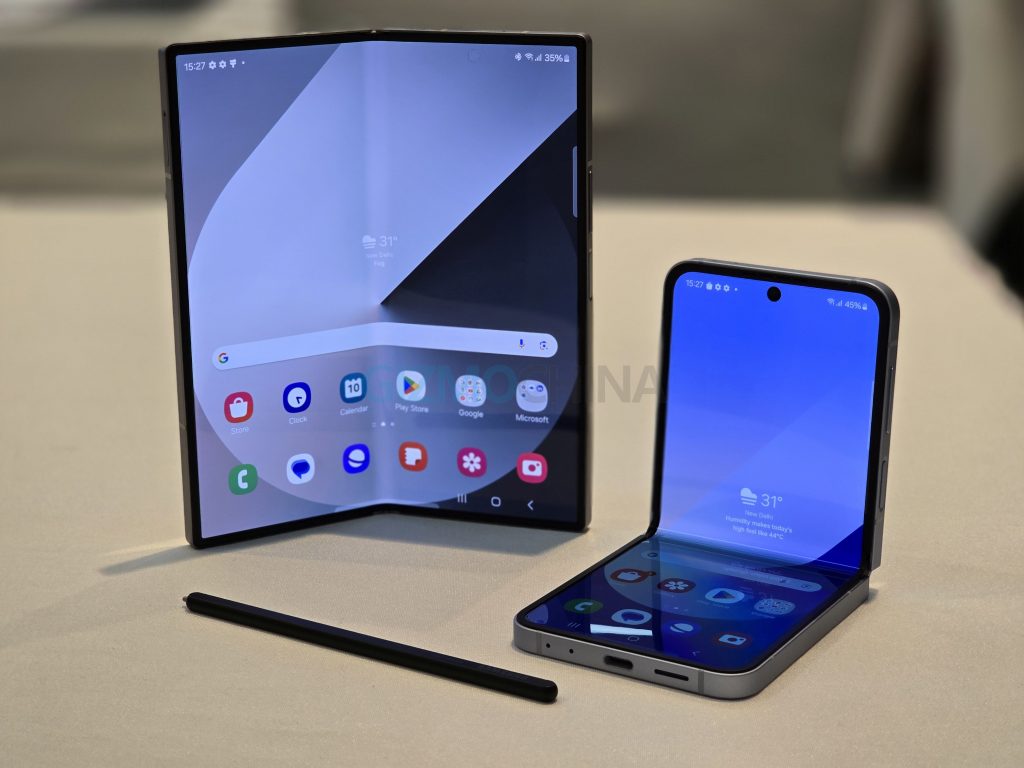
Samsung is set to unveil its next generation of flagship foldable smartphones soon. These include the Galaxy Z Fold 6 and Galaxy Z Flip 6. The former recently had its pricing leaked, and now, the US pricing for the clamshell folding device has also been revealed. But unfortunately, there’s a notable price hike incoming.
Samsung Galaxy Z Flip 6 Price Leak
The leak arrives from known tipster OnLeaks, who shared the information with SmartPrix. The Galaxy Z Flip 6 is set to launch with improved hardware. However, these upgrades could result in higher pricing. This leak hints states that the upcoming flip phone will come in two storage configurations, namely 256GB and 512GB. Samsung is rumored to launch the Galaxy Z Flip 6 for a starting price tag of 1,099 US Dollars, while the 512GB variant may cost 1,219 US Dollars.
If this is true, we are getting a 100 US Dollar price hike over the previous gen Galaxy Z Flip 5. A previous leak had revealed the color options of the Galaxy Z Flip 6, which include Mint, Silver Shadow, Yellow, and Blue. The new foldable phone could weigh 187 grams in weight. Based on what we know so far, it is expected to be equipped with the Snapdragon 8 Gen 3 SoC, a 50-megapixel primary main camera on the rear, and a 4,000mAh battery pack (slightly larger than the Galaxy Z Flip 5).
The main display is a 6.7-inch OLED display with FHD+ resolution and an adaptive 120Hz refresh rate. Meanwhile, the cover panel is a smaller 3.4-inch screen. It will likely run on the Android 14 OS based OneUI 6.1.1 custom skin (up to seven major Android OS updates) out of the box. We can also expect an IPX8 rating for water resistance along with wireless charging and stereo speakers.
Samsung‘s upcoming Galaxy S24 FE smartphone wasn’t the only Samsung device to be spotted on Geekbench today. The upcoming Galaxy Tab S10 Plus has also been listed on the benchmarking platform.
Listed with the model number SM-X828U, the tablet matches the entry in the IMEI database confirming it’s the Tab S10 Plus. The “U” at the end indicates it’s a US variant, while there are other variants of the tablet carrying the model number SM-X826B and SM-X826N which correspond to Global, and South Korean versions, respectively.
Interestingly, the tablet was listed with the MediaTek Dimensity 9300+ processor on Geekbench. Samsung has long-favored Qualcomm’s high-end chipsets for its Tab S series, but this time the company seems to be switching to MediaTek for the Galaxy Tab S10 series.
Galaxy Tab S10 Plus Geekbench
The Dimensity 9300+ is an octa-core chipset with a powerful configuration consisting of one Cortex-X4 core clocked at 3.25GHz, three Cortex-X4 cores running at 2.85GHz, and four Cortex-A720 cores with a speed of 2.0GHz. Graphics are likely handled by a Mali-G720 Immortalis MP12 GPU.
This setup earned the tablet 2,141 points in single-core tests and 6,952 points in multi-core tests. It also has 12GB of RAM and runs on Android 14 out of the box.
While the switch to MediaTek is notable, a report last month did suggest Samsung might adopt a dual-chip strategy for its tablets, similar to the Galaxy S series phones. But it was supposed to be Qualcomm and Exynos and not MediaTek.
Since the tablet has now appeared with Dimensity 9300+ it could mean that either the previous report was incorrect or MediaTek might be replacing one of the other chip brands.
There’s not much we know about the Galaxy Tab S10 Plus at the moment, except that it will be joined by the Tab S10 Ultra and likely a standard Galaxy Tab S10.
Samsung has officially announced the Galaxy F15 5G Airtel Edition. This isn’t a new smartphone, rather, it’s a new edition of the existing F15 5G that was first launched back in March. But while the features are identical, it comes with a more affordable price tag. So here’s everything you need to know.
Samsung Galaxy F15 Airtel Edition: What makes it unique?
The South Korean tech giant launched the Galaxy F15 Airtel Edition arrives in collaboration with telecom giant Airtel in India. As the name suggests, the Galaxy F15 Airtel Edition is a device that is locked with Airtel in India. This means that you can only use it with an Airtel SIM, at least for 18 months that is. Apart from this, it also comes with the Knox Guard application. The Galaxy F15 Airtel Edition sports a 6.5-inch Super AMOLED display that offers a Full HD+ resolution, 90Hz refresh rate, and 800 nits of peak brightness.
Under the hood, the smartphone is equipped with the MediaTek Dimensity 6100+ SoC, which is paired with up to 8GB of RAM and 128GB of internal storage. A massive 6,000mAh battery pack that supports 25W wired fast charging. The rear packs a 50-megapixel triple camera setup, while the front houses a 13-megapixel selfie shooter. Other notable features include a 3.5mm headphone jack, Bluetooth 5.3, Dual SIM, Android 14 OS based OneUI 6 custom skin out of the box, and side mounted fingerprint scanner.
Pricing and Availability
To recall, Samsung launched the original Galaxy F15 5G with a starting price tag of 15,999 INR for the 4GB + 128GB option. However, the Galaxy F15 Airtel Edition starts from just 12,999 INR for the same storage option. Meanwhile, the 6GB + 128GB and 8GB + 128GB variants cost 14,499 INR and 15,999 INR respectively. There is also an additional 7 percent discount on this device and Airtel is offering a 50GB data coupon with this device.
We use cookies on our website to give you the most relevant experience by remembering your preferences and repeat visits. By clicking “Accept”, you consent to the use of ALL the cookies.
This website uses cookies to improve your experience while you navigate through the website. Out of these, the cookies that are categorized as necessary are stored on your browser as they are essential for the working of basic functionalities of the website. We also use third-party cookies that help us analyze and understand how you use this website. These cookies will be stored in your browser only with your consent. You also have the option to opt-out of these cookies. But opting out of some of these cookies may affect your browsing experience.
Necessary cookies are absolutely essential for the website to function properly. This category only includes cookies that ensures basic functionalities and security features of the website. These cookies do not store any personal information.
Any cookies that may not be particularly necessary for the website to function and is used specifically to collect user personal data via analytics, ads, other embedded contents are termed as non-necessary cookies. It is mandatory to procure user consent prior to running these cookies on your website.