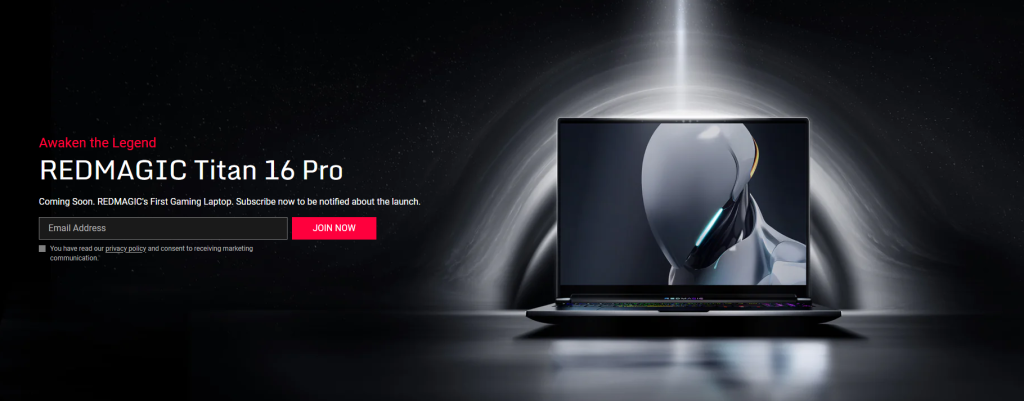
Red Magic is set to expand its gaming empire beyond smartphones. The company has confirmed the impending global release of its Titan 16 Pro gaming laptop. Following cryptic social media teasers and website listings, the high-performance device is expected to launch this month.
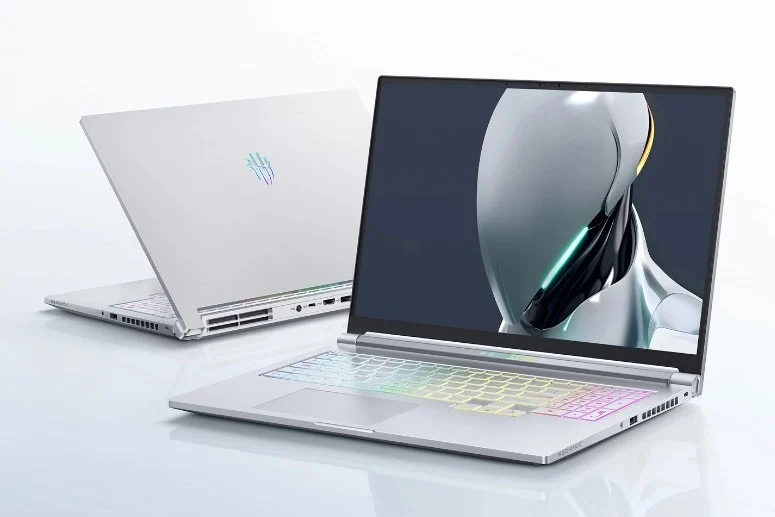
Red Magic likely plans to rebrand its China-exclusive Red Magic Gaming Laptop 16 Pro as the Titan 16 Pro for the global market. The Red Magic Gaming Laptop 16 Pro features a 16-inch display with thin bezels, offering a 2.5K resolution, 240Hz refresh rate, 500 nits peak brightness, and 100 percent DCI-P3 color gamut. It includes Harman Kardon speakers with Dolby Atmos and a 1080p IR webcam with a privacy shutter.
Red Magic Gaming Laptop 16 Pro
Powered by up to a 14th generation Intel Core i9 processor, the laptop comes with NVIDIA GeForce RTX 4060 and 4070 8GB GDDR6 GPU options, supporting ray tracing. It includes up to 32GB LPDDR5x RAM and 1TB SSD storage. The cooling system features a 3D ice-sealed heat pipe and dual fans. It has an 80Wh battery with 100W fast charging.
The chassis is made of series 6 aviation-grade aluminum alloy. The lid has a minimal design with the RGB brand logo. The RGB backlit keyboard includes a dedicated number pad and the power button functions as a fingerprint scanner. The back of the laptop has ports for power input, USB-C, USB-A, HDMI, and Ethernet. It also has USB 3.2 Gen1 and Gen2 ports on both sides. The laptop is 13mm thin and weighs 2.4 kg.
We can expect these above-mentioned features to be onboard the Red Magic Gaming Laptop 16 Pro.
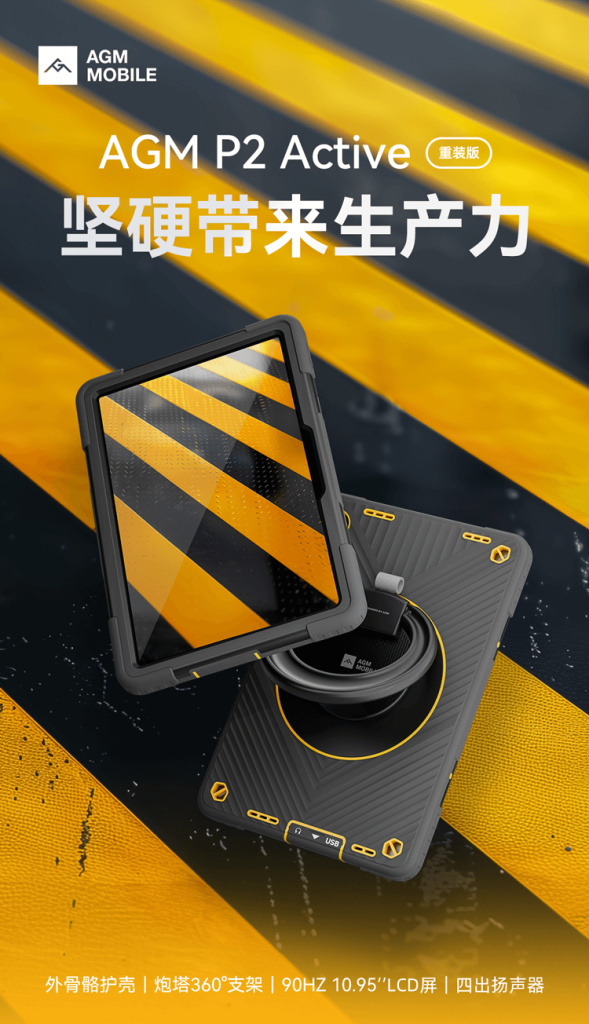
AGM, a leading manufacturer of rugged smartphones and tablets, launched the Pad P2 Active rugged edition last month in the Chinese market. The tablet is now up for purchase on JD.com for 1699 yuan ($237). Let’s check out its key specs.
AGM Pad P2 Active Specifications:
This tablet features a MediaTek G99 processor for reliable performance, 8GB of RAM plus 8GB of virtual RAM for efficient multitasking, and 256GB of internal storage expandable up to 512GB with a microSD card.
The tablet sports a 10.95-inch display with a resolution of 1200×1920 pixels, offering clear and vibrant visuals. The display has a refresh rate of 90Hz and a brightness level of 480 nits, making it suitable for both indoor and outdoor use. The device runs on Android 14.
The AGM Pad P2 Active is built for durability, featuring an “exoskeleton” case that enhances drop protection, and is IP68, IP69K, and MIL-STD-810H certified for water, dust, and drop resistance. It can withstand immersion in water, be easily cleaned, and survive falls from up to 1.5 meters. The exoskeleton can be removed to reduce the tablet’s weight from 1100g to 596g for a lighter design.
The tablet is powered by an 8000mAh battery with 20W fast charging and OTG reverse charging, ensuring long-lasting use. It also features a 3.5mm headphone jack, Bluetooth 5.2, Wi-Fi, and compatibility with capacitive pens, enhancing its versatility.
The tablet is equipped with a 50MP rear camera, an 8MP front camera, and four speakers for immersive sound. It also includes a 360-degree rotating “turret” stand for flexible horizontal or vertical positioning, enhancing its usability for photography, video calls, and more.
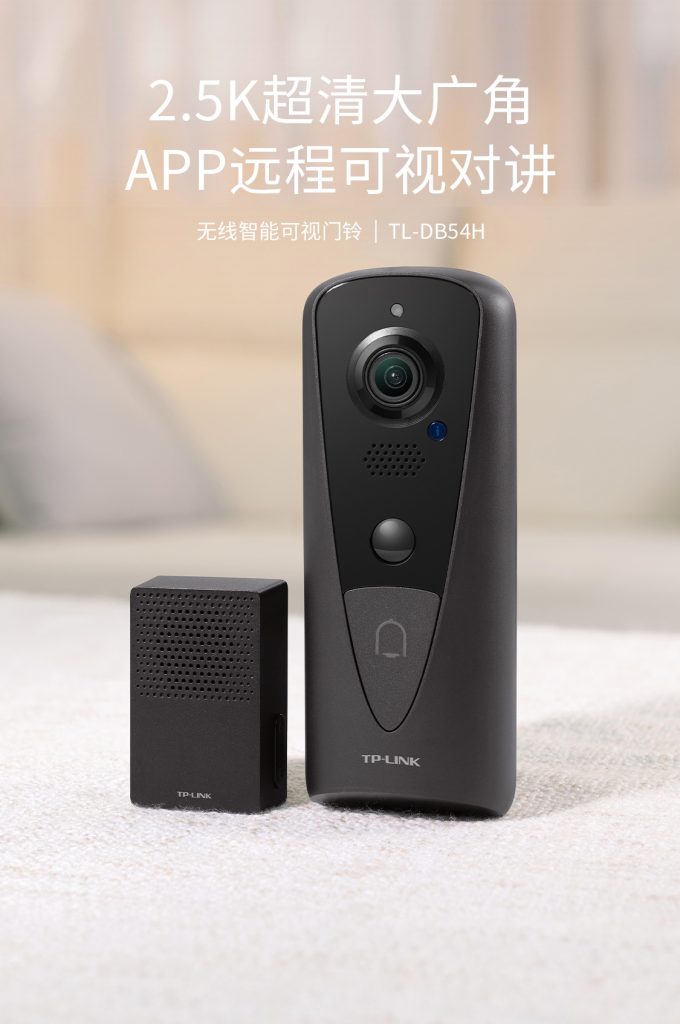
TP-Link has launched its latest product, the TL-DB54H video doorbell in the Chinese market. The doorbell is now available on Tmall at an introductory price of 157 yuan ($22). Let’s check out its key specs.
TP-Link TL-DB54H Specifications:
This video doorbell stands out with its 4MP sensor, capable of recording video at 2.5K resolution, ensuring clear and detailed footage. The device is equipped with two infrared fill lights that offer night vision capability, allowing users to see up to 5 meters even in low-light conditions.
The TL-DB54H is designed for remote monitoring via the “TP-Link IoT” mobile app, enabling users to keep an eye on their doorstep from anywhere. It also features two-way voice communication, allowing real-time conversation with visitors, and making it convenient and secure for users whether they are at home or away.
The video doorbell includes various smart detection features, such as infrared human detection with a professional PIR sensor that identifies human shapes and sends immediate alerts to the app. The infrared detection range can be adjusted to minimize unnecessary alerts based on the environment.
Additionally, the doorbell supports AI face recognition, which can distinguish between family members and visitors. This feature is free to use without any additional charges.
For storage, the TL-DB54H supports up to 512GB of microSD card storage, with automatic overwriting of old footage when the card is full. It also offers free 72-hour cloud storage, allowing users to review recent recordings at any time.
In terms of security, the video doorbell is equipped with multiple anti-theft measures, including a tamper alarm that sends instant alerts and records video if the doorbell is tampered with. The device is securely bound to the user’s cloud account, making it unusable by others unless unbound by the owner.
The TL-DB54H is powered by a large-capacity lithium battery, which under standard usage requires charging only three times a year, lasting up to 130 days. The app also supports quick voice replies and voice modulation for enhanced security, especially for women and children responding alone.
Lenovo has hinted that it will release a new Legon Go gaming handle in the near future. The information comes from the company’s official website. It is expected to be a relatively compact device with a 7″ screen.
The company’s Legion Go handheld was proved to be a decent alternative to mainstream options such as ASUS’s ROG Ally X. The company revealed that they have plans to expand the Legion Go handheld lineup, possibly with a more compact model.
The recently updated description of the Legion Go handhelds (from the company) now states that the handhelds come “with a 7-inch or 8-inch display”, that offers a compact yet immersive visual experience for both gaming and multimedia content. It suggests that the company is working on a “trimmed-down” version of the original model. For those unfamiliar, the currently available model comes with an 8.8-inch display.
Apart from this, the description also claims that the device has an HDMI port onboard, along with a dual fan cooling system, which is not available in the current model.
Unfortunately, there is no information about the specifications of the new Legion Go handheld yet. However, as Lenovo plans to offer the upcoming handheld as a configuration of the product already available, they may not upgrade the processor and other internals.
The original Legion Go handheld equips an AMD Ryzen Z1 Extreme with RDNA Graphics, which is paired with 16GB LPDDR5X (onboard) that reaches a frequency of 7500Mhz. For storage, the device packs up to 1TB PCIe 4.0 NVMe M.2 SSD. There is a 2-cell 49.2WHr battery on the device and an additional 900 mAh battery inside the controller.
For wired connectivity, the currently available Legion Go comes with a USB-C 4.0 port, that supports DisplayPort 1.4, and Power Delivery 3.0. For wireless connectivity, it supports WiFi 6E and Bluetooth 5.1.
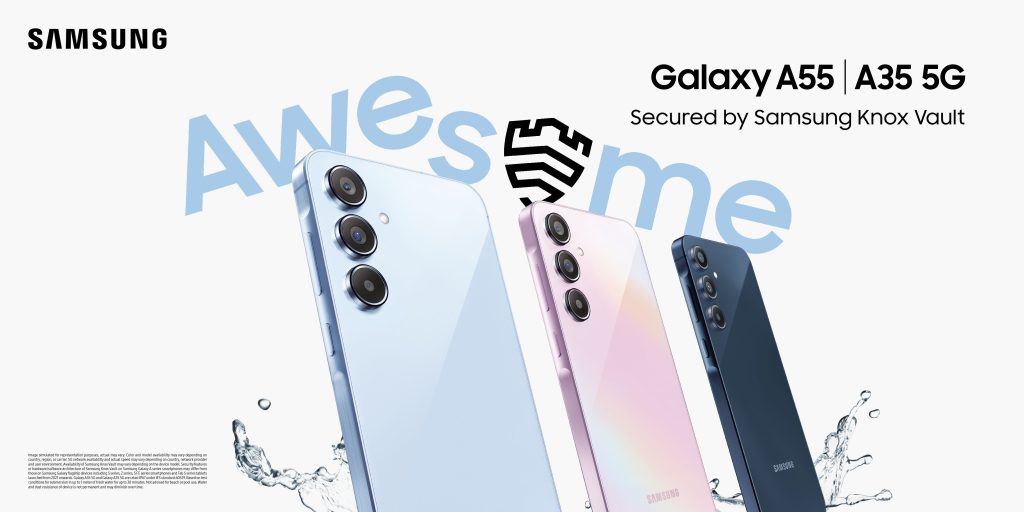
Samsung has recently added a number of AI features to its new S series flagships. The company has also rolled out some of the features to a couple of older S and Z series devices. Now the latest news is that the company is going to offer Galaxy AI to its relatively affordable A series devices.
Galaxy A55 and Galaxy A35 may get some Galaxy AT features with One UI 6.1.1
According to a report from SamMobile, the company may add Galaxy AI to its A series, starting with a couple of 2024 models. The publication claims that Samsung will roll out some of the AI features to devices that have already been released this year. It could include the Galaxy A55 and Galaxy A35. Notably, users of the devices should not expect to get all the features that Galaxy AI has to offer.
As you may already know, some of the features run on the device, might not be compatible with the hardware of the Galaxy A series devices. Therefore, it’s not possible to implement those specific features the same way they are implemented on the flagships.
Speaking of the release timeline, there is no exact date available yet. It is only expected that the company will roll out the features with the One UI 6.1.1 update. Reportedly, Samsung has also delayed the One UI 7 beta and the reason is none other than the One UI 6.1.1 update. The company has already rolled out some new AI features to the sixth-generation foldables with One UI 6.1.1. Now it is assumed that the company is focusing on rolling out some of the features to other models that may include the Galaxy A55 and A35.
Finally, there’s no clear information about which specific features are compatible with the A series devices. Theoretically, the server-side features can be implemented on the devices. Nonetheless, it is ultimately Samsung’s decision how they choose to shape the A series for future devices.
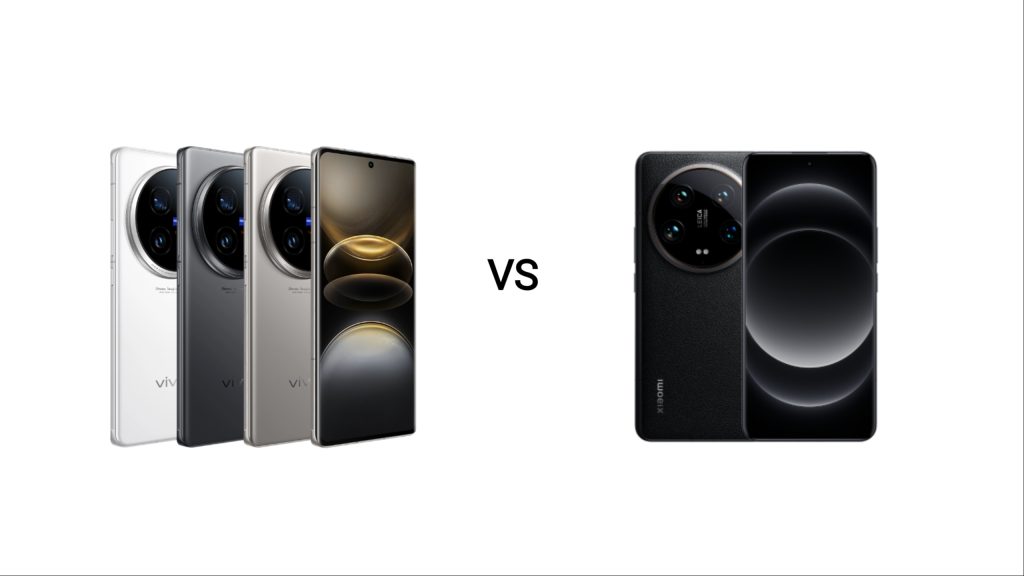
Choosing a flagship Android device is a bit of a confusing task for some shoppers. Most people tend to go for the more popular pick, the Samsung Galaxy S Ultra models, ignoring other very powerful options on the market. In this article we are going to take into consideration two Android flagship devices, the Vivo X100 Ultra and the Xiaomi 14 Ultra and compare them. This will give you a bit of insight into the Android flagship market when shopping for your next device. Let’s now put these two Android behemoths against each other and see how they perform.
Please Note: When you buy something using the links in our articles, we may earn a small commission at no cost to you.
Vivo X100 Ultra vs Xiaomi 14 Ultra: Design and colours
Vivo X100 Ultra:
The Vivo X100 Ultra is a device that defines elegance in the smartphone industry. From its curved screens to its curved rear panel, this device is easy to hold and also the finish on this device is easy to the touch. Despite the curved screen and rear panel, the sides of this device are flat and house the power and volume rocker keys on the right-hand side. On its rear panel sits a circular camera cutout that houses three camera lenses and flash that sits out of the circular cutout. The concave top and bottom sides house the upwards firing speakers, SIM tray, USB-C port, and microphone. Available colours top pick from are Titanium, White, and Grey.
Xiaomi 14 Ultra:
As for the Xiaomi 14 Ultra, this device is also a very impressively designed device that packs a ton of design features to help it stand out. Unlike the competition in this article, the Xiaomi 14 Ultra comes with a flat screen display. On its rear panel sits a circular camera cutout that houses four lenses as well as two flashes, users can get this device with a leather rear finish. The leather finish doesn’t extend to the sides of this device that house the power button and volume rocker keys. On top of the device we find an upward firing speaker and on the bottom we find the SIM slot, USB-C port, speakers, and a microphone. Available colour options on this device are Black, Blue, White, and Titanium Gray.
Major differences:
Curved screen display on the Vivo X100 Ultra.
Vivo X100 Ultra vs Xiaomi 14 Ultra: Display
Vivo X100 Ultra and Xiaomi 14 Ultra:
When it comes to display technology, these devices match each other up closely. The Vivo X100 Ultra comes with a curved LTPO AMOLED display, while the Xiaomi 14 Ultra comes with a flat one. Both devices offer up to 120Hz refresh rate and 3000 nits peak brightness, their screen to body ratio is also very similar as both entries come with very slim screen bezels.
Major differences:
Flat screen on the Xiaomi 14 Ultra.
Vivo X100 Ultra vs Xiaomi 14 Ultra: Cameras
Vivo X100 Ultra and Xiaomi 14 Ultra:
This is the major selling point of both devices, and their approach to their individual camera systems is entirely different. The Vivo X100 Ultra comes with a triple rear camera setup, while the Xiaomi 14 Ultra comes with a quad 50MP rear camera setup. Vivo uses two 50MP sensors and a 200MP sensor on the X100 Ultra. Up front, the Vivo X100 Ultra comes with a 50MP selfie camera against the 32MP selfie camera on the Xiaomi 14 Ultra. Vivo makes use of Zeiss camera technology, while Xiaomi makes use of Leica camera technology.
Major differences:
200MP periscope telephoto lens on the Vivo X100 Ultra.
50MP selfie camera on the Vivo X100 Ultra.
Vivo X100 Ultra vs Xiaomi 14 Ultra: Performance
Vivo X100 Ultra and Xiaomi 14 Ultra:
This is another area where these two devices are also very similar to one another. Both devices come with the Snapdragon 8 Gen 3 processor for flagship level performance. The two devices also offer up to 16GB RAM variants for power users.
Major upgrades & differences:
Nil.
Vivo X100 Ultra vs Xiaomi 14 Ultra: Software
Vivo X100 Ultra and Xiaomi 14 Ultra:
Both devices run on Android 14 out of the box but with different software programs as the Vivo X100 Ultra runs OriginOS 4 and the Xiaomi 14 Ultra HyperOS. If you purchase any of these devices, you’ll get up to three years of OIS upgrades and five years of security updates.
Major differences:
Vivo X100 Ultra runs OriginOS 4.
Xiaomi 14 Ultra runs HyperOS.
Vivo X100 Ultra vs Xiaomi 14 Ultra: Battery life and charging
Vivo X100 Ultra and Xiaomi 14 Ultra:
The Vivo X100 Ultra comes with a larger battery, and the Xiaomi 14 Ultra comes with faster charging capabilities. Vivo packs a 5500mAh battery that supports 80W fast charge on the X100 Ultra. As for the Xiaomi 14 Ultra, it comes with a 5000mAh battery capacity and supports 90W fast charging.
Major differences:
Larger battery on the Vivo X100 Ultra.
Faster charging on the Xiaomi 14 Ultra.
Vivo X100 Ultra vs Xiaomi 14 Ultra: Final Verdict
While these are both premium smartphones, the choice on which to purchase boils down to user preference. From this comparison article, it is clear that these devices are at each other’s necks in terms of the features that they pack. Some might pick the Vivo X100 Ultra over the competition since it brings a better selfie or telephoto lens as well as its larger battery. Others might opt for the Xiaomi 14 Ultra, since it brings faster charging than the competition.
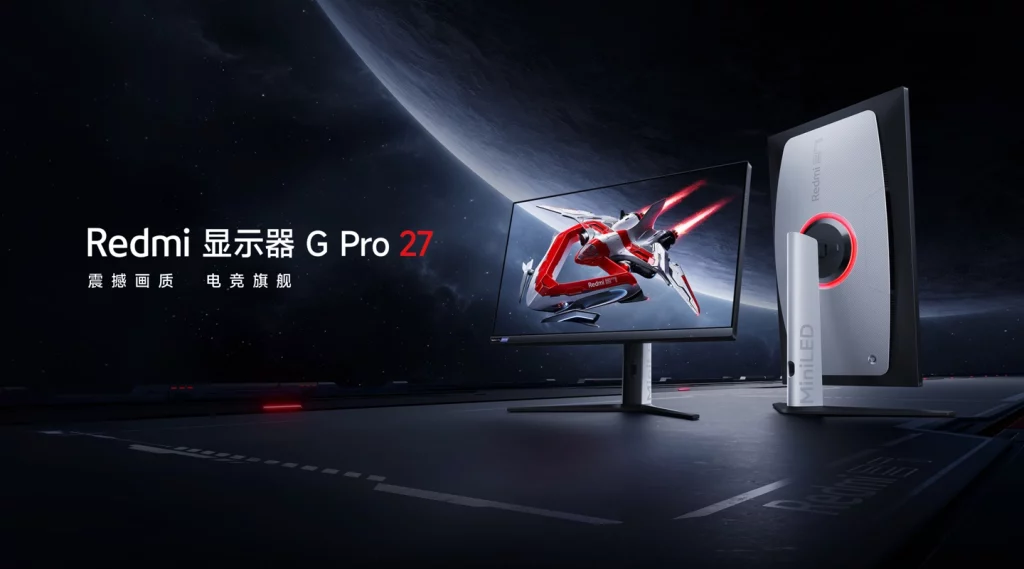
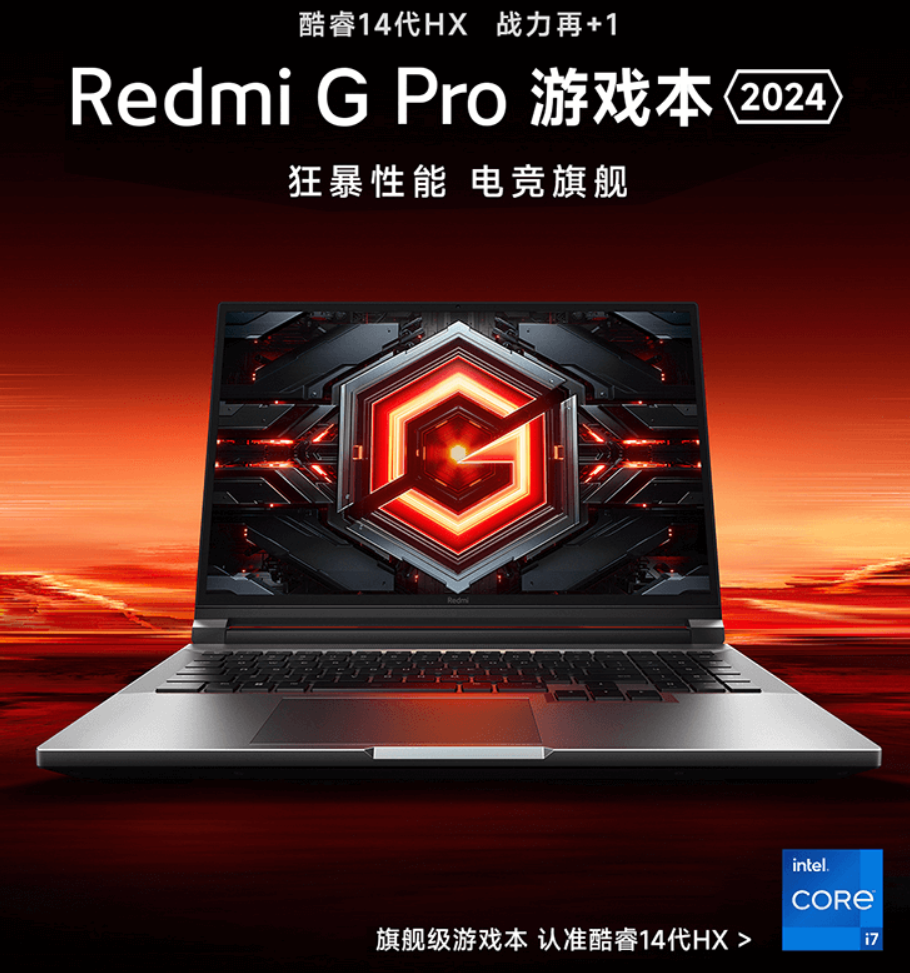
Xiaomi has launched the “Xiaomi Redmi G Pro Gaming Family Bucket” which is now available on JD.com. it includes a Redmi G Pro 2024 gaming laptop (i7 / i9) and the Redmi Monitor G Pro 27.
The set that includes the i7-powered laptop is reportedly priced at 9498 Yuan (~$1,327) while the one that includes the i9-powered machine is priced at 10498 Yuan (~$1466).
Redmi Monitor G Pro 27
This Redmi Monitor G Pro 27 packs an IPS display with a resolution of 2560×1440 and a refresh rate of 180Hz. This panel reportedly uses an 1152-zone MiniLED backlight, offers 10-bit color depth, and covers 100% sRGB, 97% Adobe RGB, and 99% DCI-P3 color gamut.
This product reaches a peak brightness of 1000 nits and has a contrast ratio of 1000:1. It offers a response time of 1 ms which is suitable for gaming scenarios. For usability, it comes standard with a lifting and rotating stand and supports VESA wall mounting.
Speaking of ports, it equips 2 x DP 1.4 and 2 x HDMI 2.0 ports alongside an audio port.
Redmi G Pro 2024 series
Upon opening the lid, users will be looking at a 16″ 2.5K 240Hz screen that supports variable refresh rate for optimal performance and power efficiency. The display reaches a peak brightness of 500 nits and offers 10-bit color depth, DC dimming, and coverage of 100% sRGB color gamut. The Redmi G Pro 2024 series also supports G-SYNC.
For those unfamiliar, the Redmi G Pro 2024 offers the i9-14900HX a TDP of 130W. This version equips dedicated RTX 4060 graphics which can also reach a TDP of 140W. This is paired with 16GB DDR5 RAM and 1TB PCIe 4.0 SSD.
For connectivity, the G Pro 2024 series offers the following:
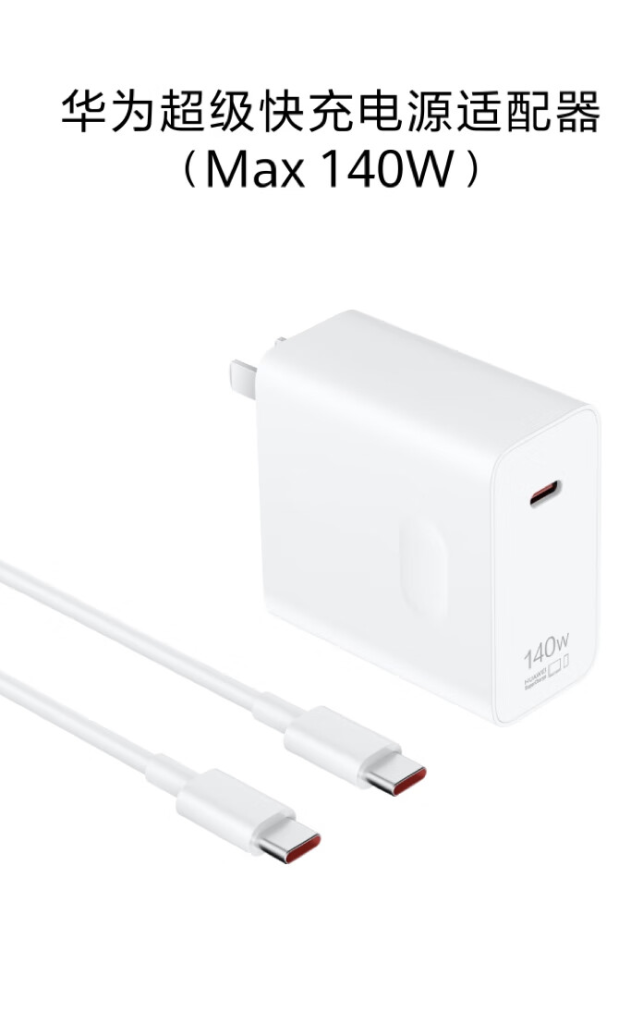
Huawei has launched a new “Super Fast Charging Power Adapter” on JD.com, promising rapid charging capabilities for compatible devices. Priced at 289 yuan (approximately $42 USD), the set includes a 140W charging head and a 1.8-meter USB-C cable.
The adapter supports charging protocols like SCP2.0, UFCS 1.0, PD3.0 and PPS.
The sleek white adapter features a non-foldable plug and a single USB-C port. It boasts support for a variety of charging protocols, including SCP2.0 (Huawei SuperCharge 2.0), UFCS 1.0, PD3.0 (Power Delivery 3.0), PPS (Programmable Power Supply), and QC2.0 (Quick Charge 2.0).
According to Huawei’s official claims, the adapter can deliver impressive charging speeds. In just 30 minutes, it can reportedly charge a Huawei Mate 70 Pro to 93%, a Huawei MatePad Pro 13.2 to 71%, and a Huawei MateBook X Pro to an unspecified level.
This new offering caters to users seeking a powerful and versatile charging solution for their Huawei devices. The combination of fast charging capabilities and broad compatibility across various device types makes it a compelling option for many consumers.
OnePlus Pad 2 Global Edition blends cutting-edge features with a sleek design to provide a top-tier user experience. Boasting a slim body design and an expansive 12.1-inch display, this tablet is tailored for those who seek performance and elegance in one package.
Exclusive Offer on the OnePlus Pad 2 Global Edition
Unlock a superior tablet experience with the OnePlus Pad 2 Global Edition and save $20 with the exclusive coupon code: OPAD2. Enjoy this limited-time discount on a device with a stunning 12.1-inch 3K 144Hz display, the powerful Snapdragon 8 Gen 3 chipset, and seamless connectivity. Don’t miss out on this offer, valid until August 31 at GeekWills.
Immersive Display and Eye Protection
At the heart of the OnePlus Pad 2 is its stunning 12.1-inch 3K display, featuring a unique 7:5 aspect ratio that enhances productivity and entertainment. The ultra-high resolution and 144Hz refresh rate ensure a smooth and immersive visual experience, making it ideal for gaming, streaming, and everyday use. The screen supports HDR10+ for vivid colors and deep contrasts, alongside a P3 color gamut that displays 10.7 billion colors with a peak brightness of 900 nits. Additionally, the “Bright Eye Protection” technology and DC dimming feature make extended use easier on the eyes, reducing strain during prolonged sessions.
Powerhouse Performance
Under the hood, the OnePlus Pad 2 is powered by the Qualcomm Snapdragon 8 Gen 3 chipset, renowned for its balance of performance and efficiency. This powerful processor, paired with 12GB of LPDDR5x RAM and 256GB of UFS 3.1 storage, ensures lightning-fast performance whether you’re multitasking, gaming, or streaming. The device achieves impressive scores on benchmarks, like the Antutu Benchmark where it scores over 2,316,067 points, reflecting its capability to handle the most demanding applications with ease.
Seamless Connectivity
Connectivity is another strong suit of the OnePlus Pad 2, supporting dual Wi-Fi channel acceleration with Wi-Fi 6 and 7 capabilities. This feature guarantees stable and fast network connections, essential for smooth online gaming and streaming. The tablet’s one-touch game streaming allows for easy projection from your phone to the larger screen, providing a seamless and immersive gaming experience. The small window mode also lets you keep up with your favorite TV shows, sports, and live streams while gaming.
Long-lasting Battery Life
Battery life is a critical factor for any mobile device, and the OnePlus Pad 2 does not disappoint with its hefty 9510mAh battery. This large-capacity battery ensures you can enjoy your tablet for extended periods without worrying about recharging. And when you do need to recharge, the 67W SUPERVOOC fast charging technology gets you back to full power quickly, keeping you connected and productive.
Superior Audio and Interconnectivity
For audio enthusiasts, the OnePlus Pad 2 features a six-speaker system that delivers cinema-quality sound. The Super Audio 5.0 technology creates a spatially rich 3D panoramic audio experience, perfect for movies, music, and games. The device’s stereo panoramic acoustics ensure that you can enjoy high-quality sound without the need for headphones.
The tablet also excels in interconnectivity, offering seamless cross-screen transfer with other devices. The one-touch transfer feature allows for easy sharing of pictures, files, and tasks between the OnePlus Pad 2 and your OnePlus phone. This enhances productivity and convenience, making it easier to manage your digital life across multiple devices.
Advanced Technical Specifications
The OnePlus Pad 2 is packed with advanced technical specifications that underline its flagship status. It includes a Qualcomm® Kryo™ CPU with a clock speed of up to 3.3GHz and an Adreno™ 750 GPU running at 903MHz, ensuring top-notch performance. The display, with its 303 PPI density and Dolby Vision support, promises crystal-clear visuals. Camera enthusiasts will appreciate the 13MP rear camera capable of recording in 4K, and the 8MP front camera, perfect for video calls and selfies. The tablet runs on OxygenOS 14.1, based on Android 14, providing a smooth and intuitive user interface.
OnePlus Pad 2 Global Edition stands out as a versatile and powerful tablet, perfect for both entertainment and productivity. With its impressive display, robust performance, seamless connectivity, and superior audio, it sets a new benchmark in the tablet market.
The race for the fastest car charging network is going at a cut-throat pace among Chinese EV makers. Xpeng has now announced a new charging architecture that will deliver up to 187 miles (300km) of range for just 5 minutes of charge. The Xpeng S5 charging stations have a capacity of 800kW and the new system is expected to be operational in the third quarter of the year.
The Xpeng S5 supercharger
Theoretically, the new Xpeng S5 charging station is more powerful than the brand’s previous 480kW charging piles, NIO’s 500kW and 640kW systems, and the Zeekr 600kW chargers. The new intervention by Xpeng could be the leader for some time with its 800kW power capability. The S5 charging station has an 800v current output and 1000v voltage. It is a liquid-cooled station that even eclipses the Tesla Supercharger or any other EV charger in the market.
The race for the fastest car charging network is going at a cut-throat pace among Chinese EV makers. Xpeng has now announced a new charging architecture that will deliver up to 187 miles (300km) of range for just 5 minutes of charge. The Xpeng S5 charging stations have a capacity of 800kW and the new system is expected to be operational in the third quarter of the year.
The Xpeng S5 charging station is arguably the world’s fastest EV charger and can add more than 1km of range for every second of charging. The new race for the ultimate charging system will certainly continue among EV makers in China. Chinese EV manufacturers have been building EVs with high-end 800v or 900v powertrain platforms but the requisite power infrastructure has been lacking. Now there are several ultra-fast electric vehicle charging stations, thanks to the efforts of NIO, Xpeng, Zeekr, and other EV makers.
S5 charging station
Electric vehicle battery manufacturers such as BYD and CATL have also developed batteries that support super-fast charging while maintaining reliability and durability. The number of stations that are capable of delivering ultra-high charging speeds is now on the increase. The Xpeng 800kW charging station network will be operational from Q3 2024 but the brand projects up to 1,000 fast EV charging networks by 2026.
A recent incident in Xi’an, China, highlights the growing concern over vehicle theft, even for electric vehicles like the BYD Dolphin. A local resident, Ms. Zhang, reported her car stolen from an underground parking garage, only to discover it abandoned and damaged in an accident a few hours later.
The stolen BYD Dolphin was later revealed to be involved in a collision.
The stolen BYD Dolphin was involved in a collision, with five individuals fleeing the scene. While the police are investigating the incident, the insurance company has declined to cover the losses due to the criminal nature of the theft.
This incident serves as a reminder for vehicle owners to exercise caution and ensure their vehicles are securely locked, even in seemingly safe environments.
The case underscores the importance of comprehensive insurance coverage and the need for enhanced security measures to protect vehicles from theft.
Electric vehicle giant Tesla has made a strategic decision to halt its plans to build a manufacturing facility in Thailand. The company will instead concentrate on expanding its charging network within the country.
While initial talks suggested a $5 billion investment, Tesla prioritizes charging infrastructure
This shift in strategy follows previous discussions between Tesla and Thai government officials, including a high-level meeting between Tesla CEO Elon Musk and Thai Prime Minister Srettha Thavisin in November 2023. While initial talks suggested a potential $5 billion investment in a Thai factory, Tesla has ultimately decided to prioritize charging infrastructure development over local manufacturing.
This decision aligns with Tesla’s broader global strategy, which emphasizes expanding its charging network to support growing EV adoption. As the company continues to ramp up production at its existing facilities in China, the United States, and Germany, it appears that Tesla is opting to focus its resources on market development and charging infrastructure rather than establishing new manufacturing hubs.
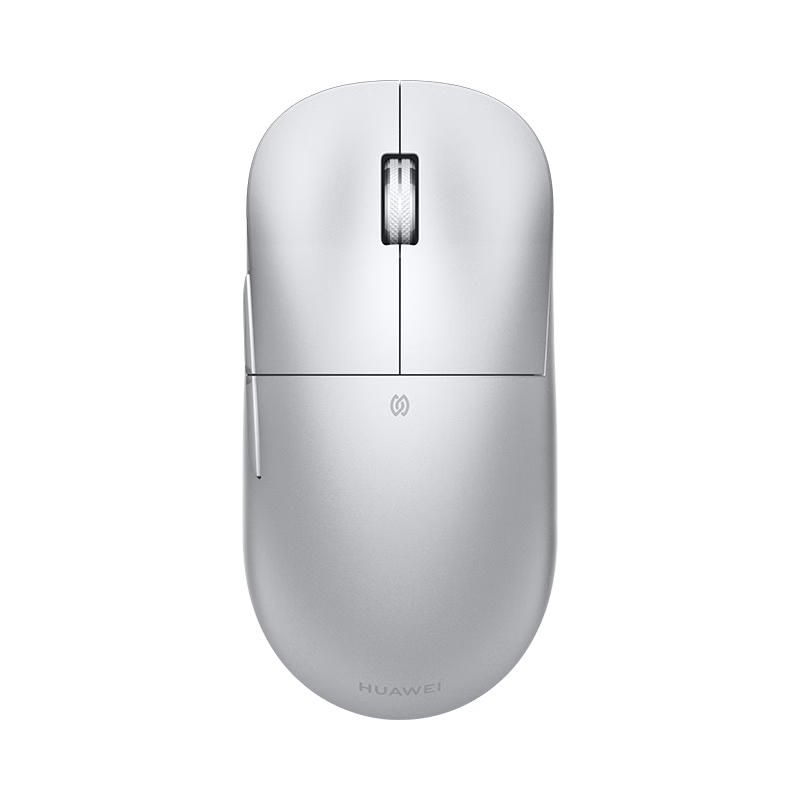
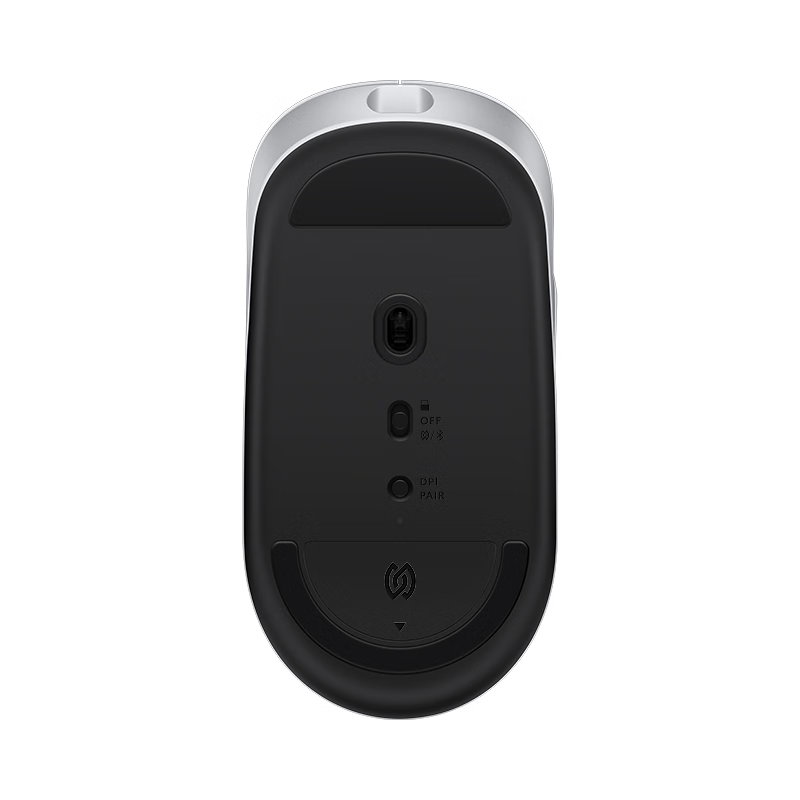
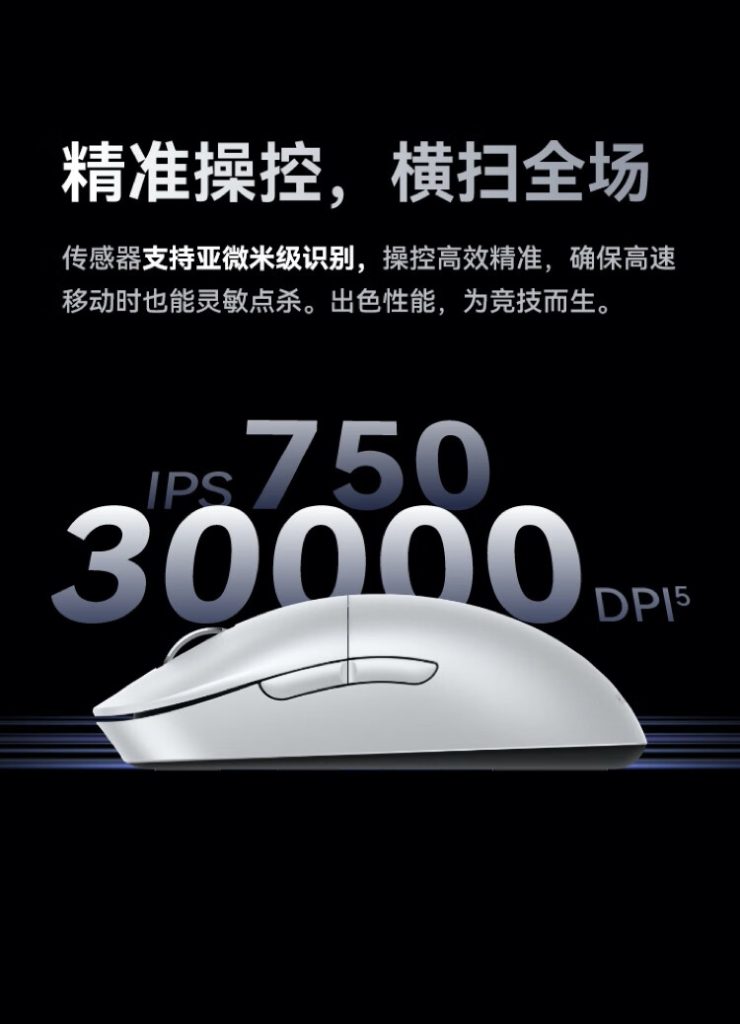
Huawei has launched its latest flagship gaming mouse called the Xingyue Mouse GT in the Chinese market. The mouse is priced at 599 yuan ($84) and it will be available for pre-sale starting today, with sales commencing on August 23 at 10:08 AM (CST). Let’s delve into its key specs.
Huawei Xingyue Mouse GT Specifications:
The Xingyue Mouse GT uses Huawei’s NearLink Star Flash technology for a top-tier gaming experience with seamless PC and tablet interaction. It features an adaptive frequency hopping algorithm that boosts anti-interference capabilities by up to four times over traditional wireless mice, ensuring stable connectivity even in challenging environments.
The mouse features an 8kHz polling rate and ultra-low latency of 0.125 milliseconds, making it ideal for competitive gaming. It also has a sensor with a resolution of up to 30,000 DPI and can track movement at speeds up to 750 IPS (inches per second), ensuring precise control during high-speed gaming.
The Xingyue Mouse GT is lightweight at 59 grams and features an ergonomic design with a comfortable, skin-friendly texture. It offers up to 80 hours of continuous use with its large-capacity battery, and its rapid charging technology provides 14 hours of usage with just a one-minute charge.
The mouse includes pre-press key technology and optical micro-switches for quick, reliable responses, with a lifespan of up to 100 million keystrokes. It also features a stylish metallic scroll wheel and is available in Deep Space Grey and Silver Moon colors, adding a sleek touch to any gaming or office setup.
The Huawei GoPlay software further enhances the user experience, offering features like customizable key assignments, smart battery management, and automatic firmware updates.
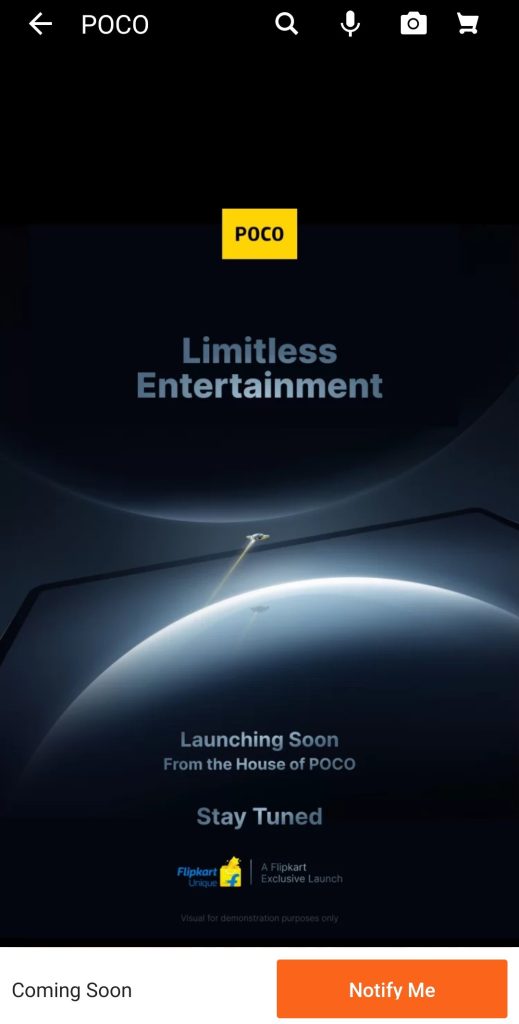
POCO recently announced the M6 Plus 5G (review) smartphone and the Buds X1 (review) TWS earphones in India. Now, the brand is gearing up to launch its first-ever tablet in the country. Flipkart has put up a microsite of the POCO Pad. Notably, the Xiaomi sub-brand had already confirmed the tablet’s arrival at POCO F6 launch event in May this year.
POCO Pad set to launch soon in India
POCO is yet to reveal the launch date of the POCO Pad in India. It is confirmed to be available exclusively from Flipkart. The brand is teasing the upcoming offering as limitless entertainment. The device is seen with thin bezels around the display. We can expect to learn about the official launch date in the coming days.
The POCO Pad debuted in the global markets in May this year. It remains to be seen if the Indian variant will have different specifications. Additionally, the Redmi Pad Pro was also announced in the country last week which is the same as the POCO Pad. Hence, it will be interesting to see how POCO positions its first-ever tablet in India.
The POCO Pad features a 12.1-inch LCD display bearing a 2.5K resolution, a 120Hz refresh rate, and a 600 nits peak brightness. It also supports Dolby Vision. There are quad-speakers with Dolby Atmos. The tablet sports a metal body and two rings on the back panel that houses a single 8MP sensor. Under the hood, the POCO Pad is equipped with a Snapdragon 7s Gen 2 processor coupled with up to 8GB RAM and 256GB storage. It is backed by a 10,000mAh battery unit with support for 33W fast charging. The device runs on HyperOS-based Android 14 out of the box. The POCO Pad is also compatible with a stylus pen and a keyboard.
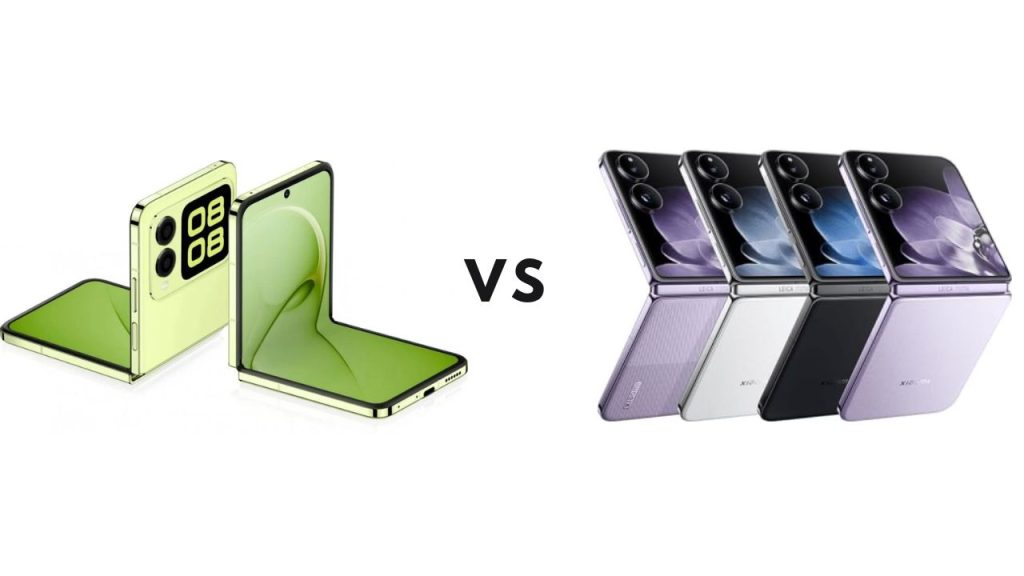
Flip phones have been quite popular in the foldable smartphone segment, and in this category, Chinese brands have launched some impressive flip phones recently. So here’s a comparison between two such flip phones from China, namely the Huawei Nova Flip and the Xiaomi Mix Flip.
Huawei Nova Flip (L) vs Xiaomi Mix Flip (R)
Huawei Nova Flip vs Xiaomi Mix Flip: Displays
A staple of foldable phones is the dual screen setup. A primary and a cover panel. Huawei’s latest announcement introduced the Nova Flip with a tall 6.94-inch LTPO OLED display with a FHD+ resolution, up to 120Hz refresh rate, and 1200 nits of peak brightness. But the secondary panel is a much smaller 2.15-inch OLED panel with a 60Hz refresh rate. Recently, flip phones have become a lot more capable with screen sizes for the cover display also becoming larger.
This makes them more practical and allow them to display more information to the users. Xiaomi’s Mix Flip is a great example of this with its taller 4.01-inch AMOLED cover screen that offers 120Hz refresh rate, 3000 nits of peak brightness, and HDR10+. Which is noticeably more useful than the secondary display on the Nova Flip. For the primary panel, users get a 6.86-inch LTPO AMOLED screen with Dolby Vision, HDR10+, FHD+ resolution, a 120Hz refresh rate, and 3000 nits of peak brightness. So Xiaomi clearly has an edge in the display department.
Specs & Design
Unlike Xiaomi, Huawei equips its smartphone with its proprietary chipset. The Nova Flip is not an exception with the Kirin 8000 chipset, which is paired with 12GB of RAM and up to 1TB of internal storage. A 4,400mAh battery pack powers this model, which supports 66W wired fast charging. This is a capable processor but its not the brand’s flagship chipset. Huawei offers the Nova Flip in two variants which include a plain leather and glass version with a lightweight and slim body (up to 199 grams & 15.12mm folded). It runs on the HarmonyOS 4.2 out of the box.
On the other hand, Xiaomi equips the Mix Flip with Qualcomm’s latest and greatest Snapdragon 8 Gen 3 SoC. This is paired with up to 16GB of RAM and up to 1TB of storage. A larger 4,780mAh battery pack powers this device that offers 67W wired fast charging. However, it isn’t as slim and light as the Nova Flip as its measures 15.99mm when folded and weighs 192 grams. The Mix Flip runs on the Android 14 OS based HyperOS custom skin. It also has a dedicated thermal cooling solution with a 3D vapor cooling chamber.
Camera
For photography, the Huawei Nova Flip has a 50-megapixel primary camera and an 8-megapixel ultra wide angle lens on the rear. On the front, there is a 32-megapixel shooter for selfies and video calls. The Xiaomi Mix Flip also has a dual camera setup with a 50-megapixel main camera but the brand includes a 50-megapixel telephoto shooter instead of an ultra wide angle lens. This allows you to take zoomed shots. The selfie camera on the Mix Flip is also similar to the Nova Flip, which is a 32-megapixel sensor.
Pricing & Verdict
There were many areas where the Xiaomi flip phone is a step ahead of its Huawei’s counterpart. But these come at a cost. The Xiaomi Mix Flip has a starting price tag of 5,999 Yuan (roughly 825 US Dollars) for its 12GB + 256GB option. In comparison, the Nova Flip starts from just 5,288 Yuan or 740 US Dollars for the 12GB + 256GB configuration. Its unlikely that someone opting for a flip phone has a rigid budget. For just 85 dollars more, you get a better camera setup, faster performance, and a bigger cover screen on the Mix Flip.
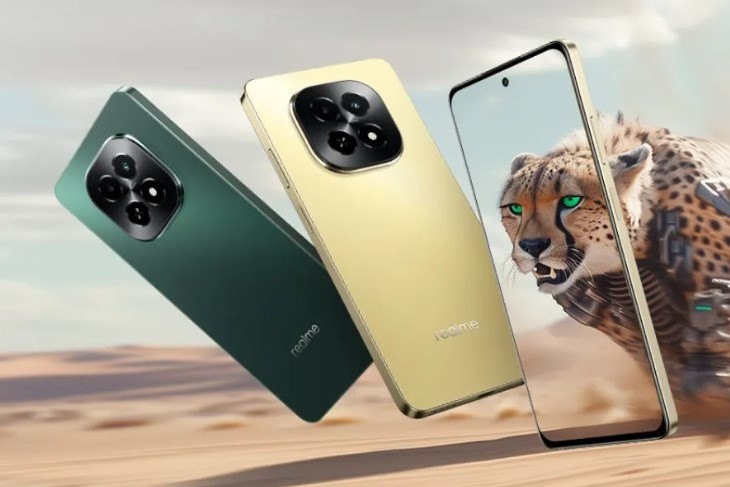
Realme introduced the C63 4G smartphone in India last month. Now, the brand has quietly confirmed the launch of its 5G variant in the country. The Realme C63 5G has been listed on the company’s official website. It is set to debut next week. The microsite gives us a look at the upcoming offering. It is expected to be different compared to the 4G version. Read on to learn everything below.
Realme C63 5G India launch date
As per the microsite, the Realme C63 5G has a boxy design with a flat frame. The power button on the right side doubles up as a fingerprint scanner. The back panel features a square camera island with curved corners. It houses two sensors and an LED flash unit. On the front, the device has a centre-aligned punch-hole cutout display. There is a slightly thicker top bezel and bottom chin.
The Realme C63 5G will be available in Green and Gold color options. Since this is a 5G version of the C63, we can expect a 5G-compatible processor under the hood. The rest of the details of the device remain a mystery, but we assume it will be similar to the C63 4G. We should learn more details in the days leading up to the launch event.
To recall, the Realme C63 4G has a 6.74-inch HD+ display with a 90Hz refresh rate. It is powered by a Unisoc T612 processor paired with 4GB RAM and 128GB storage. The smartphone is backed by a 5,000mAh battery unit with support for 45W charging. It ships with Android 14 OS out of the box. The device features a 50MP main rear camera and an 8MP selfie snapper. The Realme C63 4G costs Rs 8,999.
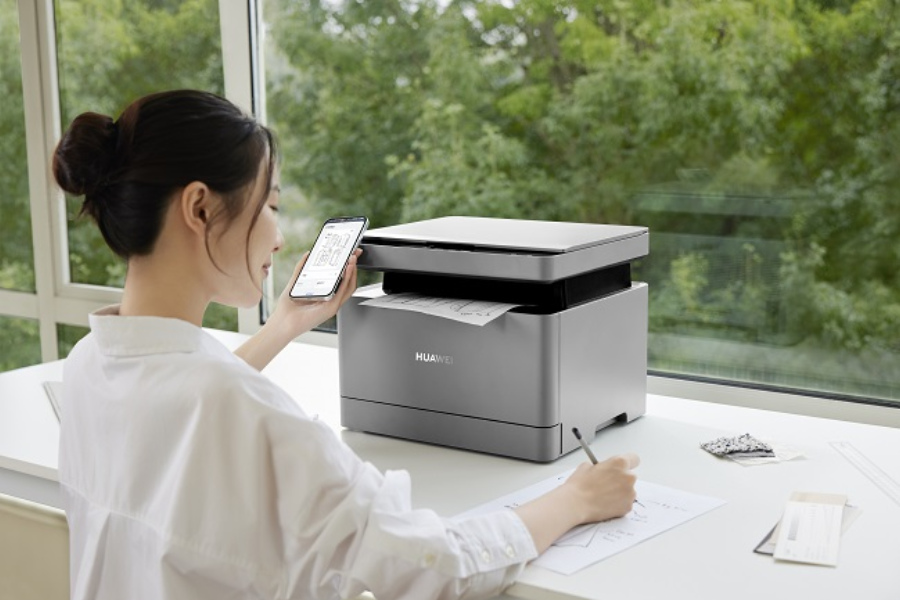
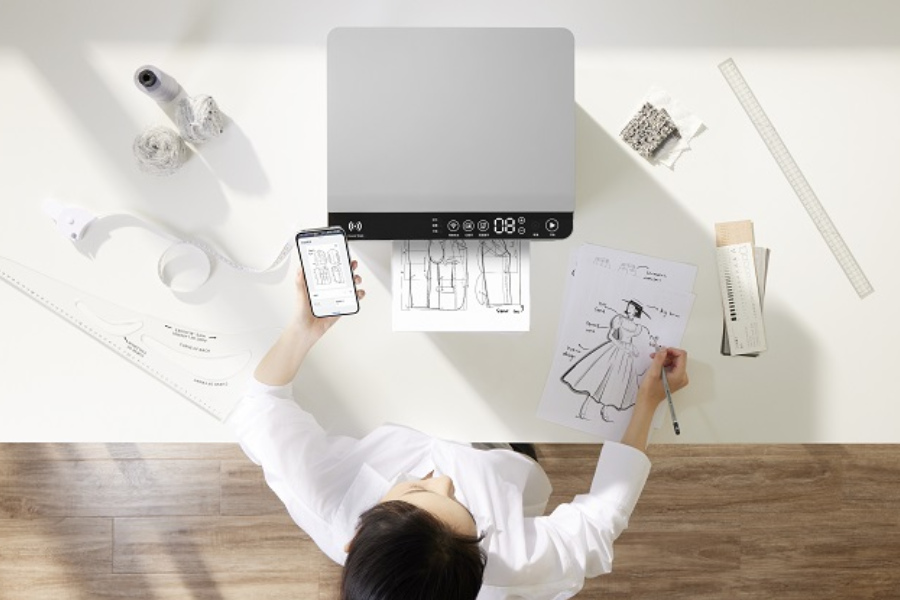
Huawei has officially launched its Bisheng Laser Printer X1 series, a line of multi-function printers aimed at home and small office users. The series boasts a minimalist design, simplified operation, and a focus on easy network connectivity. Let’s get into its details here.
Huawei Bisheng Laser Printer X1 Specifications
The Bisheng X1 series boasts a minimalist design with a floating scanner table. The control panel, featuring hidden capacitive touch buttons, minimizes clutter and simplifies operation.
Setting up the Bisheng X1 series is designed to be a breeze. Huawei says its “simple network connection” process allows multiple devices to automatically discover and connect to the network when placed in proximity to the printer.
Additionally, the X1 series supports a single-point network setup, enabling family-wide printer sharing without the need for individual devices to re-connect. It can be done through the Smart Life App that allows users to send printing commands directly from their smartphones.
Mobile Printing and Robust Connectivity
The X1 series caters to the modern mobile workflow. It supports one-touch printing through Huawei Share, enabling users to seamlessly print documents directly from their Huawei devices. Additionally, the printer offers remote printing capabilities via various methods, including Huawei printing on HarmonyOS devices, WeChat mini-program printing, Smart Life App printing, and a universal printing portal.
Stability is another key focus for the X1 series. Huawei employs a distributed radio frequency solution alongside a three-layer interference protection network. This, coupled with Huawei’s Wi-Fi low-power technology, promises a consistently reliable online connection. To further enhance paper handling, the X1 series utilizes an S-shaped paper feed mechanism that reduces the likelihood of paper jams. Huawei claims the printer can handle up to 20,000 sheets without jamming – a testament to its dependable design.
Multifunctionality and Efficiency
The X1 series integrates printing, copying, and scanning functionalities, with a printing speed of 30 pages per minute and color scan accuracy of 1200 DPI.
To lower consumable replacement costs, the series features an independent drawer-type toner cartridge system. Replacing the toner cartridge is a straightforward process – simply open the front panel, unlock the cartridge using the handle, and slide it out. Inserting the new cartridge follows the same intuitive steps.
Notably, the X1 series separates the toner and drum unit, allowing users to replace only the depleted toner, reducing overall consumable expenses.
The series includes three variants: X1, X1 Pro, and X1 Max, each with different toner capacities. The X1 Max supports up to 2,000 printed pages, the X1 Pro up to 1,500 pages, and the base X1 model up to 1,000 pages.
Pricing
The Huawei Bisheng Laser Printer X1 series starts at 1,299 yuan for the base variant. The Pro model costs 1599 yuan while the Laser Printer X1 Max is priced 1899 yuan. The printers are now available for pre-order and they will go on sale from August 13th at Huawei Mall, Huawei Experience Stores and authorized retailers.
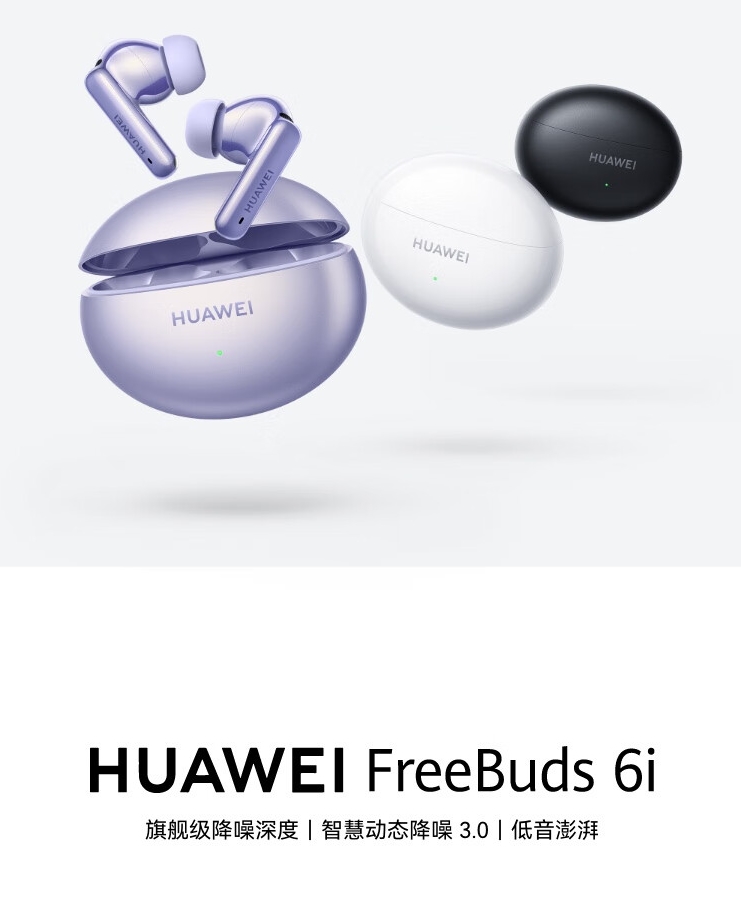
Huawei has introduced the FreeBuds 6i TWS earbuds at their latest product launch event in China. The earbuds were introduced earlier this year in the global market.
Pricing and Availability
These earbuds are priced at 599 Yuan ($84) and will be available for purchase starting today at 18:08 (CST), following a pre-sale that began at the end of the previous month. The FreeBuds 6i are available in three color options: Streamer Purple, Sky White, and Midnight Black.
In addition to the standard version, Huawei has also launched a special edition of the earbuds in collaboration with Pop Mart, called the FreeBuds 6i Streamer Melody Edition. This edition is priced higher at 899 Yuan ($126), with pre-sales starting today at 18:08 and the official sale set to begin on August 17th at 10:08 (CST).
Huawei FreeBuds 6i Specifications
In terms of specs, the earbuds feature an 11mm four-magnet dynamic driver that promises enhanced audio performance. The earbuds also include a 10-band equalizer, allowing users to customize the sound output to their preference.
The Huawei FreeBuds 6i (check out our full review of FreeBuds 6i) offers a noise cancellation depth of 27 dB, utilizing the Intelligent Dynamic Noise Cancellation 3.0 algorithm to adapt in real time to different environments. This system adjusts every second, providing a comfortable listening experience in various settings like cafes, airplanes, and subways.
The earbuds feature three microphones and a resonance damping chamber for effective mid-to-high frequency noise reduction, along with a 2.4x computing power upgrade to improve the accuracy and speed of noise cancellation.
The earbuds come with intuitive touch controls, quick charging, and up to 35 hours of total music playback. They also offer multi-device connectivity, IP54 dust and water resistance, and audio sharing, making them versatile for various user needs.
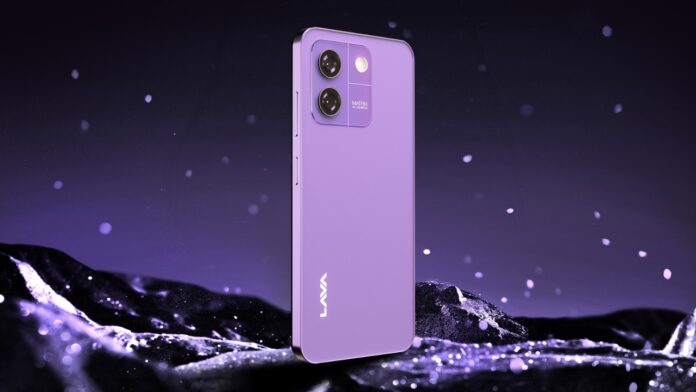
Lava has officially announced a new budget smartphone in its home market of India. The device in question is the new Yuva Star, which is an affordable model that supports 4G connectivity. It also offers a clean UI experience from Android Go, so here’s the rest of the key details.
Lava Yuva Star Specs
The company aimed to offer capable specs for budget pricing. The Yuva Star sports a tall 6.75-inch IPS LCD panel that offers a standard 60Hz refresh rate and a 5-megapixel selfie shooter on the front. Meanwhile, the rear houses a 13-megapixel primary shooter and a secondary AI sensor with an LED flash module. A large 5,000mAh battery pack powers this device, which supports standard 10W charging via a USB Type-C port.
Lava Yuva Star
Under the hood, it is equipped with the UNISOC 9863A SoC that is coupled with a PowerVR GE8322 GPU. Users also get 4GB of RAM and 64GB of internal storage. However, the storage can be bumped via a microSD card slot along with support for virtual RAM expansion up to 4GB. Other notable features include a water drop notch, a side mounted fingerprint scanner, and face unlock. This device runs on the Android 14 Go Edition and promises to offer a clean and user friendly UI.
Pricing and Availability
Lava has announced the new Yuva Star in a single storage configuration that costs 6,499 INR (roughly 77 US Dollars). It will be available in multiple color options, namely White, Black, and Lavender. The smartphone is available across retail outlets in the region. The brand is even offering a service at home facility for customers who purchase this device.
Today Samsung announced it has begun mass production of the “industry’s thinnest” 12 nanometer (nm)-class, 12-gigabyte (GB) and 16GB LPDDR5X DRAM packages. This development is expected to solidify the company’s leadership in the low-power DRAM market.
Image: Samsung
With this development, the company plans to expand its business in the low-power DRAM market by supplying its latest 0.65mm LPDDR5X DRAM to mobile processor makers and device manufacturers.
Samsung has been able to deliver ultra-slim LPDDR5X DRAM packages that can pack more capacity within a given volume. It reportedly also offers better thermal control, a factor that is becoming increasingly critical, especially for high-performance applications, an example on which will be on-device AI processing.
Speaking of the on-device AI processing, the company is currently rumored to be working on expanding its Galaxy AI beyond the S series flagships and rolling it out to select A series devices, starting this year.
“Samsung’s LPDDR5X DRAM sets a new standard for high-performance on-device AI solutions, offering not only superior LPDDR performance but also advanced thermal management in an ultra-compact package,” said YongCheol Bae, Executive Vice President of Memory Product Planning at Samsung Electronics. “We are committed to continuous innovation through close collaboration with our customers, delivering solutions that meet the future needs of the low-power DRAM market.”
With the new LPDDR5X DRAM packages, Samsung will offer the industry’s thinnest 12 nm-class LPDDR DRAM in a 4-stack structure. According to the company, it will reduce the thickness by approximately 9% and improve heat resistance by about 21.2%, as compared to its previous generation.
The company also noted that they have managed to make the new LPDDR5X DRAM package is “as thin as a fingernail” at 0.65 millimeters, which is reportedly the the thinnest among existing LPDDR DRAM of 12GB or above. They are using an ‘optimized’ back-lapping process (grinding the backside of a wafer) to reduce the thickness of the DRAM package.
We use cookies on our website to give you the most relevant experience by remembering your preferences and repeat visits. By clicking “Accept”, you consent to the use of ALL the cookies.
This website uses cookies to improve your experience while you navigate through the website. Out of these, the cookies that are categorized as necessary are stored on your browser as they are essential for the working of basic functionalities of the website. We also use third-party cookies that help us analyze and understand how you use this website. These cookies will be stored in your browser only with your consent. You also have the option to opt-out of these cookies. But opting out of some of these cookies may affect your browsing experience.
Necessary cookies are absolutely essential for the website to function properly. This category only includes cookies that ensures basic functionalities and security features of the website. These cookies do not store any personal information.
Any cookies that may not be particularly necessary for the website to function and is used specifically to collect user personal data via analytics, ads, other embedded contents are termed as non-necessary cookies. It is mandatory to procure user consent prior to running these cookies on your website.