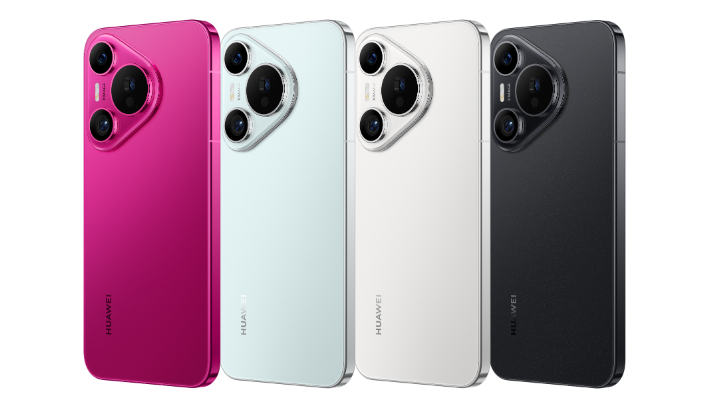
Huawei launched the Pura 70 series in April this year with a new Kirin chipset. In the latest news, a Huawei insider claimed that the shipment volume of the series increased by 125% year-on-year compared to the P60 series.
The news comes from market research firm TechInsights. The firm’s report states that the Mate 60 Pro’s shipments in China within 5 months from release were 6.2 million units. The report also predicted that the Pura 70 series shipments in 2024 will exceed 10 million units.
The Pura 70 series consists of four different models – the Pura 70, Pura 70 Pro, Pura 70 Pro+, and Pura 70 Ultra. While the Pura 70 is powered by the Kirin 9000S1, the other models are powered by the Kirin 9010 chip.
The base model offers a 6.6″ screen, while the other models come with a slightly larger 6.8″ screen. These are LTPO OLED panels with support for 1B colors that reach a peak brightness of 2500 nits. All of them come with an aluminum frame and offer an IP68 dust and water resistance rating.
Speaking of cameras, the main cameras of all three models come with variable aperture and OIS. The Pura 70, Pura 70 Pro, and Pura 70 Pro Plus equip a 1/1.3″ 50MP main sensor while the Ultra model packs a larger 1″ type sensor for the main camera. In addition to the main camera, the Pura 70 offers a 12MP 125mm periscope telephoto (5x) and a 13MP ultrawide. The Pro and Pro Plus model offers a 48MP telephoto with 3.5x optical zoom and a 12.5MP ultrawide. In contrast, the Pura 70 Ultra packs a 40MP ultrawide and a 50MP 3.5x telephoto. The main camera on the Ultra model also comes with a retractable lens.
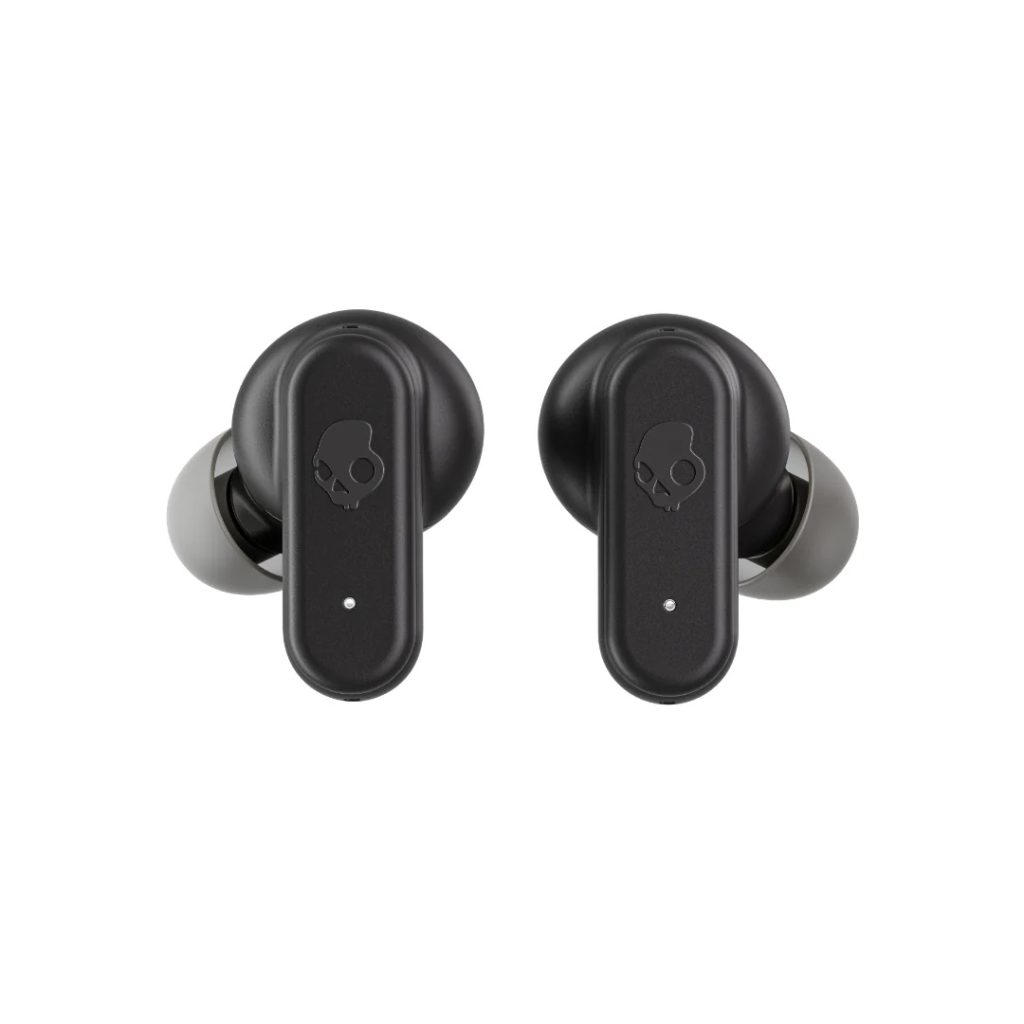
The Skullcandy Dime Evo wireless headphones have been launched. The new Skullcandy wireless audio accessory has a charging case that can be attached to a key ring or clothing. The new Skullcandy Dime Evo offers greater versatility in a highly saturated wireless headphones segment. The unique design of the Dime Evo also stands it out in the crowd.
The charging case of the Dime Evo is elongated and comes with a loop. This means that the case can be carried along easily by attaching it to a key ring or even to your clothes. The wireless headphones themselves, come in a typical in-ear design with 6mm drivers. The headphones can produce frequencies within the range of 20Hz to 20,000Hz. The Dime Evo has a battery life of 8 hours while the charging case can extend the runtime to 36 hours. The headphones support fast charging with a 10-minute charge delivering up to 2 hours of playback. The headphones are sweat and water-resistant.
The Skullcandy Dime Evo wireless headphones support Bluetooth 5.3 connectivity and Google Fast Pair for seamless pairing with Android devices. The preset EQ modes are Music, Bass Boost, and Podcast. The companion app for the wireless headphones is the Skullcandy app which allows the user to the settings. The Dime Evo also supports a Stay Aware mode, as well as a low latency mode for gaming. You can also control music playback and accept/ receive calls via the Dime Evo.
The Skullcandy Dime Evo wireless headphones come with a $59.99 price tag. It can be purchased directly from the Skullcandy online shop. Skullcandy is offering buyers the option of paying in four interest-free installments of $14.99. It is expected that the Skullcandy Dime Evo’s availability will extend to retail platforms like Amazon subsequently.
MediaTek has introduced its latest Dimensity 7350 chipset, designed to offer strong performance for mid-range devices. While it doesn’t deliver high-end power, phones equipped with the Dimensity 7350 are expected to come at a budget-friendly price.
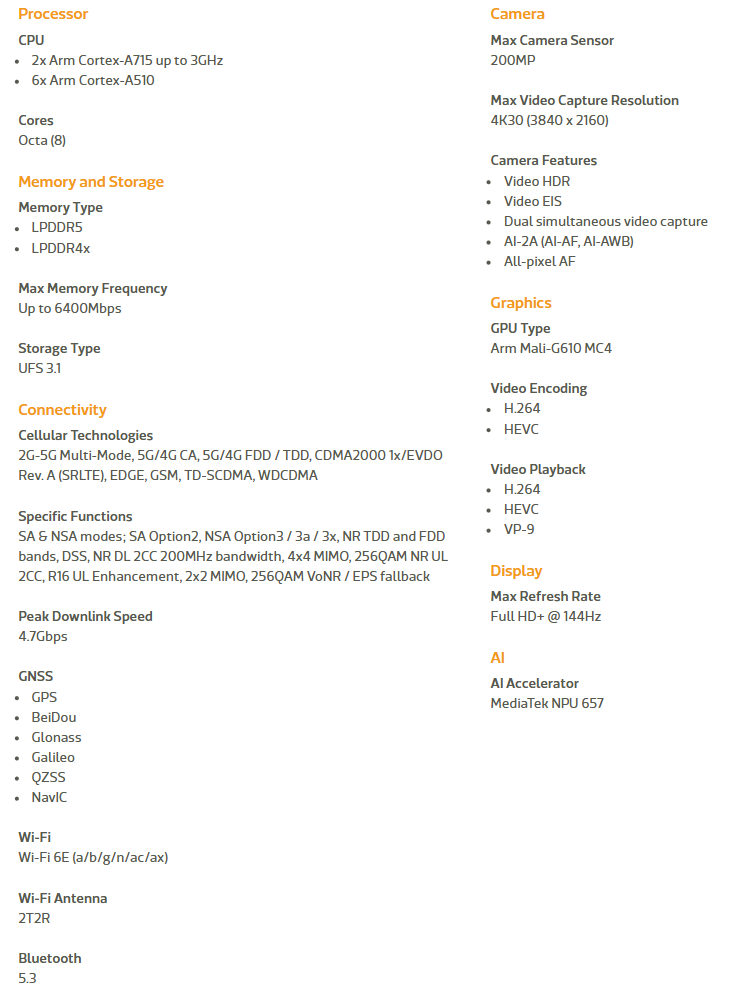
MediaTek Dimensity 7350 features an 8-core setup and is built using TSMC’s 2nd generation 4nm manufacturing process. This chipset includes 2nd Gen Armv9 processors that can reach speeds of up to 3.0 GHz, along with a Mali G610 MC4 GPU for graphics.
MediaTek Dimensity 7350
The Dimensity 7350’s configuration consists of 2 Cortex-A715 cores and 6 Cortex-A510 cores. For AI tasks, it includes the MediaTek NPU 657. The chipset also features the Imagiq 765 ISP, which supports 14-bit HDR images. It can handle camera sensors up to 200 MP and record 4K videos at 30 FPS. Additionally, it supports both LPDDR5 and LPDDR4x RAM.
As a mid-range processor, the Dimensity 7350 has some limitations. It supports only Full HD+ displays at 144 Hz and uses UFS 3.1 storage. With that being said, you won’t find this chipset in high-end smartphones. For more information, you can visit MediaTek’s official website from the given link.
itel officially teased the Color Pro 5G model in India earlier this month. Its latest budget phone with a unique design has finally been announced. A leak had revealed some of its key specs ahead of launch, but we have all the official details now.
itel Color Pro 5G Specs
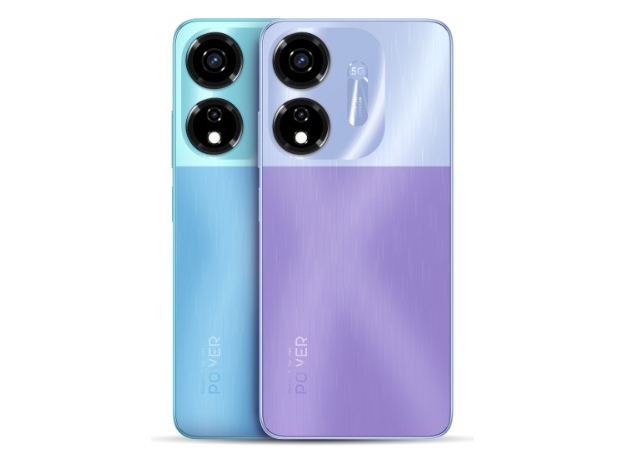
The new IVCO (itel Vivid Color) technology is undoubtedly one of the highlight aspects of the new itel Color Pro 5G. It can change the color of the back panel when exposed to sunlight. The back also features a 50-megapixel AI dual camera. On the front, the smartphone sports a 6.6-inch display that offers an HD+ resolution and a 90Hz refresh rate. For selfies and video calls, you get an 8-megapixel shooter. A large 5,000mAh battery pack powers this device, which supports 18W wired fast charging.
itel Color Pro 5G
Under the hood, the itel Color Pro 5G is equipped with the MediaTek Dimensity 6080 SoC, which is paired with 6GB of RAM and 128GB of internal storage. Virtual RAM support lets you expand your memory by another 6GB, while a microSD card slot lets you raise the storage. The chipset supports NRCA (5G++) that promises to offer a strong 5G connectivity for a faster browsing experience. Other notable features include a side mounted fingerprint scanner, face unlock, FM Radio, and Android 13 OS out of the box.
Pricing and Availability
The itel Color Pro 5G has been announced for a 9,999 INR price tag (roughly 120 US Dollars). It will be offered in two color variants, namely Lavendary Fantasy and River Blue. The smartphone is on sale on Amazon India. Buyers can also avail a special launch offer as itel is giving out a free duffle trolley bag worth 3,000 INR along with a one time screen replacement worth 2,000 INR.
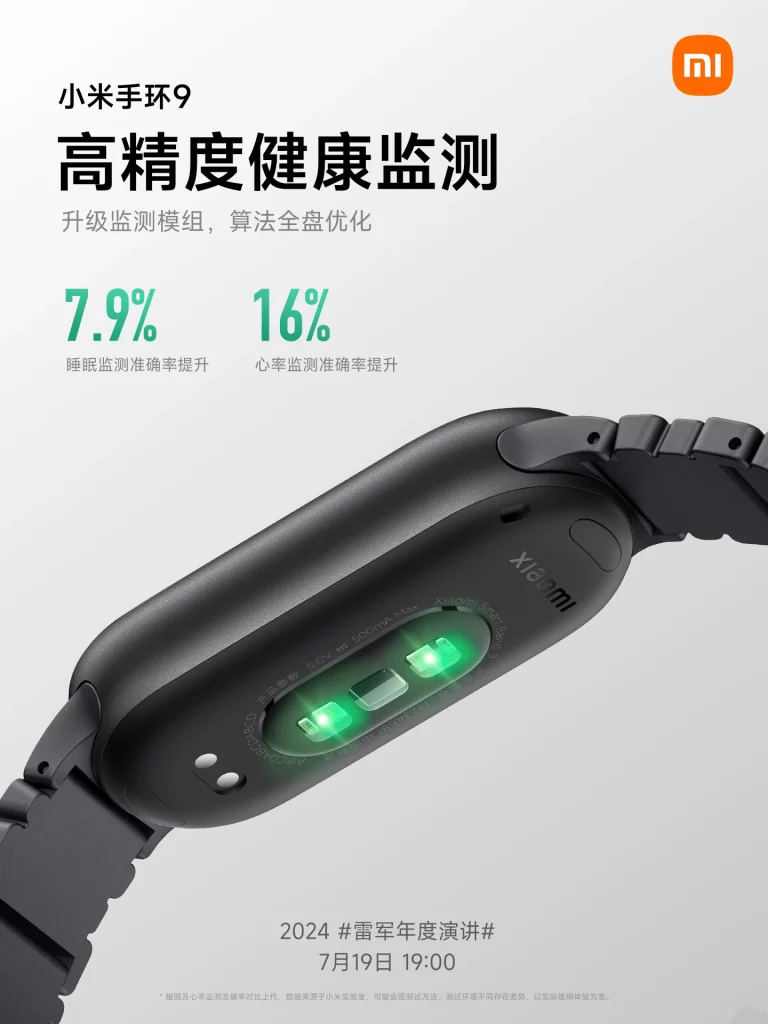
Ahead of the launch, the company has confirmed the design and some specifications of some of the new products. In this article, we will be discussing the Xiaomi Smart Band 9. The company has shared posters of the Smart Band 9 revealing the design, which you can check out below.
The product will reportedly come with a ceramic special edition with a white ceramic body. The wristband of the Band 9 has a woven texture. A company official said, “Waving your hand and raising your wrist can show your fashionable personality.”
The Smart Band 9 comes equipped with an upgraded monitoring module, which is claimed to offer a 7.9% and 16% increase in accuracy in sleep monitoring and heart rate monitoring respectively. The vibration feedback has also been improved which now supports up to 20 vibration modes, covering 25+ usage scenarios.
in addition to all of that, the company also claims a 21 day battery life for the product. For reference, the predecessor offers a battery life of 16 days.
To give you a clearer idea of what to expect from the new product, here’s a recap of the predecessor. The Smart Band 8 is equipped with a 1.62-inch screen that reaches a peak brightness of 600 nits, comes with auto-brightness, and offers a pixel density of 326ppi. The product was priced at 239 Yuan.
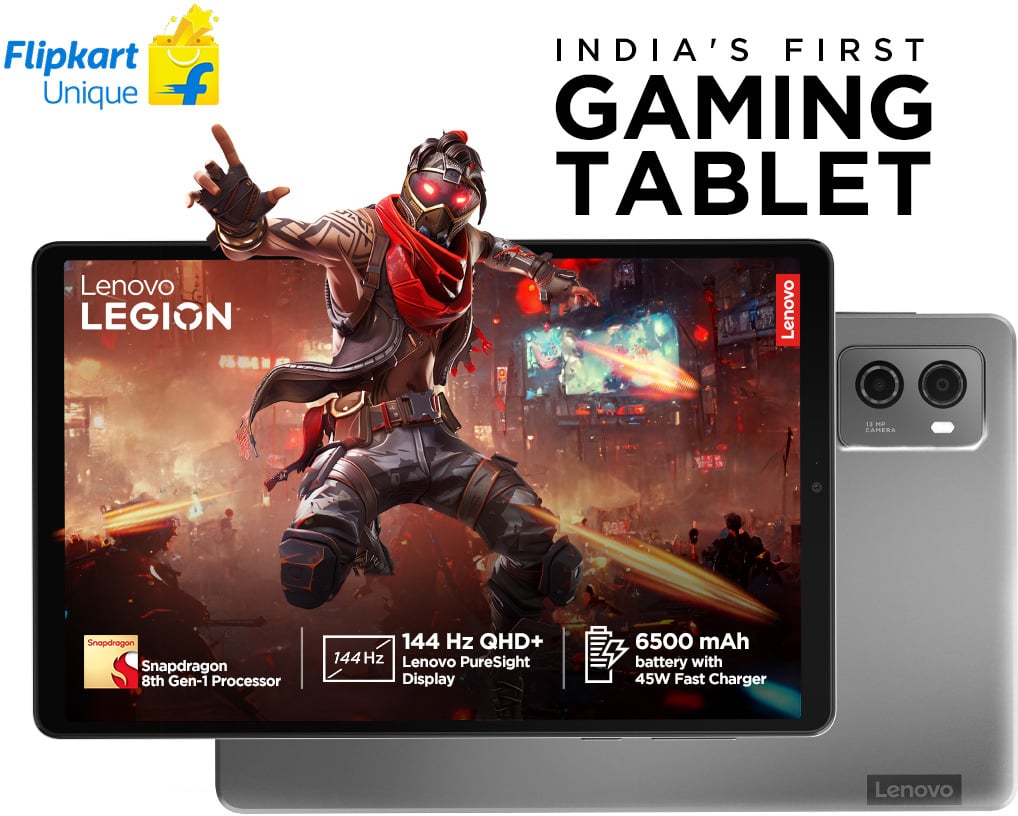
Lenovo is gearing up to launch India’s first gaming tablet, the Lenovo Legion, with pre-orders starting from July 19th on Flipkart. The tablet’s pricing and key features have now been revealed on Flipkart.
The Lenovo Legion Gaming Tablet will be priced at Rs. 28,999 for the 12GB RAM and 256GB storage variant. This price is likely after including various offers, making it an attractive option for gaming enthusiasts.
Image via TheTechOutlook
Lenovo Legion gaming tablet specs:
As per the details shared on the Flipkart microsite, the Lenovo Legion Gaming Tablet features an 8.8-inch QHD+ display offers a 144Hz refresh rate, 500 nits of brightness and supports Dolby Vision and HDR10 for superior visuals.
Under the hood, it features a Snapdragon 8+ Gen 1 processor, which is still more than enough for most Android games. It has a 6550mAh battery that provides long battery life, and 45W fast charging minimizes downtime. The tablet includes two USB-C ports, a card slot, dual speakers, and microphones for clear communication. The Legion ColdFront Vapor Thermal Solution keeps the tablet cool during long gaming sessions.
These features match those of the China-exclusive Legion Tab Y700 2023 model. This tablet is also available in other markets worldwide under the name “Lenovo Legion Tab.”
In related news, OnePlus has recently launched the OnePlus Pad 2 tablet in India and other markets, featuring the flagship Snapdragon 8 Gen 3 processor. Like the Legion tablet, it also has a 144Hz refresh rate, however, it has a large 12.9-inch 3,000 x 2,120 pixels display, which could make gaming a challenge.
First up today, OnePlus is bringing sexy back with the Nord 4. Remember when phones felt solid and premium? Well, metal’s making a comeback, and OnePlus is leading the charge. But it’s not just about looks – they’re promising software support that’ll keep your phone fresh long after that new-phone smell fades.
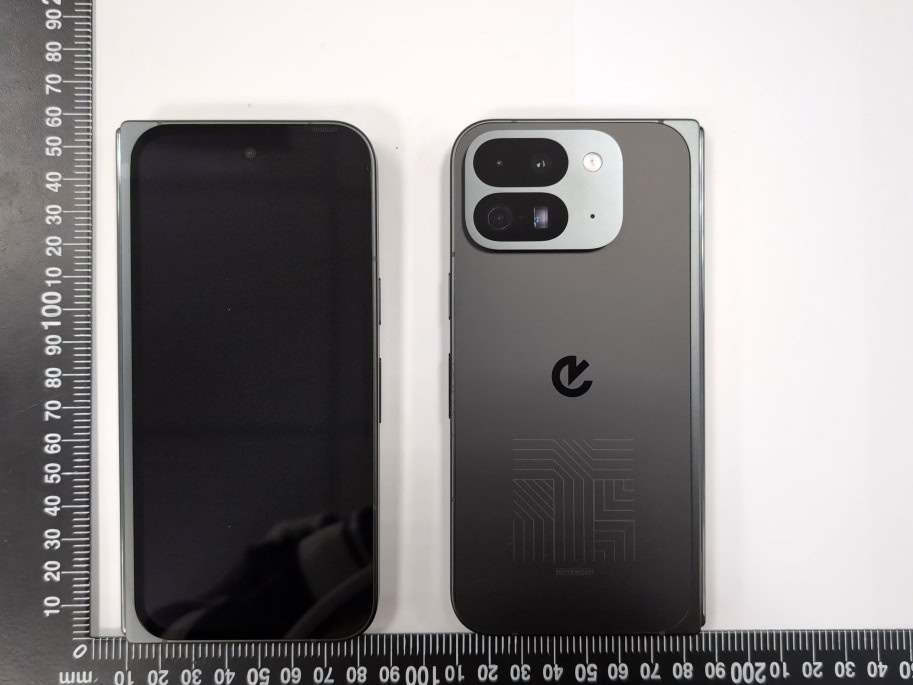
But wait, there’s more! Google’s playing fold ’em with the Pixel 9 Pro Fold, and we’ve got the leaked pics to prove it. That camera array? Let’s just say it’s… unique. We’ll dive into what this means for Google’s foldable future.
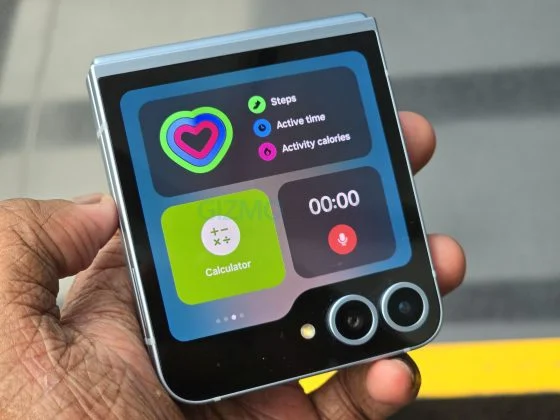
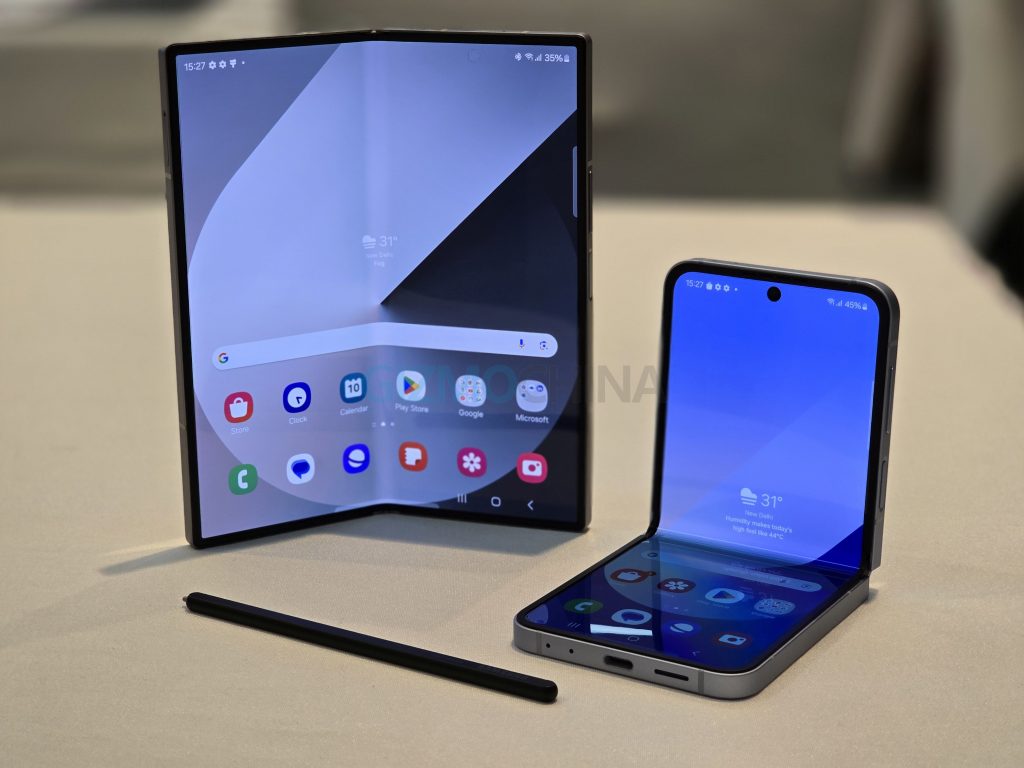
Speaking of folds, Samsung’s not sitting this one out. We’ve got hands-on impressions of the Galaxy Z Flip 6 and Fold 6. Are they game-changers or just minor upgrades? We’ll break it down for you.
And for all you Samsung fans, get ready for a fresh coat of paint. One UI 7 might be the biggest shake-up we’ll see in years. We’ll peek under the hood at what’s coming.
All the details on these stories are in today’s newsletter below.
At its summer event held yesterday, OnePlus unveiled a new tablet, smartphone, smartwatch, and TWS earphone. The OnePlus Nord 4 arrives as the successor to the last year’s Nord 3. It packs significant upgrades compared to its predecessors. The brand is bringing back the metal design on the latest offering. Additionally, it also comes with a longer software support policy. Read on to know what the smartphone offers out of the box.
Previously, hands-on image of pink Pixel 9 had already leaked. Now, Android Authority team has also managed to uncover photos of Pixel 9 Pro Fold too. Let’s take a first look at the Pixel 9 Pro Fold.
Samsung’s latest foldable phones, the Galaxy Z Flip 6 and Galaxy Z Fold 6, are here, and they bring several noteworthy upgrades. Here’s an in-depth look at these new devices, exploring their design, features, performance, and overall user experience.
For the past three years, Samsung‘s One UI interface hasn’t seen many significant changes. Last year’s One UI 6.0 update mainly focused on the Quick Panel layout. However, a recent leak suggests a major design overhaul is coming with One UI 7.0, which will be based on Android 15.
Vivo V30 is a mid-range smartphone launched earlier this year. It has an AMOLED screen, a Snapdragon 7 Gen 3 chip, a 50MP triple camera setup, and a 5,000mAh battery.
The Vivo phone is currently available at a starting price of Rs. 33,999 for the 8GB/128GB base variant and goes up to Rs. 37,999 for the top-end model with 12GB RAM. However, competitors are offering more powerful smartphones at similar pricing.
If you’re looking to purchase a Vivo V30, check out these 6 top alternatives to make a better purchase decision.
Let’s quickly review the Vivo V30 spec sheet first:
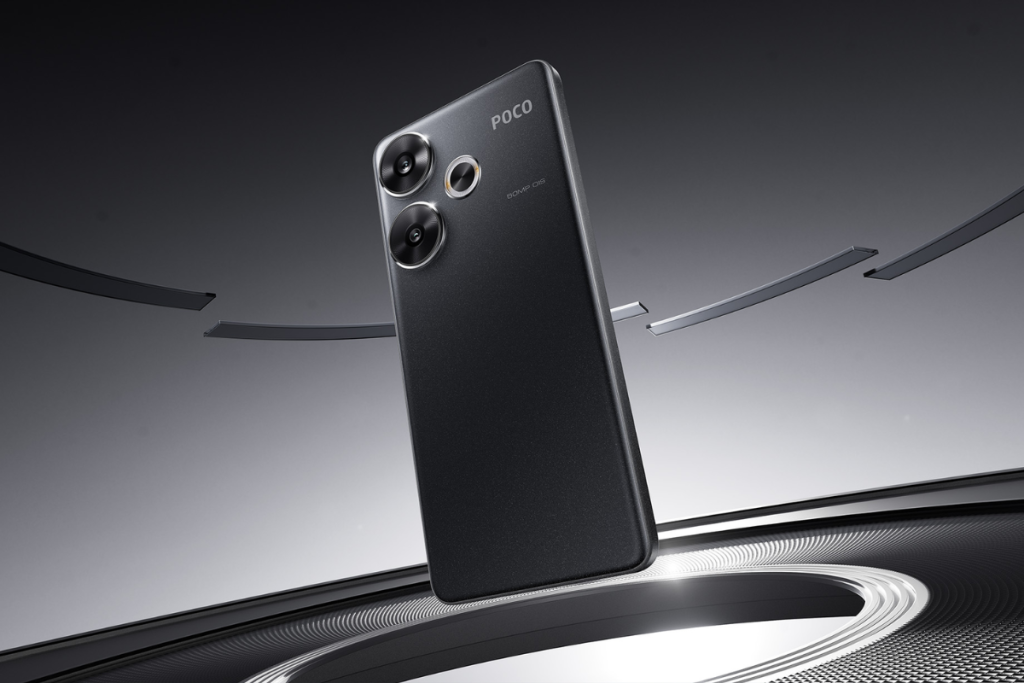
The Poco F6 is a great alternative to Vivo V30 at a cheaper price for someone who prioritizes performance. It packs a solid Snapdragon 8s Gen 3 chip, which performs way better than the Snapdragon 7 Gen 3 (in Vivo V30). Hence, you’ll see faster app loading, smoother performance, and gaming on the Poco F6.
The Poco smartphone has a slightly smaller screen of 6.67 inches (vs. 6.78 inches on Vivo V30) and is thicker but lightweight, too. Both have a 120Hz AMOLED panel, but the Vivo phone has a slightly higher peak brightness. However, the Poco phone can display 68 times more colors than the Vivo V30.
Both smartphones have a 50MP primary camera with optical image stabilization (OIS), although the secondary camera has a different resolution. The Vivo V30 has a 50MP ultrawide lens, whereas the Poco F6 has an 8MP sensor. The ultrawide sensors on both phones have a 119-degree field of view.
Both phones can record up to 4K videos using their rear cameras, but the Vivo phone can also record 4K videos with its 50MP selfie camera, which is limited up to 1080p on the Poco F6 with its 20MP sensor.
Both phones have the same connectivity features and the same 5,000mAh battery, but the Poco phone can refill the battery at a faster rate of 90W.
2. Realme GT 6
Realme GT 6
Display
6.78″ 120Hz AMOLED 1264 x 2780 px resolution HDR10+, Dolby Vision, 6000 nits (peak) Gorilla Glass Victus 2
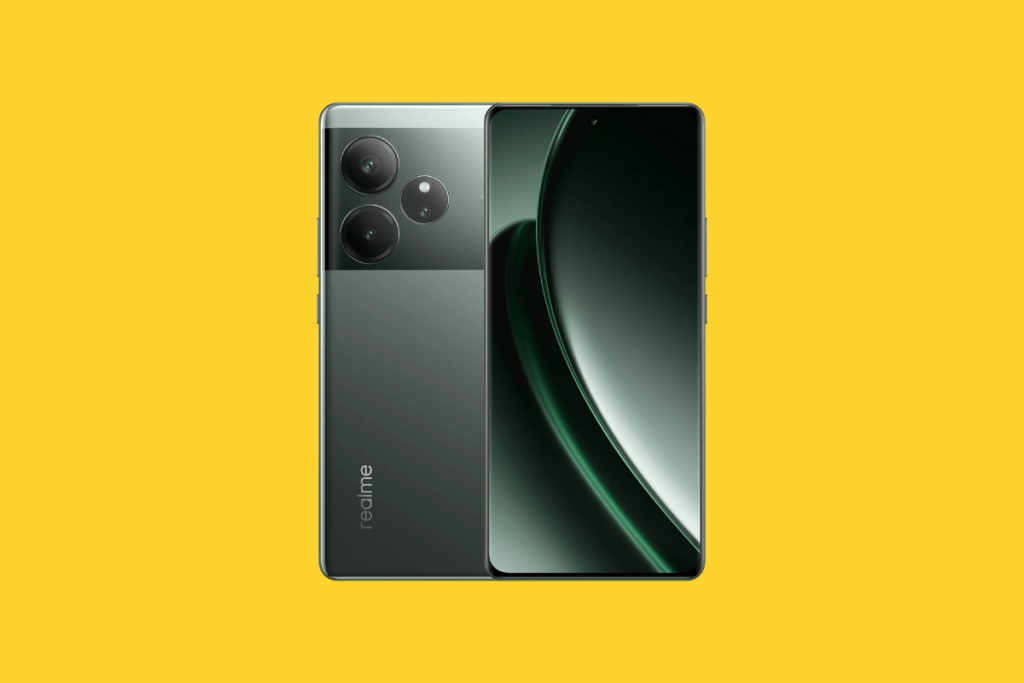
Realme GT 6 is another solid alternative to Vivo V30. It’s also powered by the flagship Snapdragon 8s Gen 3 chip, like the Poco F6. So, one thing is clear: you’ll get better performance on Realme GT 6 than on Vivo V30.
Both phones have the same screen size, but the Realme phone has an LTPO panel (variable refresh rate) and 6,000 nits of peak brightness.
Coming to the optics, the Realme GT 6 has a 50MP primary camera (with OIS), a 50MP telephoto lens, and an 8MP ultrawide lens (with 112˚ field of view). Compared to the Vivo V30, an additional lens is there in the GT 6 that works as a telephoto shooter.
The Realme GT 6 boasts a 32MP sensor for selfies and video calls. Both smartphones can record up to 4K videos with their front as well as rear cameras.
The Realme phone packs a slightly larger battery of 5,500mAh (vs. 5,000mAh on Vivo V30) and supports 120W fast charging. So, you get a bigger battery and faster charging support on Realme GT 6.
3. OnePlus 10 Pro
OnePlus 10 Pro
Display
6.7″ 120Hz LTPO AMOLED 1440 x 3216 px resolution HDR10+, 1300 nits (peak) Gorilla Glass Victus
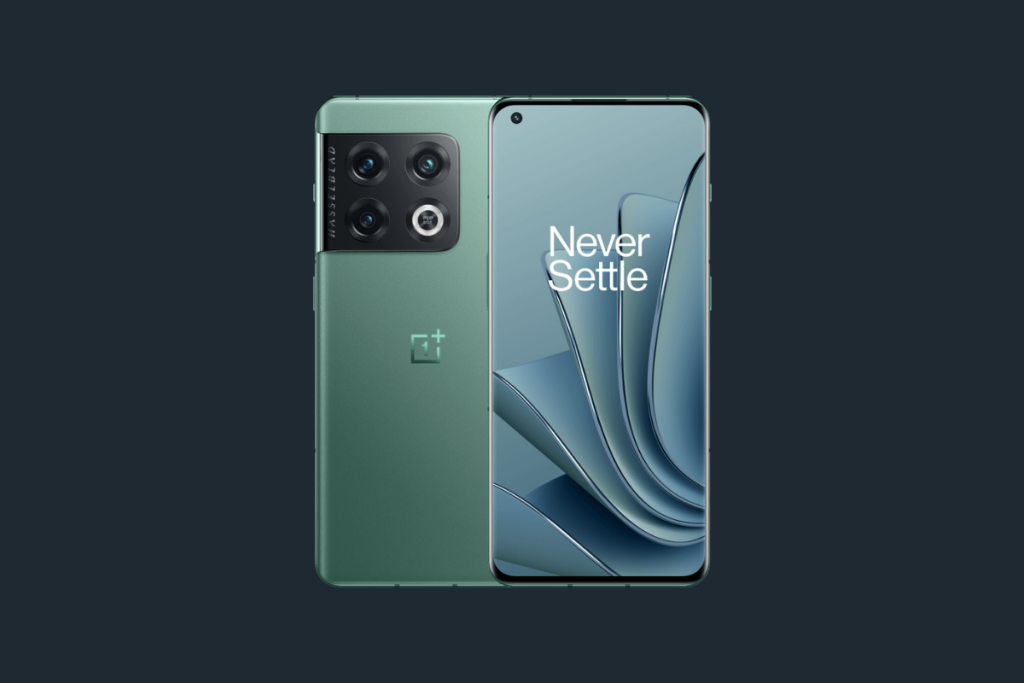
Although the OnePlus 10 Pro was released in 2022, it’s still a good deal for a budget of around Rs. 30,000. The device has a 6.7-inch AMOLED screen with 1300 nits of peak brightness. Unlike the Vivo V30, it’s an LTPO2 panel for adaptive refresh rate support.
The OnePlus smartphone is powered by a Snapdragon 8 Gen 1, faster than the Snapdragon 7 Gen 3 (in Vivo V30). Hence, the OnePlus 10 Pro offers better gaming and overall performance than the Vivo V30.
The large rectangular module on the OnePlus 10 Pro houses three camera sensors. It includes a 48MP primary sensor (OIS), an 8MP telephoto lens (OIS, 3.3x optical zoom), and a 50MP ultrawide lens (150˚ field of view). This camera setup can take better zoom shots than the Vivo V30.
The OnePlus 10 Pro has a 32MP camera for selfies, whereas the Vivo V30 has a 50MP sensor.
The Vivo phone can only record up to 4K videos with its rear cameras, whereas the OnePlus 10 Pro can record 8K videos. But it can’t record 4K videos with its front camera, which the Vivo phone is capable of.
Both smartphones pack a 5,000mAh battery and support 80W fast wired charging. The OnePlus 10 Pro supports 50W wireless as well as reverse wireless charging.
4,700 mAh battery 45W wired (0-100% in 55 min) 15W wireless 5W reverse wireless
OS
Android 13, Nothing OS
Connectivity
5G, Wi-Fi 6, Bluetooth 5.3, NFC
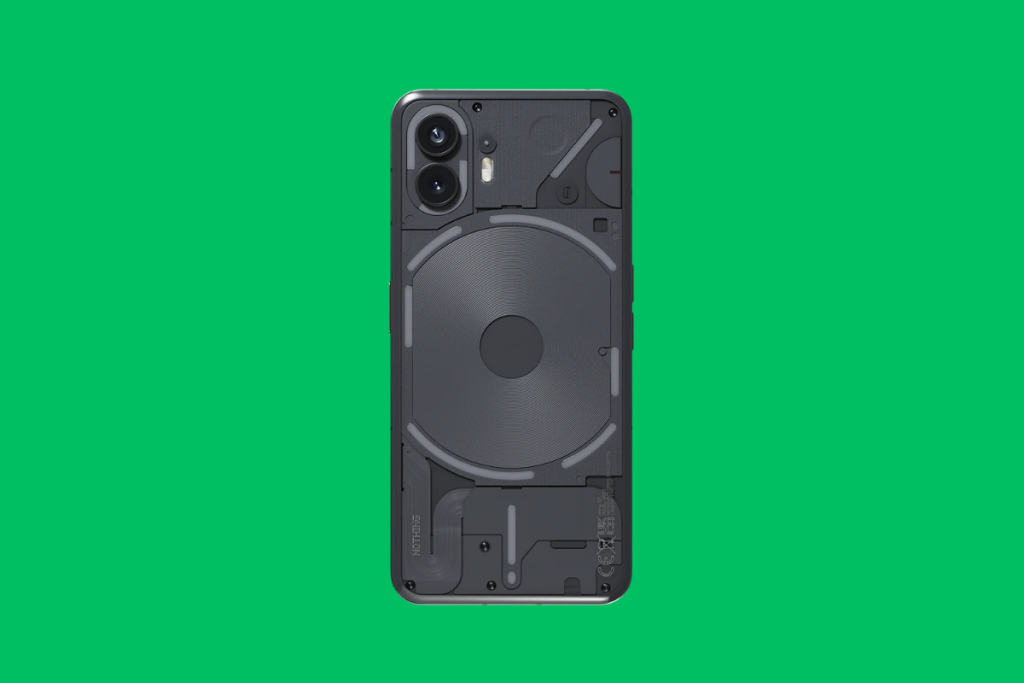
If you’re looking for a Vivo V30 alternative with a primary focus on design, then the Nothing Phone 2 is a good option.
The Nothing Phone 2 has a Snapdragon 8+ Gen 1 SoC with a clear performance advantage over the Snapdragon 7 Gen 3 (in Vivo V30). Both smartphones have nearly the same screen size, although the Nothing Phone 2 has an LTPO panel for adaptive refresh rate support.
Both phones have a dual camera setup on the rear, consisting of a 50MP primary sensor with OIS and a 50MP ultrawide lens. However, the Nothing Phone 2 has a 32MP selfie camera, whereas the Vivo V30 has a 50MP sensor.
The Vivo V30 and Nothing Phone 2 can record up to 4K videos with their rear camera setup. The Vivo phone can also record 4K videos with its selfie camera, which is limited up to 1080p resolution on the Nothing Phone 2.
The Nothing phone is packed with a 4,700mAh battery with support for 45W wired charging. It also supports 15W wireless and 5W reverse wireless charging.
The Poco X6 Pro has a slightly smaller 6.67-inch AMOLED screen with HDR10+ and 120Hz refresh rate support. Compared to the Vivo V30, it has a lower peak brightness of 1800 nits but supports 68 times more colors.
The X6 Pro has the MediaTek Dimensity 8300 Ultra at the helm. It’s more powerful than the Snapdragon 7 Gen 3 (in Vivo V30). Hence, you should expect smoother performance and gaming on the Poco phone.
The rear camera setup includes a 64MP primary sensor (with OIS), an 8MP ultrawide lens, and a 2MP macro camera. On the front, there is a 16MP sensor for selfies and video calls. The rear camera can record up to 4K videos, and the selfie camera can record up to 1080p videos.
The Poco X6 Pro packs a 5,000mAh battery with 67W fast charging support.
The OnePlus 12R is slightly pricier than the Vivo V30 but offers good value for money. It has the same screen size but an LTPO2 panel and a peak brightness of 4500 nits. It’s protected using a reliable Gorilla Glass Victus 2, whereas the V30 has Schott Alpha protection.
The OnePlus smartphone is powered by a flagship Snapdragon 8 Gen 2 chip, which offers better performance and gaming than the Snapdragon 7 Gen 3 on Vivo V30.
The smartphone has a large circular camera module on the back that houses a 50MP primary sensor (with OIS), an 8MP ultrawide sensor (with a 112-degree field of view), and a 2MP macro shooter. It can record up to 4K videos.
The OnePlus 12R has a 16MP selfie camera that allows 1080p video recording. It has a 5,500mAh battery with support for 100W fast charging.
Which of these six phones is the best alternative to Vivo V30? Share your thoughts in the comments below.
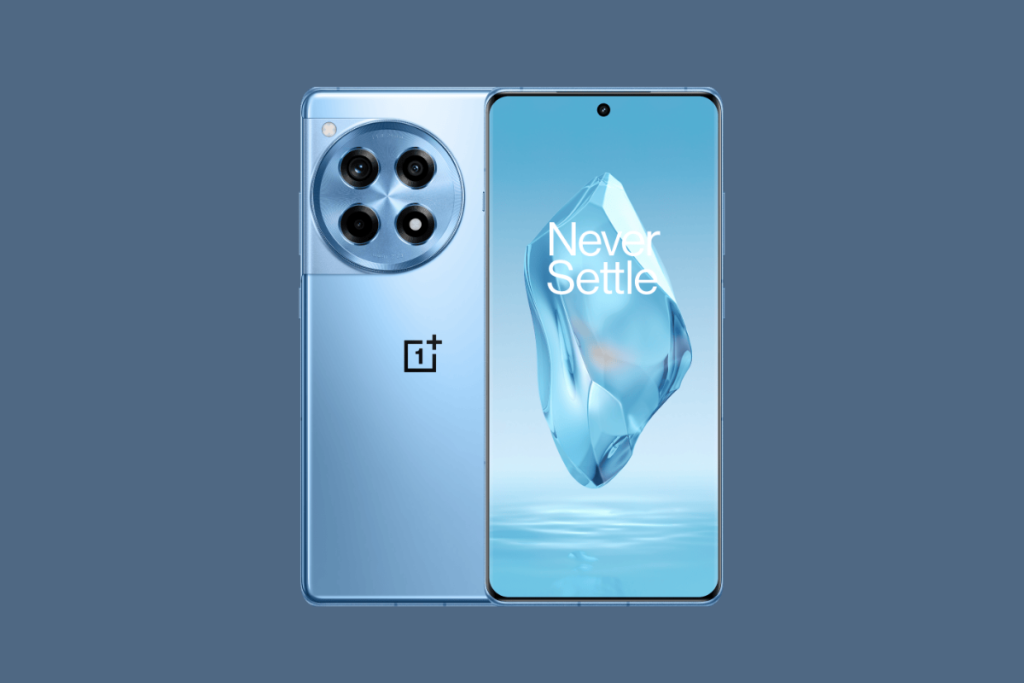
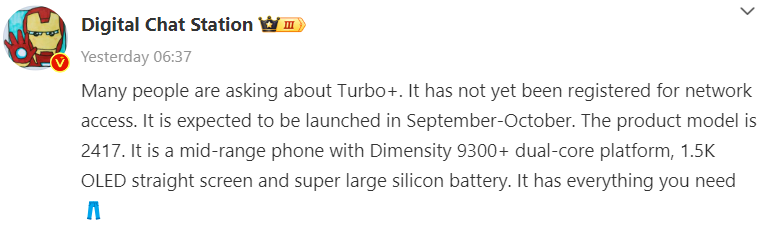
In April, iQOO unveiled the iQOO Z9 series of smartphones in China. The lineup includes three phones, such as the iQOO Z9x with the Snapdragon 6 Gen 1 chip, the iQOO Z9 powered by the Snapdragon 7 Gen 3 SoC, and the iQOO Z9 Turbo equipped with the powerful Dimensity 9300 chipset. Last month, tipster Diigital Chat Station revealed that the company is working on a fourth Z9-series phone called the iQOO Z9 Turbo Plus. In a new Weibo post, the tipster has leaked some more details about the Turbo+ phone.
iQOO Z9 Turbo+ key details emerge
The leaks reveal that no Chinese certification authorities have yet approved the iQOO Z9 Turbo+ model, which has the V2417A model number. He disclosed that the phone’s warranty will expire in September or October of this year.
The leak further reveals that the Z9 Turbo+ will have a flat OLED panel that produces a 1.5K resolution. A dedicated graphics management chip will power the display, likely enhancing the gaming experience on the device.
While the leaker did not reveal the device’s battery size, he did mention that it would have a large silicon battery. The device will incorporate the Dimensity 9300 Plus chipset, the same one powering the upcoming Redmi K70 Ultra. The aforementioned chip also powers the Vivo X100s and iQOO Neo 9S Pro.
Further details about the Z9 Turbo+ are still unknown. However, it is likely to be a cost-effective, performance-focused smartphone.
Reports have revealed that Redmi is working on the Redmi Note 14 series of smartphones. According to a recent leak, the Redmi Note 14 series may come with the all-new Snapdragon 7s Gen 3 processor.
Redmi Note 14 Pro series Snapdragon 7s Gen 3 rumor
Redmi Note 14 s
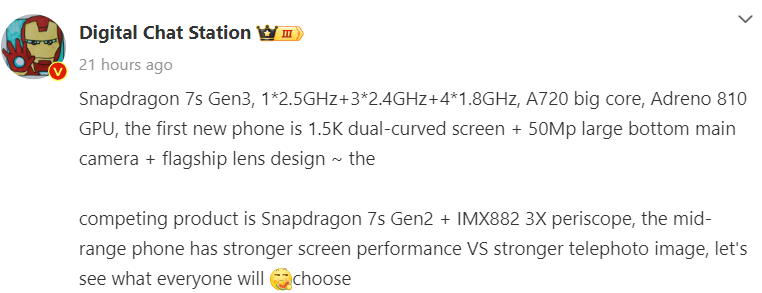
According to tipster Digital Chat Station, the upcoming Snapdragon 7s Gen 3 chip will support a device with a dual-edge curved screen that offers a 1.5K resolution and a 50-megapixel triple camera setup equipped with a flagship lens design. It appears that these details belong to one of the upcoming Redmi Note 14 Pro series smartphones.
DCS stated that the above device will compete with another device that has the Snapdragon 7s Gen 2 chip paired with a Sony IMX882 (LYT-600) 3X periscope camera. This device could be a Realme 13 Pro+. Hence, it appears that the Redmi Note 14 Pro or 14 Pro+ equipped with the SD7sG3 may rival the Realme 13 Pro+.
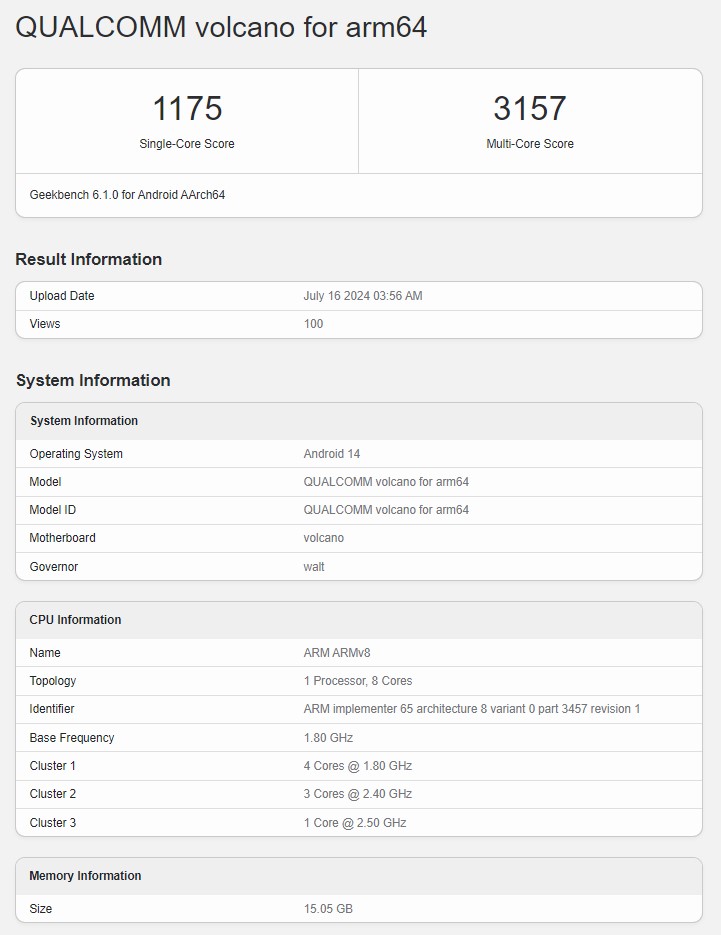
Snapdragon 7s Gen 3 Geekbench listing
The above image shows that the alleged Snapdragon 7s Gen 3 scored 1175 points in the single-core test and 3157 points in the multi-core test. The new chip’s testing unit has 16 GB of RAM and an Android 14 OS.
According to the Geekbench listing, it has one prime CPU core clocked at 2.50GHz, three CPU cores running at 2.40GHz, and four CPU cores operating at 1.80GHz. The Adreno 810 GPU powers the chipset’s graphics. The “volcano” text seen in the listing appears to be the codename of the Snapdragon 7s Gen 3. Reports have claimed that the chip has the SM7635 model number.
In terms of performance, the Snapdragon 7s Gen 3 will be better than the Snapdragon 7s Gen 2 from last year. However, it will be comparatively less powerful than the Snapdragon 7+ Gen 3 and Snapdragon 7 Gen 3 chipsets.
Qualcomm recently confirmed that it will hold a launch event on July 30 in India. However, the chip maker has yet to confirm the event’s details. The upcoming launch event may reveal the Snapdragon 7s Gen 3.
Red Magic has launched the Red Magic 9S Pro smartphone for the global market, following its debut in China last month. The 9S Pro offers a new look and smart AI features.
Red Magic 9S Pro specs:
The Red Magic 9S Pro features a 6.8-inch Full HD+ OLED display with a resolution of 2480 x 1116 pixels and a 120Hz refresh rate. It supports 10-bit color depth, 100% DCI-P3 color gamut coverage, and a peak brightness of up to 1600 nits. The display also includes DC dimming and 21600Hz PWM dimming.
Powered by the Octa-Core Snapdragon 8 Gen 3 Leading version and an Adreno 750 GPU, the phone offers memory options of 12GB, 16GB, or 24GB of LPDDR5X RAM and storage choices of 256GB, 512GB, or 1TB UFS 4.0. It runs on Android 14 with Redmagic OS 9.5 and supports dual SIM cards. The Red Magic 9S Pro has a 6500mAh battery with 80W fast charging.
Key AI features include Smart Navigator, which provides real-time game suggestions and voice typing; AI Trigger, allowing customizable shoulder button actions based on playstyle; and Sound Recognition, which identifies in-game sounds to aid decision-making.
The phone features a triple camera setup on the back, including a 50MP main sensor (Samsung GN5), a 50MP 120-degree ultra-wide lens (Samsung JN1), and a 2MP macro camera (GigaDevice GC02M1). The front camera is a 16MP under-display unit. Other features include an in-display fingerprint sensor, a 3.5mm audio jack, dual 1115K speakers with DTSULTRA, and three microphones.
For connectivity, the device supports 5G NSA/SA, dual 4G VoLTE, Wi-Fi 6E (2.4GHz, 5GHz, and 6GHz bands), Bluetooth 5.4, GPS (L1/L5) + GLONASS, USB Type-C, and NFC. The dimensions are 163.98 x 76.35 x 8.9mm, and it weighs 229g.
Pricing and Availability
The RedMagic 9S Pro is available in four variants:
Snowfall: 16GB RAM and 512GB storage
Sleet: 12GB RAM and 256GB storage
Cyclone: 16GB RAM and 512GB storage
Frost: 12GB RAM and 256GB storage (available mid-September)
Prices:
12GB + 256GB: USD 649 / 649 Euros / 579 GBP
16GB + 512GB: USD 799 / 799 Euros / 709 GBP
Early Bird Offer
From July 23rd to July 30th, 2024, customers can reserve the device on redmagic.gg, to get a discount of $30 when they finalize the purchase.
Samsung India has announced record pre-orders for its sixth-generation foldable smartphones – Galaxy Z Fold6 and Galaxy Z Flip6. In the first 24 hours, pre-orders for the Galaxy Z Fold6 and Z Flip6 surged 40 percent higher compared to the previous generation foldables, making the new Z series the most successful in India.
Samsung Galaxy Z Fold 6, Flip 6 pre-order details
Samsung Galaxy Z Fold 6 and Galaxy Z Flip 6
Pre-orders for the Galaxy Z Fold 6 and Z Flip 6 began on July 10 in India, coinciding with the global launch. The new foldable phones, along with the recently launched ecosystem devices – Galaxy Watch Ultra, Galaxy Watch 7, Galaxy Buds 3, and Galaxy Buds 3 Pro – will go on sale in India starting July 24.
For Indian consumers, the Galaxy Z Fold 6 and Z Flip 6 are being manufactured at Samsung’s Noida factory. Both devices are powered by the Snapdragon 8 Gen 3 for Galaxy, which is the most powerful Qualcomm chip so far. Both foldables come with a range of AI-driven features. Readers can visit the hands-on post to learn about all the new improvements.
The Galaxy Z Fold 6 starts at Rs 1,64,999 (12GB+256GB), while the Galaxy Z Flip6 is available from Rs 1,09,999 (12GB+256GB). Customers who pre-order the Galaxy Z Fold 6 and Flip 6 will receive a cashback of Rs 8,000 on HDFC Bank cards along with 9 months no-cost EMI or an upgrade bonus of Rs 8,000 along with up to 9 months no-cost EMI. Existing Samsung flagship smartphone customers can avail an upgrade bonus of Rs 15,000.
All customers who pre-order the Galaxy Z Fold 6 and Z Flip 6 will benefit from Galaxy Z Assurance, which includes an industry-first two screen/parts replacements at just Rs 999. Additionally, buyers of both devices can avail up to 35 percent off on the newly launched Galaxy Watch Ultra, Galaxy Watch7, and Galaxy Buds3 series.
In related news, the Galaxy Watch 7 starts at Rs 29,999, and the Galaxy Watch Ultra is priced at Rs 59,999. Customers who pre-order the Galaxy Watch7 will get multi-bank cashback worth Rs 8,000 or an upgrade bonus worth Rs 8,000, while customers who pre-order the Galaxy Watch Ultra will get multi-bank cashback worth Rs 10,000 or an upgrade bonus worth Rs 10,000.
The Galaxy Buds 3 is priced at Rs 14,999, while the Galaxy Buds 3 Pro is priced at Rs 19,999. Customers who pre-order the Buds3 will get multi-bank cashback worth Rs 4,000 or an upgrade bonus worth Rs 4,000. Customers who pre-order the Pro variant will get multi-bank cashback worth Rs 5,000 or an upgrade bonus worth Rs 5,000.
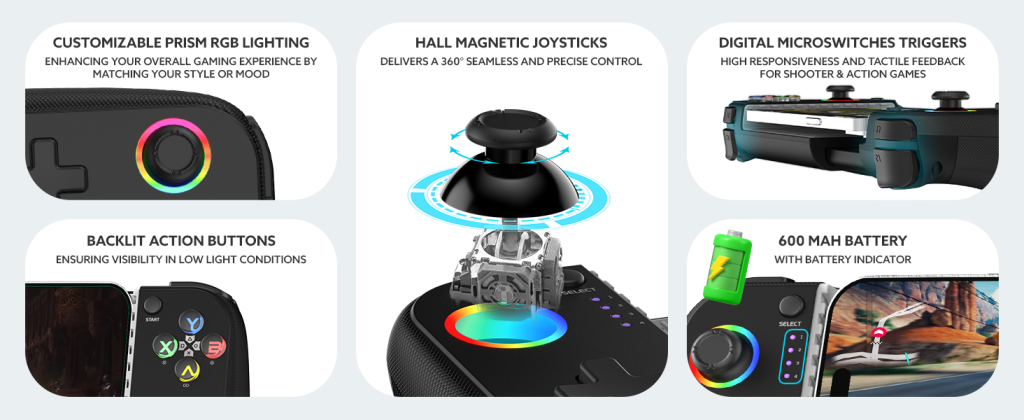
EvoFox, best known for making gaming peripherals like gamepads and arcade boxes has launched the EvoFox Deck smartphone gamepad in India. This device works for both Android and iOS platforms.
EvoFox Deck specs & features:
The EvoFox Deck gamepad includes two main modes: Dojo Mode, which supports popular games like Call of Duty Mobile and Genshin Impact on both Android and iOS, and Keymap Mode, which is exclusive to Android and allows users to customize touch controls for games like BGMI and Free Fire. Additionally, it has a PC mode with X Input support for Windows gaming.
The EvoFox Deck features magnetic hall joysticks, digital microswitch triggers, and tactile feedback for better control. The Dojo App, available on Google Play and the Apple App Store, simplifies the setup process, provides a game library, and offers easy access to various games.
The gamepad is also compatible with cloud gaming platforms like PS4 Remote Play and Steam Link, as well as emulators like PPSSPP. Built with durable materials, it includes customizable RGB lighting and a 600mAh battery that offers up to 8 hours of playtime.
Pricing & availability
The EvoFox Deck is priced at Rs. 2,999 and is available in Black and White on Amazon.in. It is currently available with a Rs. 200 coupon discount on Amazon.
In related news, Asus has recently launched the ROG Tessen mobile controller in China for 599 yuan (around $82). This controller, announced in May, features a foldable design, making it compact and portable. It is compatible with most Android phones, using adjustable rubber support pads for secure fitting and offering 18W fast pass-through charging. It is currently unknown if Asus plans to bring this controller over to the Indian market.
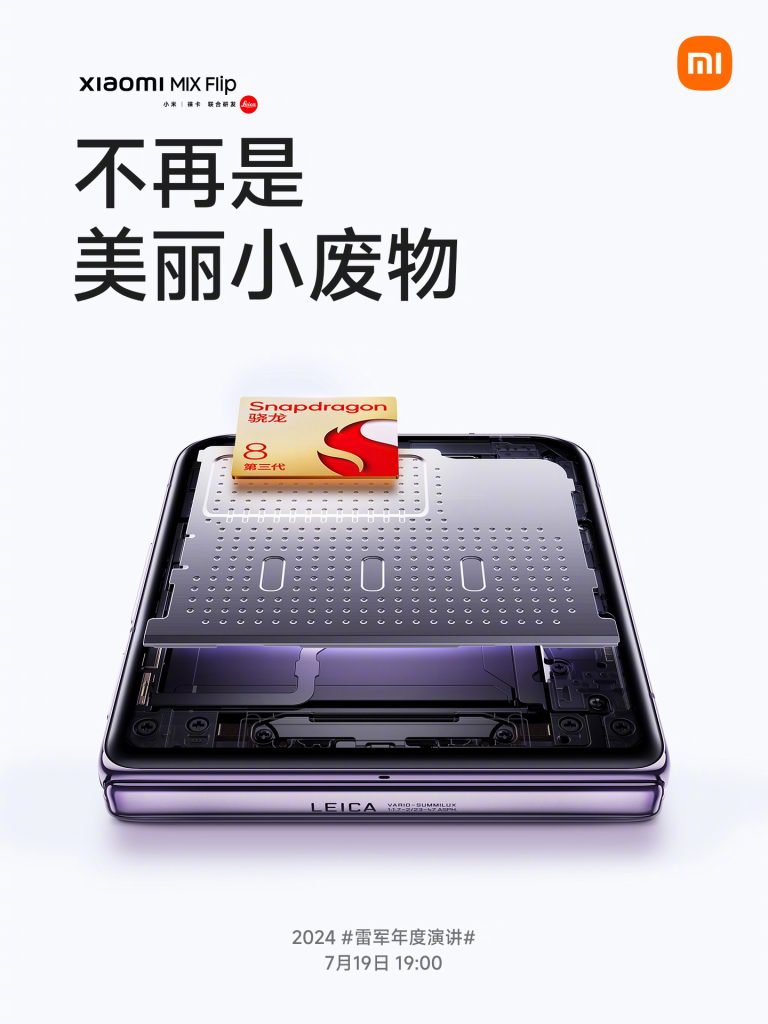
Brands like Samsung, Motorola, Huawei, Oppo, Vivo, and Honor have launched flip-style foldable phones in China. However, the only mainstream brand that hasn’t launched one is Xiaomi. Today, the brand finally released a poster to confirm that the Xiaomi Mix Flip, a flip-style foldable phone, will debut on July 19 in the home market. Xiaomi will announce the Mix Flip alongside other products like the Xiaomi Mix Fold 4, the Redmi K70 Ultra, the Xiaomi Watch S4 Sport, the Xiaomi Smart Band 9, and the Xiaomi Buds 5. Apart from confirming the launch date, Xiaomi has also revealed the design and key specifications of the Mix Flip.
Xiaomi Mix Flip design
The Xiaomi Mix Flip shows that it will be available in three shades, such as black, white, and purple. The purple variant seems to have a dua=tone finish on its lower part.
The entire upper half of the Xiaomi Mix Flip’s back panel is occupied by the cover display, which has two cutouts for the vertical dual camera setup. The cover screen area can be divided into two parts with some software features, which allow the area below the dual-camera setup to show notifications and the remaining area to display the wallpaper.
The top edge of the phone has two holes, which could be for the microphone and an IR blaster. On the other hand, the bottom edge features a SIM slot, a USB-C port, a microphone, and a speaker. The left side of the device appears barren, whereas the right side has a volume rocker and a power key.
Xiaomi Mix Flip key specifications
Xiaomi has officially confirmed that the Xiaomi Mix Flip boasts a Snapdragon 8 Gen 3 chipset, LPDDR5x RAM, and UFS 4.0 storage. It will pack a 3D vapor chamber cooling unit for heat dissipation and a massive 4,780mAh battery. In addition, its Leica optics have a Summilux large aperture lens.
As per other reports, the Mix Flip will have 12 GB / 16 GB of RAM and up to 1 TB of storage. It is expected to support 67W fast charging and run on the HyperOS-based Android 14.
Many brands like Secretlab and Razer are competing for supremacy in the e-sports chair segment. To provide solid competition in the market, Corsair has launched a new premium e-sports chair, the TC500 LUXE, designed for comfort and adjustability. Priced at $499.99 (approximately 3,635 Yuan), the TC500 LUXE boasts several features to upgrade the gaming experience.
The backrest lets the user comfortably recline from 90° to 160°
The chair features a wider and flatter seat compared to traditional e-sports chairs, catering to a broader range of body types and sitting postures. For added comfort, it comes equipped with four-way adjustable lumbar support, a detachable memory sponge neck pillow, and Omniflex armrests. The backrest also offers a generous reclining range of 90° to 160°.
The TC500 LUXE is available in three color options: Frost, Shadow, and Sherwood. All models are backed by a two-year warranty.
Xiaomi has officially announced the upcoming launch of the Redmi Pad SE 4G, a variant of the previously released Redmi Pad SE. The new model will be launched in India on July 29. It will be available to purchase on Flipkart, mi.com, and in offline stores.
It introduces a few notable changes while maintaining several features from its predecessor. It will retain 128GB storage, Dolby Atmos support, an 8MP rear camera, and a 5MP front-facing camera. However, the rear camera design is different, and it now includes an LED flash. Additionally, the tablet will feature a new grip accessory that can be attached to its back.
Xiaomi has confirmed that this version will have an HD screen, with earlier reports indicating it will sport an 8.7-inch display, a reduction from the 11-inch screen found in the Wi-Fi-only model. The tablet will also be heading to other markets as it was recently spotted on Thailand’s NBTC and Singapore’s IMDA certifications.
In related news, POCO is launching a new variant of the POCO C61 (4GB RAM + 64GB storage) exclusively for Airtel users in India on July 17th via Flipkart for Rs 5,999. The phone is locked to the Airtel network for 18 months. To unlock it, users must recharge with an Airtel Truly Unlimited prepaid plan above Rs 199 during the lock-in period. Buyers also receive 50GB of free data. The unlocked version of the POCO C61, launched in March, is available for Rs 6,499.
Xiaomi has re-launched its 1TB mobile solid-state drive with a slightly revised design. The new model features the same specifications as the 2022 version, including sequential read/write speeds of up to 2000MB/s and compatibility with various devices and operating systems (Windows 7 or later, macOS X 10.6 or later, Android 9 or later, Linux Ubuntu 16/18/20). The most notable difference appears to be the working temperature range and the Xiaomi logo on the front.
Xiaomi is offering a 3-year warranty on the SSD
The drive maintains its sleek metal design with a sandblasted and anodized aluminum alloy shell for a premium look and feel. It remains compatible with USB 3.2 Gen2x2, USB 3.2 Gen2, USB 3.2 Gen1, and USB 2.0 protocols, allowing for fast data transfer rates. Xiaomi offers a 3-year warranty on the product.
Priced at 799 yuan, the Xiaomi 1TB mobile solid-state drive is now available for purchase here.
Join us for an exclusive live stream showcasing the must-have iFlytek gadgets on the brand’s shop! We will also show you how well their AI recorder performs. If you were planning to grab some interesting gadgets this Prime Day, just watch our live stream now!
🗓 When:
Tuesday, July 16 at 22:00 New York Time (GMT-5)
Tuesday, July 16 at 19:00 Los Angeles Time (GMT-8)
Wednesday, July 17 at 3:00 London Time
So now the live stream is on!
🔥 Why tune in?
Discover amazing iFlytek deals you can’t miss Get expert insights on the best products to snag Live Q&A: We’ll answer all your burning questions! Don’t let these Prime Day steals slip away! Set your reminders and join us for a live stream filled with savings and gadget talk.
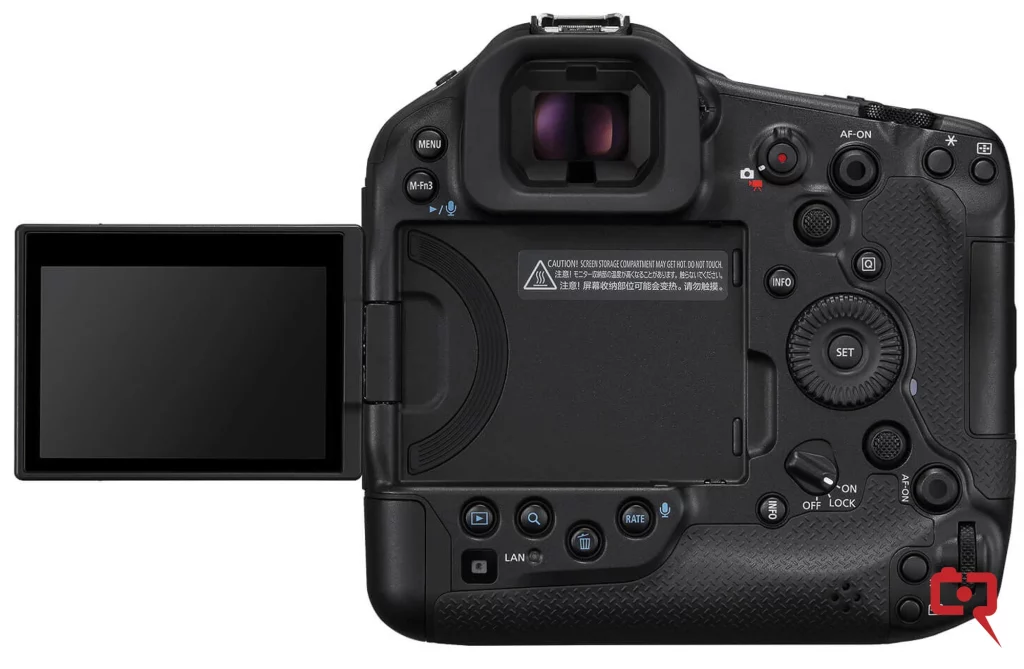
Just ahead of the official launch, Canon Rumors has released the first high-resolution renderings of the highly anticipated Canon EOS R5 Mark II. These images offer a glimpse into the design and capabilities of the upcoming camera.
The camera will be able to shoot up to 30 frames per second with the electronic shutter.
The EOS R5 Mark II is expected to be a powerhouse for photographers, featuring a high-resolution 45-megapixel image sensor and a redesigned electronic viewfinder for an exceptional visual experience. For those capturing fast-paced action, the camera boasts impressive continuous shooting speeds of up to 12 frames per second with the mechanical shutter and 30 frames per second with the electronic shutter. The leaked renders suggest the camera will retain the familiar original battery grip design, while incorporating significant improvements in heat dissipation. This is achieved through a dedicated heat sink and compatibility with an optional active cooling fan, ensuring optimal performance even during extended shooting sessions.
Videographers will be particularly excited about the EOS R5 Mark II’s rumored 8K 60P recording capability, allowing for smooth and detailed high-resolution video capture. The camera is also expected to feature a versatile CFexpress Type B / SD dual card slot design, providing flexibility for storage and workflow. With a price tag estimated at $3,999 (approximately RMB 29,072), the Canon EOS R5 Mark II appears to be a serious contender in the high-end mirrorless camera market.
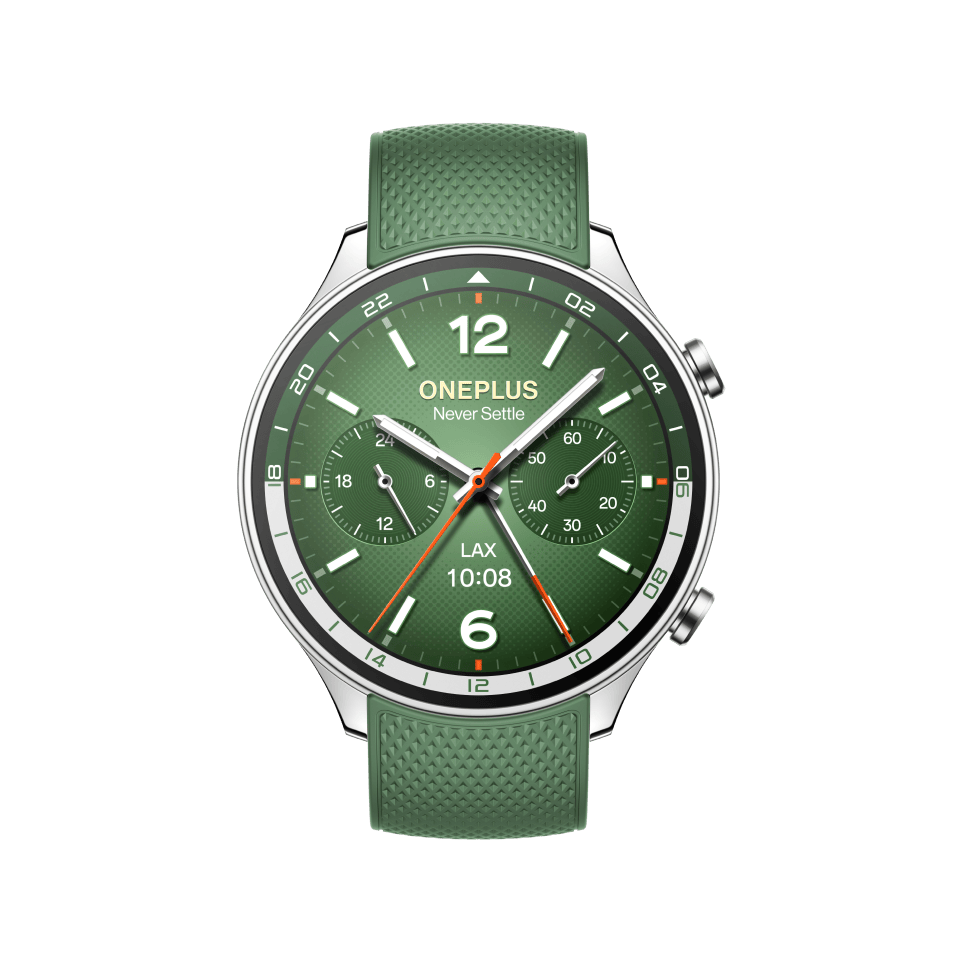
OnePlus has introduced the Watch 2R, its latest smartwatch featuring a lighter design and many attractive features found in the OnePlus Watch 2.
OnePlus Watch 2R specs:
It has an aluminum body that significantly reduces weight, making it more comfortable to wear (59g compared to 80g). The Watch 2R includes key features such as Wear OS with Snapdragon W5 processing and an optional proprietary RTOS. The 1.43-inch AMOLED display offers excellent visibility with a peak brightness of 1000 nits. Users can manage notifications, messages, and calls directly on the watch.
A notable feature is the 32GB of storage, which allows for offline music downloads from services like YouTube Music and Spotify. The smartwatch can also connect with Bluetooth earbuds, which is convenient during workouts since users won’t need their phones to switch tracks.
For Fitness enthusiasts, the smartwatch has Health Connect by Android, providing centralized data management. Additionally, Google Health Connect and Strava sync are now integrated, improving fitness tracking. Over 100 sports modes are supported, with built-in GPS for accurate tracking. The watch is water-resistant with a 5ATM and IP68 rating, making it suitable for various activities including swimming.
The battery life is impressive, offering up to 100 hours in Smart mode and 12 days in Power Saver mode. The 500mAh battery charges fully in just one hour with 7.5W VOOC fast charging.
Pricing & launch offers
The OnePlus Watch 2R is available in Forest Green and Gunmetal Gray for Rs. 17,999 and will be available on major online retailers like Amazon.in, Flipkart, Myntra, and OnePlus stores starting July 20th in India.
Launch Offers
Discounts: ICICI Bank and OneCard customers can get an instant Rs. 1000 discount from July 20th to 31st.
EMI: No cost EMI options for up to 6 months from July 20th to 31st.
Coupons: Amazon Prime members and students on Flipkart.in can get a Rs. 1000 coupon from July 20th to August 7th. RCC members get an extra Rs. 1000 coupon on OnePlus.in and the OnePlus Store App from July 20th to August 7th.
Student Offer: Students can get Rs. 500 off on OnePlus.in and the OnePlus Store App from July 20th to August 31st.
In other markets, the OnePlus Watch 2R costs £249 / €279 / $229.99.
We use cookies on our website to give you the most relevant experience by remembering your preferences and repeat visits. By clicking “Accept”, you consent to the use of ALL the cookies.
This website uses cookies to improve your experience while you navigate through the website. Out of these, the cookies that are categorized as necessary are stored on your browser as they are essential for the working of basic functionalities of the website. We also use third-party cookies that help us analyze and understand how you use this website. These cookies will be stored in your browser only with your consent. You also have the option to opt-out of these cookies. But opting out of some of these cookies may affect your browsing experience.
Necessary cookies are absolutely essential for the website to function properly. This category only includes cookies that ensures basic functionalities and security features of the website. These cookies do not store any personal information.
Any cookies that may not be particularly necessary for the website to function and is used specifically to collect user personal data via analytics, ads, other embedded contents are termed as non-necessary cookies. It is mandatory to procure user consent prior to running these cookies on your website.