JBL has unveiled its latest lineup of speakers in India called the JBL Authentics series. This series, which pays homage to the iconic 1970s JBL L100 speaker, comes with three models: the Authentics 200, 300, and 500 models. These speakers sport a premium aluminum frame, synthetic leather enclosures, and the classic Quadrex grille.
The portable JBL Authentics 300 boasts an 8-hour battery life and 360-degree sound. It supports both Wi-Fi and Bluetooth connectivity, making it suitable for various indoor and outdoor audio experiences.
For a home audio setup, the JBL Authentics 500 comes equipped with Dolby Atmos technology, delivering 270 Watts of 3.1 channel sound. It incorporates three tweeters, three midrange woofers, and a down-firing subwoofer for crisp sound and deep bass.
The compact JBL Authentics 200 offers robust stereo sound through tweeters, a full-range woofer, and a passive radiator for enhanced bass. It provides multiple connectivity options, including Bluetooth, Wi-Fi, and Ethernet.
All models support Amazon and Google voice assistants and allow streaming via AirPlay, Spotify Connect, and other services. Additionally, they’re eco-friendly, constructed from recycled materials, and packaged using FSC-certified paper and soy ink.
Available in black, these speakers can be purchased from major retailers and JBL.com. The JBL Authentics 200 is priced at Rs. 39,999, the 300 at Rs. 49,999, and the 500 at Rs. 79,999. Special launch offers are available at select locations.
Last week, Oppo unveiled the OPPO A60, a new budget-friendly smartphone in the global market. Serving as the successor to the A59 5G, this device comes with a range of interesting features, all packaged in a stylish design. That being said, there are a few peculiar hardware choices by Oppo that have made that make this device quite an oddball. So let’s take a look at what the Oppo A60 has to offer.
Right off the bat, it is quite evident that this phone is a pretty-looking one. Oppo is one of the few brands that has been consistently providing good-looking budget-range devices, and the A60 is no exception. It comes with an in-fashion boxy design measuring just 7.68mm thick, with a pill-shaped camera island that houses two large cutouts for the camera sensors.
If the design is not enough to impress, its color options are also quite special. First, we have the the Ripple Blue color option, which as the name suggests, has a ripple-like design akin to ocean waves. These patterns are made with the use of Oppo’s Magnetic Particle Design, which shimmers when it catches light. Additionally, the back has a fingerprint-free finish, which means that you won’t have to worry about smudges.
The second color option is the elegant Midnight Purple, which also gives off a nice glow when it catches light. This color option comes with a frosted glass finish that makes it feel even more premium to hold.
2. A decent display
While the device looks quite good from the back, the front features a 6.67-inch 1604 x 720 pixels IPS-LCD display with thick bezels. While a lower-end phone featuring a 720p display isn’t unheard of, considering the price point at which Oppo is selling it (~$216), phones with FHD+ displays are easy to find. That being said, it does offer a 90Hz refresh rate and a peak brightness of 950 nits, so it’s not all bad.
3. No 5G connectivity
While the Oppo A59, the predecessor of the A60 debuted with a 5G-enabled Dimensity 6020 SoC, the Oppo A60 comes with the Snapdragon 680 4G processor. This is quite a head-scratcher as the SD680 is both weaker in performance and it also lacks the 5G connectivity of the Dimensity 6020. So what’s the deal here?
One of the reasons for this move could be that the demand for 5G smartphones has yet to explode in some markets like Vietnam, where Oppo has currently launched this smartphone. In exchange for the weaker chip, users get more RAM compared to last year’s A59 5G, as the A60 comes in two configurations: 8 GB RAM + 128 GB storage and 8 GB RAM + 256 GB storage.
4. A camera system made for vlogging
The phone comes with a standard 50MP (PDAF) primary camera, paired with a 2MP placeholder secondary lens, and an 8MP front camera. However, Oppo provides the option to record with the front and rear cameras at the same time, which is a feature targeted at content creators starting their vlogging journey.
Other than that the phone has an AI Retouching feature for the selfie camera that works like a beauty mode.
5. Other notable features
The Oppo A60 comes with a respectable 5,000mAh battery, which is paired with 45W fast charging support that promises to fill up half of the battery in 30 minutes.
Additionally, the phone has a side-mounted fingerprint sensor, as well as a face ID for security. It offers stereo audio via a dual speaker setup and has a 3.5mm jack. Users also get the option to expand its up to 1TB with memory via a microSD card, and it is certified with an IP54 rating, meaning it can withstand dust as well as water sprays from all directions.
It runs on Android 14-based ColorOS 14.0.1 out of the box and offers NFC, as well as dual-SIM 4G LTE connectivity.
Celebrating a decade of dominance in the gaming mouse market, Logitech marks the 10th anniversary of the “world’s best-selling gaming mouse,” the G502. To commemorate this milestone, they’re offering a special edition G640 mousepad to those who purchase designated G502 models.
The original G502 Proteus Core was launched in 2014
The G502’s legacy boasts over 21 million units sold across its various evolutions. The original G502 PROTEUS CORE launched in 2014, setting the stage for future iterations. In 2016, the G502 PROTEUS SPECTRUM brought vibrant RGB lighting effects to the table. The 2018 G502 HERO upped the performance ante with its high-performance HERO sensor. Offering both wireless connectivity and weight reduction, the G502 LIGHTSPEED arrived in 2019. Finally, the 2022 G502 X Series showcased a stylish redesign and introduced LIGHTFORCE hybrid optical-mechanical switches.
The celebratory offer goes beyond the free mousepad. Logitech is partnering with “PlayerUnknown’s Battlegrounds” (PUBG) for a global championship. The competition features prizes including a limited edition G502 mouse and in-game content. The ultimate winner will even take home a special edition mousepad and a custom-designed G502 mouse.
The US has already imposed trade sanctions on Huawei aiming to prevent the supply of cutting-edge chip-building equipment and technologies to the company. However, according to reports, Huawei is working on developing its own chip-building tools and technologies to overcome the chip supply issues and create a self-sufficient chip network.
FCC now focuses on the test labs and certification bodies
The Federal Communications Commission (FCC) is now planning to prevent Huawei, ZTE, and other foreign companies (that are considered potential threats to the US) from influencing the telecommunications certification bodies and test labs that are used to certify wireless devices heading to the US.
The FCC is reportedly planning to vote on a bipartisan proposal this month to ensure the above. It could prevent Huawei and other entities on an FCC list of companies from playing any role in the equipment authorization program.
FCC Chair Jessica Rosenworcel said in a statement the agency “must ensure that our equipment authorization program and those entrusted with administering it can rise to the challenge posed by persistent and ever-changing security and supply chain threats.”
Huawei was also recognized as an accredited lab by the US, which expired on Tuesday. The FCC has reportedly denied the request of the Huawei lab to extend the recognition. The FCC banned approvals of new telecommunications equipment from Huawei, ZTE, Hytera Communications, and some other Chinese companies.
Huawei and Hikvision were placed on a U.S. export control list in 2019. It restricted most U.S. suppliers from conducting business with them without obtaining licenses. Additionally, in 2020, the FCC designated Huawei and ZTE as national security threats to communications networks. It prevented US companies from accessing an $8.3 billion government fund for purchasing equipment from these companies.
The point of this development, according to FCC Commissioner Brendan Carr, is to “ensure that the test labs and certification bodies that review electronic devices for compliance with FCC requirements are themselves trustworthy actors that the FCC can rely on.”
The LG OLED evo C4 TV has now gone on sale in China barely three months after it was opened for pre-order. The LG OLED evo C4 TV is available in sizes ranging from 42 inches to 77 inches. In total, there are five size options available for the evo C4 TV.
The sizes available for the LG OLED evo C4 TV are 42”, 48”, 55”, 65” and 77 inches. The TV will also be available in future with an 83-inch version. The LG OLED C4 evo series of TVs have a 4K 120Hz OLED high-refresh screen. The screen has four professional certifications for low blue light, no flicker, low glare, and no reflection. The TV is a vision-friendly product and features four HDMI 2.1 interfaces.
The LG OLED evo C4 TV features AMD picture synchronization technology and supports Nvidia. It has a variable refresh rate (VRR) that reaches 144Hz while the audio supports 9.1.2 virtual surround sound, Dolby Vision, and Dolby Atmos. It is equipped with a game optimizer and you can customize your sound preferences via its sound quality settings menu.
The AI performance of the new LG OLED evo C4 TV is improved from its predecessor. It is equipped with the latest version of the α9 Gen7 decoding chip with significant improvements from the α5 processor of traditional TVs. The AI performance is improved by 1.5 times, image improvement is by 4.5 times, and the processing speed is 2.2 times higher. The TV features AI intelligent audio and video tuning for a more realistic viewing and listening experience. The dynamic tone mapping technology enhances the global contrast and image grayscale via frame-by-frame analysis.
The new LG OLED TVs have an HDR image performance enhancer and run on WebOS operating system. The operating system will get up to four upgrades within 5 years, according to LG.
Pricing & Availability
The 42-inch model is priced at 8,499 yuan ($1,174), while the 48-inch version retails for 9,499 yuan ($1,312). The 55-inch model is priced at 12,499 yuan ($1,726), the 65-inch model costs 17,999 yuan ($2,486), and the 77-inch model retails for 25,499 yuan ($3,522). Global availability information for the LG OLED evo C4 is lacking at this time.
Samsung is finally rolling out the One UI 6.1 update to a wider range of devices starting today. As the company promised, the update is now rolling out to the Galaxy S22 family, the Galaxy S21 series, the Galaxy Z Flip4, the Galaxy Z Flip3, the Galaxy Z Fold4, and the Galaxy Z Fold3.
The update is currently limited to South Korea, but a global rollout for other regions shouldn’t be that far behind. The star of the show in One UI 6.1 is the suite of Galaxy AI features.
For older flagships though, Samsung is offering a selection, rather than the full suite, of these features. Nevertheless, these additions should improve the user experience in various ways.
Here’s a breakdown of what Galaxy AI features you can expect on your devices:
Galaxy S21 series: Users will gain access to Circle to Search, the most hyped-up feature of Galaxy AI. It allows users to simply draw a circle around the object they want to learn more about and AI will fetch the information regarding it.
Galaxy Z Flip3: Similar to the S21 lineup, the Z Flip3 will receive Circle to Search.
Galaxy Z Fold3: Surprisingly, the Fold3 will benefit from a wider range of Galaxy AI features. These include AI-generated wallpapers, webpage summarization, notes summarization, auto templates in Samsung Notes, live language translation, image editing suggestions, generative AI-powered editing, Interpreter Mode, and voice transcription in Voice Recorder.
Galaxy S22 series, Z Flip4, Z Fold4: These devices will receive the full suite of Galaxy AI features, aligning them with the Galaxy S24 series.
Samsung is making a bigger push to bring its smart features to more phones. They aim to have over 100 million devices with Galaxy AI by the end of the year.
The target seems likely with the latest push and considering that the upcoming Fold6 and Flip6 will come pre-installed with it. All in all, the One UI 6.1 brings advanced features to many more Samsung phones. While it’s not available everywhere yet, it will be soon.
ASUS has finally brought over its 2024 models of the ROG Strix G16 and ASUS TUF Gaming A15 gaming laptops to the Indian market.
ROG Strix G16 (2024)
The ROG Strix G16 packs a 16-inch QHD+ ROG Nebula display with Dolby Vision HDR. It is powered by Intel’s i9 14th Gen processor and NVIDIA RTX 4070 GPU, to deliver high-end gaming performance. The laptop is an esports-quality keyboard and aura sync RGB lights are built into the keyboard as well as the back of the laptop.
The laptop also has the ROG Intelligent Cooling Ecosystem, which has a liquid metal thermal compound and efficient heat dissipation components, optimized airflow with Arc Flow Fans, smart fan control, and multiple cooling modes. You can take a look at the detailed specifications of the ROG Strix G16 (2024) below.
ASUS ROG Strix G16 (2024) specs:
Operating System: Windows 11 Pro
Processor: Intel Core i9 Processor 14900HX
Graphics: NVIDIA GeForce RTX 4070; 8GB GDDR6
Display: 16″, QHD+ (2560 x 1600, WQXGA), ROG Nebula Anti-glare 240Hz display, 3ms response time, G-Sync, Pantone Validated, MUX Switch + NVIDIA Advanced Optimus and Support Dolby Vision HDR
Design: Aura Sync, Aura Sync Light Bar, Aura Sync logo
Memory: 16GB DDR5-5600; Max Capacity: 32GB, Support dual channel memory
Storage: 2TB PCIe 4.0 NVMe M.2 SSD
I/O Ports: 1x 3.5mm Combo Audio Jack, 1x HDMI 2.1 FRL, 2x USB 3.2 Gen 2 Type-A, 1x USB 3.2 Gen 2 Type-C support DisplayPort™ / power delivery / G-SYNC, 1x RJ45 LAN port, 1x Thunderbolt 4 support DisplayPort
Keyboard and Touchpad: Backlit Chiclet Keyboard Per-Key RGB
Camera: 720P HD camera
Audio: Dolby Atmos, Al noise-canceling technology, Hi-Res certification (for headphones), Support Microsoft Cortana near field/far field, Built-in array microphone, 2-speaker system, Smart Amp Technology
Network: Wi-Fi 6E(802.11ax) (Triple band) 2 x 2 + Bluetooth 5.3 Wireless Card
Security: BIOS Administrator Password and User Password Protection, Kensington Security Slot, Trusted Platform Module (Firmware TPM)
Battery: 90WHrs; 280W AC Adapter
Dimensions: 35.54 x 26.4 x 2.26~ 3.04 cm
Weight: 2.50 Kg
ASUS TUF Gaming A15 (2024)
The ASUS TUF Gaming A15 on the other hand features an 5.6-inch FHD 144Hz display with 100% sRGB color space coverage. It comes fitted with the latest AMD Ryzen 8000 series processors, paired with NVIDIA RTX 4070 graphics. To keep the thermals in check, the laptop features powerful Arc Flow Fans. It also has a MUX Switch which switches between the integrated and discreet GPU according to needs. The rest of the specifications have been listed below.
Memory: 8GB/16GB DDR5-5600; Max Capacity: 32GB, Support dual channel memory
Storage: 512GB/1TB PCIe 4.0 NVMe M.2 SSD
I/O Ports: 1x 3.5mm Combo Audio Jack, 1x HDMI 2.1 FRL, 2x USB 3.2 Gen 1 Type-A, 1x USB 3.2 Gen 2 Type-C support DisplayPort/power delivery/G-SYNC, 1x RJ45 LAN port, 1x Type C USB 4 support DisplayPort
Keyboard and Touchpad: Backlit Chiclet Keyboard 1-Zone RGB Touchpad
Camera: 720P HD camera
Audio: Dolby Atmos, Al noise-canceling technology, Hi-Res certification (for headphones), Support Microsoft Cortana near field/far field, Built-in array microphone, 2-speaker system
Network: Wi-Fi 6(802.11ax) (Dual band) 2 x 2 + Bluetooth 5.3 Wireless Card
Security: BIOS Administrator Password and User Password Protection, Kensington Security Slot, Trusted Platform Module (Firmware TPM)
Battery: 90WHrs; 240W AC Adapter
Dimensions: 25.1 x 35.4 x 2.24~2.49 cm
Weight: 2.20 Kg
Pricing and Availability
The ASUS TUF Gaming A15 starts at Rs. 1,24,990, while the ROG Strix G16 starts at Rs. 1,99,990.
Both models are available for purchase starting today online on ASUS e-shop, Flipkart, Amazon, ASUS Exclusive Stores, ROG Stores, and Multi-Brand Retailers like Croma, Vijay Sales, Reliance Digital, and all ASUS authorized dealers.
Razer and Sonic the Hedgehog brands have jointly launched limited-edition hoodies, T-shirts, and thermos mugs. The new products all come with Sonic the Hedgehog branding.
The Razer hoodie features an exclusive collaboration print with Sonic’s “Gotta Go Fast” slogan written in Japanese and Razer’s “Save the Trees” motto. Razer says the hoodie is in support of saving trees, as one hoodie sold can save 10 trees. The new Razer-Sonic branded T-shirt also has similar inscriptions as the hoodie and Razer also says that one piece sold can save 10 trees. The T-shirt is made of medium-weight, slightly stretchable material for comfortable use anytime.
The Razer and Sonic-branded thermos cup also feature Sonic’s “ Gotta Go Fast” and Razer’s “Save the Trees” slogans. It has a capacity of 500ml and offers up to 8 hours of heat preservation, as well as 24 hours of cold preservation. Razer also claims that one piece of the thermos cup sold can save 10 trees. The optics of how the sale of the unit translates to saving 10 trees was not provided by Razer.
Pricing & Availability
The Razer-Sonic branded hoodie is priced at 654 yuan ($89.99) while the branded T-shirt is priced at 509 yuan ($69.99). The price of the branded thermos cup is 291 yuan ($39.99). Razer did not disclose the number of units of each of the new branded products produced. The products are currently unavailable on the Razer official website. It is, however, expected that these products will be restocked for availability to Razer customers interested in supporting the Razer cause of saving our forests.
Realme P1 Pro vs Realme Narzo 70 Pro comparison table
In this article, we compare two devices from Realme to find out which is a better buy. On one side of this comparison we have the Realme P1 and on the other side of the comparison we have the Realme Narzo 70 Pro. Both devices are quite similar in certain areas, but they come with some notable differences that set them apart from one another. Are these differences enough to make you jump ship from one of these devices to the other? Let’s find out.
Please Note: When you buy something using the links in our articles, we may earn a small commission at no cost to you.
Realme P1 vs Realme Narzo 70 Pro: Design and colours
Realme P1 and Realme Narzo 70 Pro:
Both devices follow the design language of the Realme 12 series with their circular camera cutout. On the cutout there sits five cutouts: two hold the cameras (there’s an extra camera on the Realme Narzo 70 Pro), and one holds the flash. Both also come with a flat screen and flat edges around the device, with all buttons sitting on the right side of the frame. Available colours in this series are Phoenix Red and Peacock Green for the Realme P1. The Realme Narzo 70 Pro comes with Green and Gold colour options.
Major differences:
The Realme Narzo 70 Pro has a glossy paint finish that crosses the camera cutout.
Realme P1 vs Realme Narzo 70 Pro: Display
Realme P1 and Realme Narzo 70 Pro:
Realme launched this device with a 6.67-inch AMOLED screen that supports 120Hz refresh rate. The screen on the Realme P1 offers up to 1200 nits peak brightness, while that on the Realme Narzo 70 Pro puts out 2000 nits peak brightness. In terms of screen to body ratio, both devices come with 87.3% screen-to-body ratio, which is quite impressive.
Major differences:
Brighter screen on the Realme Narzo 70 Pro.
Realme P1 vs Realme Narzo 70 Pro: Cameras
Realme P1 and Realme Narzo 70 Pro:
When it comes to cameras, the Realme P1 comes with a dual camera setup, housing a 50MP main camera and a 2MP front facing camera. As for the Realme Narzo 70 Pro, this device comes with the same cameras but adds an 8MP ultrawide sensor to the pack. Up front, we find a 16MP selfie camera that sits in the punch hole on both device’s screens. Both front and rear facing cameras on this device don’t support 4K video recording but pack a ton of photo enhancement features.
Major differences:
8MP ultrawide camera on the Realme Narzo 70 Pro.
Realme P1 vs Realme Narzo 70 Pro: Performance
Realme P1 and Realme Narzo 70 Pro:
Powering these devices is the MediaTek Dimensity 7050 processor. Joining this processor is up to 8GB RAM and 256GB worth of storage capacity.
Major upgrades & differences:
nil.
Realme P1 vs Realme Narzo 70 Pro: Software
Realme P1 and Realme Narzo 70 Pro:
Both devices run on Android 14 and the Realme UI 5.0 software out of the box, and they both support up to three years of OS update.
Major differences:
nil.
Realme P1 vs Realme Narzo 70 Pro: Battery life and charging
Realme P1 and Realme Narzo 70 Pro:
Both devices launch, 5000mAh battery capacity and the Realme P1 supports 45W fast charging. However, the Realme Narzo 70 Pro steps up the charging speed to 67W, much faster than that on the Realme P1.
Major differences:
Faster charging on the Realme Narzo 70 Pro.
Realme P1 vs Realme Narzo 70 Pro: Final Verdict
By edging out the competition with an extra camera, and faster charging, the Realme Narzo 70 Pro comes out tops in this comparison. However, if these aren’t things that you pay much attention to in a device, then you can opt for the more affordable Realme P1. In terms of design and other details, there is no telling these devices apart from each other.
Hisense has launched another premium model to join its lineup of flagship mini-LED TVs. It comes with a massive maximum brightness rating of 5,000 nits. In January during CES 2024, Hisense introduced four mini-LED TVs including the 110UX (110-inch screen) and its 98-inch sibling. The Hisense U8N has also been on the radar as another premium model. The new U9N series will feature a 75-inch and 85-inch screen.
Features
The Hisense U9N series falls between the ULED X and U8N series. The new TVs retain much of the premium features of the top model but with a lower price point. The features included Hi-View Engine X picture processing and a mini-LED backlight that achieves up to 5,300 local dimming zones. The 5,000 nits brightness specification of the Hisense U9N series TVs is the same as that of the 98-inch ULED X TV introduced at CES 2024. The U9N is equipped with a quantum dot LCD panel and supports Dolby Vision, Dolby Vision IQ, IMAX Enhanced, and HDR10+ high dynamic range. It also supports the Filmmaker Mode picture preset and its screen is anti-glare.
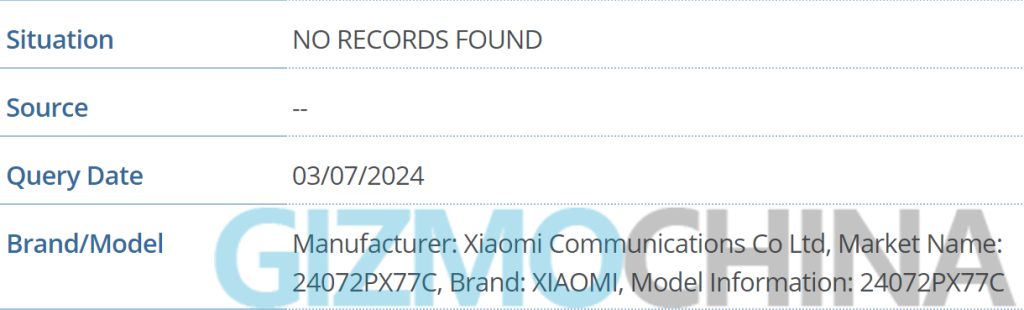
The Hisense U9N mini-LED TV has an ultra-wide viewing angle functionality which improves the viewing experience of persons off the center of the screen. The audio setup of the U9N series TVs includes a 4.1.2-channel Dolby Atmos audio system with a power output of 82W. The U9N TVs come outfitted with the Google TV smart platform, WiFi 6E, and the ATSC 3.0 tuner for receiving digital TV channels.
The Hisense U9N has a 144Hz native refresh rate and is well-primed to be used as a gaming TV. It also has the AMD FreeSync Premium Pro, Dolby Vision gaming, a customizable Game Bar feature, and Auto Game Mode.
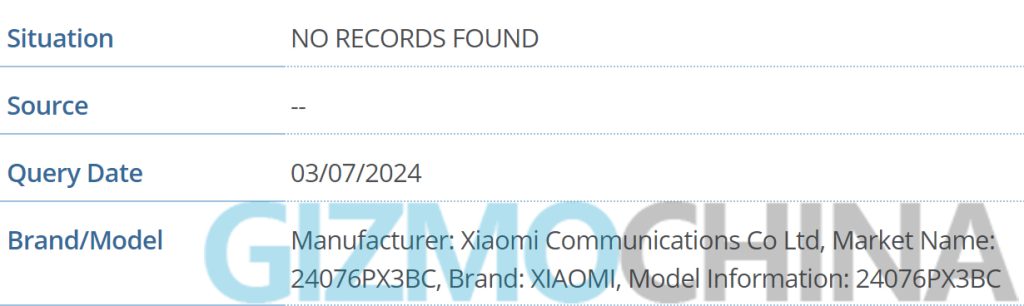
Pricing & Availability
The Hisense U9N mini-LED TV is priced at $2,999 for the 75-inch model and $3,999 for the 85-inch version. It will be available in the summer, according to the company.
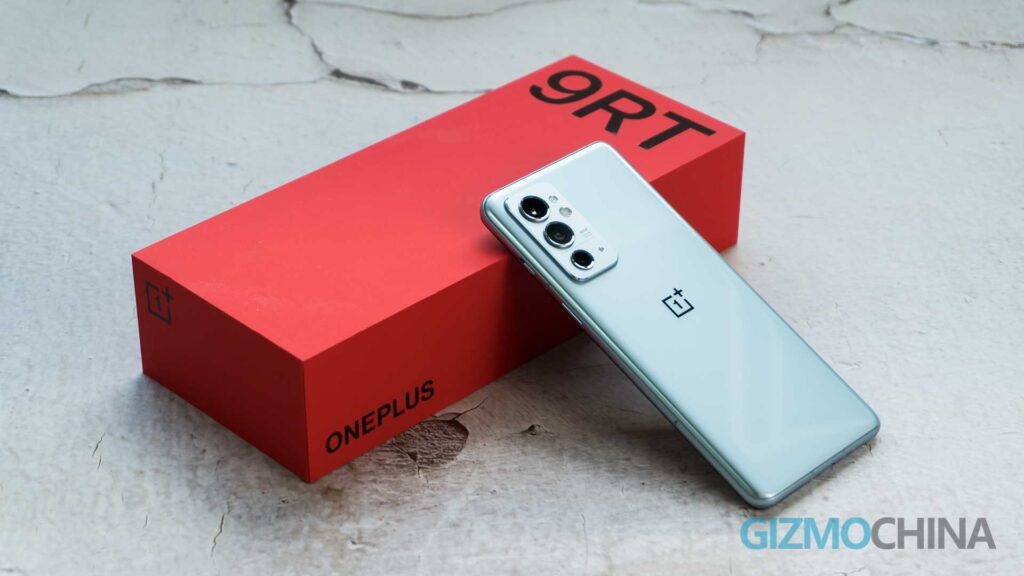
Philips has launched the Evnia 49M2C8900, a 49-inch curved QD-OLED gaming monitor in the North American market. The monitor is priced at $1499.99. Let’s check out its key specs.
Philips Evnia 49M2C8900 Specifications:
The Philips Evnia 49M2C8900 monitor features a 49-inch QD-OLED panel with a dual QHD resolution of 5120×1440. It boasts an ultra-wide aspect ratio of 32:9 and 1800R curvature, providing expansive, sharp visuals. The monitor also supports a 240Hz refresh rate along with a 0.3ms GtG gray response time, ensuring fluid and seamless gameplay.
The Evnia monitor supports 10-bit color depth, allowing it to display over a billion colors for rich and accurate color reproduction. The QD-OLED panel combines the advantages of OLED technology and quantum dots to deliver superior contrast, deeper blacks, and vivid colors, enhancing overall color accuracy.
Additionally, the monitor is certified by VESA DisplayHDR True Black 400, ensuring high-quality HDR performance with true black levels. It also delivers impressive brightness levels—250 nits in full-screen SDR and up to 1000 nits in HDR on a 3% window.
The monitor supports AMD FreeSync Premium Pro, which helps eliminate screen tearing and stuttering by synchronizing the display’s refresh rate with the output of a compatible graphics card, ensuring smooth gameplay even during fast-paced scenes. Additionally, the monitor is equipped with four 7.5W DTS Sound speakers, providing robust virtual surround sound that enhances the audio experience for gaming, movies, and video conferencing.
Furthermore, the monitor features a SmartImage game mode, which optimizes screen settings for different types of games, enhancing contrast, sharpness, and color performance based on the specific gaming genre. The Ambiglow halo feature also contributes to the gaming ambiance by adjusting the backlighting color and brightness to match the on-screen content.
The ergonomic design includes an adjustable stand that offers height, swivel, and tilt options, ensuring comfortable viewing angles during extended gaming sessions. It is also VESA-compatible with various mounting possibilities.
The Evnia 49M2C8900 monitor offers a comprehensive range of connectivity options. It includes two HDMI 2.1 ports and one DisplayPort 1.4, providing high bandwidth for delivering high-resolution and high-refresh-rate video. Additionally, a USB-C port supports display input and can deliver up to 90 watts of power delivery, making it ideal for connecting and charging compatible laptops and other devices with a single cable.
The monitor also features a USB 3.2 Gen 1 hub with a 5Gbps transfer rate. This setup is enhanced by an integrated KVM switch, which enables users to control two computers with one set of peripherals, streamlining the workspace and enhancing productivity, particularly in multi-device setups.
Apple’s Beats has just launched the Beats Solo earbuds in the market. These new earbuds are a cheaper alternative to the Beats Studio Buds+ and come with a super compact design that will easily fit in your pocket.
These new earbuds feature dual-layer drivers that are claimed to minimize micro-distortions to ensure high-fidelity sound. Each earbud has laser-cut vents designed to improve bass, while also reducing the air pressure in the ear, providing extra comfort.
The microphones onboard the earbuds are powered by an advanced noise-learning algorithm that reduces surrounding noise during calls. They also have the ‘b’ button that allows users to control their music, take calls, and activate the voice assistant.
These earbuds feature Bluetooth 5.3 for connectivity and are compatible with both iOS and Android devices. Additionally, they have Find My (iOS) or Find My Device (Android).
The Beats Solo offers up to 18 hours of playback and comes with Fast Fuel, which provides 1 hour of playtime with just 5 minutes of charging. That being said, it is worth noting that the Beats Solo doesn’t come with active noise cancellation (ANC), transparency mode, or in-ear detection.
Pricing & availability
The Beats Solo Buds are set to hit the market soon, with a suggested retail price of $79.99. They’ll be offered in transparent red, arctic purple, storm gray, or matte black color options.
Are you tired of Facebook’s endless scroll? A new lawsuit challenges Meta‘s (formerly Facebook) control over user feeds. The battleground? A browser tool called “Unfollow Everything” that lets users unfollow everyone at once. This lets them curate their feed intentionally, instead of being bombarded by an algorithm.
Facebook banned the original creator after he took control of his facebook feed
The original tool’s creator saw a dramatic decrease in Facebook use after taking control. Naturally, Facebook wasn’t a fan and banned him. Now, a researcher wants to study a new version of the tool’s impact but needs it accessible. They’ve sued Meta, arguing a section of the Communications Decency Act protects users’ right to control their online experience, including the tools they use.
The lawsuit hinges on a subsection allowing control of unwanted content. The researcher argues this extends to social media, giving users the right to “opt out of the algorithm.” Will the courts side with users? This case could set a precedent, potentially giving us the power to break free from the endless scroll and curate our own social media experience.
Bose‘s new SoundLink Max boasts the title of their biggest Bluetooth speaker to date. It measures 26cm wide and weighs in at under 2.27kg. Despite its size, the speaker is built tough with IP67 water resistance, dustproof and shockproof capabilities. It also supports the latest Bluetooth 5.3 standard.
The speaker even doubles down as a mobile power supply for your devices
SoundLink Max promises high-quality audio with three transducers and two custom passive radiators. It supports the AptX Adaptive codec for improved streaming quality and boasts compatibility with QualcommSnapdragon Sound for high-fidelity audio and dynamic bitrate adjustment.
For portability, the speaker comes with a detachable rope handle and offers the option of an additional shoulder strap. It even functions as a mobile power supply for your devices. In terms of connectivity, it has both a USB-C port and an AUX audio jack.
Bose claims the SoundLink Max delivers an expansive stereo experience and impressive bass that defies its size. Available in blue and black, the speaker is set for an official launch on May 16th with a price tag of US$399 (around 2889 yuan).
Lenovo has hit the shelves with their new IdeaPad 15s laptop, featuring the AMD Ryzen 5 7430U processor for 3,099 yuan.
The laptop has a 15.6-inch display with a 1080p resolution
This processor boasts Zen 3 architecture with 6 cores and 12 threads, reaching a max acceleration frequency of 4.3 GHz. While slightly lower than the 7530U model, it integrates Vega 7 core graphics. The laptop can handle its graphics, but graphic intensive games and softwares may struggle to run on the laptop.
The laptop features a standard 15.6-inch 1080p display with a physical camera privacy shield for added security. A numeric keypad is also included for convenience, although we see a lot of compact form factor laptops omit the numeric keypad for the sake of the design of the laptop. Weighing in at a manageable 1.6kg and measuring 17.9mm thin, the IdeaPad 15s boasts a 47Wh battery, offering an estimated 13.3 hours of local 1080p video playback.
Realme recently launched the Realme P1 and Realme P1 Pro smartphones in India. Last week, they released the Realme P1 Pro Phoenix Red variant, available for a short time. Now, the Realme P1 Pro is officially on sale on Flipkart, featuring attractive discounts.
Realme P1 Pro pricing & offers
The Realme P1 Pro is currently available on Flipkart in two variants: 8GB+128GB for Rs 21,999 and 8GB+256GB for Rs 22,999. The brand is also offering an additional Rs 1,000 discount on SBI Credit/Debit card transactions, as well as other bank card transactions. Buyers can choose between two colors: Phoenix Red and Parrot Blue.
Realme P1 Pro specs:
The Realme P1 Pro features a 6.7-inch FHD+ OLED curved display with a 120Hz refresh rate and 2,000 nits peak brightness. It is powered by the Snapdragon 6 Gen 1 5G chipset and comes with Android 14-based Realme UI 5.0 pre-installed with a promise of 3 OS updates and 4 years of security updates.
For photography, the phone includes a 50-megapixel primary camera with a Sony LYT-600 sensor, along with an 8-megapixel ultra-wide camera and a 16-megapixel front camera for selfies. The device also boasts a long-lasting 5,000mAh battery complemented by a 45W Supervooc fast charger.
The Google Pixel 7 Pro and Pixel 8 Pro come with a glossy camera bar, whereas the non-pro models offer a matte finish. The camera bar is made of aluminum, which scratches very easily and the glossy finish makes it even more noticeable. One of the few aspects of the last two pro models from Google that people don’t like is this glossy finish on aluminum camera bar, which is meant to protect the camera assembly.
Surprisingly, a user has found a way to reduce the visibility of the scratches and fingerprints on it. However, we suggest you not to do the same with your Pixel.
The glossy camera bar gets a brushed finish thanks to the Scotch Brite scrubbing pad
The user has shared the images of his Pixel 7 Pro and Pixel 8 Pro through a Reddit post. He has used a Scotch Brite scrubbing pad (an abrasive pad that watchmakers / restorers use to remove the glossy finish in favor of a brushed look) to give a brushed finish to the camera bar.
“Unpopular opinion: resale be damned, I can’t stand the glossy camera bar on the P7P or P8P. So I used Scotch Brite pads to do what Google should have done,” noted the user.
Although, he didn’t mention whether he used a protective film on the lens cover. But the back panel of the Pixel 7 Pro is scratched heavily. You can see it in the image. If the scrubbing pad rubs against the lens cover, the scratches will not only affect the look but will also severely affect the image quality.
Users of the two devices who are willing to use the phone without a case can use skins. It does not make the phone bulky, protects the surface from scratches and fingerprints, and also offers a different look to the device. In addition, this kind of modification may cause you trouble in claiming the warranty. Using a skin does not have any such problem.
Honor has introduced the Magic 6 RSR Porsche Design in the global markets after launching it in China in March. As the name suggests, the device is developed in collaboration with legendary carmaker Porsche. It boasts a stunning luxurious design and of course top-of-the-line specifications. The global variant is the same as its Chinese counterpart. Read on to know all the details below.
Honor Magic 6 RSR Porsche Design arrives in global markets
Beginning with the key USP of the device, the Honor Magic 6 RSR Porsche Design takes design inspiration from the legendary Porsche Taycan. The phone has a Hexagonal-shaped protruding camera module in Black colour. It features a titanium alloy frame that is durable and lightweight. The rear panel also sports a flyline-like body that is inspired from the front vertical styling of the car for every racing enthusiast. The device is IP68-certified dust and water-resistant.
The Honor Magic 6 RSR Porsche Design has a quad-curved AMOLED display measuring 6.8 inches and bearing an FHD+ resolution. It features a 120Hz adaptive refresh rate, a 5,000 nits HDR peak brightness, and 1,800 nits global peak brightness. The screen is protected by an Honor anti-scratch NanoCrystal shield.
In the imaging department, the Honor Magic 6 RSR Porsche Design features triple rear cameras. The setup comprises of a 50MP main 1/1.3-inch main sensor, a 50MP ultra-wide-angle lens, and a third 180MP 1/1.49-inch periscope telephoto unit with 100x digital zoom. There is also LiDAR onboard. On the front, the smartphone has a 50MP camera and a 3D depth camera housed in the pill-shaped cutout.
Under the hood, the Honor Magic 6 RSR Porsche Design houses the Snapdragon 8 Gen 3 processor. It packs a huge 24GB RAM and 1TB storage. The device draws its power from a 5,600mAh battery unit with support for 80W wired and 66W wireless charging.
The Honor Magic 6 RSR Porsche Design is offered in Frozen Berry and Agate Grey colors which are found on the Porsche Taycan. It carries a price tag of £1,599 in the United Kingdom and can be purchased starting today on the Honor website and Porsche-Design.com.
The Vivo V30 series has gotten a new model. The brand today announced the Vivo V30e in the Indian market. It arrives as the successor to the last year’s V29e. The latest offering is the base model in the V30 lineup and it also has a different design compared to its siblings. The Vivo V30e is a mid-range phone in the under Rs 30,000 price segment. It competes against the likes of the Realme 12 Pro, Redmi Note 13 Pro, and more in the market.
Vivo V30e specifications and features
The Vivo V30e has a slim profile with a circular camera module on the rear. The back panel also gives a dual-tone look. The phone comes in Velvet Red and Silk Blue color options. The device is IP64-rated dust and water-resistant. The Vivo V30e has an FHD+ AMOLED display measuring 6.7 inches with curved edges. It is integrated with a fingerprint scanner and also features a 120Hz refresh rate.
On the optics front, the Vivo V30e has dual rear cameras including a 50MP Sony IMX882 sensor with OIS and an 8MP ultra-wide-angle lens. There is the brand’s iconic Aura Light which offers studio-quality LED lighting for shooting images in low light. Upfront, the smartphone has a 50MP eye autofocus selfie camera.
Internally, the Vivo V30e is equipped with a Snapdragon 6 Gen 1 paired with 8GB RAM along with virtual RAM support. It is offered in 128GB and 256GB storage options. The smartphone draws its power from a 5,500mAh battery unit with support for 44W fast charging. It ships with pre-installed Funtouch OS 14-based Android 14 OS out of the box.
The Vivo V30e costs Rs 27,999 for the 128GB storage variant whereas the 256GB option is priced at Rs 29,999. It can be purchased from Vivo’s official website, Flipkart, and partner retail stores across the country. HDFC and SBI cardholders can avail flat 10 percent instant discount while purchasing online. There is also a flat 10 percent instant discount in the offline channel for ICICI, SBI, IndusInd, IDFC, and other banks.
Android 15 is arriving later this year, but we have already got glimpses of exciting new features and improvements, thanks to developer preview and beta builds, making us eagerly wait for the official release. As always Google Pixels will be the first devices to get the Android 15 update, but it’s only coming to a few of them.
Is your Google Pixel eligible for the Android 15 upgrade? Find out the answer below. In this post, we’ve also included the Android 15 release time and the best features discovered so far.
Google Pixel Devices Eligible for Android 15 Upgrade
Android smartphone brands don’t have a universal software update policy, and therefore, the device’s eligibility for the next OS update is always a topic of discussion. Fortunately, that’s not the case with Google Pixels, as we already have an official announcement regarding the same.
The oldest Google Pixels to get the Android 15 upgrade is Pixel 6 and Pixel 6 Pro. Naturally, this means the Pixel 6a, Pixel 7 series, and Pixel 8 series will also be getting the next Android update. The Google Pixel Fold and Pixel Tablet will also join the party.
Except for the Pixel 8 series (and upcoming Google Pixels phones), which is promised to get a whopping 7 years of updates, older Google Pixels will only get 3 years of software support. This means no more Android updates for Pixel 5a and older devices.
List of eligible Google Pixel devices for the Android 15 upgrade:
Though Google hasn’t announced a release date for Android 15, the official timeline suggests that the beta phase will last until June. Around the same time, the new OS will enter the platform stability phase. This phase means resolving bugs and giving final touches to the new operating system before the public release.
Last year, Android 14 was released alongside the Pixel 8 series in October. We are highly expecting Android 15 to launch around the same time this year, alongside the Pixel 9 series.
Those who can’t wait for the stable release can install Android 15 beta on an eligible Google Pixel device.
Android 15: Top Features Known So Far
Satellite Connectivity Support
Ever since Apple released satellite connectivity for iPhones, Android users have been desperately waiting for it. Finally, it’s coming as a part of Android 15. Apps can use APIs to detect when a device is connected to a satellite.
Android 15 supports satellite connectivity for SMS apps and RCS apps for sending and receiving messages. This means satellite connectivity will not be limited to emergency uses only.
Partial Screen Sharing
If you share or record the screen in Android 14 or older versions, it will capture everything displayed on the screen. Android 15 makes it better by adding support for sharing or recording a single app rather than the entire screen.
Notification Cooldown
Too many successive notifications from a single app can be annoying, which Google has tried to resolve with the “Notification cooldown” feature. This feature lowers the volume of successive notifications coming from the same app.
Sensitive Notifications
Android 15 adds a strong layer of protection to your OTPs. The new sensitive notification feature will prevent malicious Android apps from reading your OTPs.
OTP fraud has been on the rise in recent years, and hence this feature could save people their hard-earned money if implemented correctly.
High-Quality Webcam
Android 14 QPR 1 for Google Pixel phones added a feature to use your Android phone as a webcam for a PC, but the output quality was basic. Android 15 resolves this problem by adding a high-quality webcam mode that disables power optimizations.
This feature has been spotted in Android 15 Developer Preview 2, where a new “HQ” symbol appears in the webcam preview. As it disables power optimizations, expect some battery drain.
Universal Keyboard Vibration Control
Android 15 will let you universally disable keyboard vibration. The new “keyboard vibration” toggle, when turned off, overrides individual keyboard app settings. However, you will be able to control the haptics of each keyboard app by disabling it.
We use cookies on our website to give you the most relevant experience by remembering your preferences and repeat visits. By clicking “Accept”, you consent to the use of ALL the cookies.
This website uses cookies to improve your experience while you navigate through the website. Out of these, the cookies that are categorized as necessary are stored on your browser as they are essential for the working of basic functionalities of the website. We also use third-party cookies that help us analyze and understand how you use this website. These cookies will be stored in your browser only with your consent. You also have the option to opt-out of these cookies. But opting out of some of these cookies may affect your browsing experience.
Necessary cookies are absolutely essential for the website to function properly. This category only includes cookies that ensures basic functionalities and security features of the website. These cookies do not store any personal information.
Any cookies that may not be particularly necessary for the website to function and is used specifically to collect user personal data via analytics, ads, other embedded contents are termed as non-necessary cookies. It is mandatory to procure user consent prior to running these cookies on your website.