NordVPN and ASUS have joined forces to integrate the popular VPN directly into ASUS’s networking devices, making it easier than ever for users to protect their entire home network. Traditionally, VPNs require installation on individual devices. With this integration, users simply need a router with built-in NordVPN functionality, eliminating the need for separate software on each machine. This also extends protection to devices that wouldn’t typically support VPN software.
Once users access their router’s self-service page, they can enable the VPN.
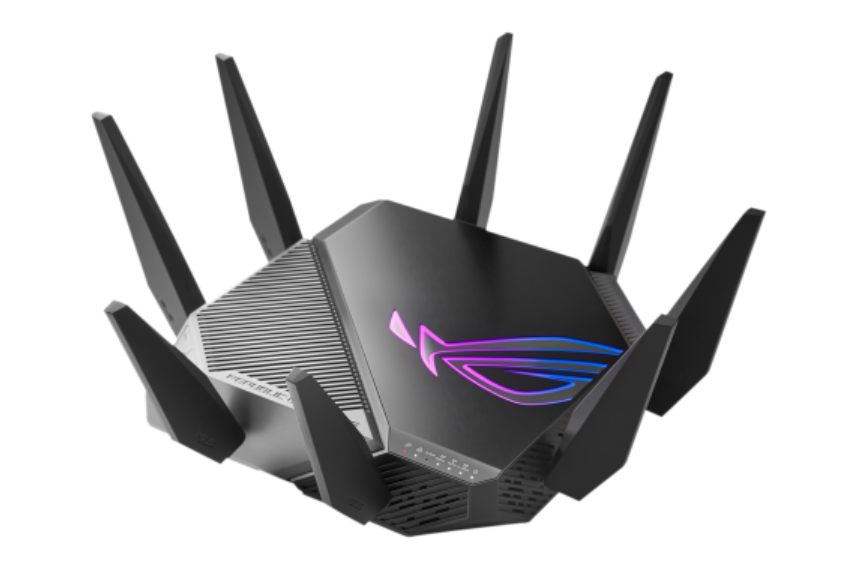
The first two routers to receive this integration are the tri-mode connectivity ASUS RT-AX57 Go and the GT-AX11000 Pro, a model designed specifically for gamers. Setting up the integrated NordVPN service is a breeze – users simply need to access the router’s self-service page. “Our goal is to contribute to a more secure internet,” said Vykintas Maknickas, Head of Product Strategy at NordVPN. “By enabling easy setup of VPN services on routers, we can protect entire networks for our customers.”
ASUS is equally enthusiastic about the collaboration. Tenlong Deng, Corporate Vice President and General Manager of Networking and Wireless Devices Business Unit at ASUS, expressed his delight: “We’re thrilled to partner with NordVPN and integrate their service into our products. The built-in VPN configuration options offer users a flexible and secure way to explore the internet with complete privacy.”
While NordVPN subscriptions range from £10.39 to £13.19 per month, longer commitments offer significant savings, with one and two-year plans bringing discounts of up to 72%. The Wi-Fi 6-compatible RT-AX57 Go starts at £89.99 ($115), while the high-performance GT-AX11000 Pro costs £399.99 ($510).
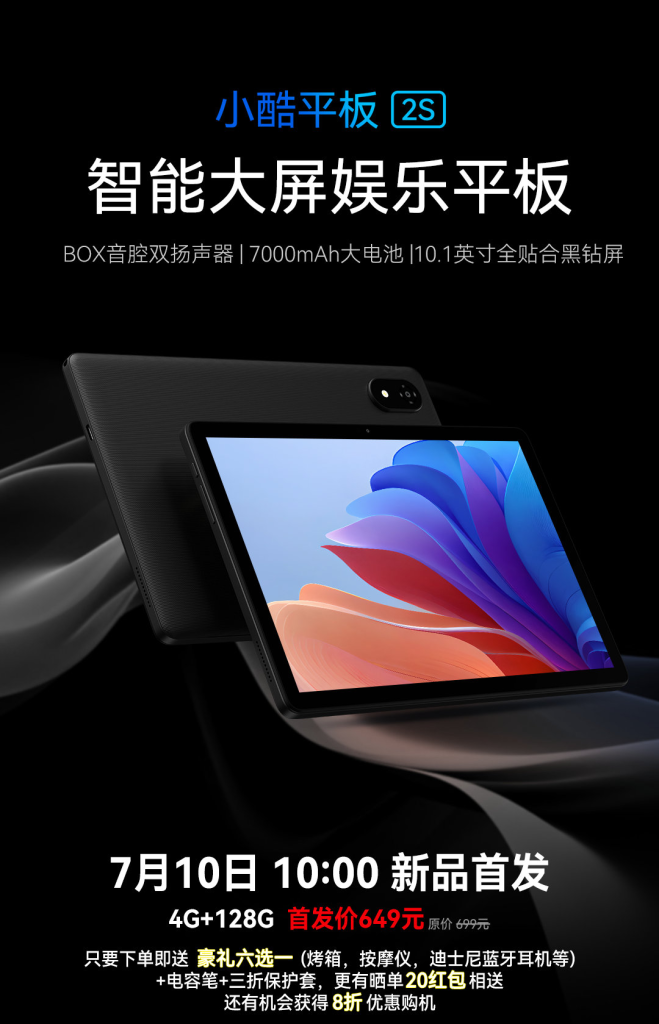
Cube officially announced the launch of their new Xiaoku Tablet 2S, arriving on July 10th at 10:00 AM. The 4G LTE version with 128GB of storage will be priced at 699 yuan (around $106 USD), with an introductory discount bringing the starting price down to 649 yuan ($99 USD).
The tablet will be priced at 699 Yuan ($96), which is currently 649 Yuan ($89)
The Xiaoku Tablet 2S boasts a 10.1-inch “black diamond” full-laminated display, promising an immersive viewing experience. A long-lasting 7000mAh battery is built-in to keep you powered for extended use. For storage and memory, Cube equipped the device with a generous 12GB of RAM and 128GB of storage space.
The operating system is a deeply customized version built on Android 14. This system offers features like multi-window split screen, reading mode, and eye protection mode for a more comfortable user experience. Compatibility with several AI large models like Wenxin Yiyan and KIMI CHAT is also included, hinting at capabilities designed to meet a variety of user needs.
While official CPU details are still under wraps, we can look to the Xiaoku Tablet 2 Lite launched earlier this year for reference. That model, priced at 649 yuan, utilized a Unisoc T606 processor and offered a 4GB RAM and 128GB storage configuration. This launch caters to a budget-conscious user segment looking for a feature-packed tablet experience.
In a surprising turn of events, BYD‘s Denza division acknowledged an unauthorized leak of their new Denza Z9 GT’s interior. Denza sales chief Zhao Changjiang expressed disappointment that media outlets risked hefty fines to publish the information early. He also downplayed the leak’s significance, claiming the video’s poor quality didn’t capture the car’s luxurious feel. To make the fans happy, Denza promises official high-quality interior photos or videos that will be revealed tomorrow morning.
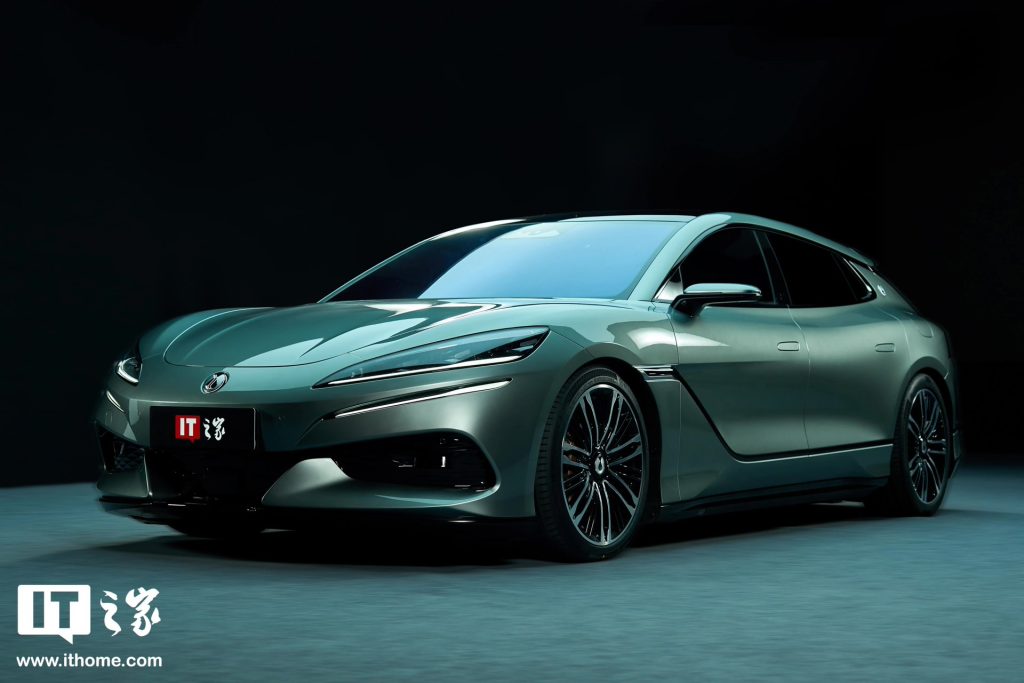
The Z9 GT will have two versions, a plug-in hybrid and a pure electric version
The Z9 GT itself is generating excitement with two planned versions: plug-in hybrid and pure electric. The plug-in hybrid boasts a 2.0T engine paired with three electric motors, offering a powerful driving experience. The pure electric version utilizes a three-motor setup at the front and rear for a potentially thrilling electric ride.
While details are still emerging, some key specs are confirmed. The plug-in hybrid variant measures 5195mm in length, 1990mm wide, and 1500mm tall (1480mm for some models). The pure electric version is slightly shorter in length. Both versions come standard with a panoramic sunroof and an electric rear wing. Optional features include three laser radars, various colored brake calipers and rims, carbon fiber trims, air suspension, and more.
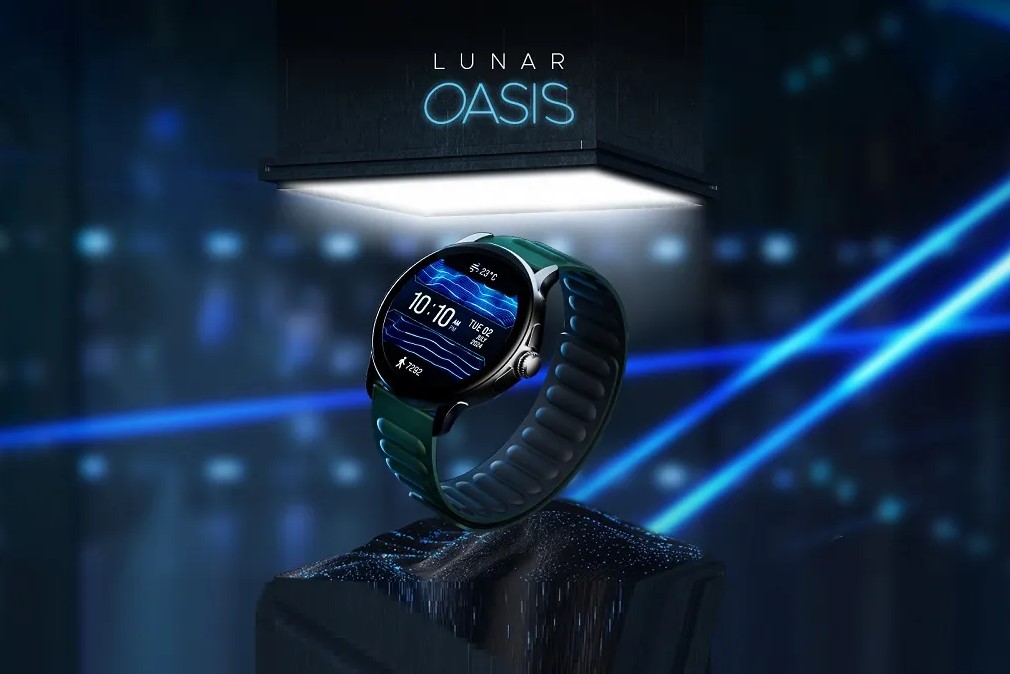
Recently, boAt launched its first Bluetooth speaker called the Stone Lumos in India. Now, the homegrown brand has announced a new smartwatch. It is dubbed the boAt Lunar Oasis. The latest offering features a premium look, turn-by-turn navigation, a vibrant display, heath tracking features, and more. Read on to know what the wearable device offers out of the box.
boAt Lunar Oasis specs and features
The boAt Lunar Oasis has a round dial with a metal body giving a premium look. There are two buttons on the right side along with a functioning crown. The device is IP68-certified dust and water-resistant. The smartwatch features a 1.43-inch AMOLED display with 600 nits peak brightness for outdoor visibility. It also has an always-on display mode.
On the health and fitness front, the boAt Lunar Oasis is equipped with a heart-rate monitor, SpO2 sensor, stress, and sleep tracker. It also comes with a sedentary reminder and custom run plans. The wearable device is capable of tracking more than 700 workout activities.
The boAt Lunar Oasis is powered by the brand’s in-house X1 processor for improved overall performance. It features a built-in speaker and microphone for hands-free calling. There is MapmyIndia’s navigation system that provides accurate turn-by-turn navigation without having to rely on a smartphone. The smartwatch also has emergency SOS, QR tray for receiving payments, built-in games, camera and music control, and more. It is backed by a 300mAh battery unit that is claimed to offer 7 days of usage.
The boAt Lunar Oasis costs Rs 3,299. It is offered in Olive Green, Active Black, and Black Metal strap color options. The smartwatch can be purchased from the brand’s official website, Amazon, and Flipkart.
The Razr 50 Ultra is the latest premium flip phone model from Motorola. It is already on sale in various markets like India. But should you buy the Razr 50 Ultra right now or wait for the upcoming Samsung Galaxy Z Flip 6? Let’s see how they compare.
1. Razr 50 Ultra vs Galaxy Z Flip 6: Taller display on the Moto?
Since Samsung has yet to announce the Galaxy Z Flip 6, an accurate specs comparison can’t be made. But we’ve covered numerous rumors and reports that offer us a better idea regarding its specs and features. It is expected to sport a 6.7-inch Dynamic AMOLED 2X primary display with a Full HD+ resolution and a 120Hz refresh rate. For the cover screen, you get a smaller 3.4-inch Dynamic AMOLED 2X panel which could also offer a 120Hz refresh rate.
On paper, Motorola may have an edge over Samsung’s new premium flip phone. Not only is the primary screen taller, but even the cover display is larger. The main screen is a 6.9-inch LTPO pOLED display with a 1-165Hz refresh rate, FHD+ resolution, HDR10+, Dolby Vision, DCI-P3 color gamut, and 3000 nits of peak brightness. Its outer panel shares the same variable refresh rate with a 4-inch pOLED panel with FHD+ resolution. Both screens have Corning Gorilla Glass Victus for protection.
Samsung is a known display maker and would likely pack a bright panel on the Z Flip 6 as well. Incremental upgrades are also expected over its predecessor. But if you really need the screen real estate, Motorola won’t disappoint. Although, it remains to be seen what Samsung has in store for us.
2. Specs & Features
Both brands trade blows in terms of hardware. Being high-end devices, you get top notch specifications on the two devices. Samsung is expected to edge out in performance with the Snapdragon 8 Gen 3 on the Galaxy Z Flip 6. This processor is faster than the Snapdragon 8s Gen 3 on the Razr 50 Ultra, which is commonly found in flagship killers or affordable flagship phones.
The Galaxy Flip phones have faced criticism for their battery size, but the Z Flip 6 may bump the battery to 4,000mAh. This would make it on par with the Razr 50 Ultra. However, Motorola offers faster 45W wired fast charging and 15W wireless fast charging. Samsung’s new Z Flip 6 would likely top out at 25W wired fast charging and 15W wireless charging.
For optics, Samsung is rumored to have a 50MP + 12MP camera setup on the rear and a 10MP selfie shooter. The cameras on the Razr 50 Ultra packs higher resolution for the telephoto (50MP) and selfie shooter (32MP), but the main sensor matches it with a 50MP resolution.
AI is a part of the feature list on both of these phones. Moto offers a built-in Google Gemini AI assistant, which users can access directly from the external display. Samsung, on the other hand, would unveil the Z Flip 6 with Galaxy AI. So you get access to features like Live Translate AI, which solves the issue of language barriers in real time.
3. Pricing & Verdict
For a starting price tag of 99,999 INR, the Razr 50 Ultra with 12GB + 512GB configuration is a great deal for its Flip design and high-end specs. It is also on sale with an early bird discount with a 5,000 INR discount. Last year, Samsung released the Galaxy Z Flip 5 with a 109,999 INR price tag, which could be reflected in the Galaxy Z Flip 6 as well. We are unsure if the device would get a price hike. But it would likely cost more than the Razr 50 Ultra.
Reading the specs sheet, Motorola might seem like an obvious choice but Samsung is a veteran in the foldable phone segment. The overall experience also depends on the UI and more. So if you’re planning on spending nearly a lakh already, might as well wait for the Galaxy Z Flip 6’s launch to get a another option to choose from.
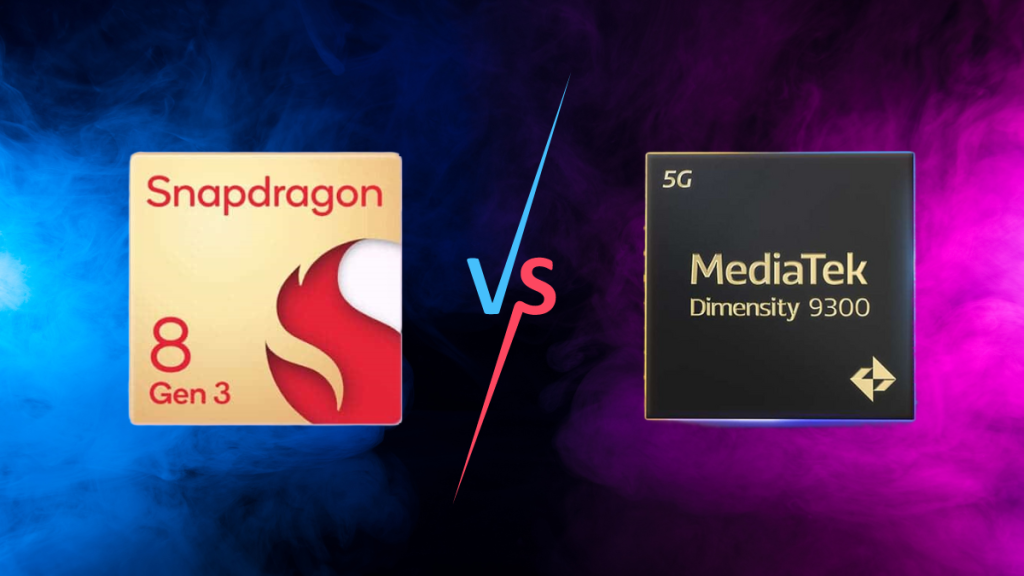
Qualcomm released the Snapdragon 8 Gen 3 in October 2023, and a month later, MediaTek announced the Dimensity 9300. Both are the top-of-the-line flagship smartphone chips of their respective brands.
We already have many smartphones powered by these flagship chips from big brands like Samsung, OnePlus, Oppo, and Vivo. They are usually found at the top of benchmarking platforms. But which one has more power, features, and efficiency? Let’s find out the answer.
Snapdragon 8 Gen 3 vs Dimensity 9300: Specs
SD 8 Gen 3
Dimensity 9300
Release Date
October 2023
November 2023
Model Number
SM8650-AB
MT6989
Process Node
4nm TSMC
4nm TSMC
CPU
1 x Cortex-X4 @ 3.3 GHz 3 x Cortex-A720 @ 3.2 GHz 2 x Cortex-A720 @ 3 GHz 2 x Cortex-A520 @ 2.3 GHz
1 x Cortex-X4 @ 3.25 GHz 3 x Cortex-X4 @ 2.85 GHz 4 x Cortex-A720 @ 2 GHz
GPU
Adreno 750 Hardware-accelerated ray tracing Global illumination Snapdragon Game Super Resolution Adreno Frame Motion Engine 2.0 Game Post Processing Accelerator Snapdragon Shadow Denoiser
Arm Immortalis-G720 MC12 HyperEngine Adaptive Gaming Ray tracing support
NPU
Hexagon NPU
NPU 790
Memory
Up to 24 GB LPDDR5X @ 4800 MHz
Up to 24 GB LPDDR5T @ 9600 MHz
Storage
UFS 4.0
UFS 4.0
Camera
200MP single camera 108MP single camera with ZSL 64MP + 36MP dual cameras with ZSL Triple 36MP cameras with ZSL (*ZSL = Zero Shutter Lag)
320MP single camera AI Semantic Analysis Video Engine
Bluetooth 5.4 Wi-Fi 7 support NFC Galileo, Beidou, NavIC, GPS, GLONASS, QZSS
Bluetooth 5.4 Wi-Fi 7 support NFC Galileo, Beidou, NavIC, GPS, GLONASS, QZSS
Snapdragon 8 Gen 3 vs Dimensity 9300: Benchmarks
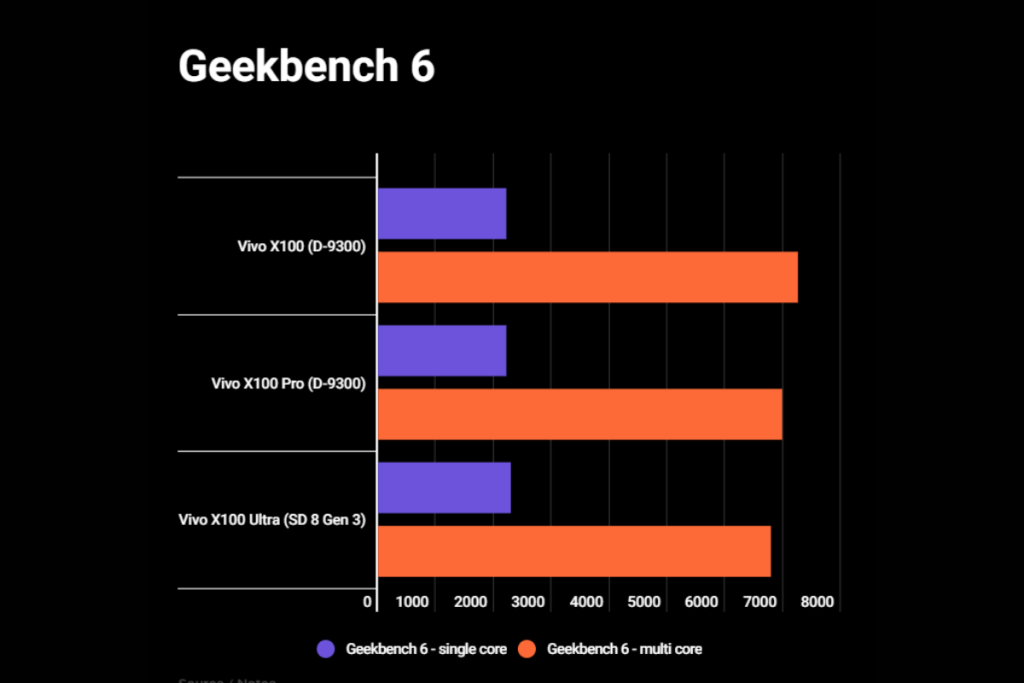
Companies have different software optimizations, creating differences in the benchmarking results. To minimize that, we have taken two smartphones from the same brand for this comparison — the Vivo X100 Pro (Dimensity 9300) and the Vivo X100 Ultra (Snapdragon 8 Gen 3).
Geekbench 6
Single Core
Dimensity 9300
Vivo X100 (D-9300)
2214
7269
Vivo X100 Pro (D-9300)
2216
6994
Vivo X100 Ultra (SD 8 Gen 3)
2305
6786
The Snapdragon 8 Gen 3 inside the Vivo X100 Ultra performs slightly better in the single-core test. However, the Dimensity 9300 inside the Vivo X100 Pro edges out the Snapdragon 8 Gen 3-powered X100 Ultra by a small margin in the multi-core test.
The Geekbench 6 CPU testing shows a close competition between the Snapdragon 8 Gen 3 and Dimensity 9300 chips. The differences in single-core and multi-core tests are so small that it can go either way with another manufacturer’s phone because of software optimizations.
Despite having four Cortex-X4 cores, MediaTek Dimensity 9300 doesn’t score big in the multi-core test compared to the Snapdragon 8 Gen 3. It’s because only one Cortex-X4 is clocked above 3GHz, while the remaining three max out at 2.85GHz. Qualcomm, on the other hand, has offered higher clock speeds for all the Snapdragon 8 Gen 3 cores.
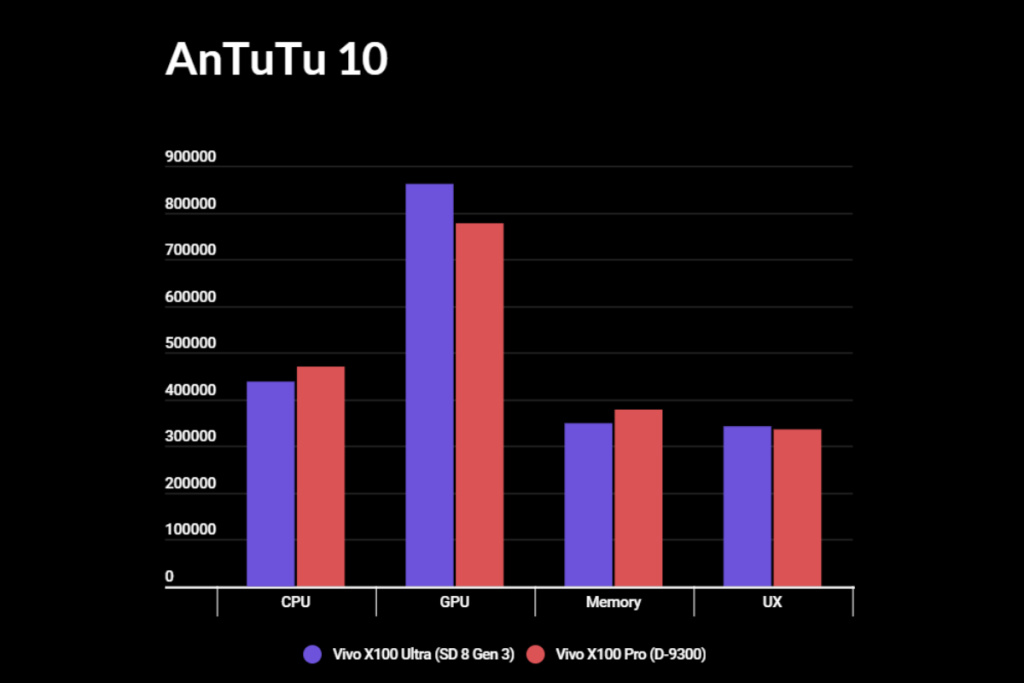
AnTuTu 10
Vivo X100 Ultra (SD 8 Gen 3)
Vivo X100 Pro (D-9300)
CPU
438384
470494
GPU
861400
777221
Memory
349223
378357
UX
342618
336000
Snapdragon 8 Gen 3 and Dimensity 9300 have scored similar CPU points on AnTuTu 10, with the Dimensity chip leading by a small margin. However, the Snapdragon chip has a stronger GPU score.
The memory score on AuTuTu goes in favor of the Dimensity 9300 chip because of a higher frequency of 9600MHz (vs. 4800MHz in Snapdragon 8 Gen 3).
3D Mark WildLife
Vivo X100 Ultra (SD 8 Gen 3)
Vivo X100 Pro (D-9300)
Wild Life
16921
16681
Wild Life Extreme
4859
4935
Solar Bay
8495
7991
The Snapdragon 8 Gen 3 is ahead of the Dimensity 9300 in GPU testing on 3D Mark WidLife. The Vivo X100 Pro and Vivo X100 Ultra used in the testing aren’t really optimized for gaming, so the difference in results isn’t big.
However, when compared against the Red Magic 9 Pro (Snapdragon 8 Gen 3), the Wild Life test shows a massive 26% advantage. But the Dimensity 9300 still beats the iPhone 13 Pro (A17 Pro) and Galaxy S23 Ultra (SD 8 Gen 2).
Although the Dimensity 9300 closely competes with the Snapdragon 8 Gen 3 in GPU tests, the latter should be preferred for gaming.
Snapdragon 8 Gen 3 vs Dimensity 9300: CPU & GPU
The Snapdragon 8 Gen 3 features a 1+5+2 CPU layout consisting of one Cortex-X4 prime core, five Cortex-A720 performance cores, and two Cortex-A520 power-efficient cores. Comparing it with Qualcomm’s previous flagship chip, we’ve got one more performance core and one less power-efficient core.
Not just a new CPU layout, the new Snapdraon chip also brings improved CPU cores with increased clock speed.
MediaTek, on the other hand, has an aggressive approach with the Dimensity 9300 chip. It has four Cortex-X4 cores and four Cortex-A720 cores. Interestingly, one Cortex-X4 core runs at above 3GHz (3.25GHz, to be precise) while the rest operates at 2.85GHz (max). The remaining four Cortex-A720 cores have a maximum clock speed of just 2GHz. So, the Dimensity 9300 has many performance cores, but they run at a lower clock speed.
Qualcomm’s Snapdragon 8 Gen 3 has upgraded cores and improved clock speed, which sounds better than MediaTek’s aggressive approach with Dimensity 9300. But both chips look good on benchmarking platforms, as we have seen already.
The Snapdragon 8 Gen 3 chip has an Adreno 750 GPU with features like hardware-accelerate ray tracing, global illumination, Game Super Resolution, game post processing accelerator, and Snapdragon shadow denoiser.
MediaTek has Immortalis-G720 MC12 inside the Dimenity 9300 for handling GPU tasks. Both are excellent GPUs for smartphones. However, Adreno has a better reputation for gaming performance, which is also reflected in the benchmarking results.
Snapdragon 8 Gen 3 vs Dimensity 9300: Camera
Qualcomm says Snapdragon 8 Gen 3 has the world’s smartest AI-powered camera. It features Spectra triple 18-bit ISPs with real-time semantic segmentation photo and video (up to 12 layers), Visual Analytics 4.0, and supports triple video capture from HDR image sensors with seamless switching between HDR modes.
The Snapdragon chip supports up to 200MP single camera, up to 108MP single camera with zero shutter lag, 64+36MP dual cameras with zero shutter lag, or 36+36+36MP triple cameras with zero shutter lag. It supports 8K HDR video recording at 30fps or 4K recording at 120fps. It also supports 720 slow-mo video recording at 960fps.
The MediaTek 9300 chip supports a higher camera resolution of 320MP, which is yet to be seen in any smartphone. It supports up to 8K video recording at 30fps or 4K at 60fps.
Snapdragon 8 Gen 3 vs Dimensity 9300: Connectivity
The Snapdragon 8 Gen 3 features an X75 5G modem with up to 10Gbps (downlink) and 3.5Gbps (uplink). The chip supports all necessary connectivity features such as Wi-Fi 7, Bluetooth 5.4, NFC, and positing systems (Galileo, Beidou, NavIC, GPS, GLONASS, QZSS).
The Dimensity 9300 chip also supports Wi-Fi 7, Bluetooth 5.4, and the same set of positing systems. It’s also equipped with MediaTek Xtra Range 2.0 technology, which improves the connection reach indoors by up to 4.5mm on a 5GHz connection. The integrated MediaTek 5G modem supports a 7Gbps downlink.
Snapdragon 8 Gen 3 vs Dimensity 9300: Which Is Better?
Snapdragon 8 Gen 3 and Dimensity 9300 are compelling smartphone chips with flagship performance. Both chips have exceptional CPU performance. However, the Dimensity 9300 can be a little bit disappointing when it comes to sustaining a heavy GPU workload.
The Dimensity 9300 is still one of the best choices for a high-end smartphone. It checks most boxes. However, those focusing primarily on performance and gaming should go for the Snapdragon 8 Gen 3.
The World Artificial Intelligence Conference (WAIC) is set to take place in Shanghai from July 4th to July 7th, 2024. This year’s theme is “Governing AI for Good and for All,” and the event will be held in a vast exhibition area of 52,000 square meters.
One of the most anticipated highlights of the conference is the appearance of Elon Musk, the CEO of Tesla. Musk is expected to deliver a speech at the opening ceremony, but whether he will attend in person or via video remains unclear. In the past, Musk has participated in WAIC with in-person attendance in 2019 and video messages in 2021 and 2022.
Musk’s recent visit to China in April 2024, where he met with Chinese Premier Li Qiang in Beijing, adds further significance to his involvement in the conference. During this visit, they discussed Tesla’s Full Self-Driving (FSD) software and data-transfer permissions. Premier Li Qiang is also scheduled to make a speech at WAIC.
Tesla will have a strong presence at the conference, showcasing its innovative products. The Cybertruck will be on display, along with the latest generation of Tesla’s humanoid robot, Optimus Gen 2. This advanced robot features in-house designed actuators and sensors, a 2-DoF actuated neck, and a 30% faster walking speed compared to its predecessor. Two Optimus robots are already performing tasks autonomously in Tesla’s factories.
Musk’s speech at WAIC coincides with the European Union imposing preliminary tariffs on Chinese electric vehicle (EV) imports. Tesla, being the largest exporter of EVs from China to Europe, faces an additional 21% tariff. The company has requested a separate duty rate from the Commission.
WAIC will bring together top scientists, industry leaders, and government officials to discuss AI advancements, robotics, autonomous systems, large models, computing power, and “AI+” applications. At the 2023 conference, Musk praised China’s rapid progress in AI and highlighted the transformative potential of AI and autonomous driving technologies.
With Musk’s participation and Tesla’s innovative showcases, the World AI Conference in Shanghai promises to be an exciting and highly anticipated event.
OnePlus Summer launch event is set to take place on July 16. Although the brand has not explicitly revealed the names of the upcoming devices, the Nord 4 smartphone along with TWS earphones and a smartwatch is widely expected to debut at the event. Earlier today, the OnePlus Nord 4 surfaced in a leaked schematic revealing design. Now, an official-looking poster of the upcoming smartphone has leaked giving us a clear glimpse.
OnePlus Nord 4 official-looking poster surfaces
OnePlus Club shared a poster of the upcoming Nord 4 smartphone on X (formerly Twitter). The smartphone is seen with a flat frame. The volume rocker and power buttons are located on the right side whereas the alert slider is on the left. Coming to the back panel, OnePlus is moving away from the vertical camera arrangement on last year’s Nord 3. Additionally, the brand will differentiate the Nord 4 from the Nord CE 4 and 4 Lite 5G. The upcoming offering will feature two horizontally placed camera rings and an LED flash close to the right edge.
The OnePlus Nord 4 will feature a dual-tone back panel. The area under the camera sensors has a glossy finish whereas the rest of the panel is expected to have a metal finish. The design takes us back to the early generations of Pixel smartphones. The smartphone will be available in three colour options – Green, Silver, and Black. The Silver variant has diagonal stripes below the shiny part. The brand has already hinted that the device will feature a metal unibody. We also get a frontal look at the Nord 4. It has a centre-aligned punch-hole cutout display surrounded by very thin bezels.
OnePlus is expected to reveal more details about its upcoming devices in the days leading up to the launch event.
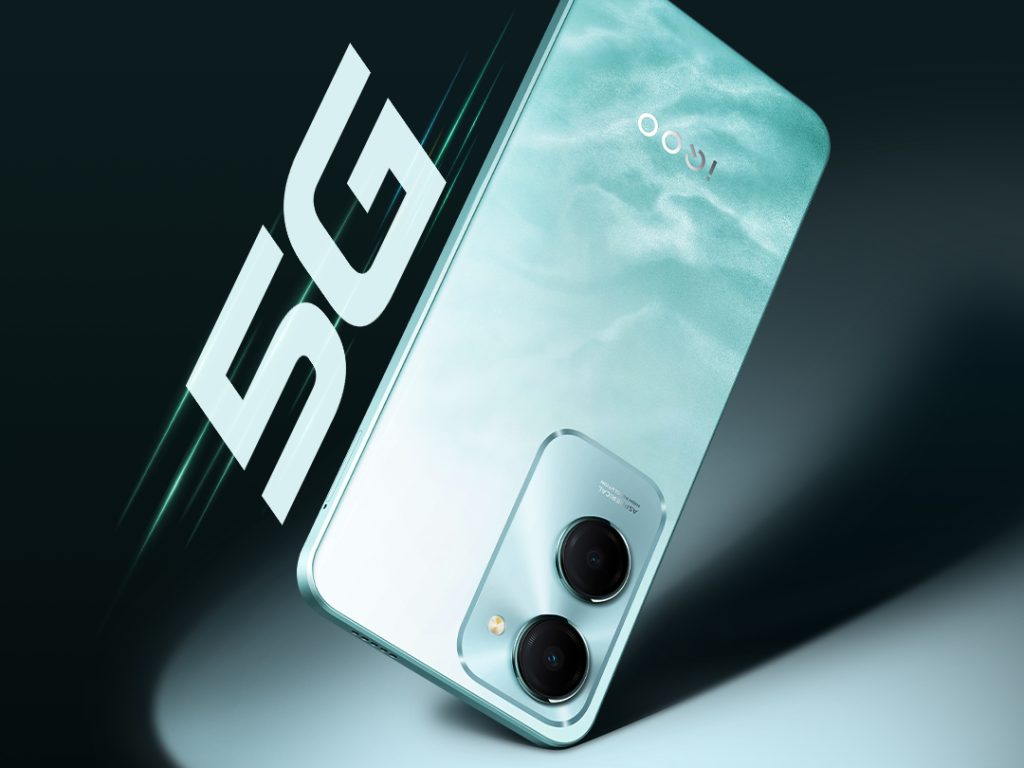
iQOO Z9 Lite 5G is set to arrive in India later this month. It is already confirmed to be available from Amazon. The e-commerce platform has put up a microsite of the upcoming offering revealing some key specifications ahead of its official launch. The device will be the third addition to the Z9 series after the Z9 5G and Z9x 5G that were announced earlier this year.
iQOO Z9 Lite key specs confirmed
As per the microsite, the iQOO Z9 Lite 5G will feature a dual rear camera setup of a 50MP main sensor paired with a 2MP bokeh lens. It will have an IP64 dust and water-resistant rating. The phone has a flat frame design with a rectangular camera island and a side-mounted fingerprint scanner. The upcoming offering is already confirmed to be powered by a MediaTek Dimensity 6300 processor. It will pack 6GB RAM and 128GB storage. The same variant has scored 414,564 points in the AnTuTu benchmarking test.
More details about the iQOO Z9 Lite 5G will be revealed in the coming days leading up to the launch event on July 15. It seems that the device is a rebranded version of the Vivo T3 Lite that was announced in India last month. The latter features a 6.5-inch display with an HD+ resolution and a 90Hz refresh rate. It draws its power from a 5,000mAh battery with support for 15W charging. The device is equipped with the same Dimensity 6300 SoC coupled with either 4GB or 6GB RAM and 128GB storage.
The iQOO Z9 Lite 5G is tipped to be an entry-level 5G smartphone from the Vivo sub-brand. To recall, the Z9x 5G and Z9 5G smartphones start at Rs 12,999 and Rs 19,999 respectively. We will learn official details about the smartphone on July 15.
Motorola has launched its latest foldable smartphone, the Razr 50 Ultra, in India. This device was recently unveiled in China alongside the vanilla Razr 50. The new foldable offers a lot of upgrades over its predecessor.
Motorola Razr 50 Ultra
Motorola Razr 50 Ultra specs & features
This new Razr 50 Ultra features a 6.9-inch FHD+ internal foldable LTPO pOLED display with a 1-165Hz refresh rate. The display has HDR10+ and Dolby Vision support, a peak brightness of 3000 nits, and a 100% coverage of the DCI-P3 color gamut. The Razr 50 Ultra also includes a 4-inch FHD+ outer pOLED display, upgraded from the previous 3.6-inch screen, offering a 95% screen-to-body ratio. The outer display has the same 1-165Hz refresh rate and comes with Corning Gorilla Glass Victus protection.
The Razr 50 Ultra is powered by the Snapdragon 8s Gen 3 SoC paired with 12GB of LPDDR5X RAM and 512GB of UFS 4.0 storage. It has a built-in Google Gemini AI assistant, which users can access directly from the external display. Razr users will receive a three-month subscription to Gemini Advanced at no extra cost, which includes 2TB of cloud storage and AI features in Google apps like Gmail and Docs.
For optics, the phone features dual 50MP cameras (main and 2x telephoto) and a 32MP front camera, offering high-quality photos and videos. It has a 4000mAh battery with 45W wired fast charging and 15W wireless charging.
The phone is built for durability with IPX8 underwater protection and Gorilla Glass Victus. Motorola claims it has been tested for over 600,000 folds, ensuring long-lasting performance.
Pricing and Availability:
The Motorola Razr 50 Ultra is available in Spring Green, Peach Fuzz, and Midnight Blue, priced at Rs. 99,999 for the 12GB + 512GB model. An early bird discount lowers the price to Rs. 94,999 for a limited time. Pre-bookings start on July 10th through Amazon.in, Reliance Digital, Motorola.in, and leading retail stores across India.
Launch offers include a Rs. 5000 bank discount, free Moto Buds+ worth Rs. 9,999 for pre-bookings, no-cost EMI starting at Rs. 5000 per month from leading banks, three months of Google Gemini Advanced Subscription with 2TB of cloud storage, and Jio benefits worth Rs. 15,000.
Xiaomi is gearing up to launch Redmi K70 Ultra in China. Ahead of the launch, the smartphone has now appeared on a Geekbench listing shedding light on a few key specifications.
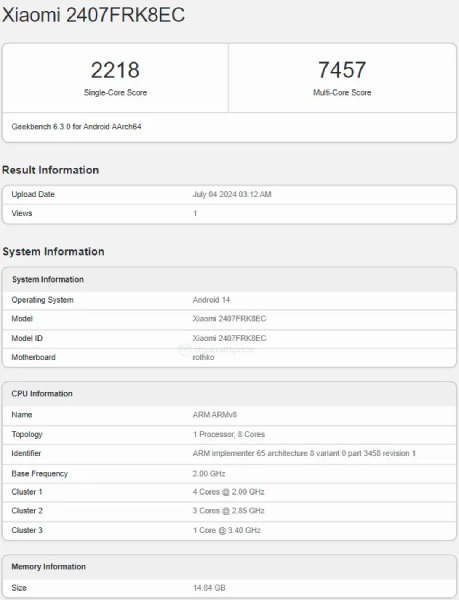
So the device appeared on Geekbench with model number 2407FRK8EC. The K70 Ultra has been spotted on the IMEI database with the same model number.
As for performance, the benchmark shows the phone scored 2218 points in single-core tests and 7457 points in multi-core tests. The Redmi K70 Ultra will be powered by the flagship MediaTek Dimensity 9300+ SoC under the hood.
The chip, based on TSMC’s 4nm processor, features an octa-core setup consisting of a Cortex-X4 clocked at 3.4GHz, three Cortex-X4 clocked at 2.85GHz, and four Cortex-A720 clocked at 2.0GHz.
While performance is a focus, the K70 Ultra won’t skimp on durability. Xiaomi has officially confirmed an IP68 rating for the phone, indicating it will be dustproof and water-resistant for up to 30 minutes in up to 1.5 meters of fresh water.
In terms of charging, the 3C certification suggests the K70 Ultra will support 120W fast-wired charging. Additionally, rumors suggest Xiaomi might offer variants with up to 24GB of RAM and a whopping 1TB of storage. The battery is expected to have a capacity of 5,500mAh that will support 120W fast charging.
The phone might feature a 20-megapixel front camera for selfies and a triple rear camera setup, including 50-megapixel, 8-megapixel, and 2-megapixel sensors. The display will be a flat 8T OLED panel with a 1.5K resolution and a 144Hz refresh rate. For added durability, the phone will have a metal middle frame.
For those interested, a tweaked version of the Redmi K70 Ultra with improved cameras is expected to debut soon in the global market under the Xiaomi 14T Pro moniker.
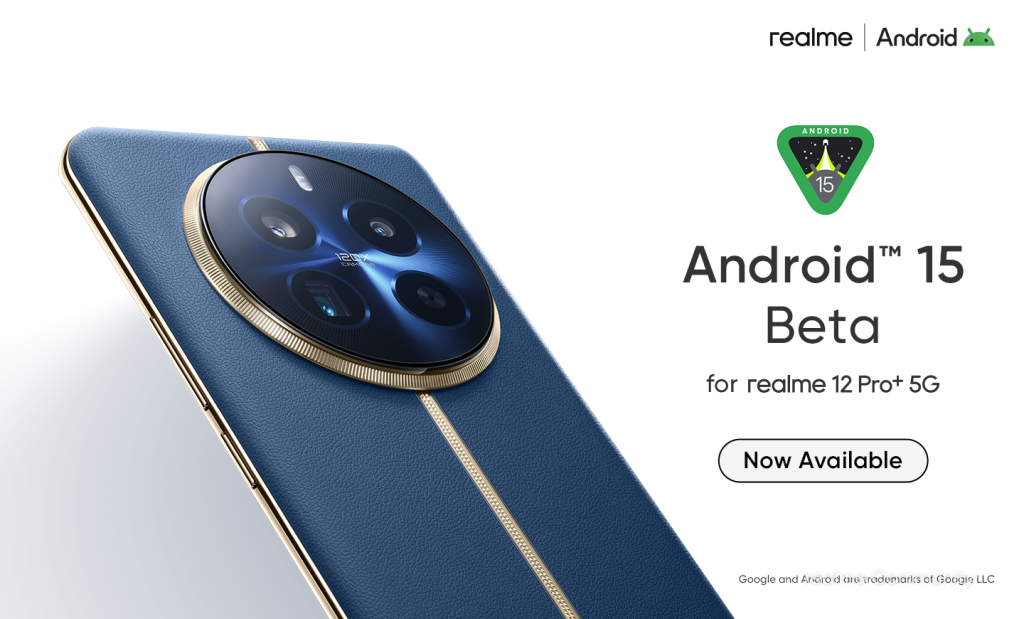
Right after Google’s Android 15 launch, realme has instantly released Android 15 Beta 1 earlier and now Android 15 Beta 2 for realme 12 Pro+ is here.
The initial Android 15 Beta 1 update for realme 12 Pro+ did not offer a stable experience, and unfortunately, Beta 2 also comes with some bugs too. It’s important to back up all your data before installing this update. Additionally, this update is only for the Indian variant of realme 12 Pro+. Do not install it if you have a different variant.
realme has released instructions on how to install the Android 15 Beta 2 update for realme 12 Pro+ and a list of known bugs. If you’re not satisfied with Android 15, you can revert to Android 14 again as well.
You need to download the realme 12 Pro+ Android 15 Beta 2 update package from the given link. Make sure you’re currently running the latest Android 14 on your device, Android 14 (RMX3840_14.0.0.1001(EX01)). Make sure you have Indian device and the latest firmware installed, then proceed to install Android 15 (RMX3840_14.0.0.02).
● Transfer the downloaded firmware to the phone storage;
● Turn on developer mode
● Go to Settings > Software Update > Settings in the upper right corner > Manually select the installation package
● Select the downloaded firmware package, click install after loading
● The system will reboot
Rollback to Android 14
You can revert back to Android 14 if you’re not satisfied with the Android 15 experience. You will need to download rollback package here.
● Please back up your data before proceeding with the rollback process: Settings > Additional Settings > Back Up and Reset > Backup & Restore, and then select the data to back up.
● Please keep the battery level over 30%, and do not turn off your phone during the rollback process.
● In order to revert back to Android 14, please follow the same procedure you went through to join the Android 15 Developer Preview but by using the rollback package below.
Known issues
1. All user data will be erased during the upgrade.
2. Some system functions are not available.
3. Part of the interface display may look less than desirable.
4. Some applications may not work properly or be fully functional.
5. The system may have some stability issues.
You can visit realme’s official forum if you have further questions on Android 15 Beta 2 update.
Samsung has officially announced that the Galaxy M35 5G will be available in India starting July 17. Initially, it was believed that Galaxy M35 5G will launch during the Amazon Prime Day sales on June 20 and 21. However, Samsung confirmed the launch date as July 17 as per Samsung’s Twitter post. Galaxy M35 5G had already launched in other regions and is now making its debut in India.
Galaxy M35 5G India
The Galaxy M35 5G will launch in India on July 17 and will also be available up for sale during Amazon India’s Prime Day Sales. An Amazon banner confirms that the Galaxy M35 5G will come in three color options: Light Blue, Grey, and Dark Blue.
We expect Galaxy M35 5G to feature the Exynos 1380 chipset. It will have a massive 6000 mAh battery and support 25W charging. The phone will come with 8GB of RAM and 256GB of storage, and it will receive OneUI updates for four years.
The Galaxy M35 5G boasts a 50MP main camera, an 8MP ultra-wide-angle camera, and a 2MP macro camera. On the front, it features a 6.6-inch AMOLED display with a 120Hz refresh rate and a brightness of 1000 nits.
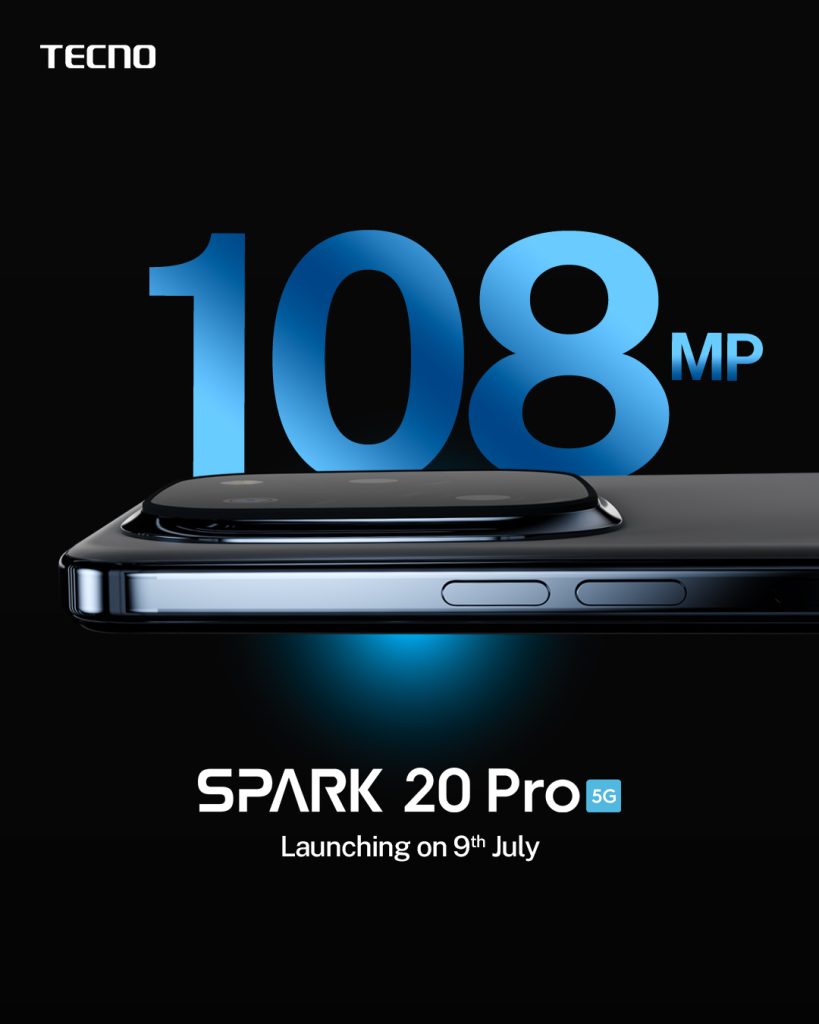
We previously reported that Tecno Spark 20 Pro 5G will be available in India, with some marketing details having been leaked. Now, TECNO has officially confirmed the India launch date as July 9.
The phone was previously teased with the tagline “5G KA Champion”. The Amazon page for the upcoming TECNO phone is now live, indicating that the first sales will kick off on Amazon India. Although the phone is currently listed as “Coming soon” on Amazon, TECNO has confirmed via their Twitter account that the official launch date is July 9. The phone will feature 8GB of RAM and options for either 128GB or 256GB of storage.
Tecno Spark 20 Pro 5G launch date
Tecno Spark 20 Pro 5G will be powered by the MediaTek Dimensity 6080 5G chipset. It boasts a 6.78-inch 120Hz display, a 108MP main camera, and a 2MP macro camera. The phone is equipped with a 5000mAh battery and supports 33W fast charging. It will come preloaded with Android 14.
Stay tuned for more updates on the Tecno Spark 20 Pro 5G as we get closer to the launch date!
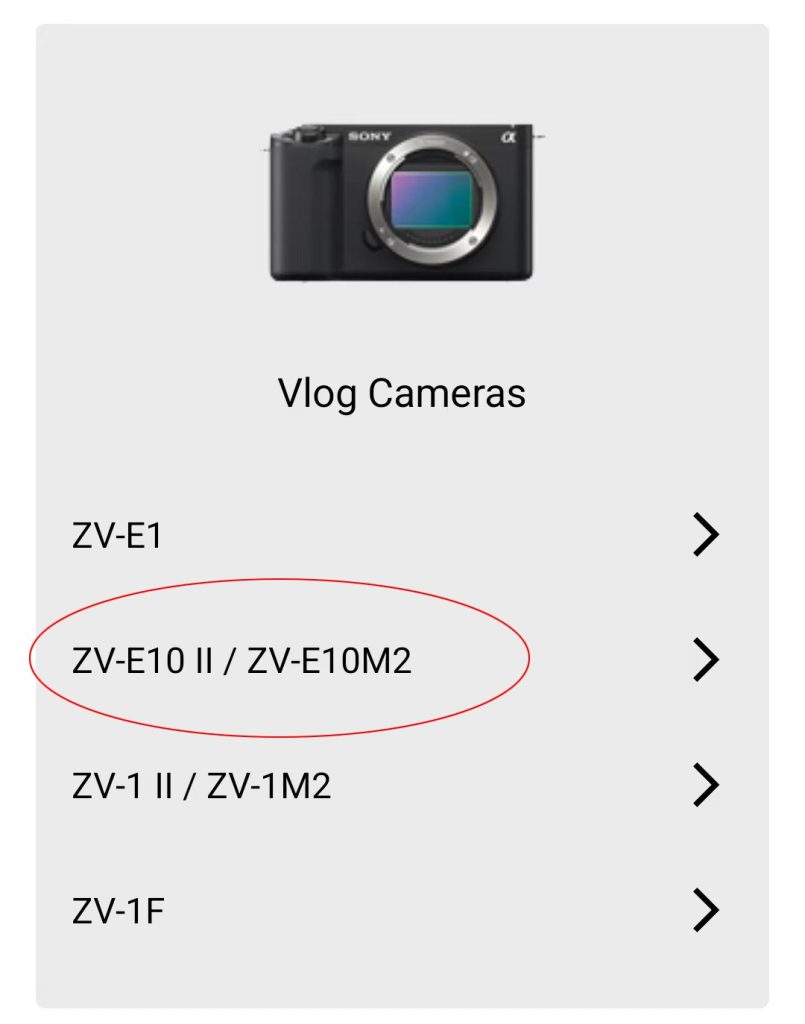
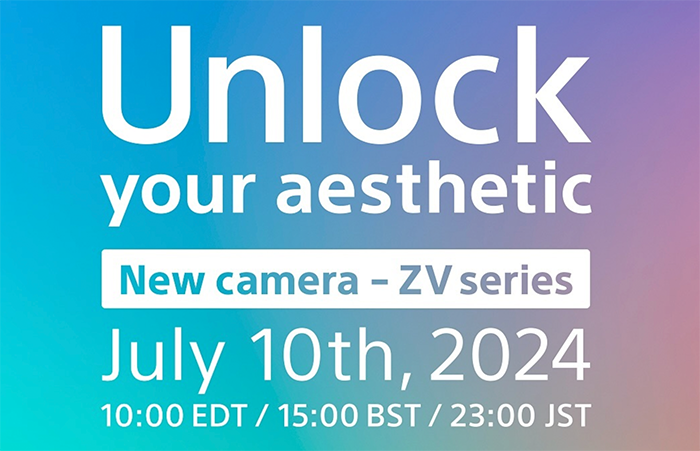
Sony has recently updated their official App Creator, and the upcoming vlog camera ZV-E10 II has now appeared on the list, confirming the camera’s existence. Last week, SonyAlphaRumors claimed that the camera would launch on July 10th. Now, the publication has also leaked an official teaser indicating that a new ZV camera is on the way.
According to Andrea Pizzini, the ZV-E10 II will ditch the ZV-E10’s 1020mAh battery for the much beefier NP-FZ100 with a capacity of 2280mAh. This is the same battery used in the popular A6700, effectively doubling the shooting time for vloggers on the go.
The increased battery size comes with an additional benefit – a larger grip. This addresses a common pain point with the original ZV-E10, which some users found difficult to hold comfortably for extended periods. The ZV-E10 II’s larger grip promises a more secure and stable hold.
While official specs remain under wraps, rumors suggest the ZV-E10 II will pack a 26MP APS-C CMOS sensor, similar to the one found in the A6700. This upgrade promises improved image quality and overall performance compared to the previous generation. Additionally, Sony might introduce AI-powered features specifically designed for vloggers. This could translate to better autofocus, especially when switching between the subject and the vlogger themself.
Alongside the camera, Sony is also expected to launch a new E-mount 16-50mm F/3.5-5.6 OSS II zoom lens. This versatile kit lens seems tailor-made for vloggers, offering a wide zoom range perfect for capturing various shots, from sweeping landscapes to detailed close-ups. The inclusion of Optical SteadyShot (OSS) promises smooth, shake-free footage – essential for handheld vloggers who are constantly on the move.
Sony will also launch a new high-end FE 85mm F/1.4 GM II lens, though its release date seems less certain.
Various PC makers have recently unveiled their latest notebook offerings that feature Qualcomm’s new Snapdragon X Elite and X Plus processors. These chips were touted to offer impressive battery life, and now, we can see the Snapdragon X series powered Surface Laptops pitted against newer MacBooks with some impressive results.
Is Snapdragon X Plus better than M3 in efficiency?
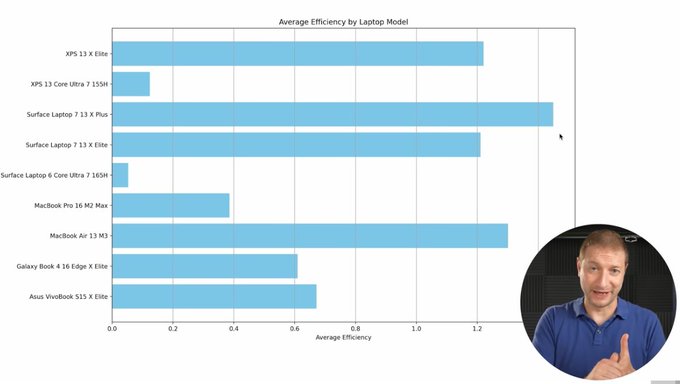
In a battery life and efficiency test from Alex Ziskind on YouTube, we get a fair idea of how the new Snapdragon chips perform in the real world. He approached the test with realism in mind to get a more accurate representation of what we can expect from these laptops. This test included coding, listening to music, and even certain intensive tasks. Alex took into account the different battery sizes of the laptops.
In the initial efficiency test measuring “Battery Drain vs Work Done”, the M2 MacBook Air was the most efficient, while the M3 MacBook Pro and M2 Max variants also saw impressive performance. On the other hand, the Surface Laptop 7th Edition outperformed other Snapdragon X Elite and X Plus powered laptops like the ASUS Vivobook S 15, Dell XPS 13, and Galaxy Book 4 16 Edge. It is worth noting that this efficiency test was more focused on intensive tasks that pushed the CPU cores.
In the automated workflow test to recreate a more realistic scenario, Ziskind reran the test playing YouTube videos occasionally, between writing and running the codes. This was a prolonged test with all laptops set to high performance. Surface Laptop 7 13 (X Plus) led the pack with the highest average efficiency, with the M3 MacBook Air 13 being the runner up.
The Snapdragon X Elite variant of the Surface Laptop 7 13 came in third, and performance much better than the Galaxy Book 4 Edge 16 and VivoBook S 15. Keep in mind that this is still just a test from a person who codes, so expect different results depending on casual use and other tasks. You can click here to check out our previous coverage of the Snapdragon X Plus, where it outperforms the M2 and M3 chips in Cinebench.
AI is rapidly advancing, and now it’s possible to generate videos from stable images, a process known as image-to-video creation. With stable diffusion, AI can create videos out of still images. New AI models can create text-to-video based on your prompts. OpenAI’s Sora, for instance, can create highly realistic videos. Check out OpenAI’s Sora and computer-generated videos using the provided link.
Text to video – AI generated image by OpenAI
While AI-powered video creation is a game-changer, many AI-based media generation tools currently limit the number of videos you can make. AI requires significant processing power, making running the AI models locally on your device sounds like a better idea.
MediaTek & Kwai
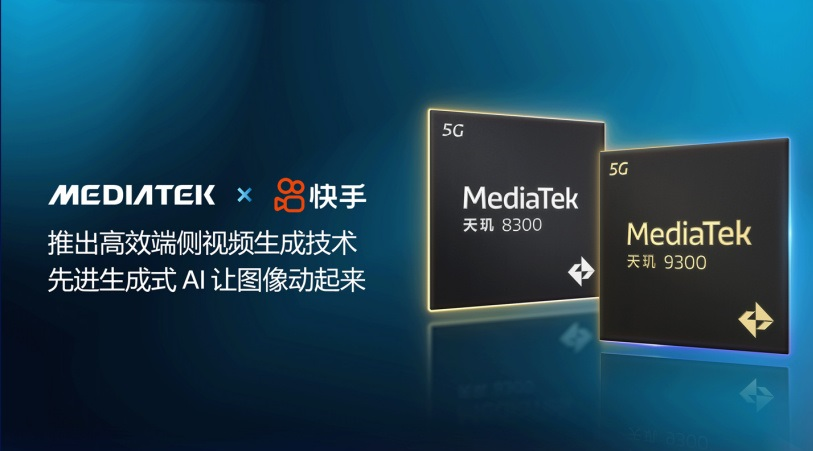
According to a recent ITHome news article, MediaTek may introduce on-device AI video creation for its Dimensity 9300 and 8300 chipsets. The NPU in these chipsets will enable video generation from stable images. MediaTek was rumored to unveil video creation at MWC 2024, and now a collaboration between Kwai and MediaTek has been revealed. Kwai is a video-sharing platform and editor similar to TikTok and CapCut.
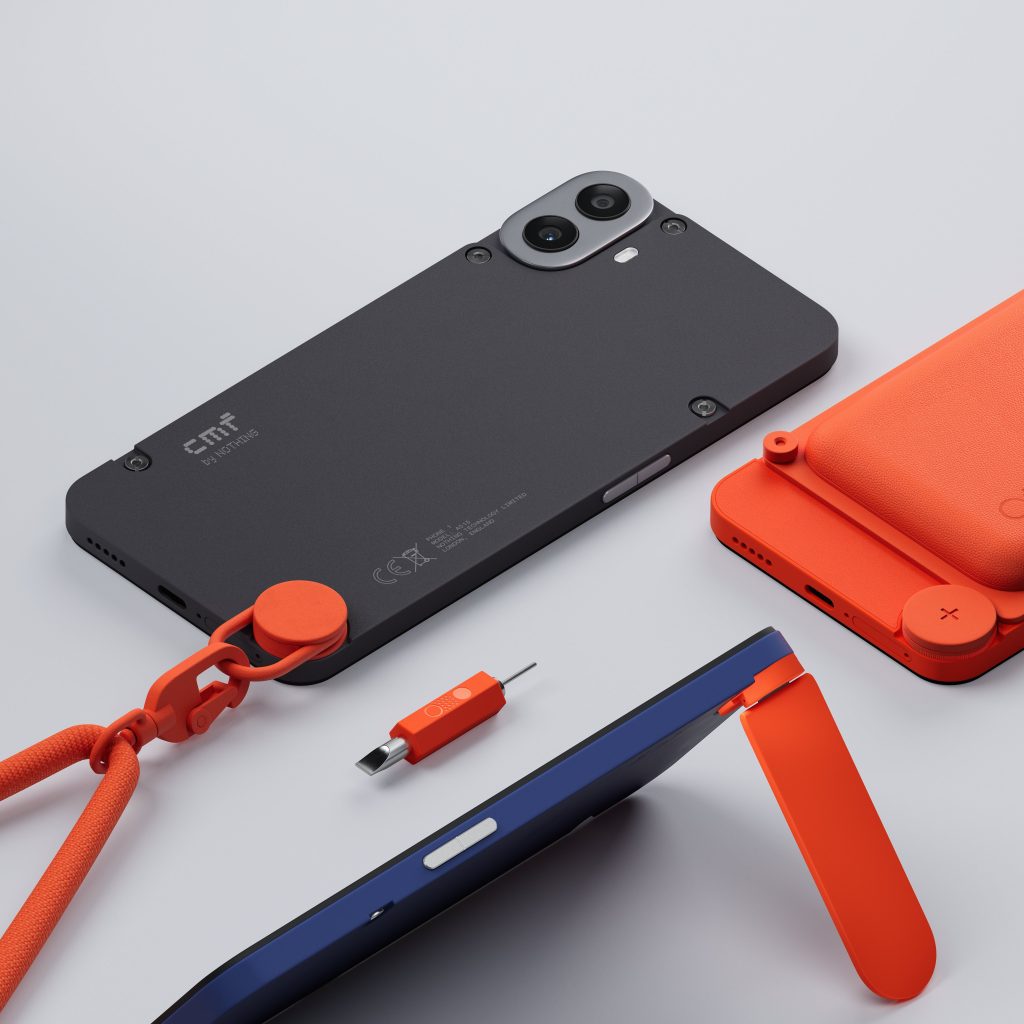
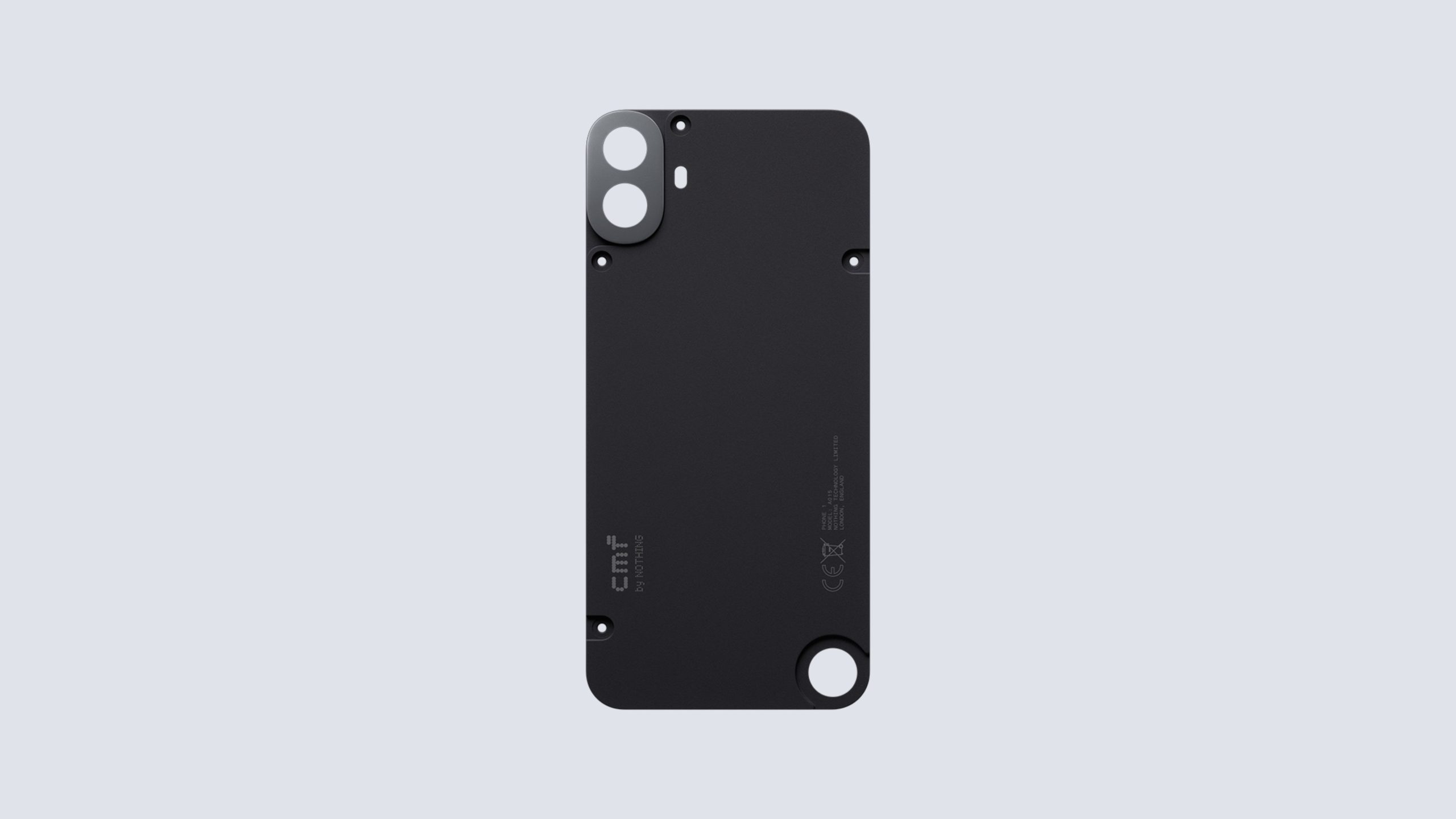
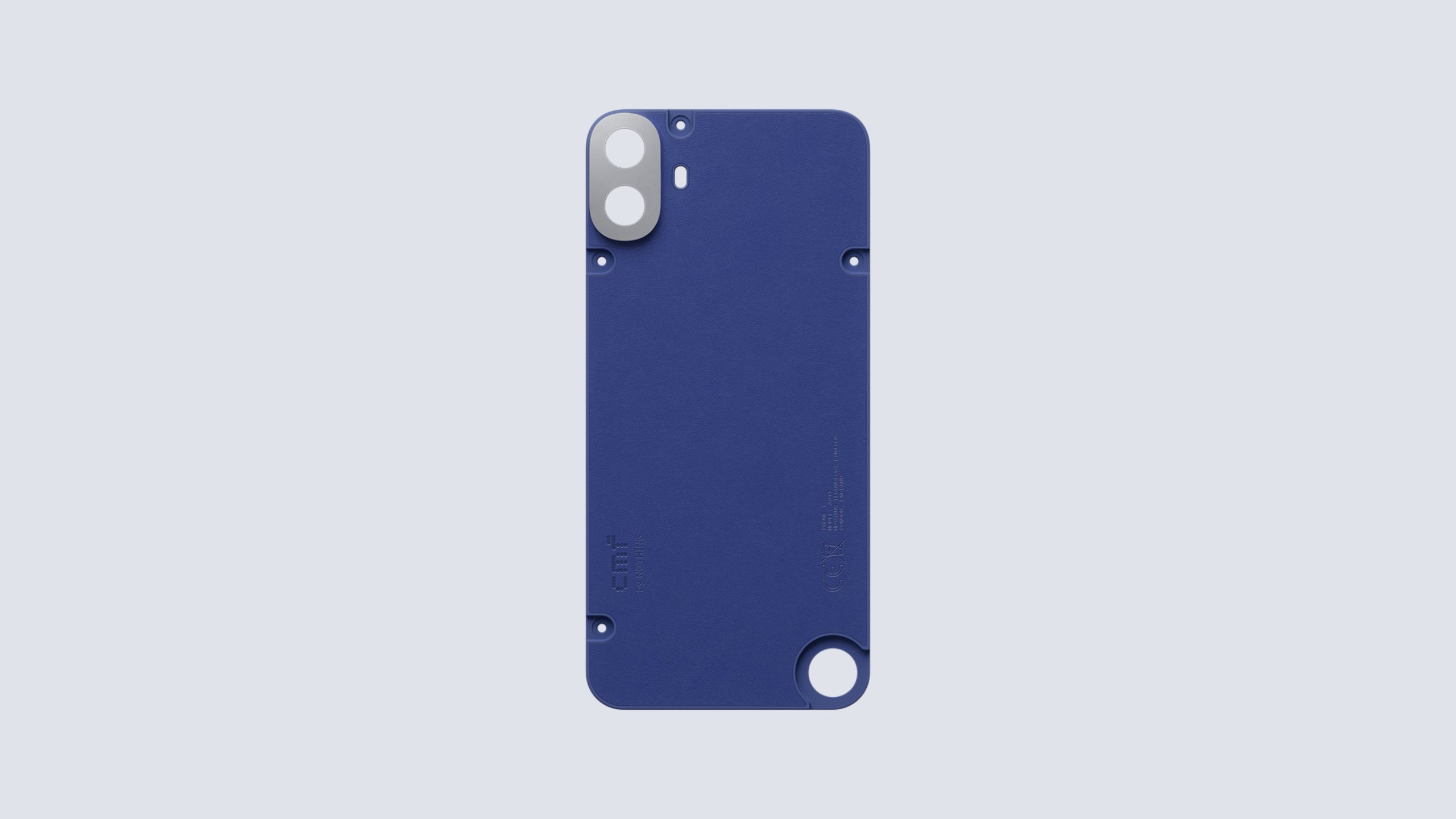
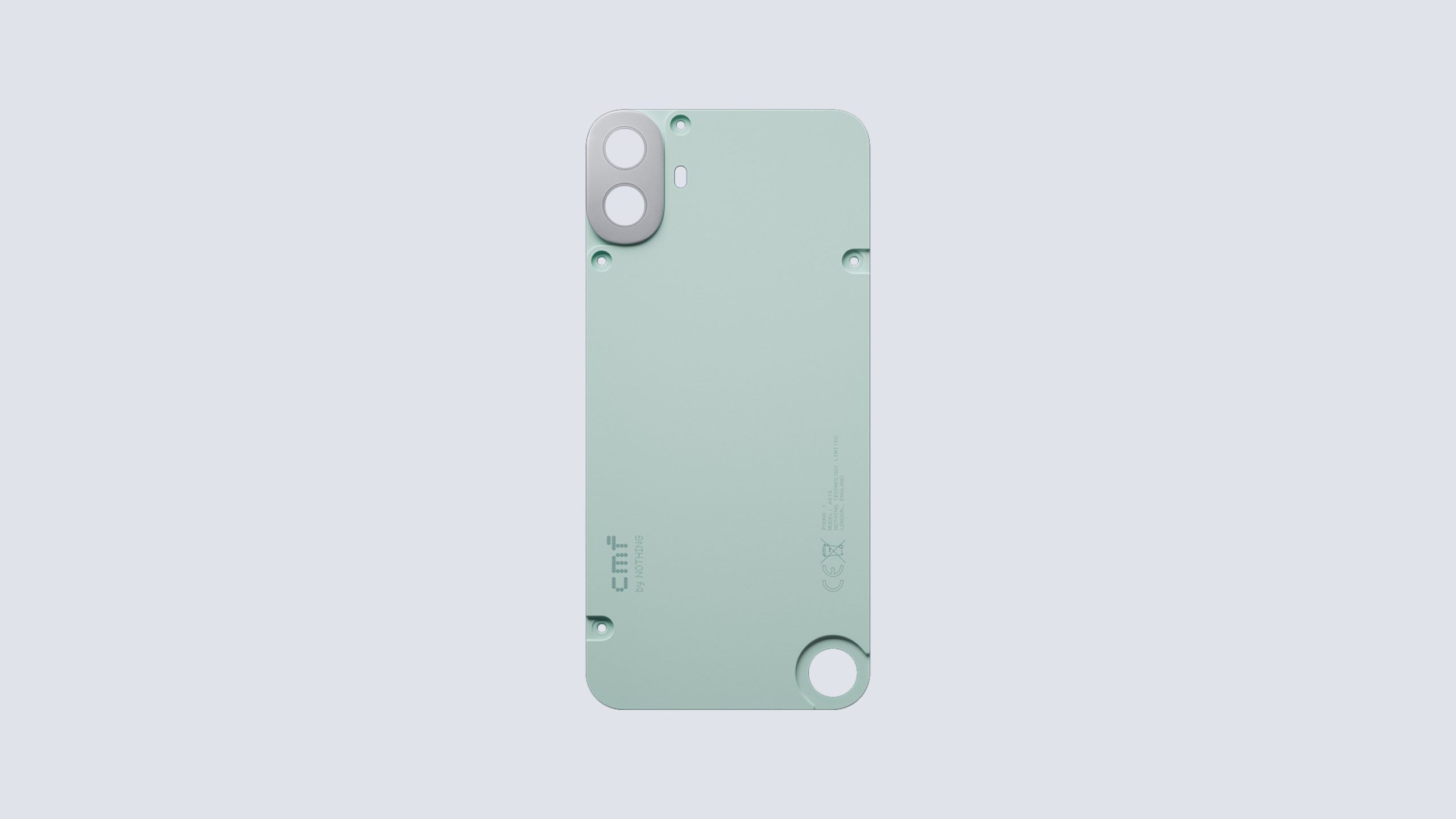
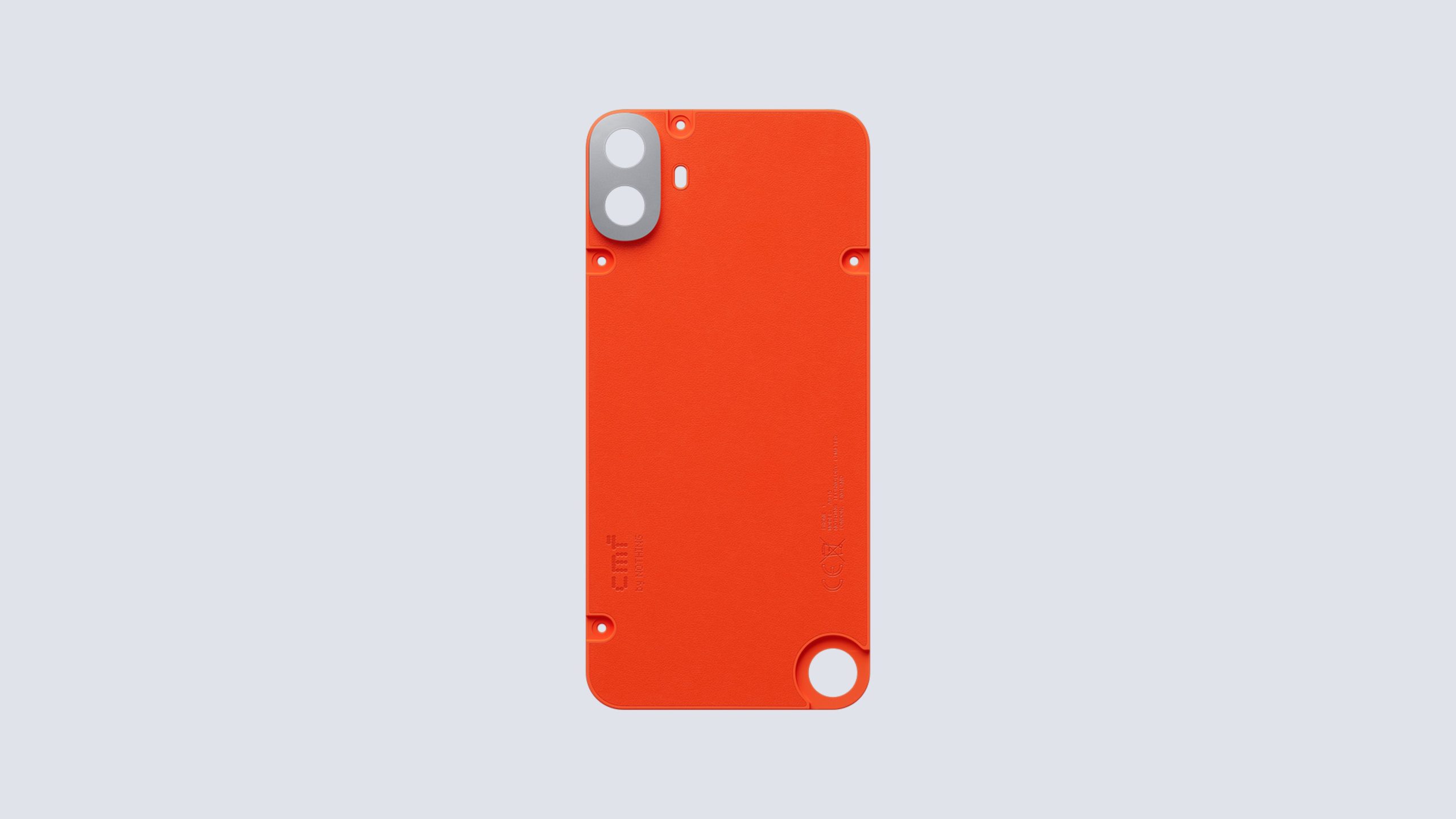
CMF by Nothing is prepared to launch its first smartphone on July 8 called the CMF Phone 1. This new device is expected to debut in the sub-INR20K range in India. Ahead of the launch, the brand has officially revealed its complete back design, while a separate (now deleted) leak from Yogesh Brar has confirmed its front design.
The leaked front image of the device confirms some of the rumored specs, like the device featuring a MediaTek Dimensity 7300 processor, along with 8GB RAM and an option to expand the RAM virtually. The storage options will start at 128GB. For optics, the device will have a 50 MP primary (rear) and a 16 MP front camera, while the display will measure 6.67 inches, use AMOLED technology, and come with moderate bezels. Lastly, the device will be powered by a 5,000mAh battery and operate on Nothing OS 2.6.0 out of the box.
The back of the device will have options to add attachments such as a kickstand, a hook to attach a strap to the device, and what appears to be either a power bank or a wallet for your credit cards. The back cover will be removable and will come with four color options: black, blue, light green, and orange. The SIM ejector tool will double as a screwdriver head to help change the back and add the attachments.
In other news, the brand will launch the CMF Buds Pro 2 on July 8. These earbuds will provide 50 dB active noise cancellation (ANC) and dual drivers for HiFi sound quality. Moreover, they will include ChatGPT integration, allowing users to interact with the AI chatbot via a gesture.
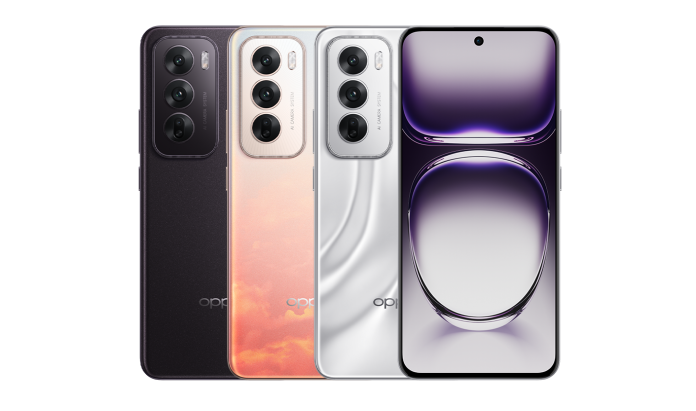
Oppo is bringing its Reno 12 series to India, with a launch scheduled for July 12th. The series includes two models – the Oppo Reno 12 and the Oppo Reno 12 Pro. Since these smartphones have already been launched globally, we’re familiar with their specifications. Let’s take a quick look at them.
Oppo Reno 12, Reno 12 Pro Specifications
Both smartphones boast a large 6.7-inch FHD+ display with a 120Hz refresh rate, built with a flexible AMOLED panel. Oppo describes this display as “Quad-Micro Curved Infinite View,” which translates to slim bezels and an impressive 93.5% screen-to-body ratio.
Reno 12 Pro
The Reno 12 Pro comes in Sunset Gold and Space Brown, featuring a two-toned back panel. The upper part uses Oppo Glow technology for a smudge-resistant finish, while the lower half sports a glossy look with the Oppo branding. The vanilla model is available in Sunset Peach, Matte Brown, and Astro Silver.
For durability, Oppo says the smartphone has “All-Round Armour protection technology” for improved drop and impact resistance. The chassis is made from a high-strength alloy for added sturdiness. Both devices are IP65-rated for dust and water resistance.
Reno 12
Powering the Oppo Reno 12 series is the MediaTek Dimensity 7300 system-on-chip. This hardware is complemented by Oppo’s suite of AI features, including AI Clear Face, AI Writer, AI Recording Summary, and AI Eraser 2.0.
Both models pack a 5000mAh battery with support for 80W SUPERVOOC wired charging, promising a full charge from 0% in just 46 minutes.
In terms of cameras, the Oppo Reno 12 Pro leads with a triple-camera setup: a 50MP Sony LYT-600 primary sensor with optical image stabilization (OIS), a 50MP telephoto camera using the Samsung JN5 sensor for 2x zoom, and an 8MP Sony IMX 355 ultra-wide-angle lens.
The standard Oppo Reno 12 replaces the telephoto with a 2MP macro lens but keeps the 50MP primary sensor and the 8MP ultra-wide-angle lens. For selfies, the Pro model features a 50MP camera, while the standard model sports a 32MP sensor.
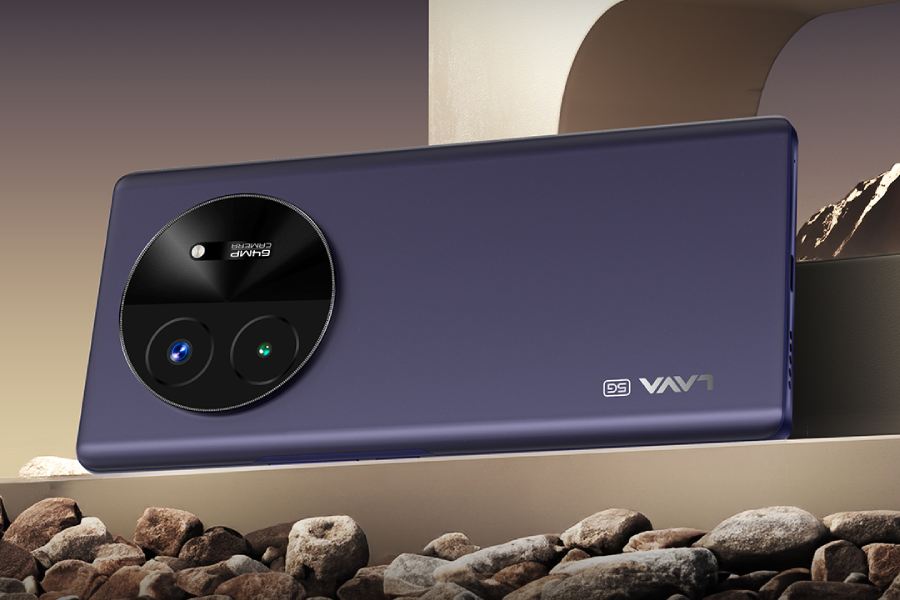
Lava has officially announced that the Blaze X 5G smartphone will launch in India on July 10th at 12 PM IST.
The company released a teaser announcing the launch which also gives us a peek at the design of the phone. The Blaze X 5G features a dual rear camera setup housed in a circular module.
The primary camera will be a 64MP sensor, as revealed by the engraving on the module. And it will be accompanied by a secondary camera and an LED flash.
The bottom edge of the phone has a USB Type-C port, speaker grille, and SIM card tray. The power button and volume rockers are on the right side, while the display has a centered punch-hole cutout for the front-facing camera. Speaking of the display, the Blaze X 5G is expected to be the cheapest 5G smartphone from Lava to feature a curved AMOLED panel.
Lava has also confirmed that the Blaze X 5G will come with three memory options: 4GB, 6GB, and 8GB. Each will come with support for virtual RAM expansion of up to 8GB. The phone will be available in two colors: Grey and Dark Violet.
Additionally, Amazon has confirmed that the Blaze X 5G will be available for purchase at the upcoming Amazon Prime Day Sale starting from July 20th. Based on what we know so far, we can expect the smartphone to be priced under Rs 20,000 in the Indian market.
While the teaser revealed some key details about the Blaze X 5G, Lava remains tight-lipped on other specifications like the processor, battery capacity, and software version. We can expect the company to reveal these details closer to the launch date.
We use cookies on our website to give you the most relevant experience by remembering your preferences and repeat visits. By clicking “Accept”, you consent to the use of ALL the cookies.
This website uses cookies to improve your experience while you navigate through the website. Out of these, the cookies that are categorized as necessary are stored on your browser as they are essential for the working of basic functionalities of the website. We also use third-party cookies that help us analyze and understand how you use this website. These cookies will be stored in your browser only with your consent. You also have the option to opt-out of these cookies. But opting out of some of these cookies may affect your browsing experience.
Necessary cookies are absolutely essential for the website to function properly. This category only includes cookies that ensures basic functionalities and security features of the website. These cookies do not store any personal information.
Any cookies that may not be particularly necessary for the website to function and is used specifically to collect user personal data via analytics, ads, other embedded contents are termed as non-necessary cookies. It is mandatory to procure user consent prior to running these cookies on your website.