Add GIZMOCHINA as Preferred Source on Google
As an Amazon Associate, Gizmochina earns from qualifying purchases. Links on this page may earn us a commission at no extra cost to you.
Wireless charging is one of those features that has often been marketed as a premium addition to smartphones. In markets like the U.S. and Europe, it’s a major convenience factor for users. Yet, in Asia—a region with diverse consumer priorities—wireless charging is far from a must-have feature.
Despite its growing presence in flagship devices, its absence in mid-range and budget phones hasn’t significantly influenced buying decisions. Let’s explore why wireless charging doesn’t hold the same sway in Asia as it does in other regions.
1. Wired Charging Has Evolved Significantly
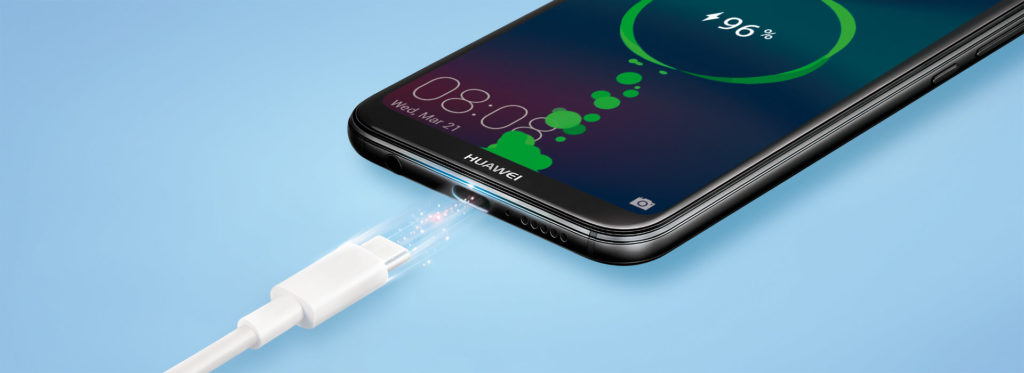
The evolution of wired charging technology has made it more appealing than ever. Flagship-level speeds now reach up to 240W, allowing some devices to charge fully in under 10 minutes.
Even mid-range smartphones like the Redmi Note 14 Pro+ support 90W wired charging that delivers a quick and efficient experience that outpaces most wireless solutions.
While one might argue that wireless charging speeds could also be improved, this comes with its own set of challenges. Higher wireless charging speeds generate more heat, which can strain the battery and diminish its lifespan.
2. Cost-Sensitive Markets and Prioritized Features
Asia’s smartphone market is intensely competitive, especially in price-sensitive regions like India, Indonesia, and the Philippines. In such markets, manufacturers focus on delivering high-value features—better displays, higher-resolution cameras, and larger batteries—while keeping costs in check. Wireless charging hardware adds to the production cost of a device, and omitting it allows brands to maintain competitive pricing.
Consumers in these regions also prioritize tangible features over subtle conveniences. For instance, a 120Hz AMOLED display or a 108MP camera creates a more compelling value proposition than wireless charging. In this context, the absence of wireless charging is hardly a deal breaker.
3. Practical Limitations
Wireless charging comes with its share of practical challenges, which can make it less appealing. One significant limitation is the need for precise alignment on a charging pad, which can be finicky. Slight misalignment can interrupt charging, frustrating users who expect seamless operation.
As we mentioned earlier, heat generation is another concern. Wireless charging generates more heat than wired charging, which can impact battery longevity over time. And especially for users in tropical climates—where devices are already exposed to high ambient temperatures—this becomes an even more critical issue.
Additionally, wireless charging pads aren’t exactly portable. Unlike compact wired chargers or power banks, they’re cumbersome to carry around, making them impractical for on-the-go users who form a significant portion of Asia’s smartphone consumer base.
4. The Role of Power Banks
Power banks are immensely popular in Asia, especially in countries where electrical outages are frequent. These devices offer a reliable and portable charging solution that aligns better with the needs of consumers in the region.
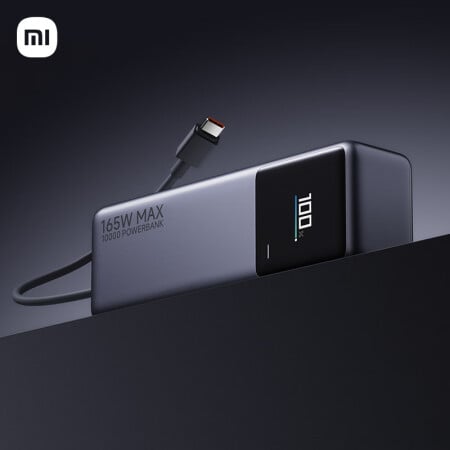
Since wired charging power banks are more accessible and affordable than their wireless counterparts, they are the preferred choice for many users.
Power banks have also kept pace with fast-charging technology, with many now supporting up to 100W wired charging. This allows users to recharge their phones quickly multiple times without needing a wall socket.
| Preview | Product | |
|---|---|---|

|
Anker Magnetic Wireless Power Bank 10,000mAh with Stand, Supports 20W Fast Charging with USB-C,… | Check Price on Amazon |
Please Note: When you buy something using the links in our articles, we may earn a small commission at no cost to you.
- Also Read: Which power banks should you buy?
5. Changing Habits Take Time
Wireless charging is a relatively new technology compared to wired alternatives, and shifting consumer habits takes time. In Asia, where traditional charging methods have been the norm for years, the transition to wireless is slow. Even premium users who own devices with wireless charging capabilities often stick to wired chargers due to habit or convenience.
Cultural factors also play a role. Many households in Asia use smartphones as shared family devices, and wired charging allows multiple users to easily swap devices on a single charger. The communal nature of device usage further diminishes the utility of personalized features like wireless charging.
6. Future Prospects
While wireless charging is not yet a priority, it’s not entirely dismissed in Asia. Premium segments and tech enthusiasts are gradually adopting the technology, especially as more flagship phones integrate faster wireless charging speeds and reverse wireless charging capabilities. Innovations like furniture with built-in wireless charging pads—seen in products from IKEA and Samsung—could also boost adoption in urban markets.
However, for wireless charging to become mainstream, it needs to overcome its current limitations. Faster speeds, improved efficiency, and wider availability of affordable wireless charging pads are essential. Until then, wired charging will likely remain the dominant method in Asia.
7. Conclusion
Wireless charging may be a buzzword in tech circles, but in Asia, it’s far from a necessity. Practical challenges, cost considerations, and deeply ingrained habits have limited its adoption in a region where consumer priorities differ from those in Western markets.
While its presence in flagship devices may increase awareness, it’s unlikely to become a deal breaker anytime soon. For most consumers in Asia, fast wired charging and portable power solutions continue to offer the perfect balance of speed, reliability, and cost-effectiveness.
![Spigen Essential Wireless Charger for iPhone 16/15/14/13/12/11/X.8 Series, Samsung Galaxy S24/S23/S22/S21/S20 OnePlus 9/9 Pro with USB-C to C Type Cable [Version 2] - Black](https://www.gizmochina.com/wp-content/plugins/aawp/public/image.php?url=YUhSMGNITTZMeTl0TG0xbFpHbGhMV0Z0WVhwdmJpNWpiMjB2YVcxaFoyVnpMMGt2TXpGbU1Xc3paVGRWUTB3dVgxTk1NVFl3WHk1cWNHYz18MTc4ODU4OTk5NQ=)


Please Note: When you buy something using the links in our articles, we may earn a small commission at no cost to you.
Don’t miss a thing! Join our Telegram community for instant updates and grab our free daily newsletter for the best tech stories!