
Add GIZMOCHINA as Preferred Source on Google
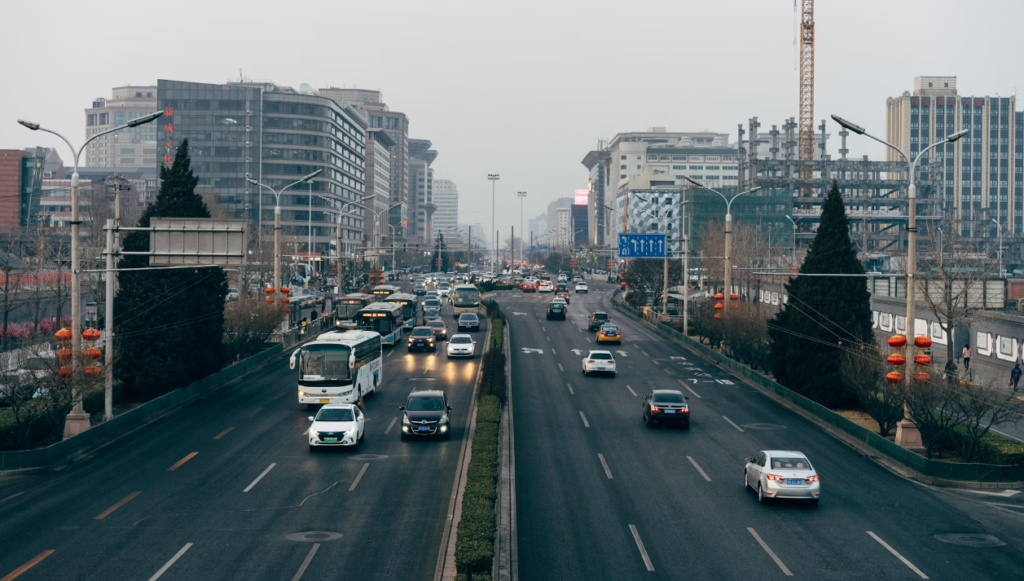
China is set to make a major leap in self-driving technology. This year, 15 million new EVs in the country will come equipped with Level 2 (L2) autonomous driving features. Even budget-friendly models priced under 100,000 yuan (US$13,914) will now include basic self-driving capabilities. This rapid growth is driven by the declining cost of Advanced Driver Assistance Systems (ADAS), making high-tech features more accessible to everyday consumers.
By 2025, two out of three new cars in China will have L2 or more advanced autonomous capabilities. L2 systems can control steering, acceleration, and braking but still require driver supervision. More advanced L3+ features, which allow for hands-free driving in certain conditions, are also expanding, though full automation (L4 and L5) is still under development.
How does this impact the auto industry?
China’s EV industry continues to expand, with 22.9 million vehicles delivered in 2024, marking a 5.5% year-on-year increase. The mass adoption of self-driving technology is set to change the global auto industry, with autonomous trucks expected to save Chinese companies 1.8 trillion yuan annually by 2030.
The cost of ADAS has fallen to around 10,000 yuan per unit, and Lidar sensors, essential for mapping surroundings, have dropped from thousands of dollars to just US$200 per unit in five years. As technology becomes cheaper, more automakers are integrating self-driving features into their vehicles.
How does this impact major competitors like Tesla?
While Tesla remains a global leader in self-driving technology, it faces challenges in China. The company achieved record sales in China at the end of 2024 but struggles with fierce competition from local EV makers like BYD. A global EV price war has also impacted Tesla’s profit margins, with Q4 revenue falling short of expectations.
Tesla’s biggest challenge in China is regulatory restrictions. The country does not allow Tesla to transfer self-driving training videos abroad, and US laws restrict AI training in China. These issues have slowed Tesla’s Full Self-Driving (FSD) progress in the country.
Despite these challenges, Tesla is advancing its self-driving efforts in other geographies. The company plans to launch unsupervised autonomous driving in Austin, Texas, and other US cities by late 2025. However, its future in China remains uncertain due to economic and political pressures.
With self-driving technology becoming standard in millions of Chinese cars, the country is cementing its position as a leader in the future of autonomous vehicles.
Read More:
- DeepSeek may be the answer to Apple’s AI woes in China: Apple Intelligence for iPhone finally found a way in?
- Huawei and Alibaba cloud integrate DeepSeek AI models
- All you need to know about DeepSeek: China’s AI game changer and a wake-up call for US
- China’s first AI railway robot is here and it’s a game-changer

Comments