Add GIZMOCHINA as Preferred Source on Google
As an Amazon Associate, Gizmochina earns from qualifying purchases. Links on this page may earn us a commission at no extra cost to you.
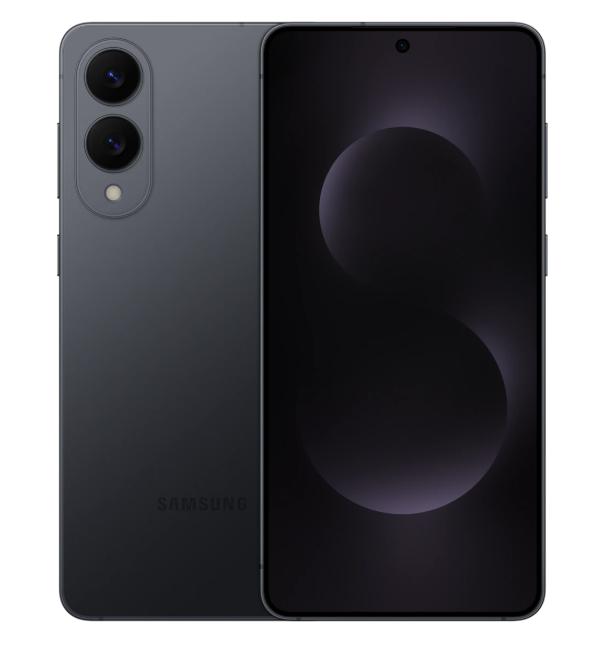
Samsung Galaxy S25 and Galaxy S25 Edge target different segments of the flagship market. One is focused on practicality and value, the other on premium aesthetics and design innovation. With both sharing powerful internals and launching in the same generation, choosing between them isn’t just about specs, it’s about prioritizing the features that matter most. This comparison highlights where the real differences lie.
1. Design and Display
Build and Feel:
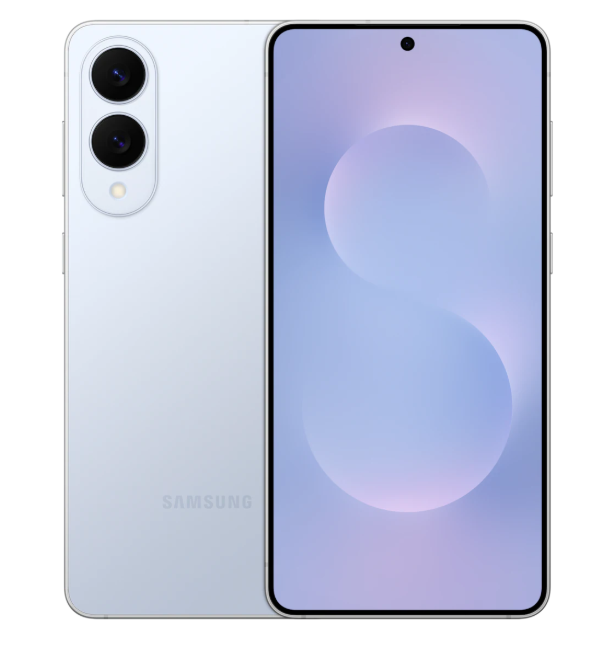
Galaxy S25 Edge features a premium titanium frame and Gorilla Glass Ceramic 2 protection, offering a tougher and more luxurious feel than the aluminum-framed Galaxy S25, which uses Victus 2 glass. The Edge’s curved design also gives it a more futuristic and sleek profile compared to the flatter, more traditional Galaxy S25. Titanium also adds a touch of durability and status, better aligning the S25 Edge with ultra-premium devices. The S25, while slightly more compact and comfortable for one-handed use, doesn’t match the Edge’s high-end materials.
Verdict: Galaxy S25 Edge wins for its use of titanium and ceramic glass, giving it a more flagship-worthy design and feel.
Display Quality:
Galaxy S25 Edge uses a 6.7-inch LTPO AMOLED 2X panel with a higher resolution (1440p) and a slightly better screen-to-body ratio than the 6.2-inch 1080p display on the S25. While both panels offer 120Hz refresh rates and HDR10+, the S25 boasts a peak brightness of 2600 nits, brighter than the Edge. However, the Edge delivers superior sharpness with 513 PPI versus the S25’s 416 PPI. The curved edges also enhance the immersive experience, although some may find them more prone to accidental touches.
Verdict: Galaxy S25 Edge takes the edge here with its sharper QHD+ display and immersive design, despite the S25 offering higher brightness.


Please Note: When you buy something using the links in our articles, we may earn a small commission at no cost to you.
2. Specifications
Performance:
Both phones share the Snapdragon 8 Elite chipset and the Adreno 830 GPU, but the S25 Edge has a 7-core CPU setup (2+5) while the S25 uses a more traditional 8-core layout (2+6). In real-world performance, differences will be negligible, though the Edge might offer slightly better thermal efficiency due to its unique configuration. RAM and storage are the same across both (up to 512GB and 12GB RAM), but the S25 uses faster UFS 4.0 storage on all models, whereas the Edge’s UFS type is not specified.
Verdict: Galaxy S25 offers marginally better storage tech and a more balanced core setup, making it more optimized for long-term usage.
Battery and Charging:
The S25 includes a slightly larger 4000 mAh battery compared to the Edge’s 3900 mAh, and also supports wireless charging and reverse wireless charging, features notably absent on the Edge. Both support 25W wired charging, but the Edge charges faster to 55% in 30 minutes versus 50% on the S25. Still, the presence of wireless and reverse wireless charging makes the S25 far more versatile in day-to-day convenience.
Verdict: Galaxy S25 is the more practical choice for battery and charging, offering wireless capabilities and a slightly larger battery.
3. Camera

Main and Secondary Lenses:
Galaxy S25 Edge has a dual-camera system led by a massive 200MP wide sensor, delivering extreme detail. The S25 uses a more versatile triple-camera setup with a 50MP wide, 10MP 3x telephoto, and a 12MP ultrawide. The Edge trades zoom capabilities for resolution, while the S25 offers optical zoom and a wider ultrawide field of view. The S25 also supports 10-bit HDR video and Super Steady modes, which enhance its versatility in both photography and videography.
Verdict: Galaxy S25 offers a better-rounded and more functional camera system despite the Edge’s higher megapixel count.
Selfie Camera:
Both phones feature 12MP selfie cameras with similar f/2.2 apertures, but the S25 supports dual-pixel PDAF and HDR10+ for better focus and dynamic range. Video capabilities also differ: the S25 records up to 4K at 60fps, while the Edge’s selfie video specs are unspecified but assumed to be more basic. The S25 delivers more reliable and detailed results for video calls and vlogs.
Verdict: Galaxy S25 delivers superior front camera quality due to PDAF, better dynamic range, and higher video recording capabilities
4. Pricing

Galaxy S25 is priced at approximately $799, while the Galaxy S25 Edge comes in at a premium of $1000. The $200 price gap reflects the Edge model’s advanced display, sleeker design with a thinner profile, and higher-resolution main camera. However, the standard S25 still offers powerful performance with the same Snapdragon 8 Elite chipset, solid build quality, and additional camera versatility with a telephoto lens and 3x optical zoom.
Verdict: For most users, the Galaxy S25 offers better overall value by delivering a flagship experience without the high-end luxury markup. The Edge model caters more to those wanting a cutting-edge visual design and multimedia experience, while the S25 balances performance, features, and affordability.
Disclaimer:
Prices are approximate and may vary based on country, region, and applicable taxes.
5. Conclusion

The Galaxy S25 Edge stands out for its ultra-slim 5.8mm profile, QHD+ curved AMOLED panel with Gorilla Glass Ceramic 2, and a cleaner, minimalist dual-camera setup built for high-resolution imagery. On the other hand, the Galaxy S25 brings practical strengths, wireless charging, reverse wireless support, a more versatile triple camera with telephoto zoom, and a slightly larger battery capacity.
Verdict: For users prioritizing elegance, screen quality, and a futuristic form factor, the Edge justifies its higher price. But for those wanting the best mix of value, versatility, and long-term utility, the standard Galaxy S25 is the more balanced and sensible choice.
Read More:
- Oppo Find X8s+ vs Xiaomi 15: The Winner Is Obvious
- Vivo X200 Ultra vs Pixel 9 Pro XL: Hardware vs AI, Who Wins?
- iPhone 16 vs. Xiaomi 14: Which is the Better Buy?