Advertisement

Oppo Find X7, Find X7 Ultra launch date, configurations, color options officially confirmed

Oppo has officially confirmed that it will unveil the Find X7 series of smartphones at 2:30 pm (local time) on Jan. 8, 2024, in China. In addition, the Find X7 and Find X7 Ultra smartphones are now listed on Oppo China’s online store for reservations. The official listings have confirmed the configurations and color options of both smartphones well ahead of the official announcement.

Oppo Find X7 series launch date-
Oppo Find X7 series launch date

Oppo Find X7

Reports have revealed that the Find X7 will come equipped with the Dimensity 9300 chipset. The official listing reveals that it will come in four configurations, such as 12 GB RAM + 256 GB storage, 16 GB RAM + 256 GB storage, 16 GB RAM + 512 GB storage, and 16 GB RAM + 1 TB storage.


The Find X7 will be available in four shades, such as Starry Sky Black, Sea and Sky, Desert Moon Silver, and Smokey Purple.

Oppo Find X7 Ultra

The Find X7 Ultra is expected to come equipped with the Snapdragon 8 Gen 3 SoC. It will be available in three variants, such as 12 GB RAM + 256 GB storage, 16 GB RAM + 256 GB storage, and 16 GB RAM + 512 GB storage.


When it comes to color options, the Find X7 Ultra will come in choices such as Pine Shadow Ink, Sea and Sky, and Desert Moon Silver.

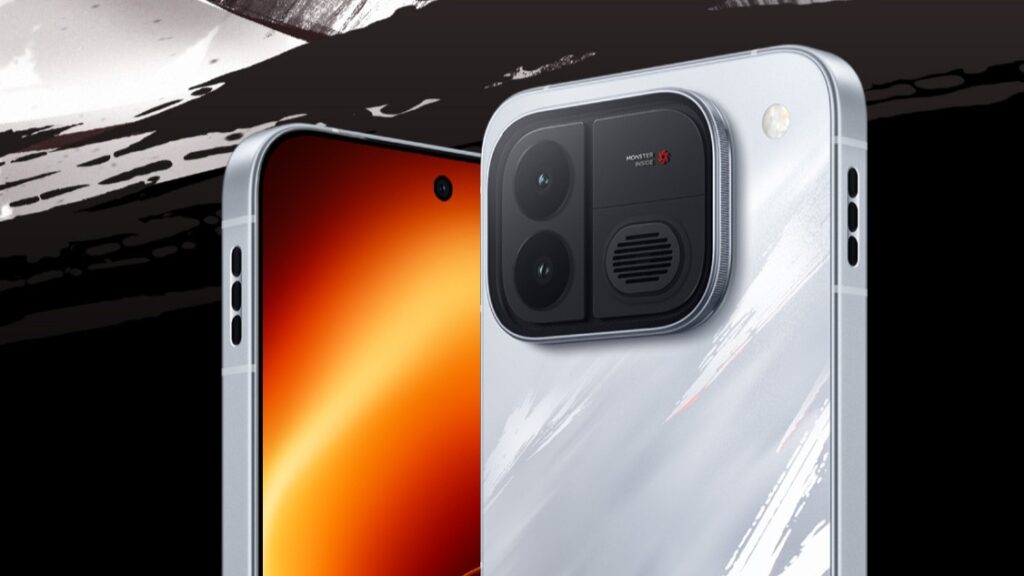
The Find X7 and Find X7 Ultra have a similar design, with the front featuring a punch-hole display with curved edges and a dual-tone back panel with a massive camera module. The Find X7 has a triple-camera unit, whereas the Find X7 Ultra has a quad-camera system. The Ultra variant will be the world’s first smartphone to feature dual periscope telephoto cameras. In addition, it will also be the first-ever phone to feature the one-inch Sony LYT-900 50-megapixel camera sensor as the primary snapper.

It is said that there will be a third device called the Oppo Find X7 Ultra Satellite Communication Version, which will come with support for two-way satellite communication. The rest of its specs will be identical to the Find X7 Ultra.

RELATED:

Google Pixel 11 Series Roundup: Here’s Everything You Need To Know

Google is getting ready to announce its next generation of smartphones. The company has scheduled its Made by Google hardware event for August 12 in New York City, with an Indian launch following on August 13.

While the official reveal is still a few weeks away, a steady stream of leaks has already provided a clear picture of what to expect from the Pixel 11, Pixel 11 Pro, Pixel 11 Pro XL, and the Pixel 11 Pro Fold.

Here is a roundup of everything we know so far about Google’s upcoming phone lineup.

Google Pixel 11 Colors

1. Pricing and Colors

The Pixel 11 series is getting more expensive. According to a report by Droid Life, which cited prematurely published Amazon listings, the base price for the Pixel 11 series is increasing by about $100 across the board. However, this price bump comes with a storage upgrade. Google is reportedly dropping the 128GB tier entirely, making 256GB the new standard starting point.

Based on the leaked listings, the standard Pixel 11 will start at $899. The Pixel 11 Pro is expected to cost $1,099, while the larger Pixel 11 Pro XL will start at $1,299. For the foldable model, the Pixel 11 Pro Fold is listed with a starting price of $1,899.

We also have a good idea of the color options. As first spotted by 9to5Google, the standard Pixel 11 will be available in Midnight, Fuchsia (referred to as Hibiscus in some listings), Moss (Pistachio), and Frost. The Pro models will feature slightly different tones, including Dune, Light Fog, Midnight, and Pine.

2. Internal Hardware

On the inside, the Pixel 11 series will be powered by Google’s new Tensor G6 processor. While a new chip is standard for a yearly upgrade, the more significant internal change is the modem. Leaks indicate that Google is moving away from Samsung’s Exynos modems and switching to the MediaTek M90. Pixel phones have occasionally struggled with cellular connectivity and standby battery drain in the past, so a more efficient modem could be a very practical improvement for daily use.

Battery capacities are also seeing some adjustments. The leaked Amazon listings point to a 4,985 mAh battery for the base Pixel 11 and a 5,115 mAh battery for the Pixel 11 Pro XL. Interestingly, the Pixel 11 Pro Fold is listed with a 4,750 mAh battery, which is slightly smaller than the battery found in the previous generation.

3. Design Upgrades

The overall design language of the Pixel 11 remains similar to the Pixel 10, featuring flat displays and the familiar horizontal camera bar. However, Google is removing the infrared temperature sensor that was present on previous Pro models.

In its place, the company is introducing a feature called Pixel Glow. Confirmed by Google’s own teaser materials, Pixel Glow is a circular, color-shifting LED light integrated into the camera bar. It is designed to serve as a visual indicator for notifications and alerts when the phone is placed face down.

4. Looking Ahead to the Pixel 11a

For those who prefer Google’s mid-range offerings, details about the Pixel 11a are already surfacing. According to the tipster Mystery Leaks on Telegram (via 91mobiles), the Pixel 11a (codenamed Formosan) will feature a 6.3-inch 120Hz display and will also utilize the new Tensor G6 chip and MediaTek M90 modem.

It is expected to include a 4,870 mAh battery and a new front-facing camera sensor for better video calls. While the flagship Pixel 11 series launches in August, the Pixel 11a is expected to arrive a few months later.

For more daily updates, please visit our News Section.

Stay ahead in tech! Join our Telegram community and sign up for our daily newsletter of top stories!

Asus launches 420Hz ROG Strix XG259QNSR Ace esports monitor with Fast IPS panel

Asus just listed a new monitor aimed specifically at competitive gamers, the ROG Strix XG259QNSR Ace. If you are looking for a high-resolution display for cinematic single-player games, this isn’t it. Instead, Asus is leaning entirely into speed, pairing a 24.5-inch 1080p panel with a 420Hz overclocked refresh rate.

Asus Strix XG259QNSR Ace Specifications

In 2026, releasing a 1080p monitor might sound outdated to casual players, but it remains the standard for esports titles like Counter-Strike 2 and Valorant. In those games, pushing the highest possible frame rate and minimizing input lag is the priority. To that end, Asus is using a Fast IPS panel that it claims can reach a minimum response time of 0.3ms.

To help with motion clarity at 420Hz, the monitor includes Asus’s ELMB Sync technology. This allows backlight strobing to work at the same time as variable refresh rate (VRR) features like G-Sync and FreeSync Premium. It also features Variable Overdrive 2.0 to adjust pixel response times on the fly as your frame rate changes.

Asus Strix XG259QNSR Ace

The color specs are fairly standard for a modern IPS display. It covers 90% of the DCI-P3 color space and 115% of sRGB. It has a VESA DisplayHDR 400 certification, though you shouldn’t expect much from HDR on a standard edge-lit IPS panel.

Asus is also leaning into the current industry trend by marketing ROG Gaming AI features. In practice, this translates to a dynamic crosshair that changes color so it doesn’t blend into the background, and a shadow boost feature that brightens dark corners without blowing out the rest of the image. You can control these settings through the DisplayWidget Center desktop app.

Asus Strix XG259QNSR Ace

Physically, the monitor has a smaller stand footprint. It supports standard tilt, swivel, pivot, and height adjustments. For connectivity, you get DisplayPort 1.4, which you will need to use to actually hit 420Hz, and HDMI ports.

Pricing and Availability

Asus hasn’t announced pricing or a specific release date yet, but the monitor will be available in standard black, with a white version offered as an option.

In related news, AOC has recently launched the 13.3-inch 13T5S portable monitor featuring a 3K Kaleido 3 color E Ink display, while Lenovo has introduced the ThinkVision E24q-30 with a 1440p resolution and a 100Hz refresh rate.

For more daily updates, please visit our News Section.

Stay ahead in tech! Join our Telegram community and sign up for our daily newsletter of top stories!

(ROG)

Garmin launches CIRQA screenless smart band with 24/7 health tracking, sleep monitoring & 10 days battery life

Garmin has announced the CIRQA, a $199.99 smart band that tracks health and fitness metrics without a display. It relies entirely on the Garmin Connect smartphone app for viewing data and changing settings, aiming at people who want to track their daily stats without wearing another screen on their wrist. It goes on sale July 24th.

Garmin CIRQA screenless smart band

Garmin CIRQA Specifications

The device is small and lightweight. The case is made of fiber-reinforced polymer, measuring 27 x 47 x 9mm, and the whole unit weighs just over 20 grams with the strap attached. Garmin uses 14mm quick-release fabric bands, which are meant to be comfortable enough to wear all day and night. You can wear it on your wrist or upper arm depending on what is most comfortable for your current activity. Because there is no screen to power, the battery lasts up to 10 days between charges.

Garmin CIRQA screenless smart band

Inside, it has the standard hardware found in most current fitness trackers. There is a continuous heart rate monitor, a Pulse Ox sensor for measuring blood oxygen, and an accelerometer. The band tracks heart rate variability (HRV), breathing rate, skin temperature, and stress. It also logs sleep stages and naps. For women’s health tracking, the overnight skin temperature sensor provides past ovulation estimates. This data can sync with the FDA-cleared Natural Cycles app, though using that app requires a separate subscription.

For workouts, the CIRQA automatically detects basic movements like walking and running. You can check and edit these logs in the Garmin Connect app, and the device will use those corrections to classify activities better over time. If you want to manually track one of the 80 supported activities, you can assign a favorite workout and start it by pressing the single physical button on the side of the band.

Garmin CIRQA screenless smart band

The band does not have built-in GPS. It uses Connected GPS, which means you have to bring your paired iOS or Android phone with you to track distance and location on outdoor runs or bike rides. It does track standard Garmin metrics like VO2 Max, Training Readiness, and Recovery Time, and it includes a wheelchair mode for tracking pushes rather than steps.

Garmin CIRQA screenless smart band

Most of the core health and fitness tracking features work without a monthly fee, which sets it apart from subscription-heavy competitors like Oura or Fitbit. The data syncs to the free Garmin Connect app over Bluetooth or ANT+. However, Garmin is putting some software features, like guided breathwork, live activity metrics, and Garmin Coach training plans, behind an optional Garmin Connect+ subscription.

The CIRQA comes in two sizes (S-M and L-XL) and is available in several colors, including Black, Captain Blue, French Gray, and Mauve.

In related news, Rogbid has unveiled the Loop, a screen-free health band featuring advanced ECG tracking and up to 15 days of battery life.

For more daily updates, please visit our News Section.

Stay ahead in tech! Join our Telegram community and sign up for our daily newsletter of top stories!

(Garmin)

Huawei and Apple grow despite a 2% decline in China’s smartphone market in Q2 2026

China’s smartphone market is shrinking, but Huawei and Apple are comfortably bucking the trend. According to preliminary Q2 2026 data from Counterpoint Research, overall smartphone shipments in China fell 2% year-over-year. The dip is largely tied to a sharp spike in memory and storage costs, forcing manufacturers to abandon volume growth in favor of protecting their profit margins.

Component inflation forces OEMs to rethink growth strategies

Huawei led the market in Q2, capturing a 23% share, its highest since late 2020. The company posted a 24% year-over-year increase in shipments, driven by steady demand for the Enjoy 90 Pro Max and the successful launch of the Pura X Max. The Pura X Max’s wide-foldable form factor is proving there is still untapped momentum in the premium foldable segment.

Apple matched that growth, with shipments also rising 23% year-over-year. As rising component costs force Android OEMs to hike their retail prices, Apple’s relatively stable pricing for the iPhone 17 series has made it increasingly competitive. Counterpoint says that consumer expectations of an impending iPhone price hike in Q3 have also prompted many buyers to upgrade early.

Meanwhile, Chinese Android makers are feeling the squeeze. Brands like Oppo, Vivo, and Xiaomi are scaling back low-end production to focus on profitability, leaning on reliable mass-market releases like the Reno 16, Y600 Pro, and Redmi K90 series to cushion the decline.

The hardware market is only going to get more expensive. Manufacturers coasted through the first half of 2026 by using cheaper memory inventory purchased late last year. As higher-cost components finally reach the assembly lines in the second half of 2026, consumers should brace for another wave of price increases across the board.

This component squeeze is hitting even harder elsewhere. In India, Q2 shipments just saw their steepest drop in six years, falling 10% as average prices jumped 15%. The budget sector was devastated, though premium devices remained resilient. While Vivo held the top spot and Nothing managed a rare 105% growth spurt with its Phone (4a), Counterpoint expects the Indian market to shrink 13% this year as affordability becomes an unavoidable global hurdle.

For more daily updates, please visit our News Section.

Stay ahead in tech! Join our Telegram community and sign up for our daily newsletter of top stories!

(Counterpoint)

Xiaomi launches a giant 2-in-1 air purifier and humidifier that can humidify a room in just 7 minutes

Xiaomi has introduced a new dual-purpose home appliance, the Mijia Purifying Humidifier 3 Pro, which combines air filtration and humidification into a single unit. The device recently appeared on the company’s Youpin crowdfunding platform, where it will be available starting July 22nd for a price of 1,699 yuan ($250).

Xiaomi Mijia Purifying Humidifier 3 Pro

Mijia Purifying Humidifier 3 Pro Specifications

The device features a powerful humidification system designed to tackle air quality in larger spaces, pumping out 2,000mL of moisture an hour. According to Xiaomi’s testing, this rate is sufficient to raise the humidity of a standard bedroom in seven minutes and a larger living room in about 19 minutes. It draws from an 8-liter water tank, which can provide up to 16 hours of continuous use when the device is set to sleep mode.

To handle the maintenance issues that typically affect humidifiers, Xiaomi uses a one-way spray water circulation system. This prevents used water from flowing back into the main tank, which helps limit bacterial growth and water discoloration. The system also incorporates electrolyzed water sterilization and a washable antibacterial filter to maintain hygiene over time.

Xiaomi Mijia Purifying Humidifier 3 Pro

On the purification side, the unit utilizes a six-layer composite filter. It has a particulate matter CADR (Clean Air Delivery Rate) of 422m³/h and a formaldehyde CADR of 247m³/h. The filtration system includes specific layers for catching large debris, filtering PM1 and PM2.5 particles, and neutralizing formaldehyde and common allergens. The humidification and purification functions can operate independently, allowing the device to be used strictly as an air purifier when ambient humidity levels are already adequate.

The top of the unit features an LCD dome display with adaptive brightness that provides real-time readings for temperature, humidity, dust concentration, and PM1 and PM2.5 levels. It connects to the Mijia app for remote control, data tracking, and filter monitoring, and it supports voice commands via XiaoAI. You can also set specific target humidity levels for the device to maintain automatically.

Xiaomi Mijia Purifying Humidifier 3 Pro

Despite its size, Xiaomi has included several practical design choices for everyday use. The humidifier supports both top-fill water refilling and a fully removable tank with a carrying handle. It sits on built-in 360-degree caster wheels, making it easier to roll between rooms. Internally, a DC brushless inverter motor and optimized airflow channels keep operating noise down to a claimed 28.1dB(A) in sleep mode.

In related news, Xiaomi has recently unveiled an affordable electric shaver featuring adaptive power control, an IPX7-rated waterproof design, and USB-C charging. The company has also introduced a smart bathroom heater that integrates lighting, heating, and airflow controls into a single connected appliance.

For more daily updates, please visit our News Section.

Stay ahead in tech! Join our Telegram community and sign up for our daily newsletter of top stories!

(Xiaomi Youpin)

Motorola finally begins Android 17 beta rollout: Check if yours is getting it

Motorola Android 17 beta release

Motorola rushed to announce its Android 17 beta program in February. It happened just days after Google released the first beta, and later, the beta applications were also opened for over a dozen phones. However, the company struggled to release the beta update for any of those devices until recently.

Motorola Signature was the first phone to receive the Android 17 beta update last week, which was later expanded to the affordable Moto G57 Power and Edge 70, as reported by Ytechb. The update package has a download size of around 4GB, and is currently rolling out in limited regions, including India, Brazil, and EMEA, with expansion to other regions likely to follow soon.

  • Motorola Signature – A171WVH.13
  • Moto G57 Power – A171WAAH.16
  • Motorola Edge 70 – A171WRH.22

Motorola should expand the beta rollout to other supported devices over the coming days and weeks. You can review the official MFN Beta Testing page to see all eligible devices for the beta program.

To check the latest updates on your Motorola phone, go to Settings > System updates, then tap Check for updates. Note that update rollouts usually happen in batches, so it can take a few days to reach all users.

The first Android 17 beta build introduces some major visual upgrades, including new clock faces for the lock screen, an updated notification panel and control center, a new volume mixer, and an updated Settings page. The Live Activities feature now also works with calls, music, and torch. Furthermore, the update brings an improved app drawer and better animations.

I’m sure the latest build offers more upgrades that haven’t been discovered yet. We’ll learn about them once we have the complete list of changes. Stay tuned with us for the latest updates.

source: Reddit (1, 2, 3)

The 7 Best Camera Phones You Can Buy in July 2026

If you look at the back of a modern flagship smartphone, you’ll notice that camera modules have grown significantly. We have moved past the simple megapixel race; today, manufacturers are focusing on larger sensors, better glass, and practical software that actually helps you take better photos.

The line between a dedicated point-and-shoot camera and a smartphone is thinner than ever, making it an excellent time to upgrade if photography is your priority.

Whether you prefer the tactile feel of physical lenses, the reliability of a simple point-and-shoot, or the flexibility of advanced editing software, the current market has something tailored to your workflow. Here is a look at the seven best camera phones available in July 2026.

1. Vivo X300 Ultra

Vivo has positioned the X300 Ultra as a pocket camera, and the hardware reflects that approach. The phone features three Zeiss-branded cameras on the back, built around a 200MP 35mm main camera using a Sony LYTIA 901 sensor. It also includes a 200MP 85mm gimbal-stabilized periscope telephoto lens for long-range shots and a 50MP 14mm ultra-wide camera.

What makes the X300 Ultra unique is its modular ecosystem. Vivo offers a Professional Imaging Kit that includes a camera grip and two physical Zeiss teleconverter modules: a 200mm lens that provides 8.7x optical zoom at a 200mm equivalent focal length, and a 400mm lens.

It also features Vivo’s Blueprint Original Color Camera technology and a dedicated 5MP spectral sensor for more accurate color reproduction, helping deliver a tactile, traditional photography experience.

2. Oppo Find X9 Ultra

Oppo Find X9 Ultra

The Oppo Find X9 Ultra leans heavily into its partnership with Hasselblad. The device features an eco-leather back and a comprehensive six-lens array. The primary setup includes a 200MP main sensor, a 200MP telephoto, and a dedicated 10x optical zoom Hasselblad lens that maintains optical quality up to 20x.

Oppo is using its new LUMO internal optical zoom technology, which helps retain detail by quadrupling the pixel count at the 2x and 6x zoom ranges. The software includes Hasselblad Master Mode, which allows for 8K photo output and includes Original Film profiles designed to replicate classic analog film stocks.

For those who want more physical control, Oppo’s Hasselblad Earth Explorer Kit adds a professional teleconverter, a camera grip, and a 67mm filter adapter ring.

3. Apple iPhone 17 Pro

iPhone 17 Pro

Apple updated its camera hardware last year, giving the iPhone 17 Pro a triple 48MP rear array. This includes a 48MP Fusion camera, a 48MP ultra-wide, and a redesigned 48MP Telephoto lens with a significantly larger sensor. The optical zoom reaches 4x at 100mm and 8x at 200mm, offering more versatility for framing subjects.

The A19 Pro chip handles the image processing, bringing updates to Apple’s Photonic Engine. The physical Camera Controls on the device make it easy to adjust exposure, depth, and photographic styles on the fly.

Apple also updated the front-facing camera with an 18MP square sensor for a wider field of view, while maintaining its strong video capabilities with 4K Dolby Vision at 120fps and spatial audio capture.

4. Samsung Galaxy S26 Ultra

Galaxy-S26-Ultra

The Samsung Galaxy S26 Ultra earns its spot by focusing heavily on low-light performance and practical video upgrades. Samsung has widened the apertures across its camera array, giving the 200MP main sensor an f/1.4 lens and the upgraded 50MP ultrawide an f/1.9 lens.

In practical terms, this allows the hardware to capture much more light naturally, resulting in cleaner photos and improved Nightography video in dim environments without over-relying on software processing. The zoom setup remains highly versatile, featuring a 10MP 3x telephoto and a 50MP 5x periscope lens.

For video shooters, the S26 Ultra is the first Galaxy device to support the Advanced Professional Video (APV) standard, which efficiently compresses high-quality video files so they don’t eat up your storage as quickly.

Combined with upgraded Super Steady stabilization, updated native AI editing tools, and a front-facing camera equipped with a new AI Image Signal Processor for more accurate skin tones in mixed lighting, it is a thoroughly well-rounded tool for mobile photography and filmmaking.

5. Xiaomi 17 Ultra

Xiaomi’s ongoing collaboration with Leica continues with the 17 Ultra. The phone retains its distinct circular camera module, housing a quad-camera array. The main camera uses a 1-inch type sensor with a variable aperture, supported by three 50MP lenses for ultra-wide, 3x telephoto, and 5x periscope duties.

The image processing is handled by Xiaomi’s custom Surge chip, which is tuned to deliver Leica’s signature color science and contrast-heavy look with minimal shutter lag. Xiaomi also offers a Photography Kit for this model, which adds a case with a two-stage shutter button, a zoom lever, and a 67mm filter thread, making it feel much more like a traditional point-and-shoot.

6. Google Pixel 10 Pro XL

Pixel-10-Pro-XL

While other brands focus heavily on physical attachments, the Pixel 10 Pro XL remains a showcase for Google‘s computational photography. The hardware is solid, featuring a 50MP main sensor, a 48MP ultra-wide, and a 48MP 5x telephoto lens.

The real differentiator is the Tensor G5 chip and its custom Imaging Signal Processor. This enables new software tools like Camera Coach, which uses on-device AI to suggest framing and lighting adjustments in real-time. Features like Auto Best Take and Magic Cue help refine group shots and action photos. It also supports 100x Pro Res Zoom and 8K video recording through Google’s Video Boost processing.

7. Vivo X300 Pro

The Vivo X300 Pro is a strong alternative if you don’t want to step all the way up to the Ultra model. It is the first phone to use the 50MP Sony LYT828 main sensor, and it pairs that with a 50MP ultra-wide and the same 200MP periscope telephoto lens found on the X300 Ultra.

It relies on Vivo’s custom V3+ and VS1 dual imaging chips, which are particularly effective for shooting 4K HDR cinematic portrait videos. The X300 Pro is also compatible with the Zeiss 2.35x telephoto extender kit, allowing users to experiment with physical lens attachments on a slightly more accessible device.

For more daily updates, please visit our News Section.

Stay ahead in tech! Join our Telegram community and sign up for our daily newsletter of top stories!

Alienware 16X Aurora, Area-51 16 and Area-51 18 arrive with Intel Core Ultra 9 chips

Dell has unveiled three new Alienware gaming laptops in India, bringing its latest premium gaming hardware to enthusiasts and creators. The lineup includes the Alienware 16X Aurora, Alienware 16 Area-51, and Alienware 18 Area-51, featuring Intel’s latest processors, NVIDIA GeForce RTX 50 Series Laptop GPUs, and high-refresh-rate displays across different performance segments.

Alienware 16X Aurora

Alienware 16X Aurora

The Alienware 16X Aurora is aimed at users looking for a balance between portability and gaming performance. It features a 16-inch WQXGA anti-glare OLED display with a 240Hz refresh rate, 0.2ms response time, HDR True Black 500 certification, up to 620 nits HDR peak brightness, and 120% DCI-P3 colour volume.

The laptop is equipped with Intel Core Ultra 9 290HX Plus processors and can be configured with up to an NVIDIA GeForce RTX 5070 Ti Laptop GPU. Dell has also added a redesigned Cryo-Chamber cooling system for better thermal management, while the dedicated F7 Stealth Mode reduces fan noise and switches the keyboard lighting to white for quieter everyday use.

Alienware 16 Area-51

Alienware 16 Area-51

The Alienware 16 Area-51 targets gamers seeking flagship-level performance in a 16-inch form factor. It comes with a 16-inch WQXGA anti-glare OLED panel offering a 240Hz refresh rate and 0.2ms response time.

Configurations go up to the NVIDIA GeForce RTX 5090 Laptop GPU alongside Intel Core Ultra 9 290HX Plus processors, with support for up to 64GB DDR5 RAM and 2TB storage. The system can deliver up to 240W Total Performance Power and includes Thunderbolt 5, Wi-Fi 7, a 96Wh battery, RGB lighting, and an upgraded cooling solution.

Alienware 18 Area-51

Alienware 18 Area-51

Designed for desktop-class gaming, the Alienware 18 Area-51 features an 18-inch WQXGA display with a 300Hz refresh rate and 3ms response time. It shares the same flagship Intel and NVIDIA hardware options as the 16-inch model, including up to RTX 5090 graphics, 64GB DDR5 memory, and 2TB storage. Dell says the laptop can reach up to 280W Total Performance Power, making it the most powerful model in the new lineup.

Price and availability

The Alienware 16X Aurora starts at Rs 2,62,990 (~$2,730), while the Alienware 16 Area-51 is priced from Rs 3,97,960 (~$4,140). The Alienware 18 Area-51 starts at Rs 3,95,200 (~$4,100). All three laptops are now available through Dell’s online store, Dell Exclusive Stores, large-format retail outlets, multi-brand stores, and leading e-commerce platforms. Introductory offers include discounted extended warranty plans, an Alienware headset at a reduced price with eligible purchases, zero down payment finance, cashback through select banks, and No Cost EMI options.

For more daily updates, please visit our News Section.

Stay ahead in tech! Join our Telegram community and sign up for our daily newsletter of top stories.

Xiaomi’s wide foldable, Pad 9 receive important certifications, launch draws near

Two upcoming Xiaomi devices have received new certifications in China. The first is Xiaomi’s upcoming wide foldable smartphone, which is currently being referred to by multiple names, including the Xiaomi 17 Fold, Xiaomi Mix Fold 5, and Xiaomi Mix Fold 6. The second is the Xiaomi Pad 9, the company’s next-generation flagship tablet. Here is a look at what the latest certifications reveal.

Xiaomi 17 Fold CMIIT certified

Xiaomi 17 Fold CMIIT certified

According to a report by XpertPick, a new Xiaomi device with model number 2608BPX34C has appeared in China’s MIIT database. Previous reports suggest that this device is Xiaomi’s upcoming foldable smartphone, which is expected to adopt a wider foldable design.

Reports claim that the Xiaomi 17 Fold will feature a 7.6-inch inner foldable display, Xiaomi’s in-house Xring O3 chipset, and HyperOS 4 based on Android 17. It is also expected to include a 200-megapixel primary camera and a 6,000mAh battery with wireless charging support.

The “2608” prefix in the model number suggests that the device could launch in August in China. However, there is currently no information about its global availability.

Xiaomi Pad 9 3C certified

Xiaomi Pad 9 3C certified

The above screenshot shows that a Xiaomi tablet with model number M656BA, along with an MDY-17-EE charger, has appeared in China’s 3C certification database. The MDY-17-EE is an existing charger that supports 45W charging. This device is believed to be the upcoming Xiaomi Pad 9.

Reports indicate that the Xiaomi Pad 9 could be an incremental upgrade over the Xiaomi Pad 8. It is expected to retain the 11.2-inch LCD display with a 3K resolution and a 144Hz refresh rate, along with the Snapdragon 8s Gen 4 chipset. While the Pad 8 features a 9,200mAh battery, the Pad 9 is tipped to include a larger 9,720mAh battery. As a next-generation model, it is also expected to ship with HyperOS 4 based on Android 17.

The Xiaomi Pad 9 is expected to debut alongside the Xiaomi 18 series in September in China. The device is also expected to release in other markets, including India, in the coming months.

For more daily updates, please visit our News Section.

Stay ahead in tech! Join our Telegram community and sign up for our daily newsletter of top stories.

Global Redmi Note 17 Pro Max bags important certification; here’s everything we know so far

There have been rumors that the Redmi Note 17 series will, for the first time, include a “Pro Max” branded model. Recently, the Note 17 and Note 17 Pro were unveiled in China, and there was no third model, raising doubts about the existence of the Pro Max edition. Now, a new certification has revealed its existence for the first time.

Redmi Note 17 Pro Max, Note 17 NBTC certified

The above screenshots show that new smartphones with model numbers 26081RA18G and 2609FRA74G have received approval from Thailand’s NBTC certification authority. Apart from confirming that these devices will be marketed as the Redmi Note 17 5G and Redmi Note 17 Pro Max 5G, respectively, the listings do not reveal any information about their specifications.

Redmi Note 17 Pro Max, Note 17 specifications: What to expect?

Rumors surrounding the Redmi Note 17 Pro Max claim that it will feature a 7-inch OLED display with a 1.5K resolution and a 120Hz refresh rate. For photography, it may include a 32-megapixel Samsung S5KKDS front camera and a 200-megapixel Samsung HP5 primary camera paired with an 8-megapixel OmniVision OV8F10 ultra-wide camera.

Under the hood, the device is expected to feature the Dimensity 7500 chipset, along with a 10,000mAh battery and 100W charging. While the global model is expected to retain most of the same specifications, it is said to feature a slightly smaller 9,210mAh battery.

A recent certification also revealed that the global model will be available in 8GB+256GB, 8GB+512GB, 12GB+256GB, and 12GB+512GB configurations. It is also expected to include a microSD card slot, NFC, and an IP68 rating for dust and water resistance.

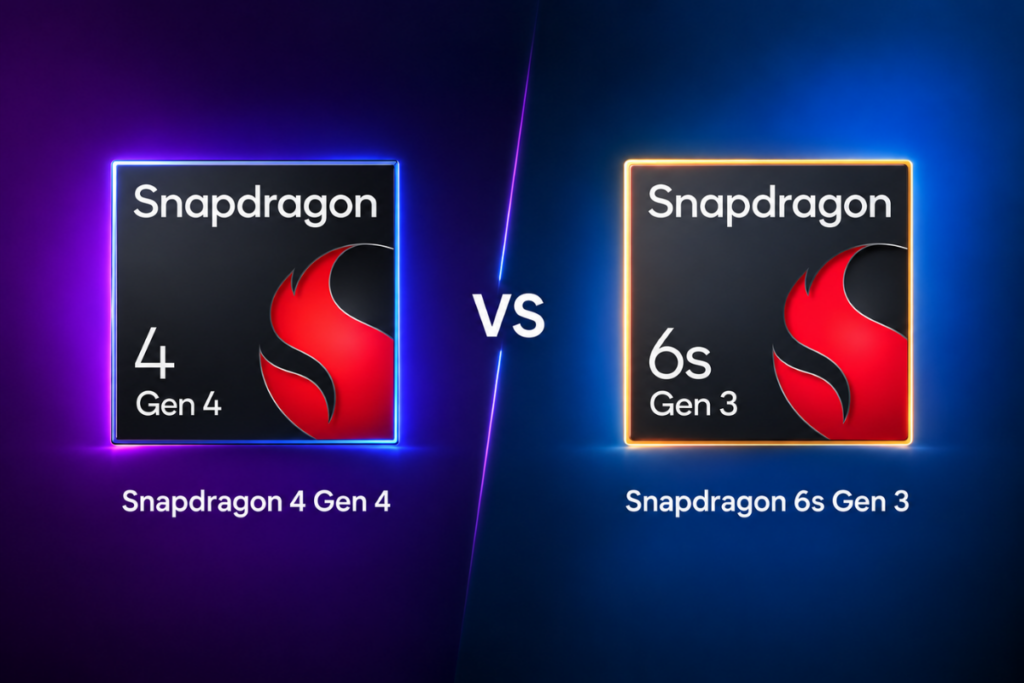
The global Redmi Note 17 is expected to feature the same internals as its Chinese counterpart. It is likely to include a 7-inch OLED display with a 1.5K resolution and a 120Hz refresh rate, the Snapdragon 4 Gen 4 chipset, 45W charging, a 50-megapixel primary camera, and an 8-megapixel front camera. Unlike the Chinese model’s 8,000mAh battery, the global version is said to feature a 7,700mAh battery. Reports also suggest that the Indian variant may retain the larger 8,000mAh battery offered on the Chinese edition.

For more daily updates, please visit our News Section.

Stay ahead in tech! Join our Telegram community and sign up for our daily newsletter of top stories.

(Via)

OnePlus devices to receive ColorOS 17 update: Complete list

OnePlus phones eligible for ColorOS 17 update

OnePlus has officially shut down its operations in most parts of the world, but software updates will continue to be rolled out to eligible devices — with a completely new flavor. OxygenOS will be replaced by ColorOS on all active OnePlus devices.

The company has confirmed a massive restructuring that will completely retire the OxygenOS software platform globally. Following the official release of ColorOS 17, all active OnePlus devices “will have the option to voluntarily update to the latest ColorOS,” the company wrote in a post on the OnePlus Community.

Below is a list of all OnePlus phones and tablets that will receive the ColorOS 17 update.

These OnePlus devices are eligible for the ColorOS 17 update

The community post doesn’t reveal which devices are in line for the ColorOS 17 upgrade. So, we reviewed the update policy for each device to compile the list below. Since it’s based on the official update policy, it must be accurate.

OnePlus flagship phones

  • OnePlus Open
  • OnePlus 15
  • OnePlus 15R
  • OnePlus 13
  • OnePlus 13R
  • OnePlus 13s
  • OnePlus 13T
  • OnePlus 12
  • OnePlus 12R
  • OnePlus 11

OnePlus mid-range phones

  • OnePlus N6
  • OnePlus Nord 6
  • OnePlus Nord CE 6
  • OnePlus Nord CE 6 Lite
  • OnePlus Nord 5
  • OnePlus Nord CE 5
  • OnePlus Nord 4

OnePlus tablets

  • OnePlus Pad 4
  • OnePlus Pad 3
  • OnePlus Pad 2
  • OnePlus Pad Lite
  • OnePlus Pad Go 2

OnePlus says this strategy adjustment “enables us to streamline software development, accelerate update delivery, improve software quality, and make better use of our shared engineering and R&D capabilities.” That means we can still hope for timely software releases, which have been a key part of OxygenOS.

We’ll continue to update you with fresh details in our OnePlus section. Visit the section regularly or join our Telegram channel to stay updated.

Samsung Galaxy S26 FE and Galaxy Tab S12 show up on Google listing, ahead of a September launch

Samsung is busy this week for its Unpacked event where it will unveil new Galaxy foldables. But Samsung’s next Fan Edition phone and its upcoming tablet lineup have also turned up in a regulatory filing. 

A new report from Android Authority reveals the Galaxy S26 FE and Galaxy Tab S12 have appeared in an internal list inside the Google app, one that tracks devices set to offer a free trial of Google’s paid AI subscription. 

Samsung Galaxy Tab S12 and Galaxy S26 FE

The Galaxy Z Fold 8 and Z Flip 8 already sit on that same list, and the addition of the S26 FE and Tab S12 suggests both devices are moving closer to launch.

What to expect?

Other recent reports have added more detail on what to expect from each device. The Galaxy Tab S12 Ultra is expected to retain a design similar to the Tab S11 Ultra, including the V-shaped notch housing the front camera. 

The tablet is said to measure 326.34 x 208.46 x 5.12 mm, nearly identical in size and thickness to its predecessor. It’s expected to have a single front camera and two rear cameras, though exact megapixel counts haven’t been revealed yet.

Samsung-Galaxy-S25-FE

The Tab S12 Ultra is also tipped to run on MediaTek’s Dimensity 9500 chip, with 12GB or 16GB of RAM and storage options of 256GB, 512GB, or 1TB. It should launch with One UI 9.0 and get six years of Android updates.

On the phone side, the Galaxy S26 FE follows Samsung’s 2026 design direction, with a raised camera bump and a flat frame. A Geekbench listing shows the phone’s board labeled s5e9955, which lines up with the Exynos 2500 chip and a 1+2+5+2 core layout. Its display is also shaping up to be a bigger change: reports point to an OLED panel from China’s BOE, marking the first time Samsung has brought in an outside screen maker for an FE model instead of relying on its own display unit.

Samsung is expected to unveil both the Galaxy S26 FE and the Galaxy Tab S12 lineup in September, following last year’s launch pattern for both product lines.

For more daily updates, please visit our News Section.

Stay ahead in tech! Join our Telegram community and sign up for our daily newsletter of top stories.

(Source)

iQOO 16T in works with 2K Samsung display, Snapdragon 8 Elite Gen 6 

Back in June, the first details of the iQOO 16T emerged. At that time, the leak revealed that it would be a large-screen device. Now, a new leak courtesy of tipster Digital Chat Station has revealed a few more details about the device.

iQOO 16T’s key specifications tipped

iQOO 16T’s key specifications tipped

The latest leak suggests that iQOO has started testing the iQOO 16T. According to the tipster, the prototype is powered by Qualcomm’s upcoming SM8950 flagship chipset, which is expected to be the Snapdragon 8 Elite Gen 6. At the same time, a Dimensity 9600 (DX6) variant is also being evaluated as an alternative.

The device is said to feature a built-in large cooling fan for improved thermal performance and is currently being tested with a 2K flat Samsung display. While the specifications may change before launch, the leak indicates that iQOO is focusing on flagship-level performance and advanced cooling for the upcoming 16T.

The iQOO 16T will succeed the iQOO 15T, which debuted in May 2026. At present, there is no information about the 16T’s launch timeframe. It remains to be seen whether iQOO is aiming to unveil it in May 2027 or earlier.

The iQOO 15T features a 6.82-inch AMOLED LTPO display with a 2K+ resolution, a 144Hz refresh rate, and an ultrasonic in-screen fingerprint sensor. Under the hood, it has the Dimensity 9500 Monster chip, up to 16GB of LPDDR5X RAM, up to 1TB of UFS 4.1 storage, and a massive 8,000mAh battery with 100W charging.

The 15T runs OriginOS 6 based on Android 16 and features a 16-megapixel front-facing camera. On the back, it has a 200-megapixel primary camera with OIS and a 50-megapixel ultra-wide camera. The device has a metal frame and carries an IP68/IP69 rating for dust and water resistance.

For more daily updates, please visit our News Section.

Stay ahead in tech! Join our Telegram community and sign up for our daily newsletter of top stories.

Japan built a refrigerator for humans, and it cools you in just 5 minutes

Japan has unveiled an unusual solution for dealing with extreme summer temperatures. Called the Do Hiemon Box, the one-person cooling booth resembles a giant refrigerator, but instead of storing food or drinks, it is designed to rapidly cool people who have been exposed to intense heat. Developed in response to rising temperatures, the product is already attracting attention for its practical workplace applications.

A cooling booth inspired by vending machines

Japan human refrigerator
Do Hiemon Box

The Do Hiemon Box was developed by Japanese refrigeration and vending machine manufacturer SDRS and is sold by industrial equipment supplier Trusco Nakayama. Inspired by Japan’s refrigerated vending machines, the booth keeps its interior at around 15 degrees Celsius.

Once a user sits on the built-in chair, chilled air at approximately 5° Celsius is directed toward the head, neck, shoulders, and back. The companies claim users begin feeling noticeably cooler within five minutes, while spending around 10 minutes inside may help reduce body temperature and ease symptoms associated with heat exhaustion.

The portable booth offers three cooling modes and automatically powers off after 20 minutes to prevent excessive cooling. It runs on roughly half the electricity required by a conventional spot air conditioner, requires no installation, and is fitted with wheels so it can be moved easily between different work locations. It is intended for construction sites, factories, warehouses, outdoor events, schools, shopping malls, and other places where people are regularly exposed to high temperatures.

The launch comes as Japan experiences increasingly severe summers. The country has even introduced new terminology for days when temperatures exceed 40°Celsius, highlighting the growing impact of extreme heat. Reports also note rising heatstroke cases, prompting businesses and local authorities to explore new ways to protect workers and the public.

The Do Hiemon Box is currently available through industrial equipment distributors in Japan for 1.5 million yen (~$9,230) before tax, making it a business-focused product rather than a consumer appliance. Earlier this year, one unit was donated to Maebashi City Hall, where visitors can use it free of charge during opening hours. If temperatures continue climbing, similar cooling booths could become a common sight across workplaces and public spaces.

For more daily updates, please visit our News Section.

Stay ahead in tech! Join our Telegram community and sign up for our daily newsletter of top stories.

(via)

Vivo S2 tipped to launch next month in India as a successor to 2019’s Vivo S1

After nearly seven years of silence in the Indian market, the Vivo S2 is on its way. According to leaker Yogesh Brar, the phone (model number V2576) is expected to launch in early August 2026, with sales likely kicking off around August 15. It has already popped up in the Bluetooth SIG database, which is usually a strong sign that the official announcement is just around the corner.

The S2 is reportedly aiming for the premium mid-range segment. That puts it in direct competition with phones like the Oppo Reno 16 Pro. If the rumors hold up, it should be a solid pick for anyone who wants a stylish handset with good cameras.

For those who remember, the original Vivo S1 launched back in 2019 with a beautiful 6.38-inch Super AMOLED display, and a MediaTek Helio P65 processor. The phone paired a 16MP main camera with an 8MP ultrawide camera and, somewhat surprisingly for its time, a 32MP front-facing camera. Its 4,500mAh battery supported 18W wired charging.

This handset was positioned as a stylish, youth-centric premium mid-range smartphone at the time, with the base 4GB RAM + 128GB storage variant priced at Rs. 17,990 at launch. The new S2 is expected to take that formula to the next level with much better hardware and improved image processing. There’s also a good chance the S2 will share some DNA with Vivo’s global V-series models.

The premium mid-range price bracket has shifted noticeably over the years. Factor in the recent memory chip shortage, and the tipster expects the handset to debut in India at under Rs. 50,000.

As we get closer to the August launch window, we should start seeing more concrete specs on the processor, display, software, and pricing. It remains to be seen if the S2 manages to stand out in the India’s crowded mid-range market.

Don’t miss a thing! Join our Telegram community for instant updates and grab our free daily newsletter for the best tech stories!

For more daily updates, please visit our News Section.

(Source: @heyitsyogesh)

Dareu launches new lightweight gaming mouse featuring custom PixArt sensor & 8K wireless polling

Dareu has released a new competitive gaming mouse in China, the AE6 V2 Legend Edition. It is priced at 329 yuan ($48) and targets competitive gamers with a focus on flagship-grade hardware and performance.

Dareu AE6 V2 Legend Edition

Dareu AE6 V2 Legend Edition Specifications

The mouse features the new AIM-3955 PRO optical sensor, developed in collaboration with PixArt. It supports up to 50,000 DPI sensitivity, 750 IPS tracking speed, and 60G acceleration.

Inside, the mouse is powered by a Nordic 54L15 controller. Built on a 22nm process, the chip allows the AE6 V2 to support an 8,000Hz polling rate in both wired and 2.4GHz wireless modes.

To help manage the battery drain associated with this, Dareu included firmware that automatically adjusts power consumption depending on whether the mouse is being used for gaming or basic desktop tasks.

Dareu AE6 V2 Legend Edition

Physically, the AE6 V2 Legend Edition weighs 59 grams. Instead of using a perforated outer shell to cut weight, Dareu used an internal skeletal frame to maintain the structural rigidity of the solid plastic shell. The exterior is finished with a matte UV coating to resist sweat and improve grip.

For the primary buttons, the mouse uses Omron mechanical switches rated for 100 million clicks. Dareu also implemented its KBS Light button design, which is intended to reduce pre-travel and make the click feel consistent regardless of where you press the button.

Dareu AE6 V2 Legend Edition

The bottom of the mouse features 100% PTFE feet, and the company includes pre-cut grip tape in the box. According to Dareu, the shape of the mouse is the result of over 200 mold revisions over three years, designed to work with palm, claw, and fingertip grip styles.

Battery life is dependent on how you use the mouse. The built-in 500mAh battery is rated to last over 330 hours in wireless mode if you keep the polling rate at the standard 1,000Hz. If you switch to the maximum 8,000Hz polling rate, the battery life drops significantly to around 40 to 50 hours. The mouse includes standard LED indicators to check the current battery level and connection status.

In related news, Xiaomi has recently introduced the Wireless Mouse 4 Pro, featuring dynamic scrolling functionality and silent-click switches.

For more daily updates, please visit our News Section.

Stay ahead in tech! Join our Telegram community and sign up for our daily newsletter of top stories!

(Dareu)

SanDisk launches new USB-C flash drives with up to 256GB storage and 250MB/s read speeds

SanDisk has released a new line of USB-C flash drives called the CZB Series. The drives are available globally and in China, offering a straightforward storage option for people who need to move files between modern laptops, phones, and tablets that no longer have traditional USB-A ports.

SanDisk CZB USB-C flash drives

SanDisk CZB Flash Drive Specifications

The CZB Series is exactly what it looks like: a standard thumb drive with a native USB-C connector. The drive itself is just a small black casing with a built-in hole to attach it to a keychain or lanyard. It measures 1.94 x 0.81 x 0.46 inches and weighs about 6 grams, making it a basic, lightweight drive you can leave in your bag or pocket.

As for performance, the CZB Series runs on the USB 3.2 Gen 1 standard, which supports up to 5Gbps of bandwidth. SanDisk advertises sequential read speeds of up to 250MB/s. That is standard for a modern flash drive, it won’t match the speed of an external SSD if you are trying to edit video directly off the drive, but it is more than enough for quickly transferring documents, backing up photos, or moving a few large files between computers.

SanDisk is offering the drive in three storage capacities: 64GB, 128GB, and 256GB. The company says that the 256GB model can store roughly 60,000 photos, though that will depend heavily on your camera’s file sizes.

The drives work out of the box with Windows 10, Windows 11, and macOS Monterey or newer. SanDisk also offers an optional app to help manage and back up files if you prefer not to drag and drop manually.

SanDisk CZB USB-C flash drives

Pricing is standard for this category of storage. In the US, the 64GB model has a retail price of $24.99 but is currently selling for $19.99. The 128GB version costs $24.99, and the 256GB model is listed at $53.99 with a current price of $42.99.

In China, the pricing is set at 129.9 yuan for the 64GB version, 199 yuan for 128GB, and 349 yuan for 256GB. All three versions come with a three-year limited warranty.

In related news, Asus has recently introduced a portable SSD featuring dual USB-C and USB-A connectivity, offering transfer speeds of up to 500MB/s and storage capacities of up to 1TB.

For more daily updates, please visit our News Section.

Stay ahead in tech! Join our Telegram community and sign up for our daily newsletter of top stories!

(SanDisk)

Galaxy Watch 9, Watch Ultra 2 leaked promo materials confirm design, colors, and specifications

If you’ve been following the rumors, you already know the Galaxy Watch 9 and Galaxy Watch Ultra 2 are just around the corner. Leaks and promotional materials have been popping up everywhere.

Ahead of the July 22 official unveiling, reliable leaker Evan Blass dropped what look like official promo images for both models. The regular Galaxy Watch 9 keeps things familiar: same dual-button layout as the Watch 8, just with some subtle refinements. It’ll come in four colors: white, graphite, green, and black, giving people more options to match their style.

The big internal change is the switch to Qualcomm’s Snapdragon Wear Elite chip. That should mean better efficiency, snappier performance, and stronger AI features compared to the predecessor’s Exynos W1000. Battery sizes are as follows: 390mAh on the 40mm version and 445mAh on the 44mm one.

On the health side, Samsung is really leaning into proactive wellness. There’s a new “Vitals” watch face that keeps an eye on your key metrics and alerts you if something looks off. They’ve also added a running coach that helps track your progress toward personal goals, plus improved sleep apnea detection. All of this feeds into better sleep and energy scores, which feels like a natural evolution of what Samsung has been building.

Galaxy Watch Ultra 2:

Then there’s the Galaxy Watch Ultra 2. It keeps that tough, adventure-ready vibe with a 47mm titanium case that’s reportedly 12% thinner than the first one. The 1.5-inch OLED display (480×480) can hit a blazing 5000 nits peak brightness, so it should look great even in direct sunlight. Durability-wise, it has 10ATM water resistance and IP69K certification.

Like the standard model, it runs on the Snapdragon Wear Elite chipset, with 2GB of RAM and 64GB of storage. The 800mAh battery sounds promising for all-day (and then some) use, and it’s a major upgrade over the 590mAh cell in the Galaxy Watch Ultra (2024) and Watch Ultra (2025).

For connectivity, you’ll get Bluetooth 6.0, NFC, dual-band Wi-Fi, and LTE options. Pricing is expected to land around €749.

While the regular Watch 9 feels like a refined daily driver, the Ultra 2 is clearly aimed at people who want a more rugged, premium experience.

Don’t miss a thing! Join our Telegram community for instant updates and grab our free daily newsletter for the best tech stories!

For more daily updates, please visit our News Section.

(Source: @evleaks)

WEEBILL 5 camera gimbal announced with 3kg payload support, built-in carrying handle, and AI tracking

Zhiyun, a leading manufacturer of professional motorized camera and smartphone gimbals, just dropped a new camera stabilizer. The WEEBILL 5 is positioned as a gimbal that combines clever AI features with thoughtful design to make shooting easier and more fun.

Priced at 2299 yuan (roughly $330), the gimbal brings a fresh third-generation stabilization system along with a built-in carrying handle. It can handle payloads up to 3kg, so it works well with a wide range of mirrorless cameras and lenses from Sony, Canon, Nikon, and others.

The real highlight is its AI-powered intelligent tracking. A dedicated AI module can recognize and lock onto all kinds of subjects: people, pets, vehicles, even buildings. It can keep tracking even if the subject briefly leaves the frame, with reliable performance up to about 10 meters away. There’s also real-time camera movement assistance that automatically helps frame your shots nicely, so you spend less time fiddling and more time being creative.

On the practical side, Zhiyun added a new stabilization algorithm, a double-layer quick-release plate that skips the usual secondary leveling for faster setups, and handy micro-adjustment knobs for fine-tuning. Other useful bits include a 1.8-inch color touchscreen, built-in fill light, native horizontal and vertical shooting modes, Bluetooth control for shutter and zoom, plus support for external focus motors, monitors, mics, and more.

The WEEBILL 5 builds nicely on the previous models in the series, which were already popular for being lightweight and user-friendly. This new version adds smarter AI tracking and better ergonomics, tackling common complaints like tricky subject following and slow setup times in the field.

Overall, at this price point, the WEEBILL 5 looks like a strong option for vloggers, hybrid shooters, and filmmakers who want something portable yet capable. It strikes a nice balance between smart features and real-world usability. Once it’s widely available and we get more hands-on feedback, it’ll be interesting to see how it performs in everyday shooting situations.

Xiaomi launches new affordable electric shaver with adaptive power, IPX7 & USB-C charging

Xiaomi has released a new Mijia Electric Shaver on its Youpin platform, bringing a few high-end grooming features down to a strictly budget price. The device carries a standard retail price of 249 yuan ($36), with an initial launch price of 199.75 yuan ($29).

Xiaomi Mijia Electric Shaver

Xiaomi Mijia Electric Shaver Specifications

The shaver is built around a standard dual-ring, three-head system. The cutting mechanism uses an irregular corrugated foil created through metal injection molding (MIM), which is paired with concave stainless steel blades.

According to Xiaomi, this specific geometry is designed to physically guide facial hair into the cutting zone. The practical goal here is to reduce the pulling and snagging that often happens with cheaper rotary shavers. The company says this layout improves shaving efficiency by about 48% compared to its previous model.

Xiaomi Mijia Electric Shaver

Internally, the device runs on a motor capable of 5 million cutting actions per minute. To manage that output, an onboard chip monitors the physical resistance against the blades approximately 100 times per second. When the shaver moves over a denser patch of a beard, it automatically ramps up the motor’s power and blade speed. This prevents the motor from bogging down, which is the primary cause of hair pulling in electric razors.

Xiaomi has also focused on skin irritation. The shaving heads are treated with a micro-bead coating to lower physical friction against the skin. Additionally, the foil is constructed from low-nickel stainless steel that complies with European nickel release standards, a useful detail for users who suffer from metal contact dermatitis. The entire head assembly sits on a 360-degree floating frame to keep the blades flush against angular areas like the jawline.

Xiaomi Mijia Electric Shaver

For power, the shaver relies on USB-C and takes about two hours to charge fully. Xiaomi advertises a 90-day battery life, though it is worth noting this metric is based on a very brief one-minute daily shave. More practically, the device supports pass-through charging, meaning you can plug it into a wall adapter and finish shaving if the battery dies halfway through.

Xiaomi Mijia Electric Shaver

The hardware is IPX7-rated for full water resistance, allowing for both wet and dry use, and includes a one-button pop-up hinge for rinsing out hair. It comes in three standard colors: Meteor Gray, Sky Blue, and Glacier Silver, and includes a travel lock and a basic LED battery display.

In related news, Xiaomi has recently launched a smart bathroom heater that automates lighting, heating, and airflow, alongside a new smart water flosser that features a color display, app connectivity, and up to 105 days of battery life.

For more daily updates, please visit our News Section.


Stay ahead in tech! Join our Telegram community and sign up for our daily newsletter of top stories!

(Xiaomi Youpin)