Advertisement

Oppo Find X7, Find X7 Ultra launch date, configurations, color options officially confirmed

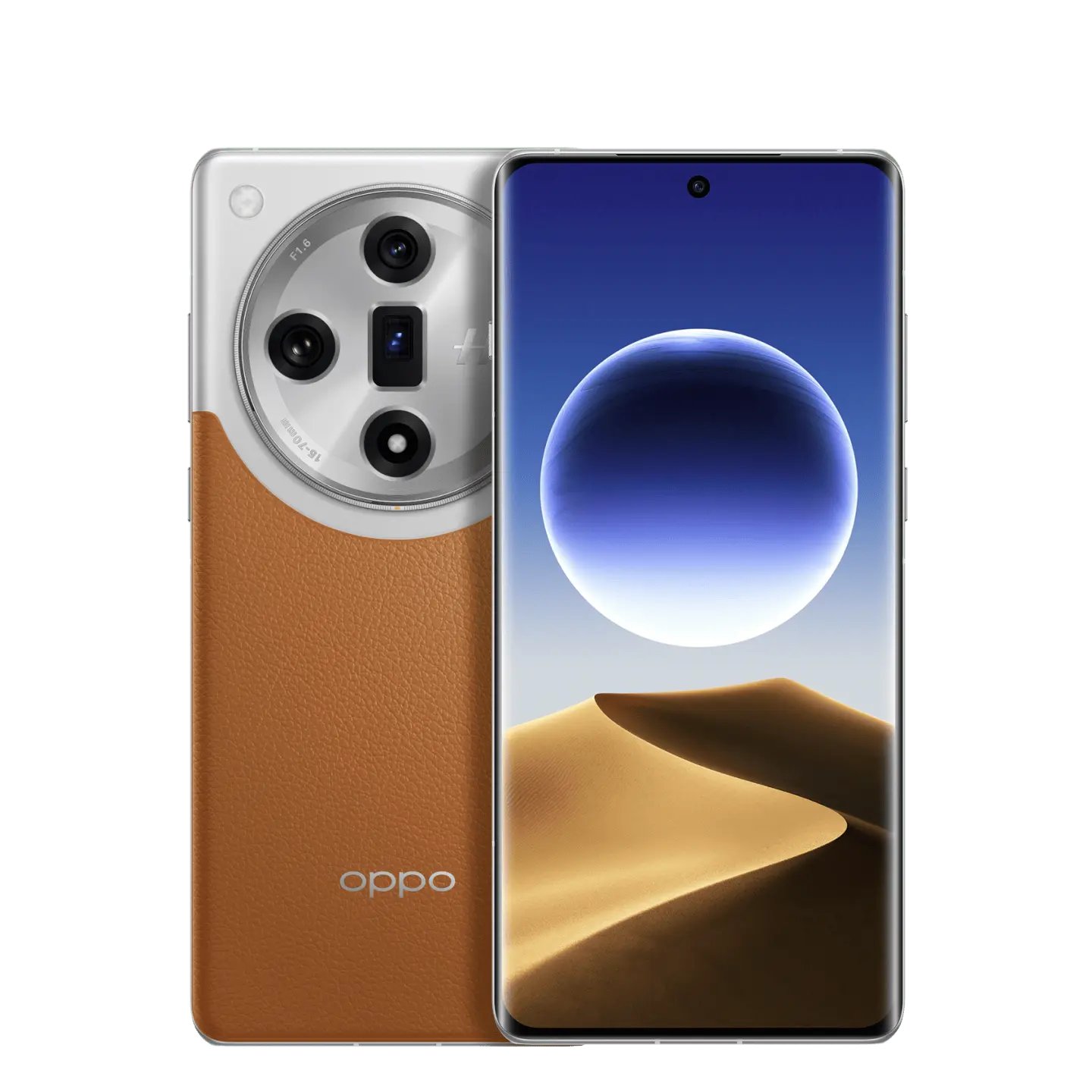
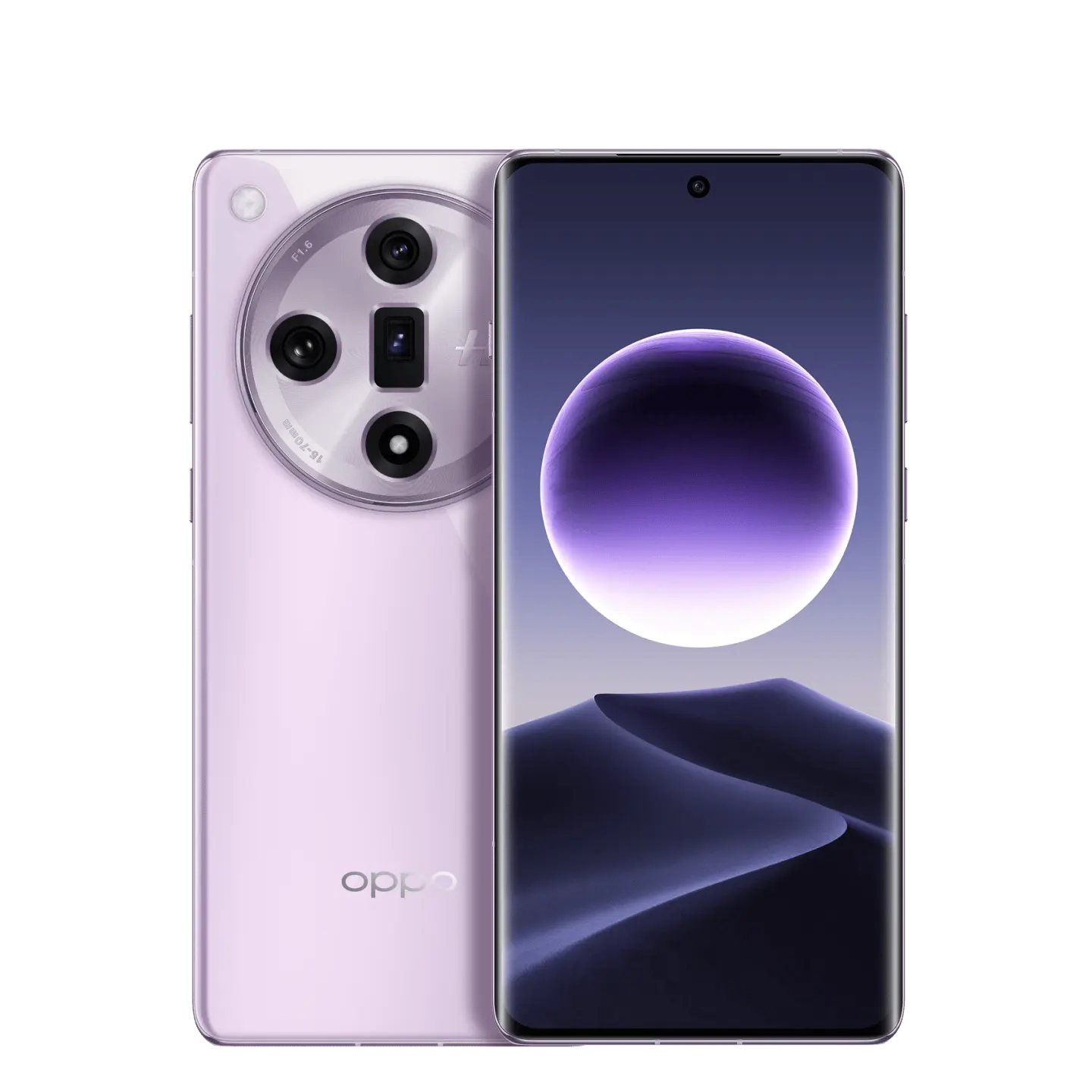
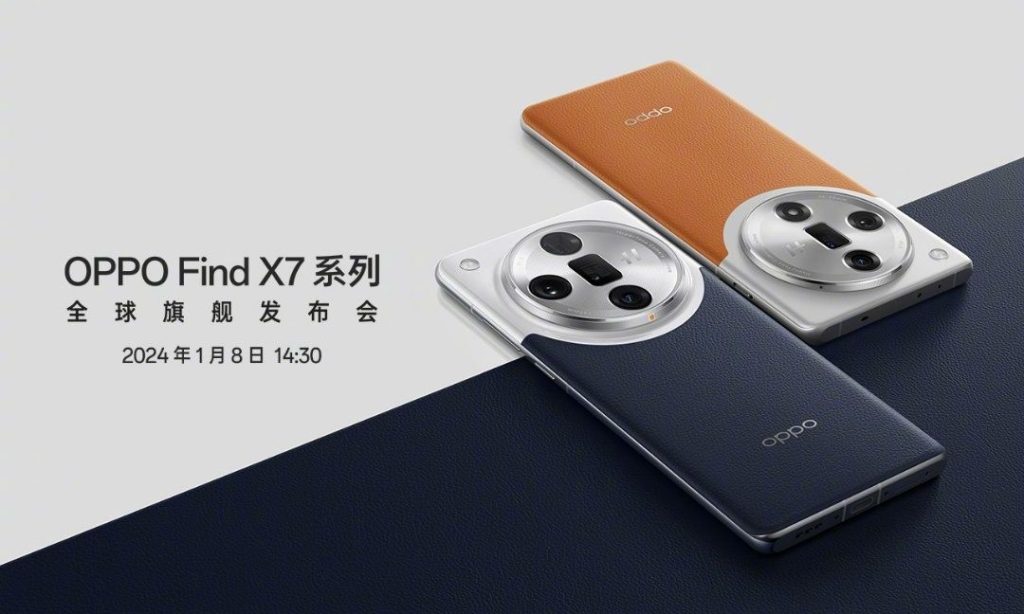
Oppo has officially confirmed that it will unveil the Find X7 series of smartphones at 2:30 pm (local time) on Jan. 8, 2024, in China. In addition, the Find X7 and Find X7 Ultra smartphones are now listed on Oppo China’s online store for reservations. The official listings have confirmed the configurations and color options of both smartphones well ahead of the official announcement.
Oppo Find X7 series launch date-
Oppo Find X7 series launch date

Oppo Find X7

Reports have revealed that the Find X7 will come equipped with the Dimensity 9300 chipset. The official listing reveals that it will come in four configurations, such as 12 GB RAM + 256 GB storage, 16 GB RAM + 256 GB storage, 16 GB RAM + 512 GB storage, and 16 GB RAM + 1 TB storage.
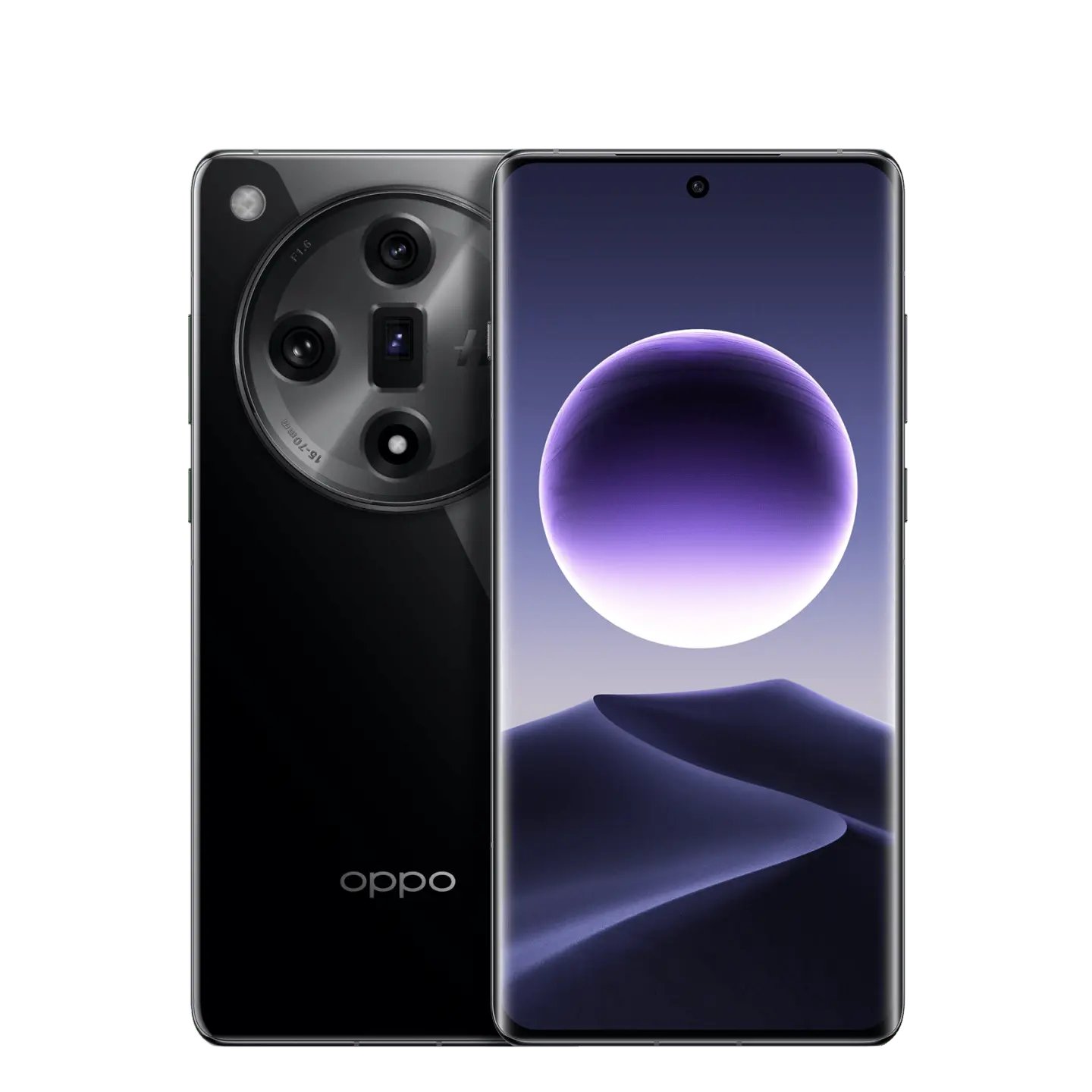
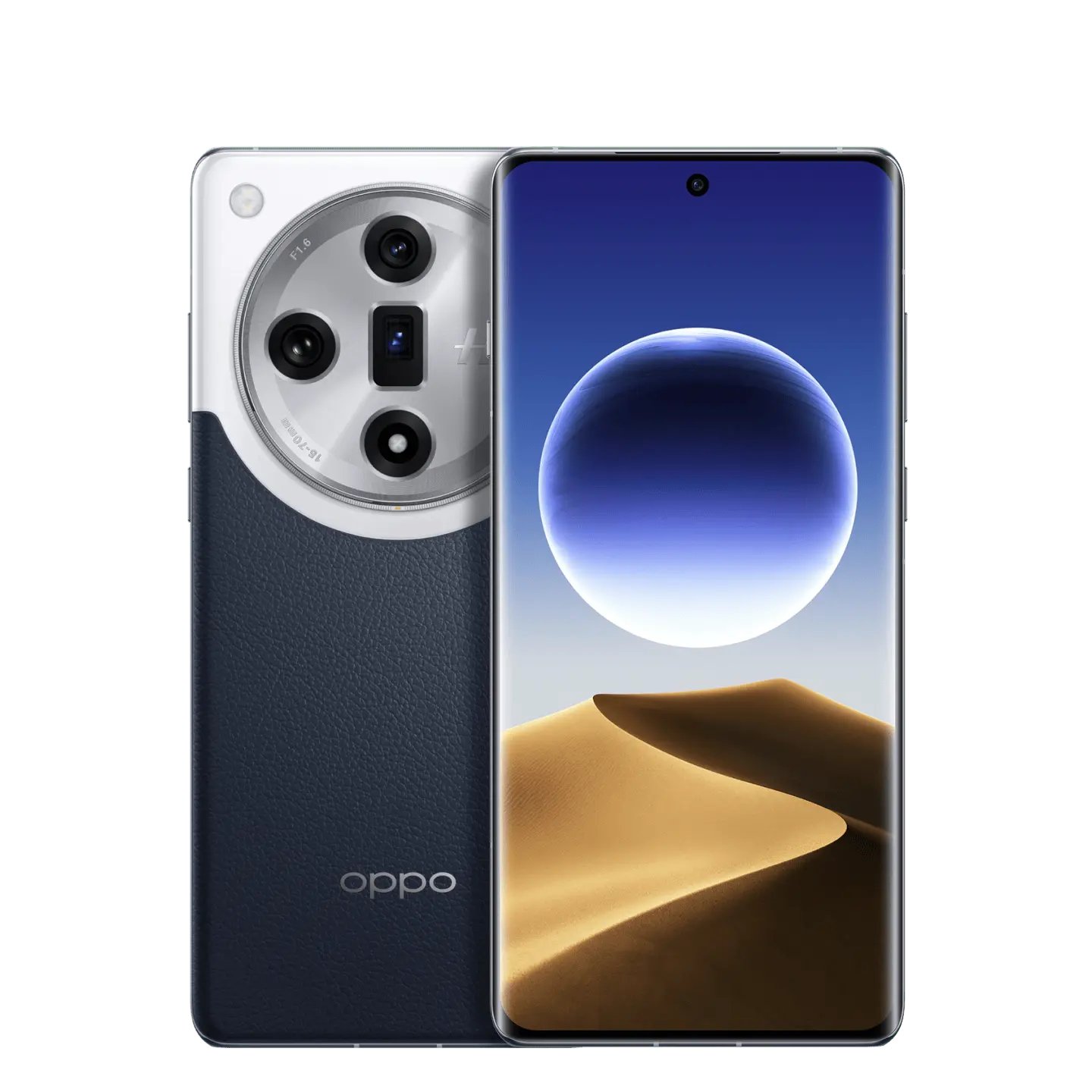
The Find X7 will be available in four shades, such as Starry Sky Black, Sea and Sky, Desert Moon Silver, and Smokey Purple.

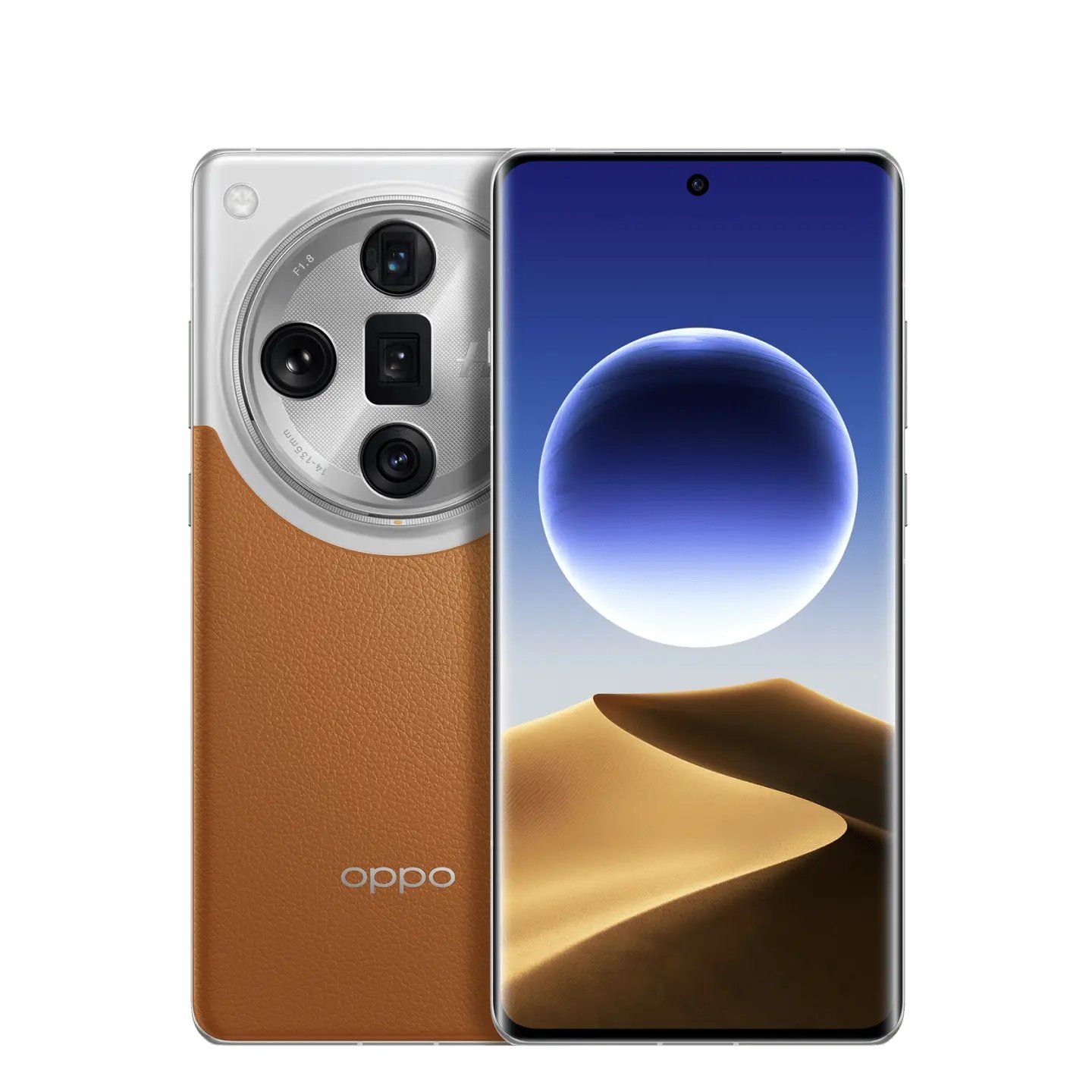
Oppo Find X7 Ultra

The Find X7 Ultra is expected to come equipped with the Snapdragon 8 Gen 3 SoC. It will be available in three variants, such as 12 GB RAM + 256 GB storage, 16 GB RAM + 256 GB storage, and 16 GB RAM + 512 GB storage.
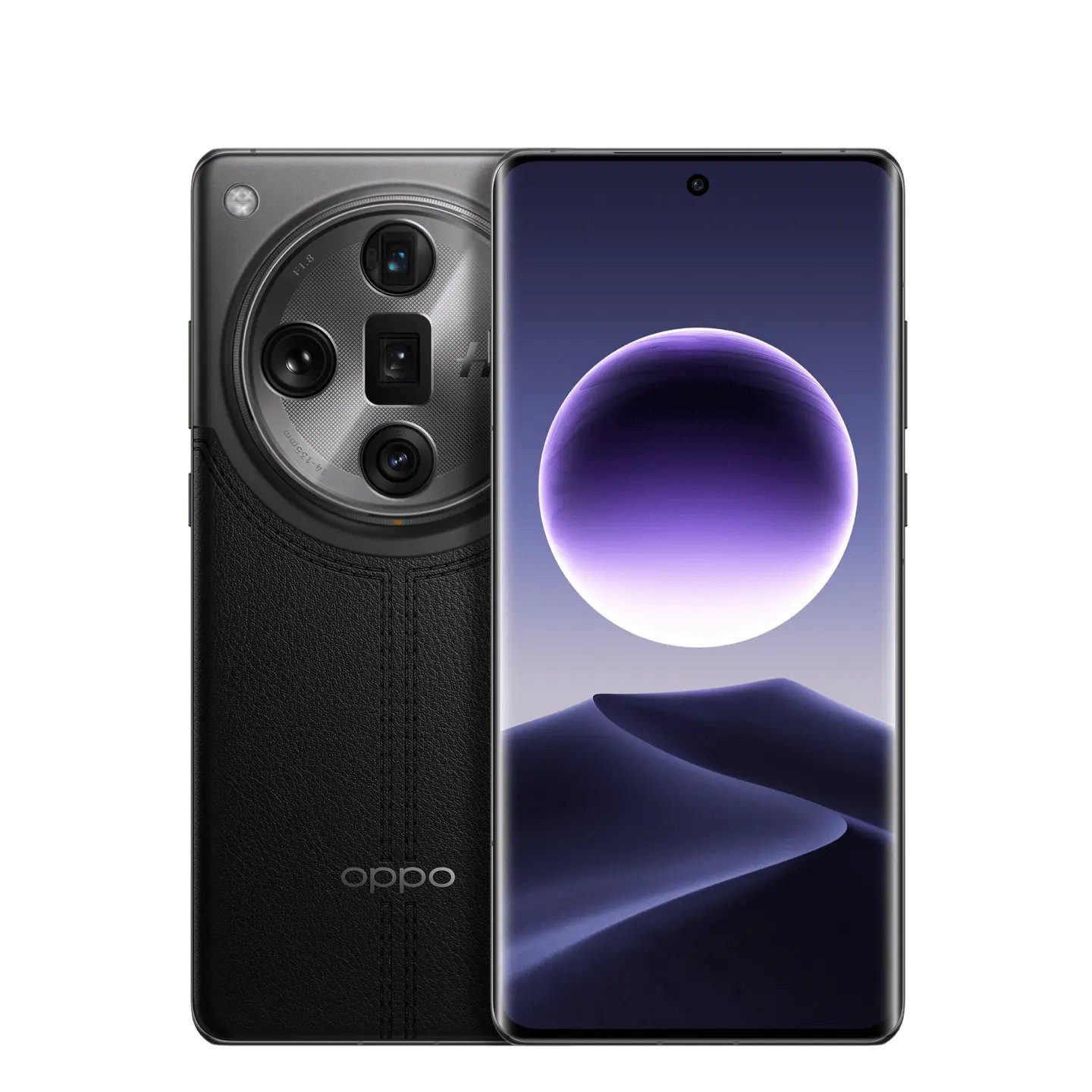
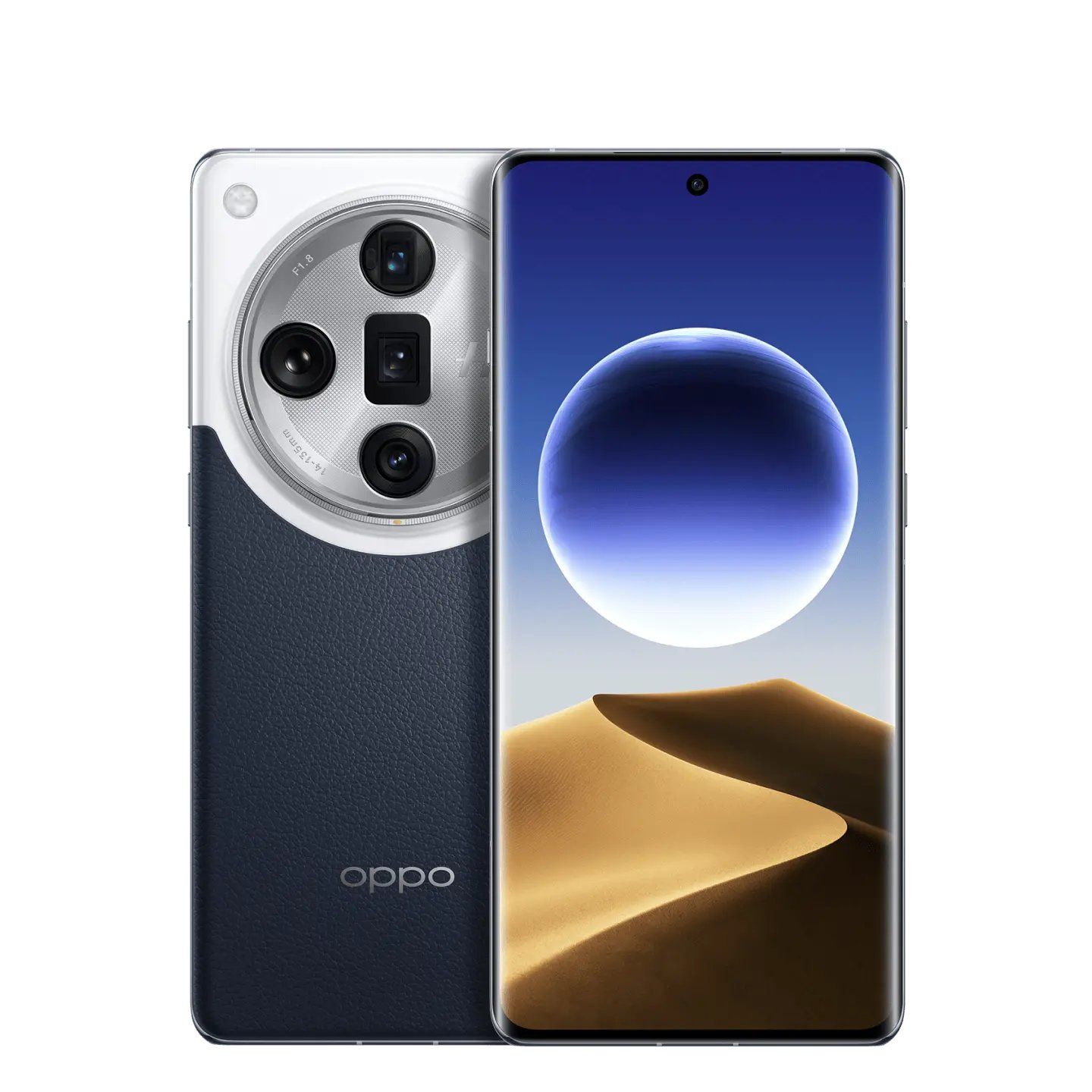
When it comes to color options, the Find X7 Ultra will come in choices such as Pine Shadow Ink, Sea and Sky, and Desert Moon Silver.

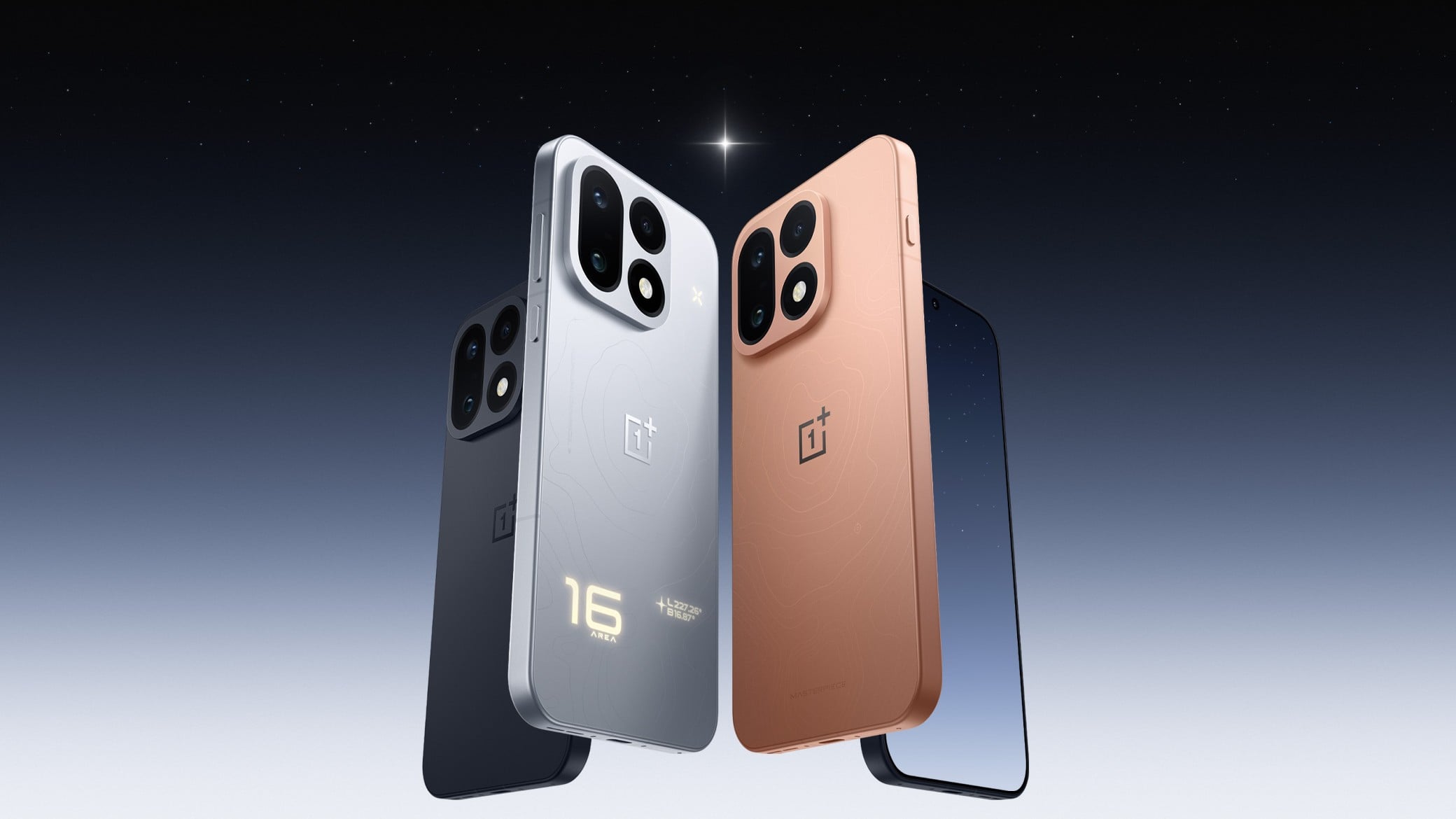
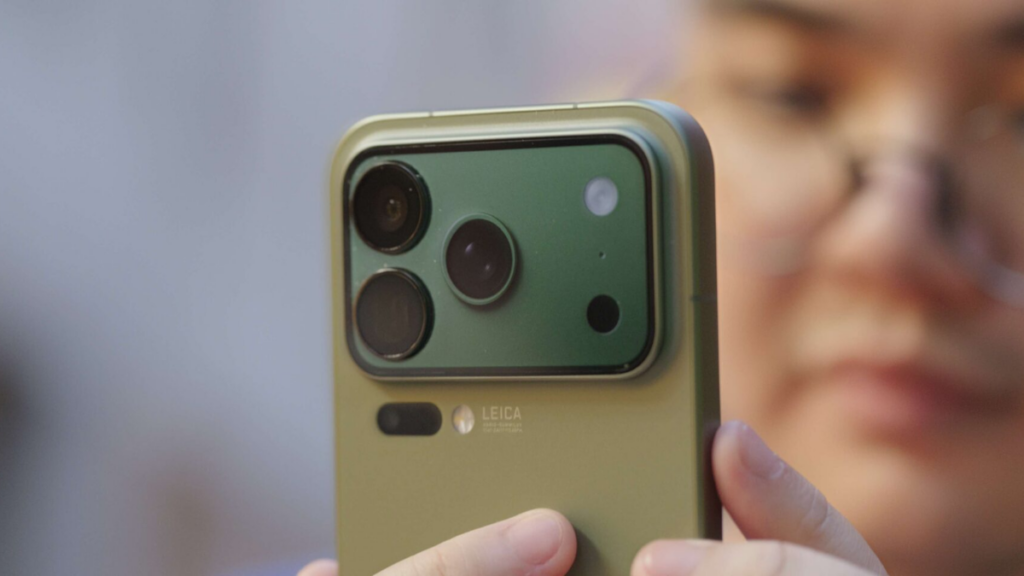
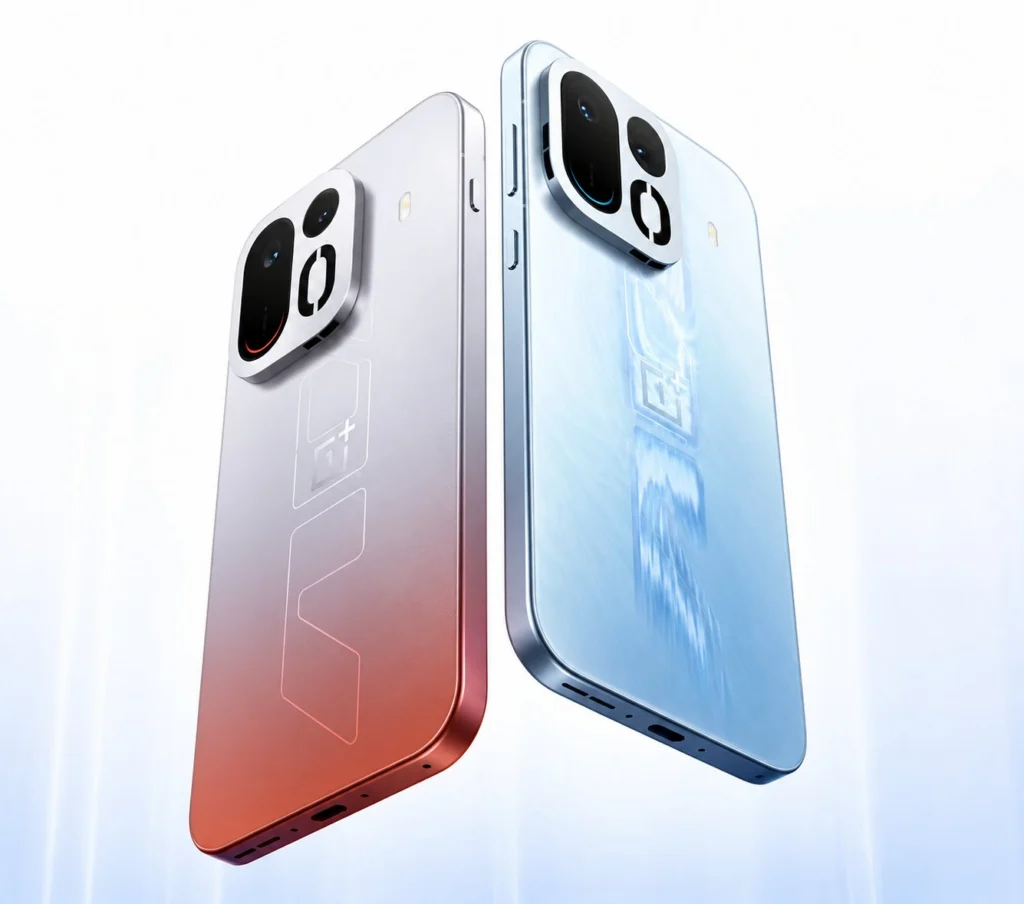
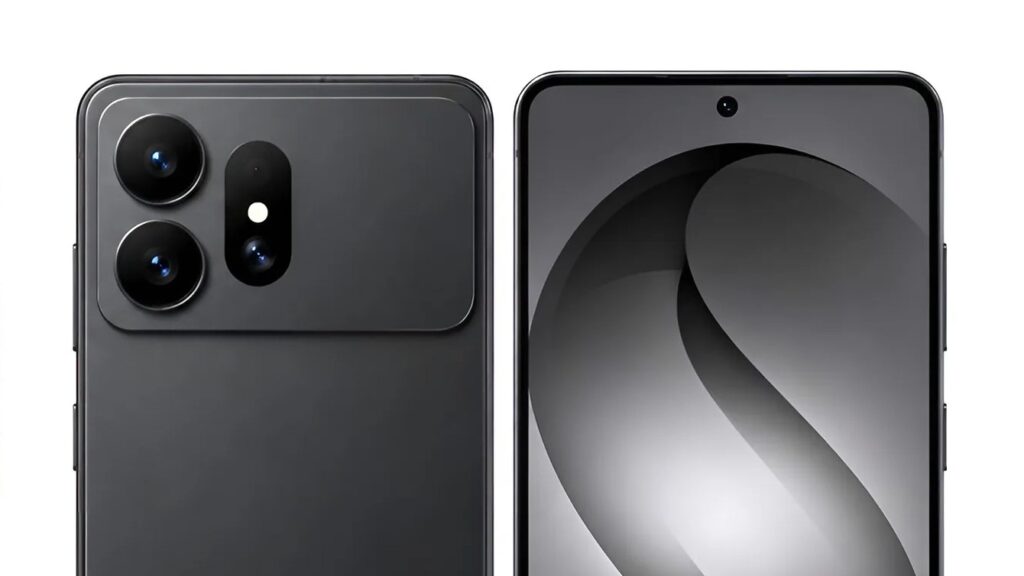
The Find X7 and Find X7 Ultra have a similar design, with the front featuring a punch-hole display with curved edges and a dual-tone back panel with a massive camera module. The Find X7 has a triple-camera unit, whereas the Find X7 Ultra has a quad-camera system. The Ultra variant will be the world’s first smartphone to feature dual periscope telephoto cameras. In addition, it will also be the first-ever phone to feature the one-inch Sony LYT-900 50-megapixel camera sensor as the primary snapper.

It is said that there will be a third device called the Oppo Find X7 Ultra Satellite Communication Version, which will come with support for two-way satellite communication. The rest of its specs will be identical to the Find X7 Ultra.

RELATED:

Galaxy Watch Ultra 2 tipped to pair 35% larger battery with more efficient Snapdragon Wear Elite chip

If you’ve been loving your Galaxy Watch Ultra but always wished it lasted even longer on tough days, there’s some exciting rumor news headed your way. The Galaxy Watch Ultra 2 is shaping up to pack a much larger battery, which could make it a real winner for anyone who wants multi-day performance.

Samsung Galaxy Watch Ultra

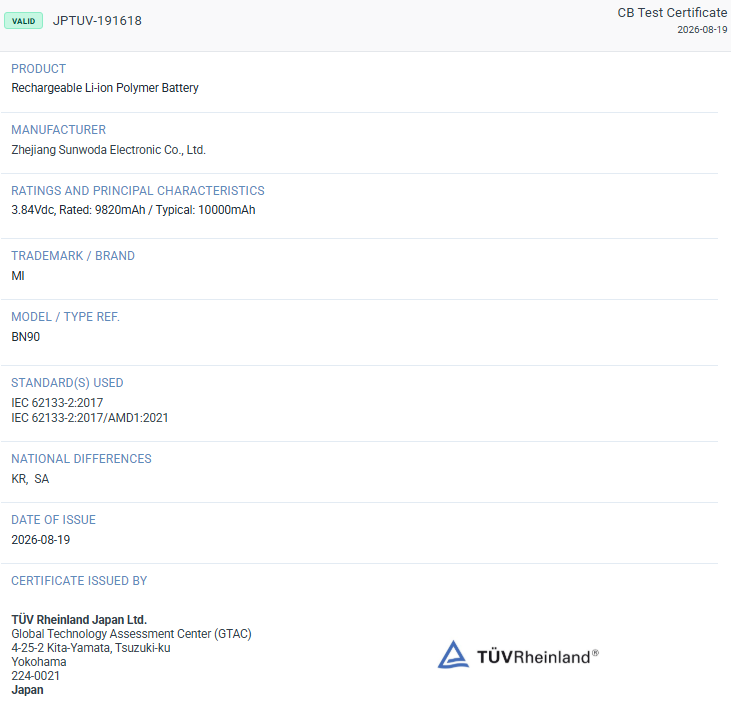
According to a fresh report from Sammobile, the Ultra 2 is expected to come with a rated battery capacity of 784mAh. Samsung will probably market it around 800mAh. That’s roughly a 35% jump compared to the original Ultra’s 590mAh battery. For a smartwatch, that’s a pretty big deal and should translate to noticeably better endurance, especially when combined with other upgrades.

On top of the bigger battery, the Galaxy Watch Ultra 2 is also rumored to get Qualcomm’s new Snapdragon Wear Elite chipset. Even though both this new chip and the previous Exynos W1000 are built on a 3nm process, the Snapdragon is expected to be noticeably more efficient thanks to its smarter architecture and a dedicated low-power NPU. That should give battery life another helpful boost.

The leaks also give us a peek at the regular Galaxy Watch 9 series. The 40mm model might get a 382mAh battery (marketed around 400mAh), which is about 23% better than the Watch 8. The 44mm version is tipped for 435mAh. Both should still support the usual 10W wireless charging.

Of course, everything is still under wraps officially. We’re probably looking at a launch later in 2026. But if these rumors hold up, Samsung seems focused on giving users more breathing room for heavy GPS use, always-on displays, and intensive workouts. Real-world results will depend on software tweaks and how you actually use the watch, but on paper, this direction looks really promising.

What do you think? Would a bigger battery make you upgrade? Keep an eye out as more details drop.

Don’t miss a thing! Join our Telegram community for instant updates and grab our free daily newsletter for the best tech stories!

For more daily updates, please visit our News Section.

Honor X80 Pro Max’s first teaser released, expected to pack 11,000mAh battery

Honor has teased the arrival of a new X-series smartphone, the Honor X80 Pro Max, while also celebrating a major milestone for the lineup. The company has confirmed that the device will be unveiled later this month, giving consumers an early look at what could be one of its most ambitious mid-range smartphones yet.

Honor X80 Pro Max launch confirmed

Honor X80 Pro Max teaser

Alongside the teaser, Honor revealed that the X-series has now surpassed 130 million users globally. The series has built a reputation around durability and reliability over the years, and the upcoming X80 Pro Max appears set to continue that approach.

According to recent leaks, the Honor X80 Pro Max is expected to feature a 6.78-inch OLED display with a resolution of 2788 x 1280 pixels. The device is also tipped to adopt a flagship-inspired design language and could be offered in Lightning Red, Black, White and Orange colour options. Under the hood, it is said to be powered by the all-new Snapdragon 6 Gen 5 chipset.

One of the most notable rumoured features is the 11,000mAh battery, which would make it one of the largest batteries seen on a mainstream smartphone. The device is expected to support 90W wired charging and 27W wired reverse charging.

The X80 Pro Max’s base model is expected to pack 8GB of RAM and 256GB of built-in storage. For photography, it may feature a 50-megapixel camera on the back. Like the recent Honor phones, it will also run on MagicOS 10-based Android 16.

Reports also suggest comprehensive water and dust resistance along with a reinforced chassis designed to withstand accidental drops and rough everyday use. Honor has not yet revealed the official specifications or pricing of the X80 Pro Max. More details are expected when the device is formally unveiled later this month.
The global version of the device is likely to carry the Honor Magic 9 Lite. There’s a possibility that it may pack a smaller battery than the X80 Pro Max.

For more daily updates, please visit our News Section.

Stay ahead in tech! Join our Telegram community and sign up for our daily newsletter of top stories!

Samsung Galaxy A27 5G launches with 120Hz AMOLED display, 50MP triple cameras, software update until 2032

Samsung has quietly introduced the Galaxy A27 5G in the Czech Republic, where the device has appeared on the company’s official website. The listing reveals most of the handset’s specifications and confirms a new addition to Samsung’s mid-range Galaxy A lineup.

Samsung Galaxy A27 5G specifications and features

Samsung Galaxy A27 5G

The Galaxy A27 5G features a 6.7-inch FHD+ Super AMOLED display with a 120Hz refresh rate and up to 800 nits brightness. It is powered by the Snapdragon 6 Gen 3 chipset and will be offered in 6GB or 8GB LPDDR5x RAM options, paired with 128GB or 256GB UFS 3.1 storage. A hybrid SIM slot allows storage expansion via microSD card up to 2TB.

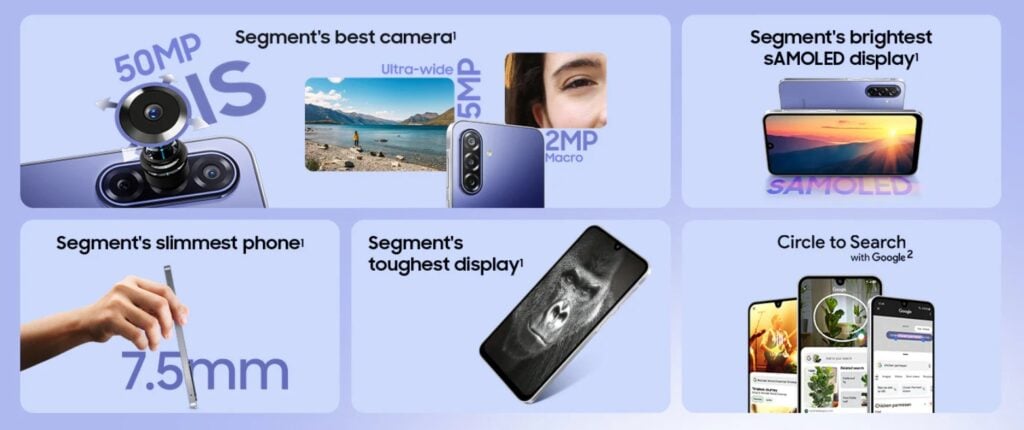
For photography, the phone includes a triple rear camera setup consisting of a 50-megapixel main sensor with optical image stabilisation, a 5-megapixel ultra-wide camera and a 2-megapixel macro camera. On the front, there is a 12-megapixel selfie camera. The device supports 4K video recording at 30fps.

Samsung has equipped the Galaxy A27 5G with a 5,000mAh battery and 25W charging support. It ships with Android 16 and One UI 8.5, and Samsung says the phone will receive six years of OS and security updates, extending support until 2032.

Other features include an IP64 rating for dust and splash resistance, Gorilla Glass Victus+, a side-mounted fingerprint scanner, dual-SIM 5G support, Wi-Fi ac, Bluetooth 5.1 and USB Type-C. The phone measures 162.4 x 78.2 x 7.8mm and weighs 200g.

Samsung Galaxy A27 5G price and availability

The Galaxy A27 5G is listed in Blue, Black, Light Pink and Light Green color options. Samsung has not revealed the price yet, but the official listing suggests that wider market availability could follow soon. More details on regional pricing and launch plans are expected in the coming days.
For more daily updates, please visit our News Section.
Stay ahead in tech! Join our Telegram community and sign up for our daily newsletter of top stories!

Huawei launches HarmonyOS 7 with spatial effects and AI upgrades

Huawei has officially unveiled HarmonyOS 7 at its annual developer conference, offering an early look at the next major version of its software platform. The update introduces a refreshed visual experience, deeper artificial intelligence integration, and a range of new security-focused features. Huawei says the new version is designed to make interactions across smartphones, tablets, PCs, wearables and connected devices feel more intuitive.

A new visual style with deeper AI integration

HarmonyOS 7
HarmonyOS 7

One of the biggest changes in HarmonyOS 7 is a new spatial design language that brings a greater sense of depth to the user interface. Huawei is using software-based rendering techniques to create three-dimensional effects across the system, including lock screens that interact more naturally with wallpapers. The interface also gains new lighting effects that add movement and depth to buttons, sliders and other on-screen elements. The following video clips showcases the HarmonyOS 7’s UI animations.

Artificial intelligence plays a much larger role in HarmonyOS 7. Huawei says this is its first operating system built around a comprehensive AI-driven architecture rather than simply adding AI features on top. The upgraded Celia assistant is now positioned as a system-level intelligence hub capable of understanding user intent, carrying out multi-step actions and interacting more deeply with apps and services. Huawei has also introduced the HarmonyOS Intelligent Agent Framework 2.0, which is said to improve task completion rates for complex requests to above 90 percent.

The update further expands AI capabilities with smarter photo editing tools, content generation features and improved system-level assistance. Huawei says the assistant can now support a broader range of in-app commands and respond more effectively to natural language requests.

Alongside the AI enhancements, HarmonyOS 7 introduces a new anti-fraud platform aimed at protecting users from common scams. The system can identify suspicious QR codes, detect potentially fraudulent web pages, flag app impersonation attempts and recognise overseas spoofed phone numbers.

Huawei has also added AI-based voice scam detection and several other tools focused on communication safety. Performance improvements are another key part of the update. According to Huawei, HarmonyOS 7 delivers up to 15 percent better performance than the previous generation while keeping long-term system load growth under control.

HarmonyOS 7 developer beta rolls out

Huawei has also confirmed the first batch of devices eligible for the HarmonyOS 7 Developer Beta program. Starting today, the developer beta is available for devices such as the Huawei Mate 80 Pro, Mate X7, Mate XT Master, Pura 90 Pro Max, Pura X, Pura X Collector’s Edition and the nova 15 Pro. Developers with supported devices can start testing the new software immediately, while the stable rollout is expected later this year. The Mate 90 series, which is expected to launch in September in China, will be the first Huawei phones to come preloaded with HarmonyOS 7.

For more daily updates, please visit our News Section.

Stay ahead in tech! Join our Telegram community and sign up for our daily newsletter of top stories!

(UI animations via DCS)

Xiaomi 17T vs Nothing Phone (4a) Pro: Full Specs Comparison

If you’re shopping in the upper mid-range segment, the Xiaomi 17T and Nothing Phone (4a) Pro are two very different but equally compelling options. One focuses on flagship-level performance, cameras, and battery life, while the other stands out with its unique design, Glyph interface, and aggressive pricing. Here’s how these two smartphones compare across design, performance, cameras, battery, and overall value to help determine which one deserves a place in your pocket.

Major Features:

FeatureXiaomi 17TNothing Phone (4a) ProWinner
Build QualityGorilla Glass 7i, plastic frame, reinforced backGorilla Glass 7i, aluminum frame, aluminum backNothing – More premium materials.
Water ResistanceIP68IP65Xiaomi – Better dust and water protection.
Display6.59-inch AMOLED, 120Hz, Dolby Vision, 3500 nits6.83-inch AMOLED, 144Hz, 5000 nits peakNothing – Larger, smoother, and brighter panel.
ProcessorDimensity 8500 UltraSnapdragon 7 Gen 4Xiaomi – Much faster chipset.
GPUMali-G720 MC8Adreno 722Xiaomi – Better gaming performance.
RAM & Storage12GB RAM, UFS 4.1Up to 12GB RAM, UFS 3.1Xiaomi – Faster storage and stronger memory setup.
Main Camera50MP Leica, OIS50MP, OISXiaomi – Leica tuning adds an edge.
Telephoto Camera50MP Periscope, 5x Zoom50MP Periscope, 3.5x ZoomXiaomi – Longer optical zoom reach.
Ultrawide Camera12MP8MPXiaomi – Better ultrawide hardware.
Selfie Camera32MP, 4K Video32MP, 1080p VideoXiaomi – Superior selfie video quality.
Video Recording4K60, HDR10+, Log4K30, Dolby Vision HDRXiaomi – More advanced recording features.
Battery6500mAh5400mAh (India)Xiaomi – Significantly larger battery.
Charging67W Wired, 22.5W Reverse50W Wired, 7.5W ReverseXiaomi – Faster charging speeds.
ConnectivityWi-Fi 6E, Bluetooth 6.0, IR BlasterWi-Fi 6, Bluetooth 5.4Xiaomi – More advanced connectivity.
SoftwareAndroid 16, HyperOS 3Android 16, Nothing OS 4.1Nothing – Cleaner software experience.
Unique FeaturesLeica cameras, IR BlasterGlyph Interface, LED lightingNothing – More distinctive features.
PricePriced around ₹60,000Priced around ₹40,000Nothing – Better value for money.
Disclaimer: Specs are based on available data. Actual performance may vary. Verify details from official sources before buying.

1. Design and Display

Build and Feel

The Xiaomi 17T and Nothing Phone (4a) Pro take very different approaches to design. Xiaomi focuses on a practical flagship-style build with Gorilla Glass 7i protection, IP68 water resistance, and a clean, premium appearance. The Nothing Phone (4a) Pro stands out with its aircraft-grade aluminum unibody construction and signature Glyph lighting system featuring 137 programmable LEDs. It feels more distinctive and futuristic, while Xiaomi aims for a more conventional premium look.

For users who value durability and peace of mind, the stronger IP68 rating on the Xiaomi 17T is a meaningful advantage. The Nothing device, however, offers more visual personality and instantly stands apart from most smartphones in its segment.

Display Quality

Both phones use AMOLED panels with HDR support, but the Xiaomi 17T delivers Dolby Vision support, excellent color tuning, and a sharp 1268p resolution. The Nothing Phone (4a) Pro counters with a larger 144Hz panel, higher peak brightness, and slimmer bezels for a more immersive viewing experience.

Verdict

The Nothing Phone (4a) Pro offers a more eye-catching design and larger display, while the Xiaomi 17T delivers better durability and a more balanced flagship-grade viewing experience. For most buyers, Xiaomi holds a slight edge due to its stronger protection and premium display tuning.

2. Specifications Including Battery

Performance

Performance is where the Xiaomi 17T creates significant separation. The MediaTek Dimensity 8500 Ultra is a much more powerful chipset than the Snapdragon 7 Gen 4 found in the Nothing Phone (4a) Pro. Combined with faster UFS 4.1 storage and 12GB RAM as standard, Xiaomi provides quicker app launches, smoother multitasking, and better long-term performance.

The Nothing Phone (4a) Pro remains capable for daily use, social media, streaming, and casual gaming, but it is clearly positioned as an upper-midrange device rather than a performance-focused flagship. Buyers planning to keep their phone for several years may appreciate the extra performance headroom offered by Xiaomi.

Battery and Charging

The Xiaomi 17T packs a massive 6500mAh battery globally, paired with 67W charging and reverse wired charging. The Nothing Phone (4a) Pro offers a 5400mAh battery in India and 50W charging. Both provide excellent endurance, but Xiaomi simply lasts longer between charges.

Verdict

The Xiaomi 17T wins comfortably. It delivers stronger processing power, faster storage, a larger battery, and quicker charging, making it the more future-proof choice.

3. Camera

Main and Secondary Lenses

Both smartphones feature a versatile triple-camera setup with wide, periscope telephoto, and ultrawide lenses. The Xiaomi 17T gains an advantage through its Leica-tuned imaging system, larger telephoto reach with 5x optical zoom, and higher-quality ultrawide sensor. The combination provides greater flexibility for portraits, landscapes, and long-distance photography.

Nothing’s 50MP main camera is highly capable and should produce pleasing results with strong dynamic range. However, its 3.5x telephoto lens and lower-resolution ultrawide camera are less ambitious. The camera experience feels optimized for consistency rather than maximum versatility.

Selfie Camera

Both devices feature 32MP selfie cameras, but Xiaomi extends its lead with 4K selfie video recording and HDR10+ support. The Nothing Phone (4a) Pro is limited to 1080p selfie video, which feels less competitive at this price point.

Verdict

The Xiaomi 17T offers a stronger overall camera package. Better zoom capability, Leica imaging enhancements, superior ultrawide hardware, and advanced selfie video recording make it a more complete photography-focused smartphone.

4. Pricing

The Xiaomi 17T is priced around ₹60,000 ($700), while the Nothing Phone (4a) Pro is priced around ₹40,000 ($500). This creates a substantial gap of roughly ₹20,000 between the two devices.

The Xiaomi 17T justifies its higher price through its flagship-grade chipset, larger battery, better water resistance, faster storage, superior telephoto camera, and enhanced multimedia capabilities. It is clearly targeting buyers who want premium hardware without stepping into ultra-premium flagship pricing.

The Nothing Phone (4a) Pro delivers excellent value for buyers seeking a distinctive design, smooth display, solid cameras, and a clean software experience at a lower price. The price-to-performance ratio is attractive, especially for users who do not require flagship-level power.

Verdict

The Nothing Phone (4a) Pro offers stronger value for money, while the Xiaomi 17T offers significantly better hardware. The better purchase depends on whether performance and camera upgrades justify the extra investment.

Disclaimer:
Prices are approximate and may vary based on country, region, launch timing, and applicable taxes. Always check whether the listed price is for a China unit or a global/international variant when purchasing.

5. Conclusion

The Xiaomi 17T stands out with its Leica camera system, Dimensity 8500 Ultra processor, IP68 certification, UFS 4.1 storage, and massive battery. It is built for users who prioritize flagship-level performance, long battery life, and versatile photography.

The Nothing Phone (4a) Pro differentiates itself through its unique Glyph lighting interface, aluminum unibody construction, larger 144Hz display, and significantly lower price. It delivers a refreshing alternative to traditional smartphone designs while maintaining a clean software experience.

The comparison ultimately comes down to priorities. Xiaomi focuses on delivering maximum hardware capability, while Nothing emphasizes character, design, and affordability. Both approaches are compelling, but they target slightly different audiences.

Verdict

The Xiaomi 17T is the better smartphone overall thanks to its stronger performance, larger battery, better cameras, and superior durability. However, the Nothing Phone (4a) Pro remains the smarter value-focused choice for buyers seeking a unique design and premium experience at a much lower price.

Disclaimer: This comparison is based on the specifications provided and is intended for general informational purposes. Actual performance, camera results, battery life, and overall experience may vary depending on real-world usage, software updates, and individual preferences.

Read More:

Galaxy S25 Edge discounted to almost half of its original price in India

If you’ve been eyeing a premium Samsung flagship but holding off because of the price, now’s your chance to celebrate. The Galaxy S25 Edge has seen a jaw-dropping discount on Flipkart’s ongoing June Epic Sale. Just over a year after launch, it’s now available at nearly half its original price.

Samsung originally launched the S25 Edge in India last year at ₹1,09,999. Right now on Flipkart, it’s listed at just ₹59,999 for the 12GB + 256GB configuration. If you have an eligible Axis Bank or SBI Flipkart credit card, you can also grab an extra ₹3,000 discount. That’s one of the biggest drops we’ve seen on a recent Samsung flagship in the Indian market.

What makes this phone special is how Samsung focused on that premium feel without making it bulky. It’s incredibly slim at just 5.8mm thick and weighs only around 163g, making it one of the slimmest Galaxy S phones ever. You get a titanium frame, Corning Gorilla Glass Ceramic 2 protection, and a 6.7-inch Dynamic AMOLED 2X display with 2K resolution.

Inside, it’s powered by the Snapdragon 8 Elite for Galaxy chipset. It can handle multitasking and all those AI features flawlessly. The camera setup includes a 200MP main sensor (plus a 12MP ultrawide) and a 12MP selfie camera.

That said, the battery is one area where it feels a little average. It only packs a 3,900mAh cell, so it might not comfortably get you through a full heavy day of use. If you’re going to be out for long hours, you might still want to carry a power bank just to be safe — not the most convenient thing, but it’s a common trade-off in slim flagships.

At this new price, the S25 Edge feels like a steal for anyone wanting a refined, slim flagship experience without jumping to the Ultra model’s higher cost. If you’re interested, head over to Flipkart quickly to check stock and full offer terms, as deals like this don’t last forever.

Don’t miss a thing! Join our Telegram community for instant updates and grab our free daily newsletter for the best tech stories!

For more daily updates, please visit our News Section.

(Flipkart)

Xiaomi 17T vs Google Pixel 10a Comparison: Specs, Camera, Battery & Price

Xiaomi 17T and Google Pixel 10a take two very different approaches to the premium mid-range smartphone market. Xiaomi focuses on powerful hardware, fast charging, and a versatile camera system, while Google emphasizes clean software, long-term updates, and smart AI-powered features. With both phones targeting buyers looking for flagship-like experiences without flagship prices, this comparison breaks down which device delivers the better value and overall user experience. 

Major Features:

FeatureXiaomi 17TGoogle Pixel 10aWinner
Display6.59-inch AMOLED, 1268 × 2756, 120Hz, Dolby Vision, HDR10+, 3500 nits6.3-inch P-OLED, 1080 × 2424, 120Hz, HDR, 3000 nitsXiaomi 17T – Higher resolution, brighter panel, Dolby Vision support
Build QualityGorilla Glass 7i, plastic frame, reinforced back, IP68Gorilla Glass 7i, aluminum frame, plastic back, IP68Pixel 10a – Aluminum frame feels more premium
ProcessorMediaTek Dimensity 8500 UltraGoogle Tensor G4Xiaomi 17T – Stronger raw performance and efficiency
RAM12GB8GBXiaomi 17T – More memory for multitasking
Storage256GB/512GB UFS 4.1128GB/256GB UFS 3.1Xiaomi 17T – Faster storage and larger base capacity
Main Camera50MP OIS48MP OISTie – Both deliver excellent primary camera performance
Telephoto Camera50MP Periscope, 5x Optical ZoomNoneXiaomi 17T – Dedicated zoom camera is a major advantage
Ultrawide Camera12MP13MPPixel 10a – Slightly higher resolution sensor
Selfie Camera32MP13MPXiaomi 17T – Sharper selfies and better detail
Rear Video RecordingUp to 4K 60fps, HDR10+, LogUp to 4K 60fpsXiaomi 17T – More advanced video features
Battery6500mAh5100mAhXiaomi 17T – Significantly larger battery
Charging67W Wired30W Wired, 10W WirelessXiaomi 17T – Much faster charging speeds
Wireless ChargingNo10W WirelessPixel 10a – Added charging convenience
Software UpdatesAndroid 16, HyperOS 3Android 16, 7 Major Android UpdatesPixel 10a – Industry-leading software support
AudioStereo Speakers, Dolby Atmos, Hi-Res AudioStereo SpeakersXiaomi 17T – Richer audio feature set
ConnectivityWi-Fi 6E, Bluetooth 6.0, IR BlasterWi-Fi 6E, Bluetooth 6.0Xiaomi 17T – Infrared port adds versatility
Special FeaturesLeica cameras, 5x zoom, IR blasterSatellite SOS, Clean Android, AI featuresTie – Different strengths for different users
Starting PricePriced around $700 / ₹60,000Priced around $500 / ₹50,000Pixel 10a – Better affordability
Disclaimer: Specs are based on available data. Actual performance may vary. Verify details from official sources before buying.

1. Design and Display

Build and Feel

The Xiaomi 17T and Google Pixel 10a both offer IP68 water and dust resistance, making them reliable daily companions. Xiaomi uses a glass front paired with a glass-fiber reinforced plastic back, while Google combines Gorilla Glass 7i with an aluminum frame and plastic rear panel. The Pixel 10a feels slightly more premium thanks to its aluminum construction, while the Xiaomi 17T focuses on durability and a flagship-inspired design language.

Display Quality

Display hardware is where the Xiaomi 17T takes a clear lead. Its 6.59-inch AMOLED panel delivers a sharper 1268 x 2756 resolution, supports Dolby Vision and HDR10+, and reaches an impressive 3,500 nits peak brightness. The Pixel 10a’s 6.3-inch P-OLED display is still excellent with a smooth 120Hz refresh rate and up to 3,000 nits peak brightness, but it lacks some of Xiaomi’s premium multimedia enhancements. The higher resolution and richer feature set make the Xiaomi screen feel more immersive for gaming and video streaming.

Verdict

The Pixel 10a offers a refined build with an aluminum frame, but the Xiaomi 17T delivers the stronger overall package. Its brighter, sharper, and more feature-rich display creates a more flagship-like experience, especially for media consumption and outdoor visibility.

2. Specifications Including Battery

Performance

The Xiaomi 17T is powered by the MediaTek Dimensity 8500 Ultra paired with 12GB RAM and fast UFS 4.1 storage. The Pixel 10a uses Google’s Tensor G4 chipset with 8GB RAM and UFS 3.1 storage. For everyday use, both phones feel smooth, but the Xiaomi has a noticeable advantage in multitasking, sustained performance, and gaming. The faster storage also helps apps load quicker and improves overall responsiveness.

Battery and Charging

Battery capacity heavily favors Xiaomi. The global version packs a 6,500mAh battery with 67W wired charging, while the Pixel 10a includes a 5,100mAh battery with 30W wired charging and 10W wireless charging. Google’s wireless charging is convenient, but Xiaomi’s larger battery and significantly faster charging speeds provide greater practicality for power users. Heavy users are likely to appreciate the extra endurance offered by the Xiaomi device.

Verdict

The Xiaomi 17T wins comfortably in performance and battery. Faster storage, more RAM, a larger battery, and quicker charging make it better suited for demanding users who prioritize speed and longevity.

3. Camera

Main and Secondary Lenses

Camera philosophy differs significantly between these devices. The Xiaomi 17T features a versatile triple-camera setup consisting of a 50MP main sensor, a 50MP periscope telephoto camera with 5x optical zoom, and a 12MP ultrawide lens. The Leica partnership also adds distinctive image tuning options. The Pixel 10a relies on a 48MP main camera and a 13MP ultrawide sensor, emphasizing Google’s computational photography strengths.

In daylight, both phones can produce excellent images, but Xiaomi offers more flexibility thanks to its dedicated telephoto lens. Zoom photography is simply in another league on the Xiaomi 17T. The Pixel still shines in image processing, dynamic range, and point-and-shoot consistency.

Selfie Camera

The Xiaomi 17T carries a 32MP front camera capable of 4K recording and HDR10+ support. The Pixel 10a uses a 13MP ultrawide selfie camera that also supports 4K video. Xiaomi delivers sharper selfies and greater detail, while Google’s image processing often produces natural-looking skin tones.

Verdict

The Xiaomi 17T provides a more complete camera system. The dedicated periscope zoom lens and higher-resolution selfie camera make it a stronger all-around photography package, while the Pixel 10a remains appealing for users who value Google’s image processing expertise.

4. Pricing

The Xiaomi 17T is priced around $700 (₹60,000), while the Google Pixel 10a is priced around $500 (₹50,000). This creates a noticeable gap between the two devices, with Google targeting the upper mid-range segment and Xiaomi pushing closer to flagship territory.

Is the Price Justified? 

The Pixel 10a delivers strong value with clean Android software, seven years of major Android updates, wireless charging, and Google’s camera processing. For buyers seeking a dependable smartphone without spending flagship-level money, the pricing feels justified.

The Xiaomi 17T costs more, but it also provides meaningful hardware upgrades. Buyers receive a superior display, more RAM, faster storage, a larger battery, much faster charging, and a versatile telephoto camera. The additional investment translates into tangible benefits across nearly every major category.

Verdict

The Pixel 10a offers better affordability and long-term software support, while the Xiaomi 17T delivers substantially stronger hardware. Value depends on priorities, but Xiaomi provides more features for the extra money.

Disclaimer:
Prices are approximate and may vary based on country, region, launch timing, and applicable taxes. Always check whether the listed price is for a China unit or a global/international variant when purchasing.

5. Conclusion

The Xiaomi 17T stands out with its Leica-tuned triple-camera system, 5x periscope zoom lens, 6,500mAh battery, 67W charging, Dolby Vision display, and flagship-grade storage configuration. These features make it feel closer to a premium flagship than a traditional upper mid-range phone.

The Pixel 10a counters with Google’s clean Android experience, seven years of software support, wireless charging, Satellite SOS support, and computational photography expertise. Buyers who keep phones for many years may find these advantages particularly attractive.

Verdict

The Xiaomi 17T is the better smartphone overall. It offers a superior display, stronger performance, significantly better battery life, faster charging, and a more versatile camera system. The Google Pixel 10a remains an excellent option for software-focused users who prioritize long-term updates and a lower price. For most buyers comparing specifications and hardware capabilities, however, the Xiaomi 17T emerges as the more complete package.

Disclaimer: This comparison is based on the specifications provided and is intended for general informational purposes. Actual performance, camera results, battery life, and overall experience may vary depending on real-world usage, software updates, and individual preferences.

Read More:

Insta360 Luna Ultra launches as Leica-engineered gimbal camera with 8K video, dual sensors

Insta360 has officially pulled the wraps off the Luna Ultra, its first flagship gimbal camera built in partnership with Leica. After months of leaks, teaser videos, and pre-orders popping up at overseas retailers, the wait is finally over. Let’s walk through the specs, features, and price of the Insta360 Luna Ultra.

Insta360 Luna Ultra Specifications

The Luna Ultra runs a dual-sensor setup at its core. The primary shooter packs a 50MP Sony LYT-900 1-inch sensor with an F1.8 aperture and an impressive 14 stops of dynamic range. 

Alongside it sits a 50MP OV50Q telephoto unit on a 1/1.3-inch sensor with an F2.0 aperture, supporting up to 12x zoom (or 6x lossless zoom). Together, they cover five focal lengths, from wide to 240mm equivalent.

Insta360 Luna Ultra Launch Specs Price

Both lenses carry the Leica Summicron branding, which isn’t just a badge. It brings with it Leica’s signature colour science and iconic filters, along with an exclusive Leica watermark option.

The Luna Ultra supports 8K recording

On the video side, the Luna Ultra supports 8K recording with Dolby Vision, 4K at 120fps for slow-motion, and even 1080p at 240fps. There’s also a 4K 60fps PureVideo Mode designed to reduce noise while lifting detail and brightness in tricky lighting. 

For those who shoot professionally, it supports 10-bit I-Log+ ACES workflow, and DaVinci Resolve natively supports Insta360’s I-Log format. The camera also supports Adobe Premiere Pro and Final Cut Pro, along with built-in timecode for multi-camera sync.

Insta360 Luna Ultra Specs

The three-axis gimbal keeps telephoto shots steady, and it has a detachable 2-inch OLED touchscreen that lets you frame and review your shots. 

Insta360 has also packed the Luna Ultra with a handful of tools, especially for solo content creators. For instance, it has Deep Track 5.0 to handle subject tracking, while in-camera face recognition comes with adjustable tone and skin smoothing. A built-in Mini Fill Light helps in low-light environments without needing an extra accessory.

For photography, the camera stitches 200MP panoramic stills and shoots 37MP UltraPhoto shots with AI-enhanced detail. There’s also a Low Frame Photos and Low Frame Collage mode for more creative captures.

Battery and Storage

The Insta360 Luna Ultra has a 1,550mAh battery that delivers up to four hours of run time. You can fast charge it in about 23 minutes. With 47GB of internal storage built in, you’ve got plenty of room to shoot without constantly worrying about running out of space.

Pricing and Availability

The Insta360 Luna Ultra is priced at $769 globally, with regional equivalents set at ¥4,358 in China, 119,800 yen in Japan, and 5,599 HKD in Hong Kong.

It’s worth noting that Insta360’s CEO had previously hinted that Chinese pricing would be significantly lower than overseas figures, something we covered at the time. The official ¥4,358 figure confirms that the local price is indeed friendlier.

The Luna Ultra’s arrival had been building for a while. It first surfaced in teaser form back in April, before detailed promo renders leaked in May and pre-orders quietly opened at European retailers.

Don’t miss a thing! Join our Telegram community for instant updates and grab our free daily newsletter for the best tech stories!

For more daily updates, please visit our News Section.

Xiaomi 17T vs Samsung Galaxy S25 FE Comparison: Display, Camera, Battery & Performance

Xiaomi 17T and Samsung Galaxy S25 FE target buyers looking for a premium smartphone without stepping into ultra-flagship pricing. Xiaomi focuses on powerful hardware and camera upgrades, while Samsung brings long-term software support and ecosystem benefits. Here’s how they compare across design, performance, cameras, battery life, and overall value. 

Major Features:

FeatureXiaomi 17TSamsung Galaxy S25 FEWinner
Build QualityGorilla Glass 7i + reinforced plastic frameGorilla Glass Victus+ + aluminum frameSamsung – More premium materials
Water ResistanceIP68IP68Tie – Same protection level
Display TechnologyAMOLED, Dolby Vision, 120HzDynamic LTPO AMOLED 2X, 120HzSamsung – LTPO improves efficiency
Display Resolution1268 x 27561080 x 2340Xiaomi – Sharper panel
Peak Brightness3500 nits1900 nitsXiaomi – Much brighter outdoors
ProcessorDimensity 8500 UltraExynos 2400Samsung – Stronger flagship chipset
RAM12GB8GBXiaomi – Better multitasking
Storage TechnologyUFS 4.1UFS 4.0Xiaomi – Faster storage
Software SupportAndroid 16, HyperOS 3Android 16, 7 major updatesSamsung – Longer software support
Main Camera50MP50MPTie – Comparable primary cameras
Telephoto Camera50MP Periscope, 5x Zoom8MP Telephoto, 3x ZoomXiaomi – Superior zoom hardware
Ultrawide Camera12MP12MPTie – Similar specifications
Selfie Camera32MP12MPXiaomi – Higher resolution sensor
Video Recording4K608K30, 4K120Samsung – More advanced video capabilities
Battery Capacity6500mAh4900mAhXiaomi – Much larger battery
Wired Charging67W45WXiaomi – Faster charging
Wireless ChargingNo15W Qi2 CompatibleSamsung – Wireless charging support
Reverse Charging22.5W WiredReverse WirelessSamsung – More convenient solution
ConnectivityBluetooth 6.0, IR BlasterBluetooth 5.4Xiaomi – Newer connectivity features
Productivity FeaturesStandard Android FeaturesSamsung DeX, Wireless DeXSamsung – Better productivity tools
PriceAround ₹60,000Around ₹50,000Samsung – Better value for money
Disclaimer: Specs are based on available data. Actual performance may vary. Verify details from official sources before buying.

1. Design and Display

Build and Feel

The Xiaomi 17T and Samsung Galaxy S25 FE approach design differently despite targeting a similar premium segment. Xiaomi uses Gorilla Glass 7i protection on the front and rear with a reinforced plastic frame, while Samsung opts for a more premium combination of Gorilla Glass Victus+ and an aluminum frame. Both devices carry IP68 water and dust resistance, making them suitable for everyday durability.

Samsung’s construction feels slightly more flagship-like thanks to its metal frame and glass sandwich design. However, Xiaomi compensates with a modern Leica-branded camera setup and a design language that feels fresh and performance-oriented. Users who prioritize premium materials may lean toward Samsung, while those focused on practicality may find Xiaomi equally appealing.

Display Quality

The Xiaomi 17T features a 6.59-inch AMOLED panel with a sharper 1268 x 2756 resolution, 120Hz refresh rate, Dolby Vision support, 3840Hz PWM dimming, and an impressive 3500 nits peak brightness. Samsung counters with a larger 6.7-inch Dynamic LTPO AMOLED 2X display featuring adaptive refresh technology and HDR10+ support.

Xiaomi delivers a noticeably sharper and brighter viewing experience, especially outdoors. Samsung’s LTPO technology, however, helps improve power efficiency during daily use.

Verdict

The Samsung Galaxy S25 FE offers more premium materials, but the Xiaomi 17T wins the display battle with higher resolution, superior brightness, Dolby Vision support, and better eye-comfort features.

2. Specifications Including Battery

Performance

The Xiaomi 17T is powered by the MediaTek Dimensity 8500 Ultra paired with 12GB RAM and UFS 4.1 storage. The Samsung Galaxy S25 FE uses the Exynos 2400 chipset with 8GB RAM and UFS 4.0 storage.

Samsung’s Exynos 2400 is the more powerful processor overall, particularly in graphics-intensive workloads and sustained flagship-level performance. It also benefits from Samsung’s extensive software optimization and seven years of Android updates. Xiaomi, however, provides more RAM as standard and faster storage, which can improve multitasking and app loading speeds.

Battery and Charging

Battery life is a major strength for Xiaomi. The global model packs a 6500mAh battery supported by 67W wired charging, while Samsung relies on a 4900mAh battery with 45W wired charging and 15W wireless charging.

Samsung’s wireless charging and DeX support add convenience, but Xiaomi’s significantly larger battery and faster charging make it more practical for heavy users. The difference in endurance is likely to be noticeable in daily use.

Verdict

Samsung offers stronger flagship-grade processing power and industry-leading software support. Xiaomi counters with substantially better battery life, faster charging, more RAM, and faster storage. For most buyers, Xiaomi provides the more balanced hardware package.

3. Camera

Main and Secondary Lenses

Camera hardware strongly favors the Xiaomi 17T. It features a 50MP main sensor, a 50MP periscope telephoto camera with 5x optical zoom, and a 12MP ultrawide camera. Samsung includes a 50MP primary sensor, an 8MP telephoto camera with 3x optical zoom, and a 12MP ultrawide sensor.

The periscope telephoto camera gives Xiaomi a clear advantage for long-range photography. Leica tuning also adds character to images, producing photos that often feel more premium and cinematic. Samsung’s image processing remains one of the most consistent in the Android ecosystem, delivering dependable colors and strong video performance.

Selfie Camera

Xiaomi includes a 32MP front camera capable of 4K recording, while Samsung uses a 12MP selfie camera that also supports 4K video.

The higher-resolution Xiaomi sensor offers greater detail and flexibility, especially for social media creators and video calls. Samsung’s selfie camera remains reliable but lacks the same specification advantage.

Verdict

Samsung delivers excellent processing and impressive 8K video recording, but Xiaomi’s superior telephoto system, stronger selfie camera, Leica enhancements, and overall hardware versatility make it the more capable photography package.

4. Pricing

The Xiaomi 17T is priced around ₹60,000, while the Samsung Galaxy S25 FE is priced around ₹50,000. Despite carrying a higher price tag, Xiaomi brings several hardware upgrades, including a higher-resolution display, a larger battery, faster charging, more RAM, faster storage, and a significantly stronger telephoto camera.

Samsung’s lower pricing immediately improves its value proposition. Buyers also receive seven years of Android updates, wireless charging, Samsung DeX, and a premium aluminum-frame design. These extras can be particularly attractive for users planning to keep their phone for many years.

When evaluating pure hardware, Xiaomi appears to justify its premium through tangible upgrades that affect everyday usage. Samsung, meanwhile, focuses on ecosystem benefits and long-term software support rather than maximizing specifications.

Verdict

The Galaxy S25 FE offers stronger value at its lower price point, while the Xiaomi 17T justifies its higher cost through better hardware. Buyers seeking specifications will appreciate Xiaomi, whereas value-focused users may find Samsung the smarter purchase.

Disclaimer:
Prices are approximate and may vary based on country, region, launch timing, and applicable taxes. Always check whether the listed price is for a China unit or a global/international variant when purchasing.

5. Conclusion

The Xiaomi 17T stands out with its Leica-backed camera system, 5x periscope zoom lens, brighter and sharper display, massive battery capacity, faster charging, and 12GB RAM configuration. These upgrades target users who prioritize photography, multimedia consumption, and long battery life.

The Samsung Galaxy S25 FE distinguishes itself through seven years of Android updates, wireless charging, Samsung DeX, premium aluminum construction, and the mature Samsung ecosystem. These features make it particularly attractive for productivity-focused users and those seeking long-term software reliability.

Both devices succeed in different ways. Xiaomi focuses on delivering maximum hardware value, while Samsung emphasizes refinement, ecosystem integration, and longevity. Neither approach is wrong; the choice depends largely on buyer priorities.

Verdict

The Xiaomi 17T is the better overall smartphone for users seeking the strongest hardware, display, battery life, charging speeds, and camera versatility. The Samsung Galaxy S25 FE remains an excellent alternative thanks to its lower price, superior software commitment, wireless charging, and ecosystem advantages. For most power users, the Xiaomi 17T emerges as the more complete package.

Disclaimer: This comparison is based on the specifications provided and is intended for general informational purposes. Actual performance, camera results, battery life, and overall experience may vary depending on real-world usage, software updates, and individual preferences.

Read More:

DJI is suing Insta360 over striking similarities between Osmo Pocket and Luna series cameras

Two of China’s biggest camera brands are now taking each other to court in the US. DJI filed not one but two lawsuits against Insta360 just days ago, on or around June 10, 2026. The target is Insta360’s newly launched Luna series of gimbal cameras, which DJI claims bear a little too much resemblance, both visually and technically, to their Osmo Pocket line. Both suits were filed in the US District Court for the Eastern District of Texas.

What exactly is DJI accusing them of?

The first lawsuit is about design patents. DJI is arguing that the Luna cameras look too similar to the Osmo Pocket 3: the slim handheld body, the distinctive neck connecting it to the gimbal arm, the rotating screen, the side ports, the bottom interface. Close enough, DJI says, to genuinely confuse buyers.

The second lawsuit goes deeper, targeting four utility patents covering the actual technology inside the cameras: things like how the gimbal switches between “lock mode” and “follow mode,” the subject tracking system, and how the display integrates with the gimbal in real time. DJI goes as far as saying Insta360 “blatantly copied” these inventions with full knowledge of the patents, which opens the door to enhanced damages for willful infringement.

As remedies, DJI is seeking a permanent ban on Luna product sales in the U.S., along with damages — at minimum a reasonable royalty, and potentially a full disgorgement of profits.

This is also not happening out of nowhere. Earlier in 2026, DJI was already pursuing patent ownership claims in China, tied to inventions allegedly developed by former DJI engineers who later joined Insta360. The tension between these two companies has been building for a while, and this US lawsuit is more of an escalation than a surprise.

Insta360 is expected to fight back. They’ve already signaled intentions to defend vigorously, including potential countersuits over their own IP in pocket gimbals and 360-degree imaging.

The outcome of these cases could influence how both companies approach product development and market strategy going forward, and may set broader precedents for cross-border IP disputes in the imaging industry.

Don’t miss a thing! Join our Telegram community for instant updates and grab our free daily newsletter for the best tech stories!

For more daily updates, please visit our News Section.

(Via)

Nothing Ear (3a) colors and price leak before official launch

Nothing has not officially announced the Ear (3a) yet, but some early details are already coming to light.

Last year, Nothing introduced the Ear (3) as its flagship pair of wireless earbuds. Now, the London-based company appears to be working on a more budget-friendly version, the Nothing Ear (3a).

This isn’t entirely surprising. Nothing did something similar back in 2024 when it launched the Ear (a) as a cheaper alternative alongside the Ear (3), skipping what many expected to be an “Ear (2a).”

Nothing Ear (3)
Nothing Ear (3)

So far, the only confirmed trace of the product comes from an Indonesian regulatory database. The earbuds were listed under model number B190 alongside the CMF Buds Neo. However, the filing does not reveal any specifications, pricing, or a launch window.

According to a report by Dealabs, the Ear (3a) is expected to launch in four colors: white, black, yellow, and pink. Three of these are the same as the Ear (a). Pink is the only new addition.

Price may hold steady at €99 in France

The same source suggests a launch price of €99 in France. That’s the same price the Ear (a) launched at in 2024. The Ear (a) has since dropped to €89, so the Ear (3a) would come in slightly above it at launch.

No technical details or release date have been confirmed. It remains to be seen whether the Ear (3a) will include features missing from the Ear (a), such as wireless charging or improved noise cancellation, both of which are available on Nothing’s higher-end models.

For more daily updates, please visit our News Section.

Stay ahead in tech! Join our Telegram community and sign up for our daily newsletter of top stories!

Xiaomi AI and LLMs: Every Model, Every Feature, Everything You Need to Know

Xiaomi has always been known for affordable smartphones and smart home gadgets. But over the last year and a half, the company has quietly turned itself into one of the most ambitious AI players in the world. 

From large language models and voice cloning to an autonomous phone agent and a massive investment war chest, Xiaomi is moving fast. Here is everything you need to know about where Xiaomi is in the big AI and LLM race. 

Xiaomi MiMo 7 billion parameter LLM

Where did Xiaomi enter the LLM race

Xiaomi’s AI story really kicked off in April 2025, when the company released MiMo-7B, its first open-source large language model. For those unaware, the name “MiMo” stands for Xiaomi Model (Mi and Mo). The good thing from the start is that Xiaomi is focusing on reasoning and coding, rather than just chatting.

Despite having only 7 billion parameters, Xiaomi claimed MiMo-7B punched well above its weight. On math benchmarks like MATH-500, the reinforcement-learning version of the model reportedly scored 95.8%. Surprisingly, it also outperformed OpenAI’s o1-mini and Alibaba’s Qwen-32B-Preview on the AIME 2024 and 2025 math competitions. 

The model was trained on a specially curated dataset of 200 billion reasoning tokens, with a total of 25 trillion tokens across three training phases. Xiaomi released it under an open-source MIT license, and it is available on Hugging Face.

The development team was led by Luo Fuli, who came to Xiaomi from DeepSeek. 

1. MiMo-V2-Flash

Xiaomi MiMo-V2-Flash Benchmark

By December 2025, Xiaomi announced MiMo-V2-Flash, a 309-billion-parameter model that kept most of its weight “inactive.” That is, you could only use about 15 billion parameters at any given time, thanks to a Mixture-of-Experts (MoE) design.

What made it stand out was the combination of performance and speed. It ranked in the top two among open-source models on reasoning benchmarks, matched GPT-5 and Claude 4.5 Sonnet on software engineering tests (SWE-Bench Verified), and could generate responses at 150 tokens per second while reportedly costing just 2.5% of Claude’s inference price. Xiaomi priced API access at $0.1 per million input tokens and offered free access for a limited time at launch.

MiMo-V2-Flash also introduced the Multi-Token Prediction (MTP) technique that lets the model generate and verify multiple tokens at once.

2. MiMo-V2-Pro: The Trillion-Parameter Flagship

Xiaomi MiMo-V2-Pro Benchmark

March 2026 brought Xiaomi’s most ambitious model yet. MiMo-V2-Pro has over one trillion total parameters with 42 billion active parameters per pass. It supports a context window of one million tokens, meaning it can process the equivalent of several long novels in a single conversation. Xiaomi says the model is specifically built for “agentic” tasks: complex, multi-step jobs that require planning and execution without constant human input.

The model actually first appeared on OpenRouter, the AI gateway platform, uploaded anonymously under the name “Hunter Alpha.” It quickly shot to the top of the leaderboard, processing over 1.5 trillion tokens before Xiaomi officially took credit. That kind of organic developer attention was a signal the model was genuinely competitive.

Alongside MiMo-V2-Pro, Xiaomi also dropped two companion models: MiMo-V2-Omni (a multimodal version that can process text, images, audio, and video) and MiMo-V2-TTS (a text-to-speech model for the agent pipeline).

3. MiMo-V2.5 and V2.5-Pro

In late April 2026, Xiaomi merged the best of its V2 family into a single architecture. MiMo-V2.5-Pro is a 1.02 trillion-parameter model that handles text, image, audio, and video all in one. It runs at 60 to 80 tokens per second for complex tasks, while the lighter MiMo-V2.5 (for everyday use) hits 100 to 150 tokens per second.

V2.5-Pro also ranked as the world’s top open-source model for agentic capabilities on the Artificial Analysis benchmark at the time of launch.

Xiaomi also removed additional charges for using the full 1 million-token context window and reset user credits at launch, making it more developer-friendly.

And just recently, in early June 2026, Xiaomi launched MiMo Code, a terminal-based AI coding agent based on MiMo-V2.5. Unlike most coding assistants that forget context once the window fills up, MiMo Code features a persistent memory system that keeps track of decisions across long projects.

4. MiMo-VL

On the visual side, Xiaomi released MiMo-VL (Vision-Language) and its home-focused variant, MiMo-VL-Miloco-7B. The Miloco model is designed to understand home environments. 

It can recognize everyday gestures like thumbs-up, OK, peace signs, and open palms, and it can identify common household activities like watching TV, working out, or reading. It is built on a mix of supervised fine-tuning and reinforcement learning, keeping the model “home-smart” without losing general capability.

5. MiDashengLM-7B

Released in August 2025, MiDashengLM-7B is Xiaomi’s audio AI model. Unlike most voice AI systems that are trained primarily on speech recognition (which discards a lot of non-verbal audio information), this model uses a “general audio caption” approach. It was trained on a massive 38,662-hour dataset and can understand not just words, but music, environmental sounds, speaker emotion, and acoustic context.

It is built on Qwen2.5-Omni-7B from Alibaba and is embedded in Xiaomi’s electric vehicles and smart home appliances. Xiaomi released it under an Apache 2.0 license, making it available for commercial use.

6. MiMo-Audio: Hearing at Scale

Alongside its vision and language work, Xiaomi also published MiMo-Audio, a separate audio language model. The audio encoder from MiMo-Audio was later integrated into MiMo-V2.5 to power the omnimodal experience.

7. OmniVoice: Cloning Any Voice in Any Language

Xiaomi Omnivoice voice cloning model open source

One of Xiaomi’s most impressive recent releases is OmniVoice, a text-to-speech model from Xiaomi’s AI Lab’s next-gen Kaldi team, open-sourced in May 2026.

OmniVoice supports 646 languages, including many low-resource languages that have very little available training data. It is a zero-shot voice cloning model, meaning it can clone a voice from just a few seconds of reference audio and generate natural-sounding speech across languages while preserving the original voice characteristics.

What sets OmniVoice apart technically is its simplified single-transformer architecture that maps text directly to acoustic tokens. This lets it complete training on 100,000 hours of audio data in a single day and run inference at up to 40x real-time speed using PyTorch.

Xiaomi says OmniVoice is the first voice cloning TTS model to cover hundreds of languages. It also has practical tools for correcting tricky pronunciations, like polyphonic Chinese characters or uncommon English proper nouns. Everything is available under the Apache-2.0 license.

8. MiMo-V2.5-TTS and ASR: A Full Voice Pipeline

Alongside the broader V2.5 launch, Xiaomi also released MiMo-V2.5-TTS and an ASR (Automatic Speech Recognition) system.

The TTS model supports voice cloning, and the ASR handles bilingual recognition. Together, they let developers build end-to-end voice-driven products without having to stitch together tools from different providers.

9. Xiao AI and HyperAI: The Consumer-Facing Side

On the consumer side, Xiaomi has two main AI experiences for regular users.

Xiao AI (小爱) is Xiaomi’s long-running voice assistant, available on smartphones, smart speakers, and wearables. With HyperOS 2, it was upgraded to become “Super Xiao AI,” with better context memory, smarter home device control, and the ability to generate images from text. It is deeply integrated into HyperOS’s three-pillar system: HyperCore for performance, HyperConnect for device syncing, and HyperAI for smart features.

HyperAI, introduced globally at MWC 2025 and rolled out to phones starting with the Xiaomi 15 series, is a suite of AI features baked into HyperOS 2. It includes real-time translation, AI writing assistance, smart speech recognition that summarizes recordings, and AI photo editing. For global devices, Xiaomi also integrated Google Gemini as a backend. HyperAI has since expanded to mid-range devices, including the Redmi Note 14 Pro+ 5G and Poco series.

10. miclaw: The AI Agent That Does Things For You

Xiaomi-miclaw-announced

The most forward-looking piece of Xiaomi’s AI puzzle is miclaw. Announced in March 2026 and currently in closed beta, miclaw is not a chatbot. It is an autonomous AI agent built on MiMo.

Rather than just answering questions, miclaw interprets what you want and then actually does it. It can open apps, navigate interfaces, fill in forms, interact with system tools, and complete multi-step tasks across your phone, all without you needing to supervise every step. This works through what Xiaomi calls an “inference-execution loop”: the AI figures out what to do, does it, checks the results, and continues until the task is complete.

miclaw also has contextual memory that compresses old interactions while keeping the original intent of a task in mind. It can connect to Xiaomi’s broader smart home and car ecosystem as well.

On privacy, Xiaomi says user interactions with miclaw are not used to train AI models. Personal data is processed in real time only to execute commands, and sensitive information is handled locally on the device through what Xiaomi describes as “edge-cloud privacy computing.”

The current closed beta supports the Xiaomi 17 series. According to Xiaomi, HyperOS 4 will fully integrate miclaw at the system level.

miclaw has also been tested as a smartwatch assistant, running through the Xiaomi Health app. Users press and hold a button to speak, and the response is processed on the connected phone and displayed on the watch.

11. The Money Behind It All

In March 2026, Xiaomi CEO Lei Jun announced the company would invest at least $8.7 billion in AI over the next three years. That is on top of the company’s already-rising R&D budgets. As a result, Xiaomi’s annual R&D spend is projected to hit around 40 billion yuan ($5.7 billion) in 2026.

The payoff is becoming visible. By early April 2026, Xiaomi’s models had captured around 21% of all traffic on OpenRouter, the AI routing platform. Lei Jun has also said the company is aiming for a “grand convergence” in 2026, bringing its own chip, its own OS, and its own AI model together in a single device.

12. What This All Means

Twelve months ago, Xiaomi had no public AI models. Today, it has a full stack: reasoning models, vision-language models, audio models, a voice cloning system, a TTS/ASR pipeline, an AI agent, and consumer AI features reaching millions of devices. 

The pace at which Xiaomi is developing and releasing these models are striking, to say the least. And the fact that most of them are open-source helps Xiaomi build real developer momentum fast.

The big test ahead is whether miclaw and HyperOS 4 can make all this AI actually useful in people’s daily lives. If they can, Xiaomi will not just be a phone company that does AI on the side. It will be a genuine AI platform.

Stay tuned to Gizmochina for the latest updates on Xiaomi’s AI journey.

For more daily updates, please visit our News Section.

Stay ahead in tech! Join our Telegram community and sign up for our daily newsletter of top stories!

Vivo X Fold 6 is getting a special Dimensity 9500 chip designed for foldables and AI

Vivo has started revealing key details about the upcoming Vivo X Fold 6 ahead of its official debut later this month. The company has now confirmed one of the biggest hardware upgrades for the foldable, hinting at a stronger focus on AI-powered productivity and large-screen multitasking experiences.

Custom Dimensity 9500 chip confirmed for Vivo X Fold 6

Vivo X Fold 6 - Dimensity 9500 Super
Vivo X Fold 6 has a custom-designed Dimensity 9500 Super Edition chip

According to Vivo, the Vivo X Fold 6 will be the first smartphone to feature the Dimensity 9500 Super Edition processor. The company says this is not a standard version of MediaTek’s flagship chipset. Instead, Vivo and MediaTek reportedly began working on the project nearly two years ago, with the aim of creating a platform tailored specifically for foldable devices.

The customized chip has been designed to improve multitasking, multi-threaded processing and multi-window rendering, areas that are becoming increasingly important as foldables take on more desktop-like workloads. Vivo claims the chipset has been optimized for large-screen productivity scenarios and demanding on-device AI tasks.

Vivo says peak AI processing performance has increased by 111 percent compared to the previous generation, while power consumption has been reduced by 56 percent. This combination is expected to help the device handle intensive AI features without placing excessive strain on battery life.

A newly developed AI voice engine is said to deliver seven times faster offline transcription speeds, along with a seven percent improvement in recognition accuracy. Vivo further claims that summary generation speeds have improved by 57 percent, which could benefit users who frequently rely on AI-powered meeting tools.

For document-related tasks, the AI File Manager has received enhancements to its large language model processing capabilities. Vivo says text summarisation and AI-powered question-and-answer responses are now around 20 percent faster. The company will also introduce a new AI topic-based question feature.

The custom chipset additionally powers a new concurrency engine designed for the upgraded Atomic Workbench experience. Vivo says this allows multiple applications to run simultaneously while maintaining smoother window switching and file-dragging operations. The Vivo X Fold 6 will debut with OriginOS 6 Fold, bringing deeper software and hardware integration for AI-driven productivity.

According to reports, the Vivo X Fold 6 will pack a 6,900mAh battery and feature a 200-megapixel (main) + 50-megapixel (ultra-wide) + 50-megapixel (periscope telephoto) triple camera unit. For security, it may feature a side-facing fingerprint sensor.

For more daily updates, please visit our News Section.

Stay ahead in tech! Join our Telegram community and sign up for our daily newsletter of top stories!

2026 ROG Zephyrus Duo, G14, G16, ProArt PZ14 and TUF Gaming A14 arrive with next-gen hardware

Asus has unveiled a new range of premium laptops in India aimed at gamers, creators and professionals. The latest lineup includes the ROG Zephyrus Duo, Zephyrus G14, Zephyrus G16, ProArt PZ14 and TUF Gaming A14, bringing together AI-capable processors, NVIDIA GeForce RTX 50-series graphics and high-end display technologies across different price segments.

ROG Zephyrus Duo takes centre stage

ROG Zephyrus Duo
ROG Zephyrus Duo

The standout model in the lineup is the ROG Zephyrus Duo, a dual-screen machine designed for users who frequently multitask, stream or create content. It features two 16-inch 3K OLED touch displays with a 120Hz refresh rate and full DCI-P3 colour coverage. Power comes from up to an Intel Core Ultra 9 386H processor paired with NVIDIA GeForce RTX 5090 graphics featuring 24GB GDDR7 memory.

The laptop also includes 64GB LPDDR5X RAM, 2TB SSD storage, a 320-degree hinge mechanism and ROG Intelligent Cooling with a tri-fan thermal design. A 90Wh battery and 250W charger complete the package. Pricing starts at Rs 5,49,990 (~$5,700), while the higher-end variant is priced at Rs 6,99,990 (~$7,300).

Zephyrus G14 and G16 focus on portable performance

Zephyrus G14
Zephyrus G14

The refreshed Zephyrus G14 combines flagship hardware with a compact design. It sports a 14-inch 3K OLED ROG Nebula HDR display with a 120Hz refresh rate and weighs just 1.5kg. Depending on the variant, buyers can choose between Intel Core Ultra 9 386H and AMD Ryzen AI 9 465 processors, paired with RTX 5060 or RTX 5070 graphics. The laptop houses a 73Wh battery and offers up to 32GB LPDDR5X memory. Prices begin at Rs 2,59,990 (~$2,700), while the RTX 5070 variant costs Rs 3,69,990 (~$3,900).

Zephyrus G16
Zephyrus G16

For users seeking a larger display, the Zephyrus G16 offers a 16-inch 2.5K OLED ROG Nebula HDR panel with a 240Hz refresh rate and up to 1100 nits peak brightness. It is powered by the Intel Core Ultra 9 386H processor and is available with RTX 5070 Ti and RTX 5080 graphics options. The laptop includes a 90Wh battery, 32GB LPDDR5X RAM and up to 2TB SSD storage. Pricing starts at Rs 4,19,990 (~$4,400), rises to Rs 4,59,990 (~$4,800) for another RTX 5070 Ti configuration, and goes up to Rs 5,09,990 (~$5,300) for the RTX 5080 model.

Asus ProArt PZ14 and TUF Gaming A14

ASUS ProArt PZ14
Asus ProArt PZ14

The ProArt PZ14 targets creative professionals with a lightweight 0.79kg chassis and a Snapdragon X2 Elite processor. It features a 14-inch 3K OLED touch display with stylus support, a Qualcomm Hexagon NPU capable of up to 80 TOPS AI performance, 32GB RAM and a 75Wh battery. The laptop is priced at Rs 2,69,990 (~$2,800).

Meanwhile, the TUF Gaming A14 is aimed at gamers who prioritise portability. Weighing 1.46kg, it combines the AMD Ryzen AI 9 465 processor with NVIDIA GeForce RTX 5060 graphics. The laptop includes a 14-inch 2.5K 165Hz display, 73Wh battery and support for up to 105W GPU power. It is priced at Rs 1,99,990 (~$2,100).

Availability and launch offers

ROG Gaming Laptops 2026

The new laptops will be available through Asus Exclusive Stores, ROG Stores, Flipkart, Amazon, Croma, Reliance Digital and authorised retail partners, depending on the model. Customers pre-ordering eligible devices can access benefits worth up to Rs 27,299 for Rs 999, including a two-year warranty extension and three years of accidental damage protection. No-cost EMI options of up to 24 months are also available.

For more daily updates, please visit our News Section.

Stay ahead in tech! Join our Telegram community and sign up for our daily newsletter of top stories!

Moto G Max goes official with 200MP camera, 5000-nit display, and military-grade durability

Motorola has announced the Moto G Max in Brazil, bringing a mix of premium durability, a high-resolution camera system and a large AMOLED display to the mid-range segment. The handset arrives with Android 16 out of the box and combines rugged protection with hardware aimed at photography and everyday entertainment.

Moto G Max specifications and features

Moto G Max
Moto G Max

The Moto G Max features a 6.8-inch 1.5K AMOLED display with a resolution of 1272 x 2772 pixels and a 120Hz refresh rate. Motorola says the panel can reach up to 5000 nits of peak brightness, helping improve visibility outdoors. The display is protected by Corning Gorilla Glass 7i and supports adaptive refresh rate adjustments to balance smoothness and battery efficiency.

Powering the smartphone is the MediaTek Dimensity 6400 chipset paired with 8GB of RAM and 256GB of storage. The device also supports virtual RAM expansion of up to 16GB. It runs Android 16 and includes an in-display fingerprint scanner, face unlock support, NFC, dual-SIM functionality with eSIM support, and Bluetooth 5.4 connectivity.

For photography, the Moto G Max is equipped with a 200-megapixel primary camera featuring optical image stabilization. The rear setup also includes an 8-megapixel ultra-wide camera with a 120-degree field of view. On the front, users get a 32-megapixel selfie camera capable of recording videos in up to 2K resolution at 30fps.

The handset packs a 5,200mAh battery with support for 33W TurboPower charging. Motorola claims the battery can deliver up to 35 hours of usage on a single charge. Durability is another major highlight, with IP66, IP68 and IP69 ratings, MIL-STD-810H certification, and protection against dust, water immersion, high-pressure water jets and challenging environmental conditions.

Moto G Max price and availability

The Moto G Max is listed on Motorola’s Brazilian online store at BRL 2,519.10, which currently converts to around $490. It is available in Azul Carlo (Blue) and Grafite color options. Motorola is also expected to offer this device in other markets under the Moto G87 branding.

For more daily updates, please visit our News Section.

Stay ahead in tech! Join our Telegram community and sign up for our daily newsletter of top stories!

Anker launches 160W smart charger with Huawei 66W and Xiaomi 120W fast charging

Anker has introduced a new charger in China, the 160W Smart Display Charger Pro+, which addresses a common issue with third-party power bricks: compatibility with proprietary fast-charging standards. Priced at 699 yuan (about $103) during its launch window on JD.com, the new model updates Anker’s existing lineup by adding direct support for Xiaomi’s 120W MiPPS and Huawei’s 66W SCP protocols.

Anker 160W Smart Display Charger Pro Plus

Anker 160W Smart Display Charger Pro+ Specs

For users with devices from these brands, this means the charger can deliver full-speed power without relying on the original brick that came in the box. Alongside these specific protocols, the charger includes three USB-C ports and supports standard formats like 140W USB Power Delivery 3.1, 100W PPS, QC 3.0, FCP, AFC, and the unified UFCS standard. This covers most modern hardware, allowing it to charge laptops, tablets, handheld gaming consoles, and phones from Apple, Samsung, Lenovo, and others. The maximum combined output across all ports is capped at 160W.

Anker 160W Smart Display Charger Pro Plus

On the front of the device, there is a built-in color display. Its primary function is to show real-time power output and details about connected devices, including identifying specific Apple hardware by name. The charger also includes Bluetooth, connecting to an Anker companion app. Through the app, users can change the display’s screensaver, monitor power draw, and manually turn individual ports on or off. The software also provides options for scheduled charging and manual power allocation down to 1W increments.

Internally, the charger uses a system Anker calls PowerIQ 5.0 to manage power distribution. The system checks the power requirements of connected devices every two minutes and redirects unused wattage to where it is needed most.

Anker 160W Smart Display Charger Pro Plus

The hardware itself is relatively dense, measuring 65 x 52 x 35 mm. To handle the heat of a 160W output in a small form factor, it relies on three internal temperature sensors. Anker says the charger can sustain a 140W draw from a single port for 24 hours without dropping performance, a metric that has been certified by TÜV Rheinland. Additionally, the device supports over-the-air firmware updates, meaning Anker can add new charging protocols or adjust software features in the future.

In related news, Anker has recently unveiled a new air-cooled 3-in-1 wireless charger featuring an integrated touchscreen display.

For more daily updates, please visit our News Section.

Stay ahead in tech! Join our Telegram community and sign up for our daily newsletter of top stories! 💡

(JD)

Asus launches its 34-inch 360Hz Tandem QD-OLED gaming monitor in the US

Asus has released the ROG Swift OLED PG34WCDN, a 34-inch curved gaming monitor that updates its ultrawide lineup for 2026. First shown at CES earlier this year, the monitor is now available in the US for $1,299.

Asus ROG Swift OLED PG34WCDN

ROG Swift OLED PG34WCDN Specifications

The monitor comes with the latest Tandem RGB QD-OLED panel from Samsung. Instead of the triangular sub-pixel layout found on older QD-OLED displays, this monitor uses a standard RGB stripe arrangement.

This is a practical update because it helps fix the text fringing issues that often make OLEDs frustrating to use for regular desktop work and reading. The screen features a standard 1800R curve, a 3440 x 1440 resolution, a 360Hz refresh rate, and a 0.03ms response time.

Asus is also using a new anti-reflective coating it calls BlackShield film. The company says this makes the screen more resistant to scratches, but more importantly for daily use, it is designed to keep black levels looking dark in bright rooms. Older QD-OLED panels tend to look slightly purple when ambient light hits the screen, so this coating aims to reduce that effect. For HDR content, the monitor reaches a peak brightness of 1,300 nits and covers 99% of the DCI-P3 color space.

Asus ROG Swift OLED PG34WCDN

To help prevent OLED burn-in, Asus included a custom heatsink and a proximity sensor built into the monitor. If you get up and walk away from your desk, the sensor notices and turns the screen black to protect the panel, waking the display back up when you return.

The port selection covers the bases for a modern high-end setup. It includes DisplayPort 2.1a with 80Gbps of bandwidth, meaning it can run the full 1440p resolution at 360Hz without needing display stream compression.

You also get two HDMI 2.1 ports, a USB-A hub, and a USB-C port that handles video while providing 90W of power to charge a laptop. There is a built-in KVM switch as well, allowing you to share one keyboard and mouse between two computers.

In related news, AOC has recently unveiled a new 2K 425Hz Fast IPS gaming monitor, while LG has introduced an affordable 23.8-inch FHD monitor with a 144Hz refresh rate.

For more daily updates, please visit our News Section.

Stay ahead in tech! Join our Telegram community and sign up for our daily newsletter of top stories! 💡

(Asus)

AOC launches new 2K 425Hz Fast IPS gaming monitor

AOC has launched the AGP277QKP, a new 27-inch gaming monitor in China. The display is currently available for an introductory price of 2,699 yuan ($398), with a regular retail price of 3,099 yuan ($457).

AOC AGP277QKP gaming monitor

AOC AGP277QKP Specifications

The monitor uses a Fast IPS panel with a 2560 x 1440 (QHD) resolution. The panel runs natively at 400Hz refresh rate and can be overclocked to 425Hz. AOC lists the response times at 1ms gray-to-gray (GtG) and 0.3ms MPRT. To handle screen tearing and stuttering, the display supports Adaptive-Sync and is Nvidia G-Sync Compatible.

On the image quality side, the display provides a 2000:1 static contrast ratio. It covers 100% of the sRGB color space and 95% of the DCI-P3 color space. The panel comes factory-calibrated with an average Delta E of less than 2. The monitor is also VESA DisplayHDR 400 certified, with a peak HDR brightness of 450 nits and a standard SDR brightness of 400 nits.

AOC has included a few features to address eye strain. The monitor uses a circular polarization lighting system intended to mimic natural light. It also features TÜV-certified hardware low blue light protection and a flicker-free backlight using DC dimming.

AOC AGP277QKP gaming monitor

For competitive gaming, the monitor includes a setting that shrinks the active screen area to 24.5 inches, as well as a 4:3 aspect ratio mode for older esports titles.

Connectivity includes one DisplayPort 2.1 port (supporting UHBR13.5 bandwidth up to 54Gbps) and two HDMI 2.1 ports. There is also a built-in KVM switch that allows users to control two connected devices using one keyboard and mouse. This is supported by a USB hub with one USB-B upstream port, three USB-A 3.2 Gen 1 downstream ports and a standard 3.5mm audio jack.

The monitor comes with a fully adjustable stand that supports height, tilt, swivel, and pivot adjustments. The back of the display features AOC’s Light FX RGB lighting, and the frame includes a retractable headphone hanger.

In related news, LG recently launched an affordable 23.8-inch FHD 144Hz monitor, while Skyworth unveiled a new 27-inch 2K 275Hz Fast IPS gaming display.

For more daily updates, please visit our News Section.

Stay ahead in tech! Join our Telegram community and sign up for our daily newsletter of top stories! 💡

(JD)

Baseus launches 20,800mAh powerbank with 145W output

Baseus has added a new portable charger to its portfolio. Called the EnerGeek GP12, it has a massive 20,800mAh battery and can output up to 145 watts across four ports at once. It can completely charge your laptop, phone, and tablet while you’re away from a wall outlet.

Baseus EnerGeek GP12 Specifications 

According to Baseus, the powerbank’s USB-C ports deliver up to 100 watts to a single device. At that rate, a 14-inch MacBook Pro can reach 55% charge in 30 minutes. And an iPhone 16 Pro can reach 57% in the same amount of time.

When you connect two devices simultaneously, the total output is shared between the two ports, reaching a combined 145 watts. The power bank can handle the split automatically.

Baseus EnerGeek GR12 20,800mAh Specs Launch Price

Baseus claims the 20,800mAh capacity on EnerGeek GP12 can recharge an iPhone 16 Pro about 3.6 times before the power bank itself needs charging. The unit stores 77Wh of energy, which keeps it within the limit allowed for carry-on luggage on commercial flights.

The power bank also has a digital screen that shows the current battery level, charging speed, and an estimate of how long the battery will last or how long it will take to fully recharge. This works both when charging devices and when the power bank itself is being topped up.

As for I/O, you get two USB-C and two USB-A ports. That means you can connect up to four devices to charge at the same time. The power bank itself takes input at up to 65 watts and hits the charge ceiling in around 90 minutes.

Moreover, the product carries certifications including FCC, UL, TÜV, and RoHS. It is approved for carry-on use on most commercial airlines due to its 77Wh rating, which falls within standard airline battery limits.

Baseus EnerGeek GR12 Charging

Baseus says it holds over 2,100 patents, and its products are sold in more than 180 countries.

The Baseus EnerGeek GP12 20,800mAh 145W Power Bank is now available on Amazon. You can get it for $99.99.

For more daily updates, please visit our News Section.

Stay ahead in tech! Join our Telegram community and sign up for our daily newsletter of top stories! 💡

(Via)

Anker CEO says power banks will “die in a few years”

Power banks are one of the most common tech accessories in modern tech, but Anker’s founder and CEO believes their time may eventually run out.

According to a report from China, Anker founder and CEO, Meng Yang, recently said in an interview that power banks are unlikely to grow into a product category worth hundreds of billions of yuan. In fact, he suggested that they could even “die in a few years.”

Anker powerbank die down

Yang compared power banks to older consumer electronics products such as MP3 players, cassette players, and CD players. He argued that many gadgets have a relatively short life cycle before they are replaced by newer technologies.

“Consumer electronics are actually products that come and go quickly,” Yang said. “If you have bought an MP3 player, you have most likely also bought a cassette player or a CD player. The time span between when you first buy these products and when you stop buying them is only about 10 years.”

Anker is known for power banks

The comments are notable because Anker built its reputation on portable chargers. Founded in 2011, the company expanded rapidly in overseas markets with its power bank business. However, the company’s business has changed significantly over the years.

Public financial data shows that Anker generated 30.514 billion yuan in revenue in 2025, up 23.49% year over year. Charging and energy storage products brought in 15.402 billion yuan, accounting for around half of the company’s total revenue. But traditional power banks are no longer the main driver of the business as Anker now offers a wider range of charging accessories, smart devices, and energy storage products.

Anker 335 Power Bank

The company continues to grow in 2026. In the first quarter, Anker reported revenue of 7.608 billion yuan, an increase of 26.93% from the same period last year. However, net profit attributable to shareholders fell 4.87% year over year to 472 million yuan.

Yang’s remarks also come after Anker acknowledged that it had expanded its power bank lineup too aggressively. At the 2025 annual shareholders’ meeting, Anker reportedly admitted it once had too many charging product models on the market. In 2024 alone, the company reportedly sold around 100 different power bank models.

The company admitted that such a large lineup created quality control challenges. “There should never be 100 models,” Anker reportedly told shareholders, adding that no company could realistically maintain the quality of 100 different power bank products.

While the need for powerbanks hasn’t shrunk in this day and age, Yang believes they could eventually follow the same path as other once-essential gadgets that slowly disappeared as technology evolved.

For more daily updates, please visit our News Section.

Stay ahead in tech! Join our Telegram community and sign up for our daily newsletter of top stories! 💡

(Via)