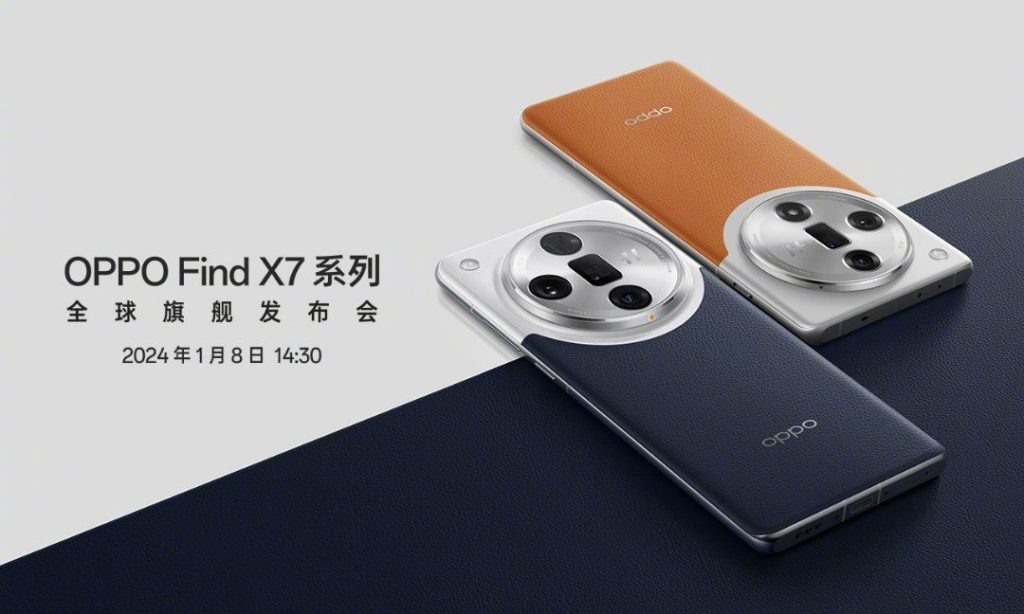
Oppo has officially confirmed that it will unveil the Find X7 series of smartphones at 2:30 pm (local time) on Jan. 8, 2024, in China. In addition, the Find X7 and Find X7 Ultra smartphones are now listed on Oppo China’s online store for reservations. The official listings have confirmed the configurations and color options of both smartphones well ahead of the official announcement.
Oppo Find X7 series launch date
Oppo Find X7
Reports have revealed that the Find X7 will come equipped with the Dimensity 9300 chipset. The official listing reveals that it will come in four configurations, such as 12 GB RAM + 256 GB storage, 16 GB RAM + 256 GB storage, 16 GB RAM + 512 GB storage, and 16 GB RAM + 1 TB storage.
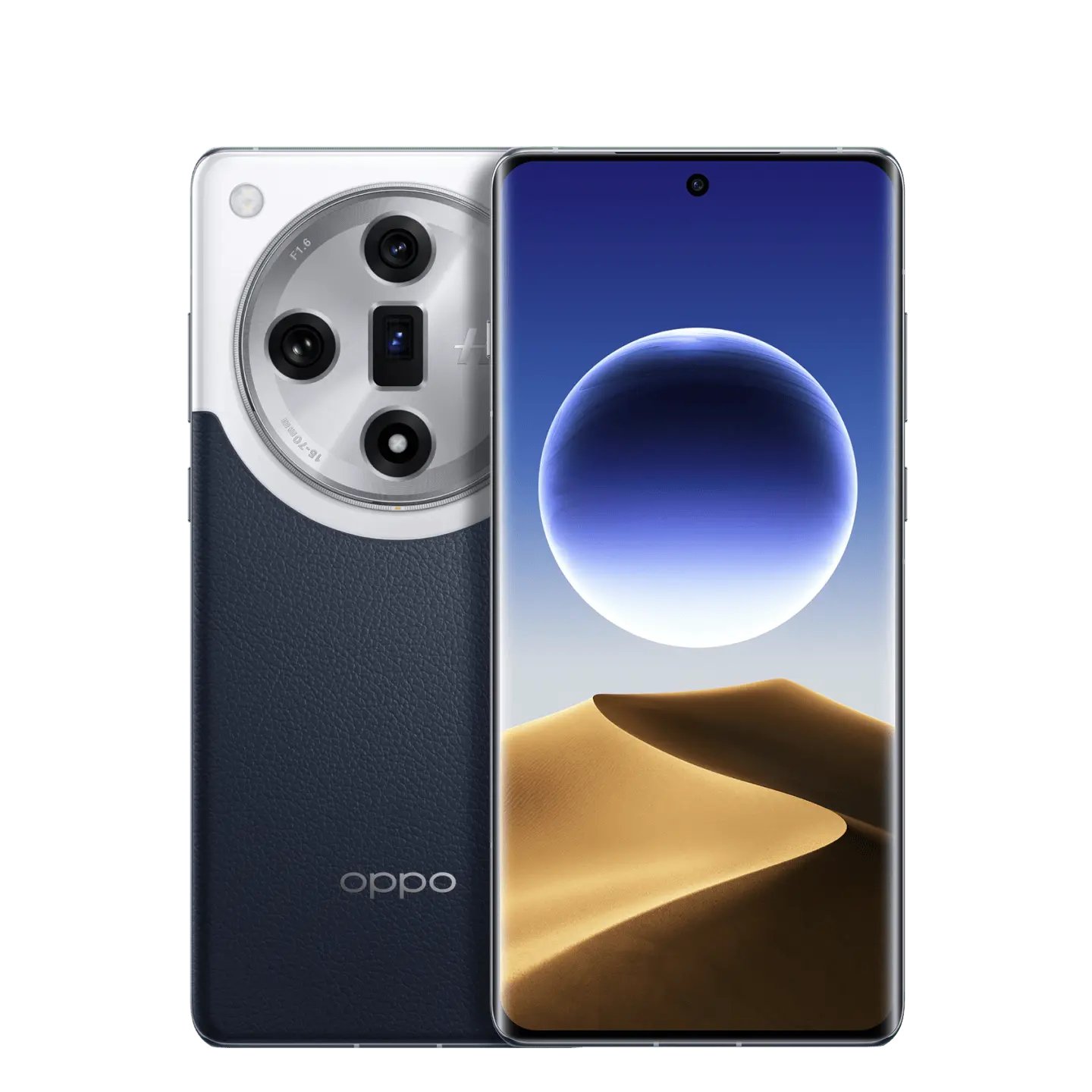
The Find X7 will be available in four shades, such as Starry Sky Black, Sea and Sky, Desert Moon Silver, and Smokey Purple.
Oppo Find X7 Ultra
The Find X7 Ultra is expected to come equipped with the Snapdragon 8 Gen 3 SoC. It will be available in three variants, such as 12 GB RAM + 256 GB storage, 16 GB RAM + 256 GB storage, and 16 GB RAM + 512 GB storage.
Find X7 Ultra: Pine Shadow InkFind X7 Ultra: Sea and SkyFind X7 Ultra: Desert Moon Silver.
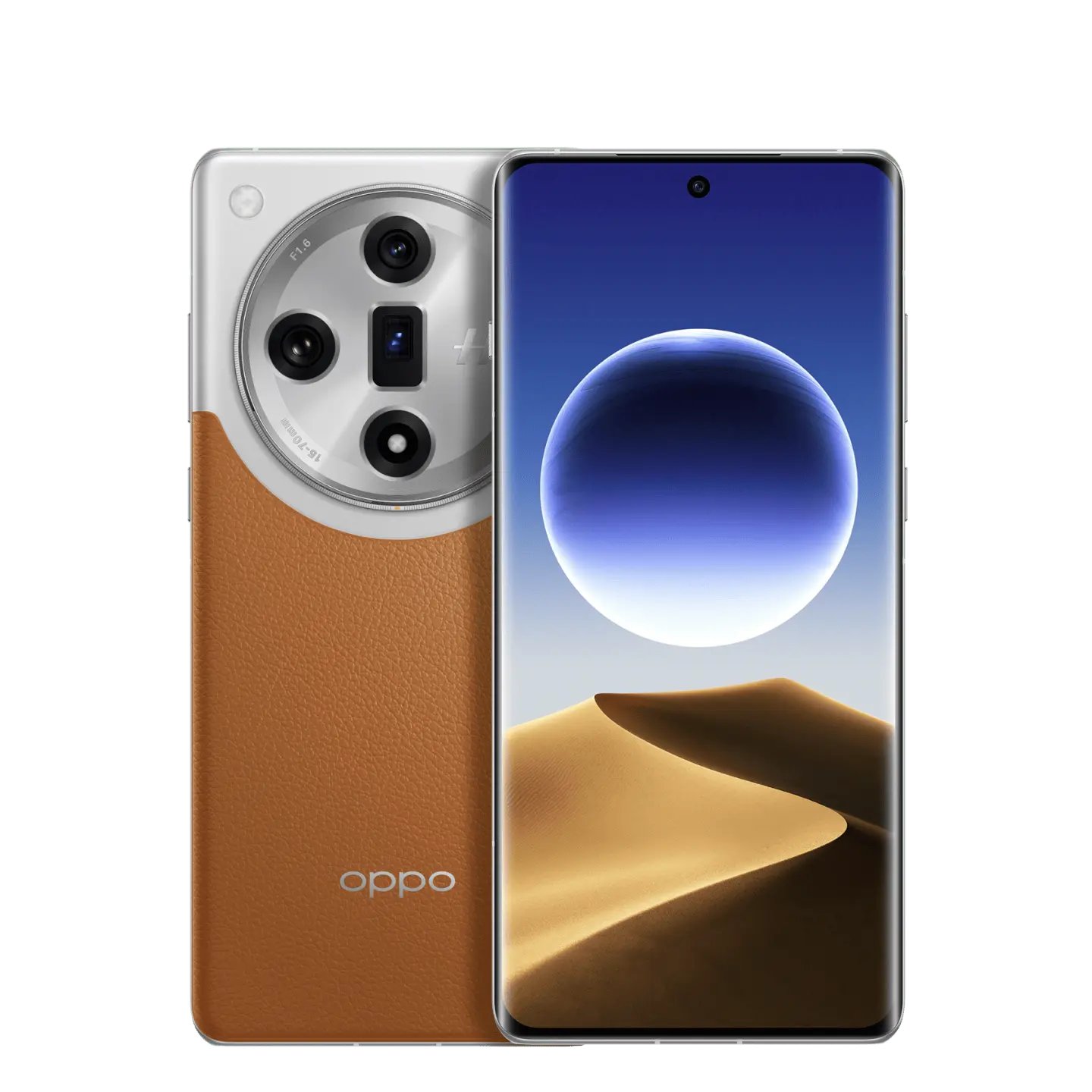
When it comes to color options, the Find X7 Ultra will come in choices such as Pine Shadow Ink, Sea and Sky, and Desert Moon Silver.
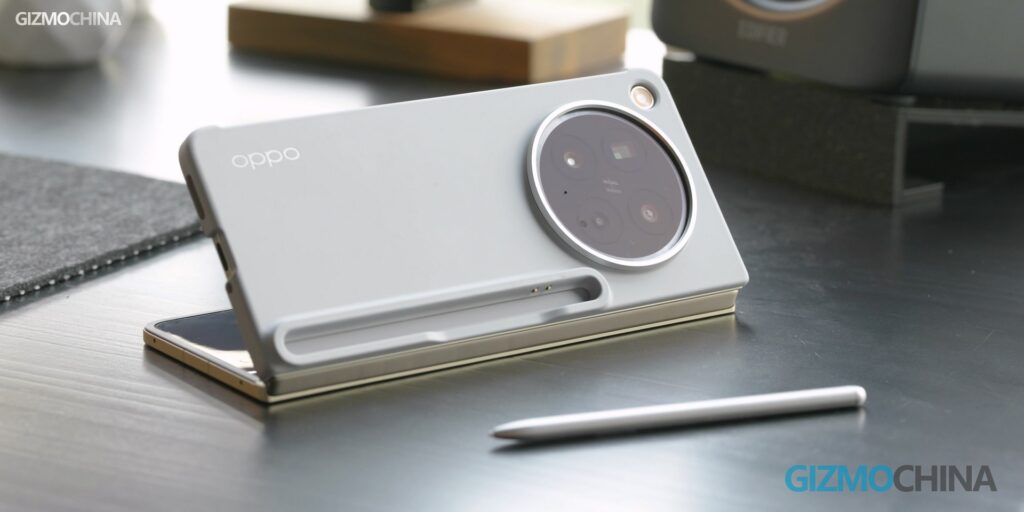
The Find X7 and Find X7 Ultra have a similar design, with the front featuring a punch-hole display with curved edges and a dual-tone back panel with a massive camera module. The Find X7 has a triple-camera unit, whereas the Find X7 Ultra has a quad-camera system. The Ultra variant will be the world’s first smartphone to feature dual periscope telephoto cameras. In addition, it will also be the first-ever phone to feature the one-inch Sony LYT-900 50-megapixel camera sensor as the primary snapper.
It is said that there will be a third device called the Oppo Find X7 Ultra Satellite Communication Version, which will come with support for two-way satellite communication. The rest of its specs will be identical to the Find X7 Ultra.
Samsung is spreading One UI 9 a bit further across its mid-range lineup in India, and a few popular models are now getting the stable update.
If you own a Galaxy M56, A35, F17, or M17, it’s worth checking your phone. The M56 is getting firmware M566BXXU7DZJ1, a 2.2 GB download that brings Android 17 along with the October 2026 security patch. The A35 (for those who skipped the beta) is receiving A356EXXUBEZJ2, a larger 2.7 GB package that also includes the same October patch. Meanwhile, the M17 and F17 are both rolling out builds ending in DZJ5 (around 2.4 GB each) with the security update included.
One UI 9 itself is Samsung’s latest software layer. Expect the usual mix of interface tweaks, smoother system performance, and the latest security fixes. Exactly which new features you get will depend on the phone’s hardware, so the mid-rangers won’t unlock every option available on the flagships.
As always with Samsung, the rollout is staged. Not every unit will see the update on the same day. If it hasn’t shown up yet, just wait a day or two and check again.
To look for it: open Settings → Software update → Download and install. Make sure you have enough battery, free storage, and a solid Wi-Fi connection before starting.
Samsung is still keeping its more affordable Galaxy phones reasonably up to date. Owners of these models get a fresher software experience and better protection without having to buy a new device.
Alongside the Redmi K100, Xiaomi has released the Redmi Clip Neo, the first set of clip-on wireless earbuds sold under its Redmi brand. Priced at 399 yuan ($60), the new model adopts an open-ear design that attaches to the outside of the ear rather than sitting inside the ear canal, a form factor that has become increasingly common in the audio market.
Redmi Clip Neo Specifications
The physical design centers around a C-bridge structure, with each earbud weighing just 5.3 grams. It features a 0.6mm memory titanium wire wrapped in liquid silicone, tested to withstand 25,000 bends.
The earbuds come with a 3.4mm clamping gap for a comfortable fit across different ear shapes. They also support interchangeable left and right wear, along with automatic wear detection that pauses and resumes playback.
Inside, the earbuds feature a 12mm dual-magnet dynamic driver that delivers improved loudness and diaphragm amplitude. It also comes with a bass enhancement algorithm to compensate for low-frequency loss in the open-ear design.
You can customize the sound using a 10-band equalizer or four preset EQ profiles. For calls, the earbuds feature dual microphones with AI noise reduction, along with directional sound transmission and a rear pressure-relief vent to minimize sound leakage.
For controls, Xiaomi opted for physical buttons rather than touch sensors. These can be customized for single, double, triple, or long presses to manage playback, calls, and voice assistants. The earbuds run on Bluetooth 5.4, supporting standard SBC and AAC codecs, and allow for dual-device connectivity.
When paired with devices running Xiaomi’s HyperOS 3.0, users get access to the Super XiaoAI assistant and a map-based finding feature. They are also compatible with iPhones running iOS 14 or newer via the Xiaomi Earbuds app.
In terms of battery life, the earbuds offer up to seven hours of playback on a single charge and up to 32 hours with the charging case. The vertical case features an LED battery status indicator and supports USB-C charging.
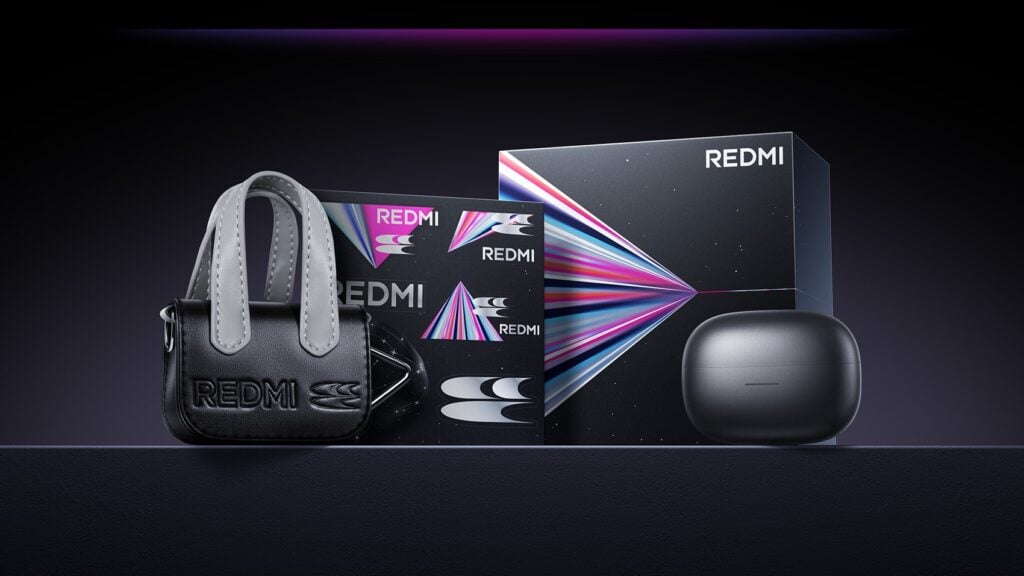
The earbuds come in two colors: Zero Black and Pearl White. Redmi has also introduced a special collaboration edition with CryingCenter, priced at 449 yuan ($67), which includes the black earbuds, a carrying pouch, and custom packaging.
Redmi held a major event in China today to unveil the Redmi K100. The same event also saw the debut of the Redmi Clip Neo, the brand’s first-ever clip-on earbuds, which pair an open-ear design with 12mm drivers and up to 32 hours of total playback for 399 yuan. Read on to find out everything about it.
Redmi Clip Neo specifications and features
Redmi Clip Neo
As the earlier teasers revealed, the Redmi Clip Neo comes in Pearl White and Zero Black. Each earbud weighs 5.3g and uses a track-shaped C-bridge, a teardrop acoustic sphere and a 3.4mm clamping gap, refined using data from over 1,000 ear shapes. Its 0.6mm memory titanium wire survived 25,000 bending tests and is wrapped in liquid silicone. The buds fit either ear, auto-pause when removed, and rest in a vertical case with Cloud-Gap Light Effect 2.0.
Redmi Clip Neo
Inside are 12mm dual-magnetic drivers with dual N52 magnets, which Xiaomi says deliver 20% more magnetic flux, 25% higher amplitude and 40% more loudness than single-magnetic units. A DLC diaphragm coating and a bass compensation algorithm round things out, along with four EQ presets, a 10-band custom EQ and dual mics with AI noise reduction.
Battery life is rated at up to 7 hours per charge and 32 hours with the case, which charges over USB-C. You also get Bluetooth 5.4 (SBC/AAC), dual-device connection, Xiaomi pop-up pairing, hearing monitoring and location tracking. A physical button handles playback, calls and the voice assistant, with Xiao AI and iOS support, and HyperOS users can control smart home gear or check vehicle info.
Redmi Clip Neo price and availability
Redmi Clip Neo
The Redmi Clip Neo is now available to buy in China for 399 yuan (~$56), with some regions offering a national subsidy that brings it down to about 339 yuan (~$48).
As shown in the above image, there is also a limited Redmi × CryingCenter co-branded edition created with the sports streetwear brand CryingCenter: a gift box that bundles the Clip Neo in Zero Black with a branded carrying pouch, a sticker set and custom packaging, sold separately for 449 yuan (~$63). It joins Xiaomi’s own clip-on earbuds from May as another open-ear option in the family.
Would you pick the Redmi Clip Neo over traditional in-ear buds? Let us know in the comments below.
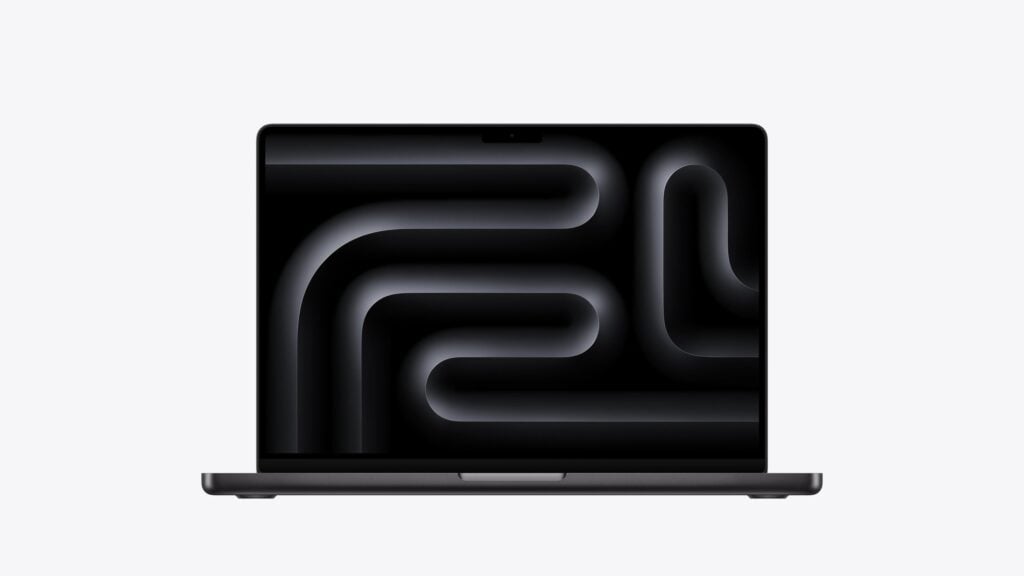
Apple just dropped a quiet but solid refresh for its most accessible 14-inch MacBook Pro. They kept the familiar formula while slipping in a meaningful performance bump right when a lot of people are eyeing an upgrade.
The big change is the new M6 chip. Apple’s first 2 nm silicon for this machine packs a 12-core CPU (two super cores, four performance cores, and six efficiency cores) and a 12-core GPU. Compared with the previous M5 model, you’re looking at roughly 20-30% better performance depending on the task, with graphics and on-device AI workloads seeing the bigger gains.
Memory starts at 16 GB (configurable up to 32 GB) with bandwidth climbing to 170 GB/s, and storage options run from 1 TB to 4 TB. Pair that with the same 72.4 Wh battery and you get up to 24 hours of video streaming or 16 hours of web browsing.
Everything else stays pretty much the same, which is a little expected. The 14.2-inch Liquid Retina XDR Mini-LED panel is unchanged: 3024 x 1964 resolution, 120 Hz ProMotion, and that strong 1,600-nit peak HDR brightness.
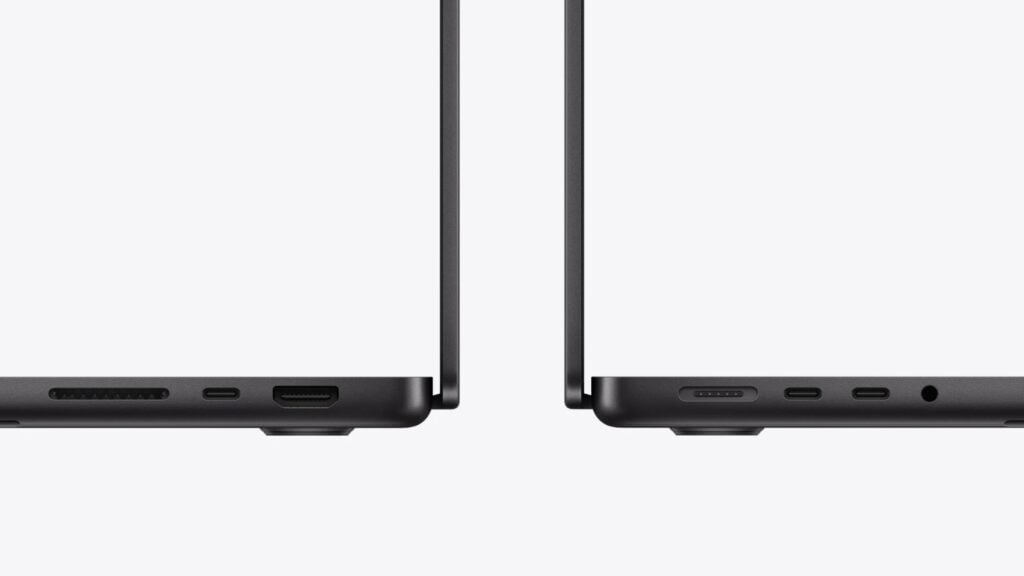
Ports are identical: three Thunderbolt 4 (USB-C), HDMI, MagSafe 3, SDXC card slot, and a headphone jack. You also get Wi-Fi 7, Bluetooth 6, the six-speaker system, and a 12MP Center Stage camera. The chassis is still 1.55 cm thick and weighs 1.55 kg, available in Space Black or Silver. A nano-texture display option is there if you want less glare, though it costs extra.
Pricing holds the line at $1,999 for the base 16 GB / 1 TB configuration, the same starting point as the outgoing model. Bumping to 24 GB of memory adds $200, 32 GB adds $400, and the nano-texture finish is another $150. Pre-orders open tomorrow, October 28, with the first units shipping November 6.
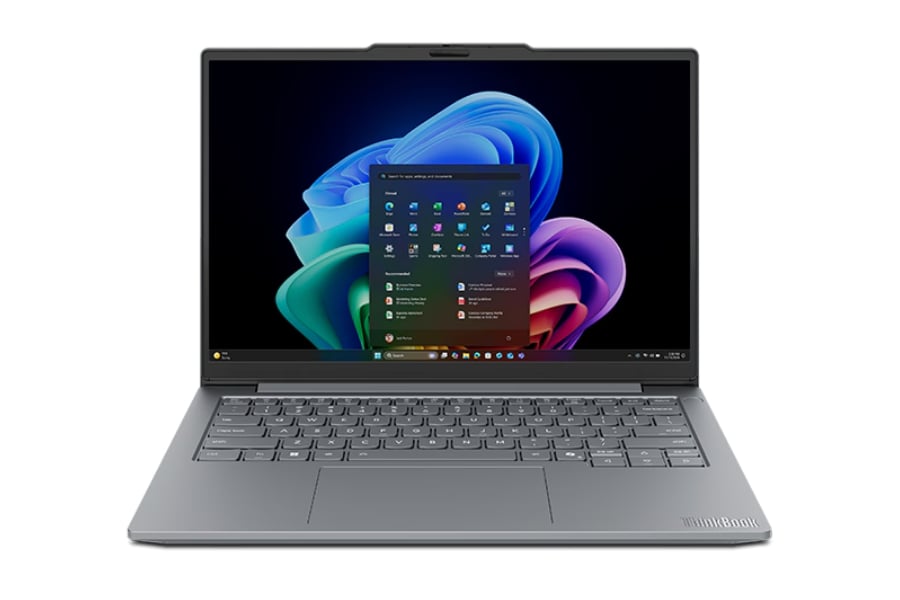
The Lenovo ThinkBook 14 Gen 9 with Qualcomm’s Snapdragon X2 Plus processor is finally seeing the light of day, roughly seven weeks after unveiling the laptop at IFA 2026. The new model is available in the US, UK, and parts of Europe, with different configurations and prices depending on the market.
In the US, Lenovo is offering the laptop in a single 16/512GB option with Windows 11 Pro and a non-touch display for $1,289.
Buyers in the UK and Eurozone have more options, including Windows 11 Home, a 1TB SSD, and a touchscreen. Prices start at £1,224 in the UK, while European buyers can expect to pay between €1,403 and €1,588, depending on the configuration. Lenovo has yet to announce availability in Oceania, East Asia, or Southeast Asia.
As an ARM-on-Windows PC, you can expect a great battery life here. Its 50Wh battery is rated to last almost 27 hours when playing local 1080p video at 150 nits of brightness. Lenovo says this is more than 40% longer than the Intel-based ThinkBook 14 G9 IPL with its 48Wh battery and around 10% longer than the same model with a 64Wh battery.
The battery is also user-replaceable and charges via a 65W USB-C charger to 80% in one hour.
Lenovo ThinkBook 14 Gen 9 specifications
The ThinkBook 14 Gen 9 uses Qualcomm’s Snapdragon X2 Plus X2P-42-100, the six-core version of the two processors Qualcomm announced at CES 2026. The chip has a maximum power rating of 25W and includes an 80 TOPS neural processing unit (NPU) for AI workloads.
Earlier this year, Qualcomm’s reference-design laptop powered by the 10-core Snapdragon X2 Plus fell behind Apple’s M4 in most CPU and GPU benchmarks. However, those results don’t directly indicate how the six-core processor will perform in Lenovo’s laptop.
Memory is limited to 16GB of soldered RAM, meaning users cannot upgrade it after purchase. For storage, there is a vacant M.2 2280 slot for an additional drive.
The laptop features a 14-inch IPS display with a 1920 x 1200 resolution, a 60Hz refresh rate, and up to 400 nits of brightness. Its 45% NTSC colour coverage is relatively limited, making the panel better suited to everyday tasks such as document editing, browsing and video calls than colour-sensitive work.
Lenovo has included a range of ports for connecting peripherals and external displays. The left side houses a 10Gbps USB-A port, an SD card reader and a headphone jack. On the right, there are two 10Gbps USB-C ports, a 5Gbps USB-A port, and an HDMI 2.1 output with support for 4K resolution at 60Hz.
Wireless connectivity includes Wi-Fi 7 and Bluetooth 5.4. The laptop also has a fingerprint reader integrated into the power button, an infrared camera with a privacy shutter, and a dedicated Copilot key for accessing Microsoft’s AI assistant.
The ThinkBook 14 Gen 9 weighs 1.39 kg and measures around 17.4mm thick. It comes in Luna Grey, meets MIL-STD-810H durability standards, and features a hinge that opens up to 180 degrees.
For more daily updates, please visit our News Section.
Xiaomi has officially announced the Redmi K100 in China, positioning it as a hardware-heavy device focused on sustained performance, gaming, and battery endurance.
The Redmi K100 features a 6.83-inch flat OLED display with a 2772 x 1280 resolution, 165Hz refresh rate, 480Hz touch reporting rate, and up to 3,500Hz instantaneous touch sampling rate. It supports HDR10+, Dolby Vision, 12-bit colors, DCI-P3 coverage, and 3,500 nits peak brightness.
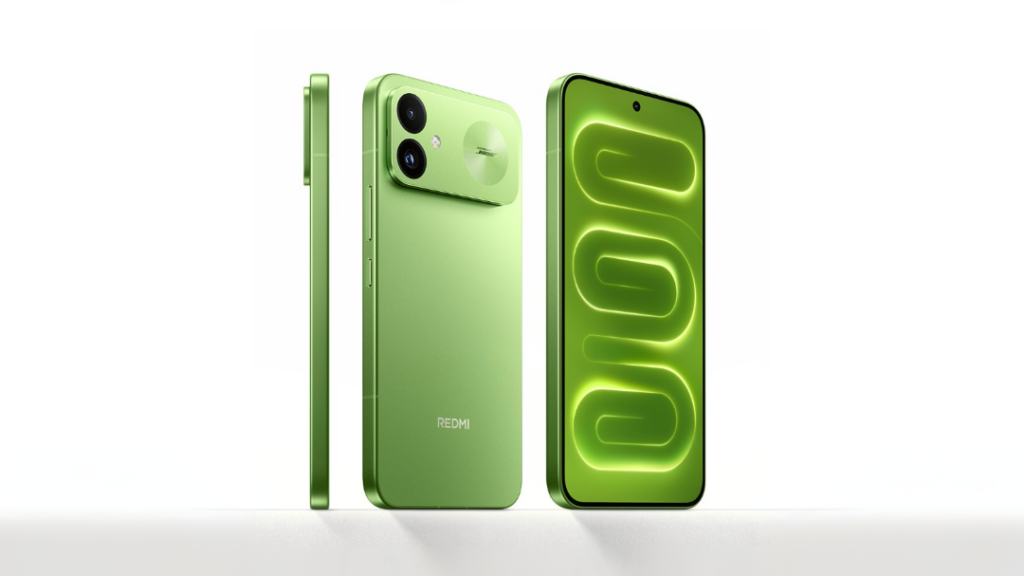
Xiaomi also includes full-brightness DC dimming and circularly polarized light technology for eye protection. The phone sports a rounded metal frame and flat camera housing.
Under the hood, it is powered by the 3nm Snapdragon 8 Elite chipset paired with up to 16GB LPDDR5X Ultra RAM and 512GB UFS 4.1 storage. It also features Xiaomi’s dedicated D2 gaming graphics chip for super-resolution and frame interpolation.
The phone supports native 165fps gaming in over 40 titles and frame interpolation in more than 100 games, depending on compatibility and updates. For cooling, it uses a 3D circulating cold pump system with over 12,000 mm² of high-conductivity graphite to maintain performance during extended gaming sessions.
For photography, the Redmi K100 features a 50MP main camera with a Light Hunter 800 sensor, f/1.68 aperture, and OIS, alongside an 8MP ultrawide lens and a 20MP front camera with 1080p video recording.
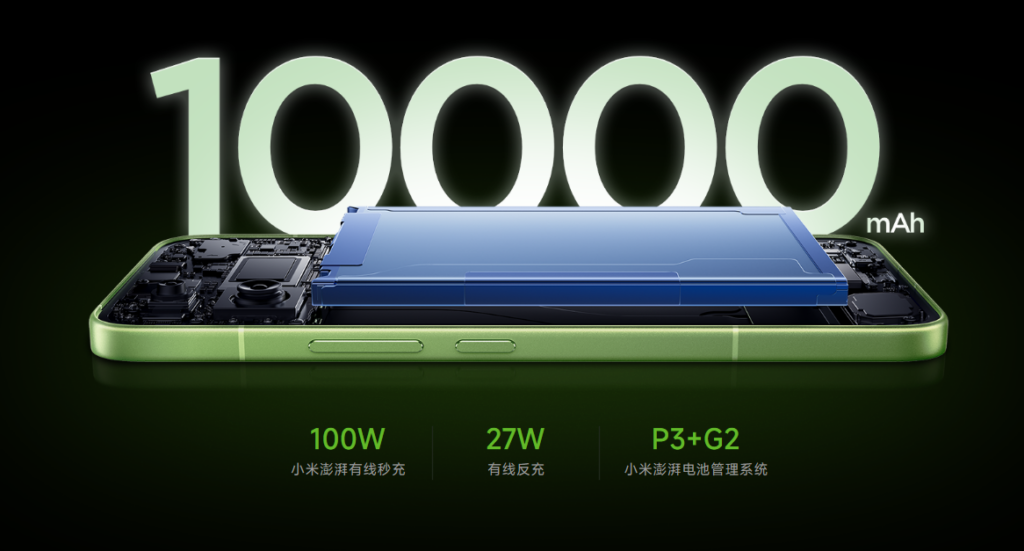
The phone packs a 10,000mAh silicon-carbon battery, which Xiaomi claims delivers up to 2.43 days of usage. It supports 100W wired fast charging, 27W wired reverse charging, and bypass charging to reduce heat and battery wear during gaming.
The device ships with Xiaomi HyperOS 4 and Super XiaoAI 2.0, offering faster app launches, improved memory management, and smoother multitasking. It also features an ultrasonic in-display fingerprint sensor, Dolby Atmos stereo speakers, Wi-Fi 7, Bluetooth 5.4, NFC, an IR blaster, and IP66, IP68, IP69, and IP69K dust and water resistance.
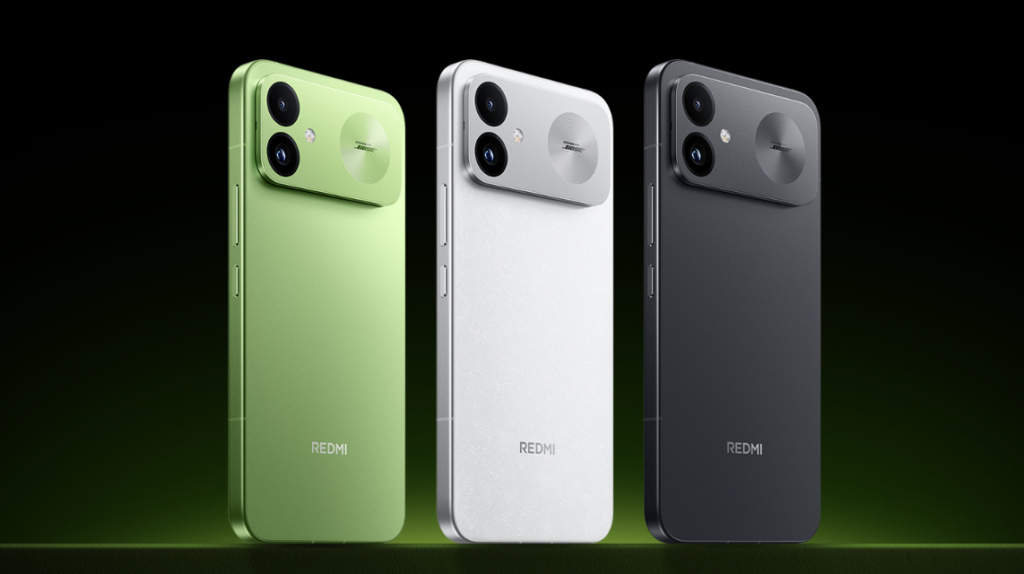
The Redmi K100 measures 162.91 x 77.93 x 8.65mm and weighs 234.5 grams. It comes in three colors: Black, Snow Rock White, and Firefly Green.
Pricing and Availability
The phone is priced at 3,499 yuan ($524) for the 12GB + 256GB variant, 4,099 yuan ($614) for the 12GB + 512GB model, and 4,499 yuan ($674) for the 16GB + 512GB version. Pre-orders are now open, with sales starting in China on October 31st.
For more daily updates, please visit our News Section.
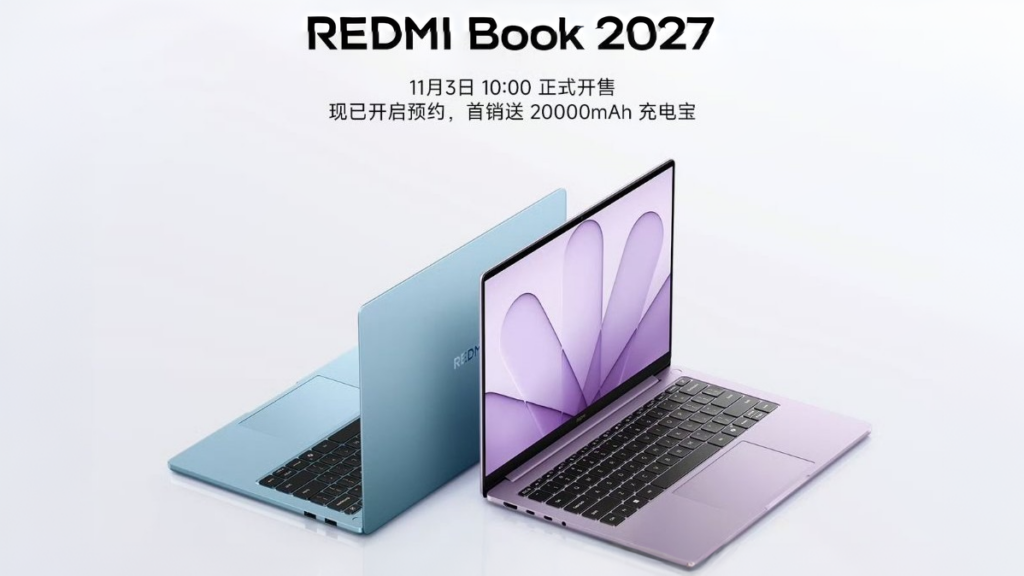
Xiaomi just dropped its latest REDMI Book 2027 series. Updated processors, a cleaner design, and some pretty bold battery claims are the main highlights.
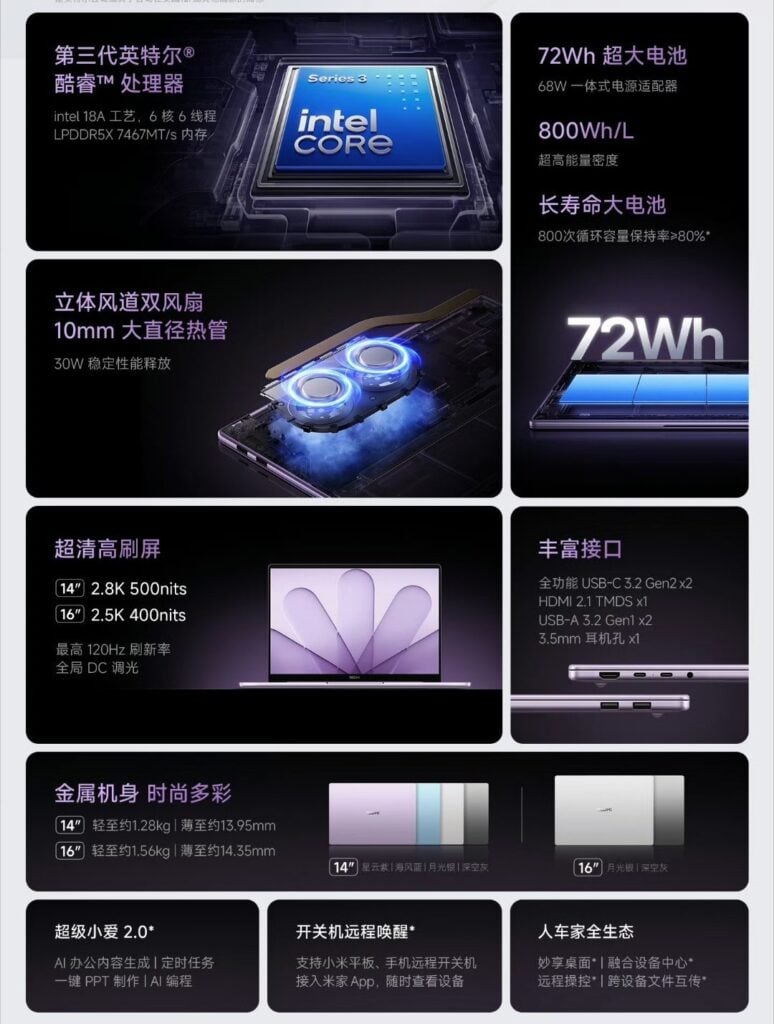
Both laptops use an all-metal aluminum alloy chassis on the A, C, and D sides and come in a few color options. The 14-inch model is nicely portable at about 1.28 kg and 13.95 mm thick. The 16-inch one tips the scales at roughly 1.56 kg and 14.35 mm.
Under the hood, you’re getting Intel’s Wildcat Lake processors built on the 18A process. The options are the Core 5 320 (6 cores/6 threads, up to 4.6 GHz) and Core 7 350 (also 6 cores/6 threads, up to 4.8 GHz), both with Intel Graphics. They pair with fast LPDDR5X-7467 memory and a dual-fan cooling setup with 10 mm heat pipes that Xiaomi says can hold a steady 30W.
The REDMI Book 16 is the one that really stands out on the display front. It has a 16-inch 16:10 panel at 2560×1600 with a 120Hz refresh rate, 400 nits brightness, full sRGB coverage, DC dimming, and TÜV Rheinland low blue light and flicker-free certifications. Battery life is the other big talking point: a 72Wh pack (rated 68.3Wh) that Xiaomi claims can deliver up to 19.5 hours of simulated office use and more than a full day of local video playback.
Ports include: two full-function USB-C 3.2 Gen2, HDMI 2.1, two USB-A ports, and a 3.5 mm headphone jack. On the software side, you get Super Xiao Ai 2.0 for AI productivity features and the usual deep Xiaomi ecosystem integration for cross-device stuff.
Price and availability
There are 14-inch and 16-inch models, each available in two configurations. The REDMI Book 14 2027 starts at 6,799 yuan (around $1019) for the Core 5 320 with 16GB RAM and 512GB storage. Step up to the Core 7 350 with 16GB + 1TB and you’re looking at 7,999 yuan (around $1199). The 16-inch version starts a bit higher at 6,999 yuan (around $1049) and goes up to 8,199 yuan (around $1229) for the top config.
The laptops go on sale in China on November 3, and early buyers get a free 20,000mAh power bank thrown in.
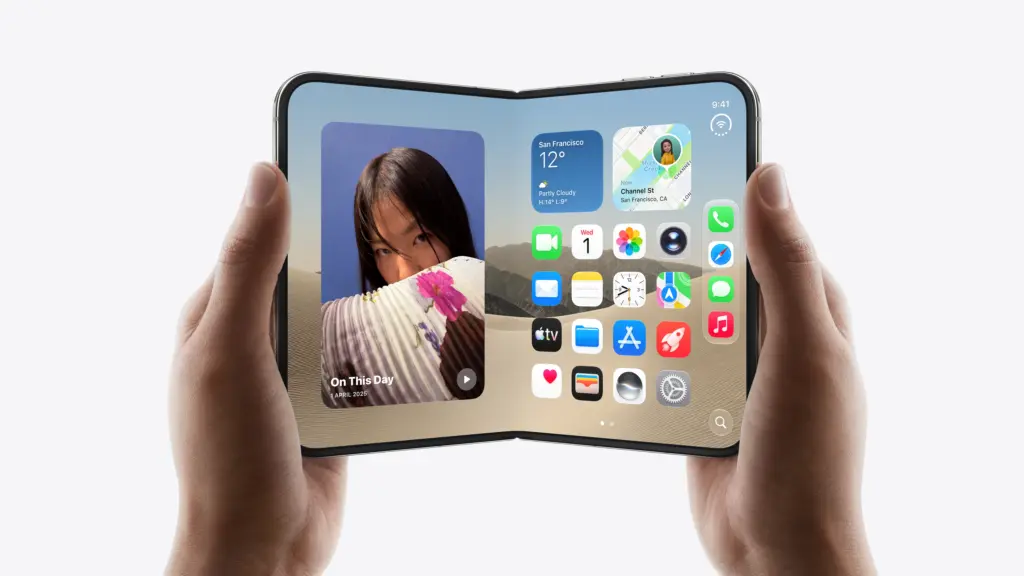
The iPhone Duo is witnessing overwhelming demand all over the world despite a premium $1999 starting price. The first batch sold out within minutes, and the shipments for the second batch will reportedly begin late January 2026, as per some reports citing industry sources.
Amidst all the excitement, there are a growing number of iPhone Duo owners reporting critical issues with the inner screen and foldable mechanism. Apple said it was aware of “an issue impacting the inner display on a small number” of the phones and urged affected users to reach out to the company for a replacement.
If you are willing to get your hands on a foldable phone, there are actually some really good options out there — but only if you’re open to go outside the Apple ecosystem. The Galaxy Z Fold 8 is arguably the best foldable phone right now, featuring matured hardware and great software experience. And there are more from Google, Vivo, and Oppo that we’ll discuss in this post.
5 Excellent foldable phones you can buy right now
1. Samsung Galaxy Z Fold 8
Galaxy Z Fold 8
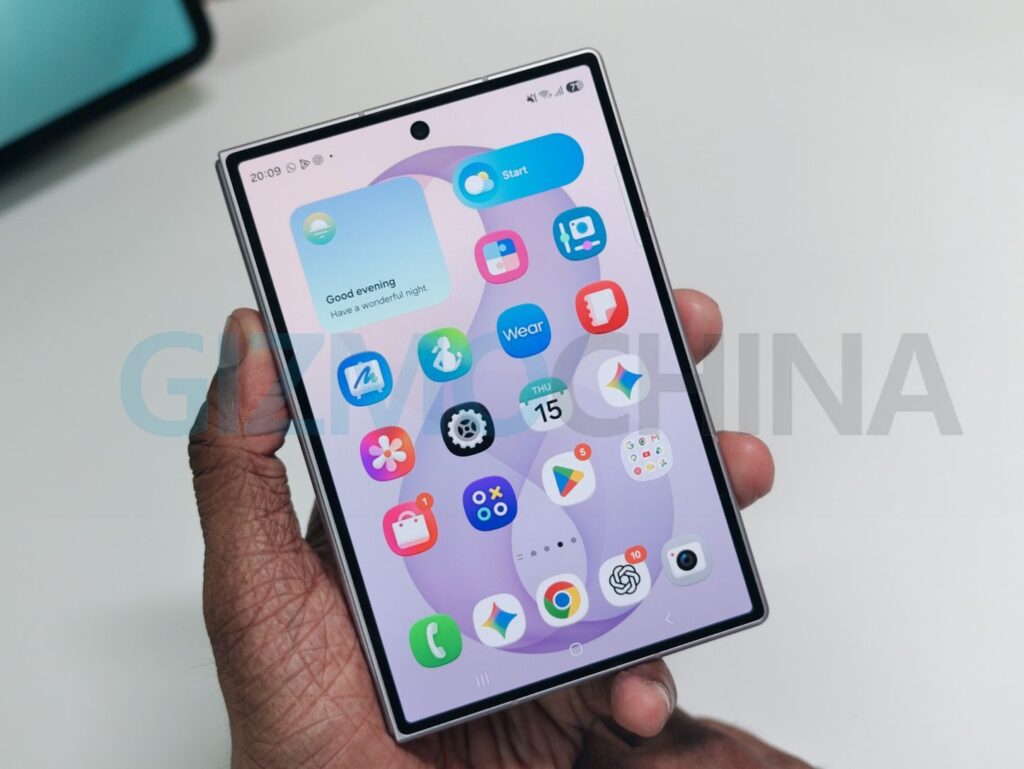
Samsung has been dominating the foldable smartphone segment. The latest one, Galaxy Z Fold 8, is the 8th generation of Galaxy foldables with robust hardware and a much refined software experience to deliver a mature folding experience.
The Galaxy Z Fold 8 is a passport-style foldable phone like the iPhone Duo. It has a 7.6-inch LTPO AMOLED inner screen with a 120Hz refresh rate and a peak brightness of 3000nits, while the cover screen measures 5.5 inches. Samsung has applied tough protection on both sides — Gorilla Glass Victus Ceramic 3 on the front and Gorilla Glass Victus 2 on the back.
The Galaxy foldable is powered by a flagship Snapdragon 8 Elite Gen 5 chipset, which is fast enough for all your tasks, and efficient too. The chip delivers strong gaming performance as well, and the software is well optimized to deliver an excellent experience.
The rear camera module features two 50MP sensors — one is for regular shots and another one for ultrawide shots. The main (inner) screen and the cover screen have a 10MP sensor each. The Fold 8 is backed by a 4,800mAh battery and supports 45W wired and 20W wireless charging.
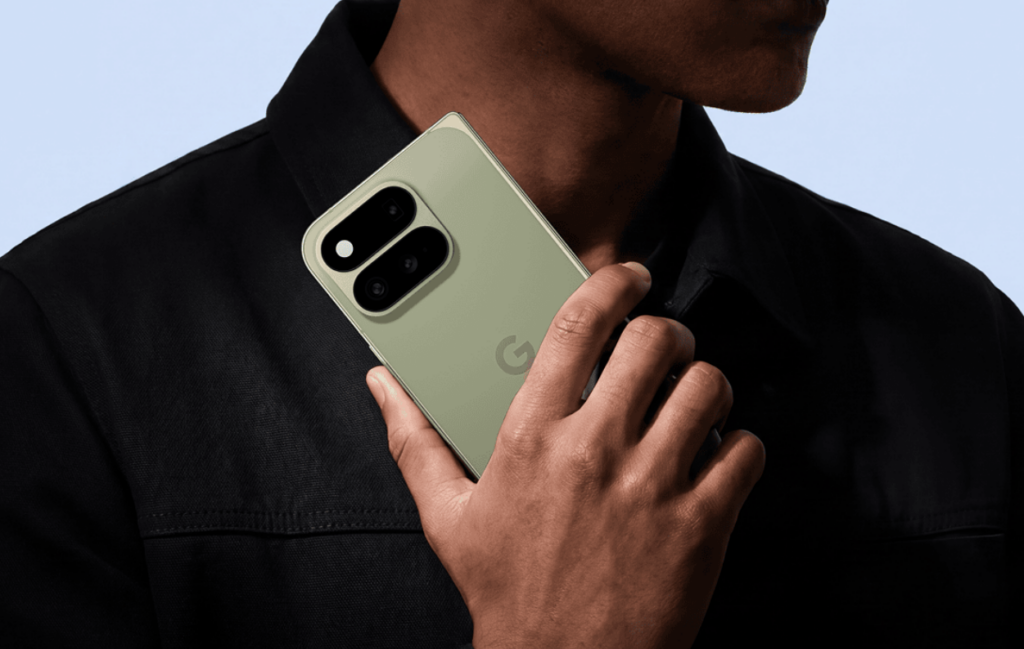
Unlike the iPhone Duo and Galaxy Z Fold 8, the Pixel 11 Pro Fold has a traditional slab-phone aspect ratio. When folded, its 6.5-inch outer screen looks and feels very much like a regular flagship smartphone. When opened up, the inner display opens up into a large 8-inch canvas. Both are OLED panels that can reach a peak brightness of 3600nits and support 120Hz refresh rate.
The front side is protected using a ceramic glass and the rear side has Gorilla Glass Victus 2. The smartphone is IP68 rated, ensuring strong protection against water and dust, but it’s better to avoid them, especially on foldables. The phone has a triple camera setup on the back, which includes a 48MP primary camera, a 10.8MP telephoto lens with 5x optical zoom, and a 10.5MP ultrawide unit. The inner and cover screens have a 10MP sensor each.
The Pixel 11 Pro Fold is powered by the in-house Tensor G6 chipset, which isn’t quite powerful as the Apple A20 inside the iPhone Duo and the Snapdragon 8 Elite Gen 5 inside the Galaxy Z Fold 8, but it gets the job done very smoothly. For high-end gaming, you may want to look at other devices with more powerful GPUs. Furthermore, the device has a 4,800mAh battery and supports 30W wired and 25W wireless charging.
3. Vivo X Fold 6
The Vivo X Fold 6 is one of the most well-rounded book-style foldable phones on the market right now. It eliminates major compromises that are typically associated with foldable phones — regarding battery capacity and camera capabilities.
The Vivo foldable phone packs a massive 6,900mAh battery (only China gets 7,000mAh) — one of the biggest in a foldable phone. It supports 80W wired and 40W wireless charging as well as reverse wired and reverse wireless charging capabilities.
The camera setup is one of the major highlights of the Vivo X Fold 5. The rear module has a massive 200MP primary sensor, paired with a 50MP 3x periscope telephoto lens and a 50MP ultrawide unit. The selfie cameras on the inner display and the cover display have a 20MP sensor, although you can use the rear setup to take far better shots.
The bigger screen measures 8.02-inch, which offers plenty of space for multitasking, and the cover display measures 6.51-inch. Both are LTPO AMOLED panels and support 120Hz smooth refresh rate. The device boasts Dimensity 9500 Super processor and features robust connectivity specs, such as Wi-Fi 7, Bluetooth 6.0 and USB-C 3.2 Gen 2.
The Find N6 is another excellent book-style foldable phone with excellent camera capabilities. The rear setup features a powerful 200MP main sensor, joined by a 50MP periscope lens with 3x optical zoom and a 50MP ultrawide camera. The selfie cameras on the inner screen and the cover screen have a 20MP resolution.
The Oppo foldable phone is powered by a flagship Snapdragon 8 Elite Gen 5 chipset — the same chip powers the Galaxy Z Fold 8. The cover screen measures 6.62-inch and the inner screen unfolds to a massive 8.12-inch canvas. Both are LTPO OLED panels and support 120Hz refresh rate. The cover screen is actually brighter: it can go up to 3600nits (vs. 2500nits on the inner screen).
The Find N6 is backed by a 6000mAh battery and supports 80W wired and 50W wireless charging. It also supports reverse wired and reverse wireless charging capabilities. The fingerprint sensor is integrated to the side button, just like other foldables on this page.
HMD Global looks set to update a few of its mid-range smartphones for the European market, mainly to fix the biggest complaint about the current ones: performance. Leaks point to hardware refreshes for the Pulse Pro and Crest Max, with the chipsets getting the biggest upgrades.
The European HMD Pulse Pro is getting a proper processor upgrade. The original, which launched in April 2024, used a Unisoc T606 with a 6.65-inch HD+ 90Hz IPS screen, dual rear cameras (50MP main plus an auxiliary), a 50MP front camera, up to 8GB of RAM with 128GB storage, and a 5,000mAh battery with 20W charging.
The new version switches to a MediaTek Helio G99, reportedly about 45% faster, and moves to a 6.56-inch HD+ 120Hz IPS panel, 8GB of RAM, and 256GB of storage. Cameras and battery stay the same.
The HMD Crest Max is also in line for a chipset upgrade. The original from August 2024 packed a Unisoc T760, a 6.67-inch Full HD+ OLED display, a triple camera setup led by a 64MP main sensor, a 50MP selfie camera, 8GB of RAM with 256GB storage, and a 5,000mAh battery with 33W charging. The refreshed model is expected to use a MediaTek Dimensity 7025 while keeping the display, cameras, memory, and battery unchanged.
HMD is also reportedly updating the modular Fusion, which previously got mixed feedback for its performance and display resolution. That one is said to move from a Snapdragon 4 Gen 2 to a Snapdragon 7s Gen 2 (around 25 percent better CPU performance) and pick up a higher-resolution 120Hz panel. HMD has already talked about those changes in more detail elsewhere.
The original Pulse Pro and Crest Max stood out for things like user-replaceable batteries and solid software support promises, but everyday performance was a common weak spot. Putting in stronger MediaTek chips should make them feel snappier without changing the overall design or price positioning much.
If the leaks prove accurate, the updated models could offer noticeably better daily performance.
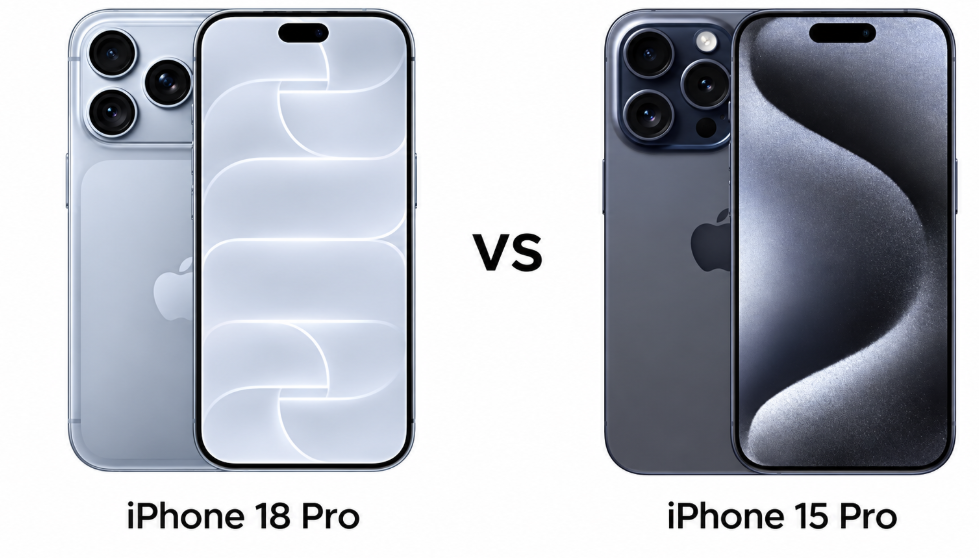
iPhone 15 Pro still feels like a flagship, but the iPhone 18 Pro raises an important question: how much has Apple really improved in three generations? With a more advanced camera system, a newer processor, faster charging, and a brighter display, the latest Pro model promises several meaningful upgrades. However, with the iPhone 15 Pro still capable of handling everyday tasks with ease, is spending around $1,000 on the iPhone 18 Pro a smart move, or is it better to hold on to the older device?
Major Upgrades:
Category
iPhone 18 Pro
iPhone 15 Pro
Upgrades
Build
Aluminum frame, Ceramic Shield 2, aluminum/glass back
Grade 5 titanium frame, glass back
Revised frame and rear construction; titanium replaced by aluminum
The iPhone 15 Pro features a titanium frame, glass panels, and a premium finish that still feels modern. The iPhone 18 Pro switches to an aluminum frame and a revised rear construction, while retaining Ceramic Shield protection. Although the newer model introduces updated materials, the change is not an automatic improvement in perceived quality. Users who appreciate titanium’s premium appeal may actually prefer the older phone’s construction. Both devices offer IP68 water and dust resistance, so everyday durability remains comparable.
For existing iPhone 15 Pro owners, the newer design alone is unlikely to justify an upgrade. The overall experience remains familiar, making this a refinement rather than a dramatic redesign.
Display Quality
The iPhone 18 Pro upgrades the display with higher peak brightness, an anti-reflective coating, and Ceramic Shield 2 protection. Its larger OLED panel also offers more screen space while retaining a 120Hz adaptive refresh rate, HDR10, and Dolby Vision. These changes should improve outdoor visibility, reduce distracting reflections, and make HDR content more engaging.
The iPhone 15 Pro already delivers sharp visuals, fluid scrolling, and excellent color reproduction. Its display remains competitive for everyday browsing, gaming, and streaming, so the difference is more noticeable in demanding conditions than during routine use.
Verdict
The iPhone 18 Pro wins on display brightness, reflection control, and screen space. However, the iPhone 15 Pro remains premium and capable, making the design and display upgrades insufficient reasons to switch alone.
2. Specifications Including Battery
Performance
The iPhone 15 Pro’s A17 Pro chip still handles demanding apps, gaming, multitasking, and everyday tasks comfortably. The iPhone 18 Pro moves to the A20 Pro processor, built on a 2nm process, with faster CPU cores and a newer GPU. This should deliver stronger performance and potentially better efficiency for demanding workloads, advanced games, and future software features. Its 12GB RAM also provides more headroom than the older model’s 8GB.
For users who regularly push their phones with intensive editing, gaming, or AI-powered features, the newer hardware offers a more compelling reason to upgrade. However, those who mainly browse, message, stream, and take photographs may not notice a transformative difference in daily responsiveness.
Battery and Charging
Battery capacity increases from 3,274mAh on the iPhone 15 Pro to 4,056mAh in the iPhone 18 Pro’s nano-SIM version. The newer phone also supports faster wired charging, reaching a claimed 50% in 15 minutes compared with approximately 30 minutes on the older model. Wireless MagSafe charging rises from 15W to 25W, while reverse wired charging remains available on both.
The larger battery and quicker top-ups make the iPhone 18 Pro more appealing to heavy users, particularly those who frequently travel or record video. Actual endurance will depend on usage, but the hardware changes offer a practical upgrade beyond raw performance.
Verdict
The iPhone 18 Pro offers a stronger upgrade case through its newer processor, increased RAM, larger battery, and faster charging. For iPhone 15 Pro owners struggling with battery life or demanding workloads, the improvement is more persuasive.
Both phones feature a 48MP main camera and a dedicated ultrawide lens, but the iPhone 18 Pro upgrades the main camera’s aperture system and introduces a 48MP ultrawide sensor. Its 48MP periscope telephoto camera also offers 4x optical zoom, replacing the iPhone 15 Pro’s 12MP telephoto camera with 3x optical zoom. These changes promise greater flexibility for distant subjects, landscapes, and detailed cropping. The newer model also supports more advanced video recording, including Dolby Vision HDR at higher frame rates and ProRes RAW capabilities.
For iPhone 15 Pro owners who frequently photograph concerts, travel scenes, or moving subjects, the camera upgrades could make a meaningful difference. Casual photographers, however, can still expect strong results from the older phone’s versatile triple-camera system.
Selfie Camera
The iPhone 18 Pro upgrades the front camera from 12MP to an 18MP multi-aspect ultrawide sensor with autofocus. This offers greater flexibility for group selfies, framing, and video calls, while the newer device also expands its video capabilities with Dolby Vision HDR, spatial audio, and professional recording options. The iPhone 15 Pro already supports 4K recording, HDR, and autofocus, so its front camera remains capable for everyday communication and social media.
The newer camera is more appealing to creators who record themselves frequently or want additional framing flexibility. For occasional selfies and video calls, the existing iPhone 15 Pro experience remains more than adequate.
Verdict
The iPhone 18 Pro delivers the clearest upgrade advantage in photography, especially zoom, ultrawide shots, and selfie versatility. Camera enthusiasts have a stronger reason to switch than casual users who are satisfied with their current results.
4. Pricing
The iPhone 18 Pro is priced around $1,000 (₹1,20,000), positioning it firmly in the premium flagship category. The iPhone 15 Pro is priced around $700 (₹70,000) for a new unit, although actual availability and pricing can vary because it is an older model. This creates a substantial difference in the cost of upgrading, particularly for users whose current iPhone remains in good condition. The newer phone commands a premium for its updated hardware, camera system, display, and battery improvements.
For existing iPhone 15 Pro owners, the relevant consideration is the additional spending required rather than the full purchase price alone. A trade-in could reduce the difference, but the decision still depends on how much the new features would improve everyday use.
Is the price justified?
The iPhone 18 Pro’s higher price is easier to justify for users who need better zoom photography, faster charging, stronger performance, or improved battery endurance. These are practical improvements rather than purely cosmetic changes. However, paying approximately $300 more for a new phone makes less sense when the iPhone 15 Pro already performs well and meets everyday needs. Its lower price makes it a sensible option for buyers seeking a premium iPhone without paying for the latest generation.
For current owners, keeping the existing device is the strongest value choice unless its battery, camera limitations, or performance have become frustrating.
Verdict
The iPhone 15 Pro offers better value for money, while the iPhone 18 Pro justifies its premium for users who will regularly benefit from its camera, battery, and performance upgrades.
5. Conclusion
The iPhone 18 Pro stands out with its A20 Pro chip, 12GB RAM, brighter anti-reflective display, 48MP periscope telephoto camera, upgraded selfie camera, and faster charging. Together, these changes make it a more capable flagship, particularly for photography enthusiasts, mobile creators, and users who demand more from their devices. Its larger battery should also make daily use more convenient, especially for people who frequently travel or record video.
However, the iPhone 15 Pro retains several important strengths. Its titanium frame, capable A17 Pro processor, 120Hz OLED display, 48MP main camera, and 4K video recording still deliver a premium experience. For everyday users, the gap between the two phones is not large enough to make the older model feel obsolete. The upgrade becomes worthwhile when specific limitations in the current phone are affecting daily use.
Verdict
The iPhone 18 Pro is the better phone, but upgrading from the iPhone 15 Pro is not essential for most owners. Choose the newer model if improved cameras, battery endurance, charging speed, and performance matter enough to justify the expense. Otherwise, keeping the iPhone 15 Pro remains the smarter financial decision.
FAQs: iPhone 18 Pro vs iPhone 15 Pro
1. Is the iPhone 18 Pro worth the upgrade?
Only if its camera upgrades, brighter display, faster charging, and improved performance justify the additional cost for your needs.
2. Does the iPhone 18 Pro take better zoom photos than the iPhone 15 Pro?
Yes, its 48MP periscope telephoto camera with 4x optical zoom offers greater resolution and reach than the older phone’s 12MP, 3x telephoto camera.
3. How much faster does the iPhone 18 Pro charge?
It reaches 50% in 15 minutes, compared with approximately 30 minutes for the iPhone 15 Pro.
4. Will the iPhone 15 Pro still receive iOS updates?
It supports iOS 27.2 and remains compatible with current software. Future update support will depend on Apple’s official compatibility decisions.
5. Which iPhone is better for someone upgrading from an iPhone 15 Pro?
The iPhone 18 Pro is the stronger upgrade for camera enthusiasts and heavy users, while the iPhone 15 Pro remains suitable for everyday tasks.
Disclaimer: Prices, specifications, and availability may vary by region and retailer. Recommendations in this article are based on editorial opinion, feature-based value, and market positioning at the time of writing. Readers are advised to do their own research before making a purchase.
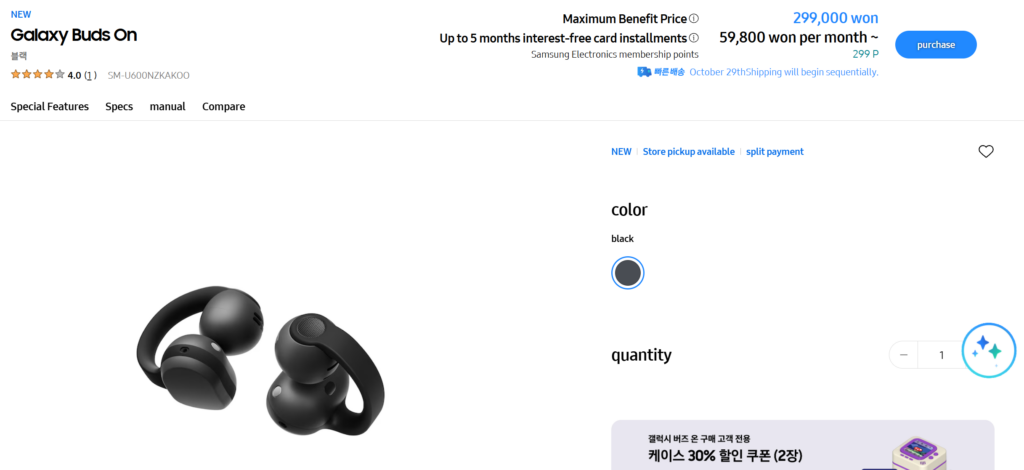
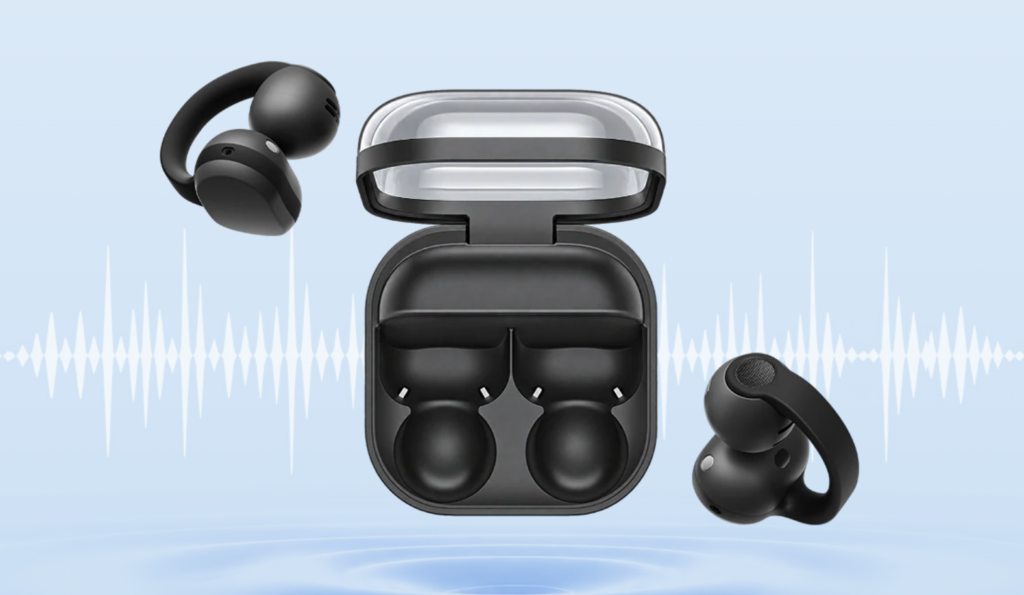
Samsung’s Galaxy Buds On go on sale in South Korea today, October 27, 2026. They are the first open-ear, clip-on earbuds in the Galaxy Buds family, made for people who want music without tuning out the world. Korean buyers can grab a pair for about $225, while everyone else waits.
Galaxy Buds On price and availability
The Galaxy Buds On cost KRW 299,000 (approximately $225) in South Korea and come only in Black. They are available on Samsung.com, online marketplaces, and Samsung Stores across the country. Buyers who pick them up between October 27 and November 30 get two 30% off coupons for Galaxy Buds cases on Samsung.com, usable until December 20, and the Buds On work with Galaxy Buds 4 series accessories. Samsung plans a phased global rollout but has not shared dates.
The Galaxy Buds On clip onto the ear with a flexible band, leaving the ear canal unobstructed. Samsung shaped the fit using ear-shape data and simulations. Each bud has an 11.3mm TwinBoost speaker for stronger bass, a common weak spot on open designs, plus Audio Leakage Reduction and automatic volume adjustment. A Snapdragon S7 Gen 1 Sound Platform and a Class-D amp power the audio, and Bluetooth 6.2 handles connectivity.
Battery life is rated at up to 9.5 hours of music per charge, or 38 hours with the wireless charging case. Calls last up to 5.5 hours, or 25 hours with the case. Each bud weighs 6.65g, the case about 41g, and the earbuds (not the case) are IP54 rated. Intelligent Clear Call pairs three mics with a bone-conduction Voice Pickup Unit and machine learning noise reduction.
Galaxy AI brings hands-free Gemini Live (“Hey Google, let’s talk Live”), Quick Voice Memo with a long-press and Bixby search for saved memos, and Head Gestures to handle calls, alarms, and notifications with a nod or shake. Touch controls sit on the back. The Buds On (SM-U600) work with Android 12+ devices with 1.5GB RAM or more and auto-pair when you open the case near a Galaxy phone or tablet.
Asus is releasing its latest Zenbook 14 (UX3480) in India on November 5th. Following a recent launch in Europe, the new laptop introduces a proprietary chassis material and offers a wide selection of internal processors from three different chipmakers.
The laptop comes with Asus’s proprietary Ceraluminum finish, which combines the properties of aluminum and ceramic to offer better resistance to scratches, fingerprints, and everyday wear. It features a lightweight and portable design, weighing just 1.1kg and measuring 1.39cm thick. Asus offers the laptop in three nature-inspired colors: Arctic Blue, Komodo Coral, and Zabriskie Beige.
Internally, Asus is taking a broad approach to its silicon. Buyers aren’t limited to a single processor brand. The Zenbook 14 can be configured with a Snapdragon X, an AMD Ryzen AI 7 345, or up to an Intel Core Ultra 9 Series 3 processor. This covers the current generation of mobile chips across both ARM and x86 architectures. All of these configurations include neural processing units (NPUs) capable of up to 50 TOPS, which meet the hardware requirements for local AI tasks and Microsoft’s standard for Copilot Plus PCs.
Regarding battery life, Asus claims the laptop can reach up to 33 hours on a single charge. As with all manufacturer battery estimates, real-world usage will likely yield lower numbers depending on screen brightness and workload. However, the inclusion of newer, efficiency-focused chips, particularly the ARM-based Snapdragon option, should provide standard all-day usage without needing a charger.
The Zenbook 14 will be available starting at 12:00 PM on November 5th. Asus has not yet released the full retail pricing for each specific processor configuration, but the company confirmed it will offer financing plans. These include no-cost EMI options starting at ₹7,333 per month for 18 months, as well as longer 24-month plans, placing the laptop in the premium pricing tier for the Indian market.
In related news, Asus has recently launched the ProArt GR1X Mini PC powered by Nvidia’s RTX Spark Superchip, along with the ProArt P16 and P14 laptops featuring Nvidia RTX Spark graphics and 120Hz OLED displays.
For more daily updates, please visit our News Section.
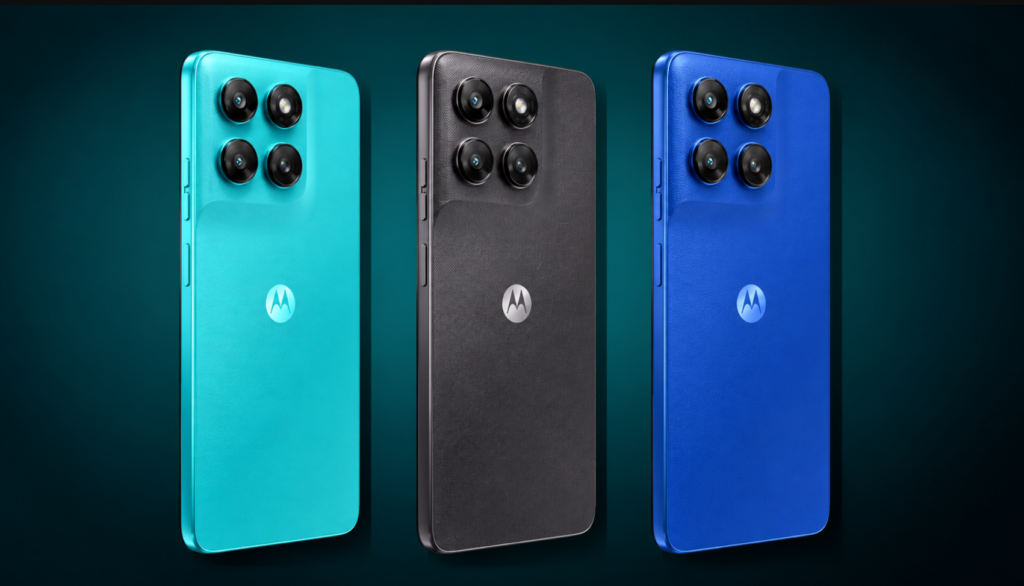
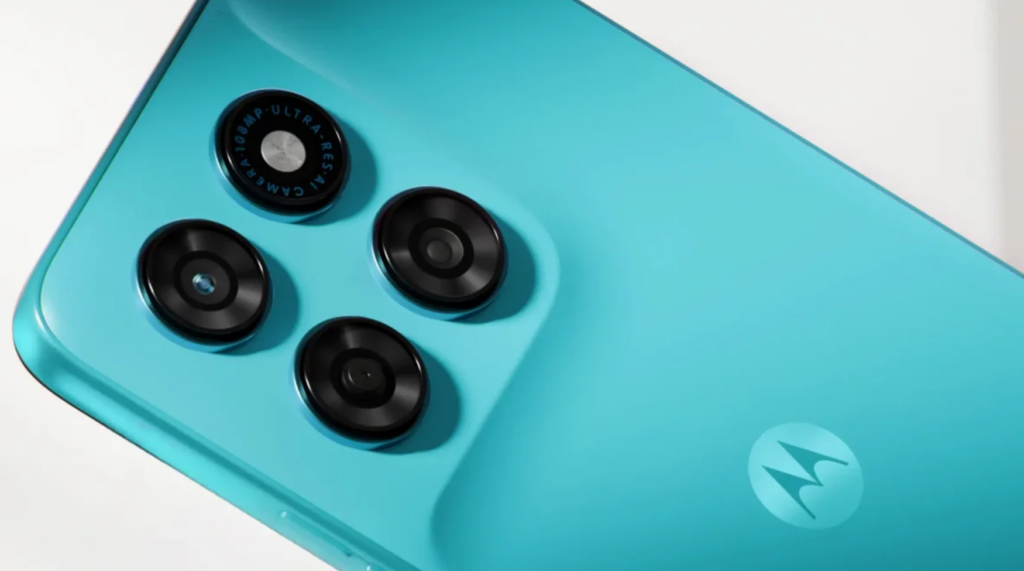
Motorola has officially introduced the Moto G47 Power as a new variant of the existing Moto G47, bringing a larger battery and a 108-megapixel main camera to the series. The new model also features a 120Hz display and MediaTek’s Dimensity 6300 chipset. Motorola has revealed its specifications and pricing for the European markets, although wider availability details remain unclear.
Moto G47 Power specifications and features
The Moto G47 Power features a 6.67-inch LCD display with HD+ resolution of 1604 × 720 pixels and a 120Hz refresh rate. The screen supports up to 1,050 nits of brightness and Water Touch technology, with Corning Gorilla Glass 7i protection.
It runs Android 16 and uses the 6nm MediaTek Dimensity 6300 processor, paired with 4GB of LPDDR4X RAM and 128GB of UFS 2.2 storage. Storage can be expanded by up to 1TB using a microSD card, while RAM Boost provides additional virtual memory.
Photography is handled by a 108-megapixel primary rear camera with an f/1.7 aperture and 3x lossless zoom, alongside a 2-megapixel macro camera. For selfies, it features an 8-megapixel front camera.
Moto G47 Power-
The phone packs a 7,000mAh battery, rated at 6,790mAh, with 30W TurboPower charging and 6W wired reverse charging. Other features include stereo speakers with Dolby Atmos, a 3.5mm headphone jack, NFC, an IP64 rating and MIL-STD-810H durability certification.
Motorola’s UK website lists the Moto G47 Power at £299.99 (approximately $400) for the 4GB+128GB configuration. The listing shows Pantone Nautical Blue, Pantone Capri and Pantone Impenetrable colour options, although the purchase page currently displays a notification option instead of allowing customers to order the phone.
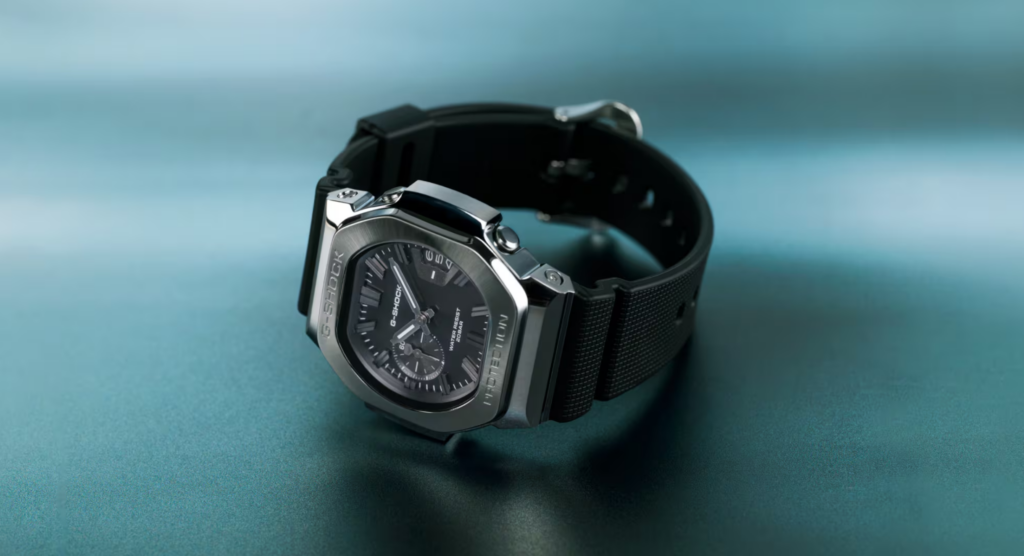
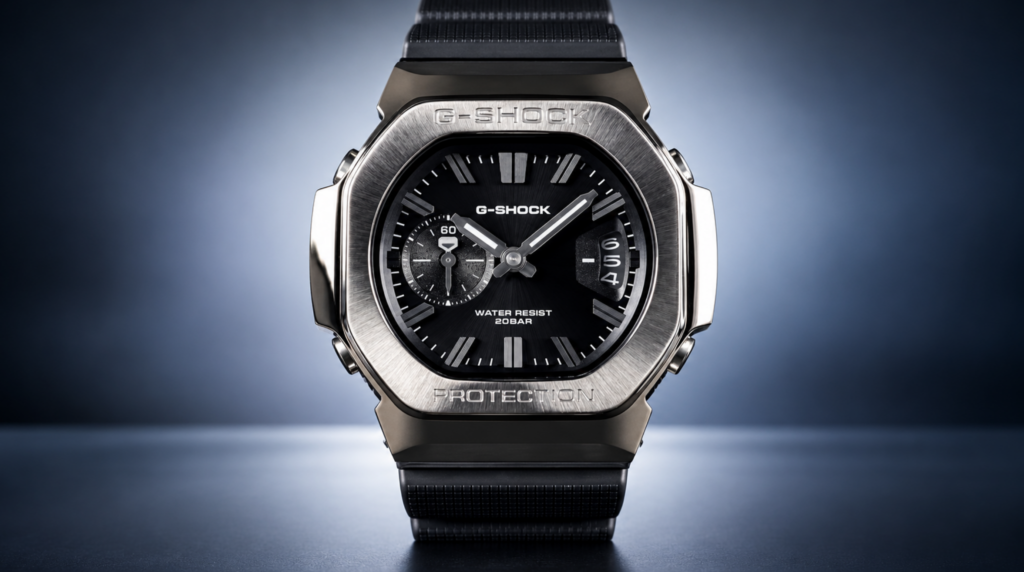
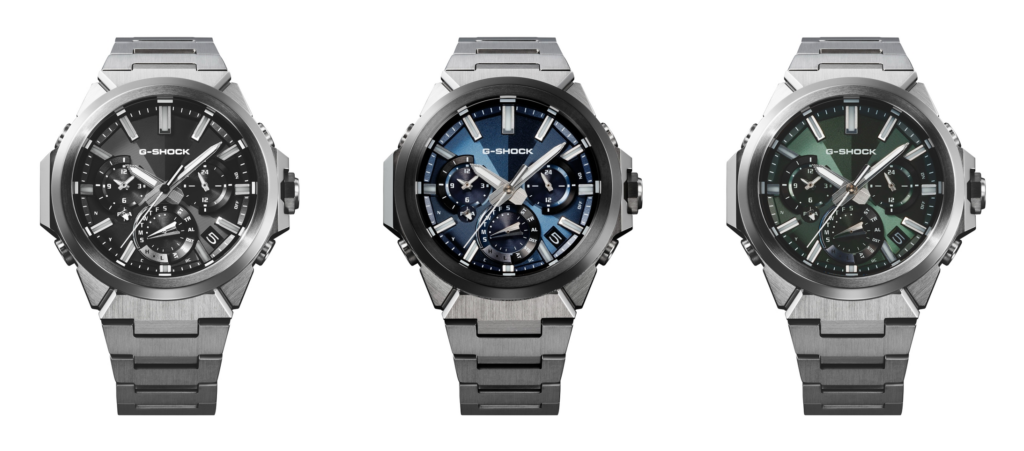
Casio has launched its G-Shock 2500 Series in India, bringing a new analogue collection inspired by the original DW-5000C. The lineup includes resin and metal-clad models, combining the brand’s familiar durability with a redesigned dial. Prices start at Rs 9,995 (~$105) and go up to Rs 26,995.
Casio G-Shock 2500 series specifications and features
The new collection comprises the resin GAC-2500 and metal-clad GMC-2500 ranges. Its design follows the concept of “Depth in Shadow”, with sculpted surfaces, softer case contours and a layered dial. The Two-Eye Signature layout places a small-seconds subdial at 9 o’clock and a multifunction date window at 3 o’clock.
The Multi-Mission Date function lets the three-cell window display the date, stopwatch elapsed time and setting information. The full auto-calendar handles month-end adjustments and leap years through 2099. A hand-shift function moves the hands out of the way when they obstruct the view of other information. The collection also retains shock resistance and 200-metre water resistance, alongside an amber LED light and a stopwatch.
Casio G-Shock 2500 series-
The GMC-2500 models feature a metal-clad exterior, with options offering resin straps or stainless steel bracelets. The steel-bracelet versions weigh 138 grams, while the resin-band models weigh 68 grams. Both variants measure 46.7 x 43.8 x 12.9mm and use mineral glass.
The GMC-2500 models also feature a magnetic Shock Release Hand mechanism that allows the minute hand to move temporarily under impact and return to its correct position. The watches use a CR1025 battery rated for around two years, with no Bluetooth connectivity or Tough Solar charging.
The GAC-2500 range starts at Rs 9,995 (~$105), while the metal-clad GMC-2500 collection reaches Rs 26,995 (~$285). The series is now available in India, giving buyers a traditional analogue alternative to digital G-Shock designs.
Apple’s latest iPhone 18 Pro series has recorded a mixed start across major markets, according to new sales data. The premium lineup is performing better globally than its predecessor, although demand varies considerably by region. China has emerged as the strongest market, while the US and Japan have posted declines.
iPhone 18 Pro sales rise as China leads the way
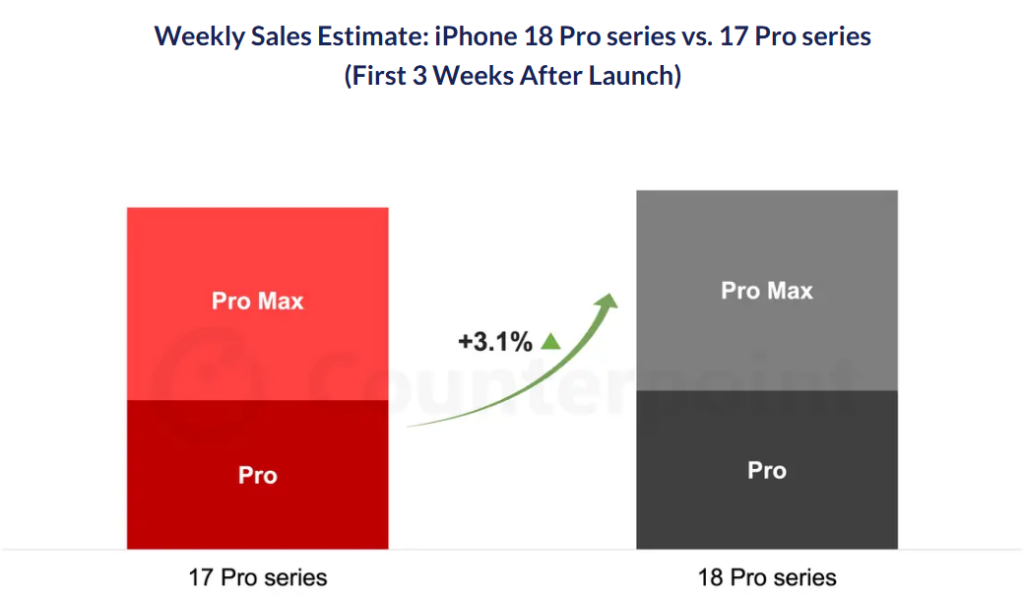
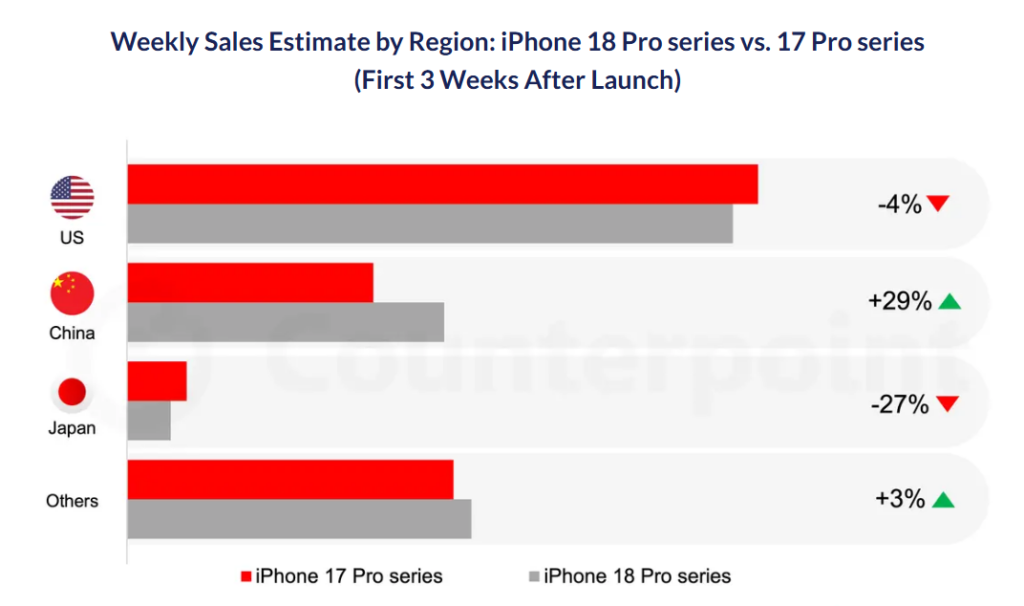
According to Counterpoint Research, global sales of the iPhone 18 Pro and iPhone 18 Pro Max were 3.1% higher than the iPhone 17 Pro series during their respective first three weeks on sale. China recorded a 29% year-on-year increase, supported by better initial stock availability and higher prices for competing Chinese Android flagships.
The picture was less encouraging in other major markets. Sales in the United States fell 4% year-on-year, while Japan recorded a steeper 27% decline. Counterpoint attributed the softer US performance partly to limited design and feature improvements that may not justify the higher prices for some buyers. In Japan, currency exchange effects have also made the new models more expensive.
Regional differences reveal a mixed launch
The regional figures highlight how strongly China is contributing to the series’ overall growth. Without its performance, the global increase would have been considerably weaker.
The iPhone 18 Pro Max accounted for 56% of sales across the Pro lineup, down slightly from 57% for the iPhone 17 Pro Max during the comparable period last year. The change suggests that the larger model remains a major contributor, even as its share edges lower.
Overall, the latest figures point to a stronger global opening for Apple’s newest Pro phones, but the gains are far from uniform. China’s momentum is offsetting declines elsewhere, leaving the longer-term sales trend dependent on how demand develops in the coming weeks.
Casio’s premium G-Steel GST-W1000 series is heading to European markets after its initial announcement in Japan. The three watches combine a stainless steel design with sapphire crystal and advanced timekeeping features. Their latest listings also provide a clearer picture of when buyers can expect them to arrive.
Casio GST-W1000 series European pricing and availability
Casio’s G-Steel GST-W1000 series
The black GST-W1000D-1A and green GST-W1000D-3A will cost €779 (approximately $870) each in Spain. The blue GST-W1000AD-2A, which features a black ion-plated bezel, will cost €799 (approximately $892). All three models have appeared on Casio’s European website with a November 2026 release window, although direct purchases are not available yet. They are expected to be sold through the G-Shock online store and selected retailers.
The watches are already available in Hong Kong through Casio’s authorised online flagship store. The black and green variants are listed for HK$6,680 (approximately €750), while the blue model costs HK$6,880 (approximately €782). Meanwhile, Casio Taiwan has announced a late-October release, with prices ranging from NT$22,000 (approximately €600) to NT$23,500 (approximately €642).
Casio first announced the GST-W1000 lineup in September, detailing its metal construction and new movement. The Tough MVT.2 system can automatically correct the hands’ positions after impacts and detect strong magnetic fields to help prevent misalignment. The watches also support Tough Solar charging, Bluetooth smartphone connectivity and Multi Band 6 radio-controlled timekeeping. A sapphire crystal with an anti-reflective coating protects the dial.
Each model measures 50 × 45.5 × 13.2 mm and weighs 138 grams. The watches also offer 200-metre water resistance and LED illumination. The four-part metal bezel uses different surface finishes and concealed mounting screws for a cleaner appearance. Buyers in Europe will have to wait until November to purchase the watches, while availability is already underway in some Asian markets.
Apple’s long-awaited entry into foldables hasn’t been smooth, and Samsung is quick to use it in its marketing. Just days after the iPhone Duo went on sale, reports of hardware problems started popping up, and Samsung is happily pointing them out.
The iPhone Duo, Apple’s first book-style foldable, launched on October 23, after its September reveal. Early demand was strong enough that Apple even raised production targets.
But the honeymoon phase didn’t last long. Users have been reporting catastrophic inner display failures, with many blaming the hinge. Durability tester JerryRigEverything showed that dust and debris can mess with the hinge and stop the phone from closing properly. Those clips have been making the rounds and drawing some pretty unflattering comparisons to more mature foldables.
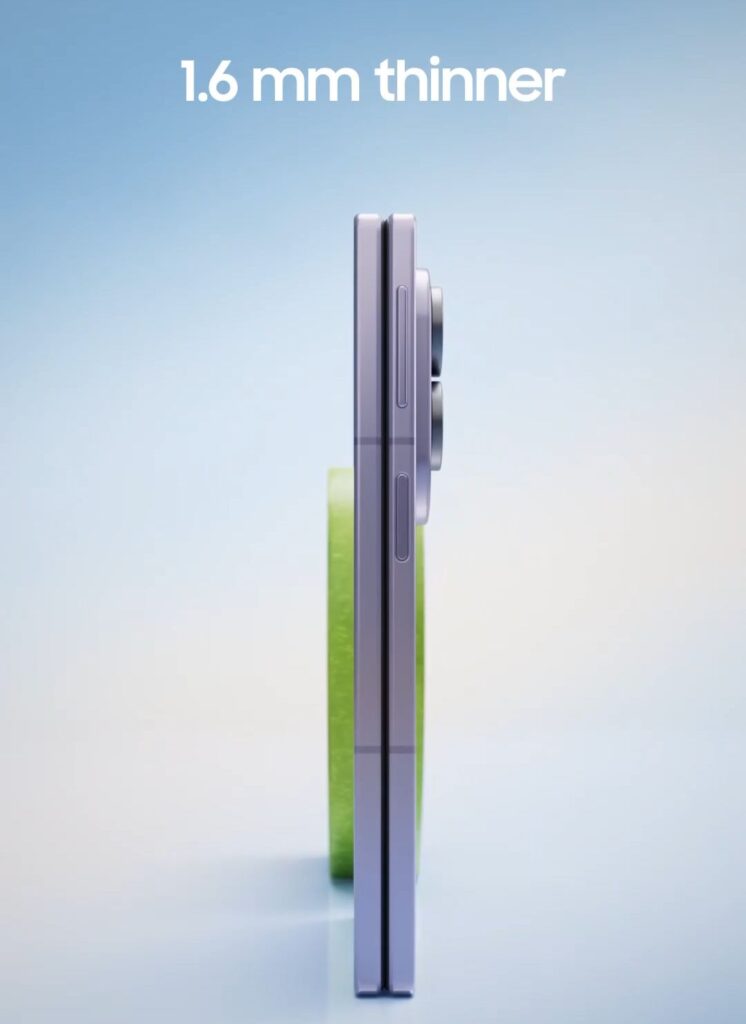
Samsung responded with a pointed Instagram ad that leans right into the drama. The sponsored video references the hinge vulnerability from testing and directly compares the physical size of the two phones. It notes that the Galaxy Z Fold 8 is 1.6 mm thinner and 53 g lighter than the iPhone Duo. The official numbers back that up: the Fold 8 measures 9.7 mm folded and weighs 201 g, while the Duo comes in at 11.3 mm and 254 g. The ad closes with the line that Samsung is simply “Years ahead in Foldables.”
That claim isn’t empty. Samsung launched its first Galaxy Fold back in 2019 and has spent the years since refining hinges, displays, and overall reliability. The Z Fold 8, which reviewers have praised for being thin and light, passed the same durability tests that tripped up the iPhone Duo. In theory, the iPhone Duo holds an edge in dust resistance with its IP68 rating versus the Fold 8’s IP48, but the early reliability questions have given Samsung a pretty clear narrative win for now.
Meanwhile, Apple has responded to the reports regarding the display cracking issue. In a statement, the company said only “a small number” of iPhone Duo units are affected by the inner display issue and is offering replacements for those devices. Importantly, it appears users don’t even need AppleCare+ coverage to get the phone swapped if they run into this specific screen-cracking problem.
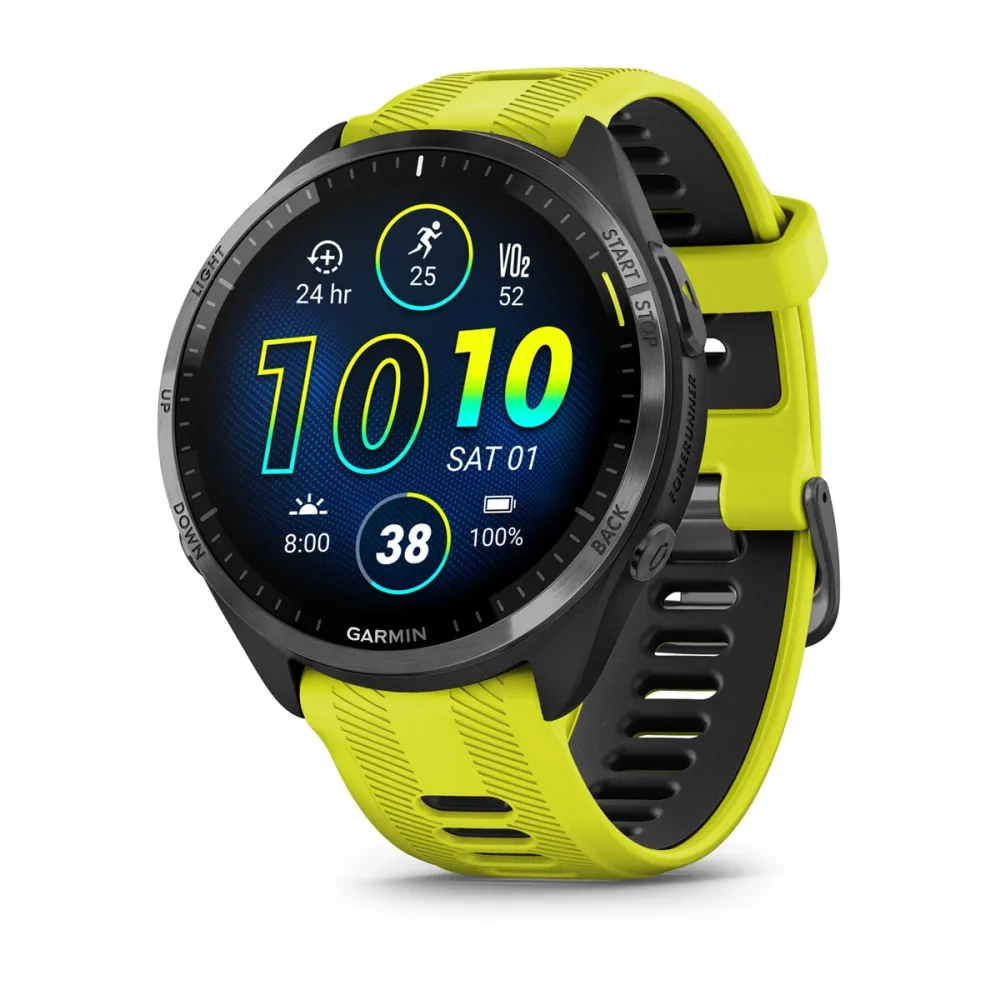
The Garmin Forerunner 965 is still down to a solid ₹39,990 on Amazon India. The price was originally cut for the Amazon sale and continues at that price until stocks last. Going by the India launch price of ₹67,490, it is currently sitting a good ₹27,500 below launch.
AMOLED display: a bright, sharp 1.4-inch screen, which is easy to read in sunlight and on night runs
Titanium bezel: keeps the 47mm watch light on the wrist
Battery life: up to 23 days in smartwatch mode (pretty long for a AMOLED watch)
Built-in maps and multi-band GPS: full-color maps on the watch, with accurate tracking in cities and under tree cover
Training tools: training readiness, training load, recovery time, and race-time predictions
Daily suggested workouts: the watch plans your next run from your recent training and recovery
Is it worth it at ₹39,990 ?
Yes, if you run seriously or train for races. This is Garmin’s top Forerunner tier, with maps and the full set of training metrics.
The price is the main reason to buy now. Garmin’s newer Forerunner 570 costs ₹67,990 on Amazon India, and it sits one tier below the 965. So the deal gets you more watch for ₹28,000 less.
There is one catch. The 965 is no longer Garmins newest flagship. If you want the latest model expect to pay much more.
But for most runners, the 965 at this price is the better buy.
Cheaper option
If you don’t need maps, the Garmin Forerunner 265 Music costs ₹30,990 on Amazon India (42% off MRP). It has the same AMOLED display and most of the training features in a 46mm size.
According to a report, Vivo is preparing to bring its X500 series to India, and the timeline is now clearer. The lineup is expected to arrive in the country by the end of November 2026. As expected, the company is putting the camera front and center, with the X500 Pro Max set to lead the charge.
Vivo X500 series India launch details
Vivo X500 Pro Max
The upcoming X500 series is expected to bring a professional-level camera experience to smartphones. Vivo is positioning the lineup as a step forward for mobile imaging, aiming to close the gap between phones and dedicated cameras.
The series includes three models: the Vivo X500, X500 Pro, and X500 Pro Max. All three are expected to make their way to India by the end of November 2026, though Vivo has yet to confirm an exact launch date.
The X500 Pro Max is expected to sit at the top of the lineup. It will reportedly feature a 60FPS AF Tracking Snapshot, which should help users capture sharp shots of fast-moving subjects. The phone is also said to support 4K cinematic slow-motion video at up to 960FPS.
These features are clearly aimed at users who take their photography seriously. Vivo appears to be targeting enthusiasts who want more control and flexibility without carrying a separate camera.
For context, the Vivo X500 Pro and X500 Pro Max debuted as the world’s first phones with the 2nm Dimensity 9600 Pro chip. The global launch event for the Pro models is taking place today, while the India launch is expected to follow in about a month. We expect more details on Indian pricing and availability as the launch nears.
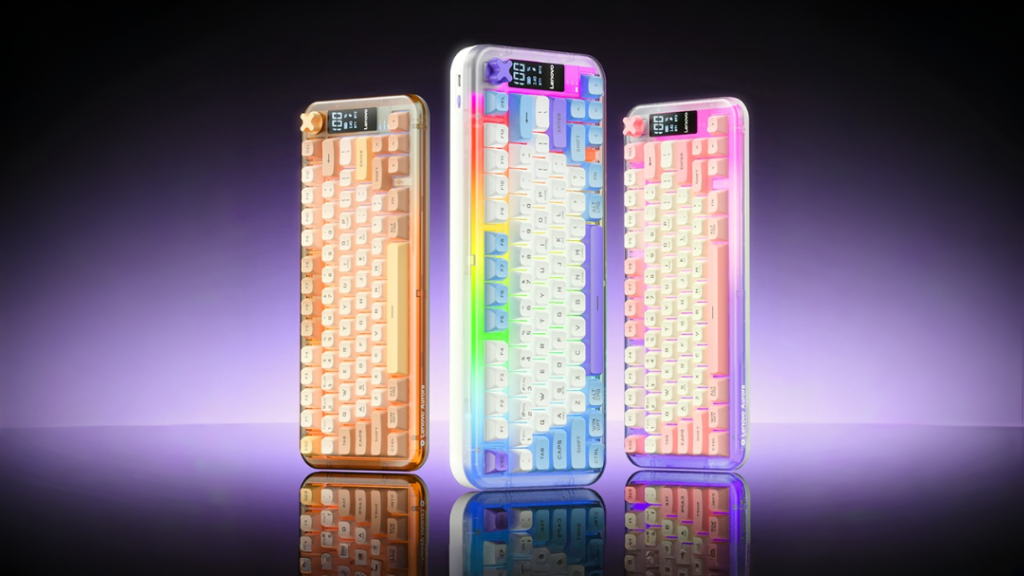
Lenovo has released a new budget keyboard in China called the Aurora GK1077 Lite. It is priced at 129 yuan, which converts to roughly $19. For that price, it includes a few hardware features that are typically found on more expensive models, such as a built-in status display, a rotary knob, and three different ways to connect to your devices.
Lenovo Aurora GK1077 Lite Specifications
The keyboard uses a compact 77-key layout, often referred to as a 70% layout. This design removes the number pad and some navigation keys to save desk space. It measures 332 x 143 x 40.7mm and weighs about 680 grams. The outer shell features a translucent, frosted top cover with rounded edges, and it comes in three pastel colors: Ice Mist Blue, Milk Coffee Orange, and Peach Pink. The keycaps are made from ABS plastic using the standard Cherry profile, and they include printed secondary functions to help navigate the smaller layout.
On the top right corner, there is a small screen and a multi-function knob. The screen displays basic system information, including the current battery percentage, charging status, and which connection mode is currently active. The knob controls volume by default, you can turn it to adjust the audio or press it to mute. If you hold the knob down for three seconds, it switches to lighting mode, allowing you to adjust the brightness of the keyboard’s RGB backlight and cycle through different colors.
Instead of mechanical switches, the GK1077 Lite uses silicone keys with a cushioning structure. This setup is designed to absorb the impact of keystrokes and reduce typing noise, making it a practical option for shared offices or quiet environments. It has a 125Hz polling rate and a 26-key rollover system, which means it can register up to 26 key presses at once without input errors.
For connectivity, the keyboard supports a wired USB-C connection, Bluetooth, and 2.4GHz wireless. The Bluetooth mode can pair with two separate devices, and the 2.4GHz USB receiver can be stored in a small compartment under the right kickstand. It works with both Windows and macOS, and includes specific shortcuts to switch between the two operating system layouts.
Inside, the keyboard runs on a 4,000mAh rechargeable battery. It also includes an NTC temperature monitoring system to manage heat while charging. The RGB backlighting has 14 preset effects, and you can customize the lighting further using the Lenovo Aurora software, which also syncs with other compatible Lenovo devices.
We use cookies on our website to give you the most relevant experience by remembering your preferences and repeat visits. By clicking “Accept”, you consent to the use of ALL the cookies.
This website uses cookies to improve your experience while you navigate through the website. Out of these, the cookies that are categorized as necessary are stored on your browser as they are essential for the working of basic functionalities of the website. We also use third-party cookies that help us analyze and understand how you use this website. These cookies will be stored in your browser only with your consent. You also have the option to opt-out of these cookies. But opting out of some of these cookies may affect your browsing experience.
Necessary cookies are absolutely essential for the website to function properly. This category only includes cookies that ensures basic functionalities and security features of the website. These cookies do not store any personal information.
Any cookies that may not be particularly necessary for the website to function and is used specifically to collect user personal data via analytics, ads, other embedded contents are termed as non-necessary cookies. It is mandatory to procure user consent prior to running these cookies on your website.