Advertisement

OPPO Reno16 vs Nothing Phone (4a): Full Comparison of Specs, Cameras & Battery

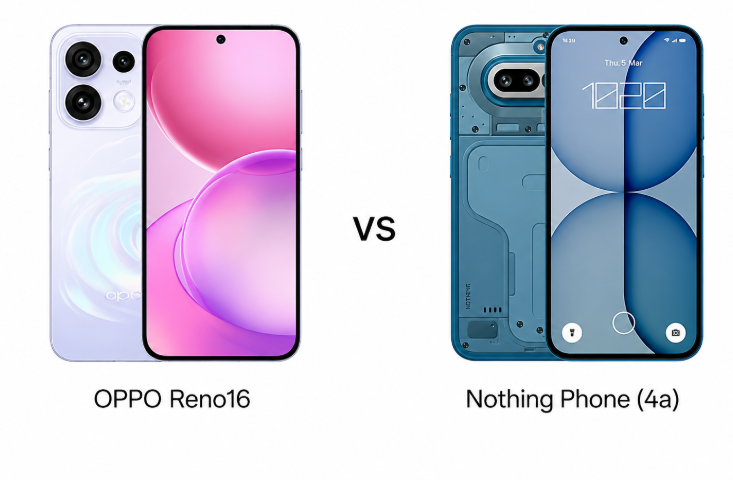
When two smartphones target very different price points, the comparison becomes even more interesting. The OPPO Reno16 brings premium hardware with a flagship-inspired camera system, larger battery, and superior durability, while the Nothing Phone (4a) focuses on delivering a unique design, clean software, and excellent value for money. Here’s how these two Android phones compare across design, performance, cameras, battery life, and overall value to help you decide which one deserves your money. 

Major Features:

CategoryOPPO Reno16Nothing Phone (4a)Winner
Display6.32-inch AMOLED, 120Hz, HDR10+, 3,600 nits peak, 3,840Hz PWM6.78-inch AMOLED, 120Hz, HDR10+, 4,500 nits peak, 2,160Hz PWMNothing – Larger and brighter display
Display ProtectionCrystal Guard (Mohs 4)Gorilla Glass 7i (Mohs 5)Nothing – Better glass protection
Build QualityGlass/aluminum, IP68/IP69KGlass/plastic, IP64OPPO – More premium and durable
ProcessorSnapdragon 7 Gen 4Snapdragon 7s Gen 4OPPO – Faster chipset
GPUAdreno 722Adreno 810Nothing – More capable GPU
RAM & StorageUp to 12GB RAM, 512GB UFS 3.1Up to 12GB RAM, 256GB UFS 3.1OPPO – Higher storage option
Rear Cameras50MP Main + 50MP Telephoto + 50MP Ultrawide50MP Main + 50MP Periscope + 8MP UltrawideOPPO – Superior ultrawide camera
Selfie Camera50MP AF, 4K 60fps32MP, 1080pOPPO – Better selfies and video
Rear Video4K at 60fps, HDR, OIS4K at 30fps, Dolby VisionOPPO – Higher frame rate recording
Battery6,700mAh (Global) / 6,000mAh (EU)5,080mAh (Global) / 5,400mAh (India)OPPO – Much larger battery
Charging80W wired, reverse wired50W wired, 7.5W reverse wiredOPPO – Faster charging
ConnectivityWi-Fi 6, Bluetooth 5.4, NFC, IR BlasterWi-Fi 6, Bluetooth 5.4, NFCOPPO – Includes IR blaster
SoftwareAndroid 16, ColorOS 16Android 16, Nothing OS 4.1, 3 Android upgradesNothing – Better software support
Water ResistanceIP68/IP69KIP64OPPO – Flagship-grade protection
PriceAround $600 / ₹62,000Around $450 / ₹32,000Nothing – Better value for money
OverallPremium hardware, excellent cameras, huge batteryGreat value, clean software, unique designOPPO – Better overall smartphone; Nothing – Better budget value
Disclaimer: Specs are based on available data. Actual performance may vary. Verify details from official sources before buying.

1. Design and Display

Build and Feel

The OPPO Reno16 focuses on a premium experience with a glass front, aluminum frame, and either a glass or composite plastic back depending on the variant. It also stands out with IP68/IP69K protection, making it significantly more resistant to dust and water than many rivals. The Nothing Phone (4a) uses a glass front and back with a plastic frame while retaining the brand’s signature rear Glyph lighting featuring 63 mini-LEDs across six customizable zones. It carries an IP64 rating, which is suitable for everyday splashes but cannot match OPPO’s rugged durability. Users looking for better long-term protection may appreciate the Reno16’s tougher build.

Display Quality

Both phones feature AMOLED panels with a 120Hz refresh rate and HDR10+ support, delivering smooth visuals and vibrant colors. The Nothing Phone (4a) offers a larger display with a higher peak brightness of 4,500 nits, making HDR content more striking outdoors. However, the Reno16 counters with a sharper display, higher pixel density, 3,840Hz PWM dimming for improved eye comfort, and a brighter high-brightness mode. Its Crystal Guard protection also complements the premium display experience.

Verdict

The Nothing Phone (4a) delivers a larger and brighter display with its distinctive Glyph interface, while the OPPO Reno16 offers stronger durability, a sharper screen, and superior eye-comfort technology. For users prioritizing everyday refinement and protection, the Reno16 feels like the more complete package.

2. Specifications Including Battery

Performance

The OPPO Reno16 is powered by the Snapdragon 7 Gen 4 paired with up to 12GB RAM and UFS 3.1 storage, providing dependable performance for gaming, multitasking, and demanding applications. The Nothing Phone (4a) uses the Snapdragon 7s Gen 4 with the same UFS 3.1 storage but tops out at 12GB RAM and a lower maximum storage capacity. Both devices run Android 16, although Nothing promises up to three major Android upgrades, adding long-term software appeal. The Reno16 gains an advantage with a slightly stronger chipset that should provide better sustained performance.

Battery and Charging

Battery capacity clearly favors the Reno16, offering a massive 6,700mAh international battery alongside 80W fast charging. It also supports PPS charging and faster reverse wired charging. The Nothing Phone (4a) features a 5,080mAh battery globally or 5,400mAh in India with 50W charging. While its charging speed remains competitive, the Reno16 delivers noticeably longer endurance and quicker top-ups.

Verdict

The OPPO Reno16 provides stronger hardware performance, a significantly larger battery, and faster charging, making it the better choice for heavy users. Nothing’s longer software support remains attractive, but the Reno16 delivers greater overall versatility.

3. Camera

Main and Secondary Lenses

Both smartphones feature triple rear cameras led by a 50MP primary sensor with OIS and a 50MP telephoto camera offering 3.5x optical zoom. The difference comes from the ultrawide sensor, where the Reno16 uses a full 50MP autofocus camera while the Nothing Phone (4a) relies on an 8MP ultrawide unit. Video capabilities also differ, with the Reno16 supporting 4K recording at both 30fps and 60fps on the rear camera, while Nothing is limited to 4K at 30fps, although it adds Dolby Vision HDR recording. Users who frequently capture landscapes and detailed ultrawide shots may find the Reno16 more versatile.

Selfie Camera

The Reno16 includes a 50MP autofocus selfie camera capable of recording 4K video at up to 60fps, making it ideal for creators and high-quality video calls. The Nothing Phone (4a) offers a 32MP front camera limited to 1080p recording, which remains sufficient for casual use but lacks the flexibility and quality of OPPO’s implementation.

Verdict

The OPPO Reno16 offers a more balanced camera system with stronger ultrawide performance, better selfie hardware, autofocus support, and higher-quality video recording. The Nothing Phone (4a) delivers solid primary camera results, but OPPO provides a more complete photography package.

4. Pricing

OPPO Reno16 is priced around $600 (₹62,000), placing it firmly in the premium mid-range segment. The Nothing Phone (4a) is priced around $450 (₹32,000), making it considerably more affordable while still offering a capable Snapdragon processor, AMOLED display, telephoto camera, and Nothing’s distinctive software experience. The price difference is substantial, positioning both devices for different types of buyers rather than direct budget competitors.

The Reno16 justifies its higher asking price through better build quality, stronger water resistance, a more advanced display, a larger battery, faster charging, and a noticeably superior camera system. Meanwhile, the Nothing Phone (4a) delivers excellent everyday performance and a unique design philosophy at nearly half the price. Buyers focused on value may naturally lean toward Nothing, while those wanting premium hardware will find the Reno16’s pricing easier to justify.

Verdict

The Nothing Phone (4a) offers outstanding value for money, whereas the OPPO Reno16 earns its premium through meaningful hardware upgrades rather than cosmetic improvements alone.

Disclaimer:
Prices are approximate and may vary based on country, region, launch timing, and applicable taxes. Always check whether the listed price is for a China unit or a global/international variant when purchasing.

5. Conclusion

The OPPO Reno16 distinguishes itself with flagship-inspired durability, IP68/IP69K protection, a high-quality AMOLED display with advanced PWM dimming, Snapdragon 7 Gen 4 performance, a large 6,700mAh battery, 80W charging, and an impressive camera setup featuring three 50MP rear sensors plus a 50MP autofocus selfie camera. These features create a well-rounded smartphone aimed at users seeking a premium daily experience.

The Nothing Phone (4a) counters with its iconic Glyph lighting system, clean Nothing OS 4.1 interface, guaranteed software upgrades, bright AMOLED display, and a much lower entry price. It remains an appealing option for buyers who value software simplicity and distinctive design without stretching their budget.

Verdict

OPPO Reno16 is the stronger smartphone overall, offering superior durability, battery life, charging speed, display quality, and camera versatility. However, the Nothing Phone (4a) delivers remarkable value by combining capable hardware, reliable software support, and a unique design at a significantly lower price. 

Buyers seeking the best overall hardware should choose the Reno16, while those prioritizing affordability and value will likely find the Nothing Phone (4a) to be the smarter purchase.

Disclaimer: This comparison is based on the specifications provided and is intended for general informational purposes. Actual performance, camera results, battery life, and overall experience may vary depending on real-world usage, software updates, and individual preferences.

Read More:

HMD launches four new feature phones with 4G and AI features

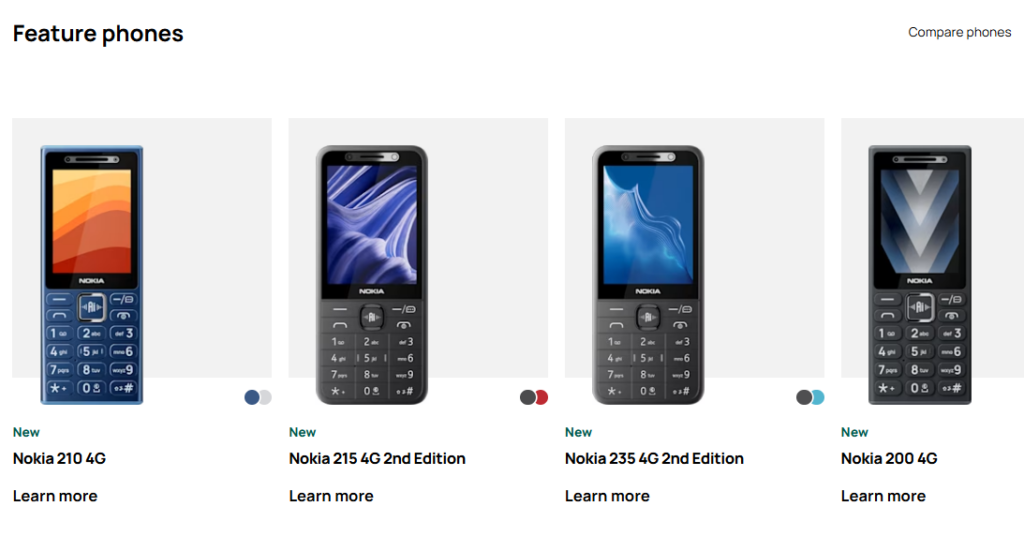
Feature phones are getting a surprisingly modern upgrade. HMD Global has quietly launched four new Nokia-branded devices that bring built-in AI features to basic mobile phones.

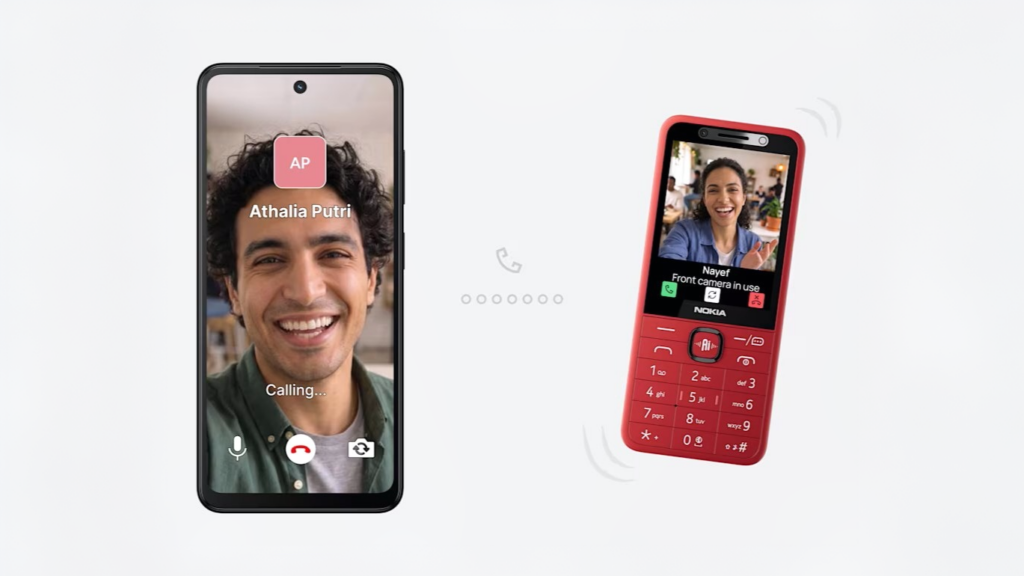
The new lineup includes the Nokia 210 4G, 235 4G 2nd Edition, 215 4G 2nd Edition, and 200 4G. Each one has a dedicated AI assistant button on the directional pad. Just press it and you can use voice commands to turn on the torch, open the camera, set alarms or reminders, make calls, or ask simple questions, all powered by Sikey AI running on the device.

The AI works for free for the first 180 days. After that, you’ll need a paid subscription to keep using it. The phones also support cloud services, letting you access videos, weather, sports scores, and more without filling up the limited local storage.

Design-wise, they stick to Nokia’s classic durable keypad look, but with some nicer touches like metallic accents around the camera and speaker. They run on the S30+ operating system and come with 1,450mAh batteries that should last a long time. The 215 and 235 models get slightly bigger 2.8-inch screens, while the others have 2.4-inch displays. Camera options are basic (VGA on some, 2MP on others), but they include practical features like a 3.5mm headphone jack, FM radio, USB-C charging, and Xpress Chat for video calling.

These 4G feature phones are aimed at people who want simple, reliable calling and messaging without the distractions and cost of a full smartphone. The addition of AI and cloud features is HMD’s way of making them more useful in emerging markets or as secondary devices.

Pricing and full availability details haven’t been announced yet, but this move shows HMD is trying to refresh the feature phone category with some practical smart touches. For many users, especially those who value affordability and simplicity, these Nokia phones could be an interesting option.

Don’t miss a thing! Join our Telegram community for instant updates and grab our free daily newsletter for the best tech stories!

For more daily updates, please visit our News Section.

(Source: HMD)

Moto G77 Power vs Moto G77: 7 major differences you should know

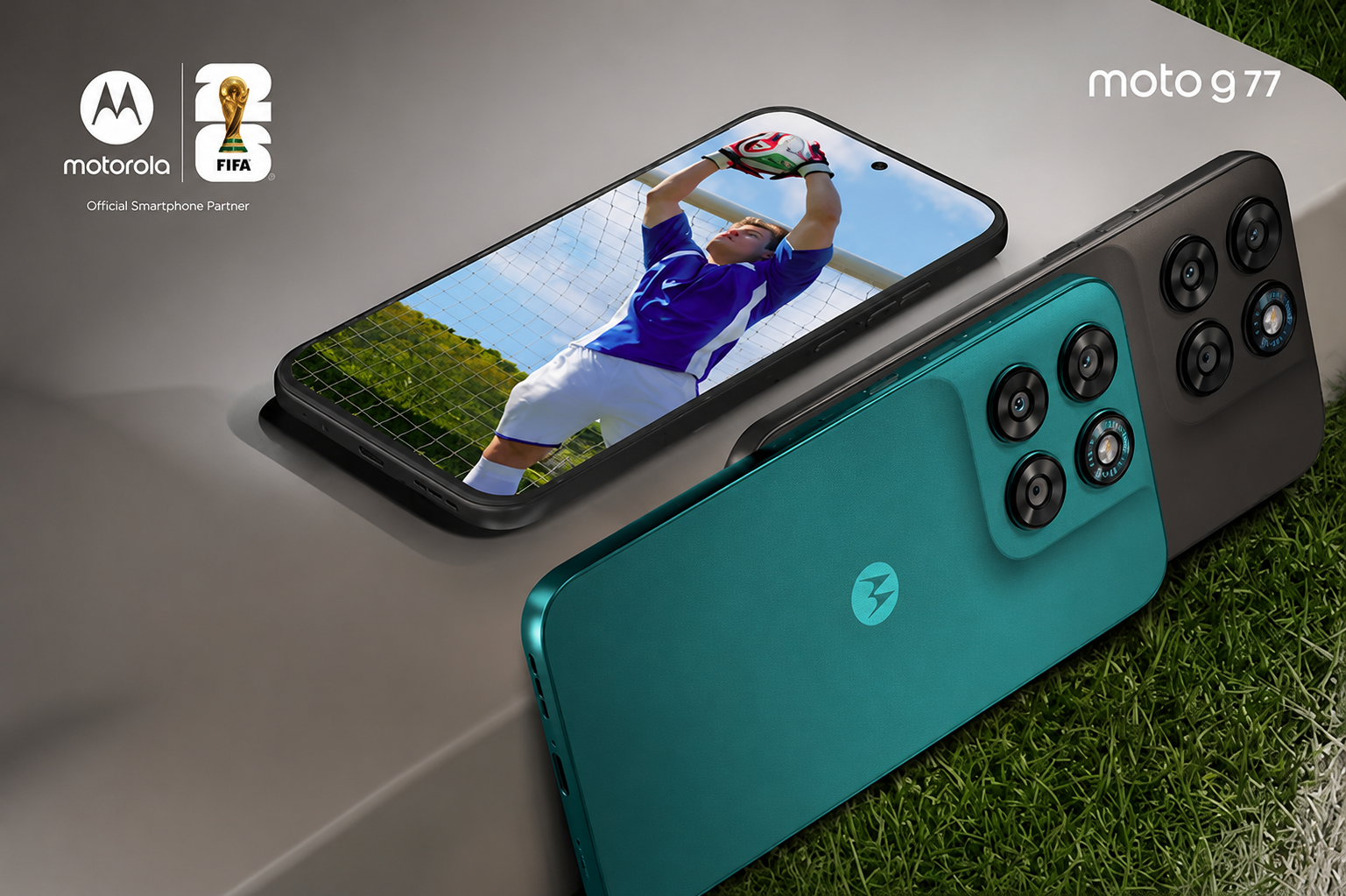
Motorola is set to launch the Moto G77 Power in India on July 8. The smartphone arrives as a new variant of the Moto G77, which debuted in global markets earlier this year but has not been introduced in India. While both phones share the same MediaTek Dimensity 6400 chipset and Android 16 software, they differ in several key areas. Here’s a look at the seven biggest differences between them.

7Design

The Moto G77 is slimmer and lighter at 7.33mm thick and 182g, while the Moto G77 Power measures 8.89mm and weighs 215g due to its larger battery. However, the overall design is identical on both phones.

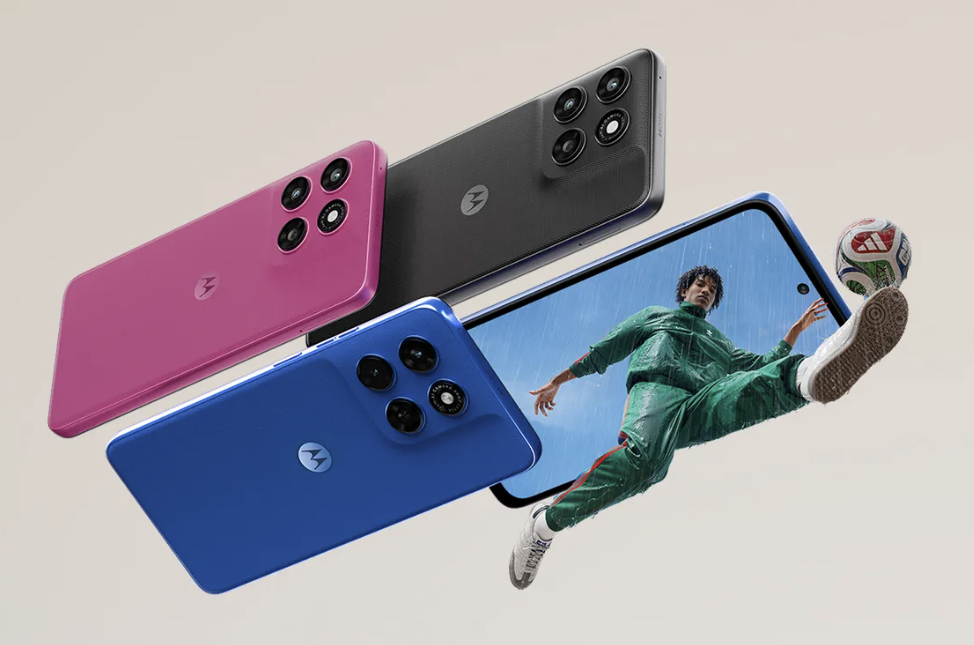
The two phones are also available in different Pantone colour options. The Moto G77 comes in Shaded Spruce and Black Olive, while the Moto G77 Power is offered in Impenetrable Gray, Nautical Blue, Fuchsia Red, and Laurel Green.

Which one should choose?

The Moto G77 is the better choice if you prioritize display quality, a slimmer design, longer software support, and features like NFC and eSIM. The Moto G77 Power, meanwhile, is aimed at users who value exceptional battery life, reverse charging, and practical additions such as a headphone jack and FM radio.

For more daily updates, please visit our News Section.

Stay ahead in tech! Join our Telegram community and sign up for our daily newsletter of top stories!

Next

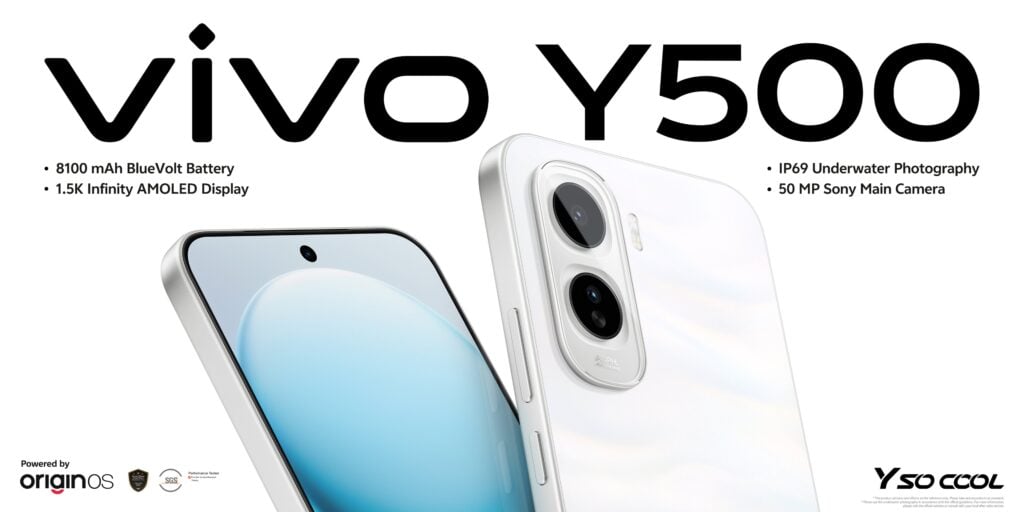
Vivo Y500 launches with massive 8,100mAh battery, 5000-nit AMOLED screen, 50MP dual cameras

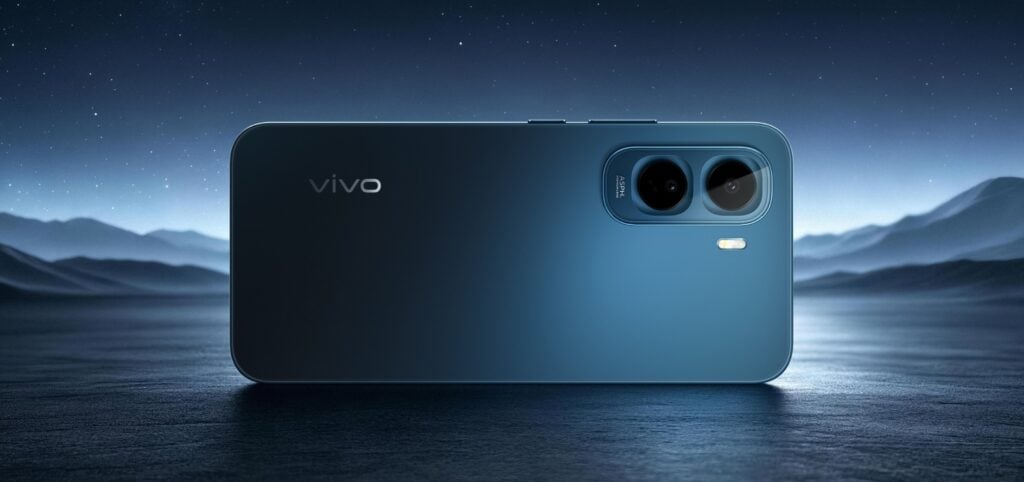
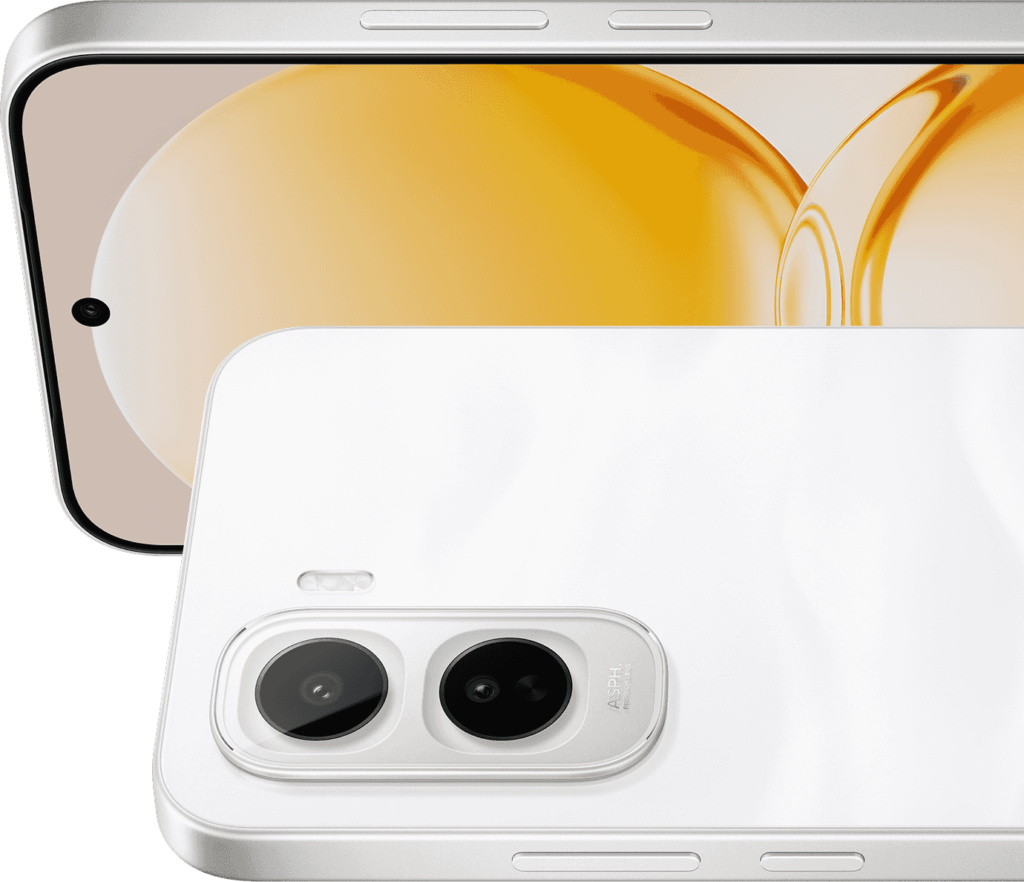
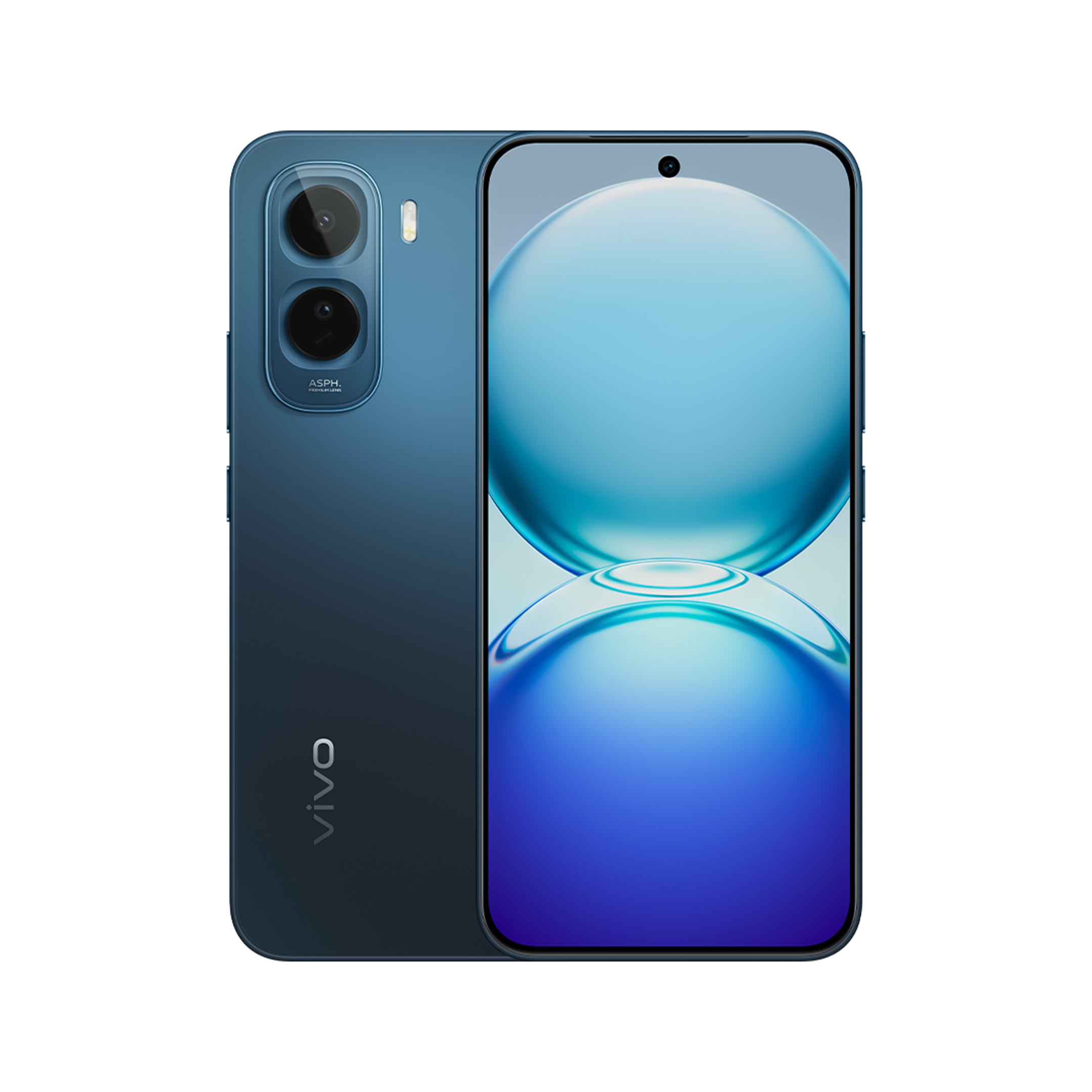
Vivo has quietly unveiled the Vivo Y500 in Pakistan. While the company has previously introduced Y500-series models such as the Y500, Y500i, Y500s, and Y500 Pro in China, this is the first device from the lineup to debut outside its home market. One of its biggest highlights is the 8,100mAh battery, which is the largest ever seen on a Vivo smartphone launched outside China. Besides its huge battery, the phone also features an AMOLED display, a 50-megapixel dual-camera setup, and OriginOS 6. Here’s everything you need to know about the device.

Vivo Y500 specifications and features

Vivo Y500
Vivo Y500

The Vivo Y500 sports a 6.83-inch AMOLED display with a 2800 x 1260 resolution, delivering a 1.5K viewing experience with a pixel density of 449ppi. The panel reaches up to 5,000nits of local peak brightness, offers a 94.47 percent screen-to-body ratio, and comes with SGS Low Blue Light and SGS Five-Star Sunlight Readable Display certifications. It also includes Gaming Eye Protection for improved viewing comfort.

Under the hood, the Vivo Y500 is the Unisoc T7300 processor paired with 8GB of RAM and either 128GB or 256GB of storage. Since it is equipped with the Unisoc T7300 chipset, the device does not support 5G connectivity and is limited to 4G networks.

Vivo Y500
Vivo Y500

The Vivo Y500 packs an 8,100mAh battery with support for 44W fast charging. It also features a 3,000mm² vapor chamber cooling system for improved thermal management during extended usage. It runs Android 16-based OriginOS 6 and features an in-display optical fingerprint scanner.

Vivo Y500
Vivo Y500

The phone houses a 50-megapixel Sony IMX852 main camera alongside a 2-megapixel secondary sensor, while the front gets a 32-megapixel selfie camera. Other notable features include dual stereo speakers, Bluetooth 5.4, dual-band Wi-Fi, GPS, a USB 2.0 port, a 3.5mm headphone jack, dual nano-SIM support, IP68 and IP69 water and dust resistance, and MIL-STD-810H military-grade shock resistance.

Vivo Y500 price and availability

The Vivo Y500 is available in Pearl White and Midnight Blue color options. In Pakistan, the 8GB+128GB variant is priced at PKR 99,999 (~$360), while the 8GB+256GB model costs PKR 109,999 (~$400). The smartphone is expected to roll out to additional markets, including Saudi Arabia and Kazakhstan, in the coming days.


For more daily updates, please visit our News Section.

Stay ahead in tech! Join our Telegram community and sign up for our daily newsletter of top stories!

Moto G77 Power officially revealed before July 8 launch, read full specs here

Motorola is gearing up to launch the Moto G77 Power in India on July 8. Ahead of its debut, the company has officially listed the smartphone, revealing almost everything about its hardware and features. The listing confirms that the device focuses on battery life while also offering a capable display, cameras, and decent performance.

Moto G77 Power specifications revealed ahead of launch

Moto G77 Power
Moto G77 Power

The Moto G77 Power features a 6.72-inch LCD screen with a Full HD+ resolution, a 120Hz refresh rate and up to 1,050 nits of brightness in High Brightness Mode. The screen is protected by Corning Gorilla Glass 7i, while the phone also carries an IP64-rated water-resistant design and MIL-STD-810H durability certification.

Powering the device is the MediaTek Dimensity 6400 chipset paired with up to 8GB of LPDDR4X RAM and 128GB of UFS 2.2 storage. RAM Boost support allows the available memory to be expanded virtually, and storage can be increased by up to 1TB through a microSD card.

The biggest highlight is the 7,000mAh battery, which supports 30W TurboPower charging and 6W wired reverse charging. Motorola claims the battery can deliver up to 59 hours of usage on a single charge

The phone includes a 50-megapixel Sony LYTIA 600 main camera with OIS support alongside an 8-megapixel ultra-wide camera, while selfies are handled by a 32-megapixel front camera. Both front and rear cameras support video recording at up to 2K resolution.

The G77 Power runs Android 16 out of the box, with Motorola promising one Android OS upgrade and three years of security updates. Other features include stereo speakers with Dolby Atmos, a 3.5mm headphone jack, Bluetooth 5.4, a side-mounted fingerprint scanner.

While Motorola is yet to announce the Moto G77 Power’s price, the official listing confirms that it will be available in Pantone Impenetrable, Pantone Nautical Blue, Pantone Fuchsia Red and Pantone Laurel Green color options.

For more daily updates, please visit our News Section.

Stay ahead in tech! Join our Telegram community and sign up for our daily newsletter of top stories!

Casio launches feature-packed GBX-H5600KI-5 watch with heart rate sensor and tide forecasts in the US

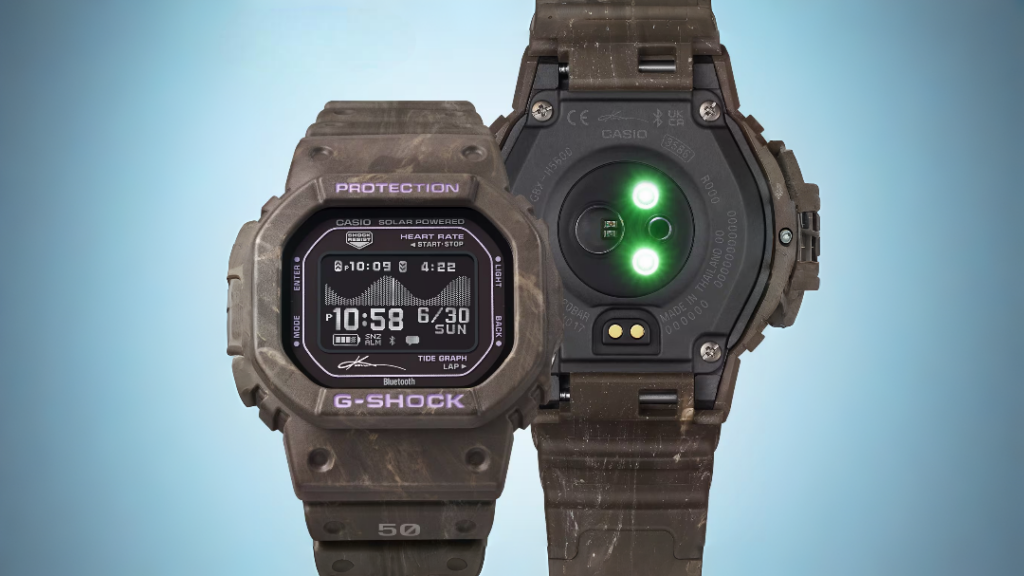
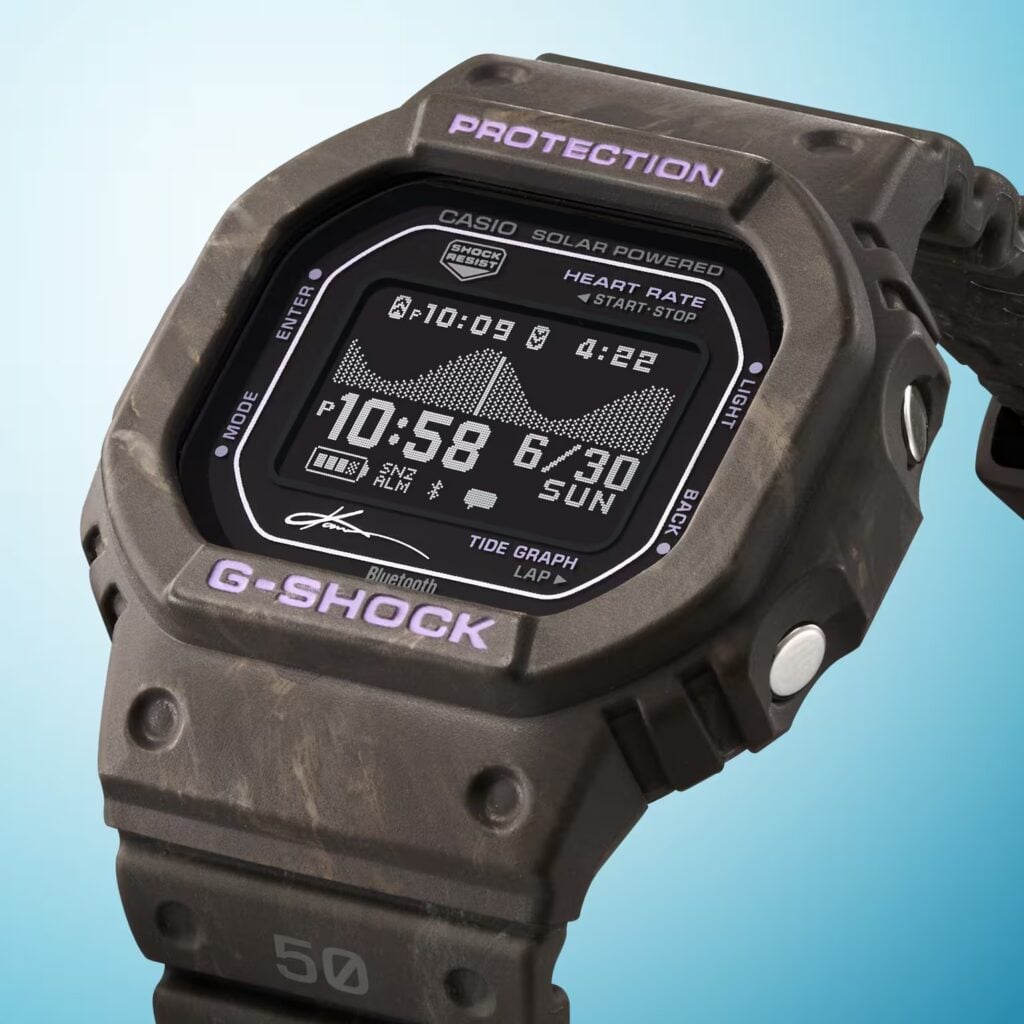
Casio has announced the GBX-H5600KI-5, a new addition to its G-LIDE series and the fourth signature model designed with pro surfer Kanoa Igarashi. The watch is currently available for pre-order in Japan for ¥50,600 ($314) and is scheduled to begin shipping later this month.

Casio G-LIDE GBX-H5600KI-5 smartwatch

G-LIDE GBX-H5600KI-5 Specifications

Rather than a standard digital watch, the GBX-H5600KI-5 functions as a dedicated fitness tracker housed in a traditional G-Shock chassis. It is equipped with an optical heart rate sensor and a 3-axis accelerometer. For the software side of its health tracking, Casio is continuing its partnership with Polar, utilizing the fitness company’s algorithms to process training data, cardio load, and sleep recovery metrics.

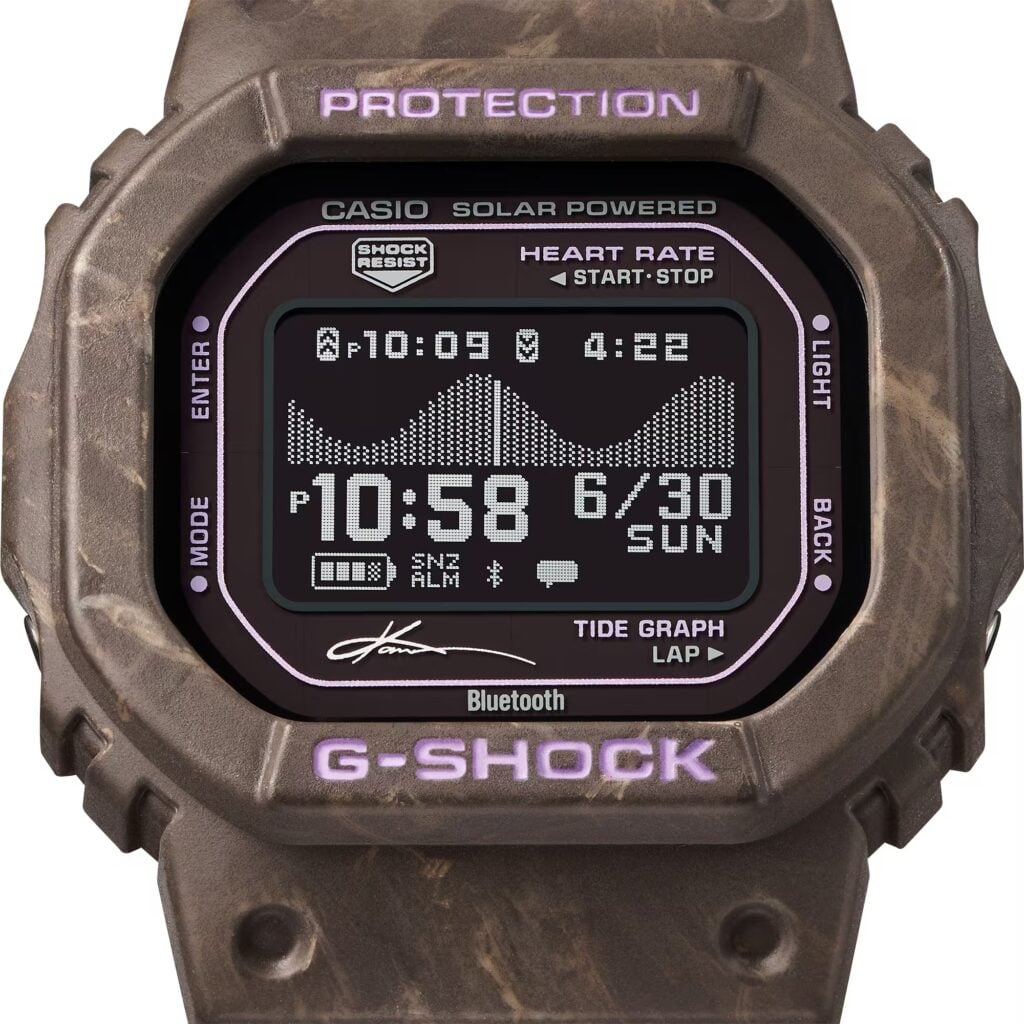
While it supports standard multi-sport tracking for running and walking, measuring pace, distance, and stride, the software is heavily geared toward ocean use. The watch displays moon phases, sunrise and sunset times, and a tide graph. You can configure the tide settings for approximately 3,300 global locations by pairing the watch with the Casio Watches smartphone app over Bluetooth. The app connection also handles automatic time adjustments, basic phone notifications, and activity log syncing.

For the display, Casio opted for a Memory-in-Pixel (MIP) LCD. MIP panels are standard in outdoor sports wearables because they maintain high contrast and readability in direct sunlight without draining the battery.

In terms of build materials, the bezel and band are constructed from a bio-based resin. The brown mixed-color molding is meant to reference the coastal cliffs of Ericeira, Portugal, where Igarashi trains, while purple accents are used on the watch face. Because the resin is mixed during manufacturing, the physical pattern on each unit will vary slightly.

The watch weighs 47 grams. It retains the standard 200-meter water resistance and shock resistance expected from the brand.

Casio G-LIDE GBX-H5600KI-5 smartwatch

Battery life depends heavily on how the sensors are used. According to Casio’s spec sheet, the watch will run for a maximum of 35 hours with continuous heart rate tracking enabled. If the heart rate monitor is turned off and it is used strictly in watch mode, it will last for about a month. It charges via a proprietary USB Type-A cable, but it also includes built-in solar charging to help maintain the battery level during outdoor exposure.


In related news, Casio has recently launched the lightweight Baby-G BGA-290SA watches with a premium metallic finish, alongside a new translucent G-Shock inspired by 90s streetwear in the US.

For more daily updates, please visit our News Section.

Stay ahead in tech! Join our Telegram community and sign up for our daily newsletter of top stories!

(Casio Japan)

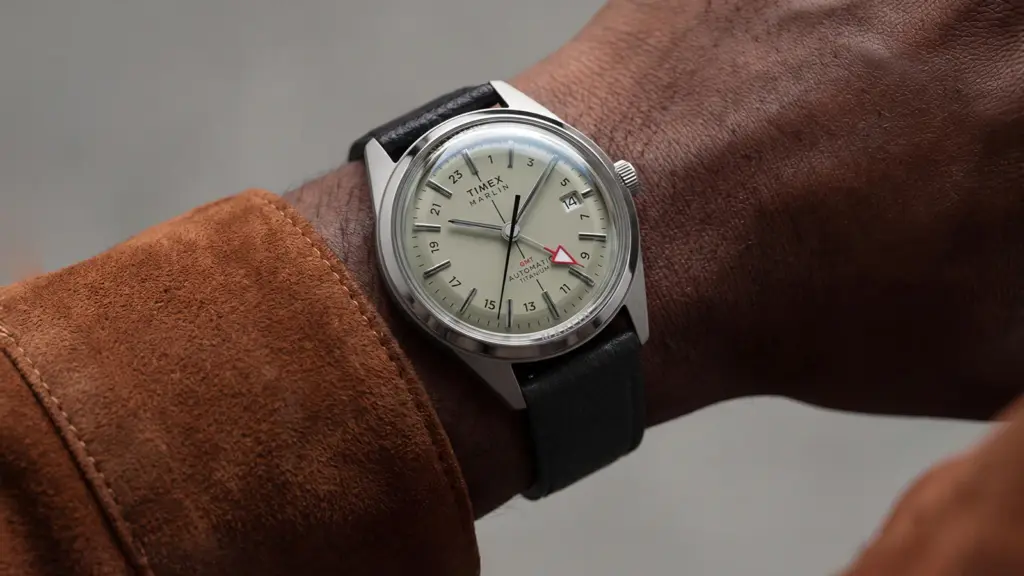
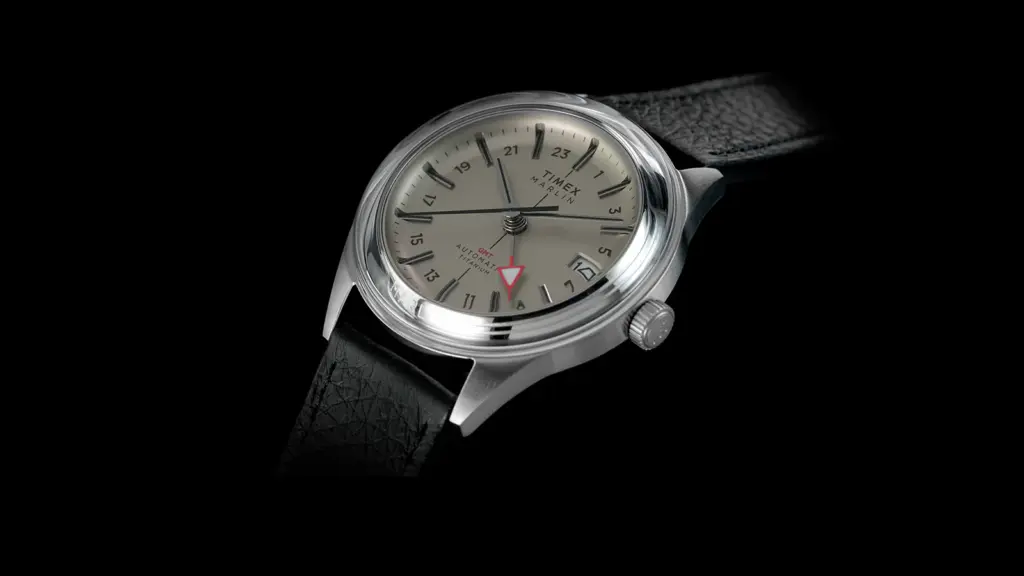
Timex launches retro-inspired Marlin GMT watch with a titanium body and automatic movement

Timex has announced a new addition to its Marlin lineup: the Marlin Jet Titanium Automatic GMT. Priced at $549, the watch is currently available for pre-order in the US. It brings a mechanical dual-time zone movement and a lightweight titanium case to the company’s retro-styled collection.

Timex Marlin Jet Titanium Automatic GMT

Design Details

Timex opted for a 40mm titanium case with a mix of brushed and polished finishes. Titanium is noticeably lighter than standard stainless steel, which usually makes a watch more comfortable for daily wear, though it can scratch more easily depending on the specific grade used.

The case measures 14.5mm thick. While that thickness is relatively standard for an entry-level automatic GMT movement, it is somewhat thick for a watch aiming for a vintage aesthetic. The exterior hardware also includes angular lugs and a large fluted crown to make setting the time and date easier.

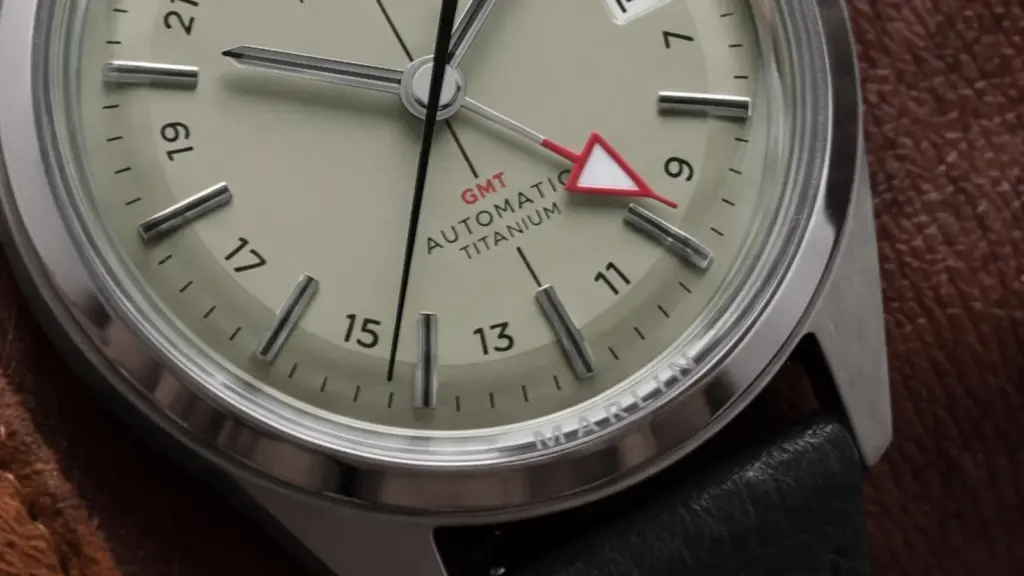
On the front, Timex uses a domed Hesalite (acrylic) crystal that rises above a grooved titanium bezel engraved with the Marlin name. Beneath the crystal, the gray dial adopts a clean, minimalist layout.

Timex Marlin Jet Titanium Automatic GMT

It features applied baton markers for the hours, a standard date window at the 3 o’clock position, and a 24-hour scale printed on the inner ring. To track a second time zone, there is a red hand with a white triangle tip that points to the 24-hour scale.

Inside, the watch relies on a mechanical automatic GMT movement. It winds itself using the natural motion of the wearer’s wrist, meaning it doesn’t require a battery. The mechanics are visible through an exhibition window on the case back.

Timex Marlin Jet Titanium Automatic GMT

For the strap, the watch ships with a 20mm black leather band. It includes quick-release spring bars, which means you can swap it out for standard third-party 20mm straps without needing a spring bar tool.

The watch has a 50-meter water resistance rating. This is enough to survive washing your hands, light rain, or brief swimming, but you shouldn’t wear it for diving or heavy water activities.


In related news, Timex has recently introduced a vintage racing-inspired meca-quartz chronograph alongside the retro-inspired Marlin America 250 with a leather strap.

For more daily updates, please visit our News Section.

Stay ahead in tech! Join our Telegram community and sign up for our daily newsletter of top stories!

(Timex)

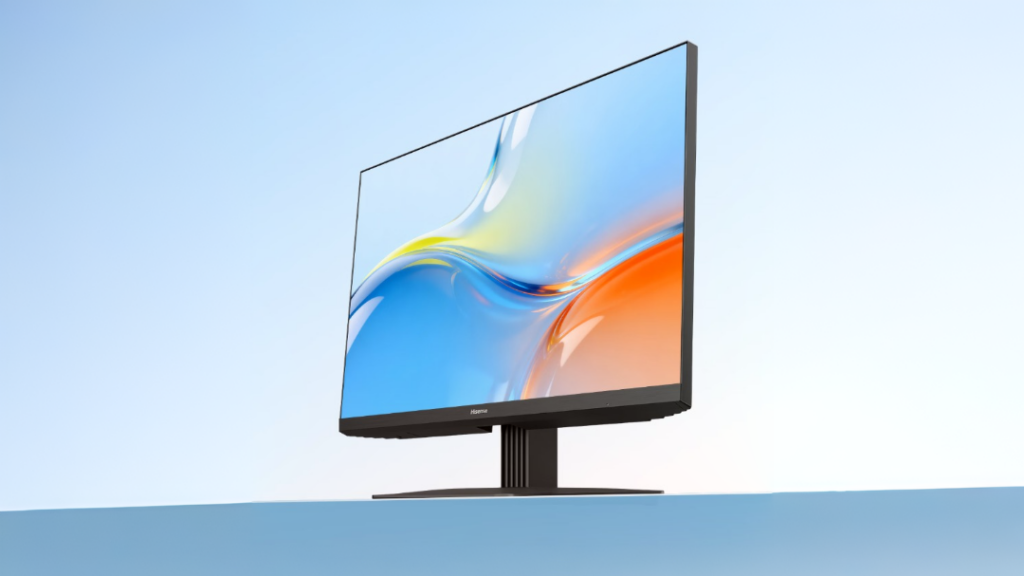
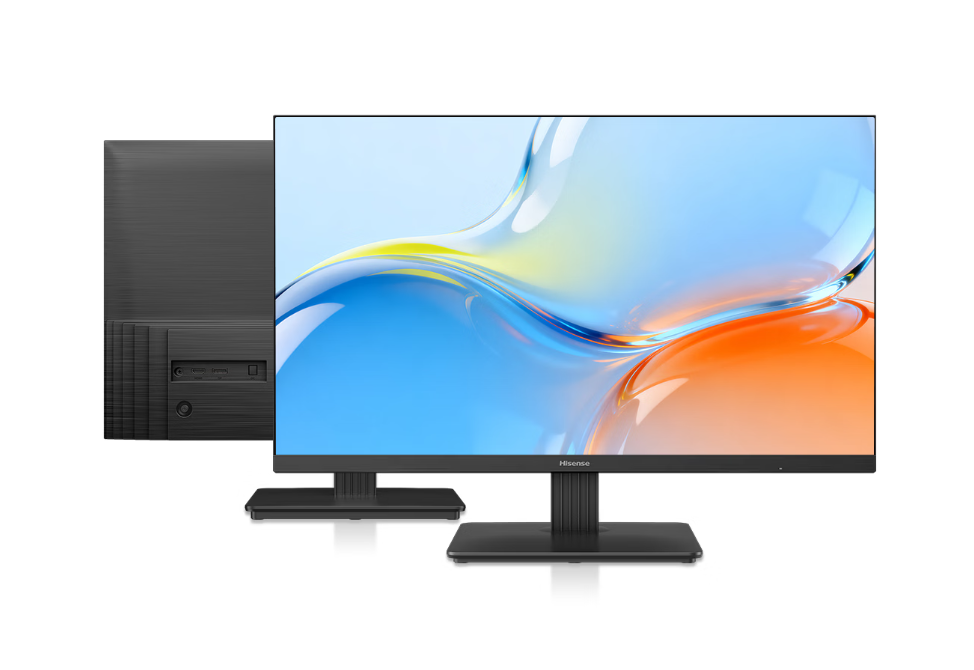
Hisense launches ultra-affordable 180Hz FHD gaming monitors, starting at $65

Hisense has introduced a new line of entry-level monitors, the N3G Pro series, in China. The displays come in two sizes, 23.8 inches and 27 inches, and are designed for users looking for a high refresh rate on a strict budget.

Both models feature a 1080p resolution and an 180Hz refresh rate. They will be available starting July 9th, with the 23.8-inch model priced at 449 yuan ($65) and the 27-inch model at 549 yuan ($80) during the initial launch period.

Hisense N3G Pro Specifications

Both versions use an IPS panel, which is standard for this category, but they feature a 1500:1 contrast ratio. This is slightly higher than the 1000:1 ratio typically found on standard IPS panels, which helps produce darker blacks and better visibility in low-light scenes.

The maximum brightness is 300 nits, which is standard and sufficient for typical indoor environments. For gaming, the 180Hz refresh rate is paired with Adaptive Sync to prevent screen tearing, and an MPRT motion clarity setting is included to reduce blur during fast-moving visuals.

Hisense N3G Pro Monitors

Regarding color reproduction, the monitors cover 99% of the sRGB color space and 90% of the DCI-P3 gamut, using an 8-bit color depth. This enables them to display accurate colors for general media consumption and everyday use.

Hisense has also included hardware-level low-blue-light technology. Instead of using a software filter that applies a heavy yellow tint to the screen, this method adjusts the light spectrum directly to reduce eye strain. The monitors also use DC dimming to prevent screen flickering, and they carry TÜV Rheinland certifications for both features.

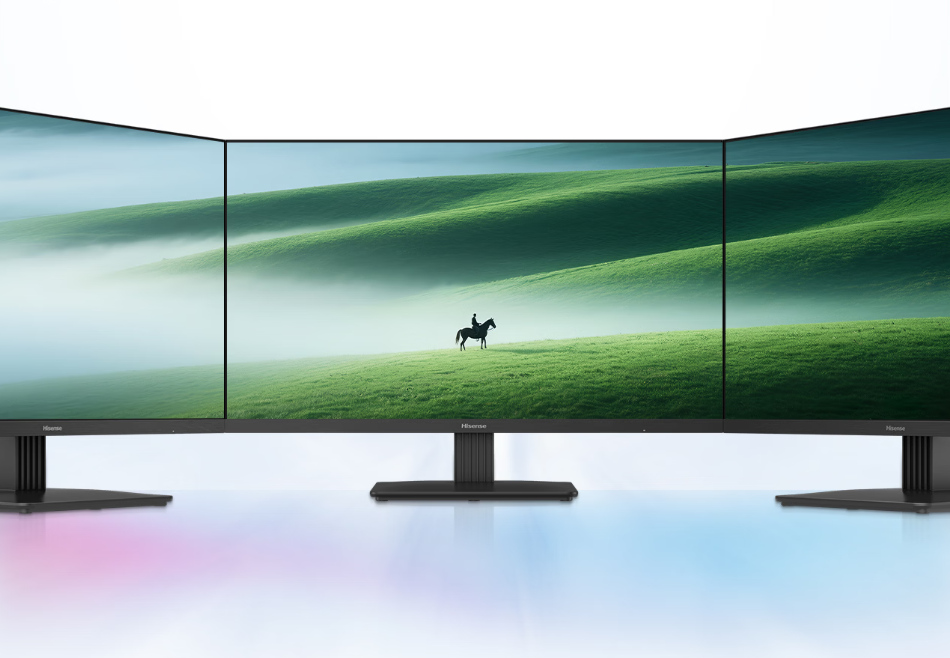
The physical design is straightforward. The monitors have a three-sided narrow bezel measuring about 1.6mm, which is useful if you plan to place two monitors side by side. The included stand is basic, allowing only for tilt adjustments between -5 and 20 degrees.

Hisense N3G Pro Monitors

However, the back of the monitor supports standard 75 x 75mm VESA mounting, so you can attach it to a third-party monitor arm if you need height or swivel adjustments. Connectivity is limited to the essentials, with one HDMI port and one DisplayPort, and the device uses an external power brick.

In terms of software, the monitors include standard settings like dark scene enhancement and preset modes for gaming and movies.

In related news, Dell has introduced the Alienware AW3426DW 280Hz QD-OLED gaming monitor in Europe, while AOC has unveiled an affordable 2K 360Hz QD-Mini LED monitor with HDR1000 brightness.

For more daily updates, please visit our News Section.

Stay ahead in tech! Join our Telegram community and sign up for our daily newsletter of top stories!

(JD)

Redmi is reportedly working on a 7-inch performance phone

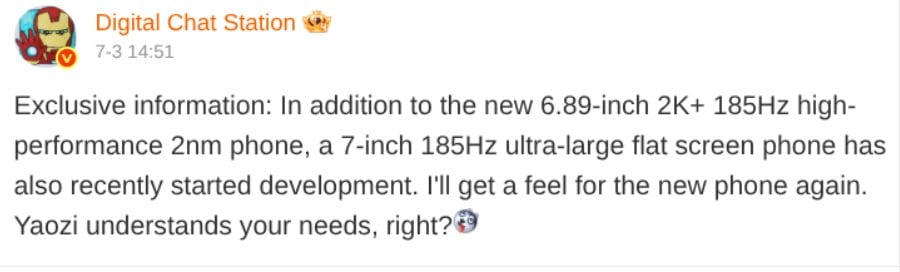
A new leak suggests that Xiaomi‘s sub-brand Redmi may be gearing up to release a phone with an unusually large 7-inch display. Words for this come from tipster  Digital Chat Station, who claims that the brand is working on two phones for its future generation. 

One is a normal 6.59-inch screen in the mid-range Pro segment, and another is built around a massive 7-inch panel meant for heavy performance use. 

Redmi phone leak

While the tipster has not named the brand outright, their past leaks have often turned out to be tied to Redmi devices, and this one is expected to follow the same pattern.

The leaks are building

This isn’t the first time such a device has come up in the rumor mill. Back in February, the same source hinted that two companies were testing out 7-inch phones without giving further details. 

Redmi K90 Ultra

Then in early April, a fresh leak hinted that Redmi is working on a 7-inch display and 10,000mAh battery. By late April, more specifics emerged, including support for 2K resolution and a high refresh rate, details that lined up with an earlier report on a Redmi K100 series device tipped with a 7-inch 2K screen.

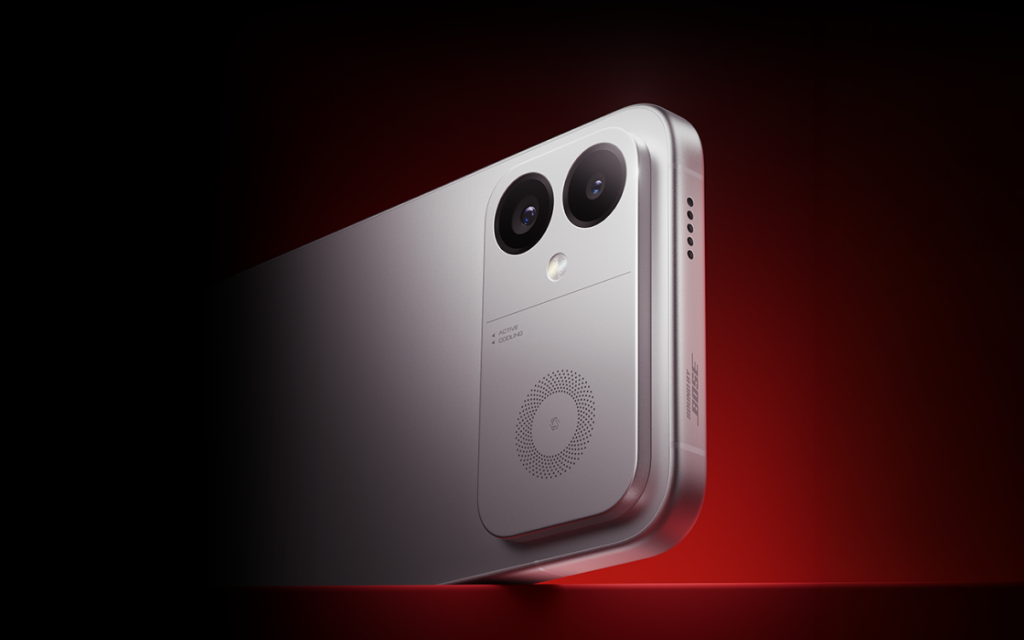
Redmi isn’t the only brand said to be exploring bigger screens. The same tipster recently also claimed that Honor is also working on its own 7-inch phone with a 185Hz refresh rate, alongside a separate 6.89-inch model built on a 2nm chip.

Honor 7-inch phone
Honor 7-inch phone leak

For context, most current flagships — including the Xiaomi 17 Ultra, Huawei Mate 80 Pro Max, and iPhone 17 Pro Max — top out around 6.9 inches. If these leaks hold up, 2026 could be the year screen sizes push well past that mark.

For more daily updates, please visit our News Section.

Stay ahead in tech! Join our Telegram community and sign up for our daily newsletter of top stories!

Source 1, 2)

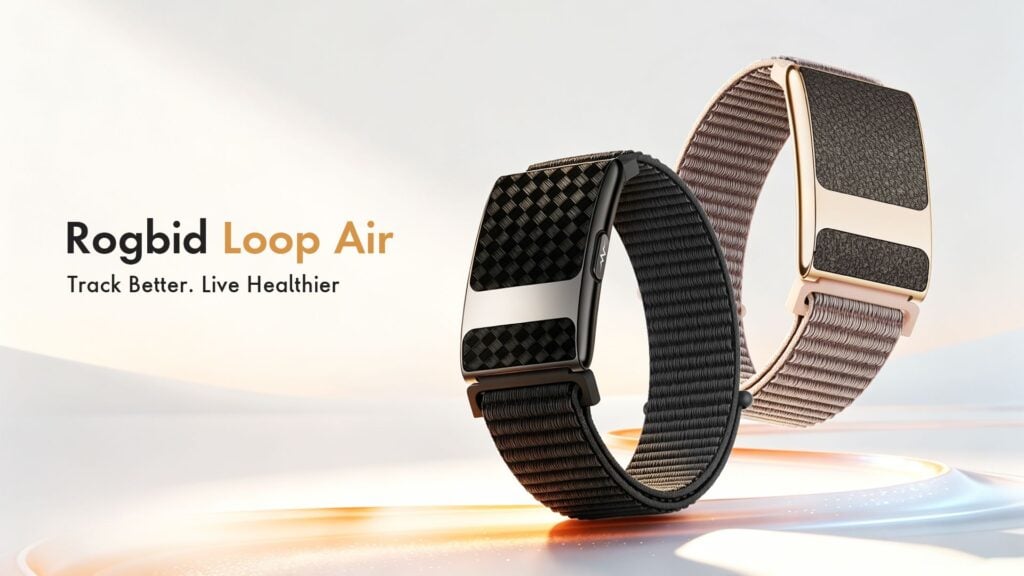
Rogbid launches Loop Air, a screenless fitness band with ECG & GPS

Rogbid has introduced the Loop Air, a screen-free fitness band aimed at users who want to track their daily health metrics without the distraction of a traditional smartwatch display.

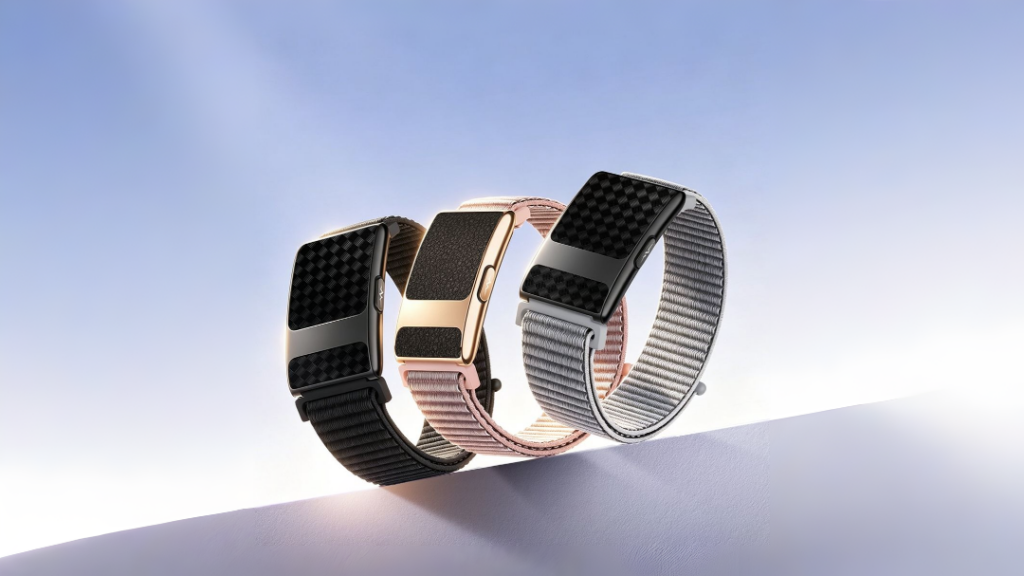
Rogbid Loop Air screenless fitness band

Rogbid Loop Air Specifications

The wearable is built with an aluminum alloy and polycarbonate frame. It weighs 23 grams and measures 8.8mm thick. Because it lacks a screen, on-device interaction is minimal. The band relies on a small indicator light and haptic vibration motors to notify users of incoming calls, messages, or alarms.

Regarding hardware, the Loop Air includes a standard array of health sensors. It tracks continuous heart rate and blood oxygen (SpO2) levels, and features an NTC contact sensor for monitoring skin temperature variations throughout the day and night.

It also includes an ECG sensor, which users can activate by touching a side electrode. Rogbid says the band can estimate blood pressure ranges based on nighttime biometric data, though the company includes standard disclaimers that the device is not a certified medical tool and the data should be used for reference only.

Rogbid Loop Air screenless fitness band

For activity tracking, the band logs steps, distance, and calories across several sports modes, such as running, cycling, and general fitness training. It utilizes GPS to record routes for outdoor workouts. It also carries a 5ATM water resistance rating, meaning it can be worn while swimming, showering, or washing hands.

Since there is no display, all data processing and review happen within the Rogbid companion app. The app provides sleep stage analysis, health summaries, and workout logs. It also includes a Family Care feature, which allows users to share their daily metrics, such as activity levels and sleep data, with approved contacts.

Internally, the band operates on a JL7073A8 main control chip and connects to smartphones via Bluetooth 5.3. Rogbid estimates the battery will last up to seven days under standard usage conditions and up to 30 days on standby. The device recharges using an included magnetic cable.

Availability

The Rogbid Loop Air is priced at $59.99 and available now through the company’s official store. It comes with silicone or woven strap options and is available in Black, Gray, and Pink.

In related news, Rogbid has recently launched the Winggo portable fan with semiconductor cooling and up to 10 hours of battery life.

For more daily updates, please visit our News Section.

Stay ahead in tech! Join our Telegram community and sign up for our daily newsletter of top stories!

Xiaomi Civi series reportedly discontinued, leak confirms no revival planned

The future of Xiaomi’s Civi lineup looks bleak, according to a fresh comment from tipster Digital Chat Station. Responding to a user’s query, the tipster confirmed that the Civi line has been shut down and there is “no sign of it being revived in the next generation.”

Xiaomi civi series discontinued

The comment puts an end to months of back-and-forth speculation around the fate of the series. Just a few months ago, we had reported that the Xiaomi Civi 6 was said to be alive after all, with specs consisting of a 200MP camera, a Snapdragon 8 Elite chipset, and even a dedicated AI button. That report followed an earlier claim that the Civi 6 had been cancelled due to weak sales of its predecessor.

Xiaomi Civi is done for after all!

Based on the latest statement from Digital Chat Station, it now looks like Xiaomi has decided to permanently retire the Civi branding rather than pause it for just one generation. Instead, the company is likely leaning on its T-series. The company announced the Xiaomi 17T series in China for the first time last month. 

Xiaomi Civi 5 Pro Launches_ Check Specs and Price
Xiaomi Civi 5 Pro

The Civi series began back in 2021 as a lifestyle-focused lineup with an emphasis on camera performance and design. Over the years, it saw several iterations, including the Civi, Civi 1S, Civi 2, Civi 3, Civi 4 Pro, and the Civi 5 Pro, which was later rebranded as the Xiaomi 15 Civi for some markets. However, inconsistent sales performance across regions appears to have made the lineup less viable for Xiaomi going forward.

As of now, Xiaomi has not issued any official statement confirming or denying the discontinuation. It’s advised to treat this update as another data point in an already confusing story, and we will update this piece if more official information becomes available.

For more daily updates, please visit our News Section.

Stay ahead in tech! Join our Telegram community and sign up for our daily newsletter of top stories!

Vivo X300e full specifications leak: Snapdragon 8 Gen 5, Zeiss cameras, and a massive Battery

The Vivo X300 series is big, with five models already in the lineup. The company, however, isn’t done yet. We previously reported that the X300e appeared in the IMEI database alongside the X Fold 6, hinting at a new addition to the series. Now, tipster Digital Chat Station has shared a detailed rundown of what the phone might actually offer.

Vivo X300e Specifications (expected)

According to the leak, the Vivo X300e will sport a 6.59-inch 1.5K OLED display with a flat panel design. Powering the device will be Qualcomm’s Snapdragon 8 Gen 5 chipset, the same as the Vivo X300 FE. Up front, you can expect a 50MP selfie camera for photos and video calls.

The camera on the back also looks quite capable. It reportedly includes a 50MP main sensor paired with an 8MP ultra-wide-angle lens and a 50MP IMX8 periscope camera for zoom shots. As expected of the X series, the cameras will come with Zeiss imaging tuning, which should improve color accuracy and optical quality.

Vivo X300 FE
Vivo X300 FE

Moving on, the X300e is said to pack a large 7015mAh or 7100mAh battery, along with 90W fast charging support. That is a sizeable capacity for a phone that is expected to measure just 7.99mm thick and weigh around 203 grams.

Design-wise, the leak suggests a square camera island on the left, along with metal frames wrapping the body. There is also a possibility of an ultrasonic fingerprint sensor, though this detail is not fully confirmed yet.

All well and good, but the tipster did not reveal the launch timeframe. As always, it is best to treat these leaked specifications with some caution until Vivo makes an official announcement.

For more daily updates, please visit our News Section.

Stay ahead in tech! Join our Telegram community and sign up for our daily newsletter of top stories!

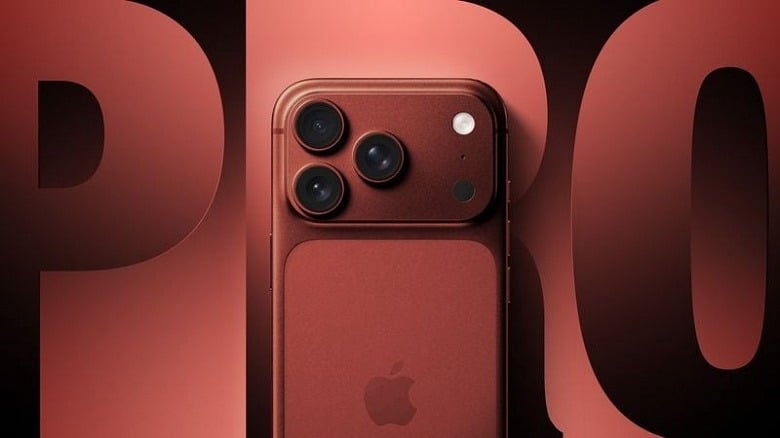
iPhone 18 Pro and Pro Max battery capacities confirmed via 3C certification

New 3C certification filings for Apple’s upcoming iPhone 18 Pro and iPhone 18 Pro Max confirm their battery capacity, months before launch. These filings are usually a reliable source since they involve regulatory paperwork. 

According to the certification listings, the iPhone 18 Pro is rated at 4056mAh for the China version and 4288mAh for the US version. That’s a modest bump from the iPhone 17 Pro, which came in at 3988mAh in China and 4252mAh in the US. We had earlier reported a nearly identical split for the standard Pro model, based on a leak from tipster Digital Chat Station, so this new filing appears to back up that report.

iPhone 18 Pro and iPhone 18 Pro Max 3C certification

As for the iPhone 18 Pro Max, the certification reveals a 5391mAh battery for the China version and 5567mAh for the US version, compared to 4823mAh and 5088mAh respectively on the iPhone 17 Pro Max. That works out to an increase of roughly 500mAh. 

Chinese phone makers like Xiaomi, Oppo, and OnePlus have long been packing 7,000mAh-plus batteries into their flagships, and Apple has typically leaned on chip efficiency rather than raw capacity to keep up. A jump toward 5,500mAh, paired with the rumored 2nm A20 Pro chip, could help close that gap further. 

What else do we know?

Apart from the battery, other parts of the iPhone 18 Pro series have also been the subject of leaks. On the chip side, the phones are expected to use the A20 Pro, Apple’s first chip built on a 2nm process. The design is expected to stay close to the current models; however, the Dynamic Island cutout is likely to be smaller as some Face ID components may hide under the display.

On the camera side, dummy units of the Pro Max suggest the phone could introduce a variable aperture in the main lens that can physically adjust how much light reaches the sensor. The camera setup is rumored to use three 48MP sensors along with a periscope telephoto lens. The screen size will be the same as last year — 6.3 inches for the Pro and 6.9 inches for the Pro Max.

As with the battery numbers, none of these details are officially confirmed, and some may change before the phones are announced. More information is expected to come out as the launch, likely in September, gets closer.

For more daily updates, please visit our News Section.

Stay ahead in tech! Join our Telegram community and sign up for our daily newsletter of top stories!

(Source)

Caviar unveils ultra-luxury collection of Apple’s unreleased foldable iPhone

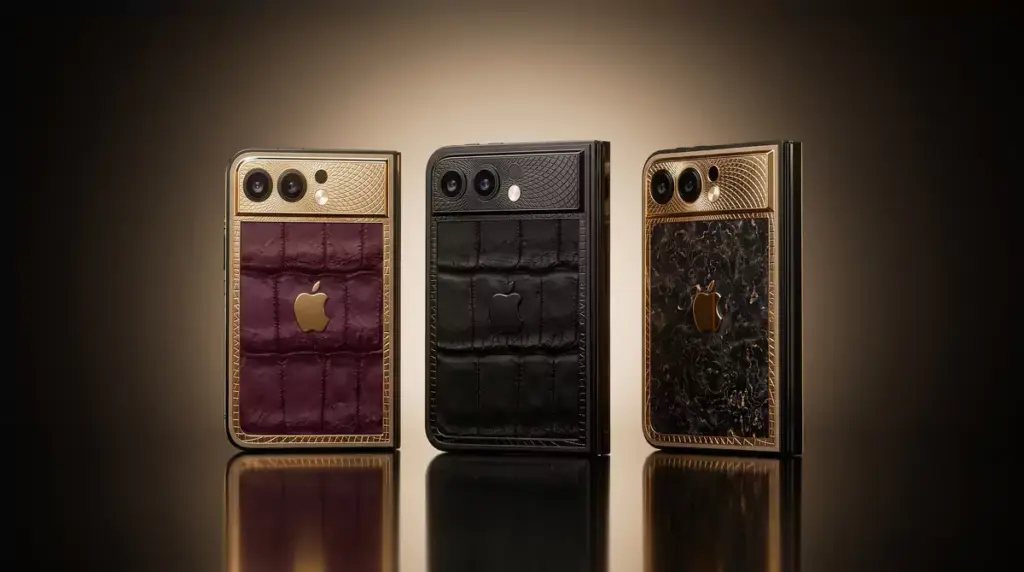
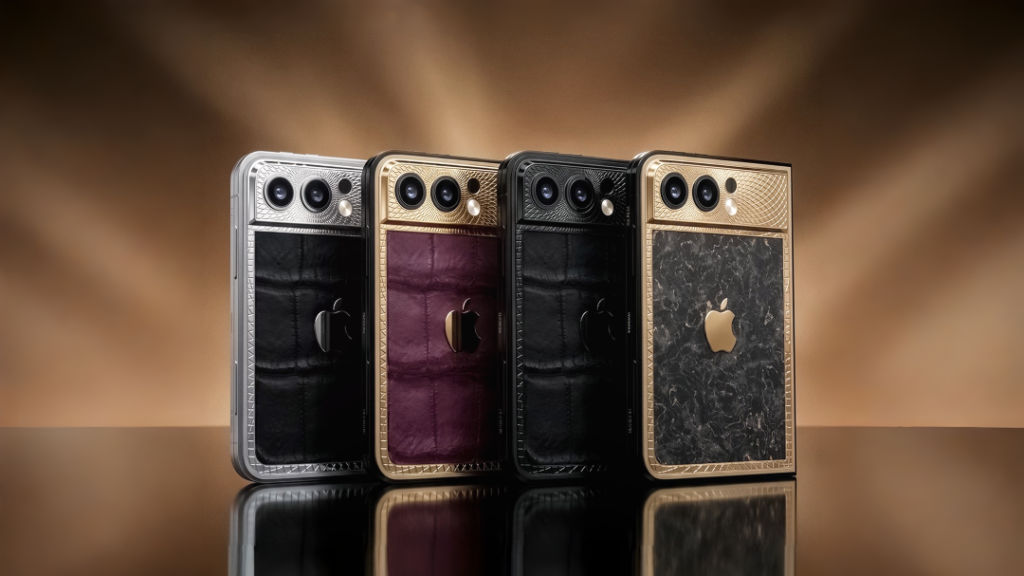
Apple has not officially confirmed the development of a foldable smartphone, but luxury device customizer Caviar is already preparing for its arrival. Based entirely on supply chain rumors and leaked renders of a device tentatively dubbed the iPhone Ultra, Caviar has announced a new “Flagship” collection.

Caviar iPhone Ultra Collection

Design Details

The collection features four distinct models, each limited to a production run of exactly 19 units. Caviar says that the designs are intended to address the typically restrained color palettes Apple reserves for its top-tier devices. All four models feature a prominent, three-dimensional Apple logo integrated into the rear panel.

The entry point to this theoretical device is the Titan model, priced at $13,840. It features a black PVD-coated titanium body paired with black crocodile leather.

Stepping up from there is the Dark Cherry variant at $14,270, which pairs wine-purple crocodile leather with 24K gold-plated accents. Caviar says this specific colorway is an attempt to preempt the rumored palette of the upcoming iPhone 18 Pro series.

Caviar iPhone Ultra Collection

The Silver model costs $15,270. It replaces the standard titanium upper half with sterling silver, retains the black crocodile leather grip, and includes a solid sterling silver Apple logo.

The most expensive option is the Gold model at $15,560. It swaps the leather back for a carbon fiber composite woven with gold threads. The frame is plated in 24-karat gold, and the 3D Apple logo is cast from solid 18-karat gold. Caviar says this design is tied to Apple’s upcoming 50th anniversary.

Caviar is currently accepting inquiries for the collection on its website.

In related news, Caviar has recently introduced a series of magnetic backplates for the iPhone 17 Pro Max, including a premium edition featuring a genuine T-Rex fossil.

For more daily updates, please visit our News Section.

Stay ahead in tech! Join our Telegram community and sign up for our daily newsletter of top stories!

(Caviar)

Gmktec launches Evo-X3 Mini PC globally with AMD Ryzen AI Max+ 395, 128GB LPDDR5X RAM & up to 4TB SSD

Following an initial release in China, Gmktec is making its Evo-X3 mini PC available globally starting July 6. The company is positioning the device as an AI workstation, primarily because of its processor and memory configuration, which are geared toward developers and professionals who need to run large language models (LLMs) and other compute-heavy tasks locally.

Gmktec Evo-X3 mini PC

Gmktec Evo-X3 Specifications

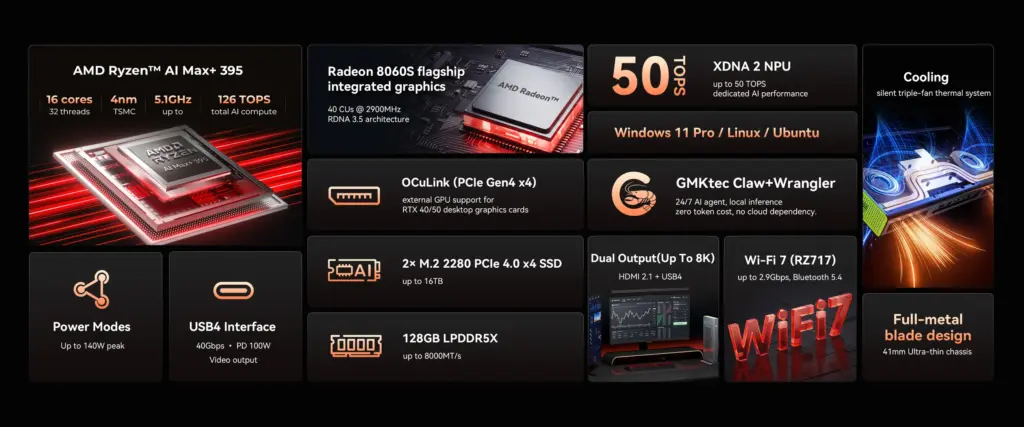
Inside the metal chassis is AMD’s Ryzen AI Max+ 395 processor. It is a 16-core, 32-thread chip built on a 4nm process, with a maximum boost clock of 5.1GHz. For graphics, it uses the integrated Radeon 8060S, which features 40 compute units based on the RDNA 3.5 architecture. The system also includes an AMD XDNA 2 NPU that provides 50 TOPS of performance, bringing the total system AI performance to 126 TOPS.

The Evo-X3 comes standard with 128GB of LPDDR5X onboard memory running at 8000 MT/s. Because it uses a unified memory architecture, users can allocate up to 96GB of that system RAM directly to the GPU. This allows the computer to load larger AI models locally, a task that usually requires discrete graphics cards with high VRAM capacities.

Gmktec Evo-X3 mini PC

Storage is handled by PCIe 4.0 NVMe SSDs, with options for either 2TB or 4TB out of the box. The system has two M.2 2280 slots, supporting a maximum internal storage capacity of 16TB if users decide to upgrade later.

Running sustained workloads in a small form factor requires specific power management. Gmktec includes three power profiles: a 54W silent mode, an 85W balanced mode, and a 120W performance mode, with peak power reaching 140W. To manage the thermals, the device uses a dual-fan cooling system with three heat pipes.

The port selection covers standard workstation requirements. The back panel features one USB4 port (which supports 100W power delivery input and 4K display output), an HDMI 2.1 port, a 2.5G Ethernet jack, and a USB-A 3.2 Gen 2 port.

It also includes an OCuLink port for connecting an external GPU, though it does not support hot-plugging. For wireless connectivity, the system uses Wi-Fi 7 and Bluetooth 5.4.

Pricing and Availability

The Evo-X3 will be available globally starting July 6, 2026. The base configuration with 128GB of memory and a 2TB SSD costs $3,600. The 4TB storage version is priced at $3,849. Both models ship with Windows 11 Pro.

In related news, Machenike has refreshed its GTR Mini PC with the Ryzen 7 255H, Radeon 780M graphics, and 16GB of DDR5 RAM.

For more daily updates, please visit our News Section.

Stay ahead in tech! Join our Telegram community and sign up for our daily newsletter of top stories!

(Gmktec)

OxygenOS and Realme UI to discontinue, OnePlus and Realme phones to run ColorOS instead

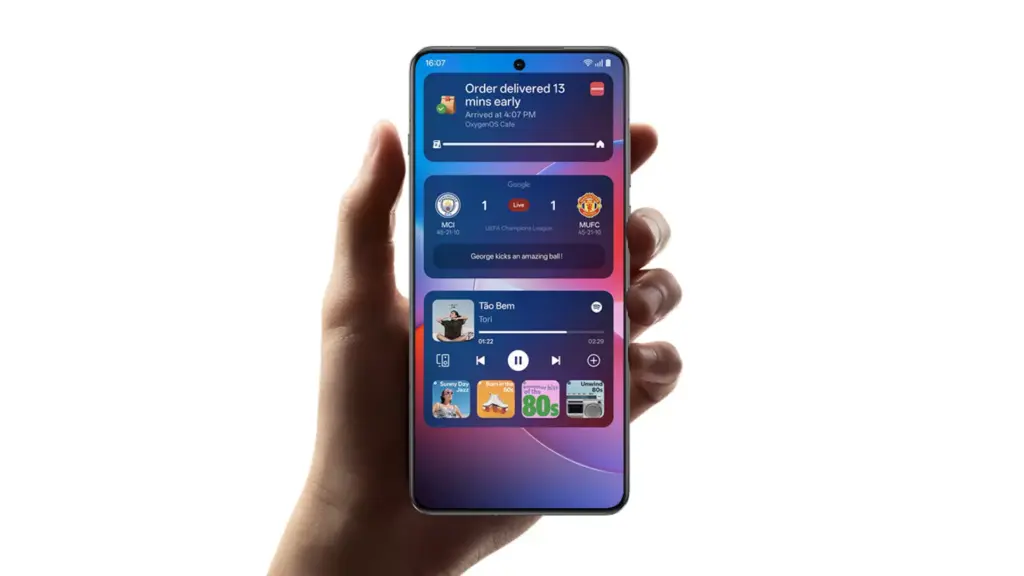
A new report says OxygenOS and Realme UI are on the verge of discontinuation, and future OnePlus and Realme phones may run ColorOS instead. 

According to a report from Smartprix, which cites an industry source, Oppo is combining OnePlus and Realme more closely into its main brand. As part of this, the three Android skins, ColorOS, OxygenOS, and Realme UI, will be reduced to one: ColorOS.

OxygenOS 16

The report also says OnePlus will now focus mainly on India and China. Realme, on the other hand, is stepping back from the Chinese market to focus on markets outside China. In India, OnePlus has already merged its repair and service network with Oppo’s, so separate OnePlus service centers are becoming less common.

The past

OxygenOS is the software OnePlus has used on its phones since 2014. Realme UI is the software Realme has used since it split off from Oppo as its own brand in 2018. ColorOS is Oppo’s own software, used on Oppo phones worldwide.

If you’ve been keeping up, the change has been in progress for a while. In 2021, OnePlus and Oppo agreed to share the same software codebase, combining OxygenOS with ColorOS. We covered this at the time, when OnePlus confirmed OxygenOS would share a codebase with ColorOS after its full merger with Oppo. Since then, ColorOS has taken on more of the development work, even though OnePlus phones still have OxygenOS branding. 

Now, that could change too — not just for OnePlus but for Realme too.

Realme UI was already close to ColorOS, so Realme users may not notice much difference. OnePlus users, who are used to OxygenOS’s lighter, simpler interface, will likely see more change. 

None of this has been confirmed by OnePlus, Realme, or OPPO yet. It’s also not clear when this change would take effect, or whether it will apply to all markets at once. 

For more daily updates, please visit our News Section.

Stay ahead in tech! Join our Telegram community and sign up for our 

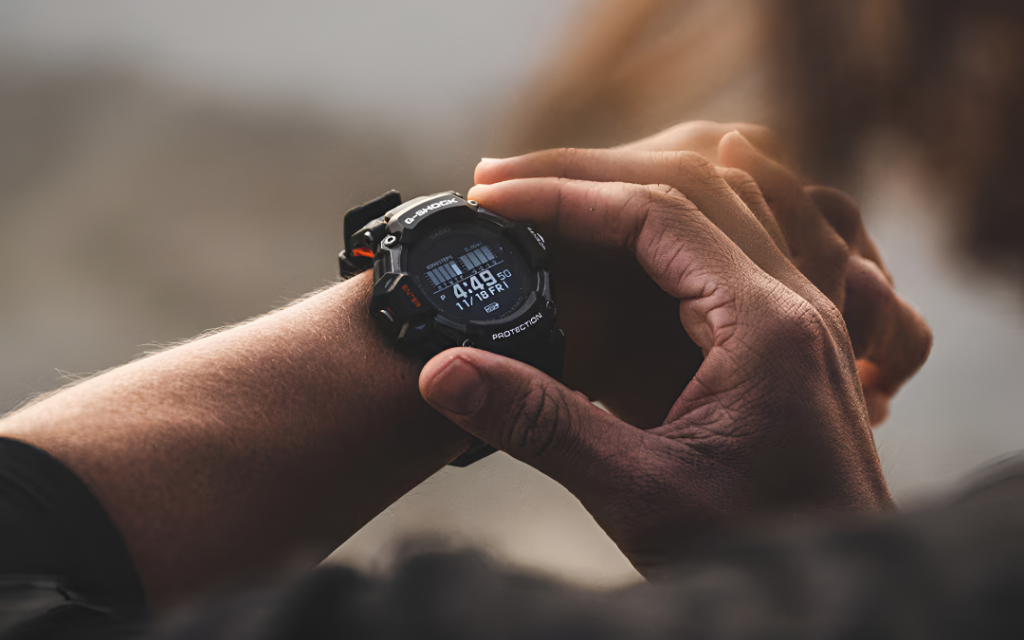
Casio G-Shock vs Apple Watch Ultra 3: Which Rugged Watch is Right for You?

When you think of a watch built for the outdoors, Casio‘s G-Shock is likely the first thing that comes to mind. It has been the practical standard for decades.

But Apple has been steadily carving out its own space in this category, and the Apple Watch Ultra 3 shows just how serious the company is about the rugged wearable market.

Choosing between the two isn’t just about comparing spec sheets; it’s about deciding what kind of tool you actually need on your wrist when you head outside.

Casio G-Shock

1. Design and Build Quality

The Apple Watch Ultra 3 sticks to its familiar titanium case, which is now available in a black finish alongside the natural titanium. It’s built well, featuring MIL-STD 810H certification, IP6X dust resistance, and 100 meters of water resistance.

It comes with a new LTPO3 OLED display, has thinner borders, and gets bright enough, up to 3,000 nits, to read clearly in harsh, direct sunlight. Apple also pairs this with activity-specific bands, like the reflective Trail Loop or the Scub’H Diving band.

Casio takes a distinctly different approach to durability. G-Shocks rely on thick resin bezels, carbon core guards, and deeply recessed screens to absorb impacts. While the Ultra 3 is tough, it still has a large, exposed glass surface that can scratch or crack if you hit it against a rock at the wrong angle.

The G-Shock is designed so that the screen rarely takes a direct hit. It’s a more forgiving design if your daily routine involves heavy manual labor, climbing, or environments where your wrists take a lot of bumps.

2. Features and Connectivity

This is where the two watches diverge the most. The Ultra 3 is essentially a standalone communication and health device. Running watchOS 26, it offers 5G connectivity and a new two-way satellite communication feature for when you lose cell service, which is a genuine safety benefit for hikers and backpackers. It’s also a comprehensive health tracker, introducing hypertension notifications, detailed sleep scores, and an AI-assisted Workout Buddy alongside standard features like ECG and blood oxygen monitoring.

G-Shocks, meanwhile, offer a wider spectrum of utility depending on what you buy. The traditional models are straightforward, giving you the time, alarms, timers, and maybe a compass or barometer. However, Casio also makes a range of smarter G-Shocks that bridge the gap.

These hybrid models offer Bluetooth smartphone syncing, step tracking, heart rate monitoring, and GPS. They provide the core data a runner or hiker might want, without the constant ping of notifications or the complexity of managing a full smartwatch operating system.

3. Battery Life

Battery life is often the deciding factor for outdoor gear. Apple has improved the Ultra 3’s battery management, offering about 42 hours of regular use and up to 72 hours in a low-power mode.

The new fast charging is helpful, 15 minutes on the charger gets you about 12 hours of use, but you still need to remember to pack a proprietary charger and a power bank for weekend camping trips.

G-Shocks are much lower maintenance. Standard battery models last for years, and Casio’s solar-powered options can keep ticking indefinitely as long as they get regular sunlight.

Even the smarter G-Shocks equipped with fitness tracking and heart rate sensors can often go weeks between charges. If you don’t want to worry about your watch dying on a trail, Casio has a clear advantage.

4. Which One is Right for You?

The Apple Watch Ultra 3 and the Casio G-Shock serve different needs. The Ultra 3 is for people who want deep health insights, reliable connectivity, and modern safety features like satellite messaging and crash detection. It’s a highly capable device, provided you are willing to charge it every couple of days.

The G-Shock, whether you opt for a basic model or one with smart fitness tracking, is for those who prioritize reliability and simplicity. It’s a watch you can put on, take into the mud, and largely forget about until you need to check the time or your heart rate.

For more daily updates, please visit our News Section.

Stay ahead in tech! Join our Telegram community and sign up for our daily newsletter of top stories!

2026 Asus Vivobook 15 debuts as the first laptop with Intel Core 5 Series 3 processor

Asus has unveiled the new Vivobook 15 (2026) in India, bringing an AI-ready laptop designed for everyday work, learning and entertainment. Alongside the launch, the company has also announced special offers across its consumer, gaming and creator laptop lineup during Amazon Prime Day and the Flipkart GOAT Sale.

2026 Asus Vivobook 15 specifications and features

The Asus Vivobook 15 is the first laptop in India to feature Intel’s Core 5 Series 3 processor. The chip includes an integrated Intel AI Boost NPU capable of delivering up to 16 TOPS for AI-powered Windows experiences. The laptop features a 15.6-inch Full HD anti-glare display, 16GB DDR5 RAM and a 512GB PCIe 4.0 SSD.

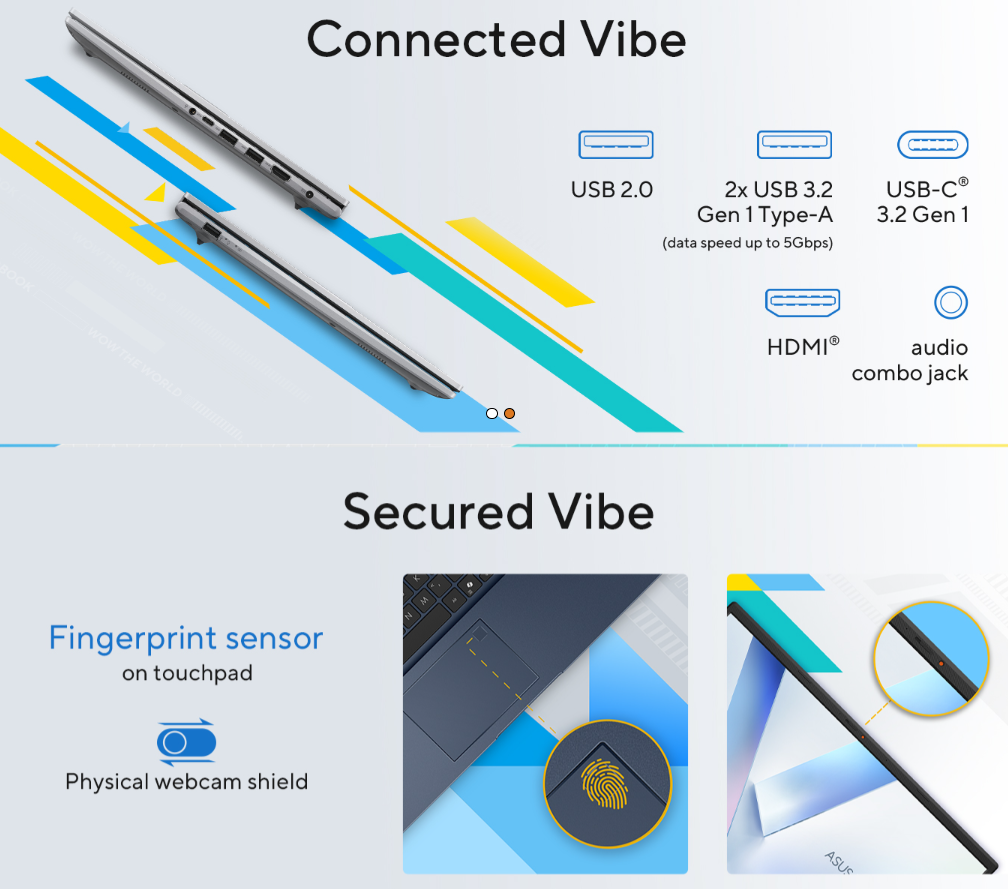
Connectivity options include Wi-Fi 6, while security and convenience features include a fingerprint reader, a privacy shutter for the HD webcam and a dedicated Copilot key on the backlit keyboard.

Asus has also equipped the laptop with MIL-STD-810H military-grade durability, and despite the large display, it weighs only 1.7kg. The Vivobook 15 will be available in Cool Silver, Quiet Blue and Terra Cotta colour options.

Price and availability

The Asus Vivobook 15 (2026) carries an MRP of Rs 1,59,990 but will be available at a launch price of Rs 1,07,990. It will be sold exclusively through Amazon and Flipkart. It has also introduced the TUF Gaming A15 Prime Day Special, powered by the AMD Ryzen 7 8845HS processor and Nvidia GeForce RTX 3050 graphics. It features a 15.6-inch Full HD 144Hz display, 16GB DDR5 RAM and a 512GB PCIe 4.0 SSD, and is priced at Rs 1,18,990 during the sale.

Prime Day and GOAT Sale offers

Alongside the new launches, Asus is offering discounts of up to 55 percent across a wide range of laptops during Amazon Prime Day and the Flipkart GOAT Sale.

Buyers can also avail instant bank discounts of up to Rs 6,000, exchange bonuses of up to Rs 20,000 and no-cost EMI options for up to 18 months on select models. The offers cover several Vivobook, Zenbook, TUF Gaming and ROG laptops across different price segments.

For more daily updates, please visit our News Section.

Stay ahead in tech! Join our Telegram community and sign up for our daily newsletter of top stories!

OnePlus Ace 7 may feature brand-new Snapdragon 8-series chip, 9,000mAh battery, 185Hz display

OnePlus is working on a couple of new flagship phones for the Chinese market. Apart from the OnePlus 16, the company is also expected to introduce the Ace 7 series in China. Today, reliable tipster Digital Chat Station shared key details about what appears to be the upcoming Ace 7 lineup.

OnePlus Ace 7 key details tipped

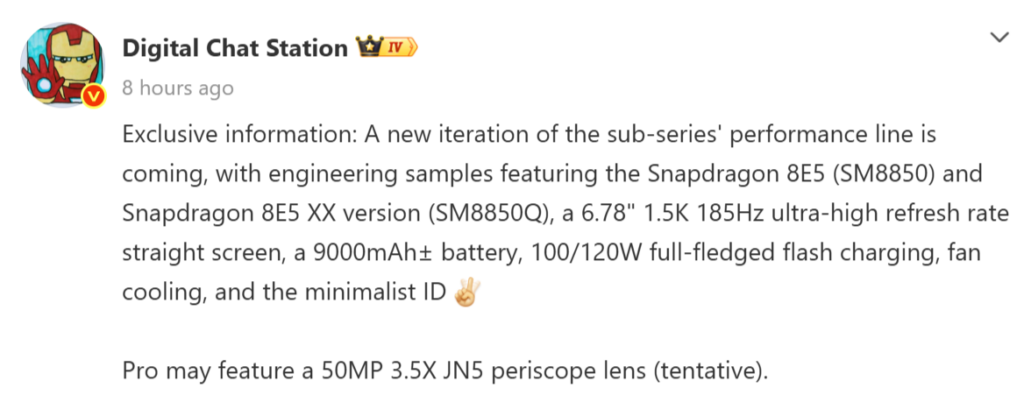
According to the leak, engineering prototypes are currently being tested with both the Snapdragon 8 Elite Gen 5 (SM8850) and a custom variant of the same chip with the model number SM8850Q. The prototypes are said to feature a 6.78-inch 1.5K flat display with an exceptionally high 185Hz refresh rate, a massive battery of around 9,000mAh, 100W or 120W fast charging, active fan cooling, and a minimalist design. These specifications align with the Ace 7 leak the same source shared back in May, although the earlier leak did not mention the SM8850Q chip.

The tipster further claims that the Pro variant may also include a 50-megapixel 3.5x periscope telephoto camera based on Samsung’s JN5 sensor, although this specification has reportedly not been finalized. To recall, the Ace 6 lineup included three models: the OnePlus Ace 6 (Snapdragon 8 Elite), OnePlus Ace 6T (Snapdragon 8 Gen 5), and OnePlus Ace 6 Ultra (Dimensity 9500). As the previous generation did not include a Pro model, it appears that the company could be planning to launch the OnePlus Ace 7 Pro.

Last month, the same source revealed details about another upcoming Ace-series phone. Since it is expected to feature the Snapdragon 8 Gen 6, it could launch as the OnePlus Ace 7T in China. A tweaked version of the device may debut globally under the OnePlus 16R branding. The Ace 7T is also expected to feature a 1.5K 185Hz LTPS OLED display, but the rest of its specifications remain under wraps.

For more daily updates, please visit our News Section.

Stay ahead in tech! Join our Telegram community and sign up for our daily newsletter of top stories!

Galaxy S27, S27 Pro, S27 Plus, and S27 Ultra: all models to get Privacy Display hardware

Samsung looks set to make its clever Privacy Display technology a standard feature across the entire Galaxy S27 series in 2027. According to reports from TheElec, every model in the lineup, including the S27, S27 Plus, S27 Pro, and S27 Ultra, will get the feature. The more affordable S27 FE is expected to be the only one left out. This is a major expansion from the Galaxy S26 series, where Privacy Display was available only on the Ultra model.

Samsung first introduced the tech on the S26 Ultra using something called Flex Magic Pixel. It works by dynamically controlling the OLED screen so that people viewing from the side see a darkened display, while the person in front gets a clear view. It’s a great defense against shoulder surfers in public.

The first version was popular but had some early teething issues with consistency. Those problems have reportedly been sorted out. For the S27 series, we’re expected to see a refined second-generation version that delivers a smoother and more reliable experience.

One industry source noted that making Privacy Display standard across the flagships shows how important the feature is to Samsung. It’s no longer just an Ultra exclusive but a core part of the premium Galaxy experience.

This move could give Samsung a meaningful edge, especially against Apple’s upcoming iPhone 18 series. In a world where people are increasingly protective of their data, being able to shield your screen from prying eyes in cafes, trains, or meetings is genuinely useful.

The S27 lineup (expected early next year) will also introduce a new compact “Pro” model. While we’re still waiting for full specs, the wider rollout of Privacy Display is easily one of the most interesting upgrades so far.

As privacy concerns continue to grow, features like this could play a bigger role in buying decisions. Samsung seems confident the technology is now mature enough to become a selling point across its flagship range — and it might just push the rest of the industry to follow.

Don’t miss a thing! Join our Telegram community for instant updates and grab our free daily newsletter for the best tech stories!

For more daily updates, please visit our News Section.

(Source: The Elec)