Advertisement

Global Vivo X500 Pro Max bags an important certification

Vivo is reportedly working on the Vivo X500 series for multiple markets. Reports suggest that it may break cover in September in China, and it now appears that its global launch may soon follow. The reason is that the X500 Pro Max’s global edition has bagged an important certification.

Vivo X500 Pro Max gets TKDN certification

Vivo X500 Pro Max TKDN listing

It was recently reported that the Vivo X500 Pro Max’s global version was spotted with model number V2610 in the IMEI database. Now, in a new development, the device has emerged in Indonesia’s TKDN certification database. While the listing does not reveal any information about its specifications, it does hint that its global launch may soon follow its China debut.

Vivo X500 Pro Max specifications (rumored)

As per reports, the Vivo X500 Pro Max will feature a 6.85-inch OLED 2K LTPO display with support for a 144Hz refresh rate and an ultrasonic in-display fingerprint sensor. The device is expected to ship with OriginOS 7-based Android 17.

The X500 Pro Max could be powered by the upcoming 2nm Dimensity 9600 Pro chipset and a large battery of around 8,000mAh capacity with support for blazing-fast wired charging and wireless charging. At present, there is no information on the RAM and storage variants of the device.

The X500 Pro Max is expected to feature a 50-megapixel front-facing camera. On the back, it is said to feature a 50-megapixel Sony LYT-838 primary camera with a large 1/1.28-inch sensor and LOFIC technology. It could be accompanied by a new 50-megapixel Sony IMX8-series ultra-wide camera and a 200-megapixel periscope telephoto camera with a 1/1.4-inch sensor and an 85mm focal length.

For more daily updates, please visit our News Section.

Stay ahead in tech! Join our Telegram community and sign up for our daily newsletter of top stories!

(via)
Huawei Mate XT 2, Mate X8 tipped to arrive with a major chipset upgrade

Huawei appears to be gearing up to launch its next foldable smartphones later this year. While the company has not confirmed any details yet, a new leak hints that its upcoming foldables could bring major upgrades in performance, cameras, and battery capacity.

Huawei’s next foldables tipped with Kirin 9050

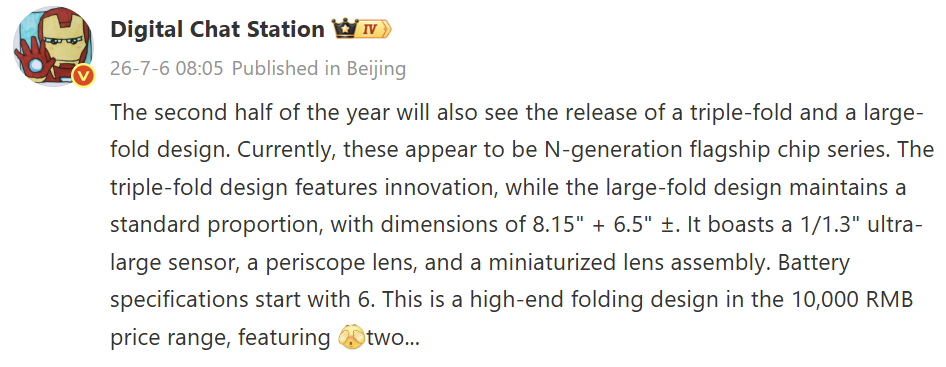
According to tipster Digital Chat Station on Weibo, Huawei is planning to launch both a new tri-fold phone and a conventional book-style foldable in the second half of this year. While the tipster has not revealed the names of these devices, he could be referring to the Huawei Mate XT 2 and Mate X9 foldable phones.

Both devices are said to feature next-generation flagship Kirin chipsets. The tri-fold model is tipped to introduce further refinements to its folding design, while the book-style foldable is expected to feature an 8.15-inch inner display and a 6.5-inch cover screen.

When the tipster says these devices will use next-generation Kirin chips, it appears Huawei may skip the Kirin 9030 series altogether in favour of the upcoming Kirin 9050 lineup. The chipset is expected to arrive in standard and Pro variants, with the Mate XT 2 likely to debut with the Kirin 9050 Pro. The device is also tipped to ship with HarmonyOS 7.

Previous reports claim the new chip could adopt a dual-layer vertically stacked logic architecture, which is expected to improve both performance and power efficiency without relying on a more advanced manufacturing process.

The same source claims Huawei’s upcoming foldables could feature a large 1/1.3-inch primary camera sensor, a periscope telephoto camera, and a compact camera module. The devices are also expected to pack batteries starting with the number six, suggesting capacities above 6,000mAh. In terms of pricing, these devices are likley to cost around 10,000 Yuan (~$1,470).

As per a previous report, the Mate XTs is expected to arrive in multiple shades, such as Mystic Black, Auspicious Red, Crimson Purple, and Bright White. If the leaks prove accurate, Huawei could unveil its next-generation foldables as early as September.

For more daily updates, please visit our News Section.

Stay ahead in tech! Join our Telegram community and sign up for our daily newsletter of top stories!

Huawei announces Pura 90 series global launch for next week

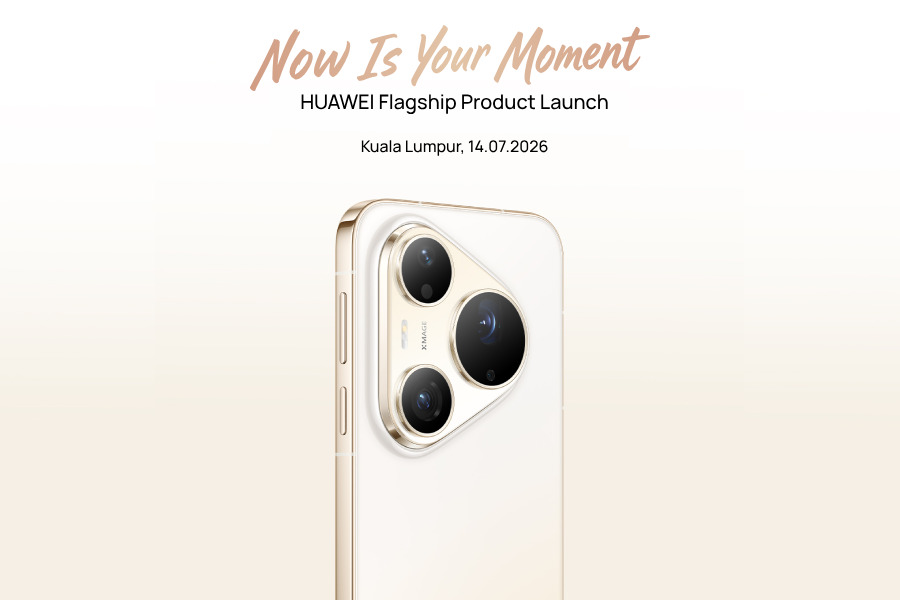
Huawei has confirmed it will host a flagship launch event themed “Now is Your Moment” in Kuala Lumpur, Malaysia, on July 14. At the event, the company will introduce the Pura 90 series smartphones to international markets for the first time.

The Pura 90 lineup was originally unveiled in China earlier this year, with three models: the standard Pura 90, the Pura 90 Pro, and the Pura 90 Pro Max. Prices in China started at 4,699 yuan (~$690).

Huawei Pura 90 series global launch event

What can you expect?

The standard Pura 90 comes with a 6.84-inch 1.5K flat display and a 6,500mAh battery, packed into a slim 6.9mm frame weighing 203 grams. 

The Pura 90 Pro steps up the camera game with a 6.6-inch display, a 50MP main sensor with a variable aperture ranging from f/1.4 to f/4.0, a 12.5MP ultra-wide camera, and a 50MP periscope telephoto lens offering 4x optical zoom.

At the top, the Pura 90 Pro Max offers a larger 6.9-inch display and a more advanced camera setup with a 50MP main sensor, a 40MP ultra-wide camera, and a 200MP periscope telephoto lens supporting 4x optical zoom and up to 8x optical-quality zoom. Huawei has said this telephoto system captures far more light than rival flagships, thanks to a specially designed prism structure.

Huawei Pura 90 Pro Design and Colors
Huawei Pura 90 Pro

Both Pro models run on the new Kirin 9030S chipset, which brings notable gains in AI-based image processing, along with a 6,000mAh battery and Kunlun glass protection for better durability. Both models also carry a 4x optical zoom and up to 100x digital zoom for the top camera, along with a 13MP front-facing camera. The phones run on HarmonyOS 6.1, with a range of AI-powered photography tools built in.

While Huawei hasn’t revealed global pricing yet, more details are expected to be shared at the July 14 event in Kuala Lumpur.

For more daily updates, please visit our News Section.

Stay ahead in tech! Join our Telegram community and sign up for our daily newsletter of top stories!

Here’s the first look at the Redmi Note 17 and Note 17 Pro

Redmi is all set to announce the Redmi Note 17 series this month. Reports suggest that the lineup may include at least four models, such as the Redmi Note 17R, Note 17, Note 17 Pro, and Note 17 Pro Max. It is speculated that the Note 17R could be a rebranded version of the Redmi 17 5G for the global market. The rumor mill has also leaked the key specifications of the three models. Now, ahead of the expected launch, a poster has emerged, giving us the first look at the Note 17 and Note 17 Pro.

Redmi Note 17 series design revealed

Redmi Note 17 series
Redmi Note 17 series first look

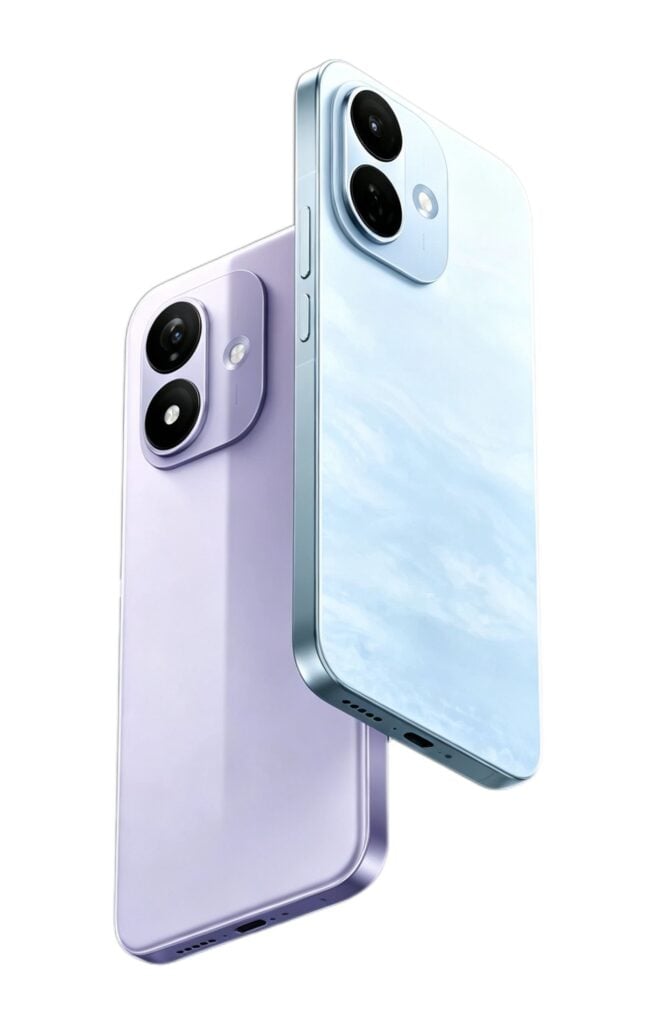
In the above image, the Redmi Note 17 can be seen with a single camera on the left, whereas the Note 17 Pro, with dual cameras, can be seen on the right. The new series features a new camera deco positioned at the top-left corner, compared to the centered camera module on the upper half of the Note 15 series.

For those who don’t know, the Redmi Note 16 moniker has been skipped, as the company has decided to jump from the Note 15 to the Note 17 branding. Also, the brand is yet to confirm any of the technical details of the Note 17 lineup.

Redmi Note 17, Note 17 Pro specifications (rumored)

As per recent reports, the Redmi Note 17 will come equipped with a 6.83-inch flat OLED panel with support for a 1.5K resolution. The Pro edition is likely to feature the same display.

Under the hood, the Note 17 may house the Snapdragon 6s Gen 4. While it is said to support 67W charging, there is no information about its battery capacity. On the other hand, the Note 17 Pro could be powered by the more powerful Snapdragon 6 Gen 5 chip and a massive 9,000mAh battery.

Both phones are expected to feature a 50-megapixel primary camera. The two phones may also come with other common features, such as HyperOS 3.1-based Android 16, dual speakers, and a water-resistant body.

As far as the Note 17 Pro Max, there is a possibility that it may launch next month (August). It is expected to pack a 1.5K OLED flat panel, a Dimensity 7500 chip, a 10,100mAh battery, and a 200-megapixel main camera.

For more daily updates, please visit our News Section.

Stay ahead in tech! Join our Telegram community and sign up for our daily newsletter of top stories!

Upcoming iQOO Z-series Dimensity 7500 phone spotted on Geekbench

iQOO is reportedly working on a new Z-series phone called the iQOO Z11 Lite. The unannounced phone was spotted with model number I2510 and the Dimensity 6300 chip on Geekbench back in May. It now appears that yet another Z-series phone is in the works, as it has surfaced on the same benchmarking platform.

iQOO’s upcoming phone appears on Geekbench

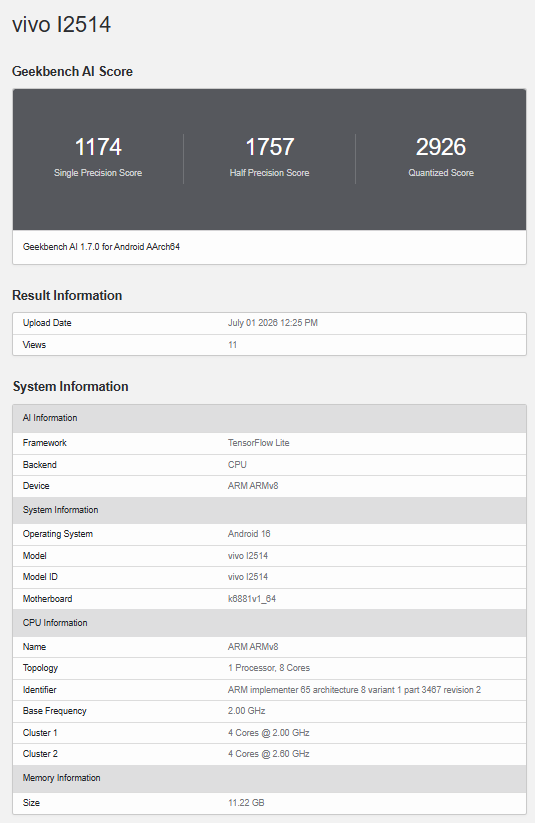
iQOO I2514 Geekbench AI listing

As can be seen above, the upcoming iQOO phone with model number I2514 has appeared in Geekbench AI’s database. The listing reveals that it is powered by the MediaTek MT6881 chip, which comprises four performance cores clocked at 2.6GHz and four efficiency cores running at 2.0GHz. These details suggest that this device could be equipped with the Dimensity 7500.

The listing further reveals that this mysterious iQOO phone has 12GB of RAM and runs Android 16, likely with OriginOS 6 layered on top. The Geekbench AI scores of 1,174 (Single Precision), 1,757 (Half Precision), and 2,926 (Quantized) suggest that the device should deliver solid on-device AI performance for everyday tasks, with quantized AI workloads expected to run significantly faster and more efficiently than higher-precision tasks.

At present, there is no information about the device’s final marketing name. It remains to be seen whether it debuts in the market as the iQOO Z11.

For more daily updates, please visit our News Section.

Stay ahead in tech! Join our Telegram community and sign up for our daily newsletter of top stories!

(via)
Xiaomi 18 Pro Max leak reconfirms 2nm chip, dual 200MP cameras, and larger battery

Xiaomi‘s next big-screen flagship is once again in the spotlight, thanks to a fresh leak from well-known tipster Digital Chat Station (DCS) on Weibo. The post shares new details about the engineering prototype of the Xiaomi 18 Pro Max, and it builds on several leaks that have surfaced over the past few months.

Xiaomi 18 Pro Max Specifications (Expected)

According to the leak, the prototype uses a custom flat display with large rounded corners and narrow, evenly sized bezels on all four sides. This is consistent with earlier reports pointing to a 6.9-inch 2K OLED screen for the device, paired with a 2nm-based Snapdragon chip.

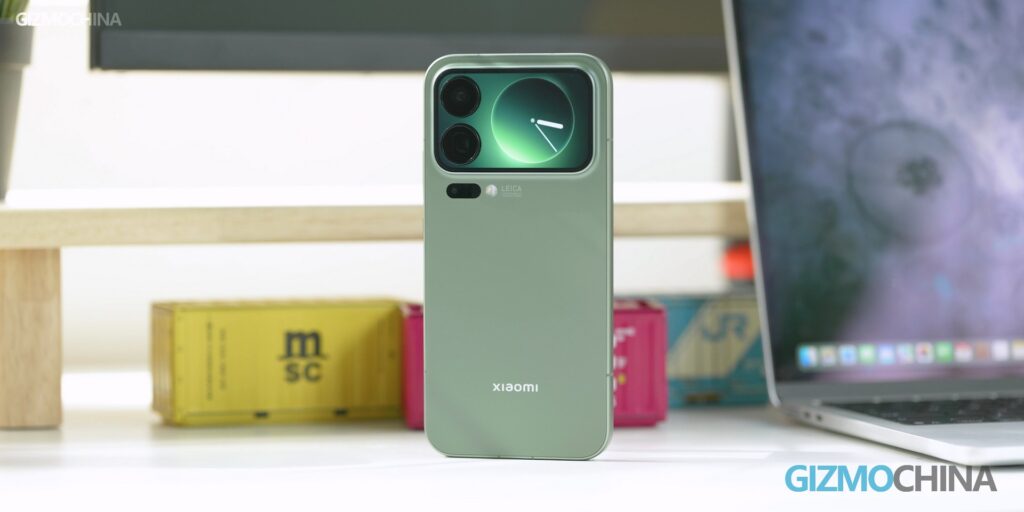
The camera setup is said to include a 200MP main sensor with LOFIC technology — the latter improves dynamic range in difficult lighting — and a second 200MP sensor for telephoto and macro shots. This matches an earlier report that tipped a dual 200MP camera system on the same device, with the telephoto lens offering roughly 3x zoom.

Xiaomi 17 Pro Max

As for the battery, the insider suggests a capacity of “8K++,” meaning the cell will be above 8,000mAh. To be more specific, a previous leak revealed the capacity to be 8,500 mAh. Charging is expected to cap at 100W for wired and likely 50W wireless support. The post also mentions dual speakers and a larger haptic motor.


Read more from Gizmochina:

One exchange in the comments section is worth noting. When a user suggested the phone’s cost would be high, DCS responded that the price would likely reflect that. 

For comparison, the Xiaomi 17 Pro Max launched last September at 5,999 yuan, with a 6.9-inch flat screen, a triple Leica camera system, a 7,500mAh battery, and 100W charging. 

For more daily updates, please visit our News Section.

Stay ahead in tech! Join our Telegram community and sign up for our daily newsletter of top stories!

(Source)

Casio launches two modular Baby-G watches with a detachable design and retro Y2K vibes

Casio is adding two new models to its Baby-G lineup this July: the BGD-10KG-2JR and BGD-10KG-4JR. These are priced at ¥11,550 ($72) in Japan and lean into the ongoing Y2K hardware trend, featuring translucent resin bands and glitter-infused dials.

Casio Baby-G BGD-10KG watches

Casio BGD-10KG Specifications

These watches come with a modular physical design. The center digital module of the watch can be popped out of the standard resin wristband and inserted into an included silicone holder.

This holder comes with its own strap, allowing you to use the watch as a standalone time-telling charm clipped to a backpack, belt loop, or lanyard, rather than wearing it on your wrist. Casio says that users can customize the silicone holder with their own decorations, though the company warns against using metallic straps that might tear the mounting holes.

Beyond the modular case, the BGD-10KG is a straightforward, reliable digital watch. It maintains the durability metrics expected from the Baby-G line, including a shock-resistant resin build and water resistance up to 100 meters, making it perfectly fine for swimming or daily wear.

Casio Baby-G BGD-10KG watches

The watch is relatively compact, measuring 42.8 x 39 x 14.7 millimeters, and weighs just 33 grams. The digital display is protected by standard mineral glass.

Inside, the watch runs on a CR1616 coin-cell battery, which Casio estimates will last about three years before needing a replacement. The feature set includes the usual digital watch staples: world time covering 29 time zones and 30 cities, a stopwatch, a 24-hour countdown timer, and five daily alarms.

It also includes a white LED backlight that stays on for two seconds to help you read the time in the dark, alongside a full auto-calendar.

Availability

Both watches are now available for pre-order through Casio’s official online store in Japan ahead of their release later this month.

In related news, Casio has recently launched four Luxe Black G-Shock 2100 series watches with an all-black minimalist design in the US.

For more daily updates, please visit our News Section.

Stay ahead in tech! Join our Telegram community and sign up for our daily newsletter of top stories!

(Casio Japan 1,2)

Bull launches 300W desktop charging station with 8 ports, built-in display & app control

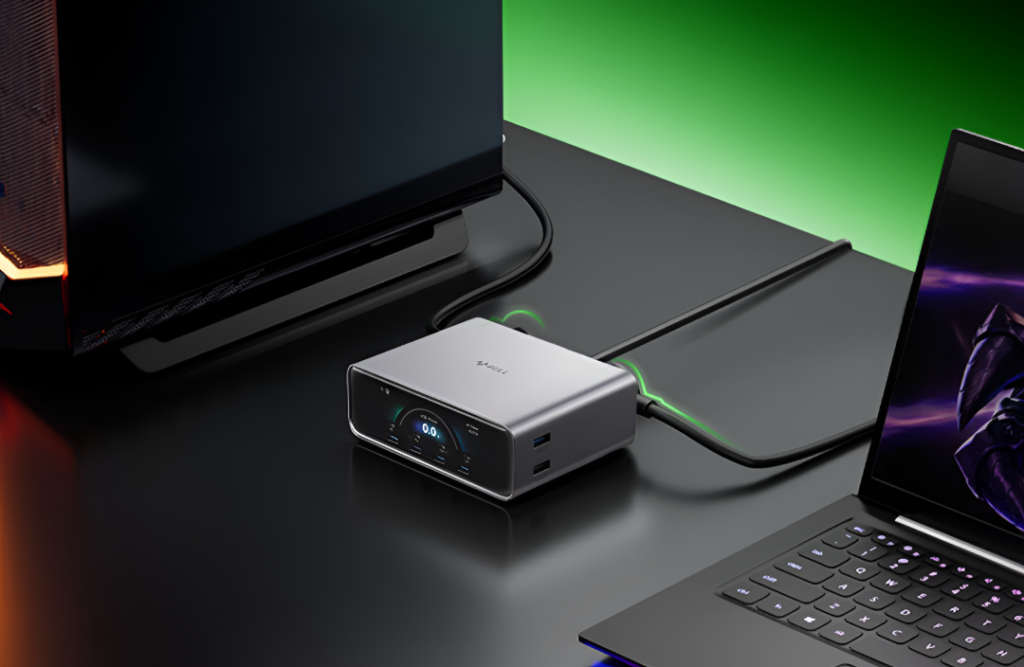
Bull, the Chinese accessories maker, has launched the Smart Super Charging Station Ultra in China for 799 yuan ($118). The desktop charging hub combines high-speed USB charging, dual AC outlets, and a built-in display for real-time power monitoring.

Bull Smart Super Charging Station Ultra

Bull Smart Super Charging Station Ultra Specs

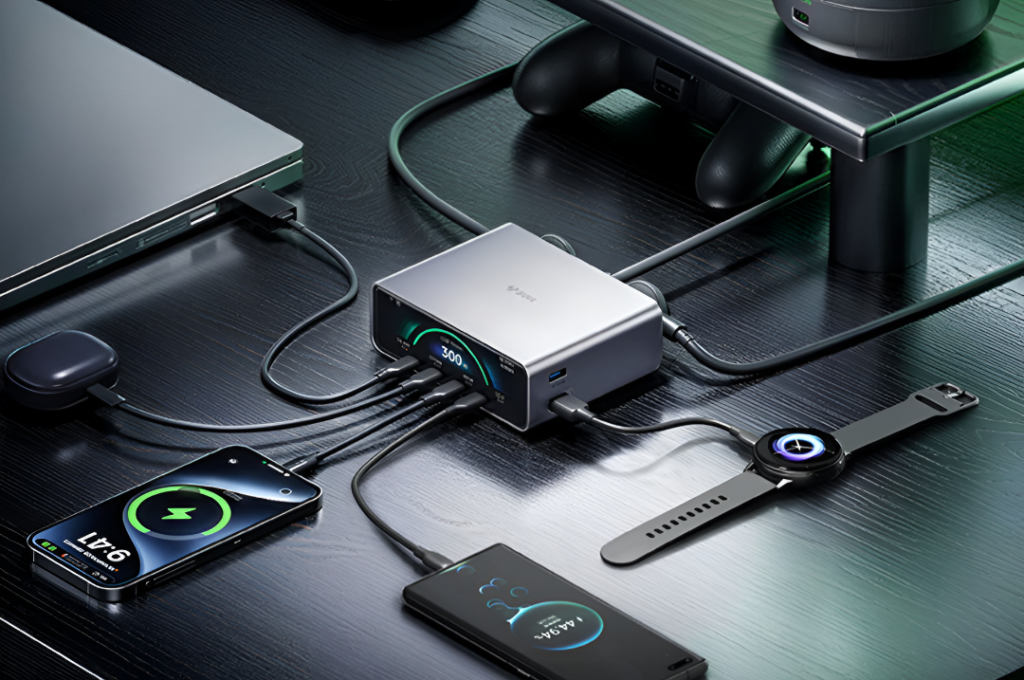
The charging station includes eight ports in total. On the back, there are two five-hole AC sockets, which support a maximum load of 2,500W. The rest of the hub houses the USB array, consisting of four USB-C ports and two USB-A ports. When used simultaneously, the USB ports can output a combined total of 300W.

The primary USB-C port (C1) supports the USB PD 3.1 Extended Power Range (EPR) standard, allowing it to deliver up to 240W to a single device. The remaining three USB-C ports (C2, C3, and C4) support up to 140W each.

Additionally, the C2 port is compatible with Xiaomi’s 120W HyperCharge protocol. The two USB-A ports are intended for standard and lower-power accessories, with one supporting up to 20V/2A and the other capped at 5V/1A.

Bull Smart Super Charging Station Ultra

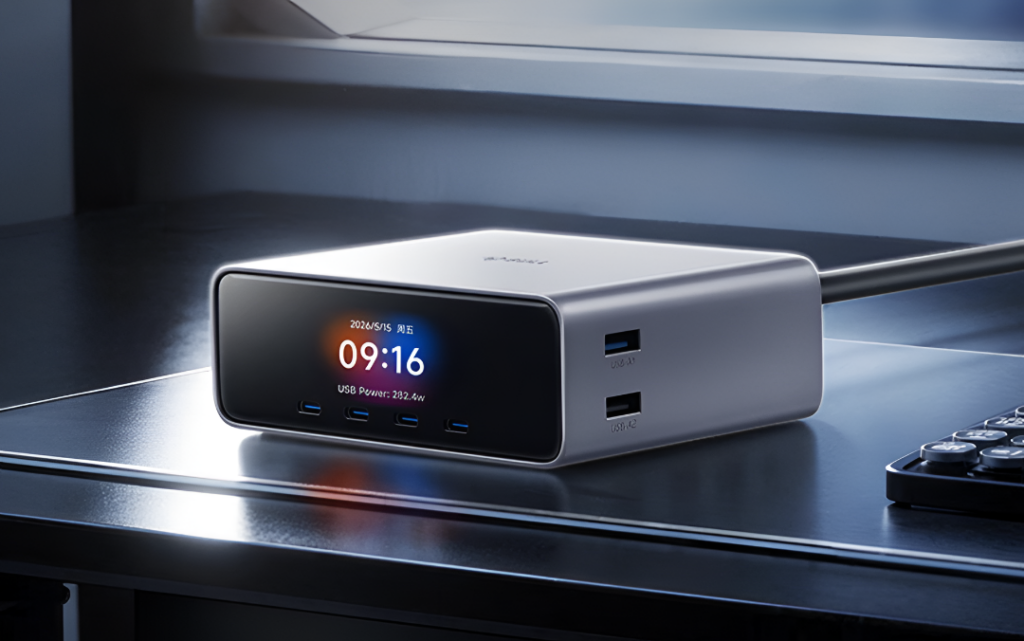
The hub comes with a 3.02-inch color display on the front. It shows real-time metrics, including the wattage of individual USB ports, the active charging protocols, and the overall AC power consumption. The device also connects to Wi-Fi, allowing users to manage it via the Bull MosHome app.

Through the app, you can view charging status, manually allocate power to specific ports (with a 20W minimum), and install OTA firmware updates to add support for new charging protocols in the future. By default, the hub uses dynamic power allocation to automatically distribute wattage based on connected devices.

Bull Smart Super Charging Station Ultra

Internally, the charger uses gallium nitride (GaN) components, an integrated copper heatsink, and a thermal gel encapsulation process to manage heat during high-wattage output. It includes standard safety features like overvoltage, electrostatic discharge, and short-circuit protection, as well as an automatic cutoff if the AC outlets exceed their 2,500W limit.

The unit measures 130 x 101 x 44 mm and comes in a Titanium Gray finish.

In related news, check out our review of the Baseus Spacemate RD1 Pro 15-in-1 Docking Station.

For more daily updates, please visit our News Section.

Stay ahead in tech! Join our Telegram community and sign up for our daily newsletter of top stories!

(JD)

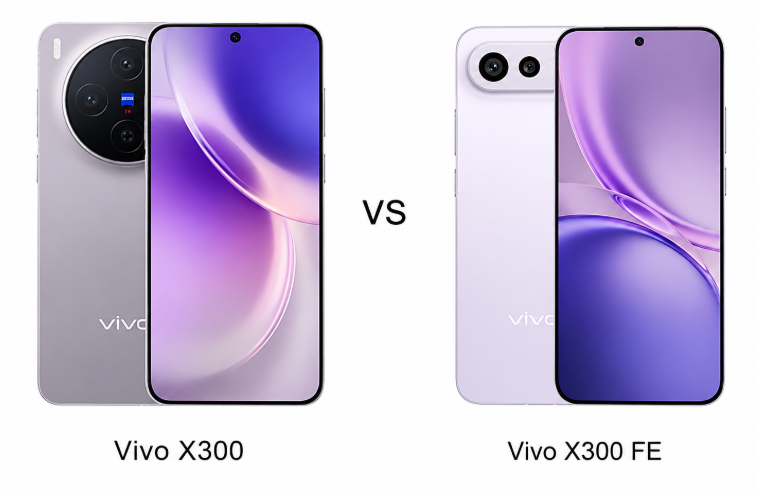
Vivo X300 vs Vivo X300 FE: The Hidden Differences That Matter

Vivo X300 and Vivo X300 FE may share the same flagship DNA, but they take different approaches to winning buyers. The X300 prioritizes top-tier cameras and premium hardware, while the X300 FE brings a larger battery, Snapdragon power, and extra charging features. Here’s how they compare and which one offers the better overall value. 


Major Features:

CategoryVivo X300Vivo X300 FEAdvantage
PositioningCamera-focused flagshipBattery and performance-focused flagshipDepends – X300 for photography, X300 FE for endurance and gaming
BuildReinforced glass, Zeiss T* lens coatingMohs Level 4 protectionVivo X300 – More premium build and optics
Display6.31-inch LTPO AMOLED, 120Hz, HDR10+, HDR Vivid, Ultra HDR, 4,500 nits6.31-inch LTPO AMOLED, 120Hz, HDR10+, 5,000 nitsVivo X300 FE – Brighter display for outdoor use
ProcessorMediaTek Dimensity 9500 (3nm)Snapdragon 8 Gen 5 (3nm)Vivo X300 FE – Snapdragon platform for gaming and app optimization
GPUArm G1-UltraAdreno 829Vivo X300 FE – Stronger graphics ecosystem
RAM & StorageUp to 16GB RAM, 1TB storageUp to 12GB RAM, 512GB storageVivo X300 – Higher memory and storage options
Main Camera200MP OIS50MP OISVivo X300 – Higher-resolution flagship sensor
Telephoto Camera50MP 3x Periscope50MP 3x PeriscopeTie – Similar zoom hardware
Ultrawide Camera50MP Autofocus8MPVivo X300 – Sharper ultrawide photos
Camera FeaturesLaser AF, Zeiss T* coating, 3D LUT importOptional Zeiss add-on zoom lensesDepends – X300 for image quality, X300 FE for lens expandability
Rear Video4K up to 120fps, HDR8K 30fps, 4K up to 120fpsVivo X300 FE – 8K video recording
Selfie Camera50MP AF, 4K video50MP AF, 4K videoTie – Comparable selfie experience
Battery6,040mAh (Global)6,500mAhVivo X300 FE – Larger battery capacity
Charging90W wired, 40W wireless, reverse wired90W wired, 40W wireless, reverse wired, reverse wireless, bypass chargingVivo X300 FE – More charging features
USBUSB Type-C 3.2USB Type-C 2.0Vivo X300 – Faster data transfer speeds
ConnectivityWi-Fi 7, Bluetooth 5.4, aptX HD, LHDC 5Wi-Fi 7, Bluetooth 5.4Vivo X300 – Better Bluetooth audio codec support
SoftwareAndroid 16, 5 major Android upgradesAndroid 16, 5 major Android upgradesTie – Identical software support
Special FeaturesReinforced glass, HDR Vivid, Ultra HDR, Zeiss T* coatingReverse wireless charging, bypass charging, optional Zeiss zoom lensesDepends – Premium imaging vs modern convenience
Pricearound $910 / ₹76,000around $950 / ₹80,000Vivo X300 – Better overall value for the lower price
Disclaimer: Specs are based on available data. Actual performance may vary. Verify details from official sources before buying.

1. Design and Display

Build and Feel

The Vivo X300 and Vivo X300 FE follow the same premium design language with a glass front, glass back, aluminum frame, IP68/IP69 water and dust resistance, stereo speakers, and an ultrasonic in-display fingerprint scanner. Both deliver a flagship in-hand experience, making the choice more about features than build quality. The standard X300 stands out with reinforced display glass and Zeiss T* lens coating, while the X300 FE focuses on practicality by adding dual eSIM support in compatible markets. Both phones feel equally premium, but the X300 offers a slightly more polished flagship touch.

Display Quality

Each phone features a 6.31-inch LTPO AMOLED display with a 120Hz refresh rate, 1 billion colors, HDR10+, and a sharp 1216 × 2640 resolution. The difference lies in brightness, where the X300 FE reaches 5,000 nits compared to 4,500 nits on the X300, making outdoor visibility marginally better. The X300 also supports Ultra HDR and HDR Vivid, giving compatible content richer contrast and color depth.

Verdict

The Vivo X300 FE wins for brighter display output, while the Vivo X300 feels more premium with reinforced glass and enhanced HDR support. Users who prioritize media quality may prefer the X300, whereas the FE has a slight edge for outdoor usage.

2. Specifications Including Battery

Performance

This comparison brings two different flagship chipsets. The Vivo X300 is powered by the MediaTek Dimensity 9500, while the Vivo X300 FE uses the Snapdragon 8 Gen 5. Both are built on an efficient 3nm process and deliver flagship-level speed for gaming, multitasking, AI features, and long-term software support. The X300 offers configurations up to 1TB storage and 16GB RAM, making it the better option for power users. Meanwhile, the Snapdragon chipset in the FE is likely to appeal to gamers thanks to strong graphics optimization and wider app compatibility.

Battery and Charging

Battery capacity is where the biggest upgrade appears. The X300 FE packs a massive 6,500mAh battery compared to the X300’s 6,040mAh global version. Both support 90W wired and 40W wireless charging, but the FE also adds bypass charging and reverse wireless charging, making it more versatile for gaming and accessories.

Verdict

The Vivo X300 FE takes this category with its larger battery and additional charging features. The Vivo X300 remains the better choice only for buyers who need higher RAM and storage options.

3. Camera

Main and Secondary Lenses

The Vivo X300 clearly targets photography enthusiasts. It features a 200MP primary camera, a 50MP periscope telephoto camera with 3x optical zoom, and a 50MP ultrawide sensor, all backed by Zeiss T* coating and laser autofocus. The X300 FE instead uses a 50MP main sensor, 50MP periscope lens, and an 8MP ultrawide camera. It compensates with optional Zeiss add-on zoom lenses and 8K video recording, but the hardware itself is less ambitious. The X300 delivers greater detail, better ultrawide quality, and stronger imaging flexibility in most situations.

Selfie Camera

Both smartphones include a 50MP autofocus selfie camera capable of recording 4K video. Selfie quality should remain nearly identical, although the FE also highlights Zeiss branding for the front camera. Everyday users are unlikely to notice a meaningful difference.

Verdict

The Vivo X300 is the stronger camera phone thanks to its exceptional 200MP main sensor, higher-quality ultrawide camera, Zeiss T* coating, and advanced imaging hardware. The X300 FE is still capable but focuses more on versatility than outright image quality.

4. Pricing

The Vivo X300 is priced around $910 (approximately ₹76,000), while the Vivo X300 FE is priced around $950 (approximately ₹80,000). Despite costing about $40 more, the FE upgrades the processor, increases battery capacity, adds reverse wireless charging, bypass charging, and offers a brighter display. However, the X300 counters with a significantly better camera system, USB 3.2 connectivity, more storage configurations, and a premium imaging experience. Buyers should consider whether battery life or camera performance is the higher priority because that is where the biggest difference lies.

Is the price justified?

The X300 FE justifies its premium if endurance and Snapdragon performance matter most. The X300 delivers stronger value for users focused on photography and flagship hardware without paying extra.

Verdict

The Vivo X300 offers better value overall, while the Vivo X300 FE is worth the higher price for users seeking maximum battery life and gaming-oriented performance.

Disclaimer:
Prices are approximate and may vary based on country, region, launch timing, and applicable taxes. Always check whether the listed price is for a China unit or a global/international variant when purchasing.

5. Conclusion

Although they belong to the same series, these phones target different audiences. The Vivo X300 emphasizes camera excellence with its 200MP flagship sensor, superior ultrawide camera, Zeiss T* optics, USB 3.2 support, and storage options reaching 1TB. The Vivo X300 FE shifts the focus toward endurance by introducing a larger 6,500mAh battery, Snapdragon 8 Gen 5 chipset, brighter 5,000-nit display, reverse wireless charging, bypass charging, and optional Zeiss external zoom lenses. Both promise five major Android upgrades, premium build quality, and flagship displays, ensuring strong long-term usability regardless of the choice.

Verdict

Choose the Vivo X300 if photography, faster data transfer, and higher storage options are the priority. Choose the Vivo X300 FE for longer battery life, gaming performance, and modern charging conveniences. 

For most buyers, the X300 remains the more balanced flagship, while the X300 FE serves as a meaningful upgrade for users who value endurance and Snapdragon-powered performance above camera hardware.

Disclaimer: This comparison is based on the specifications provided and is intended for general informational purposes. Actual performance, camera results, battery life, and overall experience may vary depending on real-world usage, software updates, and individual preferences.

Read More:

This compact camera uses a see-through display as viewfinder and costs just $29

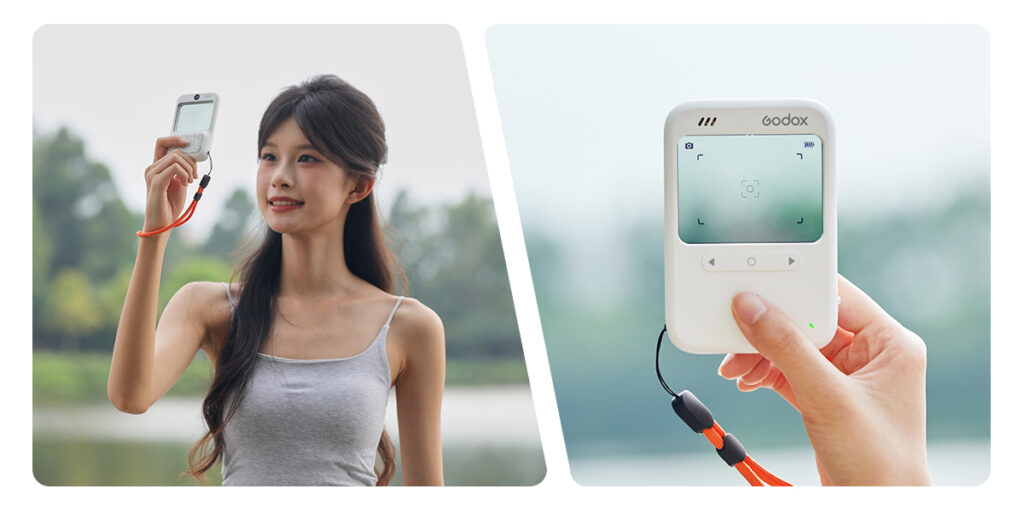
Traditional cameras usually stick with either a digital screen or a classic optical viewfinder, but Godox just flipped the script with something refreshingly different. Their new C100 is an ultra-affordable little camera that ditches the usual rear LCD for a big transparent window that works as both a viewfinder and a display. It feels like a clever hybrid that makes shooting more engaging and fun.

The C100 is ridiculously lightweight, just 65 grams. Instead of staring at a glowing screen, you look through this see-through optical viewfinder with over 50% light transmittance. The screen gently overlays all the important info: battery level, shooting mode, exposure settings, and framing guides.

The camera gives you some flexibility with aspect ratios: 1:1, 3:2, 4:3, and 16:9, so you can experiment however you like. Photos and videos save to a microSD card (up to 128GB), and there’s USB-C for quick transfers to your phone. Godox skipped Wi-Fi and Bluetooth, which makes sense if the goal was to keep the camera affordable. Don’t expect flagship image quality here. It’s more in the ballpark of basic point-and-shoots or fun toy cameras.

What I really like is the minimalist approach. The design keeps things distraction-free with just subtle corner overlays for composition. It encourages you to slow down, actually look at your subject, and shoot more intentionally. This could be a hit with anyone who wants a pocketable camera that feels more like an extension of their eyes than another gadget.

Pricing and availability

It’s launching first in China for around CNY 199 (roughly $29), but Godox gear usually makes its way internationally pretty quickly. Given the brand’s track record with solid, budget-friendly photo tools, I can see this appealing to kids and students as a fun camera. This compact camera is proof that innovative design doesn’t always need a big price tag.

Don’t miss a thing! Join our Telegram community for instant updates and grab our free daily newsletter for the best tech stories!

For more daily updates, please visit our News Section.

(Source: GODOX)

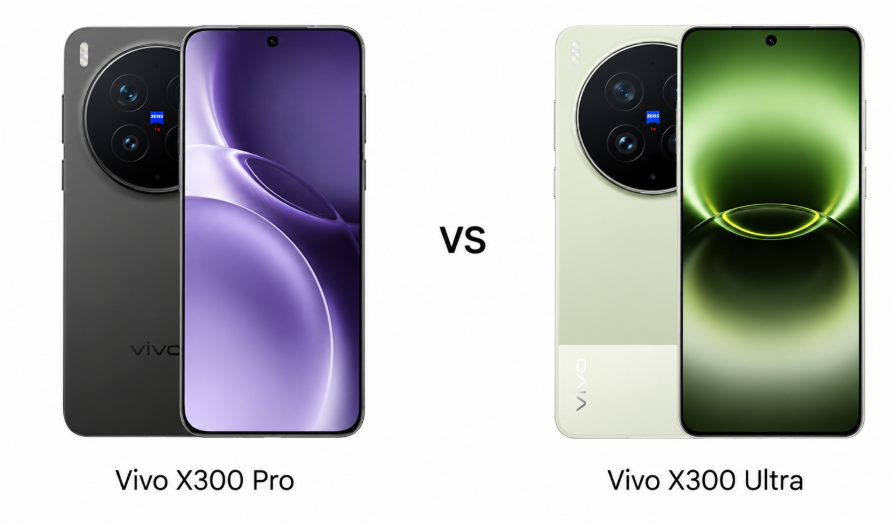
Vivo X300 Pro vs Vivo X300 Ultra: Is the Ultra Worth the Extra $500?

If you’re deciding between the Vivo X300 Pro and Vivo X300 Ultra, the biggest question isn’t which phone is better; it’s whether the Ultra’s much higher price delivers enough extra features to justify the upgrade. From display and performance to cameras and battery, here’s what the extra money actually gets you and which flagship offers the better overall value. 

Major Features:

CategoryVivo X300 ProVivo X300 UltraUpgrades
BuildGlass front & back, aluminum frame, IP68/IP69Glass front & back, aluminum frame, IP68/IP69No major upgrade – Both offer flagship durability.
Display6.78-inch LTPO AMOLED, 120Hz, 1260 × 2800, 4,500 nits6.82-inch LTPO AMOLED, 144Hz, 1440 × 3168, 4,500 nitsUltra – Sharper QHD+ display and smoother 144Hz refresh rate.
ProcessorMediaTek Dimensity 9500Snapdragon 8 Elite Gen 5Ultra – Faster CPU and GPU performance for gaming and AI tasks.
Memory & StorageUp to 16GB RAM, 1TB UFS 4.1Up to 16GB RAM, 1TB UFS 4.1No major upgrade – Similar memory configuration.
Main Camera50MP wide + 200MP periscope + 50MP ultrawide200MP wide + 200MP periscope + 50MP ultrawideUltra – Larger 200MP main sensor with gimbal OIS for superior photography.
Zoom3.7x optical telephoto3.7x optical telephoto + optional 200mm & 400mm zoom lensesUltra – Professional-grade long-range photography.
Video Recording8K, 4K 120fps, Dolby Vision8K, 4K 120fps, Dolby Vision, HDR10+Ultra – Additional HDR10+ support and enhanced imaging pipeline.
Selfie Camera50MP AF, 4K video50MP AF, 4K video with gyro-EIS & HDRUltra – Better stabilization and HDR for selfies and vlogs.
Battery6,510mAh, 90W wired, 40W wireless6,600mAh, 100W wired, 40W wirelessUltra – Slightly larger battery and faster charging.
ConnectivityWi-Fi 7, Bluetooth 5.4, USB-C 3.2Wi-Fi 7, Bluetooth 5.4, USB-C 3.2 with DisplayPortUltra – DisplayPort output and additional Bluetooth codecs.
Satellite FeaturesOptional satellite connectivityEmergency SOS via satellite (1TB model)Ultra – More advanced satellite communication.
SoftwareAndroid 16, OriginOS 6, 5 Android upgradesAndroid 16, OriginOS 6Pro – Confirmed 5 major Android upgrades.
Pricearound $1,000 / ₹1,10,000around $1,500 / ₹1,60,000Ultra – Costs about $500 / ₹50,000 more for premium hardware upgrades.
Disclaimer: Specs are based on available data. Actual performance may vary. Verify details from official sources before buying.

1. Design and Display

Build and Feel

The Vivo X300 Pro and Vivo X300 Ultra both deliver premium flagship craftsmanship with an aluminum frame, glass construction, and IP68/IP69 certification for excellent dust and water resistance. Both devices also feature Armor Glass protection and ultrasonic in-display fingerprint scanners for a modern flagship experience. The X300 Pro focuses on a balanced design that feels practical for daily use, while the X300 Ultra emphasizes a more premium, camera-centric approach with additional hardware designed for photography enthusiasts. Both phones are built to withstand demanding everyday use, but the Ultra carries a stronger flagship identity.

Display Quality

The Vivo X300 Pro features a 6.78-inch LTPO AMOLED display with a 120Hz refresh rate, HDR10+, Dolby Vision, Ultra HDR support, and an impressive 4,500 nits peak brightness. The Vivo X300 Ultra upgrades the experience with a larger 6.82-inch LTPO AMOLED panel, a sharper 1440p resolution, and a smoother 144Hz refresh rate while retaining Dolby Vision, HDR10+, and Ultra HDR support. The higher resolution and refresh rate make the Ultra feel more immersive for gaming, streaming, and productivity.

Verdict

Both displays rank among the best available, but the Vivo X300 Ultra offers a superior visual experience thanks to its sharper resolution and faster refresh rate. The Vivo X300 Pro remains an outstanding choice for users who prefer a premium display without paying for every top-tier enhancement.

2. Specifications Including Battery

Performance

The Vivo X300 Pro is powered by the MediaTek Dimensity 9500 processor paired with UFS 4.1 storage and up to 16GB RAM. It delivers flagship-grade speed for gaming, multitasking, AI features, and demanding applications. The Vivo X300 Ultra raises performance further with Qualcomm’s Snapdragon 8 Elite Gen 5 chipset and Adreno 840 GPU, making it better suited for heavy gaming, sustained workloads, and advanced AI processing. The Ultra also adds DisplayPort support over USB-C and wider Bluetooth codec compatibility, making it a more versatile flagship for power users.

Battery and Charging

The Vivo X300 Pro packs a 6,510mAh silicon-carbon battery globally with 90W wired and 40W wireless charging. The Vivo X300 Ultra slightly increases capacity to 6,600mAh while boosting wired charging to 100W and maintaining 40W wireless charging. Both comfortably deliver all-day battery life, but the Ultra offers slightly faster charging and marginally better endurance.

Verdict

The Vivo X300 Pro provides excellent flagship performance with exceptional battery life. However, the Vivo X300 Ultra combines faster hardware, stronger graphics, improved connectivity, and a slightly better battery package, making it the more future-ready flagship.

3. Camera

Main and Secondary Lenses

Photography is where these two phones differ the most. The Vivo X300 Pro features a versatile triple-camera system consisting of a 50MP main sensor, a massive 200MP periscope telephoto camera with 3.7x optical zoom, and a 50MP ultrawide camera. It captures detailed photos across nearly every lighting condition while offering excellent Zeiss color tuning and professional video features.

The Vivo X300 Ultra pushes imaging even further with a 200MP main camera featuring gimbal stabilization, the same impressive 200MP telephoto sensor, and a significantly larger 50MP ultrawide sensor with optical image stabilization. It also supports optional 200mm and 400mm external zoom lenses, making it one of the most versatile smartphone camera systems available. Serious photographers are likely to appreciate the added flexibility.

Selfie Camera

Both devices feature autofocus-equipped 50MP selfie cameras capable of recording 4K video. The Ultra adds gyro-EIS and HDR recording for smoother and more polished front-camera videos.

Verdict

The Vivo X300 Pro is among the strongest camera phones in its segment, but the Vivo X300 Ultra delivers a true professional-grade imaging system with better stabilization, stronger ultrawide performance, and unmatched zoom capabilities.

4. Pricing

The Vivo X300 Pro is priced around $1,000 (₹1,10,000), making it a premium flagship with high-end performance, excellent cameras, and long-term software support. The Vivo X300 Ultra is priced around $1,500 (₹1,60,000), placing it firmly in the ultra-premium category alongside the most expensive Android flagships.

The X300 Pro delivers outstanding value because it includes nearly every flagship feature that most users need without crossing into luxury pricing. The X300 Ultra commands a significant premium, but the additional investment brings meaningful upgrades in processing power, display quality, charging speed, camera hardware, and exclusive photography features. Buyers focused on professional photography or absolute flagship performance may find the premium worthwhile.

Verdict

The Vivo X300 Pro offers a stronger value-for-money proposition, while the Vivo X300 Ultra justifies its higher price primarily for enthusiasts seeking the very best camera and performance package Vivo offers.

Disclaimer:
Prices are approximate and may vary based on country, region, launch timing, and applicable taxes. Always check whether the listed price is for a China unit or a global/international variant when purchasing.

5. Conclusion

The Vivo X300 Pro stands out with its balanced combination of flagship performance, excellent battery life, premium display, and outstanding 200MP telephoto camera at a comparatively accessible flagship price. It delivers a complete premium experience without feeling excessive.

The Vivo X300 Ultra is designed for users who want no compromises. Its Snapdragon 8 Elite Gen 5 chipset, sharper 144Hz display, 200MP gimbal-stabilized main camera, larger ultrawide sensor, faster charging, DisplayPort support, and optional external zoom lenses make it one of the most capable Android smartphones available. These upgrades provide noticeable benefits for power users, gamers, content creators, and mobile photographers.

Verdict

Choose the Vivo X300 Pro for the best balance of flagship features, battery life, camera performance, and overall value. Choose the Vivo X300 Ultra if budget is secondary and the goal is to own Vivo’s most advanced smartphone with class-leading camera capabilities, top-tier performance, and every premium feature currently available.

Disclaimer: This comparison is based on the specifications provided and is intended for general informational purposes. Actual performance, camera results, battery life, and overall experience may vary depending on real-world usage, software updates, and individual preferences.

Read More:

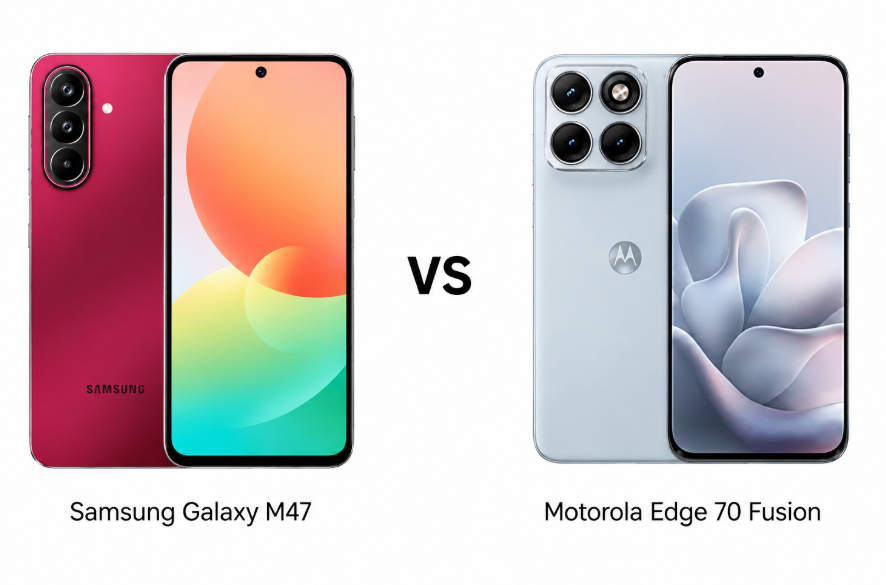
Samsung Galaxy M47 vs Motorola Edge 70 Fusion: Specs, Camera, Battery & Price Compared

Samsung Galaxy M47 and Motorola Edge 70 Fusion compete in the popular mid-range smartphone segment, both offering premium features at an affordable price. While the Galaxy M47 focuses on long software support, battery life, and durability, the Edge 70 Fusion emphasizes performance, display quality, and camera capabilities. This comparison breaks down their design, specifications, cameras, pricing, and overall value to help you decide which smartphone best suits your needs.


Major Features:

CategorySamsung Galaxy M47Motorola Edge 70 FusionWinner
Design & DurabilityGorilla Glass Victus+ front and back, IP64, 2m drop resistanceGorilla Glass 7i, IP68/IP69, MIL-STD-810H, eSIM supportMotorola – Better durability.
Display6.7-inch Super AMOLED, 120Hz, FHD+, 1,400 nits HBM6.78-inch AMOLED, 144Hz, HDR10+, higher resolution, up to 5,200 nits peakMotorola – Better display.
PerformanceSnapdragon 6 Gen 3, Adreno 710, UFS 3.1Snapdragon 7s Gen 4 (India)/7s Gen 3 (Global), Adreno 810Motorola – Faster performance.
Software SupportAndroid 16, up to 6 major Android upgradesAndroid 16, up to 3 major Android upgradesSamsung – Longer updates.
RAM & StorageUp to 8GB RAM, 256GB, microSD expansionUp to 12GB RAM, 512GB, no microSDMotorola – More memory options.
Rear Cameras50MP OIS + 5MP ultrawide + 2MP macro50MP OIS + 13MP ultrawide with autofocusMotorola – Better camera setup.
Selfie Camera12MP AF, 1080p video32MP, 4K videoMotorola – Better selfies.
Video RecordingRear 4K@30fps, Front 1080pRear 4K@30fps, 1080p@120fps, Front 4KMotorola – Better video.
Battery6,000mAh, 45W charging, bypass charging5,200mAh/7,000mAh, 68W chargingMotorola – Faster charging.
AudioMono speakerStereo speakers with Dolby AtmosMotorola – Better audio.
ConnectivityWi-Fi 5, Bluetooth 5.3, NFCWi-Fi 6E, Bluetooth 6.0, NFC (region dependent)Motorola – Newer connectivity.
SecuritySide-mounted fingerprint sensorIn-display optical fingerprint sensorMotorola – More premium unlock.
Special FeaturesExpandable storage, bypass chargingReady For, HDR10+, Dolby AtmosMotorola – More features.
Price/Valuearound $250 / ₹25,000around $250 / ₹27,000Samsung – Better value.
Overall WinnerMotorola – Better overall package.
Disclaimer: Specs are based on available data. Actual performance may vary. Verify details from official sources before buying.

1. Design and Display

Build and Feel

The Samsung Galaxy M47 focuses on durability with Gorilla Glass Victus+ protection on both the front and back, an IP64 rating, and drop resistance up to 2 meters. It delivers a premium feel despite using a plastic frame and is built for users who prioritize everyday reliability. The Motorola Edge 70 Fusion takes a different approach by offering IP68/IP69 water and dust resistance, MIL-STD-810H certification, and Gorilla Glass 7i protection. It also supports eSIM in selected variants, making it more versatile for modern users. Motorola’s higher ingress protection gives it an advantage for outdoor use and harsh environments.

Display Quality

Samsung features a 6.7-inch Super AMOLED panel with a 120Hz refresh rate and up to 1,400 nits of brightness, producing vibrant colors and excellent contrast. Motorola raises the bar with a larger AMOLED display supporting 1 billion colors, HDR10+, a smoother 144Hz refresh rate, sharper resolution, and an impressive 5,200-nit peak brightness. The display feels more immersive for gaming and multimedia.

Verdict

Samsung offers stronger glass protection and dependable durability, while Motorola delivers a more premium viewing experience with a brighter, smoother, and sharper display. For entertainment and visual quality, the Edge 70 Fusion has the upper hand.

2. Specifications Including Battery

Performance

The Galaxy M47 is powered by the Snapdragon 6 Gen 3 paired with UFS 3.1 storage, providing dependable everyday performance for social media, multitasking, and casual gaming. It’s six years of Android updates that significantly improve long-term usability. The Motorola Edge 70 Fusion comes with either the Snapdragon 7s Gen 3 or the faster Snapdragon 7s Gen 4 in India, along with the newer Adreno 810 GPU. It offers noticeably better processing power, smoother gaming performance, faster graphics rendering, and memory options reaching 12GB RAM and 512GB storage. The Ready For platform also adds desktop-style productivity features.

Battery and Charging

Samsung packs a large 6,000mAh battery with 45W charging and bypass charging, making it an excellent option for extended battery life. Motorola offers either a 5,200mAh or 7,000mAh battery, depending on the region, supported by much faster 68W charging. Users in markets receiving the larger battery benefit from both endurance and charging speed.

Verdict

Samsung wins for long software support and reliable battery efficiency, but Motorola delivers noticeably stronger performance and significantly faster charging. Overall, the Edge 70 Fusion feels more future-ready for power users.

3. Camera

Main and Secondary Lenses

The Galaxy M47 includes a 50MP main camera with optical image stabilization, accompanied by a 5MP ultrawide and a 2MP macro sensor. It captures detailed daylight photos, while stabilization helps improve low-light shots and videos. The Motorola Edge 70 Fusion also uses a stabilized 50MP primary sensor but features a much larger sensor that gathers more light. Its 13MP ultrawide camera doubles as a macro shooter and supports autofocus, making it considerably more versatile than Samsung’s secondary setup. Both phones record 4K video, but Motorola additionally supports smoother 120fps Full HD recording.

Selfie Camera

Samsung’s 12MP autofocus selfie camera delivers consistent results and HDR support for video calls and social media. Motorola steps ahead with a sharper 32MP front camera capable of recording 4K video, producing better detail and flexibility for content creators.

Verdict

Samsung provides dependable image quality for everyday photography, but Motorola offers stronger hardware across both rear and front cameras. Better ultrawide performance, higher-quality selfies, and more advanced video capabilities make the Edge 70 Fusion the stronger photography package.

4. Pricing

The Samsung Galaxy M47 is priced around $250 (₹25,000), while the Motorola Edge 70 Fusion is priced around $250 (₹27,000). Although Motorola carries a slightly higher price in India, both devices compete in the same mid-range segment. Samsung focuses on delivering long software support, expandable storage through a microSD slot, and a large battery, making it appealing for users who plan to keep a phone for several years. Motorola directs its value toward superior performance, a flagship-like display, faster charging, premium camera hardware, stereo speakers with Dolby Atmos, and additional productivity features.

Verdict

Samsung represents excellent long-term value for buyers who prioritize software longevity and battery life. Motorola justifies its slightly higher asking price with meaningful hardware upgrades that improve the overall experience. The extra investment feels worthwhile for users seeking better performance and multimedia capabilities.

Disclaimer:
Prices are approximate and may vary based on country, region, launch timing, and applicable taxes. Always check whether the listed price is for a China unit or a global/international variant when purchasing.

5. Conclusion

The Galaxy M47 stands out with six major Android upgrades, Gorilla Glass Victus+ on both sides, expandable storage, a large 6,000mAh battery, and bypass charging. These features make it particularly attractive for users looking for reliability and long-term ownership. The Motorola Edge 70 Fusion counters with a premium 144Hz HDR10+ AMOLED display, Snapdragon 7s Gen 4 processor in India, an advanced camera system, Dolby Atmos stereo speakers, Ready For support, stronger water resistance, and much faster charging. Its overall hardware package feels closer to the premium smartphone category despite remaining in the mid-range segment.

Verdict

Both smartphones offer compelling value, but they target different priorities. The Samsung Galaxy M47 is the better choice for users who value extended software support, expandable storage, and dependable battery life. The Motorola Edge 70 Fusion is the stronger all-around smartphone thanks to its faster chipset, superior display, more capable cameras, enhanced durability, and richer multimedia experience. 

For most buyers seeking the best overall balance of performance and features at this price, the Motorola Edge 70 Fusion is the more complete package.

Disclaimer: This comparison is based on the specifications provided and is intended for general informational purposes. Actual performance, camera results, battery life, and overall experience may vary depending on real-world usage, software updates, and individual preferences.

Read More:

This Boat Bluetooth speaker packs 80W sound with 15hr playback time

Boat has launched the Stone 900 Bluetooth speaker in India, targeting users who want powerful sound in a portable form factor. The new speaker combines high audio output with party-focused features such as RGB lighting, while also offering multiple connectivity options for everyday listening. Here’s a closer look at what it offers.

Boat Stone 900 specifications and features

Boat Stone 900

The Boat Stone 900 delivers 80W Boat Signature Sound through a dual-driver setup paired with dedicated tweeters. To complement the audio experience, the speaker includes dynamic RGB lighting that syncs with the music, making it suitable for parties and casual gatherings. Boat claims the built-in battery can provide up to 15 hours of playback on a single charge, although the actual runtime will vary depending on volume levels and lighting usage.

The speaker comes with an IPX5 rating for splash and sweat resistance, making it suitable for outdoor use and poolside entertainment. It supports Bluetooth 5.3 for wireless connectivity and also includes AUX input and USB playback for users who prefer wired connections or direct media playback.

Other features include a built-in microphone for hands-free voice calls, voice assistant support, and a dedicated TWS mode that allows two compatible Stone 900 speakers to be paired for a wider stereo sound experience. The speaker is available in Graphite Black and Jungle Terrain color options.

Boat Stone 900 price and availability

The Boat Stone 900 carries a retail price of Rs 5,999 in India. As part of the Amazon Prime Day promotion, the speaker is available at a special introductory price of Rs 4,999. It can be purchased through the official Boat website, Amazon, and Flipkart. With its 80W sound output, RGB lighting, TWS pairing, and long battery life, the Stone 900 aims to offer a feature-rich option for users looking for a portable Bluetooth speaker in the affordable segment.

For more daily updates, please visit our News Section.

Stay ahead in tech! Join our Telegram community and sign up for our daily newsletter of top stories!

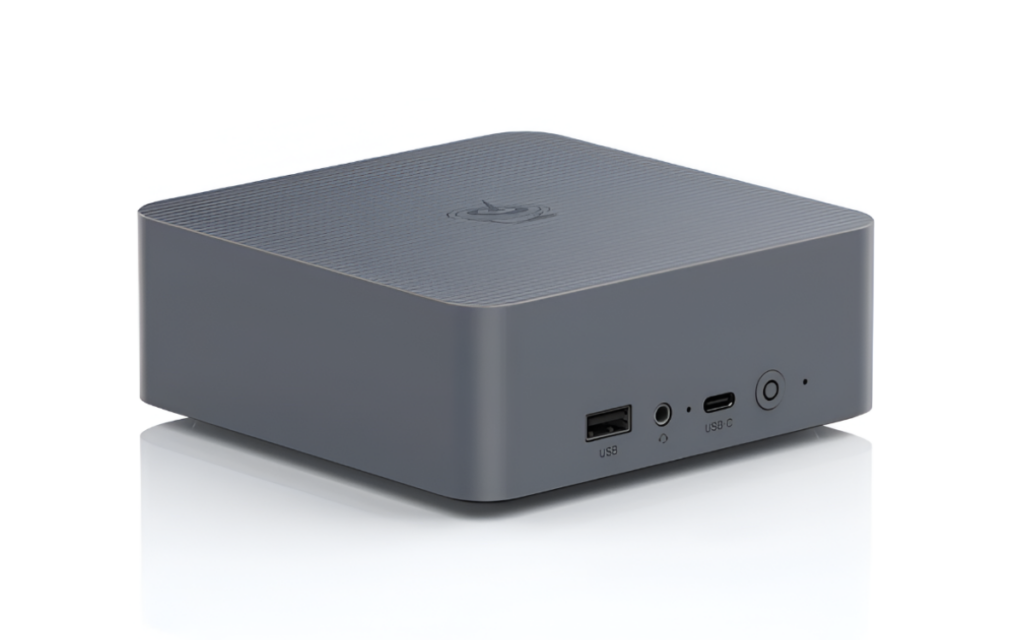
Beelink launches EQi 304 Mini PC with Intel Wildcat Lake mini PC & up to 32GB DDR5 RAM

Beelink has launched the EQi 304 mini PC for the global market, making it the first mini PC powered by Intel’s new Wildcat Lake processor. It is designed for everyday productivity and office use.

Beelink EQi 304 Mini PC

Beelink EQi 304 Mini PC Specifications

The system is powered by the Intel Core 3 304, a processor built on Intel’s 18A process technology. It features a five-core, five-thread configuration with a maximum turbo frequency of 4.3GHz, alongside an Xe3-LPG integrated GPU. The chip also includes an NPU capable of 24 TOPS for local AI processing.

Coming to storage, you get 512GB of UFS 3.1 flash storage instead of a traditional NVMe SSD. It offers faster performance than eMMC but falls short of modern PCIe 4.0 SSDs. If you need more capacity, you can install SSDs in the two M.2 2280 expansion slots, although they are limited to PCIe 4.0 x2 and PCIe 4.0 x1 bandwidths.

The memory configuration depends on the model. The base version comes with 16GB of soldered LPDDR5-5600 RAM, while the higher-end variants feature 24GB or 32GB of removable DDR5-5600 memory. These models also support memory upgrades of up to 64GB.

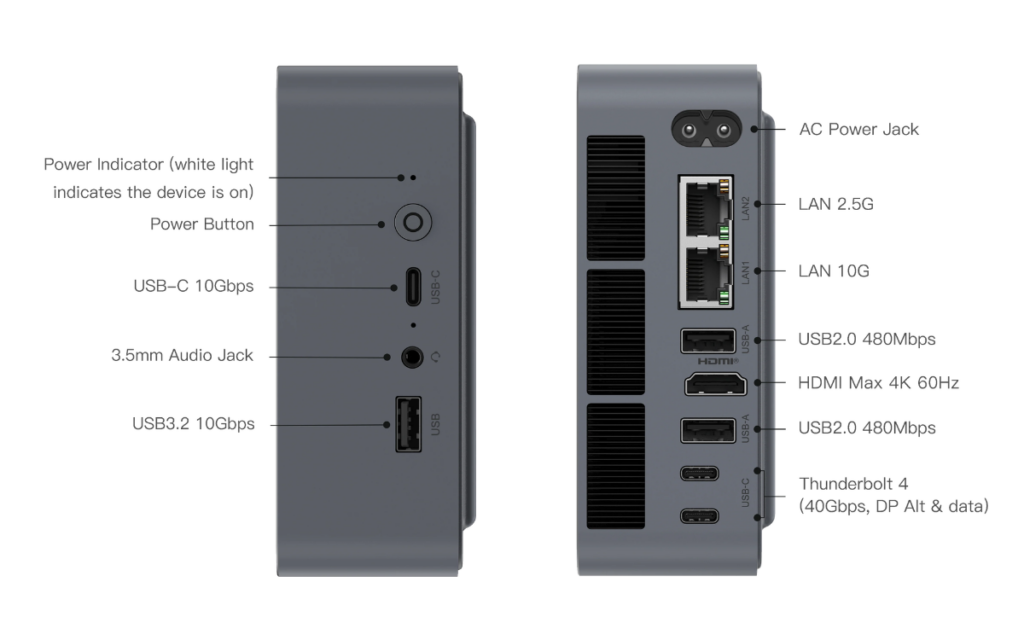
Despite its compact 126 x 126 x 44.2mm footprint, the EQi 304 offers a generous selection of connectivity options. It includes two 40Gbps Thunderbolt 4 ports and an HDMI port, enabling support for up to three independent 4K displays at 60Hz. Networking is equally impressive, with 10GbE and 2.5GbE Ethernet ports, along with Wi-Fi 6 and Bluetooth 5.2 for wireless connectivity.

Beelink EQi 304 Mini PC

Additionally, Beelink integrated the 85W power supply directly into the chassis. This allows the computer to run off a standard power cable, eliminating the need for external power bricks.

Pricing and Availability

The Beelink EQi 304 is currently available for pre-order, with prices ranging from $509 to $609 depending on the RAM configuration. All models come with Windows 11 Pro pre-installed and a three-year warranty.

In related news, Gmktec has recently launched the Evo-X3 mini PC globally with the AMD Ryzen AI Max+ 395 processor and up to 128GB of LPDDR5X RAM, while Machenike has refreshed its GTR mini PC with the Ryzen 7 255H, Radeon 780M graphics, and 16GB DDR5 memory.

For more daily updates, please visit our News Section.

Stay ahead in tech! Join our Telegram community and sign up for our daily newsletter of top stories!

(Beelink)

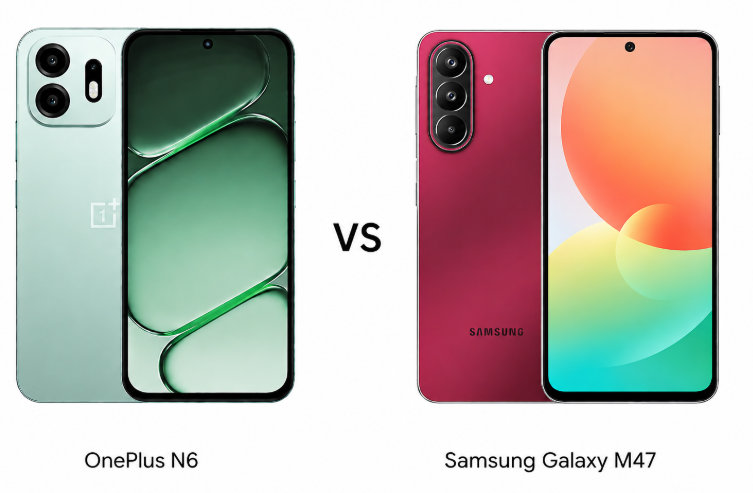
OnePlus N6 vs Samsung Galaxy M47 Comparison: Battery Beast or Better All-Rounder?

Choosing between the OnePlus N6 and the Samsung Galaxy M47 isn’t as straightforward as it seems. While the OnePlus N6 grabs attention with its massive 8000mAh battery, the Galaxy M47 counters with a premium AMOLED display, better cameras, stronger performance, and longer software support. Here’s a detailed comparison to find out which smartphone delivers the best value for your money.

Major Features:

CategoryOnePlus N6Samsung Galaxy M47Winner
Design & BuildPlastic frame and back, IP65 rating, MIL-STD-810H certificationGorilla Glass Victus+ front and back, IP64 rating, drop resistanceSamsung – More premium and durable build
Display6.8-inch IPS LCD, 120Hz, HD+ (720×1570), 1200 nits6.7-inch FHD+ Super AMOLED, 120Hz, 1400 nitsSamsung – Sharper AMOLED panel with better colors
ProcessorMediaTek Dimensity 6360 Apex (6nm)Snapdragon 6 Gen 3 (4nm)Samsung – Faster and more efficient chipset
GraphicsMali-G57 MC2Adreno 710Samsung – Better gaming performance
RAM & StorageUp to 6GB RAM, 128GB storageUp to 8GB RAM, 256GB UFS 3.1 storageSamsung – Faster storage and higher memory options
Software SupportAndroid 16, up to 2 major updatesAndroid 16, up to 6 major updatesSamsung – Much longer software support
Rear Cameras50MP single camera50MP OIS + 5MP ultrawide + 2MP macroSamsung – More versatile camera system
Video Recording1080p up to 60fps4K@30fps, 1080p, gyro-EISSamsung – Higher-quality video recording
Selfie Camera8MP12MP autofocusSamsung – Sharper selfies with autofocus
Battery8000mAh6000mAhOnePlus – Outstanding battery capacity
Charging45W wired, 5W reverse wired, bypass charging45W wired, bypass chargingOnePlus – Reverse charging adds flexibility
ConnectivityGPS, USB-C, no NFCNFC, Wi-Fi ac, Bluetooth 5.3, multi-band GPSSamsung – Better connectivity features
Pricearound $230 / ₹25,000around $250 / ₹25,000OnePlus – Lower global price with huge battery
Overall WinnerExcellent battery-focused smartphonePremium all-round smartphone with better display, cameras, performance, and software supportSamsung – Better overall value and long-term investment
Disclaimer: Specs are based on available data. Actual performance may vary. Verify details from official sources before buying.

1. Design and Display

Build and Feel

The OnePlus N6 focuses on practicality with a plastic frame and back, an IP65 rating for better protection against dust and low-pressure water jets, and MIL-STD-810H certification for added durability in everyday use. It feels like a device designed for users who prioritize reliability and battery life over premium materials. The Samsung Galaxy M47, however, delivers a more premium experience with Gorilla Glass Victus+ on both the front and back, along with IP64 protection and improved drop resistance. The stronger glass construction gives it a more refined appearance while offering better scratch resistance.

Display Quality

The OnePlus N6 features a 6.8-inch IPS LCD panel with a 120Hz refresh rate and up to 1200 nits of peak brightness. While scrolling remains smooth, the HD+ resolution limits sharpness, and colors are not as vibrant as AMOLED displays. The Galaxy M47 uses a 6.7-inch Full HD+ Super AMOLED display with a 120Hz refresh rate and up to 1400 nits brightness. It produces richer colors, deeper blacks, and noticeably sharper visuals, making videos and games more enjoyable.

Verdict

For buyers who simply need a large, smooth display, the OnePlus N6 performs adequately. However, the Galaxy M47 offers a significantly more premium viewing experience, making it the stronger choice for multimedia, gaming, and everyday visual quality.

2. Specifications Including Battery

Performance

The OnePlus N6 runs on the MediaTek Dimensity 6360 Apex chipset paired with up to 6GB RAM. It handles daily tasks such as browsing, messaging, and streaming comfortably, but demanding games and multitasking reveal its entry-level positioning. The Samsung Galaxy M47 is powered by the Snapdragon 6 Gen 3 processor built on a more efficient 4nm process, combined with up to 8GB RAM and faster UFS 3.1 storage. This combination delivers smoother app launches, better gaming performance, and stronger long-term responsiveness. The additional Android support also makes it a better investment for users planning to keep their phone for several years.

Battery and Charging

Battery life is where the OnePlus N6 shines with its enormous 8000mAh battery, comfortably lasting well beyond a full day, even with heavy usage. It supports 45W wired charging, bypass charging, and 5W reverse wired charging. The Galaxy M47 includes a still-impressive 6000mAh battery with the same 45W charging speed and bypass charging. Although it cannot match the endurance of the N6, it easily delivers all-day battery life for most users.

Verdict

The Galaxy M47 delivers superior overall performance and longer software support, while the OnePlus N6 is the better option for users who prioritize maximum battery life above everything else.

3. Camera

Main and Secondary Lenses

The OnePlus N6 features a single 50MP rear camera with PDAF that performs well in daylight, producing decent detail and natural colors. However, the lack of additional lenses limits creative flexibility, and there is no optical image stabilization for improved low-light photography. The Samsung Galaxy M47 offers a more versatile triple-camera setup consisting of a 50MP main camera with OIS, a 5MP ultrawide camera, and a 2MP macro lens. Optical stabilization helps produce sharper handheld photos and smoother videos, while the ultrawide lens adds flexibility for landscapes and group shots. The ability to record 4K video further strengthens its photography credentials.

Selfie Camera

The OnePlus N6 includes an 8MP front camera suitable for casual selfies and video calls. The Galaxy M47 upgrades to a 12MP autofocus selfie camera with HDR video support, delivering sharper portraits and more consistent results in varying lighting conditions.

Verdict

The OnePlus N6 covers the basics, but the Galaxy M47 provides a noticeably more complete camera system. Better stabilization, additional lenses, higher-quality selfies, and 4K recording make it a stronger choice for photography enthusiasts.

4. Pricing

OnePlus N6 is priced around $230 (₹25,000), while the Samsung Galaxy M47 is priced around $250 (₹25,000). Although the international pricing differs slightly, both devices effectively compete in the same price bracket.

OnePlus N6 directs much of its value toward its exceptionally large battery, making it attractive for users who spend long hours away from a charger. Galaxy M47, meanwhile, spreads its budget across a premium AMOLED display, a faster processor, superior cameras, better build materials, NFC support, UFS 3.1 storage, and six major Android upgrades. These additions create a more balanced overall package.

OnePlus N6 offers excellent value for users whose primary concern is battery endurance. Galaxy M47, however, feels like the better-rounded investment because it improves nearly every major aspect of the smartphone experience for a very small price difference.

Verdict

For battery-focused buyers, the OnePlus N6 remains a compelling value. For most users, the Galaxy M47 justifies its pricing more convincingly through its stronger hardware, software longevity, and premium feature set.

Disclaimer:
Prices are approximate and may vary based on country, region, launch timing, and applicable taxes. Always check whether the listed price is for a China unit or a global/international variant when purchasing.

5. Conclusion

OnePlus N6 stands out with its massive 8000mAh battery, reverse wired charging, and MIL-STD-810H certification, making it an excellent companion for travelers, outdoor users, and anyone who dislikes frequent charging. It prioritizes endurance over premium specifications and succeeds in that role. The Samsung Galaxy M47 differentiates itself with its Full HD+ Super AMOLED display, Snapdragon 6 Gen 3 processor, Gorilla Glass Victus+ protection, optical image stabilization, ultrawide camera, NFC, faster UFS 3.1 storage, and six years of Android upgrades. These advantages combine to deliver a more polished everyday experience while also providing better long-term value.

Verdict

OnePlus N6 is the better choice for users who want the longest possible battery life without increasing their budget. The Samsung Galaxy M47 is the stronger all-around smartphone, offering a superior display, faster performance, more capable cameras, premium build quality, and much longer software support.

For most buyers looking for the best overall value, the Galaxy M47 is the more complete and future-ready option.

Disclaimer: This comparison is based on the specifications provided and is intended for general informational purposes. Actual performance, camera results, battery life, and overall experience may vary depending on real-world usage, software updates, and individual preferences.

Read More:

A series of Samsung teasers may have revealed its biggest foldable redesign in years

Samsung has begun building anticipation for its next Galaxy Unpacked event with a series of cryptic teaser videos across its social media channels. While the company has not officially revealed any new products, the campaign offers several clues about what could be coming, with much of the focus appearing to be on the next generation of Galaxy foldables.

Samsung hints at a wider Galaxy Z Fold 8 design

Galaxy Z Fold 8 Wide teaser

The teaser campaign includes multiple short videos featuring everyday objects such as pizza slices, chocolate bars, paint, puzzles, and photo strips being reshaped into wider rectangular forms. Throughout the videos, Samsung repeatedly uses phrases like “A New Shape,” “A Whole New Slice,” and “Bold Stroke, New Shape,” strongly suggesting that the company is preparing to introduce a foldable with a redesigned aspect ratio. One teaser also reveals the number “8,” further indicating that the campaign is centered on the Galaxy Z Fold 8 series.

The wider form factor aligns with recent rumors claiming that the Galaxy Z Fold 8 will feature a broader and shorter cover display compared to previous models.

Such a design could make the outer screen more comfortable for everyday tasks like typing, browsing, and media consumption. Some teaser videos also prominently feature pastel shades, which may hint at one or more color options for the upcoming foldables, although Samsung has not confirmed any details.

Samsung is widely expected to unveil the Galaxy Z Fold 8, Galaxy Z Fold 8 Ultra, and Galaxy Z Flip 8 at Galaxy Unpacked later this month, with multiple reports pointing to a July 22 announcement. The company has yet to disclose official specifications or features, but the teaser campaign makes it clear that design will play a major role in this year’s foldable lineup. More details, including the official names, hardware specifications, pricing, and availability, are expected to be announced during the launch event.

For more daily updates, please visit our News Section.

Stay ahead in tech! Join our Telegram community and sign up for our daily newsletter of top stories!

This new BenQ smart projector could make your next TV upgrade unnecessary

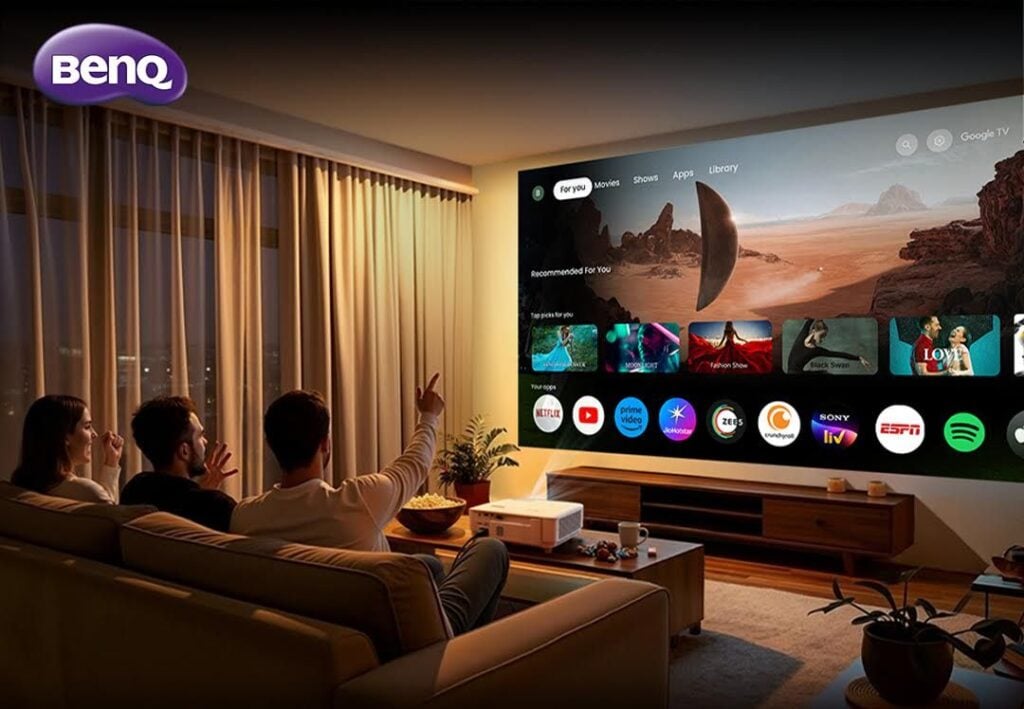
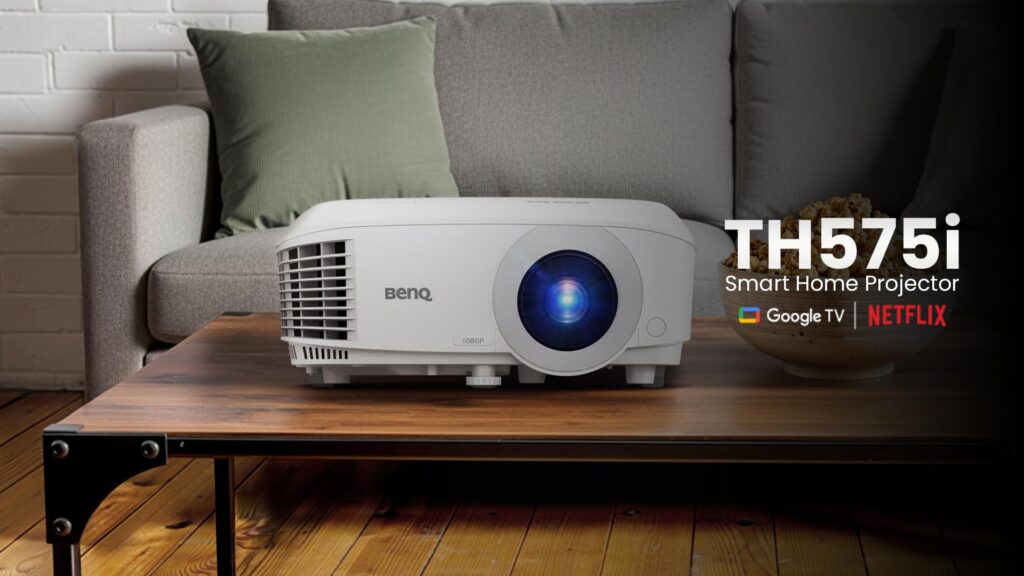
BenQ has launched the TH575i in India as its latest smart home entertainment projector. Designed for users who want a cinema-like viewing experience at home, the new model combines Full HD projection with built-in Google TV, allowing access to popular streaming apps without additional hardware. Here’s a closer look at what the TH575i offers.

BenQ TH575i specifications and features

BenQ TH575i
BenQ TH575i

The BenQ TH575i is designed for home entertainment, offering Full HD resolution for movies, TV shows, sports, and gaming. It delivers up to 3,800 ANSI lumens of brightness, making it suitable for use even in rooms with ambient lighting. The projector runs Google TV out of the box, giving users access to thousands of apps and streaming services, including Netflix, without the need for an additional media stick or set-top box. This all-in-one approach aims to simplify the overall viewing experience.

BenQ has also included multiple picture modes tailored for different types of content. Sports Mode enhances field colours and skin tones to make live matches appear more natural, while Cinema Mode focuses on richer contrast and more accurate colors for films.

BenQ TH575i
BenQ TH575i

Game Mode improves visibility and responsiveness during gameplay, and 3D Mode supports compatible three-dimensional content. The projector is also designed for straightforward installation, allowing users to set it up quickly without requiring a dedicated home theater room.

BenQ TH575i price and availability

The BenQ TH575i is priced at Rs 56,500 in India. It is available for purchase through Amazon, Flipkart, the official BenQ India website, and leading retail stores across the country.

For more daily updates, please visit our News Section.

Stay ahead in tech! Join our Telegram community and sign up for our daily newsletter of top stories!

Galaxy S27 Pro/Ultra may finally upgrade selfie with 16MP square sensor; bring Apple’s Center Stage to Android

Apple’s Center Stage (launched with the iPhone 17) uses a special square-shaped sensor and smart software to automatically adjust framing. It lets you switch between portrait and landscape orientations during selfies or video calls without having to physically rotate your phone. The camera also pans and crops intelligently to keep you (or the group) nicely centered.

Samsung might be bringing something similar. According to a report from GalaxyClub, the Galaxy S27 Pro and S27 Ultra could get a new 16MP front camera sensor, an upgrade from the 12MP sensor that’s been used since the S23 series. The new sensor is rumored to have a square format, just like Apple’s, which would allow for more flexible framing and better support for that Center Stage-style functionality.

This isn’t just about more megapixels. A better sensor could mean sharper details, improved low-light performance, and the practical ability to take landscape selfies or stay well-framed during video calls without flipping your phone around.

The base S27 and S27 Plus might stick with the existing 12MP front camera, following Samsung’s usual tiered strategy. Still, bringing this kind of upgrade to the higher-end models would be a welcome step forward.

If it happens, this feature would solve a pretty common annoyance: having to rotate your phone during group selfies or video meetings. It fits perfectly with the trend of making cameras smarter and more user-friendly.

The S27 series is expected to launch early next year, and this could be one of its more practical improvements, especially when combined with other rumored features like wider availability of Privacy Display.

As always with early leaks, we’ll have to wait for official confirmation or at least a few more credible leaks. But if Samsung pulls this off, it could make the front camera experience on Galaxy flagships noticeably better for everyday use.

Don’t miss a thing! Join our Telegram community for instant updates and grab our free daily newsletter for the best tech stories!

For more daily updates, please visit our News Section.

(Source: GalaxyClub)

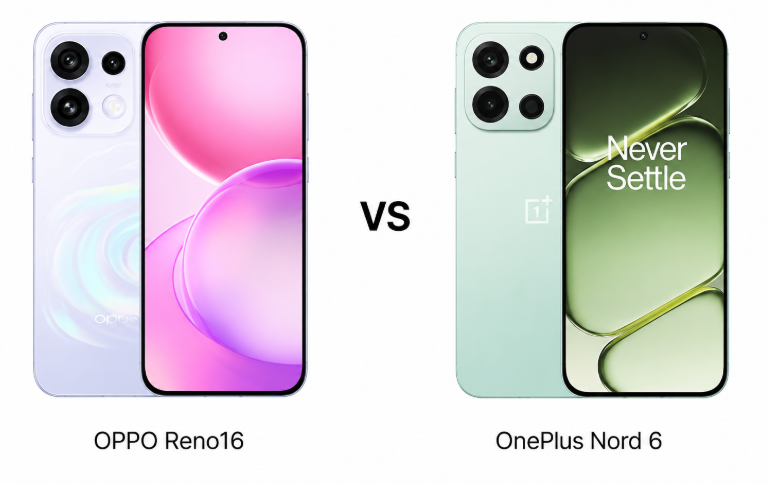
OPPO Reno16 vs OnePlus Nord 6 Comparison: The Winner May Surprise You

Choosing between the OPPO Reno16 and the OnePlus Nord 6 isn’t as simple as comparing price tags. While the Reno16 focuses on premium cameras and refined design, the Nord 6 packs flagship-level performance, a massive battery, and exceptional value. Here’s a detailed comparison to help you decide which smartphone best matches your needs and budget. 


Major Features:

CategoryOPPO Reno16OnePlus Nord 6Winner
Build QualityAluminum frame, glass/composite backPlastic frame, plastic backOPPO – More premium materials
DurabilityIP68/IP69KIP68/IP69K + MIL-STD-810HOnePlus – Extra rugged certification
Display6.32-inch AMOLED, 120Hz, HDR10+6.78-inch AMOLED, 165Hz, HDR10+, Ultra HDROnePlus – Larger and smoother display
Display ProtectionCrystal Guard (Mohs 4)OnePlus Crystal Guard (Mohs 8)OnePlus – Stronger protection
ProcessorSnapdragon 7 Gen 4Snapdragon 8s Gen 4OnePlus – Flagship-level chipset
GraphicsAdreno 722Adreno 825OnePlus – More powerful GPU
Storage TechnologyUFS 3.1UFS 4.1OnePlus – Faster storage
Main Camera50MP with OIS50MP with OISTie – Similar primary camera
Telephoto Camera50MP, 3.5x optical zoom, OISNot availableOPPO – Dedicated optical zoom
Ultrawide Camera50MP with autofocus8MPOPPO – Higher resolution and AF
Selfie Camera50MP AF, 4K 60fps32MP AF, 4K 30fpsOPPO – Better selfies and video
Rear Video RecordingUp to 4K 60fps with OISUp to 4K 60fpsOPPO – Better stabilization and camera versatility
Battery Capacity6,700mAh (Global) / 6,000mAh (EU)7,500mAh (Global) / 9,000mAh (India)OnePlus – Much larger battery
Charging Features80W wired, Reverse wired80W wired, Bypass charging, Better reverse chargingOnePlus – More charging features
ConnectivityWi-Fi 6, Bluetooth 5.4Wi-Fi 7, Bluetooth 6.0OnePlus – Newer wireless standards
eSIM SupportYesNoOPPO – Greater SIM flexibility
SoftwareAndroid 16, ColorOS 16Android 16, OxygenOS 16Tie – Latest Android on both
Price / Valuearound $600 / ₹62000around $500 / ₹43000OnePlus – Better value for money
OverallPremium cameras and buildFlagship performance and batteryOnePlus – Better overall package
Disclaimer: Specs are based on available data. Actual performance may vary. Verify details from official sources before buying.

1. Design and Display

Build and Feel

The OPPO Reno16 focuses on a more premium construction with an aluminum frame paired with either a glass or composite plastic back, giving it a refined in-hand feel. It also supports dual Nano-SIM with eSIM functionality, offering greater flexibility for frequent travelers. The OnePlus Nord 6 uses a glass front with a plastic frame and plastic back, but still carries the same IP68/IP69K dust and water resistance along with MIL-STD-810H certification for added durability. While both phones are built to withstand demanding environments, the Reno16 feels more premium because of its higher-quality materials.

Display Quality

The Reno16 features a 6.32-inch AMOLED display with a 120Hz refresh rate, HDR10+ support, and a peak brightness of 3,600 nits. The OnePlus Nord 6 counters with a larger 6.78-inch AMOLED panel, a faster 165Hz refresh rate, Ultra HDR support, and the same 3,600-nit peak brightness. It also uses stronger Crystal Guard protection with a higher Mohs hardness rating. The Nord 6 delivers a smoother experience for gaming and multimedia, while the Reno16 offers a sharper pixel density and a more compact viewing experience.

Verdict

The OPPO Reno16 feels more premium thanks to its aluminum frame and versatile design, but the OnePlus Nord 6 provides a more impressive display with its larger screen, faster refresh rate, stronger protection, and Ultra HDR support. Users prioritizing entertainment are likely to appreciate the Nord 6 more.

2. Specifications Including Battery

Performance

The OPPO Reno16 is powered by the Snapdragon 7 Gen 4 processor paired with UFS 3.1 storage. It delivers reliable performance for everyday multitasking, social media, photography, and casual gaming. The OnePlus Nord 6 steps into flagship territory with the Snapdragon 8s Gen 4 chipset and much faster UFS 4.1 storage. Combined with a more capable Adreno 825 GPU, it handles demanding games, intensive multitasking, and AI-powered features with noticeably greater ease. The hardware advantage is significant enough to remain relevant for years.

Battery and Charging

Battery capacity heavily favors the OnePlus Nord 6. The global model includes a massive 7,500mAh battery, while the Indian version reaches an exceptional 9,000mAh. The Reno16 offers either a 6,700mAh or 6,000mAh battery, depending on the region. Both phones support 80W wired charging along with PPS compatibility, but the Nord 6 also includes bypass charging and stronger reverse wired charging on the Indian model. Long battery life is one of the biggest strengths of the Nord 6.

Verdict

The OnePlus Nord 6 clearly leads in raw performance and endurance. The Reno16 remains powerful for everyday users, but the Nord 6 offers substantially better processing power, faster storage, and one of the largest batteries available in its class.

3. Camera

Main and Secondary Lenses

Photography is where the OPPO Reno16 gains a meaningful advantage. It features a triple 50MP setup consisting of a stabilized primary camera, a 50MP telephoto lens with 3.5x optical zoom and OIS, and a 50MP ultrawide camera with autofocus. This combination provides excellent flexibility for portraits, landscapes, and distant subjects. The OnePlus Nord 6 uses a simpler dual-camera arrangement with a 50MP main sensor and an 8MP ultrawide camera. While the primary camera should produce detailed photos, the lack of a dedicated telephoto lens limits creative shooting options.

Selfie Camera

The Reno16 continues its camera advantage with a 50MP autofocus ultrawide selfie camera capable of recording 4K video at up to 60fps. The Nord 6 includes a capable 32MP autofocus selfie camera with 4K 30fps recording. Both deliver quality selfies, but the Reno16 offers greater detail, wider framing, and higher-quality video recording.

Verdict

OPPO Reno16 is a stronger photography smartphone. Its triple 50MP camera system, dedicated optical zoom lens, autofocus ultrawide camera, and superior selfie hardware make it a better choice for users who prioritize versatile photography and premium video capabilities.

4. Pricing

The OPPO Reno16 is priced around $600 (₹62,000), placing it in the premium mid-range segment. The OnePlus Nord 6 is priced around $500 (₹43,000), making it considerably more affordable despite offering flagship-grade hardware. The price difference is substantial, especially in India, where the Nord 6 costs nearly ₹19,000 less. Buyers receive a significantly faster chipset, newer storage technology, a larger battery, Wi-Fi 7, Bluetooth 6.0, and an advanced display without paying a premium.

The Reno16 justifies its higher price through its premium build quality and far more capable camera system. Users who regularly shoot portraits, zoom photos, or videos may find the additional investment worthwhile. However, buyers focused on performance, gaming, battery life, and long-term value are likely to find the Nord 6 a much stronger deal.

Verdict

The OnePlus Nord 6 delivers outstanding value for money thanks to its flagship-level specifications at a much lower price. The Reno16 earns its premium through camera versatility, but its higher price makes it a more specialized purchase.

Disclaimer:
Prices are approximate and may vary based on country, region, launch timing, and applicable taxes. Always check whether the listed price is for a China unit or a global/international variant when purchasing.

5. Conclusion

The OPPO Reno16 stands out with its aluminum-frame construction, versatile triple 50MP camera system, dedicated 3.5x telephoto lens, autofocus ultrawide camera, 50MP selfie shooter with 4K 60fps recording, and eSIM support. These features make it especially appealing for photography enthusiasts and users who value premium craftsmanship.

The OnePlus Nord 6 excels in nearly every performance-related category. It combines the Snapdragon 8s Gen 4 processor with UFS 4.1 storage, a 165Hz AMOLED display, Wi-Fi 7, Bluetooth 6.0, bypass charging, and an enormous battery that reaches up to 9,000mAh in the Indian model. These specifications create a phone that feels faster, lasts longer, and offers greater future-proofing.

Verdict

OPPO Reno16 is the better option for users seeking a premium camera experience and refined design. OnePlus Nord 6 is the stronger all-around smartphone, delivering flagship-class performance, exceptional battery life, superior display technology, and remarkable value at a lower price. 

For most buyers, the OnePlus Nord 6 is the more balanced and worthwhile purchase, while the Reno16 remains the better choice for camera-focused users.

Disclaimer: This comparison is based on the specifications provided and is intended for general informational purposes. Actual performance, camera results, battery life, and overall experience may vary depending on real-world usage, software updates, and individual preferences.

Read More:

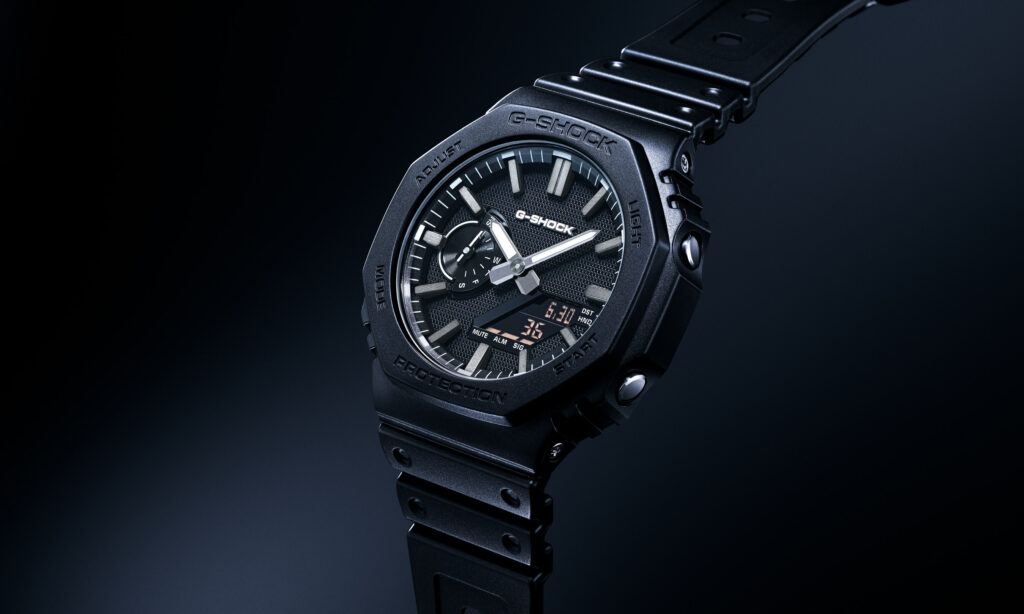
Casio launches four Luxe Black G-Shock 2100 watches with minimal all-black design in the US

Casio has released four new watches from its G-Shock 2100 series in the US market. The new lineup, branded as the Luxe Black collection, arrives stateside after initially launching in Japan last month. It includes two base resin models (the GA-2100LXB) and two metal-clad versions (the GM-2100LXB).

Casio Luxe Black G-Shock watch

Design Details

The 2100 series is well-known for its octagonal bezel, but this specific release strips back the usual busy dial designs that G-Shocks are often known for. Instead, Casio is focusing on a straightforward, matte black aesthetic. The dials use a textured finish designed to absorb light and reduce glare. To make sure the time is still readable against the dark background, Casio thinned out the hour and minute hands and used a vapor deposition process on the hour markers to give them a slight metallic contrast.

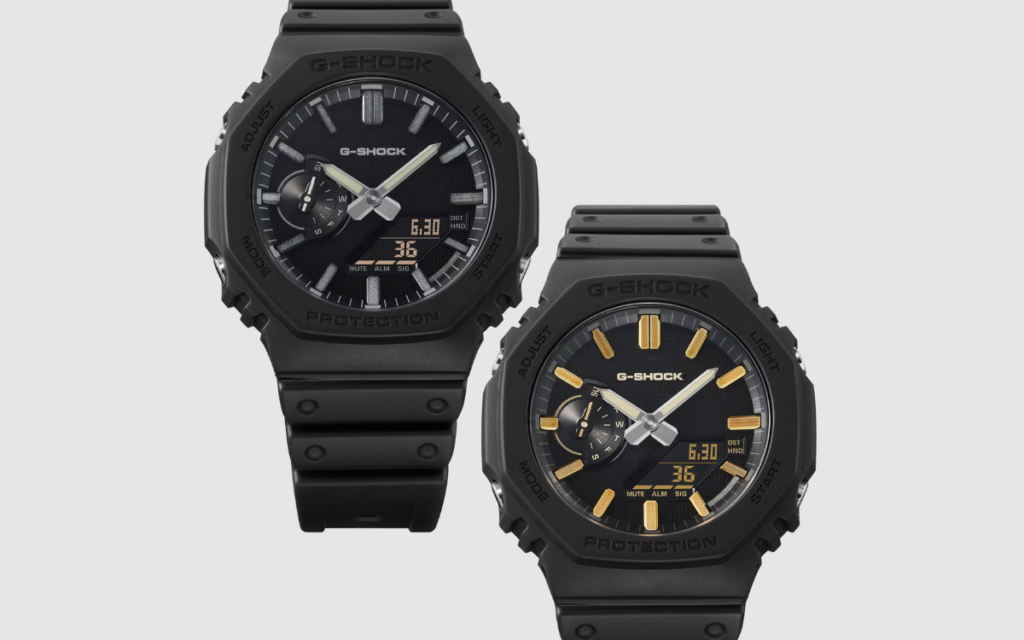
Casio GA2100LXB watches

The collection is split into two price tiers based on the materials used for the case. The GA-2100LXB models cost $145. They use Casio’s standard Carbon Core Guard structure and feature a bezel and band made from bio-based resin. Because of the resin construction, they are relatively light, weighing 51 grams. You can choose between the 1A model, which has silver hour markers, or the 1A9 model, which uses gold markers.

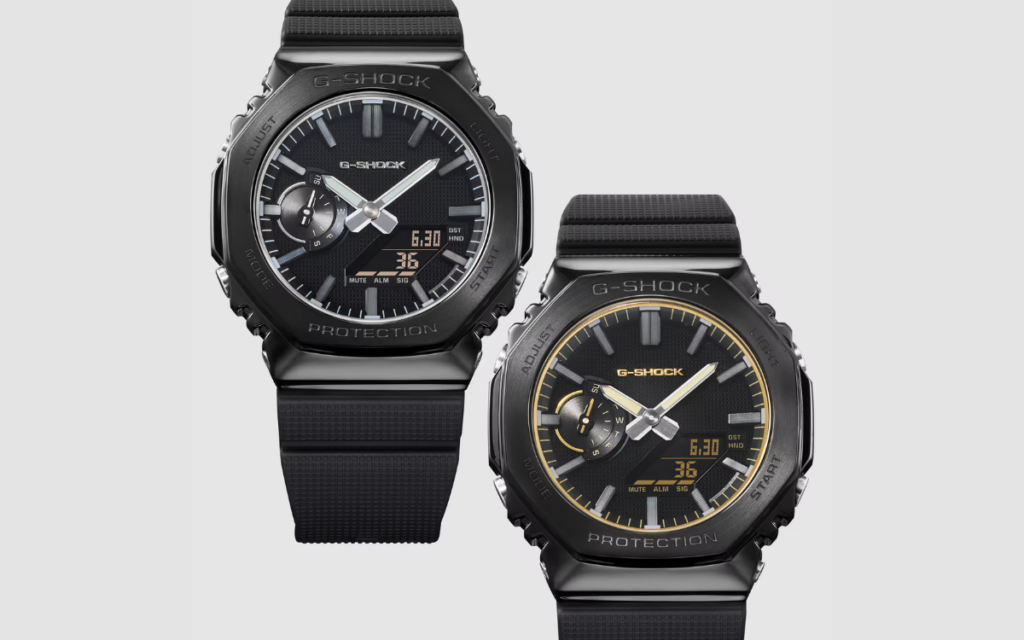
For those who prefer a heavier watch, the GM-2100LXB models are priced at $260. These swap the resin bezel for stainless steel treated with a black ion plating, bringing the total weight up to 72 grams. Like the cheaper models, they come with either silver (1A) or gold accents (1A9) on the dial and use the same bio-based resin for the band.

Casio GM2100LXB watches

Beyond the exterior materials, all four watches share the exact same internal specifications. They run on two SR726W batteries, which Casio estimates will last about three years. There are no smart features, Bluetooth connectivity, or Tough Solar charging here, just standard digital watch functions.

The feature set includes 200 meters of water resistance, basic shock resistance, a stopwatch, a 24-hour countdown timer, five daily alarms, and world time covering 31 time zones. The watches also include a double LED light system to illuminate both the analog hands and the small digital display.

All four Luxe Black models are available to purchase now through Casio’s website.


In related news, Casio has recently launched the feature-packed GBX-H5600KI-5 watch in the US, featuring a heart rate sensor and tide forecasts.

For more daily updates, please visit our News Section.

Stay ahead in tech! Join our Telegram community and sign up for our daily newsletter of top stories!

(Casio 1,2,3,4)