Advertisement

Poco M8 Power launches in India with a massive 8,000mAh battery

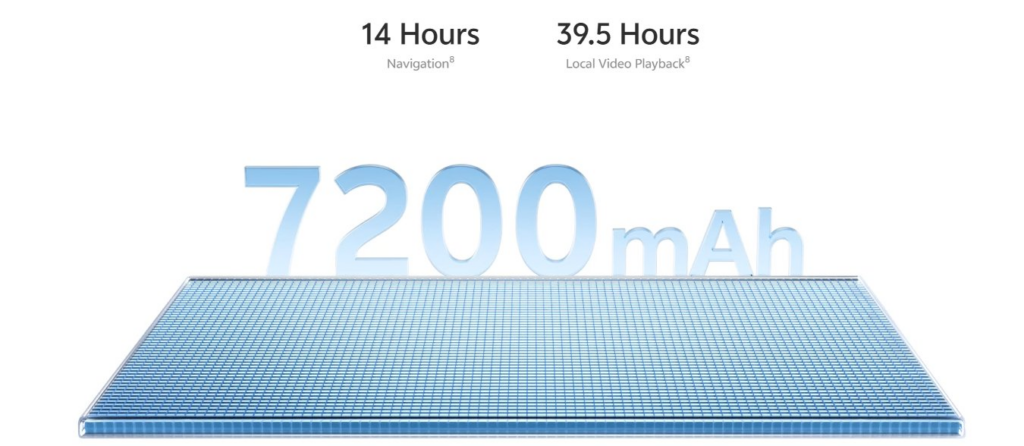
Xiaomi’s subsidiary Poco today announced its new Poco M8 Power smartphone in India. It is a big-battery phone with 8000mAh capacity that Poco claims delivers up to three days of power.  

You’d expect an 8,000mAh cell to make a phone feel like a brick, but Poco has kept things surprisingly trim here. The back panel is plastic, with a wide camera bar running across the width of the phone that houses two circular cutouts for the camera and flash, plus the Poco logo. Despite all that battery inside, the phone comes in at just over 8.4mm thick and weighs around 220 grams.

Poco M8 Power

Poco M8 Power Specifications 

Up front, you get a 6.9-inch FHD+ AMOLED panel running at 120Hz, with peak brightness hitting 1,800 nits and 960Hz PWM dimming to ease eye strain in low light. 

Poco also claims the screen covers the full DCI-P3 colour range. Gorilla Glass 7i sits on top, and the phone carries IP65 protection against dust and light splashes. 

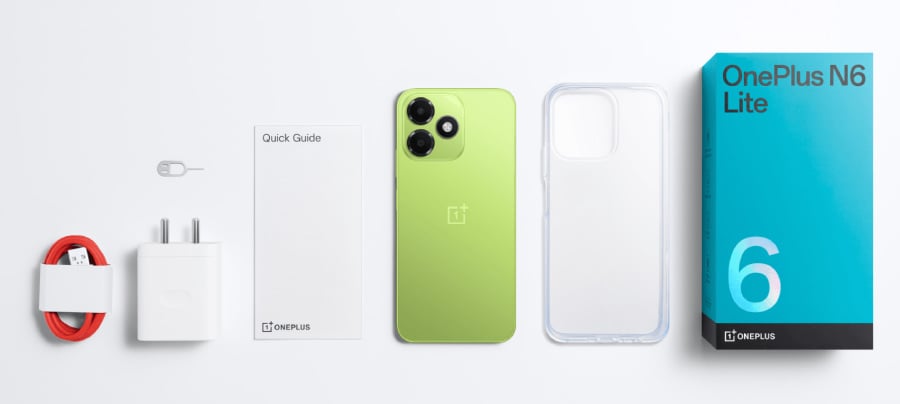
Poco M8 Power box contents

Inside, you get a Snapdragon 4 Gen 4 chip paired with LPDDR4X RAM and UFS 2.2 storage. You get 45W wired charging support, and the phone can even reverse-charge other gadgets at 22.5W.

🔌 You’ll NeedIt supports 45W wired charging, so a 45W-or-faster charger is needed to actually hit that speed. Check 45W GaN fast charger price on Amazon →

On the back, you’re getting a 50MP main camera, while an 8MP shooter handles selfies. Both cap out at 1080p video. Software-wise, the phone ships on HyperOS 3 over Android 16, and Poco is promising four years of OS updates and six years of security patches. You also get an IR blaster and AI tools like Circle to Search along for the ride.

Price and availability

Poco M8 Power

The Poco M8 Power starts at Rs 24,999 for the 6GB/128GB variant, while the 8GB/128GB model costs Rs 27,999. Poco is also throwing in bank offers worth Rs 3,000 on top to sweeten the deal. Sales kick off on August 7, 2026, exclusively through Flipkart.

For more daily updates, please visit our News Section.

Stay ahead in tech! Join our Telegram community and sign up for our daily newsletter of top stories! 💡

Redmi K100 Pro early hands-on shows how the Snapdragon 8 Elite Gen5V handles gaming

Redmi just confirmed that the K100 Pro is the first phone to run the Snapdragon 8 Elite Gen5V, a trimmed-down cousin of the chip that’s inside the K100 Pro Max. Now that the phone is out in the wild ahead of its official reveal, tipster Digital Chat Station (DCS) has shared an early hands-on look at how it actually performs. 

Start with the chip itself. The 8 Elite Gen5V keeps the same TSMC N3P process and 4.6GHz dual-core Oryon setup as the standard chip, so the CPU side is untouched. 

Snapdragon 8 Elite Gen 5 V-series

The Adreno 840 GPU is where things are different. While the clock speed is the same, Qualcomm has trimmed the slice count from three to two and Graphics Memory (GMEM) shrinks from 18MB to 12MB. On paper, that reportedly puts benchmark scores at roughly 90% of the full 8 Elite Gen5.

Redmi K100 Pro gaming performance with new Snapdragon 8 Elite Gen5V chip

You’d expect that cut to show up in games, but DCS says it barely does. Since the CPU wasn’t touched, frame rates in popular titles are as high as the full 8 Elite Gen 5. 

In Honor of Kings, DCS claims the K100 Pro averaged 144fps while drawing just 4W. Game for Peace hit 183fps at 4.5W, and Delta Force reached 185fps at 4.7W. Even Genshin Impact held a steady 60fps average, with only minor dips during heavy combat.

Redmi K100 Pro Gaming Snapdragon 8 Elite Gen5V

The K100 Pro also has the D2 discrete graphics chip and 185Hz RGB OLED screen found on the pricier K100 Pro Max, and DCS notes that its super-frame-rate performance and latency come close to matching that phone despite the smaller 6.59-inch panel. 

None of this is official yet. Redmi has confirmed the chip and launch date of August 11, but hasn’t detailed the Gen5V’s gaming performance itself, so treat DCS’s numbers as an early, unofficial preview until Redmi shares its own figures.

For more daily updates, please visit our News Section.

Stay ahead in tech! Join our Telegram community and sign up for our daily newsletter of top stories! 💡
2026 LG AI TV lineup launches with 25 ultra-large models, including a 115-inch Mini LED flagship

LG has unveiled its 2026 AI TV lineup in India, introducing a broad range of premium televisions across Mini LED, OLED, Micro RGB, Mini RGB, Nano 4K UHD, and Smart AI TV categories. Headlining the portfolio is the company’s largest-ever 115-inch QNED evo Mini LED TV for the Indian market. Read on to know more about the new lineup.

LG 2026 AI TV lineup

LG 2026 AI TV lineup unveiled

The new lineup is led by the QNED evo Mini LED series, which is available in screen sizes ranging from 43 inches to 115 inches. The flagship model features Dynamic QNED Color Pro, Precision Dimming Ultra, and Motion Booster with refresh rates of up to 330Hz, while select models also support 165Hz Variable Refresh Rate (VRR) and Auto Low Latency Mode for gaming. Powered by the Alpha 8 AI Processor Gen3 on select variants, the QNED lineup starts at Rs 52,990 (~$556).

LG has also refreshed its OLED evo family with the G6, C6, and B6 series. The flagship G6 and C6 models feature the Alpha 11 AI Processor Gen3, Hyper Radiant Color Technology, Brightness Booster Ultra, Dolby Vision, Dolby Atmos, NVIDIA G-Sync, AMD FreeSync Premium, and support for up to 165Hz VRR. The OLED B6 uses the Alpha 8 AI Processor Gen3 while retaining Perfect Black and Perfect Color certification. Pricing starts at Rs 1,19,990 (~$1,260) for the OLED evo C6 series, Rs 1,47,490 (~$1,549) for the OLED B6, and Rs 2,14,990 (~$2,257) for the OLED evo G6.

The company’s new Micro RGB evo and Mini RGB evo LCD TVs introduce TÜV Rheinland-certified High Purity RGB Spectrum Display technology. The 100-inch Micro RGB evo (MRGB96) delivers Triple 100% Color Coverage across BT.2020, DCI-P3, and Adobe RGB colour spaces, while the Mini RGB evo series combines Tandem LED technology with Precision Dimming and the Alpha 8 AI Processor Gen3. The Mini RGB evo lineup starts at Rs 1,28,990 (~$1,354), whereas the 100-inch Micro RGB evo is priced at Rs 12,99,990 (~$13,650).

For buyers seeking more affordable large-screen options, LG has expanded its Nano 4K UHD lineup with screen sizes ranging from 43 inches to 98 inches. These TVs feature the Alpha 7 AI Processor Gen9, Nano Detail Enhancer, HDR10 Pro, and Dolby Atmos support. The Nano 4K UHD series starts at Rs 38,990 (~$409).

LG has also introduced the Smart AI TV (LB65) series in 32-inch and 43-inch sizes. The lineup is powered by the Alpha 5 AI Processor Gen9 and includes Dolby Atmos, AI-powered personalization, webOS 26, Google Gemini integration, Microsoft Copilot support, LG Gaming Portal, and five years of webOS updates. Pricing starts at Rs 19,990 (~$210). The new TV lineup is now available across India through LG’s retail channels.

For more daily updates, please visit our News Section.

🔌 You’ll NeedAt 115 inches this TV is too large for most stands — a rated wall mount is the safer fit. Check TV wall mount price on Amazon →

Stay ahead in tech! Join our Telegram community and sign up for our daily newsletter of top stories!

Honor Robot Phone full specs out a week before launch

You’ve already seen the Honor’s Robot Phone robotic arm pop out of the box and heard what the camera is capable of. A new leak from tipster Digital Chat Station now fills in the rest of the spec sheet.

Honor Robot Phone Specifications

Start with the display. Honor is using a 6.3-inch LTPO panel with a 2640 x 1216 resolution, and it’s a flat screen rather than a curved one. Its brightness will reportedly peak at 6,800 nits, and Honor might also add an AR anti-reflective film to keep the screen readable in direct sunlight.

Under the hood, you get the Snapdragon 8 Elite Gen 5, paired with a 7,060mAh battery and a 120W charging adapter in the box. That’s larger than the 6,000mAh figure that showed up in earlier leaks, so the battery capacity appears to have changed as the phone neared launch.

Honor Robot Phone preorders

Honor is also using a trio of its self-developed chips in the Robot Phone. The device has a C1 chip to handle RF signal enhancement, E2 to manage power efficiency, and H1 to run the imaging pipeline for the gimbal camera. 

The main sensor is a 200MP, 1/1.28-inch unit at f/1.6 with a 23mm focal length, mounted on the gimbal arm. Next to it is a 200MP periscope telephoto with a 1/1.4-inch sensor, f/2.6 aperture, and 2.7x optical zoom.

With the August 12 launch date already confirmed, this leak looks like one of the last spec details to surface before the official reveal. The gimbal camera has been the headline so far, but the display and battery numbers round out a fuller picture of the phone.

For more daily updates, please visit our News Section.

Stay ahead in tech! Join our Telegram community and sign up for our daily newsletter of top stories! 💡
(Source)

Lava Probuds Xplore 25° TWS earbuds launches with built-in display, 50hr playback time

Lava has launched the Probuds Xplore 25°, claiming it to be India’s first true wireless earbuds with a built-in display and a pop-up mechanism. The new addition to the company’s Pro series is aimed at users looking for a combination of unique design, gaming-focused features, and everyday convenience. The earbuds also offer long battery life, quad microphones with ENC, and dual-device connectivity.

Lava Probuds Xplore 25° specifications and features

Lava Probuds Xplore 25°

The Lava Probuds Xplore 25° stands out with its pop-up fidget mechanism and an integrated 1.69-inch TFT color display, allowing users to access key information without reaching for their smartphone.

🔌 You’ll NeedThe pop-up display is a moving part on the case, so a silicone sleeve helps guard it from drops. Check silicone earbuds case protector price on Amazon →

For audio, the earbuds are equipped with 10mm dynamic drivers, while a quad-microphone setup with Environmental Noise Cancellation (ENC) is designed to improve voice clarity during calls. Gamers also get a 35ms ultra-low latency mode for a more responsive gaming experience.

Lava Probuds Xplore 25°

The earbuds support Bluetooth 5.3 and dual-device pairing, making it easier to switch between connected devices. They also carry an IPX4 splash resistance rating to withstand sweat and light splashes.

On the battery front, Lava claims the Probuds Xplore 25° can deliver up to 50 hours of total playback with the charging case. The company also says a 10-minute quick charge provides up to 4 hours of playback.

Lava Probuds Xplore 25° price and availability

The Lava Probuds Xplore 25° is priced at Rs 1,999 (~$21) and is now available through retail outlets across India. It comes in Cosmic Black, Charcoal Grey, and Ivory White color options. The brand is also offering its Over-the-Counter Replacement (OTCR) service for its buyers.

For more daily updates, please visit our News Section.

Stay ahead in tech! Join our Telegram community and sign up for our daily newsletter of top stories!
Redmi 17 5G renders leak, specs tag along

We have now got a clear look at the Redmi 17 5G before it even launches. A fresh set of renders, shared by tech outlet 91mobiles, shows the phone in three colors: orange, black, and blue. 

The former uses a vegan leather back that should feel grippier in hand than the glossy finishes on the black and blue versions. Size-wise, the phone measures 170.12 × 74.42 × 8.8 mm and weighs 235 grams.

Redmi 17 5G Design and Render leak

Redmi 17 5G Specifications

The report also shares the phone’s specs. On the front, you get a 6.9-inch LCD screen running at 1600 × 720 resolution. It’s flexible on refresh rate too, switching between 60Hz, 90Hz, and 120Hz depending on what you’re doing. Brightness sits at 675 nits for everyday use, and it can push up to 825 nits when you need it in direct sunlight.

Power comes from a 4nm Qualcomm Snapdragon 4 Gen 5, clocked up to 2.45GHz. The software side is handled by HyperOS 3 based on Android 16. For photos, you get a 50-megapixel AI main camera paired with a QVGA sensor that handles anti-flicker duties, plus an 8-megapixel front camera for selfies and video calls.

Keeping the phone running is a 7500mAh cell with 45W charging support. The report, however, says the charger won’t be included in the box. 

For durability, Redmi will offer Corning Gorilla Glass 7i protection on the front and an IP64 dust and water resistance rating. There’s also mention of a dynamic RGB LED for notifications and visual effects. 

Rounding things out, you get dual nano SIM support with 5G and 4G compatibility, Wi-Fi 5, Bluetooth 5.1, and NFC. There’s also a 3.5mm headphone jack and stereo speakers, so you won’t need an adapter or a Bluetooth pair just to plug in your headphones.

For more daily updates, please visit our News Section.

Stay ahead in tech! Join our Telegram community and sign up for our daily newsletter of top stories! 💡
(Source)

Motorola G Max to pack different specs in India, launch timeframe, price emerge

Motorola could soon introduce another G-series smartphone in India. According to a new leak, the upcoming Motorola G Max is expected to debut around mid-August with a different hardware configuration than the version that launched in Brazil earlier this year. The tip also hints at its expected pricing, placing it in the upper mid-range segment.

Motorola G Max India specifications tipped

Moto G Max
Moto G Max

Tipster Abhishek Yadav claims that the Motorola G Max will launch in India around August 15 and carry a price tag of approximately Rs 30,000 (~$315). Unlike the Brazilian model, which is powered by the MediaTek Dimensity 6400, the Indian variant is said to feature the Snapdragon 6s Gen 4 chipset, which also powers the Redmi Note 17 Pro. The phone is also tipped to come with LPDDR5X RAM, UFS 3.1 storage, and a 50-megapixel Sony LYT-600 primary camera.

Motorola is also expected to offer two major Android OS upgrades and three years of security updates. While this software policy aligns with what many brands currently provide in the segment, the hardware suggests Motorola may be positioning the Indian model differently from its global counterpart.

India variant may differ significantly from the Brazil model

The Motorola G Max launched in Brazil with the Dimensity 6400 chipset, 8GB RAM, and 256GB storage. It also featured a 200-megapixel primary camera with OIS, an 8-megapixel ultra-wide camera, a 32-megapixel front camera, a 5,200mAh battery with 33W charging, and a 6.8-inch 1.5K AMOLED display supporting a 120Hz refresh rate, Gorilla Glass 7i protection, and up to 5,000 nits of peak brightness. The device also carries IP66, IP68, IP69, and MIL-STD-810H durability certifications.

If the leaked specifications prove accurate, the Indian Motorola G Max could prioritize affordability over flagship-grade camera hardware while retaining premium memory technologies.

For more daily updates, please visit our News Section.

Stay ahead in tech! Join our Telegram community and sign up for our daily newsletter of top stories!

OnePlus 16 with 9,000mAh battery enters trial production, claims tipster

Reliable tipster Digital Chat Station has revealed that OnePlus has already begun the trial production of its next-generation flagship, which is expected to be the OnePlus 16. Additionally, the tipster has also revealed the battery capacity of the alleged device, suggesting that it could feature the largest battery ever seen on a OnePlus flagship.

OnePlus 16’s battery size revealed

According to the tipster, the OnePlus 16 prototype packs a dual-cell battery with a rated capacity of 4,390mAh ×2, resulting in a minimum combined capacity of 8,780mAh. With a rated energy of 33.11Wh and a nominal voltage of 7.54V, the battery is expected to offer a typical equivalent capacity of around 9,000mAh.

DCS also claims the device will support faster 100W wired fast charging, suggesting that OnePlus aims to combine a massive battery with flagship charging speeds in its upcoming smartphone. While the tipster has not mentioned it, the device is also expected to support 50W wireless charging.

Reports suggest that the OnePlus 16 will feature a BOE-supplied 6.78-inch LTPO OLED panel with a 1.5K resolution and a 185Hz refresh rate. It is expected to run Android 17 with ColorOS 17 and the next-generation Snapdragon 8 Elite Gen 6 Pro chipset.

For photography, the device could be equipped with a 200-megapixel Samsung HP5 primary camera and a pair of 50-megapixel Samsung JN5 sensors for the ultra-wide and periscope telephoto cameras. Other expected specifications include an ultrasonic in-display fingerprint sensor, an X-axis bionic vibration motor, symmetrical dual speakers, and IP68/IP69 dust and water resistance.

A recent leak claimed that its base model may offer 8GB+256GB configuration and could be priced at 4,999 Yuan (~$740). Rumors suggest that it may go official in October.

For more daily updates, please visit our News Section.

Stay ahead in tech! Join our Telegram community and sign up for our daily newsletter of top stories!

Redmi K100 Pro gets an amazing glow-in-the-dark finish that doubles as a light painting canvas

Redmi has teased another standout feature of the upcoming K100 Pro ahead of its Aug. 11 launch in China. Recently, the brand showcased the Cabernet Red variant of the K100 Pro Max, now it has revealed the K100 Pro for the first time in a unique color option called Glowing Firefly, introducing a distinctive glow-in-the-dark rear panel that offers more than just a different look. The teaser also reinforces several display and hardware details that have already been confirmed for the device.

Glow-in-the-dark design revealed

The new Glowing Firefly color features a fluorescent green finish that changes its appearance depending on the lighting. Redmi says it has placed a special luminescent material between the glass back and the green ink layer, allowing the rear panel to act as a “light painting canvas.”

After absorbing light from a flashlight or another bright source, the back panel glows in the dark, enabling users to create temporary glowing patterns. During the day, the phone has a translucent green finish, while the effect becomes visible in low-light conditions. Redmi has also matched the metal frame and camera island with the same green color, giving the phone a more uniform appearance. Apart from the Glowing Firefly, it will also have a sliver edition.

Redmi has also reiterated that the K100 Pro will feature a 6.59-inch flat OLED display using the new M11 light-emitting material. The panel adopts the company’s “Super Pixel” full RGB sub-pixel arrangement and supports a 185Hz refresh rate, a 4,800Hz instant touch sampling rate, and a peak brightness of 4,500 nits. Redmi claims the new green light-emitting material improves luminous efficiency by 20 percent over the previous generation.

The company has also confirmed that the K100 Pro will be powered by the new Snapdragon 8 Elite Gen 5 V-series chipset alongside an AI gaming display chip. Previous teasers have revealed an AnTuTu V11 benchmark score of 4.095 million. Other expected features include a 200-megapixel rear camera, an over 8,000mAh battery with 50W wireless charging, a 3D ultrasonic fingerprint scanner, IP-rated water resistance, and telephoto macro photography support.

For more daily updates, please visit our News Section.

Stay ahead in tech! Join our Telegram community and sign up for our daily newsletter of top stories!

Gaming-focused Snapdragon 8 Elite Gen 5 V-series chip quietly goes official

Qualcomm has quietly listed a new variant of its flagship Snapdragon 8 Elite Gen 5 V-series chipset on its official website. Carrying the model number SM8850-1-AB, the new silicon is confirmed to power the upcoming Redmi K100 Pro series. While it shares most of its specifications with the regular Snapdragon 8 Elite Gen 5, Qualcomm appears to be positioning it differently, with a greater emphasis on gaming.

Same performance, but gaming takes centre stage

According to Qualcomm’s official product brief, the Snapdragon 8 Elite Gen 5 V-series chip (SM8850-1-AB) features the same CPU and GPU configuration as the regular 4.6GHz Snapdragon 8 Elite Gen 5. It includes two Oryon prime cores clocked at up to 4.6GHz, six performance cores running at up to 3.62GHz, and an Adreno GPU operating at 1.2GHz. The chipset also retains the same Hexagon NPU, X85 5G modem, FastConnect 7900 connectivity system, LPDDR5X memory support, UFS 4.1 storage compatibility, and Qualcomm Spectra ISP found on the standard variant.

The only documented hardware difference between the two versions is Adreno High Performance Memory (HPM). The regular Snapdragon 8 Elite Gen 5 features 18MB of dedicated Adreno HPM, whereas the SM8850-1-AB includes 12MB. Aside from this, Qualcomm lists the same core hardware specifications for both chipsets.

The new gaming-focused version joins three other Snapdragon 8 Elite Gen 5 variants already available. The SM8850-AC is the standard version used in most flagship smartphones, while the SM8850-1-AD is the higher-clocked edition found in Samsung flagship devices as well as Red Magic and Legion gaming phones. Qualcomm also offers the SM8850-5-AC, a 7-core variant powering the Oppo Find N6 foldable. With the arrival of the SM8850-1-AB, Qualcomm now offers manufacturers another option for flagship phones that prioritize gaming performance without changing the platform’s core CPU and GPU frequencies.

While Qualcomm promotes the regular and the new SM8850-1-AB variants with the tagline “Game smarter, not harder,” the official documentation show that gaming technologies such as Tile Memory Heap, Mesh Shading, Unreal Engine 5 optimizations, Snapdragon Game Super Resolution 2.0, Adreno Frame Motion Engine 3.0, and hardware-accelerated ray tracing are also available on the regular Snapdragon 8 Elite Gen 5.

The Redmi K100 Pro series, which is set to launch on Aug. 11 in China, will be the first smartphone lineup to feature this new chipset variant. It remains to be seen whether more brands adopt the gaming-optimized platform in upcoming flagship devices. What seems certain is that the Poco F9 Pro and F9 Ultra, which will be rebranded versions of the K100 Pro and K100 Pro Max, will feature the same chip.

For more daily updates, please visit our News Section.

Stay ahead in tech! Join our Telegram community and sign up for our daily newsletter of top stories!
Xiaomi launches affordable Redmi Projector 5 Pro with 120Hz refresh, 1000 CVIA lumens & Dolby Audio

Xiaomi has released the Redmi Projector 5 Pro in China. The device is priced at 1,899 yuan (approximately $281) and introduces hardware like a 120Hz refresh rate and an integrated gimbal to the company’s standard projector lineup.

Redmi Projector 5 Pro

Redmi Projector 5 Pro Specifications

The projector outputs a native 1080p resolution and can cast images up to 120 inches diagonally. It has a brightness rating of 1,000 CVIA lumens, which is an increase over the previous model, and supports HDR10 for contrast management. The device uses a sealed optical engine combined with an all-glass lens system. Xiaomi indicates this closed design prevents internal dust accumulation and improves image sharpness by 10% compared to the prior generation.

For video playback and gaming, the Redmi Projector 5 Pro includes a 120Hz refresh rate, a 5ms latency, and MEMC motion compensation. These specifications are intended to reduce motion blur and judder during fast-moving video, such as sports broadcasts or action games.

Redmi Projector 5 Pro

The exterior features a white-and-gray dual-tone finish with a fabric-covered front panel. The integrated gimbal provides up to 150 degrees of vertical adjustment, allowing users to project directly onto walls or ceilings. For placement flexibility, it supports up to 30 degrees of side projection correction.

Setup is handled by a Time-of-Flight (ToF) sensor, a high-definition camera, and AI algorithms. This system performs automatic keystone correction, autofocus, obstacle avoidance, and screen alignment without manual input. It also includes wall color adaptation, which adjusts the image’s color and brightness based on the projection surface.

Inside, the projector runs on a MediaTek MT9660 chipset, paired with 2GB of RAM and 64GB of internal storage. It includes an internal and external dual-circulation cooling system that keeps operating noise at 28dB(A). Audio is provided by dual 10W speakers, a passive bass radiator, and a digital amplifier, with support for Dolby Audio.

Redmi Projector 5 Pro

For connectivity, it includes two HDMI ports. One of these is an HDMI eARC port based on the HDMI 2.1 standard, which supports 4K signal input and 1080p at 120Hz output. It also includes a USB 2.0 port and a 3.5mm headphone jack.

The device supports dual-band Wi-Fi 6 and wireless screen casting. On the software side, it integrates with the Xiaomi HyperConnect ecosystem and uses the XiaoAI voice assistant for media control and smart home interaction.

In related news, XElectron has recently unveiled an affordable Android 14-powered projector that features 20W speakers, WiFi 6 connectivity, and built-in streaming apps. Samsung has also expanded its projector lineup in the US with the launch of the Freestyle+, which brings Vision AI features, 360-degree audio, and a brighter viewing experience.

For more daily updates, please visit our News Section.

Stay ahead in tech! Join our Telegram community and sign up for our daily newsletter of top stories!

(JD)

Xiaomi launches affordable Redmi Projector 5 with 1080p resolution & built-in gimbal

Xiaomi has introduced the Redmi Projector 5 in China as a new entry-level smart projector. It is priced at 999 yuan (around $148) and is now available through Xiaomi Youpin and JD.com.

Redmi Projector 5

Redmi Projector 5 Specifications

The projector features an integrated metal gimbal stand with 360-degree tilt adjustment, allowing it to project onto walls or ceilings. It also comes with a textured white chassis and a custom sealed optical engine that helps keep dust away from internal components, improving durability and reducing maintenance over time.

In terms of display specs, the projector offers a native 1080p resolution, a 1.2:1 throw ratio, and support for screen sizes up to 120 inches. It delivers 400 CVIA lumens of brightness and carries SGS low blue light certification to help reduce eye strain during extended viewing sessions.

🔌 You’ll NeedIt projects up to 120 inches, so a portable screen gives a sharper image than a bare wall. Check portable projector screen price on Amazon →
Redmi Projector 5

To simplify the setup process, the projector comes equipped with a ToF laser sensing module that enables automatic focus and keystone correction. It can quickly adjust the image after being moved and supports up to 20 degrees of side projection for more flexible placement.

Internally, the projector is powered by a MediaTek MT9-series processor paired with 1GB of RAM and 32GB of storage. It also includes a Bluetooth voice remote that supports voice search and playback controls for easier navigation.

Redmi Projector 5

For connectivity, the projector supports dual-band Wi-Fi, wireless screen casting from smartphones and PCs, and multiple ports for connecting external devices. It also integrates with Xiaomi HyperConnect, allowing users to create smart home automations with compatible Xiaomi devices such as lights and curtains.

In related news, XElectron has recently launched an affordable Android 14 projector with 20W speakers, Wi-Fi 6 support, and built-in streaming apps. Alongside it, Samsung has introduced the Freestyle+ projector in the US, featuring Vision AI, 360-degree audio, and enhanced picture brightness.

For more daily updates, please visit our News Section.

Stay ahead in tech! Join our Telegram community and sign up for our daily newsletter of top stories!

(JD)

The Best Phones with 8000mAh+ Batteries in 2026

Phone batteries are getting bigger, but the latest generation of high-capacity smartphones isn’t simply stuffing more lithium into increasingly thick slabs. Brands are now using silicon-carbon cells, bypass charging, advanced cooling, and aggressive display tuning to turn battery life into a headline feature.

These are the best phones with batteries of 8,000mAh or more, ranging from premium camera flagships to gaming-focused powerhouses.

Best Phones with 8000mAh Batteries

1. Xiaomi 17 Max

Xiaomi 17 Max

Historically, phones with massive batteries compromised on other flagship features to keep costs down or manage internal space. The Xiaomi 17 Max avoids this by positioning itself as a premium device that simply happens to have an 8,000mAh battery.

Powered by the Snapdragon 8 Elite Gen 5, the 17 Max features a 6.9-inch 1.5K LTPO OLED display that reaches a peak brightness of 3,500 nits. Xiaomi also managed to include a robust camera system, utilizing a Leica-branded triple-lens setup with a 200-megapixel main sensor and a 50MP periscope telephoto lens.

It also supports 100W wired and 50W wireless charging. It’s a device for those who want top-tier photography and performance without worrying about finding an outlet by the evening.

2. Lenovo Legion Y70 (2026)

Lenovo Legion Y70 Launch Specs Price

The Legion series has always targeted the mobile gaming demographic, and the new Legion Y70 continues that focus with a practical approach to power management. It pairs an 8,000mAh battery with the Snapdragon 8 Gen 5 processor and a 6.82-inch 2K AMOLED display capable of a 144Hz refresh rate.

The Y70 also features a bypass power supply option, allowing the phone to draw power directly from the charger during intensive gaming sessions. This prevents the battery from generating excess heat, which degrades cell health over time. Lenovo is confident enough in this system to offer a four-year battery warranty, promising a free replacement if health drops below 80%.

3. Redmi Note 17 Pro

Redmi Note 17 Pro

The Redmi Note line usually focuses on value, and the Note 17 Pro leans heavily into longevity and durability. For a mid-range price, it includes a 9,000mAh battery paired with the energy-efficient Snapdragon 6s Gen 4 processor.

This phone is built for harsh environments. It carries IP66, IP68, IP69, and IP69K ratings, meaning it is highly resistant to dust, water immersion, and even high-pressure water jets.

It also supports 22.5W reverse wired charging, allowing you to use its large battery to top up other devices like wireless earbuds or a secondary phone. To ease concerns about battery degradation, Xiaomi offers a five-year battery upgrade warranty for first-time buyers, making it a solid choice for long-term use.

4. OnePlus Nord 6

OnePlus Nord 6 colors

The OnePlus Nord 6 takes a slightly different approach, combining a 9,000mAh silicon-carbon battery with a heavy emphasis on artificial intelligence. Running on the Snapdragon 8s Gen 4, it features a 6.78-inch 165Hz AMOLED display and up to 12GB of RAM.

OnePlus has integrated a suite of AI tools into OxygenOS 16, deeply tied to Google Gemini. This includes features like an AI Mind Space for organizing personal data and real-time translation for calls.

The phone also supports Aqua Touch 2.0, allowing the display to remain responsive when wet, and comes with 80W fast charging for quicker charging times.

5. Honor Power 2

Honor-Power-2-Launch-Specs-Price

While an 8,000mAh battery is impressive, Honor has pushed the boundary further with the Power 2, integrating a 10,080mAh battery. Just a few years ago, a battery of this size would have required a thick, heavy chassis. Thanks to its fourth-generation silicon-carbon technology, the Power 2 weighs just 216 grams and measures under 8mm thick.

The phone is powered by the MediaTek Dimensity 8500 Elite and features a 6.79-inch 120Hz OLED display. It also includes comprehensive durability certifications, including an IP69K rating and SGS five-star drop resistance.

For users who work in remote areas or simply want the absolute maximum time between charges, the Honor Power 2 offers a capacity that was previously reserved for dedicated power banks.

6. iQOO Z11

iQOO Z11

The iQOO Z11 is another strong contender in the 9,000mAh category, specifically featuring a 9,020mAh cell. Powered by the MediaTek Dimensity 8500, the device uses a 6.83-inch 165Hz display and supports 90W fast charging.

iQOO complements the large battery with software optimizations to improve efficiency. It also features a capable 50MP main camera with OIS. It’s a very balanced device that manages to keep its weight down to 216.5g despite the large internal battery.

7. Oppo K15 Pro+

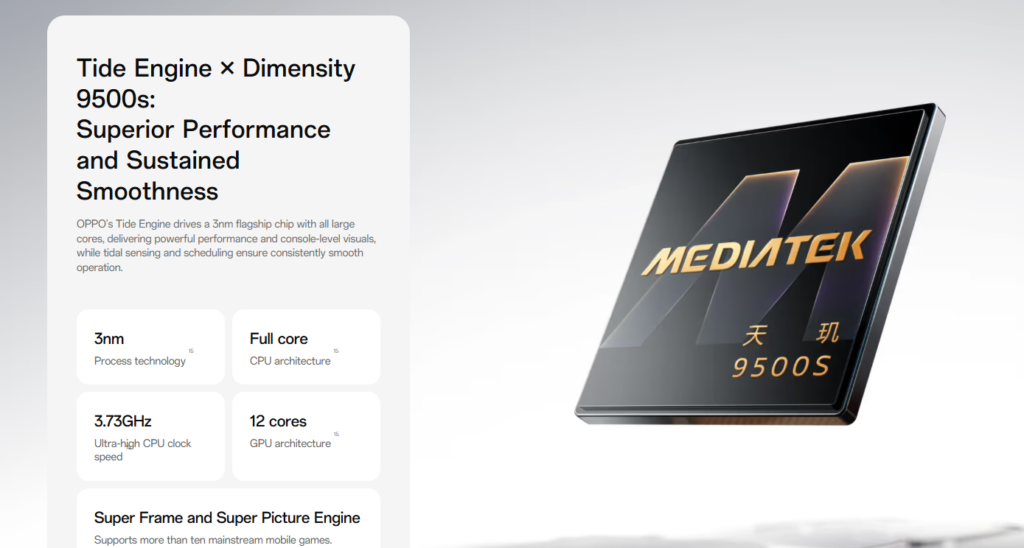
The Oppo K15 Pro+ rounds out the list as a high-performance option. It features an 8,000mAh battery and is powered by the MediaTek Dimensity 9500s. The device is built around a 6.78-inch 1.5K OLED display with a 165Hz refresh rate.

Oppo has also included a robust cooling system to manage the heat generated by the high-end processor, ensuring the device remains comfortable to hold during extended use. It also features 100W fast charging.

For more daily updates, please visit our News Section.

Stay ahead in tech! Join our Telegram community and sign up for our daily newsletter of top stories!

Nothing Phone (4b) vs Xiaomi 17T Comparison: Is Xiaomi Worth the Extra Money?

Nothing Phone (4b) and Xiaomi 17T cater to very different buyers despite both offering modern Android experiences. One focuses on distinctive design and value, while the other packs flagship-grade performance, premium cameras, and a top-tier display. Here’s a detailed comparison to find out which smartphone delivers the better overall experience for your budget. 

Major Features:

CategoryNothing Phone (4b)Xiaomi 17TWinner
Display6.77-inch AMOLED, 120Hz, 2,000 nits peak6.59-inch AMOLED, 120Hz, Dolby Vision, HDR10+, 3,500 nits peakXiaomi – Brighter, sharper, HDR support
Build & DurabilityPlastic frame, plastic back, IP64Gorilla Glass 7i, reinforced back, IP68Xiaomi – More premium and durable
ProcessorSnapdragon 6 Gen 4MediaTek Dimensity 8500 UltraXiaomi – Much faster performance
RAM & StorageUp to 8GB RAM, UFS 2.2Up to 12GB RAM, UFS 4.1Xiaomi – Faster memory and storage
Rear Camera50MP + 8MP ultrawide50MP + 50MP periscope + 12MP ultrawideXiaomi – More versatile camera system
Selfie Camera16MP32MP with 4K videoXiaomi – Higher resolution and better video
Video RecordingRear 4K@30fpsRear 4K@60fps, HDR10+, LogXiaomi – Superior video features
Battery5,200mAh (Global) / 6,000mAh (India)6,500mAh (Global)Xiaomi – Larger battery
Charging33W wired, 7.5W reverse wired67W wired, 22.5W reverse wiredXiaomi – Much faster charging
SoftwareAndroid 16, Nothing OS 4.1, 3 Android upgradesAndroid 16, HyperOS 3Nothing – Better software update commitment
ConnectivityWi-Fi 6, Bluetooth 6.0, NFCWi-Fi 6E, Bluetooth 6.0, NFC, IR BlasterXiaomi – More connectivity options
AudioStereo speakersStereo speakers with Dolby Atmos, Hi-Res AudioXiaomi – Better multimedia experience
ProtectionDragontail Pro GlassGorilla Glass 7iXiaomi – Stronger protection
Price / ValuePriced around $420 / ₹35,000Priced around $700 / ₹60,000Nothing – Better value for money
Disclaimer: Specs are based on available data. Actual performance may vary. Verify details from official sources before buying.

1. Design and Display

Build and Feel

The Nothing Phone (4b) continues the brand’s signature transparent-inspired styling with a rear notification LED system that gives it a distinctive identity. It features an IP64 rating for protection against dust and water splashes, making it suitable for everyday use. Xiaomi 17T adopts a more premium approach with Gorilla Glass 7i protection on both the front and reinforced back, along with a higher IP68 rating for complete dust resistance and water immersion protection. It also supports dual eSIM functionality in select markets, adding convenience for frequent travelers. While Nothing focuses on visual uniqueness, Xiaomi emphasizes durability and premium finishing that may appeal to users seeking a more refined flagship experience.

Display Quality

Nothing Phone (4b) offers a 6.77-inch AMOLED display with a 120Hz refresh rate, 480Hz PWM dimming, and up to 2,000 nits peak brightness. Xiaomi 17T counters with a slightly smaller AMOLED panel featuring a sharper resolution, Dolby Vision, HDR10+, 68 billion colors, 3,840Hz PWM dimming, and an impressive 3,500 nits peak brightness. The richer color reproduction and higher brightness provide a noticeably more premium viewing experience, especially for HDR content and outdoor visibility.

Verdict

Xiaomi 17T delivers the stronger overall design and display package thanks to its superior durability, flagship-grade screen, and premium multimedia features. Nothing Phone (4b) remains attractive for users who appreciate its distinctive design language and vibrant AMOLED panel, but Xiaomi clearly takes the lead in this category.

2. Specifications Including Battery

Performance

Nothing Phone (4b) is powered by the Snapdragon 6 Gen 4 paired with 8GB RAM and UFS 2.2 storage. It delivers dependable performance for everyday tasks, social media, streaming, and moderate gaming while promising three major Android upgrades. Xiaomi 17T raises the bar with the MediaTek Dimensity 8500 Ultra, 12GB RAM, and significantly faster UFS 4.1 storage. Heavy multitasking, demanding games, and advanced AI workloads benefit from the more capable chipset and faster memory. The hardware difference is evident in sustained performance and overall responsiveness, making Xiaomi feel closer to a flagship than an upper mid-range device.

Battery and Charging

The Nothing Phone (4b) packs a 6,000mAh battery in India with 33W wired charging and 7.5W reverse wired charging. Xiaomi 17T features a 6,500mAh global battery alongside much faster 67W charging, 50W PPS support, and 22.5W reverse wired charging. The faster charging significantly reduces downtime while maintaining excellent battery endurance.

Verdict

Xiaomi 17T comfortably wins this section by combining flagship-level performance with faster storage, more RAM, larger battery capacity, and considerably quicker charging. Nothing Phone (4b) remains an efficient daily performer but targets a different performance tier.

3. Camera

Main and Secondary Lenses

Nothing Phone (4b) features a 50MP primary camera with OIS and an 8MP ultrawide sensor capable of recording 4K video at 30fps. Image quality is reliable for everyday photography, producing balanced colors and stable shots. Xiaomi 17T delivers a far more versatile camera setup with a 50MP Leica-tuned main sensor, a 50MP periscope telephoto camera offering 5x optical zoom, and a 12MP ultrawide lens. It also supports advanced recording options including 4K at 60fps, HDR10+, Log recording, and 10-bit video. The additional telephoto camera greatly expands creative possibilities, making the system suitable for portraits, distant subjects, and professional-style video capture.

Selfie Camera

Nothing includes a 16MP front camera that records Full HD video and performs well for casual selfies and video calls. Xiaomi upgrades to a 32MP selfie camera with 4K recording and HDR10+, producing sharper details and better video quality for creators.

Verdict

Xiaomi 17T offers a significantly stronger camera experience with Leica tuning, true optical zoom, better video capabilities, and a higher-resolution selfie camera. Nothing Phone (4b) delivers dependable photography, but Xiaomi stands out for users who prioritize imaging versatility.

4. Pricing

The Nothing Phone (4b) is priced around $420 (₹35,000), while the Xiaomi 17T is priced around $700 (₹60,000). The price gap is substantial, placing the two devices in different market segments. Nothing Phone (4b) focuses on delivering a stylish design, clean software, reliable cameras, and long battery life at a competitive price. Xiaomi 17T justifies its premium positioning with a flagship-class display, much faster processor, Leica-enhanced camera system, larger battery, faster charging, and more premium materials. Buyers paying the extra amount receive meaningful hardware improvements rather than cosmetic upgrades alone.

Verdict

Nothing Phone (4b) offers stronger value for buyers seeking a balanced smartphone without entering flagship pricing. Xiaomi 17T justifies its higher cost through premium hardware and advanced features, making it a worthwhile investment for enthusiasts who want a near-flagship experience.

Disclaimer:
Prices are approximate and may vary based on country, region, launch timing, and applicable taxes. Always check whether the listed price is for a China unit or a global/international variant when purchasing.

5. Conclusion

Nothing Phone (4b) distinguishes itself with its recognizable rear notification LED design, clean Nothing OS experience, and dependable long-term software support. It delivers an enjoyable everyday smartphone experience while keeping pricing accessible. Xiaomi 17T, meanwhile, focuses on flagship-level hardware with a Leica-powered triple-camera setup, periscope zoom, Dolby Vision display, HDR10+ recording, UFS 4.1 storage, faster charging, and a more powerful chipset. These upgrades create a noticeably more capable smartphone across photography, gaming, multimedia, and productivity. Both devices target different audiences, making the choice depend largely on budget and usage priorities rather than brand alone.

Verdict

For buyers seeking the best balance between price and everyday performance, the Nothing Phone (4b) is the smarter value-focused choice. Those willing to spend more for premium cameras, flagship-level performance, superior display technology, and faster charging will find the Xiaomi 17T to be the more complete and future-ready smartphone.


FAQs

1. Which is better, Nothing Phone (4b) or Xiaomi 17T?
Xiaomi 17T offers better overall hardware, while Nothing Phone (4b) provides stronger value for money.

2. Does Xiaomi 17T have a better camera than Nothing Phone (4b)?
Yes. Xiaomi 17T includes a Leica-powered triple-camera setup with a 5x periscope telephoto lens.

3. Which phone has better battery life?
Xiaomi 17T lasts longer thanks to its larger 6,500mAh battery, though Nothing Phone (4b) also delivers excellent endurance.

4. Is Nothing Phone (4b) worth buying over Xiaomi 17T?
Yes, if you’re looking for a stylish, capable smartphone at a much lower price.

5. Which phone is better for gaming and performance?
Xiaomi 17T is the better choice with its Dimensity 8500 Ultra chipset, 12GB RAM, and UFS 4.1 storage.

Disclaimer: This comparison is based on the specifications provided and is intended for general informational purposes. Actual performance, camera results, battery life, and overall experience may vary depending on real-world usage, software updates, and individual preferences.

Read More:

Casio launches new Pro Trek PRJ-B001EX-1 watch with a strap that doubles as a storage pouch

Casio has unveiled the new Pro Trek PRJ-B001EX-1 in Japan, priced at ¥33,000 (around $210). The outdoor-focused watch is now available for pre-order and is scheduled to launch later this month, bringing some upgrades aimed at improving comfort and durability for campers and hikers.

Casio Pro Trek PRJ-B001EX-1 watch

Design Details

The watch comes with a reversible cloth strap that features a small built-in storage pocket for carrying essentials like a key, coins, or folded cash. The strap can also be flipped over to protect the watch face and is designed to work with a carabiner, allowing it to be attached to a backpack or other outdoor gear.

🔌 You’ll NeedThe strap is built to clip onto a carabiner for backpacks, but the watch doesn’t include one. Check carabiner clip watch attachment price on Amazon →

Casio has also modified the case design by adding a rotary guard bezel. By twisting the bezel, you can physically block access to the side buttons. This mechanism is meant to prevent accidental button presses when moving around or carrying heavy gear.

The watch case is made from bio-based resin, weighs 51 grams, and measures 50.3 by 46 millimeters. It is water-resistant up to 100 meters and is built to operate in temperatures as low as -10 degrees Celsius.

For power, the PRJ-B001EX-1 uses Casio’s Tough Solar charging technology, delivering up to seven months of operation on a full charge under normal use, or as much as 18 months in power-saving mode when stored away from light.

The watch also supports Bluetooth connectivity. When paired with the Casio Watches smartphone app, it automatically syncs the time. It also features a Time & Place function, which allows you to press a button on the watch to log your current time and location on a map within the phone app.

Otherwise, the device offers the typical functionality expected from a Casio digital-analog watch, including a 1/100-second stopwatch, a 60-minute countdown timer, five daily alarms, and a dual LED backlight. It also features a hand-shift function that temporarily moves the analog hands aside for a clearer view of the digital display.

In related news, Casio has recently introduced two affordable solar-powered Edifice EFS-S660 chronographs alongside three new dress watches that pair classic styling with a choice of leather or stainless steel straps.

For more daily updates, please visit our News Section.

Stay ahead in tech! Join our Telegram community and sign up for our daily newsletter of top stories!
(Casio)

Casio launches two new affordable solar-powered Edifice EFS-S660 watches

Casio has officially introduced the Edifice EFS-S660 series, a new pair of solar-powered chronographs launching in Japan later this month. The lineup consists of two models: the stainless steel EFS-S660D-1A and the resin-strapped EFS-S660PB-1A, both designed with a clear focus on motorsport utility and compact dimensions.

Casio Edifice EFS-S660 watches

Design Details

Rather than leaning into the oversized aesthetic common in many modern sports watches, Casio has opted for a relatively slim profile. Both watches share the exact same case dimensions, measuring 45.3 x 38.3 x 11.6 mm. This sub-39mm width makes the EFS-S660 series highly wearable for a variety of wrist sizes while maintaining the legibility required of a chronograph.

The primary differences between the two models come down to materials, weight, and color accents. The EFS-S660D-1A features a traditional silver stainless steel case and an integrated metal bracelet with a one-touch three-fold clasp, accented by a blue chronograph seconds hand. Due to the steel bracelet, this model weighs 129 grams.

Alternatively, the EFS-S660PB-1A swaps the metal band for a black resin strap and utilizes a dark gray ion-plated case with a black ion-plated bezel. It features a contrasting red center seconds hand for a sportier aesthetic. The shift to a resin strap drops the overall weight significantly to just 71 grams.

🔌 You’ll NeedSolar charging means no cable to carry, but the resin strap is the part that wears out first. Check resin watch strap replacement price on Amazon →

On the hardware side, Casio is including a solid set of specifications for the price bracket. Both models are equipped with a sapphire crystal featuring an anti-reflective coating, which mitigates glare and provides strong scratch resistance. The watches also feature 100-meter water resistance and a tachymeter around the periphery of the bezel for calculating average speeds.

Internally, the EFS-S660 series relies on Casio’s solar-powered charging system. The dial has a textured finish that still allows enough ambient light to pass through to the solar panel beneath. On a full charge, the watch can operate for approximately five months before the hands stop.

The watch features a 1/20-second stopwatch capable of measuring elapsed time, split times, and first-to-second place times up to 59 minutes and 59.95 seconds. The dial layout includes three standard analog hands alongside three subdials for timekeeping seconds, stopwatch 1/20 seconds, and stopwatch minutes, plus a standard date display window.

Pricing and Availability

Both the EFS-S660D-1A and EFS-S660PB-1A are scheduled for release later this month. They are currently listed on Casio’s Japanese online store, with both models priced at ¥33,000 ($210).

For more daily updates, please visit our News Section.

Stay ahead in tech! Join our Telegram community and sign up for our daily newsletter of top stories!
(Casio 1,2)

Casio launches three new classy dress watches with leather and steel strap options

Casio is adding three new watches to its standard collection in Japan this month. The new LTP-B150 series, which is currently available for pre-order and scheduled to ship later this month, features a rectangular stainless steel case and a traditional Roman numeral dial layout. All three models are priced at ¥12,100 (roughly $77).

Casio LTP-B150 watches

Design Details

The lineup consists of three variations that share the exact same core hardware but use different straps and dial accents. The LTP-B150D-7B is the metal option, featuring a stainless steel bracelet and a silver sunburst dial. The other two models switch to genuine leather straps.

The LTP-B150L-7B1 comes with a dark navy leather strap and retains the silver dial and silver-tone hands of the metal version. The LTP-B150L-7B2 uses a brown leather strap and incorporates gold-tone hands along with a gold inner bezel accent to differentiate it from the rest of the line.

In terms of dimensions, these are relatively small watches. The stainless steel case measures 31 by 22 millimeters and is 7.5 millimeters thick. Because of the different band materials, the overall weight varies significantly between the models.

The stainless steel bracelet version weighs 58 grams and is designed to fit wrists between 125mm and 185mm. The two leather strap versions drop the weight down to just 25 grams and fit wrists ranging from 130mm to 180mm.

🔌 You’ll NeedThe steel bracelet version ships full length, so a link removal tool helps get a proper fit. Check watch bracelet link removal tool price on Amazon →

The internal specifications are standard for Casio’s budget tier. The watches use a basic quartz movement with an estimated battery life of three years and an average monthly accuracy of ±20 seconds.

The dial is covered by standard mineral glass, and the cases have a daily water resistance rating. This means they can handle light splashes from washing your hands or walking in the rain, but they are not designed for swimming or full submersion.

In related news, Casio has recently unveiled three retro-styled F-B100W digital watches with Bluetooth connectivity and fitness tracking, alongside three affordable MRW-240H models featuring rotating bezels and sporty aesthetics.

For more daily updates, please visit our News Section.

Stay ahead in tech! Join our Telegram community and sign up for our daily newsletter of top stories!
(Casio 1,2,3)

Massive 115-inch Sony Bravia 9 II launches in India, features True RGB display technology

Sony has expanded its premium TV lineup in India with two new large-screen models, the Bravia 9 II 115-inch and Bravia 7 II 98-inch. The latest additions bring Sony’s RGB Backlight Master Drive Pro technology to larger displays while retaining flagship picture, gaming, and smart TV features.

Sony’s largest True RGB TVs arrive in India

Sony Bravia 9 II
Sony Bravia 9 II

The highlight is the Bravia 9 II 115-inch, which is now the biggest television Sony has introduced in India. It features a 4K LCD panel with a 120Hz refresh rate and the company’s RGB Backlight Master Drive Pro technology, which independently controls red, green, and blue LEDs instead of relying on a conventional white or blue LED backlight with color filters.

Sony says this delivers a wider color volume, deeper blacks, reduced blooming, and improved viewing angles. The TV is powered by the Cognitive Processor XR and supports Dolby Vision, HDR10, HLG, IMAX Enhanced, XR Contrast Booster 40, XR Motion Clarity, XR Clear Image, RGB TRILUMINOS Max, and X-Wide Angle Pro.

The Bravia 9 II also includes a 12-speaker Acoustic Multi-Audio+ system with an 85W output, Google TV with a future Gemini update via OTA, Wi-Fi 6, Bluetooth 5.3, four HDMI ports, two USB ports, Apple AirPlay, Apple HomeKit, and Chromecast. Gamers also get 4K 120Hz support, VRR, ALLM, Auto HDR Tone Mapping, Auto Genre Picture Mode for PS5, and eARC.

Price, variants, and availability

Sony has also introduced a 98-inch version of the Bravia 7 II, which shares several premium features while offering a more accessible option than the flagship series. The televisions will be sold through Sony Centres, Sony Exclusive Stores, ShopatSC, leading electronics retailers, and major e-commerce platforms.

🔌 You’ll NeedAt 115 inches, this TV needs a wall built to hold it — a rated wall mount is the safer install. Check TV wall mount price on Amazon →

The available variants are:

  • Bravia 9 II 75-inch: Rs 8,39,900 (~$8,819)
  • Bravia 9 II 85-inch: Rs 9,89,900 (~$10,394)
  • Bravia 9 II 115-inch: Rs 45,99,900 (~$48,299), Best Buy price Rs 28,99,990 (~$30,450)
  • Bravia 7 II 55-inch: Rs 3,59,900 (~$3,779)
  • Bravia 7 II 65-inch: Rs 4,39,900 (~$4,619)
  • Bravia 7 II 75-inch: Rs 6,19,900 (~$6,509)
  • Bravia 7 II 85-inch: Rs 7,19,900 (~$7,559)
  • Bravia 7 II 98-inch: Best Buy price Rs 8,71,990 (~$9,156)

For more daily updates, please visit our News Section.

Stay ahead in tech! Join our Telegram community and sign up for our daily newsletter of top stories!
Find X10 Ultra’s 10x optical zoom camera may use Samsung GNB or OmniVision OV51A

Recent reports have revealed that the Oppo Find X10 Ultra will feature dual periscope telephoto cameras. One of them is expected to offer 10x optical zoom. Now, a new leak from tipster Digital Chat Station claims that Oppo is evaluating either Samsung or OmniVision sensors for the 10x periscope camera.

Oppo Find X10 Ultra to support 10x optical zoom

As per the new leak, the Oppo Find X10 Ultra is currently being tested with a 50-megapixel periscope telephoto camera capable of 10x optical zoom. The tipster claims Oppo is evaluating two different sensors for the module. One prototype reportedly uses Samsung’s ISOCELL GNB sensor, while another is said to feature the OmniVision OV51A. Both sensors are expected to measure approximately 1/1.95 inches.

The leak further states that the periscope camera will continue to support telephoto macro photography, allowing users to capture close-up subjects without relying on the primary camera. If the final hardware retains the rumored 10x optical zoom, it would mark one of the most notable telephoto upgrades in the Find series.

The latest information builds on earlier reports that claimed the Find X10 Ultra would feature a 200-megapixel LOFIC main camera alongside a 200-megapixel periscope telephoto camera with upgraded optical image stabilization. The device I also expected to feature a 50-megapixel ultra-wide camera and a 50-megapixel front-facing camera.

Beyond its cameras, the phone is rumored to feature a 6.89-inch 2K LTPO BOE display with ultra-narrow symmetrical bezels, Qualcomm’s Snapdragon 8 Elite Gen 6 Pro chipset, and an approximately 8,500mAh battery. The Find X10 Ultra is also expected to target the ultra-premium segment with pricing similar to the Find N6.

While the Find X10, Find X10 Pro, and Find X10 Pro Max are expected to launch in China this September, the Ultra variant is likely to arrive at a later date, probably in the coming year.

For more daily updates, please visit our News Section.

Stay ahead in tech! Join our Telegram community and sign up for our daily newsletter of top stories!
Upcoming Lenovo Googlebook 15 leaked renders reveal a premium design, Android-inspired UI, and Gemini key

Google introduced the Googlebook platform at its I/O 2026 event in May, marking the beginning of a new chapter for its laptop ecosystem. At the time, the company confirmed it was working with Acer, Asus, Dell, HP, and Lenovo to develop the first wave of Googlebooks. Now, a new report from Digital Citizen has shared what appears to be the first complete look at Lenovo’s upcoming Googlebook 15, revealing both its hardware design and several software details.

Lenovo Googlebook 15’s design revealed

Lenovo Googlebook 15

The leaked renders suggest the Lenovo Googlebook 15 adopts a premium design with slim display bezels, a silver finish, and a large trackpad. One of the biggest changes is the keyboard, which replaces the traditional Windows key with a dedicated Google key that is expected to provide quick access to Gemini.

The function row also includes dedicated shortcuts for screenshot, microphone mute, accessibility, brightness, keyboard backlight, media controls, and what appears to be a profile switch button. Unlike many 15-inch laptops, the device skips a numeric keypad in favour of a centred keyboard layout.

The report also reveals a generous selection of ports, including HDMI, dual USB-C ports, USB-A, a card reader, and a 3.5mm headphone jack. Other hardware highlights include a webcam notch with a built-in physical privacy shutter, Dolby Atmos branding, speaker grilles on both sides of the keyboard, and a display hinge that opens up to 157.5 degrees.

While the hardware is interesting, Google’s software experience could be the biggest change. At I/O 2026, Google revealed that Googlebook combines Android and ChromeOS into a single desktop platform built on Android’s technology stack. This allows Android apps to run natively while enabling direct access to files stored on an Android phone through Quick Access.

Google also introduced Magic Pointer, which brings Gemini into everyday interactions by offering contextual actions based on where the cursor is placed. Other announced features include Create Your Widget, which lets Gemini generate personalized desktop widgets using information from apps such as Gmail and Google Calendar.

The leaked interface appears to match Google’s preview, showing an Android-style status bar, a redesigned taskbar, Gemini integration, and several Google apps alongside Adobe Premiere Pro, hinting that Googlebook is targeting more demanding workflows than traditional Chromebooks.

Lenovo is to announce the Googlebook 15 officially, and specifications such as the processor, memory, storage, display resolution, battery capacity, and pricing remain under wraps. Readers can visit the above-mentioned publication to checkout more images of the device.

For more daily updates, please visit our News Section.

Stay ahead in tech! Join our Telegram community and sign up for our daily newsletter of top stories!

(source)