Advertisement

Meizu teams up with Geely Galaxy for limited-edition Meizu 21

Meizu has partnered with car manufacturer Geely Galaxy to launch a limited-edition version of its Meizu 21 smartphone.

The phone, sporting a stylish gray and blue color scheme, is currently only available for purchase through the Geely Galaxy App Auto Mall, with a price tag of 3,999 yuan (approximately USD 615) for the 12/256GB model.

Meizu 21 Geely Galaxy

The special edition phone features a design inspired by the Geely Galaxy brand. The right side of the phone boasts a color block pattern that mirrors the Geely Galaxy logo, while the lower right corner displays the logos of both Meizu and Geely Galaxy.

In terms of specifications, it’s similar to that of the standard Meizu 21. That is, it comes with a 6.55-inch OLED FHD+ display with a 120Hz refresh rate and 1.74mm thin symmetrical bezels.

Under the hood, the Meizu 21 is powered by the Snapdragon 8 Gen 3 chip paired with LPDDR5x RAM and UFS 4.0 storage. To keep thermals under control, Meizu has fitted in a 37345 mm² vapor chamber cooling system inside the phone.
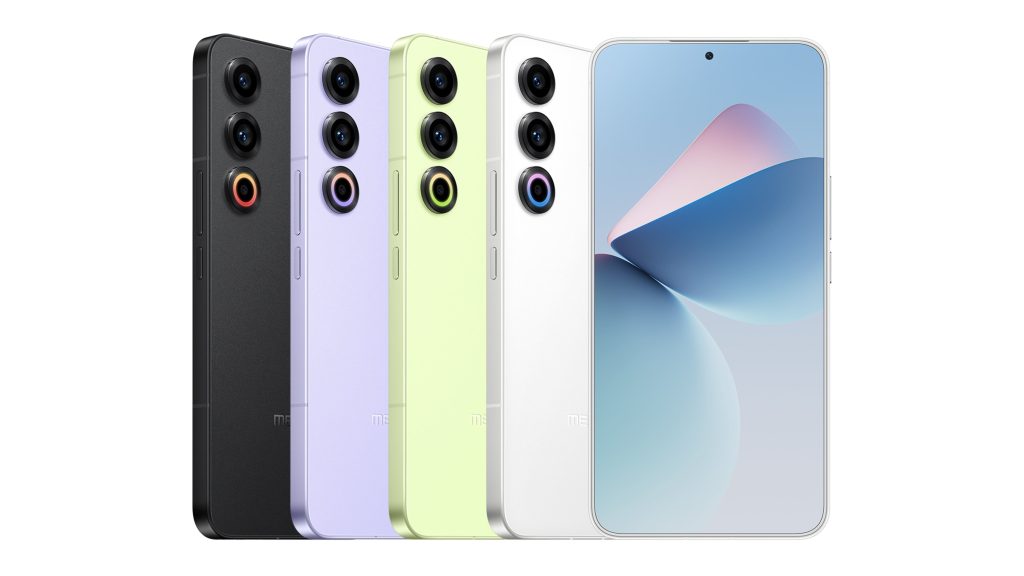
On the back, the phone features an OIS-assisted 200-megapixel Samsung S5KHP3 main sensor, joined by a 12-megapixel Samsung S5K3L6 ultrawide lens, and a 5-megapixel Samsung S5K5E9 depth sensor. For selfies, it has a 32-megapixel Samsung S5KJD1 front-facing camera.

Likewise, the phone gets its juice from a 4,800mAh battery and supports 80W charging. It comes preinstalled with Android 14 with Flyme 10.5 and there’s also Aicy personal assistant feature powered by GPT.

Other notable features include an Aicy smart RGB-LED ring on the rear, an ultrasonic in-display fingerprint scanner, an IR blaster, dual speakers, and an IP54-rated chassis.

Related:

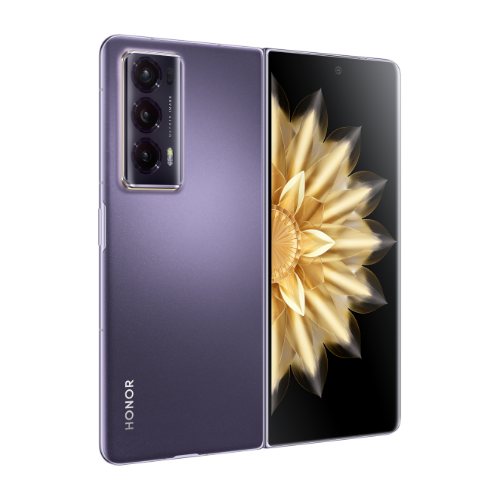
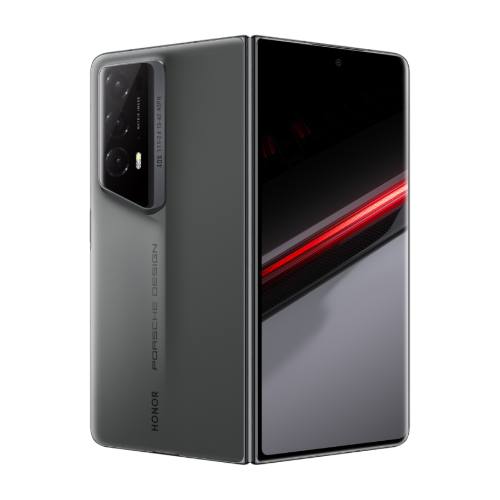
Honor Magic V2 European launch set for January 26

Honor introduced the Magic V2 foldable smartphone in China China in July 2023. The brand later showcased the device at IFA Berlin 2023, without revealing any details about the global price or availability. Now, the company has scheduled a detailed announcement on January 26 for Europe, revealing the pricing and availability of the device.

Honor Magic V2

Honor Magic V2 specs

The Honor Magic V2 features a 7.92-inch foldable LTPO OLED display with a resolution of 2156 x 2344 pixels. It also boasts a 120Hz refresh rate and a maximum brightness of 1,600 nits. A secondary 6.43-inch LTPO OLED cover screen is present on the front, offering a Full HD+ resolution and a brightness of up to 2,500 nits.

At the core of the Magic V2 is the Snapdragon 8 Gen 2 chip, providing robust performance. The device is available in various configurations, offering up to 16 GB of LPDDR5x RAM and up to 1 TB of UFS 4.0 storage, at least in the Chinese market. It is powered by a 5,000mAh battery, which supports 66W fast charging, and includes a side-facing fingerprint scanner.

Photography capabilities are a key feature of the Magic V2. It includes a 16-megapixel front camera and a rear camera setup comprising a 50-megapixel main camera with Optical Image Stabilization (OIS), a 50-megapixel ultra-wide lens with autofocus, and a 50-megapixel telephoto camera with OIS and 2.5x optical zoom.

RELATED:

Vivo V30 Pro Hits Indonesia’s SDPPI, Launch Nearing

Following a poster leak and its appearance on the GSMA IMEI database, the Vivo V30 Pro has arrived on Indonesia’s SDPPI. The listing confirms the upcoming launch of the Vivo V30 Pro but fails to confirm any specifications or features of the smartphone. As per previous leaks, the smartphone seems to debut alongside the Vivo V30 and Vivo V30 Lite. Surprisingly, among the trio, the Vivo V30 has already been launched in Mexico.

Any other details about the Vivo V30 Pro are missing on the SDPPI listing. However, the Vivo V30 Series was recently leaked in a poster, confirming some design aspects. The front design features a center-aligned punch-hole cutout for the selfie camera and a curved display panel with thin bezels on the sides. The back showcases a squarish camera module. The presence of a curved display, noticeable bezels, and other design elements are highlighted in the leaked poster.

Vivo V30 Series Specifications (Rumored)

The Vivo V30 series was spotted on various certifications, including NBTC, TDRA, NCC, Bluetooth SIG, and GeekBench, indicating an imminent launch.

Vivo V30 Lite
Vivo V30 Lite

Details about the Vivo V30 Pro specifications are scarce at the moment. However, its younger sibling, the Vivo V30, is anticipated to feature a 6.78-inch curved-edge AMOLED panel with a 1.5K resolution of 1260 x 2800 pixels and a 120Hz refresh rate. Running on FunTouch OS 14-based Android 14, the device is expected to be powered by the Snapdragon 7 Gen 3 chipset, offering up to 12 GB of LPDDR4x RAM and up to 256 GB of UFS 2.2 storage. The smartphone is likely to house a 5,000mAh battery with 80W charging support and features an under-display fingerprint scanner for security. Camera specifications include an autofocus-enabled 50-megapixel front camera with dual-LED flash and a rear camera setup comprising an OIS-enabled 50-megapixel main camera, an 8-megapixel ultra-wide lens, and an Aura LED flash unit. As of now, there is no information available regarding the price of the Vivo V30.

The Vivo V30 series is going to succeed the Vivo V29 and Vivo V29 Pro which were launched last year.

Related:

Surprise January Pixel Feature Drop delivers Galaxy S24 features and more

Google has released a surprise January Pixel Feature Drop today, bringing several new features to Pixel devices. These include some previously seen on the recently launched Galaxy S24. So let’s take a closer look at what’s new for Pixel users.

Here’s what new on January Pixel Feature Drop

Enhanced Pixel 8 Pro Temperature Sensor:

The Pixel 8 Pro’s previously enigmatic temperature sensor can now be used for human body temperature measurement. Users can point the phone at themselves or others to acquire readings, with optional integration for tracking within the Fitbit app.

Circle to Search Arrives on Pixel Phones:

With the January feature drop, one of the Galaxy S24’s lauded features, Circle to Search, has made its way to Pixel devices. 

This Google AI-powered tool allows users to draw circles around elements on any screen (video, image, text) to trigger information searches. However, it will only be available on Pixel 8 and 8 Pro smartphones

Photomoji:

Users can now press and hold on a message in Google Messages, select a picture, and have their phone automatically transform it into a unique emoji for instant reactions. It will be available on Pixel 3a and later.

Magic Compose:

The previously announced Magic Compose is finally rolling out to Pixel 8 and 8 Pro users. Magic Compose suggests personalized and creative response options to text messages.

Quick Share: 

Samsung announced its collaboration with Google for Android’s default file-sharing service, now called Quick Share. The feature is now rolling out to the Pixel devices with the new Quick Share icon. 

Pixel Buds Pro Gain Seamless Audio Switching:

Pixel Buds Pro users have gained improved connectivity with the addition of automatic device switching. The earbuds will seamlessly transition audio playback between connected devices, such as switching from music on a tablet to calls on a phone.

These new features are rolling out now, so Pixel users can keep an eye out for updates.

Related:

Realme 12 Pro series: Realme teams up with Oscar-winning cinematographer for cinematic portraits
The Realme 12 Pro series is set to be unveiled globally, including in India, on Jan. 29. While the company has already revealed the Realme 12 Pro+ will feature a 64-megapixel OV64B OmniVision periscope telephoto camera with 3x optical zoom, leaks suggest the Realme 12 Pro will sport a 32-megapixel Sony IMX709 telephoto lens. This combination suggests that the Realme 12 Pro series will deliver exceptional photography. To further elevate the camera experience, Realme has partnered with Oscar-winning cinematographer Claudio Miranda, aiming to deliver a cinematic portrait experience.
Realme 12 Pro series to feature movie filters for cinematic portrait shots

Claudio Miranda is a prominent figure in the film industry. He is well-known for his work on Ang Lee’s “Life of Pi,” which earned him the Academy Award for Best Cinematography. His collaboration with David Fincher on “The Curious Case of Benjamin Button,” the first film shot entirely digitally and nominated for an Academy Award, solidified his status as a cinematic visionary.

The collaboration of Mirana and Realme for the upcoming 12 Pro series results in the inclusion of three movie filters, such as Journey, Memory, and Maverick. These filters, which draw inspiration from classic movies like “Life of Pi,” “The Curious Case of Benjamin Button,” and “Top Gun: Maverick,” aim to evoke various atmospheres—dreamy, calm, capable, and retro with a cinematic feel.

Realme 12 Pro cinematic portraits

Additionally, the Realme 12 Pro series allows users to capture moments in the 2.39:1 movie-wide format ratio. This capability allows photography enthusiasts to create cinematic-style portraits in a classic movie format. The 12 Pro series is also equipped with the Cinematic Bokeh Algorithm for an enhanced experience while shooting portrait shots with natural blurring and captivating light spots. Users can fine-tune aperture settings in real-time to achieve the ideal blur effect for portraits, ensuring the subject stands out distinctly with enhanced keying effects.

 RELATED:

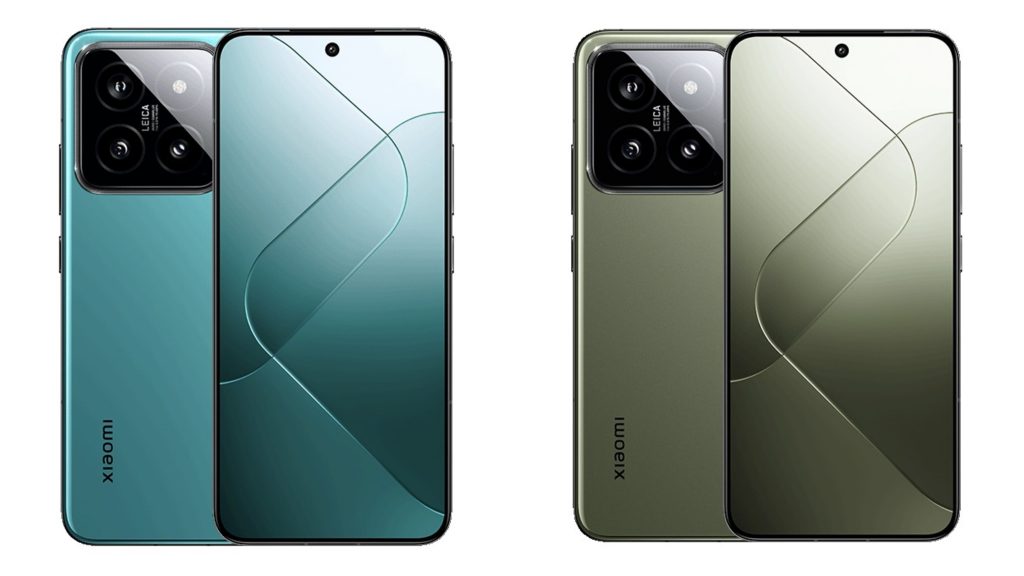
Xiaomi 15 series mass production kicks off in September, could launch earlier than expected

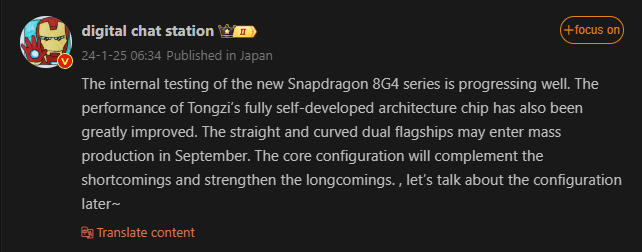
Popular Weibo tipster DigitalChatStation claimed that Xiaomi is in the process of testing a new smartphone with a Snapdragon 8 Gen 4 processor. Developed by Qualcomm, this new chip is expected to be featured in the upcoming Xiaomi 15 series. The Snapdragon 8 Gen 4 showcases a fully self-developed architecture by Qualcomm and is reported to have notable performance improvements.

According to the tipster, there are indications that the Xiaomi 15 series is set to commence mass production in September. Typically, Xiaomi unveils its flagship smartphones in China in late Q4, suggesting a potential launch for the Xiaomi 15 series around November or December. That being said, the Snapdragon 8 Gen 4 chip is expected to debut earlier than usual this year, so there is a chance that we can see the Xiaomi 15 series launching early as well.

Previously, a leak revealed that the Xiaomi 15 model will retain the 6.36-inch display size like the Xiaomi 13 and Xiaomi 14. The Xiaomi 15 Pro on the other hand will sport a slightly curved display that will offer 2K resolution with just 0.6mm bezels. For reference, the Xiaomi 14 Pro features 0.9mm bezels. The display will offer a peak brightness of 1400 nits and a power-saving 1 to 120Hz LTPO refresh rate technology that can potentially save 15-20% of battery life. Other specs of the upcoming flagships are currently under wraps. With that in mind, you can take a look at the specs and features of the Xiaomi 14 series to get an idea of what to expect from their successors.

Xiaomi 14 series specs:

The standard Xiaomi 14 is equipped with a Snapdragon 8 Gen 3 processor, LPDDR5X, and UFS 4.0. It features a 6.36-inch 1.5K OLED flexible straight screen with a 120Hz refresh rate and 3000nit peak brightness. The device houses a 4610mAh battery with 90W wired and 50W wireless charging, as well as wireless reverse charging. The camera setup includes a 50MP Leica main camera, 50MP Leica ultra-wide-angle lens, and 50MP Leica 75mm floating telephoto lens.

The Xiaomi 14 Pro, powered by Snapdragon 8 Gen 3, features a 4880mAh battery and a 6.73-inch 2K AMOLED super visual sense screen with 3200 x 1440 resolution. The Mi 14 Pro supports 120W wired, 50W wireless, and wireless reverse charging. It incorporates a Sony LYT-900 custom image sensor and a 1024-level variable aperture for advanced imaging.

RELATED:

IQOO Neo 9 Pro’s 12GB+256GB variant achieves remarkable score on AnTuTu

The iQOO Neo 9 Pro is scheduled to debut on Feb. 22 in India. Reports have revealed a lot of information about the device. With nearly a month remaining for the launch, the company is busy teasing out the device’s key features. In the latest teaser, the brand confirmed details about one of the configurations of the Neo 9 Pro. In addition, it has also revealed the AnTuTu score of the device.

iQOO Neo 9 Pro AnTuTu score

iQOO Neo 9 Pro AnTuTu

According to the brand, the iQOO Neo 9 Pro, equipped with 12 GB of RAM and 256 GB of storage, has achieved a score of over 1.7 million on AnTuTu benchmarks. At present, it is unclear how many variants of the Neo 9 Pro will be released in India. To recall, the Neo 7 Pro came in 8GB+128GB and 12GB+256GB variants and carried a starting price of Rs 34,999.

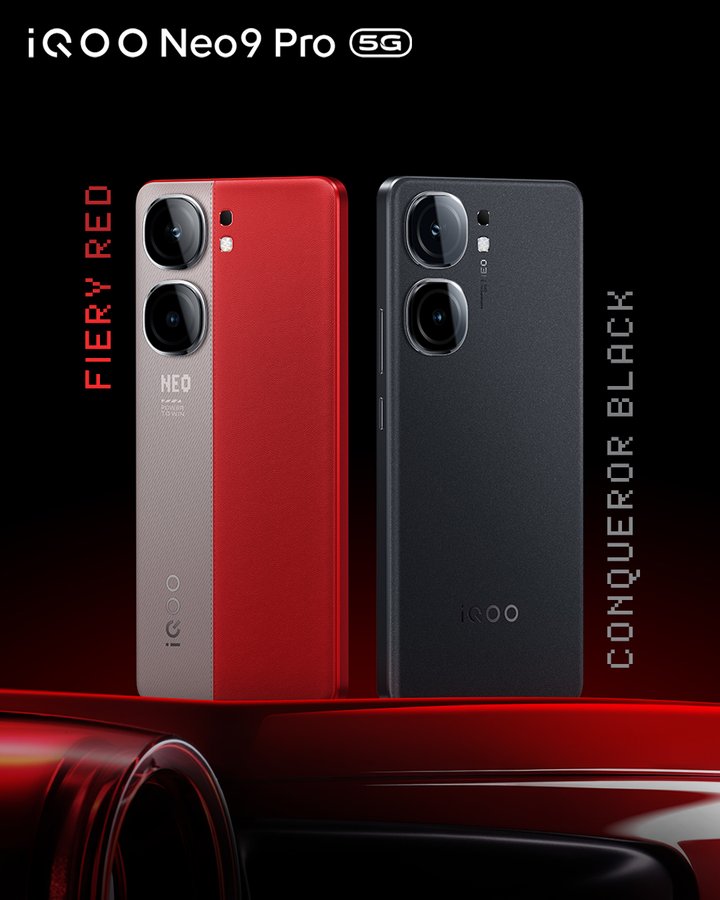
The iQOO Neo 9 Pro is expected to rival the OnePlus 12R in India. For those who don’t know, the 12R comes in two options, such as 8GB+128GB for Rs 39,999 (~$481) and 16GB+256GB for Rs 45,999 (~$553). The Neo 9 Pro is expected to ship in two colors, such as Conqueror Black and Fiery Red.

iQOO Neo 9 Pro specifications

iQOO Neo 9 Pro Fiery Red, Conqourer Black
iQOO Neo 9 Pro

The iQOO Neo 9 Pro heading to India is said to be a rebranded version of the Neo 9 available in China. Therefore, it is expected to feature a 6.78-inch OLED 1.5K 144Hz display, a Snapdragon 8 Gen 2 chipset, LPDDR5x RAM, UFS 4.0 storage, and a 5,160mAh battery with 120W fast charging.

On the front, the Neo 9 Pro will have a 16-megapixel selfie camera. Its back panel will feature an OIS-assisted Sony IMX920 50-megapixel main camera and an 8-megapixel ultra-wide lens. Other features that the Neo 9 Pro will offer include an in-display fingerprint sensor, FunTouch OS 14-based Android 14, dual speakers, and an IR blaster.   

RELATED:

Samsung confirms Galaxy AI rollout for older flagships, but S22 owners left in the dark

Samsung‘s Galaxy S24 series introduced a suite of AI-powered features promising a more enhanced user experience. While these features are exclusive to the new phones, for now, there’s good news for owners of older flagships.

In an interview with TechRadar, Patrick Chomet, Samsung’s Head of Customer Experience, confirmed that select 2023 flagship device will receive the new Galaxy AI features. 

Samsung Galaxy AI flagships

The list of devices includes the Galaxy S23, S23 FE, Z Fold 5, Z Flip 5, and Tab S9. They will receive the new AI features via the One UI 6.1 update in the first half of 2024. 

A surprising exception is the company’s 2022 devices including the Galaxy S22 series, despite being eligible for the One UI 6.1 update. Samsung remains tight-lipped on the reason for this omission. 

However, when questioned, Chomet simply stated they’re “limiting” the initial rollout to last-gen devices “for now.” This leaves S22 owners in limbo, unsure if they’ll eventually experience the full potential of their devices.

Further adding to the confusion is that the Galaxy S23 FE, equipped with the same chipset as the S22 in some regions, is included in the rollout. While it’s possible that S22 owners may eventually get their hands on Galaxy AI, Samsung has offered no concrete timeline or guarantee.

Here’s a quick rundown of the Galaxy AI features coming to more Galaxy devices:

  • Circle to Search: Use your finger to draw a circle around an object or text on the screen to instantly learn more about it. 
  • Live Translation: Translate spoken and written content in real-time, both on and offline. Chat with people in different languages, understand signs and menus abroad, and translate documents on the go.
  • Chat Assistant: Translate messages automatically while you chat, without switching between languages.
  • Note Assistant: Summarize and organize your notes, making them easier to review and find what you need.
  • Voice Recording Assistant: Turn your voice recordings into text with speaker identification. Get transcripts, translate recordings, and even summarize key points.

Related:

(Via)

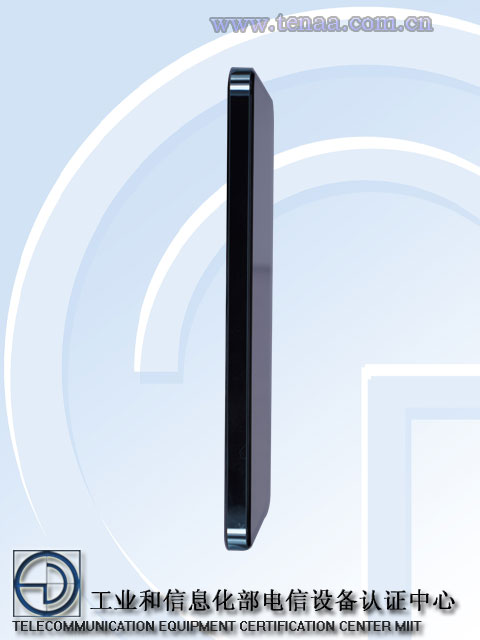
Realme 12+ 5G Surfaces on MIIT with Photos, Resembles Realme 12 Pro Series

Realme 12+ 5G is nearing launch, along with Realme 12 Pro + 5G. Both smartphones have made it through several public certifications and benchmark apps. In addition, the Realme 12+ 5G (RMX3866) has made it to China’s MIIT certification with photos. Interestingly, the Realme 12+ 5G global model code RMX3867 slightly differs from the Chinese variant’s model code RMX3866. However, alongside the global launch of the Realme 12 Pro Series on January 29, we expect the Realme 12+ 5G to debut.

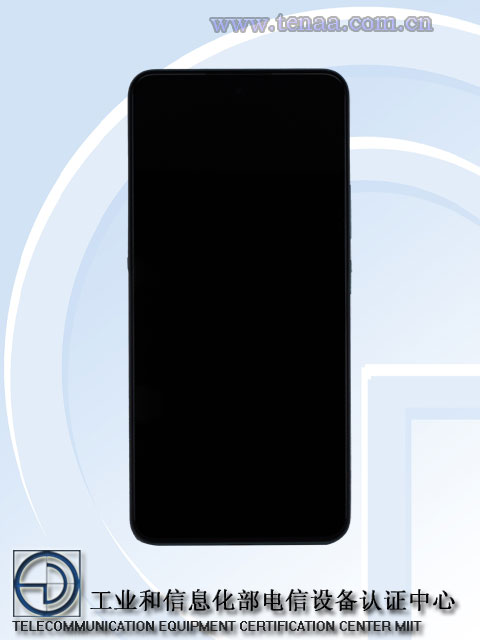
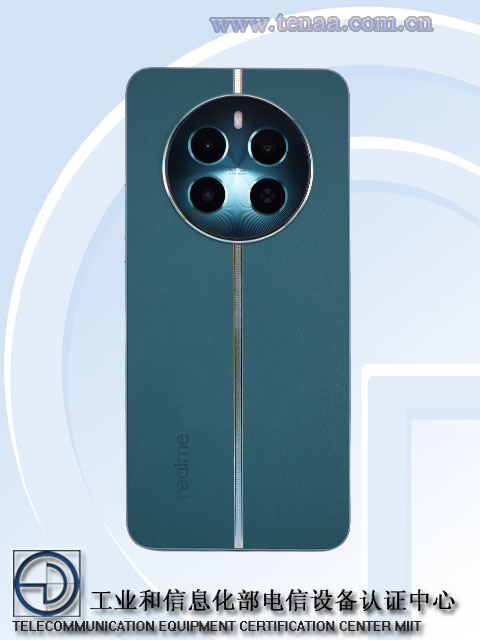
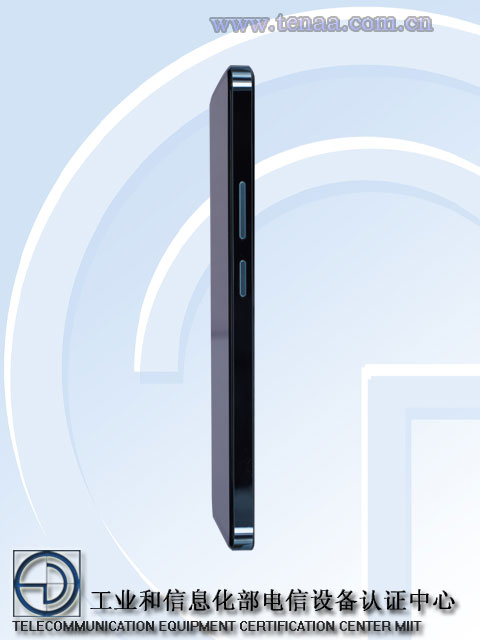
The MIIT listing with photos unveils design details for the upcoming smartphone. The smartphone seems to feature a quad-rear camera with an LED flash, quite similar to a Realme 11-like camera module design. A vertical line with a metallic color seems to divide the rear side into two exact portions. Realme branding is visible on the rear-bottom side of the smartphone. Further, there are volume rockers and a power button on the right side of the smartphone.

The Realme 12+ 5G design is quite familiar with the upcoming Realme 12 Pro series.

Realme 12+ 5G Specifications (Expected)

Realme 12+ 5G has already made it to Thailand’s NBTC, Malaysia’s SIRIM, TKDN, SDPPI, TDRA, TUV Rheinland, and FCC certification.

Concluding the specifications, the Realme 12+ 5G includes a 16-megapixel front camera and a rear camera setup with a 64-megapixel primary camera and an 8-megapixel auxiliary lens. The device is expected to feature a 5,000mAh battery with 67W fast charging support. It may run on Realme UI 5 based on Android 14, and offer NFC connectivity. Additional details about the device are yet to be revealed.

On the other hand, the Realme 12 Pro+ was spotted with a Snapdragon 7s Gen 2 chipset and 12 GB of RAM on Geekbench. It is speculated that the Pro model may feature the Snapdragon 6 Gen 1 chipset. Both devices are expected to come with a 6.7-inch FHD+ 120Hz AMOLED display and a 5,000mAh battery supporting 67W fast charging. The Realme 12 Pro will have a 16-megapixel front camera and a triple camera setup on the back, while the 12 Pro+ is rumored to feature a 32-megapixel selfie camera and a more advanced triple camera setup on the rear.

Related:

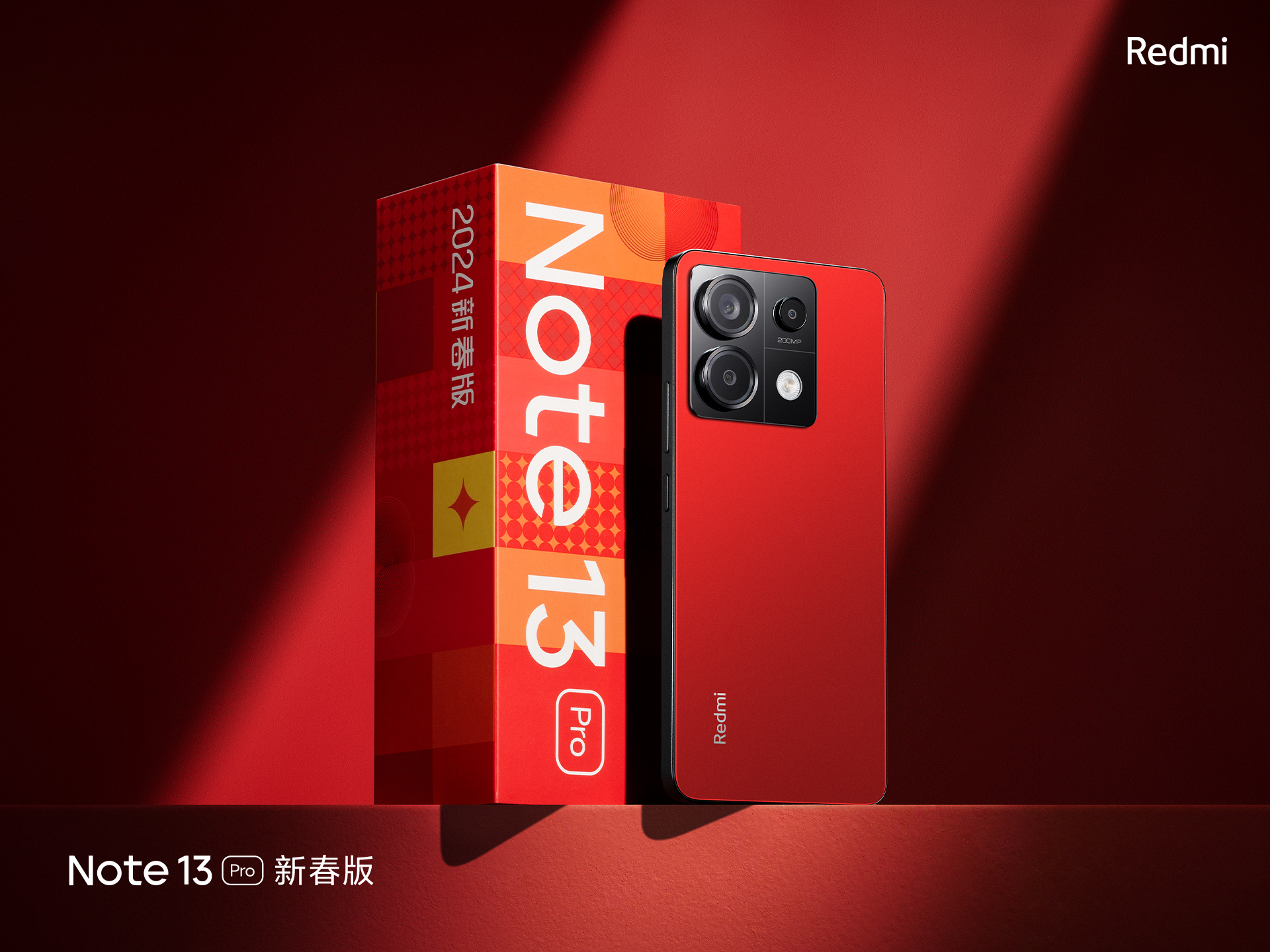
Redmi Note 13 Pro New Year special edition goes on sale in China

Redmi has recently launched the Redmi Note 13 Pro New Year Edition phone in China. This special edition device is available in a distinct “Good Luck Red” color, aligning with the symbolism of the Year of the Dragon. Here is a look at the specifications and price of the limited-edition version.

Redmi Note 13 Pro New Year Special Edition

As can be seen, the Redmi Note 13 Pro New Year special edition is basically the same as its regular version. Being a special edition version, it features a red rear panel and a black frame. It comes in a special box, which is likely to include a special theme, wallpapers, ringtones, and other customizations.

The new variant comes in configurations such as 8GB+128GB priced at 1,399 Yuan (~$197), 8GB+256GB priced at 1,499 Yuan (~$211), 12GB+256GB priced at 1,699 Yuan (~$239), 12GB+512GB priced at 1,799 Yuan (~$254), and 16GB+512GB priced at 1,899 Yuan (~$268).

Redmi Note 13 Pro specifications

The Redmi Note 13 Pro is equipped with a 6.67-inch OLED display that offers a 1.5K resolution, a 120Hz refresh rate, a 1920Hz PWM dimming, and up to 1800nits of brightness. The screen is also equipped with an in-screen fingerprint sensor and Gorilla Glass Victus. The Snapdragon 7s Gen 2 powered the device, along with LPDDR5 RAM and UFS 4.1 storage. It comes equipped with the MIUI 14-based Android 13.

The Note 13 Pro has a 16-megapixel front camera. On the back, it has an OIS-assisted 200-megapixel primary camera, an 8-megapixel ultra-wide lens, and a 2-megapixel macro. It has a 5,100mAh battery with 67W fast charging. The device is equipped with other features, such as dual speakers, an IR blaster, and an IP54-rated chassis.

WHERE TO BUY
Redmi Note 13 Pro New Year Special Edition start from $259 @GeekWills

RELATED:

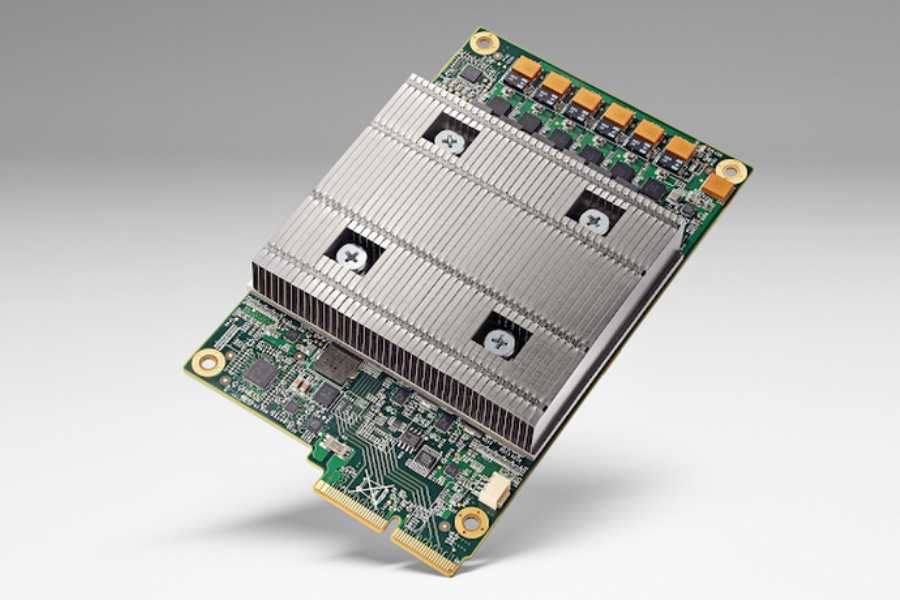
Google settles patent lawsuit over Tensor Processing Unit (TPU) technology

Google reached a settlement on Wednesday in a patent infringement lawsuit over the TPU chips powering its artificial intelligence (AI) technology, just hours before closing arguments were set to begin. 

The lawsuit, filed by Massachusetts-based Singular Computing, sought $1.67 billion in damages, alleging Google used their technology for its Tensor Processing Units (TPUs).

For those unaware, a TPU is a specialized hardware accelerator designed for machine learning and artificial intelligence (AI) workloads. TPUs are optimized to perform the complex calculations involved in AI tasks.

They are significantly faster and more efficient than traditional CPUs or GPUs for these types of tasks. This is because they are designed specifically for the mathematical operations used in AI algorithms.

Details of the settlement remain confidential, with both Google and Singular only confirming the agreement and declining further comment. Google spokesperson Jose Castaneda maintained the company’s innocence, stating they were “pleased to have resolved this matter.”

Singular, founded by computer scientist Joseph Bates, claimed Google used their technology in TPUs, driving AI features in popular services like Google Search, Gmail, and Translate. Bates allegedly shared his ideas with Google between 2010 and 2014, and the 2019 lawsuit argued later TPU versions (2 and 3) infringed on two of his patents.

Google introduced TPUs in 2016 to power AI functions like speech recognition, content generation, and ad recommendations. Bates argued versions 2 and 3, released in 2017 and 2018, infringed on his patents.

Internal Google emails presented at the trial’s opening revealed the company’s now chief scientist Jeff Dean discussing with others how Bates’ ideas were “well-suited” for their development. 

However, Google countered that employees who had designed their chip never met Bates and created the technology independently, claiming it differed significantly from Singular’s patents.

Related:

(Via)

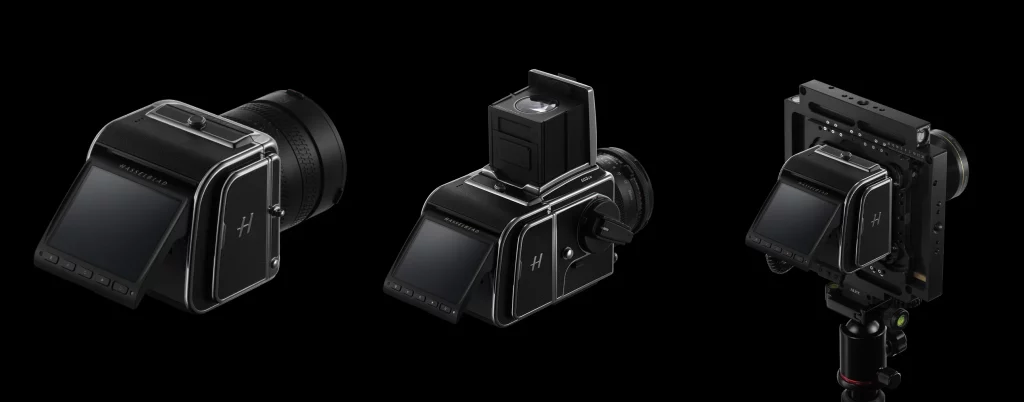
Hasselblad Launches 907X & CFV 100C: A New Standard in 100MP Medium Format Photography

Hasselblad has introduced the 907X and CFV 100C camera models, combining traditional looks with advanced technology in medium-format photography. These models, serving both nostalgic and forward-thinking photographers, feature a 100-megapixel medium format system.

A notable part is the detachable CFV 100C digital back, allowing photographers to switch between the 907X body and classic film bodies like the 500 and 200 Series. This feature pays homage to Hasselblad’s history while embracing digital advancements. The CFV 100C is not limited to Hasselblad bodies; it can be used with various technical cameras, making it versatile for tasks like architectural and product photography.

Hasselblad 907X 100C medium format camera

The system incorporates a 100-megapixel medium format BSI CMOS sensor with a 15-stop dynamic range and a native ISO of 64, ensuring clarity, detail, and color accuracy for professional and artistic applications. The Natural Colour Solution (HNCS) is integrated for accurate color representation, particularly in natural settings.

The autofocus technology sees a significant improvement with Phase Detection Autofocus (PDAF) and face detection, offering faster and more accurate focusing. The 907X & CFV 100C demonstrates approximately 300% improvement in focusing speed compared to its predecessors, benefiting photographers in fast-paced environments or dealing with moving subjects.

Pricing and Availability

The Hasselblad 907X and CFV 100C can be ordered now at a price of $8,200 and are ready for immediate shipment.

RELATED:

(Source)

Twitch Levels Up: Affiliates Now Share Partner Perks

Twitch, the popular live-streaming platform, has just announced a game-changing update: Affiliate streamers are now invited to join the elite Partner Program, paving the way for more creators to earn significantly higher income.

This will attract a lot of new streamers to the platform

Previously, the Twitch Partner Program was an exclusive club for the top-tier streamers, offering them a more lucrative slice of the revenue pie. But starting May 1, this privilege is being extended to Affiliates under the revamped Partner Plus Program. This shift is a huge win for smaller streamers, who often find climbing the Twitch ladder a challenging feat.

Twitch

Under the new structure, Affiliates can access the higher 70/30 revenue share, previously a Partner-only benefit, by accumulating 300 Plus points – down from 350. They can also opt for a 60/40 share by maintaining 100 Plus points over three months. This means more money in the pockets of Affiliates for their hard work and dedication.

Echoing Warner Bros. Discovery’s rebranding of HBO Max to Max, Twitch is simplifying the name of its expanded program to ‘Plus Program.’ This move signifies a broader, more inclusive approach, reflecting Twitch’s evolving landscape where streamers of varying sizes can thrive equally.

The cherry on top? Twitch is axing the $100k cap on the 70/30 revenue share. This change addresses long-standing concerns among streamers about earning limits and is a clear nod to their feedback. Without this cap, top-performing Affiliates have the potential to earn just as much as their Partner counterparts, if not more.

By blurring the lines between Affiliates and Partners, Twitch is championing a more equitable platform where talent and effort, rather than just numbers, pave the path to success. For aspiring streamers, this means the dream of turning their passion into a sustainable career on Twitch just got a whole lot more attainable.

RELATED:

(Via)

Palworld Keeps on Shattering Records, Crosses 2 Million Concurrent Players on Steam

At this point, you have to be aware of what Palworld is. Everyone is talking about the latest gaming craze. This unique game, being dubbed “Pokémon with guns,” has taken the gaming world by storm, offering players a blend of creature capture, survival, and base-building. Developed by Pocketpair, Palworld recently debuted on Xbox One, Xbox Series X|S, and PC, achieving historic success almost overnight.

The game became the 10th most-played game in Steam history this morning

We have talked about numbers before, here. What makes Palworld stand out so far? The game has already surpassed 730,000 concurrent players on Steam, making it the tenth most-played game in Steam’s history. At its peak, it reached an astounding 855,425 players, a figure close to that of Baldur’s Gate 3. Not just popular on Steam, Palworld is also the second most-watched game on Twitch and a hot topic on social media.

palworld

The game’s launch has been so successful that the developers had to scramble for a solution with Epic Games to handle the surge. Selling millions of copies in just two days, Palworld has quickly resolved its initial multiplayer connectivity issues.

But what’s the secret sauce? Palworld’s appeal lies in its accessible yet creative design. It introduces an unusual twist to the monster-collecting genre, using Pokémon-like creatures for tasks like building farms and defending settlements. Its gameplay caters to a wide range of skill levels, ensuring a fun experience for all players.

Another key factor is its approach to monetization. Palworld stands out for its lack of microtransactions and live service elements, offering a full experience without the usual grind for battle passes or seasonal content. This refreshing strategy contrasts sharply with current gaming trends.

Palworld also captures attention with its quirky tone, combining cute critters with colorful violence. It’s humorously absurd, with elements like Lovander, the 69th Pal, adding a light-hearted touch.

Available on Steam, Windows, and Xbox, including through Xbox Game Pass and PC Game Pass, Palworld offers a robust experience across platforms. The Steam version currently leads with dedicated 32-player servers, but all versions promise a great gaming experience.

RELATED:

(Via)

Rivian Gears Up for Exciting R2 Reveal in March

Electric vehicle enthusiasts, you have to keep your eyes peeled this March! Rivian, the innovative EV startup, seems to be on the verge of officially unveiling its latest electric car, the R2 series. After making waves with the robust R1T pickup and the sleek R1S SUV, Rivian is now hinting at something smaller and more affordable with the R2.

The R2 series also includes an SUV set to launch in 2026

Recent buzz comes from a Laguna Beach City Council document, which hinted at a grand “worldwide product launch event” planned by Rivian in a public park. The real kicker? A diagram labeled “Rivian R2 Launch” was part of this document. While Rivian is keeping mum about the details, this find is sparking curiosity and excitement among EV fans.

Rivian
Rivian R1t

The R2 series, as per Rivian’s CEO R.J. Scaringe, includes an SUV set to launch in 2026 with an expected price tag of around $50,000. This puts it in the more affordable range compared to its predecessors. Not just that, but it’s also smaller, making it an intriguing option for those who find the R1 series a bit too bulky for their taste.

Rivian’s plan to build the R2 at its new plant in Georgia is another point of interest. This move might indicate a strategic shift towards more accessible electric vehicles, widening Rivian’s appeal.

Though the official announcement is still shrouded in mystery, the company’s withdrawal of its request for the park event following the leak suggests that big news is indeed on the horizon. This potential reveal could be a game-changer in the EV market, especially for those looking for an eco-friendly ride that doesn’t break the bank.

RELATED:

(Via)

MAINGEAR X MSI Zero Limited Edition Gaming PC with Intel Core i7-14700K & RTX 4070 Ti Super launched

MAINGEAR, known for its high-performance gaming PCs, has recently introduced the MAINGEAR ZERO Limited Edition, a new addition to its lineup limited to only 50 units. This release is notable for its unique approach to both aesthetics and performance in the gaming PC market.

MAINGEAR x MSI Zero Gaming PC

The most significant innovation in the ZERO model is the inclusion of MAINGEAR’s patented MG-RC (MAINGEAR Rear Connection) specification. This design rearranges the placement of cable connections to the rear or underside of the motherboard, a move aimed at improving both the appearance and functionality of the system. The MG-RC spec is intended to reduce air turbulence within the unit, potentially leading to more efficient cooling. Additionally, it simplifies cable management, which could make future upgrades and maintenance easier.

MAINGEAR x MSI Zero Gaming PC

Developed in collaboration with MSI, the ZERO boasts the MSI B760M Project Zero motherboard and is housed in the MSI MAG Pano M1000 PZ White chassis. The integration of the MG-RC specification means that motherboard cables are less visible, contributing to a cleaner overall appearance of the unit.

The MAINGEAR ZERO Limited Edition became available on January 24, 2024, and is expected to attract significant interest from the gaming community, given the limited number of units produced.

In terms of specifications, the ZERO includes components like the NVIDIA GeForce RTX 4070 Ti Super graphics card, Intel Core i7-14700K processor with 20 cores and 28 threads, and 32GB of T-Force Delta RGB 6000MHz DDR5 memory. It also features a Cooler Master MasterLiquid 360L Core cooling system, a 2TB T-Force A44 Pro Gen4 M.2 NVMe SSD for storage, and an 850W MSI MAG A850GL power supply. The system runs on Windows 11 Home.

Pricing & availability

The MAINGEAR Zero PC has a price tag of $2,499 in the US, while additional shipping charges will apply for customers in Canada.

RELATED:

Google Pixel 9 images appear to showcase design, reveals triple rear cameras

Earlier this week, popular tipster OnLeaks teamed up with MySmartPrice to release the CAD renders of the forthcoming Google Pixel 9 Pro. Now the tipster has partnered with 91mobiles to publish the Google Pixel 9 CAD renders. The new images showcase a design similar to the Pixel 9 Pro. One of the striking changes that can be seen on the Pixel 9 is that it may feature a triple camera unit.

Google Pixel 9 CAD renders

The CAD renders show the Pixel 9 in a blue variant. The edges of the phone are flat, and it features a punch-hole screen with rounded corners on the front. The back panel of the device has a horizontal camera bar with rounded corners that do not extend to the edges.

The Pixel 9 is set to signal a departure from the dual-camera norm, featuring a triple-camera setup in CAD renders. Notably, the inclusion of a periscope telephoto lens will hint at enhanced zoom capabilities. This shift is poised to mark a significant upgrade for non-Pro Pixel phones.

The right side of the Pixel 9 features a power button and a volume key, whereas the left edge only has the antenna markings. On the top, it has a microphone, and its bottom features a SIM slot, a microphone, a USB-C port, and a speaker.

The screen size is said to be 6.1 inches, and the device measures 152.8 x 71.9 x 8.5mm. The thickness of the device increases to 12mm at the camera bump. Unfortunately, there is no information about the specifications of the device in the report. Reports have claimed that the Pixel 9 series will have the Tensor G4 chip and the Pixie AI assistant.

RELATED:

(source)

iPhones dominate China’s top 5G handsets list for 2023

Research firm Daily Interactive recently released a report on China’s 5G mobile phone market for the year 2023. The data shows a growth trend.

The market share of 5G phones hit 52.85%. Apple led the market with a 34.66% share registering an 11.86% growth.

Apple Logo Featured

Vivo came a distant second with less than half the share of Apple’s at 14.4%. Oppo, Huawei, and Honor rounded off the top 5 with 13.35%, 12.12%, and 10.37% market shares, respectively.

Talking about devices,  iPhones occupied0 the first 9 positions. The iPhone 13 was the most popular model closely followed by iPhone 12. The only non-Apple handset in the top 10 list is Huawei P40 Pro.

Most of the smartphones on the list are older models. Some of the notable ones include Oppo Reno 6, Redmi K40, Huawei Nova 7, and others.

China 5G Mobile Phone Market 2023 Top Brands

  1. Apple – 34.66%
  2. Vivo – 14.4%
  3. Oppo – 13.35%
  4. Huawei – 12.12%
  5. Honor – 10.37%
  6. Xiaomi – 8.62%
  7. Realme – 2.15%
  8. Samsung – 0.89%
  9. Hi Nova – 0.85%
  10. Others –  2.85%

China 5G Mobile Phone Market 2023 Top Devices

  1. iPhone 13
  2. iPhone 12
  3. iPhone 13 Pro Max
  4. iPhone 14 Pro Max
  5. iPhone 14 Pro
  6. iPhone 13 Pro
  7. iPhone 12 Pro Max
  8. iPhone 14
  9. iPhone 12 Pro
  10. Huawei P40 Pro
  11. Huawei P40
  12. Huawei Nova 7
  13. Oppo A58
  14. Vivo Y52s
  15. Honor 50
  16. Redmi K40
  17. Honor X30
  18. Oppo Reno 6
  19. iPhone 15 Pro Max
  20. Honor 70

RELATED:

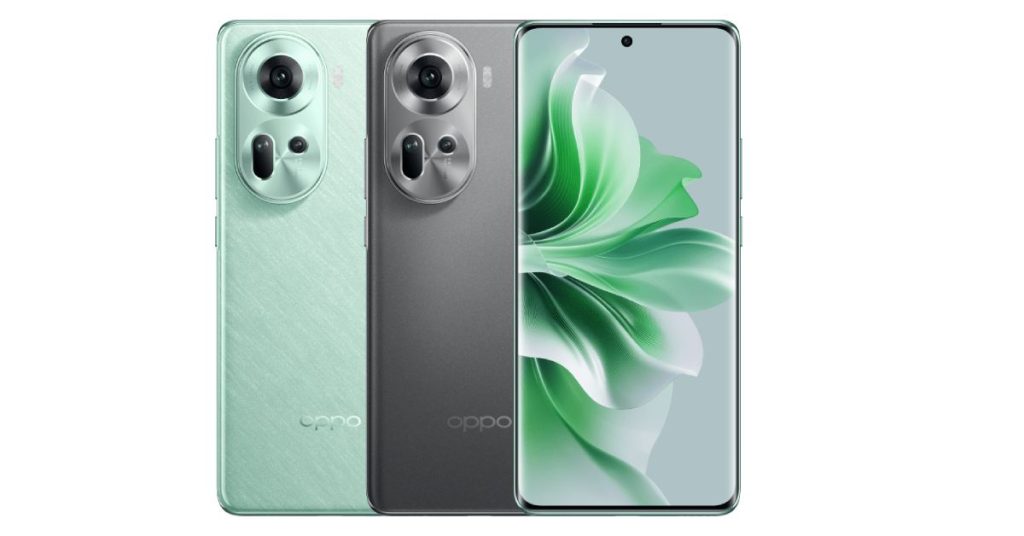
Oppo Reno 11 5G on sale in India with a starting price of ₹23,999, Check details

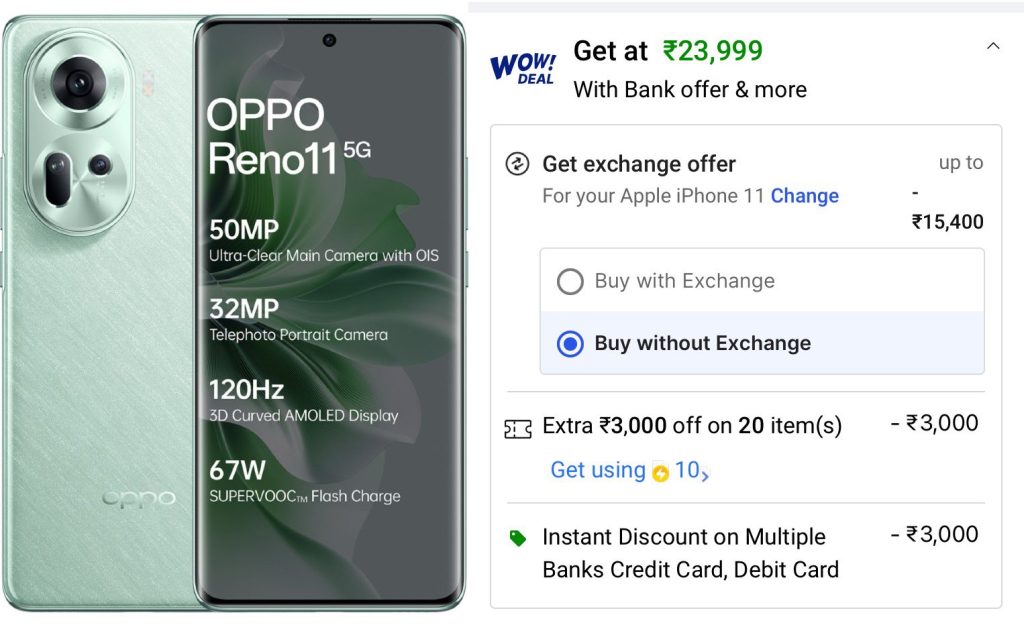
The recently launched Oppo Reno 11 5G is now available to purchase in India, a couple of weeks after its launch in the country. The phone was reported to have a starting price of ₹29,999 for the 8GB RAM + 128GB storage configuration, and the 8GB + 256GB model was said to start at ₹31,999. However, both of these configurations are currently being offered with heavy discounts.

Oppo Reno 11 5G pricing & discounts

The Reno 11 5G, featuring 8GB RAM and 128GB storage, originally priced at ₹29,999 (~$361), is currently available at a discounted price of ₹23,999 (~$289) on Flipkart. By leveraging a ₹3,000 bank card discount and an additional ₹3,000 off through super coins (redeemable with 10 super coins), you can secure this deal. In case the offer is not visible on the website, you can access it through the Flipkart App.

The 8GB RAM + 256GB configuration, with an MRP of ₹31,999 (~$385) is available for as low as ₹28,999 (~$349) with Bank card discounts.

Oppo Reno 11 5G specs:

The Oppo Reno 11 5G boasts a 6.7-inch FHD+ 120Hz AMOLED curved display with 10-bit color, HDR support, and a peak brightness of 950 nits. It is powered by the Dimensity 7050 SoC, formerly known as the Dimensity 1080 SoC, also found in the Realme 11 Pro series and last year’s Oppo Reno 10 5G.

Equipped with 8GB of LPDDR4X RAM and storage options of 128GB or 256GB using UFS 3.1 technology, the device runs on Android 14-based ColorOS 14. It guarantees 3 OS upgrades and 4 years of security updates.

For optics, the Reno 11 features a 50MP Sony LYT600 primary sensor with ƒ/1.8 aperture and OIS stabilization. Complementing this is an 8MP Sony IMX355 ultra-wide camera and a 32MP Sony IMX709 telephoto camera with 2X optical zoom for impressive human portrait shots. The front hosts a 32MP selfie snapper.

Noteworthy features include an in-display fingerprint sensor, infrared sensor, and connectivity options such as 5G support, Wi-Fi 802.11 ac, Bluetooth 5.2, USB Type-C, and NFC. Powering the device is a 5000mAh battery with 67W SuperVOOC fast charging technology. The dimensions are 162.4×74.3×7.99~8.04mm, and it weighs 182g.

RELATED:

Moto G24 Power listed with full specifications on official website

Motorola India recently announced that it will unveil the Moto G24 Power smartphone on Jan. 30. While similar to the Moto G24 destined for other markets, the Indian variant bearing “Power” in its moniker is equipped with distinct features. Flipkart has a dedicated microsite showcasing the G24 Power’s key specifications and features. Adding to the hype, Motorola India’s official website now lists the G24 Power, revealing nearly everything except the price tag.

Moto G24 Power specifications

The Moto G24 Power measures 163.49 x 74.53 x 8.99mm and weighs 197 grams. It has an IP52-rated water-repellent chassis, which features a 6.6-inch IPS LCD display with a punch-hole design. The screen offers an HD+ resolution and a 90Hz refresh rate.

For selfies, the Moto G24 Power has a 16-megapixel front-facing camera. The back panel of the device has a 50-megapixel primary camera and a 2-megapixel macro camera. The device ships with the latest Android 14 OS.

The Moto G24 Power has 4 GB / 8 GB of RAM and 128 GB / 256 GB of storage. Under the hood, it is equipped with the Helio G85 chipset. One of the major attractions of the G24 Power is that it has a 6,000mAh battery with 33W fast charging support.

For audiophiles, the Moto G24 Power features a dual speaker system with Dolby Atmos support. When it comes to connectivity, the G24 Power features a dual SIM slot, 4G VoLTE, Wi-Fi 802.11ac, Bluetooth 5.0, GPS, a microSD card slot, a USB-C port, a 3.5mm audio jack, and a side-facing fingerprint scanner.

At present, there is no official word on the price of the Moto G24 Power. The listing confirms that it will come in colors like Ink Blue and Glacier Blue.

RELATED: