Advertisement

Porsche Officially Unveils the 2024 Macan Electric SUV with New PPE Architecture

Porsche has finally unveiled its latest entry into the electric vehicle (EV) market, the 2024 Porsche Macan Electric. This all-electric SUV isn’t just a new model; it’s a strong competitor in a market where manufacturers are trying to stand out – be different even. With its refreshed design, impressive performance, and advanced technology, the Macan Electric sets a high bar for the future of electric cars. Let us see what the car has to offer in terms of specifications.

The car has been tested across more than 2.1 Million Miles, company states

The journey of the Macan from a popular gas-powered SUV to an electric powerhouse is a tale of innovation and resilience. Porsche’s commitment to testing and refining this model is evident in its extensive trials across diverse terrains and climates, clocking over 2.1 million miles. This rigorous testing phase underscores Porsche’s dedication to quality and performance, even in their electric offerings.

Porsche Macan

At the heart of the Macan Electric is the Volkswagen Group’s new Premium Platform Electric (PPE) architecture. This platform is a game-changer, enabling more power and longer range, a feat that even surpasses Porsche’s own Taycan in terms of range. The Macan Electric comes in two variants: the Macan 4 and the Turbo. The Turbo variant is particularly noteworthy for its astounding 630 horsepower and 833 pound-foot of torque, promising exhilarating performance.

However, it’s not just about power and speed. The Macan Electric is a testament to Porsche’s commitment to sustainable luxury. Its sleek design, with a low drag coefficient of 0.25, is not only visually appealing but also functional, enhancing the vehicle’s efficiency. The interior boasts up to three screens, including an augmented reality head-up display, marrying luxury with the latest in automotive technology.

What are your opinions on the new Macan Electric? Share with us in the comments below!

RELATED:

(Via)
Microsoft Lays Off a Whopping 1,900 Employees from its Gaming Division

Microsoft has recently announced a significant reduction in its gaming workforce, affecting 1,900 employees. This decision, although tough, comes at a time when the gaming industry is facing a widespread trend of layoffs and restructurings.

The layoffs follow Microsoft’s $69 Billion Acquisition of Activision Blizzard

Phil Spencer, the head of Xbox, conveyed this difficult news to the staff, emphasizing Microsoft’s commitment to providing full support, including severance benefits, to those impacted. This gesture showcases Microsoft’s responsibility towards its employees during challenging times.

Microsoft

The layoffs follow Microsoft’s massive $69 billion acquisition of Activision Blizzard, a move that brought popular titles like Call of Duty under its wing. This acquisition, one of the largest in the gaming industry, has necessitated a strategic alignment and cost structure review to support the expanded business. As Spencer notes, the integration of teams from Activision, Blizzard, and King into Microsoft necessitated a reassessment of priorities and elimination of overlapping areas. The decision to downsize, as tough as it is, reflects a strategic shift towards sustainable growth.

Despite this setback, Microsoft’s gaming division continues to show promise. The company recently showcased a slew of exciting new games, signaling its ongoing commitment to delivering high-quality gaming experiences. Titles like MachineGames’ Indiana Jones and Obsidian’s Avowed hint at a rich pipeline of content, suggesting a bright future for the Xbox platform.

The wider context of these layoffs is the troubling trend of job cuts across the gaming industry. Last year alone, the sector witnessed layoffs affecting thousands, with the trend continuing into 2024. This reflects a broader industry shift as companies reevaluate their strategies in a rapidly evolving market.

RELATED:

(Via)

Wear OS 5 based on Android 14 In Works; Could launch with Galaxy Watch 7

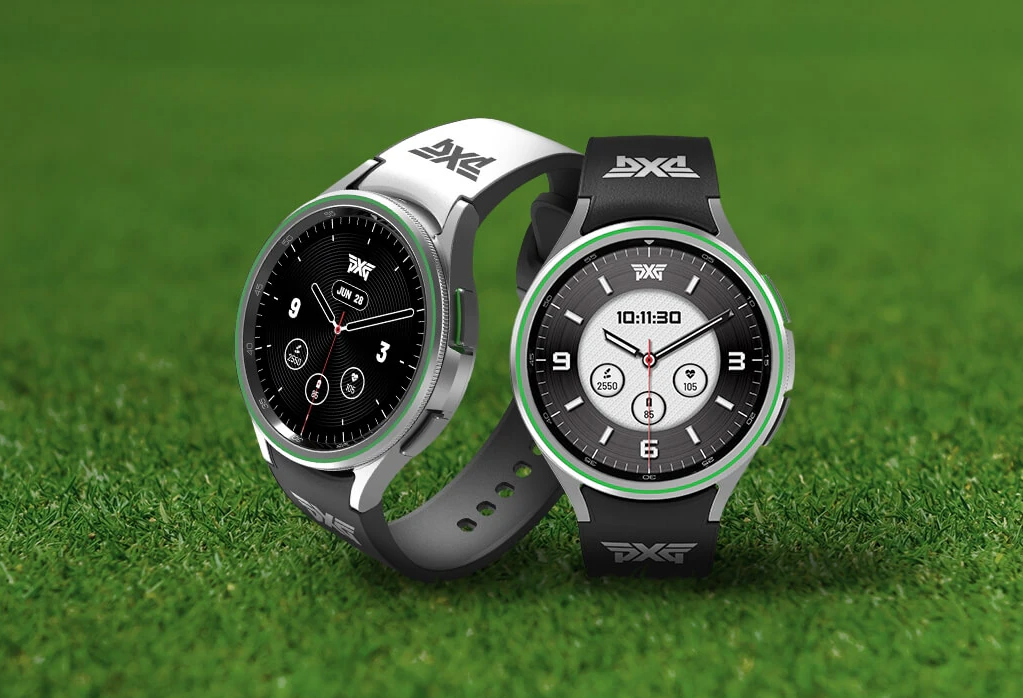
Last year, we saw several new OEMs opting for the Wear OS for their new wearables. The popular Chinese electronics maker, Xiaomi, introduced its maiden Wear OS smartwatch, i.e., Xiaomi Watch 2 Pro with Wear OS 4. Samsung launched the Galaxy Watch 6 featuring Wear OS 4 and later made it available for Pixel smartwatches. Forging ahead, the Korean giant and Google are working on the next iteration – Wear OS 5, based on Android 14. According to a new report, Samsung is diligently working on Wear OS 5 to launch it alongside the upcoming Galaxy Watch 7.

Galaxy Watch 6 Classic PXG Edition

Wear OS 5 Coming Soon

The report by 9to5Google weighs in on the summer release of Wear OS 5 along with Samsung’s new Galaxy Watch 7. The new Wear OS iteration will follow a similar update rollout timeline as Wear OS 4. For your information, Wear OS 4 made its debut with the Galaxy Watch 6 and Watch 6 Classic as One UI 5 Watch, and later was made available for the Pixel Watch 2, and then the Pixel Watch. Samsung also made it available for the Galaxy Watch 4 and Watch 4 Classic and the Galaxy Watch 5 and 5 Pro.

The source reveals that there are multiple references to Wear OS 5 in the unreleased Android 14 build. Samsung is working on the new build to ensure the Exynos 5535 works at its full potential while running Wear OS 5. This move suggests that Samsung’s next-generation smartwatch, expected to be released this summer, will debut Wear OS 5. The Pixel Watch 3 is also anticipated to receive the update in the fall.

However, the details about the features and changes in Wear OS 5 are not yet available. The move to an annual update cycle for wearables would bring it closer to the regular update schedule seen in smartphones, departing from the previous pattern where Wear OS often skipped Android versions.

Related:

Red Magic 9 Pro White Special Edition with 16GB+512GB up for pre-order for 5799 Yuan ($812)

Earlier this week, Red Magic, a gaming phone brand by Nubia, unveiled a special edition model of their Red Magic 9 Pro to commemorate the Chinese New Year. At the time of the initial announcement, specific specifications and other details were not provided.

Red Magic 9 Pro White Special Edition

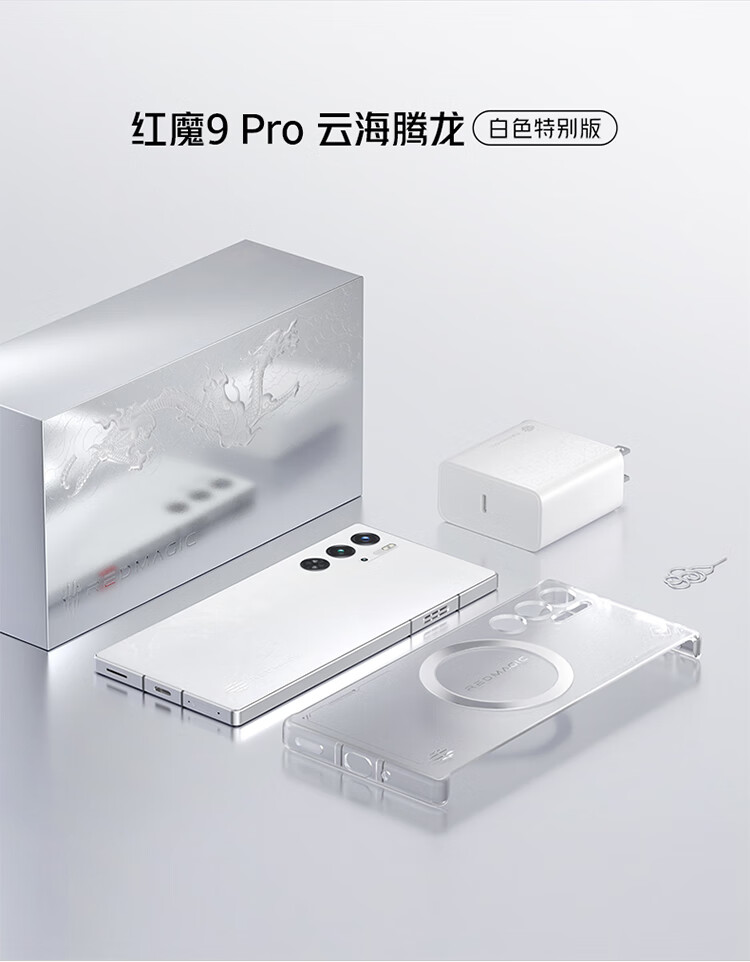
Now, the company has officially revealed the Red Magic 9 Pro White Special Edition, which they’ve named “Cloud Dragon.” This special edition is currently open for pre-orders and is scheduled for release on January 29th, priced at 5799 Yuan ($812).

Red Magic 9 Pro White Special Edition Specifications:

The special edition model features a unique white color theme with a 3D micro-engraved dragon pattern for a distinctive aesthetic. It retains the standard Red Magic 9 Pro’s flat-back design and high-performance display. Additionally, the package includes a custom magnetic esports protective case, an 80W gallium nitride charger, and a special lucky cloud card pin.

Red Magic 9 Pro White Special Edition

Under the hood, the Red Magic 9 Pro “Cloud Dragon” is equipped with the powerful Snapdragon 8 Gen 3 processor, combined with a substantial 16GB of RAM and 512GB of storage. It also includes a massive 6500mAh battery, which supports 80W wired fast charging.

Coming to the other specs, the phone features a 6.8-inch Full HD+ OLED display with impressive specifications including a 120Hz refresh rate, up to 960Hz touch sampling rate, 10-bit color depth, 100% DCI-P3 color gamut, up to 1600 nits brightness, DC dimming, and Corning Gorilla Glass 5 protection.

Additionally, the Red Magic 9 Pro series is enhanced with the Red Core R2 Pro chip, developed in-house. This chip supports gaming features like 520Hz touch-sensitive shoulder buttons.

Red Magic 9 Pro White Special Edition

For photography, it features a 50MP main camera with a 1/1.57″ Samsung GN5 sensor, and a 50MP 120-degree ultra-wide lens with a Samsung JN1 sensor. There’s also a 16MP under-display front-facing camera for selfies.

Additional features include an in-display fingerprint sensor, a 3.5mm audio jack, dual 1115K speakers with DTS:X ULTRA, and 3 microphones. The phone has dimensions of 163.98×76.35×8.9mm and weighs 229g. In terms of connectivity, it includes 5G, Wi-Fi 6E 802.11 ax, Bluetooth 5.4, USB Type-C, and NFC.

Nubia has also announced the Z60 Ultra Year of the Dragon Limited Edition to celebrate the Chinese New Year, and this model is currently available for purchase.

RELATED:

Realme 12 Pro+ Surfaces In Leaked Unboxing Video Revealing Key Specs

The Realme 12 Pro series is set to launch in India on January 29. The brand has already teased the smartphone’s design and camera details. However, some specifications of the upcoming offerings are still unknown. Now, ahead of the launch, tipster Sudhanshu Ambhore on X has shared an unboxing video of the Realme 12 Pro+ Indian unit leaked by a retailer. It reveals more information of the device. 

Realme 12 Pro+ unboxing video reveals specifications 

The Realme 12 Pro+ unboxing video shows the phone in the Submarine Blue color option along with a charger, cable, and a transparent back cover. It has a model number RMX3840. The device has a centre-aligned punch-hole screen with curved edges. Meanwhile, in another tweet shared by the tipster, the retail box revealed an OLED display with a 120Hz refresh rate. 

The leaked unboxing video reveals the smartphone’s core specifications in the Settings app’s About section. It confirms that the upcoming offering will be powered by a Snapdragon 7s Gen 2 processor. The device will pack 8GB RAM along with virtual RAM technology and the unit that is shown has 128GB onboard storage. The Realme 12 Pro+ will be backed by a 5,000mAh battery unit and the video also shows a charger confirming 67W fast charging speed. 

Additionally, the unboxing video also reveals that the Realme 12 Pro+ will have a 32MP front-facing selfie snapper. It will have a 50MP + 8MP + 64MP triple rear camera setup. The last one is already confirmed to be a periscope lens whereas the 50MP unit will feature a Sony IM890 sensor. Both will support OIS. 

The Realme 12 Pro+ is rumoured to carry a starting MRP of Rs 34,999 for the base variant.

Related:

Huntkey G2732 affordable gaming monitor with 27″ 1080P 165Hz panel launched for 679 Yuan ($95)

Huntkey has launched the G2732, a 27-inch gaming monitor in China that’s gaining popularity among gamers and tech enthusiasts. It stands out for its impressive combination of size, resolution, and performance, all offered at an appealing price.

Huntkey G2732 gaming monitor

Pricing

The monitor is available at a price of 679 Yuan ($95) in China. It features a discount system where 30 yuan is deducted for every 200 yuan spent, and it includes an extra 100 yuan coupon, making it a budget-friendly choice for gamers looking for a high-quality gaming monitor. Let’s delve into its key specs.

Huntkey G2732 Monitor Specifications:

The G2732 features a 27-inch IPS panel that offers a full HD resolution of 1920×1080. This is complemented by a high refresh rate of 165Hz, which is becoming a standard in contemporary gaming monitors for smooth and fluid visuals. The monitor also boasts a 1ms response time, which ensures minimal motion blur and lag, crucial for fast-paced gaming scenarios.

In terms of color accuracy and gamut, the G2732 covers △E<2, 112% sRGB, 96% DCI-P3, and 95% NTSC, based on the CIE 1931 color space, which is quite impressive. This wide color gamut enables the monitor to display vivid and rich colors, making it suitable not only for gaming but also for tasks requiring high color fidelity like photo editing and graphic design. Each unit undergoes rigorous color calibration before leaving the factory, ensuring professional-level color accuracy.

The monitor also features HDR and FreeSync technology. HDR enhances the display’s dynamic range for better visibility in dark and bright areas, while FreeSync synchronizes the monitor’s refresh rate with the graphics card to reduce screen tearing and stuttering, providing a smoother gaming experience. It also includes crosshair assistance for precise aiming in games.

In terms of physical design, the monitor supports wall mounting (75x75mm) but does not include a wall mount bracket. It also features a quick detach stand, allowing for easy adaptation to different user needs. The monitor weighs 4.1kg, and for connectivity, it includes USB, HDMI, and DP ports. Additionally, it incorporates blue light filtering and flicker-free technology to reduce eye strain during extended viewing sessions.

RELATED:

iQOO Neo 9 Pro RAM & Storage Variants, Primary Camera Confirmed

iQOO is set to launch the Neo 9 Pro smartphone in February 22. While it’s still a few weeks away from the official announcement, the Vivo sub-brand has been teasing key details of the device. The smartphone has already debuted in China last month and the Indian variant is expected to come with the same specs. Now, iQOO has revealed the RAM and storage configurations and primary camera details of the upcoming offering. 

iQOO Neo 9 Pro configurations, primary camera officially confirmed

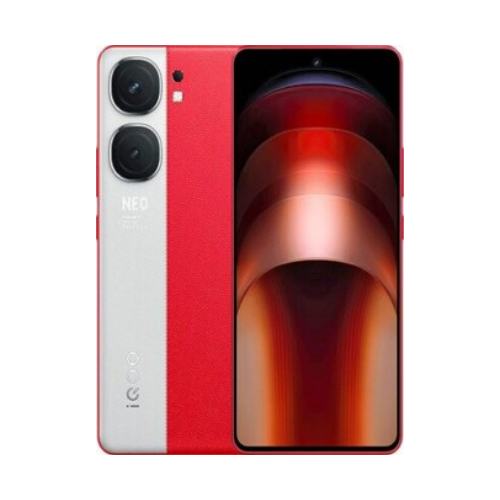
Vivo iQOO Neo 9 Pro

iQOO has confirmed that the Neo 9 Pro will be available in two RAM and storage configurations i.e. 8GB + 256GB and 12GB + 256GB. The higher variant achieves a remarkable score of 1.9 million points in AnTuTu benchmarking results. Additionally, the Vivo sub-brand also revealed that the smartphone will feature a 50MP Sony IMX920 primary camera that is found on the Vivo X100. 

Previously, it was confirmed that the iQOO Neo 9 Pro will be powered by a Snapdragon 8 Gen 2 processor. It will also have a Q1 independent chip for an enhanced gaming experience. The device will come with support for a 144Hz refresh rate and MEMC. The upcoming offering will have the same design as the China variant. It will be available in Fiery Red and Conquer Black color options. 

The iQOO Neo 9 Pro is expected to compete against the OnePlus 12R that debuted recently. We can expect the brand to share more details leading up to the launch event. To recall, the China variant is backed by a 5,160mAh battery with support for 120W fast charging. It has a 3D heat dissipation system and an OLED display with 1.5K resolution. 

Related:

Google Pixel 8 Pro can now track your body temperature

Google just unveiled the Pixel 8 and Pixel 8 Pro in a new Mint color option. Now, the latest Pixel Feature Drop is bringing new functionality for the higher end model. The Pixel 8 Pro is finally receiving the long awaited human body temperature tracking feature.

Google Pixel 8 Pro Body Temperature Tracking

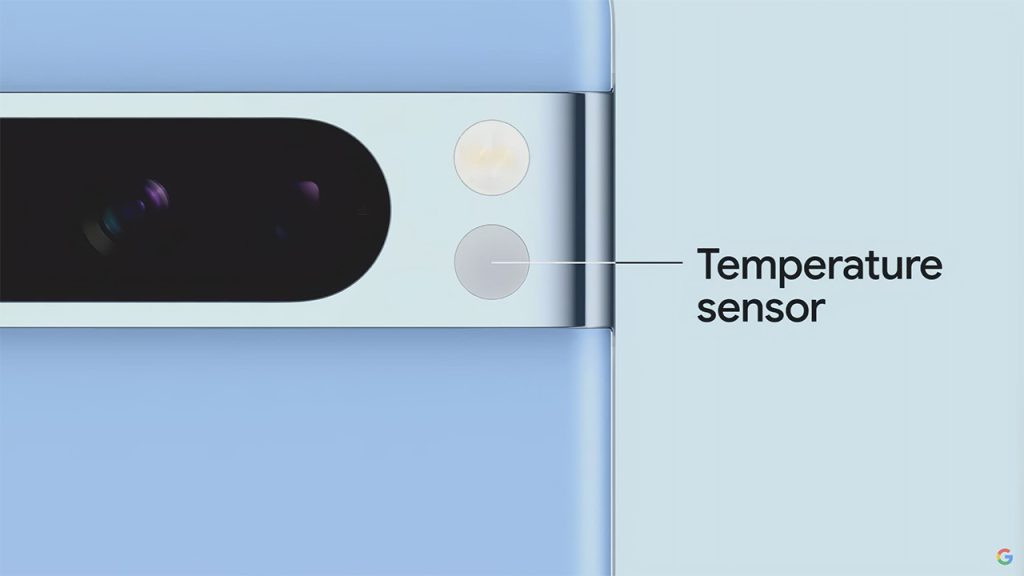
The Search Engine giant released this bio monitoring support in the latest Pixel Feature drop. Google’s Pixel 8 Pro is capable of reading the human’s body temperature. As per official notes, it is a “medical-grade feature” so it might have received official FDA approval. In the latest update, the Pixel 8 Pro users gain access to the Thermometer application to get a temperature scan of their forehead.

Google Pixel 8 Pro

This app even lets you save these results to the Fitbit profile to allow for better health tracking. The brand states that the feature can offer accurate body temperature readings, although this claim has yet to be confirmed against a medical thermometer. The sensor can measure human body temperature using infrared radiating that is emitted from the item and can take heat of up to 200 degrees Celsius to -20 degrees Celsius.

Keep in mind that it is still unclear whether this feature is entirely accurate for humans. In other words, you shouldn’t replace your smartphone with actual thermometers for any medical use. This is all the information we have as of right now, so stick around for more updates regarding this matter.

RELATED:

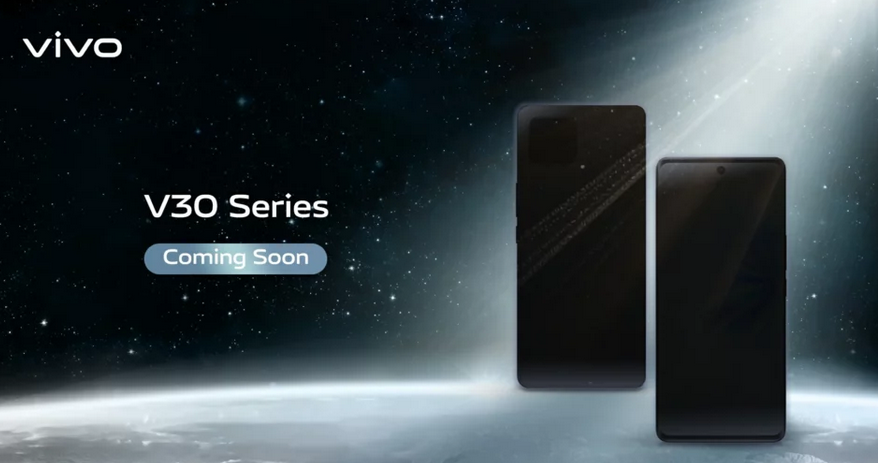
Vivo V30 series officially teased in the Philippines

Vivo is gearing up to launch the new V30 5G smartphone in the Philippines soon. The company was recently spotted on various certification platforms. And now, a new teaser hints that the Vivo V30 is nearing its official launch in the region.

Vivo V30 Series Teaser

The Chinese tech giant unveiled the V30 Lite last month. Meanwhile, the V30 Pro model surfaced on Indonesia’s SDPPI certification earlier today. Even the base V30 was shared on NBTC and TDRA databases as well. The Vivo V30 microsite went live on the official global website, which says “Coming Soon”. The teaser image shared on the website is the same as the leaked teaser we reported earlier this month.

Vivo V30 Series

This also offers a glimpse of the Vivo V30’s design. We can see a center aligned punch hole cutout for the selfie camera. The front also features a curved display panel, while the rear packs a squarish shaped camera module. Key specifications of the Vivo V30 were seen in a GeekBench listing from back in November 2023. The model is expected to be equipped with the Qualcomm Snapdragon 7 Gen 3 SoC that is paired with 12GB of RAM.

The benchmarking platform also confirms that the smartphone runs on the Android 14 OS out of the box. Unfortunately, the teaser did not reveal any other information regarding the Vivo V30 like its specs, pricing, and launch details. So stick around for more as we will be providing updates when additional information is available regarding this device.

RELATED:

Tecno Spark 20 India launch timeline & price range tipped

Tecno confirmed the launch of the Spark 20 in the Indian market in a fresh teaser earlier today (25th January 2024). Now, a tipster has revealed the launch timeline of the upcoming smartphone and has even shared its possible price range.

Tecno Spark 20 India Pricing

To recall, the Spark 20 was first unveiled back in December 2023, while the Spark 20 Pro and Spark 20 Pro+ were released soon after. Now, known tipster Mukul Sharma (@stufflistings) has shared key availability details of the device from the Indian market on X (formerly Twitter). He claimed that the smartphone may launch in the first week of February.

Tecno Spark 20 India Launch

Furthermore, the device will be a budget grade model, which could have a price tag of around 10,000 INR (roughly 120 US Dollars) in the region. Mukul Sharma states that the device will have a leather finish at the back and offer 256GB of internal storage, which is the highest capacity in this segment. This is in line with its initial launch since it was released with 256GB of storage as well as a leather back panel on its Blue color variant.

In another teaser on Facebook, the company highlighted the Spark 20’s premium design along with flagship battery capacity. For those unaware, a large 5,000mAh battery pack that powers this device, which supports 18W fast charging. The front sports a 6.6-inch LCD panel that offers HD+ resolution and 90Hz refresh rate. Under the hood, it is equipped with the MediaTek Helio G85 SoC. Tecno’s Spark 20 features a 50-megapixel camera on the back and a 32-megapixel sensor on the front. This is all the information we have at the moment, so stay tuned for more updates.

RELATED:

Lava Yuva 4 Pro Leak Reveals Design And Key Specifications

Lava is reportedly working on the Yuva 4 Pro 5G smartphone. The device has surfaced in a leak revealing its live image as well as key specifications courtesy of tipster Paras Guglani. The Yuva 4 Pro 5G is expected to arrive as the successor to the Yuva 3 Pro that debuted just last month. Meanwhile, the homegrown brand is also teasing the launch of the Blaze Curve 5G. Read on to know the details of the leaked Yuva 4 Pro 5G. 

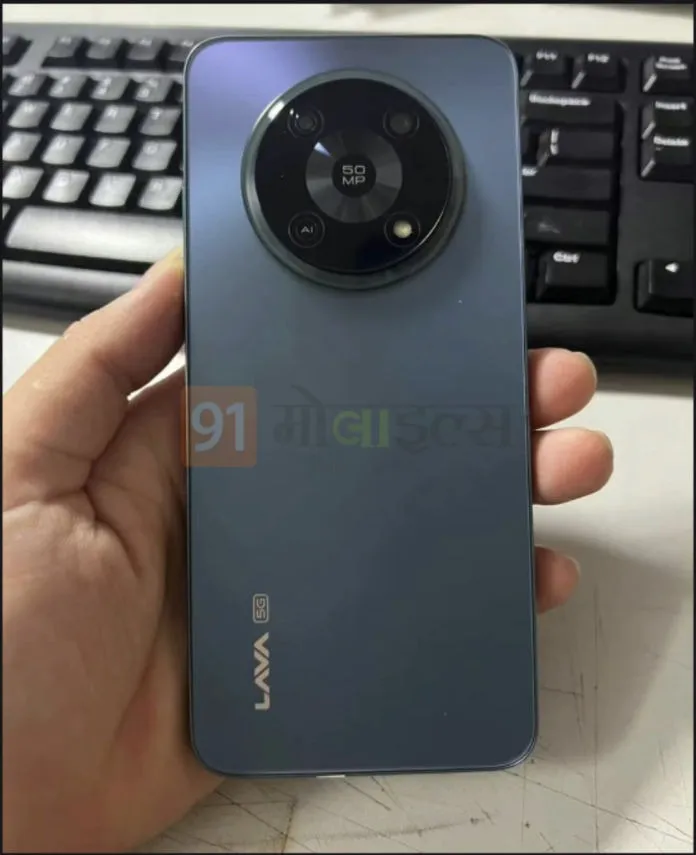
Lava Yuva 4 Pro 5G leaks out

The leaked live image of the Lava Yuva 4 Pro 5G shows the smartphone with a circular camera module. It houses two sensors headlined by a 50MP primary unit. The device seems to have a compact form factor with curved edges. It is seen in the Blue color option and there could be more variants at launch. There is a Lava branding along with 5G text on the back panel that confirms it will be a 5G-compatible device. 

The report states that the Lava Yuva 4 Pro 5G will be equipped with a MediaTek Dimensity 6080 processor based on 6nm process. It will pack up to 6GB RAM. The device will reportedly be powered by a 5,000mAh battery unit. Software-wise, the smartphone is tipped to ship with pre-installed Android 13 and get two major updates. 

The Lava Yuva 4 Pro 5G is also said to feature a 2MP secondary rear camera and a 16MP front-facing selfie snapper. The upcoming offering is rumored to be priced in the sub-Rs 10,000 segment. 

Related:

Source

Pixel Phones Get Android 14 QPR2 Beta 3.1 Update

Google‘s Pixel phones have now started receiving the Android 14 QPR 2 Beta 3.1 update with a wave of bug fixes. This follows the major update released two weeks ago, which introduced a bunch of new features and a revamped UI.

Android 14 QPR 2 Beta 2 Update

The latest update, codenamed AP11.231215.009, comes with the January 2024 security patch and is available for all Pixel phones from the 5a to the latest Pixel 8 Pro, including the Pixel Tablet and Fold. The update is a relatively small download, clocking in at around 122MB.

While this update won’t bring any flashy new features, it focuses on ironing out wrinkles in the Android 14 beta experience. Google has addressed a range of issues, including problems with fingerprint unlocking, app icon placement, and overlay glitches. Below is the complete changelog of fixes:

Changelog
- Fixed an issue that prevented overlays such as the Game Dashboard from opening while the device was in landscape mode. (Issue #312516206)
- Fixed an issue where the device sometimes failed to unlock if always-on display mode was enabled and the user tried to use their fingerprint to unlock the device.
- Fixed an issue where the height of the Quick Settings dialog that lists Bluetooth devices sometimes expanded unexpectedly.
- Fixed an issue where the default search engine for the device would sometimes be set to the wrong provider after restoring device data from a cloud backup.
- Fixed an issue where the display area of Quick Settings didn't update correctly after changing the system display size in accessibility settings.
-  Fixed an issue that sometimes caused degraded audio quality when making calls or recording using the microphone.
- Fixed an issue that sometimes prevented a user from changing device keyboard settings.
- Fixed an issue that caused some translations to be missing for various languages.
- Fixed an issue where work profile icons were not shown for work apps when the work profile was paused.
- Fixed an issue that caused some shaders to render incorrectly.
- Fixed an issue where icons sometimes scaled incorrectly when entering picture-in-picture mode while the device was rotated.
- Fixed an issue for foldable devices where the launcher was sometimes empty if the device was locked while unfolded and then unlocked after the device was folded.
- Fixed an issue for foldable devices where, after folding or unfolding the device and then launching a pair of apps that were already open in split-screen mode, the app divider stopped responding to touch controls.
- Fixed an issue for foldable devices where the screen sometimes flickered when unfolding the device.
- Fixed an issue for tablet devices that sometimes caused a gray screen to briefly flash when dismissing some on screen activities.
- Fixed an issue for tablet devices that caused the touch targets for taskbar icons and navigation buttons to be smaller than usual.
- Fixed various issues that were impacting system stability, performance, connectivity, camera, and accessibility.

If you’re a Pixel owner enrolled in the Beta program, you should receive the update automatically over the air within the next few days. You can also check for it manually by heading to Settings > System > System updates.

However, keep in mind that this is still a beta program, meaning you might encounter some bugs here and there. If stability is your top priority, it’s best to wait for the official Android 14 release.

Related:

(Via)

Xiaomi 14 Ultra camera module & sensor specs revealed

Xiaomi is gearing up to launch another flagship entry from its Xiaomi 14 series. The model in question is the Xiaomi 14 Ultra. But ahead of any official announcement, some of the key camera specs were revealed by a tipster. So here are all the details.

Xiaomi 14 Ultra Camera Module Specs

The Chinese tech giant has been rumored to be working on the Xiaomi 14 Ultra for a while now. Now, tipster @ZionsAnvin has revealed that the premium phone will feature a circular camera module. It will feature a VARIO-SUMMILUX 1:1.63-2.5/12-120 aspherical lens (ASPH). Furthermore, the primary camera is a 50-megapixel Sony LYT-900 sensor that offers a variable aperture range (f/1.63-f/2.5).

He added that this sensor will also be paired with a 120mm periscope telephoto lens. The tweet also shared an image, which reveals the large camera island, which houses cutouts for the four sensors and the LED flash module. Based on what we know so far, the Xiaomi 14 Ultra is expected to be announced in the middle of this year. Just recently, we covered the smartphone’s wireless Camera Kit was also certified in 3C certification.

The upcoming flagship phone has been hinted to support Satellite Connectivity as well. It has even been spotted in major certification platforms like BIS, EEC, and others. This is all the information we have at the moment so stick around for more as we will be providing updates when additional information is available regarding this matter.

RELATED:

Apple to grab first dibs on TSMC’s 2nm technology: Report

Apple may be the first company to utilize TSMC’s upcoming 2-nanometer chip technology, according to DigiTimes. 

TSMC, a major chip manufacturer, is expected to begin production of 2nm chips in the second half of 2025. The smaller transistor size associated with this technology allows for more transistors to be packed onto a single processor, which could mean faster performance and less power use.

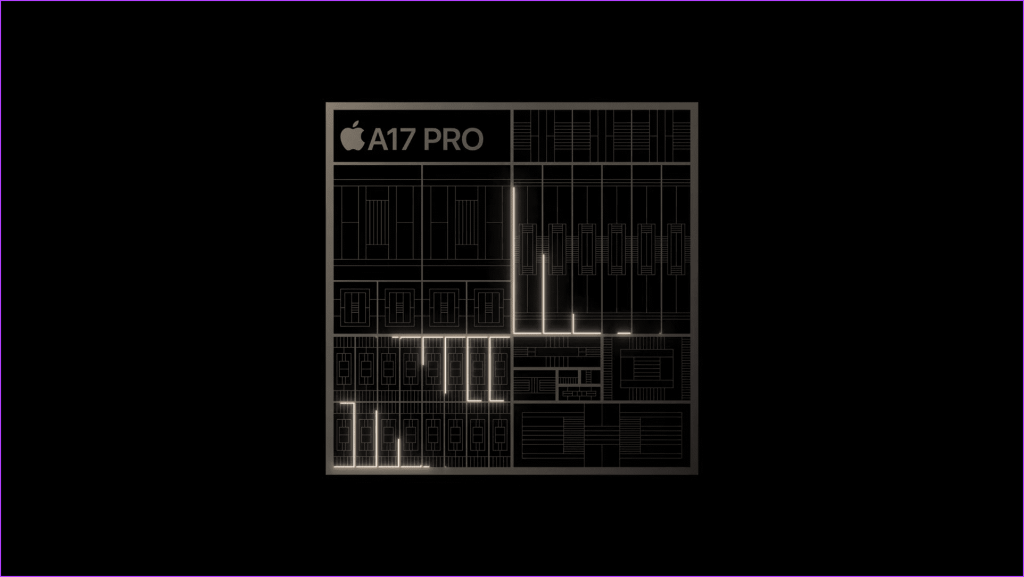
Apple has a history of being an early adopter of TSMC’s leading-edge chip technologies. This year, for example, both the A17 Pro chip in the iPhone 15 Pro and the M3 series chips in Macs utilize TSMC’s 3-nanometer process.

Apple is again expected to be the first to try TSMC’s new 2nm process. The new node will also adopt a new manufacturing process known as gate-all-around field-effect transistors (GAAFET) with nanosheets. 

The technology should enable faster speeds and lower power consumption compared to the FinFET transistors used in current chips.

However, the shift to GAAFET comes with its own set of challenges. Specifically, TSMC will need to build new fabs and invest heavily in adapting its production process. 

Apple, as a key TSMC customer, will also likely need to make adjustments to its chip designs to accommodate the new technology.

Besides the up-and-coming 2nm node, TSMC is also refining its current 3nm process. The company has already improved its fabrication process in the new N3E and N3P chips, while it’s also working on other chips like N3X and N3AE for high-performance computing and automotive applications, respectively.

Looking even further ahead, rumors suggest TSMC is already exploring even more advanced 1.4-nanometer chips. They are expected to arrive as early as 2027. Apple, unsurprisingly, is reportedly interested in securing early access to this cutting-edge technology as well.

Related:

(VIa)

Google Pixel 8 & Pixel 8 Pro launch in Mint Color option

Google has launched a new Mint color variant for its Pixel 8 series smartphones. This addition follows the original launch of the Pixel 8 in Obsidian, Hazel, and Rose, and the Pixel 8 Pro in Obsidian, Bay, and Porcelain. The introduction of the Mint color was unveiled as part of the ‘Fresh year, fresh drop’ campaign.

Pixel 8 series Mint color

In comparison, the Mint shade is slightly deeper than the Lemongrass color of the Pixel 7. In terms of design, it maintains the same glass body and glossy finish that characterize the series, along with the existing specifications.

Pixel 8 Mint color

Presently, the Mint variant of the Pixel 8 is available in India through Flipkart, ahead of its global release. There is no confirmation yet on whether the Mint color will be extended to the Pixel 8 Pro in India.

Speaking of specifications, the Pixel 8 Pro boasts a 6.7-inch LTPO OLED display, powered by a Google Tensor G3 chip, 12GB RAM, and 128GB of storage. Its camera system includes a 50MP primary rear camera, a 48MP ultra-wide-angle lens, and a 48MP telephoto lens with 5x optical zoom. The device is fueled by a 5050mAh battery, supports 30W fast charging, and features security measures such as an in-display fingerprint scanner and face unlock.

The standard Pixel 8 model comes with a 6.2-inch OLED display, 8GB RAM, and options for 128GB or 256GB storage. Its camera setup includes a 50MP primary rear camera and a 12MP ultra-wide-angle lens. This model is equipped with a 4575mAh battery and shares the security features of the Pro model. Both variants are IP68-rated for dust and water resistance and are available in various color options, including the new Mint.

RELATED:

Tecno Spark 20 teased ahead of India launch

Tecno has just shared a fresh teaser for the upcoming Spark 20 smartphone model. The latest teaser hints at the imminent launch of this device in India and also showcases some of its design elements. So let’s have a look.

Tecno Spark 20 India Launch Teaser

To recall, the smartphone maker is gearing up to unveil the Spark 20 lineup in the region. This series will include four new models that consist of the Spark 20, Spark 20 Pro, Spark 20 Pro+, and Spark 20C. Now, the latest teaser showcases the vanilla model. Looking at the tweet, the Spark 20 will offer “uncompromised” large storage along with an enhanced front camera for selfies and video calls.

Tecno Spark 20

Unfortunately, the brand did not reveal any finer details like the specifications, launch date, or pricing of this new phone. Tecno states that more information should follow soon. The launch details may be revealed next week. Based on its previous release, the Spark 20 sports a 6.56-inch LCD panel that offers HD+ resolution and 90Hz refresh rate. Under the hood, it is equipped with the MediaTek Helio G85 SoC that is paired with 8GB of RAM and 256GB of internal storage.

A large 5,000mAh battery pack powers this device, which runs on the Android 13 OS based HiOS 13 custom skin. The rear packs a 50-megapixel primary camera and an AI lens, while the front houses a 32-megapixel selfie shooter. Other notable features include Dual SIM, side mounted fingerprint scanner, and leather back on one of its color variants.

RELATED:

Lenovo launches M20 5G tablet in China with MediaTek Kompanio 900T processor

Earlier this week, Lenovo launched the K11 tablet in Japan without much fanfare. They’ve continued this low-key approach for another tablet launch, the Lenovo M20 5G, in China. 

The M20 5G is a mid-range tablet with a high-resolution display and 5G connectivity, among other features. Let’s dive into more details about it.

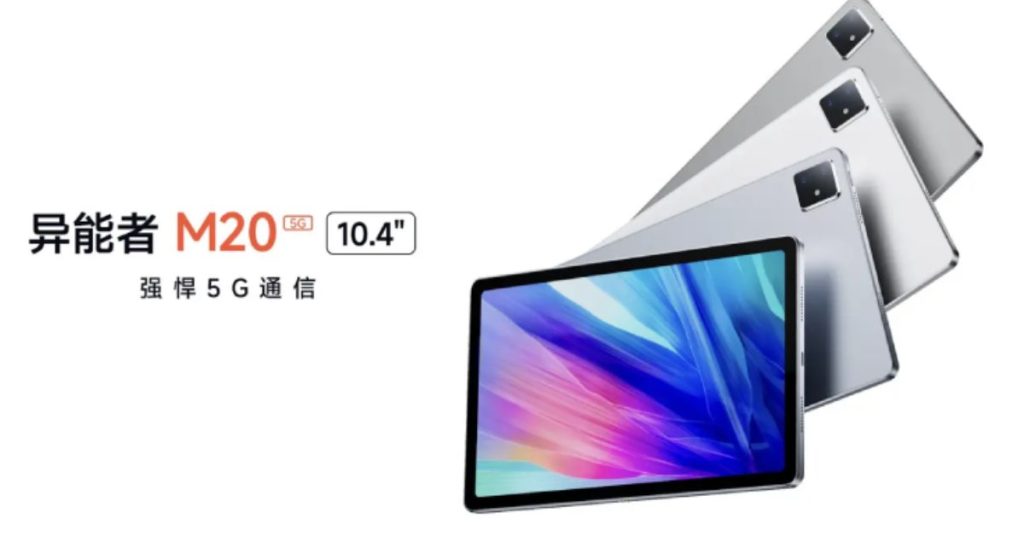
Lenovo M20 5G tablet

Lenovo M20 5G Overview

The M20 5G features a 10.4-inch LCD screen with a 2K resolution (1200 x 2000 pixels). However, it has a surprisingly low brightness level of just 280 nits.

Under the hood, the tablet is equipped with the MediaTek MT8791, also known as the MediaTek Kompanio 900T processor. 

This chipset, announced in 2021, targets sub-premium tablets. It’s built on a 6 nm process from TSMC and includes an eight-core CPU (2 high-performance Arm Cortex-A78 cores and 6 efficient Arm Cortex-A55 cores), along with an Arm Mali G68 GPU and a MediaTek APU.

The tablet comes with various memory and storage options: 6 GB, 8 GB, or 12 GB of RAM and 128 GB, 256 GB, or 512 GB of storage, which can be expanded by up to 128 GB using a microSD card.

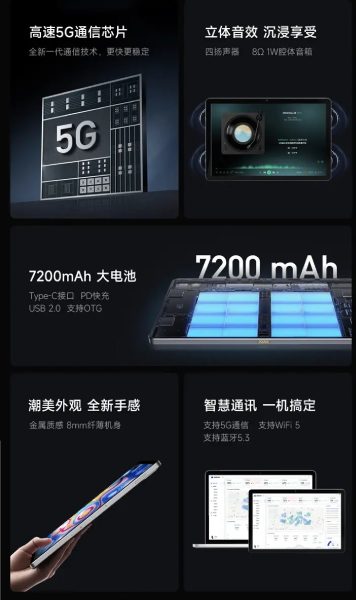
A notable feature of the M20 is its support for 5G networks, which Lenovo claims can deliver speeds up to 1Gbps and a low latency of 1ms. You also get WiFi (5) support with a peak speed of 866Mbps.

Other key features include a dual-camera setup with 13MP and 8MP sensors on the back, four high-quality speakers, and a 7200mAh battery. Lenovo claims the battery can last between 8 to 10 hours and supports PD charging.

Pricing and Availability

The Lenovo M20 5G is now available for purchase in China via JD.com. The pricing starts at 2399 yuan for the 6GB RAM/128GB storage model. The versions with 8GB/256GB and 12GB/512GB are priced at 2799 yuan and 2899 yuan, respectively.

Related:

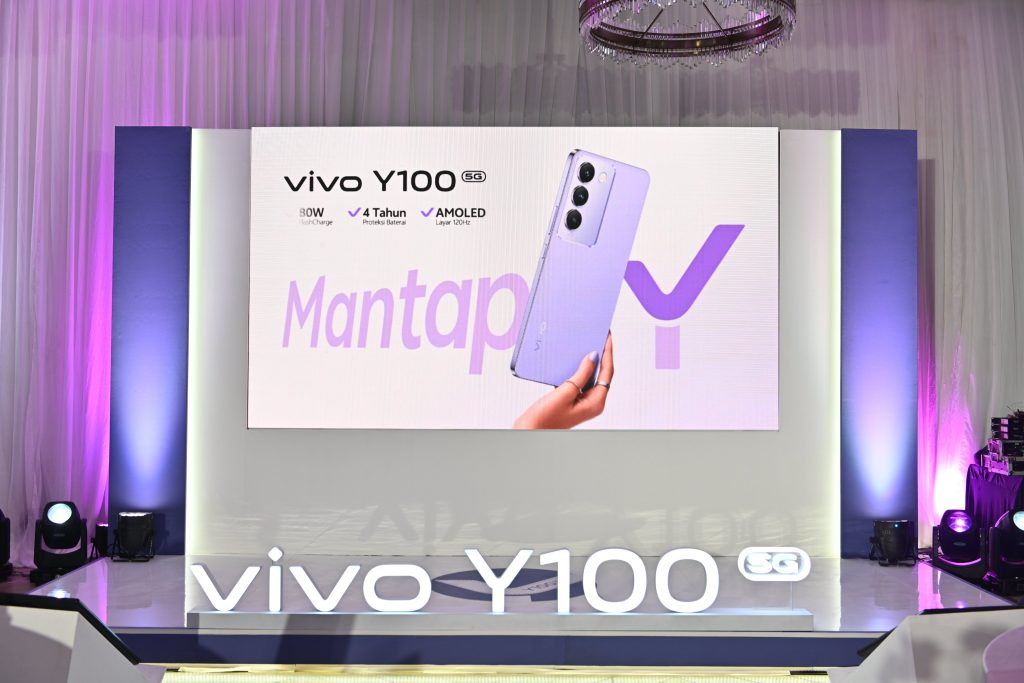
Vivo Y100 5G Makes Its Debut in Indonesia with Impressive Features

Vivo has officially launched the Vivo Y100 5G in Indonesia, expanding its reach with a feature-packed smartphone. The device, already making waves in other regions, promises an immersive and high-performance smartphone experience. It features a 6.67-inch AMOLED Full HD+ Display, Snapdragon 4 Gen 2 SoC, and a triple-rear camera sensor. Let’s dive deeper for specifications and other details:

Vivo Y100 5G Features and Specifications

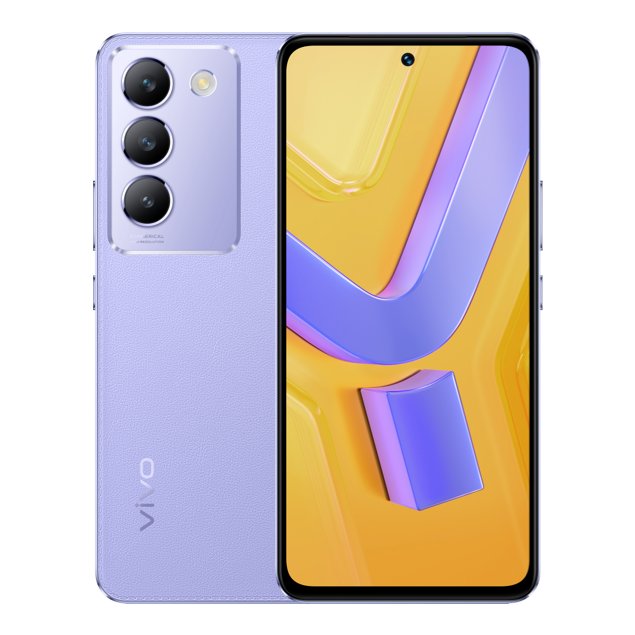
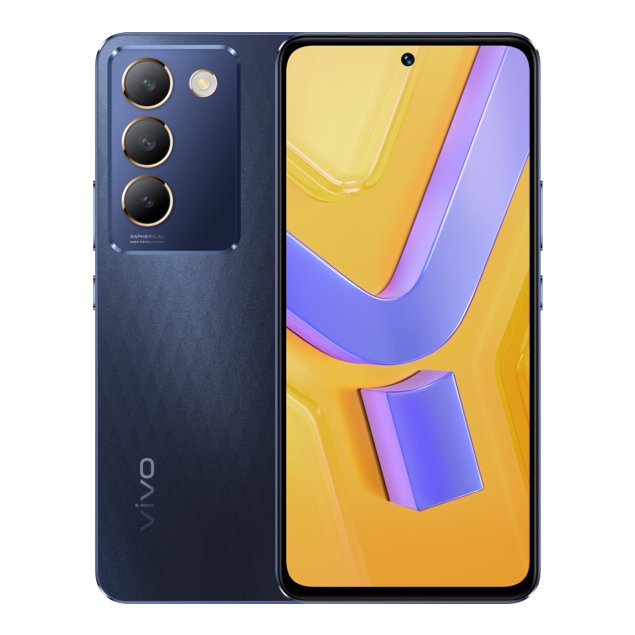
Vivo Y100 5G boasts a stunning 6.67-inch AMOLED FHD+ display with a 120Hz refresh rate and up to 1,200 nits of brightness. A plastic or leather back complements the sleek design, giving users options based on their preferences. Under the hood, the smartphone is powered by the Snapdragon 4 Gen 2 SoC. With 8GB LPDDR4x RAM and 256GB UFS 2.2 storage, users can expect a smooth experience, further expandable via the microSD card slot.

The smartphone features a triple-rear camera featuring a 50MP main sensor, an 8MP ultra-wide lens, and a flicker sensor on the rear. On the front, an 8MP camera ensures stunning selfies. It bundles a 5000 mAh battery with support for 80W fast charging. In terms of connectivity, the smartphone features WiFi, Bluetooth 5.0, and NFC.

Further, it houses an in-display fingerprint sensor and dual speakers and runs on Android 14-based FunTouch OS 14. The smartphone is available in two storage options: 8GB RAM and 128GB storage for IDR 3,899,000 (~Rs 20,470; ~$245) and the 8GB+256GB model priced at IDR 4,199,000 (~Rs 22,050; ~$265). The users can choose between two color options: black onyx and purple orchid.

Vivo’s commitment to meeting diverse market needs, the Y100 5G is available in different variants globally. The Dimensity 900 powers the Indian model (V2239), the Chinese variant (V2313) uses the Snapdragon 695, and the Indonesian model (V2327) uses the Snapdragon 4 Gen 2. Meanwhile, the smartphone is already available in China for the starting price of 1,399 Yuan.

The Indonesian launch signifies Vivo’s dedication to offering innovative and accessible smartphones globally.

Related:

Samsung Galaxy S24 series is already on sale in India via Amazon & Blinkit; Check offers

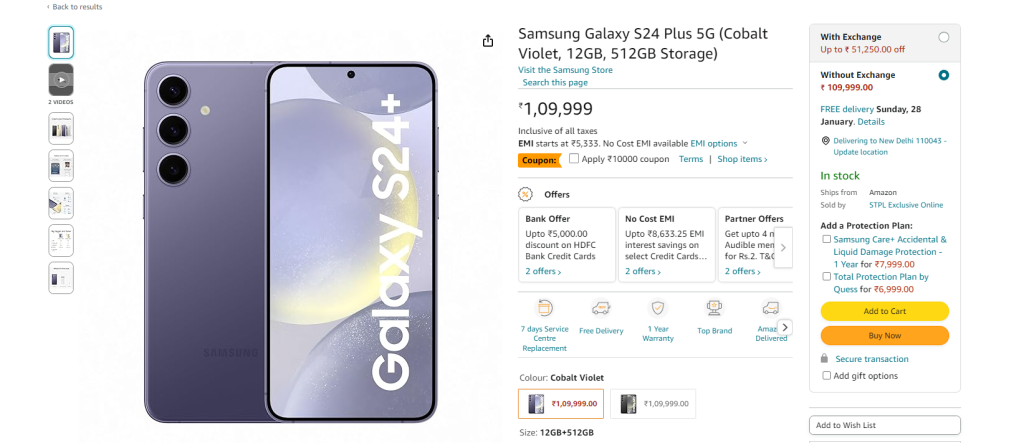
The AI-driven Galaxy S24 series smartphones from Samsung have been globally launched and are currently open for pre-orders. Surpassing expectations, the Indian market has witnessed over 250,000 pre-bookings in just three days. Consequently, Samsung has decided to shorten the pre-order duration and has commenced direct sales through online retailers. The Galaxy S24 series is currently available to buy through Amazon India as well as Blinkit. Keep reading for more details.

Samsung Galaxy S24 series

Galaxy S24 series Amazon offers:

The Galaxy S24 has a starting price of Rs 79,999 (8GB + 256GB). On the other hand, the Galaxy S24+ is currently being sold in a single 12GB + 512GB storage variant with a price tag of Rs 1,09,999. That being said, the Galaxy S24+ has a Rs. 10,000 coupon available, knocking its price down to Rs. 99,999.

Galaxy S24 Ultra

The Galaxy S24 Ultra 12GB RAM + 256GB storage model has a price tag of Rs 1,29,999. All three models in the Galaxy S24 lineup have a Rs 5,000 discount if you use an HDFC Bank credit card to mark the purchase.

Galaxy S24 series Blinkit offers:

Interestingly enough, Blinkit is offering the Galaxy S24 Ultra 12GB RAM + 512GB storage model for Rs 1,29,999, and offering an additional discount of Rs 5,000 for purchases made through HDFC Bank credit card.

The platform also has the Galaxy S24 in both 256GB and 512GB storage options, with a special discount while using an HDFC Bank. The best part about ordering through Blinkit is that the phone will be in your hands within 10 to 15 minutes.

RELATED:

Apple and Honor Secures Top Spot in China’s Smartphone Shipments for 2023, Reveals A New Report

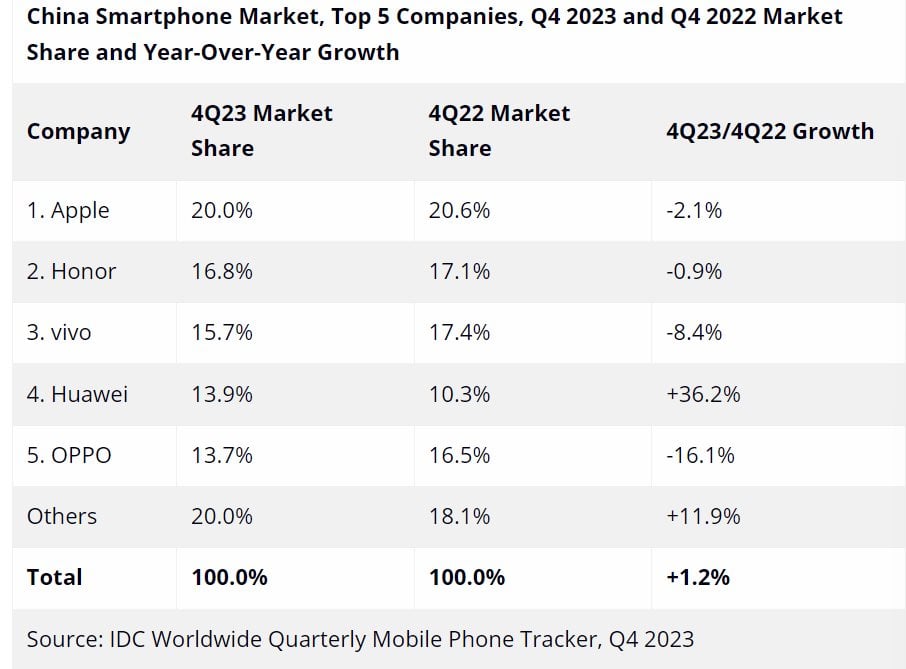
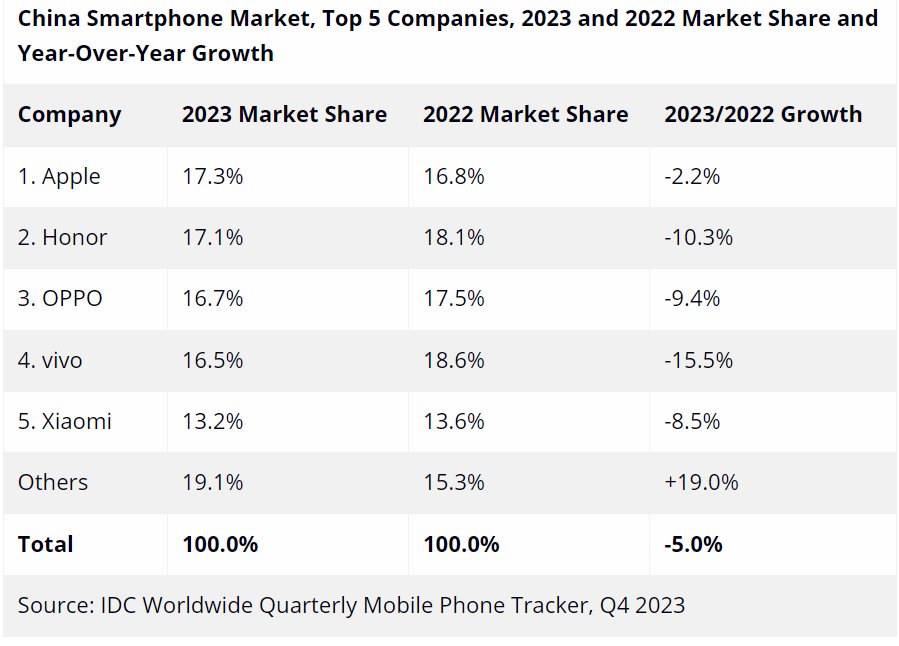
Apple is sustaining its top position in China’s smartphone shipments for the year 2023 after excelling in global smartphone shipments. A new report from IDC reveals that Apple and Honor managed to secure ~ 35% of the market share in China for the last quarter of 2023 and the whole year if we conclude. Alongside the market share, the new reports also shed light on the industry’s trends throughout the year.

In the final quarter of 2023, Apple maintains its stronghold, capturing a 20.0% market share despite a slight 2.1% YoY dip. Honor, securing the second spot with a 16.8% share, navigates the market with a marginal 0.9% YoY decline. However, Vivo faces an 8.4% YoY decrease, holding onto a significant 15.7% share. The standout performer is Huawei, with a remarkable 36.2% YoY growth, claiming a 13.9% share. OPPO faces challenges with a 16.1% YoY drop, while the collective share of other players sees a noteworthy 20.0%, reflecting a diverse market.

For the entire year, Apple and Honor secured the top positions, with 17.3% and 17.1% market shares, respectively. Apple, despite a 2.2% YoY decrease, maintains its influence, emphasizing brand loyalty. Honor faces a 10.3% YoY decline, grappling with challenges while sustaining a formidable market presence. OPPO, Vivo, and Xiaomi navigate through market shifts, adapting strategies to retain their positions. The collective share of other players witnesses substantial 19.0% YoY growth, underscoring a vibrant ecosystem.

Chinese brands like Xiaomi, Vivo, and Oppo are more popular globally than in their home countries. Among these, Xiaomi has managed to rake in 145.9 million sales in the global shipments chart, consolidating its third position.

The figures from Q4 2023 and the full year depict a market in flux, with established players adapting to dynamic consumer preferences. While Apple and Honor maintain their prominence, the rise of Huawei and the resilience of other players highlight the industry’s diversity. Amidst a contraction in the annual market, the smartphone landscape remains vibrant and multifaceted.

The trends seem to change with the onset of generative AI features, customization options, and AI-powered performance improvements. It would be interesting to see what the future holds for the tech industry with these magnanimous upcoming AI changes.

Related: