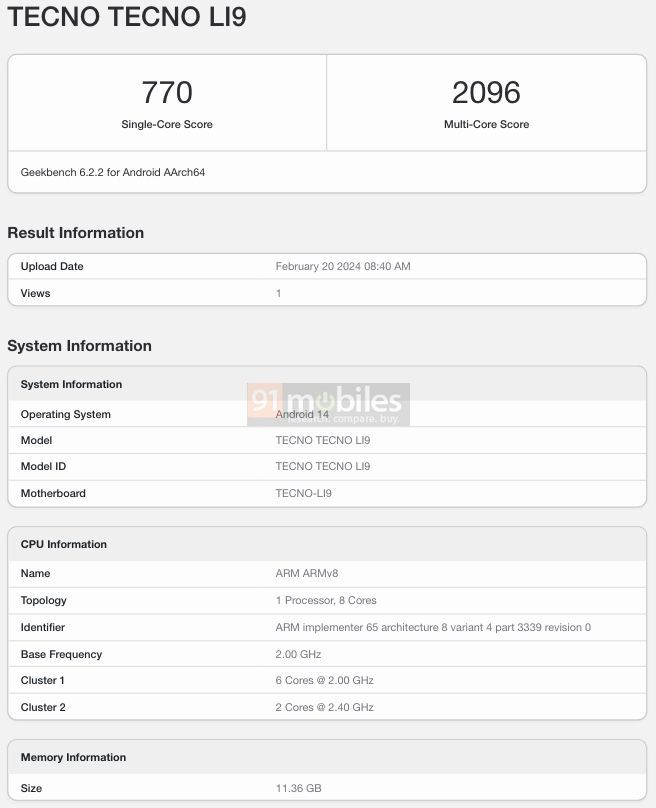
Tecno is set to launch the POVA 6 Pro smartphone at the upcoming MWC in Barcelona, Spain. The device has already bagged NBTC, FCC, and Google Play Console certifications. Now, the POVA 6 Pro has been spotted on the Geekbench benchmarking platform revealing new details. The smartphone has been listed with a model number TECNO LI9 which is the same as previous certification listings.
Tecno POVA 6 Pro appears on Geekbench
As per the Geekbench database, the Tecno POVA 6 Pro has six cores clocked at 2GHz and two cores ticking at 2.40GHz. This is the same as the Google Play Console certification. The processor is expected to be the MediaTek Dimensity 6080 as there is a Mali G57 GPU onboard. The benchmarking platform also reveals that the smartphone will pack 12GB RAM and ship with pre-installed Android 14 OS out of the box.
In the Geekbench’s single-core and multi-core test results, the Tecno POVA 6 Pro scored 770 and 2,096 points respectively. The benchmarking database does not reveal any additional details.
As per the leaked render of the POVA 6 Pro on Google Play Console, it will likely feature a curved display Meanwhile, the FCC certification revealed that the device will pack 256GB storage. It will also support 70W fast charging. The listing also showed a large rear camera module hinting at a new design compared to its predecessor. It houses two camera sensors along with a third cutout.
We expect Tecno to start sharing teasers of the POVA 6 Pro in the coming days as we get closer to the launch.
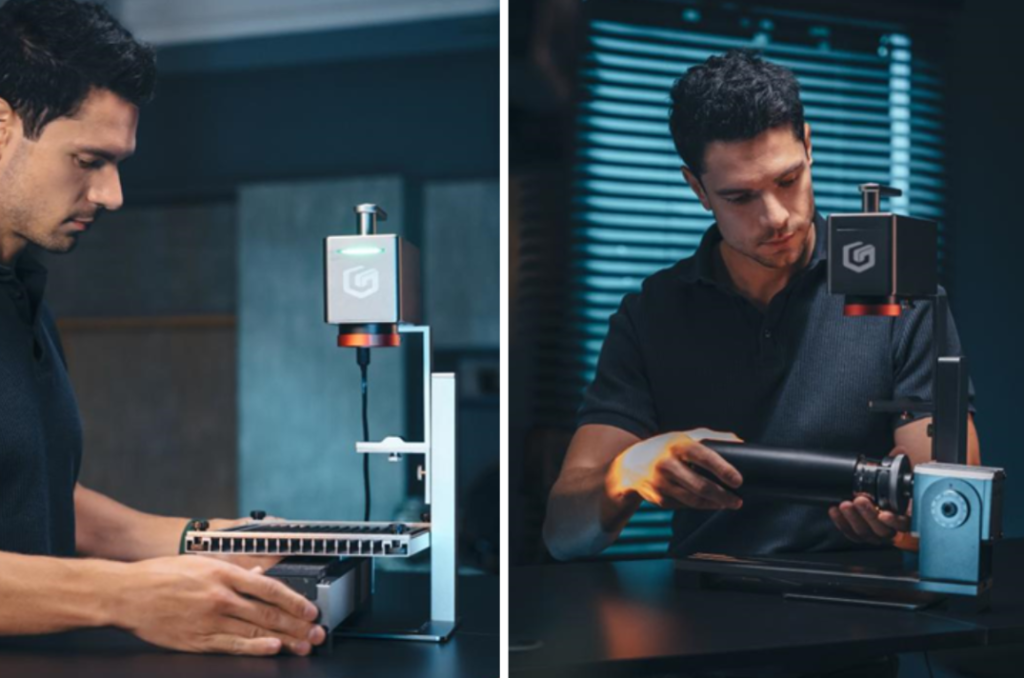
Longer, a renowned innovator in the field of 3D printing and laser engraving will unveil its latest creation: the Longer Nano on Kickstarter on February 22nd, 2024, at 10 AM ET. With a mission to redefine the possibilities of laser engraving, Lao Changshi, CEO at Longer, proudly introduces this cutting-edge device, marking a significant milestone in the industry.
The Longer Nano isn’t just another addition to the market; it’s a testament to the relentless pursuit of innovation and excellence. At its core, the Nano embodies portability, speed, and precision, making it a versatile tool for creators, hobbyists, and professionals alike. Whether you’re crafting personalized gifts, designing custom signage, or prototyping new products, the Nano empowers you to unleash your creativity with unparalleled ease.
One of the most striking features of the Longer Nano is its adaptability to various tasks and environments. Available in 6W and 12W options, users can choose the power level that best suits their needs and projects. Moreover, with compatibility with leading software like Lightburn and LaserGrbl, integrating the Nano into existing workflows is seamless and effortless.
What sets the Longer Nano apart from its counterparts is its ability to deliver exceptional results with unmatched speed and precision. Equipped with a cutting-edge Galvo System, the Nano achieves an engraving speed of 2200mm/s without compromising on accuracy. Combined with Field Lens technology, boasting an impressive precision of 0.02*0.02mm, the Nano ensures that every engraving is flawlessly executed, even on curved surfaces.
Another notable feature of the Longer Nano is its versatility in material compatibility. Capable of cutting wood up to 8.5mm thick, the Nano opens up a world of possibilities for creators to explore. Whether you’re working with wood, acrylic, leather, or other materials, the Nano delivers consistent and high-quality results every time.
Furthermore, the modular design of the Nano adds another layer of convenience and flexibility to its usability. With the main body detachable for handheld operation, users can effortlessly switch between stationary and portable modes, depending on the nature of their projects.
Price and Availability:
To celebrate the launch of the Longer Nano, the company is offering unbeatable prices exclusively during the Kickstarter campaign. This presents an opportunity for enthusiasts and professionals alike to elevate their projects and unlock new levels of creativity, without breaking the bank.
For those eager to stay updated on the latest developments and announcements regarding the Nano, Longer encourages individuals to subscribe to its media channels. By joining, users can become part of a vibrant community of innovators and creators, united by their passion for pushing boundaries and realizing their creative visions.
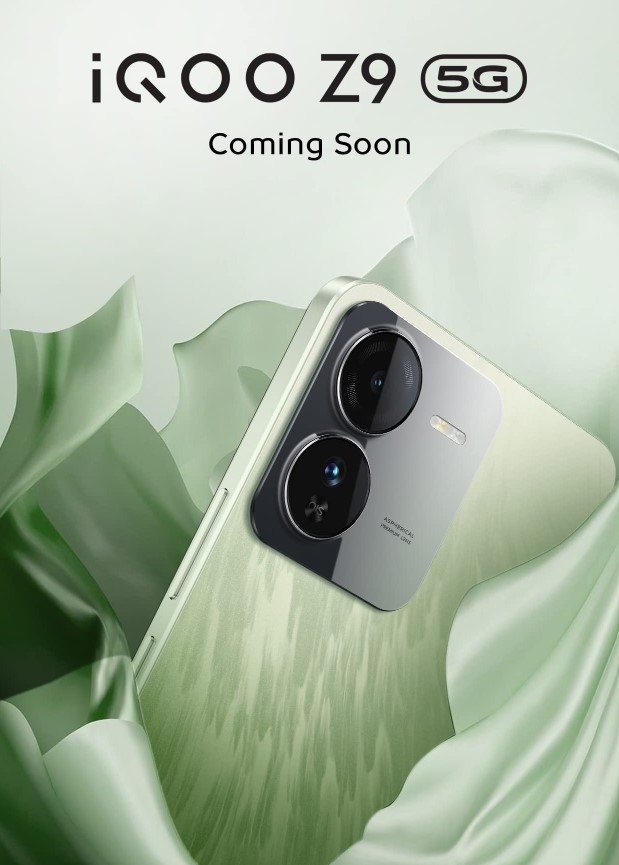
iQOO is gearing up to launch the iOQO Neo 9 Pro smartphone in India on February 22. Now the Vivo sub-brand has started teasing the launch of the iQOO Z-series smartphone in the country. This was confirmed by a microsite posted on e-commerce platform Amazon. The upcoming offering is the iQOO Z9 5G.
iQOO Z9 India launch teased
As per the microsite, the iQOO Z9 5G is seen in a Green color option. It’s possible that this variant could have a gradient pattern design. There is a squarish camera module in Black color giving the phone a dual-toned look. It houses two camera sensors along with an LED flash unit. There’s also a text confirming the presence of OIS. The upcoming smartphone is said to be the first in the segment to feature a Sony IMX882 OIS sensor.
The Amazon microsite also confirms that the iQOO Z9 5G will be powered by the MediaTek Dimensity 7200 processor under the hood. It is also teased to be the fastest phone in the segment scoring 734K points in AnTuTu benchmark test. The rest of the details of the iQOO Z9 5G remain a mystery. We can expect more specs to be teased in the coming days.
The iQOO Z9 5G surfaced in live images earlier today revealing some key details. It is rumored to have an AMOLED display with integrated fingerprint scanner, FHD+ resolution, and a 120Hz refresh rate. The device is tipped to feature a 50MP camera sensor and support 44W fast charging. As per the Geekbench listing, the upcoming offering could pack 8GB RAM and run on Android 14 OS.
As per the images, the device will share its looks with the ROG Phone 8 series. It will be available in five colors, namely Eternal Black, Skyline Blue, Misty Gray, Verdure Green, and Desert Sienna.
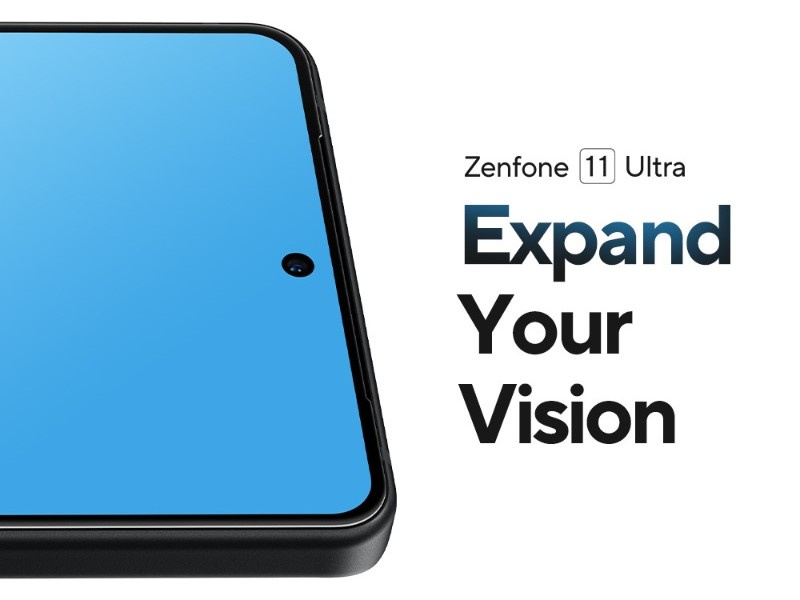
Officially, Asus has only showcased the front of the handset so far. The teaser render confirms thin bezels around the centered punch-hole flat display. The product’s tagline is aptly called ‘Expand Your Vision.’
According to a leak from earlier this month, the Zenfone 11 Ultra will flaunt a 6.78-inch FHD+ 144Hz LTPO AMOLED display. It will be powered by a Qualcomm Snapdragon 8 Gen 3 chipset paired with up to 16GB LPDDR5x RAM and 1TB UFS 4.0 storage.
The phone will house a triple camera system on the rear. The system will consist of a 50MP Sony IMX890 primary sensor, a 13MP ultrawide unit, and a 32MP 3x telephoto shooter. On the front, it will sport a 32MP selfie camera.
For biometrics, the device will use an in-screen fingerprint sensor. As for software, it will boot Android 14. Finally, the smartphone will draw energy from a 5,500mAh battery and support 65W wired as well as 15W wireless charging standards.
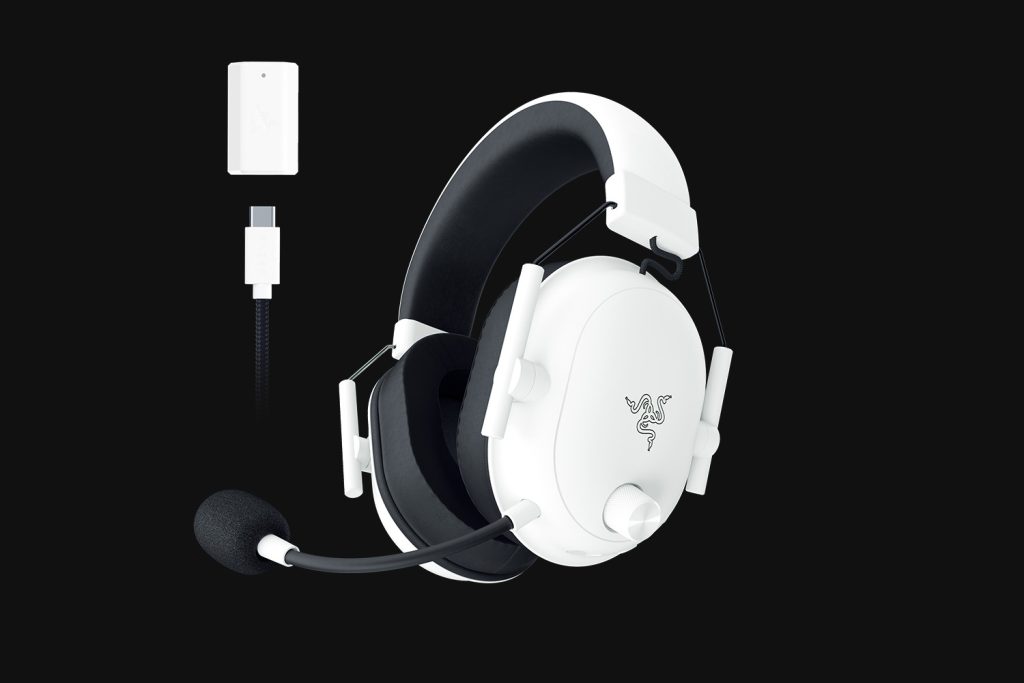
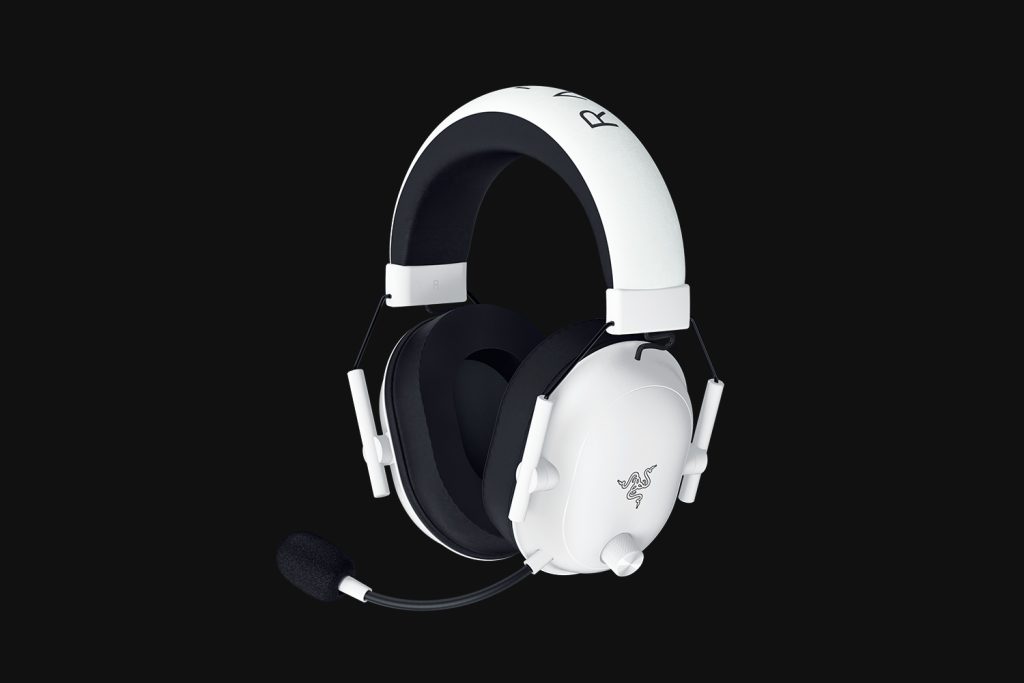
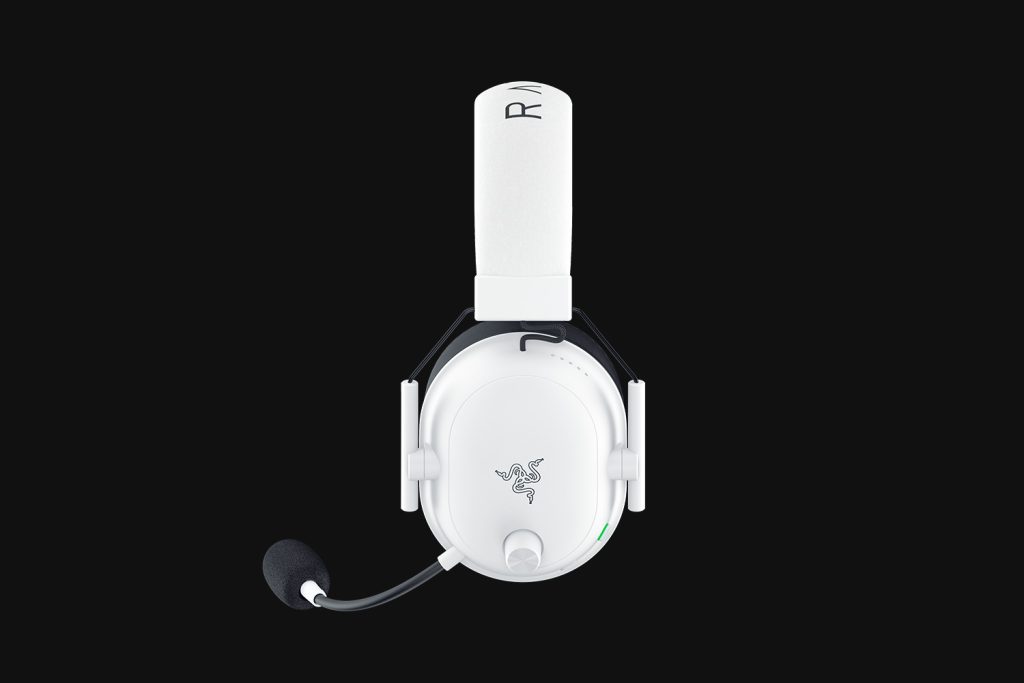
Razer has launched the BlackShark V2 HyperSpeed in a new White variant in the Chinese market, maintaining the features and specifications of its original Black counterpart. The headset debuted in September last year, positioned one tier below the BlackShark V2 Pro (2023).
Specifications and Pricing
Priced at 999 yuan ($138), the headset emphasizes triple connectivity, offering seamless integration across multiple platforms via Bluetooth, 2.4G wireless modes, and USB connectivity, ensuring compatibility with a wide range of devices including computers, gaming consoles, and mobile devices.
Weighing in at approximately 280 grams, the headset promises comfort without compromising on performance. It features Razer‘s HyperClear technology equipped with a wide-band microphone for crystal-clear communication, alongside TriForce 50mm titanium-coated drivers designed to deliver superior sound quality across all frequencies.
The BlackShark V2 HyperSpeed is engineered for longevity with up to 70 hours of battery life, supported by Razer’s HyperSpeed Wireless technology for low-latency, high-performance audio. Additionally, it offers THX Spatial Audio for an immersive 7.1 surround sound experience, exclusively available on Windows 10 64-bit (or higher).
Technical specifications include a frequency response of 12 Hz – 28 kHz, an impedance of 32 Ω, and sensitivity of 100 dBSPL / mW @ 1 kHz by HATS. The headset uses customized dynamic 50 mm drivers, with oval ear cushions made from breathable memory foam for enhanced noise isolation and comfort during prolonged use.
The microphone features a unidirectional pick-up pattern with a frequency response of 100 Hz – 10 kHz, ensuring clear and precise voice capture. Controls on the headset include a volume adjustment knob, mic mute on/off toggle, and a Razer SmartSwitch button for easy mode switching.
The Razer BlackShark V2 HyperSpeed is built for professionals, endorsed by gaming teams, and designed to cater to gamers seeking accurate sound positioning and clear in-game communication. Its lightweight design, coupled with soft, noise-isolating memory foam ear cushions, ensures comfort during extended gaming sessions.
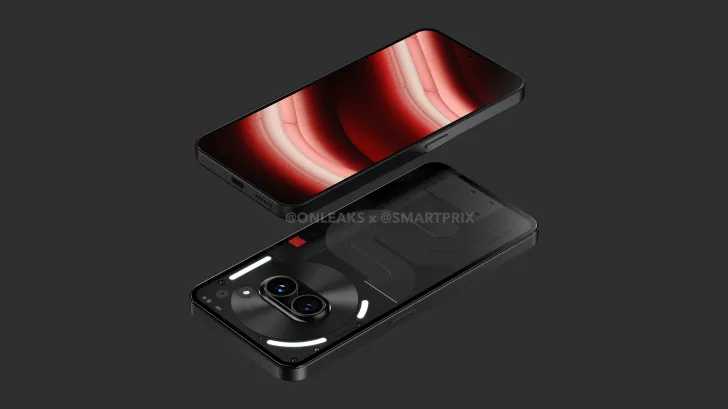
There has been quite some confusion over the Nothing Phone (2a)’s design. While initial leaks based on PVT testing units revealed a circular module with two horizontally placed cameras, a press render with a different design turned out to be fake. Now, reliable tipster Steve Hemmerstoffer (aka Onleaks) has shared new renders of the Phone (2a) offering us a comprehensive look at the device.
Nothing Phone (2a) leaked renders give us a comprehensive look
The Nothing Phone (2a) looks compact with a boxy form factor. On the front, there is a tiny centre-aligned punch-hole cutout. The display is surrounded by thin bezels on all sides. The usual power and volume rocker buttons are located on the right and left edges respectively.
Coming to the back panel, the Nothing Phone (2a) retains the transparent design. The company is adopting a new design language that could separate the upcoming offering from the flagship variants. It has a circular module in the top center that houses two horizontally placed camera sensors and an LED flash unit. The island is surrounded by three Glyph LED light strips. The semi-transparent back panel also reveals a bunch of screws There’s also a curvy element running from the camera island to the bottom of the device.
Phone (2a) is home to a powerhouse: the custom-built MediaTek Dimensity 7200 Pro.
Exclusively co-engineered with Nothing to deliver a seamless performance with remarkable power efficiency.
The report also adds that the Nothing Phone (2a) will carry a price tag of around Rs 23,000 in india. Alongside the leaked render, Nothing also confirmed that the Phone (2a) will be powered by a Dimensity 7200 Pro processor. It will pack 12GB RAM along with 8GB virtual RAM.
Lava, the Indian smartphone manufacturer, has been actively hinting at the upcoming release of its Blaze Curve 5G model. But, the company hasn’t given any official details yet, like the design or release date.
However, a recent leak has revealed some details about the design and when it might be launched.
Tipster Mukul Sharma (via X/Twitter) shared real-life photos of the device, confirming several rumored aspects. As the name suggests, the Blaze Curve 5G will feature a curved display.
[Exclusive] This is your first look at the Lava Blaze Curve. – Can confirm that the device will launch in the first week of March – 120Hz curved AMOLED – 64MP triple rear camera setup (Sony Sensor) Will share more details ASAP.#Lava#LavaBlazeCurvepic.twitter.com/TKMEIFu6dn
This design choice extends to the back panel, which also curves along the edges, which should improve the phone’s ergonomics. Nevertheless, this wouldn’t be the brand’s first use of a curved-edge OLED panel, as the Lava Agani 2 5G camera is already equipped with one.
The camera design takes a page from the recent iPhones. However, unlike iPhones, the camera lenses are individually placed within their separate rings rather than grouped within an island.
According to the tipster, the primary camera will use a 64MP Sony sensor. However, specifics regarding the additional camera lenses have not yet been disclosed.
Additionally, the leak suggests the Blaze Curve 5G will sport a 120Hz AMOLED display and will be powered by a MediaTek chipset. However, specifics regarding which MediaTek chipset and whether it belongs to the Helio or Dimensity series, remain under the wraps.
Moreover, while an official launch date is uncertain, the leak indicates the Lava Blaze Curve 5G could potentially debut in the first week of March.
The company has been teasing the device since early January, so despite the leaks and rumors, we shouldn’t be too far away from the official launch.
Creality unveils the Falcon2 Pro Laser Engraving Machine. Crafted with meticulous attention to detail and driven by user feedback, this device heralds a new era of creativity for enthusiasts, designers, craftsmen, and small businesses alike.
Safety Meets Innovation:
At the heart of the Falcon2 Pro lies a commitment to safety and user experience. Certified as a Class 1 Laser Cutter and Engraver, it ensures peace of mind during operation. The 360° visual design, adorned with a deep red, highly transparent cover, not only enhances safety but also offers an aesthetic appeal. Gone are the days of cumbersome protective glasses, as the Falcon2 Pro provides unparalleled visibility and convenience with its unique curved surface and external buttons.
Triple Monitoring Systems:
Innovative engineering meets practicality with the Falcon2 Pro’s triple monitoring systems. From airflow monitoring to lens and flame detection, users can engrave and cut with confidence. These systems provide real-time feedback, ensuring optimal performance and safety throughout the creative process.
Enhanced Safety Protections:
Safety is paramount, and the Falcon2 Pro delivers on all fronts with five layers of protection. Bidirectional limit switches, active stop functions, security locks, emergency stop buttons, and a laser protective cover work in harmony to safeguard both the machine and the user, allowing for worry-free operation.
Pilot Technology and Precision Alignment:
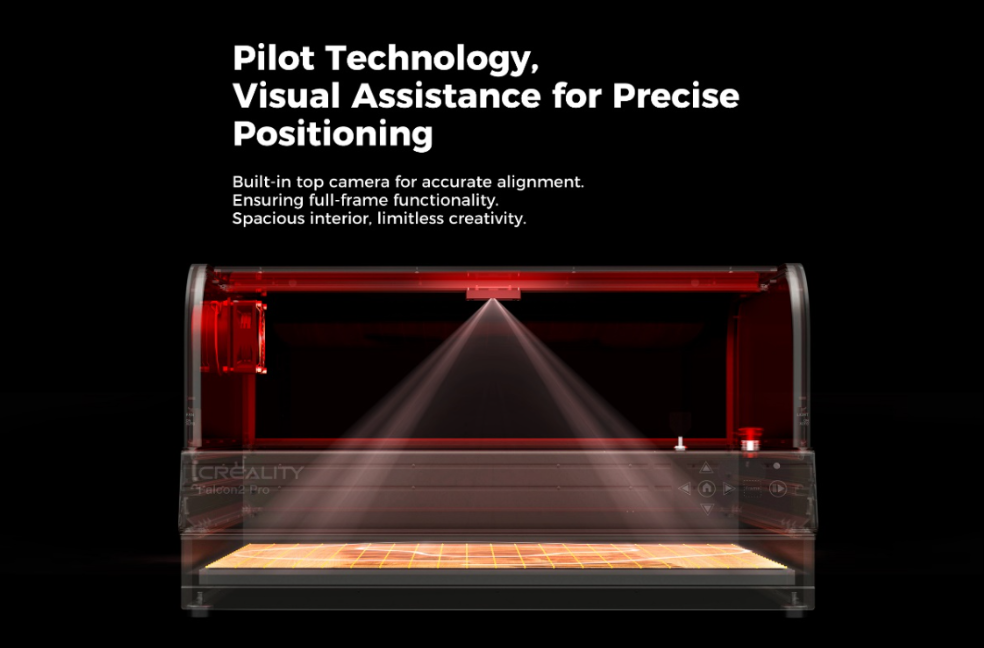
Equipped with built-in top cameras, the Falcon2 Pro ensures precise alignment for flawless creations. Whether tackling intricate designs or large-scale projects, the integrated camera technology guarantees unparalleled accuracy and compatibility.
Exceptional Cutting Capacity:
Versatility meets power with switchable laser modules, including 40W and 22W options. Additionally, a bonus 1.6W laser module is specifically designed for detailed engraving, further expanding the machine’s capabilities. With the ability to cut through materials up to 20mm thick, the Falcon2 Pro offers unparalleled freedom and flexibility in creative expression.
Compact Design, Expansive Workspace:
Despite its robust capabilities, the Falcon2 Pro maintains a compact footprint, making it the ideal companion for any workspace. With a generous working area of 15.7516.34 inches (400415mm), users can unleash their creativity without constraints.
Efficient Organization and Heat Dissipation:
The inclusion of a metal drawer design not only facilitates easy cleanup but also ensures a clutter-free workspace. Combined with fence-type protection strips and integrated air-assist technology, heat, and smoke dissipation are optimized for a cleaner, more efficient laser engraving and cutting experience.
Extensive Compatibility and Offline Capability:
Designed with user convenience in mind, the Falcon2 Pro boasts compatibility with a variety of operating systems and software, including Windows, macOS, LaserGRBL, and LightBurn. Additionally, offline creating is made effortless with TF card support, allowing users to unleash their creativity anytime, anywhere.
Rotary Engraving:
For those seeking to add a personalized touch to everyday items, the Falcon2 Pro offers rotary engraving capabilities. Paired with the Creality Rotary Kit Pro, users can effortlessly engrave exclusive marks on a variety of surfaces, from water cups to baseballs.
With the Creality Falcon2 Pro Laser Engraving Machine, the boundaries of creativity are redefined. From its unparalleled safety features to its exceptional cutting capacity and precision alignment, this innovative device empowers users to bring their visions to life with unparalleled ease and efficiency. Whether you’re a seasoned artisan or an aspiring hobbyist, the Falcon2 Pro is the ultimate tool for unlocking your creative potential. Embark on a journey of discovery and innovation, and let the Falcon2 Pro be your trusted companion in the pursuit of artistic excellence.
PS: Here is a code for Creality Falcon2 Pro laser engraving machine: FNPALL10.
Vivo is set to unveil its latest V30 series smartphone in Thailand on February 28. Before its official launch, details about the phone have already surfaced through leaks and certifications. Now, thanks to 91Mobiles, we have detailed insights into the camera specifications of the Vivo V30 Pro.
According to sources at 91Mobiles, the Vivo V30 Pro will feature a 50MP camera setup, featuring two top-tier Sony sensors.
Specifically, it will include a 50MP Sony IMX920 sensor for the primary camera and a 50MP Sony IMX816 sensor for the portrait lens. Besides this, there will be an ultra-wide-angle lens.
The report also says that the V30 Pro is claimed to offer the segment’s best portrait camera experience, courtesy of its impressive 50MP sensor. Additionally, both the V30 and V30 Pro models are said to feature a 50MP Eye AF selfie camera.
Furthermore, it’s highly likely that the V30 Pro will introduce a Zeiss-camera system, a first for the V series smartphones. The partnership will offer users exclusive Zeiss camera and video modes.
In terms of display, leaked specifications suggest that the Vivo V30 Pro will sport a curved-edge 6.78-inch AMOLED panel with a resolution of 1260 x 2800 pixels.
Under the hood, the device will be powered by the Snapdragon 7 Gen 3 chipset, coupled with 12GB of RAM and 512GB of storage.
Vivo V30 Pro image
Additionally, the smartphone is expected to come pre-installed with Android 14 and FunTouch OS 14, providing users with a smooth and feature-rich experience.
To keep the device running throughout the day, it will be equipped with a substantial 5000mAh battery, supporting 80W fast charging. Furthermore, the device will feature an IP54-rated chassis, measuring 164.4 x 75.1 x 7.5mm and weighing 188 grams.
Rumors are swirling about the integration of Huawei‘s StarLight (or NearLink) technology in its upcoming Huawei MateBook X Pro. This move promises to improve the user experience by offering lightning-fast wireless communication capabilities between StarLight-compatible devices such as the Huawei FreeBuds Pro 3.
Huawei says its StarLight tech offers 6 times faster transfer speeds while consuming less power
StarLight technology, also known as NearLink, boasts significantly faster data transfer speeds and ultra-low latency compared to traditional near-field wireless communication systems. Huawei says that StarLight consumes 60% less power while offering 6 times the transfer speed as compared to the traditional systems. If these speculations hold true, Huawei could be on the brink of setting a new standard for connectivity in the laptop market. StarLight is tailor-made for applications requiring high-speed data transfer and minimal delay, such as augmented reality and virtual reality.
The potential inclusion of StarLight technology in the Huawei MateBook X Pro represents a significant leap forward in wireless connectivity for its laptops. Currently, only a select few Huawei devices, including the immensely popular Huawei Mate60 series and MatePad Pro 13.2, support StarLight technology. If Huawei expands this capability to its MateBook lineup, users can expect a more seamless and efficient wireless experience within the ecosystem, whether they’re transferring files, streaming media, or engaging in interactive content.
The move comes amidst a shifting landscape in the personal computer market, particularly in mainland China. Despite a 16% year-on-year decline in shipments of personal computers in mainland China during the third quarter of 2023, Huawei has emerged as the third largest laptop manufacturer in terms of market share. With sales surpassing industry stalwarts like Dell and Asus, Huawei’s strategic positioning underscores its commitment to innovation and meeting evolving consumer demands.
As Canalys predicts a modest 4% growth in personal computer sales in mainland China for 2024, Huawei appears poised to capitalize on this momentum with its forward-thinking approach to technology integration.
Casio has unveiled new G-SHOCK watches in collaboration with K-POP group ITZY, aimed at fans worldwide. Available in beige pink, white, and translucent black, these watches feature ITZY’s logo and multicolor accents inspired by the group’s official ring lights.
As ITZY’s first official partnership with G-SHOCK, this release highlights the group’s global appeal since its 2019 debut, particularly among young women in Asia. The watches are designed with a compact, octagonal bezel, fitting the group’s image and making fashion coordination easy for fans.
In addition to their stylish appearance, these watches are eco-friendly, made with bio-based resin materials. Special packaging includes ITZY’s printed signatures, making the watches collectible items for fans.
These watches are equipped with essential features for the modern user. They offer world time functionality covering 31 time zones, a 1/100-second stopwatch for precise timing, a countdown timer, and five daily alarms for personal management. Enhanced with a double LED light for clear visibility in low light, these watches also boast a full auto-calendar set until 2099, a mute function for quiet environments, and a hand shift feature that ensures the digital display is always visible.
The watch will be released in multiple regions across Asia, starting with Japan on March 8, with a price tag of 19,800 yen (~$132).
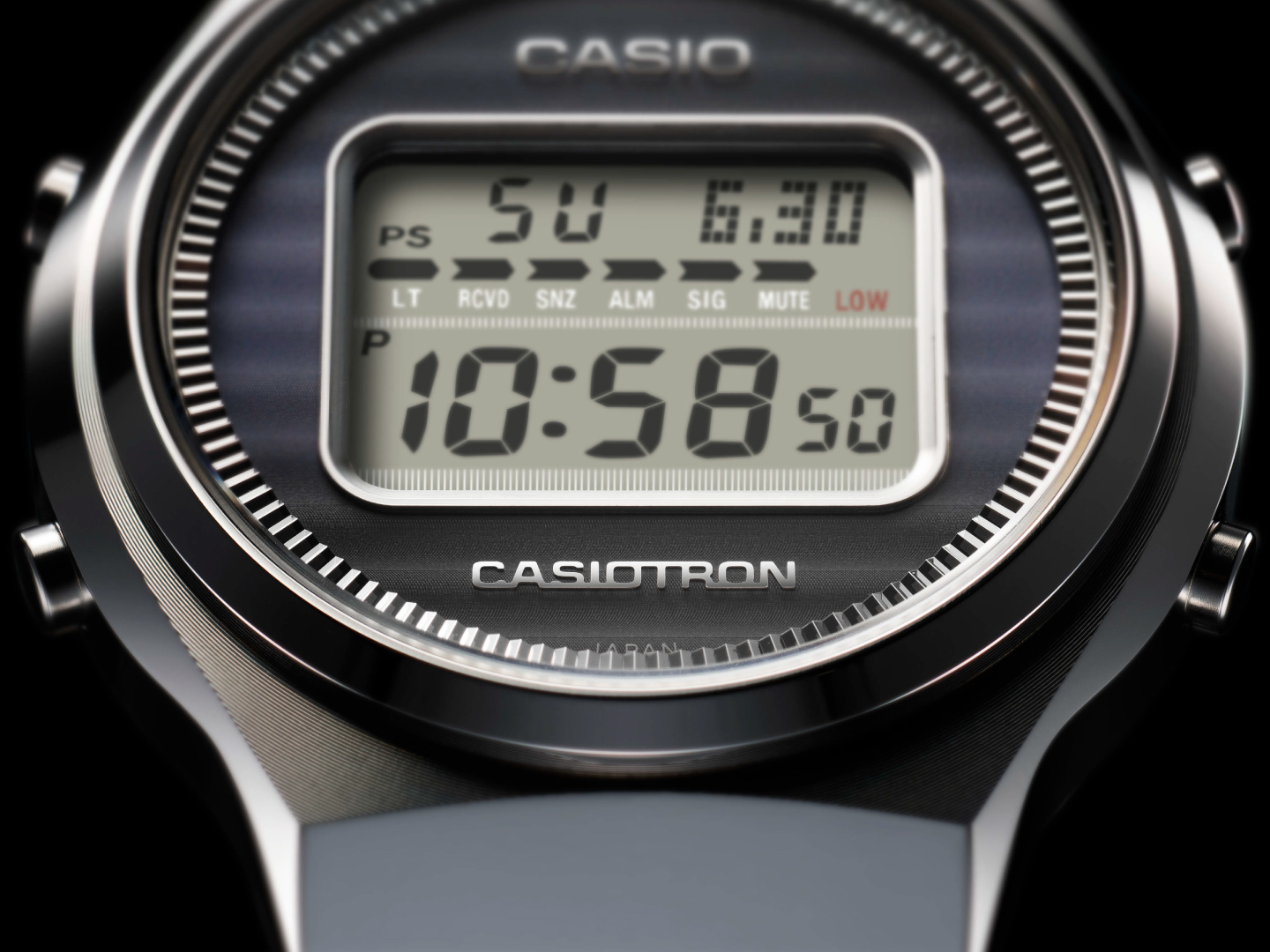
In related news, Casio has launched the Casiotron 50th Anniversary TRN50-2A watch, celebrating five decades since the debut of the original Casiotron, the first digital watch with an automatic calendar.
Oppo debuted its first smartwatch called Oppo Watch in 2020. It was announced alongside the Oppo Find X2 series in March of that year.
The wearable was released in select global markets later that year. To date, it remains the only proper smartwatch from the company to launch outside mainland China.
Almost four years after its original debut, the smartwatch’s official straps were sold at the lowest price ever earlier today in China.
The Oppo Watch was released in 41mm and 46mm variants. Both variants use different-sized straps.
The official straps for the wearable not only come in various colors but are also made of different materials. Users can choose between fluoro rubber, nylon, leather, and stainless steel.
These straps carry varying price tags. However, for a limited time, all of them were up for sale for just ¥1 each earlier today. This clearance sale was live on Oppo’s official website.
It was a steal deal for someone owning an original Oppo Watch in China. However, we don’t think there are many active users of a nearly 4-year-old wearable, which was released with an outdated 28nm Qualcomm Snapdragon Wear 2500 chip even during its time.
We don’t know how long the company provided software support for this wearable. The Chinese version boots the ColorOS Watch based on AOSP, while the global variant with a better Snapdragon Wear 3100 chipset shipped with Wear OS.
As far as specs are concerned, the original Oppo Watch offers a 1.91 OLED display with curved edges, 1GB RAM, 8GB storage, single-band WiFi, Bluetooth 4.2, and optional eSIM.
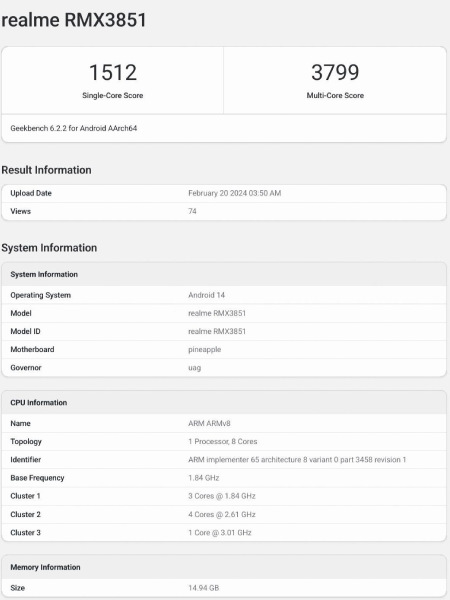
A new Realme smartphone, with the model number RMX3851, has been spotted on the benchmarking platform, Geekbench. Although the official name of the phone isn’t known yet, the listing reveals that it’s powered by a top-tier processor.
The Realme RMX3851 runs on a SoC code-named “pineapple” (model number Snapdragon SM8635). This chip has been the subject of speculation before and is said to belong to the Snapdragon 8 series, possibly a slightly toned-down version of the Snapdragon 8 Gen 3 processor.
The “pineapple” codename further supports this theory, as it aligns with the Snapdragon 8 Gen 3’s internal codename.
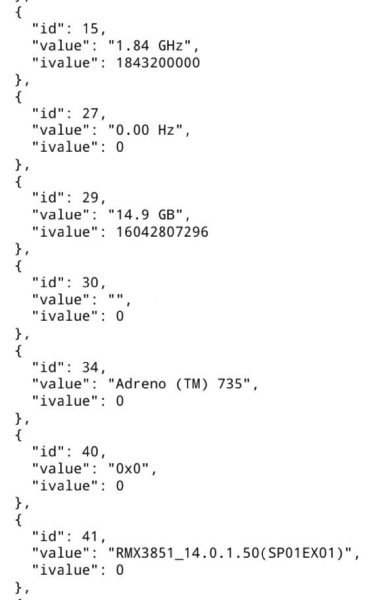
Anyway, the listing shows an octa-core architecture for the “pineapple” chip. It has a clock speed of 3.01GHz for its high-performance core, 2.61GHz speed for the four performance cores, and 1.84GHz clock speed for the three efficiency cores. Additionally, it features an Adreno 735 GPU for graphics
With these specifications, this new mysterious Realme smartphone is able to achieve a Geekbench score of 1512 in the single-core test and 3799 in the multi-core test. The listing also reveals that the phone runs on the latest Android 14 OS and will offer up to 16GB of RAM.
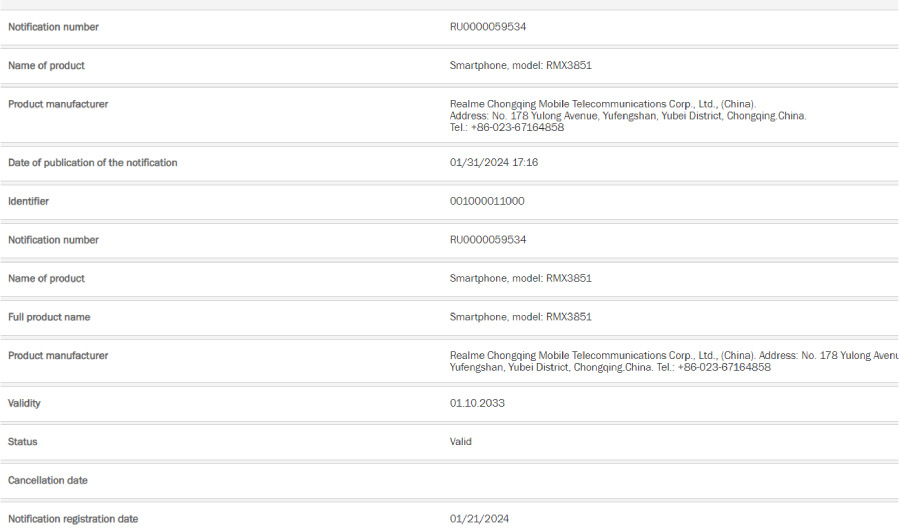
In addition to the Geekbench listing, the Realme RMX3851 has also been certified by the EEC, but the certification doesn’t reveal any further details about the device. It’s likely that additional details about this smartphone will surface in the coming weeks or months.
While details on the RMX3851 remain uncertain, Realme is actively preparing to launch the Realme 12+. It’s an affordable addition to the Realme 12 series and is currently set to debut in Malaysia, with a possible India launch in early March.
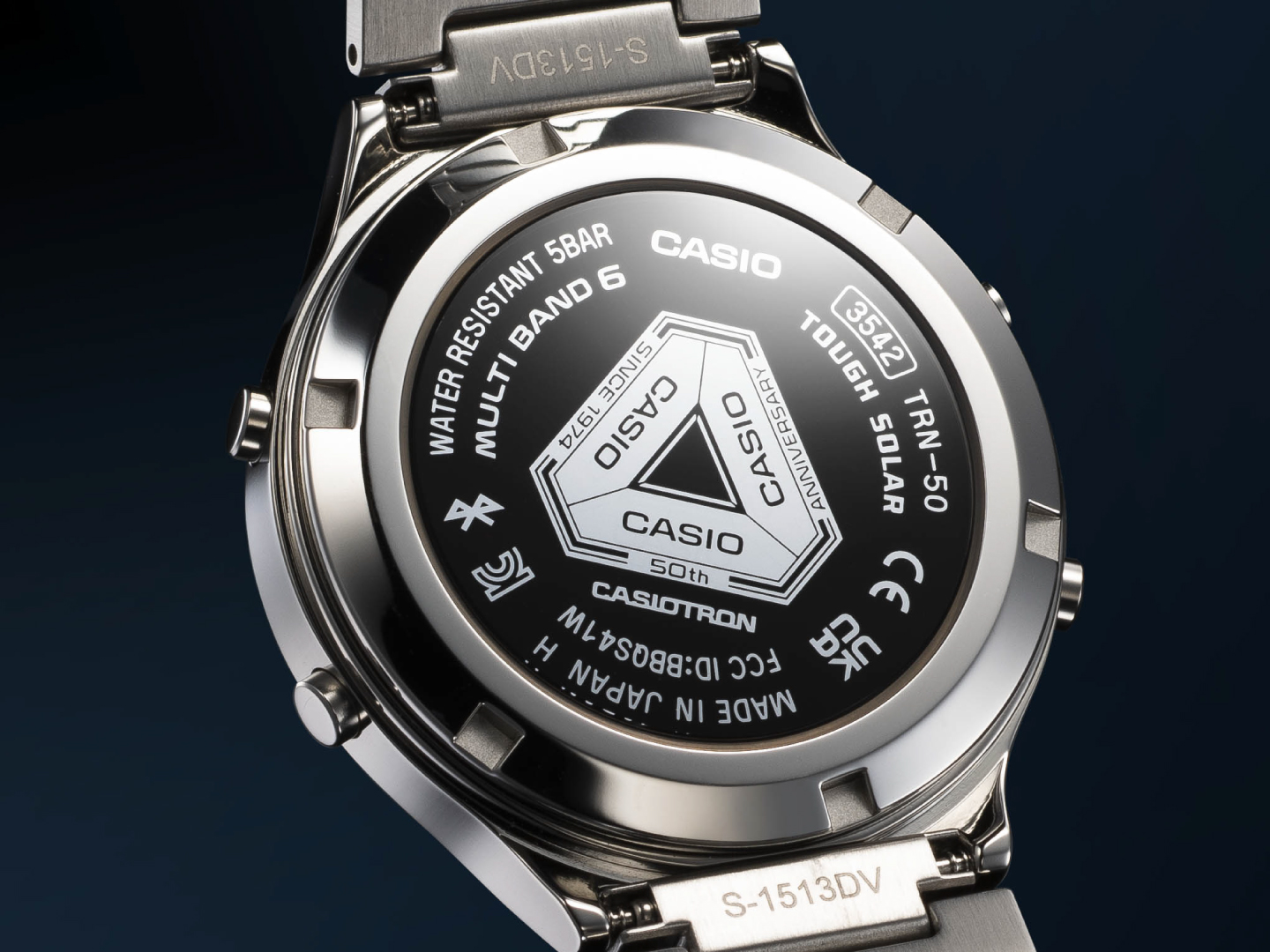
Casio has launched the Casiotron 50th Anniversary TRN50-2A watch, celebrating five decades since the debut of the original Casiotron, the first digital watch with an automatic calendar. This limited-edition model, available for $500, combines the classic design of the 1974 original with modern technology, including Bluetooth connectivity, radio wave reception for accuracy, and solar power.
Tom Kato, Chairman of Casio America, highlighted the significance of the original Casiotron in digital timekeeping innovation. The new TRN50-2A, with only 4,000 units produced, offers advanced features like 50-meter water resistance, an LED backlight, and world time display for 39 cities, ensuring it meets contemporary needs while honoring its heritage.
The watch’s integration with smartphones through the CASIO Watches app enables automatic time zone updates and other functionalities. It also sports a unique case back design commemorating its 50th anniversary, with each piece numbered to highlight its exclusivity.
While pre-orders in Japan and America have sold out, potential buyers might have to wait for the resale market following its release on February 29, 2024.
In related news, Casio launched the RANGEMAN series of watches last month aimed at adventurers and outdoor enthusiasts. These watches are built to endure extreme conditions, featuring resistance to shocks, dust, mud, and water, making them ideal for outdoor activities.
We’ve been hearing rumors about Tecno gearing up to launch the Spark 20C smartphone in India for some time now. Finally, Tecno has officially started teasing the device’s launch in the country.
Today, the company took to its official Twitter handle to tease the launch of the Tecno Spark 20C smartphone in India. While the teasers are light on details, they do reveal the phone’s camera layout, volume controls, and power button (which likely doubles as a fingerprint scanner).
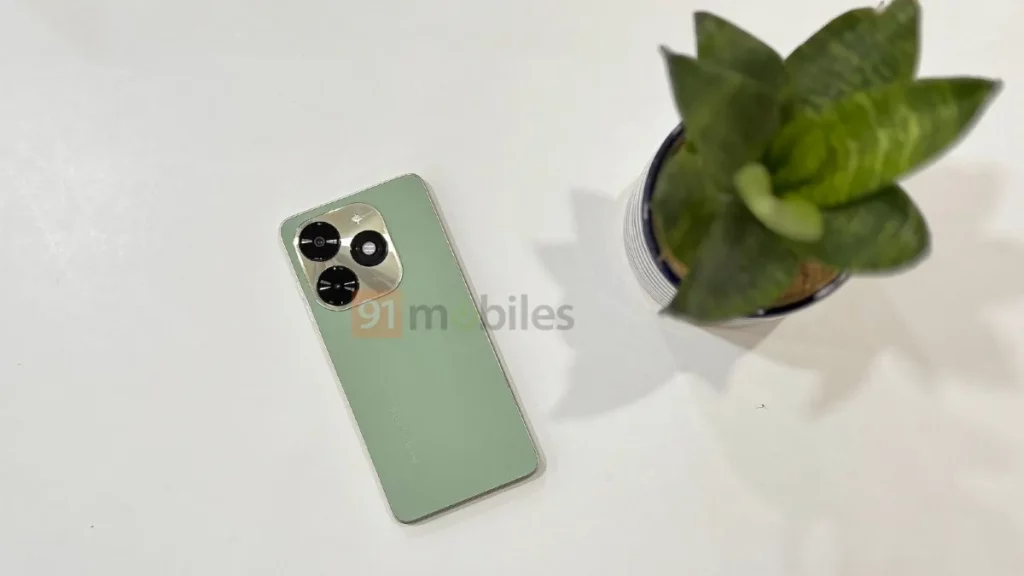
A real-life image of the smartphone surfaced earlier this week, showing the device in a textured green back panel with a contrasting gold-toned camera module. Besides this, we can also expect other color options during the launch.
For those unaware, the Tecno Spark 20C was initially launched globally in November, last year. But it’s uncertain if the Indian release will mirror the specifications of the global model. Nevertheless, let’s quickly recap the features of the global model.
The Tecno Spark 20C features a 6.6-inch HD+ (720 x 1612 resolution) 90Hz LCD display. It is powered by an octa-core processor, and is coupled with 4GB and 8GB RAM options along with 128GB native storage
The camera setup of the device includes a 50 MP main camera with an AI lens on the rear and an 8MP front camera for selfies and video calls.
The smartphone offers a 5,000 mAh battery and 18W charging for ample power and quick charging.
Connectivity options include GPS, WiFi, Bluetooth, FM, and OTG. It runs on the Android 13 operating system and incorporates a side fingerprint sensor for secure unlocking.
The device also features a self-developed Dynamic Port for notifications. Last but not least, the smartphone features a dual speaker setup for audio.
Denza, BYD‘s high-end brand that sells premium vehicles, has announced an enticing limited-time offer for its Denza D9 model. Running from February 19 to February 25, just before the launch of the YangWang U9, customers are invited to seize a special offer that enables them to purchase the Denza D9, including both the DM-i and EV models, at a discounted rate. Buyers who successfully issue a unified invoice for motor vehicle sales during this period will get to enjoy a cash discount of 25,000 yuan along with receiving 70,000 points.
The Denza D9 presents consumers with the choice between plug-in hybrid and pure electric models
The DM-i variant features a SnapCloud plug-in hybrid dedicated 1.5T turbocharged engine, offering impressive pure electric cruising ranges of 50km, 98km, 180km, and 190km under NEDC operating conditions. On the other hand, the pure electric version boasts a CLTC operating range of up to 620km. With an official guide price ranging from 349,800 to 465,800 yuan (excluding the founding edition), the Denza D9 provides both performance and efficiency in a sleek package.
In light of its stellar performance in the market, Denza continues to solidify its position as a leader in the domestic all-category MPV market. With an impressive sales record of 119,000 units in 2023, the Denza D9 has consistently outperformed its competitors.
Even as the new year unfolds, Denza maintains its strong momentum, as evidenced by the January sales figures where the Denza D9 DM-i variant alone sold 8,030 units. This achievement not only reaffirms Denza’s position in the MPV market but also highlights its ability to meet the evolving needs and preferences of consumers.
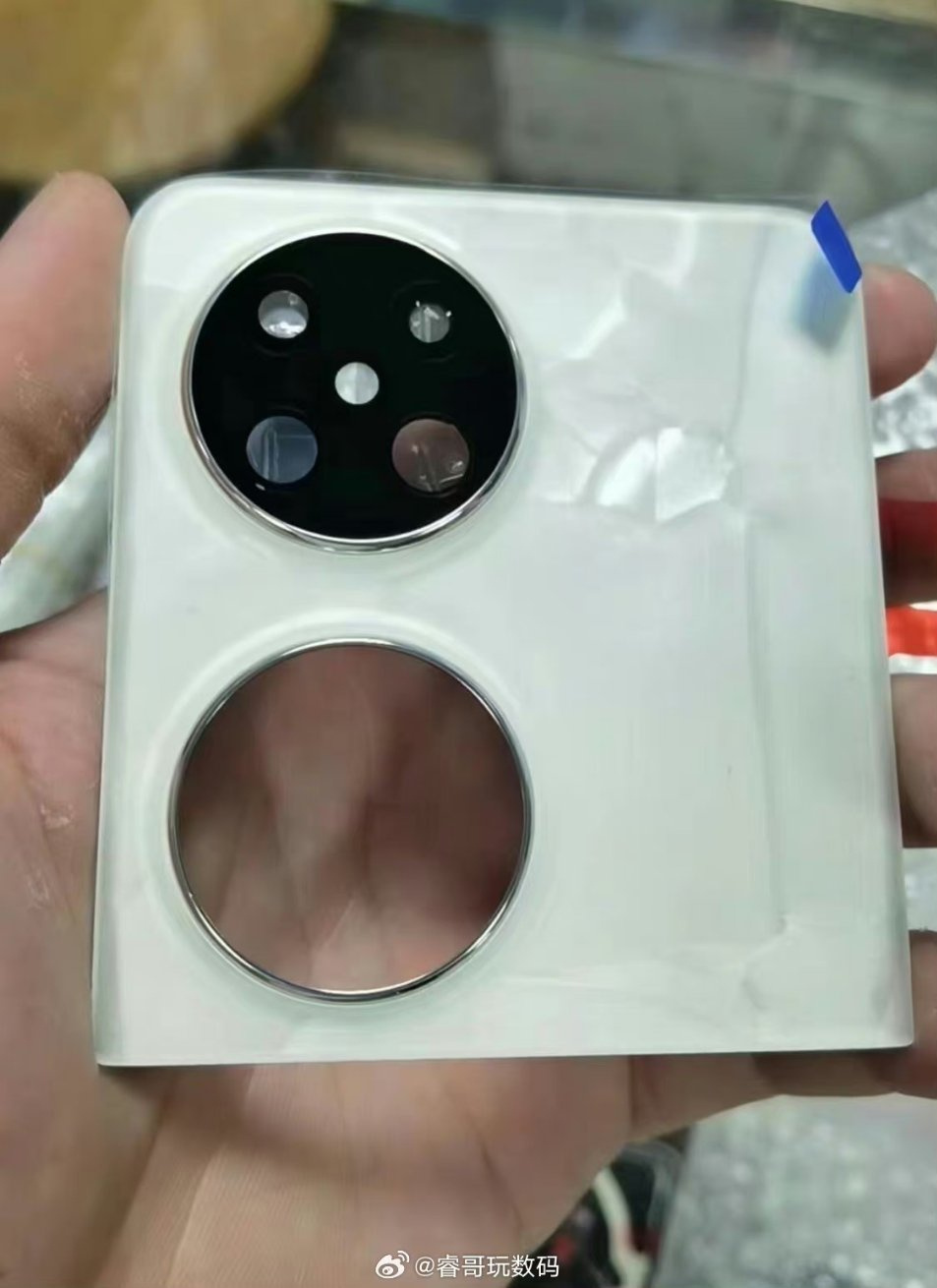
Huawei recently confirmed that it will unveil the Pocket 2 flip-style foldable phone on Feb. 22 in China. Reports have claimed that it will have the same design language as the predecessor Pocket-branded models. It is also being said that the device will come in purple, black, and white options. However, leaked shots that have appeared today reveals that it may come in few more color options.
Huawei Pocket 2 live shots
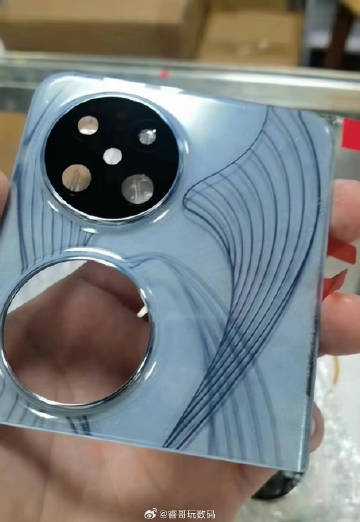
A tech blogger has shared live shots of the Huawei Pocket 2’s rear panels. As can be seen, the images suggest that the device will also come in blue and green options. The images show that its rear panel has dual circular cutouts, one for the camera setup and the other one for the secondary display.
It is unclear whether these rear panels are made up of glass. Reports have claimed that the purple edition of the Pocket 2 will have a leather back, while the black and white variants may feature a glass back. It is said that the device will also come in a custom version with “Art” branding.
Huawei Pocket 2 specifications (rumored)
The rumor mill has leaked the Pocket 2 specifications in bits and pieces. There is no word on the display size and camera configurations of the device. It is said to feature the Kirin 9000S chipset and a 4,520mAh battery with 66W fast charging.
The device will be equipped with 12 GB of RAM, 512 GB of storage, and Harmony OS 4. When it comes to build, the device will have a waterproof build equipped with a side-facing fingerprint scanner. It is also said to support messaging via satellite connectivity.
Huawei has also confirmed that it will announce the Freelace Pro 2 Bluetooth neckband alongside the Pocket 2 on Feb. 22. However, detailed information about the device is currently scarce.
Vivo is reportedly working on its next lineup of foldable phones, the X Fold 3 series. While there have been rumors circulating about these devices, a recent leak by Ice Universehas revealed an interesting feature of these foldables.
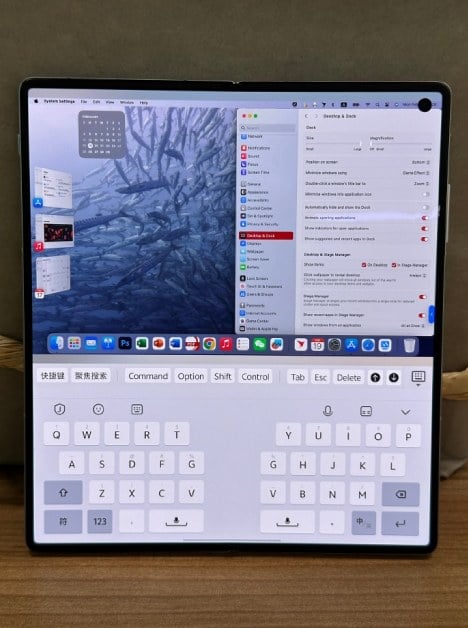
The tipster shared a set of images on Weibo allegedly showing the Vivo X Fold 3. The device appears to have noticeable screen bezels and a punch-hole camera cutout on the right.
The standard volume and power buttons are split between the right and left sides, respectively. And, as expected, the device also features an external screen.
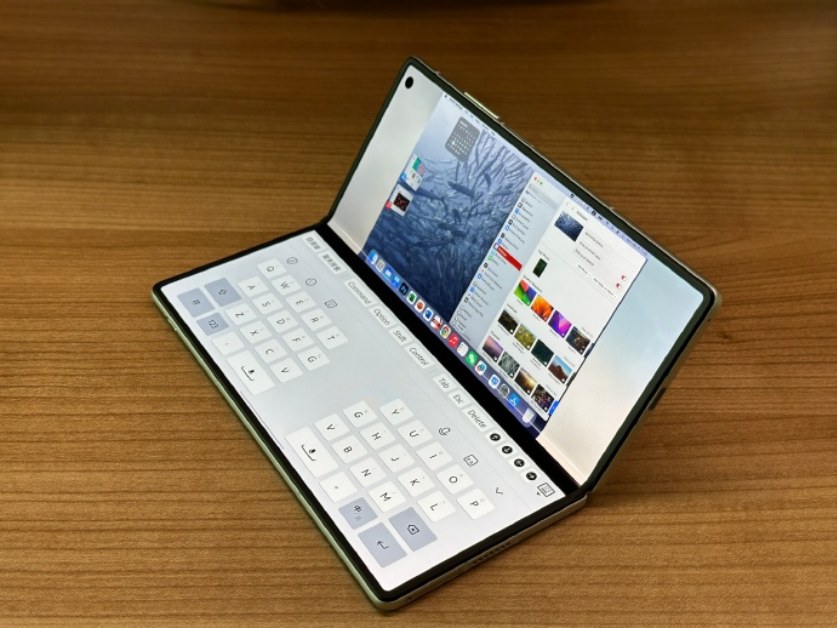
While these are the expected features, something interesting the tipster showed in the leak is Vivo X Fold 3 displaying a macOS interface.
Ice Universe suggests the foldable will be able to “remotely control Mac.” Another Weibo user, WhyLab, confirmed the authenticity of the leaked images and also backed up Vivo’s remote Mac control feature.
Details are scarce, but if true, this feature could be a major draw for Apple users interested in a foldable device. How Vivo has enabled this macOS-like experience is unclear – the feature could range from simple Mac screen mirroring to more advanced controls.
Regardless, the functionality makes sense for a foldable device, as the larger screen of a foldable would certainly be more conducive to multitasking compared to a regular smartphone.
Additionally, a separate leak from tipster Digital Chat Station reveals upgrades to the X Fold 3’s display.
As per the tip, Samsung Display will reportedly supply internal foldable screens for both the X Fold 3 and X Fold 3 Pro, with a higher resolution of 2480 x 2200 pixels (up from the X Fold 2’s 1916 x 2160). Similarly, the outer display is said to have a resolution of 2748 x 1172 pixels; up from 1080 x 2520 pixels on Fold 2.
Moreover, DCS suggests Vivo will use fiberglass material in the foldables, and the vanilla X Fold 3 will likely have a 5,600mAh battery.
Xiaomi enthusiasts have reason to rejoice as the tech giant officially announced that it will release the Redmi Book Pro 14/16 2024 notebooks on the evening of February 22. The new notebooks are set to debut at the Xiaomi 14 Ultra conference. The Redmi Book Pro 14/16 2024 notebooks promise a host of impressive features such as the Xiaomi HyperOS Connect that are designed to elevate the user experience through seamless integration with mobile phones, tablets, and other Xiaomi devices.
A narrow-border 3.1K 165Hz LCD screen
The Redmi Book Pro 2024 is set to offer a 3.1K flagship LCD screen boasting a remarkable 165Hz high refresh rate. It ensures smooth visuals and enhanced clarity, which can be very helpful in certain scenarios such as viewing small-sized text. Additionally, early reports suggest that the notebook will be powered by Intel Core Ultra 5/7 processors, promising performance and power efficiency gains.
One of the notable features of the Redmi Book Pro 2024 is its performance capabilities, with the ability to reach up to 70W performance boost. This, coupled with the introduction of “Al dynamic performance scheduling technology,” ensures optimal performance across various workloads, from productivity tasks to multimedia consumption. Furthermore, advancements in battery life (as a result of the power efficiency gains) signify a significant leap forward, with the device boasting the capability to last an entire day on a single charge, providing convenience for users on the go.
Integration with Xiaomi HyperOS
The integration of Xiaomi HyperOS further enhances the Redmi Book Pro 2024’s appeal, signaling Xiaomi’s commitment to a seamless ecosystem experience. By merging the notebook business into the mobile phone department and leveraging the “industrial capabilities of mobile devices”, Xiaomi aims to empower users with a cohesive and interconnected ecosystem.
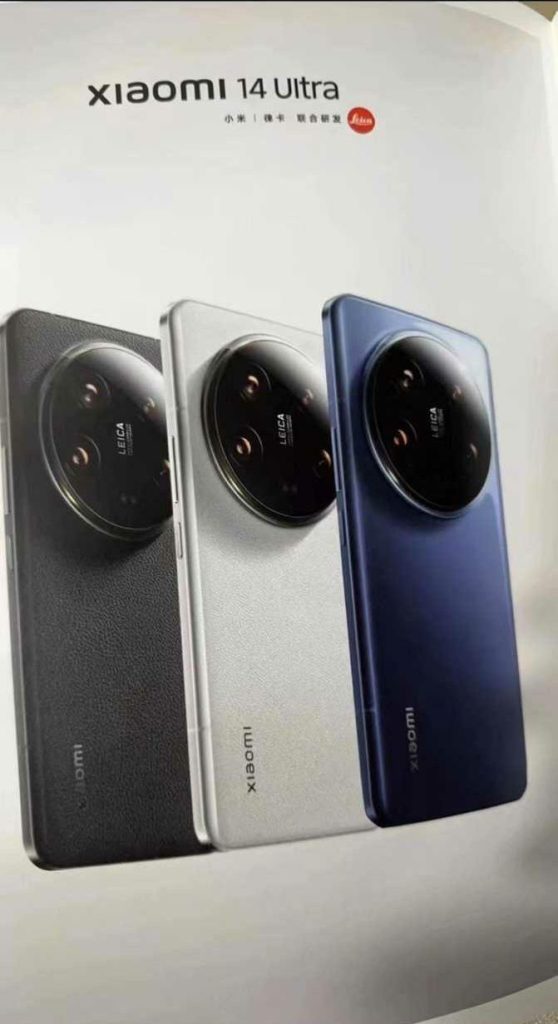
Xiaomi will announce the Xiaomi 14 Ultra on Feb. 22 in China. Ahead of the launch, the brand has released a couple of posters to showcase the white and black editions of the device. Rumors have claimed that the device will be also available in blue option in China. However, the company hasn’t officially confirmed it yet. A leaked image that showcases all three color options is now being circulated on Weibo, giving the first look at the blue edition.
Xiaomi 14 Ultra color options
Leaked poster reveals Xiaomi 14 Ultra color options
The Xiaomi 14 Ultra’s black and white editions have a leather-textured rear panel, whereas the blue variant is said to have a glass back. Speculations are rife that the 14 Ultra will also have a special titanium version. It appears that the global market will only receive the white and black editions of the device.
It is also being said only the 16GB+1TB version of the Xiaomi 14 Ultra will come in a titanium option along with color variants. Speaking of variants, it is expected to other configurations, such as 12 GB RAM + 256 GB storage and 16 GB RAM + 512 GB storage. It is speculated that the 16GB+1TB variant of the device could be priced at 7,299 Yuan (~$1,015).
Xiaomi 14 Ultra specifications (rumored)
According to reports, the Xiaomi 14 Ultra will have a 6.73-inch AMOLED panel with micro-curvature. It is expected to offer a 2K resolution, a 120Hz refresh rate, and an optical in-screen fingerprint sensor. The device will be powered by the Snapdragon 8 Gen 3, LPDDR5x RAM, UFS 4.0 storage, and run on Android 14 with a layer of HyperOS.
The 14 Ultra will have a 5,300mAh battery with 90W wired and 50W wireless charging. It will have a 32-megapixel front camera, and a 50-megapixel (LYT-900) + 50-megapixel (IMX8585 ultra-wide) + 50-megapixel (IMX858, 3.2x telephoto) + 50-megapixel (IMX858, 5x periscope) quad-camera system.
We use cookies on our website to give you the most relevant experience by remembering your preferences and repeat visits. By clicking “Accept”, you consent to the use of ALL the cookies.
This website uses cookies to improve your experience while you navigate through the website. Out of these, the cookies that are categorized as necessary are stored on your browser as they are essential for the working of basic functionalities of the website. We also use third-party cookies that help us analyze and understand how you use this website. These cookies will be stored in your browser only with your consent. You also have the option to opt-out of these cookies. But opting out of some of these cookies may affect your browsing experience.
Necessary cookies are absolutely essential for the website to function properly. This category only includes cookies that ensures basic functionalities and security features of the website. These cookies do not store any personal information.
Any cookies that may not be particularly necessary for the website to function and is used specifically to collect user personal data via analytics, ads, other embedded contents are termed as non-necessary cookies. It is mandatory to procure user consent prior to running these cookies on your website.