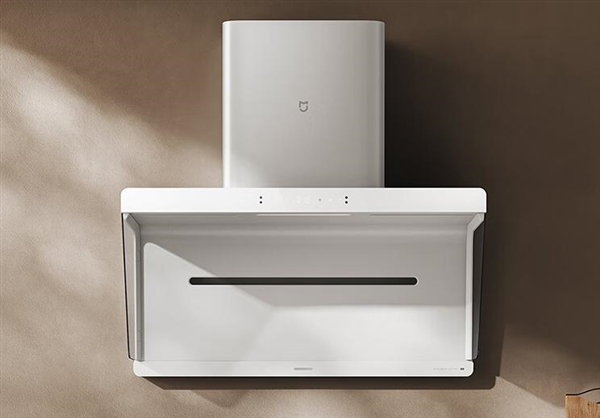
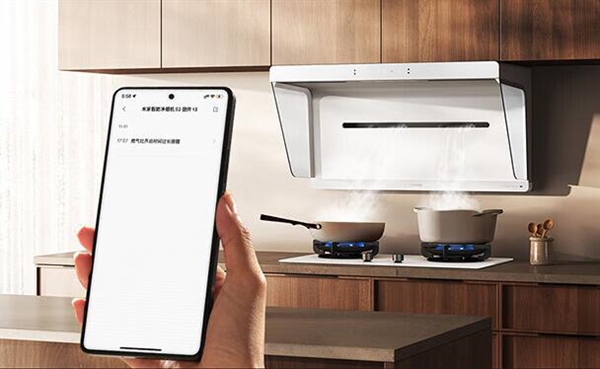
Xiaomi has launched the MIJIA Range Hood S2 which consists of a smart smoke purifier and stove set. The new MIJIA smoke purifier is equipped with dynamic particle capture technology for excellent smoke management.
Features
The MIJIA Range Hood S2 is capable of solving the problem of oil smoke, suction, and discharge of smoky odor, PM2.5, and other fine particles. It forms a safe breathing triangle area and generates anti-emissions through the front BLDC fan. It also creates a barrier air curtain.
The MIJIA Range Hood S2 smoke purifier has a built-in PM2.5 detector that monitors the kitchen air in real-time. If PM2.5 exceeds the standard, it will automatically turn on the machine. The Range Hood S2 also supports gesture controls like swiping right to turn it on, swiping left to turn it off, and continuing to swipe right to adjust the wind force.
The new MIJIA smoke purifier can be remotely controlled via the MIJIA app or Xiaoai voice commands. You can use the app or Xiaoai Audio to set cleaning reminders, enable smart dry cleaning, and several other functions. The stove supports 1-180 minute timing and will automatically turn off the gas when the set time is reached. It also has a 5,200W ultra-high firepower and 68% thermal efficiency. The MIJIA app reminds the user after the smoke purifier has operated continuously for one hour as a safety measure to prevent accidents.
Pricing & Availability
The MIJIA Range Hood S2 smoke purifier is priced in China at 3,699 yuan ($518). It is available on several e-commerce platforms like JD.com. There is no global availability and pricing information yet for the MIJIA Range Hood S2. The global optics for the new MIJIA kitchen smoke purifier could be released shortly, however.
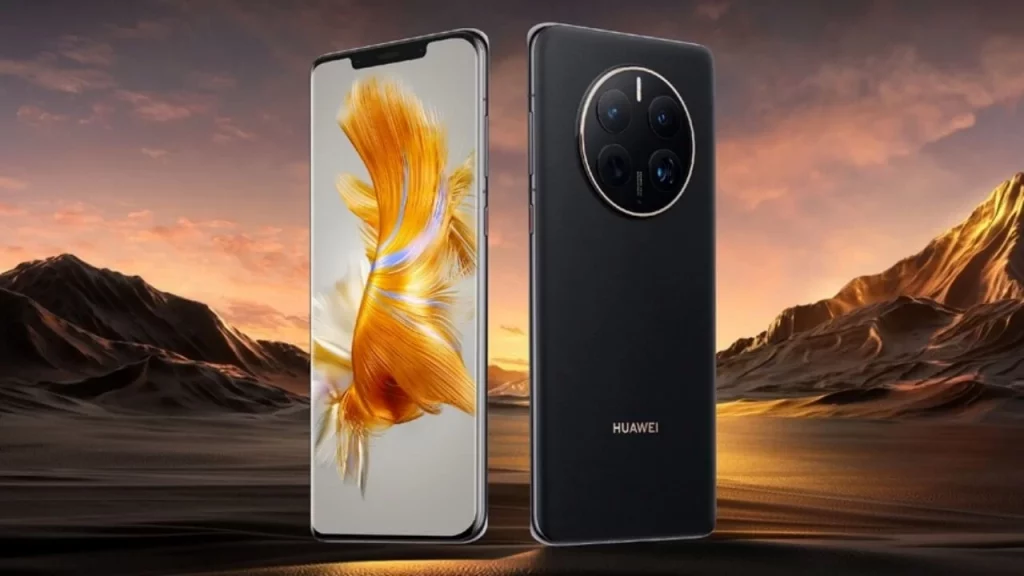
Smartphone prices are increasing constantly Unfortunately, consumers aiming to buy a high end flagship phone should expect to spend $1000 or even more. However, there are cheaper alternatives to consider. For example, refurbished models of Huawei Mate 50/Pro and Pocket S are currently on sale at the official Huawei stores. Here are the details…
Huawei Mate 50 & Pro, Pocket S Refurbished Models Now Up for Grabs at Budget-Friendly Prices!
Advancing technology doesn’t just increases the prices of smartphones but also boosts their performance. Take my iPhone 14 Pro Max, for example. It’s powerful enough to meet my daily needs without any problems, both today and for the next few years. Despite this, many of us switch phones every one or two years. As a result, older models enter the second-hand market, meeting buyers at reasonable prices.
However, buying second-hand phones can be quite problematic. At this point, refurbished models come to the aid of users seeking some form of assurance. Today, many manufacturers and specialized companies are now offering refurbished phones, including Huawei. For example, you can now purchase refurbished models of the Mate 50/Pro and Pocket S at prices ranging from 3,699 to 4,499 yuan, with the Pocket S available at 3,899 yuan.
Feature
Mate 50
Mate 50 Pro
Pocket S
Display
6.7″ OLED, 120Hz refresh rate
6.74″ OLED, 120Hz refresh rate
6.4″ OLED, 120Hz refresh rate
Processor
Snapdragon 888 4G
Snapdragon 8 Gen 1 4G
Snapdragon 888 4G
RAM
8GB LPDDR5
8GB LPDDR5
8GB LPDDR5
Storage
128GB/256GB UFS 3.1
128GB/256GB/512GB UFS 3.1
128GB/256GB UFS 3.1
Rear Camera
50MP (main) + 12MP (ultrawide) + 12MP (telephoto)
50MP (main) + 50MP (ultrawide) + 64MP (telephoto)
40MP (main) + 13MP (ultrawide)
Front Camera
13MP
13MP
40MP
Battery
4400mAh
4700mAh
4000mAh
Operating System
HarmonyOS 3
HarmonyOS 3
HarmonyOS 3
Other Features
IP68 dust/water resistance, Fingerprint sensor, Face unlock
IP68 dust/water resistance, Fingerprint sensor, Face unlock
IP53 dust/water resistance, Fingerprint sensor, Face unlock
Huawei has introduced its FreeClip Open-Ear Buds globally, initially debuting in the UK and EU. The latest unveiling took place at the Huawei Nova 12 series launch event, marking the availability of the FreeClip Open-Ear Buds in the brand’s home country, China.
Huawei FreeClip Open-Ear Buds specs:
What’s unique about the FreeClip Open-Ear Buds is the fact that it’s the industry’s first open headset that doesn’t differentiate between left and right ears. Weighing only 5.6g in a single ear, they prioritize a comfortable and balanced listening experience.
The FreeClip, comprising the Comfort Bean, Acoustic Ball, and C-bridge section, prioritizes both comfort and functionality. The ergonomic Comfort Bean seamlessly fits the ear contours, the Acoustic Ball eliminates potential discomfort, and the C-bridge incorporates adaptive sensors and a thin cantilevered beam with nine core wires.
The earbuds include the ability to connect to two devices simultaneously, supporting SBC, AAC, and L2HC. The earbuds are compatible with both Android and iOS devices, promoting versatility. Additionally, they hold an IP54 rating for water and dust resistance, ensuring durability in various environments.
The FreeClip has an impressive 36 hours of battery life. On a single charge, it can last for up to 8 hours. Fast charging is supported, offering 3 hours of listening in just a 10-minute charge, with a full charge taking a mere 40 minutes.
Pricing & availability
The Huawei FreeClip Open-Ear Buds are available in two color options: starry black and streamer purple. It has a price tag of 1,299 yuan ($182).
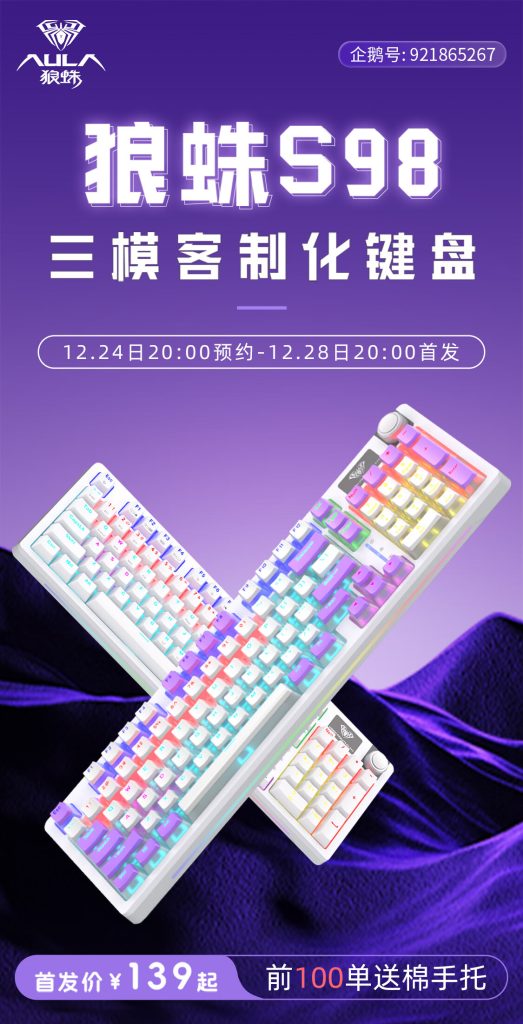
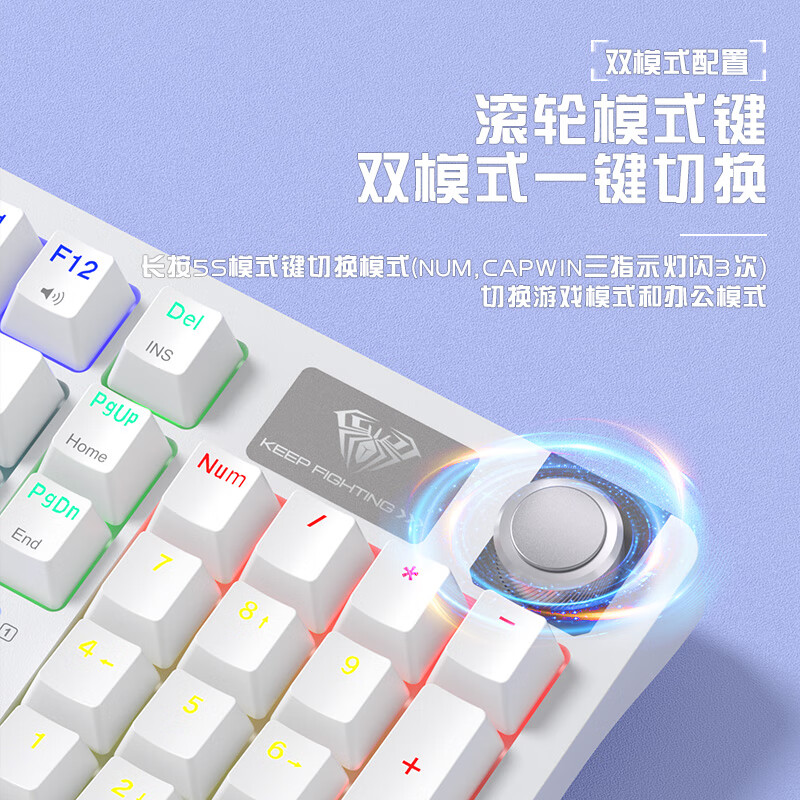
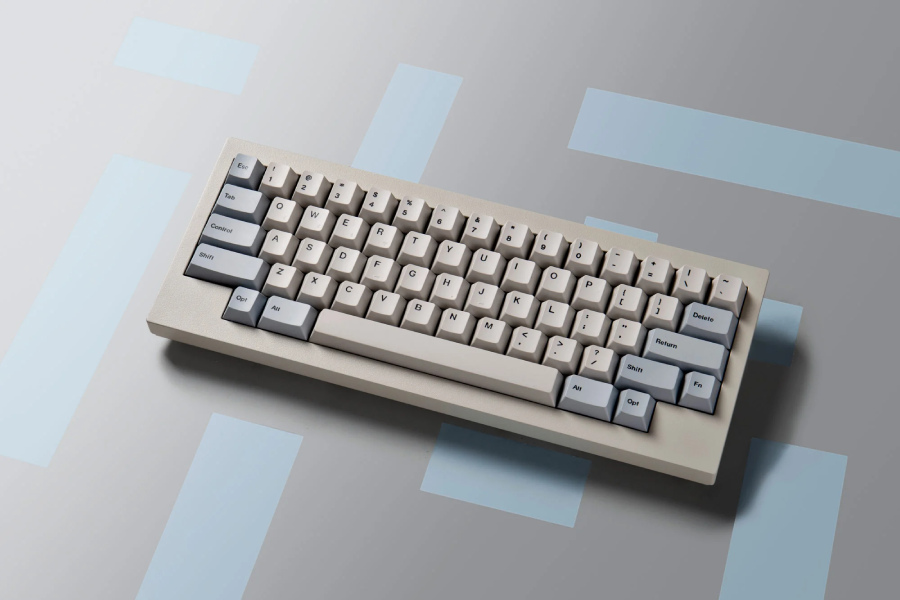
Aula has released the S98, a versatile mechanical keyboard suitable for both gaming and office use. It is priced at 139 Yuan ($19) and is currently available for pre-order on JD.com. Let’s check out the key specs of this keyboard.
Aula S98 Keyboard Specifications:
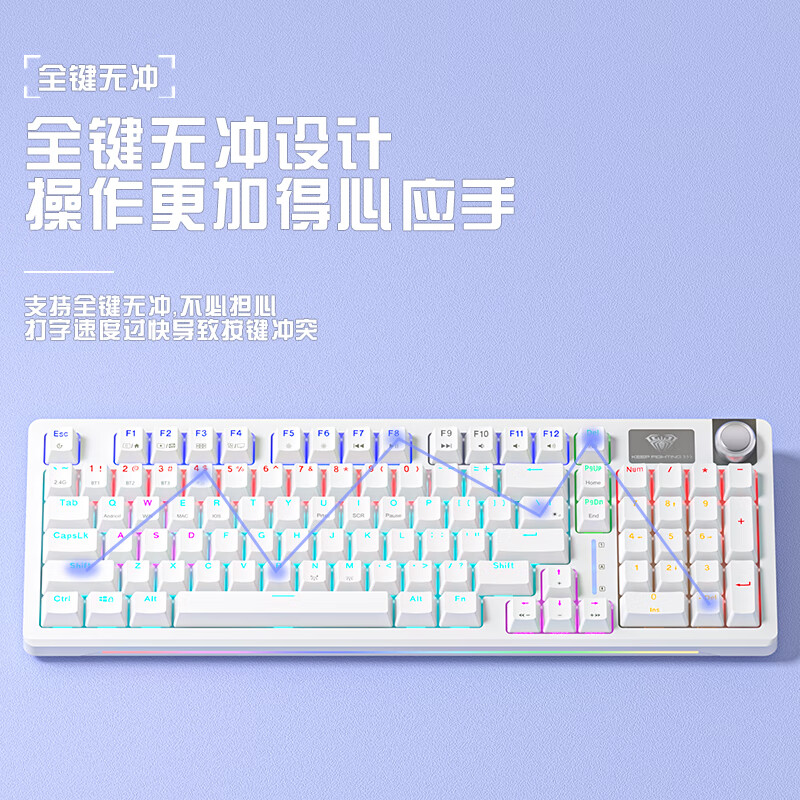
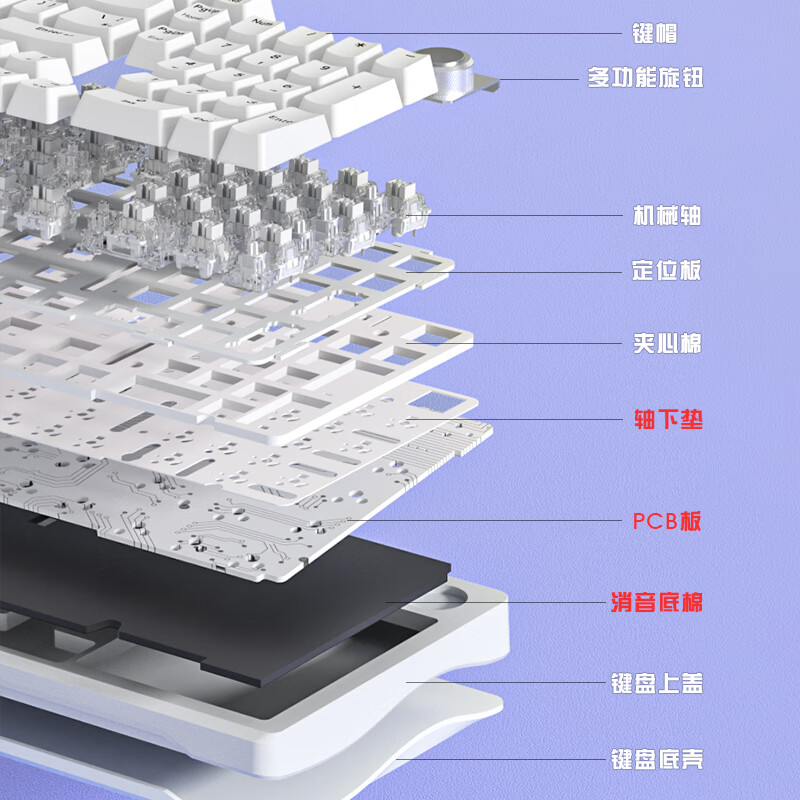
Aula S98 features a compact 98-key layout, providing a space-efficient design while retaining a full numeric keypad. Its structure includes a gasket setup, ensuring a smooth typing experience by reducing the resonance during key presses. This structure is complemented by full-key rollover design and hot-swappable switches, allowing for easy customization and uninterrupted performance.
Aula S98 provides a variety of switch options, including Blue, Black, Brown, and Red switches. It also offers a selection of materials for switches, such as EXPE cotton, sandwich cotton, PE, bottom cotton, and memory foam, including Aula’s Precision Satellite Switches. These options cater to a wide range of user preferences, offering diverse tactile experiences.
The keyboard boasts impressive lighting features, including top lighting and a bottom gradient light strip, offering dynamic lighting effects and serving as visual indicators for battery level and mode settings.
In terms of battery, the keyboard is equipped with a robust 4000mAh rechargeable lithium battery. With the default lighting effects enabled, the keyboard can last approximately 66 hours, and with lighting effects turned off, it extends to about 266 hours or around 12 days.
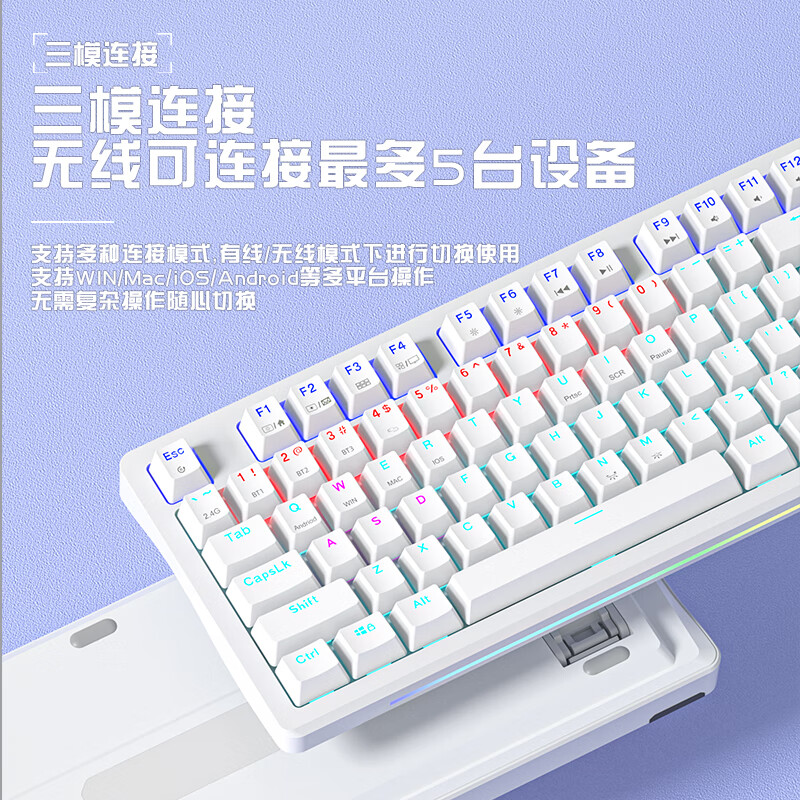
The S98 keyboard stands out with its triple-mode connectivity, supporting wired (Type-C), 2.4G, and Bluetooth connections. It enables easy switching between up to five devices, making it versatile for different setups. It also features a “Mode Key” for switching between Gaming and Office modes, catering to diverse user needs.
In terms of ergonomics, the keyboard includes a two-stage stand with three-stage height adjustment, ensuring comfort during prolonged use. Its dimensions are 406.6×137.9×45.1mm, and it weighs about 829g without cables or receiver, slightly increasing to 864g with them included.
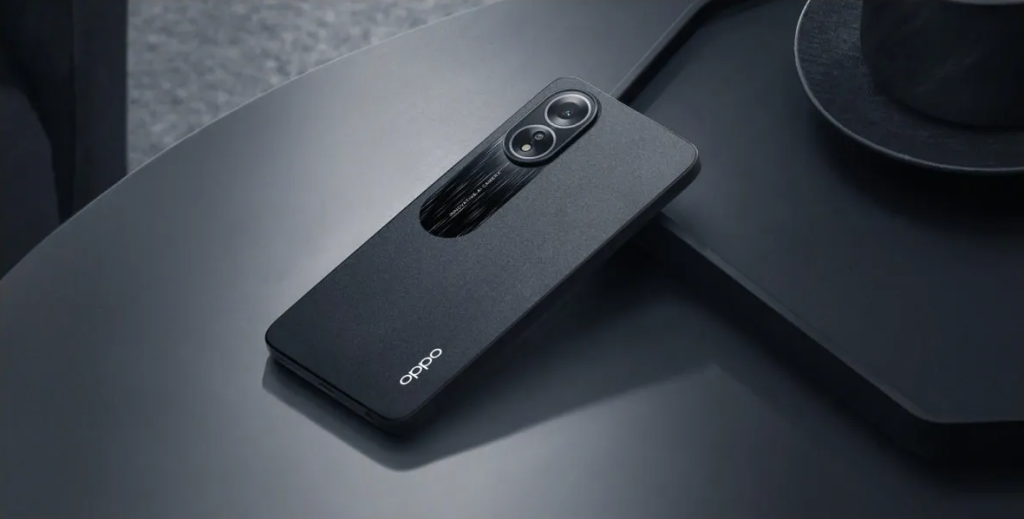
OPPO has been working hard to roll out its ColorOS 14 update to more and more devices. After updating the OPPO A77, A77s, and A57 to Android 14, the brand has now extended an invitation to Indian OPPO A38 users to participate in the Beta Testing Program for Android 14.
The company aims to recruit 5000 participants for this Open Beta, with applications accepted from December 25 to December 28. Eligible participants should ensure their devices are updated to version CPH2579_14.0.0.80(EX01) before applying.
Interested users should possess experience using mobile phones, be open to potential issues like instability and incompatibility associated with Alpha versions, and have sufficient time to dedicate to testing the update. OPPO also welcomes those curious about exploring the Android 14 update.
How to apply:
Navigate to Settings > About device > Tap the top of the page > Tap the icon on the top right > Trial versions > Beta. Fill in your information; this is crucial as we will send you a satisfaction survey along with a message to collect your feedback. Finally, click on “Apply Now.”
After a successful application, proceed to update your device by going to About device and selecting “Download Now.”
OPPO will review your application within five workdays. OPPO is transparent about potential issues with the Open Beta Test version, cautioning users about possible problems like device heating, lagging, and fast battery draining. They suggest solutions such as turning off the screen and charging the device overnight or continuing regular usage, assuring users that the device should normalize within a few days.
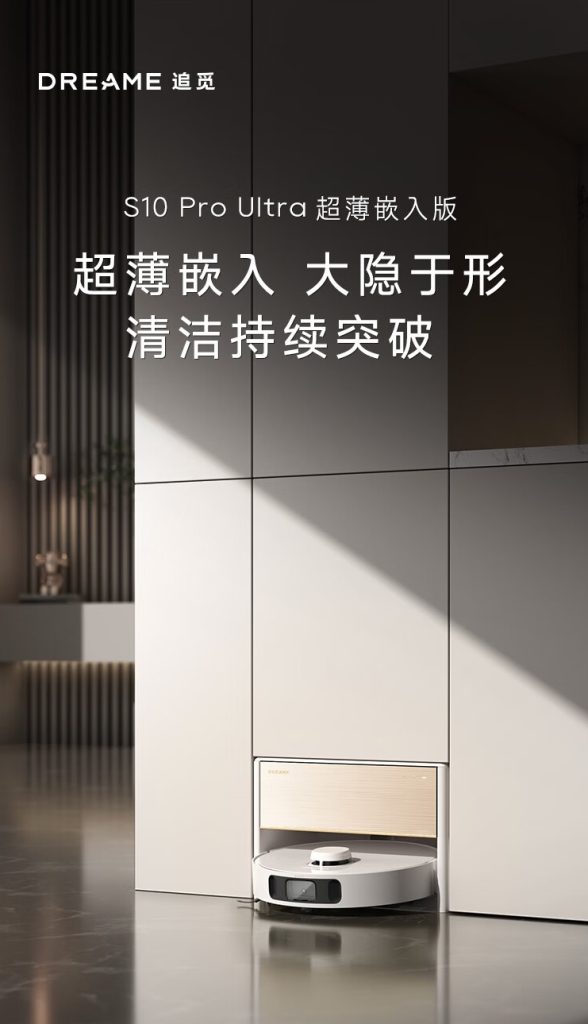
Dreame has recently launched its newest product in the Chinese market, the S10 Pro Ultra “ultra-thin embedded version” vacuum and mop robot. Priced at 4999 yuan ($699), it’s now available on JD.com. Let’s take a closer look at the key features of this robot.
Dreame S10 Pro Ultra Vacuum and Mop Robot Specifications:
The S10 Pro Ultra boasts a unique design with its slim 10 cm body, designed to seamlessly blend into your home environment. The goal here is to have the robot fit into your home discreetly.
The robot’s ultra-thin design is complemented by a versatile, all-purpose base station that is ultra-compact and space-efficient. This design allows for multiple installation methods, adapting to various home styles and environments.
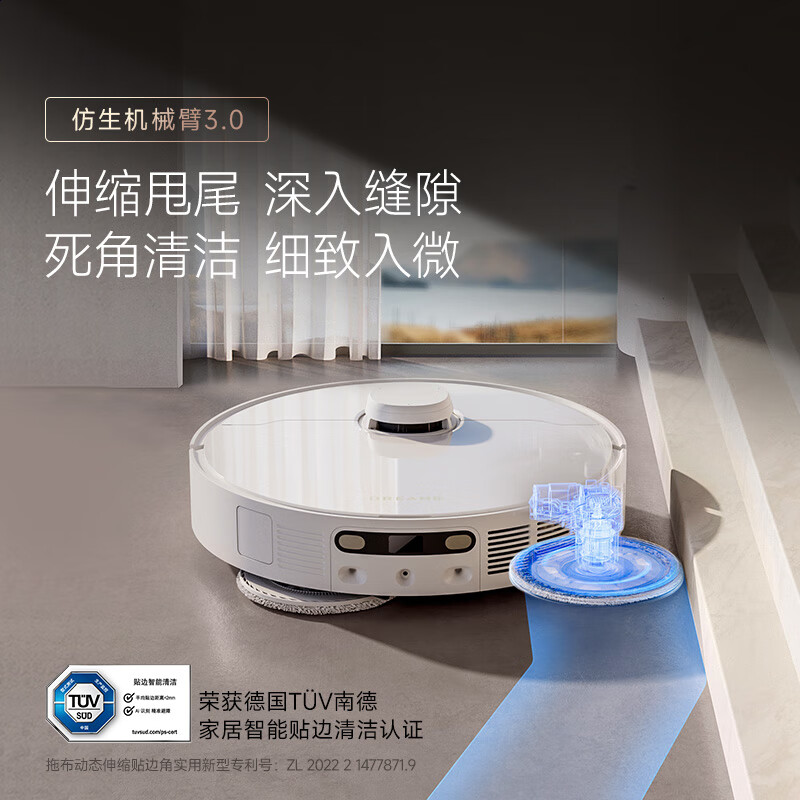
Functionality-wise, the S10 Pro Ultra is packed with advanced features. The robot boasts an impressive 8000Pa suction power, which surpasses many other models on the market. It includes a 3.0 version biomimetic robotic arm certified by TÜV Rheinland, designed to mimic human movements for more effective cleaning, especially in hard-to-reach areas.
In addition, this robot offers intelligent rewash and redrag 2.0, a 60°C hot water mopping feature for tackling stubborn stains, and an automatic self-cleaning system.
Its cutting-edge sensing technology includes LDS high-precision laser radar and dual-line 3D structured light for precise obstacle avoidance and efficient cleaning path planning, all backed by Dreame’s self-developed Al Sage algorithm.
Furthermore, it features a Turbo Force 4 in-house fan design, providing a robust 8000Pa suction for thorough dust removal. To address the issue of hair tangling in the brush, the robot incorporates an innovative anti-tangling roller brush with aerospace-grade stainless steel blades, reducing the need for frequent cleaning.
Dreame is also set to launch three new home cleaning products in India on January 2, 2024: the Dreame F9 Pro robot vacuum cleaner with powerful suction and mapping, the Dreame H12 Core cordless vacuum with a large water tank for hard floor cleaning, and the Dreame U10 cordless vacuum with strong suction and versatile cleaning options.
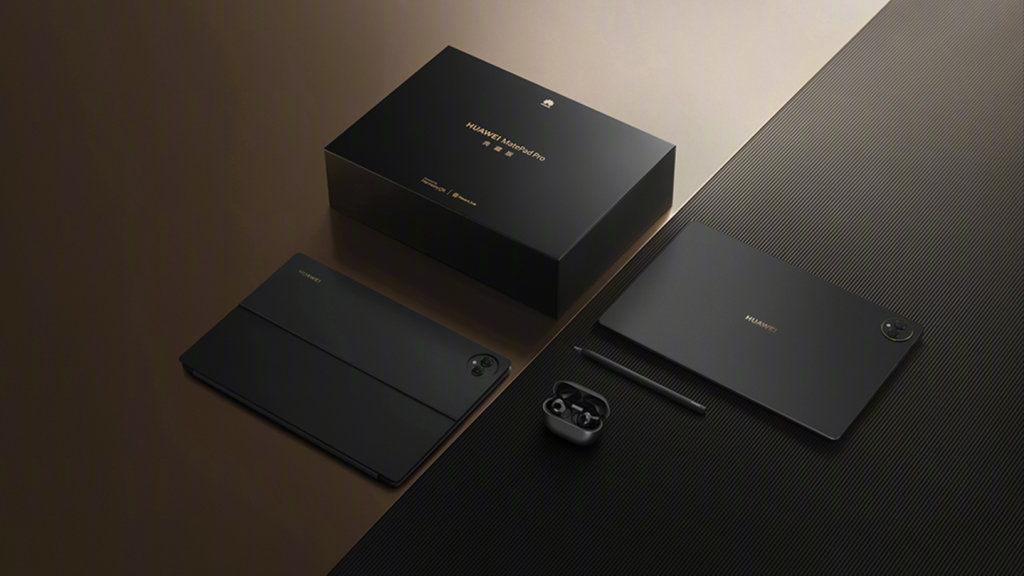
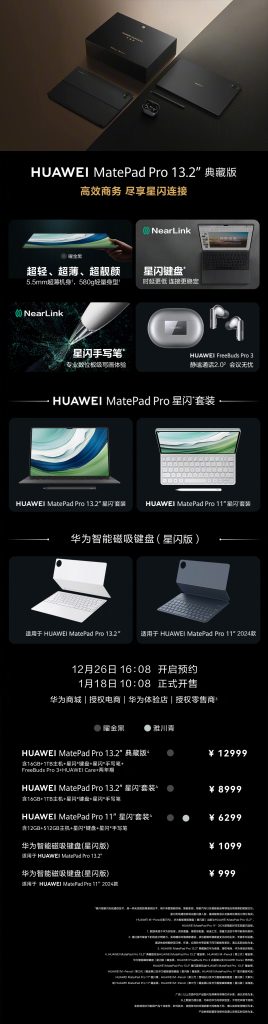
Earlier today, Huawei held a launch event to unveil the Nova 12 series smartphones in China. Along with that, the brand has also unveiled special editions of its MatePad Pro 2024 tablets. The first is the MatePad Pro 13.2″ Collector’s Edition bundle and the second is the MatePad Pro Star Flash Set. Here are the details.
Huawei has introduced the MatePad Pro 13.2″ Collector’s Edition in a new color scheme. This tablet, equipped with a 16GB/1TB configuration, includes the Star Flash Keyboard for improved connectivity, the Star Flash Stylus for professional-level writing and drawing, and the brand’s flagship Huawei FreeBuds Pro 3. The Collector’s Edition also comes with a two-year Huawei Care package.
Additionally, Huawei has launched the Star Flash Set for both MatePad Pro 13.2″ and MatePad Pro 11″ tablets, featuring the Star Flash Keyboard and Stylus. Specs-wise, the MatePad Pro 13.2″ Collector’s Edition is similar to the regular MatePad Pro 13.2″. The same goes for the MatePad Pros in the Star Flash Set.
Huawei MatePad 13.2″ specs:
The Huawei MatePad Pro 13.2 (review) features a 13.2-inch flexible OLED display with a resolution of 2880 x 1920 pixels, P3 color gamut, and an impressive 1,000,000:1 contrast ratio. Its slim profile, measuring just 5.5mm thick and weighing 580 grams, enhances portability.
Equipped with the Kirin 9000s chipset, the tablet offers a maximum of 16GB of RAM and an expansive 1TB internal storage capacity. The device boasts a sizable 10,100mAh battery supporting rapid 88W fast charging, enabling an 85% charge in 40 minutes and a full charge in 65 minutes.
The audio experience is enriched with 6 dual-channel speakers, spatial audio, and Huawei Sound certification. The camera setup includes a 16MP front camera with a ToF sensor and a rear dual camera setup comprising 13MP + 8MP lenses. Connectivity options feature Bluetooth 5.2, AAC, and LDAC codecs. Running on HarmonyOS 4, the tablet includes a third-gen M-Pen stylus with StarLight technology, providing over 10,000 levels of pressure sensitivity and boasting 0ms latency.
Pricing & availability
The MatePad Pro 13.2″ Collector’s Edition comes with a price tag of CNY 12999 ($1,819), while the Star Flash Editions of the MatePad Pro 13.2″ and the MatePad Pro 11″ (2024) are priced at CNY 8999 ($1,260) and CNY 6299 ($882), respectively. Additionally, the Star Flash Edition Smart Magnetic Keyboards for these tablets are available at CNY 1099 ($154) for the MatePad Pro 13.2″ and CNY 999 ($140) for the MatePad Pro 11″ (2024). Pre-reservations for these special edition tablets commenced on December 26, 2023, at 04:08 PM, and the official availability is scheduled for January 18, 2023, at 10:08 AM local time in China.
Rockstar Games, the powerhouse behind the Grand Theft Auto series, is rumored to be stepping into a new era with a project that could redefine their portfolio. Dubbed ‘Project Ethos’ or ‘Project Medieval’, this upcoming title is stirring excitement and curiosity in the gaming community.
The game will probably deal with knights and other medieval characters
For years, Rockstar’s name has been synonymous with the modern, gritty, and often controversial worlds of GTA and Red Dead Redemption. However, ‘Project Ethos’ hints at a bold departure from their traditional backdrop. The medieval setting, a realm of knights and castles, is a far cry from the urban landscapes we’ve come to expect. This shift raises intriguing questions: How will Rockstar’s expertise in storytelling and immersive gameplay translate into a historical setting? Will they maintain their edgy narrative style, or adapt to the nuances of a bygone era?
The journey of ‘Project Ethos’ from rumor to potential reality has been a fascinating one. It began as a whisper on Reddit, lost among the buzz surrounding GTA VI and Bully 2. But a recent trademark filing by Take-Two Interactive, Rockstar’s parent company, has reignited these discussions. The trademark, explicitly related to video games, aligns with the rumored project’s name, fueling speculation that Rockstar might indeed be exploring medieval times.
The potential of ‘Project Ethos’ lies not just in its setting, but in what it represents for Rockstar Games. A medieval title could offer a fresh canvas for the developer’s creativity and innovation. It’s an opportunity to delve into new narratives, experiment with different gameplay mechanics like sword fighting, and perhaps offer a more nuanced exploration of history and culture.
The gaming landscape is buzzing with the news that Blizzard Entertainment, the American video game titan, might rekindle its partnership with China’s NetEase. This development could signal the return of the legendary game World of Warcraft (WoW) to China, a major market for online gaming.
Blizzard ultimately returned thanks to NetEase
Blizzard’s quest to reintroduce WoW in China has been a challenging journey. Following the lapse of their initial agreement with NetEase in early 2023, Blizzard explored collaborations with other Chinese publishers but ultimately circled back to NetEase. This move, as reported by 36Kr, hints at a nuanced understanding between the two gaming giants, despite previous disputes.
The potential resurgence of WoW in China is not just a business maneuver; it’s a cultural revival. WoW has been a prominent name in Chinese gaming since 2009, though its player base has dwindled from 5 million to around 350,000 by January 2023. The game’s return could reinvigorate its presence in the world’s largest video gaming market by revenue.
But this reunion isn’t just a walk in the park. Before WoW graces Chinese screens again, Blizzard and NetEase will need to rebuild their operations team and ensure the game servers are up to the task, a process that could take at least six months.
Meanwhile, Blizzard’s gaming portfolio suffered in China due to the regulatory landscape that mandates foreign games to be published through local partners. This requirement is part of China’s broader approach to managing its gaming industry, which includes strict content guidelines and playtime restrictions for minors.
The backdrop to this potential Blizzard-NetEase reunion is Microsoft‘s recent acquisition of Activision Blizzard, Blizzard’s parent company. This merger, worth $68.7 billion, has cleared significant regulatory hurdles and could play a pivotal role in shaping Blizzard’s strategy in China in the near future.
Hong Kong is making a bold move in the world of cryptocurrency by opening the doors to retail access for spot cryptocurrency exchange-traded funds (ETFs). This step is a significant shift from the city’s previous stance, where only cryptocurrency futures ETFs were available to retail investors. The move aims to make Hong Kong a prominent player in the global cryptocurrency market.
This approach is expected to attract both retail and institutional investors
The Securities and Futures Commission (SFC) of Hong Kong, in collaboration with the Hong Kong Monetary Authority, is spearheading this initiative. Their goal is to bring spot virtual asset ETFs, which allow investors to invest in cryptocurrencies without directly purchasing them, to the mainstream market. This approach is expected to attract both institutional and retail investors, who have been cautious due to the volatile nature of direct cryptocurrency investments.
Spot cryptocurrency ETFs offer a unique blend of traditional investment structures with the emerging world of virtual assets. This combination is key to making these funds more palatable to a broader audience. Neil Tan from Tsunami Advisors points out that these ETFs are a fusion of Web3 assets in a Web2 wrapper, simplifying access to the crypto market for traditional investors.
This move comes at a crucial time for Hong Kong, following a series of financial scandals involving cryptocurrencies. The introduction of a regulated and familiar investment vehicle like spot crypto ETFs is a strategic effort to restore investor confidence in the virtual asset market.
Additionally, this development aligns with Hong Kong’s goal, announced last year, to become a global hub for virtual assets. The city has already implemented a new regulatory framework for centralized exchanges, allowing them to serve retail investors under certain conditions.
Globally, only a few markets, such as Canada, Germany, and Switzerland, have allowed spot crypto ETFs. The anticipation around the US Securities and Exchange Commission’s decision on a similar ETF application highlights the growing interest in this investment avenue.
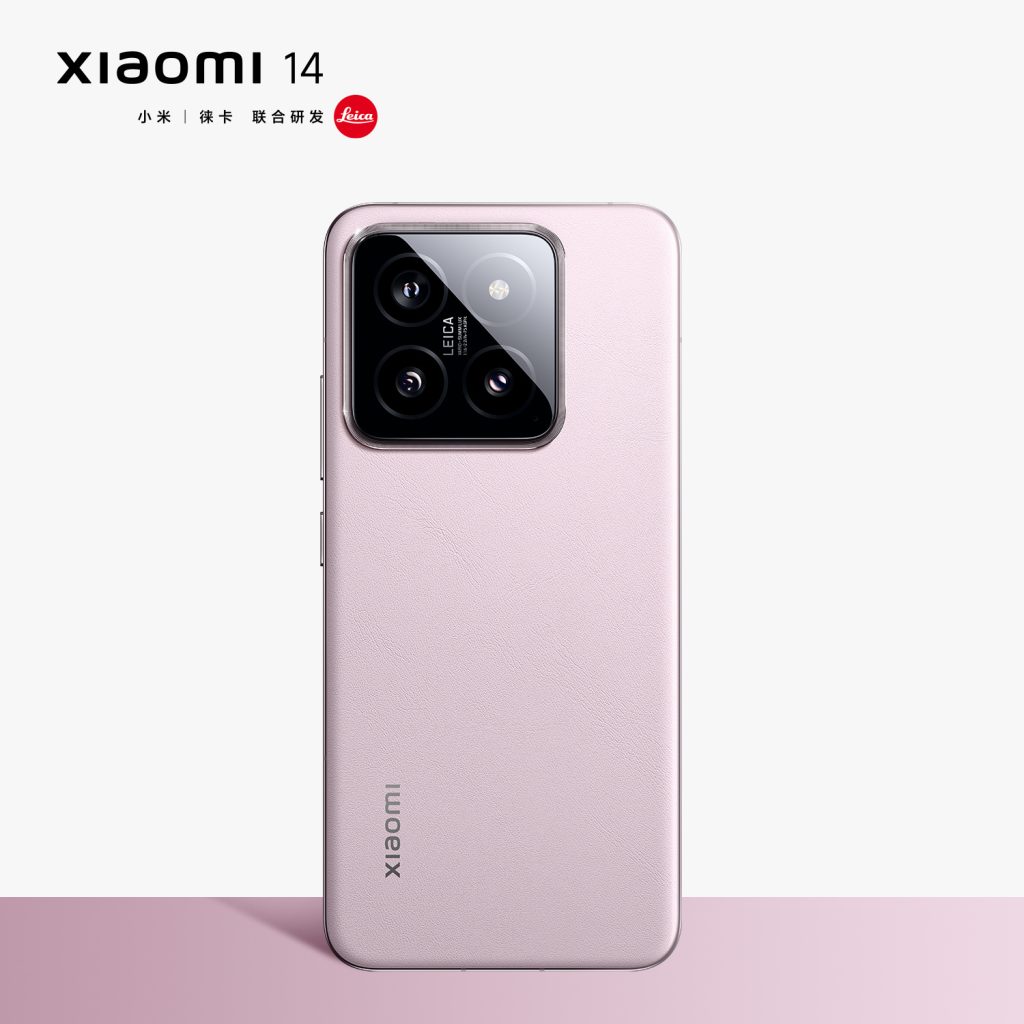
The flagship Xiaomi 14 (review) debuted in China in October this year. The smartphone is expected to debut in the global markets in the coming months. It will arrive as the successor to the Xiaomi 13. Previously, it was reported that Xiaomi may skip the Xiaomi 14 Pro and only bring the standard version to the international market. Now, a new report hints at the launch timeline of the Xiaomi 14.
Xiaomi 14 global launch timeline tipped
The Xiaomi 14 will reportedly be unveiled in the global markets at the Mobile World Congress 2024 in Barcelona, Spain. For those unaware, MWC is the largest tech trade show that happens annually in the last week of February. Next year’s MWC is taking place from February 26 to 29th. Notably, some brands also make announcements a day prior to MWC’s commencement. Hence, there’s a possibility that the Xiaomi 14 may arrive globally on February 25. The report also states that the flagship offering could also launch in India simultaneously.
The latest development on the Xiaomi 14’s global release also suggests that the company may continue the tradition of announcing its flagships around MWC. The Xiaomi 13 duo also debuted at a pre-MWC event earlier this year. As for the India launch, the Xiaomi 14 has already bagged BIS certification.
The Xiaomi 14 is a compact flagship with a boxy design, a protruding square camera module on the rear, a metal middle frame, and an IP68 certification. It boasts a 1.5K 120Hz LTPO display with 3,000 nits peak brightness. The smartphone sports three 50MP Leica-branded camera sensors with focal lengths of 23, 14, and 75mm. Internally, the Xiaomi 14 is powered by a Snapdragon 8 Gen 3 SoC coupled with up to 16GB RAM and 1TB storage. It is backed by a 4,610mAh battery unit with support for 90W wired and 50W wireless charging.
The bond between the new generation and technology is stronger than ever before. While we often witness this mainly through smartphone and social media addiction, unexpected incidents also exist. For example, a student in Washington state recently surprised everyone. According to police reports, the student in question that attending Liberty High School caused all iPhones nearby to shut down using an unknown device. Here are the details…
High School Student Arrested for Shutting Down iPhones
f someone were able to remotely shut down your phone it would likely drive you crazy. Now imagine this happening in a high school filled with teenagers. Unfortunately, the Washington Police Department doesn’t need to imagine because they recently dealt with it. They received a complaint from Liberty High School about a mysterious problem causing phones to unexpectedly shut down.
Authorities investigating the incident at the school found that a student and his device were responsible. The public police reports didn’t reveal the student’s identity or how the device worked. However, it caught attention as it was described as a device that caused iPhones within a certain range to shut down.
Right now, there are a few unknown details here. For example, how the device affected iPhones rather than Androids. Although this is theoretically possible, there may be a much simpler explanation. The smartphone market in the US has long been dominated by Apple, with many people using iPhones over the other Android models. Therefore, the police officer who wrote the report might have just mentioned ‘iPhone’ instead of ‘smartphone.’ Yet, there’s still a chance that the device might truly not affect Androids.
This brings us to our second question: How could a high school student obtain such a device? We’re not talking about something technologically impossible. There are devices that using powerful radio waves that could disrupt an iPhone’s power source. However, we’re talking about a piece of equipment at a military level, not something you’d find on eBay or Facebook Marketplace. While the answers to these questions remain uncertain for now, we anticipate that the details will become clearer in the future.
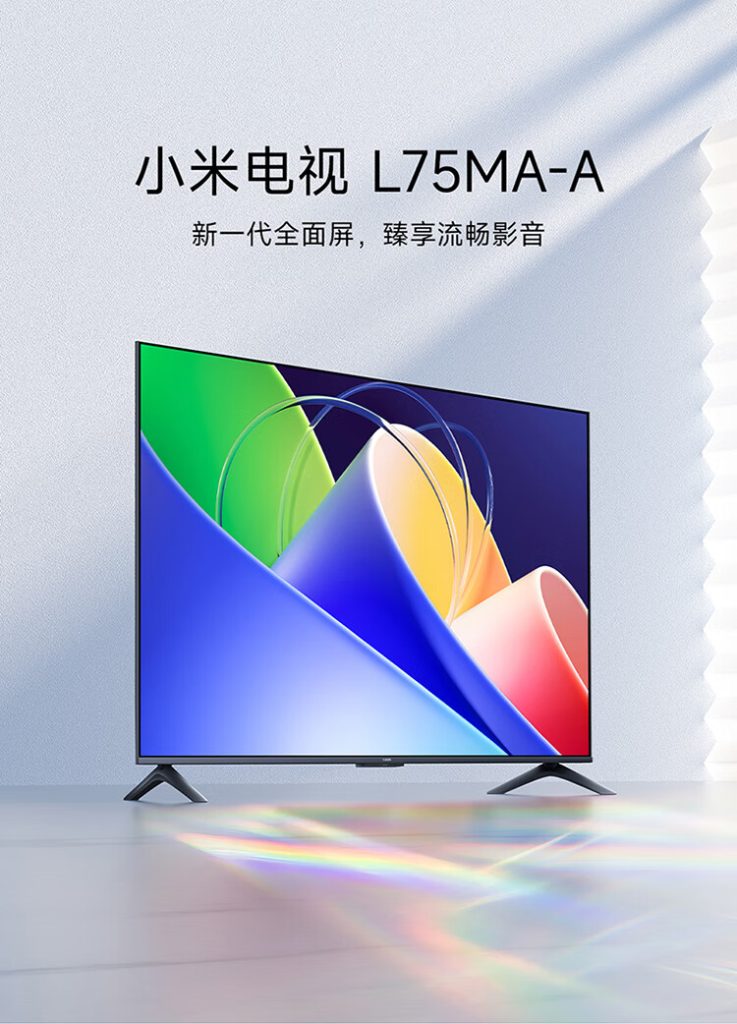
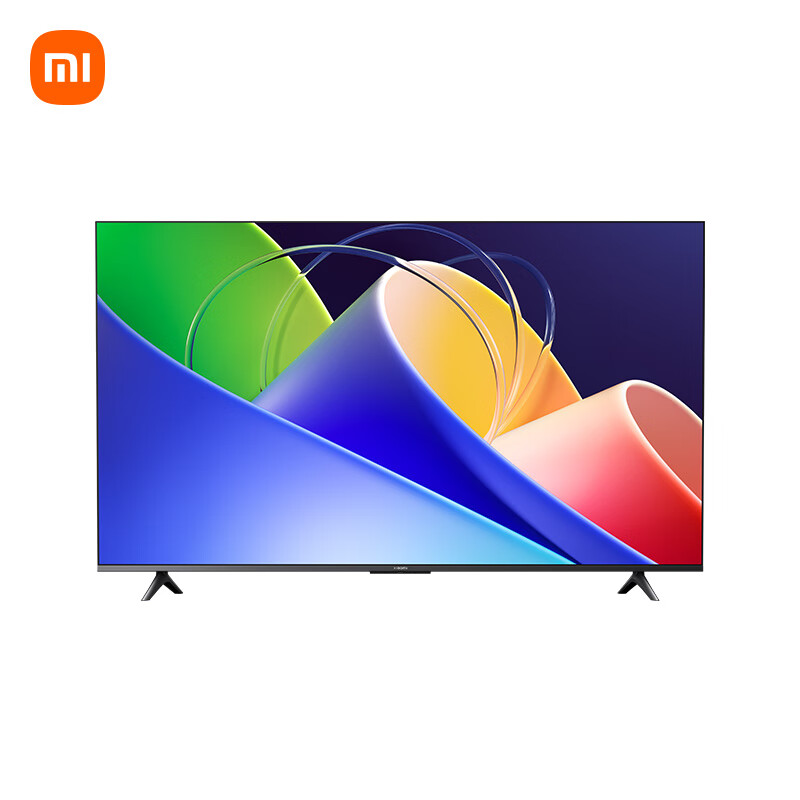
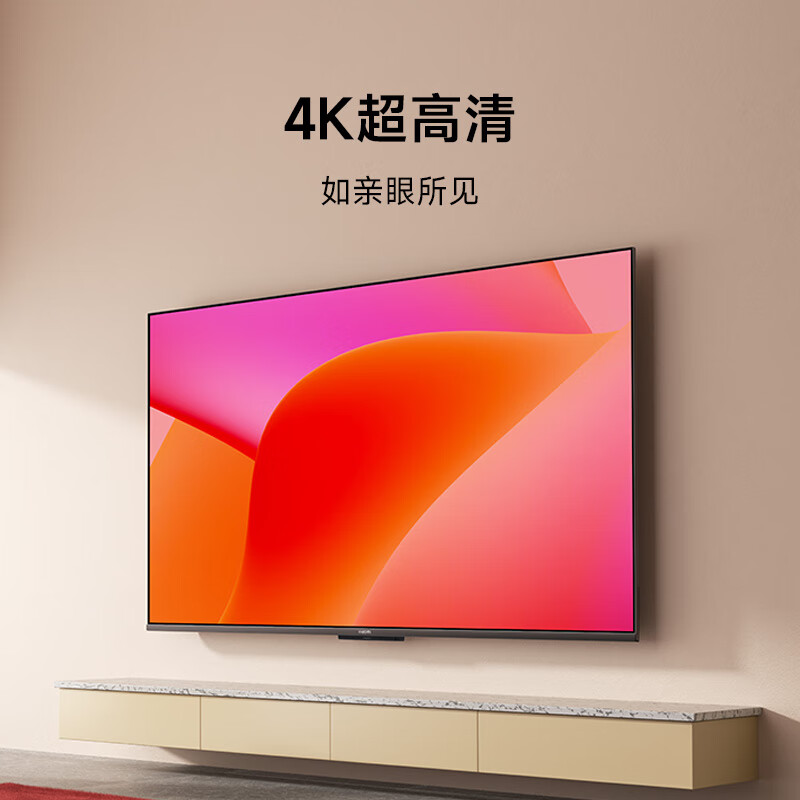
Xiaomi has expanded its TV lineup with the introduction of the Xiaomi TV A series, including the A55 (L55MA-A), A65 (L65MA-A), A70 (L70MA-A), and A75 (L75MA-A) models, following the release of the A50 yesterday.
These new models are currently available for pre-sale on JD.com. Each version in this series varies only in size, maintaining similar configurations and appearances.
Xiaomi TV A Series Specifications:
Xiaomi TV A series offers a stylish unibody metal integrated design with a high screen-to-body ratio of 97.2%. These TVs all come with 4K resolution (3840×2160 pixels) for sharp and detailed image quality.
Under the hood, these TVs are powered by a quad-core Cortex A35 processor and offer 2GB of RAM and 32GB of storage space. They offer extensive connectivity options, including dual-band Wi-Fi (5GHz/2.4GHz), Bluetooth 5.0, two USB ports, two HDMI ports (one with ARC support), an AV port, an ATV/DTMB port, an Ethernet port, and an S/PDIF port.
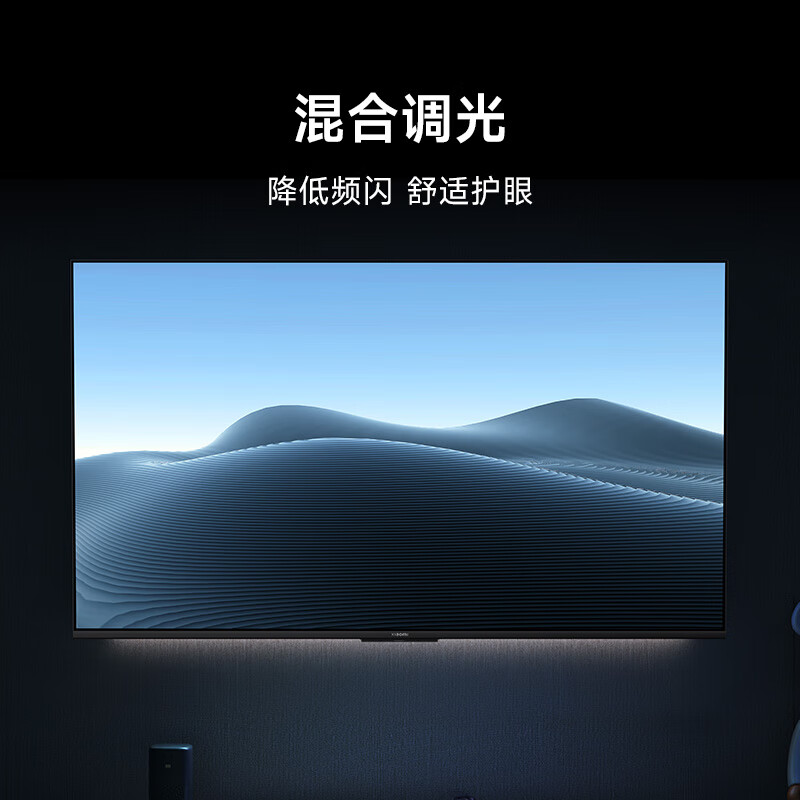
They also excel in color accuracy with a ΔE≈2 rating, supporting a display of 1.07 billion colors. These TVs have a 60Hz refresh rate and provide a wide 178° viewing angle. They also feature an automatic dimming mode that adjusts screen brightness, reducing flicker and improving viewer comfort.
For audio, these TVs are equipped with dual 10W high-power stereo speakers and DTS sound decoding. The series also includes benefits like IMAX and Xiaomi Video VIP membership, offering a wide range of content for viewers.
Xiaomi TV A series operates on the MIUI TV system, featuring Xiao Ai voice control. They also support wireless screen mirroring for content sharing from Windows, Mac, Android, and iOS devices.
Earlier this year, Xiaomi also unveiled the A55 and A65 Competitive Edition 4K smart TVs with very similar specs. But instead of 60Hz, these TVs feature a 120Hz refresh rate.
Pricing and Availability:
Coming to the pricing, the Xiaomi TV A55 is priced at 1649 Yuan ($230), the Xiaomi TV A65 is available for 2299 Yuan ($321), the Xiaomi TV A70 is priced at 2599 Yuan ($363), and the top-tier model, the Xiaomi TV A75, is priced at 2999 Yuan ($419).
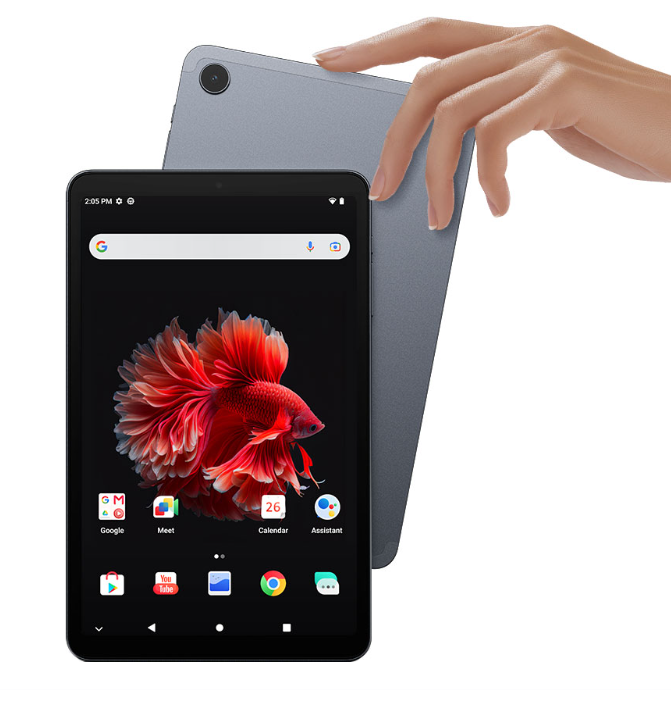
Alldocube iPlay 50 mini NFE Pro tablet stands out as a versatile and feature-rich option, offering a seamless blend of style, functionality, and powerful performance. Let’s dive into the impressive features that make this tablet a perfect companion for users of all ages.
At the heart of the iPlay 50 mini NFE Pro’s entertainment prowess lies its Widevine L1 certification, ensuring uninterrupted streaming of high-quality content. This certification not only enhances the Netflix streaming experience but also extends compatibility to other leading platforms such as YouTube, Hulu, Amazon Prime Video, and Disney Plus. Immerse yourself in a world of vivid visuals and crystal-clear audio, making your entertainment journey truly captivating.
RAM Expansion for Seamless Multitasking:
The tablet boasts a robust 4GB RAM, providing a smooth multitasking experience even with demanding applications. What sets it apart is the RAM expansion technology, allowing users to upgrade to a total of 12GB RAM. This expanded memory ensures faster app launches, smoother transitions, and enhanced gaming experiences, making the iPlay 50 mini NFE Pro a powerhouse for productivity and entertainment.
Vibrant Display for Immersive Viewing:
The 8.4-inch IPS screen with a resolution of 1200 x 1920 pixels delivers stunning visuals and sharp text. With a high brightness of 300 cd/m², the tablet ensures clear images even in bright lighting conditions. The 10-point touchscreen technology provides accurate and fast responses, making navigation and interaction a breeze. The 16 million colors and a color gamut guarantee accurate and vivid color reproduction, while the high pixel density of 270 PPI guarantees detailed and sharp visuals, creating a truly immersive viewing experience.
Compact and Stylish Design:
Designed to cater to a diverse range of users, the iPlay 50 mini NFE Pro’s compact and lightweight body makes it the perfect on-the-go companion. With dimensions of 202.7 x 126 x 7.5 mm, the tablet exudes elegance and sophistication in its Deep Space Gray color. The high-quality materials and smooth texture provide a premium feel and a secure grip, ensuring comfort during extended usage. Whether you’re a student, professional, or seeking an everyday versatile tablet, the iPlay 50 mini NFE Pro delivers its sleek design and powerful performance.
Android 13 for Enhanced Usage:
Running on the latest Android 13, the tablet offers improved stability and smoothness. Take advantage of features like split-screen multitasking, one-screen function for quick access to commonly used software, and customizable icon libraries to personalize your experience.
Versatile Connectivity Options:
Stay connected and explore the world with 4G LTE, Wi-Fi, Bluetooth 5.0, GPS, and FM Radio – all packed into one device. The tablet ensures seamless internet access on the go, stable Wi-Fi connections, easy connectivity with other devices, and even entertainment through FM Radio.
Enhance Your Creativity and Productivity:
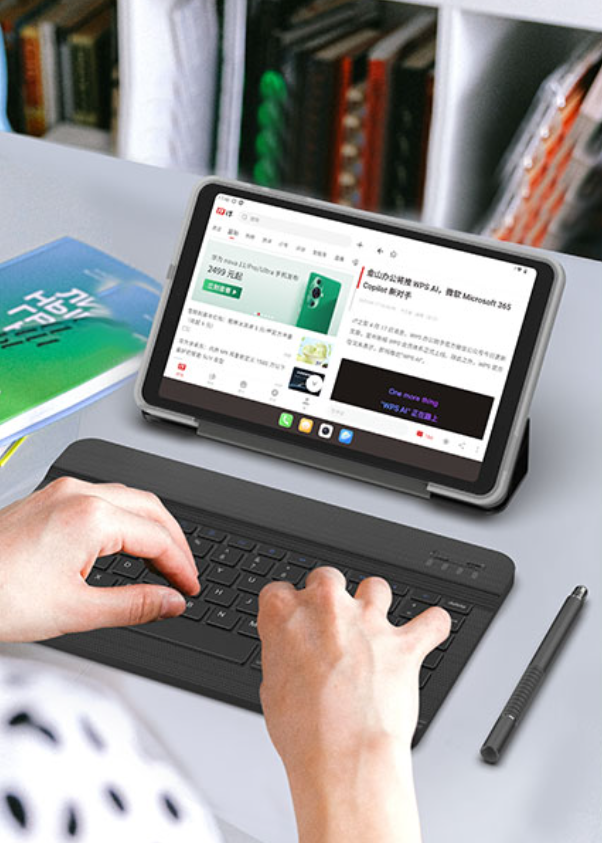
The iPlay 50 mini NFE Pro transforms into a versatile tool for creativity and productivity with optional accessories like the dual-head stylus and ultra-thin Bluetooth keyboard. The passive stylus requires no charging, providing smooth and precise touch control. At the same time, the ultra-thin Bluetooth keyboard offers a PC-like typing experience with shortcut keys and extended battery life.
Protective Accessories for Peace of Mind:
Safeguard your investment with optional protective accessories. The minimalistic protective case, designed to fit perfectly, ensures comprehensive protection and an easy grip for your device, preserving its sleek design.
Alldocube iPlay 50 mini NFE Pro tablet is a compelling choice for those seeking a device that seamlessly balances entertainment, productivity, and style. Its rich feature set, innovative technology, and optional accessories make it a versatile companion for users with diverse needs.
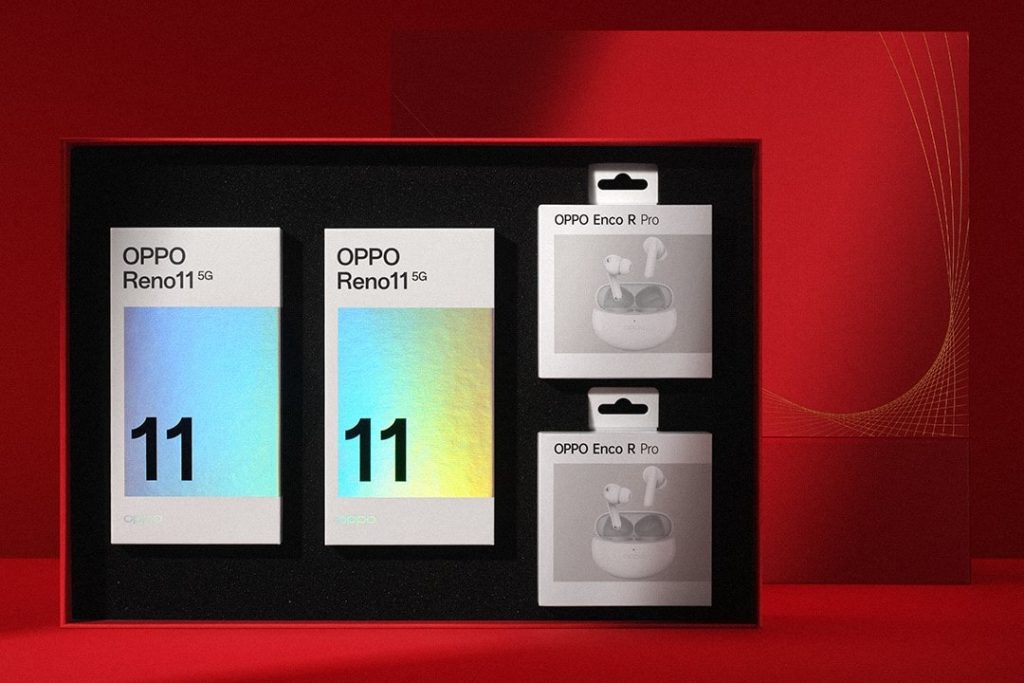
The Oppo Reno 11 series made its debut in China at the end of November. The lineup consists of two models, namely Reno 11 and Reno 11 Pro.
A month after their release, the company has now announced a limited edition gift box ahead of ‘New Year.’ The company promotes it as ‘Reno New Year’s Eve Double Gift.’
Let’s go through the contents of this box set.
Buyers can save $140 by opting for Oppo’s New Year Gift Box
The newly unveiled gift box by Oppo is officially called the “Good Things Come in Pairs Good Luck Gift Box.” The box includes not one but two pairs of devices.
Buyers get the following products in the box which is priced at ¥5,999 (~$840).
2 x Oppo Reno 11 (12GB + 512GB) in Moonstone color
Separately, the Reno 11 and Enco R cost ¥2,999 ($420) and ¥499 (~$70), respectively. This means two units of them will set you back ¥6,996 if purchased individually.
Therefore, by opting for the gift box, customers can save ¥997. Unfortunately, this package is being sold at only select offline stores across China from December 22 to January 1.
Oppo Reno 11 Specifications
The Reno 11 is built around a 6.7-inch curved OLED display. The 10-bit screen offers a resolution of 2412 x 1080 pixels (FHD+), a 120Hz refresh rate, 2160Hz PWM dimming, and 950 nits local peak brightness level.
The device is powered by a MediaTek Dimensity 8200 chipset paired with LPDDR5x RAM and UFS 3.1 storage. It boots Android 14-based ColorOS 14 software.
The phone comes with a triple camera system on the back and a 32MP Sony IMX709 selfie camera. The rear setup comprises an OIS-assisted 50MP Sony LYT-600 primary sensor, an 8MP ultrawide unit, and a 32MP Sony IMX709 2x telephoto shooter.
Last but not least, the handset is backed by a 4,800mAh battery with support for 67W SuperVOOC fast wired charging standard.
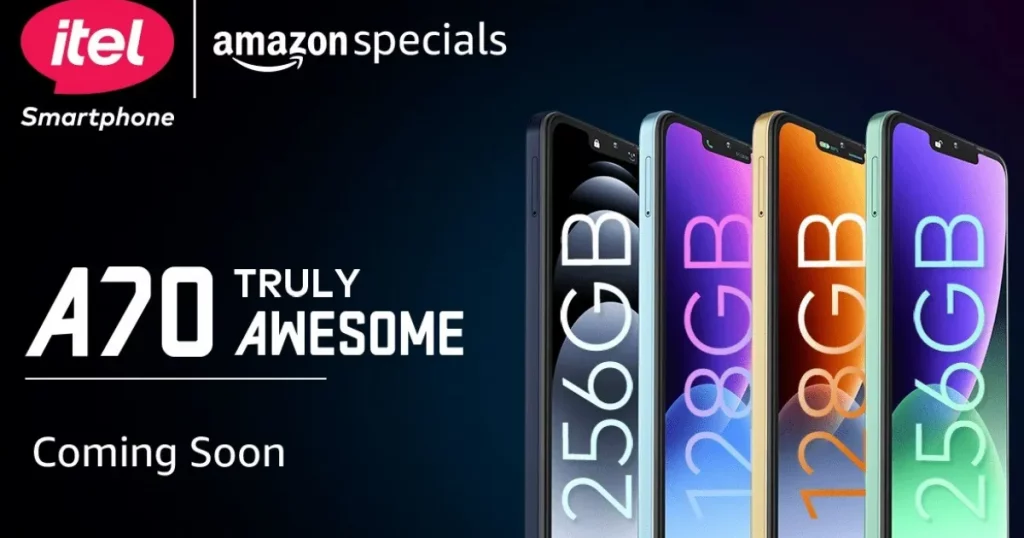
Recently, itel launched the Roar 75 open-ear buds in India. The brand has confirmed that it will launch the itel A70 smartphone soon. To recall, the itel A70 4G debuted in the global markets in October. Amazon has put up a microsite of the upcoming offering revealing its design and also confirming the availability on the e-commerce platform.
itel A70 to launch soon in India
The itel A70 has a flat frame design and a SIM tray on the left edge. On the front, the device has a waterdrop notch upon taking a closer look. It seems that there will be some software-based feature to mimic Apple’s Dynamic Island. There is a thick bottom chin. The smartphone is seen in four color options including Black, Light Blue, Yellow, and Green.
The itel A70 is confirmed to pack 256GB internal storage and 12GB RAM. The RAM capacity is likely after including virtual RAM which is said to be 8GB. One of the images also reveals a 128GB storage option.
The itel A70 is said to be priced under Rs 8,000. If this indeed turns out to be true, then it will be the first phone in the price segment to pack 12GB RAM and 256GB storage. The itel A70 is expected to launch in January, however, the exact date remains a mystery.
Going by the leaked info, the itel A70 for the Indian market appears to be the same device as the itel A70 4G. It features a 6.6-inch display, a Unisoc T603 processor, a 5,000mAh battery and runs on Android 13 Go edition.
Xiaomi is gearing up to unveil the Redmi Note 13 series smartphones in India on January 4. The lineup comprising of standard, pro, and pro plus models have already debuted in China. Hence, the global variants are expected to come with the same specifications. Now, ahead of the official launch, a new leak has revealed the software details of the Redmi Note 13 series for the global markets.
Redmi Note 13 series software info tipped
Exclusive: All Redmi Note 13 series phones will ship with MIUI 14 based on Android 13, in India as well as Global.
All phones will get 3 years of Android updates (up to Android 16) & 4 years of security updates.
The Redmi Note 13 series shipped with Android 13 OS out of the box in China. As per tipster Sudhanshu Ambhore, all the upcoming Note 13 devices in India and other global markets will come pre-installed with MIUI 14-based Android 13. The smartphones will also reportedly get three years of Android OS updates up to Android 16 and four years of security patches. This is good news since the Xiaomi sub-brand Note series usually gets 2 years of OS updates.
The tipster adds that the Redmi Note 13 series will not get Xiaomi’s HyperOS anytime soon. Yesterday, the company announced the second batch of devices eligible for the update that is expected to commence between January and June 2024.
As for the core specifications, the Redmi Note 13 lineup features a 6.67-inch 120Hz AMOLED display and a 16MP selfie snapper. The trio have a triple rear camera setup with the standard model having a 108MP main sensor and the pro and pro plus sporting a 200MP primary lens. The Note 13 is powered by a Dimensity 6050 processor and a 5,000mAh battery. On the other hand, the Pro and Pro+ variants are equipped with a Snapdragon 7s Gen 2 and Dimensity 7200 chipsets respectively.
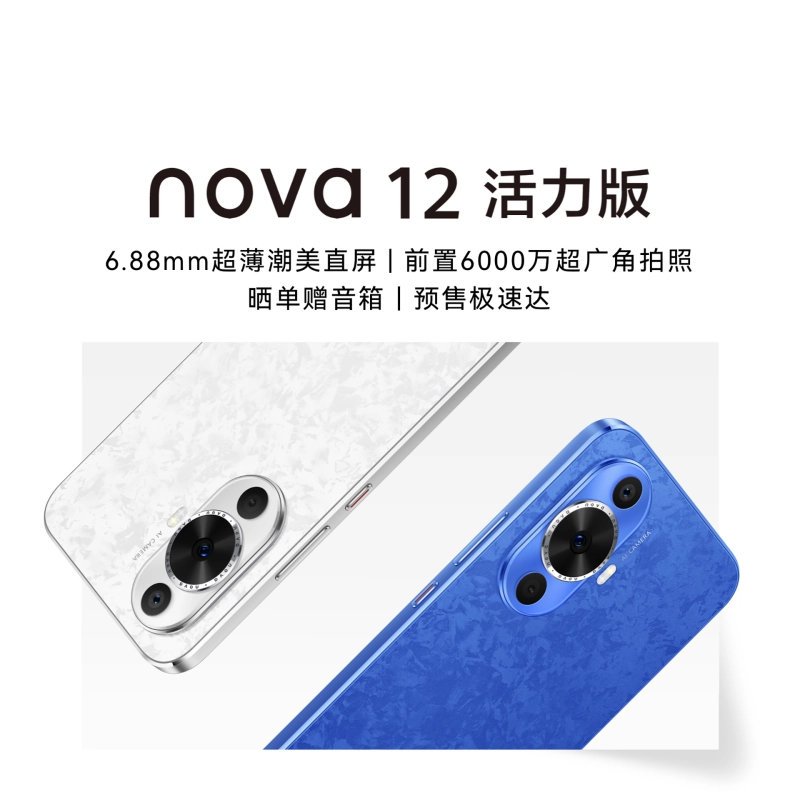
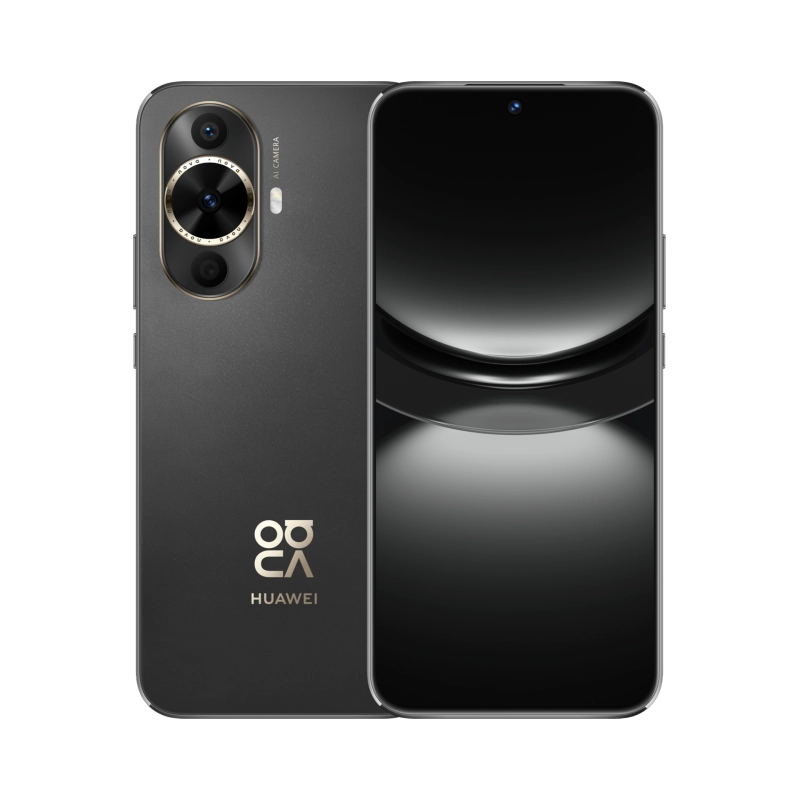
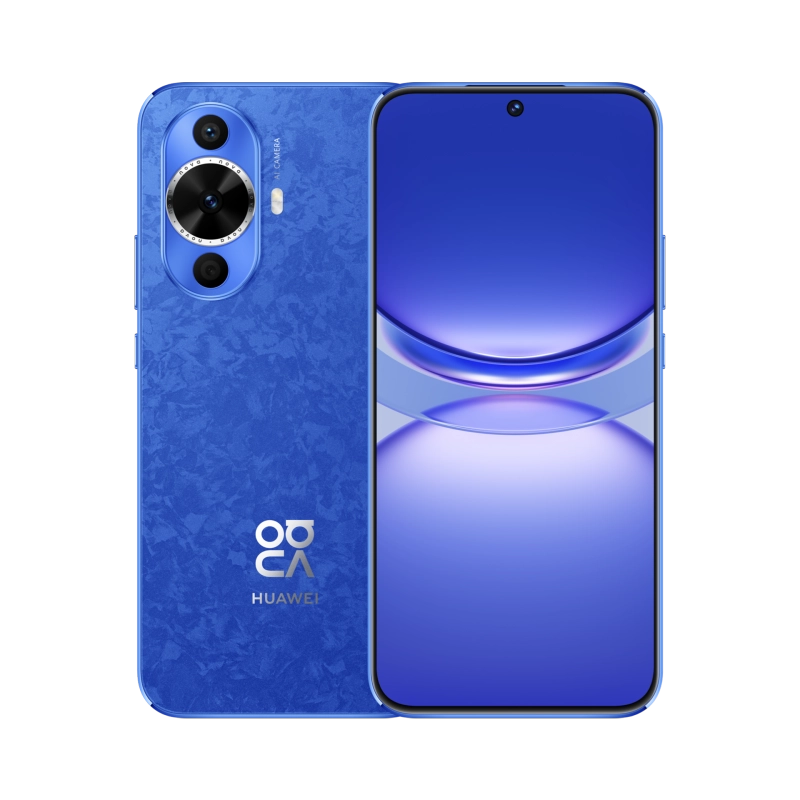
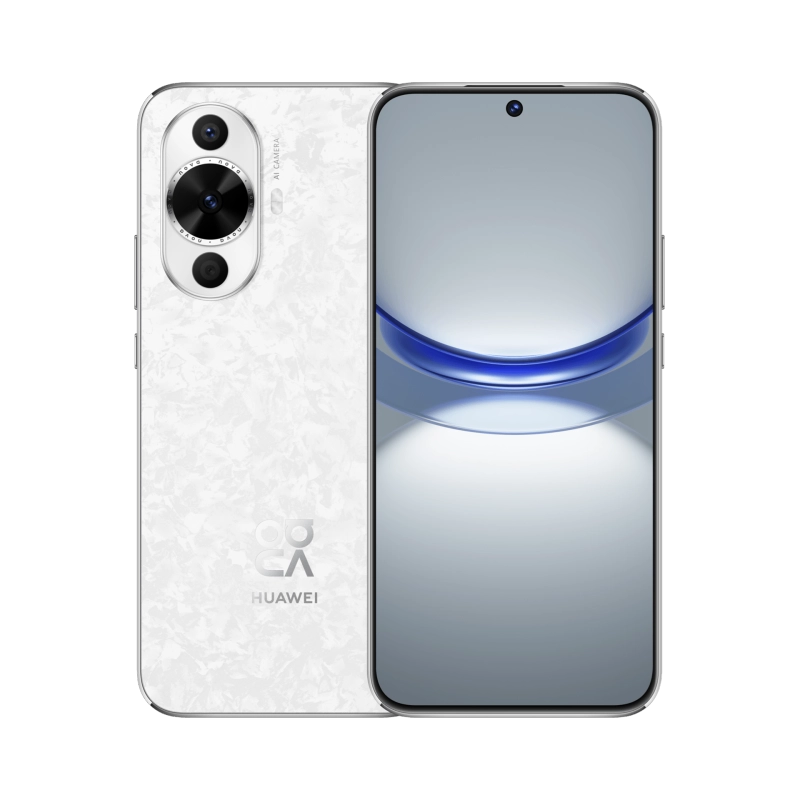
Earlier today, Huawei unveiled its latest premium smartphone lineup, the Nova 12 series, at a launch event. The lineup includes four devices: Huawei Nova 12, Nova 12 Pro, Nova 12 Ultra, and Nova 12 Lite, also known as the Vitality Edition. In this article, we will reveal all the details regarding the specs, features, and pricing of the Nove 12 Lite.
Huawei Nova 12 Lite specs:
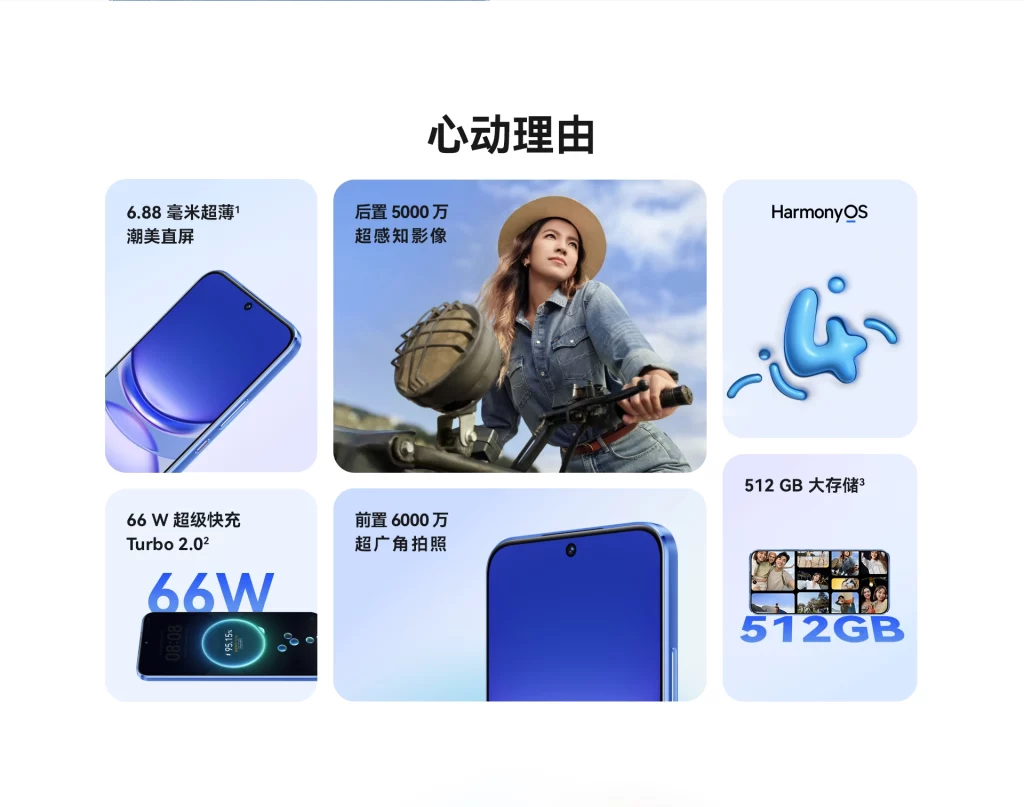
In terms of design, the Nova 12 Lite shares similarities with the other models in the Nova 12 series. It sports a pill-shaped camera island on the rear, accommodating three sensors. The edges are flat, with a gentle curve at both ends for enhanced grip and comfort. Notably, the smartphone boasts a sleek profile with a thickness of 6.88mm and a weight of 168 grams.
On the front, the device has a flat 6.7-inch FHD+ (2412 x 1084 pixels) OLED display. It has a 120Hz refresh rate with 1440Hz PWM dimming, along with the complete coverage of the P3 color gamut. For security, it has an in-display fingerprint sensor.
Under the hood, the smartphone rocks a Snapdragon 778G 4G SoC, along with two storage options: 256GB and 512GB. It operates on HarmonyOS 4 (Hongmeng OS 4.0). The device has a 4500mAh battery paired with 66W fast charging. The device reaches 60% battery with just 15 minutes of charge, and a complete charge takes just 31 minutes.
For photography, the device has a 50-megapixel primary sensor (F1.9 aperture), paired with an 8-megapixel ultra-wide-angle lens (F2.2 aperture) and a macro camera. On the front, the device features a 60-megapixel ultra-wide-angle camera (F2.4 aperture). The primary camera system supports 4K (3840 x 2160) video recording, with AIS anti-shake, and supports 720p@960fps super slow-motion video. The primary camera also supports 10x digital zoom.
The device boasts extensive connectivity features, supporting both 2.4GHz and 5GHz WLAN frequencies, and facilitates hotspot creation and direct WLAN connections. Bluetooth 5.2 is incorporated, supporting BLE, SBC, AAC, and LDAC for high-definition audio.
Pricing & availability
The Huawei Nova 12 Lite has a starting price of 2499 yuan, while the 512GB variant costs 2,799 yuan. It is available in three color options: Blue, Black, and White.
Keychron has released the Q60 MAX, a three-mode mechanical keyboard featuring a retro-inspired design and modern features. This 60% layout keyboard packs features for both casual users and those seeking a versatile typing experience. Let’s talk about it in detail here.
Keychron Q60 Max specifications
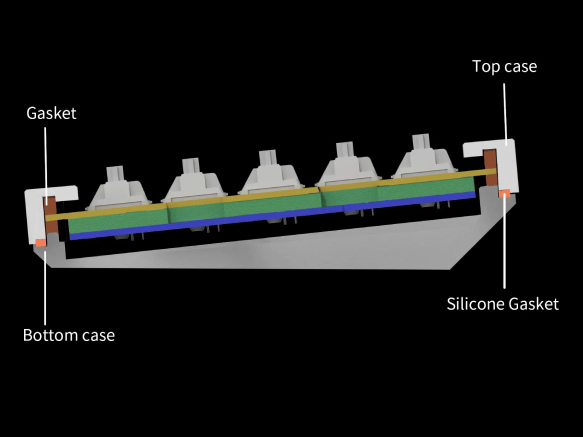
The Q60 MAX boasts a CNC-machined aluminum shell in a sleek blue-gray color. Its standout feature is the double-gasket design, which utilizes silicone pads between the top and bottom cases. This dampens metal vibrations, making for a quieter and more enjoyable typing experience. Its 60% layout prioritizes space efficiency, keeping the keyboard footprint to a minimum.
The keyboard supports three mode connection meaning users can choose between Bluetooth 5.1, a 2.4GHz wireless connection, or a wired Type-C cable for versatility. This allows seamless switching between multiple devices, including computers, tablets, and smartphones. It is also compatible with both Windows and macOS systems.
The Q60 MAX comes equipped with hot-swappable Jiadalong Jupiter switches, available in brown, red, and banana variants. Brown switches offer a tactile click, red switches prioritize smooth gliding, and banana switches provide a unique tactile bump. Users can easily swap switches to personalize their typing experience.
Not to forget, it comes with a 1000Hz pooling rate, and supports QMK/VIA open-source key modification, giving you complete control over its layout and functionality.
The keyboard has 22 customizable RGB backlight effects. The keyboard also sports a long-lasting 4000mAh battery for extended wireless use.
Details regarding the price of the Keychron Q60 MAX in China are still under wraps, but it will go on sale there today. Outside of China, you can purchase the Keychron Q60 Max keyboard from the company’s official site starting at $219.
We often scour the internet for surprising gadgets and then share them with you guys. Some of them have been so successful that they are always on the list of top sales in the big market; A few others, well, especially focused on niche markets, their excellent design and rigorous industrial production have resulted in a limited supply. That’s why you always see people whispering about these brands and their products in some discussion forums.
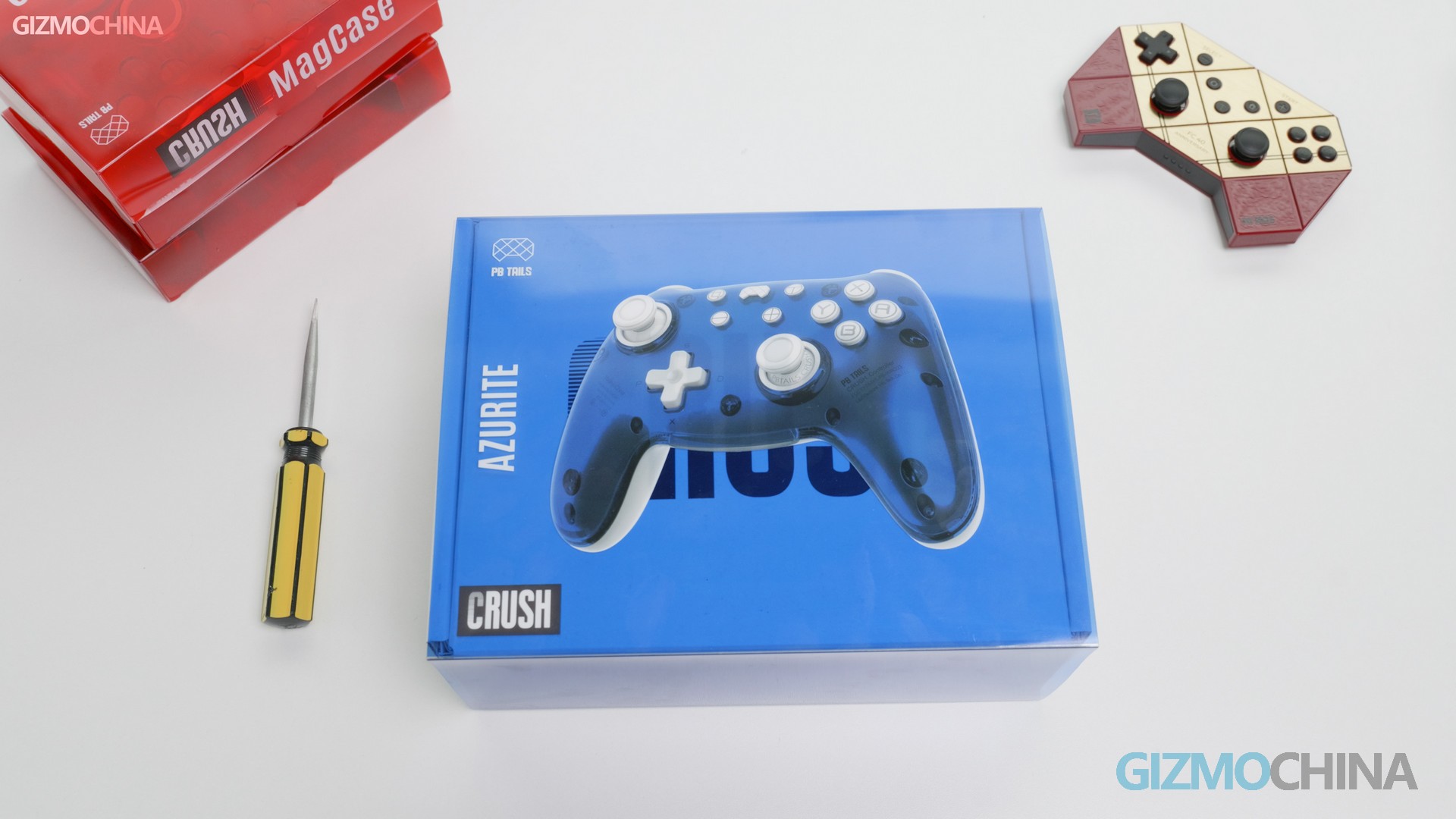
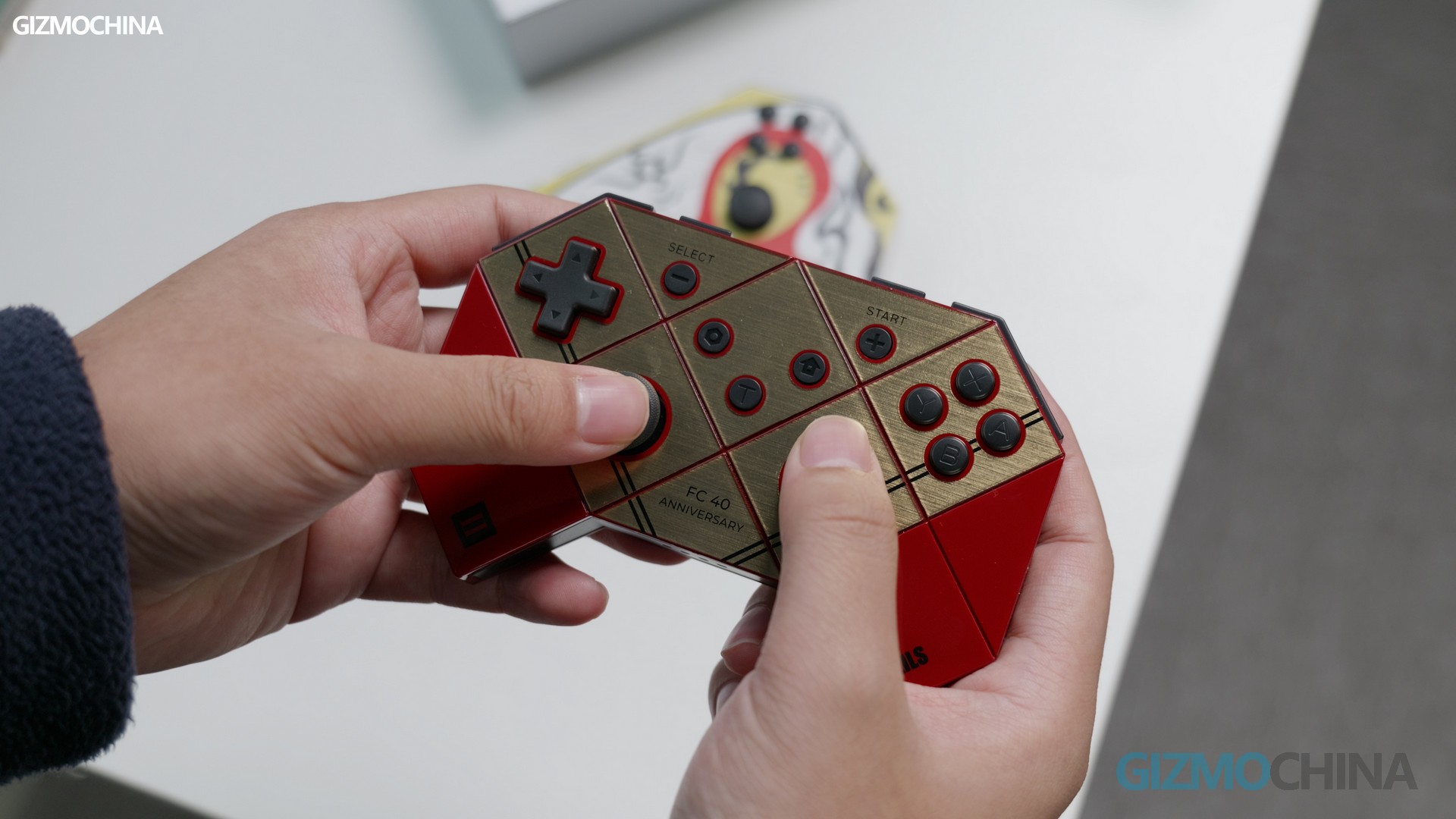
And, this is the new Crush gamepad from PB Tails. There’s no doubt that the gamepad and its brand fall into the latter.
Amazingly, it has gained a good reputation in the gamepad world through limited product lineups. The Crush is probably the most well-specced and best-made gamepad I’ve ever used.
Probably some of you have heard of another star gamepad from PB Tails, the Choc Series. It’s really surprising that it allows custom elements to appear in such a small niche.
Features
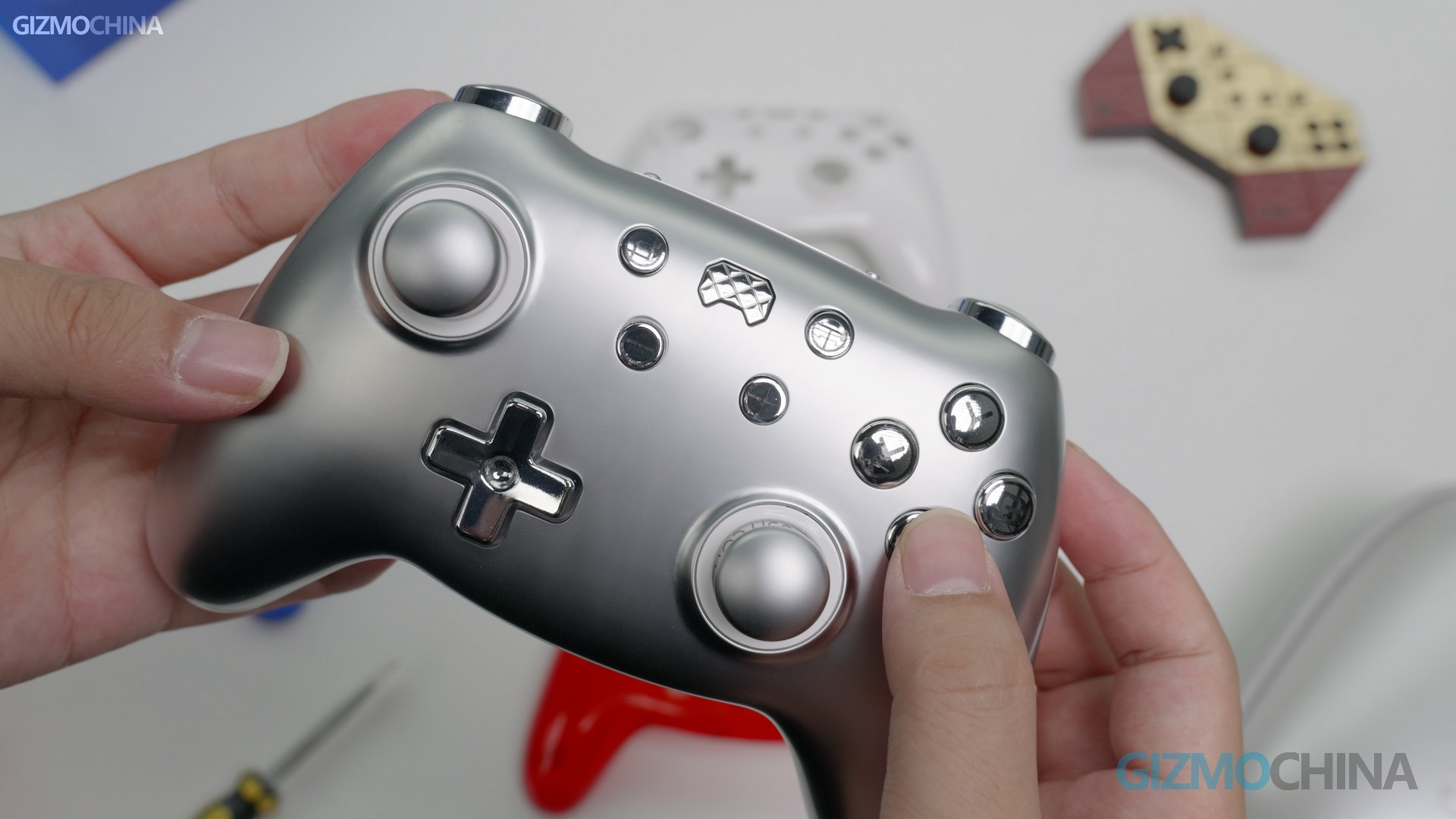
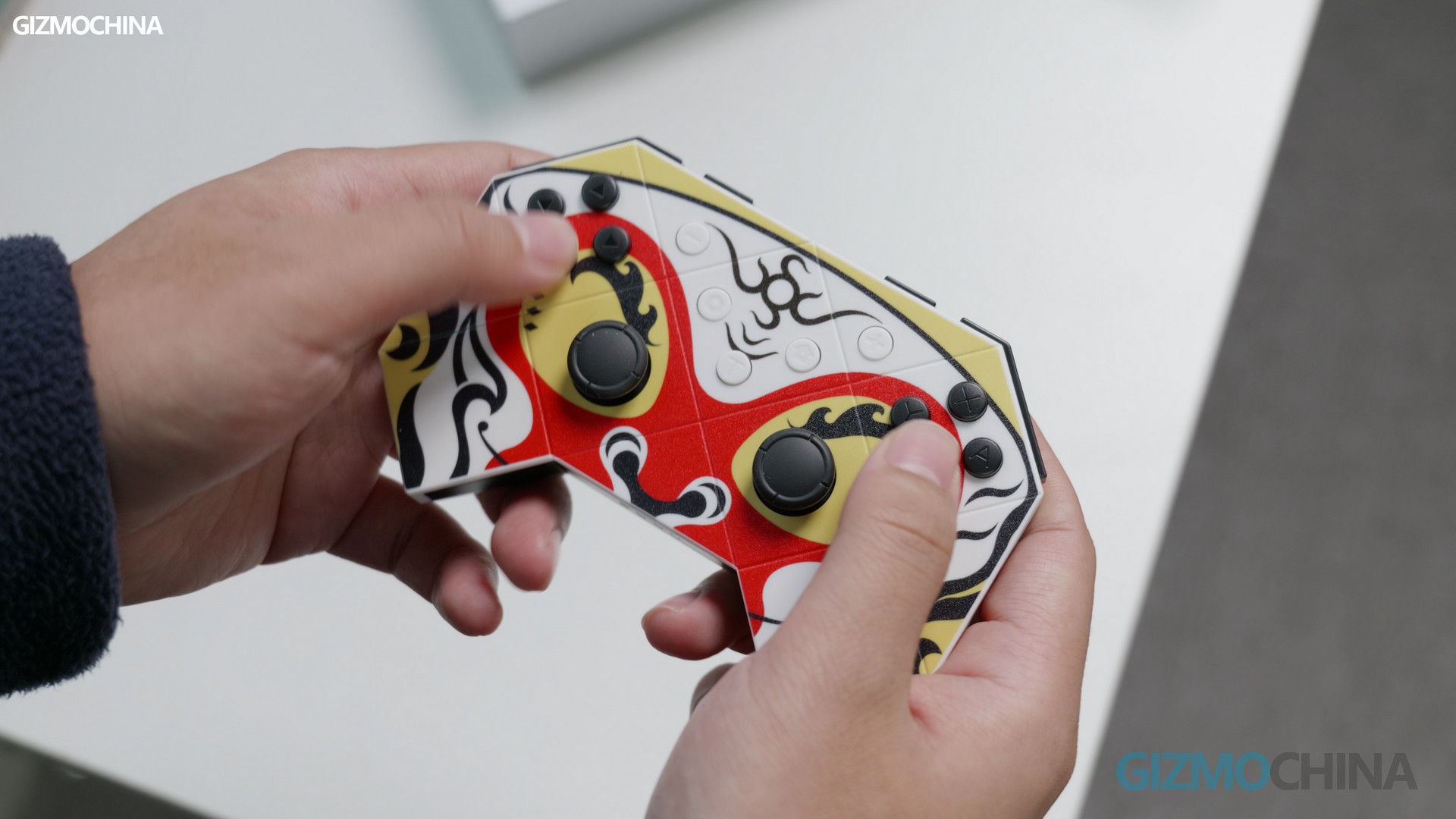
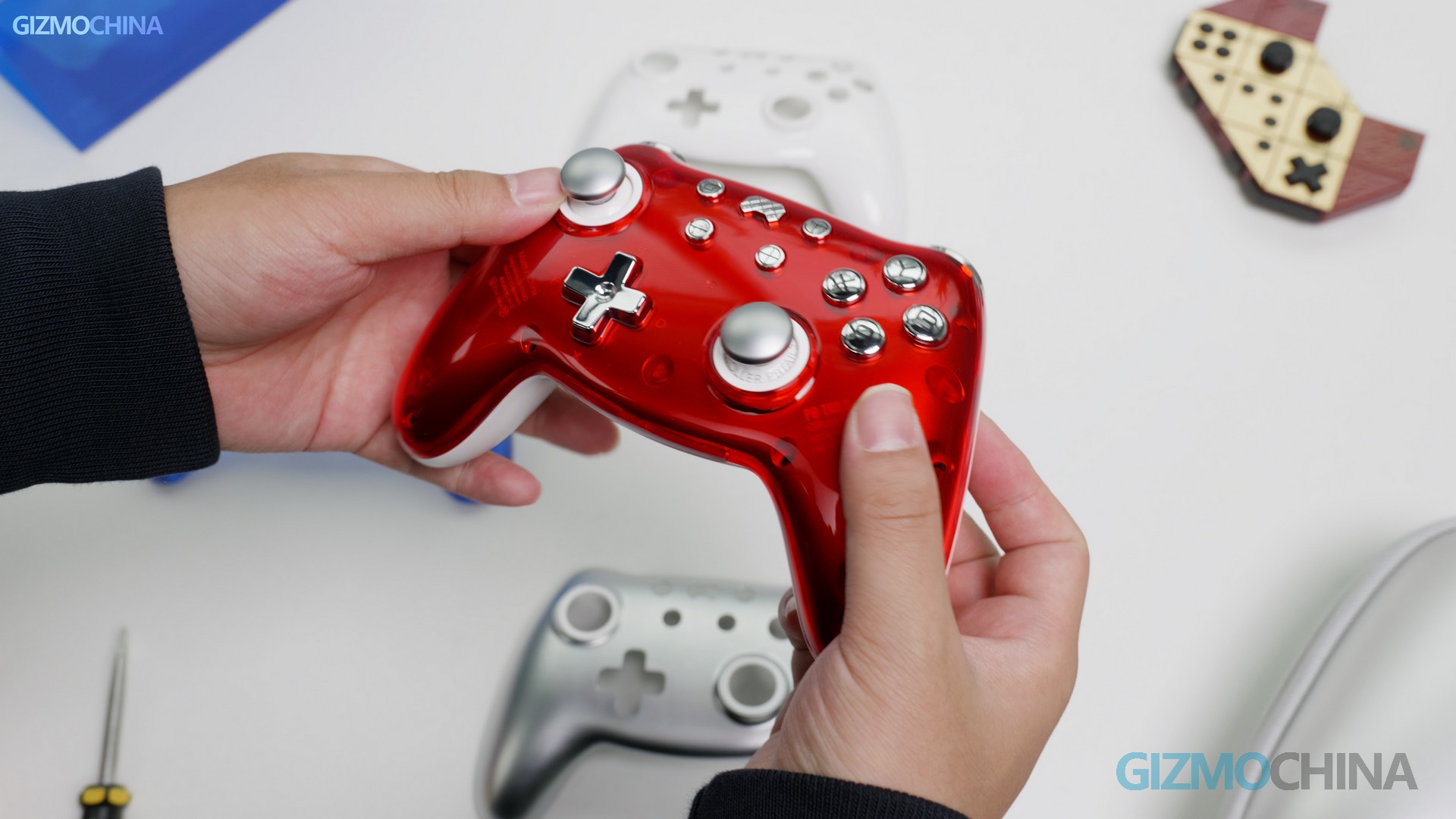
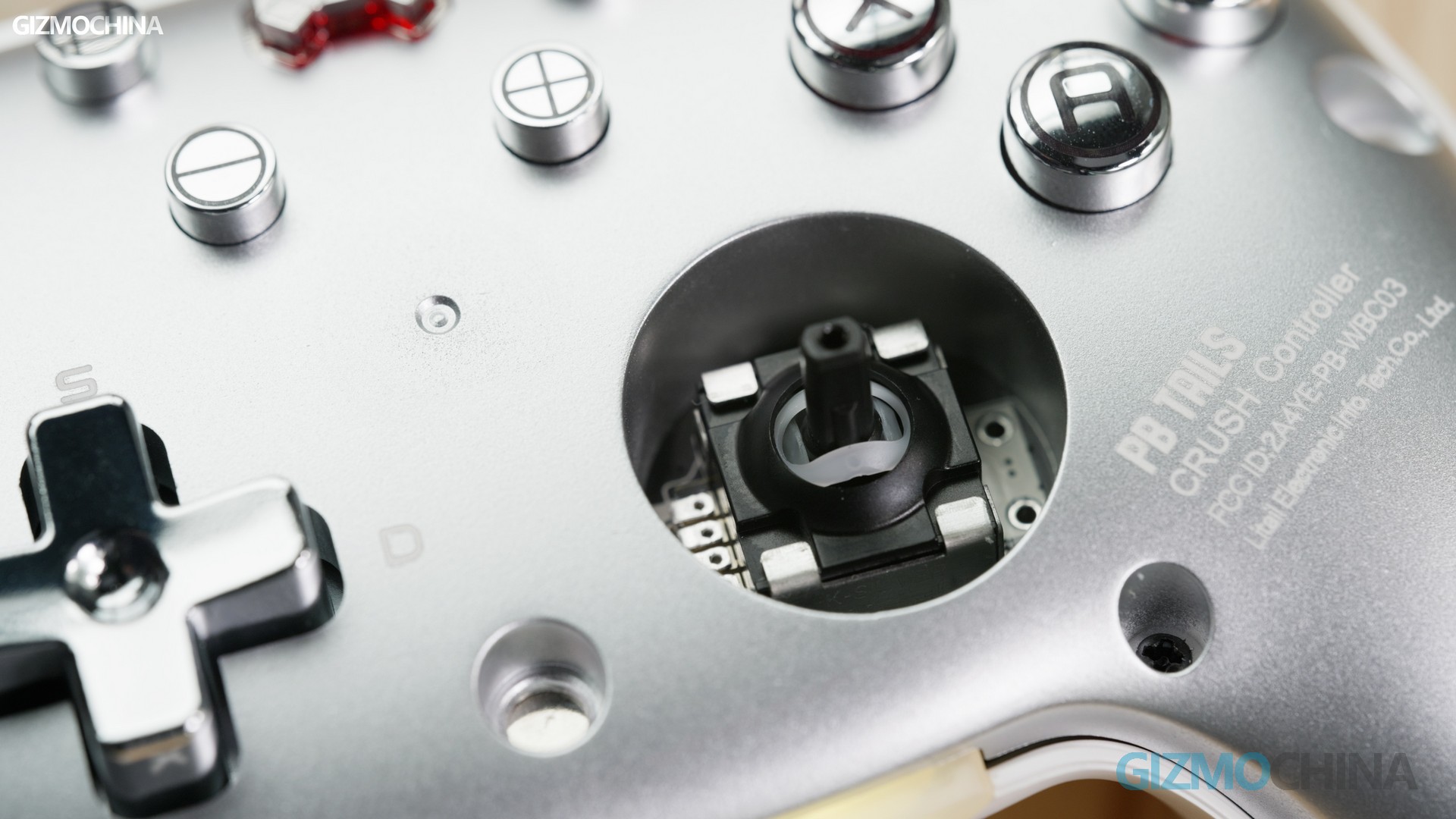
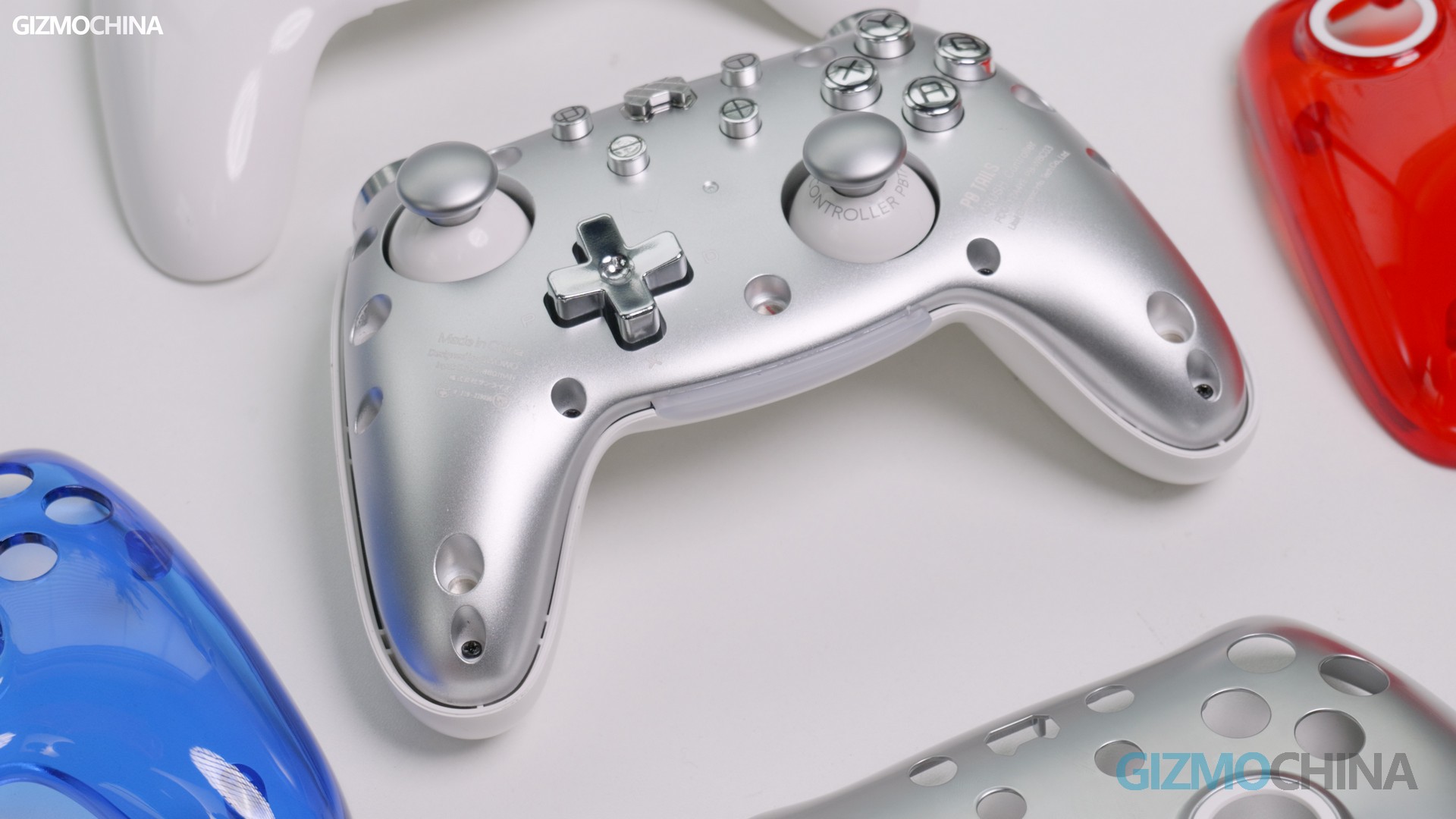
The feature that appeals to me the most is that it gives a very customizable design while making sure you get Pro-level features. Some are common on grips like RGB, the most widely adopted button layouts, extra custom buttons, etc.; others add so much to the design and manufacturing costs that few makers are willing to accept these options, like this amazing magnetic replaceable front cover. This means you can hide all screw holes and unevenness with this clever personalization, which also makes it look like a work of art.
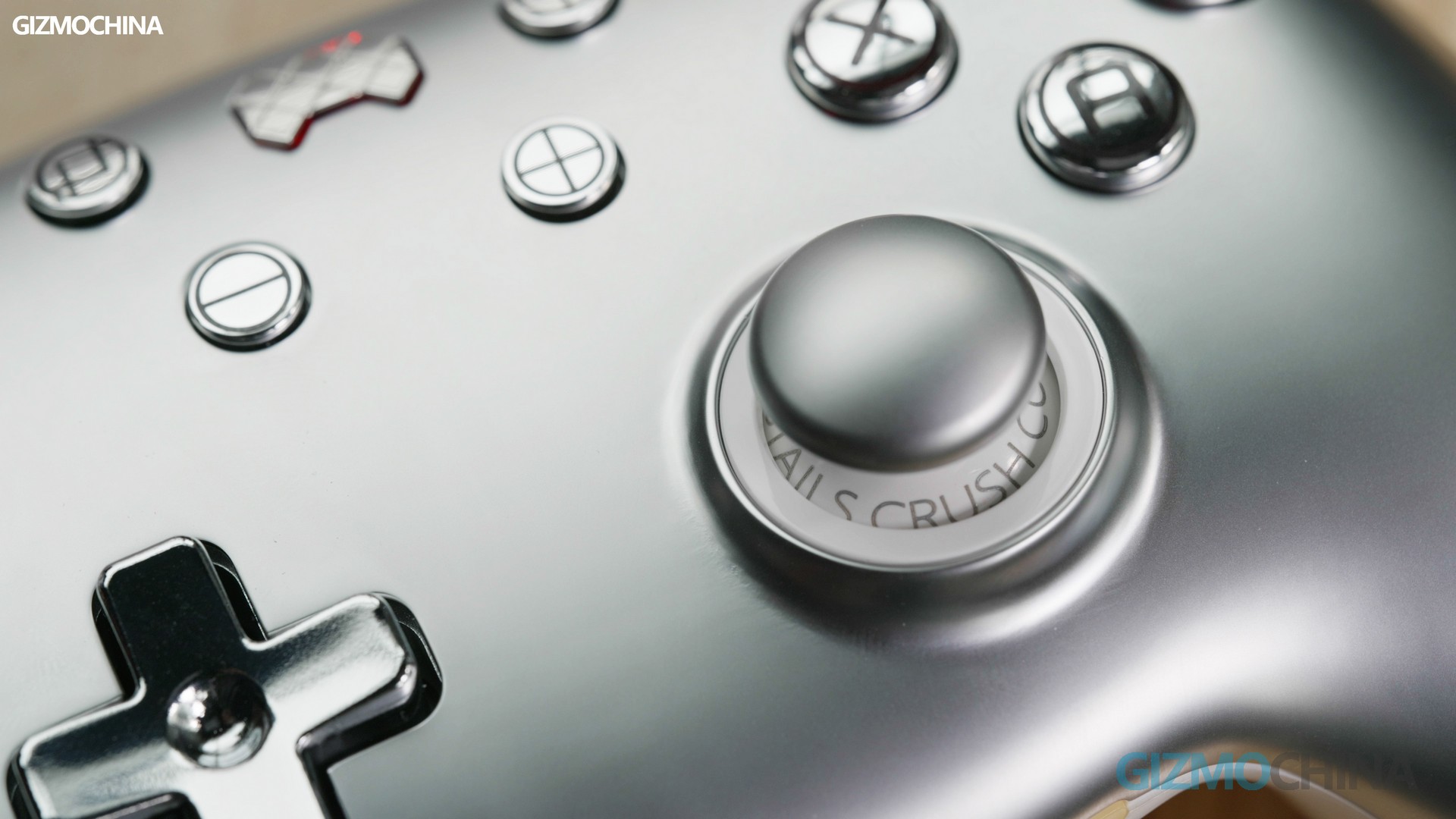
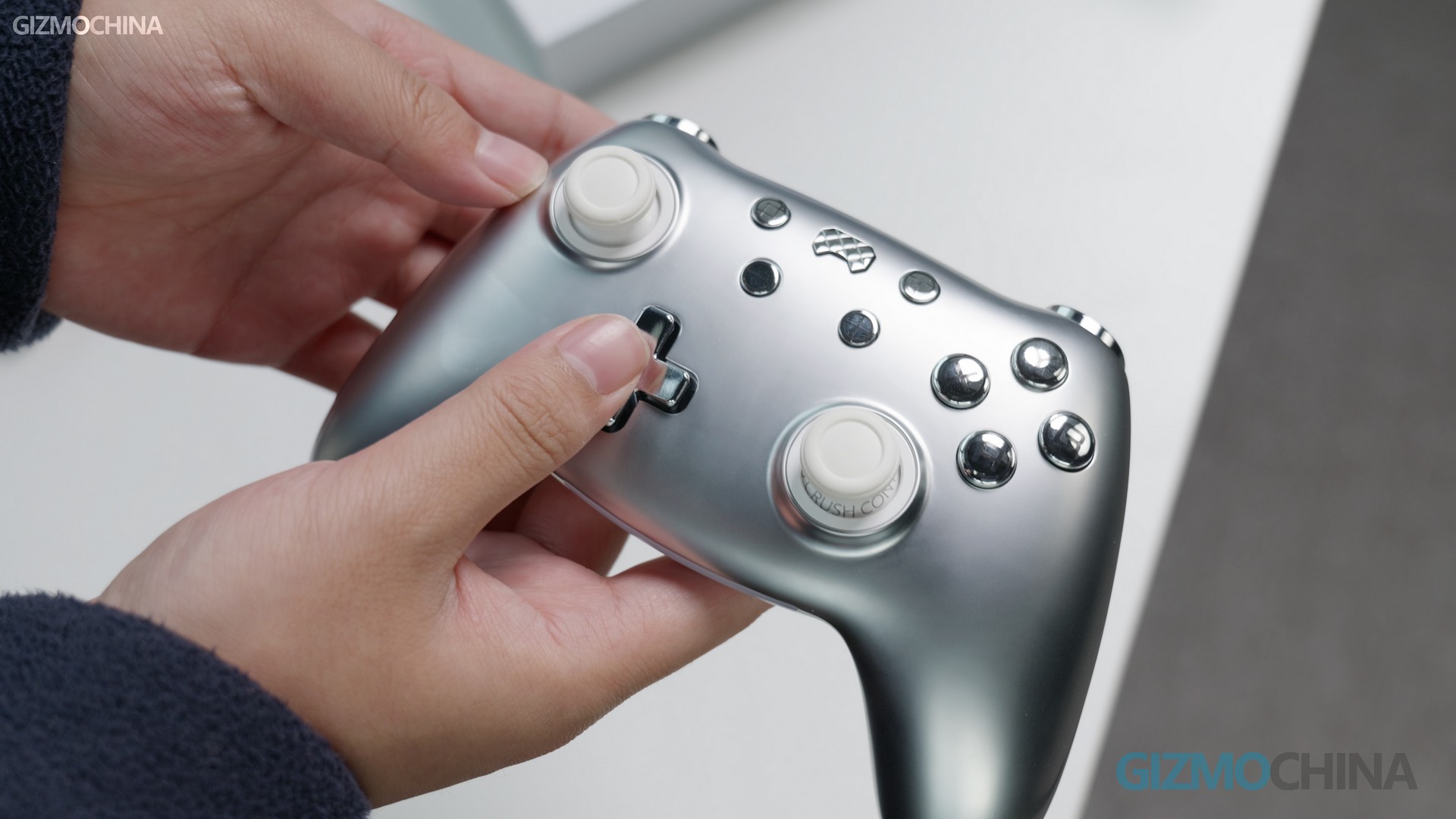
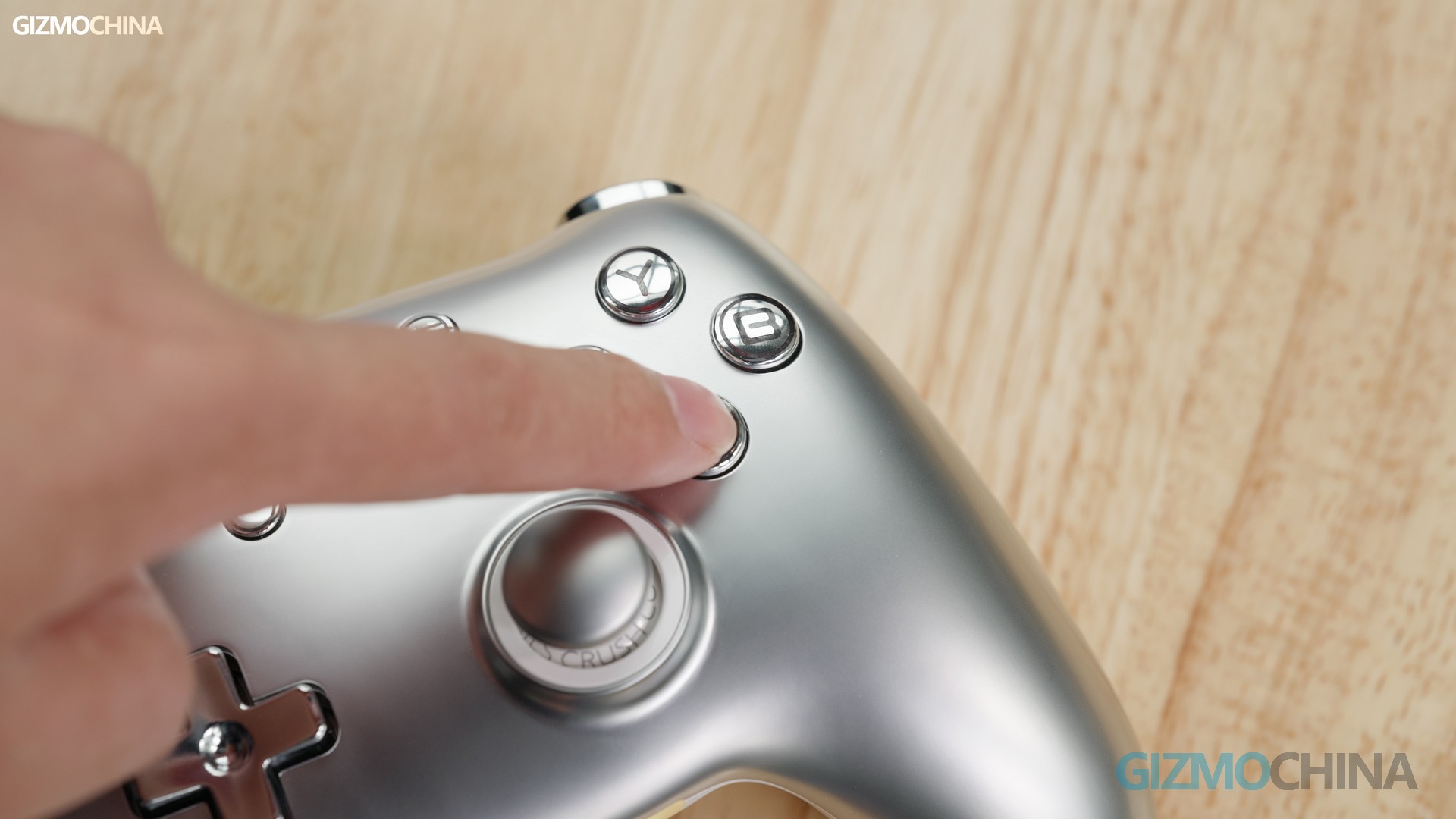
In addition to various color plastic covers, you can also have premium covers like the metal one with a matt finish. It’s absolutely gonna be the favorite one for most gamers, though you might find it a bit heavy when playing with it for the first time. It’s so delicate and the brand even specially made two metal joystick caps for options to well fit with the metal design and make it look and feel as one. But to be honesty, I still prefer the rubber-covered joystick caps.
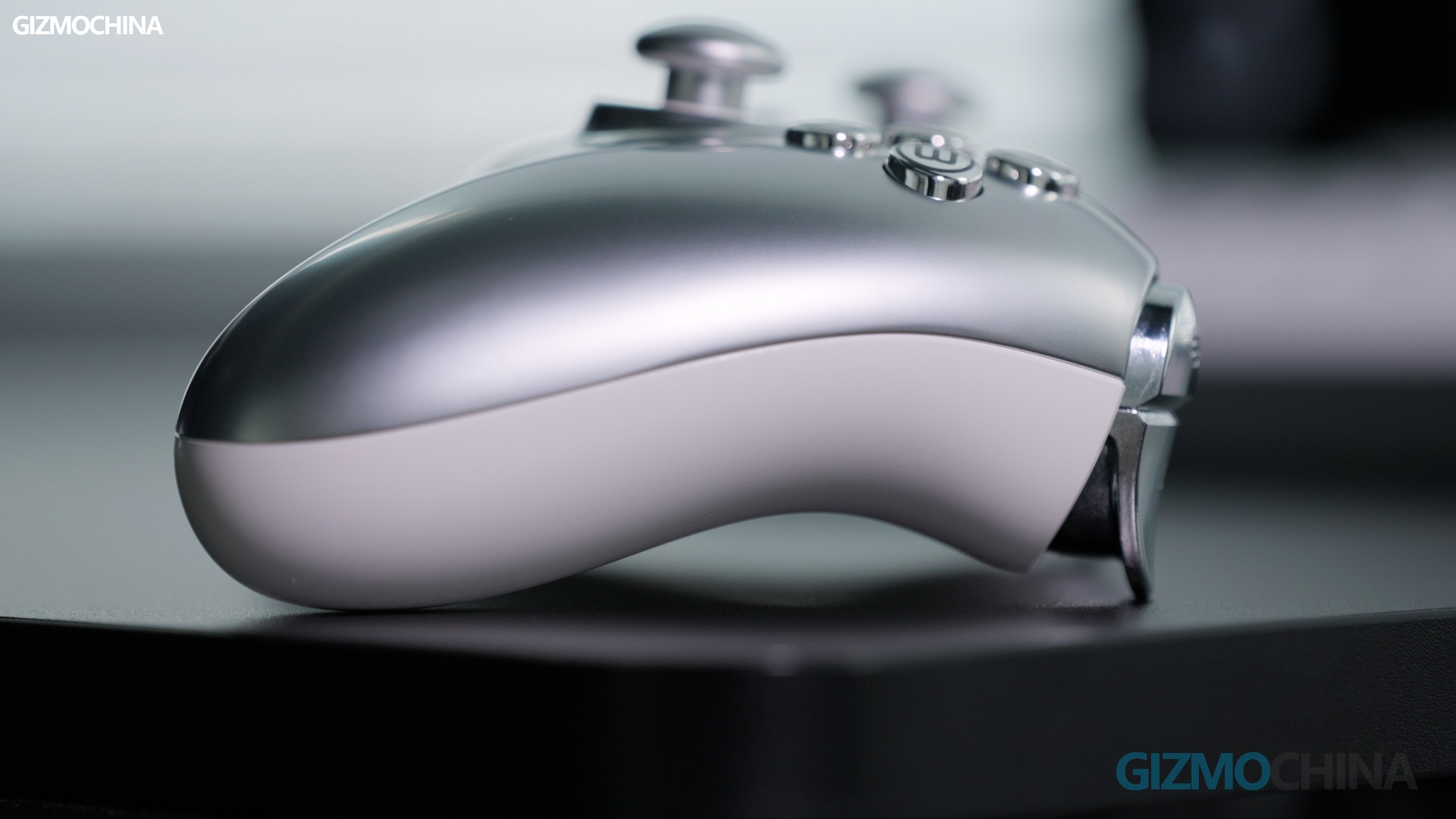
According to the brand’s designer, the Porsche 550 Spyder inspires the design of the Crush Controller, and from the outside, it looks very nice indeed. Looking at the controller from the side, you can see Porsche’s classic curve, smooth and sporty.
We can also find some surprise inside, not just the good looks. For example, the trigger and joystick are both using Hall sensors, which not just have better endurability but also much higher accuracy. So if you’re a switch user confused by stick drift, you should know what I’m talking about.
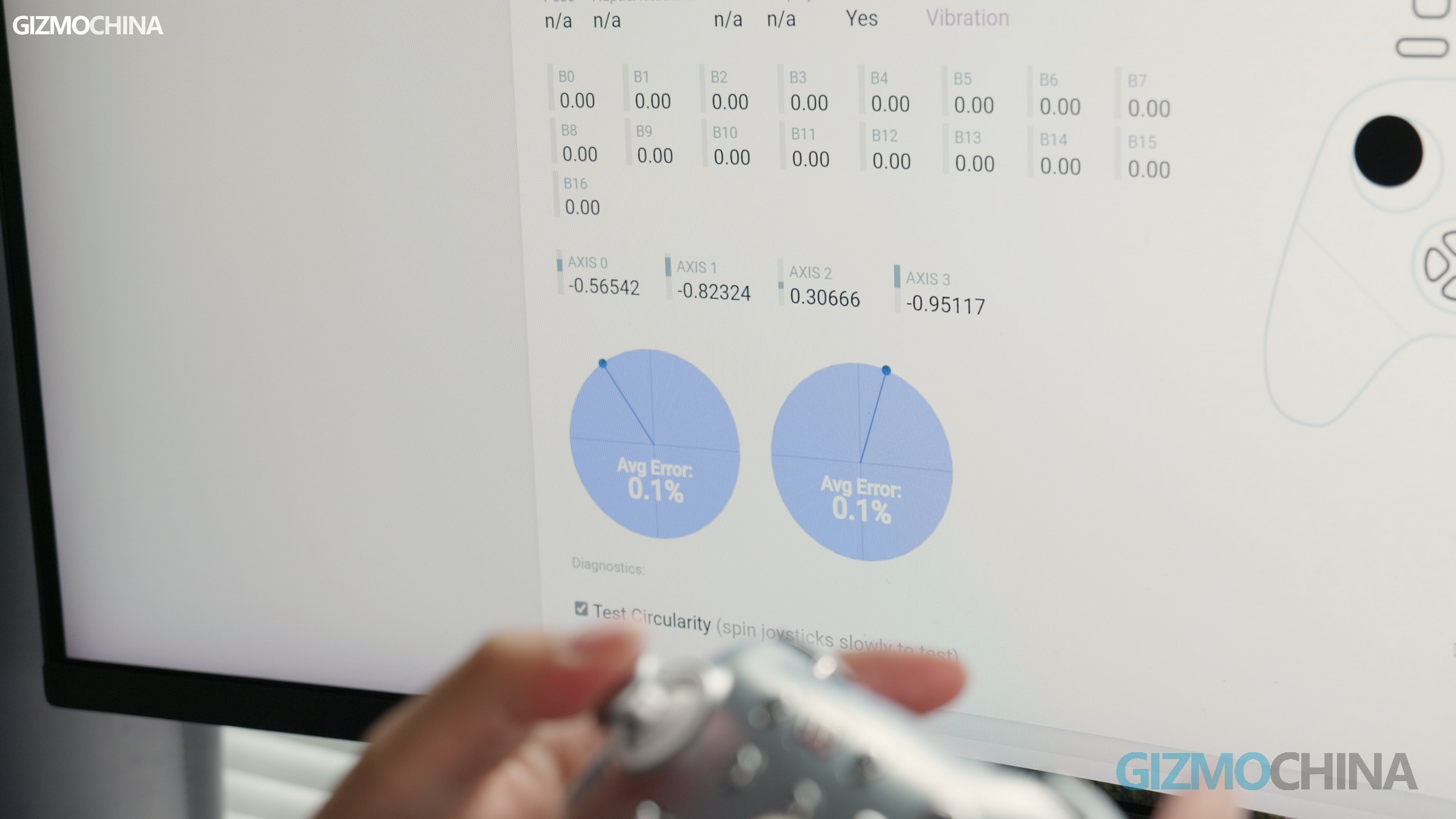
In testing, the hall sensors did a very good job, the Crush Controller’s triggers feel so linear and the average error of the joystick was only 0.1%.
The ABXY buttons use conductive rubber, which I think is a smart detail, as it provides fast response and crisp feedback. In some action games that require complicated and fast operations, it just helped a lot.
Device Support
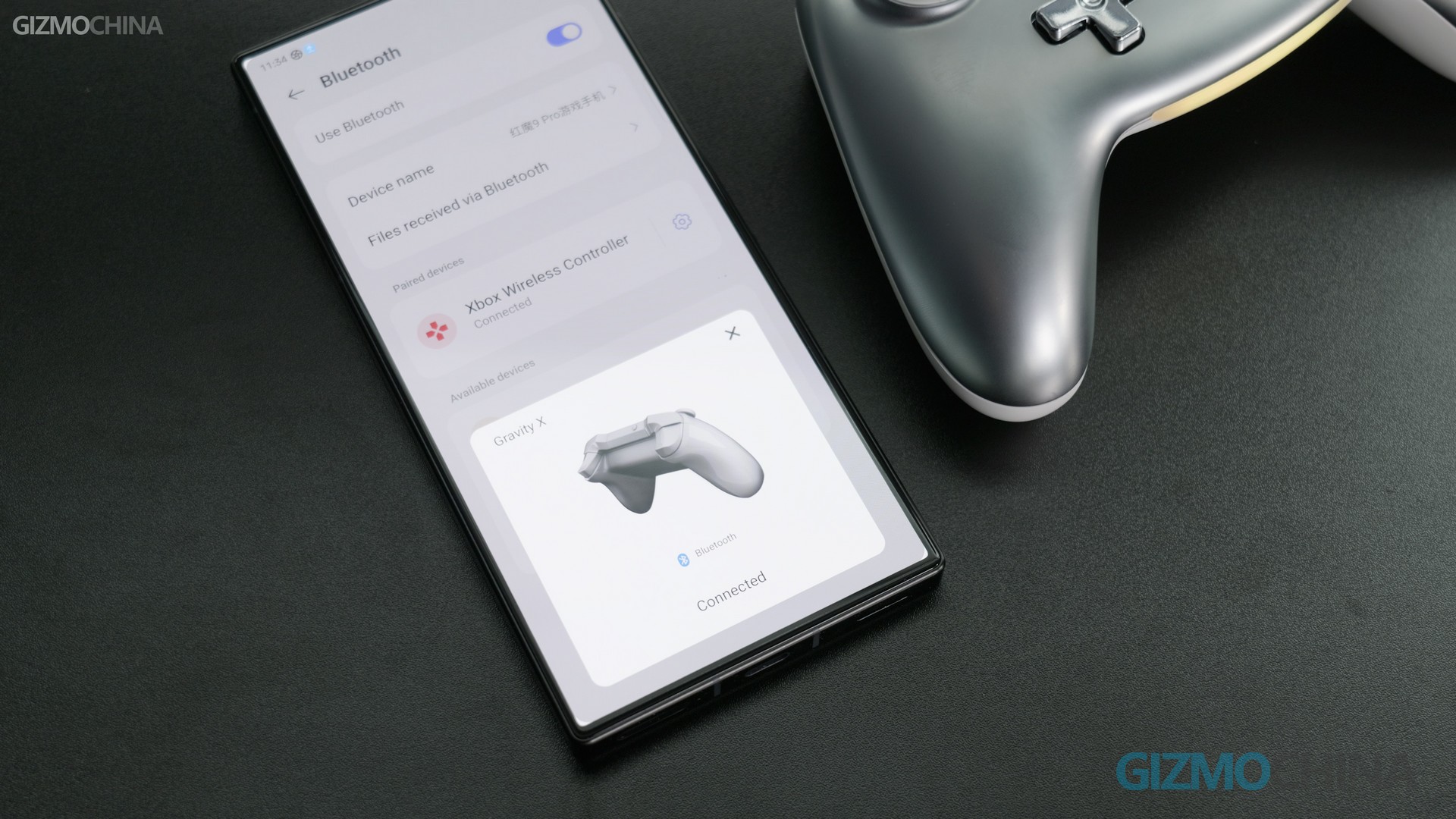
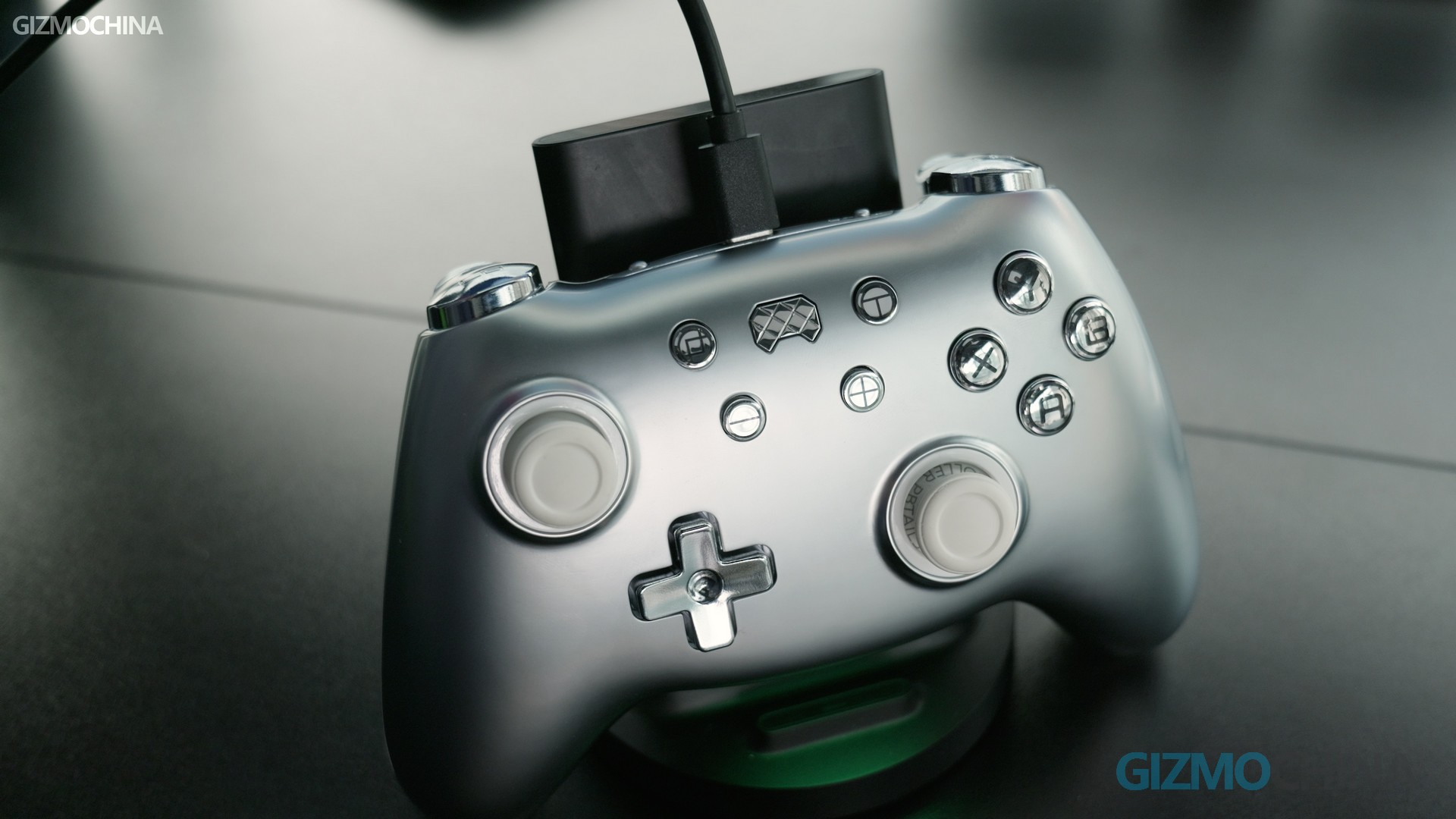
Now let’s talk about the supported platforms. The Crush of course supports Windows PC, and MacOS platforms as well. For mobile platforms like Switch, Android, and iOS, it is also able to perfectly map with the right layout. You can either connect it via Bluetooth, 2.4G or cables. But since the models we have are from an early version. There’s no 2.4G receiver in the package. But I play a lot under Bluetooth connection, and the Crush could easily be found and established the connection, and kept amazingly stable during the hours of gaming.
the Crush Controller has two different layouts for PC and Nintendo Switch respectively and has subtle differences in appearance, you can click on this link to learn more.
Game Test
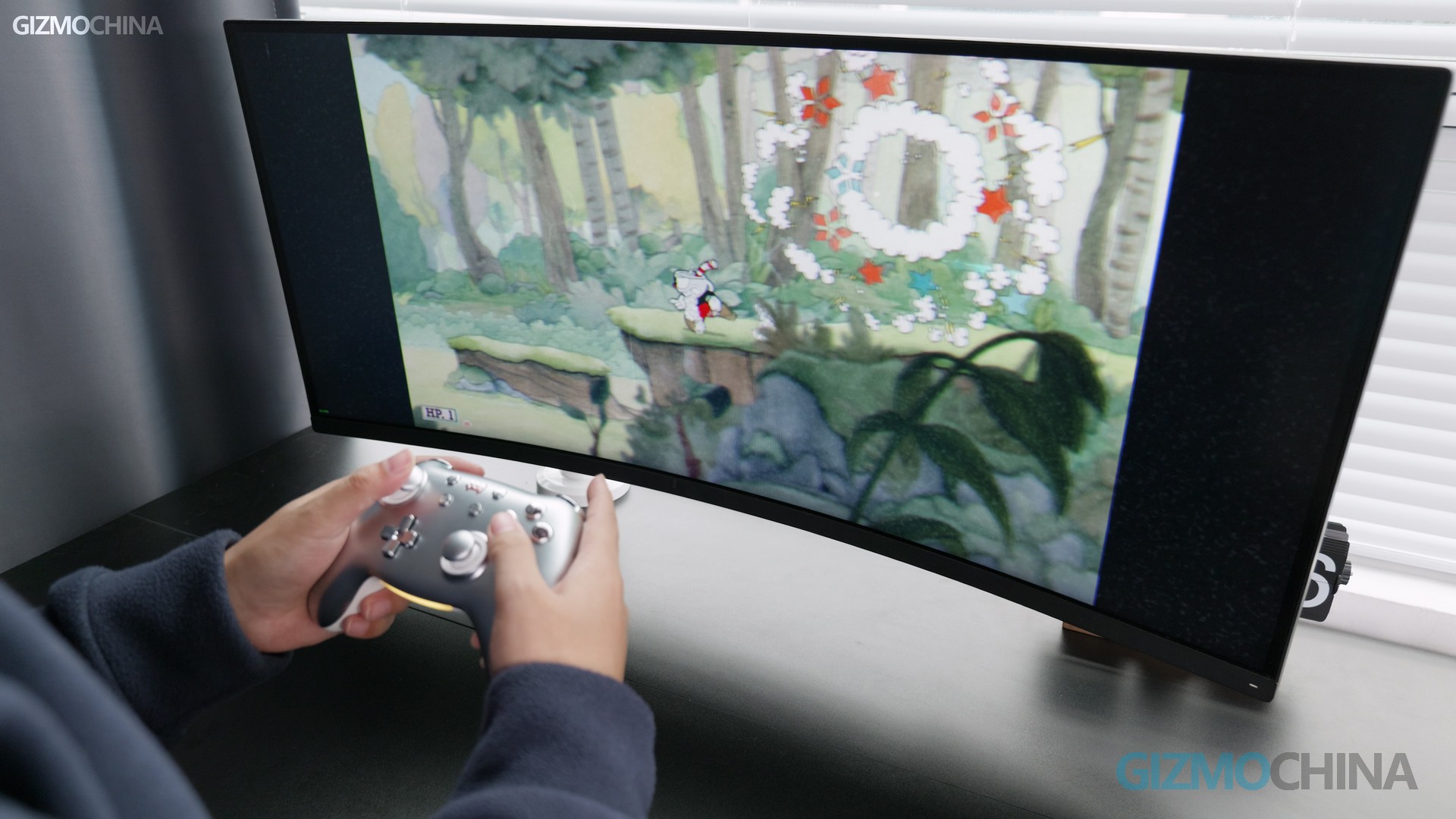
It’s really impressive for gaming. For example, in some action games, the Crush Controller performed very well. With very quick responses to actions like jumps and attack combos. The Controller can definitely compare with those gamepads with big names.
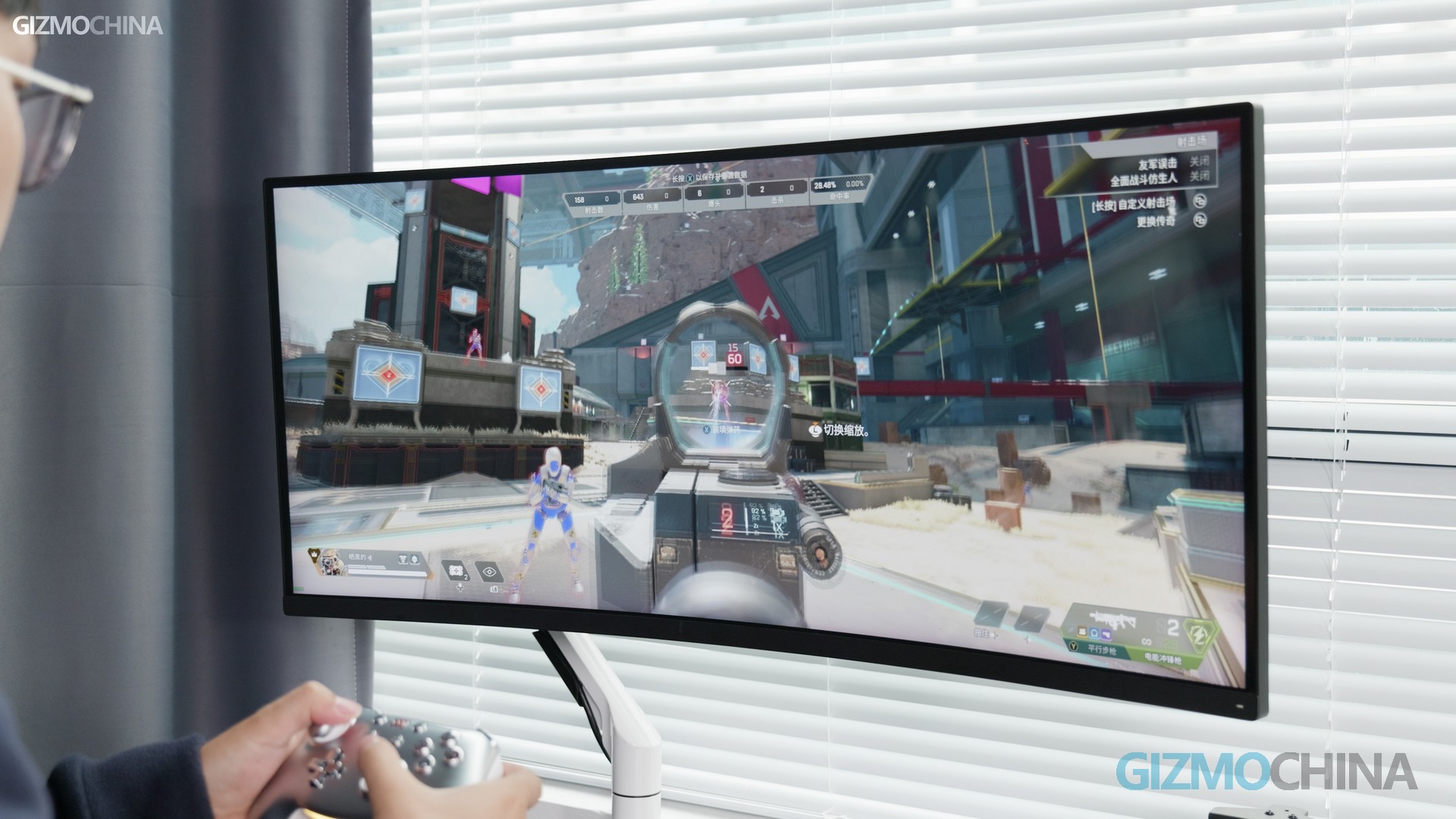
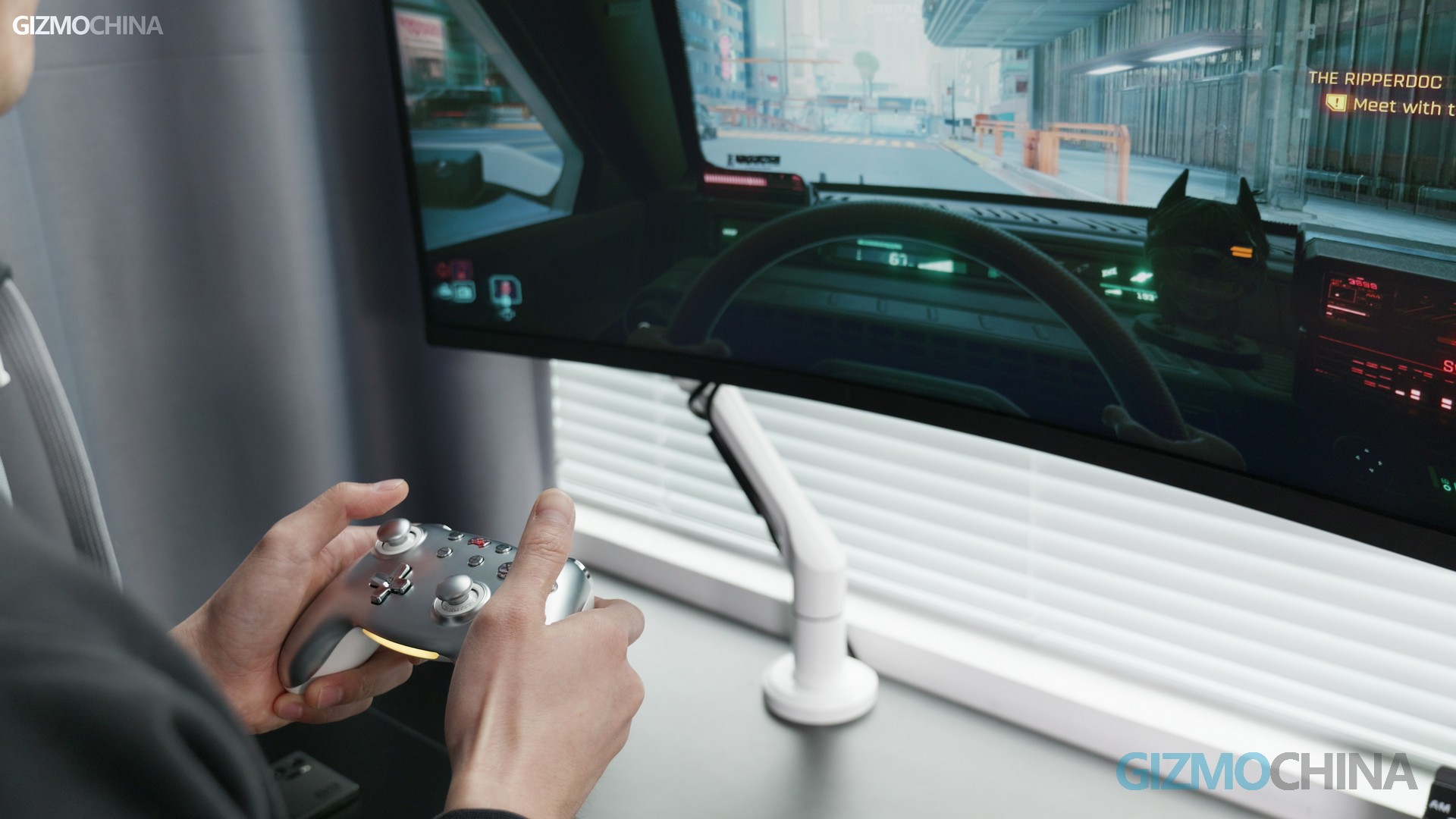
In Cyberpunk 2077, thanks to the Hall Trigger and Joysticks, I pretty enjoyed the smooth driving across Night City. In fps games, it’s also good, but of course, not as good as some grips designed specifically for fps. If you play some competitive FPS games, the Crush may not be the best companion, but for most shooting games, it already kills quite a lot of competitors.
Experience
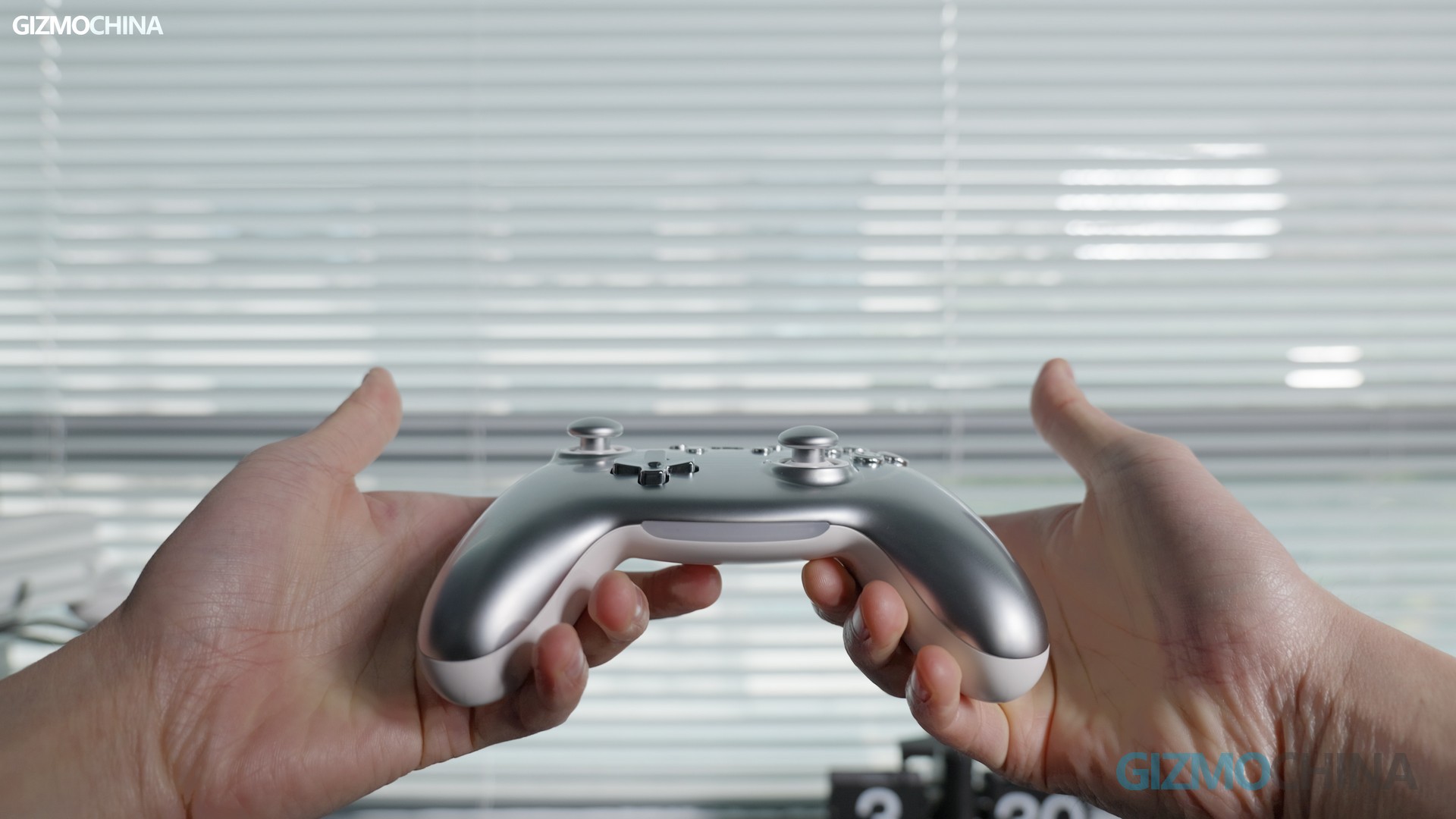
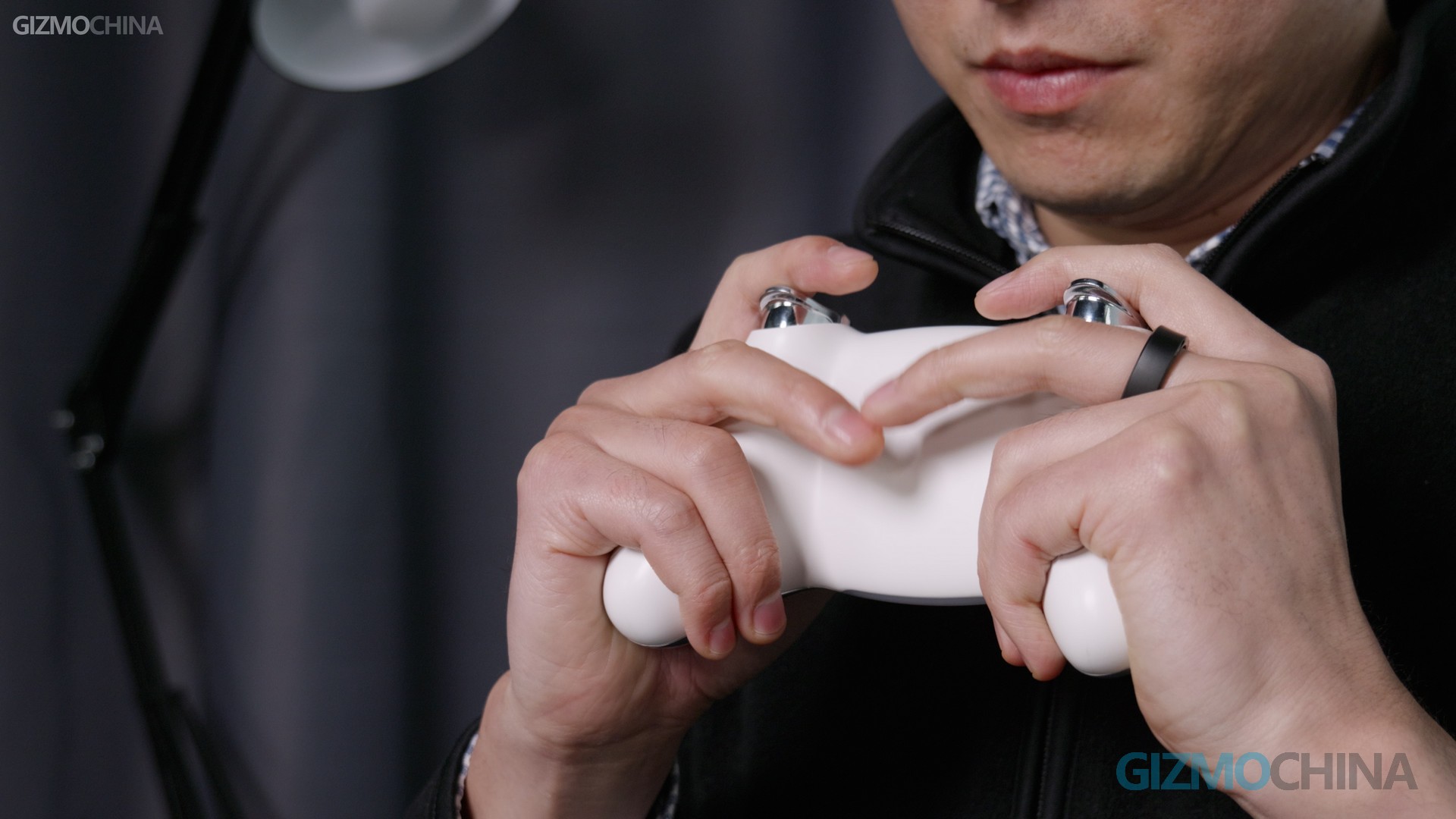
During all the gaming, the grip is much better than it looks. My middle finger fits the controller almost perfectly, and the support in the center of the palm releases a lot when using it for long hours, and helps the index finger achieve quicker presses. For the size of my hands, this is a much better fit for me than the Xbox controller.
The other thing that made me fall in love with it is that I really like the design of the switchable covers. I can even imagine myself tirelessly collecting the new custom covers that were released by the brand in the future.
Battery
The Crush Controller comes with an 860mAh battery that lasts about 10 hours, which is not bad. And for a normal charge, it took us about 2 hours to collect back the full power.
Verdict
I know the Crush is still on the Kickstarter campaign. And I hope they keep developing it with more interesting custom variants. If you guys need a gamepad for a new experience, I highly recommend you try the Crush out, especially the China white variant and the Premium Ghost variant. Its designers put a lot of thought into it. Shout out to the designers. Thank you for watching.
Check out the Crush Controller on the Kickstarter Page here.
We use cookies on our website to give you the most relevant experience by remembering your preferences and repeat visits. By clicking “Accept”, you consent to the use of ALL the cookies.
This website uses cookies to improve your experience while you navigate through the website. Out of these, the cookies that are categorized as necessary are stored on your browser as they are essential for the working of basic functionalities of the website. We also use third-party cookies that help us analyze and understand how you use this website. These cookies will be stored in your browser only with your consent. You also have the option to opt-out of these cookies. But opting out of some of these cookies may affect your browsing experience.
Necessary cookies are absolutely essential for the website to function properly. This category only includes cookies that ensures basic functionalities and security features of the website. These cookies do not store any personal information.
Any cookies that may not be particularly necessary for the website to function and is used specifically to collect user personal data via analytics, ads, other embedded contents are termed as non-necessary cookies. It is mandatory to procure user consent prior to running these cookies on your website.