Oppo is preparing to launch a new Android tablet on May 25, and from the early details, the company seems to be going for a more balanced approach instead of chasing only raw performance numbers.
The upcoming Oppo Pad 6 is scheduled to launch in China on May 25 at 18:00, and Oppo has already revealed quite a bit about the hardware ahead of the event.
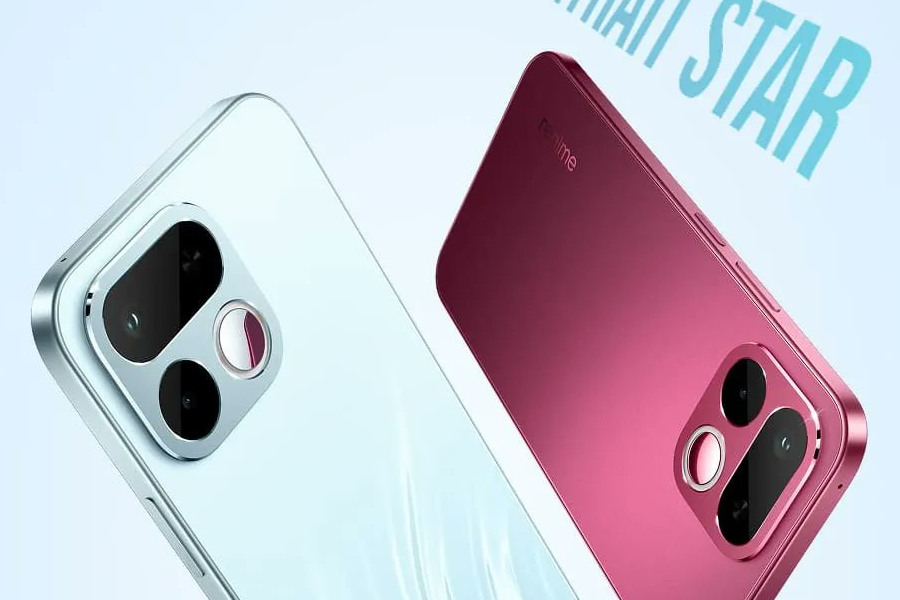
One of the first things the company is highlighting is the design. The tablet measures just 5.99mm thick and weighs around 577 grams, which should make it fairly comfortable to carry around for classes, work, or longer reading sessions. It will be available in Starlight Blue, Galaxy Silver, and Deep Space Gray.
Oppo is using a 12.1-inch 3K LCD panel with a 144Hz refresh rate. The company says the “Soft Light” screen design also helps reduce glare and reflections significantly, which could make a noticeable difference for users who spend long hours reading documents or studying on the tablet.
Under the hood, the Pad 6 is powered by the new MediaTek Dimensity 9500s chipset. The company claims the tablet can score around 3.06 million points on AnTuTu, although benchmark numbers only tell part of the story in actual day-to-day use.
Battery life should not be much of a problem either. The tablet packs a large 10,420mAh battery along with 67W fast charging, which should comfortably handle a full day of mixed use.
On the software side, Oppo is putting a lot of emphasis on multitasking and productivity features. Things like floating windows, PC-style file management, stylus support, cross-device integration, and AI-powered note-taking tools are all part of the pitch this time. There is also support for sharing a nearby phone’s 5G connection directly with the tablet, which is a practical addition for users who work on the go without constant Wi-Fi access.
At least from the details revealed so far, the Oppo Pad 6 feels less like a flashy spec experiment and more like a tablet designed for people who actually plan to use it daily for work, study, streaming, and casual gaming.
Oppo is preparing to launch a new pair of wireless earbuds later this month, and the company seems to be focusing heavily on comfort.
The upcoming Oppo Enco Air5s will officially launch in China on May 25, and from the teasers released so far, the earbuds stick with a semi-in-ear design instead of the more isolating silicone-tip style seen on many recent TWS models.
One of the main highlights is the weight. Oppo says each earbud weighs just 3.9 grams, which should make them more comfortable for longer listening sessions, especially for users who dislike bulky in-ear designs. The earbuds will be available in three colors: Midnight Black, Starlight Purple, and Moonlight White.
Even though the design is semi-in-ear, Oppo is still promising fairly strong call noise reduction performance. The Enco Air5s use a three-microphone setup combined with AI-based voice processing that is designed to better isolate speech in noisy environments like cafés, dorms, or outdoor areas with wind noise.
For audio, the earbuds are equipped with a 12mm dynamic driver, and Oppo is also advertising features like spatial audio and adaptive sound tuning. As usual, the real-world audio quality will matter more than the feature list, but the hardware itself sounds fairly competitive for the segment.
The company is also adding a handful of convenience features that feel aimed at younger users and students. That includes dual-device connectivity, sliding touch controls for volume adjustment, audio sharing, and support for AI-related features like live translation and assistant integration.
Interestingly, Oppo is also emphasizing compatibility with both Android and Apple devices rather than focusing only on its own ecosystem.
Battery life and official pricing still have not been confirmed yet, so those details will likely be saved for the launch event itself.
At least from the early teasers, the Enco Air5s look less focused on being lightweight, comfortable earbuds that people can just wear all day without thinking too much about them.
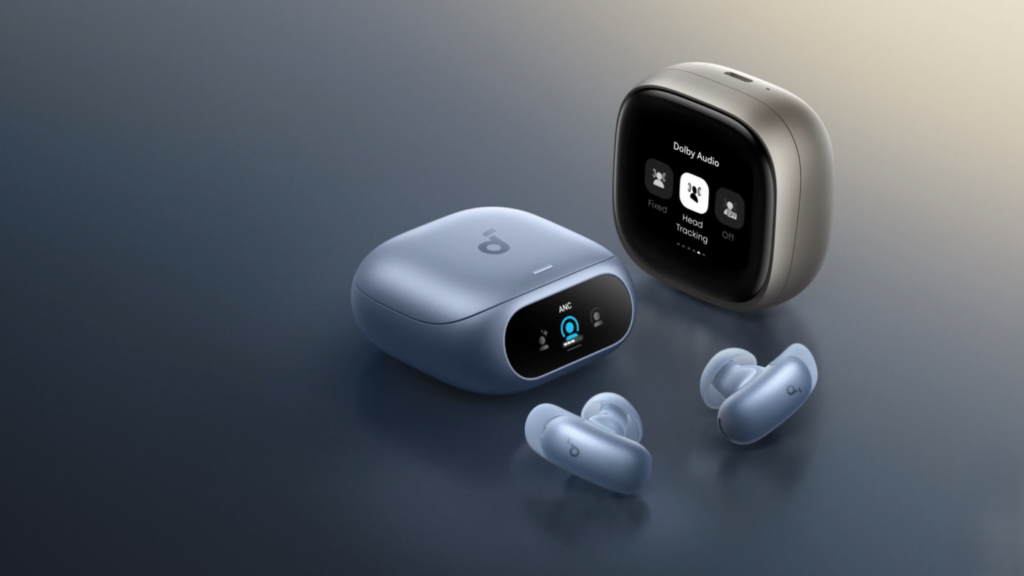
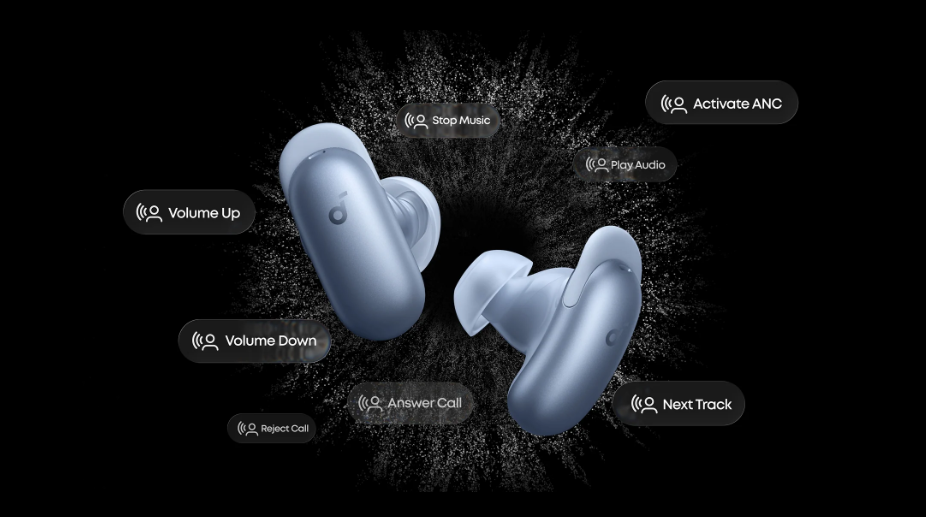
Soundcore has announced two new premium wireless earbuds at Anker Day 2026 in New York, and this time the company is leaning heavily into AI features alongside the usual audio upgrades.
The new Liberty 5 Pro and Liberty 5 Pro Max are both powered by Soundcore’s new in-house Thus AI chip, which the company claims delivers up to 150 times more processing power compared to the previous generation. That extra performance is being used for things like voice processing, adaptive noise cancellation, and some on-device AI features.
Both earbuds use 9.2mm wool-paper diaphragm drivers and support Dolby Atmos audio. They also come equipped with an 8-microphone setup designed to improve voice pickup during calls. According to Soundcore, the earbuds even received a Guinness World Record recognition for speech quality during phone calls, although real-world performance will obviously matter more than the title itself.
A lot of the core features are shared between the two models. That includes Adaptive ANC 4.0, HearID 5.0 sound personalization, multipoint connectivity, IP55 protection, and battery life rated at around 6.5 hours with ANC enabled or up to 28 hours with the charging case.
The standard Soundcore Liberty 5 Pro model starts at $169.99 and includes a small touchscreen built into the charging case. Users can adjust ANC settings and access quick controls directly from the case itself without opening the app.
The more expensive Soundcore Liberty 5 Pro Max pushes things further with a much larger 1.78-inch AMOLED touchscreen on the case. Beyond music controls and ANC adjustments, the case can also run an AI-powered voice recording feature. Users can apparently double-tap the case to record meetings or lectures, after which the system generates transcripts and summaries directly on-device without needing an internet connection. Soundcore says the case can store up to 12 hours of recordings locally.
Alongside the earbuds, the company also introduced something called VibeOS, a new AI-focused layer inside the Soundcore app that includes a voice assistant named “Anka.”
Overall, Soundcore seems to be trying to position the Liberty 5 series as more than just another pair of ANC earbuds. Between the built-in displays, AI note-taking tools, and strong focus on call quality, the company is clearly targeting users who want productivity-style features alongside premium audio.
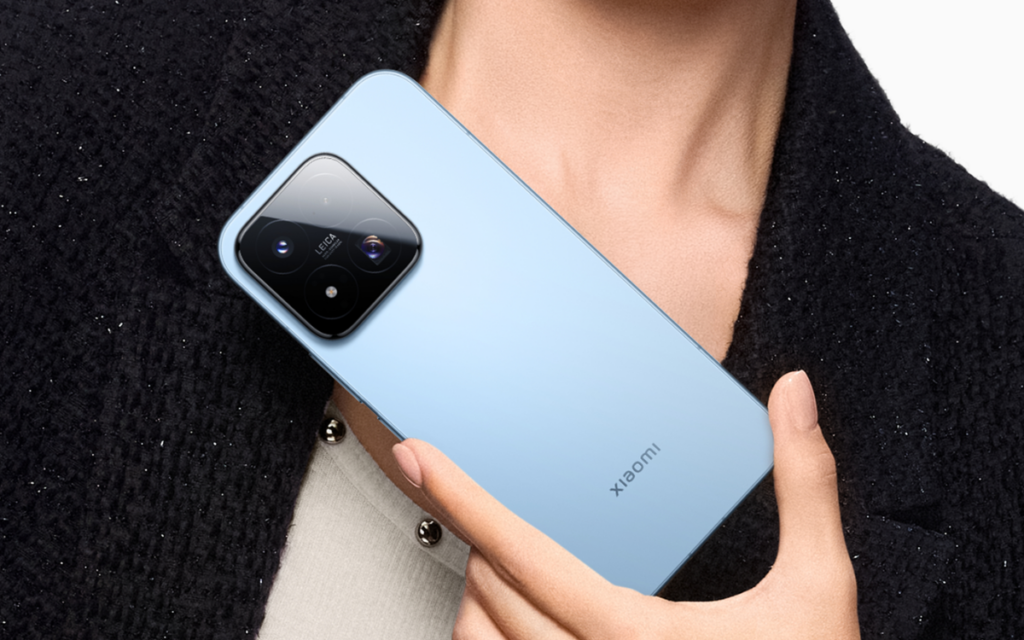
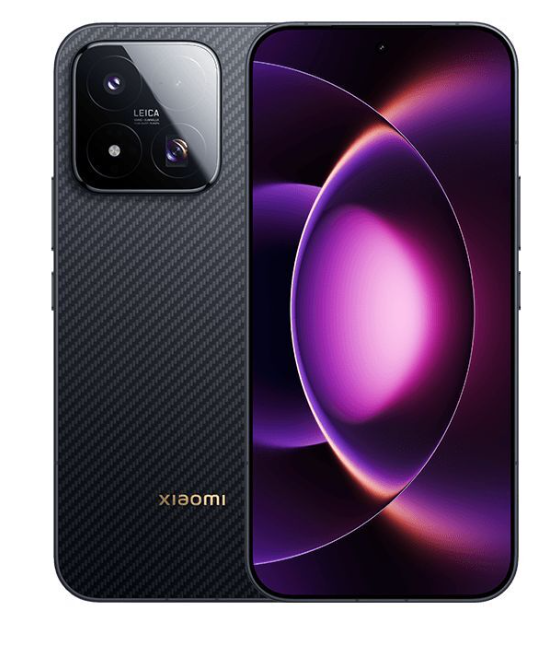
Xiaomi CEO Lei Jun has warned that smartphones could become even more expensive in the coming years as memory chip prices continue to rise across the industry.
Speaking during the launch event of the Xiaomi 17 Max, Lei Jun said users who regularly upgrade their phones every year may want to consider buying sooner rather than later. According to him, the ongoing rise in component costs could push smartphone prices higher in the future.
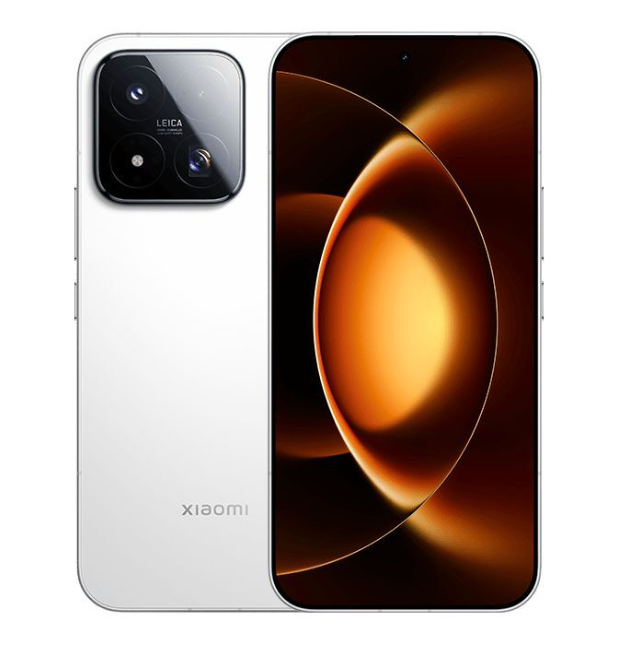
Xiaomi 17 Max
After the launch event, Lei Jun told media outlets that Xiaomi was among the first smartphone brands to publicly warn about rising memory prices last year. He said the cost of memory chips is expected to continue increasing for at least the next two years, putting additional pressure on the smartphone industry.
The executive explained that rising storage and memory prices are already affecting production costs for smartphones and other consumer electronics products. Despite this, Xiaomi says it is trying to reduce the impact on customers by improving supply chain efficiency and making internal technological optimizations.
Lei Jun said the company is working to absorb some of the additional costs instead of directly passing them on to buyers. However, he also suggested that keeping prices stable may become more difficult if memory costs continue climbing at the current pace.
Xiaomi officials are continuously warning about price hikes
Lu Weibing, president of Xiaomi Group, recently shared a similar view during a public livestream. He predicted that several premium flagship smartphones from Chinese brands could officially cross the 10,000 yuan (~ $1470) mark by the end of this year.
Lu Weibing also claimed that the current round of memory price increases may continue until at least the end of 2027, with the possibility of the trend extending into 2028. According to him, the pressure on key upstream components is unlikely to ease in the short term.
The smartphone market is already starting to feel the effects. Since March this year, many smartphone models in China have reportedly seen price increases ranging between 200 and 400 yuan due to higher component costs.
For more daily updates, please visit our News Section.
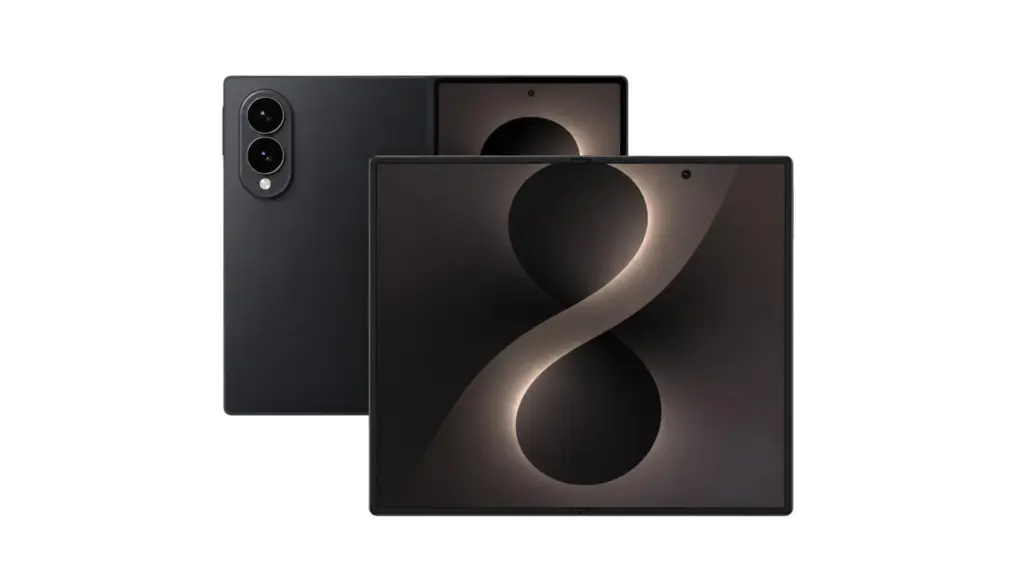
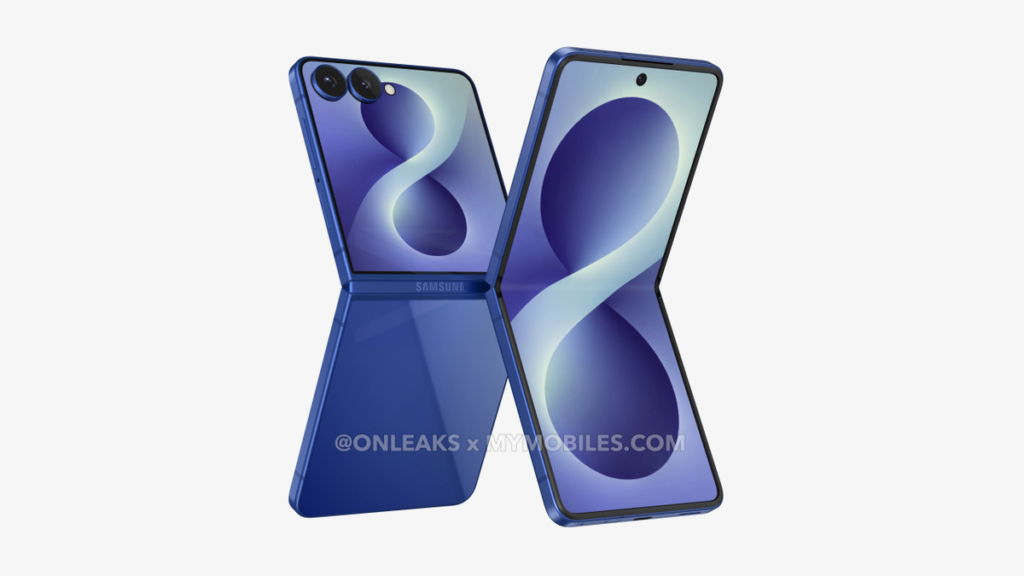
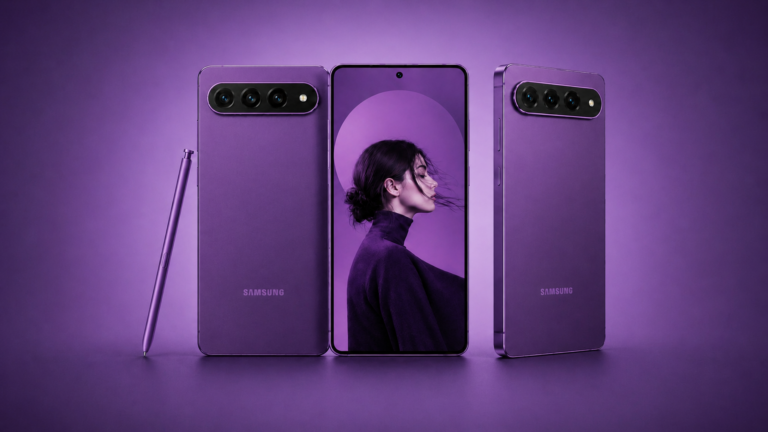
Samsung could end up increasing prices for some versions of the upcoming Galaxy Z Fold 8 and Galaxy Z Flip 8 as production costs continue rising across the industry.
According to a recent report from Korean outlet Newspim, Samsung has been dealing with higher chipset and memory prices ahead of the next foldable launch cycle. The company is reportedly trying to keep the starting prices unchanged, but the higher storage variants may not be so lucky this time.
Right now, the expectation is that the base storage versions could launch at roughly the same prices as the current generation. The 512GB and 1TB models, however, are expected to cost more. Samsung has already been leaning in this direction recently, where the more expensive storage tiers quietly absorb most of the price increases.
The timing is not exactly surprising. DRAM prices have been climbing again, and AI demand has been putting extra pressure on the semiconductor market in general.
As for the actual hardware, early leaks suggest the Fold 8 series may focus more on refinement than major changes. Reports so far point to fairly iterative upgrades, and some rumors even claim the crease reduction may not improve dramatically compared to the previous generation.
There are also whispers that S Pen support and Samsung’s newer Privacy Display tech could remain absent, possibly as part of broader cost-control decisions.
Samsung is still expected to unveil the new foldables sometime around late July, possibly during an Unpacked event in London. If the current pricing estimates are accurate, the base Fold 8 could still remain around the familiar $1999 range, while the higher-end versions may move even deeper into ultra-premium territory. The Flip 8 lineup could also see smaller increases depending on storage configuration.
Samsung still dominates the foldable market globally, but the competition is getting stronger every year, especially from Chinese brands pushing thinner designs and larger batteries. At the same time, Apple’s foldable ambitions continue to hang over the industry, even if the company still has not launched anything yet.
For Samsung, the challenge now is probably less about proving foldables work and more about convincing buyers that the next upgrades are worth paying even more for.
Samsung may be considering a noticeable change for the future Samsung Galaxy S27 lineup. According to new supply chain reports, the company is exploring the use of OLED panels from Chinese display maker BOE for at least some versions of the standard Galaxy S27.
If that ends up happening, it would be a fairly big shift for Samsung’s flagship phones, which have traditionally relied almost entirely on panels made by Samsung Display itself.
The reported reason mostly comes down to cost. BOE is said to have offered panels that are roughly $5 cheaper per unit compared to Samsung Display. That may not sound huge at first, but across millions of phones, the savings add up pretty quickly.
The timing also makes sense from Samsung’s side. Component costs, especially DRAM memory prices, have been rising again recently, and smartphone makers are under pressure to control production costs.
For now, reports suggest Samsung Display would still remain the primary supplier, with BOE acting more as a secondary source. Samsung already uses panels from companies like TCL CSOT in some mid-range Galaxy devices, so the idea itself is not completely new. The bigger talking point is simply the possibility of BOE entering the flagship Galaxy S lineup.
There are also reports that the base Galaxy S27 could use an older OLED material set instead of Samsung Display’s latest-generation technology, again likely as part of the same cost-cutting effort.
Of course, display quality is one area where Samsung phones have traditionally had a very strong reputation, so some users will probably question whether panel consistency could change depending on the supplier. Samsung Display is still widely considered one of the best OLED manufacturers in the industry and even supplies panels for companies like Apple.
At the same time, most users would probably never notice small differences in everyday use if Samsung calibrates the panels properly.
The Galaxy S27 series is expected to launch sometime in early 2027, so there is plenty of time for Samsung’s plans to change. Still, the report does give an interesting look at how aggressively smartphone brands are now trying to manage flagship production costs behind the scenes.
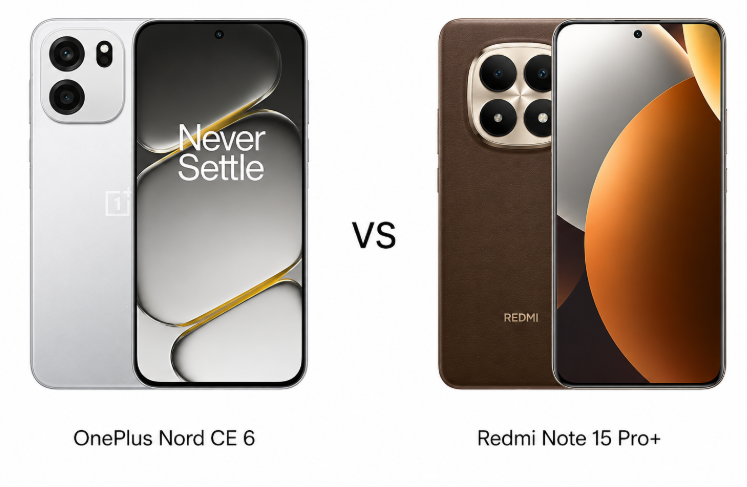
Mid-range smartphones are no longer about compromises, and the OnePlus Nord CE 6 and Redmi Note 15 Pro+ prove exactly that. One phone goes all-in on battery life, gaming, and smooth performance, while the other focuses on premium design, cameras, and entertainment features usually seen on far more expensive devices. On paper, both look incredibly competitive, but the real question is which one actually delivers the better everyday experience for the money.
Major Features:
Feature
OnePlus Nord CE 6
Redmi Note 15 Pro+
Winner
Display
6.78-inch AMOLED, 144Hz, 3600 nits
6.83-inch AMOLED, 120Hz, Dolby Vision, 3200 nits
Redmi – Better multimedia support with Dolby Vision and HDR10+
Refresh Rate
144Hz
120Hz
OnePlus – Smoother scrolling and gaming experience
Chipset
Snapdragon 7s Gen 4
Snapdragon 7s Gen 4
Tie – Same overall performance
Storage Type
UFS 3.1
UFS 2.2
OnePlus – Faster app loading and file transfers
RAM & Storage Options
Up to 256GB + 8GB
Up to 512GB + 12GB
Redmi – More storage and RAM options
Main Camera
50MP OIS
200MP OIS
Redmi – Higher detail and stronger camera hardware
Ultrawide Camera
No
8MP Ultrawide
Redmi – More versatile camera setup
Selfie Camera
32MP with 4K video
32MP with 1080p video
OnePlus – Better selfie video recording
Video Recording
4K rear + selfie
4K rear, 1080p selfie
OnePlus – Better front camera video support
Battery
8000mAh
6500mAh
OnePlus – Massive battery advantage
Charging
80W wired
100W wired
Redmi – Faster charging speeds
Reverse Charging
27W reverse wired
22.5W reverse wired
OnePlus – Faster reverse charging
Build Protection
IP68/IP69K, MIL-STD-810H
IP68/IP69K, Victus 2
Redmi – More premium protection materials
Audio
Stereo speakers
Stereo speakers with Dolby Atmos
Redmi – Better multimedia audio experience
Connectivity
Wi-Fi 6, Bluetooth 5.2
Wi-Fi 6E, Bluetooth 5.4
Redmi – Newer connectivity standards
NFC
No
Yes
Redmi – More practical daily usability
Software
Android 16
HyperOS 2 with 4 updates
Redmi – Longer software commitment
Gaming Features
Bypass charging, 144Hz
Standard gaming features
OnePlus – Better gaming-focused setup
Price
Around $330 / ₹30,000
Around $360 / ₹34,500
OnePlus – Better overall value for money
Overall
Battery, gaming, smoothness
Cameras, multimedia, premium feel
Tie – Depends on user priorities
Disclaimer: Specs are based on available data. Actual performance may vary. Verify details from official sources before buying.
The OnePlus Nord CE 6 focuses on durability and practicality with IP68/IP69K protection, MIL-STD-810H certification, and a clean, minimalist design language. It feels more performance-oriented and slightly more rugged in daily use. The Redmi Note 15 Pro+ takes a more premium route with Gorilla Glass Victus 2 protection, eco-leather or glass-fiber finish options, and stronger drop resistance claims. Redmi’s finish looks more flagship-inspired, especially with the curved styling and refined camera module design.
Display Quality
Both phones use AMOLED panels with 3840Hz PWM dimming, making them comfortable during extended nighttime use. The Nord CE 6 gains an advantage with its 144Hz refresh rate, which makes scrolling and gaming feel smoother and more responsive. However, the Redmi Note 15 Pro+ counters with Dolby Vision, HDR10+, and richer color reproduction. Peak brightness is also extremely high on both devices, though Redmi’s tuning feels slightly more cinematic for streaming content.
Verdict
The OnePlus Nord CE 6 feels better suited for gamers and users wanting a smoother interface experience. The Redmi Note 15 Pro+ looks and feels more premium overall, especially for multimedia lovers who prioritize visual quality and flagship-style finishing.
2. Specifications Including Battery
Performance
Both smartphones run on the Snapdragon 7s Gen 4 chipset paired with the Adreno 810 GPU, so day-to-day performance remains very similar. App loading, multitasking, and gaming performance are consistently strong on both devices. The OnePlus Nord CE 6 benefits from UFS 3.1 storage, which gives it faster app installation and slightly quicker file transfer speeds. Redmi still performs well, but its UFS 2.2 storage feels a step behind during heavier workloads. OnePlus also delivers a cleaner Android-like software experience, while HyperOS on Redmi offers more customization and features.
Battery and Charging
Battery life is where the Nord CE 6 becomes extremely impressive. The massive 8000mAh battery easily pushes beyond a full day, even for heavy users, and bypass charging is a nice addition for gamers. Redmi’s 6500mAh battery is still excellent and paired with faster 100W charging, allowing very quick top-ups. However, the OnePlus setup feels more practical for long-term endurance and travel-heavy usage.
Verdict
The OnePlus Nord CE 6 wins this section because of its huge battery, faster storage, and gaming-friendly features. Redmi remains a strong option for users who prefer faster charging and a more feature-rich software experience.
3. Camera
Main and Secondary Lenses
The Redmi Note 15 Pro+ clearly pushes harder in camera hardware with its 200MP primary sensor and dedicated ultrawide lens. Photos carry more detail, stronger dynamic range, and better versatility in landscape shots. The ultrawide camera especially adds flexibility that the Nord CE 6 simply cannot match. The OnePlus Nord CE 6 focuses more on consistency with its stabilized 50MP main camera, delivering reliable colors and balanced exposure. Video performance is solid on both devices with 4K recording and stabilization support.
Selfie Camera
Both devices feature 32MP selfie cameras, but their output differs slightly. The Nord CE 6 supports 4K selfie video, which gives it an edge for vloggers and content creators. Redmi’s front camera produces slightly softer processing but maintains good skin tones and HDR performance in daylight conditions. OnePlus tends to keep selfies sharper and more social-media-ready without requiring edits.
Verdict
The Redmi Note 15 Pro+ is the stronger overall photography package because of its 200MP sensor and ultrawide lens. The OnePlus Nord CE 6 feels more balanced for video creators and users wanting dependable results without aggressive image processing.
4. Pricing
The OnePlus Nord CE 6 is priced at around $330 or ₹30,000, while the Redmi Note 15 Pro+ sits slightly higher at roughly $360 or ₹34,500. The difference is not massive, but it changes the value equation significantly depending on user priorities. The Nord CE 6 offers flagship-like battery capacity, faster storage, and a smoother 144Hz display at a lower price point. That combination makes it feel extremely competitive in the upper mid-range segment.
The Redmi Note 15 Pro+ justifies its higher pricing with better camera hardware, premium materials, Dolby Vision support, and faster charging. It feels closer to a lifestyle-focused premium smartphone rather than a pure performance-focused device. Buyers who consume a lot of media or prioritize photography may find the extra cost worthwhile.
Verdict
The OnePlus Nord CE 6 delivers stronger value for performance-focused users and gamers. The Redmi Note 15 Pro+ feels more justified for buyers wanting better cameras, richer multimedia features, and a more premium overall presentation.
Disclaimer: Prices are approximate and may vary based on country, region, launch timing, and applicable taxes. Always check whether the listed price is for a China unit or a global/international variant when purchasing.
5. Conclusion
The OnePlus Nord CE 6 stands out mainly because of its massive 8000mAh battery, 144Hz AMOLED display, bypass charging, and faster UFS 3.1 storage. It feels built for power users who prioritize endurance, gaming, and long daily usage without constantly searching for a charger. The experience leans more toward practicality and raw usability.
The Redmi Note 15 Pro+ focuses on delivering a more premium all-around package. Features like Dolby Vision, Gorilla Glass Victus 2, a 200MP camera, an ultrawide lens, and faster 100W charging make it feel more refined in everyday multimedia and photography usage. The software also feels richer with customization options and additional smart features.
Verdict
The OnePlus Nord CE 6 is the better choice for gamers, battery-focused users, and buyers wanting maximum value. The Redmi Note 15 Pro+ suits users who prioritize camera versatility, premium styling, and entertainment features. Both phones are strong upper mid-range contenders, but the final choice depends on whether endurance or multimedia experience matters more.
Disclaimer: This comparison is based on the specifications provided and is intended for general informational purposes. Actual performance, camera results, battery life, and overall experience may vary depending on real-world usage, software updates, and individual preferences.
The Snapdragon 8 Elite is one of the best flagship smartphone chipsets right now, delivering excellent performance, battery efficiency, and stable, lag-free gaming at high FPS. If you’re looking for a high-end upgrade, here are the top 5 smartphones powered by the Snapdragon 8 Elite chipset.
Top 5 smartphones with the Snapdragon 8 Elite processor
The Galaxy S25 Ultra (full review) is perhaps the best phone on the list for most people. It’s a super high-end phone with premium hardware and long-term software support. You get a 6.9-inch bright LTPO AMOLED screen that’s protected with Gorilla Glass Armor 2 on both the front and back. It has a grade-5 titanium frame all around the edges for stronger protection against accidental drops.
The S25 Ultra has been consistently praised for its detailed photo-capturing ability and smooth video recording. It features a quad-camera setup, led by a 200MP sensor. It’s paired with a 10MP telephoto lens (3x optical zoom), a 50MP periscope telephoto lens (5x optical zoom), and a 50MP ultrawide camera. For selfies, there’s a 12MP sensor.
The smartphone launched with Android 15, with a promise of seven major OS upgrades, up to Android 22. That’s the best on any Android device. Further, the S25 Ultra comes with a 5,000mAh battery and supports 45W wired and 15W wireless charging. It has modern connectivity features, including Wi-Fi 7, Bluetooth v5.4, and satellite connection.
It’s another excellent Snapdragon 8 Elite-powered flagship that delivers a solid value overall. The phone offers a 6.73-inch LTPO AMOLED panel with support for a 120Hz refresh rate, HDR10+, HDR Vivid, and 3200 nits of peak brightness. It’s IP68-rated and features Aerospace-grade glass fiber, an aluminum frame, and Xiaomi Shield Glass 2.0 screen protection.
The Xiaomi 15 Ultra features a powerful quad-camera setup, featuring a 50MP primary sensor, a 50MP telephoto lens with 3x optical zoom, a 200MP periscope telephoto lens with 4.3x optical zoom, and a 50MP ultrawide shooter. It has a 32MP snapper for selfies and video calls. The smartphone ships with Android 15 out of the box and promises up to 4 major OS upgrades.
To keep the lights on, the phone comes with a 5,410mAh battery and supports 90W wired charging, 80W wireless charging, and 10W reverse wireless charging. It offers robust connectivity, including Wi-Fi 7, Bluetooth 6.0, NFC, and USB Type-C 3.2 Gen 2.
OnePlus 13 (review), powered by the Snapdragon 8 Elite SoC, also delivers a great value overall. It packs a big 6,000mAh battery, which should easily last for more than a day, and supports 100W wired charging, which can refill the battery in about half an hour. The phone also supports 50W wireless charging, as well as reverse wireless and reverse wired charging.
The OnePlus 13 offers a high-quality 6.82-inch LTPO AMOLED screen with a 120Hz refresh rate and 4500nits of peak brightness. It’s protected with Ceramic Guard glass and is IP68/IP69 rated, ensuring maximum protection against dust and water jets. On the software side, it boots Android 15 OS and promises four major Android upgrades.
The smartphone features a high-end triple camera setup, including a 50MP primary camera, a 50MP periscope telephoto lens (3x optical zoom), and a 50MP ultrawide camera. It has a 32MP snapper for selfies and video calls. To ensure optimal connectivity, the device has Wi-Fi 7, Bluetooth 5.4, NFC, and USB Type-C 3.2.
If you’re up for a high-end book-style foldable upgrade, the Galaxy Z Fold 7 delivers big. It’s the company’s thinnest foldable of its type, measuring just 8.9mm (folded) and 4.2mm (unfolded). The device offers an 8-inch LTPO AMOLED screen, while the cover display measures 6.5 inches.
The Galaxy Z Fold 7 features a triple rear camera setup, including a 200MP primary shooter, a 10MP telephoto lens (3x optical zoom), and a 12MP ultrawide camera. On the cover display and inner display, you have 10MP selfie cameras. The phone ships with Android 16 out of the box and promises up to 7 generations of major Android upgrades.
The 4,400 mAh battery capacity is a weak link here, and so are the charging speeds: 25W wired and 15W wireless. However, it offers robust connectivity features, including Wi-Fi 7, Bluetooth 5.4, NFC, USB Type-C 3.2, and Ultra Wideband (UWB).
The RedMagic 10S Pro+ delivers an elite, industry-leading gaming performance, featuring a built-in physical cooling fan, capacitive shoulder triggers, and advanced gaming enhancements. It features a 6.85-inch AMOLED screen with a 144Hz refresh rate and 2000nits of peak brightness.
The device is primarily optimized to unlock the maximum performance, so you can expect better performance than other phones on the list. However, the camera quality isn’t as impressive. It features a dual camera setup, including a 50MP primary camera and a 50MP ultrawide camera. For selfies, it’s equipped with a 16MP camera.
The RedMagic 10S Pro+ features a 7,500mAh battery with 120W fast charging support. It offers modern connectivity features, including Wi-Fi 7, Bluetooth 5.4, NFC, and USB Type-C 3.2 Gen 2.
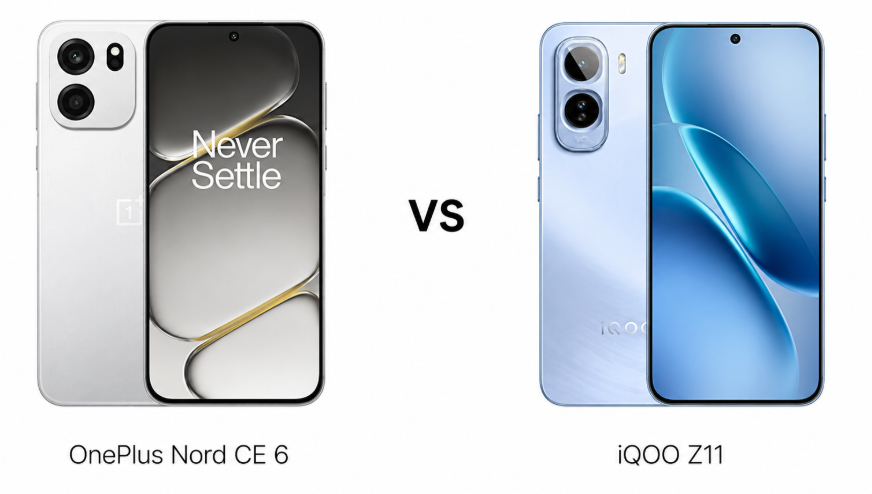
OnePlus Nord CE 6 and iQOO Z11 5G are two new mid-range smartphones aiming to deliver flagship-style features without crossing premium pricing territory. Both devices bring massive batteries, 144Hz AMOLED displays, Snapdragon 7s Gen 4 performance, and IP68/IP69 durability, making this one of the most competitive comparisons in the segment. While the Nord CE 6 focuses on a cleaner and more balanced experience, the iQOO Z11 pushes aggressive hardware upgrades for users who prioritize battery life and raw value.
Major Features:
Feature
OnePlus Nord CE 6
iQOO Z11 5G
Winner
Display
6.78-inch AMOLED, 144Hz, 3600 nits peak
6.83-inch AMOLED, 144Hz, 5000 nits peak
iQOO — Brighter panel with stronger outdoor visibility
Chipset
Snapdragon 7s Gen 4
Snapdragon 7s Gen 4
Tie — Same chipset and GPU performance
RAM & Storage
Up to 8GB + 256GB
Up to 12GB + 256GB
iQOO — Higher RAM option for multitasking
Software
Android 16
Android 16 with OriginOS 6
OnePlus — Cleaner and smoother software experience
Main Camera
50MP OIS
50MP OIS, larger sensor
iQOO — Better low-light hardware advantage
Selfie Camera
32MP with stable processing
32MP with sharper output
OnePlus — More natural and consistent selfies
Video Recording
4K, 1080p up to 120fps
4K, 1080p standard modes
OnePlus — Better high-frame-rate recording support
Battery
8000mAh
9020mAh
iQOO — Massive battery capacity advantage
Charging
80W wired
90W wired
iQOO — Slightly faster charging speeds
Reverse Charging
27W reverse wired
7.5W reverse wired
OnePlus — More useful reverse charging output
Build Protection
IP68/IP69K, MIL-STD-810H
IP68/IP69
OnePlus — Extra durability certification
NFC
No
Yes
iQOO — NFC support adds convenience
Audio
Stereo speakers
Stereo speakers with Hi-Res audio
iQOO — Better audio certification support
Gaming Features
Bypass charging
Bypass charging
Tie — Both are gaming-friendly
Price
Around $330 / ₹30,000
Around $300 / ₹31,000
iQOO — More aggressive hardware value
Overall Experience
Balanced and refined
Powerful and feature-packed
OnePlus — Better all-round software and usability balance
Disclaimer: Specs are based on available data. Actual performance may vary. Verify details from official sources before buying.
The OnePlus Nord CE 6 and iQOO Z11 5G both target users who want premium-style hardware without stepping into flagship pricing. Both devices carry IP68/IP69 protection, stereo speakers, AMOLED panels, and modern flat-frame styling, making them feel more expensive than their segment suggests. The Nord CE 6 leans slightly toward a cleaner and more minimal look, while the iQOO Z11 appears a bit more aggressive and performance-focused in its design language. Both phones also feel durable enough for daily heavy use, which is becoming increasingly important in this price category.
Display Quality
The Nord CE 6 offers a 6.78-inch AMOLED display with 144Hz refresh rate, 3840Hz PWM dimming, and up to 3600 nits peak brightness. The iQOO Z11 counters with a slightly larger 6.83-inch AMOLED panel, 1B colors, 5000 nits peak brightness, and 144Hz refresh rate. Both displays are sharp and fluid, but the iQOO panel looks slightly more vibrant outdoors and during HDR playback. The OnePlus display, however, feels a touch more balanced and easier on the eyes during extended use.
Verdict
The iQOO Z11 takes a narrow win for display brightness and multimedia punch, while the Nord CE 6 feels more refined overall in everyday visual tuning.
2. Specifications Including Battery
Performance
Both smartphones use the Qualcomm Snapdragon 7s Gen 4 chipset paired with Adreno 810 graphics, so real-world performance is naturally close. Everyday tasks, multitasking, social media usage, and gaming run smoothly on both devices. The OnePlus Nord CE 6 appears slightly more optimized in animations and app transitions, giving it a polished feel during prolonged use. Meanwhile, the iQOO Z11 benefits from higher memory options, including a 12GB RAM variant that may appeal to power users and gamers.
Battery and Charging
Battery life is where these phones separate themselves. The Nord CE 6 packs a huge 8000mAh battery with 80W charging and reverse wired charging support. The iQOO Z11 pushes things even further with a massive 9020mAh silicon-carbon battery and faster 90W charging. Both comfortably deliver multi-day endurance, but the iQOO simply feels built for users who hate carrying chargers. Bypass charging on both devices is also a useful addition for gaming sessions.
Verdict
The iQOO Z11 wins this round due to its larger battery and faster charging, though the Nord CE 6 still delivers excellent efficiency and smoother software behavior.
3. Camera
Main and Secondary Lenses
The OnePlus Nord CE 6 uses a 50MP main sensor with OIS and supports 4K recording alongside 1080p at up to 120fps. The iQOO Z11 also includes a 50MP OIS-enabled primary camera, but with a larger 1/1.95-inch sensor that can capture slightly better low-light detail and dynamic range. In daylight, both phones produce sharp and colorful images, though OnePlus tends to tune colors more naturally. The iQOO, meanwhile, adds extra contrast and saturation that may appeal more to social media users.
Selfie Camera
Both devices feature 32MP selfie cameras capable of 4K video recording. Skin tones and edge detection are reliable on both, but the Nord CE 6 appears slightly more consistent in indoor lighting. Video stabilization also feels a bit smoother during handheld recording. The iQOO selfie camera is sharper at times, though it occasionally leans toward aggressive processing.
Verdict
The iQOO Z11 offers stronger hardware on paper, especially for low-light photography, but the Nord CE 6 delivers a more balanced and dependable camera experience overall.
4. Pricing
The OnePlus Nord CE 6 is around $330 or roughly ₹30,000, while the iQOO Z11 is exnear $300 or around ₹31,000, depending on the RAM variant. Despite the slightly lower global pricing, the iQOO actually sits very close to the Nord CE 6 in the Indian market. This creates an interesting situation because both devices target almost identical buyers.
In terms of value, the iQOO Z11 stands out immediately due to the larger battery, brighter display, NFC support, and potentially stronger gaming-oriented appeal. The Nord CE 6, however, justifies its pricing through cleaner software polish, balanced camera tuning, and a more refined overall user experience. The difference ultimately comes down to whether raw specifications or long-term usability matters more.
Verdict
The iQOO Z11 delivers better hardware value for money, while the Nord CE 6 feels like the safer all-around choice for users prioritizing software refinement and consistency.
Disclaimer: Prices are approximate and may vary based on country, region, launch timing, and applicable taxes. Always check whether the listed price is for a China unit or a global/international variant when purchasing.
5. Conclusion
OnePlus Nord CE 6 focuses on balance. It combines a smooth AMOLED display, dependable cameras, a large battery, and a polished software experience into a package that feels practical for long-term use. It is the kind of smartphone that quietly performs well across every category without heavily specializing in one area.
iQOO Z11 5G, on the other hand, pushes specifications aggressively. A massive 9020mAh battery, brighter display, NFC support, and larger memory options make it extremely attractive for gamers, heavy users, and multimedia-focused buyers. The device clearly prioritizes endurance and power efficiency, and that approach works well in this segment.
Verdict
OnePlus Nord CE 6 is the better-balanced smartphone for users wanting refinement and consistency, while the iQOO Z11 5G is the stronger pick for pure value, battery life, and hardware-focused performance. Both are excellent mid-range options, but the iQOO Z11 feels slightly more ambitious overall.
Disclaimer: This comparison is based on the specifications provided and is intended for general informational purposes. Actual performance, camera results, battery life, and overall experience may vary depending on real-world usage, software updates, and individual preferences.
As scheduled, Realme today announced the new Realme 16T 5G in India. The highlight of the phone is its massive 8,000mAh battery, which the brand claims can deliver up to three days of usage on a single charge.
Even with such a large battery, the company has managed to keep the phone under 9mm thick, and it weighs 224 grams.
Realme 16T Specifications
The phone features a 6.8-inch LCD display with a 144Hz refresh rate and up to 1,200 nits of brightness. Powering the device is MediaTek’s Dimensity 6300 chipset, paired with LPDDR4X RAM and UFS 2.2 storage.
Realme has also added a 5,300mm² vapor chamber cooling system to keep thermals in check.
On the camera side, the Realme 16T uses a 50MP Sony IMX852 primary sensor alongside a 2MP secondary sensor. There is also a 16MP front camera. One unusual addition is the “Selfie Mirror” feature on the rear panel, which allows users to preview themselves while using the rear camera for selfies.
The phone runs Android 16 with Realme UI 7.0 out of the box. Realme has also included IP69 water and dust resistance, along with military-grade shock protection.
The phone supports 45W fast charging and also includes bypass charging.
Price and Availability
The Realme 16T 5G retails for Rs 29,999 for the sole 6GB + 128GB variant.
It will be available through Flipkart and the official Realme India website. Pre-bookings are already open, with the first sale starting on May 27 at 12 PM IST and running until June 2.
For more daily updates, please visit our News Section.
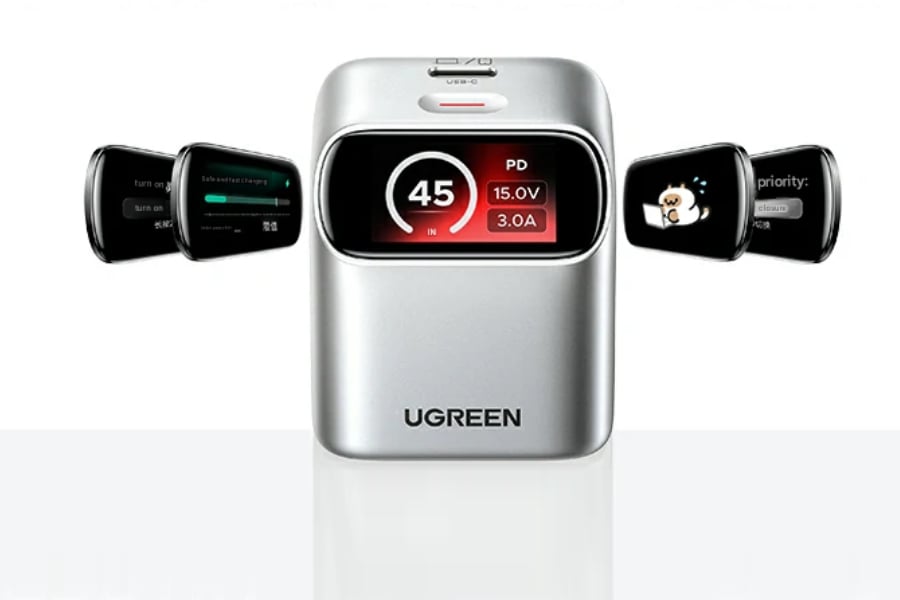
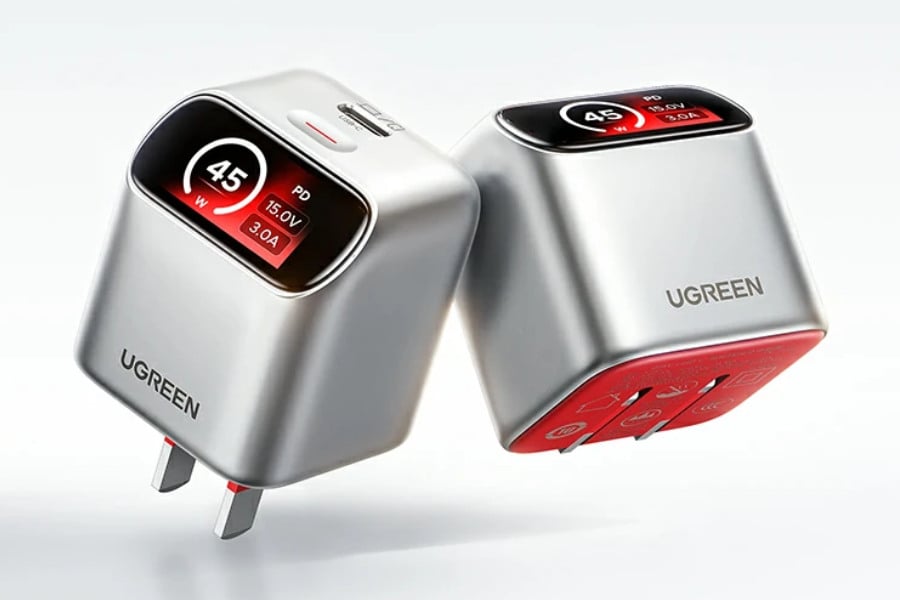
Ugreen has introduced a new 45W USB-C GaN fast charger with a built-in display in China. Officially called the Ugreen 45W USB-C GaN Fast Charger, the accessory is priced at 119 yuan (~$18) and will go on sale for the first time on May 26.
Probably, the main draw of the new charger is its design. It features a small display on the front bevel that shows real-time charging information, including power output, voltage, current, charging protocol, and temperature.
The charger can also recognize certain Apple devices and display the device model directly on the screen. Ugreen has additionally added support for custom emojis.
According to the company, the screen uses a 45-degree angled design for easier viewing when plugged into a desk socket.
The charger comes in a silver finish all around except the base. The latter is accented in red and houses foldable prongs for portability.
Ugreen 45W USB-C GaN Charger Specifications
Inside, the charger uses GaN technology, which allows it to remain compact while still delivering up to 45W charging speeds. Ugreen says the charger can maintain full-speed charging without reducing power output.
The company claims some smartphones can reach 50% battery in around 20 minutes, while laptops and tablets can also be charged quickly through the single USB-C port.
For heat management, the charger combines a GaN chip with graphene-based cooling materials and potting technology to improve heat dissipation and keep temperatures lower during charging sessions.
The charger supports multiple power outputs, including 5V/3A, 9V/3A, 12V/3A, 15V/3A, and 20V/2.25A, with a maximum output of 45W. It supports 100-240V input, making it suitable for travel in different regions.
Weighing around 96 grams, the charger is lightweight and portable despite the addition of the screen. Ugreen is also offering an 18-month warranty with the product.
For more daily updates, please visit our News Section.
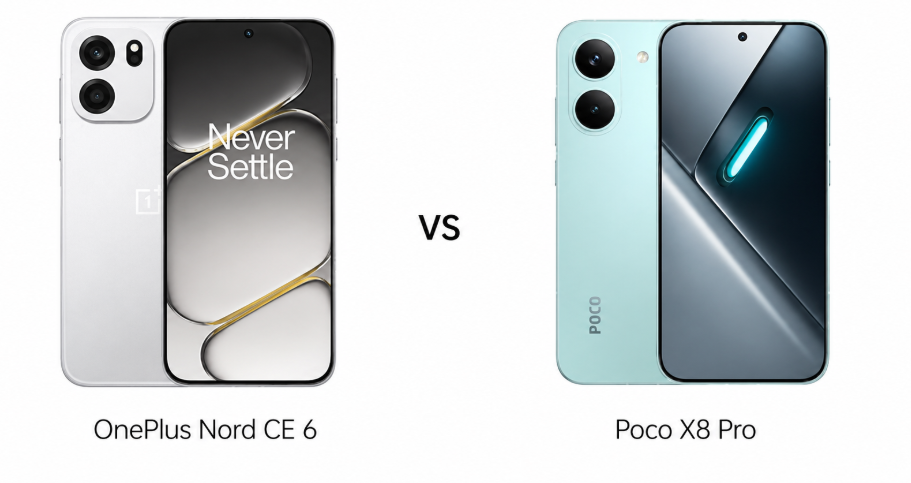
OnePlus Nord CE 6 and Poco X8 Pro are two upper mid-range smartphones targeting users who want flagship-style features without flagship pricing. While the Nord CE 6 focuses heavily on battery life, smooth display performance, and practical everyday usability, the Poco X8 Pro pushes harder on raw performance, premium design, and multimedia capabilities. Both devices bring powerful hardware, fast charging, and AMOLED displays, but they take very different approaches in terms of overall user experience and value.
The OnePlus Nord CE 6 focuses on endurance and durability with IP68/IP69K protection, MIL-STD-810H certification, and a clean, minimalist design. It feels more practical for users who prioritize long-term reliability and heavy everyday use. The large battery makes it slightly bulkier, but the sturdy construction gives it a reassuring flagship-like character.
The Poco X8 Pro, meanwhile, feels more premium in hand thanks to its aluminum frame and Gorilla Glass 7i protection. The slimmer bezels and refined finish make it appear more modern and stylish. It leans toward users who want a sleek flagship-inspired experience without crossing into premium pricing territory.
Display Quality
The Nord CE 6 offers a 6.78-inch AMOLED panel with a smoother 144Hz refresh rate and extremely high PWM dimming, making scrolling and gaming feel exceptionally fluid. The display looks vibrant, and the added refresh rate advantage is noticeable during fast-paced usage.
The Poco X8 Pro counters with Dolby Vision, HDR10+, deeper color tuning, and brighter high-brightness mode performance. While it uses a 120Hz panel, the display quality feels more cinematic and polished for streaming content.
Verdict
The OnePlus Nord CE 6 feels better suited for gamers and users who value smoothness and battery-focused practicality. The Poco X8 Pro delivers a more premium multimedia experience with richer visuals and a more refined overall design.
2. Specifications Including Battery
Performance
The OnePlus Nord CE 6 runs on the Snapdragon 7s Gen 4 paired with UFS 3.1 storage. Daily performance is fast and stable, and the software optimization should appeal to users who prefer consistency over aggressive benchmark numbers. Gaming performance is solid, though it is clearly positioned below flagship-level chipsets.
The Poco X8 Pro takes a more performance-driven approach with the Dimensity 8500 Ultra and faster UFS 4.1 storage. App loading, multitasking, and gaming performance are noticeably stronger here. The chipset feels more future-ready, especially for demanding games and heavy long-term usage.
Battery and Charging
Battery life is where the Nord CE 6 stands out. The huge 8000mAh battery can comfortably stretch into two days for moderate users, and the 80W charging still keeps refill times respectable. Bypass charging also makes it attractive for long gaming sessions.
The Poco X8 Pro uses a smaller 6500mAh battery but compensates with faster 100W charging. It feels more balanced for users who prefer quick top-ups rather than extreme endurance.
Verdict
The Poco X8 Pro wins on raw performance and storage technology, making it the stronger power-user device. The Nord CE 6, however, delivers exceptional battery life that feels hard to ignore in daily use.
3. Camera
Main and Secondary Lenses
The OnePlus Nord CE 6 uses a 50MP primary sensor with OIS, but the secondary camera setup is relatively basic. In daylight, photos should look clean with balanced colors and reliable dynamic range. The camera experience appears tuned for consistency rather than versatility. Video stabilization is also dependable for casual creators.
The Poco X8 Pro offers a stronger overall camera package with a brighter main sensor and an additional 8MP ultrawide lens. The larger sensor helps in low-light photography, while the ultrawide camera adds flexibility for landscapes and group shots. HDR10+ video support and 4K 60fps recording also give it a more flagship-style camera experience.
Selfie Camera
The Nord CE 6 gains an advantage with its 32MP selfie camera capable of 4K video recording. Selfies should retain better detail and sharper facial textures, especially for social media creators.
The Poco X8 Pro’s 20MP front camera is decent for everyday use, but it feels less premium compared to the OnePlus offering.
Verdict
The Poco X8 Pro is the stronger all-around camera phone thanks to its more versatile rear setup and superior video capabilities. The Nord CE 6 still holds appeal for users who prioritize sharper selfies and reliable front-camera recording quality.
4. Pricing
The OnePlus Nord CE 6 is expected to launch around $330 / ₹30,000, while the Poco X8 Pro sits slightly higher at roughly $375 / ₹35,000. The pricing gap is noticeable but not massive, considering the hardware differences between the two devices.
At its price, the Nord CE 6 feels aggressively positioned for buyers who mainly want long battery life, smooth display performance, and dependable software. The value proposition becomes even stronger for users who spend long hours gaming or streaming without wanting to constantly recharge.
The Poco X8 Pro justifies its higher price with a more premium build, stronger chipset, faster storage, improved multimedia features, and a more versatile camera system. It feels closer to a flagship killer than a typical upper mid-range phone. The extra spending makes sense for buyers looking for longevity in performance and features.
Verdict
The Nord CE 6 offers stronger value for battery-focused and practical buyers. The Poco X8 Pro costs more, but the upgrades in performance, display technology, and camera versatility make the premium feel justified.
Disclaimer: Prices are approximate and may vary based on country, region, launch timing, and applicable taxes. Always check whether the listed price is for a China unit or a global/international variant when purchasing.
5. Conclusion
OnePlus Nord CE 6 stands out mainly because of its massive 8000mAh battery, 144Hz AMOLED display, and gaming-friendly bypass charging support. It feels designed for endurance users who want fewer compromises in battery life while still getting modern flagship-inspired features. The cleaner OnePlus software approach may also appeal to users who prefer a less aggressive UI experience.
The Poco X8 Pro focuses more on delivering a balanced near-flagship package. The Dimensity 8500 Ultra chipset, UFS 4.1 storage, Dolby Vision support, aluminum frame, and ultrawide camera collectively make it feel more complete. It delivers stronger multimedia and gaming capabilities while maintaining competitive pricing.
Both phones clearly target different priorities despite sitting in a similar segment. One leans heavily into battery life and smoothness, while the other pushes performance and premium features.
Verdict
OnePlus Nord CE 6 is the smarter choice for users who value battery endurance and practical everyday reliability above everything else. The Poco X8 Pro is the better overall smartphone for performance enthusiasts, multimedia users, and buyers wanting a more premium experience without entering flagship pricing territory.
Disclaimer: This comparison is based on the specifications provided and is intended for general informational purposes. Actual performance, camera results, battery life, and overall experience may vary depending on real-world usage, software updates, and individual preferences.
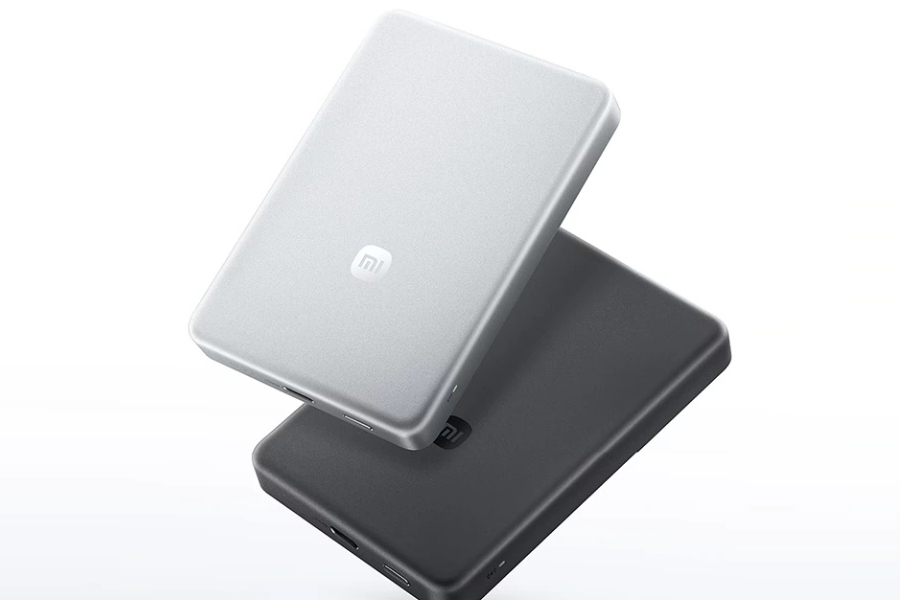
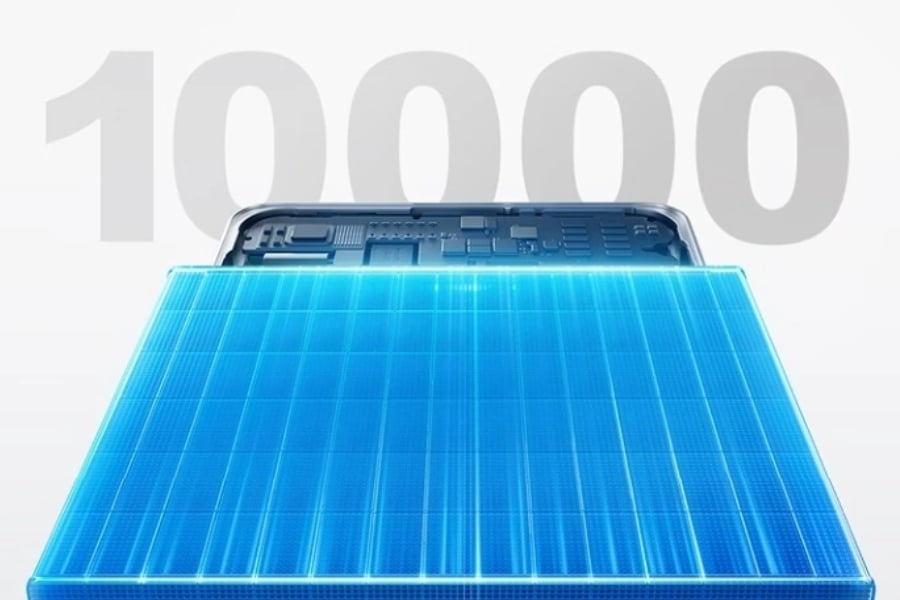
Xiaomi’s portable power banks are quite popular among our readers. The Xiaomi Ultra Slim 5000mAh Power Bank, for instance. Now, the company has introduced a new portable charger in China called the Xiaomi Jinshajiang Ultra-Thin Magnetic Power Bank 10000 45W. The device is currently available for pre-order in the mainland for 369 yuan (around $54).
Xiaomi Ultra-Thin Magnetic Power Bank 10000mAh Specifications
As the name implies, the new power bank focuses heavily on portability. Xiaomi says the device measures just 13.2mm thick and weighs 195g. It features a compact body measuring 102 x 70.5 x 13.2mm and uses two 5,000mAh battery cells inside.
Xiaomi is using a new GSR silicon-carbon anode battery technology. According to the company, the battery offers an energy density of up to 840Wh/L and contains 16% silicon content, which is usually seen in flagship-grade batteries. Xiaomi claims this allows the power bank to maintain a large battery capacity without becoming bulky.
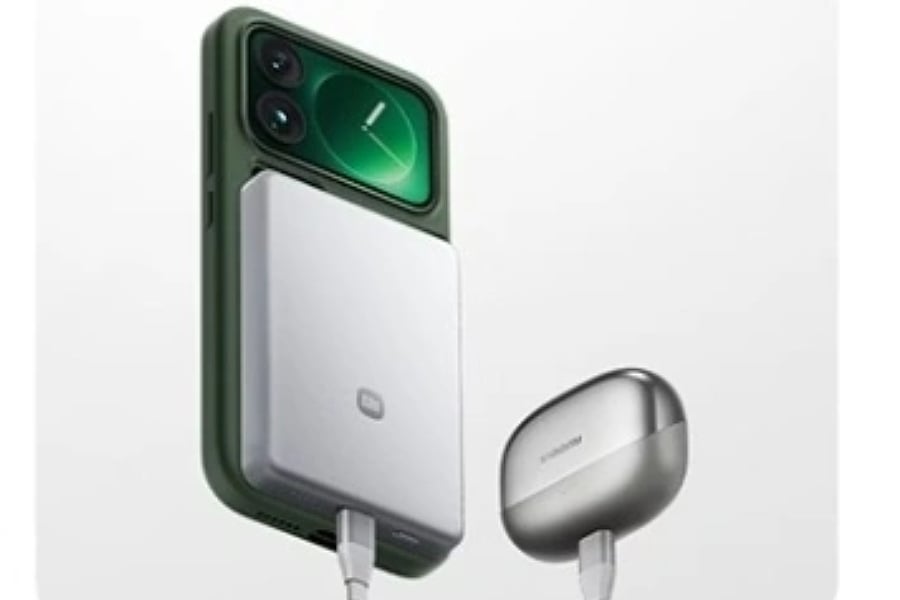
The device supports up to 20W magnetic wireless charging and is compatible with both Xiaomi smartphones and Apple iPhones. Wired charging speeds can go up to 45W, while it also supports 40W, 30W, and 27W charging. Users can also charge two devices at the same time using wired and wireless charging together.
The power bank itself can recharge at up to 30W and supports common charging protocols, including QC and PD.
Its safety features include protection against overcharging, over-discharging, short circuits, overheating, and abnormal operating conditions. It also uses an NTC intelligent temperature control chip alongside graphene heat-dissipation material and thermally conductive silicone for better heat management.
The company shared several durability claims for the battery cells, including resistance to needle penetration, high-temperature storage, and heavy-pressure compression tests. Xiaomi says the cells did not catch fire or explode during these tests.
Most interestingly, users can connect the power bank to a computer to check battery health, device status, traceability information, and anomaly records.
For more daily updates, please visit our News Section.
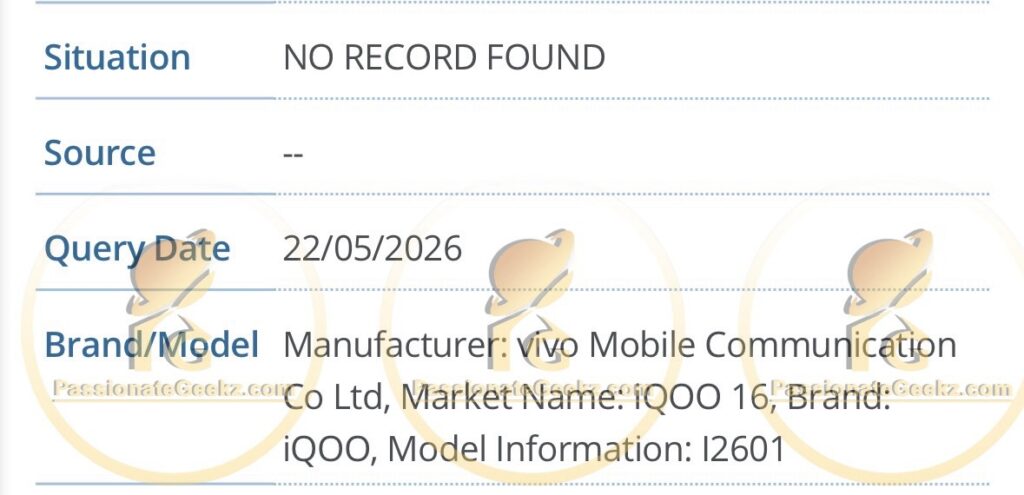
iQOO’s next flagship smartphone appears to be moving closer to launch. The iQOO 16 was spotted in the IMEI database back in April, but the listing did not reveal its model number. Now, PassionateGeekz has published a new report revealing its model number through a fresh IMEI database sighting.
iQOO 16 IMEI listing hints at global and India launch
iQOO 16 IMEI database listing
According to details spotted on the IMEI database, the upcoming smartphone carries the model number I2601. The database entry also reportedly confirms the marketing name as iQOO 16, adding further weight to speculation surrounding the device’s official arrival later this year. The certification appearance suggests that iQOO may already be internally testing regional variants for India and global markets.
Leaks surrounding the iQOO 16 suggest that the device could arrive with Qualcomm’s next-generation Snapdragon 8 Elite Gen 6 Prochipset. The phone is also tipped to feature a 6.85-inch Samsung OLED display with 2K resolution support and a 165Hz refresh rate. For security, it will have an ultrasonic in-screen fingerprint sensor.
Camera details shared by tipsters indicate that the engineering prototype currently uses a 50-megapixel primary camera with a large 1/1.3-inch sensor, accompanied by a 50-megapixel periscope telephoto camera. The rear setup is also expected to include a 50-megapixel ultra-wide lens.
The smartphone is further expected to pack a battery larger than 8,000mAh and may run Android 17 with OriginOS 7 layered on top. As for availability, the iQOO 16 is expected to debut in China around October this year, while the India launch could happen in November or December.
For more daily updates, please visit our News Section.
Xiaomi has officially confirmed the arrival of its next T series smartphone in India. The Xiaomi 17T is set to debut in the country shortly after its global unveiling, bringing the T lineup back to the Indian market after a long gap. The company has already started teasing several camera and performance-focused features ahead of launch.
Xiaomi 17T India launch date confirmed
Xiaomi 17T India launch date
The Xiaomi 17T will launch in India on June 4, nearly a week after its scheduled global debut on May 28. Xiaomi has also confirmed the smartphone’s availability through Amazon India, where a dedicated microsite is now live. Teasers shared by the brand strongly hint at photography-focused upgrades, with Leica branding confirmed for the rear camera system.
The official teaser released by Xiaomi India reveals a triple rear camera setup placed inside a square-shaped camera module. More details about the phone are expected to be officially revealed in the days leading up to launch.
Xiaomi 17T specifications (rumored)
Leaks suggest that the Xiaomi 17T may arrive with a 6.59-inch AMOLED display offering a 120Hz refresh rate and a resolution of 2756×1268 pixels. The smartphone is tipped to run on the MediaTek Dimensity 8500-Ultra chipset paired with 12GB LPDDR5X RAM and up to 512GB UFS 4.1 storage. It is also expected to ship with Android 16-based HyperOS.
For photography, the handset could feature a 50-megapixel Light Fusion 800 primary camera alongside a 50-megapixel telephoto lens with 5x optical zoom and a 12-megapixel ultra-wide camera. A 32-megapixel front camera is also expected. The Xiaomi 17T may pack a 6,500mAh battery with support for 67W HyperCharge fast charging.
For more daily updates, please visit our News Section.
Xiaomi has introduced its latest open-ear audio wearable, the Xiaomi Clip Earbuds, combining lightweight comfort, powerful sound, AI real-time translation, and long battery life in a stylish clip-on design. The new earbuds are now available on Giztop for a starting price of $159.99 with global shipping support.
Lightweight and Comfortable Design
The Xiaomi Clip Earbuds are designed for users who want comfort during long listening sessions. The earbuds feature a lightweight clip-on design, with each earbud weighing around 5.5 grams. The open-ear style allows users to stay aware of their surroundings while listening to music or taking calls. This design makes them suitable for workouts, office use, travel, and daily outdoor activities.
The earbuds also come with an IP57 dust and water resistance rating, offering protection against sweat and light rain. Xiaomi has included touch controls on the earbuds for easy music playback, call handling, and other functions. MIUI users also get a pop-up window for quick connection and battery status viewing.
Powerful Audio and Clear Calling Experience
Xiaomi Clip Earbuds are equipped with 11mm dynamic drivers paired with microcrystalline metal-coated diaphragms. The earbuds deliver balanced sound with clear vocals and deep bass. They support a wide 20Hz to 48kHz frequency response for detailed audio performance.
For wireless audio, the earbuds support AAC, SBC, and LHDC 5.0 codecs. They also carry Hi-Res Audio Wireless certification, helping deliver high-quality sound during music playback.
Call quality is another major highlight. Xiaomi uses a three-microphone setup along with a VPU bone-conduction microphone to reduce surrounding noise and isolate the user’s voice. This helps provide clearer conversations even in crowded or noisy environments.
Long Battery Life and Smart Features
The Xiaomi Clip Earbuds offer up to 9 hours of music playback on a single charge. With the charging case, total battery life can reach up to 38 hours. The USB-C charging case also supports fast charging, and a quick 5-minute charge can provide around 2 hours of playback.
Another interesting feature is AI real-time translation support, making the earbuds more useful for travel and communication.
With premium audio features, clear call quality, smart AI tools, and a comfortable open-ear design, the Xiaomi Clip Earbuds offer a modern listening experience for everyday users.
Xiaomi 17 Max is Xiaomi’s latest flagship smartphone, featuring a massive 6.9-inch 2K AMOLED display, Snapdragon 8 Elite Gen 5 processor, Leica-powered 200MP cameras, and a huge 8000mAh battery. The smartphone is now available at Giztop with a starting price of $849, and global shipping is available for buyers worldwide.
Big Display With Premium Visuals
The Xiaomi 17 Max features a massive 6.9-inch LTPO AMOLED display with a sharp 2K resolution of 2608 × 1200 pixels. The screen supports a 120Hz refresh rate for smooth scrolling and gaming, along with a 300Hz touch sampling rate for fast response times. Xiaomi has also included HDR10+, HDR Vivid, Dolby Vision, and 12-bit color support, making the display ideal for movies, gaming, and content creation. With a peak brightness of 3500 nits, outdoor visibility should also be excellent.
Snapdragon 8 Elite Gen 5 Performance
Powering the Xiaomi 17 Max is Qualcomm’s Snapdragon 8 Elite Gen 5 processor built on a 3nm process. The octa-core chipset can reach up to 4.6GHz frequency, delivering flagship-level performance for gaming, multitasking, and heavy apps. The device comes with up to 16GB LPDDR5X RAM and up to 1TB storage, offering plenty of speed and space for daily use.
Leica Camera Setup
Xiaomi continues its Leica partnership with a powerful triple rear camera system. The main sensor is a 200MP Leica HP9 camera with OIS and a large f/1.65 aperture for detailed photos. It is paired with a 50MP periscope telephoto lens offering 3x optical zoom and a 50MP ultra-wide camera. The phone also supports 8K video recording, Dolby Vision video, Super Night Scene, motion capture, and professional photography modes. On the front, there is a 32MP selfie camera with autofocus and 4K video support.
Massive Battery and HyperOS 3
Xiaomi 17 Max packs a huge 8000mAh battery with support for 100W wired charging and 50W wireless charging. Reverse wireless charging is also supported. The phone runs Xiaomi HyperOS 3 out of the box, offering a fast and smooth software experience with full-screen gesture support. Connectivity features include 5G and the latest WiFi 7 standard for faster internet speeds.
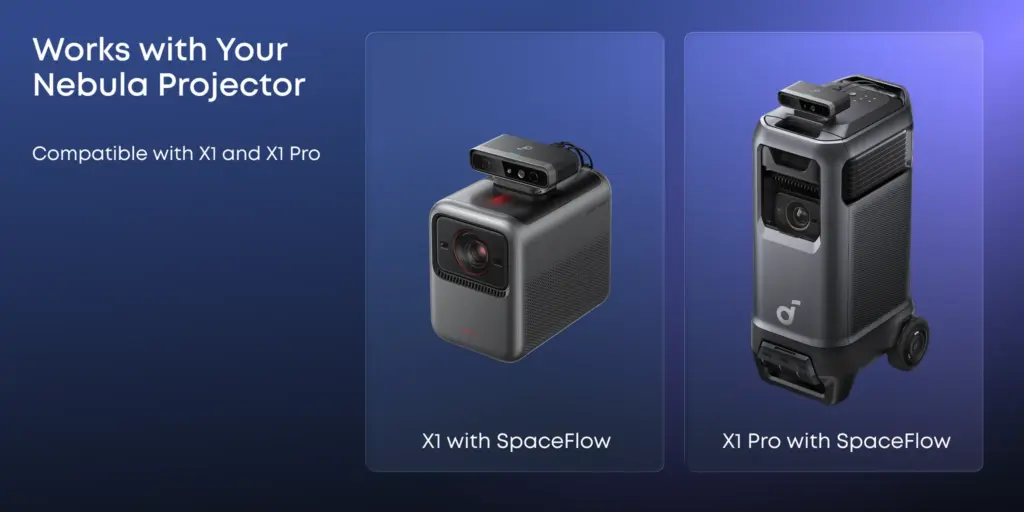
Anker Audio-Visual is introducing a pretty unusual new accessory for its Nebula projector lineup. Called Nebula SpaceFlow, the device is designed to bring simplified 3D projection mapping to regular home users without the complicated setup that these systems usually require.
The accessory was announced on May 21 and is made specifically for the Nebula X1 and X1 Pro projectors. In simple terms, SpaceFlow scans the room, understands the shape of walls and objects around it, and then adjusts projected visuals so they fit naturally into the space.
The hardware itself uses a dual-camera system along with a ToF depth sensor and structured light emitter, which sounds somewhat similar to the type of sensing systems older devices like Microsoft’s Kinect used. Once connected, the accessory automatically scans the room and creates a rough 3D model of the environment. It can reportedly recognize things like doors, windows, furniture, and other obstacles before adjusting the projection accordingly.
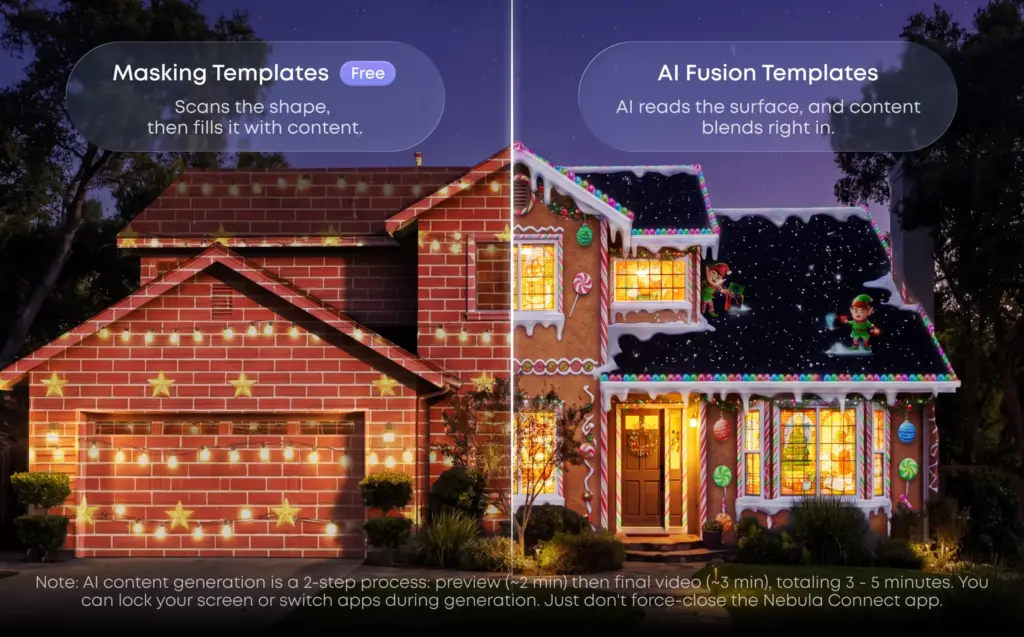
What makes the setup more interesting is the AI integration. Through the Nebula Connect app, users can simply describe a scene they want, and the system generates visuals designed to match the room layout. Anker says users can create things like jungle-style environments, themed decorations, or animated wall effects without manually editing projection maps.
There is also a library of over 100 ready-to-use templates for holidays and events, alongside modes like AI Fusion and Free Mode for custom scenes.
Projection mapping used to require expensive software, careful calibration, and a lot of manual work, so SpaceFlow seems aimed at making the process much more approachable for casual users. Whether it actually works smoothly in everyday environments is something reviewers will probably test pretty quickly.
Pricing:
The pricing is also a bit more aggressive than expected. Anker says the Nebula SpaceFlow accessory will normally cost $799, but it is launching at a discounted $399 price for early buyers. It is being sold alongside the Nebula X1 series projectors, which are positioned as high-end 4K triple-laser home theater models with brightness reaching up to 3500 ANSI lumens.
This is probably one of the more experimental projector accessories announced recently, but it does show where companies are trying to take home entertainment next.
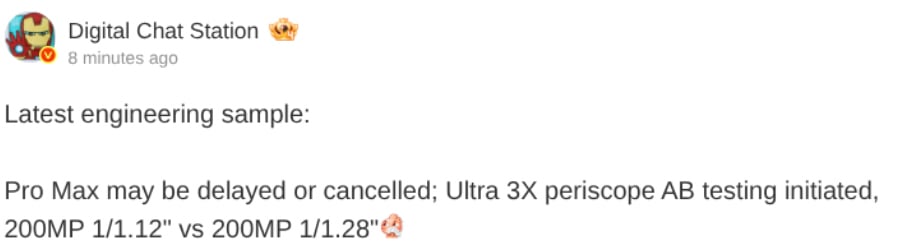
The Oppo Find X10 series has been rumored to be in the works with three models: the Find X10, X10 Pro, and X10 Pro Max. But a new report from tipster Digital Chat Station suggests Oppo is changing its plans.
According to the leak, the company could be delaying the Find X10 Pro Max, and there is even a chance that the model may be canceled altogether.
Meanwhile, the same tipster says the engineering sample of the Find X10 Ultra is currently being tested with a 3x periscope camera. More interestingly, the company is reportedly comparing two sensor options for this camera: a 200-megapixel 1/1.2-inch sensor and a 200-megapixel 1/1.28-inch sensor.
On paper, the 1/1.2-inch sensor should be the better choice. That is because a larger sensor usually captures more light, and it may also help deliver better background separation and stronger overall image quality. The 1/1.28-inch sensor is still very large, though, so the final result may depend on Oppo’s tuning, lens quality, and image processing.
The tipster had also previously said Oppo is testing a 200-megapixel 1/1.12-inch main camera sensor with LOFIC support for the Find X10 Ultra.
What we know about Find X10 Pro Max
While Oppo could be changing plans, rumors had already spilled key details about the Find X10 Pro Max. It was rumored to feature a 200MP main camera with a 1/1.3-inch sensor, a 200MP periscope telephoto camera using a 1/1.28-inch sensor, and even ultra-wide options ranging from a 200MP sensor (1/1.56-inch) to a smaller 50MP unit.
Display testing was also reportedly ongoing, with two variants under consideration: a 6.89-inch 2K LTPO flat display and a slightly smaller 6.78-inch 1.5K LTPO panel.
Under the hood, the series is expected to run on next-generation chips from MediaTek, including a rumored Dimensity 9600 Pro built on a 2nm process, while the standard models may use the Dimensity 9600 and Dimensity 9500 Plus.
For more daily updates, please visit our News Section.
Motorola is actively expanding the Android 17 beta program to allow more of its users access to the upcoming features and upgrades. The list already includes over a dozen devices, and it has just gotten a little longer as the beta program now goes live for the Razr 70 Ultra and Razr Fold.
This is the second time Motorola has announced the Android 17 beta program for the Razr 70 Ultra. It initially happened earlier last month, but the official post on the community forum was quickly taken down because the device had not been launched then. The original Razr Fold, announced earlier this year, has also joined the beta program.
To get the beta update on your Motorola smartphone, you must sign up for the beta program (officially called the MFN testing program). We have a detailed step-by-step guide on how to do this, which you can access by clicking here.
It’s important to note that beta builds are prone to bugs and unfinished features, which can cause crashes or instability. You should back up your important data before installing a beta build to avoid any data loss.
Android 17 is said to be one of the biggest upgrades in recent years. It includes deeper integration of Gemini AI with extended capabilities, helping you get the most out of your device. The new OS also includes bubble support for all apps, redesigned privacy indicators, OTP protection, and a new system-level Contacts Picker to share select contacts with an app for a certain period. You can learn more about them, along with other upcoming upgrades, on this page.
Apparently, Motorola doesn’t include all the new features and upgrades of the new OS in the update package shipped to its devices. So, it remains to be seen which features will make it through. We’ll have more clarity on this once the company releases Android 17 beta to its devices.
Remember to visit the Motorola section on Gizmochina regularly for fresh updates. Or, you can join our Telegram channel to get instant alerts when we publish new stories.
We use cookies on our website to give you the most relevant experience by remembering your preferences and repeat visits. By clicking “Accept”, you consent to the use of ALL the cookies.
This website uses cookies to improve your experience while you navigate through the website. Out of these, the cookies that are categorized as necessary are stored on your browser as they are essential for the working of basic functionalities of the website. We also use third-party cookies that help us analyze and understand how you use this website. These cookies will be stored in your browser only with your consent. You also have the option to opt-out of these cookies. But opting out of some of these cookies may affect your browsing experience.
Necessary cookies are absolutely essential for the website to function properly. This category only includes cookies that ensures basic functionalities and security features of the website. These cookies do not store any personal information.
Any cookies that may not be particularly necessary for the website to function and is used specifically to collect user personal data via analytics, ads, other embedded contents are termed as non-necessary cookies. It is mandatory to procure user consent prior to running these cookies on your website.