Advertisement

Snapdragon 8 Elite Gen 5 vs 8 Gen 5 vs 8 Elite: Benchmark scores, spec sheet, and key differences

Snapdragon 8 Elite Gen 5 vs Snapdragon 8 Gen 5 vs Snapdragon 8 Elite

The original Snapdragon 8 Elite was introduced in 2024 as the company’s first mobile chipset featuring an Oryon CPU, then came the Snapdragon 8 Elite Gen 5 next year as its successor, which was earlier supposed to launch as Snapdragon 8 Elite Gen 2, but Qualcomm had a different plan.

A few weeks after the Snapdragon 8 Elite Gen 2’s announcement, Qualcomm followed up with the Snapdragon 8 Gen 5 as an affordable flagship alternative for premium mid-range devices. While it appears to be a successor to Snapdragon 8 Elite, the latter actually delivers better performance. The inconsistent naming scheme from Qualcomm is confusing many people, so we’ve created this detailed post explaining how the Snapdragon 8 Elite Gen 5, Snapdragon 8 Gen 5, and Snapdragon 8 Elite stack up against each other.

Here’s the spec sheet for a quick overview:

Snapdragon 8 Elite Gen 5Snapdragon 8 Gen 5Snapdragon 8 Elite
AnnouncedSeptember 2025November 2025October 2024
Process nodeTSMC’s 3nm (N3P)TSMC’s 3nm (N3P)TSMC’s 3nm (N3E)
CPU cores8-core8-core8-core
CPU cores2 x 4.61GHz — Oryon (3rd gen)
6 x 3.63GHz — Oryon (3rd gen)
2 x 3.8GHz — Oryon (3rd gen)
6 x 3.32GHz — Oryon (3rd gen)
2 x 4.32GHz — Oryon (2nd gen)
6 x 3.53GHz — Oryon (2nd gen)
GPUAdreno 840
Ray tracing support
Snapdragon Elite Gaming features
Adreno 829
Ray tracing support
Snapdragon Elite Gaming features
Adreno 830
Ray tacing support
Snapdragon Elite Gaming features
NPUQualcomm Hexagon NPU
Agentic AI support
Qualcomm Hexagon NPU
Agentic AI support
Qualcomm Hexagon NPU
MemoryLPDDR5X, up to 5.3GHzLPDDR5X, up to 4.8GHzLPDDR5X, up to 5.3GHz
StorageUFS 4.1UFS 4.1UFS 4.0
CameraQualcomm Spectra ISP (Triple AI-ISPs, 20-bit)
up to 320MP single camera
up to 108MP single camera (MFNR, ZSL, 30fps)
up to 48MP triple camera (MFNR, ZSL, 30fps)
up to 4K/120fps video recording
real-time semantic segmentation (limitless)
Advanced Professional Video (APV) codec
Qualcomm Spectra ISP (Triple AI-ISPs, 20-bit)
up to 320MP single camera
up to 108MP single camera (MFNR, ZSL, 30fps)
up to 48MP triple camera (MFNR, ZSL, 30fps)
up to 4K/120fps video recording
real-time semantic segmentation
Qualcomm Spectra ISP (Triple AI-ISPs, 18-bit)
up to 320MP single camera
up to 108MP single camera (MFNR, ZSL, 30fps)
up to 48MP triple cameras (MFNR, ZSL, 30fps)
real-time semantic segmentation (limitless)
up to 8K/30fps video recording
ConnectivitySnapdragon X85 5G modem
download speed: 12.5Gbps (peak)
upload speed: 3.7Gbps (peak)
Wi-Fi 7 (peak speed: 5.8Gbps)
Bluetooth 6.0
Snapdragon X80 5G modem
download speed: 10Gbps (peak)
upload speed: 3.5Gbps (peak)
Wi-Fi 7 (peak speed:5.8 Gbps)
Bluetooth 6.0
Snapdragon X80 5G modem
download speed: 10Gbps (peak)
upload speed: 3.5Gbps (peak)
Wi-Fi 7 (peak speed: 5.8 Gbps)
Bluetooth 6.0

Snapdragon 8 Elite Gen 5 vs 8 Gen 5 vs 8 Elite: Benchmark numbers

Note: The benchmark tests were performed on the iQOO 15 (Snapdragon 8 Elite Gen 5), OnePlus 15R (Snapdragon 8 Gen 5), and OnePlus 13 (Snapdragon 8 Elite).

Geekbench performance

Snapdragon 8 Elite Gen 5 vs 8 Gen 5 vs 8 Elite - Geekbench score

The Snapdragon 8 Elite Gen 5, unsurprisingly, achieves the highest score in both single-core and multi-core tests (3649, 10682), followed by the Snapdragon 8 Elite, which gets about 7% higher single-core score than the Snapdragon 8 Gen 5, while the multi-core scores for the two chips don’t have a big difference.

Single coreMulti core
SD 8 Elite Gen 53,64910,682
SD 8 Gen 52,8379,352
SD 8 Elite3,0269,306

AnTuTu performance

Snapdragon 8 Elite Gen 5 vs 8 Gen 5 vs 8 Elite - AnTuTu score

The Snapdragon 8 Elite Gen 5 is far ahead of the other two, with a total score above 3.7 million. The Snapdragon 8 Elite almost touches the 3 million mark, while the Snapdragon 8 Gen 5 is just below it, scoring 2.96 million points.

AnTuTu score
SD 8 Elite Gen 53,751,084
SD 8 Gen 52,961,236
SD 8 Elite2,994,563

3DMark performance

Snapdragon 8 Elite Gen 5 vs 8 Gen 5 vs 8 Elite - 3DMark Wild Life Extreme score

The result isn’t any different on 3DMark than AnTuTu and Geekbench. The Snapdragon 8 Elite Gen 5 pulls off the best high score in the Wild Life Extreme test, followed by the Snapdragon 8 Elite and then the Snapdragon 8 Gen 5.

High scoreLow score
SD 8 Elite Gen 57,2403,219
SD 8 Gen 55,0093,321
SD 8 Elite6,6284,155

However, things get interesting when you look at low scores. The Snapdragon 8 Elite Gen 5 has the worst low score of 3,219. In contrast, the Snapdragon 8 Gen 5 scores 3,321 points, and the Snapdragon 8 Elite scores 4,155 points. This could mean a higher gaming stability on a Snapdragon 8 Elite-powered device than on devices powered by the other two chipsets. However, that also depends on the software tuning, gaming optimizations, and cooling solution of a device.

The benchmarks focus solely on performance and don’t address other important aspects, such as connectivity and camera capabilities. Let’s talk about them and other important stuff in the following section to get the complete picture.

Snapdragon 8 Elite Gen 5 vs 8 Gen 5 vs 8 Elite: Key differences

CPU, GPU, and NPU

The Snapdragon 8 Elite Gen 5 and 8 Gen 5 have been manufactured using TSMC’s 3nm (N3P) node, which offers slightly improved performance and efficiency over the N3E node used for the Snapdragon 8 Elite.

All three Qualcomm chips have the same 2+6 core configuration. The Snapdragon 8 Elite Gen 5 and 8 Gen 5 feature third-generation Oryon CPU, while the Snapdragon 8 Elite has a second-generation Oryon CPU. Despite a generation older CPU, the 8 Elite beats the 8 Gen 5 on benchmarks because its cores run at higher clock speeds.

As for graphics rendering, the Snapdragon 8 Elite Gen 5 features the powerful Adreno 840 GPU with excellent ray tracing capabilities, along with a full suite of Snapdragon Elite Gaming features to enhance the gaming experience further. In contrast, the 8 Gen 5 has an Adreno 829, and the 8 Elite has Adreno 830. Both GPUs support ray tracing and offer Snapdragon Elite Gaming features.

Now, coming to AI capabilities, the Snapdragon 8 Elite Gen 5 features the largest and most capable NPU with agentic AI support. The NPU performance of the two other chips is nearly identical, but the Snapdragon 8 Gen 5’s official page mentions agentic AI support, whereas the Snapdragon 8 Elite doesn’t.

Camera and Imaging

The camera capabilities of the Snapdragon 8 Elite Gen 5 and 8 Gen 5 are nearly identical, except that the latest Elite chip features Advanced Professional Video (APV) codes for near-lossless, pro-grade capture and limitless real-time semantic segmentation. The Snapdragon 8 Elite features a lower-bit ISP, while the rest of its specs are mostly the same as those of the Snapdragon 8 Gen 5.

Connectivity

While all three Qualcomm chips offer robust connectivity features, the Snapdragon 8 Elite Gen 5 excels by delivering higher download and upload speeds over 5G. The rest of the connectivity specs are almost the same.

Why Elon Musk Wants to Build an AI Factory on the Moon?

Highlights:

  • Elon Musk proposed building a Moon factory to produce AI-powered satellites.
  • The plan includes launching satellites using an electromagnetic “Mass Drive” system.
  • The proposal comes as xAI faces leadership exits and possible IPO pressure.

AI- generated image for representation only
  • Elon Musk has proposed building a factory on the Moon to manufacture AI-powered satellites, according to a February 10 report by The New York Times. Musk shared the idea during an internal xAI meeting, suggesting that lunar infrastructure could unlock computing power far beyond today’s limits.

The concept includes a giant electromagnetic catapult, often described as a “mass driver,” that would launch satellites into space from the Moon’s lower-gravity environment. Musk reportedly argued that future AI systems will require unprecedented computing capacity and that Earth alone may not be enough.

The proposal expands on Musk’s broader space-AI strategy following the merger of xAI and SpaceX. The long-term vision includes building a self-sustaining Moon city, then moving toward Mars colonization and eventually interstellar exploration. However, no timeline or construction roadmap was shared.

The timing is notable. xAI, founded in 2023 and known for its Grok chatbot integrated into X, is reportedly facing internal leadership changes. Investors are said to be focused on near-term growth and a potential IPO within 18–24 months. Meanwhile, SpaceX is also preparing for a possible public offering.

Musk recently claimed X has about 600 million monthly active users, though the number has not been independently verified.

While supporters see bold innovation, critics question whether now is the right moment for such an ambitious lunar pivot.

Why Moon Has Advantages for an AI Factory?

  • Lower gravity makes it easier and cheaper to launch satellites into space.
  • No atmosphere means fewer weather delays during launches.
  • Abundant solar energy with long periods of sunlight.
  • Large open space for building massive facilities.
  • Fewer environmental regulations compared to Earth.
  • Potential access to lunar resources for construction materials.
  • Cooler space environment could help with heat management for data systems.
  • Less risk of natural disasters like earthquakes or storms.
  • Strategic position for launching satellites into deep space.

Read More:

(via)

Xiaomi 18, Vivo X500: Standard, Pro, and Max models tipped to launch in September

Last year, Xiaomi unveiled the Xiaomi 18 series in the same month as the first phones powered by the Snapdragon 8 Elite Gen 5 in China. On the other hand, Vivo introduced the Vivo X300 and X300 Pro as the world’s first phones featuring the Dimensity 9500 chip in China. It appears both brands could once again be among the first to launch flagship phones equipped with next-generation flagship chipsets this year.

September launch window and chipset plans

Snapdragon 8 Elite Gen 6, Dimensity 9600 phones to launch in September, claims DCS

According to tipster Digital Chat Station, new smartphones powered by the Snapdragon 8 Elite Gen 6 series and the MediaTek Dimensity 9600 series are currently scheduled for a September debut. Interestingly, the tip suggests that brands planning to introduce these next-generation chipsets are preparing to offer three versions as standard practice, namely a regular model, a Pro variant, and a Pro Max edition.

To recall, the Xiaomi 17 lineup, which debuted in September 2025, included three models: Xiaomi 17, 17 Pro, and 17 Pro Max. These models are likely to be succeeded by the Xiaomi 18, 18 Pro, and 18 Pro Max in the same month this year.

While Vivo announced the Vivo X300 and X300 Pro in September last year, it appears that this year’s lineup may launch earlier and is likely to include three models, such as the Vivo X500, X500 Pro, and X500 Pro Max. Rumors suggest that the X400 branding may be skipped, as the number 4 is considered an unlucky number in some Asian countries.

Readers should note that the tipster has not specified any device names in the leak. The Oppo Find X10 series is also expected to include the Find X10, X10 Pro, and X10 Pro Max powered by the Dimensity 9600. So, it remains unclear whether the tipster was referring to Oppo or Vivo as the other brand alongside Xiaomi. However, in recent years, Vivo has often been the first brand to launch MediaTek’s latest flagship chipsets, so the second brand mentioned in the leak could be Vivo. Readers are advised to treat this information cautiously.

In today’s leak, DCS also cautions that the company expected to debut the new chip in September is unlikely to ship its device with the SM8975, also referred to as the Snapdragon 8 Elite Gen 6 Pro, as a standard configuration. The reason cited is the extremely high cost of the 2nm chipset, which could significantly impact pricing.

Here, the tipster may be suggesting that Xiaomi will not launch a Snapdragon 8 Elite Gen 6 Pro-powered phone in September. Previous leaks have claimed that this chip is designed for ultra-premium devices and is likely to power the Xiaomi 18 Ultra, which may debut by the end of this year in China.

For more daily updates, please visit our News Section.

Stay ahead in tech! Join our Telegram community and sign up for our daily newsletter of top stories.

China’s ByteDance & Alibaba Take on Google’s Nano Banana in AI Image War

Highlights:

  • ByteDance launches Seedream 5.0 with advanced image editing and lower pricing.
  • Alibaba unveils Qwen-Image-2.0, supporting 1K-token prompts and 2K images.
  • Both models directly challenge Google’s Nano Banana Pro amid rising US-China AI rivalry.

AI-generated image for representation only

China’s tech giants are accelerating the global AI race. ByteDance and Alibaba Cloud have introduced new image-generation models designed to compete with Google’s Nano Banana Pro.

The launches highlight growing competition between China and the United States in creative AI tools. Both companies aim to lower costs while improving performance for businesses and individual creators.

ByteDance’s Seedream 5.0 is now available for beta testing on Jimeng in China and on CapCut globally. The company says the model has stronger reasoning skills and a better understanding of complex prompts.

It allows users to edit specific parts of an image without regenerating the entire design. In one test, a “snowy night” scene was created and later modified by switching lights on and off, while keeping the rest unchanged.

The launch follows ByteDance’s recent Seedance 2.0 AI video model, which focuses on realistic AI-generated videos.

Alibaba Cloud’s Qwen-Image-2.0 combines image generation and editing in a single system. It supports up to 1,000-token prompts and produces 2K-resolution images.

The model can handle structured layouts, multi-panel designs, and consistent characters across scenes. It also performs strongly in rendering Chinese text and complex calligraphy.

Together, these launches position both firms as serious global competitors in AI-powered creative tools.

Major Features Compared:

FeatureByteDance Seedream 5.0Alibaba Qwen-Image 2.0Google Nano Banana Pro
DeveloperByteDanceAlibaba Cloud (Qwen team)Google DeepMind (Gemini)
Core FunctionText-to-image generation + editingUnified image generation + editingImage generation + advanced editing
Native Output ResolutionSupports 2K and 4K outputsNative 2K (2048×2048) outputUp to 4K resolution output
Prompt HandlingDesigned for detailed prompt understandingSupports long prompts (up to ~1K tokens)Advanced prompt-based generation (no official token limit stated)
Text RenderingGenerates legible text within imagesStrong typography and structured text renderingAdvanced multilingual text rendering
Generation + Editing IntegrationSupports selective image editsGeneration and editing integrated in one modelIntegrated image creation and editing tools
AvailabilityBeta testing via Jimeng (China) and CapCut (global)Available via Qwen platformsAvailable through Gemini apps and Google AI tools
Model Base / EngineProprietary Seedream modelQwen multimodal architectureBuilt on Gemini 3 Pro Image
Disclaimer: Feature details are based on publicly available data and may be subject to updates or changes.

Read More:

(via)

Motorola Edge 70 Fusion renders emerge to showcase five color options

In January, well-known tipster Evan Blass shared the key specifications of the Motorola Edge 70 Fusion. Later, another report surfaced to showcase the phone in Silhouette (Black) and Country Air shades. Now, Blass is back again with a fresh set of images that showcase the phone in as many as five color options.

New renders highlight design and colour options

Motorola Edge 70 Fusion color options

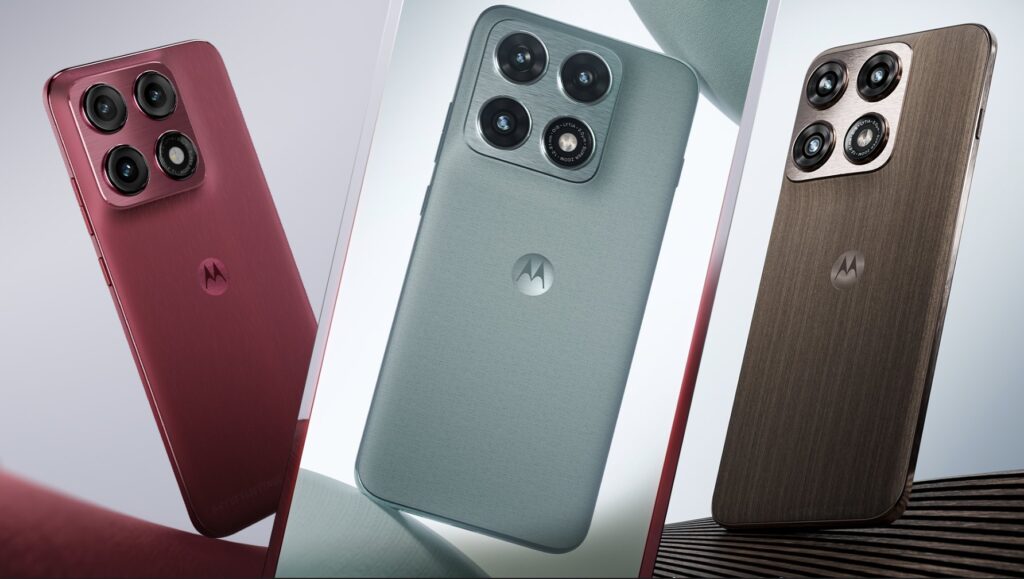
The latest set of images showcases the Motorola Edge 70 Fusion in other paintjobs, such as Blue Surf, Orient Blue, and Sporting Green. The renders indicate a familiar design language as the Edge 70, including Motorola’s signature rear camera layout and a textured back panel inspired by nylon and linen materials. The device appears relatively slim despite housing a large battery, suggesting that Motorola may be focusing on balancing ergonomics with endurance.

Promotional images accompanying the leak provide a clearer look at the curved edges and quad-curved display profile. While the overall aesthetic resembles earlier Edge series models, the updated finishes and materials give the device a slightly refreshed appearance. The smartphone is also expected to retain a premium design approach without moving into flagship pricing territory.

Readers can checkout the source link for more images.

Motorola Edge 70 Fusion specifications (rumored)

Motorola Edge 70 Fusion color options

The Motorola Edge 70 Fusion is rumoured to feature a 6.78-inch quad-curved AMOLED display with 1.5K resolution, 144Hz refresh rate, HDR10+ support and peak brightness reaching up to 5,200 nits, protected by Gorilla Glass 7i. It could be powered by the Snapdragon 7s Gen 3 chipset paired with up to 12GB RAM and 256GB storage.

The handset may include a 50-megapixel primary camera using a Sony LYTIA sensor alongside a 32-megapixel front camera. It will house a large 7,000mAh battery with 68W charging support, Android 16 out of the box, IP68 and IP69 ratings, and MIL-STD-810H certification for durability.

Although pricing details remain unclear, the emergence of marketing materials indicates that the Edge 70 Fusion could be unveiled in the near future, likely targeting markets where previous Fusion models were available.

For more daily updates, please visit our News Section.

Stay ahead in tech! Join our Telegram community and sign up for our daily newsletter of top stories.

Bluetooth Audio Beyond Phones: Why Faster Speakers Matter More Than Ever

Bluetooth audio has evolved far beyond simply connecting earbuds to smartphones. In 2026, it powers televisions, cars, laptops, gaming systems, and home entertainment setups. What was once a convenience feature is now the backbone of modern wireless sound. As this shift accelerates, brands that deliver practical and affordable solutions like Faster Speakers are becoming increasingly important.

From Wires to Wireless Living

Traditional audio systems came with long cables, complicated installations, and limited flexibility. Rearranging a room meant rearranging wires. Adding speakers required effort and compatibility checks. Bluetooth eliminated these everyday frustrations.

Today, users expect seamless pairing, automatic reconnection, and clean setups without clutter. Faster Speakers fit directly into this lifestyle by offering simple, user-friendly wireless audio designed for everyday use, not technical complexity.

2026: A Major Upgrade in Bluetooth Technology

Recent improvements such as Bluetooth LE Audio, the LC3 codec, multi-stream audio, and broadcast audio have significantly improved sound efficiency and clarity. These upgrades allow better audio quality at lower power consumption while enabling multiple device connections at once.

For brands like Faster, these advancements mean delivering reliable performance, strong battery life, and stable connectivity at accessible price points, making modern Bluetooth benefits available to more users.

Wireless Sound at Home, in Cars, and at Work

Bluetooth is now standard in cars for hands-free calling and music streaming. In homes, it allows wireless TV-to-headphone connections and clutter-free speaker setups. In hybrid work environments, stable Bluetooth audio ensures smoother meetings and easy device switching.

Faster Speakers align with this multi-device world. Designed for portability, travel, outdoor use, and home entertainment, they provide practical solutions without overwhelming users with unnecessary features.

Real-World Reliability Over Technical Specs

Today’s buyers prioritize quick pairing, consistent connection strength, long battery life, easy controls, and dependable after-sales support. Technical bitrate numbers matter less than real-world performance.

This is where Faster stands out. By focusing on everyday reliability and affordability, the brand addresses what users actually need, wireless sound that works consistently.

The Bigger Picture

Global Bluetooth device shipments crossed 5 billion in 2023 and continue to rise. The Bluetooth speaker market alone sold hundreds of millions of units recently, proving that wireless sound is now the default choice.

As Bluetooth becomes invisible, seamless infrastructure, brands like Faster Speakers play a key role in making that technology accessible. Wireless audio is no longer optional, and practical, reliable speakers are at the center of this transformation.

How to Choose the Right Bluetooth Device?

  • Bluetooth Version 5.2 or newer – Better stability, range, and efficiency.
  • Support for modern codecs (like LC3) – Clearer sound with lower battery usage.
  • Multi-device pairing – Easy switching between phone, laptop, and tablet.
  • Strong battery life – Longer playback and fewer charging interruptions.
  • Stable connectivity – Performs well even in crowded wireless environments.
  • Low latency support – Important for gaming and video streaming.
  • Comfort and build quality – Especially for earbuds and headphones.
  • Simple controls – Easy buttons or touch controls for daily use.
  • Reliable warranty & support – Ensures long-term peace of mind.

Infinix Note 60’s Geekbench listing reveals an upgraded Dimensity chipset

Infinix has started teasing the arrival of the Note 60 series for the global market. The Note 60 Pro will be the company’s first smartphone to feature a Snapdragon chip, but this will not be the case for the standard Note 60. A Geekbench listing that surfaced today reveals it will feature a MediaTek chip.

Infinix Note 60 Geekbench listing

A forthcoming Infinix smartphone with the model number X6879 has appeared on Geekbench. This device was previously spotted on an Indonesian certification platform with the Infinix Note 60 branding.

The Note 60’s Geekbench listing reveals that its MediaTek chip comprises four cores running at 2.0GHz and four cores operating at 2.60GHz. For graphics, it features the Mali-G615 MC2 GPU. These details strongly suggest that the Note 60 is powered by the Dimensity 7400, which is likely to be marketed as the Dimensity 7400 Ultimate.

The Geekbench listing also shows 8GB of RAM and Android 16. In Geekbench 6.5’s single-core and multi-core tests, the device scored 1,055 and 3,097 points, respectively.

The inclusion of the Dimensity 7400 Ultimate will be an upgrade as the previous generation featured the Dimensity 7300 Ultimate. For those who don’t, the predecessor was called the Note 50s 5G as the brand skipped the Note 50 model.

The Infinix Note 60 is likely to borrow some specifications from the Note 60 Pro. It may feature a 144Hz AMOLED screen and a 6,500mAh battery, but it may not include the dot-matrix rear display, which is expected to remain exclusive to the Pro variant.

At present, there is no additional information about the Note 60 series. Since the brand has already begun teasing the lineup, it appears that the launch could take place within the next few weeks.

For more daily updates, please visit our News Section.

Stay ahead in tech! Join our Telegram community and sign up for our daily newsletter of top stories.

(via)

Redmi K90 Ultra expected to launch in this month with built-in cooling fan, 165Hz display, 8,500mAh battery

Redmi is reportedly working on the Redmi K90 Ultra for China. It will succeed the Redmi K80 Ultra, which debuted in June 2025. A previous report claimed that the K90 Ultra would launch much earlier than its predecessor. Now, a new Weibo post by a reliable tipster has emerged supporting this claim.

Redmi K90 Ultra launch timeframe (rumored)

According to Experience More, a sub-series performance-focused smartphone powered by the Dimensity 9500 is currently in development. While he did not mention the name of the device, it appears that he could be referring to the Redmi K90 Ultra.

He added that the device, carrying the model number 2604FRK1EC, is said to feature an ultra-high refresh rate display along with a built-in cooling fan, indicating a strong focus on gaming and sustained performance. This model number, along with its Redmi K90 Ultra branding, was spotted in the GSMA IMEI database back in December 2025.

The numbers “2604” indicate that the Redmi K90 Ultra may debut as early as April in China. The device will be powered by the Dimensity 9500, not the Dimensity 9500 Plus chip as previously speculated. The D9500+ is expected much later in the second half of the year.

Redmi K80 Ultra
Redmi K80 Ultra

As per reports, the K90 Ultra is expected to feature a massive 6.8-inch display offering a 1.5K resolution and a 165Hz refresh rate. Under the hood, it may pack an 8,500mAh battery with 100W charging. Other rumored features include a metal frame, an ultrasonic in-display fingerprint sensor, and full water resistance.

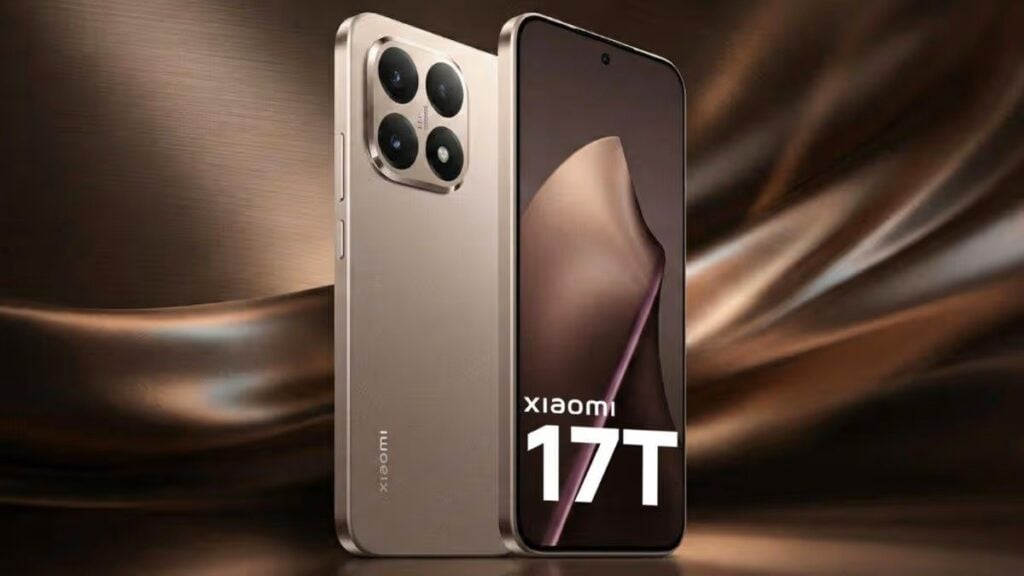
The Xiaomi 17T Pro is said to be a tweaked version of the K90 Ultra designed for the global market. This device, which is said to carry the model number 2602EPTC0G, may lack a few features, including the cooling fan. The model number for the 17T Pro also hints at an early launch, but since the Xiaomi 17 and 17 Ultra have not yet launched globally, it appears that the 17T Pro may debut within the first half of this year.

For more daily updates, please visit our News Section.

Stay ahead in tech! Join our Telegram community and sign up for our daily newsletter of top stories.

Xiaomi 2K Monitor A27Qi 2026 launches with improved color accuracy, 1,300:1 contrast ratio, and 120Hz refresh rate,

Xiaomi has quietly introduced a refreshed version of its affordable 27-inch QHD monitor. The original A27Qi arrived in Europe last year and positioned itself as a solid budget option for work and general use. The 2026 version doesn’t reinvent the formula, but it refines it in areas that actually matter.

At its core, this is still a 27-inch IPS monitor with a 2560 × 1440 resolution. Brightness is rated at 300 nits, response time sits at 6ms (GtG), and viewing angles remain the typical 178 degrees you’d expect from an IPS panel.

Color coverage is also familiar: 100% sRGB and 95% DCI-P3, with 8-bit color depth. TÜV Rheinland-certified low blue light support and DC dimming are included for more comfortable long sessions. So far, very similar to the previous model.

What’s actually improved

The 2026 model now offers ΔE <1 factory calibration, which is a notable upgrade. For photo editing, design work, or content creation, tighter color accuracy out of the box is a welcome improvement.

Contrast has also been bumped to 1,300:1, which should translate to slightly deeper blacks and better separation in darker scenes. It’s not a dramatic shift, but it’s measurable.

The panel now runs at 120Hz, up from 100Hz on the previous version. It will make scrolling, UI animations, and light gaming feel smoother.

Pricing and availability

The monitor has launched in Thailand at THB 4,990, which converts to roughly $159 at current exchange rates. That’s about THB 100 more than the previous generation, an increase for the added features.

Xiaomi hasn’t confirmed broader availability yet, but given how the original model rolled out, it’s reasonable to expect a wider release later.

This isn’t a flashy upgrade. There’s no OLED panel or ultra-high brightness claims here. But for under $200, getting QHD resolution, 120Hz refresh rate, strong color coverage, and sub-ΔE 1 calibration is genuinely competitive.

Don’t miss a thing! Join our Telegram community for instant updates and grab our free daily newsletter for the best tech stories!

For more daily updates, please visit our News Section.

(Source: Xiaomi)

The Best USB-C Hubs You Can Buy in 2026

In 2026, USB-C hubs continue to serve as critical accessories for laptops, tablets, and hybrid workspaces. The best hubs now combine fast charging, high-speed data transfer, 4K displays, and multi-device compatibility into compact packages.

The market includes streamlined options for travel and powerful docks for desktop use. Here are five top-rated USB-C hubs of 2026 that stand out in performance, reliability, and value.

1. Anker 555 USB-C Hub (8-in-1)

Anker-555-USB-C-Hub

The 555 USB-C Hub from Anker remains a reliable choice for users who need basic expansion without clutter. It adds eight ports, including a 4K HDMI output, 100W USB-C Power Delivery (with 85W pass-through), two USB-A 3.2 ports, a USB-C data port, Ethernet, and dual SD card readers.

The USB-C data port supports 10Gbps transfers, but it does not support video output. The hub is compatible with most MacBook Pro and Air models, Dell XPS laptops, and iPad Pro. It delivers dependable performance for general productivity, video streaming, and media transfer. The build feels solid, and its compact form factor makes it ideal for mobile users who don’t need advanced display setups.

2. Baseus 12-in-1 USB-C Hub

Baseus-12-in-1-USB-C-Hub

Baseus takes a more feature-rich approach with its 12-in-1 USB-C hub. It includes dual HDMI (both supporting 4K@60Hz), DisplayPort, three USB-A 3.0 ports, a USB-C data port, SD/TF card readers, Ethernet, a 100W PD port, and a 3.5mm headphone jack. This hub can support three extended displays on Windows laptops with AMD graphics and DP 1.4 support.

The hub sits beneath the laptop and raises it slightly for improved typing ergonomics. Its wide compatibility list includes MacBooks, Surface devices, Dell and HP ultrabooks, and many Android tablets and phones. It targets users who rely on multiple monitors and wired accessories. macOS display mirroring limitations still apply, but for Windows productivity users, this hub delivers impressive flexibility.

3. Hiearcool 7-in-1 USB-C Hub

Hiearcool-7-in-1-USB-C-Hub

The Hiearcool 7-in-1 USB-C hub remains one of the most affordable and best-reviewed compact hubs. It costs under $30 and includes 4K HDMI, dual USB-A 3.0 ports, SD and microSD slots, a 100W charging-only USB-C port, and plug-and-play setup.

Transfer speeds reach up to 5Gbps, and its aluminum body is durable for travel use. However, it lacks Ethernet and does not allow simultaneous SD and TF card use. For casual users, students, and those who travel light, it remains a dependable choice.

4. Ugreen Revodok Pro 210

Ugreen-Revodok-Pro-210

The Revodok Pro 210 is built for creators and professionals who need multiple high-resolution displays. It supports dual HDMI output at 4K@60Hz or single HDMI at 8K@30Hz. The 10-in-1 port layout includes USB-C and USB-A 3.0 for 5Gbps transfers, USB-A 2.0 for peripherals, Gigabit Ethernet, SD/TF readers, and 100W PD charging.

The Revodok weighs more than others on this list, but its premium build and extended compatibility make it a reliable choice for creative professionals who depend on color-accurate displays and fast media transfers. It fits into complex workstation setups with ease.

5. Plugable 9-in-1 USB-C Hub

Plugable-9-in-1-USB-C-Hub

The 9-in-1 USB-C hub from Plugable includes features that target power users. It supports 140W USB-C PD 3.1 input and delivers up to 125W charging to laptops. The port layout includes 4K@60Hz HDMI, a USB-C 10Gbps port, two USB-A 10Gbps ports, a USB 2.0 port, SD/microSD card slots with UHS-II support, and a Gigabit Ethernet port.

Its built-in 7.5-inch cable simplifies cable management, and its compatibility list covers almost all modern USB-C laptops. This hub charges large MacBooks and Windows workstations quickly while handling high-speed file transfers and stable display output.

In related news, you can also explore our latest roundup of the best ultra-slim power banks available in 2026.

For more daily updates, please visit our News Section.

Stay ahead in tech! Join our Telegram community and sign up for our daily newsletter of top stories! 💡

Android 17 beta is coming soon, confirms Google

Android 17 beta 1 release

Google has just released Android 16 QPR3 Beta 2.1 to Google Pixels, and that would be the final release based on the current OS. The company has now officially confirmed that it’s working on Android 17 and that the first beta build will be released soon.

Android 17 Beta 1 releasing soon

The first public beta of Android 17 will be released soon, says Google. Notably, this won’t be a Developer Preview build. If you’ve followed the development cycles for an upcoming Android OS in the past, you’d know that first builds are generally labelled Developer Preview builds (Android 16 had two of them), and then beta builds are released, but that’s changing this year with Android 17.

Google says Android 17 Beta 1 “builds on top of Android 16 QPR platform release and includes the latest bug fixes and improvements to stability and performance.” Past leaks suggest several new features and improved gaming capabilities are coming to the upcoming Android OS, among many other improvements. We’ll learn more about the changes once the first beta build goes live, which could arrive as early as this month or next month, while the stable build of Android 17 should land around June 2026.

Google Pixel users will have the first bite, as always. Those currently on Android 16 QPR3 Beta 2.1 and choose to remain enrolled in the Android Beta Program will automatically receive the Android 17 Beta 1 update. If they don’t want to receive the beta update, they must opt out of the beta program.

As for the other brands, the Android 17 beta update may arrive on select devices a few weeks after it is released to Google Pixels. We’ll continue to track the development and update you on the same in our Android 17 section. Remember to visit the section regularly for the latest updates. Or, join our Telegram channel to get instant notifications about the latest happenings in tech.

Realme 16 Power spotted on TENAA with full specifications ahead of launch

Realme recently unveiled the Realme P4 Power in India, and the USP of the device is that it packs the largest battery ever on a Realme phone — a massive 10,001mAh unit. Now, its Chinese variant appears to be on the verge of launch, as a new Realme smartphone carrying the RMX5166 model number has surfaced on China’s TENAA certification database. It is speculated that the device may carry the Realme 16 Power branding in China, dropping the “P4” moniker. The listing reveals key specifications that appear identical to the global edition.

Realme 16 Power specifications

Realme P4 Power
Realme P4 Power

According to the TENAA listing, the RMX5166 features a 6.8-inch AMOLED display with a 2800 × 1280 resolution and 1.5K clarity. The panel supports 10-bit colour depth (1.07 billion colors), suggesting a focus on vibrant visuals.

Under the hood, the device is powered by an octa-core processor clocked at 2.6GHz, which appears to be the Dimensity 7400 Ultra. The phone is listed with 6GB, 8GB, 12GB, and 16GB RAM options, paired with 128GB, 256GB, 512GB, and 1TB storage variants. In India, the device ships with 12GB of RAM and 256GB of built-in storage.

In terms of optics, the rear houses a 50-megapixel primary camera alongside an 8-megapixel secondary sensor, while the front features a 16-megapixel selfie camera. Powering the handset is a 9,750mAh rated battery, which typically translates to a slightly higher advertised capacity. Given that the Indian edition offers a 10,001mAh battery, the Chinese variant is expected to feature similar battery positioning. The TENAA listing also reveals other features like an in-screen fingerprint sensor and an IR blaster.

Dimension-wise, the device measures 162.26 x 76.15 x 9.08mm and weighs 219 grams, reflecting the trade-off for the massive battery capacity. With TENAA certification now complete, an official launch in China could be just around the corner.

For more daily updates, please visit our News Section.

Stay ahead in tech! Join our Telegram community and sign up for our daily newsletter of top stories.

Oppo Find X9 Ultra appears in a real-life image, reveals camera layout

The upcoming Oppo Find X9 Ultra has appeared in a real-life image. However, since it is inside a confidentiality case, it does not reveal its design completely, but it does give a good idea about its camera layout. Also, there are two handsets shown in the image, but it is unclear whether they are two different prototypes of the X9 Ultra or if only one of them is the X9 Ultra.

Oppo Find X9 Ultra real-life image

Oppo Find X9 Ultra real-life image-
Oppo Find X9 Ultra real-life image

The handset that can be seen on the right has more openings, which suggests that it could be the Find X9 Ultra. The image also suggests that the Ultra variant will continue to feature a round camera module, while the X9 and X9 Pro have opted for camera islands positioned at the top-left corner.

The Find X9 Ultra’s camera setup is rumored to include a Sony LYT-901 200MP main camera with OIS support, a Samsung JN5 50MP ultra-wide lens, a 200MP OmniVision OV52A periscope telephoto camera with 3x optical zoom, and a Samsung JN5 50MP periscope telephoto camera with 10x optical zoom. A previous report revealed that the brand may offer a new teleconverter accessory with a 300mm reach for the X9 Ultra.

The Find X9 and X9 Pro are powered by the Dimensity 9500 chip, whereas the Ultra variant will come equipped with the Snapdragon 8 Elite Gen 5. It is expected to feature a 6.82-inch 2K 120Hz AMOLED screen and a battery of around 7,000mAh with 80W wired and 50W wireless charging support.

Oppo is expected to hold a launch event next month (March) in China to unveil the Find X9 Ultra alongside the Find X9s and X9s Pro. The Find N6 foldable is also expected in March, but it is unclear whether it will debut alongside the upcoming X9 lineup. The X9 Ultra is also expected to hit the global market in the second quarter of this year.

For more daily updates, please visit our News Section.

Stay ahead in tech! Join our Telegram community and sign up for our daily newsletter of top stories.

Samsung Galaxy S26 series to debut at February 25 Unpacked event

Samsung has officially announced its next Galaxy Unpacked event, confirming that the Galaxy S26 series will debut later this month. The announcement sets the stage for the company’s upcoming flagship lineup, which has been widely discussed through leaks and early teasers. While the event confirmation does not reveal complete specifications, it offers clarity on the launch timeline and highlights what users can expect from Samsung’s next phase of AI-focused smartphones.

Galaxy Unpacked event details and reservation offers

Galaxy Unpacked
Samsung Galaxy S26 series to be unveiled on Feb. 25

The Galaxy Unpacked event is scheduled for Feb. 25, 2026, in San Francisco and will begin at 10AM PT. Samsung plans to livestream the presentation via its official website and YouTube channel, allowing global audiences to follow the announcements in real time.

Alongside confirming the launch date, Samsung has opened early reservations, allowing interested buyers to register without any purchase commitment. Customers who reserve can receive benefits such as a $30 credit for accessories, potential trade-in savings of up to $900, and a chance to win a $5,000 Samsung.com gift card. Reservations are also expanding beyond Samsung’s website, with retailers like Best Buy and AT&T expected to participate.

The Galaxy S26 lineup is expected to include three models, namely the Galaxy S26, Galaxy S26 Plus, and Galaxy S26 Ultra. Early reports suggest improvements in performance through a newer Snapdragon chipset for select regions, along with faster wireless charging capabilities. The Ultra variant may introduce a new privacy-focused display feature designed to reduce visibility from side angles, though official confirmation is still awaited.

Apart from smartphones, the event could see the launch of the Galaxy Buds 4 series, including standard and Pro versions. Software advancements are also likely to take centre stage, especially with the anticipated rollout of One UI 8.5 and enhanced Galaxy AI features. Samsung appears to be placing significant emphasis on making AI interactions more personalized and seamlessly integrated into everyday usage.

Retail availability for the Galaxy S26 series is expected around March 2026, with pricing likely to remain similar to previous generations. The return of the Unpacked event to late February also aligns with Samsung’s earlier strategy of launching flagship devices ahead of Mobile World Congress, indicating a renewed focus on setting the pace for the year’s smartphone announcements.

For more daily updates, please visit our News Section.

Stay ahead in tech! Join our Telegram community and sign up for our daily newsletter of top stories.

Aohi launches 310W powerbank with 20000mAh battery for just $70

Aohi has introduced a new high-capacity power bank for people who carry more than just a phone. The Future Starship Pro 310W packs a 20,000mAh battery and, at least on paper, enough power to replace multiple chargers in your bag. It’s priced at 499 yuan and comes in a silver-gray and black finish with a small display on the front.

The device measures 45.6 x 57.6 x 158mm and weighs around 630g, so it’s not exactly pocket-sized. But considering what it promises, the size feels expected. On the front, there’s a 1.14-inch TFT color screen that shows battery level and real-time output information. So instead of guessing how fast your laptop is charging, you can see the numbers directly.

Aohi 310W Starship Pro Specifications

The headline feature here is power output. The Starship Pro uses a 2C + 1A port configuration: two USB-C ports and one USB-A port. Both USB-C1 and USB-C2 support up to 140W input and output individually. The USB-A port tops out at 30W. When all three ports are used at once, the combined maximum output reaches 310W (140W + 140W + 30W), with what Aohi calls “smart power distribution” to manage charging across devices.

That means it’s technically capable of charging two high-power laptops at the same time, while still topping up a phone or accessory. It supports common fast-charging protocols including PD, QC, PPS (up to 100W), and UFCS (63W), which should make it compatible with a wide range of devices.

Aohi claims the 20,000mAh capacity can charge an iPhone 16 up to 4.1 times and a 12.9-inch iPad Pro about 1.4 times. The rated energy is 72Wh, using eight 2,500mAh lithium-ion cells from DMC.

What may matter even more for frequent travelers is recharge speed. The Starship Pro supports up to 180W self-charging input. In theory, that allows the power bank to go from 0 to 100 percent in around 60 minutes. 

It’s still a relatively heavy device at 630g, but for users who carry power-hungry laptops, tablets, and phones, the trade-off might make sense.

For more daily updates, please visit our News Section.

Stay ahead in tech! Join our Telegram community and sign up for our daily newsletter of top stories!

Xiaomi Bluetooth Speaker Essential Listed Globally With Bluetooth 6.0 and IP66 Rating

Xiaomi is preparing to launch a new portable speaker globally, and the Xiaomi Bluetooth Speaker Essential has now appeared on the company’s global website. This listing suggests the speaker could roll out worldwide in the coming months.

The Bluetooth Speaker Essential uses a dual-driver acoustic setup with two 1.5-inch full-range speakers and a large passive radiator. The speaker delivers 5W rated power and includes bass boost for stronger low frequencies. Xiaomi says this setup is designed to provide wide sound coverage in outdoor spaces while keeping vocals clear and natural. The passive radiator adds depth to bass without overpowering mids and highs.

Xiaomi Bluetooth Speaker Essential

The speaker has a compact, rounded body wrapped in refined fabric mesh. A high-gloss accent band adds a visual highlight, while the lightweight build makes it easy to carry. It weighs around 200 grams and measures 9.8 × 4.6 × 13 cm. Xiaomi compares the weight to that of an apple, making it suitable for one-handed use during travel or outdoor activities. Color options include black and green.

For durability, the Bluetooth Speaker Essential comes with an IP66 dust and water-resistance rating. The fabric mesh body, anti-slip rubber base, and covered side ports help protect it from dust and light rain, making it suitable for outdoor use.

Battery life is rated at up to 10 hours on a single charge. The speaker uses a 1,000mAh battery and charges through a USB Type-C port. Indicator lights show charging status, power, Bluetooth pairing, stereo or multi-speaker mode, and low battery alerts.

Connectivity includes Bluetooth 6.0 for faster pairing and stable wireless performance. The speaker supports TWS stereo pairing with two units and multi-speaker pairing with up to 10 speakers for synchronized playback. It also supports USB sound card mode, allowing it to work as a wired speaker for PCs and tablets. A built-in microphone enables hands-free Bluetooth calling. Xiaomi has not shared pricing or availability so far.

For more daily updates, please visit our News Section.

Stay ahead in tech! Join our Telegram community and sign up for our daily newsletter of top stories!

(Source)

Snapdragon 8 Gen 5 Heat Issues Explained and How Gen 6 Could Fix Them

Snapdragon’s latest flagship processor is a scorching performer in more ways than one. Qualcomm’s Snapdragon 8 Gen 5 chipset delivers blazing-fast performance for 2026’s Android flagships, but early tests show it also runs extremely hot. With great power comes great heat: some benchmark stress tests pushed this chip to a searing 56°C internally, which is far too hot to hold comfortably. While everyday tasks won’t reach such extremes, heavy gaming or rendering can turn your phone into a hand-warmer and even trigger emergency cooldown measures. Here’s what you need to know about the 8 Gen 5’s thermal issues and what they mean for you.

Snapdragon 8 Elite Gen 5 AnTuTu, Geekbench score

1. Blistering Temperatures in Stress Tests

A clear example comes from the Red Magic 11 Pro, a gaming phone built specifically for sustained performance. According to testing reported by Android Authority, the device shut down during a 3DMark stress test despite using an active cooling fan and a dedicated thermal system. This result shows that even phones designed for gaming struggle to control the Snapdragon 8 Gen 5 under maximum load.

Standard flagship phones fare worse. In testing of the Nubia Z80 Ultra, reported by PhoneArena, surface temperatures exceeded 50°C, making the phone uncomfortable to hold. Without active cooling, the device was forced to reduce performance quickly to prevent further heat buildup. These results highlight how difficult it is for passive cooling systems to handle this chip during sustained workloads.

2. Big Performance Drops Under Load

Excess heat leads directly to thermal throttling. In GPU stress tests, some Snapdragon 8 Gen 5 devices saw performance drop by more than 50 percent from the start of the test to the end. In extreme scenarios, sustained heat forced the chip down to less than one third of its peak performance.

By the end of prolonged tests, the Snapdragon 8 Gen 5 was running slower than the previous generation flagship processor. While the chip excels at short bursts of speed, it struggles to maintain those levels without aggressive cooling. In long gaming or rendering sessions, older chips that generate less heat can sometimes deliver more consistent performance.

3. Gaming Phones Help, But Only to a Point

Gaming phones still handle the Snapdragon 8 Gen 5 better than standard flagships. Larger vapor chambers, liquid cooling systems, and internal fans allow devices like the RedMagic 11 Pro to sustain performance for longer periods. However, testing confirms that even these phones can suffer shutdowns or severe throttling during extreme workloads.

This points to a wider issue across the industry. Cooling systems are struggling to keep up with the power demands of modern flagship processors. Raw performance gains are increasingly limited by how effectively heat can be removed from the chip.

4. Daily Use Is Mostly Fine

For most users, these thermal issues will rarely appear. Reports from long-term daily use show no noticeable overheating or throttling during common tasks. Web browsing, messaging, navigation, video streaming, and casual gaming do not push the Snapdragon 8 Gen 5 close to its limits.

Heat problems mainly occur during sustained high-load scenarios. Extended gaming sessions, graphically demanding titles, emulation, and heavy rendering workloads are where performance drops become noticeable. Casual users will experience fast and smooth performance, while power users may see dips during long sessions.

5. Looking Ahead: Cooling Tech to the Rescue?

Thermal challenges like these have phone makers and chip designers looking for new solutions. Interestingly, Samsung has developed a “Heat Pass Block” (HPB) technology that could help tame hot chips in the future. HPB essentially adds a tiny heat-sink layer directly on top of the processor to dissipate heat more effectively. It first appeared in Samsung’s Exynos 2600, where it delivered about a 16% improvement in thermal resistance thanks to a copper layer that helps draw heat away from the silicon. Rumor has it Qualcomm might adopt this Heat Pass Block tech in the next Snapdragon 8 Gen 6 processor to help rein in temperatures. If true, that could allow next-gen phones to run cooler or at least sustain peak performance longer than the 8 Gen 5 does.

In the meantime, expect smartphone brands to get increasingly creative with cooling. We’re already seeing bigger vapor chambers in devices (Apple even added one in the iPhone 17 Pro for the first time), and some gaming phones include mini internal fans. The Snapdragon 8 Gen 5 shows that cooling is now as critical as raw performance. For everyday use, it remains a powerful and reliable chip. Under sustained workloads, however, heat management has become the defining challenge for flagship smartphones.

For daily updates, please visit our News Section.

Stay ahead in tech! Join our Telegram community and sign up for our daily newsletter of top stories!

(Sources: Android Authority, PhoneArena)

Lexar launches JumpDrive D500 dual-interface USB SSD with speeds up to 400MB/s

Lexar has officially launched the JumpDrive D500, a new high-speed solid-state USB drive with both USB Type-A and Type-C connectors. The product is now listed on the company’s website and targets users who want fast, reliable storage that works across multiple platforms, including phones, tablets, laptops, and desktops.

Lexar JumpDrive D500 SSD

Lexar JumpDrive D500 Specifications

The JumpDrive D500 uses the USB 3.2 Gen 1 interface and is available in four capacities: 128GB, 256GB, 512GB, and 1TB. Lexar claims the drive can deliver maximum read speeds of up to 400MB/s and write speeds of up to 400MB/s.

The 128GB and 256GB models feature 400MB/s read and 360MB/s write speeds, while the 512GB version hits 400MB/s for both read and write. The 1TB variant records slightly lower read speeds at 390MB/s but maintains a 400MB/s write speed.

The drive features a compact swivel design with a metal housing made of aluminum alloy. It supports 360-degree rotation and includes a lanyard loop for added portability. Lexar has designed the drive to handle daily wear and tear while maintaining its performance across a wide temperature range from 0°C to 50°C.

Lexar JumpDrive D500 SSD

Lexar has also integrated support for its dedicated mobile app. The Lexar app is available for Android, iOS, and HarmonyOS and enables automatic backup of photos and videos from smartphones. It works offline and supports features like Live Photo backup on iPhones. However, it does not support iCloud backup or devices running HarmonyOS Next.

The dual-connector layout allows seamless file transfer between devices without adapters. Lexar claims the 1TB version can store over 300,000 photos, 18,000 minutes of HD video, or more than 110,000 songs.

Lexar backs the JumpDrive D500 with a 5-year limited warranty. The drive is expected to become available through retail and online channels globally.

In related news, Lexar has also launched the JumpDrive A50V and C50V USB drives recently in 512GB and 1TB variants, offering read speeds of up to 200MB/s.

For more daily updates, please visit our News Section.

Stay ahead in tech! Join our Telegram community and sign up for our daily newsletter of top stories! 💡

(Lexar)

Why Foldable Phones Lost Momentum in 2025, And What’s Next in 2026

Foldable phones once promised to be the next big wave in smartphones, bringing a fresh take on a pocket large screen experience. But after years of fast growth, 2025 marked the first real slowdown for the category. Industry data has revealed that the foldable segment not only cooled off, but may have actually declined. But is this just a one-off dip, or does it point to a wider trend? Read on to find out.

1. Foldables in 2025: A Rare Decline After Years of Expansion

Motorola Razr Fold
Motorola Razr Fold

For much of the early 2020s, foldables grew rapidly as more brands entered the space and technology improved. These flexible phones got better and better, and certain models became a lot more accessible in terms of pricing. However, reports have projected a drop in foldable smartphone growth in 2025. According to Counterpoint Research, panel shipments for foldable displays are expected to fall about 4% in 2025 after flat gains in 2024.

The report adds that shipment figures show a broader trend of foldable phones losing popularity as manufacturers shipped fewer models than in previous years. The declining number of distinct foldable phones in 2025 reflects caution from brands that once flooded the market with multiple models.

2. Samsung’s Sales Dip and Market Share Struggles

Samsung Galaxy Z Flip 7 2026 Olympic Edition Launch
Samsung Galaxy Z Flip 7 2026 Olympic Edition

Samsung has been the long standing leader in the foldable segment. But the South Korean tech giant has been seeing a decline in foldable sales. This continues even after the release of its latest Galaxy Z Fold 7 and Galaxy Z Flip 7 series of foldable phones. Overall, foldables still make up a tiny slice of the entire smartphone landscape. Despite eye-catching new releases, they’re estimated to account for just around 1.5% of all smartphone sales. In other words, more than 98% of phones sold remain traditional slabs.

3. Consumers Are Still Wary

While the global market cooled, China bucked the trend with solid growth. Foldable shipments in China expanded significantly, with reports indicating over 30% growth in 2025, thanks mainly to strong demand for Huawei’s models and other local brands. That regional outperformance highlights that demand pockets do exist, although this does not reflect a true global momentum just yet.

4. Why 2026 Could Be Pivotal

Many analysts see 2026 as a turning point for the foldable category, and one major reason that could back this growth is Apple’s highly anticipated first foldable iPhone. Multiple reports suggest Apple plans to launch a foldable device in the second half of 2026, potentially leveraging its massive customer base to expand awareness and adoption.

This could be great for the entire foldable segment since Apple’s entry could expand markets rather than just redistribute existing demand. Apple’s launch of its foldable will likely lead to significant growth in foldable display shipments in 2026 as well, thanks to renewed interest.

5. What 2026 Needs to Break Through

Here’s what the foldable phones need to truly shift from niche to mainstream in 2026:

  • Better pricing and durability: Foldables need to close the price gap with high-end flat phones and continue ramping up durability to lessen repair and longevity concerns.
  • Clear use-cases: These devices must stand out with everyday advantages for productivity, multitasking and media.
  • Apple’s entry as a catalyst: If Apple’s foldable iPhone delivers strong performance and ecosystem synergy, it could validate the category for millions more buyers outside current early adopters.

For more daily updates, please visit our News Section.

Tech enthusiast? Get the latest news first! Follow our Telegram channel and subscribe to our free newsletter for your daily tech fix! ⚡

Best Limited Edition Phones You Can Buy in January 2026

Special edition phones have become more than just flashy devices. These devices are now collectibles, conversation pieces, and often reimagined versions of hardware you already know and love. So for January 2026, we have compiled a list of a few standout limited edition smartphones that tap into pop culture, global events, fashion, gaming, and more. From Westeros-inspired dragons to Swarovski bling, here’s a guide to the most appealing special edition phones around right now.

1. Realme 15 Pro Game of Thrones Limited Edition

Realme 15 Pro Game of Thrones Limited Edition

First on the list, we have the Realme 15 Pro Game of Thrones Edition that goes all-in on fantasy with a bespoke design and collector appeal. Inspired by HBO’s iconic series, this special variant features a color-changing “Dragonfire” leather back that shifts from black to red in higher temperatures.

The phone also sports custom golden accents around the camera module and themed UI elements, plus exclusive packaging that includes Westeros-related memorabilia like house sigils and souvenirs. Apart from the nod to the popular fantasy series, the limited edition model features the same specs as the regular Realme 15 Pro, which include the 6.8-inch 144Hz AMOLED display, Snapdragon 7 Gen 4 chipset, and a 7,000 mAh battery.

2. Motorola Edge 70 Swarovski Edition

Motorola Edge 70 Swarovski Edition

If fashion tech is your thing, the Motorola Edge 70 Swarovski Edition is one of the most elegant special phones this season. This variant dresses the Edge 70 in Pantone’s 2026 Colour of the Year, Cloud Dancer. This adds a soft and serene white finish that is decorated with 14 Swarovski crystals.

It is a part of Motorola’s “Brilliant Collection” and adds a luxurious bling to the super thin phone. The rest of the specs of the Edge 70 remain identical, bringing a 6.67-inch pOLED display, Snapdragon 7 Gen 4, 50MP dual cameras on the rear, a 4,800mAh battery pack, and a sub-6mm body.

3. Motorola Razr FIFA World Cup 2026 Edition

Best Limited Edition Phones in January 2026
Motorola Razr FIFA World Cup 2026 Edition

For fans of football, Motorola has another great limited edition phone for you. The Motorola Razr FIFA World Cup 2026 Edition arrives as a celebration of the sport’s biggest event. This special edition model keeps the Razr’s base flip phone hardware but adds a themed vegan-leather exterior patterned with colorful graphics inspired by the tournament’s branding.

You’ll find FIFA-themed wallpapers, ringtones, and logos pre-loaded, making this not just a phone but a celebratory accessory for fans. Hardware-wise, you get a tall 6.9-inch foldable AMOLED display, a MediaTek Dimensity 7400X chipset, a 3.6-inch cover display, and a 4,500mAh battery that supports 30W wired fast charging and 15W wireless charging.

4. Samsung Galaxy Z Flip 7 Olympic Edition

Samsung Galaxy Z Flip 7 2026 Olympic Edition Launch
Samsung Galaxy Z Flip 7 2026 Olympic Edition

Samsung’s Galaxy Z Flip7 Olympic Edition is one of the standout special releases of early 2026. Designed specifically for athletes participating in the Milano Cortina 2026 Winter Olympic and Paralympic Games, this Flip 7 variant features a unique blue-and-gold theme inspired by Olympic spirit, plus curated apps like communication tools for athletes and connectivity enhancements.

Although not available directly to the public, this edition is being gifted to thousands of Olympians and Paralympians and could become a prized collector item in resale communities. It preserves the Flip7’s core foldable hardware while adding distinctive design and software elements tied to the games.

5. Red Magic 11 Pro+ Wuthering Waves Edition

Red Magic 11 Pro+ Wuthering Waves Edition

Gamers looking for something vibrant should check out the Red Magic 11 Pro+ Wuthering Waves Edition, launched in China with an Energy Red themed design inspired by the popular mobile game Wuthering Waves. Beyond the striking colorway, this edition includes custom UI themes, icons, wallpapers and even themed charging animations, along with themed accessories like a protective case and badges.

The hardware remains flagship-grade with specs such as a Snapdragon 8 Elite Gen 5 chip, a 6.85-inch 144Hz AMOLED display, a 7,500 mAh battery, RGB lighting effects, and an active cooling system with a built-in fan.

For more daily updates, please visit our News Section.

Don’t miss a thing! Join our Telegram community for instant updates and grab our free daily newsletter for the best tech stories!