Advertisement

ASUS Chromebook Plus CX34 with 12th Gen Intel Core i7 processor, FHD display & 16GB RAM launched

Last month, ASUS refreshed its Chromebook CX lineup with Intel Celeron N4500 CPUs in India. The brand has now launched a new Chromebook Plus CX34 that features a 12th Gen Intel Core i7 processor.

ASUS Chromebook Plus CX34

ASUS Chromebook Plus CX34 specs

The ASUS Chromebook Plus CX34 boasts a sleek design that adheres to US MIL-STD 810H standards, ensuring durability and reliability. It also features ASUS Antimicrobial Guard protection, enhancing hygiene. The laptop sports a 14-inch Full HD 3-sided NanoEdge display with a 180° lay-flat hinge and an optional touch display for added convenience. Under the hood, it’s powered by an Intel 12th Core i7 processor, providing robust performance.
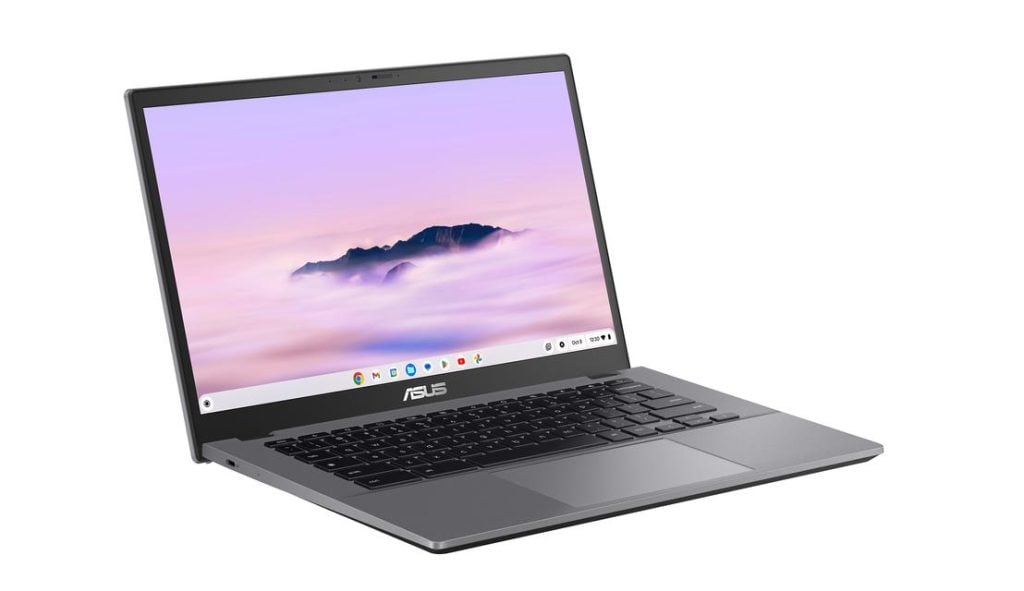
In terms of memory, this Chromebook supports up to 16 GB LPDDR5 RAM, while storage options include a choice of up to 512 GB SSD or up to 256 GB UFS storage. The device offers impressive battery life, with up to 10 hours on a single charge, and it also supports fast charging.

With Chromebooks, users can access a variety of options through the Google Play Store, including Google Docs, Google Apps, Adobe Photoshop, and Adobe Express. The laptop comes equipped with a 1080p FHD webcam featuring AI-powered video call tools and a retractable cover for privacy.

For input, it offers a 5.7-inch touchpad and a full-size backlit keyboard. Connectivity options include ASUS WiFi Master for ChromeOS and WiFi 6 support. The I/O ports include 2 x USB-C 3.2 Gen 2, 1 x HDMI 1.4, 1 x USB 3.2 Gen 1 Type-A, and an audio combo jack. Despite its feature-packed design, the ASUS Chromebook Plus CX34 remains portable, weighing just 1.44 kg.

Pricing & availability

The ASUS Chromebook Plus CX34 will have a starting price of USD 399.99, and it will be available for purchase starting from October 8, 2023. It will come in two color options: Pearl White and Rock Grey.

RELATED:

(Source)

Oppo Find N3 Flip triple cameras teased in India

Oppo has just teased its upcoming foldable smartphone, the Find N3 Flip, in India. The smartphone is set to launch soon, but the teaser has hinted at some of its key camera specs ahead of the official announcement. So let’s have a look.

Oppo Find N3 Flip Camera

In the latest teaser, the Chinese tech giant reveals details on the image sensors on the Find N3 Flip’s triple camera setup. The foldable smartphone will feature a 50-megapixel Sony IMX890 primary camera that has a large 1/1.56-inch sensor. This camera is paired with a 32-megapixel IMX709 telephoto shooter that offers 2x optical zoom and 50mm focal length. The sensor enables the bokeh effects with optimization with renowned camera maker Hasselblad.

Oppo Find N3 Flip Camera

Portrait shots taken from this sensor appear to be similar to Hasselblad’s XCD65mm lens. The last camera is the 48-megapixel Sony IMX581 ultra wide angle sensor. The camera offers a 114 degree field of view and autofocus support. On the other hand, the front houses a 32-megapixel IMX709 RGBW punch-hole camera for selfies and video calls. This camera is capable of recording 4K resolution videos at 30fps.

Oppo Find N3 Flip Design & Display

Apart from the cameras, Oppo also teased the design and display of the Find N3 Flip. The Find N3 Flip sports a Gorilla Glass 7 on the back, which also includes a 3.26-inch cover display. The primary display is a taller 6.8-inch panel that offers TÜV Rheinland Intelligent Eye Care certification as well. It arrives in a Crem Gold and Sleep Black color option, along with an improved Flexion hinge design and an alert slider for the first time ever. The Find N3 Flip was recently spotted on GeekBench, which you can check out by clicking here.

RELATED:

Samsung Galaxy A13, A21s and M02 receives September 2023 security update

According to a recent report, Samsung has started rolling out a September security update for Galaxy A13, Galaxy A21s, and Galaxy M02.

For those unaware, Samsung released this security patch for its major mid-range smartphones last month. However, a few affordable smartphones did not receive the update. It is worth mentioning the patch is currently available to download in selected countries. Those who wish to know about the update and the availability can check the details below.

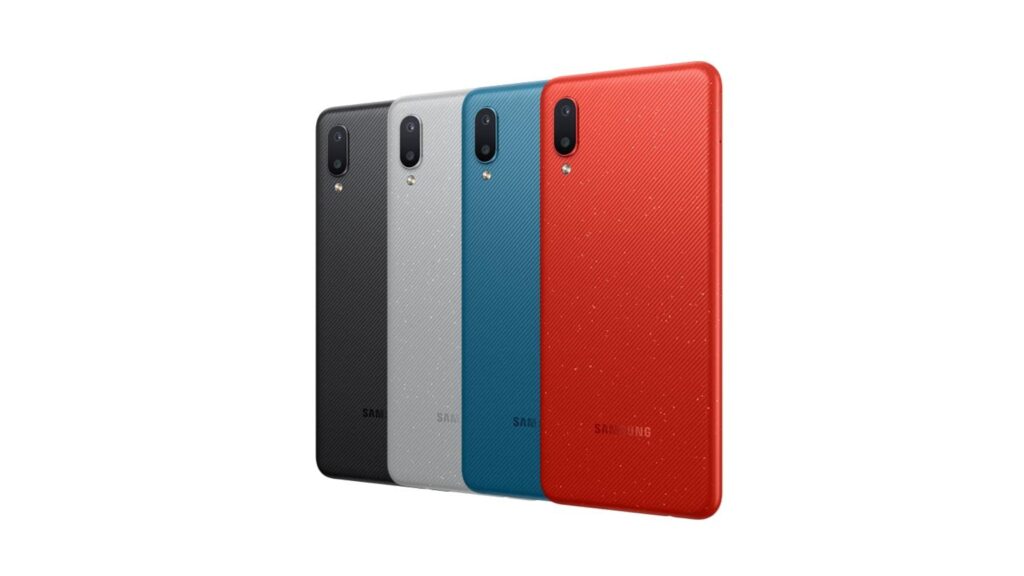
Samsung Galaxy M02 All Colors Featured

Update build version and availability

The September security patch arrives on Galaxy A13 with the build version ending in CWI3. It is currently available in Afghanistan, Egypt, Iraq, Israel, Lebanon, Morocco, Pakistan, Saudi Arabia, the UAE, Tunisia, and Turkey. On the other hand, the Galaxy A21s is receiving the update with the build version ending in DWI1, and it is available to download in Australia, Austria, Cambodia, Caucasus Countries, Fiji, Kazakhstan, Malaysia, New Zealand, Papua New Guinea, Russia, Thailand, Netherlands, Philippines, Ukraine, Uzbekistan, and Vietnam.

Lastly, the Galaxy M02 has received the update with the build version ending in BWH1. It is available to download in Indonesia, Malaysia, the Philippines, Thailand, and Vietnam.

Furthermore, the update fixes more than 60 security vulnerabilities found in the previous version of the update. This patch is majorly focused on the device’s security and stability. It is worth noting that the patch does not bring any new features or UI improvements. If you wish to upgrade the device to the latest version, you can head over to Settings > Software Update > Download and Install.

RELATED:

(Via)

BenQ Unveils X500i 4K HDR 4LED Gaming Projector

BenQ revealed an upgraded X3100i gaming projector in September. It came with many features and impressive high-definition visuals. Now, according to a recent report that has surfaced online, Benq has revealed yet another gaming projector. This projector is called X500i. Those wondering what this new gaming device has to offer can check out the specifications of the X500i below.

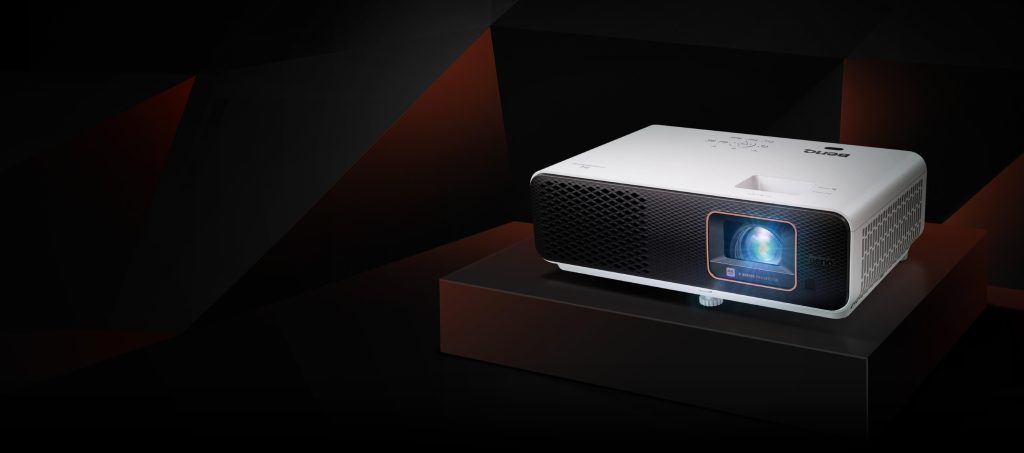
gaming-x500i-kv
Image via Benq

Benq X500i Specifications

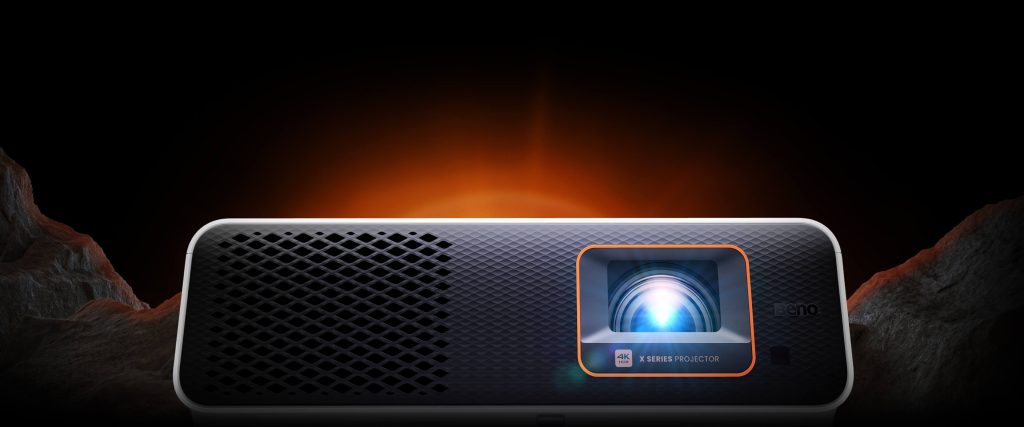
The Benq X500i gaming projector boasts a 4LED light source, ramping up lumens to an impressive 2200 ANSI lumens. For those who wish to play AAA games in 4K, the X500i is an ideal option. It comes equipped with 4K UHD (3840 x 2160 pixels) resolution, having a native aspect ratio of 16:9. The projector provides a 2k 120Hz refresh rate with an input lag of 8.3ms.

gaming-x500i projector
Image via Benq

The X500i offers a 600,000:1 contrast ratio (FOFO) with Lightsource dimming accompanied by its 30-bit (1.07 billion colours) display colours. The projector also supports 95 percent Rec. 709 and 84 percent DCI-P3 coverage. It has various picture modes like 3D, Bright, Cinema, FPS, HDR RPG, HDR SPG, HDR10, RPG, and SPG, all of which provide a premium feel while gaming.

In terms of connectivity, X500i arrives with 2 x HDMI ports, 1 x USB type A, 1 x USB type C, and 1 x RS-232 (DB-9pin).

Pricing and Availability

The X500i is available on the official Benq website with a price tag of $1699. The company has yet to confirm information regarding its availability. However, we expect to receive more information in the future. So stay tuned.

RELATED:

(Source, Via)

The Hidden Costs of Rivian’s Record-Breaking Quarter with over 15,000 Deliveries

Rivian has become the talk of the town with its Q3 2023 performance, breaking its own records in vehicle production and deliveries. While these numbers show promise in the electric vehicle (EV) sector, a closer look reveals challenges that can’t be ignored.

Rivian manufactured over 16,000 EVs in Q3 2023

In the third quarter of 2023 alone, Rivian manufactured 16,304 electric vehicles—a staggering 121% increase compared to the same time last year. Notably, the company managed to deliver 15,564 of these vehicles, marking a year-over-year growth of 136%. Sounds impressive, right?

However, financial stability remains a significant roadblock for the EV startup. According to the Wall Street Journal, Rivian has already burned through half of its $18 billion cash reserve. Moreover, the company recorded a loss of about $33,000 per truck sold in the previous quarter. These figures suggest that the company’s rapid expansion is not without its downsides.

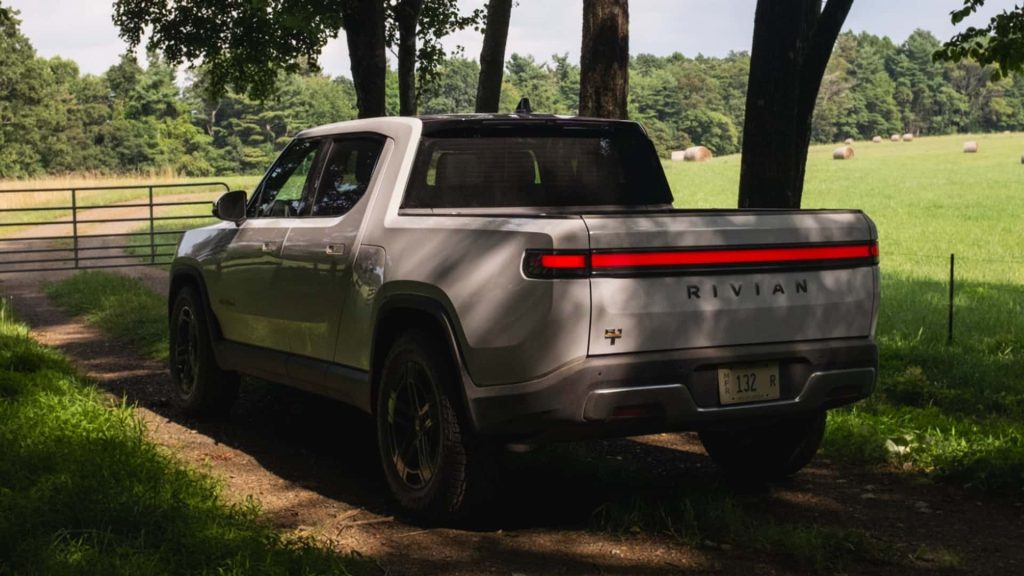
Rivian

Rivian’s portfolio currently includes three major models: the R1T pickup, R1S SUV, and a range of commercial vans primarily aimed at Amazon. While Rivian hasn’t broken down the sales numbers for each of these models, the losses hint at a high production cost, likely cutting into the profitability of each model.

This year, Rivian aims to produce around 52,000 vehicles, according to their latest guidance. Given their Q1-Q3 2023 performance, with more than 39,000 vehicles produced and 36,000 delivered, reaching or even surpassing this target seems plausible.

Yet, questions linger on whether Rivian can sustain its operations financially, especially considering the current cash burn rate. The company will release a comprehensive financial report for Q3 2023 on November 7, which could provide further insights into this situation.

RELATED:

(Via)

Is Hong Kong the Last Hope for East Asia’s Declining Crypto Market?

Despite the gloomy atmosphere surrounding cryptocurrency trading in mainland China due to regulatory crackdowns, Hong Kong is emerging as a beacon of optimism, thanks to its proactive policies. Recent data from Chainalysis highlights a decline in crypto transactions across East Asia, but a deeper look suggests a more complex narrative.

The current figure, $64 billion figure is still a dip from last year’s $70 Billion

Mainland China saw a steep drop in crypto transactions, plunging from $220 billion last year to $86.4 billion this year. Concurrently, the crypto adoption ranking for both Hong Kong and mainland China has also slipped. However, there’s a twist to the tale. Hong Kong, home to just 0.5% of mainland China’s population, reported an estimated $64 billion in crypto transactions. While this figure is a dip from the previous year’s $70 billion, it still shows a vibrant crypto scene in the Special Administrative Region.

Unlike mainland China, where retail transactions dominate, Hong Kong’s crypto landscape is skewed towards institutional transactions. A staggering 46.8% of crypto trades in Hong Kong were above $10 million, and only 4% were below $10,000, reflecting the city’s role as a hub for high-net-worth and institutional investors.

Crypto

Last October, Hong Kong signaled a paradigm shift, unveiling plans for new virtual asset regulations aimed at enhancing investor protection and enabling licensed exchanges to cater to retail traders. While skeptics argue that the region’s crypto industry faces potential damage from the ongoing JPEX scandal involving alleged theft, Chainalysis views these regulatory shifts as fostering “bubbling optimism.”

Furthermore, the dynamics that have contributed to crypto’s controversial nature, like speculative investments and the potential to move wealth offshore, continue to drive its adoption in Hong Kong and potentially in East Asia. Amid uncertainties and market slumps, Hong Kong appears to be stepping up as the region’s new crypto stronghold, subtly defying the mainland’s stringent policies.

While the larger East Asian crypto scene shows a tapering footprint, accounting for only 8.8% of global crypto activities—down from 12.9% last year—Hong Kong’s new policies may just be the tailwind this faltering sector needs. Only time will tell if Hong Kong’s efforts will serve as a lifeline for a crypto market desperately seeking resurgence.

RELATED:

(Via)

OnePlus Open is the Best Foldable Smartphone Right Now, Says Company CEO Pete Lau

OnePlus and OPPO, two leading names in Android smartphones, have joined forces to develop a foldable phone dubbed the OnePlus Open. This collaboration breaks new ground by pooling the strengths of both brands to create what Pete Lau, Founder of OnePlus and SVP of OPPO, calls “the best…folding phone now.”

OnePlus has a good track record of providing great hardware, so the launch will be exciting

What sets the OnePlus Open apart is its unique blend of expertise. While OPPO contributes its solid background in foldable design and camera technology, OnePlus chips in with its reputation for solid user experiences and top-notch hardware performance. Lau revealed in an interview with Unbox Therapy that the phone will have a variable go-to-market strategy, aiming to cater to different regions effectively.

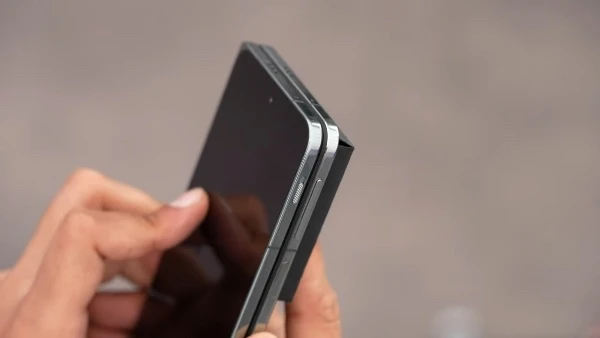
The new device isn’t just about branding and strategy; it’s a tech marvel in its own right. Rumor has it that the OnePlus Open will feature the highest pixel density among foldable displays, promising crystal clear visuals. Additionally, it will boast a more streamlined hinge than its predecessor, the Find N2, making the device lighter and more durable.

The brand’s aficionados have something to cheer about too. The OnePlus Open will incorporate the brand’s signature textured alert slider, which allows users to switch between sound and vibration modes effortlessly. This feature has been a hit among its users, and its inclusion on the foldable phone is likely to be well-received.

OnePlus

However, it’s not all roses. During the interview, Lau clarified that there are no immediate plans to introduce a flip-style phone, disappointing some fans who had hoped for a greater range of options. The collaboration between OnePlus and OPPO has the potential to redefine the foldable phone market, offering consumers a device that doesn’t compromise on either innovation or user experience.

RELATED:

(Via)

BYD Auto surpasses expectations in September 2023, nears annual sales target

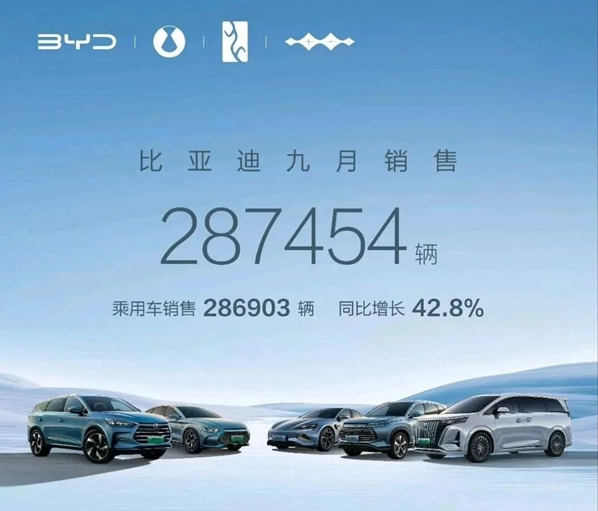
In a recent announcement, Chinese electric vehicle (EV) BYD Auto revealed impressive sales figures for the month of September 2023. The company sold a staggering 287,454 vehicles in September, surpassing its previous record and marking a substantial increase compared to the previous month.

BYD Auto

Notably, 28,039 of these vehicles were passenger cars exported to international markets, demonstrating BYD’s global appeal. One of the standout performers was the BYD Auto Dynasty and Ocean, which accounted for 273,747 units of the total sales. This particular model has gained significant popularity among consumers, reflecting the growing interest in electric and sustainable transportation solutions.

Denza Motors, a subsidiary of BYD, also made a notable contribution to the sales figures, selling 13,156 units in September.

As of the end of September 2023, BYD’s total sales for the year reached an impressive 2.07 million vehicles. While this is a remarkable achievement, the company is not resting on its laurels. BYD has set an ambitious sales target of 3 million vehicles for the full year of 2023.

BYD Auto

With a gap of 930,000 vehicles left to achieve this target in the next three months, it might seem like a challenging task. However, judging from the current growth trend, where BYD has consistently exceeded previous sales figures, it appears that the company is well on its way to meeting its annual goal. This performance underscores BYD’s commitment to innovation and sustainability, positioning itself as a prominent player in the global EV market.

As the world shifts toward electric and eco-friendly transportation, BYD’s success in reaching its sales targets not only signifies its own achievement but also highlights the increasing adoption of electric vehicles on a global scale.

RELATED:


A Japanese Startup Brings Transformers to Life with ARCHAX: The Real-Life Optimus Prime for Just $3 Million

Giant robots have always been a theme in movies like Transformers or games like Titanfall up until now. Even though artificial intelligence and robotic technologies are quite advanced today, there wasn’t a product of such gigantic proportions available. That is, until now. Tsubame Industries, leveraging the power of advancing technology, has developed a 4.5-meter-tall (14.8-foot) four-wheeled called ARCHAX with a price tag of $3 million.

Japan’s $3 Million Transformers Robot ARCHAX, The Closest Thing Yet to Real Life

In today’s world, if you have enough money, you can buy almost anything. Moreover, the number of things you can purchase is continually increasing. The latest addition to this list is the “transformers” robot named ARCHAX, created by a Japanese startup called Tsubame Industries. ARCHAX features a cockpit with monitors that display images from cameras positioned on the robot’s exterior. This allows you to sit safely inside the cockpit and battle your “evil” adversaries.

tsubame industries archax robot
Optimus Prime vs ARCHAX

The pilot uses joysticks to control the robot’s arms and hands. ARCHAX also has two modes: upright “robot mode” and “vehicle mode,” in which it can travel up to 10 kilometers per hour. ARCHAX is currently being sold for $3 million. The startup plans to build and sell five of the machines. However, the CEO of Tsubame Industries, Ryo Yoshida, has also said that he hopes that the robot could one day be used for disaster relief or in the space industry.

Of course, buying ARCHAX doesn’t solve all your problems. Depending on the regulations of your country, taking this wheeled robot into a public space might cause you issues. But if you consider that you’ve spent $3 million on a new robot, this might not be a significant concern. If Optimus could do it, I’m sure ARCHAX can too.

Jokes aside, it’s still too early to say how the robot will be used in the future. However, its development indicates that human-piloted robots are becoming more viable, and they might significantly influence society in the upcoming years. Although it seems like an expensive toy for now, who knows? Maybe one day we’ll see giant robots genuinely performing superhero feats and battling.

RELATED:

(via)

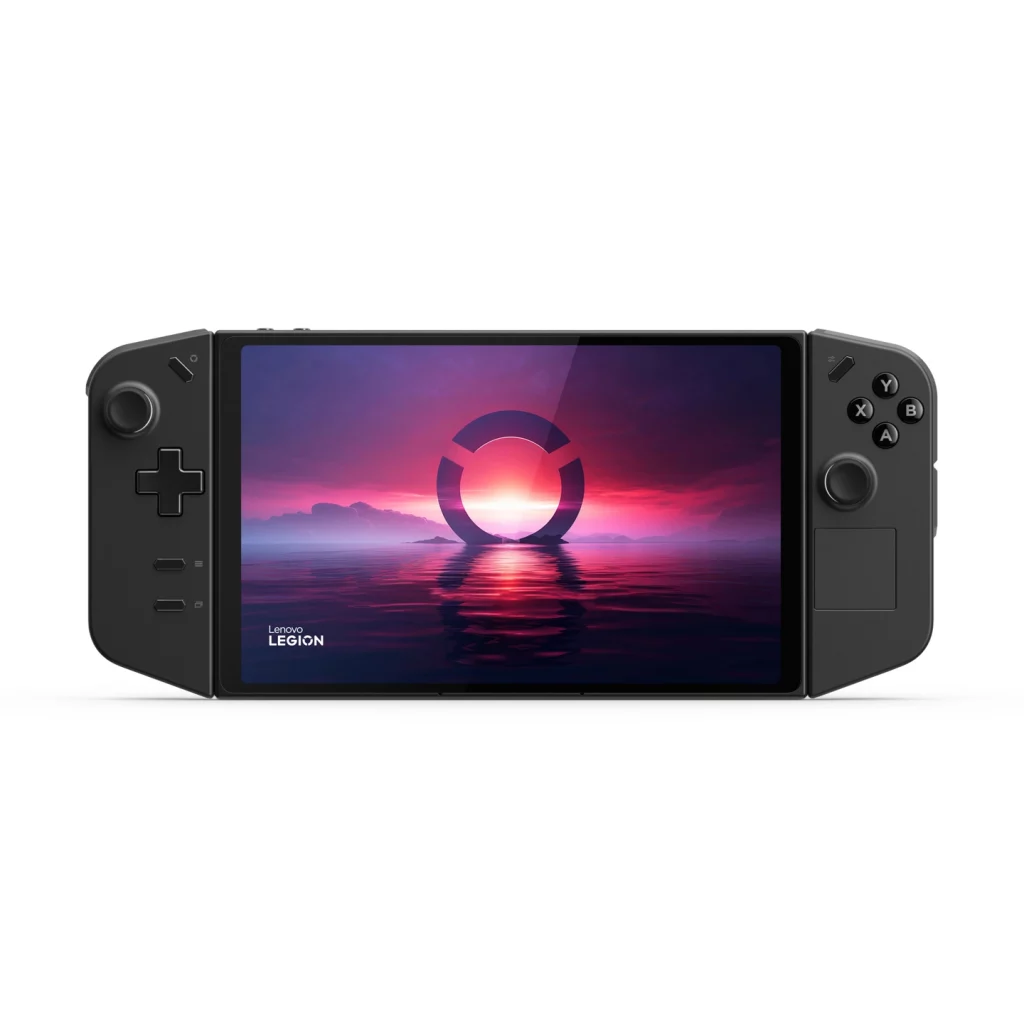
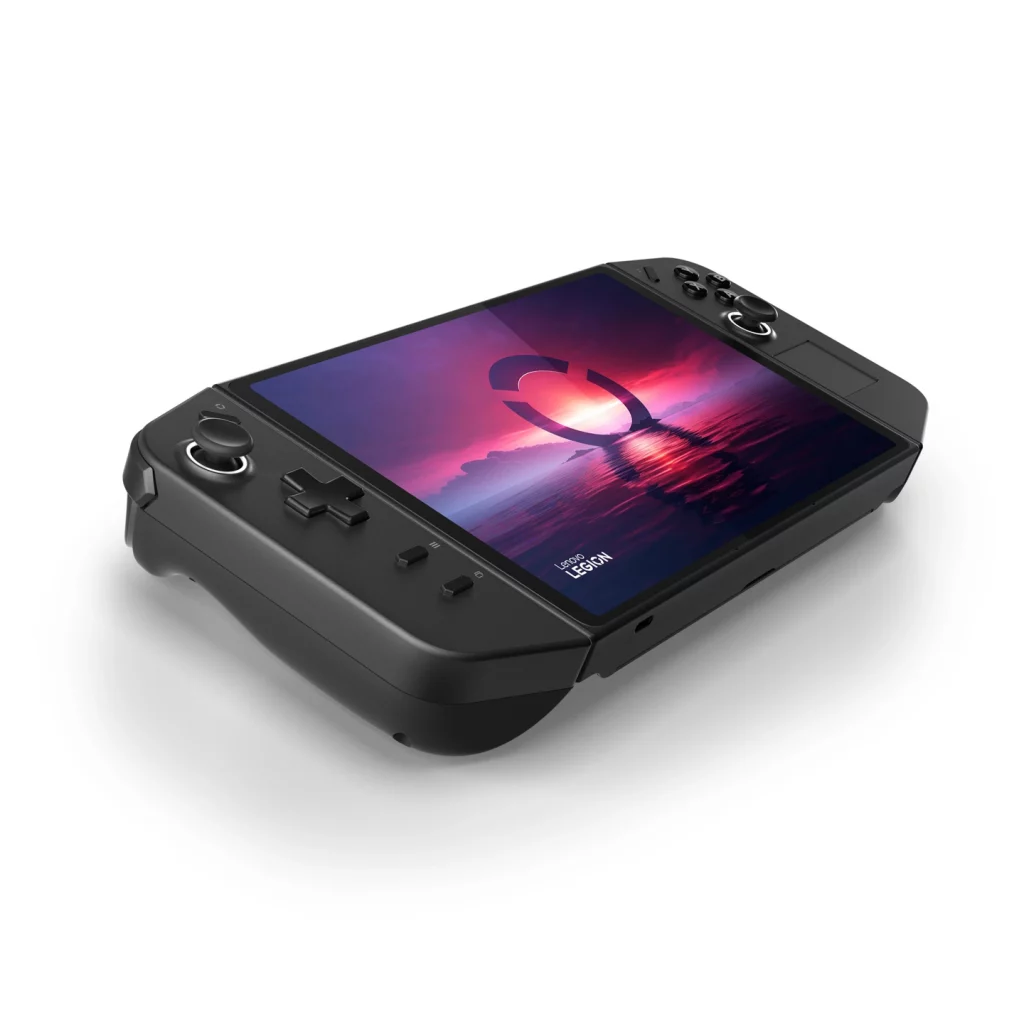
Lenovo Legion Go gaming handheld set to launch on October 31st, starts at $699

Lenovo‘s new gaming handheld, the Legion Go, was revealed at the IFA 2023 exhibition and is set to launch on October 31st officially. It is available for pre-order and comes in two versions; a 512 GB model priced at $699.99 (5,027 yuan), and a 1TB model at $749.99 (5,386 yuan).

Legion Go Gaming Handheld Specifications:

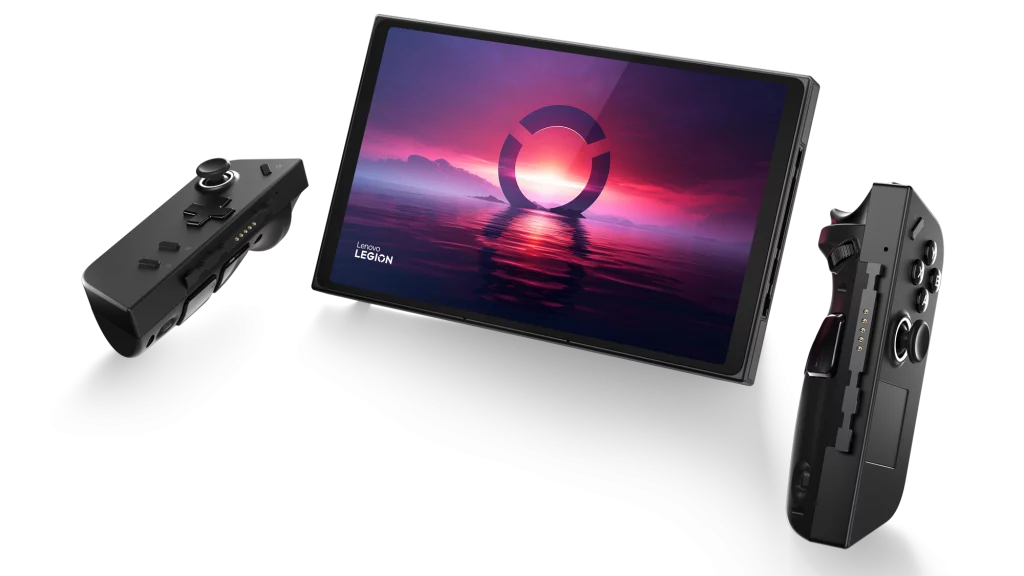
Legion Go handheld features an 8.8-inch PureSight display with a resolution of 2560 x 1600, 16:10 ratio, and a variable refresh rate of 144Hz, delivering vibrant visuals. The display also sports 500 nits brightness, 97% DCI-P3 color gamut, and 10-point touch.

Legion Go Gaming Handheld

It operates with AMD Ryzen Z1 and Z1 Extreme processors and 16GB of LPDDR5X RAM operating at 7500MHz, ensuring powerful performance. It runs on the Windows 11 operating system.

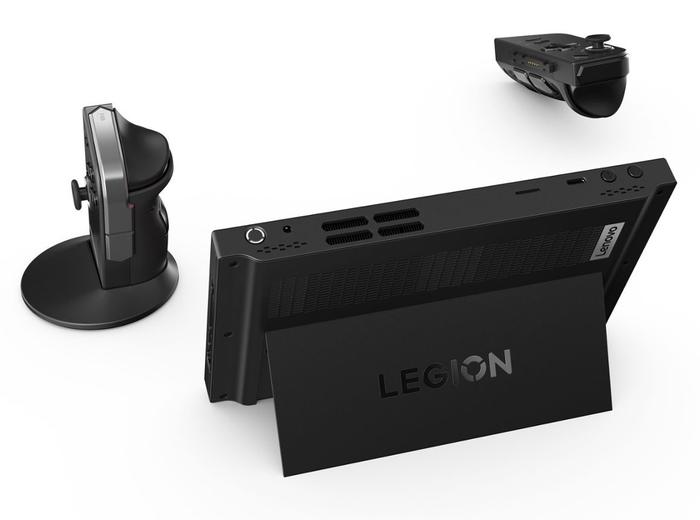
The device comes with a detachable TrueStrike controller, offering advanced features like hall-effect joysticks to prevent joystick drift, a built-in touchpad, large directional keys, a tilt mouse wheel, and a total of 10 mappable buttons, including shoulder buttons, triggers, and grip buttons, allowing users to customize their gaming experience.

The Legion Go handheld is equipped with a 49.2Wh battery to support extended gaming sessions. It also offers extensive storage options, featuring up to 1TB PCIe Gen4 SSD and a micro-SD slot that can support up to 2TB of additional storage, allowing gamers to store more games.

For custom gaming experiences, it incorporates RGB lighting, Legion Space software, and fully customizable controllers. It also includes various ports, including two USB-Type C and a 3.5mm headphone jack.

The Ayaneo Slide Handheld Gaming PC, a competitor to the Legion Go handheld, is now available for pre-order on Indiegogo. It features a full keyboard and is powered by the AMD Ryzen 7 7840U processor, making it a formidable choice for portable gaming enthusiasts.

RELATED:

(Via)

Comply or Lose Millions of Users: China Wants to Ban Millions of Apps from Apple App Store

Apple’s dominance on the App Store is more at risk than ever. We had mentioned to you recently that the company’s CEO, Tim Cook, had discussions with the European Union about this and was trying to find common ground. However, the EU isn’t the only entity threatening the American tech giant’s control over its app marketplace.

China is also pushing Apple with its crackdown on unregistered foreign apps. But, of course, just like in the EU, the company’s initial response is to turn to diplomacy. In line with this, Apple has expressed concerns to Chinese officials over new rules that would ban unregistered foreign apps from its App Store. Here are the details…

Apple Presses Diplomacy Over China’s Foreign App Crackdown

According to a report from The Wall Street Journal, Apple has expressed concerns to Chinese officials over new rules that would ban unregistered foreign apps from its App Store. The new rules are part of China’s ongoing efforts to increase oversight of smartphone and mobile app usage in the country.

Apple App Store china foreign apps

The rules would require mobile app stores and mobile apps to file details of their businesses with the government, including their ownership structure, data storage practices, and security measures. Apps that do not comply with the rules would be banned from the App Store. Apple is concerned that the new rules would prevent it from offering many of the popular foreign apps that are currently available in the App Store in China.

These apps include Facebook, Instagram, YouTube, and WhatsApp. Apple is also concerned that the new rules would give the Chinese government more control over its users’ data. Apple has reportedly met with Chinese officials several times in recent months to discuss the new rules. The company has argued that the rules would violate its privacy and security commitments to its users. Apple has also said that the rules would make it difficult for it to offer new and innovative apps to its Chinese users.

It is unclear how the Chinese government will respond to Apple’s concerns. However, the company’s public stance against the new rules could put it at odds with the Chinese government. Apple is a major player in the Chinese smartphone market, and its App Store is the only way for most Chinese users to download foreign apps.

If Apple is forced to comply with the new rules, it could lead to a significant reduction in the number of foreign apps available to Chinese users. This could have a negative impact on the Chinese tech industry, as many foreign apps are popular among Chinese consumers. The new rules are also likely to raise concerns among human rights groups and privacy advocates.

It remains to be seen how the Chinese government will implement the new rules and whether Apple will be able to continue offering its full range of apps in China.

RELATED:

(via)

Microsoft ends free upgrade from Windows 7/8 to 11

Microsoft has ended the free upgrade path from Windows 7/8 to Windows 10/11, though upgrading from 10 to 11 remains free. This means people with older systems will now have to pay if they want to upgrade.

Windows 11

End of Free Upgrades: Microsoft Closes Upgrade Path from Windows 7/8 to Windows 10/11

Previously, some users tried to get permanent activation during the upgrade, but tools like HWIDGEN and MAS for activating systems will no longer work, as Microsoft has blocked such requests from their servers. However, computers already using Windows 10/11 through these activations will stay active; Microsoft is not taking back those licenses.

For now, Windows 11 version 22H2 can still be activated on virtual machines, but the newer Canary build is not accepting activation requests.

Microsoft is also working on a lighter, web-focused Windows 12 aiming for the education market, trying to rival Chrome OS. It’s supposed to be a simpler version of Windows, and it’s expected to come out in 2024. This variant won’t replace standard Windows but will be an alternative for simpler, educational devices. It will feature AI integration and focus heavily on web experiences, especially with Microsoft Edge.

In addition, Microsoft has introduced a big update for Windows 11, adding Copilot, a new AI assistant. Copilot will be in a sidebar and can help users with various tasks like searching for recipes and planning trips. The update also gives File Explorer a new look, adds a handwriting feature called Ink Anywhere, and brings enhancements to the Snipping tool and RGB lighting control. Plus, Microsoft 365 users can get Copilot for $30 a month, which will help them with their work tasks.

RELATED:

(Via)

Tesla Launches “Updated” Model Y in China with no change to the specs

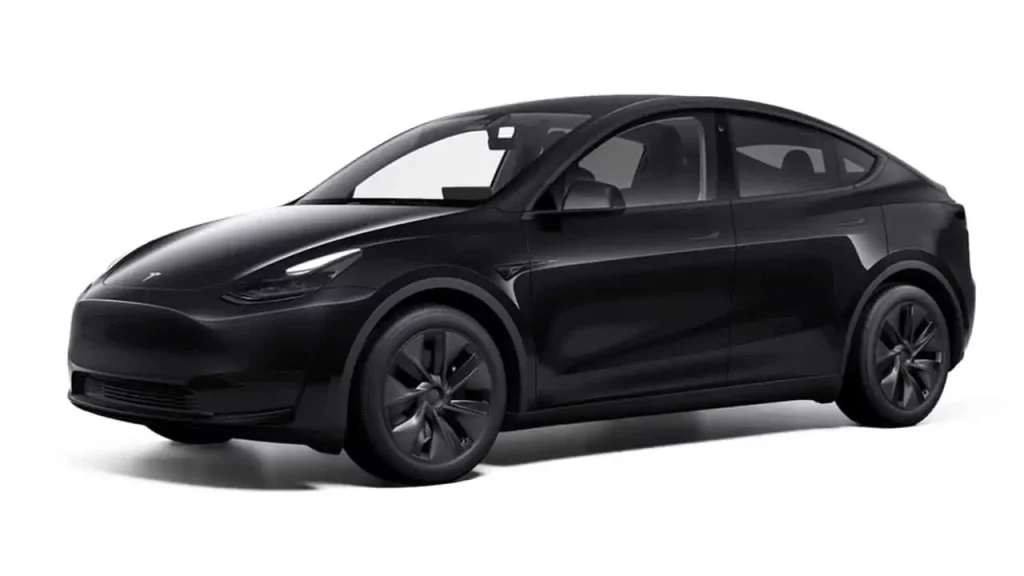
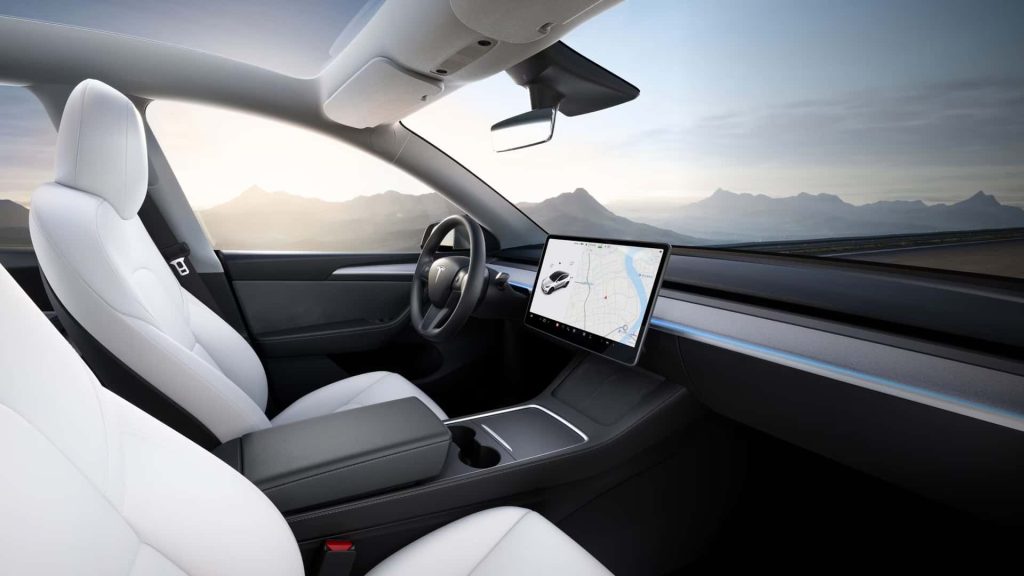
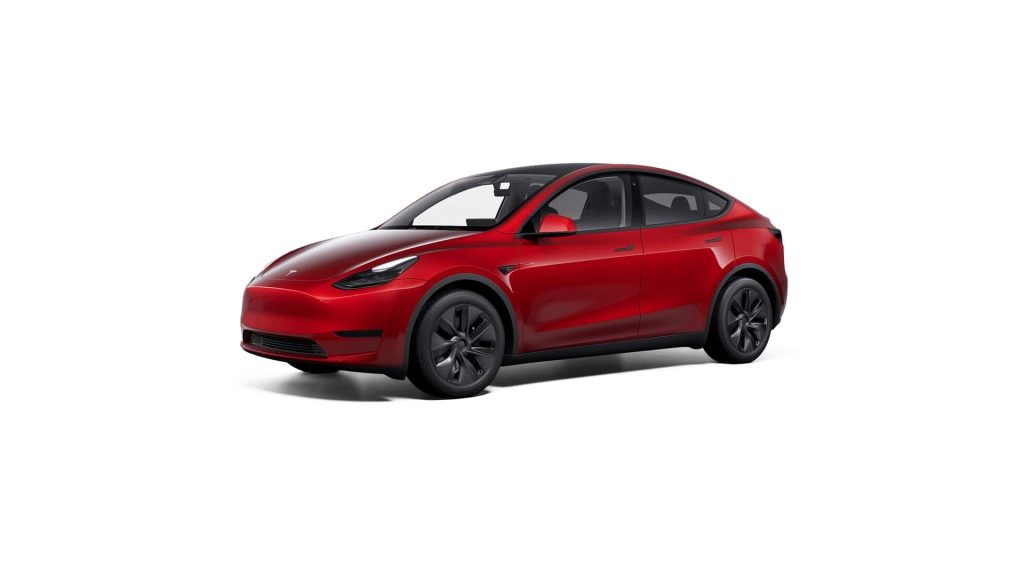
Tesla has unveiled the updated Model Y EV in China. The refreshed Tesla Model Y comes with changes to the exterior, interior, and other features. Three versions namely rear-wheel-drive, all-wheel-drive, and Performance versions are available. The major specs for the Made-in-China (MIC) Tesla Model Y are the same.

Tesla Model Y

The starting prices of the three available versions of the Model Y are unchanged. It is unclear the reasoning behind the update but there are no major changes, unlike the case of the Tesla Model 3. There are indications however that a significant upgrade of the Juniper is expected in 2024.

The new Model Y has a new, black 19-inch wheel design, in place of the previous silver Gemini design. The new wheels could likely offer greater aerodynamics, with an increased CLTC range. The rear-wheel-drive Tesla Model Y has an estimated range of 344 miles (554 km). The dual-motor, all-wheel drive, Long Range version has a CLTC range of 428 miles (688 km). Both models offer higher CLTC ranges than their predecessors, between 9km and 28km. The estimated range of the Model Y Performance version remains unchanged.

Tesla Model Y

The entry-level Tesla Model Y RWD can go from 0-100km/h in 5.9 seconds, compared to 6.9 seconds from its predecessor. The improvement may not be unconnected to the drive unit, battery setup, or a software change.

The interior of the Tesla Model Y has RGB ambient lighting on the dashboard while a new textile material replaces the wood trim. The new MIC Model Y is equipped with the Hardware 4.0 (HW4) self-driving system and improvements in NVH performance.

Tesla Model Y

The prices of the three updated Tesla Model Y in China start at 262,900 yuan ($36,788). The wait times on the Tesla online configurator indicate 2-6 weeks for the RWD and Performance versions, and 6-8 weeks for the AWD version. These times are dynamic and could change depending on the market feedback.

RELATED:

Pixel 8 Pro and Tensor G3 run Geekbench 6 with oh-not-so-impressive scores

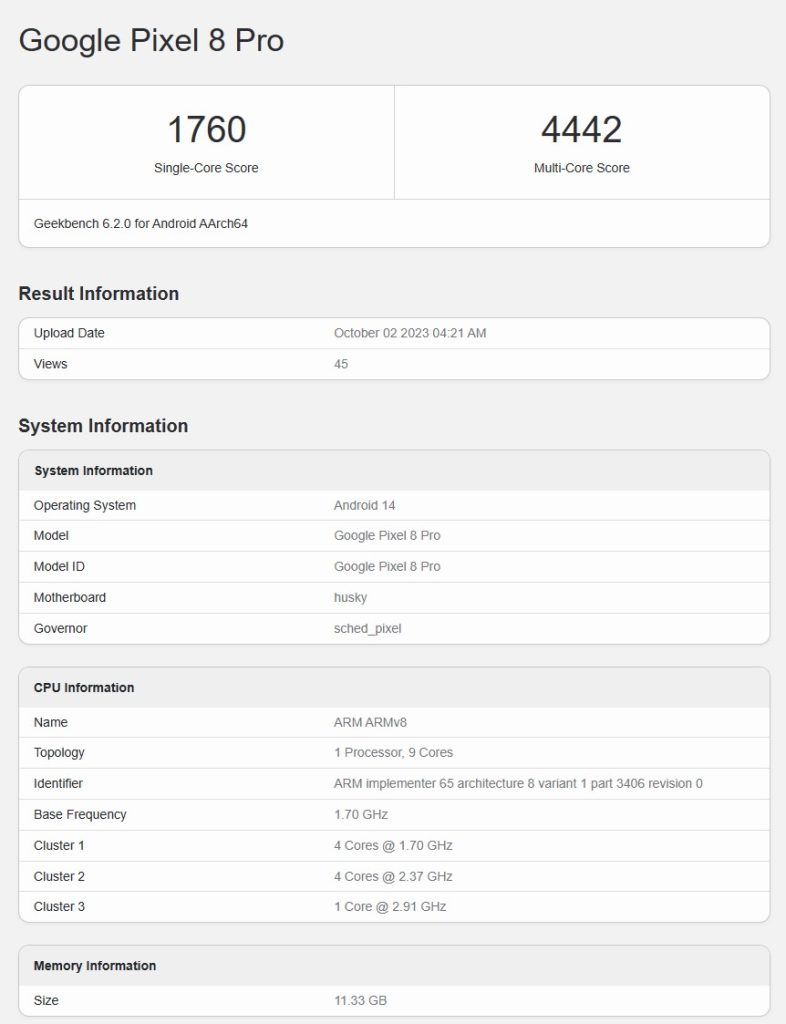
Pixel 8 and Pixel 8 Pro are launching on October 4 and there’s literally nothing we don’t already know about the two phones. Earlier today even a full-fledged unboxing video of the Pro model emerged online. Ahead of the official release, the Pixel 8 Pro has now been spotted on Geekbench with the Tensor G3 chip and the benchmarking scores are not exactly impressive.

Qualcomm’s Snapdragon 8 Gen 2 posts better scores

Pixel 8 Pro was tested on Geekbench 6.2, posting a single-core score of 1,760, and a multi-core score of 4,442. These are not bad numbers in general, but if you take the competition into account, the scores are not very good either. For reference, the OnePlus 11 with Snapdragon 8 Gen 2 gets 1707 points in single-core and 4892 points in the multi-core test of Geekbench 6.

However, the scores of Tensor G3 are much better than Tensor G2, hinting at a significant performance improvement. The G3 will be powering both the Pixel 8 and 8 Pro this year. The two phones will compete with Apple’s current lineup and the Galaxy S24 series launching early next year.

We know that the Pixel 8 Pro will get a 6.7-inch LTPO OLED display that offers QHD+ resolution and a 120Hz refresh rate. The device could come with up to 12 GB of RAM and up to 512 GB of storage. It is expected to get a triple camera setup on the rear with a 50MP primary sensor, a 64MP ultra-wide-angle lens, and a 48MP telephoto shooter. According to a recent leak, the Pixel 8 Pro will start at $999 in the US.

RELATED:

(Via)

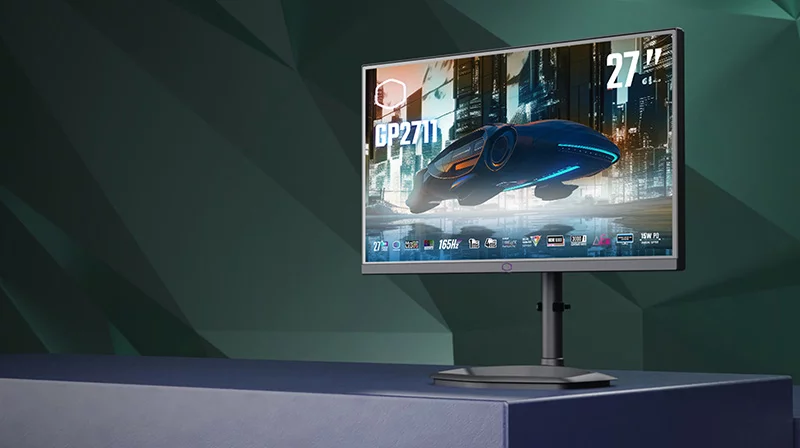
Cooler Master GP2711 monitor with 27″ QHD Mini-LED panel launched for $449

After showcasing the Cooler Master GP2711 at Computex 2023, the brand finally revealed the price tag of this QHD gaming monitor along with all of its specification details.

cooler master gp2711

Cooler Master GP2711 specs

The Cooler Master GP2711 sports a 27-inch VA display with a QHD resolution and an 8-bit color depth. It has a typical brightness of 600 nits and a peak brightness of 1500 nits, earning it the VESA DisplayHDR 1000 Compatible certification. The display features a Mini LED backlight with an impressive 576 local dimming zones for enhanced contrast.

In terms of color space coverage, it covers 95% of the DCI-P3, 93.5% of Adobe RGB, and a solid 99% of sRGB. The typical contrast ratio is 3000:1, ensuring vivid visuals. Gamers will appreciate the 4ms GTG response time and an ultra-fast 1ms MPRT. The native refresh rate is 165Hz, with AMD FreeSync Premium Pro certification for a smoother gaming experience.

Connectivity options include two HDMI 2.0 ports, a DisplayPort 1.4 input, a headphone jack, and USB 3.0 Type-A and Type-B ports. The stand offers flexibility with up to 110mm of height adjustment, +/-15 degrees of swivel, a pivot function, and a tilt range of -5 to 20 degrees.

Pricing & availability

The GP2711 is set to retail at $449 USD or £429 GBP in the UK, with an anticipated launch date in early Q1 2024.

RELATED:

(via)

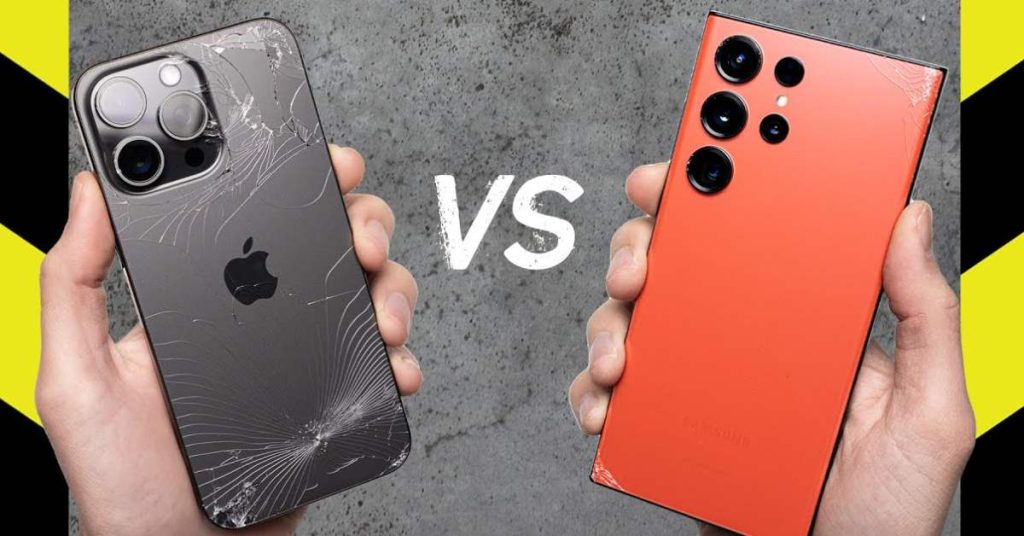
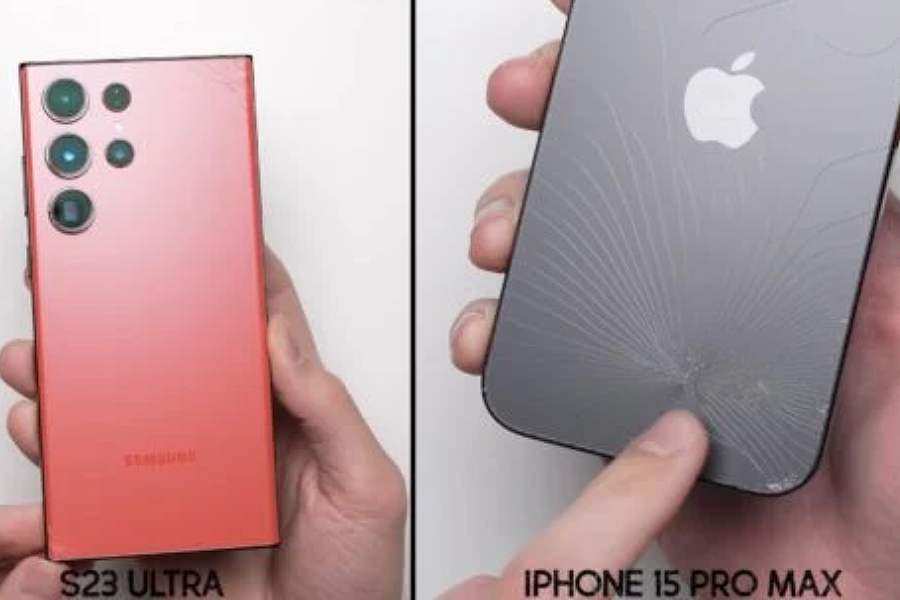
iPhone 15 Pro Max Loses to Galaxy S23 Ultra in Drop Test, Despite Titanium Build

Apple’s new titanium case for the iPhone 15 Pro Max is one of its biggest selling points. It’s supposed to be stronger and more durable than the aluminum used in previous iPhones. However, a recent drop test by YouTuber PhoneBuff shows that the titanium body doesn’t offer any significant real-world benefit in terms of drop protection.

The drop test compared the iPhone 15 Pro Max to the Samsung Galaxy S23 Ultra in a series of rounds, with both phones dropped from the same height and onto the same materials. PhoneBuff employed robotic arms to ensure a fair and controlled test environment.

The iPhone 15 Pro Max suffered wide cracks across its glass back after being dropped from waist-level, while the Galaxy S23 Ultra experienced smaller cracks on two corners, despite being made of less durable materials.

In the second round, both phones were dropped with one of their corners facing down. The titanium frame of the iPhone 15 Pro Max remained fairly undamaged, but its rear glass started to fall off. The S23 Ultra’s frame, on the other hand, showed slight deformations, but the phone remained fully functional.

During the third round, both phones were dropped with their screens facing down. Both screens cracked significantly, but the Galaxy S23 Ultra did slightly worse due to its curved screen.

In the final round of the test, both phones were dropped from a higher point. The Galaxy S23 Ultra looked similar to how it did after the previous drop test, but the iPhone 15 Pro Max showed even more shattered glass on the front and rear.

Both smartphones were still working after the drop test, but the Galaxy S23 Ultra performed better than the iPhone 15 Pro Max, even though it has an aluminum frame. The S23 Ultra scored 39 points out of 40, while the iPhone 15 Pro Max scored 37. You can watch the full test below:

What do you think of this test result? If you have a new iPhone 15 Pro or Pro Max, how has it been holding up for you? Let us know in the comments.

Related:

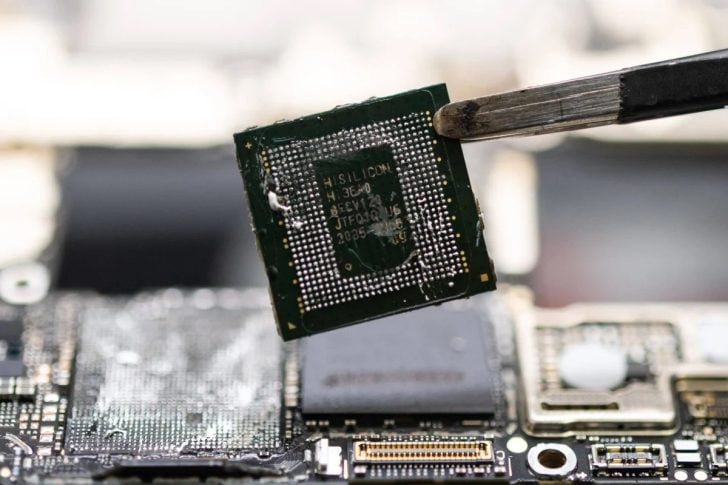
Kirin 9000s is actually 14nm chip but Huawei modified it closer to 7nm, says research firm

Kirin 9000s is Huawei’s latest 5G chipset, which powers its flagship Huawei Mate 60 smartphones. You might have heard a lot of chatter around this chip, and that’s because technically it shouldn’t exist. The US banned Huawei from accessing technologies necessary to manufacture advanced chips like the Kirin 9000s. However, the Chinese company managed to achieve this feat anyway, and we are now learning that they did it by modifying a 14nm chipset.

Kirin 9000s is full of secrets

Minatake Mitchell Kashio, the CEO of Tokyo-based electronics research firm Fomalhaut Techno Solutions, shared with the South China Morning Post his belief that the Kirin 9000s CPU was manufactured using SMIC’s 14-nm process, as determined through their own analysis of handset teardowns. He suggested that certain special techniques were incorporated to enhance the chip’s performance, bringing it closer to the level of a 7-nm grade processor.

Kirin-9000S-Bloomberg
Image Credit- Bloomberg

If you are not aware, the smaller the process node, the better the processor. So a 7nm processor would be better than a 14nm processor. This is because a smaller process node allows manufacturers to put transistors into the chip.

Kashio’s findings refute Techinsights’ claims that the Kirin 9000s is fabricated on SMIC’s 7nm (N+2) process. However, he did not elaborate on the techniques employed by Huawei or SMIC to bring the 14nm processor closer to 7nm. In any case, it looks like there are a ton of secrets behind the Kirin 9000s and no official details.

Huawei’s 5G chipset has left the world wondering how they managed to come up with it. To remind you, the Kirin 9000s features an octa-core CPU with hyper-threading support, making it the first ARM chip to do so. It comprises a prime core clocked at 2.62 GHz, three median cores at 2.15 GHz, and four efficiency cores.

RELATED:

(Source) (Via)

Intel ushers in the future with EUV Technology: High-volume manufacturing begins on Intel 4 Process in Ireland

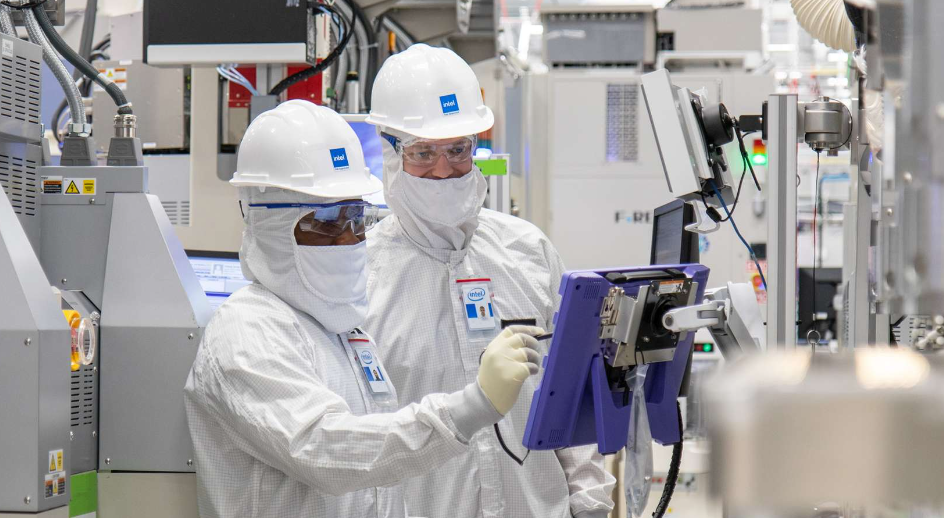
Intel has officially launched high-volume manufacturing on the Intel 4 process technology at its Fab 34 facility in Leixlip, Ireland. The event, graced by Intel CEO Pat Gelsinger, marks a significant leap forward in semiconductor technology. 

The Intel 4 process, employing extreme ultraviolet (EUV) lithography, represents Intel’s foray into a future brimming with cutting-edge products, from processors revolutionizing artificial intelligence in PCs to chips fueling the world’s largest data centers.

source: Intel

Central to this achievement is the integration of EUV lithography technology, a marvel of precision, enabling the definition of smaller and more intricate chip features. The EUV machines, provided by Dutch manufacturer ASML, represent a pinnacle of engineering, boasting mind-boggling accuracy. Each of these colossal machines, resembling a bus in size, costs around $150 million and plays a pivotal role in Intel’s quest for technological supremacy.

Ann Kelleher, Intel’s General Manager of Technology Development, emphasized the company’s progress, stating that two manufacturing processes have been successfully completed, with a third swiftly underway. The Leixlip facility stands as a testament to Intel’s unwavering commitment to innovation, boasting an intricate network of overhead robots navigating a 22km track, ensuring the seamless transport of silicon wafers from one advanced tool to another. 

The Irish plant is now gearing up to produce chips, including the highly anticipated Meteor Lake PC processors. Intel’s investment in this venture has been substantial, with a staggering $18.5 billion USD spent on doubling the manufacturing space in Leixlip. This expansion aligns with Intel’s ambitious plans to deliver five generations of technology within just four years, reaffirming the company’s commitment to regaining process leadership by 2025.

The commencement of high-volume production on the Intel 4 process in Leixlip heralds a new era of innovation, where the boundaries of what’s possible in computing technology are continually pushed.

Related:

(via)

Chinese Electric Cars Accelerate Ahead with 750,000 Units Sold in August

Talk about a show of market force, plug-in electric car sales in China have hit an all-time high, reaching 750,000 units in August. The numbers, shared by EV Volumes and Jose Pontes, indicate a year-over-year increase of 36 percent. What’s even more astonishing is that almost two out of five new cars sold in China are now plug-ins, with the market share hitting a record 39 percent.

Out of 750,000 units, 500,000 were all-electric cars and the rest were hybrids

While China has long been a dominant player in the electric vehicle (EV) market, contributing to about 60 percent of global sales, this recent surge is noteworthy for another reason. All-electric cars are overshadowing their plug-in hybrid counterparts, selling two to one. Specifically, 500,000 all-electric cars were registered in August compared to 250,000 plug-in hybrids. The trend suggests that Chinese consumers are leaning towards fully electric options, thereby fast-tracking the country’s march towards cleaner, sustainable mobility.

BYD

BYD and Tesla are leading the pack among popular brands. BYD’s Song family alone accounted for 56,743 units, outdoing Tesla’s Model Y, which managed to rack up 51,117 registrations. The domination of Chinese-made models in the list of top-sellers hints that local manufacturers are rising to the occasion, responding well to the domestic demand for electric vehicles.

So, what does this signify for the future of EVs in China? The data is promising but serves as more than just a pat on the back for the industry. The obvious consumer preference for all-electric cars could pressure manufacturers to phase out hybrids quicker than expected, further driving innovation and adoption of pure electric vehicles.

RELATED:

(Via)

Humane Revealed an AI Pin at the Paris Fashion Week, & It Definitely Looks Futuristic

Humane, a startup founded by former Apple execs, recently chose the glamorous backdrop of Paris Fashion Week to unveil its Ai Pin—a device that’s as elusive as it is intriguing. But the question remains: Is this wearable tech a game-changer or just another tech gimmick?

The device claims to enhance your privacy when you’re wearing it

While supermodel Naomi Campbell may have dazzled the audience as the first person to sport the Ai Pin in public, it’s the device’s capabilities that demand attention. Co-founder Imran Chaudhri, known for his work on the iPhone interface, showed off some nifty features during a Ted Talk last May, such as projecting call details on his hand and on-the-fly translation from English to French. The device is pitched as a “privacy-first” wearable AI assistant, avoiding ‘always-on’ listening.

AI Pin

Despite its stylish exterior and flashy Paris debut, the Ai Pin leaves us with more questions than answers. For instance, the device doesn’t require a smartphone to operate, but it’s unclear how it connects to the internet. Moreover, while it eliminates the need to carry a smartphone, it’s yet to prove that it can perform tasks any better or faster.

Then there’s the elephant in the room—the stigma attached to wearables with cameras. Google Glass serves as a cautionary tale of tech that came before its time, with privacy concerns leading to its downfall. How Humane addresses these issues remains to be seen, especially as the device moves closer to its full unveiling on November 9.

In a world where smartphones have become extensions of ourselves, the Ai Pin has certainly piqued interest. But whether it’s the next big thing in tech or merely a fleeting fashion statement remains to be seen. Until its capabilities and functionalities are fully revealed, the jury is still out.

RELATED:

(Via)