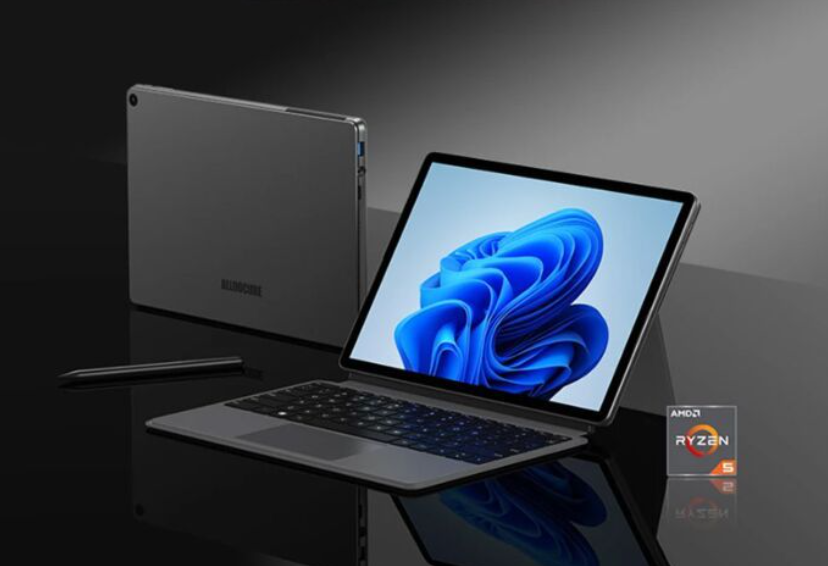
Are you ready to elevate your tech game? Here’s your chance to score the cutting-edge 2-IN-1 PC, the ALLDOCUBE iWork GT 12, the world’s first 2-in-1 Tablet powered by AMD for free!
Giveaway Details
Entering the giveaway is a breeze! Simply follow these steps:
Comment: Share your thoughts on the ALLDOCUBE iWork GT 12 in the comments section.
Share: Spread the excitement by sharing the video on your social media accounts.
The lucky winner, chosen from the top 10 comments with the most ‘likes,’ will walk away with the iWork GT 12 for free! As a bonus, the other nine participants will receive a pair of wireless earbuds. The winner will be revealed on November 28th at 8:00 am Pacific Standard Time.
ALLDOCUBE iWork GT 12
The ALLDOCUBE iWork GT 12 is a powerhouse designed for productivity and creativity. Boasting a 12.6-inch 2.2K display with a 2160*1440 resolution, it delivers stunning visuals for an immersive experience. Powered by the World’s First 7th Gen AMD R5 Chipset, the iWork GT 12 ensures top-notch performance for all your computing needs.
With 16GB of high-bandwidth LPDDR4X RAM, multitasking becomes seamless, allowing you to run games, edit photos, and handle multiple programs simultaneously. The generous 512GB PCIe3.0 storage provides ample space for your files, ensuring you never run out of room.
Connectivity is a breeze with dual-band 2.4GHz/5.0GHz Wi-Fi (802.11 b/g/n/ac) and Bluetooth 5.2, enabling wireless transfers between devices. The 45W Rapid PD Fast Charging ensures you’re back in action with up to 80% battery in just 60 minutes.
The transformable design with a detachable keyboard and a 4096-level pressure-sensitive stylus enhances your writing experience, making it ideal for both work and play. The built-in ultra-thin high-speed fan ensures efficient cooling, keeping the iWork GT 12 running smoothly even during demanding tasks.
Don’t miss out on this opportunity to win the iWork GT 12 and unlock a new level of computing. Subscribe, like, comment, and share for your chance to bring home this game-changing 2-IN-1 PC!
Seize the opportunity to grab the ALLDOCUBE iWork GT 12 now from Geekwills and Giztop with a special $100 discount! Use the limited coupon code – WGT12, exclusively for Gizmochina’s subscribers. Plus, enjoy a complimentary keyboard and a sleek leather case with your purchase.
Hurry, the giveaway ends soon, and the discounted offer is only available for a limited time.
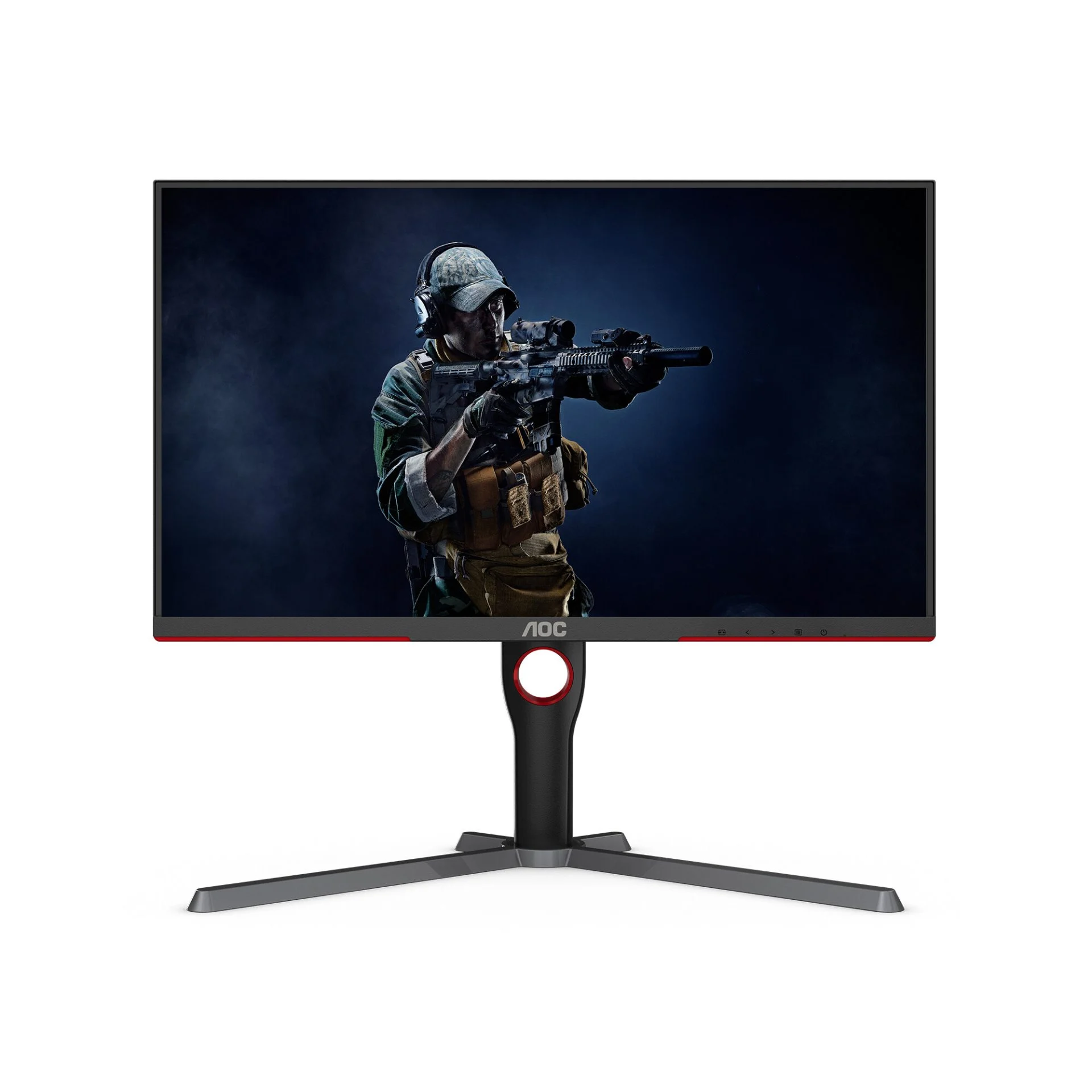
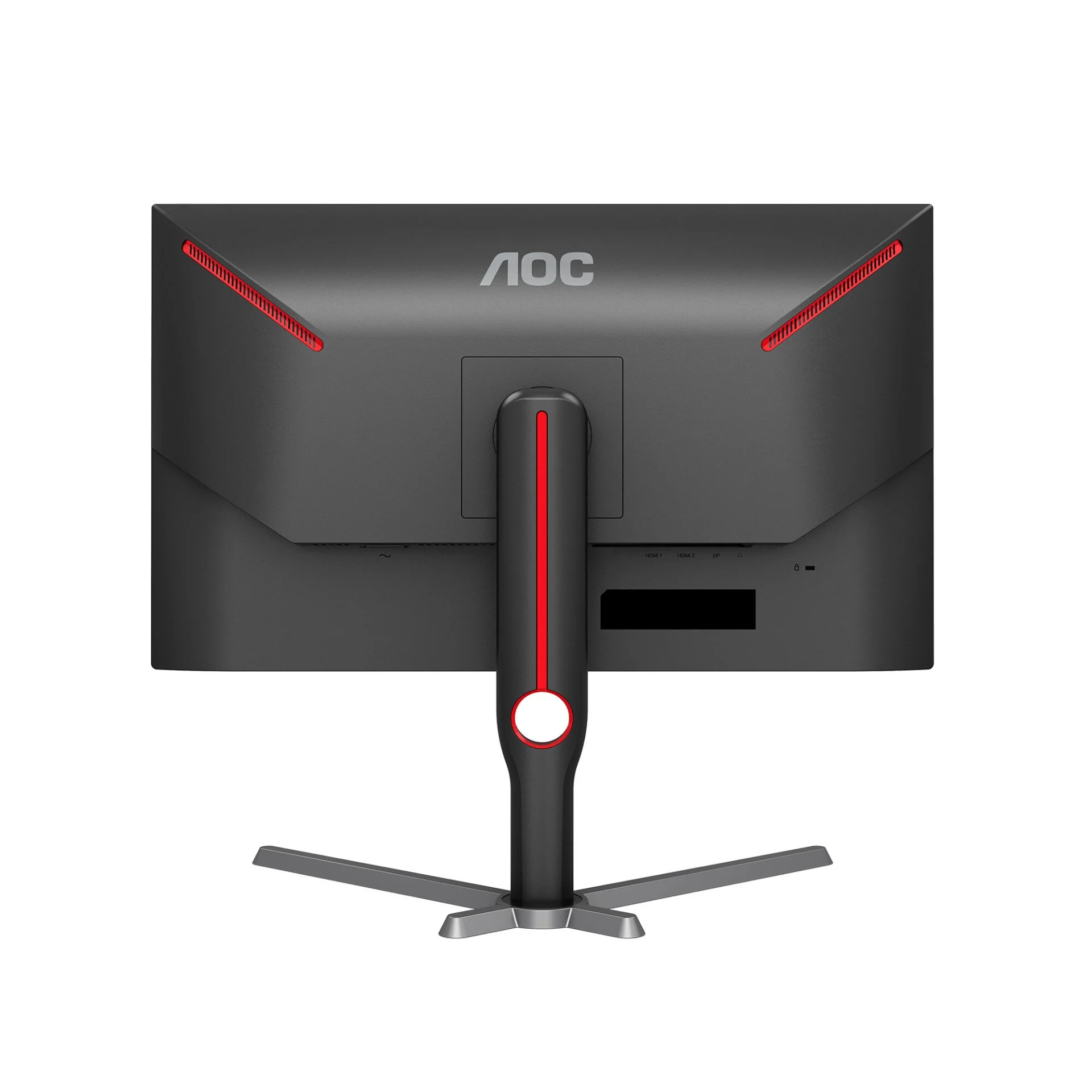
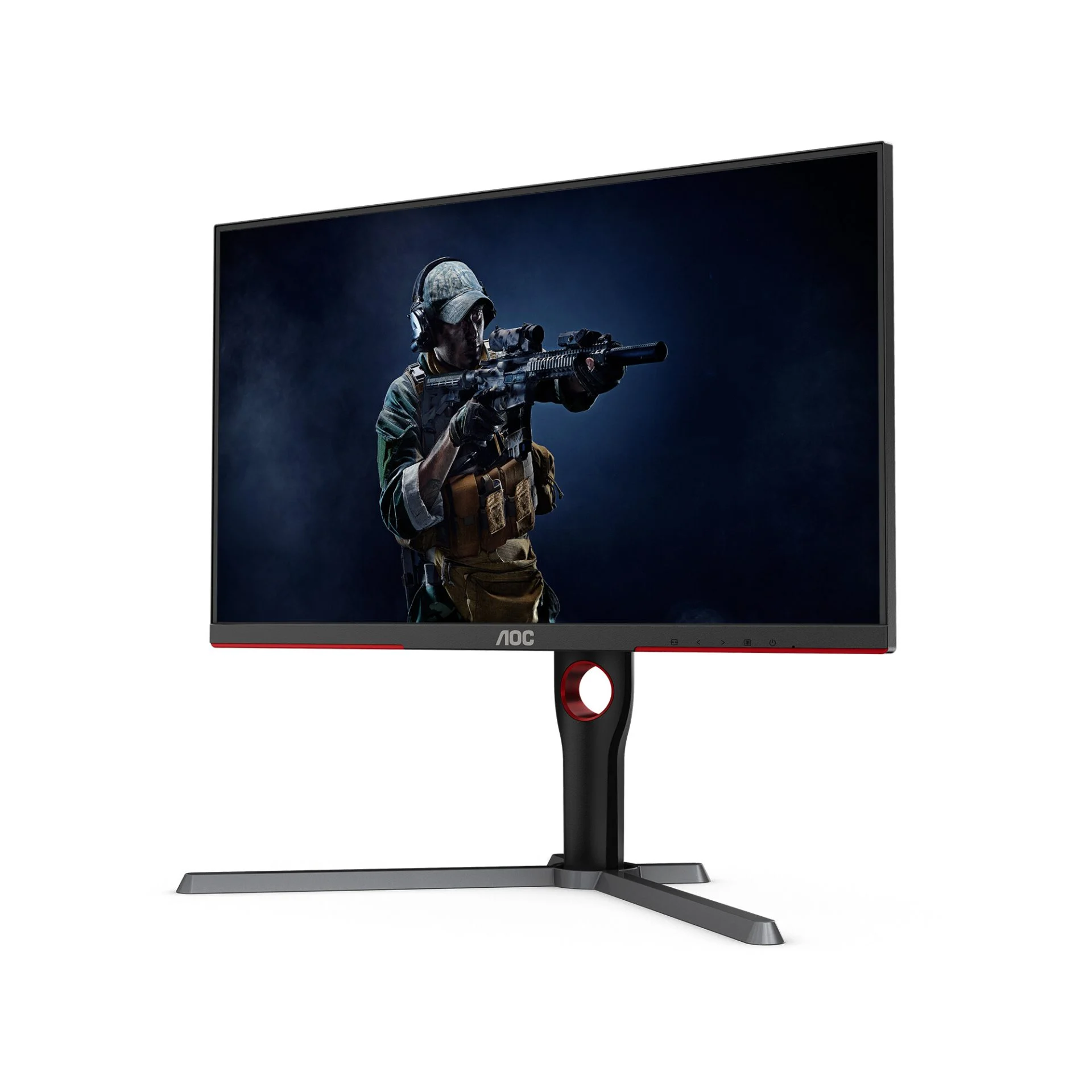
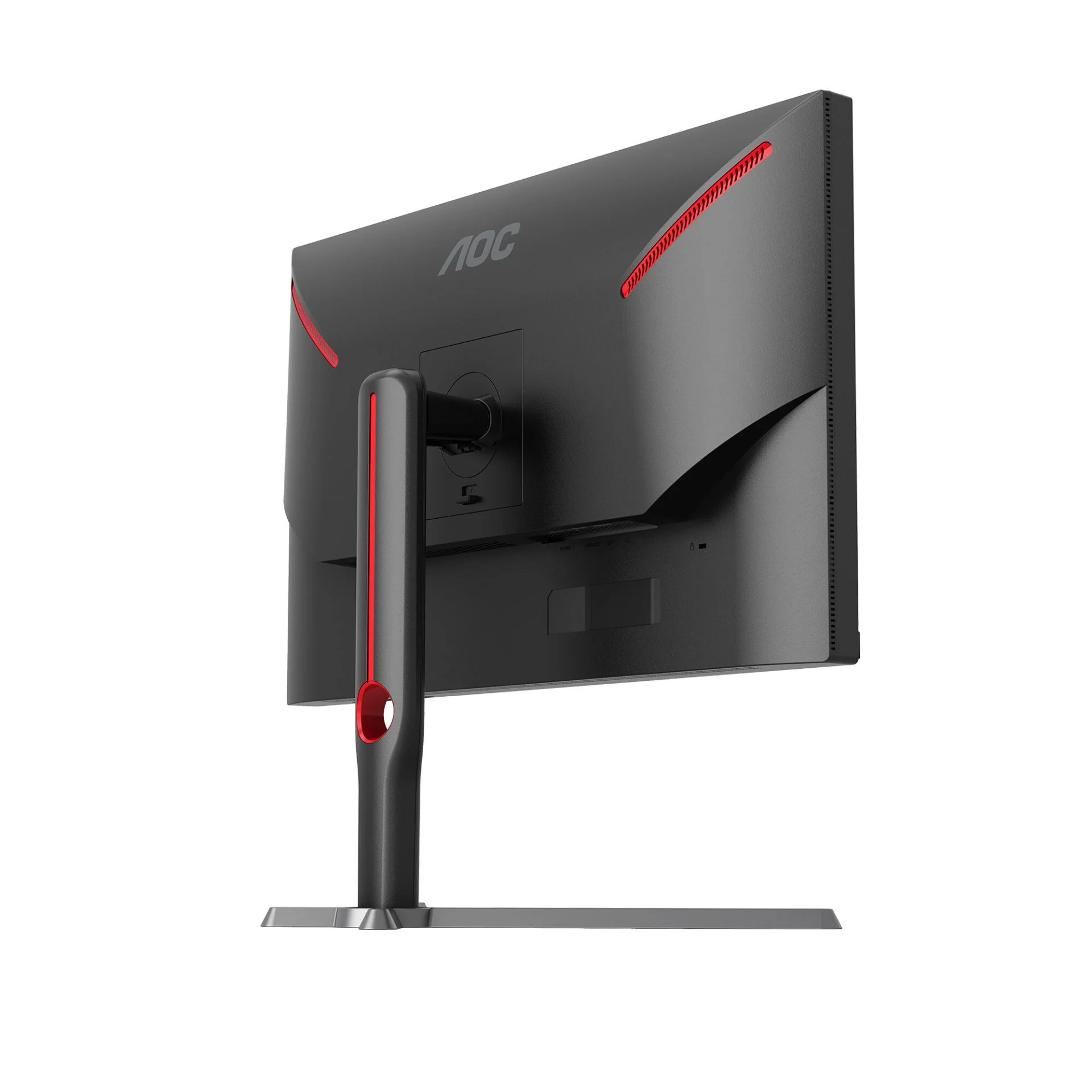
Back in August, AOC launched the Q27G3XMN gaming monitor in the US market. Now, just in time for the holiday season, this 27-inch QD-Mini LED monitor has officially landed in the UK market.
Pricing & availability
Starting from late November or early December 2023, the new monitor will be up for grabs in the UK market at an MSRP of £349.99. At this price, the Q27G3XMN monitor is quite an attractive choice for gamers looking for a Mini LED-backlit panel. Keep reading to know more about the monitor.
AOC Q27G3XMN monitor specs:
This 27-inch powerhouse features a VA panel, dishing out a crystal-clear 2560×1440 pixel resolution. Perfect for gaming, movie nights, and everyday tasks, it boasts a speedy 1ms response time and gamer-friendly Adaptive-Sync tech to combat screen tearing. Plus, the impressive 180Hz refresh rate ensures buttery-smooth graphics in fast-paced games.
What’s turning heads is its VESA DisplayHDR 1000 certification and Mini LED backlight tech, delivering killer contrast with deep blacks and bright whites. Color aficionados will love its coverage of 99% sRGB, 96% DCI-P3, and 88% NTSC color ranges, all thanks to QD (quantum dot) technology.
Connectivity is a breeze with HDMI2.0(HDR)×2, DP1.4(HDR), and audio output. Gamers get features like quick settings for FPS/RTS game modes, a frame counter for refresh rate tracking, and options for dark field control and game tone adjustment.
Fire-Boltt has expanded its smartwatch lineup with the introduction of the Fire-Boltt Lumos smartwatch. Last week, the brand debuted the Fire-Boltt Royale smartwatch featuring 4GB onboard storage. On the other hand, the Lumos smartwatch comes with a focus on looks and design.
Fire-Boltt Lumos smartwatch specs:
Boasting a square dial, the Lumos sports a premium look with a stainless steel body and metallic strap. It has a large 1.91-inch HD screen, offering a resolution of 240 x 280 pixels. The smartwatch doesn’t just stop at looks—it comes equipped with an in-built microphone and speaker, supporting Bluetooth calling and voice assistant functionalities.
Under the Fire-Boltt Health Suite, the Lumos packs heart rate monitoring, SpO2 tracking, and sleep monitoring. For fitness enthusiasts, the smartwatch has support for over 100 sports modes. Smart notifications, built-in games, and a range of additional features such as weather updates, a calculator, music and camera control, and more are also onboard the smartwatch.
Pricing & availability
The Fire-Boltt Lumos comes in black, blue, gold, silver, and rose gold colors. Set to hit the market on November 30th, it will be available on Fireboltt.com and Amazon.in at a special introductory price of Rs. 1,499.
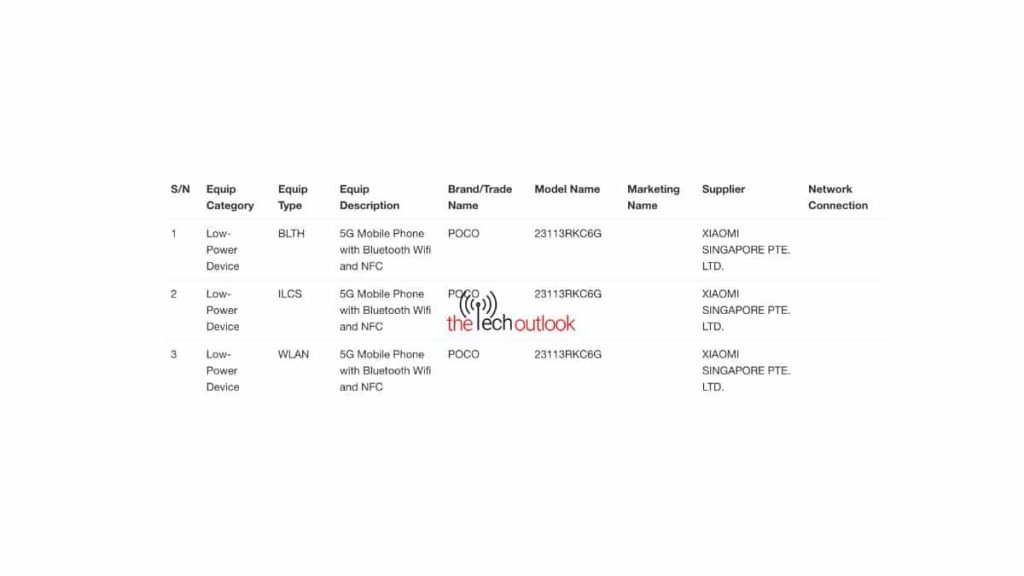
In the coming months, Redmi is gearing up to launch the Redmi 70 series smartphones in its domestic market. Some of these devices are expected to debut as POCO smartphones in markets outside of China. We have already seen the Poco F6 5G, which is expected to be a rebrand of the Redmi K70e be certified on the IMDA database. Now, the Poco F6 Pro has also emerged on the IMDA certification database.
TheTechoutlook has uncovered the alleged POCO F6 Pro on IMDA certification with model number 23113RKC6G. This model number matches an earlier leak claiming that it belongs to the POCO F6 Pro global model. Although the listing does not reveal any specification details, it does confirm that the phone will be launched in Singapore.
Poco F6 Pro/Redmi K70 expected specs:
Expected features for the Redmi K70 include a Full HD+ AMOLED display with a 120 Hz refresh rate and HDR10+. The device could be powered by a Snapdragon 8 Gen 2 SoC with Adreno GPU, running on MIUI 14 based on Android 14 straight out of the box. Notably, there’s a buzz about potential 90W fast charging support.
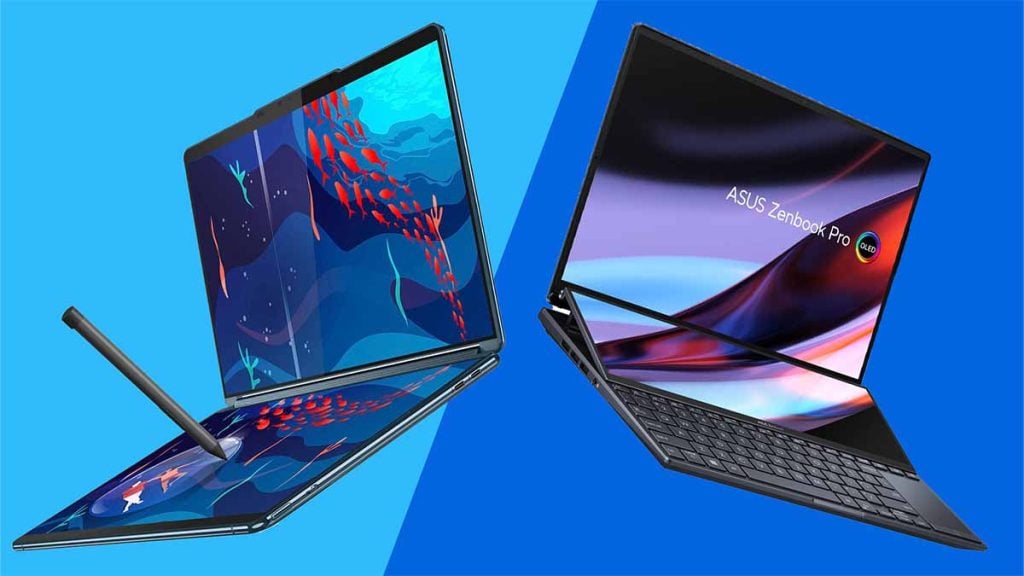
Patent cases are an essential foundation of the technology industry. Today, almost 100% of the companies we mention on Gizmochina have been involved in a patent case in one way or another. The latest example of this is a legal dispute between Lenovo and Asus. The Chinese tech giant has filed a lawsuit against its Taiwanese rival for patent infringement. The filed documents in court include allegations related to software, hardware, and connectivity in multiple products. Here are the details…
Lenovo Seeks US Ban on Asus ZenBook Laptops
Lenovo claims that Asus has been using its patented technologies without permission. These technologies include a method for reducing data transmission steps, a wireless wake-on LAN power management technique, a two finger diagonal scrolling feature, and a hinge design that allows a laptop to convert into a tablet.
In response, Lenovo has filed a lawsuit against Asus in the US District Court for the Northern District of California, seeking damages for lost profits and an injunction preventing Asus from further using its patented technologies. Lenovo has also requested the US International Trade Commission (ITC) to issue a limited exclusion order barring the import of Asus products that infringe on its patents into the United States.
Asus has not yet responded to Lenovo’s lawsuit, but Lenovo has stated that it is willing to negotiate a cross-licensing agreement with Asus to resolve the dispute. However, Asus has so far declined this offer. The outcome of this legal battle will have significant implications for both companies. If Lenovo prevails, Asus will be forced to either stop using the disputed technologies or pay Lenovo royalties for their use. This could potentially damage Asus’s reputation and market position.
On the other hand, if Asus wins, it will be able to continue using the technologies without any restrictions. Unfortunately, we have no choice but to wait to see who will win.
MSI, short for Micro-Star International, is a global technology company known for producing a wide range of computer hardware and electronics. Their product lineup includes laptops, desktop computers, graphics cards, motherboards, monitors, and other gaming and productivity peripherals. MSI’s focus on innovation and quality has made them a respected name in the tech industry, providing reliable solutions for both gamers and professionals alike.
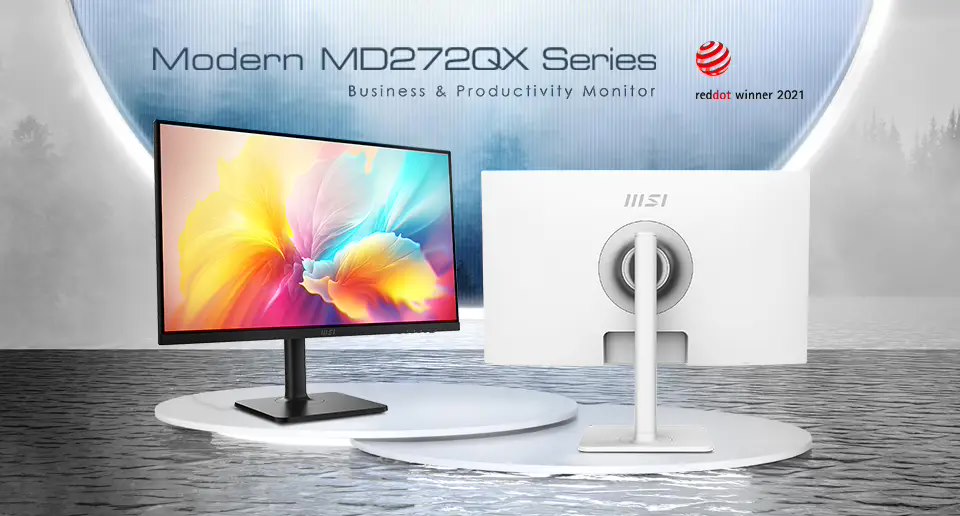
Earlier today, the company introduced the Modern MD272QX, a 27-inch monitor designed for office and creative work. The monitor comes in two colors: Black (MD272QXP) and White (MD272QXPW). Let’s check out the key specs of this monitor.
MSI Modern MD272QX Key Features:
MSI Modern MD272QX has a 2K resolution IPS panel with a 100Hz refresh rate for smooth visuals. The monitor offers impressive specs like 400 cd/m^2 brightness, 1000:1 contrast ratio, and 115% sRGB color gamut coverage, making it great for tasks demanding color accuracy and clarity.
The monitor offers a USB-C interface with 65W power delivery, enabling easy connection of laptops, MacBooks, and smartphones with a single cable, reducing cable clutter. It also features HDMI and DP ports for compatibility with a wide range of devices.
The MD272QX includes MSI’s Productivity Intelligent (P.I.) software with a KVM function, facilitating keyboard and mouse sharing between a laptop and desktop PC for improved productivity and workspace organization. It also has two 3W built-in speakers.
The monitor also prioritizes user well-being through EyesErgo technology, featuring Less Blue Light PRO, anti-flicker tech, and an eye-Q check function to reduce eye strain. The fully ergonomic stand offers tilt, swivel, pivot, and height adjustments for comfortable viewing.
Yesterday, MSI also introduced the MSI MAG 401QR, a 40-inch UWQHD monitor, with a 155Hz refresh rate in the Chinese market.
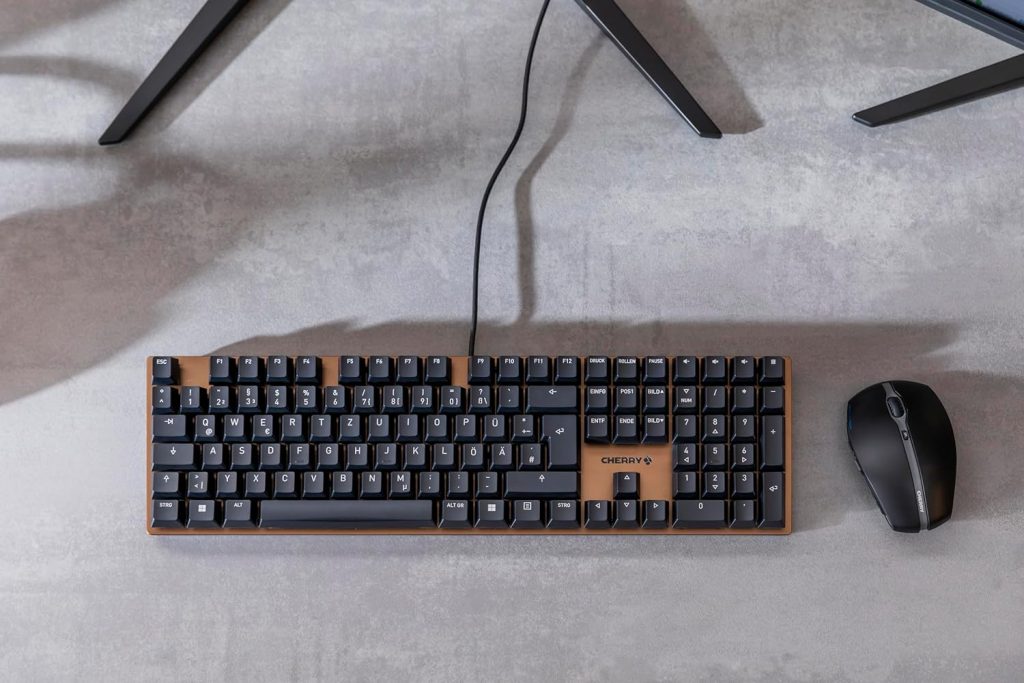
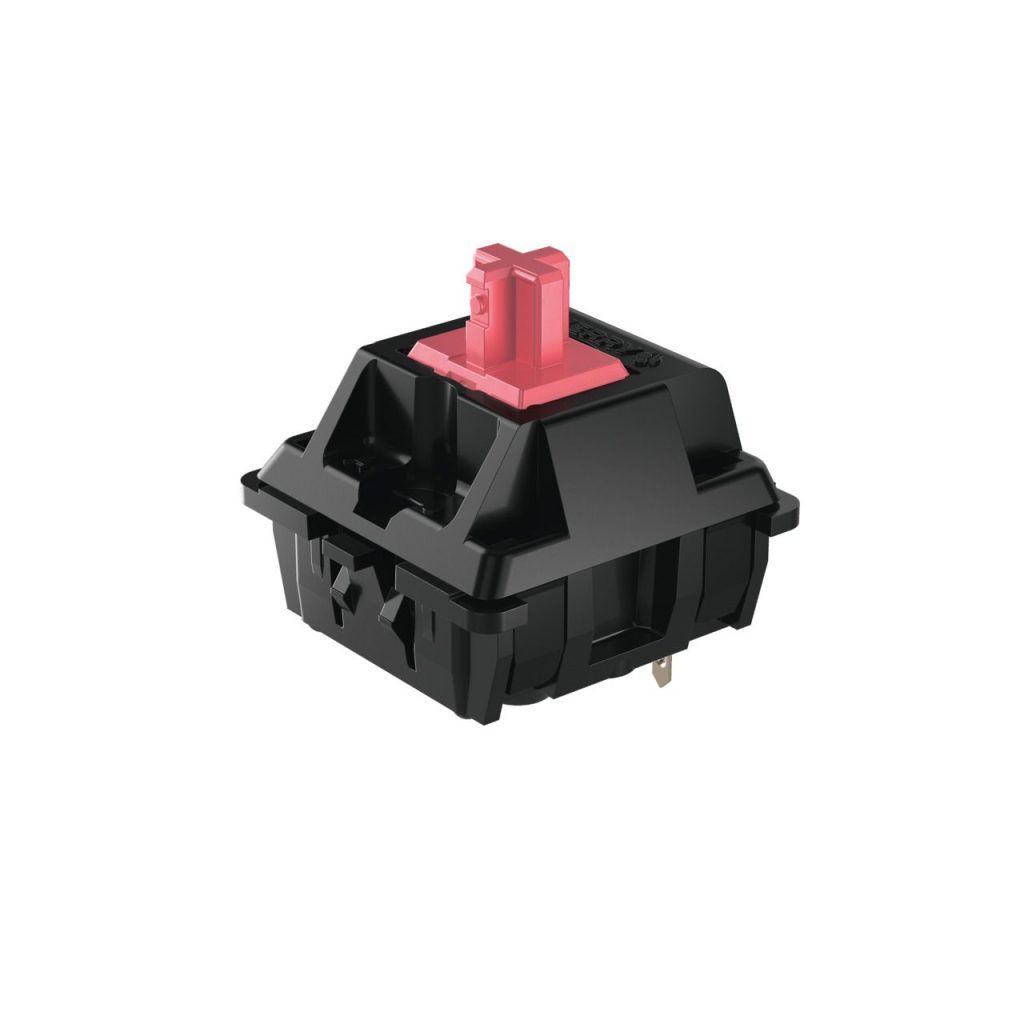
Cherry, a leading keyboard manufacturer, has introduced its new KC 200 MX mechanical keyboard, priced at $89.99. It is now available on Amazon and JD.com. The keyboard stands out for being the first to feature Cherry’s latest MX2A switches, providing users with options of MX2A Silent Red and MX2A Brown switches.
Cherry KC 200 MX Key Features:
The KC 200 MX stands out for its subtle and minimalist design. It features a full 108-key layout with additional shortcut keys above the numeric keypad, including a calculator key.
Despite its advanced features, the keyboard does not support RGB lighting effects and does not include a dial or knob. It is designed with anti-slip feet, and anti-ghosting capabilities, and boasts a 1-millisecond response time. Users can customize the Fn key and shortcuts using the Cherry Keys software, and the keyboard is compatible with the Palmrest Ergo.
Cherry’s MX2A switches, introduced in August, represent a new generation of MX standard-sized switches. They aim to offer a smoother key travel and improved typing experience with better acoustics. These switches have a lifespan of over 100 million key presses and are available in various options like Red, Brown, Black, Silver, and Silent Red (> 50 million).
The switches incorporate innovative spring design to reduce spring contact during key presses and feature ribbed “crowns” for enhanced precision and consistency. Additionally, they use a diamond polishing technology to improve the smoothness of the guide rail system.
The KC 200 MX keyboard features a robust anodized metal plate design that is both sleek and durable. It doesn’t have internal lighting but includes subtle white status LEDs for CAPS LOCK, SCROLL LOCK, and NUM LOCK keys. This slim and reliable keyboard caters to typists, gamers, and programmers, offering exceptional precision and comfort.
Anbernic is keeping the festive spirit alive with the upcoming release of the RG35XX Plus, an upgraded version of their popular RG35XX handheld gaming console.
Anbernic RG35XX Plus console specs:
While the screen size remains at 3.5 inches, the dual-boot feature allows users to seamlessly switch between the stock Anbernic OS and Black Seraph’s Garlic OS. While Android is an option, it won’t come pre-installed.
Gaming enthusiasts will be thrilled to learn about the expanded compatibility of the RG35XX Plus, now capable of running PSP, Nintendo DS, and Dreamcast games. Leaks also suggest a new battery door mold, hinting at the potential for a removable battery with a larger 4500mAh capacity, ensuring extended gameplay.
Addressing user feedback, Anbernic promises “better ergonomics” with adjustments to the shoulder button design. The device’s versatility extends to HDMI out, allowing seamless TV connection, and Bluetooth controller support for shared gaming experiences.
Scheduled for pre-sale on November 25, 2023, at 18:00 Beijing Time, the RG35XX Plus is expected to be competitively priced. Last but not least, the console will arrive in white, gray, and transparent black color options.
AOC is a well-regarded consumer electronics brand known for its affordable and reliable monitors designed to meet the diverse needs of users, including gamers, creatives, and everyday users. Their products are known for their quality and affordability, making them accessible to a wide range of customers.
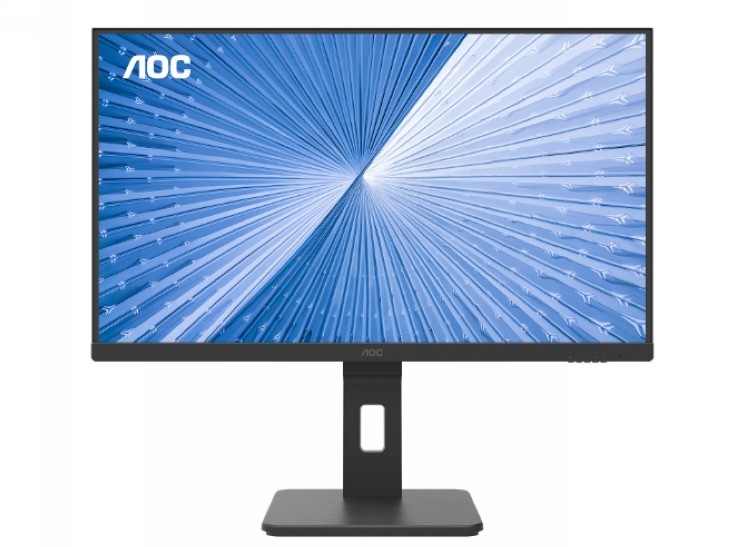
Earlier today, AOC launched its new monitor with model number U27N10R, targeted at professionals and office users, with a debut price of 1599 yuan ($223). Let’s check out the key specs of this monitor.
AOC U27N10R Monitor Key Features:
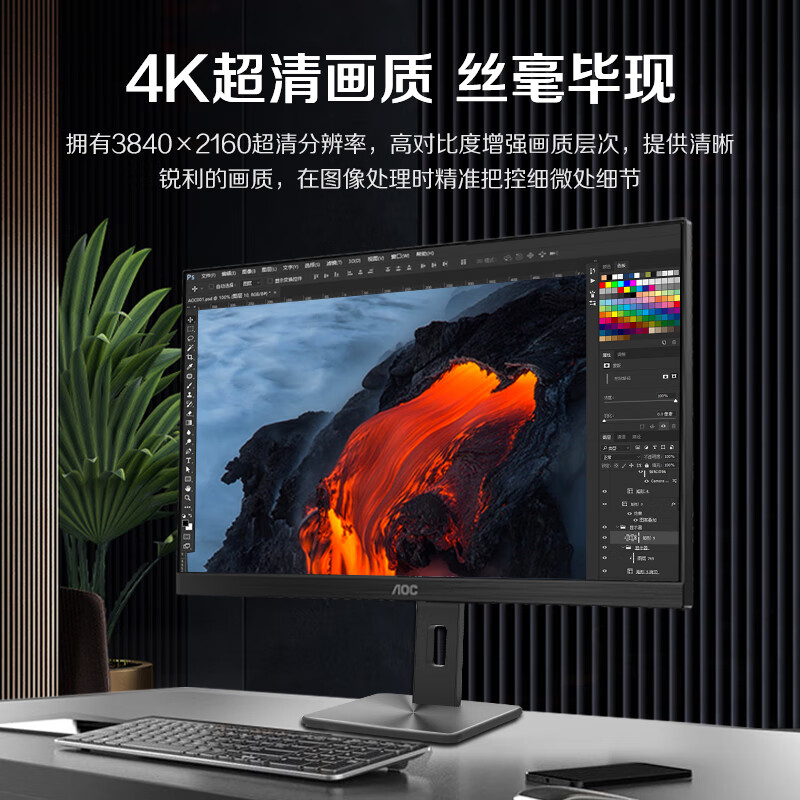
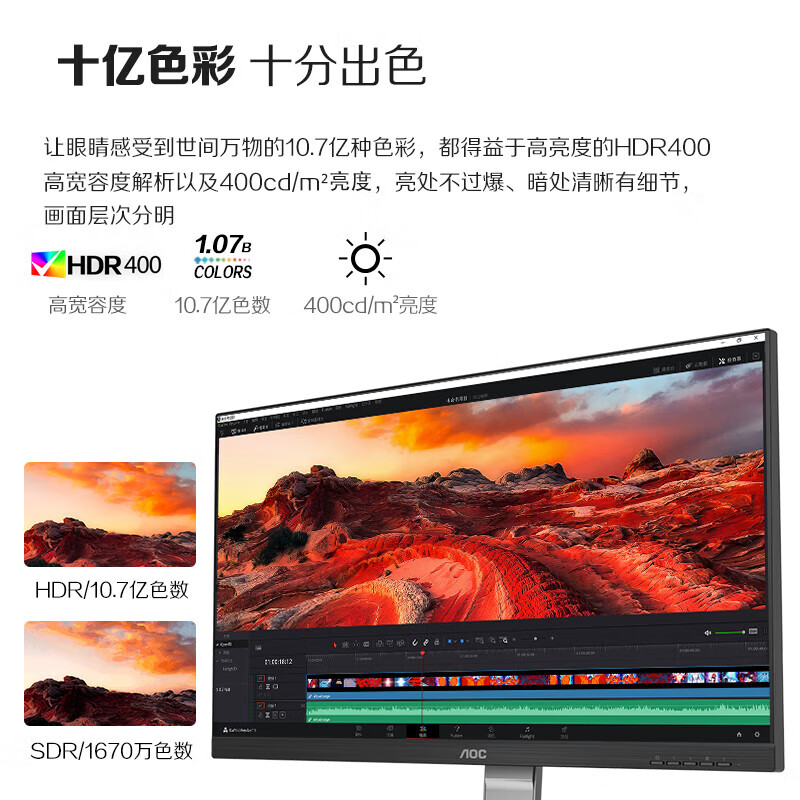
The AOC U27N10R monitor boasts a 27-inch 4K IPS display with a resolution of 3840×2160 pixels. The display also supports 60Hz refresh rate and HDR 400.
The monitor stands out for its excellent color accuracy and gamut coverage, important for graphic design and video editing. It covers 100% of sRGB and 95% of DCI-P3 color gamuts with a color accuracy of ΔE<2. Professional color calibration is done before leaving the factory, ensuring accurate color reproduction and eliminating color distortion concerns.
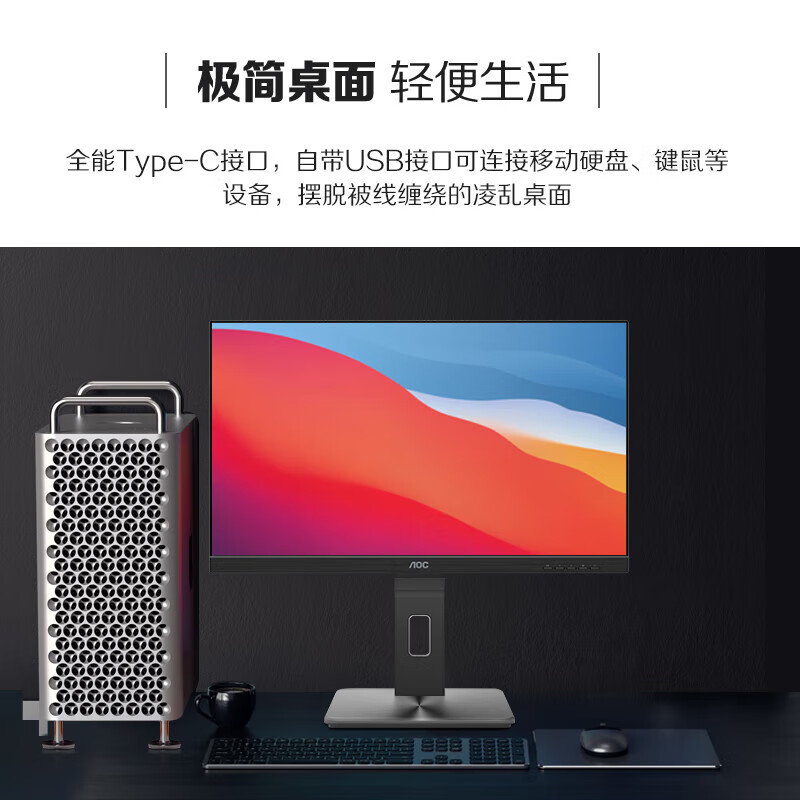
In terms of design, the monitor features a three-sided narrow bezel, offering a sleek and modern appearance. It’s also equipped with a range of connectivity options, including dual HDMI 2.0 ports, a DP 1.4 port, dual USB 3.2 Gen1 ports, a 3.5mm audio jack, and a full-featured USB-C port that supports 65W power delivery. This makes it highly versatile for connecting various devices, from external hard drives to keyboards and helps in maintaining a clutter-free workspace.
The U27N10R is also user-friendly in terms of ergonomics. It comes with a height-adjustable and rotatable stand with a square base, allowing users to adjust the monitor for their comfort. Additionally, it features low blue light and flicker-free technology, which is essential for reducing eye strain during long working hours.
The monitor also offers KVM switch capability, allowing users to switch between different machines using a single monitor, keyboard, and mouse setup. The monitor can be purchased in China from JD.com.
A few weeks back, AOC also introduced two new gaming monitors: the AOC Q27G10E, featuring a 2K IPS panel and a high 180Hz refresh rate, and the AOC U27G3XM, a 4K gaming monitor with a 160Hz refresh rate and QD-MiniLED panel technology. The AOC Q27G10E is priced at 3499 Yuan ($480).
The global economic crisis and inflation are impacting the world. Of course, this situation is adversely affecting technology companies, especially smartphone manufacturers. People are hesitant to spend money on products they deem “unnecessary,” and advancing technology isn’t helping. Even mid-range and entry-level phones are more than sufficient for daily use today. As a result, people don’t feel the need for a change, and this issue is not a new one.
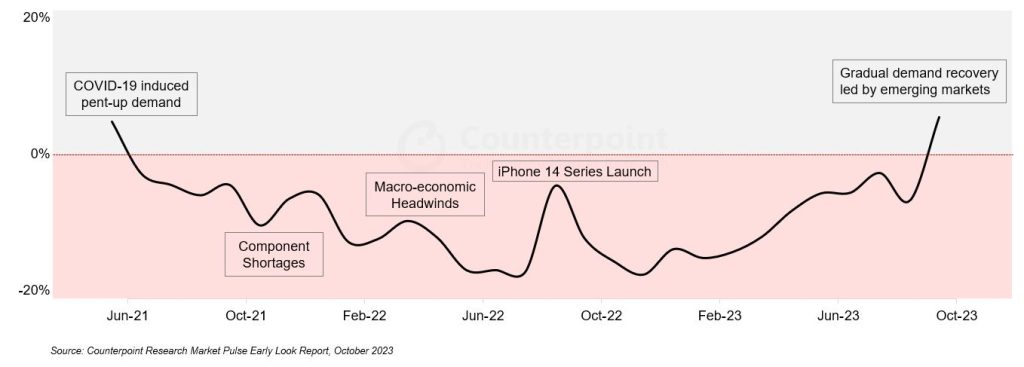
Manufacturers have been struggling to reach their desired levels for the past two years, or at least they couldn’t reach them. A study published by Counterpoint reveals that there has been a shift in the global smartphone market. According to this, global smartphone sales in October 2023 showed annual growth for the first time since June 2021. Here are the details…
October Global Smartphone Market Sales Break Two-Year Losing Streak, Path Set for Gradual Recovery
The global smartphone market finally broke the 27-month-long downward trend. The sector, which grew by 5% compared to the same period the previous year, presented a positive picture for the first time since June 2021. The source of growth was the Middle East and Africa (MEA), followed closely by China and India.
Especially in China, the interest in smartphones increased significantly, especially after the release of the Huawei Mate 60 series. Moreover, with the addition of the iPhone 15 series, the rise became inevitable. This even reminded many of the days when there was fierce competition between Apple and Huawei.
Moreover, this is just the beginning. Experts predict growth for the global smartphone market in the last quarter of 2023. This may indicate that the impact of the economic crisis on phone manufacturers is at least diminishing. As you know, the Covid-19 pandemic was a golden age for technology companies.
During a period when the whole world was continuously shopping, everyone set records in sales, revenues, and profit margins. Just when those days might have seemed entirely behind us, the resurgence has excited smartphone manufacturers like Samsung, Apple, Xiaomi, Huawei, and many others.
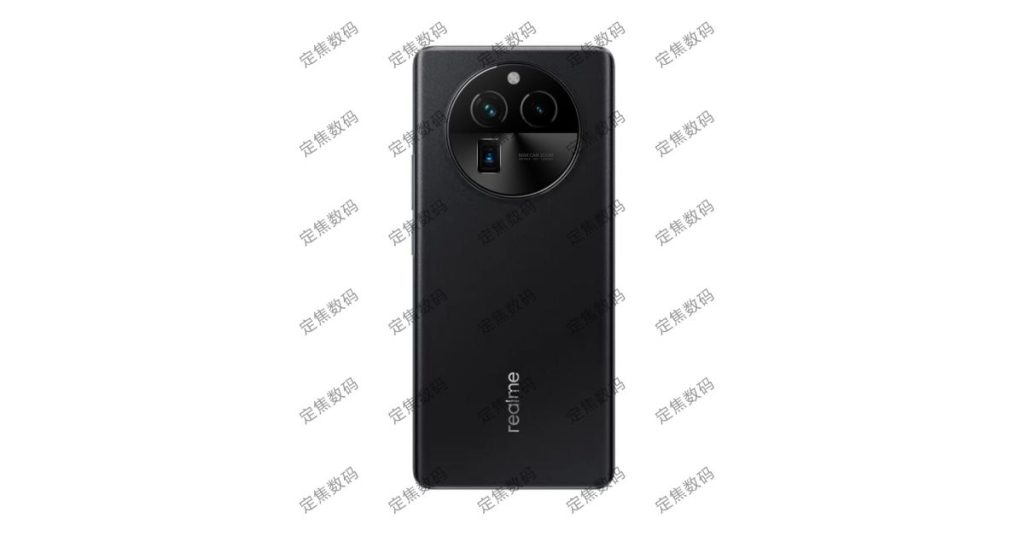
The said SoC and camera are expected to be featured on the forthcoming Realme 12 Pro Plus. On the other hand, the same tipster had earlier revealed that the Realme 12 Pro will be equipped with a 32MP Sony IMX709 2x telephoto shooter.
The Realme number series is known for going head-to-head with the Redmi Note lineup. Going by the camera specs, the Realme 12 series will have a huge advantage in the zoom department over the Redmi Note 13 family which does not offer a dedicated zoom camera.
We are looking forward to learning more about these smartphones in the coming days. Going by the official confirmation from the brand, the phones are probably only weeks away from the launch.
The Realme 12 series will likely be released a few days after the debut of the Realme GT 5 Pro.
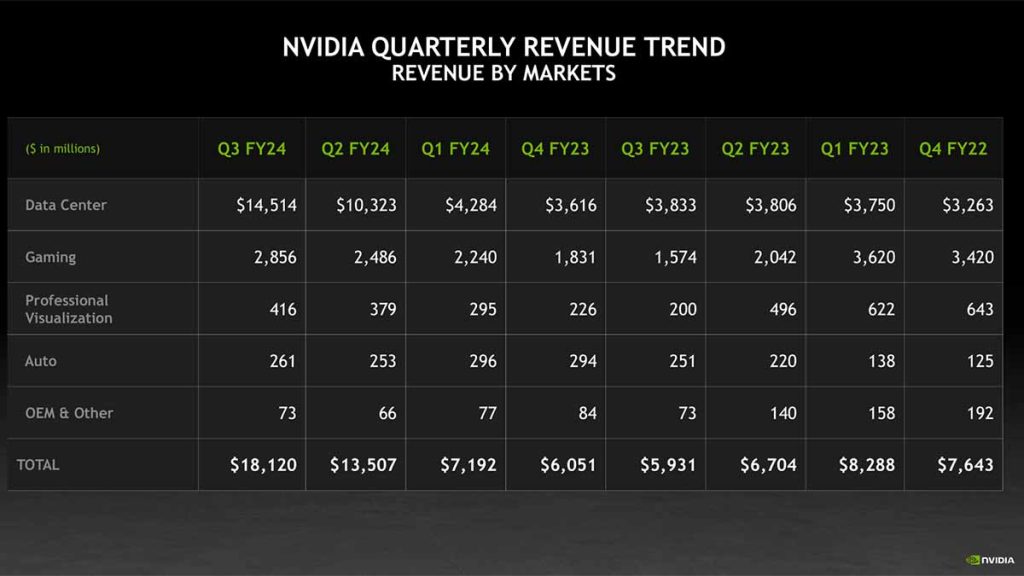
Artificial intelligence technology has truly left its mark on 2023. This technology, which has suddenly appeared in every aspect of our lives and in every service we use, has benefited NVIDIA the most. As evident in the financial reports for the third quarter of 2023 released by the company, NVIDIA increased its revenues by 206% in the last three months, reaching $18.12 billion. During the same period, its profit also increased by 588%. Here are the details…
NVIDIA Profits Skyrocket, Revenue Doubles in Q3
Although NVIDIA is perceived by many as merely a graphics card manufacturer, the reality is much different. The company has a variety of products ranging from data center equipment to chips like the H100 that power artificial intelligence technologies such as ChatGPT. Moreover, thanks to the AI frenzy in 2023, these products are more popular than ever. This demand is also reflected in the company’s financial statements.
According to the reports, NVIDIA generated $18.12 billion in revenue in this quarter across its various subsidiaries operating in different fields. Approximately $14.5 billion of this amount came from hardware sales that enable the operation of artificial intelligence technologies. To put it into perspective, the $18.2 billion earned is 206% more than the previous quarter.
Now, what would be considered a profitable figure for a company to be deemed successful with a $18.2 billion revenue? NVIDIA’s answer to this question is nothing short of impressive. The company achieved a net profit of $10 billion. To scale it, in the same period last year, this amount was $1.4 billion, indicating a staggering 588% growth.
Although NVIDIA’s goal for this quarter was to reach a revenue of $20 billion, the company needs to put in a bit more effort to achieve its targets due to embargoes in countries such as China, Saudi Arabia, and the UAE.
In June, HP unveiled three new gaming-focused laptops in India: the Omen Transcend 16, Omen 16, and Victus 16. The Victus 16-R0075TX model is the most affordable among the three, featuring the 13th-generation Intel processor, NVIDIA GeForce RTX 4050 graphics, and a 165Hz refresh rate display as some of its key features. Here is a review of the Victus 16 (2023) to inform potential buyers about what they can expect from this affordable gaming notebook.
Design, Display, Speakers, and Keyboard
HP VIctus 16 (2023)
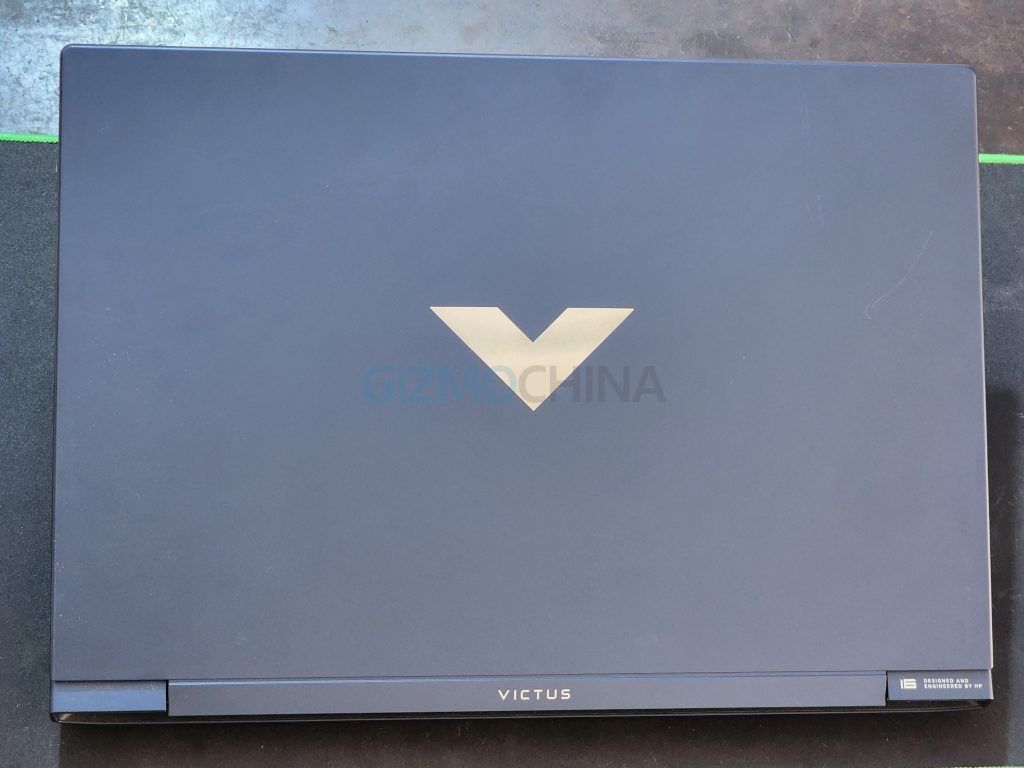
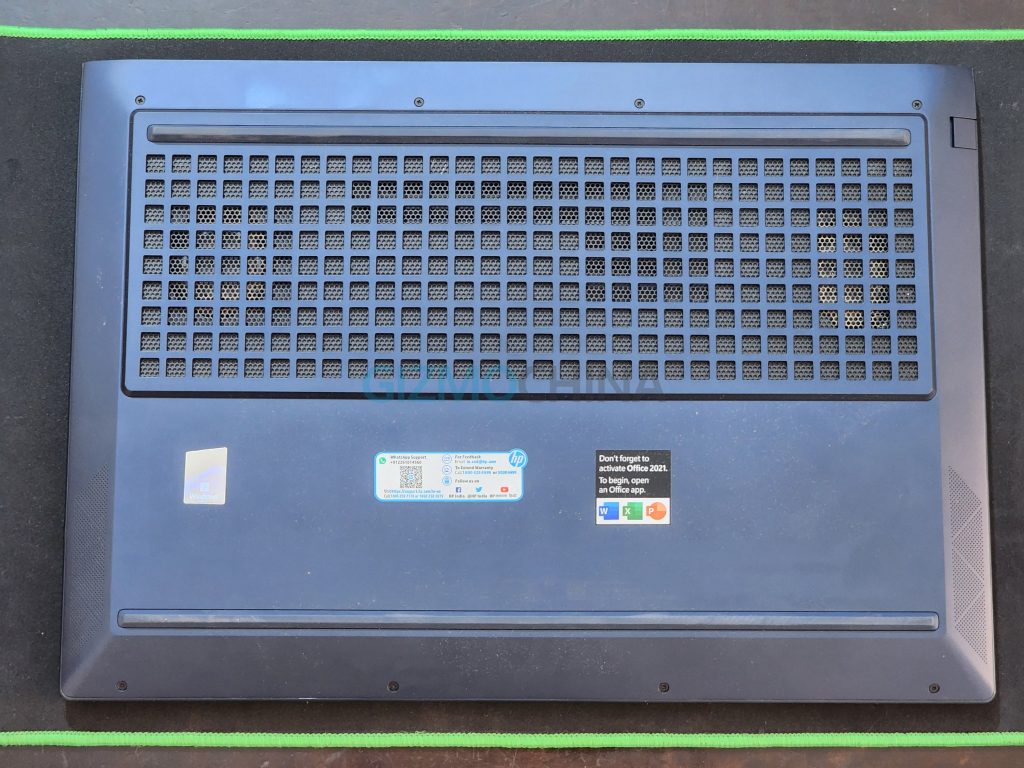
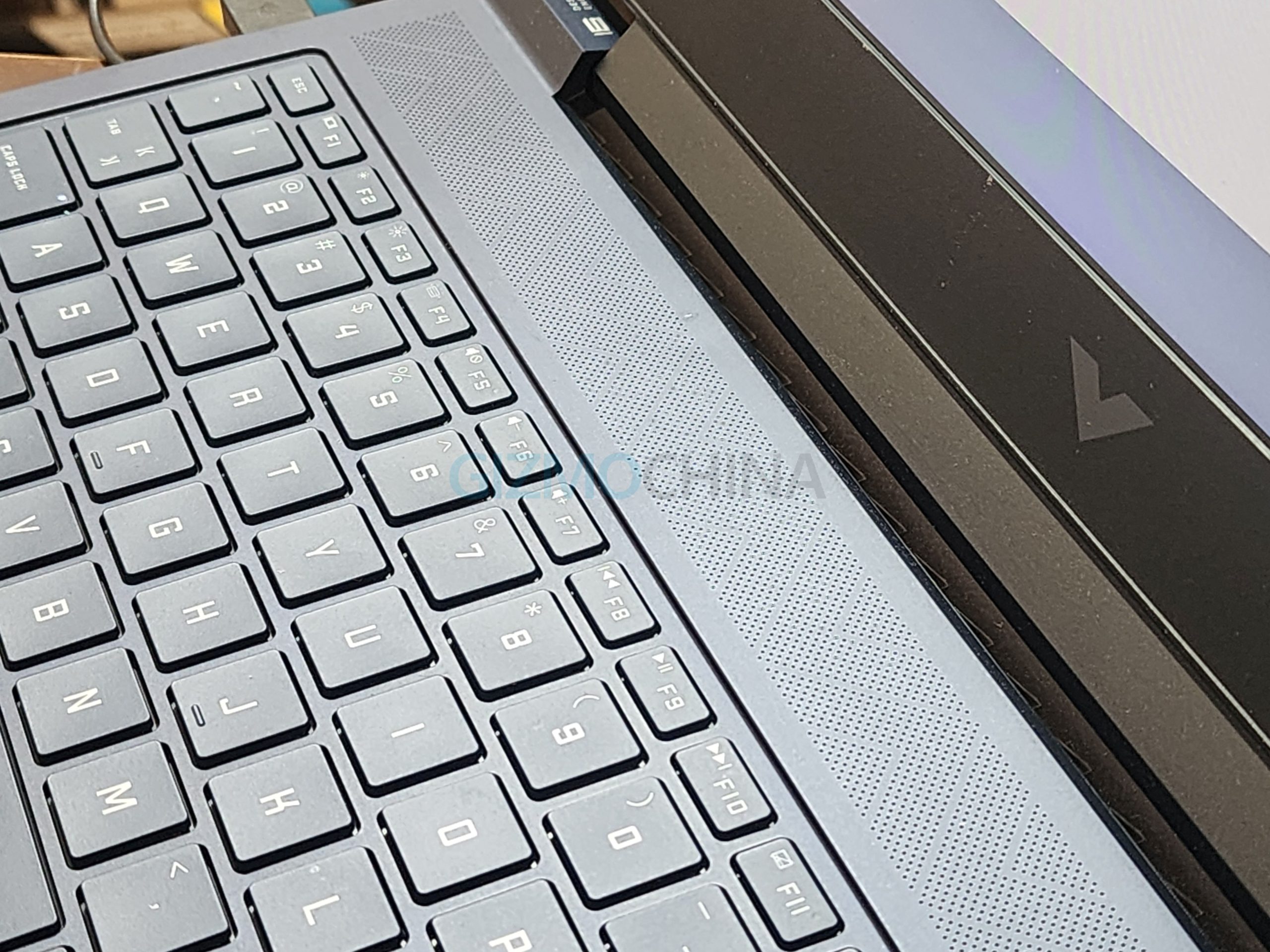
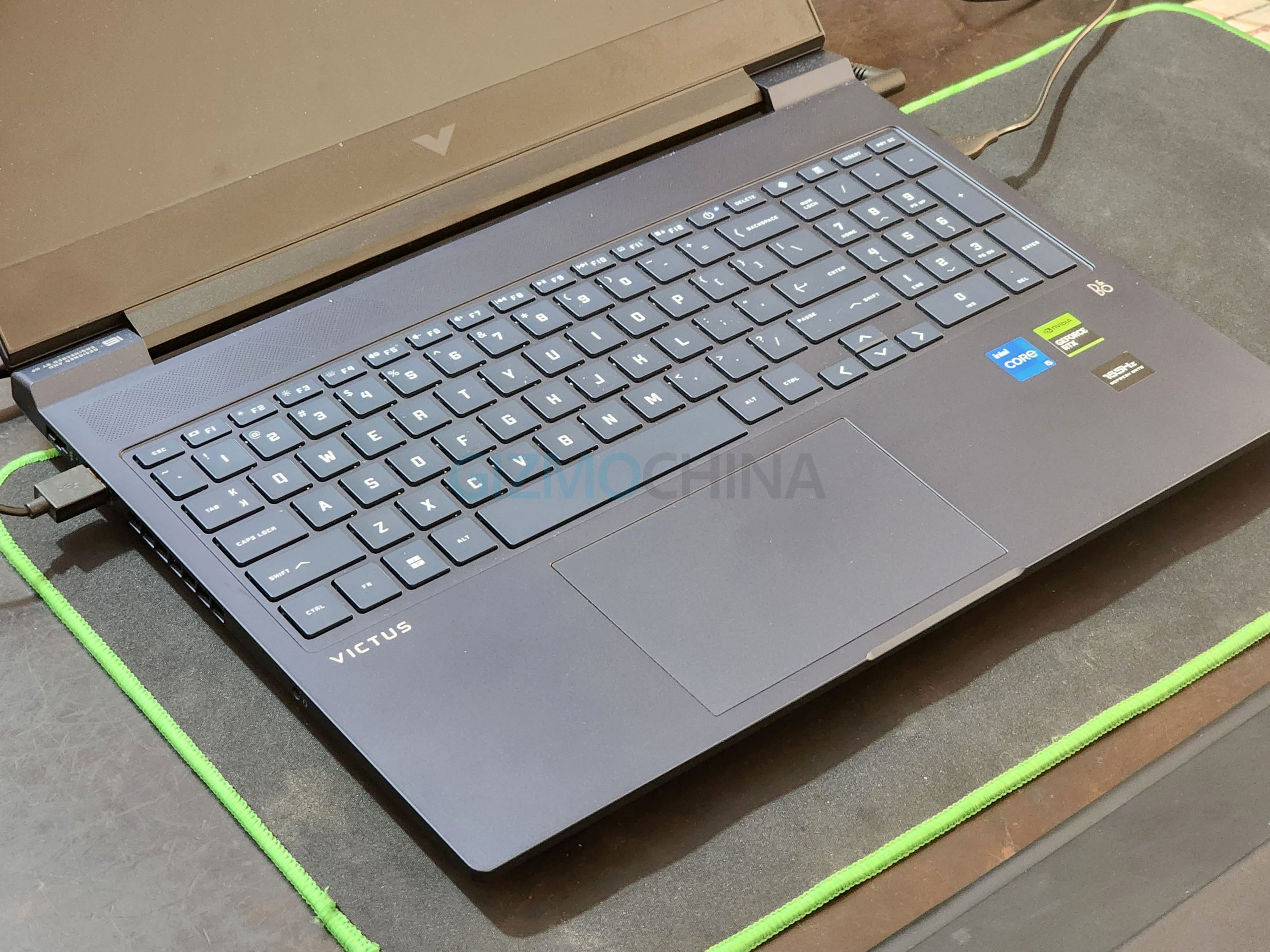
The HP Victus 16 (2023) boasts a polycarbonate construction that feels sturdy but is on the heavier side, weighing 2.31 kg. The weight is primarily due to its large 16-inch display and capacious battery. The Performance Blue-colored device features a “V” logo on the lid, and its left and rear sides house the ports and air vents. The laptop’s hinge is solid, ensuring a stable screen without any noticeable wobbling.
HP VIctus 16 (2023)
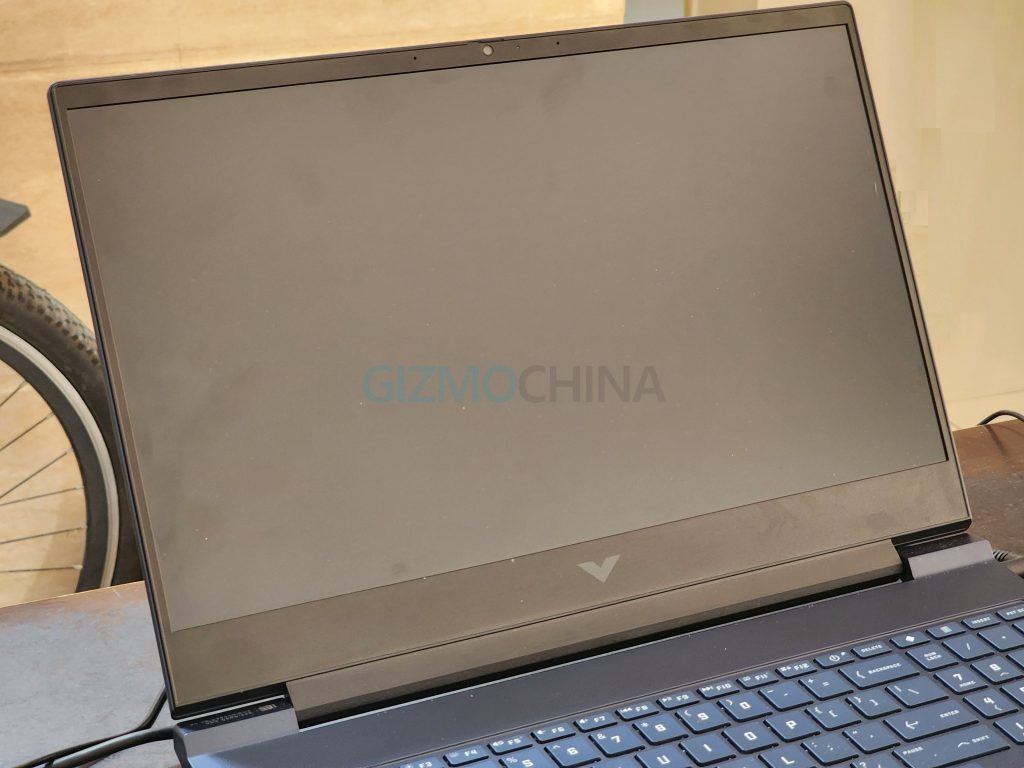
The Victus 16 features a 16.1-inch IPS LCD panel that delivers a Full HD resolution of 1920 x 1080 pixels, a 165Hz refresh rate, 100% sRGB color gamut, and wide 178-degree viewing angles. While the peak brightness reaches 300 nits, which might be considered moderate, it proves sufficient for indoor use. Positioned on either side of the device, the B&O dual-speaker system produces a satisfactory sound output without any noticeable distortion. While the built-in speakers are adequate, they fall short of the immersive experience that a connected gaming headset or PC speaker can offer.
HP VIctus 16 (2023)
The laptop features a full-sized keyboard with a dedicated numeric keypad, and in this version, includes backlighting, though it doesn’t feature RGB lighting. The keys are well-spaced, providing a comfortable typing experience with ample palm-resting space. However, I don’t like the position of the power button, which is right next to the Delete key. Quite a few times, I ended up hitting the power key when I wanted to access the Del key. There are dedicated buttons for accessing the Omen app and the calculator. Despite my preference for a mouse, the trackpad is generously sized, can disregard accidental swipes, and is user-friendly.
HP VIctus 16 (2023)HP VIctus 16 (2023)HP VIctus 16 (2023)HP VIctus 16 (2023)
Performance and Battery Life
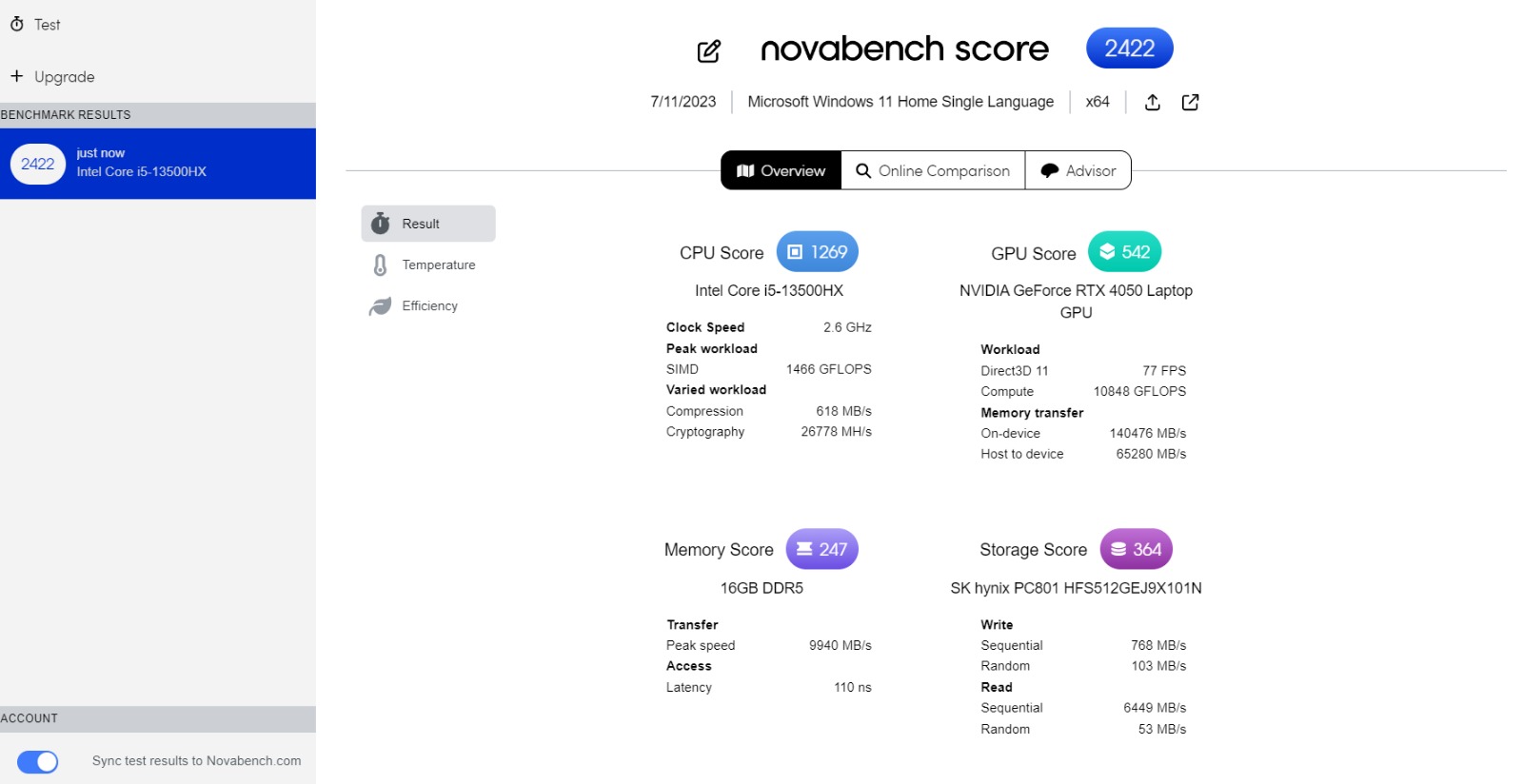
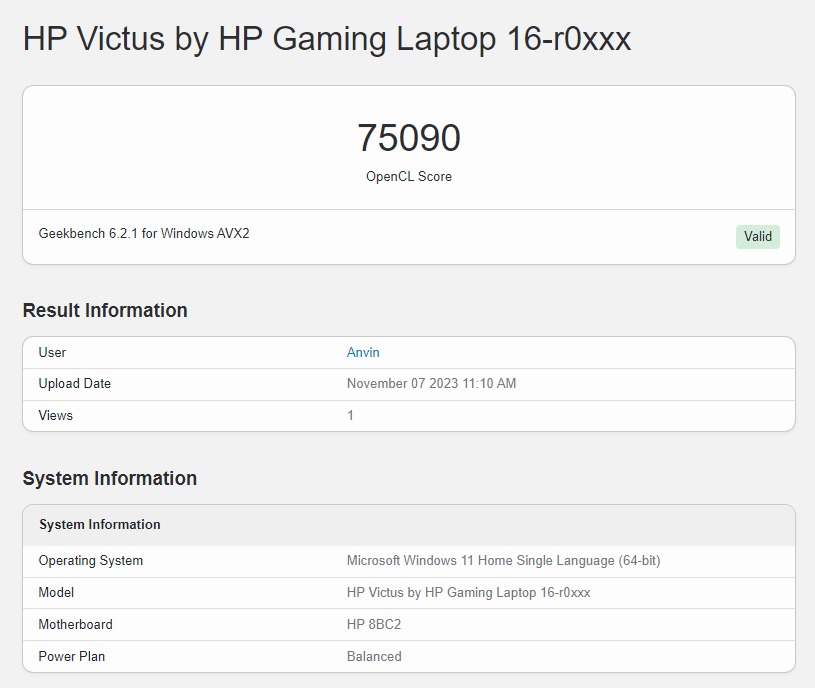
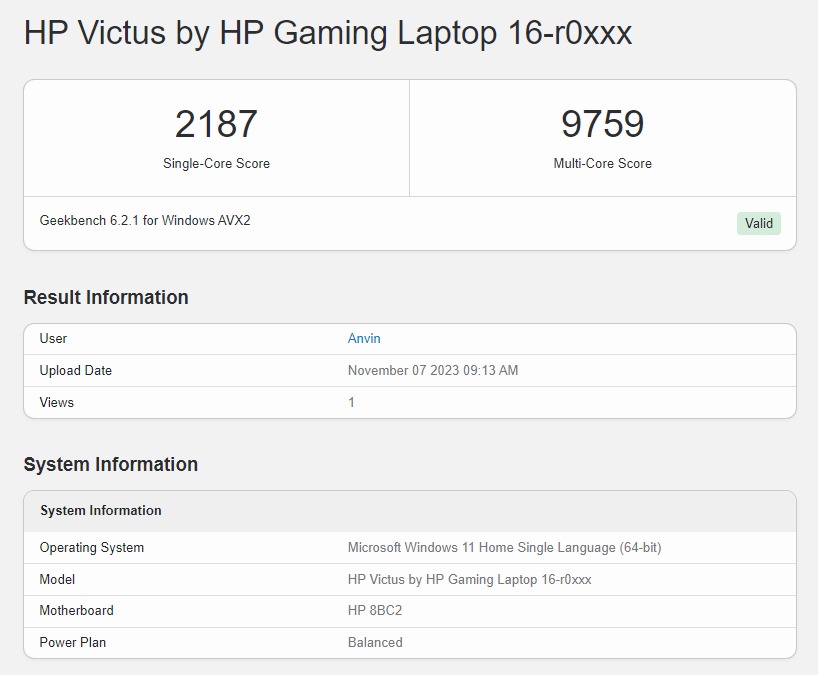
Being a 2023 edition variant, the HP Victus 16 features the 13th generation Intel Core i5-13500HX processor and NVIDIA GeForce RTX 4050 with 6 GB GDDR6 VRAM, an impressive combination for this device. I played games like GTA V, Forza Horizon 4, and F1 22, and the gaming experience was exceptionally smooth, with vibrant graphics and responsive gameplay that showcased the hardware’s power and capabilities. It supports games with ray tracing support, enhancing lighting, shadows, reflections, and textures. The laptop’s battery life tends to drain a bit faster during intensive gaming than during regular use.
The Victus 16 has two RAM slots, both occupied by a pair of 8 GB DDR5-4800Hz RAM modules. In terms of storage, the device comes with 512 GB PCIe Gen 4 NVMe M.2 SSD storage and is preloaded with Windows 11 Home. Under general use, the laptop’s dual-fan cooling system operates silently. The fan noise increases during intensive gaming, but it remains unobtrusive. The Omen Gaming Hub app can be used for various kinds of customization, such as keyboard lighting, monitor performance, and game optimizations including overclocking, power profiles, fan speed, network booster, and more.
In addition to its exceptional gaming capabilities, I extensively used the HP Victus 16 for daily productivity tasks, contributing content across various platforms. This involves managing multiple tabs on Chrome, with YouTube running in the background, as well as running two instances of Chrome, one of Microsoft Edge, and engaging in image editing. The laptop seamlessly handled these demanding workloads, showcasing its efficiency and reliability for productivity. Remarkably, it sustained this level of performance throughout my entire work session on a single charge, demonstrating a commendable balance between gaming prowess and productivity efficiency.
The notebook is equipped with a 230W charger, requiring approximately two hours to fully charge its 6-cell 83Whr battery. Following a full charge and engaging in approximately one hour of gaming along with some content writing, the device offers a commendable battery backup lasting around five hours.
Connectivity, Ports, and Other Features
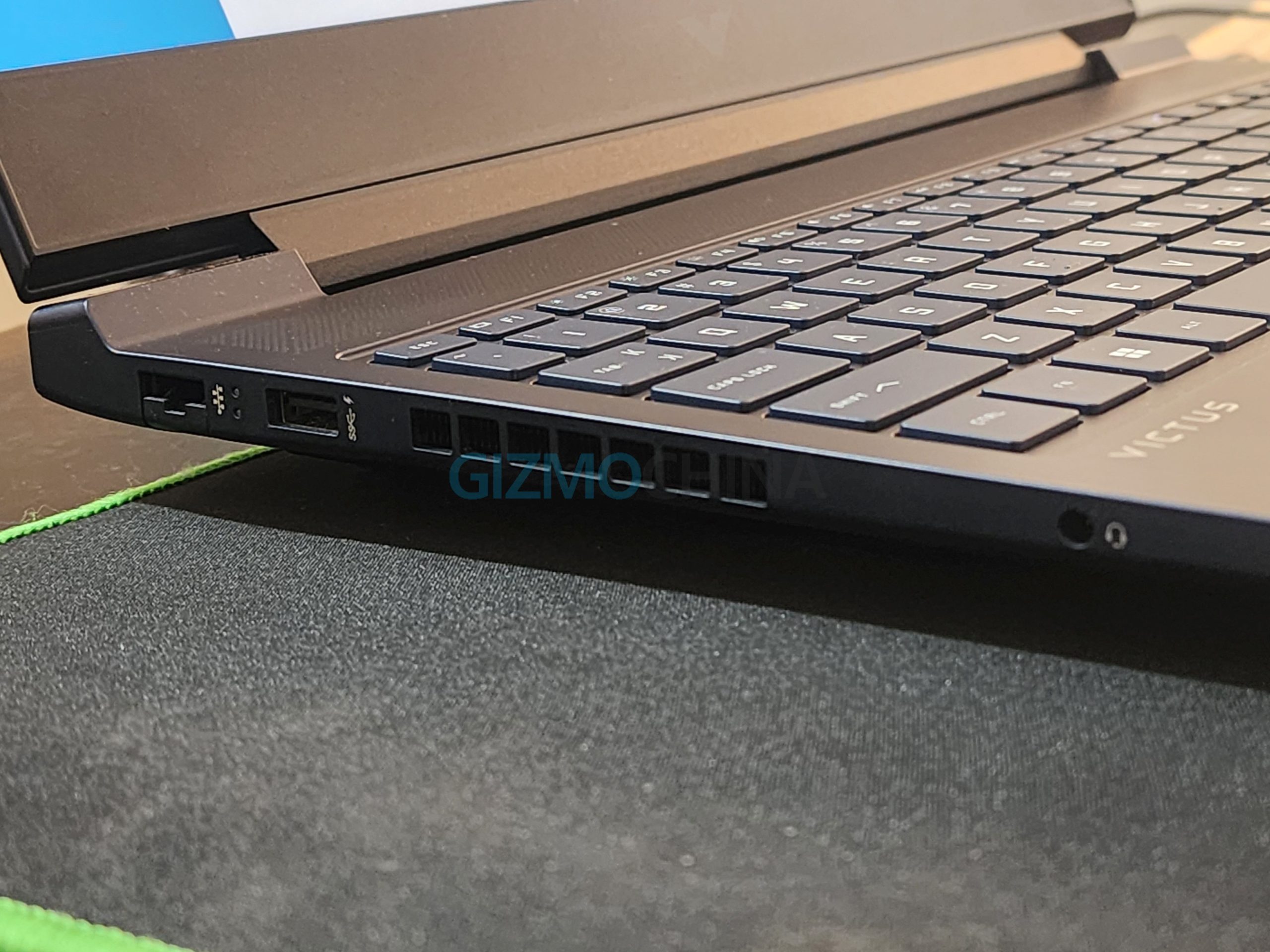
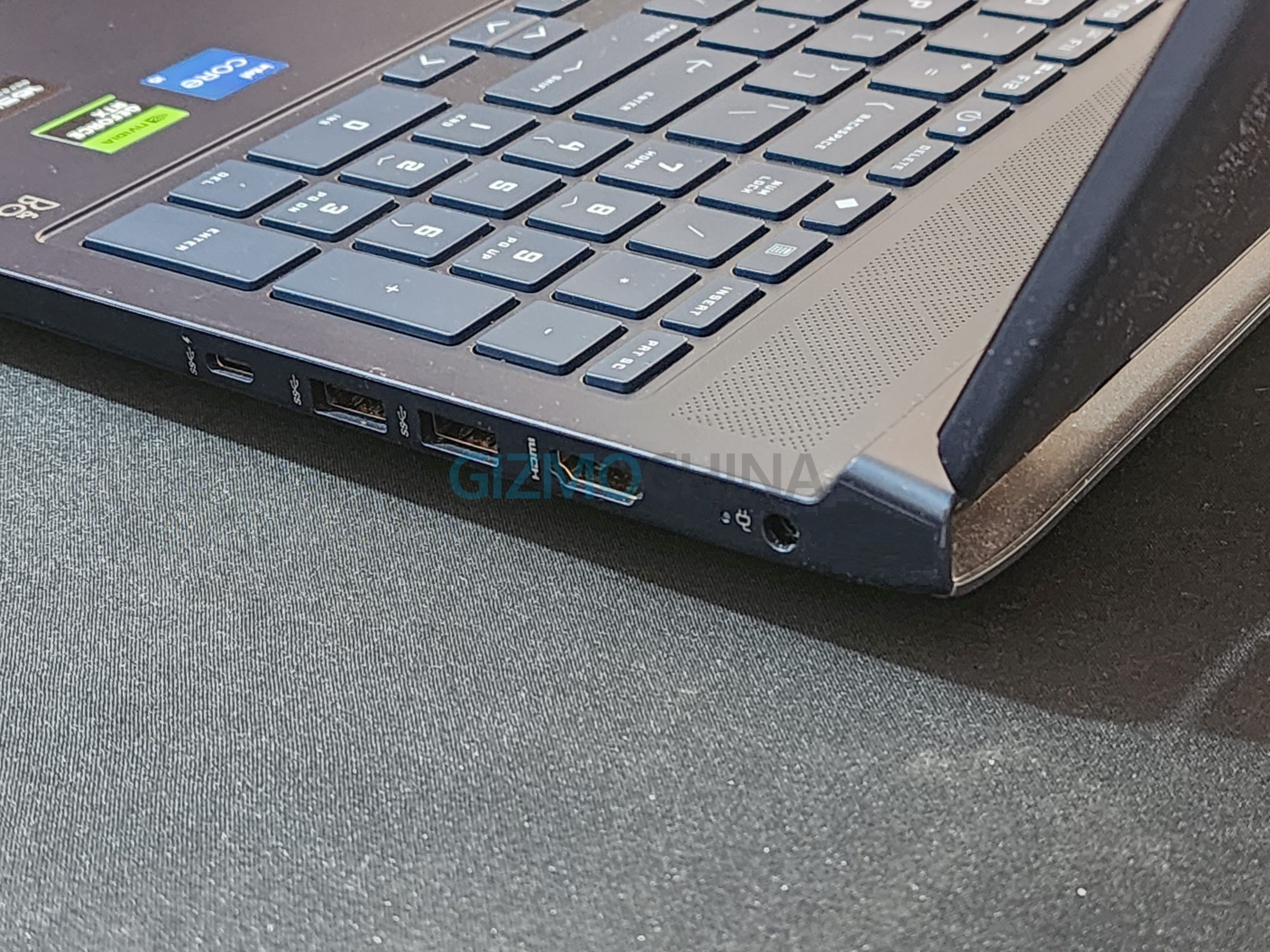
HP VIctus 16 (2023) – Left sideHP VIctus 16 (2023) – Right side
On the left side of the Victus 16 (2023), it offers a USB-A port with charging support, an RJ45 Ethernet port, and an HDMI 2.1 port. On the right side, there’s a USB-C port with USB-PD charging and DisplayPort 1.4 support, two USB-A ports, a 3.5mm audio/microphone jack, and a power adapter connector. Additionally, the device supports fast Wi-Fi 6e and Bluetooth 5.3 connectivity.
Despite being a gaming laptop, HP has commendably included a decent 2-megapixel Full HD webcam equipped with a privacy shutter and dual array microphones. The webcam is adequate for video conferencing and calls. The device lacks the following features: a microSD card slot, a fingerprint sensor, and a Kensington lock slot.
As mentioned earlier, the HP Victus 16 (2023) is available in two configurations. The variant that includes an RGB-lit keyboard and Intel UHD graphics costs Rs 1,29,990, while the one with a backlit keyboard and GeForce RTX 4050 graphics is priced at Rs 1,24,990.
HP Victus 16 (2023) review: Verdict
The HP Victus 16 (2023) stands out as a formidable gaming laptop, offering an impressive blend of performance and value. It tackles demanding games with ease thanks to its 13th-generation Intel Core i5-13500HX processor and NVIDIA GeForce RTX 4050 graphics. A decent battery life lasting about five hours on a single charge and the inclusion of a high-refresh-rate 165Hz display guarantee fluid and responsive gameplay.
However, it is essential to acknowledge that the device leans towards the costlier side and carries a bit of bulk, justified by its expansive display size and robust battery. The absence of an SD card slot, present in its predecessor, and a quad HD resolution may be considered downsides given the device’s price point. Nevertheless, for gamers prioritizing both performance and extended battery life, coupled with a comfortable keyboard for productivity, the HP Victus 16 (2023) stands out as a compelling and versatile option.
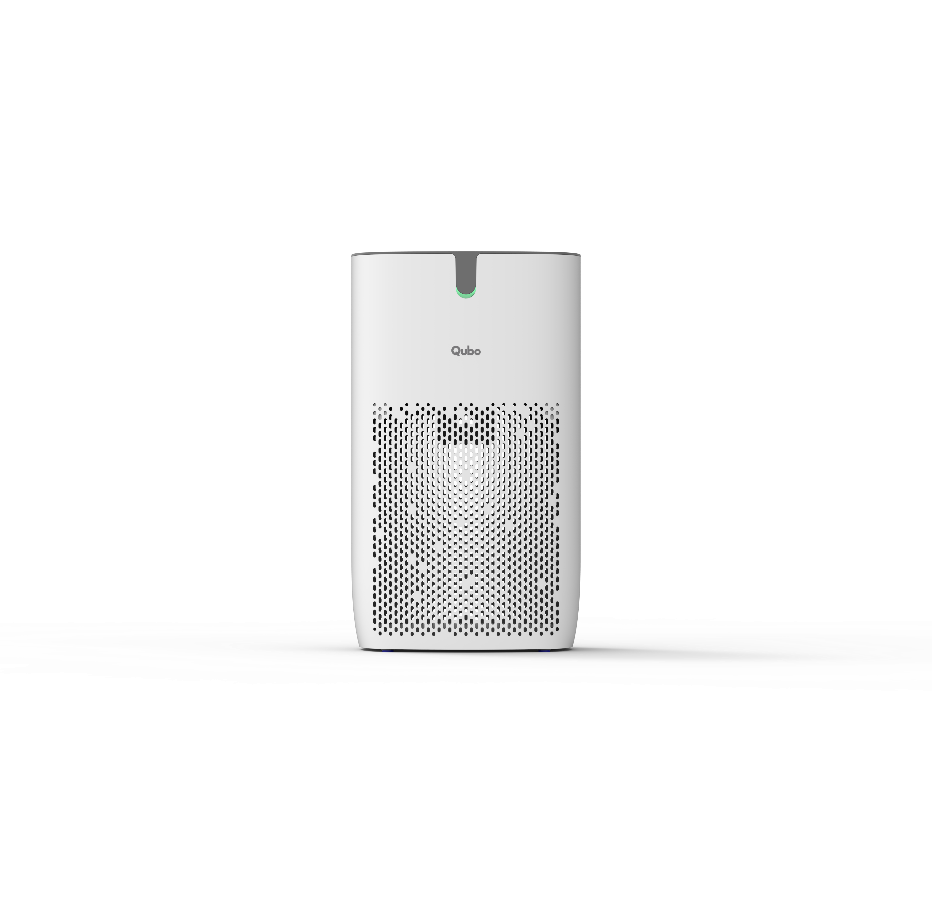
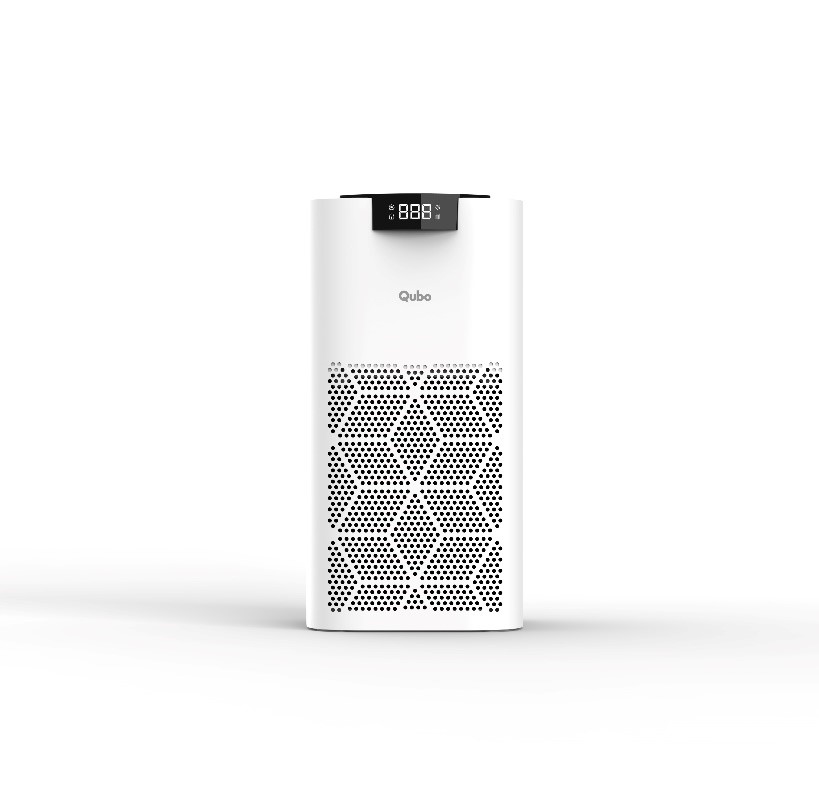
Winter’s here, and so is the annual air pollution concern in our cities. Qubo, the Smart Devices brand from Hero Electronix, tackles this issue with the launch of its new Smart Air Purifiers—Q200, Q400, and Q500—designed for various living spaces.
These air purifiers boast a cutting-edge 4-layer purification system, featuring a HEPA H13 filter and nano-silver anti-bacterial coating. Effectively capturing particles as small as 0.03 microns, they eliminate 99.97% of common pollutants like dust, pollen, pet dander, and mold. The Qubo app allows convenient remote control, offering insights into outdoor and ambient air quality.
What sets these purifiers apart is the proprietary AI technology—QSensAI—adapting performance to ambient PM2.5 levels and learning user preferences. These features not only ensure clean air but also contribute to energy savings and filter lifespan extension.
The design-optimized air ducts provide top-notch performance in Clean Air Delivery Rate (CADR) within a compact frame. He states, “Air pollution is a sad reality in major cities, and ordinary air purifiers fall short. Our Smart Air Purifiers aim to make every day a good air day at home.”
Pricing & availabily
The Qubo Smart Air Purifiers are now available on Qubo’s website and major e-commerce platforms such as Amazon. Soon, they will also be accessible at Qubo’s physical stores. Prices range from Rs. 12,990 for Q200 to Rs. 22,990 for Q500, offering options for different coverage areas.
Tesla continues to expand its charging network in both U.S. and the rest of the world. However, all these efforts can sometimes prove insufficient. Due to the increasing popularity of electric cars, certain locations may experience additional congestion. In an effort to address this issue, Tesla has announced a new “Congestion Fee” application.
New “Congestion Fee” Application is on The Way for Tesla Users
Have you ever had to wait in line to refuel your car with gasoline? Even if it’s just 20 minutes, it’s likely enough to frustrate you. Now, imagine what happens when this congestion occurs at an electric car charging station, turning frustrating minutes into hours. Tesla aims to solve this situation with its new “Congestion Fee” application.
According to this, if you find yourself at a Supercharger station that Tesla designates as congested at certain times, and your vehicle has reached a specific charge level, the company will charge you a high fee if you choose to continue charging. You will have five minutes from the time you receive the warning to leave the charging station. If you don’t leave within this time frame, you will be considered to have accepted the fee.
Of course, Tesla’s goal with the “Congestion Fee” application is not to take money from you. Instead, if you are one of those who cannot disconnect their car from the charger until it reaches 100%, Tesla gently encourages you to let go of this obsession. In doing so, the company aims to prevent people from waiting unnecessarily and causing delays for others in line.
Currently, Tesla is implementing the “Congestion Fee” application only in the United States. The current tariff is set at $1 per minute when the charge is above 90%. Tesla explains this decision by stating, “We do not want customers without urgency to occupy the station. A customer never leaves their vehicle at the pump at a gas station, and the same principle applies to Superchargers.”
The introduction of this change comes after Tesla’s decision to open its Superchargers to other electric vehicle brands. By 2024, the company plans to share its stations with brands such as BMW, Ford, General Motors, Honda, Hyundai, Nissan, Toyota, and Volvo, increasing the pressure on the charging network.
Xiaomi‘s Redmi brand, a prominent figure in the smartphone industry, has achieved a monumental milestone, celebrating the sale of one billion Redmi phones over the past decade. This remarkable achievement was proudly announced by Lu Weibing, a key executive at Xiaomi Group. As the president of Xiaomi’s International Department and the general manager of the Redmi brand, Weibing played a pivotal role in steering the brand to its current heights of success.
Redmi’s Milestone: Celebrating a Billion Sales and Anticipating the K70 Series
The journey of Redmi began under the Xiaomi umbrella on July 31, 2013, as a new product line aimed at offering high-quality smartphones at affordable prices. This strategy proved to be a game-changer in the smartphone market, allowing Xiaomi to rapidly gain a foothold and expand its customer base. Recognizing the potential and distinct identity of Redmi, Xiaomi, in a strategic move on January 3, 2019, elevated Redmi to an independent sub-brand, giving it more autonomy and focus within the Xiaomi portfolio.
This transition was marked by a separate launch event for the Redmi brand on January 10, 2019, signifying its newfound independence and strategic importance. Under its independent status, Redmi has continued to flourish, innovating and expanding its product line, thereby reinforcing its position in the competitive smartphone market.
In celebration of this sales milestone, Lu Weibing organized a special ceremony, inviting key domestic supply chain partners who have been instrumental in Redmi’s journey over the past ten years. This event not only commemorated the sales achievement but also strengthened the bonds with partners who have been integral to Redmi’s growth and success.
Looking ahead, Redmi is poised to continue its innovation streak with the upcoming launch of the Redmi K70 series. These new models, equipped with the MediaTek Dimensity 8300-Ultra processor, promise to offer enhanced configurations and superior performance. The Redmi K70 series is eagerly anticipated and is expected to further cement Redmi’s reputation for delivering cutting-edge technology at competitive prices. As the brand moves forward, all eyes are on Redmi for its next steps in the ever-evolving smartphone market.
Xiaomi is gearing up to unveil the highly anticipated Redmi K70 series smartphones in China later this month. Excitement is mounting as the devices have been making numerous appearances online, and Xiaomi’s official Redmi Weibo account is teasing key features, further fueling the anticipation for their official release.
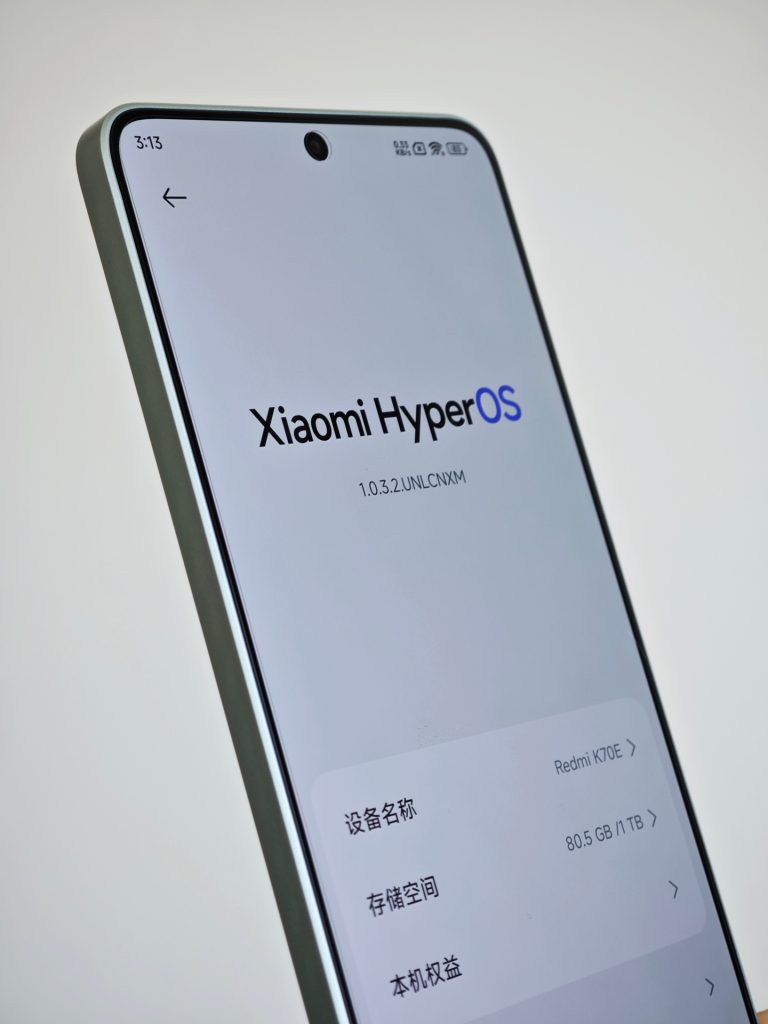
Now popular tipster Digital Chat Station has unveiled real-world images of the upcoming Redmi K70E smartphone, showcasing its impressive design. The phone will sport a slim bezel design, contributing to an exceptional screen-to-body ratio. The device will boast a 1.5K flexible straight screen with high-frequency 1920Hz PWM dimming, a peak brightness of 1800 nits, 12-bit color depth, and an under-display fingerprint sensor.
Redmi K70E Specifications (Leaked)
Under the hood, the Redmi K70E will pack the MediaTek Dimensity 8300-Ultra processor, paired with LPDDR5X RAM and UFS 4.0 storage. This combination promises exceptional performance for both everyday tasks and demanding gaming sessions.
Xiaomi has also confirmed that the Redmi K70E will come equipped with a 5500mAh battery and 90W fast charging. The phone will maintain a slim profile with a thickness of just 8.05mm, despite its large battery capacity.
The Redmi K70E will incorporate an intelligent charging engine to prolong battery lifespan and introduce Xiaomi’s Haixing algorithm for battery repair. Xiaomi claims that even after 1000 heavy charge and discharge cycles, the battery’s effective capacity will remain above 90%.
To keep the phone running at its best under heavy workloads, the Redmi K70E will feature Redmi’s largest 5000mm² esports-grade stainless steel VC (Vapor Chamber) cooling system. This system offers a 26.6% increase in heat dissipation area compared to the previous generation, ensuring optimal performance even during extended gaming sessions. The phone will run on Xiaomi’s latest software HyperOS and as per the leaked image the phone will offer up to 1TB of storage as well.
Lu Weibing, Xiaomi’s Group Partner, President of the International Department, and Redmi Brand General Manager, has hinted that the Redmi K70 series will be released this month. The Redmi K70 series is expected to include three models: K70E, K70, and K70 Pro. While the specific release date has not yet been announced, the leaked photos and teasers suggest that the Redmi K70E is poised for an imminent launch.
Artificial intelligence (AI) has taken the world by storm. Baidu, a Chinese tech giant, is making strategic moves to sustain its AI development despite facing U.S. export restrictions on advanced AI chips. Baidu’s approach offers a unique perspective on how technology companies can navigate geopolitical challenges while advancing in the competitive AI landscape.
The company will boost focus on its own Large Language Model (LLM), Ernie
Baidu’s recent third-quarter earnings call revealed an interesting strategy. Despite the U.S. curbs on AI chip exports, Baidu CEO Robin Li Yanhong expressed confidence in the company’s ability to continue its AI projects, particularly its Ernie large language model (LLM). This resilience stems from a stockpile of advanced AI chips that Baidu has amassed, ensuring at least two years of uninterrupted AI development. This proactive approach highlights how foresight and strategic planning can play a crucial role in mitigating the impact of international trade restrictions.
Li’s comments also shed light on the broader implications of such export curbs. While Baidu has found a temporary solution, these restrictions could slow the pace of AI innovation in China. This situation could potentially lead to a consolidation of Chinese AI companies, centering around leading LLMs. Such a scenario underlines the interconnectedness of global tech industries and the far-reaching effects of geopolitical decisions.
Interestingly, Baidu’s situation also highlights the potential of homegrown solutions. While Li acknowledged that alternative chip sources might not match U.S. advancements, he emphasized Baidu’s strengths in unique AI architecture and algorithms. This suggests a potential shift towards self-reliance in AI technology, a move that could reshape the global AI landscape.
Moreover, Baidu’s focus on its Ernie Bot ecosystem, a direct competitor to OpenAI‘s ChatGPT, signals a significant shift from its traditional revenue streams. With 70 million users within three months of its launch, Ernie Bot’s success exemplifies Baidu’s potential to lead in the generative AI space.
OpenAI, known for its innovative technology, has recently launched ChatGPT Voice, a highly realistic virtual assistant, to the public for free. This move comes at a time when the company is facing internal challenges, making it a bold and somewhat risky decision.
The feature was once exclusive to only ChatGPT Plus members
ChatGPT Voice, introduced in late September, stands out for its remarkably human-like interactions. Unlike typical virtual assistants that often sound robotic, ChatGPT Voice uses OpenAI’s advanced language model to provide nuanced and complex responses in a natural, human-like voice. This feature, once exclusive to paying users, is now available to all through the ChatGPT app on Android and iOS platforms.
The process to use ChatGPT Voice is straightforward. Users initiate a conversation by tapping the headphones icon in the app and speaking to the AI. The assistant, powered by a library of voice actor recordings, responds with realistic intonation and emphasis, making the experience surprisingly lifelike.
However, the timing of this release is notable. OpenAI is currently dealing with significant internal upheaval, including the unexpected dismissal of CEO Sam Altman. This event sparked a chain reaction, leading to the departure of key researchers and calls for the resignation of the entire OpenAI board. Amidst this backdrop, the decision to release ChatGPT Voice could be seen as either a strategic distraction or a misjudged move. Please note, the company has reinstated Sam Altman as per recent news.
The company, on the brink of major changes, faces a critical juncture. While the new voice feature is indeed impressive and a testament to OpenAI’s technological prowess, it raises questions about the company’s timing and priorities. With so much at stake, including employee morale and the company’s future direction, one wonders if delaying the release might have been wiser.
Mountain biking, a sport that combines the thrill of exploration with the challenge of rugged terrain, has seen a significant shift with the advent of e-bikes. Among the pioneers in this transformation is British brand Whyte Bikes, known for their two-decade-long dedication to mountain bikes. Their latest venture into the e-bike segment, the E-Lyte, is not just an addition to their product line but a game-changer in the world of electric mountain bikes (e-MTBs).
The bike is designed with a complete carbon frame
Unlike traditional e-bikes that prioritize power and torque, the E-Lyte is designed with a distinct philosophy: to keep it light and natural. This approach is evident in its carbon fiber frame and the selection of advanced motors. Such innovations cater to mountain bikers who yearn for an e-bike that doesn’t compromise the authentic feel of pedaling through nature’s obstacles.
The ingenuity of Whyte’s E-Lyte lies in its balance and weight distribution. The company’s engineering, including the use of a custom jig, ensures that each E-Lyte model achieves an optimal balance, enhancing the riding experience. This level of precision is what sets the E-Lyte apart in the e-MTB market.
Offered in various configurations, the E-Lyte caters to diverse riding preferences. The E-Lyte 140, with its moderate weight and suspension, is perfect for those who prefer agility over brute force. Meanwhile, the E-Lyte 150 and Works variants, slightly heavier, provide more suspension travel, suited for riders who favor stability and comfort on more challenging trails.
An interesting feature of the E-Lyte is the eShape.it Link V2 technology, allowing riders to adjust the bike’s geometry. This versatility speaks to the evolving nature of mountain biking, where adaptability can enhance both performance and enjoyment. Finally, the E-180 version showcases the Bosch Performance Line CX Race system, marking the E-Lyte as a top contender in the e-MTB segment. This model embodies the peak of e-bike technology with its high-level pedal assistance and lightweight design.
We use cookies on our website to give you the most relevant experience by remembering your preferences and repeat visits. By clicking “Accept”, you consent to the use of ALL the cookies.
This website uses cookies to improve your experience while you navigate through the website. Out of these, the cookies that are categorized as necessary are stored on your browser as they are essential for the working of basic functionalities of the website. We also use third-party cookies that help us analyze and understand how you use this website. These cookies will be stored in your browser only with your consent. You also have the option to opt-out of these cookies. But opting out of some of these cookies may affect your browsing experience.
Necessary cookies are absolutely essential for the website to function properly. This category only includes cookies that ensures basic functionalities and security features of the website. These cookies do not store any personal information.
Any cookies that may not be particularly necessary for the website to function and is used specifically to collect user personal data via analytics, ads, other embedded contents are termed as non-necessary cookies. It is mandatory to procure user consent prior to running these cookies on your website.