Advertisement

Oppo Reno 11 series launch timeframe, key details emerge

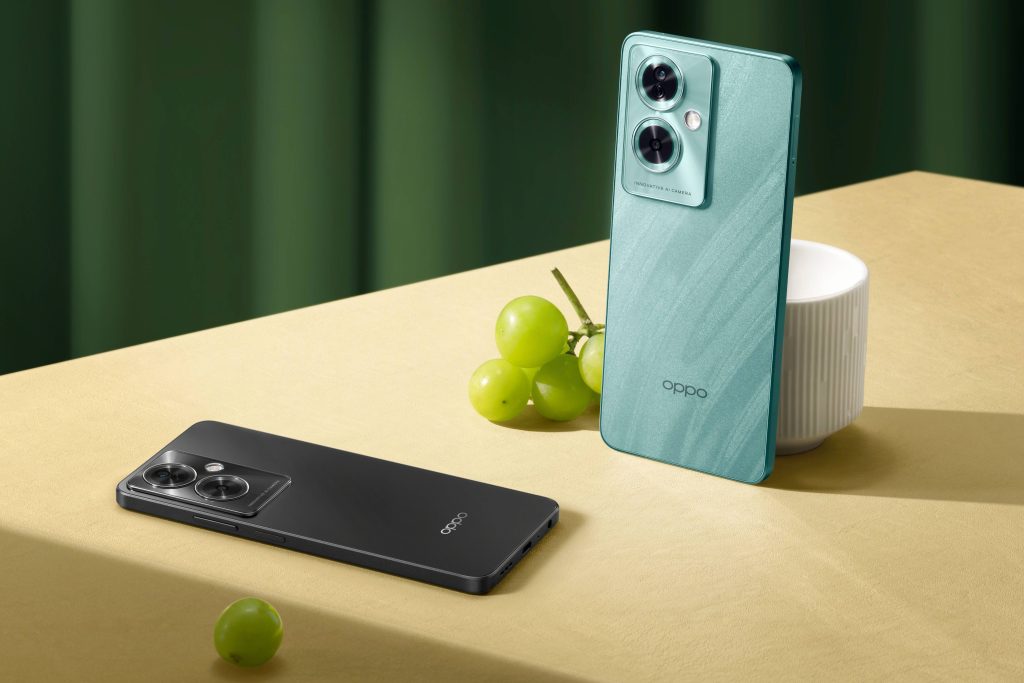
Oppo launched the Reno 10 series of smartphones in China in May 2023. A few months later, the Reno 10 series was also released on the global market. While the global market received different variants of the Reno 10 and 10 Pro, the international Reno 10 Pro+ is the same as the device available in China. Reports have claimed that Oppo will announce the Reno 11 series in the fourth quarter of this year in China. However, a Chinese leaker claimed that the Reno 11 series would be released earlier than expected.

Oppo Reno 11 series could be coming soon

OPPO Reno 10 Pro+
OPPO Reno 10 Pro+

To recall, the Oppo Reno 9 series, which did not release outside of China, was announced on Nov. 24, 2022. The machine-translated text of the leaker reads, “Oppo Reno 11 series is also ahead of schedule.” This suggests that it may launch by late October or early November. Likely, it could be available for purchase by the Single’s Day (Double 11) annual shopping festival, which takes place on Nov. 11, in China.

At present, it is not clear whether the Reno 11 lineup includes three models, such as the Reno 11, Reno 11 Pro, and Reno 11 Pro+. However, the leak claims that the Reno 11 devices will be equipped with a curved-edge display.

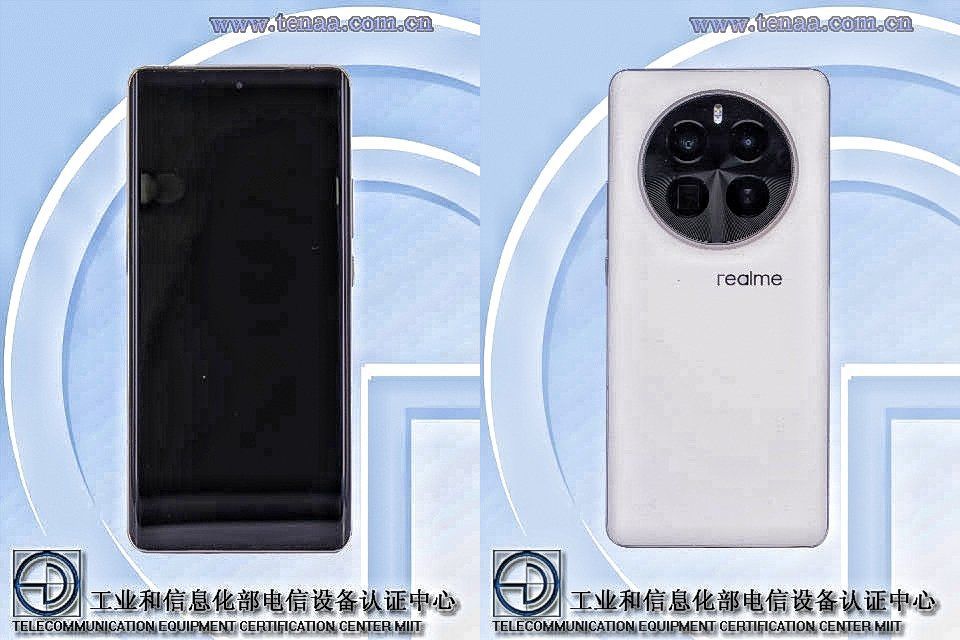
The Reno 11 series will feature a fine-tuned version of the camera modules that were made available on the Reno 10 lineup, claims the tipster. The leak also claims that the lineup will have a periscope telephoto macro camera. The leak also states that the Reno 11 series rear panel will sport a new design.

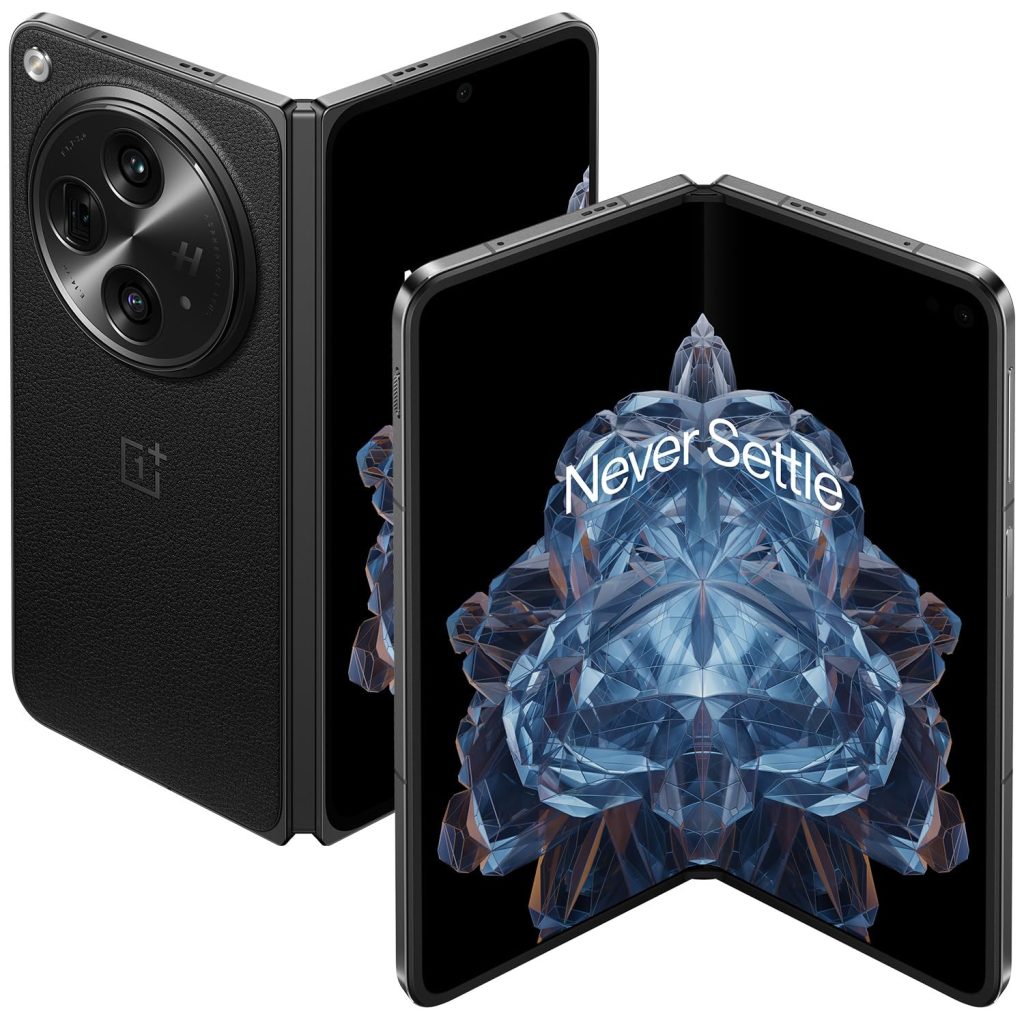
In related news, Oppo has just launched the Oppo Find N3 Flip in China. It is speculated that the device will also be heading to the global market in the near future.

RELATED:

(source)

Infinix Zero 30 5G to feature Dimensity 8020 chip, 12GB RAM, 68W fast charging

On Sept. 2, Infinix will announce the Infinix Zero 30 5G smartphone in India. The company has been gradually confirming the key details for the Zero 30 5G through its Flipkart page. The updated page has revealed the cameras, chipset, battery, and charging capabilities of the device.

Infinix to feature Dimensity 8020, 108MP triple rear cameras

Infinix Zero 30 5G
Infinix Zero 30 5G

Infinix has confirmed that the Zero 30 5G runs on the Dimensity 8020 chipset. The device offers a substantial memory configuration with 12GB of RAM and an additional 9GB of virtual RAM, along with 256GB of storage using UFS 3.1 technology. Powering the phone is a sizable 5,000mAh battery, which supports 68W fast charging.

On the camera front, the Infinix Zero 30 5G has a 50MP front-facing camera capable of recording 4K videos at 60fps. Turning to the back, the phone features an impressive camera setup led by a 108-megapixel primary camera with optical image stabilization (OIS) and 3x in-sensor zoom. Accompanying it is a 13-megapixel ultra-wide camera with 120-degree FOV, an AI lens, and a quad-LED flash.

The Zero 30 5G has a curved 6.78-inch AMOLED FHD+ display, boasting an impressive 144Hz refresh rate and a brightness of up to 950 nits. It features tough Gorilla Glass on both sides for durability.  Additional features include an in-display fingerprint sensor, dual speakers offering DTS Hi-Res Audio, and Android 13 with XOS 13 customization.

Infinix Zero 30 5G price in India

Pre-orders for the Zero 30 5G will begin on Sept. 2 on Flipkart. At present, there is no word on the sale date of the device. As far as price is concerned, the company has confirmed that it will be priced at under Rs 25,000 (~$302). The phone comes in color options of Rome Green with a vegan leather back and Golden Hour with a glass back.

RELATED:

Asus ROG Swift PG32UCDM has a 32″ OLED Panel with 240Hz refresh rate

ASUS is introducing the world’s first 32-inch 4K OLED gaming monitor with a blazing fast refresh rate, named the ROG Swift OLED PG32UCDM. This comes after the brand recently confirmed the US pricing of its massive 49-inch ROG Swift OLED PG49WDCD monitor.

Asus ROG Swift OLED PG32UCDM

Asus ROG Swift OLED PG32UCDM specs

The ROG Swift OLED PG32UCDM is a 32-inch gaming monitor that offers a 4K OLED panel with a lightning-fast 240 Hz refresh rate and an incredibly quick 0.03 ms response time. It features second-generation OLED technology that promises vibrant colors and an optimized subpixel arrangement.

Asus ROG Swift OLED PG32UCDM

The monitor can achieve an impressive peak brightness of up to 1000 nits. Nvidia Graphics users can enjoy a tear-free gaming experience as the monitor supports G-SYNC technology. Equipped with a custom heatsink, this monitor efficiently keeps the mainboard cool, ensuring consistent performance during intense gaming sessions.

It includes the latest HDMI 2.1 ports and DisplayPort 1.4 ports with Display Stream Compression (DSC), providing excellent connectivity options. Connect and control two external devices seamlessly via Smart KVM. Additionally, the ROG Swift offers a picture-in-picture (PIP) mode, enabling you to simultaneously view the display output of two devices.

Although pricing and availability details are yet to be disclosed, this exciting monitor is set to hit the market in early 2024.

RELATED:

(Source)

Huawei Mate 60 Pro 5G AnTuTu listing reveals Kirin 9000s 5G chip, configuration, performance score revealed

The Huawei Mate 60 series has been officially launched in China, with the Mate 60 and Mate 60 Pro being the two models that are currently available. The Pro model is notable for being the first Huawei phone to feature 5G connectivity since the US sanctions were imposed. It is also the first-ever phone to support satellite calling. The pre-order listings for both phones on Huawei Mall include all their key specifications, but there is no information about the chipset. However, the Pro model has appeared on AnTuTu, revealing not only the chipset that it uses, but also its configuration.

Huawei Mate 60 Pro 5G AnTuTu, Geekbench listings

Huawei Mate 60 Pro 5G AnTuTu listing

The AnTuTu benchmarks identify the Huawei Mate 60 Pro 5G’s chip as the Kirin 9000s. The CPU details mentioned in the listing reveal that it has a 12-core configuration with a 2+6+4 architecture. It consists of two A34 cores, six customized A78AE cores, and four A510 cores. The highest clock speed reaches 2.62GHz.

As for the GPU, the AnTuTu listing mentions it as “Maleoon 910” but does not provide any details about its configuration. In the CPU, memory, and UX tests, the device scored 279,677, 225,491, and 194,615 points, respectively. It managed to achieve a total score of 699,783 on AnTuTu. However, it should be noted that the GPU scores are not mentioned in the AnTuTu listing.

It is important to note that there is a possibility that the manufacturer may have intentionally concealed certain details of the chip. Therefore, it is advisable to wait for official confirmation on the name and configuration of the chip that powers the Mate 60 series.

Huawei Mate 60 Pro Geekbench listing

The same chip has also appeared on Geekbench. It scored 1225 and 3295 points in the single-core and multi-core tests of Geekbench 6, respectively. Therefore, in terms of performance, the Kirin 9000s appears to be on par with the Snapdragon 888. This means that the Mate 60 Pro’s performance is around two generations behind its competitors.

It is not yet clear which chipset powers the Huawei Mate 60. It appears that the device is powered by a 4G chipset.

RELATED:

Formovie Xming Page One LCD Projector launched on Indiegogo

The Page One LCD projector has been unveiled via an Indiegogo crowdfunding campaign. The Formovie Xming Page One projector delivers 1080p images and can throw images up to 120 inches. The new projector has a maximum brightness of 300 ANSI lumens and has an ultra-low input lag.

Formovie Xming Page One LCD Projector

The Xming by Formovie Page One LCD projector features Google TV and has an integrated Boston Acoustics speaker system. Xming by Formovie is a Xiaomi sub-brand and is the first LCD projector with Certified Netflix. The Certified Netflix app is optimized to stream content seamlessly. You can also use Google Chromecast to watch videos from different apps. It also supports Google Assistant and can be easily integrated into Google Home.

Formovie Xming Page One LCD Projector

The Page One LCD projector has a 2,000:1 contrast ratio and supports HDR10. The LED light source has an expected life cycle of 20,000 hours and the throw ratio is 1.25:1. It also has auto focus, auto keystone correction, and smart obstacle avoidance capability. The Boston Acoustics-capable dual speakers support Dolby Audio for a decent audio output. The projector has a frame rate of 60fps and an ultra-low input lag that allows for seamless gaming. It has an HDMI 2.1 interface via which the gaming console can be connected.

Formovie Xming Page One LCD Projector

The Indiegogo campaign for the Page One LCD projector has a funding goal of HK$39,232 (~$5,000) and this has already been achieved. There are various pledge options including the Launch Day Special ($299) and the Super Early Bird Pledge for $329. The Xming by Formovie Page One projector will ship to multiple markets including the US, UK, Canada, Australia, and the Netherlands. The earliest deliveries will be in November 2023.

RELATED:

Realme 11x 5G first sale in India today, read price, offers, specifications

Earlier this month, Realme unveiled the Realme 11 and 11x 5G-enabled smartphones in India. Both smartphones have been available for pre-booking since Aug. 23. The Realme 11 5G went on sale yesterday (Aug. 29), whereas the Realme 11x 5G will be available for purchase starting today at 12 pm (local time) in India through platforms like Flipkart, Realme India’s website, and offline stores.

Realme 11 series price in India

Realme 11 5G (left), Realme 11x 5G (right)

The Realme 11x 5G is priced at Rs 14,999 for the 6 GB RAM + 128 GB storage variant and Rs 15,999 for the 8 GB RAM + 128 GB storage edition. It comes in Purple Dawn and Midnight Black color options.

On the other hand, the Realme 11 5G is available in two options: 8 GB RAM + 128 GB storage and 8 GB RAM + 256 GB storage. Both are priced at Rs 18,999 and Rs 19,999, respectively. It comes in Glory Gold and Glory Black shades.

Both phones can be purchased with up to 9 months of no-cost EMI. There is a discount of Rs 1,000 and Rs 1,500, respectively, on the Realme 11x and Realme 11 through bank cards.

Realme 11 5G series specifications

The Realme 11x 5G and Realme 11 5G feature a 6.72-inch IPS LCD FHD+ display that offers a 90Hz refresh rate. Under the hood, both phones have the Dimensity 6100 Plus chipset, LPDDR4x RAM, UFS 2.2 storage, and a 5,000mAh battery. The 11x and 11 support 33W and 67W fast charging, respectively.

Both phones ship with Realme UI 4.0-based Android 13. The 11x has an 8-megapixel front camera and a 64-megapixel + 2-megapixel dual-camera system on the back. On the other hand, the Realme 11 5G has a 16-megapixel selfie camera and 108-megapixel + 2-megapixel dual rear cameras. Both devices also feature a side-facing fingerprint sensor.

RELATED:

The E-Bike Industry is Booming, with Asia Pacific Regions at 42.5% Market Share

As the world leans more into alternative modes of transportation, e-bikes are experiencing unprecedented growth. Valued at $43.32 billion in 2023, the global electric bicycle market is on track to reach a staggering $119.72 billion by 2030. But, there’s a plot twist: Asia-Pacific is leading this e-bike revolution, boasting 42.5% of the global market share as of 2022.

E-Bikes might reach a huge $120 billion market share by 2030

Asia’s outsize influence in the e-bike game isn’t just about numbers; it signals a transformative shift in how we move around our cities. Europe and North America, where public transport and cars dominate the transport narrative, are playing catch-up. Particularly, North America is currently seeing a surge in e-bike adoption, a trend that might soon become a necessity rather than a lifestyle choice.

Trek Electra Pronto Go!

The use of e-bikes in cities and urban areas accounts for 55.6% of the global market, and it’s easy to see why. Rising fuel costs and growing traffic congestion make e-bikes a smart choice. They are also becoming integral to the infrastructure of modern cities. Local governments are keen on making bicycle lanes and other support systems to accommodate these rising stars of mobility.

And who are the industry champions fueling this growth? Names like Trek Bicycle Corporation and Giant Manufacturing Co. might ring a bell. However, emerging players from China are also entering the ring, creating a more competitive and innovative market.

As e-bikes evolve from being seen as recreational toys to serious alternatives for daily commuting, their rise is more than a mere trend. It’s a paradigm shift, particularly in Asia-Pacific, and it’s setting the tone for the future of urban mobility worldwide.

If you’re still skeptical about e-bikes, it might be time to join the ride. With market projections this promising and Asia-Pacific setting the pace, e-bikes are wheeling into the future, fast.

RELATED:

(Via)

Samsung’s Galaxy S24 may be Powered by the Exynos 2400 Chip in Europe

European Samsung fans might be in for a surprise. The forthcoming Galaxy S24 series is set to be powered by Samsung’s own Exynos 2400 chip, rather than the Snapdragon 8 Gen 3. This info comes courtesy of reliable leaker Ice Universe, who claims this will be the case for “at least Europe.”

Samsung might be looking to cut costs with the Galaxy S24’s chipset

This marks a sharp detour from last year when all Galaxy S23s came equipped with Snapdragon’s 8 Gen 2 chips. Interestingly, before that, Samsung had traditionally favored its in-house Exynos chips for its global releases. So, is this a nostalgic return to form or a clever business strategy?

Samsung Galaxy S24 Ultra Titanium Frame

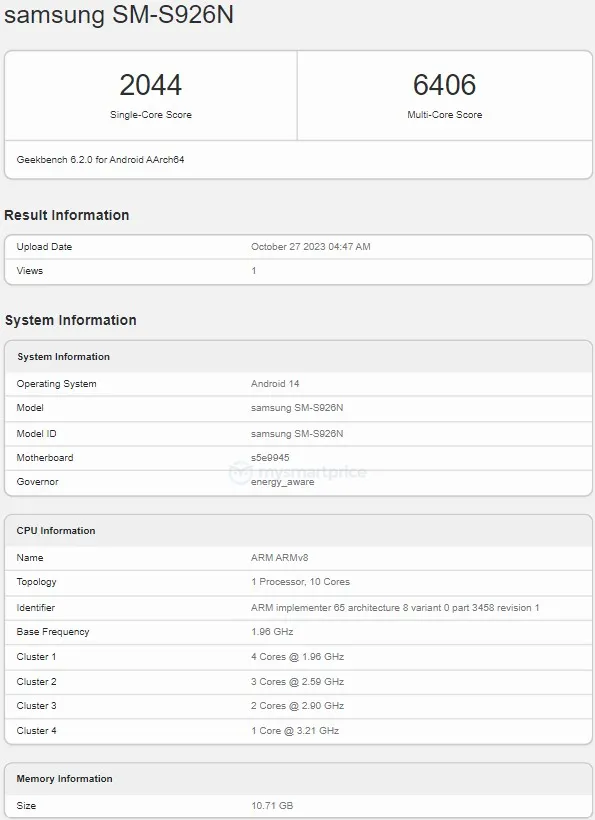
The Exynos 2400 is no lightweight; it boasts a deca-core setup, with a top clock speed of 3.19 GHz on its prime CPU core. It’s virtually neck and neck with the Snapdragon 8 Gen 3, which has its prime core running at an identical clock speed. Yet, there are nuanced differences: Snapdragon is rumored to have a 1+5+2 core configuration, compared to Exynos’s 1+2+3+4 layout, which could potentially offer diverse performance metrics.

One reason might be cost. Snapdragon chips don’t come cheap and come with licensing fees. By opting for Exynos, Samsung could be looking to cut costs, particularly given that they’re beefing up RAM in the 2024 flagship phones, which is another expense to consider.

Samsung’s decision could have mixed reactions. On one hand, Samsung purists may rejoice the return of the homegrown Exynos chips. On the other, skeptics might see this as a cost-cutting move, potentially sacrificing performance for savings. Either way, the verdict will be out once the Galaxy S24 hits the European market. For now, all eyes are on Samsung to see how this gamble pays off.

RELATED:

(Via)

Ford Pro is Paving the Way for the Future of Commercial EV Charging

Ford Pro, Ford’s tech-centric commercial arm, is making strides in the electric vehicle (EV) charging game. Known for its focus on fleet management and telematics, the division has recently expanded its EV charger lineup, revealing new units fine-tuned for business applications.

Ford will be offering 2 options for DC Chargers, 180 kW and 240 kW

First up, the Series 2 AC charger offers a robust 80-amp, 19.2 kW output. With ISO-15118 compatibility, this plug-and-charge unit is all about convenience. It’s fitted with an RFID reader and an LCD screen, making it both secure and user-friendly. What sets it apart, however, is the detachable cable system. Gone are the days of replacing the entire charging unit due to worn-out cables. This practical feature ensures long-term utility and cost-effectiveness.

Ford F-150

In terms of weather resistance, this charger is prepared for any season. Operating from sub-zero temps to scorching heat, the Series 2 can withstand the weather extremities of North America.

On the DC front, Ford Pro is offering two power-packed units: a 180 kW option and a higher-octane 240 kW model. Though specifics are scant, both will feature sleek, aluminum pedestals. Intriguingly, these chargers exceed the max charge rate of current Ford EV models like the F-150 Lightning and the Mach-E, both of which cap at around 155 kW and 150 kW, respectively. This could hint at Ford Pro setting the stage for more powerful, faster-charging EVs in the future.

So, what does this all mean for businesses? In a nutshell, Ford Pro’s updated lineup checks boxes for durability, versatility, and future-readiness. The division seems to be paving the way for not just a new generation of Ford electric vehicles, but also a more streamlined, efficient fleet management system. Keep an eye on Ford Pro; they’re plugging into the future, one charger at a time.

RELATED:

(Via)

Huawei Mate 60 launched with 6.69-inch OLED 120Hz display, 50MP triple cameras, 66W charging

Yesterday, Huawei unveiled the Huawei Mate 60 Pro 5G without any fanfare in China. After the US sanctions, it is the first Huawei phone to arrive with 5G connectivity. Today, the brand silently unveiled the Mate 60 in the home market. Here is a look at the specifications, features, and price of the device.

Huawei Mate 60 specifications and features

The Huawei Mate 60 is equipped with a flat OLED panel with a centred punch-hole. It offers a Full HD+ resolution of 2688 x 1216 pixels, a 120Hz refresh rate, 10-bit colors, and 1440Hz PWM dimming. While the Pro model supports satellite connectivity, the Mate 60 lacks support for it.

There is no information about the chipset of the device. It ships with 12 GB of LPDDR5 RAM and up to 1 TB of UFS 3.1 storage. The phone comes preloaded with Harmony OS 4.0.

On the front, the Huawei Mate 60 has a 13-megapixel selfie camera. The circular camera module on the phone’s back has a 50-megapixel main camera with support for OIS and an f/1.4–f/4.0 variable aperture. It is paired with a 12-megapixel ultra-wide lens and a 12-megapixel periscope telephoto camera with OIS, 5x optical zoom, and 50x digital zoom.

The Mate 60 packs a 4,750mAh battery that supports 66W wired charging. It also supports 50W wireless charging and 7.5W reverse wireless charging. It is an IP68-rated device featuring second-generation Kunlun glass on the back. It measures 161.4 x 76 x 7.95mm and weighs 209 grams.

Huawei Mate 60 price and availability

The Huawei Mate 60 has arrived in three variants: 12 GB RAM + 256 GB storage for 5,499 Yuan (~$750), 12 GB RAM + 512 GB storage for Rs 5,999 Yuan (~$820), and 12 GB RAM + 1 TB storage for Rs 6,999 Yuan (~$960). It will be available for purchase by Sept. 10 in China. Buyers will be able to choose from color options like Yadan Black, White Sand Silver, South Waxy Purple, and Ya Chuan Qing (green).

Huawei is expected to announce the more powerful Huawei Mate 60 Pro+ and Huawei Mate 60 RS in September in China.

RELATED:

Revolt Launches a Stylish, Classic Design for their Electric Bike in India

Electric motorcycles in India are no longer just about being eco-friendly or economical; they’re stepping up their game in terms of style and performance. Revolt Motors, an Indian EV manufacturer, recently introduced the special Stealth Black edition of their RV400 model, showcasing how electric motorcycles can have both substance and flair.

The bike has a 3.24 kilowatt-hour battery and a range of just under 100 miles

Sporting a blacked-out design, the Stealth Black edition instantly catches the eye. But it’s not just a color update; it’s a statement. The angular panels hiding the battery give it the look of a traditional sportbike, while the gold inverted forks at the front act as a contrasting flourish. In essence, this is a machine that combines modern aesthetics with classical motorbike spirit.

Electric Bike

Even with the exciting style upgrades, the RV400 doesn’t compromise on its utilitarian role in India’s busy streets. Equipped with a mid-mounted electric motor, the bike offers a power output of about four horsepower—perfect for weaving through urban congestion. The 3.24 kilowatt-hour lithium-ion battery promises a respectable range of about 97.5 miles, making it a practical choice for everyday commuting.

The tech behind this model is by no means groundbreaking but focuses on delivering reliable performance. It has a preload-adjustable monoshock for the rear suspension and employs front and rear disc brakes for dependable stopping power.

At a retail price of Rs 117,000 (approximately $1,416 USD), it’s clear that the RV400 Stealth Black is positioning itself as a product that fulfills both aesthetic and practical needs, making it more than just another electric two-wheeler on the market.

Bookings are now open and the Stealth Black edition can be snagged online at Amazon or at any Revolt Motors dealership. If you’re in the market for an electric motorcycle that defies convention and merges style with practicality, this could be your next ride.

So, is the Stealth Black edition just a fresh coat of paint? Far from it. It’s an invitation to rethink what electric mobility can be, especially in a country where the need for sustainable and stylish transportation options is on the rise.

RELATED:

(Via)

Google is Discontinuing the Pixel Pass as of Today

In an unexpected move, Google announced that as of today, August 29, 2023, the Pixel Pass subscription service is being discontinued for new purchases and renewals. The decision has generated questions and some concerns among Google Pixel enthusiasts and existing Pixel Pass subscribers.

Thankfully, Google is offering some perks to the few Loyal Pixel Pass users who stuck around

Google stated that its focus remains on delivering value through hardware products while also providing flexibility for users to opt for their favorite Google services. The company is looking into alternative offers that align with customer feedback, hinting that we might see new bundled services in the future.

Google Pixel 7a Self Repair Program

If you’re already on a Pixel Pass subscription, you can breathe a little easier. Google confirms that current subscriptions will not be impacted. Existing customers can continue to enjoy the benefits for the full two-year duration from when their Pixel device was shipped.

One sweetener? A $100 loyalty reward credit that can be used for future Google Store purchases or towards a new Pixel device on Google Fi Wireless.

Google is channeling customers towards direct purchases from the Google Store or Google Fi Wireless, both of which offer trade-in programs. For those keen on subscribing to Google services, the options are still wide open—Google One, YouTube Premium, and Google Play Pass can be purchased individually on their respective websites.

At the end of your two-year term, you’ll fully own your Pixel phone. Your service contracts related to device protection will end, but your subscriptions to Google One, YouTube Premium, and Google Play Pass will continue at a discounted rate unless canceled. The discontinuation of Pixel Pass may disappoint some, but Google assures its existing customers that the level of service will not wane. Meanwhile, potential buyers will need to recalibrate their purchasing plans, but with Google’s array of standalone services and trade-in programs, options still abound.

For now, all eyes are on Google to unveil what comes next in their quest to best align hardware and software services to meet consumer needs.

RELATED:

(Via)

Sennheiser Launches the “Budget” Ambeo Soundbar Mini, Priced at $800

Sennheiser is stepping into the budget-friendly ring with its newly unveiled Ambeo Soundbar Mini, but don’t let the “budget” and “Mini” tags mislead you. Priced at $800, it’s a serious contender against its compact rival, the Sonos Beam. While the Mini is easy on the wallet compared to its predecessors, the Ambeo Soundbar Max and Plus, it’s still not exactly a steal.

The Speakers boast 250 watts of amp power with 4 drivers and 2 subwoofers

Sized at less than half of the Ambeo Soundbar Plus, the Mini aims to fit in snug corners, even doubling as a desk speaker if you wish. The company boasts that its compactness doesn’t compromise on quality, packing 250 watts of amplification power backed by four full-range drivers and two four-inch subwoofers. This mini dynamo is engineered to deliver the same “sharp fidelity, impactful bass, and crystal-clear presence” as its more substantial family members.

Sennheiser
Image credits: Sennheiser

What sets the Mini apart from its competition is Sennheiser’s signature Ambeo technology. This 3D audio system self-calibrates based on room specifics, from size to surface textures. All it takes is a one-touch process to optimize the speaker’s 7.1.4 surround sound capabilities. Compatible with Dolby Atmos, DTS:X MPEG-H, and Sony’s 360 Reality Audio, this small but potent gadget aims to fill your room with immersive sound.

Streaming your favorite tunes is also a breeze. With both WiFi and Bluetooth connectivity, you can stream music from Amazon Music, Apple Music, Spotify, and Tidal. The Ambeo OS ensures quick access to Chromecast, AirPlay 2, Spotify Connect, and Tidal Connect. And for those who love talking to their tech, voice commands through Alexa are readily available.

However, it’s not all rosy; the Mini has its limitations. While the Sonos Beam offers more flexibility by supporting third-party subwoofers and rear speakers, the Ambeo Soundbar Mini locks you into Sennheiser’s ecosystem. Want to expand? Your only choice is the Ambeo Sub, costing an additional $600. What do you think about thse new launches from Sennheiser? Do you think they’re still too expensive, or would you give them a shot? Let us know in the comments below.

RELATED:

(Via)

Avatr 11 Harmony Edition all-electric SUV launched in China starting at 300,000 yuan ($41,000)

The Avatr 11 Harmony Edition all-electric SUV models have been unveiled in China. The Avatr 11 is a culmination of the joint venture between Changan, Huawei, and CATL. The launch of the Avatr 11 pure electric SUV models was at the 2023 Chengdu Auto Show.

Avatr 11 Harmony Edition all-electric SUV

The Avatr 11 Harmony Edition runs on HarmonyOS 4.0 and Automated Driving System (ADS) 2.0. The models target the medium and large SUV pure electric segment of the EV market. Avatr 11 is built based on the CHN electric platform from Changan and its ternary lithium batteries are from CATL.

The car has 22-inch wheels and a four-piston all-aluminum yellow calipers from Brembo. There are 34 sensors in the Avatr 11 which provides an array of solutions. Additionally, Huawei ADS 2.0 offers support for collision avoidance, autonomous parking assist, lane change, and remote parking assist.

Avatr 11 Harmony Edition all-electric SUV

The Huawei ADS 2.0 also features advanced automatic emergency braking (GAEB). GAEB is based on Huawei’s General Obstacle Detection (GOD) network. Hauwei says the GAEB system can effectively handle U-turns at intersections, roundabouts, and construction areas.

The powertrain of the Avatr 11 features the Huawei DriveONE, high-voltage electric drive system. It is offered in single or dual motors and the single-motor rear-wheel variant has a maximum power of 230kW. It has a peak torque of 370Nm and can go from 0 to 100km/h in 6.6 seconds. The range of the Avatr 11 Harmony Edition is up to 730km. The dual-motor four-wheel drive version of the all-electric SUV outputs up to 425kW and peak torque of 650Nm. It can accelerate to 100km/h in 3.9 seconds.

Avatr 11 Harmony Edition all-electric SUV

The Avatr 11 has a 15.6-inch central control split screen, allowing for the opening of multiple windows. The system can recognize voice commands from the co-pilot while a window from the main control screen can be displayed on the co-pilot screen. The LCD instrument cluster is 10.25 inches wide. There are six modes to choose from in the cockpit, including rest, movie viewing, karaoke, pet, car wash, and short-term empty occupant. The front seat of the SUV features ventilation, massage and heating functionalities. The seats are adorned in Nappa leather material while the ceiling is covered with suede material. There are 256 colors of ambient light in the interior of the Avatr 11 SUV.

The price of the Avatr 11 Harmony Edition SUV is between 300,000 yuan ($41,000) and 390,000 yuan ($54,000).

RELATED:

WhatsApp is working on a feature to hide the IP address in calls

WhatsApp, the popular messaging platform owned by Meta, is consistently working to improve user privacy. The most recent update (version 2.23.18.15) accessible through the Google Play Beta Program highlights the app’s focus on protecting user data and ensuring their privacy.

Illustration: Soumyakanti Ray

Safeguarding Call Privacy: WhatsApp’s Upcoming IP Address Protection

According to WABetaInfo, WhatsApp previously introduced the silence unknown callers feature, allowing users to mute calls from unfamiliar contacts to enhance call privacy. The latest update reveals a new privacy relay feature for calls.

WhatsApp’s new privacy relay feature for calls involves rerouting calls through its servers, which hides the user’s IP address and prevents location guessing by call participants. However, this method could marginally lower call quality due to encryption. The feature aims to provide secure calls, defending against location tracking through call data, yet poses a challenge of balancing privacy and call quality.

whatsapp ip address protection feature

The privacy relay feature is currently undergoing testing with a limited group of beta users. It’s set to expand its testing to a wider audience soon, and a stable version is expected to be released in the future.

WhatsApp is working on several interesting features in addition to the privacy relay: the ability to reply to status updates using avatars, original quality photo and video sharing, and an improved calling interface.

RELATED:

(Source)

Oppo starts Reno 8 Pro+ ColorOS x Android 14 closed beta recruitment

The stable build of Android 14 is expected to be announced later this month. Several major OEMs have already begun recruiting beta testers for their custom skins based on the latest Android version. Oppo is among the first manufacturers to introduce a beta program for the Find X6 Pro, OnePlus 11, and Reno 9 Pro smartphones. The brand has now started closed beta recruitments for ColorOS x Android 14 on the Reno 8 Pro+.

According to the company’s announcement, users of Reno8 Pro+ in China can now join the ColorOS x Android 14 recruitment program. Reviews are expected to happen in waves, typically within five business days after the recruitment ends. You can check the early adopter application interface for the review results. Once the review is done, the updated version will be rolled out in stages within three working days.

OPPO-Reno-8-Pro-plus

Oppo wants to remind you to back up your important personal data before you upgrade. This helps prevent any potential data loss due to compatibility or other issues that might pop up after the upgrade. It’s important to keep in mind that some popular third-party apps might not work with Android 14. So, if you rely heavily on these apps, it’s a good idea to be cautious when upgrading.

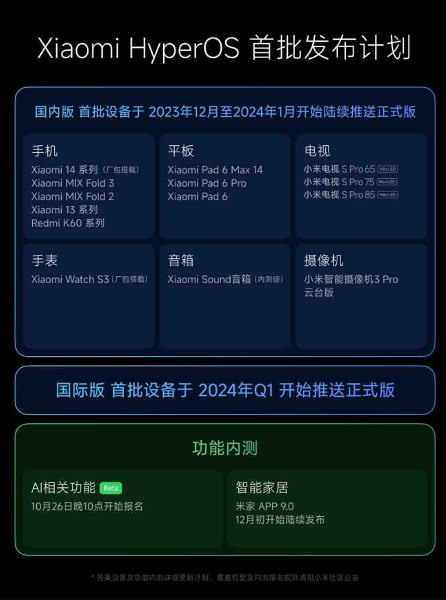
Currently, the Find X6 Pro, OnePlus 11, and Reno 9 Pro are also eligible for ColorOS x Android 14 beta recruitment. However, there are still very few details available regarding ColorOS 14. Oppo concluded its significant Find N3 Flip launch event in China, but it didn’t reveal any details about its custom software.


RELATED
:

(Via)

BYD shares jump after it posted a 200%+ increase in H1, 2023 profit

Chinese EV maker BYD seems to be on a roll after reporting its half-year financial results. The shares of the company jumped as a response to the company’s 204.68% increase in profit in H1, 2023. BYD reported a net profit of 10.95 billion yuan ($1.50 billion) from its H1 2022 net profit of 3.6 billion yuan ($494.13 million). Shares of the Chinese carmaker responded positively to the report with a 5% jump in the Chinese stock exchange.

BYD

The highly impressive H1 2023 performance of BYD was mainly driven by record deliveries and a fast-expanding marketing architecture. BYD shares listed in Hong Kong rose 5.6% while stocks in Shenzhen appreciated by 4.75%. In a stock filing, BYD attributed its impressive performance to rapid growth in the new energy vehicle business. BYD’s revenue in the first half of 2023 rose by 72.72% from H1, 2022. The company’s gross margin in the first half of this year was 18% which is as impressive as it can get.

BYD retains the record as China’s top-selling electric vehicle brand and it posted its best-ever quarterly sales numbers in Q2, 2023. Sales of BYD passenger EVs in the second quarter were 700,244 units (98% increase YOY). BYD’s sales numbers were higher than Tesla which was 466,140 vehicles sold in Q2, 2023. This further cements China’s position as the largest auto market globally in terms of sales and production. It also puts it as the largest EV market globally. BYD continues to flourish in the mass EV market while Tesla’s target is the luxury segment. The price differential will continue to drive sales for BYD as it expands to more overseas markets.

BYD retains the top spot in China’s EV market but it has some strong competitors like Nio and Xpeng, among others. The EV revolution is already ongoing in China and BYD maintains a positive outlook for the remaining part of the year.

RELATED:

JAC Electric Truck inspired by the Tesla Semi spotted in China

Automaker JAC could soon release an electric truck modeled after the Tesla Semi. The upcoming JAC electric truck was spotted in China and bears a similar design as the Tesla Semi.

JAC Electric Truck

The transition of heavy-duty transportation from fossil fuels to electricity has a massive implication in the transportation ecosystem. As the transition to electric mobility progresses at a high pace, many firms are adding electric options to their heavy-duty truck range.

The Tesla Semi is one of the most popular electric trucks in the market. It has been widely anticipated across global markets and is built for long-haul movements. The Tesla Semi can cover up to 500 miles (~805km) on a single charge. It also has a low energy consumption per mile (2kWh/ mile).

It seems the finer details of the Tesla Semi have inspired JAC to develop its own electric truck. The Tesla Semi lookalike truck was recently spotted in China with some images also available of its cockpit. The JAC electric truck’s cockpit has the same 3-seat cabin layout as the Semi, with the driver ensconced between two passengers.

The JAC electric truck features two 246kW electric motors and has a top speed of 89km/h. The yet-to-be-released electric truck has a swappable battery architecture that delivers up to 350km on a single charge. The swappable battery packs add another layer of versatility to the truck. With high-octane charging speeds between 350kW and 1MW being developed, the range of the EV is expandable.

JAC Electric Truck

The challenge remains however of providing the needed power infrastructure to accommodate any heavy electric truck rollout. Electric truck charging stations could require up to 50MW of power, which is about the power requirements of a small town. The development of electric trucks therefore holds the potential of also improving other aspects of infrastructure.

Battery swapping is another viable option that has less power requirements. It could also open up other financing models for greater functionality and coverage. There are no indications yet on the release date and pricing of the JAC electric truck.

RELATED:

LG Ultragear 27GR93U 27″ 4K 144Hz monitor on sale in EU & UK, 32″ model on pre-order

LG recently unveiled the 27-inch UltraGear 27GR93U and 31.5-inch UltraGear 32GR93U IPS monitors in the global market. The 27-inch monitor has now gone on sale in the EU and UK. Along with that, the 31.5-inch model is also up for pre-order. Check the details below.

ultragear

Pricing & availability

The 27-inch LG 27GR93U has a price tag of €549 in various Eurozones. On the other hand, it is priced at £480. As for the 31.5-inch model, it is currently up for pre-order in the EU for €699.

LG UltraGear 27GR93U & 32GR93U specs

The LG UltraGear 27GR93U has a 27-inch panel, while the UltraGear 32GR93U boasts a larger 31.5-inch display. Both models offer native 4K resolution (3,840 x 2,160 pixels), a 16:9 aspect ratio, and a 144 Hz refresh rate.

These monitors feature an IPS panel with 500 nits peak brightness, making them suitable for gaming. They also have a fast 1 ms GtG response time. Additionally, they excel in movie and video playback with their 10-bit color depth (8-bit + FRC), 95% DCI-P3 color space coverage, and VESA DisplayHDR 400 certification. You can calibrate colors using LG Calibration Studio.

Both the UltraGear 27GR93U and UltraGear 32GR93U support AMD FreeSync Premium and NVIDIA G-SYNC for smooth gaming. They offer various connectivity options, including one DisplayPort 1.4, two HDMI 2.1 ports, and a USB 3.0 hub. These monitors have adjustable stands and are VESA 100 x 100 mm mount compatible, allowing third-party stand use if desired.

RELATED:

(Source 1, 2, 3)

*Please Note: When you buy something using the links in our articles, we may earn a small commission at no cost to you.

TCL 40 NxtPaper 4G and 40 NxtPaper 5G phones launched with eye-care technology

TCL is concerned about your eyes and has developed NxtPaper technology that apparently protects them from extra stress. So far, the tech was limited to certain tablets and displays, but the company has now integrated it into phones. TCL has launched the 40 NxtPaper 4G and 5G with displays that feel like paper. Here’s what you should know.

TCL 40 NxtPaper Specifications

The TCL 40 NxtPaper features a 6.78” LCD with a 90Hz refresh rate (FHD+, 20.5:9). The 5G model, on the other hand, comes with a smaller 6.6-inch display with only HD+ resolution and the same refresh rate. The 4G version of the phone is powered by the Helio G88 paired with 8GB of RAM (expandable with up to 8GB of virtual RAM) and 256GB of storage.

TCL 40 NxtPaper 4G

The NxtPaper 5G is equipped with a Dimensity 6020 chipset, paired with 256GB of storage, but the RAM capacity has been reduced to 6GB (+6GB virtual). Both phones feature a triple camera setup with a 50MP main sensor. The 4G version is accompanied by a 5MP ultra-wide camera and a 2MP macro module, while the 5G model gets a 2MP macro and a 2MP depth shooter. The TCL 40 NxtPaper 4G boasts a 32MP selfie shooter on the front, while the 40 NxtPaper 5G settles for an 8MP sensor.

The TCL 40 NxtPaper comes with an e-reader mode that switches the screen to grayscale, making it super easy on the eyes when you’re reading. You can use it just like a notepad if you get the special case that has a T-Pen stylus included. The NxtPaper tech comes with a bunch of layers that make the stylus feel almost like a real pen on paper.

TCL 40 NxtPaper 5G

The TCL 40 NxtPaper 4G is equipped with stereo speakers featuring DTS 3D Boom Sound technology. Additionally, it offers a 3.5mm headphone jack, which you won’t find on the 5G version. The 4G phone supports 33W fast charging (USB-PD 3.0) for its 5,010mAh battery, while the 5G model packs a 5,000mAh battery with 15W charging.

Pricing and Availability

The 4G model of the TCL 40 NxtPaper will be available in Europe for €199 (approximately $215) starting in September. The 5G model will cost €249 (approximately $269) and will be released in October. TCL has not yet announced specific release dates for other countries.

RELATED:

(Via)