DJI had quite a bit going on with its latest announcements, but while the Mic Mini 2 grabbed most of the attention, there was also a quiet tease of something more interesting in the background, the Mic Mini 2S.
The Mic Mini 2 has already been listed with complete specifications and pricing, and it’s clearly aimed at everyday creators. Now the Mic Mini 2S is teased, and it looks like it’s meant for a different crowd. DJI hasn’t shared everything yet, but from what’s been hinted so far, this is the version for people who need a bit more flexibility, especially when things get slightly more complex than a one-person setup.
One of the bigger changes is the multi-transmitter support. The Mic Mini 2S is said to use a four-transmitter, one-receiver setup, which basically means you can run up to four mics through a single receiver. For things like panel discussions or group shoots, that could make life a lot easier. No need to juggle multiple receivers or patch things together.
Then there’s internal recording, which wasn’t included in the Mic Mini. Each transmitter of the 2S can record audio on its own, using built-in storage. It’s one of those features you don’t think much about until something goes wrong. A signal drop, interference, or just moving out of range, it happens. Having that backup running in the background can save an entire take.
Put those together, and the 2S feels like DJI addressing the usual weak spots with wireless audio. Managing multiple people and making sure you don’t lose audio if the connection isn’t perfect.
Pricing is expected to land above 1,000 yuan, so it’s clearly positioned above the standard model. There’s no full spec sheet yet, and DJI hasn’t confirmed a release timeline either. But from this early look, the direction is pretty clear. The Mic Mini 2S isn’t trying to replace the Mini 2, it’s building on it for users who need something a bit more dependable.
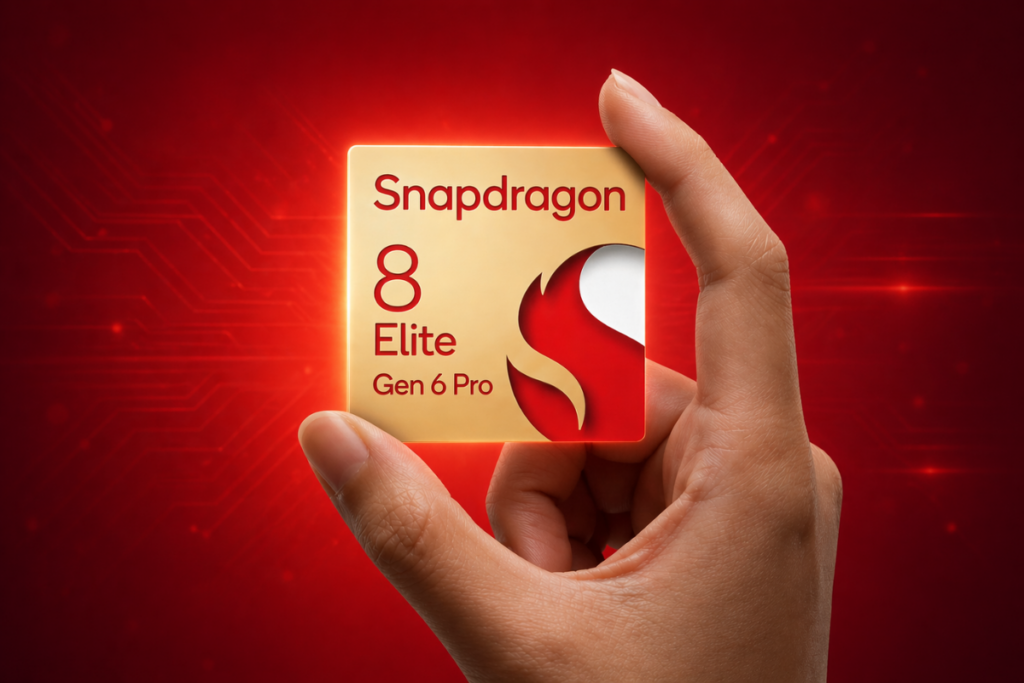
Qualcomm is said to adopt an entirely different strategy for the upcoming Elite chips in the Snapdragon 8-series this year. The Snapdragon 8 Elite Gen 6 will reportedly have a “Pro” sibling for the first time, marking a shift toward a tiered structure similar to Apple’s standard and Pro chips.
While both Snapdragon Elite SoCs will use TSMC’s most advanced 2nm node, the “Pro” variant is rumored to carry significant upgrades that could even beat Apple’s upcoming A20 chips. The official unveiling is still months away, but we already have plenty of details to give you a solid overview of what’s to come.
Qualcomm Snapdragon 8 Elite Gen 6 Pro spec sheet
Snapdragon 8 Elite Gen 6 Pro
Launch window
September 2026
Process node
2 nm (TSMC)
CPU
2 x prime cores 3 x performance cores 3 x efficiency cores
Peak CPU speed
up to 5.0 GHz
GPU
Adreno 850 Snapdragon Elite Gaming features ray tracing support
GPU GMEM/cache
18 MB GMEM
System cache (LLC)
8 MB LLC
Memory
LPDDR6 (quad-channel 4 × 24) and LPDDR5X (4 × 16)
Storage
UFS 5.0 with two high-bandwidth lanes
Cooling reference design
HPB (Heat Pass Block) cooling structure
Model number
SM8975
The spec sheet has been prepared based on the leaks and rumors we’ve gathered so far, and therefore, it isn’t guaranteed to be absolutely accurate. We’ll update it periodically as we receive fresh details.
Qualcomm will be one of the first brands to produce smartphone chips using TSMC’s 2nm advanced node, with MediaTek and Apple also expected to unveil their 2nm chips around the same time later this year. The Snapdragon 8 Elite Gen 6 Pro goes a step further as it’s said to utilize TSMC’s newer ‘N2P’ architecture instead of ‘N2’. Rumors suggest it could maintain a slight edge over Apple’s upcoming A20 Pro.
MediaTek is also rumored to adopt the newer N2P node for the upcoming Dimensity 9600 Pro to better compete with Qualcomm and Apple. N2P offers roughly 5% better performance than the standard N2 node while enabling manufacturers like Qualcomm to easily port their 2nm designs to this more efficient process without costly redesign.
Efficiency-focused CPU cluster hitting 5.0 GHz in peak speed
Qualcomm has kept the same ‘2+6’ cluster (2 performance cores and 6 efficiency cores) for all Snapdragon chipsets featuring Oryon CPU. That could change this year, as the Snapdragon 8 Elite Gen 6 Pro is said to feature a ‘2+3+3’ cluster (2 prime cores, 3 performance cores, and 3 efficiency cores) to achieve better efficiency.
The three efficiency cores could operate at a much lower speed, reducing power draw for tasks that do not require much processing power. The chip could also offer higher CPU performance, as it’s rumored to reach a peak clock speed of 5 GHz. The Snapdragon 8 Elite Gen 5 can already reach a peak speed of 4.61 GHz, with the ‘Snapdragon 8 Elite Gen 5 for Galaxy’ variant reaching up to 4.74 GHz. Looking at them, it wouldn’t be surprising to see 8 Elite Gen 6 Pro hitting the 5.0 GHz mark. If that happens, the Snapdragon 8 Elite Gen 6 Pro would be the first smartphone chip to enter that territory.
A tipster recently suggested that the Snapdragon 8 Elite Gen 6 Pro may not deliver a significant CPU performance uplift (less than 20%), but will double down on efficiency. However, the GPU could offer a radical jump.
GPU upgrades may be impressive
While the rumored CPU upgrades look modest, the GPU on the Snapdragon 8 Elite Gen 6 Pro is said to bring substantial gains. According to recent leaks, the SoC will use an Adreno 850 GPU with a dedicated 18 MB of GMEM. For those unfamiliar, GMEM refers to a high-performance graphics cache that accelerates rendering, ray tracing, and AI workloads.
The chipset could come with a 50% increase in GPU bus width and memory capacity compared to the Snapdragon 8 Elite Gen 5. This would directly benefit high-resolution gaming, advanced ray tracing, and on-device AI inference.
Faster memory and storage
The Snapdragon 8 Elite Gen 6 Pro is said to bring support for LPDDR6 memory, in addition to LPDDR5X. A leak noted that the chip could support either quad-channel 24-bit LPDDR6 or quad-channel 16-bit LPDDR5X, alongside 18MB GMEM and 8MB LLC, thereby offering greater bandwidth and cache.
The Pro chipset reportedly supports UFS 5.0 storage with two high-bandwidth lanes. The chip would likely deliver peak bandwidth and better sustained performance in memory-bound tasks such as high-fps gaming, large-language-model inference, and heavy multitasking.
Better thermals and HPB cooling
Qualcomm has reportedly upgraded thermals on the Snapdragon 8 Elite Gen 6 Pro to deliver sustained performance for longer sessions without severe thermal throttling. A leaked block diagram shows a new HPB (Heat Pass Block) cooling solution for the Pro chip, similar to the HPB solution in Samsung’s Exynos 2600.
The HPB solution features a dedicated heat transfer block positioned directly over the chip package to improve heat spreading to the phone’s vapor chamber or other cooling elements. This could only be introduced in the Pro model, with uncertainty around whether the standard Gen 6 will receive the same cooling design.
We’ll keep updating you with the latest stories in our News section. Remember to visit it regularly to stay up-to-date. Or, you can join our Telegram channel to receive instant notifications when we publish new stories.
Oppo has begun seeding its April update for ColorOS 16 in India, bringing a couple of subtle yet noticeable changes to the Photos app. The update aligns with seasonal trends and introduces improvements that aim to make everyday media interactions smoother.
ColorOS 16 April update: What’s included
ColorOS 16 April update
The latest update introduces a UEFA Champions League-inspired watermark feature within the Photos app. This allows users to add a football-themed identity to their pictures, particularly useful for those capturing or sharing match-related moments. The integration feels timely, especially during the ongoing tournament period.
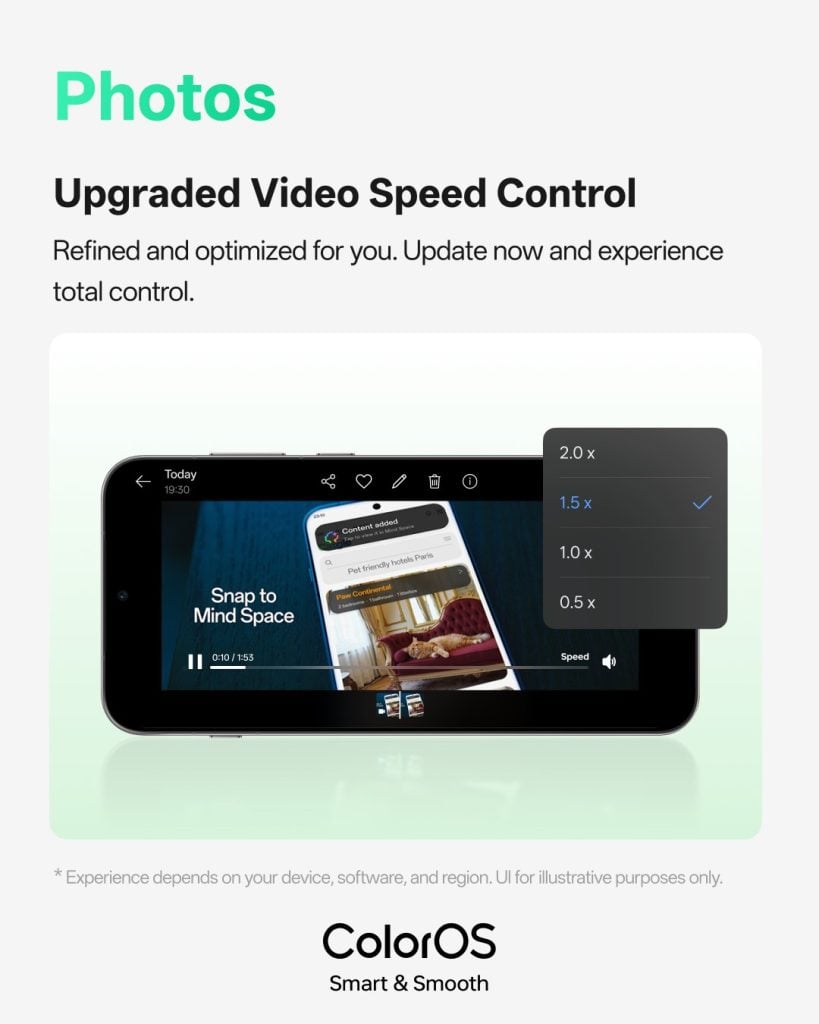
Another update comes in the form of refined playback controls for videos. Users can now adjust playback speed on the fly with options, such as 0.5x, 1.0x, 1.5x, and 2.0x. This addition simplifies the process of reviewing clips, whether for casual viewing or quick edits, without relying on external apps.
Oppo has confirmed that the rollout started on April 8 and will continue in stages until April 30. Users who have not received the update yet can check manually through the software update section in settings.
At the launch event yesterday, Oppo introduced a new pair of open wireless earbuds called the Oppo Enco Clip 2. Unveiled alongside the Find X9 series and other wearables, it is set to go on sale in China starting April 24, priced at CNY 899 (around $120), with a limited-time offer bringing it down to CNY 849.
The Enco Clip 2 stands out primarily for its open-ear, clip-style design. Instead of sitting inside the ear canal like traditional earbuds, these wrap around the outer ear. Each earbud weighs just 5.2 grams, and the design uses an ultra-thin adaptive titanium plate, which Oppo says helps with both fit and durability.
Oppo Enco Clip 2 features a dual driver, DAC setup
On the audio side, Oppo says the earbuds are co-developed with Dynaudio, a Scandinavian audio company, and include a dual dynamic driver setup combining 11mm and 9mm units.
The setup is tuned to produce more natural sound, with better mids and extended highs. There’s also support for a wide 20Hz to 40kHz frequency range, along with spatial audio for a more immersive effect.
Internally, the Enco Clip 2 uses dual DACs and what Oppo claims is the industry’s first 6nm chip in this category. According to the company, that chip boosts noise reduction computing power by up to 100 times, which mainly benefits call clarity. A three-microphone system, paired with AI processing and a VPU sensor, handles noise reduction during calls.
The earbuds can last up to 9.5 hours on a single charge, with the case extending total playback time to around 40 hours. The case itself packs a 530mAh battery and charges over USB-C in about 80 minutes.
Connectivity is handled over Bluetooth 6.1, with support for dual-device pairing and a range of up to 10 meters. The earbuds also support common audio codecs like SBC, AAC, and LHDC. Interestingly, Oppo says the Enco Clip 2 supports Apple voice commands, allowing users to control playback, adjust volume, and manage calls hands-free.
The earbuds are available in two finishes: High-Gloss Gold and Space Grey. It also has an IP55 rating for dust and water resistance.
For more daily updates, please visit our News Section.
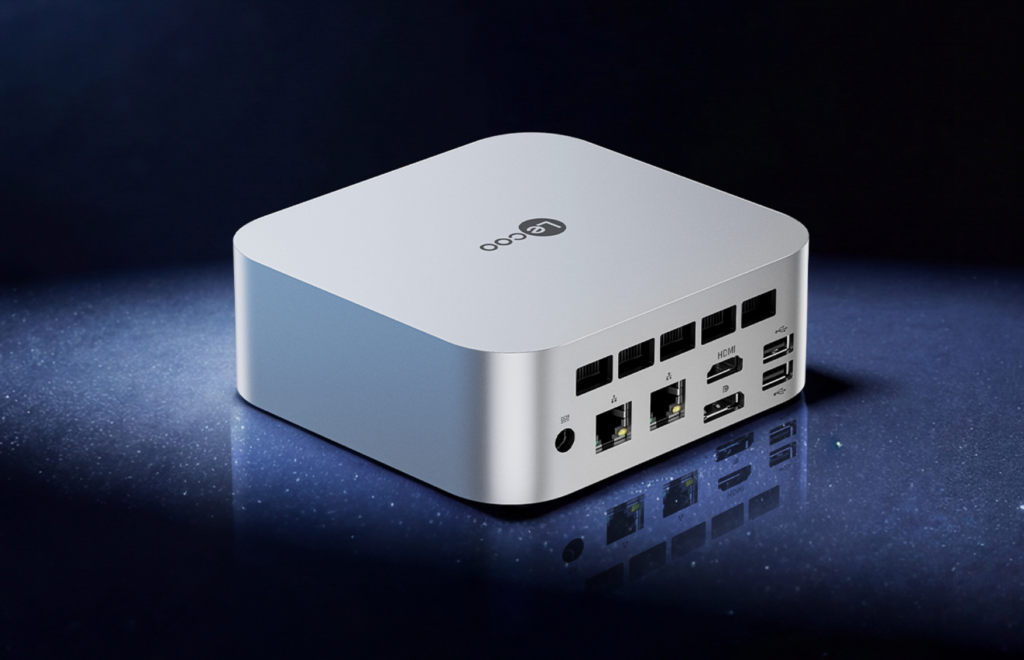
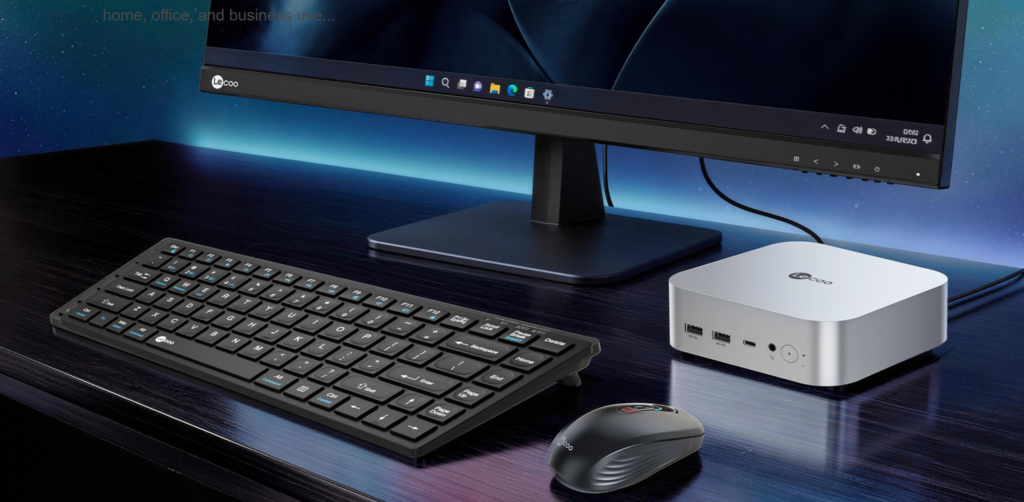
Lenovo has quietly expanded its mini PC lineup in China with the launch of the Lecoo AI Mini Pro. The device introduces Intel’s latest Lunar Lake platform in a compact chassis, hinting at a growing push toward AI-ready desktop solutions in smaller form factors.
Lenovo Lecoo AI Mini Pro specifications and features
Lenovo Lecoo AI Mini Pro
The Lecoo AI Mini Pro is powered by Intel Core Ultra 200V series processors, including configurations up to the Ultra 7 258V. It is paired with up to 32GB LPDDR5x-8533 memory and up to 1TB PCIe SSD storage, with support for dual M.2 2280 slots for expansion. Integrated Intel graphics handle visual workloads, while the updated architecture focuses on improved CPU and AI performance.
Lenovo Lecoo AI Mini Pro
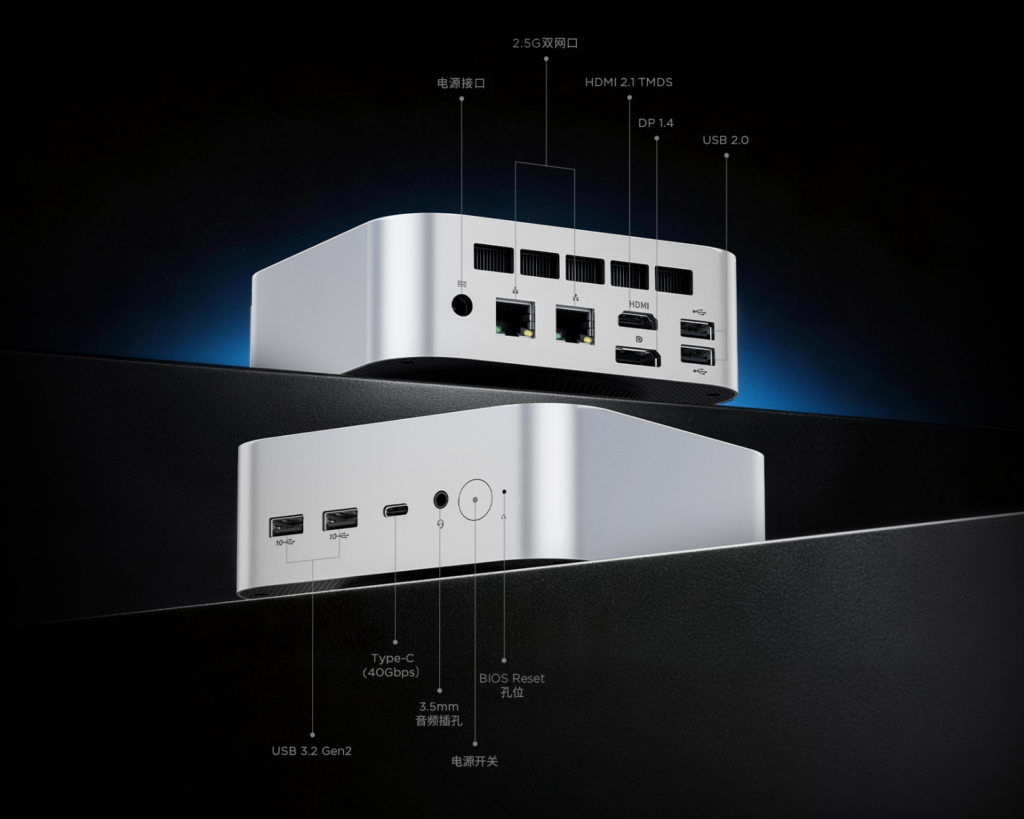
Designed for space efficiency, the mini PC features a 0.9L aluminum body measuring 128mm × 134mm × 52mm. Lenovo has included a custom cooling system that keeps noise levels around 34.5dB under load. Connectivity is a strong point, with a front-facing USB-C 40Gbps port, two USB-A 10Gbps ports, and a 3.5mm audio jack. The rear panel adds dual 2.5GbE LAN ports, HDMI 2.1, DisplayPort 1.4, and additional USB ports. Wireless support includes Wi-Fi 6.
The device also integrates AI-focused software features, enabling quick deployment tools, document handling, and local task processing. It ships with Windows 11 Home, positioning it for productivity and lightweight workstation use.
Lenovo Lecoo AI Mini Pro price and availability
Lenovo Lecoo AI Mini Pro
The base variant with Core Ultra 5 226V, 16GB RAM, and 512GB storage is priced at 3799 Yuan (~$555). A higher configuration with Ultra 5 228V, 32GB RAM, and 512GB storage costs 4299 Yuan (~$630), while the 1TB version is priced at 4799 Yuan (~$700). The top-end model with Ultra 7 258V, 32GB RAM, and 1TB storage is available for 5799 Yuan (~$850).
The Lecoo AI Mini Pro is currently available in China, and there is no confirmation yet regarding its global availability.
For more daily updates, please visit our News Section.
The Oppo Watch X3 Mini is one of the devices that went official alongside Oppo’s mega launch event that also introduced the Find X9 Ultra, Find X9s Pro, Pad 5 Pro, Pad 5, and Enco Clip 2. As the name suggests, it is a more compact version of the Watch X3, which was announced recently in China.
Oppo Watch X3 Mini specifications and features
Oppo Watch X3 Mini
The Oppo Watch X3 Mini features a 1.32-inch circular OLED display with a 466 x 466 resolution and a 60Hz refresh rate, protected by sapphire crystal glass. It is powered by the Snapdragon W5 Gen 1 chip paired with a BES2800BP co-processor, along with 2GB RAM and 32GB storage, plus additional memory for RTOS operations. The smartwatch runs on ColorOS Watch 16 and supports eSIM functionality for standalone connectivity.
The device focuses heavily on health tracking with an upgraded wrist temperature sensor, menstrual cycle tracking with exercise guidance, an 8-channel heart rate sensor, and a 16-channel blood oxygen sensor. It also supports sleep monitoring, independent GPS, running posture analysis, and a professional swimming mode.
Oppo Watch X3 Mini
Battery capacity is rated at 345mAh, delivering up to 2.5 days in smart mode and up to 7 days in extended mode. It supports Watch VOOC fast charging, offering up to 24 hours of usage with a 10-minute charge and a full charge in about 60 minutes.
Other highlights include NFC, 5ATM water resistance, IP68 rating, and a lightweight build at 40.4 grams. The watch is available in premium finishes including high-gloss gold with 18K gold stainless steel, mocha brown, and starlight silver variants.
Oppo Watch X3 Mini price and availability
Oppo Watch X3 Mini strap options
The Oppo Watch X3 Mini is priced at 2,499 Yuan (~$370) for the high-gloss gold variant, while the mocha brown and starlight silver models are priced at 1,999 Yuan (~$295). The Bluetooth-only starlight silver version is priced at 1,799 Yuan (~$265). Option watch straps are priced at 149 Yuan (~$22).
For more daily updates, please visit our News Section.
After teasing the Vivo Y600 Pro for the past few days, Vivo has finally confirmed its launch date. The device is set to debut on April 27, and Huang Tao, Vice President of vivo China, has shared several key details about what to expect, especially around battery and endurance.
Vivo Y600 Pro’s battery size, endurance officially confirmed
Vivo Y600 Pro – Starry Purple
Huang Tao has highlighted that the Y600 Pro represents a major step forward in battery capacity for the Y series. The device is equipped with a 10,200mAh battery, which is the largest ever on a Vivo phone so far.
It is designed around five key aspects: long-lasting performance, stable output across a 60°C temperature range using second-generation semi-solid battery tech, efficient power management with chip-level AI optimization and certified energy efficiency, long-term durability with up to six years of battery health, and fast charging with 90W support capable of a full charge in under 80 minutes.
The phone also aims to deliver over 24 hours of light usage and more than 12 hours under heavy workloads. Additional highlights include a premium design, IP68 and IP69 ratings, improved connectivity, OriginOS 6, and a 1.5K eye-care display.
Vivo Y600 Pro specifications (rumored)
Vivo Y600 Pro -Vast BlueVivo Y600 Pro – Floating Gold
The Vivo Y600 Pro recently appeared in China Telecom’s product listing, revealing its complete specifications. It is expected to feature a 6.83-inch OLED display with a 1.5K resolution of 2800 x 1260 pixels.
The phone will be powered by the Dimensity 7300e chipset and run on Android 16 with OriginOS 6. It includes a 50-megapixel rear camera and a 32-megapixel front camera. The device will be available in multiple configurations, including up to 12GB RAM and 512GB storage.
The phone measures 8.15mm in thickness and weighs 221 grams. It also includes an in-display fingerprint scanner and will be offered in Floating Gold, Bright Moon Black, Vast Blue, and Starry Purple color options. The selling date in China is expected to begin from April 30.
For more daily updates, please visit our News Section.
“Fan Edition” phones usually follow a pretty predictable formula. You get something that looks like the flagship, but with a few compromises under the hood to keep the price in check. The Vivo X300 FE, at least based on early leaks, doesn’t seem to be going that route.
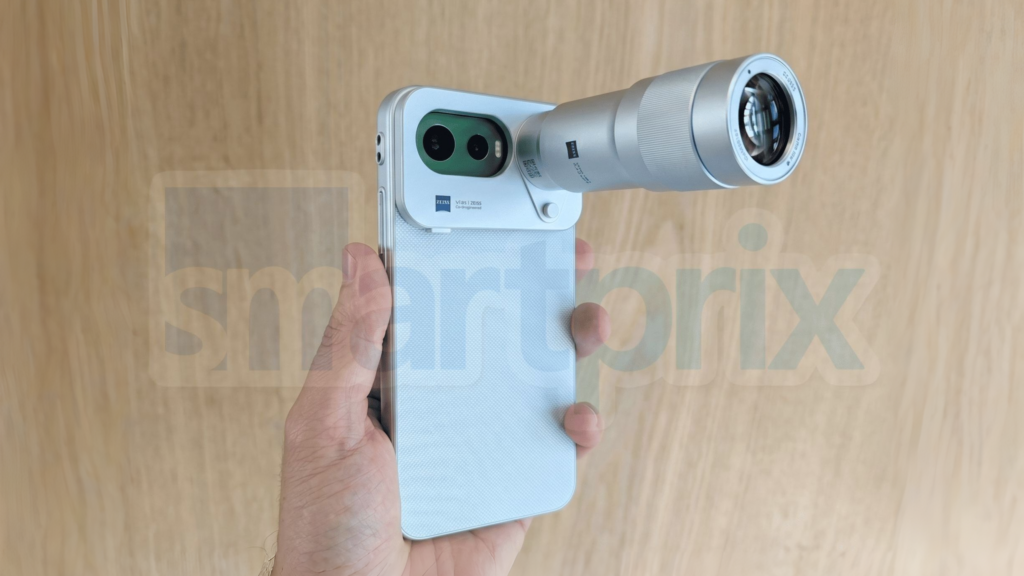
Fresh images shared by tipster Yogesh Brar give us a first look at the device, and there’s one thing that immediately stands out. Not just the phone, but what you can attach to it.
The X300 FE appears to support the external Zeiss G2 lens attachment, similar to what Vivo has done on its higher-end models. The images show the phone alongside a dedicated case and a clip-on lens, which locks onto the camera module at the back. It’s a bit unusual for something positioned as an FE model. Usually, this kind of modular camera setup is reserved for the more expensive variants.
The phone shown is in a green finish, which is said to be exclusive to India. There are also expected to be Purple and Black options, but the green one definitely stands out a bit more.
On paper, the hardware doesn’t look toned down either. The phone is tipped to run on the Snapdragon 8 Gen 5, which would make it the first FE model from Vivo to use a Qualcomm flagship chip. Up front, there’s a 6.31-inch LTPO AMOLED display with 1.5K resolution and a 120Hz refresh rate.
The camera setup includes a 50MP main sensor, an 8MP ultra-wide, and a 50MP telephoto with 3x optical zoom. Not the most extreme setup, but still pretty solid for this segment.
Battery-wise, it’s expected to pack a 6,500mAh unit with 90W fast charging. On the software side, it should ship with OriginOS 6 out of the box.
Launch timeline
Vivo has already locked in the launch date for India. The X300 FE is set to be announced on May 7, alongside the X300 Ultra, with sales expected to begin from May 14.
About a week ahead of its teased global reveal, the DJI Mic Mini 2 briefly appeared on DJI’s China website, revealing full details. The listing has since been taken down, so this isn’t an official global launch just yet. Still, the information is already out there, and it gives us a pretty clear look at what DJI is preparing.
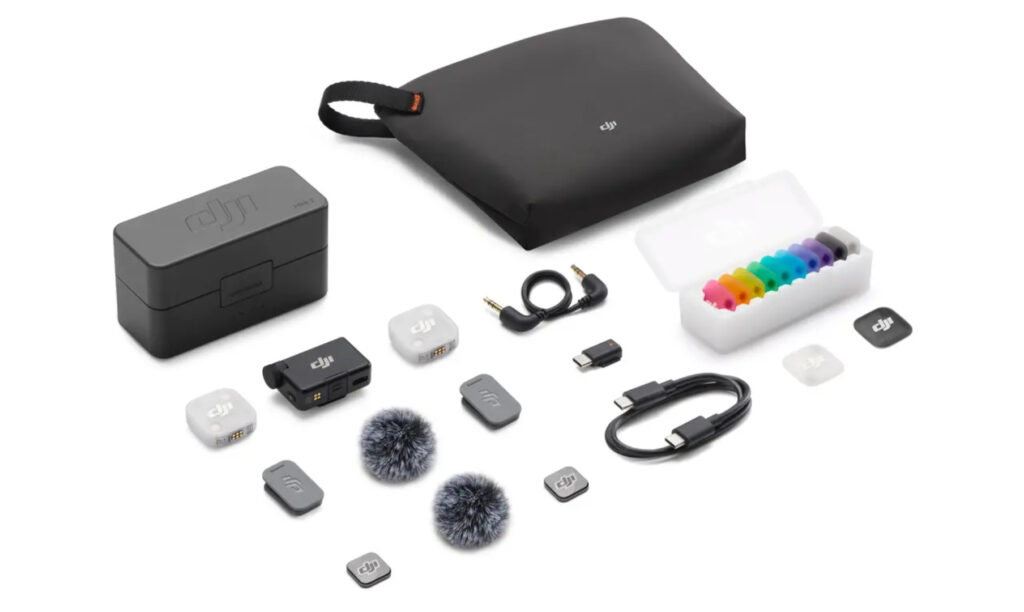
Most bundles include a black and white faceplate by default, while the top-end kit gets the full set. It’s a small change, but it makes the mic a bit more fun to use on camera.
You get 48 kHz 24-bit recording, automatic anti-clipping, and basic noise cancellation with two levels. Battery life also looks similar, around 11.5 hours for the transmitter and 10.5 hours for the receiver, with up to 48 hours total when using the charging case.
There are three voice tone presets: Normal, Bright, and Rich. It’s a simple feature, but useful if you want to tweak how your voice sounds without editing later. It also supports 32-bit floating-point internal recording.
Pricing and availability:
Based on the now-removed listing, the Mic Mini 2 starts at CNY 179 (around $26) for just the transmitter. From there, it goes up to CNY 329 (~$48) for a basic transmitter and receiver combo, or the same price if you opt for a transmitter with a charging case instead. A more complete bundle with a charging case, one receiver, and two transmitters is listed at CNY 429 (~$63).
Going further up, configurations with additional transmitters are priced at CNY 599 (~$88) and CNY 698 (~$103). As for accessories, windscreens and magnetic faceplates are listed at CNY 99 (~$15), while special edition versions of the faceplates go for CNY 199 (~$29).
One thing that’s a bit uncertain is availability in the US. A version of the Mic Mini 2 had shown up in FCC filings earlier this year, but those listings have since disappeared. That’s similar to what happened with the Osmo Pocket 4, which didn’t launch in the US right away. So for now, it’s not clear if or when this one will make it there.
Noise has launched a new smartwatch in India called the NoiseFit Diva Araya. It sits in the brand’s premium range and focuses heavily on design, with a look that leans more towards jewellery than typical smartwatches.
The Diva Araya is the company’s first ceramic smartwatch. It uses a scratch-resistant ceramic body that is meant to keep its finish over time. Around the dial, there are 60 precision-set stones, which give it a more polished, high-gloss appearance. The watch is available with three strap options: ceramic, metal, and mesh, with the ceramic version being the main highlight.
It comes with a 1.28-inch AMOLED display that can go up to 850 nits of brightness. This should make it usable both indoors and outdoors without much trouble. There are over 100 cloud-based watch faces available, along with options to customise them.
The smartwatch supports Bluetooth calling and runs on Bluetooth 5.3. Other features include an AI voice assistant, notifications, music and camera controls, weather updates, and a find my phone function. It also includes basic tools like a calculator, timer, stopwatch, and world clock.
On the health side, the watch tracks heart rate, SpO₂ levels, sleep, and stress. It also includes cycle tracking with phase insights and overnight skin temperature monitoring. An SOS feature with live location sharing is included for emergency situations. The battery is rated to last up to five days on a single charge. Charging is done using a magnetic cable. The device comes with a one-year warranty.
Pricing & availability
The NoiseFit Diva Araya is priced at Rs. 4,999 as an introductory offer and is now available through the company’s website and Amazon India.
For more daily updates, please visit ourNews Section.
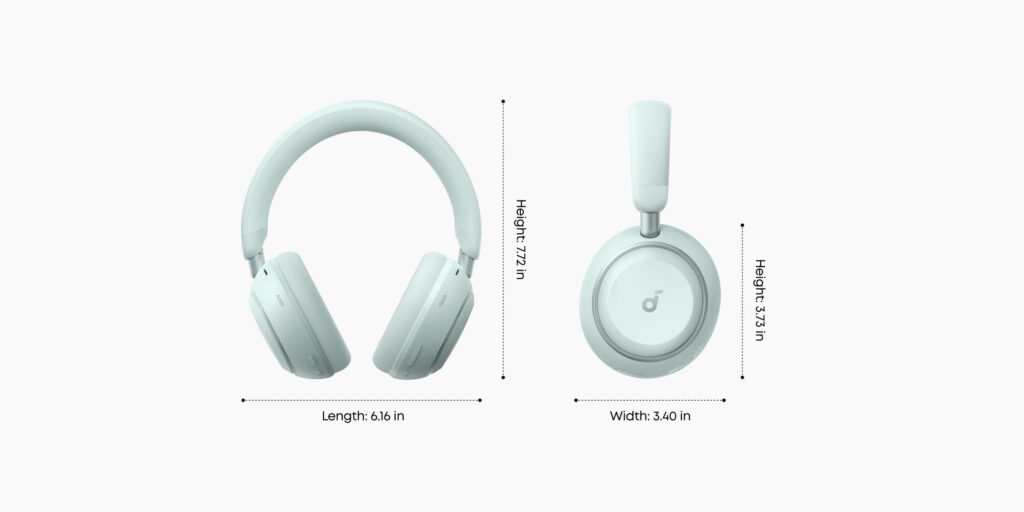
Anker has officially launched the Soundcore Space 2 over-ear headphones, following its introduction last month. These headphones have debuted as a follow-up to the Space One released in 2023. The new model is priced at $129.99. It is available in Seafoam Green, Linen White, and Jet Black through the company’s official store and major retailers, including Amazon.
The Space 2 focuses on everyday listening and travel use. It comes with a four-stage active noise cancellation system that targets low-frequency sounds, such as traffic or engine noise during flights and train rides. There is also a transparency mode, so users can hear announcements or conversations without taking the headphones off.
For audio, the headphones use 40 mm double-layer diaphragm drivers. Wired playback supports Hi-Res Audio, while wireless listening uses the LDAC codec for higher data transfer compared to standard Bluetooth audio. LDAC can reach up to 990 kbps, but it is only available on Android devices and needs to be turned on through the Soundcore app.
Call quality is handled by a three-microphone setup with AI noise reduction, designed to keep voices clear in noisy environments. The app also includes extra features such as EQ controls, hearing protection settings, a built-in assistant called Anka, and real-time translation for over 100 languages.
The headphones weigh 264 grams and use memory foam with protein leather ear cushions for comfort. Wear detection sensors inside the ear cups can pause or resume playback automatically.
Battery life is rated at up to 70 hours without noise cancellation and up to 50 hours with it turned on. A quick five-minute charge can deliver up to four hours of playback under standard test conditions. The Space 2 also supports dual device connection over Bluetooth 6.1 and uses physical buttons for controls.
For more daily updates, please visit our News Section.
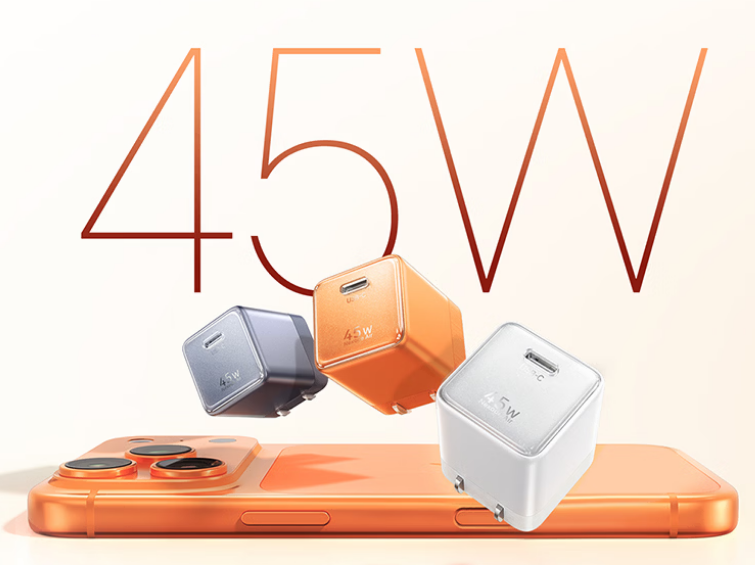
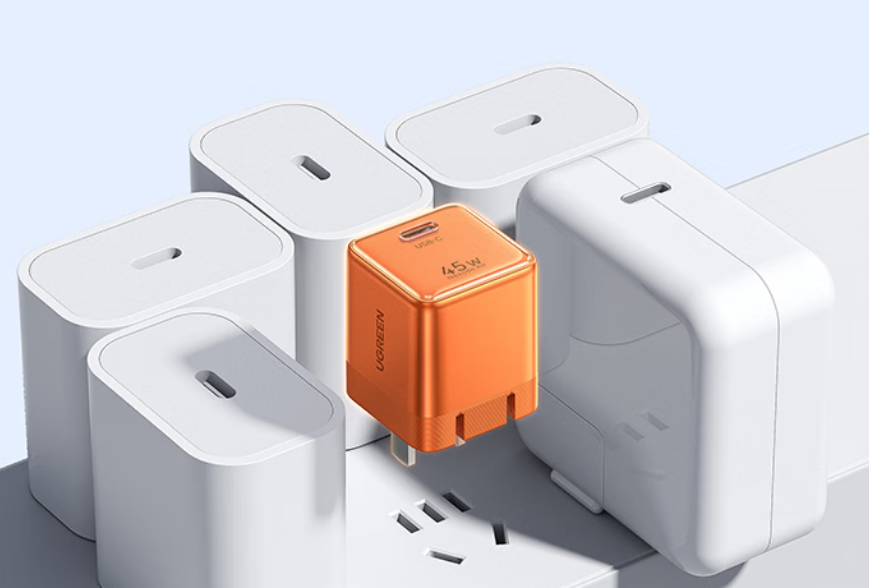
Ugreen has announced the launch of its new Nexode 45W GaN charger in China. The device supports the latest PD 3.2 protocol and is priced at 99 yuan ($14), with an introductory offer of 79 yuan ($11).
Ugreen Nexode 45W GaN Charger Specs
The Ugreen charger delivers up to 45W of power via a single USB-C port, supporting devices like smartphones, tablets, and lightweight laptops. It features support for USB PD 3.2 with AVS (Adjustable Voltage Supply), along with PPS, QC 3.0, and SCP fast-charging protocols, ensuring broad compatibility across devices. The charger intelligently adjusts its output based on the connected device, ensuring safe and efficient charging.
Ugreen built the charger around its seventh-generation GaN (gallium nitride) technology. The advanced chipset improves power efficiency and reduces heat generation compared to silicon-based chargers. The charger achieves an energy conversion efficiency of up to 93%, which ensures consistent performance during charging. The GaN technology also allows for a more compact design, reducing the overall size and weight.
The charger weighs only 49.5 grams and measures 30.7 mm x 30.7 mm x 36.1 mm. Ugreen designed it for travel portability with foldable prongs, making it easy to carry in a pocket or bag. The device supports a wide input voltage range of 100V to 240V, allowing it to work internationally with suitable plug adapters.
Ugreen added robust safety features, such as protections against overvoltage, overcurrent, overheating, short circuits, and lightning surges. It also includes a proprietary thermal management algorithm for real-time temperature monitoring.
The charger features smooth, rounded corners and a premium exterior finish. The top section includes a transparent panel that enhances its visual appeal. It comes in Grey, White, and Orange colors.
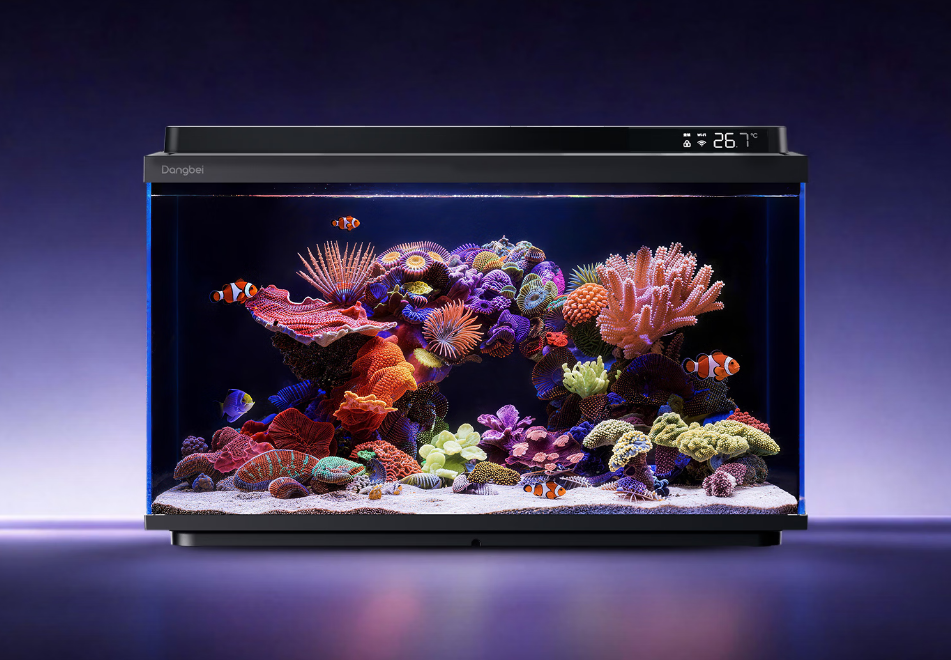
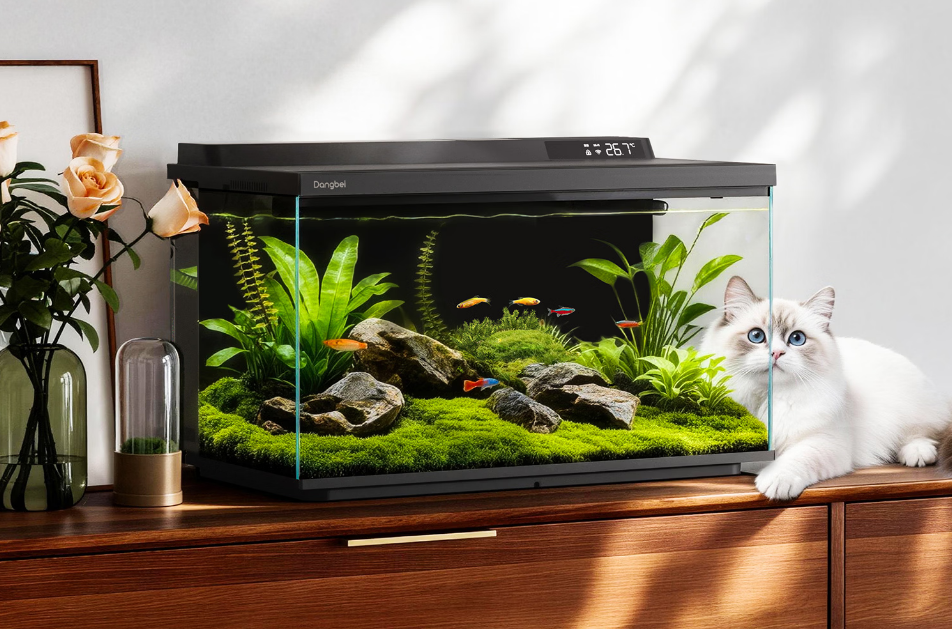
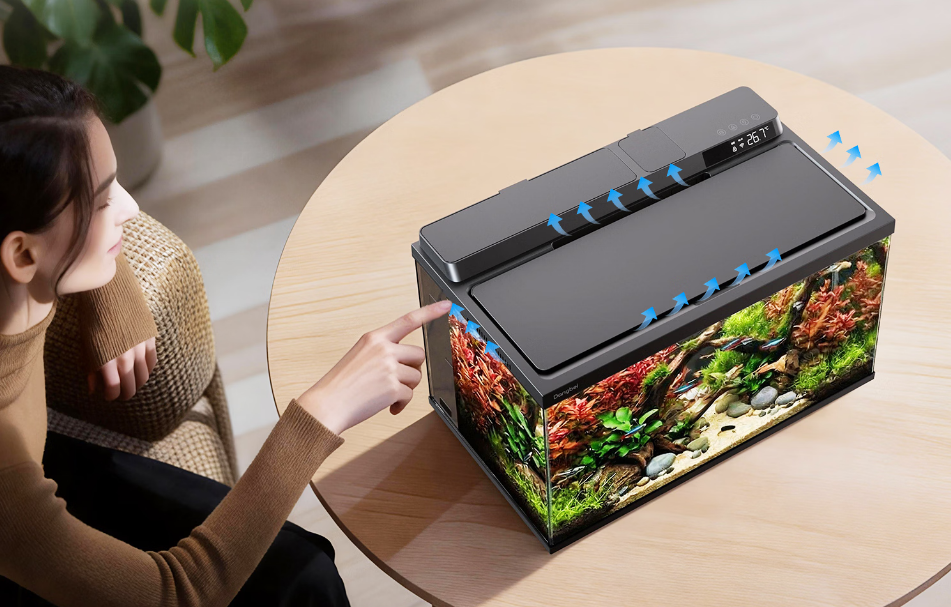
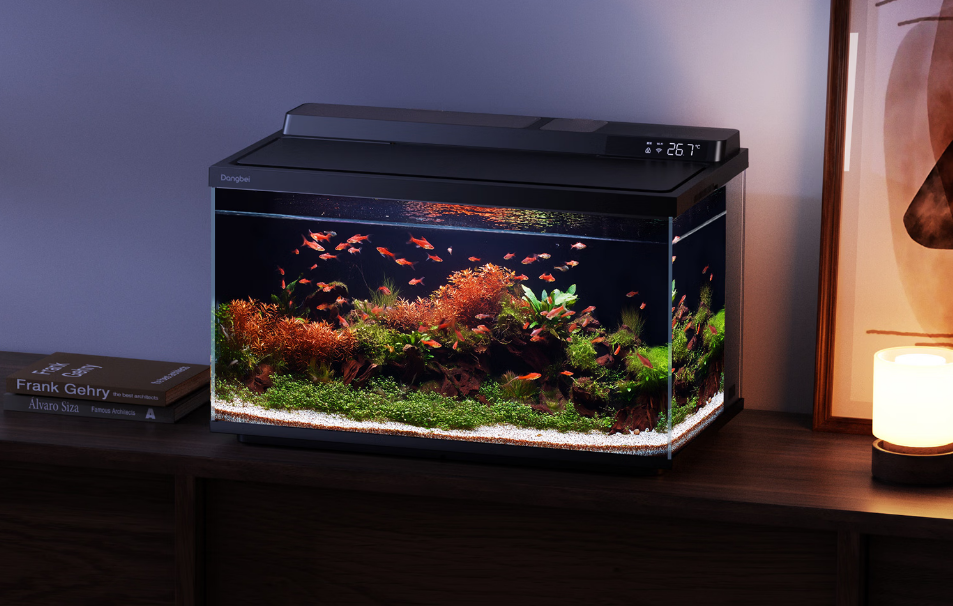
Dangbei has introduced the Smart Fish Tank 2S Ultra to the Chinese market. It features AI-powered automation to simplify fishkeeping and is priced at 599 yuan ($88). The tank will be available for purchase on JD.com starting April 26.
Dangbei Smart Fish Tank 2S Ultra Specs
The Smart Fish Tank 2S Ultra leverages AI technology for image recognition to identify fish species and automatically adjust feeding, lighting, water flow, and sterilization based on the fish’s type, size, and number. It also features a real-time water quality monitoring system with high-precision sensors to analyze conditions and send alerts for any issues.
The product features a dual filtration system with dry-and-wet separation to prevent waste from dissolving into the water. It includes mineral and biochemical filtration, optional UV sterilization, and high-density filter media with activated carbon, mineral balls, and nano-porous chambers to promote beneficial bacteria growth and remove harmful substances like ammonia and nitrites.
Dangbei equips the tank with a dual water pump system, each pumping up to 350 liters per hour. The pumps use durable ceramic shafts for quiet performance at under 30dB and include a rainfall-style oxygenation outlet and a directional water-flow system for consistent oxygenation and circulation.
The tank uses a full-spectrum lighting system with 45 LED beads. The light covers a 380-730nm wavelength range, making it suitable for aquatic plants, corals, and ornamental fish. Dangbei lets users customize lighting modes, including natural daylight simulations, while a 45-degree angled design enhances viewing depth and vibrancy.
The tank also includes an automatic feeder with a large food container. It offers dual feeding outlet sizes and moisture-resistant construction to prevent clogging. The feeder can support up to 180 days of scheduled feeding when fully loaded.
The tank uses automotive-grade UHA glass with 91.3% light transmittance for clear viewing. It has a water capacity of 32 liters, a 16:9 aspect ratio, and a modular top design that supports ventilation, prevents fogging, and provides easy access to the tank.
Dangbei supports connectivity features like Wi-Fi and Bluetooth for remote management, and a Type-C power input allows backup power during outages using a power bank. The tank measures 505 x 295 x 318.5 mm and also includes a smart expansion dock for accessories like UV sterilizers and oxygen pumps.
In related news, Dangbei last year launched the Smart 2 portable projector with 550 CVIA lumens brightness, 1080p resolution support, and 65W PD fast charging.
For more daily updates, please visit our News Section.
Xiaomi has introduced the Mijia Cordless Vacuum Cleaner 4C, a new addition to its home appliance lineup. The device is now available for pre-order on major e-commerce platforms, including JD.com, and will officially go on sale on April 29. Xiaomi has priced the vacuum cleaner at 799 yuan ($117).
Mijia Cordless Vacuum Cleaner 4C Specs
The Mijia Cordless Vacuum Cleaner 4C features a 450W brushless motor that delivers 170AW suction power and operates at 110,000 RPM. It is designed to clean fine dust, larger debris, crumbs, and pet hair across various surfaces.
Xiaomi has equipped the device with a 180-degree wide-angle blue light dust detection system that highlights hidden dust in dark areas within a 30cm range, such as under beds and along wall edges. It also features a right-edge cleaning design for efficient cleaning along walls and baseboards in a single pass.
The device comes with multiple attachments for whole-home cleaning, including an all-surface floor brush for hard floors, tiles, and carpets, an electric anti-mite brush for removing allergens from bedding and furniture, and a 2-in-1 crevice brush for tight gaps and delicate surfaces like curtains and keyboards.
Xiaomi has prioritized convenience with a dual anti-tangle brush system to prevent hair entanglement and a one-button dust disposal system for contact-free dirt emptying. It also features a five-stage filtration system that captures 99.97% of particles as small as 0.3 microns, ensuring cleaner exhaust air.
The vacuum cleaner offers a 7-cell, 2600mAh battery with 75 minutes of runtime in eco mode and three cleaning modes: Eco, Standard, and High-Power. It also includes washable filters, wall-mounted storage, and an LED battery indicator.
In related news, Xiaomi has recently introduced an affordable 1HP air conditioner with both cooling and heating support, alongside a new hair dryer featuring nano water ion technology and smart scalp protection.
For more daily updates, please visit our News Section.
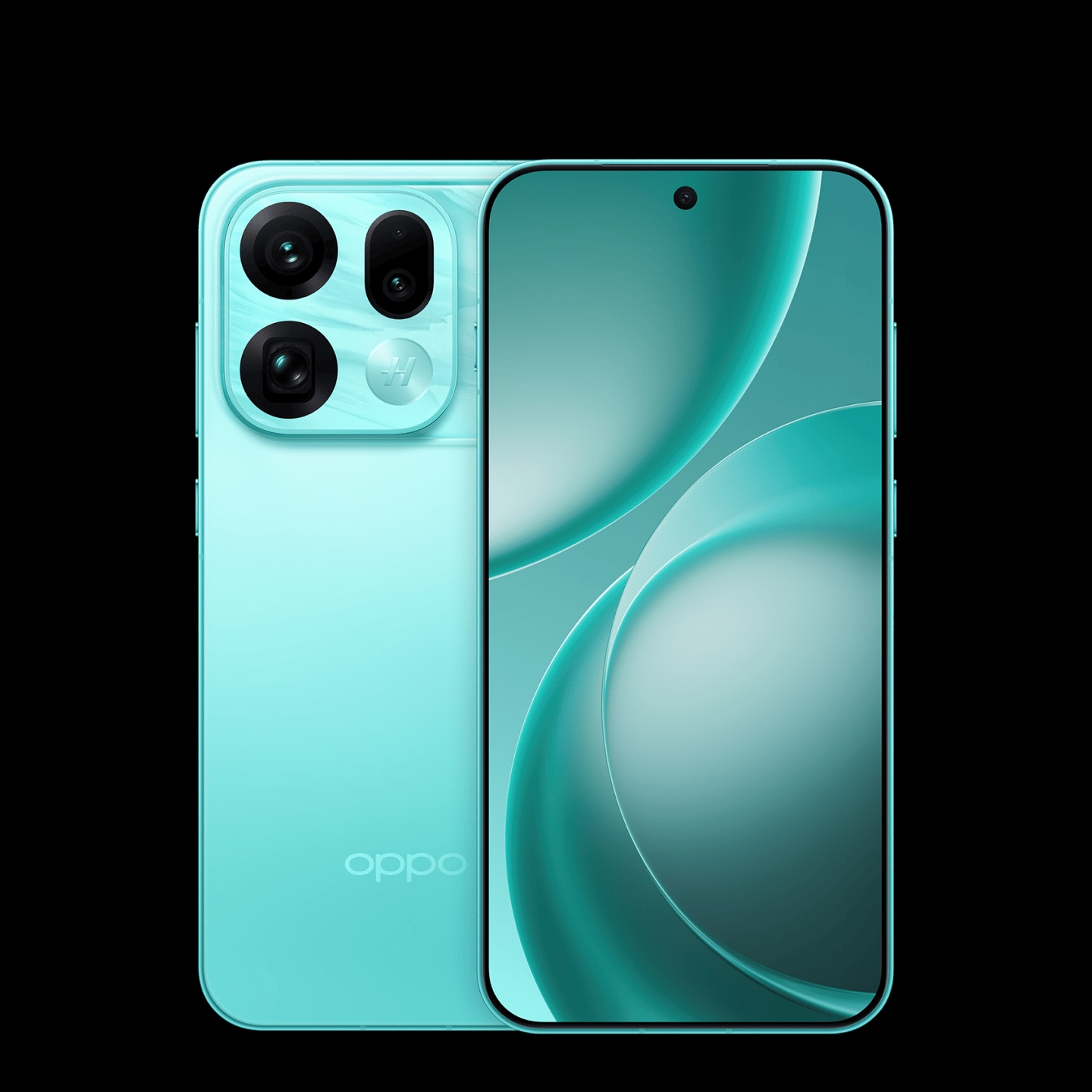
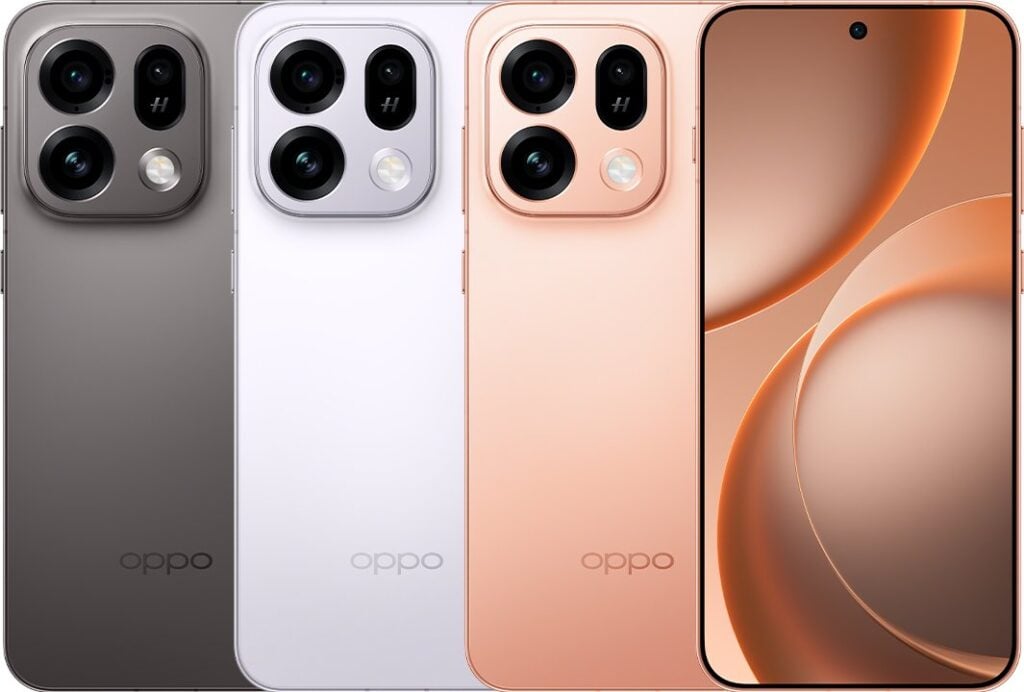
OPPO Find X9s Pro has been launched in China alongside the OPPO Find X9 Ultra, bringing a compact flagship with a focus on camera hardware and battery capacity. The device runs on the Dimensity 9500 chipset and ships with Android 16-based ColorOS 16.
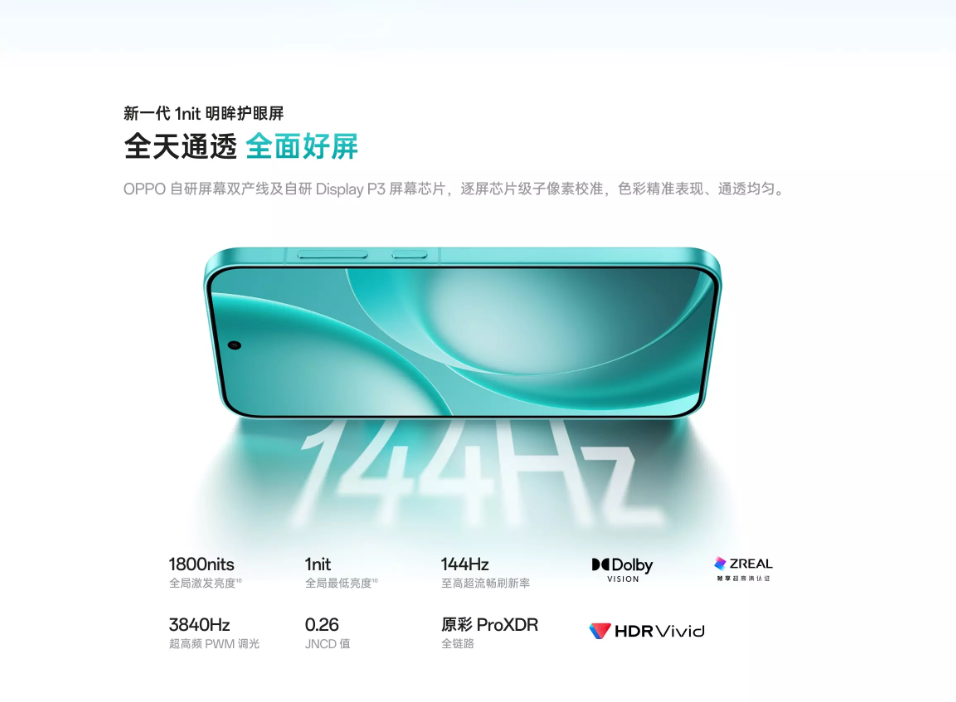
The phone features a 6.32-inch AMOLED display with a resolution of 2640 × 1216 pixels and a 144Hz refresh rate. It supports Dolby Vision and reaches up to 1800 nits peak brightness. The panel uses ultra-narrow 1.1mm symmetrical bezels and includes an in-display 3D ultrasonic fingerprint sensor. OPPO also adds a 1nit eye protection mode for low-light viewing.
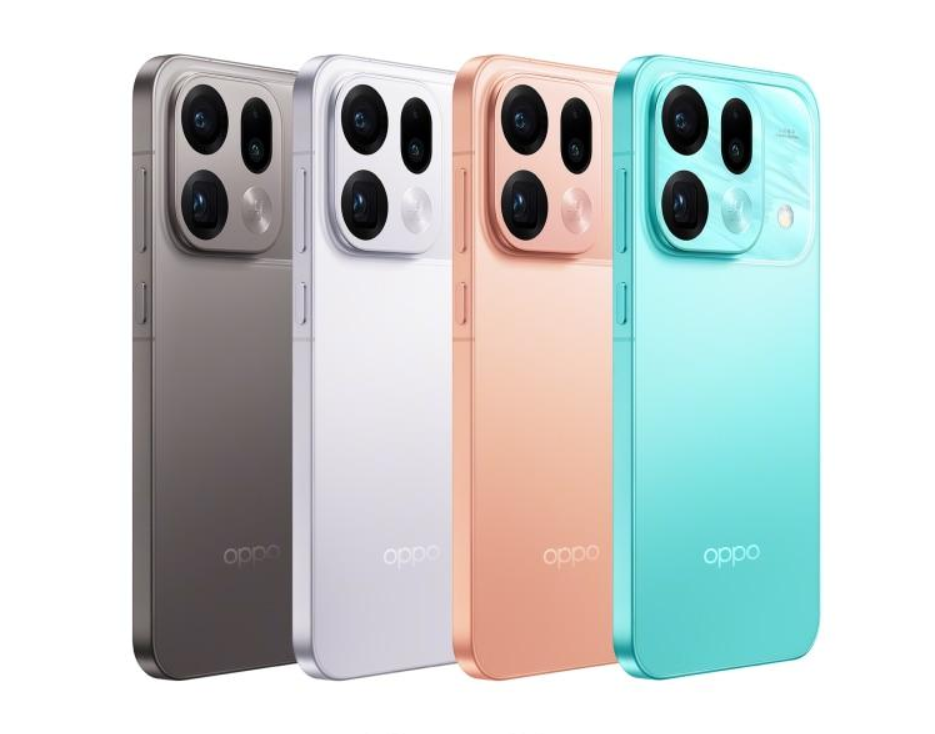
In terms of build, the device measures around 8.4mm in thickness and weighs 198g for most variants. The Breeze Green version is slightly heavier at 200g and 8.60mm thick. It uses a one-piece cold-carved glass back and carries IP66, IP68, and IP69 ratings for dust and water resistance. Color options include Wind Rider Green, Free White, Vibrant Orange, and Original Titanium.
Camera hardware is a key highlight. The rear setup includes a 200MP main sensor (1/1.4-inch Samsung HPE, f/1.6, OIS), a 200MP periscope telephoto (Samsung HP5, 1/1.56-inch, f/2.6, 2.8x optical zoom, OIS), a 50MP ultra-wide (JN5, f/2.0), and a 3.2MP multispectral sensor. The front camera is 32MP with f/2.4 aperture. Video recording supports up to 8K at 30fps and 4K at 120fps. The system uses a LUMO imaging engine and includes Hasselblad Master Mode with nine styles, such as Gentle Light and Rich.
The phone packs a 7025mAh battery with 80W wired and 50W wireless charging. It supports 5G SA/NSA, Wi-Fi 7, Bluetooth 6.1, and multiple navigation systems, including GPS, NavIC, and Beidou. Other features include stereo speakers, an infrared sensor, and USB Type-C audio.
Pricing starts at 5,299 yuan for the 12GB + 256GB variant and goes up to 6,999 yuan for the 16GB + 1TB model. A Hasselblad teleconverter kit is priced at 1,299 yuan. Sales in China begin on April 24.
For more daily updates, please visit our News Section.
The Find X9 Ultra launch event saw the arrival of several other devices, including the Oppo Pad 5 Pro, a flagship tablet powered by the Snapdragon 8 Elite Gen 5. While the spotlight was largely on smartphones, this new tablet quietly brings a mix of performance, large-screen entertainment, and productivity features. With upgrades across display, battery, and software, it sets the tone for Oppo’s premium tablet lineup in 2026.
Oppo Pad 5 Pro specifications and features
Oppo Pad 5 Pro
The Oppo Pad 5 Pro features a 13.2-inch LCD panel with a resolution of 3392 × 2400 pixels and a 7:5 aspect ratio, making it suitable for both media and work. It supports a 30Hz to 144Hz adaptive refresh rate and peaks at 1000 nits brightness. The panel also offers DCI-P3 color coverage and a DeltaE of around 0.7, indicating accurate color reproduction. It also offers features like Dolby Vision and HDR Vivid to further enhance the viewing experience, while TÜV-certified eye protection and DC dimming aim to reduce strain during long sessions.
Under the hood, the tablet runs on the Snapdragon 8 Elite Gen 5 chipset, paired with LPDDR5X RAM and UFS 4.1 storage. Oppo claims noticeable gains in CPU and GPU efficiency, which should translate into smoother gaming and multitasking. The device also supports high frame rate gaming modes, with some titles running at up to 144Hz, alongside improved thermal control for sustained performance.
The tablet packs a 13,380mAh battery with 67W fast charging support, targeting extended usage for streaming, gaming, and work. Oppo highlights long playback times and efficient power management, making it suitable for all-day usage.
Oppo Pad 5 Pro
On the software side, it runs Android 16 with ColorOS 16, bringing features such as multi-window support, PC-level WPS tools, and enhanced file management. The tablet also supports stylus input, AI-powered note organization, and cross-device connectivity, including seamless interaction with phones and PCs.
An eight-speaker setup further enhances the multimedia experience, while accessories like a keyboard aim to deliver a laptop-like workflow. Despite the large battery, the device maintains a slim profile at 5.94mm and weighs around 672 grams.
Oppo Pad 5 Pro price and availability
Oppo Pad 5 Pro
The Oppo Pad 5 Pro starts at 3,799 CNY (~$560) for the 8GB+256GB storage variant, while the 12GB+256GB model is priced at 3,999 CNY (~$580). The 12GB+512GB version comes in at 4,499 CNY (~$650), and the top-end 16GB+512GB configuration is listed at 4,999 CNY (~$720). It is available in Dawn Gold, Mocha Brown, and Monet Purple.
There is no clarity whether the Oppo Pad 5 Pro will be released outside of China. It is also being said the OnePlus Pad 4 scheduled to launch on April 30 in India could be a rebranded version of the Oppo Pad 5 Pro.
For more daily updates, please visit our News Section.
Oppo has expanded its flagship lineup with the introduction of the Find X9 series, offering premium experiences at various price points. While both the Oppo Find X9s (MYR 3,599) and the standard Oppo Find X9 (MYR 3,999) share the same striking 7025mAh battery and 6.59-inch ProXDR display, the MYR 400 price gap hides several critical hardware distinctions.
If you are trying to decide which flagship deserves a spot in your pocket, here are the seven main differences between these two powerhouses.
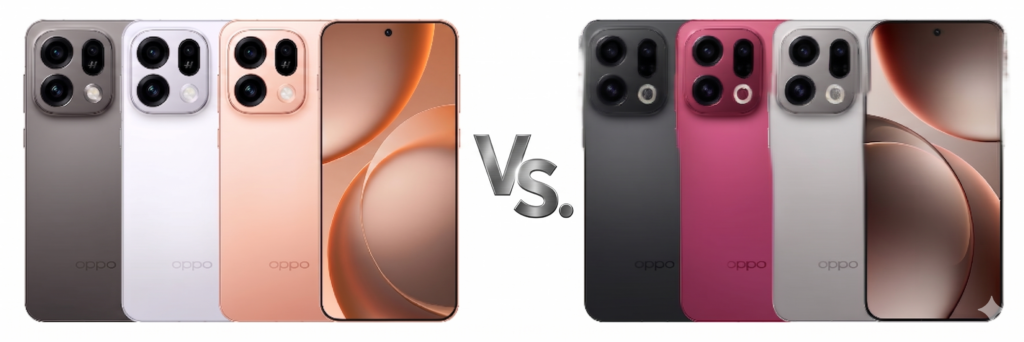
Find X9s vis Find X9
Processing Power: Dimensity 9500 vs. 9500s
The most significant internal difference lies in the chipset. The standard Find X9 is powered by the MediaTek Dimensity 9500, built on a 3rd-gen 3nm process designed for peak “unbound power.” In contrast, the Find X9s utilizes the Dimensity 9500s. While the “s” variant is still a flagship-grade 2nd-gen 3nm chip, it is tuned slightly differently, prioritizing efficiency for travel and daily tasks over the raw, sustained gaming performance found in the standard model.
RAM and Storage Configurations
In the Malaysian market, the Find X9s is positioned with a 12GB LPDDR5X RAM and 512GB UFS 4.1 ROM configuration. The Find X9, justifying its higher price tag, bumps the base memory up to 16GB of LPDDR5X RAM paired with 512GB of UFS 4.1 storage. That extra 4GB of RAM on the standard model ensures smoother multitasking and better longevity for AI-heavy workloads.
Charging Versatility: Wireless vs. Wired-Only
Both devices support blazing-fast 80W SUPERVOOC wired charging, but only the Find X9 offers the convenience of 50W AIRVOOC wireless charging. If you have invested in a wireless charging ecosystem or prefer the “drop and charge” lifestyle, the Find X9 is the mandatory choice, as the Find X9s lacks wireless charging coils entirely.
Primary Camera Hardware
While both phones feature a 50MP triple-camera array, the hardware behind the lenses differs. The Find X9 boasts a pro-level 1/1.4-inch large sensor with an f/1.6 aperture, allowing it to take in significantly more light. The Find X9s uses a slightly smaller 1/1.56-inch sensor with an f/1.8 aperture. For night photography and natural depth of field, the standard Find X9 has a clear edge.
Video Recording Capabilities
The Find X9 is a tool for creators, supporting 4K video recording at 120fps and featuring a professional 4K 120fps Log mode for cinematic color grading. The Find X9s, while still very capable, caps its 4K recording at 60fps. If you intend to shoot high-quality slow-motion footage or professional-grade travel vlogs, the Find X9’s 120fps capability is a game-changer.
Connectivity and Bluetooth Versions
The Find X9s surprisingly features a newer Bluetooth 6.1 standard, whereas the standard Find X9 is listed with Bluetooth 6.0. While both offer Low Energy support and high-end codecs like LHDC 5.0, the X9s might offer slightly better future-proofing for next-gen wearables. However, the standard Find X9 includes a dedicated NetworkBoost Chip S1 for better signal stability in “dead zones” like subways, which is absent in the X9s.
Design and Color Aesthetics
Oppo has targeted different vibes with the color palettes. The Find X9s leans into a youthful, “travel companion” aesthetic with vibrant options like Lavender Sky and Sunset Orange. The Find X9 opts for a more sophisticated, “executive” look with its Velvet Red and Titanium Grey finishes, the latter featuring a fingerprint-resistant matte texture. Both phones also come in Space Black edition.
Final thoughts
The choice ultimately depends on your workflow. If you want the absolute best camera performance and wireless charging, the Find X9 is worth the extra MYR 400. However, if you prefer vibrant colors and a slightly lighter price tag without sacrificing that massive 7025mAh battery, the Find X9s is a stellar value proposition.
For more daily updates, please visit our News Section.
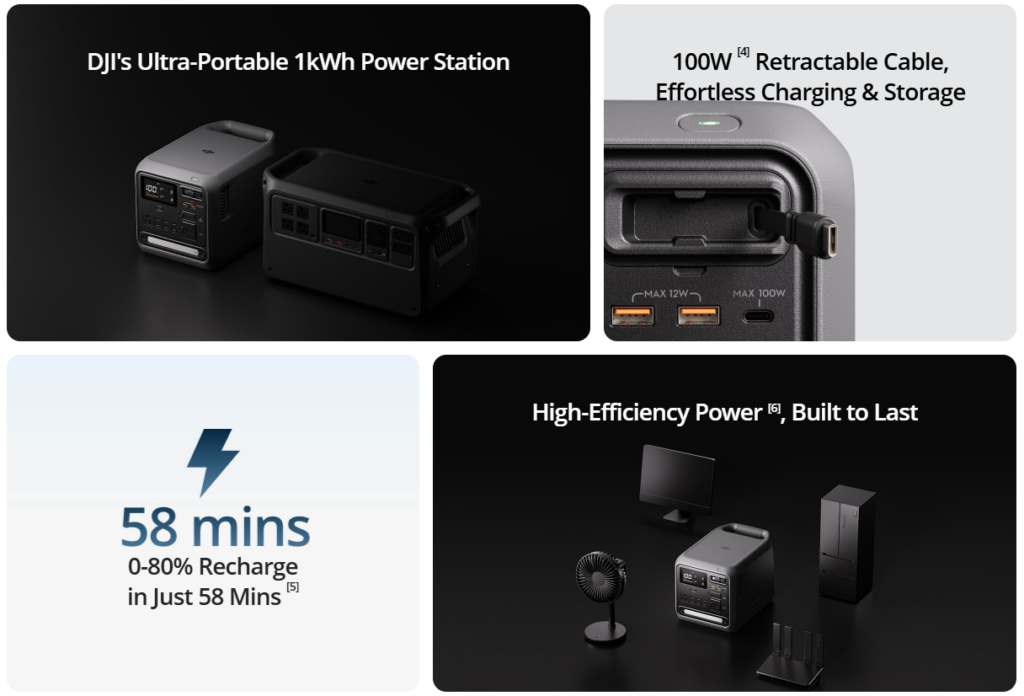
DJI has introduced the Power 1000 Mini, a more compact portable power station featuring a 1008Wh battery. It’s about half the size of the standard Power 1000 and is designed for users who need a smaller, travel-friendly power solution for outdoor shoots, trips, and light backup use. The device was first unveiled in China in January and has now been made available in global markets.
The unit measures 314 × 212 × 216 mm and weighs 11.5 kg. It delivers 800W continuous AC output, with a peak of 1000W. Depending on the region, bypass output can go higher. It can also run select appliances rated up to 1200W. The port setup includes two AC outlets, two USB-A ports, one USB-C port, a retractable 100W USB-C cable, and an SDC port for DJI devices.
It uses an LFP battery rated for around 4000 charge cycles while maintaining about 80 percent capacity. Charging options include wall power, solar, and car input. With an AC input, it reaches 80 percent in 58 minutes and a full charge in 75 minutes. Car charging uses a 400W system and takes about 160 minutes for a full recharge. Solar charging is supported through a built-in 400W MPPT module with MC4 connectors.
The Power 1000 Mini also works as a UPS with a 0.01-second switchover during outages. It supports pass-through charging when connected to solar panels. There is a built-in LED light with adjustable brightness.
On the durability side, the body is flame-retardant and tested to handle up to one ton of pressure. It is rated to operate at altitudes up to 5000 meters. The sealed inverter design helps protect it from rain and salt exposure. Internally, it uses a 10-sensor battery management system. The unit can be monitored through the DJI Home app over Wi-Fi and Bluetooth 5.0.
The SDC port supports up to 300W output and allows fast charging for compatible DJI devices, including Air 3, which can go from 10 to 95 percent in about 30 minutes with a separate cable.
The Power 1000 Mini is priced at USD 467 and is now available globally through DJI’s official store and retail partners.
Less than a week after announcing the Osmo Pocket 4, DJI has unveiled the Osmo Mobile 8P in China today. The new gimbal brings a major design overhaul with a removable display module that allows it to function even as a wireless remote control.
The controller attaches magnetically and can be removed for remote shooting. It has its own display that mirrors what the camera sees, including subject detection boxes. You can tap on the screen to choose who or what to track, and switch targets without going back to the phone.
The remote also doubles as a control hub. Its joystick doesn’t have fixed directional limits, which means it can be used more fluidly for gimbal movement, zoom, or adjusting lighting.
DJI Osmo Mobile 8P Specifications
At the center of the update is Smart Follow 8.0, which comes through the updated DJI Mimo app. DJI says the new version is designed to hold onto a subject more reliably, even in crowded environments like concerts or exhibitions. The system can identify a subject on-screen and continue tracking without losing focus when other people or objects move through the frame.
There’s also a new multi-functional tracking module 2, which expands what the gimbal can follow. It’s not limited to people anymore; it can lock onto pets like cats and dogs, and even track objects or vehicles. That module also includes a built-in fill light with adjustable brightness and color temperature, controlled directly from the remote.
On the connectivity side, the Osmo Mobile 8P supports Apple DockKit, allowing quick pairing through NFC and Bluetooth.
Hardware-wise, DJI is combining several features into one unit. The gimbal includes a built-in extension rod, tripod, and fill light, along with up to 10 hours of battery life. There’s also a USB-C port that can be used to charge your phone while shooting.
The Osmo Mobile 8P continues to support gesture controls, automated camera movements, and composition assistance. For iPhone users, DJI is also offering a magnetic quick-release back sticker for faster mounting and removal.
Price and Availability
The DJI Osmo Mobile 8P starts at 899 yuan (around $130) for the standard version. A step-up option, the Osmo Mobile 8P AI, is priced at 1,099 yuan (roughly $160) and bundles in the Tracking Module 2.
At the top end, the Osmo Mobile 8P Vlog combo costs 1,299 yuan (about $190), adding both the Tracking Module 2 and the DJI Mic Mini 2 for a more complete shooting setup.
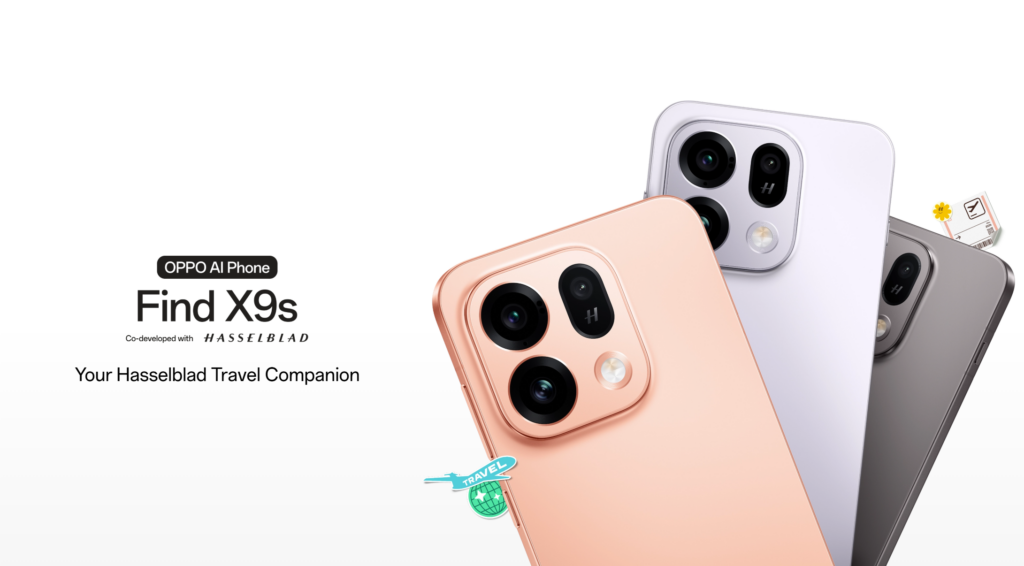
While Oppo unveiled the Find X9s Pro, Find X9 Ultra, Pad 5 Pro, Pad 5 Mini, and a few other devices in China, it introduced the Find X9s in Malaysia. Currently, it is the only other phone in the market to feature the Dimensity 9500s after the Poco X8 Pro Max, which debuted last month. While the Poco offering was a performance-focused model, the Find X9s, being part of Oppo’s X-series, aims to deliver top-notch photography along with all-round performance at a reasonable price.
Oppo Find X9s specifications and features
The Oppo Find X9s houses a 6.59-inch AMOLED display with a 120Hz refresh rate and FHD+ resolution, offering smooth visuals and sharp clarity. The panel supports 10-bit colours and peaks at high brightness levels, making it suitable for outdoor usage.
Under the hood, it runs on the Dimensity 9500s chipset paired with LPDDR5X RAM and UFS 4.1 storage. This combination should deliver stable performance across gaming, multitasking, and daily usage. The device also includes a large vapour chamber cooling system, helping maintain consistent performance during extended workloads.
The camera system is built around three 50-megapixel sensors, covering wide, ultra-wide, and periscope telephoto focal lengths. The telephoto lens supports 3x optical zoom and advanced image processing, while features like Hasselblad tuning, AI enhancements, and 4K 60fps video recording aim to improve overall output across different scenarios.
Oppo Find X9s
Battery life appears to be one of the key highlights, with a 7,025mAh unit supported by 80W fast charging. The phone runs on ColorOS 16 and includes features like AI tools, improved animations, and cross-device connectivity. It is an IP68/69-rated phone, and the design keeps things slim at under 8mm thickness, with a weight of around 202g, giving it a balanced in-hand feel.
Oppo Find X9s price and availability
Pricing for the Oppo Find X9s is set at MYR 3,599, which roughly converts to $910. It is available in Midnight Grey, Lavender Sky, and Sunset Orange color options.
For more daily updates, please visit our News Section.
We use cookies on our website to give you the most relevant experience by remembering your preferences and repeat visits. By clicking “Accept”, you consent to the use of ALL the cookies.
This website uses cookies to improve your experience while you navigate through the website. Out of these, the cookies that are categorized as necessary are stored on your browser as they are essential for the working of basic functionalities of the website. We also use third-party cookies that help us analyze and understand how you use this website. These cookies will be stored in your browser only with your consent. You also have the option to opt-out of these cookies. But opting out of some of these cookies may affect your browsing experience.
Necessary cookies are absolutely essential for the website to function properly. This category only includes cookies that ensures basic functionalities and security features of the website. These cookies do not store any personal information.
Any cookies that may not be particularly necessary for the website to function and is used specifically to collect user personal data via analytics, ads, other embedded contents are termed as non-necessary cookies. It is mandatory to procure user consent prior to running these cookies on your website.