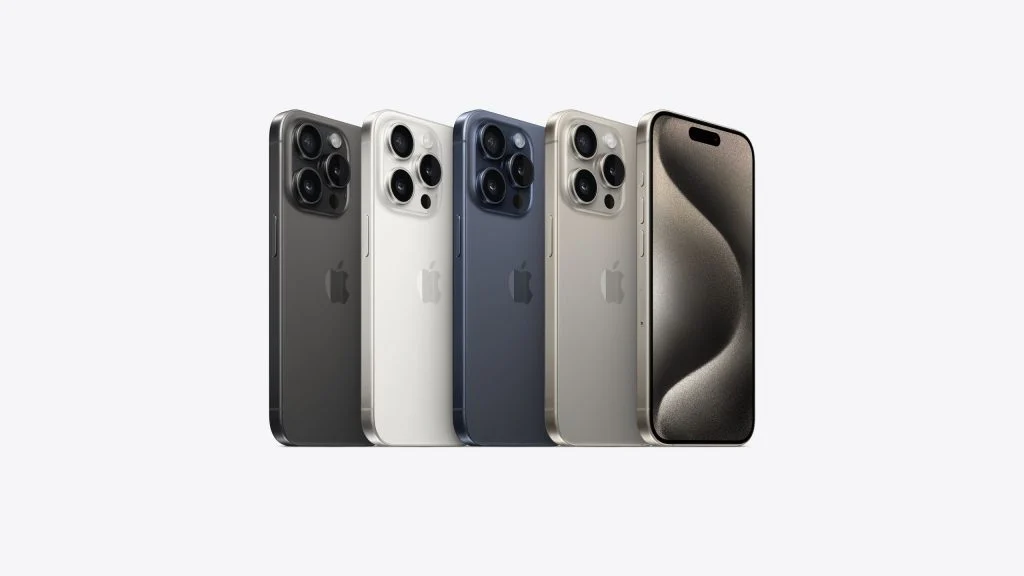
The upcoming Amazon Great Indian Festival sale is one of the biggest sales on the e-commerce platform this year, with exciting deals and discounts across products. And one of the most anticipated deals is on the AppleiPhone 13.
As teased by Amazon itself, the iPhone 13 will be effectively available for under Rs 40,000 during the Amazon Great Indian Festival sale. This is a significant discount from the current starting price of Rs. 59,900.
The exact sale price of the iPhone 13 has not yet been revealed, but Amazon is expected to announce it closer to the start of the sale. However, we do know that the discount will be achieved through a combination of a special deal price, SBI Bank discount, and exchange bonus.
Despite being over two years old now, the iPhone 13 still holds its ground to this day. It comes with a 6.1-inch Super Retina XDR display, A15 Bionic chipset, and a 12MP dual-camera system. It is also water and dust-resistant and has a good battery life.
So if you are looking for a new iPhone and are on a tight budget, the iPhone 13 is a great option to consider. With the upcoming Amazon Great Indian Festival sale, you can get it at a significant discount. The sale is scheduled to begin on October 7th for Prime members and October 8th for everyone else.
GAC Trumpchi has officially started pre-sales for its Trumpchi ES9 plug-in hybrid electric vehicle (PHEV) SUV in China. The new car will be launched in four models, with pre-sale prices ranging from 229,800 to 269,800 yuan (approximately $32,200 to $37,700 USD).
The Trumpchi ES9 is available in two different design styles—one with a more urban SUV look, and the other with a more hardcore off-road style.
The urban SUV style features a large grille with waterfall-style black trim strips and headlights that are connected together. The hardcore off-road style features a new design with a more rugged front end and a square tool bag at the rear.
On the inside, the car features a 14.6-inch scroll-thin screen and a 12.3-inch fully laminated LCD instrument panel. The car is also equipped with a new generation of ADiGO 4.0 smart driving interconnection ecosystem, which features a Qualcomm Snapdragon 8155 chip and supports OTA online upgrades and T-Box remote control functions.
The Trumpchi ES9 is powered by GAC’s self-developed 2.0T hybrid special engine, GMC400 hybrid special gearbox, and PHEV special power battery.
The 2.0-liter turbocharged engine has a maximum power of 140 kilowatts and a peak torque of 330 Nm. The 25.57 kWh power battery pack uses a high-power and high-energy new material system lithium battery, which has a WLTC pure electric cruising range of over 100 kilometers, a fuel consumption of 6.05 liters/100 kilometers, and a WLTC comprehensive cruising range of 1032 kilometers.
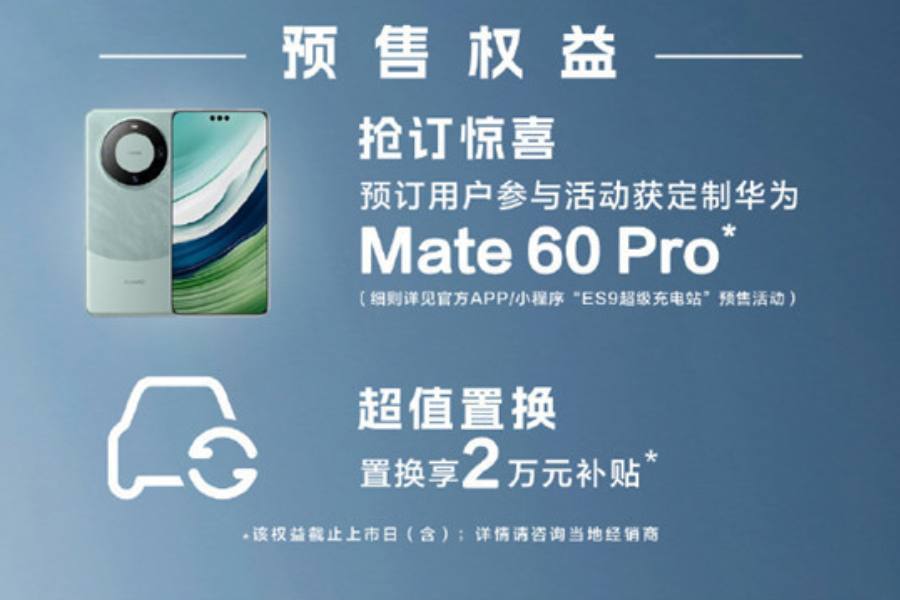
Not to forget, there’s an interesting detail about the pre-booking offer: anyone who pre-books the car will receive a free Huawei Mate 60 Pro smartphone.
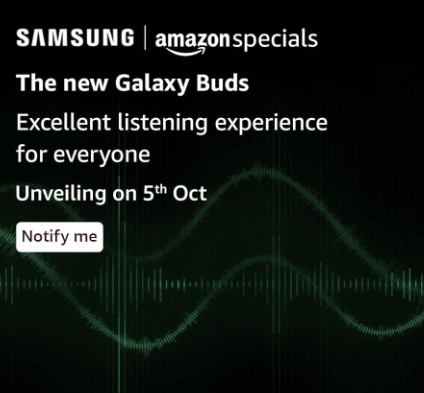
Earlier today, we finally got the launch date of Samsung’s Galaxy S23 FE in India. It is set to debut on October 4. There are expected to be more FE devices including the Tab S9 FE, S9+ FE, and Buds FE. Now, although the South Korean brand has not officially announced the launch date of its first-ever Fan Edition Galaxy Buds, we have spotted the Amazon listing that seems to have accidentally revealed the date. Additionally, the Galaxy Tab S9 FE will also tag along with the TWS earphones.
Samsung Galaxy Buds FE, Tab S9 FE launch date revealed via Amazon
Amazon has put up a microsite of the upcoming Samsung Galaxy Buds. Samsung is teasing the upcoming offering as ‘The new Galaxy Buds’ and says ‘excellent listening experience for everyone. As seen in the screenshot, the brand does not explicitly reveal the name of its upcoming TWS earphones. However, it is none other than the Buds FE considering that it has been leaked a lot in recent times. The poster in the screenshot reveals that the audio device will be unveiled on October 5, Thursday. This is a day after the launch of the S23 FE smartphone.
Additionally, Amazon has also put up a microsite of the next Galaxy Tab with a blurred image of the tablet that indicates the Tab S9 FE as we can spot a single circular camera on the rear which was also seen in the leaked renders The microsite says unveiling on October 5 although there is no official confirmation from Samsung.
Notably, the listings of the Samsung Galaxy Buds and Galaxy Tab confirm that both devices will be available for purchase from Amazon. Meanwhile, the Galaxy Tab S9+ FE was previously spotted on Flipkart confirming its availability on the e-commerce platform with a teased price range between Rs 30,000 to Rs 39,000.
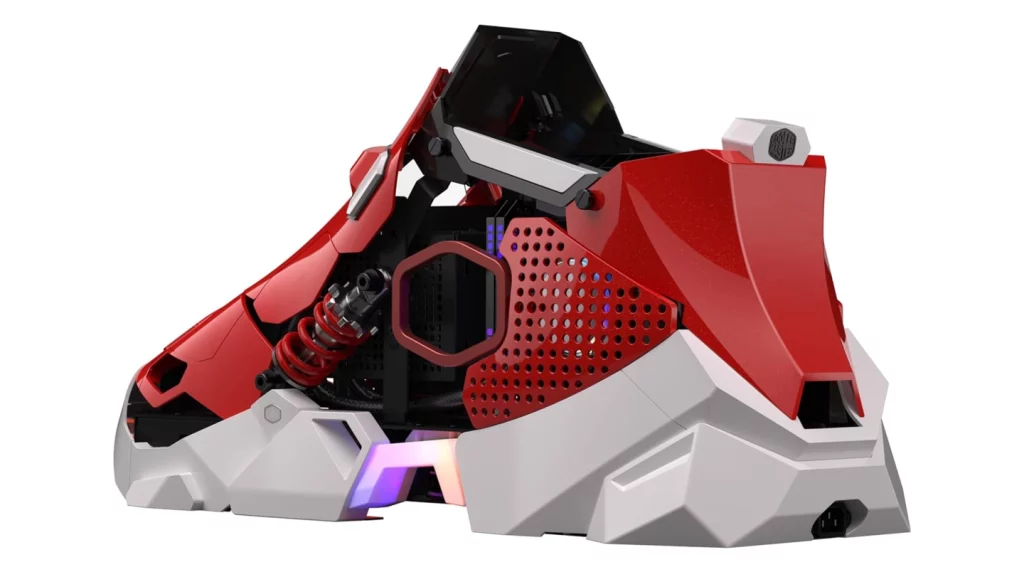
Cooler Master, a renowned name in the gaming industry, has launched a special gaming PC called Sneaker X. This unique PC, inspired by sneakers, was initially revealed last year to celebrate its 30th anniversary and is now available for purchase on Amazon.
Cooler Master Sneaker X Key Features:
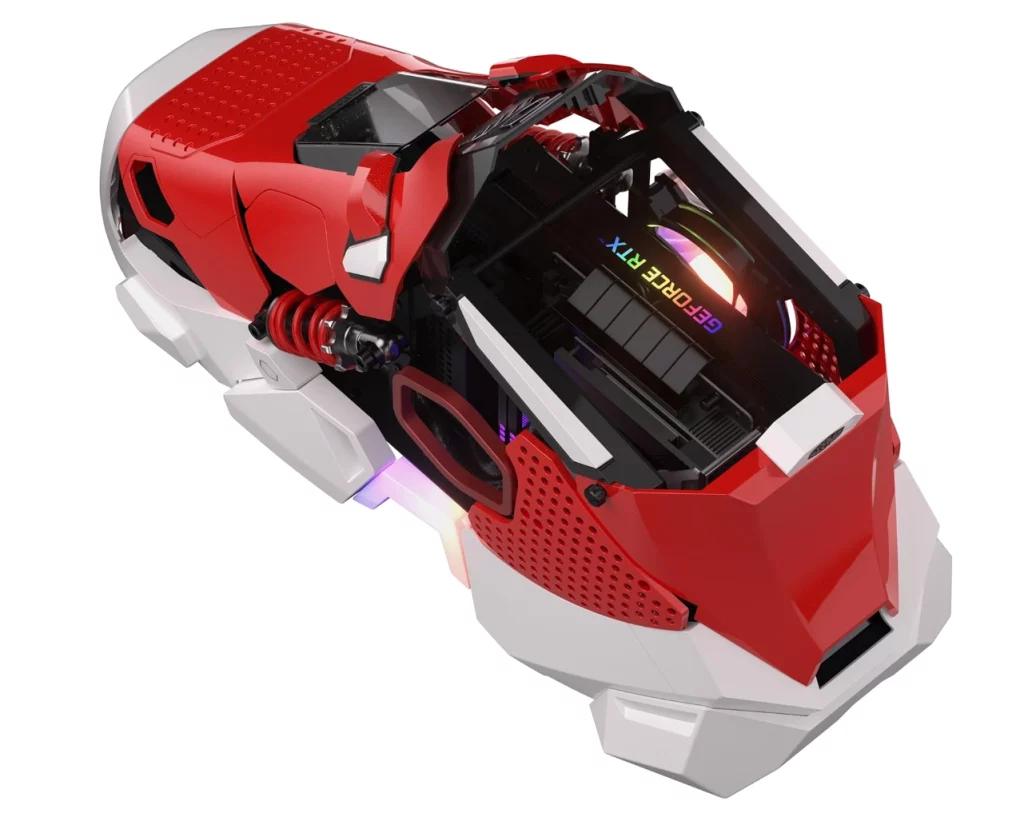
The gaming PC combines style and high-end functionality with a visually striking red and white color design, all packed into a compact mini ITX case.
Under the hood, the Sneaker X boasts high-end components designed to deliver an exceptional gaming experience. It’s equipped with an Intel i7-13700K processor, Nvidia RTX 4070/Ti graphics cards, a mini-ITX motherboard, 32GB of DDR5 RAM, and spacious 2TB NVMe storage.
The Sneaker X gaming PC also focuses on effective ventilation with perforated side panels and an RGB-illuminated intake fan. It features cut-outs on the top, front, and rear for visibility of internal components like the power supply, RAM, and motherboard. This design uses a dual-chamber layout, separating the motherboard, CPU, RAM, and M.2 slots in one chamber and dedicating the other chamber to the graphics card, ensuring top performance and cooling.
The Sneaker X gaming PC includes an 850W SFX power supply for efficient performance. It also features a 360mm AIO liquid cooling radiator cleverly placed at the bottom of the case to ensure effective cooling while preserving the sleek and hidden aesthetic of the design.
The PC offers two versions, one with an RTX 4070 and the other with an RTX 4070 Ti graphics card. They are priced at approximately $3499.99 and $3799.99, catering to different user preferences and budgets.
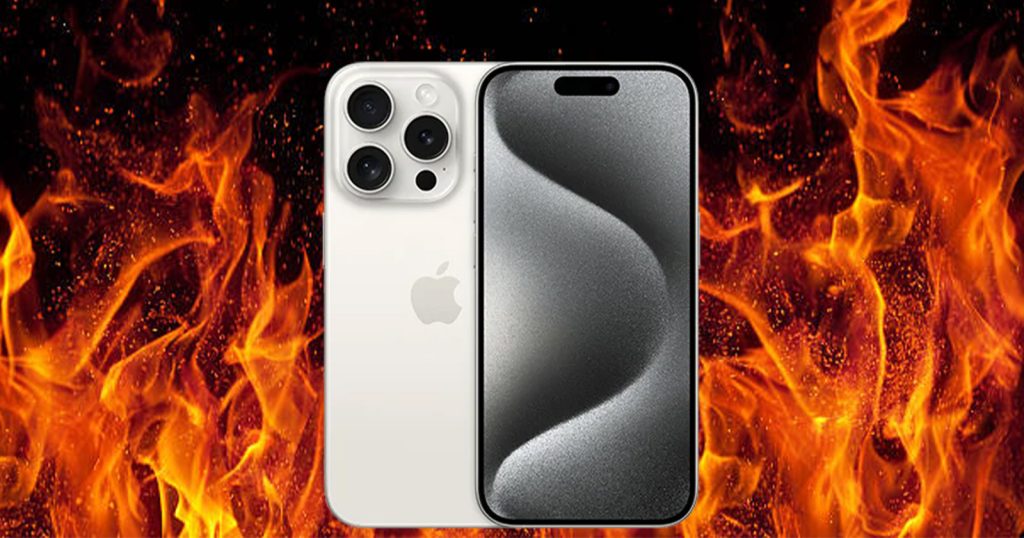
Apple seems to be expediting the process of solving issues that have been plaguing iPhone 15 Pro and Pro Max variants since they went on sale. Owners all over the world have been reporting overheating and discoloration problems in their units. The Cupertino-based tech giant recently acknowledged the discoloration issue on this year’s Pro models. Now, in an interview with Forbes that is a major relief to users, Apple has revealed that a fix is incoming for the iPhone 15 Pro’s overheating problems.
iPhone 15 Pro models getting a software update to fix overheating
The iPhone 15 Pro and Pro Max are powered by Apple’s A17 Pro processor. It is a powerful chipset that comprises six-core CPU and a six-core GPU. The processor is also capable of running console-level games like Resident Evil, Assassin’s Creed Mirage, and more.
The Cupertino-based tech giant added that it has identified a few things that cause the iPhone 15 Pro to become warmer than expected. It may run like that for the first few days after setting up or restoring because of the intense background activity. In simple words, the new device works overtime and over temperature to redownload all the data from the previous phone as fast as possible.
That’s not all. Apple also added that it has spotted a bug in the iOS 17 that is impacting users and will be fixed via a software update. Additionally, any updates to third-party apps is also causing the system to overload.
Apple’s acknowledgment of overheating issues squashes any assumptions of any fault in the iPhone 15 Pro or Pro Max. Users won’t have to face this for a long period. Apple also reassured that iPhones and iPad’s long-term performance won’t be affected as they have built-in protections to prevent overheating.
If the temperature inside increases beyond the normal range, it protects its components by regulating the temperature.
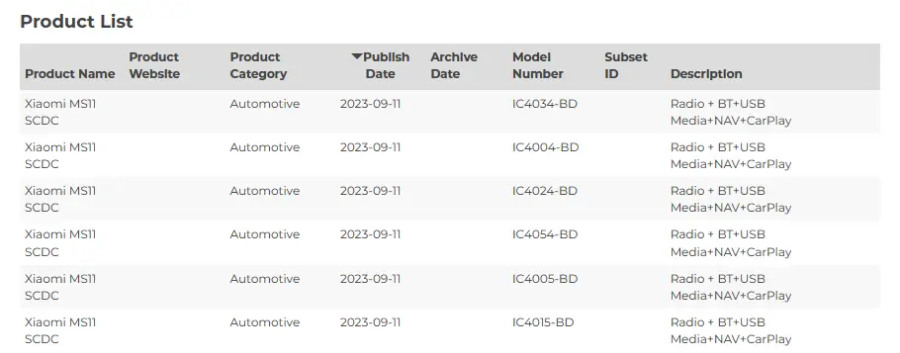
Xiaomi is on track to launch its first electric car in 2024. The car, which is codenamed MS11, has recently passed Bluetooth Technology Alliance SIG certification, revealing more information about its configuration.
The car made it to the certification body with several different models of Xiaomi Car with IC4034-BD, IC4004-BD, IC4024-BD, IC4054-BD, IC4005-BD, and IC4015-BD.
The listing confirms the presence of Bluetooth 5.2 and USB Media functionalities. And interestingly, the car will also support Apple CarPlay, which will allow users to connect their iPhones to the car’s infotainment screen. It provides an interface that allows you to control many applications of your smartphone directly on the screen of your car rather than having to hold it in your hand.
For example, when making a phone call, you can use the car’s built-in speakers and microphone to handle the sound. You will also be able to use the Siri voice assistant when your phone is connected via CarPlay, allowing you to use the system hands-free.
The certifications also show the car will be powered by Qualcomm’s automotive chipset, the Snapdragon 8295. This chip is expected to offer up to 8 times the performance of the previous generation Snapdragon 8155. Other rumored features include a 101 kWh battery and support for 800 V high voltage fast charging.
The Xiaomi Car is expected to be priced between 260,000 yuan and 350,000 yuan (36,400 – 49,000 USD).
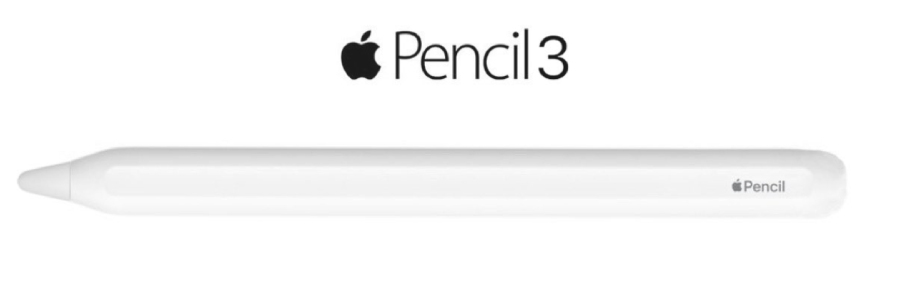
Apple has been selling the second-generation Apple Pencil with its iPad Pros since 2018. The iPad Pro lineup is now three generations ahead, but Apple is still shipping the same stylus. While there have been rumors of a new Pencil in the past, none of them have come to fruition.
However, according to a new rumor from prolific tipster Majin Bu, Apple is finally working on a third-generation Apple Pencil with interchangeable magnetic tips. This would be a significant upgrade over the current Apple Pencil, which only has a single replaceable nib.
The interchangeable tips would allow users to customize the Apple Pencil for different uses, such as drawing, technical drawing, and painting. It would also make it easier to replace the tip if it becomes worn or damaged.
Majin Bu shared the details about the third-gen Apple Pencil via a tweet which also shows three examples of what these tips might look like, with different thicknesses and tip size.
Based on what my source reported the new Apple Pencil 3 will come with interchangeable magnetic tips
Apple secured a patent in 2021 for interchangeable nibs, so it’s possible that this rumor is true. We also know that Apple is working on new iPad models for next year, so it’s likely that the Apple Pencil 3 will be released alongside them.
In addition to the interchangeable tips, the Apple Pencil 3 is also rumored to have more precision and greater battery life. These are two features that users have been asking for for a long time, so it would be great to see them implemented in the next-generation Apple Pencil.
The rumors about the Apple Pencil 3 seem quite interesting. If they turn out to be true, it would be a significant upgrade over the current Apple Pencil and would make it even more versatile and useful for users.
Xiaomi has launched a bunch of its latest gadgets in Chile. Just a few days after announcing the Xiaomi 13T, the company has announced even more new products to expand its offerings in the country. Here’s a look at what’s new.
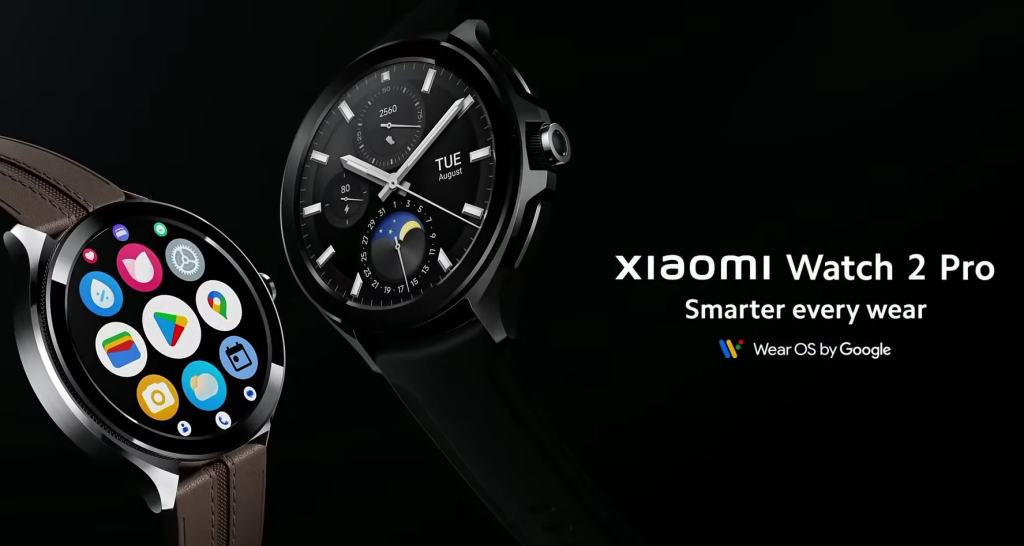
Xiaomi Watch 2 Pro
This smartwatch is powered by the Snapdragon W5+ Gen 1 chipset and runs Wear OS layered by Xiaomi’s own MIUI platform. It has a 1.43-inch AMOLED display with a 466 x 466 pixels resolution and a pixel density of 326 ppi.
It supports an extensive range of 150 different sports modes, along with features like ECG monitoring, heart rate tracking, body temperature monitoring, and sleep tracking. You can also do voice calling and send text messages through the watch itself, but it needs an LTE version of the smartwatch. Sadly, Xiaomi has launched the Bleutooth-only version of the Xiaomi Watch 2 Pro at CLP 279,990.
Xiaomi Pad 6
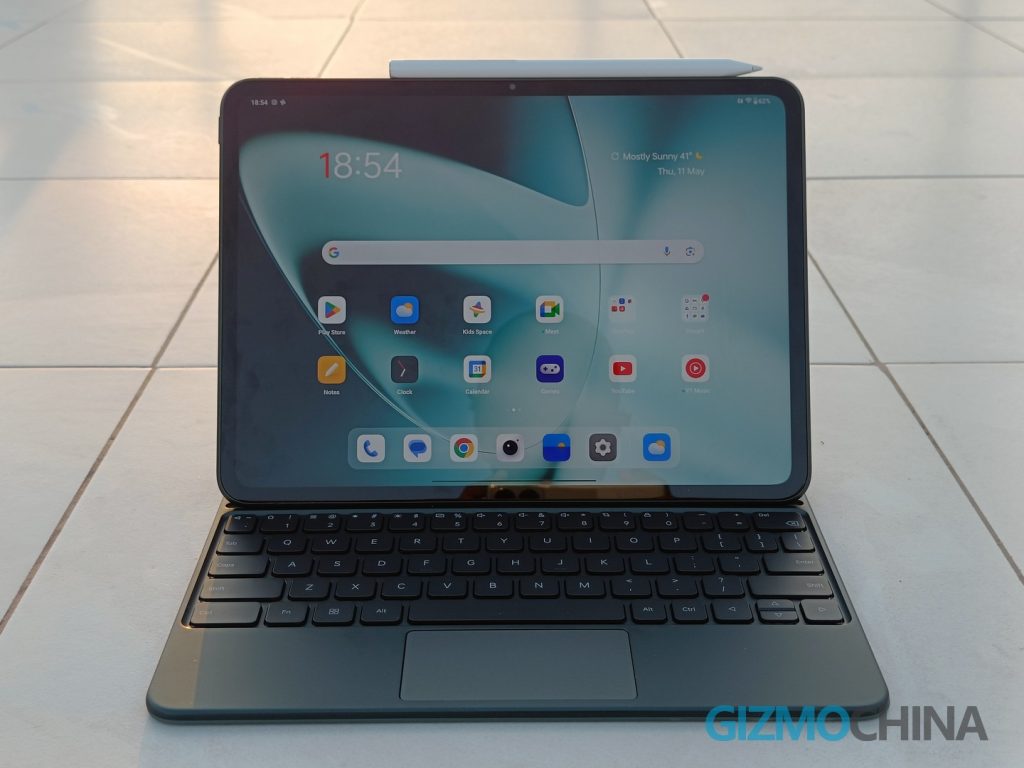
This tablet has an 11-inch screen with WQHD+ resolution, and a 144 Hz refresh rate, and is compatible with Dolby Vision. It’s powered by the Qualcomm Snapdragon 870 processor and comes with Android 13 and MIUI Pad 14. It also has up to four powerful speakers with Dolby Atmos, an 8840 mAh capacity battery, and is compatible with 33W fast charging with its included charger.
The tablet is launched at a price of CLP$369,990 for a 6/128GB version. But as a part of the launch offer, Xiaomi is offering the original keyboard and the 2nd generation Xiaomi Smart Pen completely free.
Xiaomi Smart Band 8
Likewise, the company announced its latest fitness tracker, the Band 8 in Chile. This smart band promises up to 16 days of battery life and supports fast charging which takes only 60 minutes to completely refill the battery.
Also, it has more than 150 sports modes and comes with water resistance of 5 ATM. One nifty feature of the Band 8 is that it comes with a pebble clip mode, which lets you put the band on your shoelace and better track your running activities. The new Xiaomi Smart Band 8 arrives in Chile for CLP$39,990.
Xiaomi Smart Band 8 Active
For those looking for a cheaper alternative can opt for Smart Band 8 Active. It has a 1.47-inch LCD screen where you can choose and display more than 100 watch faces. Similarly, it comes with 50+ sports modes, 14 days of battery, and 5 ATM water resistance. It will retail in Chile for CLP$24,990.
Xiaomi Robot Vacuum S10
Alongside these accessories, there are a couple of smart gadget announcements. Starting with the Xiaomi Robot Vacuum S10. It has a powerful suction of up to 4000 Pa, a 3200 mAh battery that promises up to 130 minutes of autonomy, and intelligent LDS navigation for accurate route tracking. It will retail at CLP$199,990.
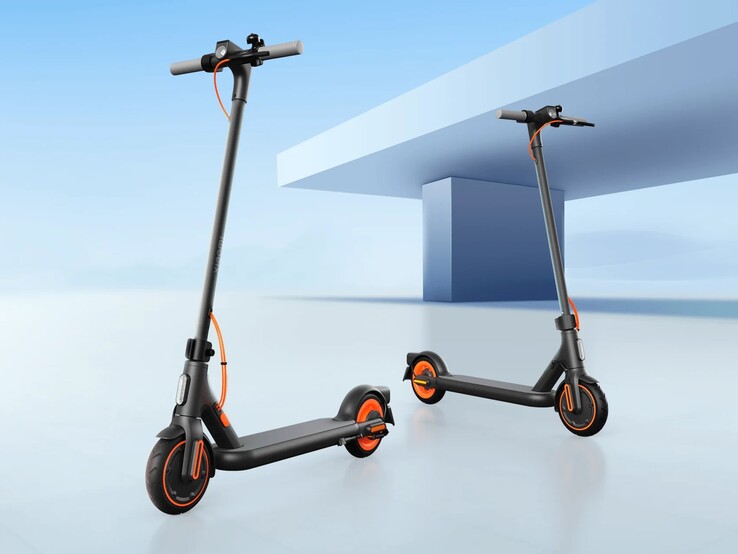
Xiaomi Electric Scooter 4 Go
Last but not least, we have the Xiaomi Electric Scooter 4 Go which has a 450W motor that can reach a top speed of 20km/h and a range of 18km. Its price is CLP$279,990.
All of these new products will be available for sale through Xiaomi’s official channels in Chile.
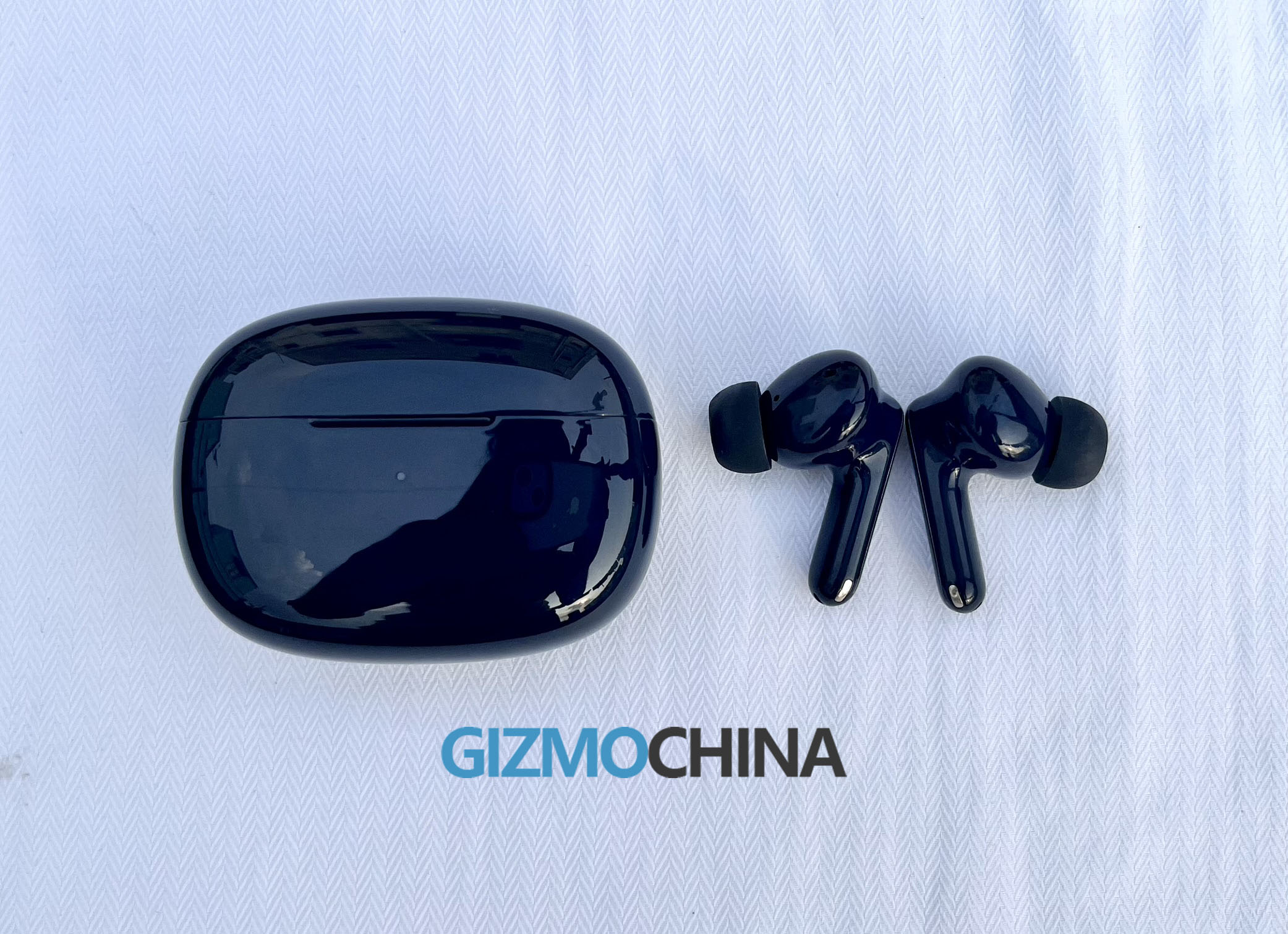
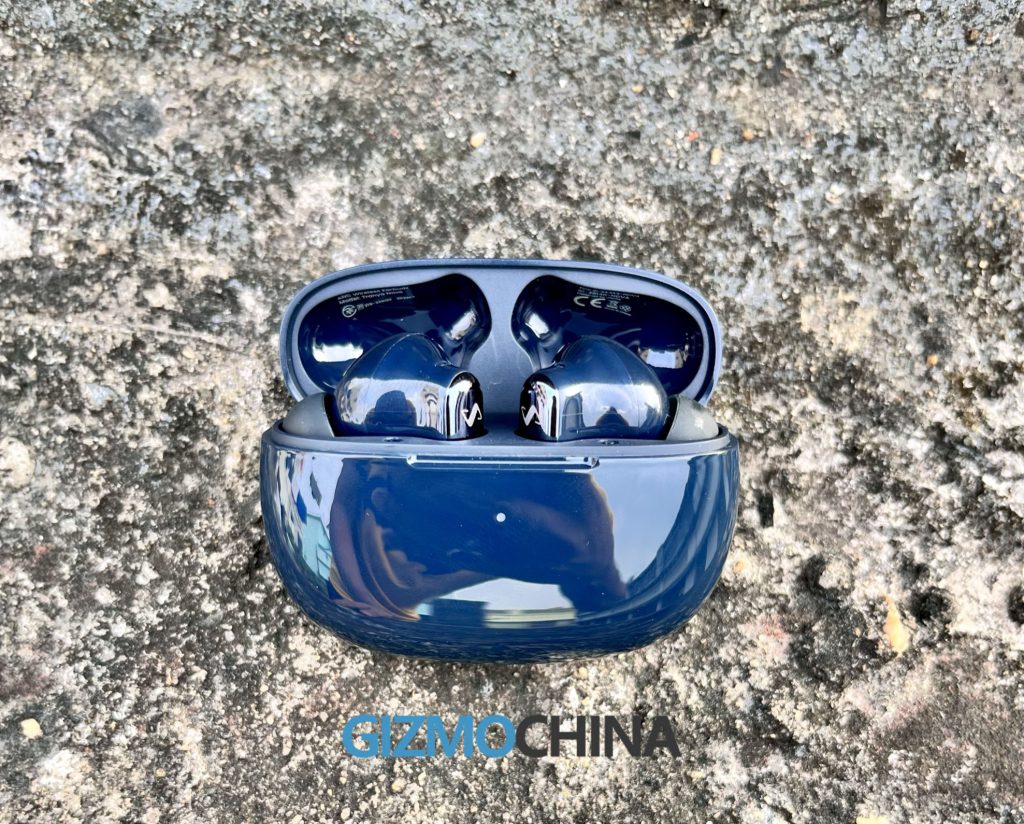
The sub-$100 TWS earbuds market is saturated with options offering good sound quality, ANC, and gesture controls. The design has also become a point of differentiation. In this highly competitive landscape, Tranya has introduced the Tranya Nova earbuds. Priced under $100, these earbuds boast impressive features on paper.
I’ve been using them as my primary earbuds for a while now, and it’s time for a detailed review. This comprehensive assessment covers design, connectivity, sound quality, and battery life, aiming to give you a complete understanding of its performance.
Tranya Nova TWS earbuds: What’s in the box?
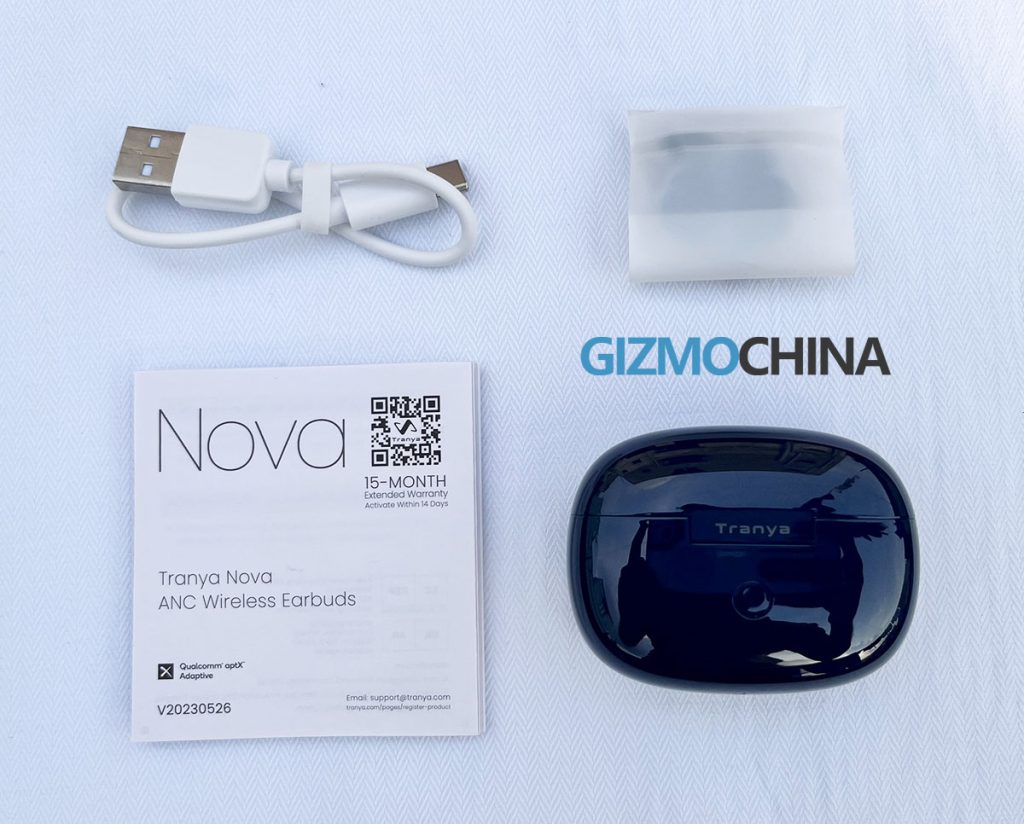
When you first open the Tranya Nova box, you’ll find the TWS earbuds snugly tucked inside a sleek and compact charging case. Along with the earbuds and the case, there’s a USB-C charging cable, a range of ear tips to fit various ear sizes, and a user manual.
Design and Comfort
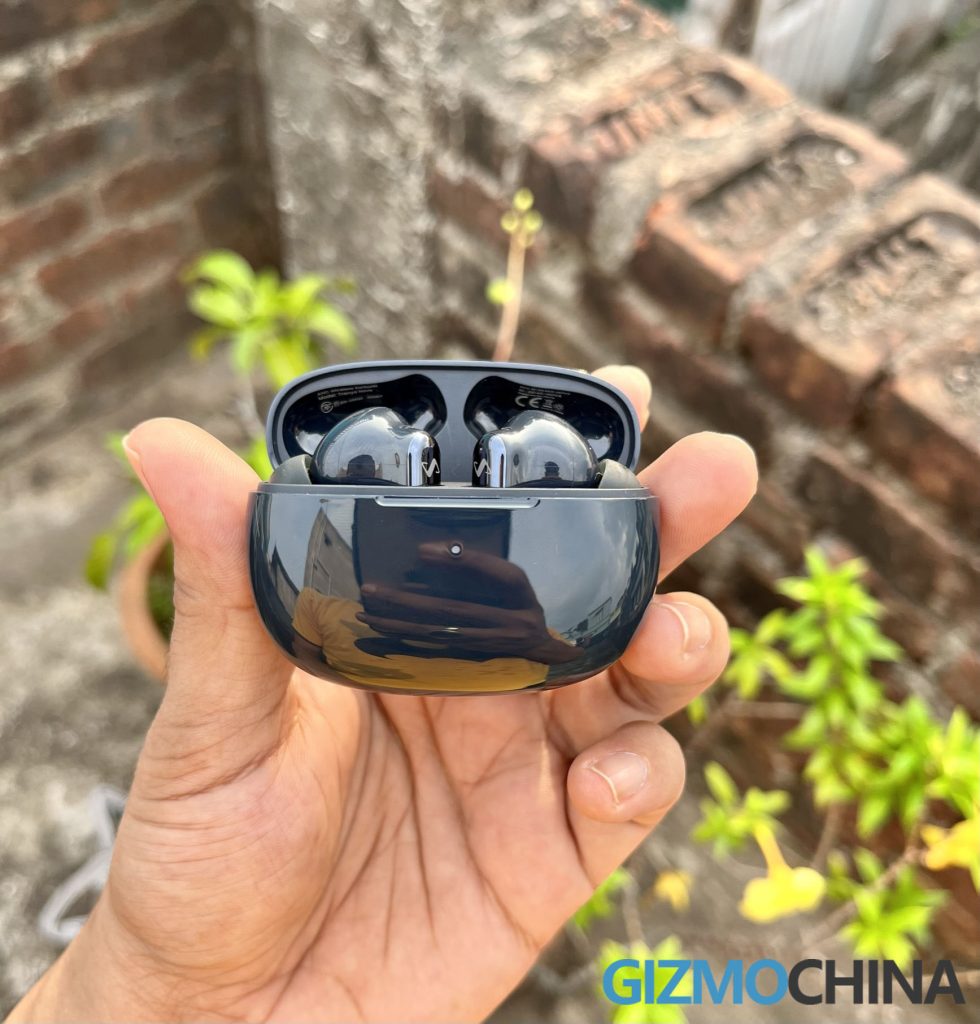
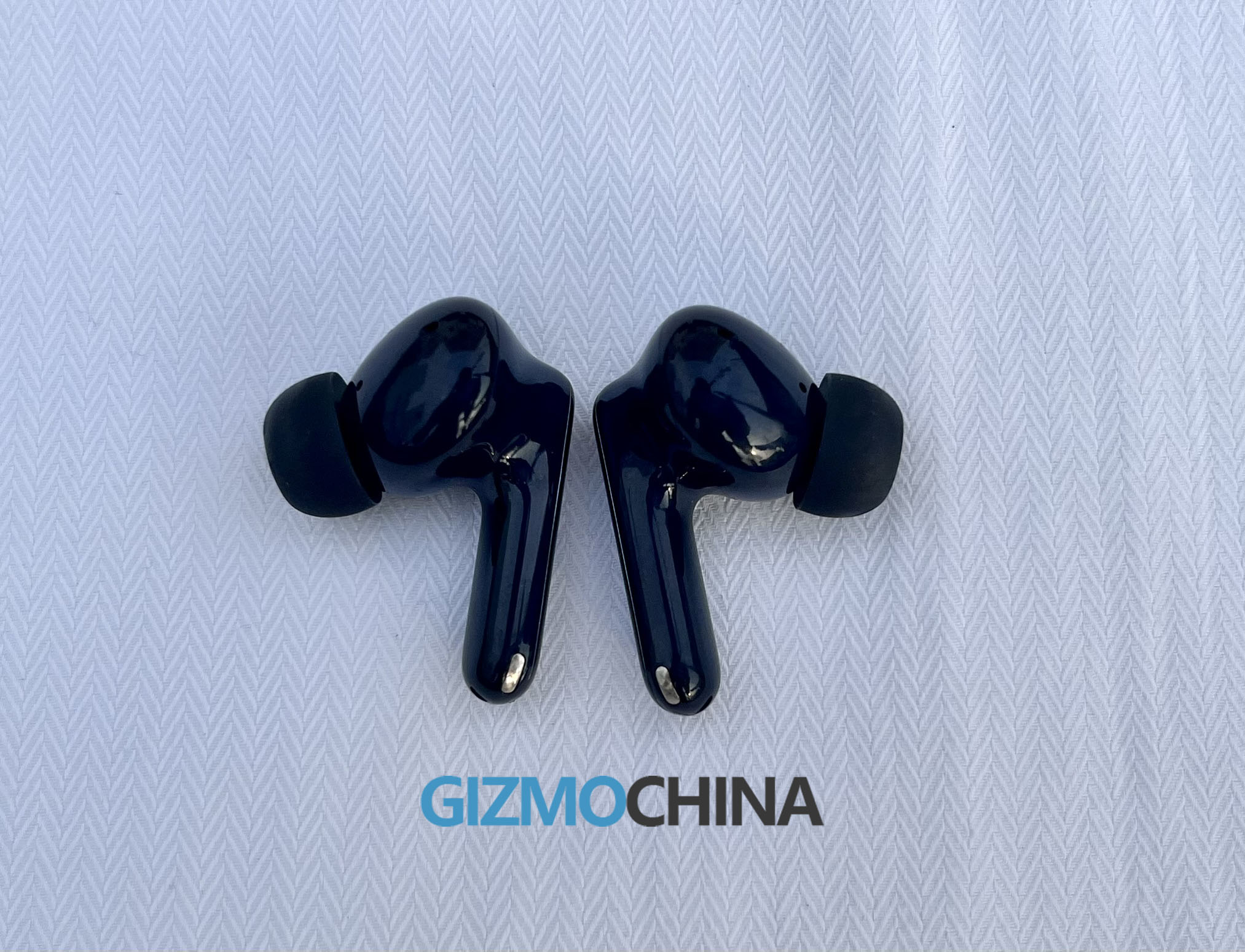
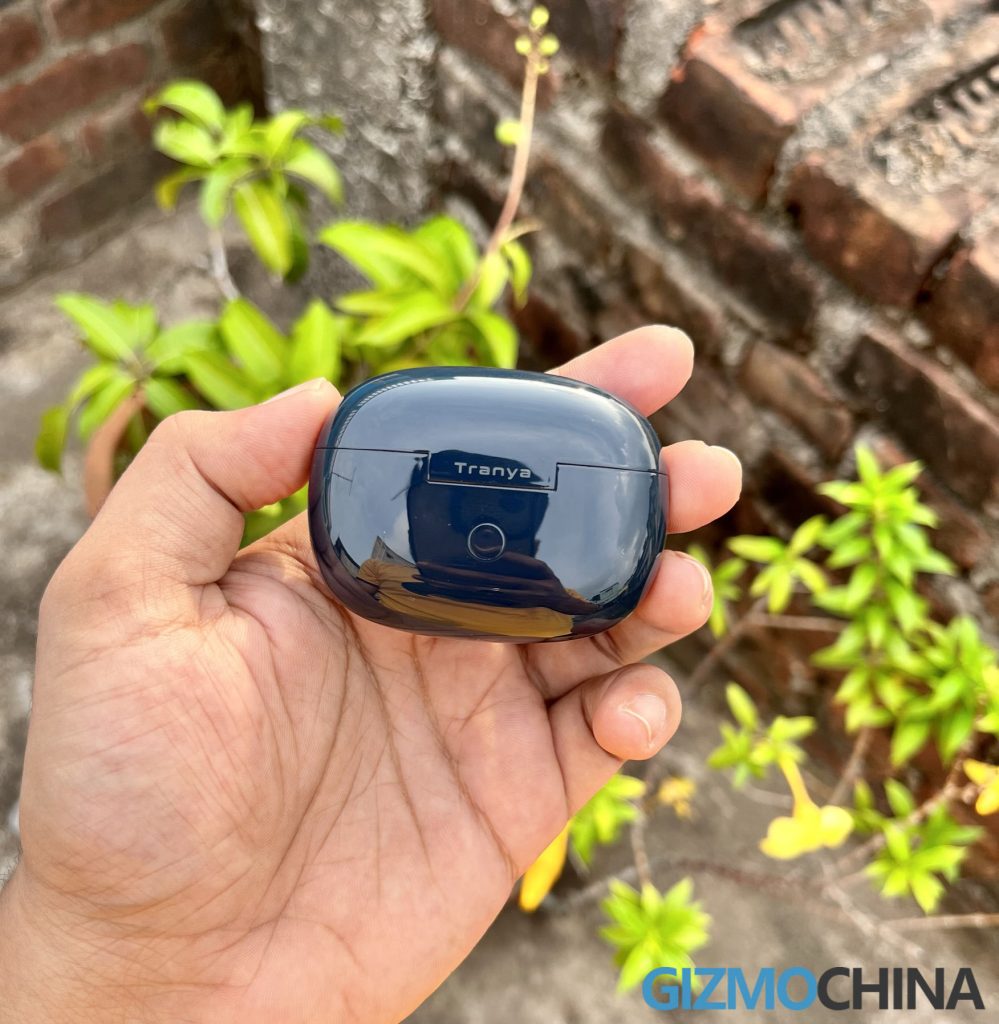
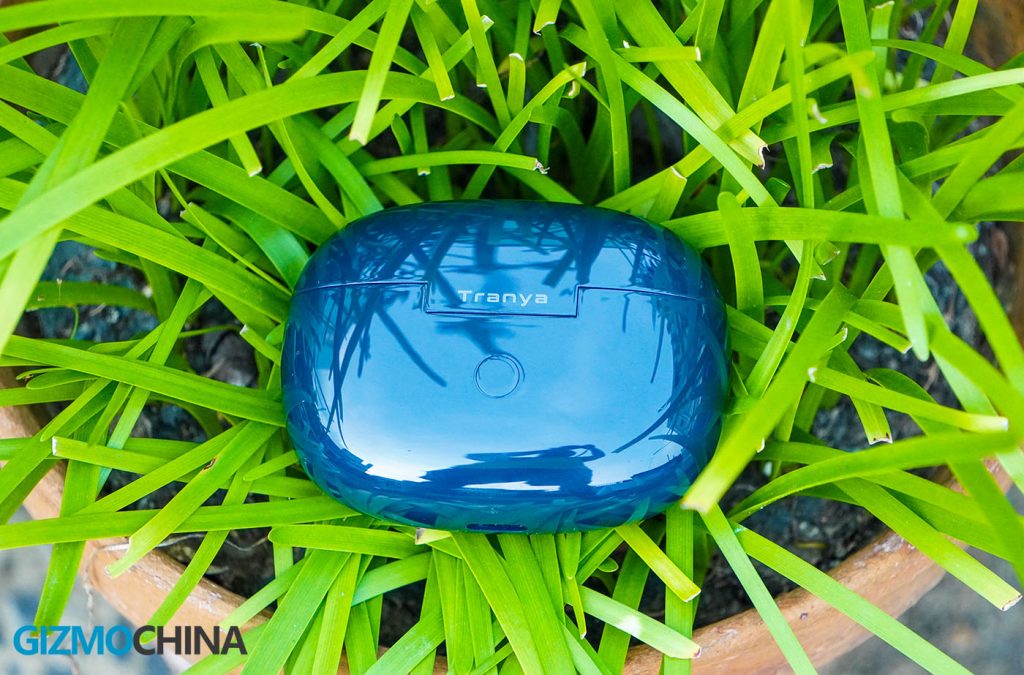
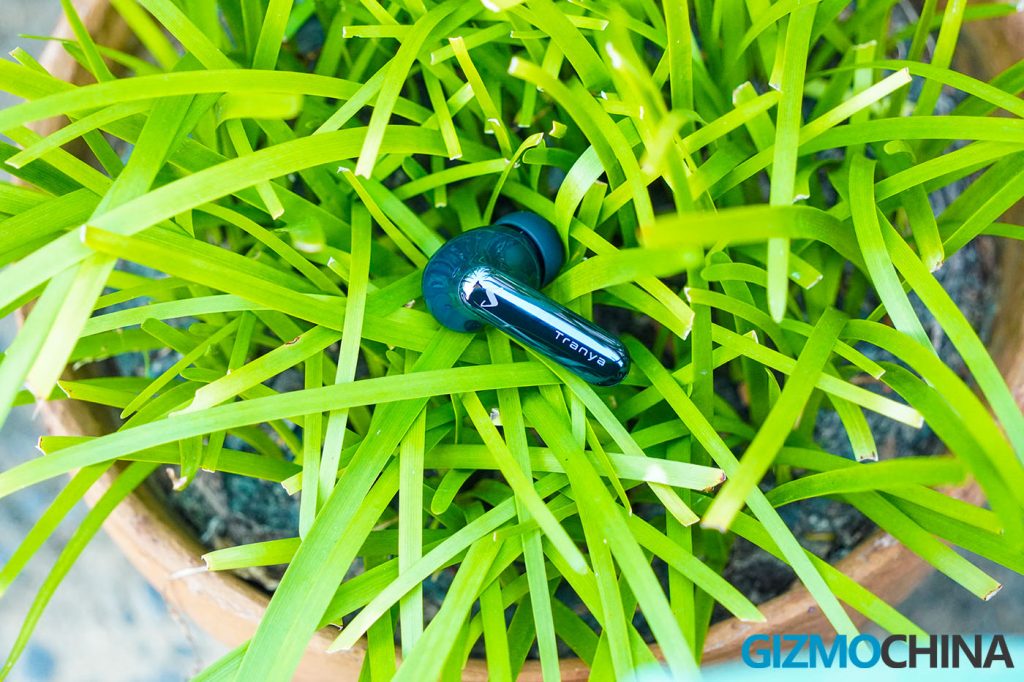
The Tranya Nova earbuds boast a sleek and stylish design similar to Apple Airpods, featuring a subtle “S”-like logo and a brand name in a lighter grey color that complements the dark blue color of the buds.
They are compact and lightweight, ensuring comfort during extended use, making them suitable for long listening sessions and on-the-go use.
With user comfort in mind, the Tranya Nova earbuds offer adjustable ear tips and an ergonomic design for a secure fit during various activities, from music listening to workouts. They conform to your ear contours, preventing discomfort, and have an IPX5 waterproof rating, making them an excellent choice for workouts or outdoor activities, catering to an active lifestyle.
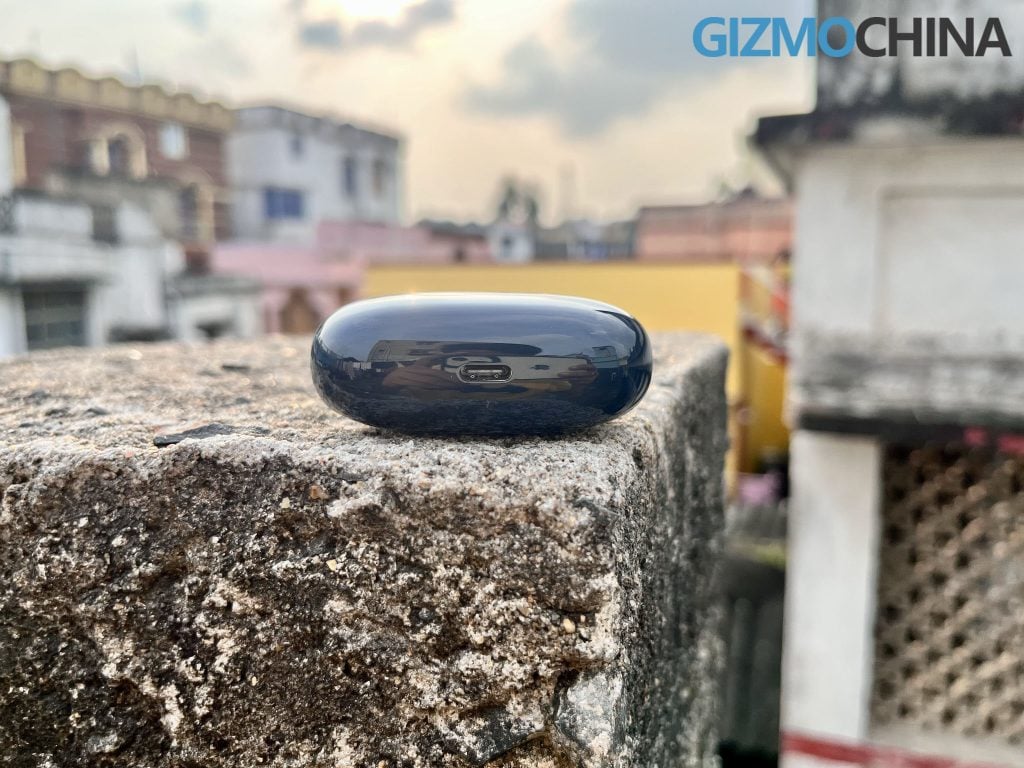
The charging case is handy, however, it can get smudged easily due to its glossy finish. It charges via USB Type-C, has an LED indicator, and supports wireless charging, which is a nice feature to have at this price point.
Key Features
Well, let’s talk about the key features of the earbuds. While you can find these details on the official website or in the product specs, it’s essential to highlight them to ensure you don’t miss anything.
The advanced Qualcomm QCC3072 chip and aptX technology power the earbuds, ensuring top-notch audio quality and little delay. They offer hybrid Active Noise Cancellation (ANC) that can significantly reduce external noise by up to 43dB, creating a serene listening environment. This can be especially useful in noisy situations or during long trips.
The buds also feature SonicMax technology, which elevates the audio experience by enhancing sound quality, dynamic range, and fine sound details through special audio algorithms and processing techniques. This results in audio that’s not just clear but also deep and immersive.
With six microphones and Qualcomm cVc 8.0 ENC technology, calls are crystal clear, and background noise is effectively eliminated, amplifying human voices.
The earbuds can block out wind noise, making them perfect for outdoor activities like running and cycling. They support instant pairing, low-latency audio, and seamless connectivity on both Android and iOS devices through Bluetooth 5.3 and aptX Adaptive technology. Moreover, they allow you to connect to multiple devices and switch between them effortlessly.
Controls and Connectivity
Controlling the earbuds is easy and intuitive, with touch-sensitive areas on each earbud. You can start or stop playback with a single tap, and switching between noise-canceling modes takes just a 1.5-second hold, making these earbuds user-friendly. The touch sensitivity is very precise, and it worked perfectly most of the time.
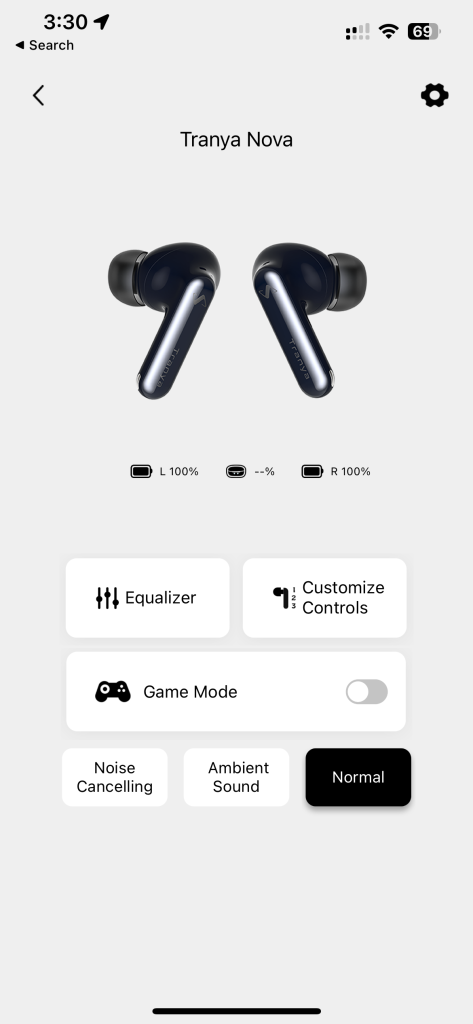
Tranya also offers a dedicated app that lets you customize your earbuds’ settings. Through the Tranya Audio App, you can fine-tune the sound equalizer (EQ), switch noise-canceling modes, enable gaming mode, and personalize touch controls to your liking. You can even give your earbuds a personal touch by renaming them within the app.
When it comes to connectivity, the Tranya Nova provides a seamless and stable Bluetooth connection that’s compatible with a wide range of devices.
Pairing is straightforward, eliminating the usual complications associated with wireless connections. I’ve used many earbuds previously, but I feel that these earbuds provide the best gaming experience so far. The latency is really low, and the in-game sound is almost on point. Although I won’t say they are on the same level as wired earbuds, we can certainly play competitive games using these buds.
Sound Output, Call Quality, Battery Life
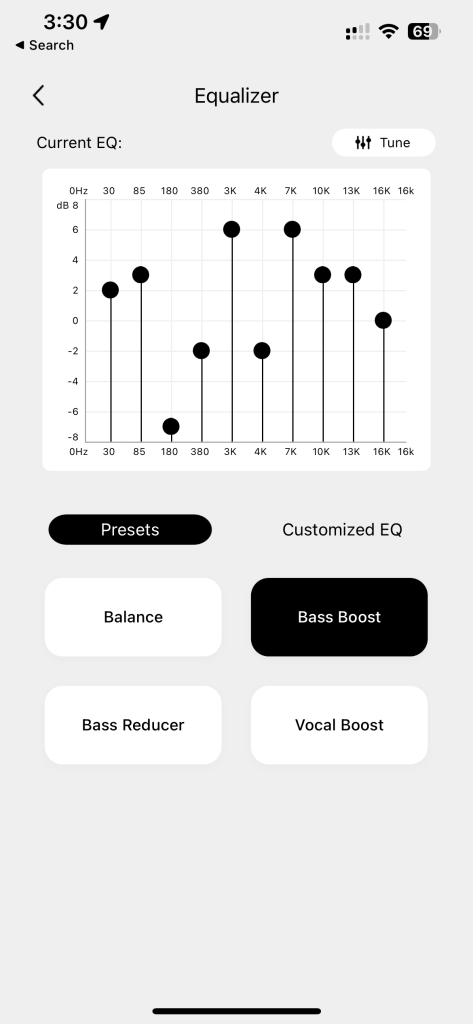
The Tranya Nova earbuds come with 12mm dynamic drivers, and they provide excellent sound output, offering a balanced and detailed sound that suits different music genres. The bass is strong but doesn’t overpower, ensuring the music is clear and enjoyable in the high, mid, and low ranges. Personally, I like bass, so I am using the Bass Boost profile from the Equaliser section.
However, some might feel that the sound in the midrange and highs could have been more clear and sharp. This means they are good for regular use, but those who are very particular about sound might desire more.
The earbuds come with an ANC (active noise cancellation) feature and it works really well. However, don’t expect it to be top-tier. But so far what I have experienced it works really well.
Regarding call quality, these earbuds do very well thanks to the noise-cancellation microphones, giving clear calls even when it’s noisy around.
The battery life of Tranya Nova is also impressive, giving up to 7-8 hours of playtime and 30-36 hours with the charging case. They live up to their promise and are dependable for long use.
The options of fast and wireless charging are added benefits, reducing waiting time and providing different ways to charge. Additionally, with just 10 minutes of charging, it can be used for more than 2 hours.
Verdict
The Tranya Nova earbuds bring together good looks, user-friendly design, strong connection, and great sound quality, making them a strong choice in the affordable wireless earbuds market. They last a long time on a single charge, and it’s easy to control them, which makes them attractive to potential buyers.
Tranya’s attention to detail, from packaging to performance, reflects their commitment to delivering quality without breaking the bank. So yeah, if your budget is under $100, I will definitely recommend this.
Price and Availability
The earbuds are now available for purchase from the official Tranya website for $99. You can also purchase it from Amazon.com where the earbuds are priced a bit lower at $79.99.
*Please Note: When you buy something using the links in our articles, we may earn a small commission at no cost to you.
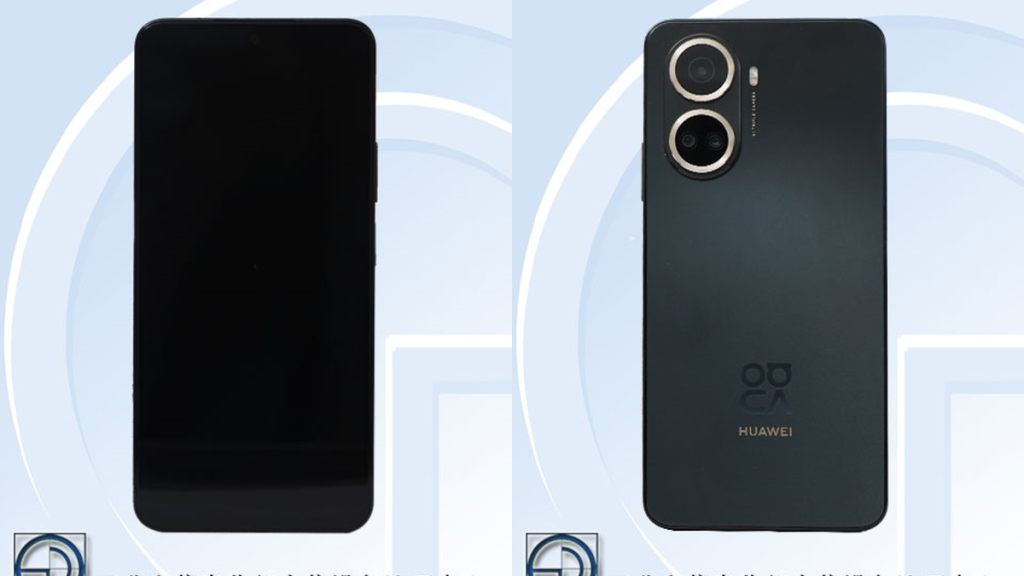
Huawei is reportedly working on the Nova 12 and Nova 12 Pro for the Chinese market. These phones are said to be equipped with the Kirin 830 and Kirin 9000s chipsets, respectively. Rumors surrounding it claim that the Nova 12 lineup will be unveiled next month (November) in China. This month, the brand may unveil another Nova-series phone named the Huawei Nova 11 SE. The device has already appeared in the database of the TENAA certification platform with all its major specs. Here is a look at what to expect from the device.
Huawei Nova 11 SE specifications (rumored)
Huawei Nova 11 SE TENAA images
Initially, the TENAA listing of the Huawei Nova 11 SE only showed its images. However, later on, it was updated with its specifications. As per the listing, it is equipped with a 6.67-inch OLED display with FHD+ resolution at 1080 x 2400 pixels and supports 10-bit colors. The Nova 11 SE will be powered by an unknown 2.4GHz chipset that offers 4G connectivity. The SoC will be accompanied by 8 GB of RAM.
The Nova 11 SE will come preloaded with Harmony OS 4.0 and will be offered in 128 GB and 256 GB storage variants. It will be backed by a 4,400mAh (rated value) battery. As per the 3C certification of the device, it will arrive with 66W rapid charging support.
For selfies, the Nova 11 SE will have a 16-megapixel selfie camera. On the back, the device will have a 108-megapixel primary camera, which will be coupled with 8-megapixel and 2-megapixel cameras.
The Nova 11 SE will succeed the Nova 10 SE, which debuted with a starting price of 1,599 Yuan (~$219) last year. The 11 SE is likely to arrive at a similar price.
The Big Billion Days sale by Flipkart is set to take place in India from Oct. 8 to Oct. 15. Customers who are Flipkart Plus members will enjoy early access to the sale, commencing at midnight on Oct. 7. During the upcoming Big Billion Days sale, Infinix is one of the smartphone brands to watch out for, as it has confirmed a range of phones with exciting offers.
Infinix deals during Flipkart BBD sale
Here is a list of Infinix phones that will be available with discounts and offers during the Flipkart BBD sale.
The stated prices represent the final net effective price with the inclusion of ban offers, which are the lowest prices highlighted. These prices already include an extra 10 percent discount available through bank offers specifically for ICICI Bank and Axis Bank debut / card cards.
In addition, Infinix will also offer a no-cost EMI option for its smartphones, enabling customers to own a device with monthly payments as low as Rs. 1,299.
Samsung has been teasing the arrival of new Fan Edition devices, such as the Galaxy S23 FE, the Galaxy Tab S9 series, and the Galaxy Buds FE TWS earbuds, in India for the past few days. Especially, the S23 FE is being teased with the “The New Epic” tagline. Today, the said device will be unveiled on Oct. 4 in the country.
Samsung Galaxy S23 FE specifications (expected)
Samsung Galaxy S23 FE India launch date
As per reports, the Galaxy S23 Fan Edition is expected to come with a 6.3-inch FHD+ Dynamic AMOLED display featuring a 120Hz refresh rate. In some countries, Samsung will release the S23 FE with the Snapdragon 8 Gen 1 onboard, whereas the market will get its Exynos 2200 chipset variant. While there is no official confirmation yet, Samsung may release the Snapdragon variant of the S23 FE in India.
The S23 FE is expected to come preloaded with the Android 13-based One UI 5.1. Its rear camera setup will have a 50-megapixel primary sensor with OIS support, an 8-megapixel ultra-wide sensor, and a 12-megapixel telephoto lens offering 3x optical zoom. For selfies, it may feature a 10-megapixel front camera.
The Galaxy S23 FE is expected to offer other features, including an in-screen fingerprint scanner, a 4,500mAh battery with 25W fast charging and 15 wireless charging, as well as an IP rating. It is speculated that the 8GB+128GB and 8GB+256GB variants of the S23 FE will be priced at Rs 54,999 and Rs 59,999, respectively, in India.
There is a possibility that the Galaxy Tab S9 FE and Tab S9 FE Plus will also be announced on Oct. 4. The Galaxy Tab A9 and the Galaxy Buds FE are expected to debut on Oct. 5.
Apple introduced its iPhone 15 series on September 12th during an event. Like every year, the models gained significant attention this year as well, impressing many with their technical specifications. Just when we thought that the performance of the previous processors couldn’t be surpassed, the company proved us wrong with the A17 Pro chip used in the Pro models. However, it seems that this performance came at a cost. According to some users, the iPhone 15 Pro has become one of the hottest gadgets of the year. Here are the details…
iPhone 15 Pro Overheating, a Design Flaw or Just Too Much Power?
The iPhone 15 series recently went on sale worldwide. As with every year, customers rushed to stores, either pre-ordering or lining up outside, competing to get their hands on the company’s latest tech offerings. However, some users have started experiencing issues with the phones they put so much effort and money into. Some users posted videos showing that the iPhone 15 Pro reached temperatures of around 42 degrees.
Of course, like many of you, we know that smartphones tend to heat up with heavy use. However, claims suggest that the iPhone 15 Pro models reach these temperatures after just 2 minutes of FaceTime conversations or after scrolling through Instagram Reels for 8-10 minutes, becoming too hot to hold. Some users even claim the phone heats up when not in use. Additionally, there are allegations of the phone overheating during charging.
The natural titanium iPhone 15 Pro gets extremely hot, so much so that it becomes difficult to hold. Furthermore, it heats up after just a 2-minute FaceTime call or when scrolling through reels for 8-10 minutes. This is a new issue for me, as I've never encountered this with any… pic.twitter.com/Qu0QK1xGLd
Certainly, overheating is causing serious problems that hinder usage. Users complain about the phone entering protection mode and stopping the charge due to heat while charging. Of course, not every user experiences this issue. However, the number of complaints suggests there might be a problem with the iPhone 15 Pro and iPhone 15 Pro Max models using the A17 Pro.
Ming-Chi Kuo, a well-respected Apple analyst, has weighed in on the overheating issues that some iPhone 15 Pro and Pro Max users have been experiencing. He believes that the problem is more likely due to design compromises aimed at reducing the phone’s weight, rather than the new 3nm chip.
The natural titanium iPhone 15 Pro gets extremely hot, so much so that it becomes difficult to hold. Furthermore, it heats up after just a 2-minute FaceTime call or when scrolling through reels for 8-10 minutes. This is a new issue for me, as I've never encountered this with any… pic.twitter.com/Qu0QK1xGLd
Specifically, Kuo points to the new titanium frame as a potential culprit. Titanium is lighter than stainless steel, but it is also a worse conductor of heat. This means that the iPhone 15’s new frame may not be able to dissipate heat as efficiently, which could lead to overheating. Kuo also suggests that using a case on the iPhone 15 could help to reduce overheating by providing a barrier between the phone’s frame and the user’s hand.
However, none of these are permanent solutions. Therefore, if you’ve purchased a new iPhone 15 Pro and are disappointed due to overheating issues, it would be beneficial to discuss this with Apple.
Honda is set to launch the N-Van e electric vehicle with a range of 130 miles. The Honda N-Van e is capable of providing backup power to your home and comes with decent features. The new Honda electric van is designed for business and personal use. It has a flexible interior design and portable power capabilities together with its vehicle-to-home (V2H) features.
The Honda N-Van e is the electric version of the gas-powered N-Van. Honda had announced last December, its plans to build the N-Van e as a light commercial EV. The goal was to expand the usability of the ICE N-Van and integrate sustainability into the model. The exterior of the new electric van is similar to its gas-powered sibling. The bumper of the N-Van e is made from recycled materials. The battery is mounted under the cargo area floor while the interior is expansive with a low and flat base. Cargo space can be extended in the N-Van e, as the passenger and rear seats can be folded flat.
The Honda N-Van e will be available in three trims namely L4, FUN, and L2. There are some trim-dependent features like Honda SENSING Advanced Driver Assistance System (ADAS) and multi-reflector halogen headlights, among others. The Honda N-Van e is a portable mobile power station offering up to 1,500W. Users can connect a variety of appliances and tools to the N-Van e via its power supply outlet. The electric van can also provide emergency power to home appliances.
The Honda N-Van e omits the center pillar on the passenger side for effortless loading and unloading. The EV has a cruising range of 130 miles (~210km) and is capable of full city deliveries before needing to recharge. It has an ECON mode that further reduces the energy consumption of the air conditioner to extend the range.
The Honda N-Van e is slated for launch next spring in Japan. It is currently undergoing testing locally and overseas to verify its performance. The N-Van e prototype will be showcased during the Japan Mobility Show on October 28. The Honda N-Van e could be priced for as low as $10,000. When it was first announced in December 2022, it was priced at about $7,000.
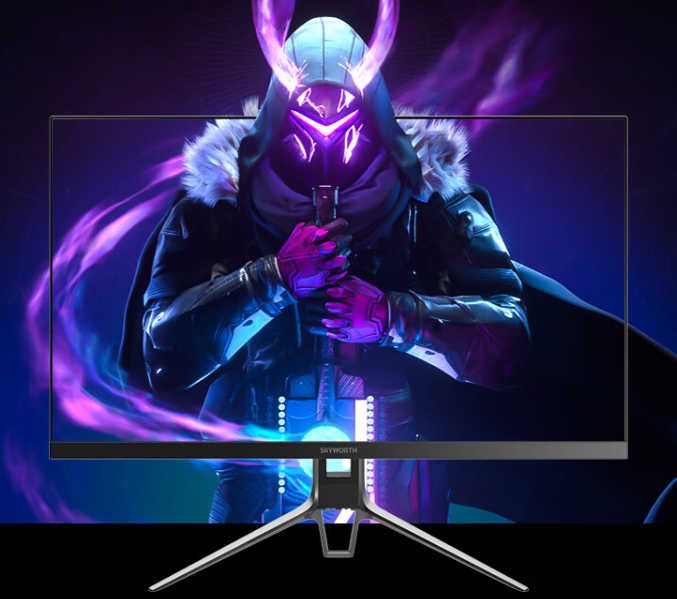
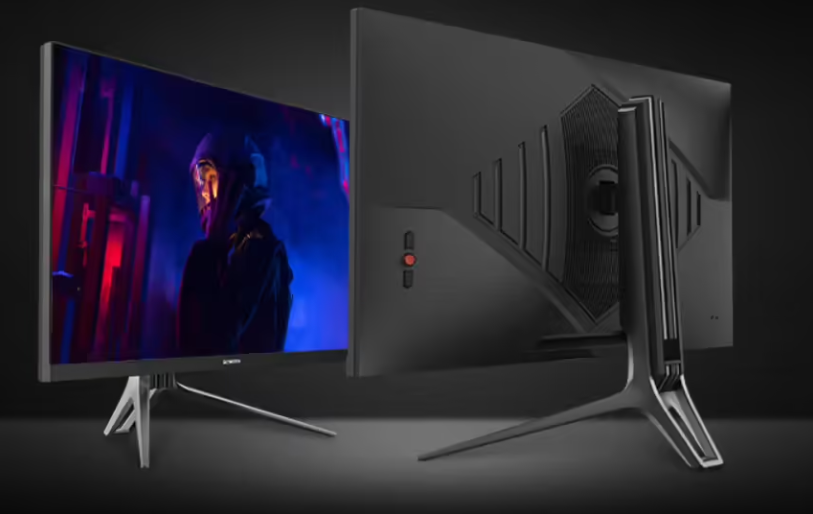
Skyworth has unveiled its F27G51Q Pro monitor with a 180Hz NanoIPS panel in China. The new Skyworth monitor has a 27-inch screen and is now available on presale with the official release slated for October 8.
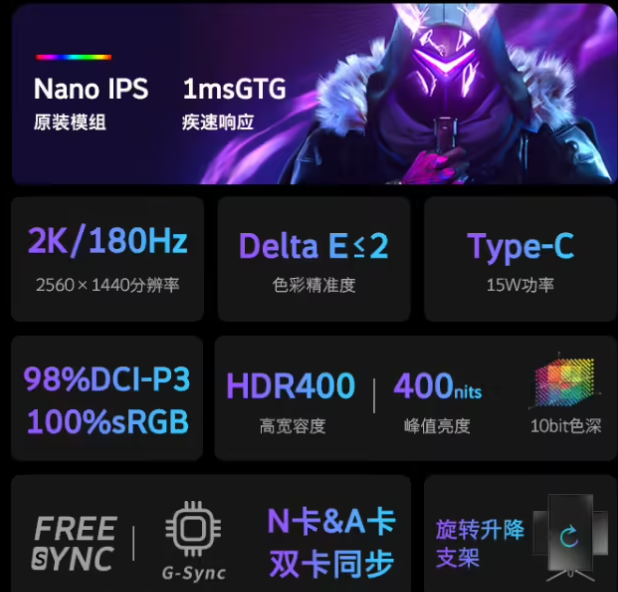
The Skyworth F27G51Q Pro monitor adopts the LGD-NanoIPS original backlight module with a resolution of 2560 x 1440 pixels. It has a display refresh rate of 180Hz and a GTG response time of 1 ms. The new monitor is compatible with AMD FreeSync and NVIDIA G-Sync synchronization technology. The design and architecture of the F27G5Q Pro thus limit or eliminate screen tearing. The monitor has a maximum brightness of 400 nits, 100% sRGB, 98% DCI-P3 color gamut coverage, 1.07 billion colors, and Delta E<2 color accuracy.
The monitor has a hidden light-sensing module, equipped with Skyworth light-sensing screen-changing technology. This can automatically adjust the brightness and color temperature of the display in real time. The monitor has two HDMI 2.0 ports, a DisplayPort 1.4 interface, USB-C with 15W charging, and a 3.5mm headphone jack. It also has a DC interface while the fuselage is equipped with an adjustable ergonomic stand. The stand can be raised or lowered by 13cm and supports pitching, left, right, up, or down rotation. The fuselage also has a five-way joystick attached.
The Skyworth F27G51Q Pro monitor is available on retail platforms in China like JD.com at a pre-sale price of 1,399 yuan (~$192). The official release date is October 8 and Skyworth has not provided any global availability and pricing information yet on the product.
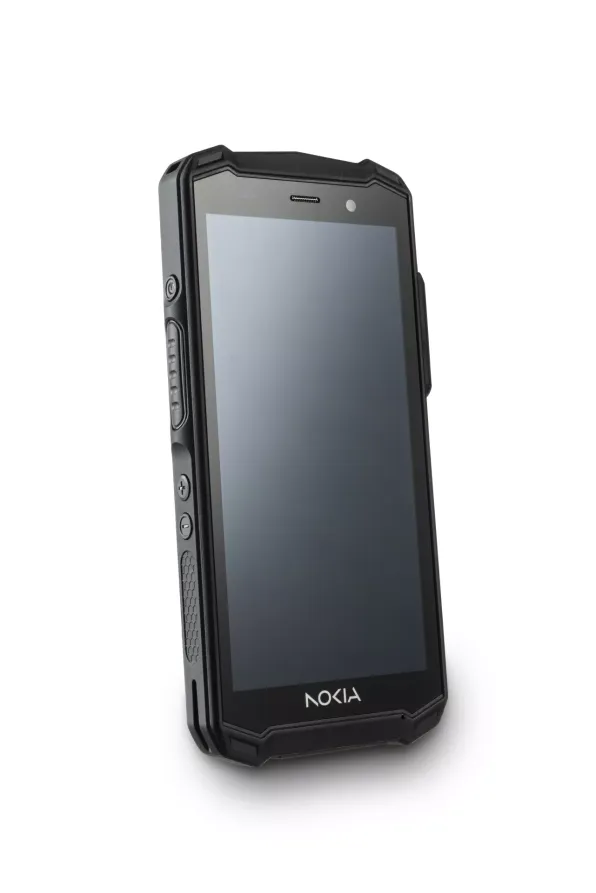
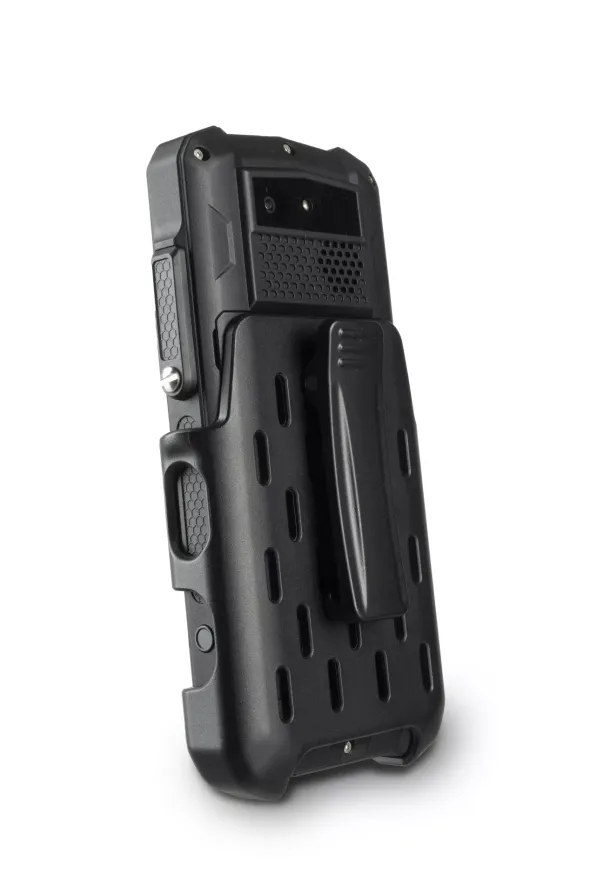
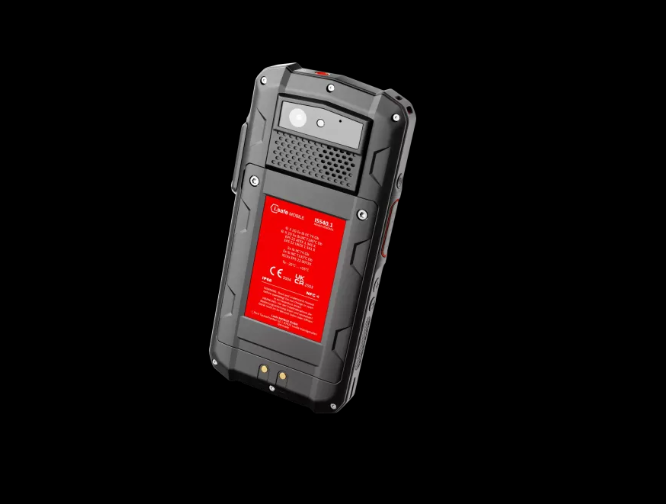
Nokia has launched two industrial phones with a rugged design. The Nokia HHRA501x and Nokia IS540.1 are designed for industrial applications where ruggedness is required. Nokia is partnering with German company i.safe MOBILE Gmbh to deliver the two new phones.
The two new Nokia rugged phones are classified as EX and they share the same technical platform. Both phones have come out flying after a rigorous testing regimen. They have been approved as meeting the connectivity requirements for industries like mining, oil, gas, and chemicals. The Nokia HHRA501x and Nokia IS540.1 can be safely used in places with explosion risks of different levels. They can be used on ATEX Zone 1 or ATEX Zone 2. The phones also support the necessary frequency bands, having gotten the needed certifications.
The Nokia IS540.1 comes with a 6-inch screen with Gorilla Glass 3 protection. It has a dual-core Qualcomm QCM6490 chip with performance metrics at par with the Snapdragon 778. The model comes with 8GB of RAM and 128GB of internal storage. The camera setup of the Nokia IS540.1 includes a 48MP rear camera with autofocus and a 5MP camera at the front. The phone has a 4,400mAh removable battery although its expected duration was not specified. The Nokia IS540.1 phone draws similarities with the Nokia 800 Tough but with some improvements and a new logo.
The full optics of the two Nokia rugged smartphones have not been released yet. Pricing and availability information of the two rugged phones are also not known at this time.
X, the platform formerly known as Twitter, has paid out a staggering $20 million to content creators in just a few short months. The announcement came from X CEO Linda Yaccarino, who revealed the platform’s significant investment in its creator community. The initiative, launched in July, enables verified users with more than 500 followers to earn a share of ad revenue generated from replies to their posts, provided they’ve garnered over 5 million tweet impressions in the past three months.
Elon Musk, the owner of X, disclosed that the initial payments in July, totaling around $5 million, encompassed earnings accumulated from February onwards. This exponential increase in payouts suggests a rapid influx of creators joining the program or a surge in ad impressions on the platform. Users are now incentivized to encourage interactions on their tweets, highlighting a shift toward fostering engaging conversations.
X’s transformation under Musk’s ownership has been nothing short of dramatic. Once a microblogging service, it has evolved into what is now termed the “Everything App.” Central to this transformation is the revamped approach to users, allowing them to become content creators. The revenue-sharing model not only benefits creators but also keeps the platform enticing for advertisers. Advertisers now have the opportunity to reach a broader audience through engaging content.
To participate in the program, X users must subscribe to Premium or Verified Organizations, boasting a minimum of 500 followers and 5 million organic impressions on their posts within the last three months. Ads monetized under this program are those shown in replies to creators’ posts, encouraging the creation of engaging and meaningful content.
However, X’s initiative is not without restrictions. To maintain a safe and positive environment, X prohibits content related to sexual explicitness, violence, criminal activities, gambling, drugs, alcohol, and fraudulent schemes. Additionally, copyrighted content not owned by creators cannot be monetized, ensuring ethical and legal standards are upheld.
This move marks a significant departure for X, which historically struggled to convert user followings into financial gains. By enabling creators to monetize their content and encouraging lively interactions, X is creating a win-win situation for users, advertisers, and the platform itself.
In a strategic move to enhance its online presence in the Chinese market, Tesla has joined hands with JD.com, a leading e-commerce platform in the country. This collaboration marks a significant shift in Tesla’s sales strategy, as the company ventures into direct car sales through online channels. While Tesla has had a complex history with Chinese e-commerce platforms, this new partnership signifies a fresh approach toward expanding its customer base in China.
Initially, Tesla’s foray into online car sales began in 2014 when the company launched its flagship store on Tmall, offering Model S cars for direct purchase. However, this attempt was short-lived due to internal disagreements, leading to the closure of the Tmall store. Despite setbacks, Tesla revisited the online sales concept in 2020, albeit limited to accessories and peripherals.
Now, Tesla’s partnership with JD.com opens up a new avenue for consumers. According to insider information, JD.com is in the process of integrating Tesla’s car ordering service. Soon, customers will have the convenience of placing car orders directly through JD.com, streamlining the process and allowing for easier payment of deposits. Tesla’s online platform currently requires a deposit of 1000 yuan for Model 3 or Model Y, and 8000 yuan for Model S or Model X.
JD.com, in collaboration with Tesla, plans to offer a diverse range of products through the official flagship store, including charging equipment, accessories, and fashion items. This partnership extends beyond mere sales, encompassing integrated online and offline services. JD Auto will collaborate with Tesla in various areas such as warehousing, distribution, and installation of charging stations, promising a seamless experience for customers.
Both Tesla China and JD.com representatives remained tight-lipped about the specifics of this collaboration, leaving consumers intrigued about what this new partnership could entail. As Tesla pioneers this shift towards direct online car sales in China, other domestic car manufacturers are also exploring new sales models.
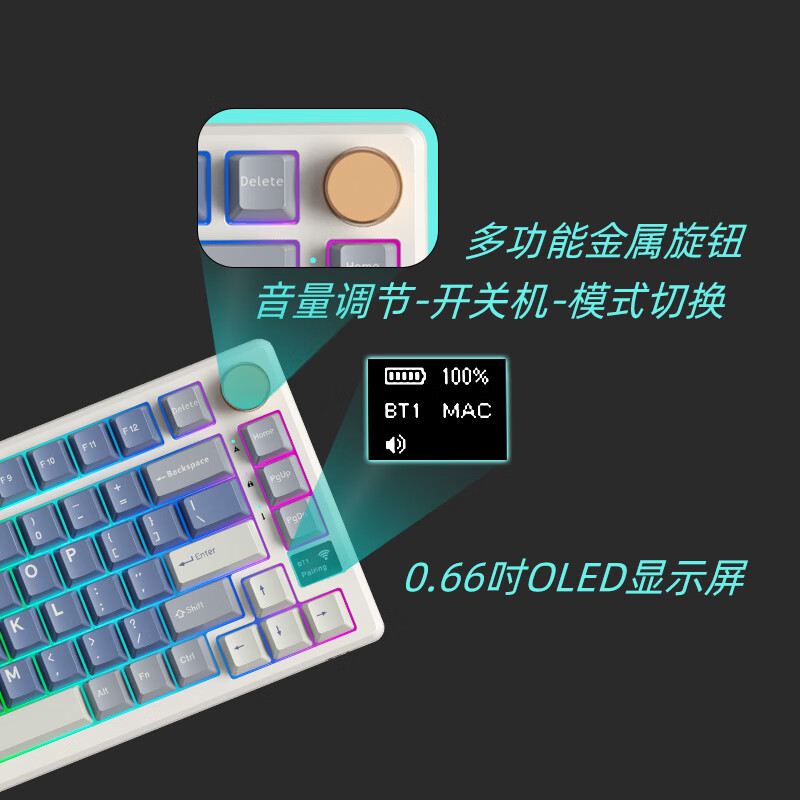
RK (Royal Kludge) has introduced its latest mechanical keyboard, the S75. This keyboard comes with a 75% layout, making it compact and efficient in terms of desk space usage while still offering 81 to 90 essential keys. Let’s delve into the standout features of this keyboard.
RK S75 Mechanical Keyboard Key Features:
The keyboard boasts a robust build, utilizing a single-key slotted PCB and slotted PC positioning plate for durability and stability. Its gasket-style structure and lubricated satellite switches, available in Cloudy and Blue Lotus options, deliver a smooth and satisfying typing experience.
The keyboard features a premium metal crown-style knob for easy adjustments of settings such as connectivity modes, volume, and power. Its 0.66-inch LED display enhances user interaction by displaying various info.
The RK S75 keyboard provides 16.8 million RGB color backlighting with 17 lighting effects. It also features high-quality PBT keycaps, offering durability and a premium tactile feel. The characters on the keys are engraved positively, non-translucent, and additionally, the keycaps have side engraving that is translucent. The keyboard has a 3750mAh battery, dimensions of 328mm x 139mm x 42mm, and a gross weight of 1.16kg.
The RK S75 keyboard stands out with its versatile multi-connection capability, accommodating USB-C wired, wireless (2.4G), and Bluetooth connections. It offers broad compatibility with various operating systems, including Windows, MacOS, iOS, and Android, enabling users to connect to up to three devices simultaneously, enhancing its usability and versatility.
The keyboard comes in two different White colors and a Green (Side Printed) color. It is priced at 299 yuan ($40) and it is now available to purchase from JD.com in China.
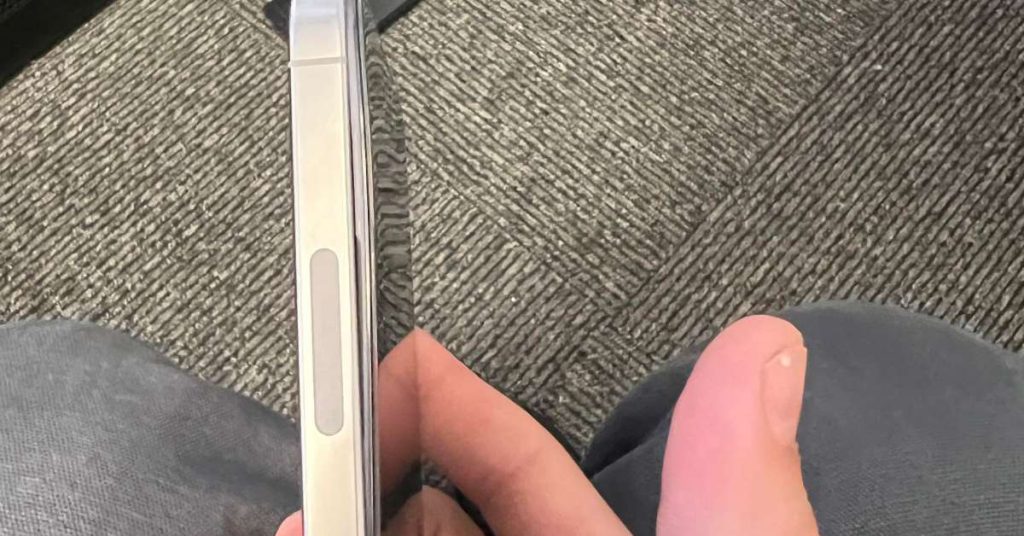
The iPhone 15 Pro and iPhone 15 Pro Max have been plagued by overheating issues since their launch. But now users are reporting that their phones are also developing swollen batteries.
A Redditor with the username u/Leather_Cheerio_402 posted an image of their iPhone 15 Pro with a swollen battery that was causing the display to bulge. The user said that they had only had the phone for a few days and noticed the problem when they tried to install a case.
"Picked up the phone on Monday and didn’t notice it then," the iPhone's owner explain in the Reddit post. "Put on a case a couple days ago and noticed it didn’t fit right. Was going order a new case but then realized the phone is actually swelling. Still works for now."
Perhaps the most interesting thing is, that they took the phone to an Apple Store but were told that they would need to take it back to Verizon, where they had purchased it. The iPhone community has criticized Apple for this response, saying that the Genius Bar should have been able to help the user, regardless of where they bought the phone.
Thankfully, the owner later mentioned in the thread that Verizon had agreed to swap the unit. This is the first case of an iPhone 15 Pro with a swollen battery and it is not clear what is causing the phone to develop swollen batteries.
It is important to note that this is just one isolated incident and we do not know what caused the battery to swell. However, it is something to keep an eye on, especially if you are experiencing overheating issues with your iPhone 15 Pro.
Also, if you notice that your iPhone 15 Pro battery is swollen, you must stop using it immediately and contact Apple or an authorized service provider. Swollen batteries can be dangerous and can cause fires.
We use cookies on our website to give you the most relevant experience by remembering your preferences and repeat visits. By clicking “Accept”, you consent to the use of ALL the cookies.
This website uses cookies to improve your experience while you navigate through the website. Out of these, the cookies that are categorized as necessary are stored on your browser as they are essential for the working of basic functionalities of the website. We also use third-party cookies that help us analyze and understand how you use this website. These cookies will be stored in your browser only with your consent. You also have the option to opt-out of these cookies. But opting out of some of these cookies may affect your browsing experience.
Necessary cookies are absolutely essential for the website to function properly. This category only includes cookies that ensures basic functionalities and security features of the website. These cookies do not store any personal information.
Any cookies that may not be particularly necessary for the website to function and is used specifically to collect user personal data via analytics, ads, other embedded contents are termed as non-necessary cookies. It is mandatory to procure user consent prior to running these cookies on your website.