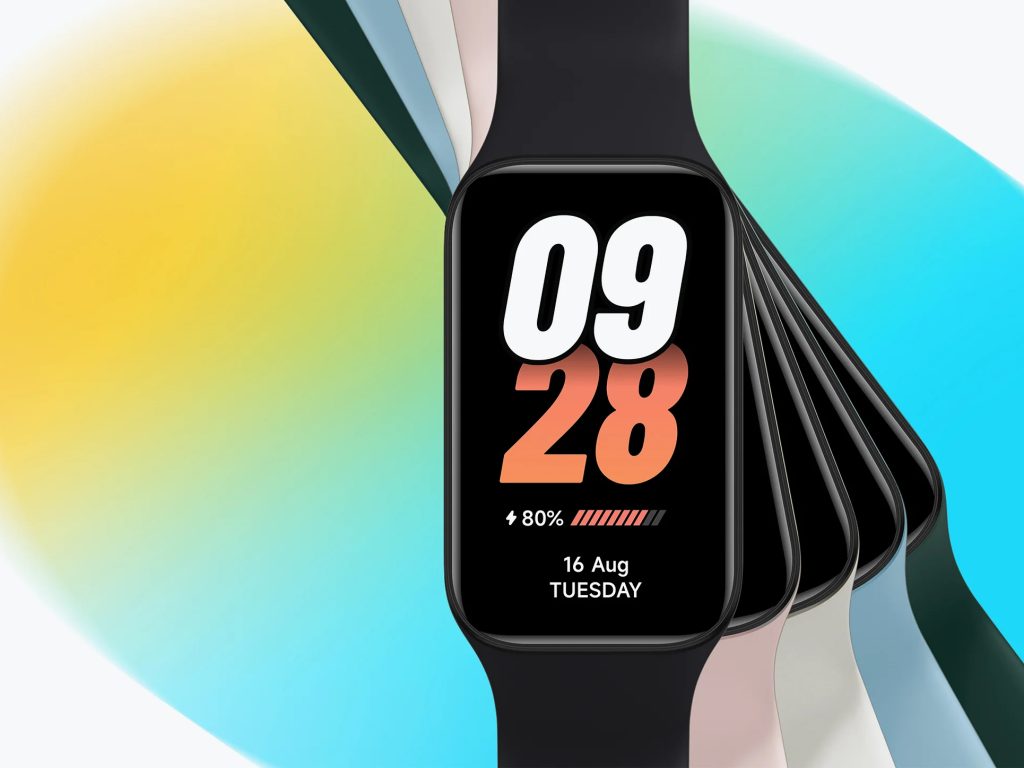
Xiaomi has unveiled the Smart Band 8 Active smartwatch. The new Xiaomi Smart Band 8 Active is essentially a rebranded Redmi Smart Band 2. It comes on the heels of the launch of the Smart Band 8. The new Smart Band 8 Active is available globally on order. The Xiaomi Smart Band 8 was earlier unveiled in China five months ago.
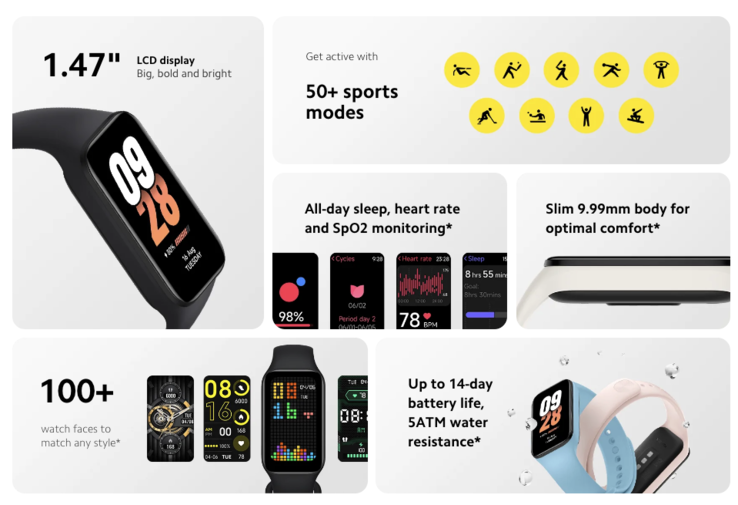
The Xiaomi Smart Band 8 Active has a 1.47-inch display and offers up to 14 days of battery life. The Smart Band 8 Active is different from the Smart Band 8 Pro which was launched in China about two months ago. The Smart Band 8 Pro could enter the global market in 2024. The Xiaomi Smart Band 8 Active has a resolution of 172 x 320 pixels with a 247 PPI pixel density and 450 nits of peak brightness. There are 100+ watch faces pre-installed in the Smart Band 8 Active.
The Xiaomi Smart Band 8 Active has a 210mAh battery and the band comes with several health monitoring features. It has more than 50 preinstalled fitness modes but it lacks GPS location data integration.
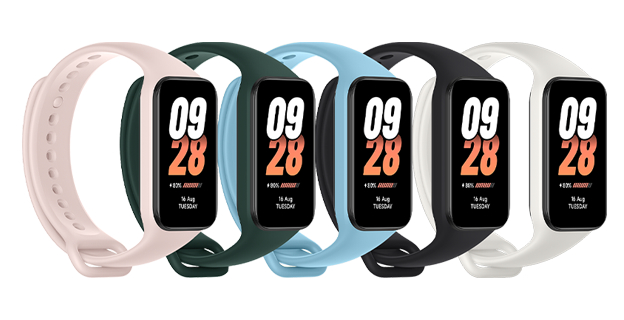
The Smart Band 8 Active comes in five watch band colors but only its black and pink options are currently available. The black band version is available in the UK while the pink version could be gotten from AliExpress.
The Xiaomi Smart Band 8 Active is currently available in the UK, Germany, and the global market via AliExpress. The Xiaomi Smart Band 8 Active is priced at £19.99/ €24.99 / $15.90 in the UK, EU and on AliExpress.
Today, handheld gaming consoles are more popular than ever. This technology began going mainstream in 2016 with the Nintendo Switch, and today it is followed by products like the Steam Deck and Asus ROG Ally. In fact, Nintendo is even working on the Switch 2. However, did you know that the Switch, which ignited all this frenzy, wasn’t the first modern handheld by its developer?
The Japanese manufacturer has been part of the market for a long time with consoles like the 3DS and Wii U. Especially the 3DS, which was a massive success with user numbers in the millions. Yet, despite all this, Nintendo announced that the online services for the Wii U and 3DS will shut down in April. Here are the details…
Nintendo’s Wii U and 3DS online services will shut down in April
Nintendo has announced that it will be shutting down online services for the Wii U and 3DS in early April 2024. This includes all multiplayer features, internet rankings, and data distribution. Nintendo has not yet announced a specific shutdown date, but it has said that players will be able to download patches and redownload games purchased from the eShop “for the foreseeable future.” From April 2024 onwards, players will no longer be able to access:
Online multiplayer capabilities
Internet rankings
Data distribution mechanisms
StreetPass Mii Plaza features that demand online communication
The Pokémon Bank (excluding the transfer feature to Pokémon Home)
Nevertheless, not all online features will vanish. Gamers will still have the privilege to:
Play games offline
Utilize StreetPass (barring the online-required StreetPass Mii Plaza features)
Use SpotPass
Download software updates and DLCs
Purchase digital games and downloadable content (DLC) via the eShop
Lava has launched a new budget smartphone in India. The product in question is called the Lava O1 and it brings decent specs and a particularly affordable price tag. The handset comes after the domestic brand launched the Blaze Pro 5G with a 120Hz display. Lava O1 features a large LCD panel, a 5,000mAh battery, Android 13, and more. Here’s what you need to know.
Lava O1 Specifications
Lava O1 brings a basic design with a flat back, featuring a rectangular camera setup. The handset is built around a 6.5-inch IPS LCD display, which offers an HD+ (1600 × 720 pixels) resolution. The panel refreshes at a 90Hz refresh rate and has a waterdrop notch, nesting the selfie camera.
Under the hood, the handset is powered by the UniSoC T606 processor with Mali G57 GPU. The chipset is paired with 4GB RAM (+ 3GB extended RAM) and 64GB internal storage that can be expanded with a microSD card. The handset runs Android 13 on the software front and measures 163.7 × 75.3 × 9.3mm. It weighs around 199 g.
For clicking pictures, the Lava O1 brings a 13MP primary rear camera, paired with an AI lens and LED flash. On the front, you get a 5MP selfie camera. The budget smartphone is fueled by a 5000mAh battery unit that supports 18W fast charging via a USB Type-C port. For security, the handset brings a side-mounted fingerprint scanner. You also get a 3.5mm audio jack.
Pricing and Availability
The Lava O1 has been launched in India with a price tag of Rs 6,999 ($84) for 4GB + 64GB configuration. However, the will handset will be offered at a discounted rate of Rs 6,299, thanks to a 10% price reduction. You will be able to purchase it starting October 7 during the Amazon Great Indian Festival sale.
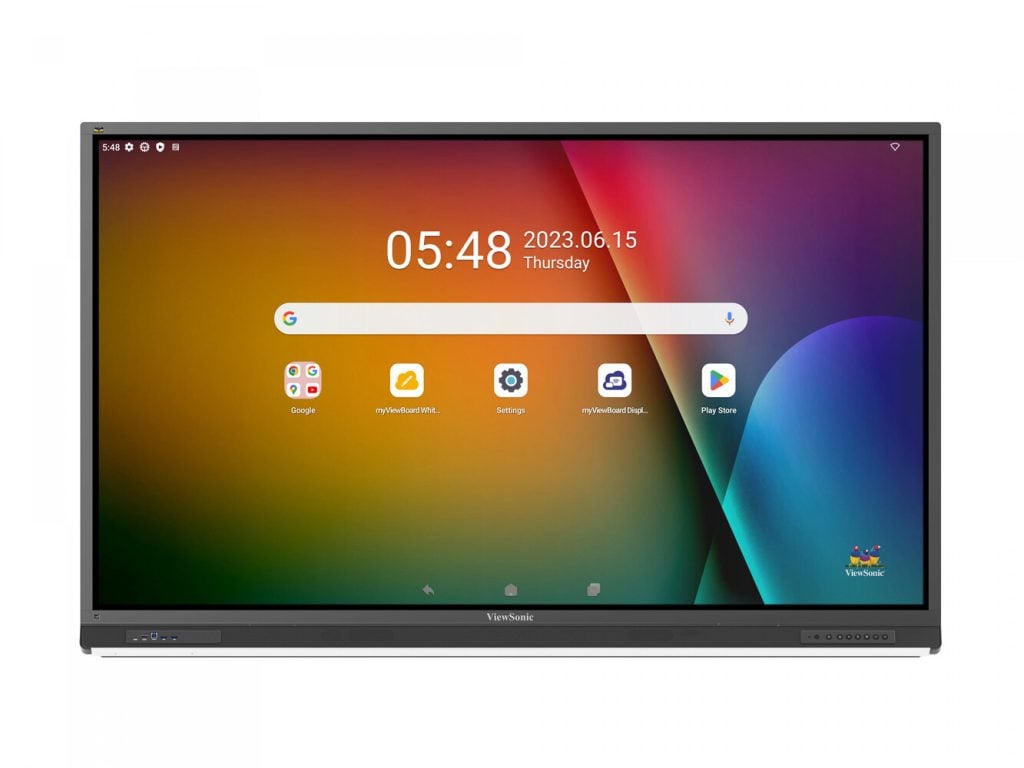
Viewsonic has unveiled the ViewBoard IFP52-2 series interactive display suitable for educational applications. The ViewBoard IFP52-2 lineup offers 4K image resolution in an interactive display. They are powered by the Android operating system and support Google Play Store integration. The new Viewsonic ViewBoard IFP52-2 is a versatile system that is well-suited for educational applications.
The Viewsonic ViewBoard IFP52-2 series is designed to provide multifunctional collaboration for teachers, students, and IT professionals. They also offer advanced security measures and tools to enhance productivity. The VieewBoard IFP52-2 has a 4K resolution and runs on Android 13. There are three screen size options namely 65, 75, and 86 inches. The ViewBoard can be integrated with various classroom settings.
The Viewsonic ViewBoard IFP52-2 provides educational institutions with a complete EDLA-certified solution to core classroom equipment. It offers both interactive displays and customized modules to guarantee seamless integration of Google services. A range of software applications can be easily installed for a more enriched educational classroom.
Availability of the ViewBoard IFP52-2 will begin later this month. The new Viewsonic interactive display is being offered with a one-year free trial of the Weco Pay gamified learning program. Viewsonic General Manager, Clifford Chen said the new offerings were designed with sustainability in mind.
There is no pricing information yet for the Viewsonic ViewBoard IFP52-2. The company has not released the official price of the different variants of the ViewBoard IFP52-2 series. Global availability information for the new Viewsonic interactive displays is lacking at this time.
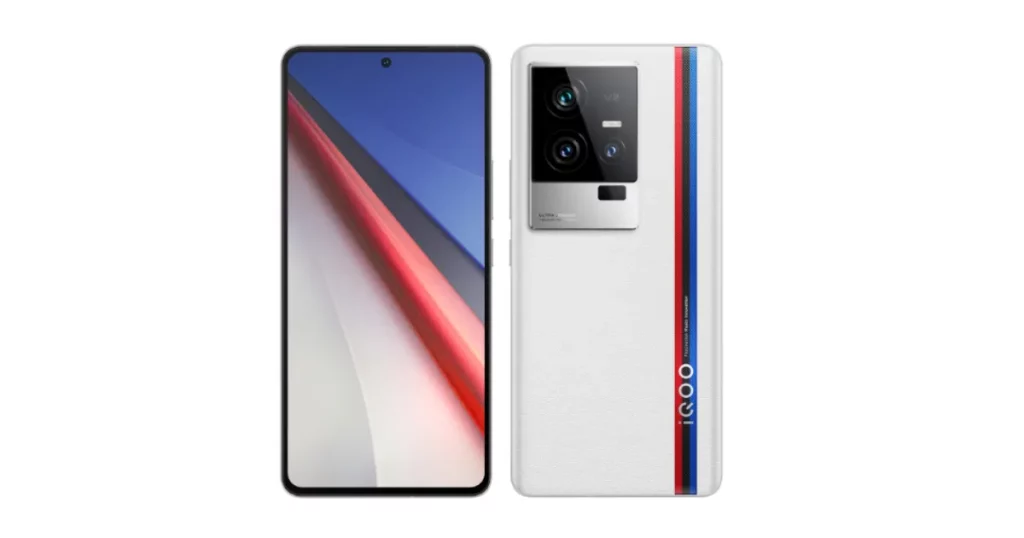
iQOO, a subsidiary of Vivo is gearing up to launch its iQOO 12 smartphone series by the end of the year. According to Vivo’s Vice President, Jia Jingdong, the iQOO 12 series will be a “performance champion,” suggesting that consumers can expect remarkable performance enhancements and exciting surprises in the new smartphone series.
iQOO 12 to feature 1.5K display, a shift from the 2K in iQOO 11
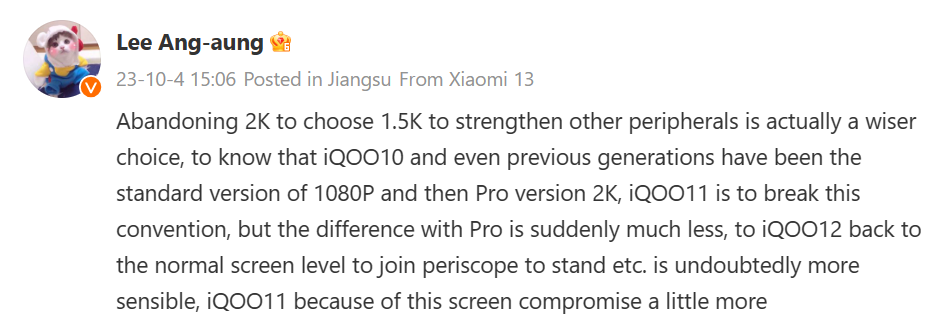
According to Weibo tipster Lee Ang-aung, the iQOO 12 is set to introduce a noteworthy feature: a periscope-style telephoto camera, typically found in higher-end models due to their cost. If this happens, the iQOO 12 will be the first standard edition smartphone to include such a camera, marking a significant advancement. However, detailed information about the lens is yet to be revealed.
The tipster also suggests that iQOO 12 is changing its display strategy by moving from its predecessor’s 2K screen to a 1.5K resolution display. This adjustment aims to find a middle ground between display clarity and power efficiency. Although earlier suggestions from tipster Digital Chat Station hinted at a 2K display, recent information suggests that the iQOO 12 is more likely to feature a 1.5K resolution screen.
The iQOO 12 is rumored to be equipped with Qualcomm‘s upcoming flagship chip, the Snapdragon 8 Gen 3. This chip, manufactured using the TSMC N4P process, features an octa-core configuration, with a focus on the Adreno 750 GPU and the new Cortex-X4 super core. These components are expected to deliver a 15% increase in performance.
Additionally, the device is expected to come with a 50MP primary camera, offer RAM options up to 16GB, and provide storage choices ranging from 512GB to 1TB. Its design may feature a flat screen and a distinctive frameless Deco design for its rear lens module. Regarding fast charging, there’s a debate between 100W and 200W capabilities, but considering the iQOO 11S already supports 200W, it’s likely that the iQOO 12 will match or exceed this charging speed.
Infinix might be ready to launch a new affordable smartphone in the market. The device in question could be called Infinix Smart 8. It seems like the successor to the Infinix Smart 7, which debuted earlier in February with a particularly large 6,000mAh battery. The new smartphone has bagged multiple certifications— FCC and TDRA— and has also been spotted on Geekbench with key specifications. Let’s have a look at the details.
New Infinix budget phone on the way
MySmartPrice spotted the Infinix Smart 8 on the TDRA and FCC website with model number X6525. While the TDRA listing didn’t reveal anything interesting, the FCC confirms a 4900mAh battery unit on the handset with 10W charging support. The authority also reveals the Smart 8 will be a 4G smartphone, measuring 164 × 76 × 9mm.
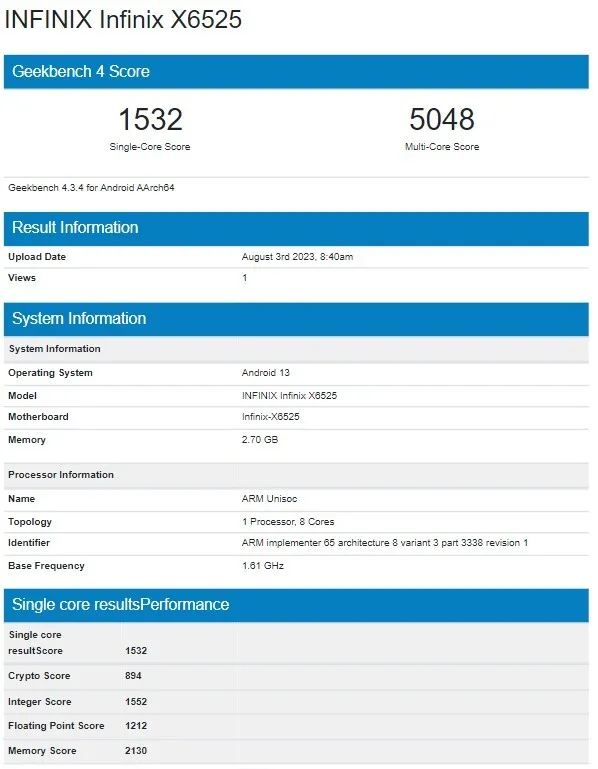
The Infinix Smart 8 has also been spotted on Geekbench, but not on the latest version of the benchmarking platform. Instead, it appeared on Geekbench 4.3. According to the listing, the device is powered by a UniSoC processor clocked at 1.61GHz. The processor also comes with an integrated Mali G57 GPU. Based on this information, we assume Infinix Smart 8 will be powered by a UniSoC T606 processor.
The handset scored 1531 points in the single-core round of the test. In the multi-core round, it scored 5048 points. The listing further reveals the Infinix Smart 8 will come pre-loaded with Android 13 out of the box. The handset will feature 3GB of RAM, according to the benchmark listing.
Other details of the upcoming Infinix Smart 8 are yet to be revealed. Stay tuned for the upcoming updates. Also, while you are here, why not check out our Infinix Smart 7 HD review?
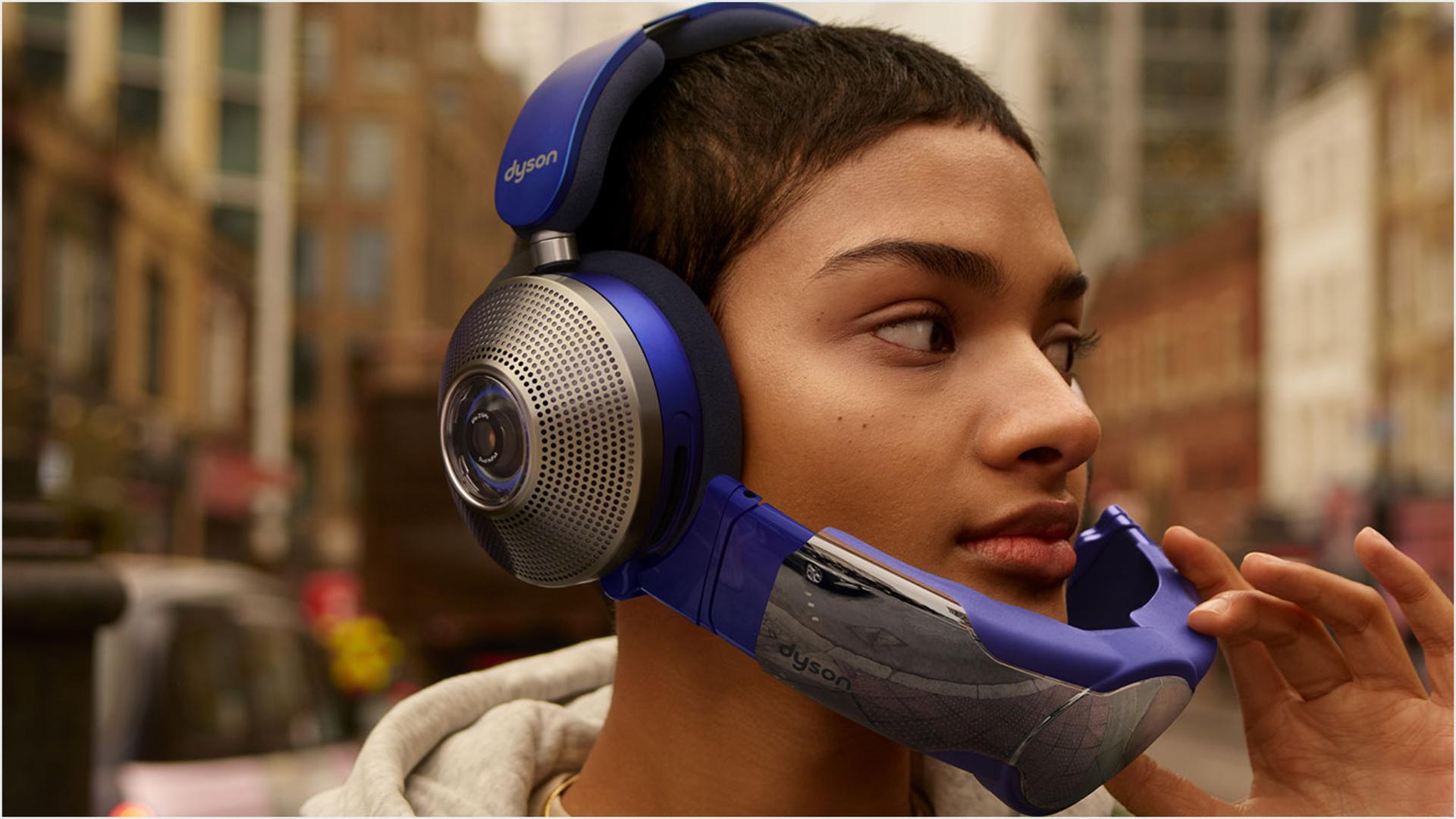
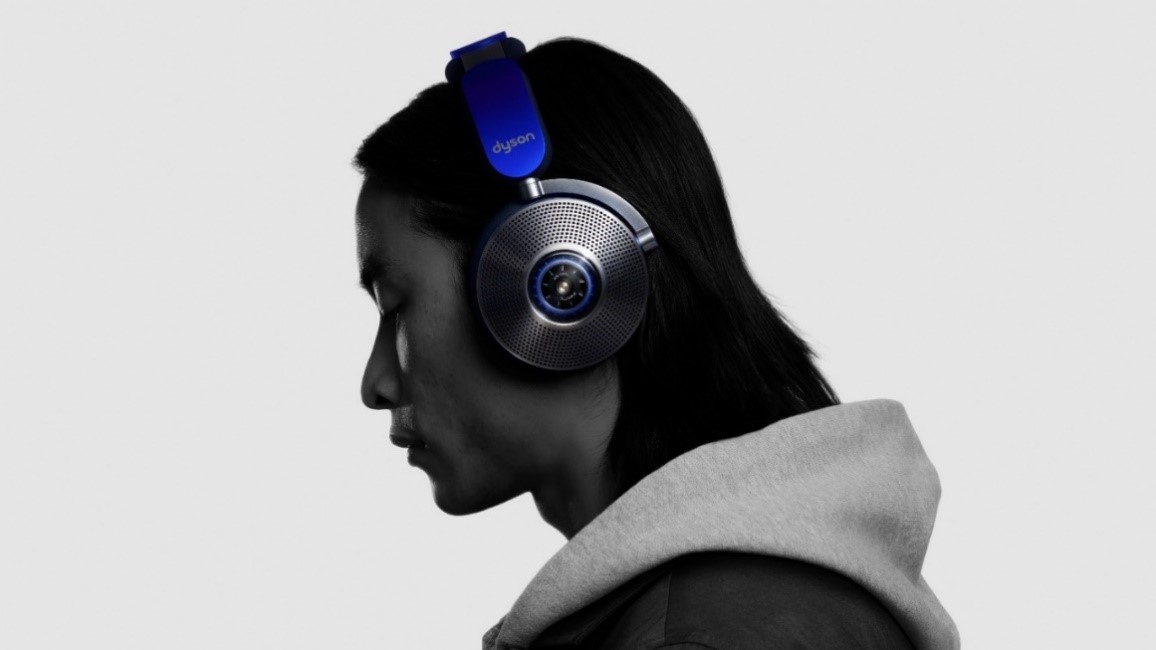
After multipleregional launches, Dyson has finally brought its Zone air-purifying ANC headphones to the Indian market. These premium headphones come with powerful speakers, a long battery, and a visor that lets you breathe purified air.
Dyson Zone headphones specs
The Dyson Zone headphones have a dual purification system to clean the air from common city pollutants and harmful gases. They also come with a special mask that sends clean air to your nose and mouth while you enjoy music or podcasts during your daily activities.
These headphones have a three-speed airflow mode that adjusts automatically based on how fast you’re moving, thanks to a built-in sensor. This makes sure you always get clean air.
Dyson cares about sustainability, and the headphones have an electrostatic filter that lasts up to a year before needing a replacement. This filter catches 99% of particles, even really tiny ones as small as 0.1 microns, and it also traps acid gases like nitrogen dioxide and sulfur dioxide.
The Dyson Zone headphones are also good at reducing noise. They have Active Noise Cancellation (ANC) technology and passive noise reduction that can cut down noise by 40 dB. The sound quality is good too, with smart technology to keep the sound clear. They can connect to your devices using Bluetooth 5.0.
The battery life of headphones is another strength, as it packs a massive 2600mAh battery. It can last up to 50 hours on one charge, but using the air purification function will affect the battery life. On the low setting, it gives you 4 hours, on medium 2.5 hours, and on high 1.5 hours.
Pricing & availability
You can buy the Dyson Zone noise-canceling headphones for INR 59,900 ($719), and they’re available at Dyson.in and Dyson Demo stores.
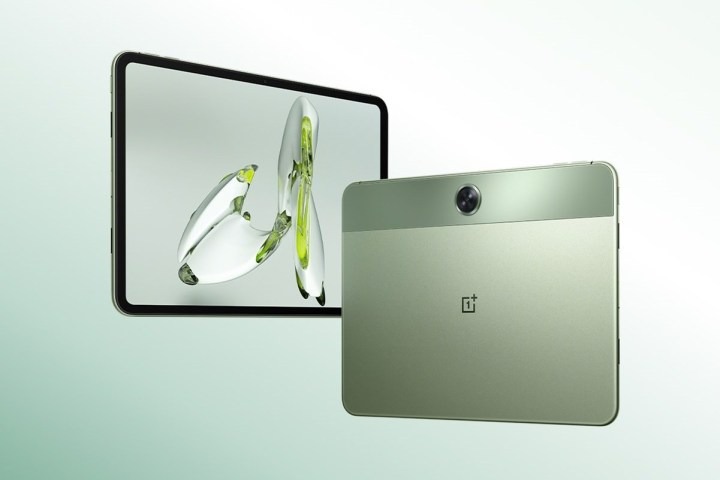
After OnePlus launched the OnePlus Pad mid-range tablet in India, the brand is now gearing up to launch an affordable tablet in the sub-continent called the OnePlus Pad Go. The official launch is scheduled for October 6, and we expect the live sale to kick off on October 7 or 8.
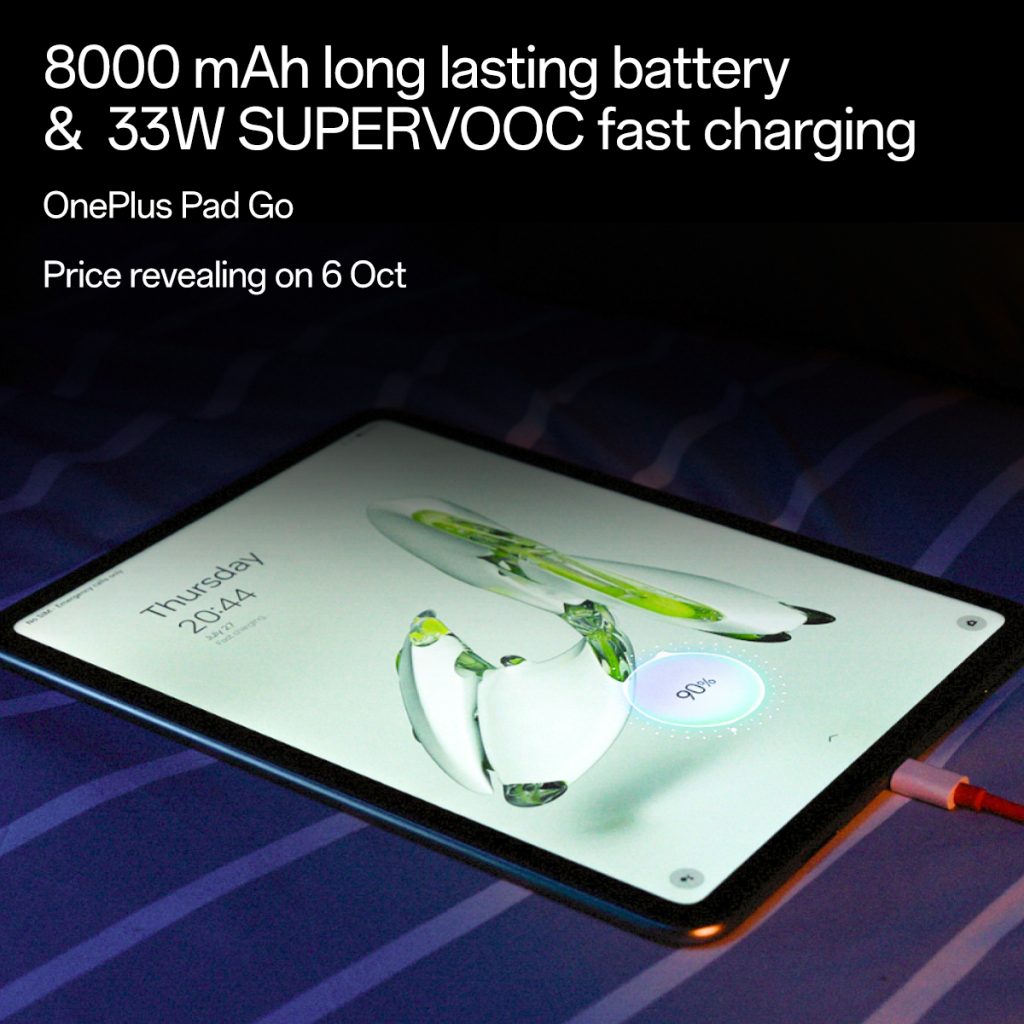
Ahead of the launch, the brand has started teasing the specs of the Pas Go. In the latest teaser, the brand has confirmed that the tablet will feature a large 8000mAh battery, paired with 33W SUPERVOOC fast charging.
Previously, details like the screen size, screen resolution, RAM, and storage were also confirmed by the brand. As per the teasers, the Pad Go will have an 11.35-inch 2.4K display with an aspect ratio of 7:5 and TUV Rheinland eye protection certification.
OnePlus Pad Go
It will have a powerful quad-speaker setup tuned by Dolby. The maximum RAM and storage capacity available will be 8GB + 256GB. Lastly, the tablet will offer 4G LTE connectivity and 5G cellular data sharing. The only missing information at this point is the chipset, which is expected to be a MediaTek Helio G99. We also expect the tablet to run on OxygenOS 13.2-based Android 13 and feature a microSD card slot for additional storage. With all these impressive specs and features, the tablet could be a hit in the Indian market if priced reasonably.
Google surprised Android enthusiasts today with an unexpected event. The long-rumored Pixel 8 and Pixel 8 Pro were unveiled at this event. These well-received models come with a seven-year Android update guarantee, making them especially appealing to users. However, the biggest surprise of the day wasn’t these devices. Google announced Android 14, the next major release of the Android mobile operating system. Here are the details…
Android 14: The Newest Features for Your Android Smartphones and Other Devices
Every year, Android rolls out an update that seeks to improve, customize, and ensure a better experience for its users. After the success of Android 13 and its many new features, the tech world eagerly anticipated the release of Android 14. And now, the moment has arrived. With a keen focus on customization, control, and enhanced accessibility features, Android 14 is here to redefine the smartphone experience.
This year, the company’s main focus has been on personalization. As you may know, while iOS aims to offer a similar experience to everyone, Google’s Android promises a more personalized experience. This year, a series of Enhanced Personalization tools were added to the mobile operating system to further enhance this experience.
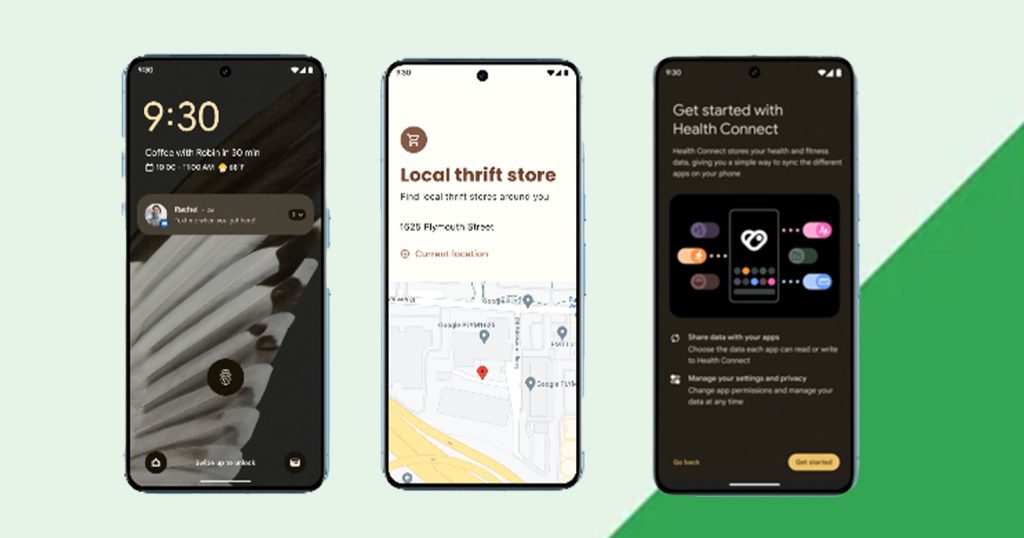
For example, the company is taking its design language called “Material You”, which was introduced with Android 13, to the next level. As it’s known, this feature can automatically adjust app icons, user interface elements, settings, and much more according to the colors of the current wallpaper, following a specific color scheme. With the new update, users can now set custom lock screen shortcuts, allowing quick access to their favorite apps and functions.
In addition, there are customizations for the lock screen and home screen offering templates specifically designed for widgets, colors, fonts, and more. And for the artists among us, Android 14 has a delightful surprise. The new generative AI wallpapers employ AI-generated text-to-image diffusion models, allowing users to craft wallpapers that resonate with their vision. On the other end of the spectrum, for those who have a penchant for minimalistic aesthetics, Android 14 introduces a sophisticated monochromatic theme that swathes the device in beautifully muted colors.
Customization Picker
Custom Lock Screen Shortcuts
Lock Screen Templates
Generative AI Wallpapers
Monochromatic Theme
Beyond personalization, the new Android offers impeccable image and video quality. The introduction of Ultra HDR ensures that photos showcase vibrant colors, brighter highlights, and deeper shadows. This feature ensures photos look their absolute best. What’s more, with HDR screens, photos are captured and displayed without compromising the image’s intrinsic quality.
More control over your health, security and data
Health Connect is a new platform that gives users a central way to store and manage their health data from different apps. This makes it easier to track your fitness and wellness progress, and it also gives you more control over who has access to your data. Android 14 also introduces new data sharing updates that give you more visibility into how apps are using your data. For example, you’ll now be notified when an app is sharing your location data with third parties.
More features for low-vision and hard-of-hearing users
Android 14 includes a number of new features that make the platform more accessible to people with low vision and hearing impairments. For example, the improved magnifier is more intuitive to use, and the font size Quick Settings tile makes it easy to change the text size on your device. Android 14 also includes new features for hearing aids, such as a dedicated setup flow and the ability to quickly access hearing aids controls from a shortcut. Additionally, users can now turn on “Flash notifications” to get visual light flashes when they receive incoming notifications.
Get Android 14 today
According to the Google, as of today, Android 14 has been released for Google Pixel devices with its stable version. Later this year, it will also be available for manufacturers such as Samsung, iQOO, Nothing, OnePlus, Oppo, Realme, Sharp, Sony, Tecno, Vivo, and Xiaomi.
Google is taking a huge leap forward in customer satisfaction and environmental responsibility, as it recently announced seven years of software support for its Pixel phones at the launch event for the new Pixel 8 lineup. This new policy, a two-year extension over the previous five-year commitment, was unveiled at Google’s recent “Made by Google” event. While flashy new hardware and OS features often steal the show, this announcement holds far-reaching implications. It stands out as a consumer-friendly and eco-conscious move, setting a new benchmark for competitors.
An estimated five billion phones were discarded in 2022 alone
For those of us not in a hurry to jump onto the latest trend, this is great news. An extended lifespan for Pixel phones means you won’t feel pressured to buy a new device as often. It’s a win for your wallet, allowing you to hold on to your device for a longer period without worrying about software becoming obsolete. It should be noted that Google has previously praised smartphone brands such as Xiaomi, Samsung etc. for providing a commendable number of software updates and security patches to their devices.
The eco-friendly benefits can’t be overstated, especially when you consider that an estimated five billion phones were discarded in 2022 alone. The extended support is expected to encourage longer phone usage, reducing the number of devices ending up in landfills and contributing to pollution. Although Google‘s decision won’t eliminate the problem entirely, it’s a step in the right direction.
While Apple’s support lasts around five to six years, most Android manufacturers lag far behind, offering just about two years. Samsung has made some strides by committing to four generations of Android and five years of security updates, but Google’s new policy puts the tech giant ahead of the game. By taking the initiative, Google has not only turned up its own standards but also applied pressure on other companies to follow suit. The real question now is, will they?
You can read about Smartphone Brands and their longevity of software updates here.
Reddit, the popular online forum, recently announced a series of updates aimed at enhancing the user experience for its mobile app and website. The changes bring a new “media” tab for easier access to visual content like images and videos, along with a refreshed layout for search results.
Reddit claims an 85% improvement in search speed
The company has taken notable steps to speed up mobile web searches, claiming an 85% improvement in search speed. For users who aren’t logged in, the mobile version of Reddit will now offer additional search filters and separate tabs for comments and posts. This is a welcome change for casual users who prefer not to sign in but want to engage in community discussions.
In an attempt to be more inclusive, Reddit has modified its search feature to be compatible with screen readers. According to the company’s blog post, they’ve added labels, roles, values, and states to all elements in the search results page. The aim is to assist visually impaired users in understanding available actions and the nature of results returned.
However, while these updates appear to be a move in the right direction, they fall short of addressing some long-standing issues, especially concerning accessibility for the visually impaired. Members of the subreddit r/blind have been vocal critics of Reddit’s policies, notably the API crackdown that led to the discontinuation of many third-party accessibility apps. Reddit later exempted some apps focused on accessibility from its API fees, but this hasn’t appeased everyone. Critics argue that the platform still lacks adequate tools for blind users to moderate their own communities.
When it comes to electric motorcycles, the market is far from scarce. Yet, the Trevor DTRe Stella, Belgium’s handcrafted marvel, manages to stand out in a crowded space as it gears up for its American debut.
The German electric bike has a compact 2.7 kWh Lithium-ion battery
Initially launched in 2020, the DTRe Stella isn’t your run-of-the-mill electric bike. Instead of jumping on the trending dirtbike or scooter bandwagon, it carries a unique flat-track-inspired design. Built in a workshop, not a factory, every DTRe Stella is meticulously crafted to meet Trevor Motorcycles’ high standards.
But what sets this bike apart isn’t just skin-deep. Housing an 8-kilowatt brushless DC motor—peaking at 11 kilowatts or around 15 horsepower—the Stella isn’t holding back. Forget any lag; this motorbike uses a single-speed chain-driven transmission, providing a swift 35 pound-feet of torque. While it won’t break any land speed records with a top speed of 56 mph, its efficiency and power-to-weight ratio are noteworthy. Weighing a mere 183 pounds, it can travel up to 54 miles on a single charge. Plus, it can be fully charged in about an hour, thanks to its 2.7 kWh Lithium-ion battery.
Trevor Motorcycles didn’t cut corners on hardware either. It employed Sarolea Performance Technology for both front and rear suspensions, while the 19-inch premium Hahn wheels, outfitted with chunky Mitas H-18 tires, assure durability and grip. Beringer brakes ensure you stop as effortlessly as you move. Priced at $11,975, the Trevor DTRe Stella isn’t a cheap affair. However, its high cost is justified by its handbuilt nature and premium components. With customization options for body colors, it’s not just another electric motorcycle but a canvas for individual expression.
After months of leaks and rumors, Google has finally made the Pixel 8 Pro official. The handset was unveiled earlier today during the Made by Google event alongside the Pixel 8 and Pixel Watch 2. The new Pixel brings several improvements, with the latest Tensor G3 chip being the major one. Google has also packed a thermometer on the back of the phone. The cameras also see a slight improvement and so does the display. Here’s everything you need to know about the Pixel 8 Pro.
Design and Display
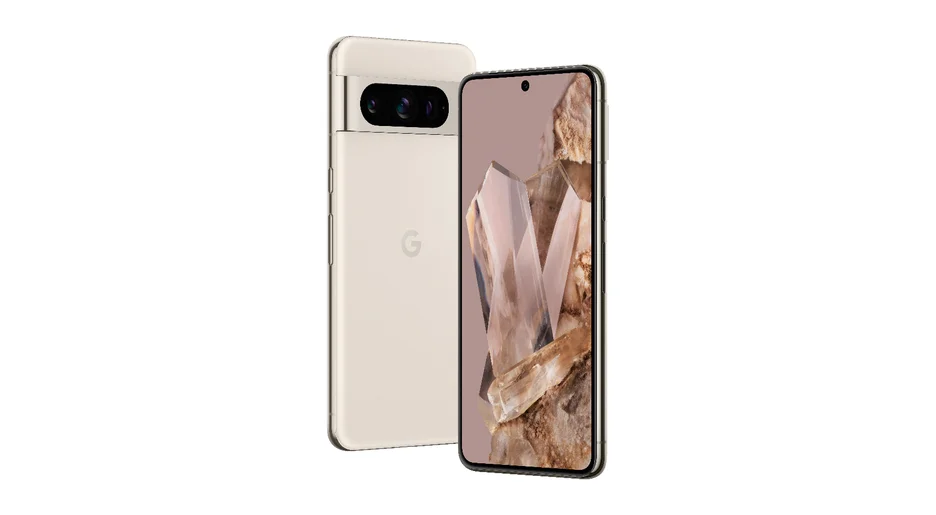
Google has made several design changes to the Pixel 8 Pro. The new Pixel adopts a more rounded design and ditches the sharp corners of last year’s Pixel 7 family. The camera sensor design is also new on the 8 Pro, with cameras fitted behind one glass piece instead of two.
Pixel 8 Pro measures 162.6 x 76.5 x 8.7mm and weighs 213 grams. It is built around a flat 6.7-inch LTPO OLED display offering a 3120×1440 pixel resolution, and a 1-120Hz adaptive refresh rate. It brings up to 2,400 nits maximum brightness and Corning Gorilla Glass Victus 2 protection. The flagship gets an IP68 waterproof rating.
Everything Else
In other respects, the Pixel 8 Pro boasts the new Tensor G3 chipset under the hood. The new 4nm processor is coupled with 12GB of RAM, up to 1TB storage in the US, and 512GB elsewhere. The battery on the device has been bumped up to 5,050mAh. However, you only get 30W wired and 23W wireless charging support.
Google has pushed the envelope in terms of software updates this time, promising five major OS releases and seven years of security patches on the Pixel 8 Pro. The handset also brings all the latest connectivity options including WiFi 7, Bluetooth 5.3, and NFC. You also have a Titan M2 chip onboard for security, paired with a VPN by Google One at no extra cost.
Cameras also see improvements on the Pixel 8 Pro, with the phone now featuring a 50MP primary shooter, a 48MP ultrawide lens with upgraded autofocus, and a 48MP telephoto with 5x optical zoom. For selfies, there’s a 10.5MP camera on the rear.
Pricing and Availability
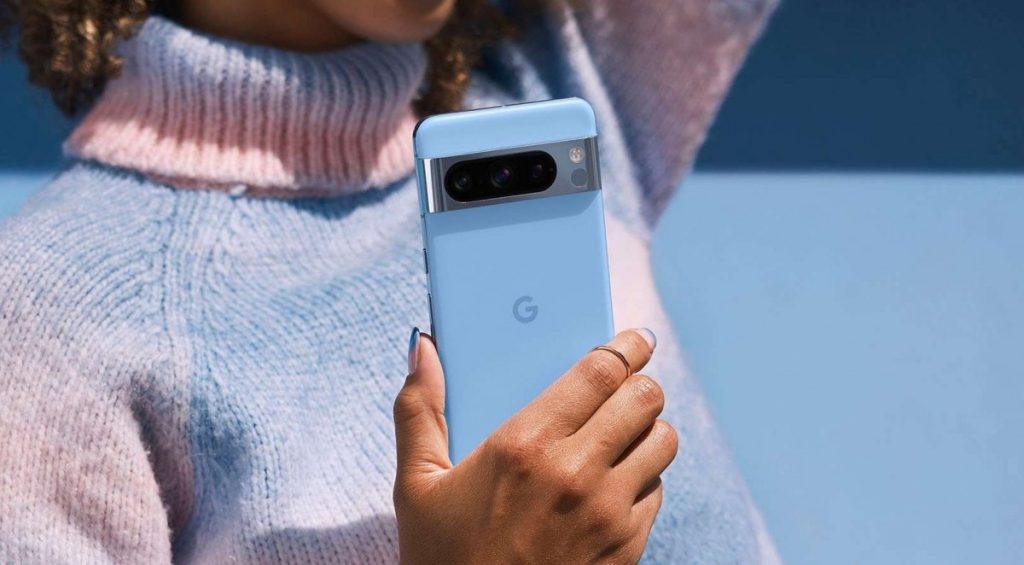
The Pixel 8 Pro starts in the US for $999 (Amazon) and Rs. 93,999 in India. The device will be available for pre-booking starting today, with a free Pixel Watch 2 on pre-order. It will be offered in Sky Blue, Porcelain, and Obsidian Black color options.
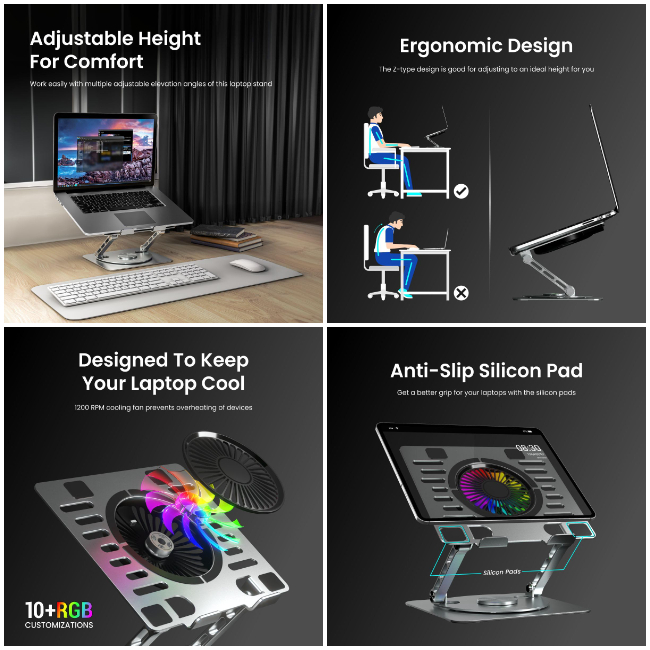
Indian electronics accessories manufacturer Portronics is known for its useful range of laptop stands under the My Buddy brand name. The tech giant has turned things up with the launch of a new laptop stand equipped with an efficient cooling fan and a rotating base. The product is called Portronics My Buddy Spinlight portable laptop stand and it also comes with some cool RGB lighting.
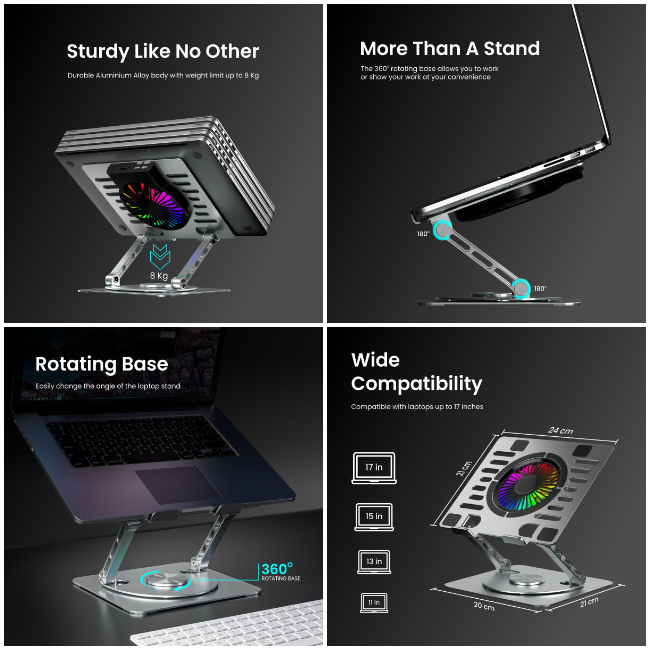
The Portronics My Buddy Spinlight is made from robust aluminum. It is also capable of rotating full circle for greater versatility. The stand’s height is adjustable and it is easily foldable. The stand can be easily carried on the go and can be used for laptops or tablets weighing up to 8kg and up to 17 inches in width. The Z-shaped design of the stand makes it very easy to adjust the height. The new product features silicone pads to prevent slippage. The cooling fan has a speed of 1200RPM with 10 RGB light modes available.
The Portronics My Daddy Spinlight is available in a silver colorway and comes with a 1-year warranty. The dimensions of the laptop stand are 27 x 25 x 6.5 cm and it weighs 980g. The Portronics My Daddy Spinlight is available in India for Rs. 2,349 ($). It can be purchased from the Portronics website or leading retail platforms in the subcontinent such as Amazon and Flipkart. It is also available from offline channels across India.
Google held its annual hardware event today. As usual, the company debuted the flagship next-generation Pixel 8 series and the Pixel Watch 2. Leaks and rumors revealed pretty much everything about the new arrivals leading up to today’s launch event. The Pixel 8 and 8 Pro arrive as the successors to the last year’s models. The standard variant packs incremental upgrades over its predecessor while the pro model gets some significant upgrades. In this post, let’s take a look at the Pixel 8.
Google Pixel 8 specifications
The Pixel 8 retains the same design as the previous Pixel phones. However, it has slightly rounded corners and an overall smaller footprint. The device features a horizontal camera bridge with a pill-shaped cutout for the rear camera sensors. On the front, the Pixel 8 features a 6.17-inch OLED display bearing an FHD+ resolution. It offers a 120Hz refresh rate, 2,000 nits peak brightness, and HDR support. There is a centre-aligned punch-hole cutout.
Google’s Pixel devices are widely known for their photography power. The Pixel 8 has dual rear cameras comprising a 50MP Samsung ISOCELL GN2 primary sensor paired with a 12MP IMX386 ultra-wide-angle unit that also offers Macro focus. There is also an upgraded ToF sensor. Up front, it retains the same 10.5MP selfie snapper. The smartphone is capable of recording up to 8K videos. It packs various features including staggered HDR, Face Unblur, super res zoom, audio magic eraser, and more.
Under the hood, the Pixel 8 houses Google’s proprietary Tensor G3 chipset based on 3nm architecture. There is also Titan M2 security chip. The smartphone packs 8GB LPDDR5X RAM and up to 256GB internal storage. It is backed by a 4,485mAh battery unit with support for 24W wired and 18W wireless charging. Software-wise, the Pixel 8 is shipping with Android 14 out of the box. The search giant is promising a massive 7 years of OS updates and security patches.
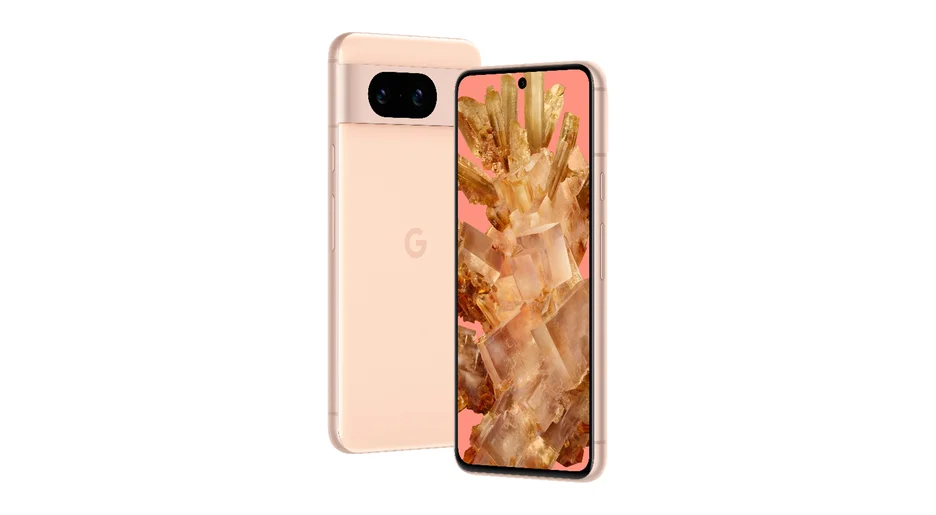
The Google Pixel 8 is offered in Hazel, Rose, and Obsidian colors. It starts at $699 in the US (AMAZON) whereas in India it starts at Rs 75,999 for the 128GB variant. The smartphone is up for pre-orders with sales commencing from October 12.
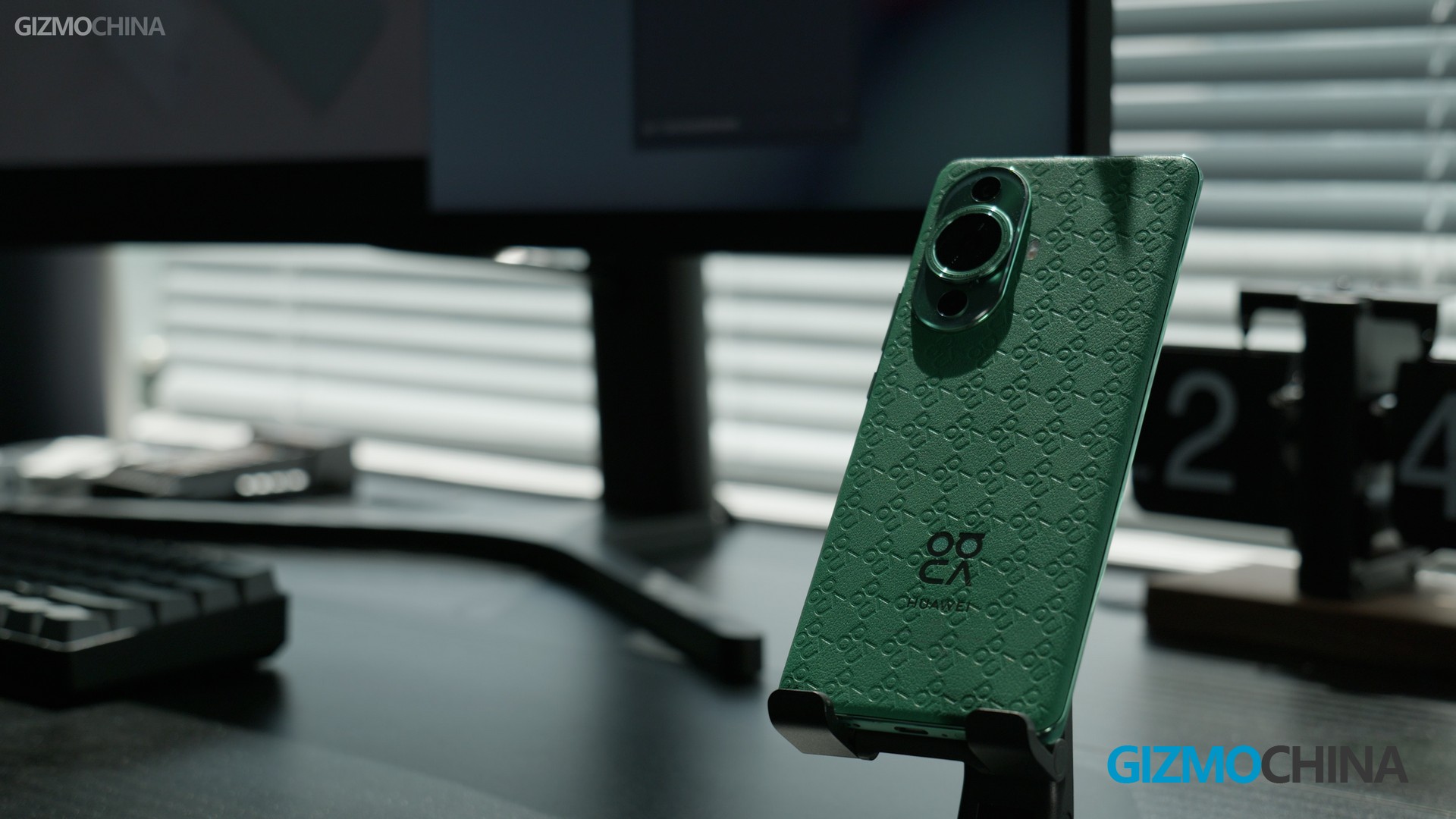
Huawei is reportedly working on two upcoming smartphone series: the Nova 11 SE and the Nova 12. Notably, the Nova 11 SE has recently passed through the TENNA database, revealing some key specifications. This device is anticipated to sport a powerful 108MP rear camera, although it will be equipped with an undisclosed chipset that supports 4G connectivity.
Huawei Nova 12 series will feature Kirin chipsets
Conversely, there have been reports emerging again that the Nova 12 series will include both 5G and non-5G variants. Since Kirin chipsets are expected to be used, it’s natural that they will support 5G connectivity. If the Nova 12 series launches in overseas markets with a different processor, it’s probable that the non-5G version of the smartphones will be offered in those regions. The Pro version is expected to include flagship-level features like satellite communication and Star Flash technology.
According to earlier leaks, the standard Nova 12 is expected to offer a second-generation Kunlun curved glass screen with a smooth 120Hz refresh rate. It is likely to be powered by the Kirin 830 chipset and feature an impressive rear camera setup, comprising a 50MP ultra-sensing lens, an 8MP telephoto lens, and a 12MP wide-angle macro lens. For capturing selfies, the front-facing camera is rumored to feature a 60MP ultra-wide-angle lens. Additionally, the device is expected to house a substantial 4,800mAh battery with support for fast 88W wired charging.
On the other hand, the Nova 12 Pro is set to come with a second-generation Kunlun curved glass screen, also boasting a 120Hz refresh rate. It is likely to be powered by the Kirin 9000S chipset and equipped with a rear camera setup consisting of a 50MP main camera, a 50MP telephoto lens, and a 12MP wide-angle macro lens. Similar to its standard counterpart, the Nova 12 Pro is expected to sport a 60MP front camera for stunning selfies. Additionally, it may feature a slightly larger 4,900mAh battery and support ultra-fast 100W wired charging.
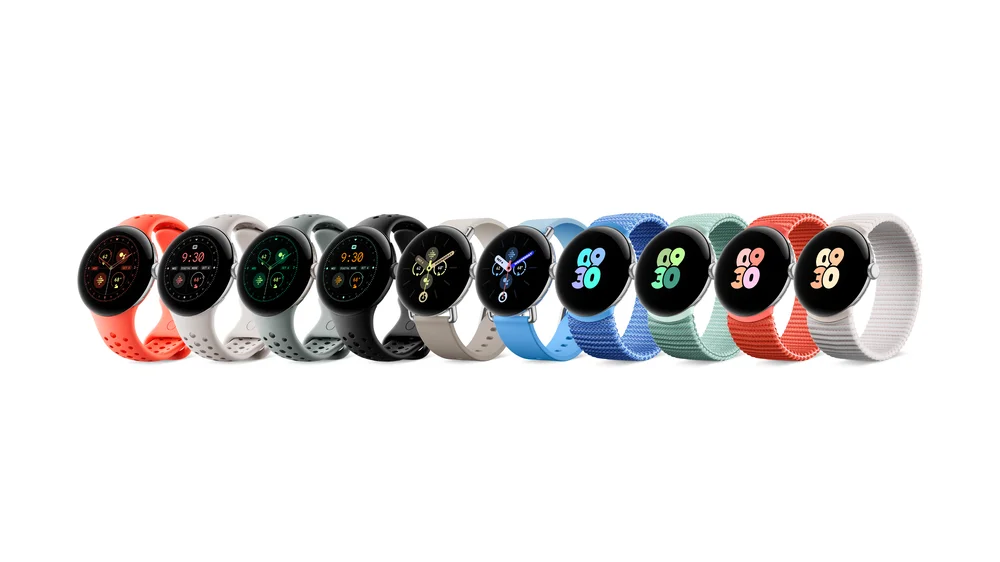
At the annual ‘Made by Google’ event, the tech giant unveiled its next-generation Pixel smartphones and a smartwatch. The Pixel Watch 2 arrives as the successor to last year’s model. It has an identical design and packs incremental upgrades over its predecessor. Notably, the second-generation smartwatch from Google is also coming to more markets across the world where its predecessor was not released. Read on to learn more about the technical details of the Pixel Watch 2.
Google Pixel Watch 2 specifications and features
The Google Pixel Watch 2 retains the same design as its predecessor. This includes a circular dial with a rotating crown, a physical button, and a microphone hole on the right side. One notable difference is that the latest generation features an aluminium build which is lightweight compared to stainless steel. The smartwatch is IP68-certified dust and water-resistant up to 50 meters. The device has a curved AMOLED screen measuring 1.6 inches with a 384 x 384-pixel resolution and always-on display mode.
On the health-centric front, the Pixel Watch 2 retains the heart-rate monitor, SpO2 sensor, and sleep tracker from its predecessor. Notably, the heart-rate sensor is upgraded from single-path to multi-path for more accurate tracking results. The smartwatch is also capable of detecting atrial fibrillation from the ECG app and delivering irregular heart-rate rhythm in the Fitbit app. The wearable device features a cEDA sensor (electrodermal activity) for accurately detecting signs of stress and offering guided breathing sessions. It also gets the addition of a temperature sensor that is capable of measuring the user’s skin temperature whenever they want. The Pixel Watch 2 packs support for various sports modes along with support for auto-detection.
Coming to the convenience, the Pixel Watch 2 gets enhanced safety features. It comes with built-in car crash detection and fall detection that will help users connect to emergency services automatically if they are unresponsive. The smartwatch will also store important medical information of the user onboard like blood type, health conditions, and medication so emergency services can provide the necessary and accurate help. There is a check-in timer that will send alerts to emergency contacts if the user does not respond before it expires. Additionally, emergency sharing will send real-time location and battery level to chosen contacts if things go south.
The Pixel Watch 2 is touted to offer 24 hours of battery life on a single charge which is unchanged from its predecessor. It is said to top up fully with 80 minutes of charging. The smartwatch can be connected to other devices quickly with Fast Pair. Users can control music playback, camera shutter, and smart home devices directly from the wrist. The smartwatch also comes with Google apps onboard for smart functionality.
Google Pixel Watch 2 pricing
The Pixel Watch 2 is offered in woven, active, sport, and leather bands. The smartwatch starts at $349 for the WiFi version whereas the LTE option costs $50 ($399) more. Users get six months of Fitbit Premium. It is up for pre-orders starting today with sales commencing next week. Pricing and availability depend on the market region.
Almost every major phone brand now sells flagship-killer smartphones. These are handsets that offer premium features but at a cheaper price.
This type of device provides almost the same experience as proper flagships. They do have shortcomings but don’t hinder the overall product experience.
Xiaomi started its hardware journey as a flagship killer smartphone brand with the launch of Mi 1. But as the company grew, its mainline Xiaomi (previously Mi) series became a proper flagship lineup going head to head with the iPhones and Galaxy S series.
Therefore, the company introduced the Xiaomi T series (previously Mi T series) in 2019. These phones are released annually in the second half of the year.
Recently, the firm took wraps off the Xiaomi 13T series comprising standard and pro models. They start at €649 and €799 (Amazon).
For these prices, the devices come with several premium features that are generally exclusive to proper flagships. Let’s check out how the Xiaomi 13T and Xiaomi 13T Pro differentiate themselves from other flagship killer smartphones on the market.
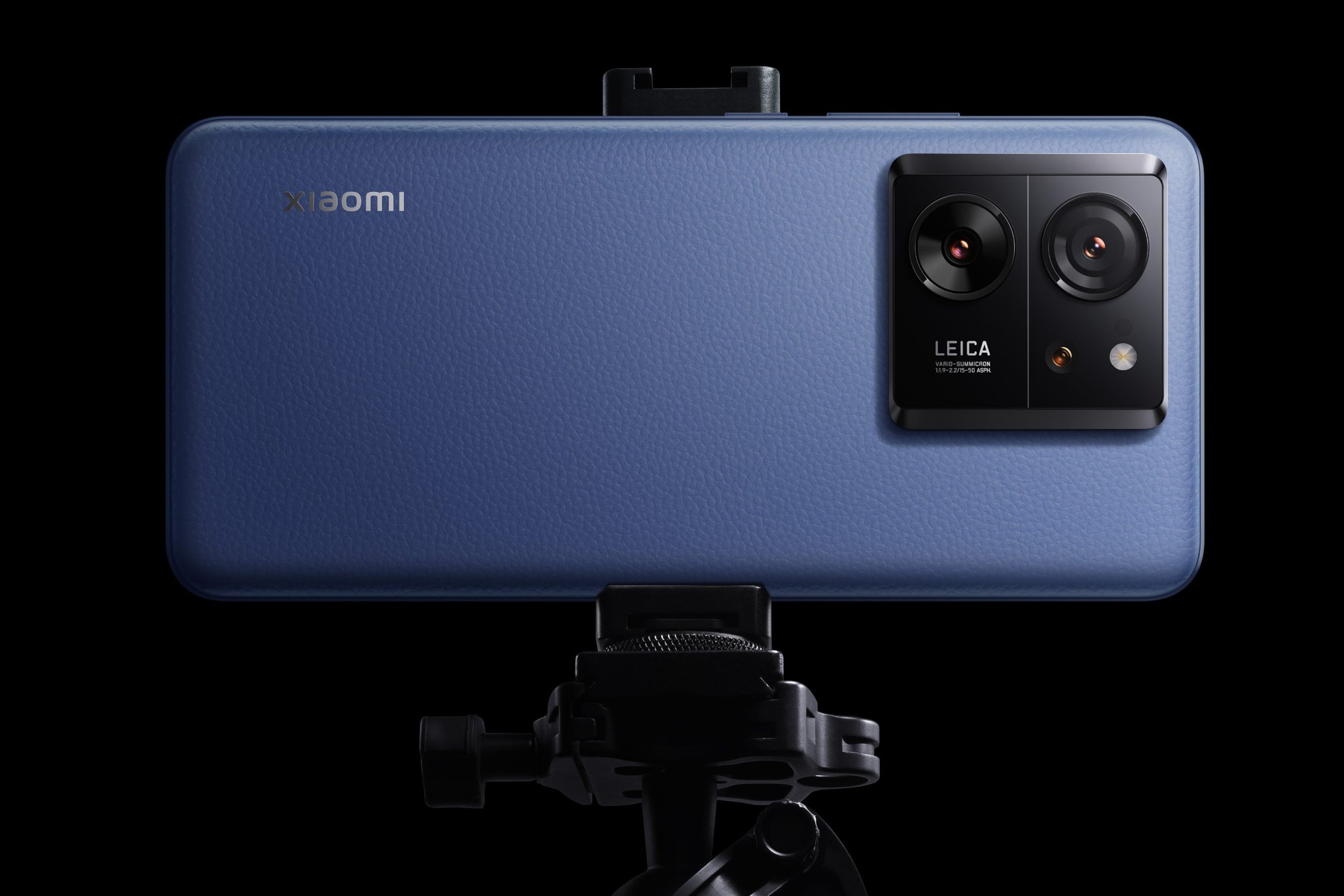
High-end smartphones from some of the popular brands now come with cameras tuned in collaboration with prominent camera brands. Xiaomi is one of them with its Leica partnership.
Xiaomi has been using Leica-tuned cameras on its flagships and foldables since last year. The Xiaomi 13T series is the first flagship killer phones from the company to be equipped with Leica cameras.
Both Xiaomi 13T and Xiaomi 13T Pro have the same camera hardware along with Leica tuning. But their ISPs are different since the vanilla variant is powered by a Dimensity 8200-Ultra chip compared to a Dimensity 9200 plus chipset inside the pro version.
The handsets arrive with a proper three-lens system. They feature a 24mm main lens, a 15mm ultrawide lens, and a 50mm 2x telephoto lens.
The main and zoom cameras are 50MP sensors with f/1.9 aperture. However, the primary sensor is larger in size ( 1/1.28″ vs. 1/2.88”) and has OIS. While the ultrawide unit uses a 12MP sensor with f/2.2 aperture.
Finally, the front camera is a 20MP sensor paired with a f/2.2 lens.
2. Feature-packed Display
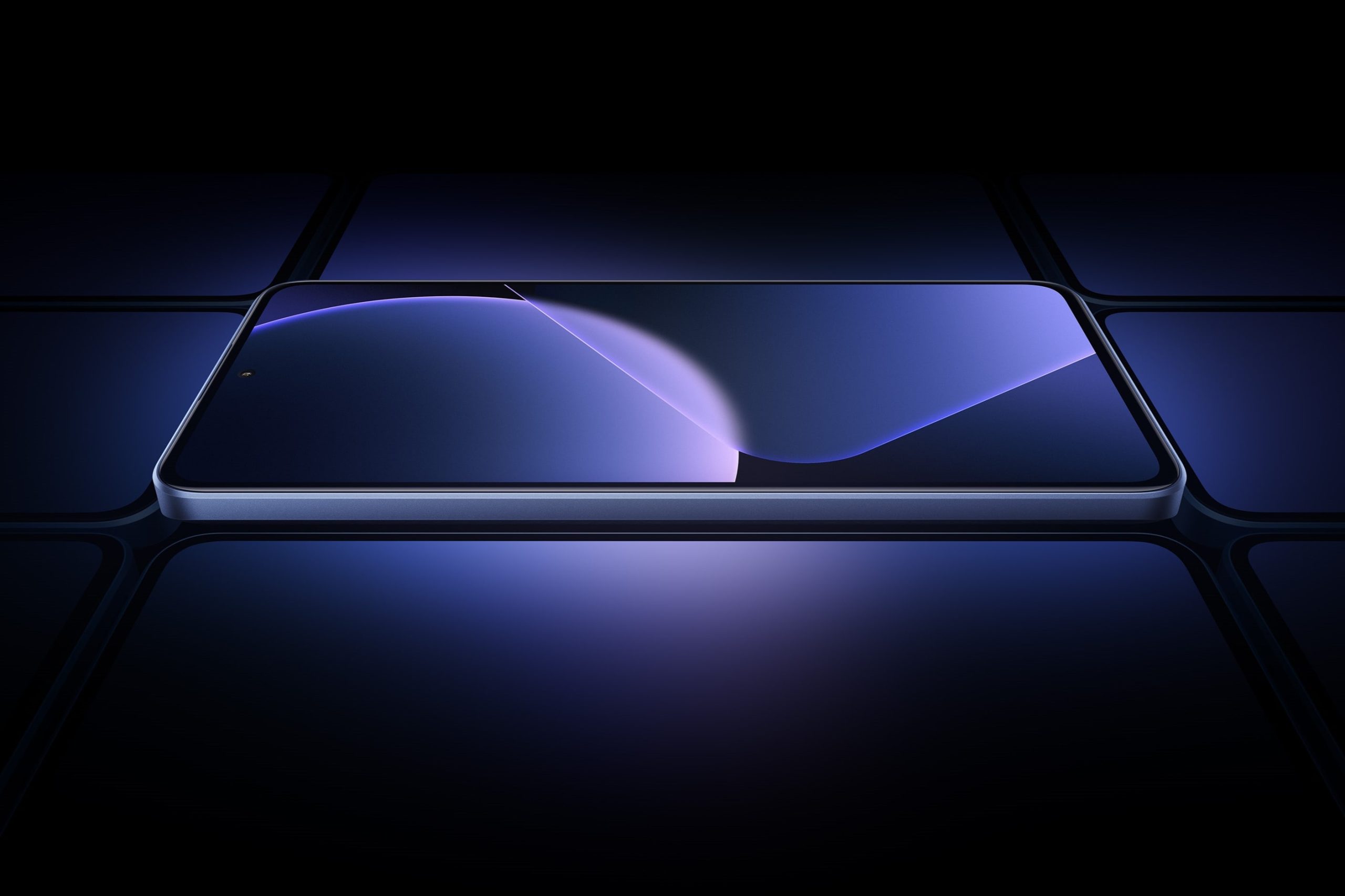
Just like the cameras, the display on Xiaomi 13T and Xiaomi 13T Pro is also the same. This is no regular screen as you get a lot of premium features.
First and foremost, the display offers a resolution of 2712 x 1220 pixels (1.5K), 446 PPI, and 12-bit color depth (10-bit native). The panel supports up to a 144Hz refresh rate. It automatically switches between 30Hz, 60Hz, 90Hz, 120Hz, and 144Hz refresh rates depending on the content.
The centered punch-hole flat screen can play HDR10+ and Dolby Vision content. It can attain a local peak brightness level of 2600 nits. In high brightness mode, its global peak brightness can reach 1200 nits.
The display can also cover 100% of the DCI-P3 color gamut. Lastly, it is even eye-friendly with 2880Hz PWM dimming and has a fingerprint sensor underneath it.
3. Basic Design
Most flagship killer smartphones sport a flashy design. Because they are generally limited to Asia and targeted at youth.
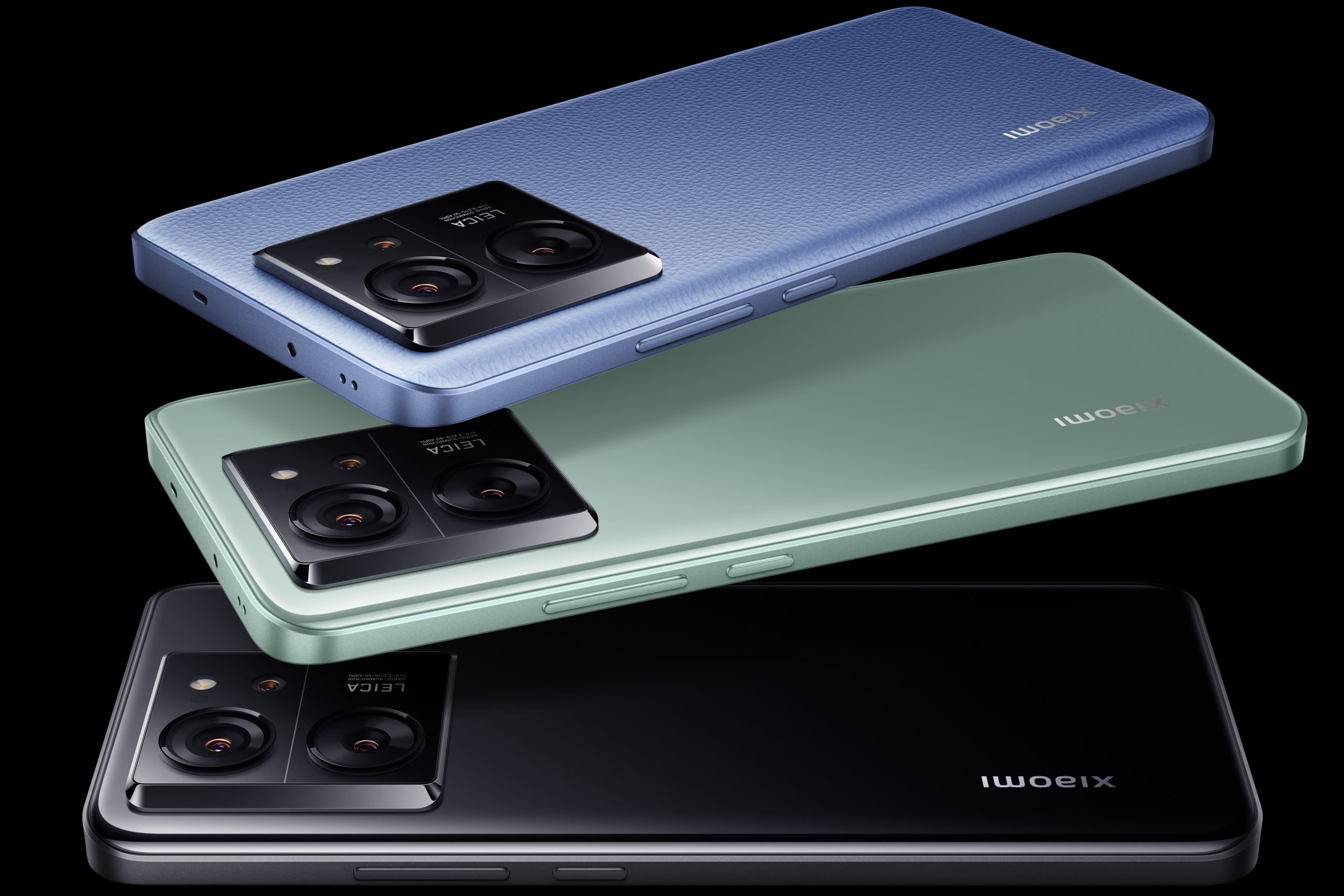
But the Xiaomi 13T series is different as it has a simple design that caters to a wider audience. It features a flat frame and a slightly curved rear panel for better ergonomics.
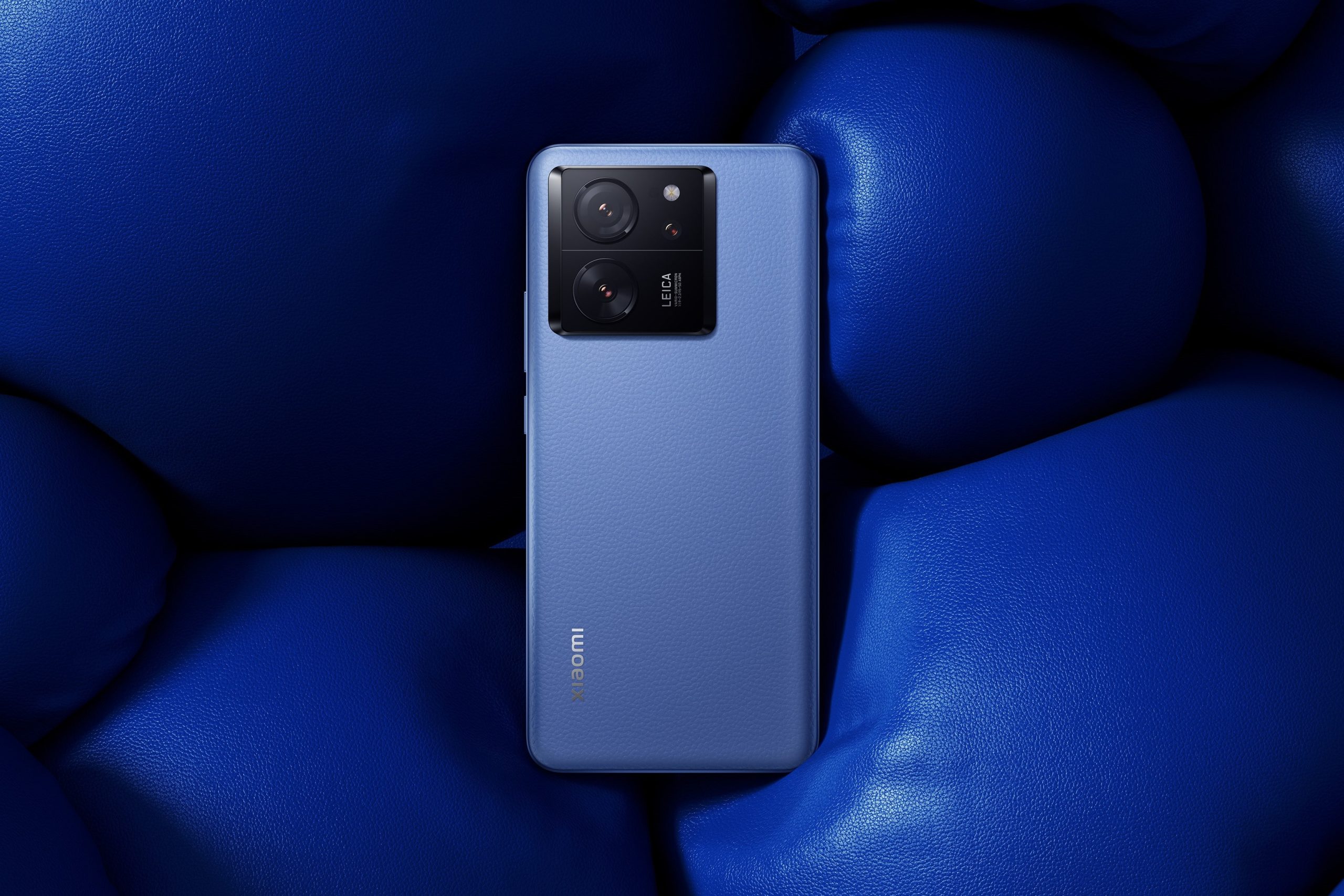
The material of the back panel is vegan leather for the Alpine Blue color option. Whereas, Black and Meadow Green color versions use glossy glass.
Either way, both leather and glass variants house a raised platform for cameras, their accompanying LED flashlight, and Leica branding. While the Xiaomi branding is located in the bottom left corner.
Additionally, the handsets are IP68-rated for dust and water resistance. This means theoretically they can survive under 1.5 metres of fresh water for 30 minutes.
4. Longer Support
The Xiaomi 13T series is one of the first smartphones from the company to fall under its latest software support policy. Hence, they will receive software updates for up to 5 years from release.
These devices are eligible for 4 Android upgrades and 5 years of security updates. Since they ship with Android 13, they will receive up to Android 17 in the future.
Xiaomi is known for providing security updates every two months or every quarter for its premium phones. So this should be the case with Xiaomi 13T and Xiaomi 13T Pro as well.
Nevertheless, customers can expect software support until the second half of 2028.
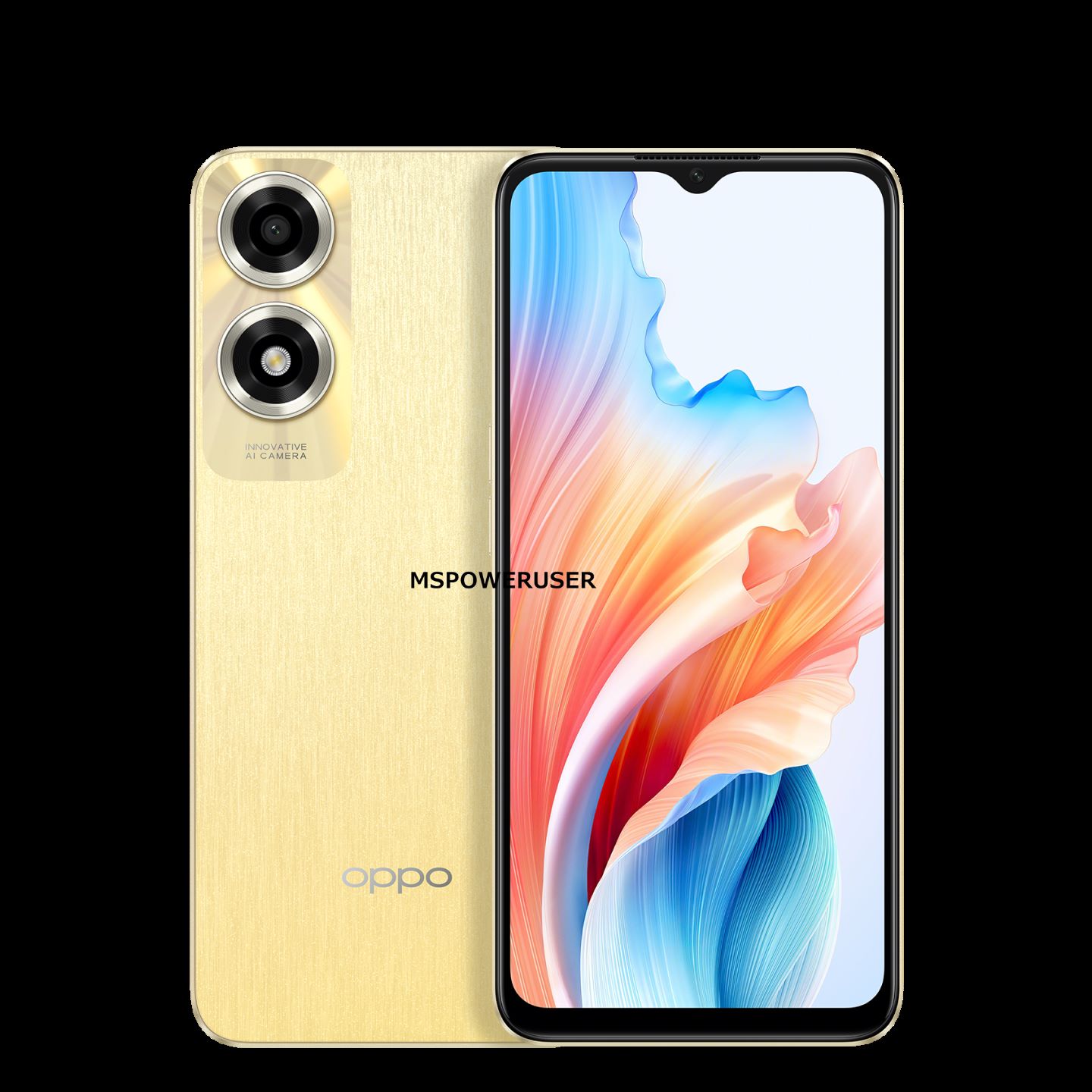
In the previous month, the TENAA certification unveiled two upcoming Oppo smartphones, namely the A2x and A2m. This certification not only provided insights into the appearance of these devices but also divulged specific specifications. Recently, both the A2x and A2m have surfaced in a leak, showcasing a series of renders for both models.
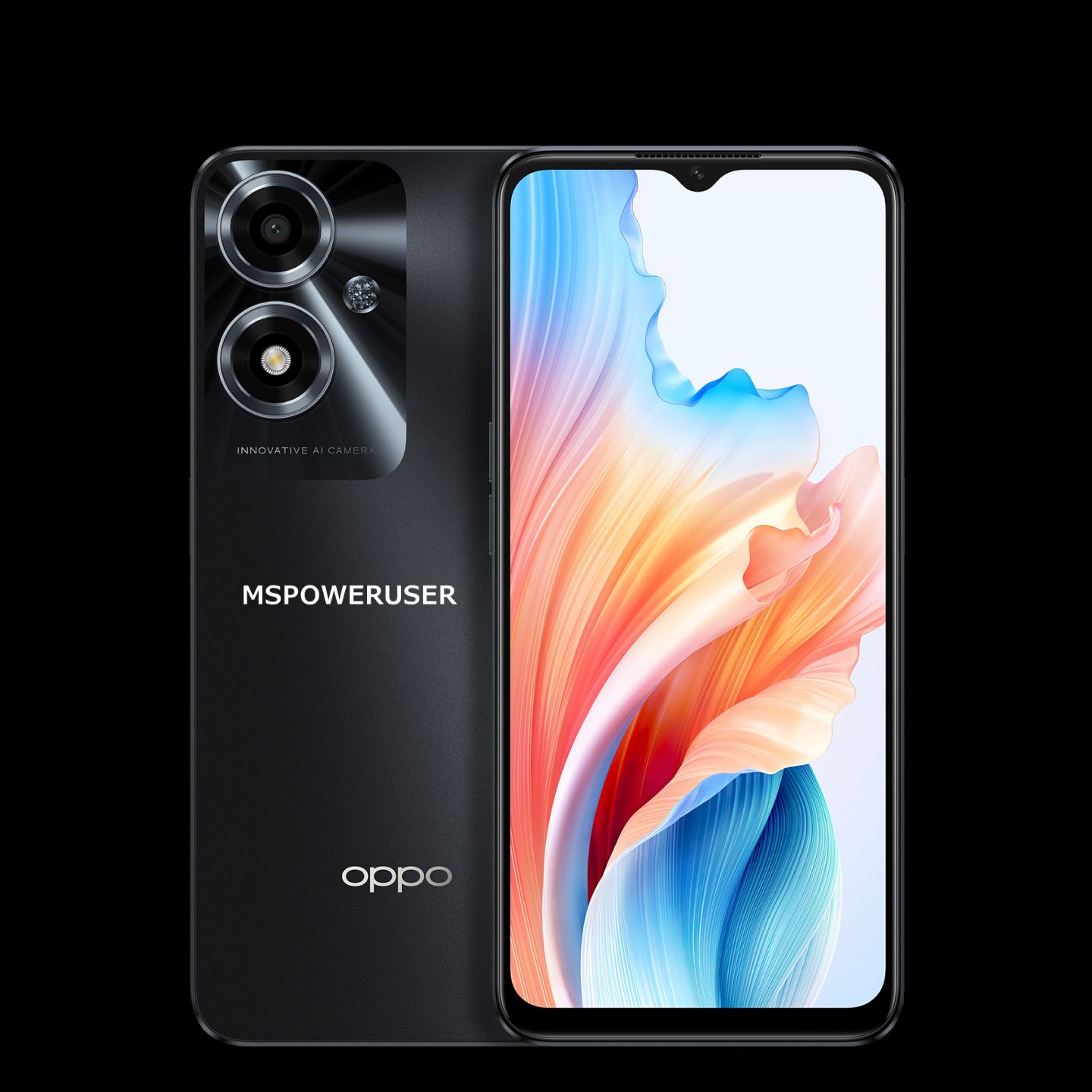
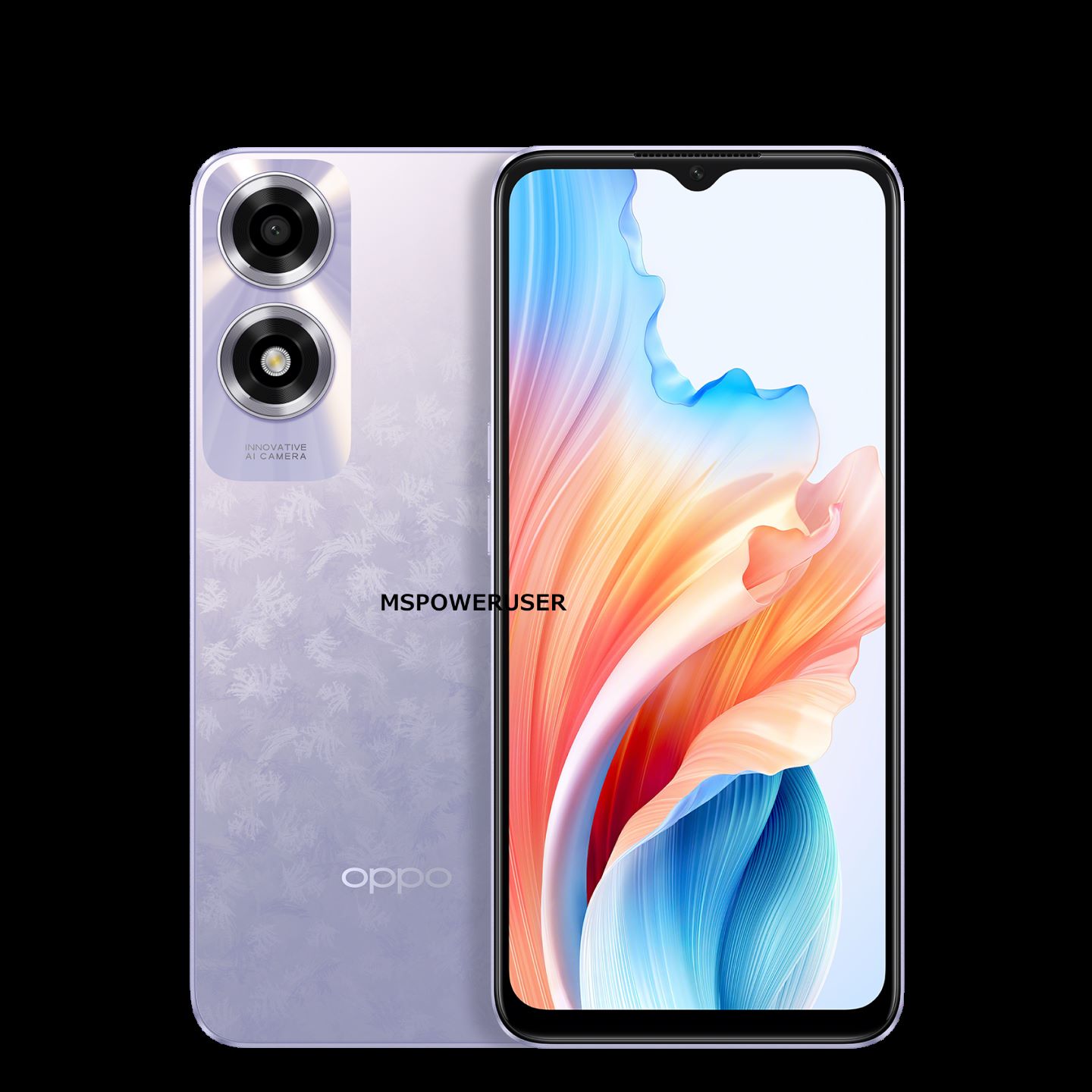
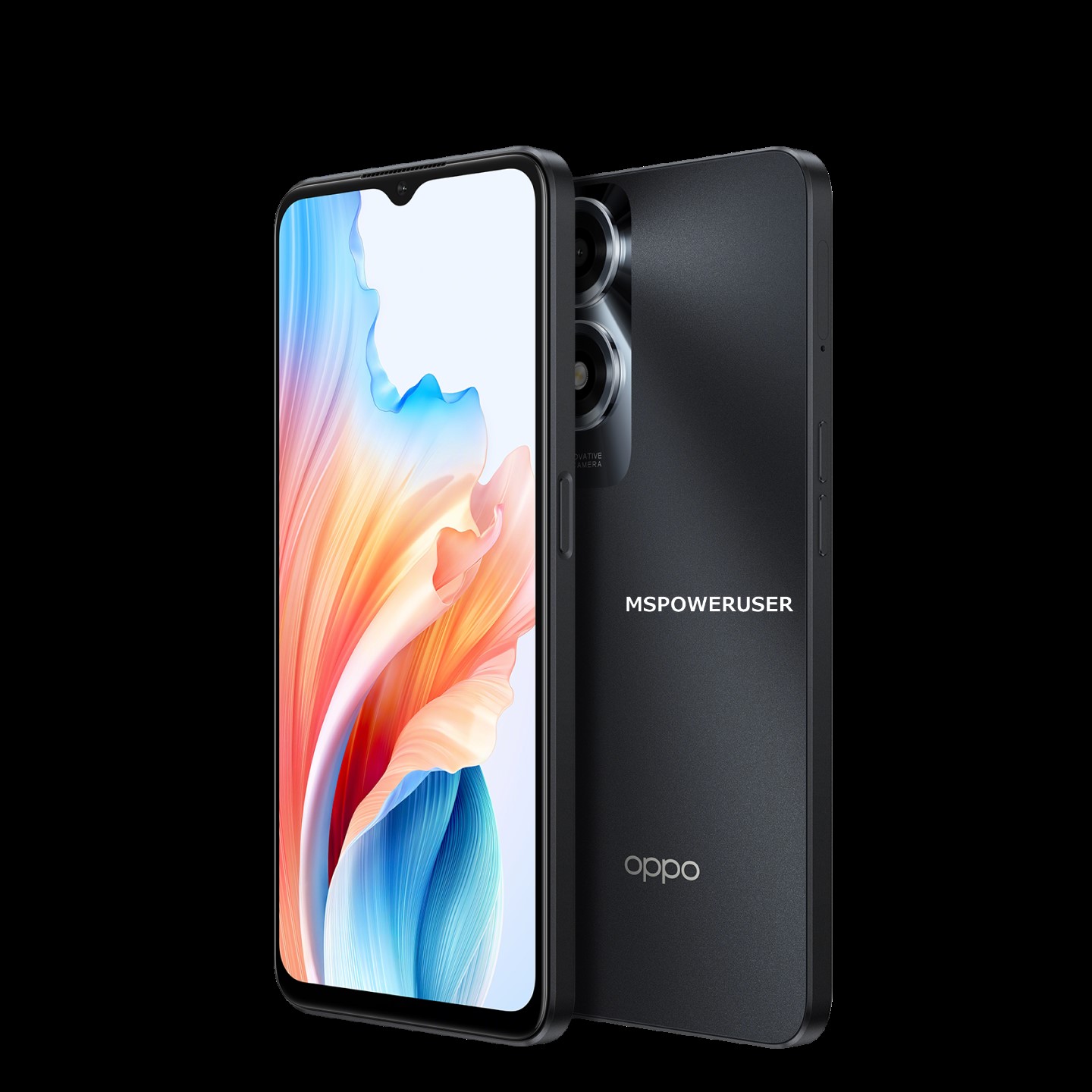
The leak comes from MSPoweruser, revealing multiple color options for the upcoming A2x and A2m smartphones.
Oppo A2XOppo A2M
The renders show that both the devices feature a similar design, with flat edges and a single camera on the back. The slight difference in the camera module appears to be the only distinctive factor. The A2X will come in two color options: Pink and Black. While the A2M has an additional yellow color option. Keep reading to learn more about these smartphones.
Oppo A2X & A2M features (expected)
Both phones are rumored to feature a 6.56-inch LCD panel with an HD+ resolution of 720 x 1612 pixels. While the TENAA listing mentions a 2.2GHz octa-core processor, which is expected to be from the MediaTek camp.
It is speculated that these smartphones may come with either 8 GB or 12 GB of RAM and offer storage options of 128 GB or 256 GB, along with a sizable 5,000mAh battery. However, information regarding their charging capabilities has yet to be confirmed.
In terms of software, it’s rumored that the OPPO A2x and A2m will run on Android 13, likely with the ColorOS 13. As for the camera setup, both models are rumored to sport a 5MP front-facing camera and a 13MP primary rear camera.
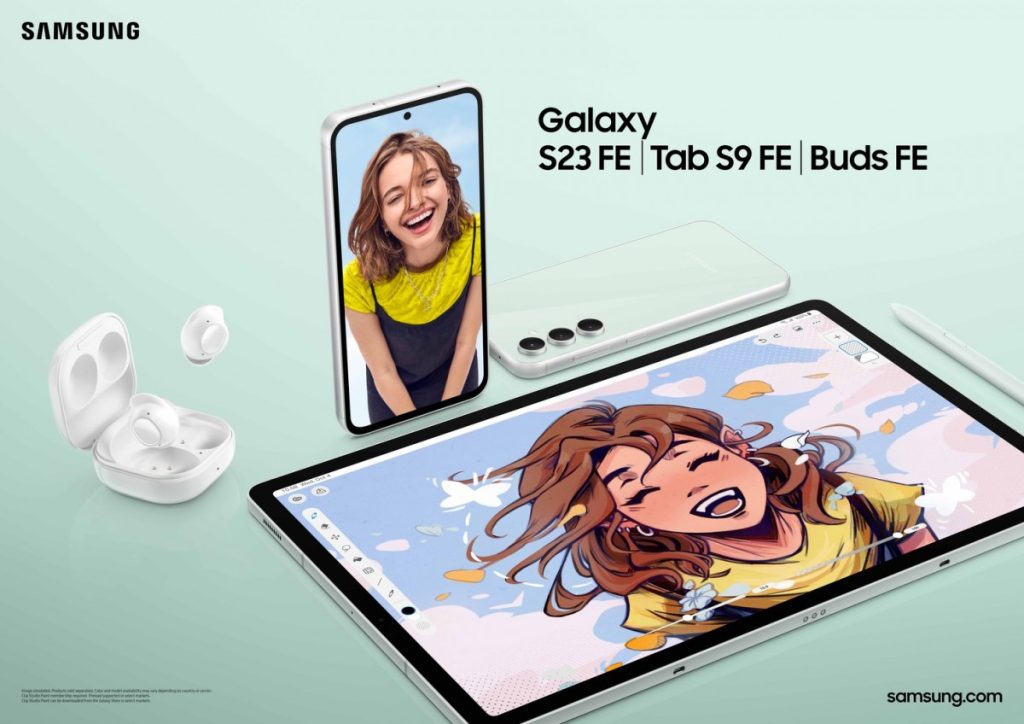
After a long wait and plenty of leaks and rumors, Samsung finally unveiled Fan Edition devices globally. These include the S23 FE smartphone, Tab S9 FE, S9+ FE and the Galaxy Buds FE. The South Korean brand says that the new FE devices are the perfect entry point for those who want to experience Galaxy flagship devices for the first time. Now Samsung’s India branch has revealed the pricing and availability of all four devices in the country. Read on to learn more about it below.
Samsung Galaxy Buds FE, Tab S9 FE, Tab S9+ FE India pricing and availability
Starting with the TWS earphones, the Samsung Galaxy Buds FE are offered in White and Graphite colors. They are priced at Rs 9,999 but as a part of the launch offer, customers can avail the audio device at an effective price of Rs 7,999 via instant bank cashback on eligible cards. You can read the full specifications of the Galaxy Buds FE here.
As for the Galaxy Tab S9 FE, it is offered in 6GB + 128GB and 8GB + 128GB RAM and storage configurations. Meanwhile, the Tab S9+ FE is available in 8GB + 128GB and 12GB + 256GB variants. Both tablets are also offered in 5G and WiFi-only versions. The Tab S9 FE and S9+ FE carry a starting price tag of Rs 36,999 and Rs 46,999 respectively for the base configurations. Samsung is offering bank cashback or upgrade bonus on both FE tablets of up to Rs 5,000.
The Samsung Galaxy Tab S9 FE duo comes in Mint, Silver, Grey, and Lavender colors. They can be purchased from the brand’s official website, Amazon, Flipkart, and retail stores starting October 7. Check out the detailed information on the Tab S9 FE and S9+ FE here.
We use cookies on our website to give you the most relevant experience by remembering your preferences and repeat visits. By clicking “Accept”, you consent to the use of ALL the cookies.
This website uses cookies to improve your experience while you navigate through the website. Out of these, the cookies that are categorized as necessary are stored on your browser as they are essential for the working of basic functionalities of the website. We also use third-party cookies that help us analyze and understand how you use this website. These cookies will be stored in your browser only with your consent. You also have the option to opt-out of these cookies. But opting out of some of these cookies may affect your browsing experience.
Necessary cookies are absolutely essential for the website to function properly. This category only includes cookies that ensures basic functionalities and security features of the website. These cookies do not store any personal information.
Any cookies that may not be particularly necessary for the website to function and is used specifically to collect user personal data via analytics, ads, other embedded contents are termed as non-necessary cookies. It is mandatory to procure user consent prior to running these cookies on your website.