Motorola has launched two different versions of the Edge 70 Pro for India and global markets. Now, the brand is working on a new model called the Edge 70 Pro+ for the Indian market. According to reliable tipster Mukul Sharma, this phone is scheduled to launch by the end of this month. Ahead of the launch, he has revealed that the device will offer three major upgrades over the existing Edge 70 Pro.
Motorola Edge 70 Pro+: Key features revealed
Motorola Edge 70 Pro+
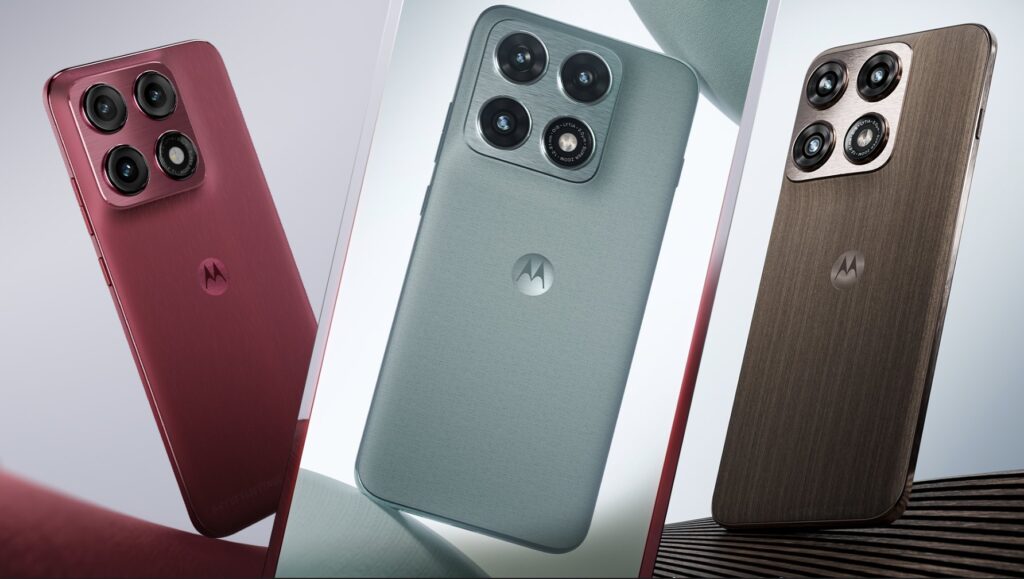
The leak reveals that the Motorola Edge 70 Pro+ will feature a telephoto lens, support wireless charging, and offer a 16GB RAM variant. Additionally, it will be available in three shades, as shown in the image. The extreme left one is dubbed Satin Wine Red, and there is also a wood finish variant.
While the other specifications of the phone are under wraps, they are likely to be identical to the regular Edge 70 Pro. It appears that the global version of the Edge 70 Pro, which includes all the above-mentioned specifications, will be called the Edge 70 Pro+ in the Indian market.
The Edge 70 Pro is priced at Rs 38,999 (~$410) in the Indian market. Therefore, the Edge 70 Pro+ with its distinguishing features may carry a sub-Rs 50,000 price tag.
The Edge 70 Pro+ may feature a 6.8-inch AMOLED panel offering a 1.5K resolution, a 144Hz refresh rate, and 5200 nits of peak brightness. Under the hood, it could be equipped with the Dimensity 8500 Extreme chip and a 6,500mAh battery with 90W wired and 15W wireless charging.
The Edge 70 Pro+ could be equipped with a 50-megapixel front camera and a 50-megapixel (main) + 50-megapixel (ultra-wide) + 50-megapixel (3.5x periscope) triple camera setup. The device will run on Hello UX-based Android 16 and is expected to receive three major Android updates.
For more daily updates, please visit our News Section.
Casio recently added two new digital watches to its US lineup: the AE1600HX-1BV and the AE1600HX-3AV. Both models are priced at $45.95. If they look familiar, it is because they were already listed on Casio’s international and European websites last month, but they are now officially available for US buyers.
Design Details
The main difference between these new “HX” models and the standard AE-1600H series is the strap length. Standard Casio resin bands usually fit wrist sizes up to 215mm. These new models come with an extra-long rally-style strap that accommodates wrists from 145mm up to 235mm.
It is a practical change for people who usually find standard watch bands too tight. The longer band is also useful if you need to wear the watch over a jacket or long sleeves while working or spending time outdoors. The strap uses a double-hole design, which helps keep the watch secure on the wrist.
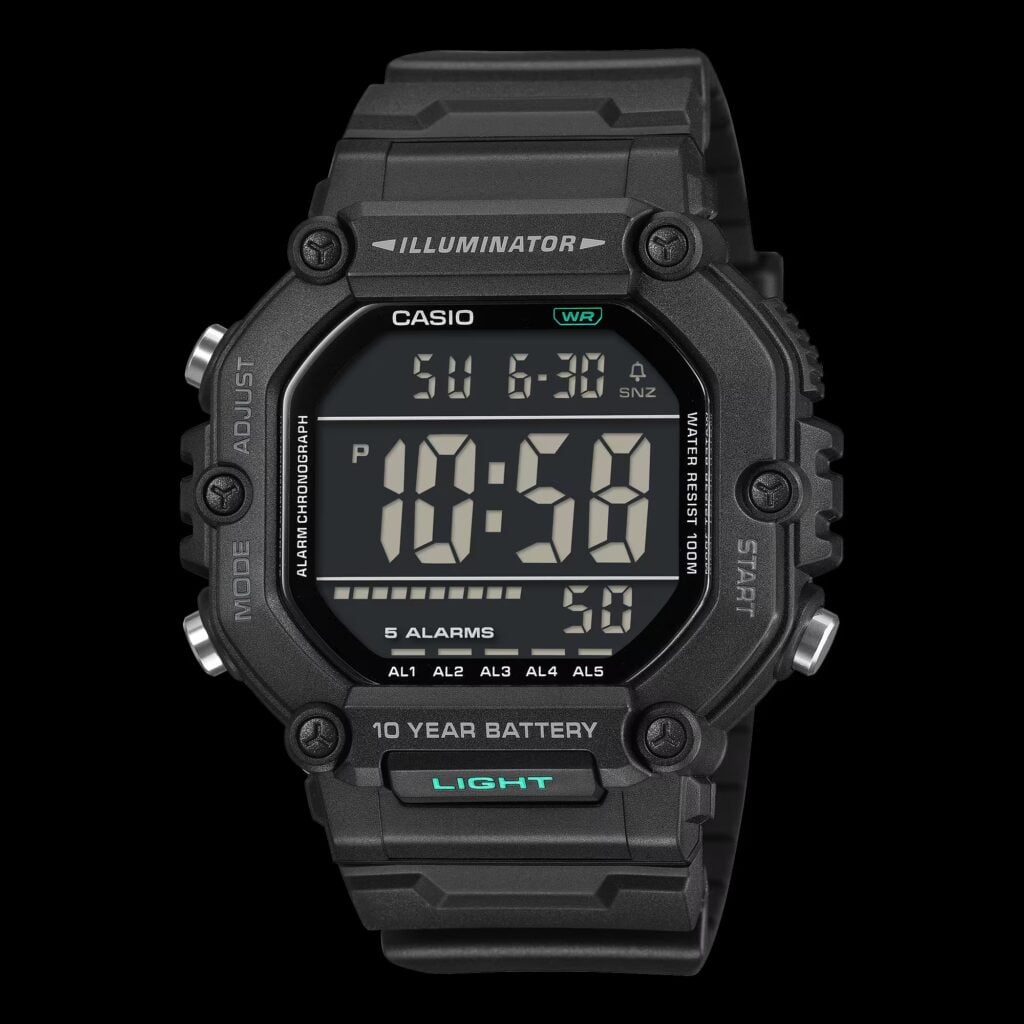
As for the design, both watches have a large resin case measuring 54.1 by 49.7mm, and they are 15.9mm thick. Despite the bulky size, they only weigh 55 grams. The AE1600HX-1BV is the black model. It uses a negative LCD, meaning the screen background is dark while the numbers are light, and has small light blue text on the case.
The AE1600HX-3AV comes in a dark olive color with a standard LCD screen and lime yellow text. Both versions have a large button on the front of the case that turns on an amber LED backlight, making it easy to check the time in the dark.
Internally, these watches offer the standard set of features you would expect from an affordable Casio. They are powered by a CR2032 coin battery that is rated to last for about 10 years. They also have 100-meter (10-bar) water resistance, meaning you can swim or wash your hands with them without an issue.
The software includes basic daily tools: a dual time function, a 1/100-second stopwatch, a 24-hour countdown timer, and five alarms (including one snooze option). The digital calendar is fully automatic up to the year 2099.
The Fairphone 3 has reached an important milestone, marking the end of its official software support cycle. While the journey is coming to a close, it also highlights how long a smartphone can realistically last.
Seven years of support and design evolution
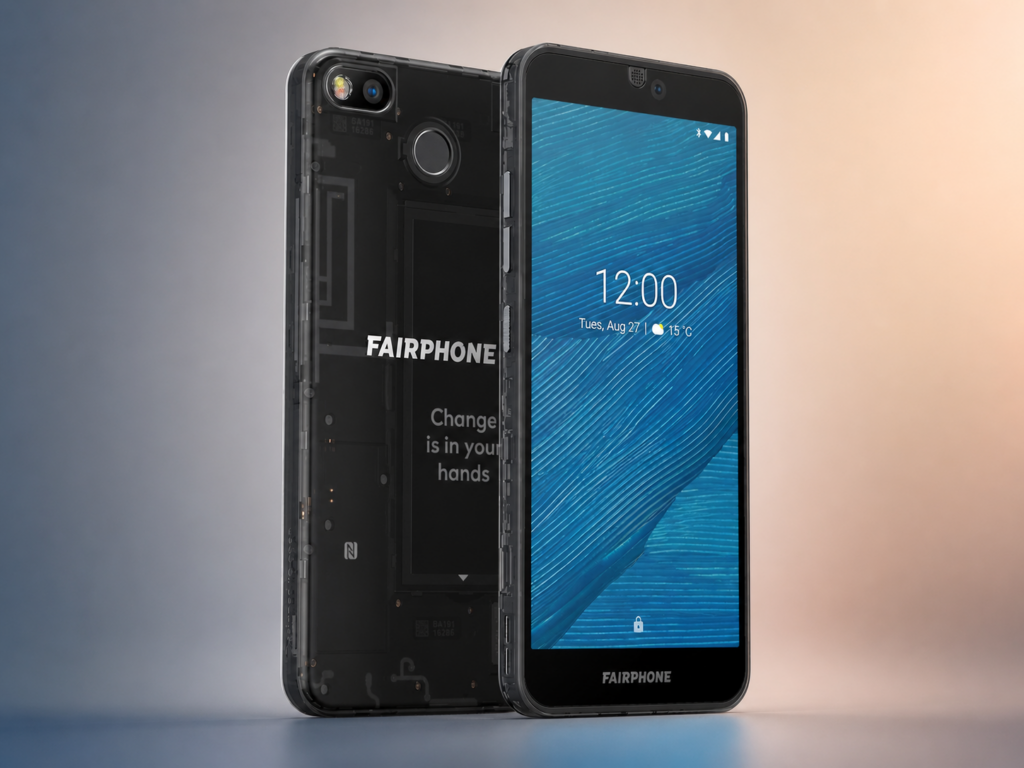
Fairphone 3
Launched in 2019 with a promise of five years of updates, the Fairphone 3 has now completed seven years of support, extending well beyond its original target. The final software update is expected to roll out by June 2026, with support ending in August. This extended lifecycle stands out in a market where most smartphones receive significantly shorter update timelines.
The device also marked a shift in design for the brand. It introduced a more refined and modular build compared to earlier models, making repairs easier and improving accessibility of spare parts. Over time, updates such as the Fairphone 3+ brought improvements in camera modules and audio, while maintaining compatibility with existing hardware.
Beyond hardware, the Fairphone 3 played a role in Fairphone’s broader sustainability initiatives. It was the first device linked to the company’s living wage program, which has contributed over $1.25 USD to supply chain workers since its introduction. The phone also supported reuse initiatives, where components like displays, motherboards, and speaker modules were refurbished and made available again.
Even as official support ends, the device is expected to remain functional through alternative operating systems. Platforms such as LineageOS, /e/OS, and postmarketOS continue to offer updates, extending the usability of the hardware further. Fairphone has also shared development work to support these communities, encouraging longer device lifespans.
For more daily updates, please visit our News Section.
Samsung has expanded its removable storage portfolio in India with the introduction of the T7 and T9 microSD cards. The new lineup signals a shift in branding while addressing growing demand for faster and higher-capacity storage. Here are all the technical details about the new microSD cards from Samsung.
Samsung T7, T9 microSD card key specifications
Samsung T7 and T9 microSD cards
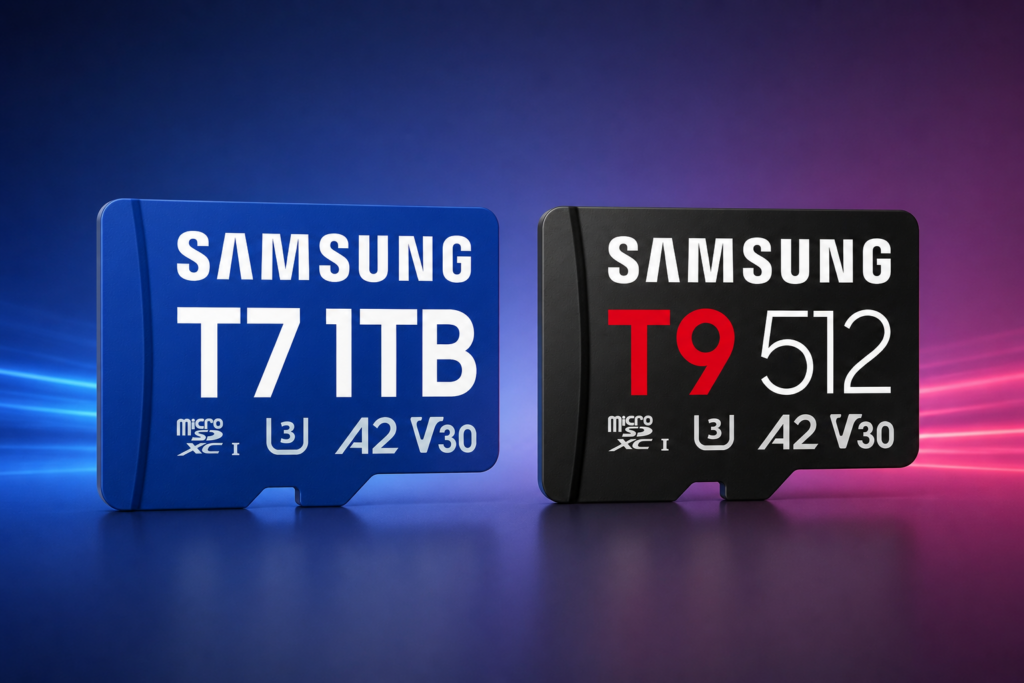
The T7 microSD card is positioned for everyday users looking to expand storage across smartphones, tablets, laptops, and gaming devices. It offers capacities ranging from 128GB to 1TB, with read speeds of up to 170MB/s. This makes it suitable for regular file transfers, media storage, and casual gaming needs without noticeable slowdowns.
The T9 microSD card is aimed at users who handle larger files and need quicker access speeds. With read speeds reaching up to 200MB/s and write speeds up to 130MB/s, it supports demanding tasks such as high-resolution video recording and fast data transfers. It also includes a six-layer protection system designed to safeguard data in varied environments, including use in drones and action cameras.
Samsung is also introducing a simplified naming approach with this launch. The new T series replaces earlier options such as EVO Plus and PRO variants, aligning removable storage with its existing portable SSD naming. The idea is to make it easier for buyers to understand performance tiers while maintaining consistency across categories.
Samsung T7, T9 microSD card: Price and availability
In terms of pricing, the T7 microSD card starts at Rs 4,849 (~$50) for the 128GB variant, going up to Rs 30,399 (~$320) for the 1TB model. The T9 range begins at Rs 5,989 (~$65) for 128GB and reaches Rs 18,999 (~$200) for the 512GB option. Both series will be available in India from the first week of May 2026 through online and offline channels.
For more daily updates, please visit our News Section.
The upcoming Samsung Galaxy Z Flip 8 has surfaced in fresh leaks, pointing towards a refined design rather than a major overhaul. Early details suggest Samsung is focusing on improving the overall experience while keeping core hardware familiar.
Focus shifts to hinge and display refinement
Samsung Galaxy Z Flip 7
According to a tipster on Naver, Samsung may introduce a redesigned hinge mechanism aimed at reducing the visible crease on the Galaxy Z Flip 8’s inner folding display. The improvement could make the screen appear nearly flat when unfolded, addressing one of the most noticeable aspects of flip-style foldables.
The same hinge change is also expected to slightly alter the device’s dimensions. Reports indicate the phone could be marginally wider while becoming around 0.5mm thinner when folded. The weight is also tipped to drop to about 180 grams, compared to roughly 188 grams on the Samsung Galaxy Z Flip 7, making it easier to handle over long periods.
While the design may see subtle refinements, the internal hardware is expected to remain largely unchanged. The device is likely to feature a 4,300mAh battery paired with 25W wired charging, similar to the previous generation. Other elements such as speakers, vibration motor, and cover display are also tipped to carry forward without major upgrades.
Camera specifications could include a 50-megapixel primary sensor and a 12-megapixel ultra-wide lens, along with a 10-megapixel front camera placed on the inner display. The handset is also expected to run on Samsung’s upcoming 2nm Exynos 2600 chipset, aligning with the brand’s approach for its flip series.
The Galaxy Z Flip 8 is expected to debut alongside other foldables at a Galaxy Unpacked event rumoured for July 22 in London. Pricing may see a slight increase due to rising component costs, although exact figures are yet to be confirmed.
For more daily updates, please visit our News Section.
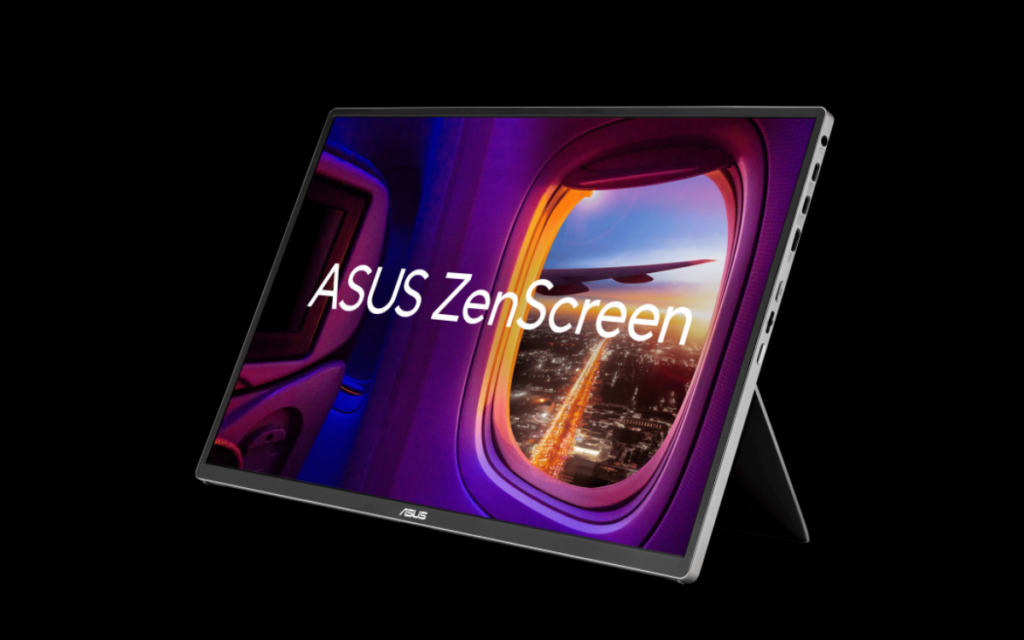
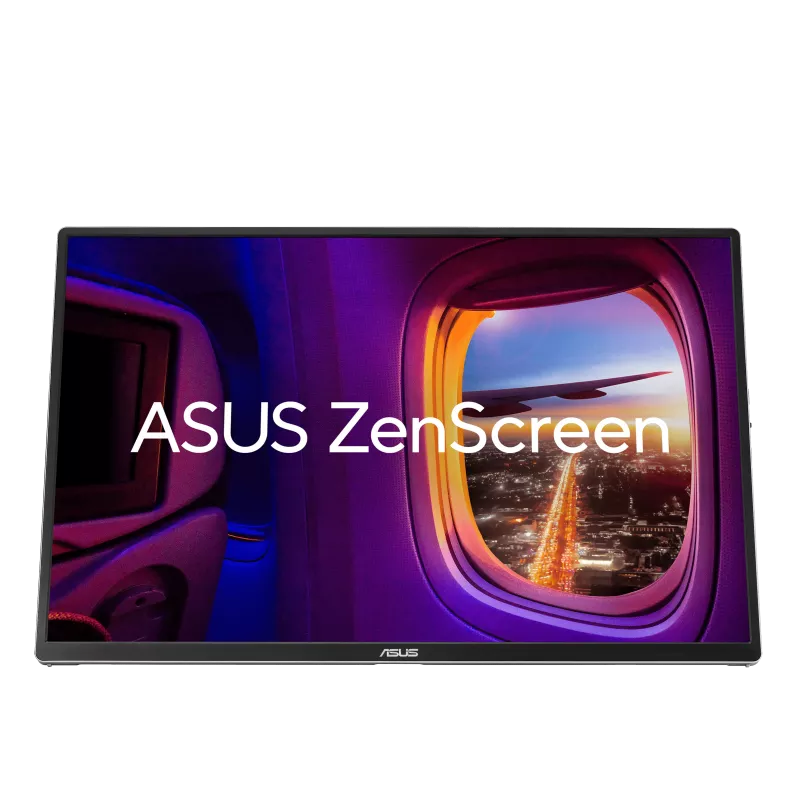
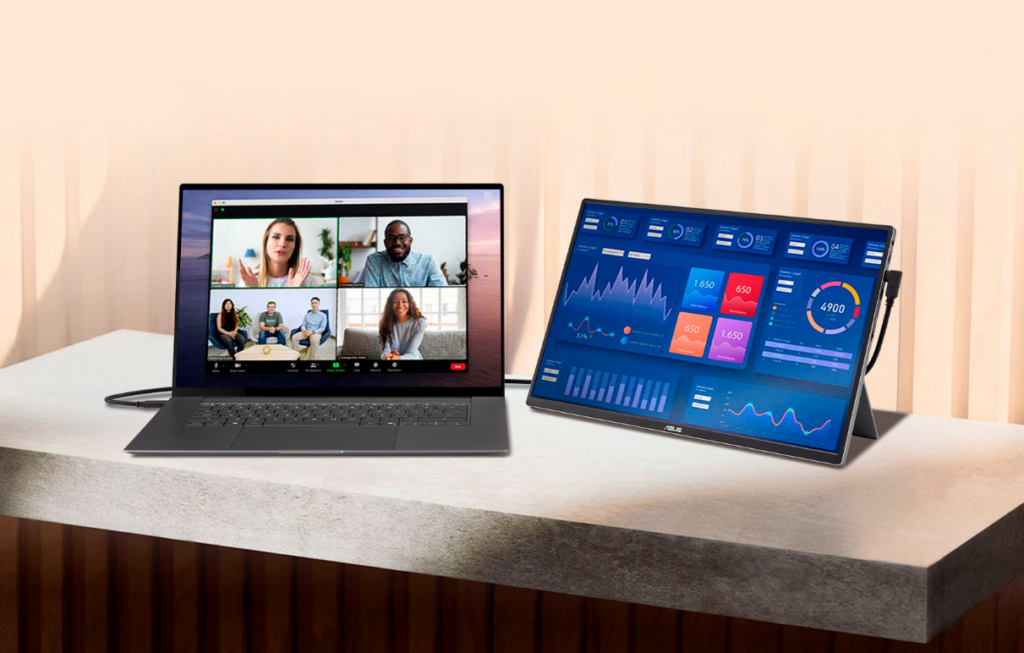
Working on a single laptop screen can be frustrating when you need to view multiple documents or applications at the same time. Portable monitors are a standard fix for this, and Asus has just added another option to the mix. The ZenScreen OLED MQ16FC is a 16-inch secondary display aimed at people who work away from a desk, and it is priced at €280 in Europe.
Asus ZenScreen OLED MQ16FC Specifications
The monitor uses an OLED panel with a 1920 x 1200 resolution. That gives it a 16:10 aspect ratio, which matches most modern productivity laptops and provides a little more vertical space for reading text or viewing spreadsheets. The screen covers 95% of the DCI-P3 color space and has a Delta E < 2 color accuracy rating.
In practical terms, the colors and contrast should be reliable enough for standard photo and video editing tasks. It is a 60Hz display, so it is meant for work and watching media rather than gaming, though the 1ms response time should keep text scrolling looking normal.
The most useful hardware addition is the power pass-through system. The monitor includes two USB-C ports (which support DisplayPort Alt Mode) and a mini-HDMI port.
If you plug a compatible USB-C charger into the monitor, it can pass up to 65W of power directly to your connected laptop. This is helpful if you are working in a cafe or an airport and only have access to a single wall outlet, as you can keep both devices powered using one charging brick.
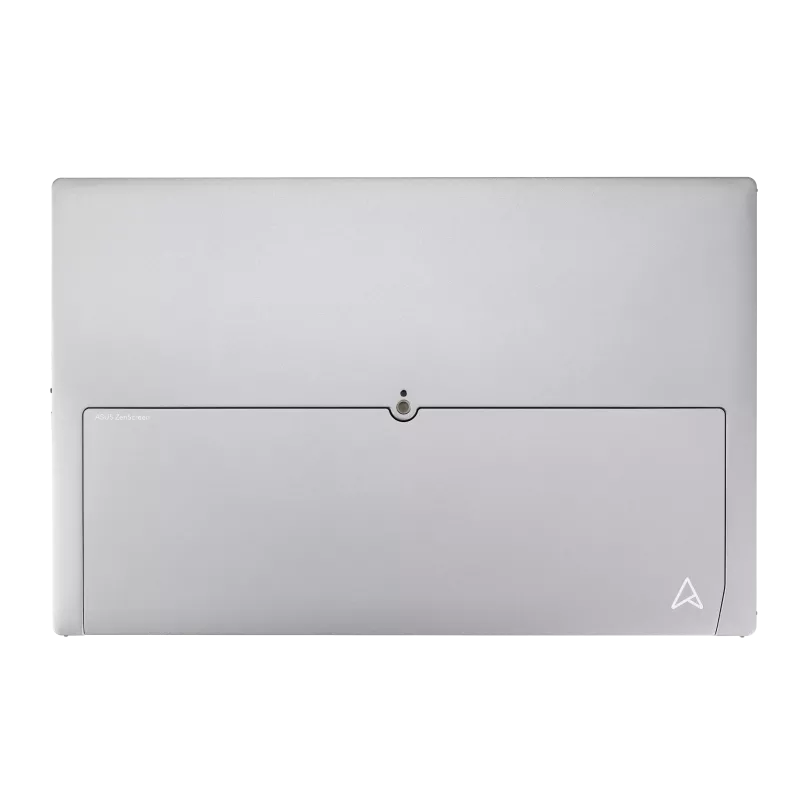
Physically, the monitor is built to fit in a standard laptop bag. It weighs 0.68 kg and is 0.9 cm thick. It includes a built-in kickstand, a standard 1/4-inch tripod socket if you prefer to mount it, and software that automatically rotates the screen if you turn it vertically.
Asus also included a specific color profile intended to match the screen output of Apple’s MacBooks, which might save macOS users some time adjusting settings to get their screens to match.
BenQ has introduced the Mobiuz EX271QZ in India, bringing a new focus on blending ultra-fast gaming performance with accurate visual storytelling. The monitor targets gamers who want both responsiveness and immersive visuals.
BenQ Mobiuz EX271QZ: A new direction for gaming displays
BenQ Mobiuz EX271QZ gaming monitor
The Mobiuz EX271QZ features a 27-inch QHD QD-OLED panel paired with a 500Hz refresh rate and 0.03ms response time. This combination improves motion clarity during fast gameplay while keeping transitions smooth in open-world titles and cinematic sequences. The higher refresh rate also helps reduce blur and enhances tracking precision in competitive scenarios.
What sets this monitor apart is its approach to color tuning. Instead of generic presets, it introduces Game Art Color profiles such as Fantasy, Sci-Fi, and Realistic modes. These are designed to align with a game’s artistic style rather than simply boosting colors. Supporting this is Spectral Color Refinement, which adjusts colours across the full spectrum to deliver balanced tones, improved midtones, and more natural highlights.
The QD-OLED panel enables precise lighting control at the pixel level, delivering deep blacks and high contrast. The monitor carries VESA DisplayHDR True Black 500 certification, covers 99 percent DCI-P3 colour space, and can reach up to 1000 nits peak brightness in HDR content. These elements together improve depth and realism in both games and media playback.
It also integrates High Pixel Contrast technology that dynamically enhances shadow detail without affecting brighter areas. For connectivity, HDMI 2.1 with eARC support allows compatibility with modern consoles and multi-channel audio formats like Dolby Atmos and DTS:X. To maintain performance over time, the EX271QZ includes several OLED protection mechanisms such as pixel refresh, logo dimming, pixel shift, and graphene-based cooling.
BenQ Mobiuz EX271QZ price in India, availability
The monitor is priced at Rs 84,998 and is available via online and retail platforms across India.
For more daily updates, please visit our News Section.
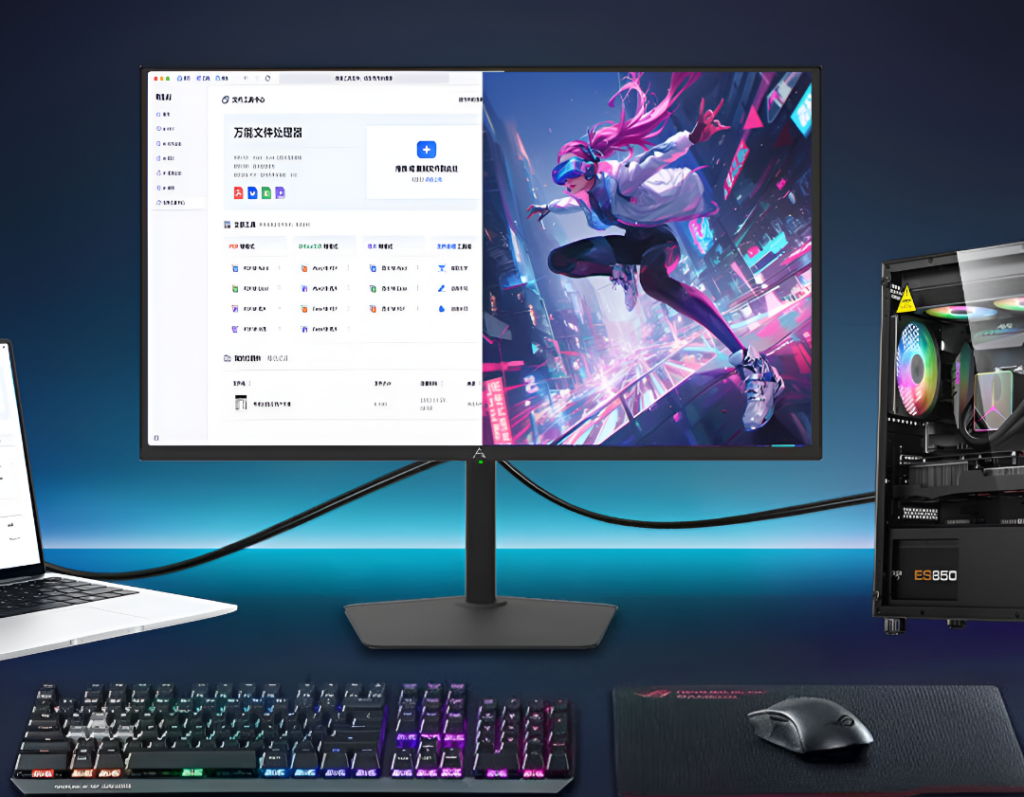
The market for OLED gaming monitors has been steadily growing, and Lenovo is adding a new model to the list. Through its Lecoo sub-brand, the company recently launched the W3259PS in China.
It is a 31.5-inch display that includes the standard features expected from a current high-end desktop monitor: a 4K UHD resolution, a 240Hz refresh rate, and a QD-OLED panel, priced at 5,499 Yuan (roughly $805).
Lenovo Lecoo W3259PS Specifications
The primary feature of the monitor is its QD-OLED panel. Because OLED uses self-emissive pixels, the display controls brightness and color at the individual pixel level. This results in the deep blacks and high contrast ratios typical of OLED technology. Lenovo also applied an anti-reflective (AR) coating to the screen to help reduce glare in brighter rooms. The panel has a peak brightness of 450 nits, which is standard for desktop OLEDs in this category.
For gaming, the W3259PS comes with a 240Hz refresh rate paired with a 0.03ms gray-to-gray response time, which helps reduce motion blur and ghosting in fast-moving scenes. It supports Adaptive Sync to prevent screen tearing and includes standard software features like on-screen crosshairs and preset picture modes for FPS and RTS games.
The monitor is also suitable for general content creation. The 10-bit panel supports 1.07 billion colors, covering 99% of the DCI-P3 color gamut and 100% of sRGB. It is factory-calibrated with an average Delta E of less than 2, meaning the color accuracy should be reliable out of the box. To help with eye strain during longer sessions, the display incorporates a flicker-free design and hardware-level low blue light technology.
The port selection covers the basics for modern setups. It includes one DisplayPort, two HDMI ports, and a USB-C port that provides up to 90W of power delivery. The 90W output is useful for people who want to connect and charge a work laptop using a single cable. The monitor also supports Picture-in-Picture (PIP) and Picture-by-Picture (PBP) modes, allowing you to view two input sources at the same time.
Physically, the monitor comes with an adjustable stand that supports height, tilt, swivel, and pivot changes. If you prefer to use a third-party monitor arm, the back of the display supports a 75 x 75mm VESA mount.
For more daily updates, please visit our News Section.
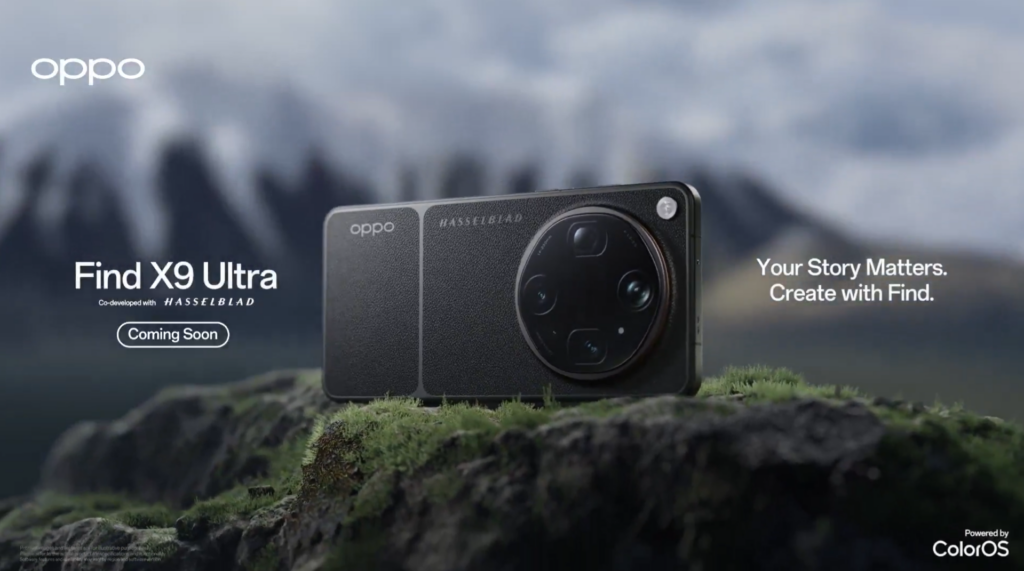
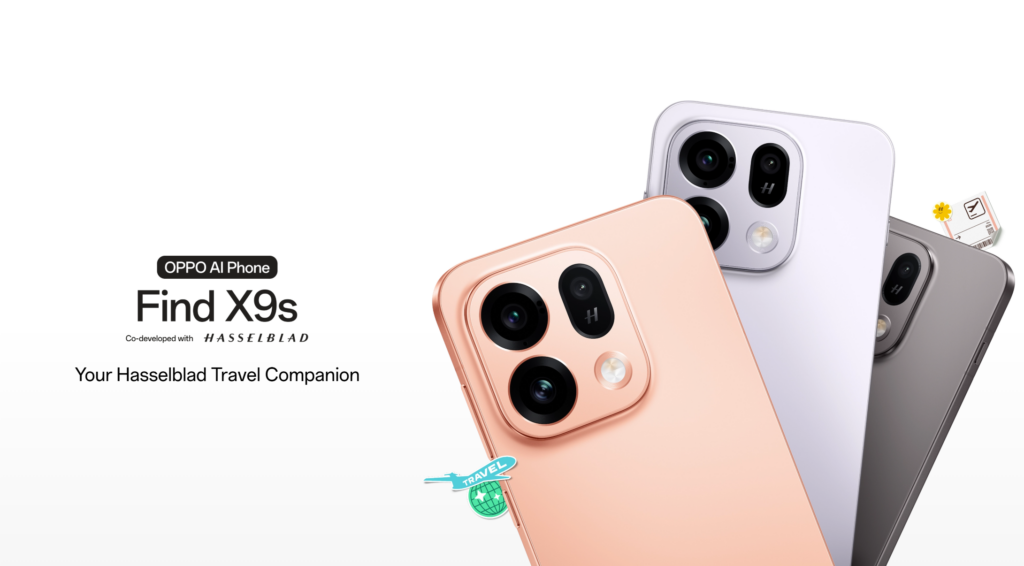
Oppo has confirmed that the Find X9 Ultra and the more compact Find X9s are headed to India soon, bringing its latest flagship lineup to the market not long after their global debut. The move is notable, as Oppo is keeping the India rollout closely in sync this time instead of delaying availability by a few months.
The Find X9 series, which launched globally in late April, leans heavily into camera performance through Oppo’s continued partnership with Hasselblad. The Ultra model is clearly the centerpiece here.
The Find X9 Ultra comes with a quad-camera setup, including two 200MP sensors: one for the main camera and another for 3x telephoto. There is also a 50MP ultra-wide and a 50MP periscope telephoto offering up to 10x optical zoom, with digital zoom going much further. Oppo has also added extras like a multispectral sensor aimed at delivering more consistent color and detail.
Up front, there is a 50MP selfie camera, while the rest of the hardware stays firmly in flagship territory. The phone runs on the Snapdragon 8 Elite Gen 5, paired with 12GB or 16GB RAM and 256GB-1TB of fast UFS 4.1 storage. In the front, it packs a 6.82-inch LTPO AMOLED display with a 144Hz refresh rate. Battery capacity is on the higher side as well, with a 7,050mAh unit supporting 100W wired and 50W wireless charging.
The Find X9s is positioned as the smaller alternative. It features a 6.59-inch display and a triple 50MP camera setup, still tuned by Hasselblad. It is powered by the Dimensity 9500s and comes with a similarly large 7,025mAh battery, though charging is slightly lower at 80W.
Pricing has not been officially announced yet, but early expectations place the Ultra in the premium range, while the X9s should land closer to the upper mid-range segment. With the launch expected to be just weeks away, more details on pricing and availability should follow soon.
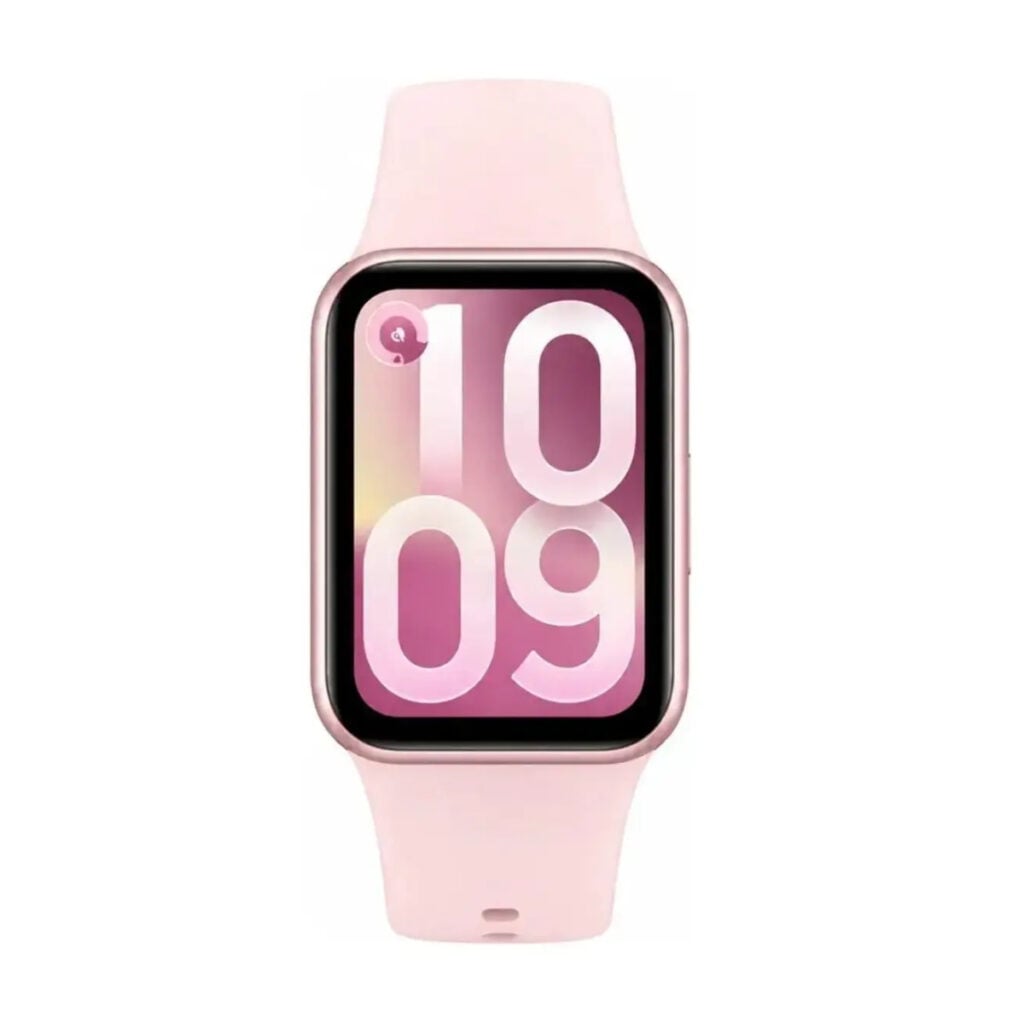
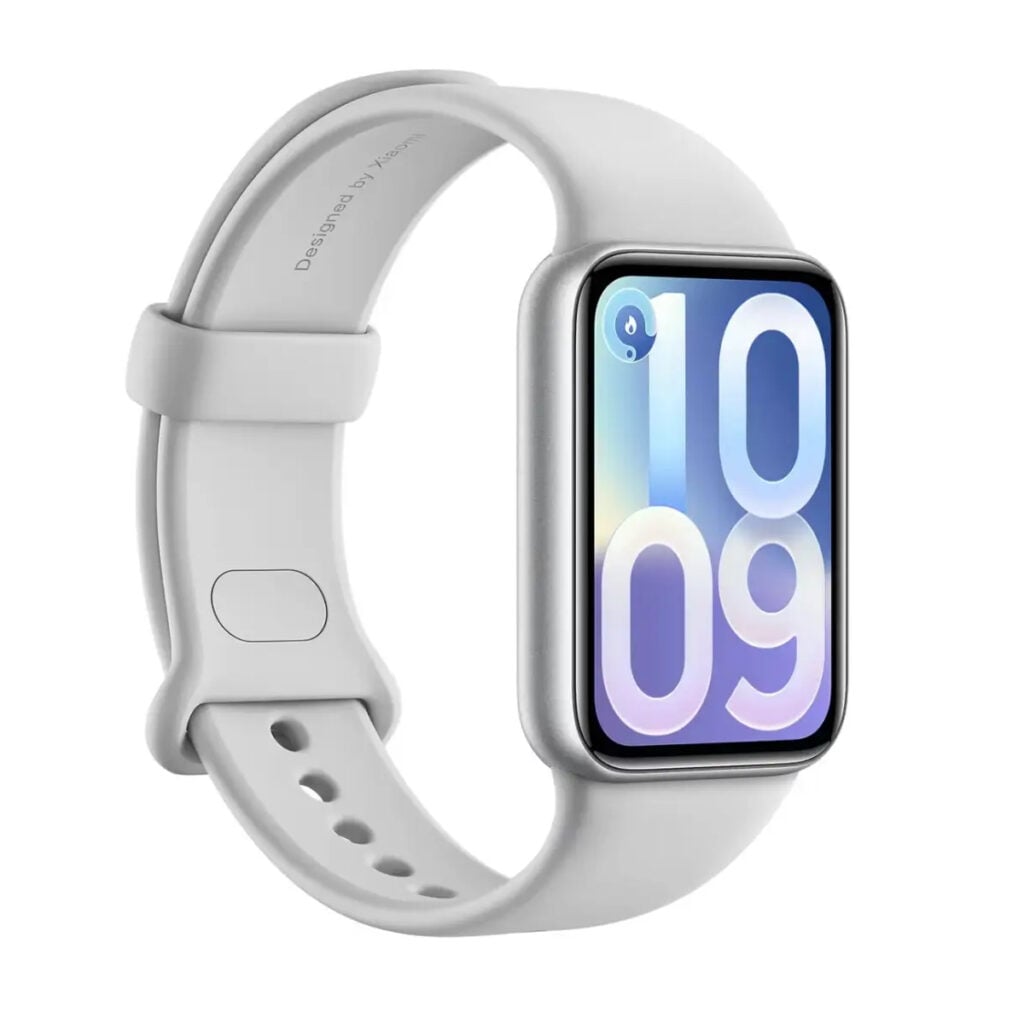
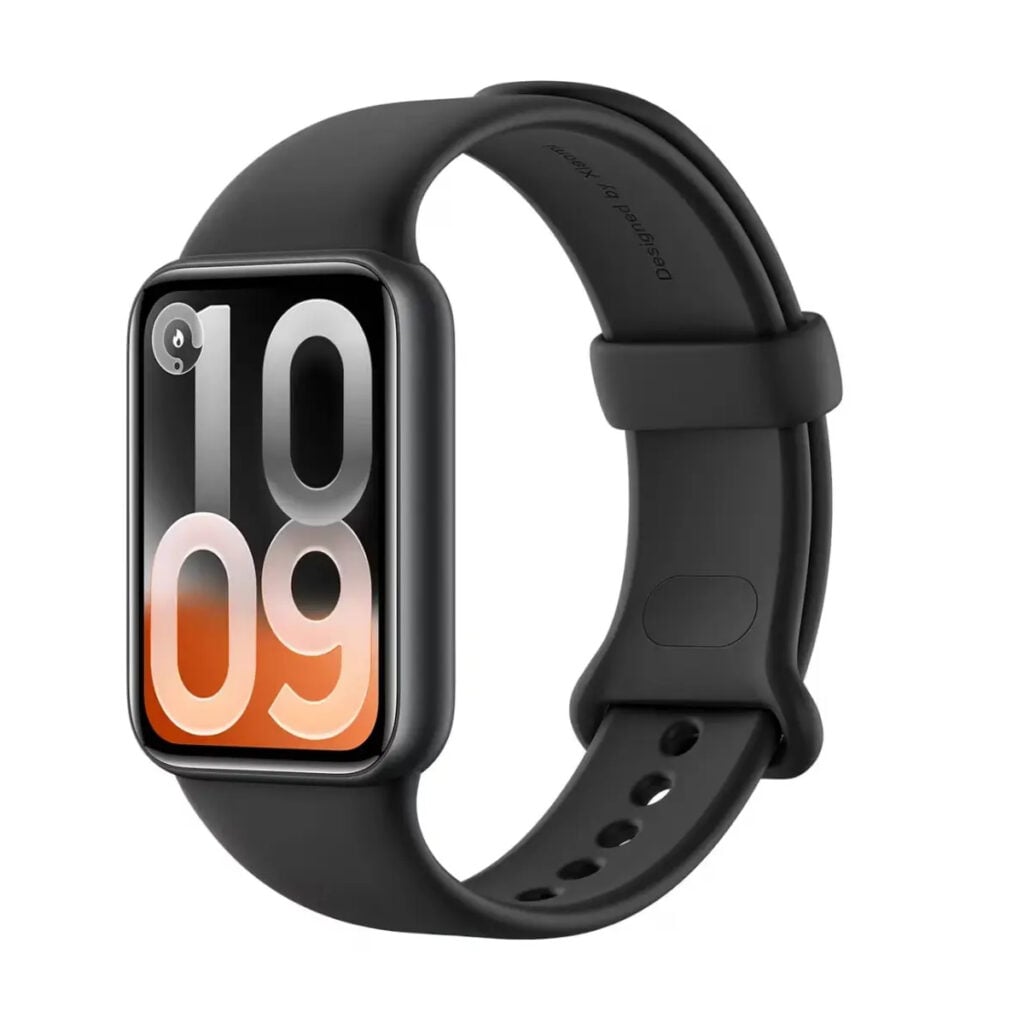
The Xiaomi Smart Band 10 Pro has barely had time to build up any real rumor cycle, and it is already popping up in retail listings. Brazilian store Magazine Luiza has listed the device ahead of any official announcement, which usually means a launch is not too far away.
The listing shows the fitness band in black, silver, and pink. That lines up with an earlier tip from Digital Chat Station, who mentioned a May 2026 launch and a wider set of colors, including white, orange, and a white ceramic version. If previous Xiaomi launches are anything to go by, some of those finishes could stay limited to China.
On the specs side, things look fairly familiar. The band is expected to keep the same 1.74-inch AMOLED display as the Band 9 Pro, and the battery is listed at 380mAh. Battery life is claimed to go up to 25 days, which would be a small but useful bump over the 21 days on the previous model. Support for both Android and iOS is expected to remain unchanged.
The ceramic version is still the most interesting part. The standard model is said to stay under 40 grams, while the ceramic variant goes past 50 grams. That is a noticeable jump, but it likely comes down to the material rather than a bigger device. For reference, the Band 9 Pro with its aluminum frame weighs under 25 grams without the strap, so this would be a clear shift in feel.
Pricing is where things get a bit messy. The Brazilian listing shows a range between BRL 734 and BRL 849, which roughly converts to $149 to $170. That seems unusually high for this category, especially considering the Band 9 Pro can often be found for around $90. Other estimates suggest the actual global pricing could land closer to the $100 mark, which feels more in line with Xiaomi’s usual positioning.
One thing that does add a bit of credibility is certification. A model number matching the expected naming scheme for the Band 10 Pro showed up in South Korea’s NRRA certification database back in January, which suggests the device has been in development for a while.
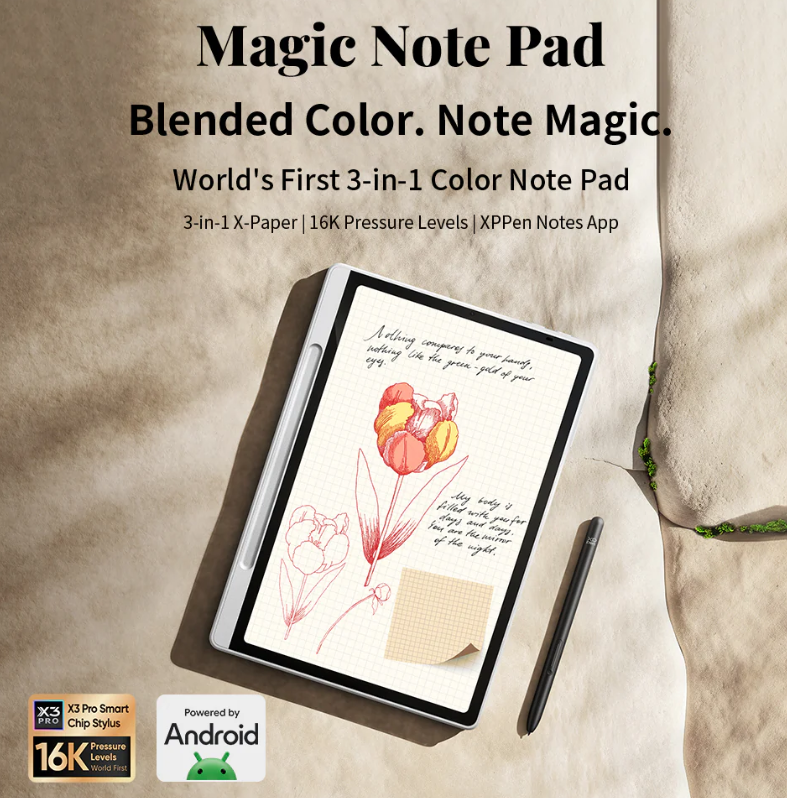
XPPen Magic Note Pad has officially launched in India, perfect for students, professionals, and creators who want a paper-like digital writing experience. With a focus on note-taking, reading, and light productivity, this device blends the feel of traditional notebooks with modern Android features. It aims to stand out in a growing segment of smart writing tablets by offering eye comfort, precision stylus input, and built-in productivity tools.
Display and Writing Experience
The Magic Note Pad features a 10.95-inch X-Paper display designed to mimic real paper. The AG nano-etched surface reduces glare and reflections, making it comfortable for long reading or writing sessions. It supports 16.7 million colors, 400 nits brightness, and a smooth refresh rate for clear visuals.
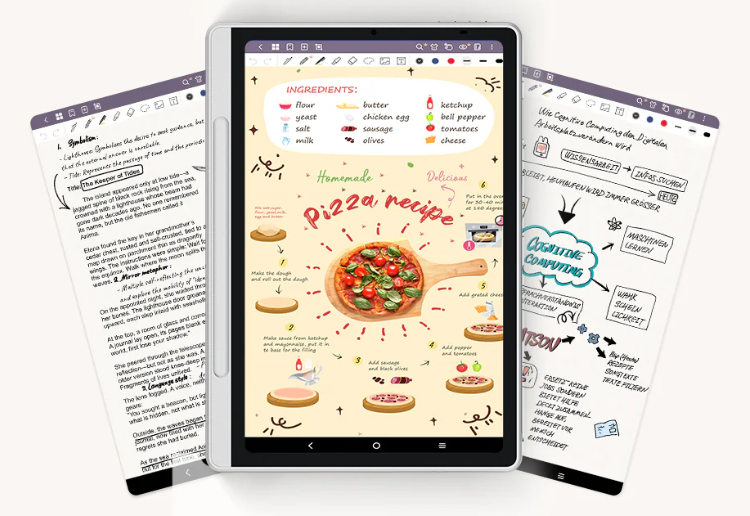
A dedicated X-Paper Key lets users switch between three modes: Ink, Light, and Natural, depending on the task. Whether you’re sketching, taking notes, or reading documents, the screen adapts easily, making it versatile for everyday use.
Performance and Features
Running on Android 14, the device supports apps from the Google Play Store, giving it more flexibility than traditional e-note devices. It comes with 128GB of storage, which is enough for notes, PDFs, and apps.
The XPPen Notes app is built-in and offers features like handwriting-to-text conversion, PDF annotation, auto-save, and cloud syncing with Google Drive and OneDrive. The included X3 Pro Pencil 2 provides 16,384 pressure levels, ensuring accurate and smooth writing. It also supports magnetic attachment and shortcut keys for better productivity.
For remote work, the tablet includes a 13MP front camera, dual speakers, and microphones, making it suitable for video calls and online meetings.
Battery and Design
The Magic Note Pad packs an 8000mAh battery with 20W fast charging, designed to last through a full day of usage. It is slim at 7mm and lightweight at 495g, making it easy to carry around.
The display is TÜV SÜD certified for low blue light, which helps reduce eye strain during long usage sessions.
Price and Discount Offer
XPPen Magic Note Pad is priced at Rs. 39,999, but it is currently available at a discounted price of Rs. 38,999. Buyers can get an additional 5% discount using the code GizmoXP, making it a more attractive deal for early adopters. Overall, the device positions itself as a strong option for users looking for a paper-like digital writing experience with modern smart features.
Buying a budget projector used to require a lot of compromises. For a long time, spending less than $300 meant dealing with dim images, clunky interfaces, and the need to plug in a separate streaming stick just to watch Netflix. But as we look at the market in May 2026, the baseline for entry-level projectors has noticeably improved.
Features that were once limited to more expensive models, like built-in adjustable stands, sealed optical engines to prevent dust buildup, and officially licensed smart TV software, are now standard in this price range. If you are looking for a simple way to watch movies on your ceiling or set up a casual outdoor movie night, here are the most practical budget projectors available right now.
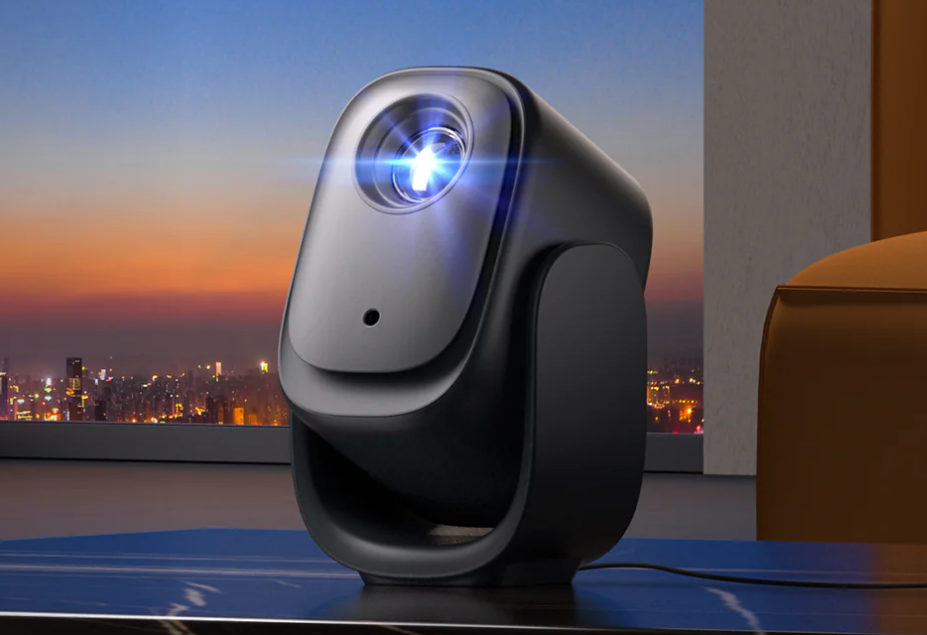
TCL is well-known for its budget televisions, and the C1 applies that same approach to projectors. For $250, it provides a native 1080p resolution and runs on official Google TV, which includes native support for Netflix.
The most useful physical feature is its 285-degree adjustable gimbal, which lets you easily point the image at a wall or ceiling without needing to prop the device up on books. At 230 ISO Lumens, it is not particularly bright, so you will need a dark room for the best picture.
However, it includes a fully sealed optical engine to keep dust off the internal lens and a decent 8W built-in speaker, making it a reliable, low-maintenance option.
Price: $249.99
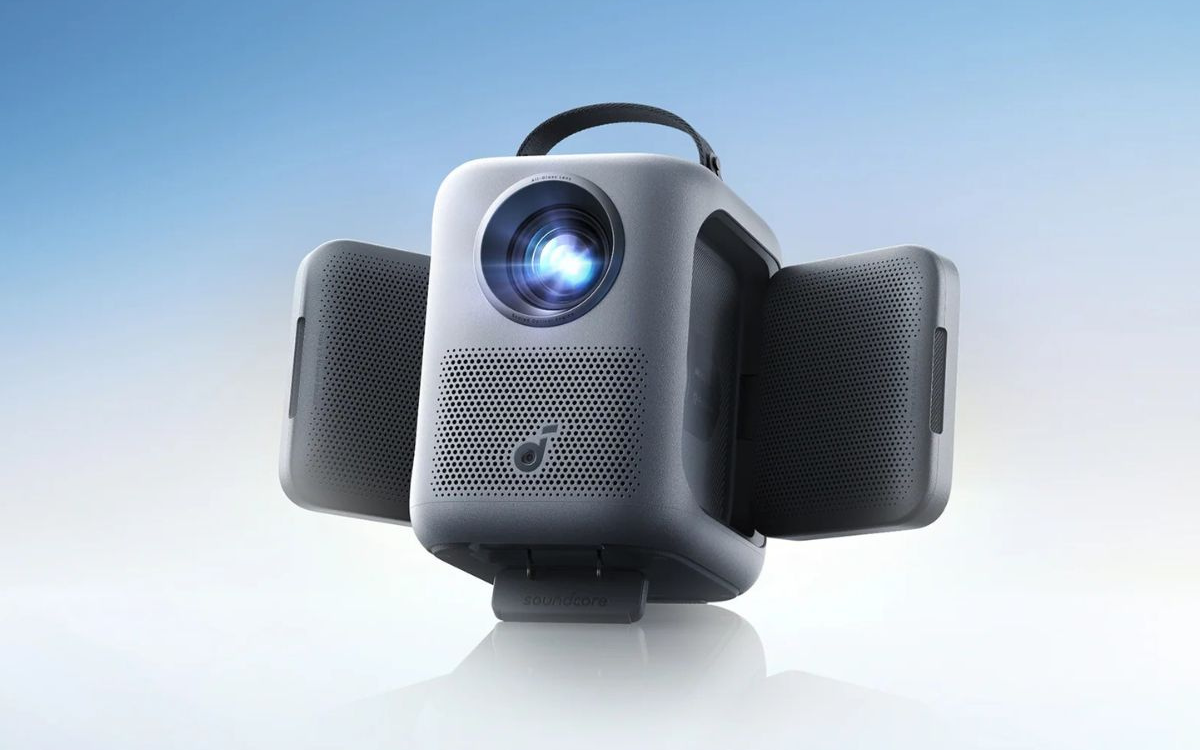
2. Anker Soundcore Nebula P1i
Anker’s Nebula series has been a staple in portable projectors for a while. The P1i sits right at the edge of the $300 budget and focuses heavily on audio flexibility.
It features dual 10W speakers that can physically rotate 90 degrees horizontally or 200 degrees vertically, allowing you to aim the sound toward your seating area regardless of how the projector is positioned.
It outputs 380 ANSI lumens, which gives it a slight edge in brightness over the TCL, and it uses an all-glass lens. Like the C1, it runs Google TV and handles autofocus and keystone correction automatically. It’s a solid all-in-one unit if you want better built-in sound.
Price: $299
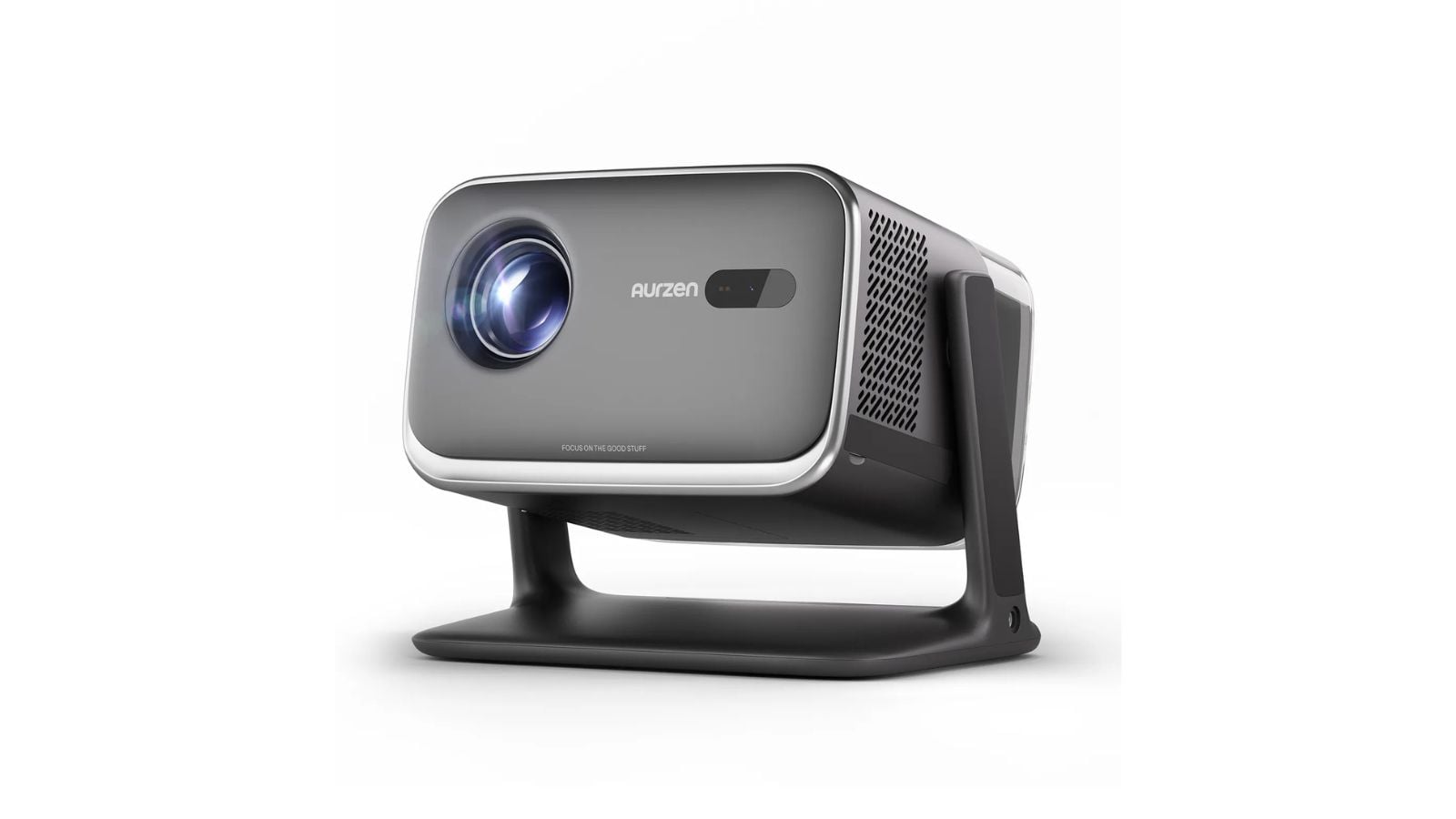
3. Aurzen Boom Mini
The Aurzen Boom Mini has a retail price of $349.99, but it is frequently discounted to around $245. If you can buy it at the lower price, it offers the highest brightness on this list at 500 ANSI lumens. This makes it a bit more forgiving if you have a small amount of ambient light in your room.
It includes a 110-degree adjustable stand, Google TV, and dual 10W speakers. The trade-off for the brighter lamp and larger speakers is that the unit is a bit bulkier than its competitors, but it’s a fair compromise if you prioritize a brighter image.
Price: ~$245 (with standard discounts)
4. Dangbei N2 Mini
If your budget is strictly capped at $200, the Dangbei N2 Mini is a capable entry-level choice. To keep the price down, Dangbei uses a custom Linux operating system instead of Google TV. Fortunately, it still comes with official licenses for Netflix, Prime Video, and YouTube, which covers the basics for most users.
It features a 190-degree tilt stand, a sealed optical engine, and outputs 200 ISO lumens. It also runs quietly, operating under 27dB. It’s a straightforward, compact projector that works well for small spaces like dorm rooms.
Price: $199
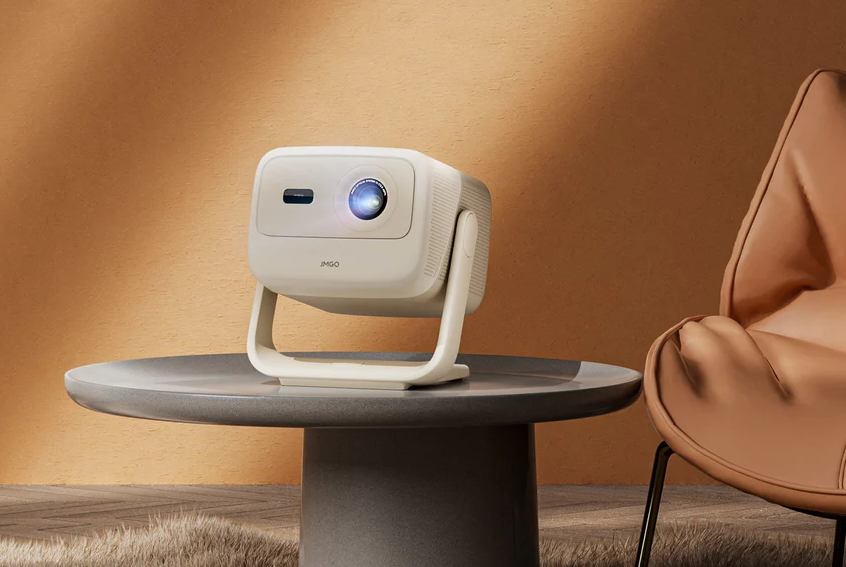
5. JMGO N1S Nano
While the JMGO N1S Nano sits above the $300 threshold, it is worth mentioning if you have a little flexibility in your budget. At $399, you get a noticeable improvement in color accuracy. It covers 90% of the DCI-P3 color gamut and outputs 460 ISO lumens, resulting in a richer, more vibrant picture than the cheaper models.
It retains the convenience features found in the others, including a 127-degree gimbal stand, Google TV, and automatic image adjustment, all packed into a lightweight 3.9-pound frame. It is a sensible step up if you want better visual fidelity without moving into the $500+ price bracket.
Price: $399
For more daily updates, please visit our News Section.
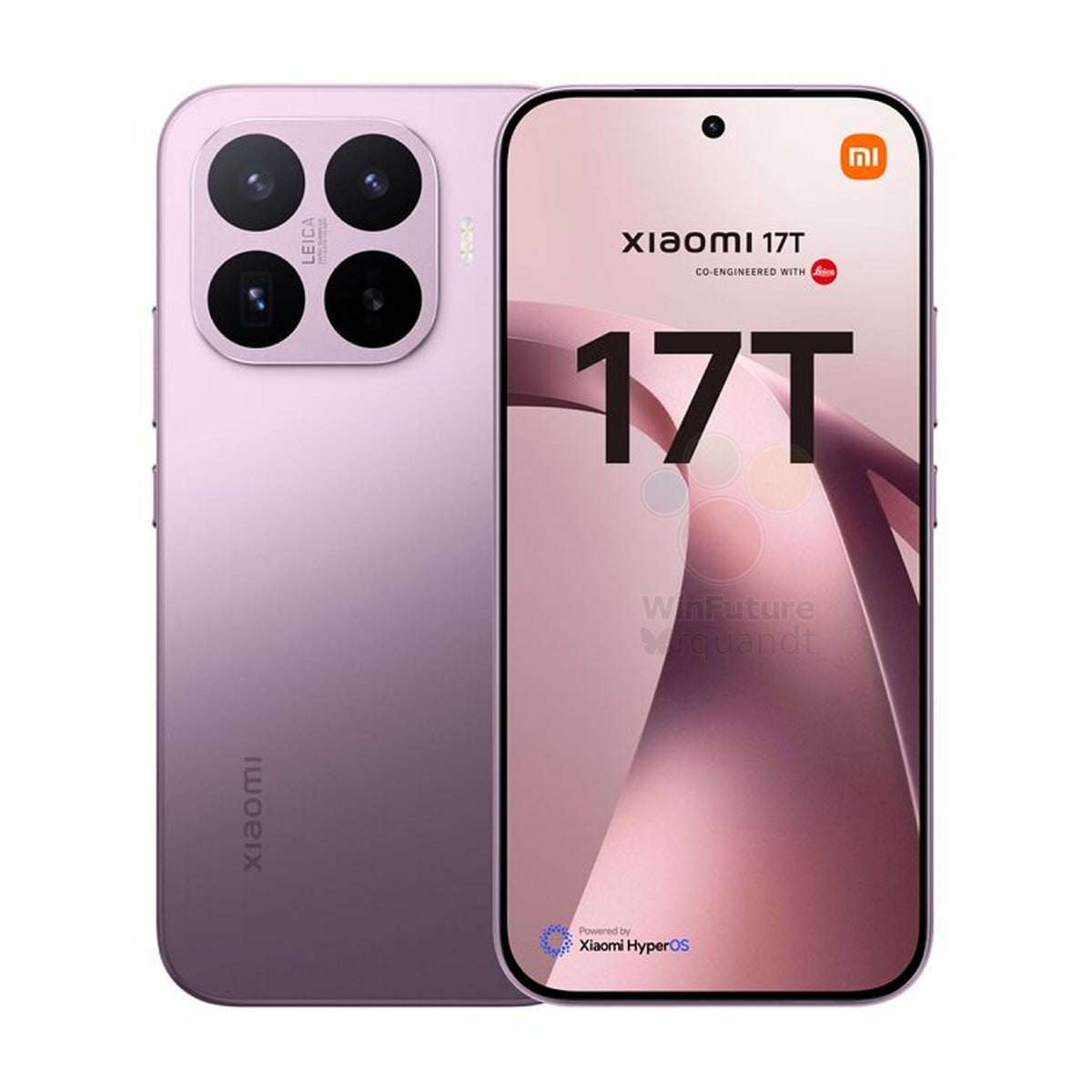
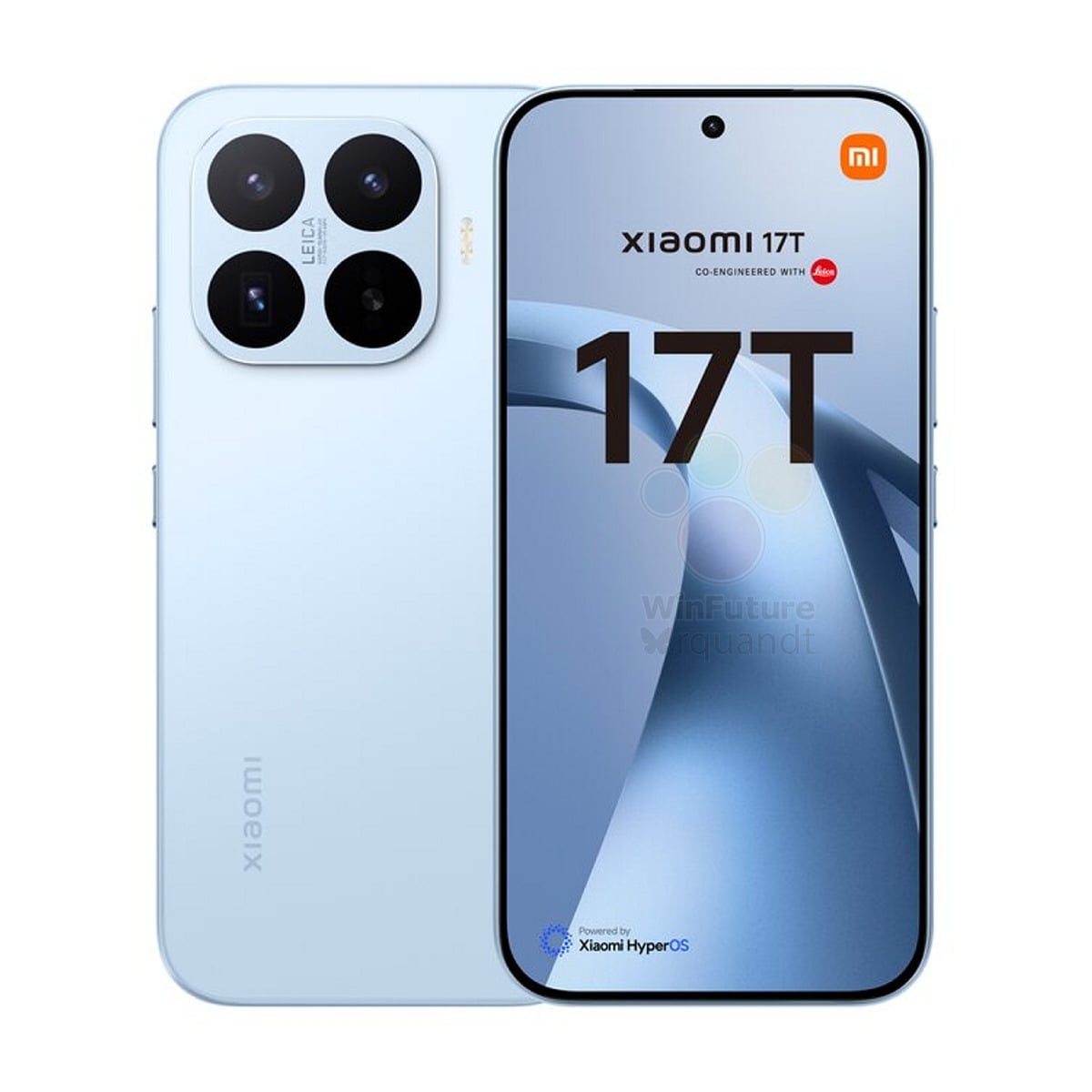
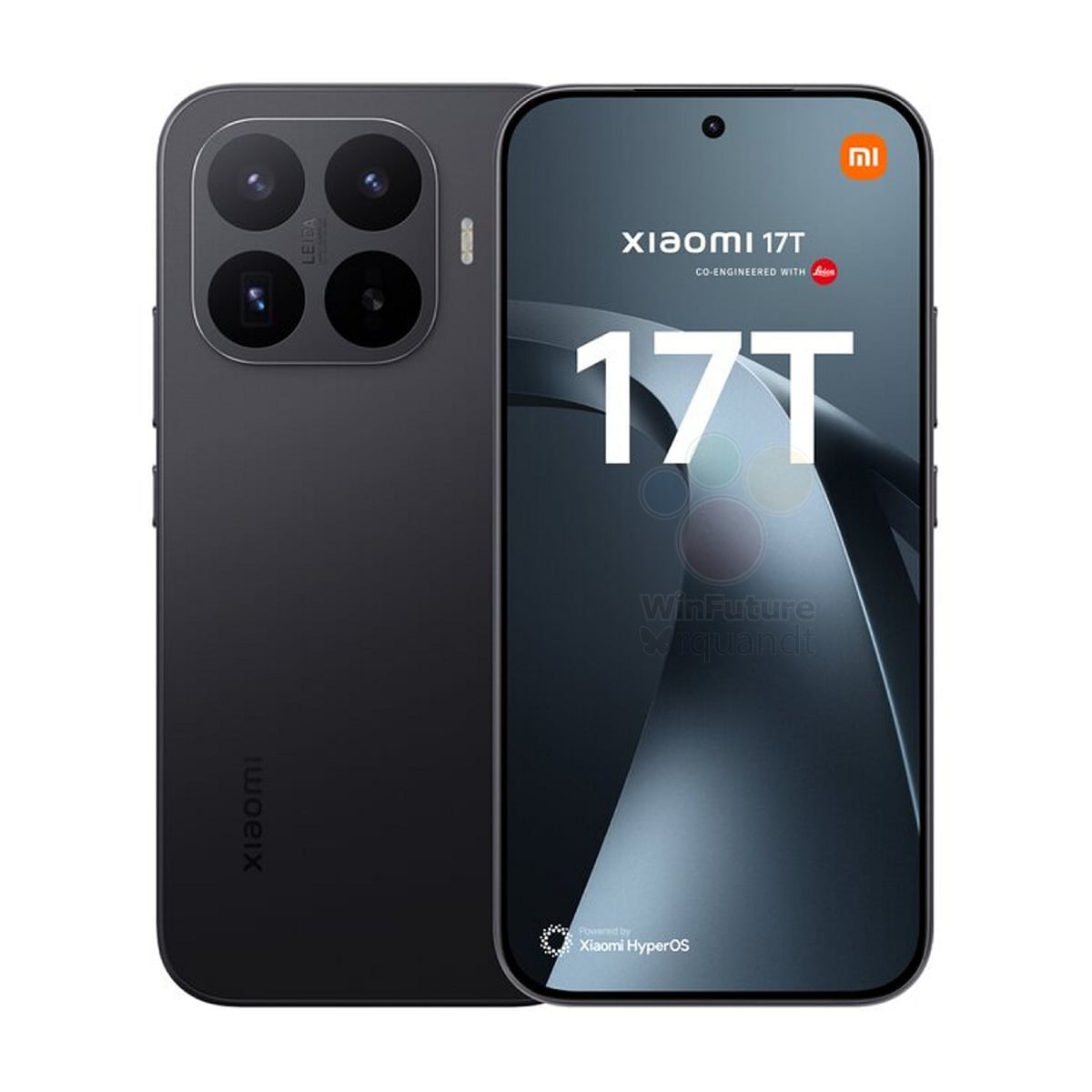
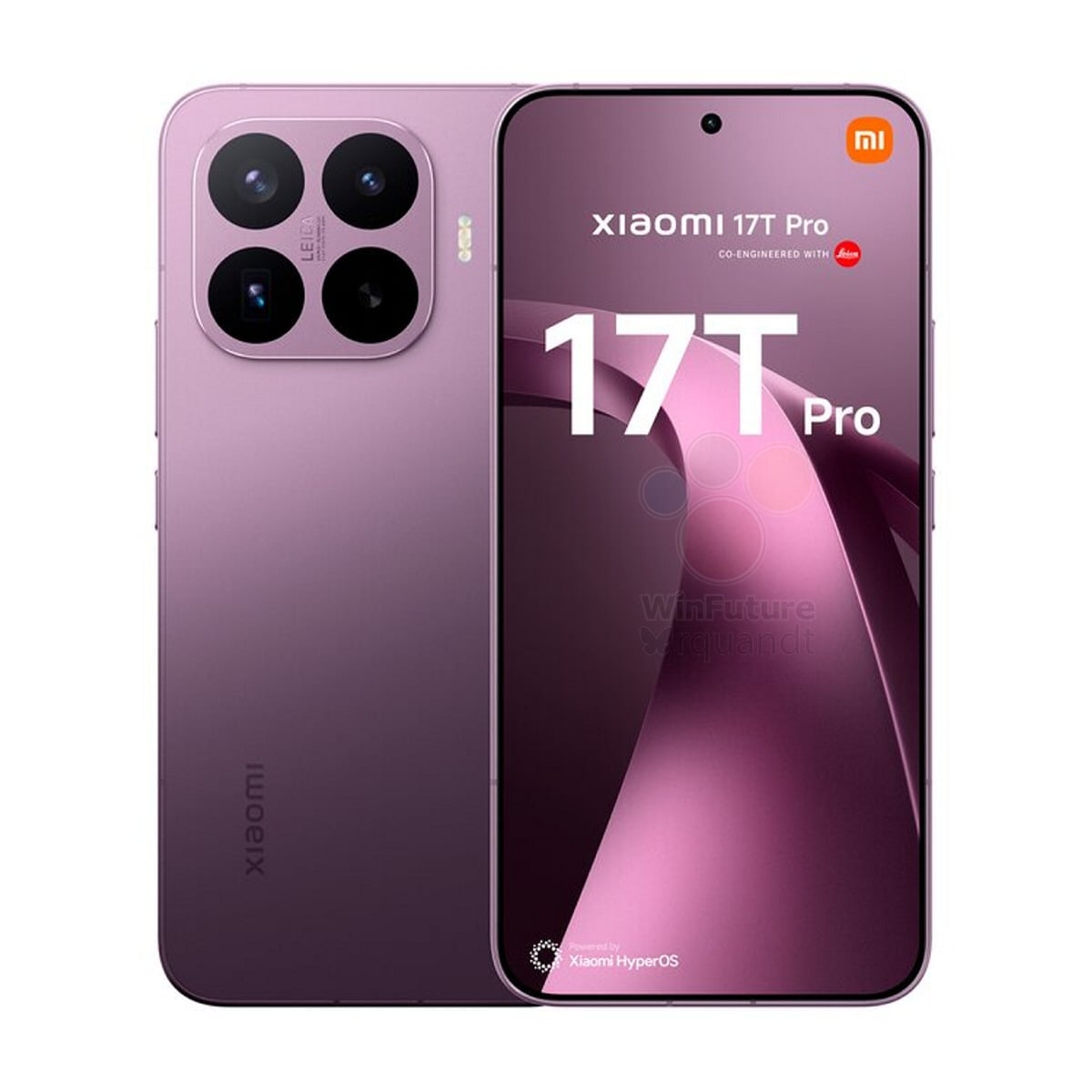
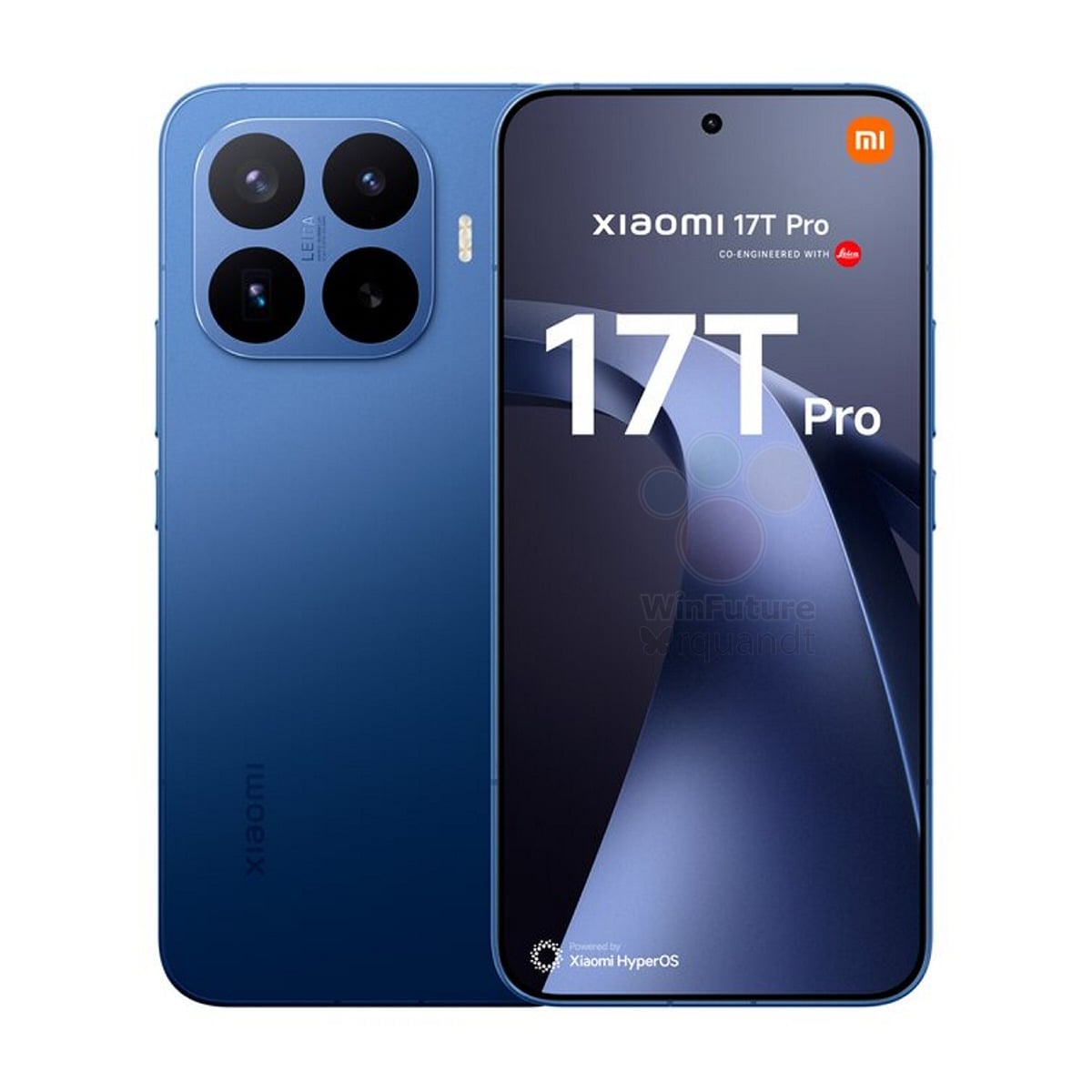
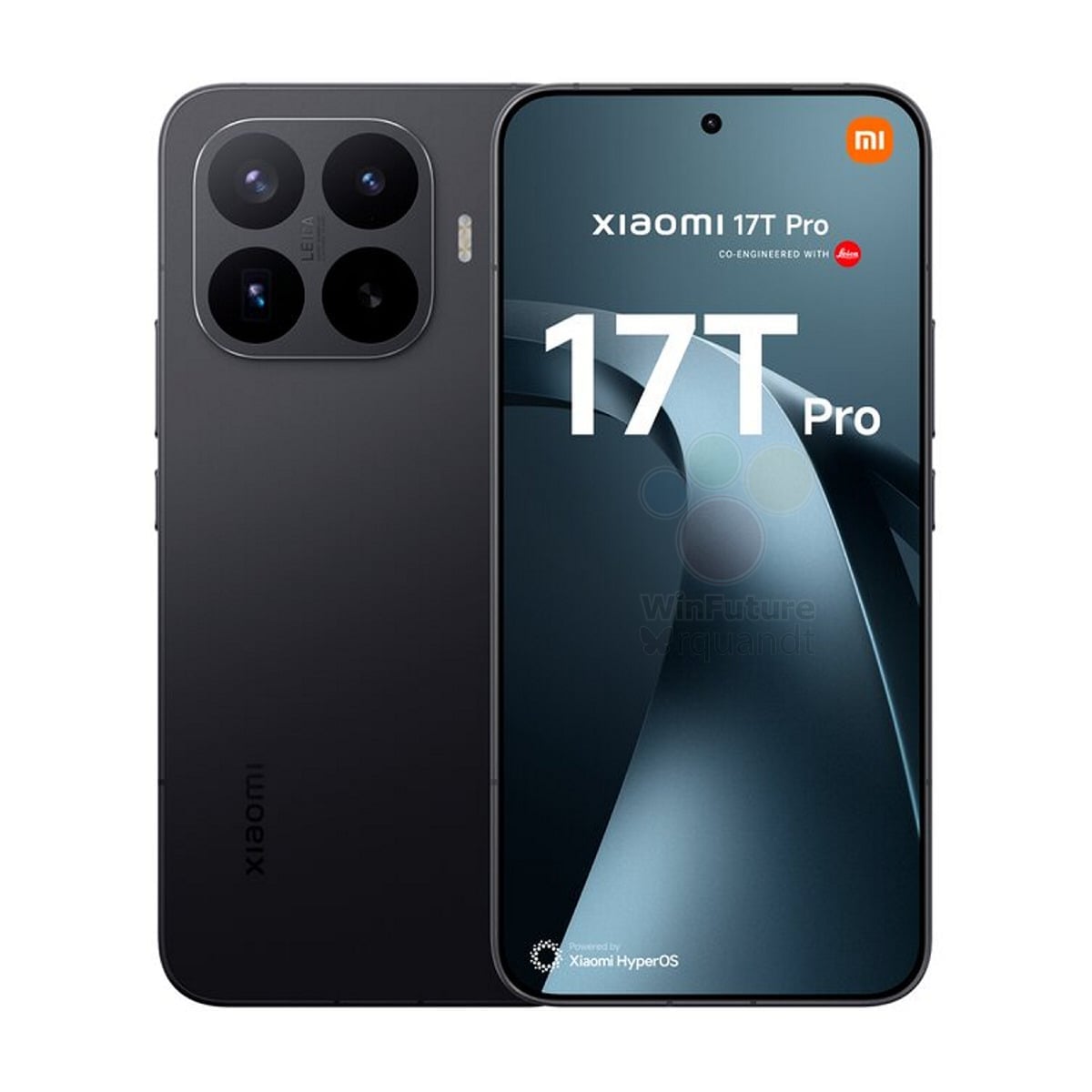
Reports have revealed that Xiaomi is gearing up to launch the Xiaomi 17T and 17T Pro for the global market. While the 15T series was unveiled in September, the 17T lineup is expected to debut much earlier, possibly as soon as this month. Ahead of the impending launch, Winfuture has published a report revealing the full specifications and official renders of the 17T duo.
Xiaomi 17T, 17T Pro specifications (rumored)
The Xiaomi 17T is expected to feature a 6.59-inch display with a resolution of 2756 x 1268 pixels and a 120Hz refresh rate. The 17T Pro may come with a larger 6.83-inch panel offering 2772 x 1280 resolution and a 144Hz refresh rate, indicating smoother visuals and improved responsiveness on the Pro model.
In terms of performance, the standard model could be powered by the MediaTek Dimensity 8500 Ultra chipset, while the Pro variant may feature the Dimensity 9500vv. Both phones are likely to include 12GB RAM with storage options of 256GB and 512GB. The Xiaomi 17T is said to house a 6500mAh battery with 67W charging support, while the 17T Pro could pack a 7000mAh battery with 100W wired charging and up to 50W wireless charging.
For cameras, both devices are expected to feature a triple rear setup with a 50-megapixel primary sensor, a 50-megapixel telephoto lens offering 5x optical zoom, and a 12-megapixel ultra-wide camera. On the front, both models may include a 32-megapixel camera for selfies and video calls.
The Xiaomi 17T is likely to come with a plastic build, whereas the Pro variant may feature a metal frame. The design differences between the two are expected to be minimal, mainly in size and camera module detailing.
Xiaomi 17T, 17T Pro price (rumored)
The Xiaomi 17T is tipped to start at 749 euros (~$935) for the 12GB+256GB variant, while the Xiaomi 17T Pro could be priced at 999 euros (~$1,170) for the 12GB+512GB model. Both devices are expected to be available in black, with the Xiaomi 17T also likely to come in light blue and pink finishes, while the 17T Pro will have dark blue and dark pink shades.
For more daily updates, please visit our News Section.
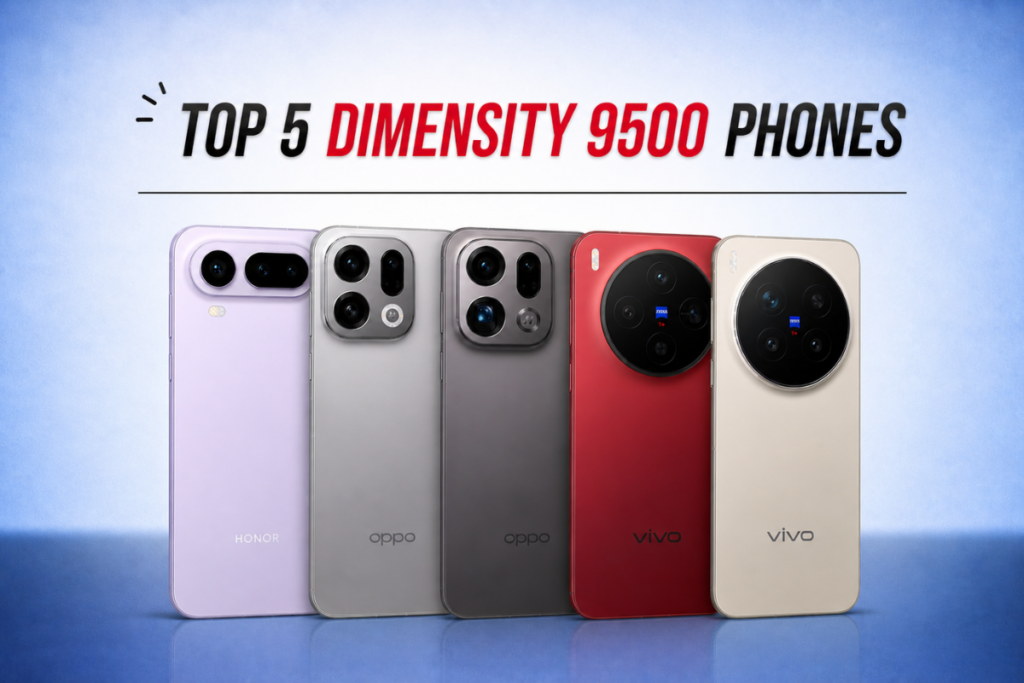
The Dimensity 9500 is MediaTek’s most powerful smartphone chipset right now, with performance and efficiency going toe-to-toe with Qualcomm’s Snapdragon 8 Elite Gen 5 SoC, but at a lower price point.
If you’re in for a high-end upgrade with strong hardware and long-term software support, these are the top five Dimensity 9500-powered smartphones to watch in 2026.
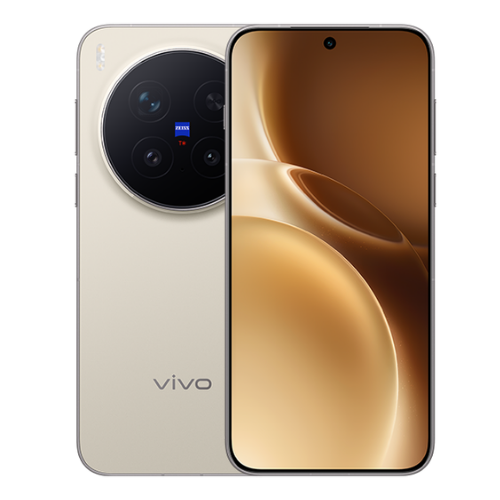
The Vivo X300 Pro offers excellent rear cameras. The triple camera setup includes a 50MP primary shooter, a 200MP periscope telephoto lens, and a 50MP ultrawide camera. The 50MP selfie camera takes great shots with excellent details.
The smartphone features a 6.78-inch LTPO AMOLED screen with a 120Hz refresh rate and 4500 nits of peak brightness. It supports HDR10+ and Dolby Vision. The device ships with Android 16 out of the box and promises up to five generations of OS upgrades, all the way up to Android 21.
The X300 Pro houses a 6,510mAh battery, but the EU markets get a slightly lower capacity at 5,440mAh. The charging capabilities remain the same across all markets: 90W wired fast charging and 40W wireless charging support. The Vivo phone also offers strong connectivity, featuring Wi-Fi 7, Bluetooth 5.4, NFC, and USB Type-C 3.2.
The Vivo X300 (review) is a compact flagship phone, featuring a 6.31-inch LTPO AMOLED screen. It supports a 120Hz refresh rate, HDR10+, HDR Vivid, and a peak brightness of 4500 nits.
The smartphone features a different camera setup than its Pro model. The triple camera setup includes a 200MP primary camera, a 50MP periscope telephoto lens, and a 50MP ultrawide camera. The selfie camera is still a 50MP snapper. The X300 also boots Android 16 out of the box and promises OS upgrades up to Android 21.
The Vivo X300 packs a 6,040mAh battery, with EU markets getting a slightly lower capacity of 5,360mAh. The charging speeds, though, match the Pro model, so you still get 90W wired charging and 40W wireless charging.
The Find X9 Pro (review) has a 6.78-inch LTPO AMOLED panel with a 120Hz refresh rate, HDR10+, HDR Vivid, and a peak brightness of 3600 nits. The display specs closely resemble the Vivo X300 Pro, and so do the camera specs, which include a 50MP primary camera, a 200MP periscope telephoto lens, and a 50MP ultrawide camera. The selfie camera is also a 50MP snapper.
The Oppo Find X9 Pro boots Android 16 and promises five major Android OS upgrades, up to Android 21. On the battery side, it houses a 7,500mAh battery with support for 80W wired charging and 50W wireless charging. Connectivity specs include Wi-Fi 7, Bluetooth 6.0, NFC, and USB Type-C 3.2.
The standard Find X9 (review) is a compact flagship phone featuring a 6.59-inch AMOLED screen with a 120Hz refresh rate, HDR10+, and 3600 nits of peak brightness. It boots Android 16 and promises OS upgrades up to Android 21.
The smartphone features three rear cameras, all with 50MP resolution. It includes a primary camera, a periscope telephoto lens with 3x optical zoom, and a 50MP ultrawide camera. The selfie camera has a lower resolution of 32MP.
Inside the device is a 7,025mAh battery with support for 80W wired and 50W wireless charging. On the connectivity side, the device supports Wi-Fi 7, Bluetooth 6.0, and NFC.
The Xiaomi 17T Pro is the newest phone on this list and the easiest to actually buy, since it launched globally in late May and marked the return of the T series to India. It pairs the 3nm Dimensity 9500 with 12GB of LPDDR5X RAM, UFS 4.1 storage, and Xiaomi’s 3D IceLoop vapor chamber to keep things cool under load.
The 6.83-inch 1.5K AMOLED display runs at 144Hz, the highest refresh rate on this list, with bezels measuring just 1.29mm. Photography is handled by a Leica-tuned camera system with a 5x periscope telephoto.
The battery seals it. A 7,000mAh cell with 100W wired and 50W wireless charging gives it the fastest wired charging of any phone here, and IP68 protection plus Dolby Atmos stereo speakers round things out.
The Oppo Find X9s launched in India in May at Rs 79,999. It runs the binned Dimensity 9500s chip and pairs a 7,025mAh battery with a triple 50MP camera setup, making it the compact pick of the Find X9 family.
The iQOO 15T runs the Dimensity 9500 Monster Edition, a higher-clocked version of the chip, with an 8,000mAh battery and a 200MP main camera. It is China only for now.
The Vivo X Fold 6 is the first foldable with the Dimensity 9500 Super Edition. It launched in China in June with a 7,000mAh battery and a 200MP triple camera, and the global version has already been certified, so a wider release looks close.
The Honor Magic 8 Pro Air (review) impressed us with its 6,000-nit display and thin, light build, but it remains exclusive to China with no confirmed global release yet.
Samsung appears to be preparing a subtle yet noticeable visual change for its next major software update. Early leaks around One UI 9 indicate that the company is refining how its media player looks and reacts during playback, hinting at a more immersive experience.
One UI 9 media player may get dynamic color integration
In One UI 9, Media Player seek bar changes its color as per the song 👀
Information shared by tipsters Tarun Vats and Rajesh Rajput suggests that the media player in One UI 9 could feature colour-shifting elements. Instead of sticking to a fixed design, the playback bar and interface accents adapt based on the album art of the track being played. This creates a more responsive visual layer that changes in real time as users switch songs.
Screenshots indicate that this effect also extends to the Now Bar, where colours appear to blend with the overall interface. The shift is subtle but adds a sense of continuity between content and UI. The idea is to make the interface feel more connected to what the user is listening to, rather than remaining static.
In One UI 9, the media player seek bar dynamically changes color based on the album theme.
— Rajesh Rajput (Technobuzz) (@iRaj_r) May 2, 2026
This approach aligns with a broader trend where software interfaces adapt dynamically to content. By syncing colours with music, Samsung appears to be focusing on making everyday interactions feel more engaging without adding complexity to the user experience.
Work on One UI 9, which is expected to be based on Android 17, has already begun internally. Early builds were spotted running on the upcoming Samsung Galaxy S26 series as far back as March. Since then, more glimpses of the software have surfaced through leaked images and short clips.
The same source, Tarun Vats, has previously shared accurate timelines for earlier One UI releases and Galaxy launches, which adds credibility to this update. The redesigned media player is likely to debut with upcoming foldable devices such as the Samsung Galaxy Z Fold 8 and Samsung Galaxy Z Flip 8.
For more daily updates, please visit our News Section.
CMF has confirmed the India launch timeline for its next smartwatch, the CMF Watch 3 Pro. After earlier teasers, the company has now locked in a specific date, setting the stage for its arrival in the country. The specifications of the device are no secret since it was unveiled globally last year.
CMF Watch 3 Pro specifications and features
CMF Watch 3 Pro
The CMF Watch 3 Pro is scheduled to launch in India on May 6, following its earlier global debut. The smartwatch comes with a 1.43-inch circular AMOLED display featuring a 466 x 466 resolution, 60Hz refresh rate, and peak brightness of up to 670 nits with automatic adjustment. It features an aluminium alloy frame paired with a liquid silicone strap and carries an IP68 rating for dust and water resistance.
The device introduces a four-channel optical heart rate sensor, which is claimed to improve accuracy by over 10 percent compared to the previous generation. It also supports continuous SpO2 tracking, stress monitoring, sleep analysis with detailed insights, and women’s health tracking. With support for more than 130 sports modes and automatic workout detection, it aims to cover a wide range of fitness activities.
On the software side, the smartwatch includes AI-powered running guidance, personalized recovery insights, and workout summaries. Additional features include gesture controls, voice note transcription, real-time news updates, and integration with ChatGPT through the Nothing X app. The watch supports more than 120 watch faces and connects with both Android and iOS devices.
The CMF Watch 3 Pro packs a 350mAh battery, which is rated to last up to 13 days under typical usage. With heavier usage, it can last around 10 to 11 days, while enabling always-on display may reduce battery life to roughly 3.5 to 4.5 days.
CMF Watch 3 Pro price and availability
The CMF Watch 3 Pro will be available in India starting May 6 via Flipkart and select offline retail stores. Pricing has not been officially confirmed yet, but it is expected to be positioned under Rs 7,000 (~$75).
For more daily updates, please visit our News Section.
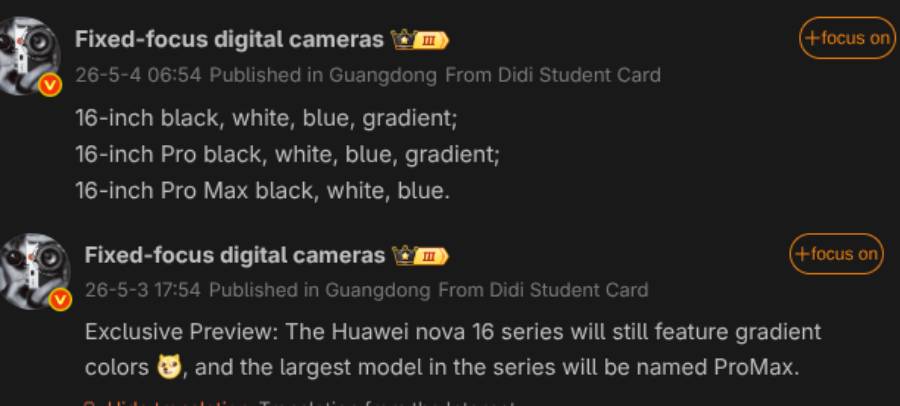
A new set of leaks has spilled the beans on what the Huawei Nova 16 series might look like. According to a post from tipster Fixed Focus Digital, the upcoming lineup could stick with some familiar colors.
The standard Nova 16 and Nova 16 Pro are said to arrive in classic black and white, along with a blue and a gradient finish. The top-end model, however, may skip the gradient look entirely with just black, white, and blue on its helm.
The top model is also where things get a bit more interesting. A newer leak suggests Huawei might call it the Huawei Pura Nova 16 Pro Max, instead of the previously expected “Ultra” branding.
Fortunately, a previous report gives us an idea of what this Ultra—or now Pro Max—model might offer.
Huawei Nova 16 Pro Max Possible Specifications
A previous report from tipster Digital Chat Station revealed a prototype device in the works with a 6.84-inch 1.5K LTPO display. It’s expected to be the top-tier model in the Nova 16 series, powered by a “9-series flagship processor,” which likely means a Kirin 9000-series chip, along with a battery that could land around 7000mAh.
As for the camera, the device is said to include a 50-megapixel main sensor in the 1/1.3-inch range, paired with a 50MP periscope telephoto lens and a multispectral sensor. Wireless charging is also reportedly part of the package.
For context, the Huawei Nova 15 series launched late last year with Kirin 8020 and 9010S chipsets, starting at 2699 yuan. The Ultra variant stood out mostly for its dual “red maple leaf” design, rather than major hardware changes.
Like most early leaks, none of this is final. Names, specs, and even the overall direction could change before Huawei makes anything official.
For more daily updates, please visit our News Section.
Last year, Xiaomi skipped launching a horizontal foldable smartphone, but recent reports suggest that it may introduce one this year. While it unveiled the Xiaomi Mix Flip 2 last year, there have been some reports that the Mix Flip 3 may not be unveiled this year. Now, a new update reveals that Xiaomi have discontinued the flip phone lineup
Xiaomi Mix Flip series may come to an end
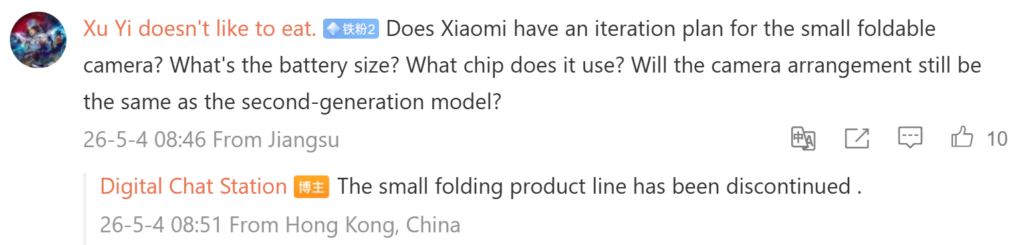
Xiaomi Mix Flip seris discontinued, claims DCS
According to a post on Weibo, a user asked tipster Digital Chat Station whether Xiaomi plans to launch a new compact foldable phone this year and if it would bring upgrades over the Mix Flip 2. In response, the tipster suggested that Xiaomi has discontinued the Mix Flip series.
There is no official confirmation from Xiaomi yet, so the exact reason behind this move remains unclear. However, it is likely tied to market dynamics. Despite small foldables performing reasonably well globally, the segment remains niche and production costs are still high. Compared to larger foldables, compact flip devices may not offer the same value proposition.
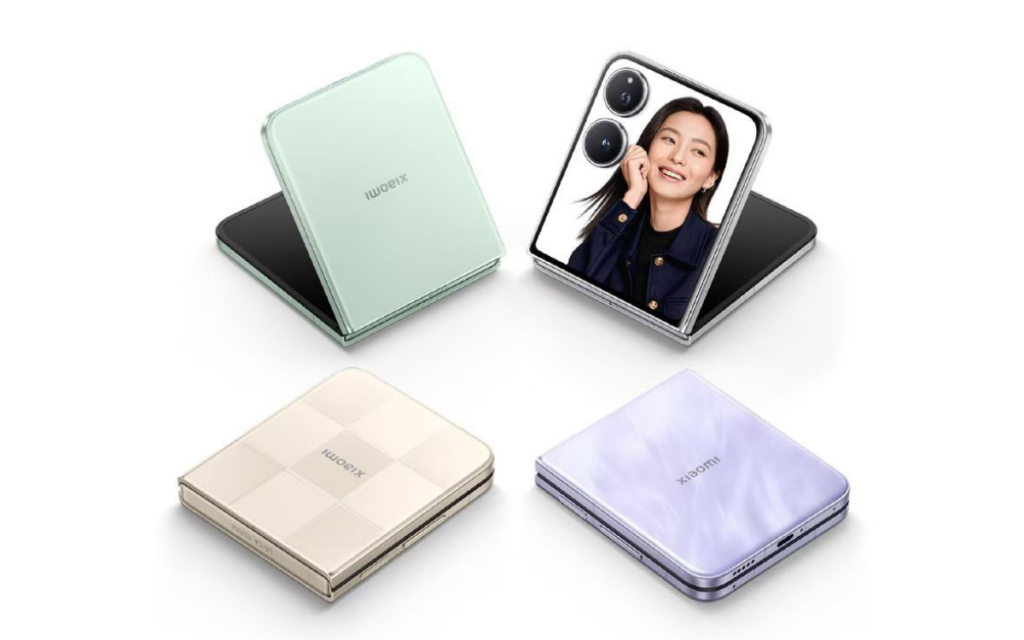
Xiaomi MIX Flip 2
Xiaomi is not alone in slowing down its efforts in this category. There is also uncertainty around whether Honor will launch a successor to its flip phone lineup after the Honor V Flip 2. Similarly, Vivo introduced the X Flip as its first flip device, and Oppo launched the Find N3 Flip in 2023, but neither brand has followed up with new flip models since then.
On the other hand, Motorola continues to remain active and dominate in the segment. The brand recently launched multiple flip devices, including the Razr 70, Razr 70+, and Razr 70 Ultra, expanding its presence instead of scaling back.
Coming back to Xiaomi, its upcoming horizontal foldable smartphone is expected to feature the in-house Xring O3 chip. The device is likely to launch around July or August, although its final branding remains uncertain. It could arrive as the Mix Fold 6 or possibly under a new naming scheme such as the Xiaomi 17 Fold.
For more daily updates, please visit our News Section.
Samsung’s security update rollout, which had lagged in the last couple of months, is finally getting back on track. The April 2026 security patch started rolling out to the Galaxy S26 series on the very first day of April, and it has gradually expanded to over a dozen Galaxy devices since.
Here’s a list of Galaxy devices that have started receiving the April 2026 security update:
Galaxy S series
Galaxy S26, S26+, S26 Ultra
Galaxy S25, S25+, S25 Ultra, S25 Edge, S25 FE
Galaxy S24, S24+, S24 Ultra, S24 FE
Galaxy S23, S23+, S23 Ultra, S23 FE
Galaxy Z series
Galaxy Z TriFold
Galaxy Z Fold 7, Z Flip 7, Z Flip 7 FE
Galaxy Z Fold Special Edition
Galaxy Z Fold 6, Z Flip 6
Galaxy Z Fold 5, Z Flip 5
Galaxy Z Fold 4, Z Flip 4
Galaxy A series
Galaxy A57, A56, A55, A54, A53
Galaxy A37, A36, A35, A34
Galaxy A26, A25
Galaxy A16, A15
Galaxy A07, A07 4G
Galaxy M series
Galaxy M54
Galaxy M16
Galaxy Tab series
Galaxy Tab S10+, Tab S10 Ultra
Galaxy Tab A11+
Galaxy XCover series
Galaxy XCover 7, XCover 7 Pro
Galaxy XCover 6 Pro
Samsung releases software updates in batches, so even if your device is on the list, it may take a few days before the update shows up. You can manually check for updates by navigating to Settings > Software updates > Download and install.
The April 2026 security patch, like any other, fixes vulnerabilities found in the previous software version. It doesn’t include new features or visual upgrades, but it strengthens security to keep the device safe from critical security flaws.
The April security patch, in particular, addresses 47 vulnerabilities in total. Of these, 33 come from Google as part of the Android Security Bulletin for April 2026, 10 from Samsung Mobile, and the remaining 4 from Samsung Semiconductor. Some of those Samsung-specific patches are related to Device Care and DeX.
There are still many more Galaxy devices in line to receive the latest security update. The rollout should gradually cover them over the coming days and weeks. We’ll update the list periodically to ensure it remains fresh. You can revisit the page later for the latest information.
While the security update rollout is back on track after being delayed in February and March, Samsung is still struggling with One UI 8.5. The company hasn’t begun rolling out the update despite a really long beta program. Hopefully, the wait will be over soon. You can check the One UI 8.5 eligible devices list here.
We’ll update you with the latest developments in our Samsung section. You can visit the page from time to time to stay updated. Or, join our Telegram channel to get instant updates.
A recent report hinted that Xiaomi could bring back the Mix lineup with the Mix 5. The claim was based on internal database entries referencing a device codenamed “hongkong” with the model number Q5.
This detail led to speculation around a 2026 release window and a possible continuation of Xiaomi’s Mix branding, which has historically been tied to more experimental hardware.
However, a reliable Chinese tipster, Digital Chat Station, has refuted the claims, stating that there is no such product as the Mix 5 in development. According to the tipster, the Q5 model number isn’t tied to a Mix device at all, but rather to Xiaomi’s next-generation flagship, likely part of the Xiaomi 18 series.
What was rumored
The previous leak about the supposed Mix 5 hinted at an under-display camera similar to the one seen on the Xiaomi Mix 4. It was also expected to feature experimental ideas, such as a magnetic lens system for the rear camera. Xiaomi had previously teased such an accessory in 2025, and reports suggested it could be nearing mass production.
Xiaomi 18 Pro render
The rumored hardware also included Qualcomm’s next flagship chip, the Snapdragon 8 Elite Gen 6 Pro, along with HyperOS 4 out of the box. There were even hints at a broader global release, something the Mix lineup has typically avoided.
Now that the rumor has been refuted, these experimental ideas seem more likely to be reserved for the Xiaomi 18 series.
Separate leaks around that lineup describe a compact flagship with a next-generation 2nm chipset, possibly the standard Snapdragon 8 Elite Gen 6, along with dual 200-megapixel cameras and a battery capacity of around 7,000mAh. Xiaomi is also said to be working on a slimmer design with ultra-narrow bezels using LIPO packaging.
For more daily updates, please visit our News Section.
We use cookies on our website to give you the most relevant experience by remembering your preferences and repeat visits. By clicking “Accept”, you consent to the use of ALL the cookies.
This website uses cookies to improve your experience while you navigate through the website. Out of these, the cookies that are categorized as necessary are stored on your browser as they are essential for the working of basic functionalities of the website. We also use third-party cookies that help us analyze and understand how you use this website. These cookies will be stored in your browser only with your consent. You also have the option to opt-out of these cookies. But opting out of some of these cookies may affect your browsing experience.
Necessary cookies are absolutely essential for the website to function properly. This category only includes cookies that ensures basic functionalities and security features of the website. These cookies do not store any personal information.
Any cookies that may not be particularly necessary for the website to function and is used specifically to collect user personal data via analytics, ads, other embedded contents are termed as non-necessary cookies. It is mandatory to procure user consent prior to running these cookies on your website.