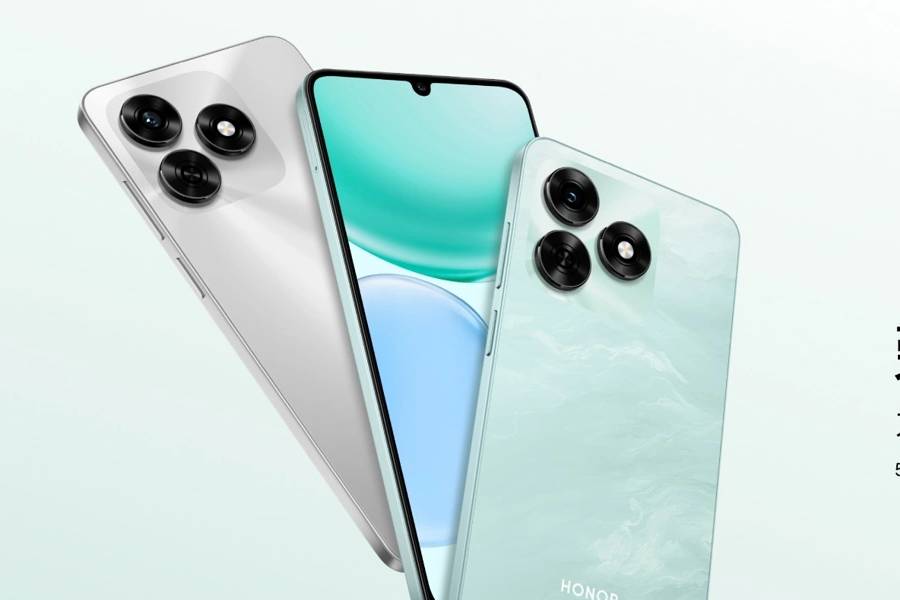
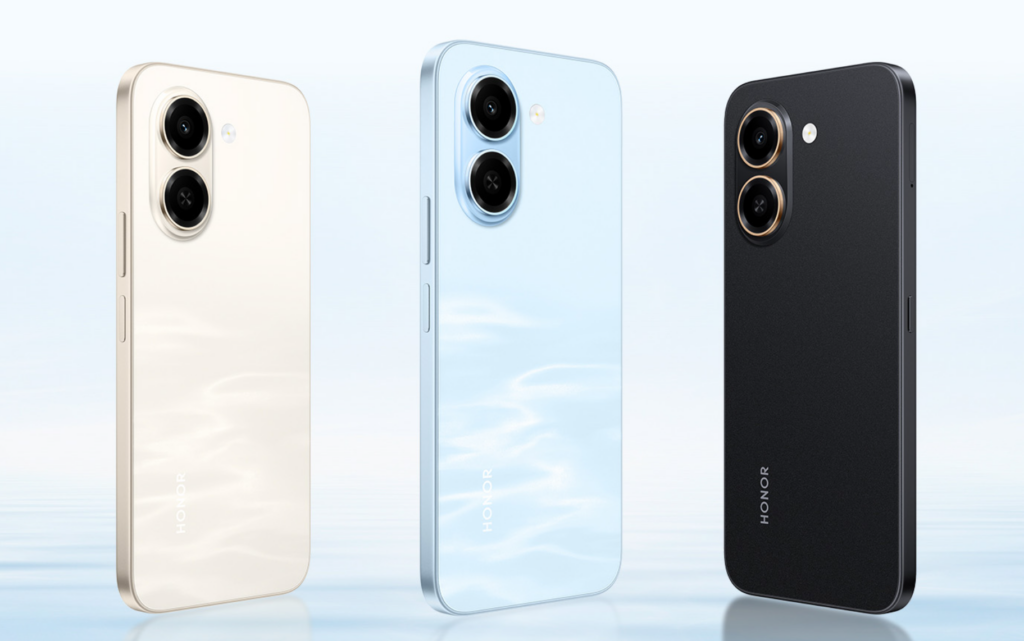
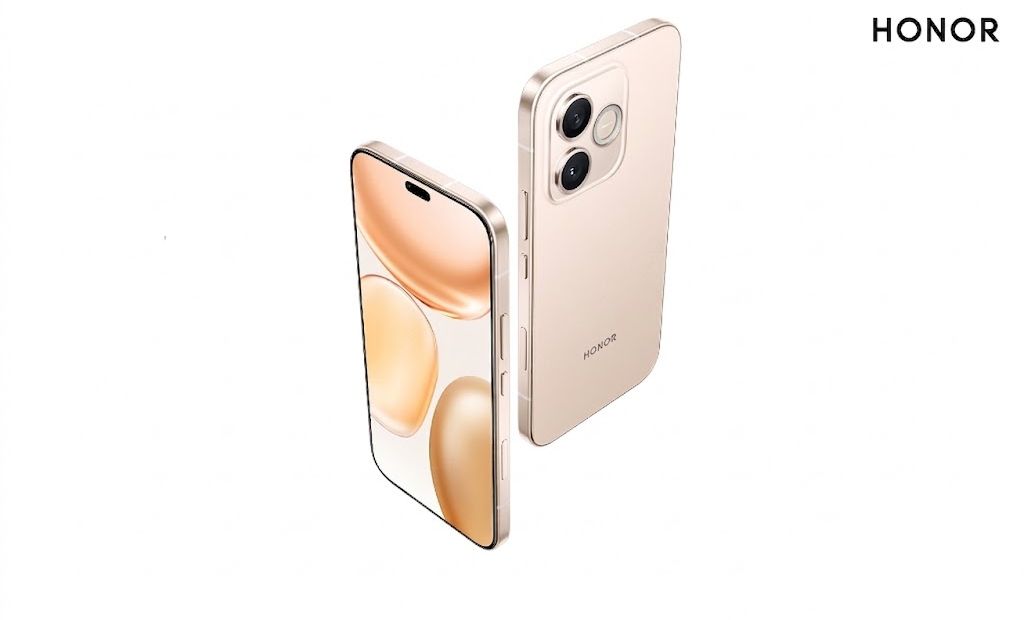
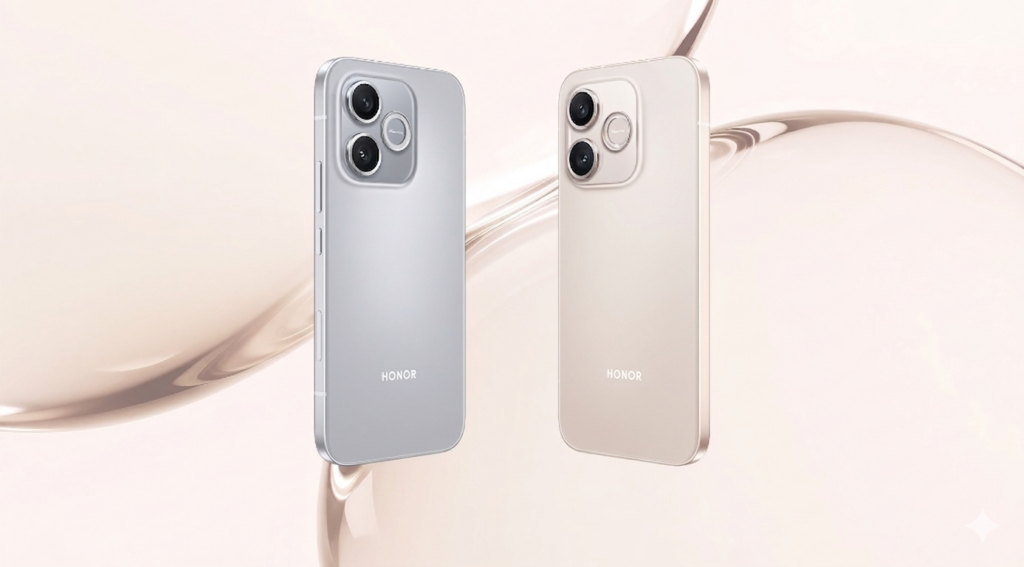
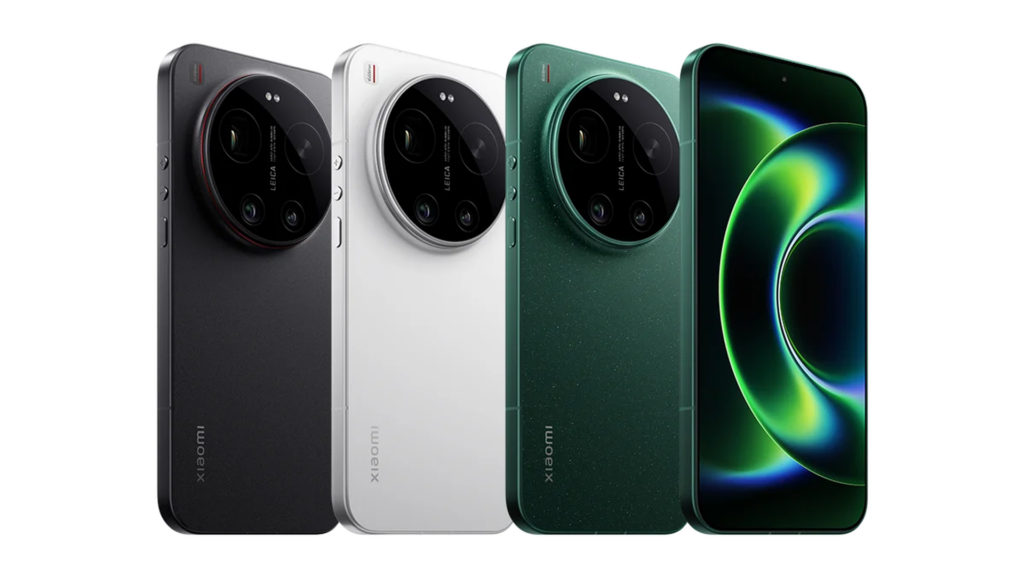
Alongside the Honor Play 80 Plus,Honor today announced another budget smartphone called the Honor Play 70C. The phone gets the basics right and targets the most entry-level segment.
The phone starts at 599 yuan (around $90) for the 4GB RAM and 64GB storage version. There are two other configurations: 4GB + 128GB at 699 yuan and 6GB + 128GB at 799 yuan.
Honor Play 70C Specifications
For the price, the Honor Play 70C features a 6.75-inch IPS LCD with a 90Hz refresh rate and a 720 × 1600 resolution. The panel includes a waterdrop notch that houses a 5MP front-facing camera, which is about what you’d expect at this price point.
On the back, the device has a single 13MP main camera capable of shooting 1080p video and supporting up to 10x digital zoom.
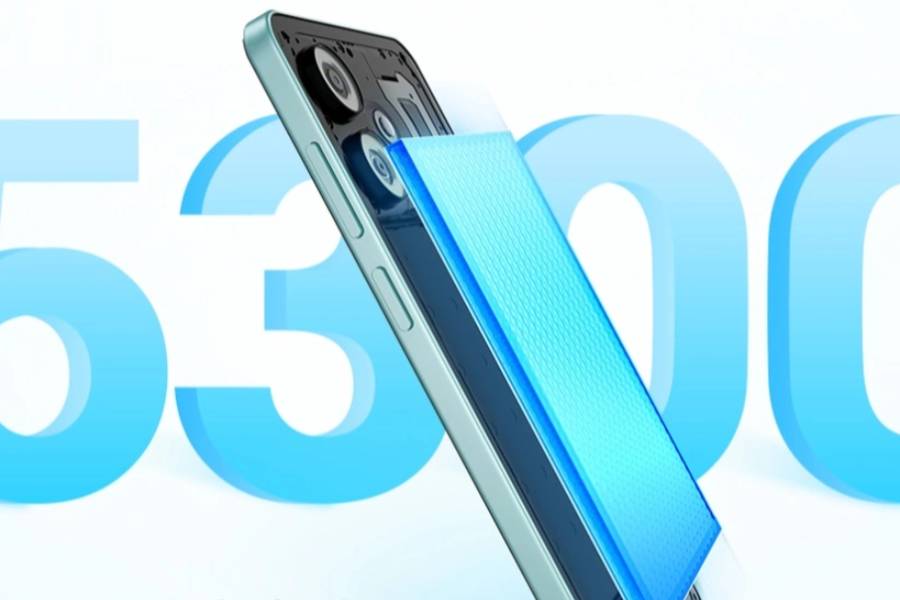
Powering the phone is the MediaTek Helio G81 Ultra chipset, paired with up to 6GB of RAM and 128GB of storage. It’s backed by a relatively large 5,300mAh battery.
The Play 70C runs Android 15 with MagicOS 9.0 out of the box. Connectivity options include dual SIM 4G, dual-band Wi-Fi, Bluetooth 5.1, GPS, and even a 3.5mm headphone jack.
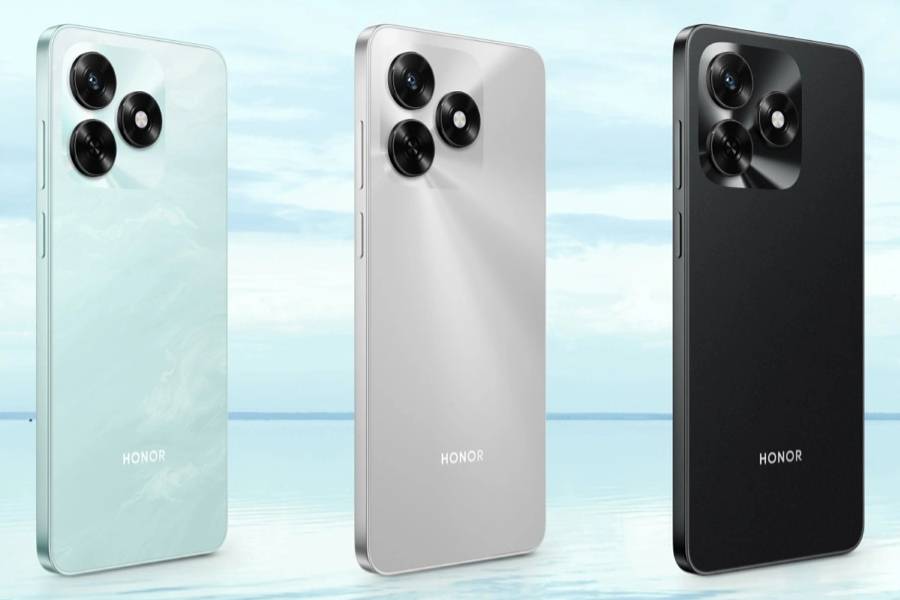
Honor is offering the phone in multiple color options, including Midnight Black, Moonlight Silver, and Ocean Blue (also referred to as Ink Rock Black, Moonlit Silver, and Lake Blue in some listings). The device itself is fairly slim at 7.89mm and weighs 186 grams.
The Honor Play 80 Plus is a better phone with a larger 7,500mAh battery and a Snapdragon 4 Gen 4 chipset. But the Play 70C sticks to the basics, a low-cost phone that focuses on battery life, modest performance, and just enough features to get by.
For more daily updates, please visit our News Section.
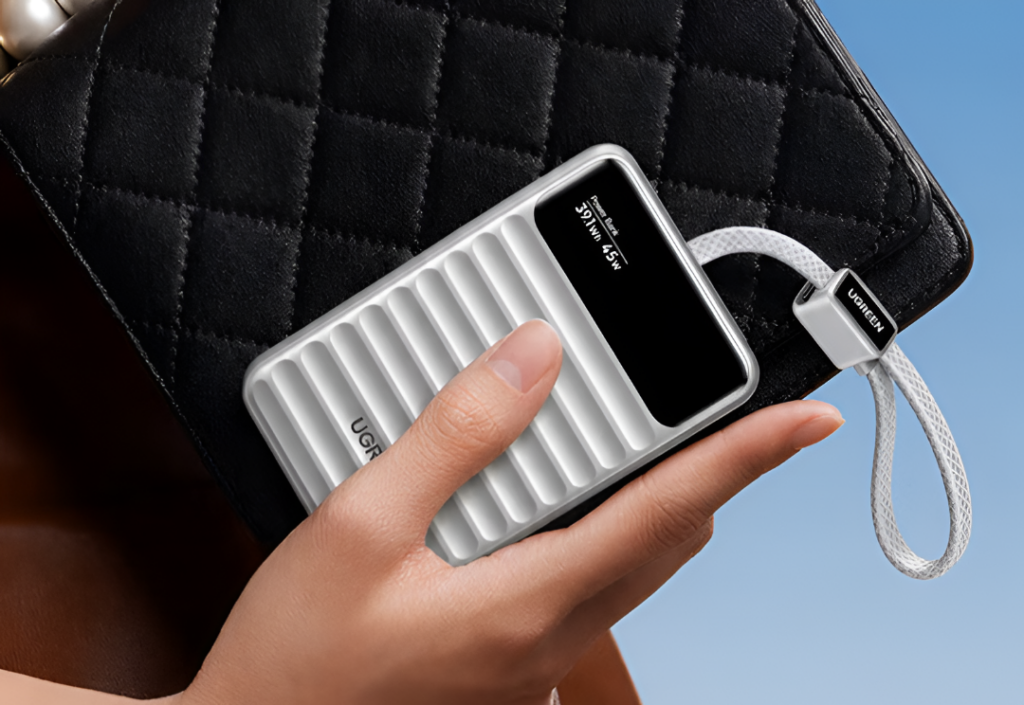
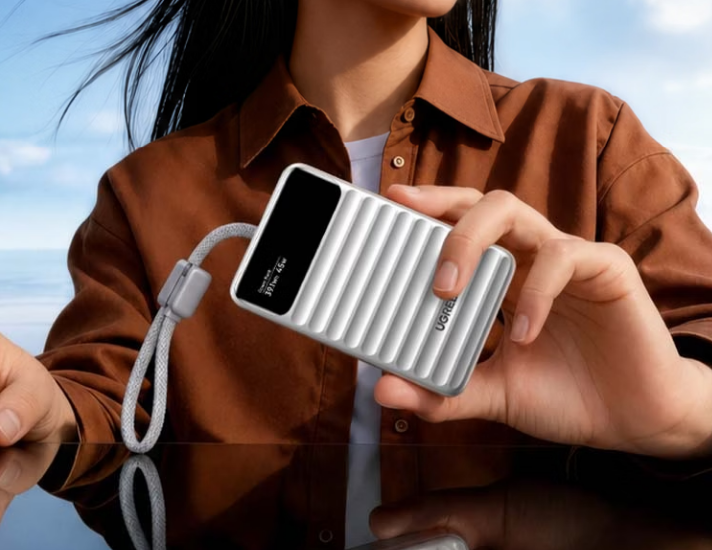
Ugreen has introduced a new 45W power bank, the Rhythm Series S45 (model PB603), currently listed on JD.com in China for 199 yuan ($29). It features a standard 10,000mAh capacity and is designed to address a very common annoyance: remembering your battery pack but forgetting the charging cable. By integrating a built-in USB-C cable, it offers a straightforward solution for keeping your devices powered on the go.
Ugreen PB603 Power Bank Specifications
The device measures 152 x 71 x 29.8 mm. On the outside, it has a ripple-textured finish to help with grip and a small TFT digital display on the front to clearly show the remaining battery percentage.
The built-in 45W USB-C cable sits at the top, supports the PD3.0 fast charging standard, and features a braided finish to handle standard wear and tear. Ugreen hasn’t detailed the rest of the port selection yet.
Inside the casing, the power bank uses ATL battery cells, which are generally known in the industry for their reliability. Ugreen notes that this model includes updated battery technology aimed at extending its overall lifespan.
The company states the new model offers a 166% improvement in charge cycle longevity over its previous generation, which was rated for around 300 cycles.
For safety, it uses a proprietary Battery Management System (BMS) to monitor charging conditions. According to the company, the device has gone through over 150 testing procedures to meet China’s latest 3C safety standards.
Some of these tests are quite specific, for instance, Ugreen says the battery cell passed a puncture test with a 4mm steel needle and withstood 1.43 tons of pressure without catching fire or failing. It also reportedly survived a 135°C heat chamber test.
To keep things cool during standard 45W fast charging, the device relies on a four-layer cooling system. This includes high thermal conductivity graphene materials and an NTC intelligent temperature control system that Ugreen says performs up to 360,000 temperature checks per hour to prevent overheating.
In related news, OnePlus has recently introduced a 15,000mAh power bank with 120W fast charging and advanced battery safety technology.
For more daily updates, please visit our News Section.
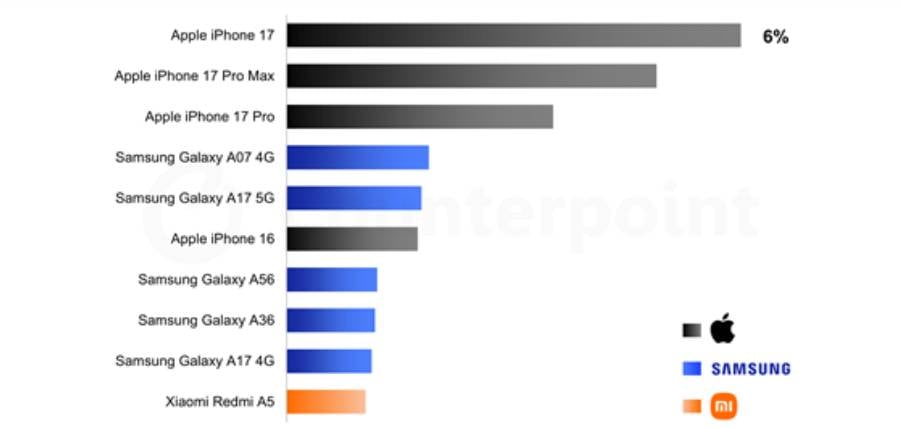
The global smartphone market in early 2026 turned out to be increasingly top-heavy. According to market research firm Counterpoint Research, the iPhone 17 was the best-selling smartphone globally in Q1 2026, grabbing 6% of all global smartphone sales on its own.
The iPhone 17 Pro Max and iPhone 17 Pro followed right behind in second and third place, meaning Apple owned the top three spots on the list entirely.
Senior analyst Harshit Rastogi says the iPhone 17 outperformed its predecessor by a clear margin. The base model got meaningful upgrades this time with more storage out of the box, a higher-resolution camera, and a faster screen refresh rate. This narrowed the gap between the standard and Pro models, which seems to have pushed more buyers toward the cheaper option.
Sales in China and the US grew by double digits year-over-year. South Korea was even better, where sales tripled compared to the previous generation.
Android’s budget segment dominates the market
On the Android side, Samsung dominated with five spots in the top ten, all from its Galaxy A budget lineup. The Galaxy A07 4G was the top-selling Android phone of the quarter, driven by demand in the Middle East, Africa, and Latin America. Samsung is now promising six years of software updates on these devices.
The Galaxy S26 Ultra didn’t crack the top ten, though Samsung says it opened stronger than the S25 Ultra did.
Redmi A5
The only Chinese brand to make the list was Xiaomi, with the Redmi A5 landing at number ten. It’s also the cheapest device on the list and has held steady demand in emerging markets since launch.
All in all, the top ten phones accounted for 25% of all global smartphone sales, the highest share ever recorded for a first quarter. Two things explain that: iPhone 17 demand stayed strong, and a memory chip shortage pushed up component costs, which squeezed Android manufacturers trying to compete at lower price points.
Counterpoint’s Karn Chauhan says the overall phone market is likely to shrink in 2026, with the budget segment taking the hardest hit. Manufacturers seem to know this already, as most are shifting resources toward higher-end products rather than racing to sell volume.
Xiaomi seems to be getting ready to bring another budget tablet to more markets, this time under the Poco brand. A new FCC listing has revealed details of what is expected to launch as the Poco C Pad.
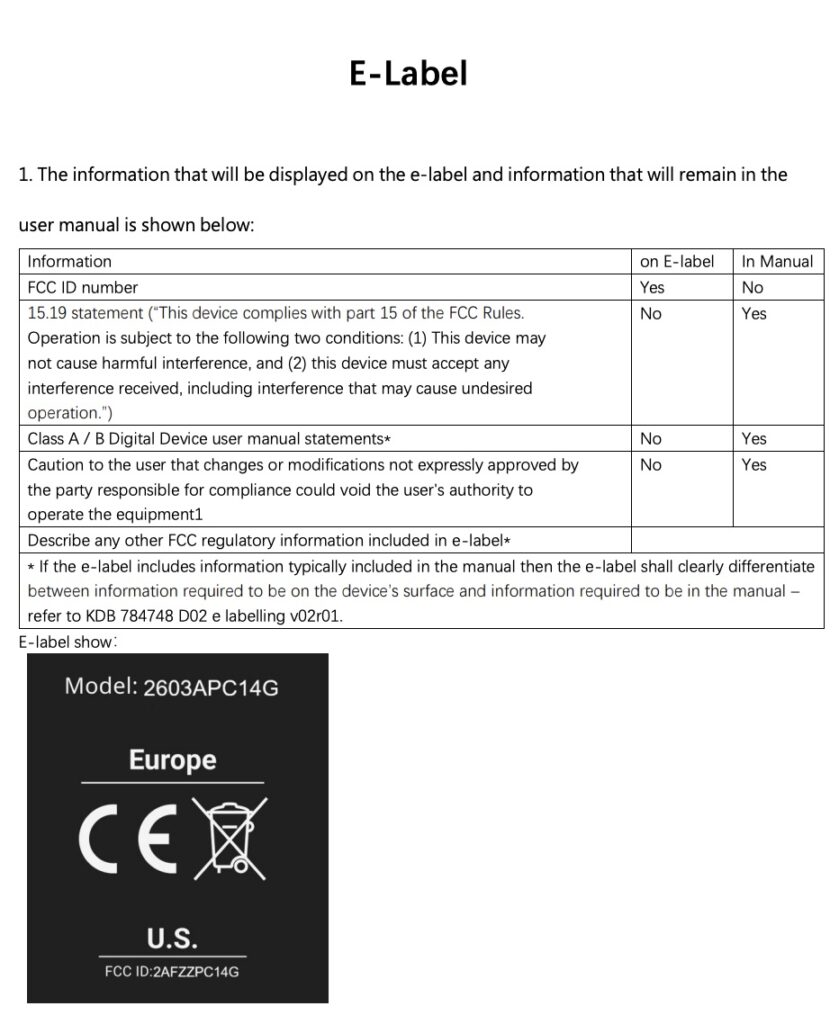
The tablet showed up in the FCC database with model number 2603APC14G. The filing itself does not mention the Poco C Pad name, but the same model number has already been linked to it through Xiaomi’s HyperOS code. The listing also confirms support for 18W charging, though it looks like a charger may not be included in the box.
One small detail that stands out is the color options. The device is listed in Pantone finishes, including Cool Gray and Red. It adds a bit of personality to what is otherwise a fairly straightforward tablet.
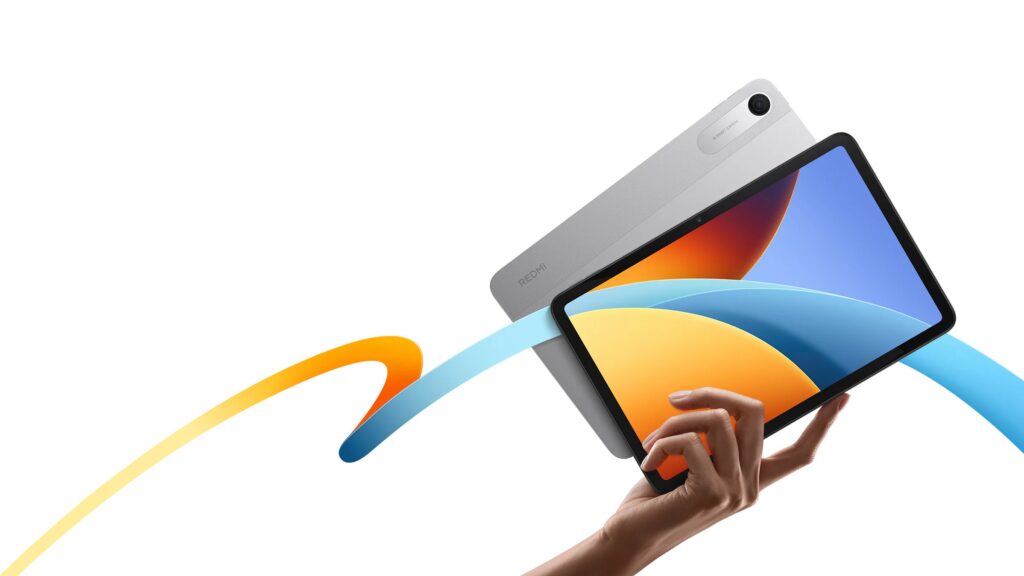
In terms of hardware, this is not entirely new. The Poco C Pad is expected to be a rebranded version of the Redmi Pad 2 9.7, which Xiaomi launched recently in some markets. So the overall experience should be quite similar.
That means a 9.7-inch LCD display with a 2K resolution and a 120Hz refresh rate, along with a slim metal body that keeps things relatively light at just 401 grams. Under the hood, it is powered by the Snapdragon 6s Gen 2 4G processor, paired with up to 4GB of RAM and 128GB of storage, expandable via microSD.
The rest of the setup is fairly standard. You get an 8MP rear camera, a 5MP front camera, dual speakers, a headphone jack, and optional 4G connectivity. Nothing flashy, but enough for everyday use. The tablet packs a 7,600mAh battery, which Xiaomi claims can last well over a day on mixed usage. It runs HyperOS 3 based on Android 16, with features like cross-device integration and some AI-assisted tools built in.
Pricing should stay on the lower side. In markets like Malaysia, the Redmi version starts at around RM560, which is equivalent to US$140. Prices may vary across regions, but it should stay in a similar range.
With certification already in place, an official announcement does not seem too far away.
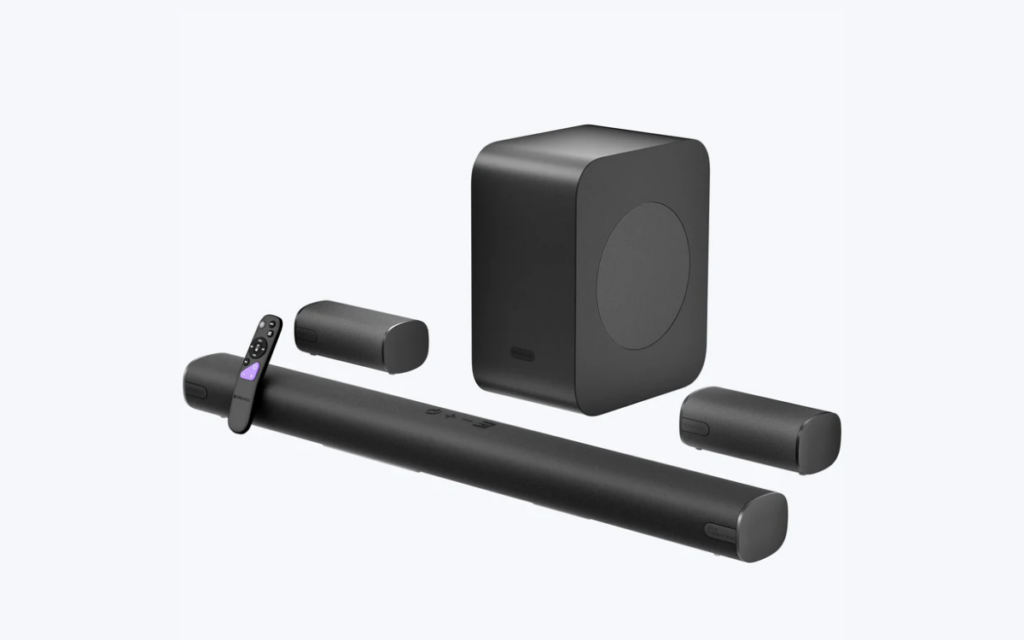
Zebronics has added a new flagship soundbar to its home audio lineup in India. The ZEB-Juke Bar 9890 is a 5.1.2 channel system that supports both Dolby Atmos and DTS:X. It is currently available on Amazon and Flipkart with a launch price of ₹29,999 ($315).
Zebronics ZEB-Juke Bar 9890 Specifications
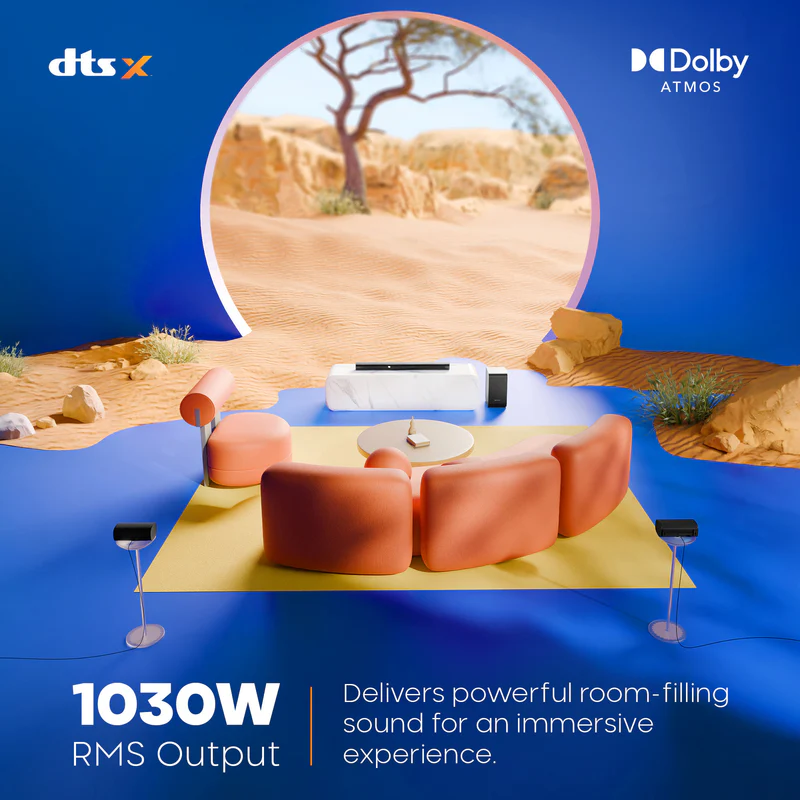
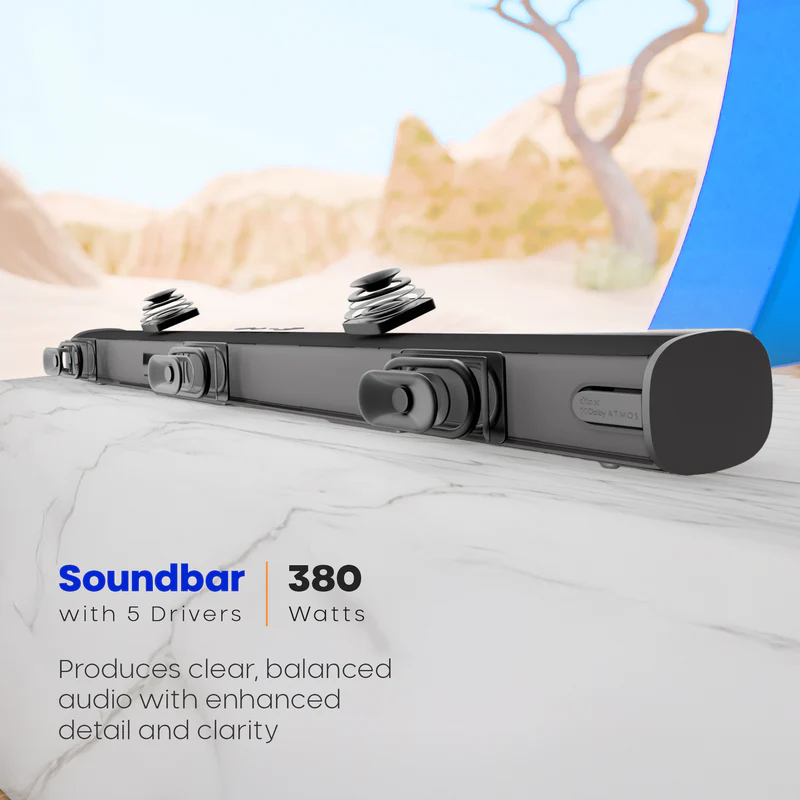
The system has a total stated output of 1030W RMS, which is divided among a few different components. The main soundbar unit contains five drivers, three facing forward and two pointing upward to handle the height channels required for spatial audio formats.
The package also includes two rear satellite speakers and an 8-inch (20.32cm) subwoofer. Because the rear speakers and subwoofer connect wirelessly to the main bar, it cuts down on the amount of cabling needed across the living room, making the initial setup a bit more straightforward.
For audio processing, the soundbar relies on its up-firing drivers to bounce sound off the ceiling, simulating overhead audio for Dolby Atmos and DTS:X tracks. Zebronics also includes its own internal audio processing, which it calls Zeb-AcoustiMax, designed to manage the surround sound distribution.
Physically, the soundbar and satellite speakers are wrapped in a dark fabric finish, a common design choice intended to help the hardware blend in with standard living room furniture. The main bar features a basic LED display on the front to show the current input or volume level, and the unit includes the necessary hardware to be mounted to a wall.
The connectivity options cover the standard requirements for a modern TV setup. The primary connection is HDMI eARC, which is necessary to transmit high-bandwidth audio formats directly from the TV.
It also features an optical input, a 3.5mm auxiliary jack, and a USB port for playing MP3 files from a flash drive. For wireless audio playback from a phone or tablet, it uses Bluetooth 5.3.
In related news, Sony has recently introduced the HT-B500 soundbar with Dolby Atmos, DTS:X, and a 3.1-channel configuration, while boAt has launched the Aavante Prime X, a wireless 7.1.4 Dolby Atmos soundbar delivering 700W output
For more daily updates, please visit our News Section.
Smart rings are becoming pretty common, and RingConn has just announced its third-generation model. The main updates for the RingConn Gen 3 are a built-in vibration motor and a feature that tracks nighttime blood pressure trends. It costs $349 globally (or $314 if you pre-order) and, like the company’s previous models, it doesn’t require a monthly subscription to use the companion app.
RingConn Gen 3 Specifications
Physically, the Gen 3 is a titanium ring with a medical-grade epoxy resin on the inside. It’s about 2.3mm thick and weighs between 2.5 and 3.5 grams depending on the size you get, which keeps it in line with the standard footprint for this category. The sensors inside are what you’d expect: an optical heart rate sensor, a temperature sensor, and an accelerometer.
The most noticeable hardware change is the vibration motor. Putting haptic feedback in a ring without making it bulky or severely draining the battery is usually tricky, but RingConn included it to give you physical nudges.
The ring vibrates for things like a low battery, high stress, or if you’ve been sitting still for too long. It’s a small change, but it means you don’t have to look at your phone as often to know what the ring is doing.
On the health tracking side, RingConn is introducing a feature it calls Vascular Health Insights. It is important to note that this isn’t a medical diagnostic tool. Instead, it monitors your blood pressure trends automatically overnight while you sleep. The goal is to show you how your daily habits might be affecting your vascular patterns over time.
The Gen 3 also adds sleep apnea pattern tracking and full-cycle predictions for women. For daily use, it tracks standard metrics like blood oxygen, stress, and workouts, with automatic detection for basic exercises like walking, running, and cycling.
Coming to the battery life, RingConn says the Gen 3 lasts 11 to 14 days if you turn the vibrations off, and 10 to 12 days if you leave them on. It comes with a wireless charging case that holds up to 150 days of standby charge and takes about 90 minutes to recharge the ring. It’s also water-resistant up to 10ATM, so you don’t need to take it off to shower or swim.
The ring works with both iOS and Android, and it syncs with Apple Health and Google Health Connect. If you happen to be away from your phone, the ring can store up to 10 days of data locally.
In related news, Rogbid has recently launched the SR15 smart ring, offering health tracking features along with vibration-based alerts.
For more daily updates, please visit our News Section.
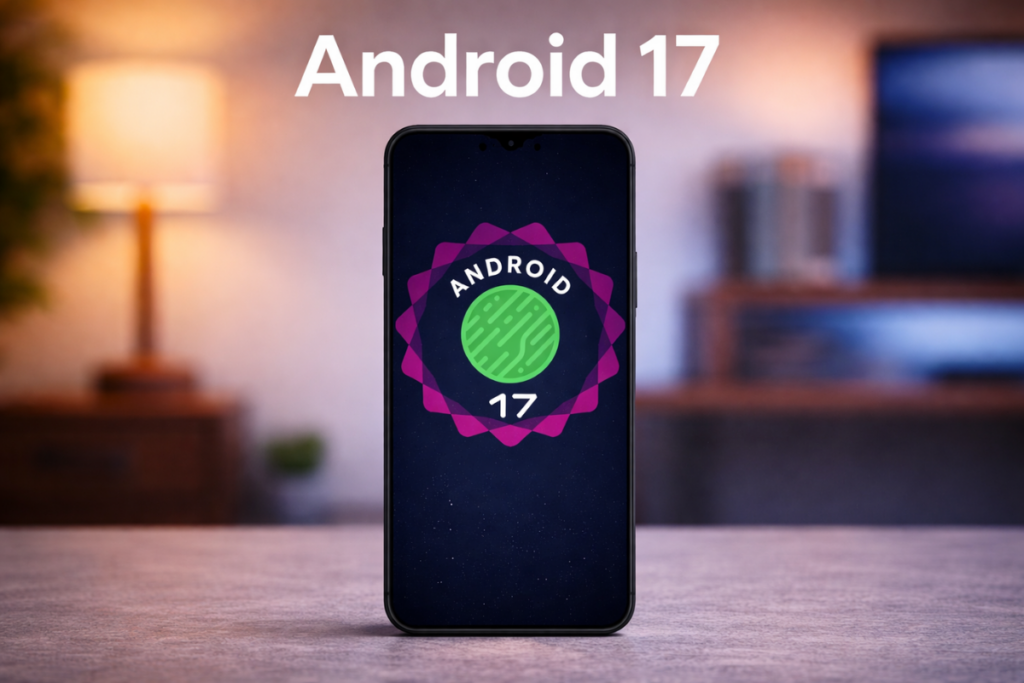
Google has already released four betas of Android 17, which are more than enough to show us what the upcoming version has in store. There are some new, exciting features, as well as many essential upgrades to existing ones, that make the software more useful and feature-rich.
With the stable Android 17 release approaching, here are the eight features or upgrades I can’t wait to try.
1. A native app lock, finally
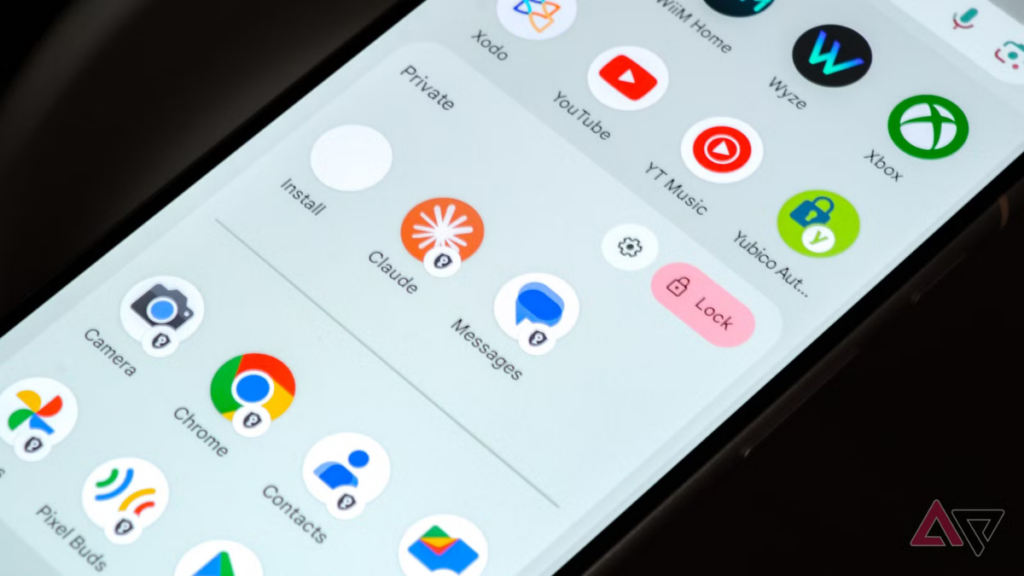
Google is finally bringing the ability to lock individual apps, a feature users have been requesting for years. You will be able to lock apps directly from the home screen by long-pressing an app icon and choosing the “App lock” option from the quick options menu.
You can set up app lock using a PIN, pattern, password, or biometrics like fingerprint or face unlock, without needing a third-party app. This feature on the Google Pixel works just like any other app lock, but keep in mind that notifications for a locked app, along with all associated shortcuts and widgets, will be hidden.
Google notes that certain AI features, such as Gemini’s screen automation, may still be able to interact with apps, depending on permissions. You’ll be notified if other apps have access to the app you’re locking.
Most Android skins, including One UI, already have this feature, but it’s a nice welcome addition for Google Pixels.
2. Floating app bubbles make multitasking easier
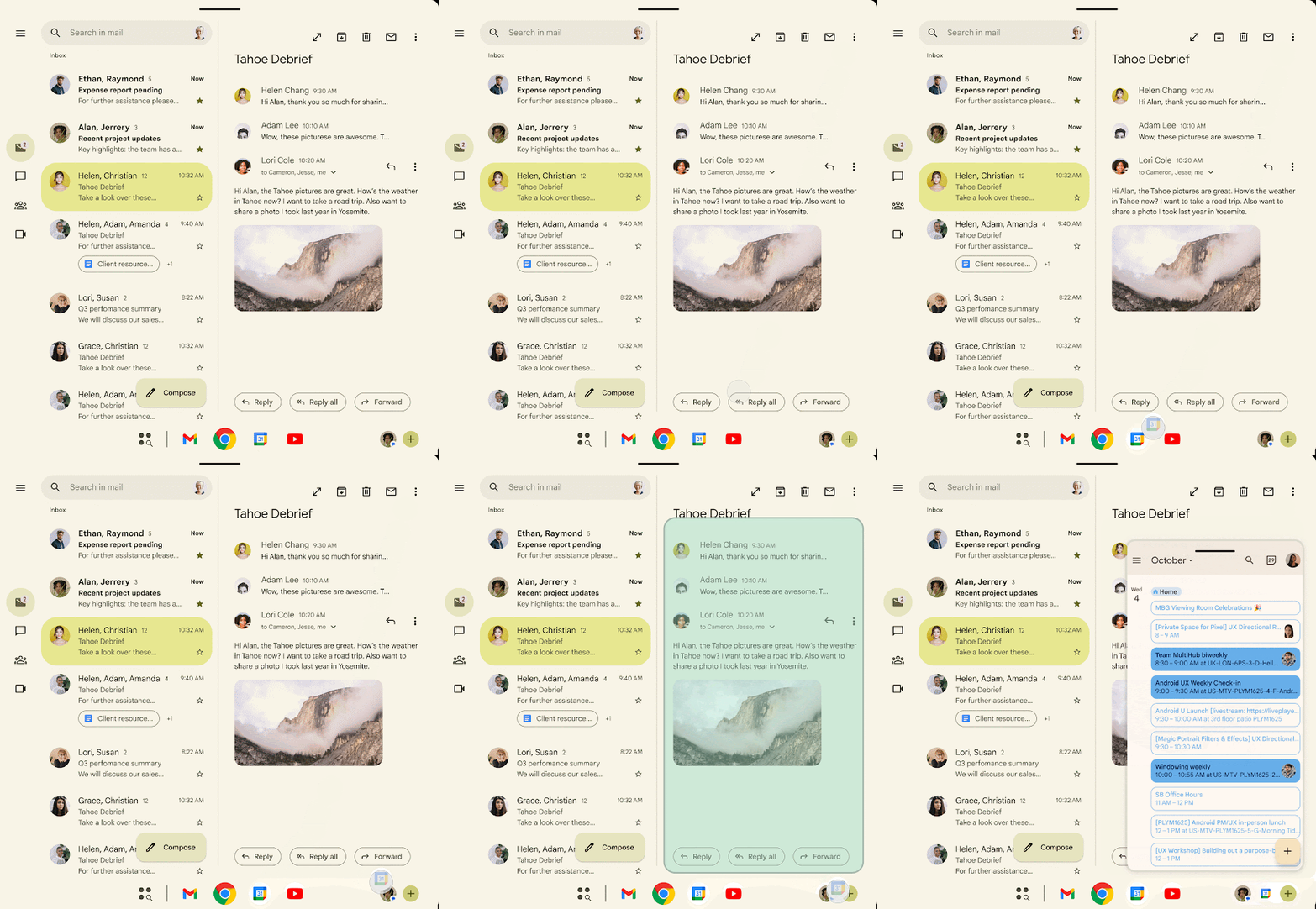
The bubble feature has been around for quite a few years now, but it was restricted to messaging and conversations. Android 17 takes it a major step forward by allowing users to turn any app into a floating bubble.
For example, if you’re watching a tutorial on YouTube and noting important steps on Google Keep, you’ll be able to convert Google Keep into a floating bubble for quicker access. When you tap the Keep bubble, the app will open in a small floating window, while the YouTube tutorial plays in full screen. This is better than switching between the two apps and using them in a split-screen view.
You will be able to close an app bubble by dragging it to the bottom of the screen.
Bubbles are more useful on large-screen devices like foldables or tablets where the user has more screen to work with than on a regular smartphone.
3. A more powerful screen recording with a preview screen
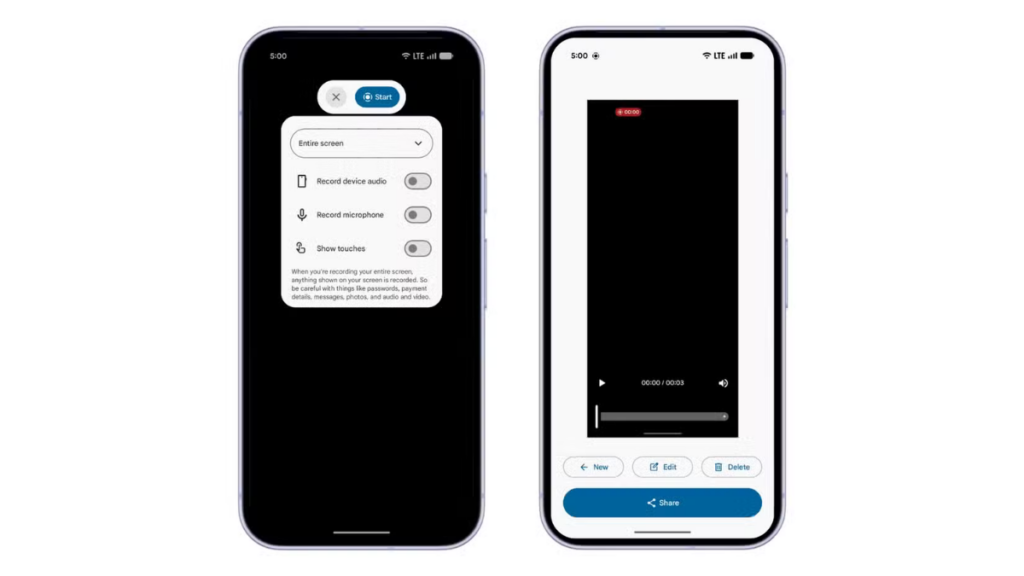
Android 17 will upgrade the screen recording experience with a more refined UI and a new preview screen. Currently, when you tap the screen recording tile in Quick Settings, a pop-up shows up asking about the recording area and audio options.
In Android 17, when you tap the screen recording tile, a new floating pill interface will show up, letting you choose what to record, whether to record device audio or microphone (or both), and whether to show touches. You can tap the status indicator in the status bar to bring back the floating pill UI.
Once you stop the recording, you’ll see a new preview screen where you can play, edit, delete, or share the clip instantly without opening the gallery.
4. Mandatory Large-Screen Adaptivity
Google enforces a stricter policy on app resizability and orientation, preventing developers from restricting apps to a single orientation on large devices (sw ≥ 600dp). This effectively skips smartphones (generally below 600dp) and targets tablets and larger-screen devices.
The latest move is designed to make Android apps truly adaptive. On a device running Android 16 or an earlier build, if you open a portrait-locked app on a landscape tablet, the app appears as a tall, narrow window in the center of the screen, with thick black bars on the sides. In Android 17, the app would rotate to fill the gap, resulting in a more usable screen and better app experience.
Games are exempted from these strict mandates to ensure they don’t break during critical gameplay.
Google began phasing out apps’ ability to restrict screen orientation and resizability on large-screen devices with Android 16. However, it still allowed app developers to opt out of this change. But Android 17 makes it mandatory, and developers will no longer be able to opt out.
5. Hide app names on the home screen
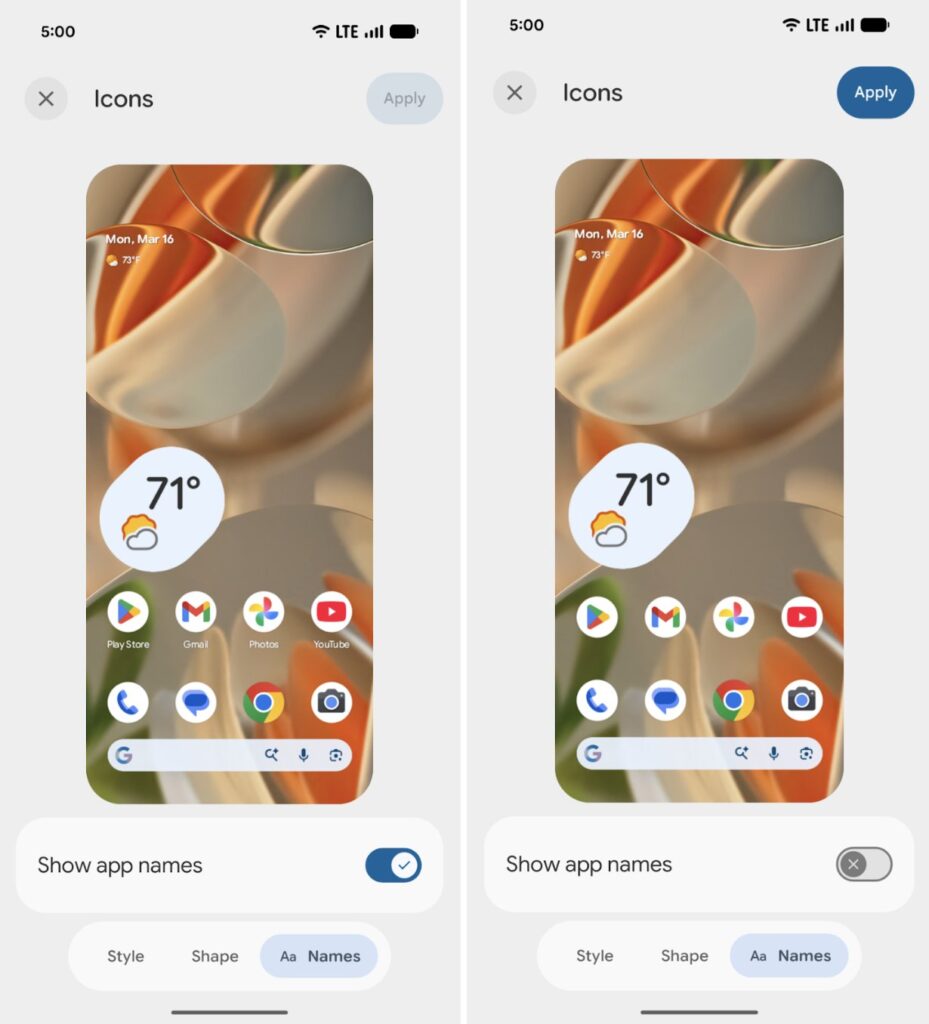
In the Beta 3 build, Google introduced a feature that lets users hide the app labels on the home screen. This isn’t a big step, but it helps users create a cleaner home screen setup.
To hide app labels, you’ll need to go to Wallpaper & style, tap Home screen, select Icons, tap the Names tab at the bottom, and turn off the toggle for Show app names. Keep in mind that this won’t affect the app drawer or apps inside folders.
6. Separate Wi-Fi and mobile data toggles
On Pixel devices running Android 16 or earlier, if you need to switch between Wi-Fi and mobile data, or turn them on or off, you must open Quick Settings, tap the Internet tile, and then perform the action.
Many users have expressed their frustration with the extra step required to access Wi-Fi or mobile data. After nearly four and a half years, Google is finally allowing users to add separate Wi-Fi and mobile data toggles in Android 17.
This change would particularly benefit Pixel users, as most other Android skins, including Samsung’s One UI and OnePlus’s OxygenOS, already have it.
7. Give apps limited access to your contacts
Right now, there’s no way to give apps access to specific contacts. If you grant the contacts permission, the app will have access to all contacts stored on your device.
This is certainly not a privacy-focused approach, and therefore, Google is introducing a new system-level Contact Picker interface that will allow users to select one or more contacts to share with an app at a time. Google says apps won’t be able to track any changes you make to a contact’s information.
Contact Picker grants temporary, session-based read access to the specific data fields selected by the user. That means the app will need to request permissions again after the session timeout, further strengthening users’ privacy.
8. Seamless task continuity on another device
Google is working on a “Task Continuity” feature, which will allow users to sync notifications, share files, and continue apps across their linked Android devices. Essentially, you will be able to transfer an app’s current state from one Android device to another. This feature could debut with Android 17.
This feature will show a suggestion on the taskbar representing the running app from another device. When you click this suggestion, the system initiates the handoff and passes the remote app’s state, as Android Authority explains.
Google announced the new Handoff API in Android 17 Beta 2, which allows developers to specify the application state to resume on another device. Once enabled, the Android system displays a handoff suggestion in the launcher of the user’s nearby devices.
Final build may not include all of them
If you’ve been following Android releases, you’d know that Google doesn’t include all the features from the beta builds into the final package. But there’s a very good chance some of them will make it to the final release.
All the features we’ve discussed so far are available in the Android 17 beta releases. You can get an eligible Google Pixel to test them or wait for the stable release, which could happen around June 2026.
We’ll regularly update you with the latest information in the Android 17 section on this website. You can visit the page regularly for the latest details, or join our Telegram channel for instant updates.
2026’s flagship race is already settled, at least on paper. The phones launched between January and April — from Samsung, Xiaomi,OPPO, Vivo, Honor, Motorola, Huawei, and iQOO — will define what a high-end Android phone looks like for the rest of the year.
New chipsets will come, but these are the devices most people will be comparing, buying, and arguing about through December. So here’s what actually shipped, and what each one is trying to do.
Motorola introduced the Razr Fold at CES 2026 as its first book-style foldable. Unlike the Razr’s usual clamshell form, this one opens up like a tablet, with an 8.1-inch 2K LTPO inner display and a 6.6-inch cover screen. The cover screen is large enough that you can handle most everyday tasks without unfolding the device.
The camera setup is all 50-megapixel across the board: a Sony LYTIA main sensor, an ultra-wide with macro support, and a periscope telephoto with 3x optical zoom. There’s also a 32MP camera on the outer display and a 20MP shooter on the inner screen. Video recording supports Dolby Vision. The phone also supports Motorola’s Moto Pen Ultra stylus.
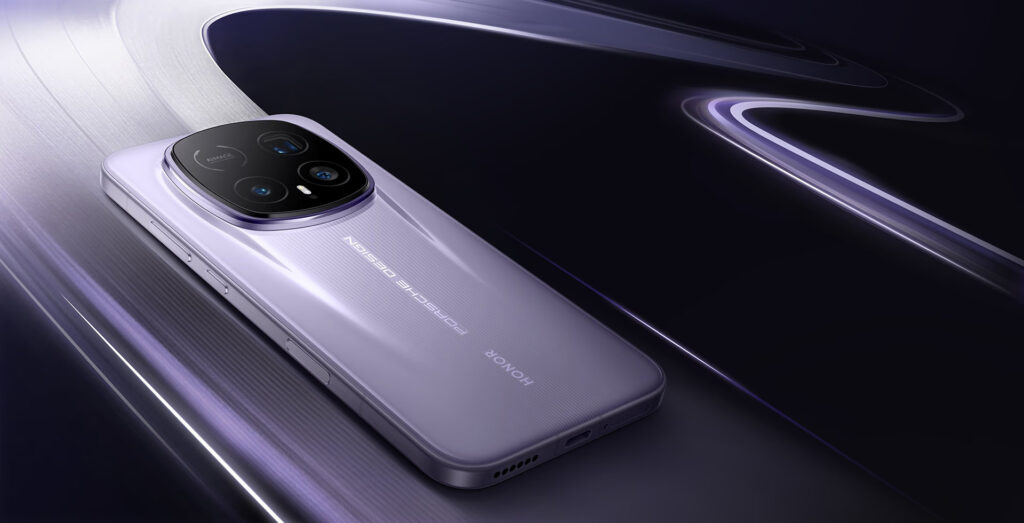
Honor Magic 8 RSR Porsche Design
Honor kicked things off with the Magic 8 RSR Porsche Design, which went on sale in China on January 23rd. The phone is what it sounds like: a high-end device made in collaboration with Porsche Design, with finishes called Slate Gray and Moonstone, and a back panel made of microcrystalline nano-ceramic material that Honor says has a Mohs hardness rating of 8.5.
Inside, it runs Qualcomm’s Snapdragon 8 Elite Gen 5, with configurations going up to 24GB of RAM and 1TB of storage. The camera setup includes a 50MP main sensor, a 50MP ultra-wide, and a 200MP telephoto with 3.7x optical zoom and up to 100x digital zoom. Battery is 7,200mAh with 120W wired and 80W wireless charging. It also supports satellite communication and IP68/IP69K water resistance.
Honor is also selling an optional photography kit with a magnetic grip, filter adapter, and external telephoto lens. It runs MagicOS 10 with Porsche Design-themed UI elements layered on top.
2. February
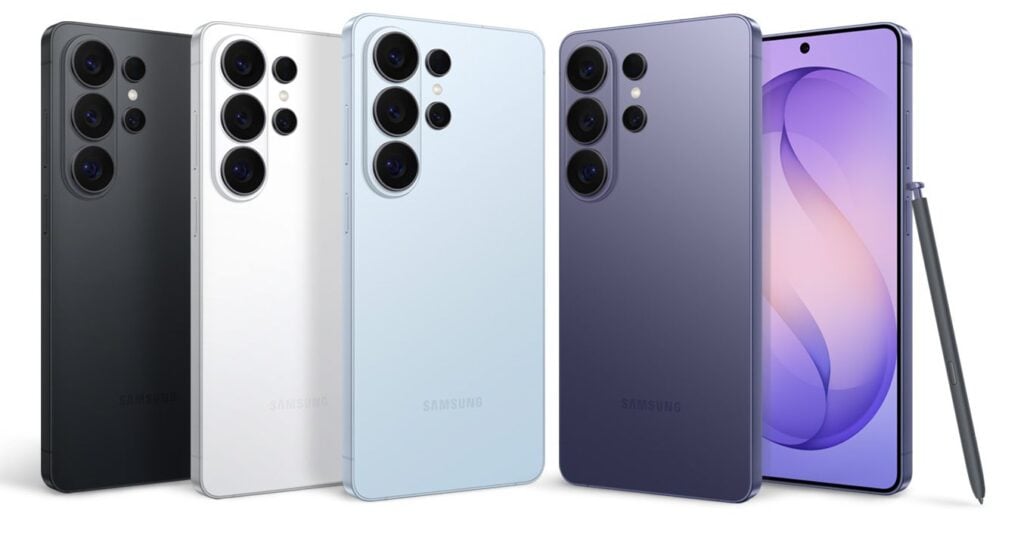
Galaxy S26 and S26 Plus
Samsung Galaxy S26 Series
Samsung’s February Unpacked event brought the Galaxy S26, S26+, and S26 Ultra. The base S26 has a 6.3-inch FHD+ Dynamic AMOLED 2X display, while the S26+ bumps that up to 6.7 inches at QHD+ resolution. Both have 1-120Hz adaptive refresh rates and Gorilla Glass Victus 2.
Depending on your region, these phones ship with either the Exynos 2600 or the Snapdragon 8 Elite Gen 5. The main camera across the standard models is a 50MP sensor, paired with a 12MP ultra-wide and a 10MP telephoto with 3x zoom. The S26 has a 4300mAh battery, the S26+ has a 4900mAh battery, and both support Qi2 wireless charging at 20W.
Samsung Galaxy S26 Ultra
The S26 Ultra takes a different direction. It has a 6.9-inch QHD+ display with Gorilla Armor 2, runs exclusively on the Snapdragon 8 Elite Gen 5, and includes a 200MP main camera, a 50MP ultra-wide, a 10MP telephoto at 3x, and a 50MP periscope lens at 5x zoom. Battery is 5000mAh with Super Fast Charging 3.0. The S Pen is still here. The software on all three runs One UI 8.5 on Android 16, with AI features like Photo Assist, Now Brief, and Creative Studio built in.
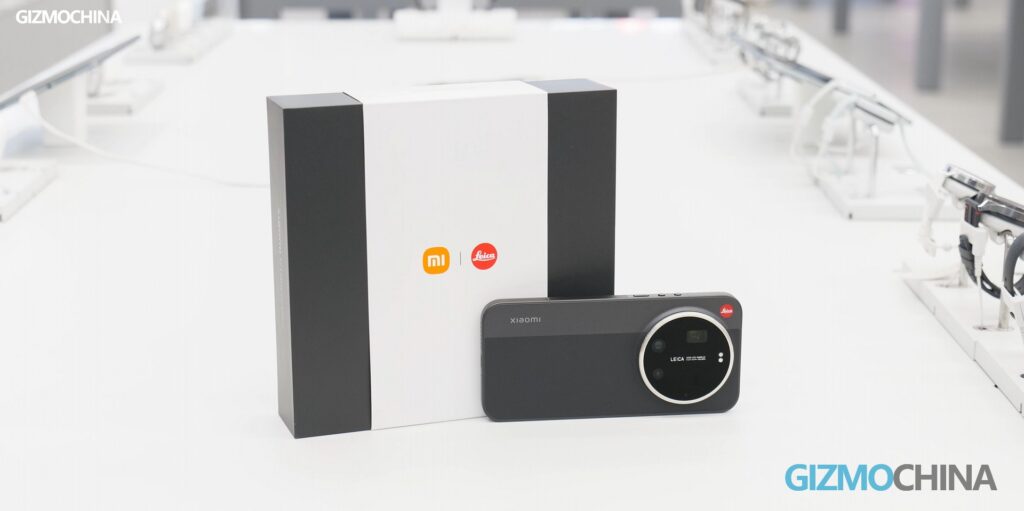
Xiaomi 17 Ultra
Xiaomi launched the 17 Ultra in China in February, and it arrives with one of the more interesting camera setups of the year. The main camera uses a 1-inch Light Fusion 1050L sensor co-developed with Leica, shooting at 50MP. The telephoto is a 200MP Leica-certified lens that supports lossless optical zoom between 75mm and 100mm, going up to 400mm digitally. The ultra-wide is a 50MP sensor with 115-degree FOV.
The display is a 6.9-inch OLED with up to 3,500 nits peak brightness, 1-120Hz adaptive refresh rate, and Dolby Vision support. It runs Snapdragon 8 Elite Gen 5, and Xiaomi says the phone can mirror and control Apple devices through its HyperOS 3.0 software.
The battery is 6,800mAh, the largest in any Xiaomi Ultra device. It charges at 90W wired and 50W wireless. Despite all of that, Xiaomi says the 17 Ultra is the thinnest Ultra device it has made, at 8.29mm.
iQOO 15 Ultra
The iQOO 15 Ultra is a performance-first phone, and it makes that clear from the spec sheet. The display is a 6.85-inch flat Samsung AMOLED at 2K resolution with a 144Hz refresh rate and 8,000 nits peak brightness. The touch sampling can go up to 4000Hz.
The phone runs Snapdragon 8 Elite Gen 5 alongside iQOO’s in-house Q3 esports chip, and the company claims an AnTuTu score of 4.51 million.
iQOO 15 Ultra
For cooling, it has a 59-blade fan and an 8,000mm² vapor chamber. The phone also includes pressure-sensitive shoulder triggers and a 500Hz gyroscope. Battery is 7,400mAh with 100W wired and 40W wireless charging.
On the camera side, it’s a triple 50MP system consisting of main, ultra-wide, and periscope telephoto with 3x optical zoom. Not the headline feature here, but solid. It runs OriginOS 6 on Android 16 and supports 8K video recording.
3. March
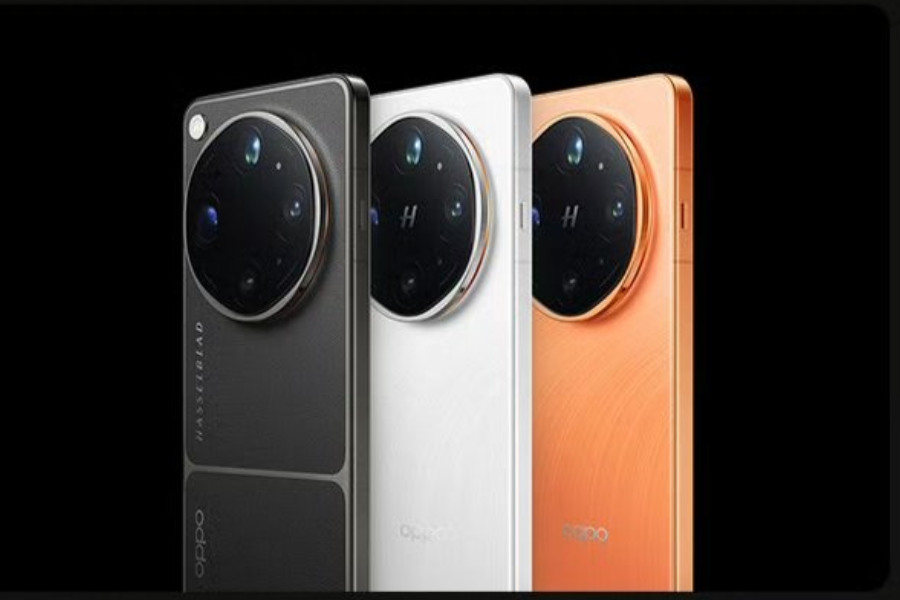
OPPO Find X9 Ultra
OPPO’s Find X9 Ultra is the most camera-forward device on this list. It’s the only 2026 flagship to use two 200MP cameras, one for main and another for 3x telephoto. Both deliver maximum detail in portrait and general photography. There’s also a dedicated 50MP 10x optical zoom telephoto and a 50MP ultra-wide.
OPPO is leaning hard on the Hasselblad partnership here. The new Hasselblad Master Mode includes features like True Detail for 8K output across six focal lengths, a full-link ProXDR pipeline, and nine film presets that try to simulate real film color behavior rather than just slapping a filter on.
Video-wise, it supports 8K at 30fps and 4K at 120fps in 10-bit Log format, along with custom 3D LUT import and an ACES color management workflow. TILTA accessories like ND filters and manual focus grips are available for it. The phone runs Snapdragon 8 Elite Gen 5 with a 144Hz 2K display, a 7,050mAh battery with 100W wired and 50W wireless charging, and IP66/IP68/IP69 water resistance.
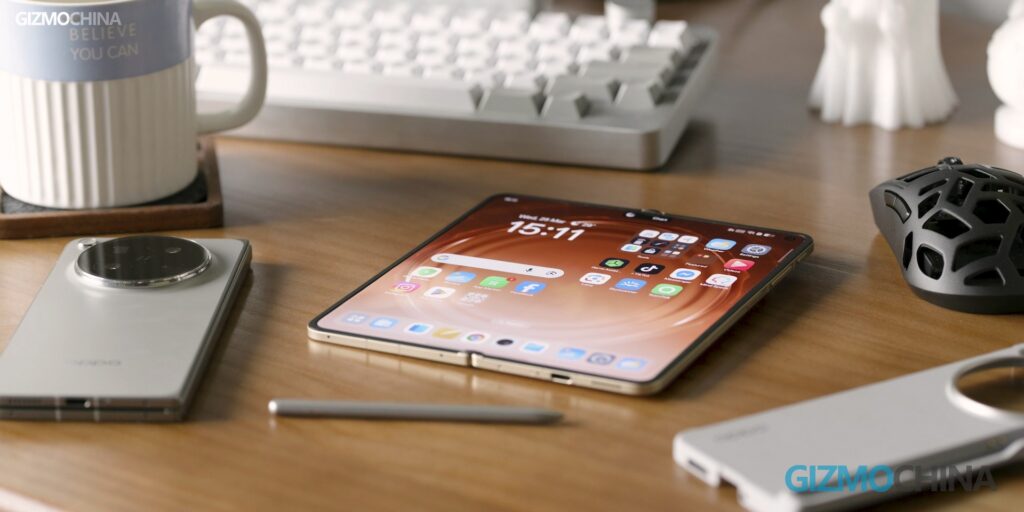
OPPO Find N6
OPPO’s Find N6 is pitching itself as the world’s flattest foldable, and the engineering behind that claim is genuinely interesting. The hinge uses a bionic four-axis structure built with chip-level polymer 3D printing, reducing surface unevenness to 0.1mm. Paired with memory glass that restores up to 99.9% flatness after folding, the crease situation is about as controlled as any foldable has managed. It’s TÜV certified for 600,000 folds.
The inner display is an 8.12-inch QXGA+ foldable OLED, and the outer cover screen is a 6.62-inch FHD+ AMOLED, both running 1-120Hz adaptive refresh with 240Hz touch sampling. The outer panel peaks at 3,600 nits.
Cameras follow the same Hasselblad-partnership playbook as the Find X9 Ultra: a 200MP main with dual-axis OIS leads, supported by a 50MP ultra-wide, a 50MP 3x telephoto, and a dedicated Danxia color calibration lens. It supports 8K stills and 4K 120fps Dolby Vision video.
The chipset is the Snapdragon 8 Elite Gen 5, paired with a 6,000mAh battery, 80W wired and 50W wireless charging. It folds to 8.93mm and weighs 225g, with IP56/IP58/IP59 ratings.
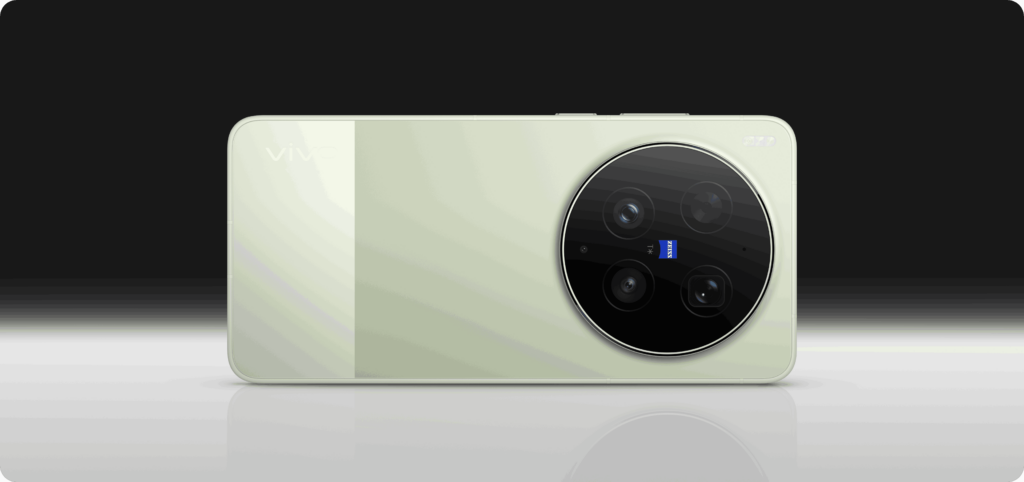
Vivo X300 Ultra
Vivo’s X300 Ultra follows a similar camera-first philosophy as the Find X9 Ultra, but leans into a Zeiss partnership instead of Hasselblad. The camera array includes a 50MP ultra-wide (Sony LYTIA 818), a 200MP main camera (Sony LYTIA 901), and a 200MP telephoto (Samsung HP0) with gimbal-level stabilization.
Vivo X300 Ultra – Victory Green
Vivo is also selling two external teleconverter modules, one for 200mm and one for 400mm. The imaging system supports 4K 120fps Dolby Vision and 4K 120fps 10-bit Log recording, along with 3D LUT imports and ACES workflows.
The display is a 6.82-inch 2K LTPO AMOLED at 144Hz. Battery is 6,600mAh with 90W wired and 40W wireless charging. It runs OriginOS 6 on Android 16 and carries IP68/IP69 ratings.
4. April
OnePlus Ace 6 Ultra
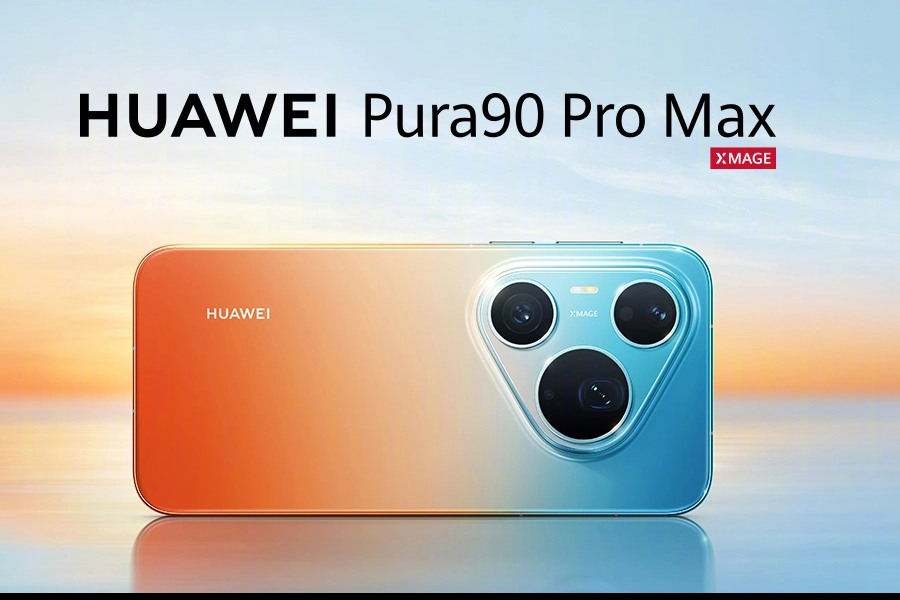
Huawei Pura 90 Pro and Pura 90 Pro Max
Both the Huawei Pura 90 Pro and 90 Pro Max share the same XMAGE imaging philosophy and a Red Maple multispectral lens, but the Pro Max gets better hardware meaningfully across the board.
The Pro Max camera system leads with a 50MP RYYB main sensor (1/1.28-inch) with OIS, LOFIC tech, and a variable aperture from f/1.4 to f/4.0. The telephoto is a 200MP RYYB periscope unit with 4x optical zoom, up to 8x optical-quality zoom, CIPA 7.0 stabilization, and what Huawei calls an industry-first three-in-one super concentrating prism. Rounding it out is a 40MP RYYB ultra-wide.
The standard Pro keeps the same main sensor and aperture setup but steps down to a 12.5MP ultra-wide and a 50MP periscope telephoto.
Both phones run on the Kirin 9030S, a step below the Kirin 9030 Pro found in the Pura X Max foldable. Huawei claims a 200 percent improvement in NPU image understanding over the previous generation, with gains in AI ISP color processing, telephoto video clarity, and stabilization accuracy. AI features are central to the software pitch — AI pose recommendations, composition assist, portrait retouching, and one-click photo creation are all present, alongside an upgraded Xiaoyi assistant with real-time pointing recognition and voiceprint detection.
The Pro Max has a 6.9-inch display; the Pro gets 6.6 inches. Both use single-punch-hole cutouts. The Pro Max also gets Kunlun glass protection, which Huawei says cuts reflections by 70 percent and improves scratch resistance up to 16 times over standard glass. Both phones run HarmonyOS 6.1.
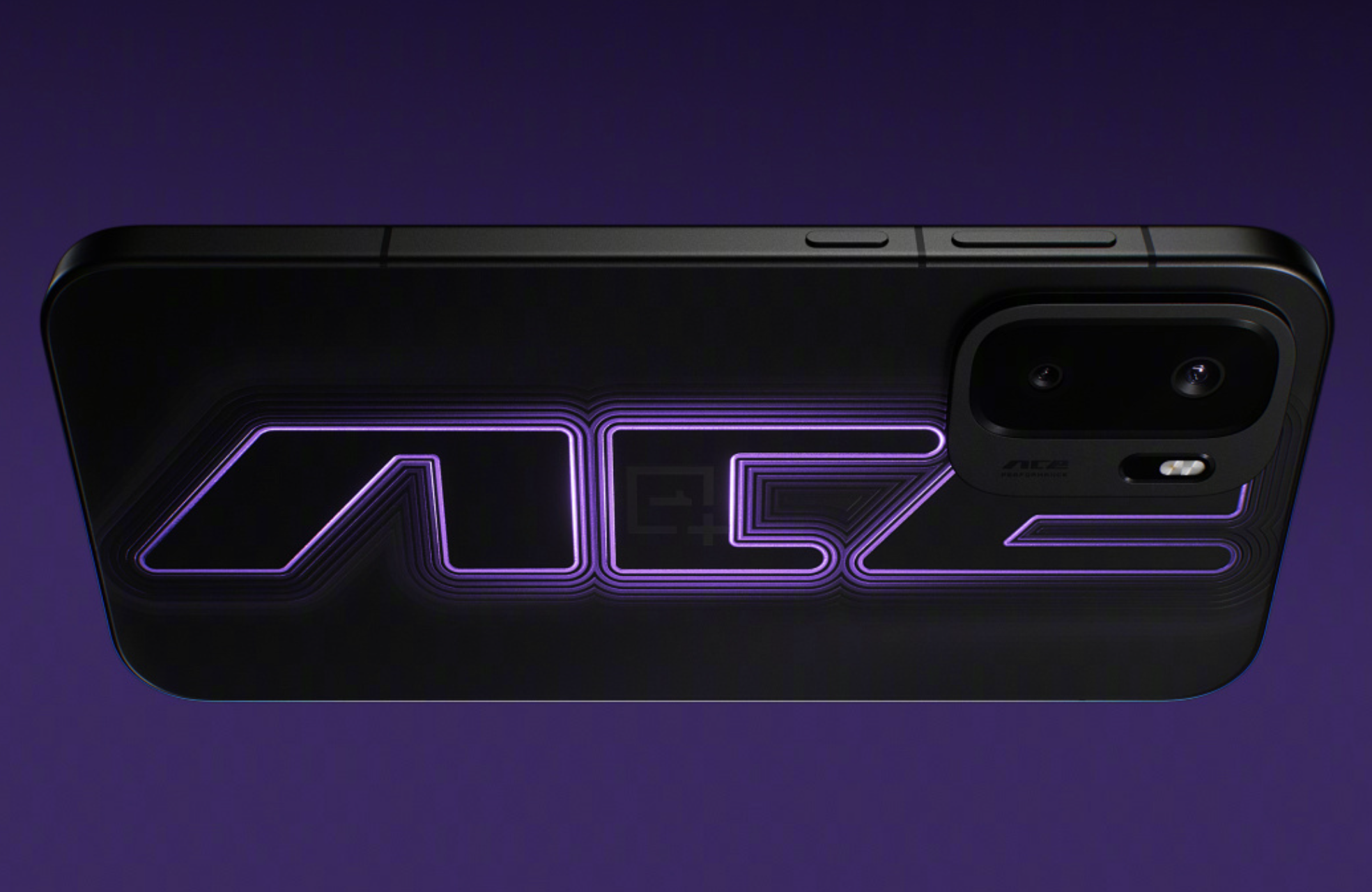
OnePlus Ace 6 Ultra
The OnePlus Ace 6 Ultra is squarely aimed at mobile gamers. It runs on the MediaTek Dimensity 9500, built on TSMC’s third-gen 3nm process, with OnePlus claiming a 32% performance uplift and 55% better power efficiency over the previous generation.
Keeping things cool is a 6,000mm² vapor chamber that sits alongside a Glacier Cooling System and a deeper integration of OnePlus’s Wind Chaser Gaming Kernel.
The headline accessory is an optional Strix Gaming Controller with a joystick-free layout, mechanical triggers rated at 1.8ms response time, a dedicated e-sports chip, and support for magnetic cooling modules. It’s the kind of peripheral ecosystem you’d more typically associate with a dedicated gaming phone brand.
The display is a 6.78-inch 1.5K LTPS OLED at 165Hz with 4,000Hz instantaneous touch sampling. As for cameras, it has a 50MP main with OIS and an 8MP ultra-wide unit. The battery is a large 8,600mAh dual-cell unit with 120W wired charging. It runs ColorOS 16 on Android 16, and carries IP66/IP68/IP69/IP69K ratings.
For more daily updates, please visit our News Section.
The upcoming Honor 600 series is gearing up for its China debut later this month, and new leaks have revealed some exciting upgrades. According to tipster Digital Chat Station, the China variant could bring major improvements, especially in battery capacity and color options.
One of the biggest highlights is the massive battery upgrade. While the global version already offers a large 7000mAh battery, the China model is expected to push this further to around 8500mAh to 9000mAh, making it one of the biggest batteries in a mainstream flagship-style smartphone. This suggests a strong focus on long-lasting performance and heavy usage without frequent charging.
In terms of design, the Honor 600 series will reportedly arrive in six vibrant colors, including Good Orange, Lucky Star, Jasmine White, Green Apple, Light Feather Blue, and Obsidian Black. The device is also said to feature a premium metal frame and high durability ratings, including IP68, IP69, and IP69K protection against dust and water.
The smartphone is expected to sport a 6.57-inch 1.5K flat display with a 120Hz refresh rate and ultra-slim 0.98mm bezels on all sides. It will also use 3840Hz PWM dimming technology, aimed at improving eye comfort during extended use.
Under the hood, the device is rumored to be powered by the flagship Snapdragon 8 Elite chipset, paired with MagicOS 10 based on Android 16.
For photography, the Honor 600 series could feature a 200MP main camera, along with a 12MP ultra-wide lens and a 50MP 3.5x periscope telephoto sensor. A 50MP front camera is also expected for selfies.
Overall, the China variant of the Honor 600 series appears to focus heavily on battery life while retaining flagship-grade performance and camera capabilities.
Honor has quietly introduced the Honor Play 80 Plus in China, adding a new entry to its budget lineup with a focus on battery life and everyday performance. The device stands out with a large 7,500mAh battery, a 120Hz display, and Qualcomm’s latest Snapdragon 4 Gen 4 platform. It also brings MagicOS 10 based on Android 16, positioning it as a modern entry-level 5G option. Here is a closer look at what the phone offers.
Honor Play 80 Plus specifications and features
Honor Play 80 Plus
The Honor Play 80 Plus features a 6.61-inch TFT LCD screen with a resolution of 720 x 1604 pixels and a 120Hz refresh rate. The panel supports eye protection features and delivers a 20.05:9 aspect ratio. Like the recent Honor phones, the Play 80 Plus runs on MagicOS 10 based on Android 16.
Powering the device is the Snapdragon 4 Gen 4 chipset, making it the first phone to feature this platform. Announced in December 2025, the 4nm processor comes with an octa-core setup featuring 2 x 2.3GHz Cortex-A78 performance cores and 6 x 1.95GHz Cortex-A55 efficiency cores paired with the Adreno 613 GPU. The chipset focuses on improved power efficiency, better AI handling, and stable connectivity. It is designed to handle daily tasks smoothly while keeping battery consumption in check, which aligns well with devices targeting long endurance.
Honor Play 80 Plus
The phone includes a 13-megapixel rear camera with an f/1.8 aperture and a 5-megapixel front camera. The device is backed by a huge 7,500mAh battery with support for 45W fast charging. Additional features include dual SIM support, Bluetooth 5.0, dual-band Wi-Fi, a side-mounted fingerprint sensor, and a USB-C port. The device measures 163.9 x 75.9 x 8.29mm and weighs around 205 grams.
Honor Play 80 Plus price and availability
The Honor Play 80 Plus is available in Aquamarine, Black, and Gold color options. Pricing in China starts at 1,699 Yuan (~$250) for the 6GB+128GB variant and goes up to 2,099 Yuan (~$310) for the 8GB+256GB model. The device is already on sale in China, but there is no confirmation yet regarding its global availability.
For more daily updates, please visit our News Section.
Lenskart first introduced its AI-powered smart eyewear, B by Lenskart, back in November 2025, offering an early glimpse at its vision for connected wearables. The company has now moved a step further by opening early access, with the official microsite revealing key details about the pricing and full specifications.
B by Lenskart smart glasses specifications and features
B by Lenskart
The B by Lenskart smart glasses are designed to feel like regular eyewear, weighing around 45g and supporting prescription lenses from -6 to +6. Under the frame, the device runs on the Qualcomm Snapdragon AR1 Gen 1 platform, paired with 32GB internal storage. It supports Bluetooth 5.3 and works with devices running iOS 18 and above or Android 12 and above. Interaction is handled through touch controls and voice commands, including a wake phrase for the built-in assistant powered by Google Gemini.
For imaging, the glasses feature a 12 megapixel Sony camera with a 16mm ultra-wide lens. It captures photos at up to 4032 x 3024 resolution and records videos at 1080p in landscape and 1440 x 1920 in portrait at 30fps. Audio is handled through dual directional speakers, while a three-microphone setup supports calls and voice inputs.
B by Lenskart
Battery life is rated at up to 4 hours on a single charge, with the included charging case extending total usage to up to 48 hours. Fast charging is supported, with 50 percent charge achieved in around 15 minutes. The glasses can be charged through the case or directly using a cable.
B by Lenskart smart glasses price and availability
The B by Lenskart smart glasses are priced at Rs 22,000 (~$230) as an early access offer, compared to a listed price of Rs 27,000 (~$285). They are available in Black and Silver colour options and come bundled with a charging case.
The product is currently open for waitlist registrations, indicating a phased rollout. Features like real-time AI assistance, multi-language support, note-taking and hands-free capture position it as more than just a wearable accessory.
For more daily updates, please visit our News Section.
Inllie has introduced two new wearable devices, the Luna Core Bracelet and Sense Core Band, bringing a different take on everyday fitness tracking. The announcement highlights a shift towards blending wellness features with a more refined design language, setting the tone for what these devices aim to deliver.
Inllie Luna Core Bracelet and Sense Core Band features and design
Inllie smart bracelets
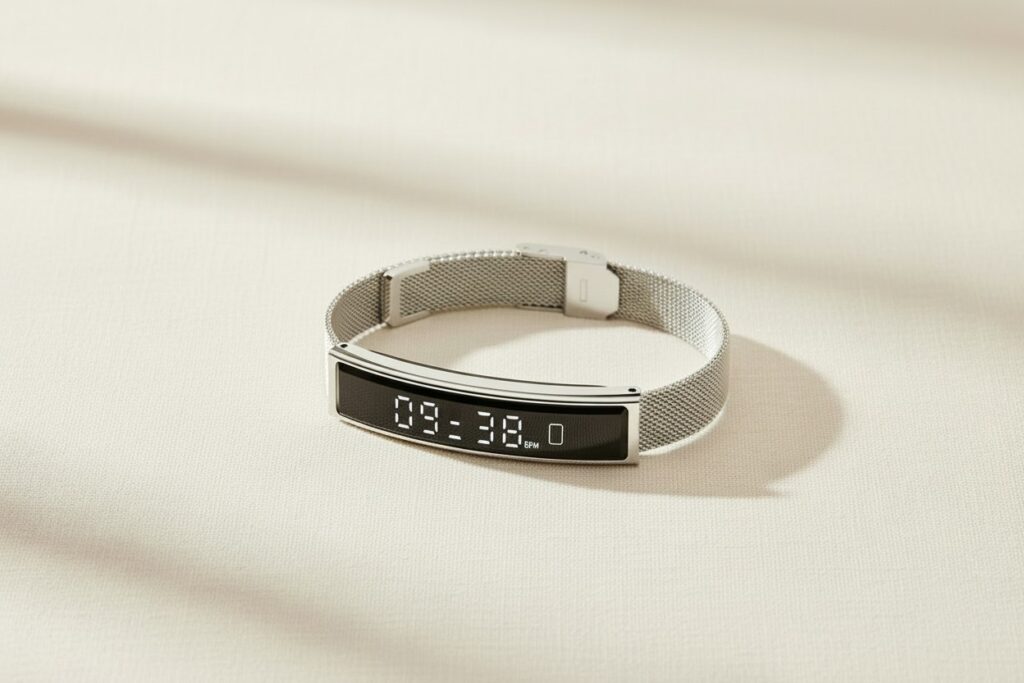
The Inllie Luna Core Bracelet is designed to resemble a piece of jewellery, featuring a stainless steel bracelet paired with a zinc alloy and epoxy resin case. It includes gold and silver accents, giving it a polished look suitable for both casual and formal wear. The device weighs 11.6g, making it comfortable for extended use. The Sense Core Band follows a slimmer and more conventional design, with a 5.6mm thin body and a weight of 16.5g. It offers strap options, including metal Milanese and silicone, allowing flexibility between style and practicality.
Inllie smart bracelets
Both devices focus on integrating health tracking into daily wear without appearing overly sporty. They support heart rate monitoring, blood oxygen levels, stress tracking, heart rate variability, menstrual cycle tracking, sleep insights, step count, and multiple exercise modes. The Sense Core Band also features a compact display that shows essential data such as steps, battery status, and heart rate.
Battery capacity differs between the two models. The Luna Core Bracelet houses a 26mAh battery, while the Sense Core Band includes an 18mAh battery. Each device is rated to deliver around 5 to 7 days of usage on a single charge, with standby extending up to 12 days for Luna Core and 10 days for Sense Core.
Inllie Luna Core Bracelet and Sense Core Band price and availability
Inllie smart bracelets
The Luna Core Bracelet is priced at $149, while the Sense Core Band is available for $109. The company is also offering a limited-time bundle where both devices can be purchased together with a $79 discount.
For more daily updates, please visit our News Section.
Honor has quietly introduced the Honor Play 11 Plus in China, where it is already listed on the brand’s official website and available for purchase. This mid-range 5G phone offers a balance of battery life and everyday performance by packing a large 7000mAh battery and a bright AMOLED display in a slim design. Here is a closer look at its specifications, features, and pricing.
Honor Play 11 Plus specifications and features
Honor Play 11 Plus
The Honor Play 11 Plus features a 6.6-inch AMOLED display with a resolution of 2600×1200 pixels, offering DCI-P3 color support and up to 6500 nits peak brightness. It also includes 3840Hz PWM dimming for eye comfort and aluminosilicate glass protection.
Powering the device is the Dimensity 6500 Elite chipset paired with 8GB RAM and 256GB storage. It packs a 7000mAh battery with support for fast wired charging and reverse charging. The phone runs MagicOS 10 based on Android 16 and brings several AI-driven features such as YOYO smart assistant, AI notes, translation tools, and system-level optimizations.
For photography, the phone includes a 50-megapixel rear camera with an f/1.8 aperture and support for up to 10x digital zoom. On the front, it has an 8-megapixel camera for selfies and video calls. It also supports 1080p video recording.
Honor Play 11 Plus
Other features include in-display fingerprint sensor, stereo speakers, IP66 rating, NFC, infrared remote, Bluetooth 6.0, and dual SIM 5G support. Despite packing a huge battery, it measures 7.34mm in thickness, with a weight of around 185 grams. To sum up, this phone appears to be a rebranded version of the Honor X80i, which debuted earlier this year in China.
Honor Play 11 Plus price and availability
The Honor Play 11 Plus is available in an 8GB + 256GB variant priced at 2,199 Yuan (~$320). It comes in Sunrise Gold and Lanyue Silver colour options, also referred to as Moon Embracing Silver in some listings. The device is already on sale in China via official channels.
For more daily updates, please visit our News Section.
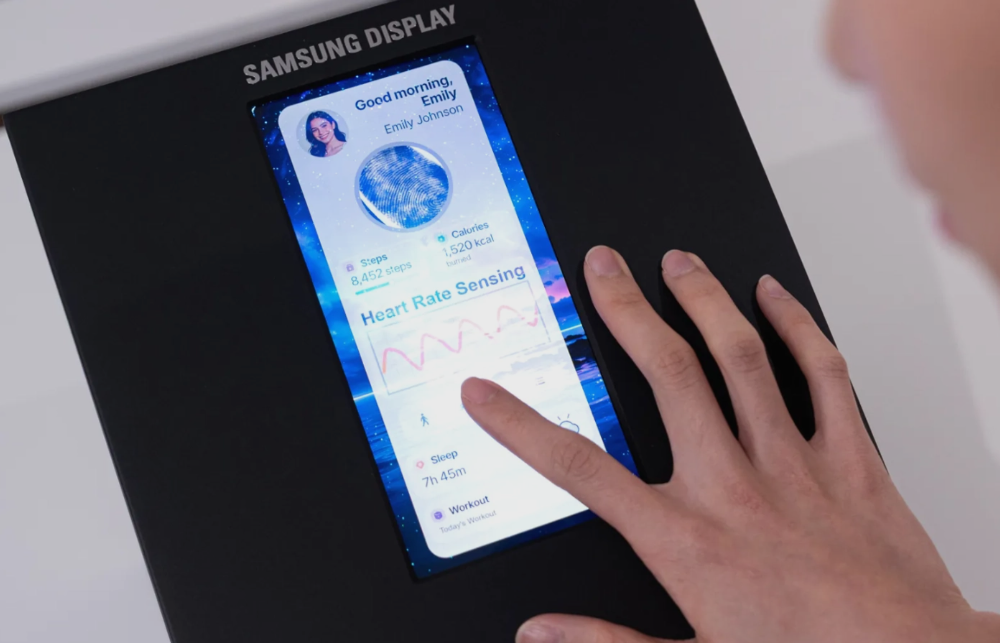
At SID Display Week 2026 in the United States, Samsung showcased a range of next-generation display technologies that could redefine how smartphones are used in daily life. The highlight of the event was the shift from traditional screens to multi-functional displays that combine visuals, health tracking, and privacy features.
One of the most impressive innovations is the Sensor OLED display. This technology allows users to measure heart rate and even blood pressure simply by placing a finger on the screen. It works by using light emitted from the display, which reflects off the skin and is captured by built-in sensors. This removes the need for smartwatches or separate health devices, making smartphones more useful for quick health checks.
Samsung also introduced the Flex Chroma Pixel display, which focuses on brightness and color accuracy. It can reach up to 3,000 nits of brightness and covers 96% of the BT.2020 color range. The goal is to deliver richer colors while improving power efficiency, especially for future premium devices.
Another key feature is Flex Magic Pixel technology, designed for privacy. It limits viewing angles so sensitive content like messages or health data stays hidden from people nearby, without affecting the main viewing experience.
Samsung also showcased a stretchable Micro LED display aimed at automotive use, along with improvements in EL-QD display efficiency.
Overall, Samsung is pushing toward displays that do much more than just show content. Future smartphones could act as health monitoring tools, offer built-in privacy, and deliver better visual performance, all through a single screen.
Motorola officially unveiled the Motorola Razr Fold, its first-ever book-style foldable, at MWC 2026. The device is now gradually making its way to different markets. While it has already landed in Europe, it is making its way to China this month. Now, a new development reveals that it is also heading to India in the coming days.
Motorola Razr Fold teaser page
The landing page for the Motorola Razr Fold has gone live in India, indicating that the launch may not be far away. The page states “coming soon” suggesting that t The page includes a notify option, allowing users to register interest ahead of the official launch.
Motorola Razr Fold specs, price
The specifications of the Motorola Razr Fold are already known, as the device has debuted globally. It features a 6.6-inch pOLED outer display with a 2520 x 1080 resolution, 165Hz refresh rate, and peak brightness of up to 6000 nits, protected by Gorilla Glass Ceramic 3. The inner display measures 8.1 inches with an LTPO panel, 2484 x 2232 resolution, 120Hz refresh rate, and up to 6200 nits brightness, along with UTG protection.
The device is powered by the Snapdragon 8 Gen 5 chipset, paired with 16GB LPDDR5X RAM and up to 1TB storage. It houses a 6000mAh silicon-carbon battery with support for 80W wired, 50W wireless, and 5W reverse wired charging.
For photography, the Razr Fold includes a 50-megapixel main camera with a Sony LYT-828 sensor and OIS, a 50-megapixel ultra-wide lens with a 122-degree field of view, and a 50-megapixel periscope telephoto camera offering 3x optical zoom with OIS. It also features a 32-megapixel front camera on the outer display and a 20-megapixel inner camera. The device supports 8K video recording along with Dolby Vision.
On the software front, it runs Android 16 and is promised to receive seven Android upgrades along with seven years of security updates. Additional features include Motorola Pen Ultra support and an IP48/49 rating for durability.
In Europe, the Motorola Razr Fold is priced in the premium segment, placing it alongside other flagship foldables. However, there is no information yet regarding its pricing in India. Once launched, it is expected to compete with upcoming foldable devices such as the Vivo X Fold 6 and the Samsung Galaxy Z Fold 8 in the Indian market.
For more daily updates, please visit our News Section.
For the past ten years, I have relied almost entirely on air conditioning to get through the summer. Where I live, temperatures regularly reach 45°C (113°F), and the heat can be difficult to manage.
However, running an AC unit all day comes with a significant downside: high electricity bills. This year, I decided to look for a more cost-effective way to cool my home during the daytime. I wanted to see if a modern desert cooler could do the job without using as much power.
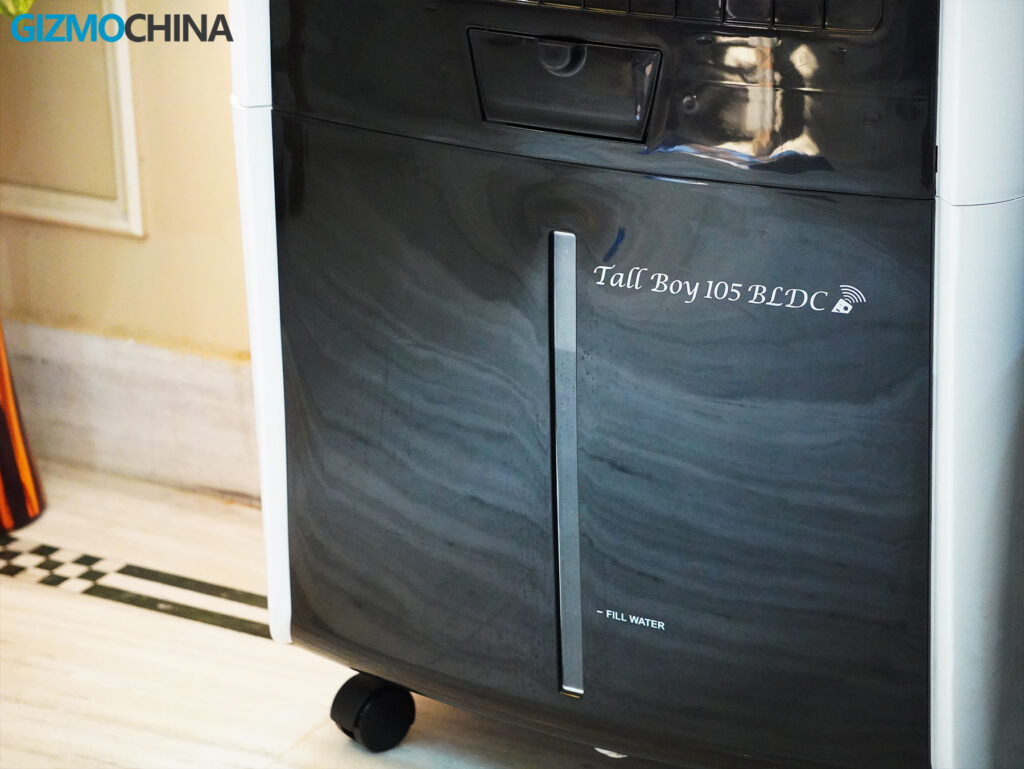
To test this out, I received the Kenstar TALL BOY Honey Comb 105 Litre BLDC Desert Cooler (Model: KCLTBDBL105FRH) as a review unit. It retails for ₹15,990 ($168) and features a Brushless Direct Current (BLDC) motor, which is designed to be energy efficient.
After using it for a week, including during a particularly hot and humid stretch of weather, I have a clear understanding of how it performs, where it works well, and what its limitations are. Here is my experience using it as a daily cooling solution.
Design and Dimensions
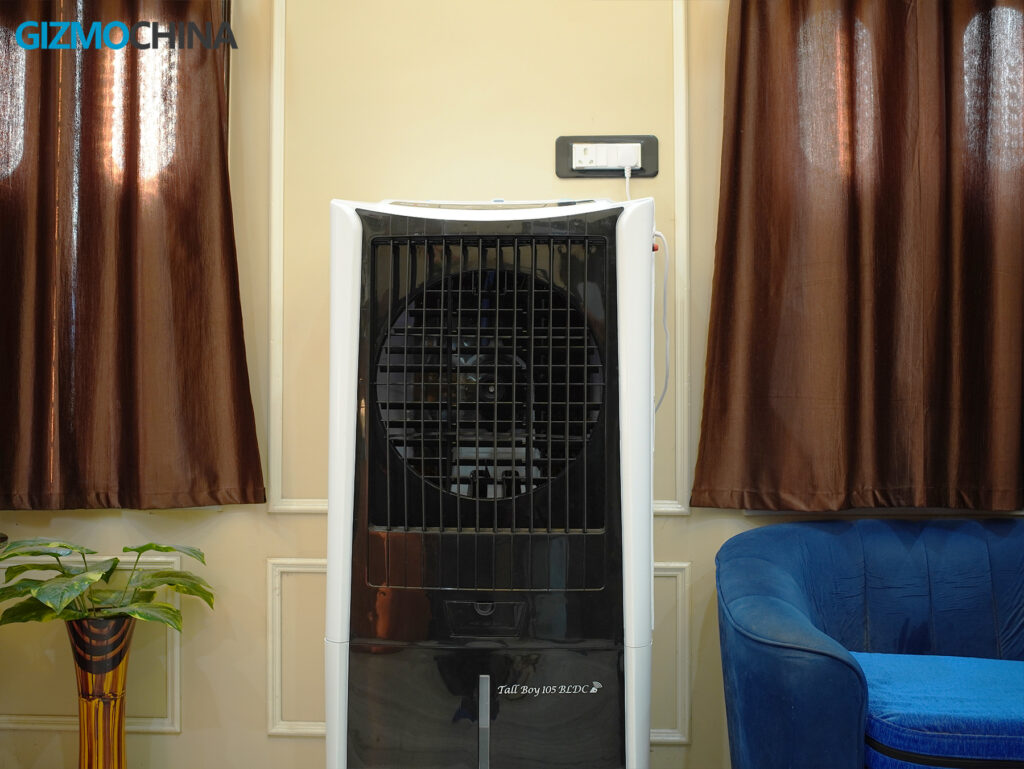
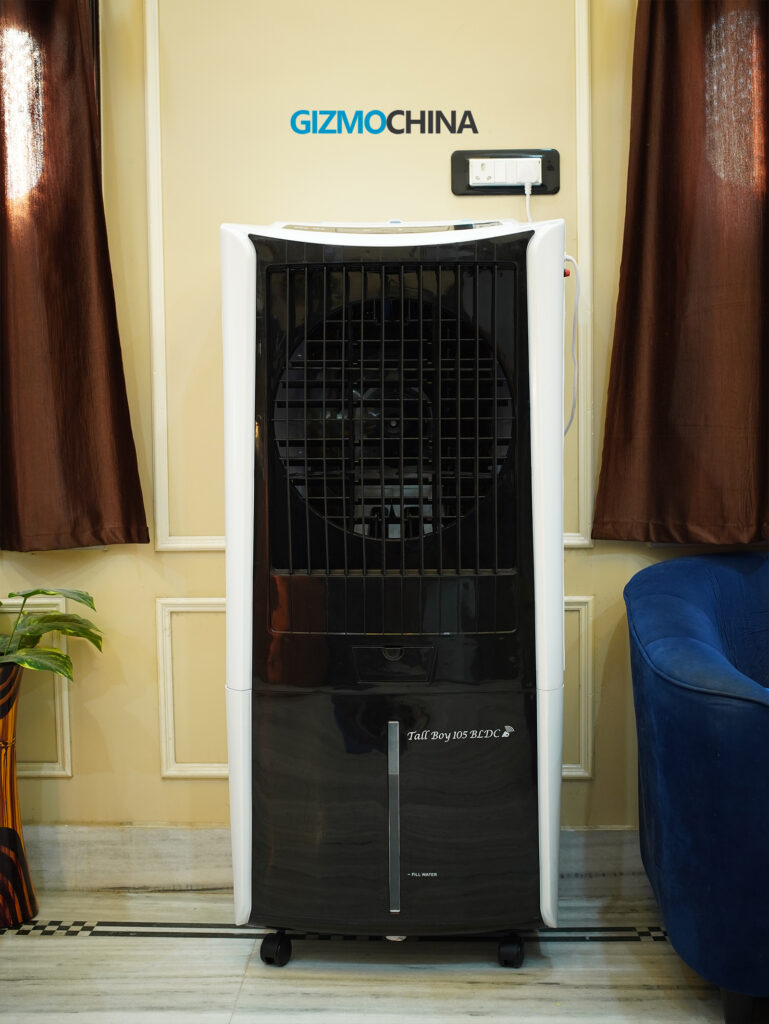
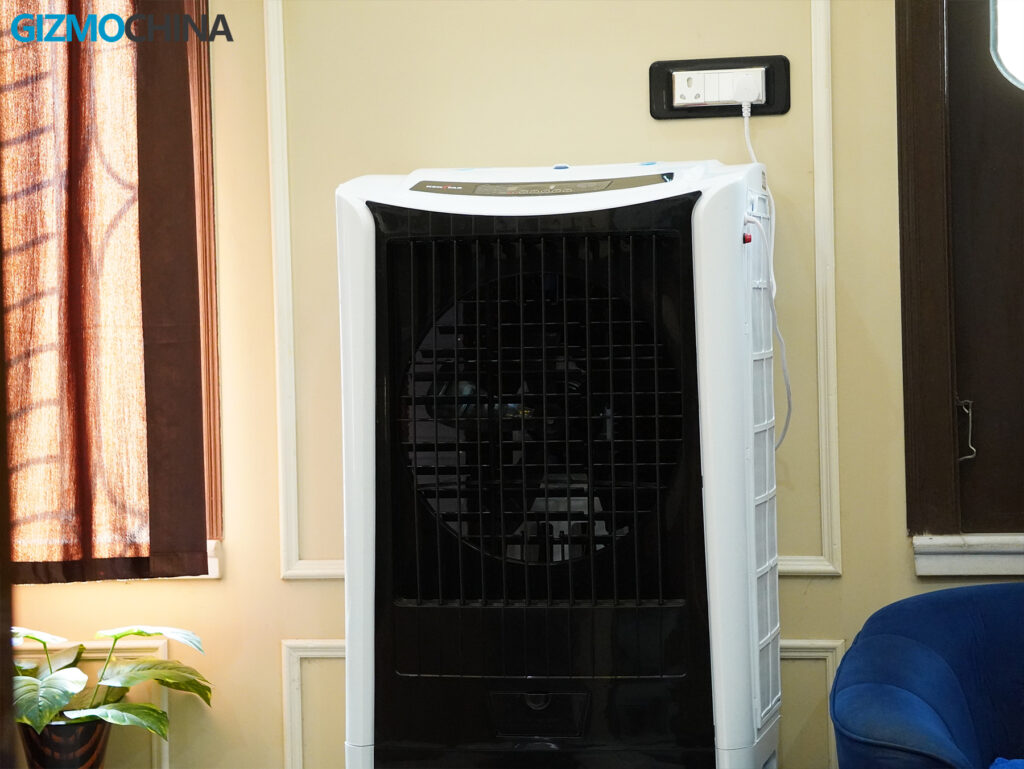
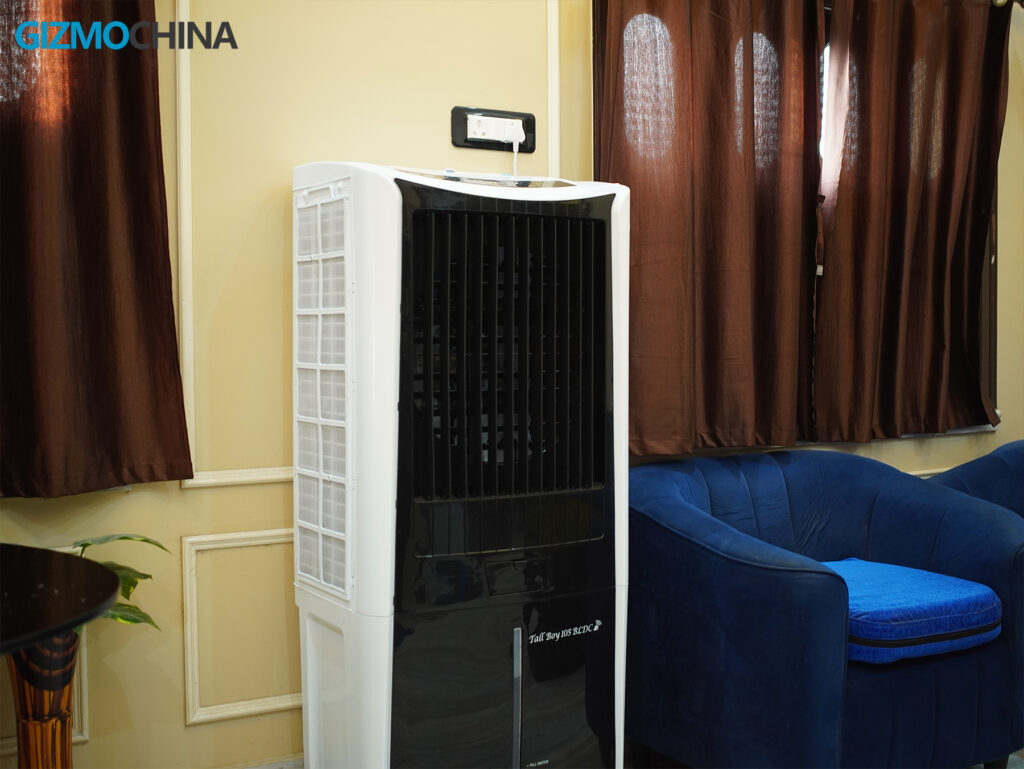
The first thing you notice about the Kenstar Tall Boy is its height. It stands 1428 mm tall, which is about 4.7 feet. It is a large appliance that will be very noticeable in whatever room you place it in. However, the height serves a specific, practical purpose.
Many standard desert coolers are relatively short, meaning the air they blow often hits the side of a bed or the back of a chair. By elevating the 40.6 cm (16-inch) fan, the Tall Boy directs the airflow higher up. When I am sitting at my desk or lying in bed, the air reaches me directly rather than cooling the floor.
Despite being tall, the cooler’s footprint is fairly standard for its capacity, measuring 630 x 445 mm. It fits reasonably well into the corner of my dining room and doesn’t take up too much floor space on my balcony. The body is made from ABS and HIPS plastic. It feels sturdy enough for regular indoor and covered outdoor use, and it hasn’t shown any signs of strain.
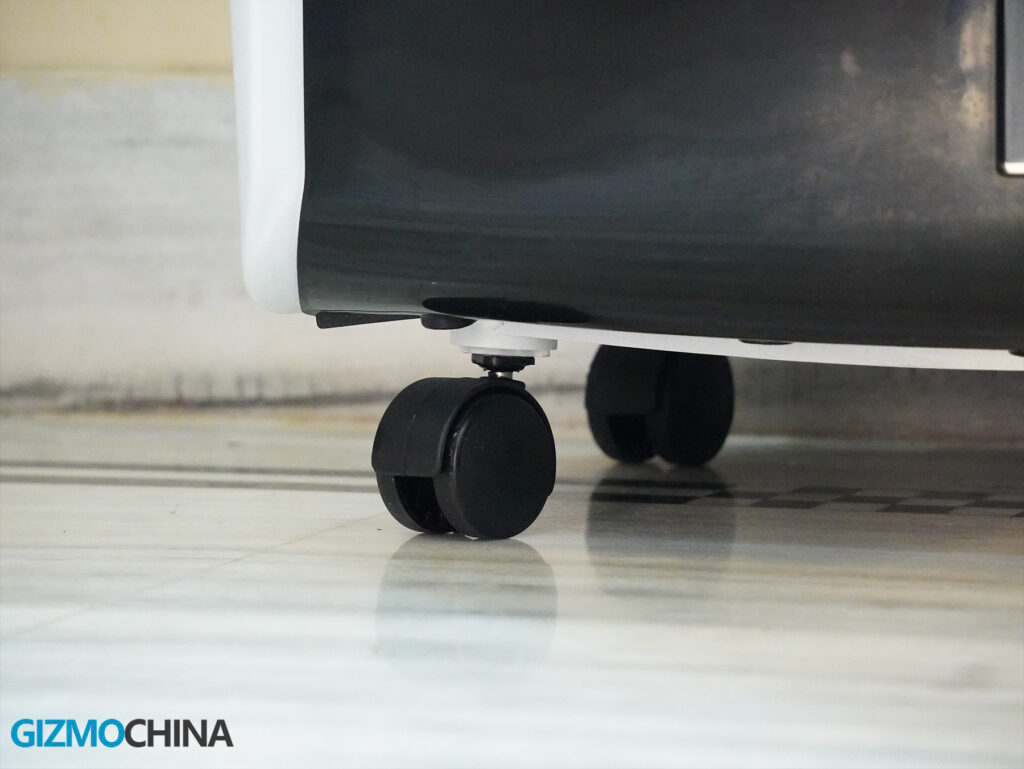
When the cooler is empty, it weighs 18 kg, which is manageable to move. But this model has a 105-liter water tank. Once you fill it up, the total weight exceeds 120 kg. To handle this, Kenstar included four castor wheels at the base. I was initially concerned about moving it when full, but the wheels roll smoothly on flat floors. I can push it from the living room to the terrace without much effort, though you do have to be careful over door thresholds.
BLDC Motor and Power Consumption
This model comes with a BLDC motor. Traditional desert coolers of this size usually consume between 200 and 250 watts of electricity. The Kenstar Tall Boy is rated at 145 watts. While that might not sound like a massive difference on paper, it adds up over a month when you are running the cooler for 10 to 15 hours a day. It is a noticeable reduction in power consumption compared to older models.
This low wattage also provides a very practical benefit during power cuts. Because it draws only 145 watts, the cooler runs easily on my standard home inverter. In areas where the power grid can be unreliable during peak summer months, being able to keep your primary cooling appliance running on battery backup is highly convenient.
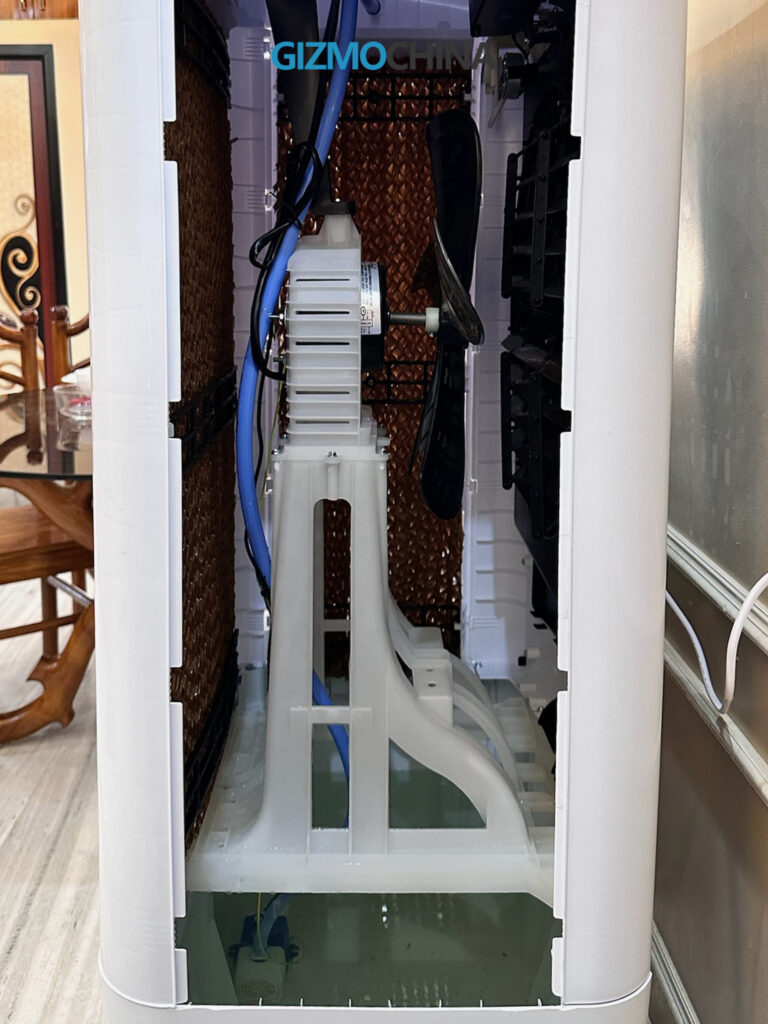
Kenstar says that the motor uses a double ball bearing system. In practice, this is meant to reduce internal friction, which should help the motor last longer and run a bit smoother. It comes with a five-year warranty on the motor, which provides some peace of mind regarding its durability.
Cooling Performance and Airflow
If you are transitioning from an air conditioner to a desert cooler, there is a learning curve. I made the mistake of setting the Tall Boy up in a closed bedroom on the first day. Desert coolers use evaporative cooling, which naturally adds moisture to the air. Because the room lacked ventilation, the humidity increased quickly, and the room just felt sticky and uncomfortable.
Once I realized my error, I moved the cooler to my dining area and opened a window to allow for cross-ventilation. The difference was immediate. In an open space, the cooler works effectively. The fan pushes out 4500 m³/h (cubic meters per hour) of air, and Kenstar claims an air throw of 50 feet.
While I didn’t measure the exact distance, it easily circulates air across my entire living space. The motorized louvers move side to side, helping to distribute the air evenly rather than blowing it in just one direction.
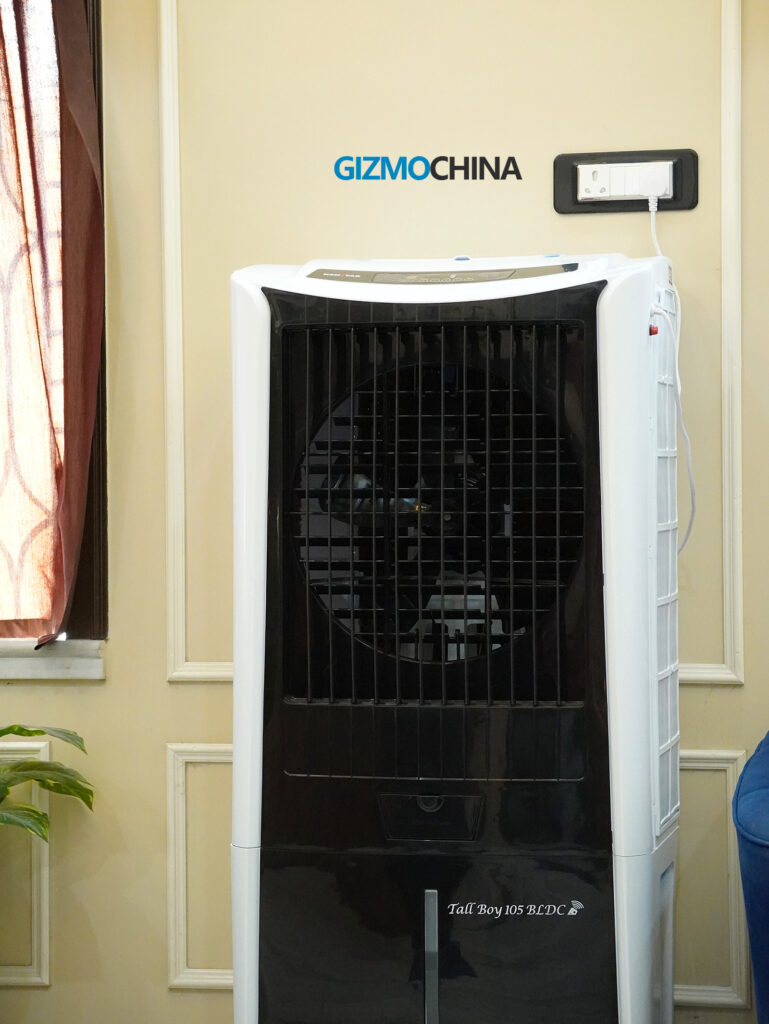
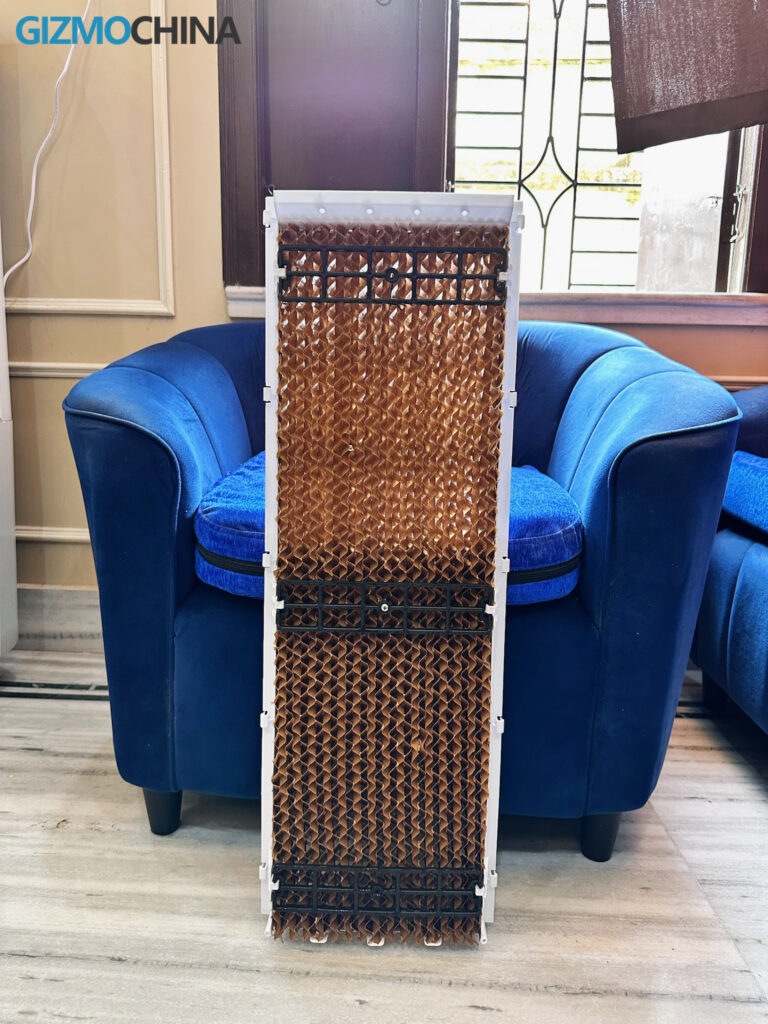
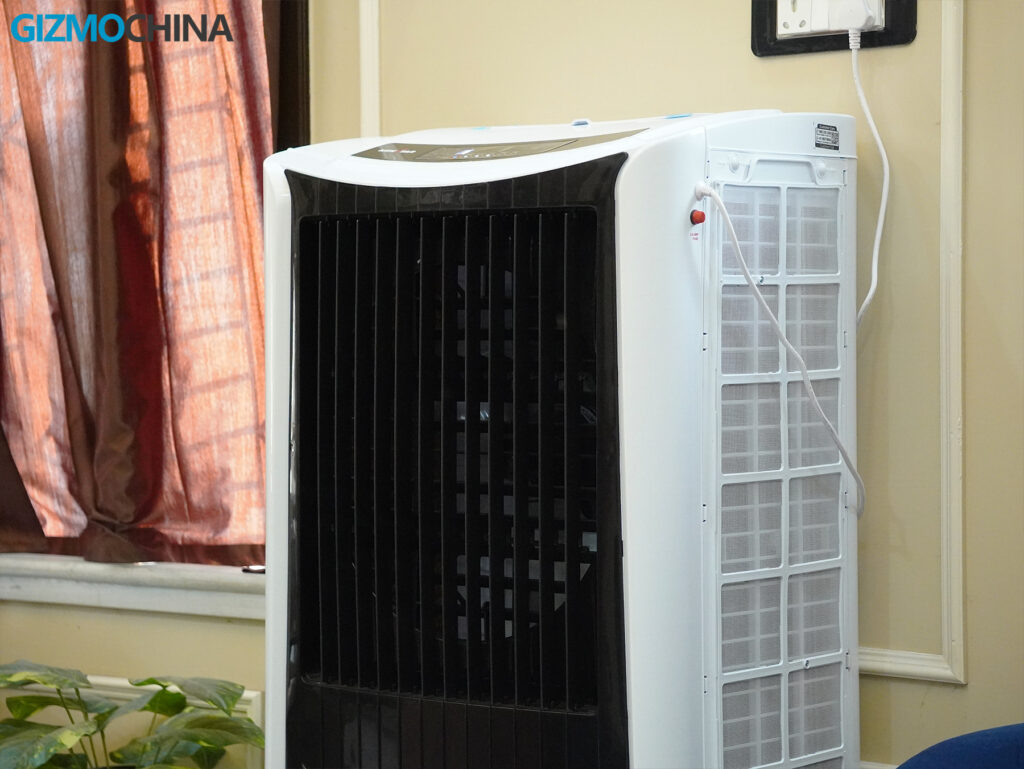
The cooling media consists of honeycomb pads on three sides. They hold water well, don’t sag, and provide consistent evaporation.
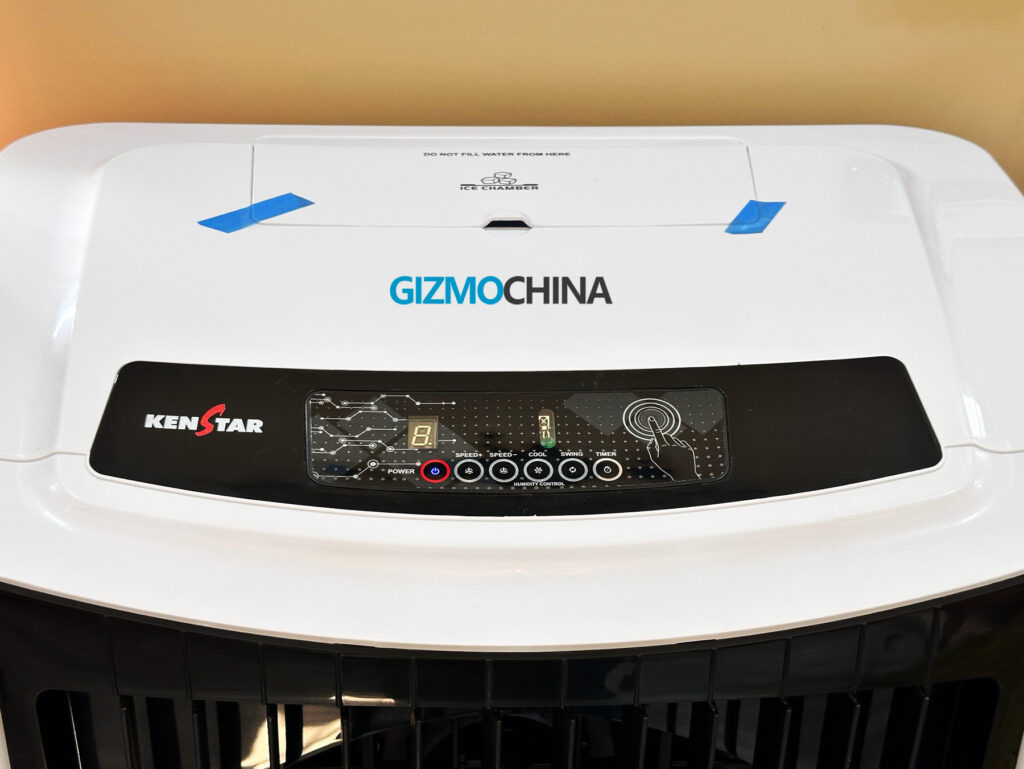
For particularly hot afternoons, the cooler has an ice chamber on top. You can add ice cubes to cool the water before it runs through the pads. It does lower the temperature of the air noticeably for a short period. Once the ice melts, it returns to standard evaporative cooling, which is still effective as long as you keep a window or door open.
Day-to-Day Use and Maintenance
Living with a 105-liter cooler is fairly straightforward. The large tank is very convenient; a full tank easily lasts me 12 to 15 hours of continuous use. I can fill it in the evening and run it through the night without worrying about the water running out. There is a clear water level indicator on the front, so you can check how much water is left at a glance.
The cooler includes a dust filter net on the outside of the cooling pads. This is a simple but useful feature. It catches larger dust particles, pet hair, and insects, stopping them from getting stuck in the honeycomb pads. This means the pads stay cleaner for longer, and the air smells fresher. Also, a quick heads-up for new buyers: if you have just bought it, you will likely notice a distinct smell for the first two days of use, but it eventually goes away completely.
The control panel is a modern touch interface that is intuitive and easy to use, and it also comes with a handy remote control. The touch panel works really well with absolutely no issues, housing all the necessary buttons including power, fan settings, cooling on or off, swing, and a timer. It offers seven different fan speeds, which is highly practical. You can keep it on a low setting for a gentle breeze or turn it up when you need to cool the room quickly.
There are a few drawbacks to keep in mind. First, moving this volume of air generates noise. On the lower settings, it is a manageable background hum. But on the highest fan speeds, it is quite loud. If you are watching TV or taking a phone call in the same room, you will likely need to turn the fan speed down.
Second, maintenance is required. If you live in an area with hard water, minerals will eventually build up on the honeycomb pads. You will need to periodically drain the tank and descale the pads to keep the cooler working efficiently. It isn’t a difficult process, but it is an extra chore you don’t have with an AC.
The Verdict
The Kenstar TALL BOY 105 Litre BLDC Desert Cooler is a practical and effective appliance, provided you use it in the right environment. It will not replace an air conditioner in a sealed room, and it won’t drop the room temperature to 18°C.
However, if you have a large, well-ventilated space, like a living room, a spacious bedroom with open windows, or a covered patio, it performs very well. The 4.7-foot height ensures the air reaches you where you are sitting, and the 105-liter tank minimizes the need for constant refilling.
At ₹15,990 ($168), the initial cost is reasonable, and the 145W BLDC motor helps keep ongoing electricity costs down. It is a sensible, energy-efficient alternative for managing the summer heat, especially if you need an appliance that can run on a home inverter during power outages.
Since the beginning of this month, Oppo has been teasing the arrival of the Find X9 Ultra in India, but is yet to confirm the launch date. Most likely, the company may unveil it after its rival brand Vivo introduces the Vivo X300 Ultra tomorrow in India. Ahead of the expected launch this month, Oppo has now shared key details about the camera capabilities of the Find X9 Ultra.
The Oppo Find X9 Ultra introduces a redesigned periscope camera system that aims to deliver 10x optical zoom without increasing module size. At its core is the Industry-first Quintuple Prism Reflection Periscope Structure, where light is redirected multiple times within a compact 29mm space before reaching the 50-megapixel sensor. This design extends the optical path, enabling an approximate 230mm focal length while keeping the device slim.
To maintain image quality across this complex setup, Oppo has developed a refined optical path system that reduces stray light and preserves clarity. The device also integrates sensor shift stabilisation, which physically moves the sensor to counter hand movements at higher zoom levels. This helps in capturing stable shots even at extended zoom ranges.
Find X9 Ultra – Triple Active Optical Alignment
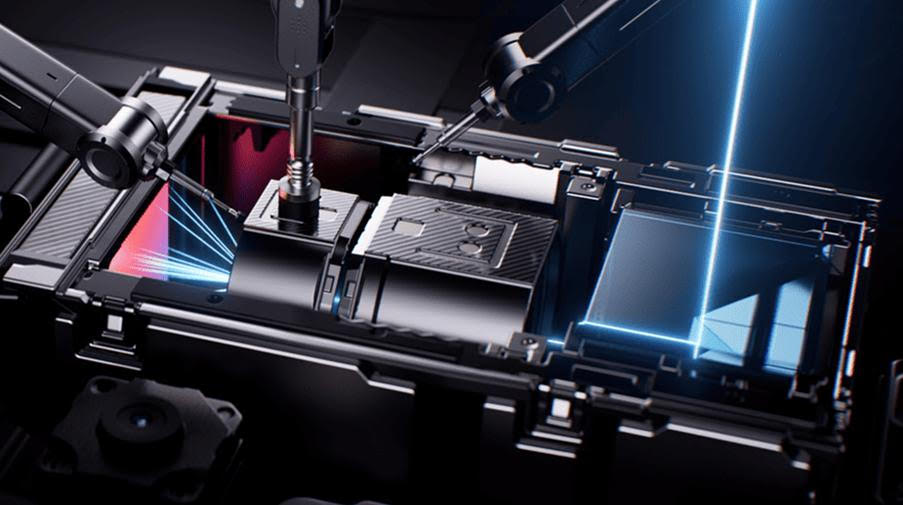
The camera module is further refined through Triple Active Optical Alignment, a precision-based assembly process that ensures accurate positioning of the lens, prism, and sensor for consistent sharpness. The overall setup includes a 200-megapixel main camera with a Sony LYTIA 901 sensor, a 200-megapixel 3x telephoto lens for portraits and telemacro use, and a 50-megapixel ultra-wide camera. All lenses support 4K 60fps Dolby Vision recording, supported by an image engine focused on colour and detail refinement.
Oppo Find X9 Ultra launch date (rumored)
According to tipster Sanju Choudhary, the Oppo Find X9 Ultra and Find X9s could launch in India on May 15. Pricing is expected to be positioned above the Find X9 Pro, which is currently priced at Rs 1,09,999, with the Ultra variant likely to cost significantly more. The Find X9s, on the other hand, may start at around Rs 70,000.
For more daily updates, please visit our News Section.
Last year, Xiaomi launched the Xiaomi 15s Pro powered by its homegrown Xring O1 chip. There have been reports that the brand is now working on a successor version of the chip dubbed the Xring O3. Speculation suggests that the Xring O3 may debut as early as this year, possibly powering the upcoming Xiaomi 17 Fold (tentative name) foldable smartphone. Now, a new leak reveals that it may also power the next-generation Ultra-branded flagship phone.
Xiaomi’s mysterious Ultra flagship with Xring O3 in the works
Xiaomi 17 Ultra
Tipster Yogesh Brar suggests that Xiaomi is working on a new Ultra-branded smartphone powered by its in-house Xring O3 chipset. The report indicates that this device is being developed alongside the upcoming Xiaomi 18 Ultra, which is still expected later this year.
The new Xring O3-powered Ultra model is said to be a separate offering from the 18 Ultra, raising questions about its positioning within Xiaomi’s flagship lineup. It is also being suggested that this device may remain limited to China, with no plans for a global rollout at this stage.
What’s known about the Xring O3?
Reports have revealed that the Xring O3 will arrive with a simplified yet more powerful architecture. It is expected to shift to an octa-core design, moving away from the earlier 10-core layout. The new setup may include a Prime core clocked at up to 4.05GHz, Titanium cores at around 3.42GHz, and efficiency-focused little cores reaching 3.02GHz.
The GPU is also tipped to improve, nearing 1.5GHz frequencies. Memory speeds may remain unchanged at 9600 MT/s. Overall, these changes are likely aimed at improving multitasking, background processing, and sustained performance efficiency across demanding workloads.
For more daily updates, please visit our News Section.
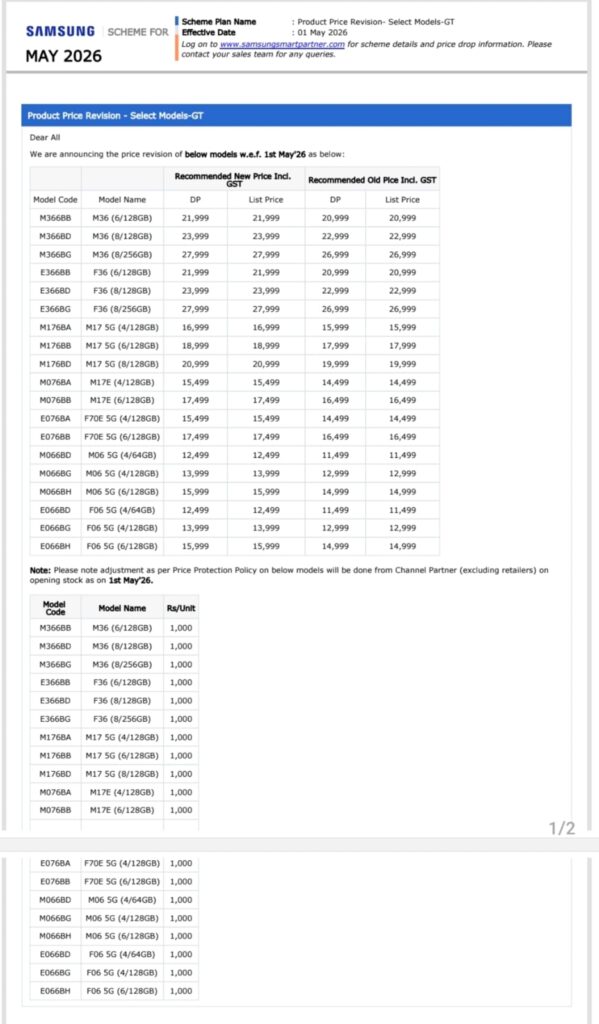
Samsung has quietly increased prices for a bunch of its budget and mid-range Galaxy phones in India, and this is not the first time this year. The latest revision, which took effect in early May 2026, marks the sixth price hike so far in 2026.
This time, the increase hits models across the M and F series, including the Galaxy F06, F36, F70e, M06, M17e, M17, and M36. Based on updated listings on Samsung’s official website, most variants have gone up by a flat ₹1,000.
The change was first pointed out by tipster Abhishek Yadav on X, who shared what looks like internal communication sent to retailers.
For the more affordable models like the Galaxy F06 and M06, prices now start at ₹12,499 for the 4GB/64GB variant, going up to ₹15,999 for the 6GB/128GB version. For context, the 4GB/128GB version of the Galaxy F06 was priced at ₹9,999 at launch and now stands at ₹13,999.
The F36 and M36 series now sit between ₹21,999 and ₹27,999 depending on the configuration. Mid-tier options like the F70e and M17e have also seen a similar ₹1,000 bump across variants, while the Galaxy M17 lineup now starts at ₹16,999 and goes up to ₹20,999.
Samsung has not officially explained the reason behind the repeated increases, but the broader industry trend gives some context. Component prices, especially memory and storage, have been climbing due to demand from AI infrastructure and data centers, and that shift seems to be trickling down to consumer devices.
What stands out is how frequent these adjustments have been. Samsung has been revising prices almost every month this year, and while ₹1,000 might not sound like much to some buyers, it starts to add up over multiple hikes.
Seasonal sales on platforms like Amazon and Flipkart could offset some of the increase, depending on discounts and exchange offers. So the actual street price may still look reasonable in some cases. Still, if this trend continues, these phones are slowly drifting away from their original “budget” positioning.
Previous reports suggested that OpenAI was exploring hardware such as AI-focused earbuds and possibly a phone developed with partners like MediaTek and Qualcomm. Now, analyst Ming-Chi Kuo has shared deeper insights into a dedicated AI agent smartphone, including timelines, specifications, and the broader strategy behind it.
OpenAI’s AI agent smartphone vision takes shape
According to Kuo, OpenAI may accelerate development of its first smartphone, targeting mass production as early as the first half of 2027. MediaTek is currently the leading candidate to supply the processor, which is expected to be a customised chip based on the MediaTek Dimensity 9600 and manufactured using TSMC’s N2P process in the second half of 2026.
The hardware is said to focus heavily on AI-driven tasks, with a dual NPU architecture designed for layered computing. Memory and storage could also see upgrades with LPDDR6 RAM and UFS 5.0, aiming to reduce bottlenecks when handling continuous AI workloads. For imaging, an enhanced ISP is expected to improve high dynamic range output, which could help the device better interpret real-world environments visually.
Kuo suggests that the device may rethink how users interact with smartphones. Instead of relying on multiple apps, the focus could shift to AI agents that handle tasks directly based on user intent. This approach may require deep integration between hardware and software, allowing OpenAI to control the entire experience without platform-level restrictions seen on existing ecosystems.
The phone is also expected to continuously process user context, which includes behaviour and usage patterns, making on-device efficiency critical. Simpler tasks could be handled locally, while more demanding processes may be executed through cloud-based AI systems.
Security features such as pKVM and inline hashing are also expected to be part of the system design. If development stays on track, shipments could reach around 30 million units across 2027 and 2028 combined.
For more daily updates, please visit our News Section.
We use cookies on our website to give you the most relevant experience by remembering your preferences and repeat visits. By clicking “Accept”, you consent to the use of ALL the cookies.
This website uses cookies to improve your experience while you navigate through the website. Out of these, the cookies that are categorized as necessary are stored on your browser as they are essential for the working of basic functionalities of the website. We also use third-party cookies that help us analyze and understand how you use this website. These cookies will be stored in your browser only with your consent. You also have the option to opt-out of these cookies. But opting out of some of these cookies may affect your browsing experience.
Necessary cookies are absolutely essential for the website to function properly. This category only includes cookies that ensures basic functionalities and security features of the website. These cookies do not store any personal information.
Any cookies that may not be particularly necessary for the website to function and is used specifically to collect user personal data via analytics, ads, other embedded contents are termed as non-necessary cookies. It is mandatory to procure user consent prior to running these cookies on your website.