Sony has just announced a new limited-edition bundle for its popular PlayStation 5 gaming console. The PS5 now comes in a brand new Spider-Man 2 bundle, which is based on Sony Entertainment’s upcoming superhero title for the console.
Sony PS5 Spider-Man 2 Bundle Limited Edition: Pricing & Availability
The Japanese tech giant plans to launch the new PS5 bundle on July 28. Meanwhile, its official sales will go live on September 1. But if you already have the PlayStation 5 console, you can simply buy the custom faceplates and DualSense wireless controllers. The bundle brings a special PS5 that features a special design inspired by the upcoming Spider-Man 2 game. This is also reflected in the PS5 controller as well.
We can see the tendrils in both the controller and PS5, with Spider-Man’s Advanced Suit slowly being covered by the symbiote. This directly references the popular character from Marvel’s Spider-Man series, which is Venom. This bundle is arriving ahead of Spider-Man 2, which is the third installment developed by Insomniac Games. The game’s release is set for 20th October 2023.
Sony has yet to officially reveal the pricing of any of these items or even the bundle. However, the company has confirmed the global availability of this bundle. It will be available for purchase in the Netherlands, Italy, Spain, Austria, Portugal, the United States, the United Kingdom, France, Germany, Belgium, and Luxembourg.
The Chinese company, TECNO, has undoubtedly caught the attention of smartphone enthusiasts worldwide with its remarkable line-up of devices. This year, TECNO has continuously impressed us by launching several innovative smartphones one after the other, setting new standards in the industry.
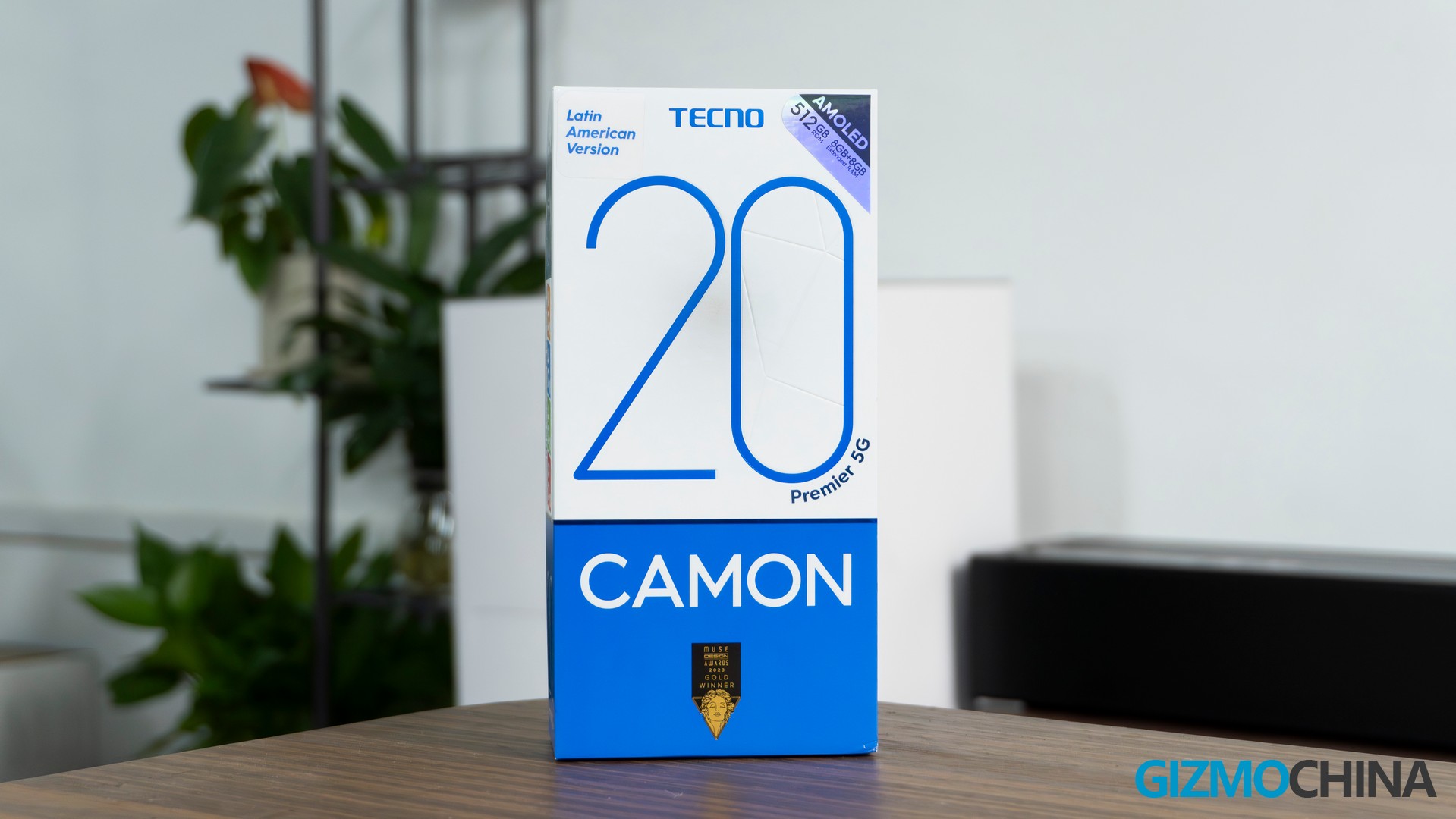
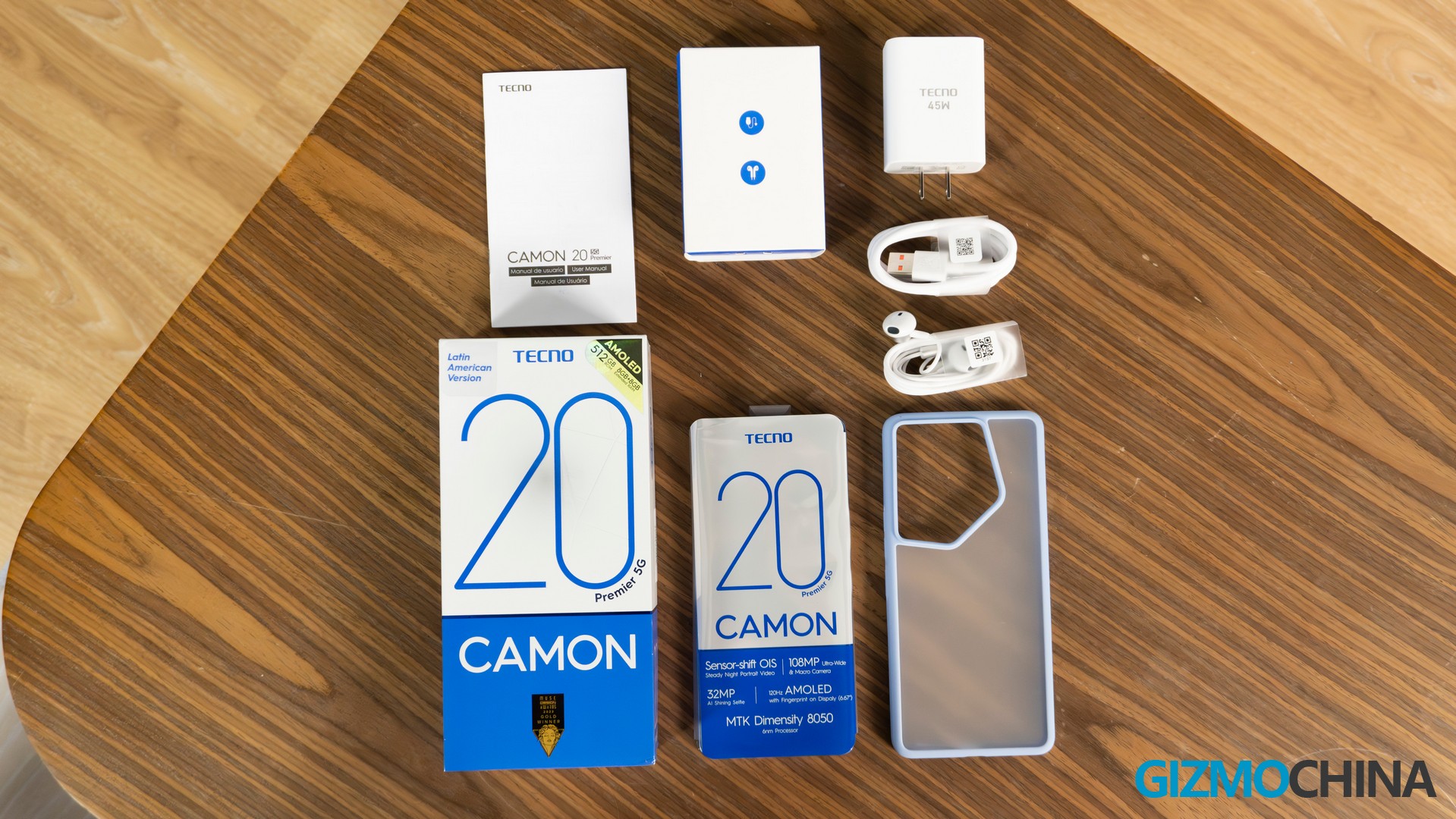
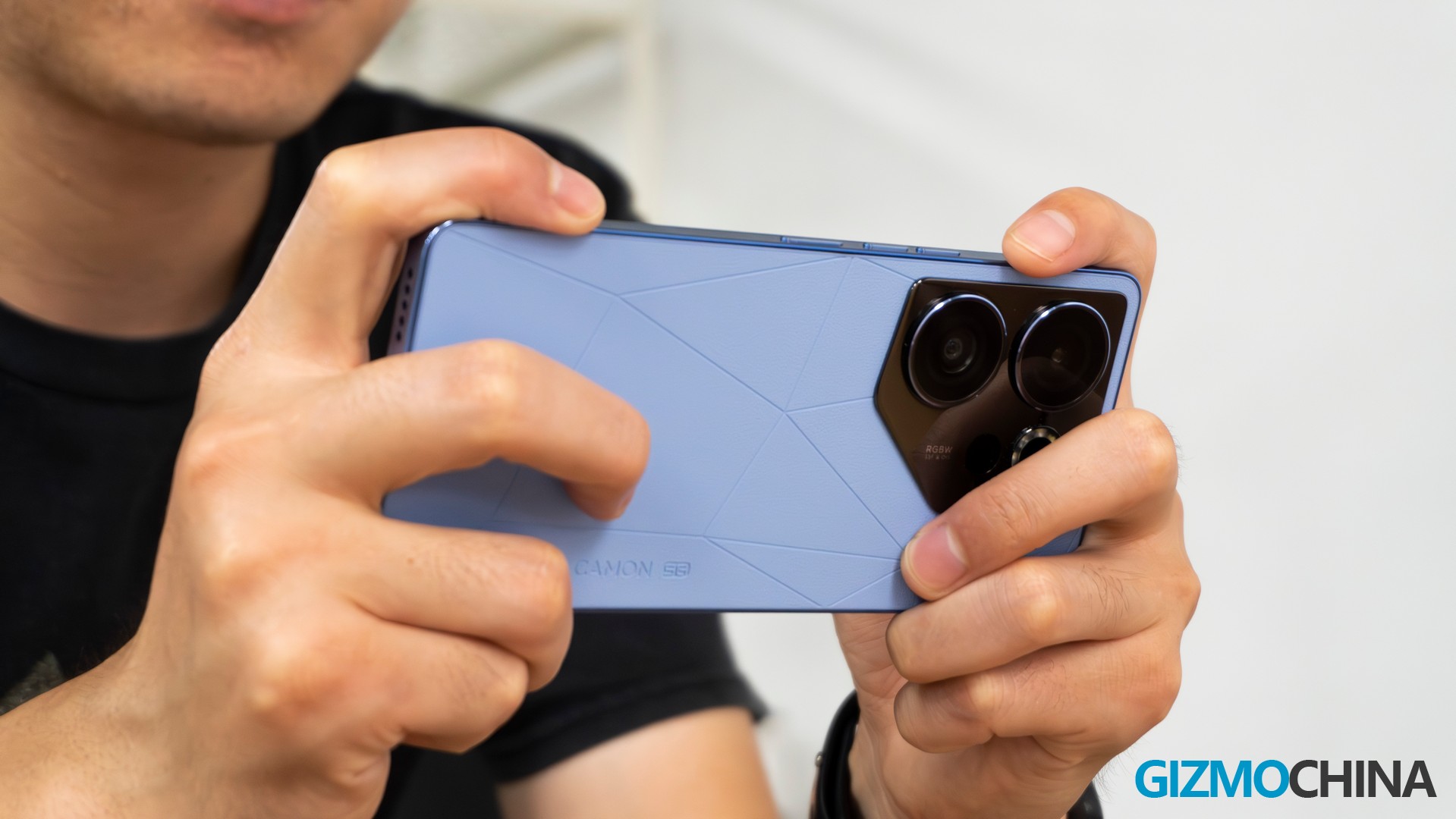
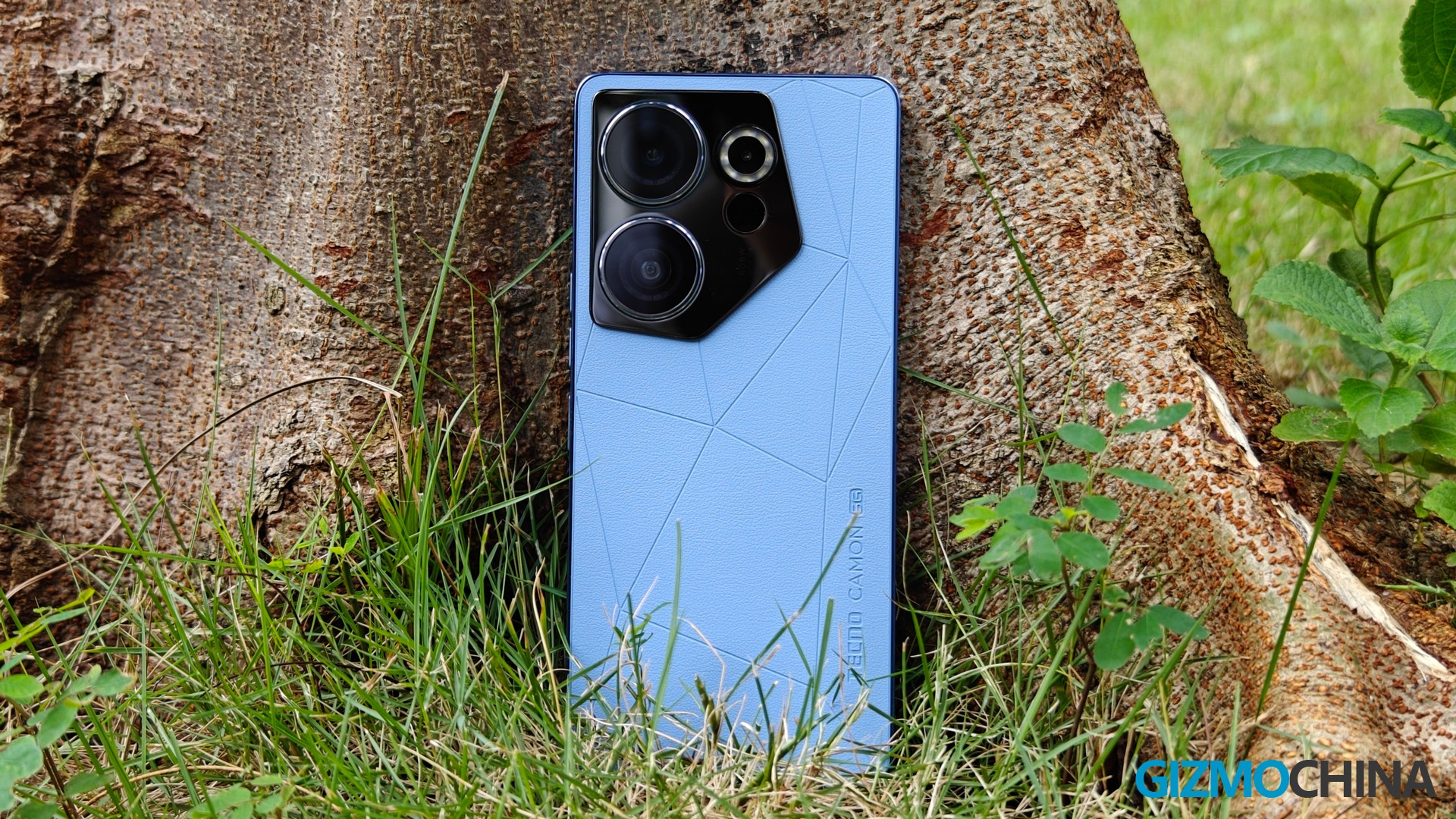
Recently, the company took the excitement to another level when it unveiled its highly anticipated flagship model, the TECNO CAMON 20 Premier 5G. This cutting-edge smartphone has been designed to renew the photography experience for users, boasting an array of groundbreaking imaging features that are bound to leave you in awe.
Design
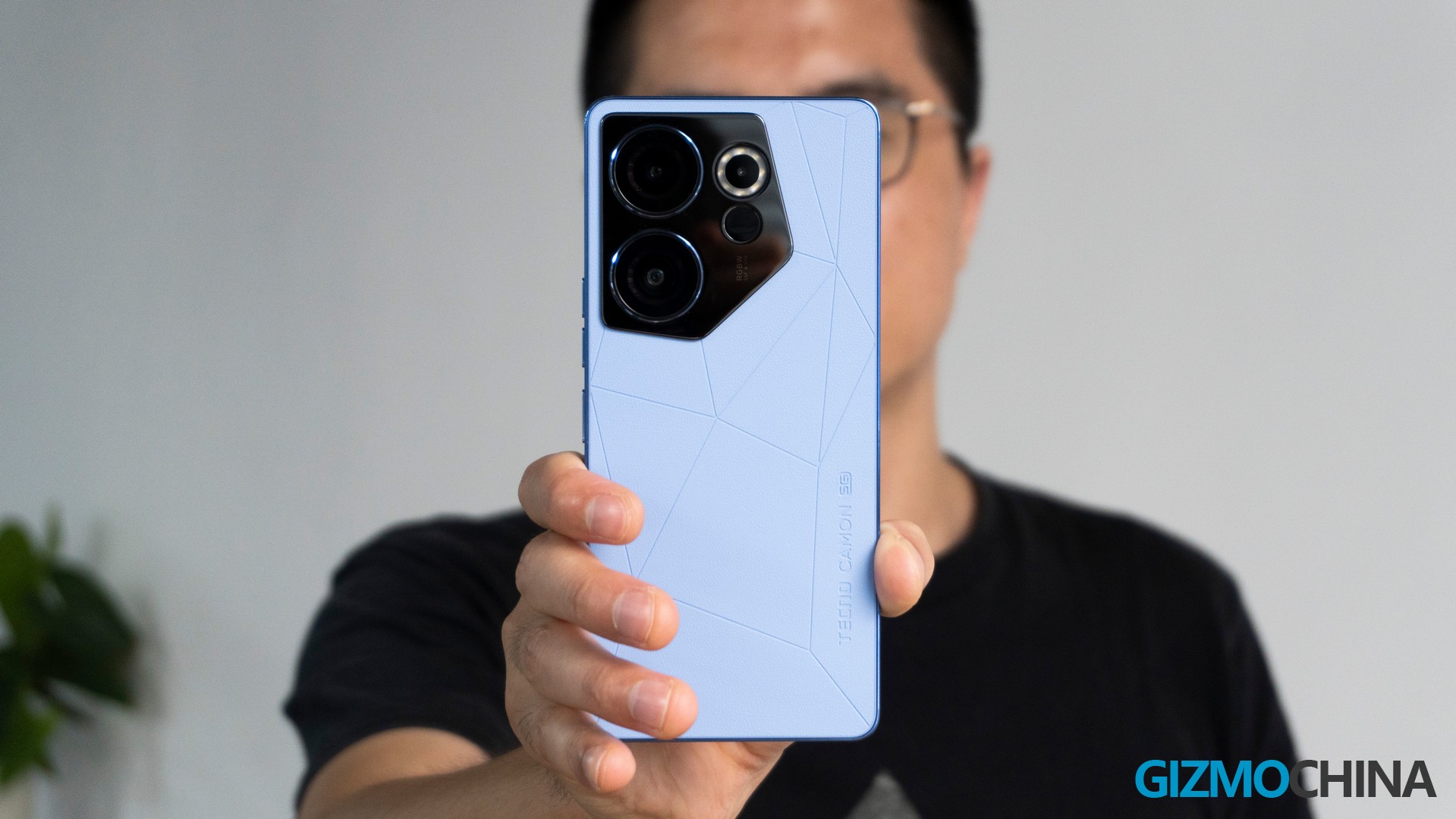
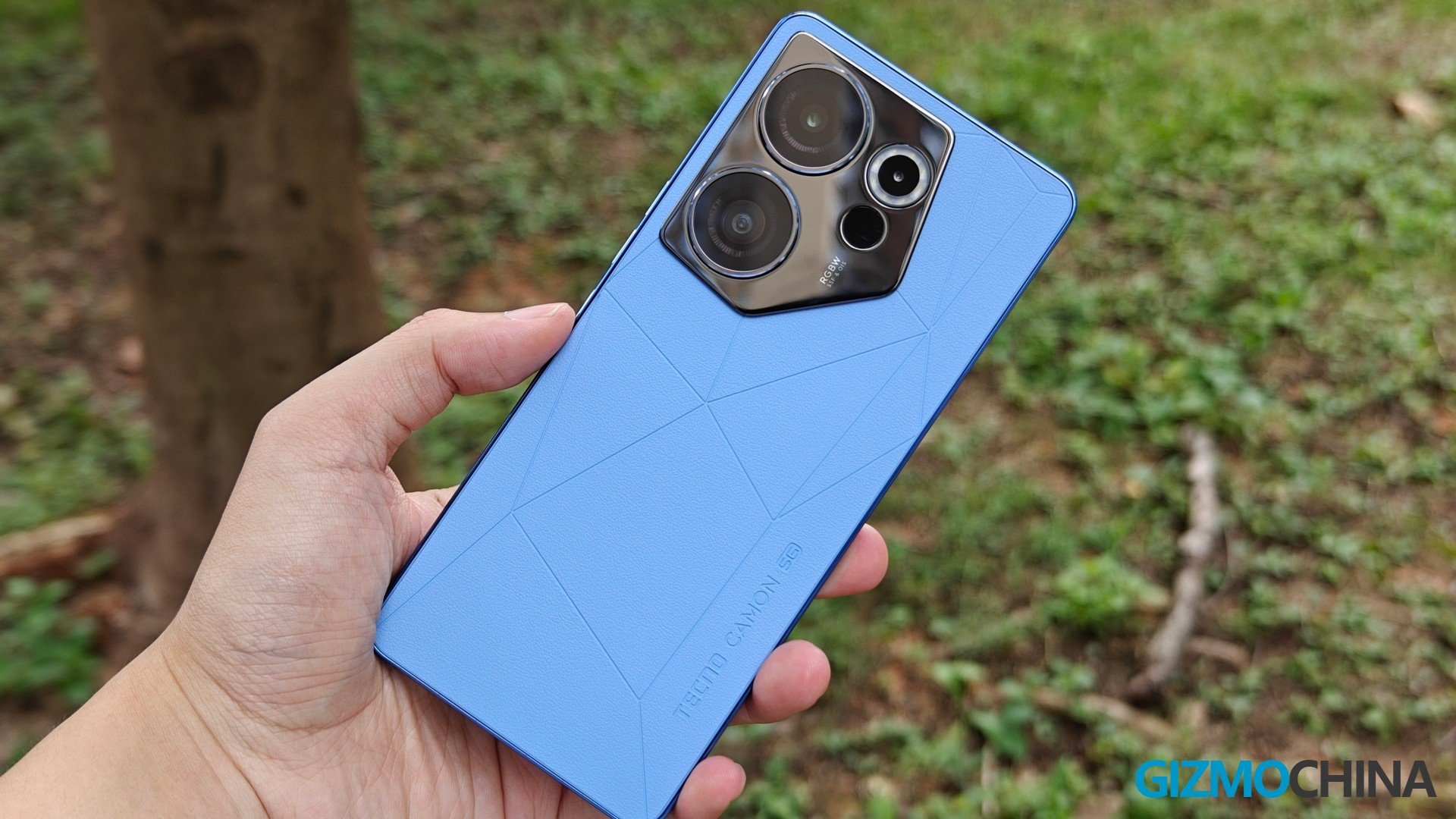
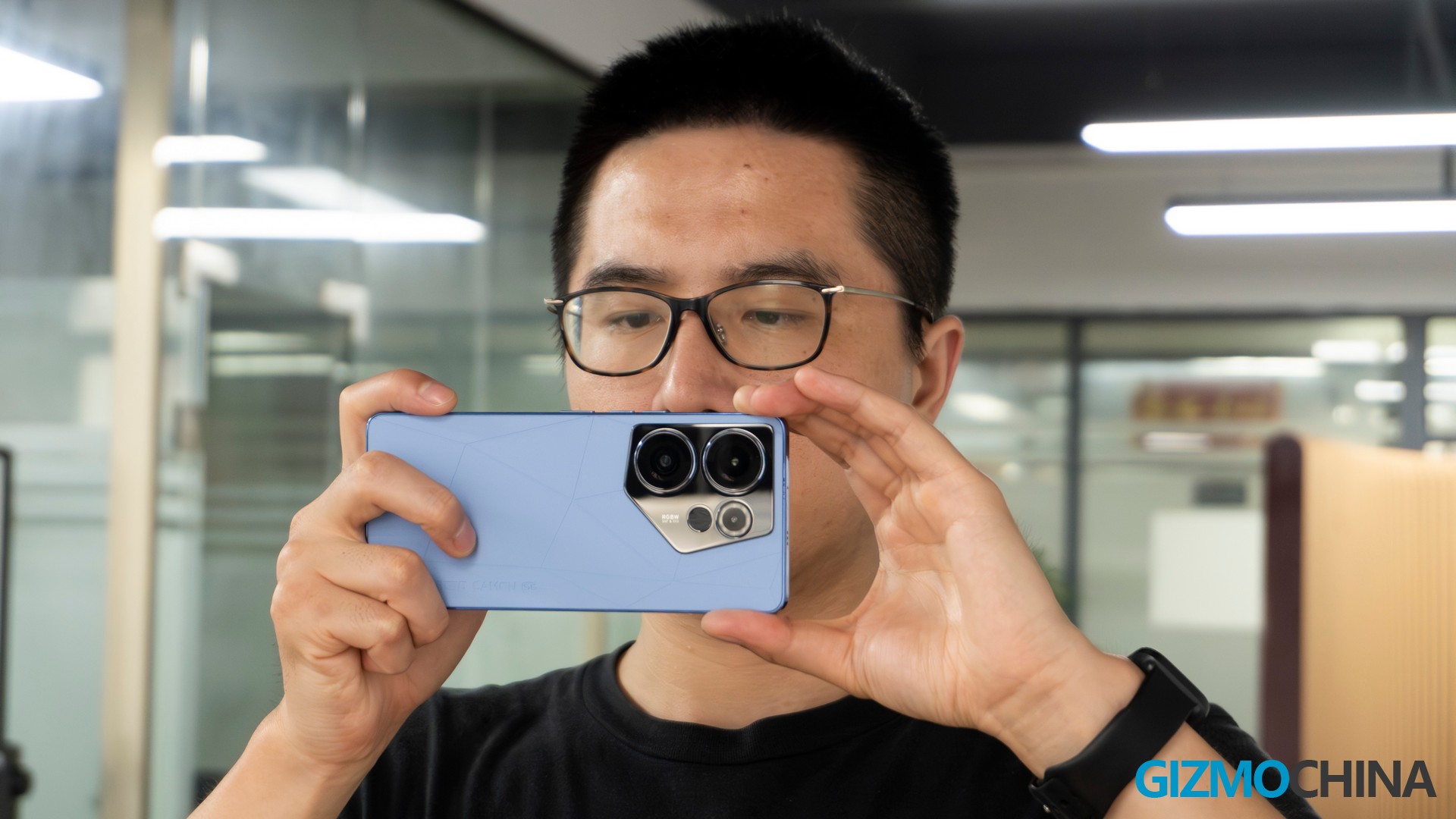
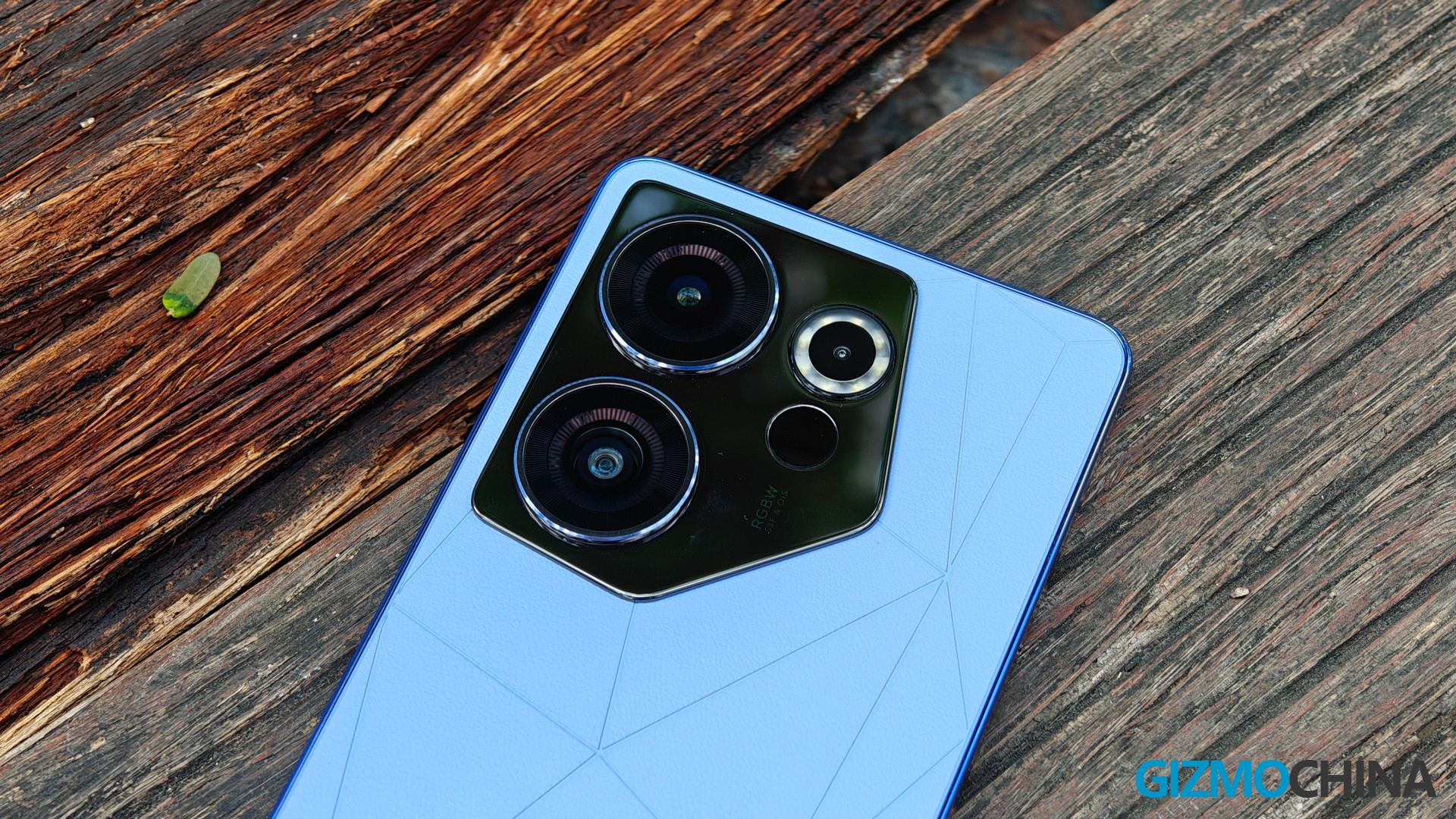
TECNO takes pride in the design of the CAMON 20 Premier 5G, claiming it draws inspiration from the puzzle deconstructionist style found in postmodern architecture, which does look special.
This unique design has even earned the phone the prestigious Muse Design Award for the year 2023. The company’s attention to detail and innovation is evident in the design choices made for this device.
Measuring just 7.8mm thick, the CAMON 20 Premier 5G is also impressively slim, adding to its overall appeal. The placement of the volume button and power button on the right side ensures easy access and comfortable handling.
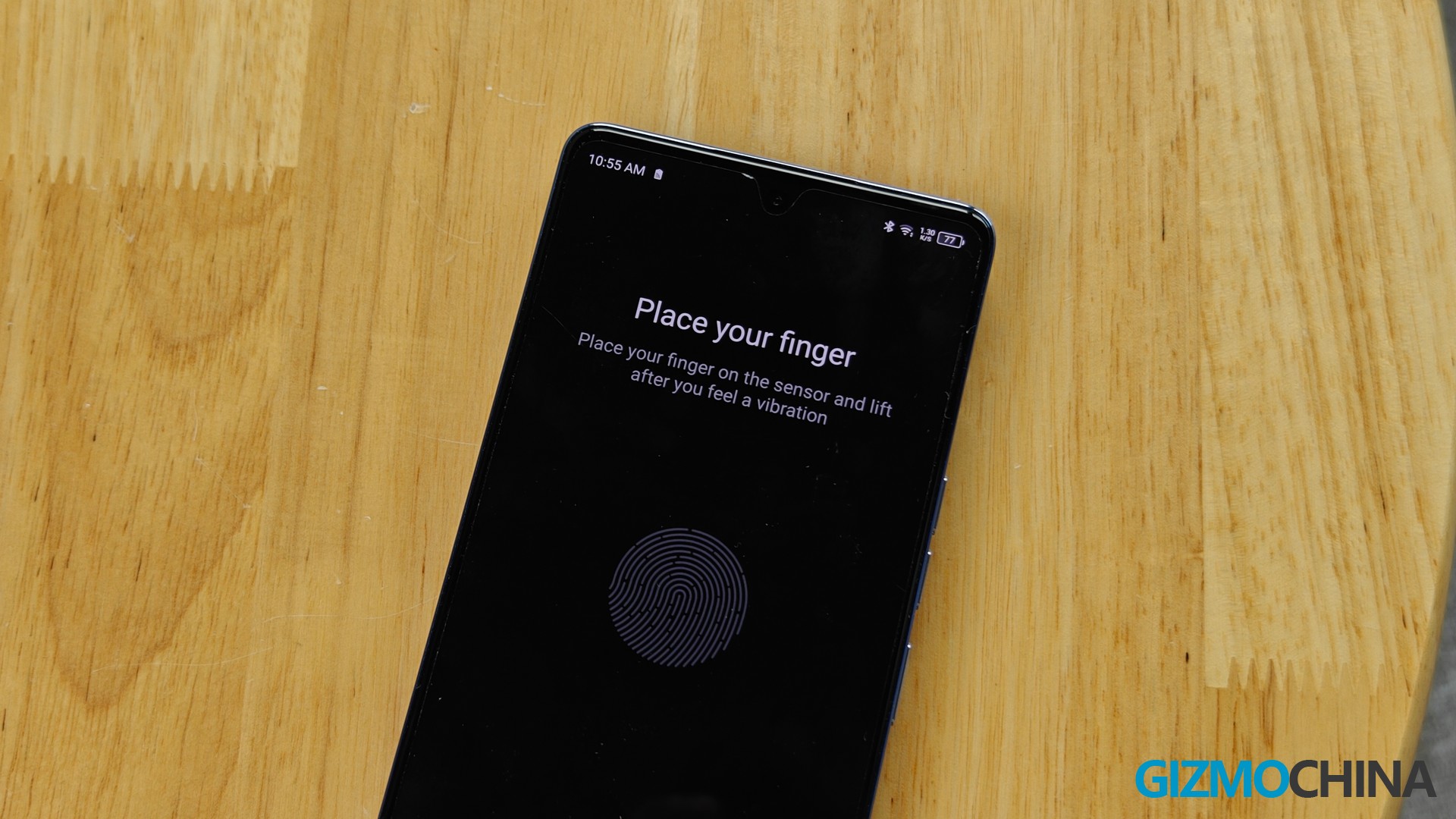
The in-screen fingerprint reader adds an extra layer of security while also maintaining the phone’s sleek aesthetics.
Screen & Display
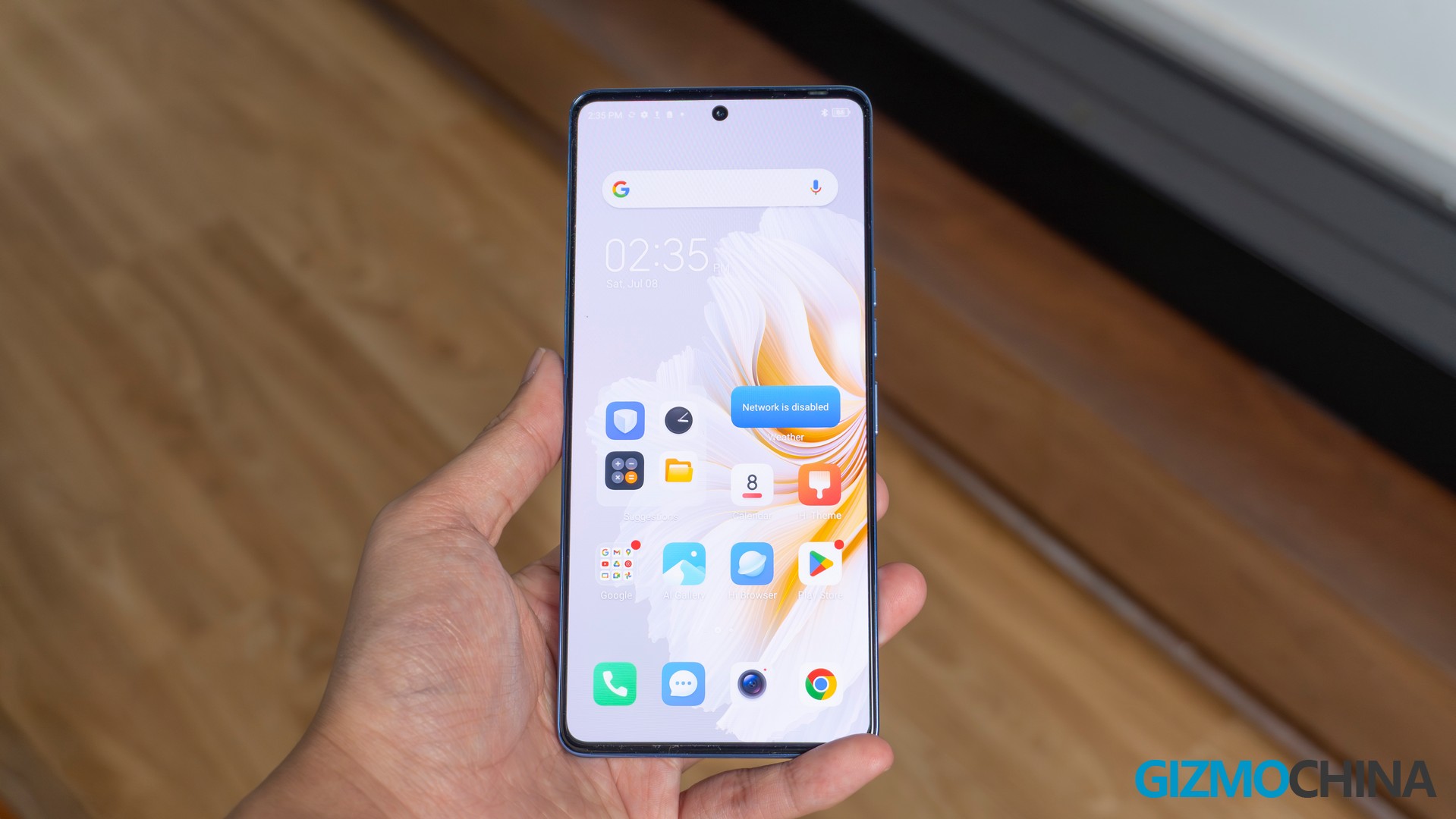
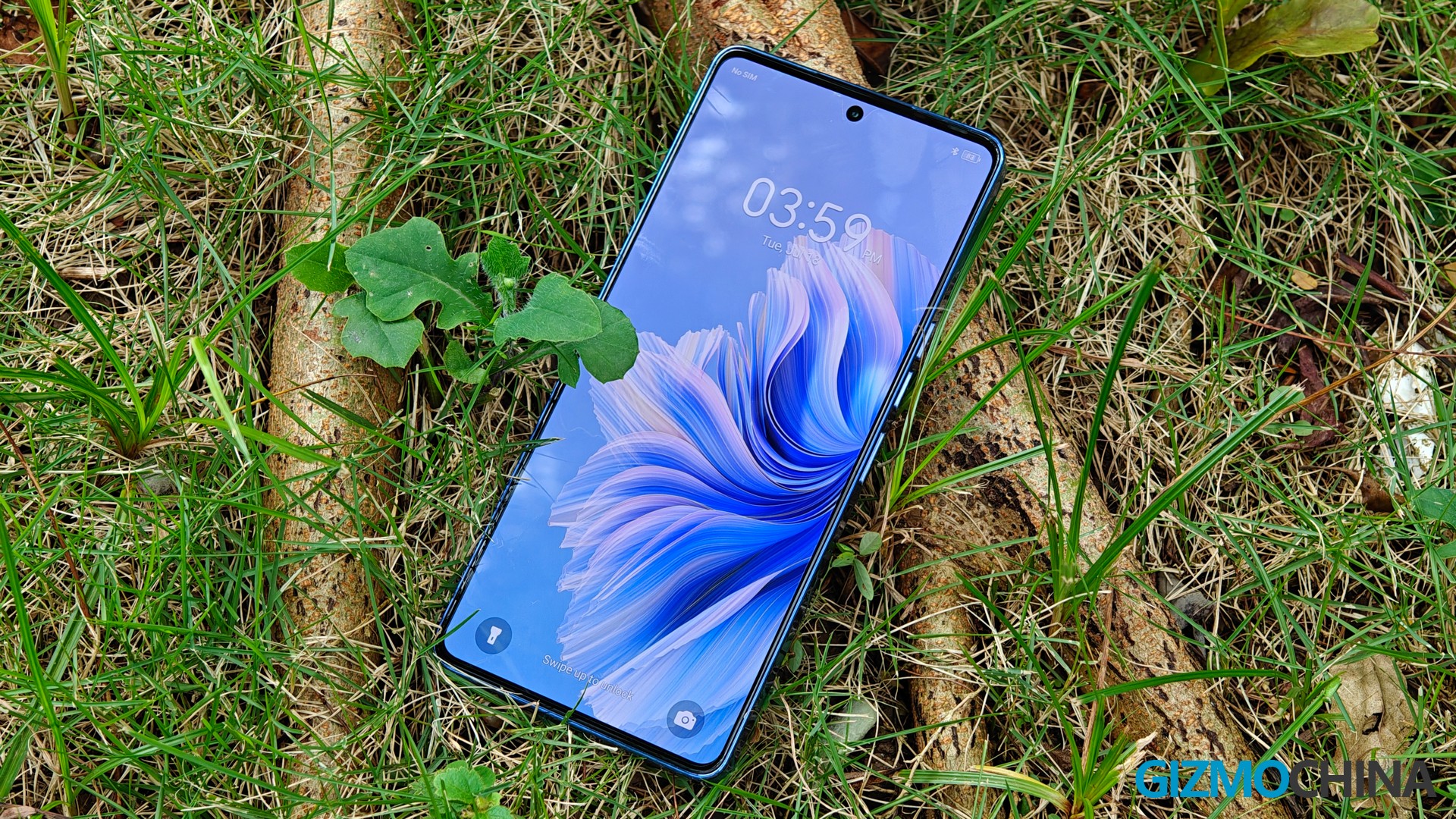
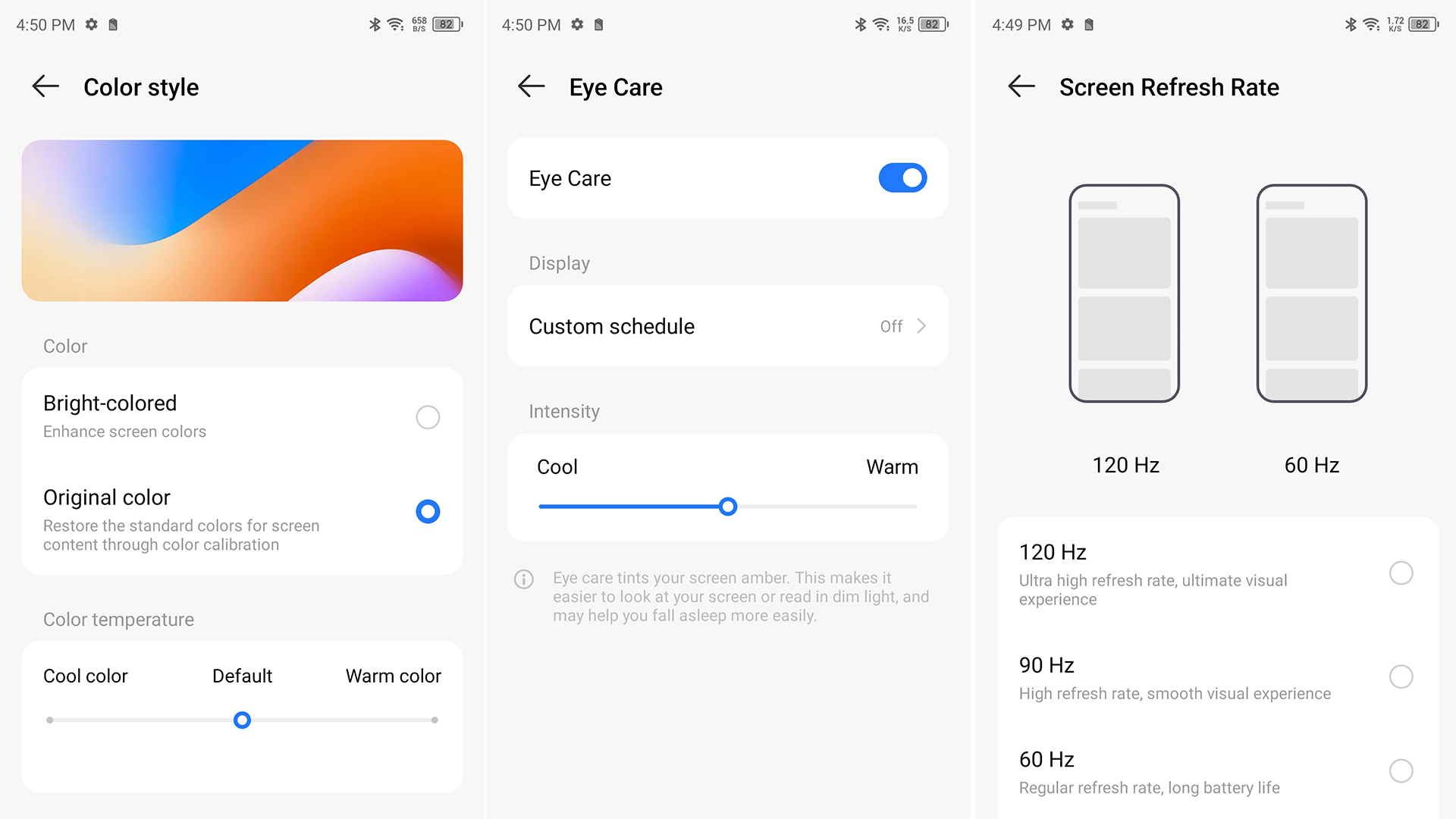
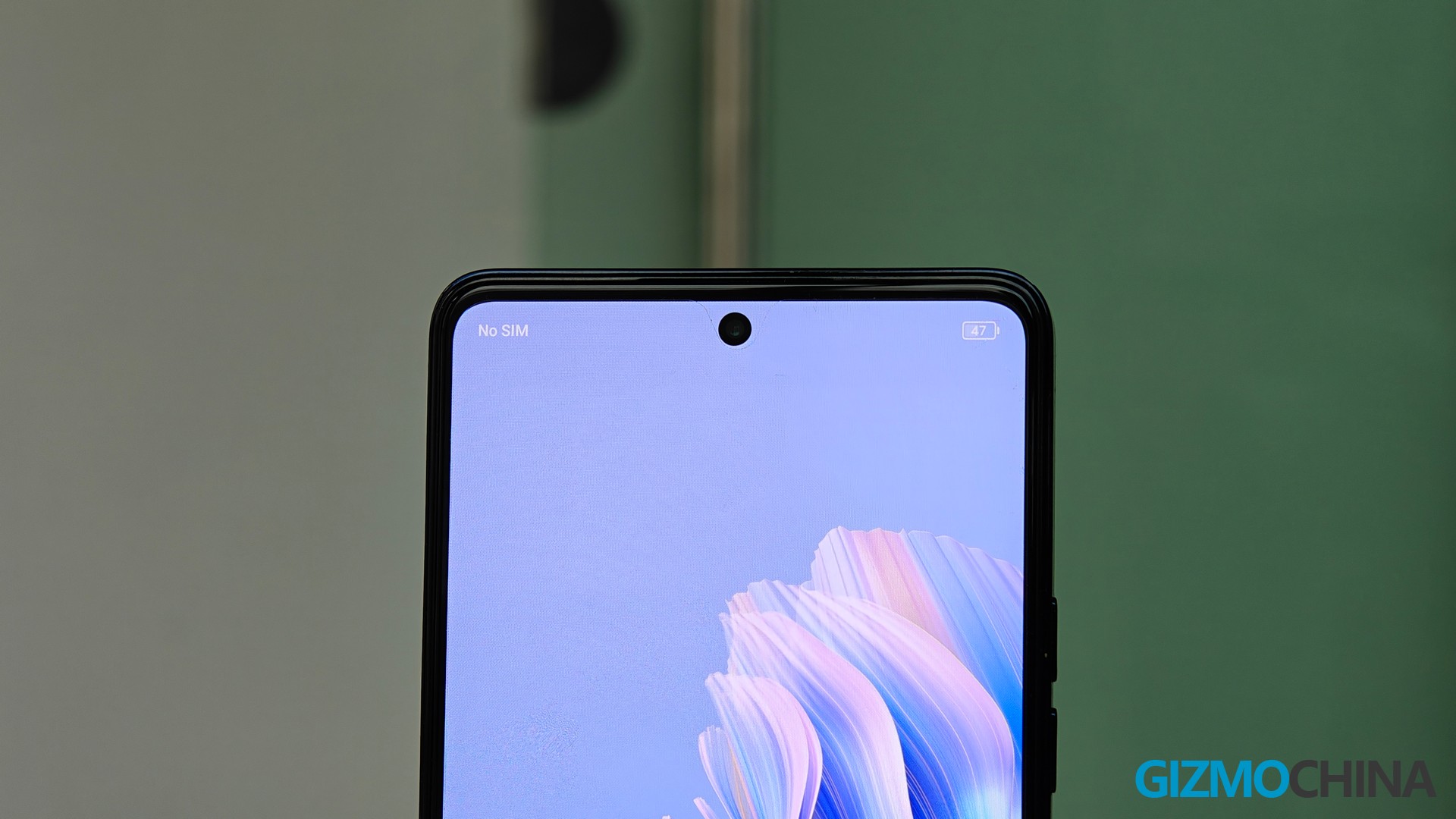
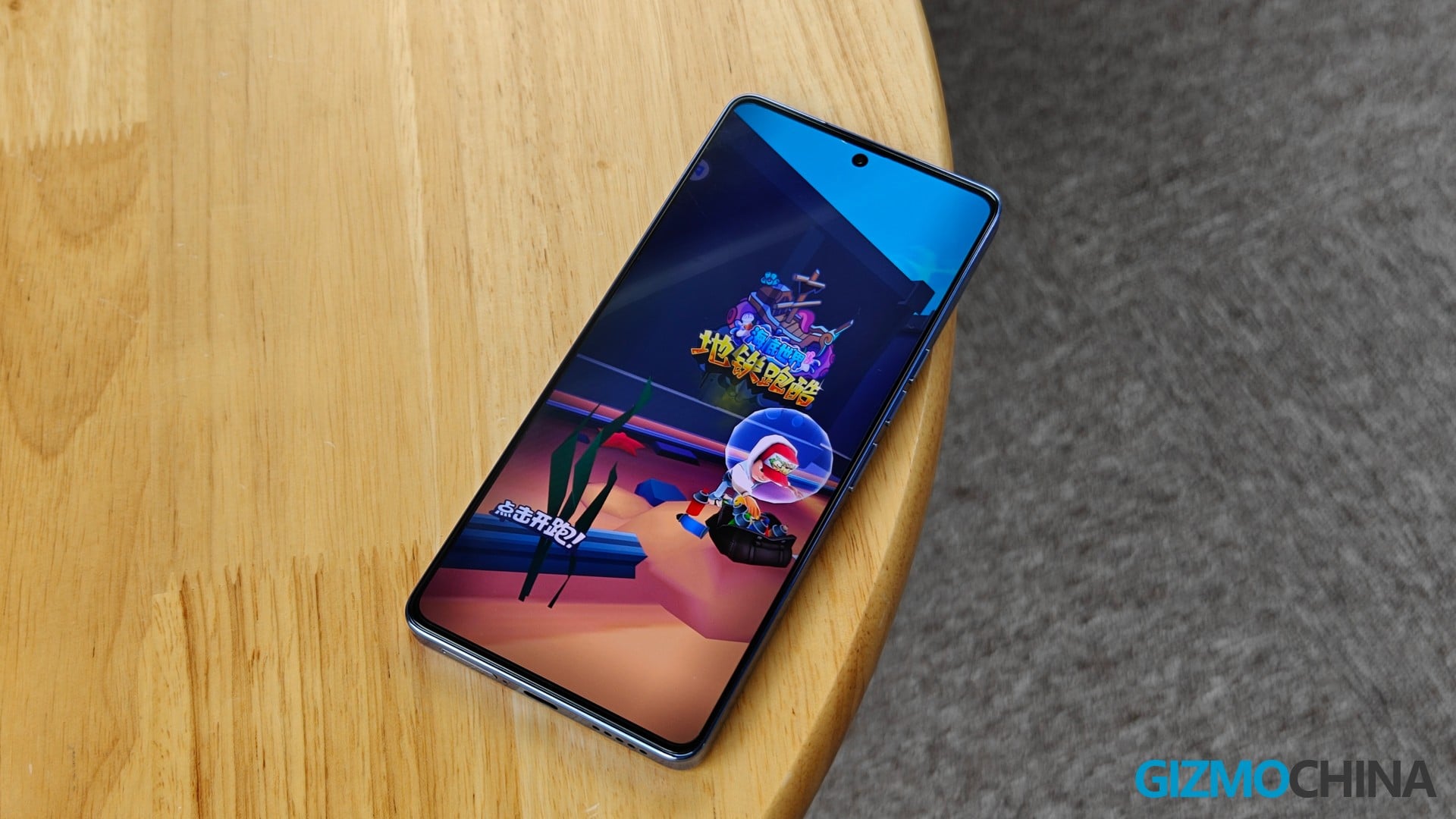
In terms of display, the CAMON 20 Premier 5G shines with its 6.67-inch FHD plus AMOLED true-color screen. The high color Gamut ensures vibrant and lifelike visuals, while the 120Hz refresh rate delivers smooth operation and fluid animations.
The peak brightness of the display is impressive, allowing for enhanced visibility even in bright outdoor conditions.
TECNO also took eye protection into consideration, as evidenced by the TUV Rheinland certification for eye protection on the CAMON 20 Premier 5G. This certification ensures a safe and comfortable experience for prolonged use of the device. To further enhance the viewing experience, the phone features slim bezels that reduce distractions and provide a more immersive experience. Meanwhile, the flat-screen and sharp edges contribute to its sleek and modern design.
Performance
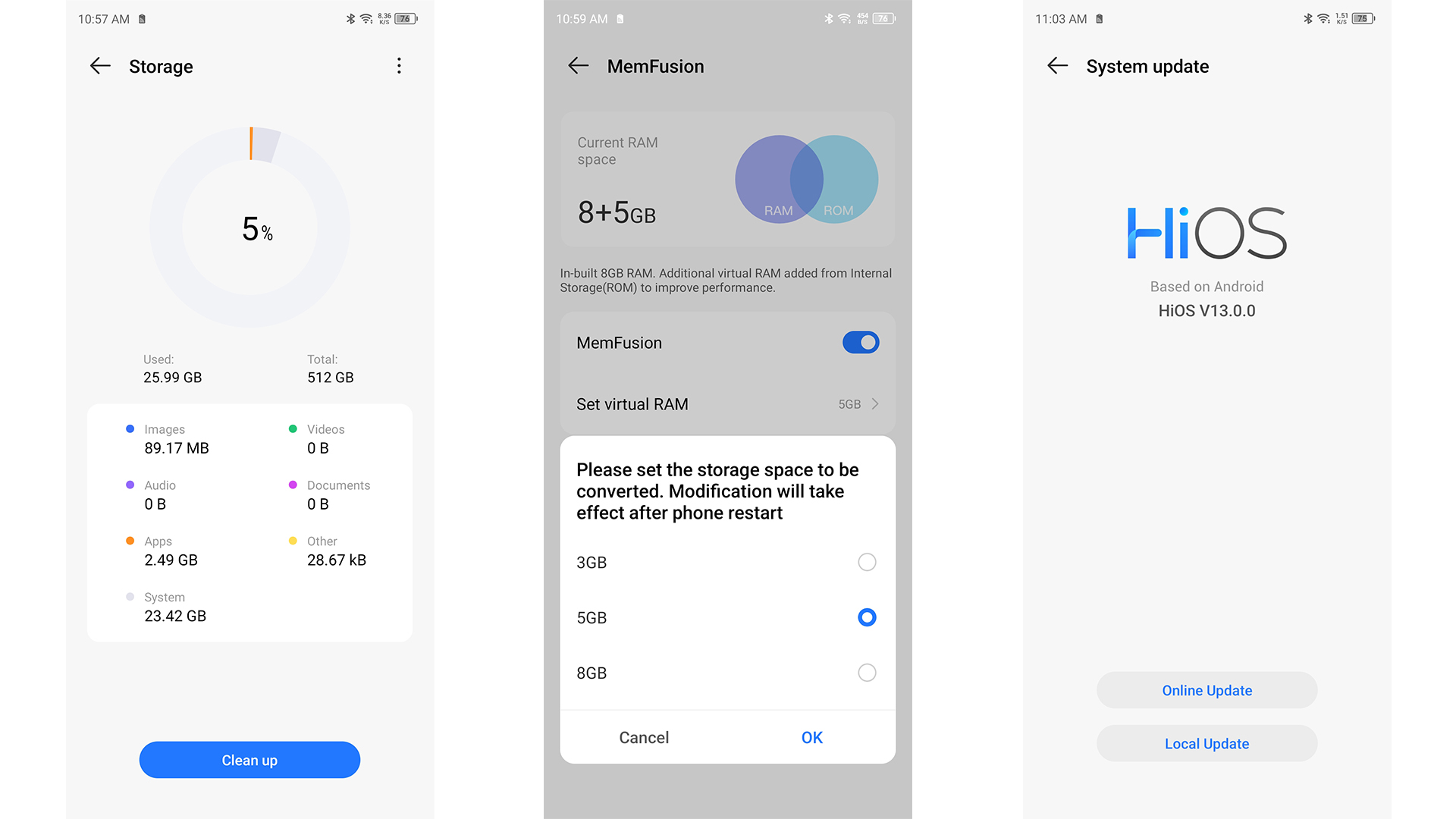
In addition to its impressive design, the Tecno Camon 20 Premier 5G boasts a powerful MediaTek Dimensity 8050 chipset, making it a solid option for mid-range smartphone users. The CAMON 20 Premier 5G is equipped with a generous 8GB of RAM and a spacious 512GB internal storage. What sets this phone apart is its integration of Android’s latest memory fusion feature, which enables it to increase its available memory by an additional 8GB of RAM.
While it may not be able to handle heavy games as smoothly as gaming phones, it still allows for enjoyable gameplay in popular games like PUBG and Call of Duty, albeit at reduced graphics settings. However, one downside we noticed during extended usage was that the phone tended to heat up quickly, impacting its overall performance to some extent. Despite this, it did not significantly affect our overall experience with the device.
Camera
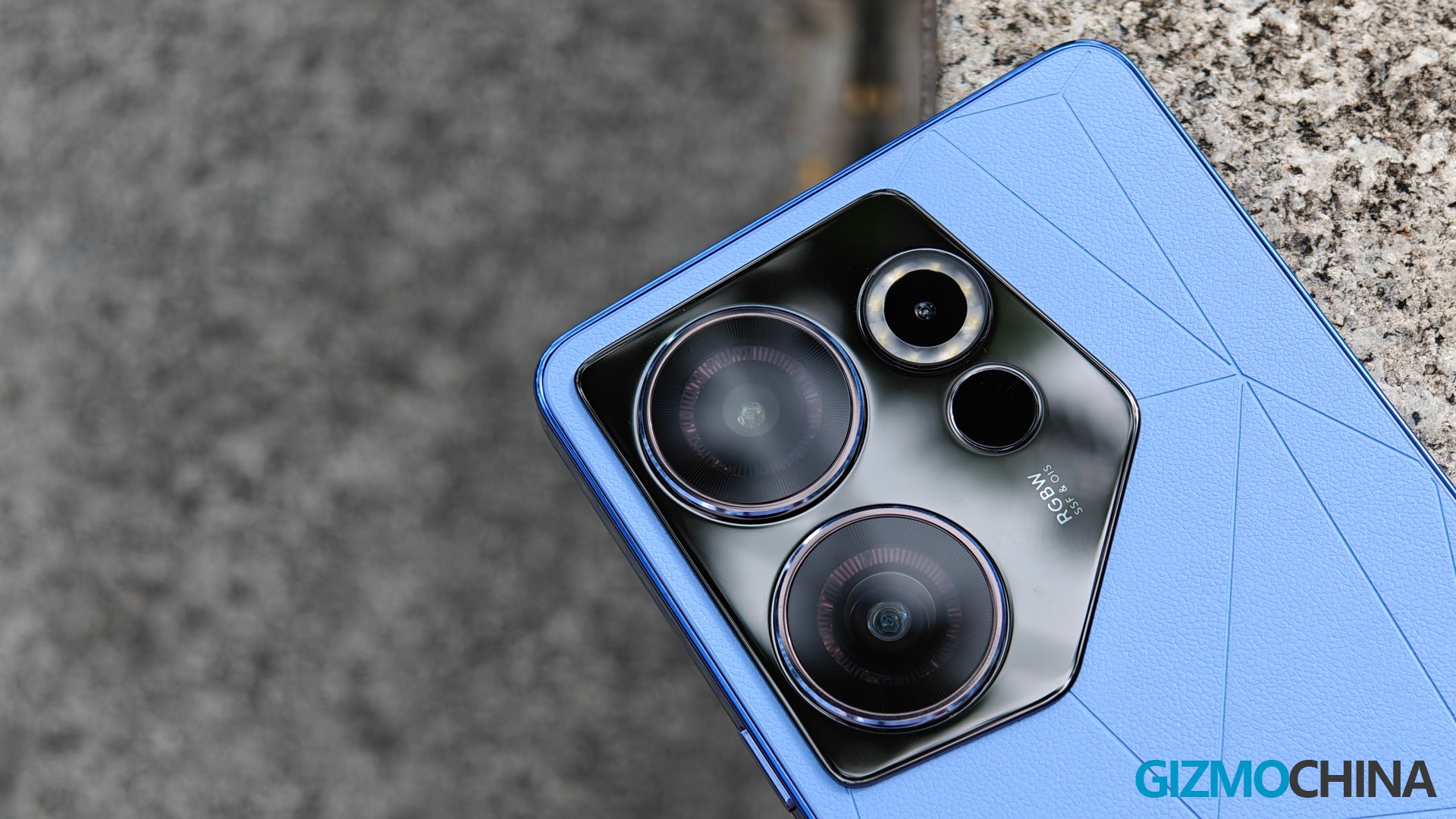
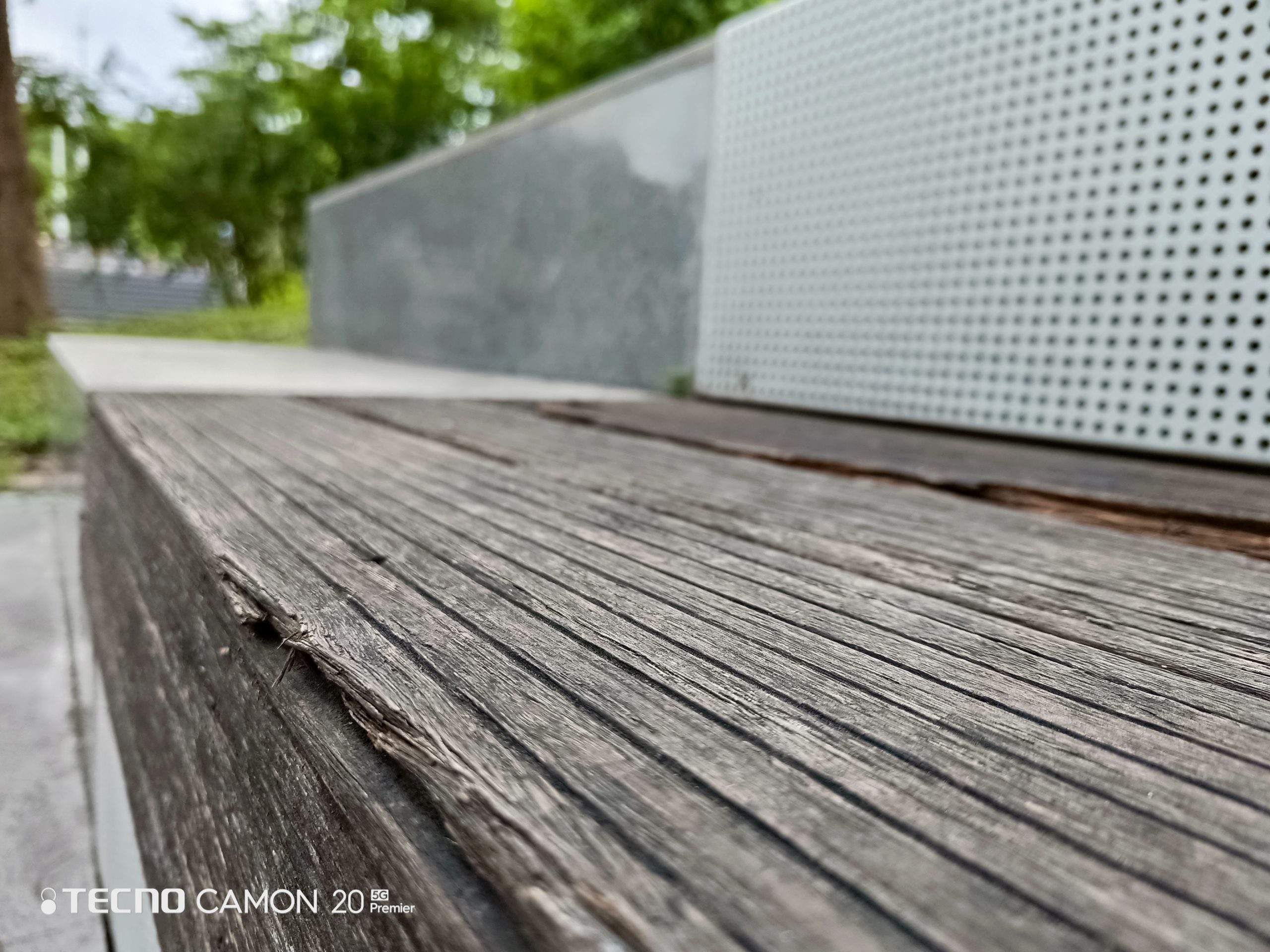
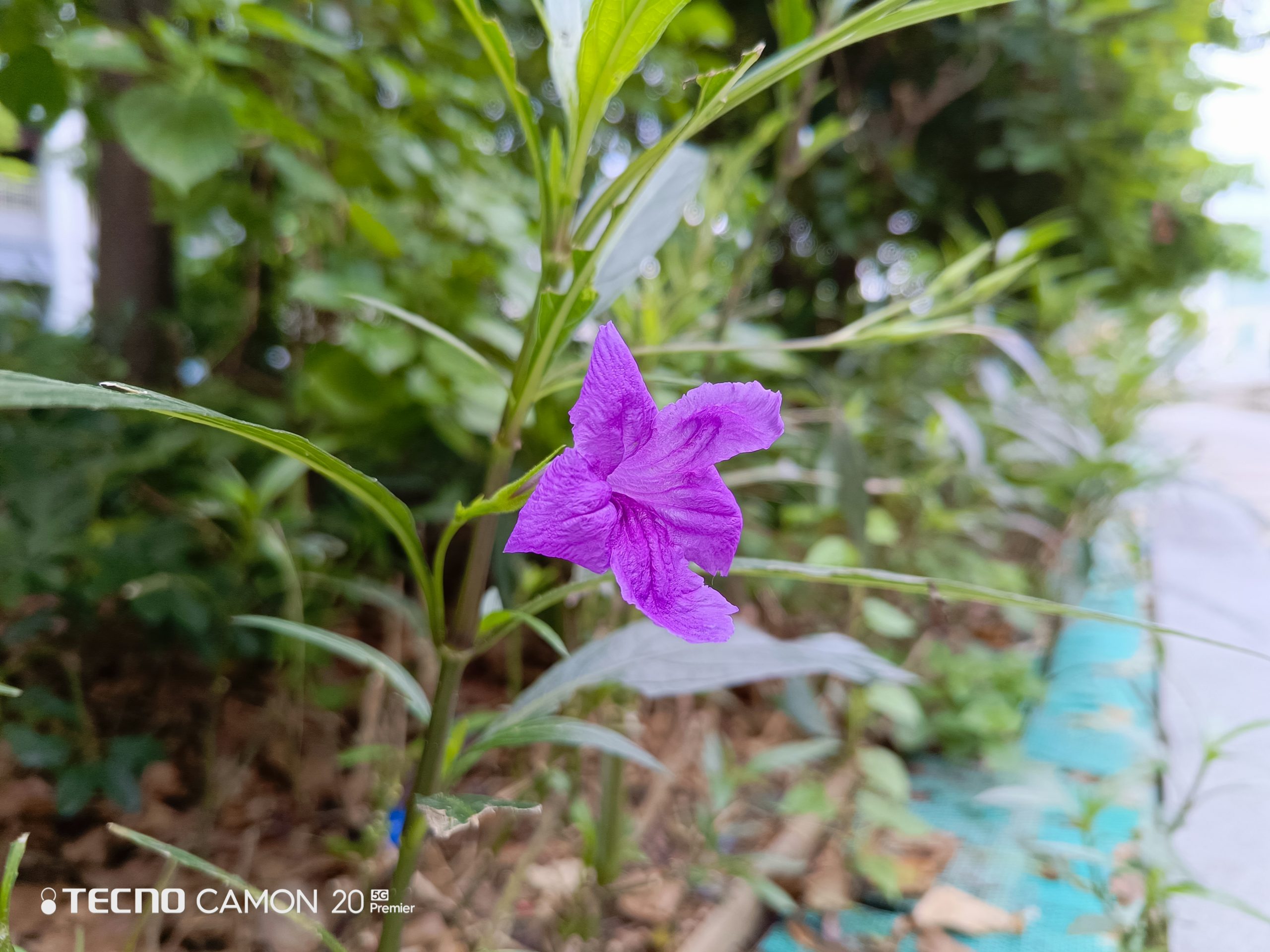
The standout feature of the Tecno Camon 20 Premier 5G is undoubtedly its camera system. The phone features a main 50MP lens with Tecno’s innovative RGBW technology. By replacing the traditional RGGB color filter’s “green” array solution with a “white” one, the RGBW sensor captures more light, resulting in brighter and more detailed photos.
The phone enhances light intake by replacing one of the plastic lenses with a glass lens in the 1G+6P lens setup. This improvement increases the amount of light reaching the main sensor. Furthermore, Tecno has increased the size of the main sensor from 1/1.73 to 1/1.56 and the pixel size from 0.8μm to 1.0μm. Even in low-light conditions, the phone excels at capturing crystal-clear night portraits without sacrificing details.
In addition to its impressive 50MP main camera, the CAMON 20 Premier 5G is equipped with a remarkable 108MP Ultra Definition camera. This cutting-edge camera module allows users to capture ultra-wide landscapes and super macro close-ups with stunning detail.
One of the key features of this camera is the 9-in-1 Adaptive Pixel technology. This technology intelligently combines 9 small pixels into a single ultra-large 1.92um pixel. By doing so, it significantly improves the light sensitivity of the camera, making it capable of capturing photos with much greater clarity and detail.
The CAMON 20 Premier 5G also boasts a 32MP Ultra Clear AI Shining Selfie camera. This powerful front-facing camera is designed to elevate users’ selfie game to a whole new level. It incorporates TECNO’s advanced AI-powered “Portrait Master” beauty algorithm. This algorithm uses 319-dot face-positioning technology to accurately analyze various beauty aspects, including culture, skin tone, and physical environment. It then develops a personalized beautification plan, ensuring that every selfie taken with the CAMON 20 Premier 5G is flawless and stunning.
UI & Software
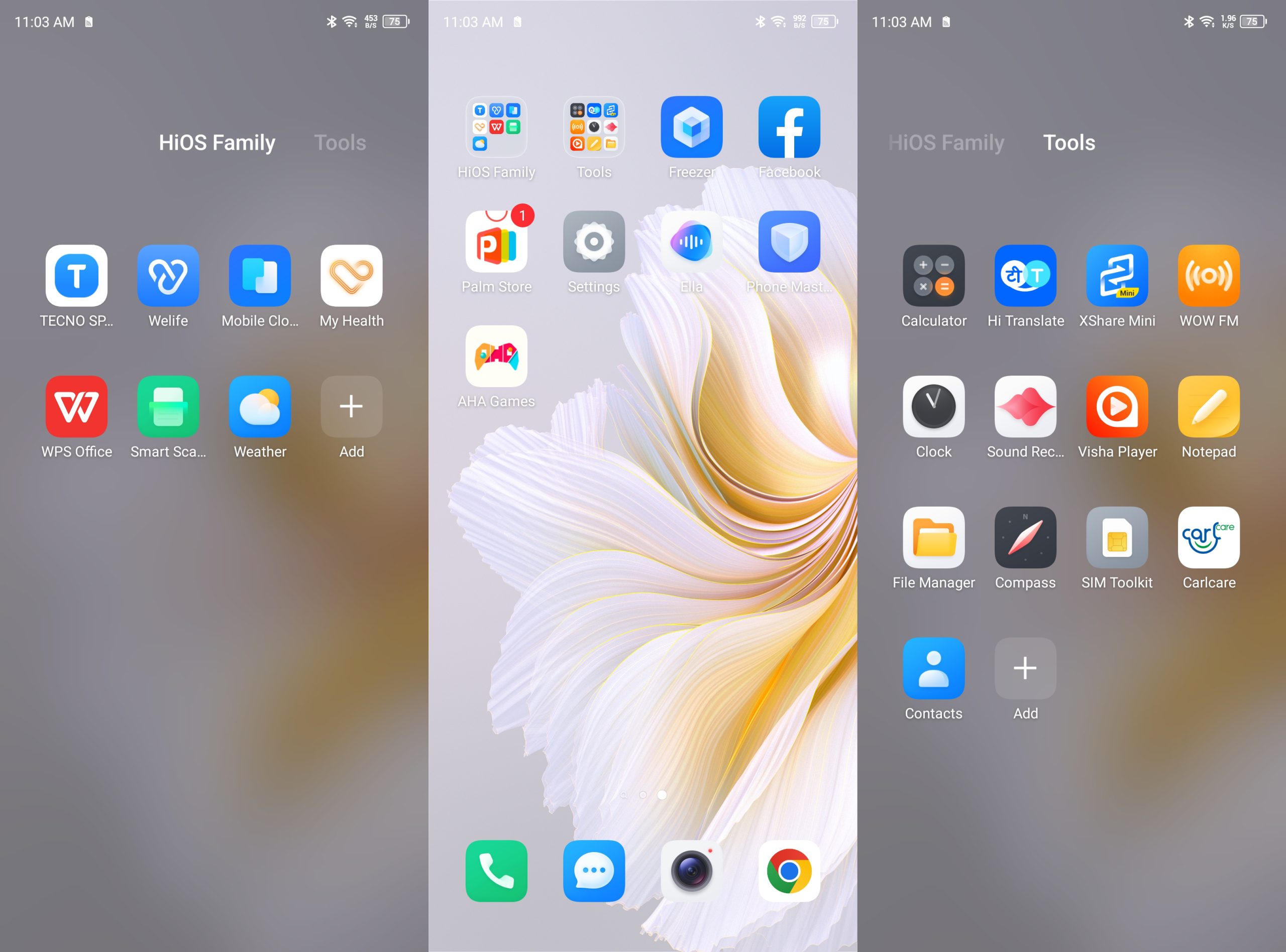
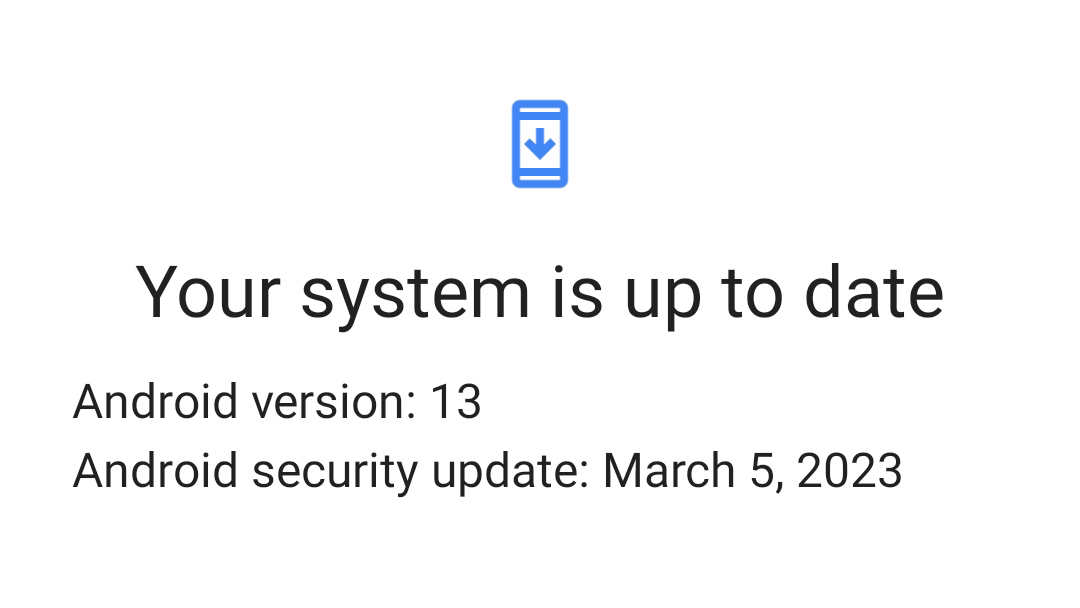
For software, the CAMON 20 Premier 5G runs on the latest HIOS, with a custom user interface based on the latest Android 13 operating system. The device comes preloaded with some installed applications, such as AHA Games, BoomPlay, Hi Browser, and Phone Master, TECNO has included its very own virtual assistant named Ella, which offers assistance and improved interaction with the device.
TECNO is committed to providing software support for the CAMON 20 Premier 5G. They promise one year of major software updates, ensuring that users will stay up-to-date with the latest features and improvements. In addition, TECNO guarantees two years of monthly security patches, which helps to keep the device secure from potential vulnerabilities. Furthermore, TECNO has announced its intention to upgrade the phone to the next Android version, Android 14, when it becomes available. That’s definitely a great promise for the Camon users.
Battery & Charge
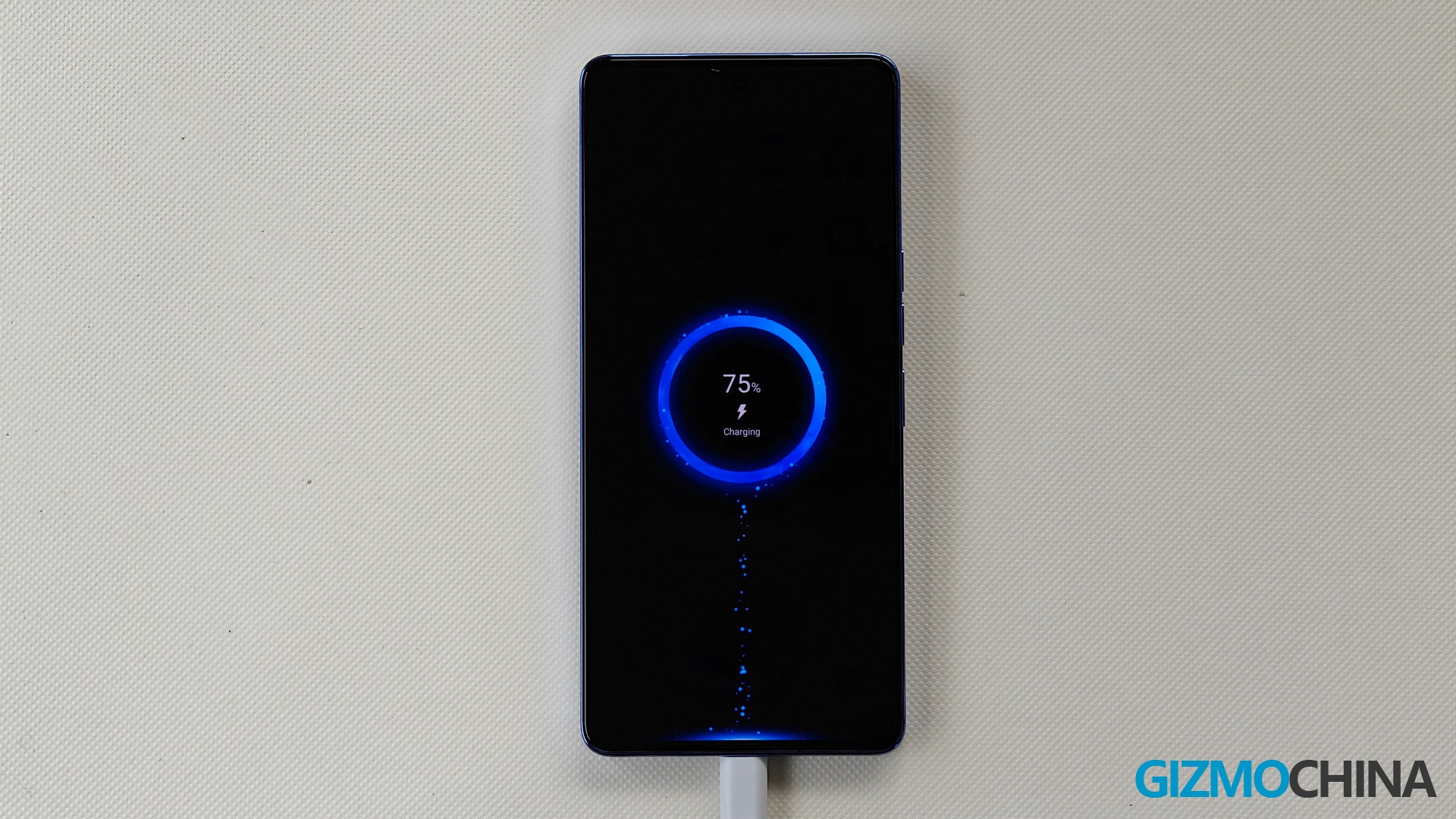
The CAMON 20 Premiere 5G mentioned in the quote packs a large battery with a capacity of 5000 mAh, which is quite impressive for its price range. Another great news is its support for 45W fast charging, which allows the phone to be fully charged within 50 minutes. This is a remarkable feat, especially considering other phones in the same category may require a significantly longer charging time.
During my experience with the phone, I found that it could sustain heavy usage for about 5 to 6 hours of screen-on time (SOT). This means that even with continuous use of high-power-consumed applications and features, the phone could hold its own for a substantial time before needing a recharge. However, if you use the phone more conservatively, you can potentially squeeze out an impressive 8 hours of SOT or even longer.
Verdict
The Tecno Camon 20 Premier stands out as an impressive smartphone in an intensely competitive market. Despite the abundance of excellent devices, it manages to earn recognition with its well-rounded features and capabilities. From its attractive aesthetics to its solid build, from its stunning display to its immersive audio experience, and from its dependable battery life to its smooth performance, this phone offers a comprehensive and satisfying user experience.
One particular aspect that caught our attention is the camera setup, which is truly noteworthy. The reliability and versatility of the Camon 20 Premier’s camera are exceptional, delivering consistently great performance across different scenarios. Furthermore, the inclusion of a high-resolution 108MP autofocusing ultrawide lens adds a delightful touch to the phone’s photography capabilities. This lens not only excels at its primary function of capturing wide-angle shots but also surprises with its ability to capture stunning macro photos for those who appreciate the finer details.
Tecno has recently given a sneak peek of its upcoming Pova 5 series smartphones, which are set to hit the Indian market soon. These phones are expected to boast impressive features, including an FHD+ LCD display, the powerful Helio G99 SoC, a long-lasting 6000mAh battery, and a unique LED strip on the back.
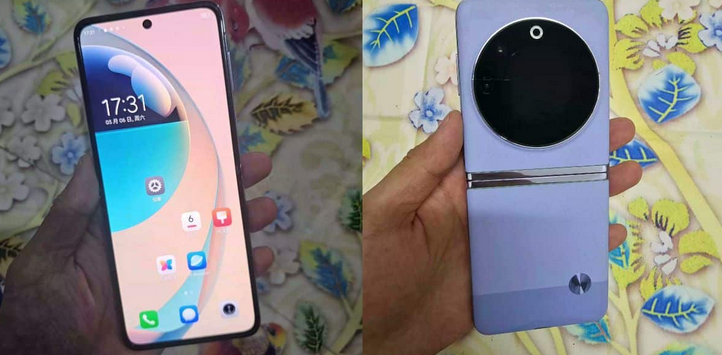
In addition to the Pova 5 series, Tecno is also rumored to be launching the Phantom V Flip foldable smartphone in India. The launch timeline for this innovative device has been hinted at in a recent leak.
Known tipster Paras Guglani has tweeted about the upcoming launch of the Tecno Phantom V Flip in India during the fourth quarter of 2023. Given Guglani’s track record with Tecno leaks, this information holds credibility. The tipster did not disclose any details in his tweet, so let’s look at what we know so far from previous reports.
Tecno Phantom V Flip specs
Tecno’s upcoming foldable smartphone, the Phantom V Flip 5G, is anticipated to boast a 6.75-inch foldable AMOLED display, offering a Full HD+ resolution of 2,640 x 1080 pixels and an impressive 144Hz refresh rate. The device will incorporate a side-mounted fingerprint scanner for added security.
Under the hood, the Phantom V Flip will be powered by the Dimensity 8050 chipset, paired with 8GB of RAM and an intriguing 8GB of virtual RAM, offering a total of 16GB-like performance. It will provide ample storage with 256GB of built-in storage capacity.
At the back of the phone, you can expect to find a round camera module featuring a 64-megapixel dual-camera system and an LED flash unit. The front punch-hole will house a 32-megapixel selfie camera. the phone will be equipped with a 4,000mAh battery that supports 66W rapid charging for quick top-ups. As for the software, the device will run on HiOS 13, based on the latest Android 13.
LG, once a legendary smartphone manufacturer, continues to operate in different sectors and expand its product family. Although most of us know the South Korean manufacturer for its webOS-powered TV models, such as the UR7500 series, the company also has other products. One of the latest is the “Duobo,” an interesting-looking coffee machine. Here are the details…
LG Duobo Lets You Create Your Own Personalized Coffee Blends
LG is set to release its first capsule coffee machine, Duobo, on Thursday through Kickstarter. The reason why the product will be sold on Kickstarter instead of traditional sales channels is unknown. Of course, when LG decided to produce a coffee machine, it had to make it a little different from its competitors. Therefore, Duobo can extract two capsules simultaneously, allowing users to create their own personalized coffee blends.
Of course, LG products are known for being “smart”. Customers can use a dedicated app to set the extraction temperature, volume, and other settings for each capsule, creating their own custom recipes. The company also shares recipes created by professional baristas, making it easy for customers to enjoy a variety of coffees. This option is expected to be particularly pleasing to coffee lovers.
If the first thing that comes to mind when you see the LG Duobo is that it looks like a spaceship, you’re not alone. I thought so too when I first saw it, and I decided to write a headline that emphasizes this. It turns out that the company intentionally designed it to look like a spaceship. Duobo’s design is inspired by Apollo 11, and its futuristic look reflects the initial slogan of “Discovering the Taste of Space.” The release date of the product, July 20, is chosen to commemorate the landing of Apollo 11, the first manned moon landing in 1969.
However, the design of the LG Duobo is not its most striking feature. It seems that the company originally planned to sell this product for \$799. I love coffee as much as anyone, but I would not pay almost \$1,000 for it. Of course, it is worth remembering that LG is offering something relatively unique here thanks to its dual capsule mechanism. The tech giant must have also thought that this pricing was a mistake, as it has changed the price. Duobo will be available for \$399 for the first 250 customers through Kickstarter. Afterward, it will be sold for $499.
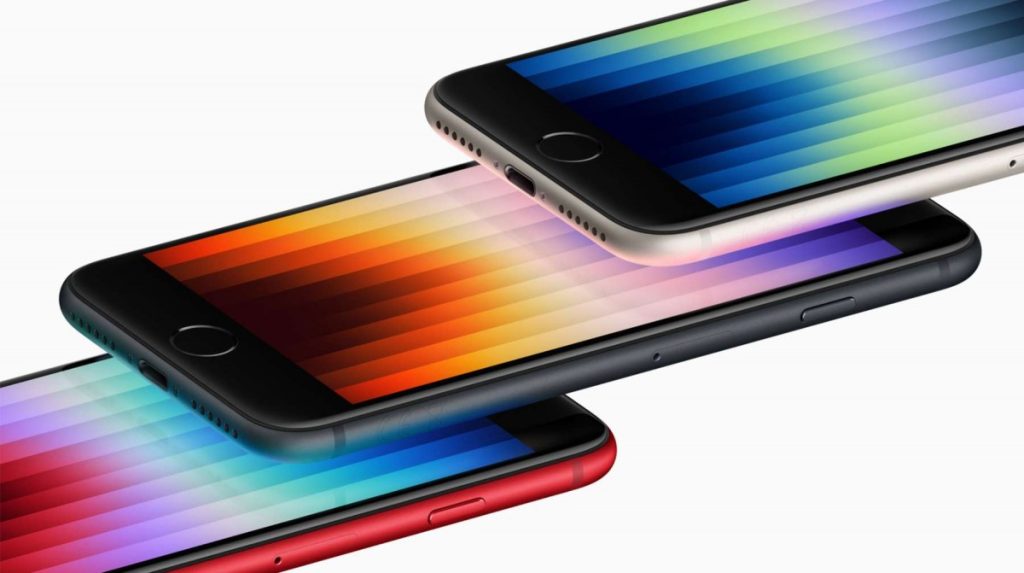
Apple traditionally launches a new generation of iPhone SE every two years. The third generation i.e. the iPhone SE 2022 debuted last year. This means that its successor expected to arrive next year has been widely rumored to be delayed in the past. Now, this has only been solidified as per analysts from Barclays in the latest development.
New development solidifies iPhone SE’s delayed arrival
Analysts at Barclays cite supply chain sources as the reason for the postponed launch of the next-generation iPhone SE (expected to be called iPhone SE 4). They issued a research note for the company’s investors saying that the delay is due to issues with the 5G modem.
For those unaware, Apple has been working on its own baseband chips since it acquired Intel’s smartphone modem business. Two Barclays executives also reiterate previous reports that the iPhone SE 4 was tipped to feature the company’s 5G modems instead of Qualcomm’s. However, now, the device is said to no longer feature Apple’s modem and instead continue with Qualcomm as the supplier for the next-generation SE and probably the 2024 iPhone 16 series.
The issue with 5G model is not the only one attributed to iPhone SE’s delayed arrival. Display manufacturer BOE is also said to be having difficulties in producing required lower-cost OLED displays. The next-generation model is already rumored to feature an OLED panel compared to LCD on the current iPhone SE 2022.
This is not the first time we are hearing about the iPhone SE 4’s delay. Notably, there was a gap of four years between the first-generation SE and second-generation SE that was announced in 2020.
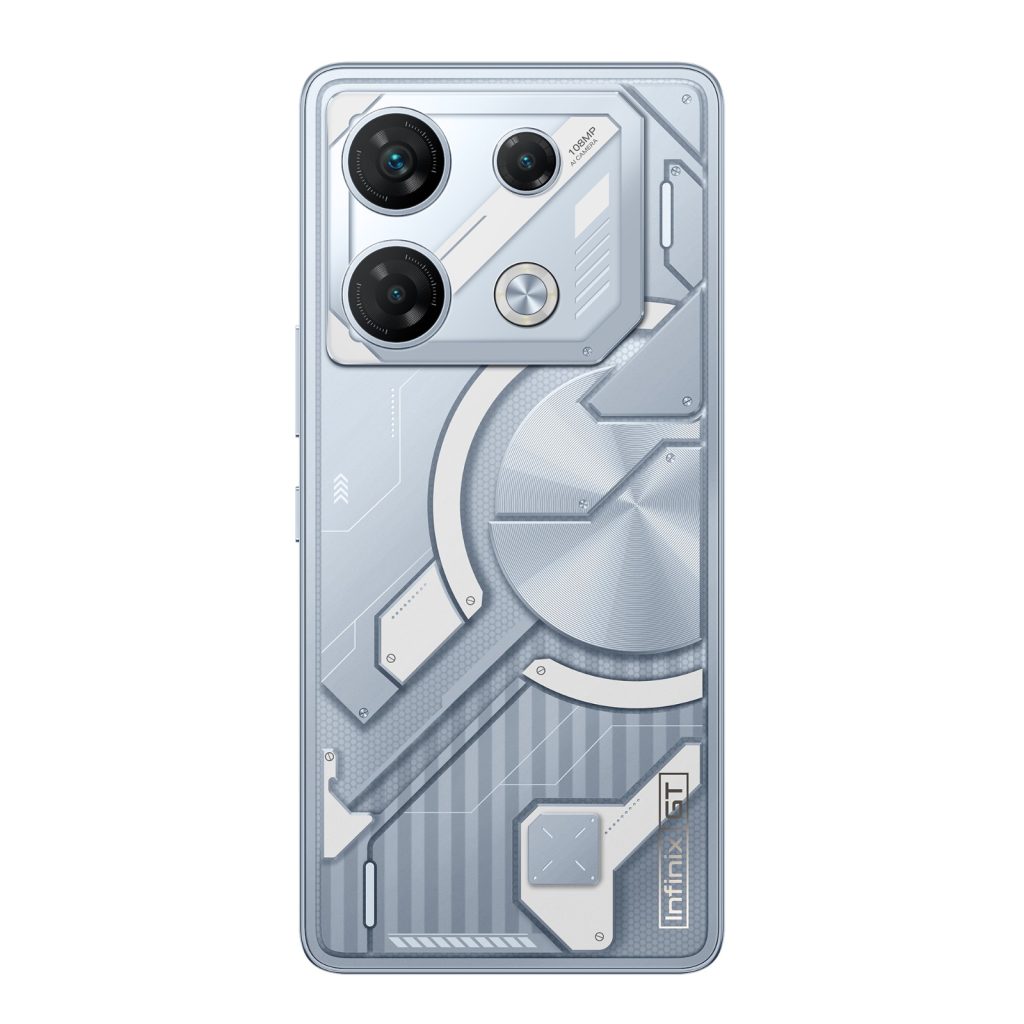
Earlier this month, we covered various reports regarding the upcoming Infinix GT 10 Pro. This device features a design that has drawn comparisons to Nothing’s smartphones. And now, new leaked renders have offered us a proper look at the complete design of the upcoming GT 10 Pro.
Infinix GT 10 Pro to arrives in two color variants
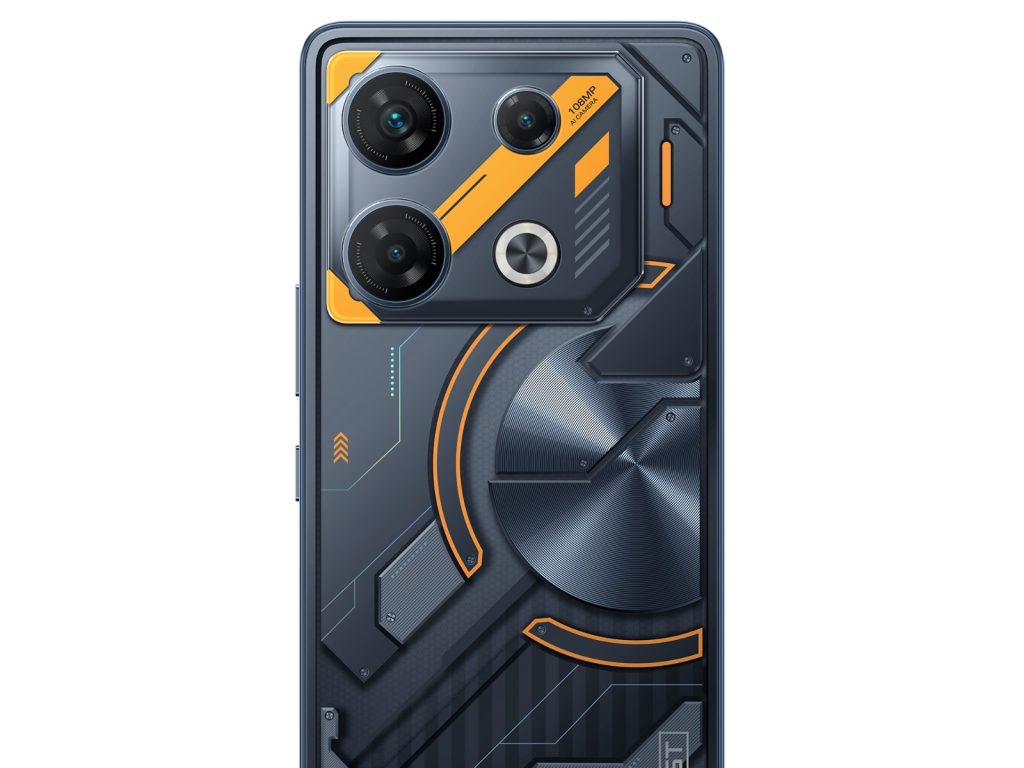
We already know that the Infinix GT 10 Pro and GT 10 Pro+ features a semi-transparent design on the rear, which houses Mini LEDs. These offer a distinct look and will likely bring an interactive backlight interface. These Mini LEDs light up when launching the game and will likely inform users regarding notifications and charging as well.
The leaked renders also confirm that the smartphones will be launching in two color options, namely ‘Cyber Black’ and ‘Mirage Silver’. Furthermore, the Infinix GT 10 Pro series boast a sleek design and a cyber mecha design. The darker variant also offers bright orange highlights while the Silver variant features color changing back panel that has its rear change from steel blue to dusty pink when exposed to UV light.
The new smartphones will run on Android 13 OS based XOS custom skin. It is unclear when Infinix will launch its GT 10 Pro lineup, although, rumors have hinted at an August announcement. The sale of the device should follow soon after as well.
A new hearable from POCO is apparently set to launch soon. The company’s new POCO Pods is a truly wireless earbuds that will be arriving in the Indian market. But prior to its official release, a new leak hints at its pricing details and its possible launch date. So here are all the details.
POCO Pods TWS Launch Date & Price Range
The leak was shared by 91Mobiles who shared the details earlier today (21st July 2023). Sources close to the matter claimed that the POCO Pods TWS will be launched in India On July 28. In other words, we can expect teasers regarding the earbuds to be shared by the company soon. The Chinese smartphone maker had teased the arrival of the new 6 numbered series smartphones earlier this week, so these hearables might be unveiled alongside these devices.
Notably, this isn’t the first time the POCO Pods were leaked, since they were initially spotted in a leak back in January 2023. The report claims that the earbuds will be sold in India for a price tag between 1,500 to 2,000 INR. Meaning, it is a budget-grade wireless earphones. Unfortunately, this was all the information shared in the latest leak.
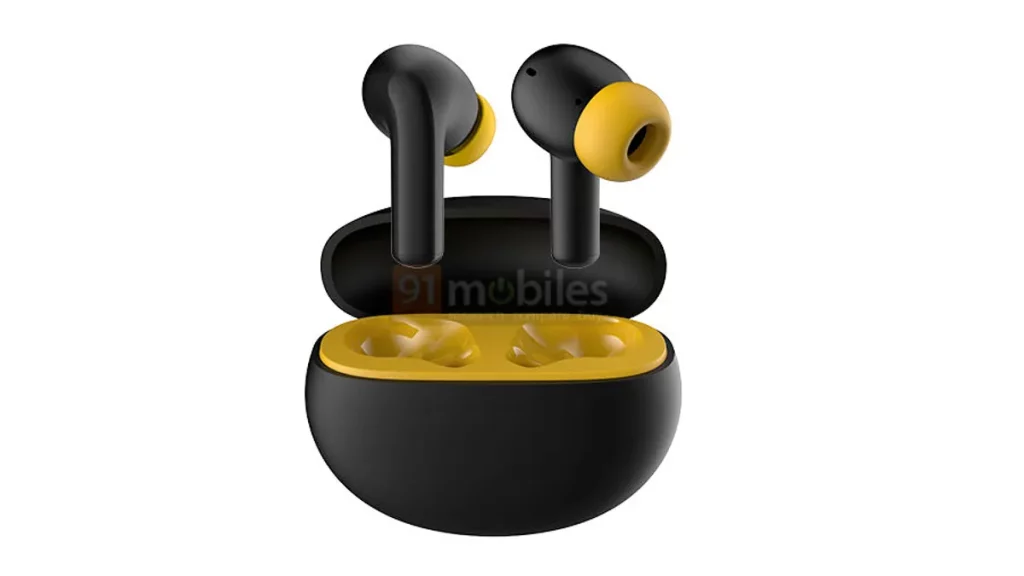
In the last report, the design of the earbuds was revealed, with the earbuds featuring a dual tone color design. The insides of the charging case and the tips of the earbuds were colored yellow while the case and earbud’s main body were matte black. It also has an Apple AirPods-like design. So stick around for more, as we will be providing updates when additional information is available regarding this product.
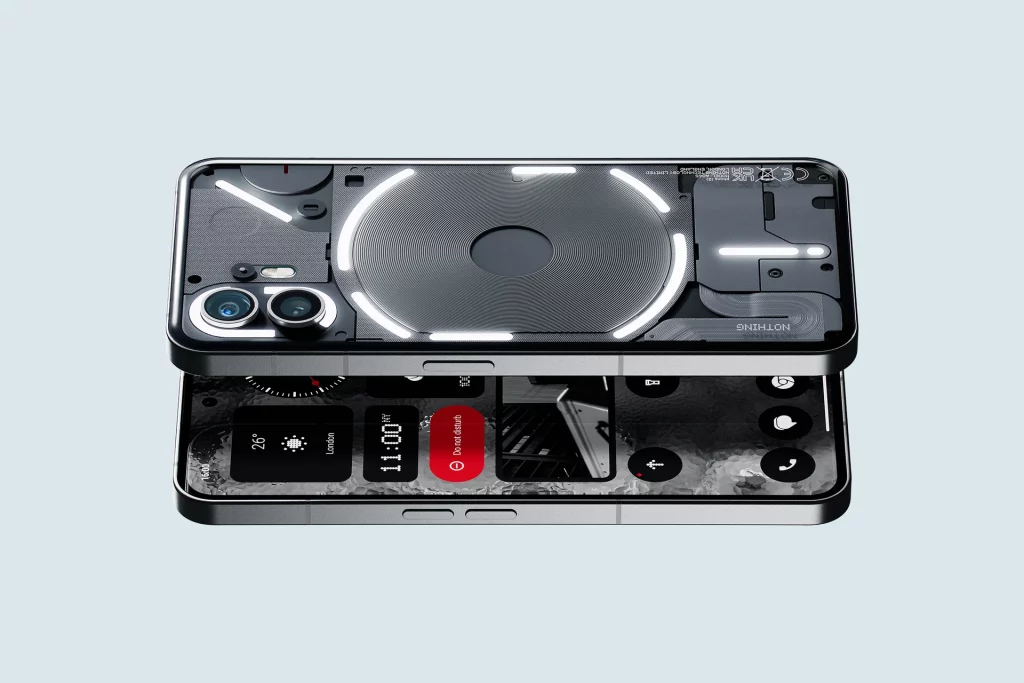
As planned, Nothing has now released the latest Nothing Phone (2) for purchase in India, precisely 10 days after its initial launch. Customers can find both color options and all three memory and storage configurations available for purchase on Flipkart. Keep reading for details on pricing and offers.
Nothing Phone (2) pricing & offers
The Nothing Phone (2) has been officially launched in India with a starting price of Rs 44,999. Interested buyers can choose from three memory and storage configurations: 8GB RAM + 128GB storage for Rs 44,999, 12GB RAM + 256GB storage for Rs 49,999, and 12GB RAM + 512GB storage for Rs 54,999. As a launch offer, Nothing is providing a flat Rs 3,000 discount on the smartphone for customers using Axis Bank Debit and Credit Cards during today’s sale. The exclusive sale on Flipkart will commence at 12:00 PM on July 21, offering customers the opportunity to grab the Nothing Phone (2) at a discounted price with the convenience of various memory and storage options.
Nothing Phone (2) specs
The Nothing Phone (2) comes with a 6.7-inch LTPO AMOLED display that boasts a 120Hz adaptive refresh rate, ensuring smooth visuals, while its 1080 x 2412 resolution and peak brightness of 1600 nits provides a vivid viewing experience.
Powering the device is a Snapdragon 8+ Gen 1 SoC processor, combined with LPDDR5 RAM and USF 3.1 storage. In the camera department, the phone boasts a 50MP Sony IMX890 main sensor equipped with OIS (Optical Image Stabilization) and in-sensor zoom. Additionally, there’s a 50MP ultrawide camera featuring the Samsung JN1 sensor, along with a 32MP Sony IMX615 front-facing camera that comes with EIS (Electronic Image Stabilization) to capture selfies.
A reliable 4,700mAh battery powers the device, supporting both 33W wired and 15W wireless charging options, providing convenient and efficient charging solutions. The Nothing Phone (2) operates on Nothing OS 2.0, which is based on the latest Android 13.
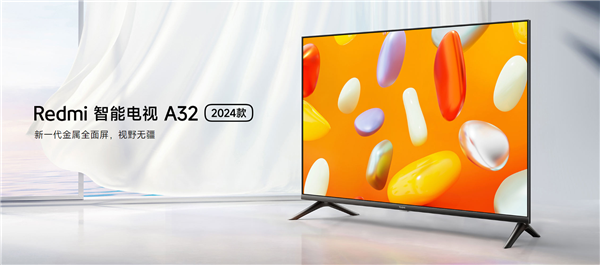
Xiaomi’s Redmi brand has once again captured the spotlight with the release of the Redmi Smart TV A Series 2024. The new budget smart TV series set new standards for home entertainment. They combine cutting-edge features with budget-friendly prices, making premium viewing experiences accessible to all.
The series boasts three distinct models: the Redmi TV A32 which features a 32-inch display size. There is also the Redmi TV A43 and the Redmi TV A65 with a colossal 65-inch display. Each variant comes packed with its own set of impressive specifications, promising to deliver stunning visuals, smooth performance, and seamless connectivity.
Redmi Smart TV A32, A43 & A65
The Redmi Smart TV A32, with its compact 32-inch metal full screen and 1366*768 resolution, presents an immersive viewing experience that belies its size. Powered by a quad-core CPU and Mali GPU, this TV ensures lag-free navigation and supports 2.4GHz Wi-Fi and infrared connectivity.
Stepping up the game, the Redmi Smart TV A43 offers a larger canvas with its 43-inch 19201080 (Full HD) resolution panel. Featuring a vibrant 1.07 billion color display, this TV brings content to life with unmatched clarity and richness. With dual-band 2.4GHz Wi-Fi, network port, and 2HDMI interfaces, the A43 offers expanded connectivity options for endless entertainment possibilities.
For enthusiasts seeking the ultimate cinematic adventure, the Redmi Smart TV A65 takes center stage. Boasting a colossal 65-inch 4K screen with a resolution of 3840 X 2160 pixels, this TV delivers a visual symphony of breathtaking detail and realism. The smart TV is equipped with a powerful Cortex A35 quad-core CPU, as well as Mali G31 MP2 GPU. It also features upgraded 210W speakers that is sure to deliver vivid sound quality.
All TVs in the series run on the MIUI TV system, providing a user-friendly interface and seamless access to a multitude of apps and streaming platforms. Moreover, the inclusion of Xiao Ai, the built-in smart assistant, enables users to control smart devices throughout their entire household with just their voice.
Pricing & Availability
As for the price, the Redmi Smart TV A32 starts at just 579 yuan ($80). On the other hand, the Smart TV A43 is priced at 818 yuan ($114) while the 65-inch model carries an equally decent price tag of 1999 yuan ($278). The Redmi Smart TV A Series 2024 is now officially available for purchase in China. We don’t know yet when Xiaomi will launch this model for the global market.
Last month, I took a trip to Disneyland in Hong Kong. As I was lounging around Disneyland, a news item popped up on my phone that Xiaomi had released the Disney phone. What?
Xiaomi Civi 3 Disney 100th Anniversary Limited Edition?
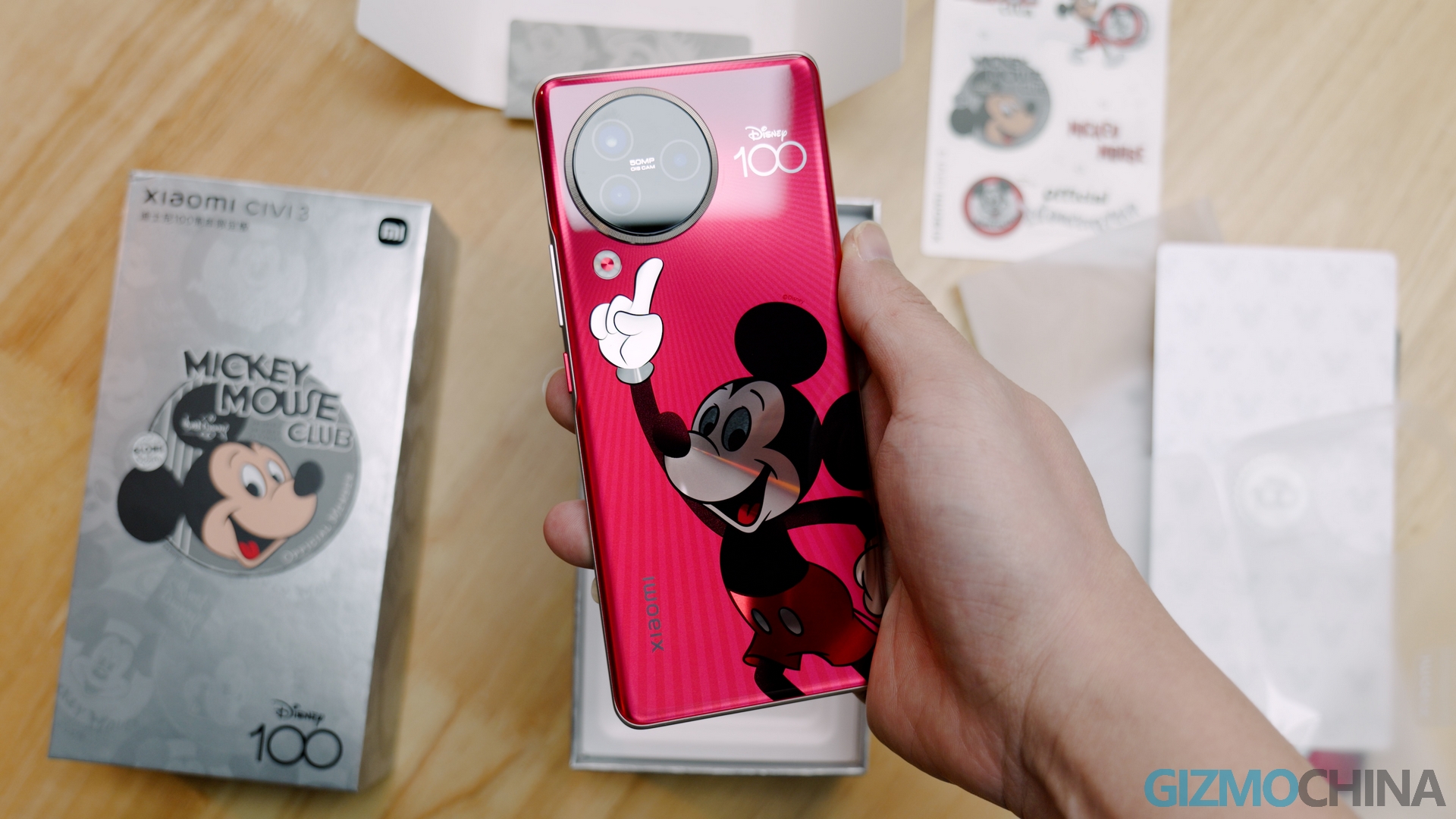
Xiaomi CIVI 3 Disney 100th Limited Edition
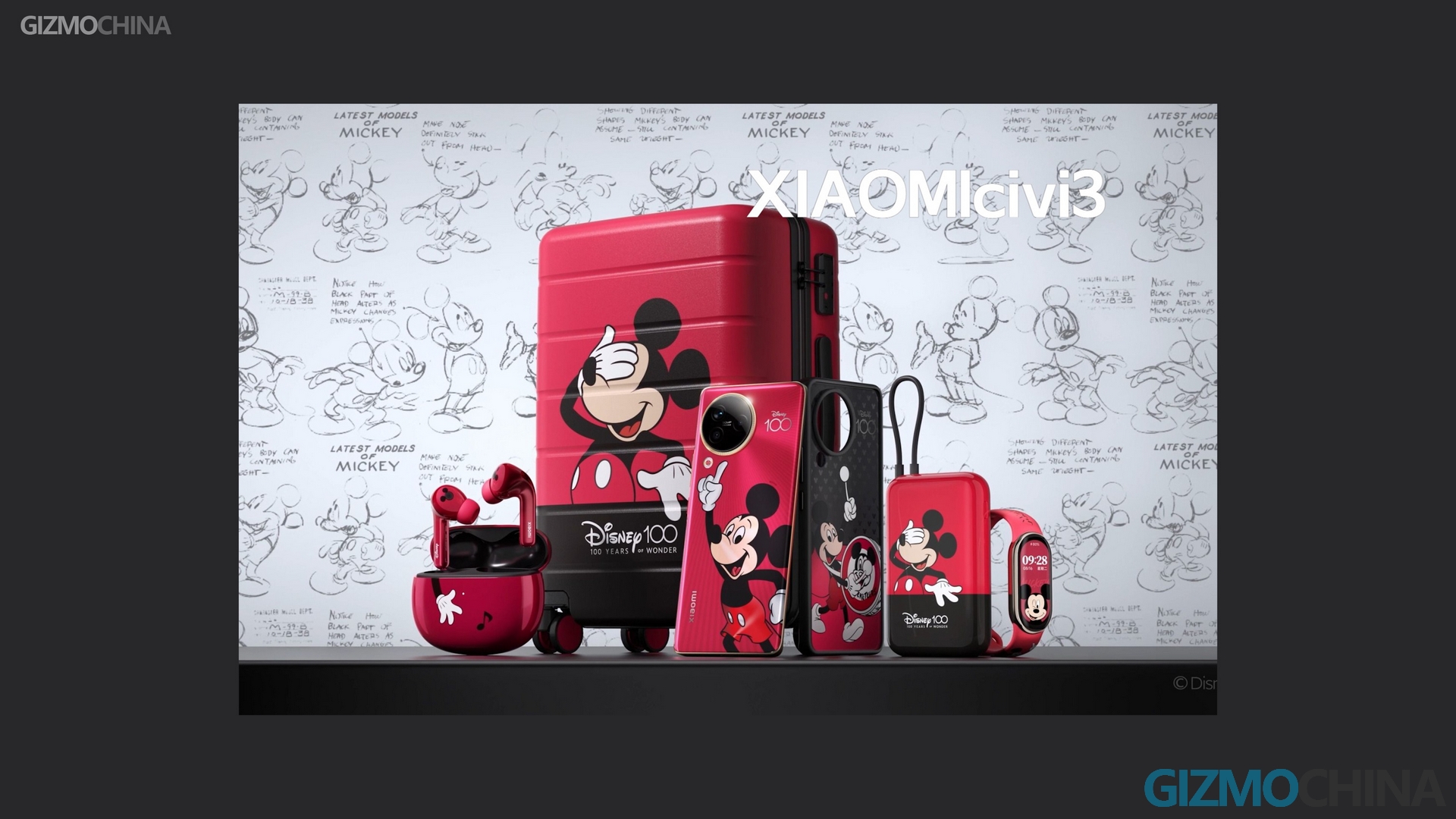
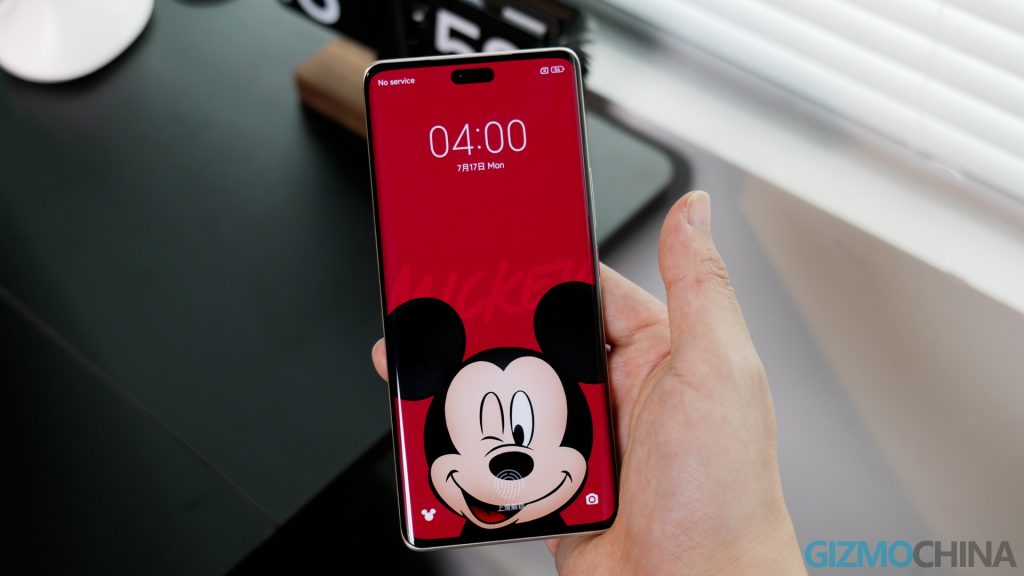
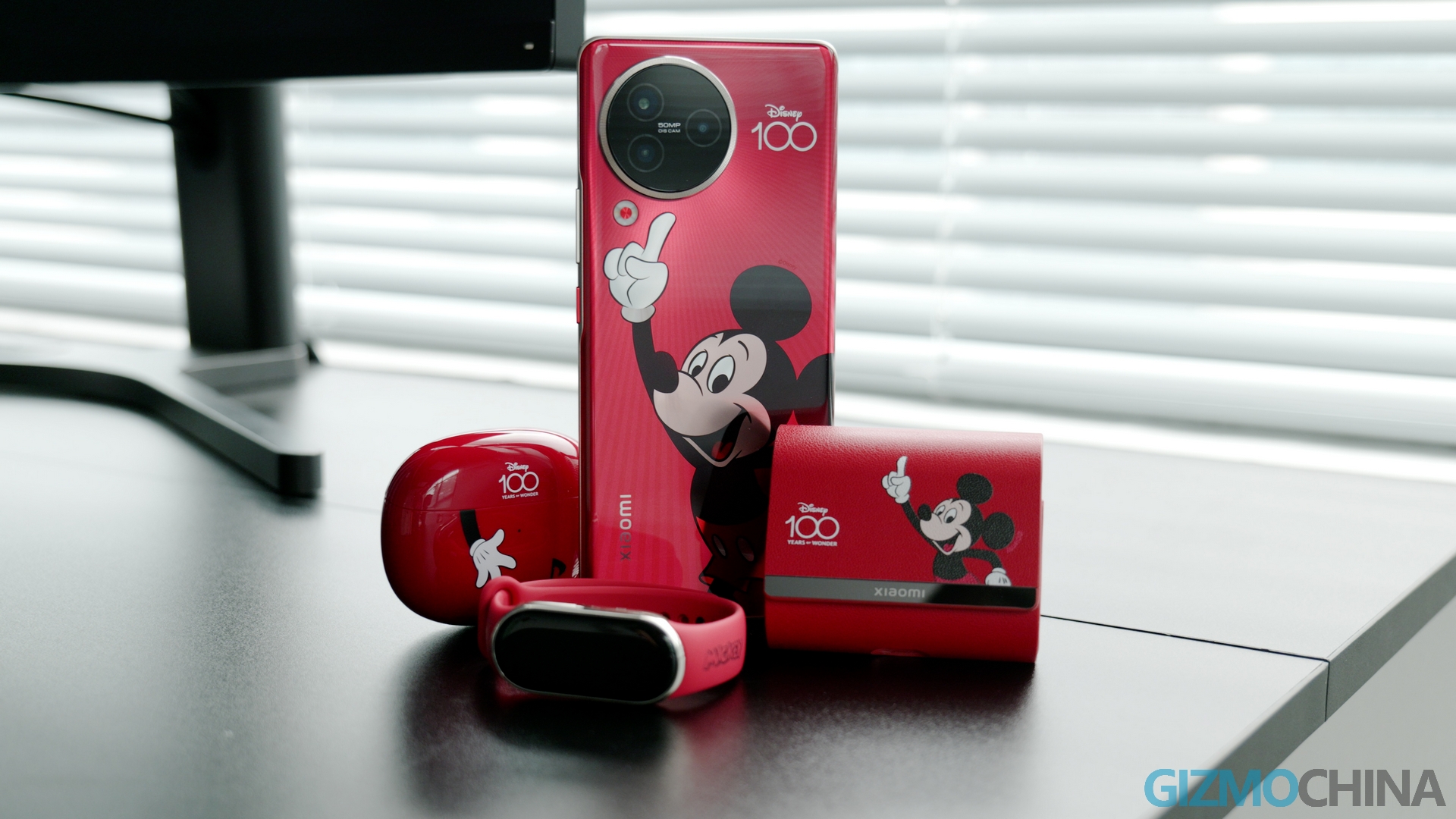
It’s almost the same as the standard Civi 3, but the look has been completely upgraded to a more vibrant Disney style. And Xiaomi seems to tap hard into the full energy of the world-famous brand. In this co-branding, Xiaomi has expanded its custom options to all kinds of Xiaomi products but not limited to the phone, including a smart band, wireless earbuds, a power bank, and a suitcase.
So to show you how ambitious Xiaomi is, we spent quite some money on the entire customized collection except for the suitcase and the power bank. Hope you guys like it and don’t forget to subscribe to our channel and give us a like. It really means a lot to us.
Okay without further ado, let’s go straight to unboxing.
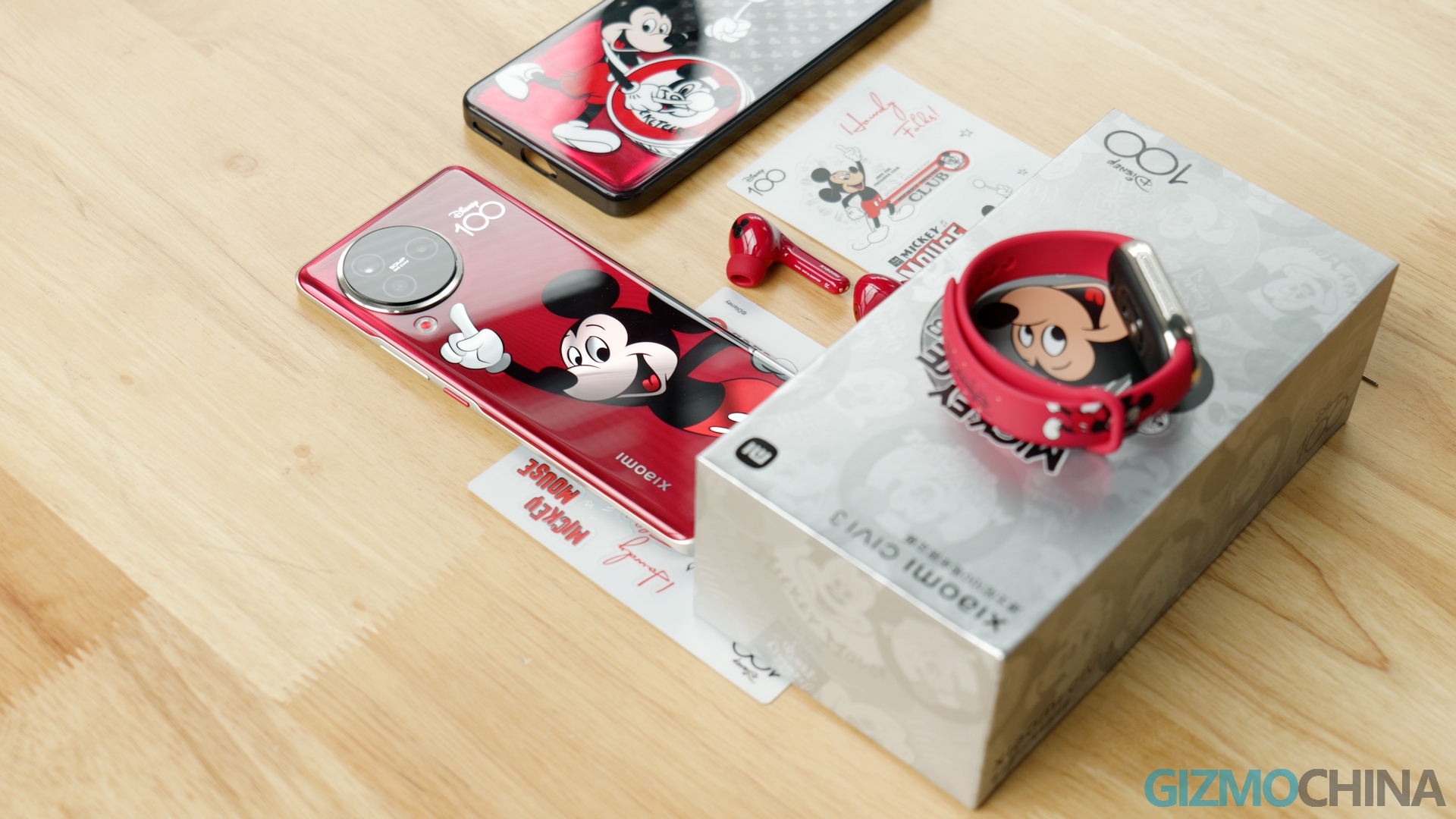
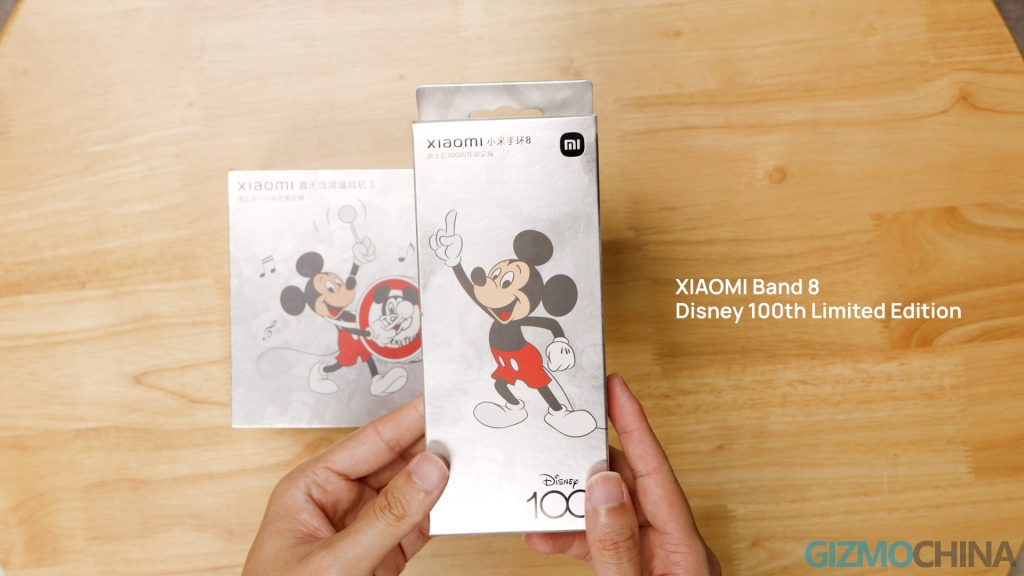
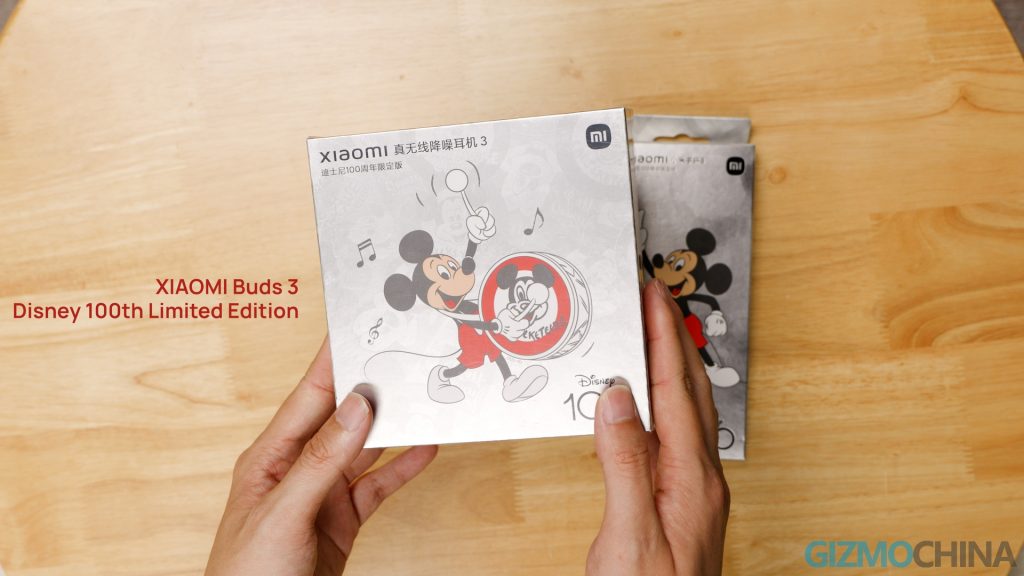
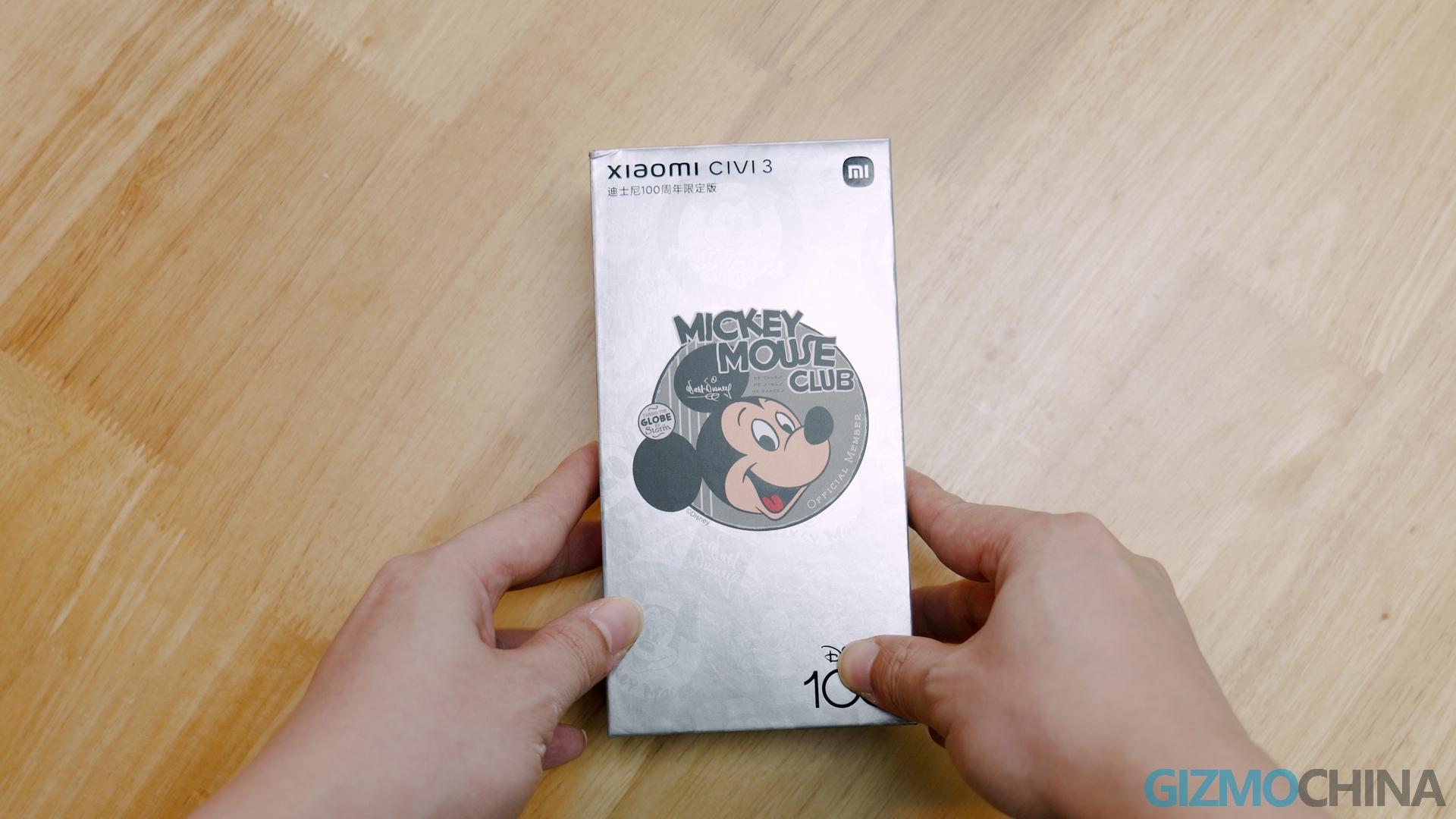
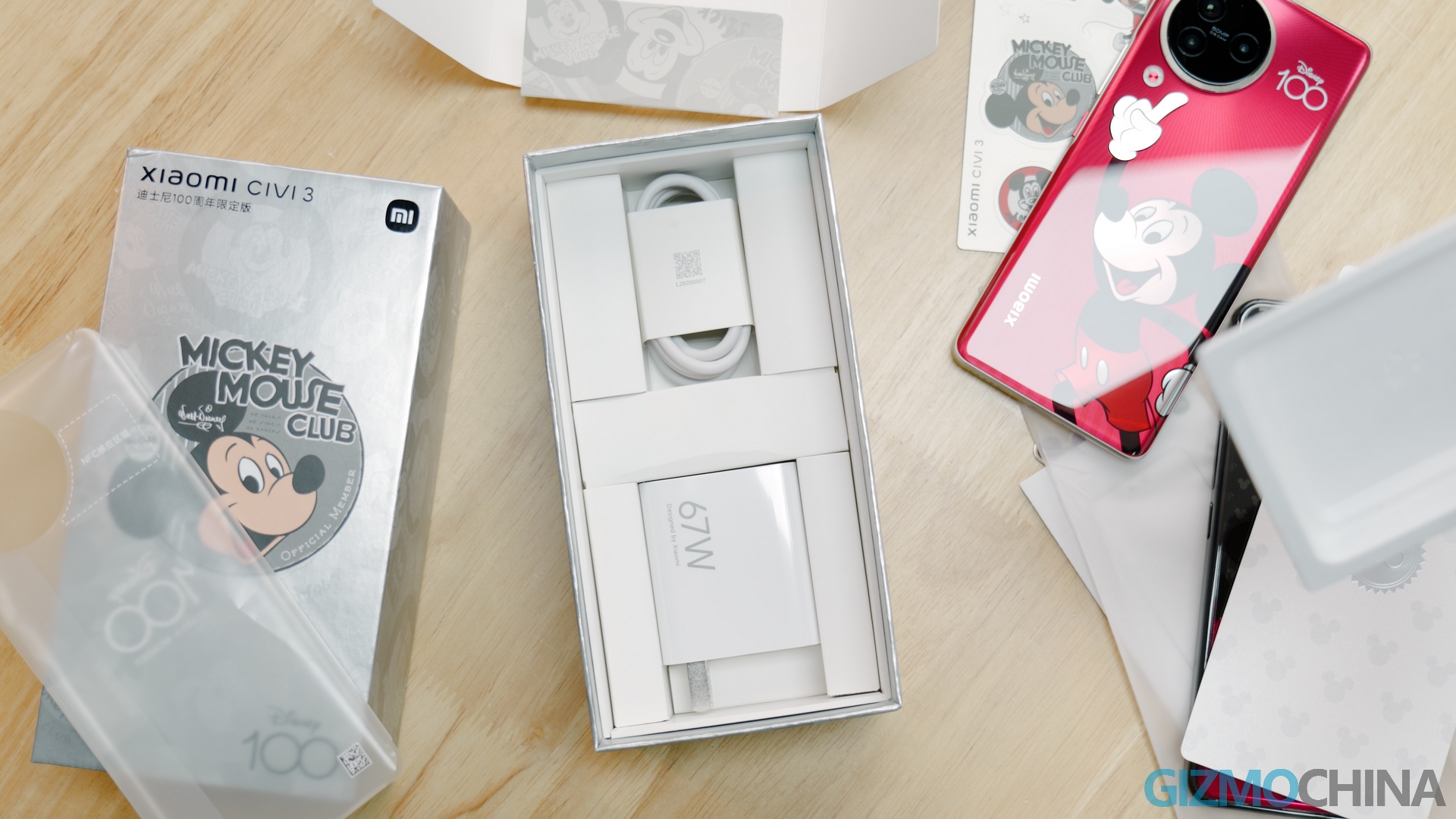
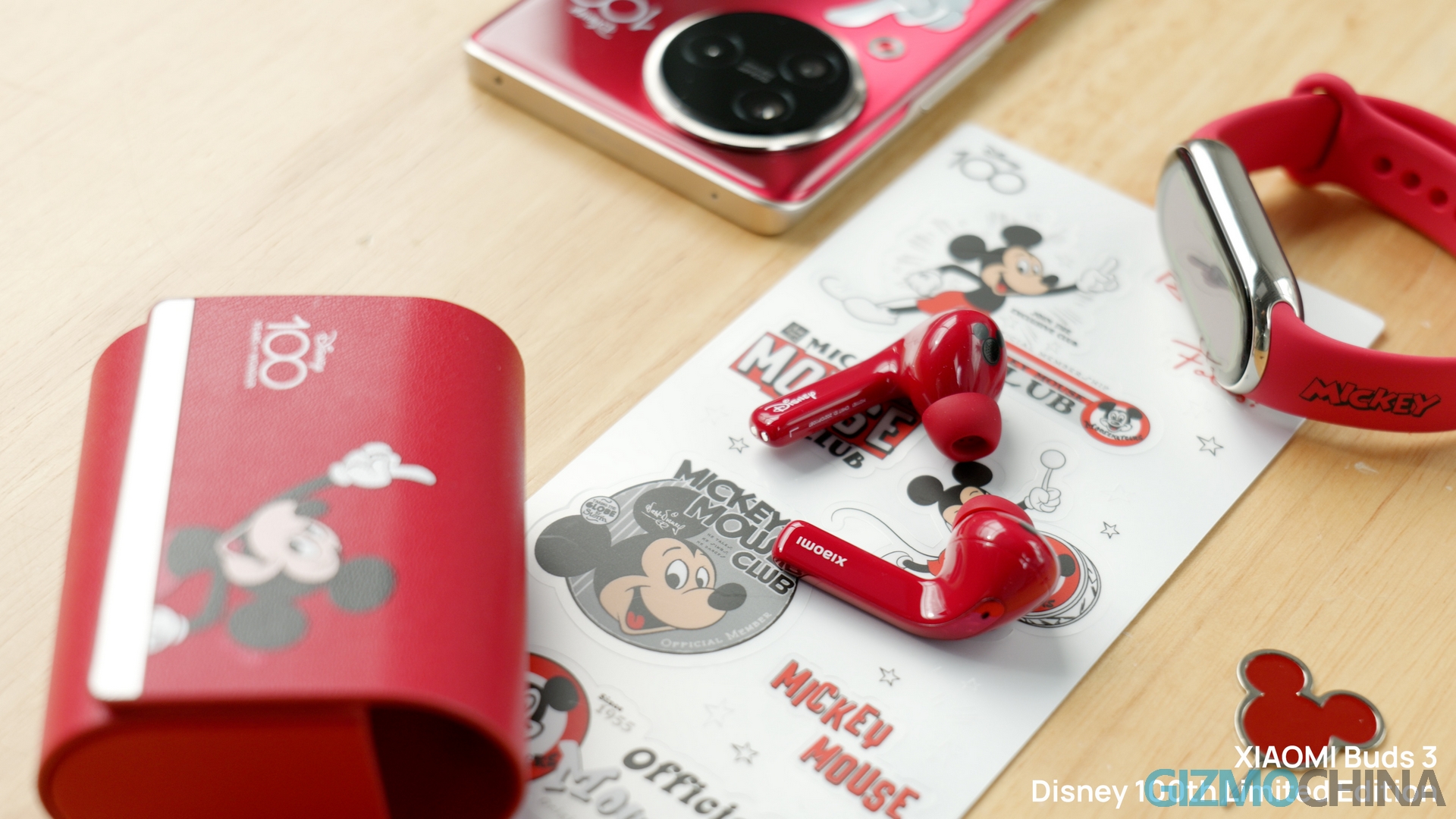
Their silver packaging is filled with icons of Disney and Mickey. You can even only find the Xiaomi logo in the top corners. The logo of Disney 100 at the bottom obviously tells us that they are released to celebrate Disney’s 100th anniversary. Turn the boxes around and we can see all of them have an authorized Disney security sticker on the back. You have to be aware of this when you receive the products since the co-branding campaign runs with limited sales.
We don’t see any custom connection between Mickey and the corresponding products. But it’s Disney after all, and we all know how expensive their authorized cartoon images are. So that’s all you would have from the outside.
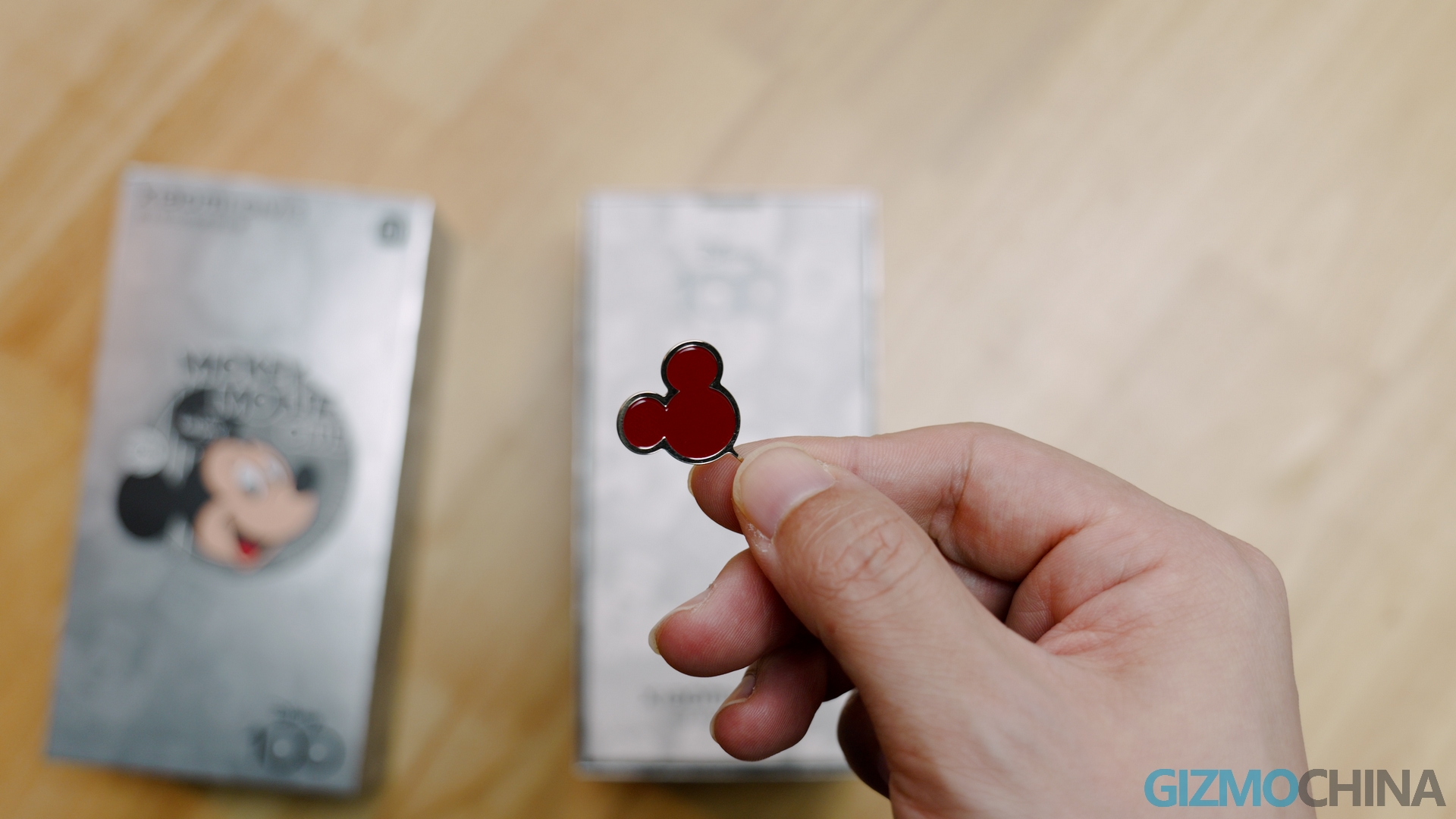
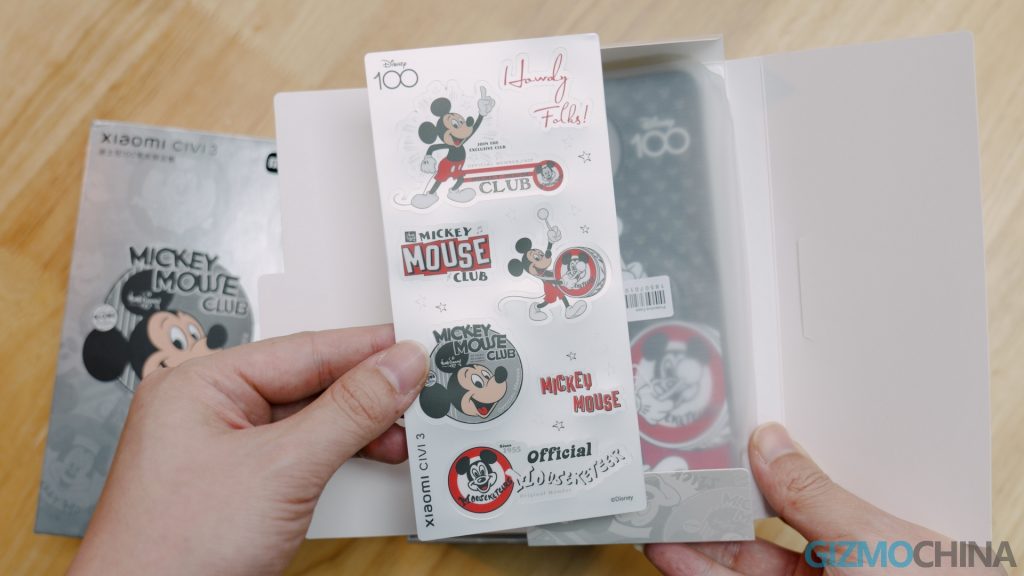
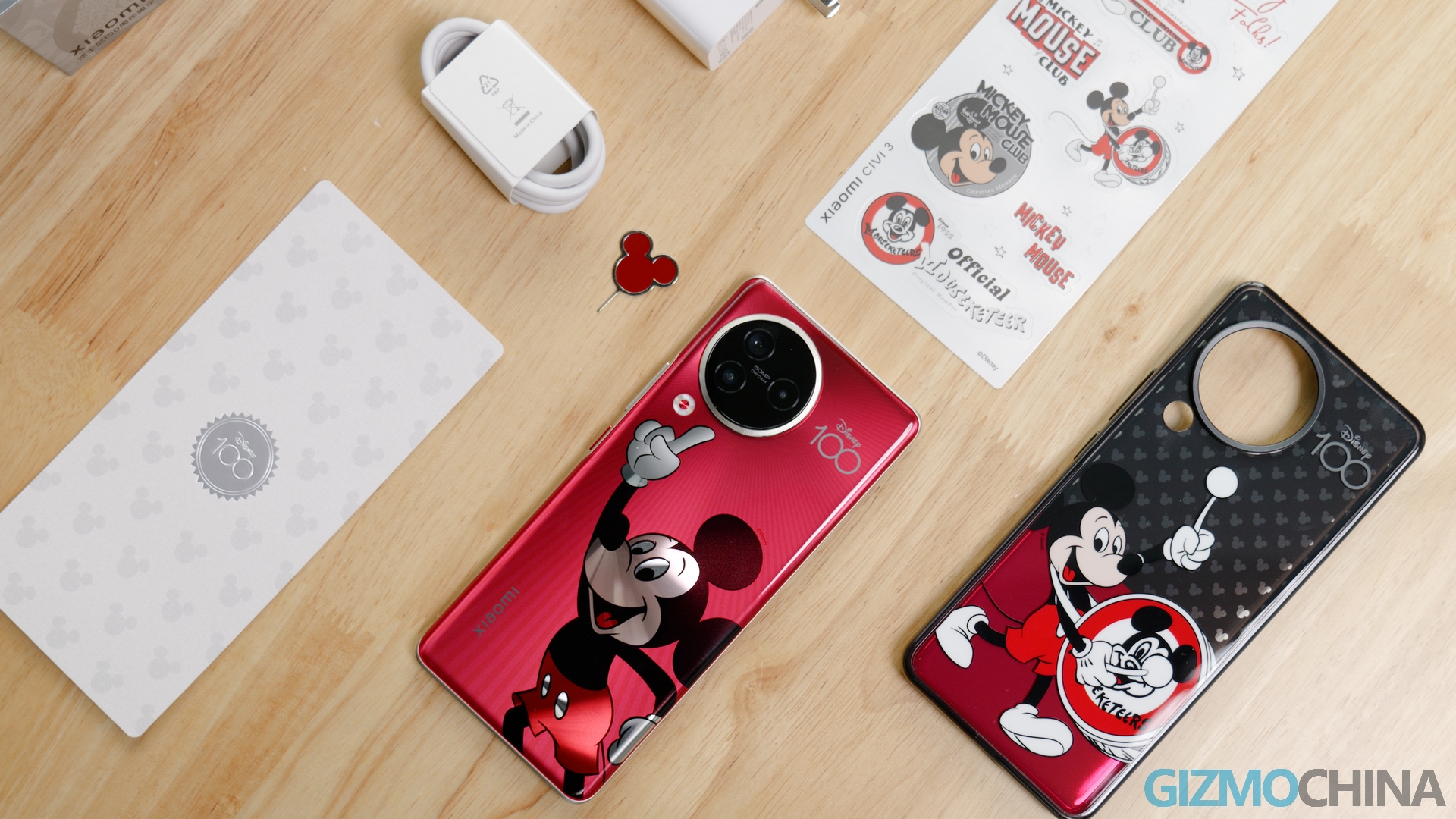
Now the phone goes first. Open the box and see a card pin designed in the iconic silhouette of Mickey Mouse’s head, with gold edges and a red paint job. Open the compartment, there’s a Mickey phone case, a sticker full of Mickey images, and a certificate card with an exclusive number. Put them aside and let’s focus on the phone.
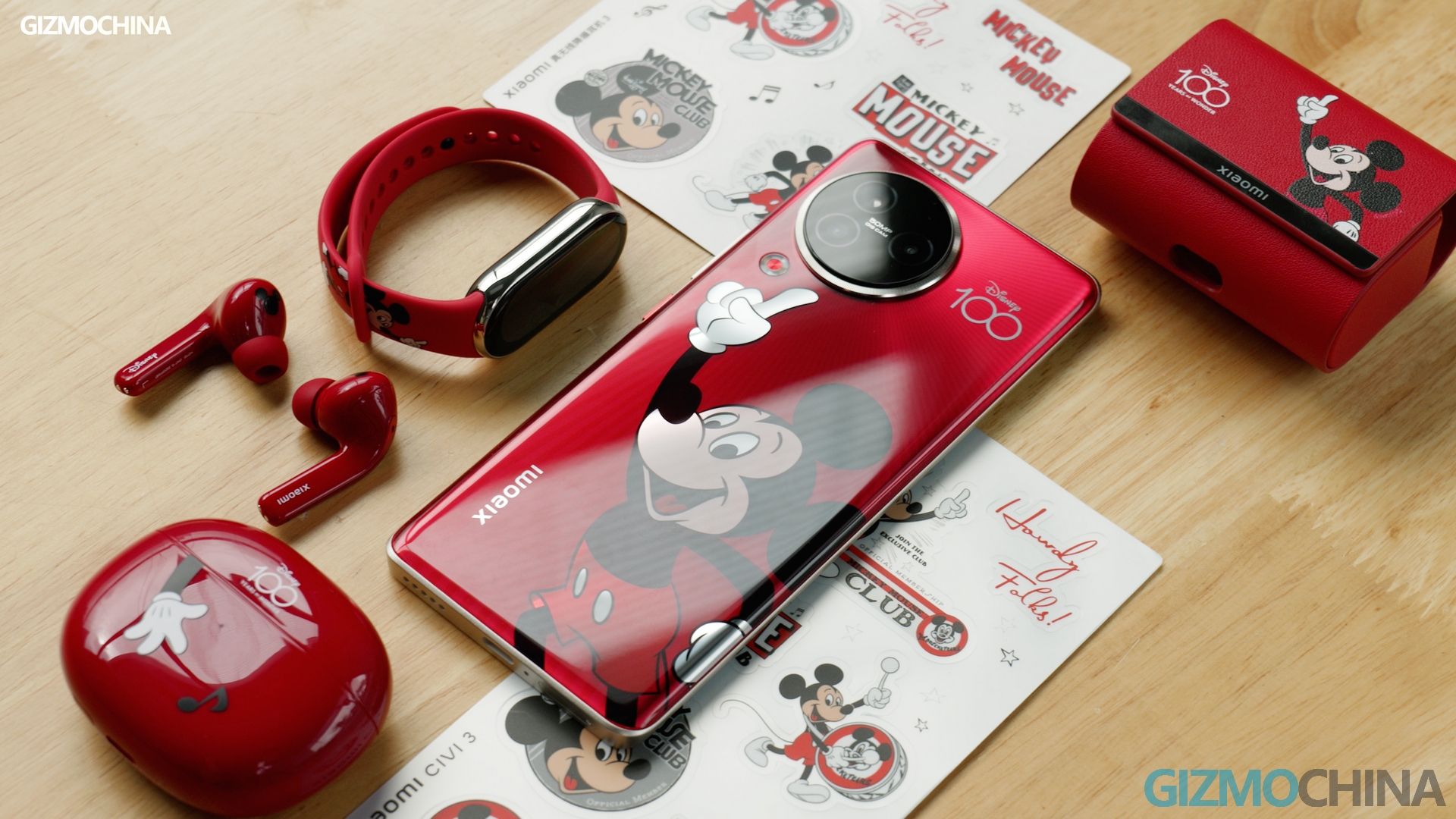
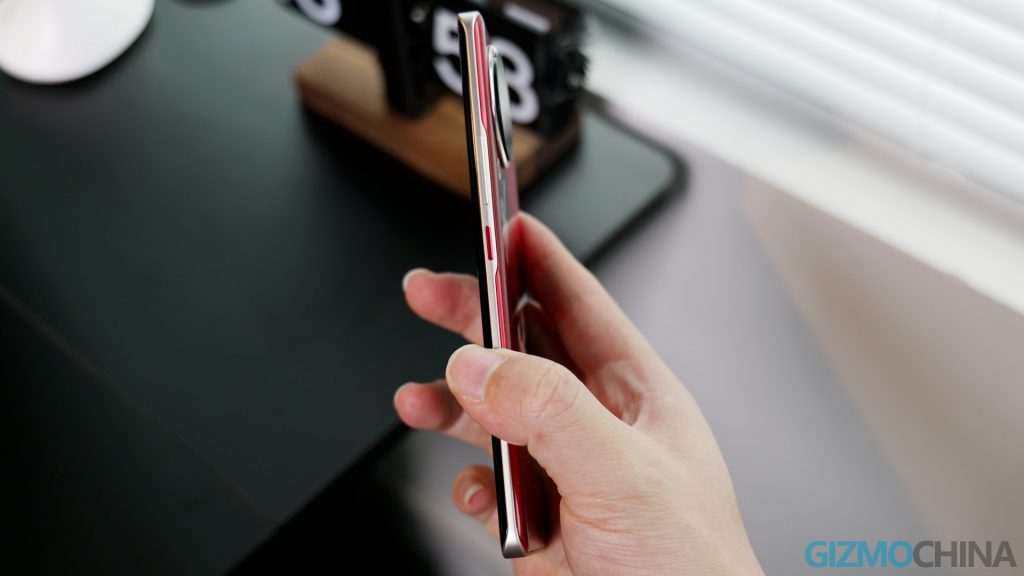
Like the standard variant, the phone still has a thin and light design, and it feels quite premium with an eye-catching custom red back cover well as the gold frame. The frame feels very close to the texture of metal, but unfortunately, it’s actually made of plastic.
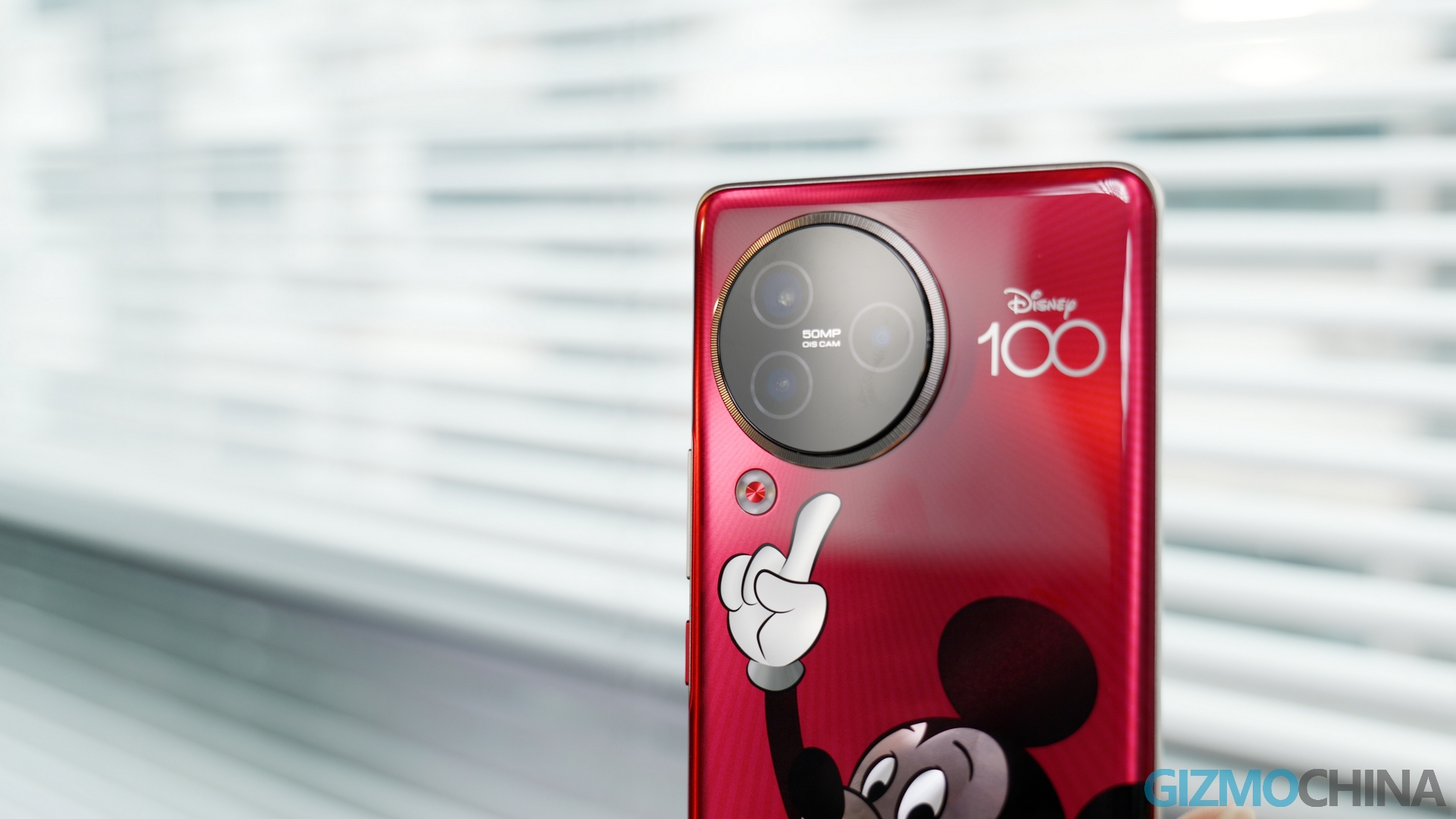
The ring with delicate scales outside the camera module is also in a golden tone. Here’s a Mickey image, whose finger is raised to point to the cameras, kinda like introducing the phone to us. And if you shake the phone gently, there’s a visual reflection of radiating lines that greatly stylize the whole design. To the right of the camera, you can see Xiaomi once again emphasizing that it’s a tribute to Disney’s 100th anniversary.
The power button is also replaced with a red one. So that’s it about the look. Not really exceed my expectation but it does look good.
So the hardware customization ends up here. It’s not really impressive, since Xiaomi doesn’t even want to put a spin on its charging kit.
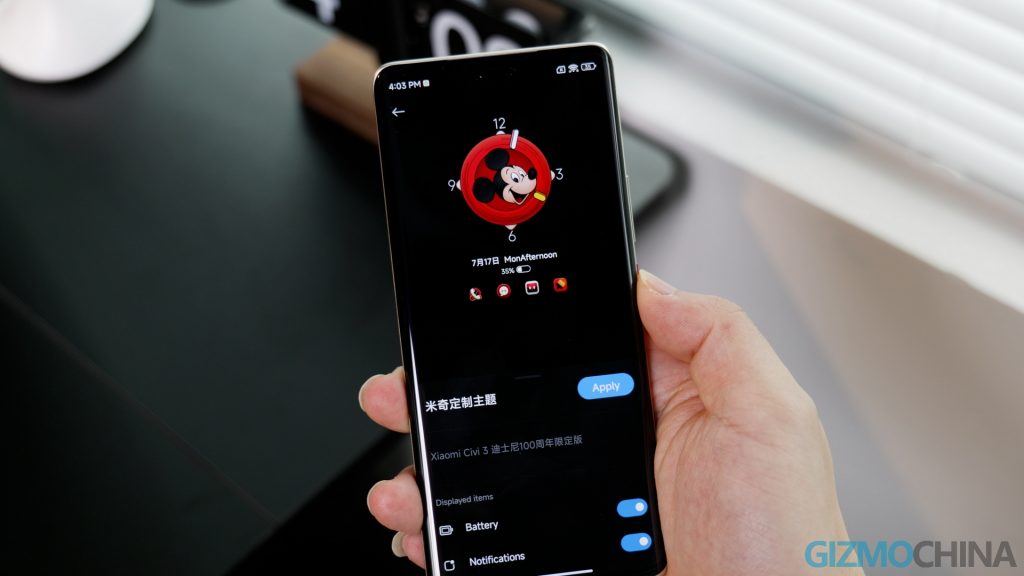
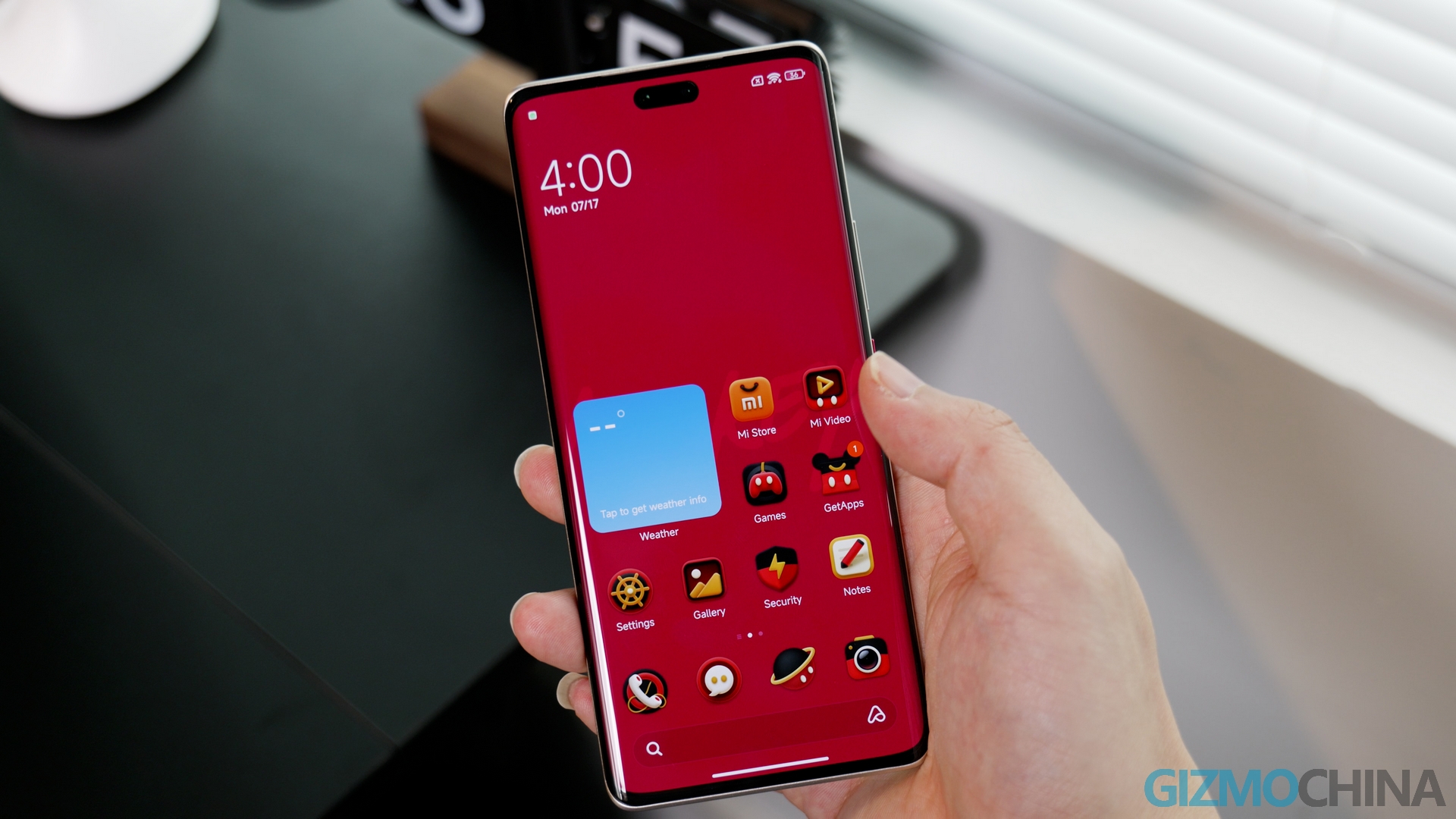
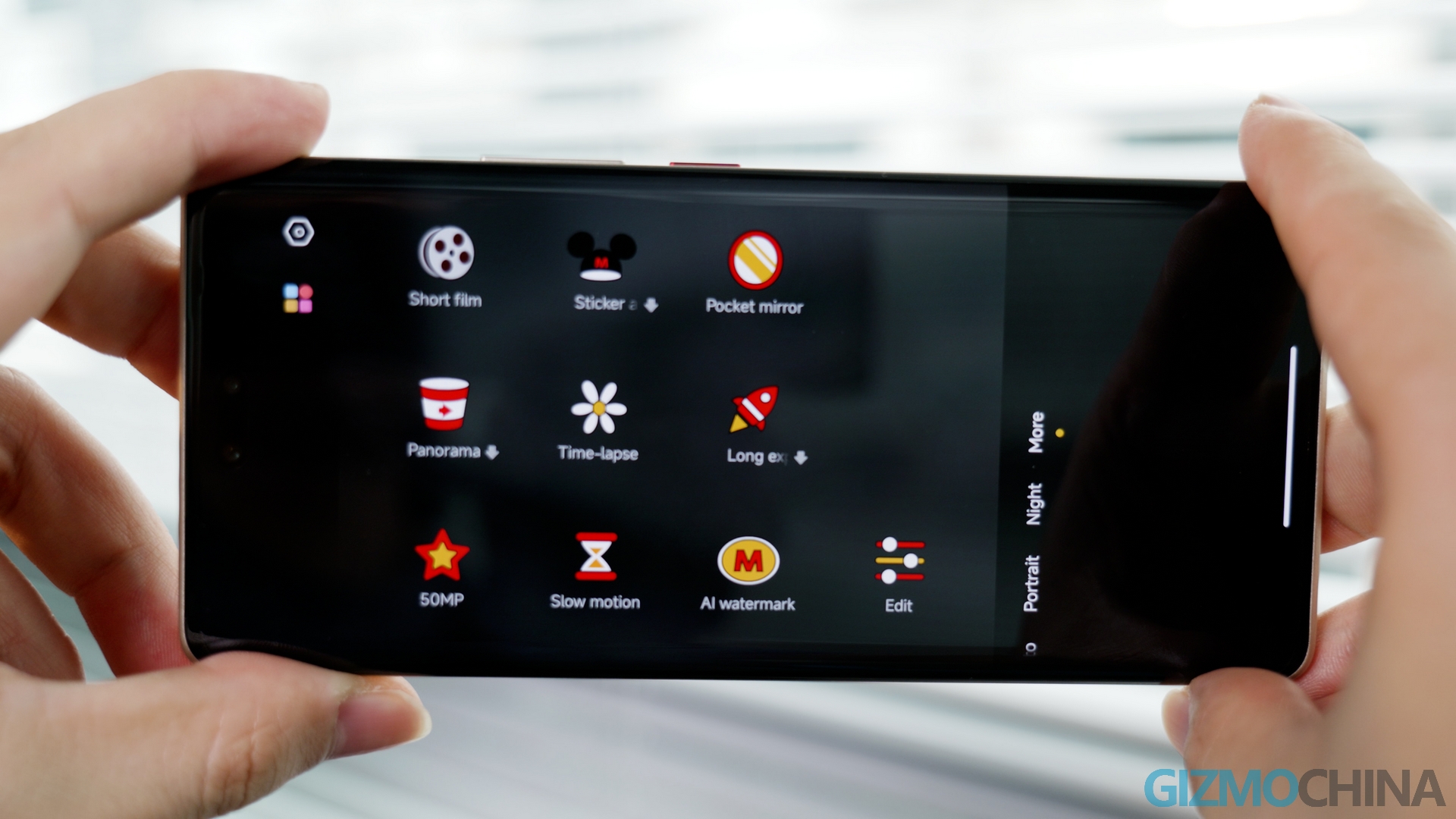
In addition to the custom look, the phone’s software also got some special ideas. The default launcher has been redesigned in the red Mickey theme that unifies with the back cover, including redesigned icons in Mickey style, a Mickey lock-screen wallpaper, and a Mickey AOD clock.
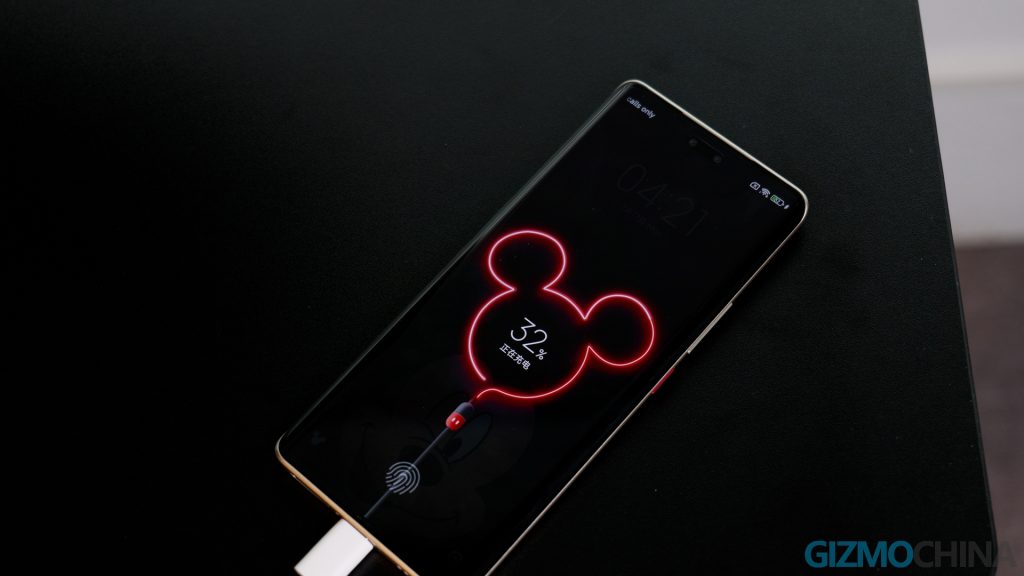
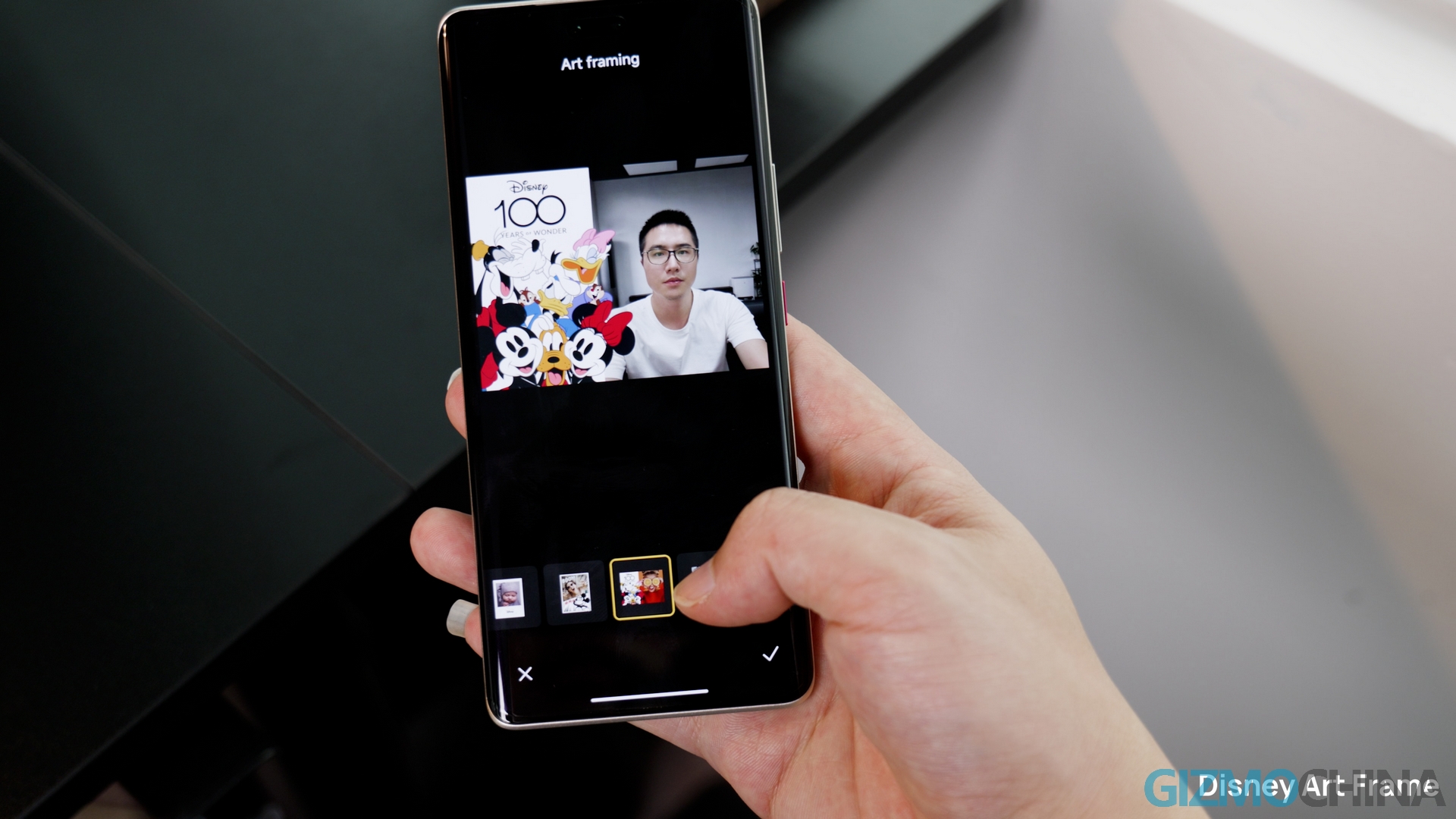
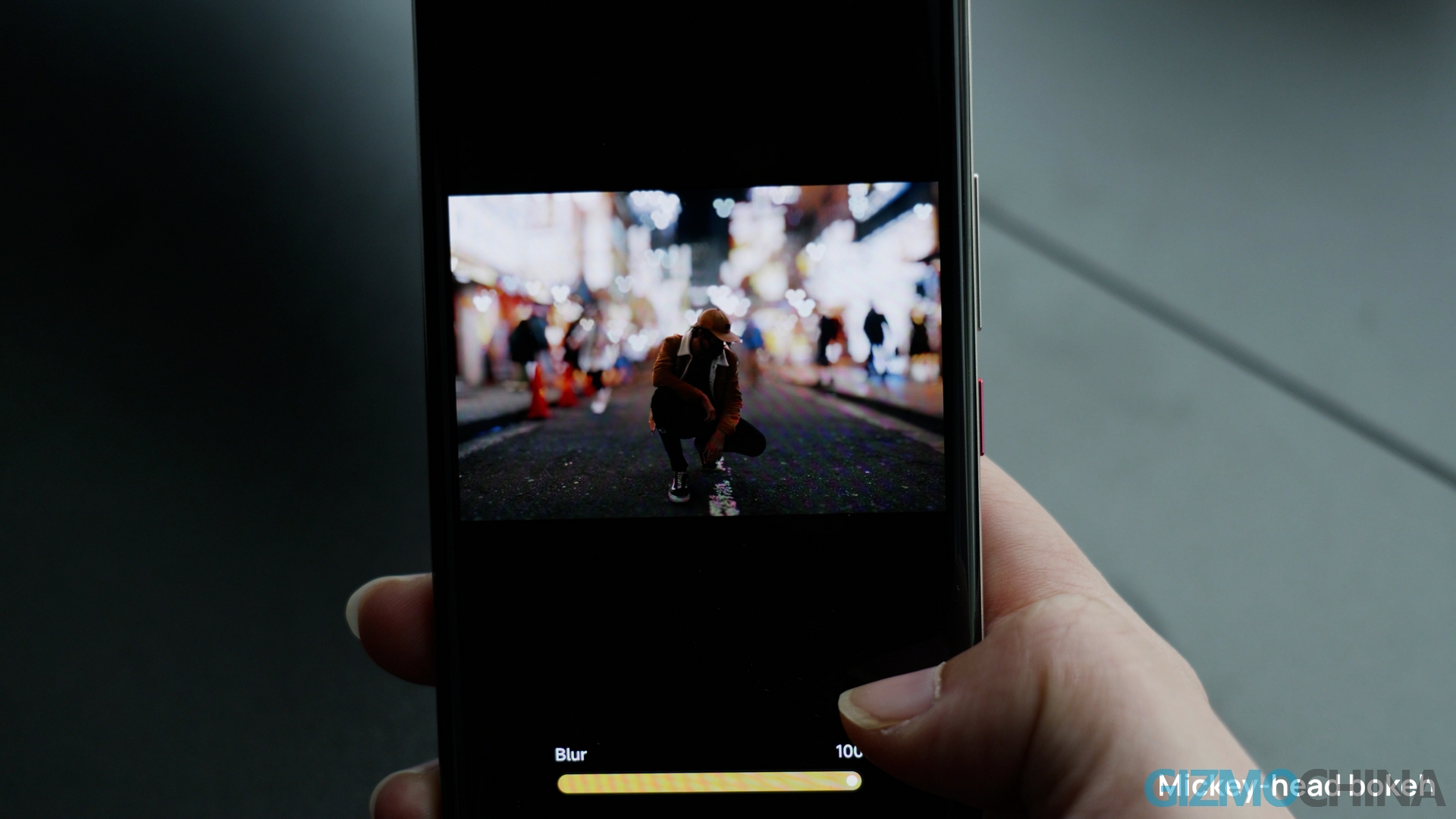
Apart from the theme, there are a custom charging effect and several photo-editing features including a few Disney picture frames, picture stickers, and a Mickey-shaped bokeh.
That’s all about the phone. As a phone, it looks great but I don’t think it will genuinely surprise Disney fans.
Xiaomi Buds 3 & Xiaomi Band 8 Disney Limited Edition
Now let’s look at these two Xiaomi wearables, the Disney variants of the Xiaomi Buds 3 and the Xiaomi Band 8.
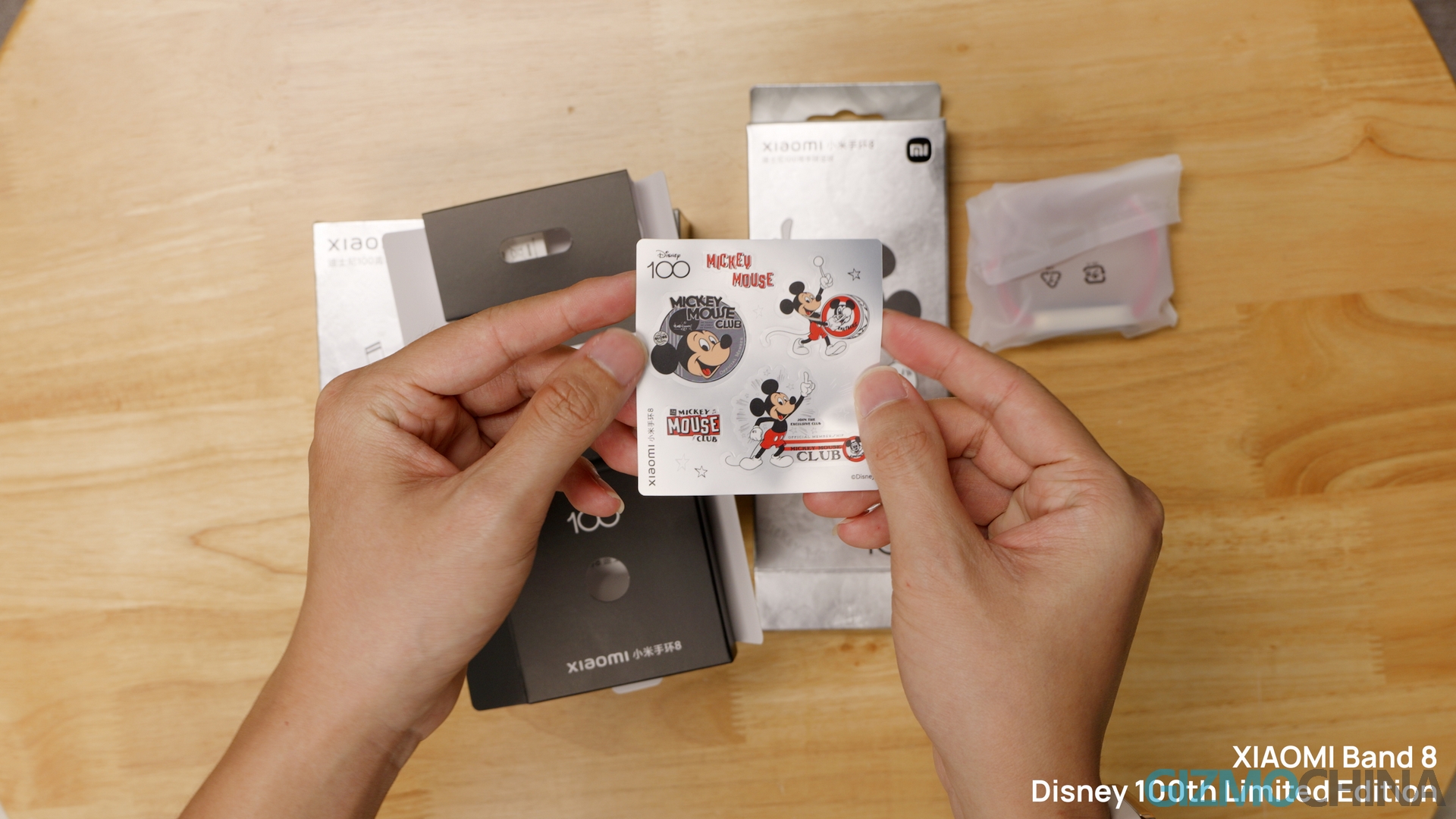
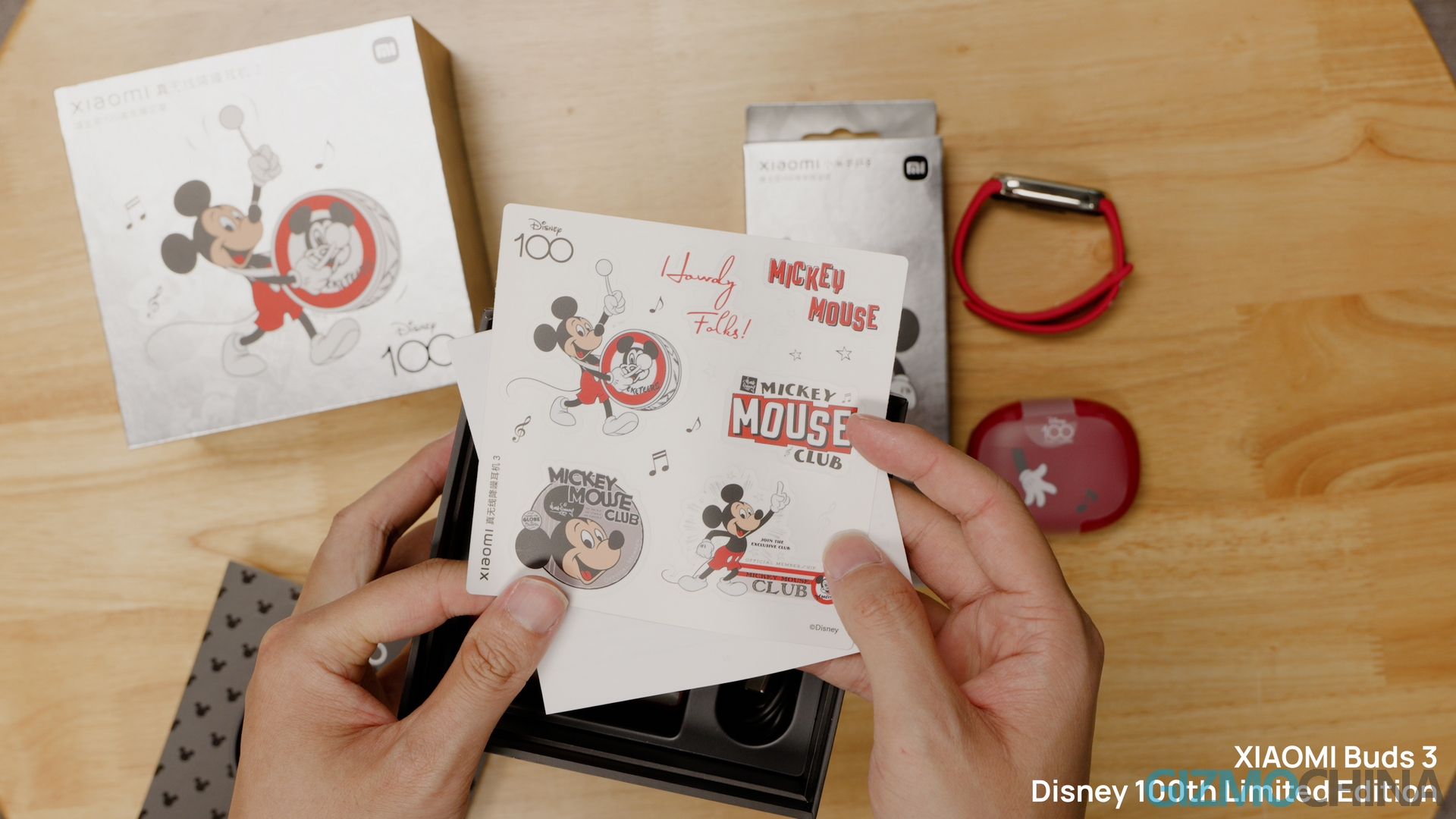
The accessories of the earbuds inside are nothing different from the standard Xiaomi Band 8, including a cable and the user manual. Only the Disney stickers remind us that we’re now unboxing a Disney-limited variant.
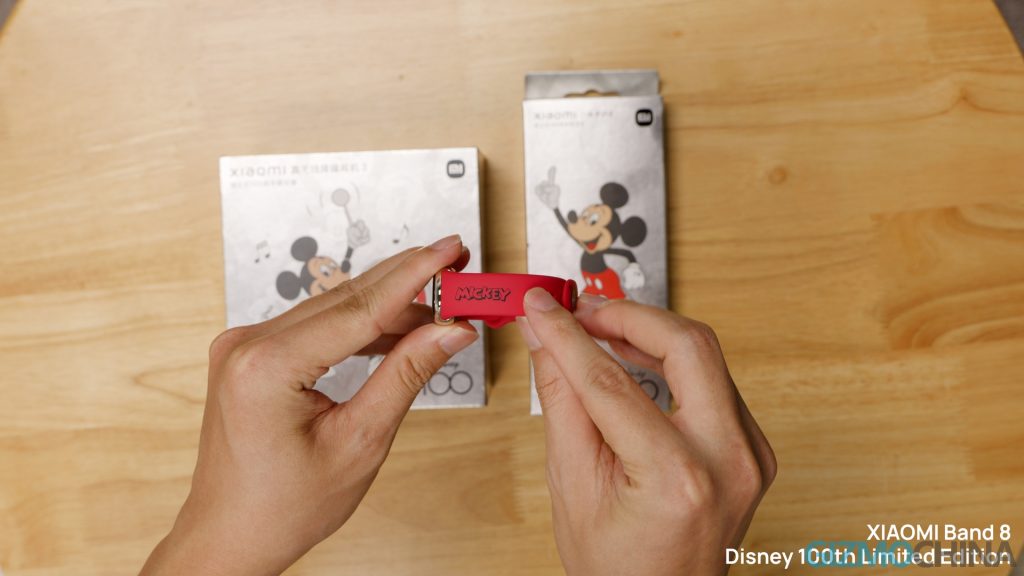
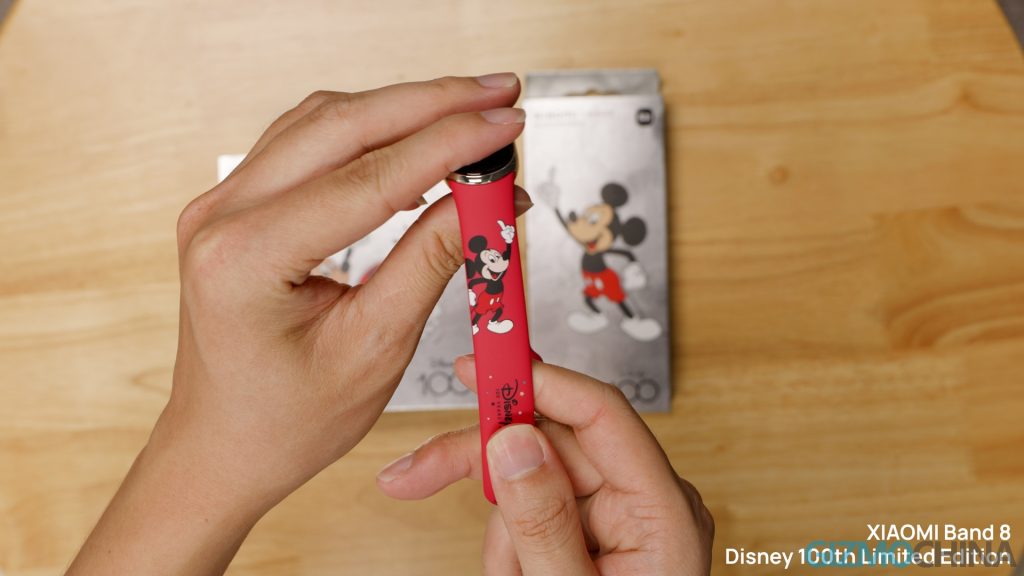
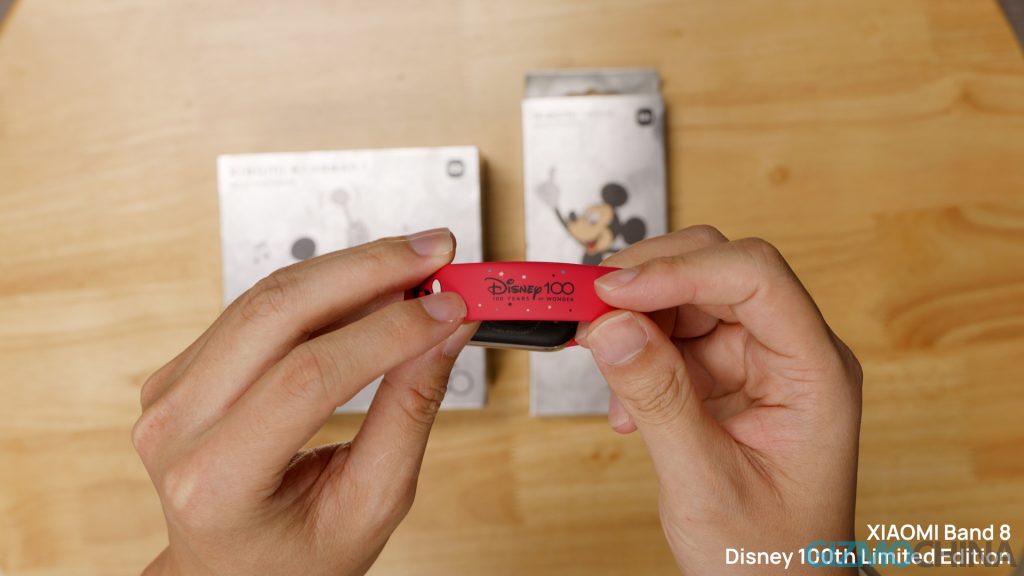
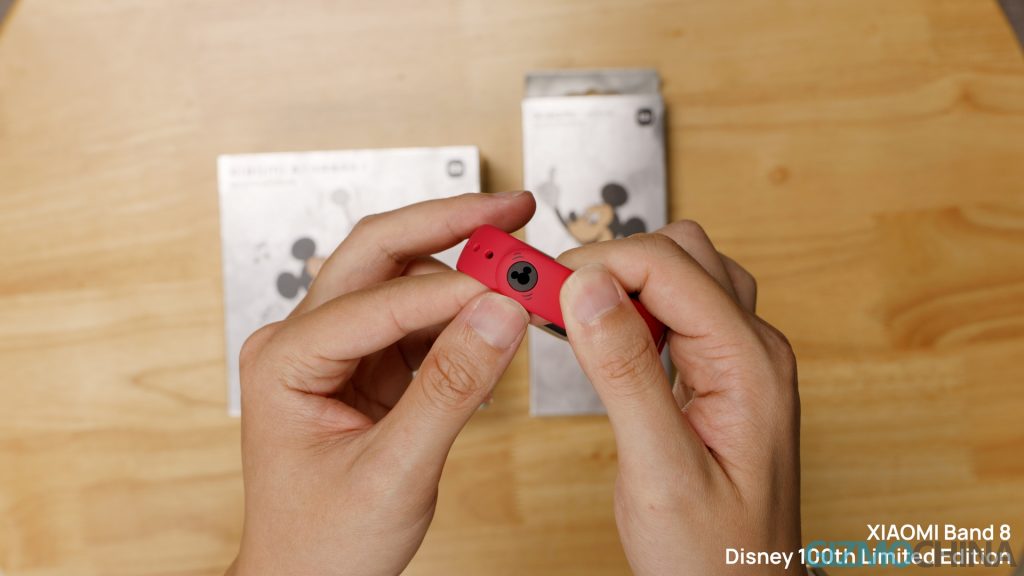
So we could only focus on the special smart band. We can see that it has the same design style as the phone but technically only the strap got customized into a Disney style. On the strap, there’s an image of Mickey and the Disney 100 logo. And the clasp is designed as a fine Mickey head.
As for software, Xiaomi offers a few dial patterns of Disney theme for the limited edition. But we also saw someone has already shared them on the internet for standard variants.
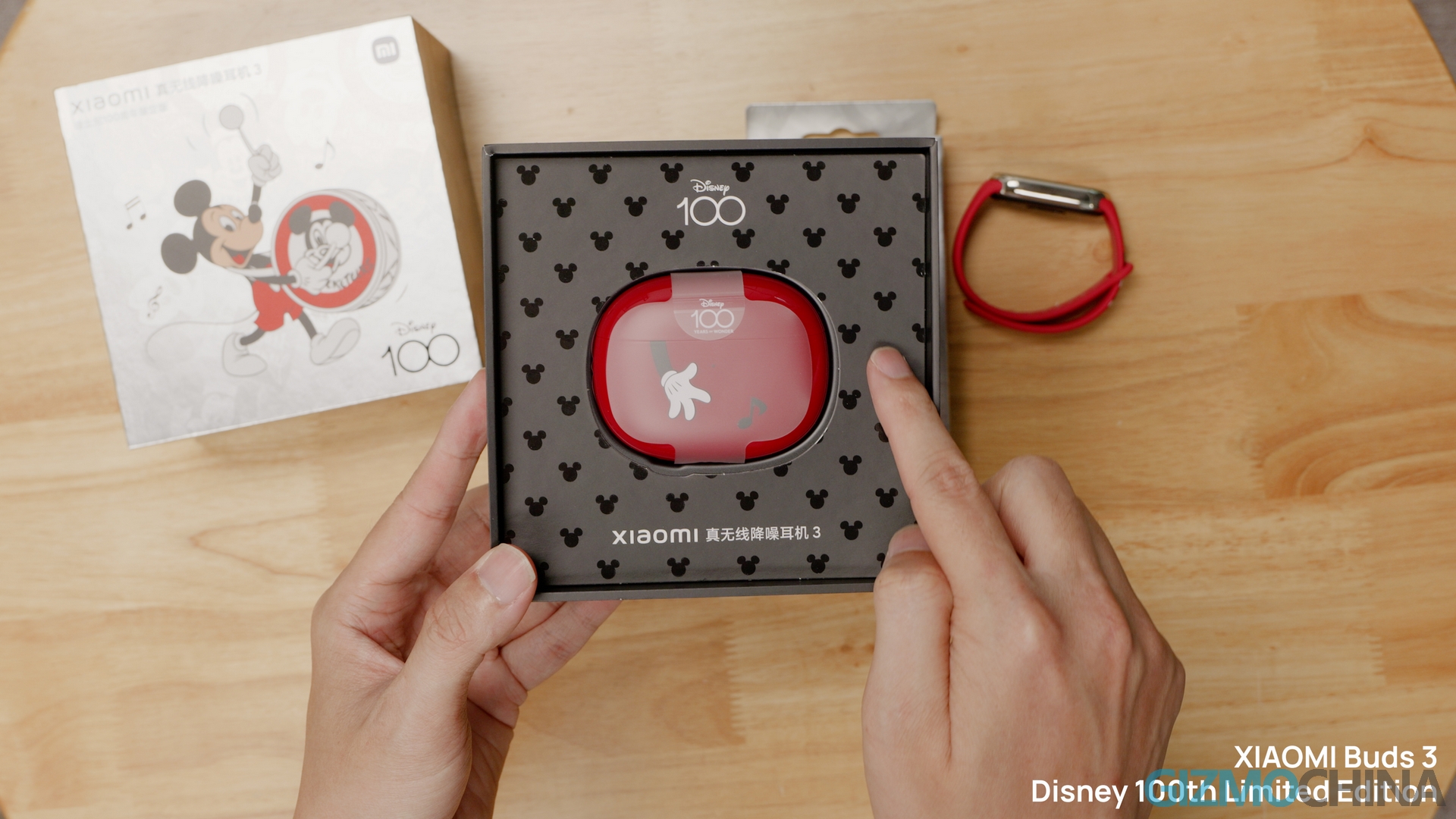
Let’s move on and see what the Xiaomi Buds 3 can bring to the table. The first thing that comes to mind is the earbuds as well as the charging case. The partition is filled with the patterns of Mickey’s heads as well as the Disney 100 logo.
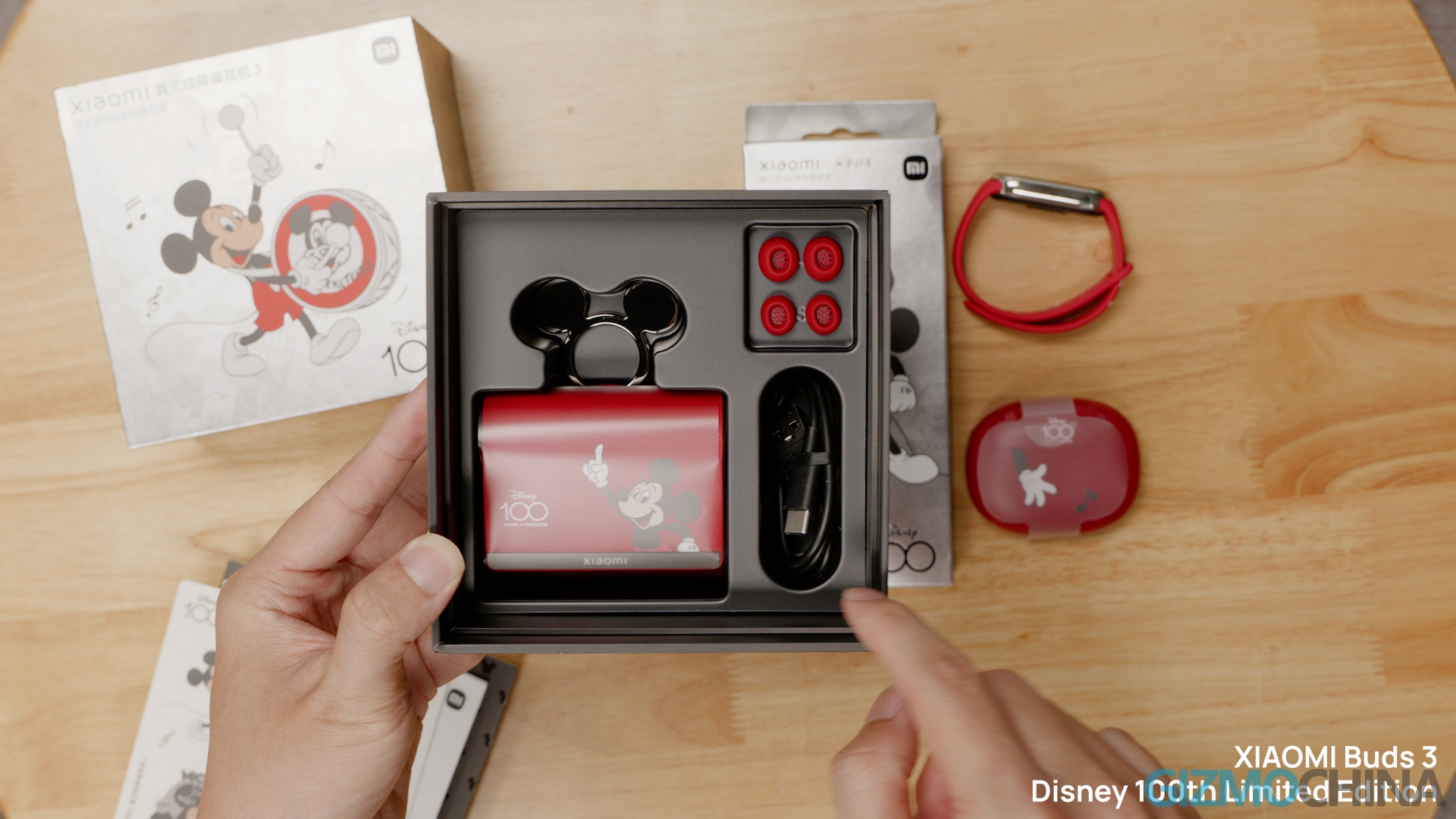
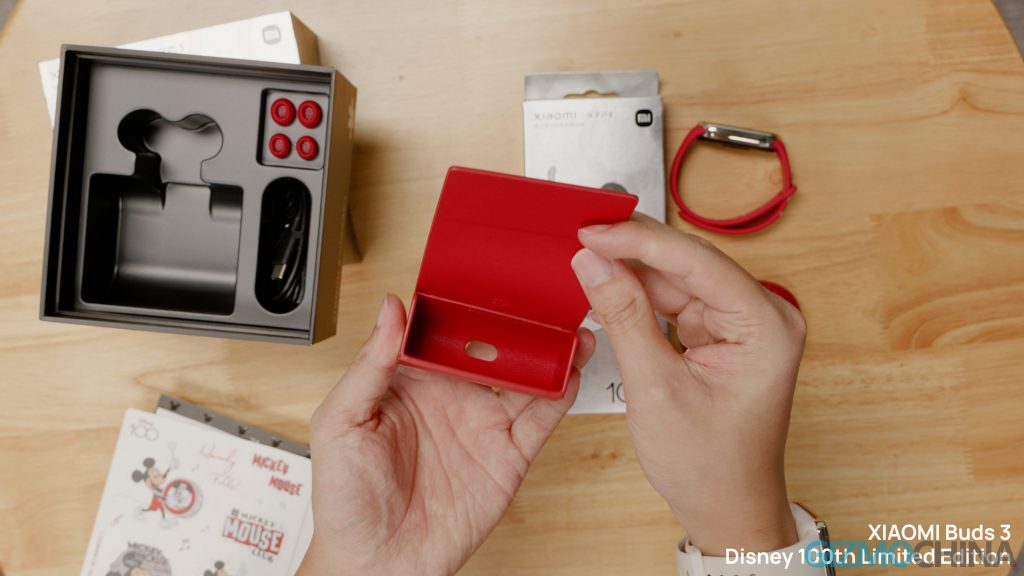
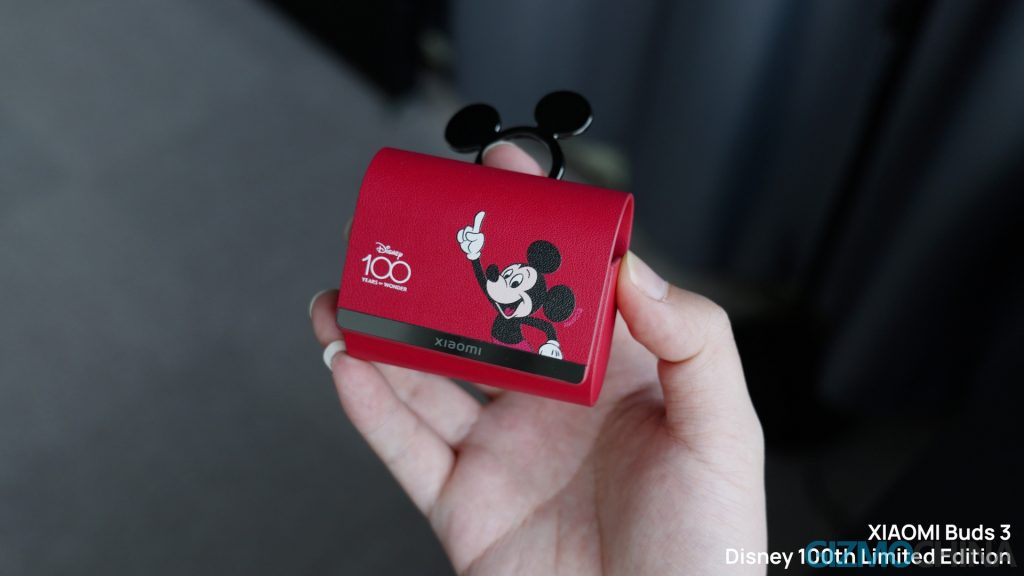
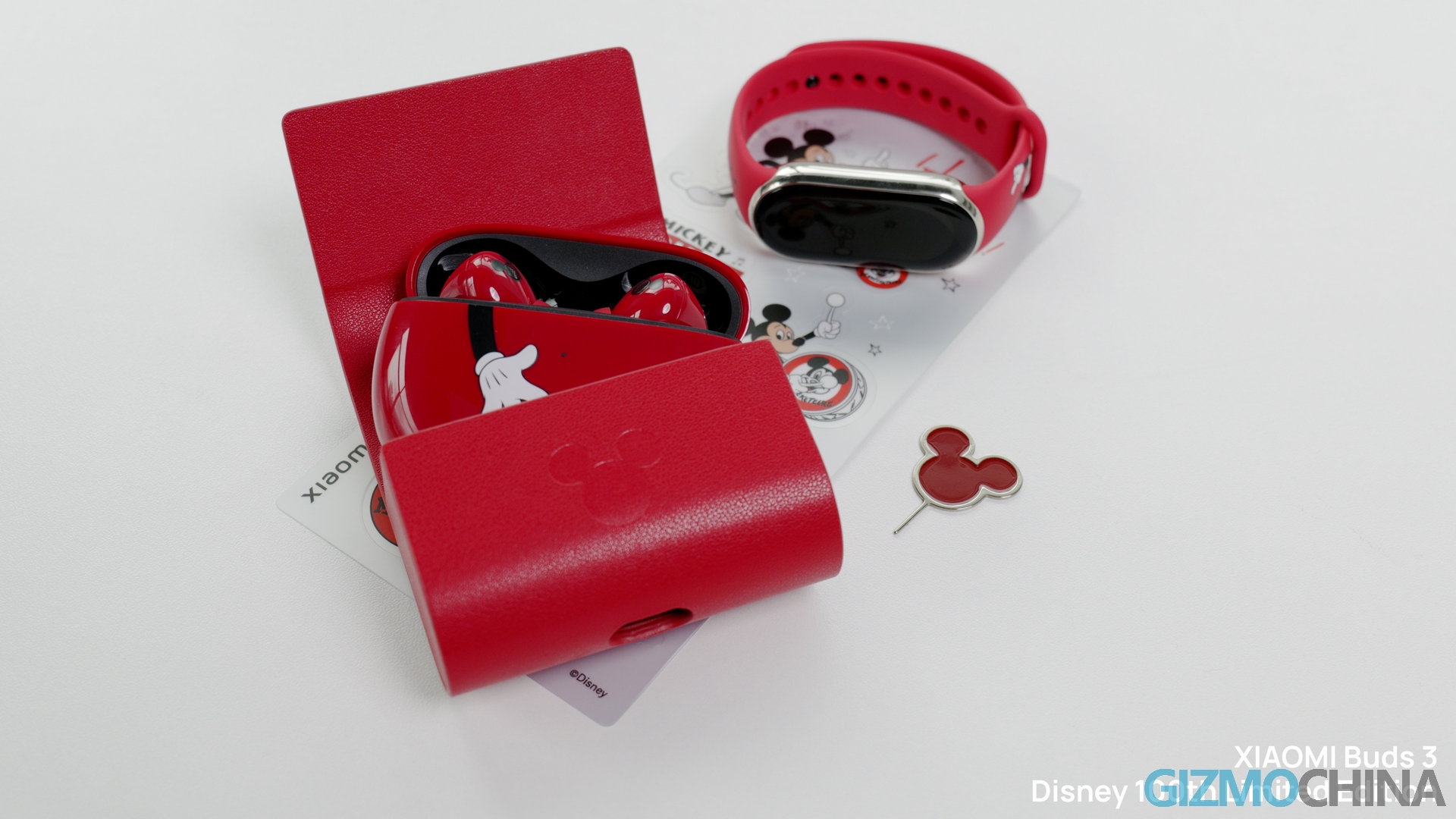
Put the case aside for a moment, and let’s check the accessories at the bottom. Here we have a manual as well as yet another set of Disney stickers. At the bottom, we can see a regular charging cable, but next to it, the nifty red storage bag of the charging case is a surprise. it feels like some leather. At the bottom of the bag, there’s a small hole for charging, which is really a smart design that we couldn’t see before.
On the front, we can see yet another Mickey. Well, all are about Mickey. It has a magnetic closure, and there’s a pull tab in the shape of Mickey’s head here that lets you hook it up to your backpack.
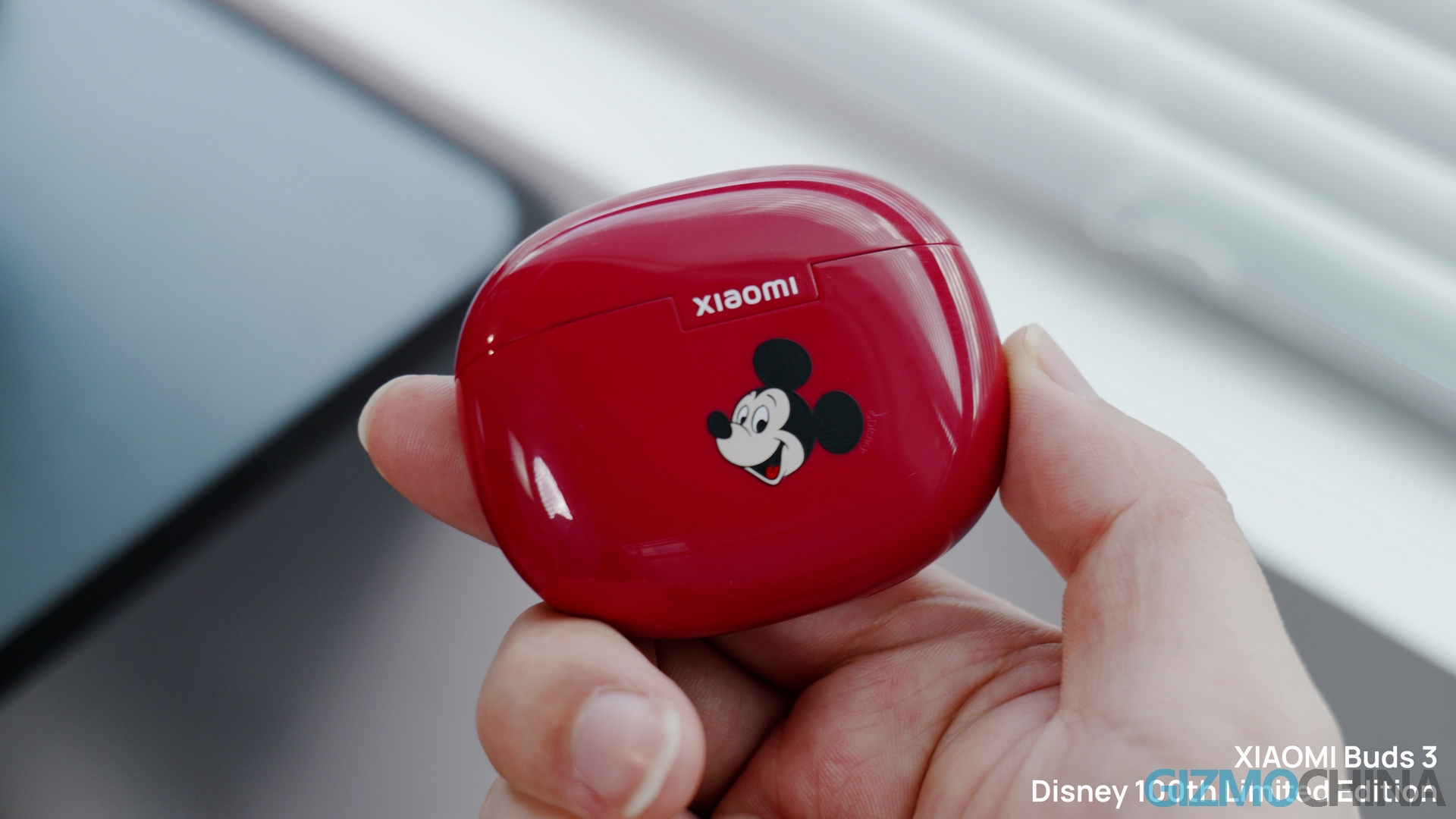
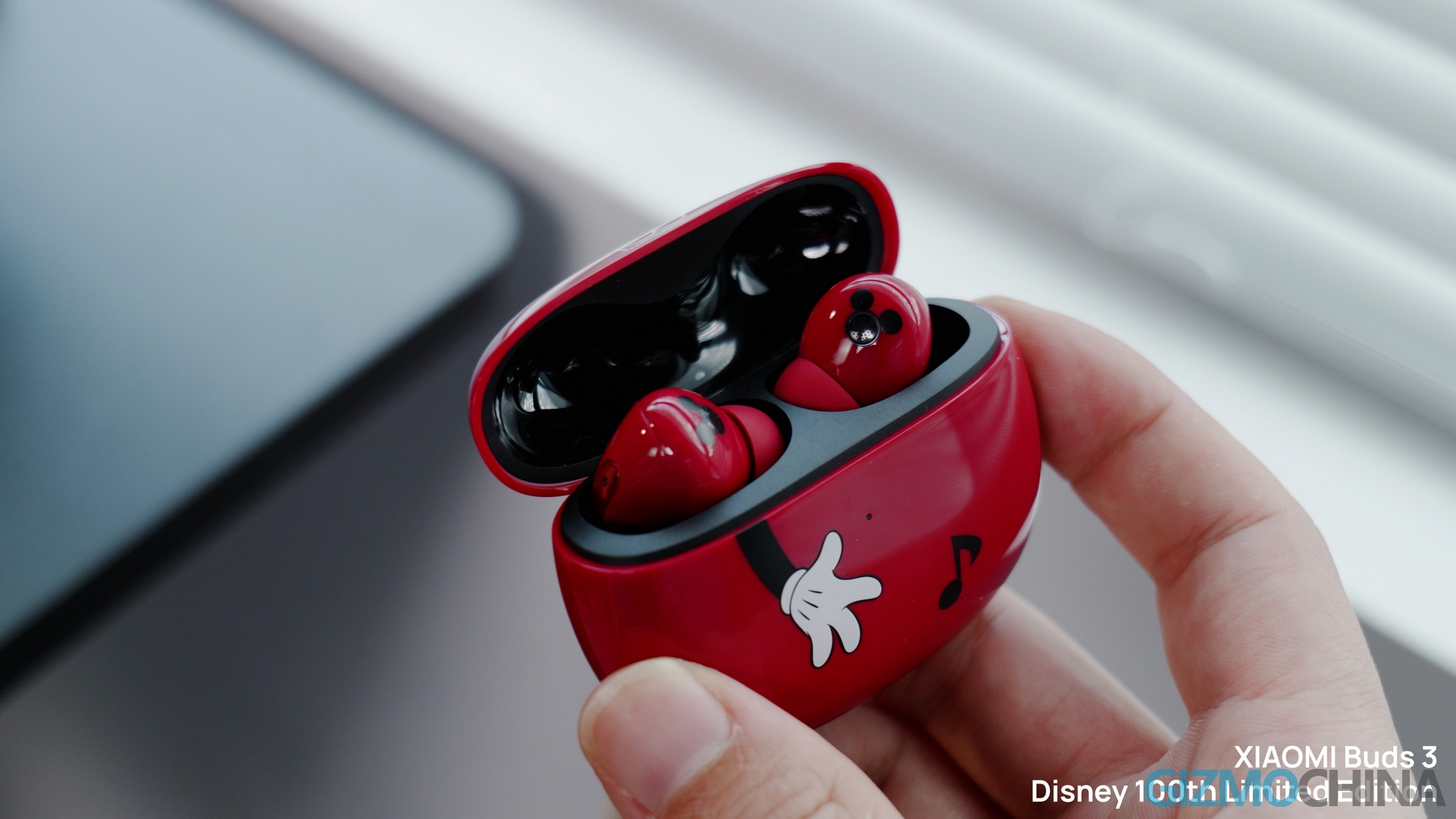
The charging case is still in a charming red color and has another Mickey head under the Xiaomi logo, which is not very imaginative. On the front, it’s another Disney 100 logo as well as one of Mickey’s hands reaching for a musical note. Pull out the earbuds, and we can see they are also in a charming red design. The stem got a Xiaomi logo while the microphone got two smaller circles on top forming a Mickey’s head.
Put them back into the small bag. It does look really cute and special.
Verdict
To be honest, I did get tired during the unboxing. I actually didn’t have to introduce so much, and especially keep saying Mickey, Mickey and Mickey. But I really wanted you to feel my exhaustion.
So, that’s what makes them special, all are about Mickey: Mickey’s head, Mickey’s drumming, and Mickey’s pointing at something. Well if you guys are interested in the product’s performance, you can check out our channel. We have reviewed all of their regular variants, which perform the same as the limited editions.
WHERE TO BUY
Buy the Xiaomi Disney 100th Limited Edition at @Giztop
Borderlands is a popular video game series known for its unique blend of first-person shooter gameplay and role-playing elements. Set in a post-apocalyptic world, players explore diverse, vibrant landscapes while engaging in chaotic battles against bizarre creatures and bandits. Fans can now get ready for an epic adventure as the long-anticipated Borderlands movie finally receives a release date! The official Twitter account for the game made the announcement that the film is set to premiere in theatres on August 9th, 2024, sending long-time fans into a frenzy of excitement.
The game franchise has been long loved by fans, so the movie is a pleasant surprise
Directed by the talented Eli Roth, renowned for his work on Hostel, the movie is a live-action adaptation of the beloved video game series. Cate Blanchett takes on the role of Lilith, a fearless treasure hunter returning to her home planet, Pandora. Alongside her, an all-star cast includes Kevin Hart as Roland, Arian Greenblatt as Tiny Tina, Florian Munteanu as Krieg, Jamie Lee Curtis as Tannis, and the lovable Jack Black as Claptrap.
Despite a first look being released last year, eager fans were awaiting the official trailer to catch a glimpse of what promises to be an unforgettable cinematic experience. Interestingly, the announcement comes over a year in advance, raising curiosity to new heights, given that filming concluded more than two years ago in June 2021.
Delays are common in video game-based movies, with Uncharted facing several setbacks before its mixed-reception release. In contrast, the Super Mario Bros. Movie overcame its delays and set box office records for a video game adaptation, offering hope for Borderlands’ success.
With Eli Roth’s direction, an exceptional cast, and the cherished source material, the stage is set for an action-packed cinematic journey that will leave audiences on the edge of their seats. Get ready to embark on an extraordinary quest through the post-apocalyptic landscapes of Pandora, where danger and treasures lie in wait at every turn. The countdown to Borderlands’ arrival in theaters has begun, and this a time of celebration for the fans of the franchise.
Major players in the US artificial intelligence space, including Microsoft, Google, and OpenAI, are taking significant strides towards responsible technology development. In response to a push from the White House, these companies will voluntarily commit to essential safeguards for their AI technology on Friday. The Biden administration has placed a strong emphasis on ensuring AI companies develop their technology responsibly, ensuring it benefits society without compromising safety, rights, or democratic values. Vice President Kamala Harris and President Joe Biden have engaged in discussions with AI industry leaders, stressing the need for accountability.
Big entities are recognizing the problems posed by rapidly-developing AI
According to a draft document viewed by Bloomberg, the tech firms are set to agree to eight suggested measures concerning safety, security, and social responsibility. These measures include letting independent experts test AI models for potential bad behavior, investing in cybersecurity, and encouraging third parties to identify security vulnerabilities.
To address societal risks, including biases and inappropriate uses, the companies will focus on researching the implications thoroughly. They will also share trust and safety information with other companies and the government, fostering a collaborative approach to responsible AI development.
Moreover, they plan to watermark AI-generated audio and visual content to prevent misuse or misinformation. Additionally, they commit to using state-of-the-art AI systems, known as frontier models, to tackle significant challenges faced by society.
The voluntary nature of this agreement clearly exhibits the difficulty lawmakers face in keeping up with the rapid pace of artificial intelligence developments. Congress has introduced several bills to regulate AI, aiming to prevent companies from using Section 230 protections to avoid liability for harmful AI-generated content and requiring disclosures in political ads employing generative AI. As AI continues to advance, this collaborative effort between the government and tech giants becomes crucial in shaping a future that benefits humanity.
OpenAI‘s ChatGPT has launched an innovative feature to keep ahead of its competition as it is slowly catching up to speed. It is called “custom instructions”, and it allows users to provide the AI with specific information about themselves and their preferences to enhance interactions. These instructions serve as a permanent preamble to queries, saving time in providing context repeatedly.
This feature will significantly change how people interact with the AI Chatbot
For instance, coders can specify what level and language they code on, ensuring ChatGPT tailors its responses to the right group of people. Cooking enthusiasts can input family size to receive appropriate recipe recommendations, while art-hungry people can customize their answers according to their preferred art style.
Joanne Jang, working on model behaviors, explained the feature’s nuances during a demo. While custom instructions show promise, there are occasional challenges. OpenAI acknowledges the complexity and is committed to refining the AI’s application of personalized guidelines during the beta phase.
OpenAI aims to make interactions more dynamic and interactive, with ChatGPT continuously learning from users. The ultimate goal is to create a more efficient and helpful virtual assistant, catering to users’ needs and preferences.
Despite these benefits, concerns about complexity and misinformation arise. OpenAI is actively working to ensure safety measures remain intact and protect user privacy by filtering out personally identifiable information from instructions and queries. With custom instructions, ChatGPT is taking a significant step forward in becoming a more intuitive and indispensable tool for users worldwide.
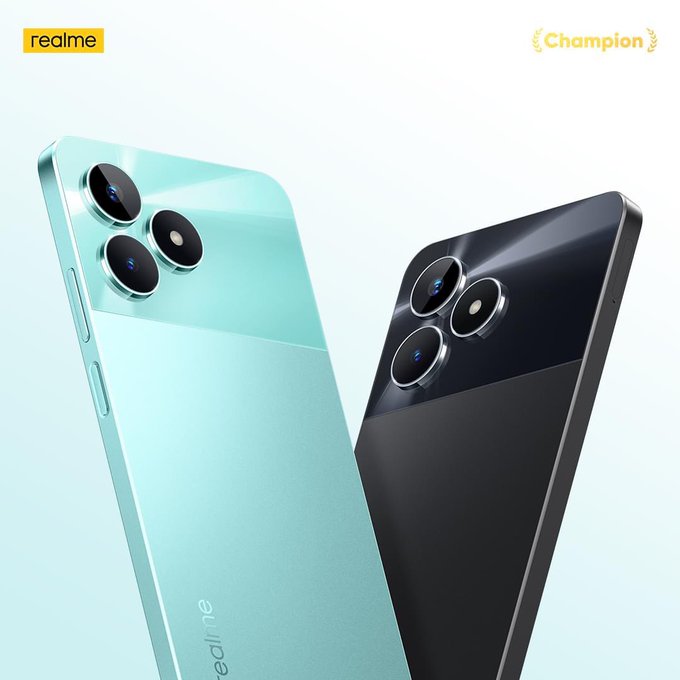
So far, Realme has launched two Realme C-series phones in India this year. The Realme C55 debuted in the first half of the year, while the Realme C53 was announced just a few days ago. A new development reveals that the brand could be gearing up to launch a new C-series phone called the Realme C51. The latest leak, courtesy of tipster Paras Guglani, has revealed the renders and key specifications of the C51.
Realme C51 design
Realme C51
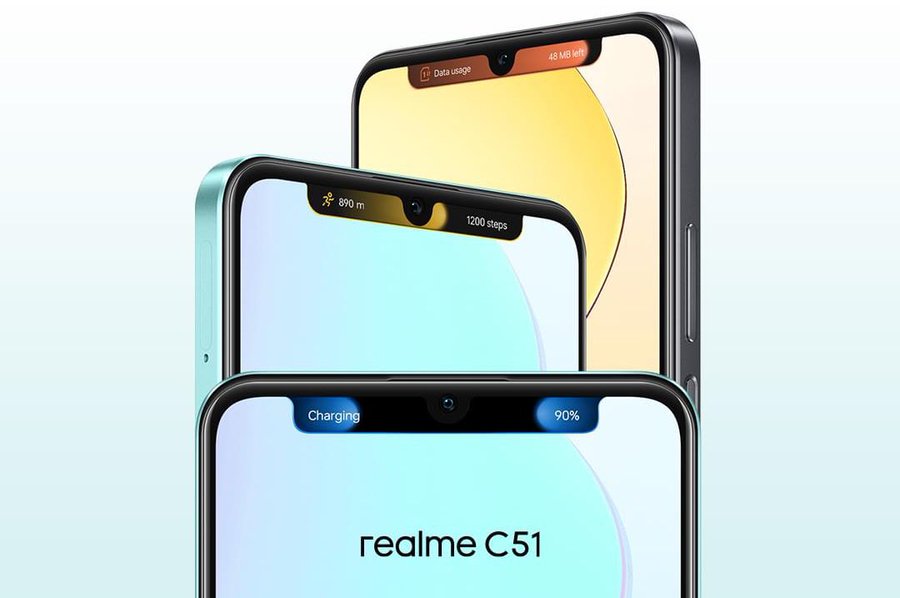
The leaked renders show that the Realme C51 will come equipped with a waterdrop notch. The device will incorporate the Mini Capsule feature, similar to the iPhone’s Dynamic Island feature, on both sides of the notch. The Mini Capsule will provide users with useful information, including data usage, step count, charging status, and notifications.
Realme C51
The renders further reveal that the C51 will have flat edges, and its left side will house the SIM slot, while the right side will have the volume rocker and power button. On the top bezel, an earpiece will be placed. The C51 will be available in two color options: light blue and black. Both variants will sport a dual-tone finish, with a glossy section housing the dual-camera setup and an LED flash, and the remaining part featuring a matte texture.
Realme C51 specifications (rumored)
According to the tipster, the Realme C51 will arrive with 8 GB of RAM and 64 GB of storage. It will house a 5,000mAh battery with 33W fast charging. The other specs of the C51 are under wraps.
The Realme C51 is expected to be positioned below the Realme C53, which has a starting price of Rs 9,999 (~$122). In all likelihood, the C51 could be priced at around Rs 8,999 (~$110).
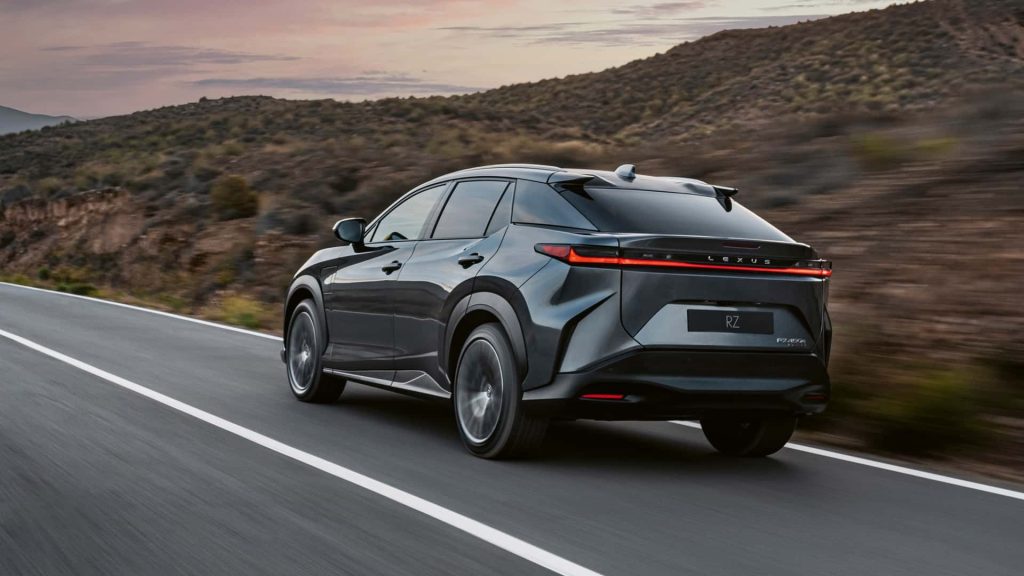
Toyota is a leading Japanese automotive manufacturer known for its reliable and durable vehicles. With a rich history dating back to 1937, Toyota has become one of the largest automakers globally. The company’s vehicles are quite trusted. Toyota is now looking to make big moves in the EV sector. Its Lexus brand might soon add a new three-row electric SUV to its lineup, according to recent trademark filings. On July 19, 2023, Toyota submitted four trademark applications to the European Union Intellectual Property Office, seeking protection for different versions of the Lexus TZ, potentially indicating the development of an electric SUV.
Sources have stated that the new cars will have a dedicated vehicle platform
The trademarks in question include TZ450e and TZ550e, suggesting that these models could fall into the electric vehicle category. This naming consistency aligns with Toyota’s current electric offerings, such as the bZ4X, and Lexus’s RZ 450e, an electric variant of the RX. Based on the available information, it is likely that the new TZ will share design elements with the RZ, featuring an aerodynamic spindle body, illuminated Lexus emblem, and a full-width taillamp, providing a sporty and modern appearance.
While details are scarce regarding the technical aspects of the TZ, it is expected to differ from previous models by potentially being built on a dedicated electric vehicle platform. This choice would improve cost-effectiveness compared to sharing components with internal combustion engine-specific platforms.
Moreover, Toyota intends to manufacture a three-row electric SUV at its Kentucky-based Georgetown Assembly Plant starting in 2025. The TZ could be the premium Lexus version of this model, designed to appeal to the luxury market segment. It is highly probable that the Lexus electric SUV will also be made available in the United States, potentially powered by batteries assembled in Toyota’s North Carolina battery manufacturing facility. The automaker’s substantial investment of $5.9 billion in this site aims to produce both hybrid and battery electric vehicle batteries.
Although Toyota and Lexus have experienced growing interest in their electric vehicles, they are still working to catch up with competitors in terms of scaling up production and attracting buyers. In the first half of 2023, they sold a combined total of 20,710 plug-in vehicles, comprising 3,415 Lexus models and 17,295 Toyota cars. Those are great numbers, but with the competition ramping up fast, manufacturers have to look towards staying relevant in the EV industry.
On Aug. 1, Redmi will unveil the 4G-enabled Redmi 12 in India. Reports have revealed that the company is also working on a 5G version of the device. Tipster SnoopyTech has leaked what seem to be the leaked renders of the Redmi 12 5G.
Redmi 12 5G render
Last month, Redmi unveiled the Redmi Note 12R in China, featuring the Snapdragon 4 Gen 2 chipset. Following the launch, tipster Kacper Skrzypek claimed that the Note 12R would be rebranded as the Redmi 12 5G for the global market, including India. Additionally, the tipster stated that India would receive a POCO phone named the POCO M6 Pro 5G, which would also be a rebranded version of the Redmi Note 12R.
Something Xiaomi… something rebranded. (Xiaomi Redmi Note 12R global I guess) pic.twitter.com/mWv3GGfoCx
As can be seen in the tweet above, the tipster has claimed the phone shown in the image is a global version of the Redmi Note 12R, meaning it is the Redmi 12 5G for the global market. The Redmi 12 5G’s design is an exact match with the Sky Fantasy color variant of the Redmi Note 12R shown below.
The Redmi 12 5G, which has the 23076RN8DY model number, has already been approved by certification platforms such as NBTC (Thailand), IMDA (Singapore), and the FCC. The Indian variant with model number 23076RN4BI has also been certified by the country’s BIS authority. Hence, the Redmi 12 5G is expected to release in multiple markets in the coming weeks.
Redmi 12 5G specifications (expected)
The Redmi 12 5G is expected to arrive with a 6.79-inch LCD FHD+ 90Hz display with a 20.5:9 aspect ratio, a 5-megapixel front camera, a 50-megapixel (main) + 2-megapixel (macro) dual-camera unit, and MIUI 14-based Android 13. The Snapdragon 4 Gen 2-powered phone is expected to arrive with up to 8 GB of RAM, 256 GB of storage, and a 5,000mAh battery with 18W charging.
Some people have recently argued that incorporating haptic feedback in electric vehicles would be beneficial. Haptic feedback can provide tactile sensations to drivers, helping them understand various aspects of their vehicle’s performance and status, such as battery charge levels, regenerative braking intensity, or potential safety warnings. This sensory input can enhance the overall driving experience, promote safer driving habits since the driver won’t have to take his eyes off the road. To address this, BMW M’s boss, Frank van Meel, revealed that the company is delving into innovative solutions, including simulated gears, acoustic cues, and vibration feedback, all powered by advanced software.
Incorporating haptic feedback would help drivers get a better feel of the vehicle while driving
In the world of gasoline engines, experienced drivers rely on the sound of the engine, the feel of the gearbox, and the rev indicator to gauge the car’s performance without taking their eyes off the track. However, EVs, which often feature a single gear, lack the tell-tale jolts of traditional transmission. To bridge this gap, BMW M is exploring simulated gears, recreating the sensation of shifting gears without the need for a physical gearbox.
Another automaker making strides in this realm is Hyundai, particularly with their Ioniq 5 N model. This EV utilizes software to enhance its one-speed gearbox, offering N e-shift, which replicates the feeling of an eight-speed dual-clutch automatic transmission through precise control of motor torque output. In tandem, the N Active Sound + system provides auditory cues, allowing drivers to choose from three distinct sound themes, each communicating the car’s actions at any given moment.
While some may argue that piped-in fake exhaust sounds and clutch-operated manual transmissions for EVs may seem unnecessary, they serve a vital purpose: enhancing the driving experience by maintaining a connection between the car and its driver. This connection is paramount for performance vehicles like those in BMW’s M series, ensuring that drivers can fully immerse themselves in the thrill of the track without distractions.
Although the specific details of BMW M’s haptic feedback solution remain shrouded in mystery, Frank van Meel has confirmed that the company’s debut electric model is currently in development. The anticipated reveal is slated for sometime within this decade, promising exciting advancements for EV enthusiasts and high-performance car aficionados alike once this feature becomes public. One thing is for sure, it will definitely grab attention when it first comes out.
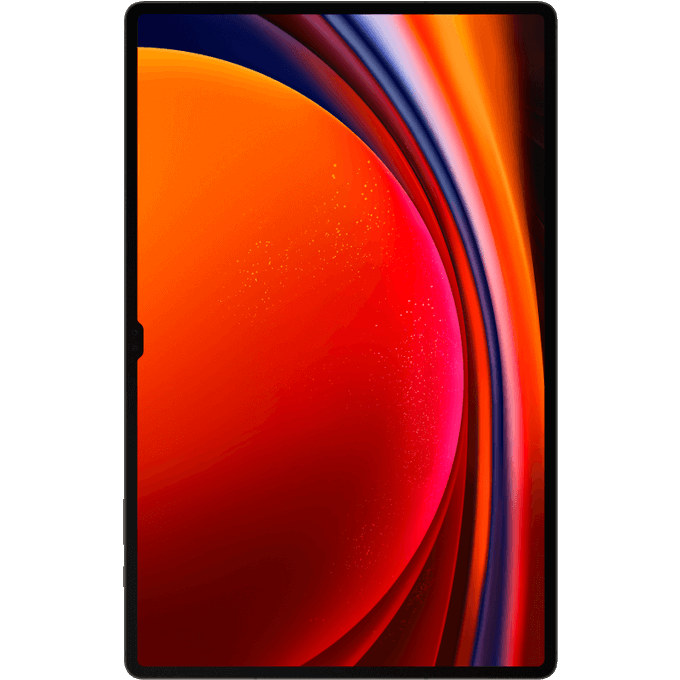
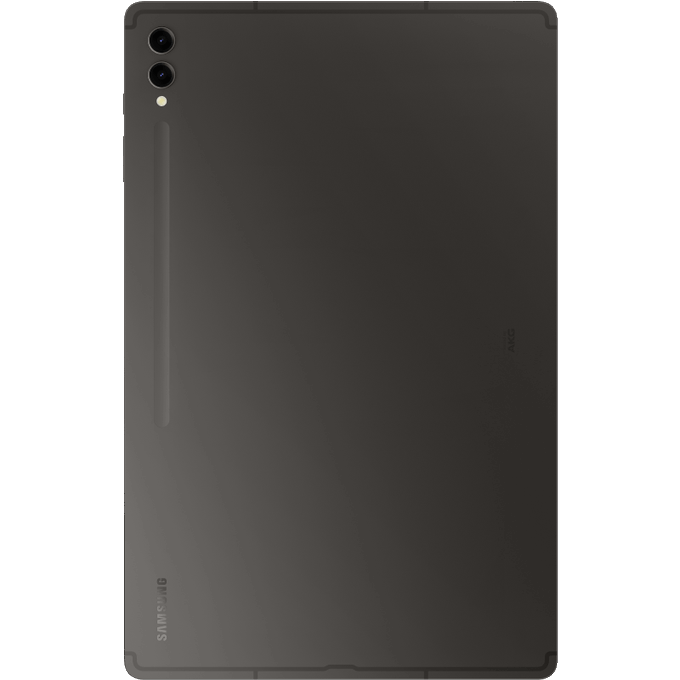
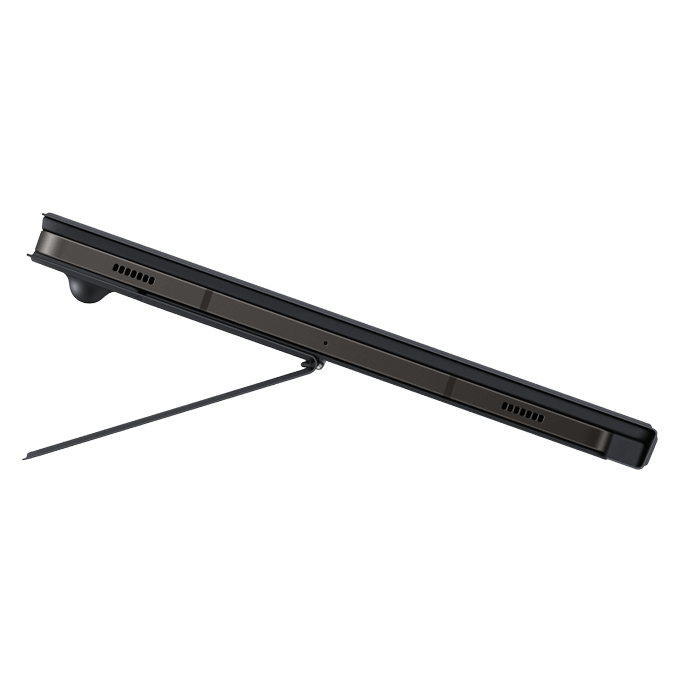
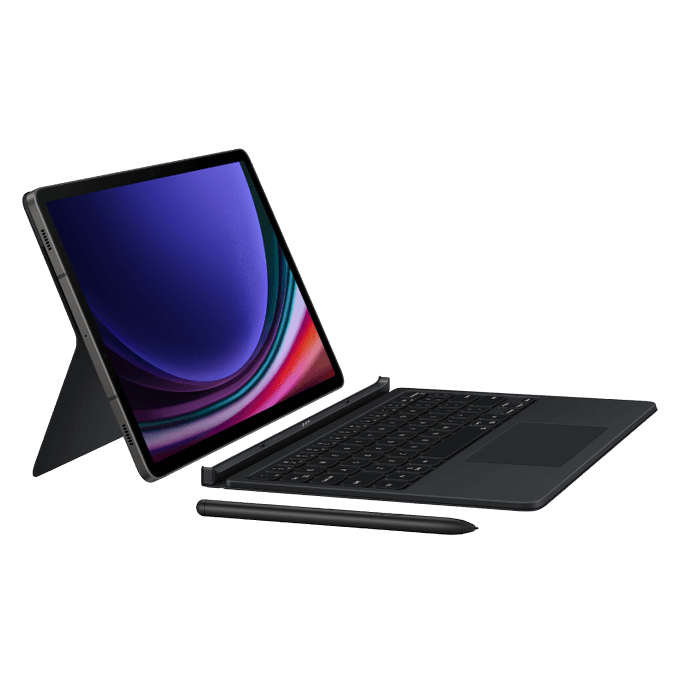
On July 26, Samsung is set to unveil the Galaxy Tab S9 series alongside other devices, including the Galaxy Z Fold 5, the Galaxy Z Flip 5, and the Galaxy Watch 6 series. The Tab S9 lineup will consist of three models, with the most advanced one being named the Galaxy Tab S9 Ultra, while the other two will be known as the Galaxy Tab S9 and Galaxy Tab S9+, respectively. Just days before the official launch, renowned tipster Evan Blass leaked the specifications and new renders of the Tab S9 Ultra, providing us with a sneak peek at the details.
As per the new leak, the Samsung Galaxy Tab S9 Ultra 5G will pack a huge 14.6-inch Dynamic AMOLED display, which is the same size as the Tab S8 Ultra. Like its predecessor, the display of the Tab S9 Ultra will have a notch that will house a 12-megapixel main camera and a 12-megapixel ultra-wide lens. As can be seen in the above images, the tablet will come with support for a keyboard and S-Pen.
The rear camera setup of the flagship tablet will consist of a powerful 13-megapixel ultra-wide lens and an 8-megapixel ultra-wide lens. Under the hood, the Galaxy Tab S9 Ultra 5G will be powered by the Snapdragon 8 Gen 2 chipset. While it is not mentioned in the leak, it could be equipped with an overclocked version of the chip that clocks at 3.36GHz. The Galaxy S23 series of smartphones that debuted earlier this year also features the 3.36GHz SD8G2 chip.
For smooth performance, the Tab S9 Ultra will come equipped with 12 GB of RAM. It will run on Android 13, which could be overlaid with the latest version of the One UI. The device will offer an internal storage capacity of 512 GB and come with an external storage slot for memory expansion.
To keep you going throughout the day, the Galaxy Tab S9 Ultra 5G will be equipped with a massive 11,200mAh battery. Other leaks have claimed that the tablet will support 45W fast charging. Additionally, the tablet will offer dual SIM capabilities, accommodating both a physical SIM and an embedded SIM (eSIM).
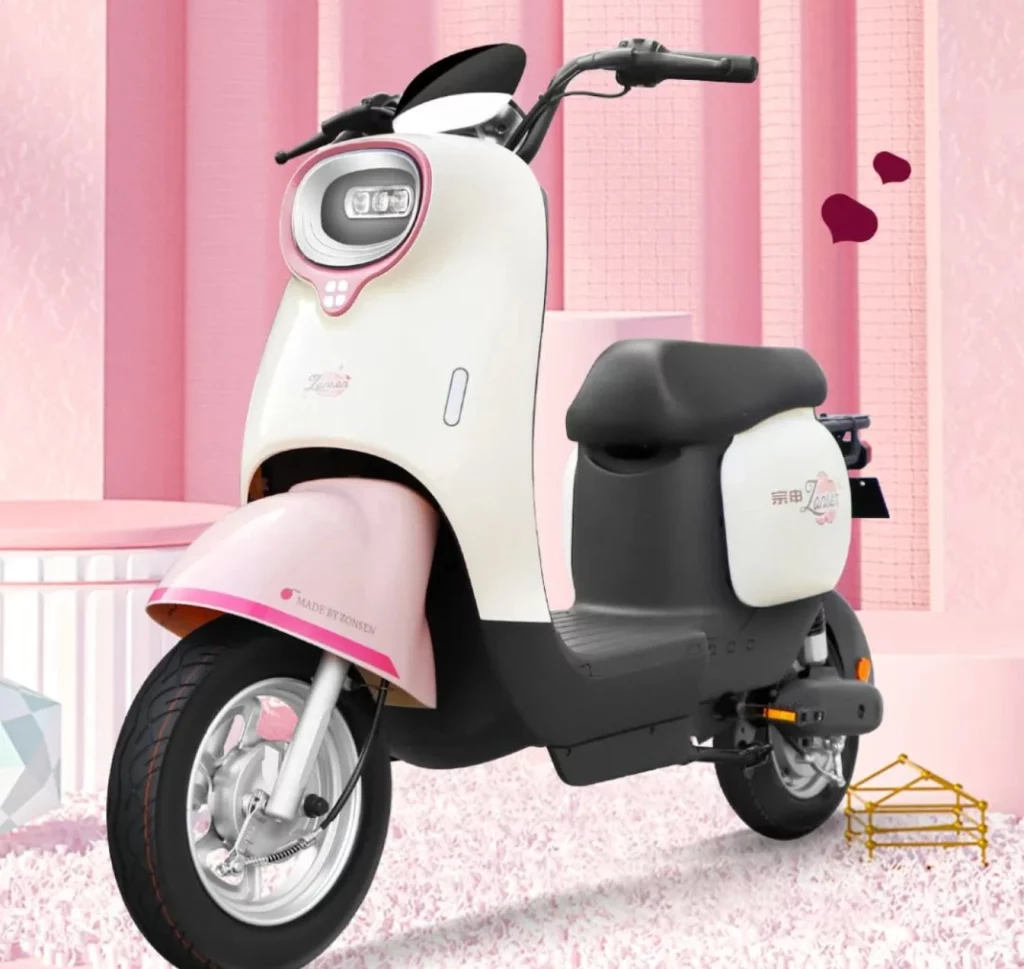
In a bold move, Zongshen, a leading name in China when it comes to electric vehicles, has unveiled its latest masterpiece, the Yan Ruyu electric bicycle. With an enticing slogan “Out of the circle in fashion, travel freely,” this innovative two-wheeler is set to revolutionize the way we perceive electric bicycles, especially their design.
The hook on the bicycle can support up to 25Kg weight, which makes it good for groceries
The Yan Ruyu electric bicycle is available in three stunning colors – pristine white, charming pink, and timeless black. Additionally, four distinct series of colors – Xingxuan light pink, half sugar purple, taffeta white, and swan gray – offer a plethora of customization options for riders wanting their bike to stand out and make a statement.
Mixing style with functionality, the Yan Ruyu boasts a sleek design with a car convex mirror headlight and an anti-glare dashboard integrated into the handlebar. This advanced dashboard not only displays essential parameters like power consumption and driving data but also accentuates the bike’s futuristic appeal.
Powered by a robust 400W motor and a 48V12AH battery, the Yan Ruyu guarantees a smooth and exhilarating ride. The bike’s 3.0-10 tubeless tires, coupled with front and rear hub brakes and hydraulic shock absorption, ensure maximum control and stability, even on rough terrains.
Zongshen takes rider convenience to the next level with carefully crafted features. The electric bicycle comes equipped with thicker shock-absorbing springs and sturdier tires, ensuring a comfortable and safe journey. The hidden design hook, capable of bearing up to 25Kg weight and supporting a 180° flip, adds practicality and convenience to the package.
The right handlebar of the Yan Ruyu houses the controls for speed adjustment and light, offering an ergonomic and user-friendly interface that complements the overall design aesthetics. Standing at approximately 1710x740x1045mm, with a seat height of 720mm and a pedal area length of 420mm, this electric bicycle prioritizes rider comfort, making it suitable for both daily commuting and leisurely rides.
Exciting as it may be, the press has yet to discover the price information for the Yan Ruyu electric bicycle. However, given Zongshen’s reputation for crafting high-quality, reasonably priced vehicles, riders are sure to be in for a pleasant surprise.
Update: Another tipster has claimed that the iQOO Z8 has a 144Hz LCD display, Dimensity 8200, LPDDR5 RAM, and UFS 3.1 storage.
Original story contiues…
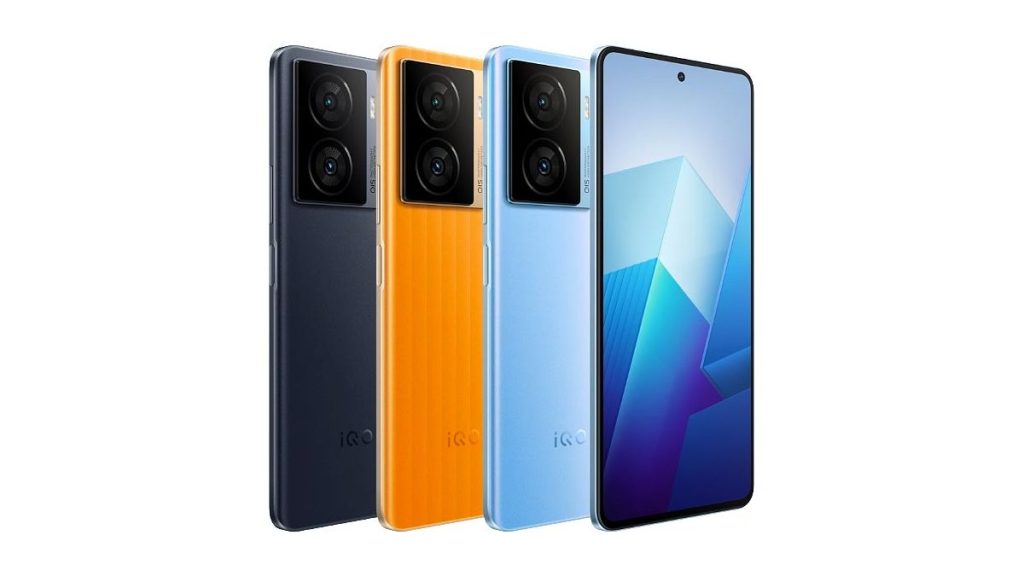
In May, iQOO unveiled the iQOO Neo 8 and Neo 8 Pro in the Chinese market. In June, the brand announced the more powerful iQOO 11S in the home market. It appears that the brand is now working on the launch of a Z-series mid-range smartphone. Reliable tipster Digital Chat Station has leaked the first details about what will be the successor for the iQOO Z7, which was announced earlier this year in China.
iQOO Z8 key specifications (leaked)
iQOO Z7 (China variant)
According to the leak, the iQOO Z8 will be a high-performance sub-flagship smartphone, featuring an LCD panel. Notably, the phone will have a dual-cell battery configuration, combining two 2440mAh batteries to achieve a combined capacity of 5000mAh, which will carry support for 120W fast charging technology. The other details of the Z8 are yet to surface.
To recap, the iQOO Z7 (Chinese edition) was introduced in March of this year, featuring a 6.64-inch IPS LCD display with a Full HD+ resolution of 1080 x 2388 pixels and a 120Hz refresh rate. It is likely that the Z8 will retain the same display specifications. Additionally, the iQOO Z7 (Chinese edition) also featured a 5,000mAh dual-cell battery with 120W charging support.
Some sources in China have claimed that the iQOO Z8 will be powered by the Dimensity 8200 chipset. However, it is recommended to wait for more recent reports to confirm other specifications of the Z8. It’s worth noting that iQOO has previously used Qualcomm chips to power earlier Z-series models. For instance, the iQOO Z7 featured the Snapdragon 782G, while the iQOO Z6 (Chinese edition) from the previous year came equipped with the Snapdragon 778G Plus chipset.
Regarding the launch date, it is anticipated that iQOO may announce the iQOO Z8 towards the end of August.
We use cookies on our website to give you the most relevant experience by remembering your preferences and repeat visits. By clicking “Accept”, you consent to the use of ALL the cookies.
This website uses cookies to improve your experience while you navigate through the website. Out of these, the cookies that are categorized as necessary are stored on your browser as they are essential for the working of basic functionalities of the website. We also use third-party cookies that help us analyze and understand how you use this website. These cookies will be stored in your browser only with your consent. You also have the option to opt-out of these cookies. But opting out of some of these cookies may affect your browsing experience.
Necessary cookies are absolutely essential for the website to function properly. This category only includes cookies that ensures basic functionalities and security features of the website. These cookies do not store any personal information.
Any cookies that may not be particularly necessary for the website to function and is used specifically to collect user personal data via analytics, ads, other embedded contents are termed as non-necessary cookies. It is mandatory to procure user consent prior to running these cookies on your website.