Advertisement

20,000mAh batteries: Is extreme capacity worth the trade-offs in durability and charging time?

Rumors surrounding Samsung’s reported testing of a 20,000mAh silicon–carbon battery have reopened a long-running debate in smartphone design. As Chinese brands continue to push battery capacities up to 10,000mAh on recent Honor phones like the Honor Win and Honor Power 2, the idea of a 20,000mAh smartphone battery may not be too far away.

Yet, extreme capacity also brings serious questions around durability, safety, and charging practicality. The discussion is less about whether such batteries are possible and more about whether they are viable for everyday smartphones.

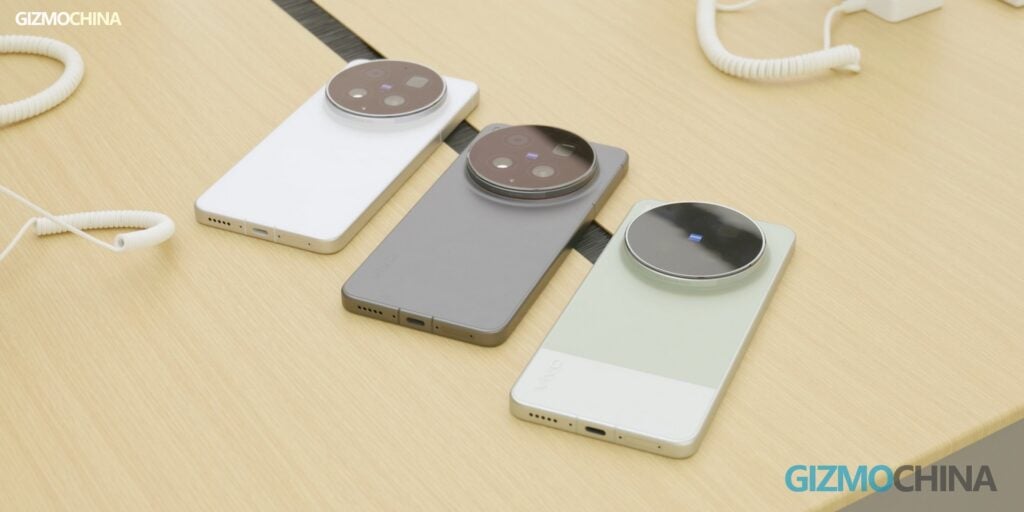
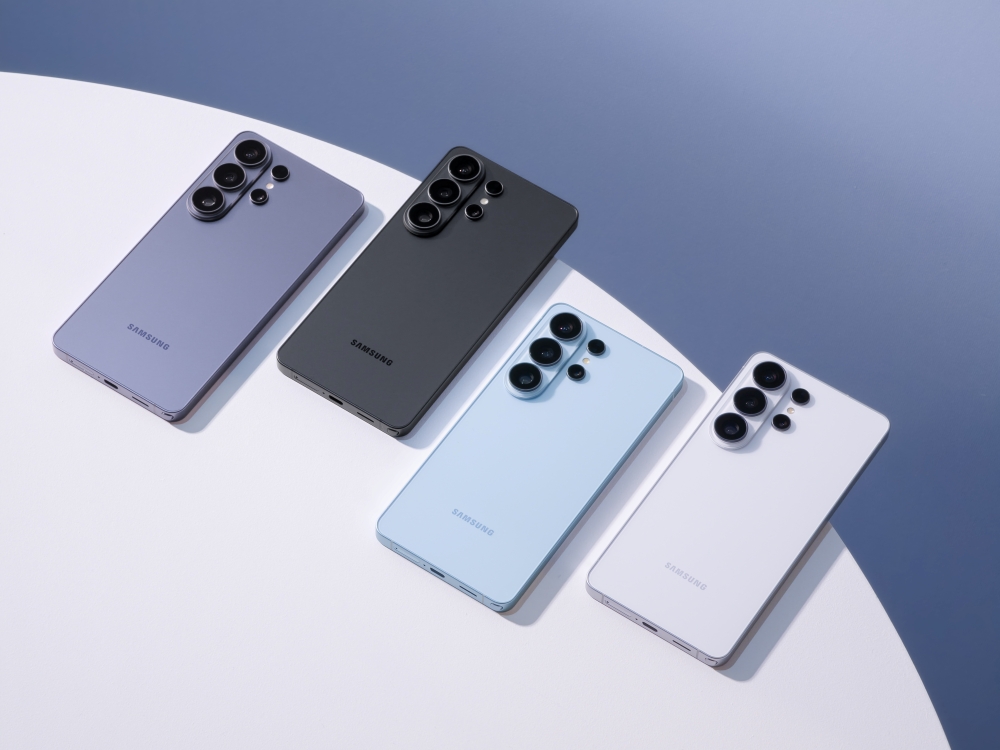
20000mAh battery phone
20000mAh battery phone (AI-generated image)

3Charging time, weight and everyday practicality

Charging a 20,000mAh battery is another major challenge. Even with advanced fast-charging systems, fully replenishing such a large battery would take significantly longer than current smartphones. Increasing charging speeds further raises thermal output, placing additional stress on the battery and internal components.

There is also the matter of form factor. Larger batteries add weight and thickness, potentially compromising ergonomics. While some users may accept a heavier device for exceptional battery life, mainstream consumers often prioritize comfort and portability.

In this context, a 20,000mAh battery may serve better as a research milestone than a near-term commercial solution. Samsung’s reported testing, if accurate, likely reflects exploration rather than intent for immediate smartphone adoption. For now, the future of battery innovation appears to lie not in extreme capacity alone, but in achieving a careful balance between endurance, durability, charging efficiency, and everyday usability.

For more daily updates, please visit our News Section.

Stay ahead in tech! Join our Telegram community and sign up for our daily newsletter of top stories.

Next

Honor Magic 8 phones can now turn screen pages by tracking your eyes

Honor has begun rolling out a new MagicOS update for its Magic 8 series smartphones in China. Labeled MagicOS 10.0.0.122, the update brings a mix of AI-driven features, usability improvements, and system optimizations. Among all, the feature that stands out is the new eye-tracking page turning.

As the name implies, the feature is designed to make reading on the phone more hands-free. Once enabled, the system can automatically turn pages as it detects the user’s eye movement, reducing the need for touch input. 

It is a more immersive way of reading on your phone, particularly when reading sessions are long or in situations where using your hands is inconvenient. The feature can be accessed through Settings > Honor AI & YOYO > Eye Tracking > Eye-tracking Page Turning.

Rest of the update

The update also brings meaningful improvements to screen recording. Honor has added a Clean Screen Recording mode that allows users to record their screens without capturing banner notifications, status bars, or animated icons. 

In addition, the Magic 8 series now supports simultaneous call and screen recording, allowing users to start or continue screen recording during calls. And if you’re wondering, Honor made it clear that call audio and content are excluded from recordings.

HONOR Magic 8 Pro
Honor Magic 8 Pro

Honor has also refreshed its Tips and Tricks app for the Magic 8 series. It now has a redesigned interface with expanded content to help users better understand device features and usage techniques.

On the system side, the Communication Control Center now includes motion rebound animations when expanding or collapsing WLAN, Bluetooth, and media cards, adding subtle visual polish. Battery life has also been optimized for certain scenarios, while scrolling performance has been improved in applications such as the home screen and China’s 12306 railway ticketing app.

Finally, the update addresses overall system smoothness and stability, fixing lag in specific situations and reducing third-party app crashes and unresponsiveness. 

The update is 790MB in size.

For more daily updates, please visit our News Section.

Tech enthusiast? Get the latest news first! Follow our Telegram channel and subscribe to our free newsletter for your daily tech fix! ⚡

(via)

Povec C1 are world’s first electrochromic sunglasses that can change tint in seconds

Smart glasses usually mean cameras, displays, or voice assistants. But a new startup called Povec Optics is trying something different. At CES 2026, the startup made its first public appearance with a pair of sunglasses that focus entirely on one problem: changing light.

The company’s debut product, called the Povec C1, uses electrochromic lenses that can shift tint in about one second. Instead of relying on automatic sensors alone, these glasses let the wearer decide how dark the lenses should be at any given moment. That makes them less about “smart features” and more about control.

Povec positions the C1 as sunglasses for people who move through unpredictable lighting. It could be early-morning runs, mountain bike trails with tree cover, or time spent on open water where glare can change quickly. 

In such varying situations, fixed-tint lenses can feel limiting, and even photochromic lenses don’t always react fast enough. Povec’s approach puts adjustment directly in the user’s hands.

Povec C1 lets you adjust glasses’ tint in real-time

The core of the Povec C1 is electrochromic technology, which changes lens color when a low-voltage current passes through layered conductive materials. However, this isn’t brand-new tech. 

We have seen a similar system in use in high-end cars for things like rearview mirrors and panoramic sunroofs. What Povec claims to have done differently is shrinking that automotive-grade system down enough to fit into a slim pair of glasses.

You can control the tint through a touch-sensitive strip along the temples. A simple slide adjusts the tint from light shade to very dark. 

According to co-founder Alexis Marc Pons, the idea is to give users precise control rather than guessing what the lighting conditions require. The lens shade follows the movement of your finger, changing instantly as you adjust it.

Beyond tint control, the lenses include UV400 protection and anti-glare treatment. Povec also says the lenses are impact-resistant and have passed steel ball drop tests.

The glasses are rated to run up to 28 days on a single charge if used around four hours a day. It charges via USB-C, and the glasses automatically wake when unfolded and go to sleep when stored. 

The frame itself is made from lightweight TR90 material and carries an IP65 rating, meaning it should handle sweat, rain, and splashes without issue. Povec also includes three interchangeable nose pads so users can fine-tune the fit for long sessions.

Povec Optics is planning to release the Povec C1 in May 2026, and the price could range somewhere between $250 and $350.

For more daily updates, please visit our News Section.

Tech enthusiast? Get the latest news first! Follow our Telegram channel and subscribe to our free newsletter for your daily tech fix! ⚡

It Walks, It Vacuums, It Climbs Stairs — Meet Roborock’s Craziest Bot Yet

Roborock has introduced the Saros Rover at CES 2026, unveiling what it calls the world’s first wheeled-leg robot vacuum. The concept device features two articulated limbs with integrated wheels, allowing it to climb stairs and clean each step independently, something traditional robot vacuums have never achieved.

Roborock Saros Rover
Roborock

The Saros Rover uses a dual-leg system where each leg moves separately. It lifts and lowers its chassis to scale staircases, adjust to uneven floors, and cross multi-level thresholds. Roborock demonstrated the device on the CES show floor, where it climbed five steps in under 40 seconds while cleaning each one. The robot balanced itself using one leg for support as it rolled across each tread.

The Rover’s core hardware includes the AdaptiLift Chassis 3.0, which enables it to adjust height on the fly and clear obstacles up to 3.3 inches tall. It can handle steep ramps, curved stairs, and high-pile carpets. Roborock paired this mechanical system with AI-powered navigation, using 3D spatial sensors and real-time object recognition to avoid collisions and adapt to fast-changing environments.

Roborock confirmed that the Saros Rover remains in development and does not have a release date. The company said it is still deciding whether to integrate a mopping system. The current version focuses on vacuuming, with future updates expected to expand its cleaning capabilities.

Roborock Saros Rover
Roborock

The Saros Rover follows the company’s earlier efforts, like the Saros Z70, which featured a robotic arm. Roborock appears to be moving cautiously with this new model after receiving mixed feedback on previous experimental designs, as per The Verge.

The company has not announced a price, but it is expected to cost more than the Z70, which launched at $2,599. The Saros Rover marks a major step in robotic home cleaning, especially for users in multi-floor homes who have waited years for a robot vacuum that can finally tackle stairs.

Check out our full CES 2026 coverage here.

For more daily updates, please visit our News Section.

Stay ahead in tech! Join our Telegram community and sign up for our daily newsletter of top stories! 💡

Snapdragon X2 Elite Extreme benchmarks show better single-core performance than Apple’s M4 Max

Qualcomm’s Snapdragon X2 is the company’s second-generation ARM chip designed to power Windows PCs. The main X2 SKUs include the X2 Plus, X2 Elite, and X2 Elite Extreme, each of which comes in its own different flavors. 

Snapdragon X2 Elite Extreme Geekbench

According to Qualcomm, the X2 Plus delivers up to 35 percent faster single-core CPU performance than the previous Snapdragon X Plus while using 43 percent less power. The Elite models, on the other hand, are 31 percent faster CPU performance at the same power level, or 43 percent lower power consumption at the same performance, compared to last year’s Snapdragon X Elite chips.

Those are, of course, official claims. But now we have some early real-world numbers to look at.

Snapdragon X2 Elite real benchmarks 

YouTuber Alex Ziskind was recently invited to tour a Qualcomm facility, where he was allowed to run Geekbench on the company’s Compute Reference Design (CRD) machines. That gave us our first look at benchmark results for the Snapdragon X2 Elite and X2 Elite Extreme.

Ziskind tested the Snapdragon X2 Elite in both 12-core and 18-core configurations, along with the 18-core X2 Elite Extreme.

Snapdragon X2 Elite 12-core Geekbench

The 12-core Snapdragon X2 Elite (X2E-80-100), paired with 32GB of memory and 1TB of storage, scored 3,850 in single-core and 16,171 in multi-core Geekbench tests. For comparison, Apple’s 10-core M4 MacBook Air scores around 3,839 single-core and 14,861 multi-core.

The 18-core Snapdragon X2 Elite (X2E-88-100) posted a 3,838 single-core score and a much higher 20,320 in multi-core. These figures put it in the same neighborhood as Apple’s M4 Pro chips.

The biggest numbers, of course, come from the Snapdragon X2 Elite Extreme (X2E-96-100). It hits 4,072 in single-core and 23,611 in multi-core. That’s squarely in M4 Max territory.

In fact, Ziskind’s testing shows the X2 Elite Extreme edging past the M4 Max in single-core performance (Apple scores around 3,913), while Apple still holds a clear lead in multi-core workloads, where the M4 Max reaches roughly 25,669 points.

MacBook Pro M4 Max Geekbench

As always, benchmarks don’t tell the full story. But Windows on ARM is no longer a science experiment. App compatibility has improved, performance is catching up fast, and with Snapdragon X2, Qualcomm is making it clear that it doesn’t want to be playing catch-up in the PC silicon race anymore.

For more daily updates, please visit our News Section.

Tech enthusiast? Get the latest news first! Follow our Telegram channel and subscribe to our free newsletter for your daily tech fix! ⚡

(Source)

Could Smart Rings Replace Smartwatches by 2026?

Smartwatches have become an extension of our smartphones, buzzing constantly with notifications, reminders, and alerts. While they started as health companions, many now feel more like distractions strapped to our wrists. This is where smart rings enter the conversation. Compact, discreet, and almost invisible, smart rings promise to track your health without demanding attention. But the real question is whether these smart rings can replace smartwatches?

1. Why are smart rings gaining attention?

Oura Ring 4 Ceramic
Oura Ring 4 Ceramic

The biggest appeal of smart rings is how unintrusive they are. Unlike smartwatches with glowing displays and constant taps, rings are designed to sit quietly in the background. They focus almost entirely on health metrics like sleep tracking, heart rate, blood oxygen levels, skin temperature trends, and recovery insights.

This passive approach makes smart rings far less distracting. There are no notifications pulling you out of meetings, workouts, or conversations. For users who only care about health data and not quick replies or app alerts, this is a refreshing change.

Another major advantage is comfort. Smart rings are lightweight, unobtrusive, and easy to wear 24/7. Many people remove their smartwatches at night due to bulk or discomfort, which impacts sleep tracking accuracy. On the other hand, these smart rings are barely noticeable during sleep, making them better suited for continuous health monitoring.

Battery life is another strong point. While most smartwatches need daily or two-day charging, smart rings can last anywhere from 4 to 7 days. More recent smartwatches and some smartwatches with lighter operating systems do offer better endurance, but the less frequent charging on the rings makes it more convenient.

2. Seamless health tracking

Smalth Titanium smart ring

Smart rings are increasingly positioning themselves as pure health wearables. Removing screens helps shift the focus back to long-term wellness rather than short-term engagement. Metrics like sleep quality, readiness scores, stress levels, and recovery are presented through companion apps rather than active alerts. This delayed feedback can be useful to users, who can review insights when it suits them. For people experiencing digital fatigue, the reduced relationship with technology is a big selling point.

3. What are the cons?

Samsung Galaxy Smart Ring with Swollen Battery

Despite the various advantages, smart rings are still not perfect replacements. The most obvious limitation is lack of a display. If you rely on your smartwatch for navigation, quick message replies, music controls, or timers, a ring simply can’t replace that functionality. Many smart wearables users buy these gadgets for the added functionality.

Fitness tracking is another mixed bag. While rings excel at sleep and recovery data, they are generally less accurate for activities like weight training, cycling, or complex workouts where motion tracking matters. Smartwatches, with their larger sensors and GPS capabilities, are still ahead.

There’s also the issue of fit and sizing. Rings must be sized precisely, and factors like swelling or temperature changes can affect comfort. Unlike watches, you can’t just loosen a strap mid-day. Even the pricing is a big factor that plays into choosing between smart rings and smartwatches. Premium smart rings often cost as much as mid-range smartwatches, sometimes with subscription fees layered on top. This makes the decision less obvious for budget-conscious buyers.

4. Can smart rings truly replace smartwatches?

Honor Watch X5
Honor Watch X5

Rather than fully replacing smartwatches, smart rings may end up complementing them. It can only serve as a true replacement for a specific type of user. If your smartwatch feels more distracting than helpful, a smart ring could be a better long-term health companion. But for power users who depend on real-time feedback, apps, and workouts, smartwatches still hold the upper hand. Looking ahead to 2026, smart rings are likely to become smarter, more accurate, and more mainstream. So the dynamic could be shifting sooner than expected.

For more daily updates, please visit our News Section.

Don’t miss a thing! Join our Telegram community for instant updates and grab our free daily newsletter for the best tech stories!

Amazfit Active Max launching in India soon with 25 day battery life

Amazfit is gearing up to introduce its Active Max smartwatch in India soon, marking the latest addition to its wearable lineup with a blend of endurance and performance. The brand previously launched the Active Max globally last month, so here’s everything we know about the Indian release.

Amazfit Active Max Teaser

In the fresh teaser, the popular wearables maker confirmed some of the key specs and features of the Active Max. Amazfit’s latest smartwatch will sport a 1.5-inch AMOLED display with a 480 x 480 pixels resolution and an improved peak brightness that makes it easier to read even in bright sunlight. One of the standout features is the large 658mAh battery pack. The brand claims that it can offer up to 25 days of battery life in a single full charge.

Amazfit Active Max Smartwatch

While this is under ideal conditions, the global release has revealed that this figure falls down to just 64 hours with GPS tracking enabled. The Active Max isn’t just about battery endurance; it also packs a suite of biometric sensors and outdoor tracking tools that help actively monitor your workouts. The smartwatch supports more than 170 sports modes, intelligent strength training detection, and advanced heart rate, SpO₂, stress monitoring, and BioCharge energy scoring to give users insights into their overall readiness and recovery.

Amazfit will release this model with Bluetooth calling, with support for Bluetooth 5.3 LE for both Android and iOS devices. While Amazfit has yet to announce exact pricing or a firm launch date for India, teasers and regional rollout patterns suggest the Active Max could go on sale within the coming weeks. So stick around for more.

For more daily updates, please visit our News Section.

Tech enthusiast? Get the latest news first! Follow our Telegram channel and subscribe to our free newsletter for your daily tech fix! ⚡

Gmktec Evo-T2 debuts as first mini PC with Intel Core Ultra X9 388H and 180 TOPS AI power

Gmktec has announced the Evo-T2 mini PC at CES 2026. The system features Intel’s latest Core Ultra X9 388H processor and supports up to 128GB of LPDDR5X memory. It is the world’s first consumer mini PC to run on Intel’s new Panther Lake platform, built on the advanced 18A process node with RibbonFET and PowerVia technologies.

Gmktec EVO-T2

Gmktec EVO-T2 Specifications

The EVO-T2 delivers up to 180 TOPS of local AI performance. It supports multimodal generative AI workloads and can run large models locally. Gmktec claims a 10% improvement in single-threaded performance over the previous generation. Power consumption is reduced by 40% at equivalent performance levels, and graphics performance sees a 50% gain over the prior Lunar Lake platform.

Gmktec EVO-T2

The integrated Arc B390 GPU includes 12 Xe cores and delivers performance comparable to an Nvidia RTX 4050 laptop GPU. Intel states the B390 achieves 76% higher performance than the Arc 140T and 82% higher performance than the Radeon 890M found in AMD’s Ryzen HX 370.

Evo-T2 supports dual M.2 SSDs, with one PCIe 5.0 and one PCIe 4.0 slot, allowing up to 16TB of storage. It includes 10GbE and 2.5GbE Ethernet ports, a USB4 port with 40Gbps bandwidth and 100W power delivery, and an OCuLink interface for external GPU connectivity. The system supports quad 4K output.

Gmktec EVO-T2

The device runs in a default 45W balanced mode but supports up to 80W TDP for demanding workloads. Its compact, box-style design features a refined finish with improved airflow for thermal stability under heavy usage.

Pricing and Availability

The Gmktec Evo-T2 is scheduled to launch in Q1 2026. Final pricing and configuration details will be announced closer to release.

In related news, you must take a look at the best mini PCs to watch for in 2026.

You can follow our full CES 2026 coverage here.

For more daily updates, please visit our News Section.

Stay ahead in tech! Join our Telegram community and sign up for our daily newsletter of top stories! 💡

Honor Power 2 With Massive 10000mAh Battery Now Available for $499 on Giztop

Honor Power 2, a powerhouse phone with a massive 10,000mAh battery,  is now available for as low as $499 on Giztop. It’s a great pick for users who want long battery life, strong performance, and premium features at a value price. Plus, Giztop offers global and express shipping on all products, making it easy to get the device delivered quickly, no matter where you are.

Display & Design

The Honor Power 2 comes with a 6.79-inch LTPS AMOLED display that offers sharp visuals and smooth motion with its 120Hz refresh rate. It supports HDR10+ / HDR Vivid and reaches a peak brightness of up to 8000 nits, making it easy to view even in bright sunlight. The 3840Hz PWM dimming also helps reduce eye strain during long-term use.

Performance & Storage

The phone runs on the MediaTek Dimensity 8500 Elite processor with an octa-core CPU clocking up to 3.4GHz. Paired with 12GB LPDDR5X RAM, it delivers fast and responsive performance for apps, gaming, and multitasking. It comes with 256GB or 512GB storage, giving plenty of space for photos, videos, and files. Honor MagicOS provides a clean, gesture-based interface for smooth everyday use.

Cameras

The Honor Power 2 features a dual-rear camera setup with a 50MP main camera with OIS for steady shots and a 5MP ultra-wide lens for wider scenes. On the front, a 16MP selfie camera handles video calls and selfies with ease.

Battery & Charging

A large 10080mAh battery powers the device, supporting 80W fast wired charging for quick top-ups. It also supports 27W reverse wireless charging to power other devices when needed.

Connectivity & Security

The phone supports 5G, Wi-Fi 6, and features an in-display fingerprint scanner for secure and convenient unlocking. Overall, the Honor Power 2 is designed for power users who want strong battery life, smooth performance, and a bright display.


Lenovo unveils ThinkCentre X AIO: 27.6″ vertical display and Core Ultra X7 power

Lenovo is using CES 2026 to show off its latest PC lineup. Among the announcements is the new ThinkCentre X AIO, a professional-focused all-in-one that stands out almost entirely because of its display.

The ThinkCenter X has a near-square screen that looks very different from the typical 16:9 or 16:10 panels we’re used to seeing.

Lenovo ThinkCenter X AIO has a tall, near-square screen

The ThinkCentre X AIO features a 27.6-inch IPS display with a resolution of 2,560 x 2,880 pixels. That works out to a rare 16:18 aspect ratio, which gives the screen a noticeably boxy appearance. 

According to Lenovo, this design choice is intentional. The company says the display can show two A4 pages side by side, making it better suited for document work, coding, and content creation than for entertainment or gaming. 

Not to anyone’s surprise, the panel runs at a standard 60Hz refresh rate with a 14ms response time. Its brightness tops out at 300 nits, contrast is rated at 1000:1, and Lenovo claims 98 percent coverage of the DCI-P3 color gamut. That should make it adequate for design and creative tasks, even if it’s not exactly the top-of-the-line specs. 

Powered by laptop CPUs

Inside, Lenovo is using Intel’s third-generation Core Ultra processors, going up to a Core Ultra X7 chip. Unfortunately, these are not desktop-class CPUs, but they should still be powerful enough for most professional workloads. 

The system can be configured with up to 64GB of LPDDR5x memory running at 9,600 MT/s, along with dual M.2 2280 SSD slots for storage. Graphics are handled by Intel’s Arc B390 integrated GPU with 12 Xe3 cores, which Lenovo and Intel claim is a significant step up from previous integrated solutions. There’s no option for discrete graphics here.

The ThinkCentre X AIO can also be configured with an optional 16-megapixel AI camera, alongside four microphones and four speakers. Other features include Wi-Fi 7, Bluetooth 6.0, and a physical camera shutter for privacy. 

The I/O option includes Thunderbolt and HDMI 2.1 ports on the back, and USB-C and USB-A ports on the side. The company hasn’t shared detailed standards for every port yet, and there’s no mention of wired Ethernet, which is a little surprising for a ThinkCentre-branded machine.

The ThinkCentre X AIO weighs around 7.37kg and is expected to officially launch in March. Lenovo hasn’t announced pricing and availability details yet. 

For more daily updates, please visit our News Section.

Tech enthusiast? Get the latest news first! Follow our Telegram channel and subscribe to our free newsletter for your daily tech fix! ⚡

OnePlus 15 Gets $100 Off: Exclusive Deal on Geekwills

OnePlus 15 is a powerful flagship smartphone designed for users who want speed, great cameras, and long battery life. It delivers strong performance, a premium design, and smooth day-to-day usage, making it suitable for gaming, entertainment, and productivity.

Discount & Availability

OnePlus 15 is currently available with up to $100 discount on Geekwills, making it an even better value for buyers looking for a premium flagship at a lower price. The phone is available in multiple colors and RAM–storage options, giving users the flexibility to choose the variant that best fits their needs.

Display & Design

The phone features a 6.78-inch 1.5K LTPO AMOLED display with rich colors and smooth 120Hz refresh. Dolby Vision and HDR10+ make movies and games look sharp and vibrant. The sleek glass body offers a premium feel, and the phone also comes with IP68 dust and water resistance.

Performance

Powered by the Snapdragon Elite Gen 5 chipset with Adreno 840 GPU, the OnePlus 15 handles heavy apps, multitasking, and gaming without lag. Multiple RAM and storage options with UFS 4.1 ensure fast app loading and smooth performance.

Camera System

The triple 50MP camera setup delivers detailed photos in different conditions. It includes a main Sony LYTIA sensor, a 50MP ultra-wide lens, and a 50MP periscope telephoto camera with 3.5x optical zoom. The phone supports 8K and 4K video, with Hasselblad color tuning for natural tones. The 32MP selfie camera also records up to 4K video.

Battery & Software

The OnePlus 15 packs a large 7300mAh battery with 120W fast charging, giving all-day usage with quick top-ups. It runs Android 16 with ColorOS 16, offering a clean, smooth, and easy-to-use interface.


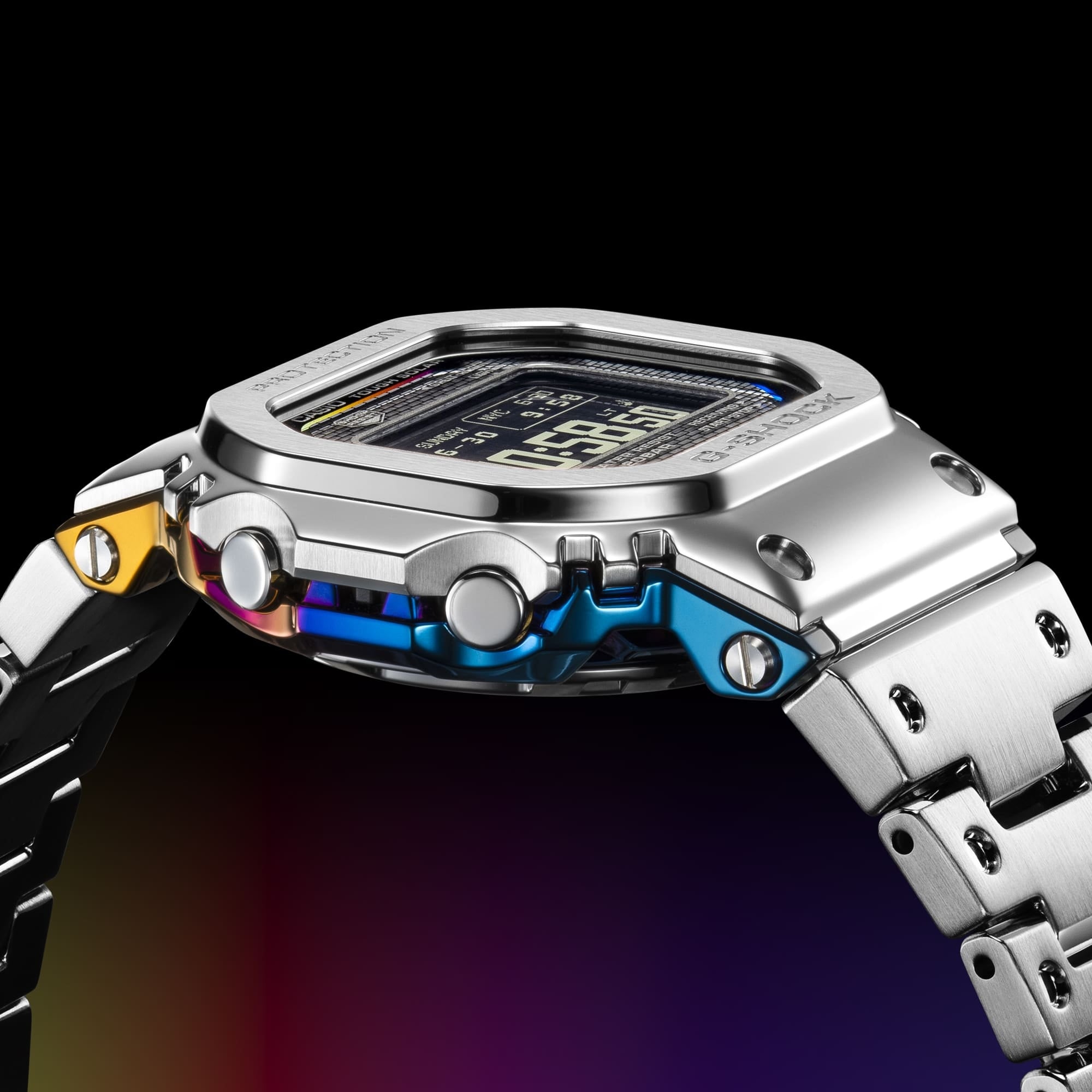
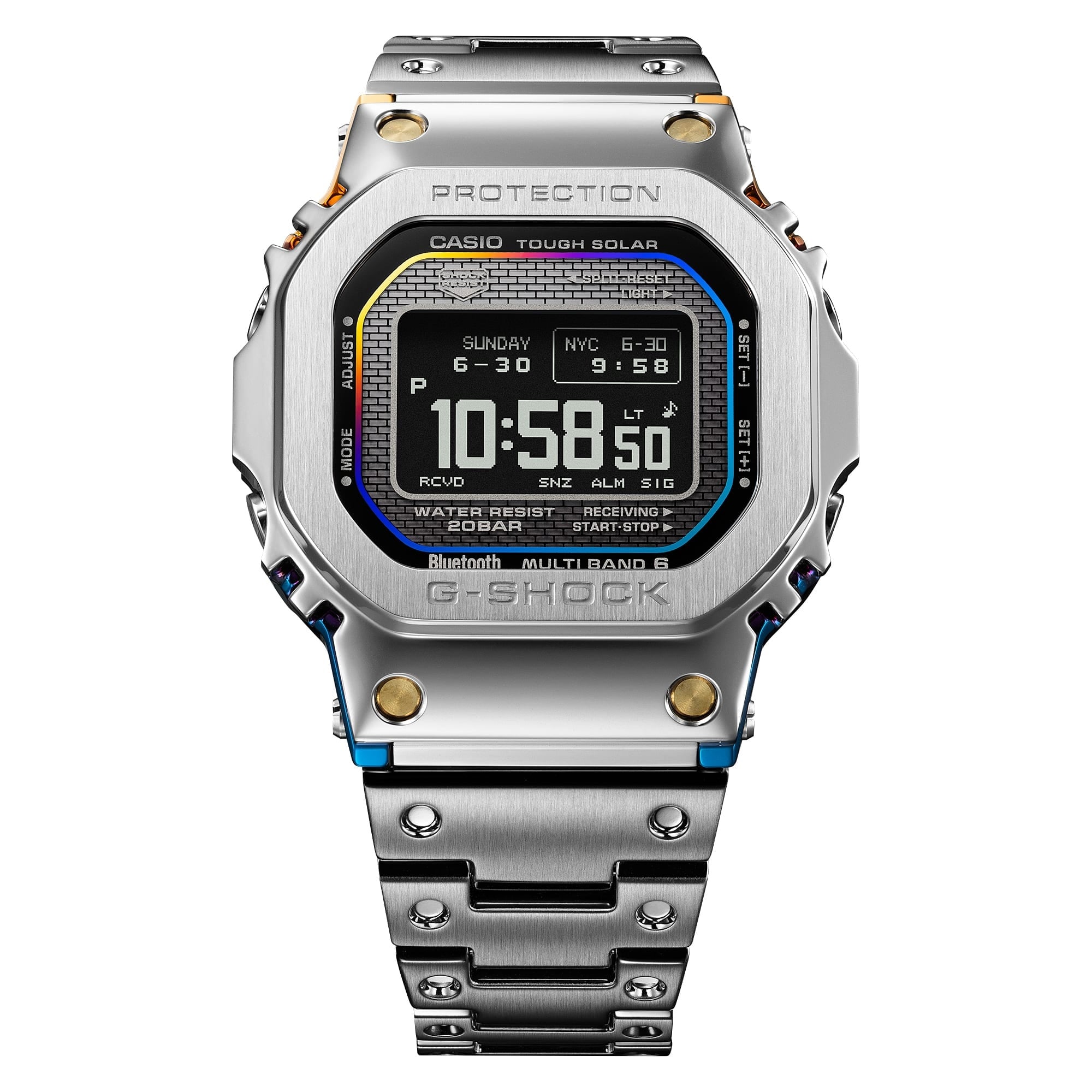
Casio launches new limited edition G-Shock in collaboration with a durable Japanese bag brand

Casio has teamed up once again for another limited edition G-Shock watch. This time around, it is joining hands with Porter, a renowned Japanese brand that is known for high quality durable bags and accessories. This special model is dubbed the G-Shock POTR DW-5600, so here’s what you need to know.

Casio x Porter G-Shock DW-5600 Launches in Japan

The popular watchmaker is known for its varied and wild collaborations, but the recent partnership with the premium yet rugged bag brand actually makes sense. Casio’s G-Shock x POTR DW-5600 brings together the toughness of Casio’s brand with subtle stylistic touches from Porter’s designs. Looking at the watch, the special edition is distinct with its turquoise blue accents that run across the case and strap, adding a fresh, eye-catching look while still retaining classic G-Shock ruggedness.

Casio G-Shock x Porter Limited Edition Watch
Casio x Porter G-Shock DW-5600 Limited Edition Watch

Underneath the collaboration styling, this DW-5600-based watch maintains all the durability and functionality that G-Shock wearers expect. It offers shock resistance, 200-metre water resistance, and mineral glass protection. The digital module offers a 1/100-second stopwatch, a 24-hour countdown timer with auto-repeat, multiple alarms, and a flash alert system that complements the reliable timekeeping package.

One notable improvement in this edition is the move from a traditional electro-luminescent backlight to a high-brightness LED (Super Illuminator). This not only ensures clearer visibility in low-light conditions but also helps extend battery life. Casio says the watch can run for up to five years on a single CR2016 cell.

Casio’s new G-Shock x POTR DW-5600 is being sold exclusively in Japan through Porter’s domestic stores and Yoshida & Co.’s online outlets, making it a collectible item. This model will go on sale in the region on 10th January 2026 for 25,300 Japanese Yen (roughly about 160 US Dollars).

For more daily updates, please visit our News Section.

Tech enthusiast? Get the latest news first! Follow our Telegram channel and subscribe to our free newsletter for your daily tech fix! ⚡

This solar charging robot acts like a butler and follows you around to power your devices

During the ongoing CES 2026 event in Las Vegas, portable energy leader Jackery introduced a standout innovation. While we’ve seen plenty of breakthrough announcements in display tech, computers, and more, this model brings a smarter and more portable solution to sustainable power. Jacket’s new Solar Mars Bot is a self navigating solar generator that brings a new level of mobility to solar power generation. So let’s check it out.

Solar Mars Bot: Portable robot butler for your charging needs

Moving beyond traditional fixed panels, this robot is designed to seek out the best sunlight throughout the day and charge itself autonomously, offering flexible power solutions for both home and outdoor use. What helps the Solar Mars Bot truly stand out is its ability to operate independently. Equipped with AI powered vision and navigation systems, the bot can roam across your backyard or a campsite to identify the best spot with sunlight.

Solar Mars Bot
Solar Mars Bot

It can even adjust its position to make the most of the available sunlight and charge up its battery. Its foldable solar array expands into multiple panels when charging, offering up to 600 watts of solar input. Once its solar array has absorbed energy, the Solar Mars Bot can distribute that power to external devices through a variety of output ports, effectively acting as a portable power station that moves to where you need it most.

Jacket’s Solar Mars Bot can monitor its own battery levels, return to a charging base when needed, and display status feedback via a companion mobile app. Remote control and monitoring over 5G/4G let owners track the bot’s battery and positioning in real time. The onboard battery is large enough to support longer off-grid stays, such as powering tools, electronics, or outdoor entertainment setups, while rugged design choices mean the robot can handle varied terrain and weather conditions.

For more daily updates, please visit our News Section.

Don’t miss a thing! Join our Telegram community for instant updates and grab our free daily newsletter for the best tech stories!

OxygenOS 16 update expands to more OnePlus devices

OnePlus OxygenOS 16 rollout expansion

OnePlus is wrapping up its OxygenOS 16 rollout as the last batch of eligible devices has just started receiving the latest upgrade. The stable update is now rolling out to the OnePlus Nord CE 4, OnePlus Nord CE 4 Lite 5G, and OnePlus Pad.

The Android 16-based update for the OnePlus Nord CE 4 comes with the firmware version CPH2613_16.0.2.400(EX01), while the Nord CE 4 Lite 5G is receiving it as CPH2619_16.0.1.301(EX01). The OnePlus Pad is receiving the latest update with firmware version OPD2203_16.0.2.400(EX01). The rollout begins with India for all three OnePlus devices, and it will eventually reach other regions within the next few days.

If you’re rocking any of these three OnePlus devices, the OxygenOS 16 update may be ready for download. Visit the Software update section in the Settings app to download and install the latest update.

OnePlus users can also join the Release Candidate Program to get the updates earlier than most users. For this,  Settings > System & Updates > Software update > Beta Program, and click the update now button to download the update.

Related: Here’s the complete OxygenOS 16 rollout timeline

OxygenOS 16 is a major upgrade with a substantial download size of several gigabytes. To ensure a smooth upgrade to OxygenOS 16, make sure your device has at least 5-6GB of free internal storage and is charged to at least 40% before installing the update. For additional safety, create a backup of your important data.

With the OnePlus Nord CE 4, Nord CE 4 Lite, and OnePlus Pad now receiving the OxygenOS 16 update, only two devices are now left to receive this major update: OnePlus 10 Pro 5G and OnePlus Pad Lite. And with over three weeks of January still to come, we won’t be surprised if OnePlus finishes the OxygenOS 16 rollout this month itself.

We’ll keep updating you with the latest information on the same in our OnePlus section. You can also join our Telegram channel to get instant notifications about the latest product launches, software updates, and major tech events.

source: OnePlus Community (1, 2, 3)

ASUS debuts Zephyrus G14 & G16 with new Intel Core Ultra Series 3 & gorgeous OLED displays: CES 2026

At CES 2026, ASUS Republic of Gamers refreshed its Zephyrus gaming lineup with the Zephyrus G14 and Zephyrus G16. These new laptops bring powerful new specs and impressive displays. Both models get AI ready hardware that promises a high end gaming experience packed into a portable form factor. So here’s everything you need to know.

What’s special about this generation? (TL;DR)

Both the G14 and G16 models deliver a significant step up from previous iterations by embracing Intel’s latest Core Ultra architecture and pairing it with class-leading OLED visuals and next-generation GPUs. Enhanced AI capabilities, assertive power limits, and improved cooling all contribute to stronger sustained performance while maintaining sleek, durable builds that carry the Zephyrus name forward into 2026.

ASUS ROG Zephyrus G14

The ROG Zephyrus G14 (2026) prioritizes a balance of mobility and gaming power in a compact 14-inch chassis that weighs around 1.5 kilograms. At its core are Intel Core Ultra Series 3 CPUs capable of delivering up to 50 TOPS of neural processing power for local AI tasks and enhanced performance across games and productivity apps. For graphics, the G14 supports up to an NVIDIA GeForce RTX 5080 Laptop GPU, offering serious rendering and ray-tracing muscle for its size class.

ASUS is even offering another variant with the latest AMD Ryzen AI processors that is coupled with the RTX 5060 GPU. The laptop’s 3K Nebula HDR OLED display ramps up visuals with a 120Hz refresh rate, 0.2 ms response time, and up to 1100 nits peak brightness. This makes it ideal for both competitive gaming and media consumption. Notably, the screen also offers Corning Gorilla Glass with DXC coating for protection.

Audio is handled by the six speaker setup, and the design incorporates a CNC-milled aluminium build with a refined Slash Lighting array across the lid. Connectivity options include Thunderbolt 4, USB-C/USB-A ports, HDMI 2.1, a full-size SD card reader, Wi-Fi 7, and Bluetooth 6.0.

ASUS ROG Zephyrus G14 and G16 gaming laptops

ASUS ROG Zephyrus G16

For gamers who want a larger viewing area without sacrificing performance, the ROG Zephyrus G16 (2026) steps up with a 16-inch 2.5K Nebula HDR OLED panel that runs at 240Hz and matches the G14’s 0.2 ms response and 1100-nit peak brightness. This display supports NVIDIA G-SYNC for smoother visuals with compatible GPUs. Under the hood, the G16 also uses Intel Core Ultra Series 3 processors paired with up to an Nvidia GeForce RTX 5090 Laptop GPU.

So one can enjoy graphically intense titles at high framerates and experience smooth creative workflows. The GPU’s power limit has been bumped up for greater sustained performance in manual mode. Like the Zephyrus G14, the G16 benefits from 50 TOPS of NPU compute power for AI-boosted features such as real-time upscaling and generative tools. ASUS has also refined its cooling architecture with enhanced ventilation, redesigned bottom panels, and liquid metal on the CPU to manage the added heat from the higher wattage graphics. The 35-zone Slash Lighting and CNC aluminum returns on this model as well.

On the usability front, the G16’s larger footprint enables a built-in full-size SD card slot, more comprehensive port coverage, and a chassis that stays relatively light (1.85 kilograms). It also matches the smaller sibling in terms of connectivity with Wi-Fi 7, Bluetooth 6, Thunderbolt 4, and a selection of USB-A ports.

ASUS is set to release the new 2026 ROG Zephyrus G14 and G16 globally later this year. In other words, pricing, availability, and other details will likely surface closer to regional launches. All configurations of both gaming laptop models meet the Copilot+ PC requirements, along with on-device AI processing.

For more daily updates, please visit our News Section.

Tech enthusiast? Get the latest news first! Follow our Telegram channel and subscribe to our free newsletter for your daily tech fix! ⚡

Realme returns to Oppo: What this major brand reshuffle really means

A report published by Lei Feng Network indicates that Oppo is making a key adjustment to its internal brand structure, a move that could influence how its smartphone business operates going forward. While the change focuses on organizational alignment, it does not affect upcoming product launches.

Oppo to have OnePlus, Realme as sub-brands

The publication states that Oppo has decided to bring Realme back into its ecosystem as an official sub-brand. The aim is to strengthen collaboration across teams and streamline the use of internal resources. Under the revised structure, Oppo will operate as the primary brand, with OnePlus and Realme positioned as two complementary sub-brands, each following a distinct market strategy.

Leadership roles have also been clarified. Realme founder and CEO Sky Li will take responsibility for overseeing the overall sub-brand operations, while Li Jie will continue to lead OnePlus in China without any change to his responsibilities. Oppo believes that clearer internal roles will help avoid overlap and improve execution across brands.

As part of this transition, Realme will be fully connected to Oppo’s after-sales service network. This move is expected to improve service coverage and consistency for users, particularly in key markets. Despite the organisational shift, Realme’s product planning remains unaffected. New devices will continue to arrive as per schedule, and the brand’s positioning in the market will stay the same.

According to DCS, the Oppo group now follows a clearer structure comprising the Oppo main brand, alongside OnePlus and Realme as twin sub-brands. According to him, Realme’s full integration into Oppo’s after-sales system is a key part of this move. He added that Realme’s launch roadmap is proceeding without delay, and its slated to unveil the Realme Neo 8 this month in China.

For more daily updates, please visit our News Section.

Stay ahead in tech! Join our Telegram community and sign up for our daily newsletter of top stories.

Motorola quietly delivers Android 16 update to Edge 2025: Here’s how to get it

Motorola Edge 2025 Android 16 update

Motorola has released the Android 16 update to many of its devices across its high-end Razr series, mid-range Edge lineup, and the Moto G-series phones. The rollout, so far, hasn’t been the fastest, but this time it was a lot better than previous years. The company has been regularly sending out Android 16 updates to its eligible devices, which is now also rolling out to the Edge 2025.

The Motorola Edge 2025 is perhaps the company’s first phone to receive the Android 16 update in 2026. And hopefully, the rollout will quickly expand to cover the remaining devices in the coming weeks. The Android 16 update for the Edge 2025 is identified by the firmware version W1VD36H.50-7 and has a download size of about 1.5GB

Motorola Edge 2025 Android 16 update

Motorola hasn’t confirmed the Android 16 rollout for the Edge 2025, but users are already receiving it, as spotted by the folks at Ytechb. This isn’t the first time, though. We often hear about the rollout from users before Motorola updates it on the official website.

If you have a Motorola Edge 2025, go to Settings > System updates and tap Check for updates to see if the update is ready for download. Please note that updates are typically rolled out in batches, so it may take a few days for them to reach your device.

What’s new in Android 16 for Motorola Edge 2025?

In terms of features and upgrades, don’t expect to see a major design overhaul or some exciting new features. However, there are still a few notable upgrades to look forward to, including a new Notification cooldown feature that reduces the volume of incoming notifications when receiving too many notifications from the same app within a short time span.

The update brings Do Not Disturb, Bedtime, and Driving modes in Settings > Modes. Additionally, you can create custom modes tailored to your specific needs. It also introduces a new feature that allows your Motorola device to connect to the hotspot of another device without entering the password, provided they are logged into the same Google account.

The Android 16 update makes using hearing aids more seamless, as the Motorola device now allows users to choose whether to use the hearing aid’s microphone or the phone’s microphone during voice calls. Additionally, users can adjust the volume of ambient sound captured by the hearing aid’s microphone. Furthermore, the update enhances protection against evolving threats, improves compatibility with newer apps, and optimizes for smoother performance. There are also some bug fixes as well, further improving the overall stability.

You can regularly visit the Motorola section on Gizmochina to stay up-to-date with the latest news and developments. Or, if you prefer instant updates, don’t forget to join our Telegram channel.

Infinix unveils Note 60 series as first “anywhere” satellite calling smartphones

At CES 2026 this week, Infinix unveiled the Note 60 series as the first smartphones to support global satellite calling. While satellite calling is no longer a new feature on smartphones, the news is about the unique approach from Infinix that turns it beyond an “emergency-only” feature.

According to Infinix, global satellite calling on the Note 60 series is built as an always-on emergency connection rather than a novelty add-on. A report from Android Headlines says the feature covers nearly two-thirds of the Earth’s surface and works without any extra registration from the user. This essentially means you can use this feature almost anywhere in the world. 

The transmission speeds are limited to just 4Kbps, but Infinix claims the system is optimized for HD voice calls and two-way SMS. Infinix says the phone can automatically switch between satellite and roaming networks, which should allow it to maintain connectivity even in areas with no traditional mobile signal.
Gaming and accessories

Alongside satellite calling, Infinix introduced what it calls the HydroFlow liquid cooling system. The Note 60 is the first phone to use the company’s new cooling architecture, which pushes coolant at a rate of 6.5ml per minute using dual piezoelectric ceramic pumps. 
The setup is paired with a new vibrating piezoelectric fan that doesn’t rely on traditional rotating blades. Instead, the fan uses ultra-thin vibrating blades that are just 0.1mm thick and pulse 25,000 times per second. Infinix claims this solid-state design controls heat far more efficiently than conventional fans, especially during extended gaming sessions or demanding AI workloads.

The company is also tapping into the gaming accessories market with what it says is the industry’s first split controller. It has a pressure-sensitive touchpad designed for ultra-low latency. There’s also a wireless magnetic trigger featuring mouse-grade microswitches. 

Also Read:

Design and modules

As for the design, the Note 60 series back panel uses smart materials like photochromic leather and thermochromic ink, which can change color, display 3D effects, or show flowing animations based on light and temperature. It’s more visual flair than a functional upgrade, but it is cool nonetheless. 

The company also introduced its AI Module Universe, a modular ecosystem of magnetic accessories. These include a conferencing module for instant translation, a VlogCam module with AI-based subject tracking, and add-ons like a professional microphone module and an expandable battery pack called StackPower. The idea is to let users adapt the phone for specific tasks rather than relying on one fixed setup.

Infinix hasn’t shared pricing or an official release date yet for the Note 60 series, including the Note 60 Ultra. 

Don’t miss a thing! Join our Telegram community for instant updates and grab our free daily newsletter for the best tech stories!

For more daily updates, please visit our News Section.

(Via)

Motorola introduces Moto Watch with Polar fitness tech, 1.43-inch OLED display, and 13-day battery life

Motorola is making another push into wearables at CES 2026 with the launch of the Moto Watch, marking its return to the smartwatch space after last year’s Moto Watch Fit. The new model leans more heavily into health and fitness, thanks to a partnership with sports science company Polar.

Unlike the square Watch Fit, the Moto Watch adopts a round design with a 1.43-inch OLED display inside a 47mm aluminum case. A stainless steel crown sits on the side, and users can choose between silicone, leather, or stainless steel bands. The watch is rated IP68 for dust and water resistance, with an additional 1 ATM rating for shallow water use. Motorola is using Gorilla Glass 3 to protect the display.

Fitness tracking is where the Polar collaboration shows up. The Moto Watch tracks steps, continuous heart rate, blood oxygen levels, stress, and sleep. It also includes several of Polar’s long-standing features, such as Smart Calories, Nightly Recharge, and Activity Score, which focus on recovery and workout intensity rather than just raw numbers. Hydration reminders, medication alerts, and customizable goals are included as well.

On the smartwatch side, the Moto Watch supports dual-frequency GPS and phone call handling via a built-in speaker and microphone. Notifications and summaries can be surfaced through Motorola’s moto ai, including a “Catch me up” feature on supported phones. The watch runs on Motorola’s own proprietary software instead of Wear OS and requires Android 12 or later.

Battery life is rated at up to 13 days, or around 7 days with the always-on display enabled. Motorola also claims a five-minute top-up is enough to get through a full day.

Pricing and availability:

Pricing starts at €99.99 with a silicone strap and goes up to €149.99 for stainless steel versions. The watch will reportedly be available in the U.S. starting January 22, 2026, with international availability beginning in February.

This is Motorola’s first device to carry a “Powered by Polar” badge. Whether that partnership helps it stand out in a crowded smartwatch market is still an open question, but on paper, the Moto Watch is shaping up as a more fitness-focused and affordable alternative to mainstream options.

Don’t miss a thing! Join our Telegram community for instant updates and grab our free daily newsletter for the best tech stories!

For more daily updates, please visit our News Section.

(Source)

iQOO Z11 Turbo launch date officially confirmed, here’s everything you need to know

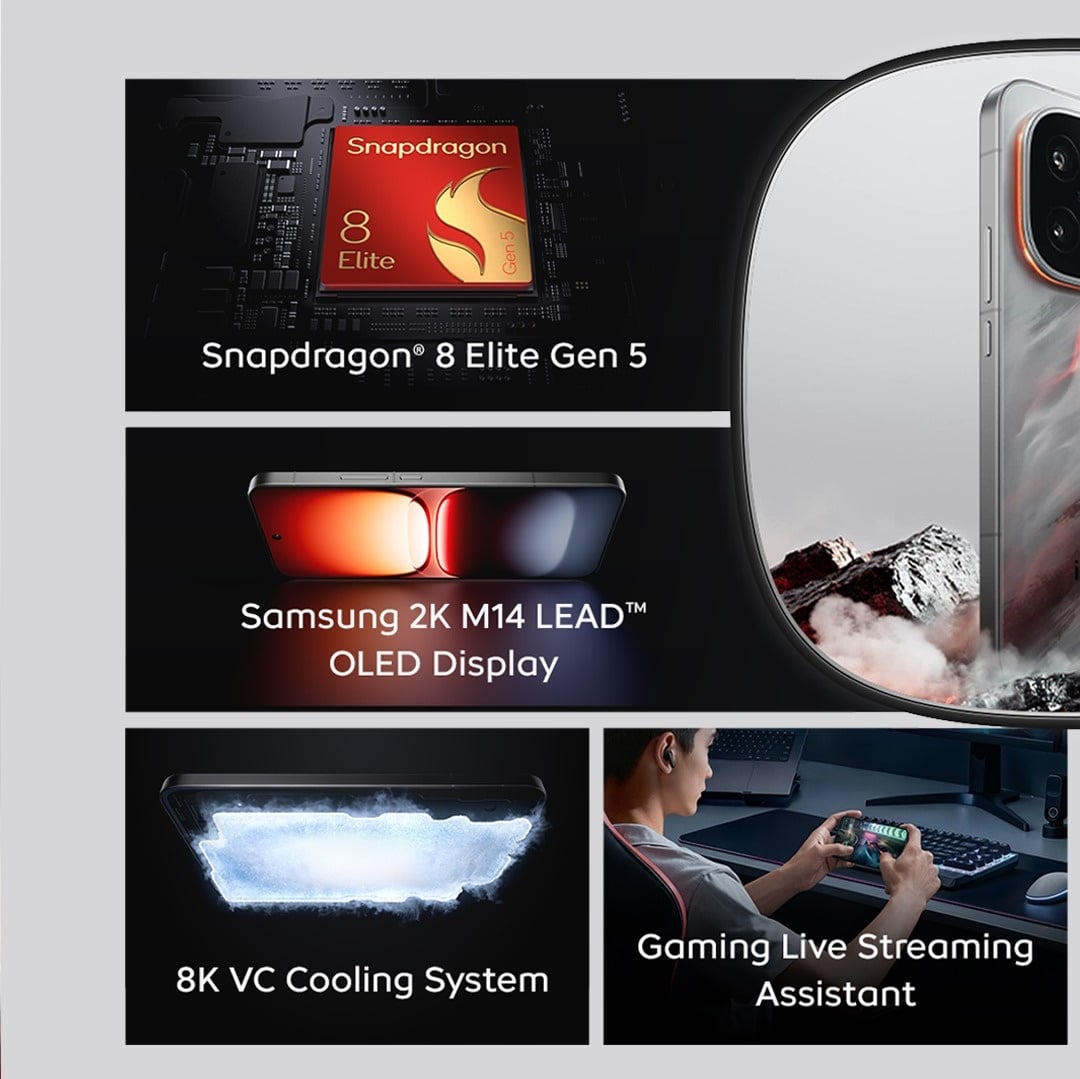
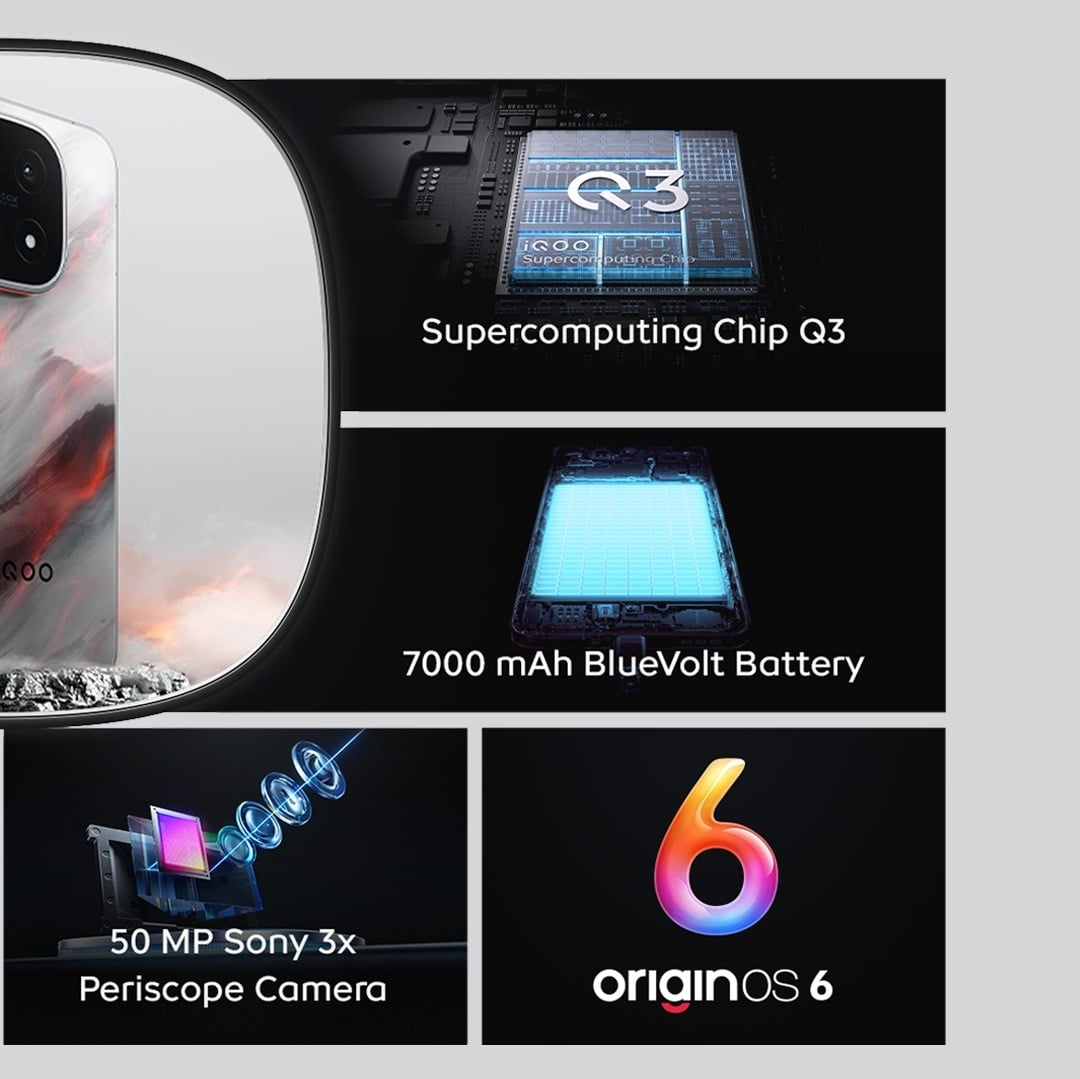
After teasing the arrival of the iQOO Z11 Turbo for a few days, the brand has finally confirmed the launch today. The upcoming smartphone will debut in China on January 15, positioning itself as a performance-focused device with a strong emphasis on battery life and flagship-grade hardware. While iQOO has officially shared some details, several specifications have surfaced through reliable reports. Continue reading to know what the iQOO Z11 Turbo is expected to bring, combining confirmed information with credible rumours.

iQOO Z11 Turbo specifications

iQOO Z11 Turbo
iQOO Z11 Turbo

The iQOO Z11 Turbo is expected to feature a 6.59-inch LTPS OLED display with a 1.5K resolution and a smooth 144Hz refresh rate. The screen is said to integrate an ultrasonic in-screen fingerprint sensor, while the phone itself is built using a metal middle frame and a glass back. Despite housing a large battery, the device is tipped to measure just 7.9mm in thickness and weigh around 202 grams.

Performance is likely to be a major highlight, with the Z11 Turbo expected to run on the Snapdragon 8 Gen 5 chipset. This processor is paired with LPDDR5x RAM and UFS 4.1 storage across multiple variants, including options such as 12GB+256GB, 12GB+512GB, 16GB+256GB, 16GB+512GB, and 16GB+1TB.

The Z11 Turbo is tipped to pack a 7,600mAh battery, which is claimed to be the largest on a phone of this size. Fast charging support is expected to reach 100W, making it suitable for heavy daily usage. The phone is expected to ship with Android 16 layered with OriginOS 6.

Camera hardware is said to include a 32-megapixel front camera for selfies. At the rear, the phone is expected to feature a 200-megapixel Samsung HP5 primary camera with OIS, accompanied by an 8-megapixel ultra-wide lens. The device is also expected to offer IP68 and IP69-rated dust and water resistance.

iQOO Z11 Turbo price, color options

In China, the iQOO Z11 Turbo is expected to start at 2,500 Yuan, which roughly converts to around Rs 29,000. Colour options are said to include black, white or silver, blue, and pink. Reports also suggest that the device could be rebranded as the iQOO 15R in select global markets.

For more daily updates, please visit our News Section.

Stay ahead in tech! Join our Telegram community and sign up for our daily newsletter of top stories.