Advertisement

Honor Power 2 launching with IP68, IP69, & IP69K rating

Honor has just dropped a new teaser for the Power 2. The brand’s upcoming smartphone is set to debut in China soon, with the latest image poster confirming high end IP ratings for protection against the elements. So here’s what we know.

Honor Power 2 Teaser

The Chinese smartphone maker confirmed in its latest teaser that the Power 2 will feature an IP68, IP69, and IP69K rating. In other words, the device has a dustproof body, which is also protected against water submersion and high pressure + high temperature water jets. To recall, the company will unveil this device in its home market on 5th January 2026. But ahead of its release, recent teasers and official posters have also confirmed a bunch of its key features.

Honor Power 2
Honor Power 2

One of the highlights of this model is its gigantic 10,080mAh battery pack, which even puts certain tablets to shame. Honor claims that this model can offer up to 20.3 hours of continuous screen-on usage, 22 hours of short-video playback, and 14.2 hours of gaming. Based on what we know so far, this model will get the new Dimensity 8500 SoC and a tall 6.79-inch LTPS OLED display with a 1.5K resolution, a 120Hz refresh rate, and 8,000 nits of peak brightness.

Other notable features include a 50MP dual camera setup on the rear, a 16MP selfie shooter, up to 12GB of RAM and 512GB of internal storage, and 80W wired fast charging support. The Honor Power 2 is set to release in three color options, namely Snow White, Midnight Black, and Sunrise Orange. In related news, Honor recently unveiled the Win series of gaming phones, which includes the Win and Win RT models.

For more daily updates, please visit our News Section.

Tech enthusiast? Get the latest news first! Follow our Telegram channel and subscribe to our free newsletter for your daily tech fix! ⚡

GizmoChina’s Best of 2025: Smartphone Software

Smartphones in 2025 aren’t just about camera counts or silicon speeds. They’re about intelligence, fluidity, and seamless integration. The top Android skins of the year have evolved into intelligent platforms that personalize, predict, and adapt.


GizmoChina Best Smartphone Software of 2025

Three software experiences stand out: One UI 8, OxygenOS 16, and Pixel UI on Android 16. Each one reflects a different vision of what the future of mobile software looks like.

1. One UI 8

Samsung One UI 8 rollout schedule India

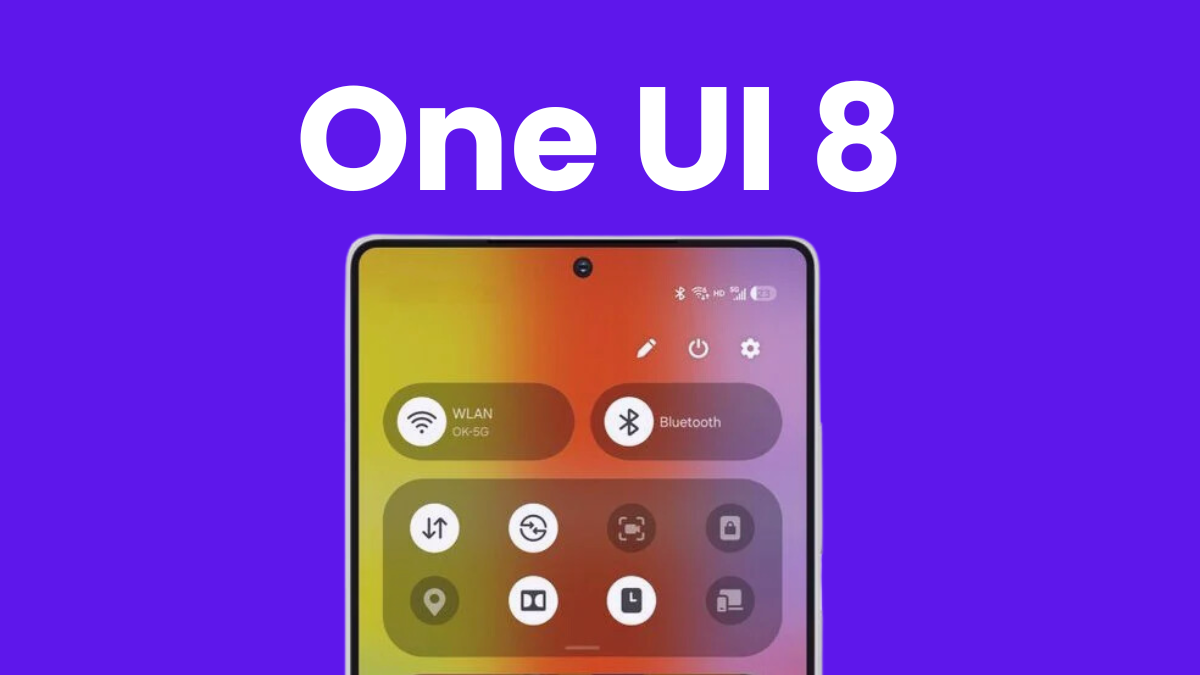
Samsung’s One UI 8 didn’t arrive with a visual overhaul, but that was never the point. Instead, it focused on making smartphones genuinely smarter. Powered by multimodal AI, One UI 8 combines visual, auditory, and contextual intelligence to understand what you’re doing and respond accordingly. Features like Gemini Live (now available even on the Flip’s cover screen) let users interact with AI that sees what they see in real time.

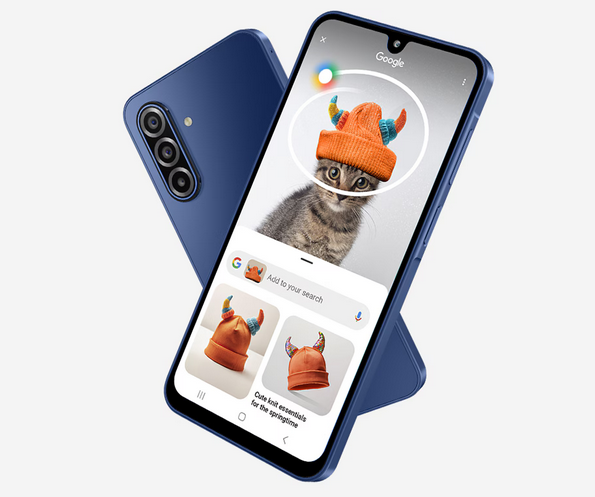
The new Circle to Search can fetch in-game help or object info with a simple gesture, and AI Results View keeps your screen clutter-free while you multitask. Tools like Audio Eraser, Call Captions, and Portrait Studio show how AI can clean audio, translate calls, and generate pet portraits all on-device.

But One UI 8 doesn’t stop at intelligence. Animations are smoother, layouts adjust fluidly between phones and tablets, and Quick Share and Reminder apps get smarter. The security upgrades are equally impressive, with Knox Keep, Knox Matrix, and post-quantum cryptography support.

Even better, the One UI 8.5 beta adds deep creative tools like Photo Assist with edit history, Auracast-powered Audio Broadcast, and theft-protection locks. Samsung’s ecosystem feels more connected and secure than ever.

2. OxygenOS 16

OxygenOS 16 December rollout plan

OnePlus took a bold step by embedding Google Gemini deep within its latest OxygenOS 16 update. This isn’t just a voice assistant bolted on. It’s a contextual co-pilot. Through Plus Mind, users can collect and organize anything, locations, posts, schedules, then ask Gemini to summarize, group, or build plans using real-time data.

The AI stack gets deeper with AI Writer (offering tone-based text suggestions), AI Scan (a smarter camera-based document scanner), and AI Recorder (real-time transcription with speaker ID). Photography fans get AI relighting and eye-correction tools, while Party Up creates short videos from static images.

OxygenOS 16 also shines in polish. Parallel Processing 2.0 and Flow Motion animations remove lag during multitasking. The design language called Breath with You brings in light blur effects and motion-responsive weather themes. The redesigned lock screen supports live wallpapers, depth effects, and interactive widgets.

The update builds ecosystem bridges too, with O+ Connect syncing Androids with Windows, Mac, and even iPhones. Integration with Apple Watch is a surprise twist and it works.

3. Pixel UI

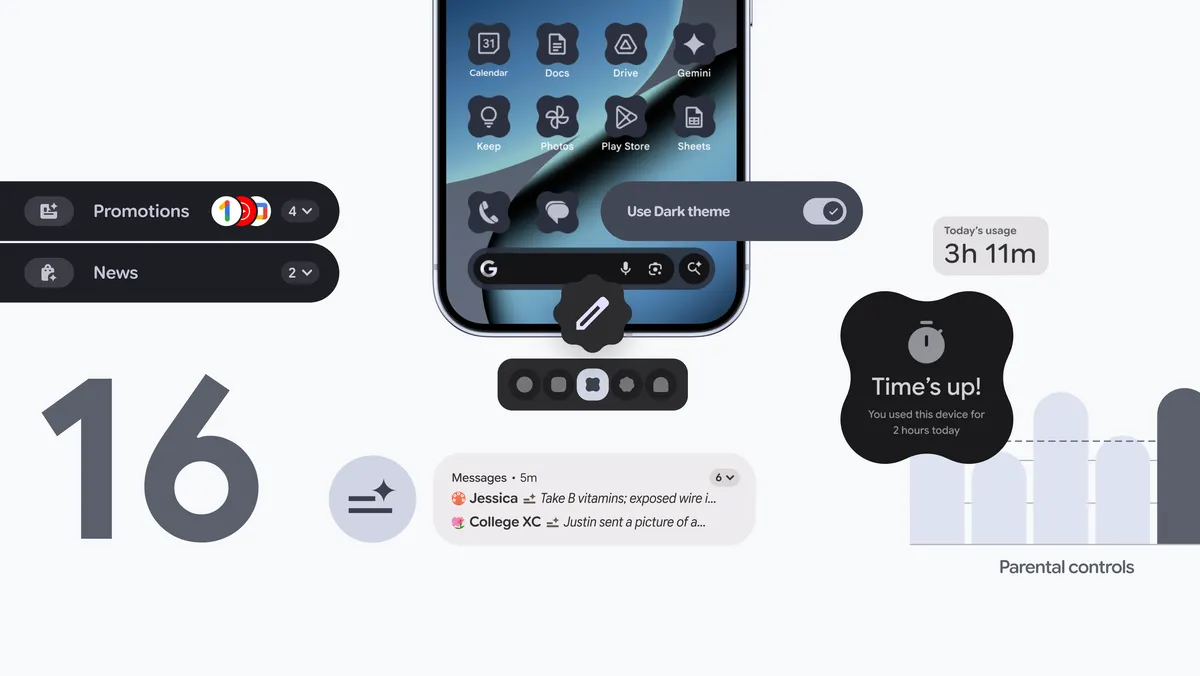
Google’s Android 16 takes a quieter, more considered path rather than chasing headline-grabbing changes. The most visible update comes through Material 3 Expressive, which introduces resizable quick toggles, haptic sliders, and a dual shade layout that separates notifications from quick settings. The result feels more fluid and easier to manage during everyday use.

AI plays a practical role by tackling notification overload. Android 16 adds AI summaries and a smarter notification organizer that tones down promotional clutter while highlighting messages that actually matter. The lock screen also gains more character through live effects, retro-inspired clock styles, and dynamic weather visuals that respond to real conditions.

Pixel UI continues to lean heavily into photography, backed by Tensor-powered, on-device AI. Features such as Magic Eraser, Best Take, Magic Editor, and Video Boost focus on making advanced photo and video edits feel fast and accessible, while keeping most processing local for better privacy.

Privacy remains a core theme across the update. Tools like Privacy Sandbox, Advanced Protection Mode, and Photo Picker with Cloud Support underline Google’s push toward a privacy-first Android experience, even as AI becomes more deeply integrated.

The recent Android 16 QPR2 update also delivers a noticeable performance boost on Pixel devices. Real-world tasks and graphics see clear improvements, while CPU gains remain modest. These gains likely stem from deeper system-level optimizations, including better memory management, rather than raw hardware changes.

For more daily updates, please visit our News Section.

Stay ahead in tech! Join our Telegram community and sign up for our daily newsletter of top stories! 💡

Galaxy S26 and S26 Ultra detailed dummies offer an early look at 2026 flagships

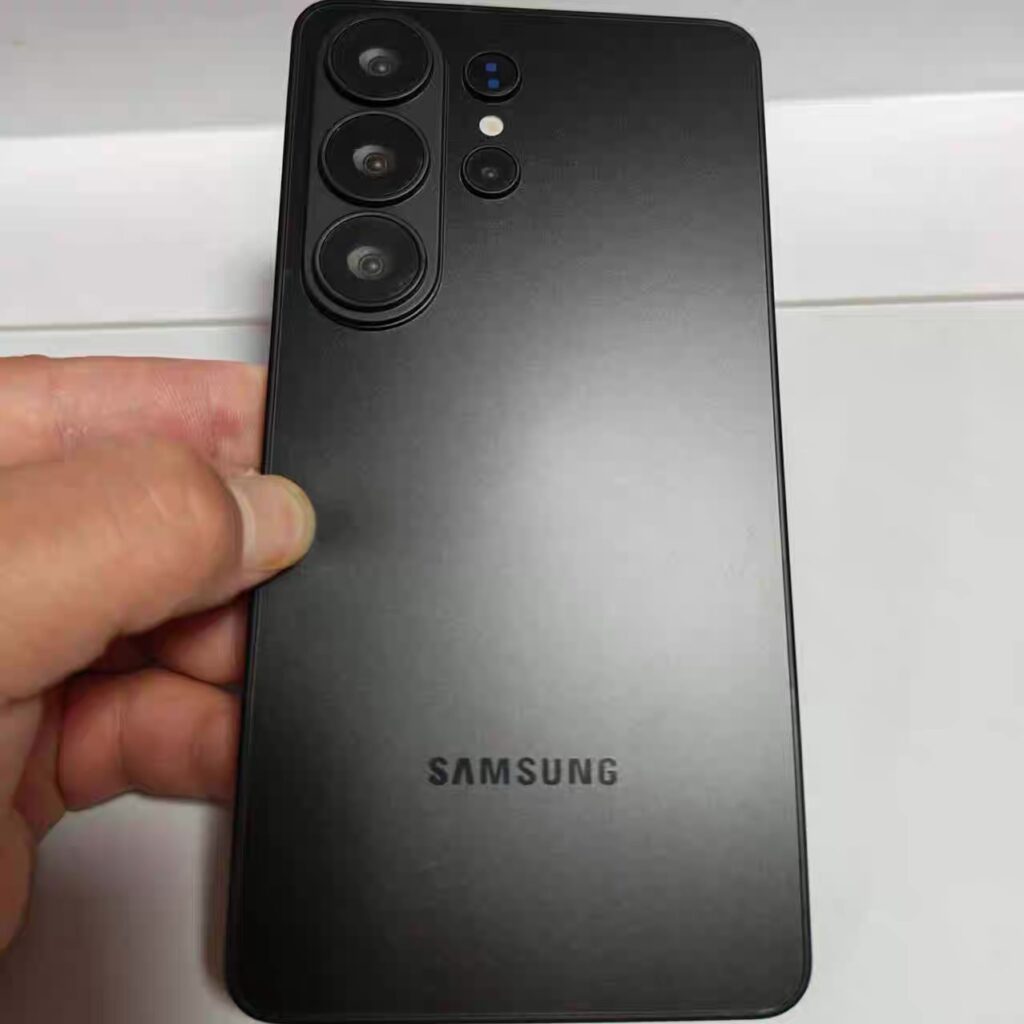
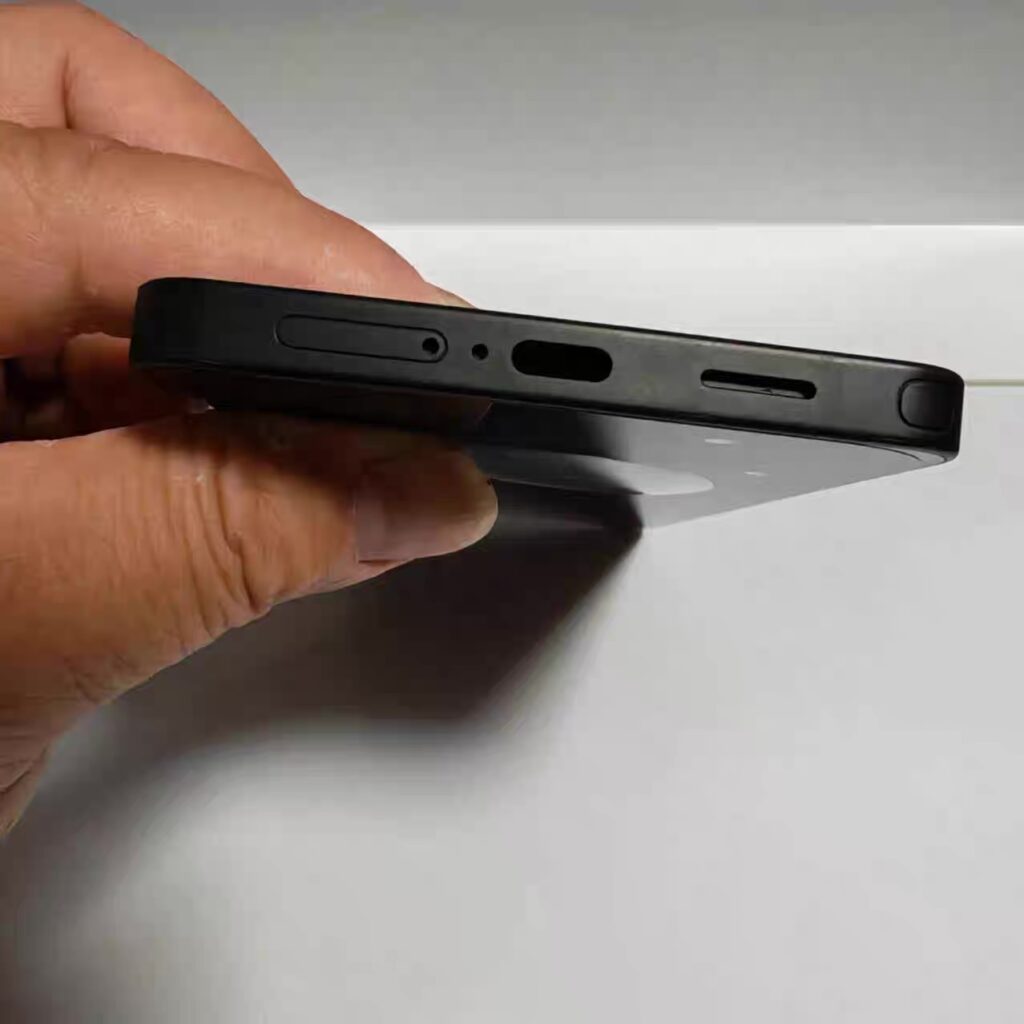
Leaks around Samsung’s next Galaxy S series are starting to pick up as 2026 approaches. New hands-on images and a short video now offer one of the clearest looks yet at the Galaxy S26 and Galaxy S26 Ultra—albeit in dummy form.

The images were shared by well-known leaker Steve Hemmerstoffer, better known as OnLeaks. They show highly detailed dummy units in silver and black, the kind typically used by case and accessory makers ahead of a launch.

Design-wise, Samsung appears to be softening things slightly. Both models feature more rounded corners and edges compared to the Galaxy S25 lineup, a change that should improve in-hand comfort. The Galaxy S26 Ultra’s integrated S Pen also seems to have been tweaked, with a rounded cap that sits more flush with the body.

The biggest visual change is on the back. Instead of individual raised camera rings, the upper rear cameras now sit within a single, larger camera island. The layout is reminiscent of recent Galaxy Fold models and gives the phones a cleaner, more unified look. For the Ultra, the redesign is expected to accompany camera hardware upgrades, although details remain unconfirmed.

The standard Galaxy S26 looks especially compact in the dummy shots, prompting some debate online around its exact thickness. The Ultra, meanwhile, retains the large footprint expected of Samsung’s top-tier flagship. A short video circulating on X shows the devices from multiple angles, including the front, sides, and bottom ports.

While final hardware could still change, these dummy units point to a familiar Samsung approach for 2026: measured design tweaks, a greater focus on ergonomics, and a renewed push on camera design rather than a full visual overhaul.

Don’t miss a thing! Join our Telegram community for instant updates and grab our free daily newsletter for the best tech stories!

For more daily updates, please visit our News Section.

(Source)

HyperOS 3 update now rolling out to Android 15 devices

Xiaomi HyperOS 3 (Android 15) update

If your Android 15-based Xiaomi device has run out of major Android OS upgrades, you still have a chance to experience HyperOS 3 as the brand has just started rolling it out to those devices. The Android 15-based upgrade is currently available to select devices, including the Redmi K60 series and Xiaomi Pad 6 series, as a Mi Pilot Release, with more devices to follow soon.

The HyperOS 3 update, based on Android 15, is currently available only for Chinese models. The Redmi K-series is anyway China-exclusive, although it has been released in other countries under the Poco branding. Additionally, please note that the update is currently available to pilot users and will be released to other users soon. (Here’s how to sign up to become a beta tester.)

Here are the build versions as spotted by Xiaomitime:

  • Redmi K60: 3.0.2.0.VMNCNXM
  • Redmi K60 Pro: 3.0.3.0.VMKCNXM
  • Xiaomi Pad 6 Pro: 3.0.3.0.VMYCNXM
  • Xiaomi Pad 6 Pro Max: 3.0.1.0.VMHCNXM

Xiaomi hasn’t announced a rollout schedule for the Android 15-based HyperOS 3 update. Neither has it confirmed which devices are eligible for this upgrade. However, based on previous reports, the update will expand to numerous devices. We’ll regularly update you on the same in our HyperOS 3 section.

How is Android 15-based HyperOS 3 different from Android 16?

The HyperOS 3 upgrade, based on Android 15, will be a slightly downgraded version of the one based on Android 16. Xiaomi hasn’t revealed the differences yet. However, based on reports, the Android 15-based software will also feature HyperIsland. The Android 16 iteration, on the other hand, includes additional UI polish and deeper integration of interactive shortcuts during ongoing activities.

The Android 15-based also implements over 100 improvements across the system, including animations, redesigned home screen icons, enhanced blur effects, and updated battery indicators. However, it lacks some platform-level security models directly integrated into Android 16, such as Identity Check, Advanced Protection Mode, AI-powered Scam Detection, and Private Space.

Still, there are numerous upgrades to the Android 15-based HyperOS 3 update, including performance optimizations, seamless cross-ecosystem integration, and enhanced multitasking capabilities.

Despite several missing upgrades, the HyperOS 3 upgrade, based on Android 15, still brings plenty to look forward to. On top of everything, it’s great to see Xiaomi rolling out a major HyperOS upgrade to devices that have already reached the end of Android OS updates.

Be sure to check our HyperOS section regularly for fresh updates. Or, if you prefer your news instant and on-the-go, hop into our Telegram channel for instant notification about the latest software updates and all the biggest tech headlines.

OnePlus Pad 2 Finally Receives November 2025 Update in India, Europe, and Global Markets

OnePlus is rolling out OxygenOS 16.0.1.301 for the OnePlus Pad 2 in India, Europe, and global markets. The update is going out in stages to a small group of users first, with a wider release planned in the coming days. It is worth noting that this update is only accessible if your device is running to the Android 16-based OxygenOS 16, which launched last month for the Pad 2.

OnePlus Pad Go 2
OnePlus Pad Go 2

The build number is OPD2403_16.0.1.301(EX01) for IN/EU/GLO regions. Users can now resize the clock when editing certain Flux themes and customize widget names for more home screen personalization. The Photos app adds automatic straightening when cropping and rotating portrait and architectural pictures.

Phone Manager now scans for viruses faster. The Daily weather widget displays rainy weather warnings, and the update includes the November 2025 Android security patch to improve system security.

Eligibility and Rollout

As previously mentioned, this update only works for OnePlus Pad 2 owners already running OxygenOS 16. If you’re still on OxygenOS 15, you need to upgrade to OxygenOS 16 first before you can install this build.

OnePlus is using its standard incremental rollout process. A small percentage of users will get the update today, and the company will monitor how it performs before expanding to more devices over the next few days.

For more daily updates, please visit our News Section.

Tech enthusiast? Get the latest news first! Follow our Telegram channel and subscribe to our free newsletter for your daily tech fix and stay ahead in tech!

(Source)

Realme 16 Pro’s MediaTek chip: Cost-cutting or a shift in priorities?

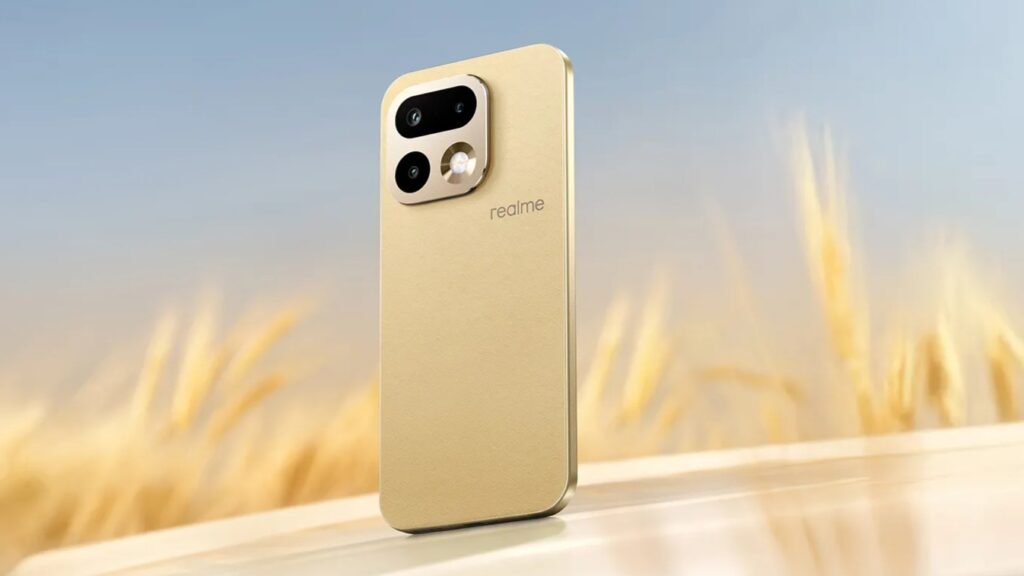
The Realme 16 Pro series is set to launch in India on January 6, featuring a new camera island design and a focus on imaging. After sharing image samples and design elements of the series over the past few weeks, the brand has finally taken the wraps off the chipsets—and honestly, it’s a bit disappointing.

1. A clear step back in performance

The Realme 16 Pro+ sticks with the Snapdragon 7 Gen 4 of the Realme 15 Pro, while the standard Realme 16 Pro adopts a MediaTek chip—the Dimensity 7300-Max. According to the brand, this new Dimensity chip achieved an AnTuTu score of 971K in its internal testing, surpassing the roughly 900K score of the Dimensity 7360-Turbo.

But how does it compare to the Realme 15 Pro? According to NanoReview, the predecessor averages over 1 million points in AnTuTu testing—higher than what Realme claims for the newer model.

The Realme 16 Pro also previously appeared on Geekbench, posting single and multi-core scores of 1003 and 2860, respectively. The Snapdragon-powered Realme 15 Pro shows an edge here as well, with single and multi-core scores exceeding 1200 and 3500. Taken together, these numbers suggest that the Realme 16 Pro will be weaker than its predecessor in terms of raw performance alone.

The Geekbench listing for the Realme 16 Pro also matches the core cluster and clock speeds of existing Dimensity 7300-series chips, including the Dimensity 7300, 7300 Pro, and 7300 Ultra.

2. Price-to-performance comparison

Realme is one of the smartphone brands known for its price-to-performance focus, which makes this discussion particularly relevant. The Realme 15 Pro launched in India at a starting price of Rs. 31,999 for the 8GB + 128GB variant.

To put things into perspective, here are a few smartphones powered by Dimensity 7300-series chips with the same 8GB + 128GB configuration, along with their current prices:

  • CMF Phone 2 Pro (Dimensity 7300 Pro) – Rs. 18,670
  • iQOO Z10x (Dimensity 7300) – Rs. 16,499
  • Poco X7 (Dimensity 7300 Ultra) – Rs. 17,999

3. The positioning of the Realme 16 Pro

Realme is clearly not aiming to compete on performance this time around. Instead, the brand appears to be leaning heavily on design and imaging.

There is a market for phones that look expensive but aren’t, and Realme likely sees an opportunity here. The camera module closely resembles that of the flagship OnePlus 15, and the company has highlighted its collaboration with world-renowned designer Naoto Fukasawa, along with nature-inspired aesthetics, as what sets the Realme 16 Pro apart.

Performance, notably, hasn’t received the same level of attention in the teasers.

4. The trade-off Realme is making

Does the chipset downgrade matter for day-to-day use? Possibly, yes. The camera, for instance, is a major selling point of the Realme 16 Pro but it’s also a resource-intensive component. This is especially true given the 200MP sensor, Realme’s LumaColor system, and features like AI Instant Clip.

The Dimensity 7300-Max isn’t weak by any means, but it sets the Realme 16 Pro far apart from what most users expect from a Realme phone priced around Rs. 30,000.

It may not be a deal breaker for some buyers, but it does raise questions about why Realme opted for a weaker chipset this time around. Let us know in the comments if it would affect your buying decision.

Don’t miss a thing! Join our Telegram community for instant updates and grab our free daily newsletter for the best tech stories!

For more daily updates, please visit our News Section.

Some Xiaomi 17 Ultra by Leica buyers report a quality issue with the rotatable zoom ring

Xiaomi’s new 17 Ultra Leica Edition is drawing early attention for its camera hardware. But some first buyers in China say the phone’s headline feature isn’t living up to expectations.

Posts circulating on Chinese social platforms suggest that the physical “Master Zoom Ring” around the camera module can feel loose on certain units. In a video clip shared by X user @Devinarde, the ring appears to wobble slightly when touched.

The issue also does not appear to be the result of physical damage. Responding to a comment, @Devinarde said some Leica Edition buyers reported receiving units with a “shaky” or loose camera ring straight out of the box.

The complaint does not seem widespread, though. @Devinarde mentioned their Leica-branded unit feels firm, with no noticeable play in the ring. But for affected users, the issue undermines the premium feel of what is positioned as a photography-focused device.

Notably, the criticism isn’t about camera performance. Early reviews still praise the color science of this phone. Instead, the focus is on fit and finish—an area buyers expect any top-of-the-line flagship to get right.

For buyers outside China considering gray-market imports, this may be worth keeping in mind. Xiaomi is likely to address the issue in later production runs, but early retail stock could carry some risk. Inspecting the zoom ring immediately after delivery would be advisable, especially given limited return windows.

Several retailers are already shipping the Xiaomi 17 Ultra to Europe, including TradingShenzhen, Wondamobile, Trinity Electronics in Hong Kong, and Average Dad Shop in the UK and UAE. Most offer around one year of warranty coverage, with return policies that are far more restrictive than official EU channels.

As Xiaomi continues to lean into its Leica partnership, the episode highlights a familiar trade-off: importing early to get the latest hardware, or waiting for wider availability through official channels for peace of mind. For a closer look, we also have an unboxing and hands-on of the Xiaomi 17 Ultra by Leica here.

Don’t miss a thing! Join our Telegram community for instant updates and grab our free daily newsletter for the best tech stories!

For more daily updates, please visit our News Section.

(Source)

LG launches new xboom portable Bluetooth speakers

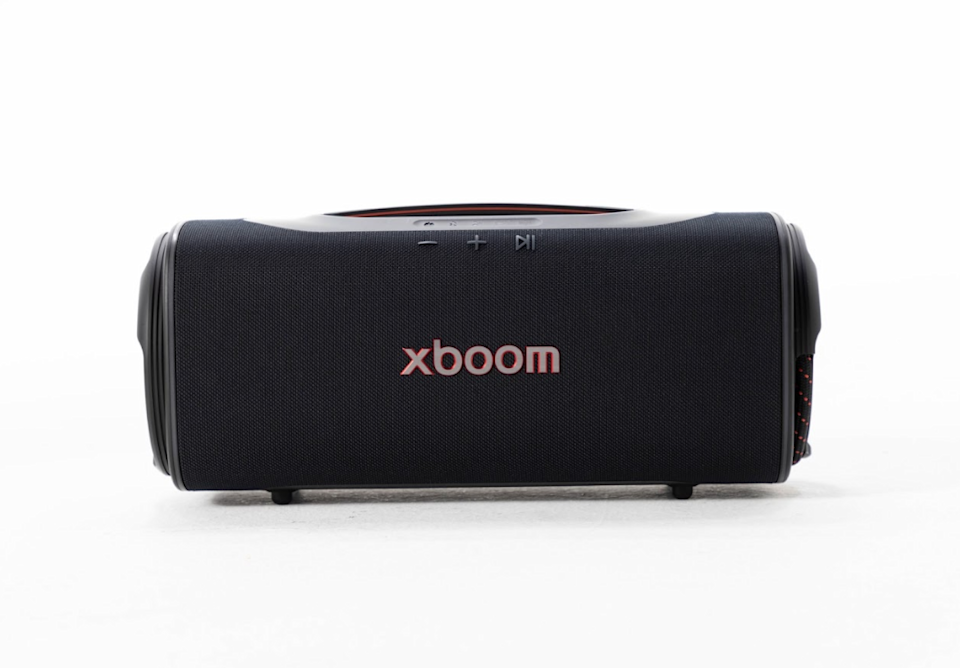
LG has introduced a new series of xboom speakers. These are a suite of portable Bluetooth speakers designed to appeal to music lovers across different use cases. The announcement arrives just ahead of the upcoming CES 2026 tech event, with the speakers bringing smart audio features and rugged designs. So let’s check them out.

LG xboom 501, Blast, Rock, & Mini Unveiled

LG xboom Blast
LG xboom Blast

At the core of the new xboom models is a set of AI-based features that analyze both the content being played and the characteristics of the listening space. This allows the speaker to automatically adjust its equalization for optimal sound, while ambient lighting can shift dynamically in sync with the music. The biggest model out of the lot is the xboom Stage 501, a powerful option built for social gatherings and karaoke nights.

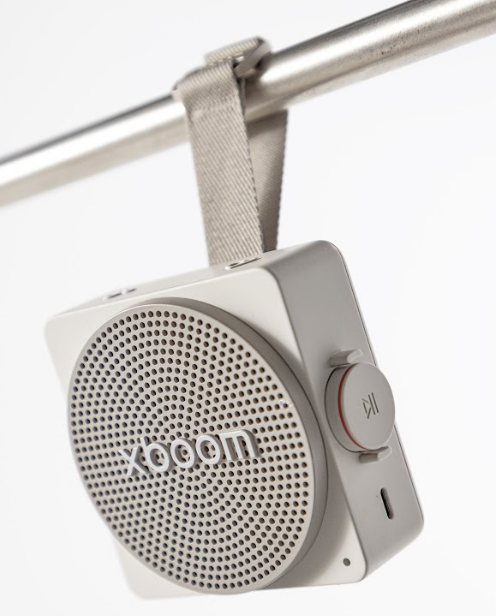
LG xboom Mini
LG xboom Mini

It offers up to 220 watts of output power, dual woofers, full-range drivers, and a flexible cabinet that can sit horizontally or vertically, depending on the setting. Its built-in AI tools can even isolate or remove vocals from tracks, giving users more control over their audio playback. For listeners who want a big yet portable option, the xboom Blast comes with a 99 Wh battery promising extended playtime (around 35 hours) and a tough build with ergonomic carrying elements. This makes it suitable for outdoor adventures or long listening sessions away from home.

Meanwhile, the xboom Mini is an even smaller option that is designed as an ultra-compact speaker fit for everyday carry, with a strap and mount support for easy placement anywhere. Similarly, the xboom Rock targets durability and outdoor use with rugged construction tested to multiple military standards, making it resilient in challenging environments. Both smaller models deliver around ten hours of battery life per charge.

LG xboom Rock
LG xboom Rock

LG’s xboom collaboration with will.i.am continues with this lineup, with a focus on delivering a balanced, energetic audio profile and seamless playback features tailored to modern lifestyles. All units are expected to hit the market in 2026, with appearances scheduled at LG’s CES booth early in the show.

Please Note: When you buy something using the links in our articles, we may earn a small commission at no cost to you.

For more daily updates, please visit our News Section.

Tech enthusiast? Get the latest news first! Follow our Telegram channel and subscribe to our free newsletter for your daily tech fix! ⚡

Lenovo’s Snapdragon X2-powered PC lineup leaks

Lenovo is launching all sorts of gadgets at CES 2026. From rollable PCs to a self-charging mouse and keyboard combo, the trade show will showcase a host of innovative ideas Lenovo is experimenting with in its consumer products.

A new report from Windows Latest suggests Lenovo will also use the show to unveil four new PCs powered by Qualcomm’s upcoming Snapdragon X2 processors. According to the report, the new models include the Lenovo Yoga Slim 7x, the IdeaPad 5x 2-in-1, and two sizes of the IdeaPad Slim 5x (13-inch and 15-inch).

Here’s the breakdown

The most premium model of the bunch is the Lenovo Yoga Slim 7x (14-inch). It will be powered by the top-tier Snapdragon X2 Elite 18-core processor for delivering maximum performance.

The chip features 12 prime cores and six performance cores, with a peak clock speed of up to 4.7GHz. The device weighs 1.17kg, measures just 13.9mm thick, and is said to offer up to 29 hours of battery life.

The laptop sports a 2.8K OLED display with a 120Hz refresh rate and up to 1,100 nits of brightness. Memory options include up to 32GB of LPDDR5X RAM and up to 2TB of storage. Pricing is expected to start at $949.99, with availability slated for Q2 2026.

Below that sits the IdeaPad 5x 2-in-1, powered by the Snapdragon X2 Plus series. It features a 14-inch WUXGA OLED display, a flexible hinge, and support for Lenovo’s Pen Gen 2. The device is positioned as a more versatile, everyday machine, offering up to 32GB of RAM, 1TB of storage, and a 60Wh battery.

The IdeaPad Slim 5x models follow a similar formula. The 13-inch version focuses on portability, weighing just 1.19kg, while the 15-inch model leans into a larger 2.5K OLED display with a 165Hz refresh rate and a bigger 70Wh battery. Both models run on Snapdragon X2 Plus chips and support Wi-Fi 7, IR cameras, and a modern selection of ports.

The 15-inch model is expected to start at $899, with availability beginning in Q2 2026.

For more daily updates, please visit our News Section.

Stay ahead in tech! Join our Telegram community and sign up for our daily newsletter of top stories.

Redmi Turbo 5 Pro clears 3C authority ahead of launch

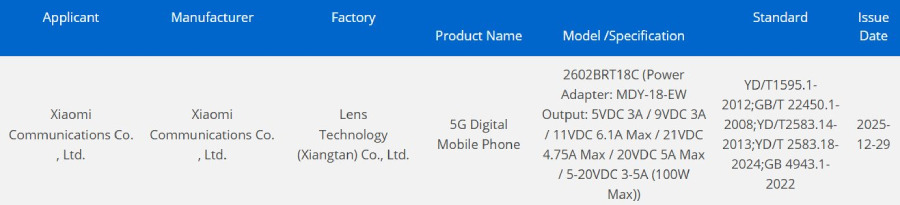
After the Redmi Turbo 5 Pro recently cleared radio certification, the phone has now cleared 3C certification in China. 

The device carrying the model number 2602BRT18C has been approved by the authority for 100W charging support. As usual, 3C certification only reveals the charging details of the device and not other features. 

Not to forget, the vanilla Turbo 5 made its 3C appearance in early November with support for the same 100W charging. 

Clearing these tests usually means the device is nearing launch. According to a previous report, Xiaomi might launch these smartphones before Spring Festival in China, which means before the third week of February. 

Redmi Turbo 5 / Pro Specifications

Both devices are expected to feature a 1.5K LTPS flat display, an ultrasonic in-display fingerprint sensor, and a metal mid-frame. They are also tipped to offer IP68/69-level dust and water resistance, symmetrical dual speakers, and run on Android 16-based HyperOS 3. 

Powering both phones is said to be a massive battery of around 9,000mAh capacity, paired with above mentioned 100W fast charging.

Redmi Turbo 5

The Redmi Turbo 5 is also expected to feature an OLED LTPS panel with a 1.5K resolution and be powered by the upcoming MediaTek Dimensity 8500 chipset. Beyond its processor, the rest of the phone’s specifications are expected to closely mirror those of the Pro model.

The Redmi Turbo 5 Pro, on the other hand, is tipped to sit higher in the lineup with a MediaTek Dimensity 9-series processor. The device is said to feature a 1.5K LTPS display with large, rounded corners and a flat design. 

We will keep you updated as we hear more about the phones.

For more daily updates, please visit our News Section.

Stay ahead in tech! Join our Telegram community and sign up for our daily newsletter of top stories.

OnePlus Pad Go 2 Now Available in the U.S. for $400, Comes With Free Folio Case or Stylus

OnePlus is officially selling the Pad Go 2 in the U.S for $400, with early buyers getting a free folio case or stylus. The 12.1-inch 120 Hz LCD stands out, delivering high brightness and smooth scrolling that punches above its class. Expandable storage returns with up to 256 GB onboard plus a microSD slot.

OnePlus is finally launching one of its most budget-friendly tablets in the U.S, targeting users seeking a pure Android experience at non-flagship costs. The OnePlus Pas Go 2 is available on the company’s site for $400, with a free folio case or stylus for orders placed before year-end. It’s sports OnePlus’s signature styling in a slim aluminium chassis with narrow bezels and a spacious screen ideal for streaming, web browsing, and basic tasks.

Display Features

The display stands out as a major highlight. It features a large 12.1-inch LCD panel with a 120 Hz refresh rate and up to 900 nits peak brightness, enabling comfortable outdoor use even on sunny days, which is rare for this price tier. Though not OLED, it performs reliably for everyday tasks.

Storage and Hardware Specification

OnePlus upgraded the internals by swapping the previous Helio G99 for the MediaTek Dimensity 7300 Ultra chipset, which handles streaming, light productivity and casual gaming effectively without rivaling top-tier Snapdragon 8 Gen 3 Performance. It includes 8GB RAM paired with up to 256 GB storage, expandable through a microSD slot, a rare and welcome feature for users needing extra space.

Battery

The 10,500 mAh battery significantly exceeds the 8,000 mAh unit in the prior OnePlus Pad Go, supporting over 50 hours of music playback or 15 hours of video.

Software and Ecosystem

The Pad Go 2 excels in software with OxygenOS tailored for tablets, featuring split-screen multitasking, floating windows, and superior app scaling over standard Android on bigger screens.

For existing OnePlus phone owners, seamless, quick file sharing and synced notifications integrate the tablets effortlessly into their workflow.

MediaTek announces the Dimensity 7100, a new 6nm chip for mid-range 5G phones

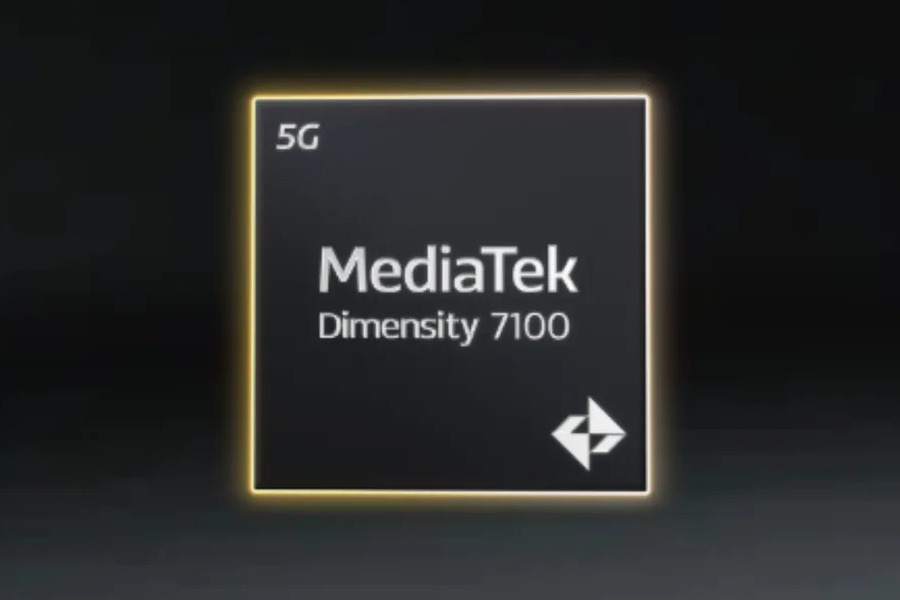
MediaTek has quietly added a new chip to its mid-range lineup. The Dimensity 7100 is now listed on the company’s official website as a 5G chipset built on TSMC’s 6nm process.

At a basic level, the Dimensity 7100 follows a familiar formula. It features an eight-core CPU setup, comprising four Cortex-A78 performance cores clocked at up to 2.4 GHz and four Cortex-A55 efficiency cores running at 2.0 GHz. 

The setup isn’t significantly different from previous Dimensity 7000-series chips, but MediaTek claims users should experience faster app launches and smoother multitasking compared to older mid-range processors.

Graphics are handled by the Arm Mali-G610 GPU, which is up to 8 percent faster than the GPU found in the Dimensity 7050. 

Dimensity 7100 is touted for efficiency 

One of the bigger themes here is efficiency. MediaTek says the Dimensity 7100 is around 5 percent more power-efficient during app usage, up to 16 percent more efficient during multimedia playback, and up to 23 percent more efficient on the modem side. The integrated 3GPP Release 16 5G modem supports download speeds of up to 3.3Gbps and uses MediaTek’s UltraSave 3.0+ technology to reduce battery drain during extended 5G sessions.

The chip also checks the expected boxes for modern hardware support. It works with LPDDR5 RAM at speeds of up to 5500Mbps and supports UFS 3.1 storage. Wireless options include Wi-Fi 6 and Bluetooth 5.4. On the display side, the Dimensity 7100 supports 10-bit color depth and HDR video playback.

As for the optics, the chip supports sensors up to 200 megapixels, along with HDR imaging, multi-frame noise reduction, and hardware-accelerated face detection. According to the company, portrait detection and autofocus performance have seen notable improvements compared to previous generations, at least on paper.

There’s also support for 45W fast charging and the UFCS universal charging protocol, alongside a new power management system designed to work at lower voltages for slightly longer battery life.

Don’t miss a thing! Join our Telegram community for instant updates and grab our free daily newsletter for the best tech stories!

For more daily updates, please visit our News Section.

OnePlus 11 Gets December 2025 Security Patch with New Video Editing and Storage Tools

OnePlus is rolling out OxygenOS 16.0.2.400 for the OnePlus 11 in India. The update adds new features and refinements for devices already on Android 16–based OxygenOS 16, which was released for the OnePlus 11 earlier this month.

OnePlus 11

Storage cleanup tools are now accessible directly from Smart Sidebar, making it easier to free up space on your device without digging through settings.

The Photos app can automatically straighten portrait and architectural photos when you crop or rotate them. Video editing got a major upgrade with support for cutting, splitting, multi-clip stitching, adding music and text, adjusting speed, and cropping. You can now filter photos using “Motion Photo,” “Screenshots & screen recordings,” and “Edited” options. The app also loads thumbnails faster thanks to improved parsing.

After resizing app icons and adding shortcut icons, you can drag and drop them to rearrange their position. This also works for app clone icons. The update lets you stack 2×1 widgets on your home screen to use space better.

Circle to Search works better with gesture navigation now. You can activate it by touching and holding the area where the gesture bar normally appears, even when the bar is hidden.

The December 2025 Android security patch is included in this update. You can now edit images and videos in Private Safe without unlocking them first. Phone Manager will show a popup asking if you want automatic blocklist updates over Wi-Fi and mobile data. Allowing this keeps the blocklist current and improves spam protection.

OnePlus 11 OxygenOS 16.0.2.400

This update is only for users already on OxygenOS 16. If you’re still using OxygenOS 15, you need to upgrade to OxygenOS 16 first to get this build. The rollout is incremental, starting with a small group of users before expanding to everyone in a few days.

Don’t miss a thing! Join our Telegram community for instant updates and grab our free daily newsletter for the best tech stories!

For more daily updates, please visit our News Section.

(Source)

Rumors suggest Xiaomi is developing MIX 5, might feature under-display 3D face recognition

It appears that experiments with smartphones are working well for Xiaomi, as seen with the recent Xiaomi 17 series. Reports now suggest the company is preparing to launch the MIX 5 as the next chapter in its experimental smartphone lineup. Multiple leaks indicate the device is expected to debut ahead of Apple’s iPhone 18 series.

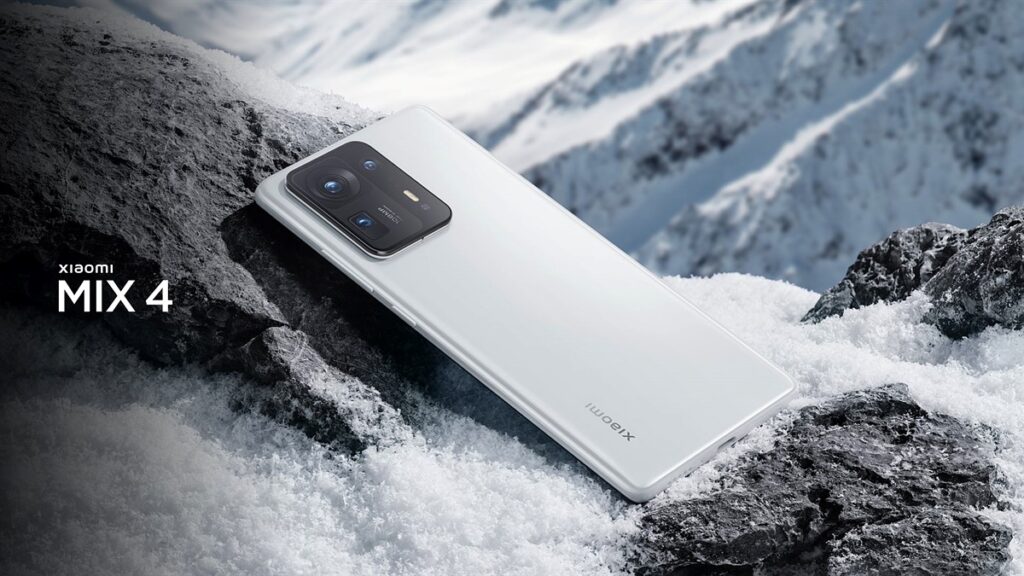
Xiaomi Mix 4

The MIX series has been dormant since the release of the MIX 4 in August 2021. That model introduced Xiaomi’s first under-display camera and a full ceramic unibody. The MIX 4 featured a Snapdragon 888+ chipset, a 6.67-inch AMOLED screen, and a 20MP camera hidden under the display. However, the front-facing camera performance remained a weak point due to technical limitations at the time.

Xiaomi now appears to be addressing that gap with the MIX 5. According to popular tipster Digital Chat Station, an unnamed manufacturer is working on a new smartphone project that features a quad-curved display and an under-display front camera. Although the tipster did not name the brand, discussions in the community strongly suggest the device refers to the MIX 5.

Xiaomi Mix 5 Rumor

In addition to the display and camera upgrades, tipster Smart Pikachu recently hinted that the Explorer Edition (potential MIX 5) will incorporate under-display 3D facial recognition. If true, Xiaomi could become the first smartphone maker to commercialize this technology on a mass-market device.

Under-display 3D face unlock has long been considered one of the final hurdles in delivering a truly seamless front panel, and the MIX 5 may be the first to implement it successfully.

According to rumors, the phone is expected to make its debut at Lei Jun’s annual speech, a stage traditionally reserved for Xiaomi’s most important products. The MIX 5 could signal a bold return for the series that once redefined smartphone design.

For more daily updates, please visit our News Section.

Tech enthusiast? Get the latest news first! Follow our Telegram channel and subscribe to our free newsletter for your daily tech fix! ⚡
Samsung’s innovative chip cooling tech covers RAM too

Samsung’s Exynos processors have spent years under the spotlight for the wrong reasons, especially when it comes to heat. But the company hasn’t stood still. New details suggest Samsung is now testing another packaging change aimed at keeping its chips cooler — and devices thinner.

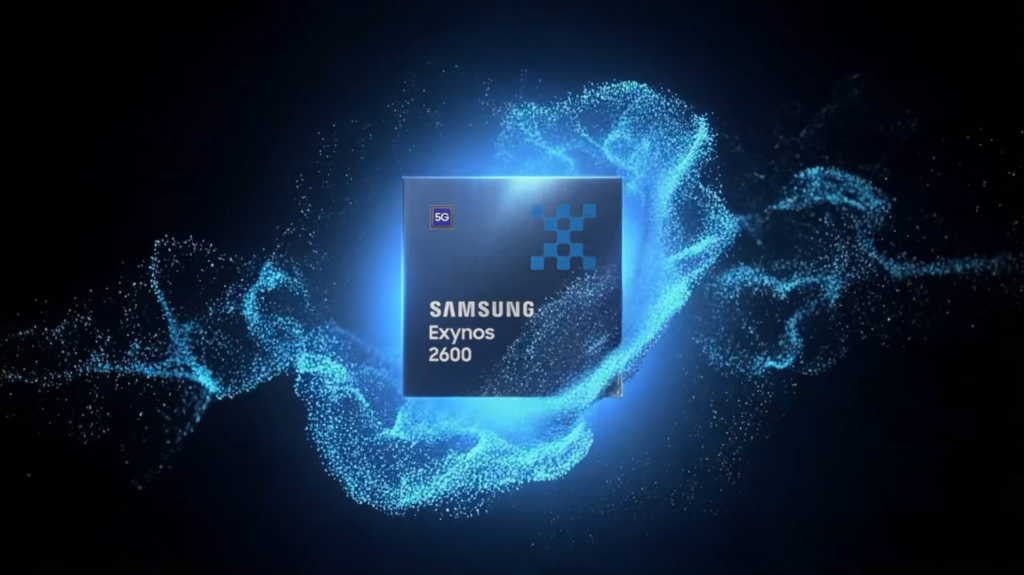
Exynos 2600
Exynos 2600

Recent Exynos chips, including the upcoming Exynos 2600, already use Fan-Out Wafer Level Packaging (FOWLP). This moves key connections outside the main die, helping reduce heat concentration. Samsung also adds a thin copper Heat Path Block (HPB) layer to speed up heat dissipation from the processor itself.

There’s still a catch, though. In current designs, both the RAM and the HPB sit on top of the processor. That means the HPB mainly helps cool the CPU and GPU, while the memory — which also heats up under load — doesn’t benefit as much.

Samsung’s reported next step is a side-by-side (SbS) package layout. Instead of stacking components vertically, the processor and RAM would sit next to each other. The HPB layer would then cover both, allowing heat to escape more evenly across the package.

This setup could improve thermal performance overall. It also reduces the vertical height of the chip package, which may help device makers build thinner phones.

The downside is space. A side-by-side layout needs more horizontal room, meaning the PCB may have to be reworked to make space for camera modules.

That said, Samsung’s foldable phones could be an early fit. These devices already prioritize thinness, and they tend to have more internal width to work with.

If things fall into place, the SbS approach could show up in Galaxy flagships before long. It’s another sign that Samsung is still trying to narrow the gap with competing chips.

Don’t miss a thing! Join our Telegram community for instant updates and grab our free daily newsletter for the best tech stories!

For more daily updates, please visit our News Section.

(Source)

Samsung Galaxy Tab A11+ & Galaxy A17 5G launch in the US with affordable price tags

Samsung has officially released two new budget devices in the US market. The Galaxy Tab A11+ and Galaxy A17 5G have already made their global debut earlier this year, and these models are finally available with an affordable price tag. So here are all the details.

Samsung Galaxy Tab A11+ Specifications

The South Korean tech giant’s new Galaxy Tab A11+ with a tall 11-inch TFT LCD panel with an FHD+ resolution, 480 nits of peak brightness, and a 90Hz refresh rate. Under the hood, this tablet is equipped with the MediaTek MT8775 chipset, which is different from the Dimensity 7300 on the global variant. The chip is coupled with up to 8GB of RAM and 256GB of internal storage. A sizeable 7,040mAh battery pack powers this device, which supports 25W wired fast charging.

Samsung-Galaxy-Tab-A11-Plus
Samsung Galaxy Tab A11+

For optics, the rear features an 8MP rear camera with autofocus and a 5MP front camera for video calls. This model also debuts with various AI powered tools like Circle to Search and DeX Standalone Edition, which allows for improved productivity. Other notable features include a quad speaker system with Dolby Atmos, WiFi 5, a 3.5mm audio jack, an IP52 rating, a metal unibody, and a microSD card slot (offers up to 2TB of storage expansion).

Samsung Galaxy A17 5G Specifications

On the other hand, the Samsung Galaxy A17 5G just launched with a tall 6.7-inch Super AMOLED display with an FHD+ resolution, a 90Hz refresh rate, and Gorilla Glass Victus Front. The rear has a glass fiber reinforced polymer panel, while the frame is made with plastic. The budget phone is equipped with the Exynos 1330 SoC, which is paired with 4GB of RAM and 128GB of internal storage. Users can even expand the storage by up to 2TB via a microSD card slot.

Samsung Galaxy A17 5G

The Galaxy A17 5G houses a 5,000mAh cell that supports 25W wired fast charging. On the rear, you get a 50MP (Main) + 5MP (Ultra Wide) + 2MP (Macro) camera setup, with the front packing a 13MP selfie shooter. Other notable features include a side mounted fingerprint scanner, 6 years of OS updates (+6 years of security patches), AI features like Circle to Search, Bluetooth 5.3, WiFi 5, and an IP54 rating for water and dust resistance.

Pricing and Availability

Samsung just announced the Galaxy A17 5G in three color options, namely Black, Blue, and Gray. Meanwhile, the Galaxy Tab A11+ is listed in Gray and Silver. The Galaxy A17 5G has been released in the US for 199.99 US Dollars, while the Galaxy Tab A11+ has a starting price tag of 249.99 US Dollars. Samsung’s new budget smartphone will go on sale in the US on 7th January 2026 via AT&T, T-Mobile, Metro by T-Mobile, Verizon, and Samsung Experience Stores, while the Galaxy Tab A11+ will release on January 8.

For more daily updates, please visit our News Section.

Tech enthusiast? Get the latest news first! Follow our Telegram channel and subscribe to our free newsletter for your daily tech fix! ⚡

New Titanium Casio G-Shock MRG-B2100D may launch soon

Casio appears to be preparing a new addition to its premium G-Shock lineup with a new MRG series watch. The company is working on a new rugged timepiece crafted in titanium that’s expected to join the brand’s sophisticated yet tough watch family soon. So here’s what we know.

Casio G-Shock MRG-B2100D-2A arriving soon

The popular watch maker is reportedly working on a new Casio G-Shock MRG-B2100D-2A model. According to a fresh report (Via NotebookCheck), this new watch is the second colorway, joining the existing G-Shock MRG-B2100D-1A that launched last year. The latest rumor claims that the upcoming G-Shock MRG-B2100D-2A will carry a similar silver color titanium casing and bracelet similar to the MRG-B2100D-1A model. But the main difference will be with the dial.

Casio G-Shock MRG-B2100D Titanium Watch
Casio G-Shock MRG-B2100D-2A Titanium Watch rumored to launch soon

While the original G-Shock MRG-B2100D-1A has a classic black dial, the newer watch gets a green dial. The Cobarion alloy bezel and a kigumi-inspired geometric pattern are also expected to make a return. As with its predecessor, the upcoming model is expected to sport a full titanium case and bracelet, combining light weight with outstanding strength.

Apart from the new color hue, the Casio G-Shock MRG-B2100D-2A will likely offer similar features as the other MRG-B2100 series watches. So we can expect an analog watch design with three watch hands, radio control, a solar panel, Super Illuminator LED backlight, and Bluetooth connectivity that allows pairing for automatic time adjustments via the Casio Watches app for your smartphones. Casio might release the G-Shock MRG-B2100D-2A sometime in January 2026 for around 572,000 Japanese Yen, which is roughly about 3,665 US Dollars.

Please Note: When you buy something using the links in our articles, we may earn a small commission at no cost to you.

For more daily updates, please visit our News Section.

Don’t miss a thing! Join our Telegram community for instant updates and grab our free daily newsletter for the best tech stories!

HP Omnibook 5 OLED Gets Massive Price Drop: Grab It for ₹60,990 with HDFC Offer

Looking for a laptop with great performance and a sleek design under budget.  Well, good news. HP Omnibook 5 OLED just dropped its price, and it’s a never-to-miss deal. You can have it for just ₹60,990 in this holiday season, because this is a banger.

HP Omnibook 5 OLED Deal Details and Specifications

The HP Omnibook 5 OLED 16″ version is currently available at ₹65,990. With the HDFC credit card, you can avail of an instant ₹5000 discount, bringing the effective cost down to around ₹60,990. The HP Omnibook 5 OLED comes with the latest Snapdragon X processor, paired with the fastest 16 GB LPDDR5x RAM and 1 TB SSD storage. The device will have the Windows 11 operating system and all the Microsoft 365 Basic Free. The laptop comes in Glacier Silver colour and weighs around 1.59 kg. Display of the device is 2K (1920 x 1200), OLED with 0.2 ms response time, which also comes with additional features like UWVA, micro-edge, BrightView, Low Blue Light, 300 nits, 95% DCI-P3.

Please Note: When you buy something using the links in our articles, we may earn a small commission at no cost to you.

The HP Omnibook 5 OLED provides versatile connectivity with one USB Type A port supporting a 10 Gbps signalling rate, one headphone/microphone combo jack for easy audio access, and two USB Type-C ports with 10 Gbps signalling rate that support USB Power Delivery 3.0, DisplayPort 1.4a, and HP Sleep and Charge for fast data transfer, charging, and external display connectivity. For simultaneois (DBS) and Bluetooth  5.3 wireless card, ensuring high-speed internet, low latency and reliable connections for both networking and peripherals. The device supports fast charging of 50% in 30 minutes and privacy features like mic mute key, camera privacy shutter, etc

This is a perfect office laptop. And don’t miss this offer and subscribe to more content like this.

Oppo Find X9s India launch tipped for March with dual 200MP cameras & Dimensity 9500+

Oppo‘s Find X9s is shaping up to be an exciting premium smartphone that could be launching in early 2026. A fresh leak has revealed cutting edge specs and features as well as the launch timeline of this compact flagship. So here’s everything we know so far.

Oppo Find X9s Rumored Specifications & Indian Release Timeline

Earlier this week, a big leak from a Chinese tipster confirmed some key hardware details of the Find X9s, and now an Indian tipster has revealed more details of the upcoming Find X9s. In a recent tweet, Debayan Roy (Gadgetsdata) claimed that the Oppo Find X9s with a 6.3-inch LTPS OLED display with a 1.5K resolution and a 120Hz refresh rate.

Oppo Find X9
Oppo Find X9

Under the hood, this model may be equipped with the MediaTek Dimensity 9500+ SoC and house a gigantic 7,000mAh battery pack. For photography, the rear will reportedly have a triple camera setup that consists of a 200MP primary sensor, a 200MP periscope telephoto shooter, and a 50MP ultra wide angle lens. Other notable features includes an IP69 rating for water and dust resistance, a metal frame, and an in-display ultrasonic fingerprint scanner.

Most of these features are in line with our previous report. But while initial reports gave us the details for the Chinese release, the Indian tipster claims that the Oppo Find X9s will also debut in March 2026. Unfortunately, this is still just an unconfirmed report so take this news with a pinch of salt and stick around for more. In related news, the upcoming Find N6 foldable phone just had its full specs revealed ahead of January 2026.

For more daily updates, please visit our News Section.

Tech enthusiast? Get the latest news first! Follow our Telegram channel and subscribe to our free newsletter for your daily tech fix! ⚡

Redmi Pad 2 Pro with Snapdragon 7s Gen 4 gets its Indian pricing leaked

Xiaomi will be announcing the Redmi Note 15 5G in the Indian market next week, and alongside this device, the brand is also set to unveil a new budget tablet. But ahead of the official launch, a fresh leak has revealed the price range of this model. So let’s check it out.

Redmi Pad 2 Pro Rumored India Pricing

In a fresh teaser poster, the Chinese tech giant confirmed that the Redmi Pad 2 Pro will launch in India with a Snapdragon 7s Gen 4 SoC. To recall, this is the same chipset that powered the global version of the Redmi Pad 2 Pro that launched in Europe back in September 2025. While the tablet will debut in the region on 6th January 2026, tipster Abhishek Yadav has revealed the expected pricing details of the Redmi Pad 2 Pro.

Redmi Pad 2 Pro
Redmi Pad 2 Pro

The tweet claims that the Redmi Pad 2 Pro will go on sale in the Indian market in three different variants. So here are the details:

  • 6GB + 128GB (WiFi only) – Rs 25,000 (roughly 278 US Dollars)
  • 8GB + 128GB (5G) – Rs 28,000 (roughly 312 US Dollars)
  • 8GB + 256GB (5G) – Rs 30,000 (roughly 334 US Dollars)

If this leak is accurate, then the Redmi Pad 2 Pro’s 5G variant gets higher RAM and storage options. He also claims that the first sale of the Redmi Pad 2 Pro will kick off on 12th January 2026. Keep in mind that this is still just an unconfirmed report, so take this news with a pinch of salt and stick around for more. In related news, Xiaomi recently released the Redmi Bluetooth Speaker 2 in a fresh Twilight Black edition.

For more daily updates, please visit our News Section.

Don’t miss a thing! Join our Telegram community for instant updates and grab our free daily newsletter for the best tech stories!