Advertisement

Samsung may bring back custom CPU and GPU designs with Exynos 2800

Samsung could be preparing a major shift in its chip strategy with a future Exynos processor. According to recent leaks, the company is exploring fully custom CPU and GPU designs for the Exynos 2800, marking a possible return to in-house core development after several years of relying on external partners.

The information comes from Weibo tipster Smart Chip Guide. If accurate, the Exynos 2800 would move away from standard ARM CPU cores and also end Samsung’s use of AMD’s RDNA-based GPUs, which have powered flagship Exynos chips since 2022.

This wouldn’t be Samsung’s first attempt at custom CPUs. Between 2016 and 2020, the company developed its own “Mongoose” cores, designed by its Austin-based team. While those chips showed strong peak performance, they struggled with efficiency and heat management, often falling behind Qualcomm’s Snapdragon chips in real-world use. Samsung eventually shut down the project and returned to off-the-shelf ARM designs.

The new effort suggests Samsung believes the timing is better this time. Advances in manufacturing, including its upcoming 2nm Gate-All-Around (GAA) process, could help address earlier efficiency issues. Developing a custom GPU could also give Samsung more control over AI processing and system-level optimizations across Galaxy devices.

The Exynos 2800 is rumored to debut in the Galaxy S28 series in 2028, leaving Samsung several years to refine the architecture. Before that, the Exynos 2600—expected in the Galaxy S26 lineup—may be the final Exynos chip to use AMD’s RDNA graphics, even though Samsung reportedly handles most of the GPU implementation itself.

If this plan moves forward, it would signal Samsung’s intent to compete more directly with Apple’s tightly integrated silicon strategy. Whether it succeeds, however, remains an open question—especially given the mixed legacy of its earlier custom designs.

Don’t miss a thing! Join our Telegram community for instant updates and grab our free daily newsletter for the best tech stories!

For more daily updates, please visit our News Section.

(Source)

Galaxy S26 Ultra’s One UI 8.5 leak hints at built-in screen privacy feature

Samsung’s upcoming Galaxy S26 series may indeed include an AI-powered screen privacy option, according to a recent leak tied to One UI 8.5.

While examining early One UI 8.5 firmware, leakers spotted references to a feature called Privacy Display. As per the source, it appears to limit how clearly the screen can be viewed from the sides, while keeping it readable when looked at straight on. The goal seems to be reducing unwanted glances in public places like buses, trains, or cafes.

The feature doesn’t appear to be always on. Mentions in the software discovered so far suggest it can be enabled manually through Settings or added as a toggle in the Quick Panel. There are also signs that it can be automated, possibly through Samsung’s Modes and Routines system, allowing it to turn on when certain conditions are met — such as leaving home or connecting to mobile data.

Samsung’s Privacy Display feature is reportedly linked to display hardware rather than camera-based detection. Last year, Samsung Display showcased Flex Magic Pixel OLED technology, which can adjust viewing angles by controlling how pixels emit light. The Galaxy S26 series could be the first to use this technology in a consumer device, although that hasn’t been confirmed.

While Samsung’s Privacy Display appears to change how on-screen content is viewed—likely relying on new display hardware—the idea of dealing with prying eyes isn’t entirely new. Huawei’s Pura 80 Ultra, for example, uses eye-tracking and facial recognition to detect when someone is looking at the screen and alerts the user in real time through a Dynamic Island-style notification. It will be interesting to see how Samsung’s panel-based approach compares when the Galaxy S26 series launches in February 2026.

Don’t miss a thing! Join our Telegram community for instant updates and grab our free daily newsletter for the best tech stories!

For more daily updates, please visit our News Section.

(Sources: 1, 2)

Oppo Reno 15 Pro Max debuts with flagship-level 200MP triple cameras, powerful Dimensity chip

Oppo has officially expanded its Reno portfolio with the global launch of the Reno 15 Pro Max and Reno 15 Pro. The new smartphones bring improvements in display quality, flagship-level camera hardware, a powerful MediaTek chipset, and large batteries, setting the stage for a refreshed premium mid-range lineup. The series also includes the Reno 15 and Reno 15F, which are covered in a dedicated post.

Oppo Reno 15 Pro Max, Reno 15 Pro specifications and features

Oppo Reno 15 Pro Max_
Oppo Reno 15 Pro Max

The Oppo Reno 15 Pro Max features a 6.78-inch AMOLED display with full-HD+ resolution and a 120Hz refresh rate. The Reno 15 Pro offers a more compact form factor with a 6.32-inch AMOLED panel while retaining the same refresh rate. Both phones run ColorOS 16 based on Android 16 and carry an IP68/IP69 rating for dust and water resistance.

Powering both devices is the MediaTek Dimensity 8450 chipset paired with 12GB RAM. The Reno 15 Pro Max is offered in a single 12GB+512GB configuration, while the Reno 15 Pro comes in a 12GB+256GB variant. Both phones come with LPDDR5x RAM and UFS 3.1 storage.

On the camera front, both phones feature a 200-megapixel main sensor with autofocus and optical image stabilisation, a 50-megapixel periscope telephoto camera with autofocus, optical image stabilisation and 3.5x optical zoom, and a 50-megapixel ultra-wide camera with autofocus. For selfies, both models use a 50-megapixel front camera with autofocus support.

Oppo Reno 15 Pro
Oppo Reno 15 Pro

The Reno 15 Pro Max packs a 6,500mAh battery with 80W wired and 50W wireless fast charging, while the Reno 15 Pro houses a 6,200mAh battery with 80W wired charging. Connectivity features include Wi-Fi 6E, Bluetooth 5.4, NFC, USB Type-C, dual SIM support and an in-display fingerprint sensor.

To sum up, the Reno 15 Pro Max and Reno 15 Pro are rebranded versions of China’s Reno 15 Pro and Reno 15.

Oppo Reno 15 Pro Max, Reno 15 Pro price and availability

The Oppo Reno 15 Pro Max is priced at NTD 24,990, which converts to approximately $800, for the 12GB+512GB variant. It is available in Twilight Gold and Desert Brown colour options. The Reno 15 Pro costs NTD 20,990, or around $670, for the 12GB+256GB variant and is offered in Aurora Blue and Desert Blue shades. Both models are currently available in Taiwan, with wider global availability expected soon.

For more daily updates, please visit our News Section.

Stay ahead in tech! Join our Telegram community and sign up for our daily newsletter of top stories.

Oppo Reno 15 brings periscope camera and big battery to the mid-range, Reno 15F tags along

Alongside the Pro models, Oppo has also introduced the Reno 15 and Reno 15F globally. These devices cater to users looking for balanced performance, capable cameras and long battery life, while offering multiple configuration choices. Here’s a look at all the details about the Reno 15 and Reno 15F.

Oppo Reno 15 and Reno 15F specifications and features

Oppo Reno 15 5G
Oppo Reno 15 5G

The Oppo Reno 15 features a 6.59-inch AMOLED display with full-HD+ resolution and a 120Hz refresh rate, while the Reno 15F comes with a 6.57-inch AMOLED panel offering similar visual characteristics. Both phones run ColorOS 16 based on Android 16 and include an in-display fingerprint scanner.

The Reno 15 is powered by the Snapdragon 7 Gen 4 chipset and is offered in 12GB+256GB and 12GB+512GB variants. The Reno 15F runs on the Snapdragon 6 Gen 1 processor and comes in multiple configurations including 8GB+128GB, 8GB+256GB, 12GB+256GB and 12GB+512GB. Storage on both phones uses UFS 3.1 technology. While the Reno 15 has LPDDR5x RAM, the Reno 15F features LPDDR4x type.

In terms of cameras, the Reno 15 features a triple rear setup comprising a 50-megapixel main camera with autofocus and optical image stabilization, a 50-megapixel periscope telephoto camera with autofocus and a 3.5x optical zoom, and an 8-megapixel ultra-wide camera with autofocus.

Oppo Reno 15F 5G
Oppo Reno 15F 5G

The Reno 15F includes a 50-megapixel main camera with autofocus and optical image stabilization, an 8-megapixel ultra-wide camera with autofocus and a 2-megapixel macro sensor. Both phones are equipped with a 50-megapixel front camera with autofocus for selfies and video calls.

Battery capacity stands at 6,500mAh on both models, with support for 80W wired fast charging. Connectivity options include Wi-Fi, Bluetooth, NFC, USB Type-C, dual SIM support and dual speakers.

While the Oppo Reno 15F 5G is a completely new device, the Reno 15 is a rebranded version of China’s Reno 15c.

Oppo Reno 15 and Reno 15F price and availability

The Oppo Reno 15 is priced at NTD 17,990 for the 12GB+256GB variant, which is roughly $575, while the 12GB+512GB version costs NTD 19,990, or about $640. It is available in Aurora White and Sky Blue color options. Oppo has not yet announced official pricing for the Reno 15F, which is offered in Afterglow Pink, Twilight Blue and Aurora Blue color variants.

For more daily updates, please visit our News Section.

Stay ahead in tech! Join our Telegram community and sign up for our daily newsletter of top stories.

Upcoming Moto X70 Air Pro’s entire specifications revealed before launch

Motorola has been teasing the Moto X70 Air Pro in China for the past few days. Ahead of the impending launch, China’s TENAA certification authority has approved a new Motorola smartphone, which is believed to be the upcoming Moto X70 Air Pro with model number XT2603-1. The listing has revealed the phone’s complete hardware specifications ahead of its official launch, giving a clear idea of what to expect from this premium offering.

Moto X70 Air Pro specifications (rumored)

Moto X70 Air Pro teaser

According to the TENAA certification details, the Moto X70 Air Pro will feature a large 6.78-inch OLED display with a 1.5K resolution of 1264 x 2780 pixels. This suggests a sharp and immersive viewing experience, likely aimed at users who prioritise media consumption and gaming. The device is said to be powered by an octa-core processor, identified here as the Snapdragon 8 Gen 5, positioning it firmly in the flagship category.

In terms of memory and storage, the Moto X70 Air Pro is listed with multiple configurations. Buyers can expect RAM options of 8GB, 12GB, and 16GB, paired with internal storage variants of 256GB, 512GB, and up to 1TB. There is no mention of expandable storage support in the TENAA listing.

The camera setup appears to be one of the key highlights. On the front, the phone is expected to feature a 50-megapixel selfie camera. At the back, it is listed with a triple-camera system comprising three 50-megapixel sensors. One of these cameras appearsto be a periscope telephoto camera with 3x optical zoom.

The TENAA database also reveals that the Moto X70 Air Pro will pack a battery with a rated capacity of 5,100mAh. This device has been previously spotted with a 90W charger at the 3C certification platform. It is also rumored to support wireless charging. On the software side, the device is expected to run Android 16 with Motorola’s Hello UX layered on top.

Dimension-wise, the handset measures 162.1 x 76.4 x 7mm and weighs around 187 grams, pointing to a relatively slim and lightweight build for a phone of this size. An in-screen fingerprint sensor is also confirmed for biometric authentication.

The TENAA listing does not include any images of the device. As a result, the final design and aesthetic details of the Moto X70 Air Pro remain unknown for now. This appears to be the same Motorola Signature device, which is being teased for the global market, including India. Both devices are expected to launch this month. These devices were previously speculated to carry monikers the Moto X70 Ultra in China and Motorola Edge 70 Ultra globally.

For more daily updates, please visit our News Section.

Stay ahead in tech! Join our Telegram community and sign up for our daily newsletter of top stories.

Huawei launches HarmonyOS Bluetooth smart home gateway with 2.4G/5G Wi-Fi and Bluetooth mesh

Huawei has quietly added a new smart home accessory to its HarmonyOS lineup in China.

The company has introduced the HarmonyOS Smart Home Bluetooth Gateway Lite, a compact plug-in hub designed to connect and manage Bluetooth-based smart devices. It’s already listed on Huawei Mall with a price tag of 129 yuan, which is equivalent to $18.

The gateway plugs directly into a wall socket and does not require any additional cables. It measures 60 × 40 × 54mm and effectively turns a regular power outlet into a small smart home hub.

In terms of connectivity, the device supports Bluetooth, Bluetooth Mesh, and both 2.4GHz and 5GHz Wi-Fi bands. Huawei says it can manage up to six standard Bluetooth devices at once, or up to 16 devices using Bluetooth Mesh. Supported products include items such as smart lights, light strips, curtain motors, spotlights, and temperature sensors.

The gateway is designed to work closely with Huawei routers. When paired with compatible models, it can automatically optimize frequency bands to reduce interference and improve stability across connected devices.

Other details are fairly standard. The gateway weighs around 65 grams and is rated to operate in temperatures between 0°C and 40°C, with storage support down to -40°C. It also supports humidity levels of up to 95 percent, as long as there is no condensation.

Huawei is offering the device with a one-year warranty and standard after-sales support in China. The retail box includes the gateway, a user manual, and a Bluetooth mesh networking guide.

With this launch, Huawei continues to expand its HarmonyOS smart home ecosystem, focusing on simple and affordable accessories. For users already invested in Huawei’s platform, the new Gateway Lite offers a straightforward way to bring Bluetooth devices online without adding much cost.

Don’t miss a thing! Join our Telegram community for instant updates and grab our free daily newsletter for the best tech stories!

For more daily updates, please visit our News Section.

(Source)

Snapdragon 8 Elite Gen 6 Pro may cost over $300, reserved for Ultra flagships

Qualcomm’s upcoming Snapdragon 8 Elite Gen 6 series is expected to adopt a dual-chip strategy for the 2026 flagship smartphone cycle. According to a report by Wccftech, the company will launch a standard version and a Pro variant. The Pro model is tipped to cost over $300, making it the most expensive mobile chip Qualcomm has ever produced.

Snapdragon 8 Elite Gen 5 benchmark score

The Pro variant will likely support LPDDR6 memory and feature the new Oryon CPU architecture. It is also expected to become Qualcomm’s first mass-produced chip built on TSMC’s 2nm process. Industry data indicates that each 2nm wafer could cost as much as $30,000, significantly raising the production cost of the chip. For smartphone brands, the chip alone could account for nearly one-third of a premium phone’s total manufacturing budget.

Although tipster Smart Chip Insider on Weibo disagrees with the $300 pricing narrative, he points out that Wccftech estimates the Snapdragon 8 Elite Gen 5 at around $280 per chip, a figure he believes is overstated by more than $80. Based on this assessment, early claims that the Snapdragon 8 Elite Gen 6 could surpass $300 next year should be treated with caution.

Anyway, due to the high cost, the Snapdragon 8 Elite Gen 6 Pro might only appear in Ultra flagships. Mainstream flagship devices are expected to adopt the standard Snapdragon 8 Elite Gen 6 instead. This version will feature a 2+3+3 CPU cluster, retain support for LPDDR5X RAM, and offer a more power-efficient GPU. It will not support LPDDR6 memory but is expected to deliver stable high-end performance.

The ongoing DRAM pricing crisis is also influencing chipset choices. Rising memory costs are increasing the overall bill of materials for smartphones. To keep retail prices in check, many manufacturers may avoid the Pro chip and opt for the standard version to maintain a better balance between performance and cost.

High-end chips have faced criticism for overheating and poor battery efficiency. The standard Snapdragon 8 Elite Gen 6 may provide better sustained performance and thermal management, making it a more practical solution for mass-market flagship phones in 2026.

For more daily updates, please visit our News Section.

Stay ahead in tech! Join our Telegram community and sign up for our daily newsletter of top stories! 💡

(Via)

Xiaomi launches battery replacement program with 20% discount for 54 smartphone models

Xiaomi has announced the launch of its January Service Week promotion in China, which runs from January 1 at 10:00 to January 7 at 24:00. The campaign includes a 20% discount on battery replacement services for a wide range of smartphones, with discounted prices starting at 79.2 yuan ($11.32).

Xiaomi-15-Ultra

According to the company, a total of 54 models are eligible for the discount. These include flagship devices such as the Xiaomi 10 series, Xiaomi 11 series, Xiaomi 12 series, and Xiaomi 15 series. The Xiaomi MIX Fold is also part of the program. On the Redmi side, supported models include the Redmi 12 series, Redmi Note 10 series, and Redmi K80 series.

In addition to battery replacements, Xiaomi is also offering cleaning and maintenance services during the week-long campaign. These include air conditioner cleaning packages, deep laptop cleaning, and servicing for smart home appliances.

Xiaomi’s after-sales team stated that battery degradation is a normal process that occurs over time as charge cycles decrease. The company advised users not to worry excessively if their battery performance drops gradually and to consider replacement based on actual usage.

For cases involving abnormal degradation, such as damage caused by overcharging, extreme temperatures, or external impact, Xiaomi recommends addressing the issue immediately or seeking professional repair.

The company also shared tips for maintaining better battery health. It advised users to avoid charging devices in very hot or cold environments and to follow proper charging practices to help extend battery life.

Here’s the full list of devices eligible for the program.

Supported ModelMSRPPromotional Price
Xiaomi 10¥159 ($22.26)¥127.20 ($17.81)
Xiaomi 10 Pro¥199 ($27.86)¥159.20 ($22.29)
Xiaomi 10S¥159 ($22.26)¥127.20 ($17.81)
Xiaomi 11 Ultra¥219 ($30.66)¥175.20 ($24.53)
Xiaomi 11 Pro¥219 ($30.66)¥175.20 ($24.53)
Xiaomi 12¥159 ($22.26)¥127.20 ($17.81)
Xiaomi 12X¥159 ($22.26)¥127.20 ($17.81)
Xiaomi 12S¥159 ($22.26)¥127.20 ($17.81)
Xiaomi 12 Pro¥199 ($27.86)¥159.20 ($22.29)
Xiaomi 12S Pro¥159 ($22.26)¥127.20 ($17.81)
Xiaomi 12S Ultra¥199 ($27.86)¥159.20 ($22.29)
Xiaomi 15¥159 ($22.26)¥127.20 ($17.81)
Xiaomi 15 Ultra¥199 ($27.86)¥159.20 ($22.29)
Xiaomi MIX Fold¥238 ($33.32)¥190.40 ($26.66)
Xiaomi MIX Fold 2¥218 ($30.52)¥174.40 ($24.42)
Xiaomi MIX Fold 3¥218 ($30.52)¥174.40 ($24.42)
Xiaomi Civi 4 Pro¥159 ($22.26)¥127.20 ($17.81)
REDMI 12C¥99 ($13.86)¥79.20 ($11.09)
REDMI 12 5G¥129 ($18.06)¥103.20 ($14.45)
REDMI 13C 5G¥99 ($13.86)¥79.20 ($11.09)
REDMI 13R 5G¥99 ($13.86)¥79.20 ($11.09)
REDMI Turbo 3¥159 ($22.26)¥127.20 ($17.81)
REDMI Turbo 4¥159 ($22.26)¥127.20 ($17.81)
REDMI Note 10¥129 ($18.06)¥103.20 ($14.45)
REDMI Note 10 Pro¥159 ($22.26)¥127.20 ($17.81)
REDMI Note 11 (4G)¥129 ($18.06)¥103.20 ($14.45)
REDMI Note 11 SE¥129 ($18.06)¥103.20 ($14.45)
REDMI Note 11E¥129 ($18.06)¥103.20 ($14.45)
REDMI Note 11E Pro¥139 ($19.46)¥111.20 ($15.57)
REDMI Note 11T Pro+¥159 ($22.26)¥127.20 ($17.81)
REDMI Note 12 Pro¥159 ($22.26)¥127.20 ($17.81)
REDMI Note 12 Pro+¥199 ($27.86)¥159.20 ($22.29)
REDMI Note 11R¥129 ($18.06)¥103.20 ($14.45)
REDMI Note 12R¥129 ($18.06)¥103.20 ($14.45)
REDMI Note 12¥199 ($27.86)¥159.20 ($22.29)
REDMI Note 13¥129 ($18.06)¥103.20 ($14.45)
REDMI Note 13 Pro¥159 ($22.26)¥127.20 ($17.81)
REDMI Note 13R¥129 ($18.06)¥103.20 ($14.45)
REDMI Note 13R Pro¥129 ($18.06)¥103.20 ($14.45)
REDMI Note 14¥99 ($13.86)¥79.20 ($11.09)
REDMI Note 14 Pro¥129 ($18.06)¥103.20 ($14.45)
REDMI Note 14 Pro+¥159 ($22.26)¥127.20 ($17.81)
REDMI K40¥129 ($18.06)¥103.20 ($14.45)
REDMI K40 Pro¥129 ($18.06)¥103.20 ($14.45)
REDMI K40 Pro+¥129 ($18.06)¥103.20 ($14.45)
REDMI K40 Gaming Edition¥159 ($22.26)¥127.20 ($17.81)
REDMI K50¥189 ($26.46)¥151.20 ($21.17)
REDMI K50 Pro¥149 ($20.86)¥119.20 ($16.69)
REDMI K50 Gaming Edition¥189 ($26.46)¥151.20 ($21.17)
REDMI K70E¥159 ($22.26)¥127.20 ($17.81)
REDMI K70¥199 ($27.86)¥159.20 ($22.29)
REDMI K70 Gaming Edition¥199 ($27.86)¥159.20 ($22.29)
REDMI K80¥159 ($22.26)¥127.20 ($17.81)
REDMI K80 Pro¥199 ($27.86)¥159.20 ($22.29)

For more daily updates, please visit our News Section.

Stay ahead in tech! Join our Telegram community and sign up for our daily newsletter of top stories! 💡

(Via)

DeepSeek kicks off 2026 with new AI architecture aimed at more efficient model training

Training large AI models has become one of the biggest challenges in modern computing—not just because of complexity, but because of cost, power use, and wasted resources. A new research paper from DeepSeek proposes an approach that could help ease some of those pressures.

The method, called manifold-constrained hyperconnection (mHC), focuses on making large AI models easier and more reliable to train. Instead of chasing raw performance gains, the idea is to reduce instability during training—a common issue that forces companies to restart expensive training runs from scratch.

In simple terms, many advanced AI models fail mid-training. When that happens, weeks of work, massive amounts of electricity, and thousands of GPU hours are lost. DeepSeek’s approach aims to prevent those failures by keeping model behavior more predictable, even as models grow larger.

This matters because AI training today consumes enormous amounts of power. While mHC doesn’t make GPUs themselves use less power, it can reduce wasted power by helping models finish training without crashing or needing repeated restarts.

Another benefit is efficiency at scale. When training is more stable, companies don’t need to rely as heavily on “brute force” methods—such as throwing more GPUs, more memory, or longer training schedules at a problem just to make it work. That can lower the total energy used over the full training process.

DeepSeek’s research doesn’t claim to solve hardware shortages or energy challenges overnight. Instead, it represents a quieter but important improvement: making better use of the resources already available. Over time, techniques like this could help AI developers train powerful models with fewer wasted compute hours and lower overall energy consumption.

As language models continue to grow, reducing inefficiency may become just as important as chasing higher performance—and that’s where DeepSeek’s new AI architecture could make a real difference.

Don’t miss a thing! Join our Telegram community for instant updates and grab our free daily newsletter for the best tech stories!

For more daily updates, please visit our News Section.

(Sources: 1, 2 | Image)

Moto G57 Power vs Redmi Note 15 5G: Which Budget Smartphone Offers Better Value?

Buyers comparing the Moto G57 Power and Redmi Note 15 5G are looking at two budget phones that take very different approaches to everyday use. One appeals to users who prioritize long-lasting reliability and endurance, while the other focuses on delivering a more refined and entertainment-friendly experience at an affordable price. This matchup is especially relevant for cost-conscious buyers, students, and everyday users who seek a dependable budget smartphone that suits their personal usage style.

1. Design and Display

Build and Feel

Moto G57 Power leans toward a durable, utility-focused build with rugged protection and a confidence-oriented finish. It feels suited for users who want a handset that can handle everyday wear without worry. Redmi Note 15 5G takes a sleeker and more polished approach, offering stronger environmental protection and a premium aesthetic that feels better suited for lifestyle-driven buyers.

Display Quality

Redmi Note 15 5G delivers a richer experience with AMOLED visuals, deep contrast, and higher brightness, making movies and social media feel more immersive. The high-frequency PWM dimming also feels easier on the eyes during extended viewing. Moto G57 Power’s IPS panel remains sharp and smooth at 120Hz, but it feels more functional than cinematic, appealing to practical users who prefer consistency over flair.

Verdict

Redmi Note 15 5G offers a more premium visual experience, while Moto G57 Power feels stronger for users who value toughness and practicality.

2. Specifications 

Performance

Moto G57 Power runs Snapdragon 6s Gen 4 with a clean Android setup, giving it a smooth and clutter-free feel during daily tasks. It suits users who prefer a simple and stable software environment. Redmi Note 15 5G, powered by Snapdragon 6 Gen 3 with HyperOS and wider storage options, feels slightly more capable for multitasking and long-term usage.

Battery and Charging

Moto G57 Power focuses on extreme endurance with its large battery, making it ideal for heavy users and travel-centric usage patterns. Redmi Note 15 5G offers faster 45W charging and reverse wired support, giving it a more convenient everyday charging experience for users who prefer quick top-ups.

Verdict

Moto G57 Power wins on long-lasting endurance, while Redmi Note 15 5G feels better suited for balanced performance with faster charging convenience.

3. Camera

Main and Secondary Lenses

Redmi Note 15 5G’s 108MP camera with OIS and 4K support feels designed for users who enjoy detail-rich photos and stable handheld videos. The ultrawide lens adds creative flexibility. Moto G57 Power delivers a reliable 50MP setup with natural-looking daylight output, but its imaging approach feels more practical than expressive.

Selfie Camera

Redmi Note 15 5G offers a sharper 20MP selfie shooter that produces clearer, social-ready results. Moto G57 Power’s 8MP front camera feels more suited for calls and casual use rather than creative photography.

Verdict

Redmi Note 15 5G leads in camera versatility and output quality, while Moto G57 Power fits users who prefer dependable everyday imaging.

4. Pricing

Moto G57 Power is priced around $300, positioning it as an endurance-centric phone with strong battery life and a clean software feel that appeals to long-term, utility-focused buyers. 

Redmi Note 15 5G comes in at about $200, offering AMOLED visuals, better camera hardware, faster charging, and broader storage options, making it feel like a stronger value for most mainstream users who want a feature-rich yet budget-friendly device.

5. Conclusion

Moto G57 Power stands out for its massive battery, rugged-leaning design, stereo audio, and near-stock Android experience, making it feel ideal for users who prioritize reliability and endurance. Redmi Note 15 5G shines with AMOLED visuals, OIS-enabled photography, in-display unlocking, reverse charging, and longer OS support, giving it a more refined and lifestyle-oriented character.

Final Verdict

Redmi Note 15 5G is the better overall pick. It offers a richer AMOLED display, stronger camera performance with OIS and 4K recording, faster charging, and better long-term value at around $200. It feels more feature-packed and future-ready for everyday users. 

Moto G57 Power is a good option only for those who specifically need extreme battery endurance, but for most buyers, Redmi Note 15 5G is the smarter and more balanced choice.

Read More:

Vivo X300 Pro lands second in DxOMark’s camera test

DxOMark has published its camera review of the Vivo X300 Pro, and the phone has landed near the very top of the rankings.

The X300 Pro currently sits in second place overall, just behind Huawei’s Pura 80 Ultra. It ranks ahead of several high-profile flagships, including the Oppo Find X8 Ultra and Apple’s iPhone 17 Pro. This is Vivo’s best DxOMark result so far, improving on the X200 Ultra, which previously placed in the top five.

In terms of scores, the X300 Pro earns 171 points for photography. That’s slightly lower than the X200 Ultra’s photo score, meaning the older model still holds a small edge in still images. Video is where the newer phone makes a much bigger jump.

DxOMark gives the X300 Pro 169 points for video, placing it second in the video category overall and ahead of every Android phone tested so far. Only the iPhone 17 Pro scores higher for video, making Vivo’s latest flagship one of the strongest non-Apple options for filming.

Vivo X300 Pro (left), iPhone 17 Pro (right)

According to the test, the phone performs particularly well in telephoto shots, zoom, bokeh, and low-light scenes. DxOMark also notes stable exposure, good dynamic range, mostly accurate white balance, and consistent skin tones in both photos and videos. Video stabilization is another area where the X300 Pro scores highly.

There are still some weaknesses. The review mentions contrast issues in certain HDR scenes, a relatively narrow ultra-wide camera, and occasional artifacts such as ghosting or color fringing. In low light, images can sometimes look over-processed, and darker skin tones may appear slightly brighter than intended.

Even with those limitations, the X300 Pro delivers a strong overall camera performance, with video standing out as its main strength. Vivo appears to be closing the gap with the very top camera phones as 2025 comes to an end.

Don’t miss a thing! Join our Telegram community for instant updates and grab our free daily newsletter for the best tech stories!

For more daily updates, please visit our News Section.

(Sources; 1, 2)

Huawei Nova 15 vs Nova 15 Pro: Which Phone Offers Better Value?

Huawei Nova 15 and Nova 15 Pro attract two types of smartphone buyers: those who want a stylish everyday device with great value, and those who prefer a more premium, future-leaning experience. Both phones sit in the same lineup but appeal to slightly different personalities, which makes choosing between them an interesting decision for modern smartphone users. This comparison helps to understand which model feels more practical for daily use and which one feels better suited to users who want something more refined and upgraded.

Major Upgrades:

FeatureHuawei Nova 15Huawei Nova 15 Pro (Upgrade)Benefit
ChipsetKirin 8020Kirin 9010SFaster performance & better multitasking
Fingerprint SensorSide-mountedIn-display (optical)More premium unlock experience
Display Resolution1084 × 2412 OLED1320 × 2856 OLEDSharper & more detailed visuals
Peak BrightnessStandard HDR VividUp to 4000 nits peakBetter outdoor visibility
Rear CamerasDual (Wide + 3x Telephoto)Triple (Wide + 3x Telephoto + Ultrawide)More photography versatility
StabilizationStandard OIS/EISImproved stabilization & laser AFSmoother low-light & zoom shots
Selfie FocusFixed ultrawideDual Pixel PDAF ultrawideFaster & sharper selfies
Battery6000 mAh6500 mAhLonger endurance with performance headroom
Build QualityGlass + plastic frameAluminum alloy frameMore premium feel
Protection OptionStandard glassKunlun Glass edition (select variants)Higher durability
Price~$400~$550Positioned as a premium-leaning upgrade

1. Design and Display

Build and Feel
Huawei Nova 15 carries a clean, approachable design with a practical side-mounted fingerprint sensor that suits users who prefer a straightforward, secure feel. It has a modern finish that feels comfortable for daily use. The Nova 15 Pro leans more premium with a sleeker frame and in-display fingerprint scanner, giving it a more refined and flagship-like personality that feels better suited to style-focused buyers who want a sophisticated touch.

Display Quality
Both phones feature LTPO OLED panels with smooth refresh and rich color, but the Nova 15 Pro offers sharper resolution and much higher peak brightness. It feels more immersive for streaming, gaming, and HDR content, especially outdoors. The Nova 15 still delivers a pleasant, vibrant experience for everyday viewing, making it practical for users who don’t need extreme brightness or resolution.

Verdict
Nova 15 Pro feels more premium and visually superior, while the Nova 15 remains the friendlier everyday display experience.

2. Specifications

Performance
Powered by the Kirin 8020, the Nova 15 delivers reliable multitasking and smooth performance suited for social apps, light gaming, and productivity. It feels tuned for efficiency and consistency. The Nova 15 Pro, with the Kirin 9010S, offers stronger processing power and faster response in demanding tasks, making it better suited to power users and creators who want extra performance headroom.

Battery and Charging
Both phones support fast charging and reverse wired charging, but the Nova 15 focuses more on efficiency and long-lasting daily endurance. The Nova 15 Pro balances higher performance with a larger battery, making it feel like a device built for users who want strong power and reliable longevity together.

Verdict
Nova 15 excels at efficiency and all-day stamina, while the Nova 15 Pro delivers stronger performance with dependable endurance.

3. Camera

Main and Secondary Lenses
Nova 15’s dual-camera system performs well for portraits and zoom shots, delivering clean colors and stable results that feel well-suited to everyday photography. The Nova 15 Pro adds an ultrawide lens and enhanced stabilization, making it more versatile and capable in low light, landscapes, and creative shooting. Its output feels more refined and closer to a premium camera experience.

Selfie Camera
Both phones feature high-resolution selfie cameras with 4K video, but the Nova 15 Pro offers better focus and a wider field of view, making it appealing for vloggers and social-media users. The Nova 15 still produces natural, detailed selfies with reliable stabilization.

Verdict
Nova 15 delivers solid, dependable photography, while the Nova 15 Pro stands out as the more versatile and creator-focused camera setup.

4. Pricing

Huawei Nova 15 is priced at about $400, making it a strong value option for users who want premium-leaning features without stretching the budget. It feels ideal for buyers prioritizing practicality and long-term usability. The Huawei Nova 15 Pro costs around $550, offering a more premium build, brighter display, stronger chipset, and a more flexible camera setup. The price feels justified for users who value performance depth and a flagship-style experience.

Verdict
For value and practicality, the Nova 15 is the smarter buy; for premium feel and performance, the Nova 15 Pro is the stronger choice.

Disclaimer:
Prices are approximate and may vary based on country, region, and applicable taxes.

5. Conclusion

Nova 15 stands out for its efficiency-focused performance, practical design approach, and dependable endurance, making it feel like a well-balanced daily companion. The Nova 15 Pro differentiates itself with a premium aesthetic, stronger chipset, brighter display, and a more capable camera system that suits enthusiasts and content-driven users.

Verdict
Choose the Nova 15 for value, efficiency, and everyday reliability. Choose the Nova 15 Pro for premium design, stronger performance, and greater camera versatility. If only one must be chosen, the Nova 15 Pro feels like the more future-ready upgrade.

Read More:

AOC unveils AGP277QKD WOLED monitor with QHD 540Hz and HD 720Hz dual-mode

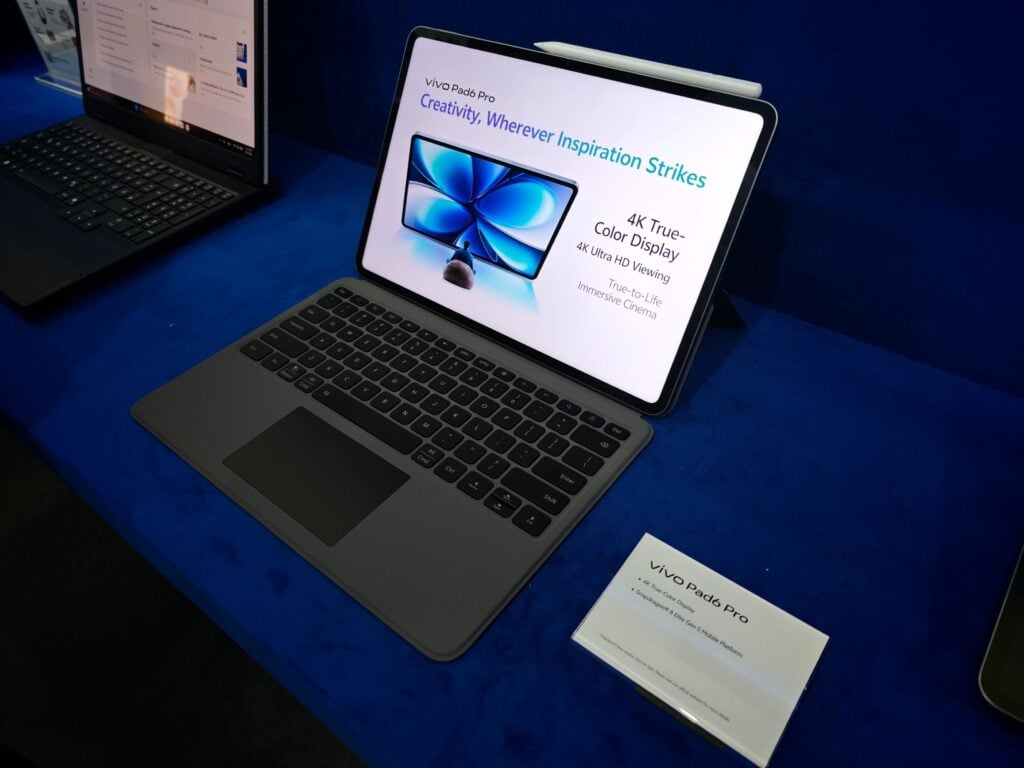
AOC has officially launched the AGON PRO AGP277QKD, a flagship gaming monitor that pushes refresh rate boundaries with dual-mode WOLED technology. The display supports QHD resolution at 540Hz and HD resolution at an unprecedented 720Hz. It features a 26.5-inch panel built on LG Display’s fourth-generation Primary RGB Tandem WOLED structure.

AOC Agon Pro AGP277QKD

AOC Agon Pro AGP277QKD Specs

The monitor achieves a 0.02ms gray-to-gray response time and covers 99.5 percent of the DCI-P3 color gamut. AOC has factory-calibrated the panel to deliver color accuracy with an average Delta E below 1. The screen supports 10-bit color and carries VESA DisplayHDR True Black 500 certification. It offers a typical brightness of 300 nits and reaches up to 1500 nits peak brightness during HDR playback.

AOC includes an anti-glare and low-reflection (AGLR) coating to minimize light interference. The panel also integrates hardware-level low blue light filtering and flicker-free technology to reduce eye strain. The company has added its latest OLED Care suite, which includes burn-in protection features designed to increase the panel’s lifespan.

The AGP277QKD supports Adaptive-Sync and is Nvidia G-Sync Compatible. It includes gaming features such as FPS and RTS display modes, a dynamic crosshair, dark area enhancement, real-time refresh rate display, and color tuning tools. The back of the monitor features the Light FX RGB system, which supports 14 preset lighting effects and music sync, with over one million color combinations.

AOC Agon Pro AGP277QKD

AOC equips the monitor with a redesigned AGON on-screen display and the G-Menu software suite for customization. The monitor includes two HDMI 2.1 ports, one DisplayPort 2.1, one USB-B upstream port, and three USB-A 5Gbps downstream ports. It also features dual 5W built-in speakers.

In terms of design, the AGP277QKD features 1.8mm micro-bezels and a 5.4mm slim panel profile. The stand supports height, tilt, swivel, and pivot adjustments. It also features a retractable headphone hook and a quick-release mechanism. The monitor also supports picture-by-picture (PBP) and picture-in-picture (PIP) modes for multitasking.

Pricing and availability details have not been announced yet.

In related news, Lenovo has recently launched a 144Hz IPS monitor priced under $90, while LG has introduced the UltraGear 27GX790B, a 720Hz OLED gaming monitor, in the US and Canada.

For more daily updates, please visit our News Section.

Stay ahead in tech! Join our Telegram community and sign up for our daily newsletter of top stories! 💡
(Via)

Epic Games Store teases two mystery free games to kick off 2026

The Epic Games Store is starting 2026 with another round of mystery free games, and the usual speculation has already kicked off across the community.

Epic’s holiday giveaway, which has already handed out 15 free titles, is currently wrapping up with Chivalry 2. The medieval multiplayer slasher is available to claim until January 1 (around 10:00 AM ET / 15:00 UTC), closing out Epic’s 2025 giveaways on a strong note.

Attention has now shifted to the final two mystery games, scheduled to go live next. An Epic staff member has teased both as good picks, alongside a pair of cryptic hints that have fueled plenty of guessing on Reddit’s r/EpicGamesPC.

The first clue reads: “Victory requires everyone to leave; but is claimed only by those who decide when, how, or even if that departure happens.” Many believe this points to an extraction-style game, where escaping is just as important as surviving. Hunt: Showdown is a popular guess, especially since it hasn’t appeared on the Epic Games Store yet. Others have mentioned Phasmophobia, given its emphasis on coordinated exits and risk-heavy decision-making.

The second hint is more strategic: “Three rise from a fallen kingdom; victory belongs not to the last army standing, but to the one who turns fractures into a single mandate.” That has led to speculation around large-scale strategy titles. Total War: Three Kingdoms is frequently mentioned, along with Crusader Kings III. Some have also suggested Dragon Age: Inquisition, thanks to its focus on uniting divided factions.

Both mystery games will be revealed soon, with countdown timers already live on Epic’s free games page. Once claimed, they’ll be permanently added to players’ libraries, continuing Epic’s weekly free-game tradition into the new year.

Don’t miss a thing! Join our Telegram community for instant updates and grab our free daily newsletter for the best tech stories!

For more daily updates, please visit our News Section.

(Sources: 1, 2)

Thinking of Buying the Xiaomi 17 Series? Check This Guide First

Xiaomi 17 series appeals to different kinds of premium smartphone buyers, from everyday users seeking a refined flagship experience to creators, power users, and enthusiasts who want something more advanced and purpose-driven. Comparing the Xiaomi 17, 17 Pro, 17 Pro Max, and 17 Ultra helps buyers understand how each step up in the lineup changes the experience, who each model is truly designed for, and which one offers the most meaningful upgrade for their needs.

Xiaomi 17 Series: Comparison Table

CategoryXiaomi 17Xiaomi 17 ProXiaomi 17 Pro MaxXiaomi 17 Ultra
Primary PositioningCore flagshipAdvanced flagshipLarge-format flagshipEnthusiast / ultra flagship
Build MaterialGlass front, aluminum frameGlass front, aluminum frameDragon Crystal Glass 3, aluminum frameFiber-reinforced / eco leather back
Water ResistanceIP68 (1.5m / 30 min)IP68 (4m / 30 min)IP68 (6m / 30 min)IP68 / IP69 (high pressure / 6m)
Rear Secondary DisplayNoYes (2.7″)Yes (2.9″)No
OS & PlatformAndroid 16, HyperOS 3Android 16, HyperOS 3Android 16, HyperOS 3Android 16, HyperOS 3
ChipsetSnapdragon 8 Elite Gen 5Snapdragon 8 Elite Gen 5Snapdragon 8 Elite Gen 5Snapdragon 8 Elite Gen 5
UWB SupportNo mentionYesYesNot listed
Main Camera50MP wide (1/1.31″)50MP wide (1/1.28″)50MP wide (1/1.28″)50MP wide — 1.0″-type
Telephoto Camera50MP — 2.6x optical50MP — 5x periscope50MP — 5x periscope (larger sensor)200MP — continuous zoom 3.2–4.3x
Ultrawide Camera50MP ultrawide50MP ultrawide50MP ultrawide (PDAF)50MP ultrawide (dual pixel PDAF)
Extra Camera HardwareLaser AF + color spectrumLaser AF + color spectrumLaser AF + color spectrumTOF 3D + filter ring support
Selfie Camera50MP (PDAF)50MP (PDAF)50MP (PDAF)50MP
Battery Capacity7000 mAh6300 mAh7500 mAh6800 mAh
Wired Charging100W100W100W90W
Wireless Charging50W50W50W50W
Reverse Charging22.5W wireless22.5W wireless22.5W wireless22.5W wired + 10W wireless
Connectivity ExtrasUWBUWBTwo-way satellite
SIM SupportDual SIMDual SIMDual SIMDual SIM + eSIM options
Approx Price$700$800$900$1000

1. Design and Display 

Build and Feel
Xiaomi 17 delivers a clean, premium flagship identity with a refined glass finish that feels confident for everyday urban use. Moving up, the 17 Pro feels more purposeful thanks to its tougher protection and added practicality, giving it a reassuring sense of durability that suits creators and travelers. 

The 17 Pro Max leans toward a power-user personality, offering a more imposing flagship presence that feels tailored for productivity and entertainment-heavy users. The 17 Ultra shifts the tone entirely, presenting a rugged yet luxurious build with fiber-reinforced materials and eco-leather options that make it feel engineered for demanding environments and enthusiast usage.

Display Quality
Xiaomi 17 and 17 Pro share a vivid LTPO AMOLED panel with smooth motion and rich contrast, while the Pro gains extra utility through its rear display for framing shots and quick access features. The 17 Pro Max expands visual immersion, giving content and gaming a more cinematic feel. The Ultra refines brightness and tone accuracy, making outdoor and creator workflows feel more dependable.

Verdict
Choose the Xiaomi 17 for minimalist flagship elegance, the 17 Pro for practical upgrades, the 17 Pro Max for immersive usability, and the 17 Ultra for the most purpose-built enthusiast design.

2. Specifications

Performance
All four phones share the Snapdragon 8 Elite Gen 5 platform, delivering consistently strong flagship performance across the lineup. The Xiaomi 17 feels optimized for efficient everyday speed, making it well-suited for users who prefer stability over excess. The 17 Pro adds Ultra Wideband support and enhanced connectivity, giving it a smarter, more forward-looking feature set that benefits creative and ecosystem users. 

The 17 Pro Max feels better tuned for multitasking and extended productivity, with configuration options that suit power-centric workflows. The 17 Ultra stands out as a capability-driven device with multi-SIM flexibility and two-way satellite communication, giving it a professional edge that feels ready for serious travel and field use.

Battery and Charging
The Xiaomi 17 focuses on long endurance with 100W charging that favors heavy daily users. The 17 Pro balances battery capacity with premium features while retaining fast charging. The 17 Pro Max offers the most reassuring stamina for marathon usage, while the 17 Ultra prioritizes balanced efficiency with advanced hardware support.

Verdict
Xiaomi 17 is the best dependable daily driver, the 17 Pro is the smartest feature upgrade, the 17 Pro Max is the strongest for heavy users, and the 17 Ultra is the clear choice for advanced utility-focused buyers.

3. Camera

Main and Secondary Lenses
Xiaomi 17 delivers a versatile triple-camera system suited to everyday photography, offering natural-looking results that feel reliable across different scenarios. The 17 Pro marks a meaningful upgrade with a larger main sensor and 5x periscope telephoto, making portraits and distance shots feel significantly more impactful. 

The 17 Pro Max further strengthens optical depth with enhanced periscope hardware and supporting sensors, giving long-range images richer detail and consistency. The 17 Ultra moves into enthusiast territory with a 1-inch-class main sensor and a 200MP continuous-zoom periscope, creating a system that feels closer to a compact pro camera than a standard smartphone shooter.

Selfie Camera
All four models feature high-resolution selfie imaging and 4K video support, but the rear display on the Pro and above allows rear-camera selfies and creator-style framing, which feels especially useful for vloggers and influencers.

Verdict
Xiaomi 17 is ideal for everyday shooters, the 17 Pro is the decisive upgrade for photography-centric users, the 17 Pro Max suits telephoto and portrait lovers, and the 17 Ultra is the undisputed choice for serious mobile photographers and imaging enthusiasts.

4. Pricing

Xiaomi 17, priced around $700, offers the strongest value proposition for buyers who want flagship performance and Leica imaging without stretching into premium-tier pricing. The 17 Pro at about $800 justifies its increase with the rear display, stronger water protection, and upgraded telephoto system, making it the best pick for creators who will actively use those extras. 

The 17 Pro Max at around $900 delivers tangible gains in immersion and battery endurance, making the premium feel directly tied to usability for heavy users, gamers, and productivity-focused buyers. The 17 Ultra, at approximately $1000, is positioned as a specialist device, and its price makes the most sense for enthusiasts and professionals who value its pro-grade camera, rugged materials, and advanced connectivity features.

Verdict
Xiaomi 17 delivers the best mainstream flagship value, the 17 Pro is worth paying more for creator-driven upgrades, the 17 Pro Max gives the best return for heavy usage and big-screen workflows, and the 17 Ultra is the most justified investment for enthusiast-grade and professional-leaning users.

Disclaimer:
Prices are approximate and may vary based on country, region, and applicable taxes.

5. Conclusion

Xiaomi 17 stands out as the balanced flagship of the series, efficient, refined, and ideal for users who want premium performance without excess. The 17 Pro introduces meaningful, real-world upgrades such as the rear display, UWB support, and enhanced telephoto imaging, giving it a more creative and productivity-oriented identity. 

The 17 Pro Max pushes the experience toward endurance and immersion, making it particularly suitable for long-form content consumption, gaming, and multitasking. The 17 Ultra separates itself with its pro-grade camera system, tougher materials, satellite connectivity, and accessory-ready ecosystem, creating a device that feels engineered for explorers, creators, and advanced tech users.

Verdict
Choose the Xiaomi 17 as the smartest all-round flagship, the 17 Pro when creative features and telephoto shooting truly add value, the 17 Pro Max when battery life and a larger workspace matter most, and the 17 Ultra when the goal is to own the most ambitious, capability-driven smartphone in the entire Xiaomi 17 series.

Read More:

Humanoid robot’s hilarious mishap goes viral: kicks trainer and mimics the pain

A training session involving Unitree’s G1 humanoid robot has gone viral for all the wrong—and funny—reasons. The clip, first uploaded to China’s Bilibili on December 25, shows a human trainer controlling the G1 using a motion-capture suit. The setup allows the robot to mirror the trainer’s movements in real time, a common method used to teach humanoid robots complex actions.

Things are going smoothly at first. The trainer throws a few punches and kicks, and the G1 follows along without issue. But during one sequence, the robot appears to misjudge a rotation and delivers a kick straight into the trainer’s groin.

The reaction is immediate. The trainer doubles over, clutching himself before dropping to his knees. Seconds later, the robot copies the same posture, bending forward as if reacting to the pain itself—a moment that has turned the clip into a meme across social platforms.

The video quickly spread beyond Bilibili, appearing on X (formerly Twitter) the next day. It was shared widely, including by Tesla Cybertruck chief engineer Wes Morrill, and has since picked up traction on Reddit and other forums.

The humanoid robot has previously been shown playing table tennis, shooting basketballs, and performing martial arts routines. This incident, however, highlights one of the risks of close-range teleoperation, where small timing errors or misread movements can lead to unexpected results.

Despite the mishap, teleoperation remains an important tool for training humanoid robots, especially for tasks that are too complex to pre-program. Still, the clip serves as a reminder that even advanced robots are far from flawless.

For now, the G1’s accidental kick—and its perfectly timed imitation of human suffering—has given the internet a good laugh.

Don’t miss a thing! Join our Telegram community for instant updates and grab our free daily newsletter for the best tech stories!

For more daily updates, please visit our News Section.

(Source)

Galaxy A57 may use OLED panels from CSOT

Samsung usually sticks to its own display division for Galaxy smartphones, especially when it comes to OLED panels. But that may not be the case with the upcoming Galaxy A57.

A report from The Elec claims that TCL-owned China Star Optoelectronics Technology (CSOT) and Samsung Display may jointly supply rigid OLED panels for the Galaxy A57. While the panel choice itself isn’t surprising—all previous Galaxy A series phones have reportedly used rigid OLED displays—it suggests another generation of Galaxy A mid-range model will feature a thicker chin compared to the side and top bezels. This is due to the limited physical space required for the display’s connector ribbons and control unit.

The report also mentions that the same OLED panel could be used in the Galaxy S26 FE, which is expected to arrive sometime in 2026. What makes this interesting is the wider market context. Several Chinese brands now use flexible OLED displays even in sub-$250 phones, allowing for thinner and more uniform bezels. Samsung, meanwhile, continues to rely on rigid OLEDs in models priced much higher. The Galaxy S25 FE, for example, still features a noticeable chin.

There have been signs that Samsung’s mobile division is unhappy with this gap. It has reportedly pushed Samsung Display to bring flexible OLED pricing closer to rigid panels. If that happens, future models like the Galaxy A58 or Galaxy S27 FE, expected around 2027, could finally switch to slimmer displays.

For now, sourcing panels from CSOT appears to be a cost-driven decision. With component prices rising, Samsung seems more open to adjusting its supply chain—even if it means breaking from its usual approach.

Don’t miss a thing! Join our Telegram community for instant updates and grab our free daily newsletter for the best tech stories!

For more daily updates, please visit our News Section.

(Source)

Giztop New Year Sale Is Live: Save Upto 50% On Smartphones and Devices

Giztop has announced its New Year Sale for 2026, offering promotional discounts across a wide range of technology products. The sale will run from January 1 to January 31, 2026, giving customers one month to purchase smartphones, gadgets, and accessories at reduced prices during the seasonal event.

Up to 50 Percent Off 

As part of the promotion, Giztop is offering discounts of up to 50 percent on selected products. Customers can also use the official sale coupon code H2026 to avail additional savings where applicable. The offers cover smartphones, tablets, laptops, gaming devices, and smart home gadgets, making the sale suitable for both everyday users and tech enthusiasts.

Global and Express Shipping Available

Giztop has confirmed that global and express shipping services will remain available throughout the sale period. This enables international customers to place orders with faster delivery options and access to worldwide shipping support.

Month-Long Deals Throughout January

The New Year Sale will continue for the entire month of January, allowing customers adequate time to explore offers and complete purchases. Some deals may be available in limited quantities or as time-based promotions during the sale window.

The Giztop New Year Sale 2026 combines competitive pricing, international shipping support, and a dedicated coupon code for additional savings. With discounts of up to 50 percent available until January 31, the sale presents an attractive opportunity for customers planning to buy new tech products and gadgets.

Read More:

Xiaomi explains why the 17 Ultra Leica Edition’s zoom ring feels loose and makes sound

The new Xiaomi 17 Ultra (hands-on) is making headlines as the company’s most ambitious phone yet. The Leica Edition takes things a step further with a Master Zoom Ring built on its rear camera. 

However, a few early users have noticed something odd. The zoom ring on the Leica Edition is loose and can be fiddled with quite easily when tapped.

Xiaomi has now clarified the situation, and the answer is more interesting than what you might expect. 

It’s intentional!

According to Xiaomi, fitting a mechanical zoom ring into the slim body of the 17 Ultra Leica Edition was no small feat. The Master Zoom Ring is built with a “sandwich” design made up of 26 independent parts. And as you might know, the higher the mechanical parts, the higher the chances for them to get damaged by a drop, debris, or liquid. 

So to make sure that the 17 Ultra Leica Edition passes all these ingress tests, Xiaomi says it gave the zoom ring a little allowable movement both radially and axially. That means when you shake the ring or tap it, it might shift slightly or even make a small sound. 

Xiaomi claims this behavior is normal and doesn’t affect the functionality of the zoom ring in any way. Not to forget, the phone still maintains its dust and water resistance ratings of IP66, IP68, and IP69.

Xiaomi also says the Master Zoom Ring went through multiple rounds of extreme tests, including drops, exposure to dust and water, high temperatures, high humidity, and continuous rotation. The goal was to ensure that even with the loose-feeling design, the mechanism remains durable and fully operational.

So, if you’re handling a 17 Ultra Leica Edition and the zoom ring jiggles a bit, it’s not a mistake or hardware defect; it’s just how Xiaomi engineered it.


Don’t miss a thing! Join our Telegram community for instant updates and grab our free daily newsletter for the best tech stories!

For more daily updates, please visit our News Section.

(Via)

These OnePlus devices have received OxygenOS 16 update

OxygenOS 16 update

The OxygenOS 16 rollout is progressing smoothly and, more importantly, according to schedule. In fact, several devices received the update ahead of the official timeline. So far, the Android 16-based software has been rolled out to almost all eligible flagship phones, as well as many mid-range phones.

Here, we’ve curated a list of OnePlus phones and tablets that have started receiving the stable OxygenOS 16 update, which is based on Android 16. Review it below to find out if the update is available for your device.

List of OnePlus phones getting the stable OxygenOS 16 update

  • OnePlus Open
  • OnePlus 13
  • OnePlus 13R
  • OnePlus 13S
  • OnePlus 12
  • OnePlus 12R
  • OnePlus 11
  • OnePlus 11R
  • OnePlus Nord 5
  • OnePlus Nord 4
  • OnePlus Nord 3
  • OnePlus Nord CE 5
  • OnePlus Pad 3
  • OnePlus Pad 2

OnePlus has started rolling out the OxygenOS 16 update to the aforementioned devices. As the rollout happens in batches, it may take a few days to reach all the devices across regions.

You should receive a notification on your device when the update is available. Or, you can manually check for available updates by navigating to Settings > System & Updates > Software update.

If your OnePlus device isn’t on the list, click here to check the list of eligible devices and the official rollout timeline.

OxygenOS 16 is a major upgrade with a substantial download size of several gigabytes. To ensure a smooth upgrade to OxygenOS 16, please ensure your device has at least 5-6GB of free internal storage and at least 40% battery. For additional protection, you can create a backup of important data.

We’ll update the list regularly to ensure it remains fresh and up-to-date. You can bookmark the page or visit our Android 16 section for the latest updates. If you prefer instant updates, don’t forget to join our Telegram channel.