Apple is still months away from launching its next generation of iPhones. However, prior to any official announcement, a new leak has revealed the front glass panel for the upcoming iPhone 15 Pro. So let’s have a look.
A pair of new video are being shared on popular Chinese social media platform like Bilibili and Douyin. These devices showcase the front glass panels for the iPhone 15 Pro models. A previous rumor had hinted at the iPhone 15 Pro and iPhone 15 Pro Max model featuring thinner bezels around the display over its predecessors. And now, these leaked videos also showcase a similar design change.
On the other hand, it appears that the base iPhone 15 and the new iPhone 15 Plus bezels will not see any changes. Although, the bezels on all four models are expected to get slightly curved around the edges, which is more reminiscent to the older iPhone 11 series. Furthermore, the videos show that the Dynamic Island feature will now be included on all four models and not just the higher end Pro models in the series.
According to ShrimpApplePro, the front glass panels on in the leaked videos are actual authentic parts for the iPhone 15 series. So, we can expect to see thinner bezels around the display, which could have the screen appear more similar to the Apple Watch Series 7 and Watch Series 8 in terms of display. Other notable changes in the iPhone 15 Pro models include, solid state buttons and a new titanium frame over stainless steel.
After multiple teasers and leaks, the Realme C55 has finally made its debut. The device launched in Indonesia earlier today and is expected to come to other global markets soon. Let’s take a look at its design, features, and pricing.
Realme C55 features & specs
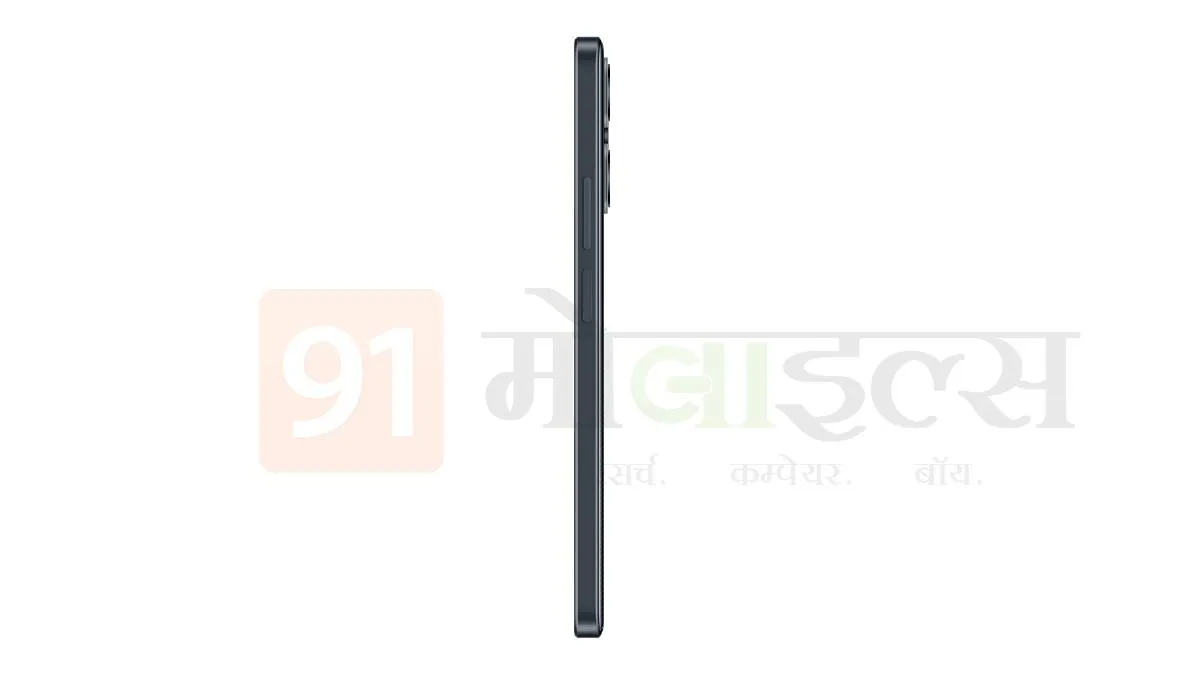
Talking about the design, the Realme C55 looks similar to the Realme 10 4G with some alterations. First, two separate camera islands are a bit bigger in size and the front has a centered punch hole for the front camera. The device has flat edges made out of metal, and the power button incorporates a fingerprint scanner.
The bottom of the device has a USB Type-C port, a speaker grille, and a 3.5mm audio jack. The display measures 6.52-inch and it is an IPS LCD panel with Full HD+ resolution, 680 nits peak brightness, and a 90Hz refresh rate. Overall, the bezels are quite thin for the price range.
Under the hood, the smartphone features an octa-core MediaTek Helio G88 processor and 6GB of LPDDR4X RAM, ensuring smooth and efficient performance. The chipset is paired with up to 256GB of emmc 5.1 storage and 6GB of LPDDR4X RAM. The smartphone also offers a dedicated micro-SD card slot for storage expansion.
The Realme C55 also features an impressive dual-rear camera setup, with a 64MP primary shooter and a 2MP auxiliary sensor. On the front, there is an 8MP camera for capturing stunning selfies and making crystal-clear video calls. Running on Realme UI 4.0 based on the latest Android 13, this smartphone promises to offer a seamless user experience. Realme has also included the Mini Capsule with this device. This is essentially an extension of the notification bar and is quite similar to Apple’s dynamic island.
Powering the Realme C55 is a robust 5000mAh battery with 33W SuperVOOC fast charging support, providing long hours of uninterrupted usage. Other noteworthy features include a dedicated micro-SD card slot, a 3.5mm audio jack, and a USB 2.0 Type-C port for charging.
Measuring just 7.89mm in thickness, the Realme C55 is sleek and compact, making it easy to carry around. It is available in two color options – Rainy Night and Sun Shower.
Pricing & availability
Realme is offering two configuration options for the Realme C55 – one with 6GB of RAM and 128GB of storage, and another with 8GB of RAM and 256GB of storage. The 6GB + 128GB version of the Realme C55 is priced at Rp 2,499,000 (~$163), while the 8GB + 256GB version will cost Rp 2,999,000 (~195). Starting March 8, the Realme C55 will be available for purchase in Indonesia.
After teasing for days, OnePlus has finally launched the OnePlus Ace 2V in China. Though the device is touted as a toned-down variant of the regular OnePlus Ace 2, it does not look like one.
That’s because the Ace 2V features a different design. However, its specs make it belong to the same family as the Ace 2.
Most importantly, It is the first Ace V series smartphone from OnePlus. At present, it is not known whether the brand will continue releasing successors down the line.
But for now, let’s check out what the first model in the lineup has to offer.
OnePlus Ace 2V Specifications
The OnePlus Ace 2V arrives with a glass sandwich design with a flat frame. Thus, it does not sport a curved display, like OnePlus Ace (OnePlus 11R) and OnePlus 11 but retains the iconic alert slider.
However, unlike the Ace 2 which has a plastic frame, the frame on the Ace 2V is made of metal. Also, the camera layout is different. The device measures 8.15mm in thickness and weighs about 191.5g.
All in all, the phone seems to be a successor of the OnePlus Nord 2T, which it actually is. It is expected to release outside mainland China as OnePlus Nord 3 in the coming months.
As far as specs are concerned, the OnePlus Ace 2V is built around a 6.74-inch flat OLED display with a centered punch-hole. The 10-bit screen offers a resolution of 2772 x 1240 pixels, a 120Hz refresh rate, a 1450 nits peak brightness level., and HDR10+ support.
The handset is powered by a MediaTek Dimesnity 9000 SoC. This chipset is paired with LPDDR5x RAM and UFS 3.1 storage. It boots ColorOS 13 based on Android 13.
On the rear, the phone houses a triple camera system comprising an OIS-assisted 64MP primary sensor, an 8MP ultra-wide unit, and a 2MP macro snapper. On the front, it has a 16MP shooter.
Other features of the smartphone include dual stereo speakers, an in-screen fingerprint sensor, dual SIM, 5G, WiFi 6, Bluetooth 5.3, GNSS, NFC, and USB 2.0 (Type-C).
Finally, the handset draws energy from a 5,000mAh battery and carries support for 80W charging.
OnePlus Ace 2V Price and Availability
The OnePlus Ace 2V will retail at the following price tags in China.
12GB + 256GB – ¥2,299 (~$330)
16GB + 256GB – ¥2,499 (~$360)
16GB + 512GB – ¥2,799 (~$400)
It can be availed in either green or black color options.
Pre-orders for the handset will open at 4 PM CST today. It will be available for purchase from 10 AM CST on March 13.
The device is expected to launch in global markets as OnePlus Nord 3 in July.

Samsung has released a new software update for its Galaxy Buds 2 wireless earbuds. The update focuses on improving stability, bug fixes, and reliability, and can be downloaded over mobile networks due to its small size of 3.01MB.
The firmware version R177XXUOAWB1 is available globally, and the update can be installed by opening the Galaxy Wearable app on your Android device and navigating to Earbuds settings > Earbuds software update.
While the update doesn’t introduce any new features, it’s essential for the optimal performance of the earbuds. Samsung is rumored to release the highly anticipated Galaxy Buds 3 later this year as the successor to the Galaxy Buds 2.
Galaxy Buds 2 comes with a host of impressive features, including dynamic two-way speakers that deliver crisp, clear high notes and deep bass. The Active Noise Cancellation feature helps block unwanted sound, while three adjustable Ambient Sound levels enable you to stay aware of your surroundings.
For calls, the Galaxy Buds2 features a machine learning-based solution that filters out distracting background noise. The earbuds have an iconic curved shape and come with an ‘Earbud fit test’ in the Galaxy Wearable app to ensure a perfect fit for your ears.
Each earbud has a 61 mAh battery that provides 5 hours of music playback with ANC turned on and 7.5 hours with ANC turned off. The charging case can further extend the battery life to a maximum of 29 hours with ANC turned off. Additionally, the Galaxy Buds2 supports fast charging, providing 1 hour of playback with just 5 minutes of charging time.
The Galaxy Buds2 comes with Bluetooth 5.2 connectivity and supports AAC, SBC, and Scalable (Samsung proprietary) codecs. It also features a range of sensors, including an accelerometer, gyro, proximity, hall, touch, and voice pickup unit (VPU). The earbuds are IPX2 splash-resistant and weigh just 5g each. The charging case measures 50x 27.8x 50.2mm and weighs 41.2g.
Huawei’s proposed £1 billion research campus in the UK has hit a roadblock as The Daily Telegraph reports that work has not yet begun on the site, despite the vendor setting a deadline to complete the first phase of construction two years ago. The newspaper alleges that the company has put its plans on hold due to a lack of progress and planning permission for the site expiring in August.
Huawei has declined to comment on whether it will begin work in the next five months and stated that it is still reviewing the campus in Cambridge. Furthermore, the UK newspaper reported that Cambridge council’s requests for an update on the project have been met with silence from the Chinese vendor.
In June 2020, Huawei had announced that it had received planning permission from the local authority to build the facility, with an investment of £1 billion on the first phase. The facility was expected to focus on research, developing and manufacturing optoelectronics products. However, the company’s position in the country deteriorated significantly after the UK government banned the use of Huawei 5G equipment in July 2020 due to ongoing security concerns about the vendor. Additionally, Huawei has been accused of tracking visitors via security access tags without their consent at the MWC 2023, recently held in Barcelona.
Local councillor Brian Milnes has expressed his disappointment, stating that the whole project seems to have ground to a halt. The lack of progress on the campus raises concerns about Huawei’s future investment plans in the UK.
Where all sales and promotional emails looked like they were bland and redundant in thought process and content, the quality of such emails is going to get a significant bump very soon. Microsoft has recently announced that it will introduce OpenAI-powered features into Dynamics 365, which is the company’s suite of applications directed towards CRMs (Customer Relationship Management) Systems and Resource Planning. This set of features is being referred to as CoPilot, and it will help businesses curate content for various purposes with relative ease and accuracy.
A lot of companies slack off on additional steps to solidify their business’s image owing to the lack of time and/or necessary workforce. Using Dynamics 365 will ensure that doesn’t happen anymore, since the AI will be able to write customized emails and greetings for the company’s customers, reply to queries effectively, generate meeting summaries, create market charts without writing SQL queries, and even pitch new ideas for writing marketing emails. It will be similar to having a personal assistant who is inept at every aspect of the position, including creativity. Of course, the quality of the content will be dependent on the prompts used to generate it, but things will be a lot easier for companies in general.
Users can expect to hear virtual assistants or agents on the line the next time they reach out to a company to address an issue or receive support. These agents will utilize OpenAI’s tech to skim through Bing and vast knowledge bases to respond to general queries. Chances are that unresolved queries will be bumped up to human levels of assistance, which will make virtual agents the first line of communication in scenarios such as these.
Microsoft is strongly pushing for AI-collaboration on multiple projects, such as ChatGPT-powered Bing Chat,OpenAI integration with Teams and now Dynamics 365. The company has further teamed up with GitHub, a popular website for coders to develop a CoPilot-like feature which will enable users to write code more easily and with higher accuracy. It will be interesting to see how the company alters its business models in the future with heightened AI collaboration.
Google has started to roll out the new Material Design 3 user interface (UI) for its Google Drive, Docs, Sheets, and Slides applications. The update aims to simplify the UI, reduce clutter, and enhance collaboration.
The redesigned UI for Google Drive features a white container with rounded corners displaying lists and grids of files. The section headers are more prominent, and line separators have been removed. The new design also includes filters for file types, last modified, and people. The left sidebar features a pill-shaped indicator highlighting the section being viewed, while the elevated “New” button appears just above. Google has added functionality that enables users to hover over a file in the list view to reveal shortcuts to share, download, rename, and open the menu.
The UI of Google Docs, Sheets and Slides now features a pill-shaped toolbar with a light blue background. The suggestions button and comments feature a light blue background, and the top bar features a blue sharing pill and buttons without containers at the right.
The new design rollout will occur over the next 15 days, with all users expected to receive it by March 25th. The update will be available for all Workspace and personal users, as well as for those on the legacy G Suite Basic and Business plans. Google says the redesign will offer a simpler, more streamlined UI emphasizing the most loved tools within the products, helping users work more efficiently with the tools they know and love.
The Material Design 3 UI for Google Drive, Docs, Sheets, and Slides is similar to Gmail’s new look, reflecting Google’s efforts to streamline core collaboration journeys across its products. With this update, Google aims to make it easier for users to collaborate and work more efficiently while maintaining a familiar and easy-to-use interface.
According to recent reports from The Elec, BOE, a trusted partner of Apple, is set to provide OLED displays for the upcoming fourth-generation iPhone SE. It has been suggested that this move is an attempt to make up for missed orders for OLED panels originally destined for this year’s iPhone 15 series.
Although BOE reportedly encountered production issues, it is now looking to produce OLED panels for the low-cost iPhone SE 4, with an estimated volume of around 20 million units in the coming year. It is worth noting that the iPhone SE 4 will not feature any new specifications but will instead use OLED inventory originally intended for 2021’s iPhone 13 or 2022’s iPhone 14. This strategy is seen as a smart move by Apple, as it will enable them to optimize their resources while still providing a high-quality product at an affordable price point.
Reputable Apple analyst Ming-Chi Kuo has also divulged information on the fourth-generation iPhone SE, stating that it will come with a 6.1-inch OLED display and an Apple-designed 5G chip. The new iPhone SE is said to be similar to the standard iPhone 14, which features a 6.1-inch OLED display with thinner bezels. This is a significant improvement from the current iPhone SE, which comes equipped with a 4.7-inch LCD display with thicker bezels. This collaboration between Apple and BOE demonstrates the tech giant’s willingness to partner with other companies in order to provide high-quality products to its customers.
In a nutshell, the upcoming iPhone SE 4 is expected to provide customers with a more affordable option for an OLED display-equipped smartphone without compromising on quality. With Apple’s focus on optimizing resources and BOE’s experience in producing OLED panels, it is safe to say that the iPhone SE 4 will be an anticipated release in the coming year.
Later today, Realme will debut the Realme C55 budget-range smartphone in Indonesia. Through various leaks and teasers, we already know about the majority of its specs and features. Now, the European pricing for the Realme C55 has also appeared online.
In a tweet shared by known tipster Sudhanshu Ambhore, he claims that the Realme C55 will come in two configurations for Europe. The 6GB RAM + 128GB storage option will cost EUR 240, while the 8GB RAM + 256GB storage option will cost EUR 270. Additionally, it looks like the phone will launch with two color options in European markets, namely Sunshower and Black.

Realme C55 specs
According to a previous unboxing video, the Realme C55 will feature a 6.52-inch LCD display with Full HD+ resolution and a 90Hz refresh rate. It will be powered by an octa-core MediaTek Helio G88 processor and may come with 6GB of LPDDR4X RAM and 128GB emmc 5.1 storage.
The smartphone will have a dual-rear camera setup consisting of a 64MP primary shooter and a 2MP auxiliary sensor. Additionally, an 8MP front-facing camera will be available for selfies and video calls. The device is expected to run on Realme UI 4.0 based on Android 13 and will feature a 5000mAh battery with 33W SuperVOOC fast charging support.
The Realme C55 will have a side-mounted fingerprint scanner for added security and will also come with a dedicated micro-SD card slot and a 3.5mm audio jack. It will measure 7.89mm in thickness and charge via a USB 2.0 Type-C port.
Yesterday, Xiaomi announced the early access sale for its latest flagship smartphone in India, the Xiaomi 13 Pro. It was made available via mi.com, Mi Homes, and Mi Studios. Although the brand did not disclose the units sold, they did mention that the response was overwhelming and the smartphone is currently out of stock.
Thank you so much to all of our Xiaomi fans for such an overwhelming response to the #Xiaomi13Pro. We are OUT OF STOCK! For anyone who missed out on the early access sale, we'll have everything stocked up and ready for the next sale on March 10th at 12 p.m. 😁 Stay tuned!
However, customers looking to get their hands on the latest Xiaomi flagship will get another chance as the brand has announced that the next sale for the 13 Pro is set for March 10th at 12 PM. It is currently unclear if this sale will also remain exclusive to Xiaomi websites and stores or if the smartphone will be made available on e-commerce websites.
Xiaomi 13 Pro specs & pricing
The Xiaomi 13 Pro features a large 6.73-inch LTPO E6 AMOLED display with Quad HD+ resolution, 120Hz refresh rate, 240Hz touch sampling rate, and a peak brightness of 1900 nits. The display also supports Dolby Vision and is protected by Corning Gorilla Glass Victus for durability.
Powered by the latest Qualcomm Snapdragon 8 Gen 2 processor, the phone offers up to 12GB LPDDR5X RAM and up to 512GB UFS 4.0 storage. It sports a triple rear camera setup with a 50MP Sony IMX989 primary sensor, a 50MP ultra-wide-angle lens, and a 50MP telephoto camera. The front-facing camera is 32MP.
The device is equipped with a 4820mAh battery that supports fast wired charging of up to 120W, wireless charging of up to 50W, and reverse wireless charging of up to 10W. It runs on MIUI 14 based on Android 13 out of the box, and the global model is certified with an IP68 rating for water and dust resistance.
Xiaomi has launched the 13 Pro in India, offering a single storage option with 12GB LPDDR5X RAM and 256GB UFS 4.0 storage. The phone is priced at Rs 79,999, but with a Rs 10,000 discount offer on ICICI Credit and Credit EMI transactions, the effective price drops to Rs 69,999. HDFC Bank cardholders can also enjoy an Rs 8,000 discount on the purchase of this Xiaomi flagship. Additionally, exchange offers are available for the 13 Pro.
Samsung is rumored to debut its new Galaxy A-series devices soon. A recent leak states that the Galaxy A54 5G and the Galaxy A34 5G will debut on March 15. On the other hand, the Indian launch is rumored to take place around the end of March.

Ahead of the alleged launch, the pricing of both of these devices has leaked online. Tipster SnoopyTech has tweeted that the Samsung Galaxy A34 5G will have a launch price of EUR 419. This will be the price for the 128GB storage variant. On the other hand, the Galaxy A54 5G will cost EUR 519 for the same storage model.

Along with these two models, the tipster has also revealed that the Galaxy A14, which is already available in multiple regions will cost EUR 219 when it launches in Europe. Let’s take a look at what we know about the upcoming Galaxy-A series phones.
Galaxy A54 5G specs (rumored)
The upcoming Samsung Galaxy A54 5G smartphone is expected to offer a 6.4-inch sAMOLED Full HD display with a resolution of 2340 x 1080p and a 120Hz display for smoother scrolling and gameplay. It is likely to be powered by Samsung’s Exynos 1380 SoC, paired with 8GB of RAM and storage options of up to 256GB.
The phone is anticipated to have a camera setup consisting of a primary 50MP sensor, a 12MP ultra-wide-angle lens, and a 5MP macro lens for capturing detailed shots. It is also expected to feature a 32MP front-facing camera for high-quality selfies and video calls.
It will be equipped with a 5,000mAh battery that supports 25W fast charging and is expected to have an IP67 rating, providing resistance against dust and water. It is also likely to run on Android 13 as its operating system.
Galaxy A34 5G specs (rumored)
The Samsung Galaxy A34 5G is expected to feature a 6.6-inch Full HD+ sAMOLED display with a resolution of 2340 x 1080 pixels and a 120Hz refresh rate. It is anticipated to be powered by a MediaTek Dimensity 1080 SoC, up to 8GB of RAM, and 256GB of storage. The phone is estimated to measure 161 x 78 x 8mm and weigh 199 grams.
The device is likely to come equipped with a triple camera setup on the back, consisting of a 48MP primary sensor, an 8MP ultra-wide-angle lens, and a 5MP macro/bokeh lens. It will also feature a 13MP front-facing camera for selfies and video calls.
The Samsung Galaxy A34 5G is expected to come with a 5,000mAh battery that supports 25W fast charging, run on OneUI 5.0 software based on Android 13, and have an IP67 rating for dust and water resistance. It will also include a side-mounted fingerprint scanner, dual SIM support, NFC, OTG, and a 3.5mm headphone jack.
Reports say that Oppo is getting ready to bring its Find X6 flagship phones to the Chinese market. Rumors are rife that its launch event will be held on March 21. Ahead of the launch, tipster Digital Chat Station has been gradually leaking the key specifications of the Find X6 and X6 Pro. In a recent Weibo post, the tipster revealed the color variants of both smartphones.
According to the tipster, the Find X6 will come equipped with a glass back and will come in three color variants, such as Flying Spring Green, Starry Sky Black, and Snow Mountain Gold. The X6 will measure 8.96mm thick and weigh 207 grams.
The Find X6 Pro will come in a leather variant, which will be called Desert Silver Moon. It will be slightly thicker than its other color options, measuring 9.5mm, and will weigh 216 grams.
Oppo Find X6 Pro mockup
The other two color variants of the X6 Pro, namely Flying Spring Green and Cloud Ink Black, will have a glass back. These models will be slightly thinner than the leather option, measuring 9.1mm, but will be slightly heavier, weighing 218 grams.
Like other flagship phones of 2023, the Find X6 Pro will come equipped with the Snapdragon 8 Gen 2 mobile platform. Previous reports claimed that the Find X6 could be made available in Snapdragon 8 Plus Gen 1 and Dimensity 9200 variants. However, newer reports claim that there will be only one version of the Find X6, which will feature the D9200 chip.
Oppo is also likely to announce the Oppo Pad 2 tablet in China at the same time as the Find X6 series. The device’s listing on Geekbench, which came out recently, showed that it will have a Snapdragon 888 chip.
iQOO is expected to announce the iQOO Z7 5G later this month in India. At present, the brand is in the process of gradually revealing the key features of the device. A tweet released by the brand has revealed the front design of the Z7.
The below tweet reveals that the iQOO Z7 5G has a waterdrop notch display with a thick chin. The right side of the device has a volume rocker and a power key.
Even the predecessor phone, the iQOO Z6, had a waterdrop notch display. However, it appears that while the Z6 had an LCD panel, the Z7 could be equipped with an AMOLED screen.
The Z6 was powered by the Snapdragon 695. A recent leak revealed that the Z7 may come equipped with the more powerful Dimensity 920 chipset. The other specifications of the Z7 are yet to be revealed. It appears that the device’s primary camera will be equipped with Optical Image Stabilization (OIS).
As per a recent report, the iQOO Z7 5G may launch on March 21 in India .The lineup is also said to include the iQOO Z7 Pro 5G, but it appears that it will not launch alongside the Z7.
In related news, iQOO is working on the iQOO Z7 series for the Chinese market. The iQOO Z7x may come equipped with the Snapdragon 695 chipset and a 6,000mAh battery with 80W fast charging. The iQOO Z7 may arrive with the Snapdragon 782G chip and a 5,000mAh battery with 120W fast charging. The Z7 and Z7x are expected to debut as early as this month in the Chinese market.
Last year, OPPO entered the tablet market with the launch of OPPO Pad, and later the company introduced another product in the category, dubbed OPPO Pad Air.
Now, the Chinese company is gearing up to launch another tablet in the market dubbed OPPO Pad 2. As the name indicates, the device will be a direct successor to last year’s OPPO Pad.
Ahead of the launch, the OPPO Pad 2 has been spotted on benchmarking platform Geekbench which reveals some of the key specifications for the tablet. Unsurprisingly, the specs appear similar to the OnePlus Pad.
The listing reveals that the device will come powered by a Qualcomm Snapdragon processor. While the exact model hasn’t been shown, it’s likely to be Snapdragon 888. In Geekbench 6, the device managed to score 1,160 points in the single-core test and 3,186 in the multi-core test.
Further, the listing adds that the OPPO Pad 2 will be running the Android 13 operating system out-of-the-box, most likely with the ColorOS custom interface on top. The device tested on the benchmarking platform packed 8GB of RAM and supported Bluetooth 5.3 connectivity.
Previous leaks related to the tablet revealed an 11-inch LCD screen with a 2800 x 2000 pixels resolution, a 144Hz refresh rate, HDR10+, and Dolby Vision support. It is also said to be powered by a 9,500mAh battery with 67W fast charging support.
While the launch date is not yet revealed, the OPPO Pad 2 is expected to go official along with the OPPO Find X6 series flagship smartphones later this month.
It’s been a couple of years since Apple started upgrading the iMac lineup with Apple Silicon chips, but the company has managed to only update the 24-inch models.
Now, the Cupertino-based technology giant is coming up with a new model of the Apple iMac, powered by the all-new Apple M3 chipset, which is yet to be launched by the company.
According to the report from Mark Gurman in the Power On newsletter, the next-generation Apple iMacs, carrying codenames J433 and J434, are in the advanced stage of engineering validation testing (EVT), and the company is currently running production tests.
Unfortunately, it appears that the technology giant is only working on the 24-inch model of the iMac and that’s the only version that will be made official in the coming months.
The report adds that the upcoming iMac is being tested for the same set of colors as the previously launched M1 iMac, which includes Silver, Blue, Pink, and Orange. There’s a possibility that the company could also add Yellow, Green, and Purple color options.
The product is expected to enter mass production after three months, which means that the device could be officially launched in the second half of this year. We also expect to learn more about the M3 chipset at the WWDC later this year.
Apple started the process of transitioning its devices from Intel processors to its own Apple Silicon chips and while iMac started the move in 2021 with the M1-powered 24-inch iMac, the company is yet to upgrade the 27-inch iMac with the M-series chips.
The Federal Communications Commission (FCC) has given its approval to a new Redmi phone with the model number 2303ERA42L. The listing has revealed a few key details about the smartphone. However, there is no word on its final marketing name.
The FCC certification reveals that the Redmi 2303ERA42L is a 4G smartphone. It will come with support for other connectivity features, such as Wi-Fi 802.11ac, Bluetooth, GPS, and FM.
The listing also mentions that the device may arrive in two options when it goes official, such as 6 GB RAM + 128 GB storage and 8 GB RAM + 256 GB storage. The device will come preloaded with MIUI 14.
One of the FCC documents states that “the subject device of this application (Model: 2303ERA42L, FCC ID: 2AFZZRA42L) is electrically identical to the reference device (Model: 2201117SL, FCC ID: 2AFZZ117SL).” To recall, the 2AFZZ117SL device is the Redmi Note 11S, which debuted last year.
There is a possibility that the 2303ERA42L Redmi could be the Redmi Note 12S, which is expected to arrive with a MediaTek chip. Before drawing any conclusions, it is advisable to wait for further reports to learn more about the 2303ERA42L device.
At the same time, Redmi is getting ready to launch a bunch of new phones in Europe. The company is expected to announce smartphones, such as the Redmi A2, Redmi 12C, Redmi Note 12 4G, Redmi Note 12 5G, Redmi Note 12 Pro 5G, and Redmi Note 12 Pro+ 5G. Except for the Redmi A2 and Note 12 4G, all the other phones have launched in some other markets. The A2 will be an entry-level offering powered by the Helio G36 chipset, whereas the Note 12 4G will come equipped with the Snapdragon 680 chip.
On Feb. 6, POCO unveiled the POCO X5 series of smartphones in the global market and India. The lineup has two models, the Poco X5 5G and the Poco X5 Pro 5G. While the global market received both models, the company only released the Pro model in India. It appears that the vanilla variant will be also released in India.
When a Poco fan asked Poco’s Country Head for India, Himanshu Tandon whether the company will be releasing the Poco X5 in India, he responded by saying, “yea getting a lot of messages from fans to launch the X5 after the successful launch of X5 Pro. We are seriously evaluating this.”
At the same time, a report by Xiaomiuireveals that the last internal MIUI build of Poco X5 5G (V13.0.1.0.SMPINXM) has surfaced. As per the publication, the MIUI build suggests that the device will arrive with MIUI 13-based Android 12 In India.
POCO X5 5G specifications
POCO X5 5G
The Poco X5 5G available in the global market features a 6.67-inch AMOLED display that offers a Full HD+ resolution and a 120Hz refresh rate. The device is powered by the Snapdragon 695 chipset, 6 GB / 8 GB of LPDDR4x RAM, and 128 GB / 256 GB of UFS 2.2 storage.
The Poco X5 has a 5,000mAh battery that supports 33W fast charging. It runs on Android 12 OS with the MIUI 13 on top. The device features a 13-megapixel front-facing camera, and a 48-megapixel (main) + 8-megapixel (ultra-wide) + 2-megapixel (macro) triple camera unit. For security, it has a side-facing fingerprint scanner.
As can be seen, the above specifications are almost identical to the Redmi Note 12 5G, which is already available in India for Rs 17,999 (~$220). The Note 12 5G and Poco X5 5G mainly differ in the chipset department as the Redmi model features the Snapdragon 4 Gen 1, whereas the X5 has the SD695.
Huawei, the Chinese tech giant, is planning to launch its Huawei P60 series of flagship smartphones and the Huawei Mate X3 flagship foldable in March, and a recent online advertisement shown in the country has detailed that Huawei will be hosting a launch event on March 23 to unveil the brand’s latest devices.
Huawei March 27 Launch Event Advert, Source: Even if there is a westerly wind on Weibo
The advertisement was screenshotted by the Weibo user, even if there is a westerly wind, and the advert states that Huawei is holding its annual spring launch event to unveil the brand’s latest products to the country, and the highlight is its flagship Huawei P60 series.
Earlier this year, Huawei teased that the Huawei P60 series and Huawei Mate X3 foldable will be launched together in March 2023, so it is safe to say that the Huawei Mate X3 will be launched at the March 23 launch event as well.
Huawei March Launch Teaser, Source: Huawei China
Besides, the screenshot of the online advert, the prominent Chinese leakster, the factory manager is classmate Guan, also posted on Weibo saying that Huawei will be holding a launch event on March 23 to reveal its latest devices for 2023.
The leakster also quotes his previous post saying that Huawei will launch not only smartphones at the event, but also smart tech ecosystem devices as well such as the Huawei FreeBuds 5 wireless earphones, the Huawei Watch 4 smartwatch, and the Huawei Band 7 smart fitness band.
From our previous reporting, it was reported that the upcoming Huawei P60 Pro will arrive with a 6.6-inch OLED display that will produce a 120Hz refresh rate and a 1440p resolution. Packing a 5,000mAh battery, the smartphone will support 100W wired and 50W wireless charging. It will be powered by the Snapdragon 8 Gen 2 SoC but it will be capped to 4G only, with no 5G connectivity due to restrictions imposed on Huawei.
Fire-Boltt has recently launched a new smartwatch called the Ninja Fit, which boasts an ultra-thin design and a large 1.69-inch HD display. The device comes with various features such as Bluetooth calling, voice assistants, and an in-built microphone and speaker. The smartwatch is designed to offer a minimalist look with its square dial and slim 9.5mm body, making it lightweight and stylish.
The Fire-Boltt Ninja Fit has a resolution of 240 x 280 pixels and a battery life of up to 5 days, making it an ideal choice for people who lead an active lifestyle. Additionally, the watch has up to 123 workout modes, catering to different sports and exercises. The device can monitor various health parameters such as SpO2 levels, heart rate, and sleep patterns, making it a reliable health assistant for its users.
The smartwatch also includes smart notifications that allow users to receive notifications from their smartphones directly on the watch. The device is IP68 rated, making it water-resistant, and it can be worn while swimming or engaging in other water-based activities. Additionally, the watch features music and camera controls, weather forecasts, timers, and alarm clocks, adding to its overall utility.
The Fire-Boltt Ninja Fit is available in six different colors: blue, black, beige, green, grey, and red, making it suitable for different style preferences. The device is priced at Rs. 1,299 (~$16) and is available for purchase on the Fire-Boltt website. It will also be available on Amazon.in starting March 8, 2023, for a discounted price of Rs. 1,199 (~$15).
The ongoing US-China Tech war has put a lot of pressure on the Chinese semiconductor industry and Beijing is trying to find solutions to solve the problem. Last week Chinese Vice-Premiere Liu He said that to solve the ongoing semiconductor crisis, China must maintain a “whole nation” approach to its semiconductor industry and leverage both state and market power for growth.
He further added that the semiconductor industry was the core nexus of modern industrial systems and mattered to national security and the progress of Chinese-style modernization.
Liu also highlighted the support of President Xi Jinping by saying that General Secretary Xi has attached high importance to the development of the integrated circuit industry, and has repeatedly made written and verbal instructions on the matter. The Vice-Premiere was making these comments at a gathering of delegates in Beijing.
Focusing on the Whole Nation approach, Liu said that the government supported the semiconductor industry and would set up practical development goals for the whole industry to solve the ongoing problems of US sanctions on semiconductors. The government plans to use the Whole Nation approach to support and guide the tech industry especially when the market mechanism fails.
Apart from raw materials and machinery, China is facing a semiconductor talent shortage as the US sanctions banned the export of semiconductors, related technology, and even related personnel to China and Chinese companies. To solve the problem of talent shortage, the government has designed the ‘Equal National Treatment’ plan for foreign semiconductor experts.
During his speech, Liu said that China already had a strong semiconductor supply chain and a large chip consumption market which is the most precious resource for the country and a strategic advantage to promote the semiconductor industry.
What is Whole Nation Policy?
The Whole Nation approach was a government policy that was used during China’s planned economy period. Under this approach, unlike capitalism and market economy, the government mobilized and allocated resources through administrative command. With the government intervention, the resources were allocated across the nation based on priority and need for development instead of pure market demand.
China stopped using the Whole Nation approach in the 1970s when the country transitioned into a market economy. However, since 2019, President Xi Jinping has re-invigorated the Whole Nation concept. In 2019 at the fourth plenary session of the 19th Chinese Communist Party Central, President Xi said that a new type of whole nation system should be built to push technological progress and breakthroughs in China.
He was proposing to bring back the Whole Nation concept against the backdrop of the US-China tech war which started in 2019 with the Trump administration levying sanctions on Chinese firms like Huawei and ZTE.
What is the New Whole Nation Policy?
The new whole-nation policy proposed by President Xi is different from the traditional system. In the traditional system, the government overtook the control of all resources and allocated them as per the need of development, completely ignoring the market mechanisms. However, in the New Whole Nation approach, the government will play the role of a guide and allocator but will also involve market mechanisms to allocate resources.
The new system is designed to solve new challenges associated with globalization and digitalization. China aims to win the US-China tech war through self-strengthening, self-reliance, and reducing dependency on foreign inputs and will use the New Whole Nation Policy to achieve these goals.
The New Whole Nation Policy is adopted by China’s 14th five-year plan, as well as its local and sector-specific versions, which collectively map key strategies for advancing the country’s development from 2021 to 2025.
China is going to use the New Whole Nation Policy to integrate and divert resources to advanced technologies like artificial intelligence and quantum science. The country plans to open R&D facilities for key industries like semiconductors, strengthen basic research, and establish national labs and industry clusters all of which will help it to become self-reliant and win the ongoing tech war with the US.
We use cookies on our website to give you the most relevant experience by remembering your preferences and repeat visits. By clicking “Accept”, you consent to the use of ALL the cookies.
This website uses cookies to improve your experience while you navigate through the website. Out of these, the cookies that are categorized as necessary are stored on your browser as they are essential for the working of basic functionalities of the website. We also use third-party cookies that help us analyze and understand how you use this website. These cookies will be stored in your browser only with your consent. You also have the option to opt-out of these cookies. But opting out of some of these cookies may affect your browsing experience.
Necessary cookies are absolutely essential for the website to function properly. This category only includes cookies that ensures basic functionalities and security features of the website. These cookies do not store any personal information.
Any cookies that may not be particularly necessary for the website to function and is used specifically to collect user personal data via analytics, ads, other embedded contents are termed as non-necessary cookies. It is mandatory to procure user consent prior to running these cookies on your website.