Advertisement

AUO To Begin Mass Production of MicroLED Displays for Wearables, TVs, and Cars

AUO, a leading provider of display technologies, has made significant strides in the development of next-generation displays. During a recent announcement, AUO Chairman Peng Shuanglang revealed that the company will begin mass production of MicroLED displays this year, with plans to integrate them into wearable devices. Mini LED backlights, which are already standard in high-end TVs and widely used in gaming and car panels, have also seen a surge in popularity.

Apple Watch

According to Shuanglang, AUO’s LED display has already surpassed 100 million yuan in sales, with an expected growth rate of several times that figure in the years to come. In addition to AUO’s own research and development efforts, the company has formed strategic partnerships with ecosystem partners to expand its capabilities. For example, during this year’s CES, AUO showcased the Mini LED backlight technology in a smart cockpit display, which received an overwhelmingly positive response.

One of the key challenges in the production of MicroLED displays is ensuring consistent output across millions of individual LEDs. Even at high yields, some defective LEDs may be present. To combat this, chip makers will need to identify defective LEDs and adapt the transfer process. Shuanglang noted that AUO has its own ecological chain for the key mass transfer technology of MicroLED, making it possible to produce commercially viable products.

In addition to wearables, AUO plans to integrate MicroLED technology into TVs and cars in the future. Shuanglang emphasized that the demand for smart windshields in cars is particularly strong, especially given the trend towards automation and intelligence. Chen Jianbin, Senior Vice President of AUO’s Display Strategic Business Group, noted that more than half of the automotive displays that AUO is currently working on are barebone (partially assembled) orders, which is expected to significantly boost future operations.

Looking ahead, Jianbin estimates that AUO’s two technology platforms, AmLED and FIDM, are expected to contribute more than 50% of the growth space for automotive revenue in the next 2-3 years. As the company prepares for MicroLED mass production, AUO will continue to focus on high-end production capacity and make strategic capital expenditures to meet short medium, and long-term development needs.

AUO has also showcased MicroLED transparent displays, which can be applied to car windshields or side windows. The displays have high brightness and high penetration, making them an attractive option for self-driving car windows in the future. With its innovative display technologies and strategic partnerships, AUO is poised to remain a leader in the industry for years to come.

RELATED:

(Via)

OneUI 5.1 Released for Galaxy S20 series, S21 Series, S22 Series, S21 FE 5G, S20 FE, Z Fold 3/4, Z Flip 3/4

The long-awaited Valentine’s Day is finally here, and many people have been looking forward to it. Anyway, tech giant Samsung has now sent its more than 100 million smartphone users around the world a Valentine’s Day gift. This year, an early Valentine’s present will be given to more than 100 million Galaxy smartphone owners worldwide, according to Samsung. The gift is a software upgrade that gives the devices a range of new features and enhancements. Yes, you heard it right.

Samsung started rolling out the latest OneUI 5.1 update for a bunch of its smartphones including the Galaxy S20 series, S21 series and a few others. The update features a number of camera improvements, including a new portrait mode that makes use of artificial intelligence to produce bokeh effects that look more realistic. New capabilities for the camera app include the ability to take films in Pro mode and a new shutter speed adjustment option. Here’s the list of the device which has grabbed the OneUI 5.1 update recently:

  • Samsung Galaxy S20, S20+, S20 Ultra and S20 FE
  • Samsung Galaxy S21, S21+, S21 Ultra and S21 FE
  • Samsung Galaxy S22, S22+and S22 Ultra
  • Samsung Galaxy Z Fold3 and Z Flip3
  • Samsung Galaxy Z Fold4 and Z Flip4

Improved privacy and security are other key components of the upgrade. Samsung has added new privacy controls that let users better manage their app permissions and limit the data that apps may access. This contains a new function that notifies users when an app is using their camera or microphone as well as the capacity to revoke rights from apps that are no longer in use.

The update also includes a number of other enhancements and additions, including new customizations for the always-on display, enhanced quick settings, and a new choice to restrict incoming calls and messages while playing video games. So that was all we had to cover up regarding the rollout of the latest OneUI 5.1 update to hosts of Samsung devices. What do you think about this? Do let us know by dropping a comment in your words down below.

RELATED

TCL 32″ HD & FHD Smart TVs launched in India starting at ₹13,490 ($163)

TCL has been growing its presence in the Indian TV market over the last few years. The latest high end launch from the brand is the C11G smart TV which has 4K resolution, Quantum Dot Matrix technology and the super high refresh rate of 144Hz which makes it perfect for gaming.

TCL

On the other side of the spectrum, the brand has introduced three budget-range smart TVs in India. These are the TCL S5400, S5400A and S5403A that feature a a bezel-less design, 24W speakers featuring Dolby Audio, up to 16 GB of storage, and the latest Android TV interface.

Starting with the S5400, the smart TV has a 32-inch Full HD screen that supports HDR 10. The company claims that it comes with the latest Google TV interface, which means you’ll get access to all the apps compatible with smart TVs on Google’s Playstore. It also gives access to Google Watchlist, where users can add their favorite content from across OTT apps. This is a super convenient way of keeping track of shows or movies you want to watch later.

TCL

Another convenient feature is the built-in Chromecast, which allows users to cast ideos, music, and apps from any device to the TV. You also get access to Google Kids mode to which ensures that kids only get access to filtered content which is marked safe for consumption.

The TCL S5400A/S5400A has a 32-inch HD Ready screen that supports HDR 10, and the latest Android TV 11 operating system, offering a vast selection of over 7,000 apps, and 700,000 movies and shows all in one place. Both models incorporate micro-dimming technology, which adjusts the brightness and darkness of the screen based on the TV content analysis in 2,304 separate zones. These TVs provide swift streaming through Bluetooth 5.0, Wi-Fi, and HDMI x 2 and USB 2.0 connectivity.

Pricing and availability

The TCL 32″ S5400 Smart TV is available for purchase at Rs. 15,990 ($193), and the 32″ S5400A is priced at Rs. 13,490 ($163). These televisions are available for sale on Amazon.in, Flipkart, and offline retail and brand stores. The S5403A HD TV, which has similar specifications to the S5400A, is available at offline retail and brand stores across India at a price of Rs. 13,990 ($169). Both the S5400 and S5403A models provide up to 10% instant cashback.

RELATED:

iPhone 14 Pro Max Manufacturing Costs Increase, Apple Takes Gross Profit Hit

The cost of building Apple’s iPhone 14 Pro Max has been analyzed by research firm Counterpoint Research, and the results are interesting. The cost of making the iPhone 14 Pro Max rose by 3.4% compared to the cost of producing the iPhone 13 Pro Max. This is because of the introduction of an Always-On display and a new 48 MP Wide Camera lens. It is worth noting that Apple has priced the iPhone 14 Pro Max the same as the iPhone 13 Pro Max, which implies that the tech company is taking a cut in gross profit over its previous years.

Apple iPhone 14 Pro Max

A reduction in the price of cellular components used on the iPhone 14 Pro Max has resulted in an overall drop in the cost to produce the phone. Counterpoint’s report notes that the iPhone 14 Pro Max’s blended cellular group cost share dropped to 13% due to a fall in component prices as the popularity of 5G technology increases globally. This implies that suppliers are building more 5G compatible components, bringing down the cost for Apple in a classic supply and demand scenario.

The use of the A16 Bionic chip in the iPhone 14 Pro series also costs Apple $11 more per unit than the previous generation A15 Bionic SoC. Additionally, the components designed by Apple for the iPhone 14 Pro Max make up 22% of the bill of materials cost, a higher percentage than seen in the iPhone 13 Pro Max.

Looking ahead to the iPhone 15 line, rumors suggest we could see higher component costs for the non-Pro models due to the addition of a 48MP Wide camera. The pricier iPhone 15 models are expected to have a range of new features, including support for Wi-Fi 6E and the replacement of physical buttons with solid-state buttons. Lastly, the iPhone 15 is also expected to have USB Type-C for the first time ever, which is definitely going to raise production prices for the device.

This means that after a few years of keeping iPhone pricing static, a price hike for the entire iPhone 15 line could be on the horizon this coming September. It’s something to keep in mind for those who are looking to purchase a smartphone from the iPhone 15 lineup.

RELATED:

(Via)

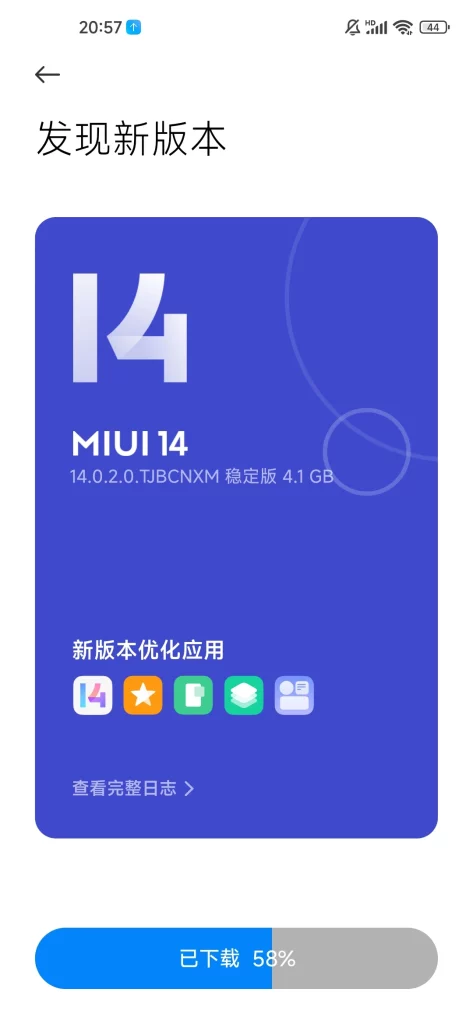
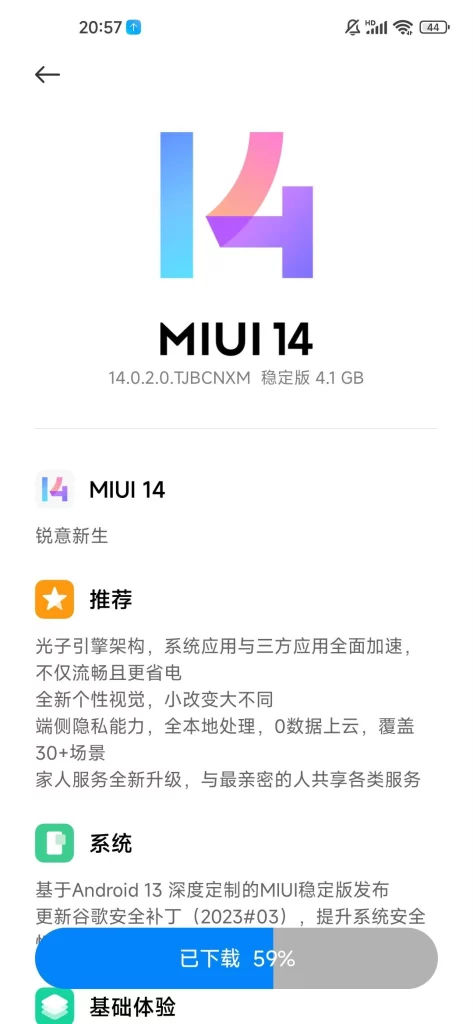
POCO X3 GT Grabs MIUI 14 based on Android 13 Update

The POCO X3 GT is one of the most well-known smartphones made by POCO. The smartphone has now received the MIUI 14 update, which includes a slew of new features and enhancements. MIUI 14 is the latest version of Xiaomi’s renowned custom Android skin, and it delivers a variety of performance improvements, visual changes, and new capabilities to the smartphone.

The update makes a number of improvements to the user interface of the smartphone, including new animations and transitions, slightly revised app icons, a redesigned notification shade and settings menu. A variety of speed enhancements, including as faster app launches and better scrolling, are also included in MIUI 14. The latest MIUI 14 update for POCO X3 GT comes with the build number MIUI-V14.0.1.0.TKPMIXM. It is based on the latest Android 13 operating system. The smartphone was launched running MIUI 12.5 based on Android 11 and the latest update marks that the device has grabbed it’s second and probably the last major update.

POCO X4 GT

You may check for the MIUI 14 update on a POCO X3 GT by heading to the “Settings” app and choosing “System updates.” You should be prompted to download and install the update if it’s available for your device. Before installing any updates, it’s a good idea to back up your important data as usual in case something goes wrong with the installation. You can wait a little longer if you haven’t received the update to have it delivered to your device.

The addition of an AI-based memory management system, which is intended to optimise the device’s RAM utilisation and guarantee that apps and processes operate without interruption, is one of the most noticeable new features in MIUI 14. This ought to lead to quicker app switching and improved performance in general. A new weather app, an improved camera app, and a redesigned power consumption monitor are just a few of the updates and new features that MIUI 14 offers in addition to these adjustments. New security improvements are included in the upgrade as well, including enhanced app permissions and a new privacy dashboard.

RELATED

Exec Confirms OnePlus to Focus on Two Major Lineups – Ace & Flagship Number Series in China

The OnePlus 11 and OnePlus 11R, two of OnePlus’s flagship smartphones, were recently released in India. The OnePlus 11R was previously launched as the “OnePlus Ace 2” in China. This time, there was no OnePlus 11 Pro smartphone to be seen. Now, OnePlus has said that it will streamline its selection of smartphones, with future launches limited to the Ace and Digital series. As a result of this choice, the well-liked Pro series will no longer be offered by the company.

Li Jie, the president of OnePlus China, held an interview following the release of the OnePlus Ace 2 smartphone in China and responded to some of the queries posed by the media. The President of OnePlus revealed during the interview that the company will no longer release OnePlus Pro devices in the future. In the future, the brand will strive to advance the Ace and digital series. Many OnePlus fans who have become accustomed to the Pro series serving as the company’s flagship product are surprised by the switch. OnePlus has clarified that this choice is part of a strategic effort to streamline its product line and concentrate on providing the greatest customer experience.

OnePlus Ace 2

The Ace series’ objective is also very clear: OnePlus expects that it will carry the popularisation of the flagship experience and consumers at the same price will care about it. Leading standards and high hopes for the future will continue to make appropriate investments and expansion among the core group of OnePlus. It is hoped that it will serve as a performance benchmark for mobile phones, luring more customers who are concerned with the functionality of the mechanism to choose the OnePlus name and products.

The reputation of OnePlus has been built on its dedication to innovation and providing value to its customers. This new approach seems to be in keeping with that goal because it enables the company to concentrate its efforts on creating and polishing a smaller number of items rather than trying to do too much at once. It will be fascinating to see how the market reacts to this choice and whether the Ace and Digital series can step into the Pro series’ place. 

The Ace and Digital series are primed to fulfil that promise, and we eagerly await what these new items have in store. The “OnePlus Pro” line of smartphones will undoubtedly be missed in the future. What are your thoughts on this? Please let us know by leaving a comment below in your own words. Many thanks for reading this post all the way through.

RELATED

Source

Ambrane Wise Eon Max Smartwatch Launched With 2.01″ Display & Bluetooth Calling in India

After launching the Wise Eon Pro and Wise Glaze smartwatches over the last few months, the Indian smart wearable brand Ambrane has launched another smartwatch in its domestic market called the Ambrane Wise Eon Pro.

Ambrane

This smartwatch is the successor of the Wise Eon Pro, which was launched last year by the company. While the watch comes packed with many features, its large, high refresh rate display appears to be the key selling point. Let’s take a detailed look at the device to uncover all its features.

Ambrane Wise Eon Max specs

The Ambrane Wise Eon Max comes with a 2.01-inch Lucid display, which is what the brand calls its LCD displays. It has a 240×283 resolution, 60Hz refresh rate, and 550 nits peak brightness. This level of brightness is good enough for using the watch in daylight conditions, however, it might be a bit low for viewing in direct sunlight.

It has a wide selection of over 100 cloud-based watch faces and a special watch face function that enables users to create and personalize their own watch faces. The smartwatch provides an extensive range of health and fitness features, including over 100 sports modes such as running, walking, and cycling. It allows users to monitor their blood oxygen (SpO2) levels, heart rate, and track their sleep patterns, as well as receive reminders to move, hydrate, and avoid prolonged sitting. Additionally, it is water-resistant with an IP68 rating, ensuring protection against water damage.

The Ambrane Wise Eon Max is equipped with a 280mAh battery and can last up to 10 days on continuous usage, according to the company. The smartwatch features Bluetooth v5.0 connectivity, enabling voice assistance and Bluetooth calling.

Price & availability

The Ambrane Wise Eon Max has an original price of Rs 5,999, but the company is currently offering it at a discounted price of Rs 1,799 as part of its launch promotion. The smartwatch is available for purchase on the official website of the company and Flipkart, with a 365-day warranty. It is available in five different colors, including Black, Blue, Grey, Brown, and Burgundy.

RELATED:

Huawei Mate X Series To Reportedly Start Mass Production in March

Huawei has been trying to keep up with smartphone technology with the launch of high-end devices, despite facing sanctions from the United States. The company is now gearing up to launch a new premium smartphone in the market.

According to the report from Taiwan Economic Times, Huawei is working on a new high-end foldable flagship smartphone and is expected to start mass production in March this year.

The report further adds that Huawei aims to ship around a million devices of the Mate X series this year, double the number of shipments in 2022, and plans to add more orders depending on the market response.

It is being claimed that the new Mate X series smartphone is as thick as Apple iPhone when the device is folded. As of now, not much is known about the phone’s design as well as specifications.

The Huawei Mate X series smartphones could get launched in the first half of this year or the beginning of the second quarter. The company is also expected to launch new Pocket series flip foldable smartphone models in the second half of this year.

RELATED:

Via

OWC Thunderbolt Go Dock With Support for Dual 4K Displays and a USB4 Laptop Uplink Unveiled

OWC has unveiled the Thunderbolt Go Dock. The dock comes with an improved design and greater functionality. The absence of a power brick for the model means that the Thunderbolt Go comes lighter than previous models.

OWC Thunderbolt Go Dock

The new Thunderbolt Go has significant improvements over the regular USB docks we have come to see in the market. Apart from the chunky adapter that is omitted in the new model, it has a side-mounted uplink that has versatile support from the earlier USBs to Thunderbolt. It offers power delivery of up to 90W in addition to the dual Thunderbolt outputs. There is also a single HDMI port, a 2.5Gb Ethernet jack, and dual 10Gbps type-A ports. The Thunderbolt Go has an upgraded AC input, together with an SD card slot and a USB 3.2 type-C port.

OWC Thunderbolt Go Dock

The Thunderbolt Go is also a very portable dock and by far, the best dual-monitor OWC dock thus far. The Thunderbolt Go is priced in Europe at €325 (~$350). A special pre-order offer is available for the device at $335 ahead of its March 2023 launch. The new Thunderbolt Go seems to have outperformed the previous Thunderbolt docks across several aspects. The old Thunderbolts are however still available via Amazon.

RELATED:

(via)

ASUS Vivobook Classic Series With OLED Displays, AMD Ryzen 7000 APUs Announced

The ASUS Vivobook Classic series has been announced by ASUS. The new lineup comes in three variants and is equipped with AMD Ryzen 7000 APUs. They also feature 16:10 OLED displays and their APUs are Zen 3, not the newer Zen 3+ or Zen 4. The ASUS Vivobook 14 OLED, Vivobook 15 OLED, and Vivobook 16 are the models in the Classic lineup and they come with the model numbers M1405, M1505, and M1605.

ASUS Vivobook Classic Series

All the laptops in the Vivobook Classic lineup have 8GB RAM and a SO-DIMM slot with support for 8GB extra memory. The laptops come with PCIe 3.0 NVMe storage, a 3.5mm jack, a DC power input, HDMI 1.4, and USB ports (types-A, C).

ASUS Vivobook Classic Series

The ASUS Vivobook Classic models with an IPS display have a 42Wh battery while the OLED models come with a 50Wh pack. This means that the Vivobook 16, which is only available with an IPS panel, will have a 42Wh battery. On the other hand, the Vivobook 14 will have either an IPS panel or OLED. The Vivobook 15 comes in two OLED variants and omits an IPS panel.

ASUS Vivobook Classic Series

The Vivobook 14 OLED has a 90Hz refresh rate and up to 600 nits of brightness. The IPS variant of the Vivobook 14 has a refresh rate of 60Hz and a peak brightness of 300 nits. The Vivobook 15 OLEDs are offered in a 16:9 aspect ratio and 600 nits of brightness. The two OLED options of the Vivobook 15 have 120Hz and 60Hz refresh rates respectively.

Finally, the ASUS Vivobook 16 has a 16:10 aspect ratio and 300 nits of peak brightness. They also feature a 60Hz refresh rate. There are no pricing and release details at this time for the Vivobook Classic series.

RELATED:

(via)

Meizu 20 Phone Case Leaks Online Revealing Design

Meizu has barely launched any smartphones lately. In fact, the last flagship we saw from the brand was way back in 2019, the device was called Meizu 19. The Chinese company is now planning to return to the market with the new Meizu 20 series. The lineup is said to include the vanilla Meizu 20 and a higher-end Meizu 20 Pro. Today, the vanilla model’s protective case has appeared online, revealing its design. Let’s have a look.

A Pandaer-branded phone case has been doing rounds on the Chinese social media platform Weibo. The case has apparently been designed for the upcoming Meizu 20 and it even matches the phone’s design as revealed through patent images. Also, Pandaer is Meizu’s sub-brand which focuses on accessories and other gadgets.

Meizu 20 Case

The case can be seen with flat sides and a large vertical opening on the back for the camera module. On the right edge, there are the power and volume buttons. The Meizu 20 is expected to have 4 circular rings on the back housing at least 3 cameras. The display of the device will be equipped with a hole-punch cutout for the selfie camera.

Meizu 20 (M381Q) and Meizu 20 Pro (M391Q) have recently bagged radio approval, and it has been revealed that the pro model will support UWB’s ultra-wideband function.

In addition, the Meizu 20’s battery and charging capacity has been revealed through national quality certification. The device could come with a 4600mAh battery and support 80W fast charging.

Both smartphones are expected to arrive with the latest Snapdragon 8 Gen 2 SoC. While there’s no official confirmation yet, rumors suggest the Meizu 20 could launch sometime in March. We’ll keep you posted.

RELATED:

(Via)

Honor Magic 5 Pro Live Image Leak Reveals Front Design and More

Honor has confirmed to attend MWC (Mobile World Congress) 2023. The brand has scheduled its conference for February 27 at 1:30 PM CET.

It has even revealed the devices that will be unveiled at this event. They are Honor Magic 5 series and Honor Magic Vs.

The latter is the company’s latest foldable, which went official in China in late November. Whereas, the former will be new smartphones and a live image of one of them has leaked.

Honor Magic 5 Pro

Digital Chat Station shared a live picture of the alleged Honor Magic 5 Pro on Weibo. The image includes two units with the camera app opened.

The tipster says that the phone will sport a quad-curved display with a pill-shaped cutout for dual front-facing cameras on the top left corner. Even the rear of the handset will feature quad curves. He jokingly calls it a ‘soap’.

Apart front the design apart, the leaker also talks about the camera zoom capabilities. The handset will offer four options, such as 0.5x, 1x, 3.5x, and 5x.

Unfortunately, that’s all the information he has to share. But we are looking forward to learning about more details in the coming days through leaks and official teasers.

As per reports, the Honor Magic 5 series will consist of four models, namely Honor Magic 5, Honor Magic 5 Pro, Honor Magic 5 Ultimate, and Honor Magic 5 Lite. The Pro and Ultimate were recently spotted on 3C with 100W fast wired charging support, while the vanilla version is expected to carry support for 66W charging.

Purported specs of the first three devices were disclosed by a non-reliable source in November. Similarly, the entire specs of the Lite variant were revealed by a reliable source earlier this month.

RELATED:

Philips 2023 OLED TVs With up to 2,100 Nits of Brightness Announced

TP Vision has announced the 2023 Philips OLED TV lineup. The top pick of the new OLED TVs is the OLED+908 with a maximum brightness of 2,100 nits. The Philips OLED+908 also features Dolby Vision 4K, 120Hz refresh rate, and Google TV OS in place of Android TV. The lineup also features the OLED808 in several sizes including 42 inches.

Philips 2023 OLED TV

The 2023 OLED TVs are a gamer’s delight, with several gaming-focused features. They are equipped with HDMI 2.1 eARC and the new XYZ light sensor. The models are equipped with the seventh-gen P5AI processor with V2 Ambient intelligence. It provides real-time color, lighting, and brightness adjustment. The accompanying XYZ light sensor provides color temperature optimization to match the lighting of the room.

The Philips +908 models use the latest META OLED panels with up to 70% improvement in brightness from the previous panels. They have a built-in 80W integrated 3.1 channel Bowers and Wilkins sound system with six front-mounted drivers. The OLED808 model uses OLED-EX panels with up to 1,000 nits of peak brightness. The model has a 70W 2.1 channel sound system.

Philips 2023 OLED TV

The OLED+908 TVs will launch in the autumn and are available in 55, 65, and 77 inches while the OLED808 comes in five sizes. TP Vision has not provided exact launch dates and pricing details for the new Philips 2023 OLED TV lineup. The TVs however come with extensive features to catch the fancy of gamers.

RELATED:

Lenovo Unveils its Latest Lineup of Thin and Light Xiaoxin Notebooks

Advancements in technology continue to simplify our lives. Computers with the power that once required massive components can now be found in a sleek format. The latest example of this is from Lenovo. The company has announced its latest lineup of Lenovo Xiaoxin notebooks that are thin and lightweight. Here are the details…

Lenovo Unveils its Latest Lineup of Thin and Light Notebooks: Xiaoxin Air 14 2023, Xiaoxin Pro 14/16 and Xiaoxin 16 2023

Lenovo has officially announced its latest lineup of thin and light notebooks, the Xiaoxin Air 14 2023, Xiaoxin Pro 14/16 and Xiaoxin 16 2023, which will be released on February 15th. The company has released a warm-up video to introduce the Xiaoxin Air 14 2023, which features a sleek metal body design in gray and purple options, weighing only 1.34 kg and measuring 14.9 mm in thickness.

In terms of display, the Xiaoxin Air 14 2023 is equipped with a high-quality 14-inch panel with a resolution of 2.8K, a refresh rate of 120Hz, 100% sRGB color gamut, 10-bit color depth, and 400 nits of brightness. The notebook is powered by an i5-1340P processor, 16GB LPDDR5 memory, and a 1TB PCIe 4.0 SSD. It also has four speakers and a range of ports, including dual Thunderbolt 4, HDMI 2.0, USB-A, and a 3.5mm headset interface.

The Xiaoxin 16 2023, on the other hand, comes with a larger 16-inch screen with a resolution of 2.5K and 100% sRGB color gamut. The notebook has a metal body with a weight of 1.89 kg and a thickness of 16.9mm, and is equipped with a 13th-generation Core-13400P processor, 16GB of memory, and an optional 1TB SSD. The battery capacity of the Xiaoxin 16 2023 is 75.4Wh, and it also supports an independent numeric keypad and large touchpad, full-featured USBC interface, 1080p high-definition camera, and Dolby sound effect speakers.

Lenovo Xiaoxin laptop

Lenovo’s latest lineup of thin and light notebooks offers a range of options for consumers looking for high-quality, portable computing devices. With the official release of the Xiaoxin Air 14 2023, Xiaoxin Pro 14/16 and Xiaoxin 16 2023 on February 15th, consumers can expect to get their hands on these devices soon.

Xiaoxin Air 14 2023

  • 14-inch high-quality 2.8K 120Hz display with 100% sRGB color gamut and 400 nits brightness
  • 1.34kg weight, 14.9mm thickness, and metal body design in gray and purple options
  • Intel i5-1340P processor, 16GB LPDDR5 memory, and 1TB PCIe 4.0 SSD
  • Four speakers, dual Thunderbolt 4, HDMI 2.0, USB-A and 3.5mm headset interface

Xiaoxin Pro 14/16 and Xiaoxin 16 2023

  • 13th-generation Core-13400P processor, 16GB of memory, and optional 1TB hard drive
  • 1.89kg weight, 16.9mm thickness, and metal body design
  • 2.5K high-definition display with 100% sRGB color gamut
  • Independent numeric keypad + large touchpad, full-featured USBC interface, 1080p HD camera, and Dolby sound effect speakers.

RELATED:

(source)

MIUI 14 Update Live for Redmi Note 10 Pro

The Redmi Note 10 Pro is arguably the best value-for-money Redmi Note series smartphone to date. It was released in early 2021 with MIUI 12 based on Android 11.

Now, two years after its debut, the handset has started receiving the MIUI 14 update. The latest software build for the phone brings along Android 13 as well.

Redmi Note 10 Pro Max All Colors Featured 02

As per Xiaomiui, Xiaomi has begun to push MIUI 14 update for the Redmi Note 10 Pro. The update is currently live for the EEA variant of the device with build number V14.0.1.0.TKFEUXM.

Unsurprisingly, the new software build is limited to ‘Pilot Testers’. However, it should be available for every user in the coming days.

The update will enter the ‘Stable Beta’ phase next, followed by the ‘Stable’ channel. At the same time, it will likely reach other regional variants of the device.

Usually, Redmi Notes are eligible for two Android upgrades. Therefore, the Android 13-based MIUI 14 update is likely the last major software update for the Redmi Note 10 Pro since it has already received MIUI 13 based on Android 12 after launch.

Anyway, it should continue receiving security updates for a while. But we are not sure if it will get access to any more Android updates. However, there’s a chance of an MIUI upgrade.

The Redmi Note 10 Pro was one of the best smartphones when it went official. Even today, it can be considered a better alternative to cheap 5G handsets. Unfortunately, its official software support won’t last long.

RELATED:

Realme GT Neo 5 SE with Snapdragon 7+ Gen 1 SoC Could Be in the Works

Realme GT Neo 5 was launched in China last week with some impressive specifications. It debuts as the world’s fastest charging phone with support for 240W charging. There’s also a top-notch display and a powerful processor under the hood. The same device is expected to arrive on the global market as Realme GT 3. However, it seems the company also has a Speed Edition (SE) of GT Neo 5 in the works. Here are the details.

A Weibo blogger (@数码闲话站) has allegedly shared the AnTuTu score of the unannounced Realme GT Neo 5 SE. The handset is equipped with the yet-to-be-released Qualcomm Snapdragon 7+ Gen 1 processor. The chipset has managed to get a score of 1,029,731. For comparison, the Dimensity 8200 scored 8,62,438 points.

realme gt neo se

Any other detail about either the smartphone or the chipset is not known. We might learn more in the coming days. Meanwhile, let’s check out the specifications of the newly launched Realme GT Neo 5.

Realme GT Neo 5 Specifications

The Realme GT Neo 5 sports a 6.74-inch OLED display with a resolution of 2772 x 1240 pixels (1.5K), a 144Hz refresh rate, and a 2160Hz PWM dimming. Under the hood, it is powered by the Qualcomm Snapdragon 8+ Gen 1 SoC, which is paired with up to 12GB or 16GB of LPDDR5X RAM and up to 256GB or 1TB of UFS 3.1 internal storage, depending on the charging variant.

The 150W charging version packs a large 5,000mAh battery, while the super-fast 240W charging model gets a smaller 4,600mAh battery. The handset features a triple-camera setup with an OIS-enabled 50MP Sony IMX890 primary sensor, 8MP ultra-wide-angle lens (Sony IMX355), and a 2MP macro shooter.

RELATED:

(Via)

Tesla gets European Certificate to Launch the Latest FSD Hardware 4.0

Tesla has got the European certificate to install it’s latest and upgraded FSD Hardware 4.0 also known as HW4. The certificate issued by the Dutch vehicle authority RDW, dated January 20, 2023, allows the company to install the new hardware in Model S and X vehicles.

The FSD 4.0 comes with some major changes and upgrades which will make Tesla cars the most technologically advanced vehicles in the world. 

source: Tesla

Though the details of the new system are not revealed, experts are speculating that the upgrades may include a generation 4 complex vehicle control system (Autopilot), a new computer that is going to be 4 times more powerful than the one available in FSD 3 and a new GNSS antenna for navigation. 

Other upgrades include changes to Automatic Dipped and Main Beam Sensor, unification of Model X brake system application, new stay arm for Model X interior rear-view mirror, update to manufacturer’s engine code, update to vehicle’s rear badging, an increased speed limit of 174 MPH (280 km/h), new 5MP autopilot cameras and more.

Tesla is also planning to roll out the Carbon Ceramic Brake Kit which can boost the vehicle speed to 200 MPH (322 km/h).

The details of the new hardware have been speculated based on the changes that the automaker applies for with the regulators. 

source: Tesla

In a recent interview, Tesla CEO Elon Musk said that the company would not offer retrofits for older models. He justified this decision by stating that the cost and difficulty of retrofitting hardware 3 with hardware 4 are quite significant. So it would not be economically feasible to do so.

It makes sense that the company is not offering the upgrade to older models. It would put huge pressure on the company both financially and physically to upgrade the existing fleet of millions of cars. Moreover, as FSD 4.0 comes with a brand new computer, it may be difficult to fit the same with the old models. 

Tesla has not revealed the exact timeline for rolling out the new hardware. However, now that the company has got European approval, we can expect the launch of the new system any day now. 

(via)

Apple Implements Encryption on USB-C Port to “Control Accessory Quality”

The iPhone with USB-C, which has been the subject of discussion for years, is coming true. Apple, which has been using USB-C instead of Lightning in its MacBook and iPad models for some time, is finally incorporating the change into its smartphones. So, now that we no longer have to use Lightning, we should be able to use any accessory or product we desire with our phone, correct? No, Apple does not want this and appears to have already taken steps to prevent it. Here are the details…

Accessory maker staff confirms latest Apple iOS update encrypts USB-C on iPads and Macs

Rumors that emerged recently suggest that the USB-C port and charging cables on the iPhone 15 and iPhone 15 Pro will feature a Lightning-like authenticator chip. Lastly, the technical staff at FiiO confirmed that the latest iOS system has encrypted the USB-C port of their devices, causing restrictions for non-certified accessories.

The staff advises not updating the device software for now to ensure compatibility with accessories. In the future, only certified accessories will have full access to the USB-C port, potentially causing non-certified accessories to not work with the latest iPhones. This move by Apple is seen as a way to control the quality of accessories used with their devices. Unfortunately, this is not the only negative development.

Apple USB-C iPhone

Apple analyst Ming-Chi Kuo stated that the USB-C port on the iPhone 15 and iPhone 15 Plus will remain limited to USB 2.0 speeds, the same as Lightning. Fortunately, this will not be the case with the iPhone 15 Pro series.

RELATED:

Zhiji Automobile Launches its First Luxury SUV for $45,348

Electric vehicle technologies continue to evolve, paving the way for different models to meet different needs. Recently, Chinese automaker SAIC launched its first electric sports utility vehicle under its Intelligence in Motion (IM) premium brand. This high-end offering, targeting premium users, has a price range of RMB 309,800-RMB 459,800 ($45,348-$67,305) and is scheduled for delivery in March. Here are the details…

Zhiji Automobile Launches its First Luxury SUV Model with Blind Orders Surpassing 10,000

Zhiji Automobile, the high-end EV brand jointly established by SAIC Motor, Zhangjiang Hi-Tech, and Alibaba Group, has officially launched its second model, the Zhiji LS7 SUV. The new car is positioned as a smart pure electric mid-to-large luxury SUV and comes in 6 versions, with prices ranging from 309,800 yuan to 459,800 yuan.

Zhiji LS7 SUV

One of the standout features of the LS7 is its power capabilities, with the four-wheel drive version boasting a maximum power of 425kW and a peak torque of 725Nm. The rear-drive version is no slouch either, with a maximum power of 250kW and a peak torque of 475Nm. These impressive power figures translate to acceleration times of 4.5s and 6.5s respectively, from zero to 100 kilometers.

In terms of battery life, the LS7 comes with a 100kWh high-energy battery from a joint venture between CATL and SAIC, which can achieve a charging speed of 400 kilometers in just 26 minutes. This translates to a cruising range of 625km for the four-wheel drive model and 660km for the rear drive model.

The LS7 is also equipped with a range of intelligent hardware, including the NVIDIA OrinX ultra-high computing power intelligent driving chip, dual laser radar, and the Qualcomm 8155 intelligent cabin SoC chip. Zhiji Automobile believes that the level of intelligent driving is driven by data and algorithms, rather than just hardware.

Zhiji LS7 SUV

Zhiji Automobile’s Navigation Assisted Driving (NOA) has already been launched in cities across the country, and NOA based on high-precision maps is set to begin public testing before the end of the year. The company also plans to replace high-precision maps with DDLD algorithms and complete the development of city navigation without high-precision maps by 2023.

Blind orders for the LS7 have already exceeded 10,000, which shows that the new SUV has a certain volume trend. The lowest price of the LS7, 309,800 yuan, has been further lowered compared to the first model, the Zhiji L7, which was officially launched in April 2022 with an official price of 368,800 yuan to 408,800 yuan. This pricing strategy may have an impact on Feifan Automobile, another mid-to-high-end pure electric brand under SAIC Motor.

The Zhiji LS7 is a highly capable and well-equipped electric SUV that is sure to turn heads in the industry. Its impressive power and battery life, combined with its advanced intelligence and navigation capabilities, make it a strong contender in the electric SUV market.

RELATED:

(source)

Vita3K Brings PlayStation Vita Games to Android Smartphones!

Today, game graphics are almost lifelike, open worlds are bigger than ever, and gameplay elements are quite rich. However, that doesn’t mean old titles are unplayable in modern times. There are many factors that make a game good, and they continue to make some games popular after many years. The biggest challenge with these games, referred to as “Retro,” is that they are not compatible with newer devices. Nevertheless, advancing technology has found a solution to this issue. The Vita3K Android emulator brings support for some PlayStation Vita games to smartphones. Here are the details…

Vita3K Android emulator brings support for (some) PlayStation Vita games to smartphones

Vita3K is a PlayStation Vita emulator that was originally released for Windows, Mac, and Linux. The developers behind the project have now made it possible to play some PS Vita games on Android. The emulator is still considered experimental and fewer than half of the tested games are considered “playable”. Meaning that the Android version may still have some bugs and limitations compared to the versions for other platforms. Therefore, it’s important to check out the release notes before getting started.

To use Vita3K on an Android device, you’ll need a device that’s newer and more powerful than an actual PS Vita. The emulator requires a 64-bit ARM processor running Android 7 or later with support for Vulkan 1.0 graphics. All devices running Android 7 or later should meet these requirements. While the PS Vita was discontinued by Sony a few years ago, used units can still be found for around $130 and up on eBay. Using an emulator to play Vita games on your phone may be a more practical option, even though the emulator is still in its experimental stages.

PlayStation Vita Emulator

In order to play games, you’ll need to obtain PS Vita games. If you don’t want to resort to piracy, the Vita3K team suggests using open-source tools for dumping games from cartridges you already own, or playing homebrew games. Vita3K Android is a new and exciting development for fans of PS Vita games, offering a way to play some of their favorite games on their Android devices. However, it is still in its experimental stage, so users should be aware of the limitations and bugs that may come with using the emulator.

RELATED:

(via)