Advertisement

Realme GT Neo5 Confirmed to Feature an IR Blaster

Realme is ready to introduce the Realme GT Neo5 smartphone in China. The smartphone will be officially released in China on February 9th, 2023. The smartphone will include ground-breaking 240W charging technology, allowing it to charge to 100% in just a few minutes. The smartphone’s recent teaser also shows that it will have a multi-colour LED strip on the back panel. It would change colour and blink depending on what was going on in the device. Anyway, the presence of an IR blaster sensor on the gadget has now been officially confirmed.

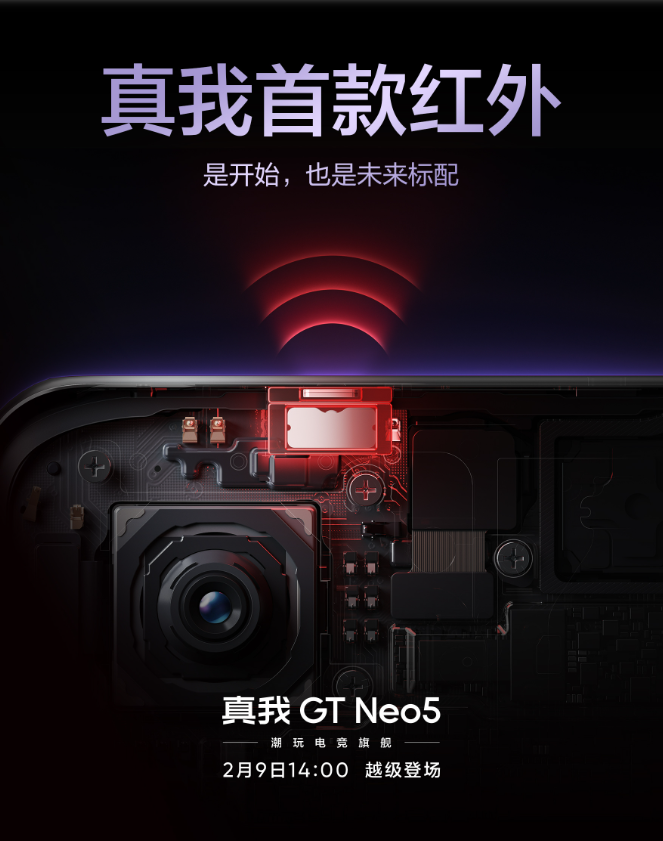
The Weibo handle of Realme has confirmed that GT Neo5 will bring the support of an IR Blaster sensor. This makes it the first device coming from the house of Realme to bring an IR blaster. The IR blaster enables the smartphone to be used as a remote control for any electronic device which supports IR signals like an AC, TV or even Fan. The inclusion of the sensor in the smartphone is really great decision taken by the brand as it would further benefit its users.
realme gt neo5

Many of the features that the next Realme GT Neo5 will have will be firsts for the company, like the IR blaster, multi-colour LED strip, and 240W fast-charging compatibility. The teasers for the smartphone also show off its form factor and design. The device has two strips with the inscription “Dare to leap” printed on the rear and is visible in a purple-like colour. This and the GT Neo3 gadget are somewhat identical, at least in terms of colour and design. The black highlighted area on the back contains the LED strip as well as the camera bump.

A primary sensor was housed in one of the 2 separate circular camera cutouts, while auxiliary lenses and an LED light were located in the other. So that’s all the information we could provide about the upcoming Realme device. What do you think about the gadget? Is it worthwhile to switch from the Realme GT Neo3 to the GT Neo5? Please let us know by leaving a comment below in your own words. Many thanks for reading this post all the way through.

RELATED

Pixel 7, 7 Pro & 6a Are Now Google’s Best-Selling Smartphones

Google has been behind the branding of Android smartphones for 13 years now, with the company only starting to manufacture its own handsets in 2016. Despite seven years of self-manufacturing and six years of Nexus co-branding, Google is not yet a global leader in the mobile hardware market. However, the latest quarterly earnings call reveals that the company has broken its own sales records, with the Pixel 6a, 7, and 7 Pro being the “best selling generation of phones” ever launched by Google, according to CEO Sundar Pichai.

google pixel 7 pro

The primary selling point of Pixel smartphones has been their cameras and bloatware-free UI, thanks to stock Android running on all Pixel devices. Pixel cameras perform exceptionally well in low-light conditions, with AI doing most of the work rather than the hardware itself. Plus, Google promises to deliver security updates and new features to Pixel phones for three years from the date of release. The devices also integrate seamlessly with Google’s suite of services, such as Google Assistant.

Although Pichai did not mention the exact quarterly shipment figures, it is clear that the Pixel 6a is a hit among consumers. Pichai credits the success of the Pixel phones to features such as Magic Eraser and Photo Unblur, which help the Pixel phones stand out from other devices on the market. In Q2 2022, Google was already the fifth-largest smartphone vendor in the US, with a 2% market share.

Google’s focus on the Pixel family and the hardware department’s overall cost structure suggests that the company is quite dedicated to improving and growing its presence in the smartphone market. Although the specifications for future generations of the Pixel are largely unknown, the leaked information about the Pixel 7a, including its 6.1-inch display with 90Hz refresh rate and 8GB RAM, indicates that it will be the most powerful A-series smartphone by Google. Considering the success of the Pixel 6a, a good price point will contribute a lot towards the success of the upcoming Pixel 7a.

RELATED:

(Via)

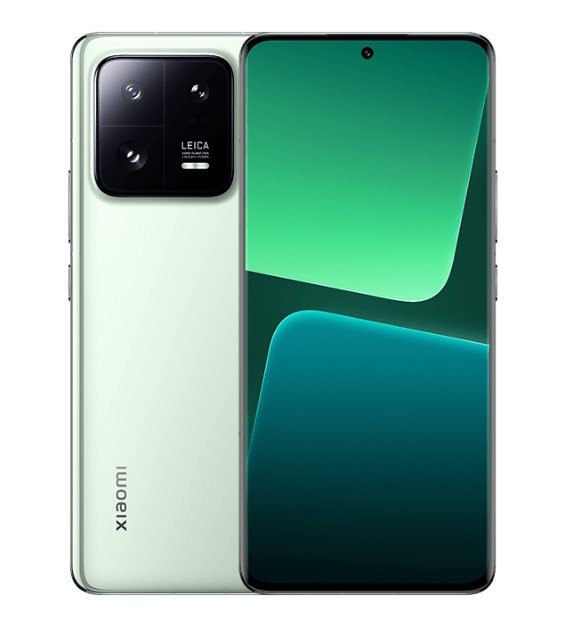
Get up to $100 OFF on Xiaomi 13 Pro at Giztop

Giztop is giving a discount of up to $100 on Xiaomi 13 Pro smartphone. The device which generally retails for $899 can be now bought for a discounted price of $799 only. Please note that this price is applicable to the base variant only. 

Xiaomi 13 Pro features a 6.73-inch QHD+ LTPO AMOLED display. It is powered by the latest Qualcomm Snapdragon 8 Gen 2 processor and offers multiple memory options like  8GB/12GB LPDDR5X RAM and 128GB/256GB/512GB UFS 4.0 internal storage. 

The smartphone is fueled with a 4820mAh battery and supports 120W wired charging and 50W wireless charging. It features triple 50MP rear cameras viz. a Sony IMX989 50MP primary lens, a 50MP ultra-wide lens, and a 50MP telephoto lens. The camera comes with advanced tracking tech that helps you to take better snaps of fast-moving objects. For your selfies, you have a 32MP sensor in the front.

Other interesting features include Android 13-based MIUI 14, in-display optical fingerprint sensor, NFC, Wi-Fi 6, etc. Xiaomi 13 Pro supports Google mobile services, and OTA updates, and comes with a pre-installed Google play store. 

You can now buy Xiaomi 13 Pro smartphone for starting price of $799 only. Please note that this is a limited-time offer.

For more information on such exciting deals and offers check out our deals hub.

Oukitel launches its Powerful Abearl P5000 Pro Power Station on Kickstarter

Oukitel the Chinese tech company known for its rugged smartphones is now working in the Green Energy market with its new product line ABEARL.

ABEARL was born with a vision to provide safer, faster, and greener power solutions that can solve your energy problems and at the same time save the planet. The company plans to create portable power supplies, solar technologies, and smart home backup power systems that can provide you with energy on the go. Their ultimate goal is to provide a sustainable green power solution for individuals and reduce overall carbon emissions.

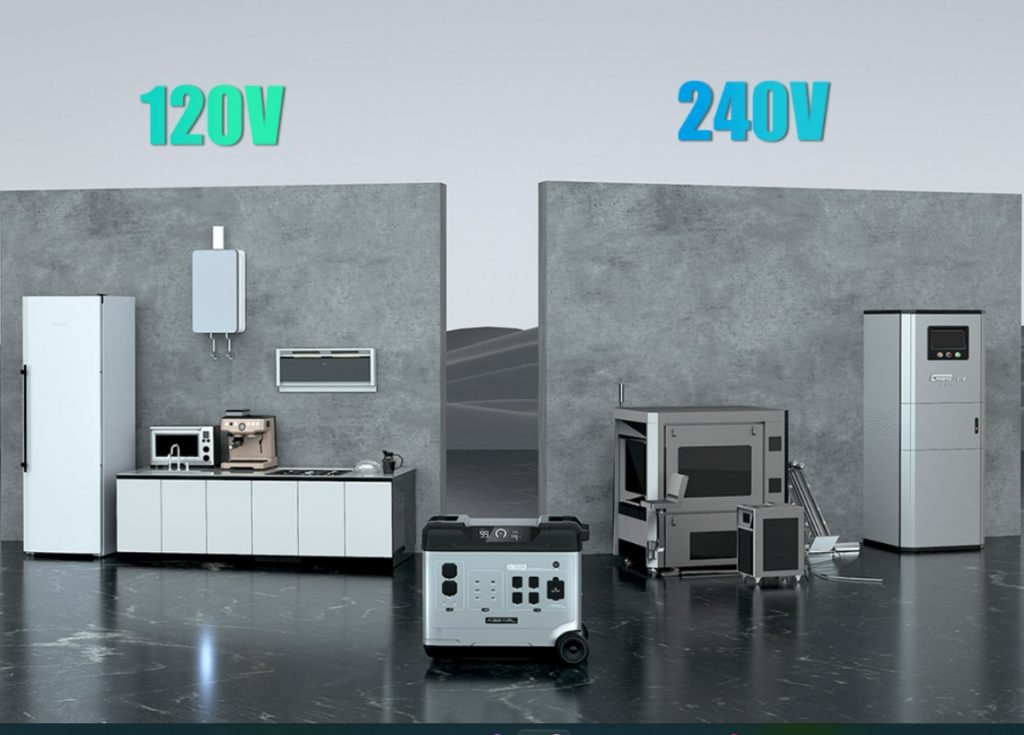
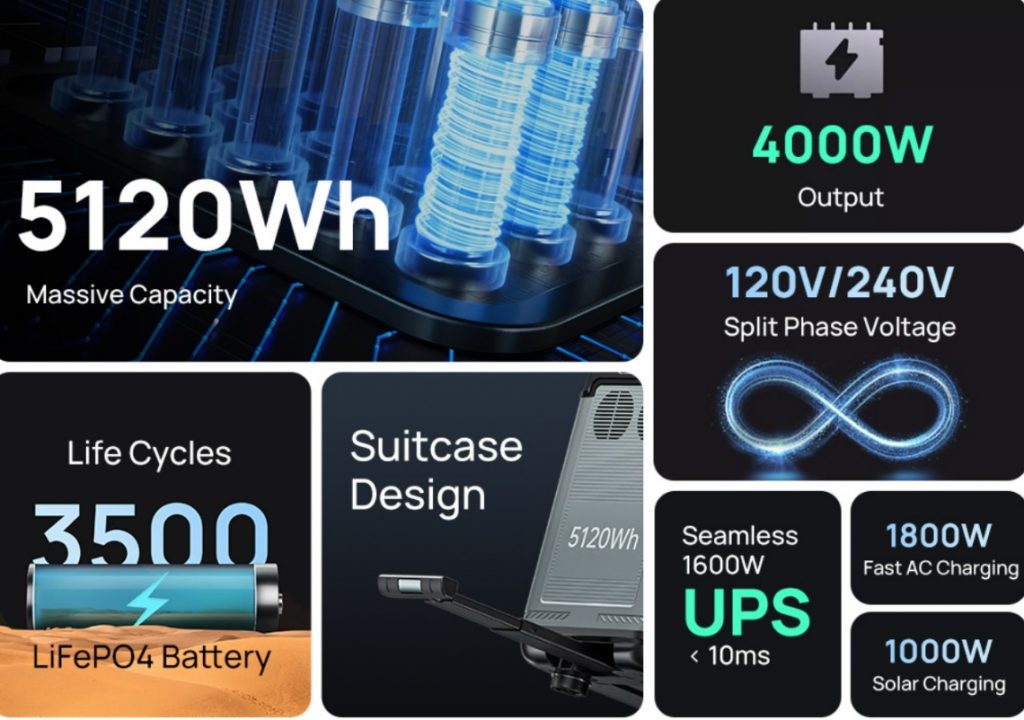
ABEARL P5000 Pro debuted with the P5000 portable power station. And now is launching the powerful and upgraded version, the Abearl P5000 Pro power station. Okitel Abearl P5000 Pro is the world’s first portable solar power station with 4000W AC output and 120V/240V dual voltage output. It comes with competitive features like massive capacity, large output power, versatile output ports, and fast charging.

ABEARL P5000 Pro features a high AC output of 4000W. It powers and charges almost everything from electric stoves, induction cooktops, ovens, and refrigerators to power tools and medical devices. With a 99% MPPT efficiency, this portable solar generator can generate 30% more electricity than others. The built-in 120V/240V split phase power system in the ABEARL P5000 Pro (US version) enables a single unit to deliver both 120V and 240V output directly. This ensures high-wattage appliances, like electric saws, clothes dryers, washing machines, electric heaters, air conditioners, electric vehicles, and even RVs, can be safely powered using P5000 Pro.

It can even be used as a 1600W seamless UPS with a sub-10ms switchover time. This means you can easily use it for computers, CPAP machines, and other sensitive appliances. The highlight feature of the device is its ability to charge your Electric Vehicles with ease. The portable power backup can get an electric vehicle to travel for about 18 miles.

Another important feature of this power station is its batteries. The device features EV-grade explosion-proof lithium iron phosphate (LiFePO4) batteries, which are the safest, most stable, and most reliable lithium batteries available in the market. The batteries have gone through extensive testing and it took the R&D team four years to achieve a breakthrough in increasing the energy density of LiFePO4 batteries as well as raising the safety level. If we talk about the battery system then P5000 Pro uses  LiFePO4 batteries, which boast 3500 life cycles, much higher than the industry average of 500 life cycles. The P5000 Pro has an advanced BMS system for improved safety and charging efficiency.

Oukitel ABEARL P5000 Pro comes with fifteen output ports, including five pure sine wave AC outlets and two 100W PD USB-C ports. It can intelligently detect connected devices and charge every device at its optimal charging speed.

Thanks to the integrated state-of-the-art 4000W bi-directional inverter, the device can be charged easily at home or outdoors. You can fully charge the power station in just 1.8 hours using the dual charging method of solar + AC. At home, you can fully charge it in 3 hours via 1800W ultra-fast AC charging, and when outdoors the device can be charged within  5 hours with a 1000W solar panel. It is compatible with solar panels with MC4 connectors, including OUKITEL portable solar panels.

Even though the P5000 Pro offers high-capacity power and weighs 112.4 lbs, the device is still highly portable thanks to its suitcase design. With two wheels and a suitcase-style handle, it becomes easy to carry and store the P5000 Pro when you are traveling, camping, trekking, or living off-grid. 

The Oukitel Abearl P5000 Pro Power Station will be launched on Kickstarter on February 3, 2023. The first 150 units will be sold at a heavily discounted price of $3299. With additional discounts, some buyers stand a chance to get the device for as low as $2899. To know more about the device and the discounts check out their Kickstarter page here

A special pre-pay coupon of $100 to get $500 cashback is available on its official website

Also if you are looking for a power station that is a little cheaper and less powerful then you can go for the P5000 version. For the first 100 units of ABEARL P5000, buyers can get at a super early bird price of $2499 with the lowest price being $2099. 

For more information on such exciting deals and offers check out our deals hub.

South Korea Caught in the Middle of US-China Tech War: Chip Sale down by 50% in January

South Korea faces a geo-political dilemma as it is pressured by the US to curb its semiconductor exports to China. 

China is the world’s largest semiconductor market and South Korea’s largest trade partner. However as the US increased the pressure on the Chip War, South Korea lost almost 50% of its revenue from sales to China.   

China is the most important customer of South Korean semiconductor companies.  In 2021,  approximately $50 billion in semiconductor revenue came from China. This accounts for more than 39%  of South Korea’s semiconductor exports.

However, under the growing restrictions from the US, South Korea reported a 16.6% YoY loss in its total exports. The semiconductor revenue, which is the top most exported item of the country fell by 44.5%. 

In 2022 even though the total exports in Korea grew by 6.1 %  shipments to China, the country’s main trade partner, declined by 4.4 %. Prices of core semiconductor components like DRAM, NAND, and memory chips plunged as demand weakened and backlogs piled up, which heavily damaged the industry. 

South Korean semiconductor companies like Samsung and SK Hynix stand to lose more in this war, as they not only face a major drop in their export revenue but also a reduction of output in their Chinese factories. These companies import various materials, technology, and equipment into China to produce the chips, more than 50% of which are then sold to Chinese customers. 

With the newly imposed semiconductor export sanctions, these South Korean firms won’t be able to import anything needed for chip manufacturing into China, which will lead to a reduction in output and loss of business. 

Seoul has so far abstained from taking a firm stance in the US-China tech war. The semiconductor battle which started with the US Chips and Science Act has led to global sanctions on exports of chips to China. Countries like Japan, Netherlands, Taiwan, etc have already joined the US and expanded their sanctions. 

Now the pressure is on South Korea to follow suit. The South Korean Ministry said that the ban was a burden that they could not avoid. Even though South Korea would lose its biggest trading partner, it still may have to go with the US as America holds patents to some of the key technologies used by Korean companies. 

South Korea now faces the biggest decision of whether to choose the US technologies or the Chinese market. However given the geopolitical tensions with North Korea, Seoul cannot afford to lose the US which is its principal military ally. 

(via)

Unopened First-gen iPhone Could Be Auctioned for up to $50,000

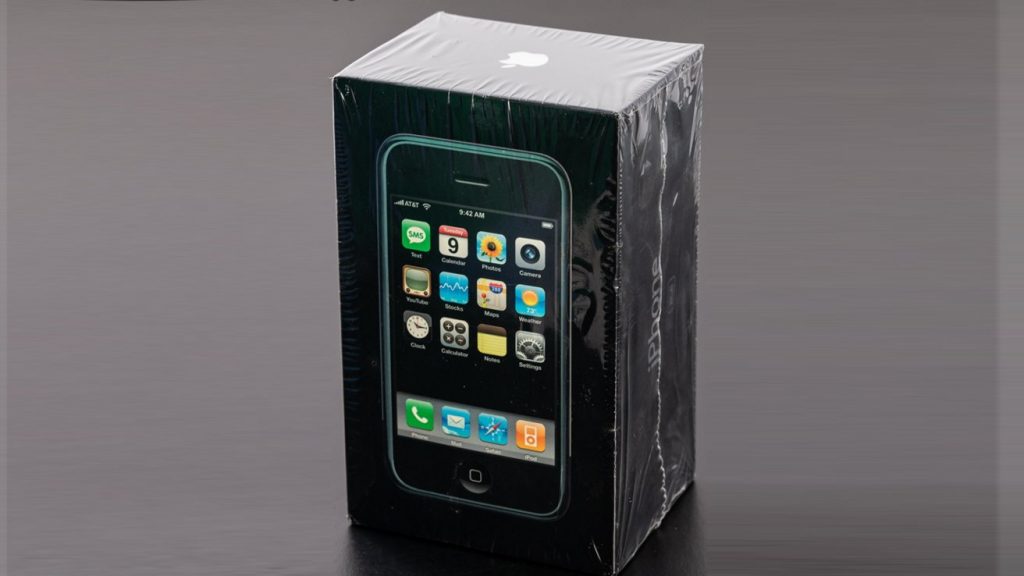
An unopened iPhone from 2007 has been put on auction in the United States for an expected price of $50,000. The iPhone is owned by Karen Green who received the iPhone gift from her friends in 2007. This is yet another confirmation of the first-gen iPhone as a collector’s item.

The unused and unopened iPhone 2G or iPhone 1 was given to Green when she landed a new job back in 2007. However, at that time, she was already having three phone lines, and carrier compatibility issues prevented her from using the gadget. It had been on her shelf since then but she attempted to sell off the device in 2019. However, the $5,000 valuation of the iPhone did not meet her expectations. She is now willing to sell the item with a minimum of $50,000 expected from the sale. Green hopes to use the proceeds of the auction to fund her business.

The auction is organized by LCG Auctions and will run until February 19. This is not the first iPhone that has been auctioned for such an amount. The first-gen iPhones could currently fetch between $30,000 and $50,000 on the minimum. A few more first-gen iPhones unopened and unused could still be held by some people. The price of the iPhones will continue to rise as they increasingly become more sought after.

The Apple iPhone has undergone an outstanding transformation since it was introduced at the turn of the millennium. The current models are the iPhone 14 series with the top pick being the iPhone 14 Ultra.

RELATED:

(via)

Dell Transparent Mechanical Gaming Keyboard Launched in China

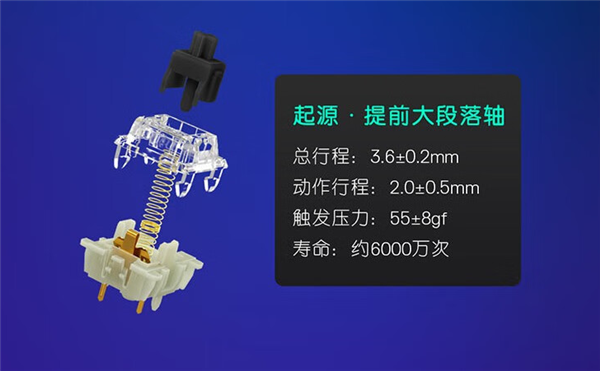
Dell has launched its transparent mechanical gaming keyboard with a fully transparent body, RGB lighting, and Jiadalng customized switch body. The new Dell transparent gaming keyboard was unveiled in China and it uses an 82-key layout. The customized axis body of the keyboard is based on Jiadalong wallaby and raccoon.

Dell transparent mechanical gaming keyboard

The new Dell transparent mechanical gaming keyboard has a fully transparent crystal keycap and is produced from high-transparency PC materials. It supports RGB single-key backlight and more than 16.8 million color lights. In terms of connectivity, the Dell transparent mechanical gaming keyboard supports wired, Bluetooth, and 2.4G three-mode connections. It is compatible with Windows and macOS PCs and delivers an immersive gaming experience. The gaming keyboard has a 3,000mAh battery whose duration and charging cycle were not stated.

Dell transparent mechanical gaming keyboard

The Dell transparent mechanical gaming keyboard has a touch sensor and supports hot swap. The keyboard is priced at 599 yuan (~$88) during the launch period. The product will revert to its original price of 999 yuan (~$147) after the launch period. There are no indications at this time on the global availability of the gaming keyboard. The product can be purchased directly from Jingdong.

Dell transparent mechanical gaming keyboard

Dell expects that the new transparent mechanical gaming keyboard will get a decent reception in the Chinese market. Its impressive lighting scheme and functionality may catch the attention of gaming enthusiasts. There are no indications of how long the launch price will remain in place.

RELATED:

OnePlus Teases a new 27W Back Clip Cooling Fan to Launch Alongside the Ace 2

Chinese smartphone manufacturer OnePlus is all set to launch its latest offering, the OnePlus Ace 2. The Ace 2 launch event is scheduled for February 7th. Along with the new smartphone, the company is also releasing a new and upgraded cooling accessory, the 27W freezing point cooling back clip, to ensure that the performance of the Ace 2 remains top-notch.

OnePlus

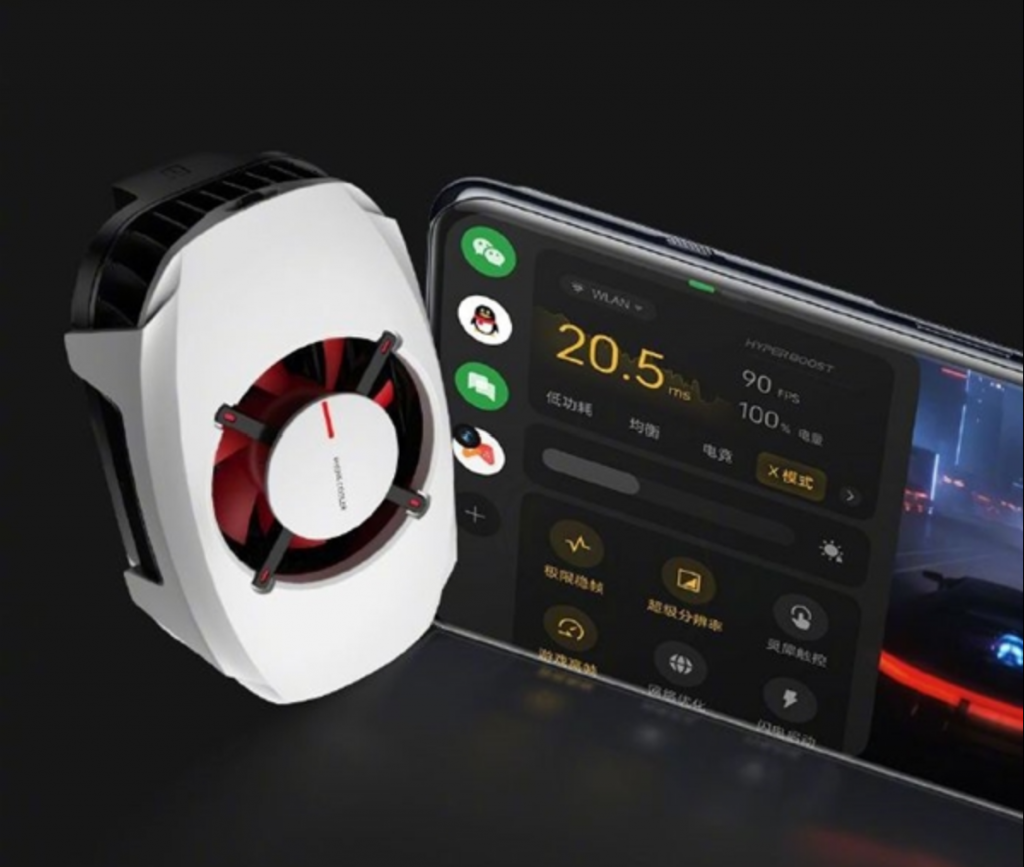
The design style of the new back clip is consistent with the previous 18W back clip cooling fan launched by OnePlus last year. Also, it comes in a pure white color scheme with OnePlus’ trademark classic red hue on the cooling fan. The new back clip has been designed with an aerospace-grade dual-TEC overclocking cooling solution, a custom-made “tornado” radiator, and dual independent control chips. With a maximum cooling capacity of 27W, the new back clip is expected to significantly improve heat dissipation and keep the phone cool, even during intensive usage.

OnePlus Back Clip Cooling Fan

OnePlus is also partnering with Yuanshen for the new product launch, and it is expected that a joint version of the color-matching back clip will be launched to cater to the needs of fans.

The previous 18W freezing point cooling back clip was priced at 199 yuan, and with the improved power of the new back clip, it is expected that the price will increase. However, the exact pricing details have not been revealed yet, and it will be interesting to see how the market reacts to the new product.

RELATED:

2023 Zeekr X Premium Urban EV Unveiled Ahead of Zeekr’s Entry Into Europe

Geely is taking some bold moves as it continues to expand into the European EV market. The premium EV arm of Geely, Zeekr has unveiled the 2023 X urban EV. The model was previously teased as the 003 and is expected to go into production later this year.

2023 Zeekr X Premium Urban EV

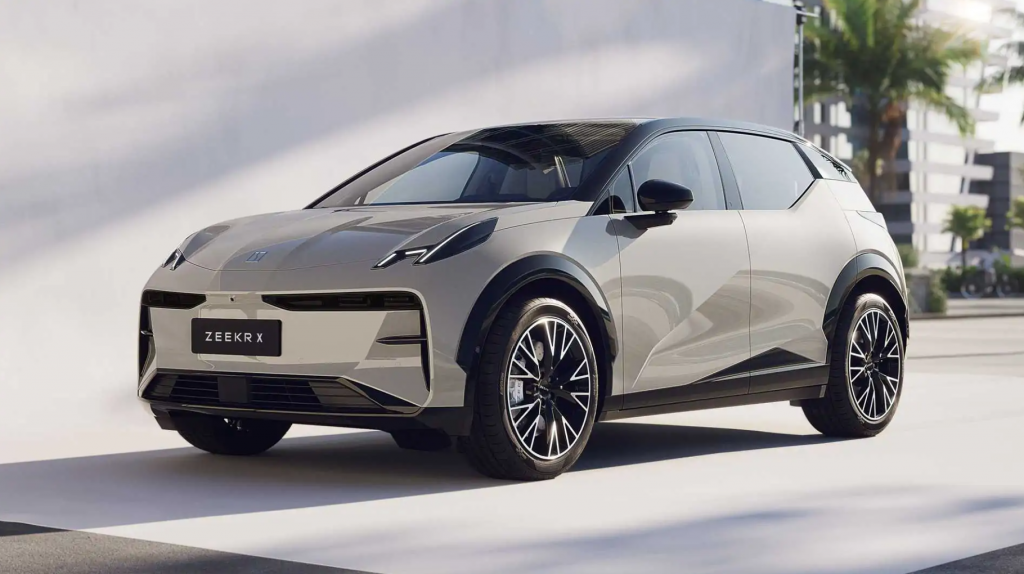
The EV manufacturer says the concept behind the X EV is that it represents infinite inspiration, exploration, and imagination. It is a premium urban SUV with a length of 175.2 inches and a width of 72.3 inches. The Zeekr X is 61.9 inches high and has a 108.2 inches wheelbase. The X EV is based on Geely’s Sustainability Experience Architecture (SEA), as with the Smart #1 model. The X model is slightly longer, wider, and lower than Smart #1.

The X was conceptualized and designed at the company’s Global Design Center in Gothenburg, Sweden. The design team was led by Stefan Sielaff and the design sought to push the frontier of urban SUVs. The Zeekr has a frameless door design and exterior frameless mirrors for enhanced aerodynamic performance. The car has a nice exterior outlook and has some radical features like split headlights, an aggressive front bumper, and huge wheel arches. The car also has a sporty rear design.

2023 Zeekr X Premium Urban EV

The Zeekr X has a narrow rear window with small windshield wipers. It also has an extended roof spoiler and slim taillights. The taillights feature a horizontal light strip that helps to illuminate the Zeekr inscription in the middle. The production model of the Zeekr does not show any door handles but some push buttons are visible at the base of the B and C pillars. The powertrain specifications of the X EV are not yet known, but the car can go from 0 – 100km/h in 4 seconds.

The Zeekr X will enter the Chinese market within Q2, 2023 and it will subsequently berth in Europe. There are no price details for the model yet.

RELATED:

Tesla Cybertruck Spotted on the Roads of California

Tesla announced the Cybertruck back in 2019. Since the announcement, we haven’t seen much progress on this highly anticipated vehicle. However, the company has confirmed that it is not cancelling production and that it will begin in mid-2023. This was confirmed by CEO Elon Musk during the company’s fourth-quarter earnings call. Recent sightings of the Tesla Cybertruck driving in California suggest that Musk is telling the truth. Here are the details…

After Elon Musk Gives Cybertruck Update, it’s Spotted Driving in California

Recently, a beta Cybertruck was spotted in Palo Alto, California, with a picture shared on Twitter. The picture showed a few small updates to the design, including a more stylish triangle-shaped mirror and a slightly shorter back tailgate compared to previous images.

Allthough official specs have not yet been revealed, Musk stated that the Tesla Cybertruck will feature a quad-motor all-wheel drive system, a towing capacity of up to 14,000 lbs, and a 0-60 mph time of just 2.9 seconds. The Cybertruck is expected to have a range of up to 500 miles on a single charge.

According to the statements made by Tesla, the number of people who pre-order Cybertruck has reached over 1.5 million. However, it should be noted that this does not mean that Tesla has sold 1.5 million Cybertruck. The company currently takes a $100 deposit for each pre-order, waiting for the vehicle to be ready to receive its full price.

Tesla cybertruck

This means that anyone with enough money in their pocket can pre-order, even if they aren’t going to buy it. Although we do not know how many 1.5 million people will actually buy Cybertruck, but even now, the money entering the company is 150 million dollars.

The biggest problems that Tesla has experienced in the past have been on the production side. In previous models, many customers waited a very long for delivery after placing their orders. However, the company stepped up things by solving its problems after 2019. The company says the Cybertruck is on track to start production in mid-2023.

Another point of concern is the price. Elon Musk announced the cost of the vehicle at the event in 2019, but the pandemic and global inflation may cause these prices to change. If Tesla would deliver the Cybertruck at the price point and with the specs initially announced in 2019, it would probably beat the Model Y (the best-selling Tesla model).

RELATED:

(via)

EarFun Air Pro 3 With Bluetooth LE Audio Support Launched as an Apple AirPods Alternative

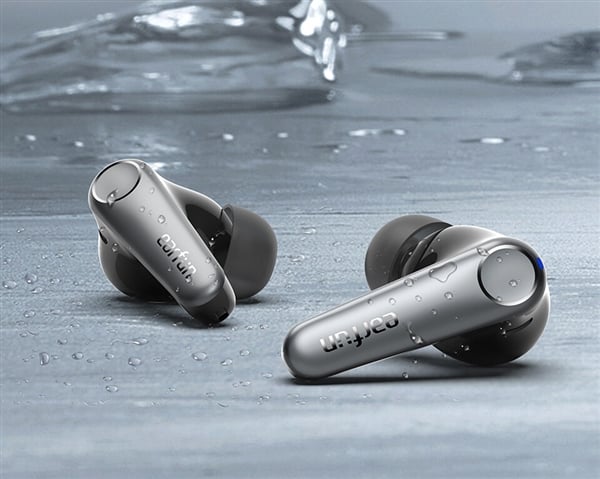
Little-known Chinese audio products manufacturer, EarFun has launched a new flagship TWS earbuds. The product is named EarFun Air Pro 3 TWS earbuds and it offers high-quality audio and convenient features for an immersive listening experience. The product appeared on the FCC website last year and its most outstanding feature is the Bluetooth LE Audio support. This makes the device the first TWS earbuds to come with support for LE-Audio. The Air Pro 3 offers improved sound quality and low latency mode, thanks to the LE-Audio, making it ideal for watching videos and playing games.

EarFun

One of the key features of the Air Pro 3 is its support for the LC3 audio codec and Bluetooth 5.3, which ensure stable transmission and ultra-low power consumption. The headset is also equipped with aptX adaptive audio technology, which provides even better sound quality compared to other codecs. The 11mm driver unit is capable of delivering clear and powerful audio, while the 6-microphone array with cVc 8.0 technology ensures clear voice transmission during calls.

In terms of battery life, the Air Pro 3 provides up to 9 hours of listening time on a single charge, and this can be extended to 36 hours with the charging box. It also supports fast charging, allowing you to play music for 2 hours after just 10 minutes of charging. The headset is also compatible with wireless charging, making it even more convenient to use.

EarFun Air Pro 3

The Air Pro 3 allows users to connect to two devices at the same time, making it ideal for multitasking. It is compatible with any Bluetooth-enabled smartphone, smartwatch, tablet, or PC, and can be used for a variety of purposes, such as listening to music, taking calls, and watching videos.

The EarFun Air Pro 3 is priced at $79.99 and is presently up for grabs on EarFun’s website and Amazon.

RELATED:

AMD CEO Confirms Undershipping Strategy to Control Supply Chain

The chip shortage that started during the pandemic is almost over. Chip producing factories are no longer operating at 100% capacity, and manufacturers no longer have supply chain issues. However, despite these positive developments, some products are still not readily available in the market. You may wonder why. It turns out that there wasn’t a serious supply problem after all. AMD CEO, Dr. Lisa Su, confirmed that the company has been “undershipping,” meaning it was shipping less than actual demand. Here are the details…

AMD is ‘undershipping’ chips to balance CPU, GPU supply

According to CEO Lisa Su, AMD “undershipping” its products to balance supply and demand. As you know, the PC industry has experienced a great rise during the pandemic. Consumption has reached an unbelievable level and technology companies in particular have experienced their golden age. Unfortunately, things changed a bit after the pandemic. Leading to a drop in sales for both AMD and Intel

AMD Ryzen Logo

However, AMD managed to maintain a small profit despite the 51% YoY drop in client PC sales. It turns out that is because AMD’s under-shipping strategy helps the company maintain higher prices for its products. The company, which deliberately puts few products on the market, has control over all stages from production to consumption.

Unfortunately, this method, while diabolical, is quite popular and is not unique to AMD. Nvidia, another major chip maker, has also been under-shipping its gaming products to correct the inventory that is in the market. Gross margin is a key metric for chip companies, and AMD’s market tricks helped it achieve a 51% non-GAAP gross margin last quarter.

The under-shipping practice is one of the reasons why GPU prices haven’t plummeted despite the decrease in demand. It is unknown how long this so-called sales strategy will last. However, as long as it continues, the price increase in PC parts does not seem to end.

RELATED:

(via)

OnePlus Pad Detailed Specifications Emerge Ahead of Launch

OnePlus smartphones have been around for quite some time and now the brand is planning to foray into a new product category— tablets. The Chinese company is ready to bring its first-ever tablet, dubbed OnePlus Pad to the international market on February 7. Ahead of the launch, the brand has already revealed the slate’s design and today, thanks to a tipster, we get to learn its detailed specifications.

Tipster Digital Chat Station has shared the specifications of the OnePlus Pad on Chinese social media Weibo. As per the tipster, the upcoming tablet will have specifications similar to Oppo Pad 2. Based on this, the OnePlus tablet is expected to feature a MediaTek Dimensity 9000 SoC, paired with 8/12GB RAM and 128/256GB storage. Do note that storage options may vary market-to-market.

OnePlus-Pad

It could come with a large 11.6-inch LCD with a 2K resolution and support for a 144Hz refresh rate. In the camera department, the tablet could feature a 13MP sensor with an LED flash module on the rear and an 8MP front camera. OnePlus Pad will likely run Android 13 with ColorOS 13 skin in China and OxygenOS 13 globally. Fueled by a massive 9500mAh battery, the slate could support 67W fast charging. The device is expected to come with a Wi-Fi-only connectivity option.

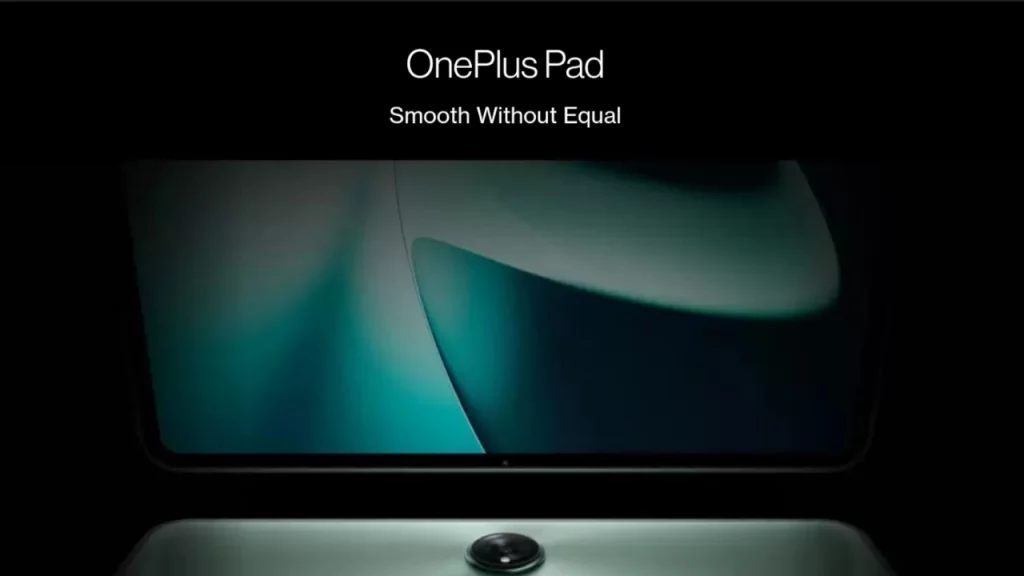
As mentioned, the company has already revealed the design of the forthcoming OnePlus Pad. It will come with an aluminum alloy chassis with a cambered frame. Unlike other tablets in the market, the OnePlus slate will have its camera module placed in a central position on the back. It will feature a single camera placed in the top bezel above the screen.

RELATED:

(Via)

Xpeng Takes on Tesla in Europe with Launch of P7 Sedan and G9 SUV

Chinese automaker Xpeng had a rough year in 2022. The company’s sales failed to meet expectations and its share price plummeted by 81.34%. However, Chairman and CEO, He Xiaopeng, recently sent a letter to its employees promising to end the bad course. It seems that Xiaopeng is determined to keep that promise. Chinese electric vehicle startup launched its P7 sedan and G9 Sports SUV in Europe. Here are the details…

Xpeng launches flagship EVs in Europe in international push

Xpeng, has launched its P7 sedan and G9 sports SUV in Denmark, Norway, the Netherlands, and Sweden, as part of its international expansion efforts. The P7 sedan is priced lower than Tesla’s Model 3 Long Range in the four countries. It has starting price of 49,990 euros ($54,917) for a range of 576 kilometers on a single charge.

xpeng g9
Xpeng is pushing aggressively into international markets. The Chinese electric car start-up launched its P7 sedan and G9 SUV in Denmark, Norway, the Netherlands and Sweden.

The G9 SUV is priced higher than Tesla’s Model Y Long Range, with a range of 570 kilometers on a single charge and a starting price of 57,990 euros in the Netherlands. Xpeng faces tuff competition in Europe, not just from Tesla but also from other Chinese automakers and European giants like Volkswagen.

However, Xpeng isn’t the only Chinese manufacturer on the market.Chinese rival Nio has already started deliveries in Norway. Xpeng has accelerated its international push in recent years, with physical stores in Europe and the launch of its mass-market P5 sedan. However, supply chain issues have suspended the start of sales for the P5.

RELATED:

(via)

Google Could Soon Officially Add Smartphone as a Webcam Feature on Android

We’re all aware that webcams on laptops aren’t excellent. As a result, most individuals prefer to utilise an external webcam, and some even use their smartphone as a webcam for their computers via third-party apps. iPhones may also be used as webcams for MacBooks. Now, rumours are circulating that Google is developing a function that will allow you to utilise your smartphone as a webcam for your laptop. This will be offered as a native function on Android soon, eliminating the requirement for third-party software. This will undoubtedly be one of the best features Google has ever added.

Today, Android expert Mishaal Rahman revealed on Twitter that Google may add functionality for turning your Android phone into a USB webcam. Rahman discovered evidence indicating that Android is adding a “DeviceAsWebcam” service in the Android Open Source Project (AOSP) repository. If you’re not familiar with AOSP, it’s Google’s open-source operating system development initiative for stock Android.

It allows anyone to examine and contribute code and changes while being directed and overseen by Google. “DeviceAsWebcam” is defined as “a new service that transforms an Android device into a webcam.” According to Rahman, this would work on Android smartphones that support the standard UVC (USB video class) gadget mode, which allows video data to be sent.

Making your phone become a webcam isn’t necessarily innovative for Android. However, this would be the first time Android has permitted turning your phone into a UVC device without the use of a third-party app. It is unknown whether Google will integrate this capability in a future OS upgrade. However, in order to exploit the new capabilities right now, Rahman suggests that your device’s kernel be compiled with CONFIG USB CONFIGFS F UVC=y first. Technically, it would still require an app or service to function. You might call it an official app, but hey!

RELATED

Semiconductor Industry Association asks Japan and Netherlands to Tighten Curbs on China

Last week Japan and Netherlands decided to join the US and agreed to abide by the additional sanctions on semiconductor export to China. 

However, Semiconductor Equipments and Material International (SEMI), an industry association that includes the world’s top semiconductor designing, manufacturing, and selling companies, stated that the curbs laid on China were not strict enough.

According to SEMI, if US allies like Japan and Netherlands did not levy tougher curbs, then the sanctions would be ineffective.  The industry group has openly sided with the US in the US-China Tech war and said that it had a vested interest in the US and welcomed the additional sanction agreement on China. 

Though the exact details of the agreement are undisclosed, SEMI believes that China will keep on growing in the semiconductor industry unless the allies come together and agree to wider control and restrictions on Chinese fabrication facilities.

source: SEMI

Semiconductor Fabrication facilities or fabs are factories that make integrated circuits. Semi said that as long as Chinese fabs are running, the country has a strong chance to manufacture advanced chips. It further added that allies need to restrict their engineers and others from supporting China’s high-end fabs.

The current sanctions levied by the Biden administration ban the export of semiconductor manufacturing equipment, technology, and personnel to China. American nationals are not allowed to partner with or work at Chinese semiconductor companies. 

Japan and Netherlands have agreed to restrictions on semiconductor export to China. Essentially, these two countries have agreed not to export advanced chip-making equipment and cutting-edge technology to China. However, older technologies and equipment are still exported to China. 

China is the largest semiconductor market in the world and aims to be a global leader in advanced technology and Artificial Intelligence. With its current technology, China can make chips that can be used in low to mid-level industries like washing machines, air conditioners, automobiles, and smart home appliances. However, it still relies on the US and its allies to make advanced chips used in weaponry, Artificial Intelligence, and Cloud computing. 

Though Japan and Netherlands have agreed to additional restrictions on China, the allies are not in favor of a complete ban as it will adversely affect their economies which are largely dependent on technology exports to countries like China. 

(via)

OnePlus Buds Pro 2 will be tuned by Hans Zimmer, the music composer behind The Dark Knight

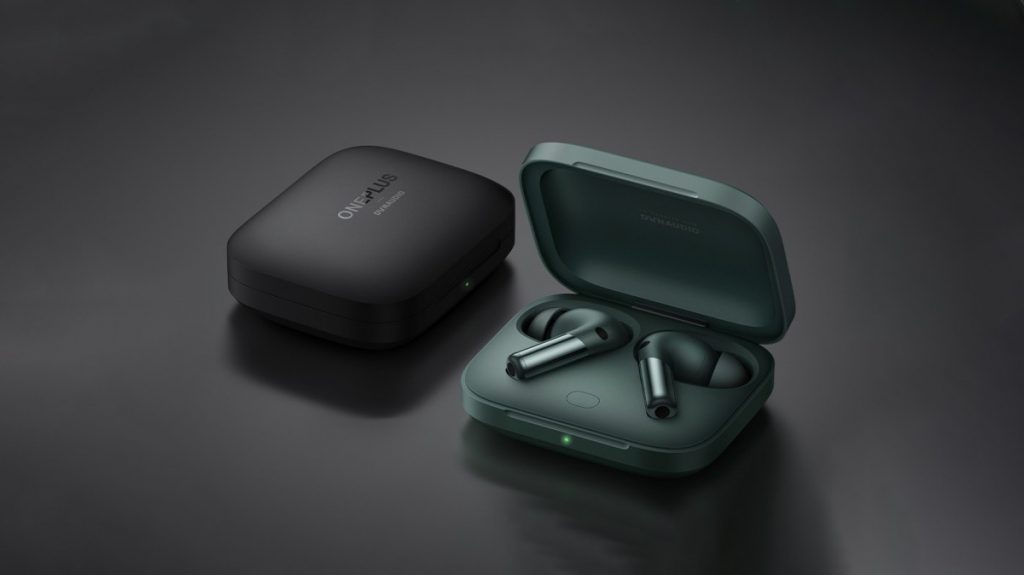
OnePlus Buds Pro 2 will be unveiled globally on February 7. Ahead of the launch, the company has revealed an interesting detail about the upcoming earbuds. OnePlus has confirmed that the Buds Pro 2’s Master EQ will be tuned by veteran Hollywood music composer Hans Zimmer. You might know him from his work on popular movies such as Dune, Top Gun: Maverick, and The Dark Knight trilogy.

The Master EQ tuned by the legendary music composer is named “Soundscape” and is claimed to have fewer low frequencies than the default setting as well as a brighter and wider sound field. OnePlus says the Master EQ will let the users enjoy the full orchestral sound of classical and the multidimensional score of an action film.

OnePlus Buds Pro 2

For the unaware, an EQ, short for equalizer, is a tool that lets you adjust the sound signature of your earphones or speakers according to your wish. It can be used to adjust the gain of various frequency ranges in the complete frequency range of a given output device.

As part of the collaboration, Zimmer has rearranged “Lost but Won”— a part of the original soundtrack for the movie Rush, to integrate spatial audio components into the music. This soundtrack will enable customers to test their OnePlus Buds Pro 2’s spatial audio feature and to ensure it is set at an optimal level.

The company had already confirmed that Buds Pro is one of the first TWS earbuds to adopt Google’s signature spatial audio function. The earbuds should be able to offer a customized spatial audio experience through a wide sound field and clear vocals.

OnePlus says it is planning to collaborate with other world-famous music composers to develop more customized EQs for users to choose from. Let’s see which big name is next!

RELATED:

DIZO Watch D2 With 1.91-inch Display Launched In India

DIZO has launched a new smartwatch in India. The latest offering is the DIZO Watch D2. The Realme TechLife brand has expanded its range of smartwatches in the country. The Watch D2 falls under the Rs 2,000 price segment and competes against other devices offered by brands like Noise, boAt, Xiaomi, and more in the market. Read on to know what it offers out of the box. 

The DIZO Watch D2 features a large 1.91-inch display in a square dial. It has 500 nits peak brightness and more than 150 customisable watch faces. The device comes with a hybrid aluminium frame and a skin-friendly soft silicone strap. There is a button on the right side of the device. 

On the health-centric front, the DIZO Watch D2 is equipped with a heart-rate monitor, SpO2 sensor, sleep tracker, and menstrual period monitor. The wearable device offers hydration and sedentary reminders. It packs support for more than 120 indoor and outdoor sports modes. 

The DIZO Watch D2 comes with a Bluetooth calling feature. Users can call, answer, and reject incoming calls directly from the wrist. There is a silent mode as well as noise cancellation on calls. The smartwatch packs convenient features like built-in mini-games, camera and music control, smart notifications, weather updates, find my phone, and more. The DIZO Watch D2 is powered by a 260mAh battery unit that is claimed to deliver 7 days of usage under normal mode and 3 days with Bluetooth calling. 

The DIZO Watch D2 carries a price tag of Rs 1,799. It will be available for purchase from the brand’s official website and Flipkart starting February 10th. 

Related:

OnePlus 11 Pre-Orders in India will open on February 7

Samsung is done with its big 2023 unveil and now it’s OnePlus’ turn to show its cards. The Chinese brand will be introducing the OnePlus 11 flagship to global consumers on February 7 at the Cloud 11 event. The company has been teasing its latest smartphone intensively, revealing information in bits and pieces. In the latest development, it has been confirmed that the OnePlus 11 will be available for pre-order in India on the launch day itself.

OnePlus 11 will go on sale in India through Amazon. And today, a microsite on the e-commerce platform revealed the premium smartphone’s pre-orders in India will open on February 7, the same day as the launch event. The sale date and official pricing of the handset will be announced during the launch.

OnePlus 11 pre-order in India

Unofficially, a tipster has claimed that the higher-end 16GB RAM+ 256GB storage version of the OnePlus 11 will cost Indian consumers around Rs 61,999. There will also be an 8GB RAM + 128GB storage version but its pricing is still a mystery. Given OnePlus’ popularity in India, we expect the upcoming smartphone to attract many buyers. The prices also seem fair this time.

The OnePlus 11 got sold like hotcakes in China. According to the company’s executive, the smartphone broke pre-sales records for the brand after just two hours. It remains to be seen whether the same response will be reciprocated in the global market.

This year, OnePlus will not be launching a pro model but instead, we’ll be getting a more affordable OnePlus 11R with an older Snapdragon 8+ gen 1 processor and decent cameras. The 11R will be unveiled at the same event alongside several other products, including the OnePlus Buds 2 Pro, OnePlus TV Q2 Pro, and a new Keyboard.

Check out our OnePlus 11 detailed review to get a better idea of what to expect!

RELATED:

(Via)

Stuffcool Stack Foldable 3-in-1 Magnetic Wireless Charger Launched In India

Stuffcool has expanded its range of wireless chargers. The homegrown brand has launched a new 3-in-1 foldable magnetic wireless charger called Stuffcool Stack. The striking feature is that it can be folded when not in use. Read on to know what it offers out of the box. 

The Stuffcool Stack is a wireless charger that can top up three devices simultaneously. The wireless charging station features three magnetic chargers. It is compact and can be folded making it ideal for travel and carrying in the bag easily. The device also doubles up as a foldable stand and a phone can be placed in portrait as well as landscape orientation. The charging accessory measures 10cm in diameter and 2.6cm in height. 

The Stuffcool Stack is compatible with Qi-certified smartphones and TWS earphones. It supports the iPhone 12, 13, and 14 series along with devices from Samsung, Pixel, and more. The TWS module is capable of outputting power to AirPods, Samsung Buds, Pixel Buds, and Nothing Buds. Meanwhile, the watch module is only compatible with all versions of the Apple Watch. 

In terms of delivering power, the Stuffcool Stack offers up to 10W speed for smartphones, 3W for TWS earphones, and 2.5W for Apple Watch. It features an 18W QC3.0 adapter and a fast-charging Type-C cable for plug-and-charge convenience. The wireless charger is capable of detecting any foreign object placed on the stack. 

The Stuffcool Stack wireless charger carries a price tag of Rs 4,990. It is offered in Black and White colour options and comes with a 6-month warranty. It can be purchased from the brand’s website, Amazon, and various offline stores across the country. 

Related: