Stuffcool has expanded its range of wireless chargers. The homegrown brand has launched a new 3-in-1 foldable magnetic wireless charger called Stuffcool Stack. The striking feature is that it can be folded when not in use. Read on to know what it offers out of the box.
The Stuffcool Stack is a wireless charger that can top up three devices simultaneously. The wireless charging station features three magnetic chargers. It is compact and can be folded making it ideal for travel and carrying in the bag easily. The device also doubles up as a foldable stand and a phone can be placed in portrait as well as landscape orientation. The charging accessory measures 10cm in diameter and 2.6cm in height.
The Stuffcool Stack is compatible with Qi-certified smartphones and TWS earphones. It supports the iPhone 12, 13, and 14 series along with devices from Samsung, Pixel, and more. The TWS module is capable of outputting power to AirPods, Samsung Buds, Pixel Buds, and Nothing Buds. Meanwhile, the watch module is only compatible with all versions of the Apple Watch.
In terms of delivering power, the Stuffcool Stack offers up to 10W speed for smartphones, 3W for TWS earphones, and 2.5W for Apple Watch. It features an 18W QC3.0 adapter and a fast-charging Type-C cable for plug-and-charge convenience. The wireless charger is capable of detecting any foreign object placed on the stack.
The Stuffcool Stack wireless charger carries a price tag of Rs 4,990. It is offered in Black and White colour options and comes with a 6-month warranty. It can be purchased from the brand’s website, Amazon, and various offline stores across the country.
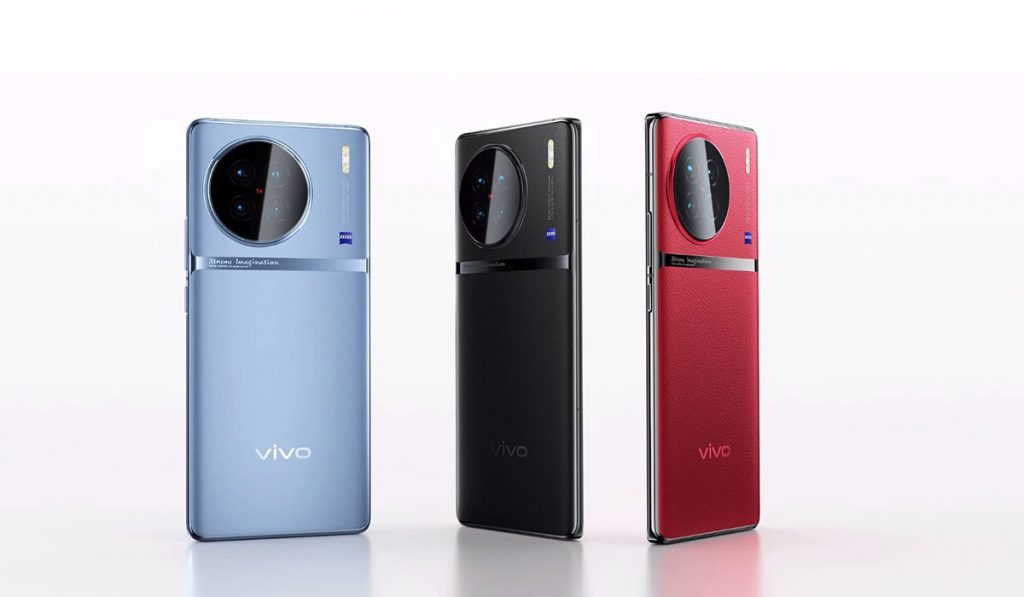
Vivo X90 series has debuted in the global markets. The brand has also announced the availability of the smartphones in various regions. The Vivo X90 smartphones were launched in China last November and the lineup includes the standard (review), Pro, and Pro+ models in China. Only the former two have arrived in the international markets while the Pro+ variant remains exclusive to China.
The Vivo X90 and X90 Pro are vastly the same phones except for differences in the camera department. The global variants also have the same specifications as their Chinese counterparts.
The Vivo X90 and X90 Pro come with a 6.78-inch OLED display with curved edges and a centre-aligned punch-hole cutout. Both devices offer an FHD+ resolution, a 120Hz refresh rate, 1,300 nits peak brightness, and HDR10+ support. The phones are equipped with an in-screen fingerprint scanner. Design-wise, the Vivo X90 and X90 Pro a circular protruding camera module and a horizontal metal bridge below it with text revealing ‘Xtreme Imagination’ and the camera co-engineered by Vivo and Zeiss. The standard and Pro models are IP64 and IP68-certified water-resistant.
On the imaging front, the Vivo X90 and X90 Pro have Zeiss-branded triple rear cameras. The setup on the former comprises an OIS-enabled 50MP Sony IMX866 main sensor, a 12MP ultra-wide unit, and a 12MP telephoto lens. The Pro variant has a 1-inch Sony IMX989 50MP primary sensor with the industry’s only f/1.75 aperture coupled with a 50MP portrait unit and a 12MP ultra-wide lens. The Vivo X90 duo pack the brand’s V2 ISP enabling superior photography performance. Up front, both Vivo smartphones feature a 32MP selfie snapper. There are also various camera-related features on the devices.
Under the hood, the Vivo X90 and X90 Pro are equipped with a Dimensity 9200 processor. It packs up to 12GB LPDDR5 RAM and 256GB UFS 4.0 storage. There is a vapour cooling chamber onboard for heat dissipation. The X90 draws its power from a 4,810mAh battery whereas the X90 Pro is backed by a 4,870mAh unit with both supporting 120W fast charging. The later is also compatible with 50W wireless charging.
In Malaysia, the Vivo X90 costs MYR 3,699 (~$868) for the 12GB + 256GB variant whereas the X90 Pro carries a price tag of MYR 4,999 (~$1,175) for the same configuration. The standard model will be available in Black and Blue colour and in Hong Kong, Taiwan, India, Thailand, and Malaysia markets. The Pro variant will be sold in only Black colour and in the same countries as the regular X90 but along with some European markets like the United Kingdom, France, Germany, Italy, Spain, Poland, Czechia, Austria, Romania, Croatia, Slovenia, Greece, and Serbia. The pricing and availability details will vary from region to region.
When it comes to PC accessories, the first brand that comes to mind is Razer. The company manages to attract the attention of gamers, especially with its interesting designs and products. Finally, a new one has been added to these products. Razer introduced its new $280 mouse, the Viper Mini Signature Edition, today. Here are the details…
Razer’s $280 mouse is covered in gaping holes
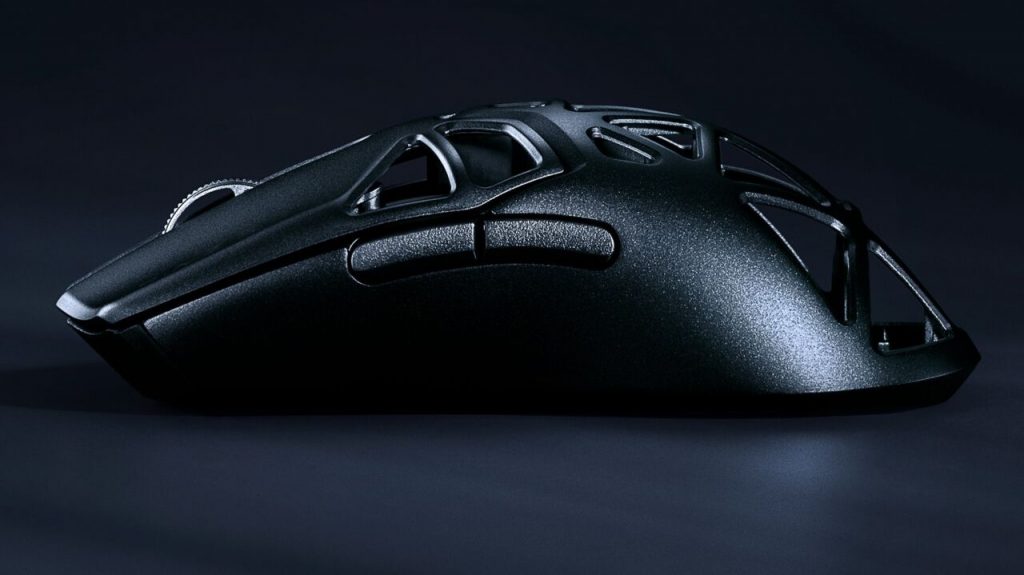
The Razer Viper Mini Signature Edition (SE), priced at $280. This mouse is unique in design with its magnesium alloy chassis exoskeleton and large holes. While the honeycomb design is meant to reduce weight, the Viper Mini SE’s holes are significantly larger. Therefore, this design raises questions about the mouse’s durability.
To address these concerns, Razer has added a three-year warranty to the Viper Mini SE. Thats a year longer than the company’s usual warranty for mouse. The large holes in the mouse’s design could also help keep hands cool during intense use by allowing for more airflow but I don’t know how important this feature is for gamers.
However, despite the unique design, the Viper Mini SE is not the lightest mouse on the market. It weighs almost 50 grams. It also lacks buttons on its right side, making it less versatile for competitive use. The mouse targets gamers seeking a mouse that is easy to flick around their desk, with a high dots-per-inch (DPI) spec of up to 30,000 DPI.
Unfortunately, the price is also quite high. As we mentioned above, the wireless model is $ 280. However, if you’re interested in expensive and “with-holel” PC accessories, you can order the Razer Viper Mini Signature Edition starting February 11.
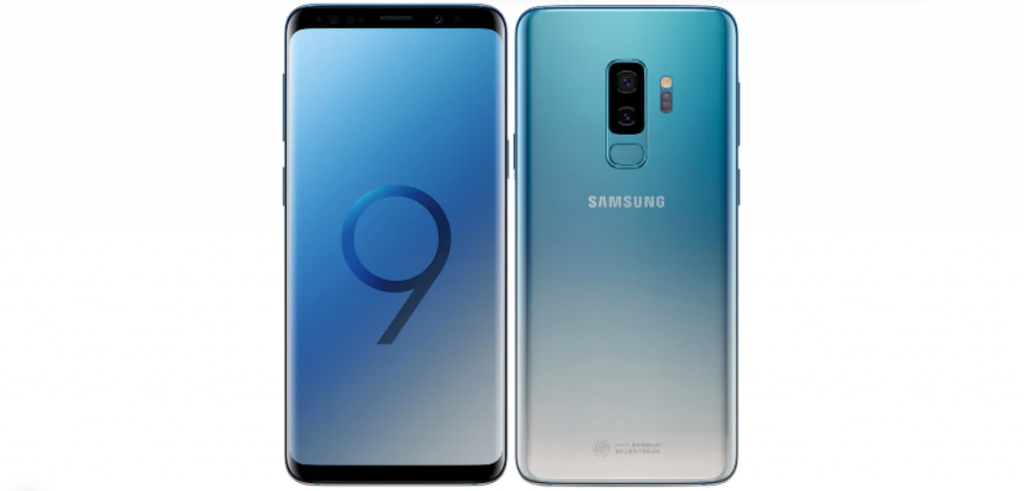
Samsung has just finished off the launch of the flagship Galaxy S23 lineup and the Galaxy Book 5 series. The brand is now probably preparing for the launch of a Samsung 77-inch OLED TV and a 49-inch OLED Monitor. Anyway, going back to the main headline, the Galaxy S9 and Galaxy Note 9 has now got the support of Android 13. Well, you should not get too much happy as it is not an official ROM. The Noble ROM 3.0 brings OneUI 5.0 based on Android 13 to the Galaxy S9 and Note 9 devices.
Noble ROM, developed by XDA Recognized Developer AlexisXDA, is a project aimed at giving the latest edition of Samsung’s custom skin to the Galaxy S9/S9+ and Note 9. It has now reached the 3.0 milestone, which means that the fifth major version of One UI is now available for anyone who is willing to flash the modified firmware on their devices. The build was moved over by the developer using a modified Galaxy Note 10 Lite and the Galaxy S20’s Android 13 version, which has been adjusted to make use of the 2018 flagships. In this way, they have enabled the support of the latest ROM to these galaxy devices.
The developer was able to adapt One UI 5.0 with Android 13 to the Galaxy S9 and Note 9 in the form of Noble ROM, an aftermarket firmware. Noble ROM can provide some comfort for long-term owners, especially those who don’t want to migrate to a conventional AOSP-derived Android 13 custom ROM because Samsung ended the monthly security patch release for the Galaxy Note 9 and S9 family a long time ago. Of course, it isn’t flawless, with a few flaws here and there. But what’s better than getting the latest operating system for outdated devices?
This port is only available for the Exynos 9810-powered Galaxy S9 and Note 9 global and Korean models. This indicates that consumers in the United States and Canada who own Qualcomm models will be unable to use One UI 5 on their Galaxy S9/S9+ or Note 9. That was all for the unofficial Android 13 ROM for the Galaxy S9 and Note 9 devices. What are your thoughts on the post? Please let us know by leaving a remark in your own words down below. Thank you for sticking with me until the end.
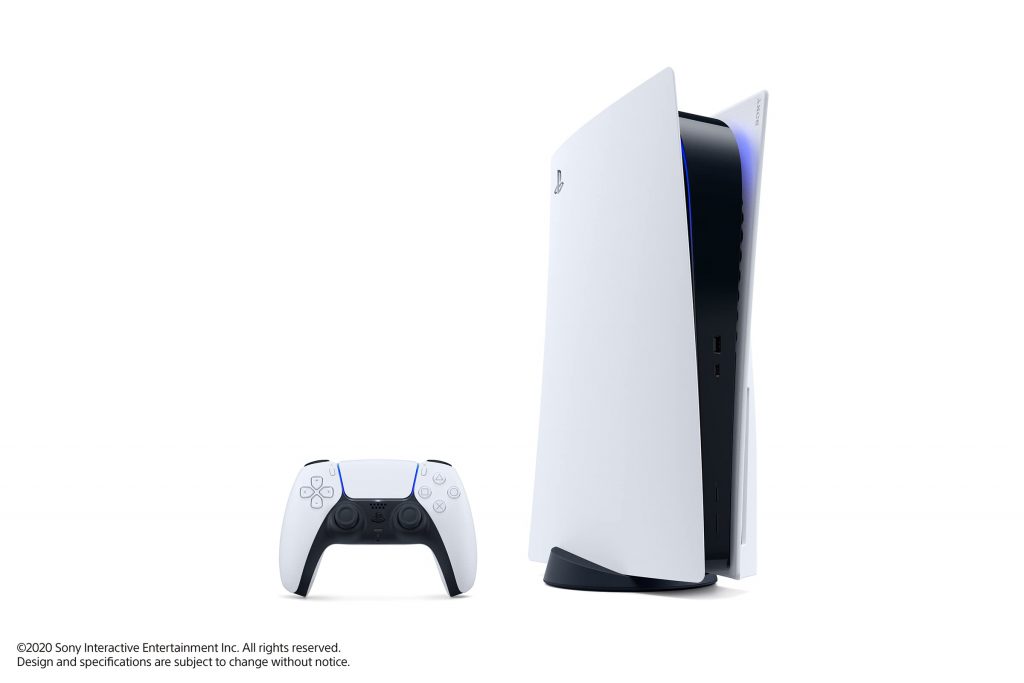
Sony has just revealed its sales figures for its popular PlayStation 5 console in the fourth and final quarter of 2022. This period is also seen as the holiday season or holiday quarter, and it appears that the company has managed to achieve some robust shipments.
During Q4 2022, the Japanese tech giant sold around 7.1 million units of its PS5s between the months of October to December. This marked a sizeable 82 percent rise year on year when compared to the 3.9 million units sold in 2021. Thanks to this high figure, the company also managed to reach more than 32 million units in sales for the PlayStation 5 since the launch of the current gen gaming console.
The rise in sales is likely due to better inventory thanks to stabilizing supply chains that would enable little to no delay in shipments. Furthermore, its Game & Network Services segment overall saw a jump to 9.7 billion US Dollars last year, marking a year on year rise of 53 percent. So now, Sony has sold over 32.1 million PS5s compared to the 25 million shipped by November 2022. In other words, this also means that the brand has sold around 28 percent of all PS5s in just this single quarter alone.
If the company manages to ship around another 5.2 million units of the PlayStation 5 console, it can end its fiscal year with a total of 37 million shipments. This could mark a significant boost in sales compared to last year. Such high sales figures initially seemed like optimistic numbers considering the various sourcing issues like component shortages and rising cost of raw materials. But with this trend, Sony might be able to achieve this goal as well.
Huawei has just announced a new project, in which it employs its expertise in telecommunications. The company is installing 5G networking gear on fishing boats to improve connectivity for people working in the sea. So here are all the details.
The Chinese tech giant worked with China Unicom for the ‘Digital Fishing Boat’ project, which also won the 2023 GSMA ‘5G Productivity Challenge Award’. Both companies worked together since Huawei required China Unicom’s private 5G network and product systems. Although, the brand jointly developed the 5G tech for the system on the fishing boats. Thanks to 5G, the people at sea gain access to cloud computing, IoT (Internet of Things) Beidou positioning technology, and improved connectivity.
This would enable the fishing boats to monitor the dynamic weather at sea. The boats will come with the 5G MetaAAU ultra large scale antenna array that offers various advantage from its large bandwidth of the 3.5G frequency band. Furthermore, this can also maintain a stable 60Mbps download speeds and 2Mbps upload speeds within the range of 61 kilometers in the sea.
These new Digital Fishing Boats would also allow fishermen to also keep up to date by watching the news, get up to date weather information, and even make high definition video calls to their families. Although one of its highlighting aspects is the ability to let fishermen call for help through a one click app to get emergency assistance while in the waters.
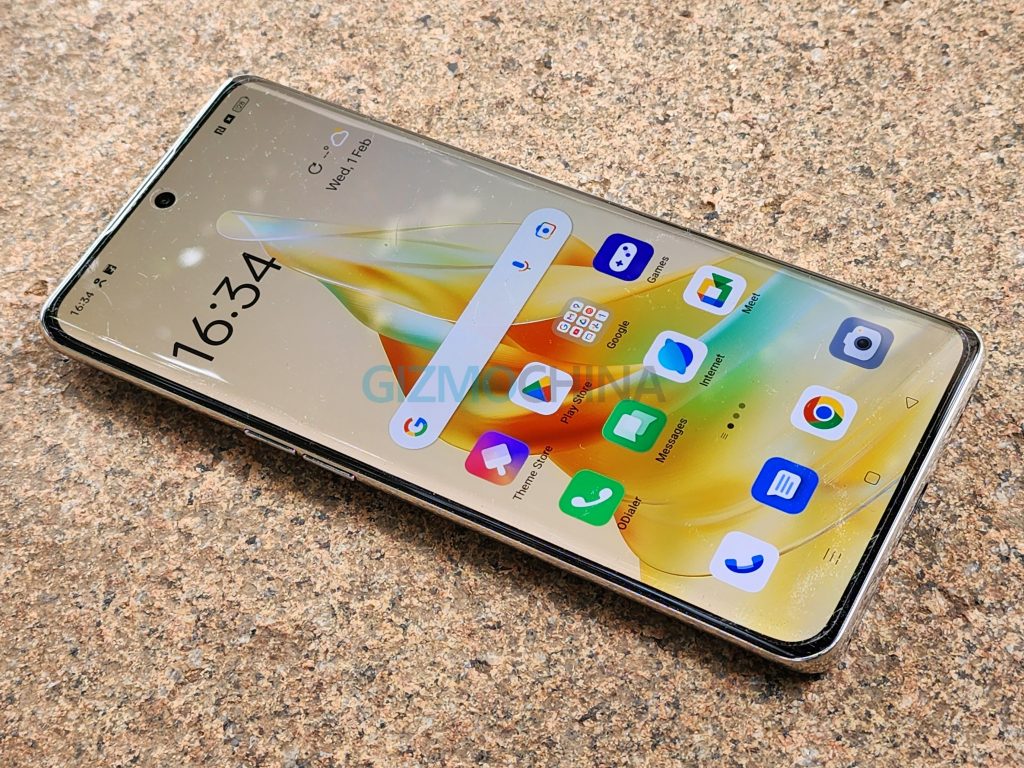
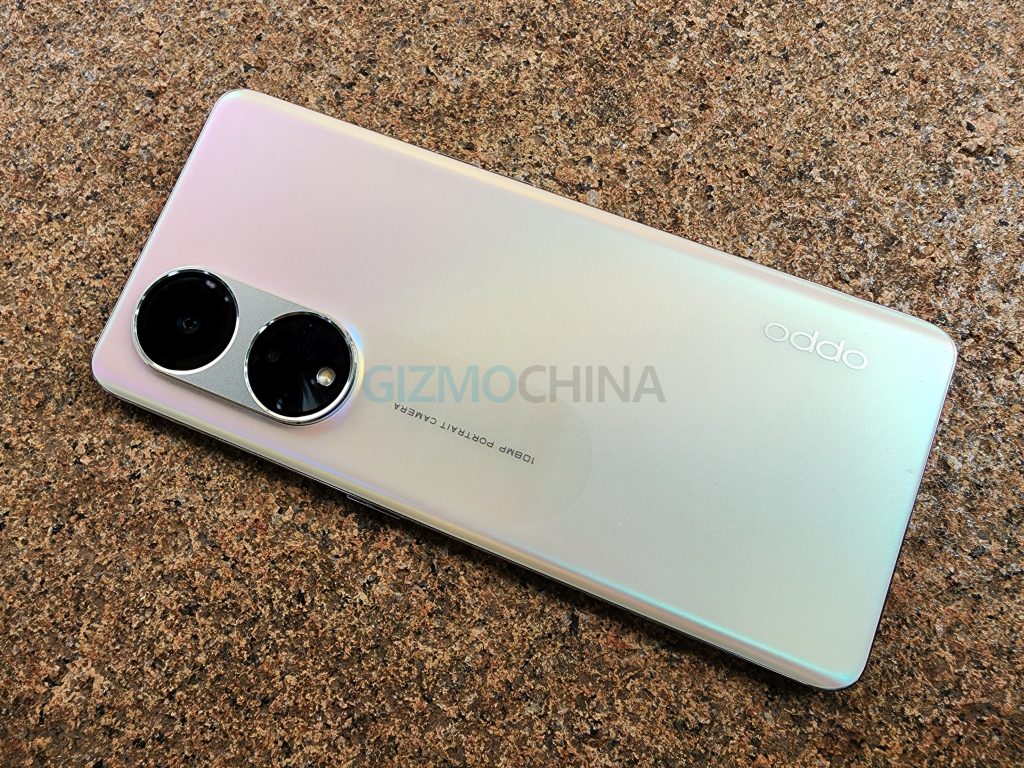
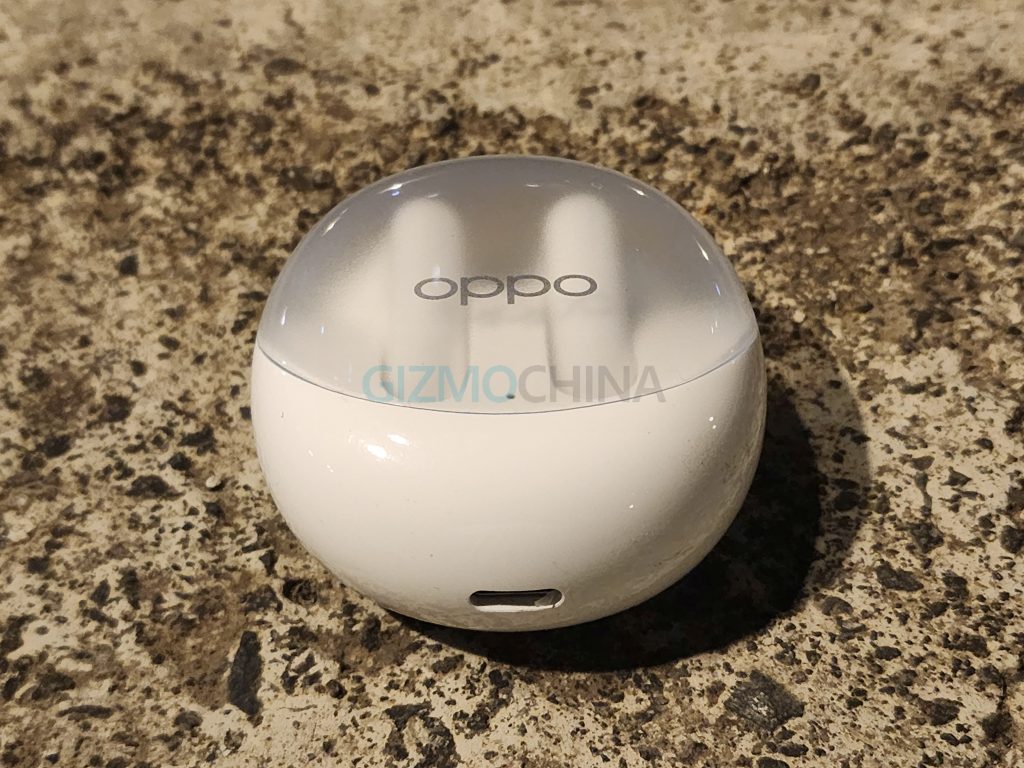
The Reno 8T 5G is the latest Reno-series phone to launch in India. Apart from launching the 8T today, Oppo also announced the Enco Air 3 TWS earbuds. I will be reviewing both products in the coming week. Before I release the review, here is my first impressions post on the Reno 8T 5G and Enco Air 3.
Oppo Reno 8T 5G
The Reno 8T 5G is available in 128 GB and 256 GB variants in other markets. In India, however, the device is only available with 8 GB of RAM and 128 GB of storage. It is priced at Rs 29,999 (~$366). Readers can checkout our launch story to learn more about the bank offers that are available for online and offline buyers in India.
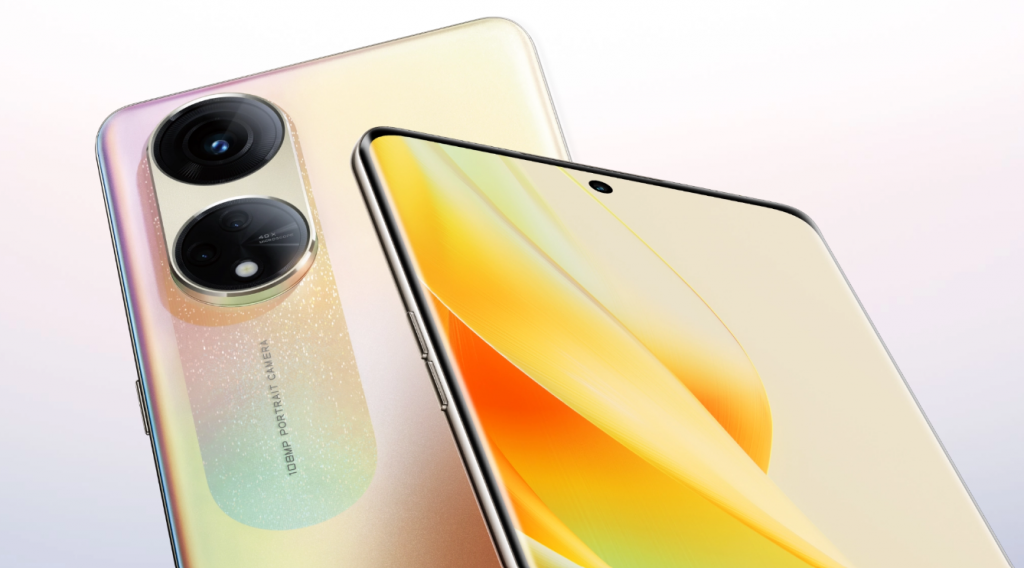
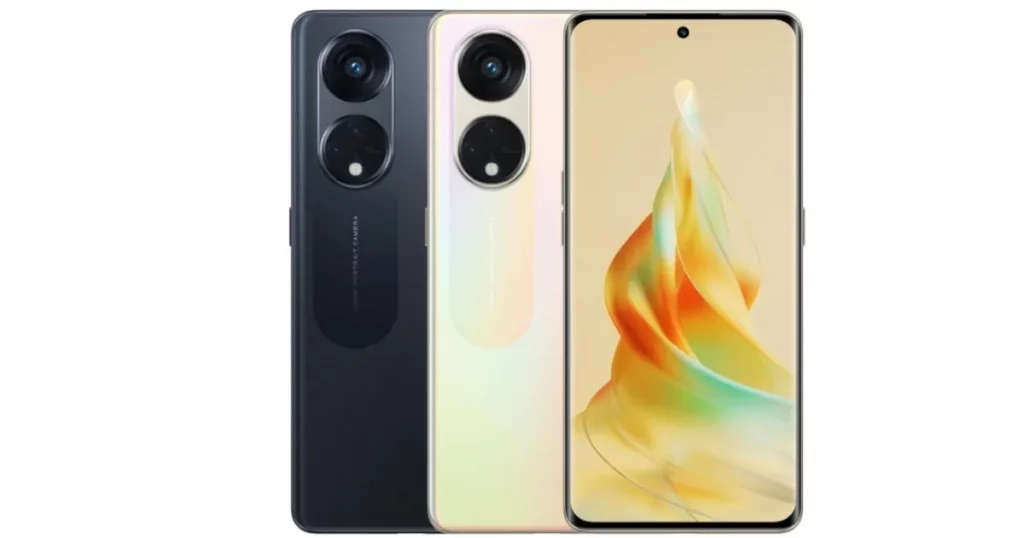
The Reno 8T 5G looks very impressive from the front as well as the back. It has a premium feel as the display and the back panel of the phone taper towards the edges. The top and bottom bezels (2.32mm chin) are slim and appear symmetrical, and the polycarbonate back panel shows off different colours when viewed from different angles.
OPPO Reno 8T 5G
The 8T has a thickness of 7.7mm and weighs only 171 grams, which makes it a few grams lighter than the Reno 8 5G, which weighs 179 grams. While I received the Sunrise Gold variant, the 8T also comes in Midnight Black. Like the other Reno 8 5G and Reno 8 Pro 5G, the Reno 8T does not have an IP rating.
The Reno 8T 5G has a flagship-level 6.7-inch AMOLED screen, which produces an FHD+ resolution, up to a 120Hz refresh rate, and 10-bit colors. It offers a screen-to-body ratio of 93 percent. One of the drawbacks of the Reno 5G (review) was that it had a single speaker. The Reno 8T 5G is blessed with dual stereo speakers.
OPPO Reno 8T 5G
Under the hood, the Reno 8T 5G features the Snapdragon 695, a reliable chip for mid-range performance. It has LPDDR4x RAM, UFS 2.2 storage, up to 8GB of virtual RAM, and a 4,800mAh battery. The retail package includes an 80W charger, but the phone supports 67W charging. The company claims a full charge in just 44 minutes.
Cameras are one of the major highlights of the Reno series. For selfies, the Reno 8T inherits the reliable 32-megapixel Sony IMX709 sensor from the Reno 8 and Reno 7 series. It is the first Oppo phone to feature a 108-megapixel Samsung HM6 camera. It is assisted by a 2-megapixel depth sensor and a 2-megapixel microlens with support for 40x magnification. The handset runs on the Android 13 OS with the ColorOS 13 on top. Also, it features a microSD card slot for more storage.
Oppo Enco Air 3 TWS earbuds
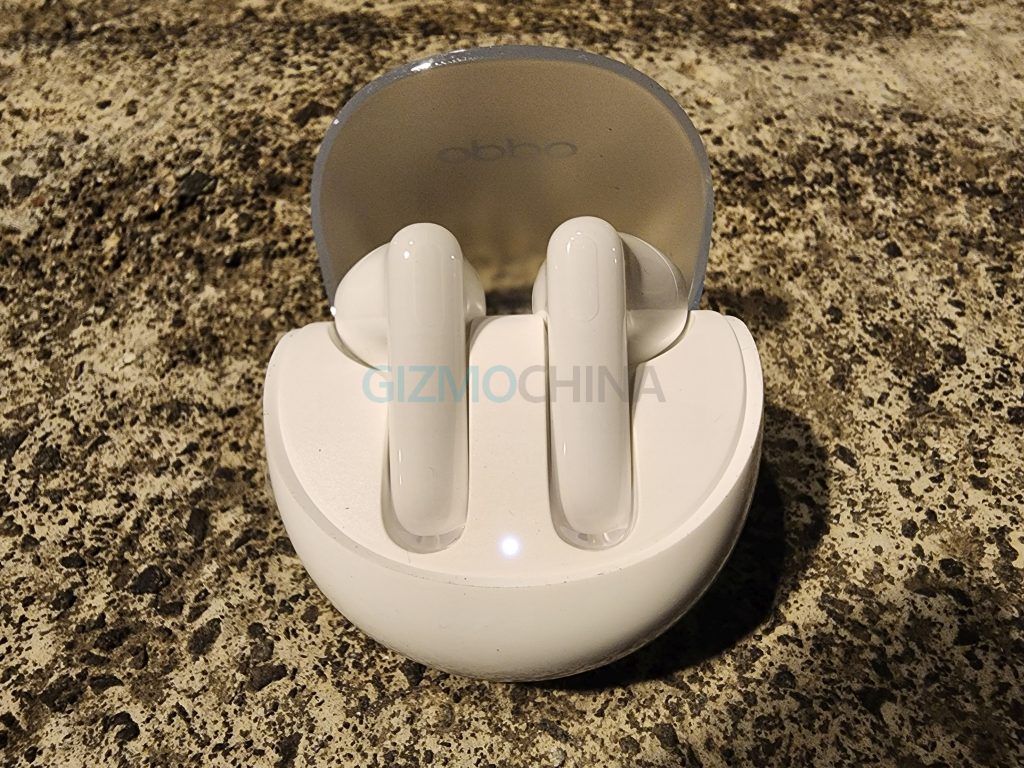
The Enco Air 3 has a distinct dual-tone design and retails for Rs 2,999 ($37). It comes in a “Glaze White” colour only and has a translucent lid. While it looks beautiful, I feel that its lid is a bit delicate. The compact case houses the earbuds, which have a half-in-ear design like the AirPods. Hence, it does not come with silicon ear tips. The charging case has an LED indicator, which glows green when the lid is opened or closed or when the earbuds are taken out or placed in their grooves.
OPPO Enco AIr 3
The earbuds have 13.4mm audio drivers that promise rich bass and clear vocals. For better speech recognition, it has the Cadence HiFi 5 DSP onboard. There is Oppo Alive Audio support for an enhanced surround-sound experience. The usual touch controls are available on the earbuds.
The Enco Air 3 supports the latest Bluetooth 5.3 connectivity. One of the good things about it is that users can pair it with up to two devices simultaneously. However, there is no physical button on the case for Bluetooth pairing. It is not a big problem as it pairs quickly with new devices.
OPPO Enco AIr 3
There is a gaming mode that offers 47ms low latency. Oppo claims that the Enco Air 3 offers up to 25 hours of playback time with the charging case. A USB-C port is available for charging. Lastly, the device weighs only 50 grams.
The Reno 8T 5G is an enticing package that offers an attractive design, an impressive display, a smooth experience, and decent cameras. The 8T faces other similarly priced devices, such as the OnePlus Nord 2T 5G, Redmi Note 12 Pro+, Nothing Phone (1), and iQOO 9 SE.
I will be thoroughly testing the Reno 8T 5G and Enco Air 3 over the following few days to evaluate their performance and claims. The Reno 8T review will arrive in the coming week, while the Air 3’s review will be up a bit later. Meanwhile, those who are interested can head to Oppo India’s website, Flipkart, or offline stores in India to pre-order them. Both devices are scheduled to go on sale starting Feb. 10.
If you wish to know anything these products, you can drop in your questions in the comments section.
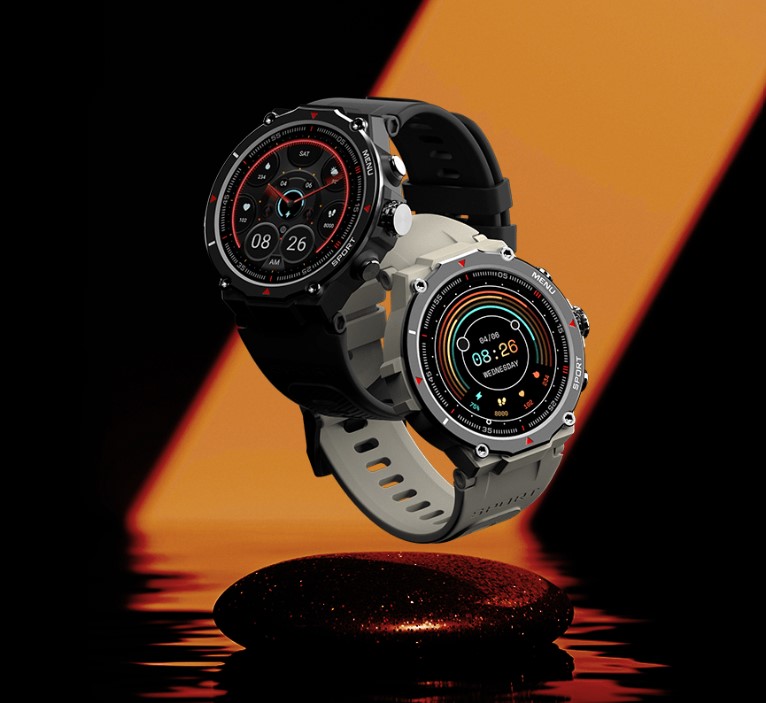
Noise had just recently announced a new rugged smartwatch for the Indian market. Now, the NoiseFit Force has finally gone on sale in the region. So here are all the details regarding the new wearable product.
The NoiseFit Force arrives with a circular display that has a 1.32 inch IPS panel that has a 360 x 360 pixel resolution. The company is also offering 150 customizable watch faces. It also comes with two physical buttons on the right side and a fully functioning rotating crown. Bring a rugged smartwatch, it also comes with water, dust, and scratch resistance along with a sporty look. The body is built with a combination of zinc alloy and polycarbonate.
The device also comes with various health related sensors like heart rate tracking, SpO2 blood oxygen mapping, sleep tracking, step counter, and more. It also comes with support for multiple sports related modes as well like running, cycling, cricket, hockey, trekking, and more. One of the device’s highlighting functions include Bluetooth Calling, which allows users to manage and receive phone calls directly from the smartwatch.
Other notable features include, 7 day battery life, IP67 water resistance, voice assistant support, and more. It also arrives in multiple color options, namely Teal Green, Misty Grey, and Lunar Black colors. The NoiseFit Force is currently available for purchase for a special price tag of 2,999 INR from the company’s official website and Amazon India website.
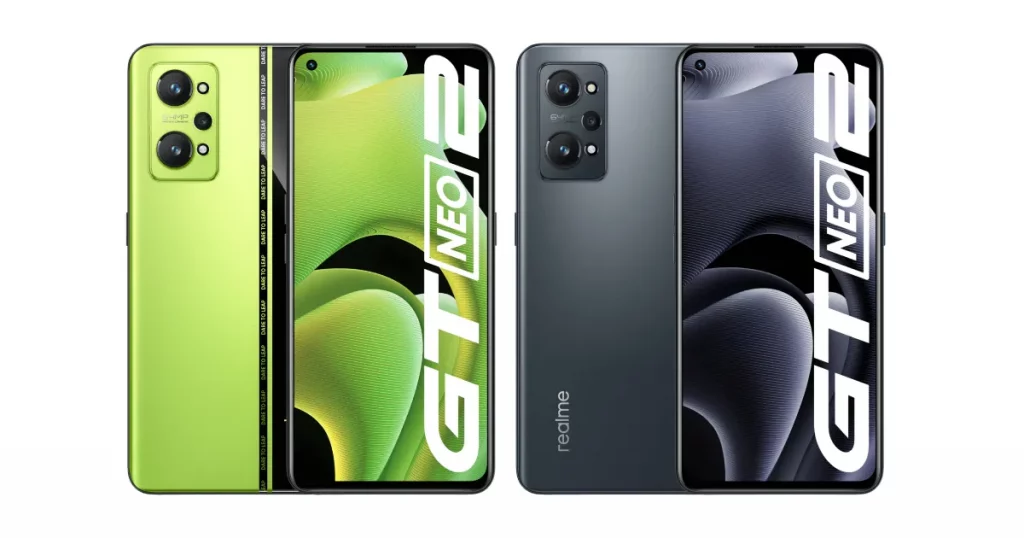
Realme has already updated a sizable number of its smartphones with stable Android 13-based Realme UI 4.0 and many devices are on the beta build as well. The latest handset to get the software treat is the Realme GT Neo2, which was announced back in 2021. The update is currently being seeded in China but could extend to other regions soon. Here are the details.
Late in December 2022, Realme started the open beta program for GT Neo2 in the global market, allowing users to get an early taste of the Realme UI 4.0 ahead of the stable release. Now, after more than a month of beta testing, the company has started rolling out the final build of the Android 13 update. As mentioned, the rollout is currently limited to the Chinese market.
Realme UI 4.0 brings several new changes with itself. It adds a new aquatic theme and more vibrant colors to enhance the overall user experience. It promises seamless connectivity with multiple devices and improved security and privacy. The performance and gaming experience have also been optimized.
To recall, Realme GT Neo2 debuted in 2021 and is expected to receive only two major OS updates. It came running Android 11 out of the box and has already received the Android 12 update, so Android 13 is probably its last big update. It will continue to receive security updates.
The GT Neo2 packs a 6.62 inches AMOLED display with a 120Hz refresh rate. Under the hood, there’s a Qualcomm Snapdragon 870 SoC, paired with up to 12GB of RAM and 256GB of onboard storage. The smartphone gets a triple camera setup on the back, headlined by a 64 MP primary sensor.
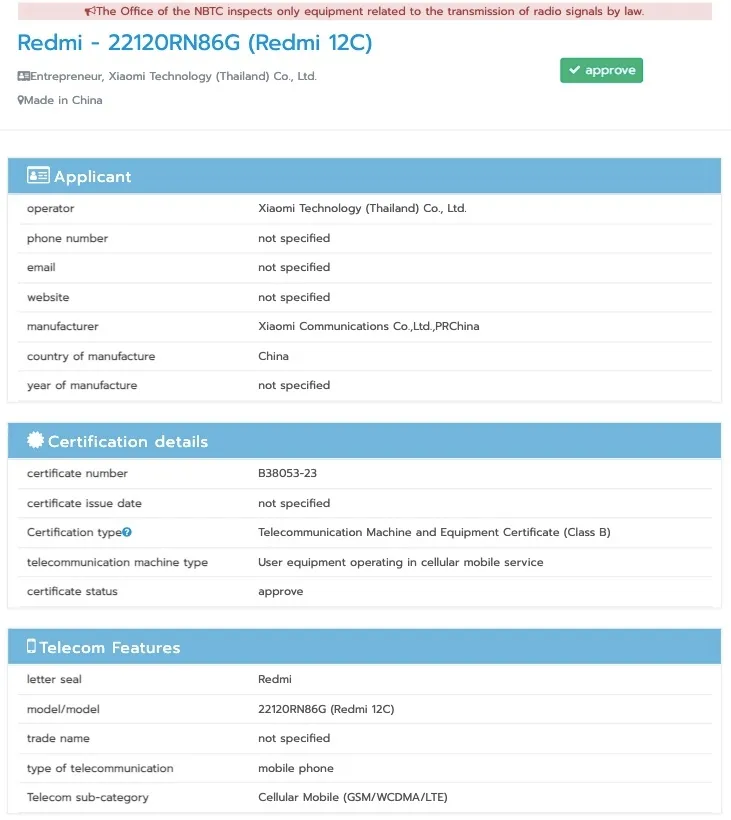
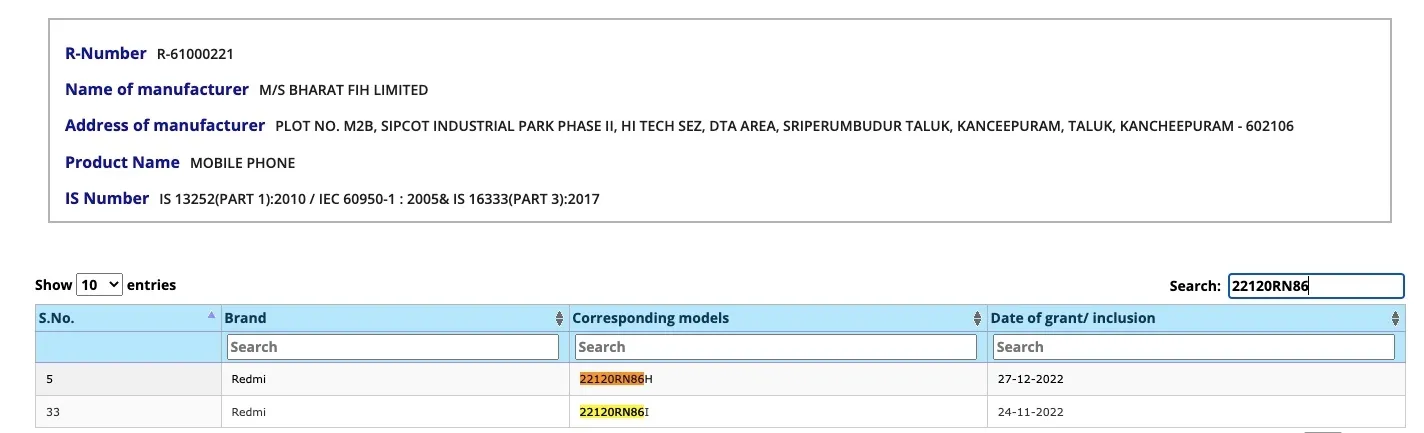
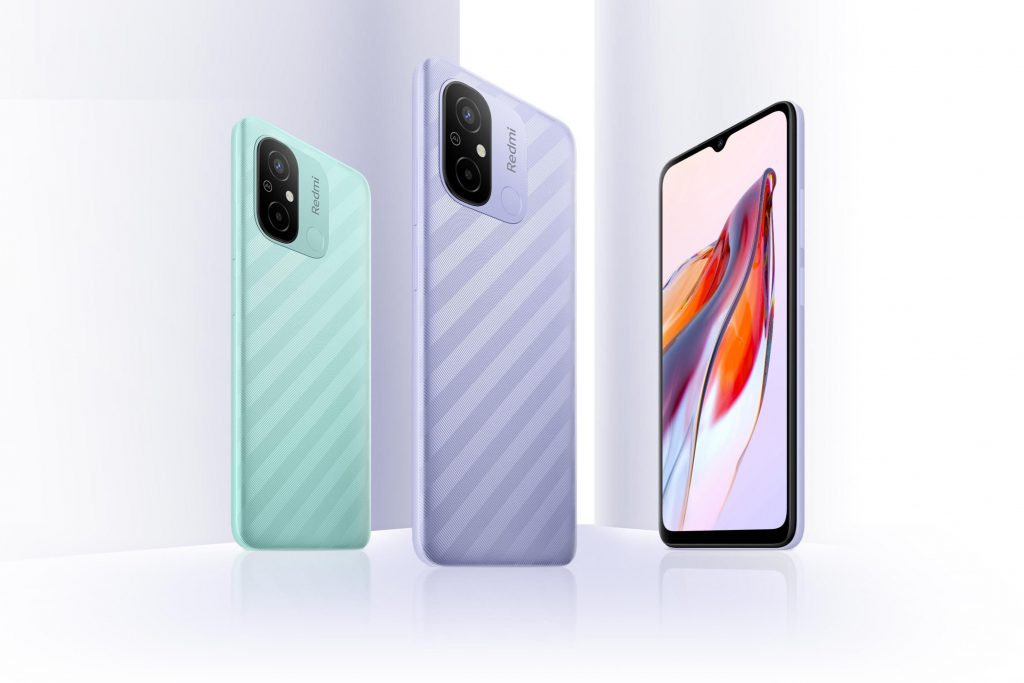
A couple of months back, Redmi debuted the affordable Redmi 12C smartphone in China. Now, there are rumors that the device might soon launch for the global market. Ahead of any official announcements, the smartphone has appeared on BIS & NBTC certification websites.
Redmi 12C NBTCRedmi 12C BIS
Starting with the NBTC listing, the certification shows the Redmi 12C model number, which is 22120RN86G, and its name, with no additional information provided. The Redmi device with model number 22120RN86G has also been spotted on the BIS website. However, the BIS listing does not provide any information about the device’s specifications or features. Let’s recall the specification of the Redmi 12C Chinese variant to get an idea of what to expect from the global model.
Redmi 12C specs
The Redmi 12C features a 6.71-inch LCD display with HD+ resolution (1650 x 720 pixels) and a dewdrop notch, offering 500 nits brightness. It is powered by a MediaTek Helio G85 SoC and comes with LPDDR4x RAM and eMMC 5.1 storage. The device runs on an optimized version of MIUI 13, likely based on Android 13.
In terms of cameras, the Redmi 12C has a dual camera setup on the back including a 50MP primary sensor and a depth sensor, and a 5MP front-facing camera. The phone supports dual SIM, dual-band WiFi, Bluetooth 5.1, and GNSS. Additionally, it has a 3.5mm headphone jack, a dedicated MicroSD card slot, a rear-mounted fingerprint sensor, and a MicroUSB port.
The Redmi 12C is equipped with a 5,000mAh battery and supports 10W standard charging. However, since the software is optimized for low-level hardware, some MIUI 13 features may not be available.
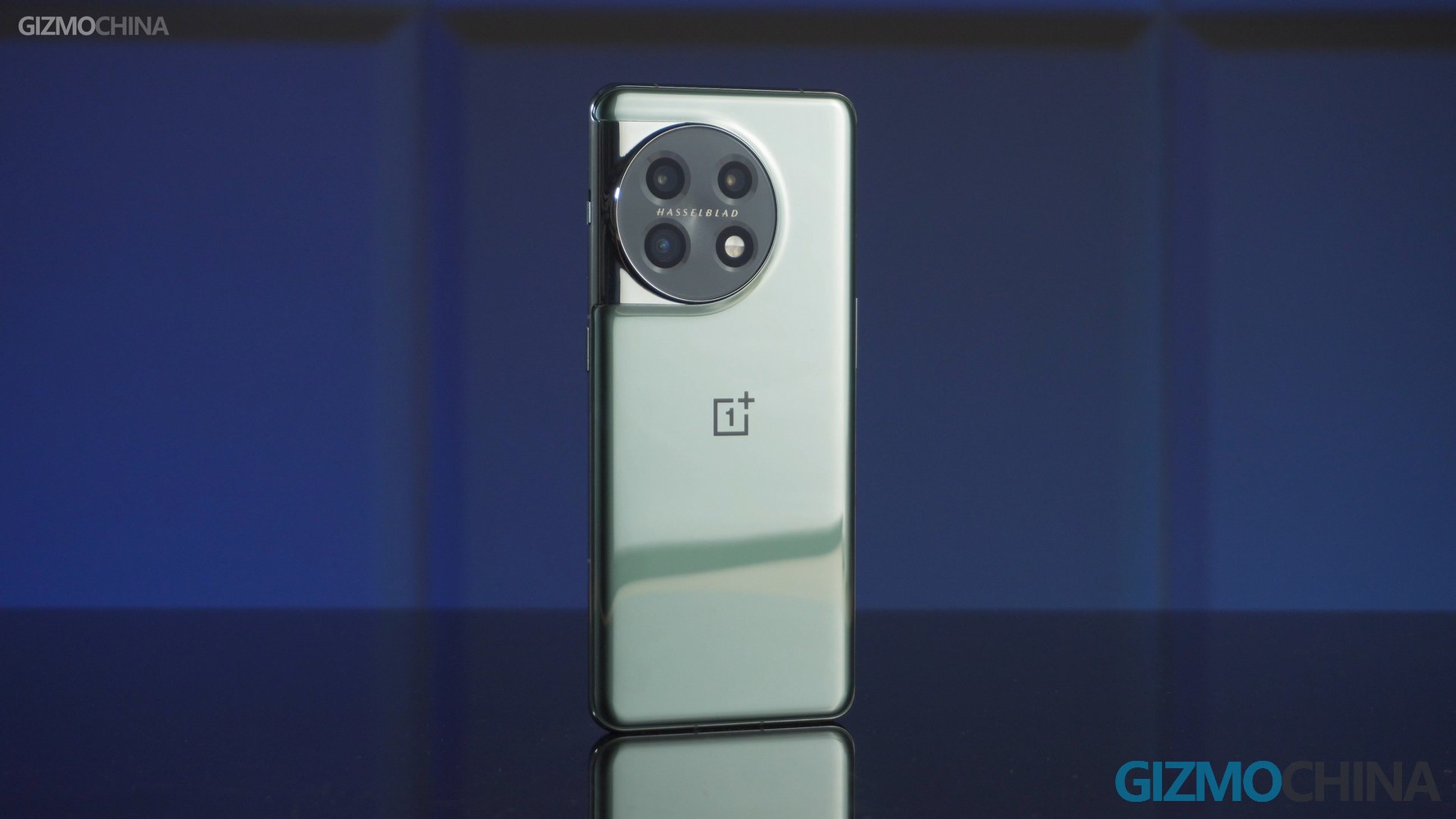
OnePlus has just officially confirmed that its next gen flagship smartphone, the OnePlus 11, will arrive with support for 4 years of major Android updates. This makes the device the first ever handset from the company get this extended software support. So here are all the details.
We're adding another dimension to Fast and Smooth. The #OnePlus11 is our first flagship supporting 4 years of Android versions and 5 years of security updates.
For those unaware, the Chinese smartphone maker is gearing up to launch its highly anticipated OnePlus 11 phone on February 7, which will run on Android 13 OS based ColorOS 13/OxyegenOS 13 custom skin out of the box. But earlier today (3rd February 2023), the brand’s CEO Pete Lau has revealed that the OnePlus 11 5G model will get the highest number of software updates that it has ever offered on any smartphone.
The latest premium grade handset will come with four major Android updates. In other words, we can expect OnePlus 11 users to get the Android 14, Android 15, Android 15, and even the Android 17 OS update in the next few years. Furthermore, the phone will also come with five years of security patches as well. This means that OnePlus is now also offering longer software support for its devices, joining the ranks of other brands that offer similar experiences on their flagship phones like Samsung.
Similarly, even Apple offers such a long update cycle as well. Although, Google still falls behind Samsung with just 3 years of Android updates. It is unclear if this extended software support would also include any other handsets, or if it is only restricted to its flagship grade models.
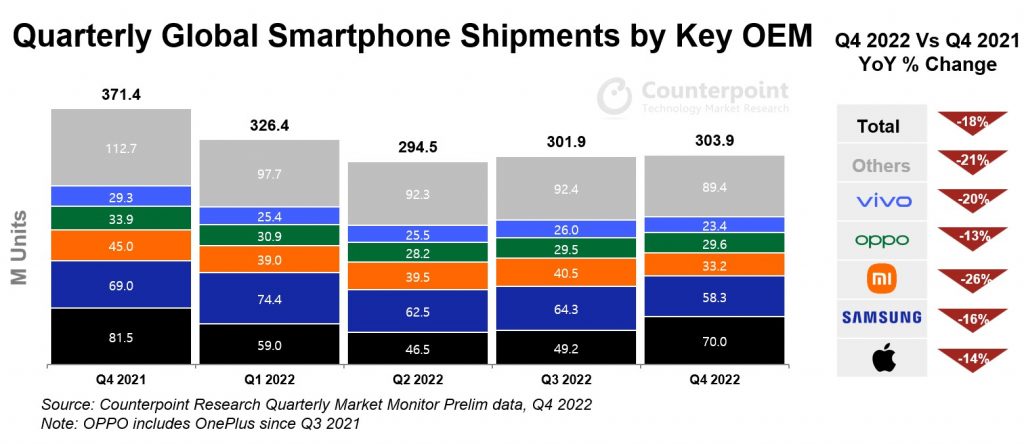
The Q4 2022 smartphone market faced a sharp decline, with shipments dropping 18% YoY (Year on Year) to the lowest level since 2013, despite a 1% QoQ (Quarter to Quarter) growth to 303.9 million units. Full-year 2022 shipments also dipped to 1.2 billion units, the lowest number since 2013.
Counterpoint’s Senior Analyst Harmeet Singh Walia noted that various factors such as the war in Ukraine, inflation, economic uncertainty, and macroeconomic challenges weakened consumer sentiment. This, in turn, decreased the frequency of smartphone purchases, leading to double-digit decreases in shipments for the top smartphone manufacturers, impacted by the cost-of-living crisis, labor market shortage, and declining consumer purchasing power. Consequently, smartphone revenue and operating profit saw a dip, although not as severe as the decline in shipments. In 2022, Apple sold a total of 224.7 million units, with Q4 being the biggest quarter for the company. However, Samsung sold a total of 259.5 million units, still remaining at the top for yearly smartphone shipments globally.
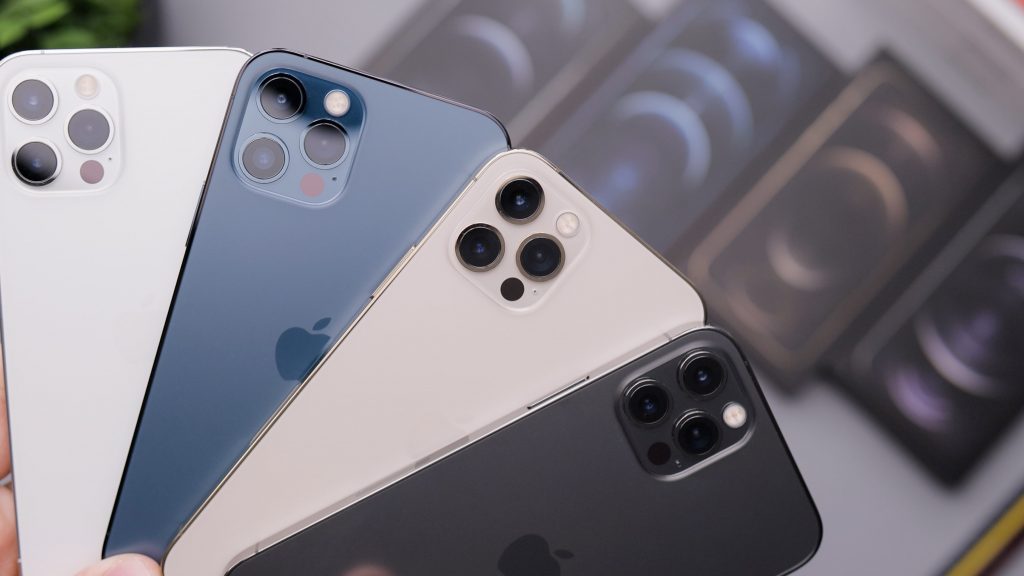
According to Counterpoint’s Market Monitor service, the overall average selling price rose 5% YoY in 2022 due to an increased mix of premium phone offerings from major OEMs. While there was a 9% decrease in revenue, annual smartphone revenues reached $409 billion, the lowest since 2017. Apple was only one of the top five smartphone OEMs to see growth. Research Director Jeff Fieldhack praised Apple’s performance, since the company outperformed a struggling market in terms of shipment, revenue, and operating profit growth. In 2022, Apple achieved its highest-ever shares of 18%, 48%, and 85% in these metrics, respectively. This was attributed to the proficient management of production issues and strong iPhone Pro series sales.
Additionally, premium devices, favored by well-informed smartphone users, saw less impact from economic and geopolitical uncertainties. Research Director Tarun Pathak also highlighted the premiumization trend driven by Samsung with its foldable smartphones. Samsung was the only top five OEM besides Apple to see a 1% growth in revenue, despite a 5% shipment decline and 1% operating profit decrease, in 2022. Samsung outperformed market projections, resulting in a slight increase in its operating profit share to 12% in 2022.
Chinese smartphone giants, including Xiaomi, OPPO, and Vivo, faced significant challenges due to domestic lockdowns and global economic and geopolitical difficulties, resulting in more than 20% decline in shipments and double-digit declines in revenue and operating profit. They have yet to make a significant impact in the premium market.
The market is expected to remain under pressure in the first half of 2023 before recovery sets in and market trends start stabilizing.
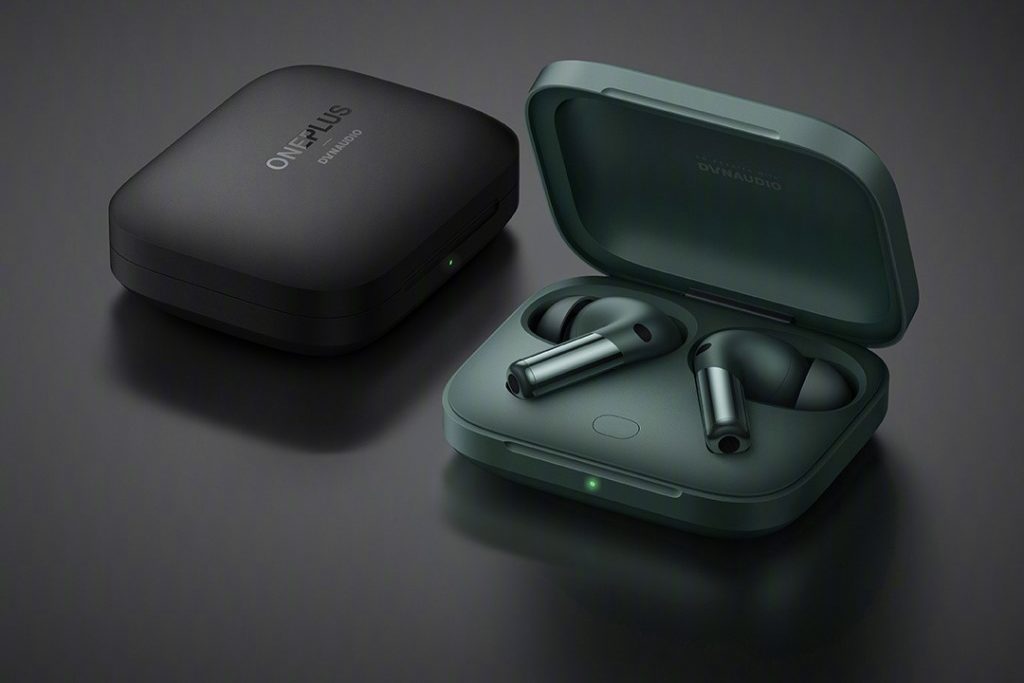
OnePlus Buds Pro 2 will be launching alongside the OnePlus 11 and OnePlus 11R globally on February 7. Ahead of the launch, many details about the OnePlus Buds Pro 2 have already surfaced like its price in Europe. Now, OnePlus Buds Pro 2 global variant has appeared on FCC with its battery and wireless charging details.
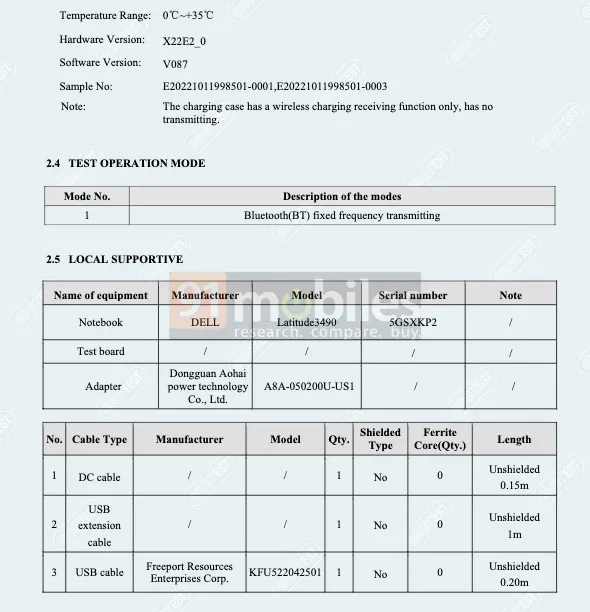
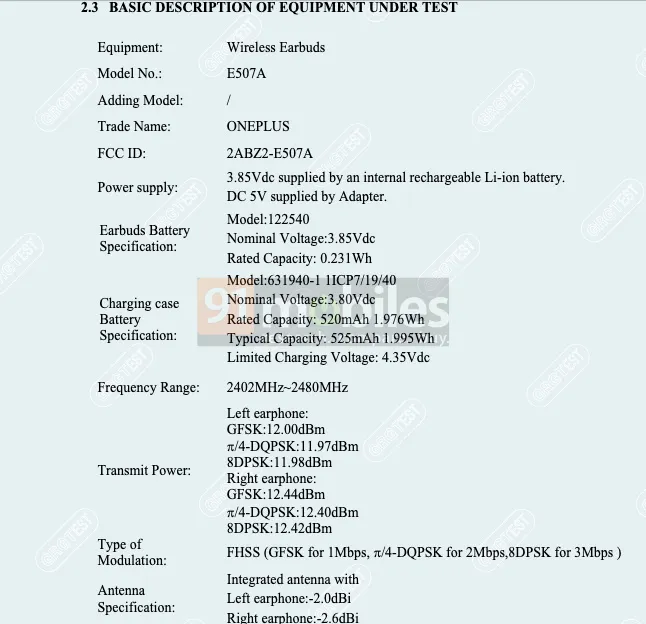
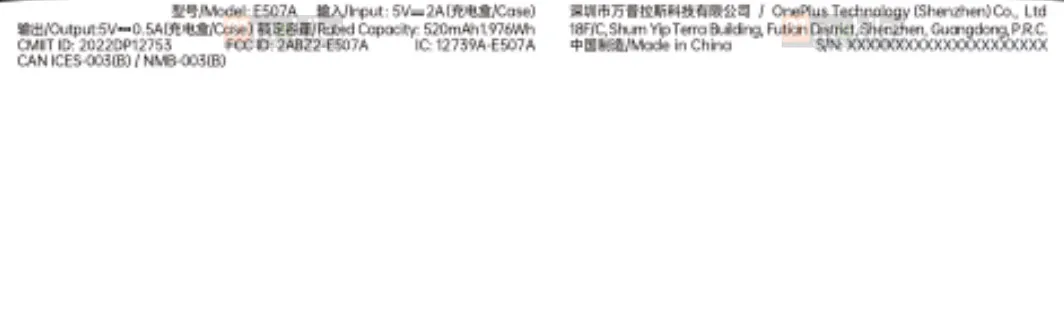
The FCC listing (via 91mobiles) reveals that the earbuds will have 0.231Wh batteries, while the charging case will be equipped with a 520mAh rated capacity lithium-ion battery pack. However, the actual battery capacity in the case is slightly larger, with a typical capacity of 525mAh, which is presumably to counteract battery degradation for long-term use.
The listing also confirms that the charging case will support wireless charging. The device’s frequency range is stated to be 2,402MHz to 2,480 MHz and will operate within temperatures of 0°C to 35°C. Other than that, not much is revealed by the certification listing, however, we already know all there is to know about the earbuds as OnePlus has already launched them in China.
OnePlus Buds Pro 2 specs
Design-wise, the OnePlus Buds Pro 2 is similar to its predecessor, however, it comes with Dynaudio tuning this time around. The wireless earbuds feature dual drivers. They measure 11mm and 6mm in size. The buds use Bluetooth 5.2 to connect with devices. They offer a ‘dual connection’ feature, so they can be connected to two different devices simultaneously.
Just like any other premium TWS product, these also come with an intelligent Active Noise Cancellation feature. It uses algorithms to activate ANC (up to 48dB) based on the surrounding environment.
Additionally, the Hi-Res Audio Wireless-certified earbuds support LHDC 5.0 audio codec and 360° spatial audio. They also offer up to 54ms low latency mode for gaming. There’s also support for touch controls, fast pairing with ColorOS devices, and cervical spine health function.
With ANC disabled, the IP55-rated earbuds can last up to 9 hours on a full charge. With the charging case, users can get up to 39 hours of playback time. With ANC enabled, these numbers drop to 6 hours and 25 hours.
Oppo has just launched the highly anticipated Reno 8T smartphone model in India. Alongside this new handset, the company also unveiled its new Enco Air 3 truly wireless earbuds. So let’s have a look at the brand’s latest budget hearable product.
The Chinese tech giant’s latest earbuds feature a design that is similar to its predecessor, although with some slight updates. Its lid is larger than the previous entries in the series, but still keeps its iconic transparent lid on the charging case and semi in ear design for the earbuds. The latest earbuds comes with large 13.4mm audio drivers and even houses the new Cadence HiFi5 DSP (Digital Signal Processor) that promises to offer clearer speech during voice based interactions like calls.
The new Enco Air 3 also comes with support for the Oppo Live Audio for movie theater class surround sound for a more immersive listening experience. Furthermore, the company will also offer a low latency mode that has the delay go as low as 47ms, which should benefit mobile gaming fans. It also supports with SBC and AAC codecs. The earbuds runs on Bluetooth version 5.3 and can even be paired with two devices at the same time.
The Oppo Enco Air 3 also comes with supports for up to 25 hours of battery life, with just 10 minutes of charging offering an impressive 2 hours of audio playback. Other notable features include, touch controls, Google Fast Pair support, IP54 water and sweat resistance, DNN noise cancellation for calls, and more. The Enco Air 3 retails for around 2,999 INR (roughly 36 US Dollars) with sales starting on 10th February 2022 through Flipkart, Amazon India, and the official company store as well as offline stores as well.
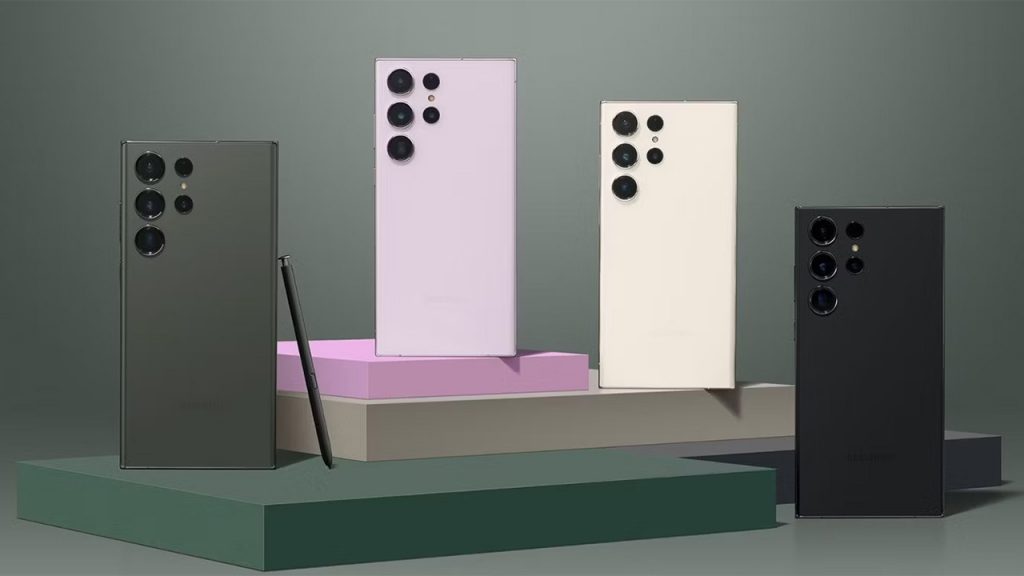
Samsung Electronics is brimming with optimism for the sales of the Galaxy S23 series this year, projecting a growth of at least 10% compared to the previous year. This is a testament to the robust features of the device, such as its 200-megapixel camera and higher processor speed. In a recent development, Qualcomm and Google formed a strategic alliance for Extended Reality (XR). They plan to collaborate with Samsung to introduce new services starting with the launch of the Galaxy S23. The South Korean tech giant is keen on continuously improving its technology and innovating in order to meet consumer demands.
At a press conference in San Francisco, the President of Samsung Electronics’ MX division, Roh Tae-moon, announced that the combined global sales of the Galaxy S series and foldable series are expected to see double-digit growth this year. The CEO noted that early feedback from global customers has been very positive, with the largest US mobile carrier, Verizon, forecasting higher sales compared to last year.
According to market research, the 11-month cumulative sales of the previous Galaxy S22 series stand at 23.79 million units, suggesting that Samsung Electronics is targeting a sales range between 26 million and 30 million units with the Galaxy S23. President Roh further stated that it’s too early to confirm specific sales targets, as they could change drastically based on market conditions.
Samsung Electronics is extremely confident about the Galaxy S23 Ultra, the showrunner of the Galaxy S23 lineup this year. President Roh forecasts that the Galaxy S23 Ultra will account for over 50% of total sales. He also added that the Galaxy S22 series, which was launched last year, recorded more than 40% of total sales, despite challenging market conditions such as supply constraints. This year, Samsung Electronics will divert its attention and focus toward boosting sales of its premium segment smartphones. In view of the uncertain global economy and declining consumer sentiment, President Roh predicts an increase in demand for premium products, not just in developed countries but also in developing markets worldwide.
It will be quite interesting to see how Samsung goes up against other premium smartphone manufacturers in 2023, such as Apple.
ChatGPT is the talk of the tech town right now. The AI-powered language processing model is reportedly causing turmoil worldwide, as some companies are even replacing their employees with the new software. Google is another strong contender in Artificial Intelligence. According to CEO Sundar Pichai, Google may be poised to challenge OpenAI‘s ChatGPT by allowing users to “interact directly” with its own advanced language models. This could be a smart move for the company while also taking away the exclusivity of Google’s search platform and eventually impacting Google’s core services, such as Google Assistant.
During a recent earnings call, Pichai discussed Google’s plans to harness the power of AI, referring to the technology as reaching a “tipping point.” He also highlighted the company’s history of contributing to the advancement of AI, including the creation of generative AI applications. One key example of generative AI applications is drug discovery.
Pichai further mentioned that Google has been preparing for this next step since early 2022, and the first model to be released for direct interaction with users will be LaMDA, the company’s conversational AI. Although it is not yet clear how users will engage with LaMDA, Google plans to roll out the model within the next few months, gauging its capabilities over time.
While LaMDA has been demonstrated in limited capacities, this will be the first time it will be made available to a wider audience. With rumors of Microsoft incorporating ChatGPT with Bing Search and Teams, Google may have felt pressure to demonstrate its own AI capabilities.
The tech giant has scheduled an event to showcase how it is harnessing the power of AI to enhance the way people search and interact with information. The event, which will be streamed on YouTube on February 8th, promises to deliver a clearer insight into Google’s plans with AI in the future. Furthermore, the event will possibly highlight the integration of AI with Google’s applications and services.
Pichai emphasized that Google will approach AI with caution, launching features in a controlled manner and scaling up gradually. He expressed confidence in the market’s readiness for these products but acknowledged society’s potential reservations. Nevertheless, the desire to experiment with AI is evident, and Google’s key decision to step into the arena may spell big things for AI in the future.
Apple recently announced its Q1 2023 results, reporting a dip in revenue at $117 billion, a 5% decrease compared to its previous fiscal year’s record-breaking Q1 with $123.95 billion. Despite this setback, the tech giant proudly shared the good news of hitting the 2 billion device milestone, with its installed base growing steadily.
Furthermore, the company’s Services sector reached a new peak with a revenue record of $20.8 billion, surpassing its estimated $19.5 billion. This was achieved in spite of a year with a struggling macroeconomic environment and crucial supply constraints. The sales of iPhones grew total company revenue on a constant currency basis. This achievement was driven by 935 million paid subscriptions, an increase of 150 million from the previous year.
Apple’s CEO, Tim Cook, and CFO, Luca Maestri, credited the growth of the installed base to high customer satisfaction and loyalty, along with a record number of customers switching to Apple from competitors, such as Samsung. The company’s Services sector also saw remarkable growth, setting an all-time revenue record, despite the challenging macroeconomic environment and supply constraints.
Apple’s CFO, Luca Maestri, expressed his delight with the results. He stated that the company generated $34 billion in operating cash flow and returned over $25 billion to shareholders during the quarter while continuing to invest in its long-term plans for growth and expansion.
The sales of premium segment smartphones have been on the rise across various smartphone manufacturers, which makes sense since the majority of Apple’s smartphone lineup belongs to the premium segment itself. It’s worth noting that Apple’s installed base has been growing by 100-150 million new devices per year since 2019, and has doubled from 1 to 2 billion in just seven years, which is a testament to the company’s impressive growth and customer satisfaction.
The Oppo Reno 8T series has been quietly introduced in Vietnam and has now arrived in India, as planned. Targeted at the mid-range market, the Oppo Reno 8T 5G boasts a curved screen, a feature that is becoming increasingly popular in mid-range devices.
Oppo Reno 8T 5G Specifications
The Reno 8T 5G features a 6.57-inch OLED display with a curved design, providing FHD+ resolution (2412×1080), a refresh rate of up to 120Hz, 1.07 billion colors, and a peak brightness of 950nits.
The device is slim and lightweight, measuring 7.7mm in thickness and weighing 171g. The smartphone is powered by a Qualcomm Snapdragon 695 processor and is equipped with 8GB of LPDDR4X RAM and 128 UFS 2.2 storage.
The Reno 8T 5G boasts a triple camera setup on the back, led by a 108MP primary lens. It also includes a 2MP depth sensor and a 2MP microscope lens. The front-facing 32MP selfie camera is placed in a hole-punch cutout. The phone is powered by a 4,800mAh battery that supports fast 67W Supervooc charging. It runs on ColorOS 13 with Android 13 as its operating system.
Oppo Reno 8T 5G price & availability
The Oppo Reno 8T 5G has been launched in India with a single 8GB RAM option and 128GB internal storage, priced at Rs 29,999. It will be available starting February 10 through Flipkart and other retail channels.
As a launch promotion, customers can receive up to 10% instant bank discount with Kotak Bank, HDFC, Yes Bank, and SBI cards on Flipkart. There is also a no-cost EMI option for up to six months when purchased on Flipkart. The device is also eligible for an exchange offer of up to Rs 3,000.
For offline purchases, customers can receive a 10% cashback and no-cost EMI for up to six months through ICICI Bank, SBI Cards, Kotak Mahindra Bank, Yes Bank, IDFC First Bank, One Card, AU Small Finance Bank, and IndusInd Bank. Upgrading to an Oppo phone through Cashify can result in an exchange bonus of up to Rs 2,000 and a Loyalty Bonus of Rs 1,000.
After a long hiatus, we started witnessing multiple smartphone launches in the past couple of weeks. The next week won’t be any different as three brands have scheduled new product releases.
The companies that will be debuting new phones in the next few days are Poco, OnePlus, and Realme. The former two brands will announce their new devices for the global markets, whereas the latter will debut its new handset in its home market China.
Let’s go through these phones that are set to go official soon.
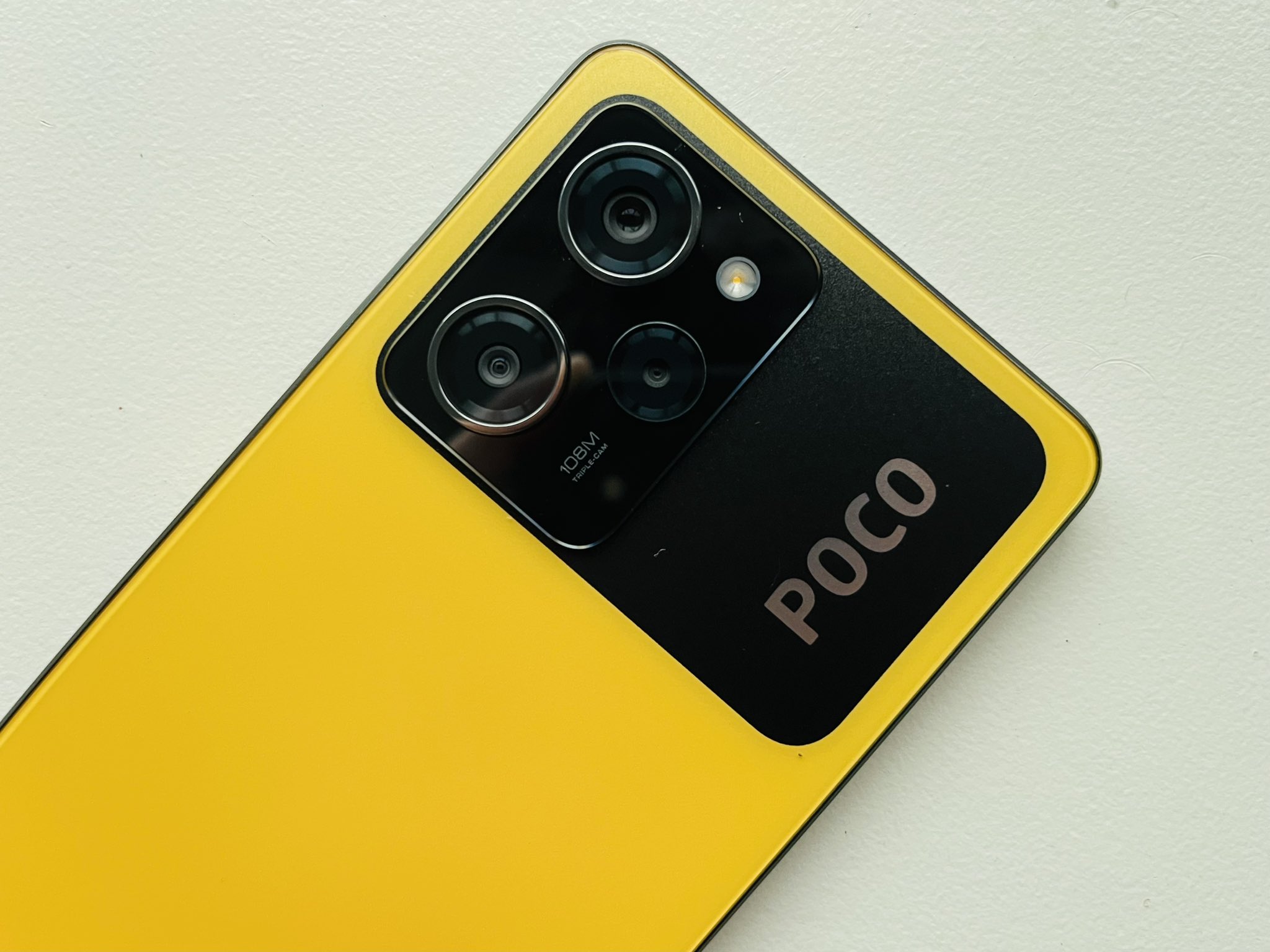
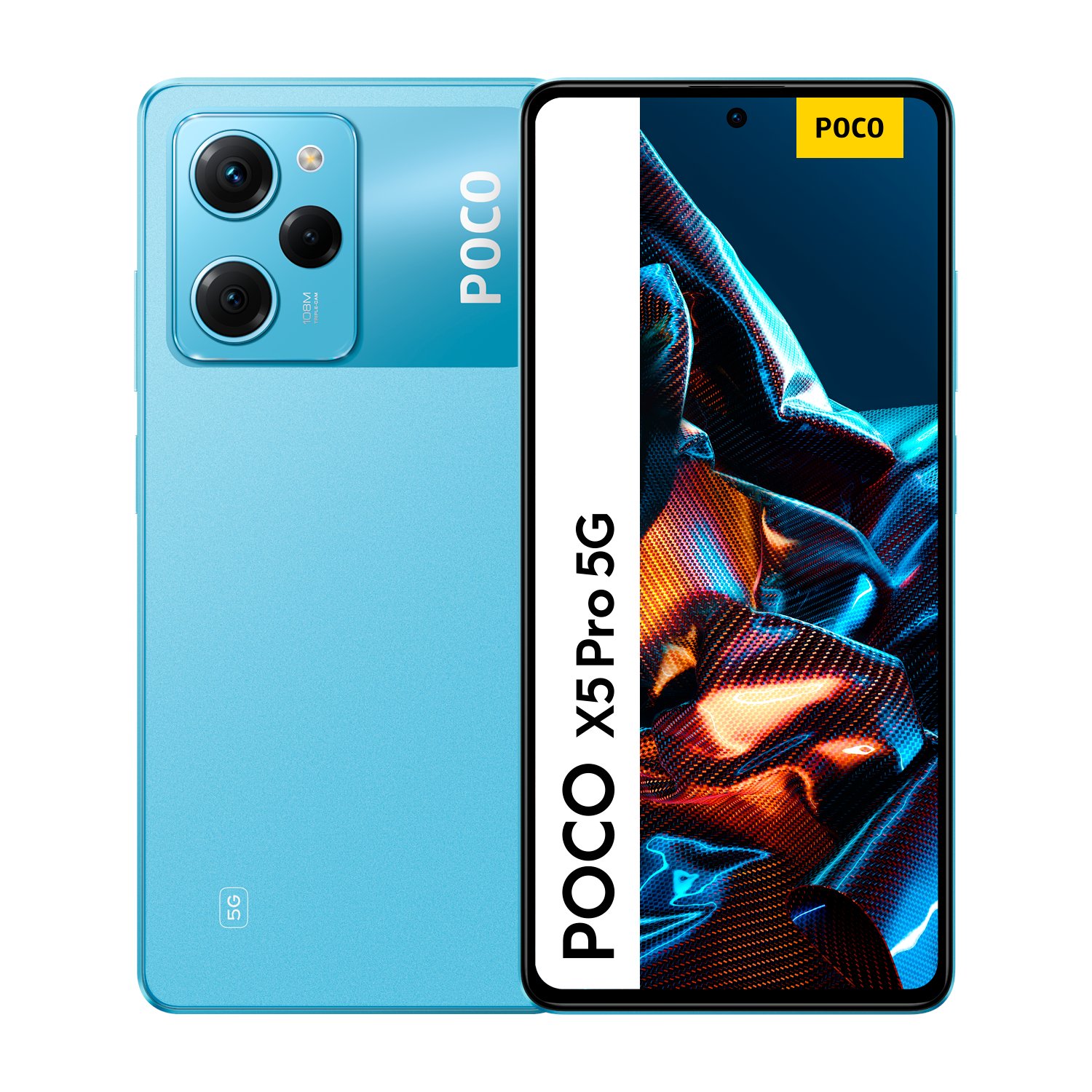
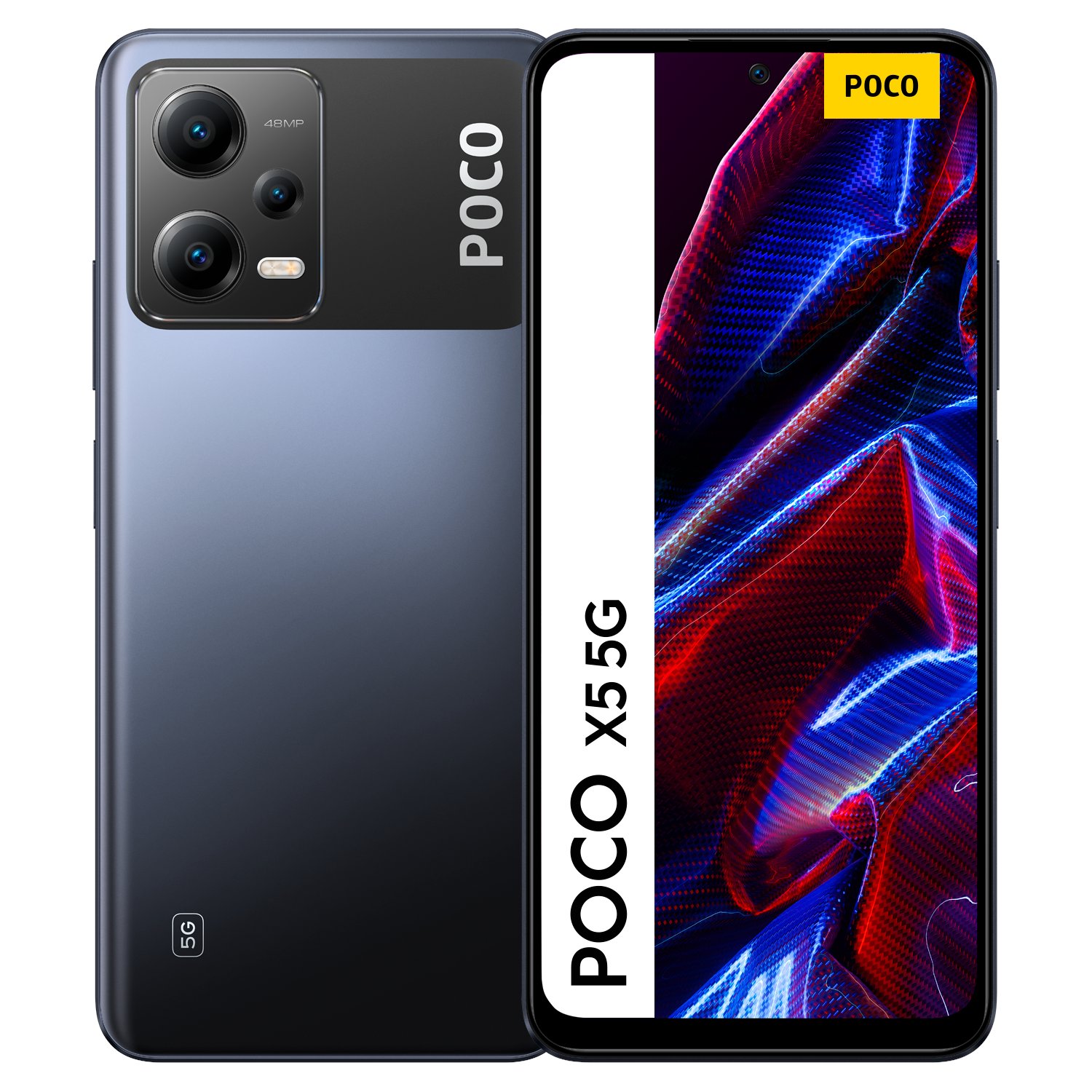
The Poco X5 series is set to launch globally on February 6 (Monday). The lineup will be unveiled in a live stream, which is scheduled to start at 8 PM GMT+8 on YouTube and other platforms.
The series will include two devices, namely Poco X5 and Poco X5 Pro. Both of them are based on the Redmi Note 12 series.
The Poco X5 is a tweaked version of the vanilla Redmi Note 12. On the other hand, the Poco X5 Pro is a rebranded variant of the China-exclusive Redmi Note 12 Pro Speed Edition.
Interestingly, India will be only getting the Pro model. The non-pro model might release later in the region.
2. OnePlus 11 and OnePlus 11R
OnePlus’ first global event of 2023 is scheduled for February 7 (Tuesday) at 7:30 PM IST in New Delhi, India. The brand will announce two handsets, namely OnePlus 11 and OnePlus 11R at this conference.
The former is already official in China. Whereas, the latter is a new product and it will also debut in China on the same day as OnePlus Ace 2.
According to official teasers and leaks, the two smartphones will be accompanied by three other devices. The company is expected to unveil OnePlus Buds Pro 2, OnePlus TV 65 Q2 Pro, and OnePlus Pad.
Just like the OnePlus 11, the OnePlus Buds Pro 2 is on sale in China. However, the remaining two devices are brand-new.
3. Realme GT Neo 5
The Realme GT Neo 5 is planned to launch in China on February 9 (Thursday). The conference will begin at 2 PM GMT+8 and will be live-streamed on Weibo and other leading Chinese video streaming platforms.
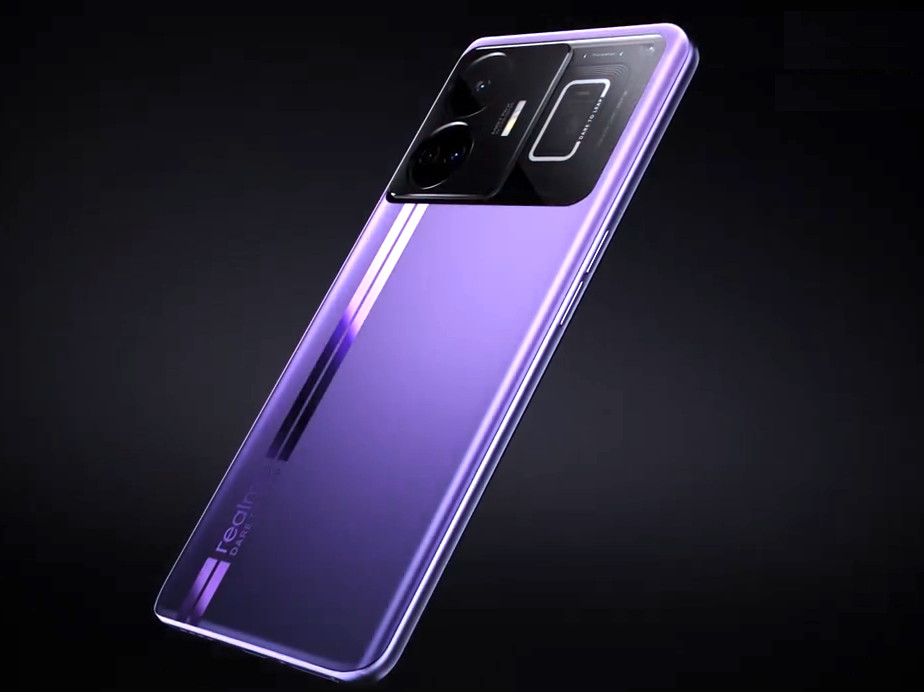
The main highlight of the phone will be its 240W fast wired charging feature. It will also arrive with led lights and an IR blaster.
The handset will come with a 6.74-inch 144Hz OLED display, a Qualcomm Snapdragon 8 Plus Gen 1 chipset, LPDDR5 RAM, UFS 3.1 storage, and a 50MP Sony IMX890 main camera.
Poco will be launching the Poco X5 and Poco X5 Pro smartphones globally on February 6. Ahead of the launch, detailed information on both devices has already leaked. Additionally, the brand has also confirmed some of the specifications like the presence of the Snapdragon 778G chipset on the X5 Pro model.
Now, the European pricing for these devices has leaked via tweets from tipster Sudhanshu Ambhore and SnoopyTech. Both tipsters allege that the Poco X5 will have a starting price of €269 (for the 6GB RAM + 128GB storage model), while the POCO X5 Pro will cost €379 for the 8GB RAM + 256GB storage model.
According to reports so far, the POCO X5 Pro boasts a 6.67-inch AMOLED display with Full HD+ resolution, a fast 120Hz refresh rate, and strong Corning Gorilla Glass 5 protection. The device is powered by the latest Qualcomm Snapdragon 778G processor and supports 67W rapid charging with a 5000mAh battery, offering both speed and longevity. Furthermore, it has an IP68 rating, ensuring durability in rough environments.
The X5 Pro features a powerful 108MP main camera and complements it with an 8MP and 2MP camera, potentially serving as a portrait and ultra-wide lens, respectively. The front-facing 16MP camera is designed for selfies and video calls.
Similarly, the POCO X5 is said to feature a large 6.67-inch AMOLED display, with a fast 120Hz refresh rate and a Full HD+ resolution of 1080 x 2400 pixels, along with Corning Gorilla Glass 2 protection.
Under the hood, it will be powered by a Snapdragon 695 processor and come with 6GB of RAM. The device features a triple-camera setup, including a 48MP primary camera, an 8MP ultra-wide camera, and a 2MP sensor. The front camera will be a 13MP lens. Additionally, the X5 will have an IP54 rating, providing basic protection from dust and water.
We use cookies on our website to give you the most relevant experience by remembering your preferences and repeat visits. By clicking “Accept”, you consent to the use of ALL the cookies.
This website uses cookies to improve your experience while you navigate through the website. Out of these, the cookies that are categorized as necessary are stored on your browser as they are essential for the working of basic functionalities of the website. We also use third-party cookies that help us analyze and understand how you use this website. These cookies will be stored in your browser only with your consent. You also have the option to opt-out of these cookies. But opting out of some of these cookies may affect your browsing experience.
Necessary cookies are absolutely essential for the website to function properly. This category only includes cookies that ensures basic functionalities and security features of the website. These cookies do not store any personal information.
Any cookies that may not be particularly necessary for the website to function and is used specifically to collect user personal data via analytics, ads, other embedded contents are termed as non-necessary cookies. It is mandatory to procure user consent prior to running these cookies on your website.